
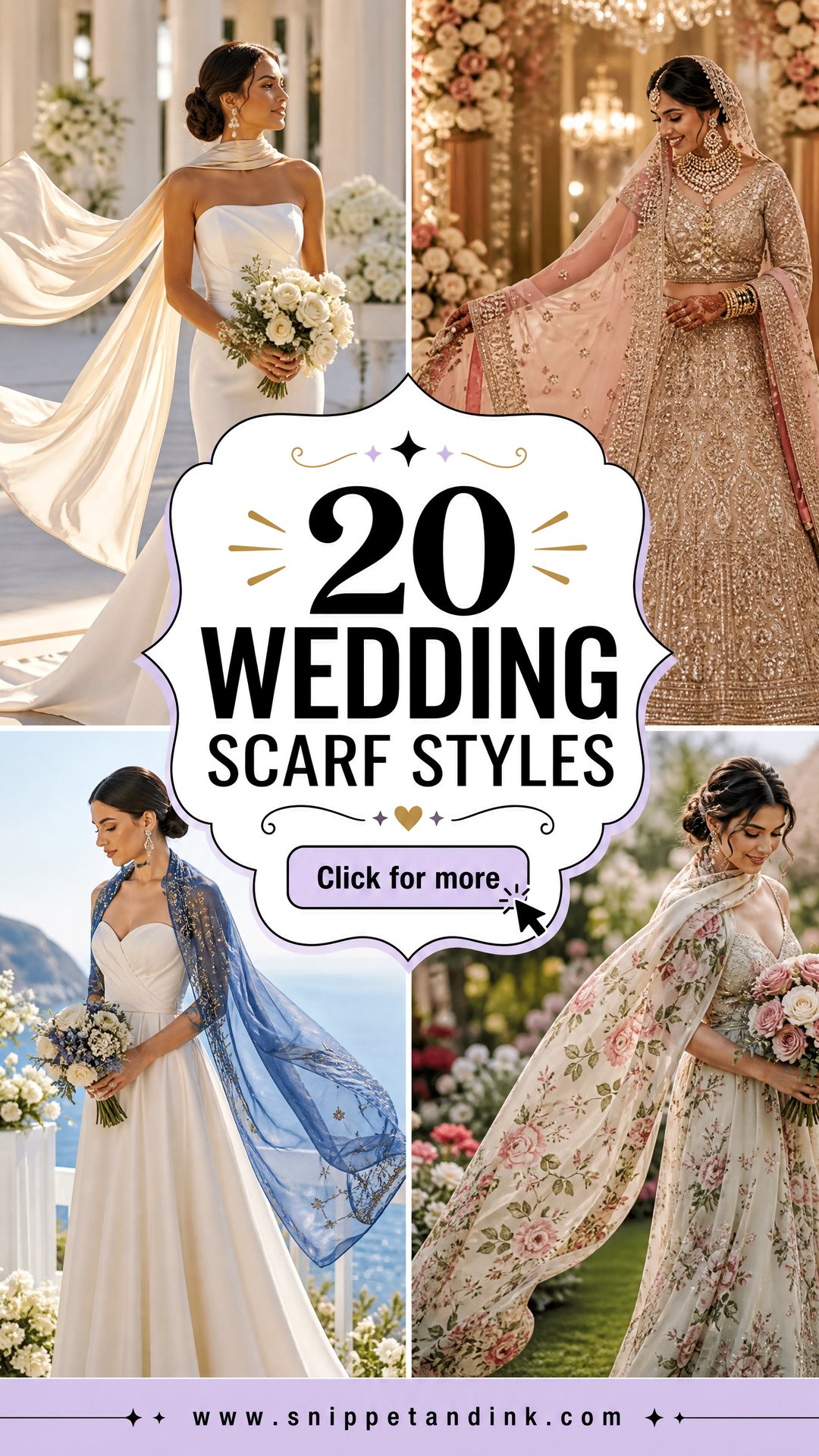
Wedding scarves do something a veil can’t: they move with your shoulders rather than your head, so they stay in frame when you turn, sit down and hug people. I use them in place of a veil, as cover for a ceremony, or as the one change that makes a gown feel new for the reception. The fabric decides almost everything. Silk and satin hang heavy and straight, chiffon and tulle catch air, and lace needs a calm dress underneath it. Below are twenty pairings I’d actually put together, with the neckline, shoes and hair that make each one hold up, followed by how I keep a scarf anchored once the dancing starts.
Pins, Tape and Thread Loops That Hold a Scarf Through Hugs
A scarf that looks right in the fitting room starts moving within minutes of real life. Every hug pulls it toward the person hugging you, sitting pushes the back ends up, and lifting a bouquet drags the front. So before anything else, I decide which single point must not move and anchor only that. Anchoring everywhere makes the fabric look stiff.
On a strapless or off-shoulder gown
Double-sided fashion tape is the answer on bare skin. I put a short strip at the nape and one just inside each shoulder, pressed onto clean, dry skin. Body lotion or shimmer oil underneath will release the tape within the hour, so keep moisturizer off the shoulders on the morning itself.
On a gown with straps or sleeves
Here I’d rather sew than pin. Two small thread loops on the inside of the shoulder seams, or a hidden snap at the back of the neckline, let the scarf hook on for the ceremony and come off for dancing. A seamstress can add them at the final fitting in a few minutes. Pins pushed through satin or crepe leave holes you can see, so if you must pin, go through the seam allowance only.
Under a hood or headscarf
The bun or underscarf is the anchor. Small clear combs or bobby pins placed at the back, where the fabric folds, hold far better than anything at the crown, and they stay hidden when you turn your head.
1. Silk Wedding Scarf With Strapless Gown
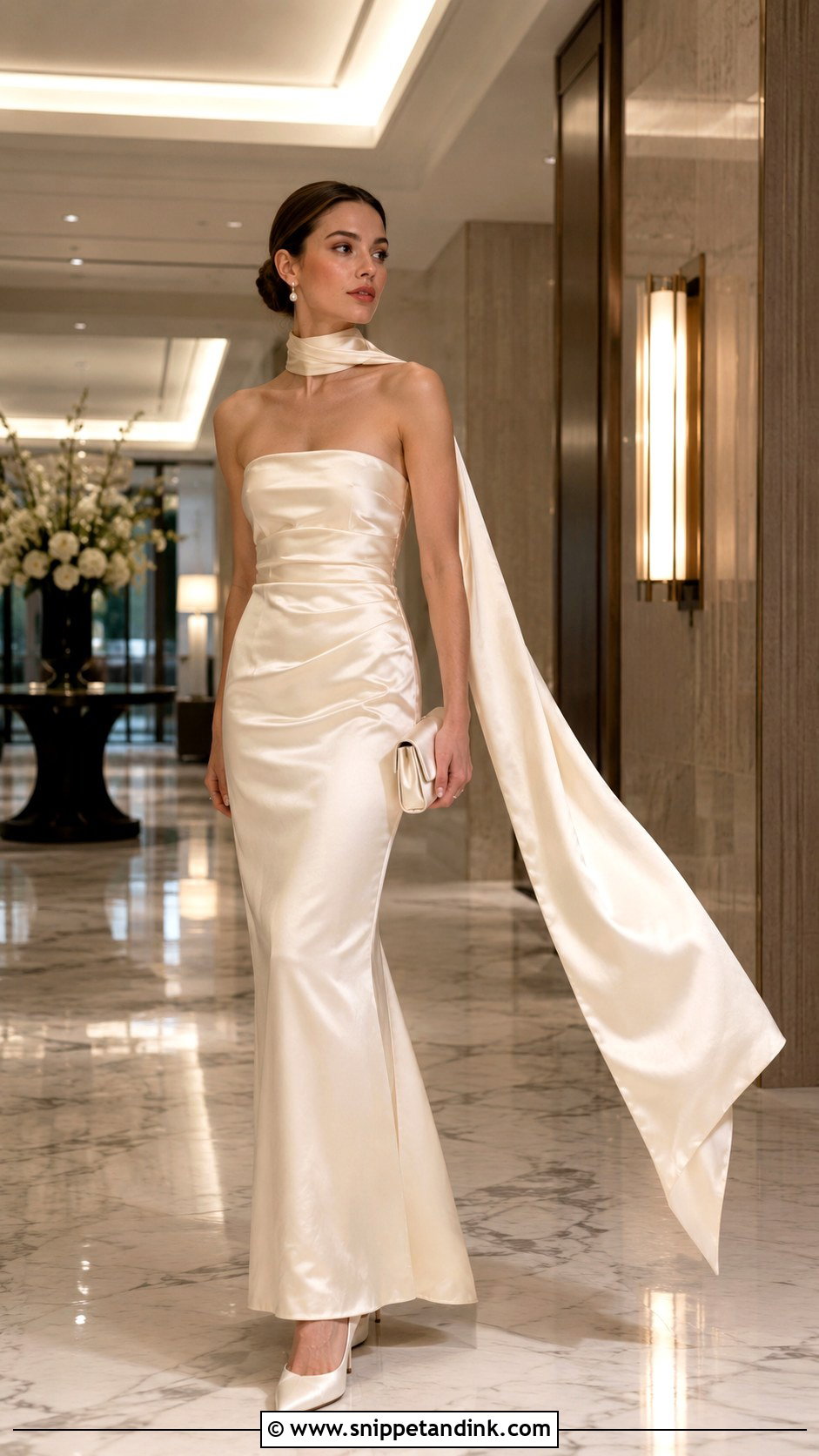
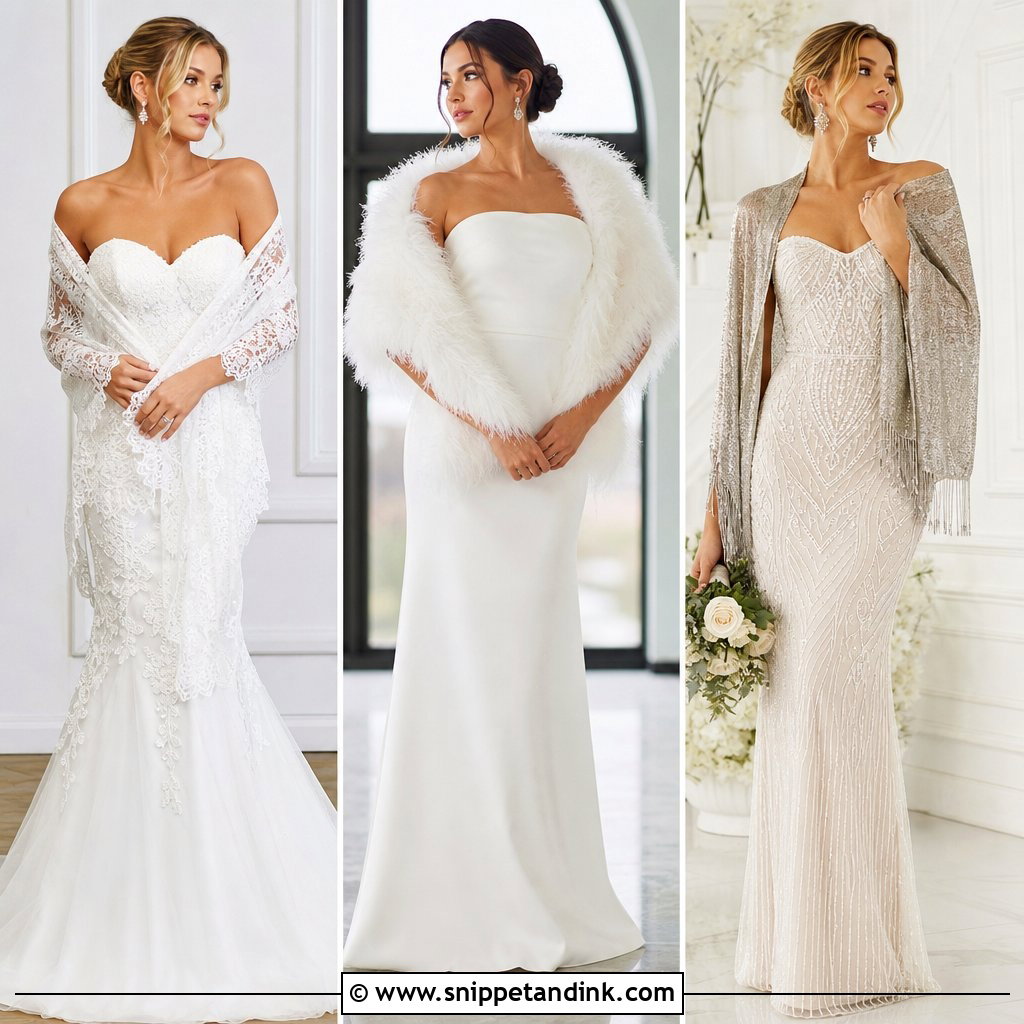
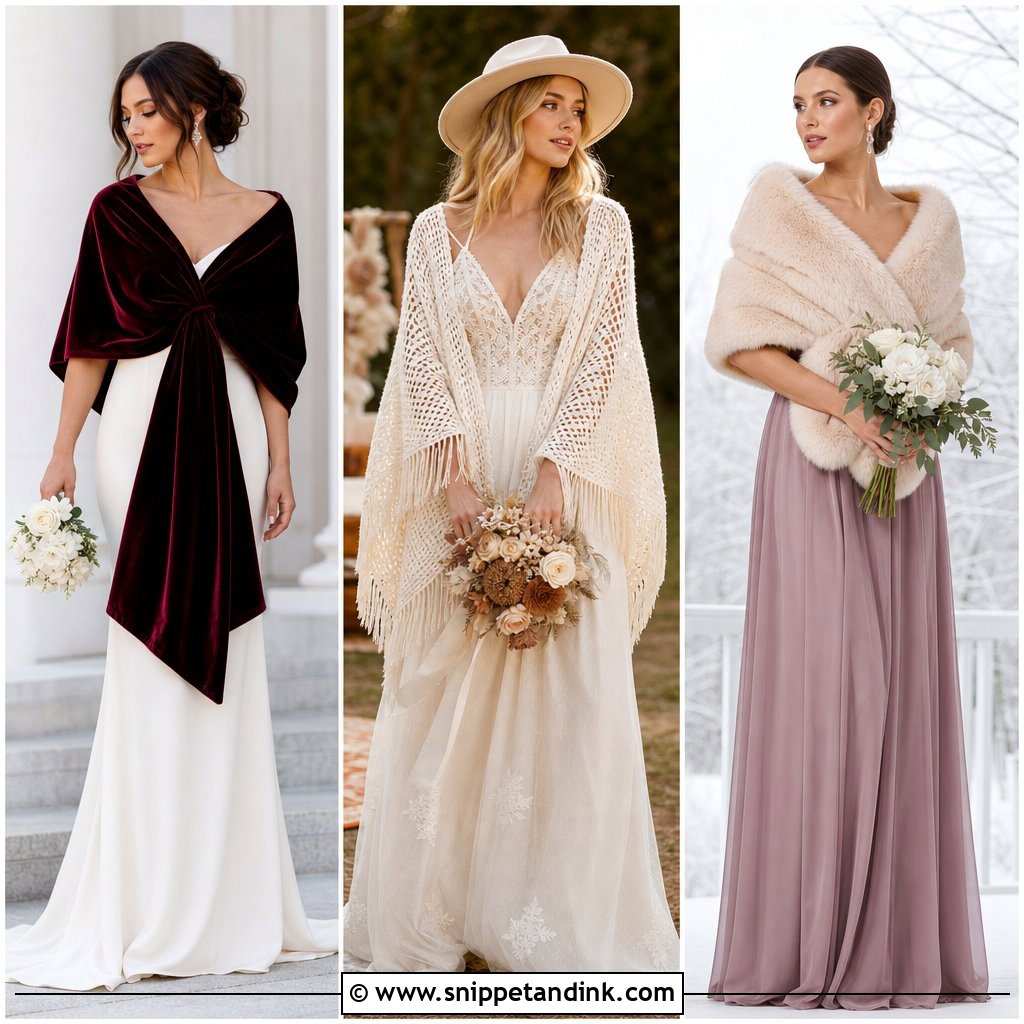
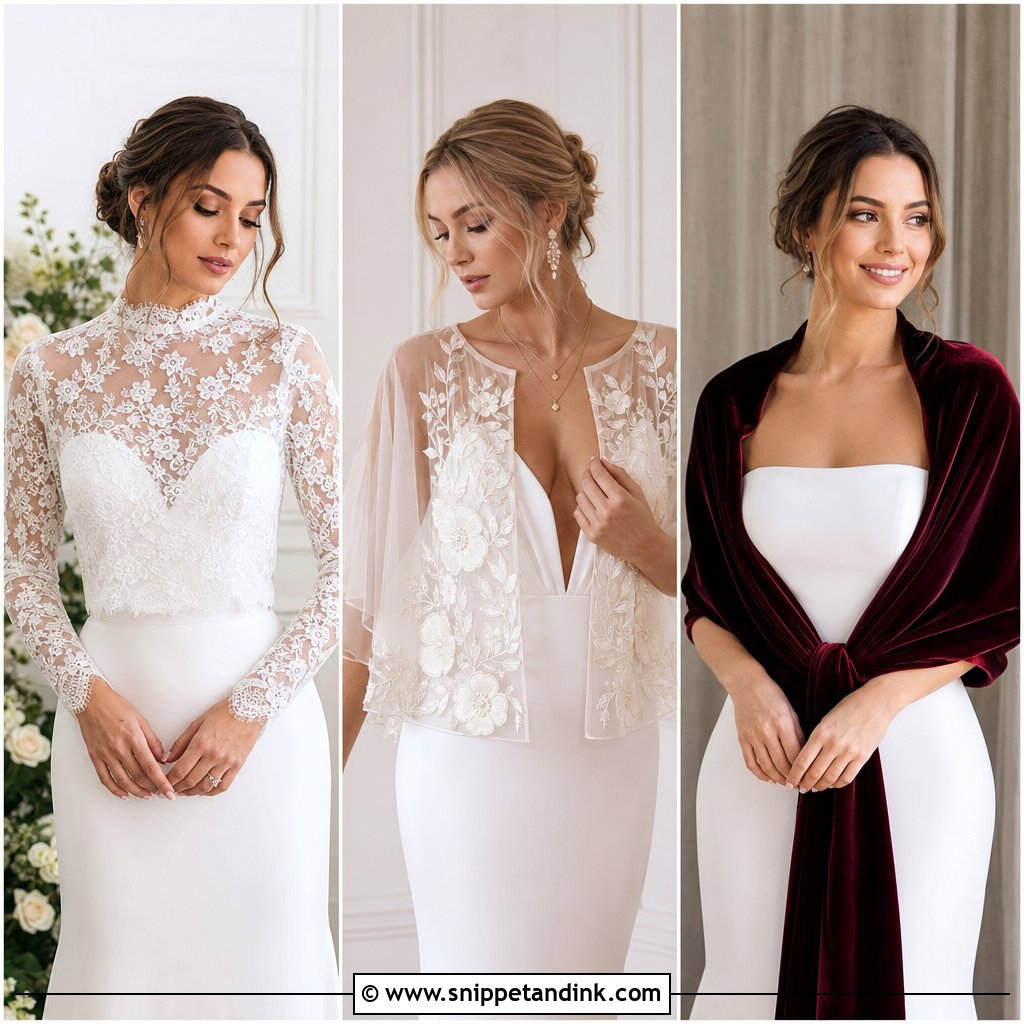
Silk over a strapless bodice is the pairing I reach for first, because bare shoulders give the fabric somewhere clean to fall. Keep the gown simple, bias-cut or structured satin with an uncomplicated neckline. Wrap once, loosely, and send both ends down your back. The catch with silk is weight: a heavy charmeuse slowly drags toward whichever side is longer, so I even the ends while you stand at your real posture and put a small piece of fashion tape at the nape. Match the scarf closely to the gown, add pointed ivory pumps, pearl drops and a satin clutch, and wear a low bun so loose hair never tangles in it. Hotels, galleries and evening receptions suit it. Skip extra jewelry, since glossy silk already throws light back at the camera.
2. Chiffon Wedding Scarf With Slip Dress
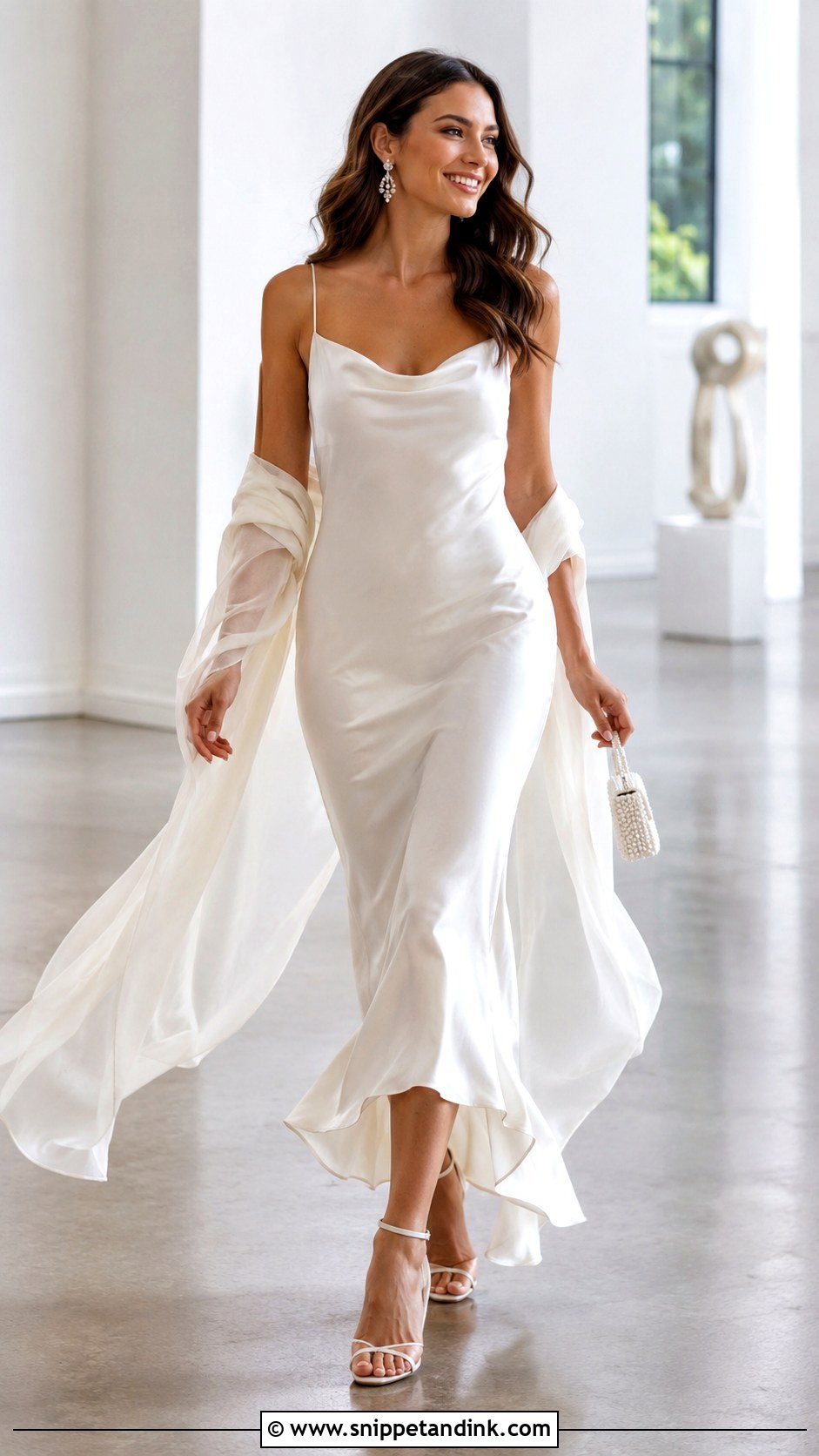
Chiffon is the lightest thing you can put over a slip dress, which is both its charm and its problem. I look for a long, narrow scarf and judge the white against the gown by a window, because a bright white chiffon next to an ivory slip turns faintly blue. Drape it around the back of the neck without a knot and let the ends float. Ankle-strap heels, small crystal earrings and a structured mini bag give the softness some contrast, and loose waves or a smooth low ponytail keep the line relaxed. Spring and summer are its seasons. In any breeze chiffon lifts straight off the shoulders, so I set a strip of fashion tape just inside each shoulder before you step outside.
3. Tulle Wedding Scarf With Column Dress
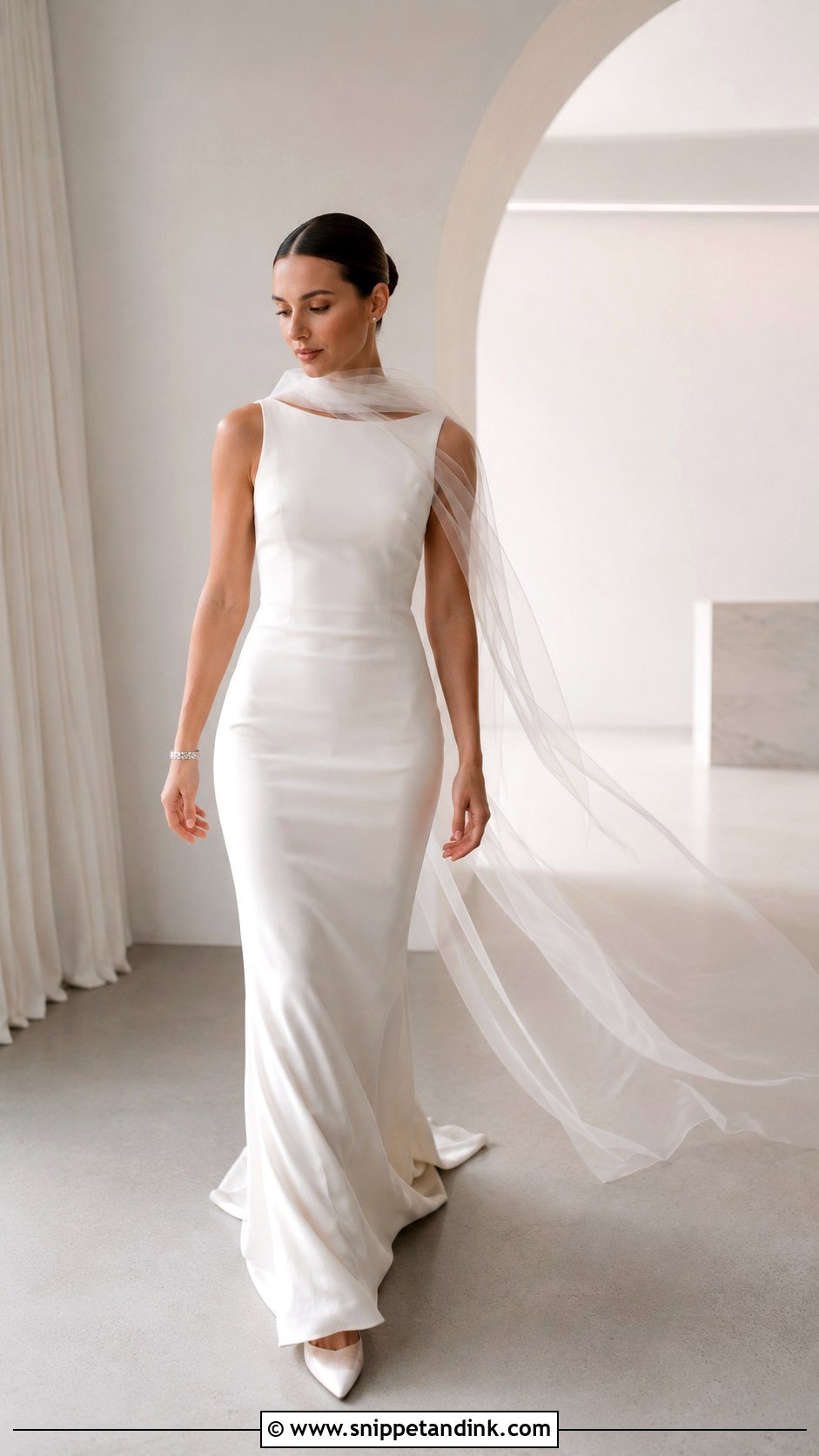
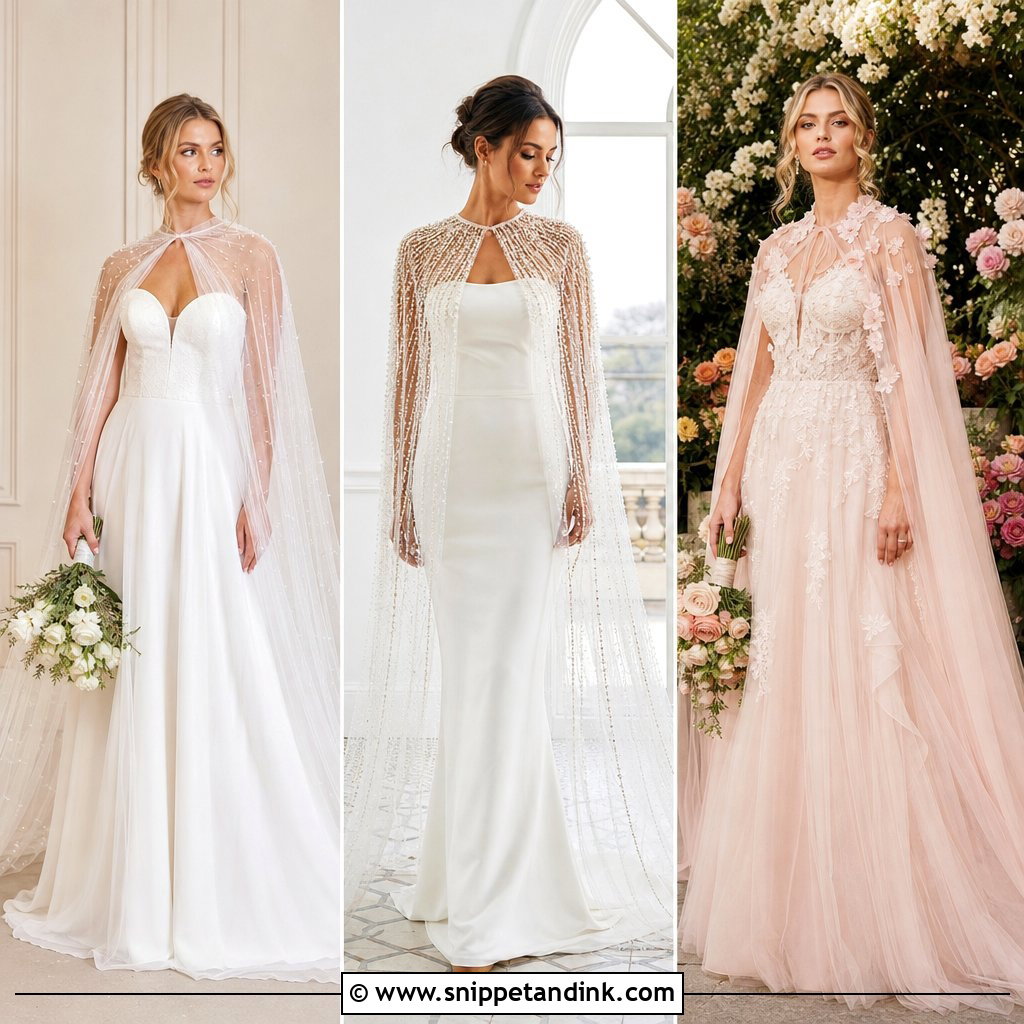
Tulle gives a column gown the drift of a veil with nothing pinned to your head. Shade matching matters more here than with any other fabric: tulle is see-through, so bright white net over natural-white crepe reads as two colors stacked on each other. Loop a long piece loosely at the neck and let it trail toward the floor over a sleeveless crepe column, with pointed pumps and a slim crystal bracelet. A sleek center-parted bun keeps attention on the sheer texture. Because tulle lifts as you walk, side and back angles show it best. For anything outdoors I have it cut to clear the ground, since soft net collects grass, gravel and every petal on the aisle.
4. Pearl Wedding Scarf With Minimal Gown
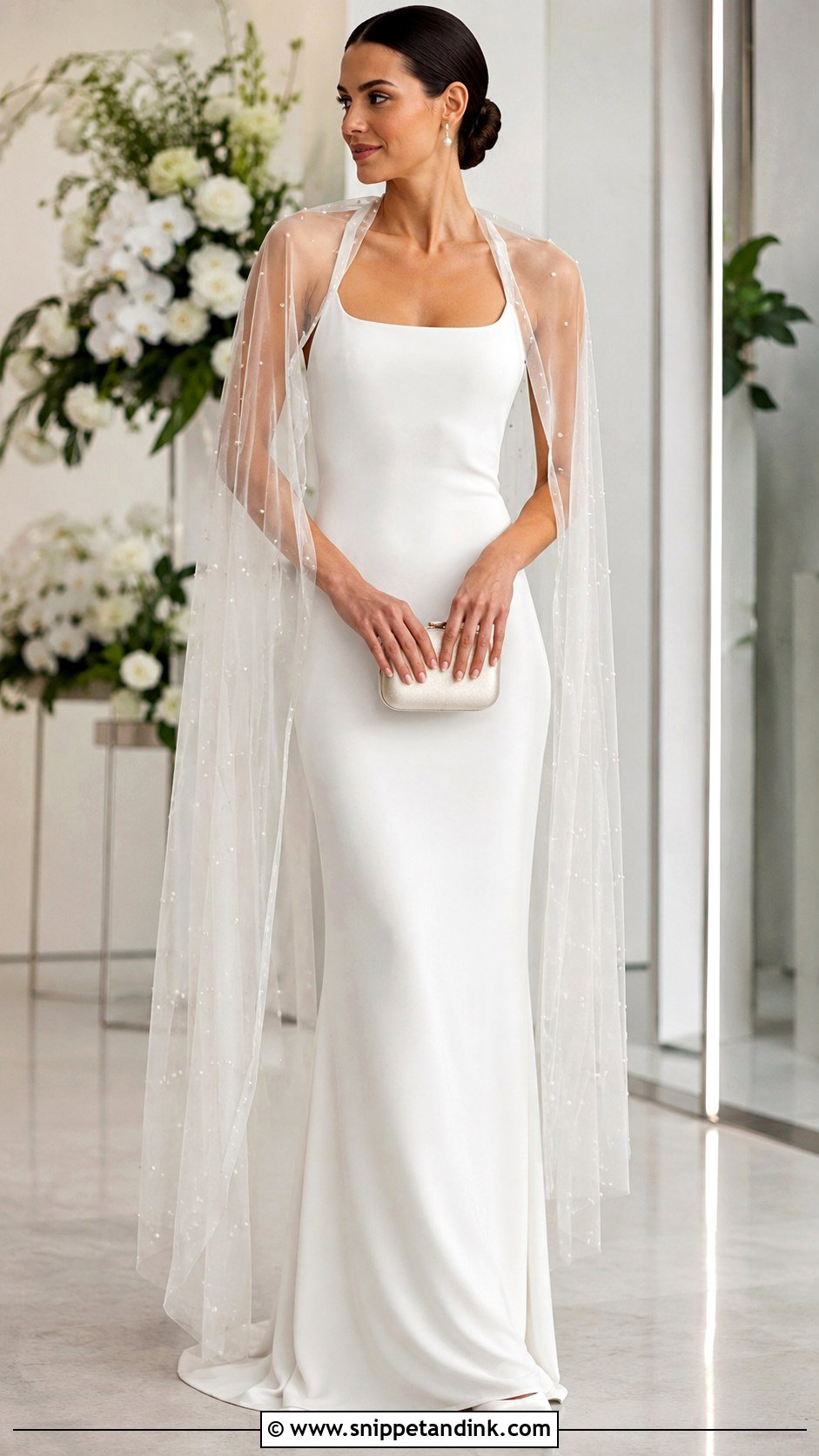
Pearls are where I see brides overdo it. A few small beads, evenly spaced on sheer tulle, will carry a plain square-neck or scoop-neck crepe gown; a heavily beaded scarf pulls the tulle into little points wherever a pearl sits. Let it rest loosely at the neck with the ends behind the shoulders. Pearl studs, pointed satin shoes and a smooth box clutch repeat the detail quietly, and a polished bun or shoulder-length waves keep it visible. It’s a good way to get texture without heavy lace. Before the day, run your fingers over the back of every setting. A rough glue point or a bit of exposed wire will snag crepe at the neckline within the first hour.
5. Lace Wedding Scarf With Satin Dress
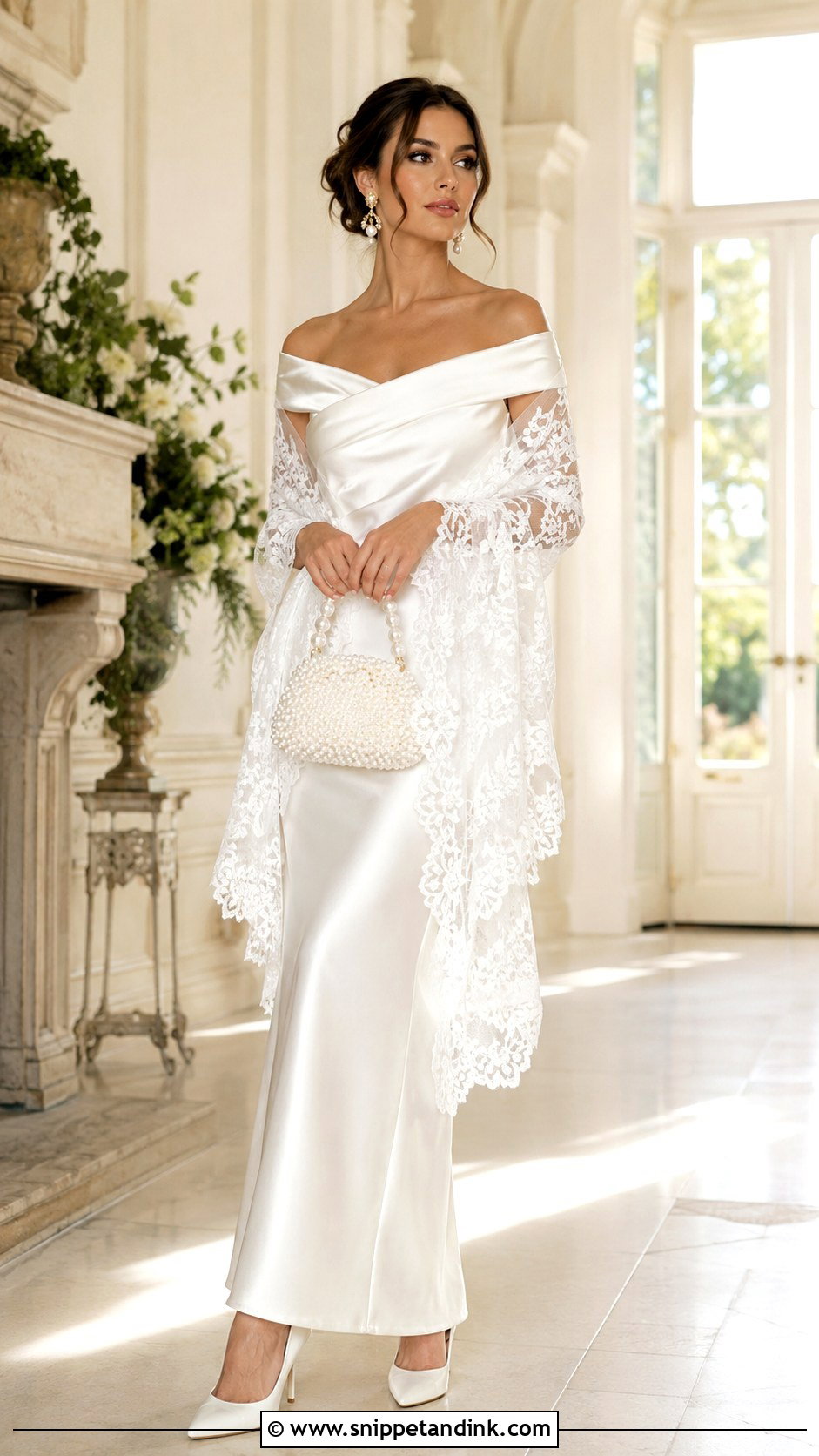
Lace over satin works because one is busy and the other is calm, and I keep it that way. A floral or scalloped-edge scarf belongs with a simple strapless or off-the-shoulder satin dress. Drape it around the neck and set the ends evenly down the back so the pattern lies open instead of bunching. Satin pumps, antique-style earrings, a pearl-handled bag and a softly pinned chignon finish the outfit without tipping it into costume. If the scarf and gown came from different shops, hold them together in daylight; satin has a warm sheen that can make a cool white lace look grey. One lace is the rule. Two competing patterns at the shoulder fight in every close-up.
6. Embroidered Wedding Scarf With Simple Gown
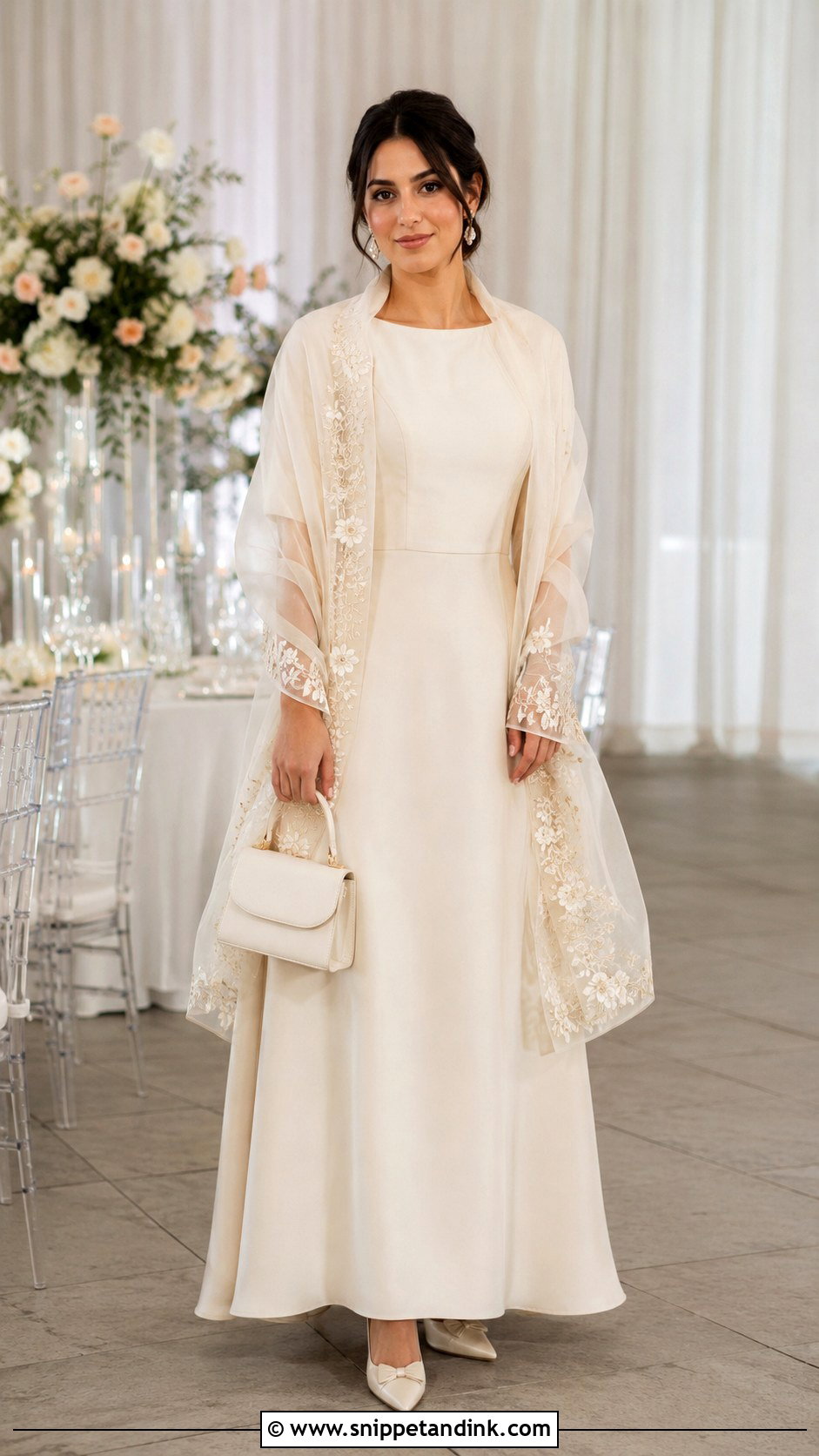
Custom embroidery is the most personal option on this list and the one that needs the most lead time, because stitching on fine fabric is rarely a rush job. Your wedding date, initials, a short phrase or a floral motif along the border can all work. I pair it with a minimalist A-line gown so the stitching is the only detail, wear the scarf loosely across the shoulders and neck with the embroidered edge turned outward, and pick up one thread color in the earrings. Low satin heels, a small top-handle bag and a low twisted bun keep the rest quiet. Ask the embroiderer to keep the work light. Dense stitching on chiffon or tulle weighs down one edge, and the scarf will always hang crooked.
7. Cathedral Wedding Scarf With Corset Gown
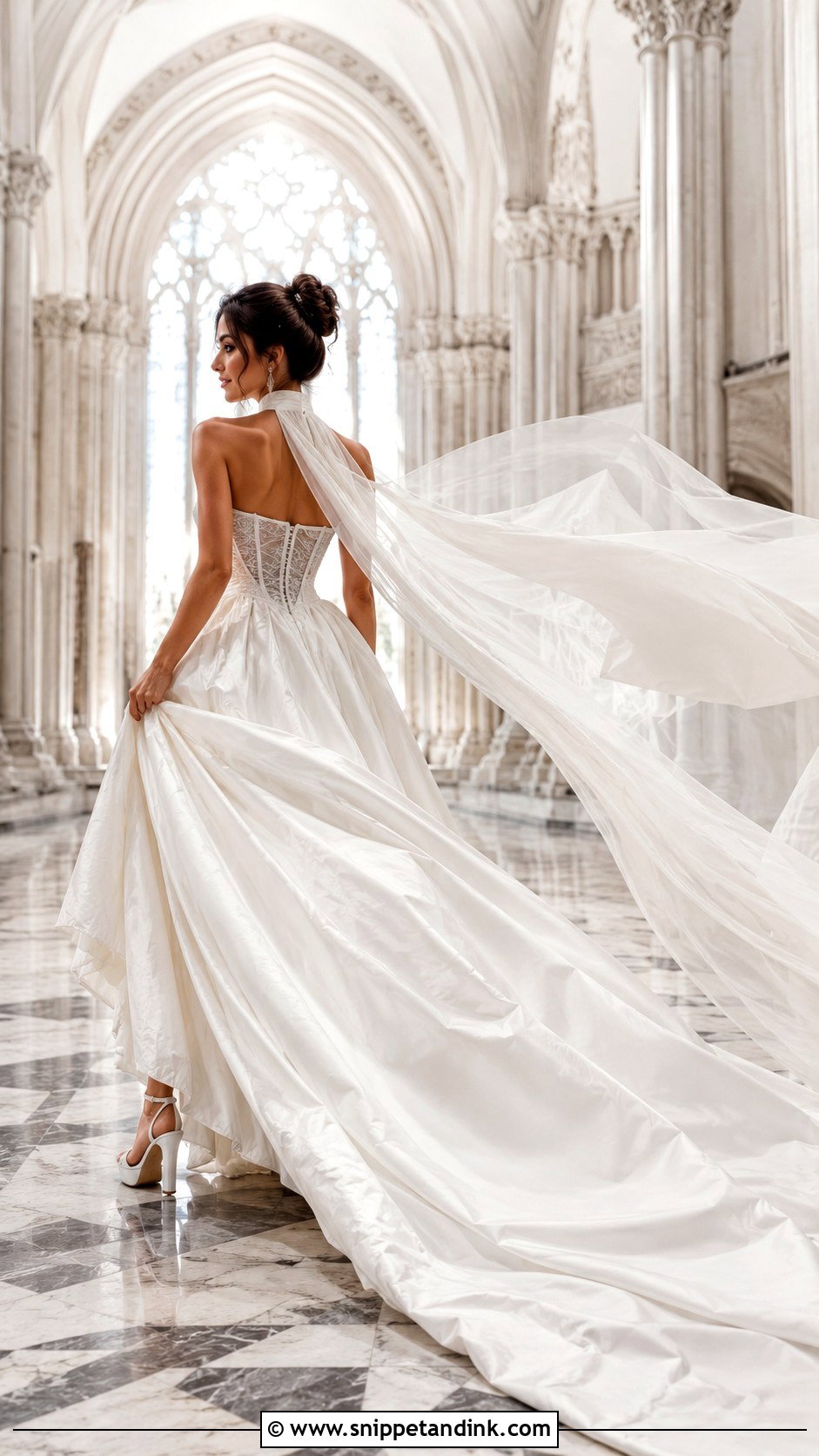
For an entrance, pair a cathedral-length scarf with a structured corset gown. The boned bodice holds its own shape, so all the movement comes from the fabric behind you. Chiffon or light tulle will trail without dragging; anything heavier starts to pull the scarf backward off your neck. I set the center at the nape, bring the ends forward, then sweep one over each shoulder. A full skirt or a sleek basque waist both suit it. Add platform heels, drop earrings and a compact clutch for later, and keep your hair lifted off the shoulders. Give one bridesmaid the job of straightening it before portraits, because a scarf this long twists over the train every time you turn.
8. Short Wedding Scarf With Tea-Length Dress
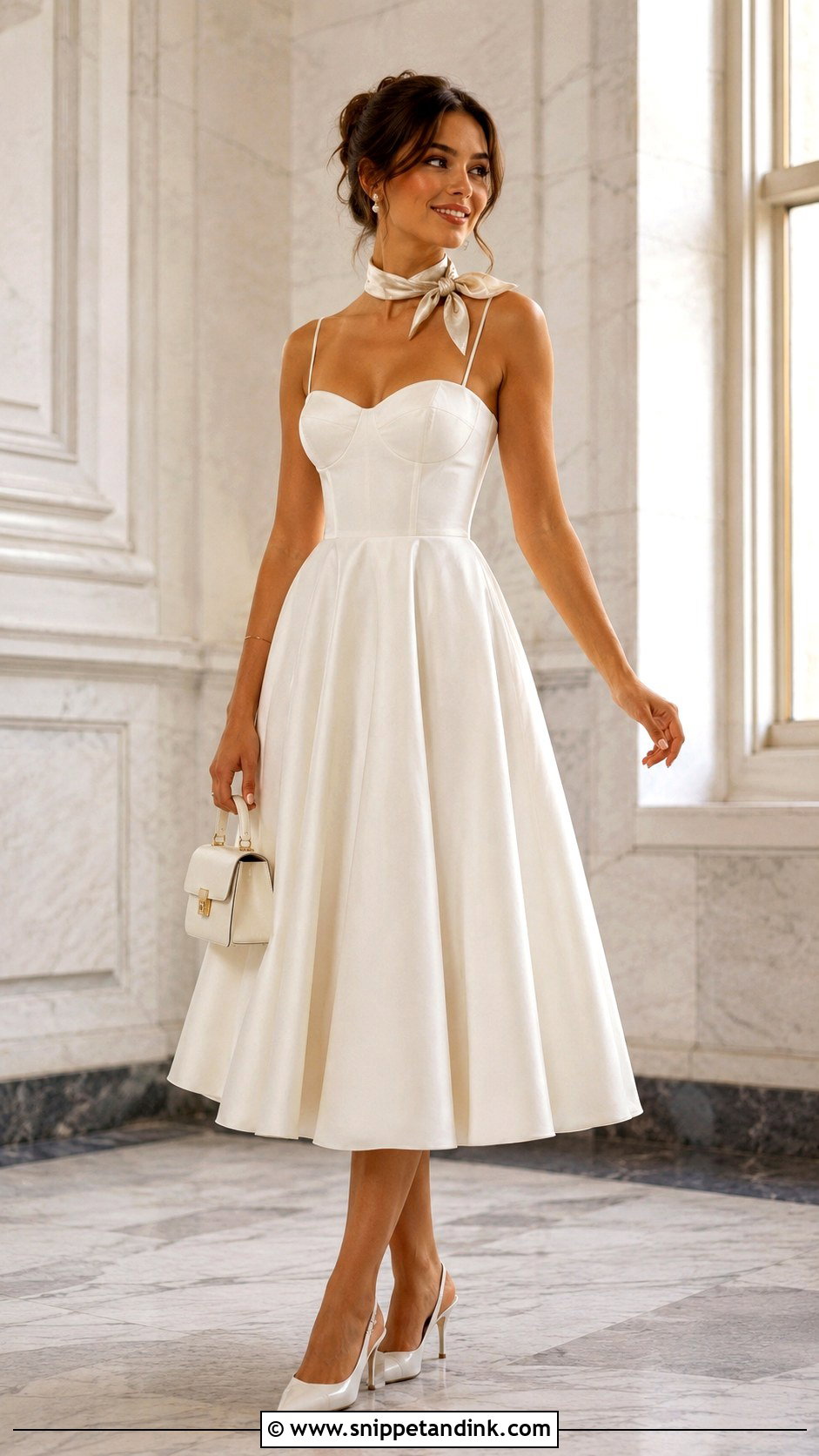
A short neck scarf in silk charmeuse or chiffon, tied in a small side knot or soft bow, matches a tea-length dress because both feel daytime and a bit playful. A fitted bodice over a full midi skirt gives the knot a clear place to sit. With the hem showing your legs, shoes carry more weight than usual, so I start with pointed slingbacks and then add pearl earrings and a structured mini bag. A smooth ponytail or a chin-length bob keeps the neck clear. Courthouse ceremonies and small daytime receptions are where I’d use it. Tie the knot high; ends that hang past the bust compete with the waistline and crowd a short torso.
9. Shoulder-Draped Wedding Scarf With Off-Shoulder Gown
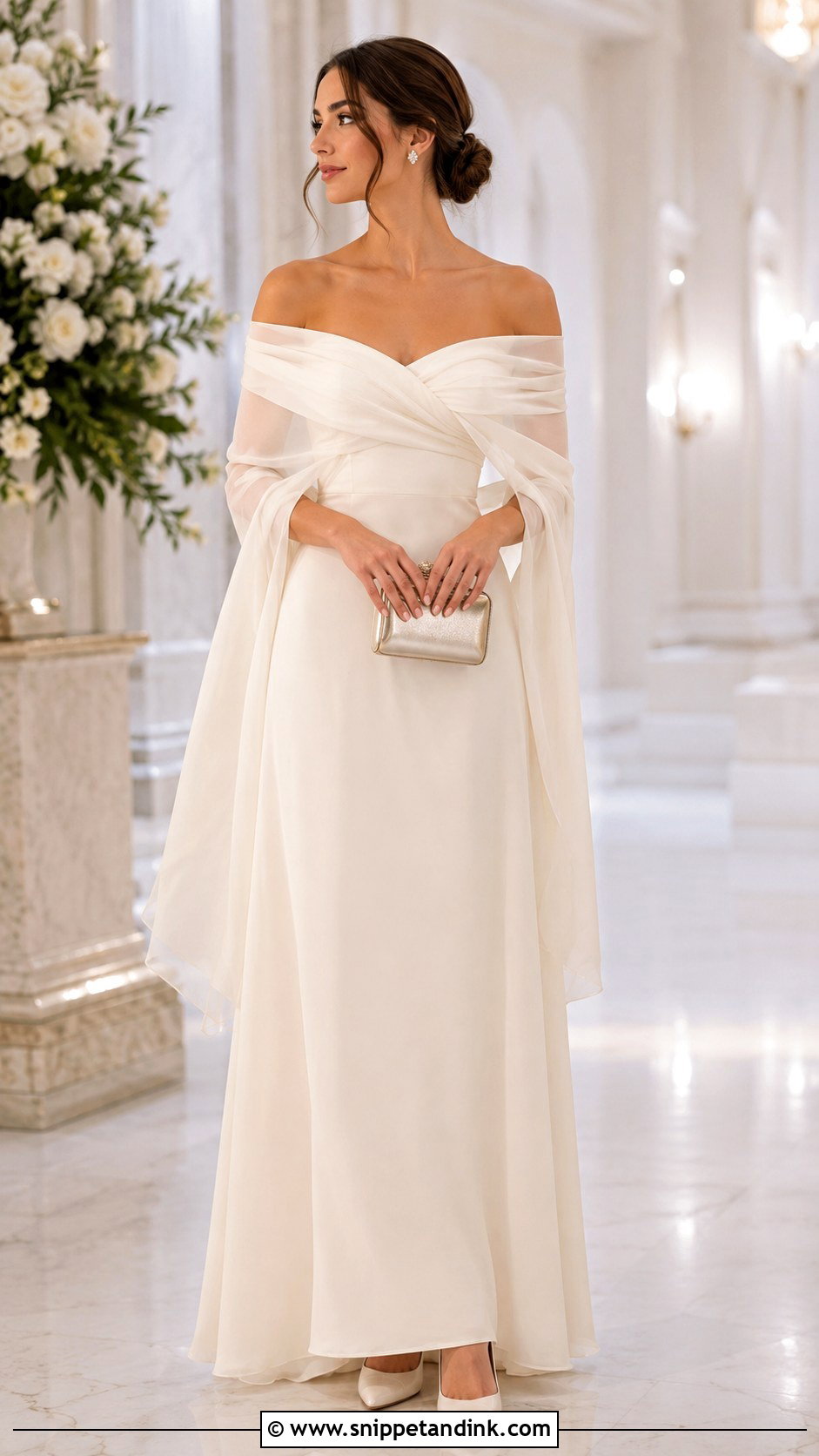
This is the scarf I suggest when a bride loves her off-the-shoulder gown but worries about a cold evening or a church that asks for covered arms. Use a wide chiffon or silk that can rest across the upper arms, set it behind the shoulders and bring both ends forward, so it reads as a soft wrap while the neckline still shows. Closed-toe pumps, crystal studs and a slim metallic clutch go with it, and a low bun or side-swept waves keep the shoulder line clear. It comes off in seconds for dancing. Width is the thing to get right. Too narrow and it slides down your arms all night; too bulky and it hides the bodice you chose the dress for.
10. Back-Trailing Wedding Scarf With Square-Neck Dress
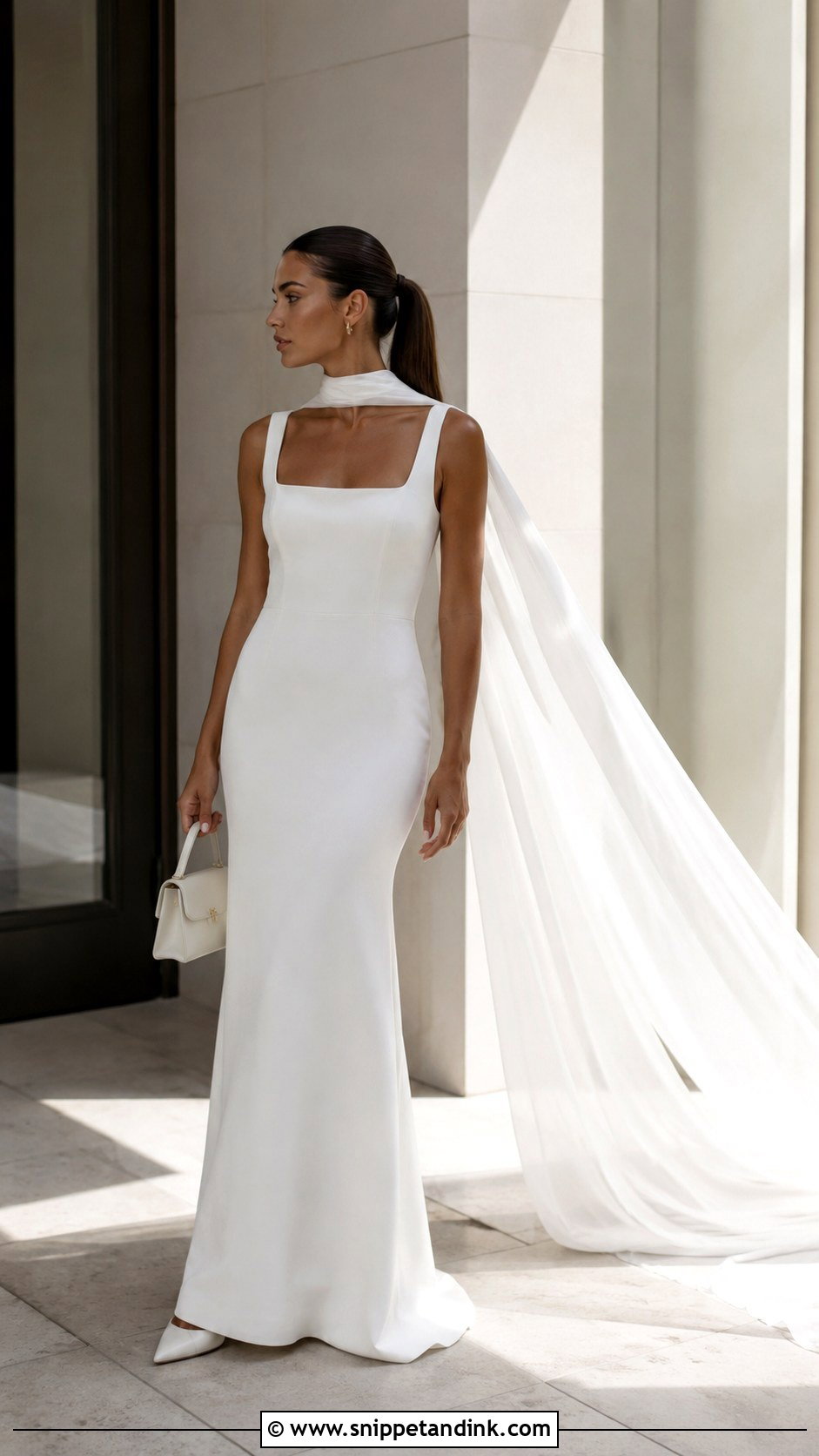
A square neckline is all straight lines, and two tails running down the back extend that geometry. Choose a fitted crepe or satin gown with wide straps and a defined waist, wrap a narrow chiffon scarf once at the neck, and guide the ends over the shoulders. Pointed heels, small hoops, a structured ivory bag and a sleek low ponytail keep it modern. I’d skip the necklace here because the neckline already frames the face. Watch the length. The ends should finish above or near the start of the train; longer tails get sat on at dinner and stepped on in the receiving line.
11. Bow Wedding Scarf With Reception Mini Dress
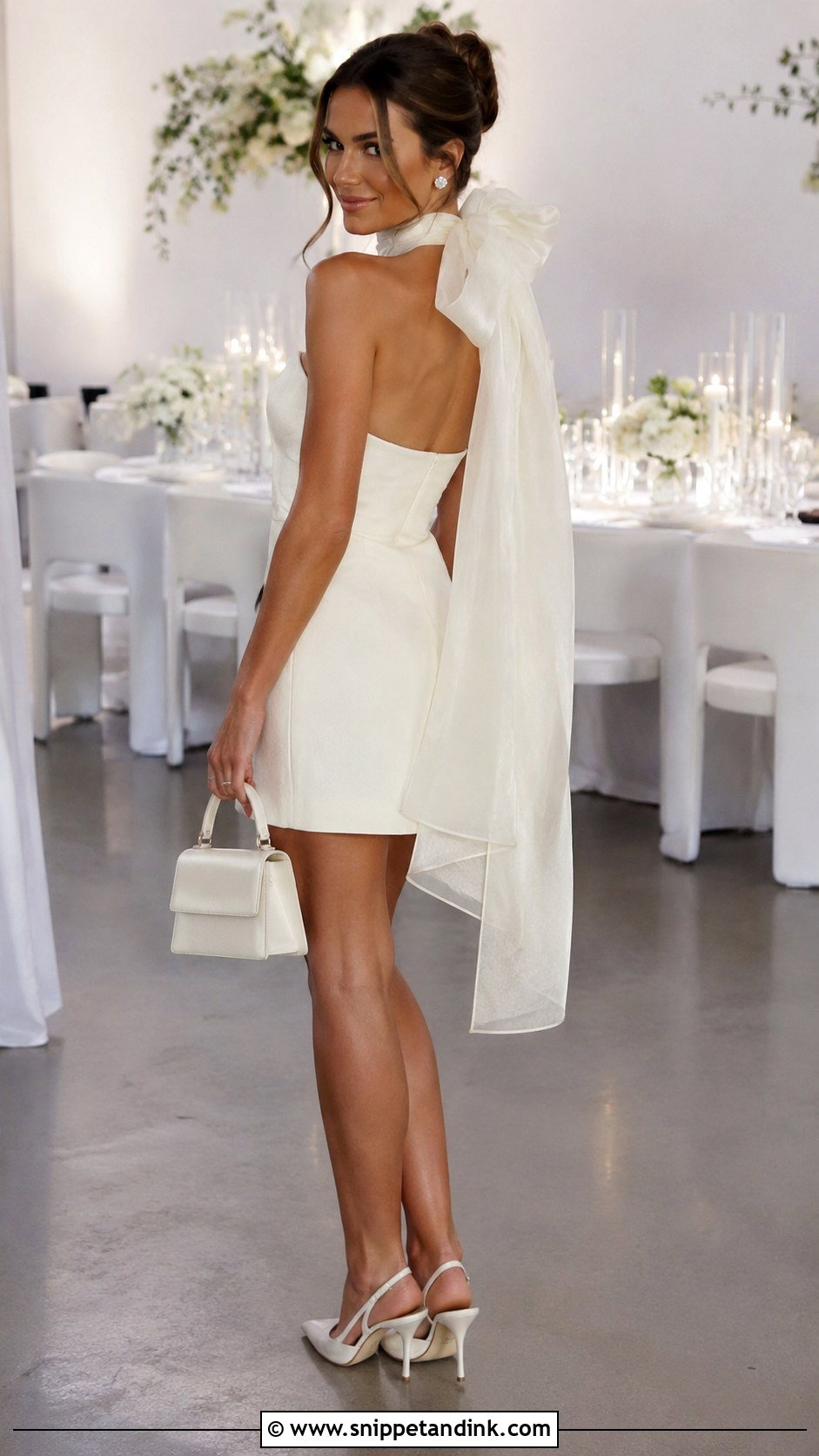
Tying a long scarf into a big bow at the back of the neck is my favorite quick change for a reception mini. It needs a structured dress with a strapless or square neckline and a scarf in silk or organza. Organza holds the loops of a bow on its own, while silk gives a softer, slightly drooping bow that I often prefer. Leave the tails long down the back and keep the knot loose enough to look relaxed. Slingbacks, sheer ankle socks if you like them, sparkling studs and a small top-handle bag balance the short hem, and a high ponytail or smooth bun keeps the bow in view. Tie it at home and wear it for twenty minutes. A bow that feels fine in the mirror can press on the back of the neck by the third song.
12. Headscarf With Long-Sleeve Wedding Gown
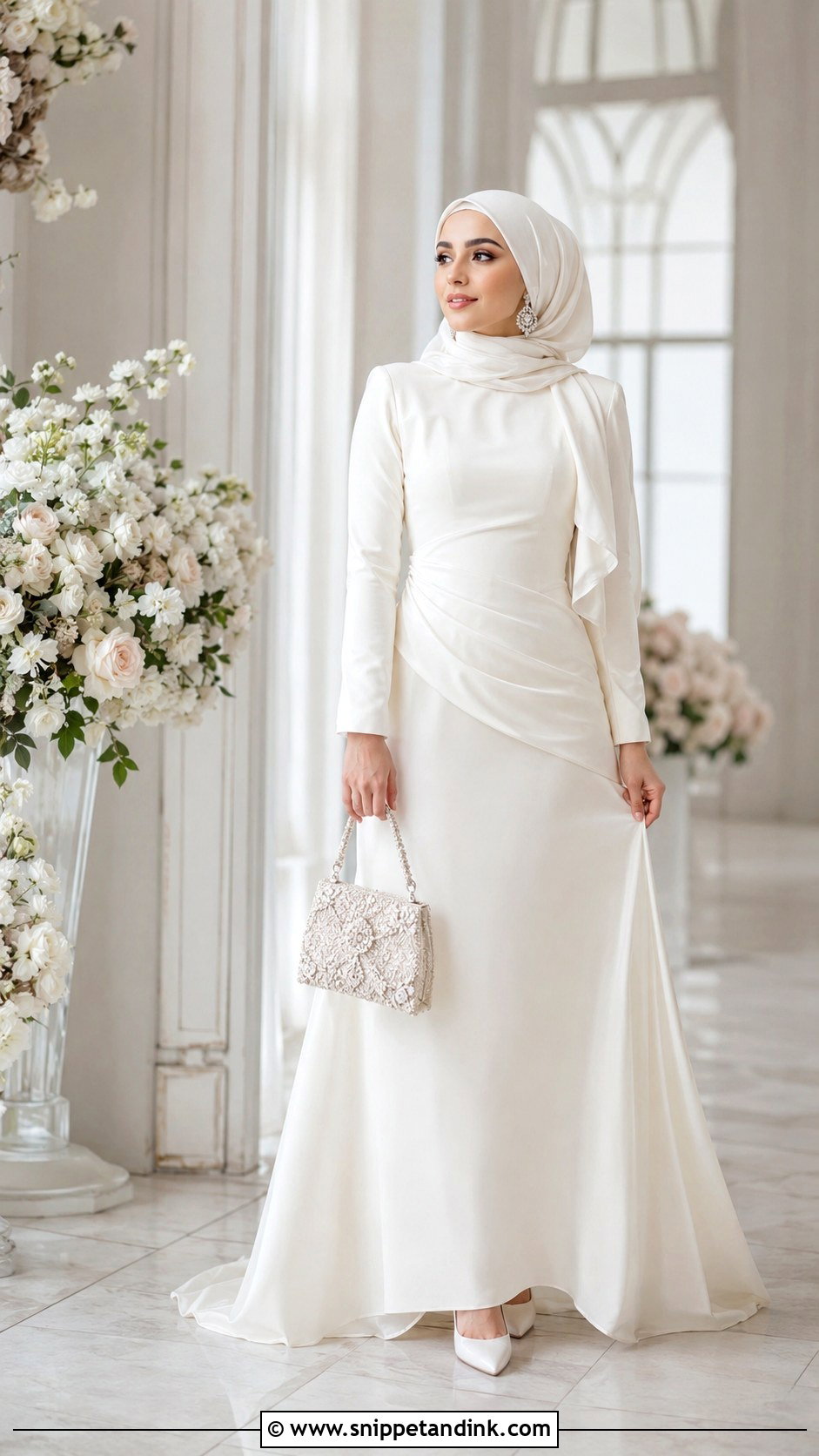
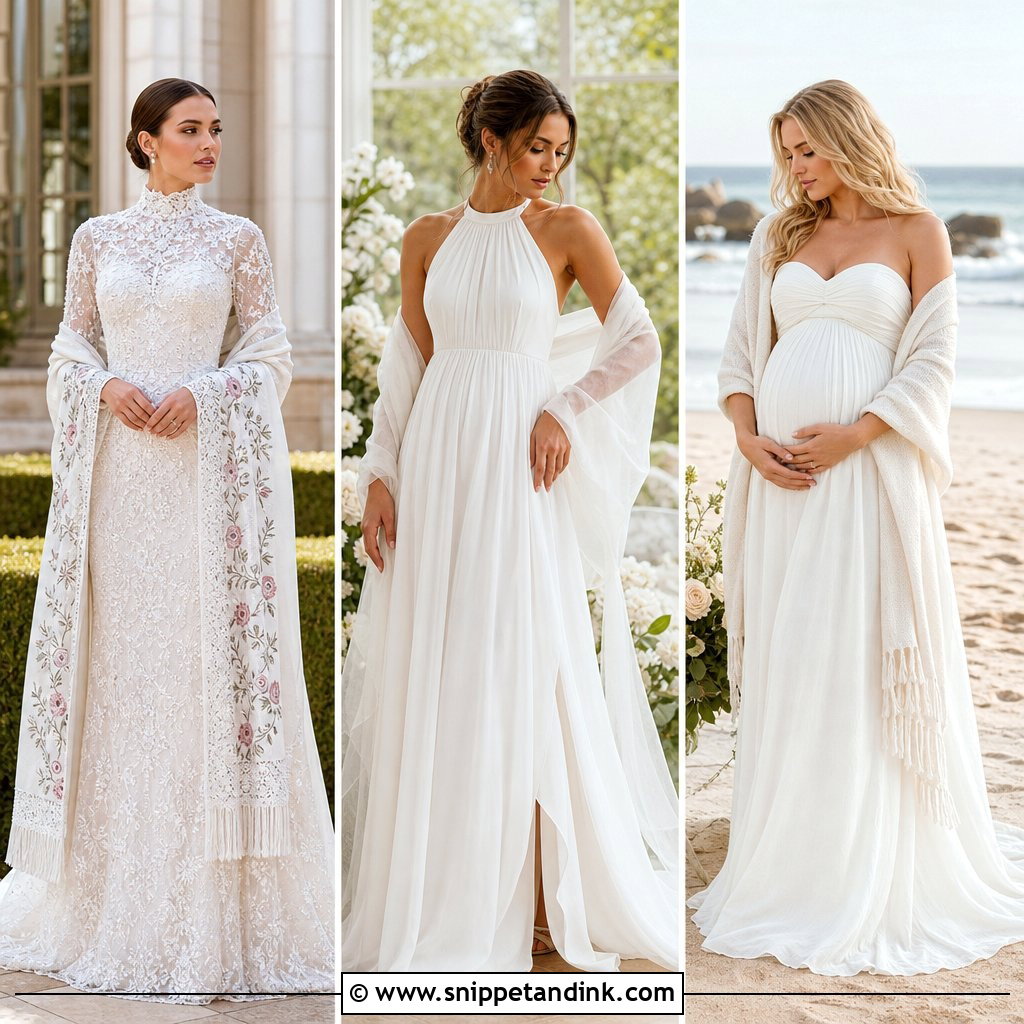
A headscarf with a long-sleeve gown can be modest and very polished, and it’s the look where I defer most to the bride herself. Breathable silk or chiffon in the dress color sits well with a high-neck crepe gown or a lined lace dress. I secure it with fine pins made for delicate fabric, placed where the outer scarf meets the underscarf rather than straight through the top layer, so no holes show. Pointed pumps, a small beaded bag and earrings or a headpiece chosen around your level of coverage finish it. The fabric should frame the face smoothly without stacking up at the neck. If you wear a headscarf for faith or culture, bring in a stylist who already knows your tradition and how you like it wrapped.
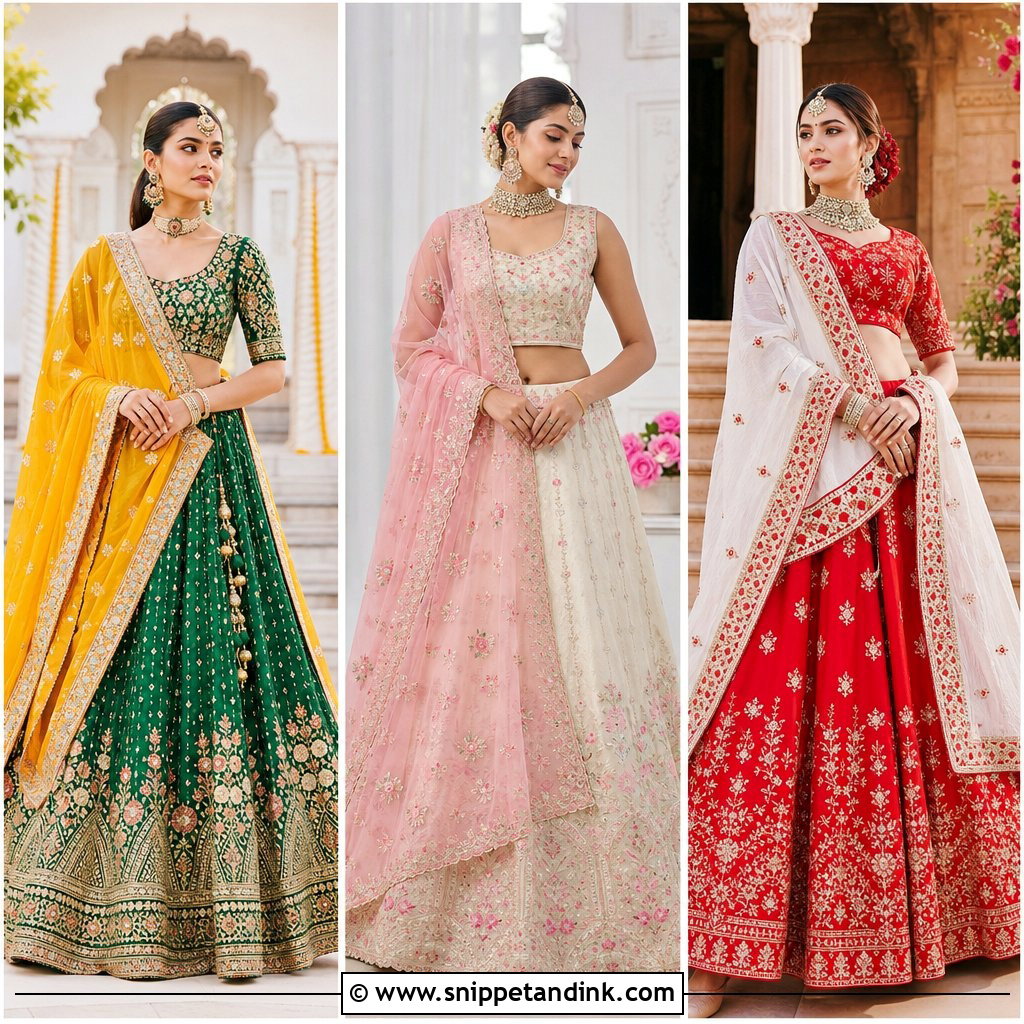
13. Dupatta Wedding Scarf With Bridal Lehenga
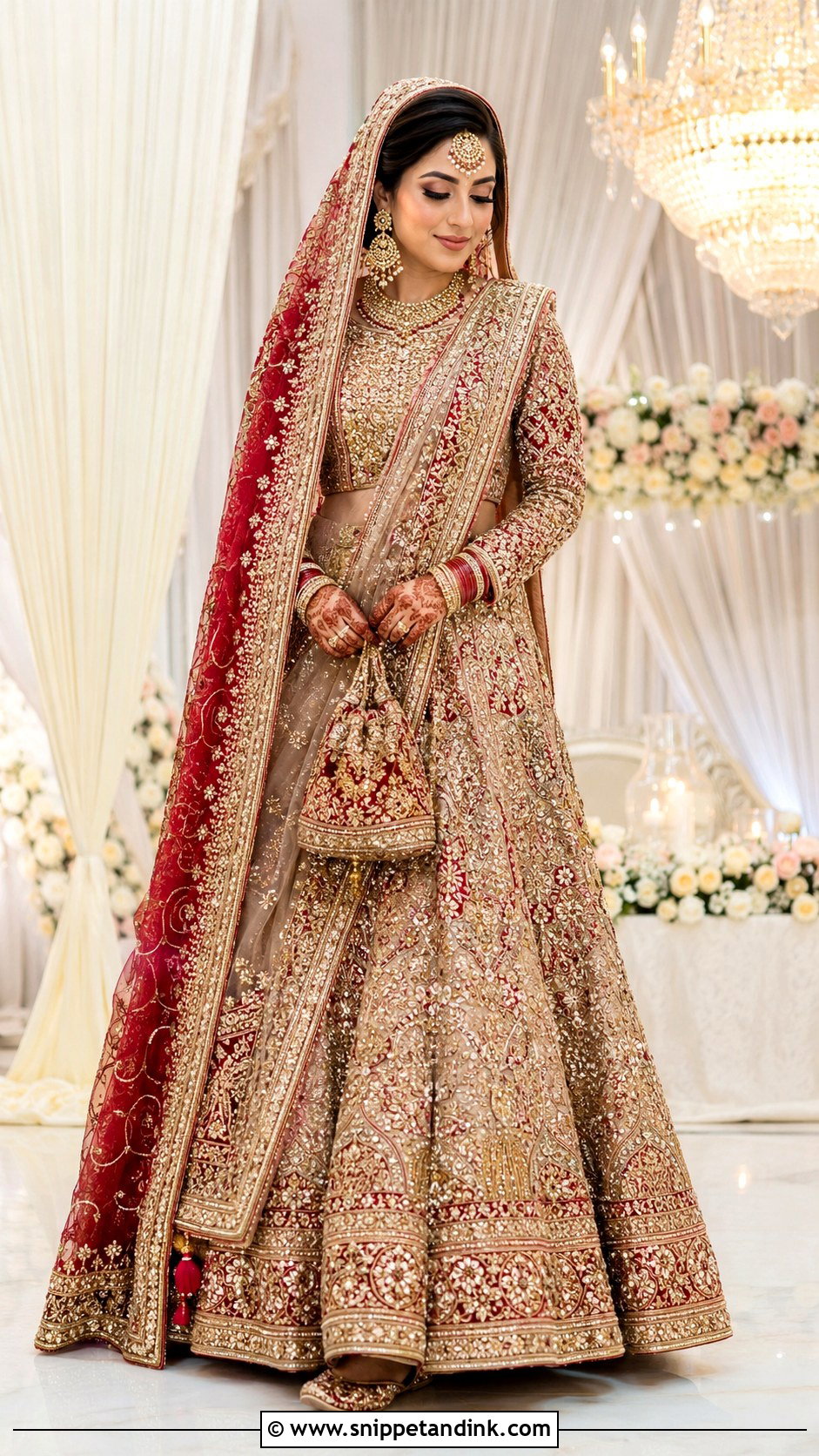
A dupatta is a meaningful part of many South Asian bridal ensembles, and with a lehenga it has to agree with the blouse, skirt, embroidery and jewelry all at once. A heavy one can go over the head or across one shoulder, or be paired with a lighter second dupatta so you can actually move. Embroidered footwear, bangles, statement earrings and a bridal bag complete it. The practical issue is weight. An embroidered border can weigh far more than the net it’s sewn to, so I spread the pins along the border instead of loading one point at the shoulder, and I leave the blouse back and the necklace visible. Draping customs differ between regions and families, so ask an experienced draper or the relative who knows how it’s done at home.
14. Hooded Wedding Scarf With Crepe Dress
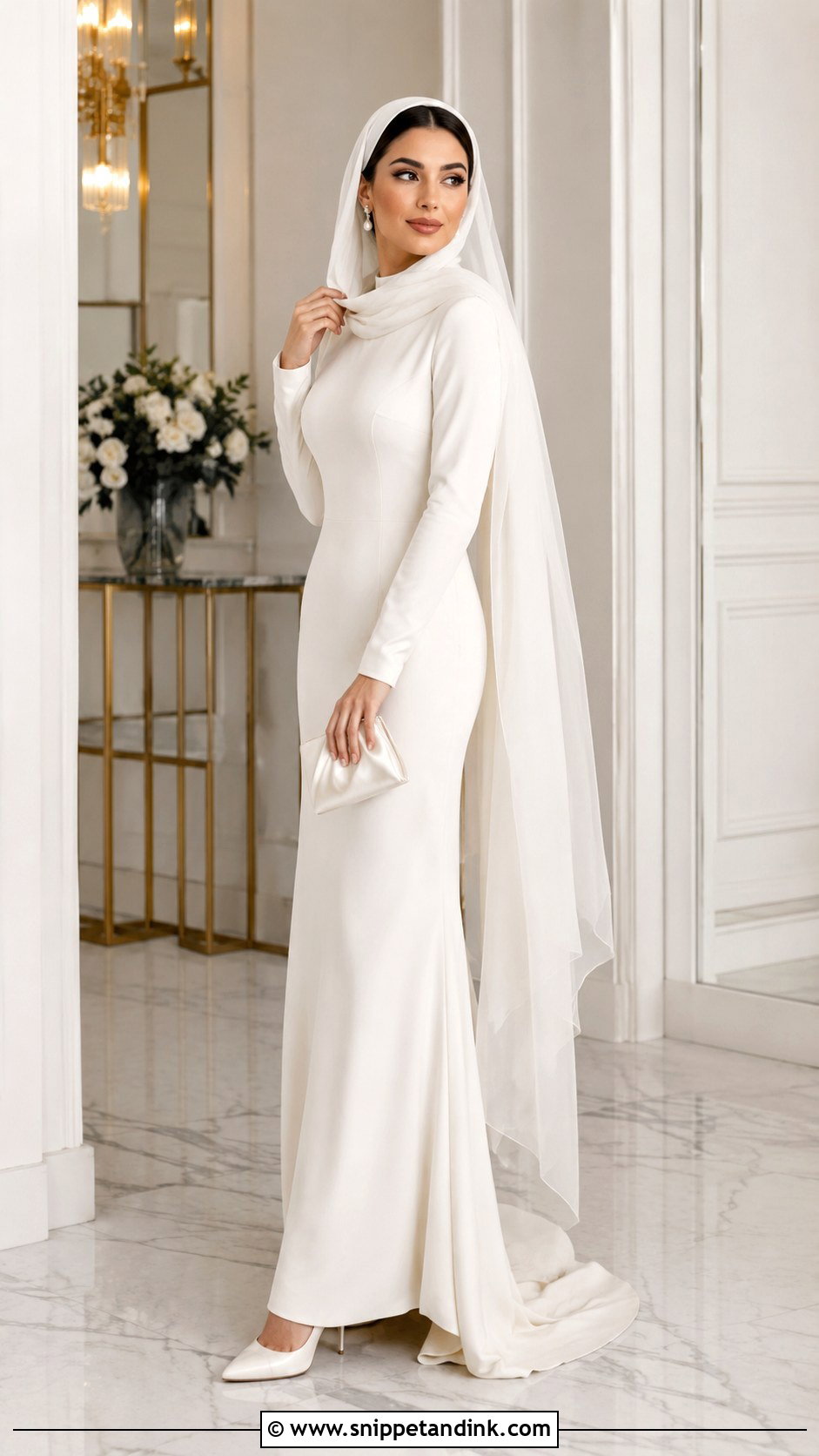
A hood is the gentlest alternative to a veil I know of, but tulle on smooth hair slides backward unless something holds it. Pair a light chiffon or tulle hood with a plain crepe gown that has long sleeves or a bateau neckline. Set the center loosely over the head and let the sides fall to the shoulders and down the back; it should sit away from the hair, not cling to it. Pearl earrings, pointed pumps and a satin clutch with minimal hardware keep everything quiet. The low bun isn’t optional here. It gives me something solid to anchor a small clear comb or two pins into, which is what keeps the hood in place through a cool-weather ceremony or a formal indoor room.
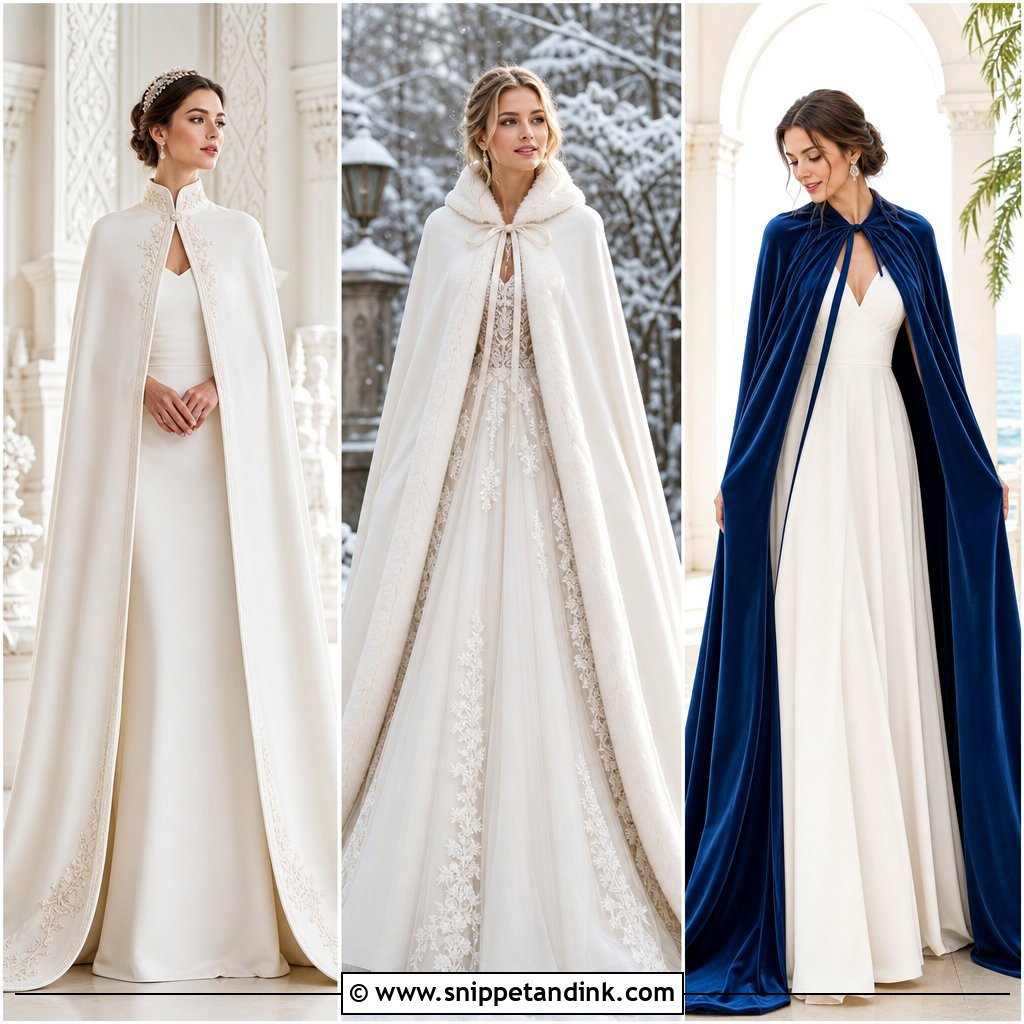
15. Pashmina Wedding Scarf With Winter Gown
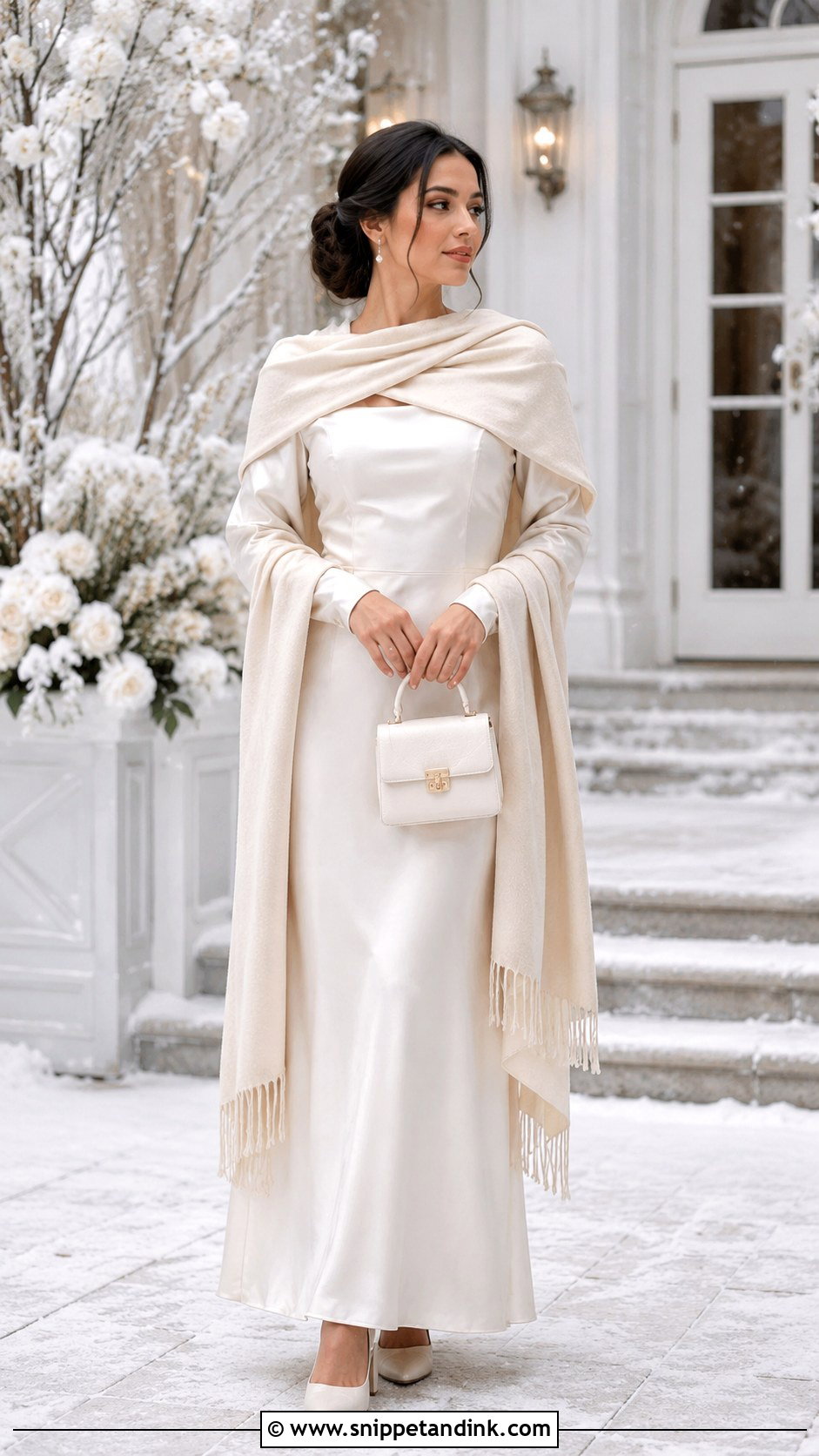
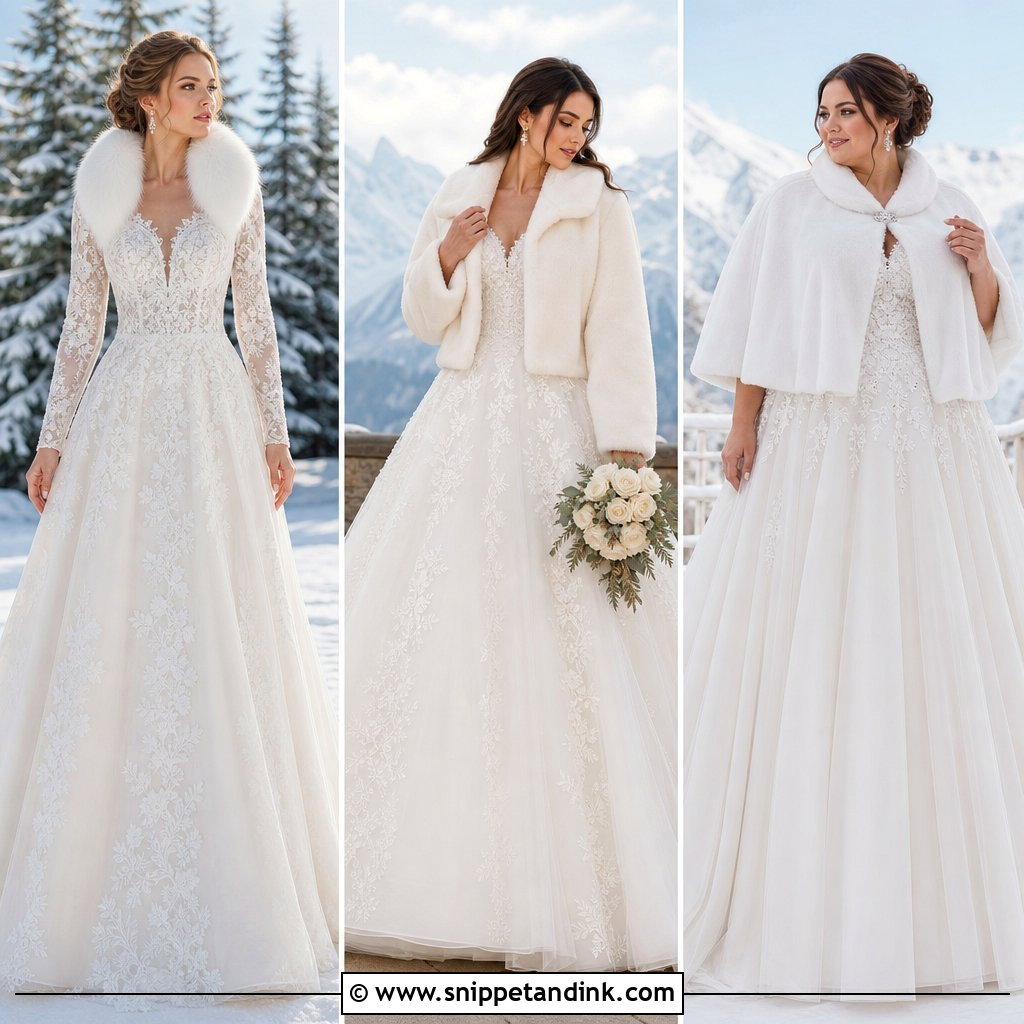
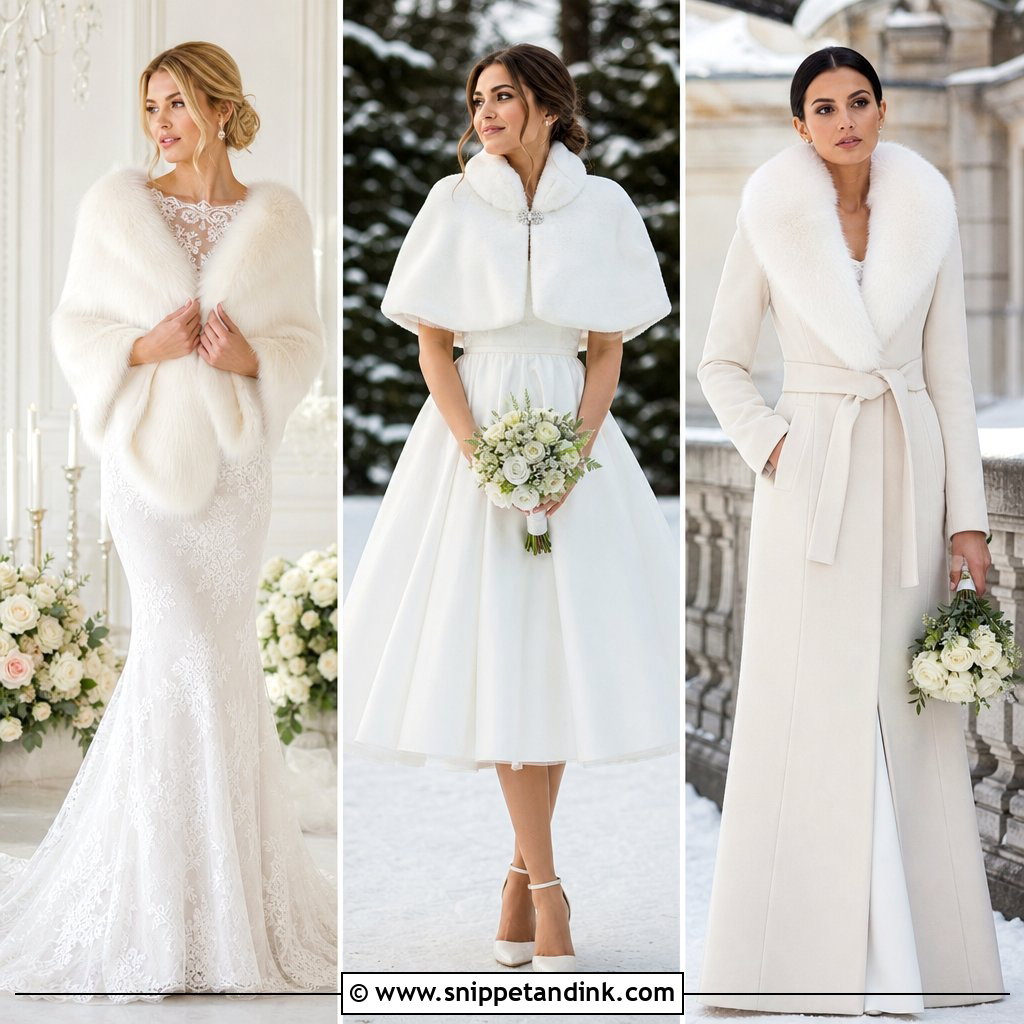
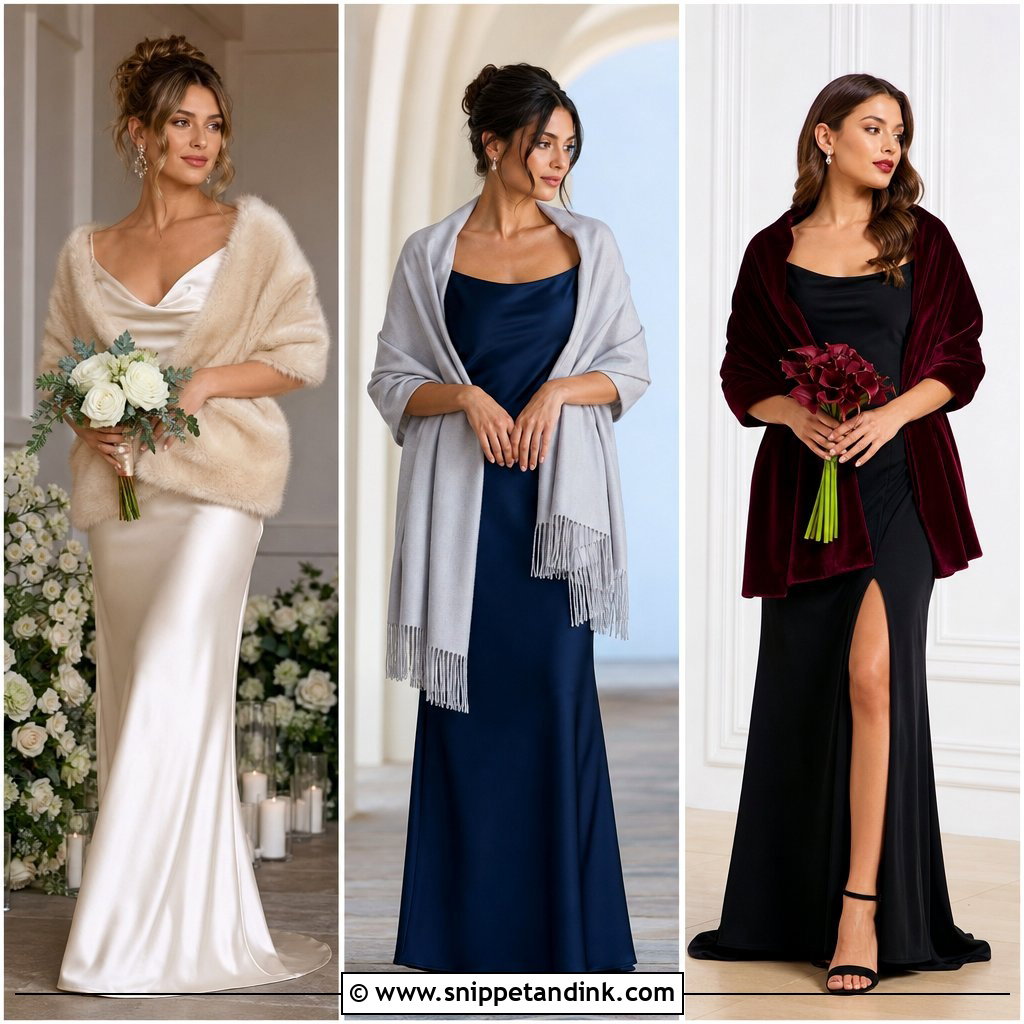
When temperatures drop, a refined pashmina is the warmest thing you can wear that still looks bridal. Fine cashmere or a soft wool blend in ivory, cream or pale gray goes over a long-sleeve satin, mikado or crepe dress. Drape it across the shoulders and hold the ends loosely, or close them with a small brooch. Closed-toe block heels, pearl earrings and a structured bag finish the cold-weather version. Keep it medium width, since an oversized wrap hides the waist in every picture. Wool fibers shed onto dark or textured fabric, so I go over the pashmina with a lint roller and have the bride wear it for an hour at home before the day.
16. Faux Fur Wedding Scarf With Long-Sleeve Dress
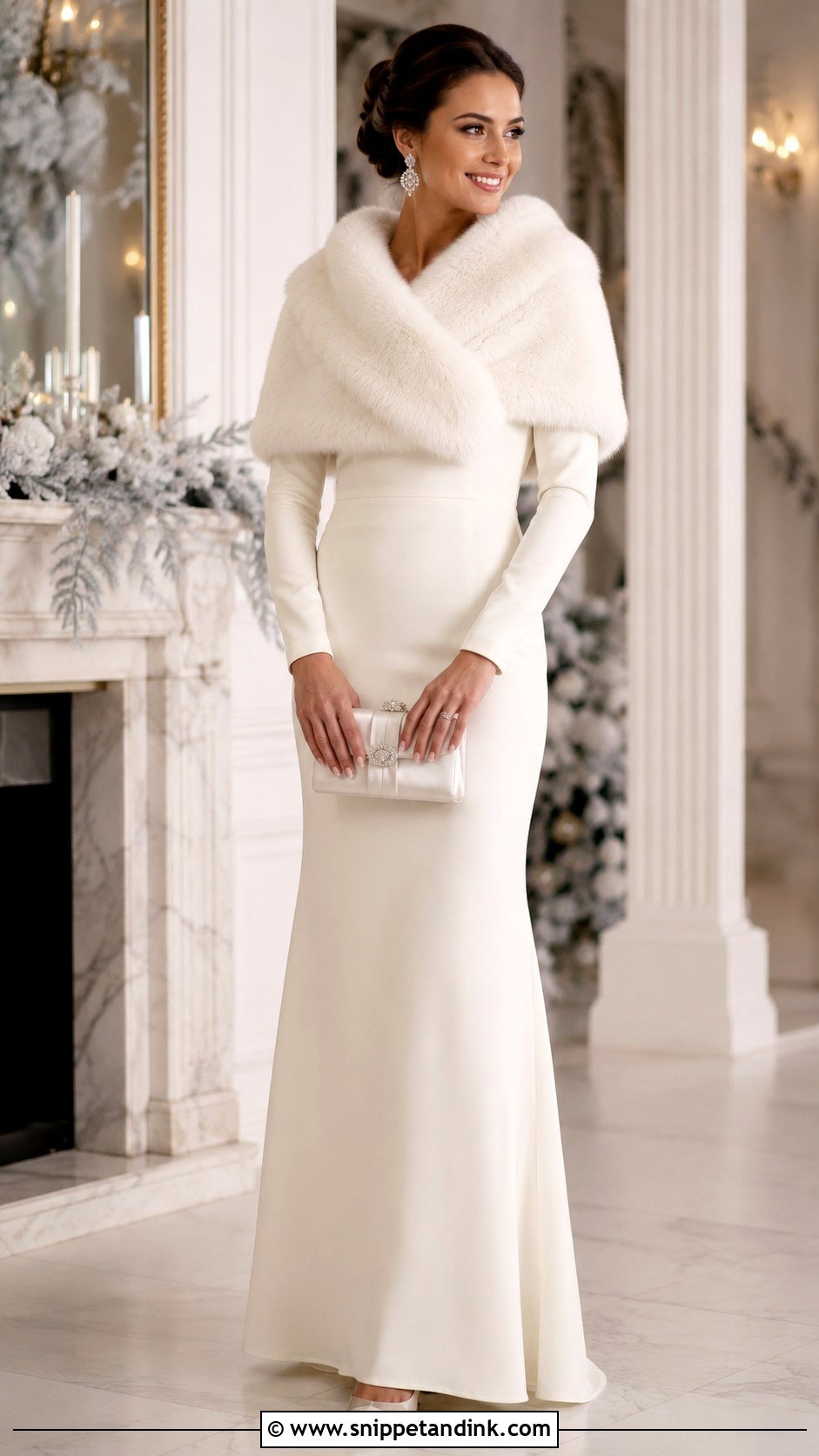
A slim faux fur scarf brings texture and real warmth to a winter outfit. Short, even pile is what I look for; long shaggy pile looks bulky on camera and sheds onto satin. Pair it with a fitted long-sleeve gown in satin, crepe or lightly embellished tulle, and rest it across the back of the neck with the ends falling forward, or throw it over one shoulder for portraits. Closed-toe pumps, crystal earrings and a satin box clutch go with it, and a polished updo keeps your hair off the fur. Keep the color close to the dress. Take it off once you’re inside, because fur gets hot fast under reception lights.
17. Blue Wedding Scarf With Ivory Gown
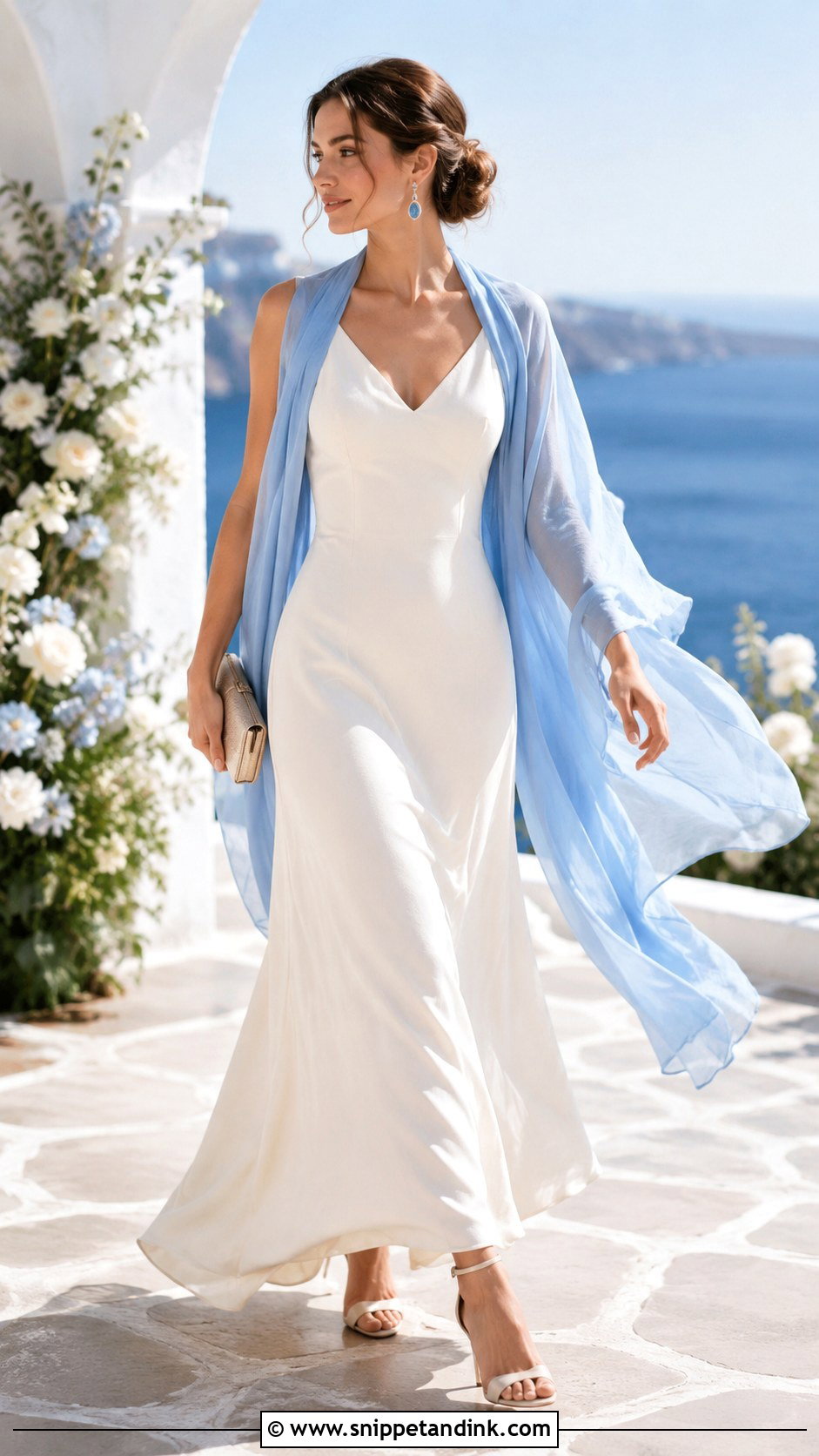
Pale blue is the easiest way to put color near an ivory gown, because it sits beside warm white without fighting it. Powder blue, misty gray-blue or a soft floral chiffon all work, while a saturated royal blue tips the outfit into costume. Keep the gown plain, drape the scarf around the neck and down the back or loosely across the shoulders, and add ivory heels, blue gemstone earrings and a neutral clutch. A relaxed bun or soft waves suit it. Repeat the blue once, in embroidery or a hairpin, so it looks planned rather than borrowed. Check the scarf in daylight before buying; some blues come out brighter and colder in photos than they look in a shop.
18. Floral Wedding Scarf With Garden Gown
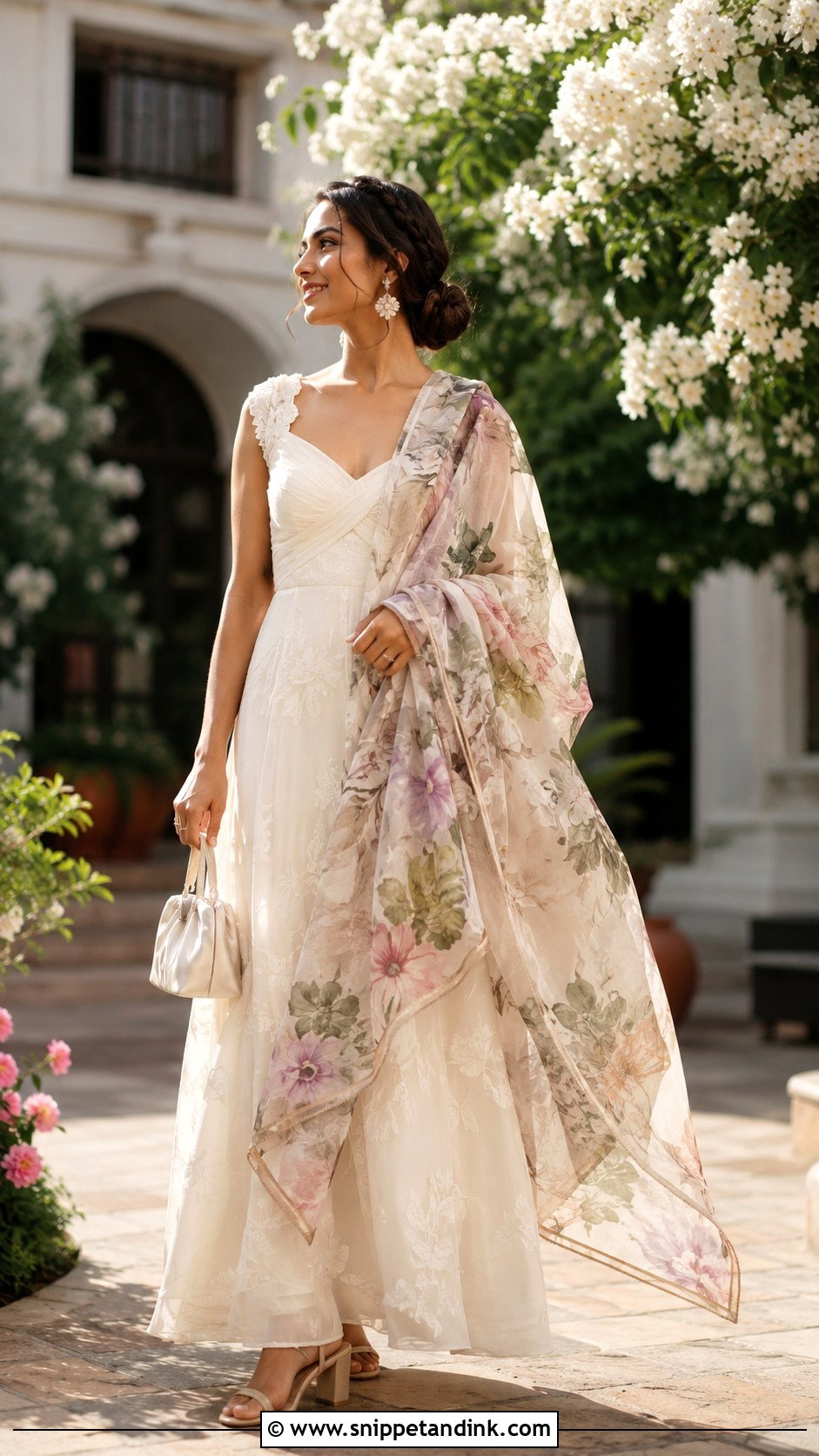
A printed silk or embroidered chiffon scarf belongs at a garden wedding, worn with a plain A-line gown so the print carries all the color. Blush, sage, lavender and dusty blue sit easily with ivory or cream. Wrap it once at the neck or drape it across the shoulders. Block-heel sandals keep you upright on grass, then add floral earrings, a small woven or satin bag, and loose waves or a low braided bun. My one firm rule is that either the scarf or the bouquet gets to be busy, not both. A wildflower bouquet held under a printed scarf turns into one blur of color in pictures, so I steer brides wearing a print toward simpler flowers.
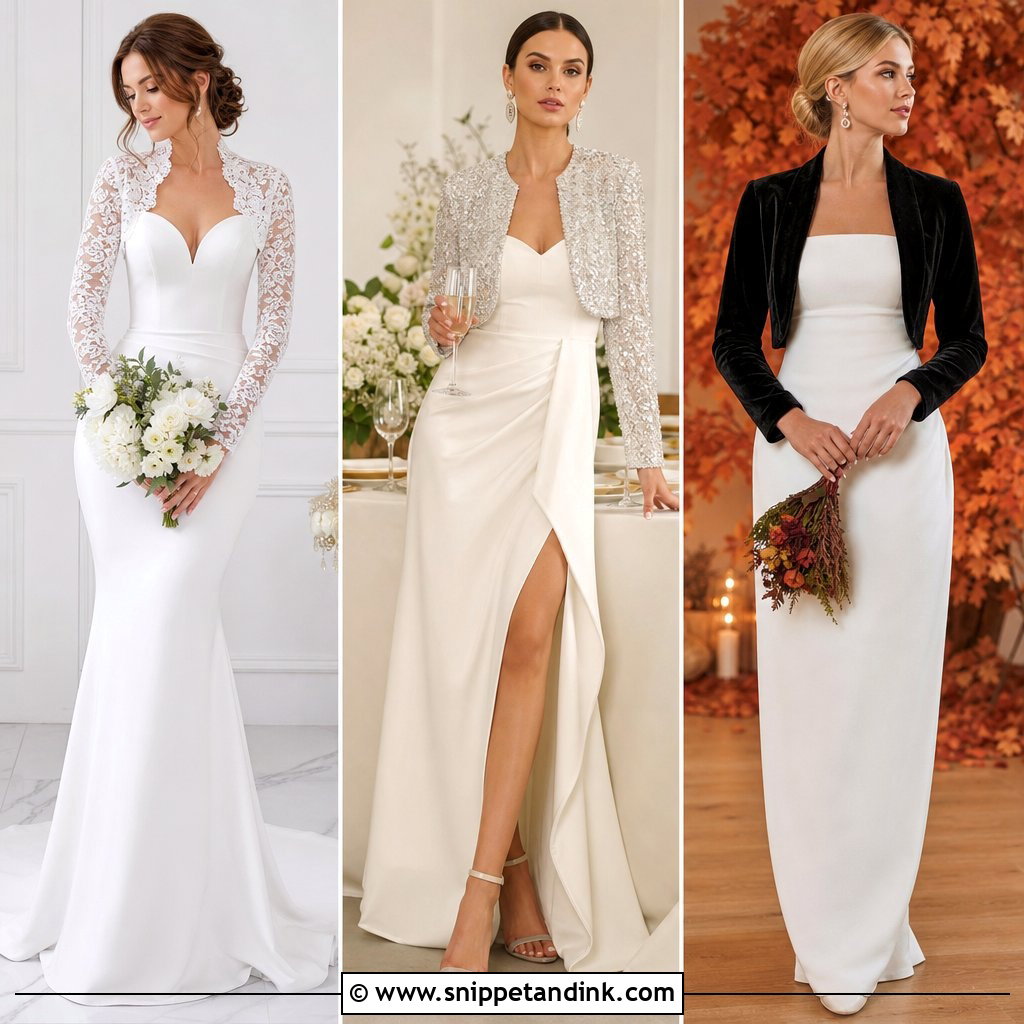
19. Beaded Wedding Scarf With Evening Gown
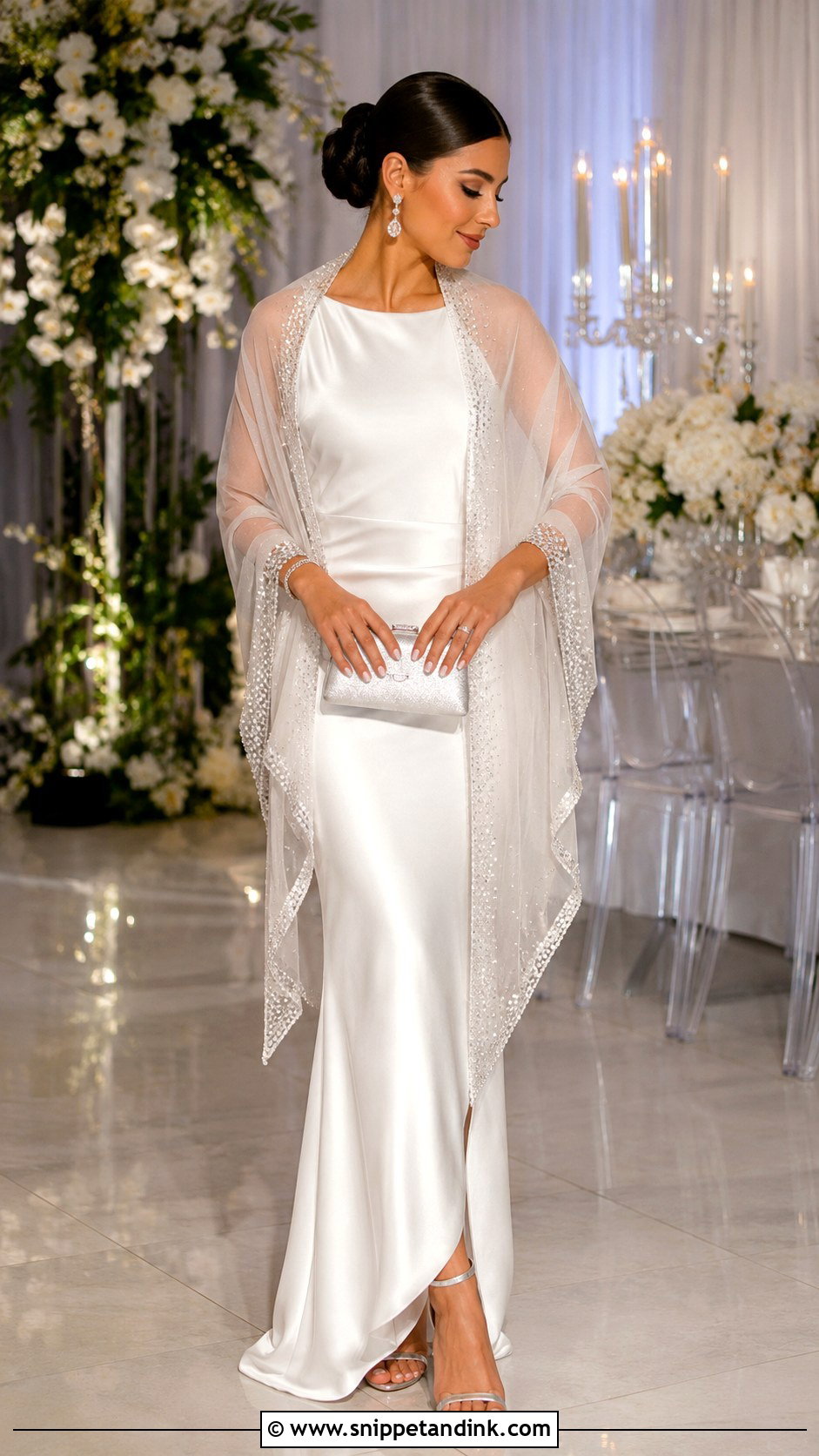
Beadwork is heavy for its size, and that’s the first thing I check. Crystals, seed beads or tiny sequins along the border of a sheer scarf make that edge hang lower than the rest, which helps it drape over a strapless, scoop or square-neck satin gown. Wear it over the shoulders or loosely at the neck with the beaded edge showing. Metallic heels, crystal drops, a small satin clutch and a smooth chignon finish it, and the chignon matters because loose hair snags on beadwork. Turn the scarf over and look for loose threads that could catch the dress. Leave the big necklace at home; a few points of sparkle look cleaner in evening photos than many.
20. Long Wedding Scarf With Bridal Suit
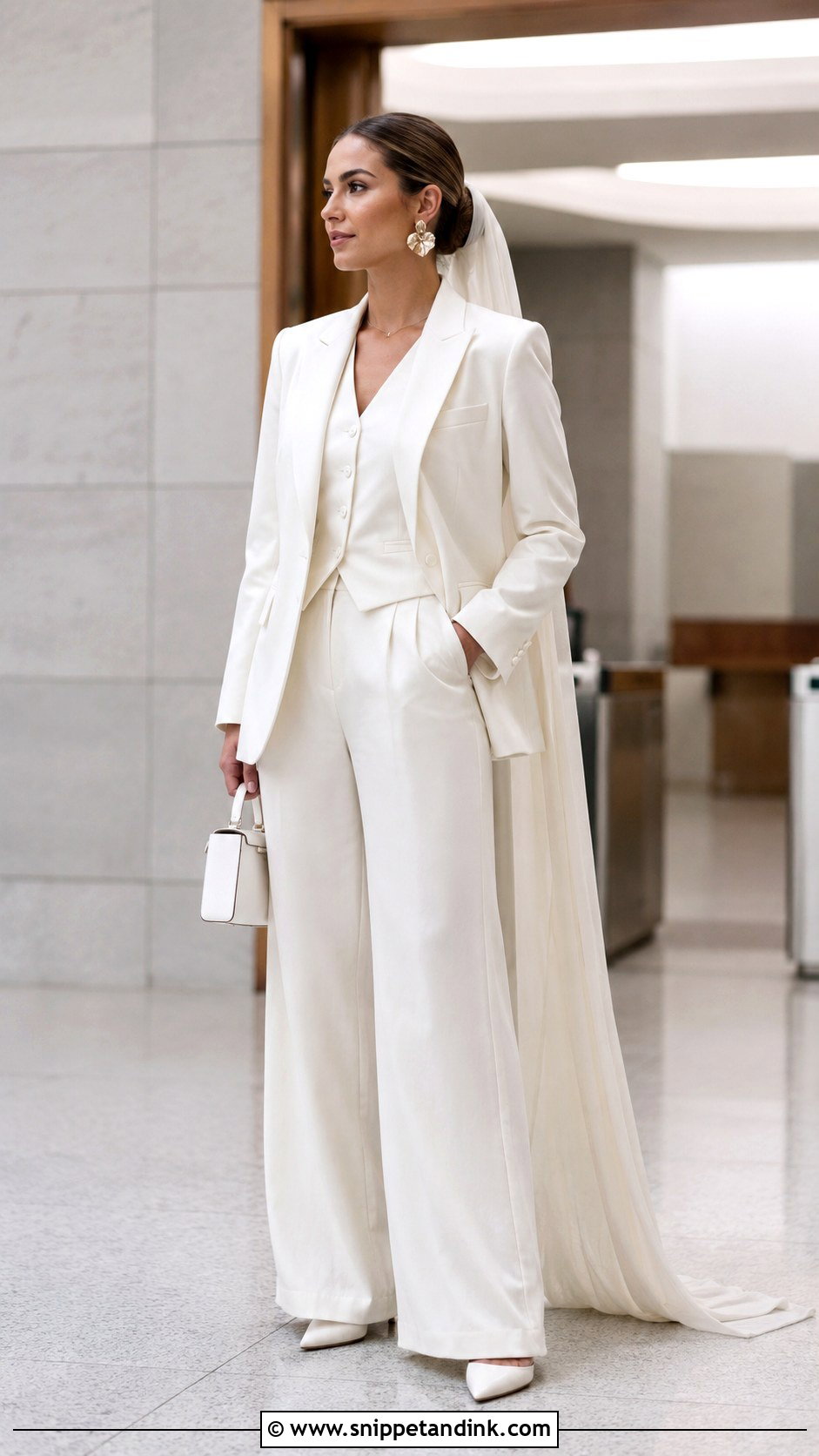
A long scarf softens the tailoring of a bridal suit without making it fussy. I start with an ivory pantsuit over a fitted waistcoat, silk camisole or clean bandeau, then add a narrow chiffon or silk scarf in a matching shade, wrapped loosely and left to fall down the back. Pointed pumps or sleek ankle boots, sculptural earrings and a structured mini bag hold the sharp line. Hair can go into a low ponytail, smooth waves or a neat bun. It suits ceremonies, courthouse weddings and reception changes. Try it with the blazer both on and off. The scarf has to clear the lapels, and the ends shouldn’t reach the trouser hem or they’ll end up under your heel.
Steam, Static and Storing a Silk Scarf After the Wedding
Scarves usually arrive folded, and fold lines in silk or chiffon show up clearly in close portraits. Steam them rather than ironing. Hang the scarf, keep the steamer a hand’s width away and keep it moving. Silk can water-spot if the steamer spits, so I always test a corner first. Tulle relaxes in seconds, and anything beaded or embroidered gets steamed from the back.
Static is the other surprise, especially with synthetic chiffon in heated winter rooms. A light mist of anti-static spray on the inside of the scarf, sprayed from arm’s length and left to dry, stops it clinging to the gown or lifting toward your face.
- Roll the scarf around a tube of acid-free tissue instead of folding it, because sharp creases in silk weaken over the years.
- Leave makeup, wine or candle wax for a cleaner who handles bridal fabric; rubbing silk at home spreads the mark and dulls the sheen.
- Keep pearl and beaded scarves out of plastic bags, which trap moisture, and store them in a cotton bag or a box lined with tissue.
- If you plan to hand it down, add a note with the fabric content so the next wearer knows how to treat it.
Wear Your Scarf for an Hour Before the Wedding
Every pairing above comes down to a few decisions: fabric weight against the dress, the neckline you want to keep in view, and how much movement your day can handle. Chiffon softens structure, silk sharpens clean satin and tailoring, and lace, pearls, embroidery or beading can stand in for jewelry. Long scarves give you drama on the aisle; short knots and bows are easier at the reception. Whichever one you choose, put it on with the real gown, test the pins and tape, then sit, hug and raise your arms in it. If it’s still where you put it afterward, it’s ready.
You'll Like These Ideas:


Leave a Reply