
Being asked to stand as a sponsor is an honor, and the question I hear most afterward is what you’re actually allowed to wear. My answer always starts in the same place: the couple’s dress code and entourage colors come first, your own taste second. A ballroom, a church ceremony, a garden and a beach each push you toward different fabrics and shoes. Below are twenty complete looks, from gowns and pantsuits to Filipiniana-inspired ensembles, with notes on which bodies, ages and venues each one really suits. Ask the couple for their approved shades before you buy anything.
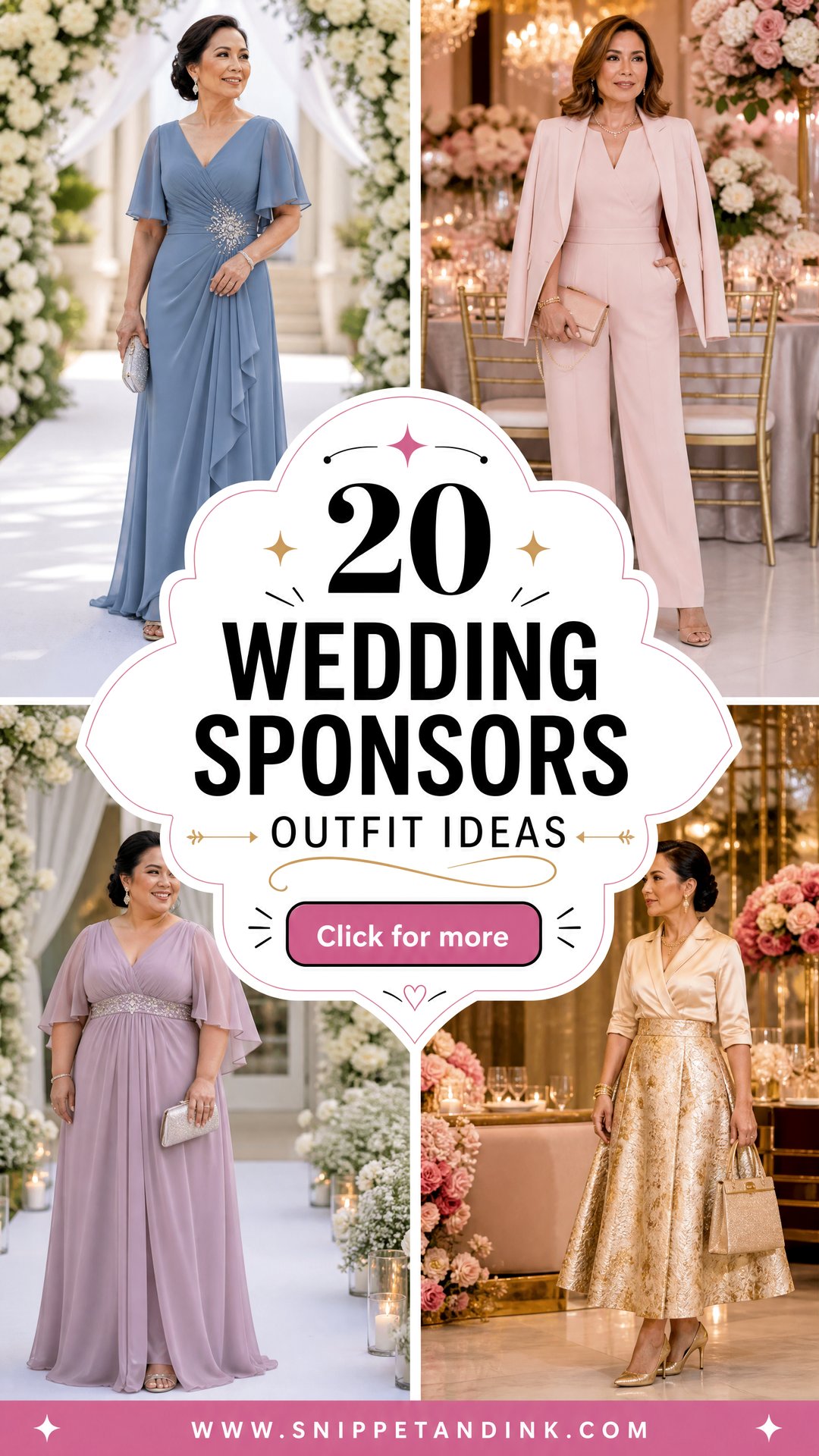
The Entourage Chart Decides More Than Your Taste Does
In Filipino church weddings, and many others, a sponsor is given a role, and the role shapes the outfit. Principal sponsors (the ninong and ninang) witness and sign the marriage contract, so you’ll be photographed up close at the signing table. Secondary sponsors handle the candle, veil and cord, which means standing near the couple through much of the rite.
Most couples now send an attire guide or a color chart. Here is what I look for in it, in this order:
- The color assigned to your group. Sponsors are often given one shade or one family of shades so the rows read as a group in the wide shot.
- Whether Filipiniana or barong is requested. If it is, a western gown will stand out for the wrong reason, however formal it is.
- Length and coverage. Church ceremonies usually expect covered shoulders, so bring a jacket or shawl even if the reception is relaxed.
- Who wears the pale neutrals. Champagne, ivory and nude are sometimes kept for the mothers of the couple.
If the guide says nothing, message the couple a photo of your top choice. They would much rather answer that question now than find a surprise in the entourage line.
1. Champagne A-Line Wedding Sponsor Gown
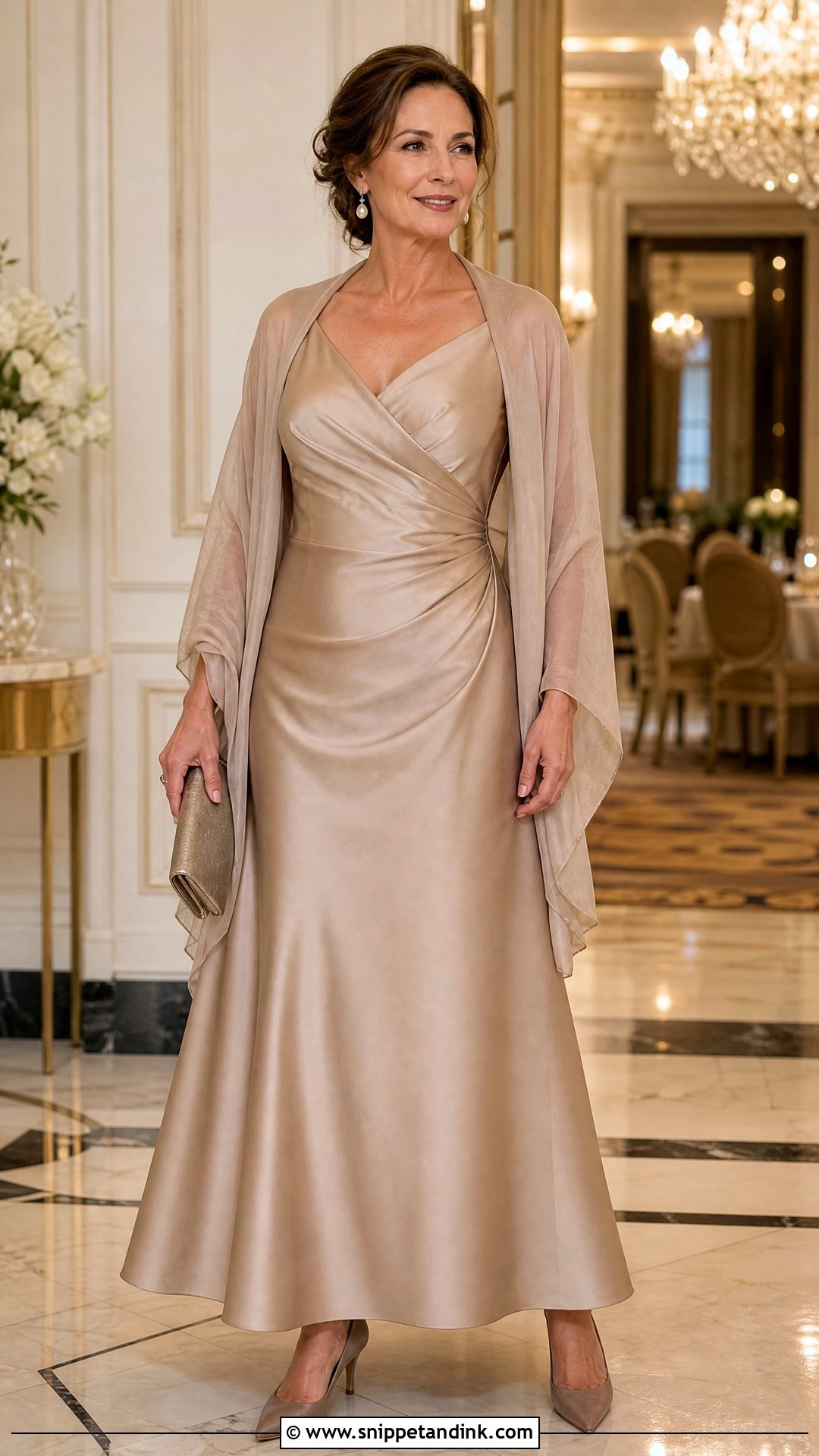
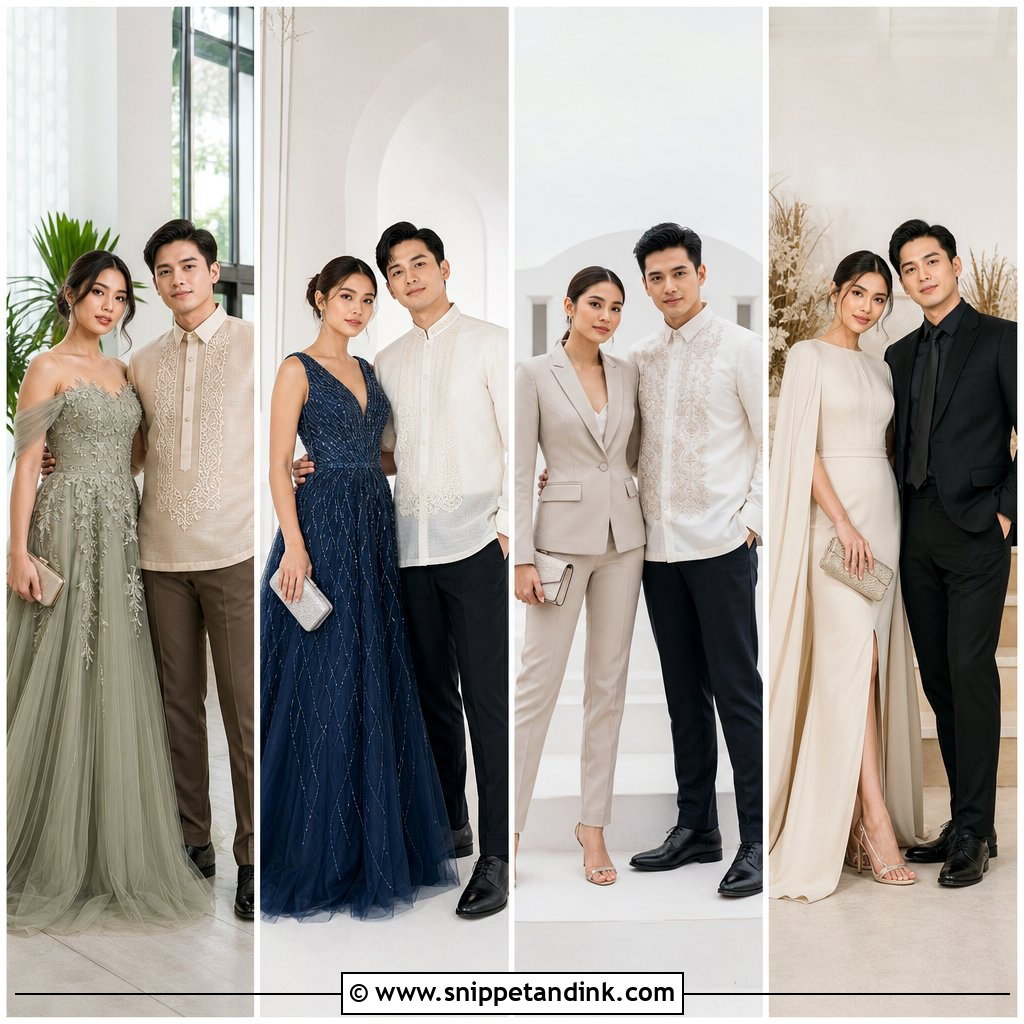
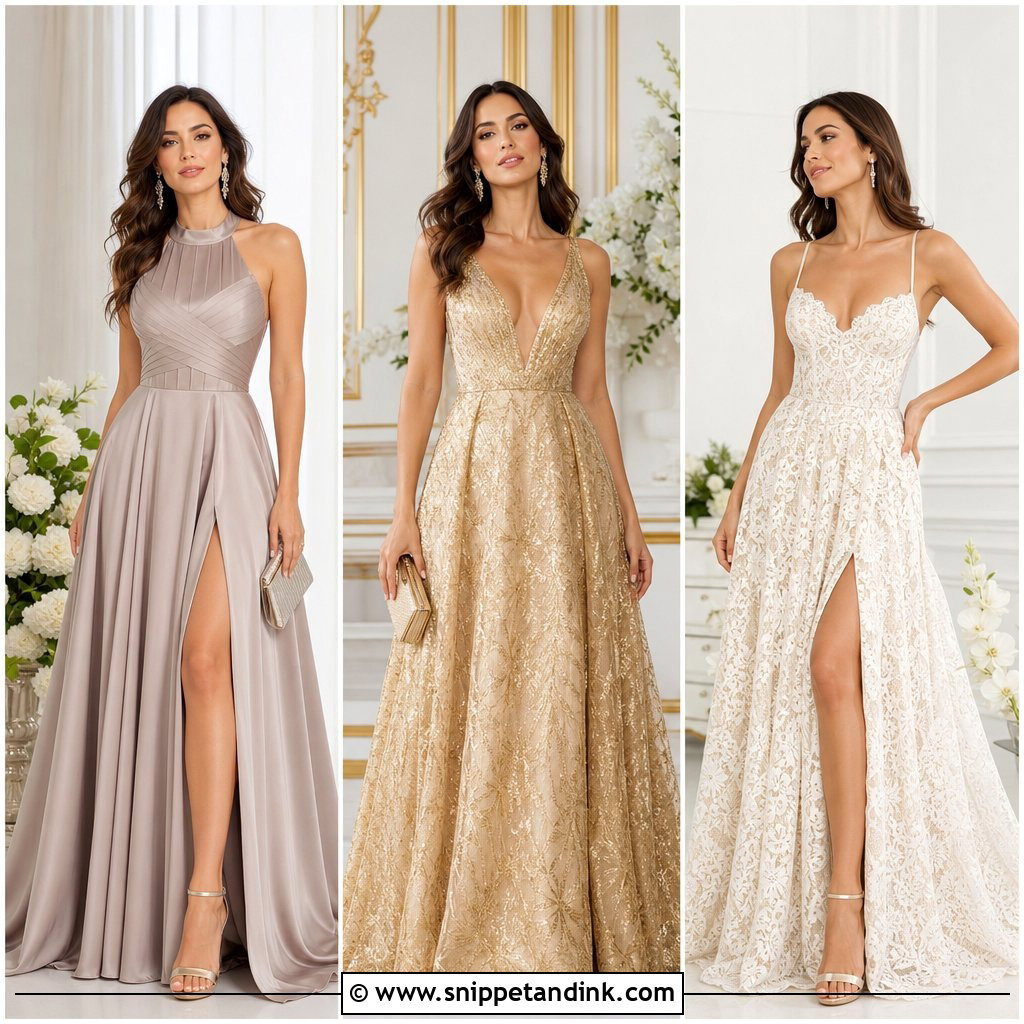
Champagne is the shade I double-check most, because under flash a pale one turns almost white next to the bride. Go for a muted, slightly deeper champagne in matte satin, crepe or layered chiffon; shiny satin bounces light and reads paler still. The A-line cut defines the waist and lets you climb church steps without hitching the skirt. Taupe pointed pumps and pearl drops are enough, with a light shawl for a traditional ceremony and a low chignon for hair. Some couples reserve pale neutrals for the mothers only, so check the attire guide first.
2. Dusty Blue Chiffon Wedding Sponsor Dress
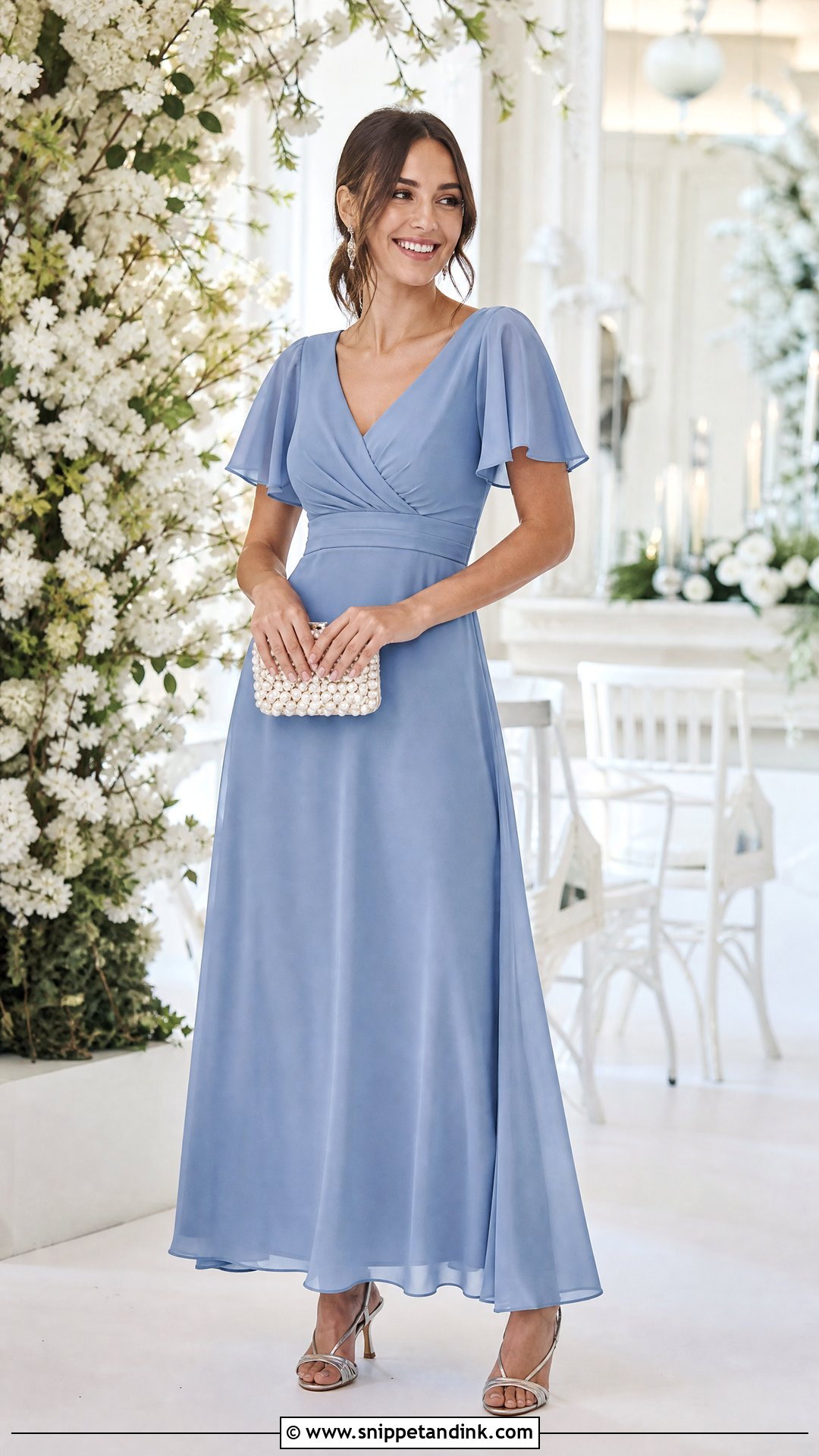
Chiffon moves, which is exactly why I like it for a daytime ceremony and why it needs structure around it. Pick a floor or ankle length dress with flutter sleeves and a fully lined skirt; unlined chiffon goes see-through the moment you stand in front of a sunlit church door. Dusty blue sits safely away from bridal white on camera. Because the fabric is soft, I keep the accessories firm: silver slingbacks and a clutch with a hard frame. A neat half-up style keeps hair off your face for the formal portraits. Skip sheer panels and trains, since you’ll be walking, sitting and signing more than posing.
3. Sage Green Wrap Wedding Sponsor Maxi Dress
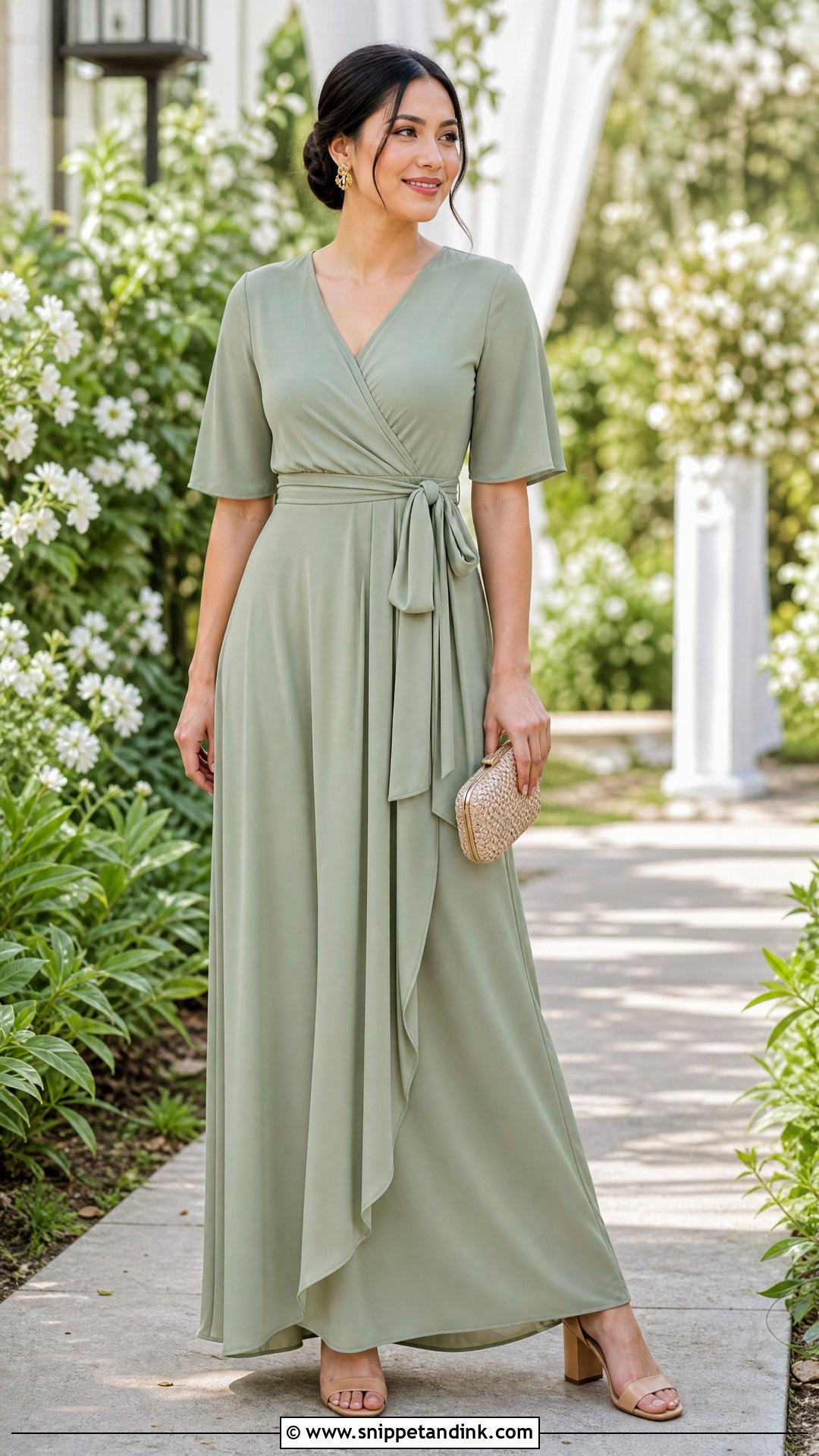
Sage is the color I see most often on bridesmaids, so before anything else, find out what the bridal party is wearing. If they’re in sage, go a step deeper or grayer so you read as a sponsor and not an extra bridesmaid. The wrap shape is forgiving across sizes, but test the neckline by bending forward in the fitting room; a true wrap can gape when you lean in to sign the contract. On grass, wear block heels or dressy wedges, because stilettos sink. Humidity drops loose curls quickly outdoors, so a low bun is the safer hair choice.
4. Blush Lace Midi Wedding Sponsor Dress
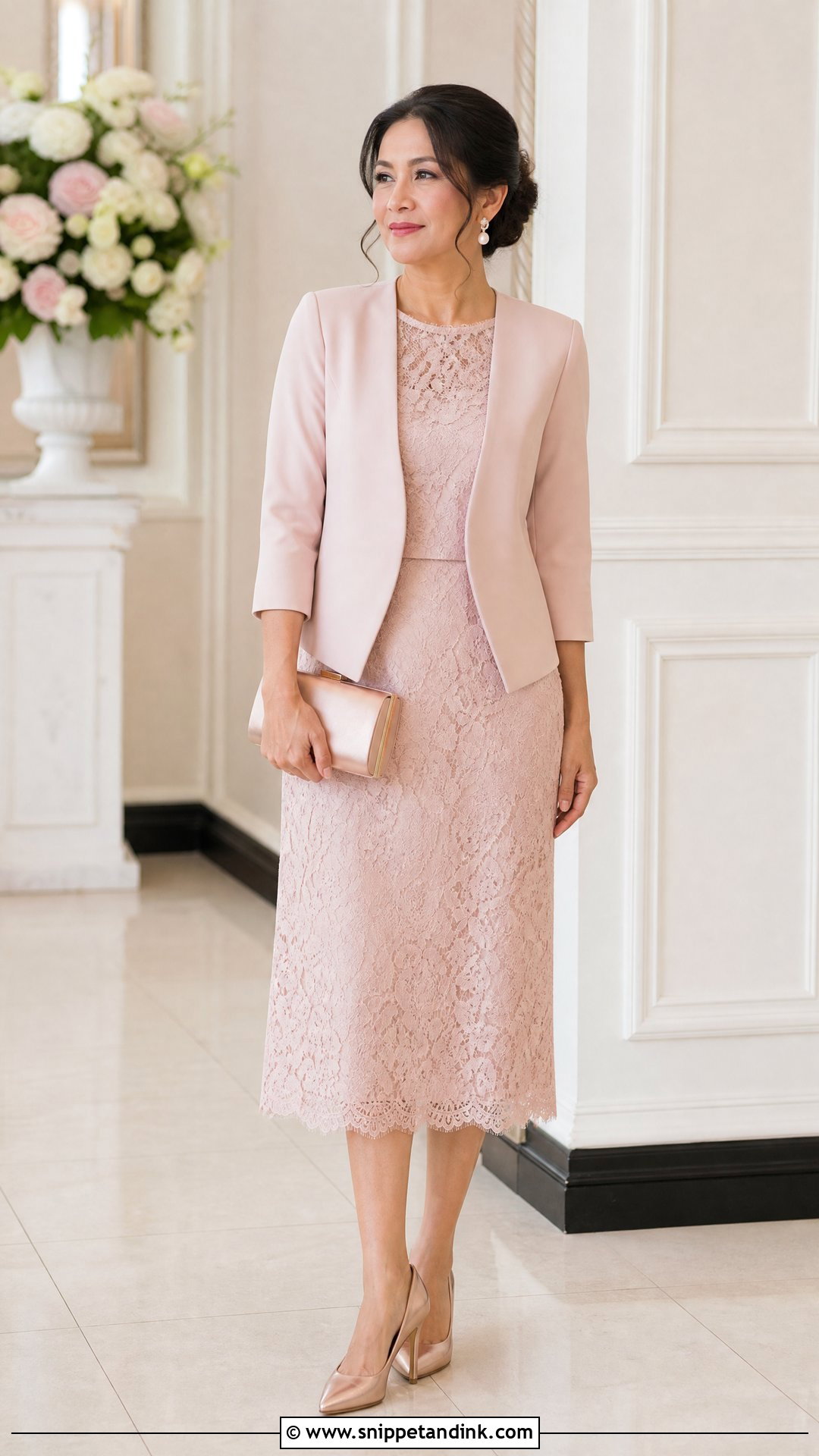
Blush lace is pretty and risky in equal measure, since plenty of wedding gowns now come with blush or nude linings. Choose a shade that is unmistakably pink, then show it to the couple. I look for substantial, lined lace: thin lace snags on clutch clasps and bracelet catches, and it shows every strap line. A sheath reads more polished, while a fit-and-flare gives your hips room when you sit through a long Mass. A matching crepe jacket covers the shoulders in church and comes off for the reception. Rose-gold pumps and pearl studs are plenty, with soft makeup and very little shimmer.
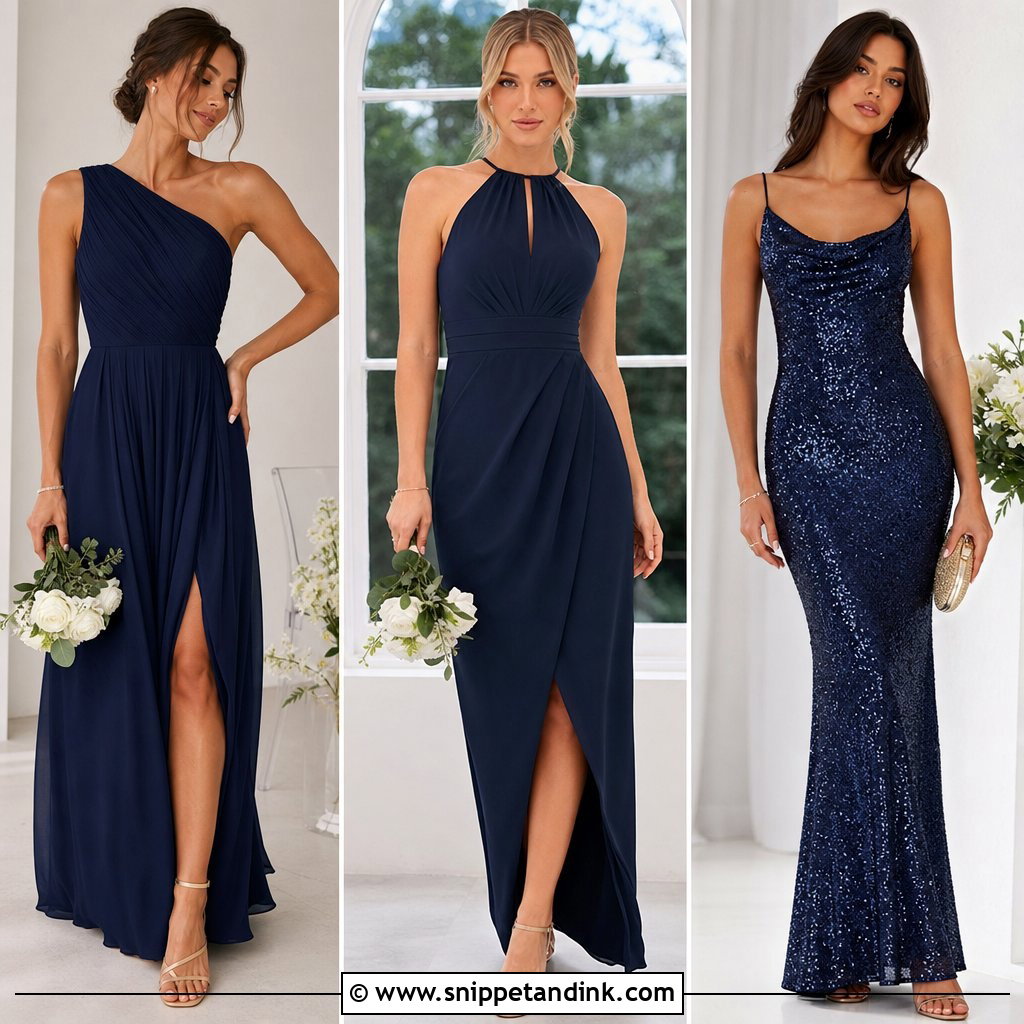
5. Navy Blue Cape Wedding Sponsor Gown
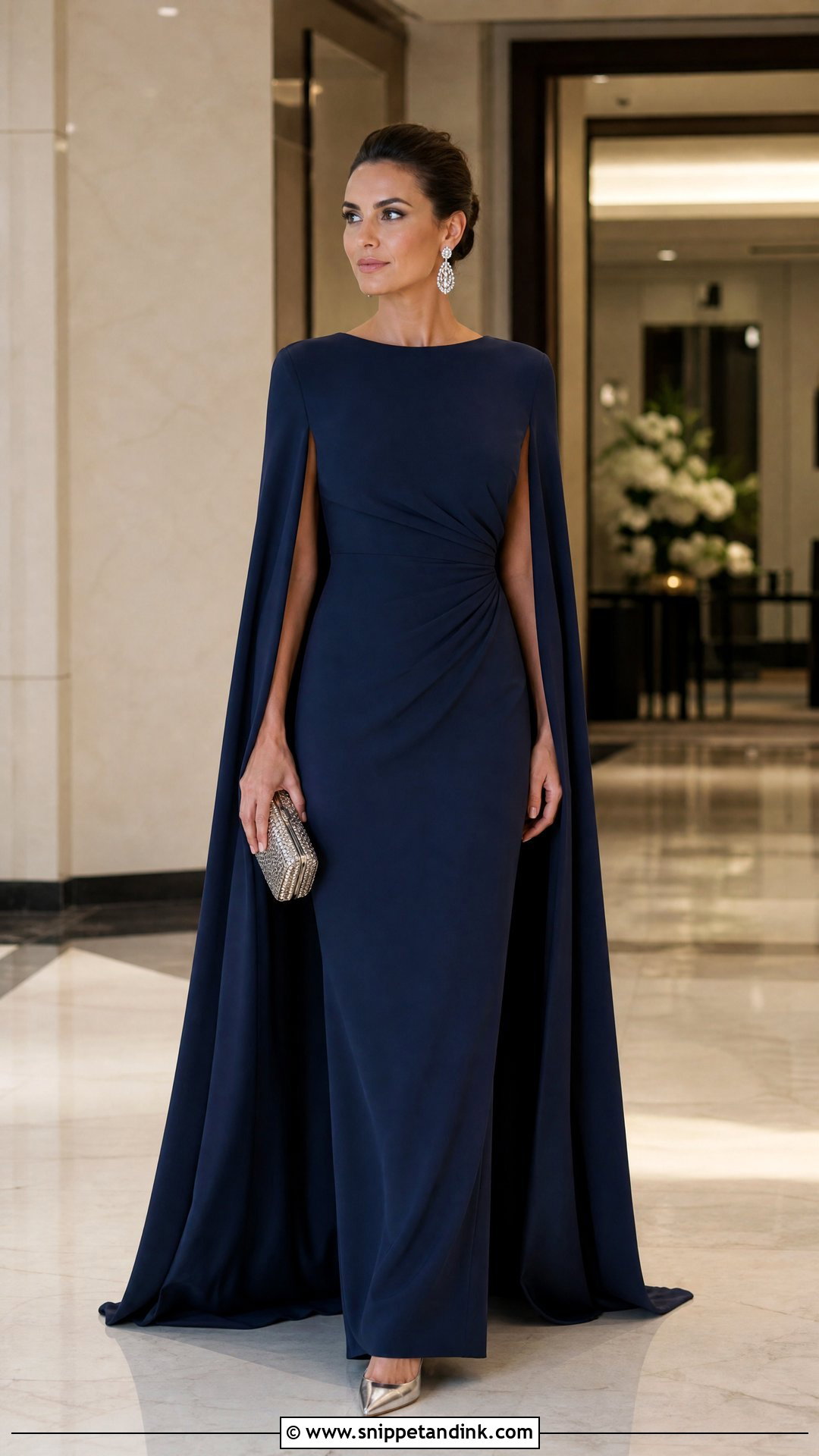
For an evening or black-tie wedding, a navy cape gives you arm coverage without sleeves cutting into you every time you hug a guest. The cape does the decorating, so the gown itself can be plain crepe, georgette or matte jersey in a column or soft flare. Silver accessories suit navy best, and with a high neck I’d skip the necklace for a bracelet. Put hair in a sleek updo so the cape isn’t fighting a mass of curls at the back, which is exactly where processional photos are taken. Walk the hem in your actual shoes before the day; capes and long hems are what catch on church pews.
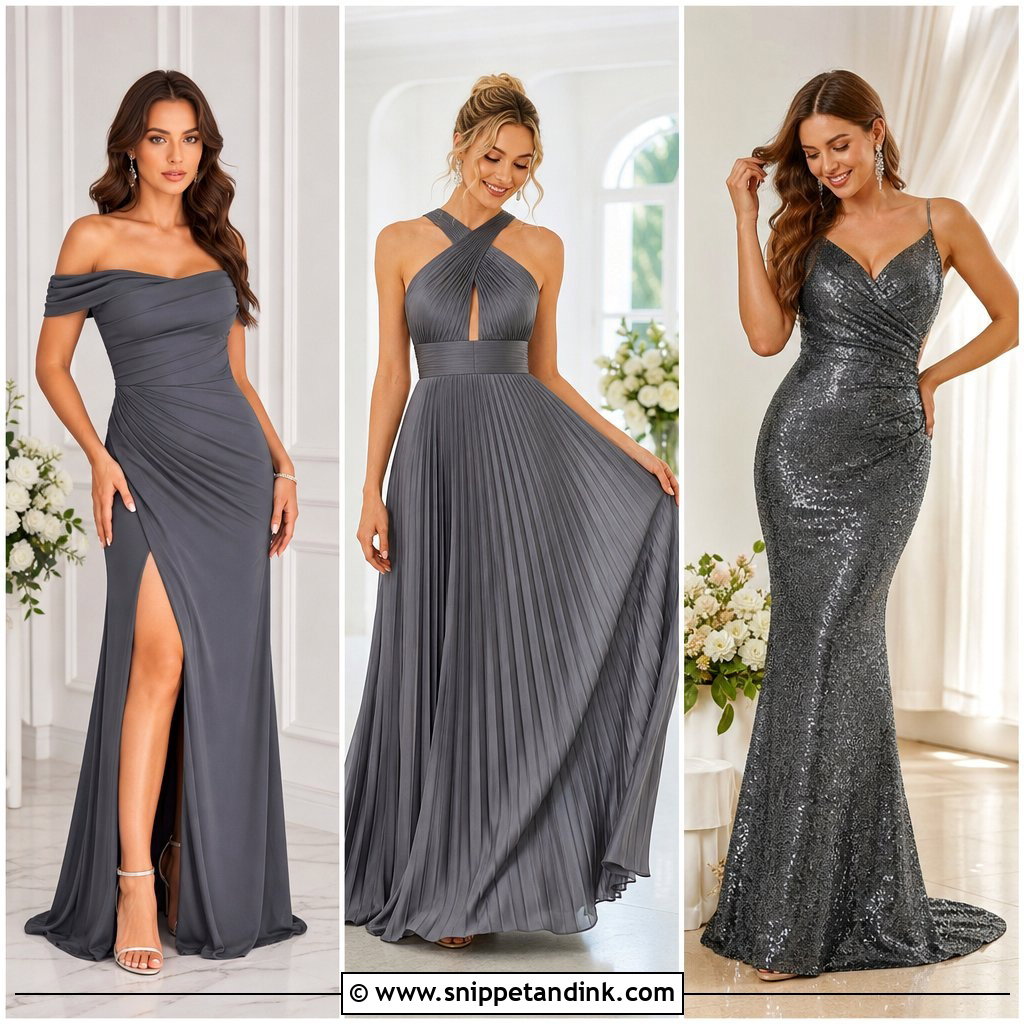
6. Silver Gray Pleated Wedding Sponsor Gown
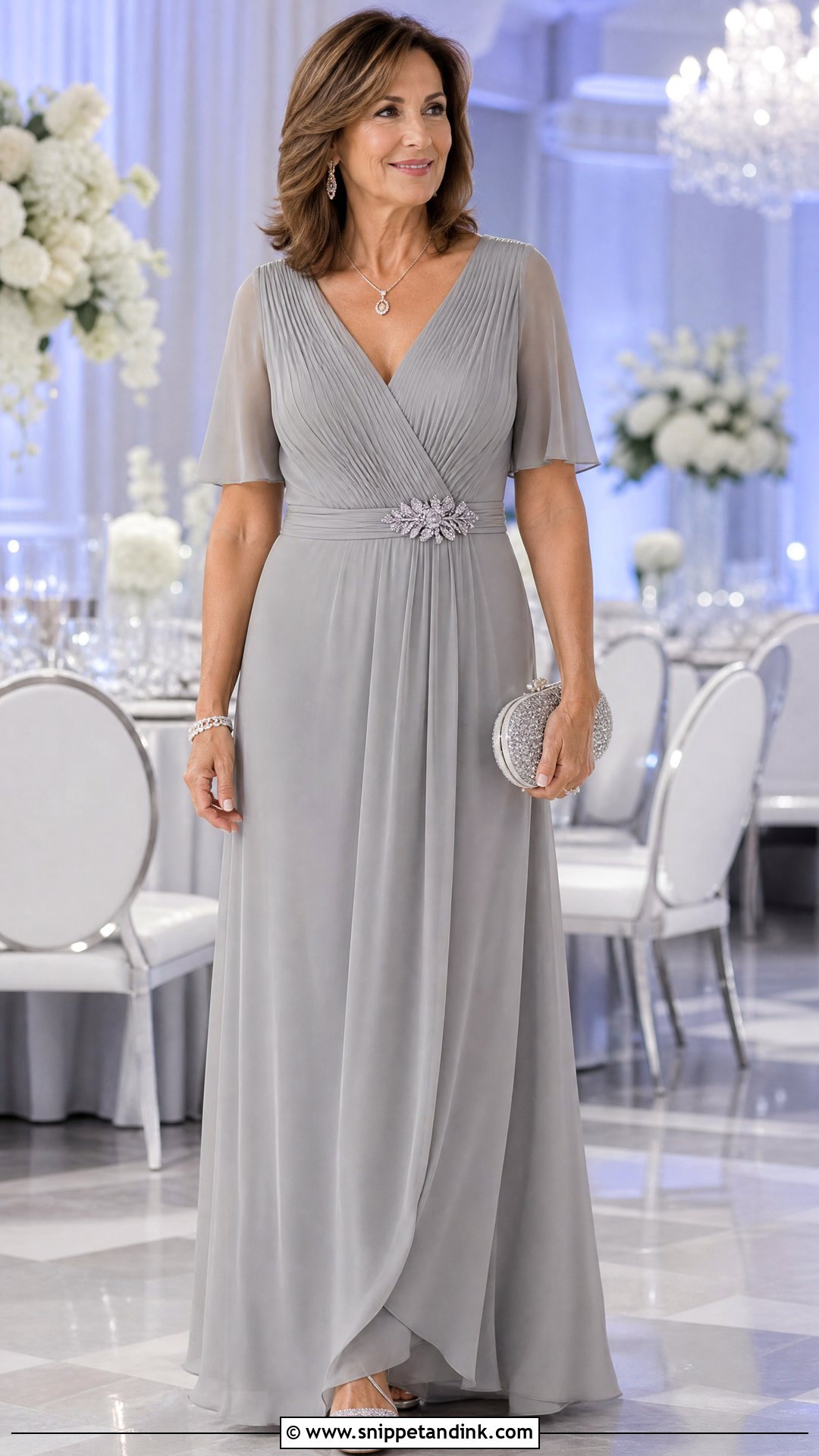
Gray is a quiet way to separate the sponsors from the bridal party, and it flatters almost every skin tone if you pick the right depth. A pleated chiffon gown with a fitted waist moves well and still looks formal. Stay with medium gray or pewter, because an icy silver can flash white. Pleats are generous through the midsection, which is why I suggest this one to sponsors who want room after dinner. Charcoal low heels and one beaded clutch are enough. With a V-neck, a fine pendant fills the space. Only one shiny piece, please.
7. Mauve Embellished Wedding Sponsor Column Dress
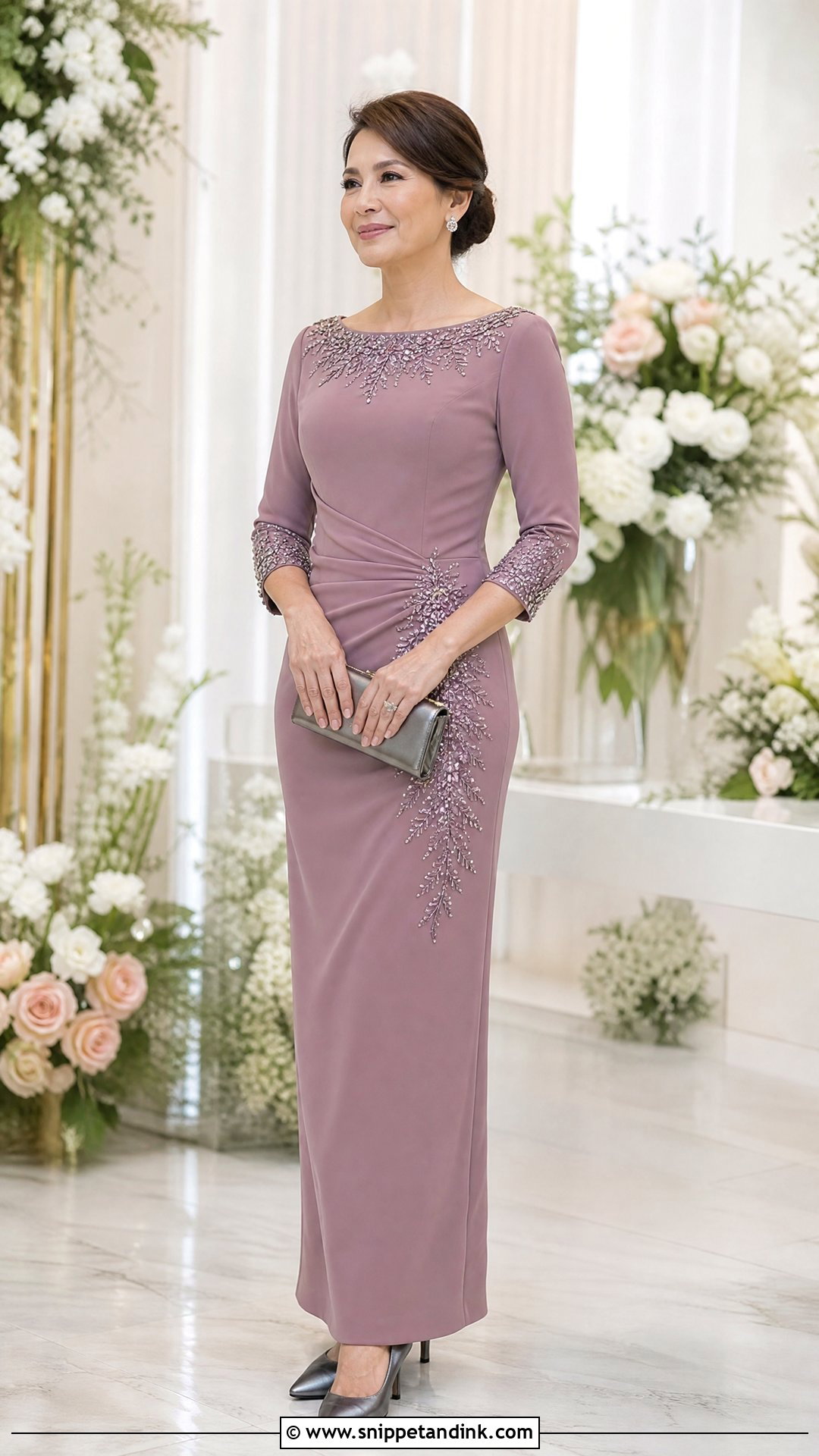
Mauve is my usual suggestion when a sponsor wants color but the palette is soft. Keep the beading to the neckline, cuffs or waist; beading over the whole column adds real weight, and a heavy column dress drags at the hips by evening. The cut also needs walking room, so look for light draping or a back slit. Pewter kitten heels and a gray satin clutch keep it calm. If the detail sits near your face, wear a clean updo and no necklace. Mauve sits comfortably beside blush, lavender, gray and navy, but hold a swatch against the entourage colors before you pay.
8. Emerald Green Satin Wedding Sponsor Midi Dress
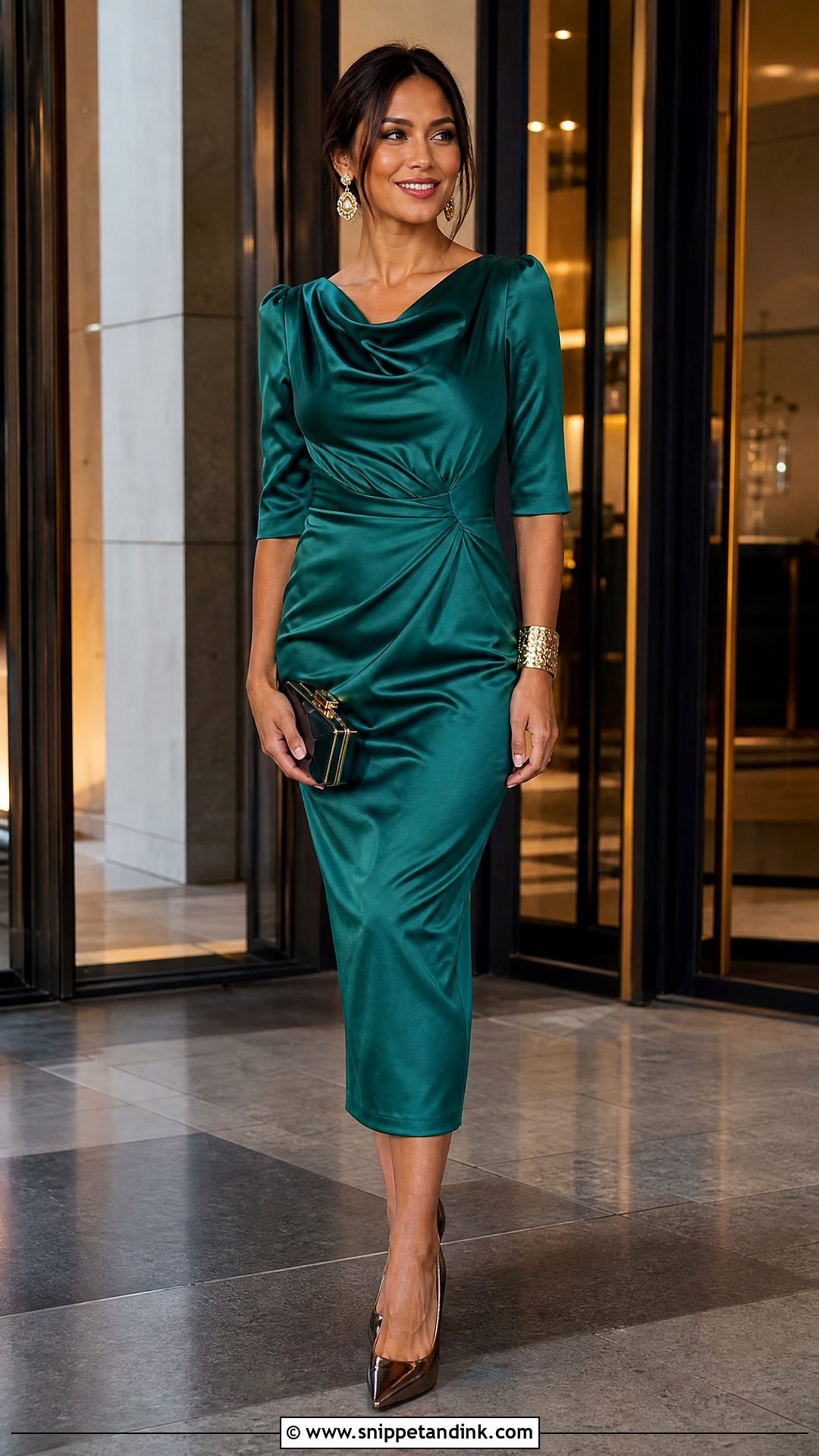
Emerald satin belongs at evening weddings where the couple welcomes deep jewel tones. Satin shows everything underneath, so sort out your undergarments before the first fitting, not after. A bias-cut skirt pours nicely when you stand, but it creases across the lap after an hour seated; a heavier crepe-back satin recovers far better than a thin charmeuse. I’d want sleeves or broad straps for ceremony coverage. Gold earrings and a slim cuff warm up the green, and a low ponytail keeps it modern. Green is loud on camera, so let the dress be the only bold piece.
9. Burgundy Long-Sleeve Wedding Sponsor Gown
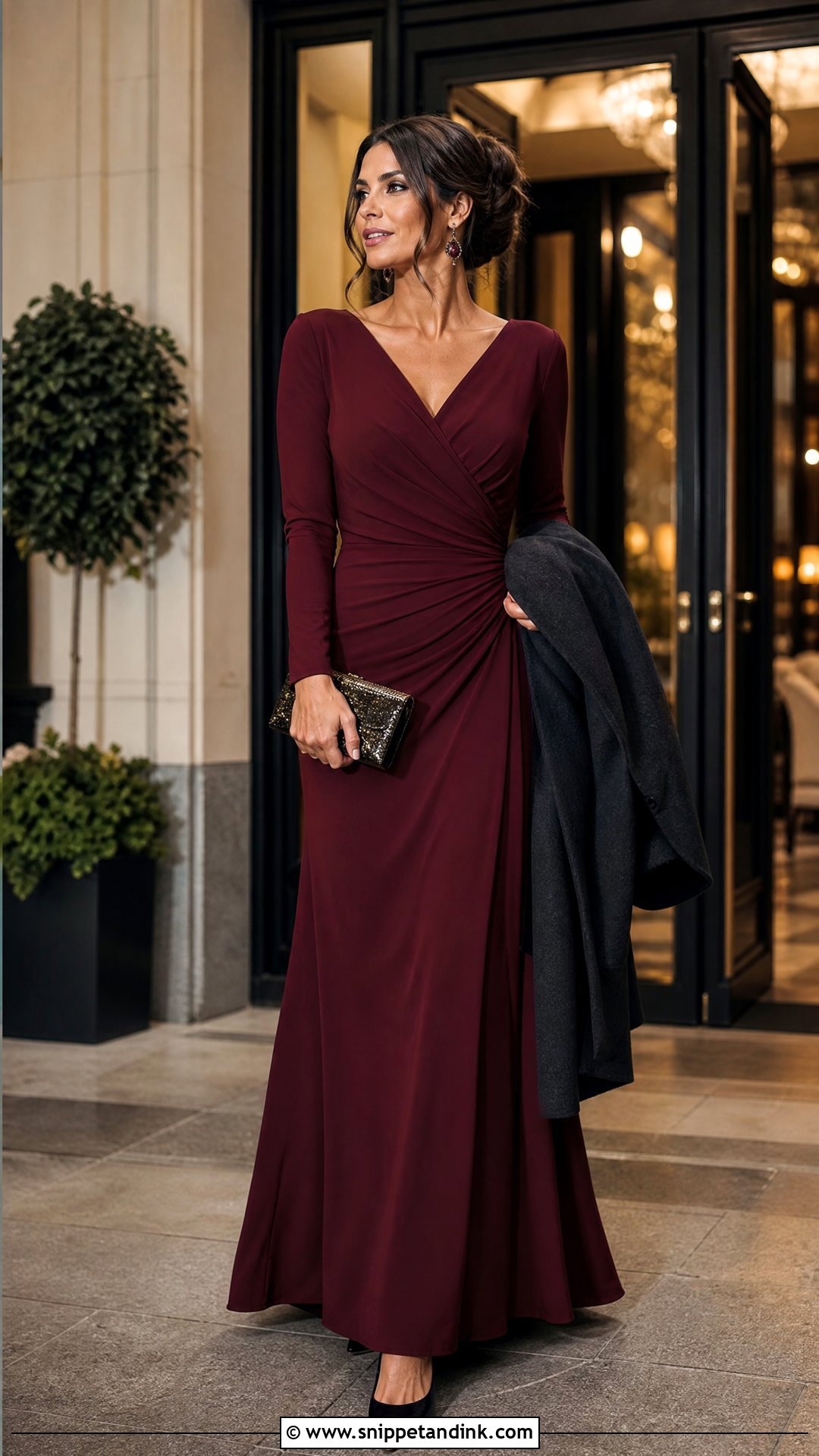
Long burgundy sleeves are what I reach for when the church is cold and the reception hall is heavily air-conditioned. Crepe, soft stretch fabric or chiffon with velvet trim will stay comfortable over a long day. A surplice bodice flatters most figures and is easy to adjust, and gathered sleeves give movement without bulk. Black pointed heels and gold or garnet earrings suit it, plus a charcoal coat for outdoor arrivals. Don’t match your lipstick to the dress; a muted berry lip looks more considered. Burgundy is strong next to pastels, so confirm it fits the couple’s palette.
10. Beige Filipiniana Wedding Sponsor Terno Dress
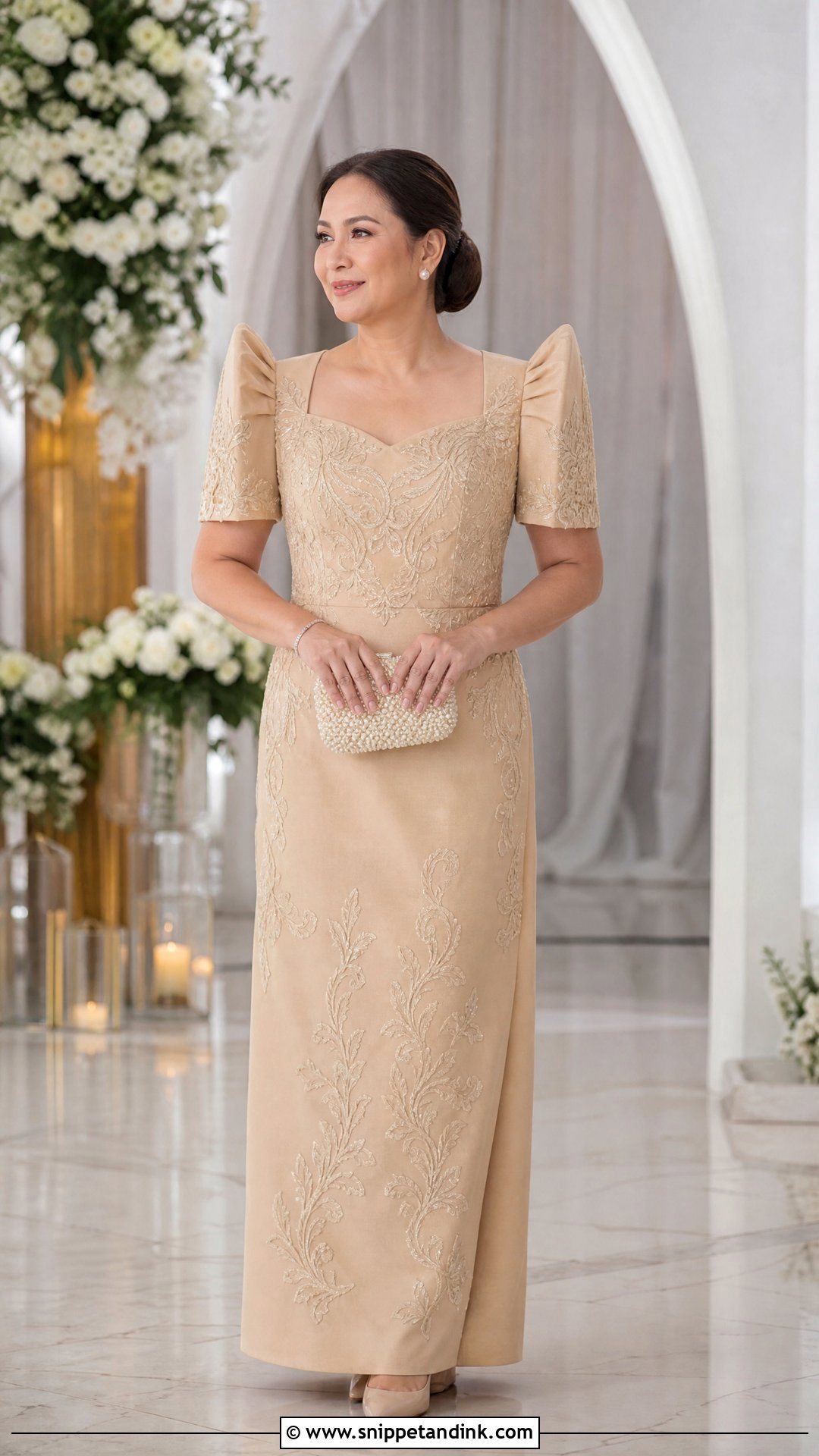
A beige Filipiniana terno dress is the most traditional option here, and many couples ask their principal sponsors for exactly this. The butterfly sleeves are the signature, so I check that they’re stiff enough to hold their shape and that they don’t knock the earrings or the hair when you turn your head. Piña-inspired fabric, organza and embroidered jusi are sheer by nature, so insist on full lining. Beige can go pale under strong lights; a warm tan or gold-beige holds up better. A low bun shows off the sleeves. If other sponsors also wear Filipiniana, ask whether the couple wants matching shades.
11. Modern Barong and Palazzo Pants Wedding Sponsor Outfit
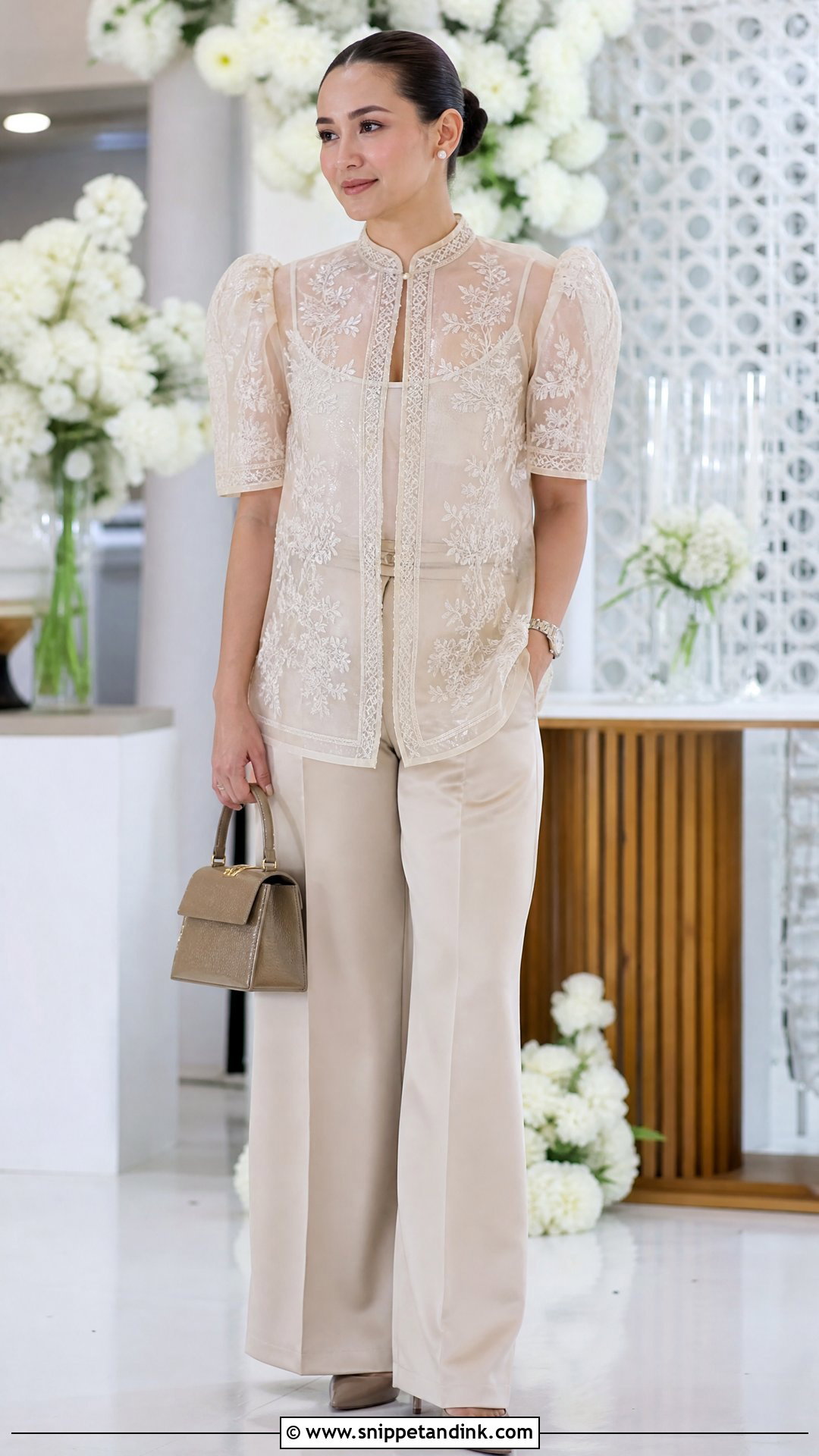
Separates suit sponsors who’d rather not wear a gown, and a women’s barong over palazzo pants is formal enough for most church weddings. Start with an embroidered long-sleeve barong worn over a matching camisole so the sheer fabric looks intentional. High-waisted trousers in taupe, champagne or soft gray should fall just above the floor, which means hemming them in the shoes you’ll wear. Pointed pumps and pearl studs are all it needs. Ivory barongs are traditional, but they can read close to white in photos, so clear the exact shade with the couple.
12. Floral Garden Wedding Sponsor Midi Dress
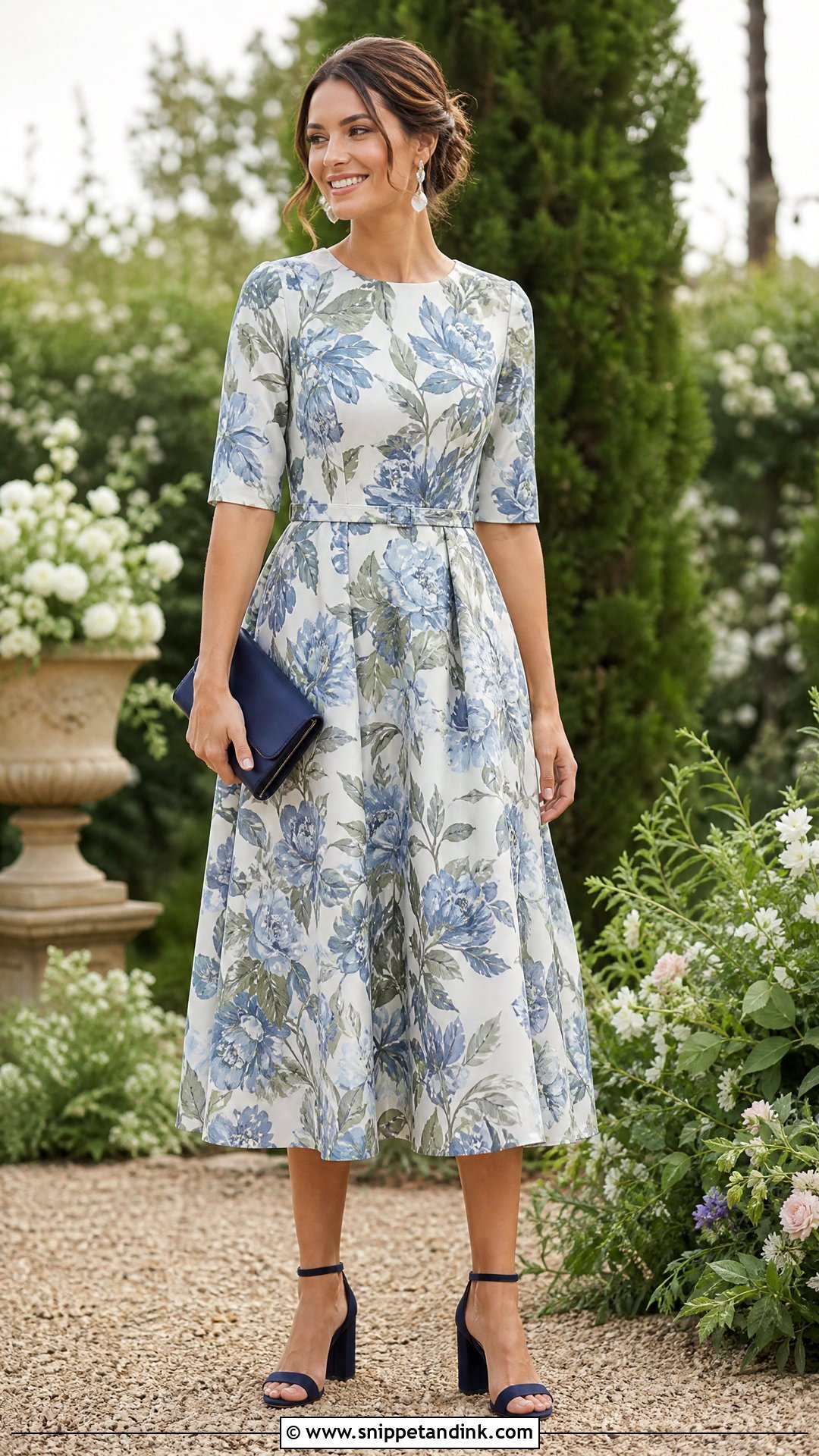
Could a floral dress work for a sponsor? Yes, when the ceremony is in a garden and the invitation allows prints. Scale is what makes it formal: a medium botanical print on a muted base reads dressy, while a large bright tropical print reads like a resort lunch. Pull your shoe and earring color from one shade in the print and keep them solid. No floral bag or hair flowers on top; that’s one pattern too many. Choose a fabric with enough weight to hold its shape at the dinner table, and keep the hem below the knee.
13. Pastel Jumpsuit and Blazer Wedding Sponsor Outfit
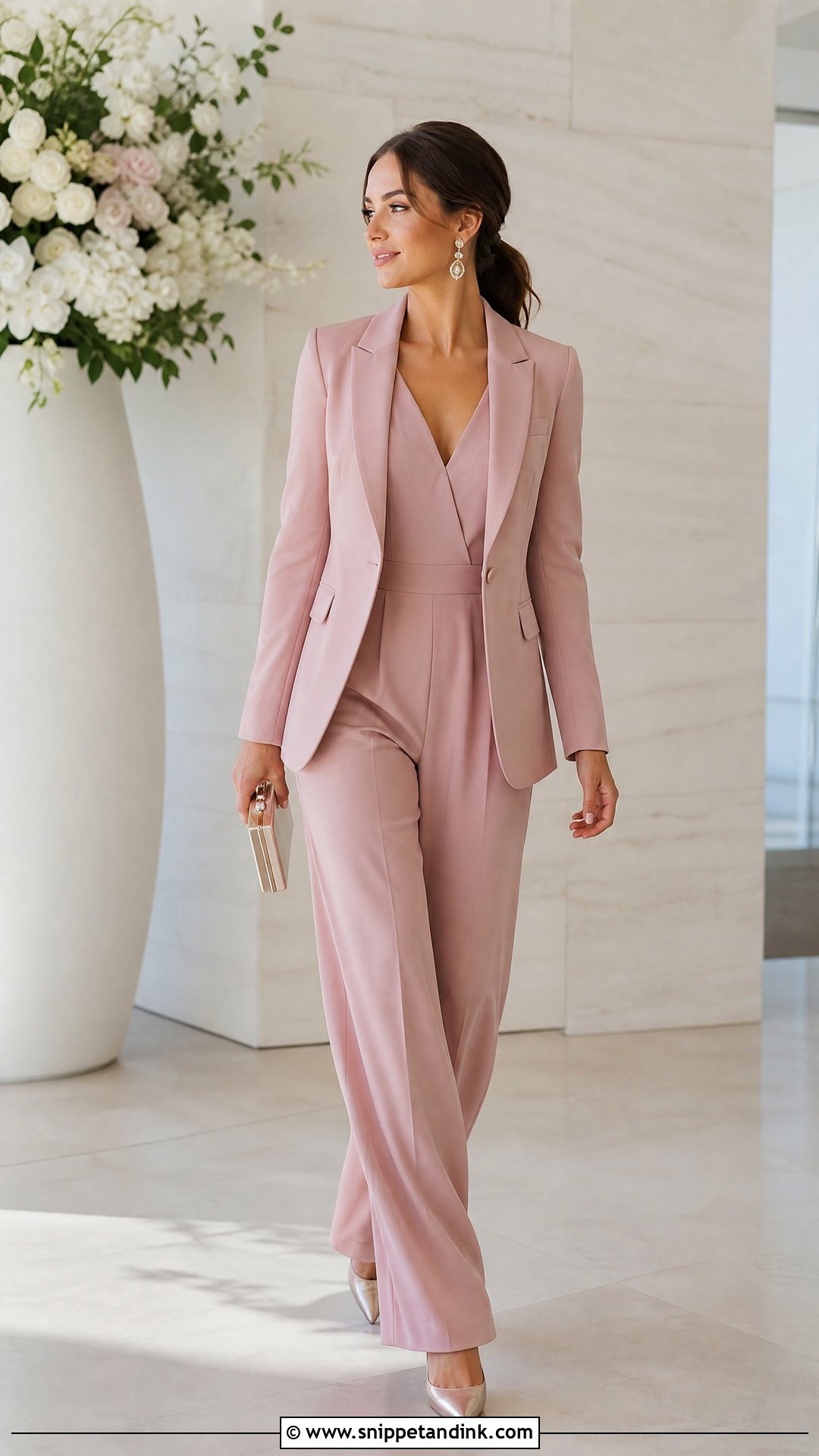
A pastel jumpsuit and matching blazer is as formal as a dress if the tailoring is right, and tailoring is the part people skip. The hem should almost meet the shoe. Too long and you’ll step on it on the church steps; too short and it looks casual. Think about the restroom before you buy, too: a jumpsuit means undressing completely, so look for a zip you can reach yourself. A wide leg in dusty rose or pale blue looks right for city venues, and pointed metallic pumps lengthen the line. Check that pantsuits are allowed and that your color isn’t the bridesmaids’.
14. Black-Tie Beaded Wedding Sponsor Gown
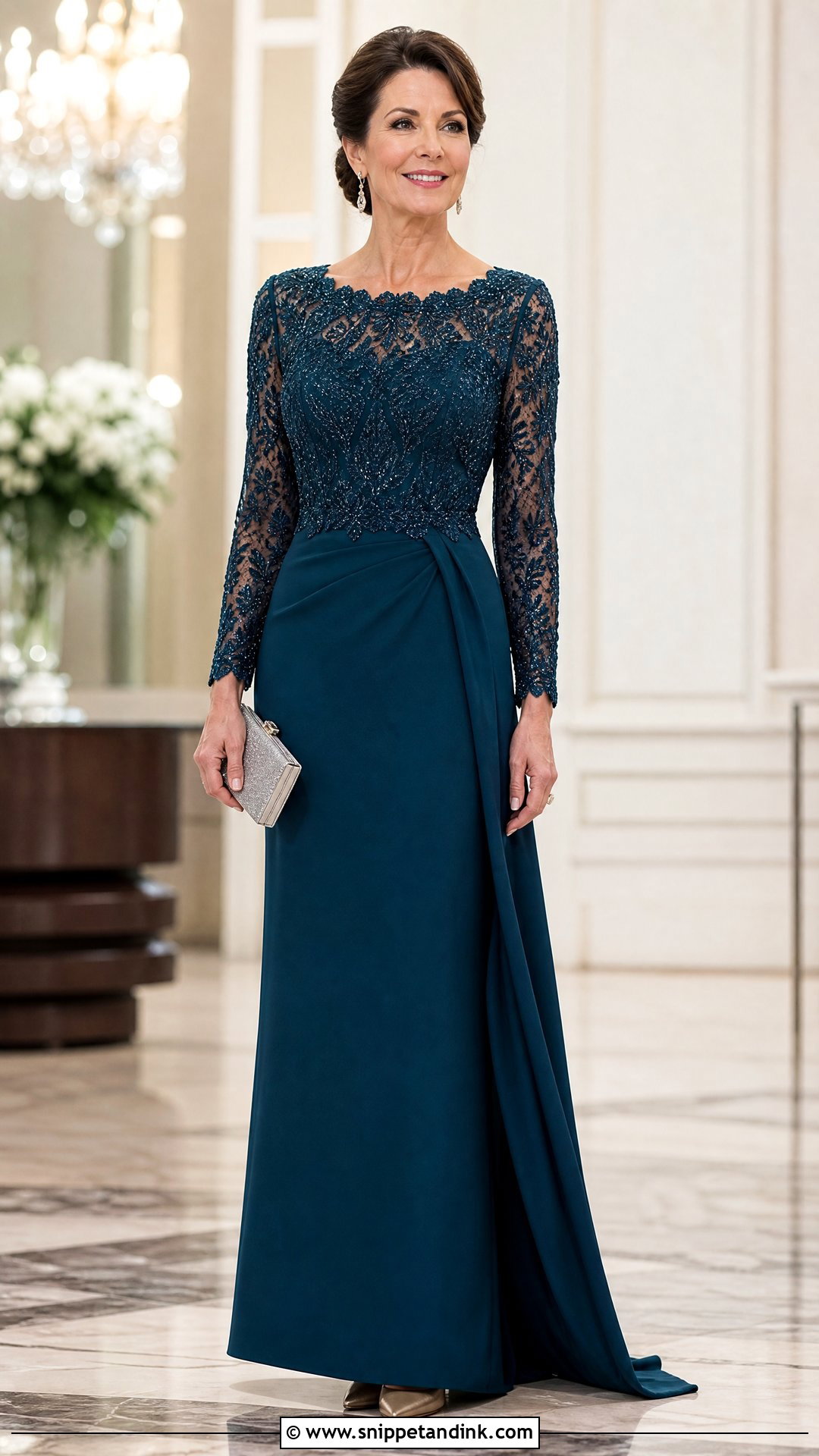
Ballrooms swallow quiet outfits, so this is where some beading earns its place. Keep it on the bodice or sleeves in pewter, navy, plum or deep teal, and leave the skirt plain. Beaded seams can scratch the inner arm on long-sleeve gowns, which you start noticing by the second hour, so try the dress on and swing your arms. Satin pumps and small diamond-style earrings, nothing bigger. A neat updo keeps the beading visible. Black tie asks for floor length, but never anything that resembles a bridal gown: no crystal-covered bodice, long train or heavy sheer panels.
15. Beach Formal Chiffon Wedding Sponsor Maxi Dress
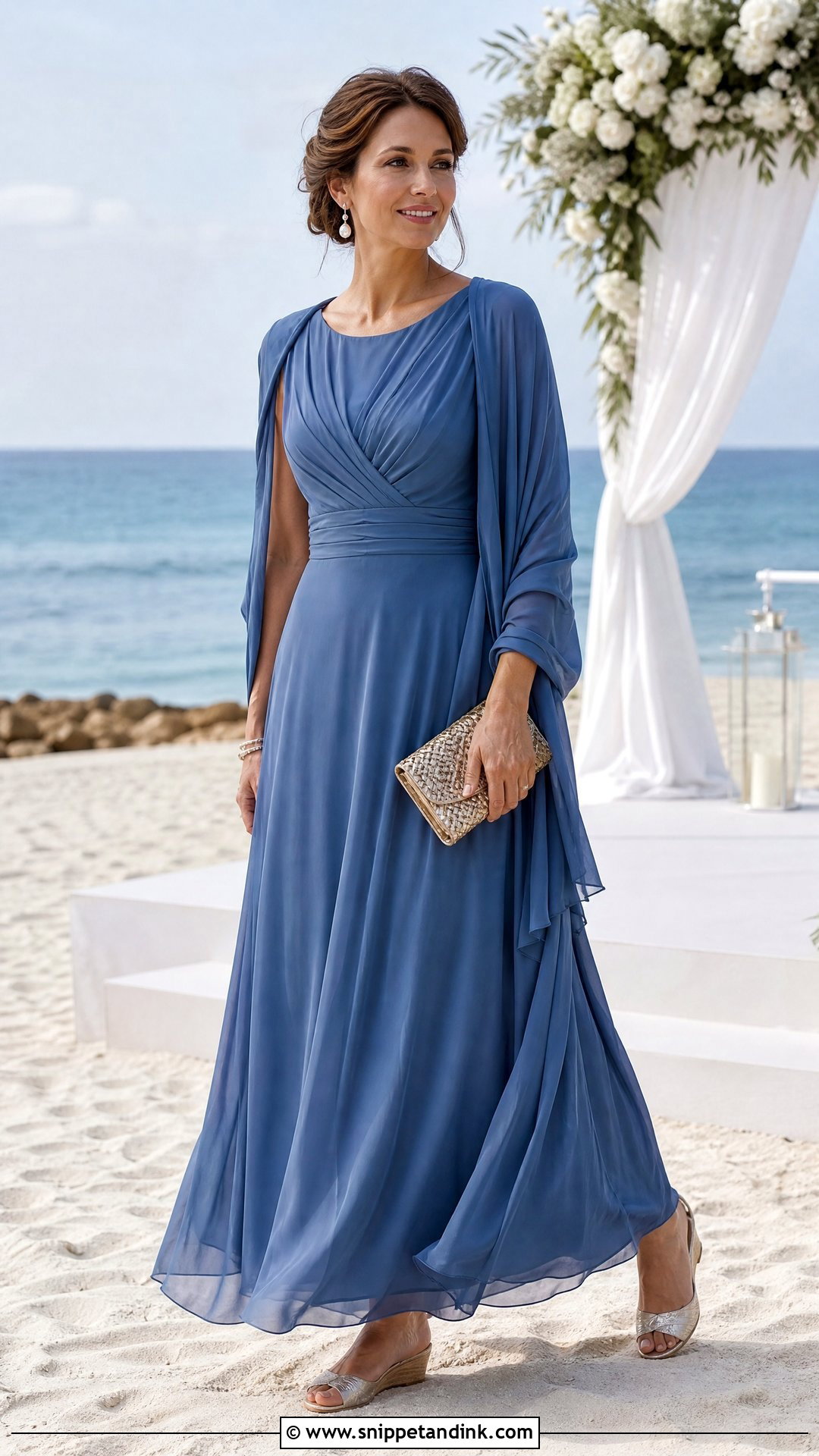
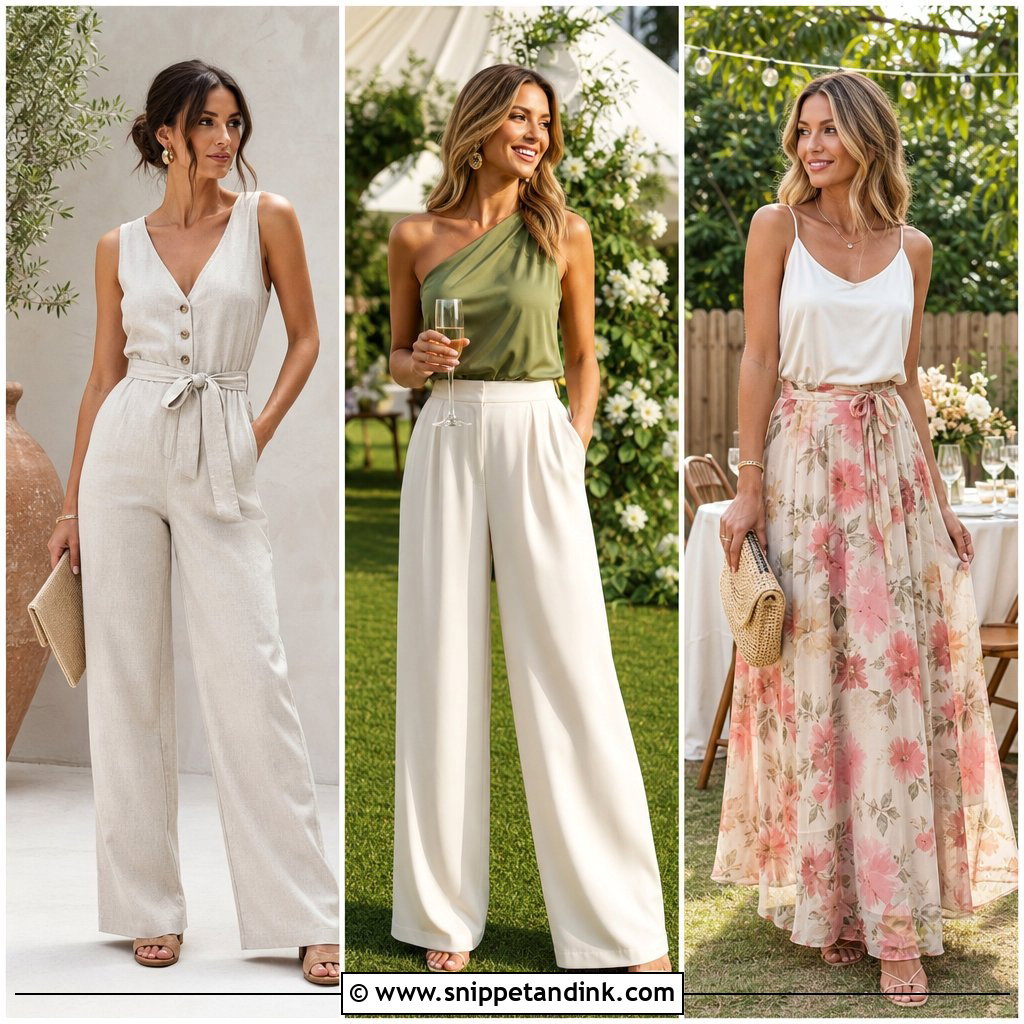
On sand, footwear decides everything. Flat metallic sandals or wide wedges beat any heel, and it’s worth asking the venue whether the ceremony is on sand, decking or lawn. Choose chiffon in ocean blue, coral or muted lavender with a secure neckline, and hem it at the ankle so it doesn’t collect wet sand. Coastal wind lifts loose chiffon and loose hair, so a low bun and a lined skirt help. Skip satin, velvet and dense beading in the heat. A light wrap covers your shoulders when the breeze cools after sunset.
16. Plus-Size Empire Waist Wedding Sponsor Gown
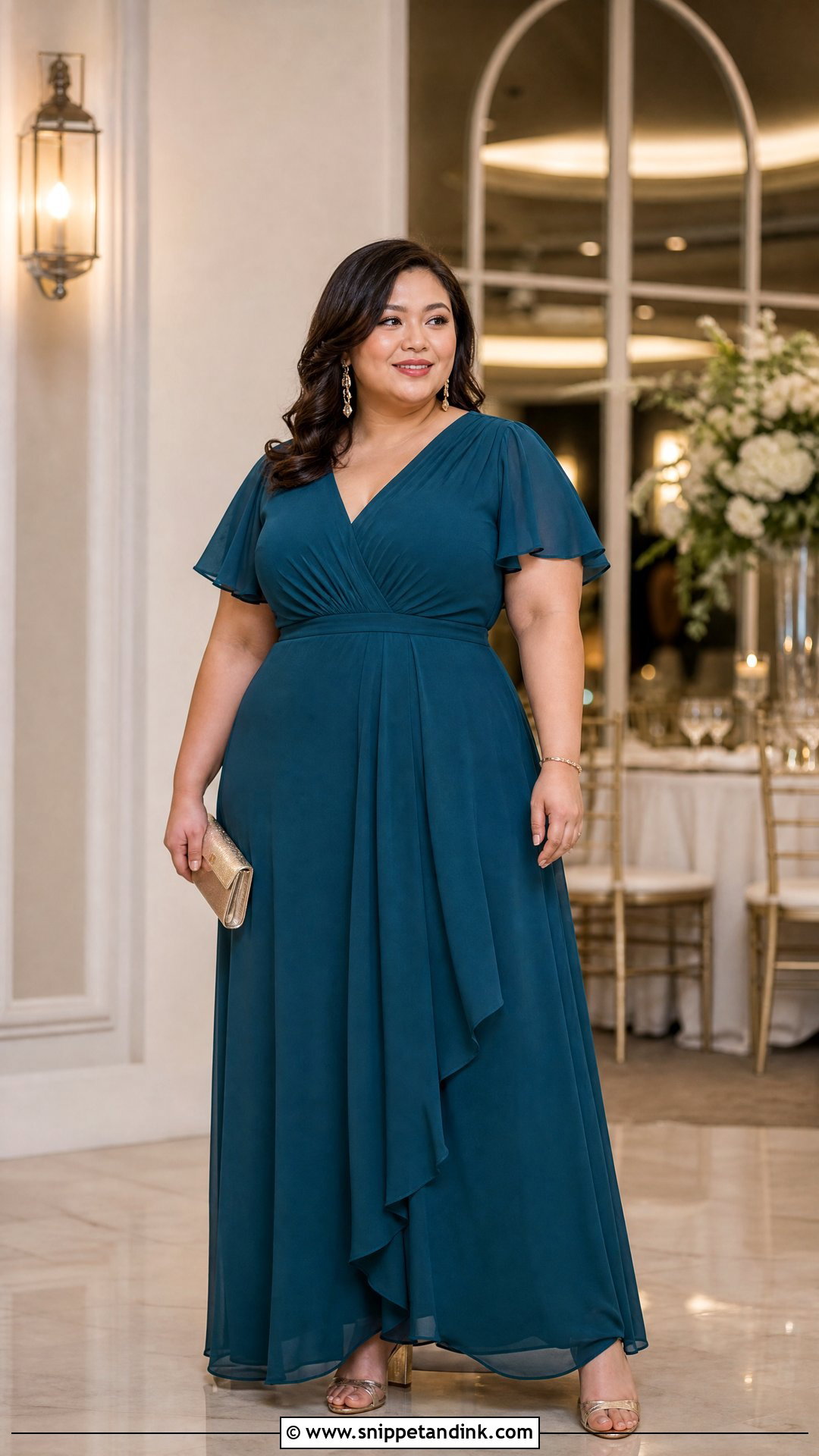
An empire waist works for plus-size sponsors when the band sits right under the bust and the skirt falls straight, without bunched gathers that add volume across the stomach. Flutter sleeves and a V-neck open up the upper body. Solid deep tones such as teal, aubergine or navy look rich and photograph cleanly. I’d always tailor the sleeves and hem; that is what makes an affordable dress look made for you. Choose shapewear you can sit, eat and dance in all day, not the tightest one in the shop. Supportive block heels will carry you through a long receiving line.
17. Petite Tea-Length Wedding Sponsor Dress
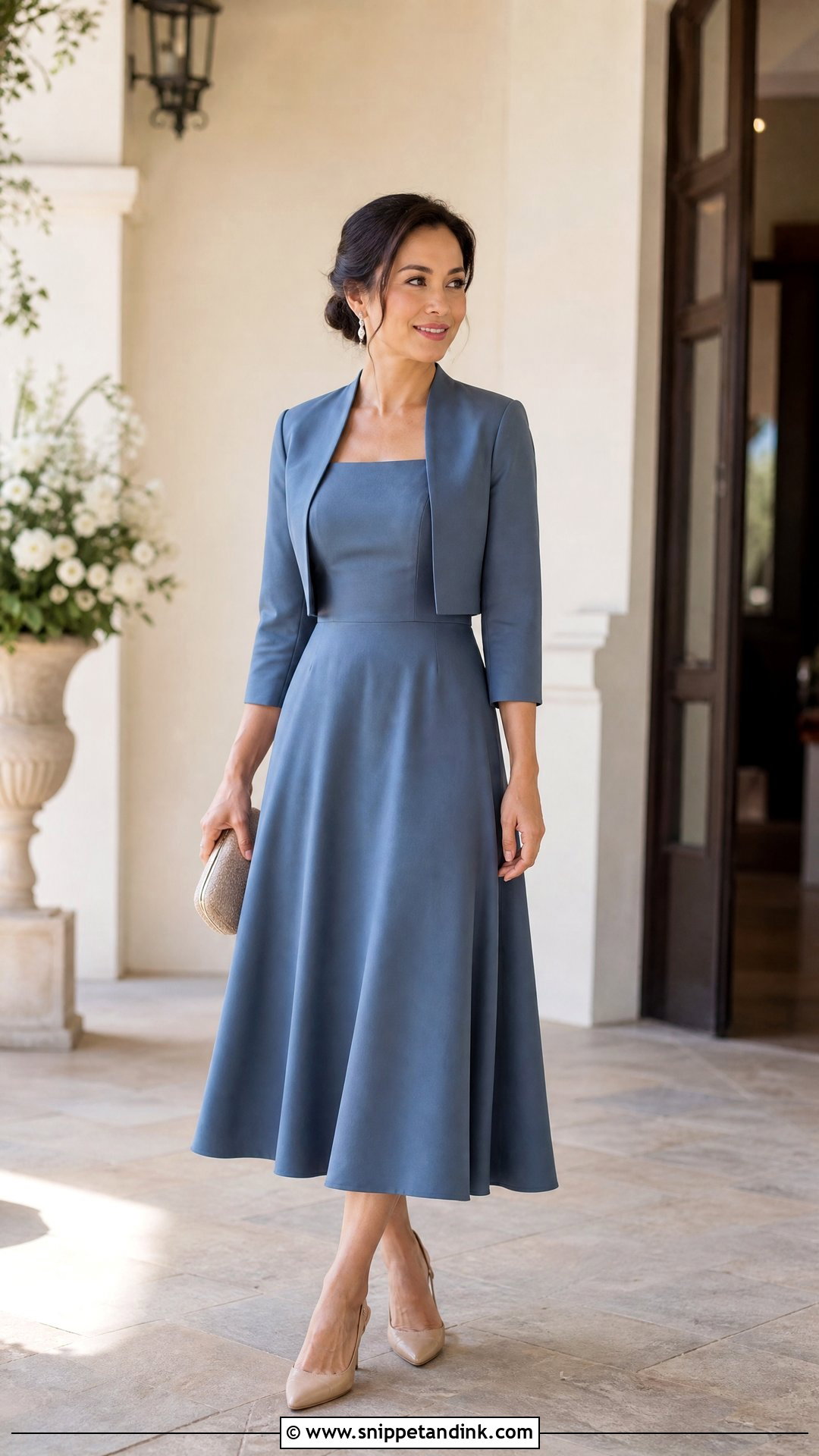
On a petite frame, skirt length matters more than color. A tea-length hem between knee and ankle keeps the proportions right, while a full-length gown can swallow you unless it’s altered. One color head to toe and vertical seams lengthen the line; a very full skirt or a chunky ankle strap cuts it. Nude pointed pumps or low slingbacks that show some foot help too. Bring your shoes to every fitting, because a petite hem is altered to the exact heel height. A cropped matching jacket gives church coverage without breaking up your proportions.
18. Jacket Dress Wedding Sponsor Outfit for Mature Women
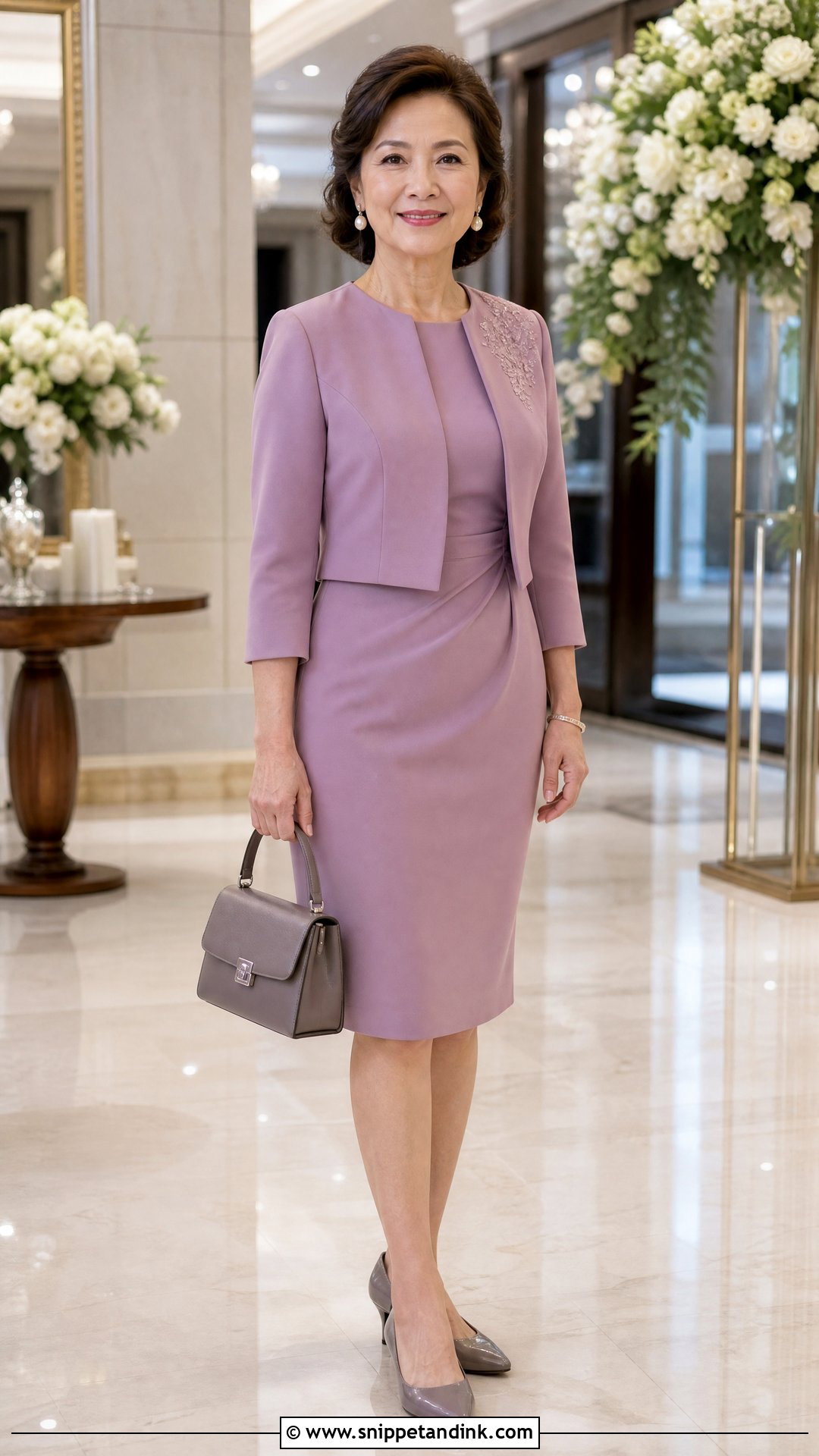
Mature sponsors often say they want coverage without looking like they’re hiding, and a coordinated jacket dress handles that well. Start with a midi sheath, then add a cropped jacket with gentle shaping at the waist. Crepe, jacquard and light brocade hold their structure without looking stiff. The fitting check I do is simple: close the jacket and reach forward as if hugging someone. If it pulls across the shoulder blades, size up and take in the waist. Soft navy or silver gray looks formal, kitten heels keep you steady, and the jacket comes off once the reception warms up.
19. Minimalist Crepe Wedding Sponsor Gown
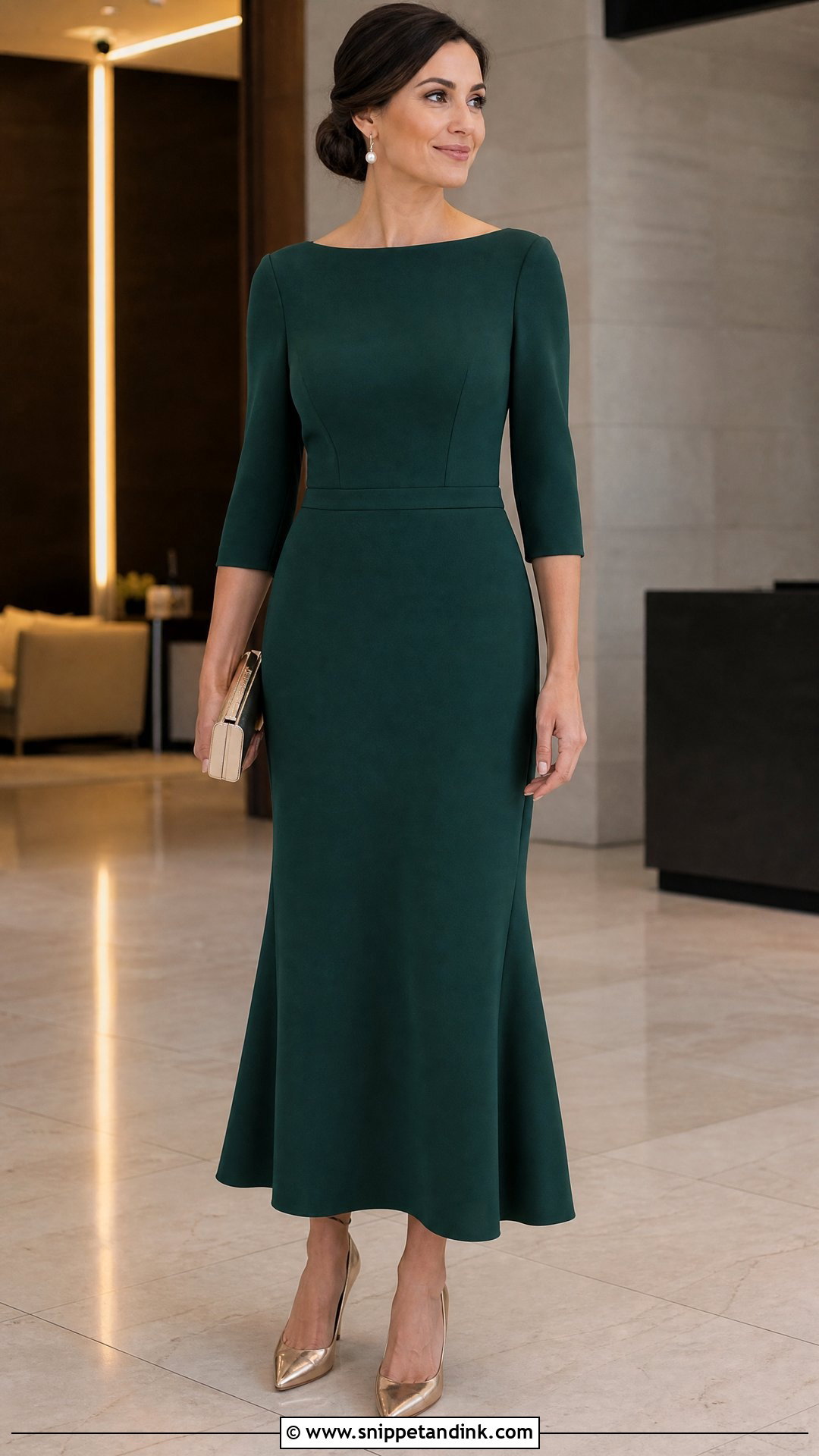
A plain crepe gown hides nothing, which is exactly why it looks so polished when it fits. Crepe shows every pull at the shoulders, waist and hem, so budget for alterations; of all twenty looks, this is the one where tailoring matters most. A bateau neckline and three-quarter sleeves give coverage, and the skirt should skim rather than cling. Slate blue or forest green suits the clean lines. Wear one piece of jewelry and a smooth chignon. It’s my pick for civil weddings and modern hotel ceremonies.
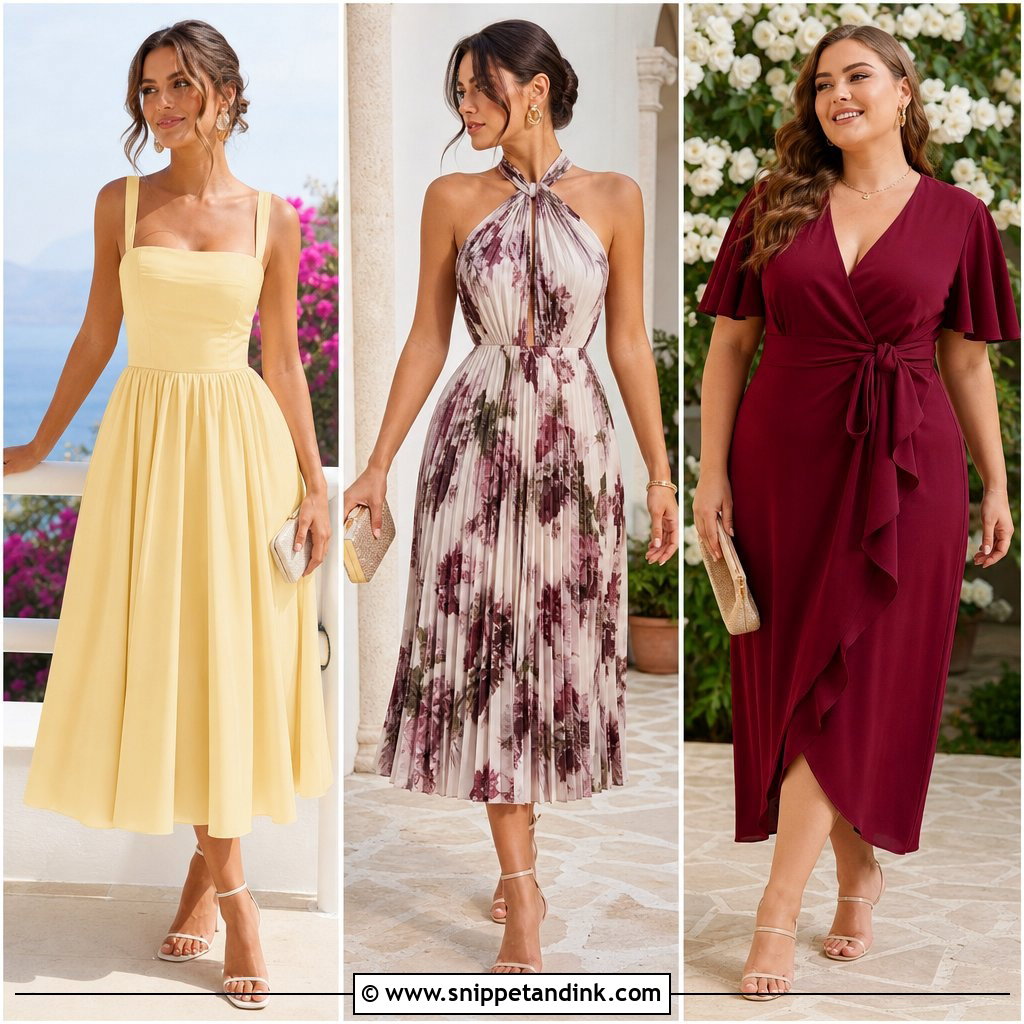
20. Gold Brocade Skirt and Silk Blouse Wedding Sponsor Outfit
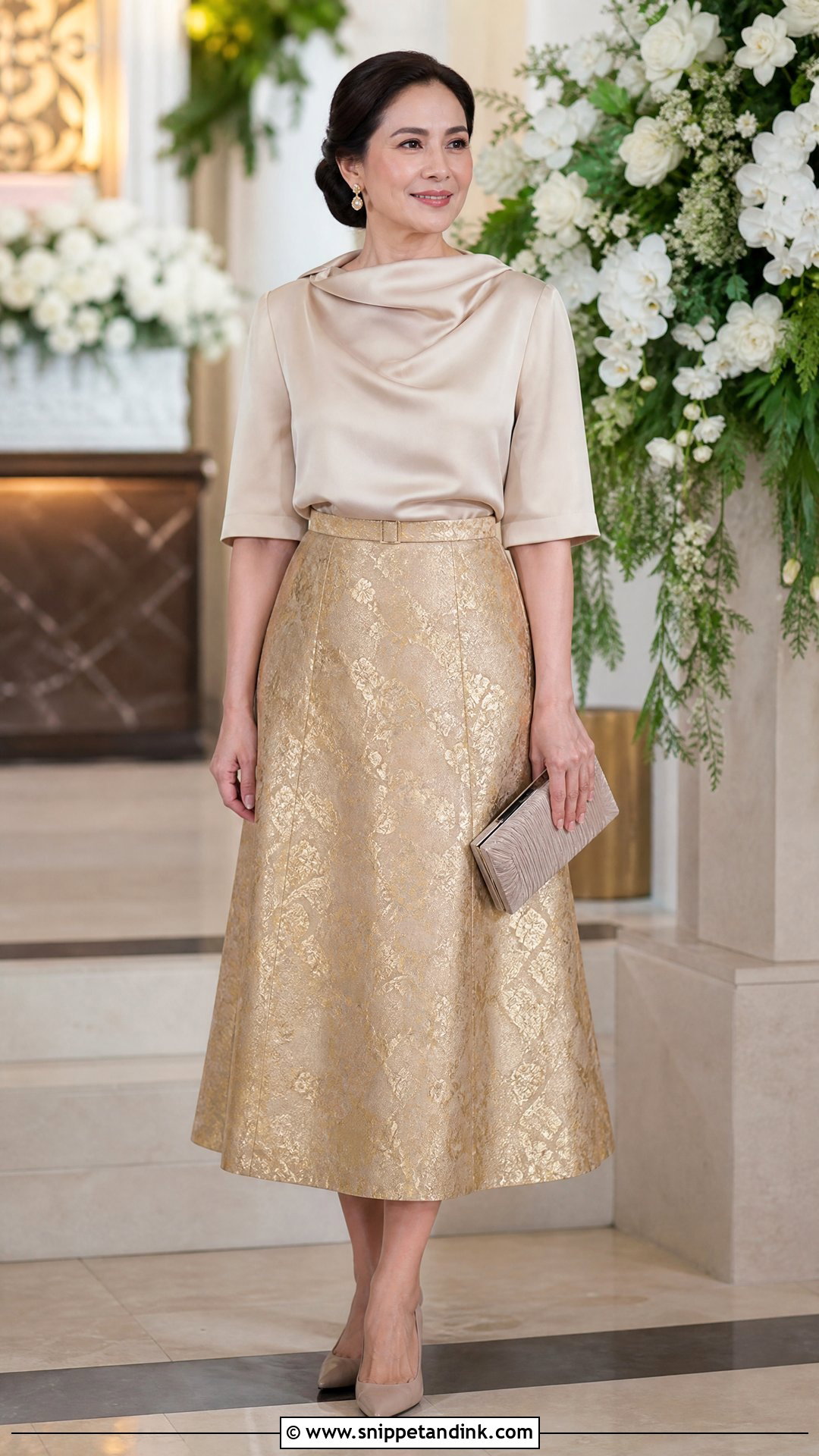
A gold brocade skirt and silk blouse gives you a formal two-piece with a traditional feel, and each piece can be tailored separately. Choose subtle woven detail over glitter, since very bright metallic brocade drifts toward bridal territory. Brocade is stiff, so an ankle-length A-line holds its shape well, while a narrow pencil cut fights you on stairs. Pair it with a solid blouse in champagne or muted bronze and a narrow tonal belt. Silk blouses work loose from the waistband when you raise your arms, so a bodysuit style or a few hidden snaps keep it neat through the photos.
Alterations Need More Lead Time Than Sponsors Expect
Ready-to-wear gowns rarely fit perfectly off the rack, and seamstresses fill up quickly in peak wedding months. I tell sponsors to have the outfit in hand about two months ahead, which leaves room for two fittings and a fix if something goes wrong. Made-to-order Filipiniana and barong pieces take longer, so order those first.
Bring these to the fitting
- The exact shoes you’ll wear, since the hem is cut to the heel height.
- The undergarments or shapewear you plan to wear on the day.
- Your shawl, jacket or cape, so the seamstress can see how it sits over the shoulders.
At the final fitting, sit down, raise your arms as if fixing a veil, and lean forward over a table. Those are the movements a sponsor actually makes during the ceremony, and they show you where a seam pulls while there’s still time to let it out.
Your Outfit Will Be in the Couple’s Album for Decades
Whatever you settle on, start with the invitation and the couple’s color list, then work outward to fabric, weather, the walk down the aisle and how long you’ll be on your feet. Leave out anything white or near-white, very revealing cuts and casual shoes. A sponsor outfit doesn’t need to be elaborate. When the color is approved, the fit has been tailored and you can sit, sign and dance in it comfortably, you’ve done your part.
You'll Like These Ideas:


Leave a Reply