
Dressing for your sister’s wedding is a balancing act between family importance, your own style, comfort and the dress code. The ideas below cover Western suits, traditional Indian clothing, fusion looks and relaxed options for outdoor celebrations. The bride’s brother ends up in most of the family portraits and usually has jobs to do on the day, so his clothes should look distinguished without competing with the couple. When I dress a brother of the bride, my first question is what he’ll actually be doing: walking, lifting, sitting on the floor, giving a toast. Fit, fabric, colour and comfortable shoes follow from that. Confirm the palette and whether the family plans to coordinate before you buy anything.
Mehendi to Reception: Planning Five Outfits at Once
At a multi-day Indian wedding, the brother of the bride may need an outfit for every function, and buying them one at a time is how you end up with three similar kurtas and nothing for the reception. I plan them together, from most relaxed to most formal, so each one looks different in the album.
- Haldi: a cheap cotton kurta in yellow or white that can be thrown away. Turmeric gets everywhere.
- Mehendi: a light kurta with a pastel jacket. Bright and comfortable for sitting on cushions.
- Sangeet: the place for a print, a fusion cut or something you can dance in.
- Wedding ceremony: the most traditional piece, a sherwani, achkan or bandhgala, simpler than the groom’s.
- Reception: often the most Western, a suit, tuxedo or velvet bandhgala depending on the venue.
For a Western wedding with a rehearsal dinner, the same idea applies on a smaller scale: one smart-casual look for the night before and a properly tailored suit for the day. The wedding outfit is the one to spend on, since it appears in photos the family will keep for decades.
1. Brother of the Bride Navy Blue Suit Outfit
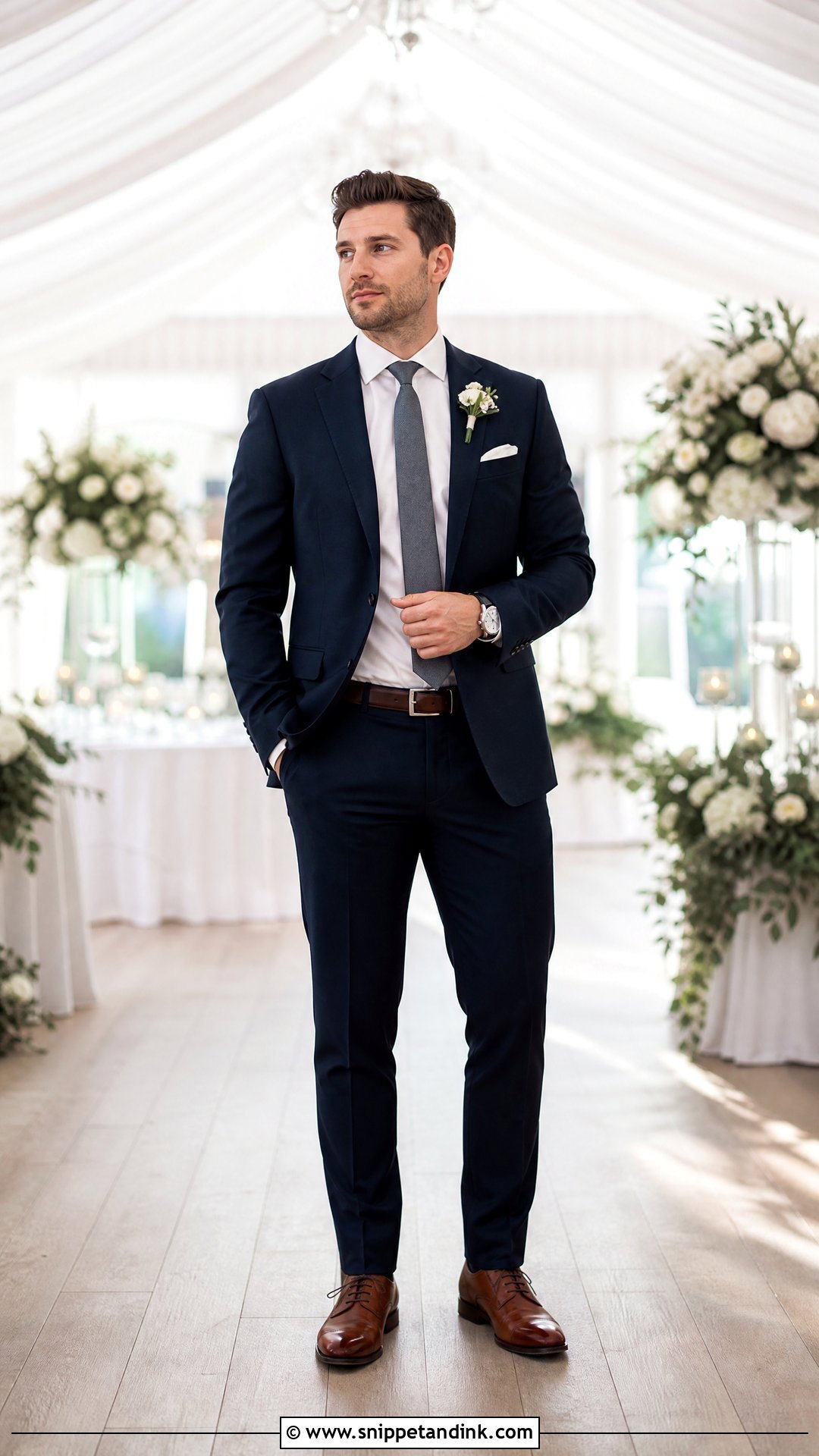
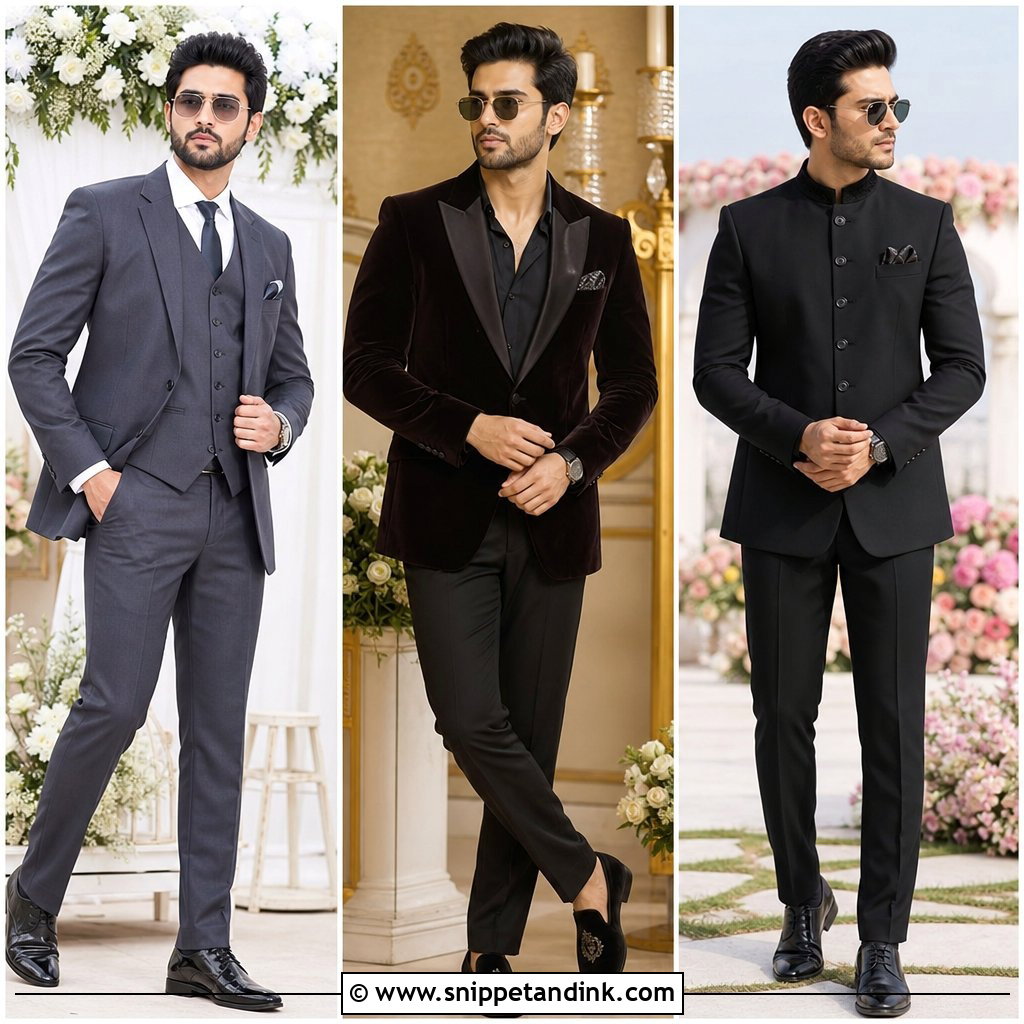
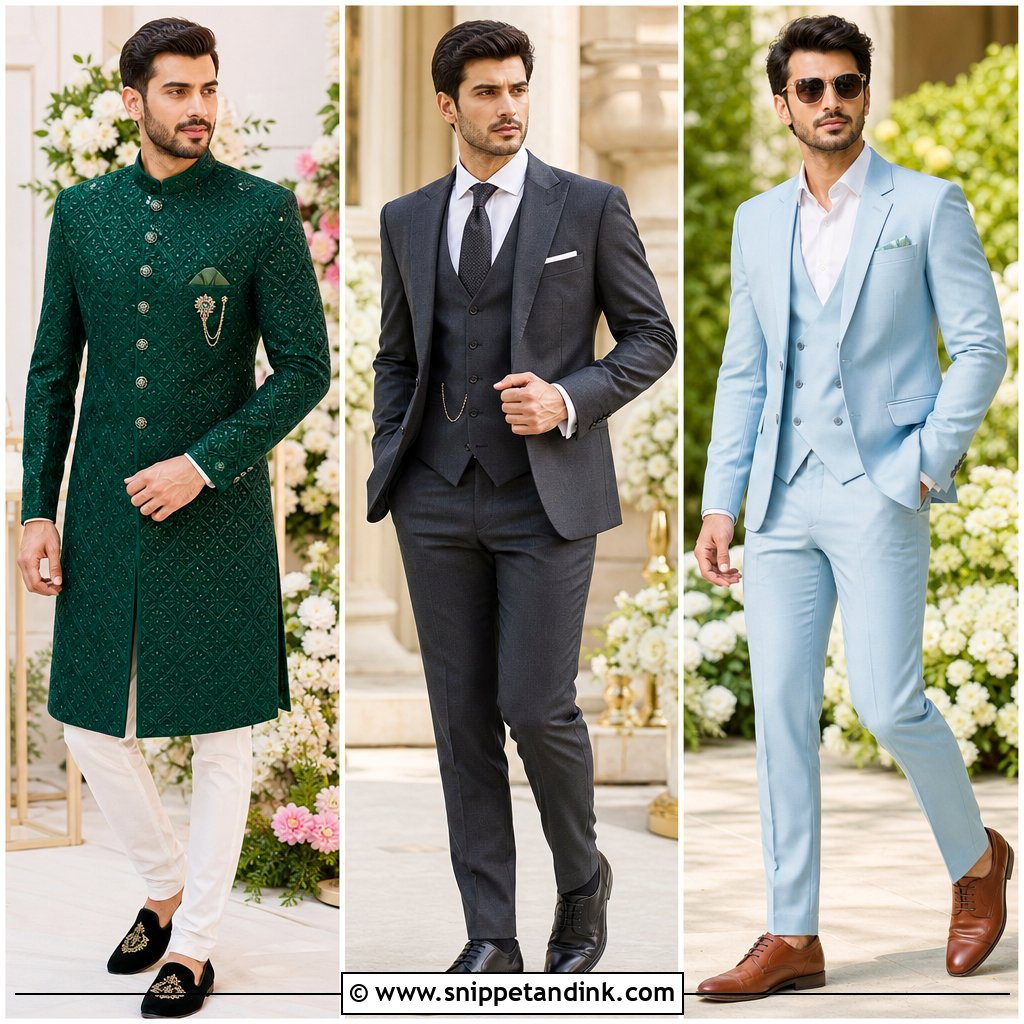
Navy is the suit I’d hand almost any brother of the bride. It looks formal in photos but less severe than black. A well-fitted two-piece, a crisp white shirt and a silk tie that picks up the wedding colours. Brown Oxfords for a classic finish, black to make it more formal. White pocket square, simple cuff links, a good leather belt. Match the tie or boutonniere to the bridesmaids rather than copying the groom exactly, so you read as family, not wedding party. Lightweight wool earns its keep here, because it breathes through a long ceremony and doesn’t crease badly when you sit for dinner.
2. Brother of the Bride Ivory Sherwani Outfit
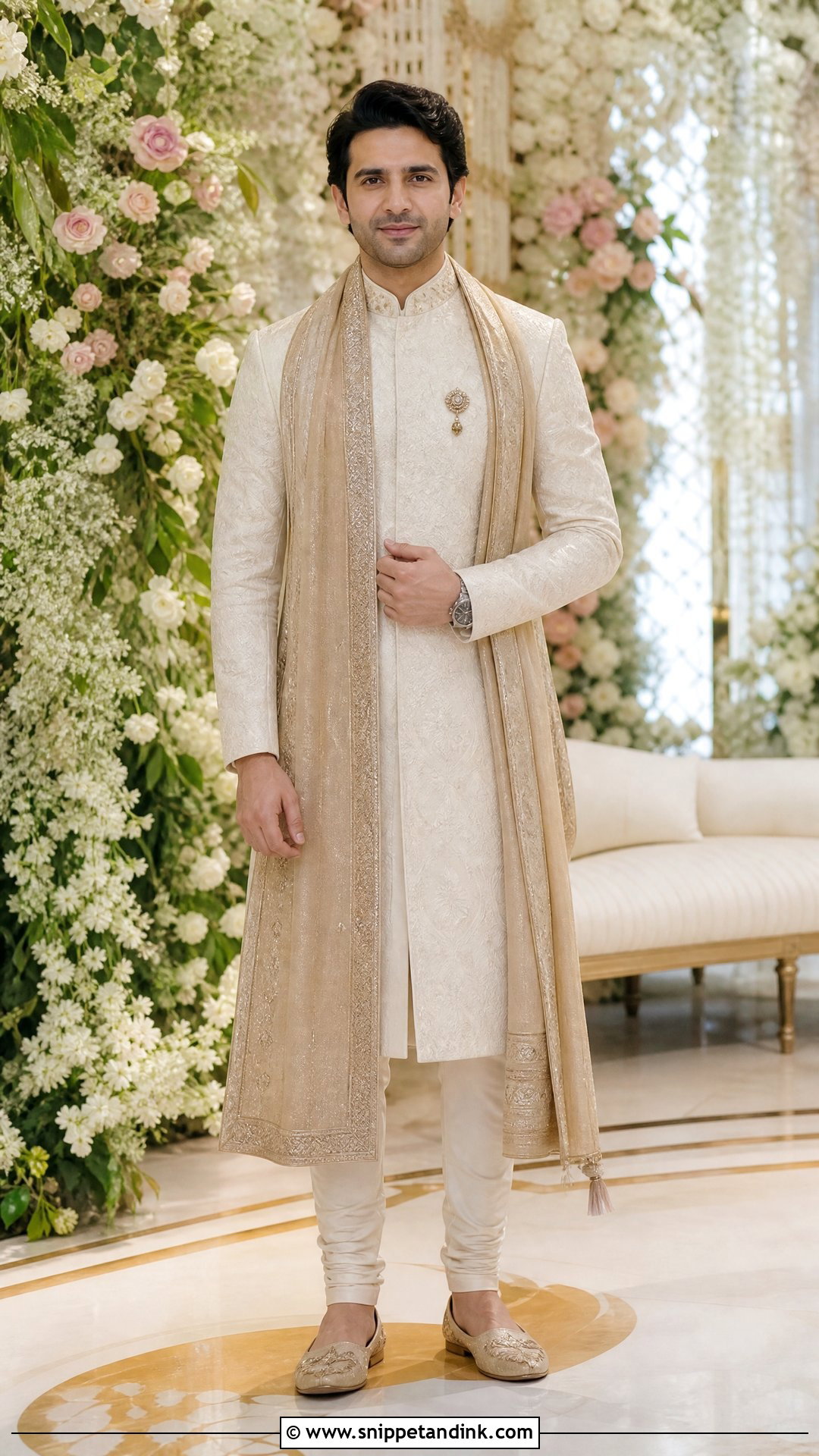
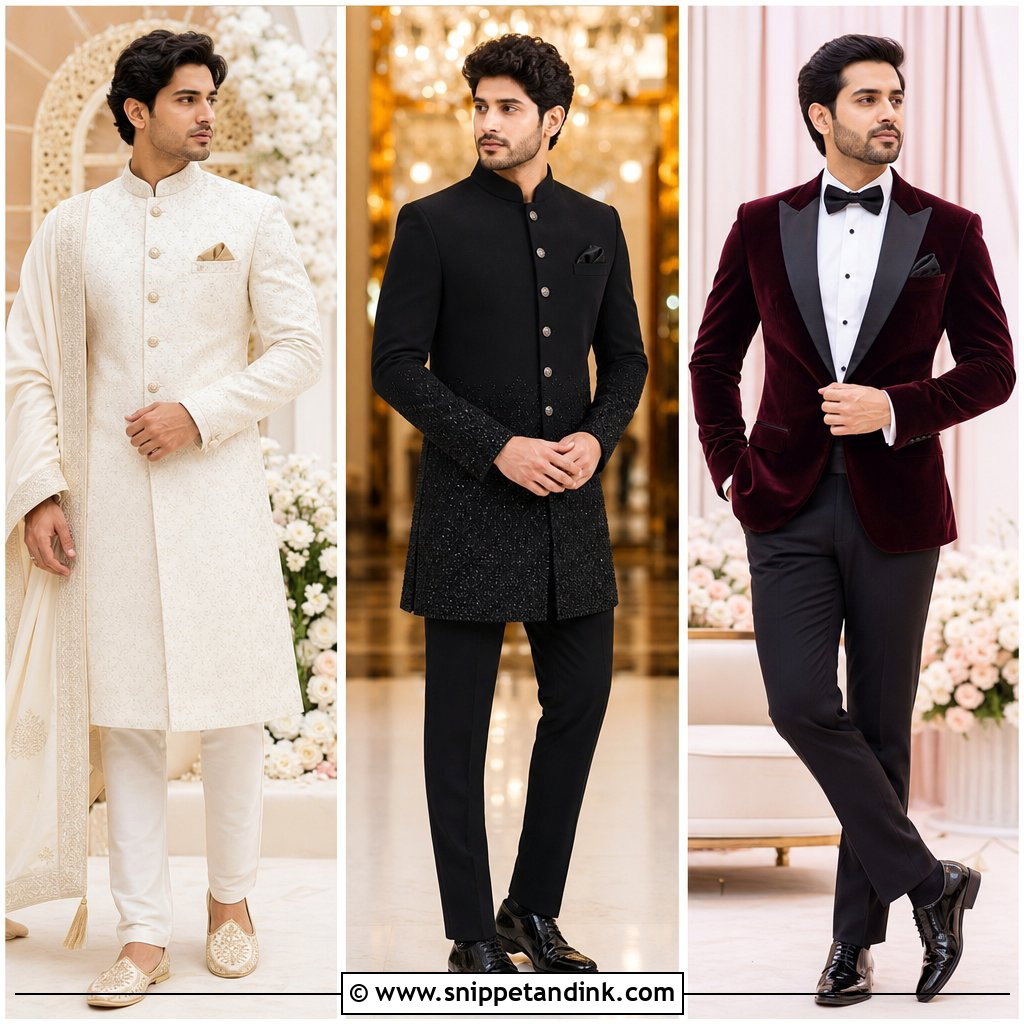
An ivory sherwani gives the bride’s brother a ceremonial presence at a traditional Indian wedding. Subtle threadwork, tonal embroidery or small metallic details rather than heavy embellishment. Fitted ivory churidar and embroidered loafers or neutral juttis. A muted gold pocket square, a classic watch and a neatly draped stole. If the bride is wearing ivory, ask her before choosing a close match. His version should always be simpler than the couple’s. Ivory raw silk shows every mark, and the main ceremony involves sitting on the floor near a fire, so I’d keep a stain pen in the pocket and avoid anything with loose threadwork near the hem.
3. Brother of the Bride Black Tuxedo Outfit
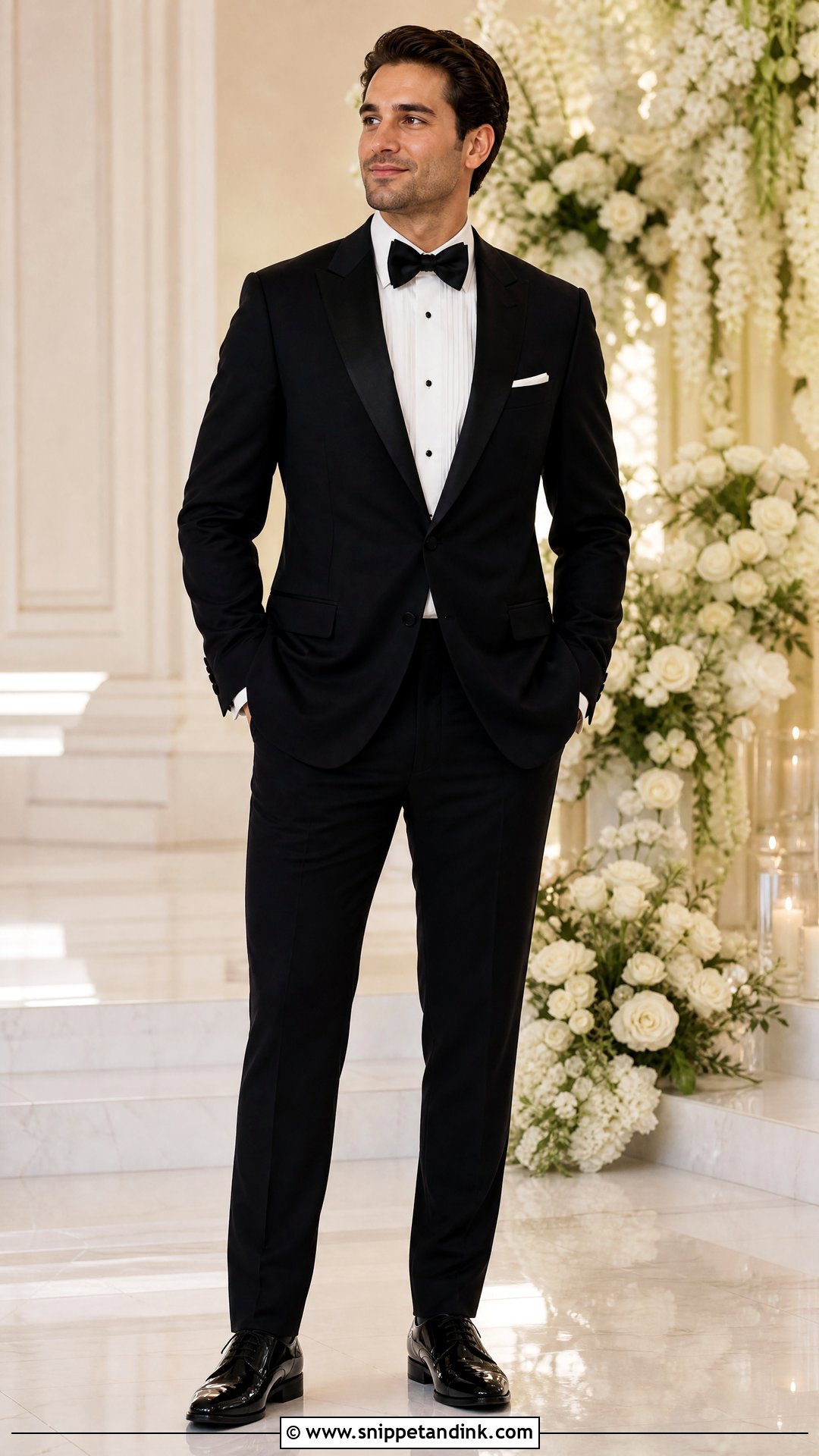
Black tie on the invitation means a tuxedo. Start with a sharply cut black dinner jacket and matching trousers with a satin side stripe. A white pleated or bib-front dress shirt, a black bow tie and patent shoes. A white pocket square adds contrast. Choose a cummerbund or a low-cut evening waistcoat, never both. Minimal cuff links and a slim watch. Black formalwear shows every fit problem, especially trousers that are too long, which pool on the shoe and look sloppy in full-length portraits. I’d hem them with no break at all on a tux.
4. Brother of the Bride Pastel Kurta Jacket Outfit
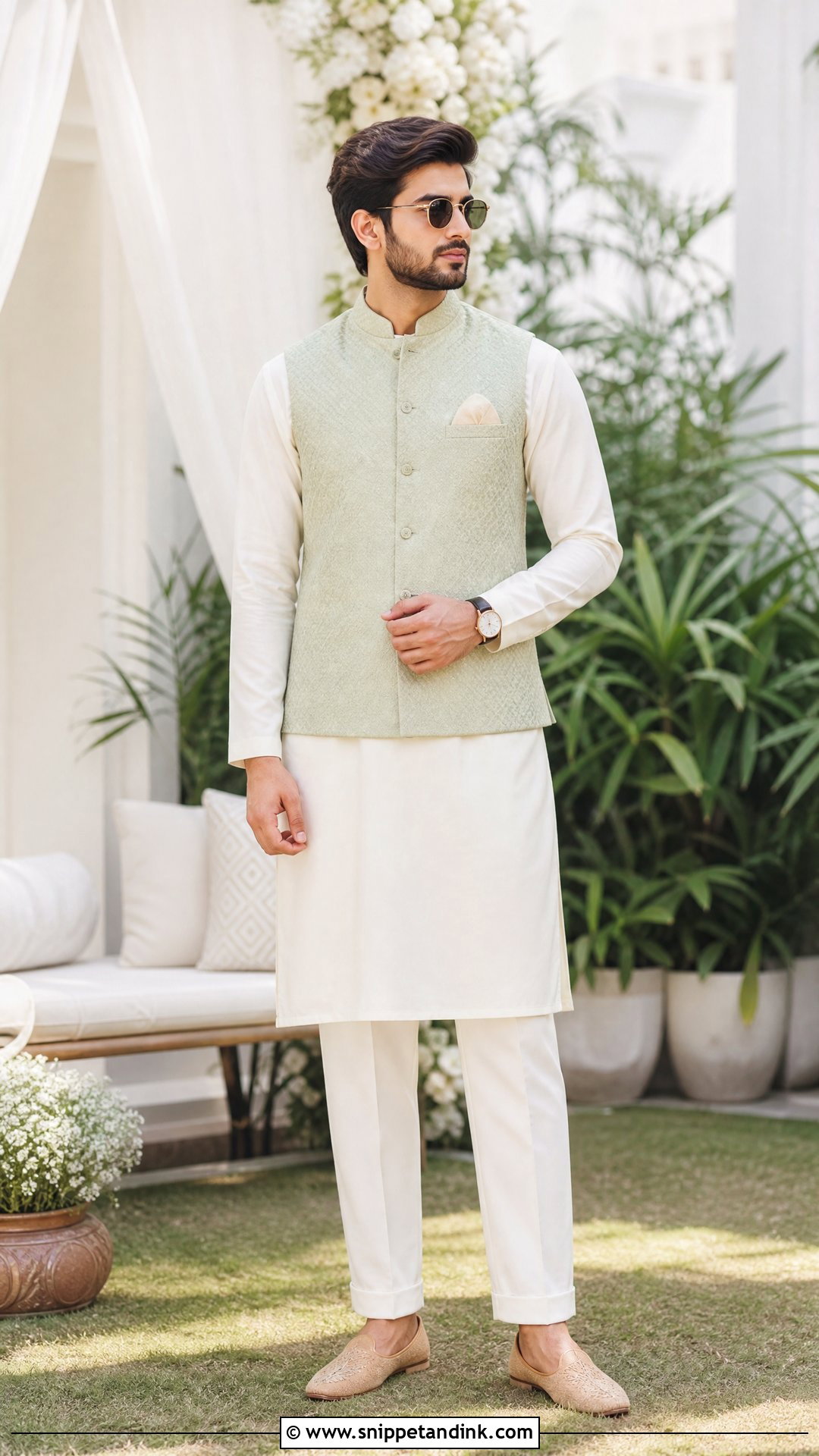
Soft colours suit daytime events. A solid ivory or white kurta with straight trousers, then a pastel Nehru jacket in sage, blush, powder blue, peach or mint. Subtle embroidery, woven texture or interesting buttons make it feel special. Tan or ivory juttis, a classic watch and a coordinating pocket square. Keep the kurta at a length you can walk in comfortably, since you’ll be greeting guests and running errands for the family all day. Mehendi, a welcome gathering or an outdoor ceremony suit it. Coordinate with the palette or the bride’s accessories, but keep enough contrast that the two outfits don’t blur together in photos.
5. Brother of the Bride Charcoal Three-Piece Suit Outfit
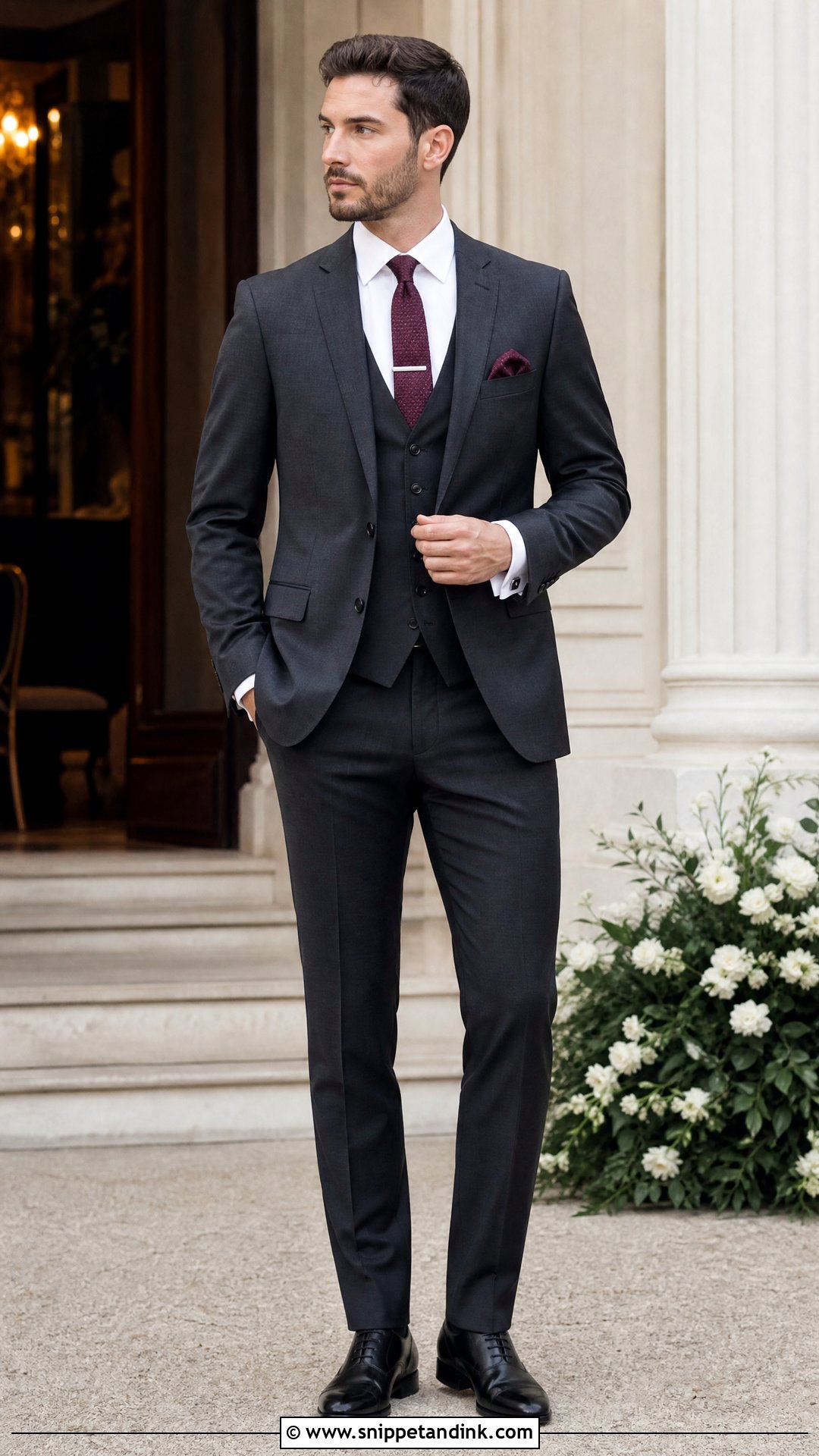
A charcoal three-piece is mature and structured, the evening option for a cool-weather wedding. The vest keeps him looking finished when the jacket comes off at the reception, which it will. White or pale blue shirt, a textured tie in burgundy, forest green, silver or another wedding colour. Black Derbys or Oxfords. A folded pocket square, a restrained tie bar and simple cuff links. Matte wool photographs far more naturally than anything shiny. If the vest pulls at the buttons when he sits, it’s too tight; there should be a small amount of ease. Formal venues where family dress up a notch suit it.
6. Brother of the Bride Black Bandhgala Outfit
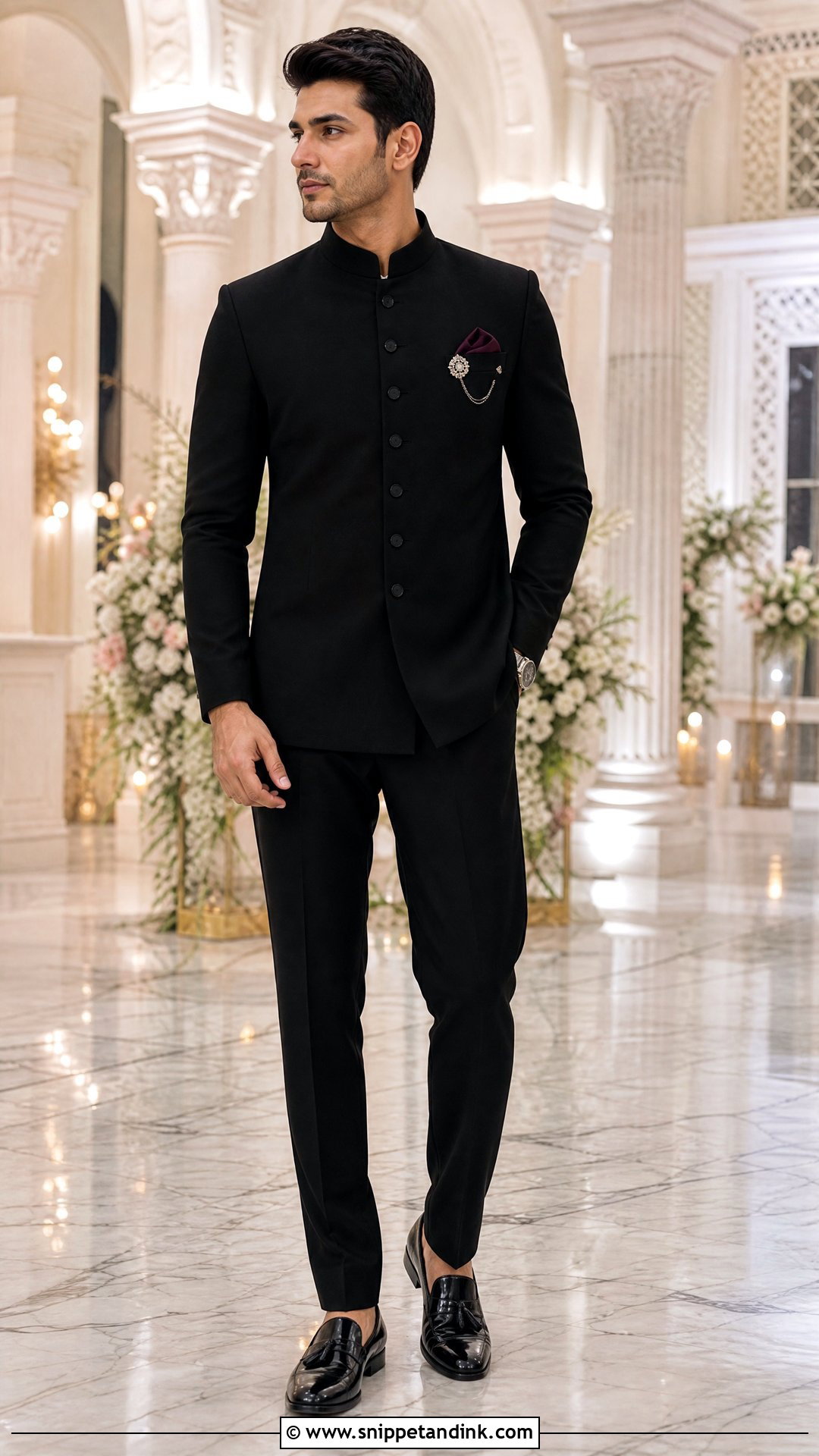
Clean lines give a black bandhgala real presence. A fitted jacket with a structured collar, covered buttons and minimal embroidery at the placket or cuffs. Tapered black trousers and black loafers or formal slip-ons. A jewel-toned pocket square connects it to the wedding colours, and a metallic brooch adds a controlled accent. Keep the inner layer simple. Black looks heavy in daytime, so I keep this for evening ceremonies and receptions. The collar has to close without pressing on the throat; I check by having him turn his head fully left and right. Tailoring across the shoulders and chest makes or breaks it.
7. Brother of the Bride Tan Linen Suit Outfit
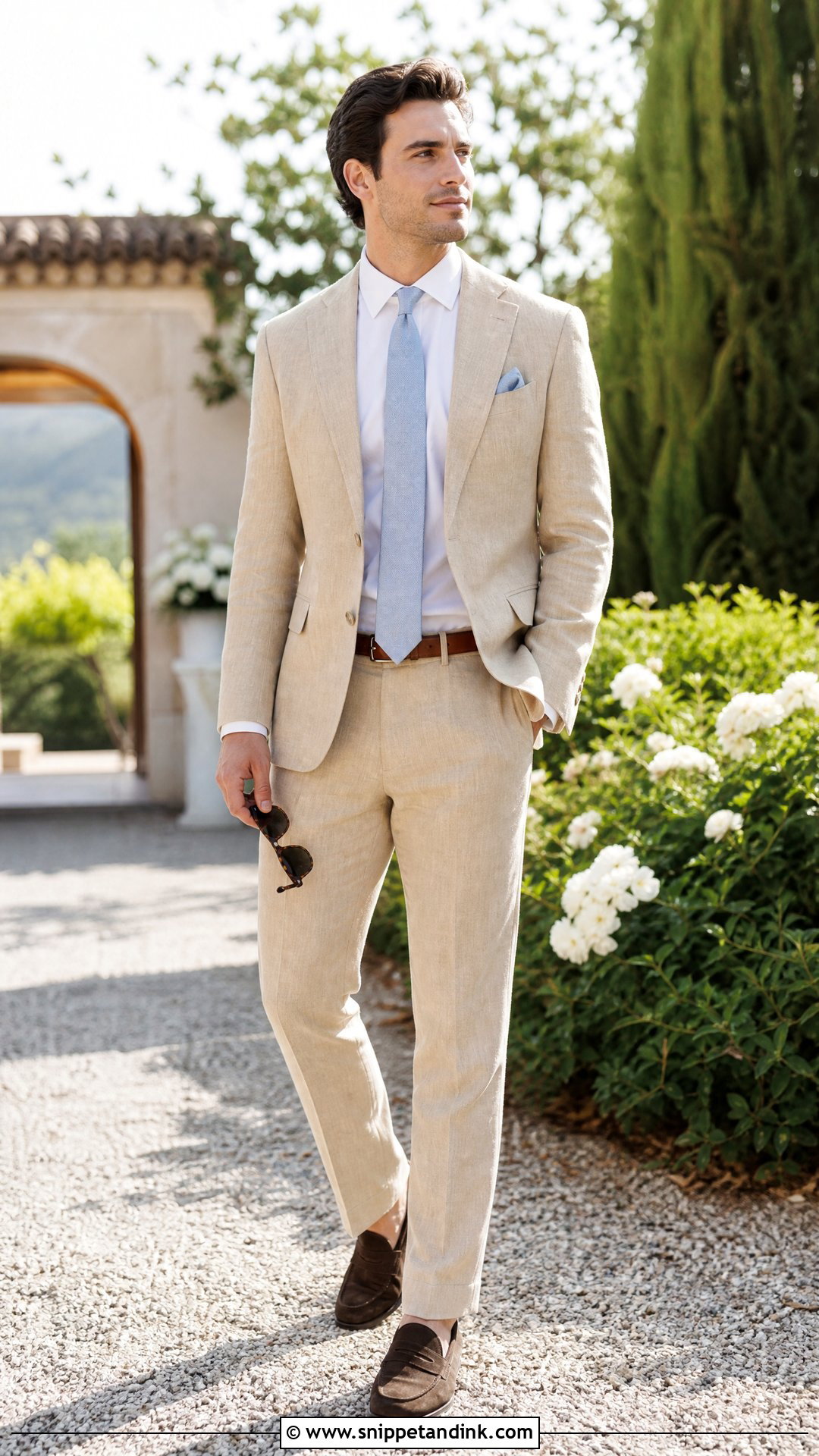
Linen keeps a brother cool at a warm outdoor wedding without looking underdressed. A lightly structured tan or sand jacket with matching trousers, and a breathable white cotton or linen-blend shirt. Pale blue, sage or dusty rose in the tie, or an open collar if the dress code allows. Brown loafers, a matching belt and a folded pocket square. Pure linen creases fast, so a lined or blended linen is the better buy if he’ll be in the family photos after hours of sitting. Tailored trousers, not loose, and a sliver of shirt cuff showing. Gardens, coasts and destination weddings suit it.
8. Brother of the Bride Navy Jodhpuri Suit Outfit
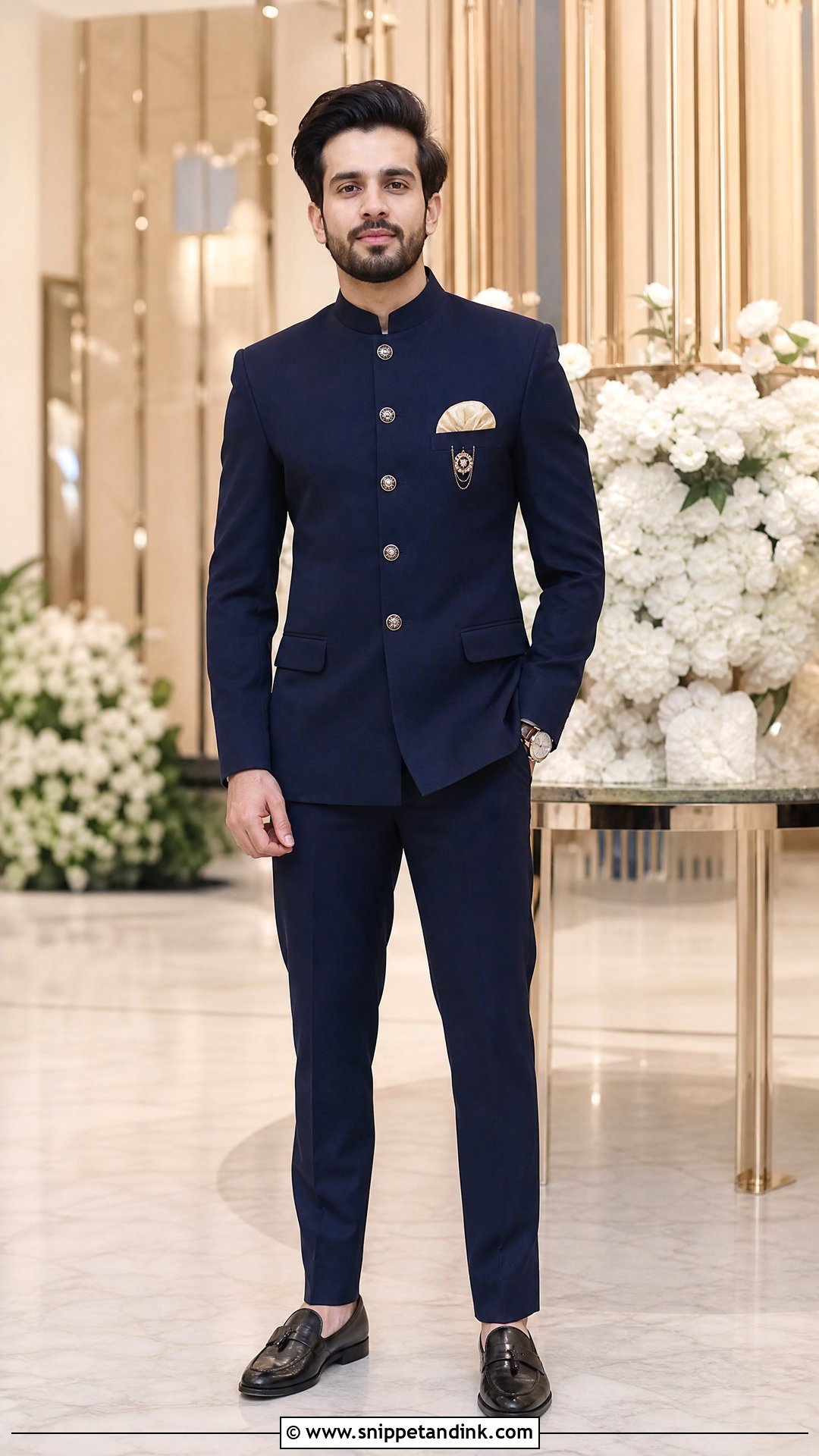
A navy Jodhpuri suit has traditional character and the sharpness of modern tailoring. A structured band-collar jacket with matching trousers and understated buttons. Tonal embroidery or a small metallic brooch adds wedding detail. Black or dark brown formal loafers, depending on the buttons. A silk pocket square in champagne, burgundy or pale pink to tie in with the bride. The close-fitting jacket leaves no room for a bulky layer underneath, so I’d skip a vest and wear a thin cotton kurta or shirt. Receptions and formal evening functions suit it, and navy stands out clearly beside bright bridal colours without stealing focus.
9. Brother of the Bride Sage Green Suit Outfit
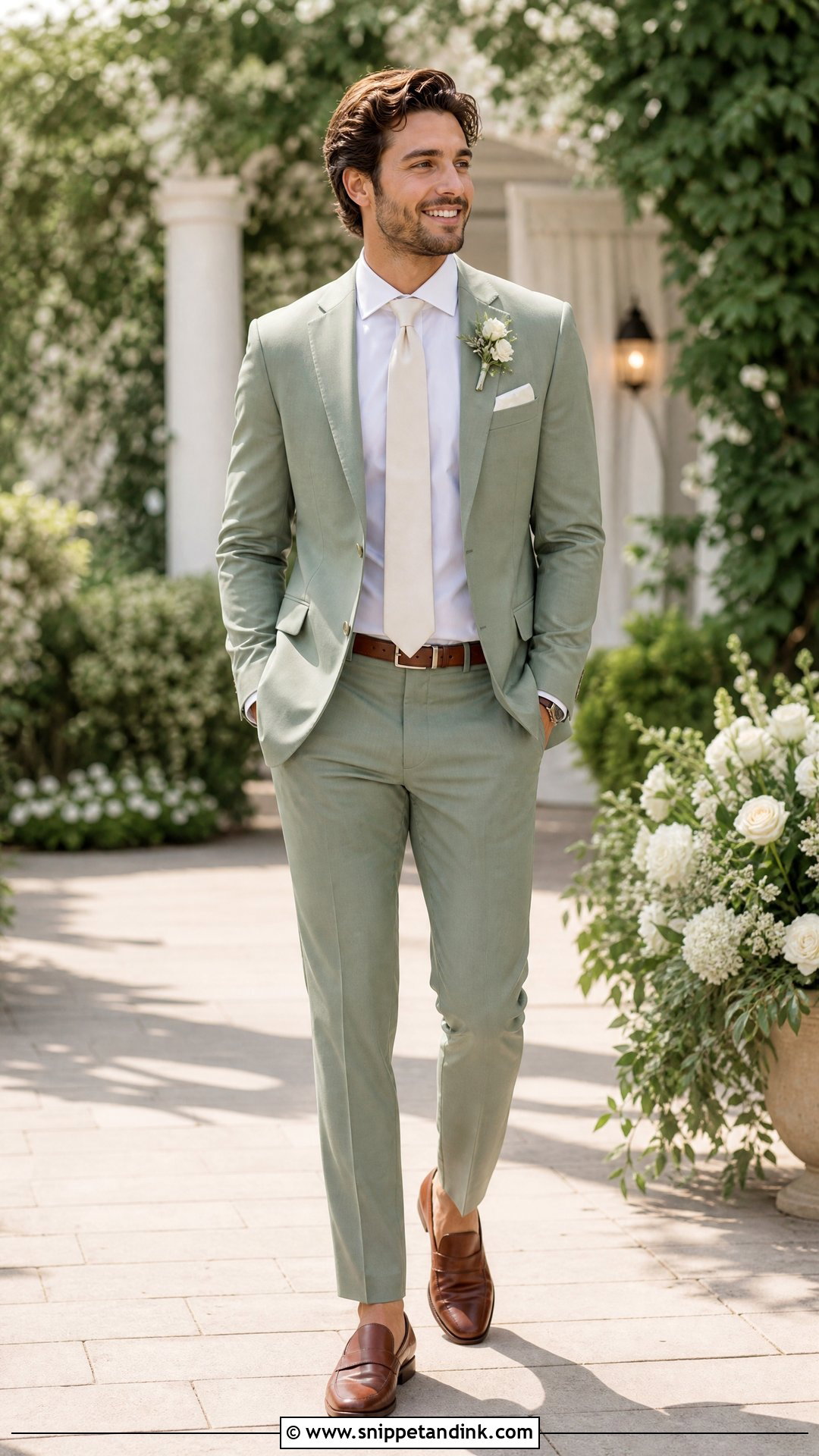
Sage green is a fresh alternative to navy, grey and black. Spring ceremonies, gardens and palettes built on soft natural colours suit it best. A white shirt with a cream, taupe or subtle floral tie. Brown loafers and a matching belt. A white pocket square and minimal gold-tone accessories. A clean, fitted cut is what keeps an unusual colour looking formal. Compare the exact shade with the bridesmaid clothing and the decor before buying; sage varies from almost grey to almost mint, and a near-match next to the bridesmaids looks like a mistake. He should coordinate, not blend into the wedding party.
10. Brother of the Bride Embroidered Kurta Pajama Outfit
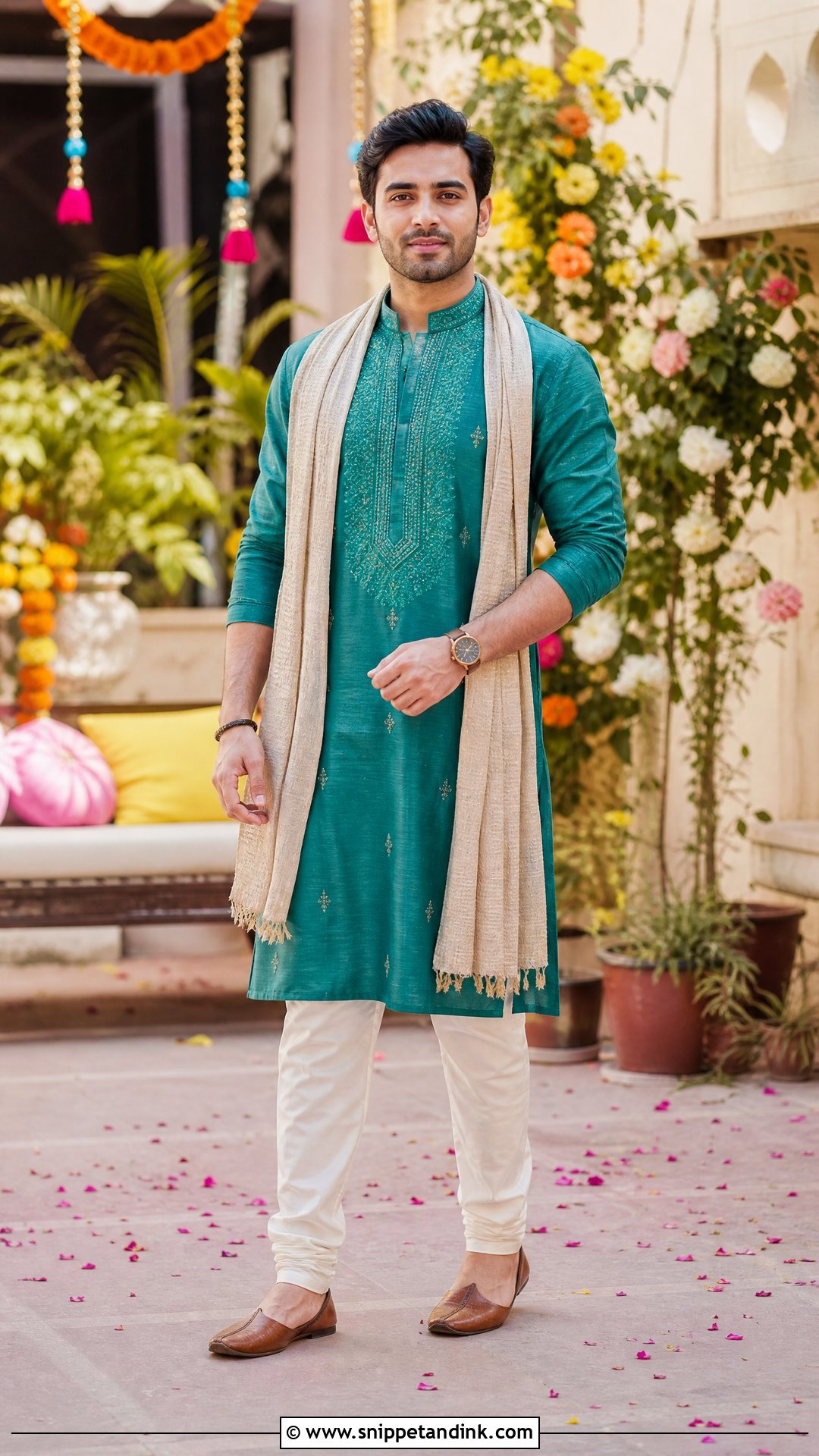
A kurta pajama is comfortable enough for a long list of jobs and still festive. A knee-length kurta in teal, mustard, rust, lavender or another colour that suits the event. Light embroidery around the collar, cuffs and placket lifts it above everyday wear. Slim white or ivory pajama and coordinating leather juttis. A watch and a discreet bracelet are enough. A plain stole or a tailored waistcoat adds structure. Cotton silk or a blend breathes well during daytime events. For a haldi, wear something you don’t mind sacrificing: turmeric paste stains cotton bright yellow, and it rarely comes out completely. Mehendi and welcome gatherings suit it too.
11. Brother of the Bride Burgundy Suit Outfit
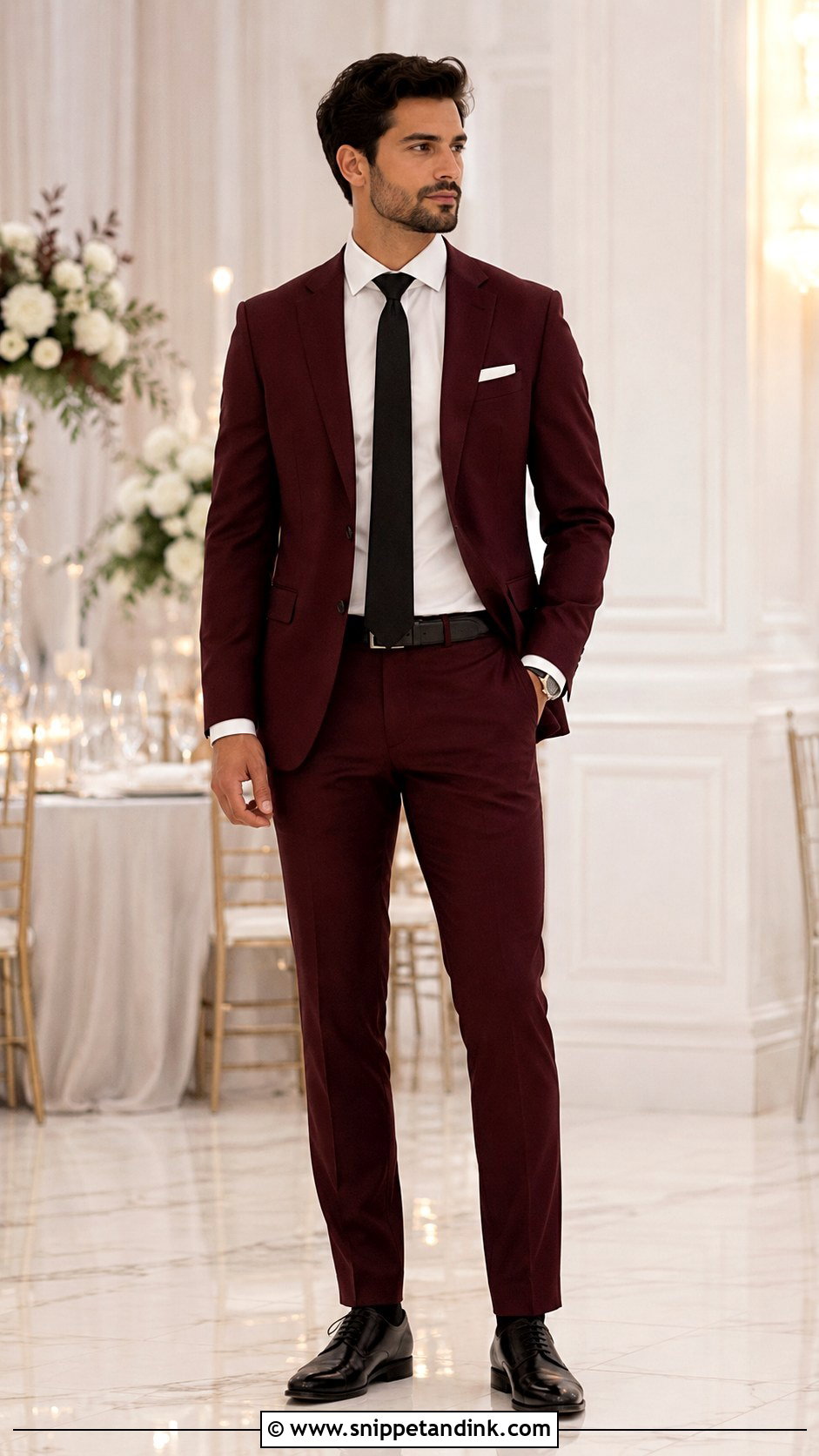
Burgundy tailoring is a memorable pick for fall or winter. Balance it with a crisp white shirt and a plain black, navy or charcoal tie. Black shoes and belt keep it formal, and a white pocket square lifts the dark colour. For a less traditional event, a black turtleneck can replace shirt and tie, but check with the couple first. Choose matte cloth; shiny burgundy satin looks like a costume in photos. It needs a precise fit and restrained accessories. Burgundy sits well beside a groom in black or navy, and I’ve found it reads as warm rather than loud in candlelit receptions.
12. Brother of the Bride Floral Jacket Outfit
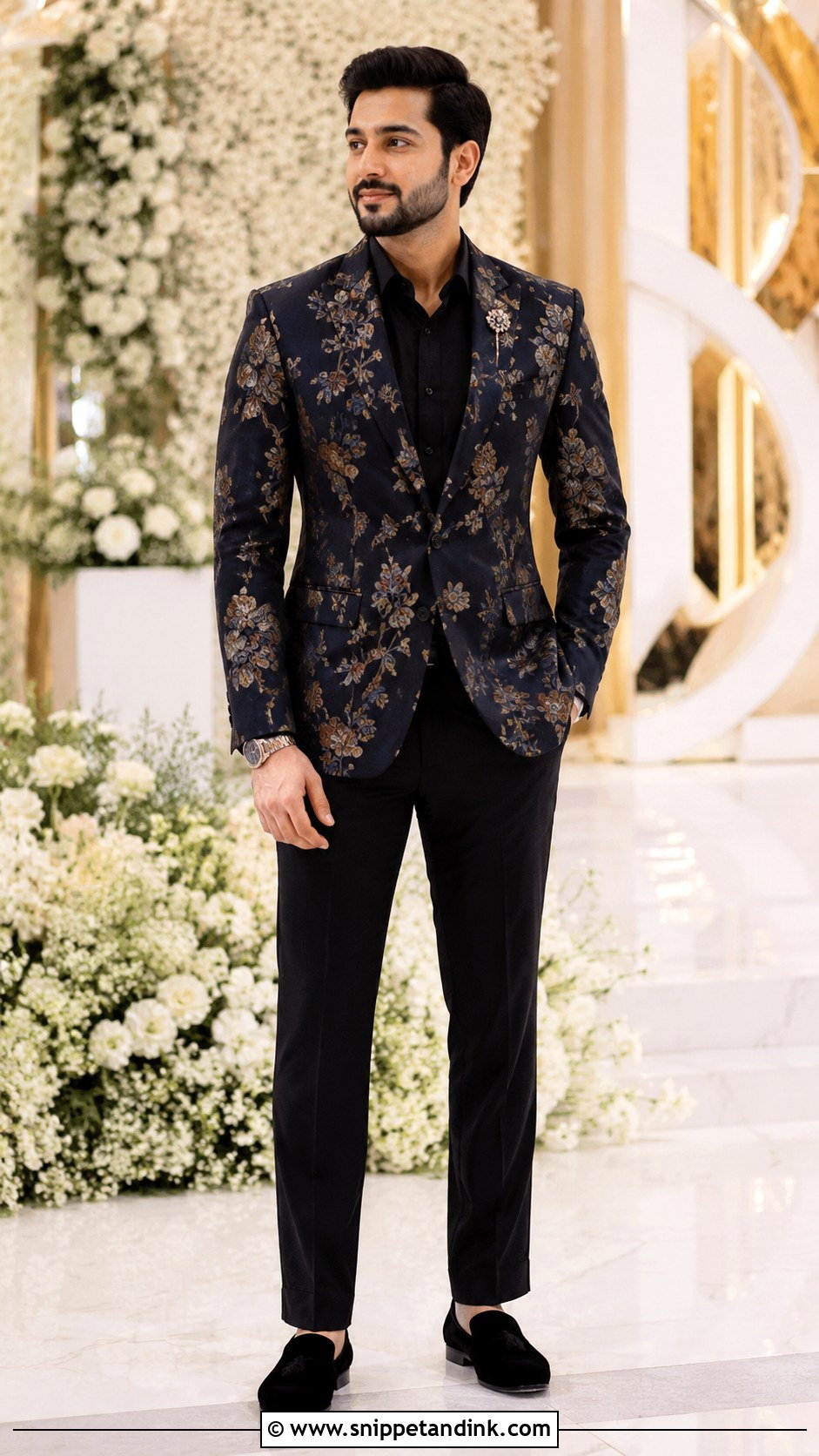
A floral jacket suits a colourful sangeet, a reception, or a fashion-forward wedding. Choose a fitted jacket with a controlled botanical print in navy, emerald, burgundy or muted pastels. Everything else stays plain: black tailored trousers, a solid shirt and velvet or leather loafers. The shirt can echo one minor colour in the print, but no patterned tie or pocket square. A minimal brooch and a classic watch. Smaller motifs look refined; big ones look theatrical. Prints move well in dance performances, but I’d check the jacket has room in the armholes before he commits to choreography in it.
13. Brother of the Bride Gray Check Suit Outfit
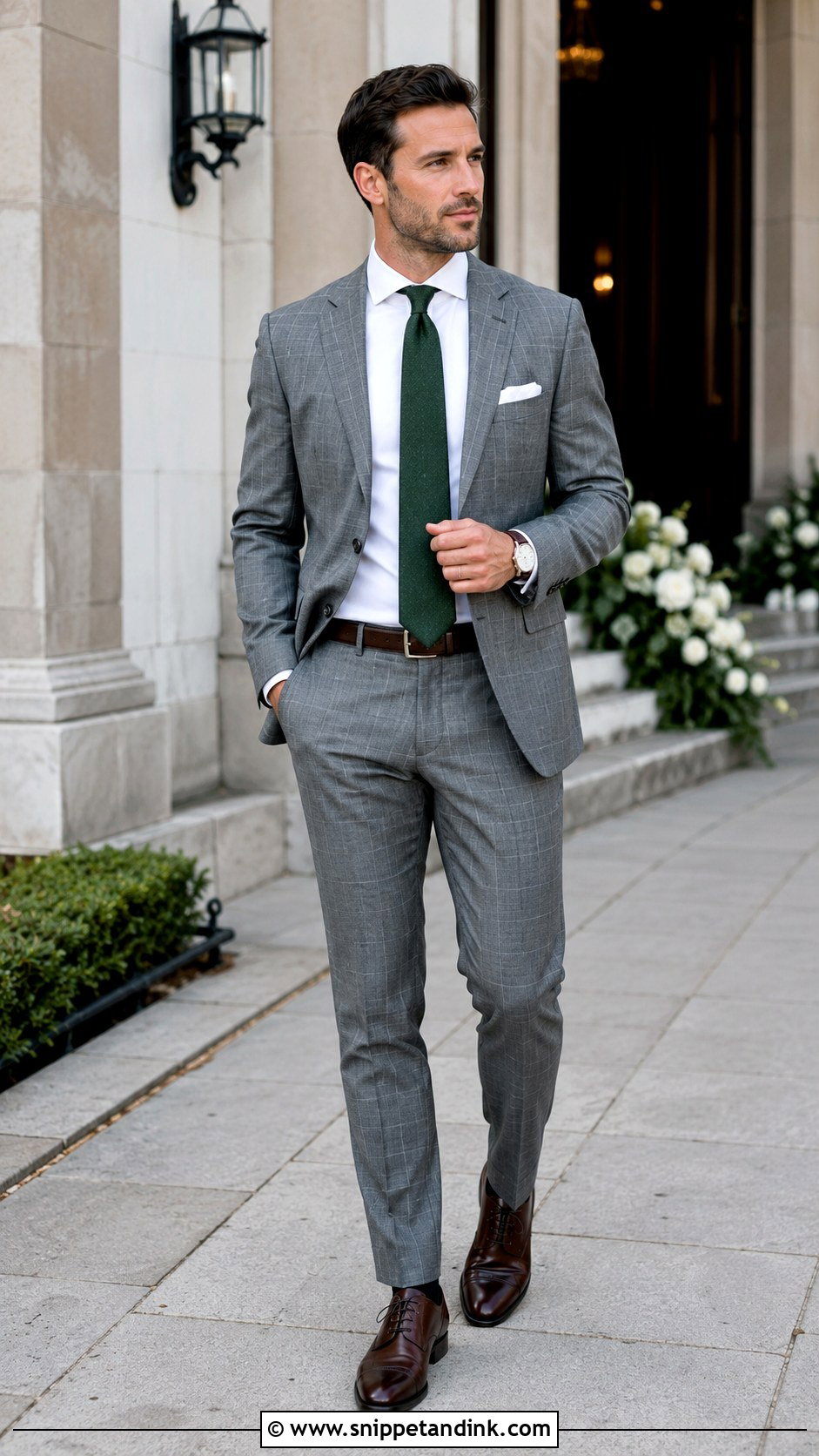
A grey check brings interest to a traditional suit, as long as the check is quiet. Medium grey with a restrained windowpane or Prince of Wales pattern, not a large high-contrast one. A white shirt and a solid navy, burgundy or forest green tie. Dark brown Oxfords, a matching belt and a white pocket square. Socks close to the trouser colour. No busy shirts or printed accessories. Small, tight checks can shimmer on camera, a moiré effect that’s especially visible on video, so I always ask to see a phone photo of the cloth before ordering. Formal daytime ceremonies and classic indoor venues suit it.
14. Brother of the Bride Velvet Bandhgala Outfit
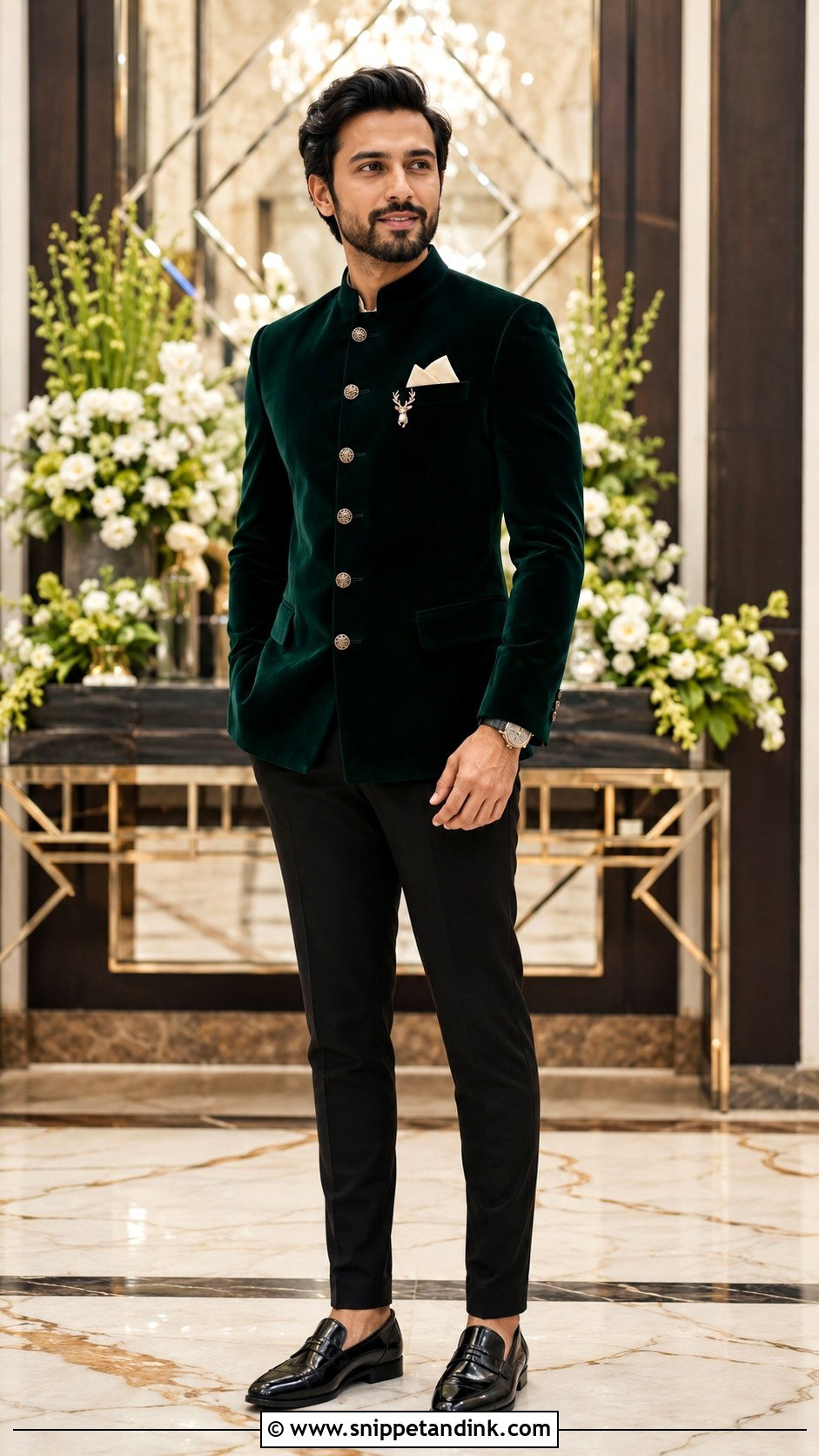
Velvet is the luxurious winter option. A burgundy, bottle green, midnight blue or black velvet bandhgala with tapered black trousers for a long, clean line. Simple buttons and very little embroidery, since the fabric already has texture. Black loafers, a subtle pocket square and a small metallic brooch. Skip a heavy stole unless the ceremony is very traditional and the bride is happy with it. Velvet is hot, so cool weather or an air-conditioned evening venue only. It also crushes where you sit; hang the jacket on a chair back with the shoulders supported during dinner. Under reception lighting it looks rich.
15. Brother of the Bride Cream Blazer Outfit
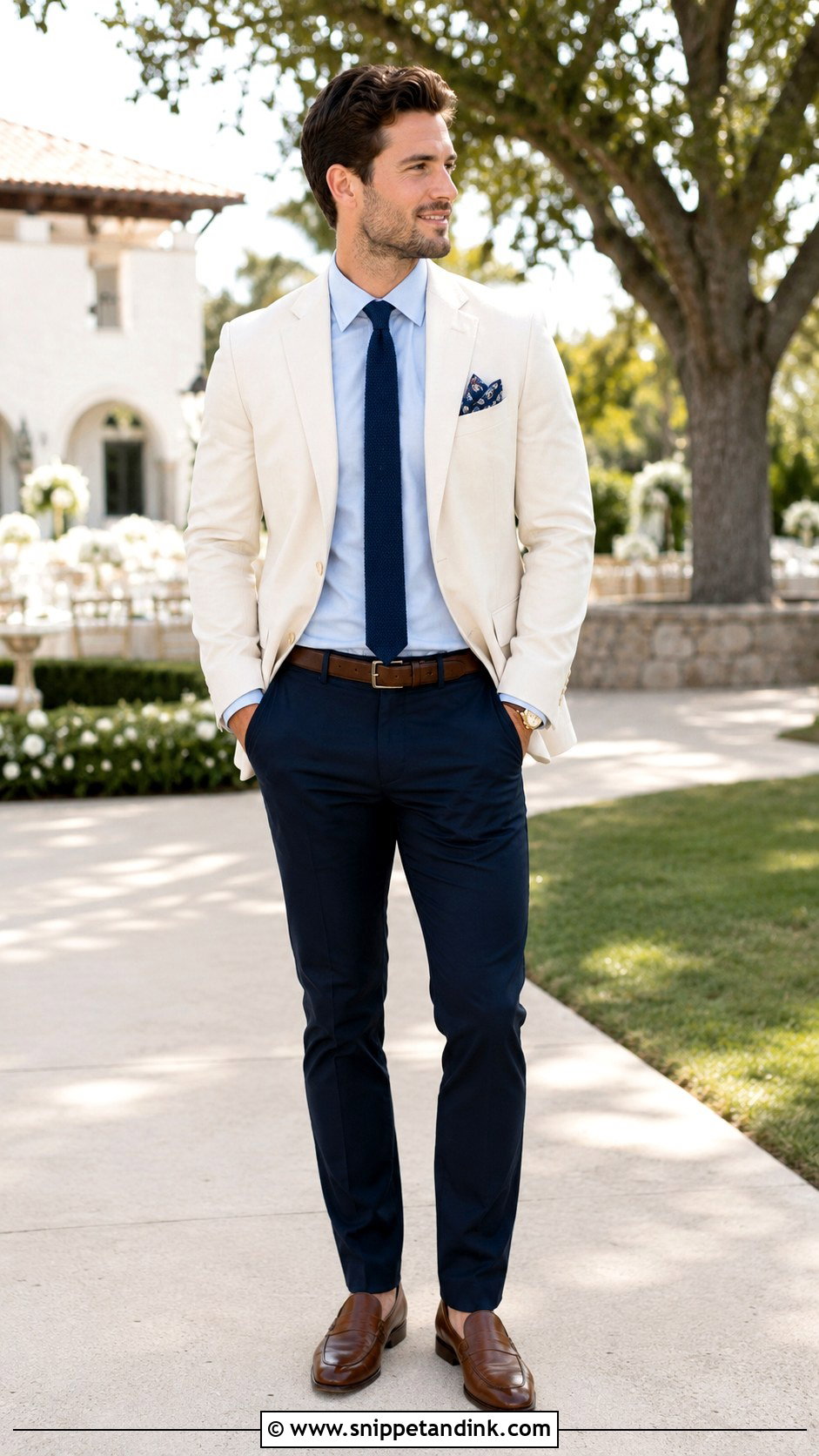
A cream blazer sits halfway between a suit and casual separates, which suits a relaxed or semi-formal wedding. Tailored navy trousers, a pale blue or white shirt and brown loafers. A knitted tie gives structure; an open collar is lighter for daytime outdoors. Brown belt, a patterned pocket square and a classic watch. The blazer and trousers need clear contrast so they look deliberately separate, not a mismatched suit. And the cream must be clearly different from whatever the bride is wearing. I’d hold the blazer next to a photo of her dress. Welcome parties, rehearsals and small ceremonies suit it.
16. Brother of the Bride Indo-Western Draped Outfit
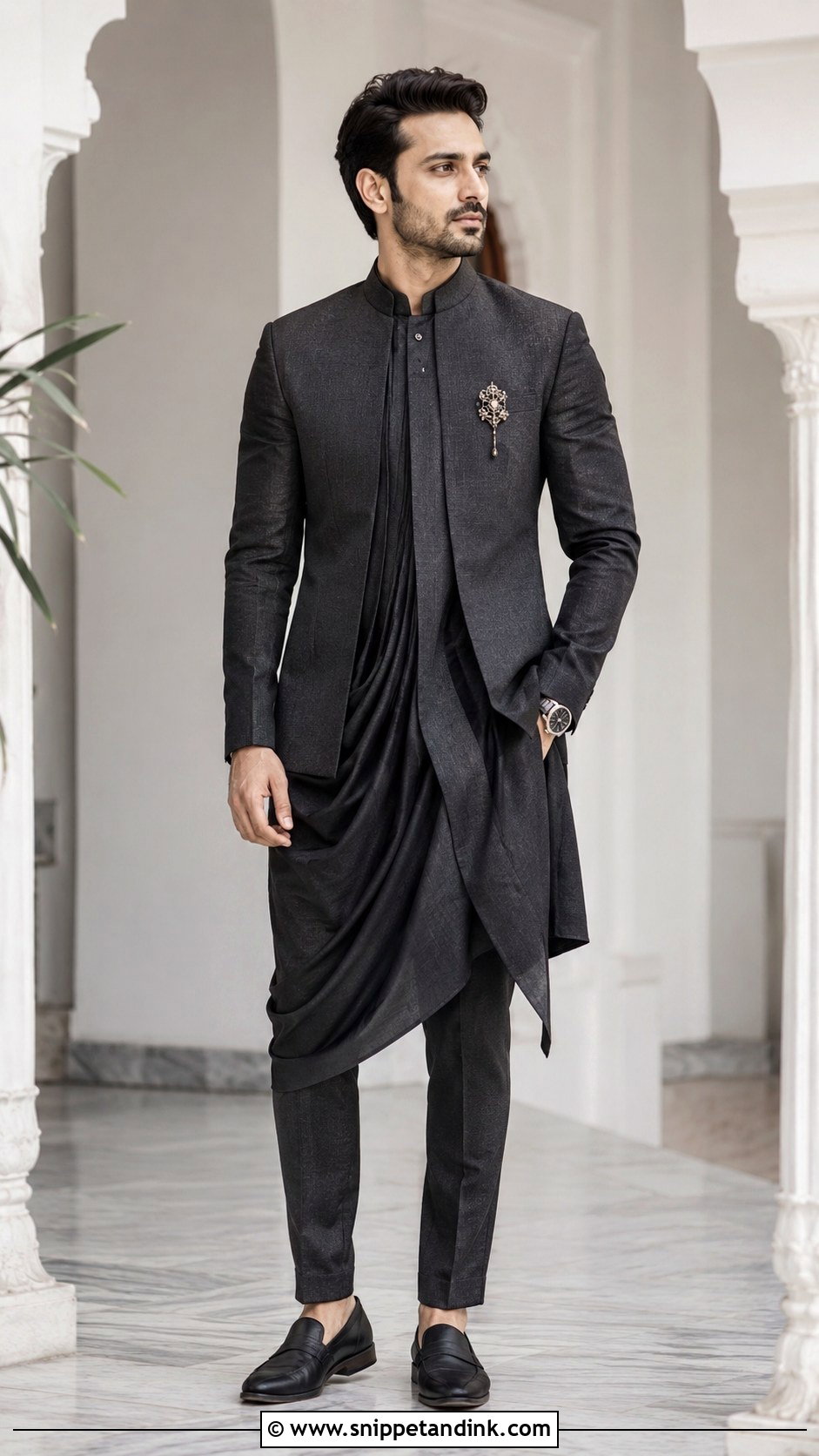
An Indo-Western draped outfit gives a modern silhouette while keeping traditional detail. A fitted asymmetric kurta or draped tunic in charcoal, navy, ivory or muted olive, slim coordinating trousers, and a structured longline jacket if more formality is needed. Clean leather loafers or minimal juttis. One accessory: a brooch, a pocket square or a fine chain. The asymmetric cut is already the statement. Drapes are pinned or stitched by the tailor, and loose drape can swing into food at a buffet, so I ask for the drape to be tacked down at the hip. Sangeets and contemporary receptions suit it.
17. Brother of the Bride White Dinner Jacket Outfit
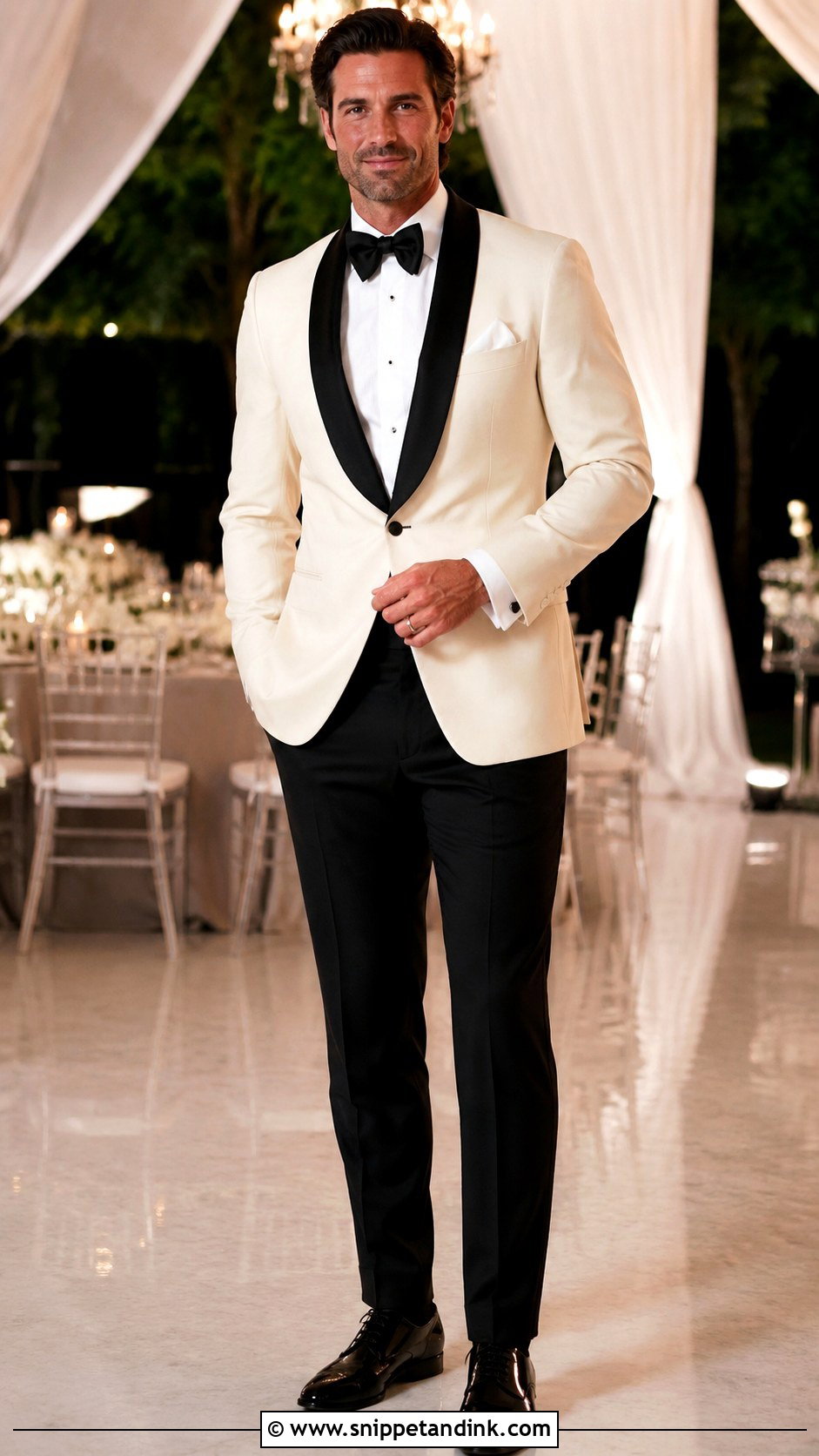
A white dinner jacket is classic warm-weather evening wear. Black tuxedo trousers, a white dress shirt and a black bow tie. Black patent loafers or lace-ups. A white pocket square and simple black-and-silver cuff links. The jacket should be ivory or soft white, never a bright bridal white, and the bride should approve the colour first. A shawl or peak lapel looks more traditional. White shows every mark from red wine to lipstick on a hug, so I’d keep a dark backup jacket in the car. Destination receptions suit it.
18. Brother of the Bride Pastel Achkan Outfit
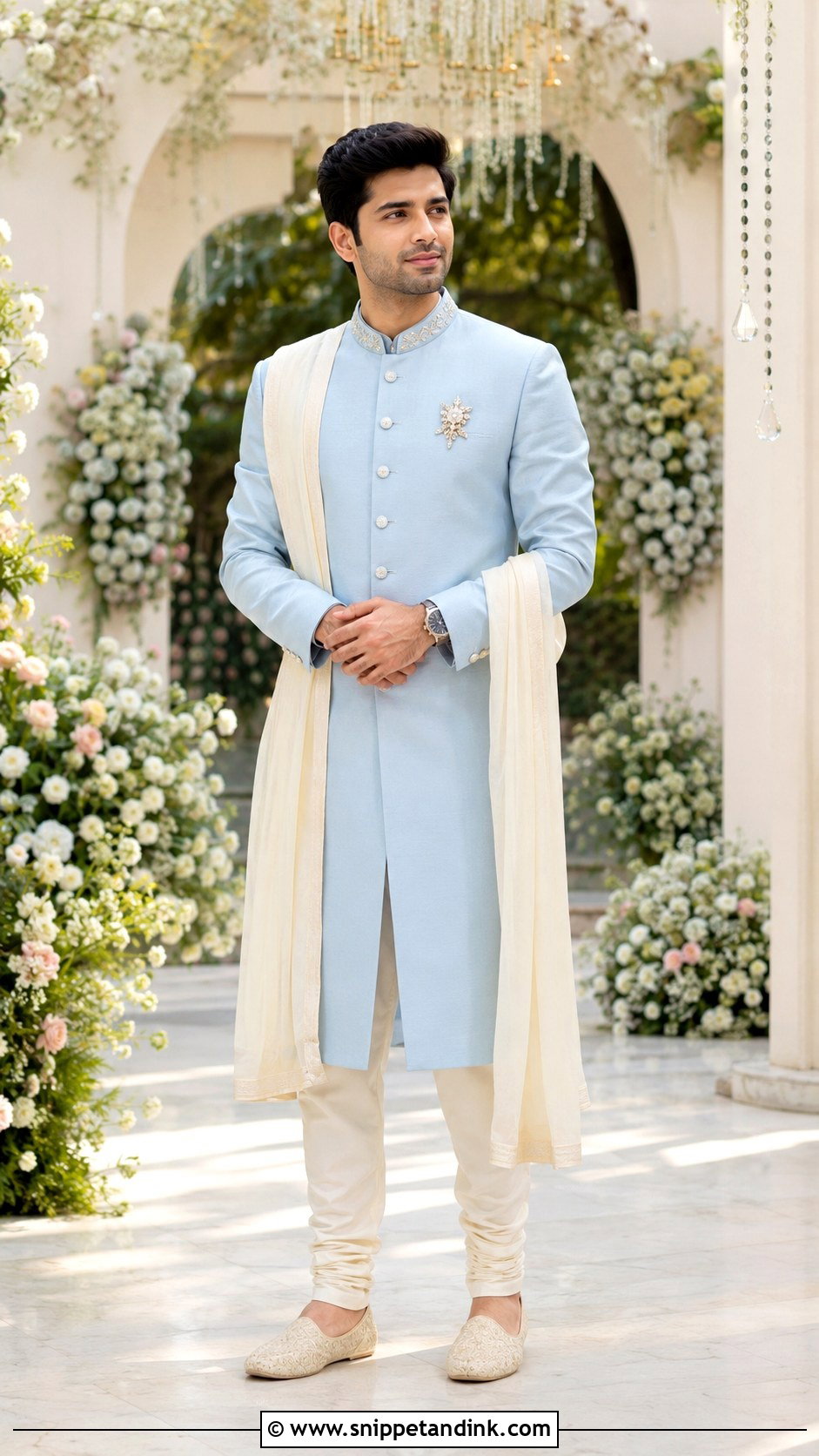
A pastel achkan is graceful for a daytime Indian ceremony. Powder blue, mint, dusty rose, pistachio or soft lavender with delicate embroidery at the collar and front. Over ivory churidar, with neutral embroidered juttis. A light stole over one shoulder and a simple brooch near the collar. Skip heavy metallic work, especially if the groom’s sherwani is ornate. The longer, structured shape gives presence in family portraits and the procession. Achkans are long, so make sure the side slits are deep enough to sit cross-legged; if not, a tailor can open them a few inches.
19. Brother of the Bride Olive Blazer Outfit
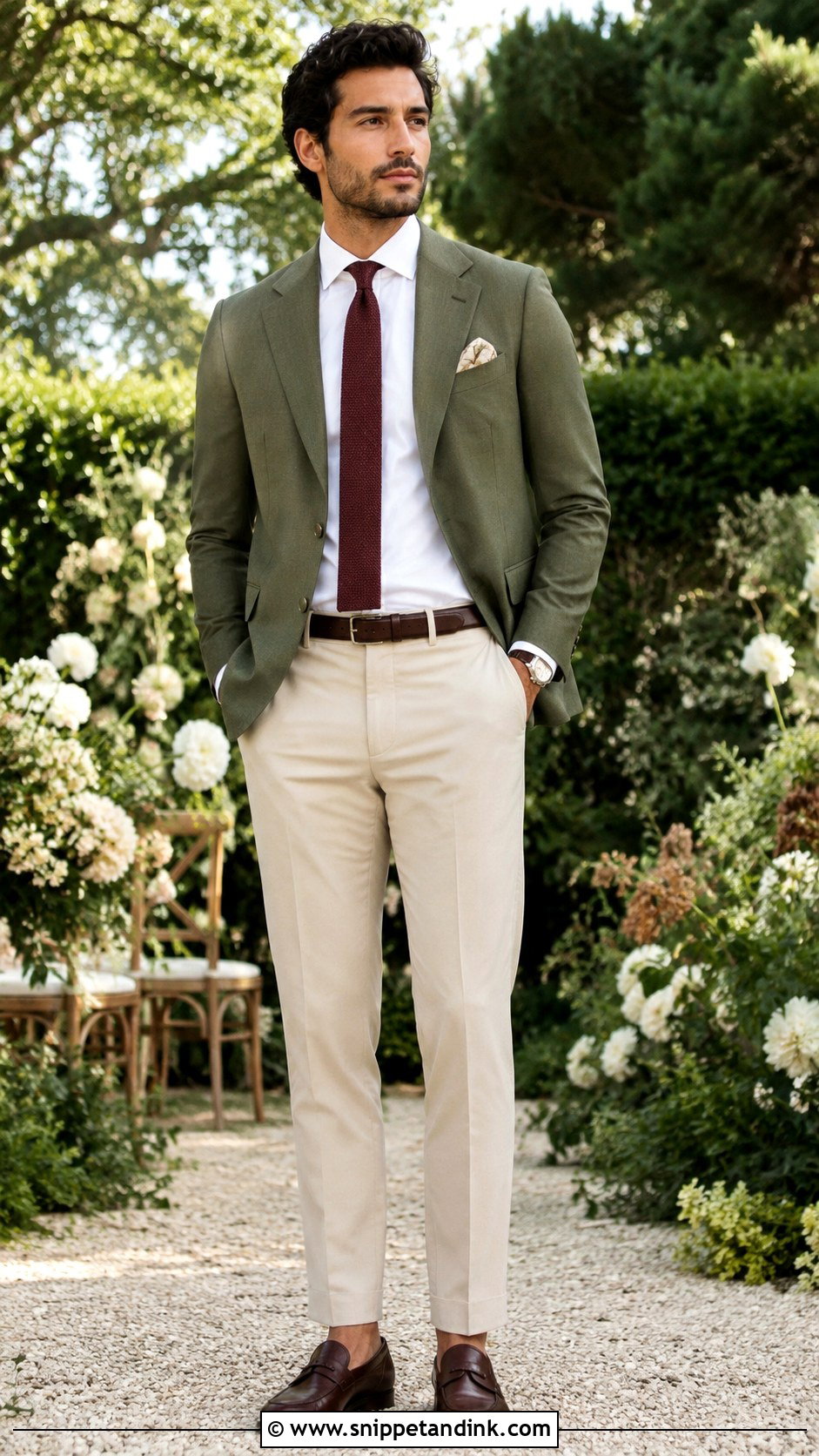
Olive works for rustic, garden and fall weddings. An olive blazer with tailored beige trousers and a crisp white shirt. Dark brown loafers, a matching belt and a cream pocket square. A textured brown or burgundy tie for formal, an open collar for relaxed. The blazer must be structured and fitted, not a field jacket. Wool blend for cool weather, breathable cotton for summer. Olive can look drab on some skin tones in shade, so I’d test it outdoors in natural light before buying. It sits naturally with greenery and neutral decor in outdoor family photos.
20. Brother of the Bride Black Sherwani Outfit
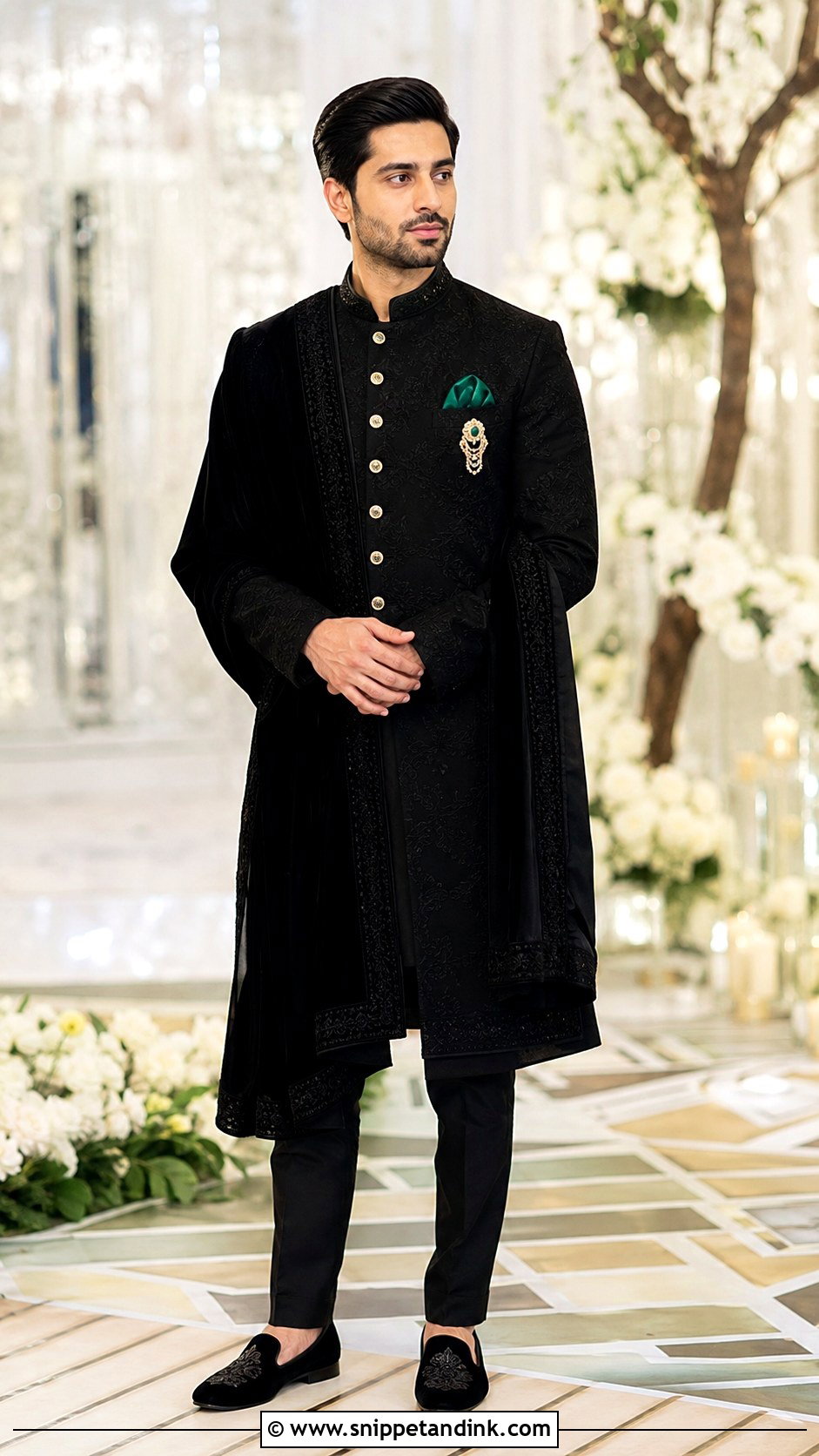
A black sherwani is the strong evening option for an elaborate ceremony or reception. A fitted design with tonal embroidery, subtle beadwork or restrained gold at the collar and buttons. Tapered black trousers or churidar and polished black juttis. A deep red, emerald or champagne pocket square ties it to the palette. A brooch or a draped stole if wanted, but not a pile of ornate accessories. The groom’s outfit should stay more detailed, so coordinate before choosing. Beadwork on the sleeves catches on the bride’s dupatta and lehenga during hugs and photos, which is a good reason to keep it on the collar and buttons only.
Built for the Mandap Floor, Heavy Lifting and a Toast
The bride’s brother is rarely just standing in a corner. Depending on the tradition, he might take part in rituals, carry luggage and gifts, look after elderly relatives, or stand up to give a speech. Clothing that looks good but can’t move is the most common problem I see.
Sitting on the floor at the mandap
Many Hindu ceremonies seat close family on the floor around the fire, and shoes come off before stepping onto the mandap. Practise sitting cross-legged in the sherwani or achkan at the final fitting. If the side slits are too short or the churidar is tight at the knee, it shows straight away. Choose juttis you can slip off and on without bending over to untie anything.
Giving a toast in a suit
If he’s speaking, put the cards in the inside jacket pocket, not the trouser pocket, which bulges in photos. Button the jacket when standing to speak and unbutton it when sitting down. A lapel microphone clips best to a solid lapel, so keep any brooch on the other side.
A small kit in the car
- A spare white shirt or kurta for after the haldi or a spilled drink.
- Safety pins and a stain pen.
- Blister plasters for new juttis or dress shoes.
- A lint roller for dark velvet and wool.
Ask Your Sister Before You Go Bold
A brother-of-the-bride outfit should feel special, look right in photos and stay comfortable through a long, busy day. Start with the dress code, venue, season and the couple’s palette. A navy suit or black tux covers Western formalwear; sherwanis, bandhgalas, achkans and kurta sets suit traditional Indian celebrations. Fit matters more than decoration, so leave time for alterations. Break in your shoes before the day, and keep accessories in support of the outfit. Above all, talk to the bride and groom before you go bold.
You'll Like These Ideas:


Leave a Reply