
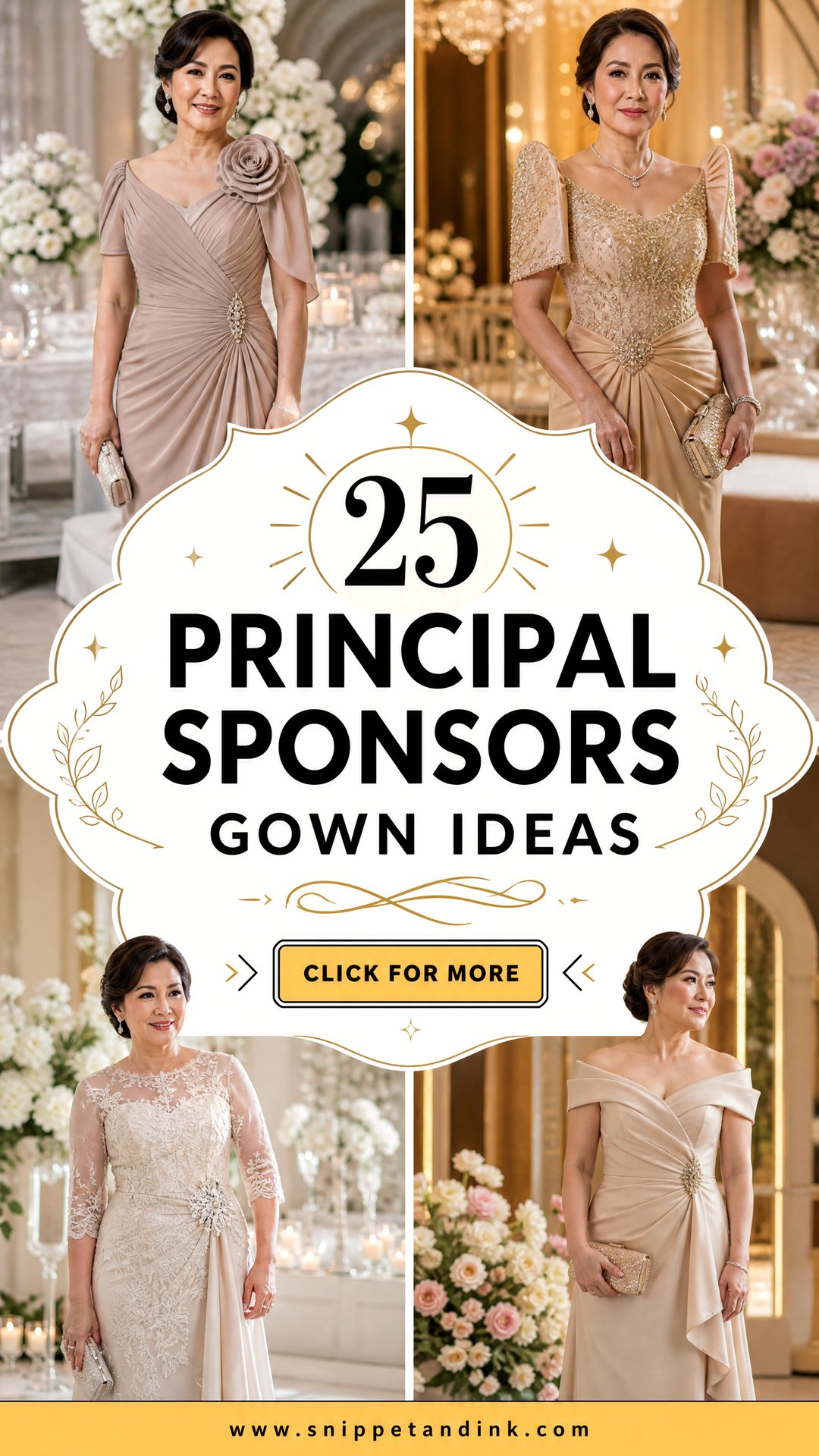
Dressing a principal sponsor is a different brief from dressing a guest or a bridesmaid. You walk in the processional, sit in the front pews through the whole ceremony, stand up to sign, and then appear in more formal photos than almost anyone except the couple. The gowns for principal sponsors that work best have some coverage, a fabric that survives an hour of sitting, and a colour that sits comfortably beside the couple’s motif. Below are 25 gowns by colour, cut and figure, with what I’d check for each before a ninang buys.
What a Ninang Does While Wearing That Gown
Principal sponsors in a Filipino wedding are formal witnesses, and the role shapes the dress more than people expect. You’ll walk in the entourage, sit in the front rows through a ceremony that often runs close to an hour in church, and come forward to sign the marriage certificate. Then come the photos: family groups, sponsor groups and often a shot with each couple of ninong and ninang.
The fitting test I give sponsors
Sit for five minutes in the gown, then stand and look at the skirt. Satin and stiff crepe show seat creases; chiffon and matte jersey crepe recover. Reach forward as if signing at a table, since tight long sleeves pull the bodice up. Walk a flight of stairs in your shoes; church steps and altar platforms catch a hem that’s a touch too long.
Front-row sponsors are also in the background of almost every vow shot, so busy prints and very shiny fabric become distracting from the photographer’s angle. Solid colours and gentle texture look calmer behind the couple.
1. Champagne Long Sleeve Principal Sponsors Gown
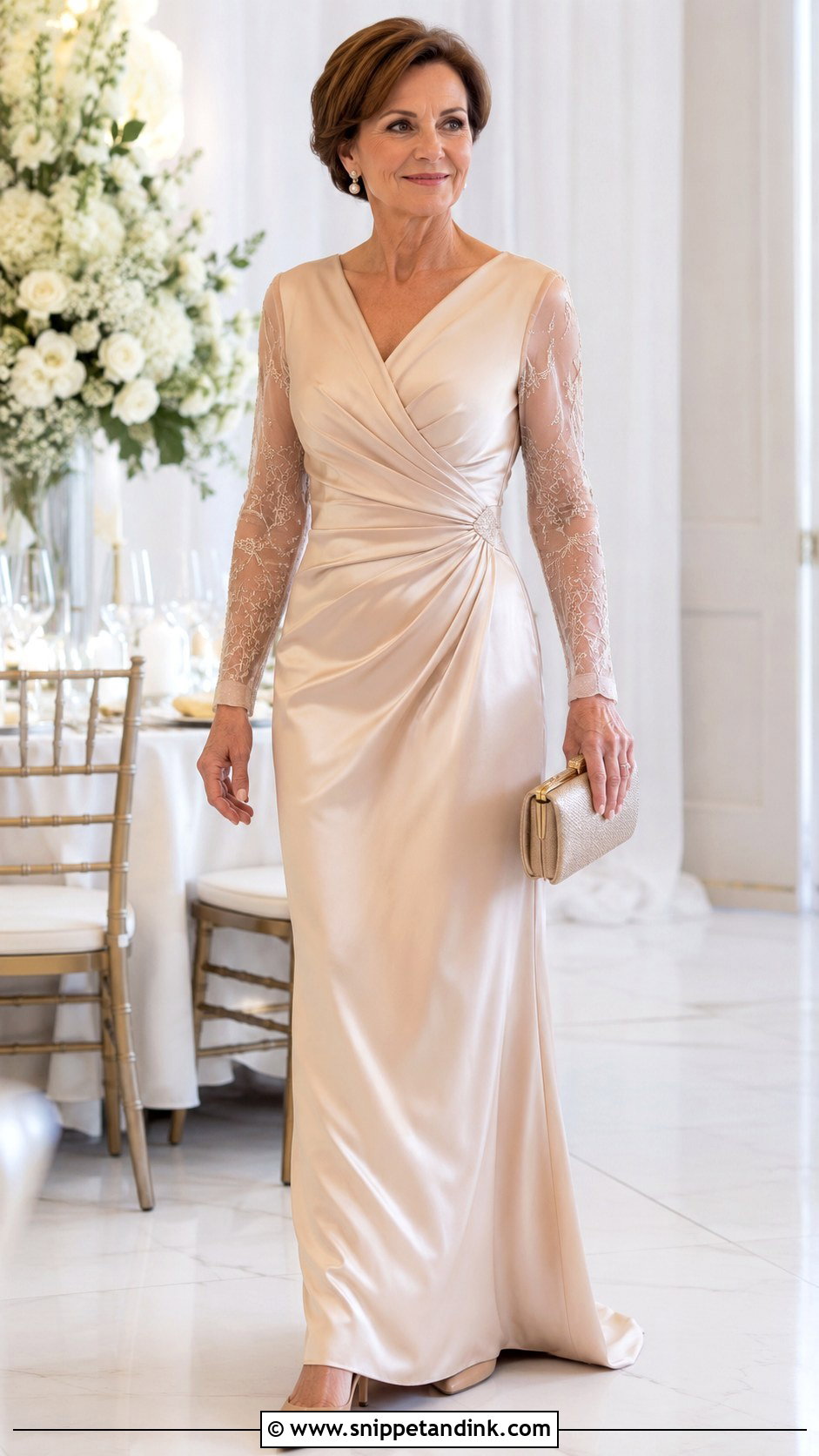
Champagne is the colour I suggest most when a sponsor hasn’t been given a motif, because it sits quietly beside almost any palette. The one risk is standing next to an ivory bride, so choose a shade with visible gold or beige in it. Sheer long sleeves with light beading keep it formal; check the beading on the inner arm, since it rubs against the bodice every time you move. Nude or metallic low heels, pearl earrings and soft rosy makeup keep it calm for an evening hotel reception.
2. Navy Blue Principal Sponsors Gown
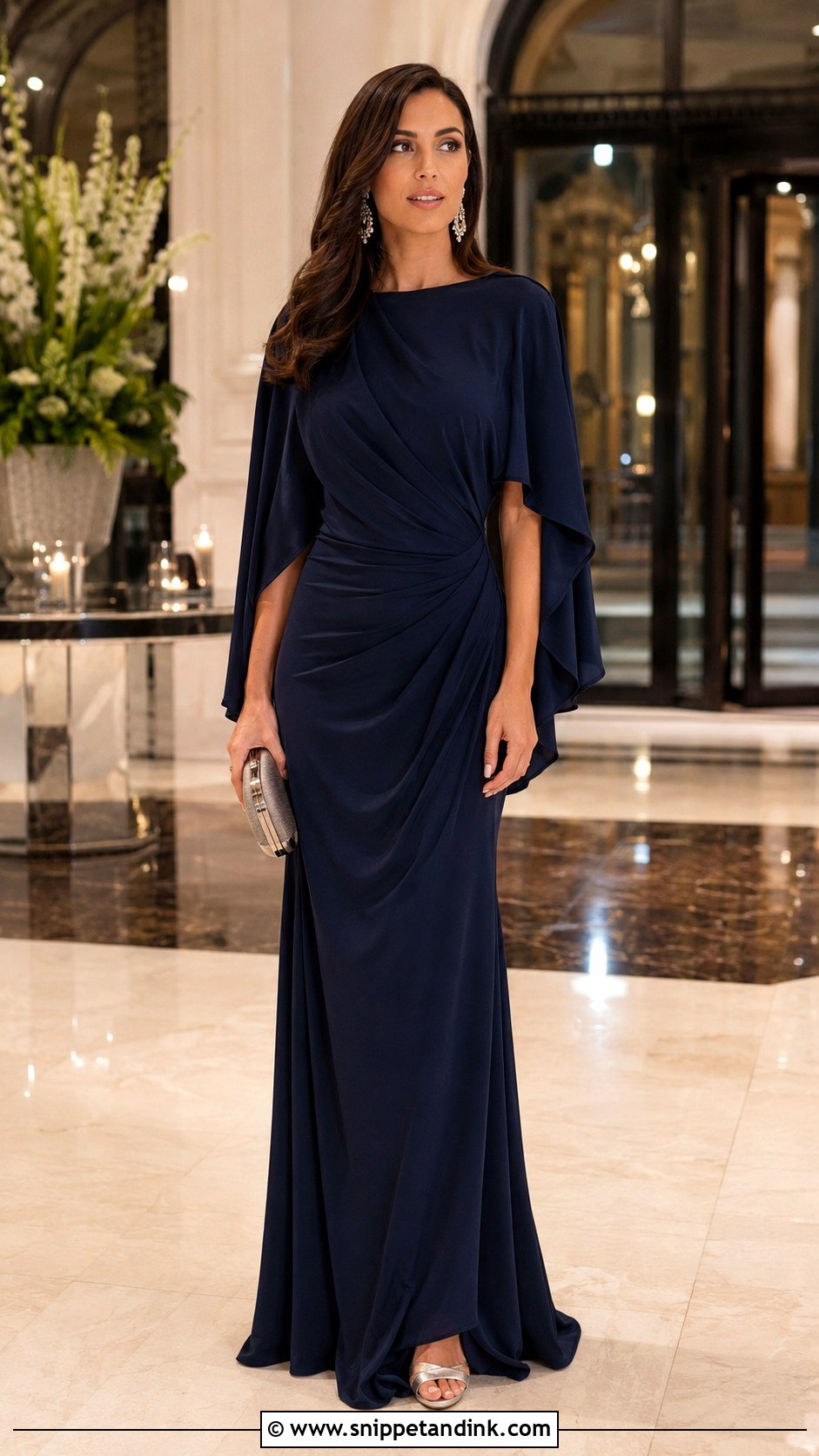
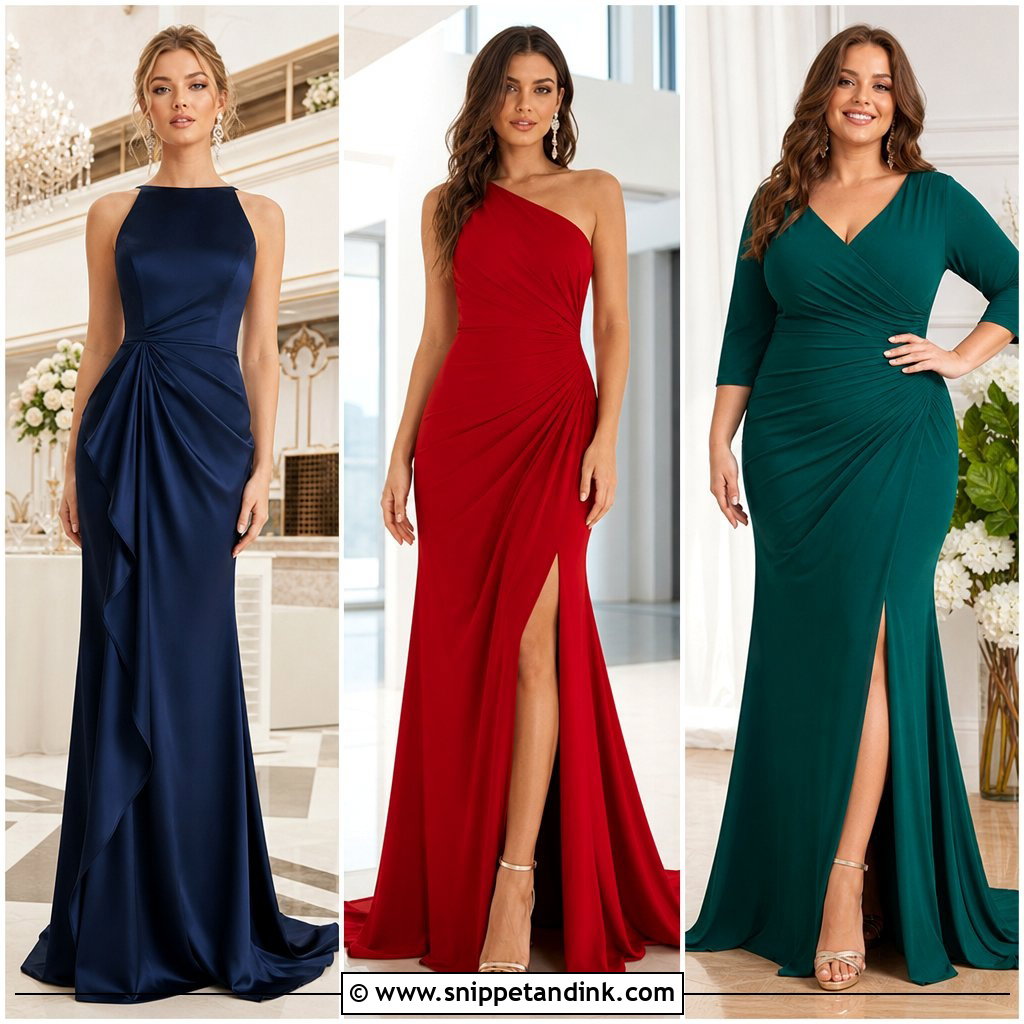
Navy is my answer for a sponsor who wants something dignified and easy to wear again. Bear in mind that in a dim church it can read almost black in photos, so a fabric with a slight sheen, satin or a chiffon overlay, helps it keep its colour. A bateau neckline or modest V with a draped bodice suits most figures. Silver heels and crystal earrings lift it, and it sits well beside pastel flowers and grey suits.
3. Dusty Rose Principal Sponsors Gown
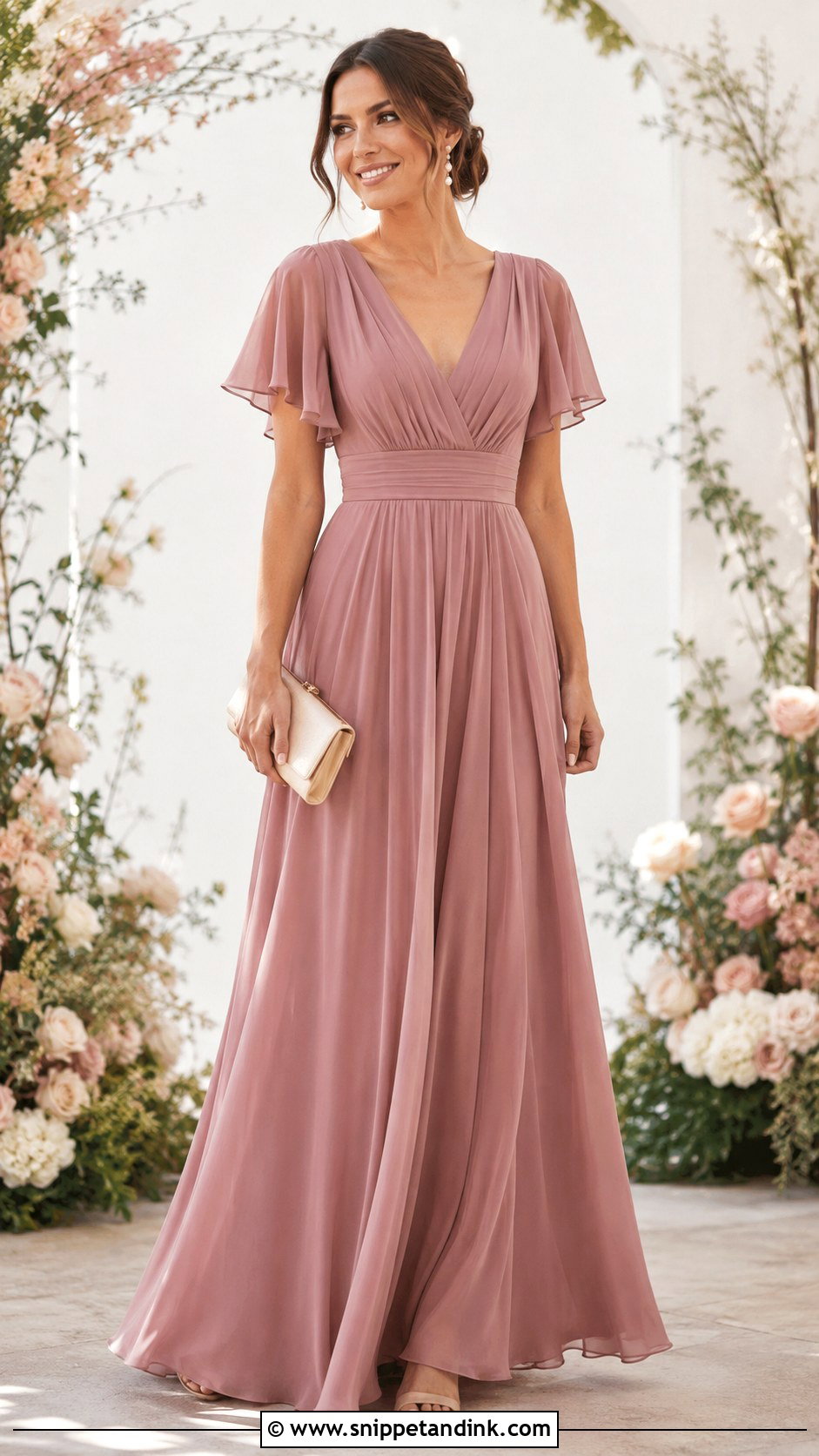
Dusty rose has enough grey in it to look grown-up, which plain pink often doesn’t. I’d go floor-length with flutter sleeves or a lace bodice for a daytime ceremony. Check the shade against the bride’s entourage first: if the bridesmaids are in a similar pink, a sponsor in dusty rose disappears into the group photos. Champagne heels and pearl drops finish it, and it works with sage, taupe and gold palettes.
4. Sage Green Principal Sponsors Gown
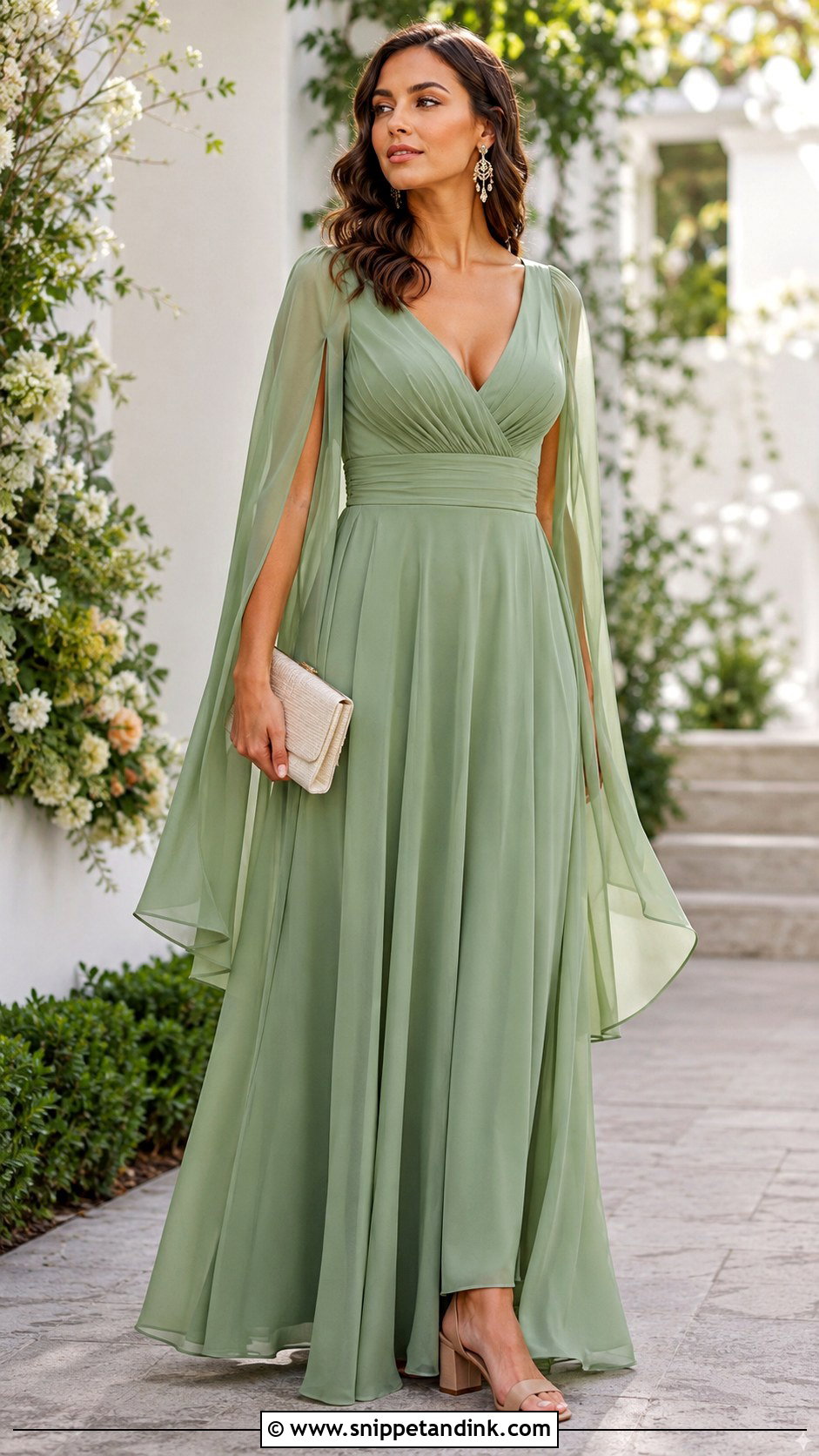
Sage was made for garden ceremonies, where it sits right among the greenery. Matte satin keeps it looking expensive; shiny satin in sage can turn slightly minty under flash. Cape sleeves or a soft wrap bodice give coverage without any stiffness. For a formal reception, a pleated skirt or a beaded waist dresses it up. Nude block heels are wise on grass, with gold jewelry and a cream clutch.
5. Silver Gray Principal Sponsors Gown
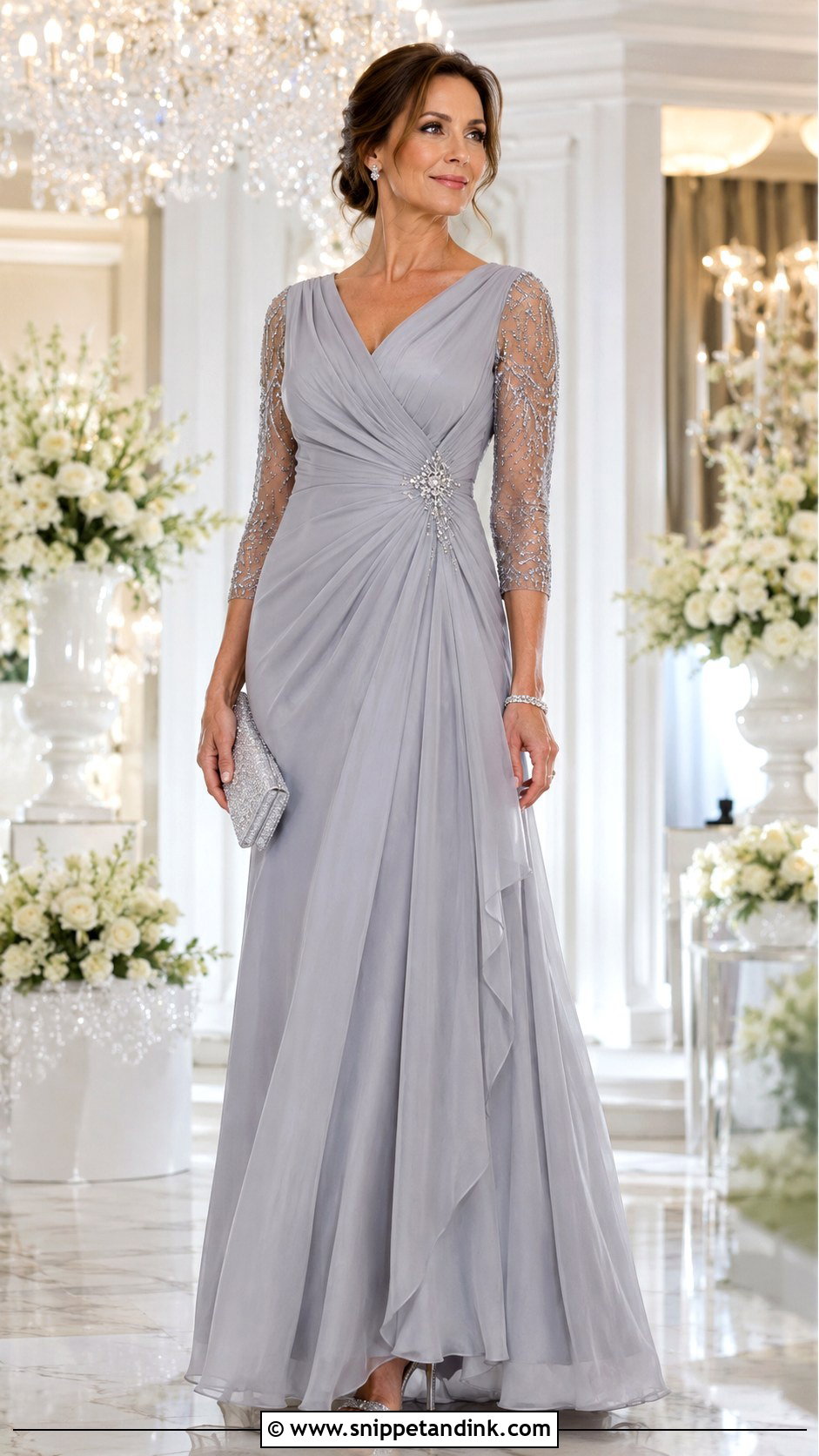
Silver grey looks polished and suits cool-toned evening palettes, but the fabric choice decides whether it reads elegant or metallic. I steer sponsors away from high-shine silver, which bounces camera flash straight back and loses all its shape in photos. Soft grey chiffon with beaded sleeves, or a satin column with a draped waist, keeps the colour without the glare. Mature sponsors often love it because it needs very little jewelry.
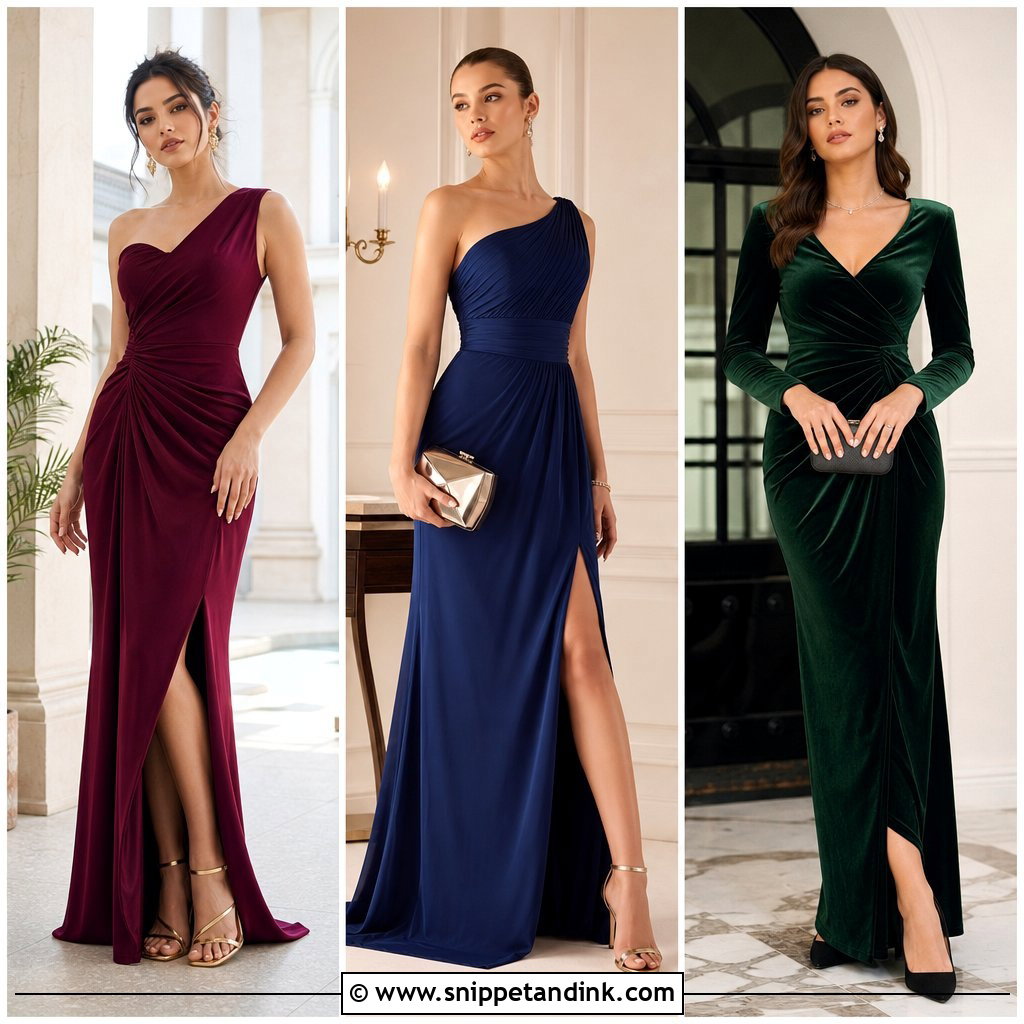
6. Emerald Green Principal Sponsors Gown
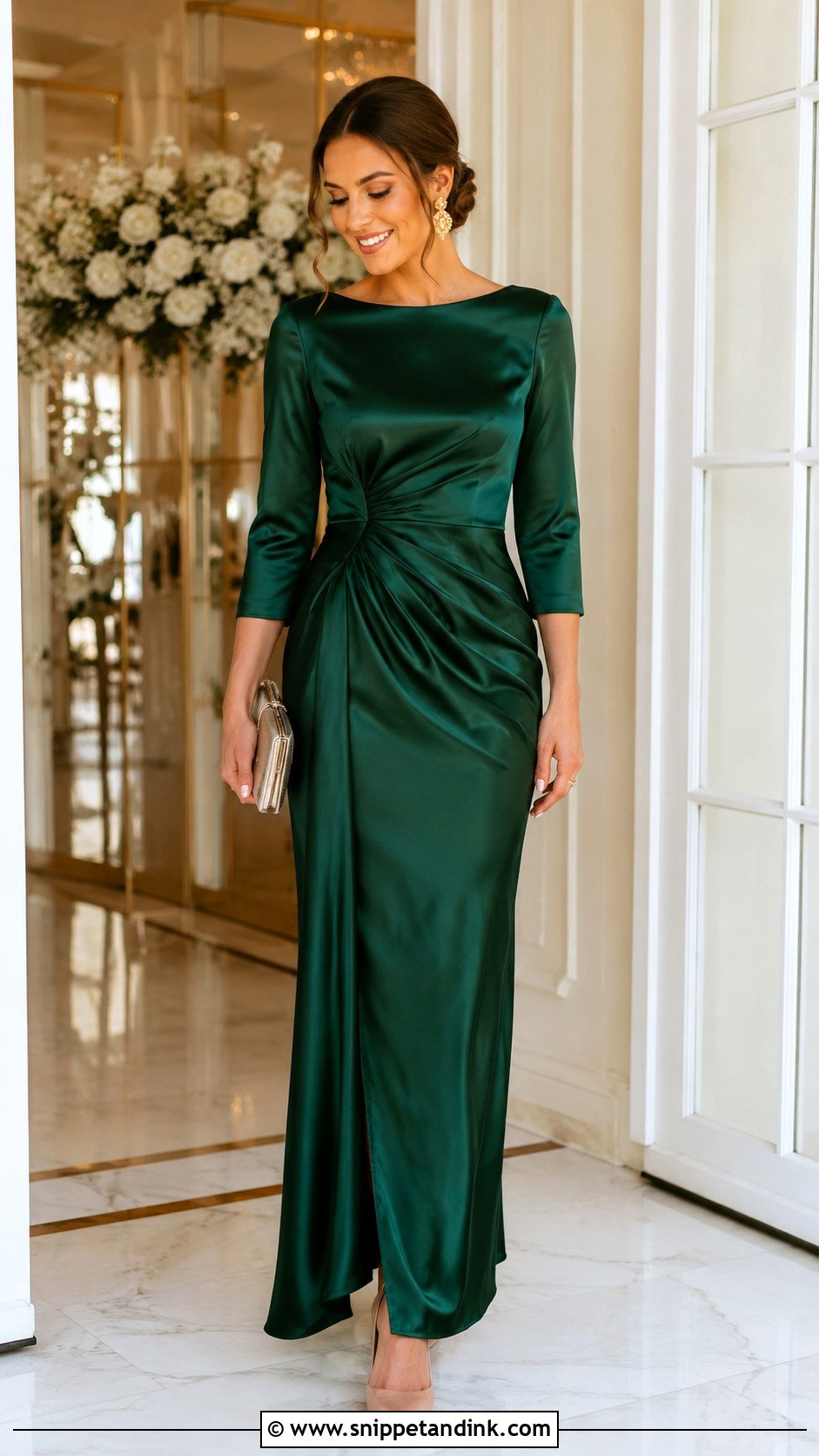
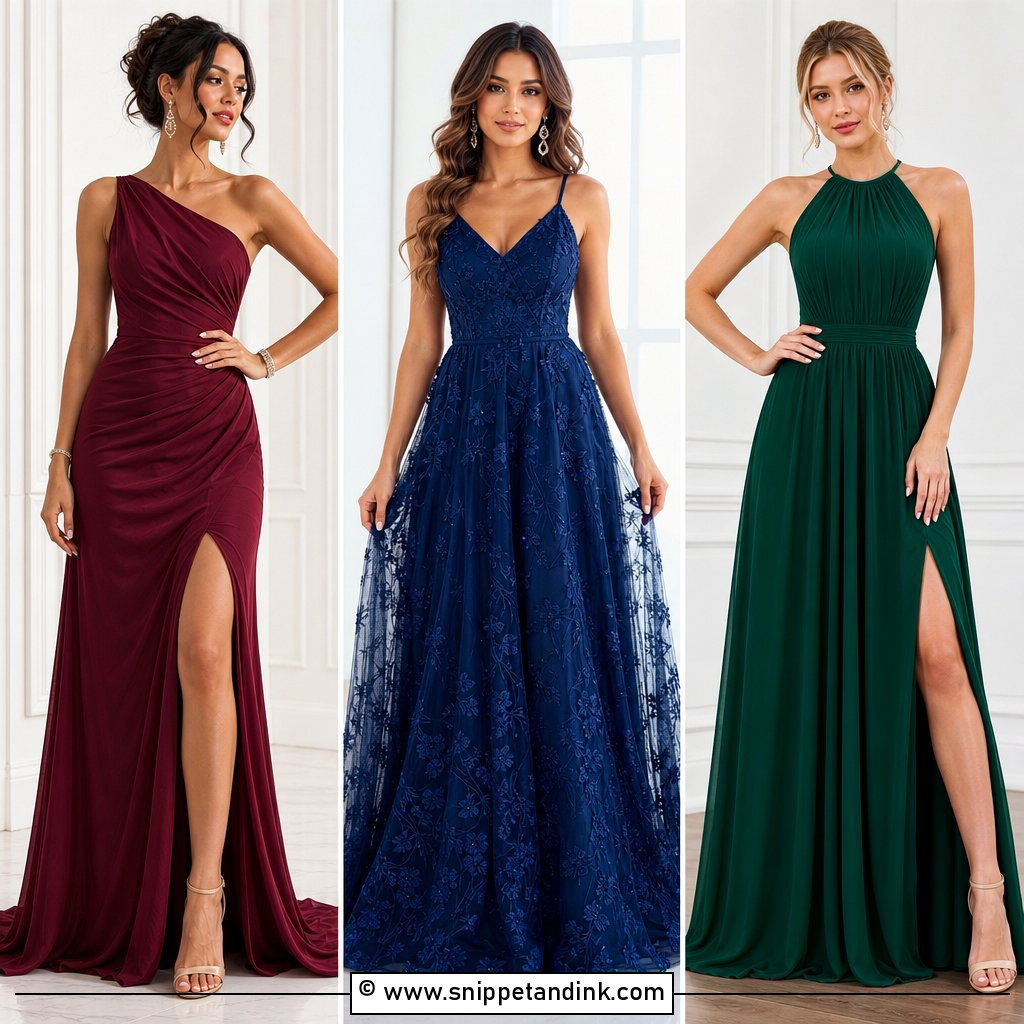
Emerald carries real presence, so let the cut stay plain. Three-quarter sleeves, a modest neckline and some gentle ruching at the waist are enough. Velvet suits cooler months but gets hot in a crowded reception; structured crepe or satin is more forgiving. Gold earrings and a gold clutch suit the jewel tone. It’s an easy fit for jewel-tone motifs and formal evening weddings.
7. Mauve Principal Sponsors Gown
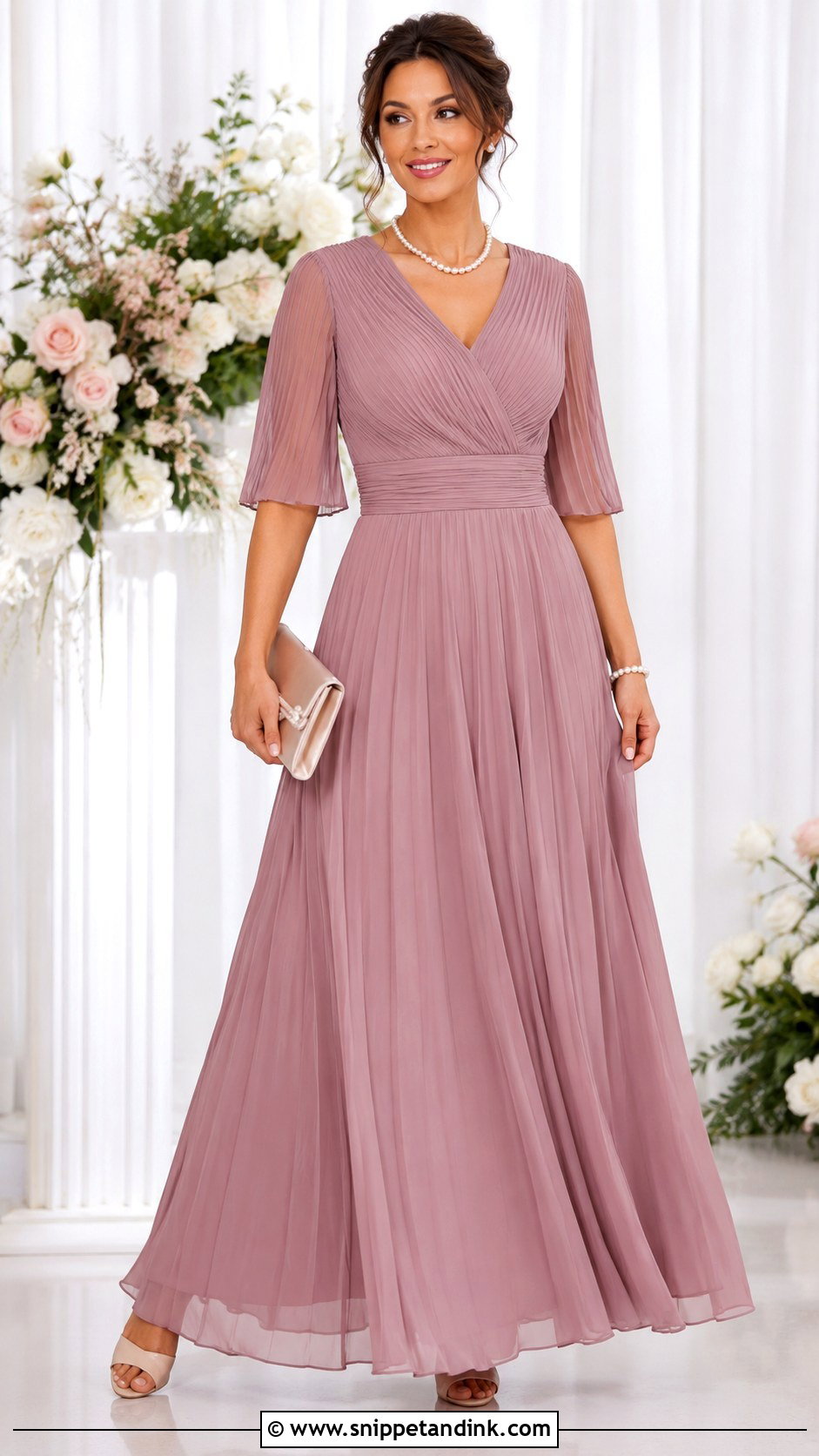
Mauve sits between pink, lavender and taupe, and that in-between quality makes it kind to most skin tones and ages. A mauve chiffon gown with a pleated skirt and elbow-length sleeves is cool enough for a daytime church and still dressy at night. Pearl jewelry and a satin clutch keep it soft. It pairs well with blush, dusty blue, champagne and sage motifs.
8. Taupe Principal Sponsors Gown
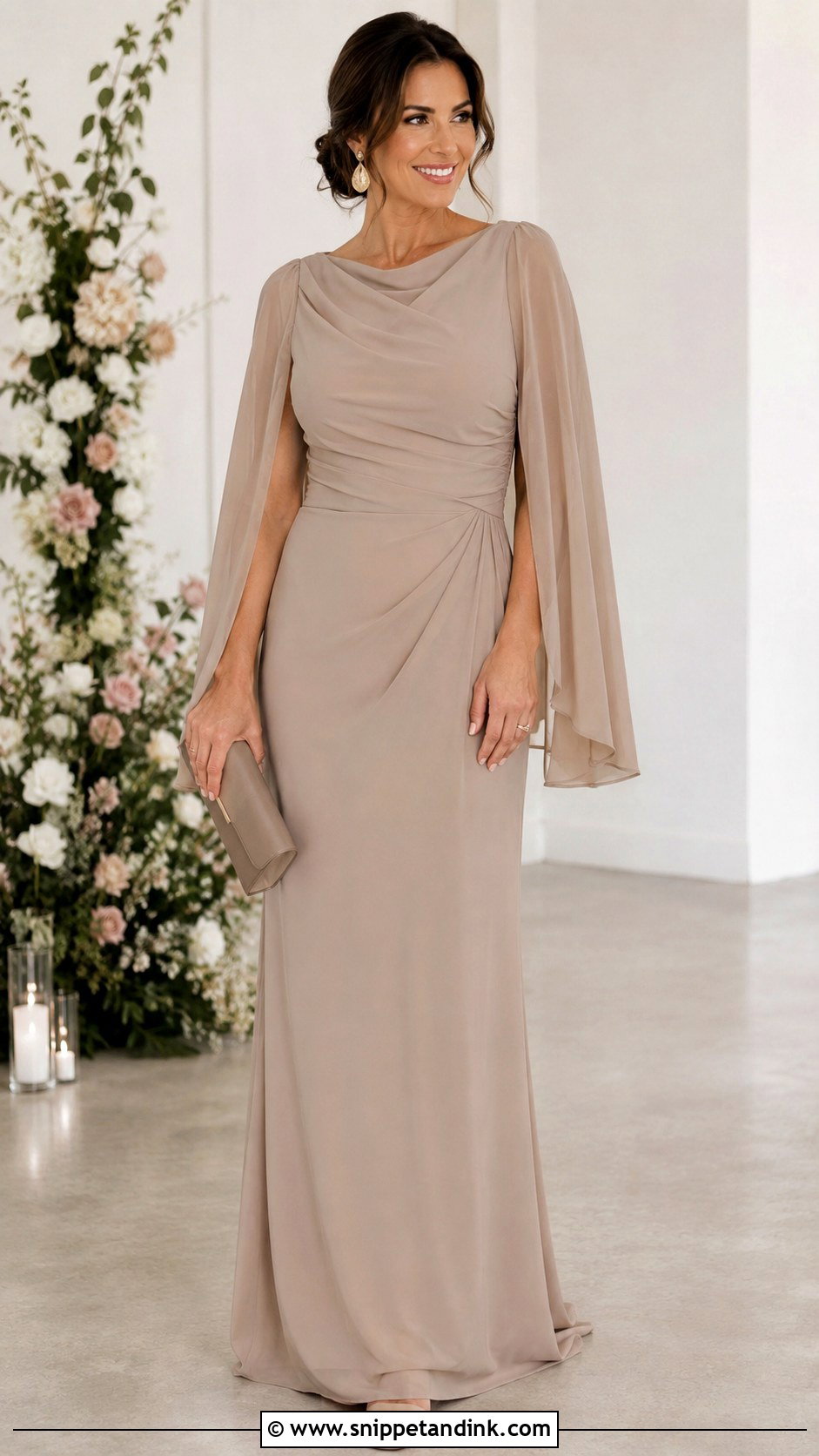
Taupe looks expensive in person but can go flat in photos if the fabric has no texture. That’s my one caution with it. Pick a draped bodice, ruching or matte satin with a faint sheen, so the camera has something to pick up. It’s the obvious choice when the couple wants a neutral entourage look. Beige or champagne heels and gold earrings finish it quietly.
9. Cobalt Blue Principal Sponsors Gown
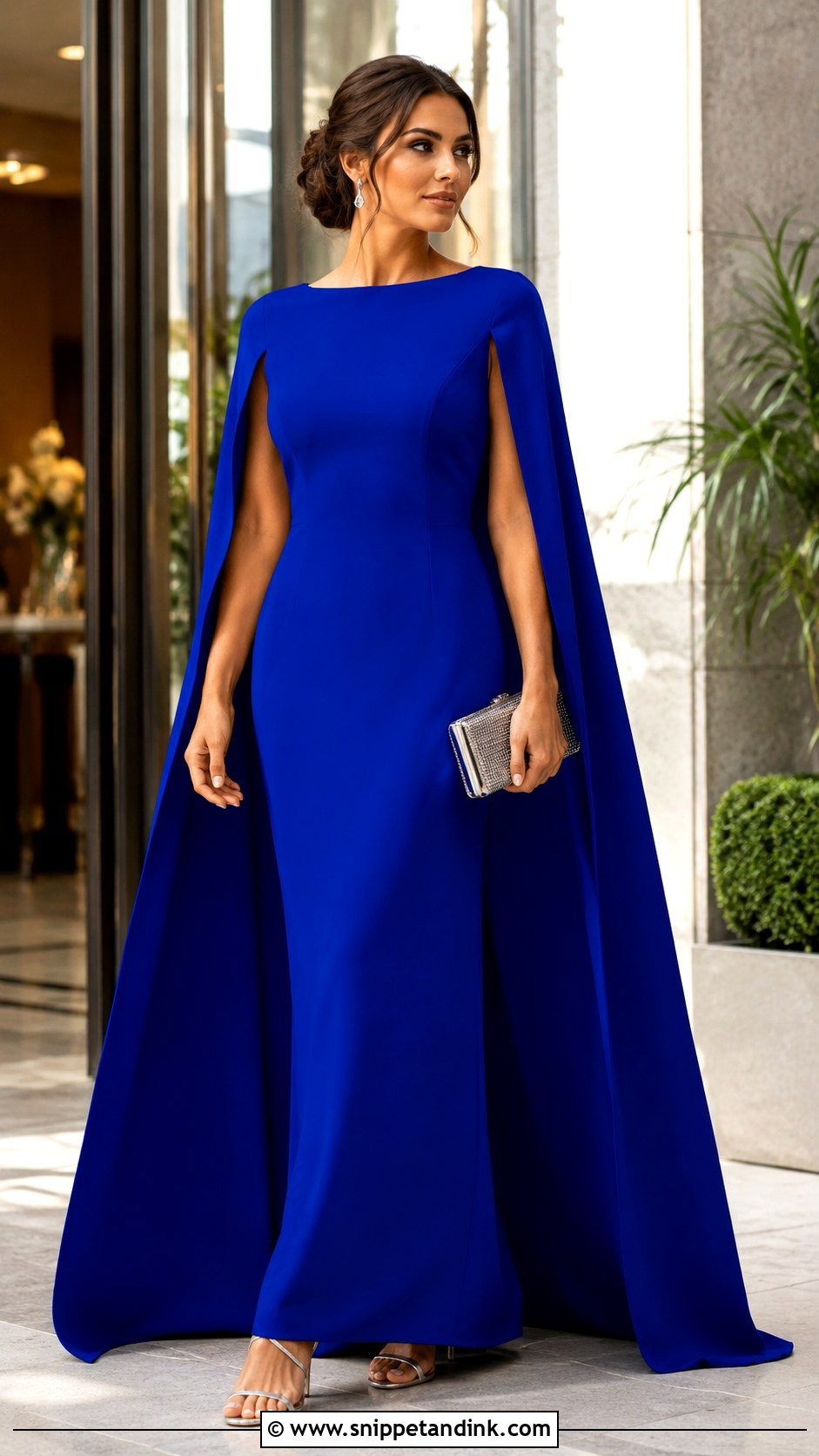
Cobalt is a confident colour, brighter than navy, and it needs a simple silhouette to stay elegant. A column gown with a cape overlay or soft sleeves is enough; beading on top of cobalt quickly looks busy. Silver heels and small earrings suit it. Check the couple’s motif first, though, since a strong blue can clash with warm florals in group photos. City weddings with white and silver palettes are its best setting.
10. Blush Pink Principal Sponsors Gown
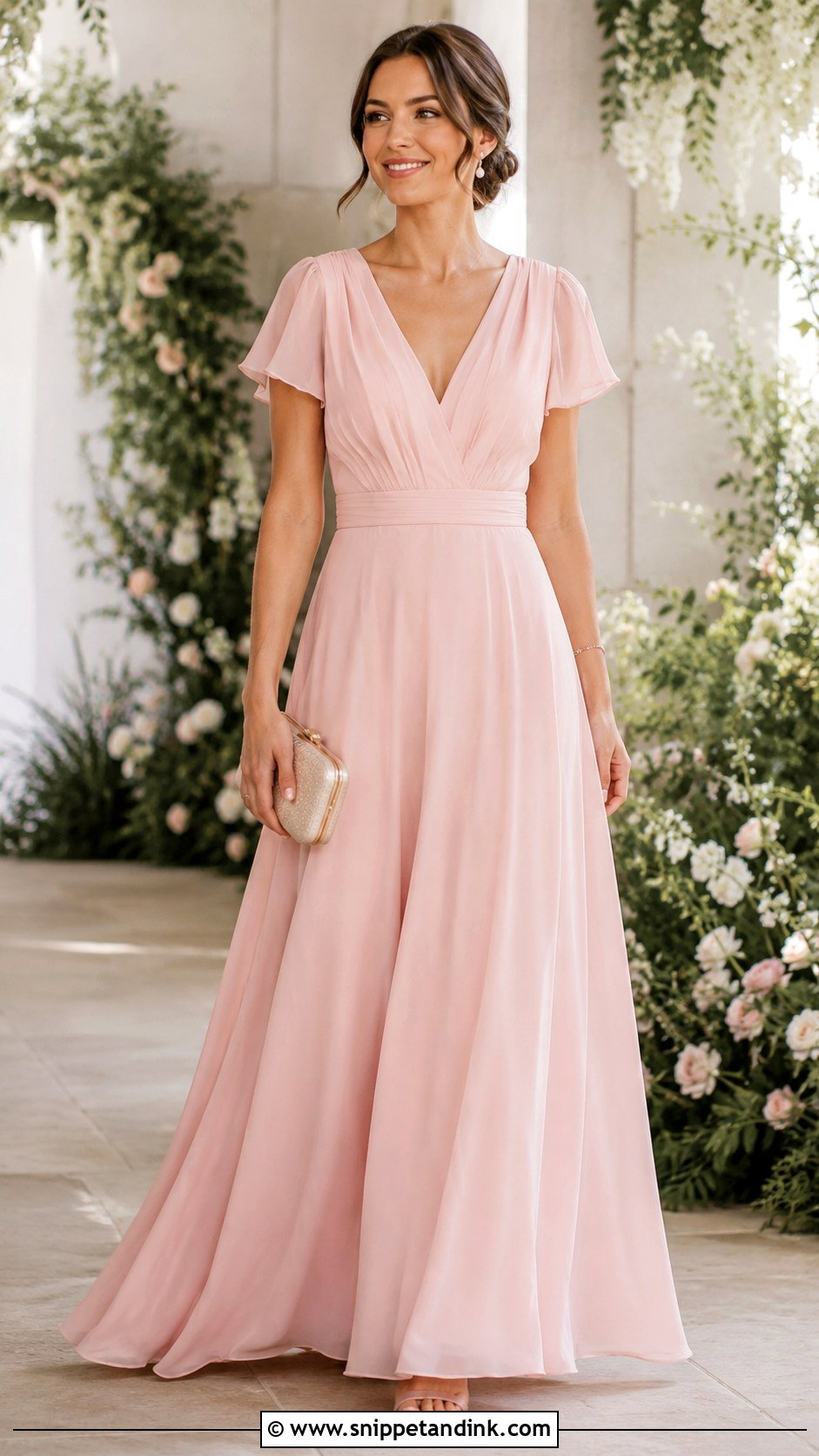
The trick with blush on a sponsor is choosing a grown-up cut, so the colour reads soft rather than young. An A-line with sleeves, a wrap bodice or structured crepe does that. If the bridesmaids are also in pink, go a shade deeper or more muted so you separate in photos. Nude heels, pearl earrings and a champagne clutch suit spring and summer garden weddings.
11. Gold Principal Sponsors Gown
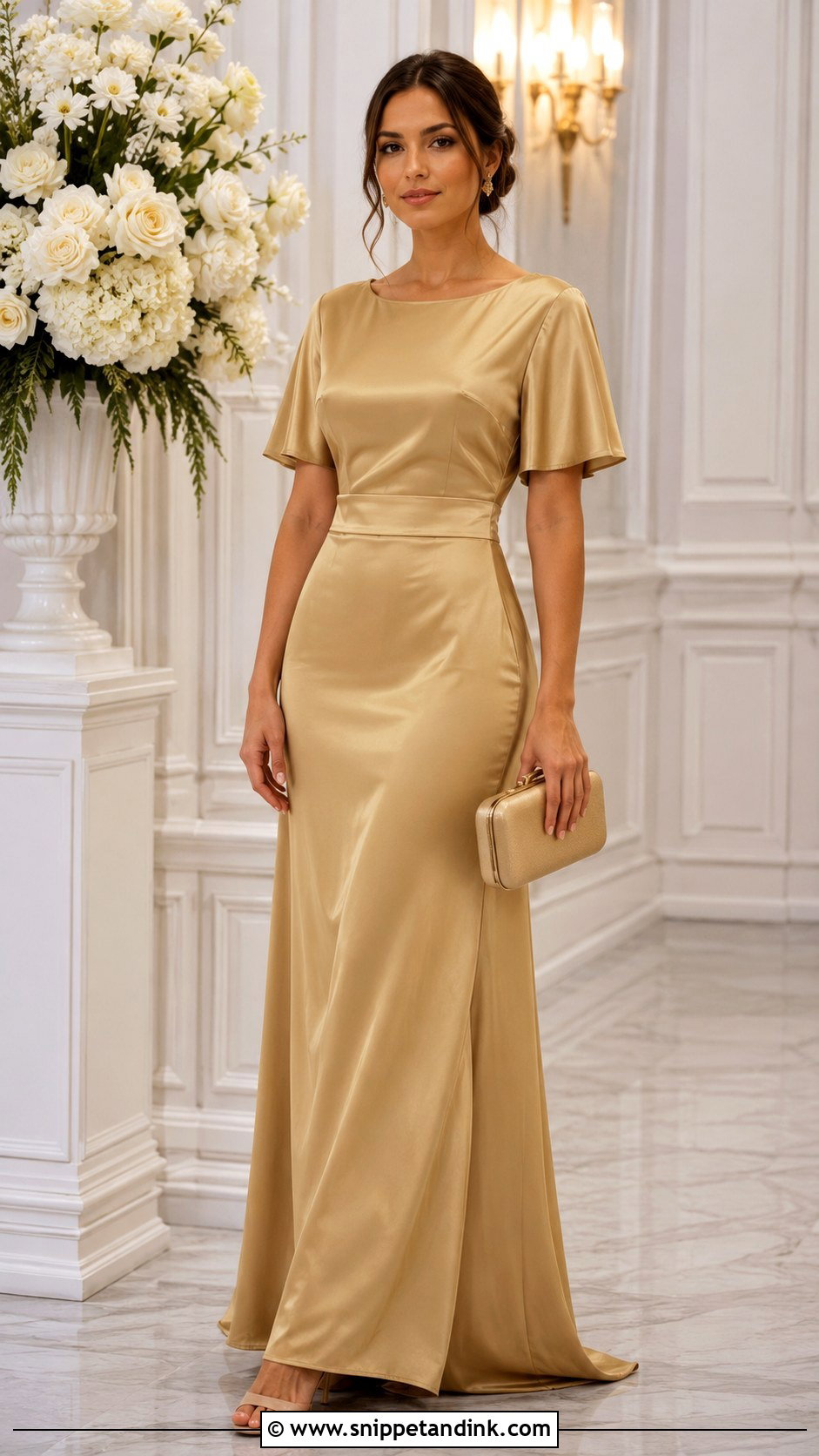
Gold works when it’s soft. Antique gold, brocade or lightly beaded chiffon looks regal; bright glitter gold looks like a party dress and catches every flash. Keep the neckline simple and the skirt smooth, and add sleeves for a church ceremony. If the gown already shimmers, go easy on highlighter, since metallic fabric plus glowing skin reads shiny in photos. Indoor evening venues show it at its best.
12. Lavender Principal Sponsors Gown
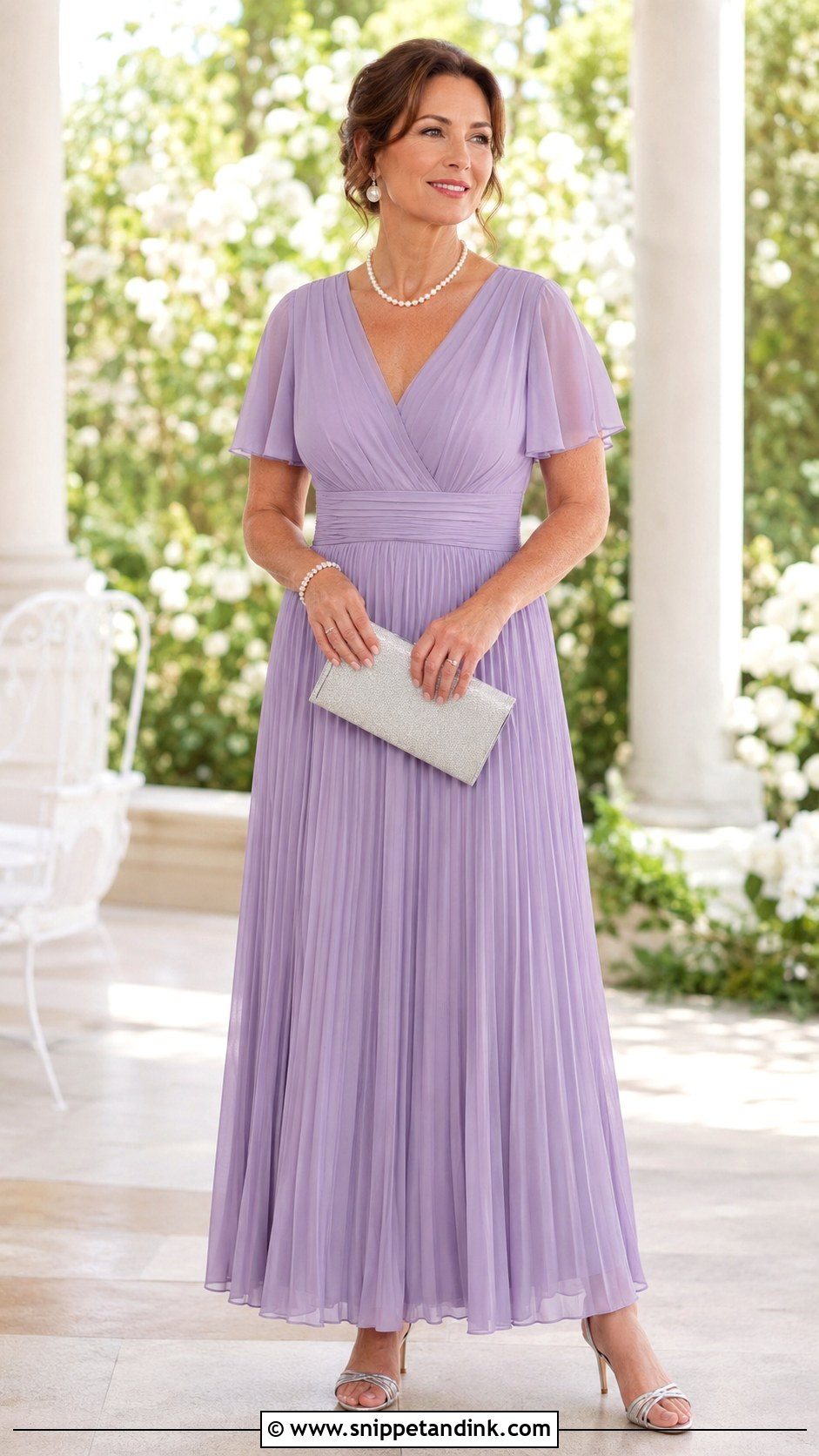
Lavender suits daytime weddings, where natural light keeps it fresh. Under fluorescent or yellow hall lighting, a pale lavender can look washed out, so I’d pick a slightly muted shade over a bright pastel. Flutter sleeves, a lace bodice or a pleated skirt in chiffon all work. Silver heels and pearls finish it, and it sits nicely with ivory flowers and dusty blue.
13. Burgundy Principal Sponsors Gown
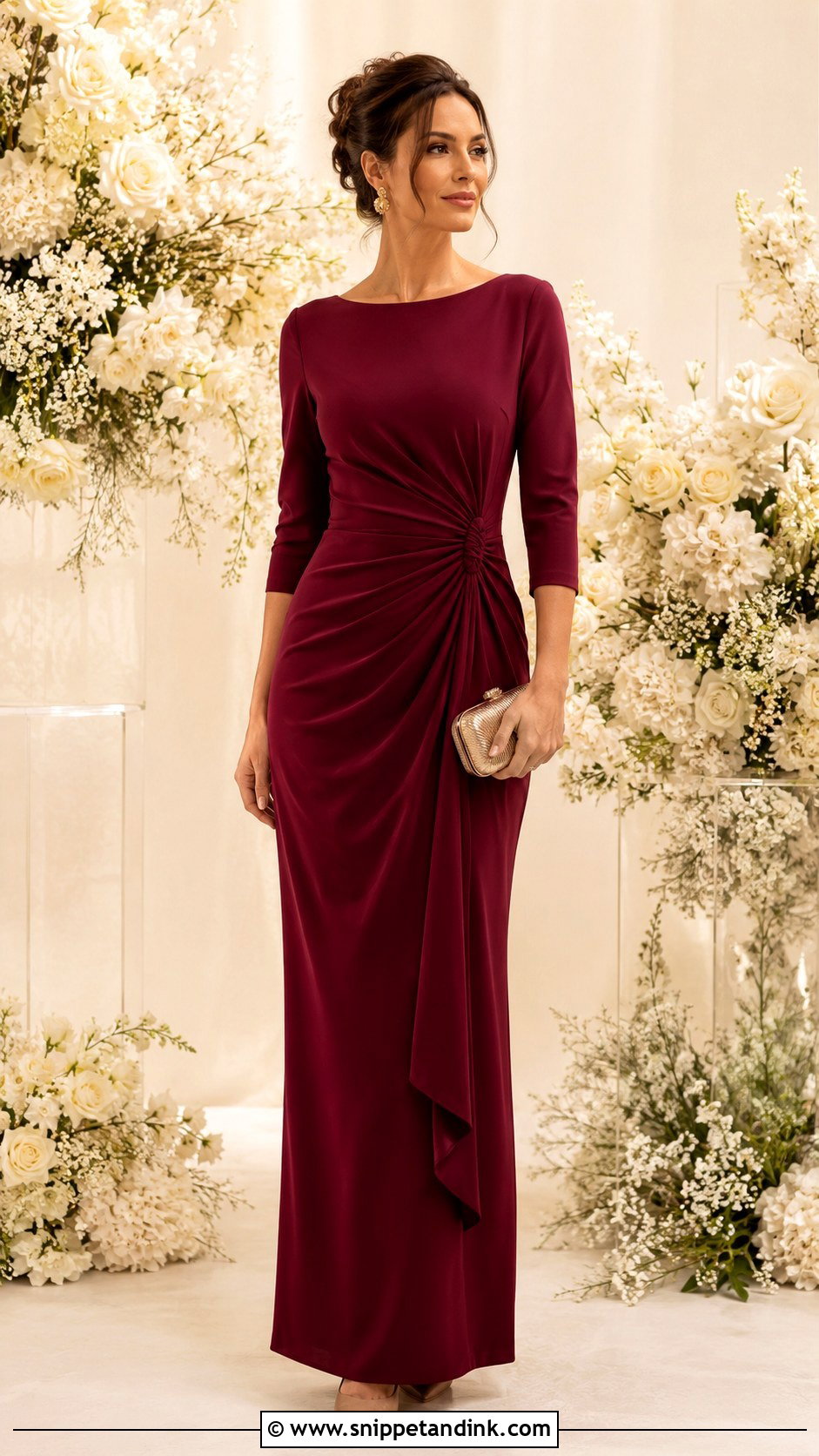
Burgundy is rich enough that the gown only needs a simple cut: three-quarter sleeves, a ruched waist and a flowing skirt. Avoid heavy sparkle or dramatic draping with it. I like it for evening and cool-season weddings, where it looks right beside cream flowers, gold accents and dark suits. Gold earrings, nude heels and a small metallic clutch keep it balanced.
14. Teal Principal Sponsors Gown
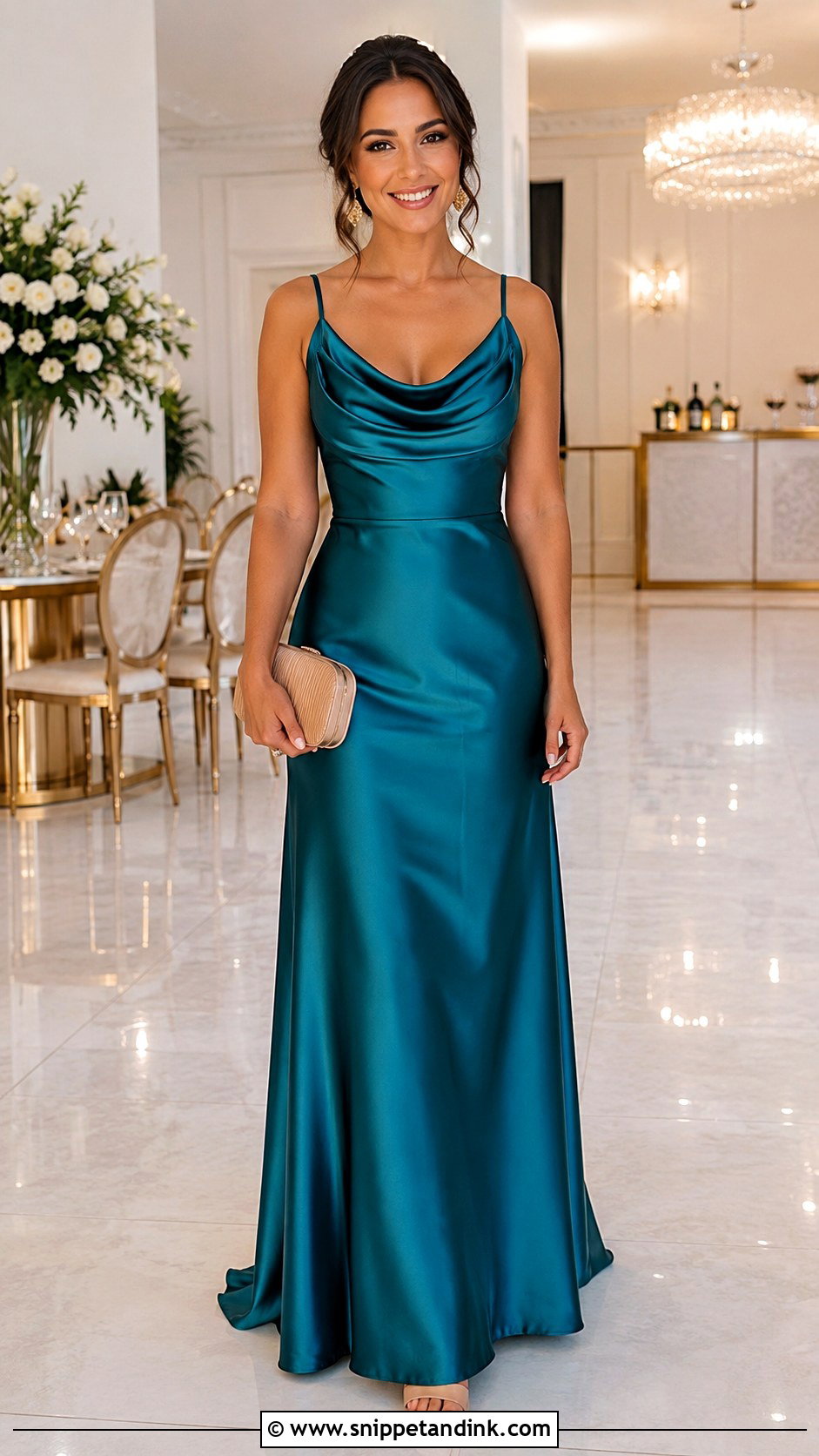
Teal sits between blue and green and photographs with more depth than either. In satin, crepe or chiffon it looks rich without shouting. A draped neckline or cape sleeves flatter most figures, and an A-line skirt is easy to sit and walk in. Choose silver or gold accessories by the wedding palette. It suits formal receptions and tropical-themed weddings.
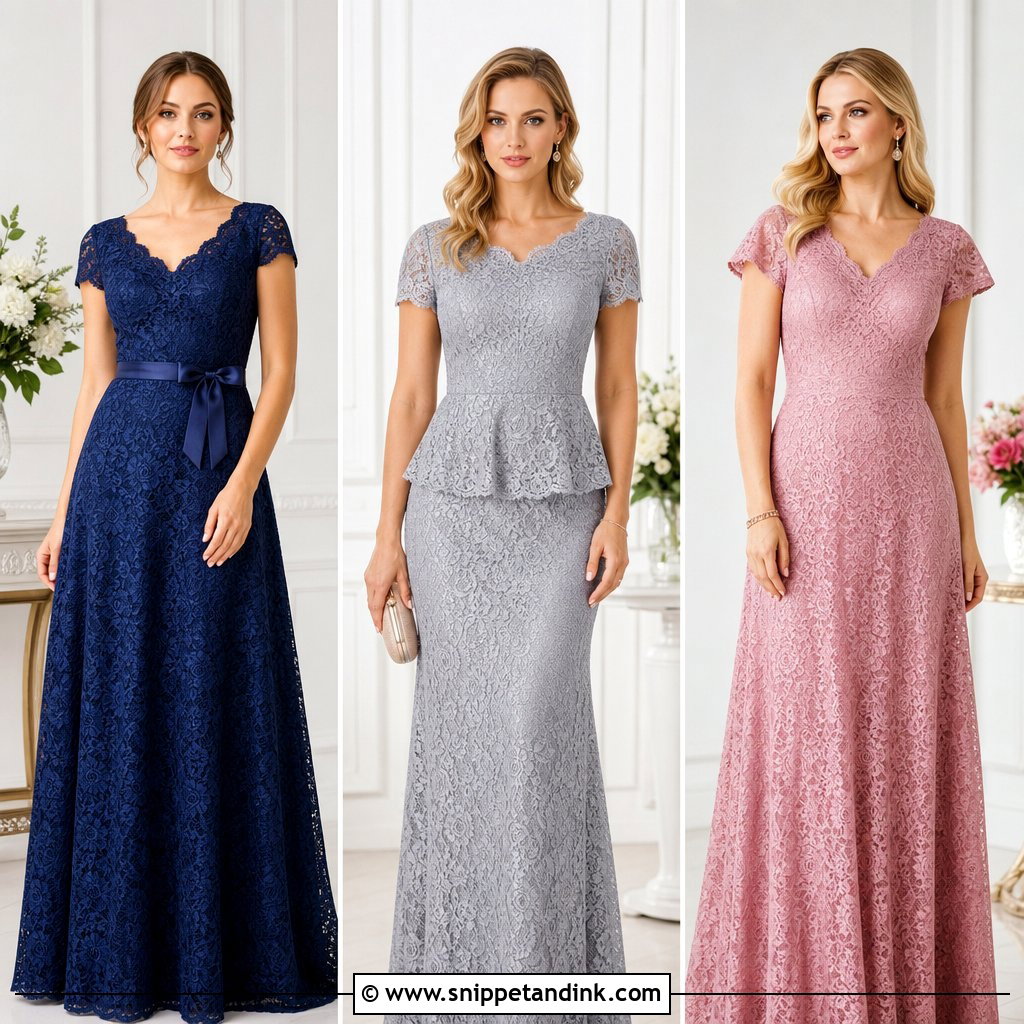
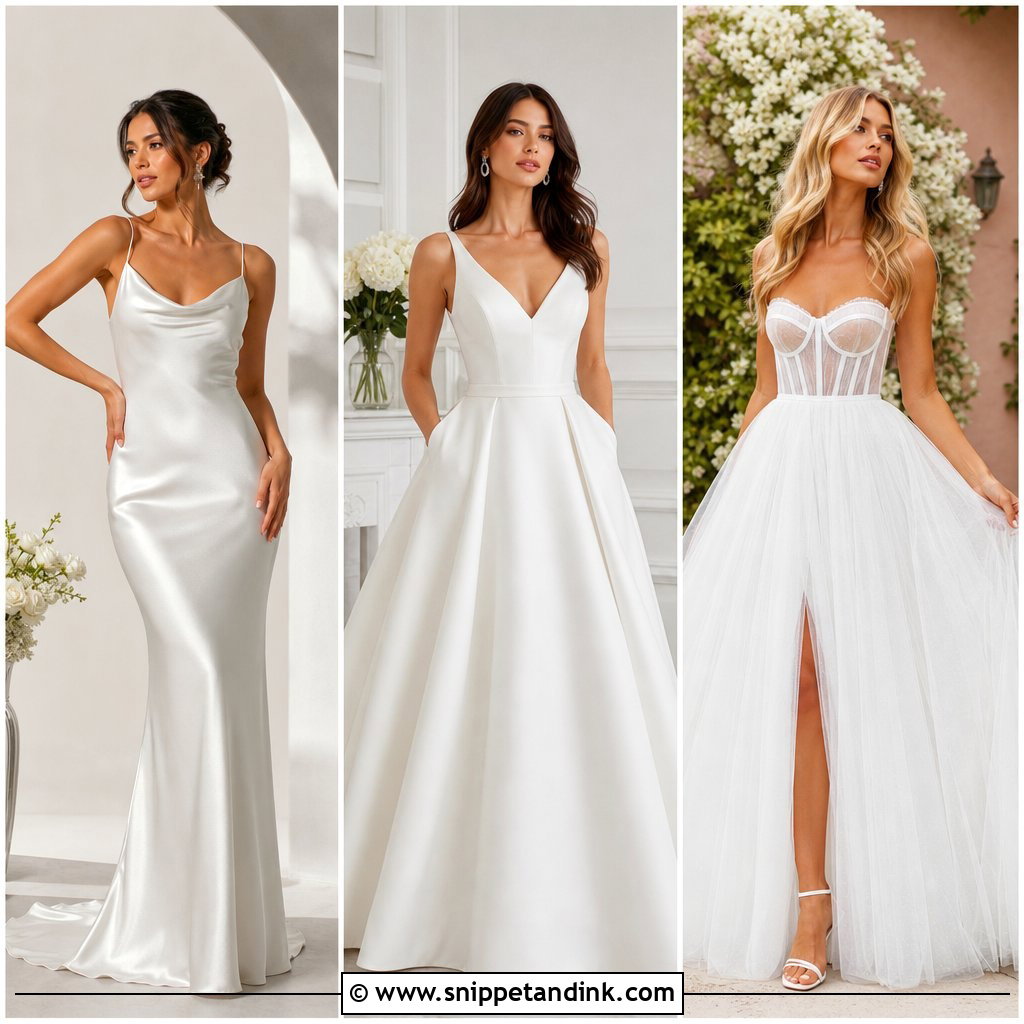
15. Cream Lace Principal Sponsors Gown
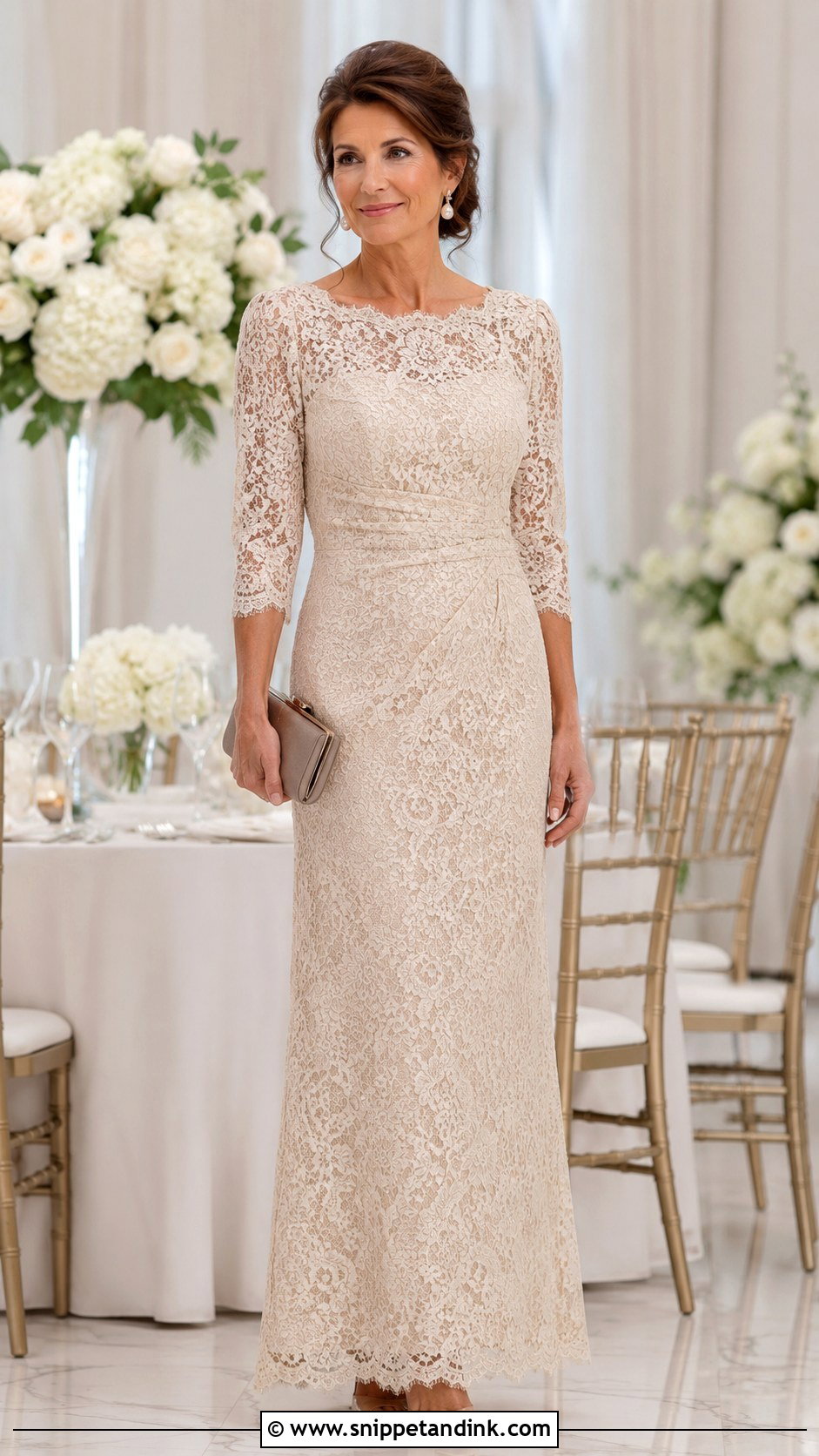
Cream lace can be right for a sponsor, but only after you’ve asked the couple. In many families anything near white is considered the bride’s colour. If they’re happy, choose a deeper beige-cream or a lace overlay on a coloured lining so you never read as bridal from across the church. Long sleeves and a modest neckline suit it. Keep accessories minimal, since the lace already brings the texture.
16. Charcoal Gray Principal Sponsors Gown
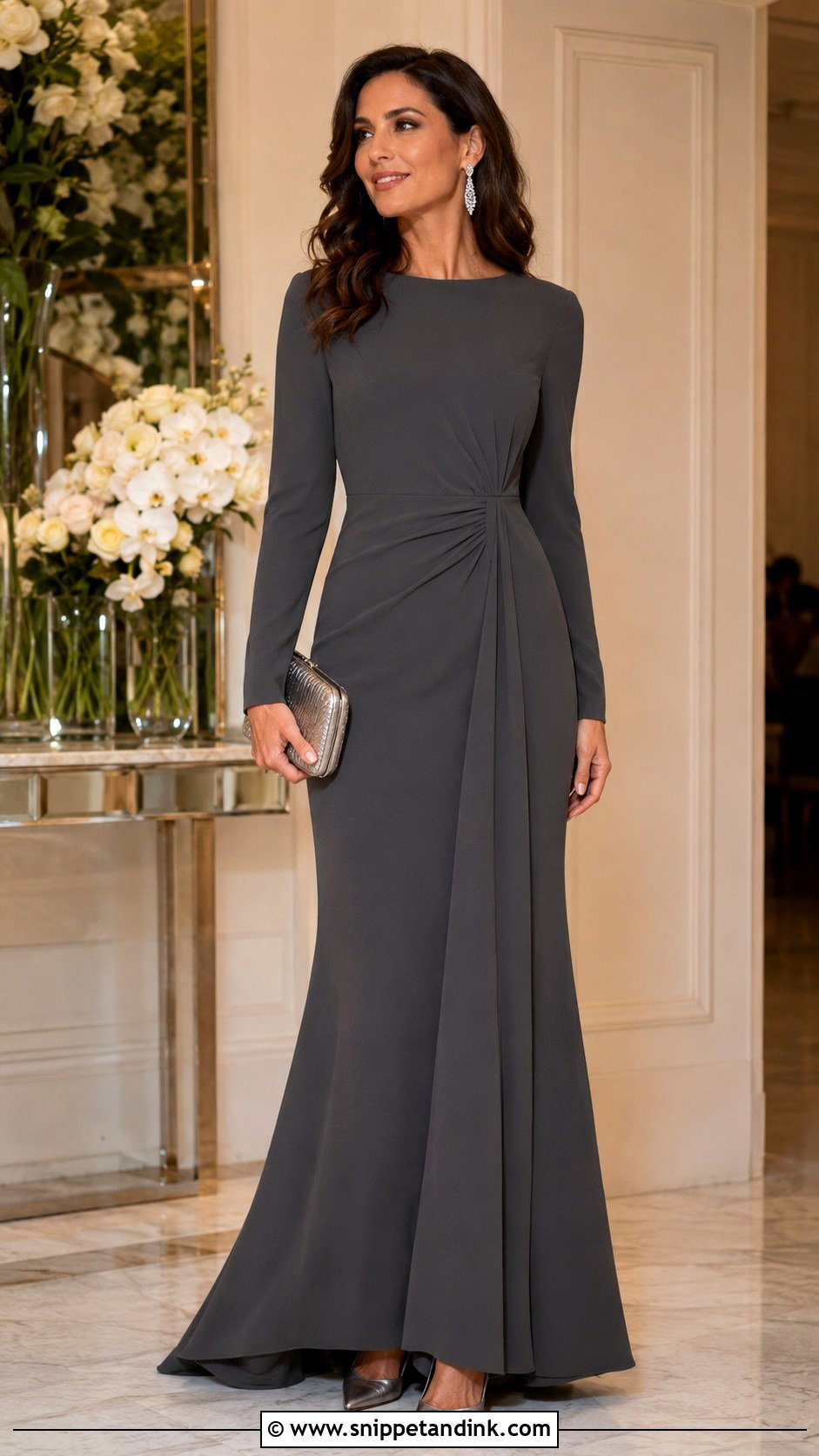
Charcoal is softer than black and darker than silver, so it looks formal without feeling severe at a wedding. A charcoal crepe gown with long sleeves and a slight flare at the hem is one of the most slimming options here. Chiffon with a cape overlay adds movement. Silver earrings and pewter heels finish it, and it works beside almost any motif, from jewel tones to pastels.
17. Powder Blue Principal Sponsors Gown
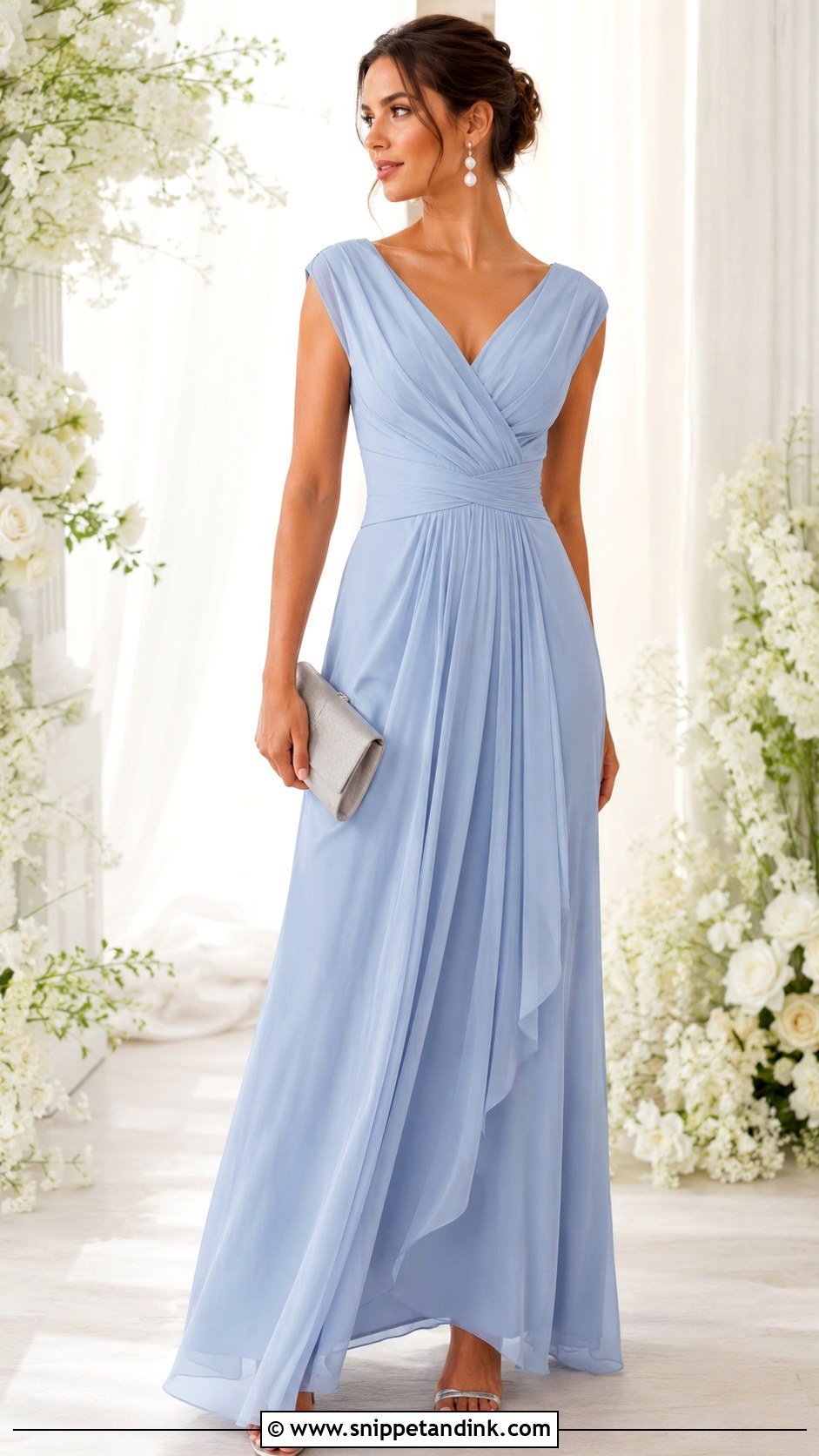
Powder blue is airy, and that’s its strength at an outdoor daytime ceremony. Keep the cut refined: sleeves, a pleated skirt or a soft wrap bodice. Skip heavy ruffles, which push the colour toward something younger. Light chiffon does crease in a car, so I’d hang it until the last minute. Silver heels, pearl earrings and a pale grey clutch suit it.
18. Mocha Principal Sponsors Gown
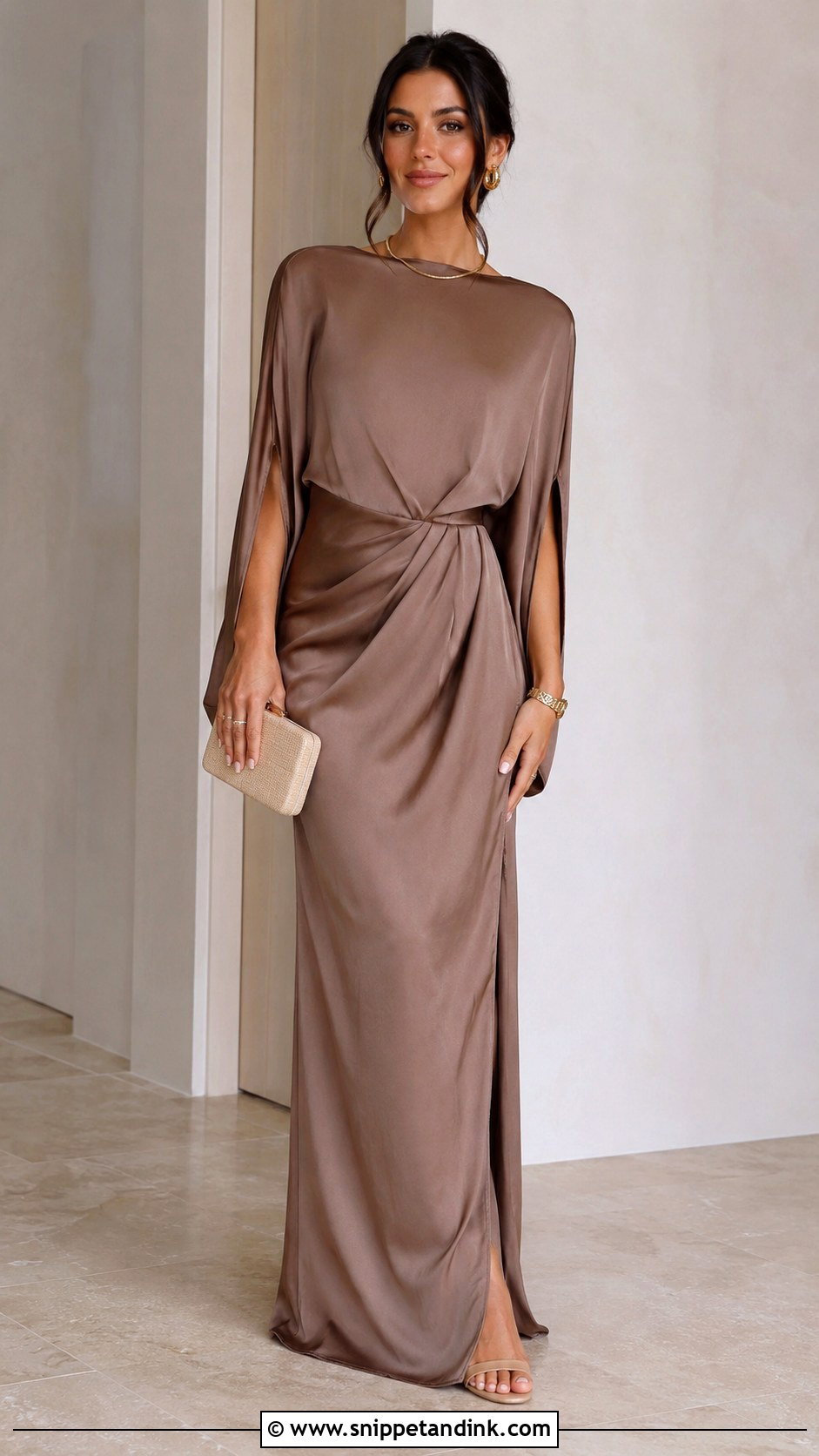
Mocha is deeper than taupe and softer than chocolate, and it’s become a favourite for neutral and autumn palettes. It suits warm and deep skin tones especially well. A mocha satin or crepe gown in a clean column or with cape sleeves looks quietly expensive. Add texture through pleating or ruching if the fabric is very plain. Gold jewelry and nude heels finish it.
19. Floral Embroidered Principal Sponsors Gown
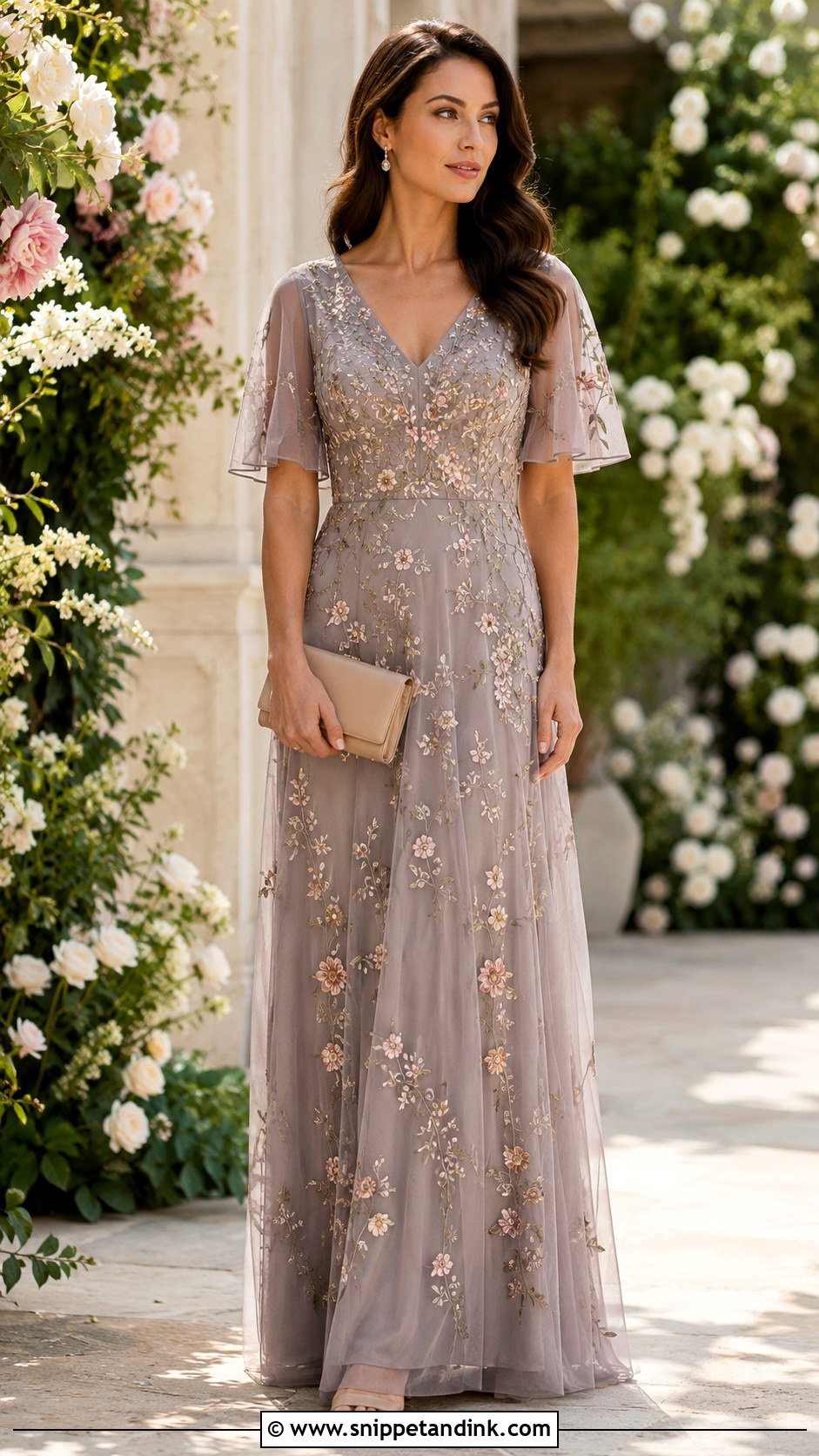
Embroidery adds depth without the casual feel of a printed floral, which is why it works for a formal role. Floor-length with sleeves and a plain skirt keeps it from looking busy. Ask the couple for their palette and choose threads that sit within it. I check the inside of embroidered sleeves for scratchy backing, since you’ll wear it for many hours. Neutral heels and a plain clutch let the needlework lead.
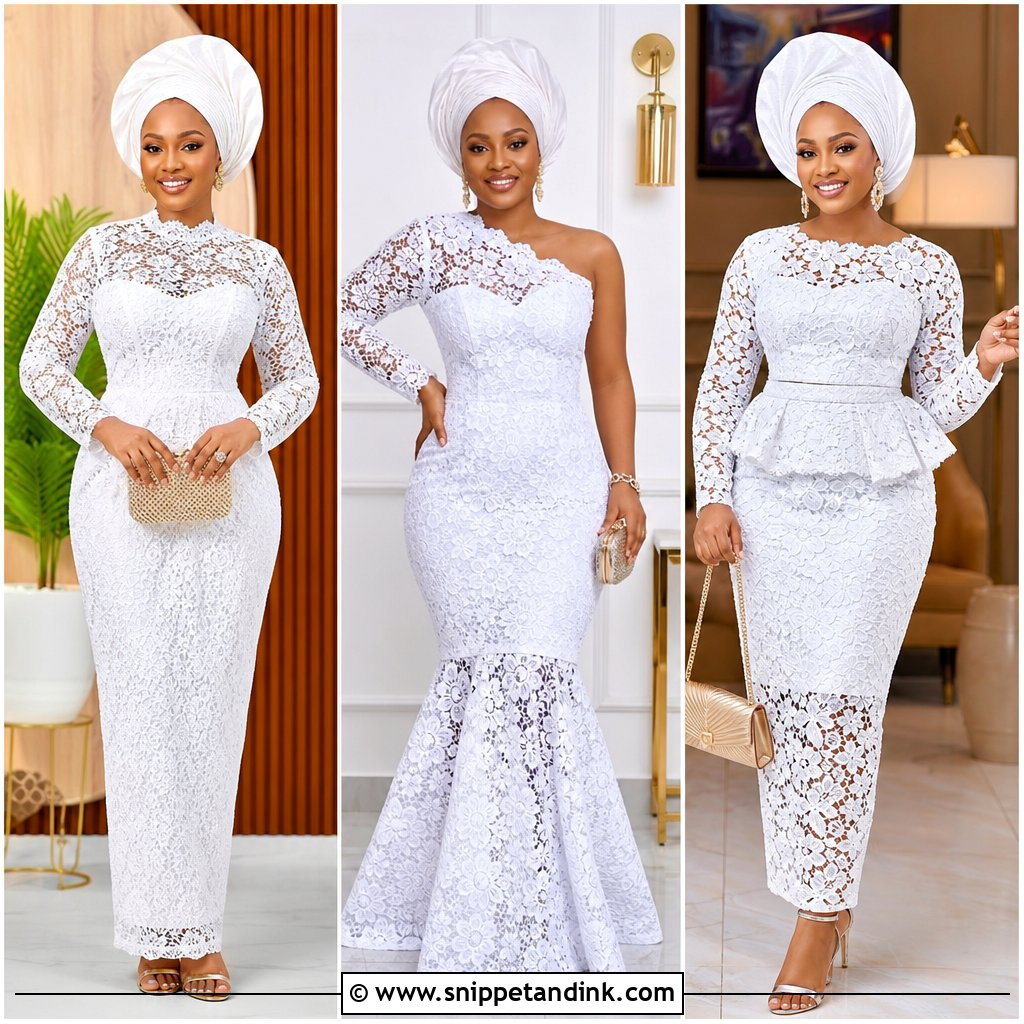
20. Cape Sleeve Principal Sponsors Gown
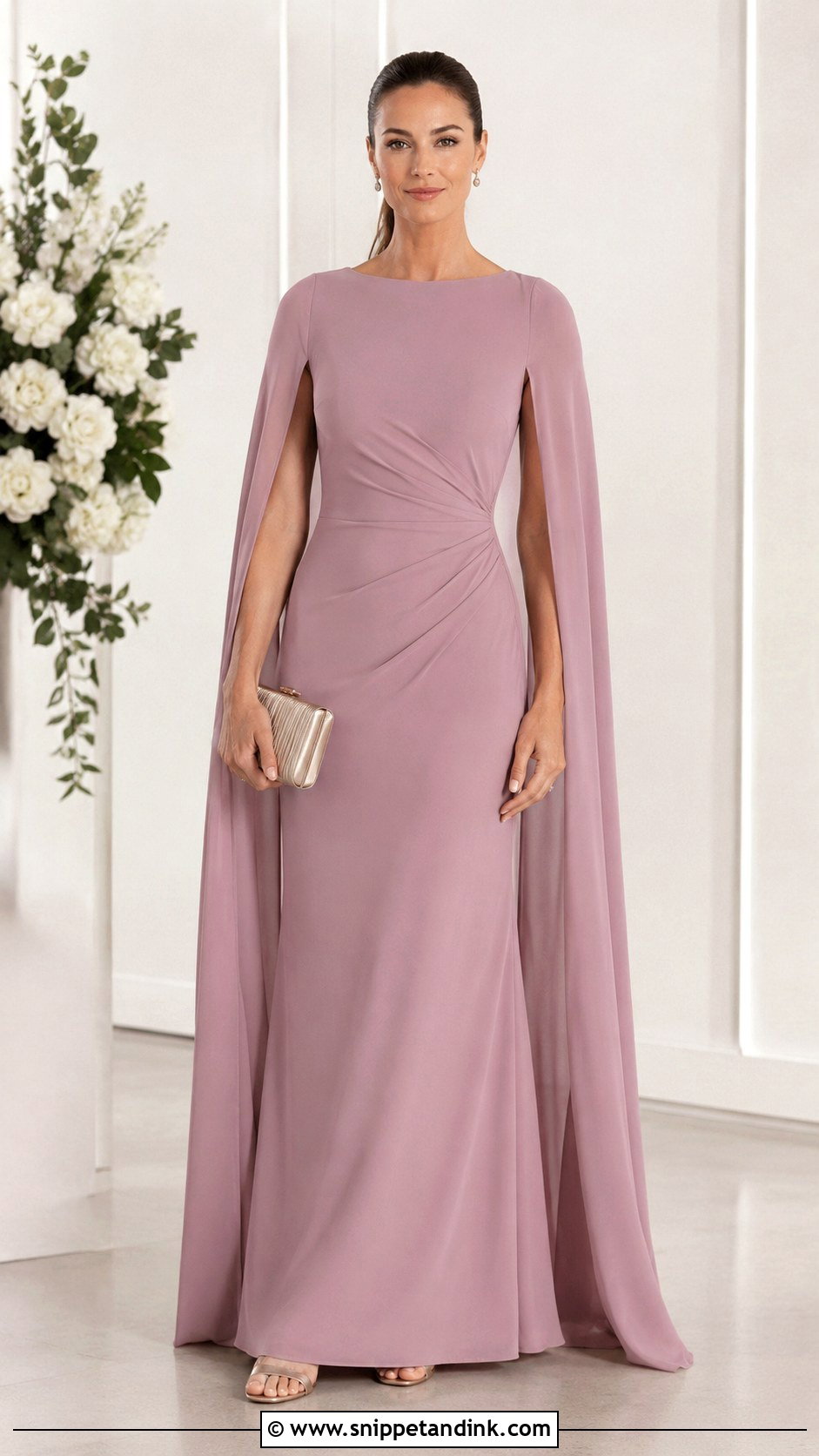
Cape sleeves give arm coverage that moves, without the heat of a fitted long sleeve or the fuss of a shawl you’ll keep adjusting. That’s why I recommend them so often for sponsors at long ceremonies. Choose a floor-length gown in navy, sage, champagne or mauve. The cape works on column, A-line and empire-waist shapes. Low heels and simple earrings suit it.
21. Off Shoulder Principal Sponsors Gown
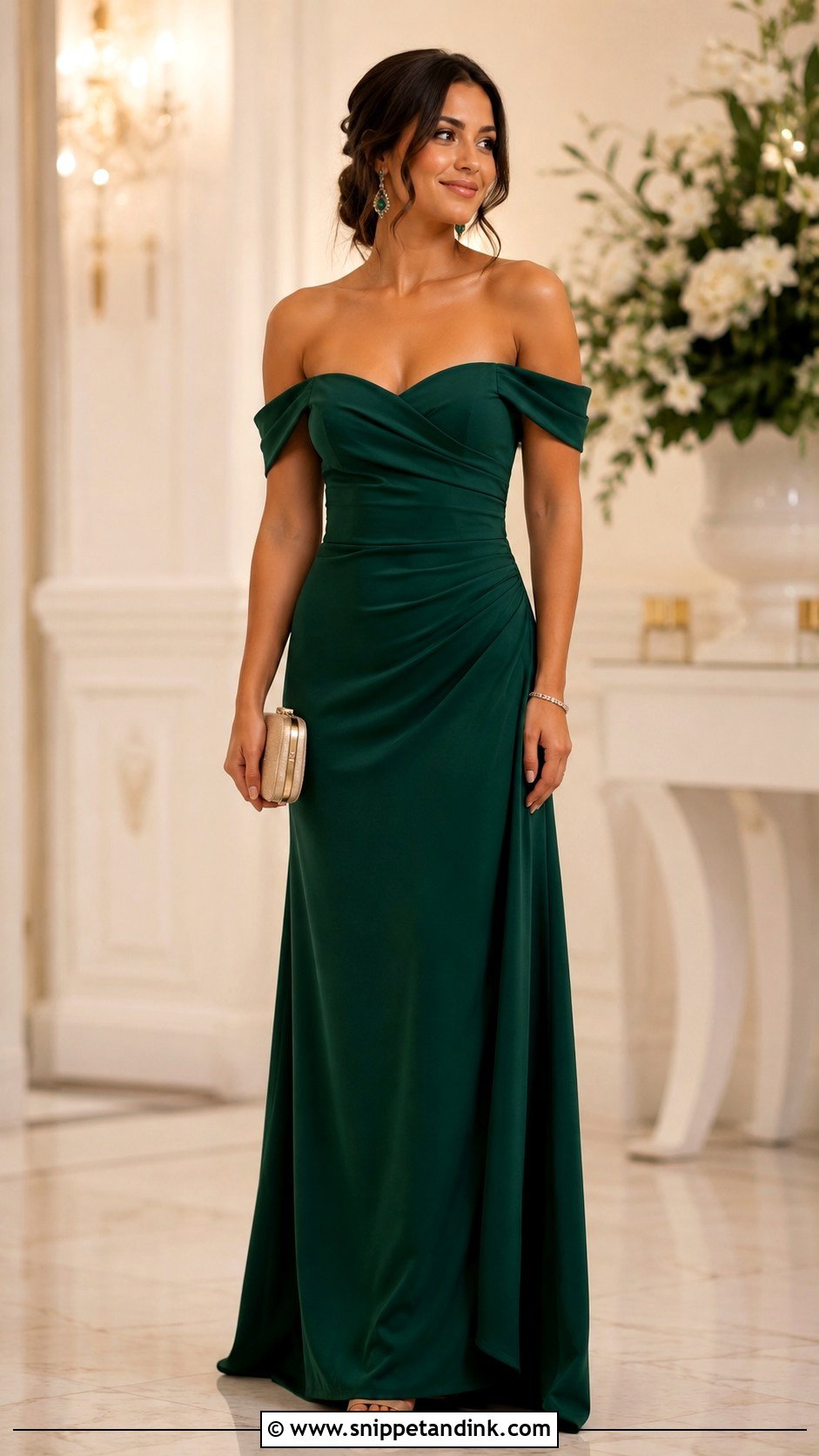
Off-shoulder can work for a sponsor, but check the church’s dress code first; some ask for covered shoulders during the ceremony. A fold-over neckline with internal grip stays put better than a loose drape. Choose an A-line or fitted crepe gown in navy, emerald or mauve, and skip the necklace. Bring a light wrap for the ceremony if the venue requires it, then take it off for the reception.
22. Plus Size Principal Sponsors Gown
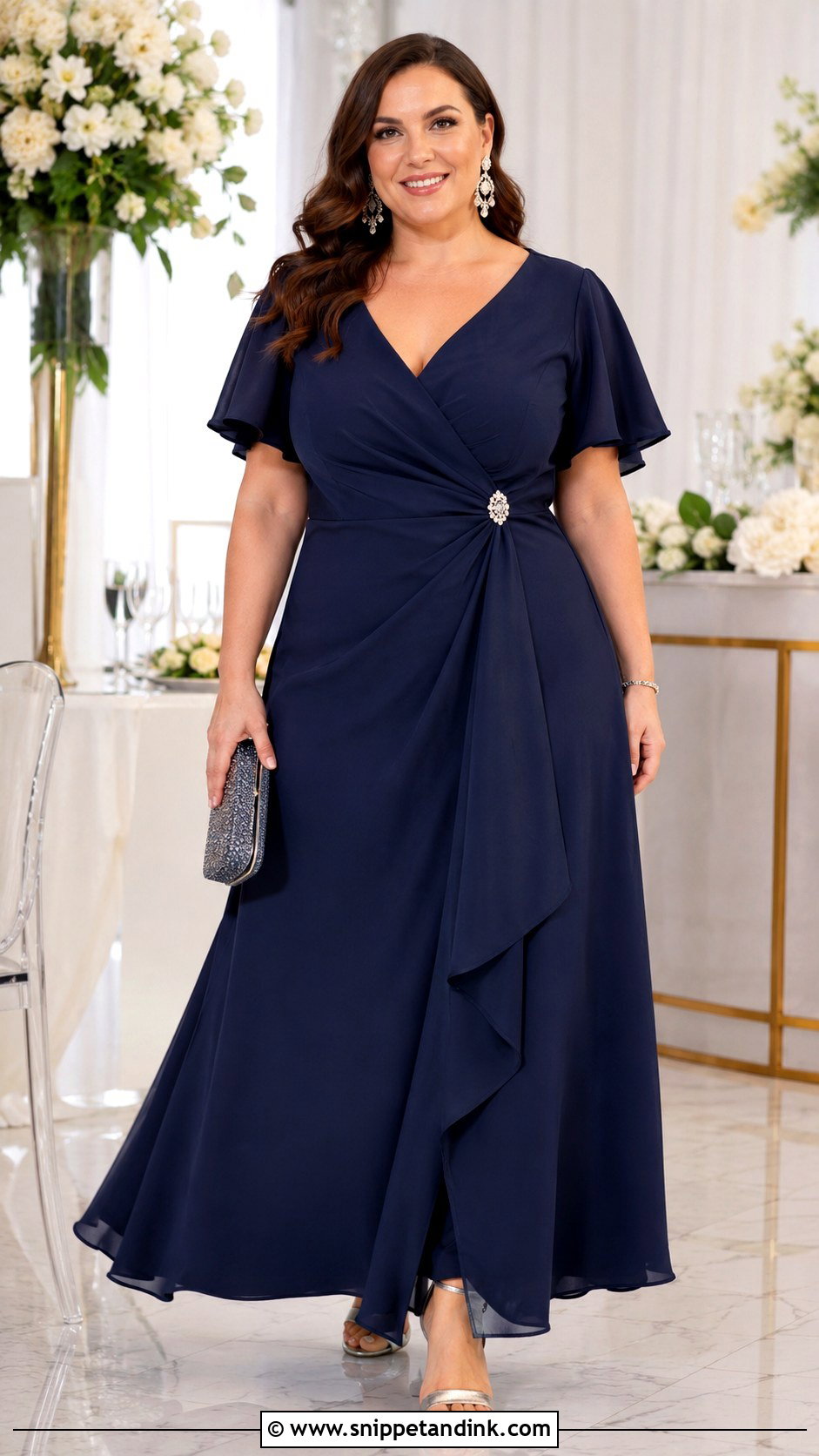
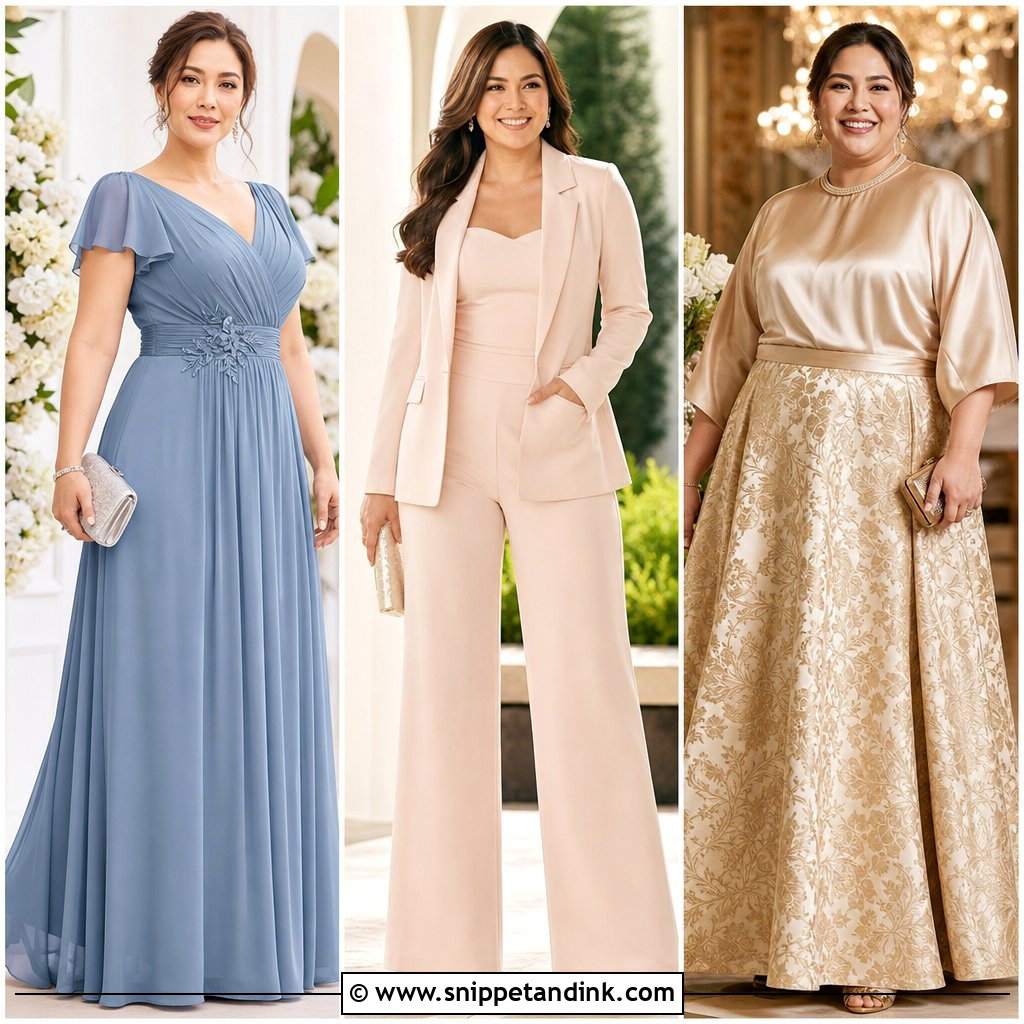
The plus size gowns I like best skim the body rather than cling to it. Wrap bodices, empire waists, structured crepe and soft ruching all do that. Sleeves, cape overlays and V-necks give shape and stay formal. My fitting note is about the lining: a good lining stops crepe clinging in the heat, which matters more than any cut. Navy, emerald, teal and charcoal are rich choices, with stable block heels and statement earrings.
23. Petite Principal Sponsors Gown
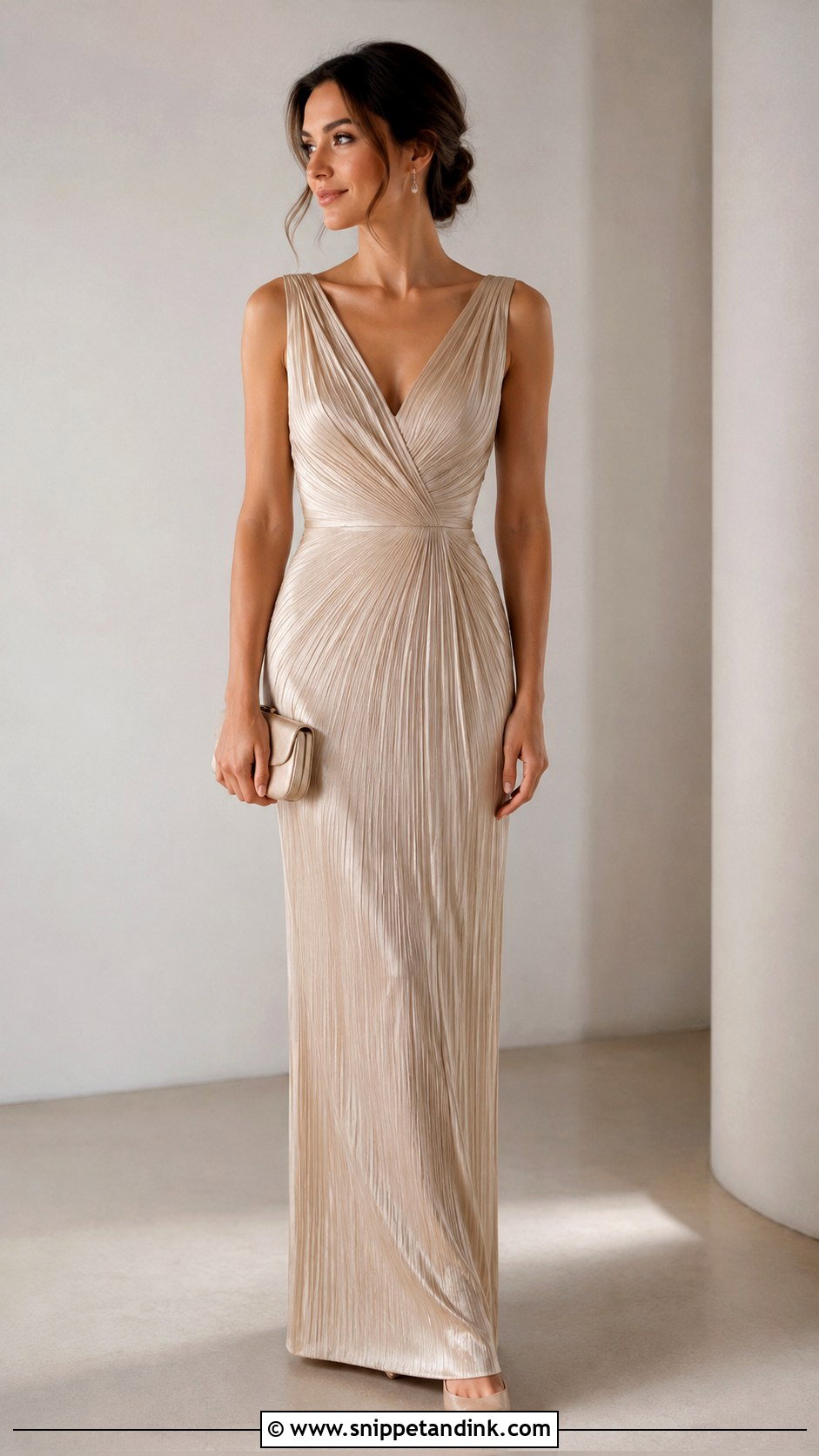
On a petite sponsor, the hem is everything. The skirt should just skim the floor with the actual shoes on, so take them to the dressmaker. A clean column, slim A-line or empire waist keeps bulk down; pleats and a V-neck add height. Heavy skirts, big bows and oversized sleeves shorten the frame. Champagne, powder blue and navy work well, with pointed-toe heels that lengthen the leg.
24. Modest Principal Sponsors Gown
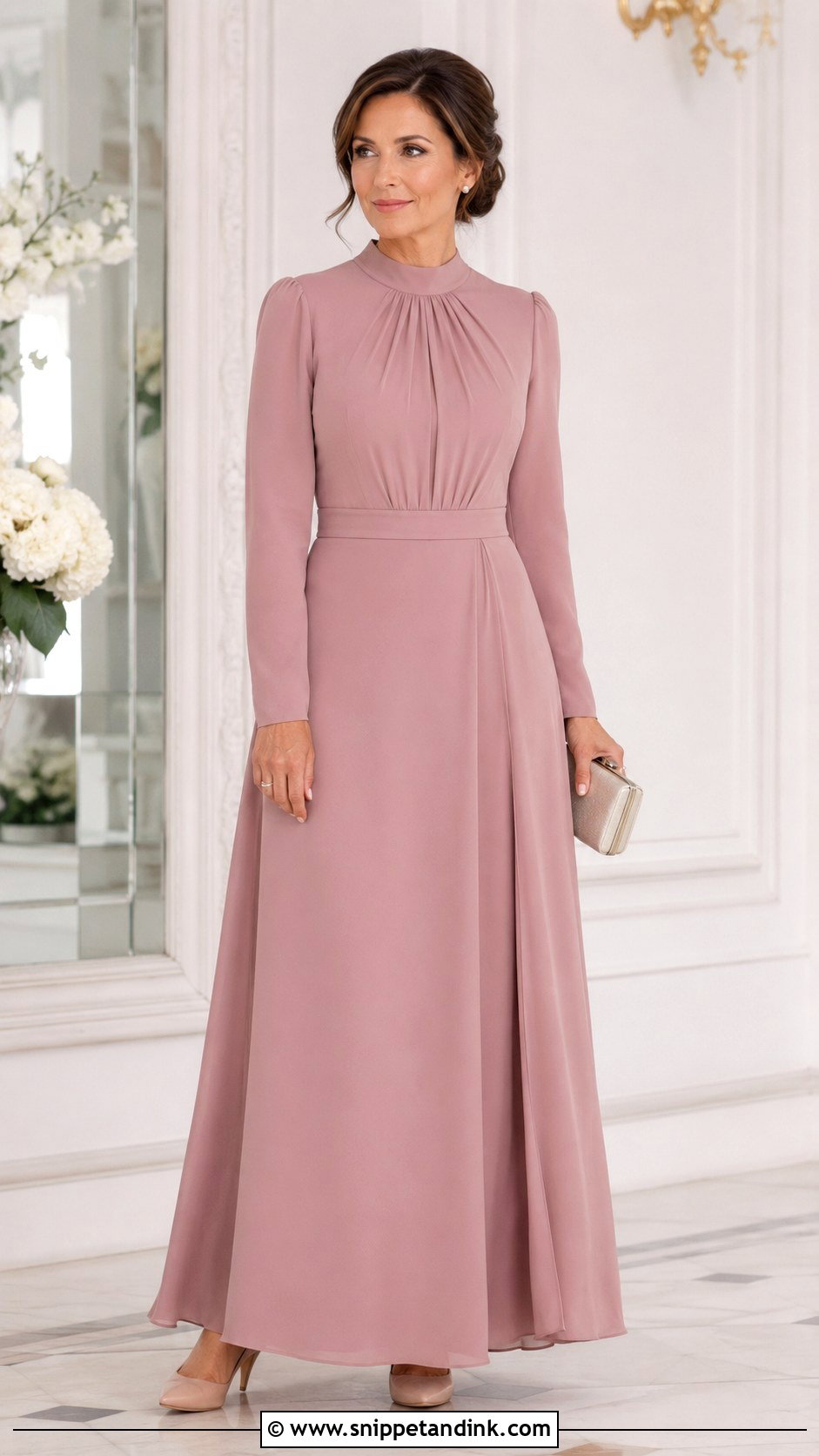
A modest principal sponsors gown doesn’t have to be plain. Long sleeves, high or bateau necklines and lined illusion sleeves give coverage, while pleating, beaded cuffs or a draped waist add interest. A floor-length chiffon A-line moves well for a processional. Taupe, navy, dusty rose and sage are easy to coordinate. Closed-toe heels and pearl studs suit a traditional church ceremony.
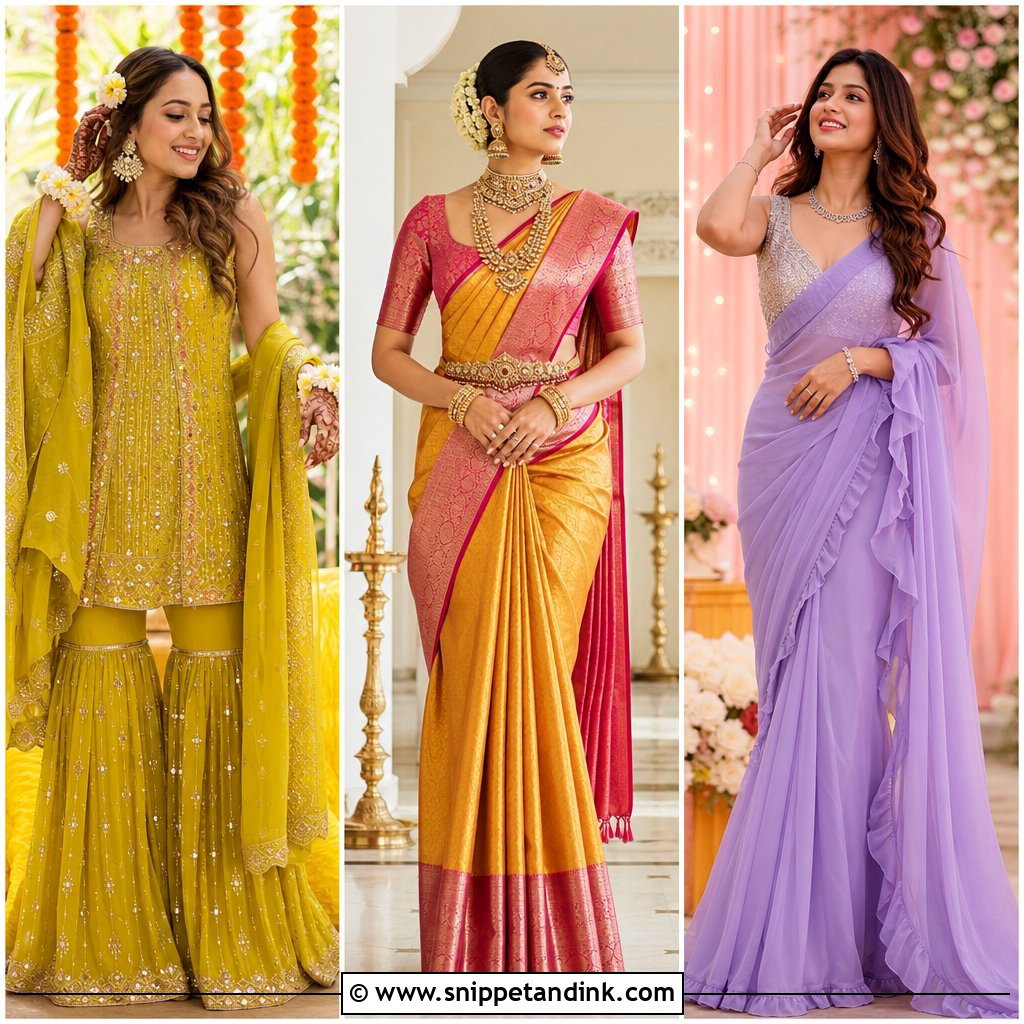
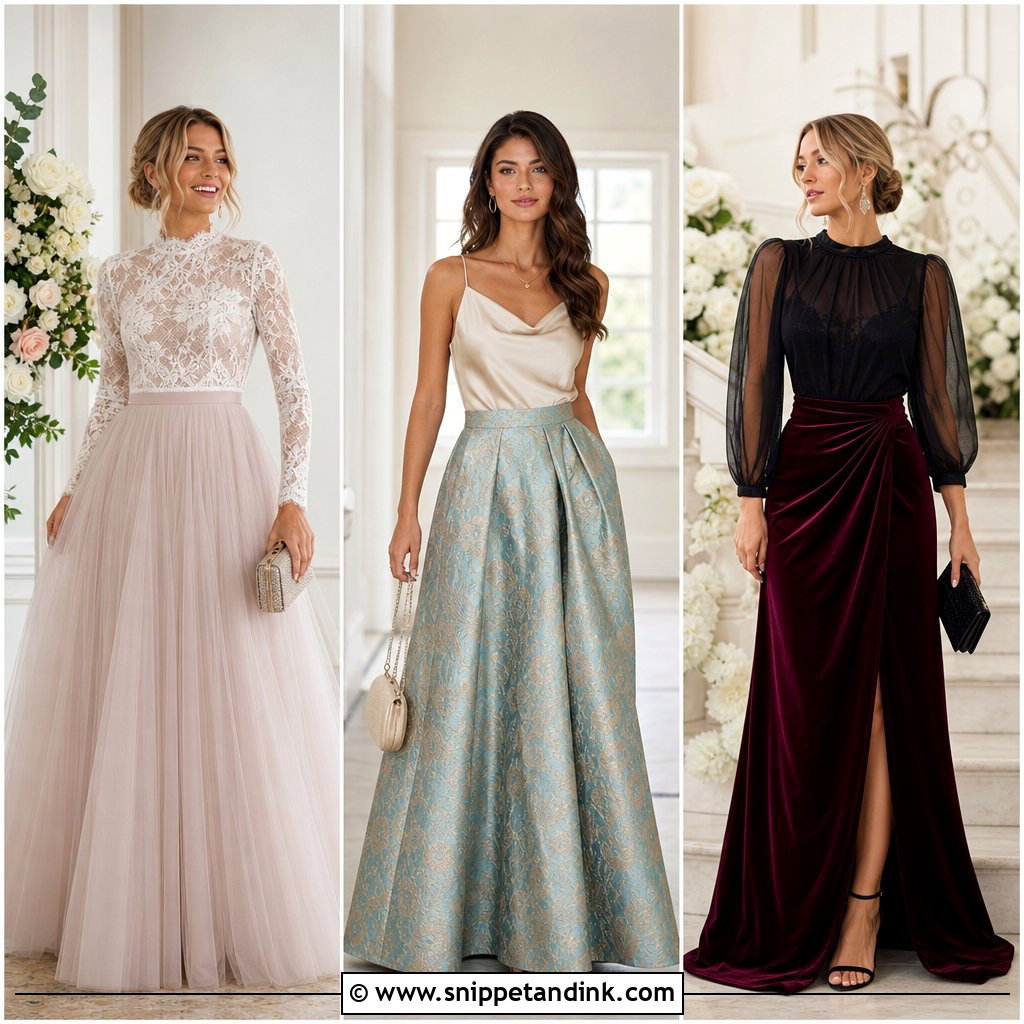
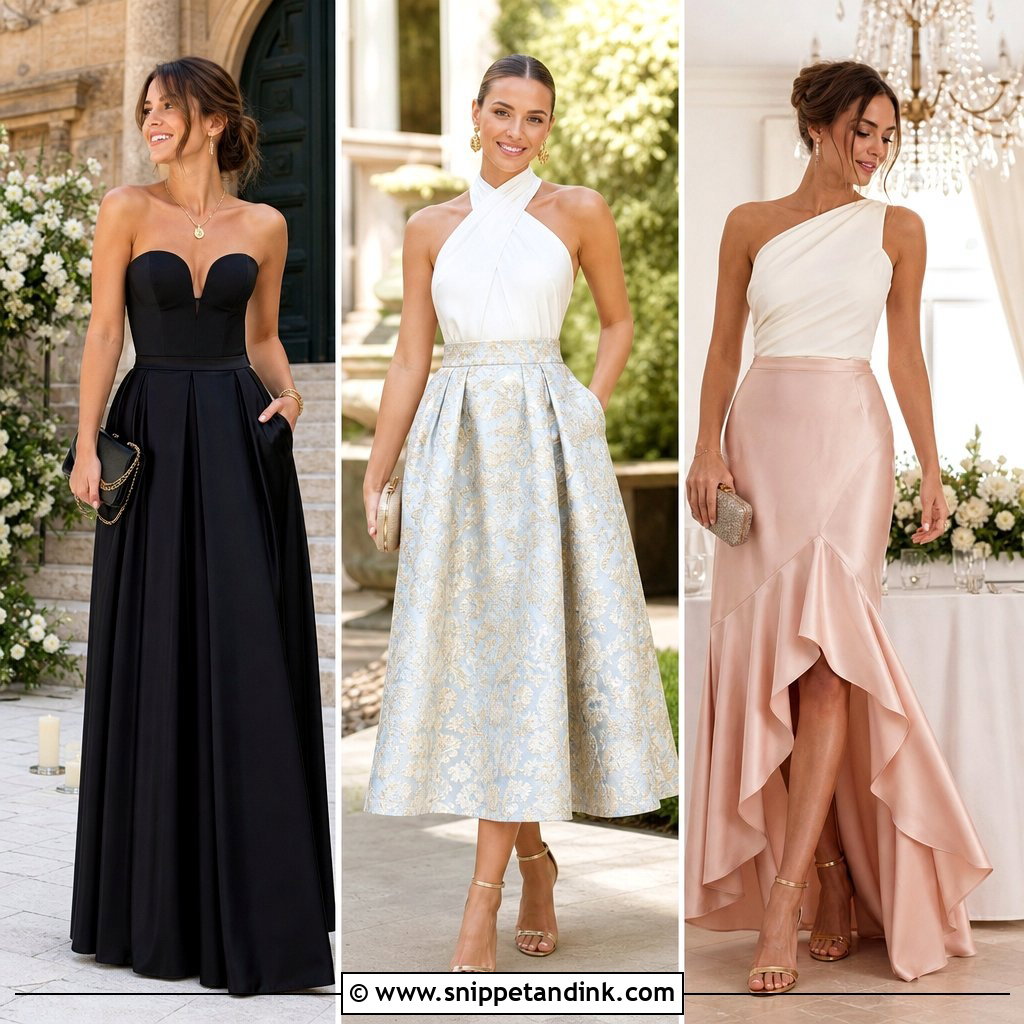
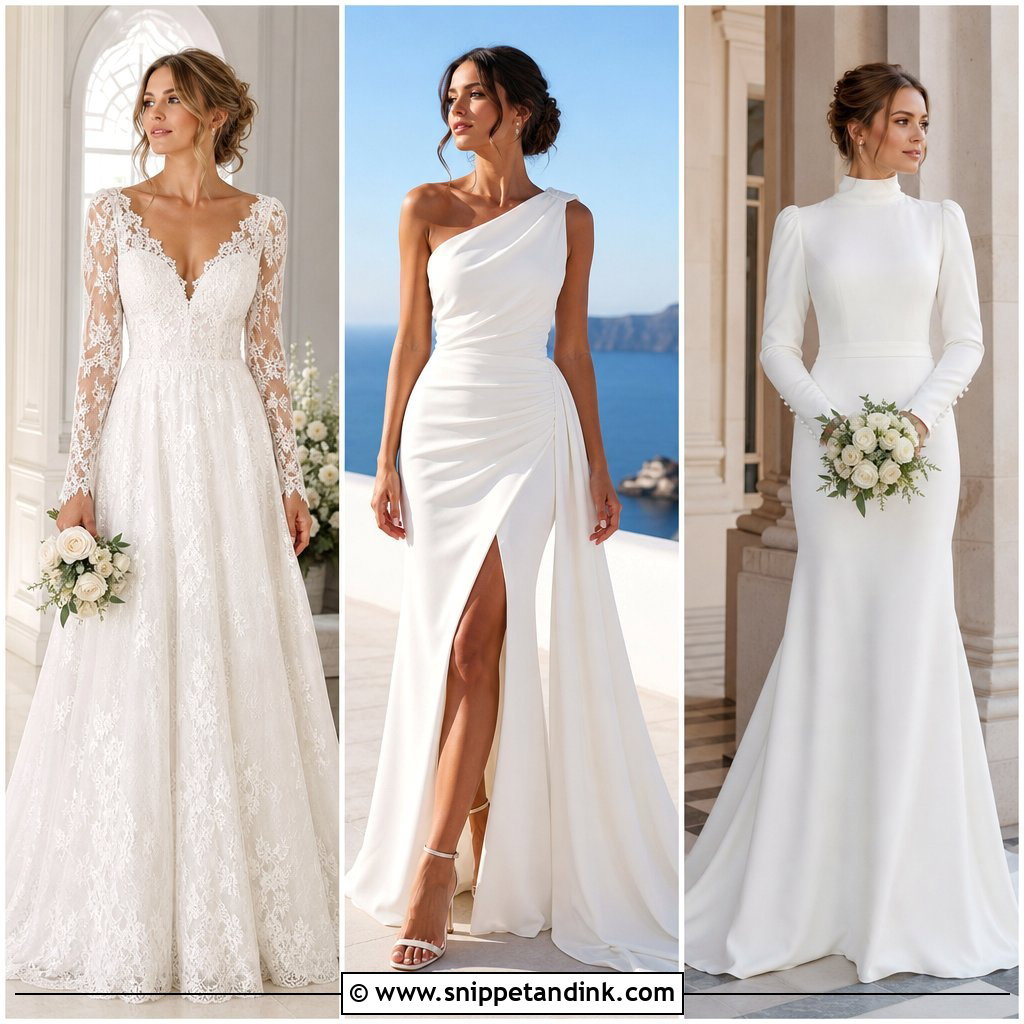
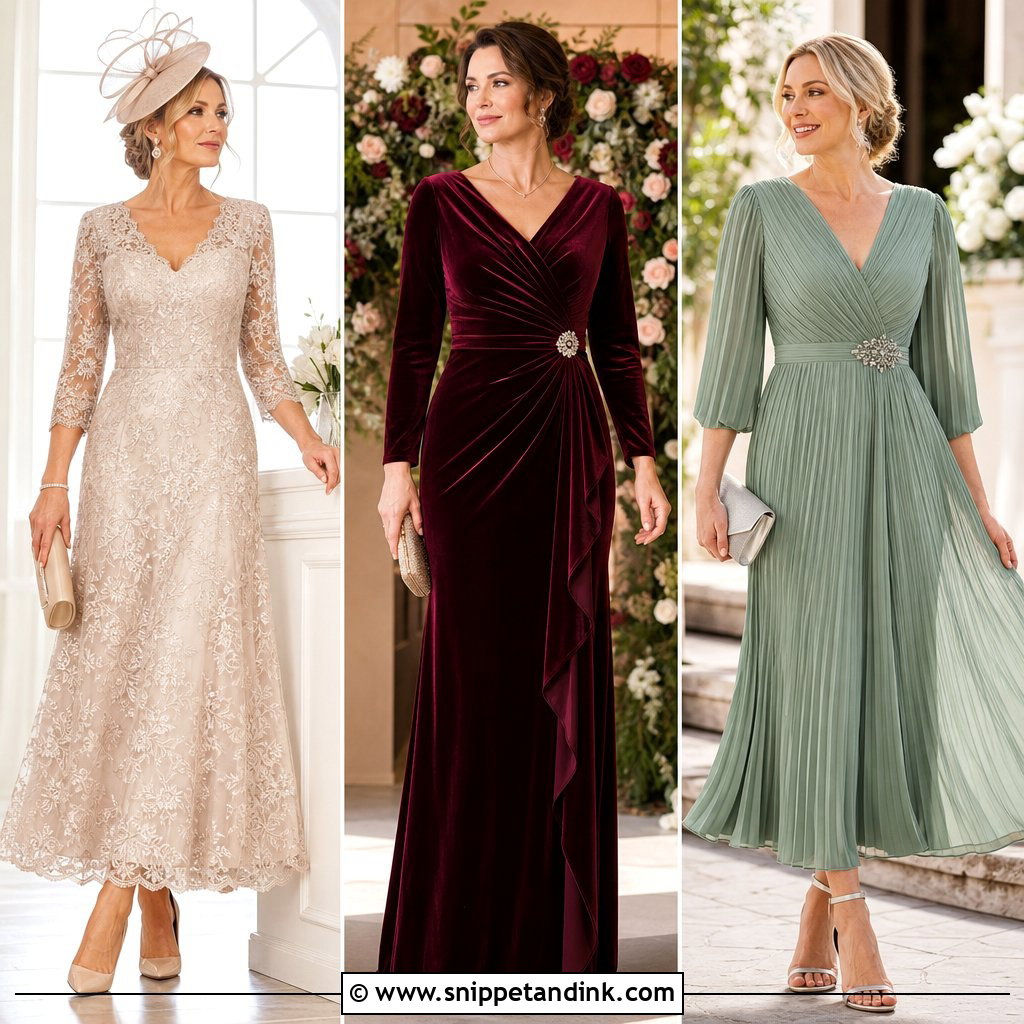
25. Black Tie Principal Sponsors Gown
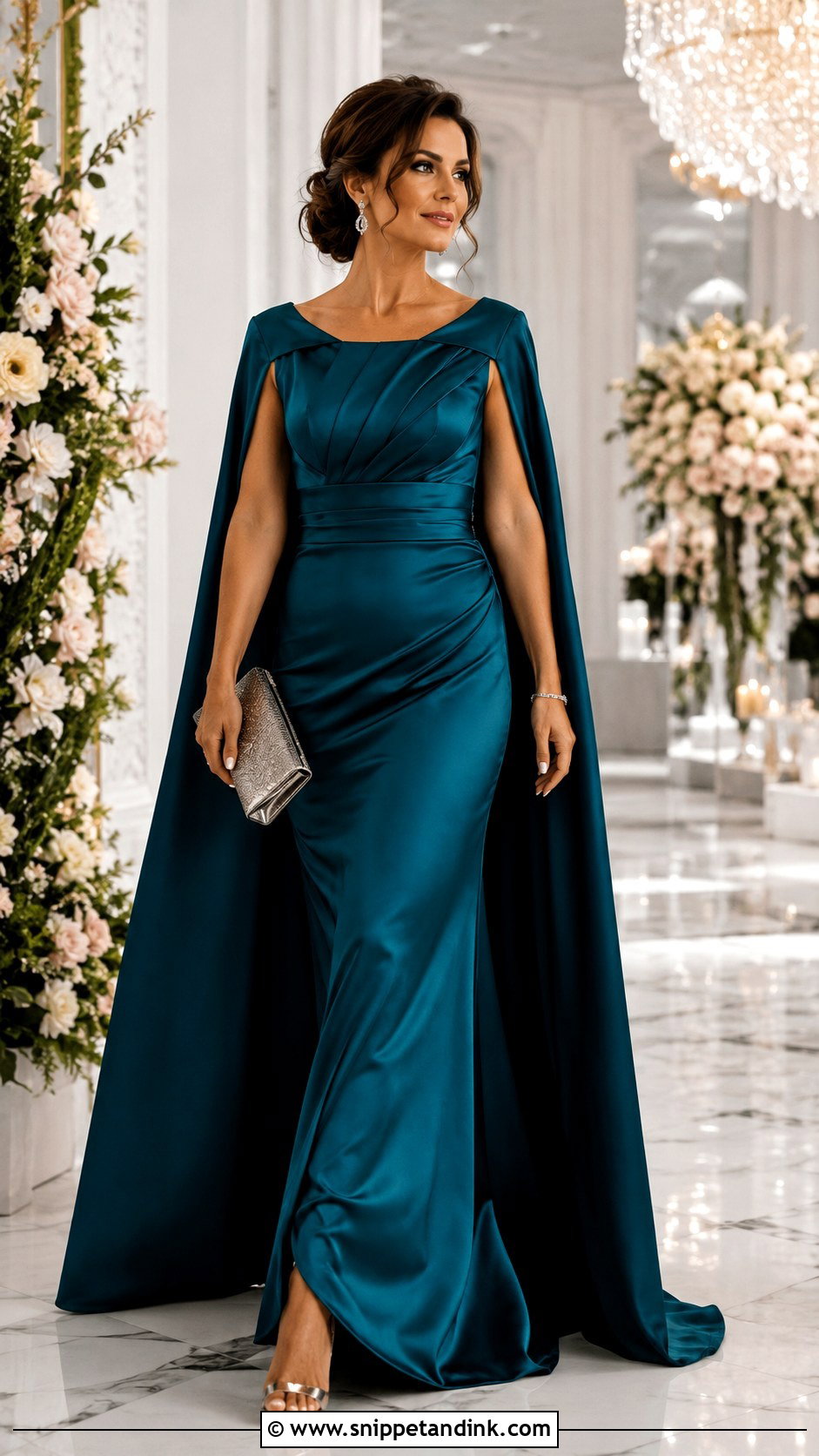
Black tie means floor-length and a fabric with weight: satin, crepe, velvet or beaded chiffon. Navy, emerald, charcoal, champagne and deep teal all hold up in a grand venue. A structured bodice, a clean neckline and a cape or elegant sleeve give the formality, so jewelry can stay modest. Hair should be polished, a soft updo or smooth waves. This is the gown for evening receptions in ballrooms.
Motif Cards, Filipiniana and the Ninong’s Barong
Many couples now send their sponsors a colour motif, sometimes a printed card with swatches. Follow it closely, because sponsors stand together in a long line in the photos and one stray shade shows. If no motif is given, ask the couple directly; it’s always welcome and avoids a clash with the bridesmaids.
Some couples ask sponsors for Filipiniana. For women that usually means a terno or a gown with butterfly sleeves, the stiff, upright sleeves that sit high on the shoulder, often in piña, jusi or organza. Those fabrics are sheer and crisp, so a properly fitted lining underneath matters. For the men, the barong Tagalog is worn untucked over a camisa chino or undershirt. If you’re attending as a pair, match the ninong’s barong embroidery or accent colour to something in your gown, such as the beading thread or the clutch.
- Give a dressmaker plenty of time. Custom gowns and ternos usually need more than one fitting, and busy wedding months fill up early.
- Check the church’s rules on bare shoulders before you choose an off-shoulder or sleeveless cut.
- Carry a small fan and blotting papers. Barong and gown fabrics trap heat in a full church, and the sponsor photos come straight after the ceremony.
Stand Beside the Couple, Never in Front
The gown you pick as a sponsor will be seen mostly in two places: walking down the aisle and lined up beside the couple in the formal photos. Both reward the same things. A colour that sits inside the couple’s motif, sleeves you can sign the register in, a hem that clears the church steps and shoes you can stand in for an hour. Champagne, navy, sage, mauve, emerald and taupe are dependable starting points. Get the fit right and you’ll look dignified in every frame.
You'll Like These Ideas:


Leave a Reply