
Principal sponsors stand right beside the couple, sign the marriage contract and appear in most of the formal photos, so what you wear gets seen up close. The brief I give every ninang is simple: look polished, stay covered enough for church, and never compete with the bride. Long gowns, refined midis, tailored sets and dressy jumpsuits can all do that, as long as the color fits the motif and the fabric survives a long ceremony. Satin, chiffon, lace, crepe and soft tulle are the fabrics I reach for first. Here are 25 sponsor outfits I’d put together, with notes on where each one works and where it can go wrong.
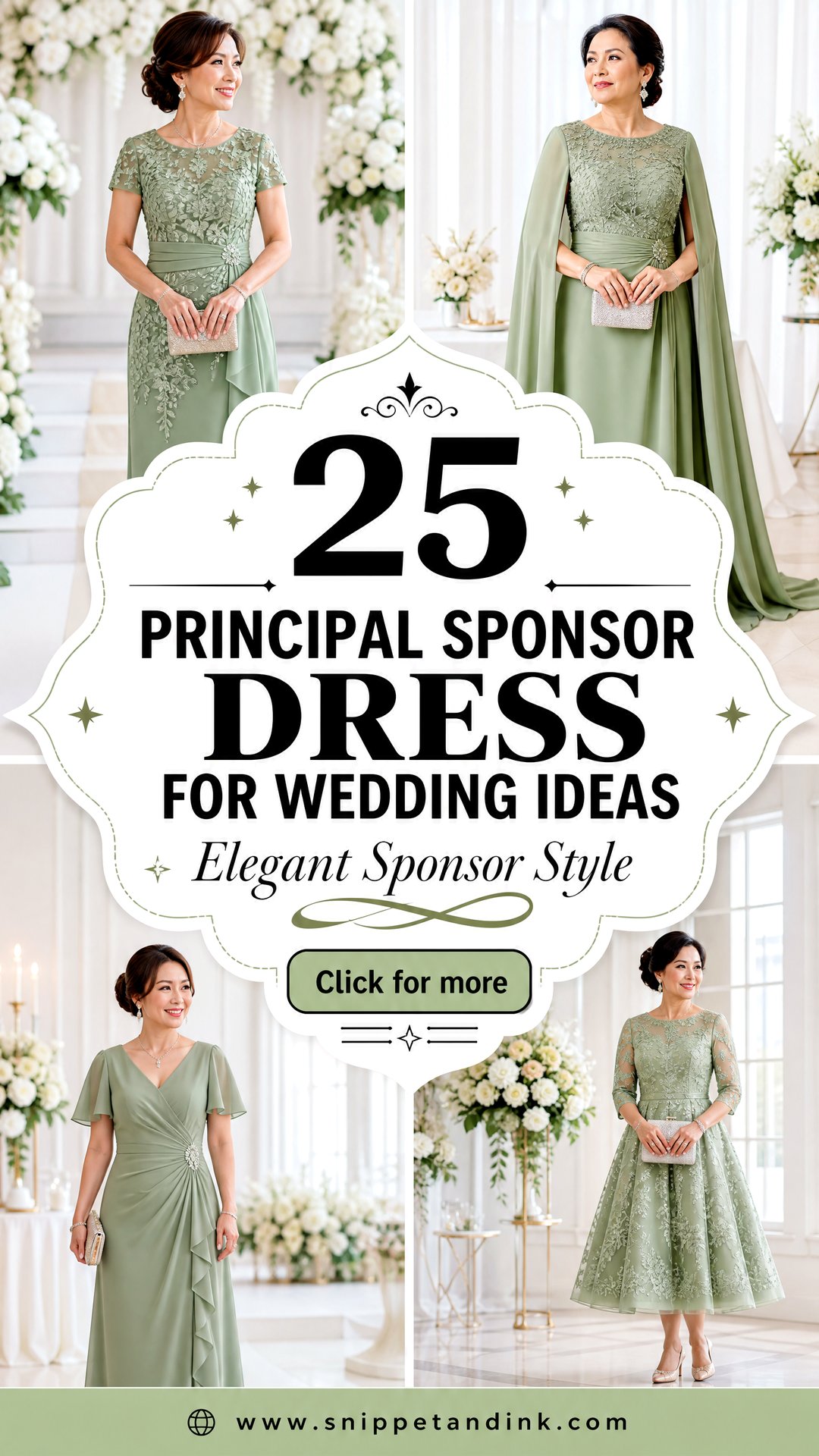
Ask the Couple About Their Motif Before You Shop
Many couples already have a plan for their principal sponsors. Some assign a single color, some ask for Filipiniana, and some give the ninangs a palette so the front rows look coordinated in photos. I always tell sponsors to message the couple before buying anything, because a lovely gown in the wrong shade is a costly mistake.
- Ask whether the ninangs should match each other or only stay within a palette.
- Ask what the bride and her mother are wearing, so you can avoid ivory, white and their exact color.
- Ask if the church has rules on bare shoulders. Many Catholic churches expect covered shoulders inside, even if the reception doesn’t.
- Ask whether you’ll walk in the processional, so you can plan shoes you can manage on an aisle runner.
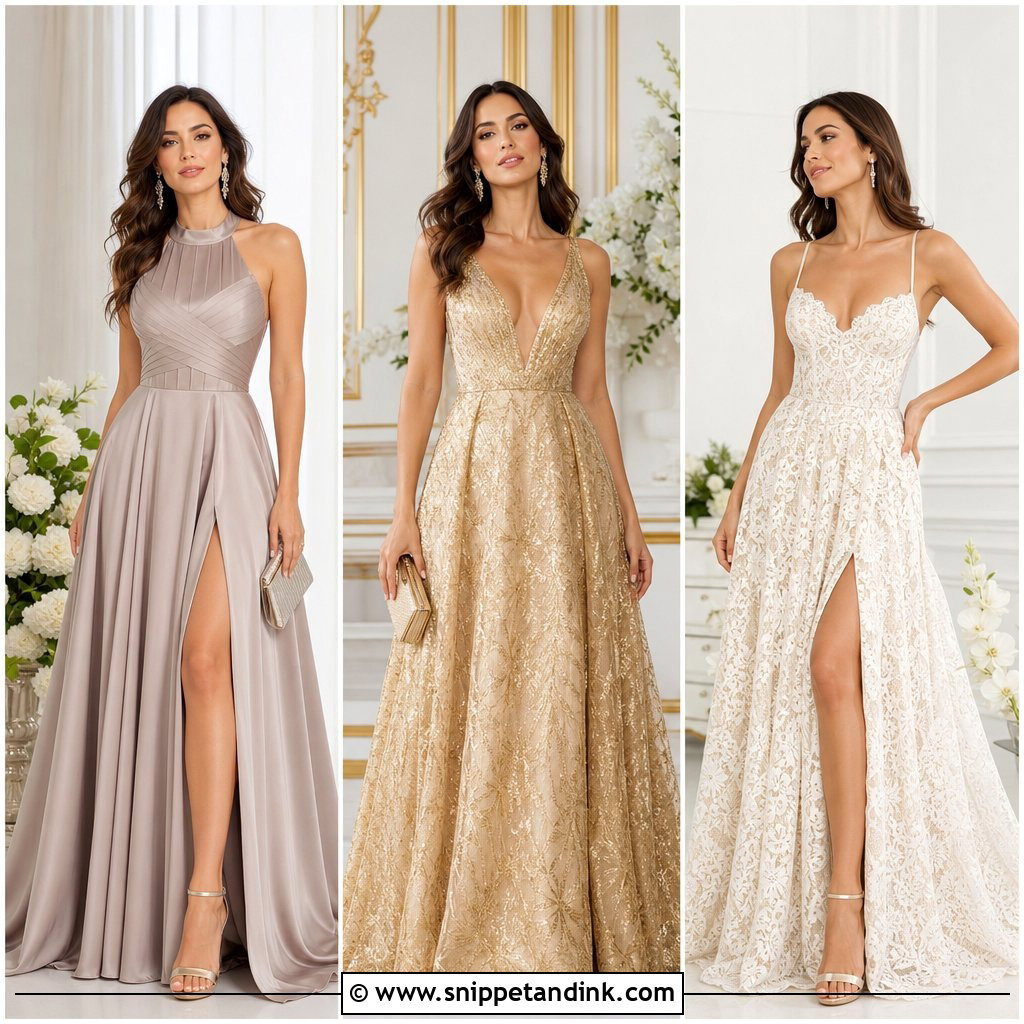
1. Champagne Satin Principal Sponsor Dress
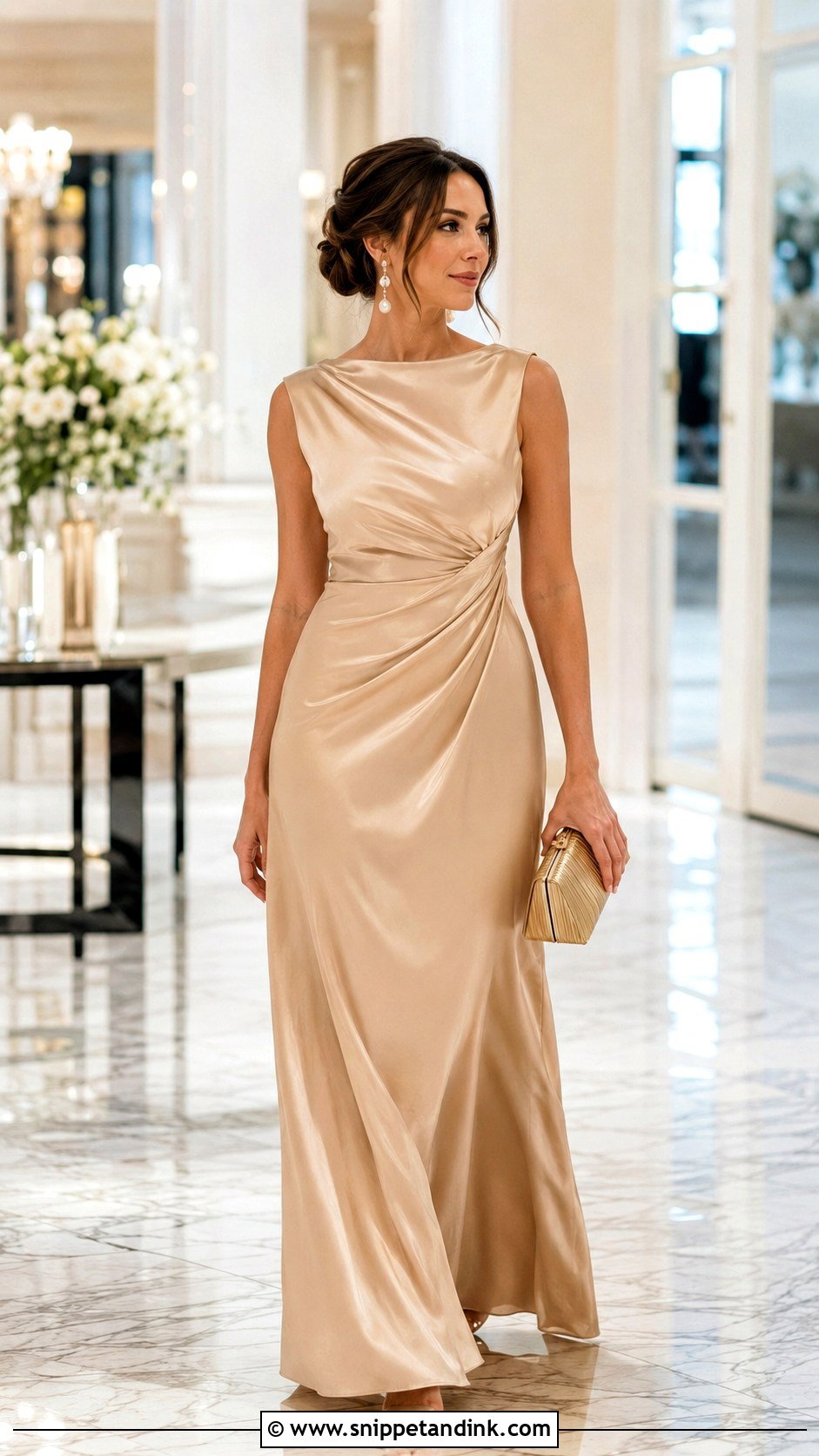
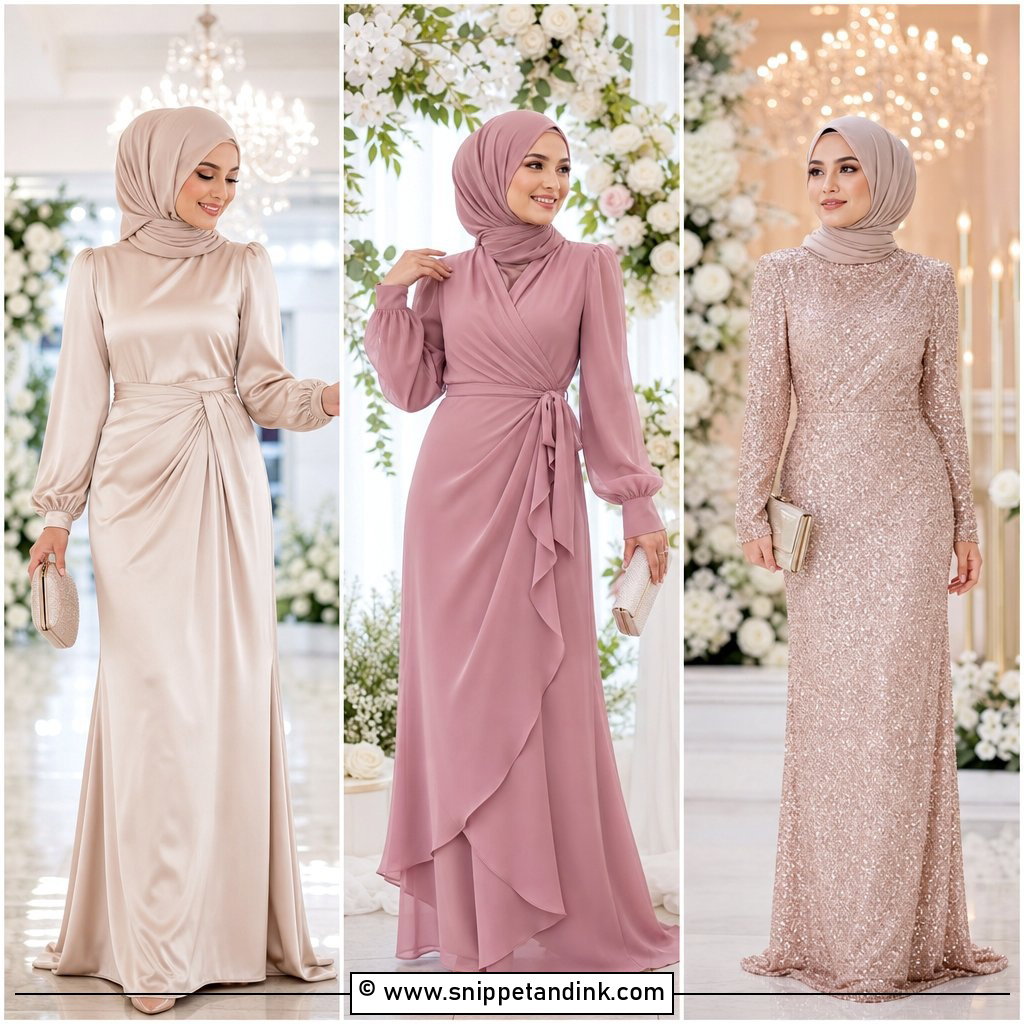
Champagne satin is the safest neutral I know for a sponsor. It flatters most skin tones and sits quietly next to an ivory gown without being mistaken for one. A floor-length dress with a modest V-neck or soft draping at the waist keeps it formal. Satin creases where you sit, so I suggest a heavier satin or a bias-cut skirt if the ceremony is a full mass. Nude or metallic low heels, pearl drops and a gold clutch finish it, and a sheer shawl or matching bolero covers the arms for church.
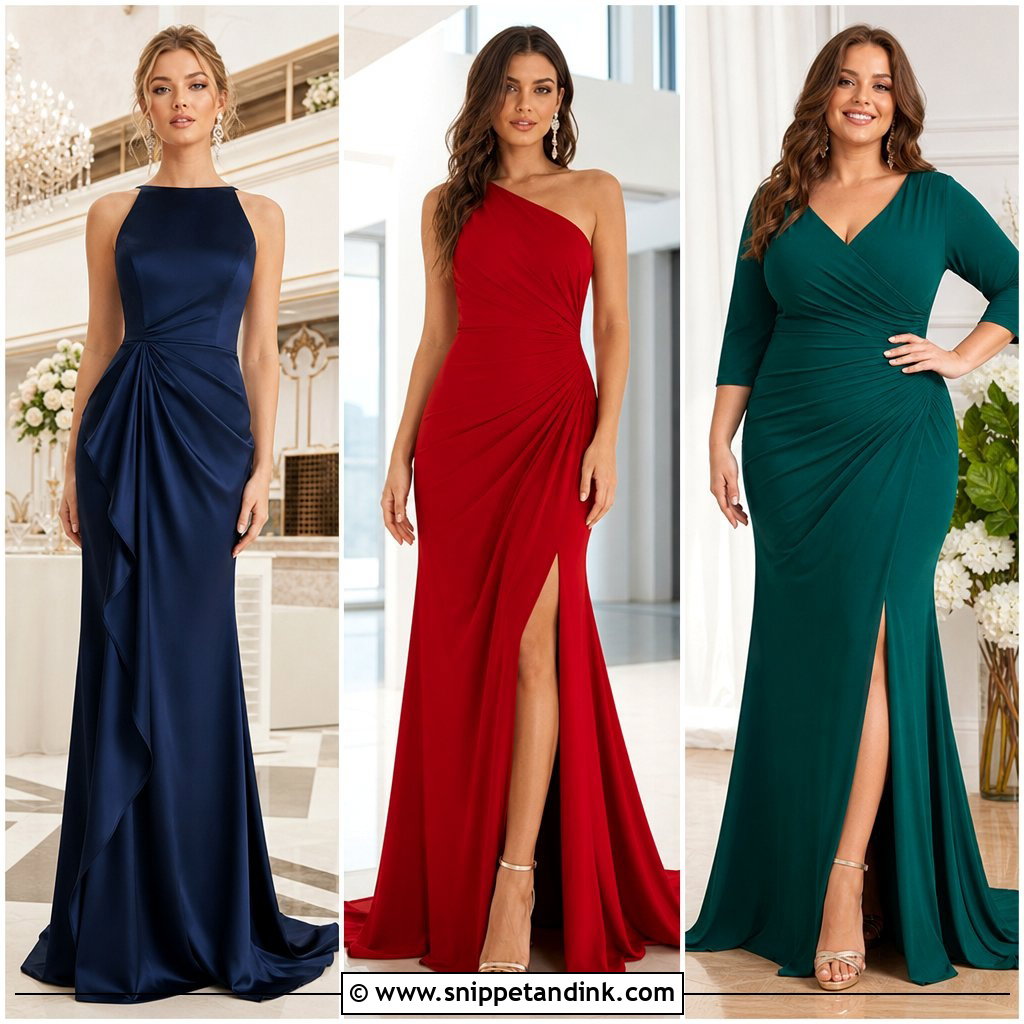
2. Navy Blue Principal Sponsor Gown
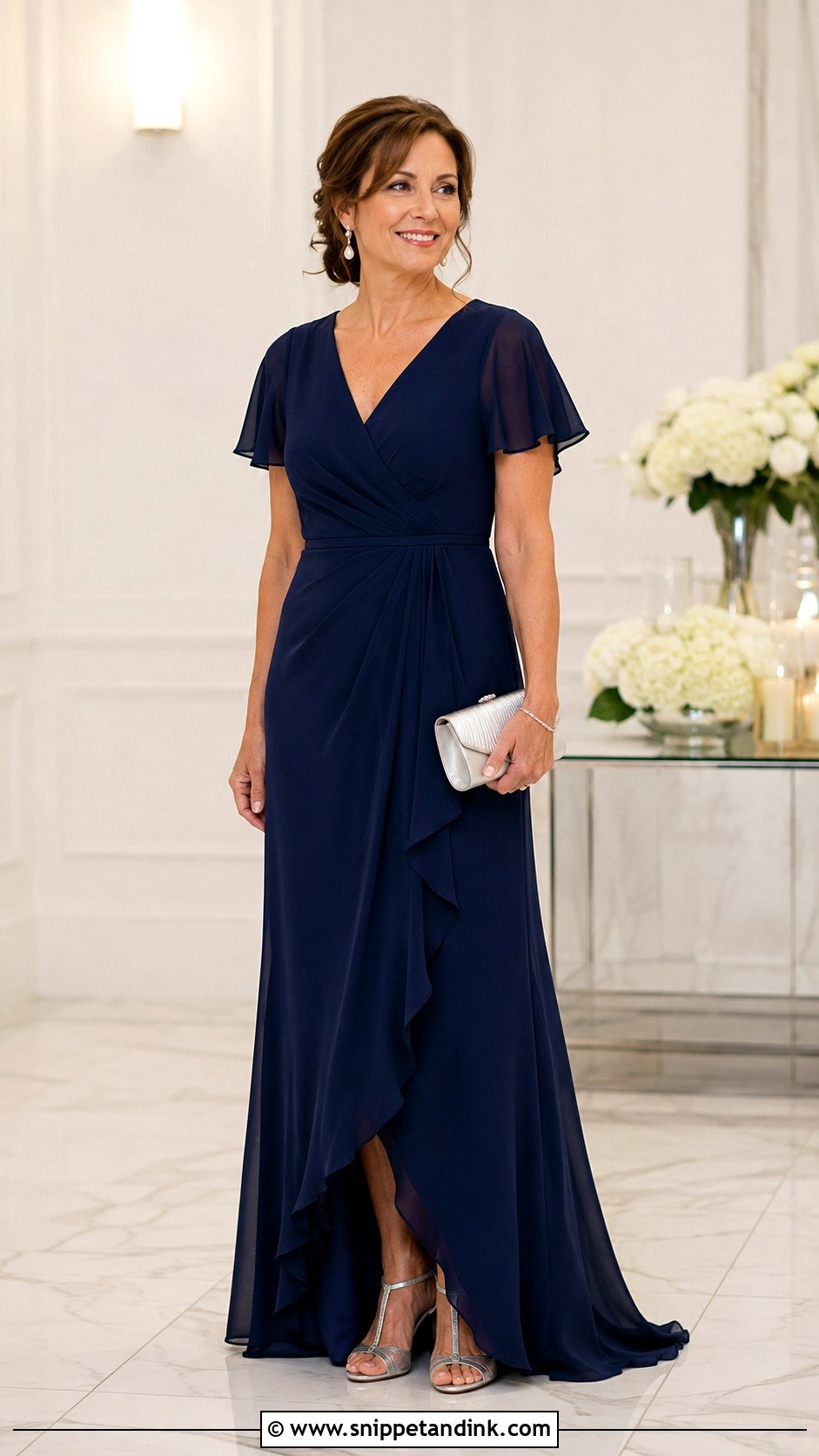
Navy reads as dignified, softer than black and fine for almost every dress code. A long chiffon or crepe gown with flutter sleeves, a wrap waist or a bateau neckline flatters a wide range of figures. Silver heels, a small satin clutch and crystal or pearl jewelry suit it. It sits easily beside gray, blush, champagne and dusty blue motifs. In the day I’d keep makeup light with soft waves; at night a sleek updo and more defined eyes make it feel dressier.
3. Dusty Rose Principal Sponsor Dress
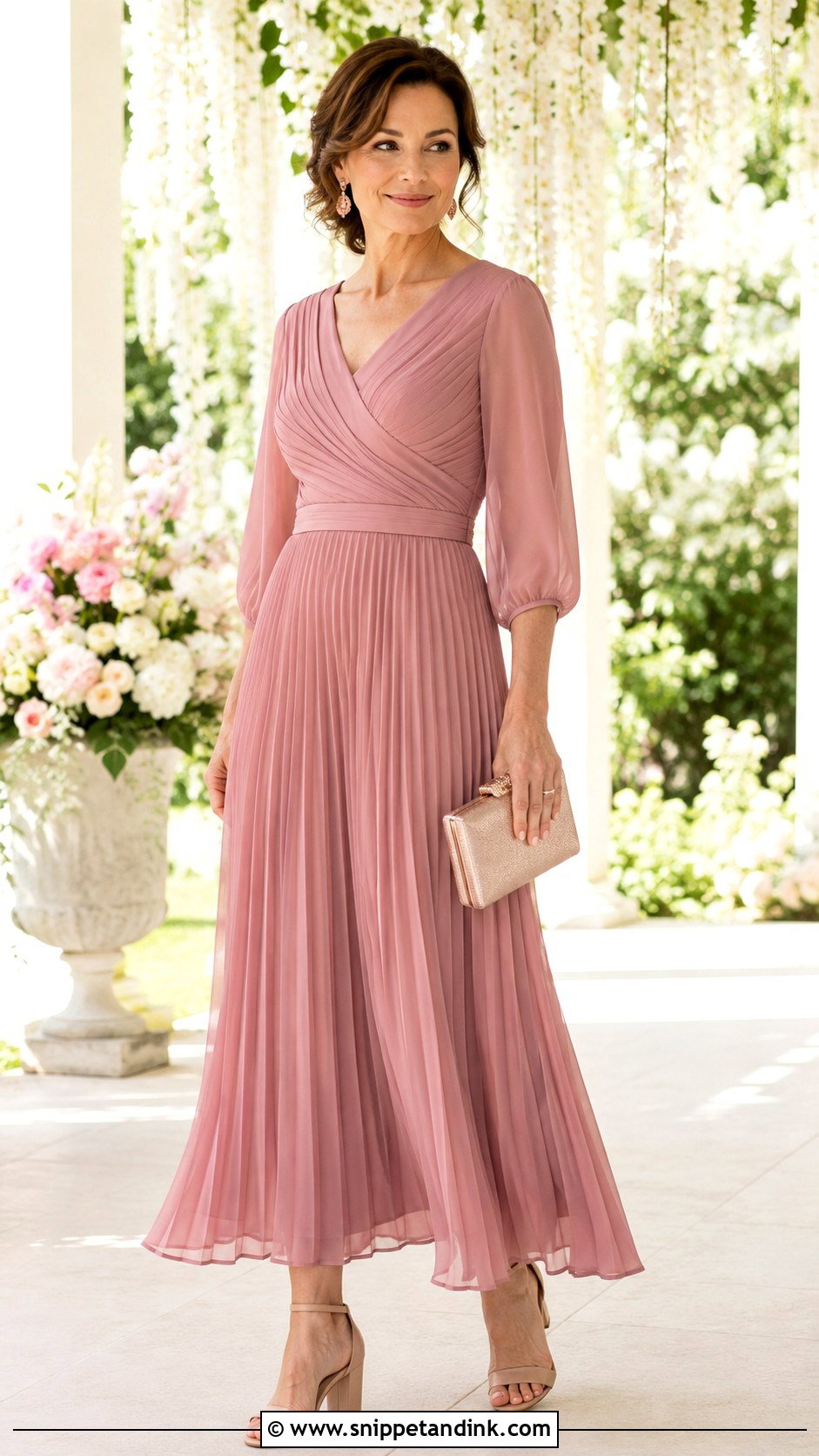
Dusty rose is the pink I suggest to sponsors who feel too old for bright pink but still want something warm. In chiffon, crepe or satin it softens the face in photos. A midi or floor-length cut with sleeves and a pleated skirt or softly draped bodice keeps it mature. If the dress has lace or beading, the accessories should be almost invisible: nude block heels, a rose-gold clutch, small earrings. It sits naturally in garden and pastel weddings.
4. Emerald Green Principal Sponsor Gown
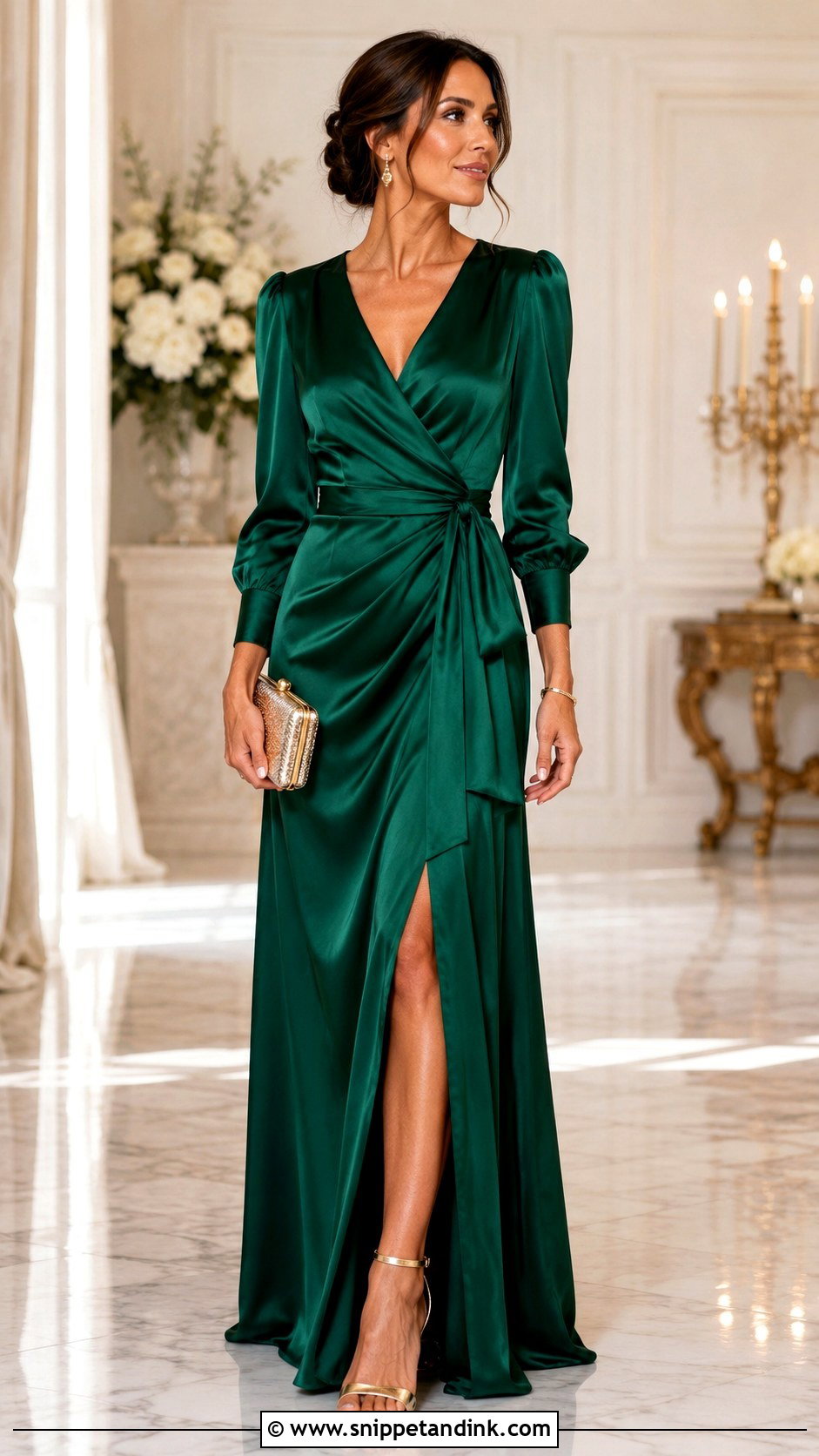
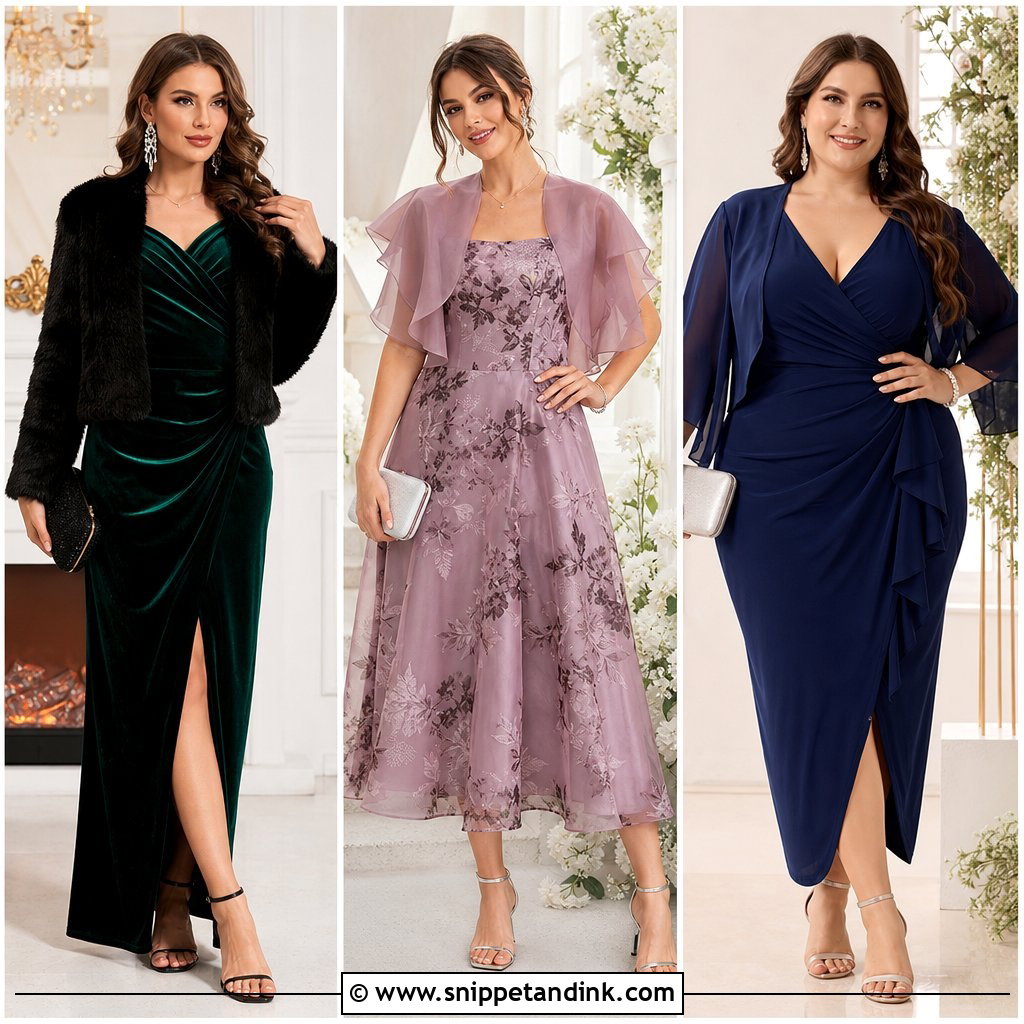
Emerald is rich and formal, and at an evening reception it holds its color under warm light better than most pastels. A floor-length emerald gown in satin, a crepe with a velvety hand or chiffon looks regal as long as the cut stays clean. I’d go for a wrap gown, long sleeves or an A-line with a defined waist. Gold heels, a slim bracelet and a compact clutch complete it. Skip heavy sparkle for a church ceremony; the color already carries the outfit.
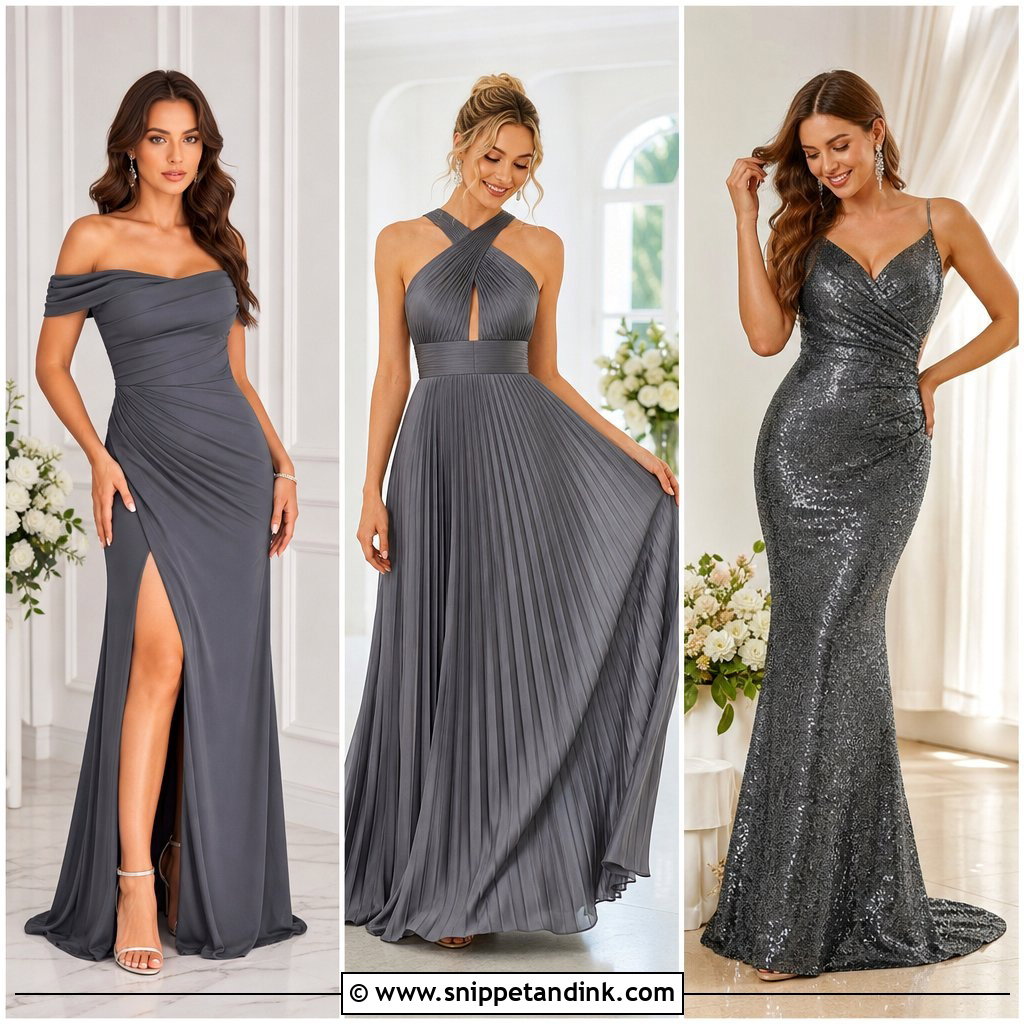
5. Silver Gray Principal Sponsor Dress
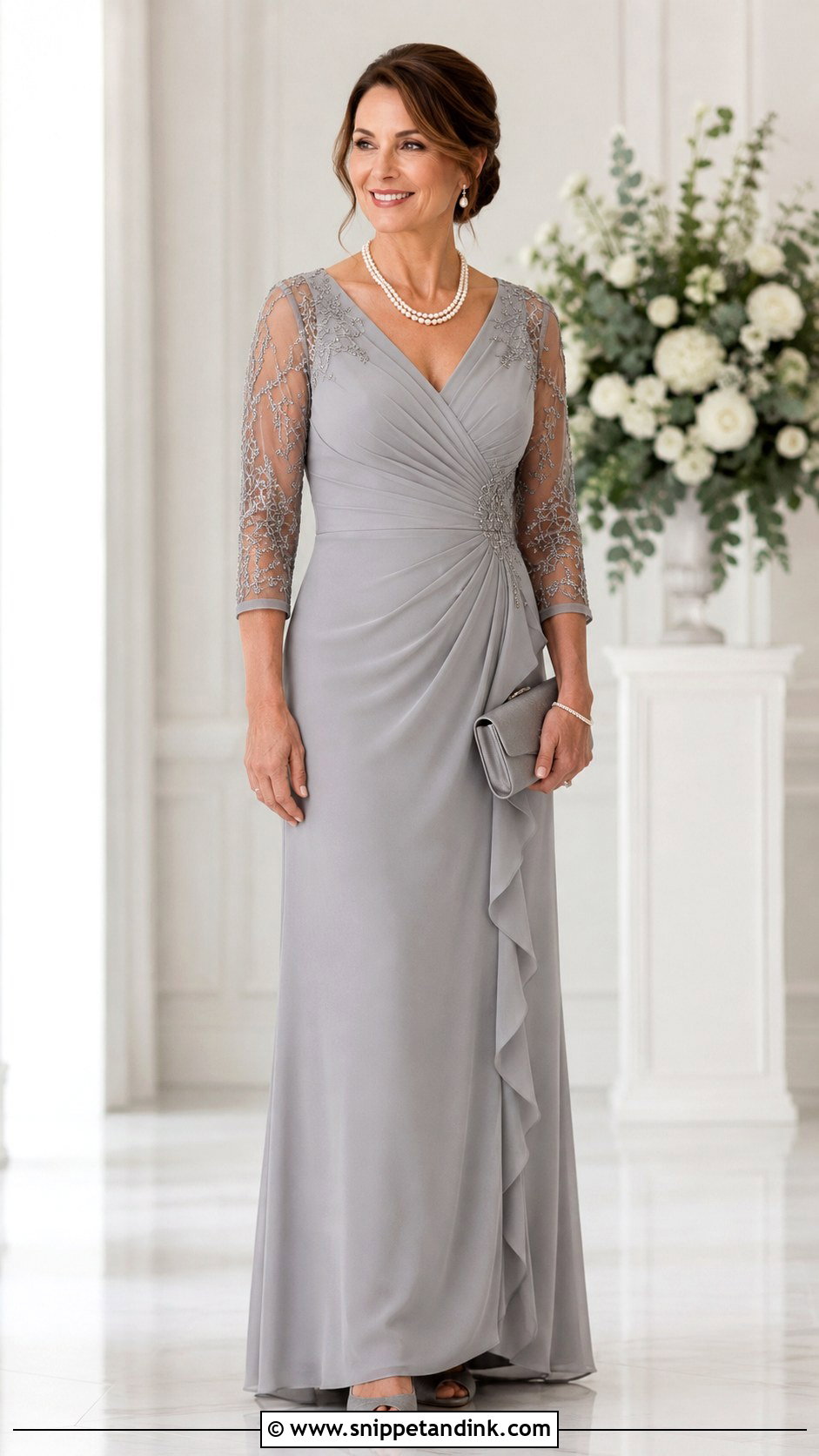
Silver gray suits sponsors who prefer cool tones and dislike heavy embellishment. My test in the fitting room is daylight: some grays turn flat and drain the face, so I hold the fabric under a window before committing. A floor-length A-line in satin, chiffon or lace with sheer sleeves or a cape overlay looks refined. Silver or pewter heels, pearls and a matching clutch work, especially with blue, lavender or metallic motifs. With a shiny fabric, keep the jewelry to one piece.
6. Burgundy Principal Sponsor Gown
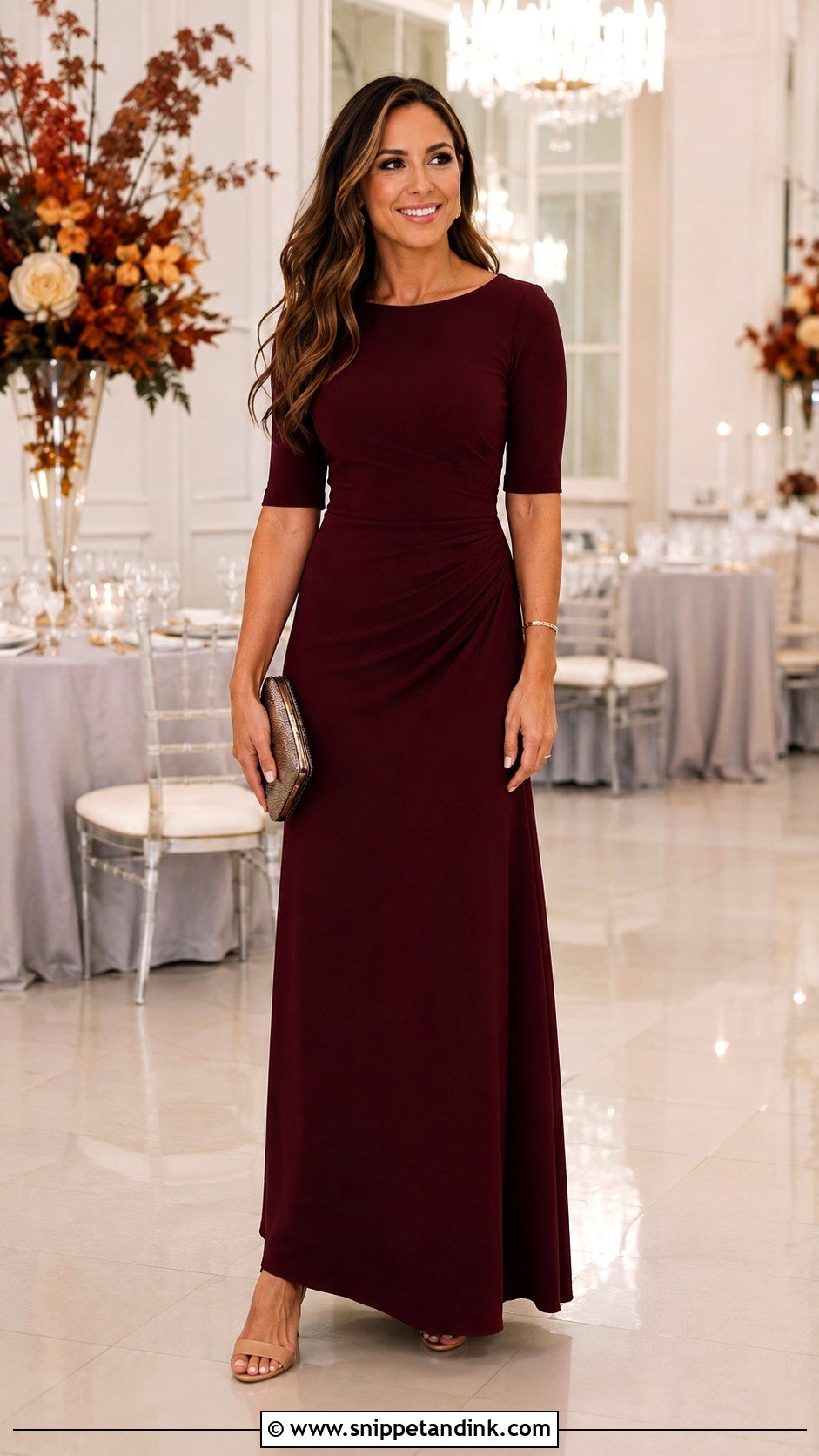
Burgundy gives depth and warmth without needing sequins. Crepe, chiffon or satin all work, in a long dress with elbow-length sleeves, a draped waist or an A-line skirt that’s easy to sit in. It belongs in fall weddings and evening celebrations. I’d steer away from high slits and plunging necklines here; a deep color already draws the eye, so the cut should stay calm. Nude, gold or bronze heels, soft curls and a lipstick one shade near the dress tie it together.
7. Sage Green Principal Sponsor Dress
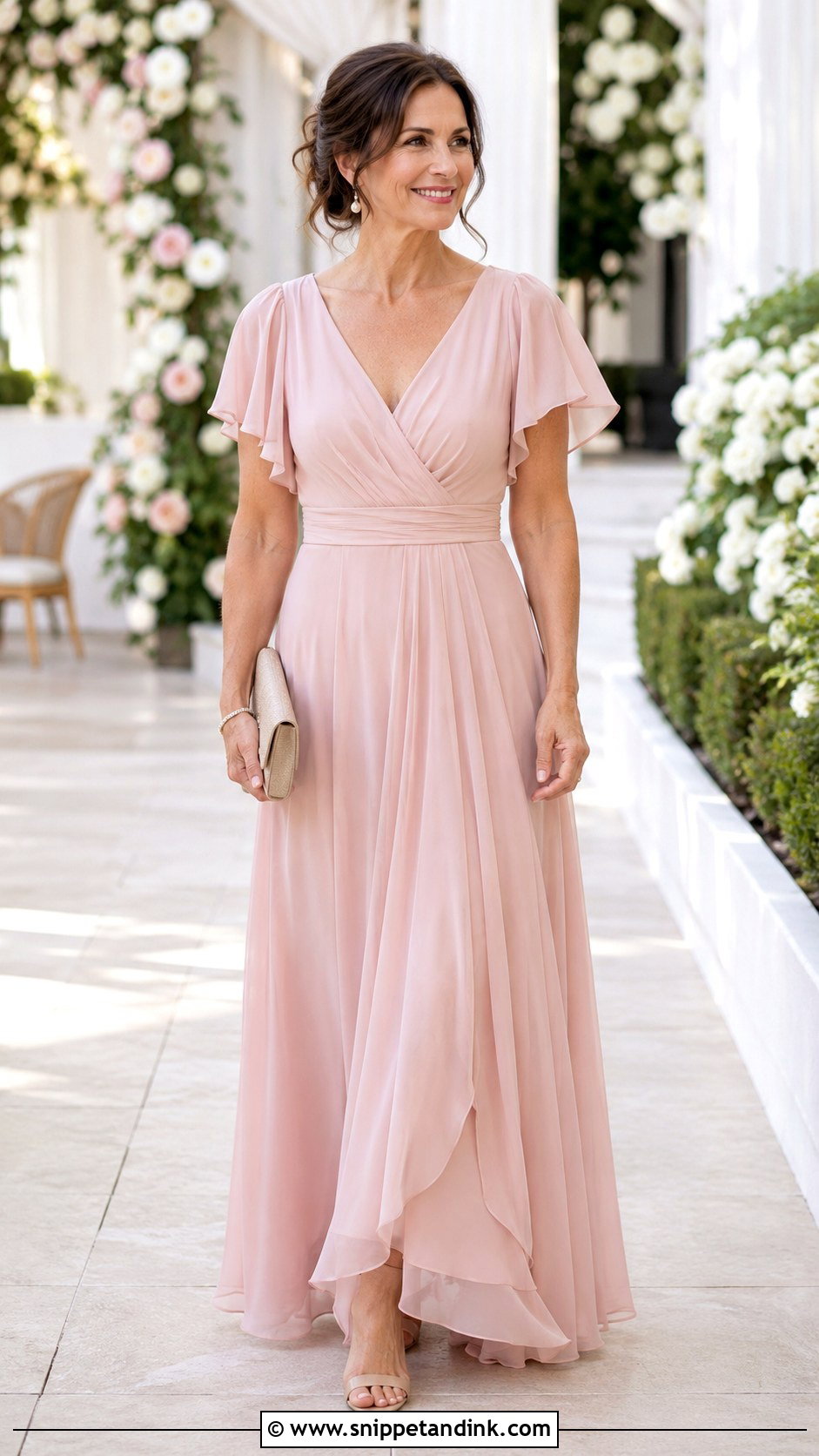
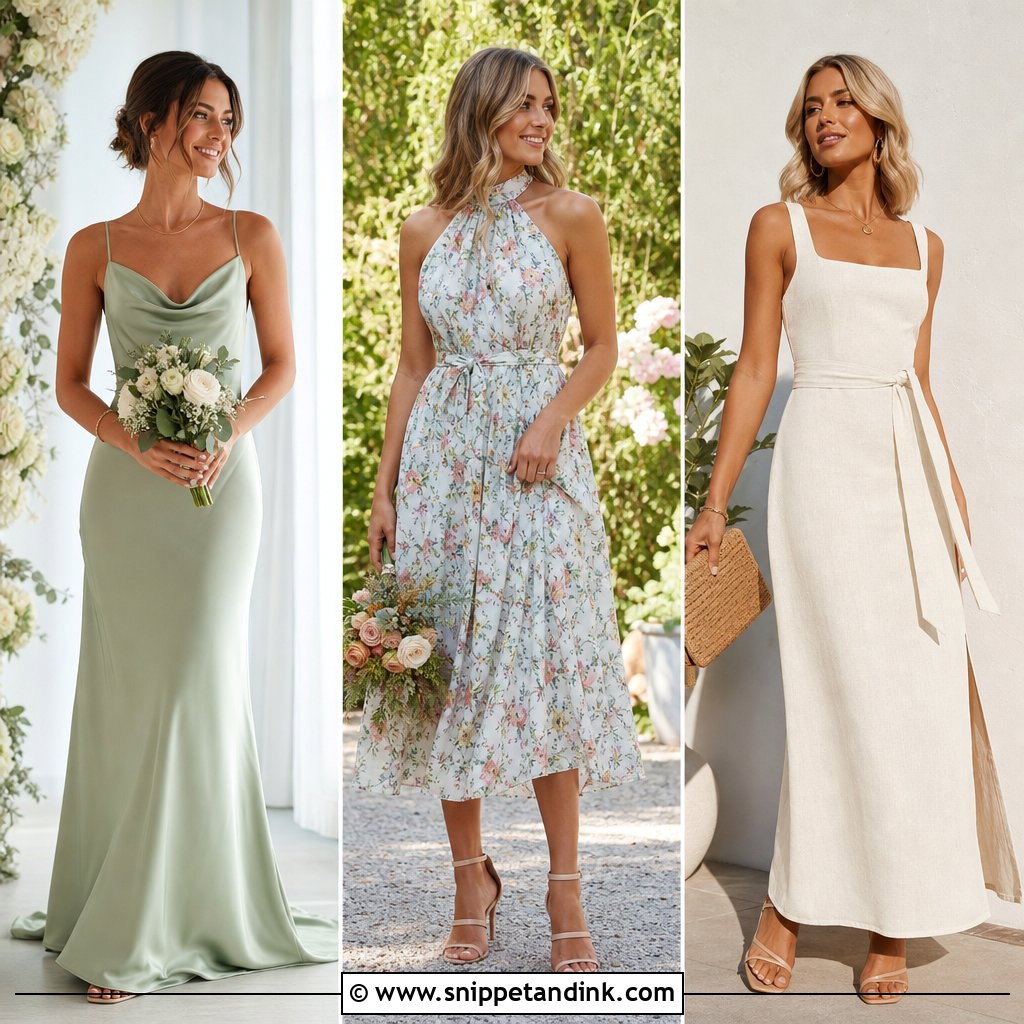
Sage is calm and fresh, and it shows up as a distinct color in group photos without shouting. A chiffon or crepe dress in a long A-line, wrap or pleated midi shape suits a garden or daytime ceremony. If the venue is outdoors in heat, choose a lined chiffon over satin so you aren’t wilting by the recessional. Nude block heels, pearl earrings and a beige or champagne clutch are enough. A soft bun and light gold jewelry keep it simple.
8. Mauve Lace Principal Sponsor Dress
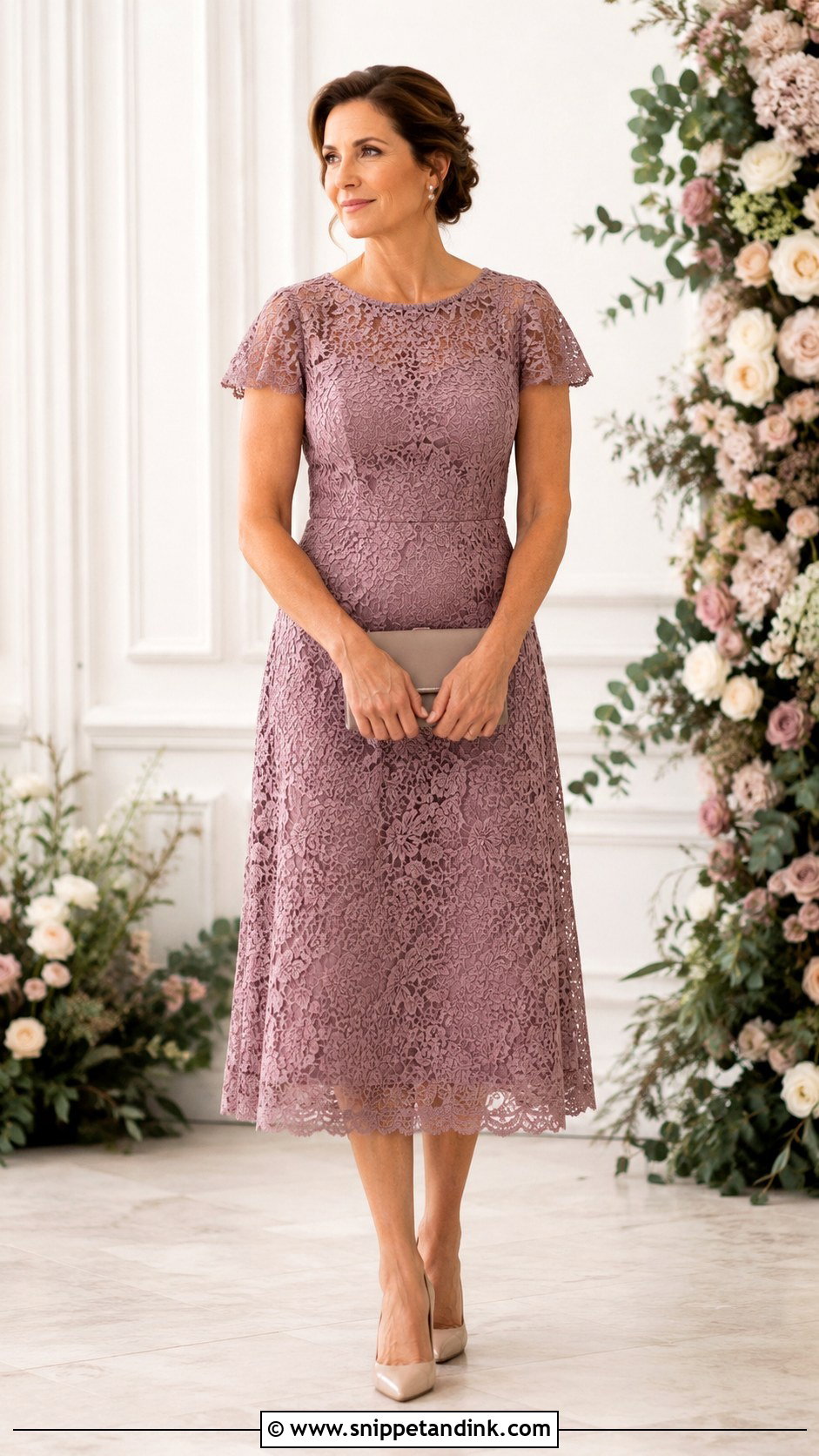
Mauve lace looks feminine but grown-up, and lace hides small creases better than satin after hours of sitting. Check that the lace is fully lined and that the sleeves are soft, not scratchy at the underarm. Tea length or floor length both work depending on formality. Since lace already has texture, keep the accessories small: nude heels, pearl studs and a blush, taupe or champagne clutch. Mauve suits pastel motifs and indoor romantic venues.
9. Black Formal Principal Sponsor Dress
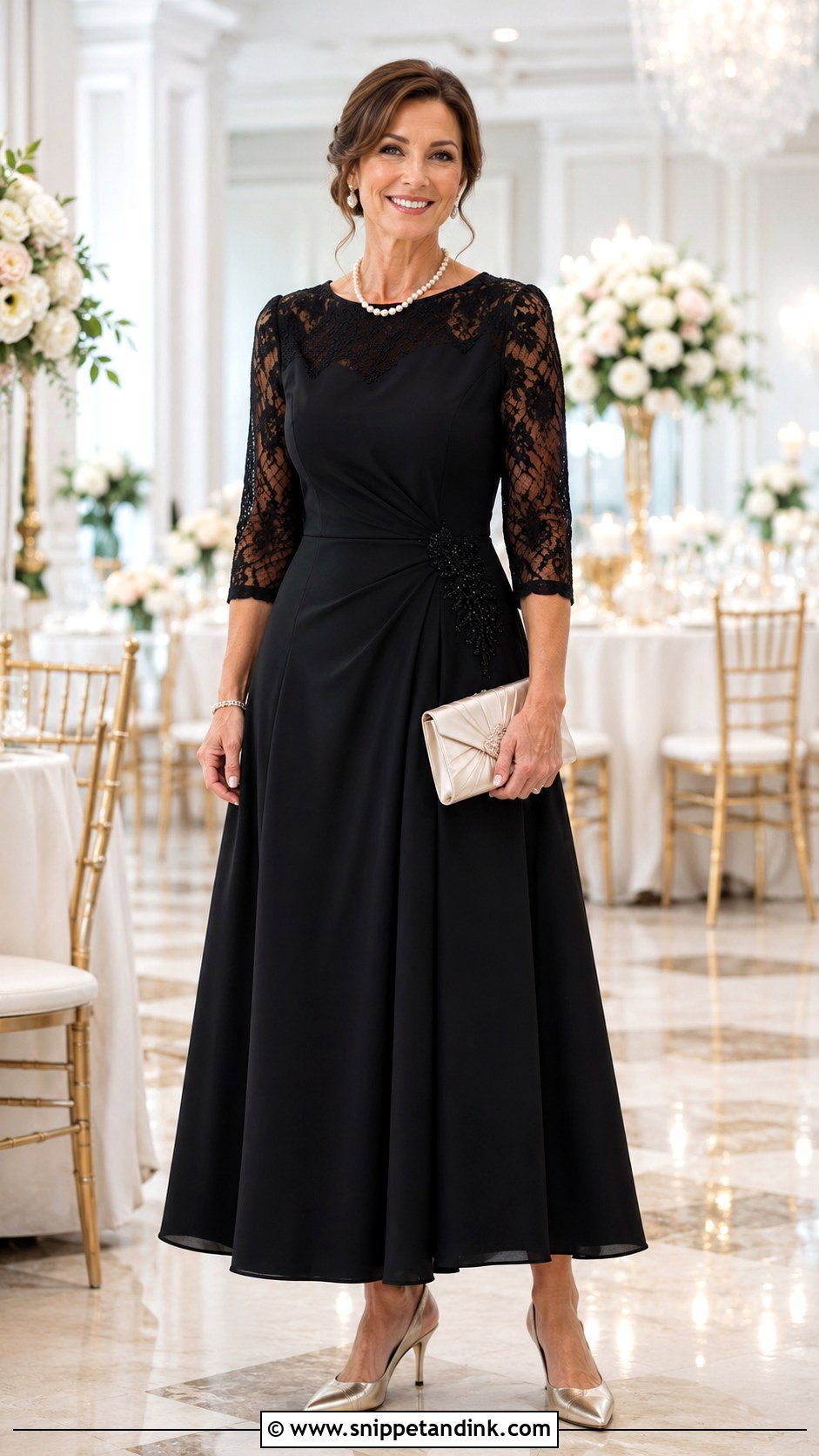
Black can work for a sponsor, but only if the couple’s dress code allows it, and some families still see black at a wedding as a mourning color, so I’d ask before buying. When it’s welcome, soft draping, lace sleeves, a cape detail or a classic A-line keep it from looking severe. Pearl jewelry, metallic heels and a lighter clutch soften it. It sits best at evening receptions and ballroom weddings. Keep the neckline and slit modest for the role.
10. Blush Pink Principal Sponsor Gown
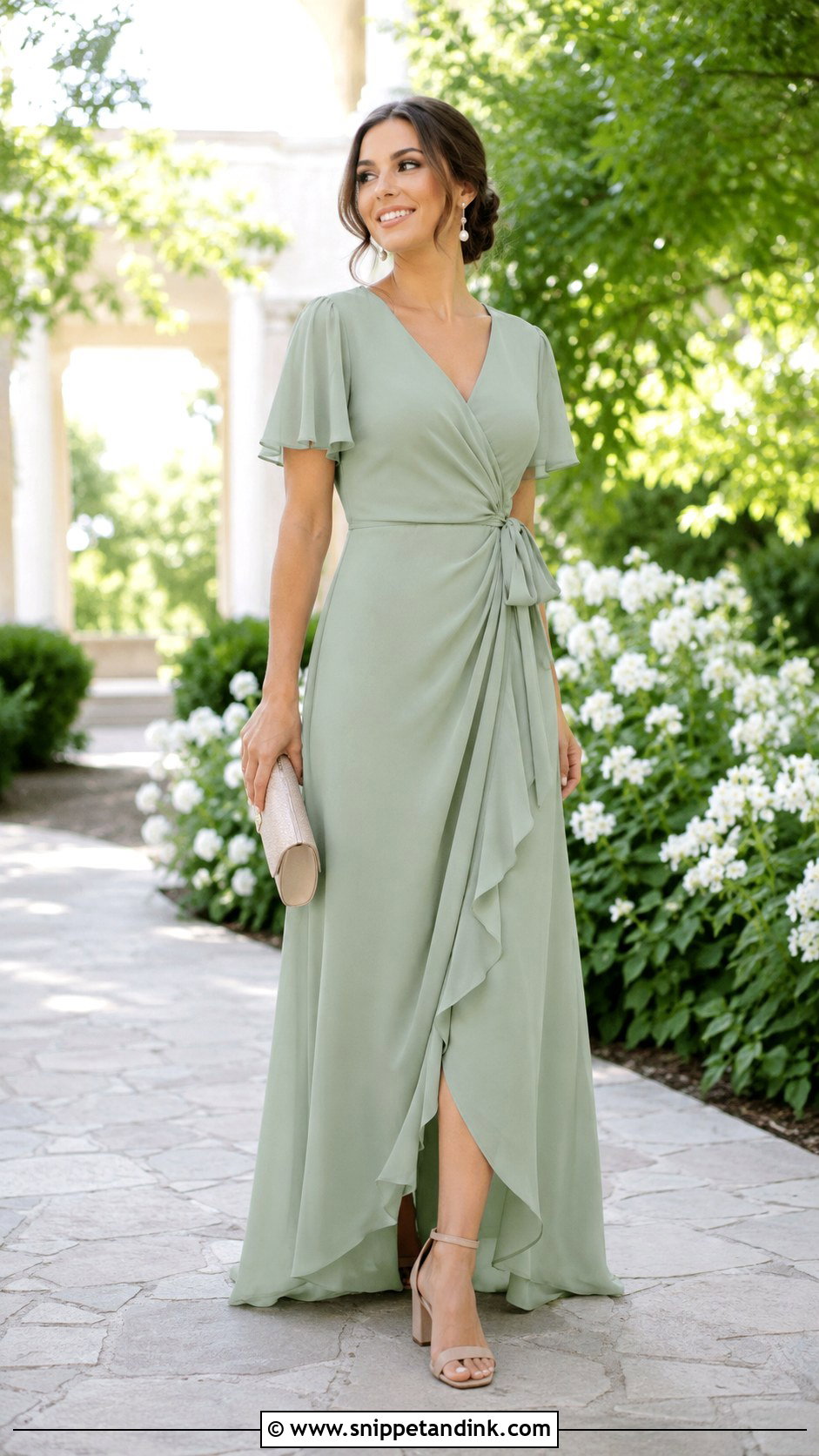
Blush is delicate, and that’s exactly the risk. Before suggesting it, I ask what shade the bride is wearing, because a blush sponsor gown next to a blush-toned bridal gown can look like a second bride in photos. If the colors are clearly different, a long chiffon, satin or crepe gown with a flowing skirt and flutter sleeves suits a spring or pastel wedding. Nude heels, pearl earrings and a champagne clutch, with a low bun or soft waves, finish it.
11. Royal Blue Principal Sponsor Dress
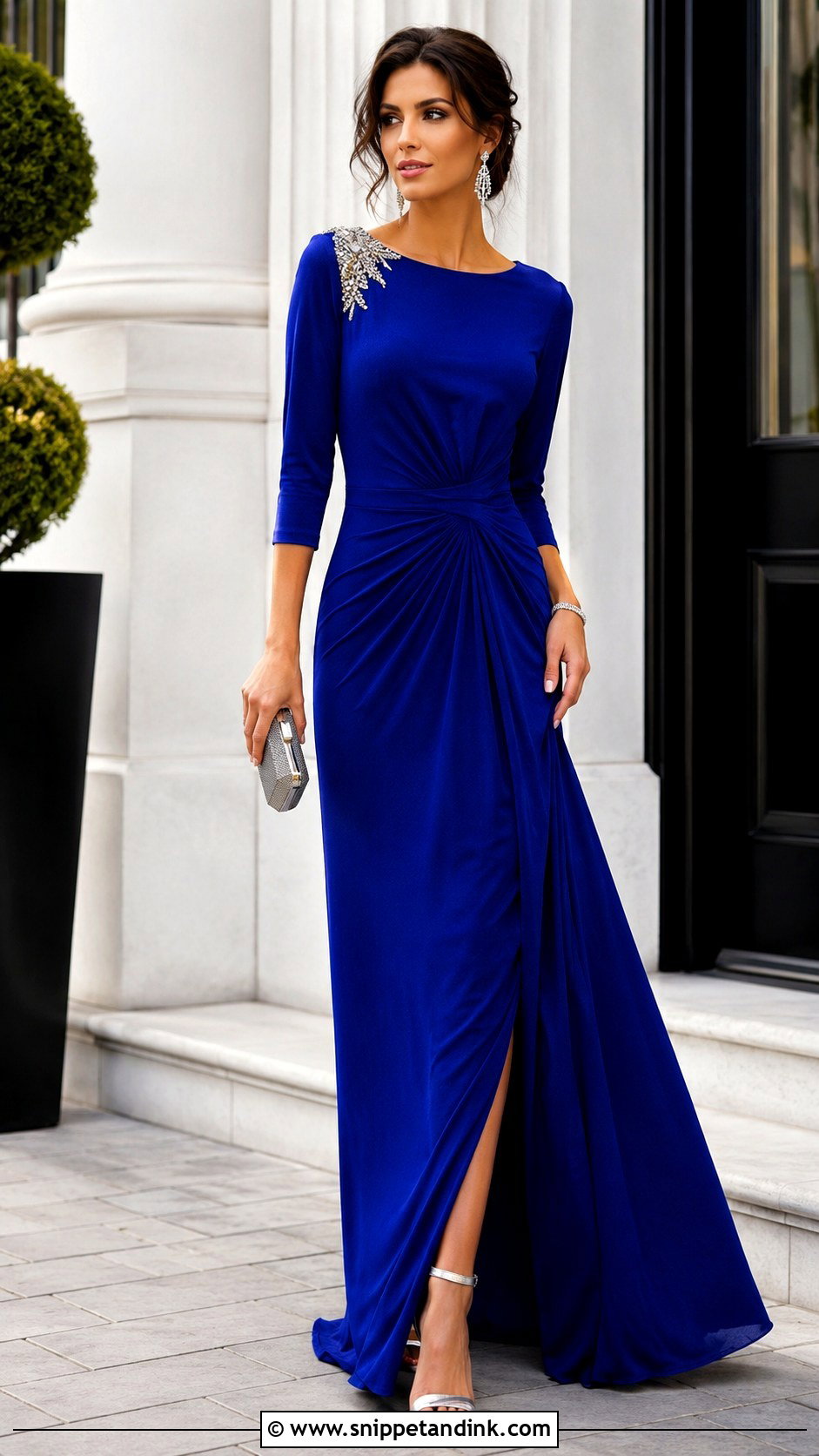
Royal blue has energy and still feels formal enough for the role. A floor-length gown with a clean neckline, three-quarter sleeves or a structured bodice keeps it neat. It reads strong on camera, so I keep accessories few: silver, nude or clear heels, a compact clutch and simple earrings. It fits formal halls, evening receptions and cool or jewel-toned motifs. Because the color carries so much, choose a calm silhouette rather than ruffles or cutouts.
12. Taupe Principal Sponsor Dress
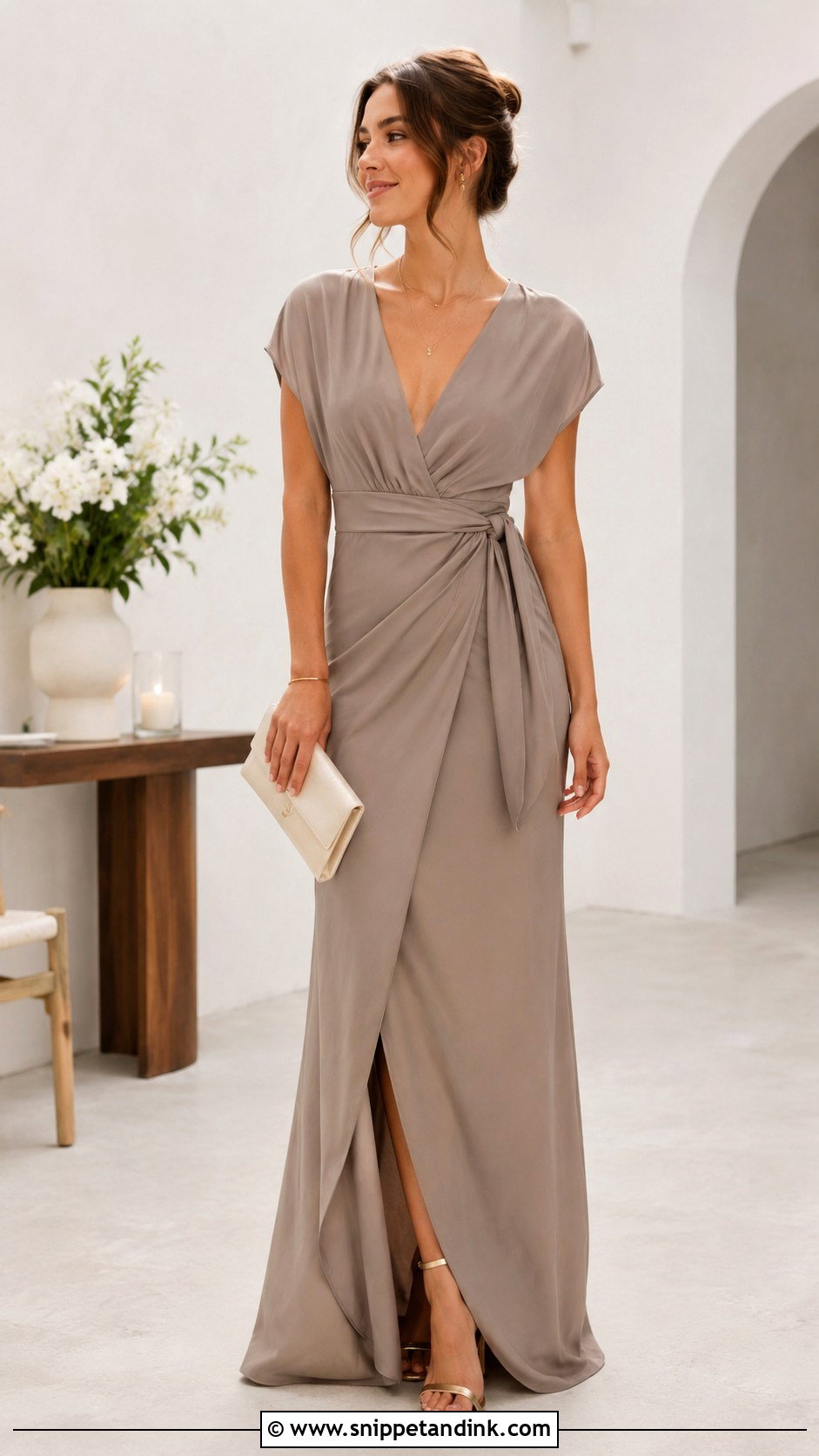
Taupe is the neutral for sponsors who want to look quietly refined. It has more depth than beige, so it won’t be confused with ivory. Satin, crepe or chiffon all hold the color well, in a long dress with soft sleeves, a wrap waist or a pleated skirt. Nude heels, gold jewelry and a beige clutch give a tonal look. If taupe washes you out, warm it up with a stronger lip, gold earrings or a slightly darker clutch rather than switching color.
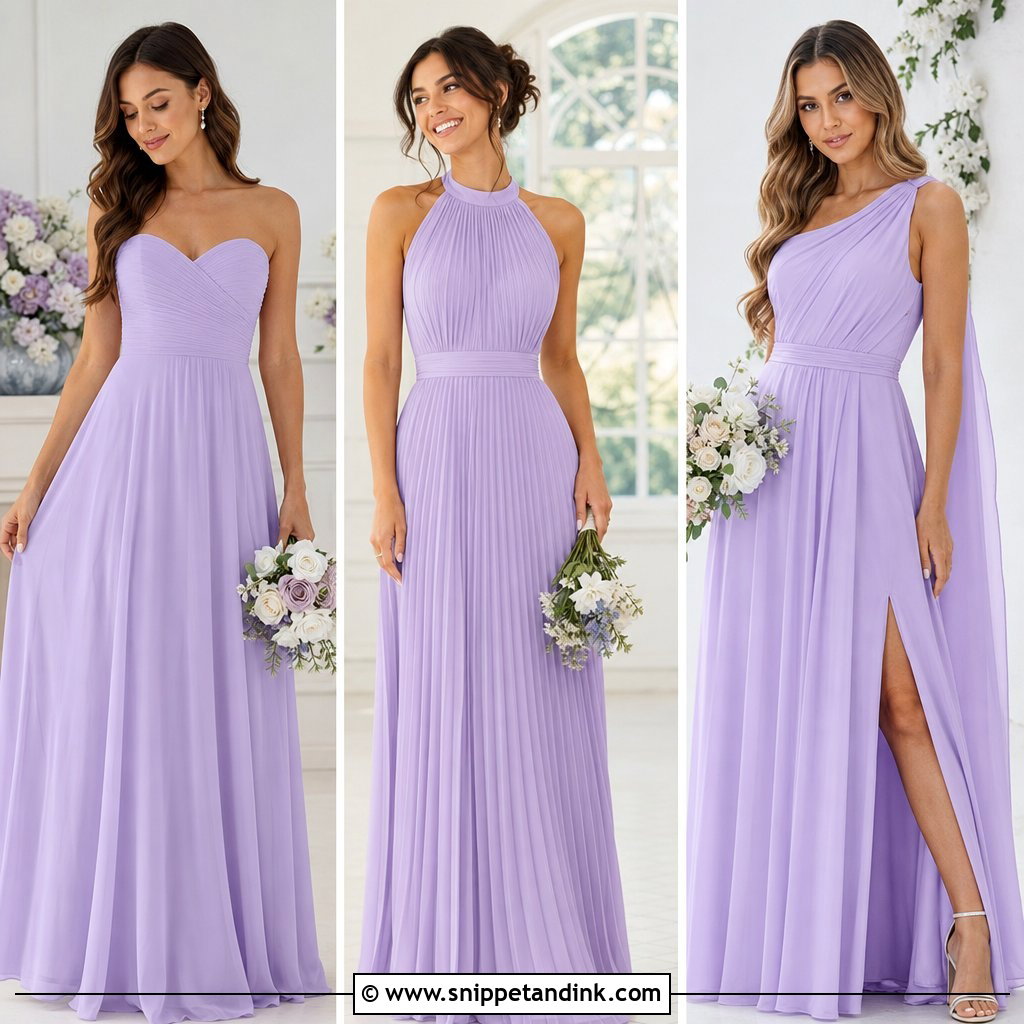
13. Lavender Principal Sponsor Gown
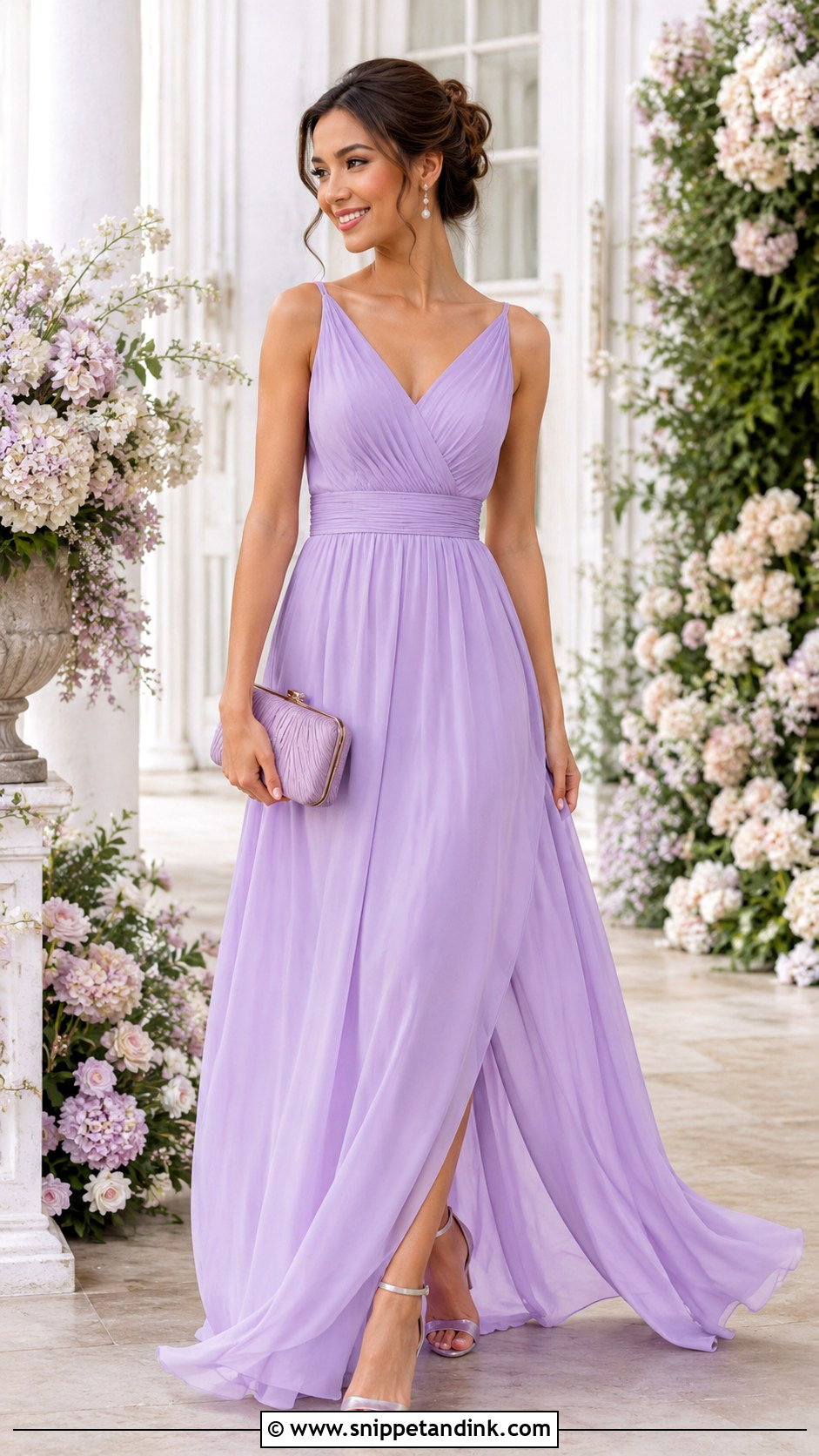
Lavender suits spring and garden weddings and is noticeable in group photos without being loud. A chiffon or satin gown with a flowing skirt, soft sleeves and a modest neckline looks right. If the motif includes purple, it’s an easy match. On satin lavender I avoid adding shiny trims, since sheen on sheen reads costume-like. Silver heels, pearl earrings and a gray or lilac clutch, with a soft updo and light blush, finish it.
14. Gold Principal Sponsor Dress
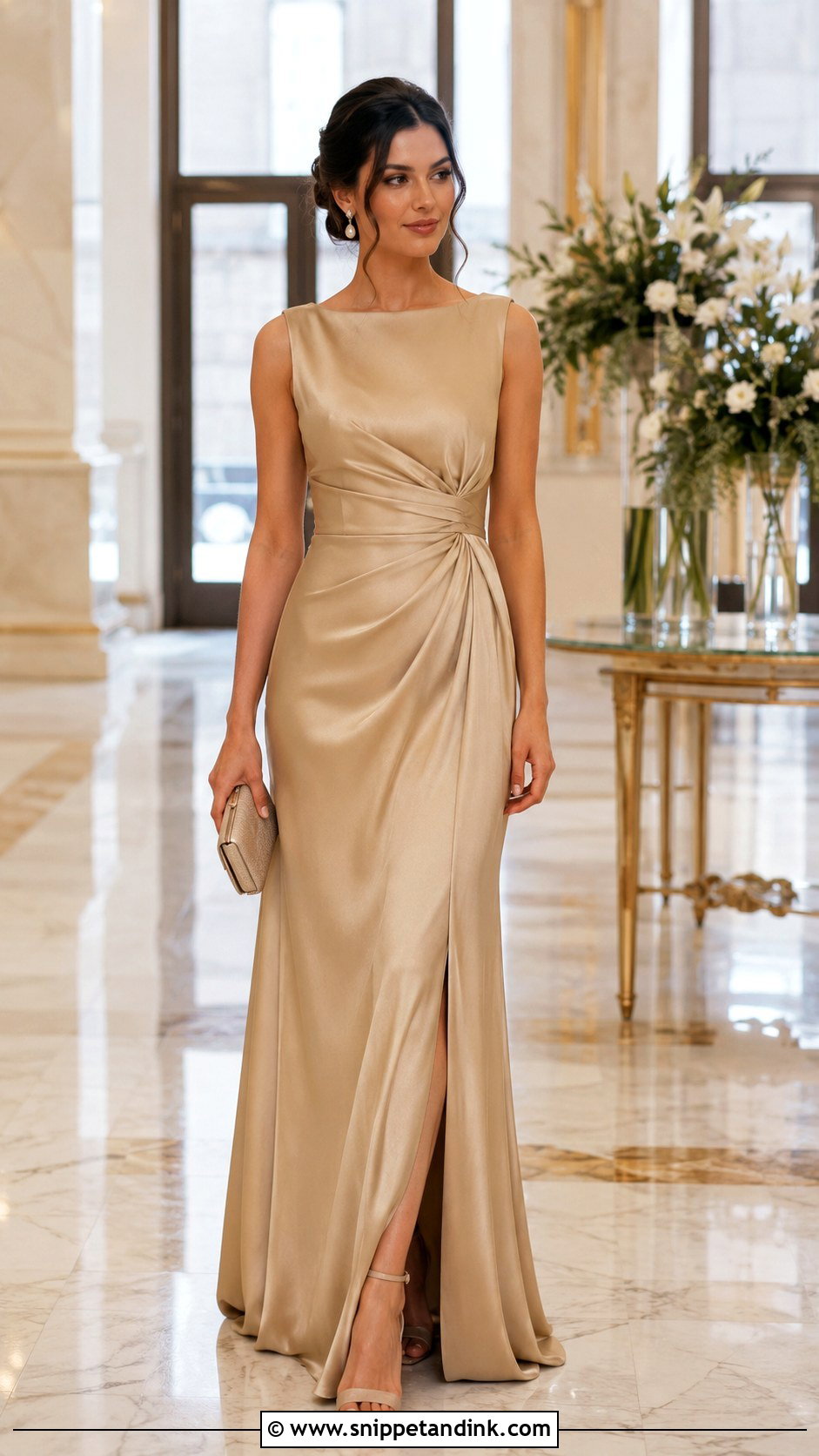
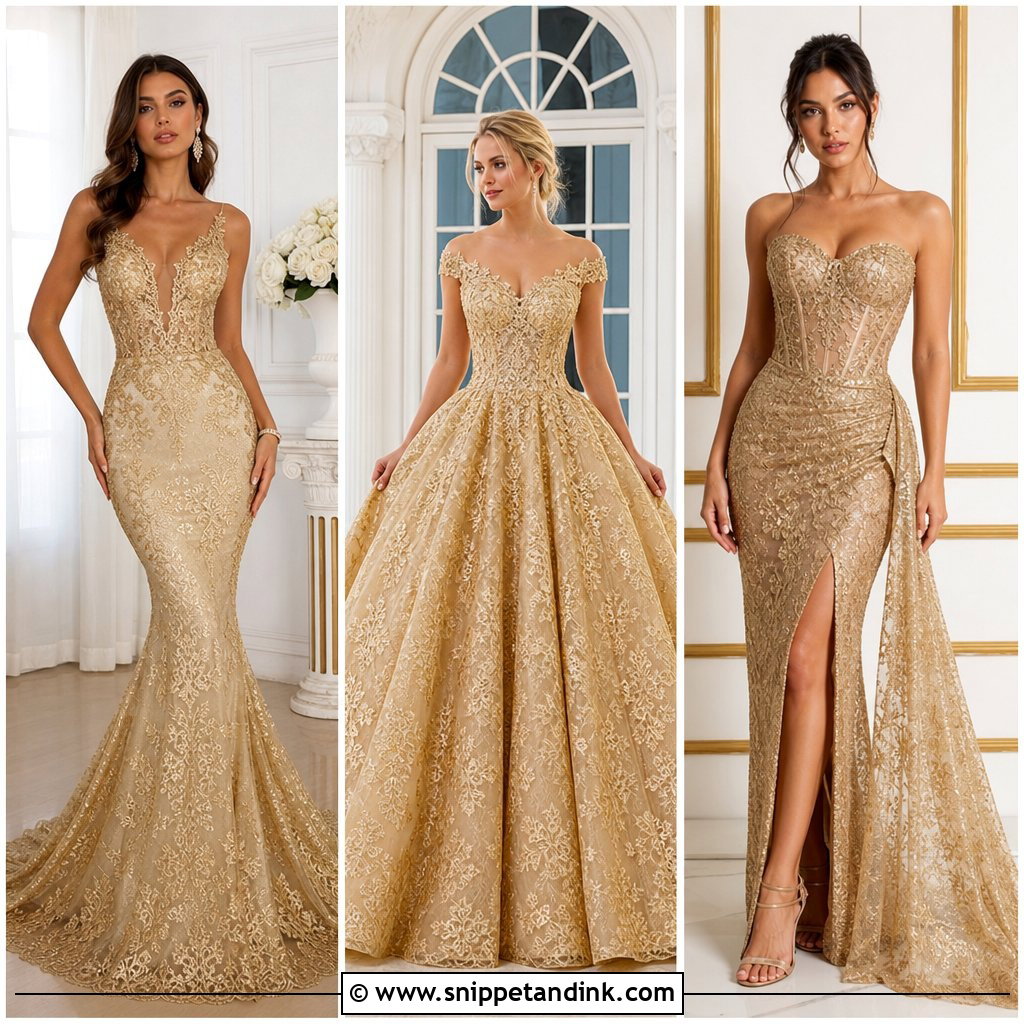
Gold can look rich if the shade is soft. I steer sponsors toward champagne gold, pale gold or a brushed finish and away from bright yellow-gold sequins, which glare under flash. A satin or jacquard gown with a modest neckline, long skirt and clean shape keeps it formal. Since gold draws attention on its own, the rest stays calm: nude heels, a plain clutch, small pearl or crystal earrings, a smooth hairstyle and understated makeup.
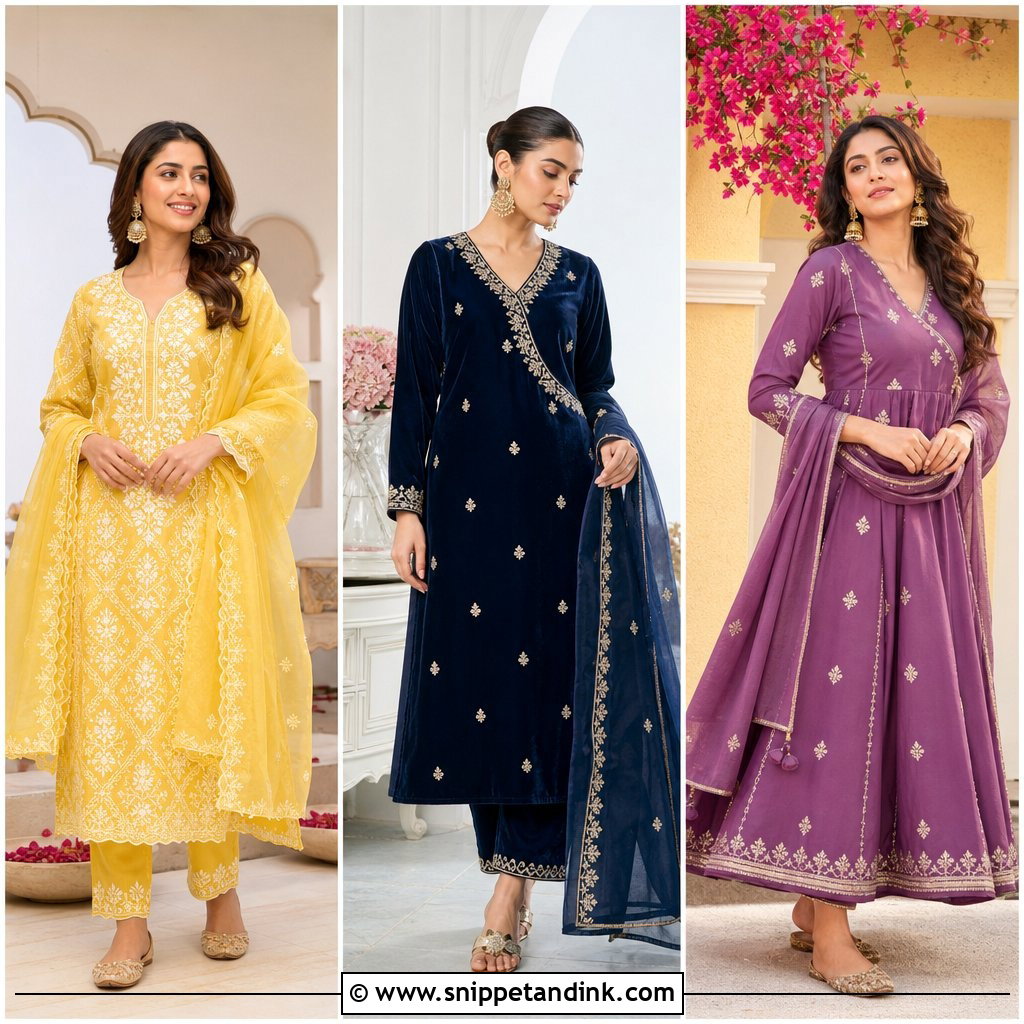
15. Teal Principal Sponsor Gown
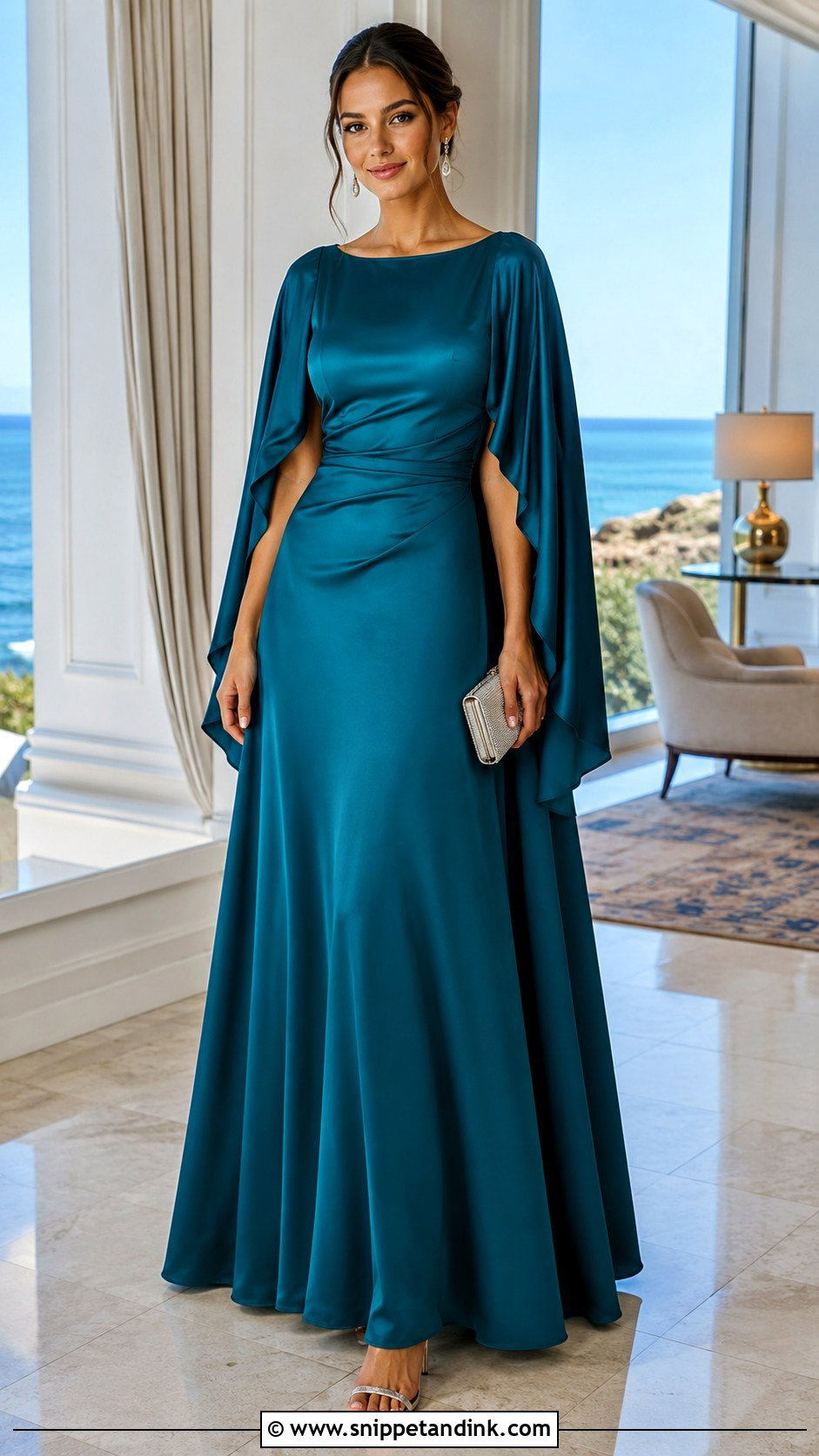
Teal sits between blue and green and flatters more skin tones than either extreme. A chiffon, satin or crepe gown in a long A-line, wrap or cape-sleeve style looks graceful. Check the undertone: bluer teal pairs with silver heels, greener teal with gold. A small metallic or neutral clutch completes it. It suits evening weddings, coastal venues and jewel-tone motifs, and the color should be the only statement in the outfit.
16. Beige Principal Sponsor Dress
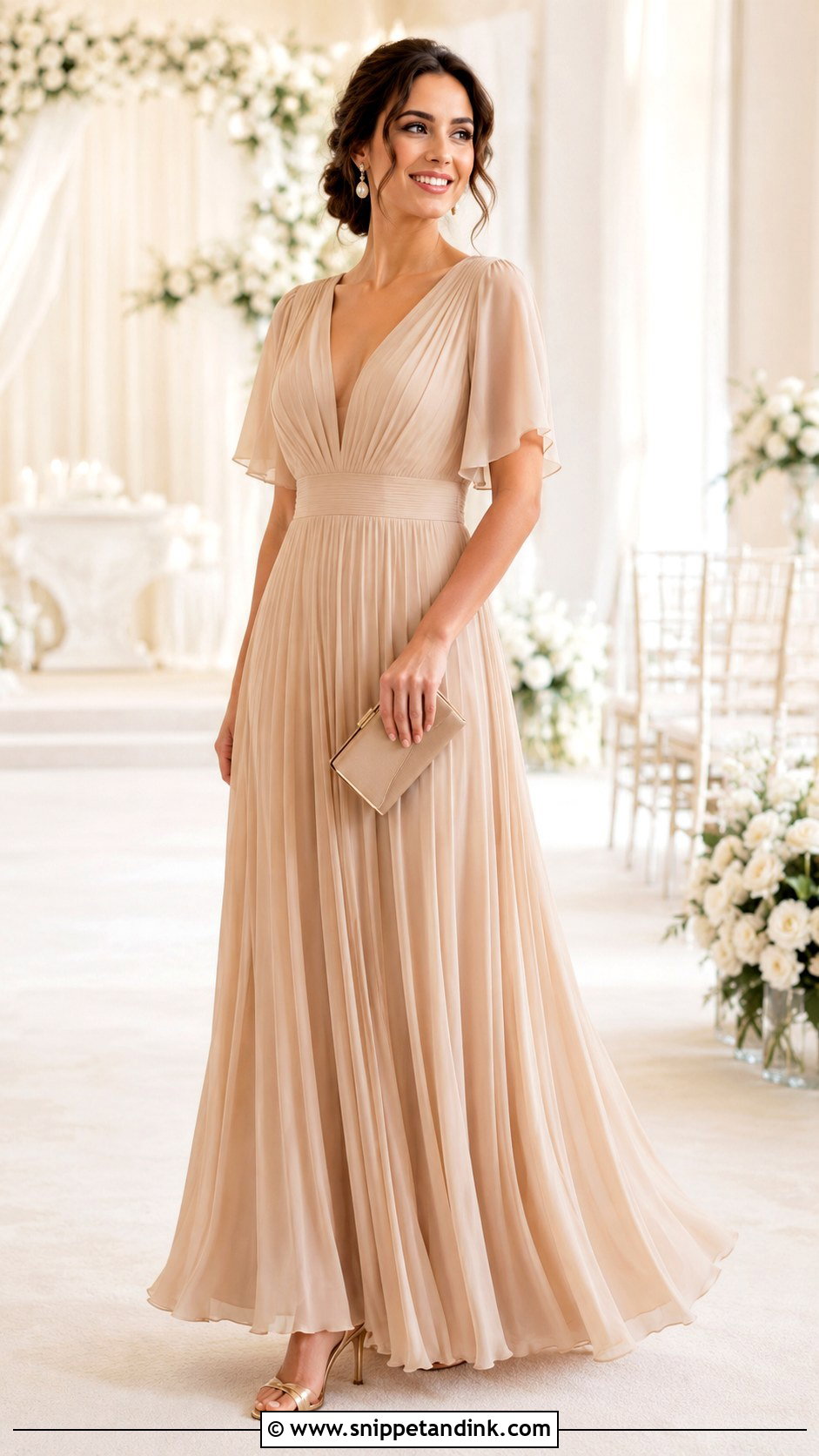
Beige is easy to style, but it’s also the shade most likely to drift toward bridal white. I hold beige fabric next to an ivory swatch before buying; if the two look alike in daylight, it’s too pale. A crepe or chiffon gown with sleeves, a wrap front or a pleated skirt is comfortable for a long day. Gold heels, pearl jewelry and a tan or champagne clutch suit it. If it looks too plain, add texture through lace sleeves or soft pleats instead of more accessories.
17. Floral Midi Principal Sponsor Dress
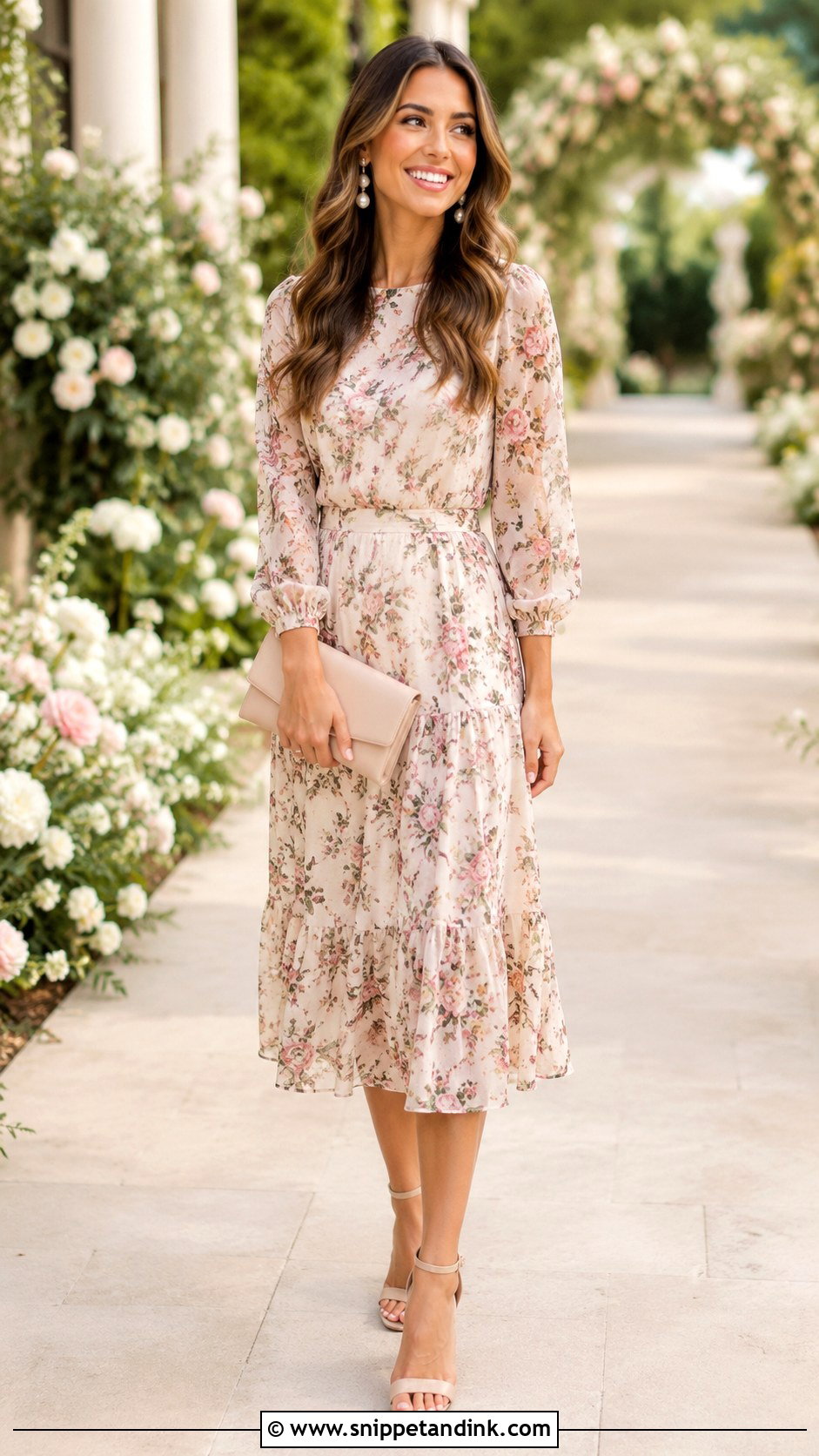
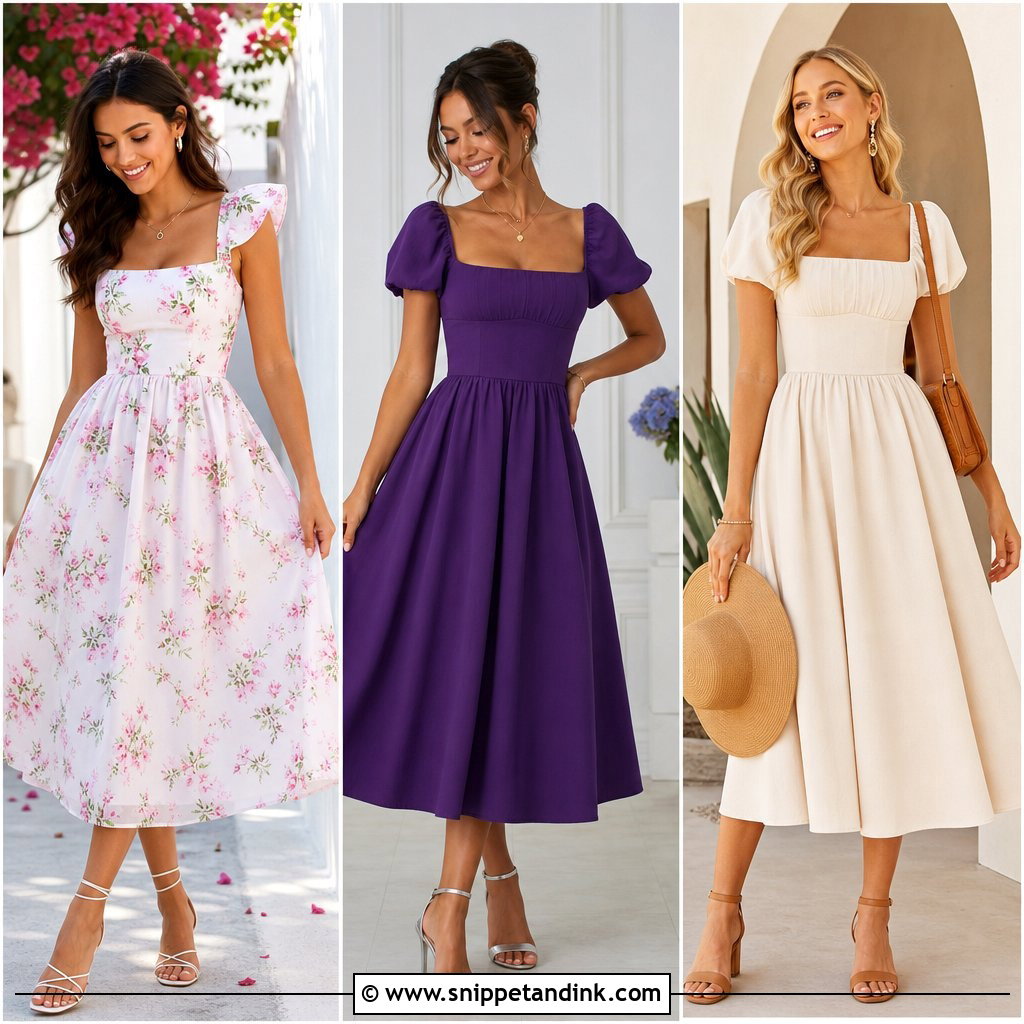
A floral midi only works when the wedding is daytime or semi-formal, so check the invitation first. Choose a soft-colored print with an elegant cut rather than a busy, loud pattern, and avoid casual cotton or short hemlines. Sleeves, a defined waist and a flowing skirt make it easy to walk and kneel in. My trick is to pick the clutch in one color lifted from the print. Nude block heels, pearl earrings and neat hair keep it respectful.
18. Cape Sleeve Principal Sponsor Gown
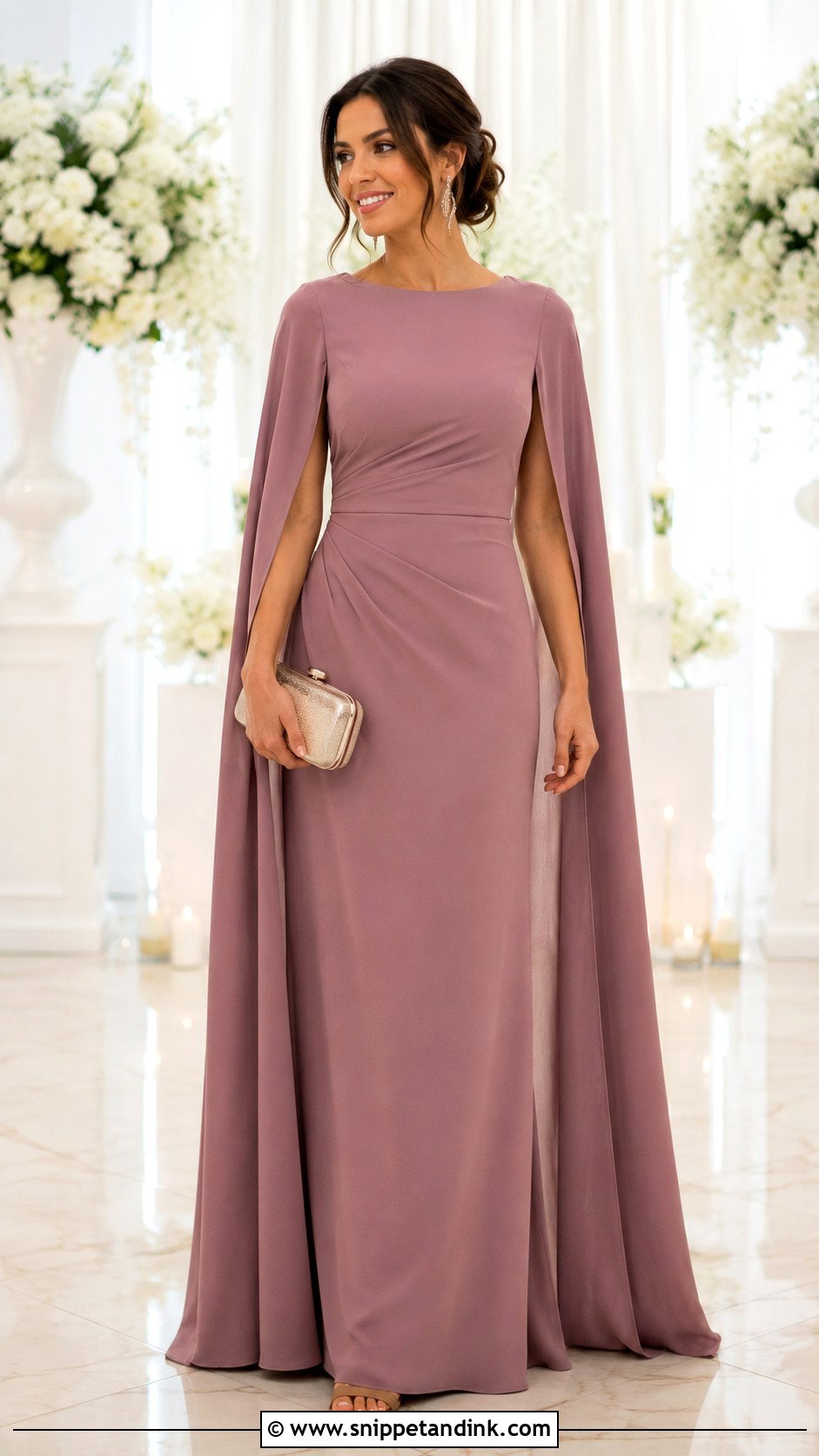
A cape sleeve gown is one of my favorite answers for sponsors who want arm coverage but hate tight sleeves. The cape softens the shoulders and moves when you walk, so you don’t need a shawl in church. A floor-length crepe, chiffon or satin gown in navy, mauve, emerald, silver gray or champagne works well. Watch that the cape doesn’t catch on the signing table or a pew end. Simple heels, drop earrings and a structured clutch are all it needs.
19. Long Sleeve Principal Sponsor Dress
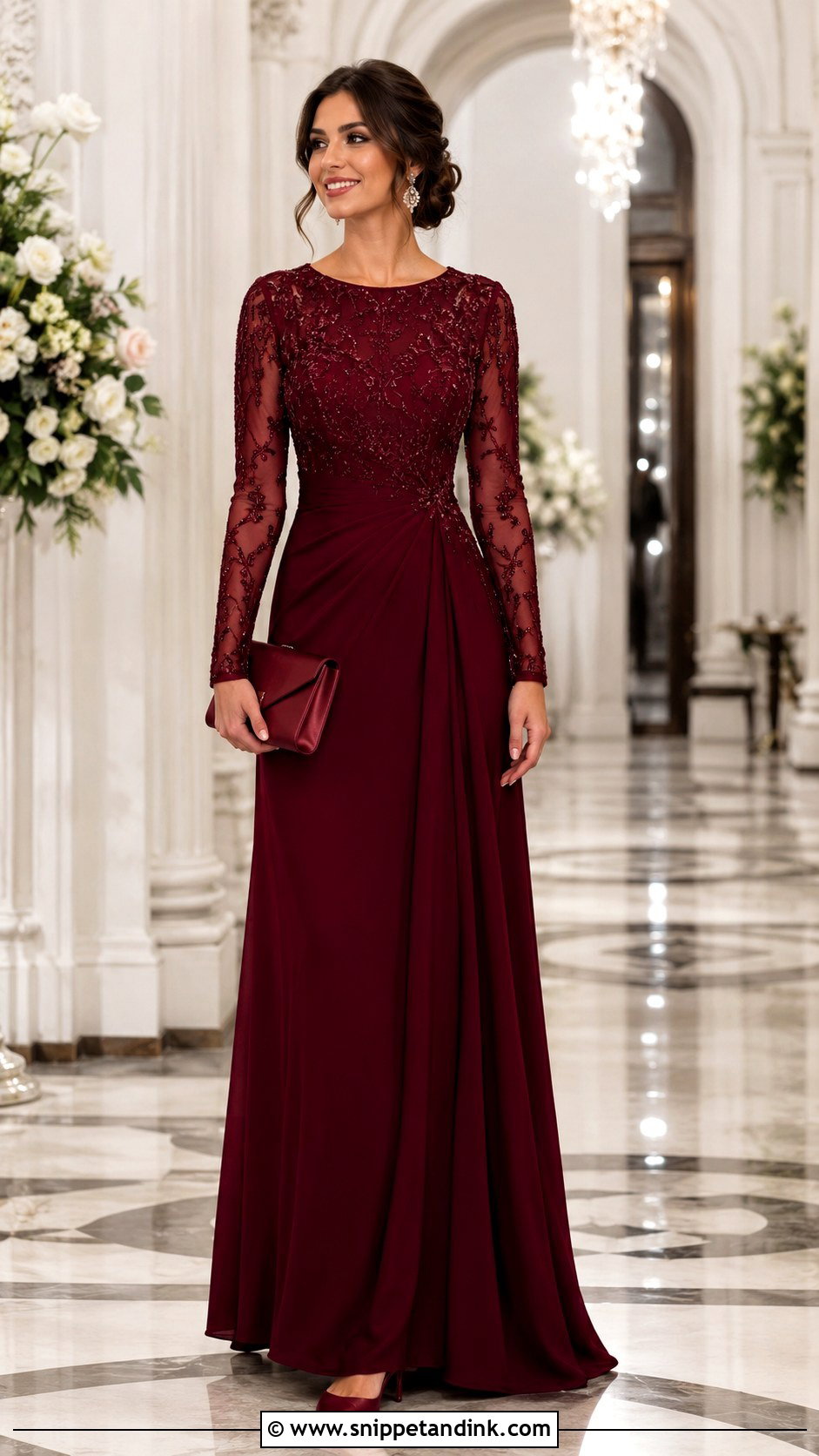
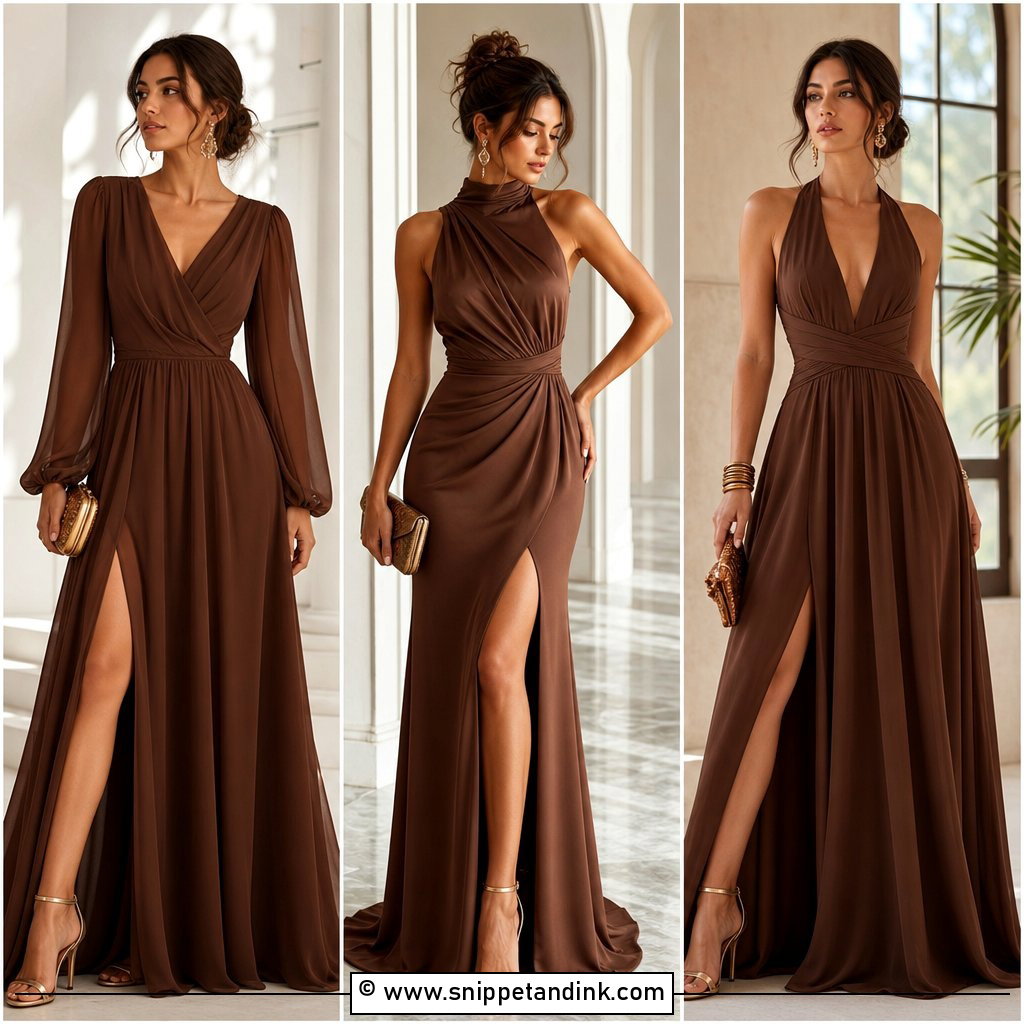
Long sleeves are practical for air-conditioned churches and traditional dress codes. Sheer lace, soft chiffon or fitted crepe sleeves all work; the fitted ones should leave room to raise your arms for photos. A floor-length gown with a defined waist and simple neckline looks polished. Closed-toe heels, a compact clutch and refined earrings suit it. Burgundy, navy, taupe, dusty rose and emerald all look rich in this cut. Keep the hair sleek and the jewelry light so it doesn’t get stiff.
20. Plus Size Principal Sponsor Dress
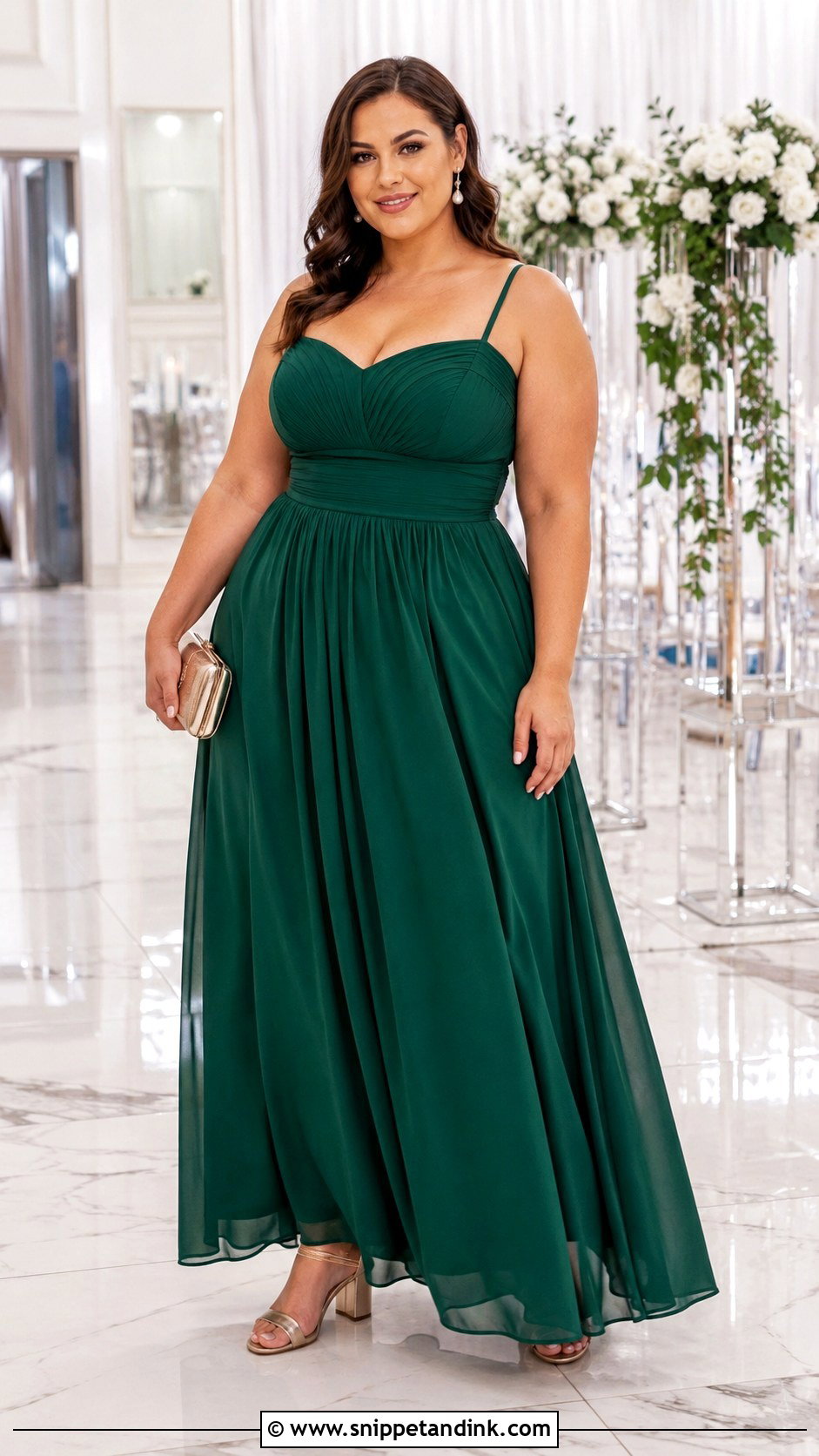
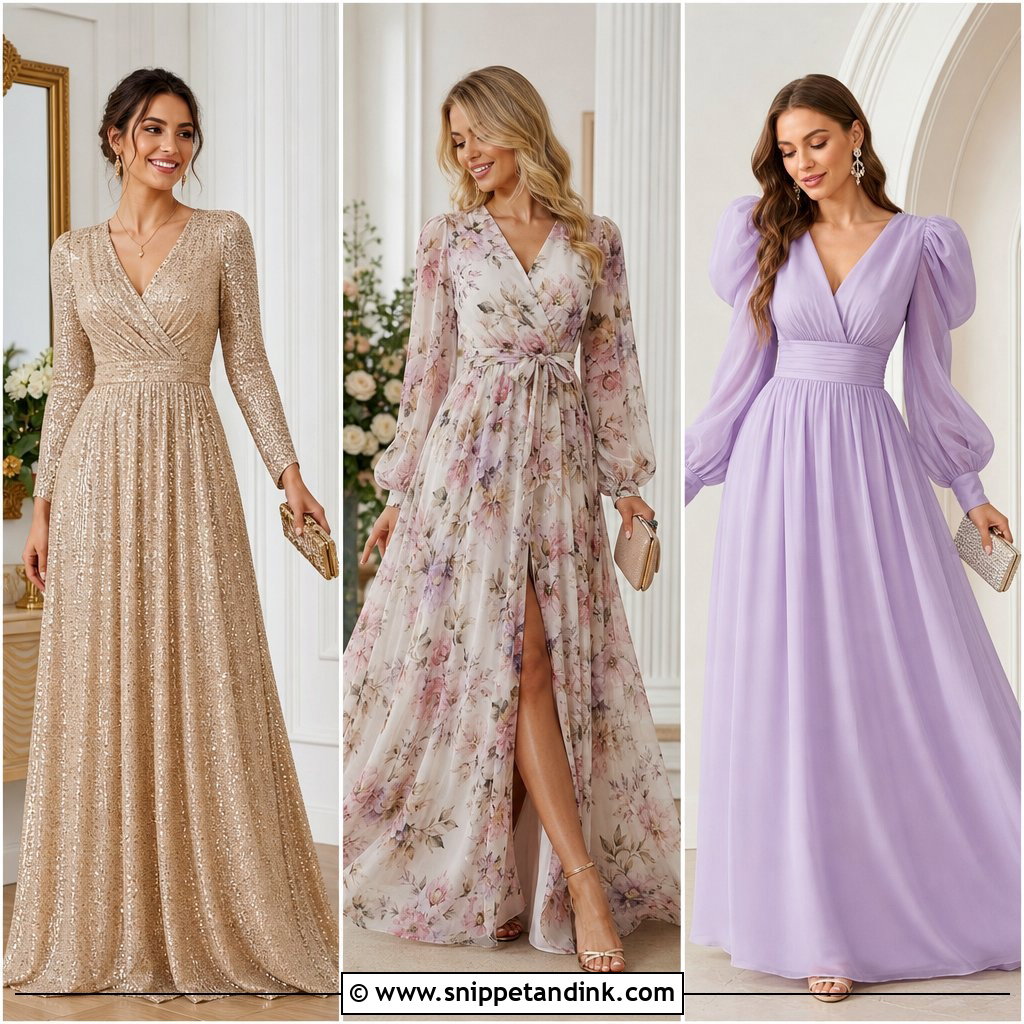
A plus size principal sponsor dress should be about support and fit, not hiding. Structured bodices, wrap or empire waists and A-line skirts move well. Crepe, chiffon and stretch satin feel comfortable through a long ceremony and reception. Tailoring is where I spend the most effort: the right waist placement and hem make an off-the-rack gown look made for you. Supportive block heels, a clutch and earrings that frame the face complete it. Jewel tones, pastels and neutrals all work.
21. Petite Principal Sponsor Dress
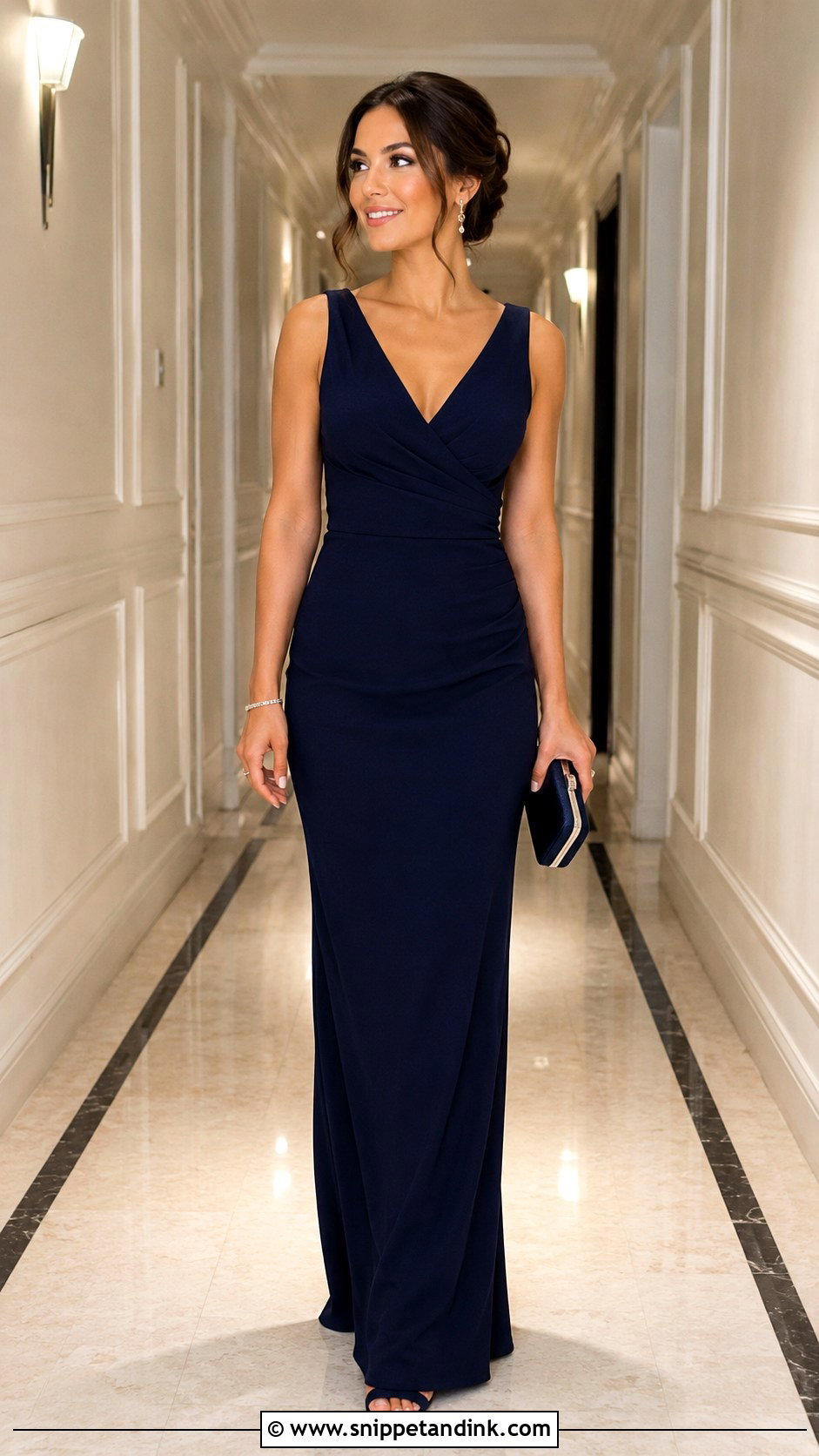
For petite sponsors, the dress should never swallow the frame. Clean lines, a defined waist and a length that just skims the shoe work best. A column gown, wrap dress or soft A-line adds height, and vertical details like gentle pleats or a V-neck help. Matching the shoe to the dress lengthens the leg, and a smaller clutch keeps proportions right. I’d avoid wide skirts and big sleeves. A tailored hem is non-negotiable here; an extra inch of fabric pooling at the floor shortens you instantly.
22. Tea Length Principal Sponsor Dress
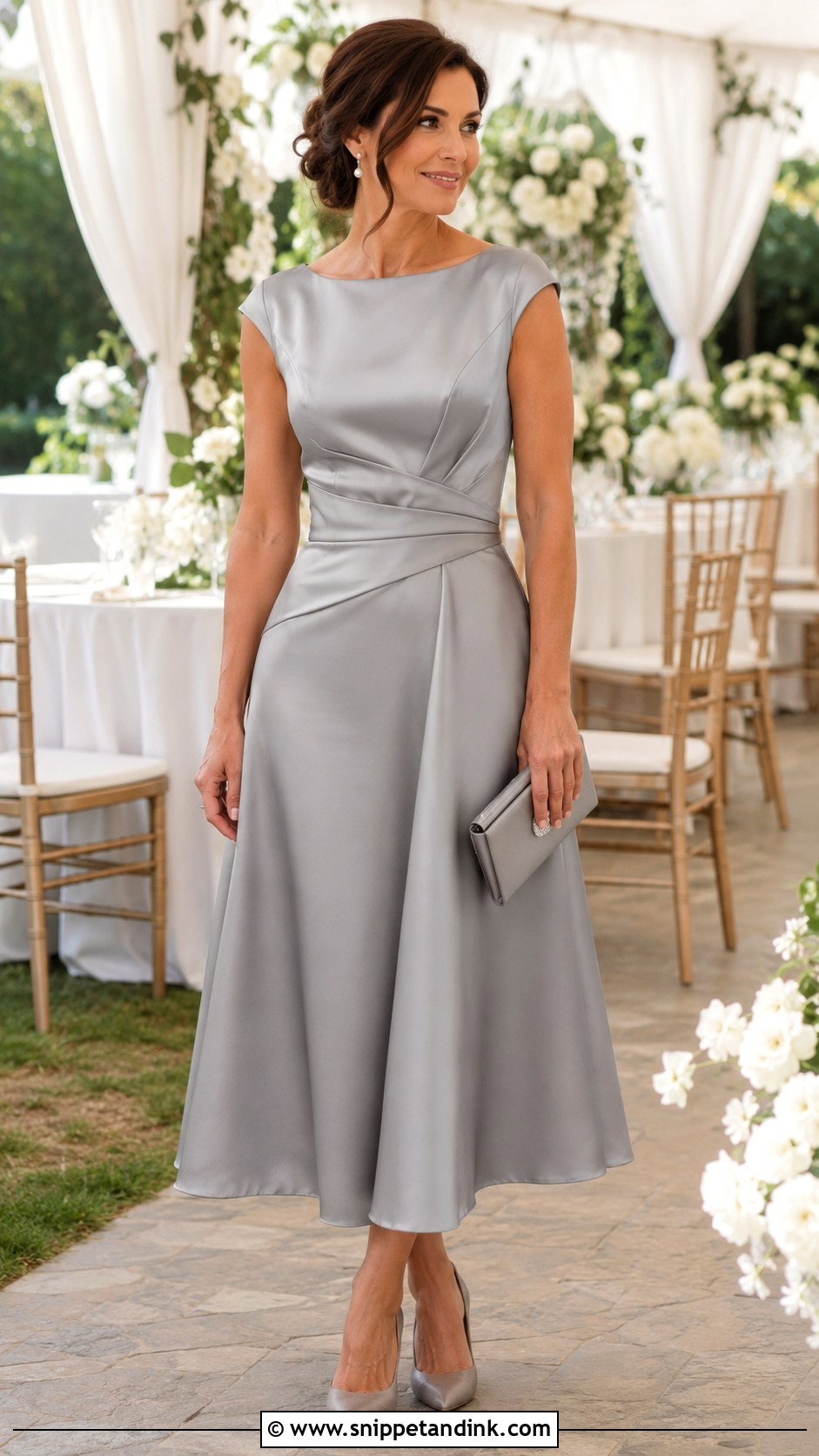
Tea length is my suggestion for daytime and garden ceremonies where a floor-length gown would drag through grass. It feels classic and moves easily. A tea length dress in lace, satin, chiffon or crepe with a fitted bodice and softly flared skirt looks formal enough for the role. Keep the hem below the knee, since sponsors often sit at the front, and a short hem rides up. Elegant pumps, pearl earrings and a matching clutch, with a soft updo, complete it.
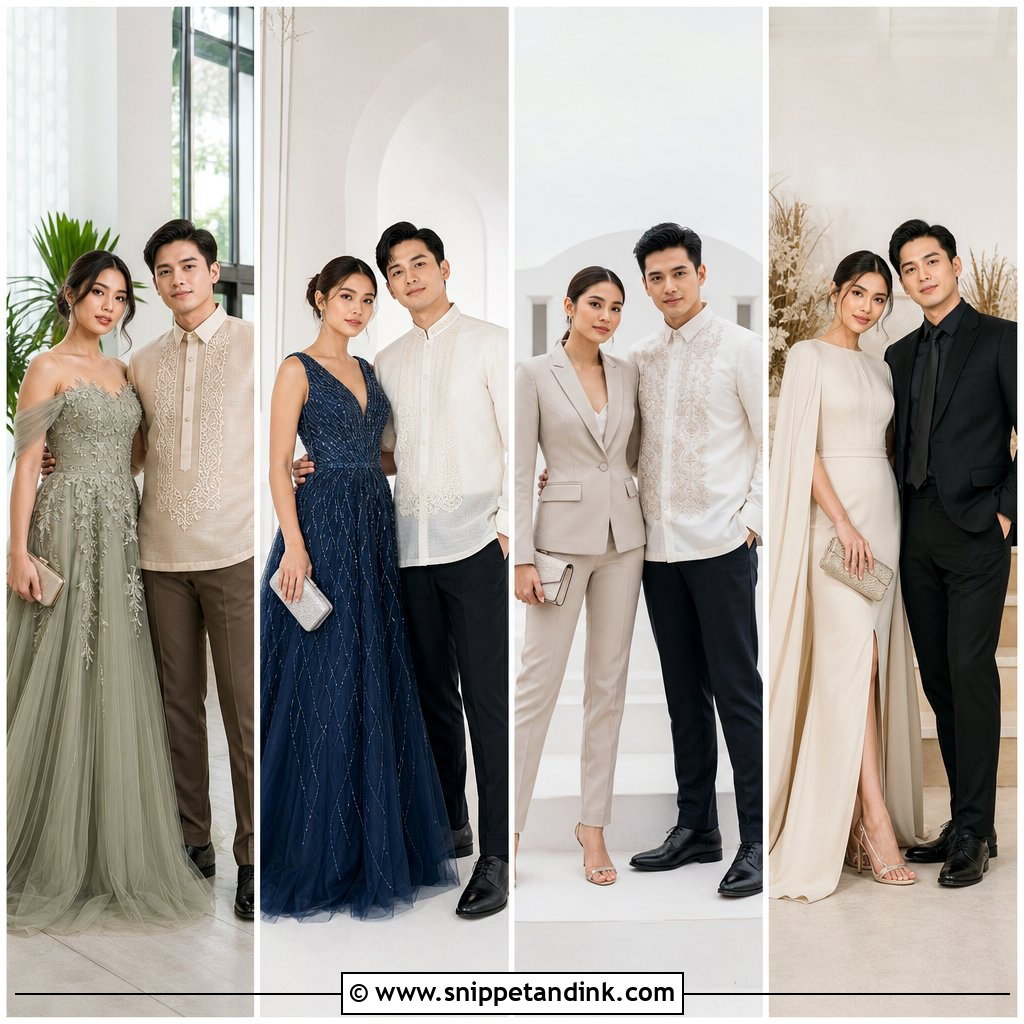
23. Pantsuit Principal Sponsor Outfit
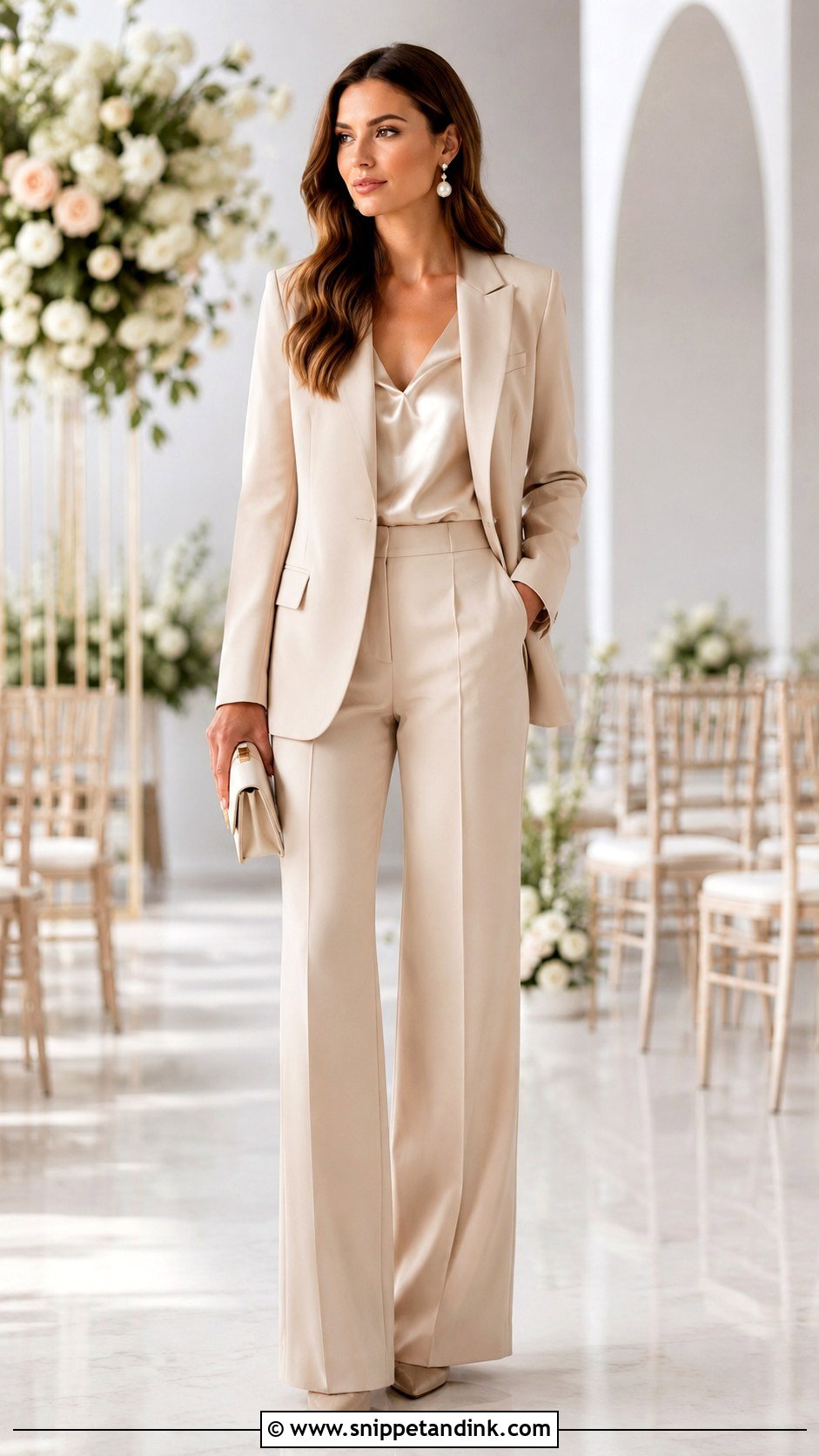
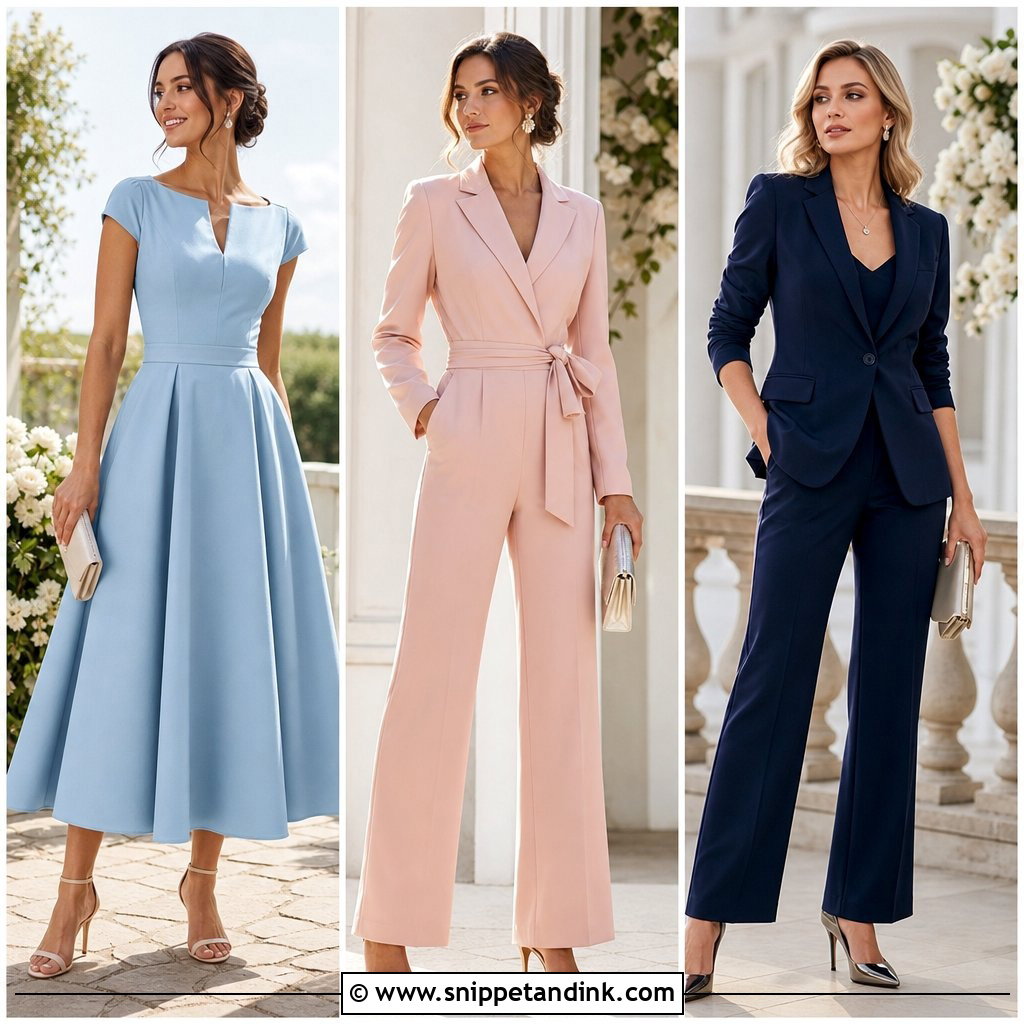
A tailored pantsuit works for a sponsor when the fabric and fit are formal. A wide-leg trouser with a matching blazer or longline jacket in crepe, satin-back fabric or smooth suiting looks polished. Navy, champagne, taupe, emerald and soft gray suit weddings. Underneath, a silk blouse or dressy camisole with enough coverage. I always hem the trousers with the exact heels on, so the hem just brushes the top of the shoe. Pointed heels, pearl or crystal earrings and a structured clutch finish it.
24. Jumpsuit Principal Sponsor Outfit
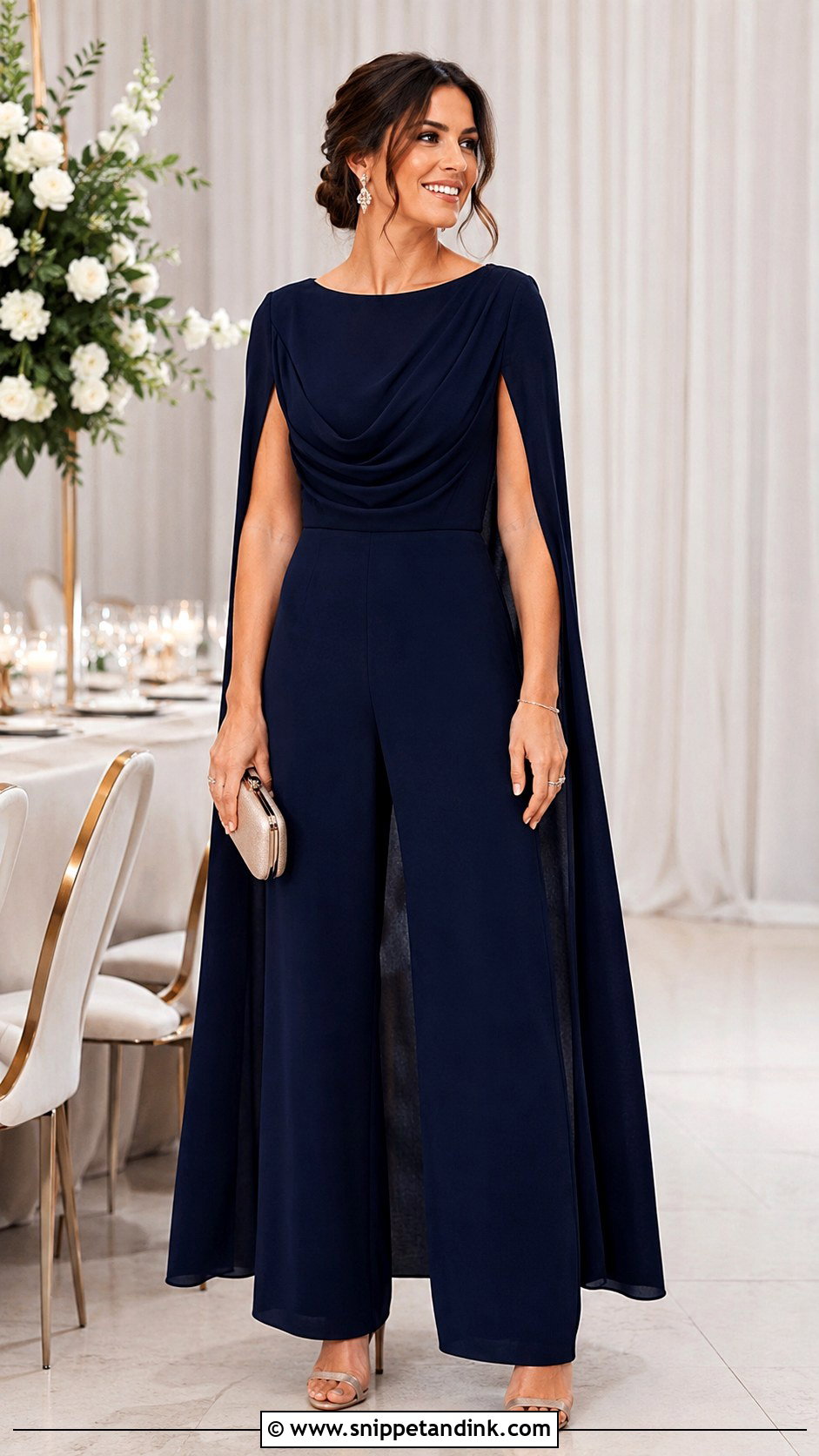
A formal jumpsuit suits modern weddings and sponsors who want freedom to move. Look for a wide leg with a draped bodice, cape overlay, wrap top or soft sleeve. Crepe, satin and chiffon overlays keep it dressy. The honest drawback is the restroom: a one-piece means fully undressing, so I check for an easy back zip before anything else. Navy, emerald, burgundy, taupe and dusty rose all look rich. Keep the neckline modest and the length matched to your shoes.
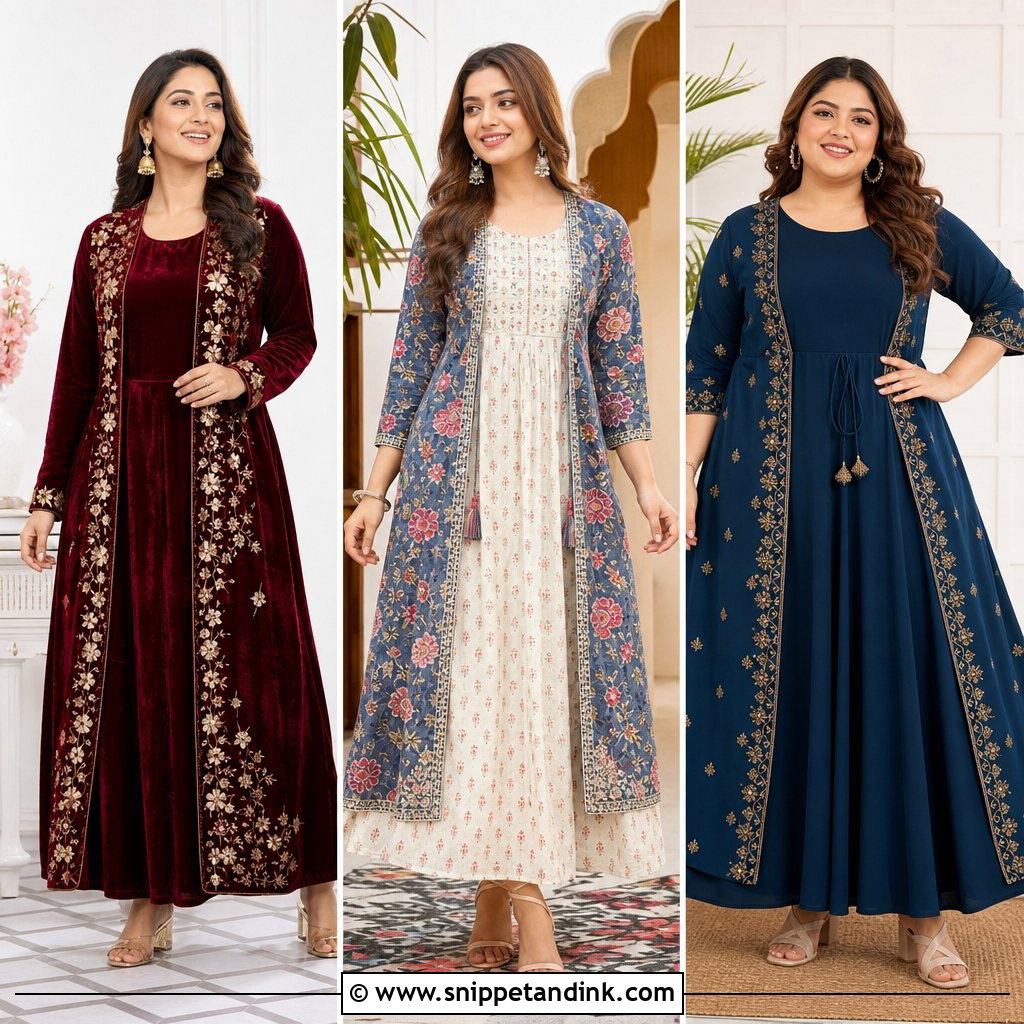
25. Barong Inspired Principal Sponsor Dress
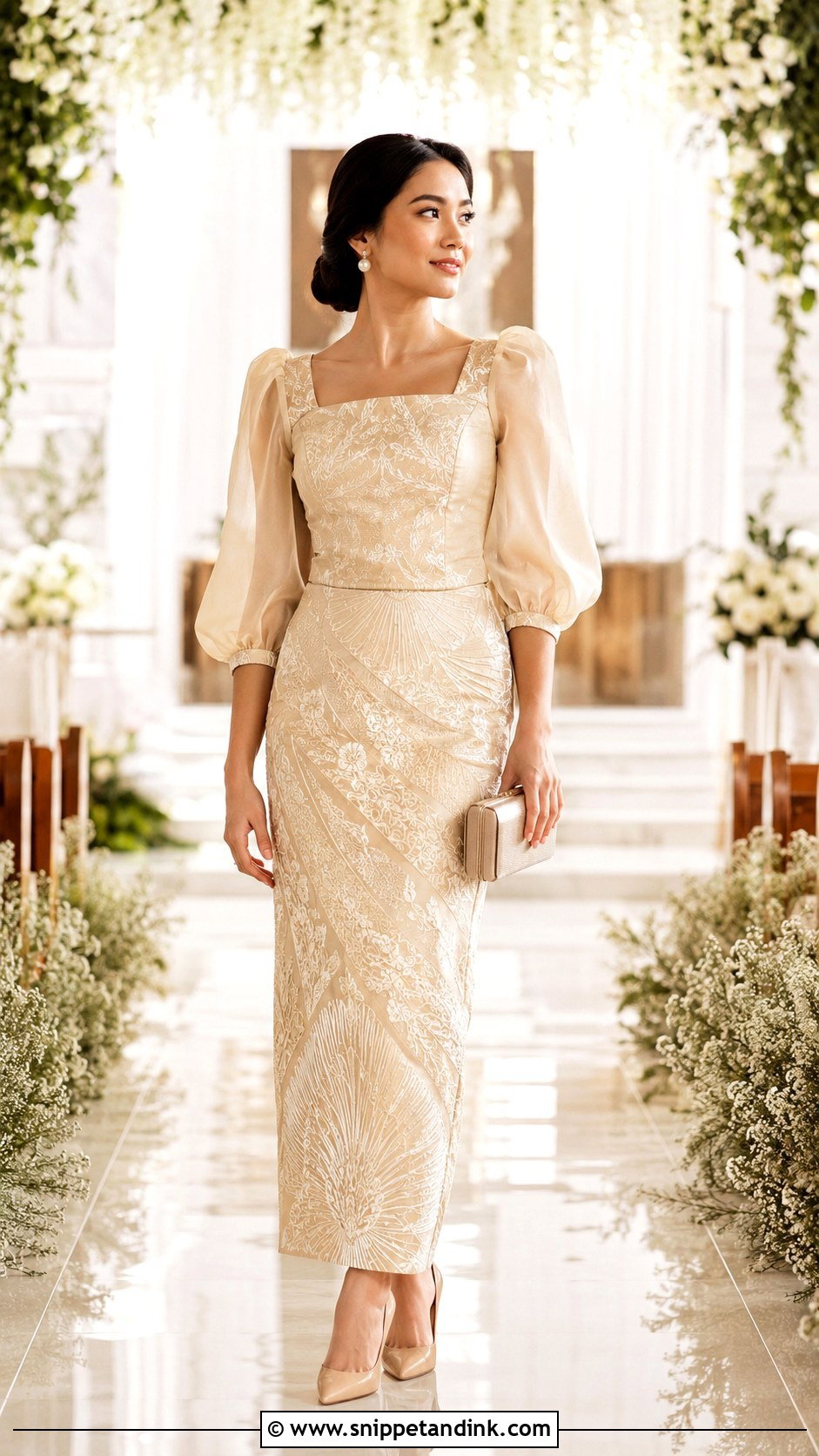
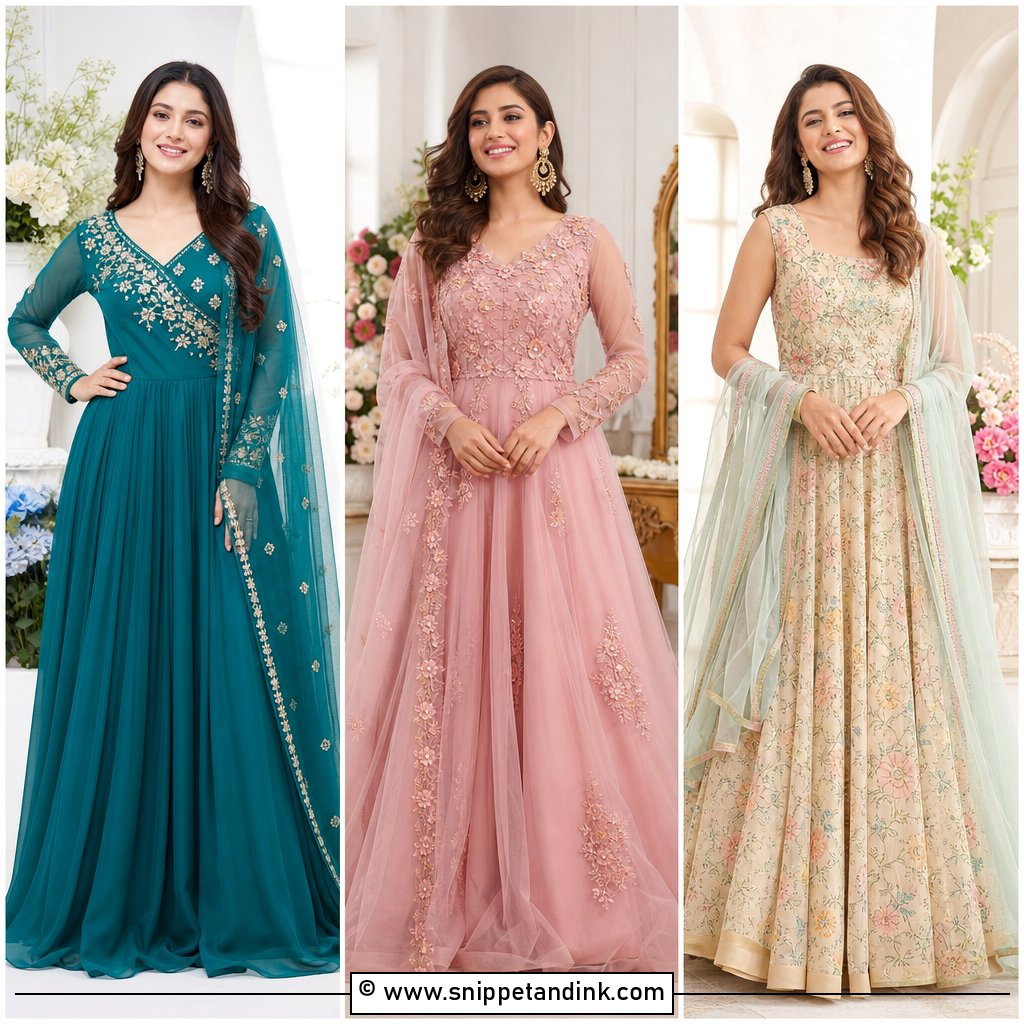
A barong-inspired dress connects your outfit to Filipino tradition, which feels right at a ceremony with cultural details. Look for piña-style embroidery, sheer organza sleeves or delicate appliqué over a lined bodice. Beige, champagne, blush, ivory-taupe and pale gray feel traditional. Because these fabrics often come in pale shades, I always add a colored lining or pick a tone clearly different from the bride’s gown. Nude heels, pearl earrings and a simple clutch are enough, so the embroidery carries the look.
What the Ninang Role Asks of Your Outfit
A sponsor isn’t a guest who sits at the back. You walk in the entourage, usually paired with a ninong, you sit or kneel in the front pews for a ceremony that often runs about an hour when there’s a full mass, and you’re called up to sign the contract in full view of everyone. Then come the altar photos, where you’ll stand in rows for several minutes.
So I fit sponsors for movement, not just looks. Sit, kneel and stand in the dress at home. Bend over a table as if signing. Check that the neckline stays put when you lean forward and that the skirt doesn’t pull tight across the knees. If any of those feel awkward, a tailor can usually fix it with a few weeks’ notice.
Church Heat, Cold Ballrooms and a Very Long Day
Many ceremonies happen in warm churches, and receptions often move to heavily air-conditioned halls. A lined chiffon or crepe handles both better than thick satin or heavy beading. I’d pack a light shawl or bolero in the same tone, blotting papers, and a pair of flat shoes for the reception. Choose your shoes for the processional first and the photos second; nobody notices a heel height in a group shot, but everyone notices a sponsor limping down the aisle.
A Sponsor Outfit Should Sit Quietly Beside the Bride
Every outfit here works because it honors the couple first and still lets you move comfortably through a long day. A satin gown, a lace dress, a jumpsuit, a pantsuit or a barong-inspired piece can all be right. Check the dress code, venue, motif and season, then spend your budget on tailoring and comfortable shoes before jewelry. If a dress makes you hesitate about the bride’s color, trust that hesitation and keep looking.
You'll Like These Ideas:


Leave a Reply