
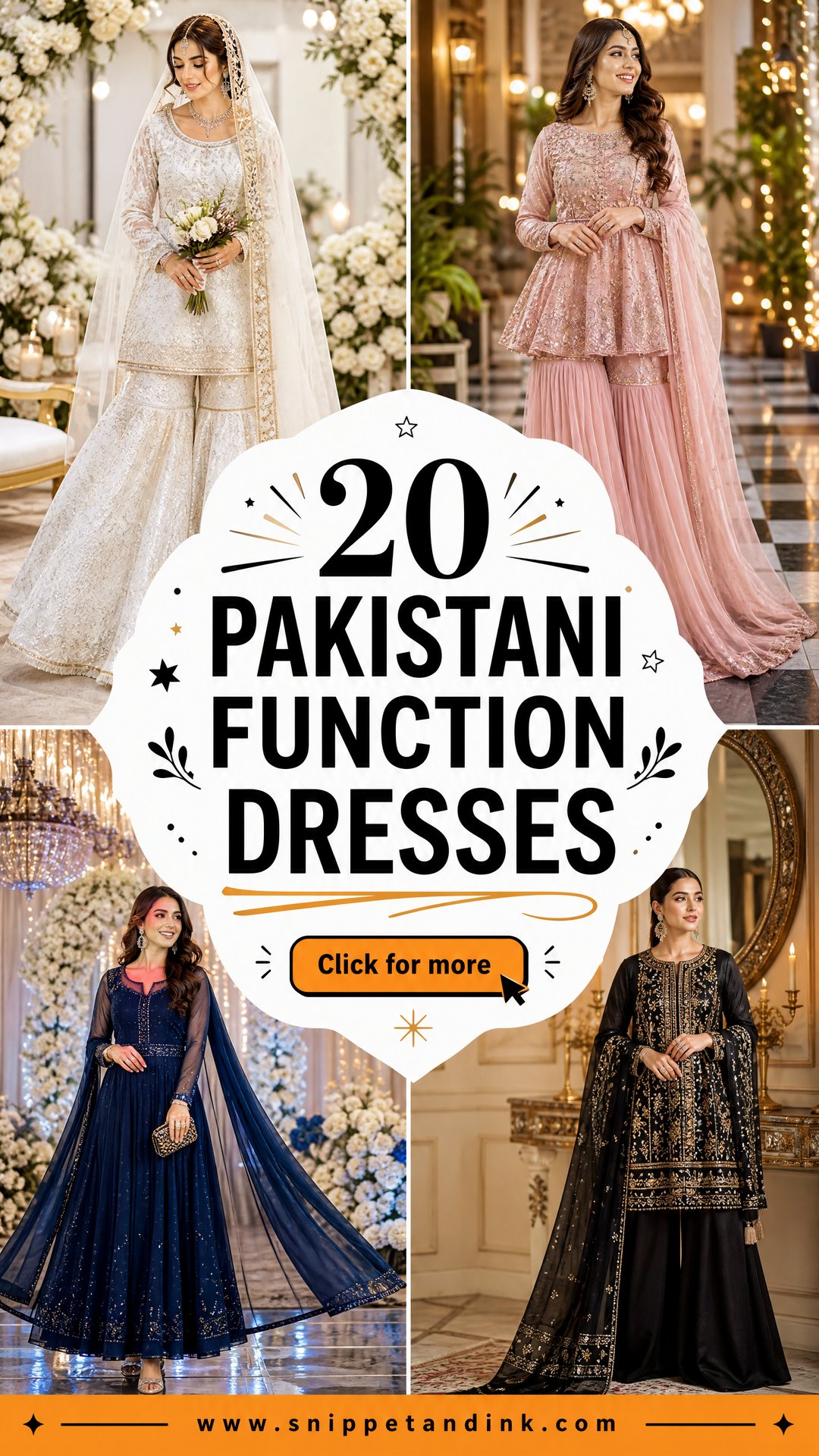
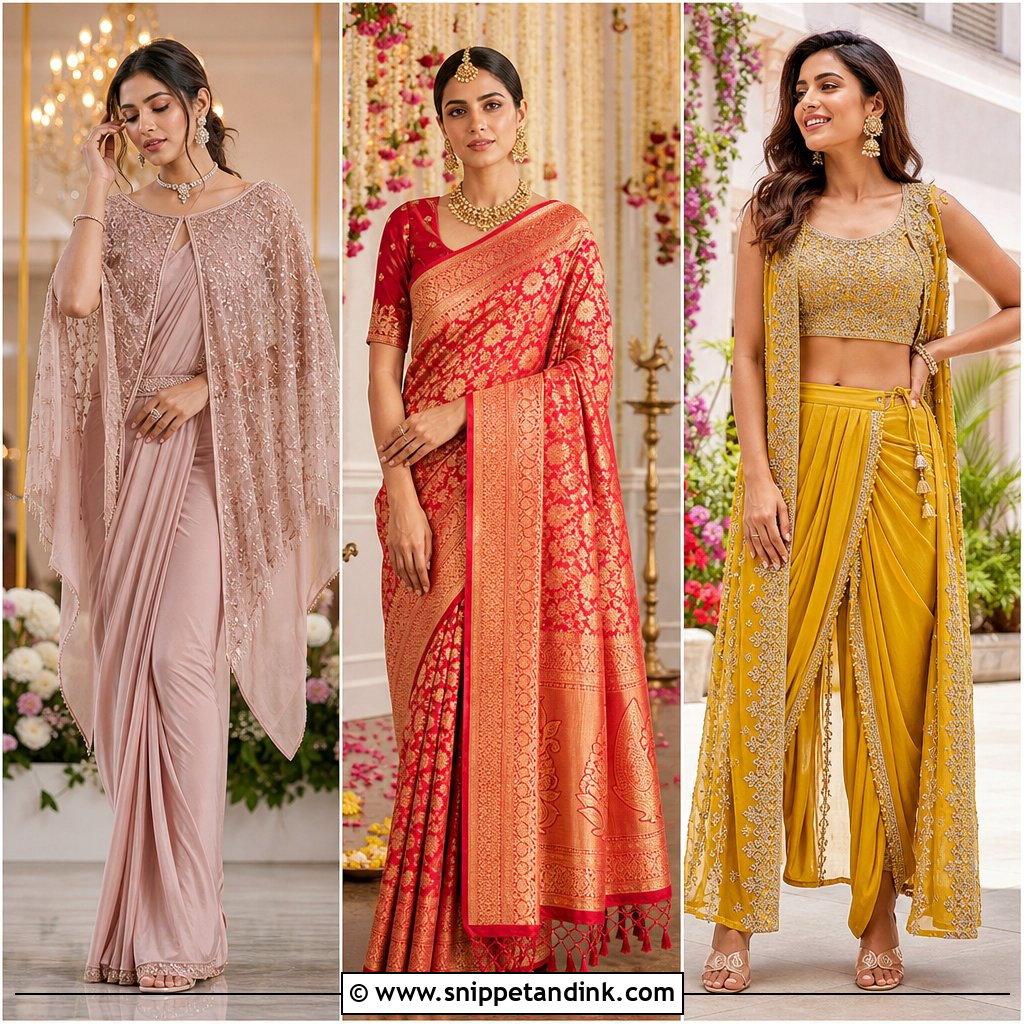
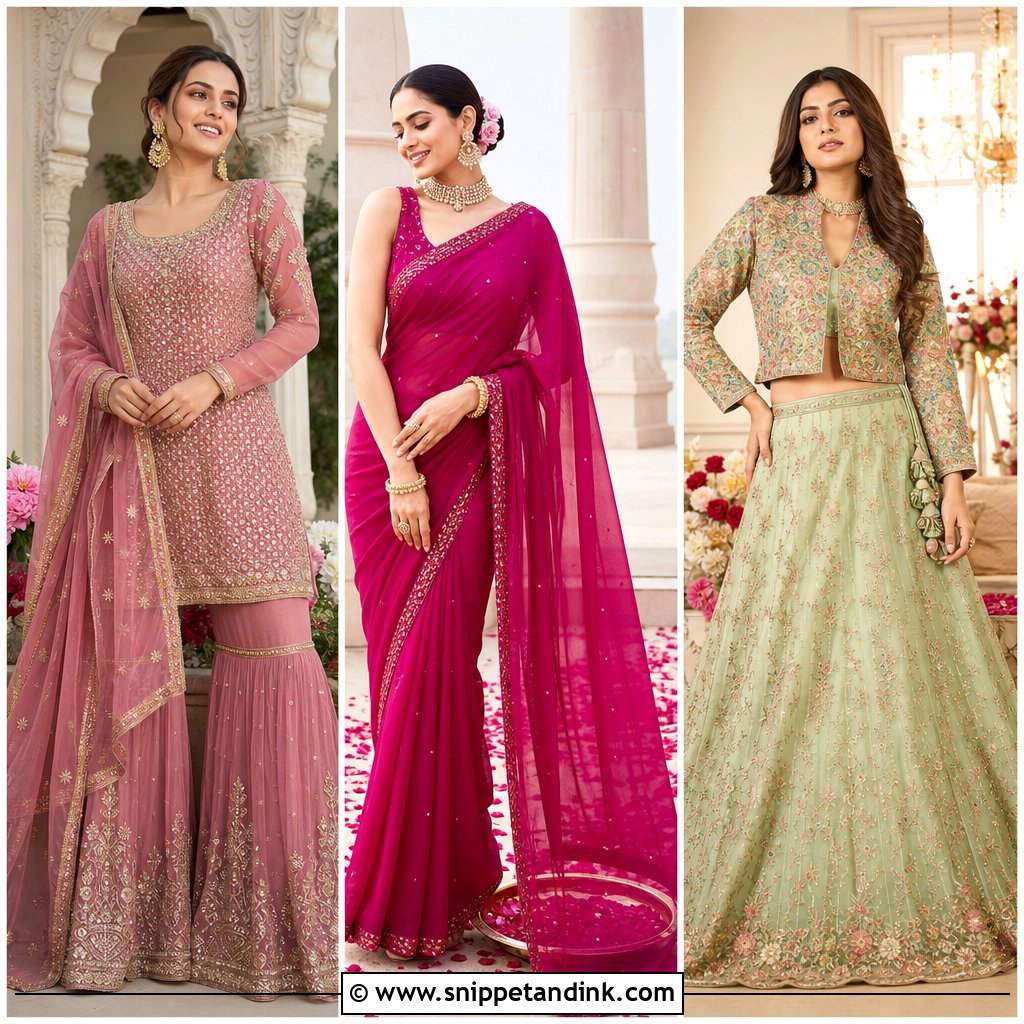
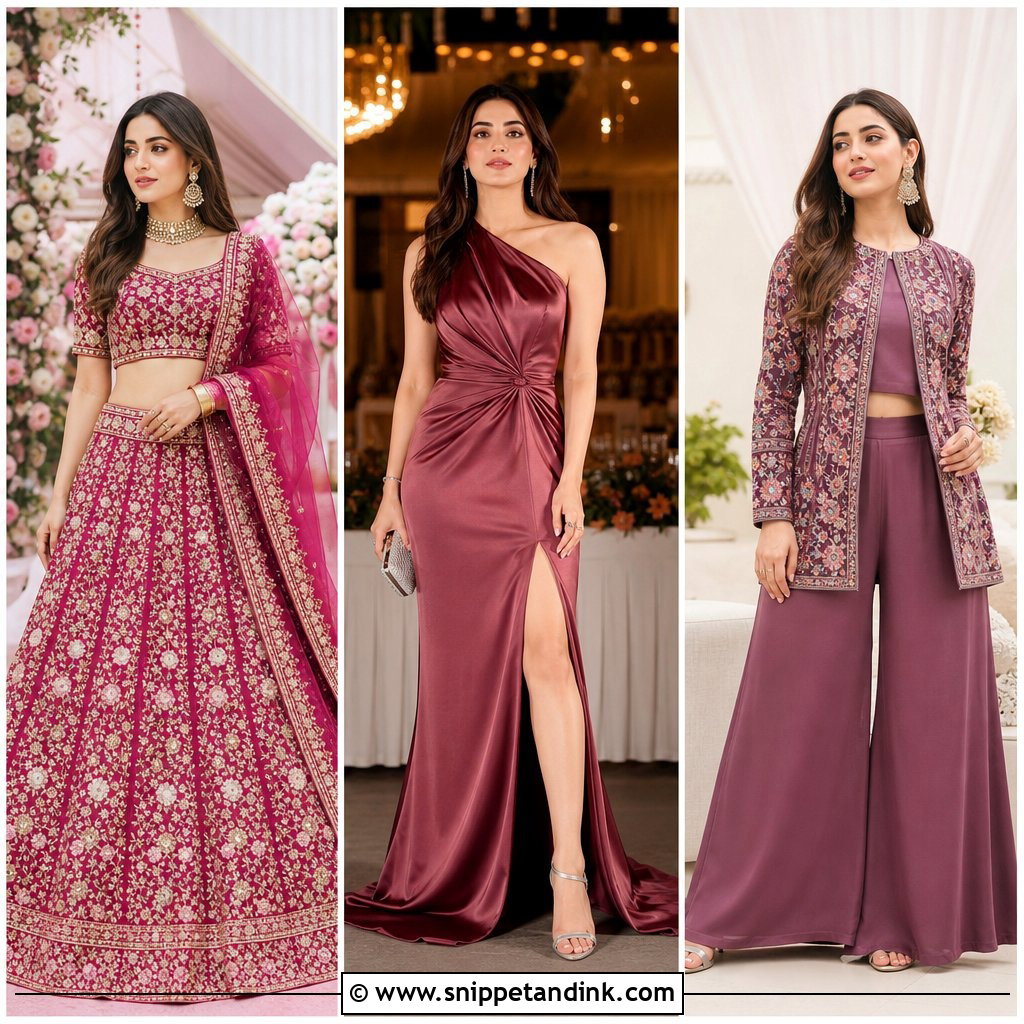
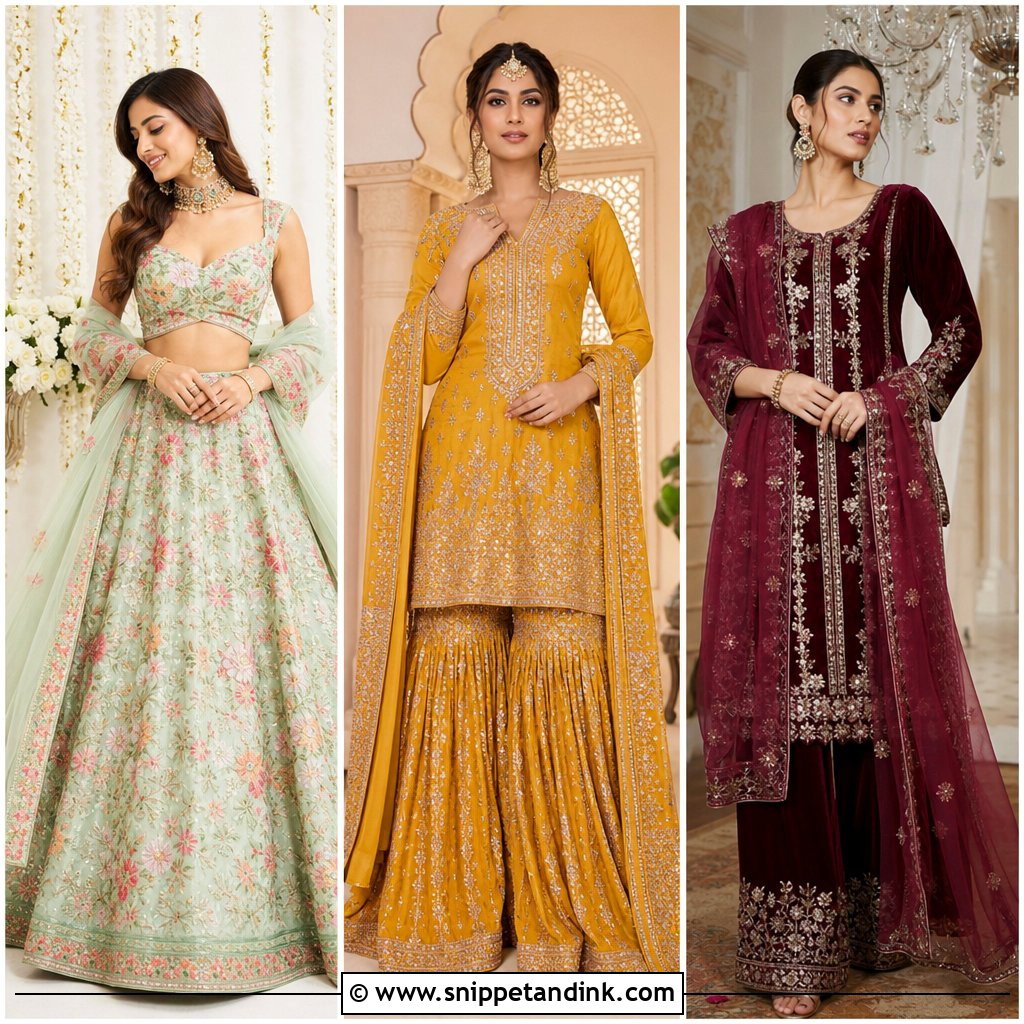
A Pakistani wedding is rarely one event. Dholki, mayun, mehndi, nikah, baraat and walima each have their own mood, and the outfit that works on a floor cushion at a dholki is not the one you want at a hotel walima under hard ceiling lights. When I put together function wear for a family, I start with three questions for each event: will you be sitting on the floor, will you be dancing, and is it day or night? Those answers decide the silhouette before color ever comes into it. Lighter fabrics and bright shades suit the noisy daytime events, while structured cuts and denser embroidery belong to the formal evenings. Below are 20 complete looks, with the dupatta, shoes, jewelry and hair planned alongside each dress.
Matching Fabric Weight to Each Function’s Floor and Hours
Most people plan Pakistani wedding outfits by color. I plan them by the room. A dholki is held at home, usually on floor seating, for hours. The mayun involves ubtan, oil and a lot of hands. The mehndi is the dancing night. Nikah and walima are about sitting still, being photographed and greeting elders. Each of those places a different demand on the fabric.
- Floor seating events: gharara, sharara and gathered shalwar beat lehengas, because they let you sit cross-legged without hiking the skirt.
- Dancing nights: chiffon and georgette move with you; heavy raw silk and velvet get hot within an hour under stage lights.
- Long seated receptions: pure organza and tissue crease where you sit, so either choose a blend or accept that the back of the skirt will show it in photos.
- Winter evenings outdoors: velvet or a lined jamawar, plus a shawl you actually plan to wear in pictures.
Once the silhouette is settled for each event, color becomes the easy part. Families often share a color theme for the mehndi, so ask before you commission anything bright.
1. Yellow Gharara Dress For Mayun
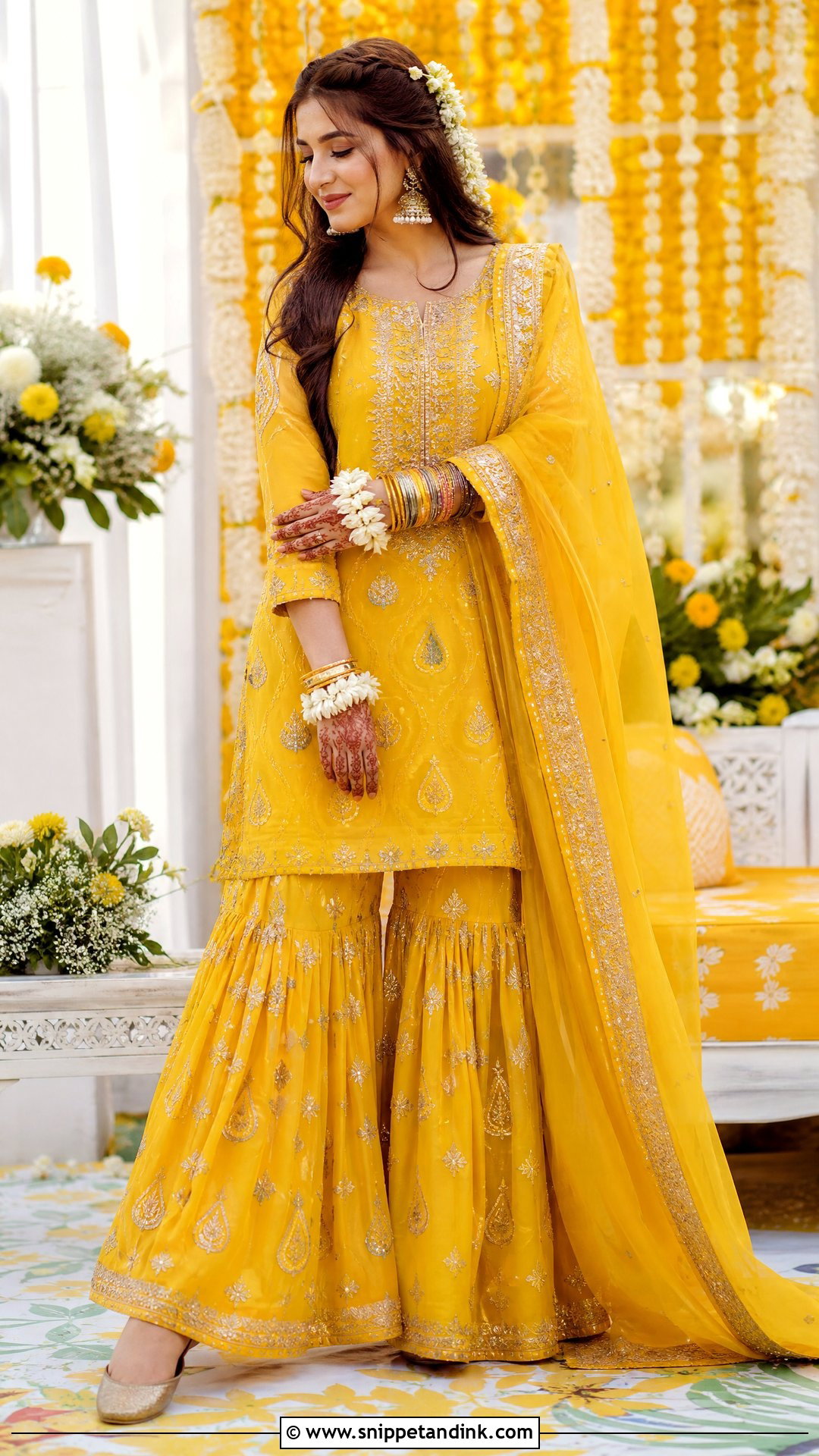
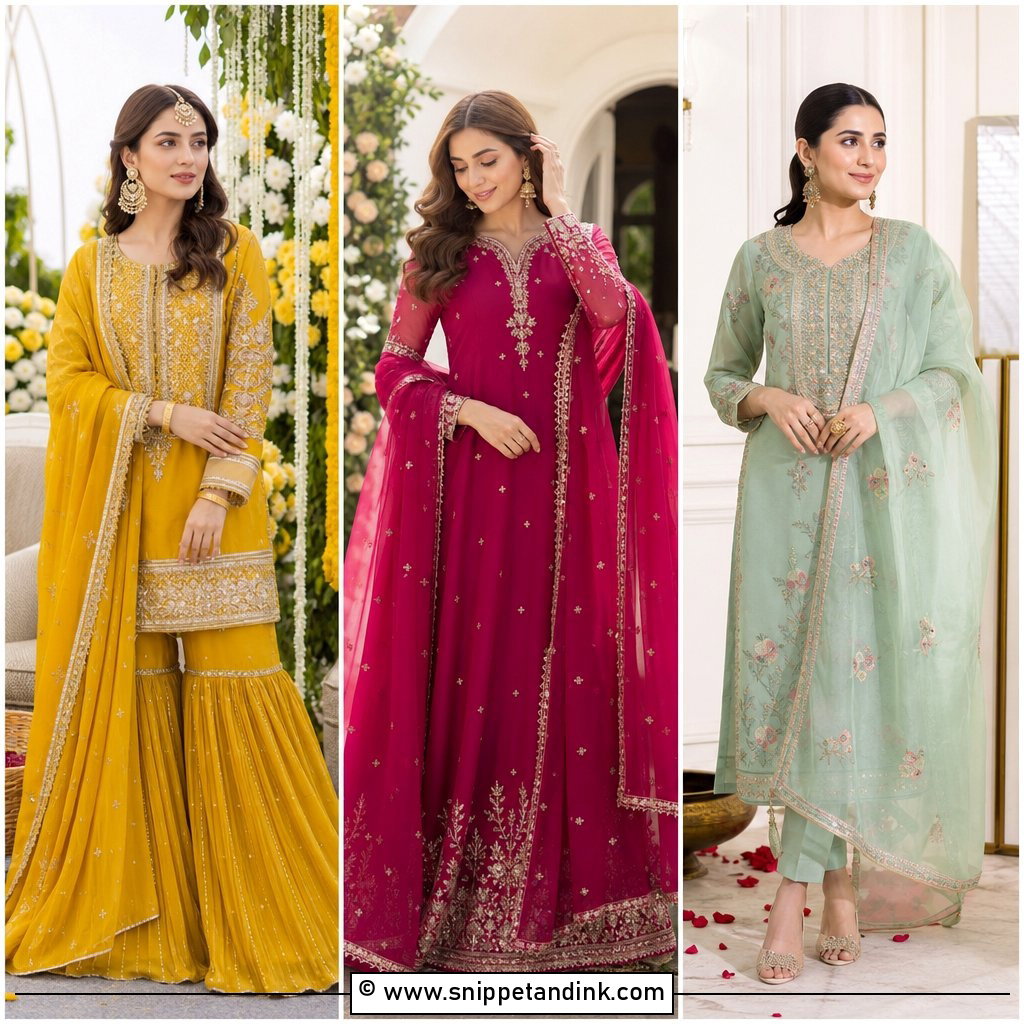
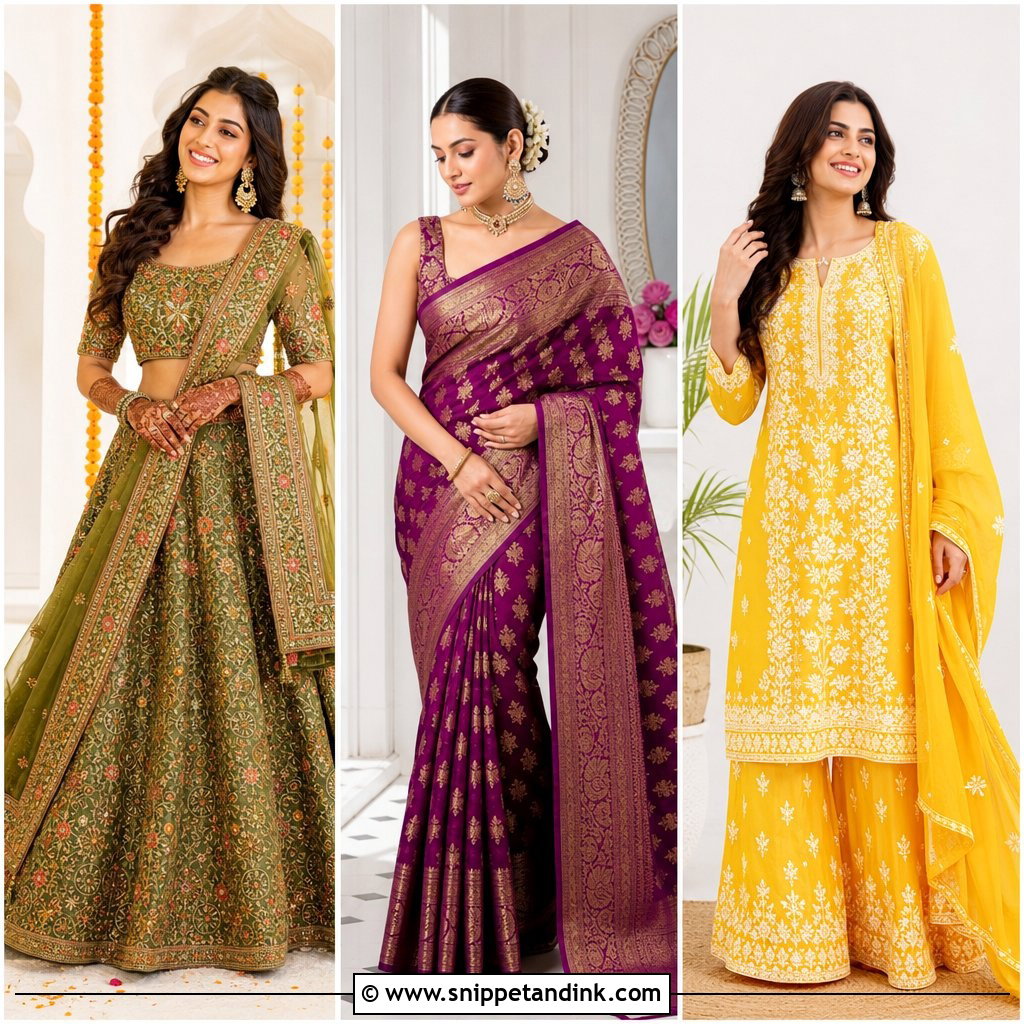
A yellow gharara is the classic mayun answer, and for good reason: the flare starts below the knee, so you can sit cross-legged for the ubtan ritual without the fabric pulling across your lap. Keep the kameez knee-length with a little gota or small floral work, and pick a chiffon dupatta with a contrasting border. One warning from fittings: turmeric paste stains yellow cotton and lawn permanently, so if you’re the one being pampered, wear something you don’t mind sacrificing. Gold khussas, glass bangles, jhumkas and a potli finish it, and fresh jasmine can stand in for heavier jewelry. A loose braid stays put better than open hair once the paste starts flying.
2. Green Mirror Work Lehenga For Mehndi
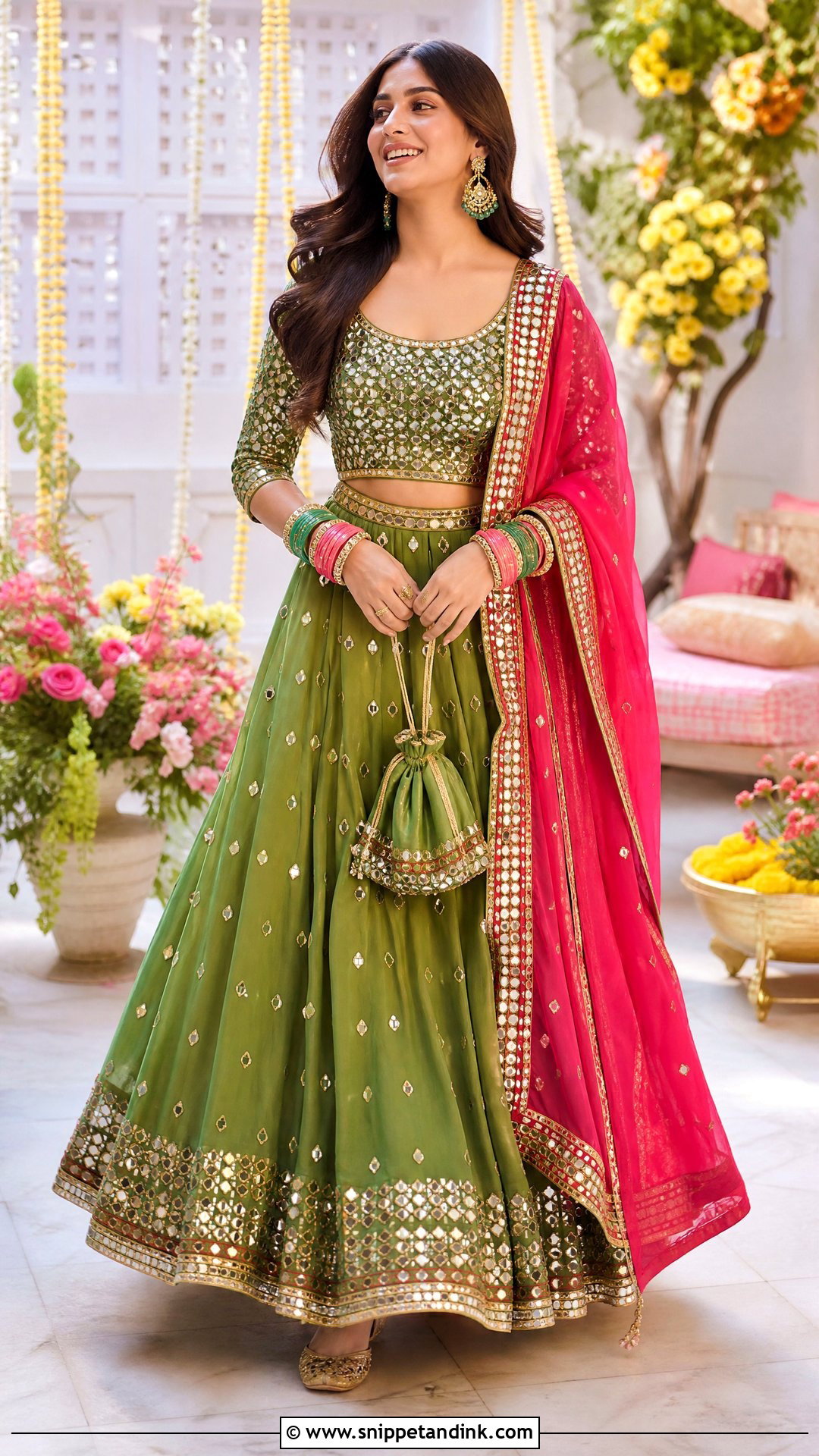
Mirror work catches every flash and phone light at a mehndi, which is why green lehengas with shisha embroidery stay so popular. The thing I check first is the lining. Small mirrors are stitched with thread loops, and on cheaper pieces the backs scratch bare skin and snag a chiffon dupatta the moment you dance. Ask for a soft cotton lining behind the embroidered panels. Pair the lehenga with a short blouse or modest peplum, then break the green with a pink or orange dupatta. If the blouse is already heavily worked, wear a tikka and skip the necklace. Pin the dupatta at the shoulder and again at the waist, or it will be on the floor by the second dance.
3. Pink Angrakha Dress For Dholki
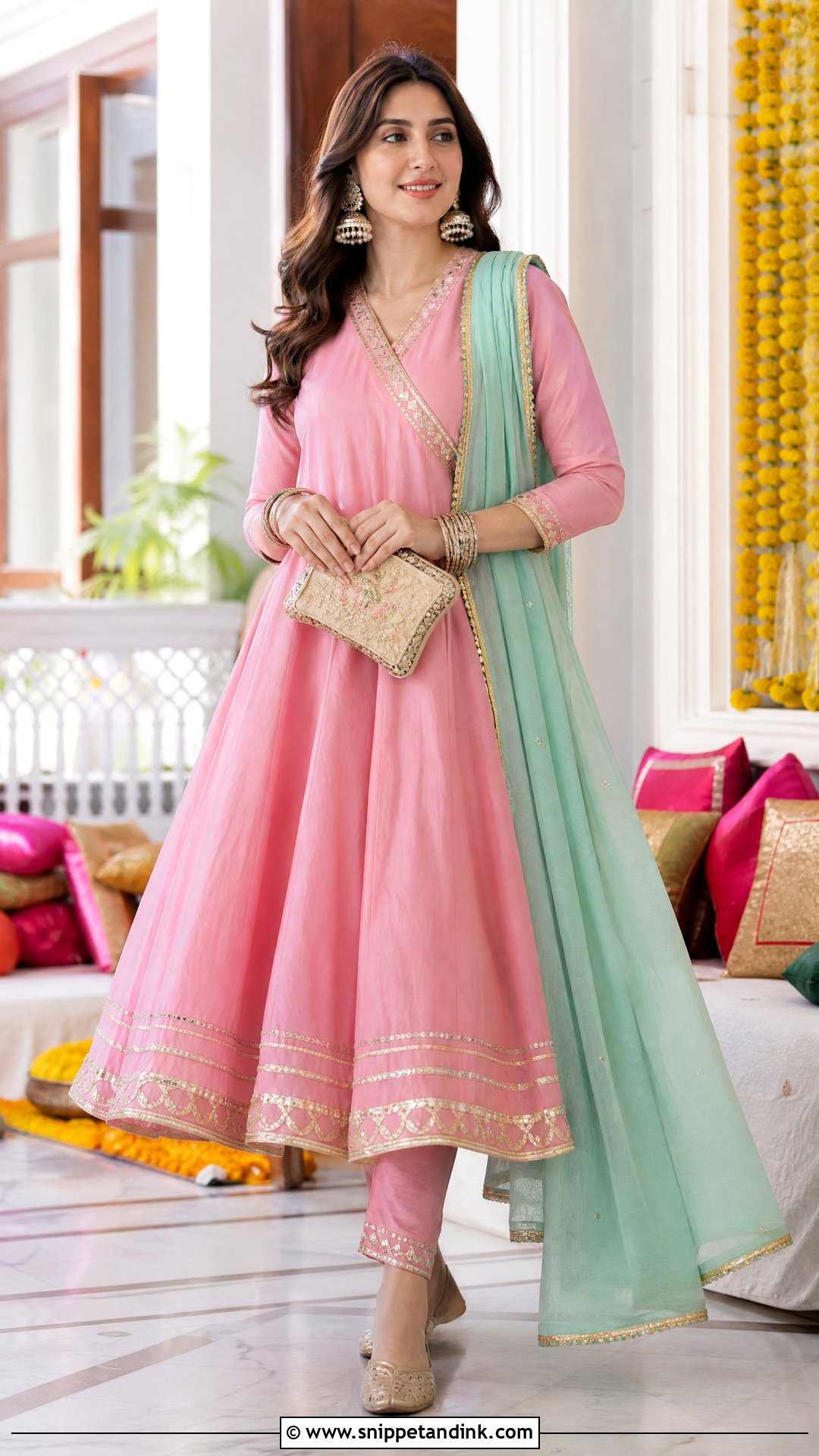
An angrakha is wrapped, and the overlap is where it either flatters or fails. When the tie point sits at your natural waist, the bodice defines it neatly; when it sits too low, the whole dress looks borrowed. I always have the wrap checked while seated, because the overlap can gape open at the chest when you lean forward to clap along at a dholki. Small gota motifs or tassels read well in a home setting, and narrow trousers or a light churidar go underneath if the hem is short. A mint or mustard dupatta adds the festive contrast. Metallic flats beat heels here, since most of the evening is spent on rugs and cushions.
4. Orange Sharara Dress For Mehndi
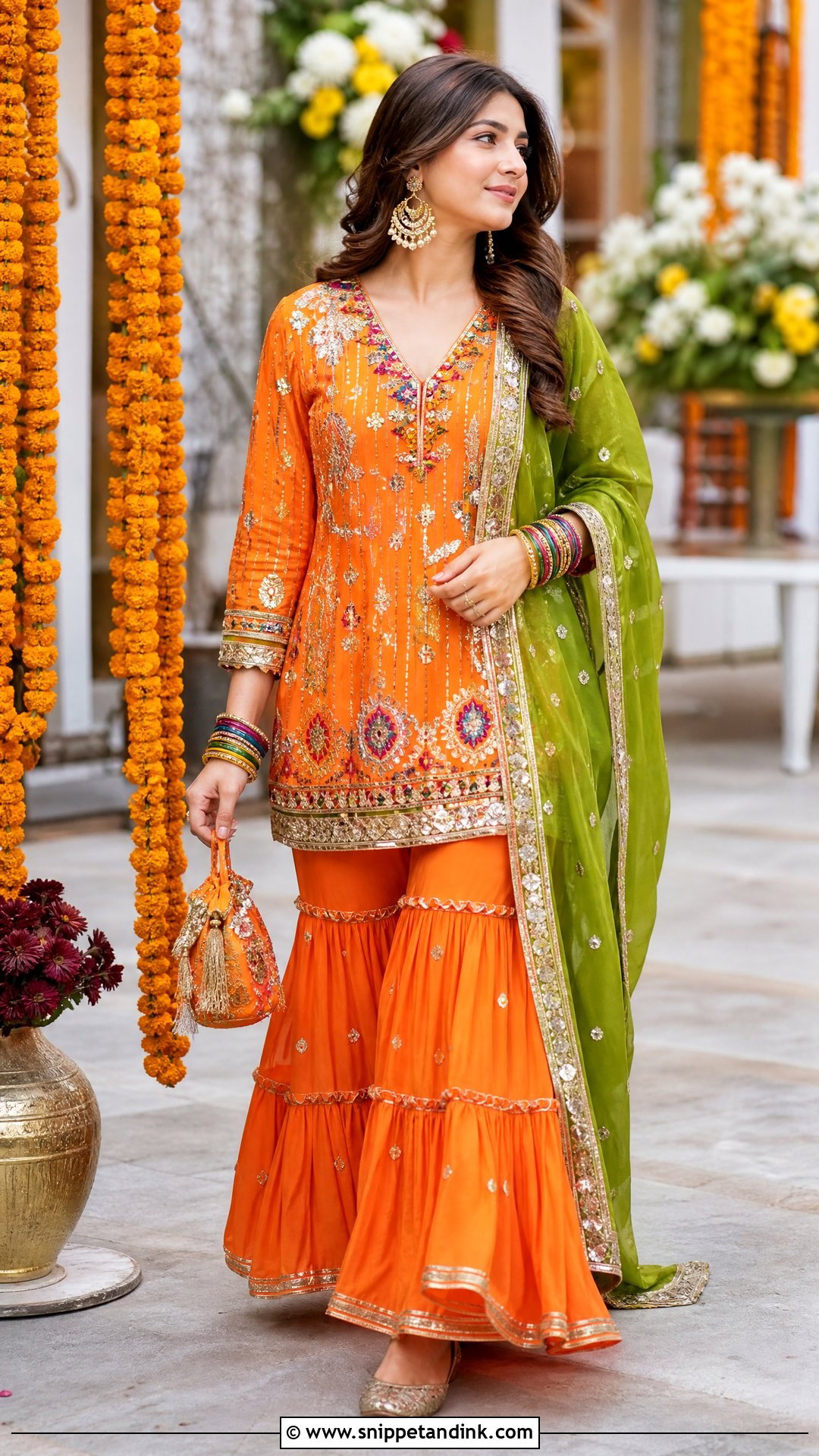
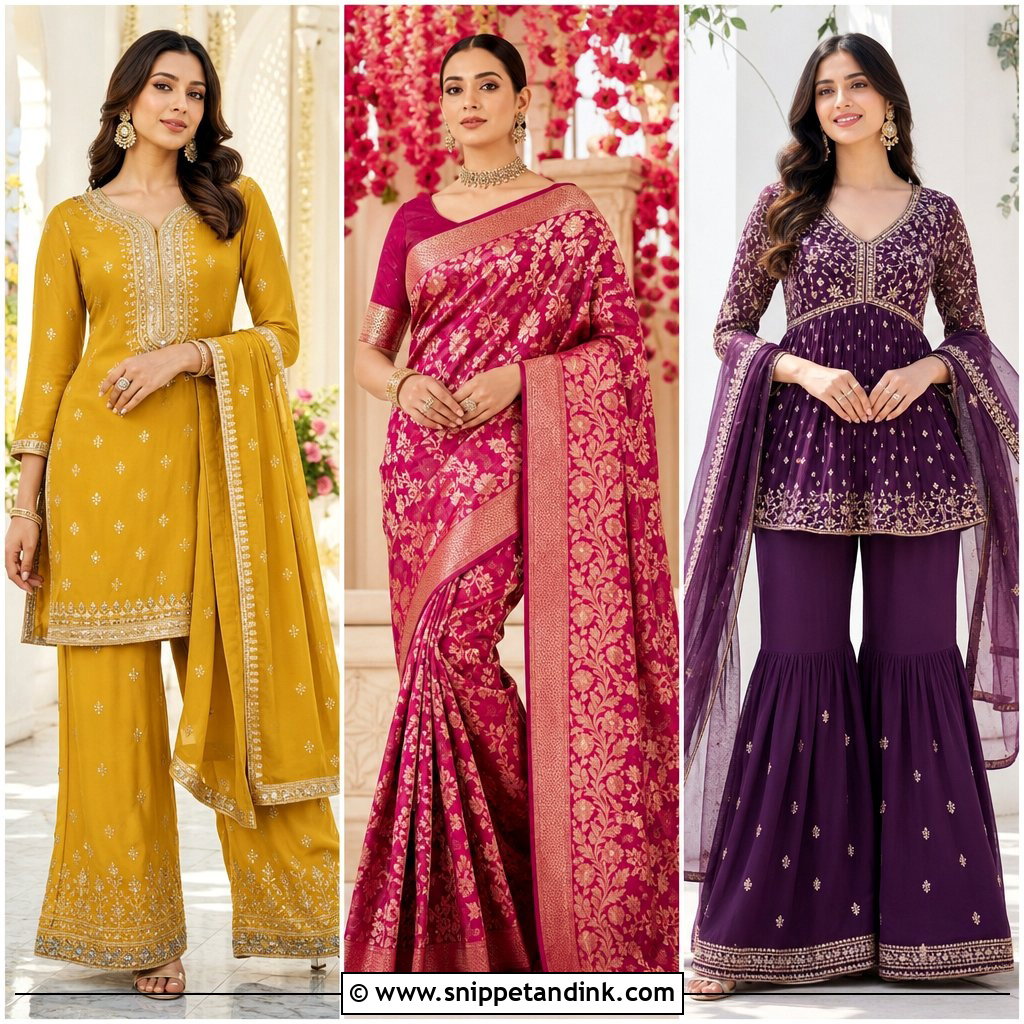
Can one bold color carry an entire mehndi outfit? Orange can, as long as the sharara does the work. Ask for gota bands at the knee and hem rather than all-over embroidery: the knee band is where the pants flare, so it gives the tiers shape when you walk. Wide sharara legs need a hem that clears your shoes by about an inch, or you’ll step on them on stairs. A green or hot-pink dupatta makes the pairing feel deliberate. Keep the jewelry to chandbalis and bangles so they don’t compete, and carry a small drawstring potli. A sleek center part with a low braid holds up far better than loose curls through a night of dancing.
5. Ivory Pishwas Dress For Nikah
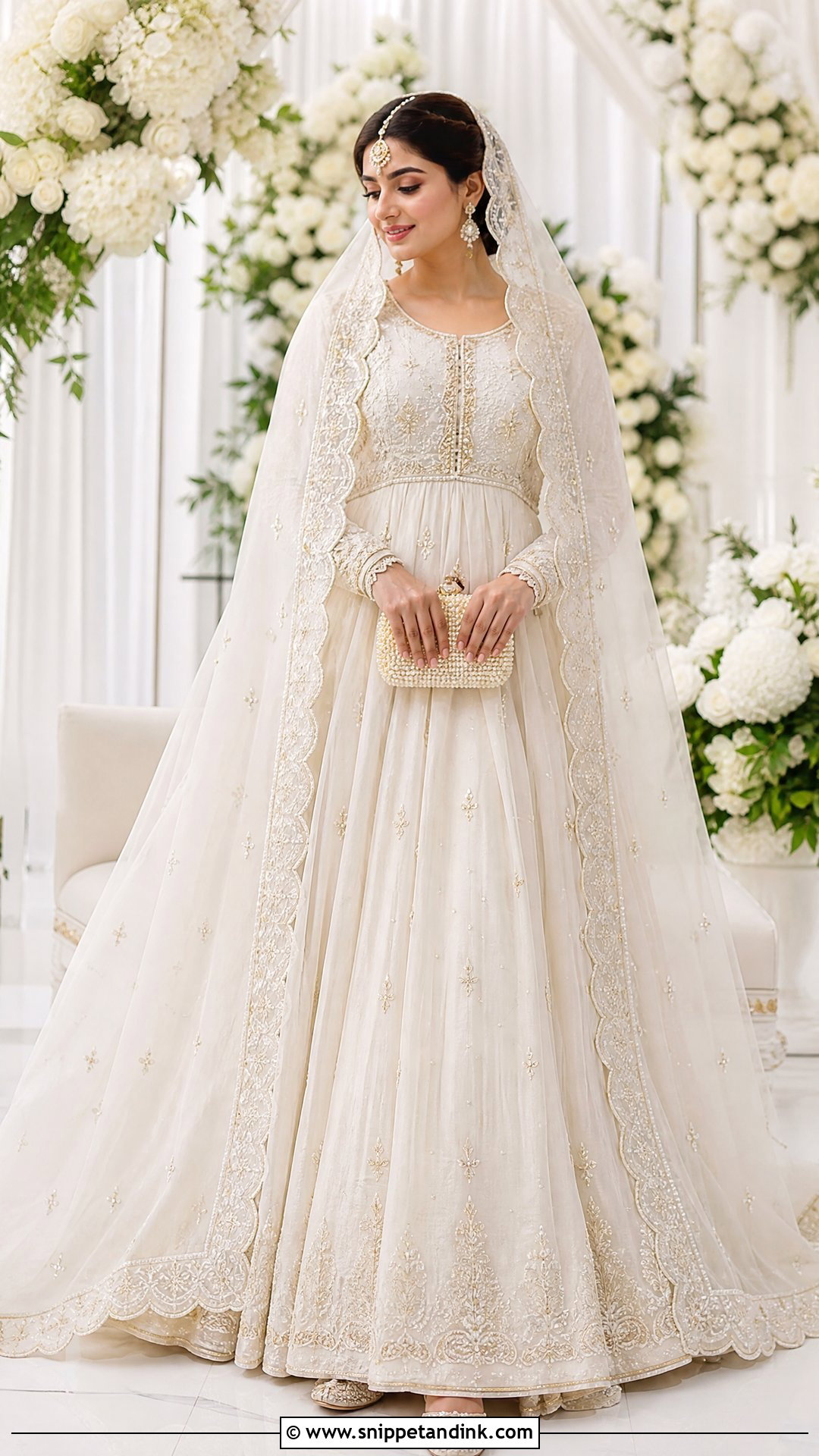
An ivory pishwas suits a nikah because it moves quietly and keeps the attention on the ceremony. Choose a floor-length cut with a fitted bodice and restrained gold or pearl embroidery. Plan the dupatta before anything else: if it goes over your head during the vows, an organza with a scalloped edge holds its shape, but it needs two small pins hidden in the hair or it slides back every time you nod. Your hairstyle has to work under that drape, so a low bun is safer than volume at the crown. Pearl earrings, a delicate tikka and cream flats keep the palette light, and a muted pink lip stops the look from tipping into bridal territory.
6. White Gharara Dress For Nikah
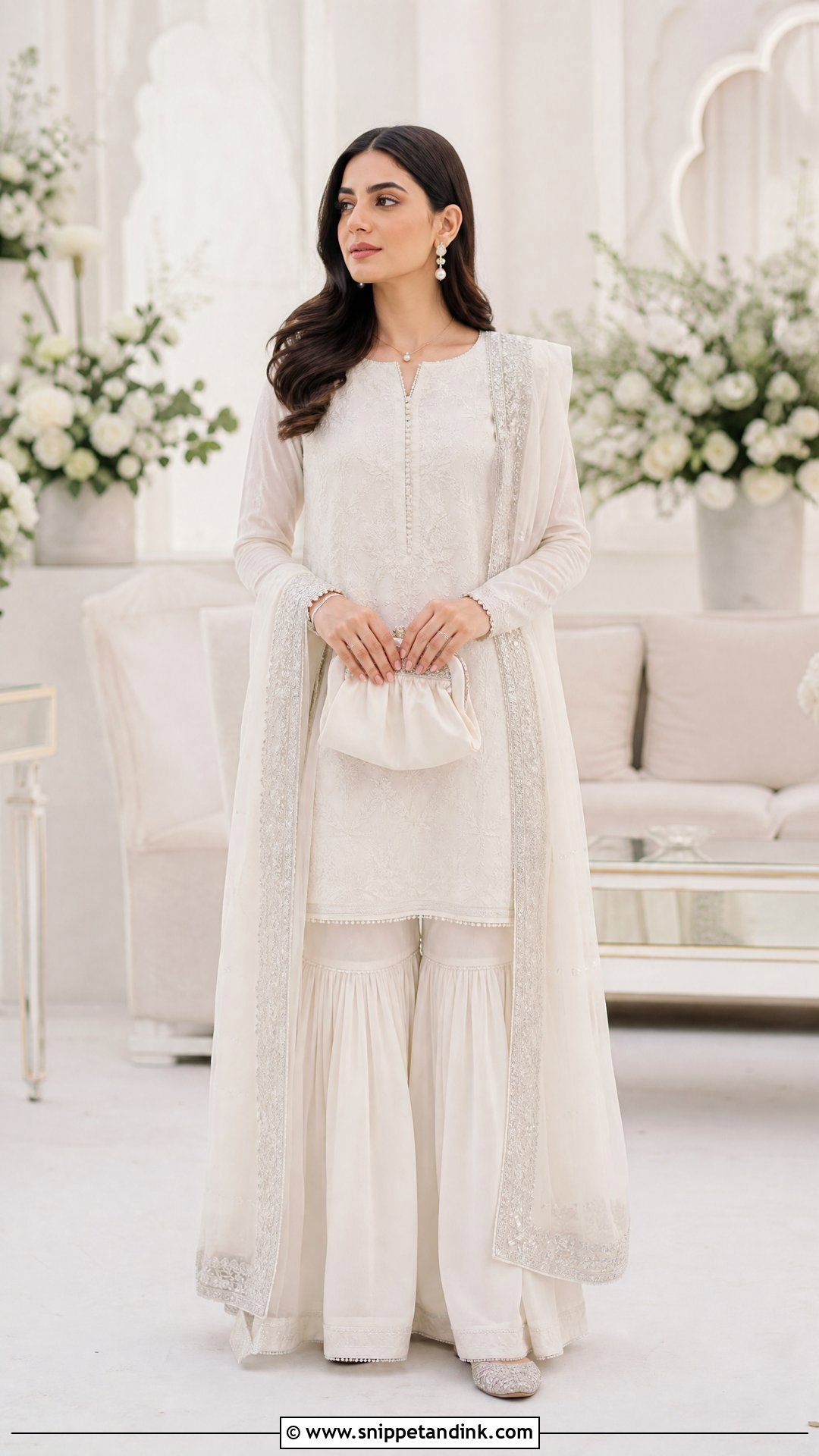
White is unforgiving in daylight, so the fabric choice matters more than the embroidery. A crisp cotton net or raw silk keeps its line; thin white chiffon shows every seam and whatever is underneath, which is why I insist on a nude or skin-tone slip under white function wear. Pair a straight kameez with tonal threadwork and fine silver work over a structured gharara that flares below the knee. A sheer dupatta edged in silver or pale gold completes it. Pearl drops and a small pendant are enough. Pack a stain pen, because white plus a nikah lunch is a risk you can see from across the room.
7. Pastel Blue Organza Dress For Engagement
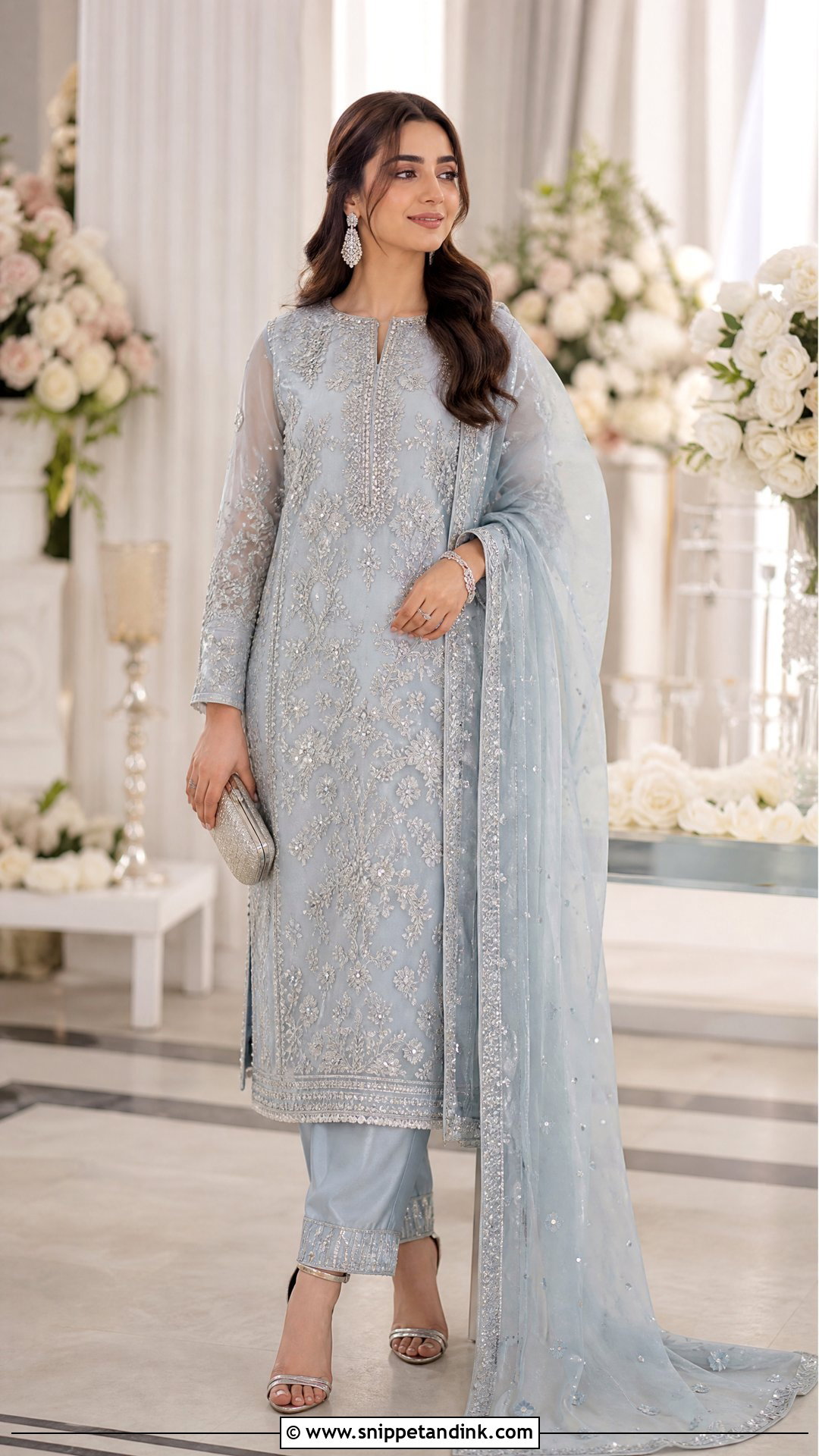
Pastel blue organza looks formal without weight, but organza is a stiff, crisp fabric that crushes when you sit and doesn’t fully relax afterward. For an engagement where you’ll be seated for long stretches, I steer people toward a silk-organza blend or a lined shirt that holds its line better. Pick a long shirt with a structured neckline and sheer sleeves, worn over straight silk pants in the same shade. A tonal dupatta with scattered sequins keeps the color story calm. If the neckline is detailed, leave it bare. Smooth waves or a low ponytail, silver heels and cool pink makeup sit easily against the blue.
8. Blush Pink Peplum And Sharara Dress
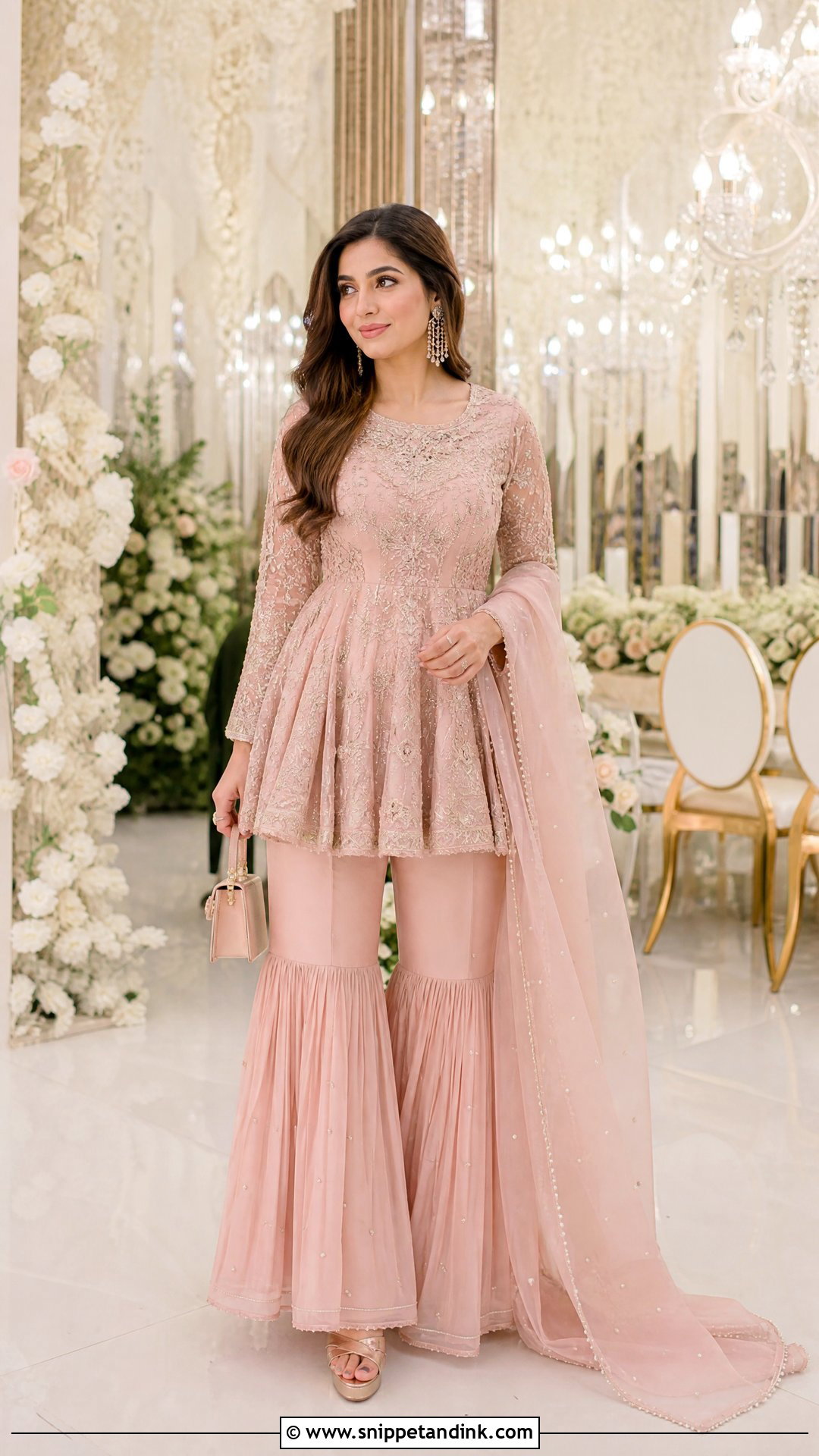
A blush pink peplum over a matching sharara sits nicely between a suit and a lehenga, which makes it useful for a smaller function or a family dinner. The peplum’s flare must start at your actual waist; an inch too low and it adds width at the hip instead of shaping. Keep the embroidery to the neckline, sleeves and peplum hem so it stays readable. A light net or organza dupatta with a narrow scalloped edge is enough. Rose-gold heels, pearl-and-crystal earrings and a structured mini bag finish it, with loose curls on a side part.
9. Red Embroidered Lehenga For Baraat
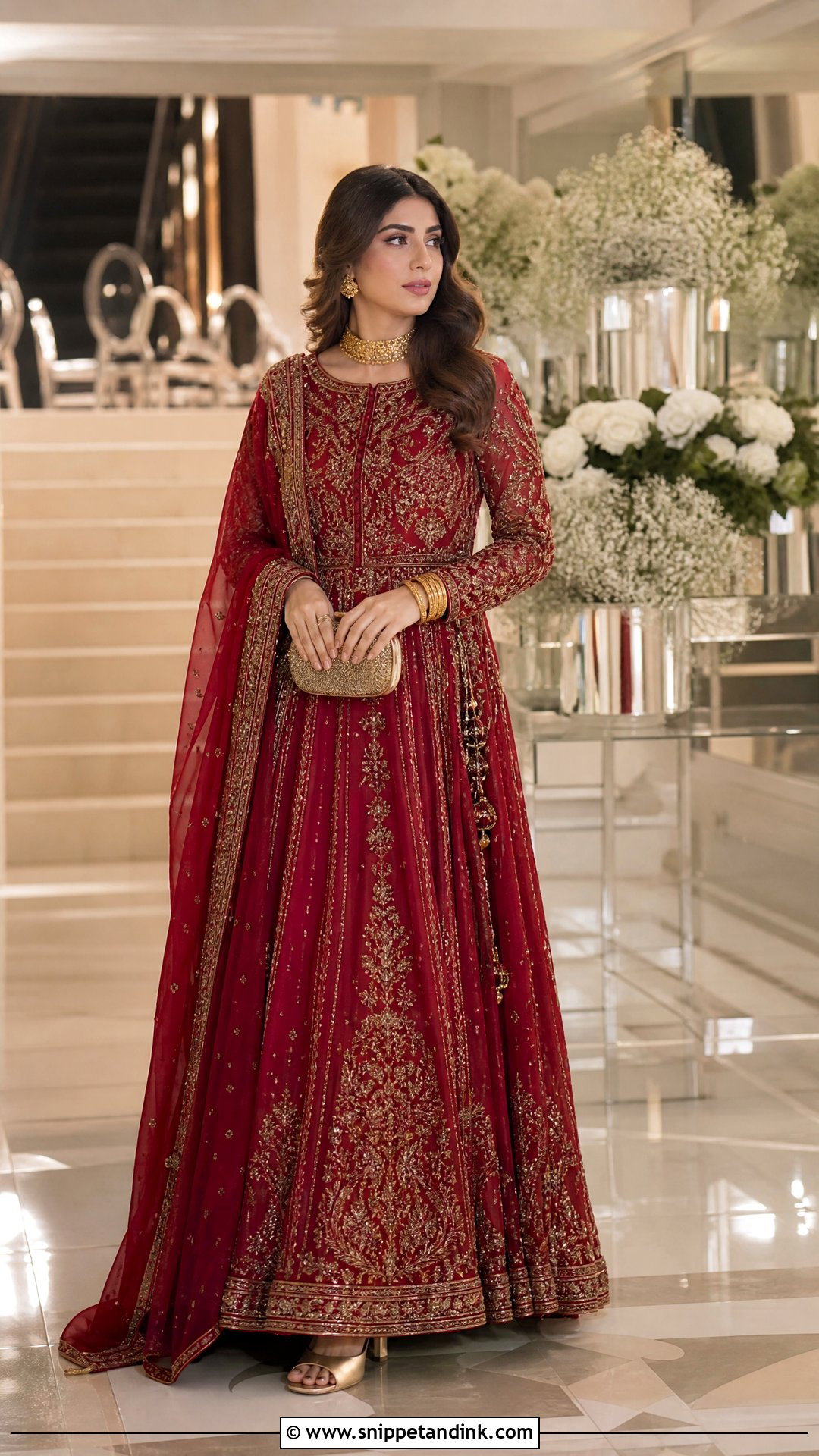
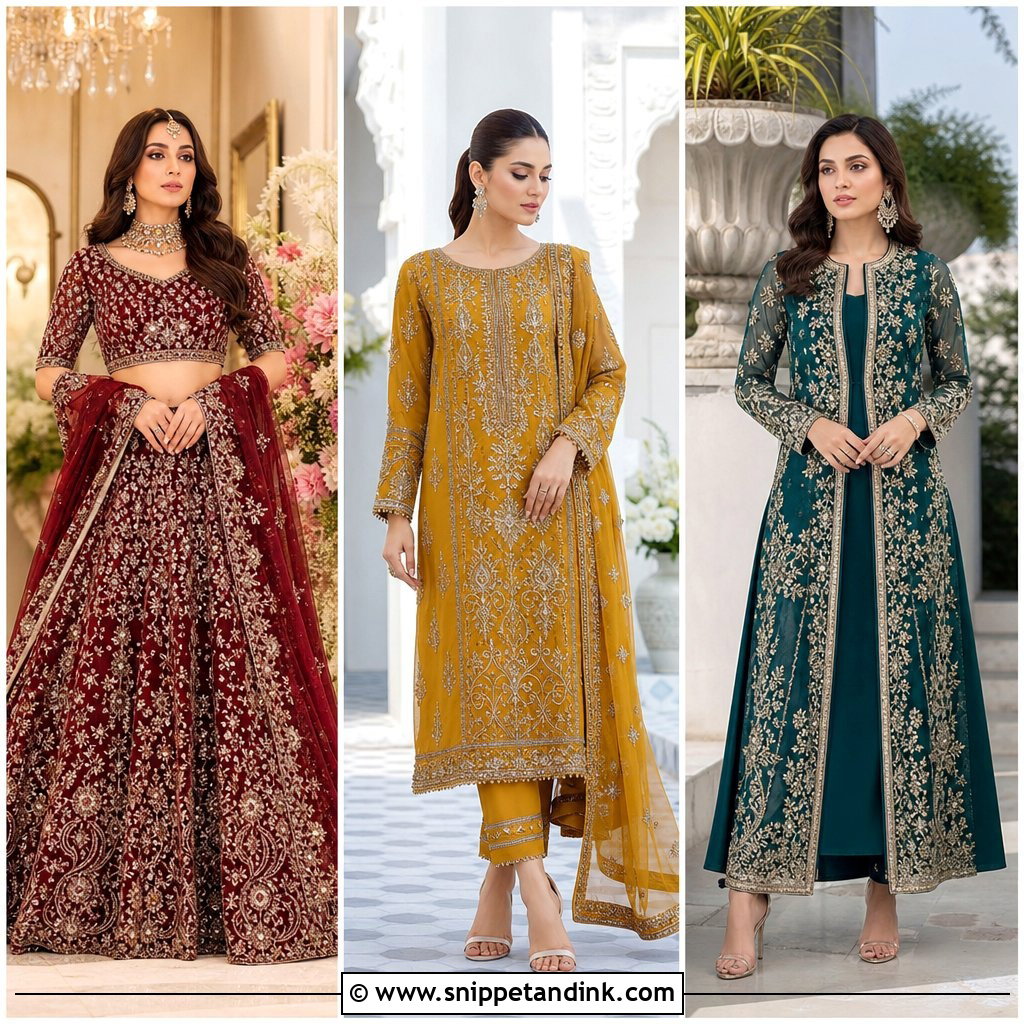
A red embroidered lehenga gives the formal weight a baraat expects, but as a guest you need to step back from bridal red. Go deeper into ruby, brick or maroon, and keep the embroidery lighter than the bride’s. That’s basic courtesy at most Pakistani weddings, and families notice. A fitted blouse with real support matters, because a heavy skirt pulls the whole outfit downward through a long evening. Wear one dupatta, not two. Antique-gold earrings, a slim choker and a few bangles are plenty. Choose block heels if the venue involves a long walk from the car park, and a sleek bun keeps the blouse detail visible.
10. Maroon Velvet Maxi Dress For Winter Function
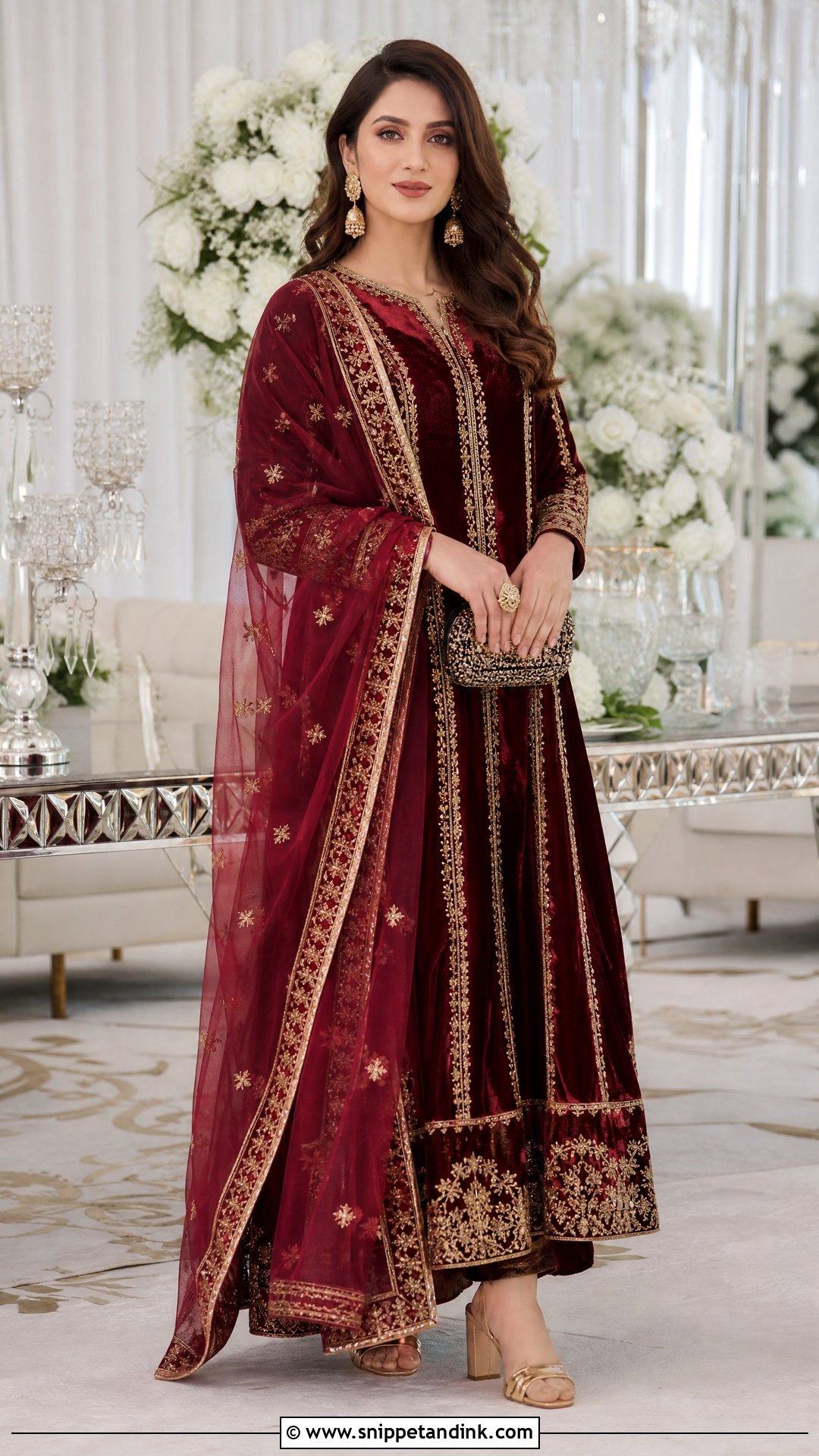
Velvet is the winter function fabric for a reason: it’s warm and it holds deep color under evening lighting. It also has a nap, which means it marks and shines wherever it’s pressed, so never iron velvet flat. Steam it from the inside or hang it in a steamy bathroom. A paneled or A-line maroon maxi with gold threadwork at the neckline, cuffs and hem lets the pile show. Add a lightweight organza dupatta so the whole look doesn’t get heavy. Antique-gold earrings, a cocktail ring and pointed gold flats fit beneath the long hem. Matte skin, bronze eyes and a berry lip match the depth of the fabric.
11. Navy Blue Chiffon Maxi For Walima
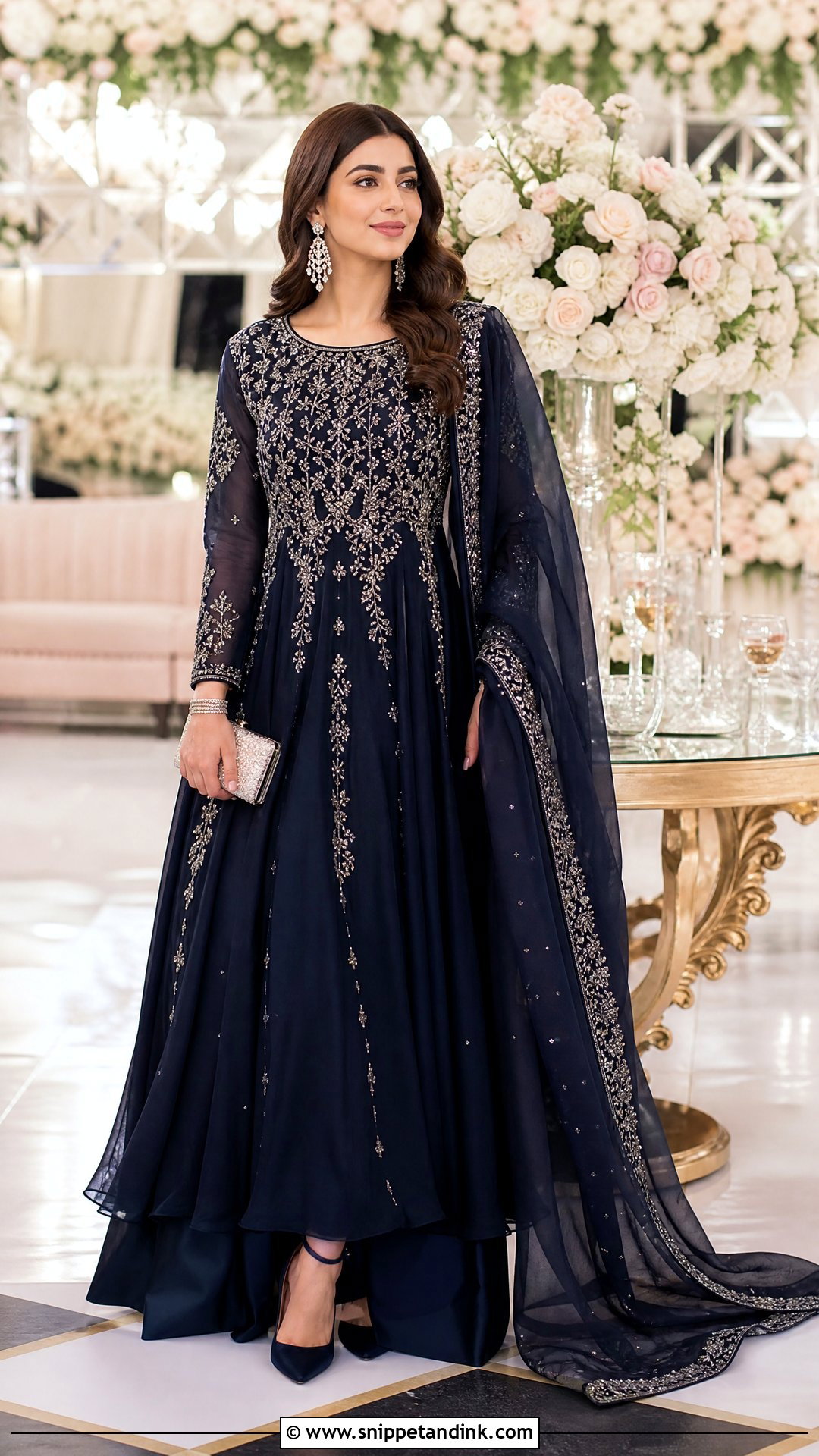
Navy chiffon gives a walima outfit a refined base, and it’s kinder than black under flash. Look for a floor-length maxi with flowing panels, fitted sleeves and silver or muted-gold embroidery on the bodice. Chiffon frays and snags easily, so check that embroidered panels are backed with net; otherwise the weight of the work drags the fabric and puckers the seams. Wear a sheer matching dupatta loosely over one shoulder. Silver drop earrings, a crystal bracelet and navy heels finish it. A low ponytail or side-swept waves and soft gray eyeshadow keep it contemporary.
12. Silver Gray Saree For Walima
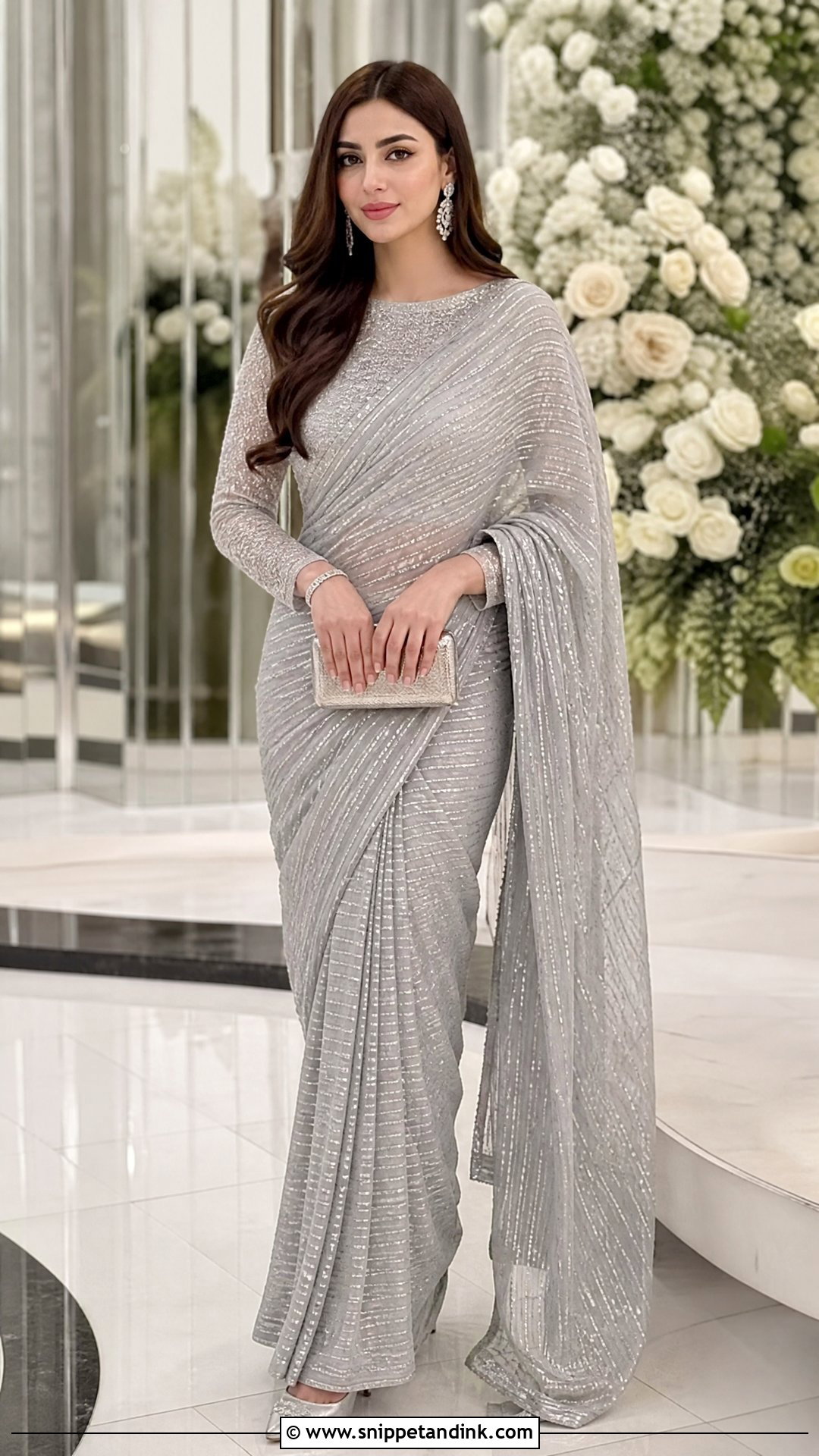
A silver-gray saree is a smart walima choice for a modern evening reception, but only if you can manage the drape for four hours. I pin the pleats at the waist and the pallu at the shoulder with small safety pins, then check the drape in a full sit-and-stand before leaving the house. Tissue and lightweight organza hold pleats crisply; chiffon falls softer but needs more pins. A fitted blouse with full sleeves or delicate crystal work balances the shimmer. Crystal earrings, a slim silver bracelet and pointed heels keep it clean. A sleek bun follows the saree’s long lines, and the monochrome palette makes you look taller in photos.
13. Mint Green Anarkali Dress For Day Function
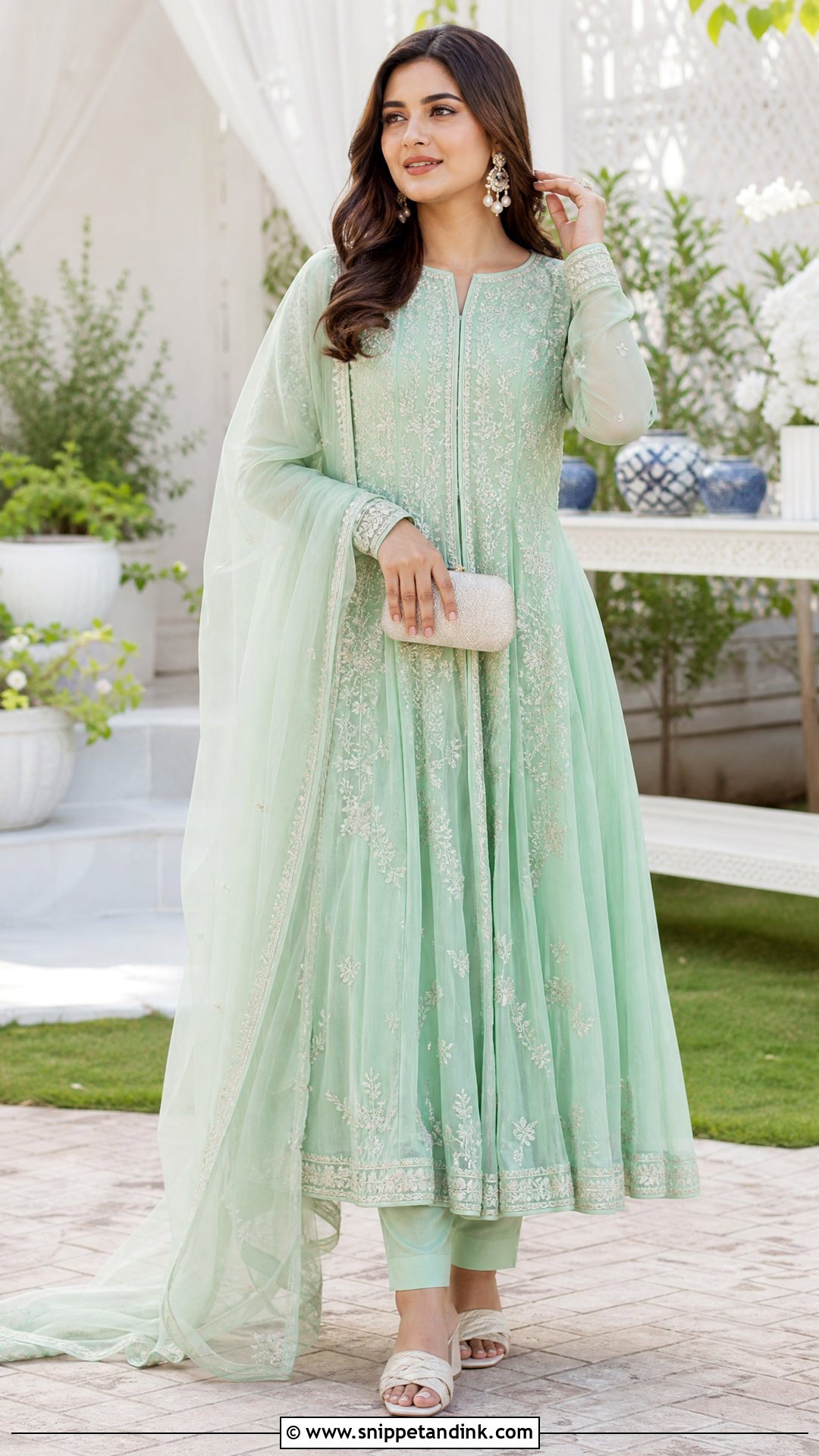
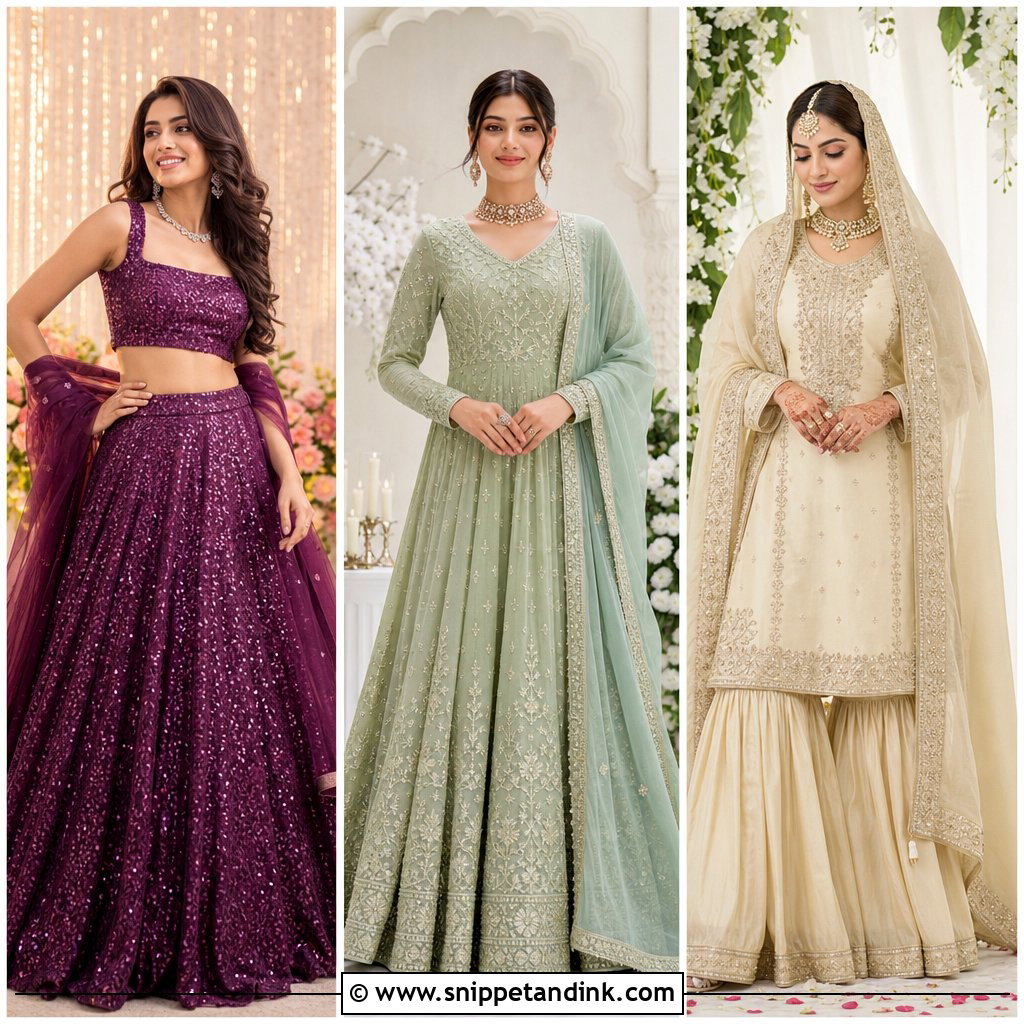
Mint green looks fresh in natural daylight and turns slightly gray under warm tungsten bulbs, so save it for day functions like an engagement lunch or a nikah in the garden. An Anarkali needs a fitted upper section and a moderate flare; too much volume swallows a petite frame. White threadwork or pearls add definition to the pastel. A matching churidar and a sheer dupatta on one shoulder complete the clothing. Pearl earrings with cream block heels or pointed khussas suit it. Keep the makeup peachy with a coral lip so your face doesn’t wash out against the cool green.
14. Teal Kalidar Dress For Evening Function
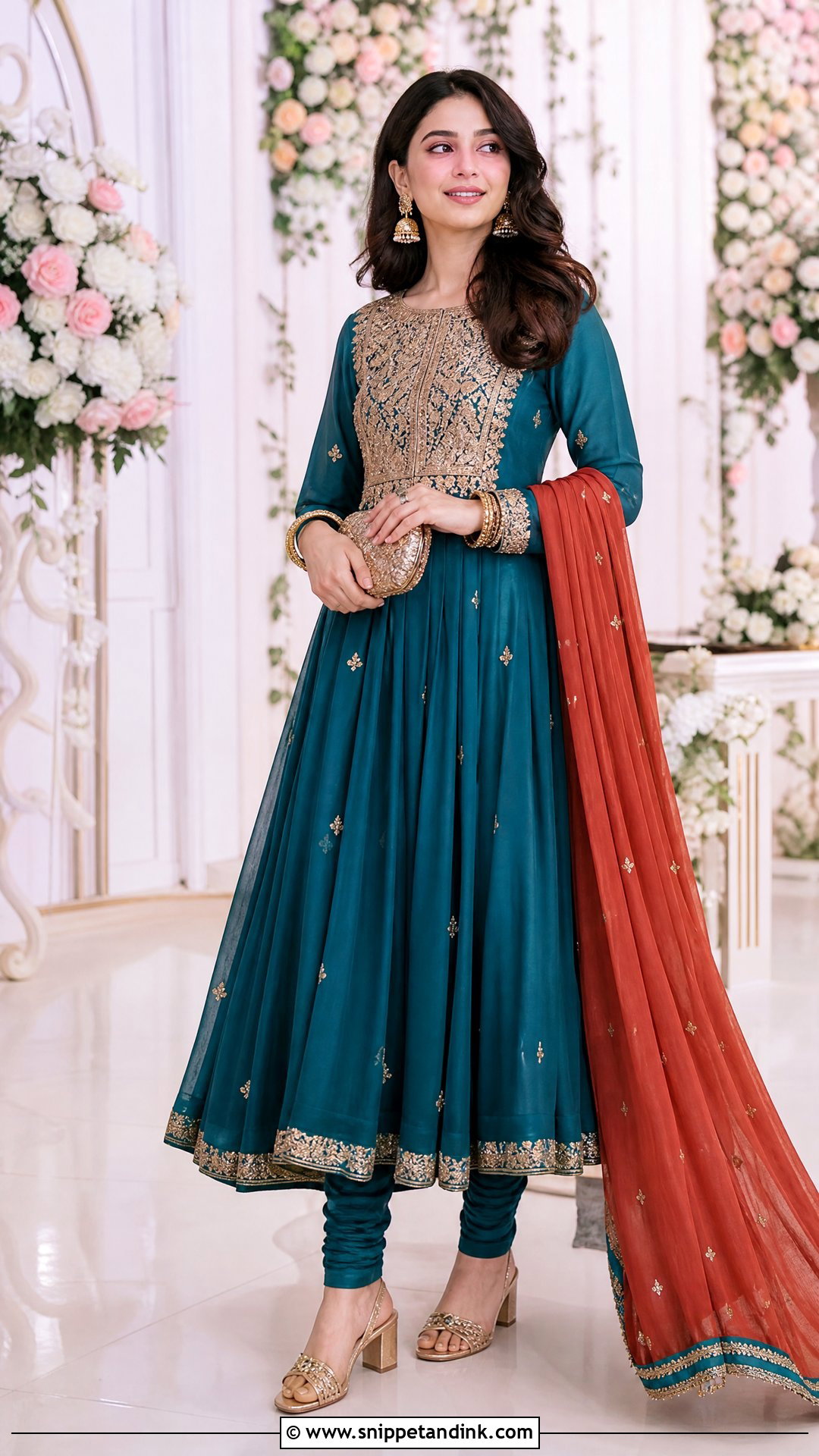
Teal has enough depth for evenings but more life than black or navy. The many panels of a kalidar dress are what give it movement, so let the skirt stay plain and put the gold embroidery around the bodice and sleeve openings. Straight trousers or a churidar underneath give coverage. I like a rust or antique-gold dupatta against teal; magenta also works, but it pulls focus. Traditional jhumkas, a few gold bangles and comfortable block heels complete it. Side-swept curls or a textured bun and bronze eyeshadow suit the rich fabric.
15. Black Embroidered Kurta And Palazzo Dress
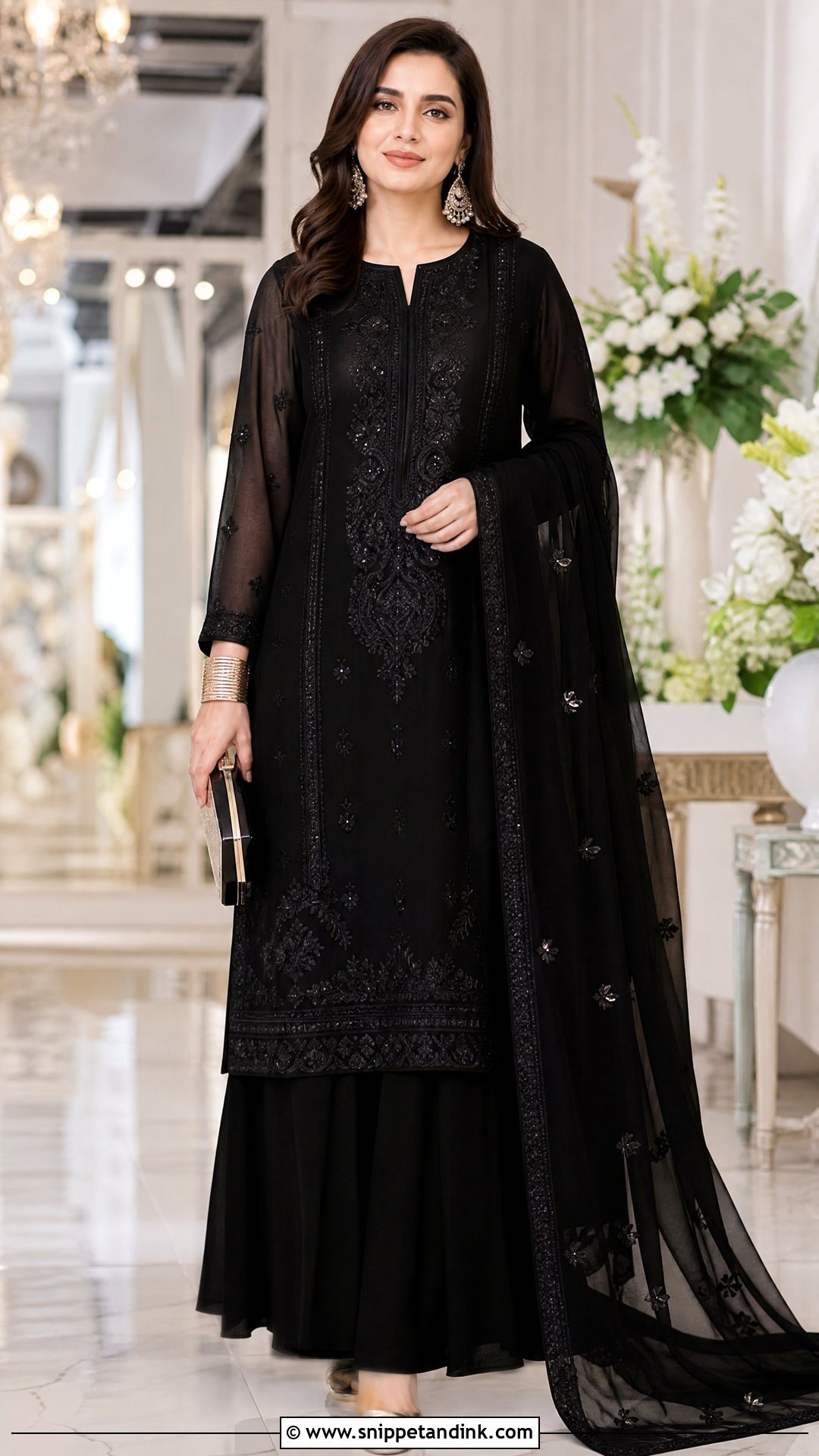
Separates suit women who find gowns fussy, and a black embroidered kurta over wide palazzos is the cleanest version for an evening function. Ask for the embroidery placed in vertical lines; it lengthens the body, while a horizontal band at the hip shortens it. The palazzos should be wide enough to balance the straight kurta but hemmed to clear your heel. Throw a lightweight dupatta over one shoulder rather than wrapping it. Metallic heels, statement earrings and a cuff bracelet are enough. One caution: black shows every speck of lint, so bring a small lint roller in your bag.
16. Purple Kaftan Dress For Family Function
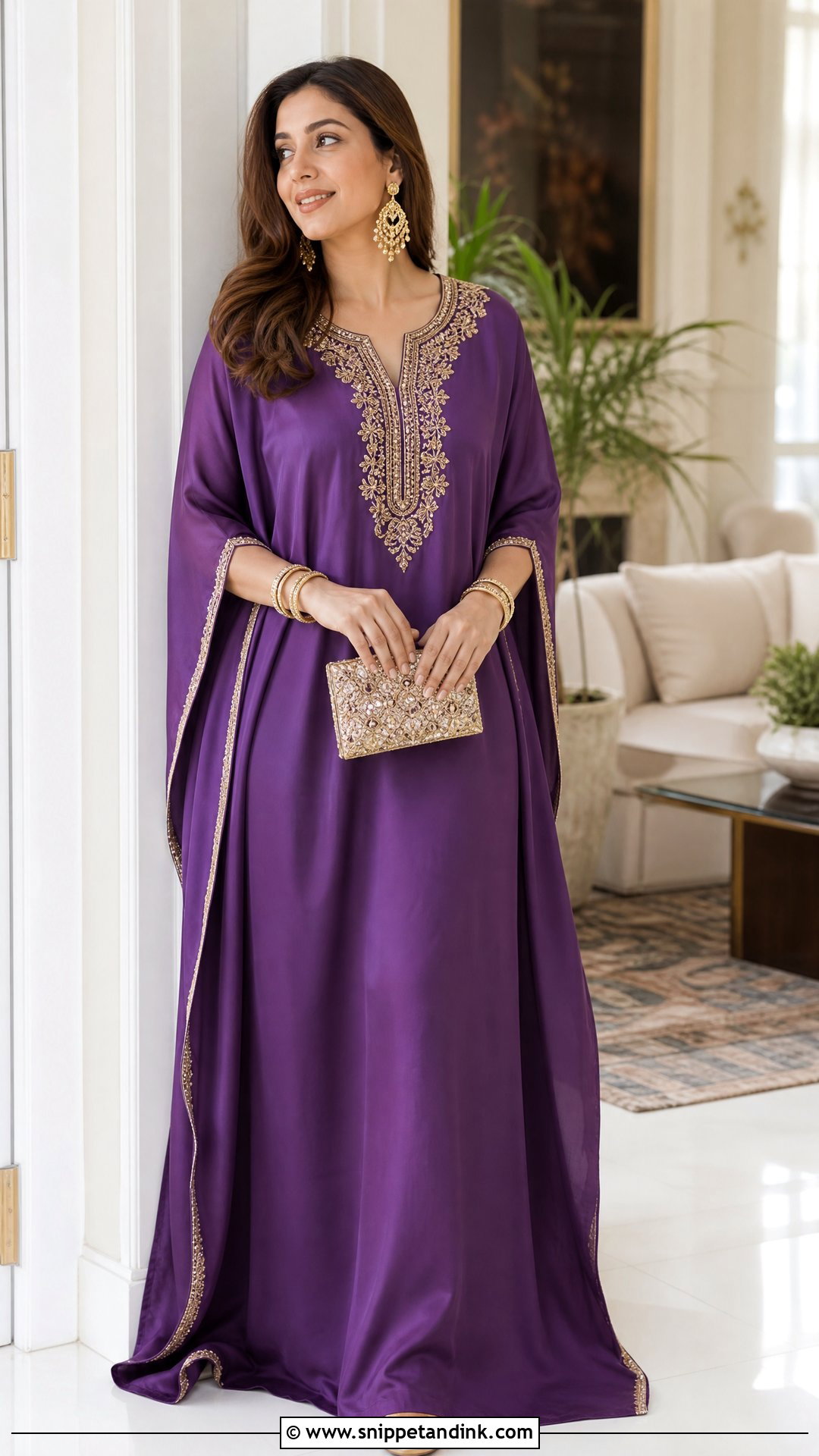
A kaftan is the outfit I suggest for the aunt who wants to look dressed up and still be comfortable through the whole evening. The risk is that it reads as loungewear, so look for controlled volume, a defined neckline and embroidery running down the center. A shaped waist or an internal tie gives the silhouette some intent. Because the kaftan covers you fully, you can skip the dupatta unless the family expects one. Structured accessories help here: gold earrings, stacked bracelets and a jeweled clutch contrast with the fluid fabric. A smooth bun keeps the neckline visible, and mauve lips suit the purple.
17. Mustard Shalwar Kameez For Dholki
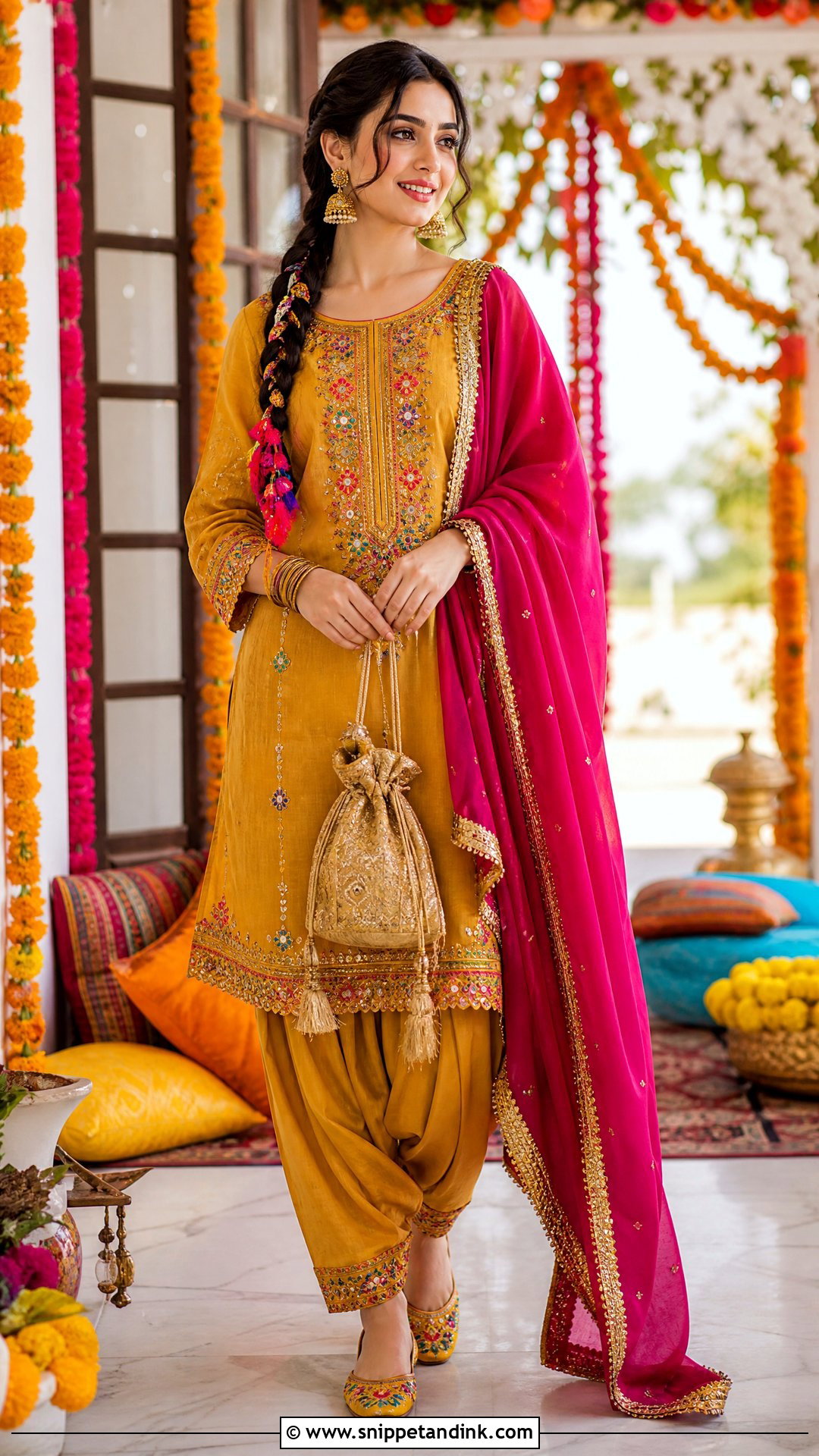
Dholkis are loud, crowded and mostly spent on the floor, so anything restrictive is a mistake. A mustard shalwar kameez with colorful threadwork handles all of it. Keep the kameez short or mid-length with a traditional gathered shalwar, which lets you sit cross-legged without strain. A magenta or green dupatta with gota trim lifts the mustard, which can look flat on some skin tones without a bright neighbor. Embroidered khussas, jhumkas and glass bangles finish it. A loose braid with a paranda adds tradition with very little effort, and light makeup stands up better to the heat of a packed room.
18. Emerald Green Long Shirt And Cigarette Pants
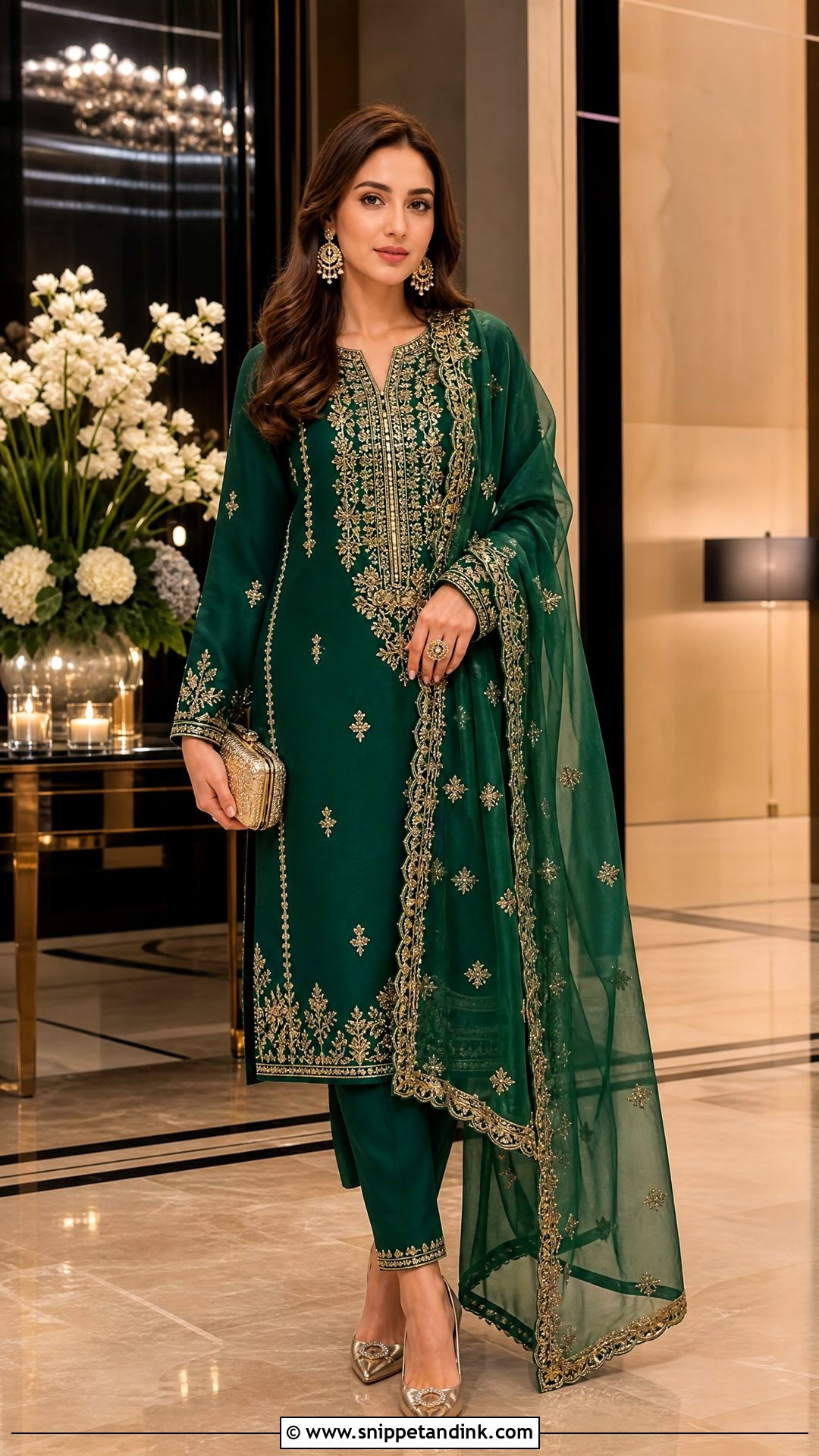
An emerald long shirt with cigarette pants is the sharpest option here for an evening celebration. Fit is everything: cigarette pants should end at the ankle bone, and the shirt’s side slits should start high enough that it doesn’t pull across the thighs when you sit. Let the embroidery sit on the neckline, slits and cuffs. Add an organza dupatta with a narrow metallic border, pointed heels and chandelier earrings. One statement ring is enough. A straight blowout or sleek low ponytail matches the structured shape, and a muted berry lip suits emerald well.
19. Powder Pink Lehenga And Long Jacket Dress
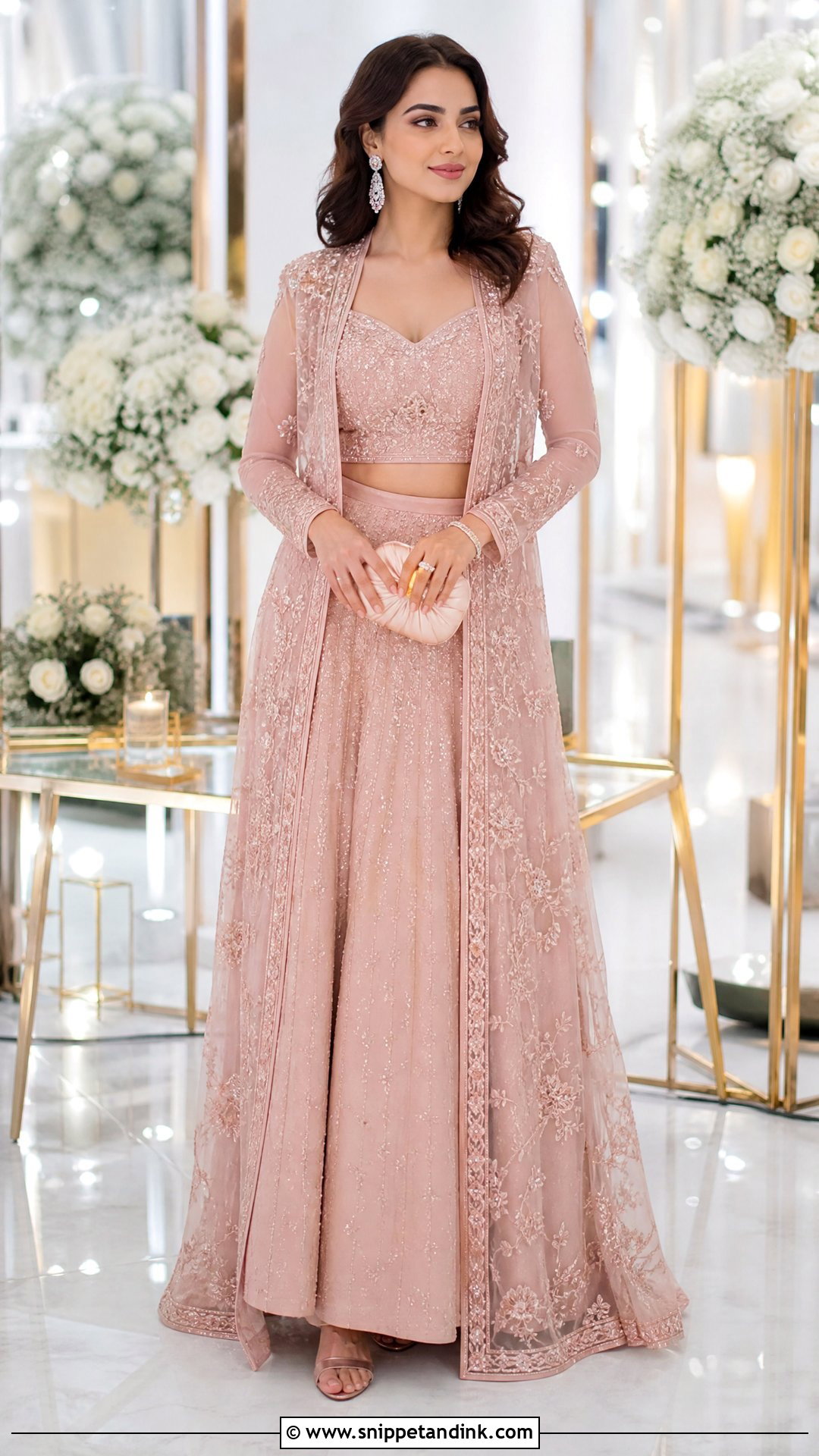
Layering a long embroidered jacket over a powder pink lehenga gives you the volume of tradition with a modern line. Keep the lehenga lightly embellished and the blouse simple, then let the jacket edges carry the embroidery; that border frames you top to bottom. Check the jacket weight at the fitting. A heavy jacket over a full skirt gets warm fast in a crowded indoor hall, and a sheer net jacket is often the better call. The dupatta becomes optional. Crystal earrings, a small satin clutch and rose-gold heels suit the palette, with hair in a low bun or soft curls tucked behind the ears.
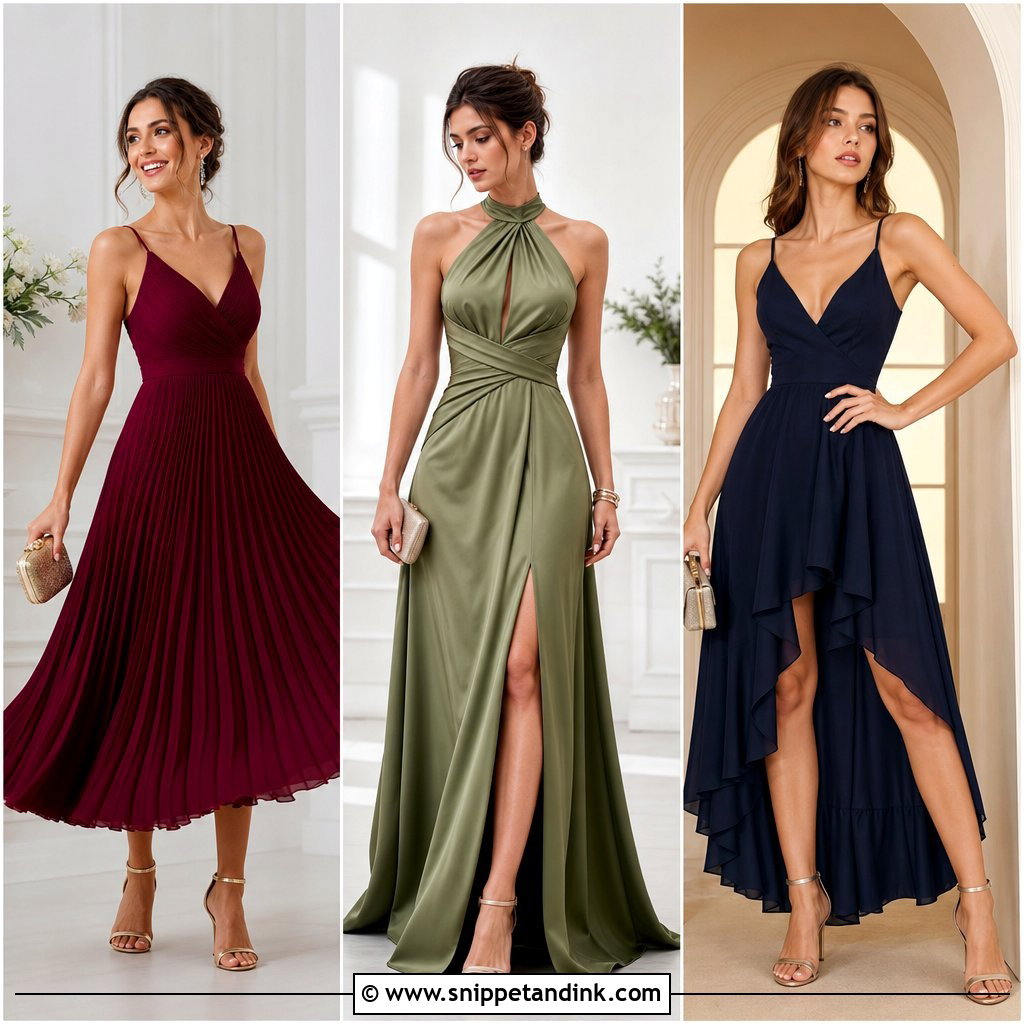
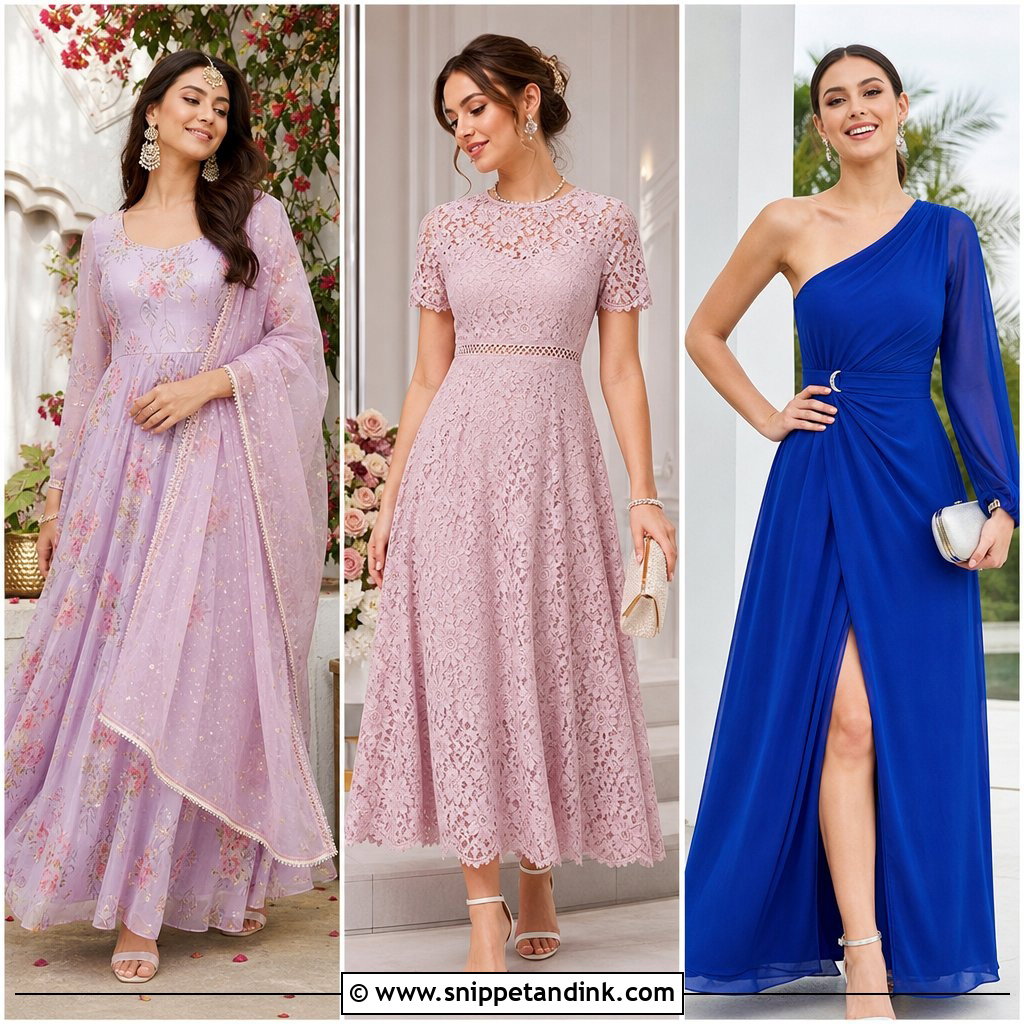
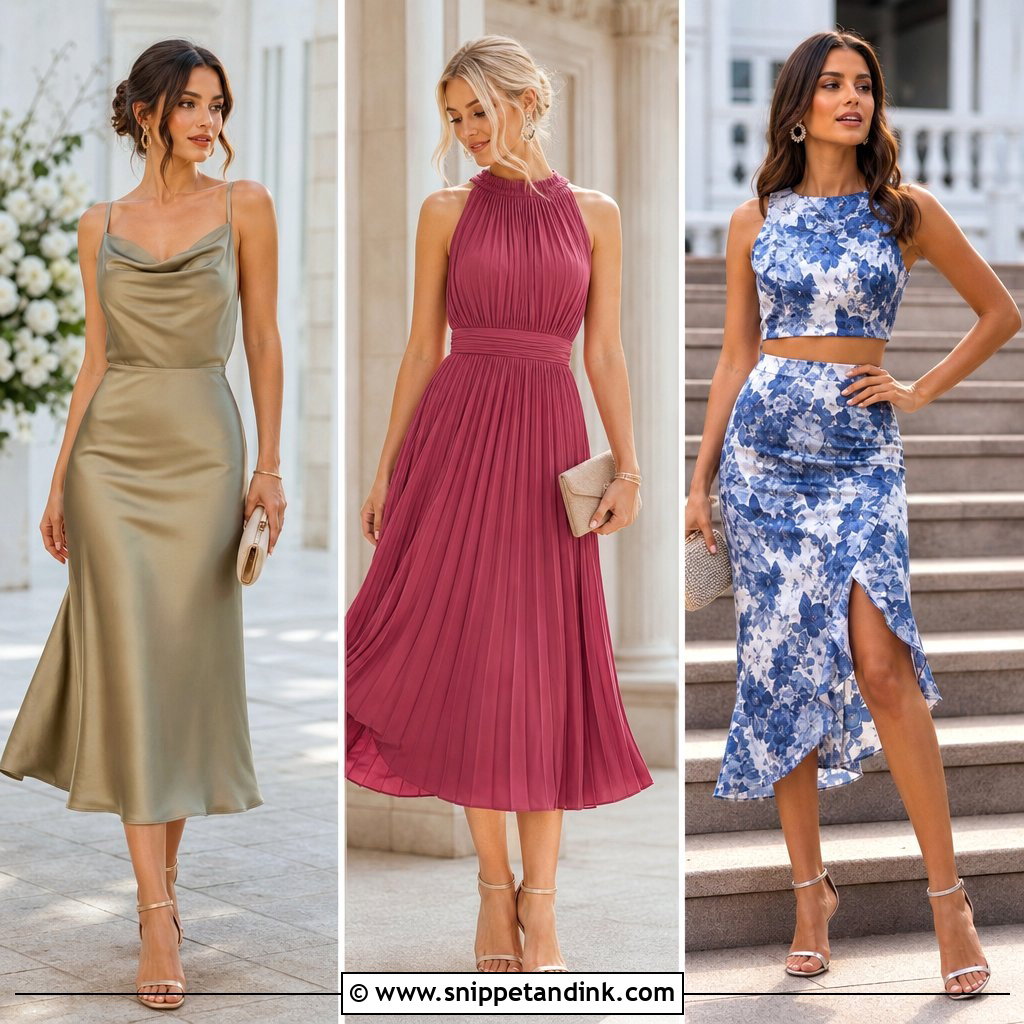
20. Rust Jamawar Shirt And Farshi Shalwar
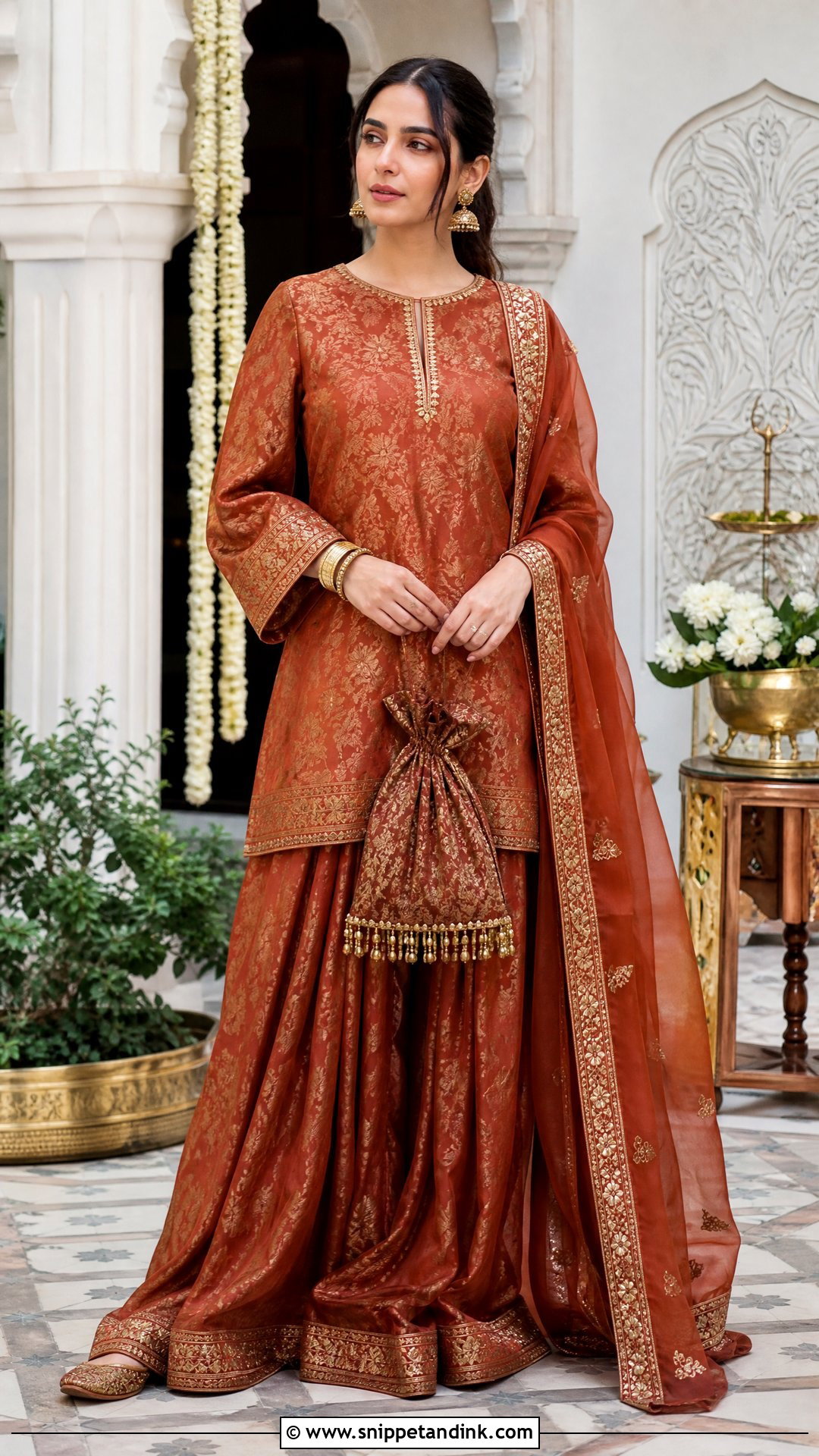
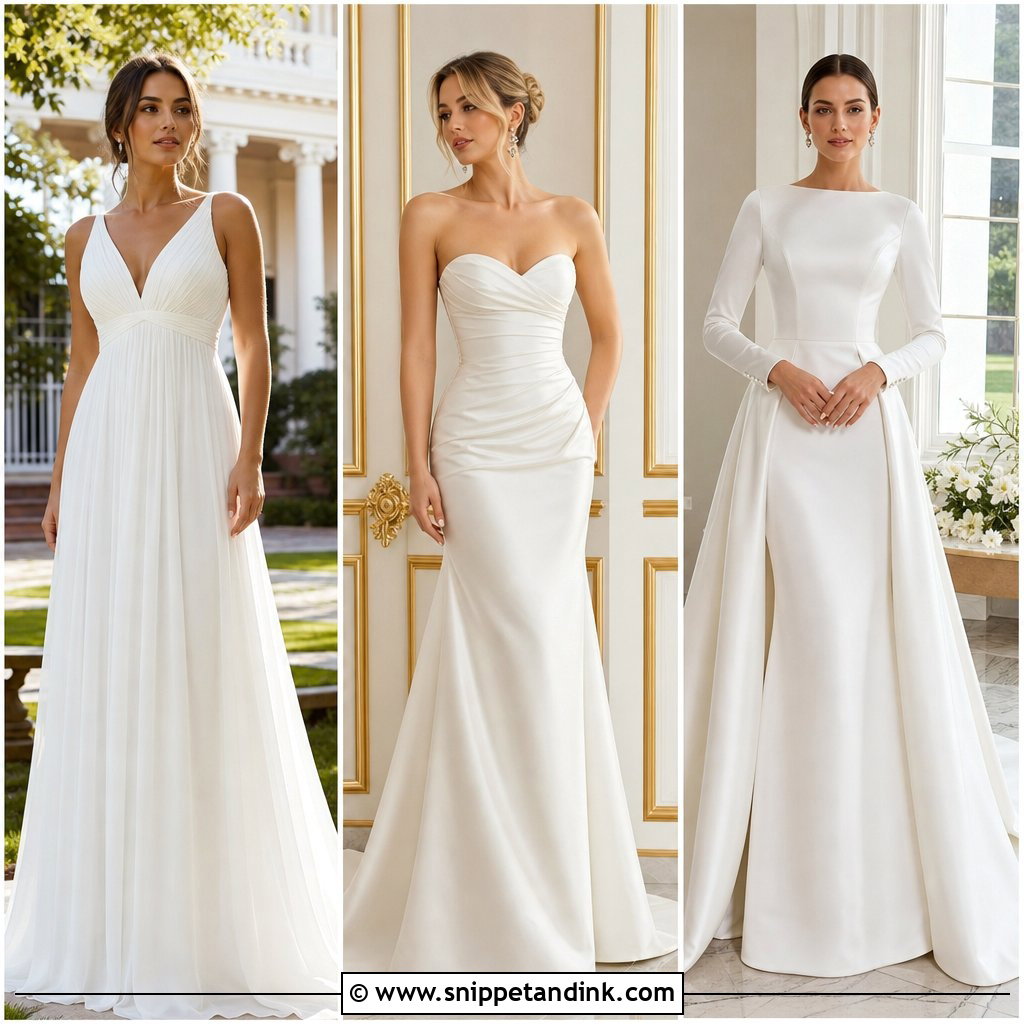
Rust jamawar has a woven motif rather than surface embroidery, so it looks rich without being heavy, and that makes it a good heritage pick for a farshi shalwar combination. A farshi pools on the floor by design. The problem is walking: I have clients practice stairs in it and hold the front panel lightly when climbing. Pair a structured short shirt with gold edging, a plain chiffon dupatta with a wide border, and flat khussas hidden beneath the shalwar. Antique-gold jhumkas and a center-parted bun suit the classic shape. Terracotta lipstick and warm neutral makeup tie into the rust.
How Long Your Tailor Really Needs in Wedding Season
In Pakistan and in diaspora tailoring, wedding season runs roughly from late autumn through winter, and every darzi is booked solid. Simple stitching from unstitched fabric might take a couple of weeks off season. Embroidered suits and lehengas from a designer or an independent studio usually need far longer, often several weeks to a few months, and timelines vary a lot between makers. I tell families to have every outfit cut and in progress at least six weeks before the first function, and the bridal party sooner.
Book one proper fitting with the shoes you’ll wear. Hem lengths on shararas, farshi shalwars and maxis are set to the heel height, and a two-inch difference turns a graceful pool into a tripping hazard. Also try sitting and raising your arms; tight armholes are the most common complaint I hear after a mehndi.
Packing Seven Outfits Without Ruining the Embroidery
Heavy embroidery and mirror work need to be folded with tissue paper between the layers, embroidered side in, so the threads don’t catch on each other. Velvet goes on a padded hanger or rolled, never pressed under other clothes. Organza and tissue should travel flat in a garment bag. Keep each look in its own bag with its dupatta, jewelry pouch and shoes labeled by event, and the morning of each function stops being a hunt.
- A handheld steamer for chiffon and organza (never a hot iron directly on zari or gota)
- Small gold and silver safety pins for dupattas and saree pleats
- A stain pen, a lint roller and a sewing kit with thread matching your darkest outfit
- Fashion tape for necklines and slipping blouse straps
After the wedding, air each outfit for a day before storing it, and keep metallic work wrapped in cotton or acid-free tissue rather than plastic. Zari tarnishes when it’s sealed away damp.
One Outfit Per Function, and a Week That Still Feels Easy
Across these 20 looks, the pattern is simple: the event’s floor plan and hours decide the outfit before anything else. A gharara for the mayun, a pishwas for the nikah, lehengas for the dancing nights and sleek separates or a saree for the walima will cover most families. Plan the dupatta, shoes and hair as part of each look, not as add-ons the night before. And whatever you choose, do one full sit, stand and walk test at home. If it fails that, it will fail at the function.
You'll Like These Ideas:


Leave a Reply