
Dressing for your sister’s wedding is a different job from dressing as a guest. The bride’s brother greets people at the door, stands in rituals, runs errands between functions and turns up in more family photos than almost anyone except the couple. So his clothes have to look important, survive a long day and still stay a clear step behind the groom. Below are twenty outfits I’d put together for that role, from haldi kurtas to evening bandhgalas and tuxedos. Before you pick, check the dress code, the family colors, the venue and the time of each function: breathable kurtas belong to daylight, while structured bandhgalas, sherwanis and tuxedos come into their own after sunset.
Five Functions on One Brother’s Budget
Most Indian weddings ask the bride’s brother for four or five outfits in as many days, and the budget rarely stretches to five new ones. When I plan a rotation, I start with the two functions where he’ll be photographed most, usually the wedding ceremony and the reception, and spend there. Everything else is built from pieces that can be reworn in a different combination.
- Write down every function with its time of day, venue and any color the family has agreed on.
- Mark which ones are messy: haldi stains, mehendi smudges, and a baraat in summer means sweat.
- Buy one versatile Nehru jacket that sits over two different kurtas. That alone covers two functions.
- Rent or borrow for the single heaviest look if it will never be worn again, but leave time for a tailor to adjust a rented sherwani’s sleeves and length.
Shoes are where rotations fall apart. Mojaris need breaking in, and new leather soles slip on marble floors and mandap steps. I ask clients to wear them around the house for a week and scuff the soles lightly before the first function.
1. Ivory Sherwani For Bride Brother
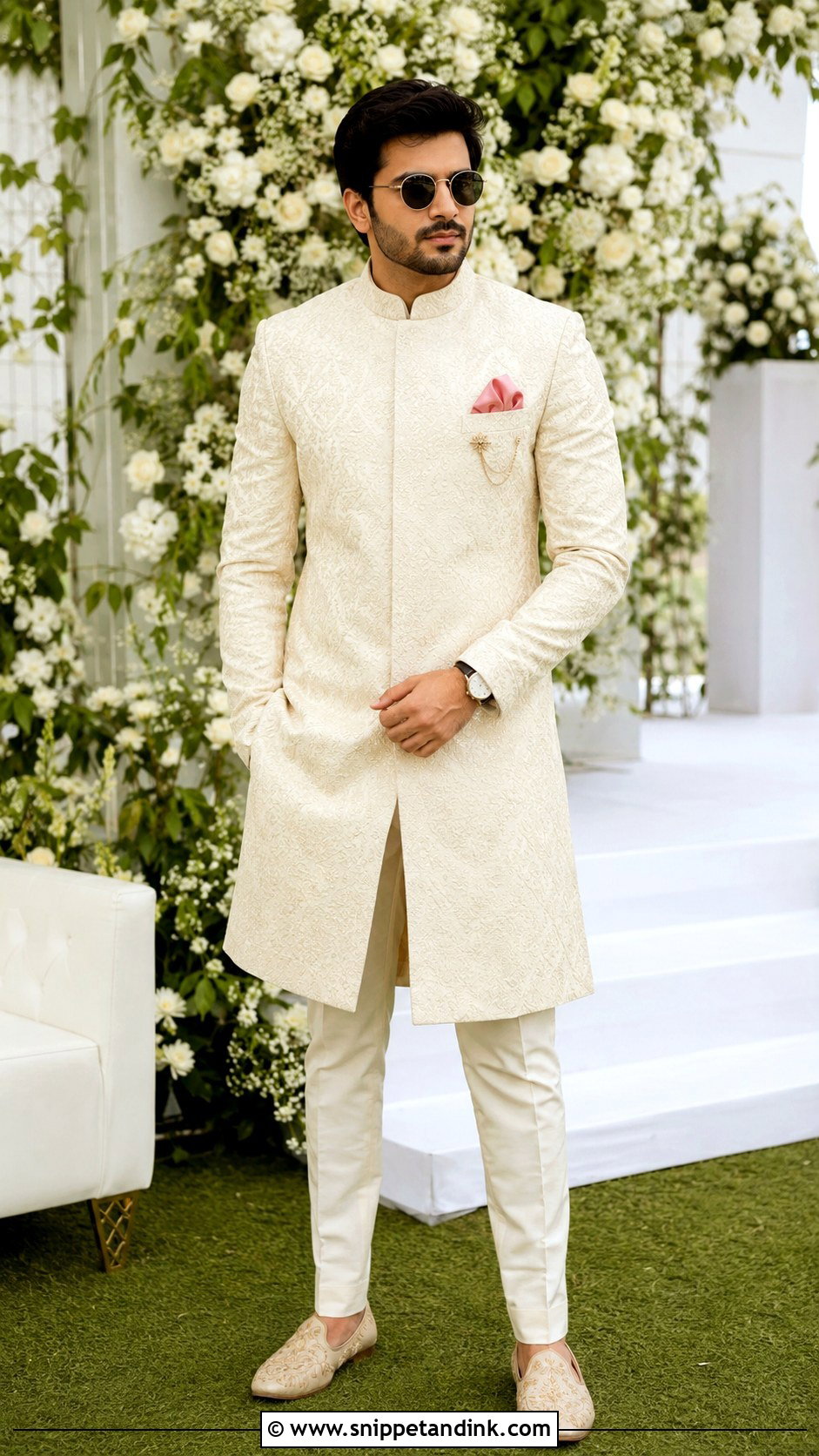
Ivory is the color I’m most careful with on a bride’s brother, because it’s also a favourite for grooms. Keep the sherwani to tonal threadwork, small buttons and light embroidery, and wear it over fitted ivory trousers or a churidar for a long, clean line. Tan embroidered mojaris add definition without breaking the palette. A muted rose or sage pocket square ties him to the bridal party colors, and a simple watch with one understated brooch is enough. The step people skip: lay a swatch of his fabric next to the groom’s in daylight. Two ivories that look identical on hangers can read very differently in photos, and you want the difference to be on purpose.
2. Pastel Sherwani For Bride Brother
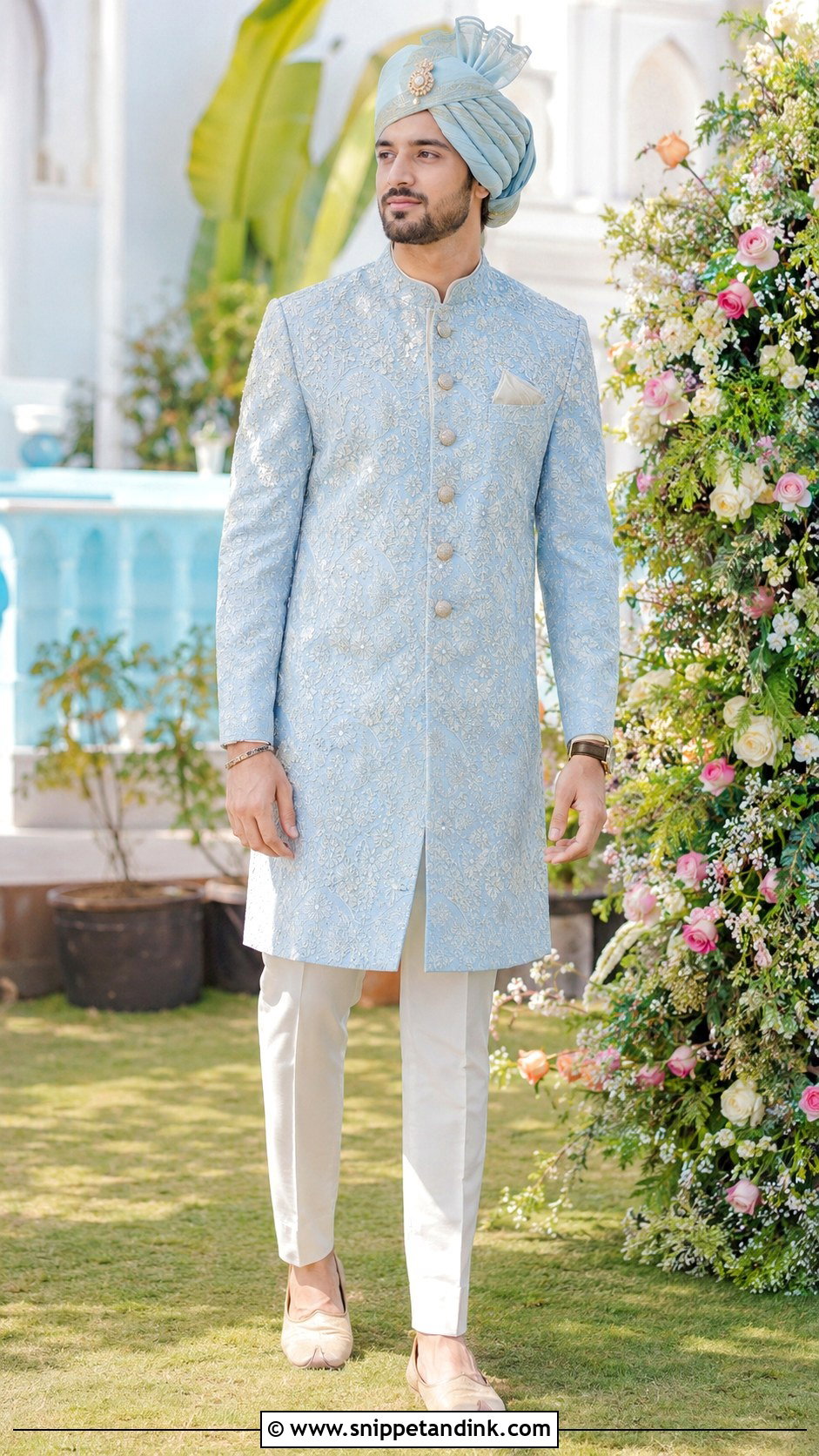
Pastels look fresh in daylight. Powder blue, mint, blush or pistachio in a breathable silk blend or jacquard gives a festive look without the weight of an evening sherwani, with restrained embroidery at the collar and cuffs. Pair it with cream straight pants and beige mojaris. If the family is wearing safas, a matching or complementary one completes it. When the bridal party is already in pastels, I go one shade off rather than an exact match, so he sits in the group without disappearing into it.
3. Floral Achkan For Bride Brother
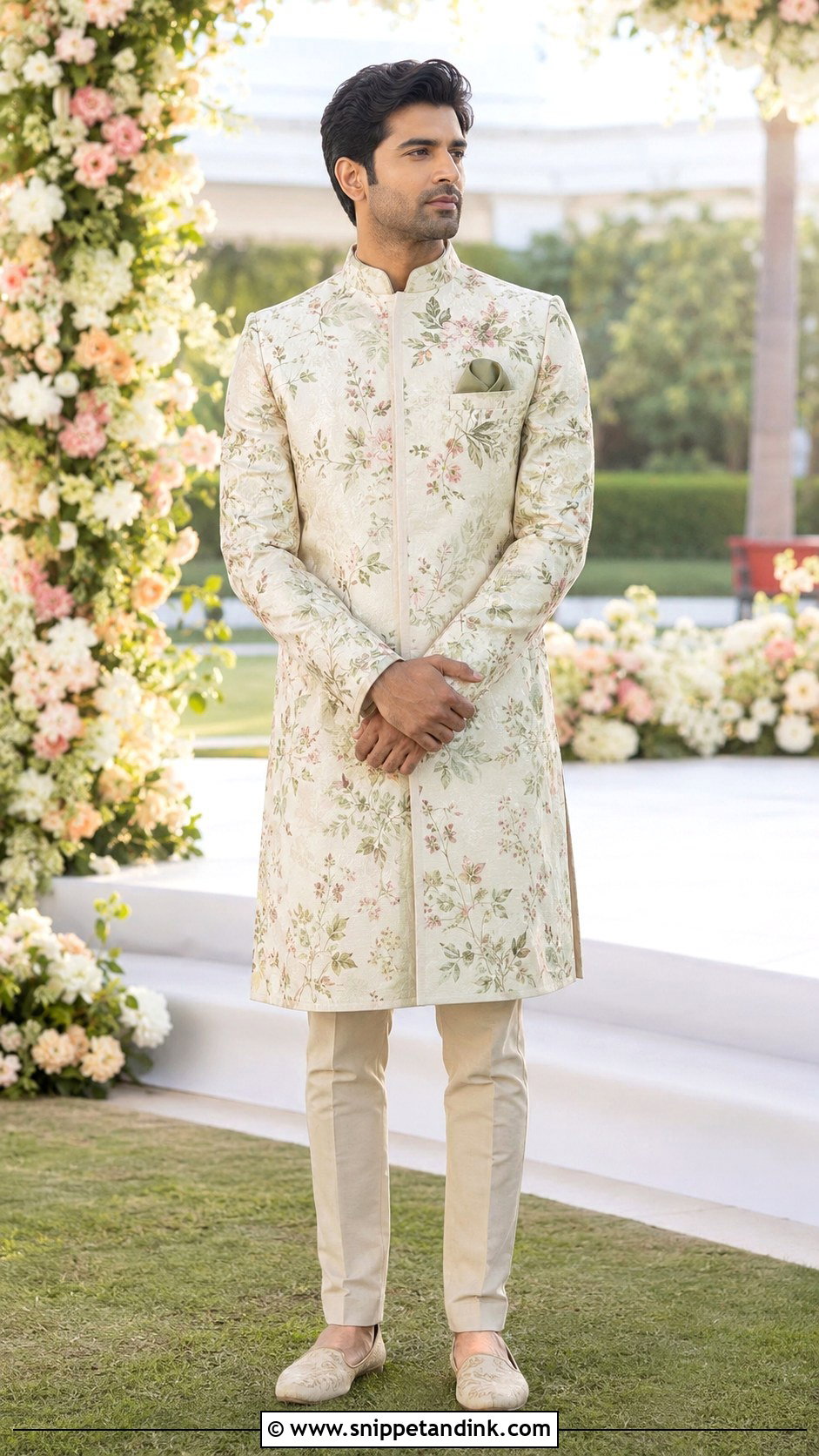
Print scale is the whole decision with a floral achkan. Too small and it reads as a blur on camera; too large and it swamps a slimmer frame. A medium print on a cream base, with muted green, blue or pink flowers, is the easiest to wear and coordinate at a garden function or mehendi. Because the achkan carries all the pattern, everything else stays plain: slim trousers, neutral mojaris, no printed stole and no ornate necklace. Pull one color from the print for a solid pocket square. Have it fitted through the shoulders and chest first, since an achkan that pulls across the back when he raises his arms will show it in every candid shot.
4. Velvet Bandhgala For Bride Brother
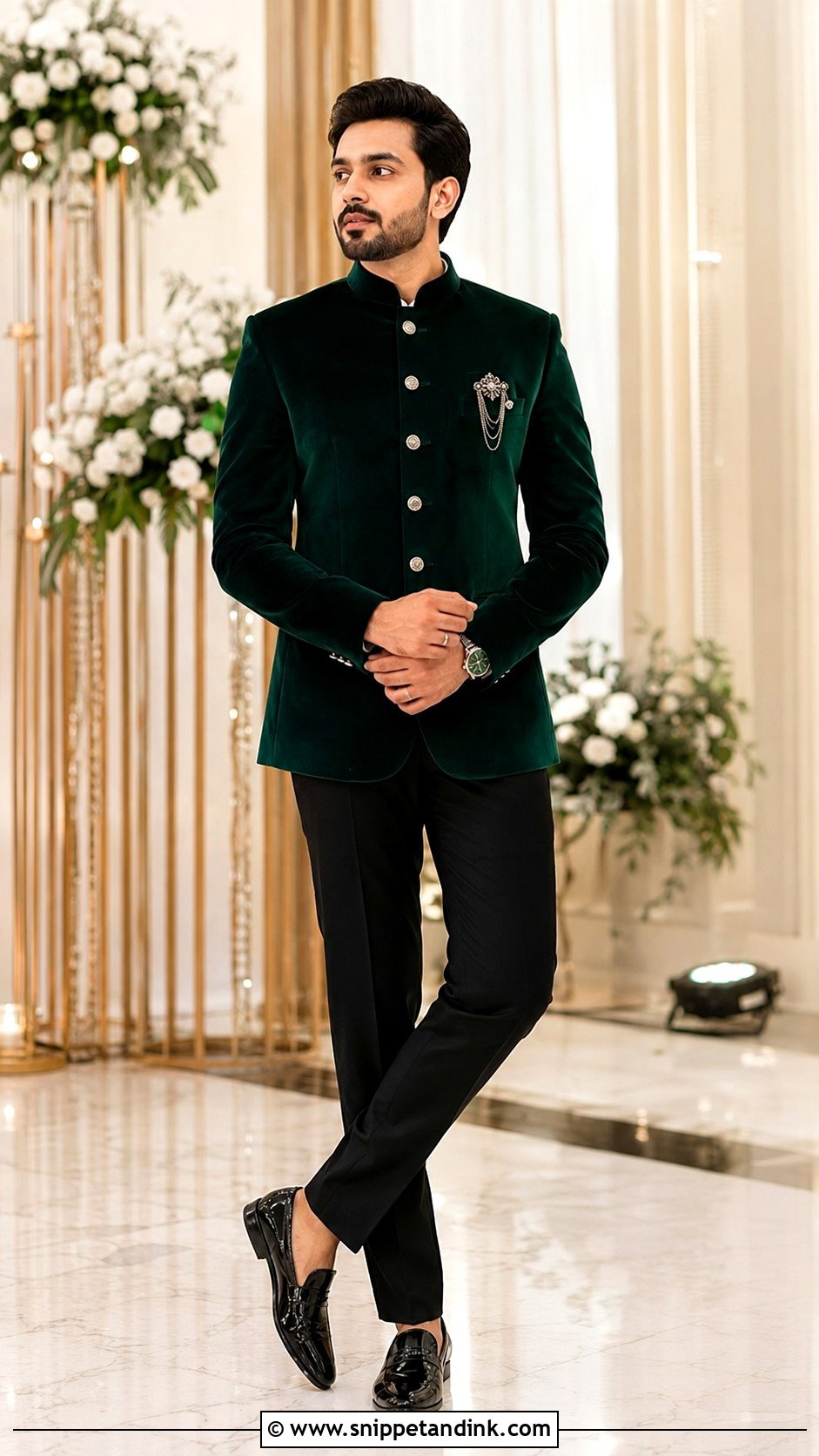
Velvet soaks up evening light, which is exactly why it suits a winter wedding or formal reception. Emerald, burgundy, midnight blue and charcoal all read rich under warm bulbs. Wear the bandhgala with matching or black tailored trousers, a crisp band collar and a clean button line, plus polished black loafers or lace-ups. A small metallic brooch is plenty. The warning I give every client: velvet is hot. Ask for a lightweight lining and enough ease through the back that he can hug relatives without the jacket straining, and keep a lint roller nearby, because velvet picks up every petal and thread at the venue.
5. Jodhpuri Suit For Bride Brother
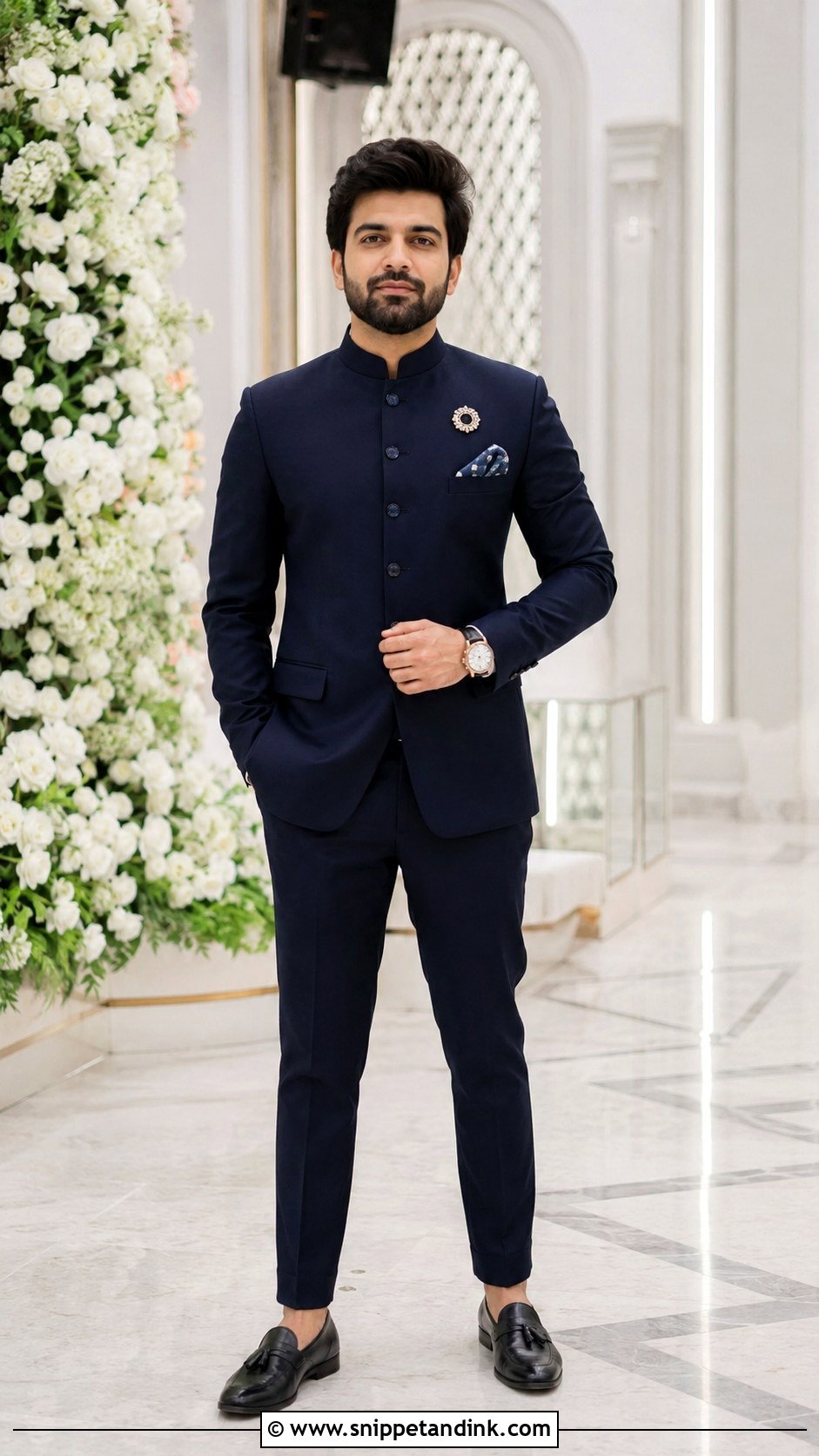
For a look that blends Indian tradition with Western tailoring, a Jodhpuri suit is hard to beat, and it carries the engagement, the ceremony or the reception equally well. Navy, charcoal, olive or deep plum, depending on the season and palette, with matching tapered trousers and a light neutral shirt or concealed inner layer. Black or dark brown loafers, a patterned pocket square, a simple brooch and a classic watch. The fit test I use is simple: button it, then have him reach forward as if shaking a guest’s hand. If the closure pulls into X-shaped creases, the chest needs letting out before the day.
6. Kurta With Nehru Jacket For Bride Brother
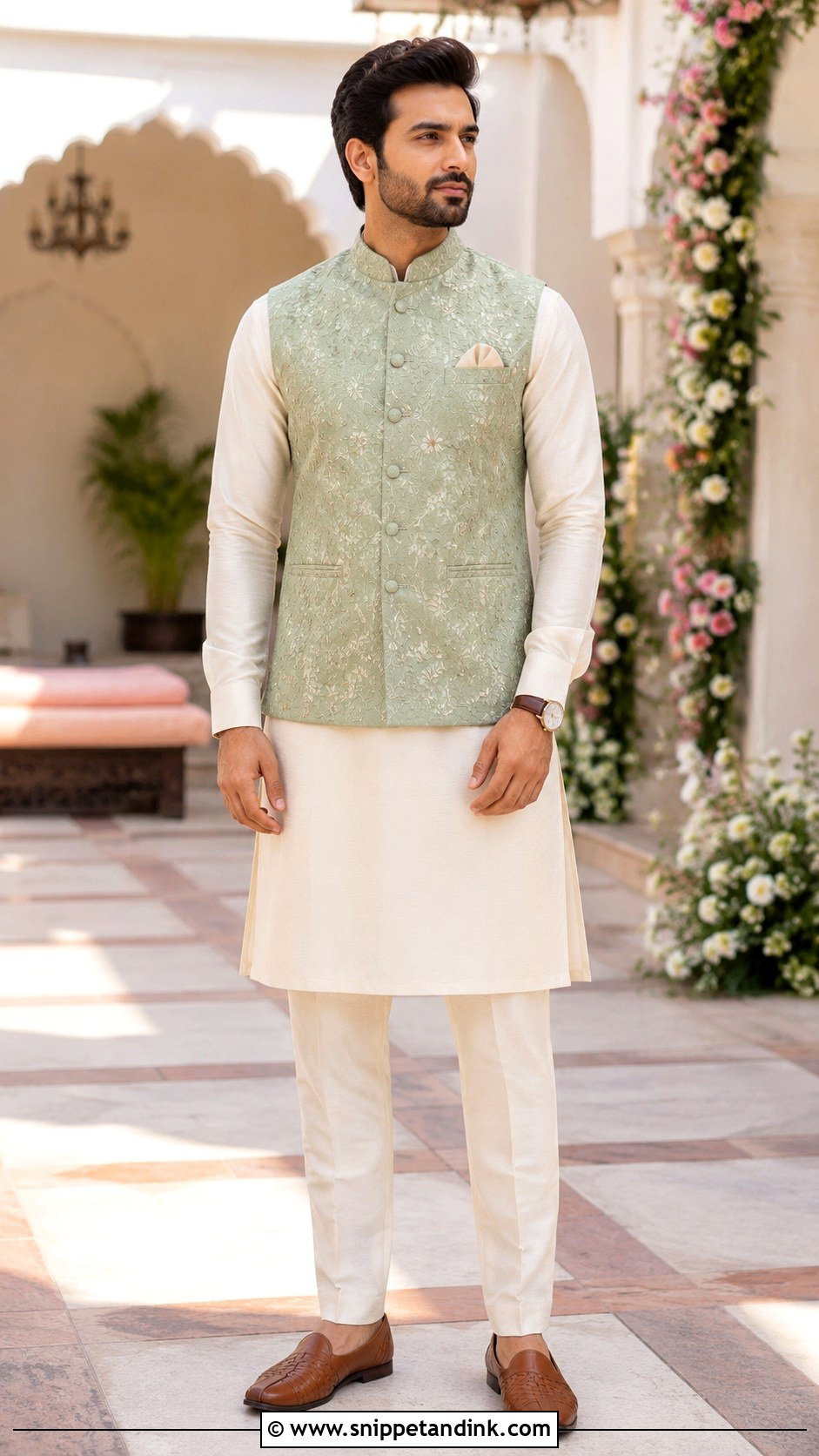
A kurta with a Nehru jacket is the most useful combination a bride’s brother can own, because the jacket comes off and the outfit changes register. Start with a solid cream, white or pastel kurta and straight trousers, then add a textured or lightly embroidered jacket in a deeper shade: sage, maroon, navy or dusty blue all suit cream. Leather mojaris and a pocket square that links the two layers finish it. The jacket should stop around the hip and sit close without restricting his arms. Wear it buttoned with a brooch for a small ceremony, open for a family lunch.
7. Printed Kurta For Bride Brother Mehendi
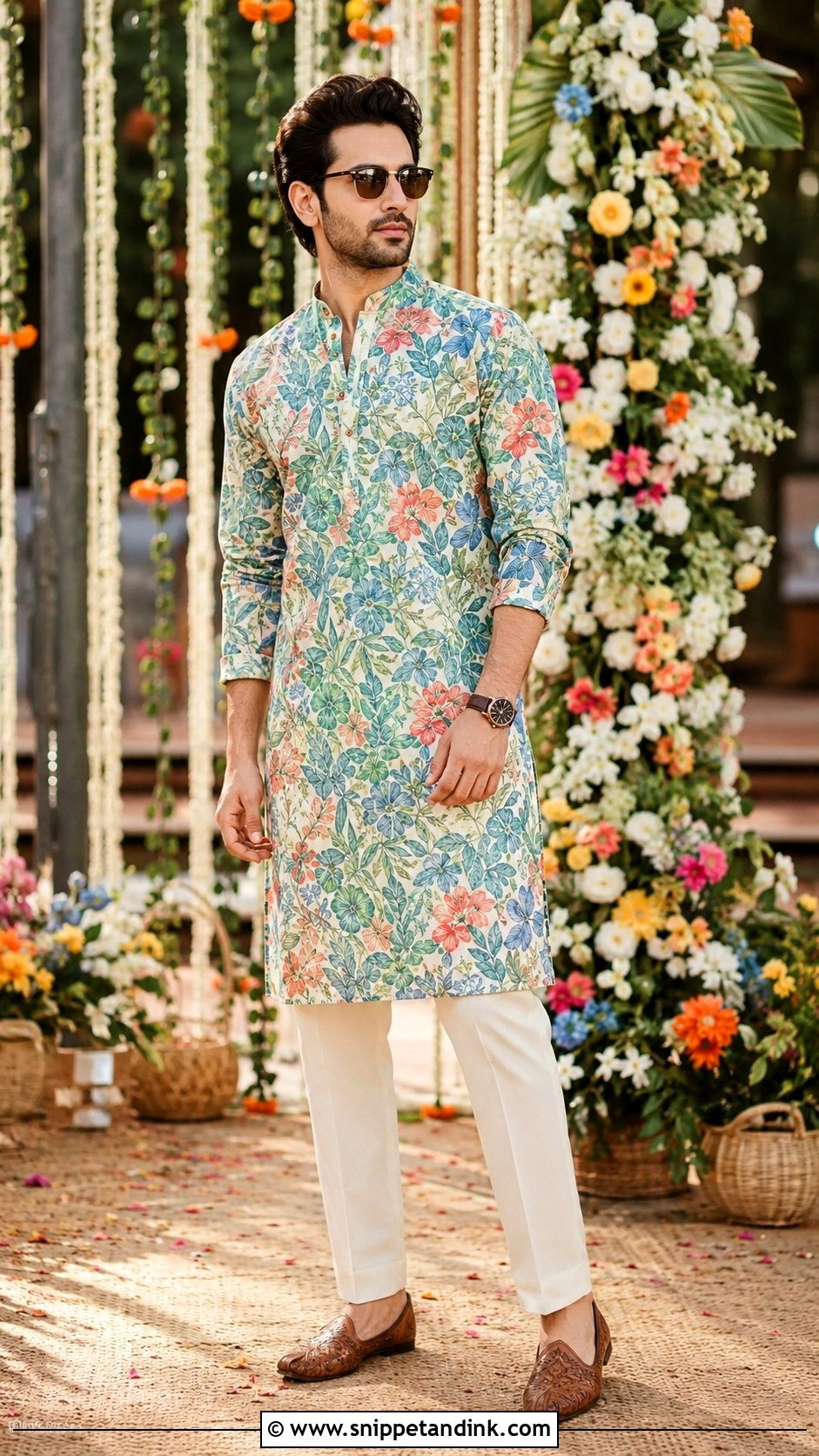
Mehendi is the function where a printed kurta makes the most sense. Botanical motifs, geometric patterns and subtle block prints all work, as long as the print keeps to two or three colors. Plain ivory, beige or white straight pants keep it balanced. Shoes depend on the ground: brown loafers indoors, leather sandals or embroidered mojaris on grass. Cotton-silk breathes in the heat. One practical note from these events: mehendi paste and wet cones are everywhere, so I’d steer him away from anything with pale cuffs that trail when he leans in to help. Skip the jacket outdoors and keep to a simple watch.
8. Yellow Kurta For Bride Brother Haldi
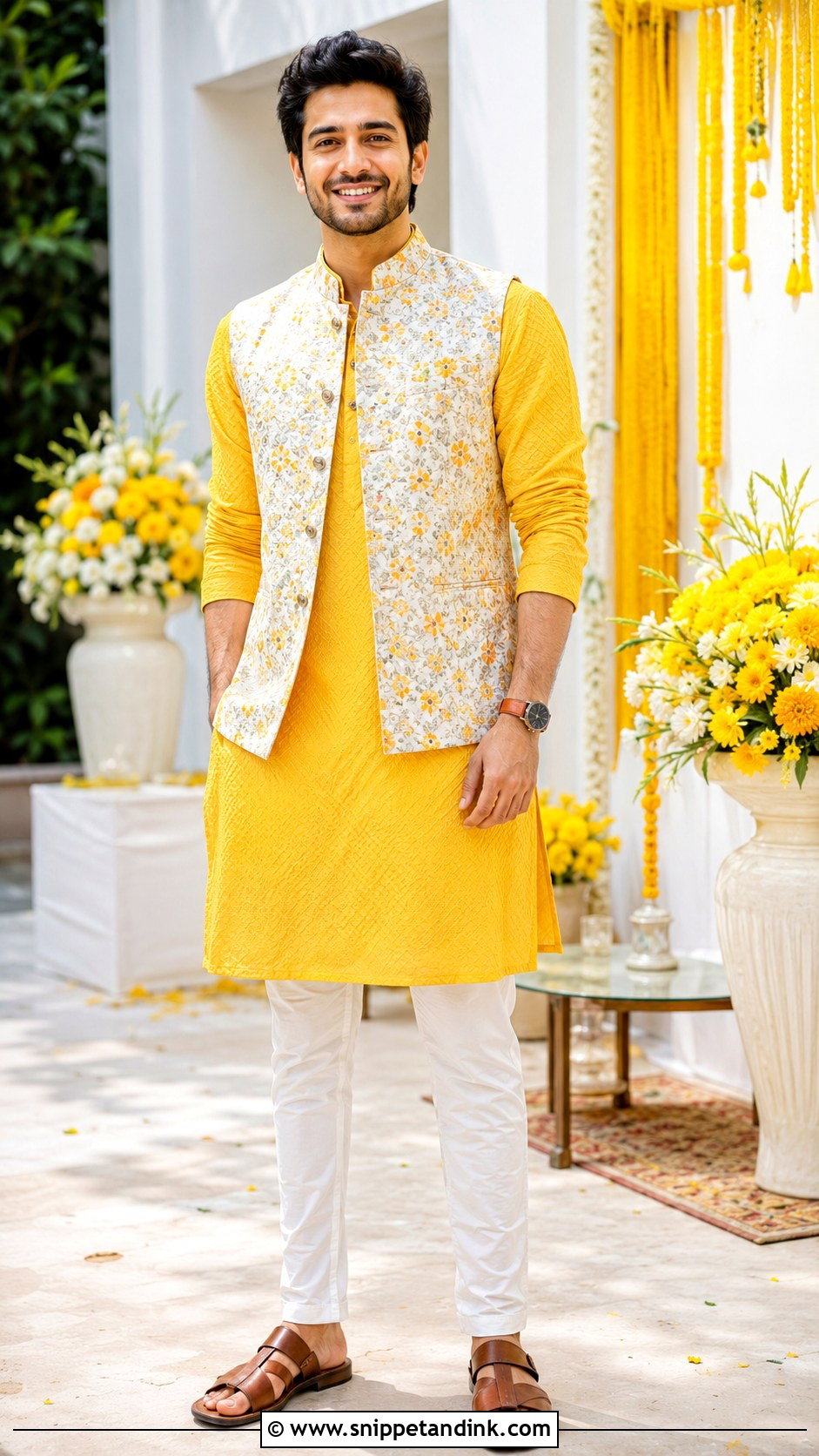
A yellow kurta belongs at haldi, and the main thing to plan for is the turmeric. It stains cotton and silk alike, often permanently, so this is not the day for hand embroidery or an expensive fabric he wants to wear again. A textured cotton or linen-blend kurta in marigold, mustard or soft lemon, tried against his skin in daylight, with white or ivory pajama pants. Brown leather sandals or simple mojaris. If the whole family is in yellow, a slightly deeper shade, an embroidered collar or a printed waistcoat he can take off later marks him out from the cousins.
9. Asymmetric Kurta For Bride Brother
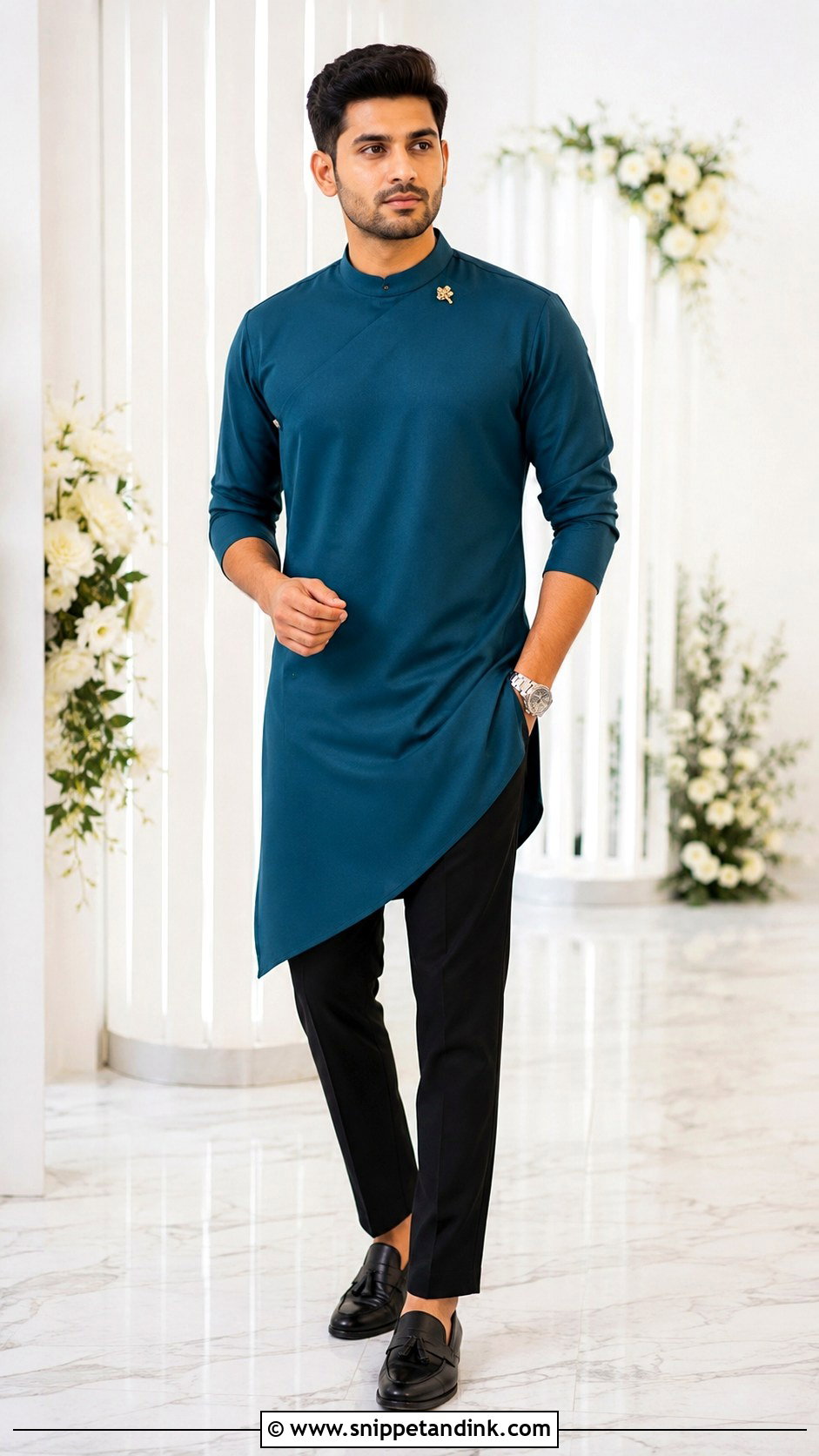
An asymmetric kurta is a modern step that doesn’t go too far, provided the cut has one clean diagonal line or a gently layered front. Heavy draping gets in the way over a long function. Teal, rust, navy, beige or muted green keeps the attention on the cut, with narrow black, cream or matching trousers and sleek loafers or minimal mojaris. A metallic watch and a small collar pin are all the accessories it needs. During alterations I check it walking, not just standing, because an asymmetric hem can twist at the side seams with each step. It’s right for a sangeet, an engagement party or a modern indoor celebration.
10. Cowl Kurta For Bride Brother Sangeet
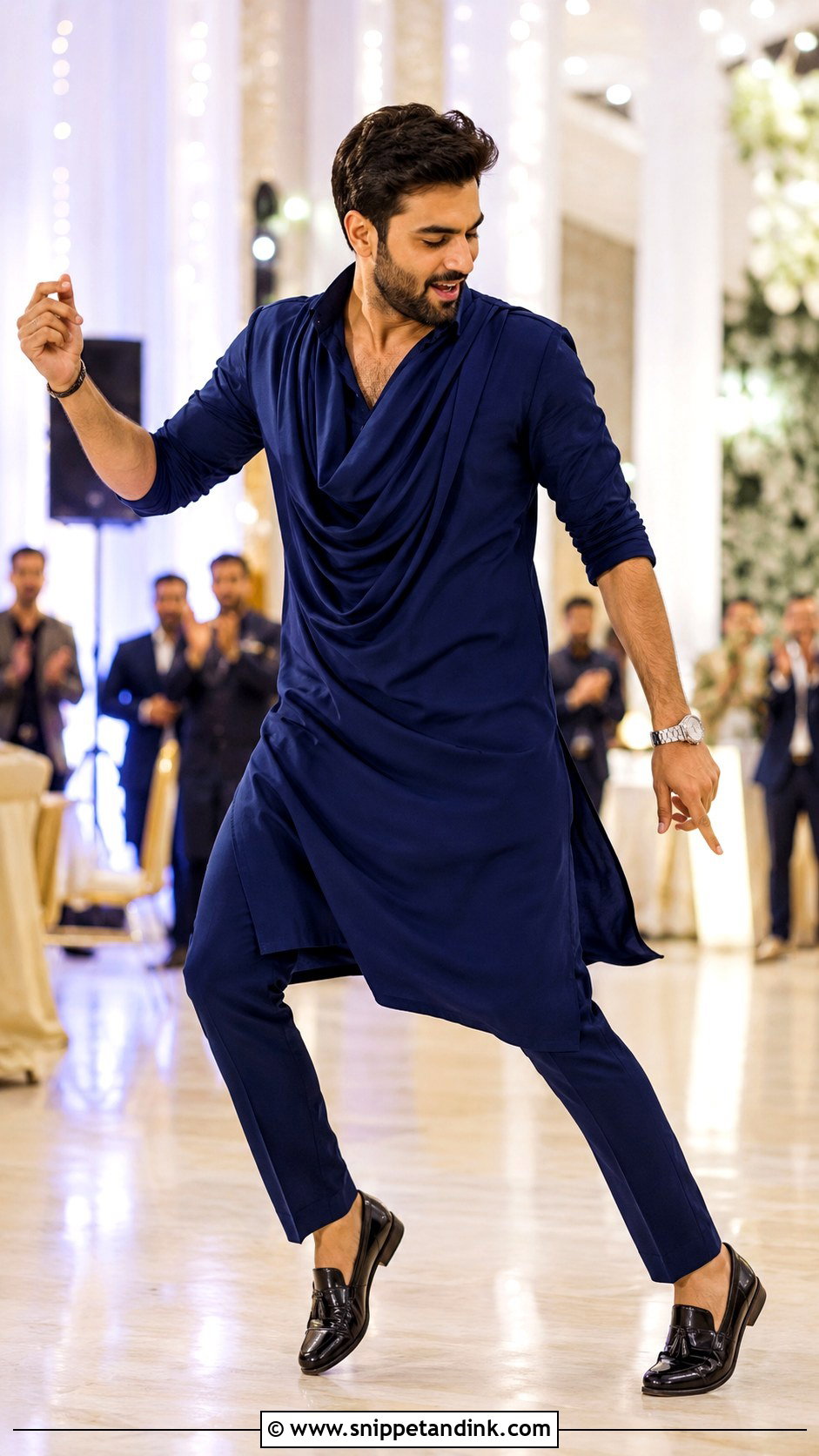
He will dance at the sangeet, so the cowl has to stay put. Choose a lightweight fabric that falls smoothly rather than bunching at the waist; heavier fabrics drag the drape down and it loses its shape within an hour. Sapphire, wine, emerald and deep purple read well under stage lighting. Slim black or tonal trousers balance the softer lines, and polished loafers are easier to dance in than stiff formal shoes. A bracelet or watch is enough. Have him do a full rehearsal in the outfit, sitting and dancing, before the night.
11. Indo Western Outfit For Bride Brother
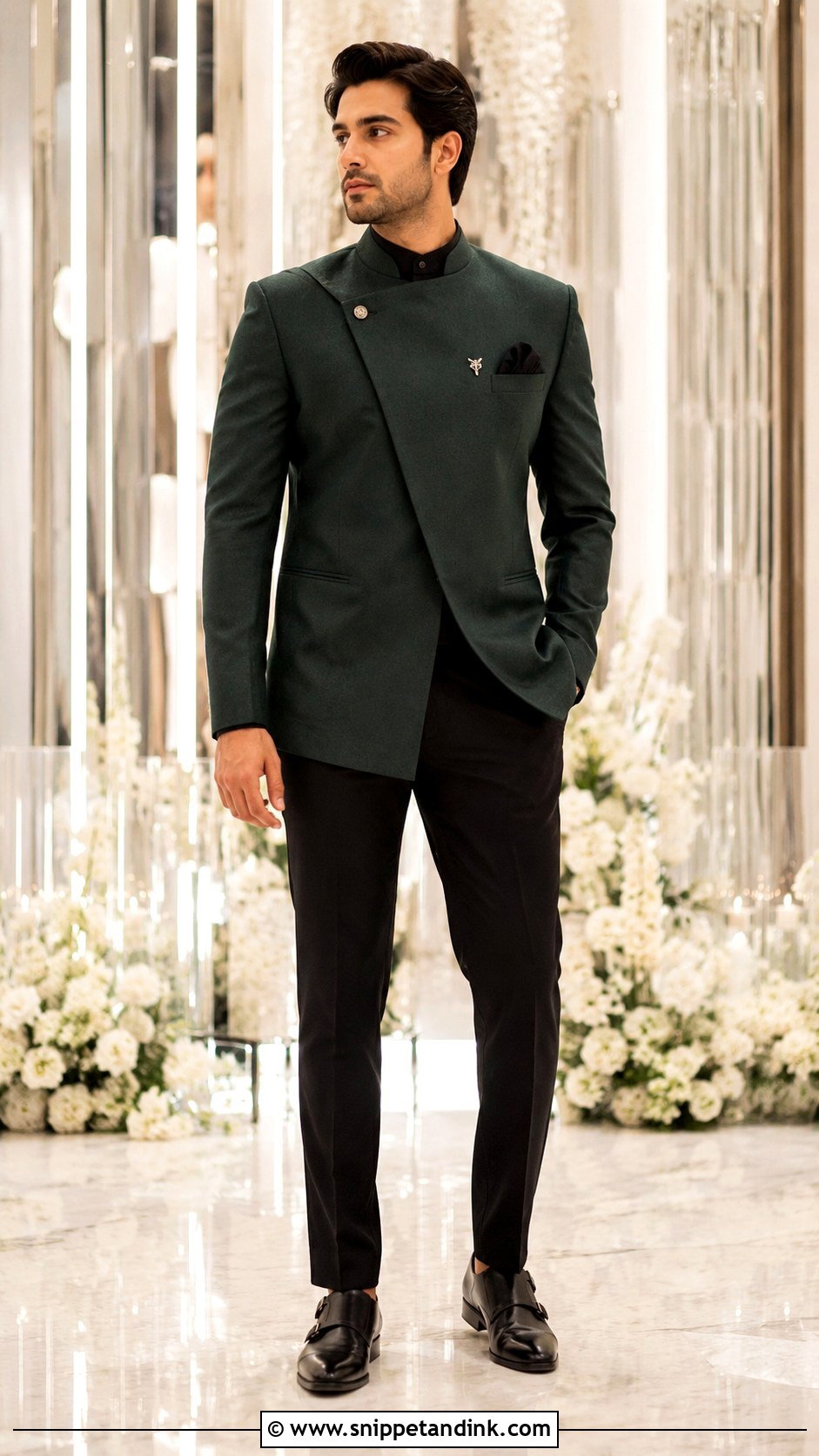
An Indo-western outfit fits a wedding that mixes traditional ceremonies with a modern venue. Start with a long band-collar shirt or minimal kurta and layer a structured asymmetrical jacket over it, with tailored trousers rather than a churidar for a sharper finish. Black, charcoal, navy and forest green carry the evening; beige and dusty pastels suit daytime. Leather loafers or monk straps. My rule here is one experimental element only. If the jacket has an unusual cut, the fabric, pants and accessories stay plain, with perhaps a pocket square or a small brooch.
12. Embroidered Kurta For Bride Brother
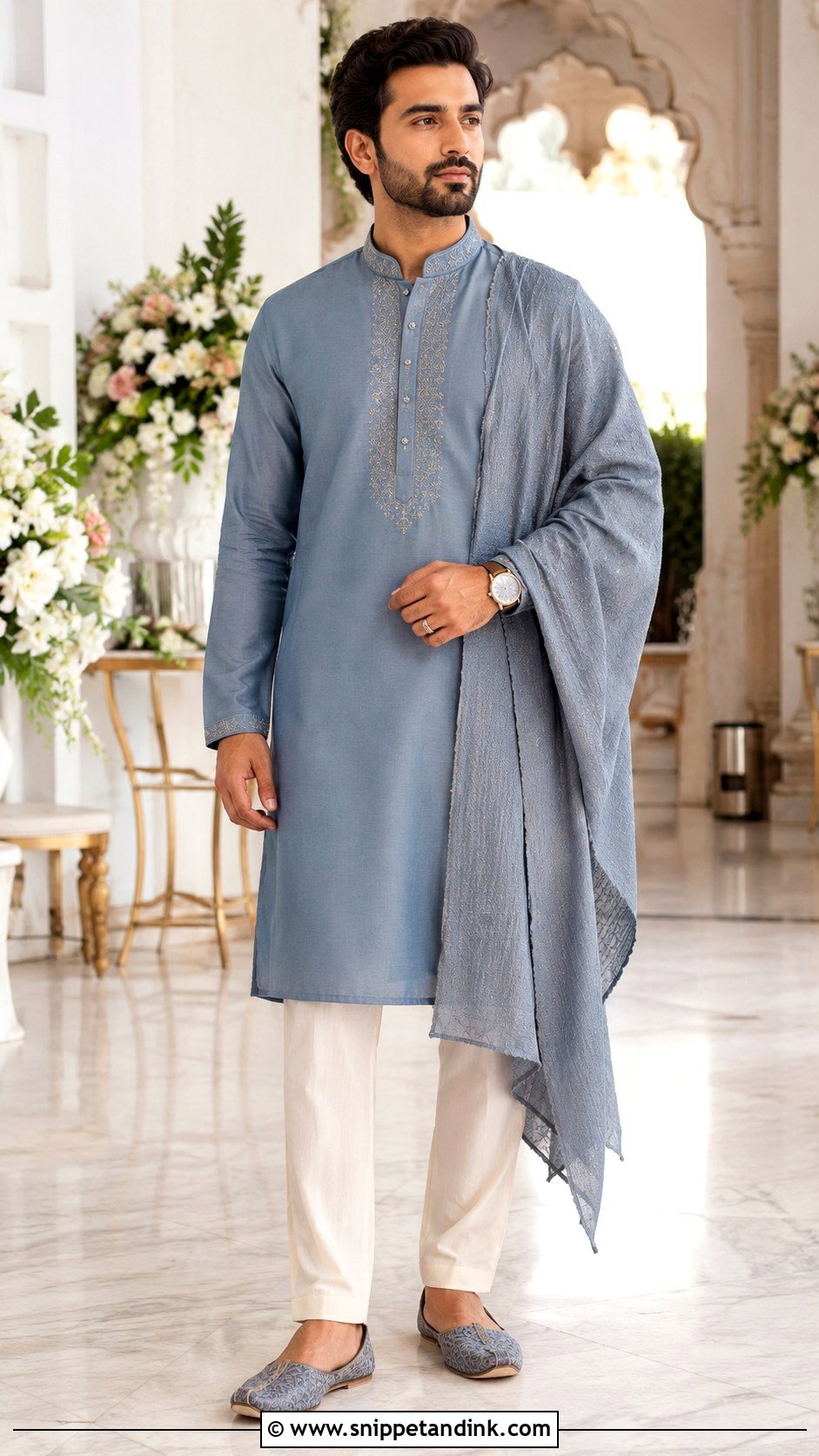
Where the embroidery sits matters more than how much there is. On a lightly embroidered kurta I look for threadwork at the collar, placket, cuffs or shoulders, the places a camera catches at a family portrait, rather than dense work all over that makes it hot and stiff. Ivory, sage, dusty blue, mauve and soft peach work well in daylight, with plain white or cream straight pants and coordinating mojaris. A textured stole over one shoulder adds formality while leaving the embroidery visible. Sleeve length is the alteration I never skip: cuffs should end neatly at the wrist bone, with one watch and one simple ring.
13. Black Bandhgala For Bride Brother
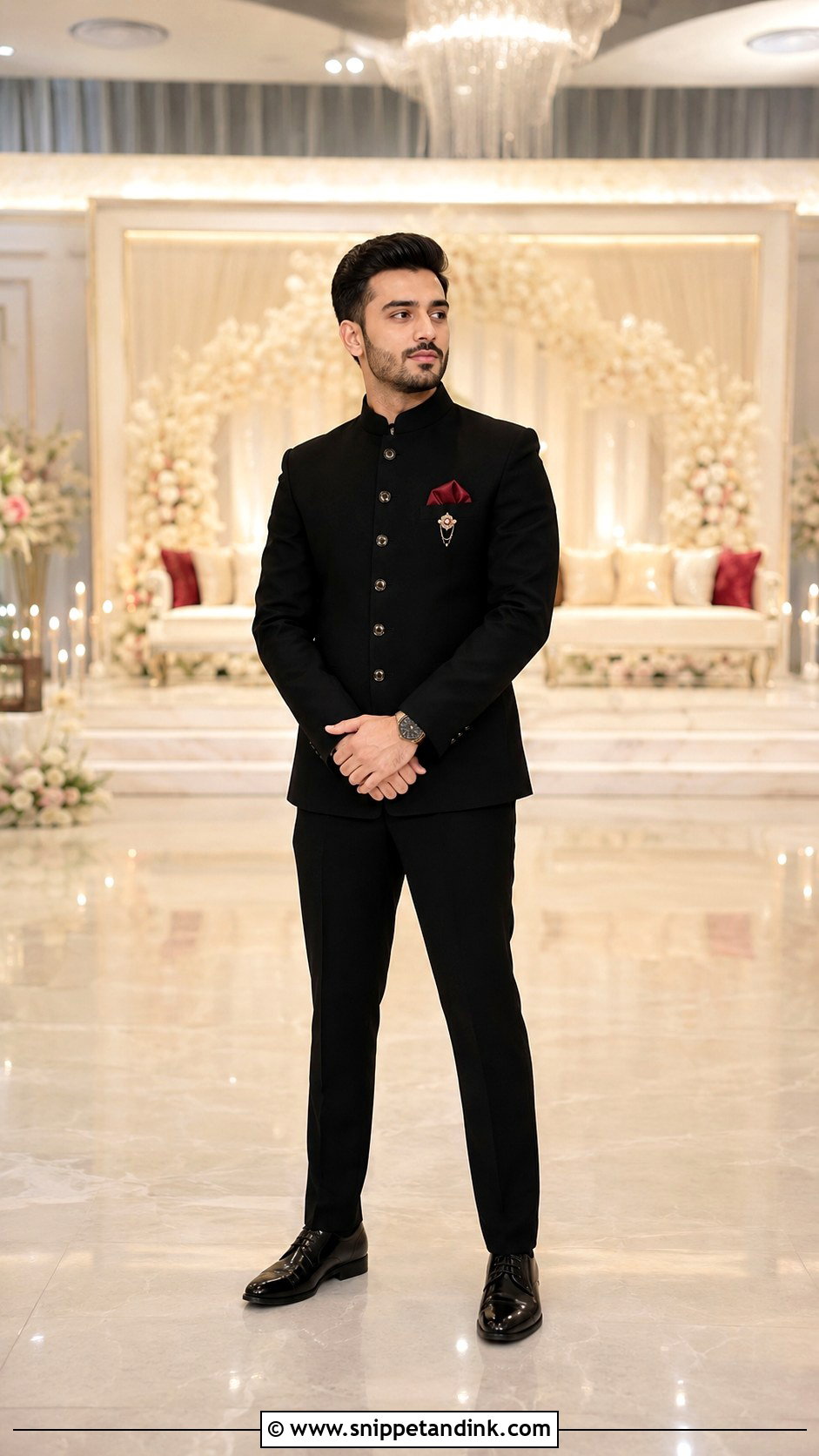
Few outfits look as sharp in evening photographs as a tailored black bandhgala. The dark base sets off polished buttons, a small brooch or a colorful pocket square, and matching black trousers with formal leather shoes make him look taller. If all-black feels severe for a wedding, bring in burgundy, emerald or gold through a single accessory. The inner layer must stay hidden so the band collar keeps its clean line. Save it for the reception, a formal engagement or an indoor sangeet, not a hot daytime ceremony. Black is unforgiving of a loose fit, so get the shoulders right and keep enough room to move in them.
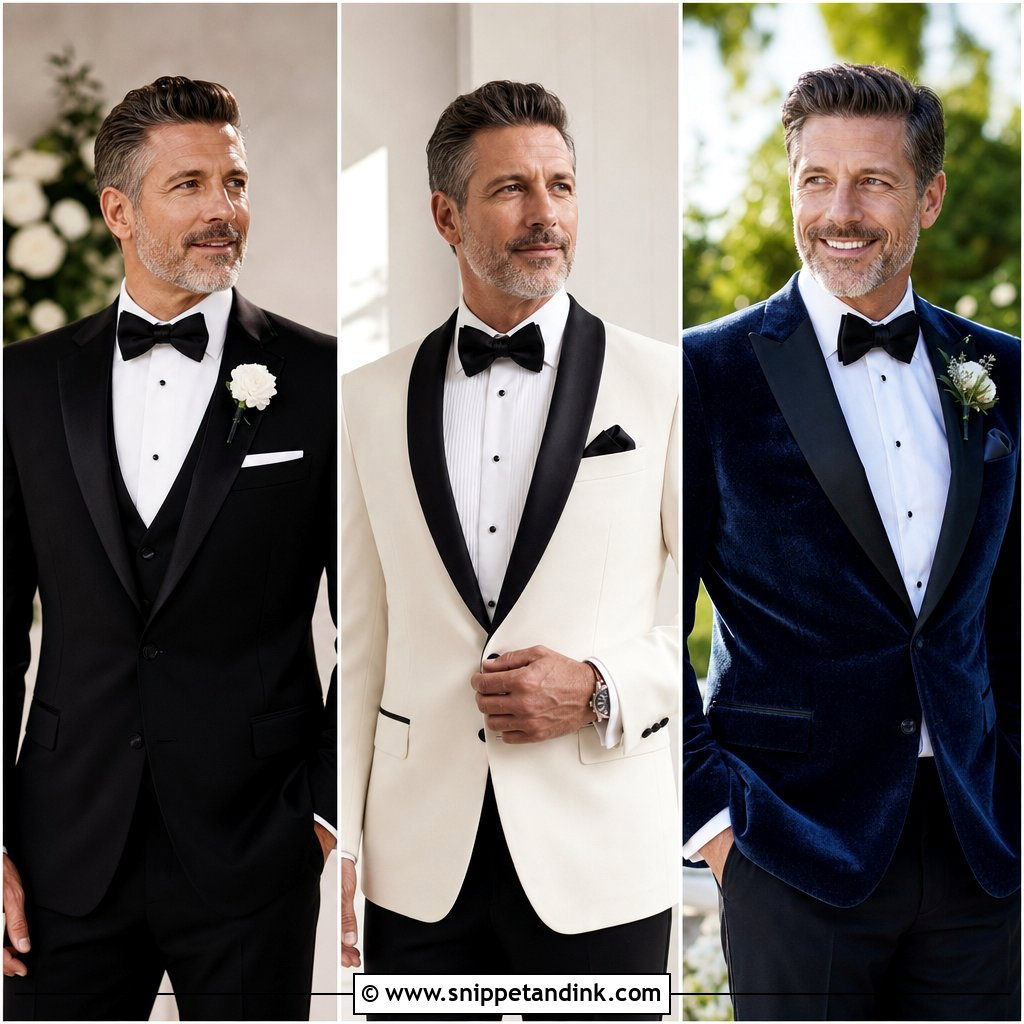
14. Navy Tuxedo For Bride Brother
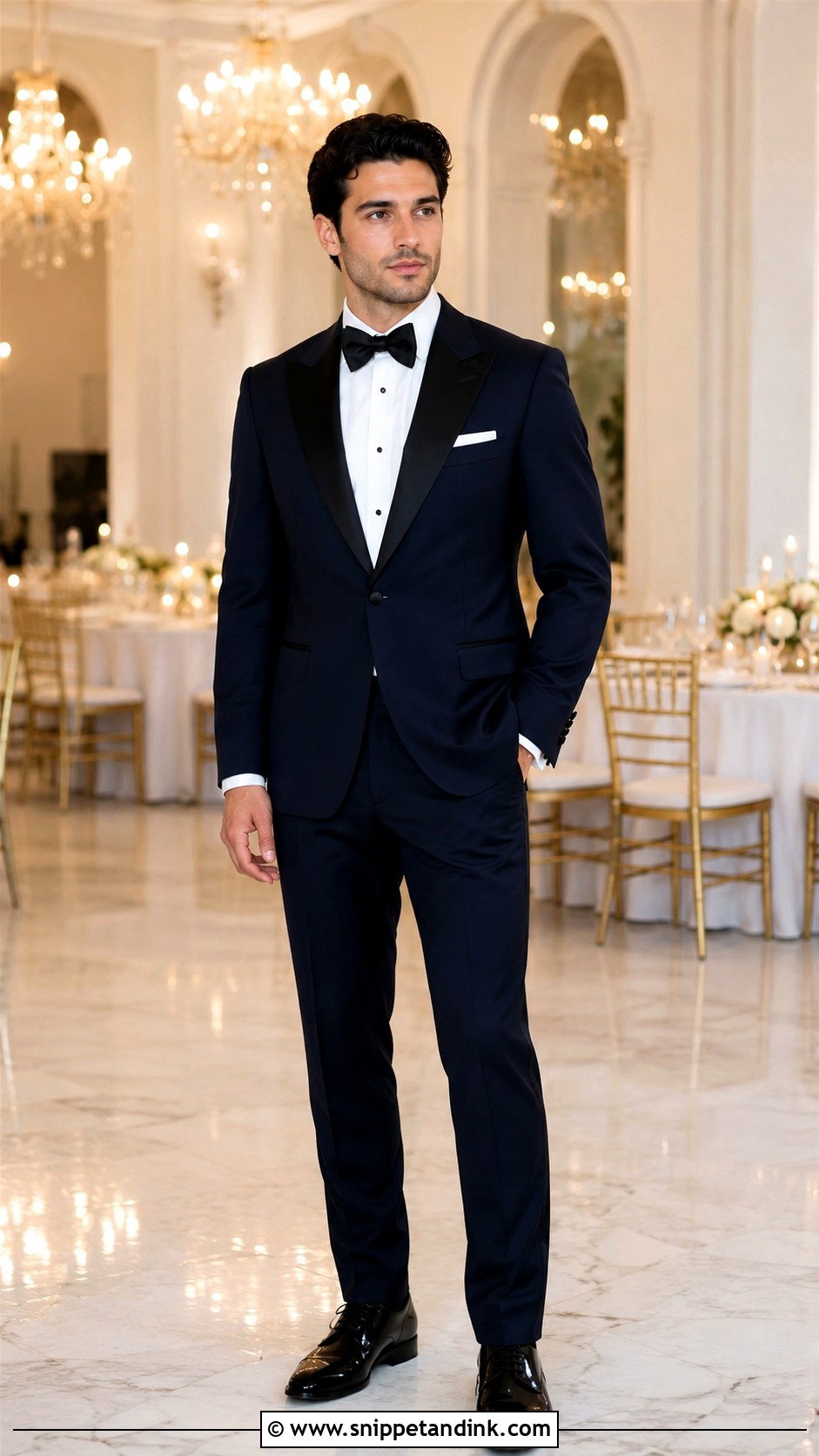
When the invitation says black tie, a navy tuxedo gives the bride’s brother a classic option with a little distinction. A deep midnight shade with satin peak or shawl lapels, a crisp white dress shirt, a black bow tie and tailored tuxedo trousers. Black patent or highly polished shoes keep the formality right, and a white pocket square finishes it. Check what the groom and groomsmen are wearing before ordering; if they’re also in navy, he risks looking like an extra groomsman. Book the alterations early, because trouser break and jacket sleeve length are what separate a tuxedo that’s been fitted from one that’s been rented.
15. Linen Kurta For Bride Brother Day Wedding
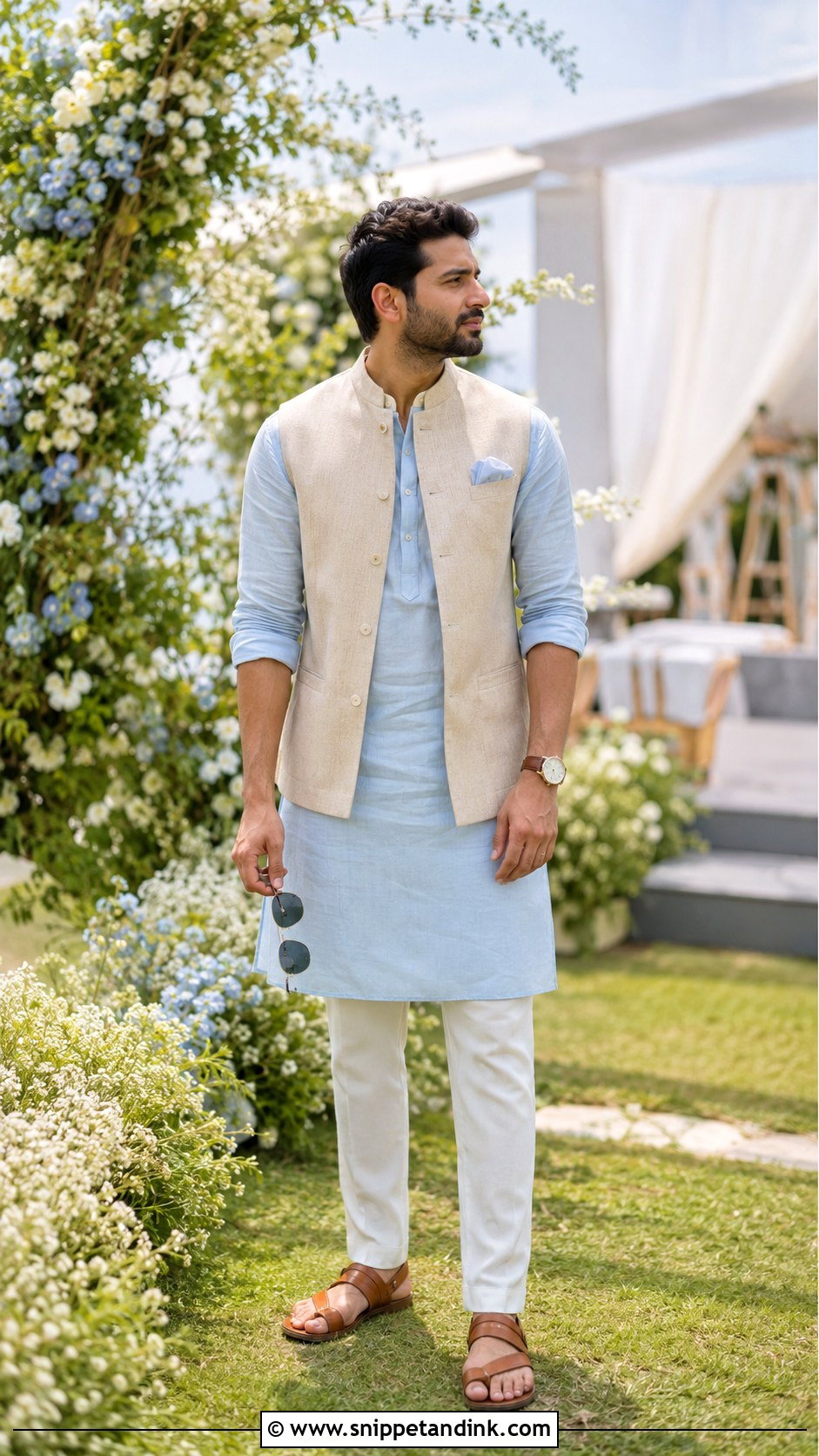
Heat changes everything about a daytime outfit. Linen or a linen blend in beige, pale blue, mint or soft gray breathes better than any silk, and a subtle woven texture stops a plain kurta from looking flat. Ivory straight pants and tan sandals or light mojaris. If more formality is needed, add an unlined Nehru jacket in a complementary pastel. Linen creases fast; I tell clients to accept soft wrinkles rather than have it starched stiff, which looks worse by noon. Sunglasses come off before the formal portraits.
16. Pathani Suit For Bride Brother
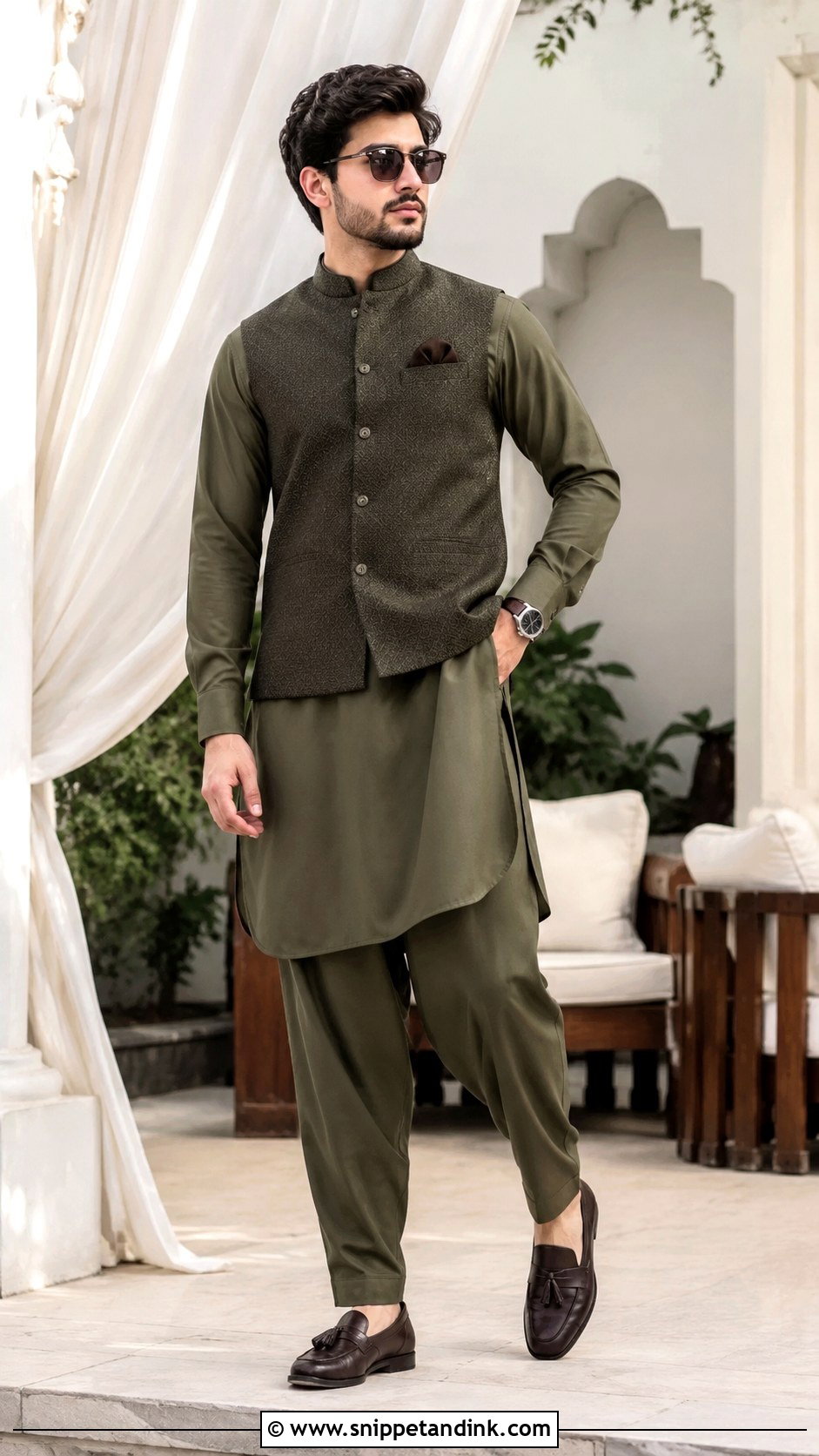
A Pathani suit gives a strong, simple silhouette with plenty of room to move. Look for a well-cut kurta with a structured collar and neat chest pockets, and salwar-style pants that taper cleanly at the ankle without bunching. Olive, navy, charcoal, sand and maroon work day or night. A fitted waistcoat turns it formal. Leather sandals suit a relaxed daytime setting, and dark loafers or mojaris sharpen it after sunset. Those chest pockets are genuinely useful to a bride’s brother, who ends up carrying envelopes, keys and a phone all day. It’s right for a family dinner, a pre-wedding gathering or a travel day where a sherwani would be too much.
17. Short Kurta With Straight Pants For Bride Brother
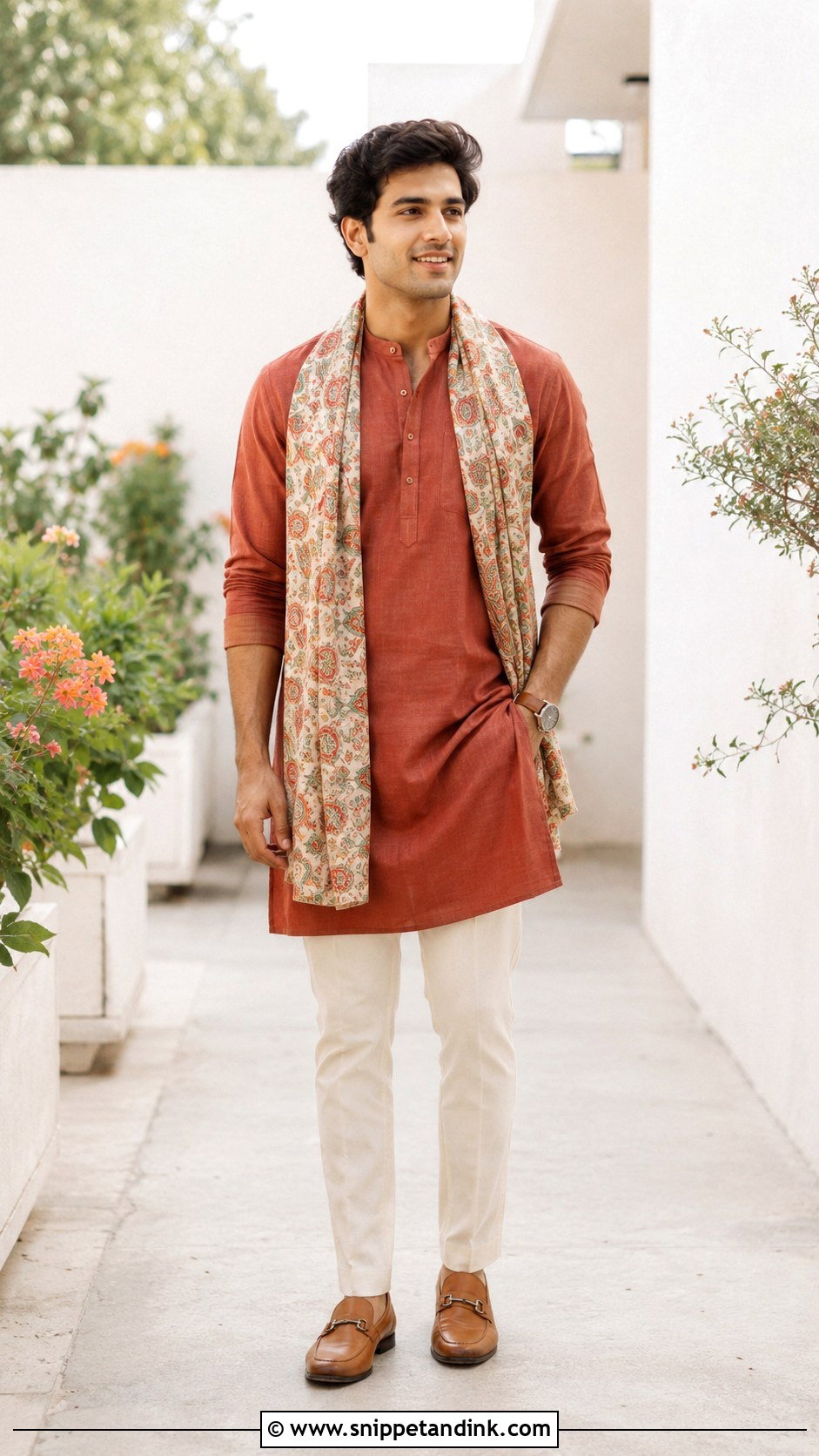
A short kurta with straight pants is the youngest-looking outfit here, good for a casual mehendi, a welcome event or a daytime family gathering. Length is the detail I’d fuss over: around mid-thigh with clean side vents. Shorter than that, or cut too tight, and it reads as a long shirt rather than occasion wear. Cotton-silk, textured linen or woven jacquard give it enough presence. Muted green, sky blue, terracotta or cream, against white, beige or black pants. Minimal leather sneakers can work at a relaxed modern venue; loafers or mojaris keep it traditional. A watch and, if he likes, a printed scarf.
18. Monochrome Kurta Outfit For Bride Brother
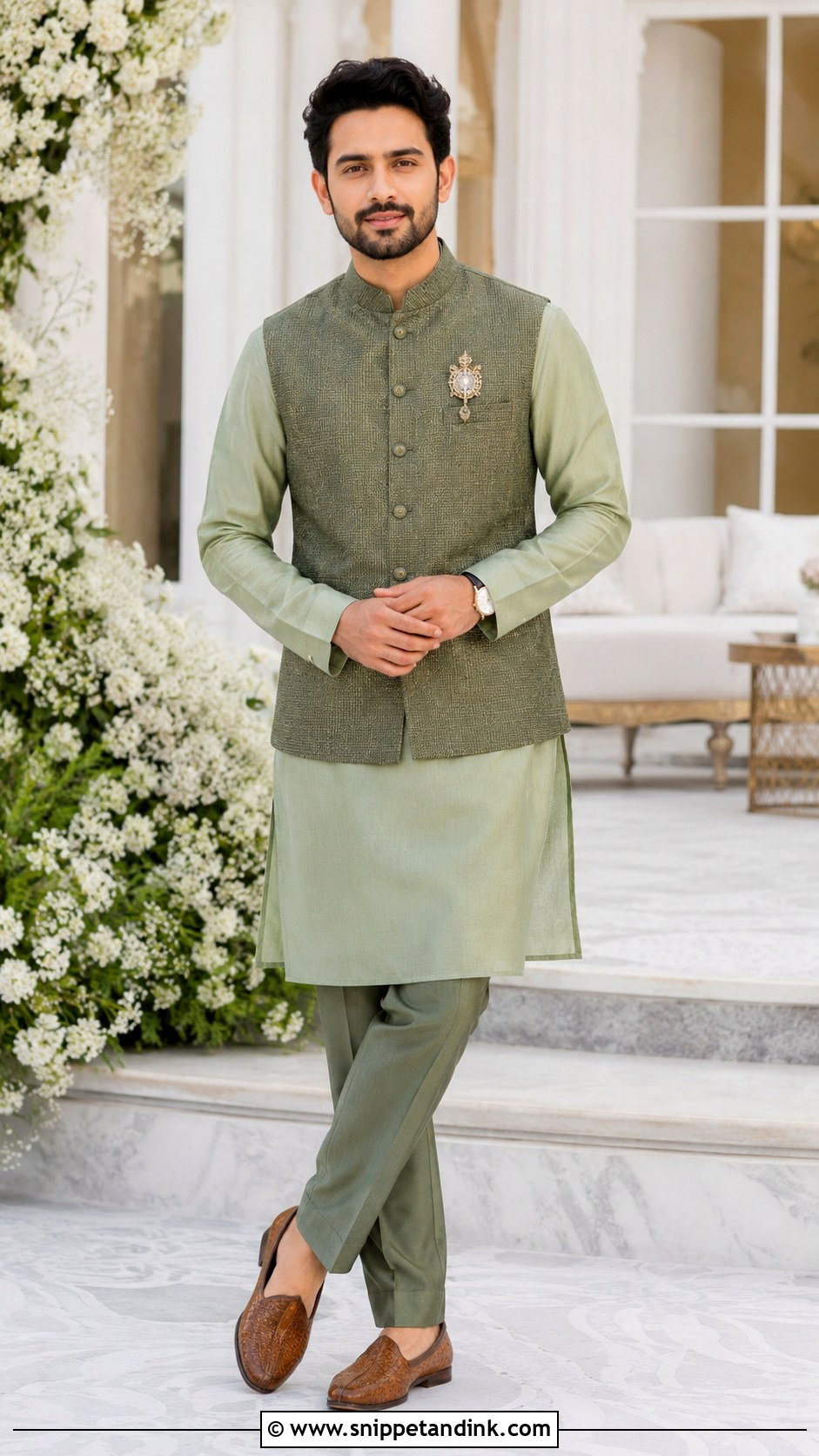
Monochrome only works when the textures differ. A kurta, trousers and Nehru jacket in close shades of one color, say a pale sage kurta, darker sage trousers and a textured olive jacket, looks considered. The same pieces in identical flat fabric look like a uniform. So I mix matte cotton-silk, woven jacquard and smooth suiting within the one color. Beige, blue, green and burgundy all work. Shoes can match closely or drop to a neutral brown, and a metallic brooch with a simple watch gives the eye a point to land on.
19. Double Breasted Suit For Bride Brother
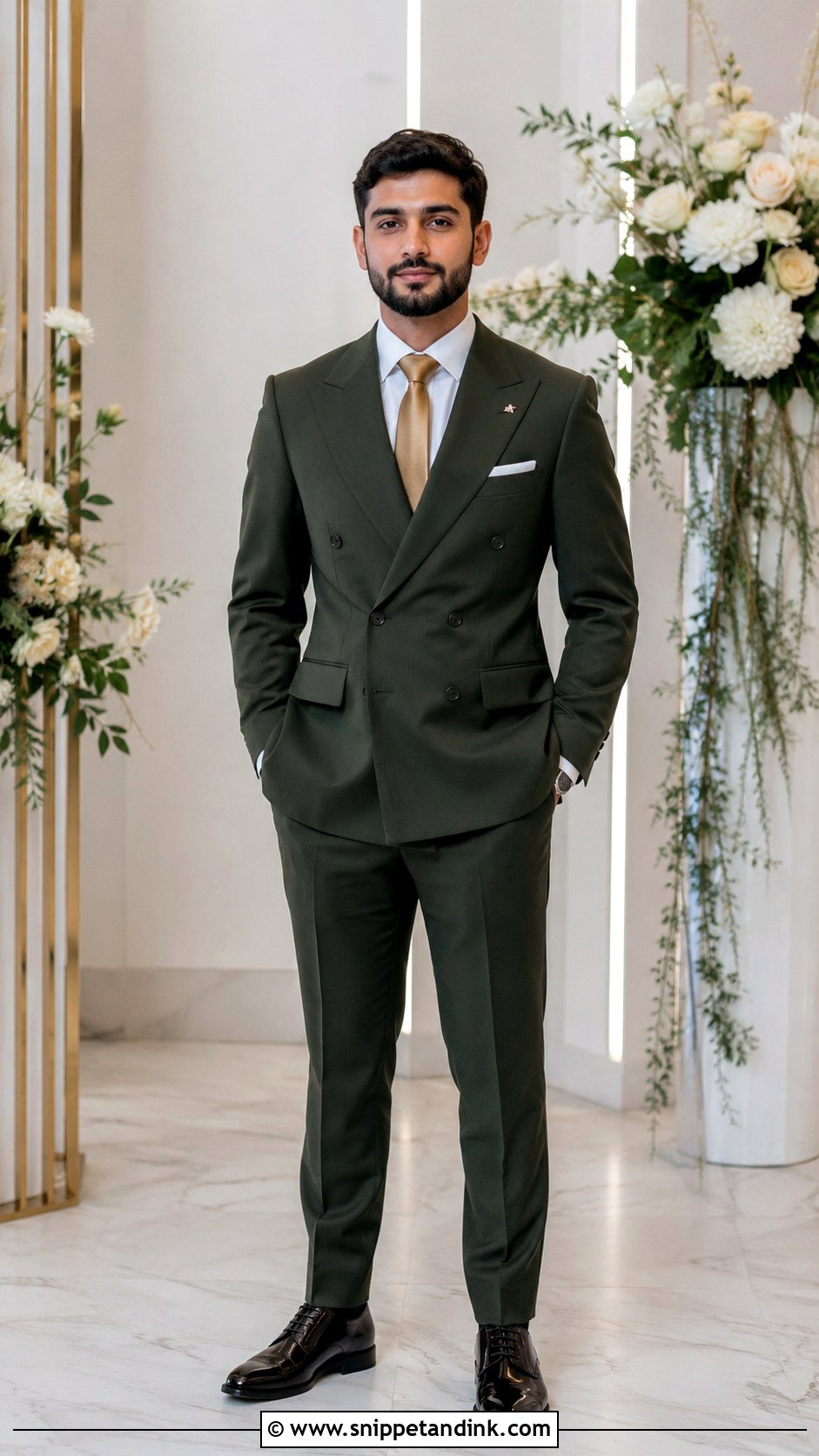
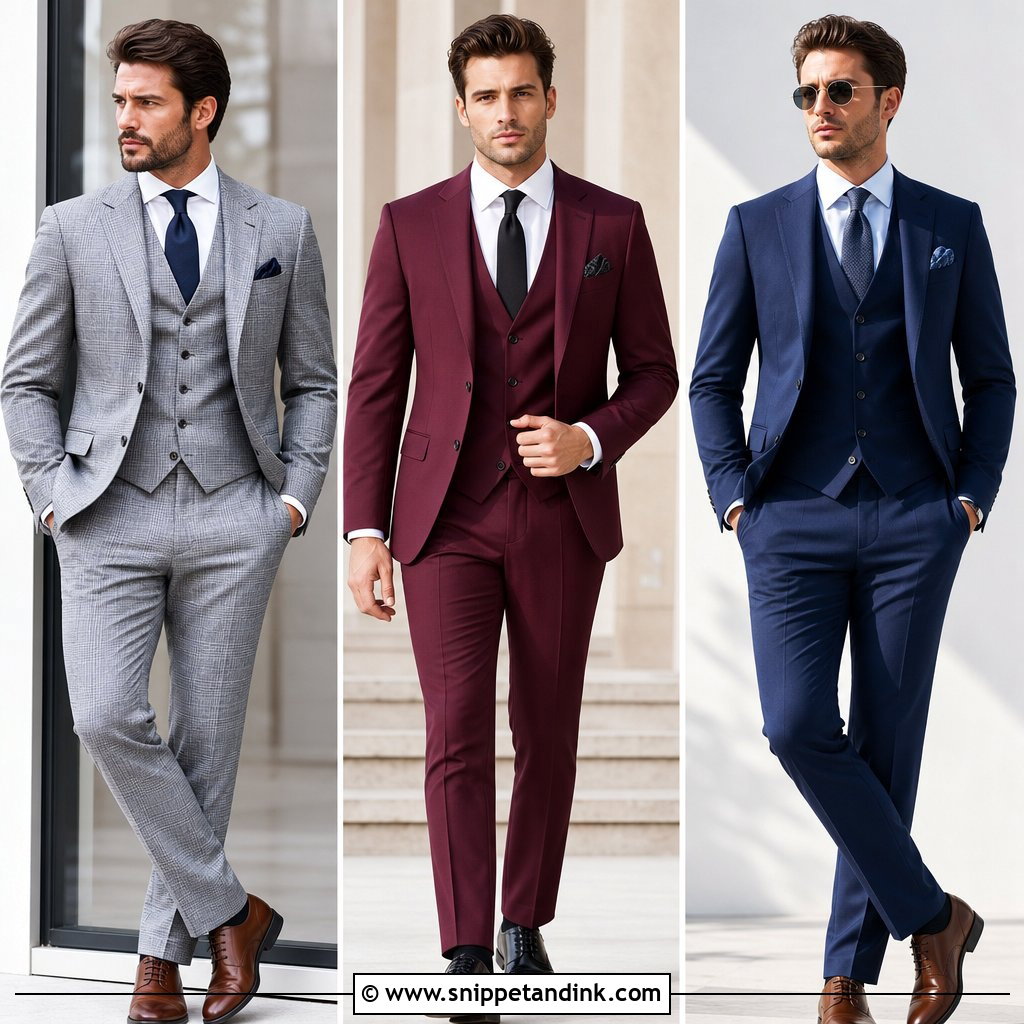
A double-breasted suit suits a cocktail reception or modern evening wedding, especially when the groom is in a black tuxedo. Navy, charcoal, dark green or medium gray, with a white or pale blue shirt and a silk tie in one of the wedding colors, plus polished loafers or lace-ups. A double-breasted jacket is designed to stay buttoned while standing, so the waist and shoulders must be altered precisely; unbutton it only to sit. It already reads broad and structured, so avoid big patterns. A pocket square, a classic watch and a discreet lapel pin finish it.
20. Coordinated Bride Brother Wedding Outfit
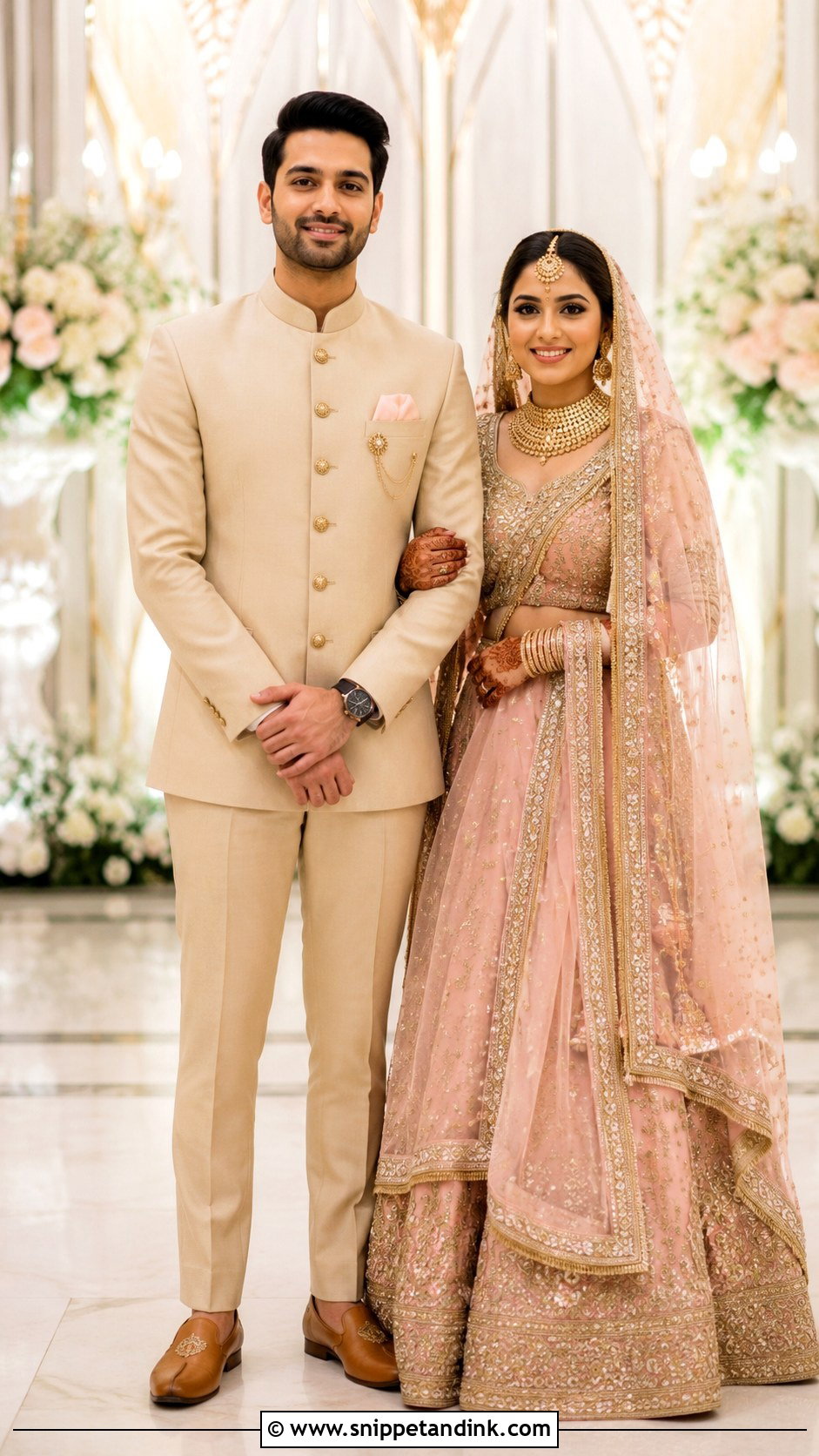
The most personal option links him to the bride without copying her. Pick one shared detail: a color, an embroidery motif, a fabric texture or an accessory. If she wears blush and gold, he might wear a beige bandhgala with a muted blush pocket square and antique-gold buttons. With a jewel-tone bridal outfit, a neutral sherwani with a stole border in her color works. Tailored trousers, polished traditional shoes and few accessories keep the focus on that one link. I always ask the bride to approve the fabric samples in both daylight and indoor light, because embroidery thread and dyed silk can shift tone between the two. The connection should be visible in portraits, never a matching costume.
Sitting at the Mandap Beside the Sacred Fire
The bride’s brother has real tasks during the ceremony, and the outfit has to allow for them. In many Hindu weddings he pours puffed rice into his sister’s hands for her to offer to the sacred fire, which means bending low beside open flame for several minutes. I keep long trailing stoles and very loose sleeves out of that moment, or ask him to drape the stole over the opposite shoulder.
He may also sit cross-legged on the floor for long stretches. A churidar or tapered trousers with some stretch handles that far better than slim suiting, which strains at the knee and can split at the seat. Ask the tailor to leave a little extra ease through the seat and thighs of anything worn to the mandap.
How long a custom sherwani really takes
A made-to-measure sherwani with embroidery is rarely quick. Lead times vary a lot by tailor and season, but I treat two months as the comfortable minimum and allow longer in peak wedding season, when workshops are booked solid. Plan for at least two fittings, the second one wearing the actual shoes and inner kurta, and collect it a week before the first function so there’s time to fix a sleeve or a hem.
If he’s wearing a safa, have it tied once at the trial. Pre-stitched safas save time on the day, but the head measurement must be right or it will either slip or press on the forehead through hours of photographs.
A Brother’s Wardrobe That Stays a Step Behind the Groom
From a turmeric-splashed haldi to a black-tie reception, the brother’s wardrobe has to follow the dress code, sit inside the family palette and stay comfortable through long rituals and longer days of hosting. Sherwanis, kurtas and bandhgalas carry the traditional functions; tuxedos and tailored suits handle modern evenings, and fusion pieces cover the space in between. Whatever he wears, put the money into tailoring, breathable fabric and good shoes, and keep accessories few. Then show the plan to the bride and groom before buying anything, so he looks like family, not a second groom.
You'll Like These Ideas:


Leave a Reply