
A brother of the bride isn’t an ordinary guest, and his outfit has to work harder. He may greet arrivals, walk in the processional, give a speech, run errands for his parents and stand in more family photos than anyone except the couple. So I dress him a step above the guests and a step below the groom. Coordinate with your sister first, stick to the formality on the invitation, and make sure you won’t look like a second groom. Black tie generally means a tuxedo; beach and daytime weddings allow lighter tailoring and breathable fabric.
The twenty outfits below run from Western suiting to South Asian ceremonywear, each styled from collar to shoes.
How Early Should a Suit or Sherwani Go to the Tailor?
The brother is often the last person in the family to think about his outfit, and that leaves little room for alterations. Lead times vary a lot by tailor and season, so treat these as rough guides and ask yours directly.
- Off-the-peg suit or tuxedo: buy it two to three months out. Basic alterations to sleeves, trousers and waist usually need a few weeks, longer in peak wedding season.
- Made-to-measure suit: allow roughly two to three months, since the cloth is cut after measuring and there is usually at least one fitting.
- Custom sherwani or bandhgala: start earlier still. Hand embroidery and custom fitting can take several months, and you’ll want time for a trial fitting.
- Rented tuxedo: book early in wedding season, and collect it a few days before so there’s time to swap a size.
Whatever the route, take the shoes you’ll wear to the last fitting, and bring the shirt too. Sleeve length is judged against the shirt cuff: about a centimetre of cuff showing below the jacket sleeve is the classic look.
1. Bride’s Brother Black Tuxedo Outfit
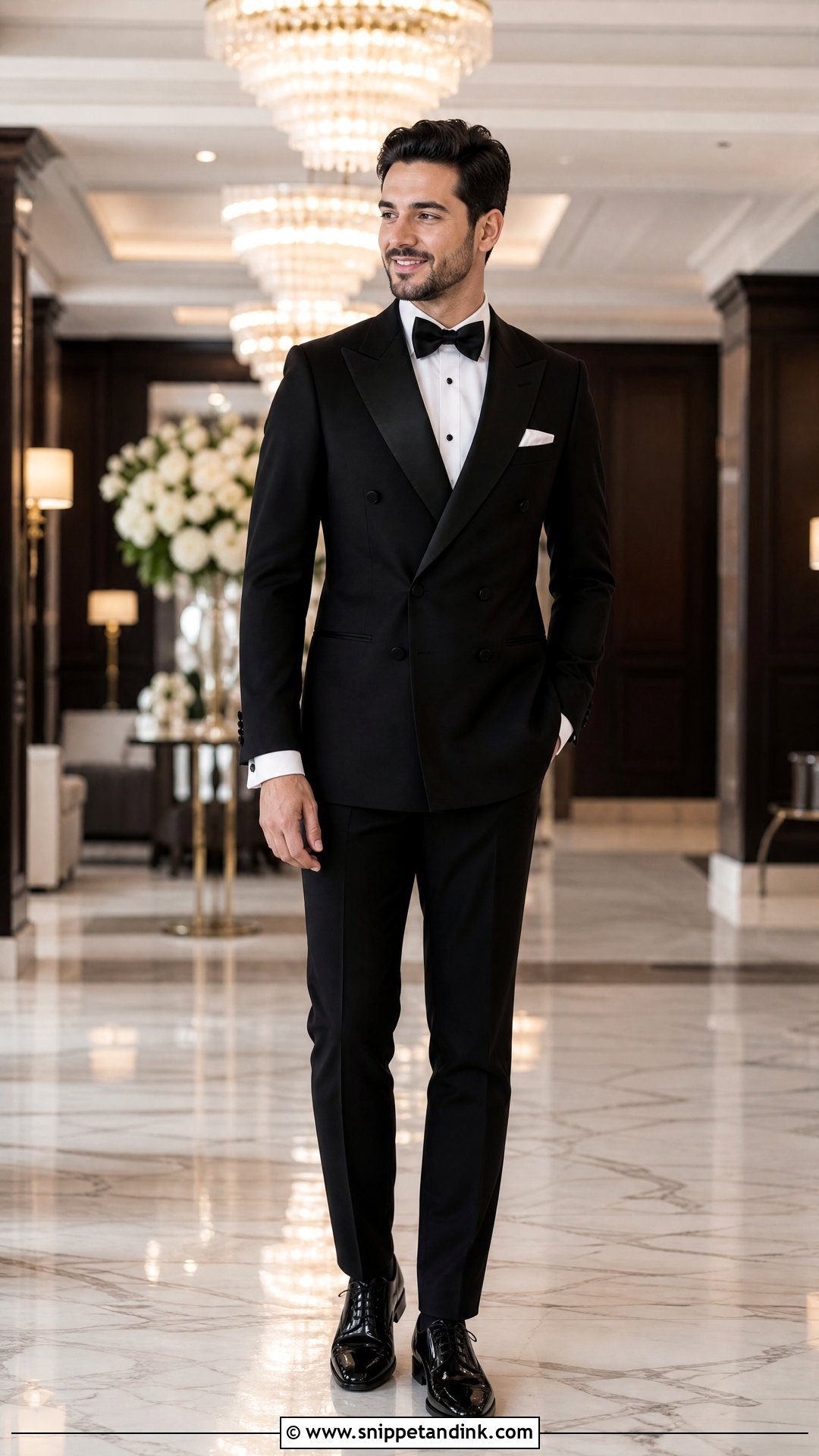
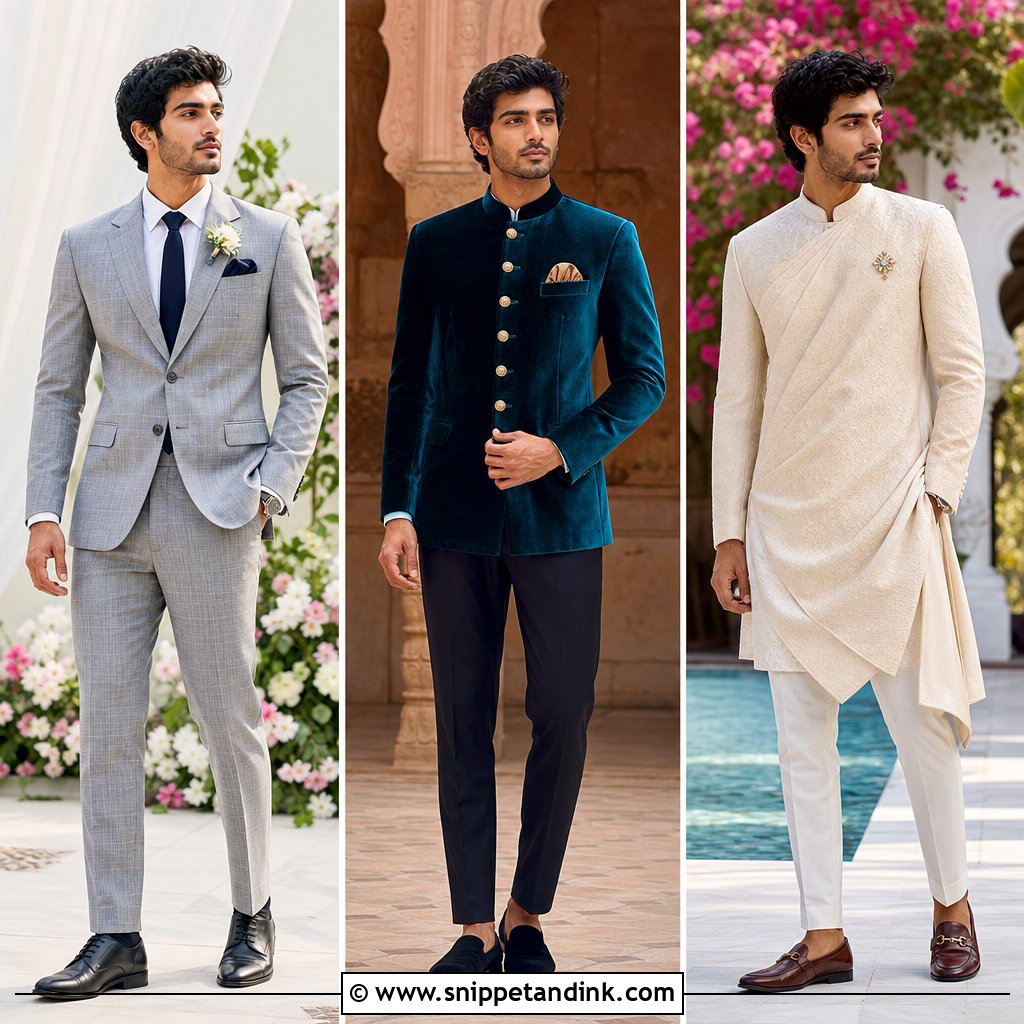
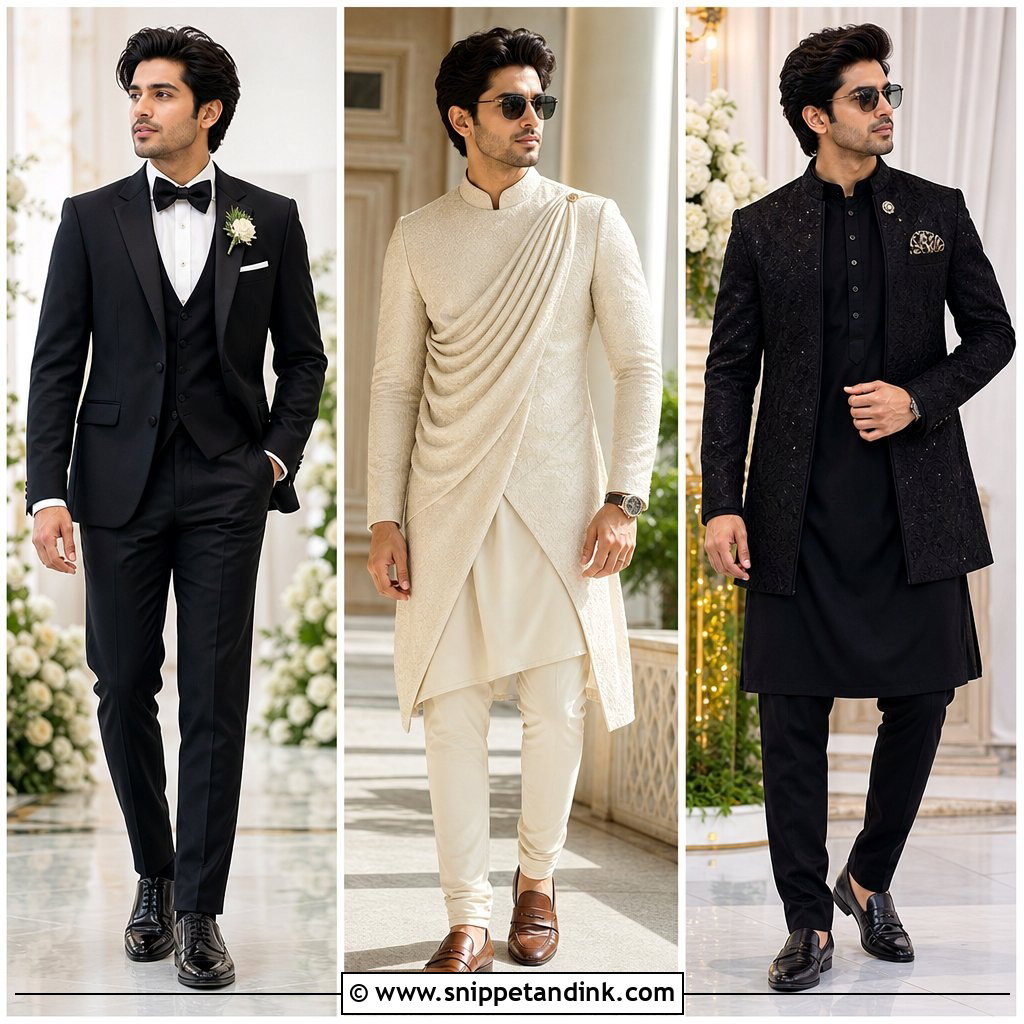
For true black tie, a black tuxedo is the answer and nothing else competes. Satin peak or shawl lapels, matching trousers with a satin stripe, a crisp white formal shirt and a black bow tie you tie yourself; a self-tie sits slightly imperfect in a way a pre-tied one never does. Patent or highly polished calf Oxfords. Simple cufflinks, a white pocket square, a slim watch. Spend the money on alterations to the sleeves and trouser length rather than the label. Ask what the groom and groomsmen are wearing first, then set yourself apart with a different lapel or pocket-square fold.
2. Bride’s Brother Navy Suit Outfit
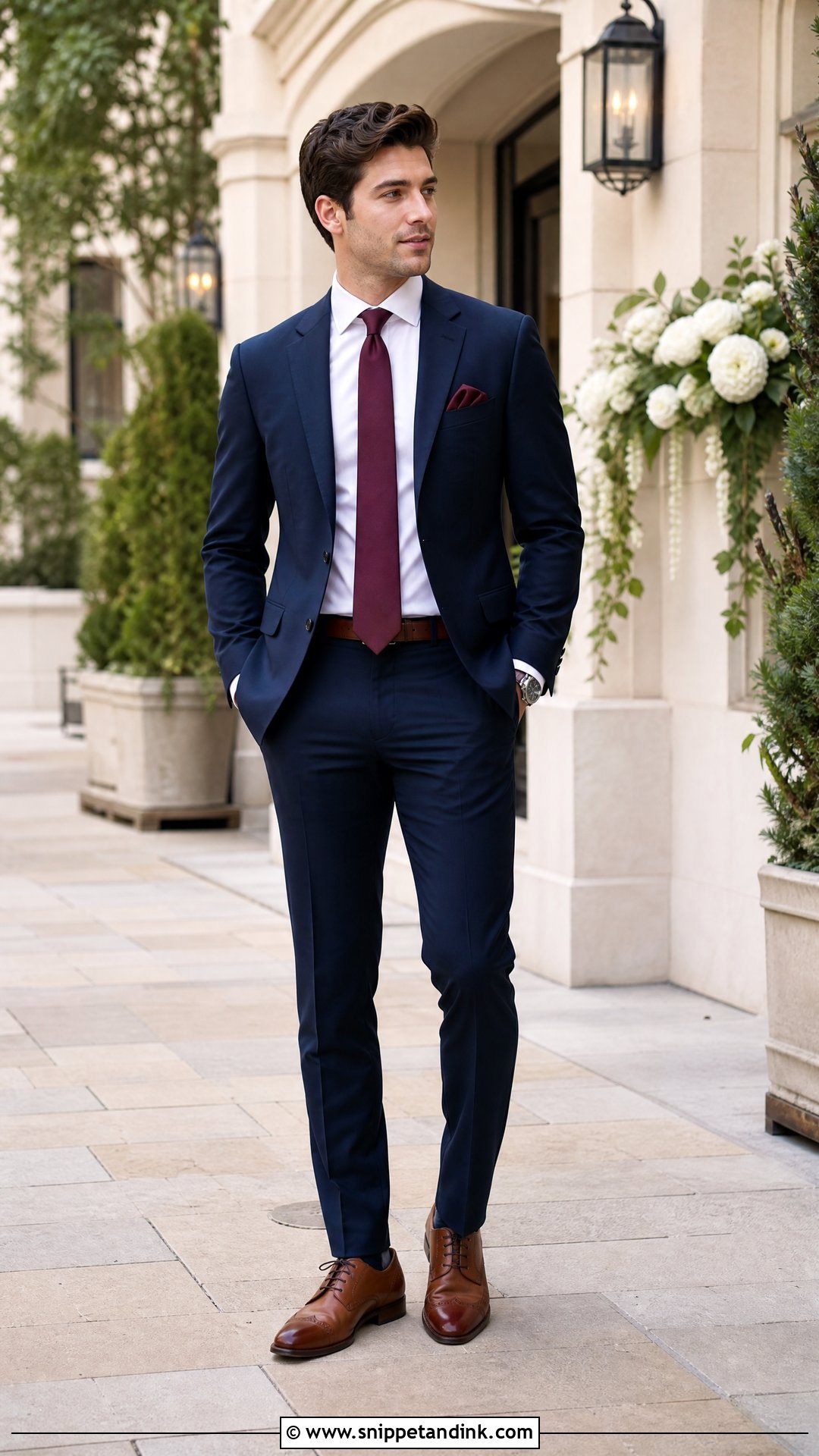
Navy is the suit that earns its place in a wardrobe long after the wedding. A two- or three-piece in lightweight wool with clean shoulders and tapered trousers. White shirt, dark brown Oxfords and a matching belt. A dusty blue, burgundy or muted floral tie picks up the palette, with a folded pocket square and a quiet watch. It suits afternoon ceremonies and hotel receptions in any season. The catch: groomsmen wear navy more than any other colour. Check before buying, and if they’re in navy too, change the tie and shoes so you don’t blend into the line.
3. Bride’s Brother Charcoal Three-Piece Suit
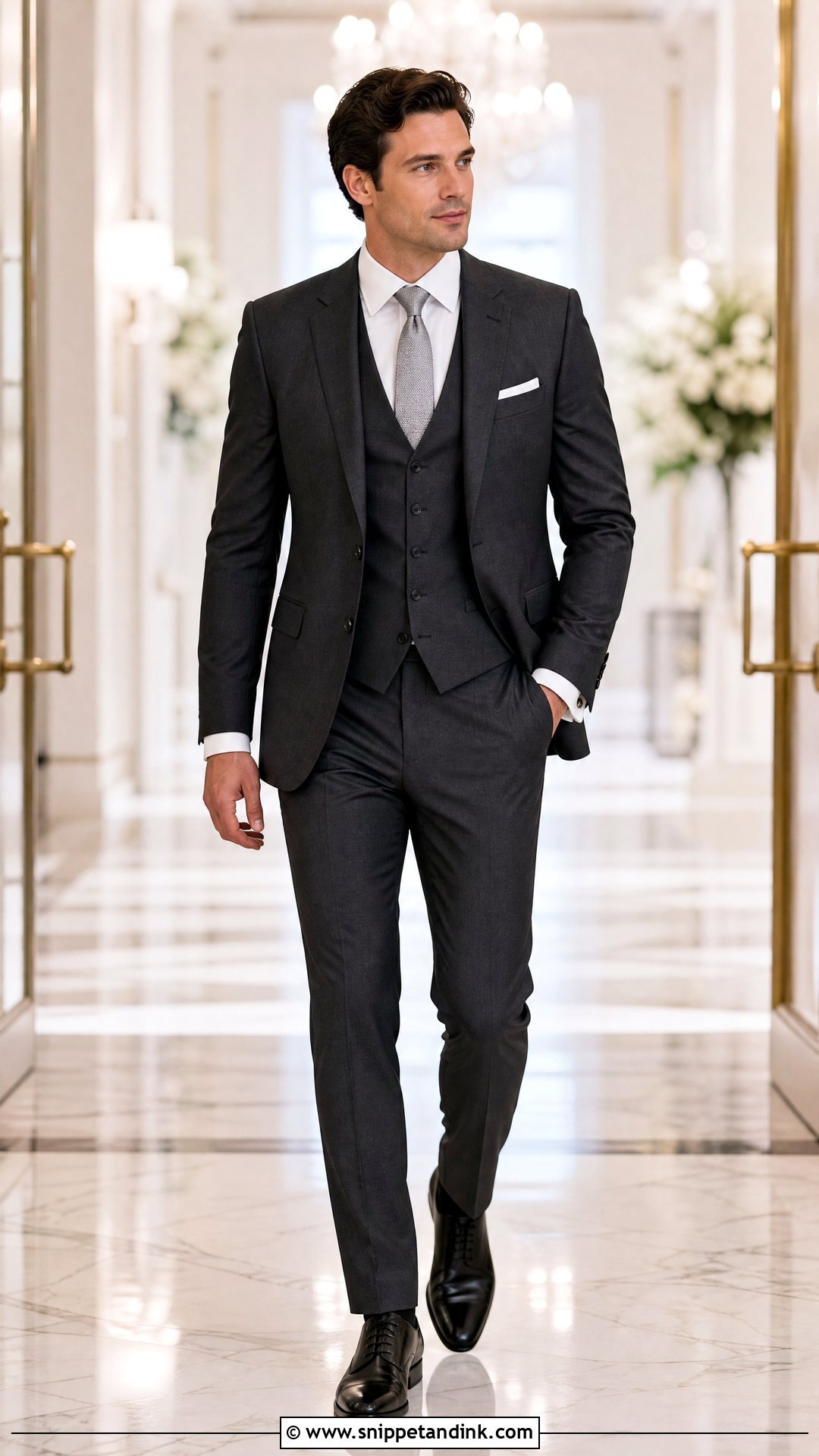
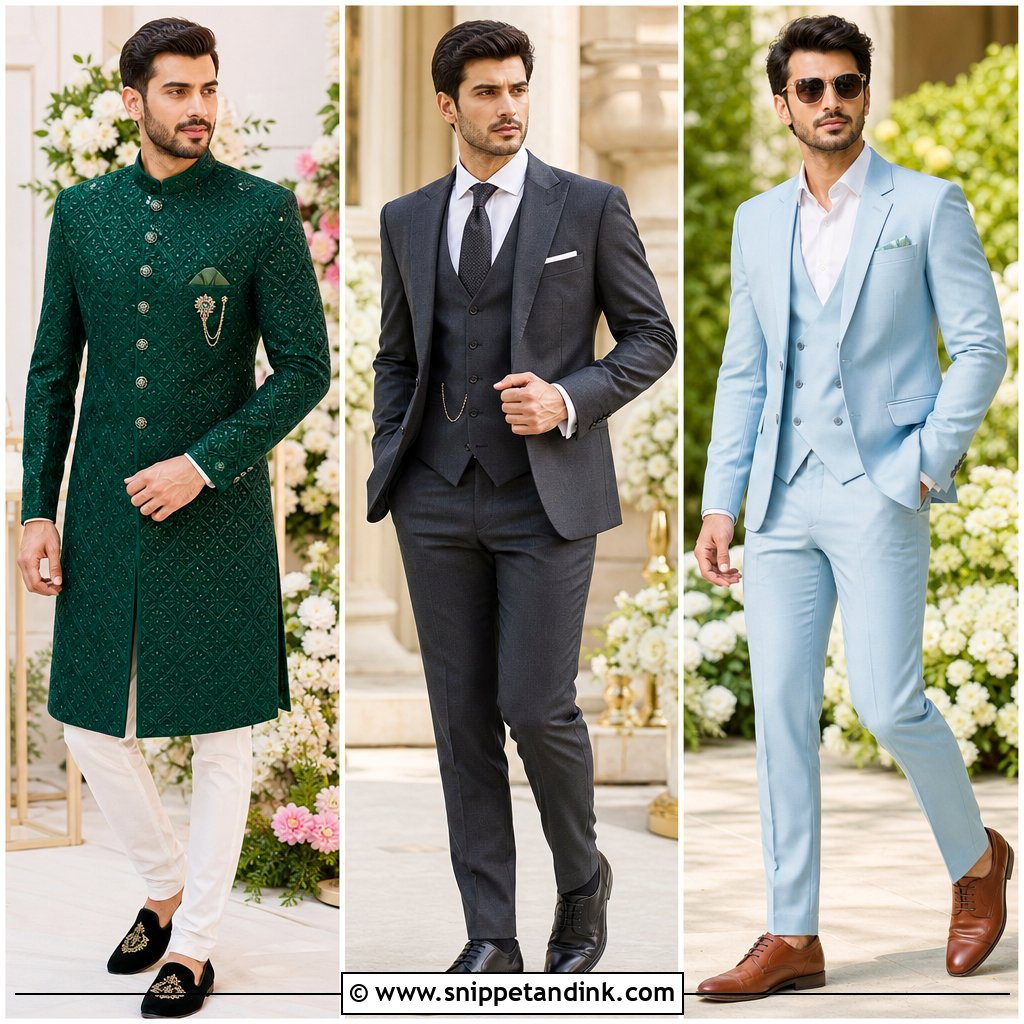
Formal invitation, cooler season, evening light: that’s where charcoal three-piece suiting shines. The waistcoat adds presence, which suits a brother with a visible role. Fit the waistcoat with you seated; it should cover the trouser waistband and lie close without the buttons pulling. Bright white shirt, a textured silver or deep burgundy tie, polished black Derbies or Oxfords, a white linen pocket square and plain cufflinks. If the groom has a three-piece too, drop your waistcoat or choose a clearly different tie, so his remains the standout.
4. Bride’s Brother Light Gray Suit Outfit
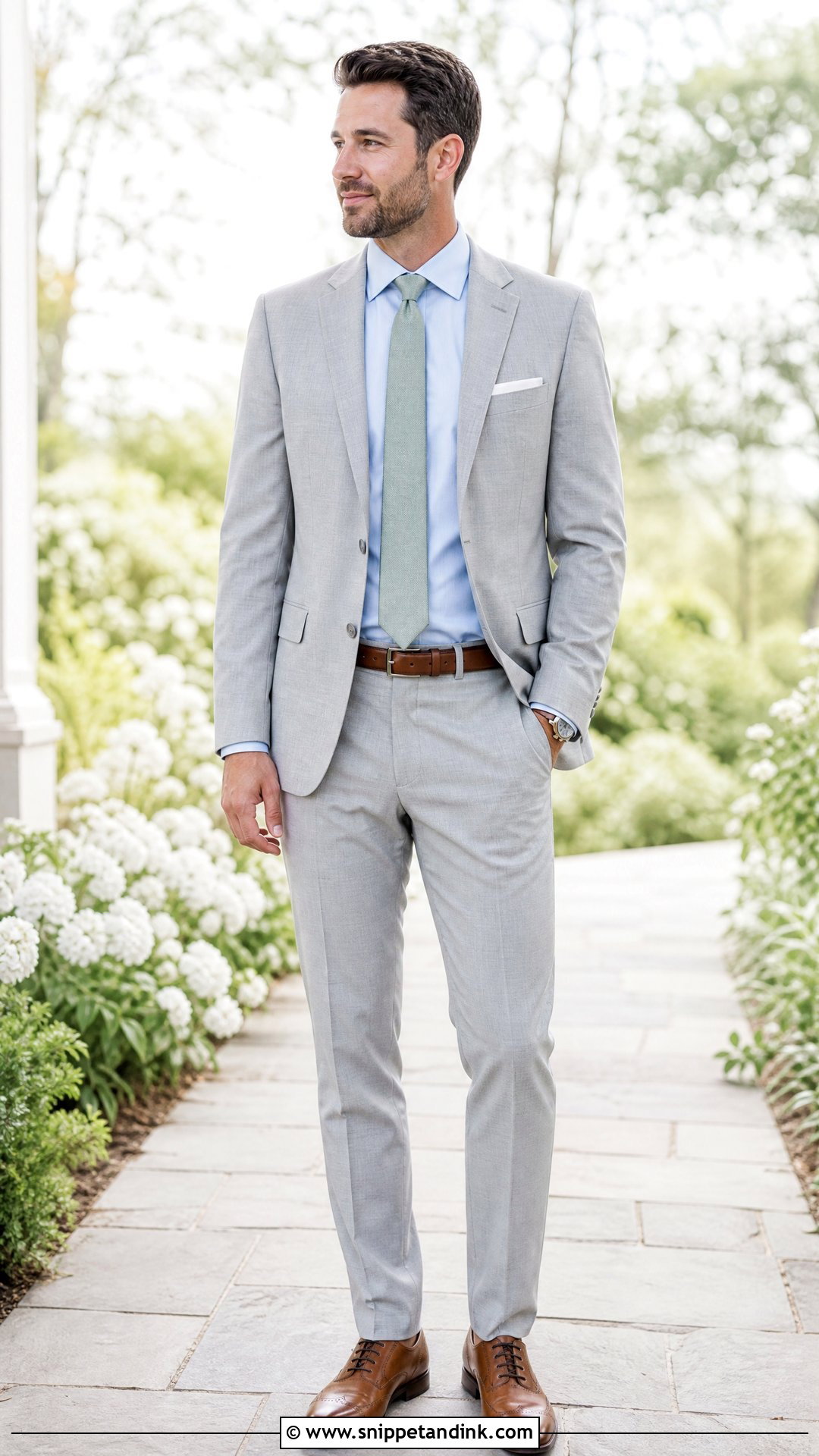
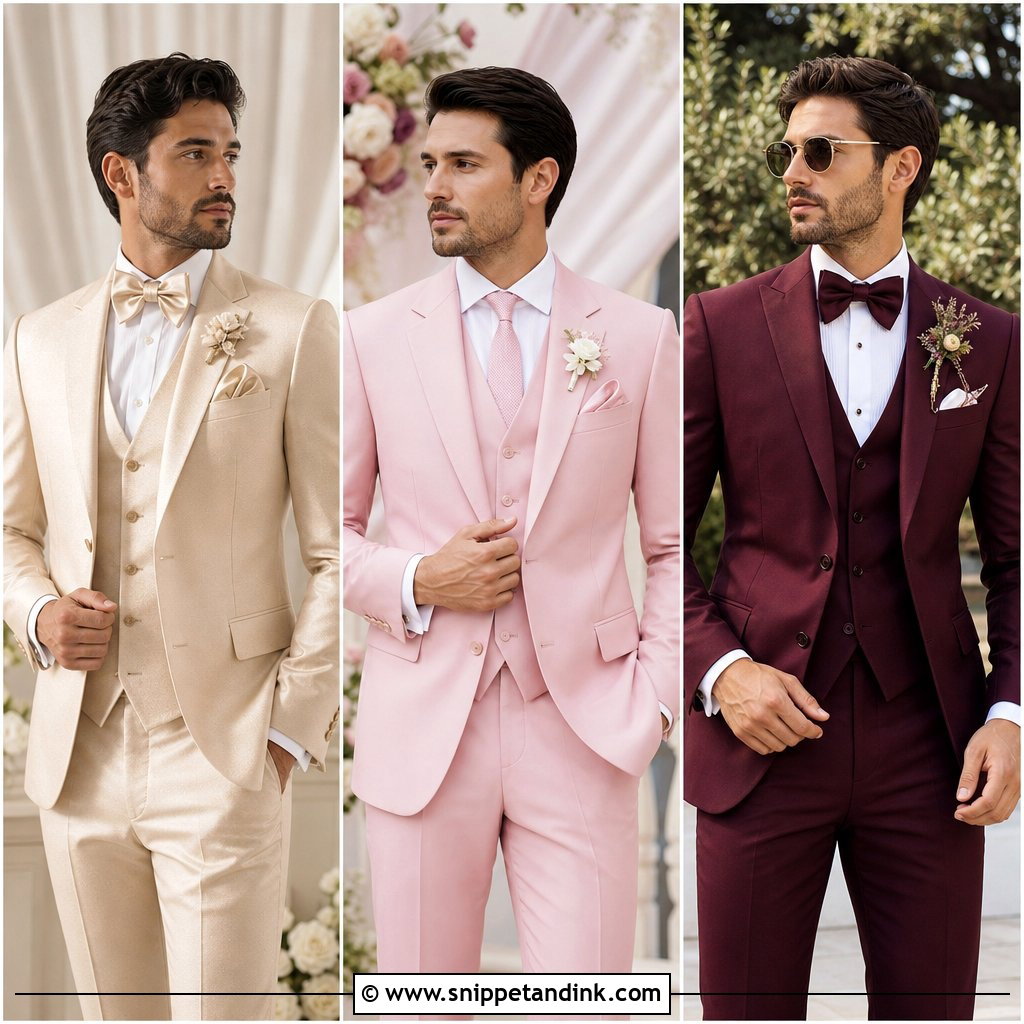
Light grey suits spring and summer daylight, and it’s the colour where cloth quality shows fastest. I’d always look at grey fabric outdoors before buying, because a shiny synthetic sheen looks cheap in natural light and in photos. Breathable wool, a wool-linen blend or structured cotton. A pale blue or white shirt with a sage, lavender or dusty rose tie, and medium-brown brogues or loafers rather than black. Belt to match the shoes, and a pocket square that supports the tie without repeating it. Garden venues and daytime receptions suit it.
5. Bride’s Brother Beige Linen Suit Outfit
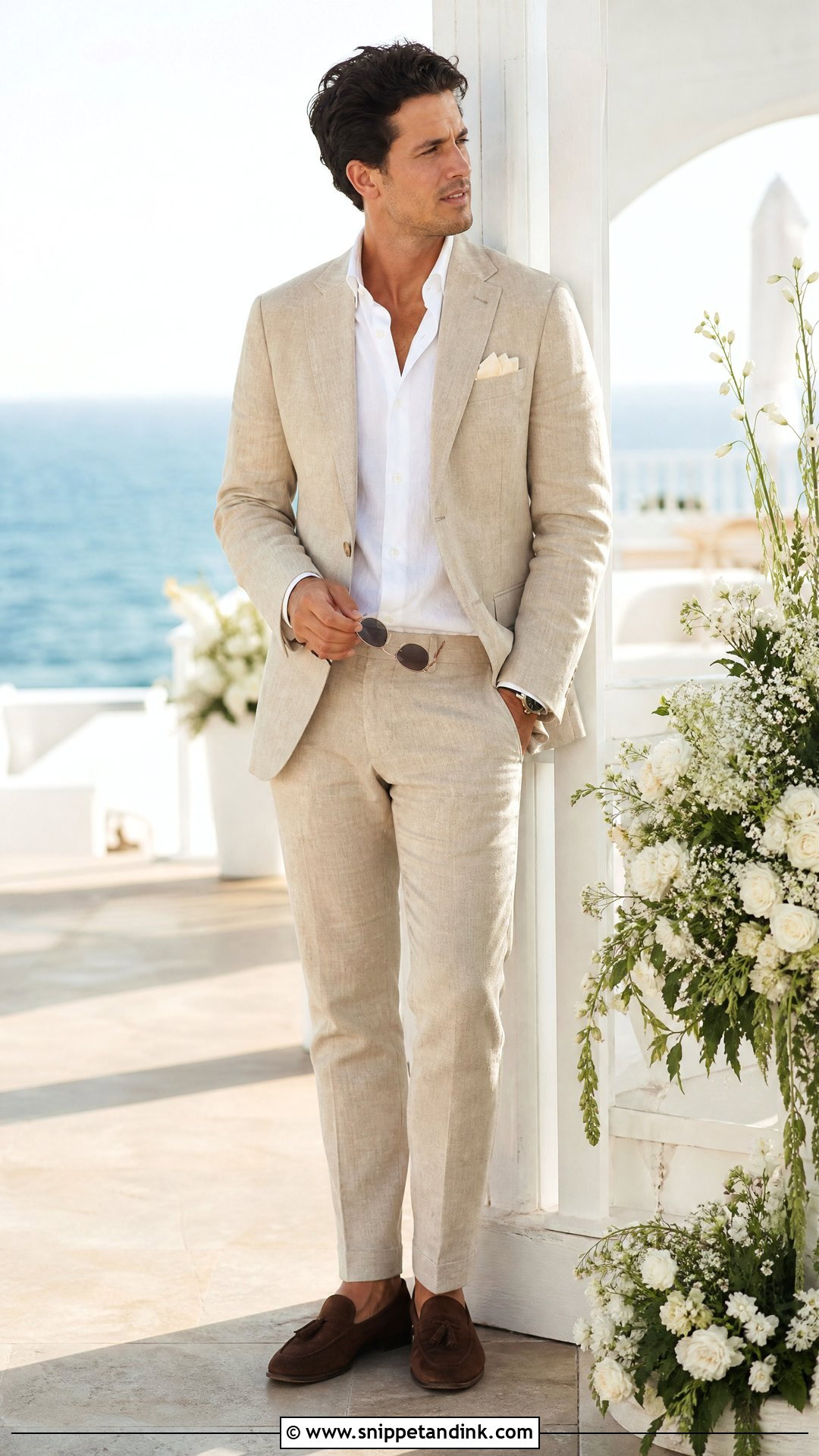
Linen is the honest answer to heat at a destination wedding, and a beige linen suit still looks ceremonial if it’s properly tailored. A softly structured beige or sand jacket and trousers over a white cotton-linen shirt. A knitted tan tie for more formality, or an open collar for a relaxed coastal dress code. Brown suede loafers, woven leather shoes or refined espadrilles; flip-flops and chunky sneakers don’t belong. Accept that linen creases, but steam it shortly before the photographs so the creases look lived-in rather than slept-in. A cream pocket square, classic sunglasses and a minimal watch.
6. Bride’s Brother Sage Green Suit Outfit
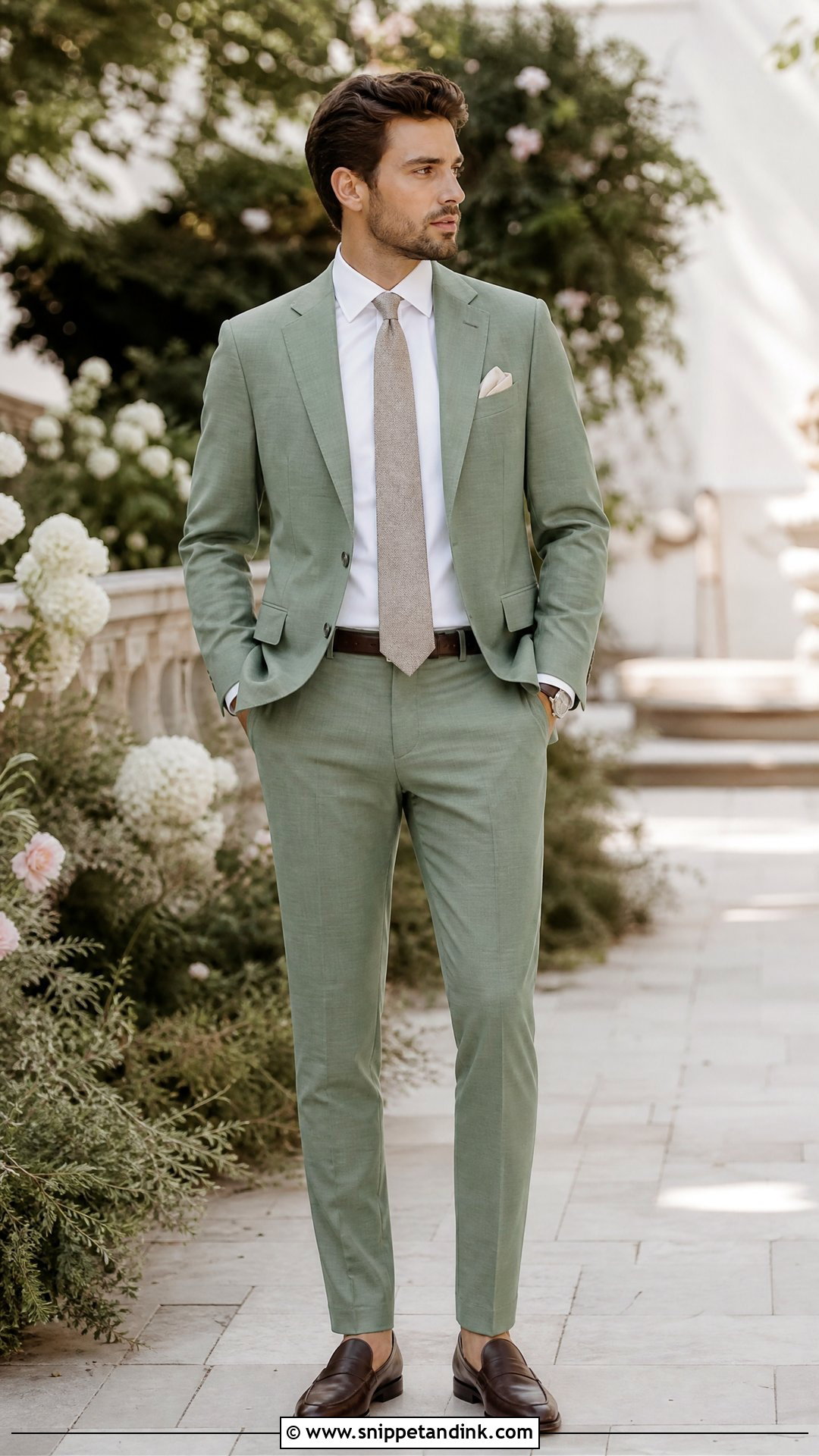
Sage feels current and calm, which suits a family member who shouldn’t steal focus. It belongs outdoors in spring and summer, at botanical and rustic venues. A tailored sage jacket and trousers with a white shirt, and a taupe, cream or muted floral tie rather than another strong colour. Dark brown loafers for contrast, tan suede for a softer daytime finish. Sage ranges from grey-green to yellow-green, so hold the fabric next to a bridesmaid swatch before alterations. If the bridesmaids are already in sage, ask your sister whether she wants the family to coordinate or would rather you go neutral.
7. Bride’s Brother Burgundy Suit Outfit
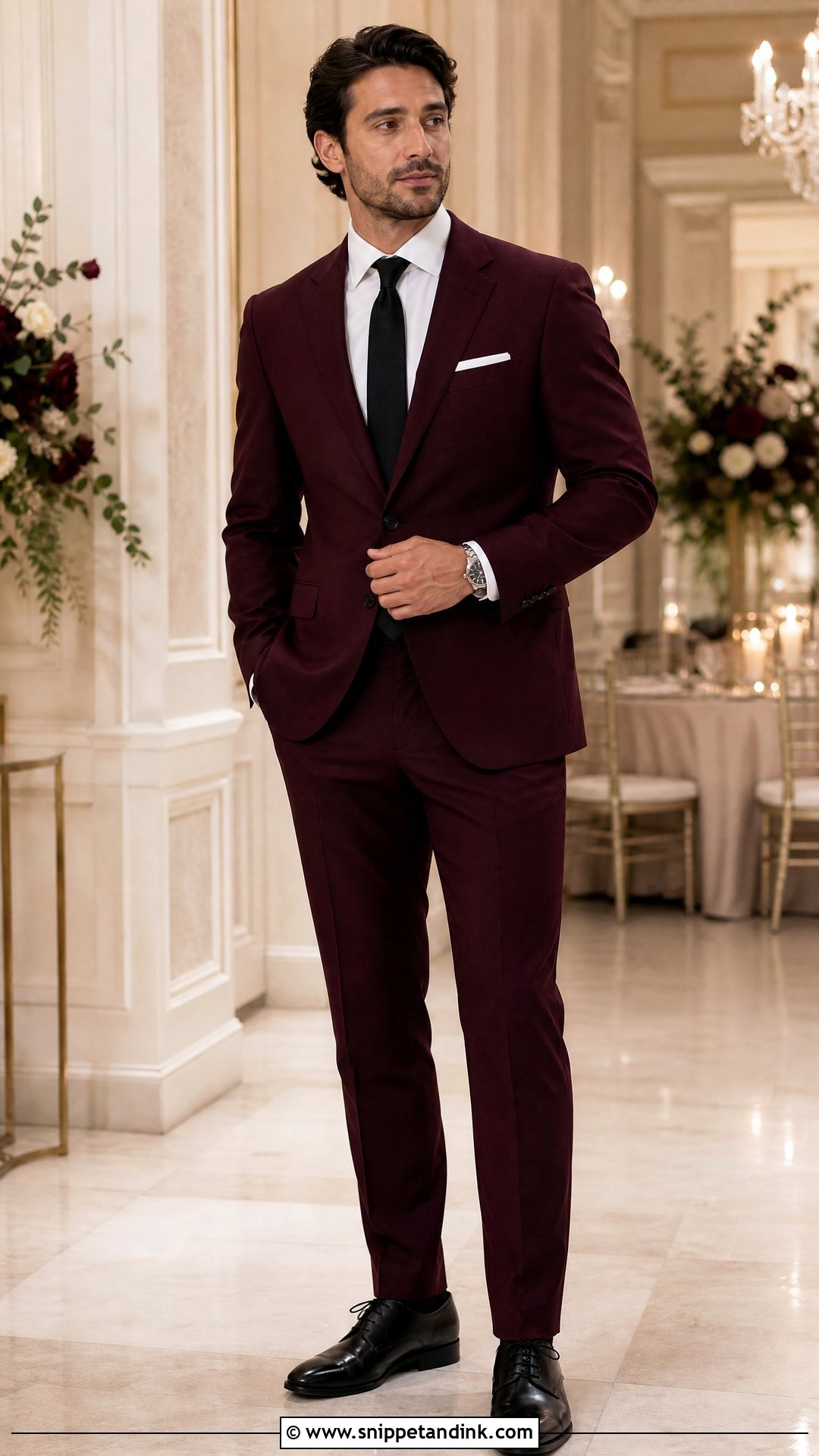
Burgundy works at evening weddings when you want something richer than black or navy. Matte wool or a wool blend with minimal sheen is essential; shiny burgundy reads as a prom suit. A white shirt gives the colour room, with a black, charcoal or tonal burgundy tie, black Oxfords and a matching belt. A white pocket square and a silver watch. Because the colour is already strong, skip novelty socks and showy jewellery. Check the groom isn’t planning something similar; the brother should look memorable without competing with the couple.
8. Bride’s Brother Brown Suit Outfit
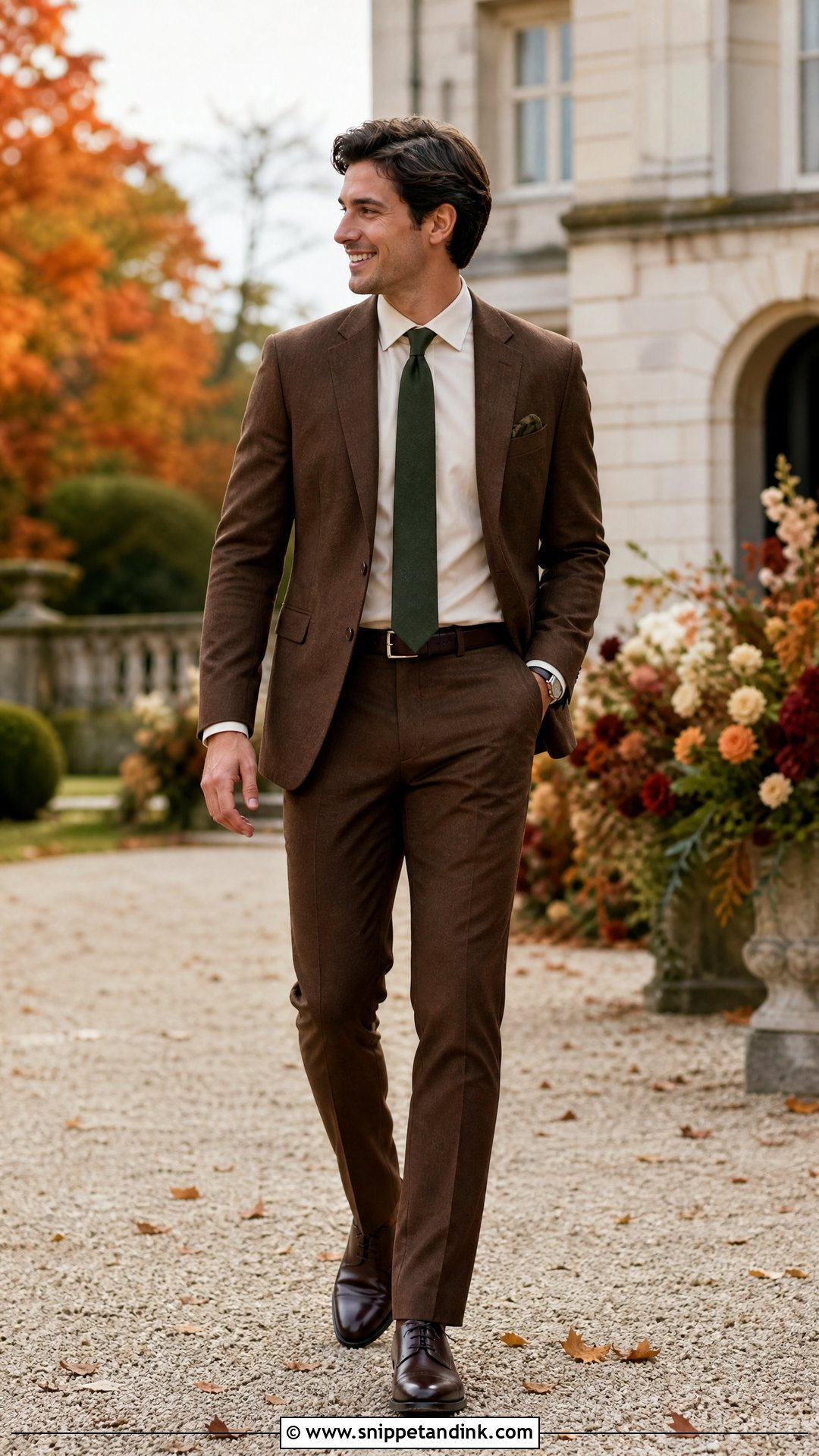
Brown is the autumn suit I like most for vineyards, estates and barns. Chocolate, tobacco or medium brown wool, darker as the formality rises. A cream or pale blue shirt softens it, with a forest green, navy or rust tie for seasonal colour. Dark brown Derbies and a matching belt make an unbroken base. Add a patterned pocket square only if the tie is plain. The danger with brown is everything turning into one muddy earth tone, so keep one clearly lighter piece, the shirt, and one darker accent. Sharp tailoring stops it looking dated.
9. Bride’s Brother Black Suit Outfit
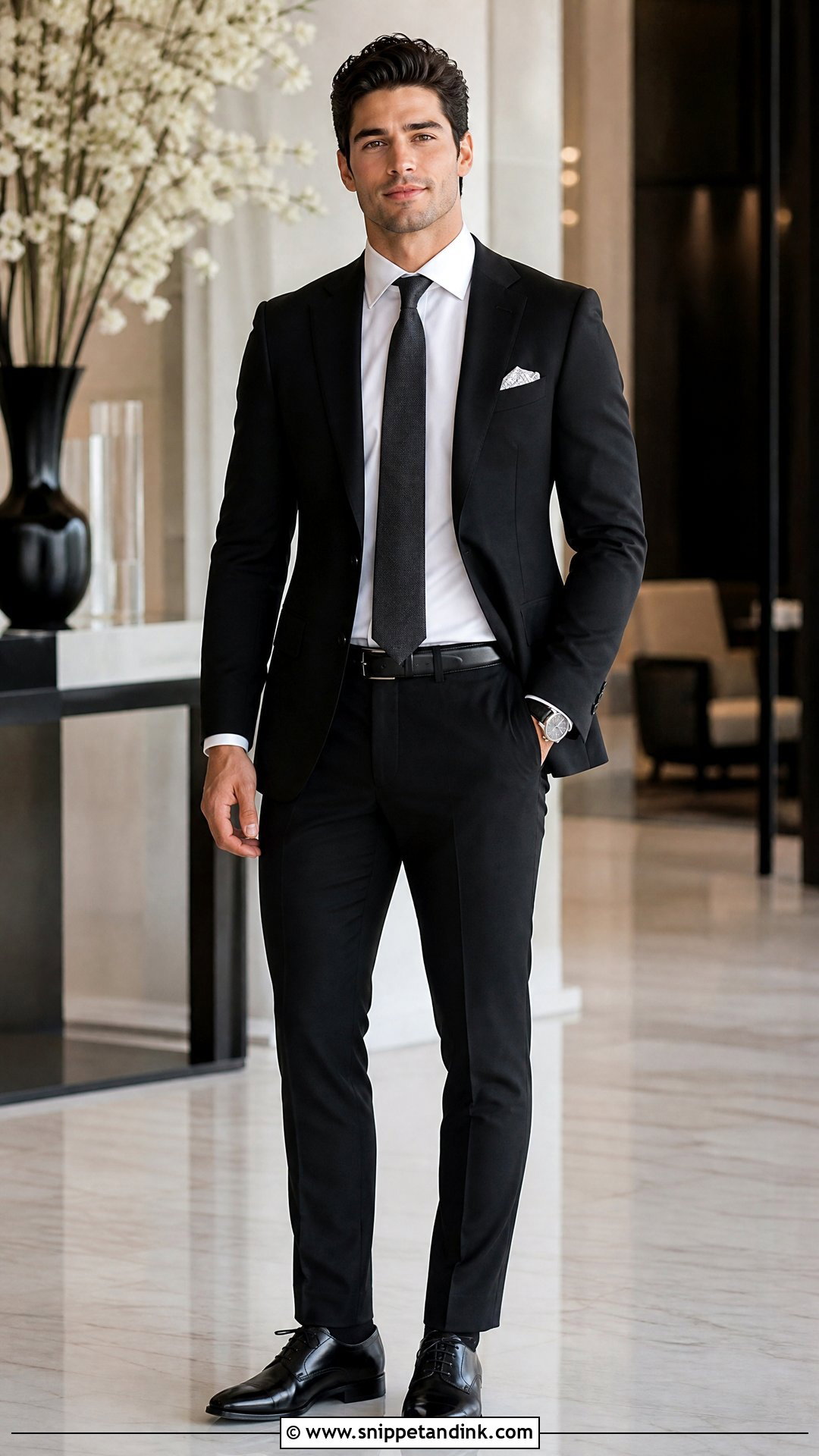
A black suit is not a tuxedo, and the difference is in the lapels: plain fabric, no satin. It works for an evening wedding that’s formal but not black tie. White shirt, slim black or dark charcoal tie, black Oxfords and a black belt, with personality through a textured pocket square, cufflinks or a dark watch. It looks sharp in hotels, restaurants and city venues, but heavy at a bright garden or beach ceremony in daylight. Buy the jacket and trousers as one suit. Separately bought blacks rarely match, and professional lighting shows the difference.
10. Bride’s Brother Blazer And Trousers Outfit
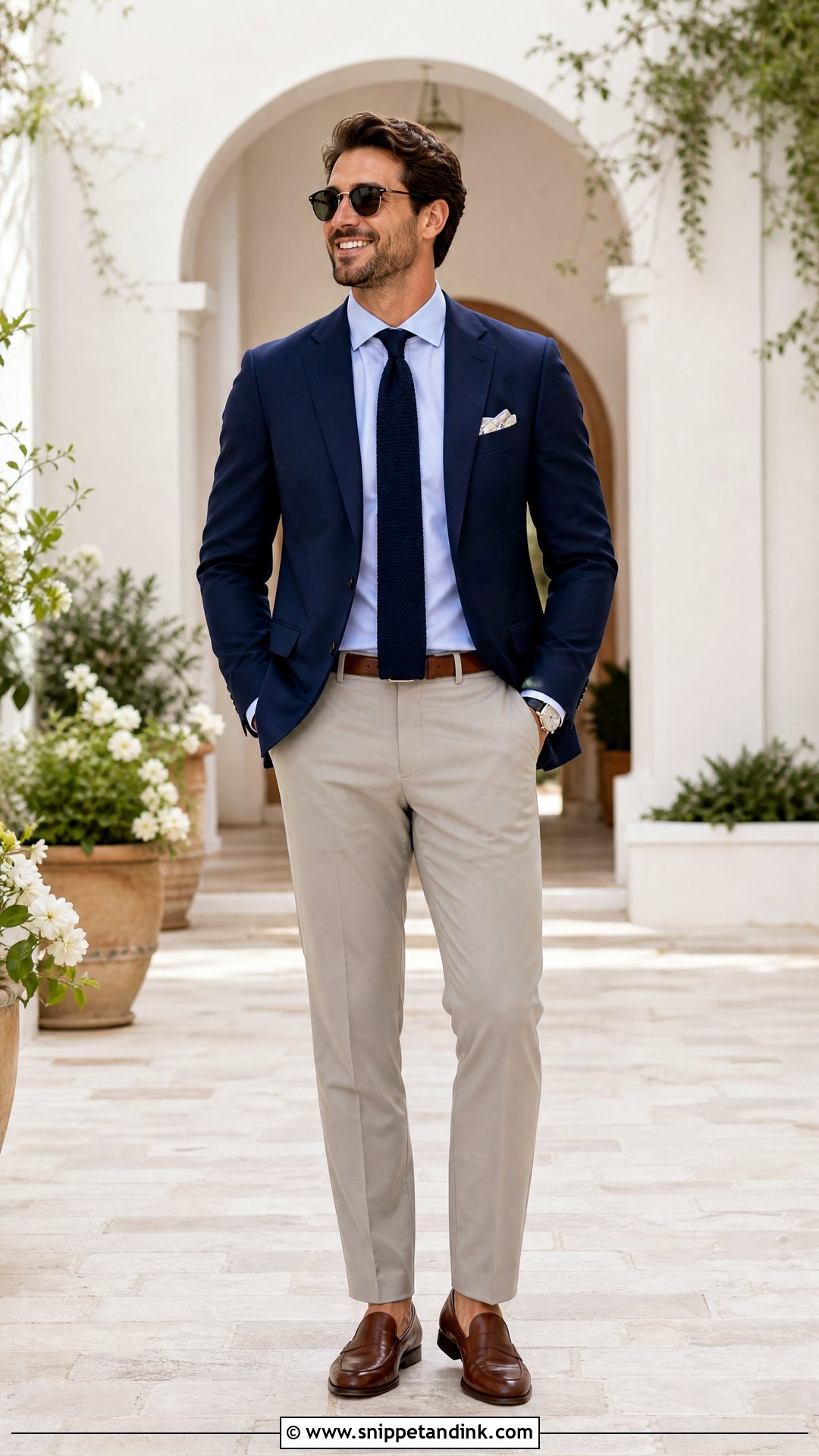
Separates suit a semi-formal or dressy-casual wedding. A navy blazer over light grey or stone trousers, a white or pale blue shirt and brown loafers or Derbies. A knitted tie dresses it up; an open collar works for a relaxed daytime event. The fit makes separates look intentional rather than thrown together: the blazer close through the shoulders, the trousers with a clean slight break above the shoe. A brown belt, a classic watch and a folded pocket square. No denim, casual khakis, running shoes or untucked shirts. Good for restaurant receptions, backyard weddings and the rehearsal dinner.
11. Bride’s Brother Velvet Blazer Outfit
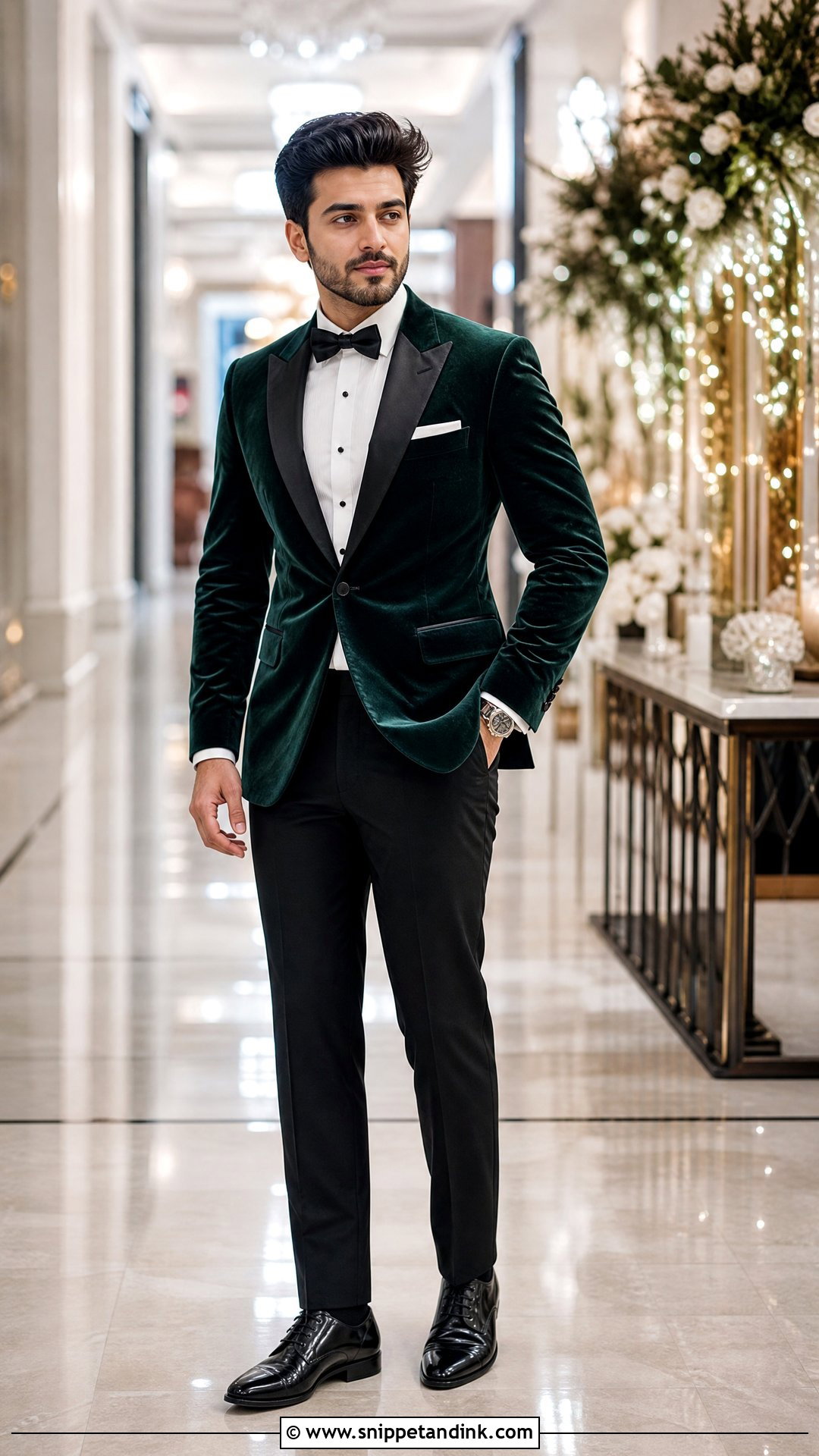
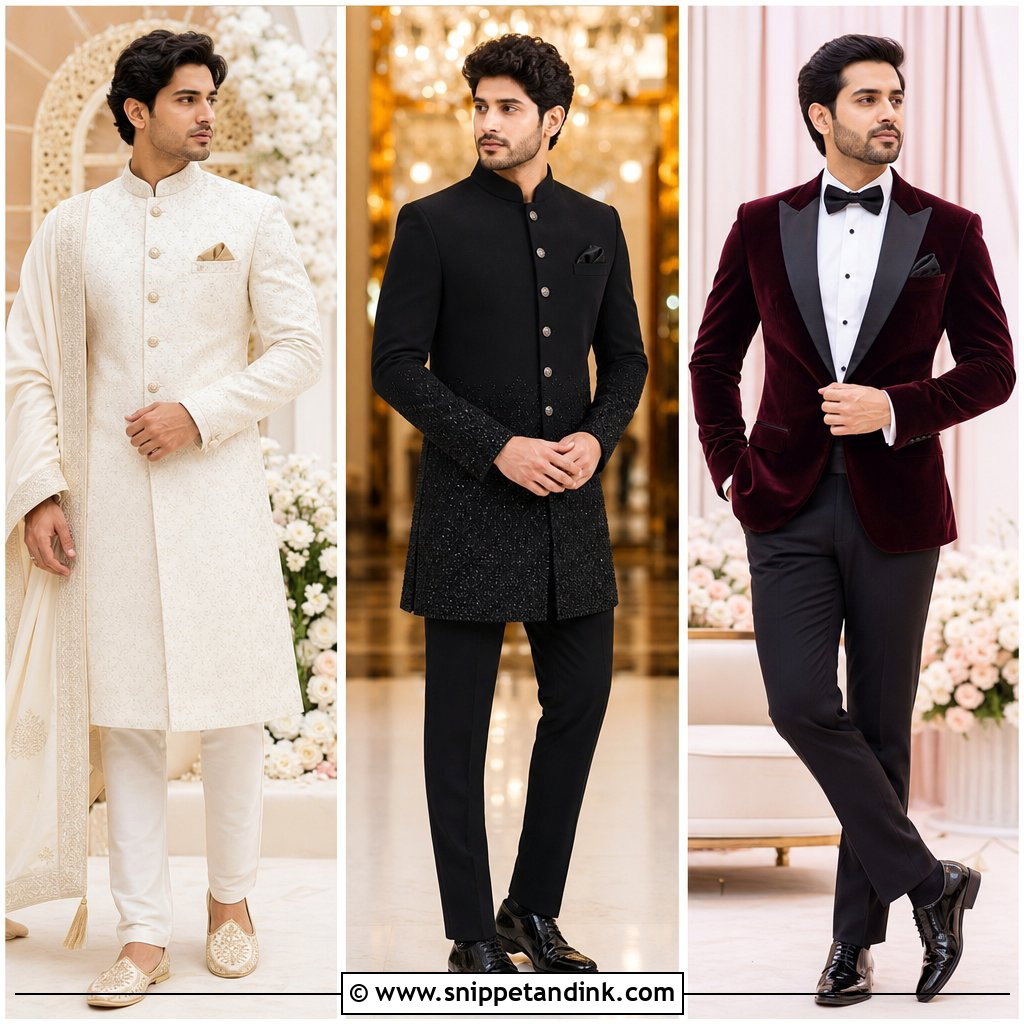
Velvet is a winter and evening fabric, and a velvet blazer gives a brother a distinguished look at cocktail or formal weddings. Deep navy, bottle green, burgundy or black, over plain black trousers and a crisp white shirt with a slim black bow tie or a simple necktie. Leather Oxfords are the safe shoe; velvet slippers work only at a polished indoor venue. White pocket square, minimal jewellery. Velvet marks where you lean and sit, so brush it lightly with the pile before photos. Avoid bright colours, ornate embroidery and satin trousers, and check the groom isn’t in velvet too.
12. Bride’s Brother Seersucker Suit Outfit
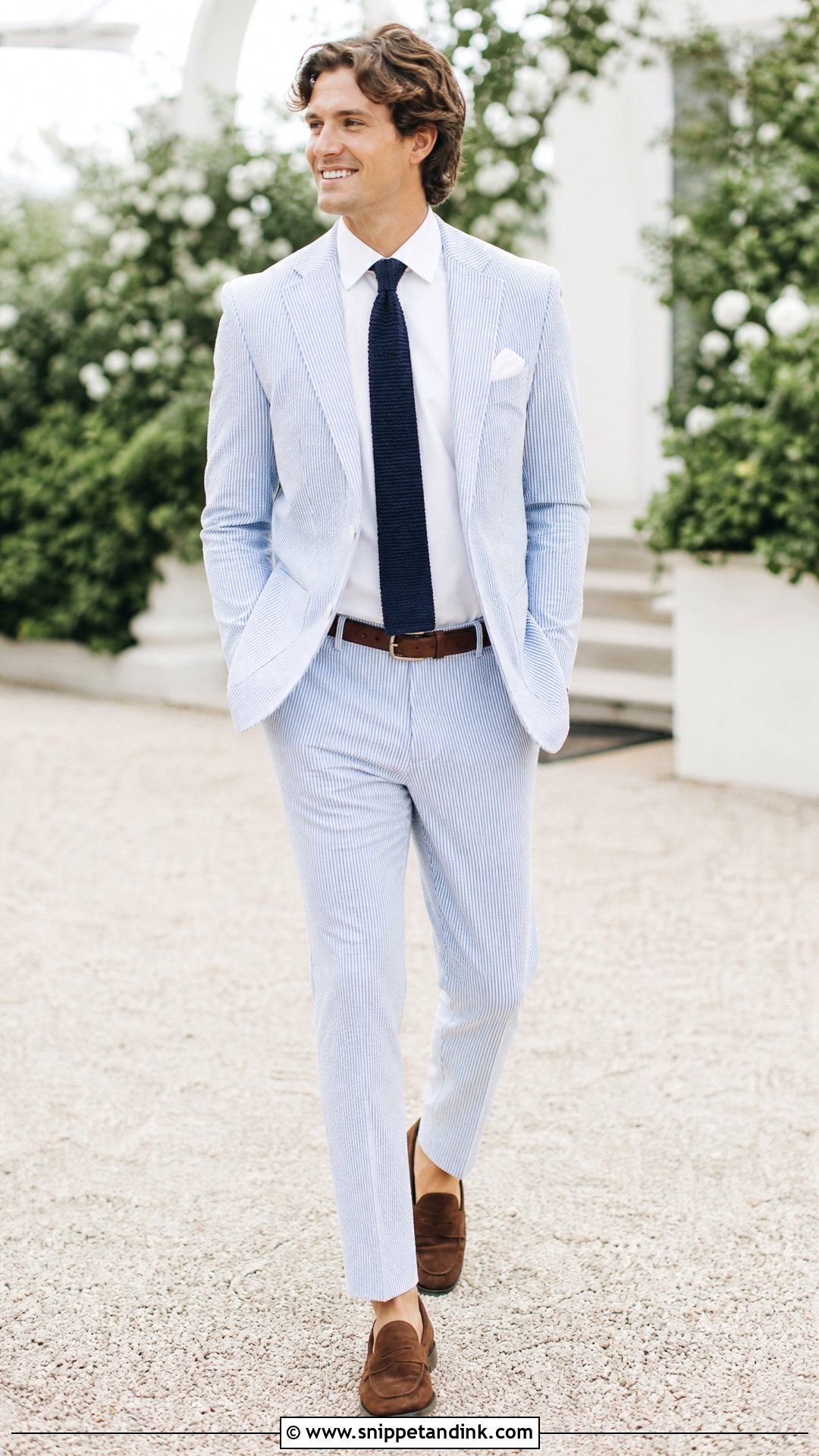
Seersucker belongs to daytime summer, in a garden or by the coast, and it can’t be forced into black tie. The puckered weave keeps air moving and hides creases, which is why it’s so practical in heat. I’d choose a modern pale blue-and-white suit with narrow stripes and clean tailoring, over a solid white shirt so the stripe doesn’t fight anything. A navy knitted tie for semi-formal, or an open collar for dressy-casual. Brown suede loafers, a matching belt and a white pocket square. It stands out in family photos, so mention it to the couple first.
13. Bride’s Brother Double-Breasted Suit Outfit
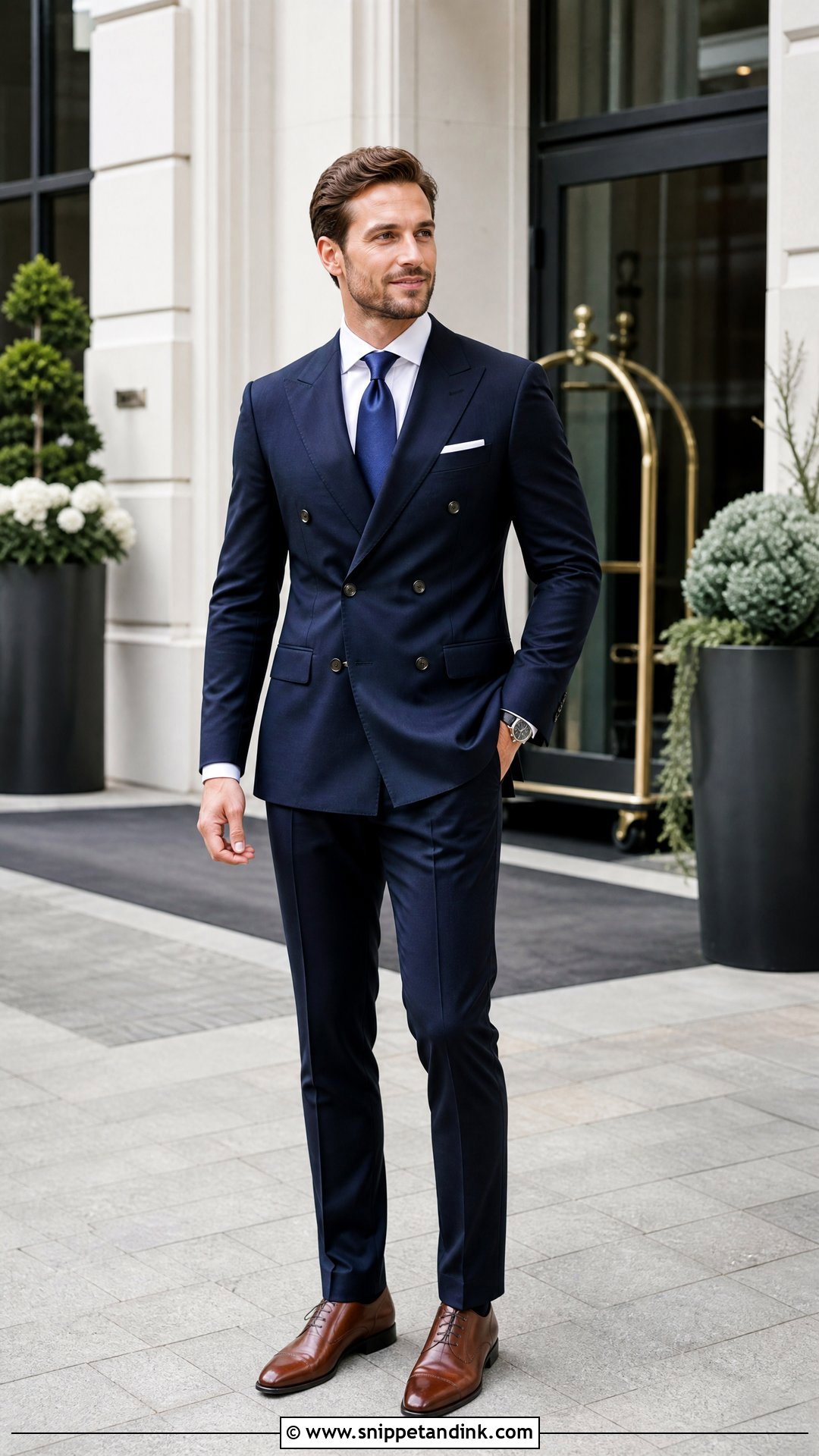
A double-breasted suit has strong lines that suit a fashionable formal wedding, in navy, charcoal or medium grey. It must be worn buttoned when you stand, which is part of why fit is critical; an oversized double-breasted jacket swamps the body. A white spread-collar shirt, silk tie and polished Oxfords, trousers with a clean waist and little fabric at the ankle. A restrained pocket square and slim watch. If you’re shorter, a six-button jacket with a higher fastening and moderate lapels lengthens the line. City hotels and evening receptions suit it.
14. Bride’s Brother Turtleneck And Suit Outfit
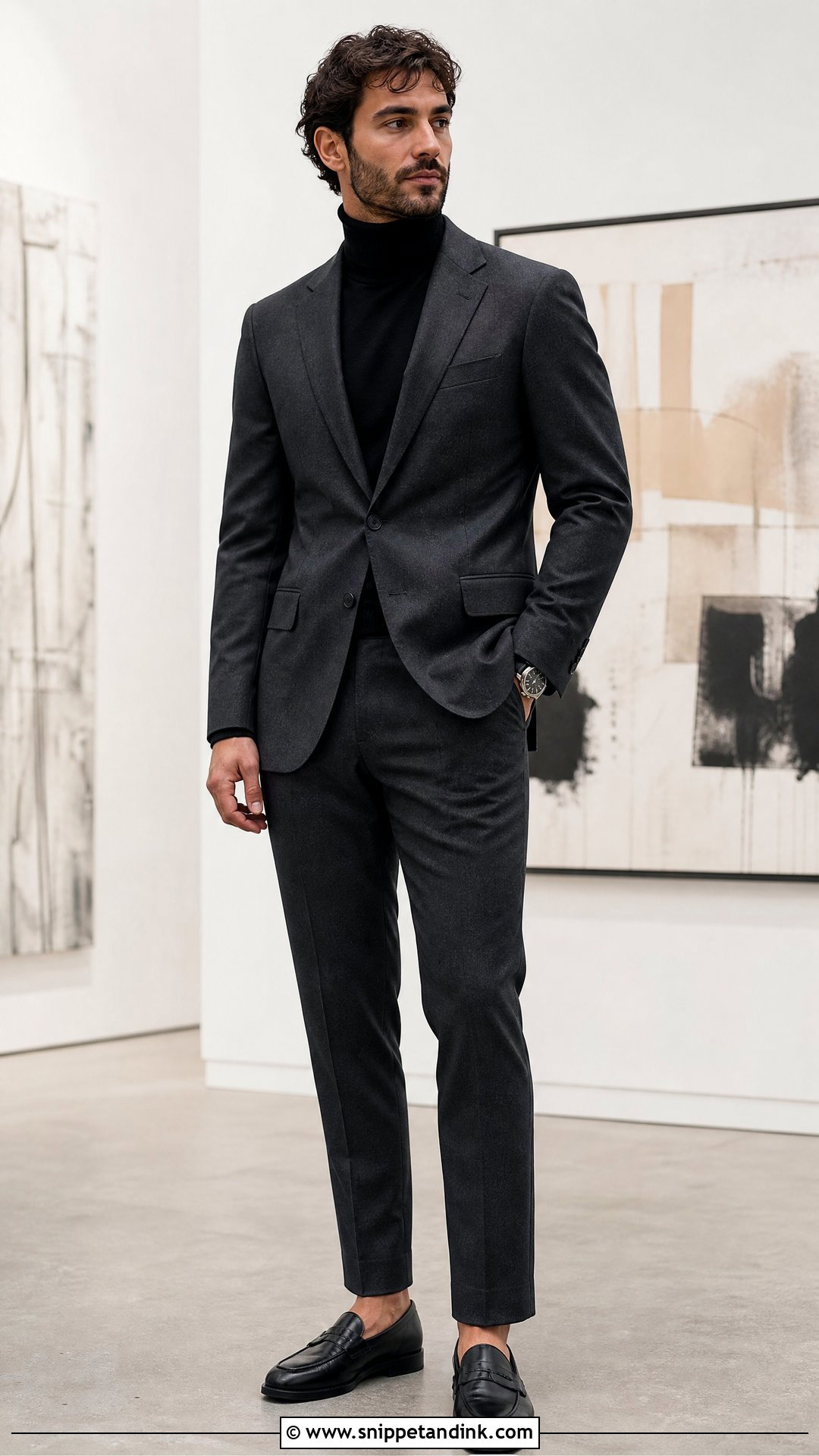
A fine merino turtleneck in place of shirt and tie gives a modern winter look for a creative or cocktail dress code. Charcoal, navy or deep brown suit, with a thin black, cream or tonal turtleneck. Thickness is the thing to judge. If the knit is too heavy it bunches under the jacket and collapses at the neck; a fine gauge lies flat. Polished loafers, Chelsea boots or sleek Oxfords, and probably no pocket square. Galleries, lofts and contemporary hotels suit it; traditional black tie doesn’t. If you’re walking in the processional, ask your sister whether she’s happy with the open neckline.
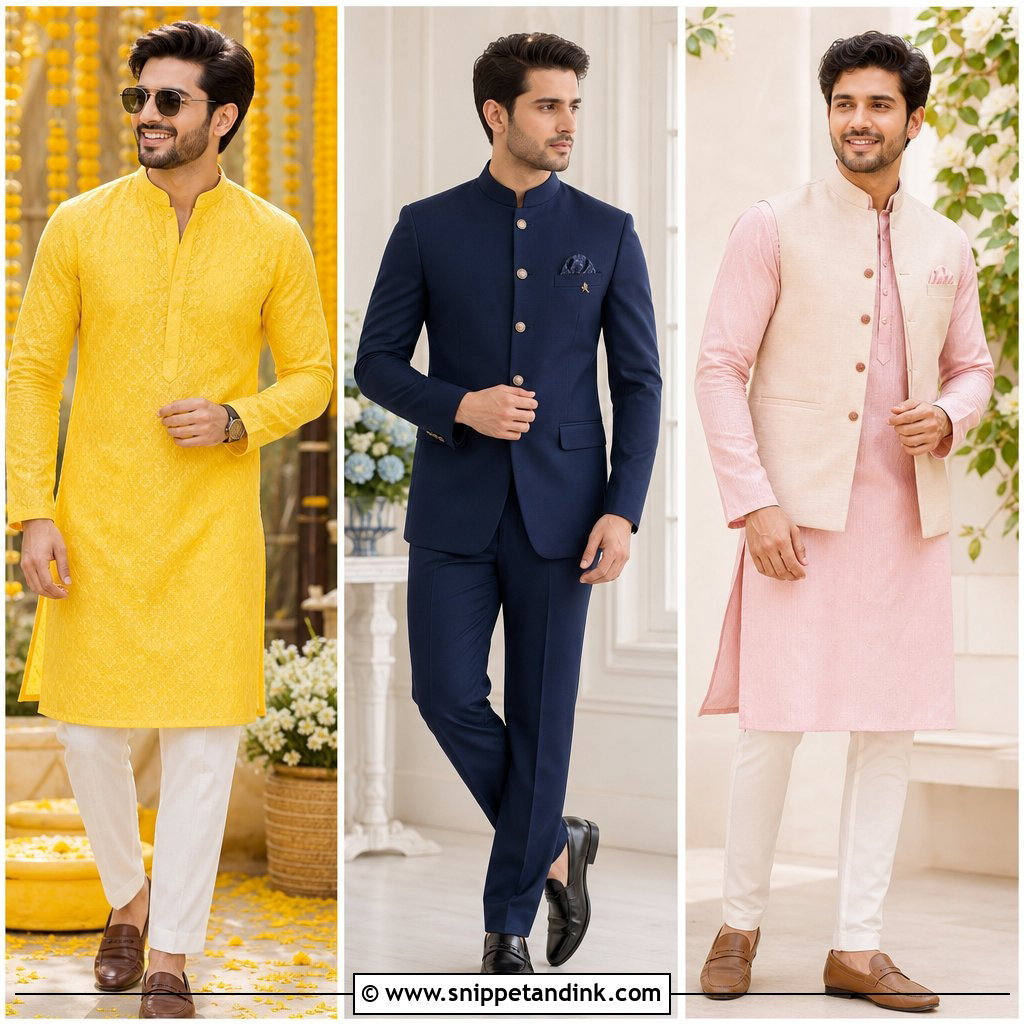
15. Bride’s Brother Pastel Kurta Pajama Outfit
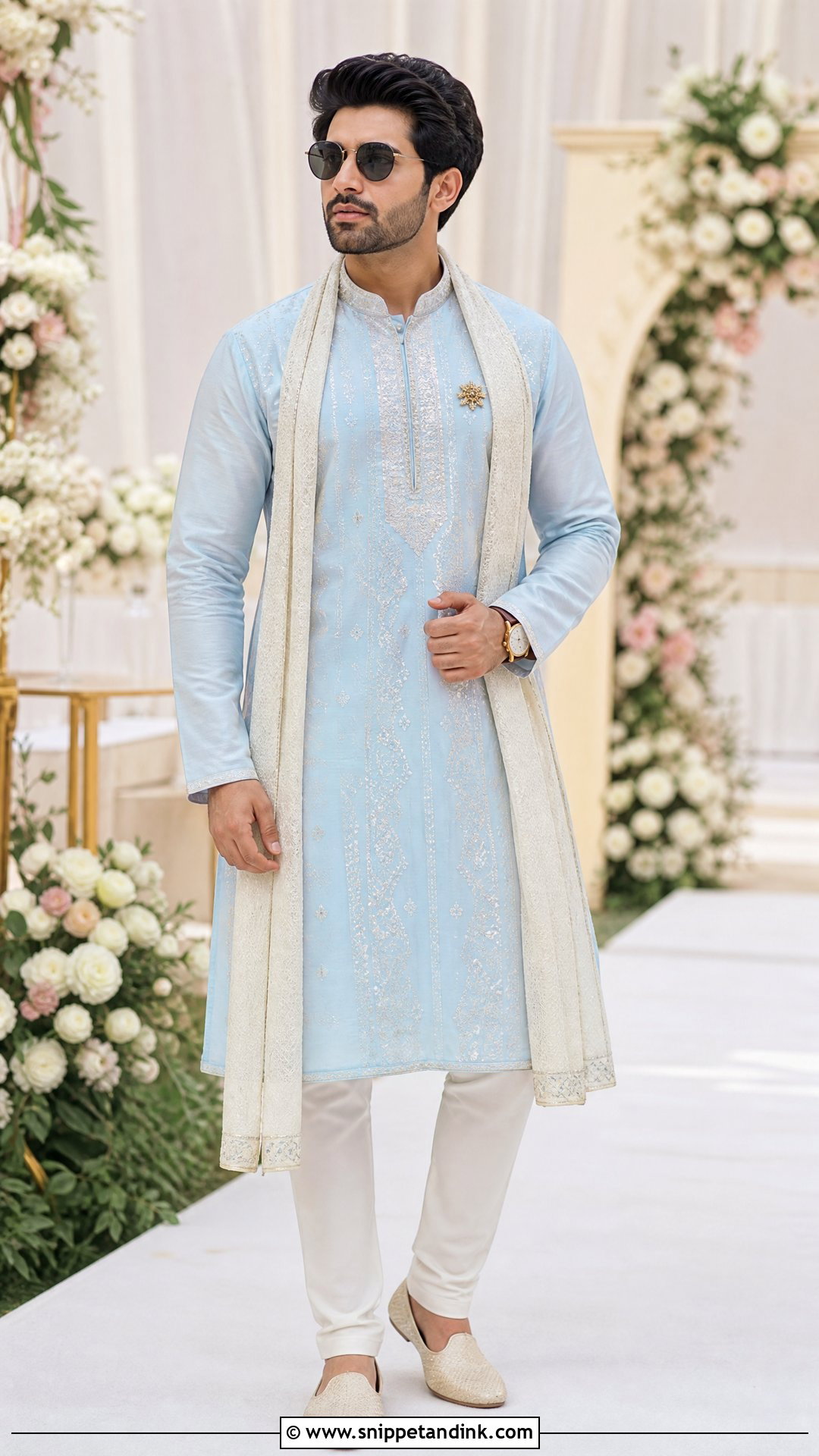
A pastel kurta pajama suits a daytime ceremony, mehndi or family gathering at a South Asian wedding. Mint, powder blue, blush, lavender or soft yellow in cotton-silk, jacquard or a breathable blend. Slim ivory pajama trousers and embroidered tan or cream juttis. A light dupatta or neatly draped stole can bring in another wedding colour. A classic watch, and a small brooch if the neckline takes it. The kurta must sit smoothly across the shoulders with room to bend for rituals and to dance. Stay below the groom in colour intensity and embroidery.
16. Bride’s Brother Nehru Jacket Outfit
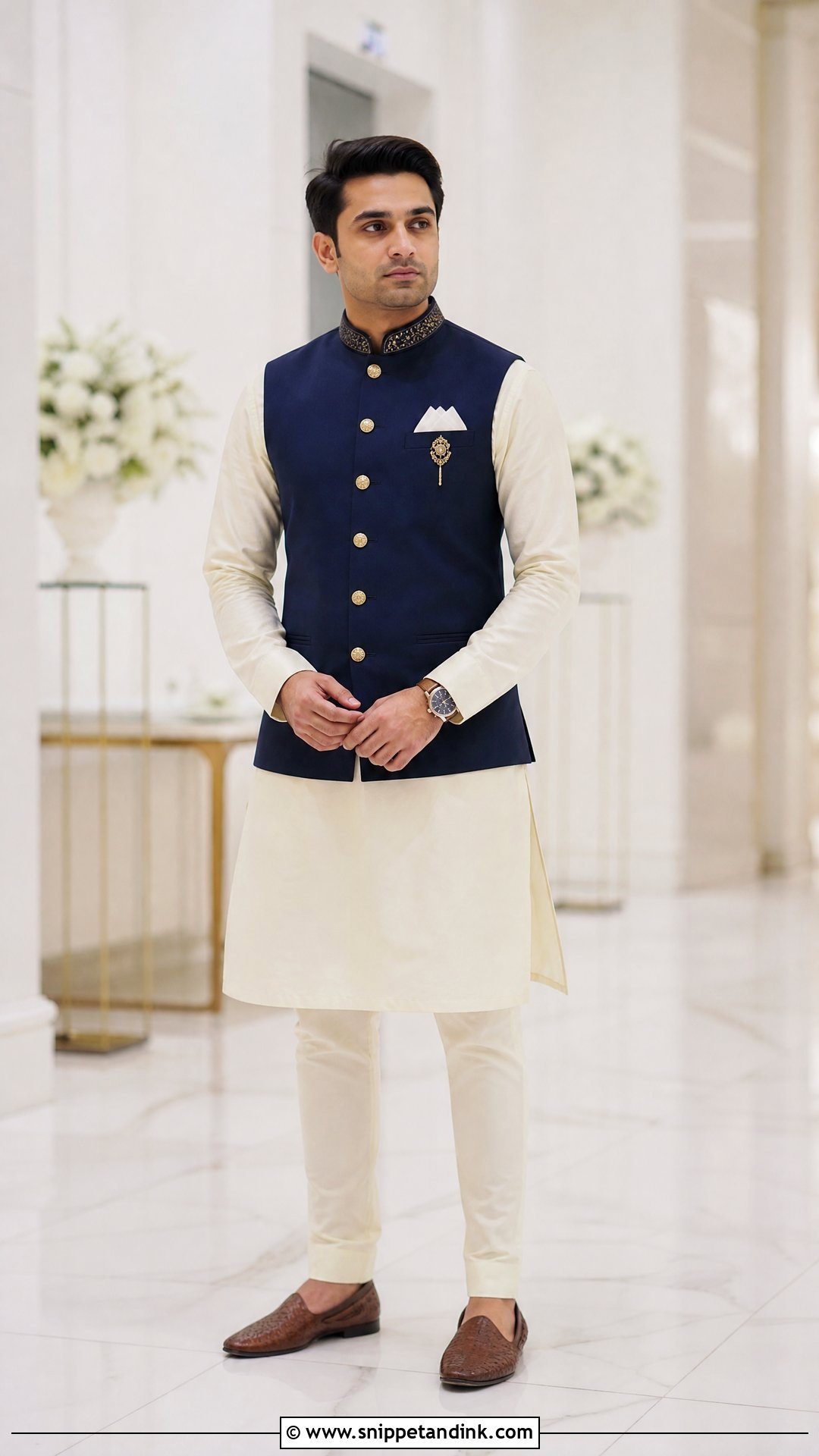
A Nehru jacket over a plain kurta gives the brother structure without the weight of a sherwani. An ivory kurta is the cleanest base; the jacket can be navy, sage, maroon or subtly patterned. Coordinating pajama trousers or narrow formal trousers, and leather mojaris. Check the jacket length against the kurta. The kurta should fall clearly below the jacket hem, or the proportions look accidental. Fasten it and sit down; it shouldn’t pull across the chest. Pick one of pocket square, lapel pin or brooch, not all three. Keep the embellishment lighter than the groom’s.
17. Bride’s Brother Bandhgala Suit Outfit
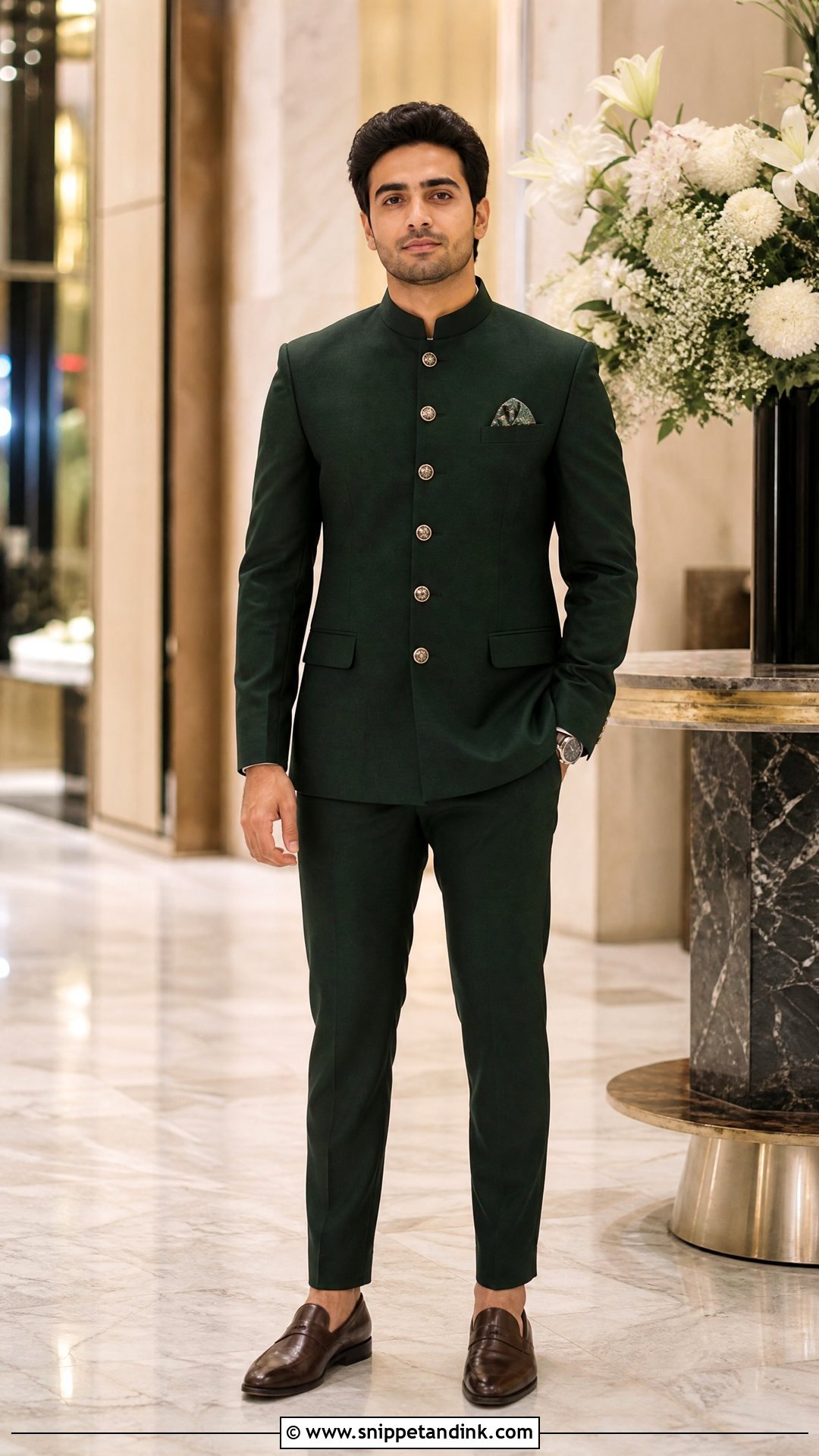
A bandhgala suit brings formal tailoring and a South Asian silhouette together. Deep navy, charcoal, bottle green or burgundy for an evening wedding, with matching tapered trousers and black or dark brown formal shoes. Subtle embroidery, textured buttons or a small pocket detail add celebration. No tie and no visible shirt collar, because the high collar is the focus. The fitting point is the collar itself: fasten it and turn your head both ways. If it presses on the throat, have it eased, as you’ll be greeting guests for hours. A sleek watch and a folded pocket square.
18. Bride’s Brother Sherwani Outfit
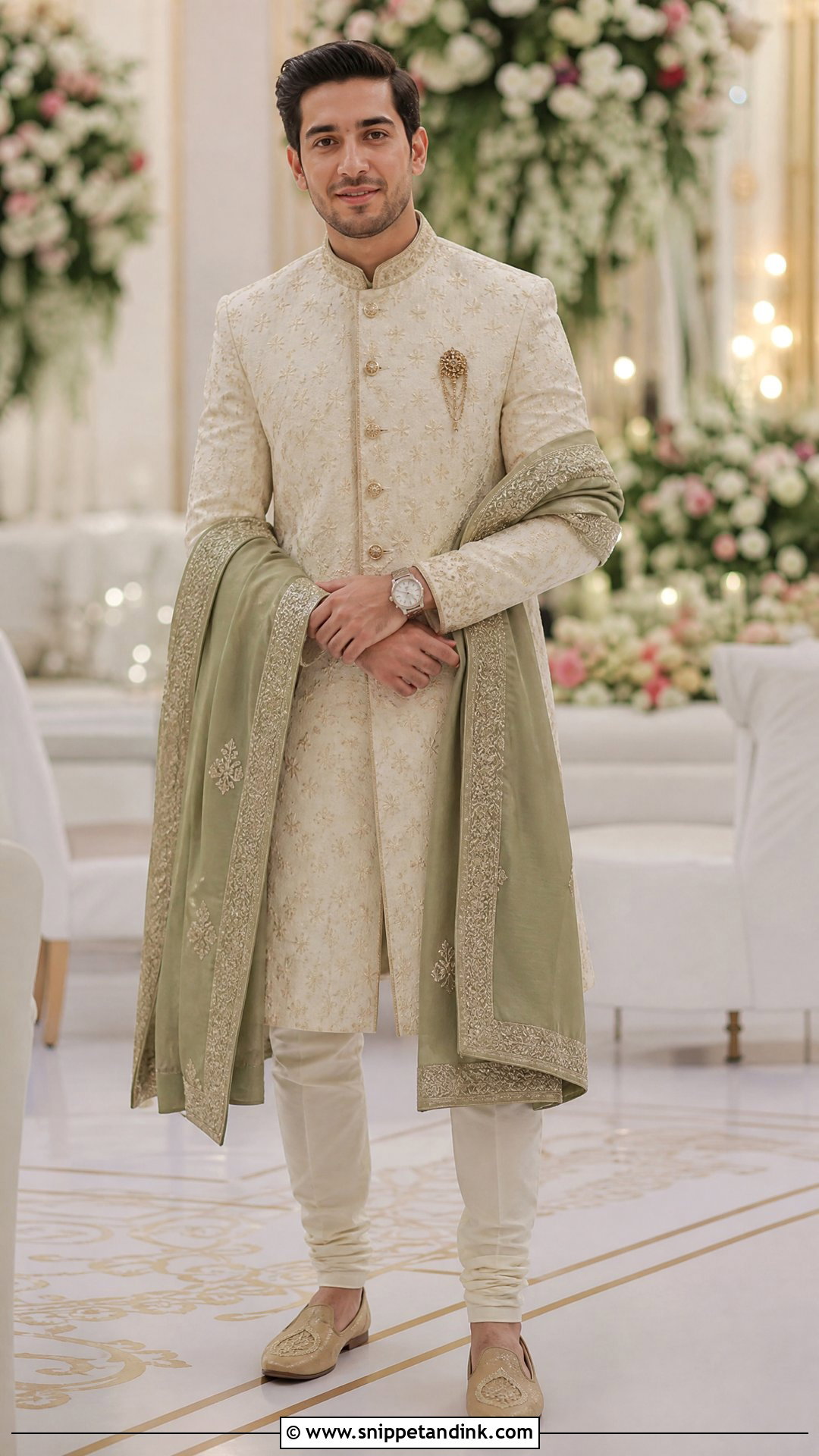
A sherwani is the strongest ceremonial choice when the brother has a prominent role in a traditional wedding. Ivory, beige, muted gold, sage, dusty blue or another colour your sister has approved. Pair the knee-length sherwani with slim churidar and embroidered juttis, a contrasting stole to tie in the family palette and a simple brooch. Embroidery concentrated at the collar, cuffs and front opening looks refined; heavy all-over work competes with the groom, whose sherwani should stay richer. Have the churidar and sherwani altered together so the length and trouser bunching balance.
19. Bride’s Brother Indo-Western Outfit
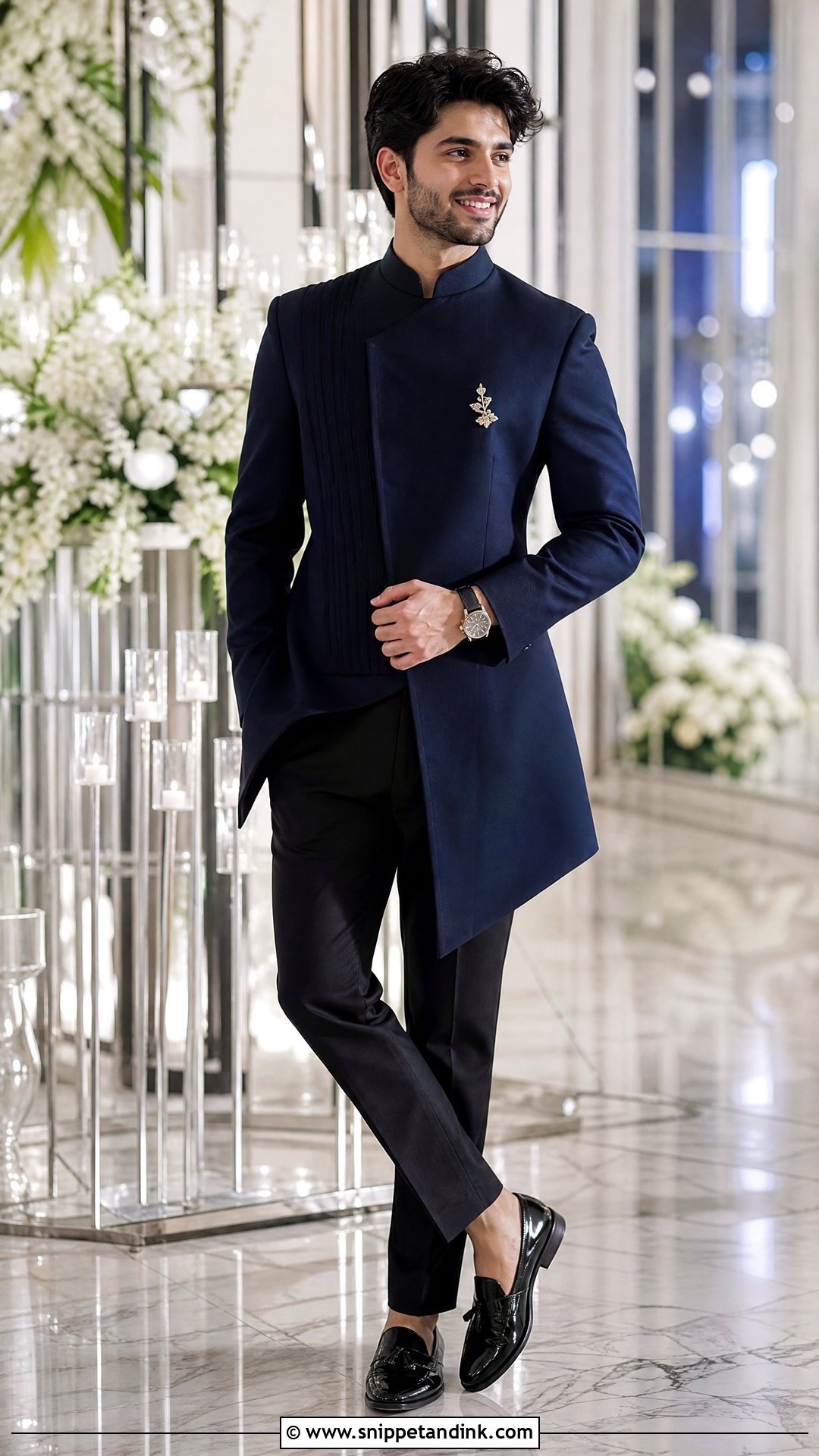
An Indo-Western set is the dance-floor outfit, best at a sangeet, cocktail night or contemporary reception. An asymmetric kurta or structured longline jacket in navy, black, teal, ivory or burgundy with tapered trousers, not heavily gathered bottoms. Loafers, mojaris or minimalist formal shoes to match the hardware. Choose one feature and build around it. An asymmetric hem plus a bold print plus heavy embroidery plus bright accessories is four features and too many. A small brooch, pocket square or statement watch as the final accent.
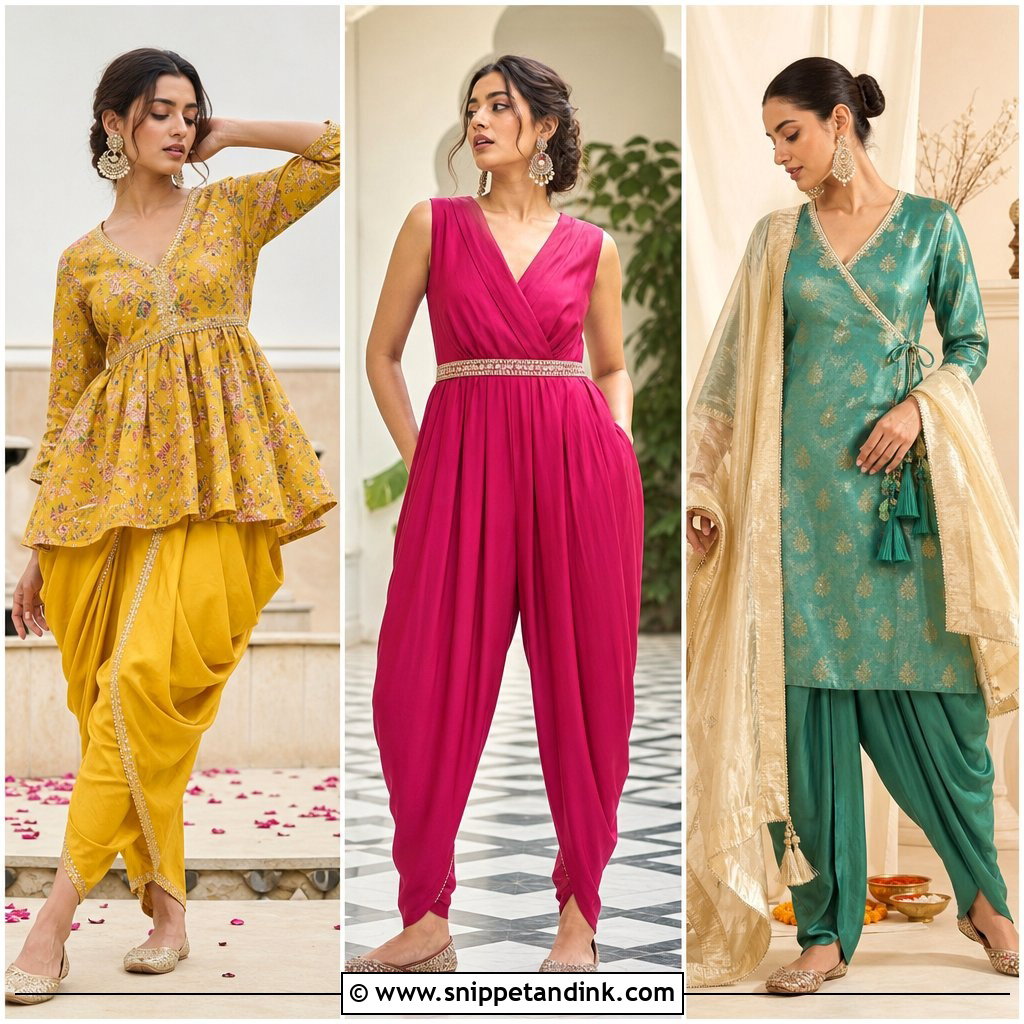
20. Bride’s Brother Dhoti Kurta Outfit
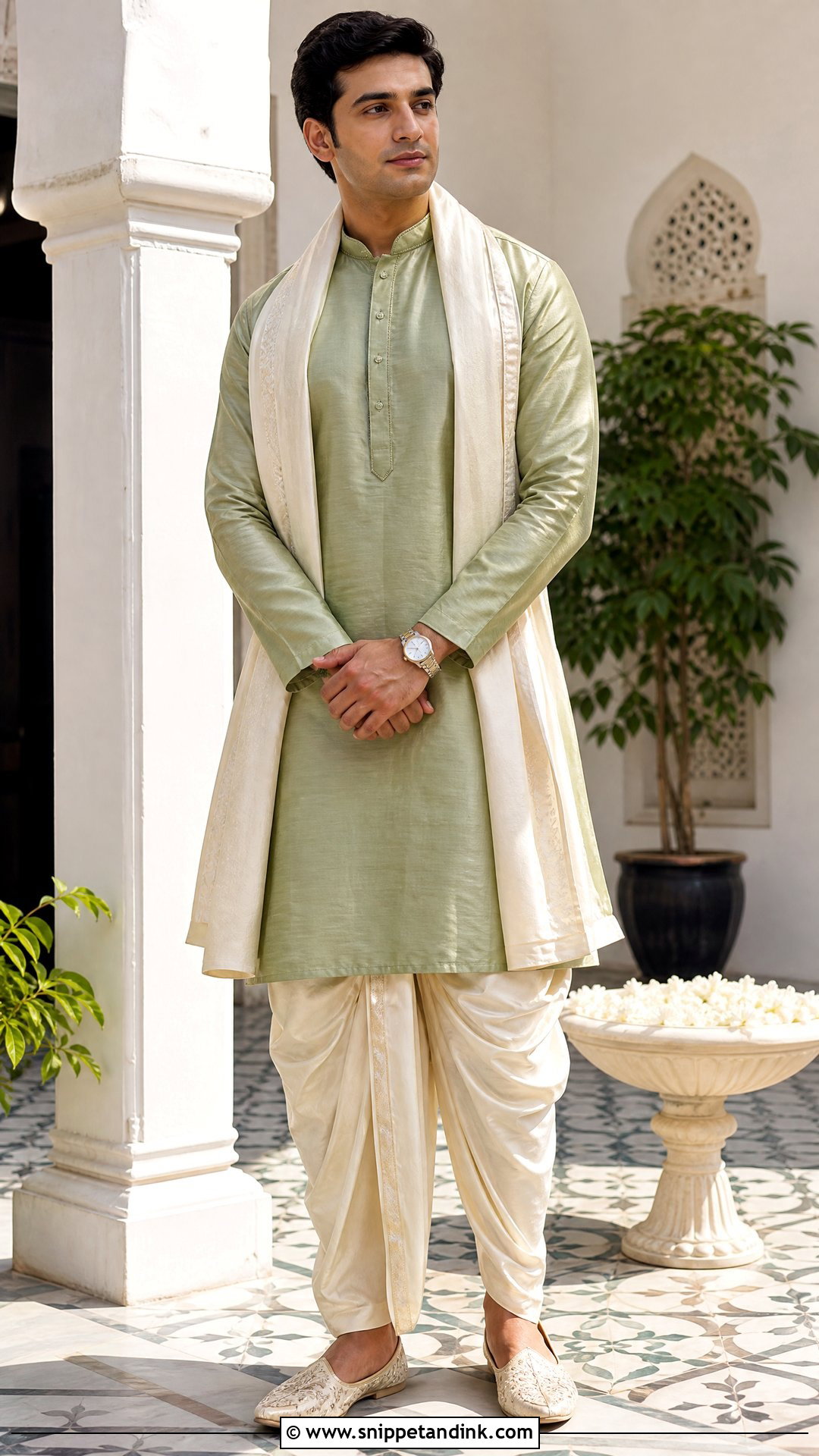
A dhoti kurta brings traditional character to a daytime ceremony or pre-wedding function. A well-fitted silk, cotton-silk or jacquard kurta in ivory, mustard, sage, rust or muted blue, with a cream or neutral dhoti. I’d usually recommend a pre-draped dhoti to a brother with a busy day: a traditional wrap needs re-tying after hours of sitting, walking and bending for rituals, and pre-draped ones hold. Embroidered juttis, a light stole over one shoulder, a simple bracelet or watch. Check the length so the hem doesn’t catch under your shoes, and keep it less elaborate than the groom’s.
What the Speech, the Receiving Line and the Dancing Ask of Your Clothes
A brother’s day is more physical than a guest’s. These are the practical points I fit around.
Give the speech somewhere to live
Notes and a phone go in the inside jacket pocket, not the outer ones, which sag and spoil the line of the jacket. A kurta or sherwani often has no inner pocket, so ask your tailor to add one or plan to hand the cards to someone until it’s your turn.
Standing for hours
Receiving lines, photos and rituals mean a lot of standing. Wear the shoes for several evenings at home first, and choose leather soles with a rubber insert or a thin grip if the venue floors are polished stone.
Heat, rituals and the dance floor
Bring a spare shirt or undershirt if the day runs from a hot ceremony into an evening party. For South Asian ceremonies that involve sitting on the floor, have the churidar or trousers checked for room through the seat and knee. And once the dancing starts, taking the jacket off is fine; hang it on a chair back by the shoulders, not over the seat, so it doesn’t crease.
Ask What the Groom Is Wearing, Then Dress One Step Quieter
Before you buy a thing, ask the couple what the groom, groomsmen and immediate family are wearing. That one conversation prevents accidental matching and colour clashes better than any styling advice. From there, respect the dress code, support the palette and choose fabric you can stand in for a long day. Spend on tailoring; a simple suit that fits well looks better than an expensive one that doesn’t. Finish with polished shoes and restrained accessories. Tuxedo, linen, bandhgala or sherwani, you’re there to look sharp beside your sister, not to outshine the groom.
You'll Like These Ideas:


Leave a Reply