
Classic bridal makeup isn’t one look. It’s a set of looks built on the same idea: skin that looks like skin, features that read clearly in photos, and nothing that will look dated when you open the album in twenty years. Below are twenty I apply regularly, from barely-there natural makeup to a precise red lip and a full black-tie face. For each, I’ve added the product choices and placement decisions that make it last, and notes on which skin tones and settings it suits best. Use them to work out what to ask for at your trial.
Matte, Satin or Dewy? Your Skin Answers First
Before I think about eyeshadow colors, I look at the skin. Its type decides which finish will last through a long day, and the wrong finish is the main reason bridal makeup slides or turns patchy by evening.
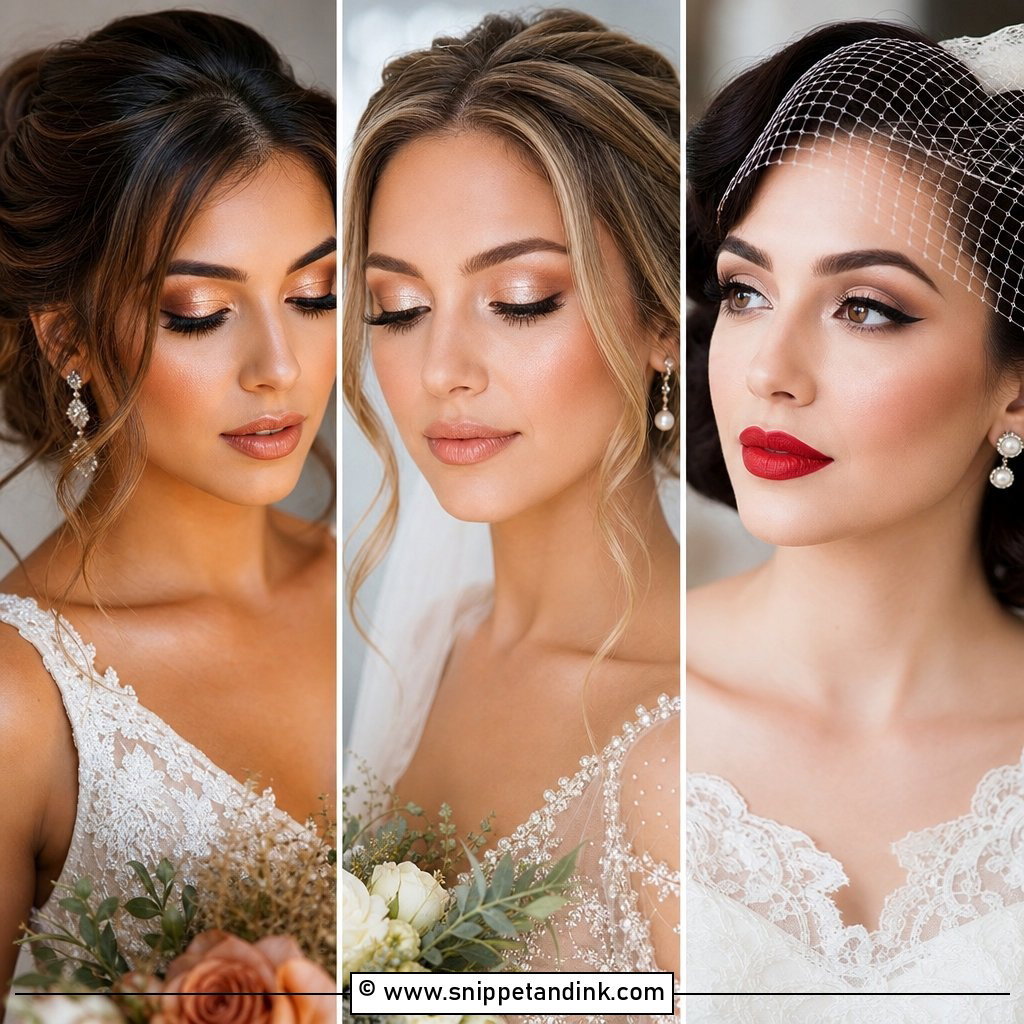
- Oily skin: a mattifying primer on the T-zone, a long-wear foundation and powder where shine appears. Glow goes only on the cheekbones.
- Dry skin: a hydrating base and cream products. Powder only where needed, since heavy setting powder clings to dry patches.
- Combination skin: treat each area separately, mattifying the center and keeping the outer cheeks satin.
- Mature skin: thin layers, satin rather than shimmer on the lids, and cream blush, which sits more softly on fine lines.
Start a gentle, consistent skincare routine a few months before the wedding and avoid trying new treatments like peels in the final weeks. Irritation or peeling just before the day is far harder to cover than everyday texture.
1. Natural Wedding Makeup
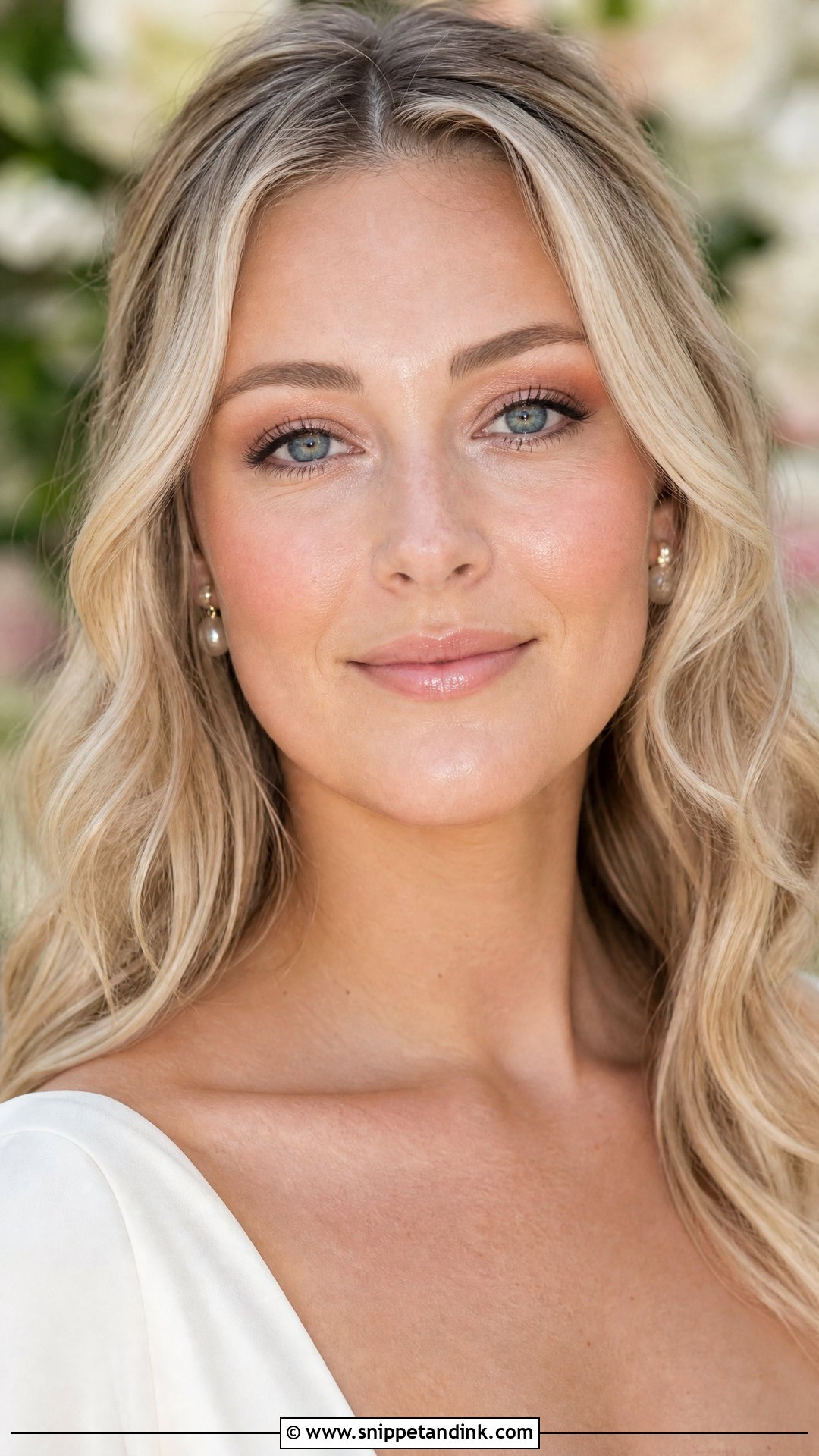
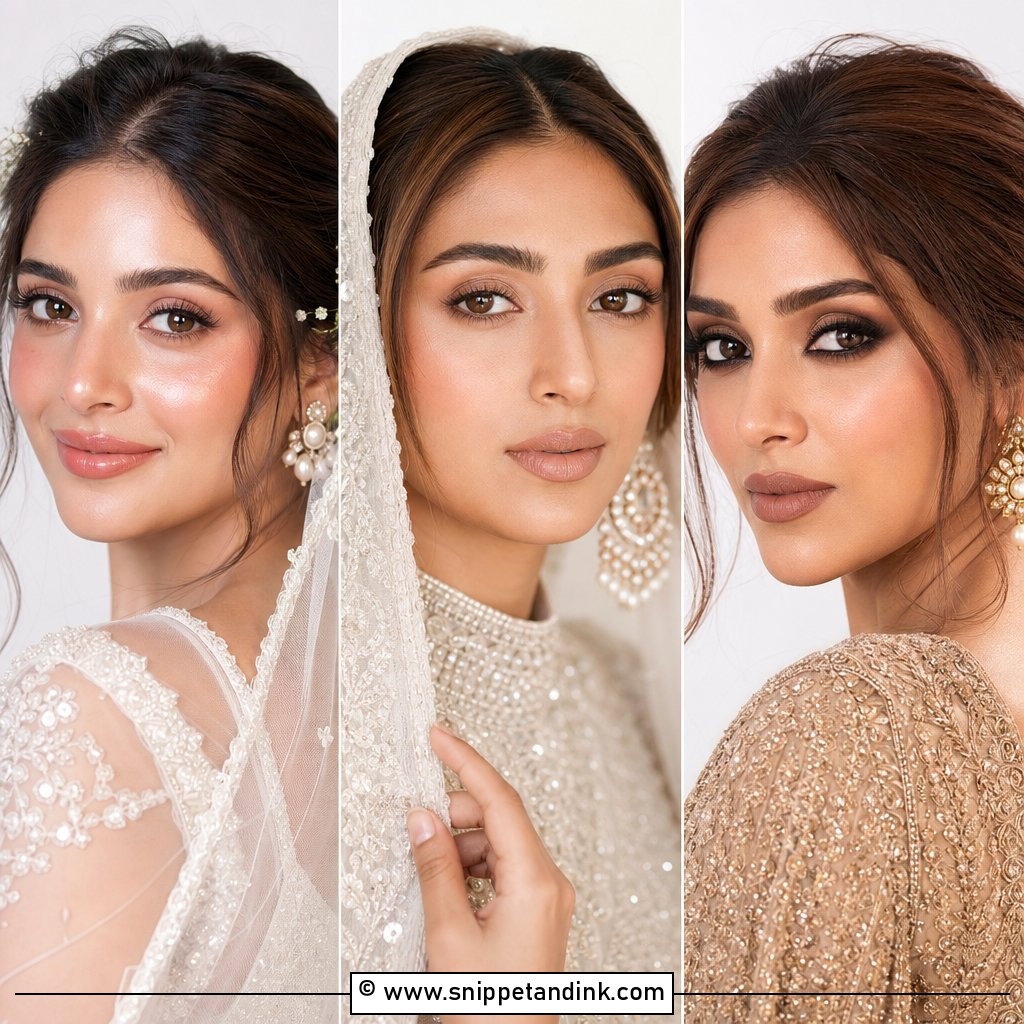
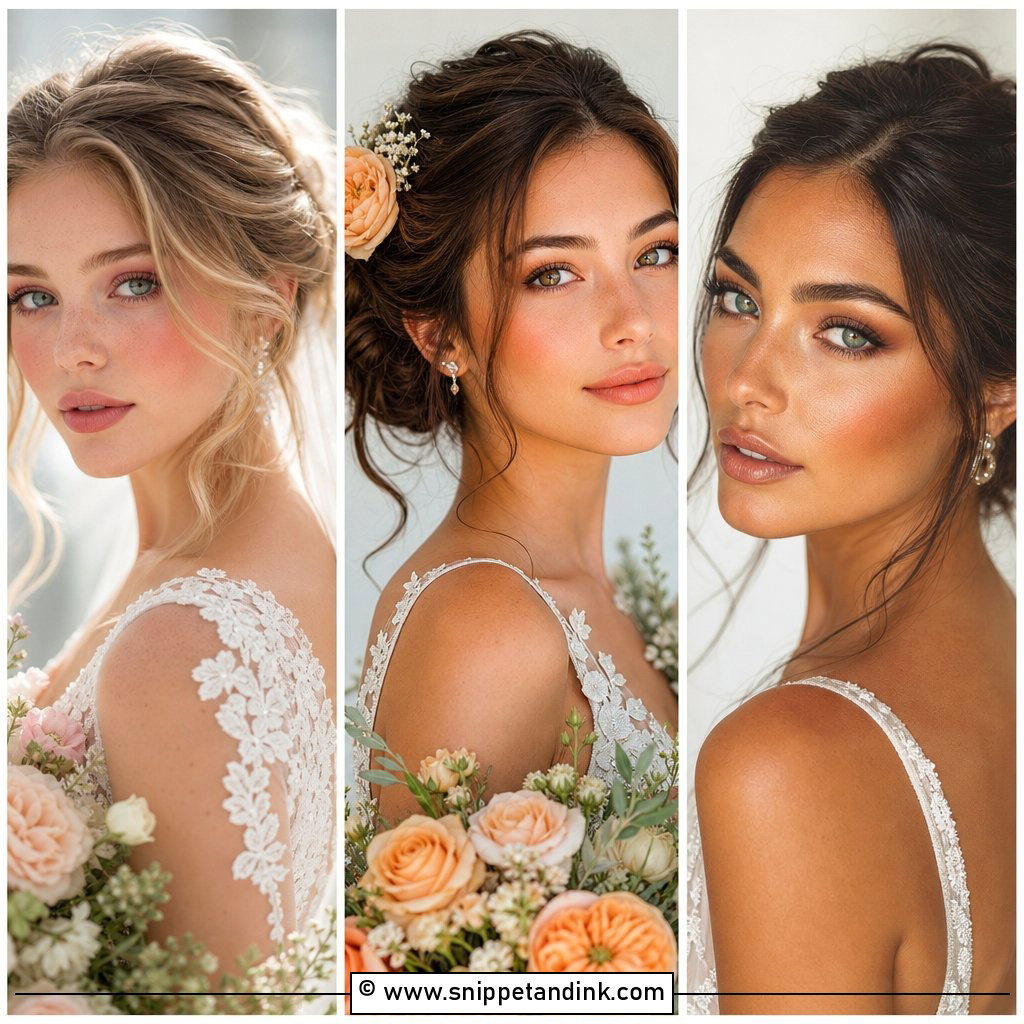
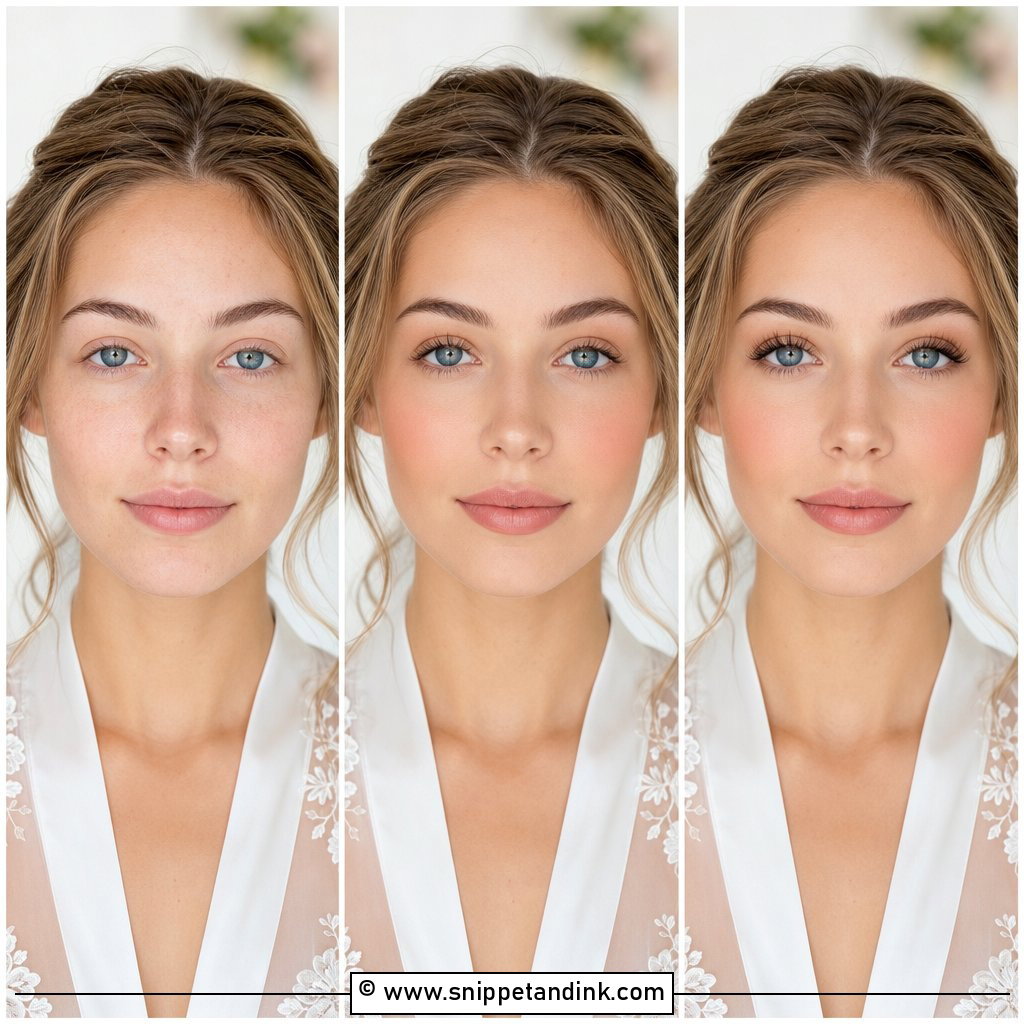
Natural makeup still takes skill, because it has to survive a full day and photograph as if you’re barely wearing any. I use a skin tint or light foundation only where the skin needs evening out, then spot-conceal redness. A rose or peach blush stops the face looking flat in photos, which is the most common problem with very bare makeup. Champagne or taupe shadow with brown liner pressed into the lashes defines the eyes softly. Brows are brushed and lightly filled, and a satin nude-pink lip or tinted balm finishes it. Simple gowns and outdoor ceremonies suit this approach.
2. Soft Glam Wedding Makeup
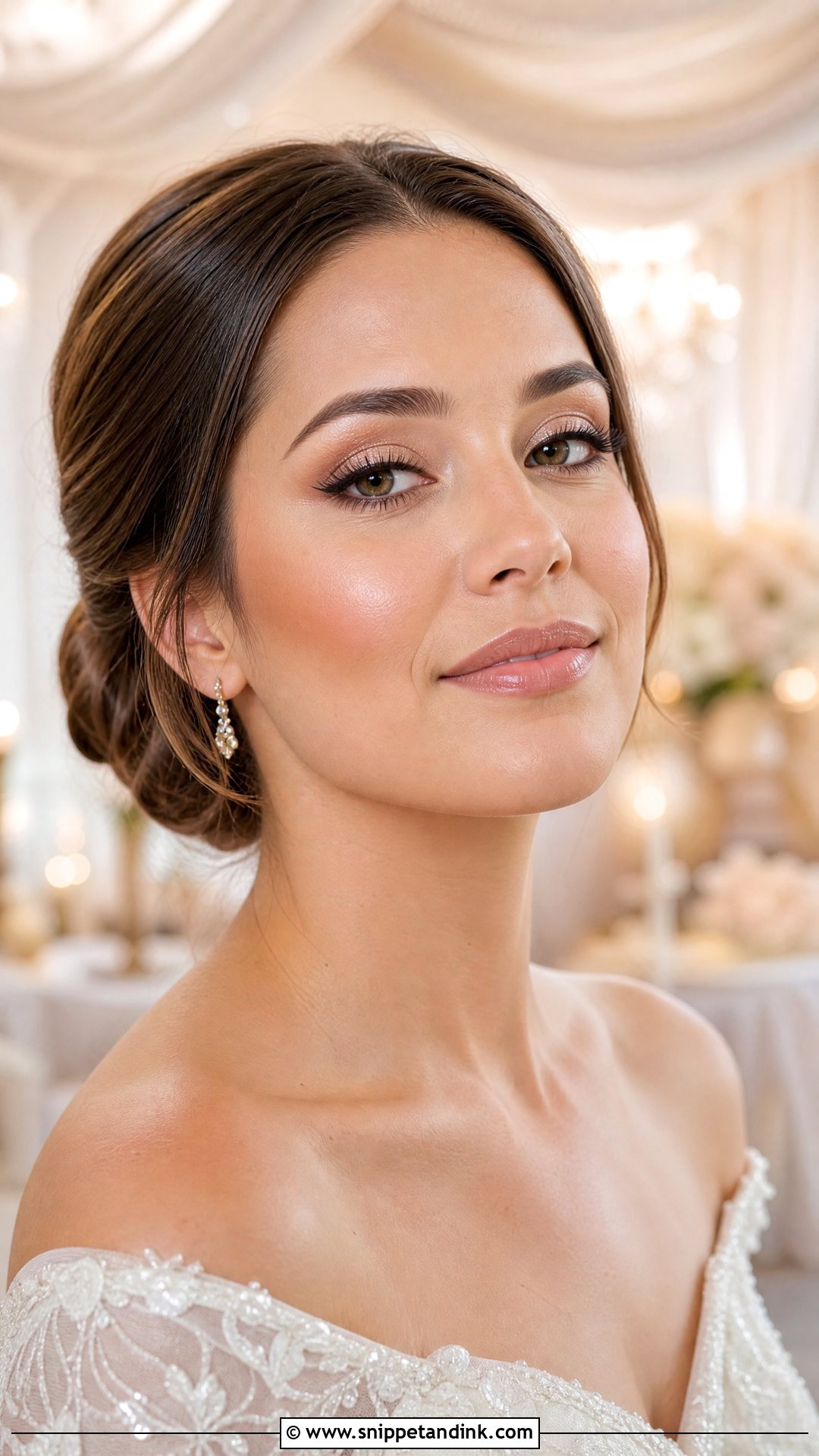
Soft glam is the look I’m asked for most. It gives more definition than natural makeup without looking heavy: medium-coverage skin, softly sculpted cheeks, a little highlighter and eyes enhanced with warm brown or taupe eyeshadow through the crease and a shimmer on the lid. Wispy lashes help the eyes register in photos taken from a distance. A pink-nude or beige-rose lip keeps the face balanced. The skill is in the blending; harsh edges are what turn soft glam into something heavier.
3. Classic Red Lip Wedding Makeup
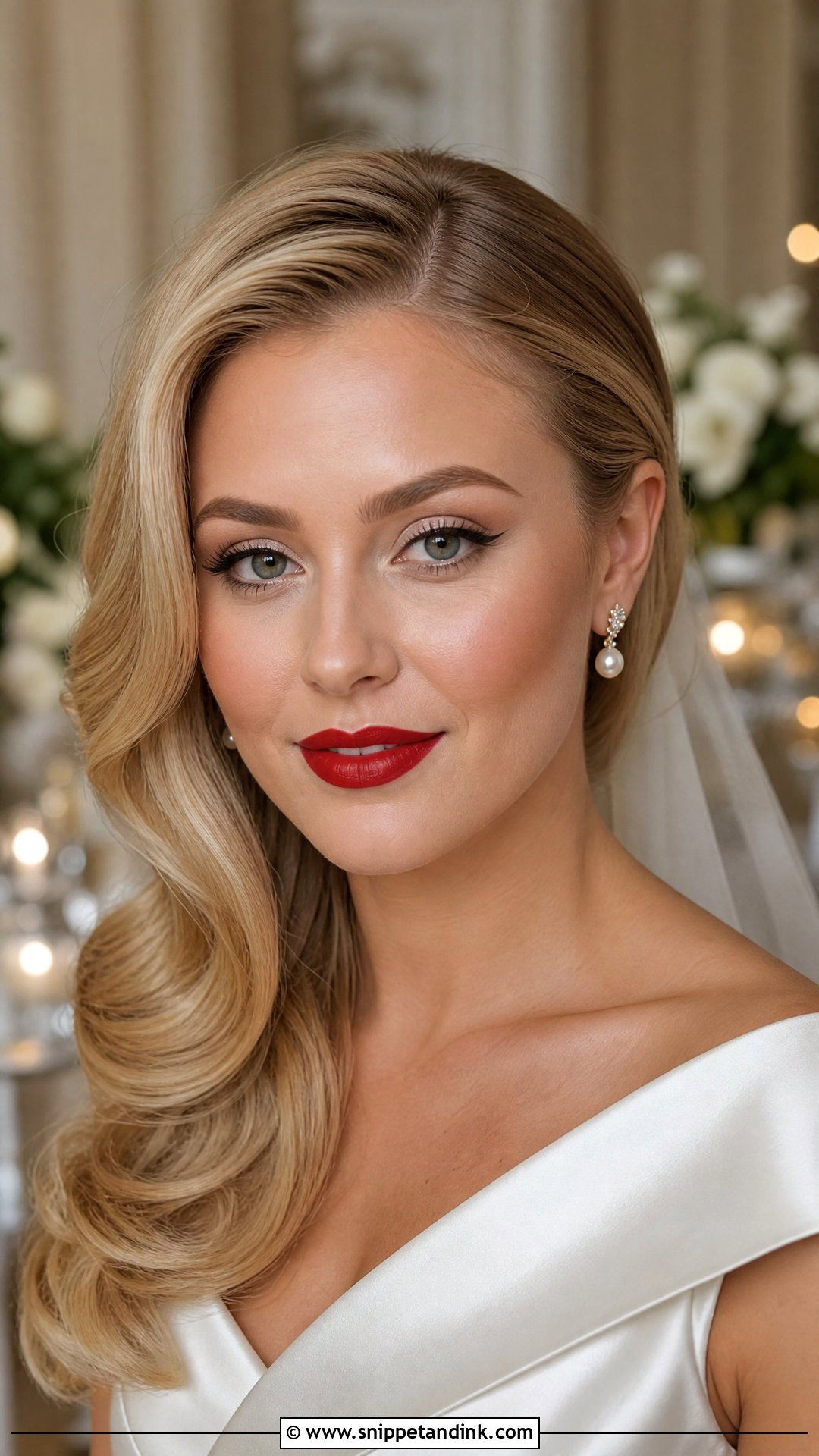
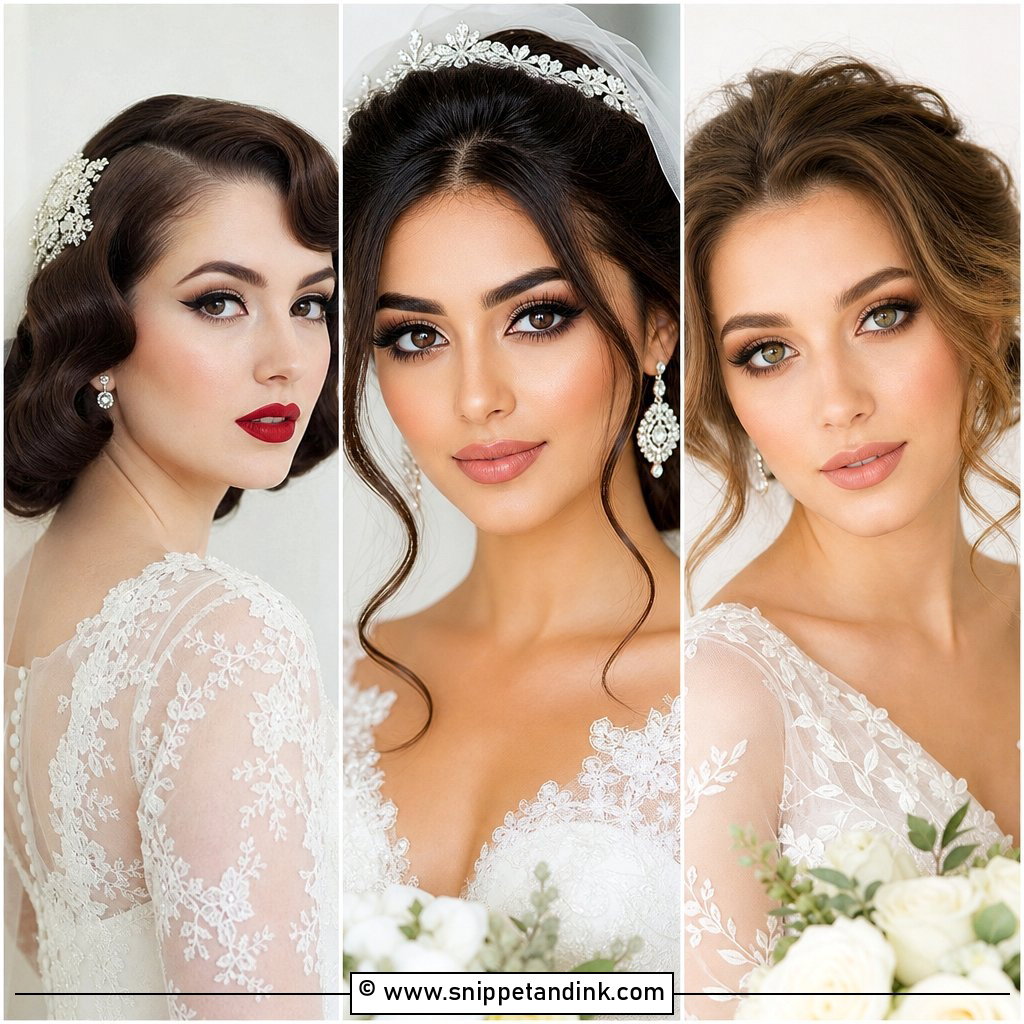
A red lip is the boldest classic, and it only works if the rest of the face is clean. I keep the complexion even, powder only where shine appears and use a natural flush of blush. The eyes stay defined but simple, with neutral shadow, a thin wing and curled lashes. Choose a red by undertone: blue-red for cool skin, true red for neutral and brick-red for golden undertones. A precise lip liner, applied over the whole lip before the lipstick, is what keeps it sharp and stops it bleeding. Structured dresses and sleek hair suit it.
4. Winged Liner Wedding Makeup
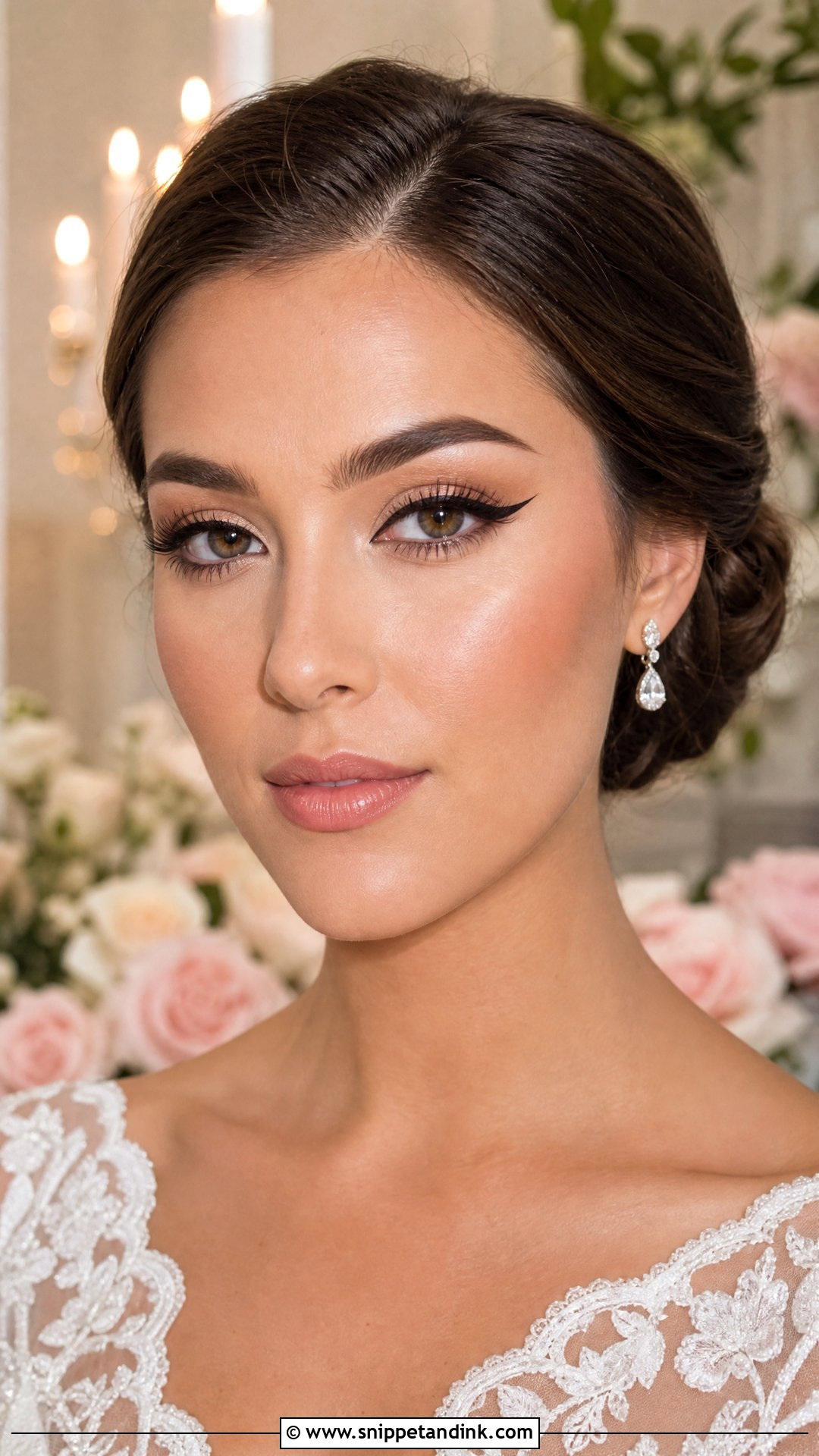
Winged liner adds structure, and the most common mistake is making the wing too long or too thick, which looks heavy in close-ups. I map the angle from the lower lash line toward the end of the brow and keep the wing short. Matte beige or soft brown shadow shapes the eye first. Individual lashes at the outer corners add lift without weighing down the lid. A nude, rose or soft coral lip keeps things balanced. Hooded eyes need the wing drawn with the eye open, or it folds and disappears.
5. Matte Bridal Wedding Makeup
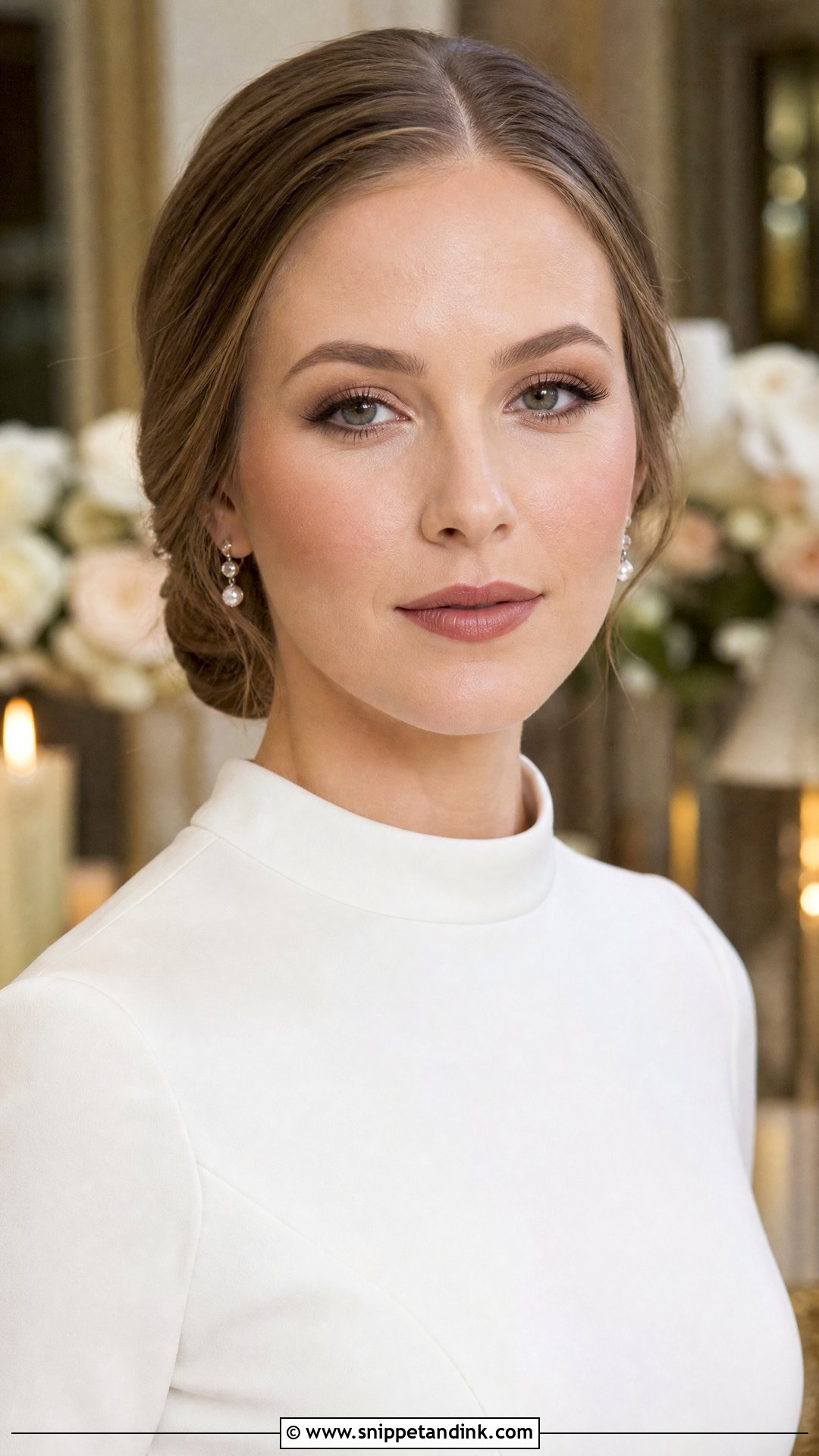
A matte finish controls shine for oily skin, warm weather and flash photography, but it can look flat if the skin isn’t prepped. I hydrate first with a lightweight moisturizer, then use a long-wear foundation and set only the T-zone with powder. Soft contour under the cheekbones and a satin-matte blush in rose, peach or mauve keep dimension. Neutral matte shadows with a slightly deeper crease suit the look. A comfortable matte lipstick in nude pink or rose brown completes it. Dry skin shouldn’t go fully matte, as it shows every flake.
6. Dewy Bridal Wedding Makeup
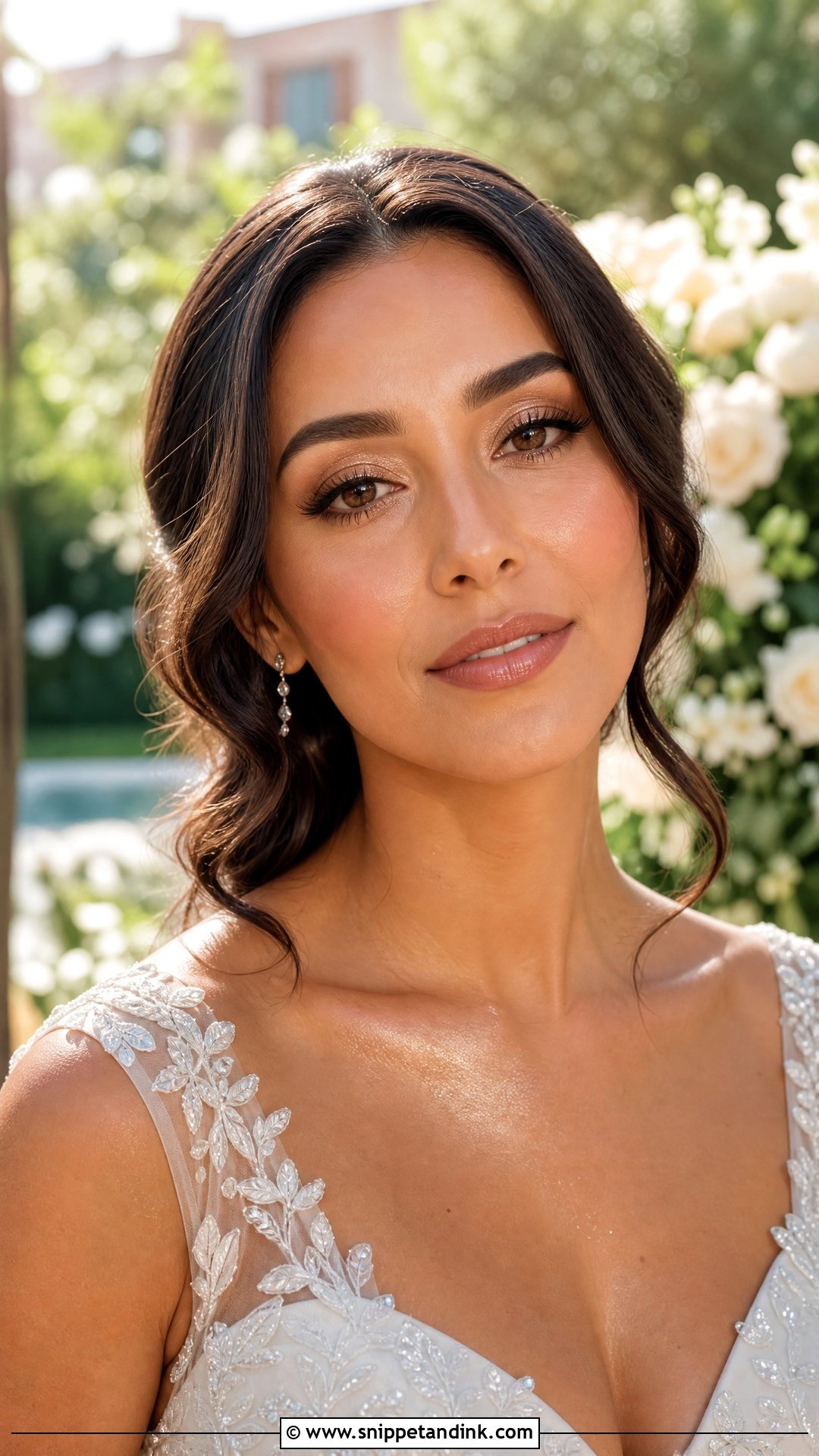
Dewy bridal wedding makeup looks healthy rather than greasy only when the glow is controlled. I use a radiant primer, a flexible foundation and cream blush, and put highlighter on the tops of the cheekbones, inner corners and brow bone, never on the nose or chin, which get oily by themselves. Champagne shimmer and brown liner keep the eyes soft. A glossy nude, pink or peach lip adds to the freshness. Oily skin can still go dewy, but I’d add a light powder to the T-zone.
7. Rose Gold Wedding Makeup
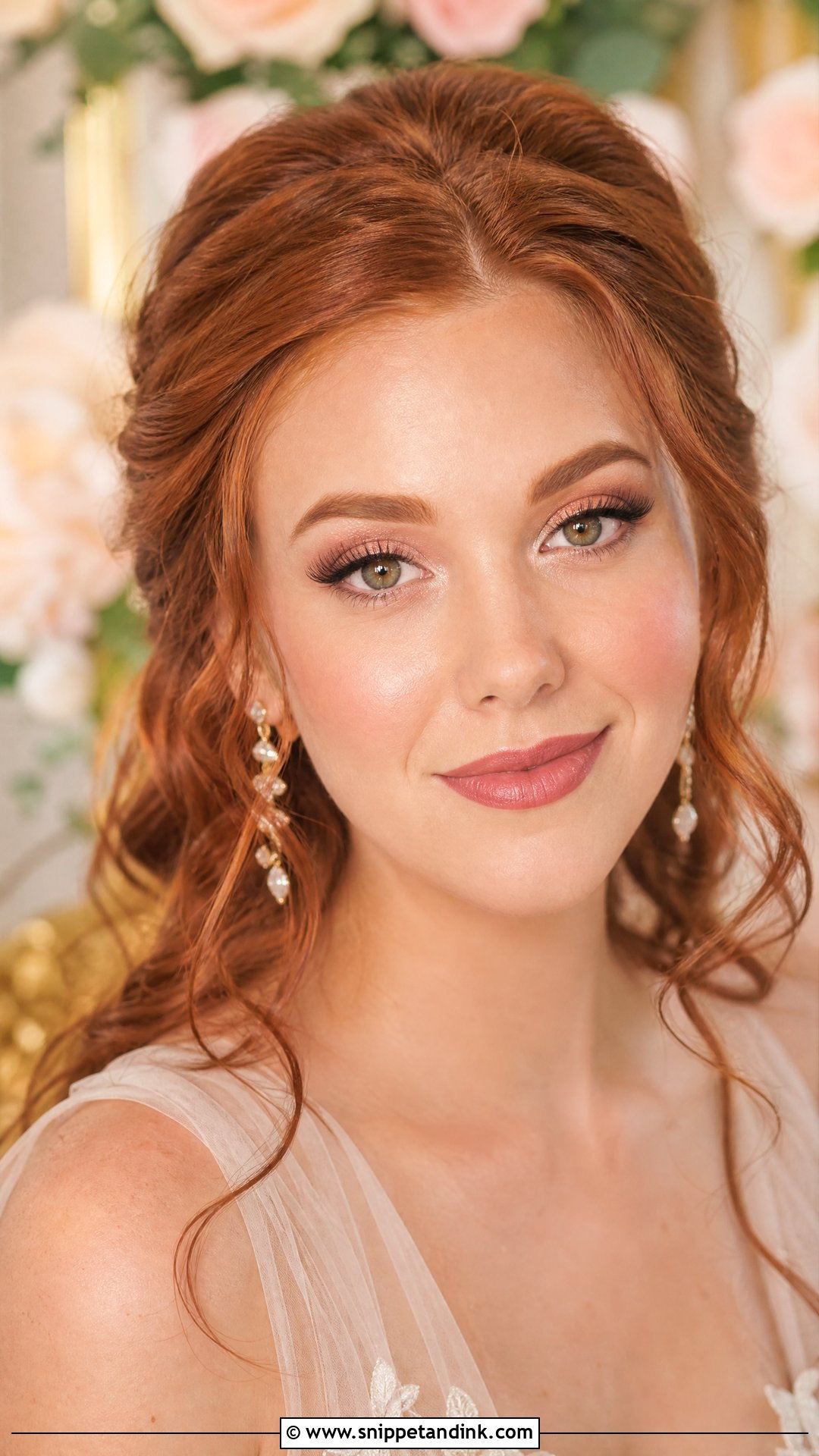
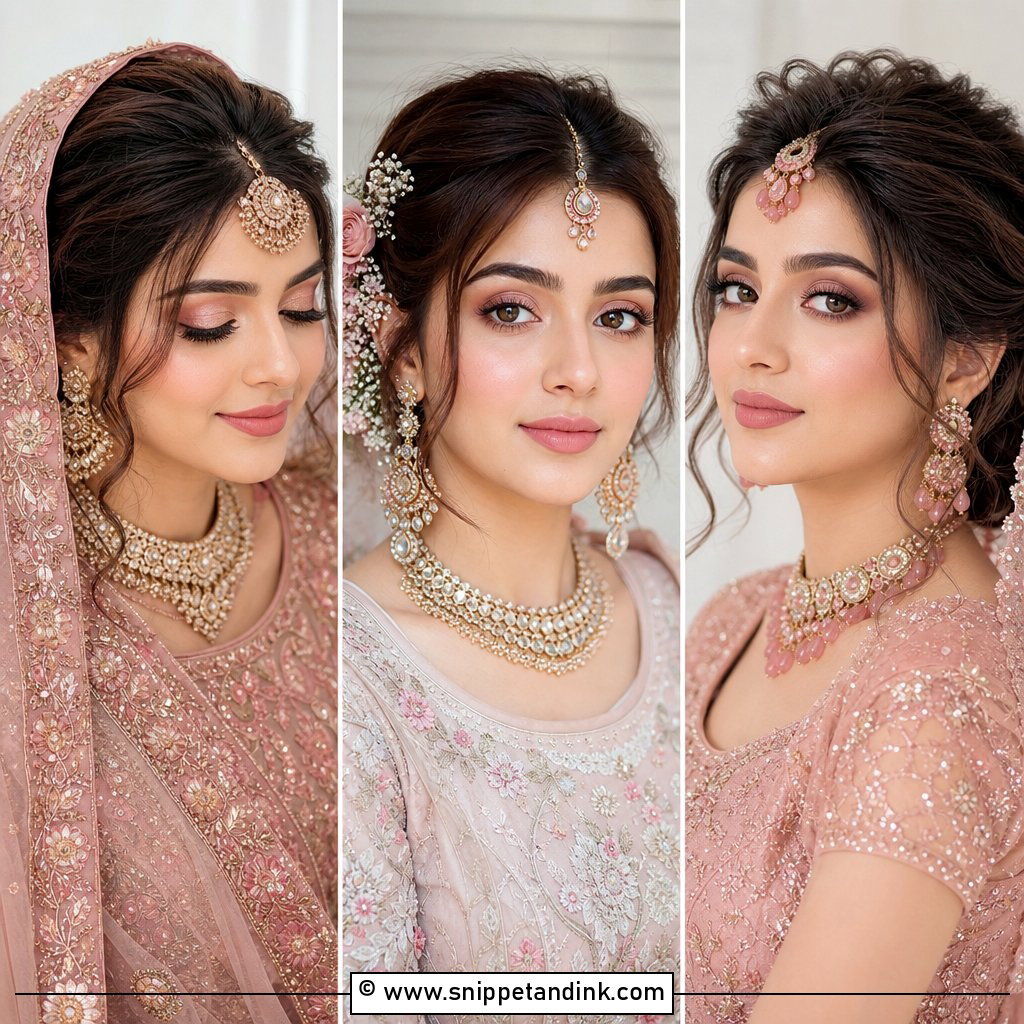
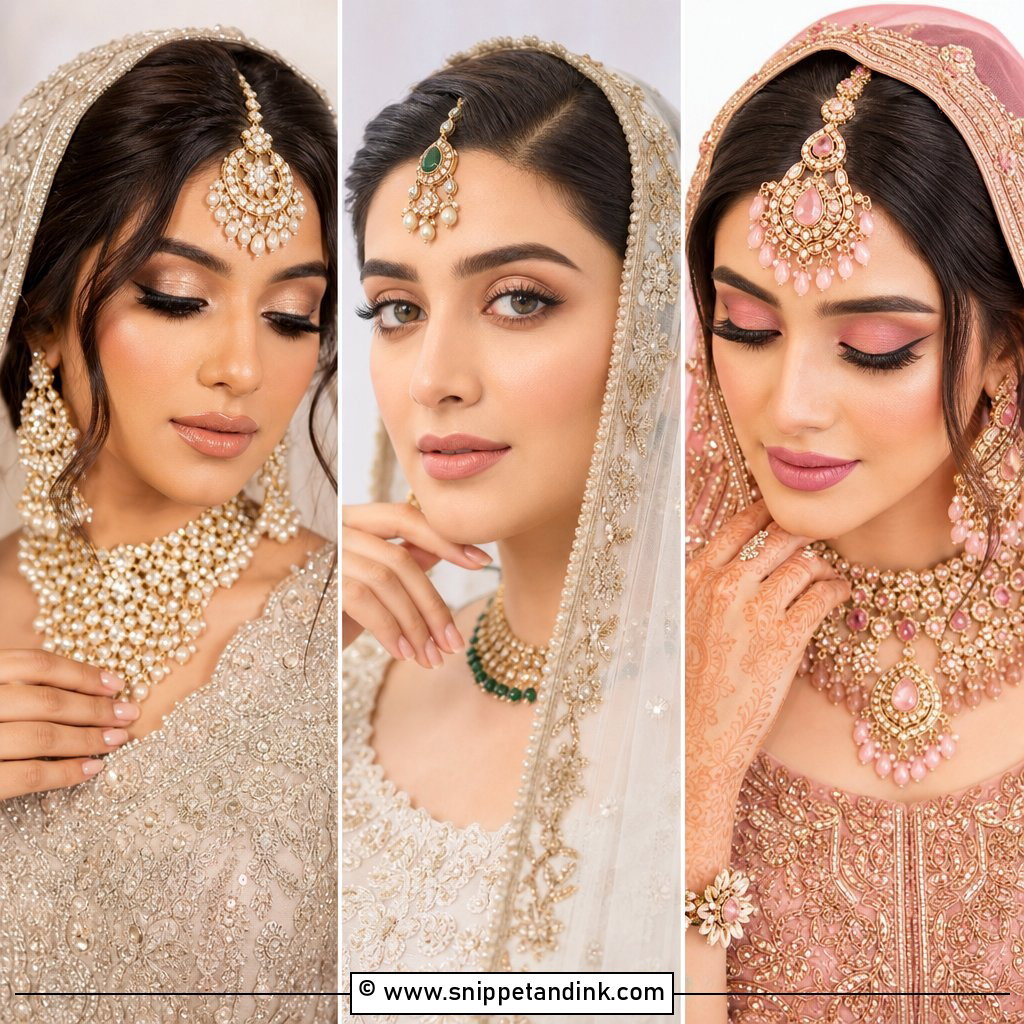
Rose gold makeup flatters most skin tones because it mixes pink and warm metallic tones. I blend a muted rose through the crease, press a rose-gold shimmer onto the lid and add brown liner. Skin stays luminous with pink or peach blush placed high on the cheeks. A soft rose lip ties it together. Shimmer on the lid can emphasize creases on mature skin, so I’d use a satin finish there instead. Ivory gowns, blush florals and gold jewelry suit it.
8. Smokey Eye Wedding Makeup
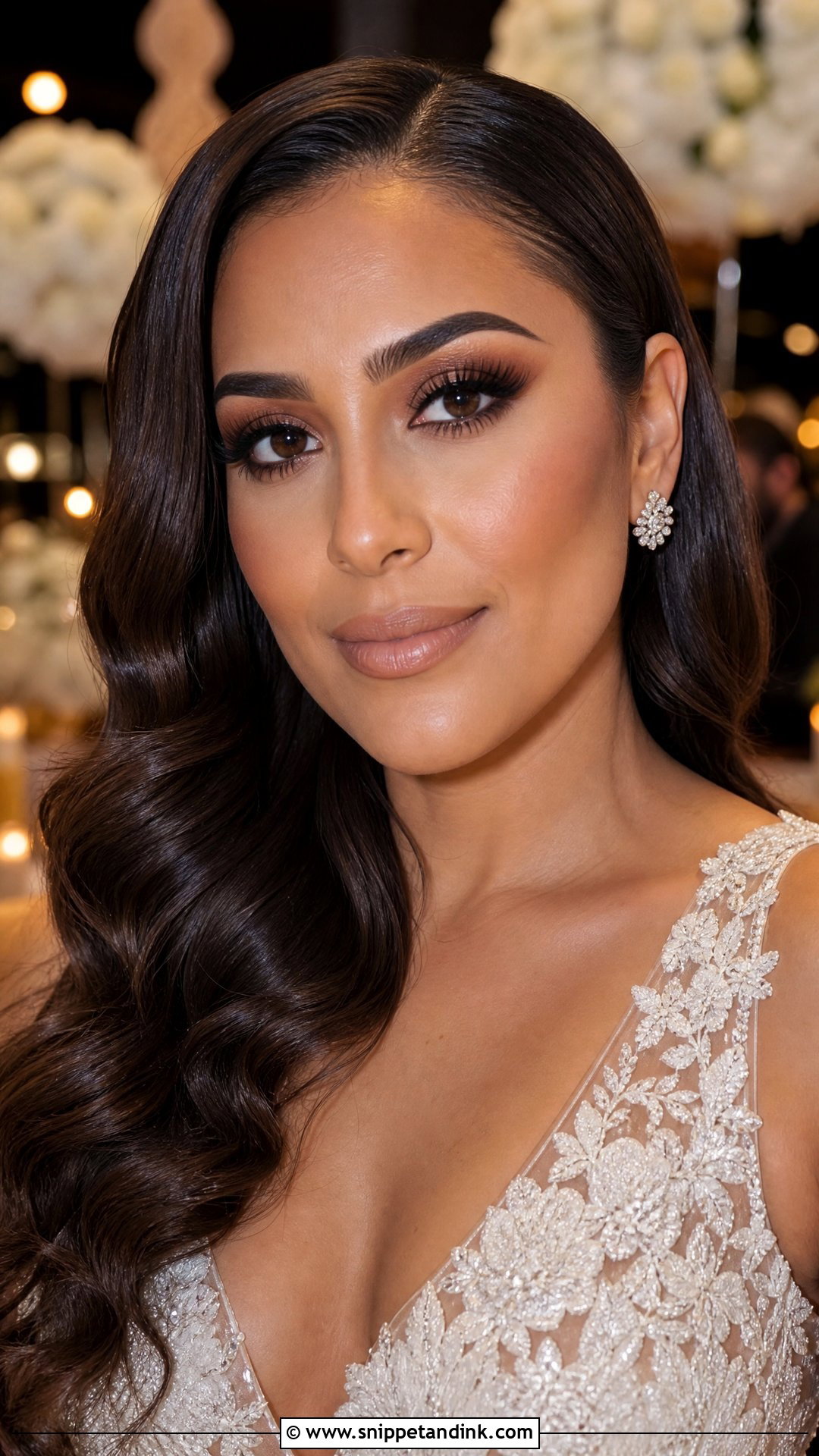
Smokey eye wedding makeup stays classic when it’s soft and well blended. Instead of black, I usually use taupe, brown, bronze or charcoal, chosen by skin tone and eye color. The darkest shade sits at the lash line and blends upward and outward to lift the eye. Clean skin, sculpted cheeks and a nude or soft pink lip balance it. Smoky eyes can make small or deep-set eyes look smaller, so I keep the inner corners lighter for those brides.
9. Nude Lip Wedding Makeup
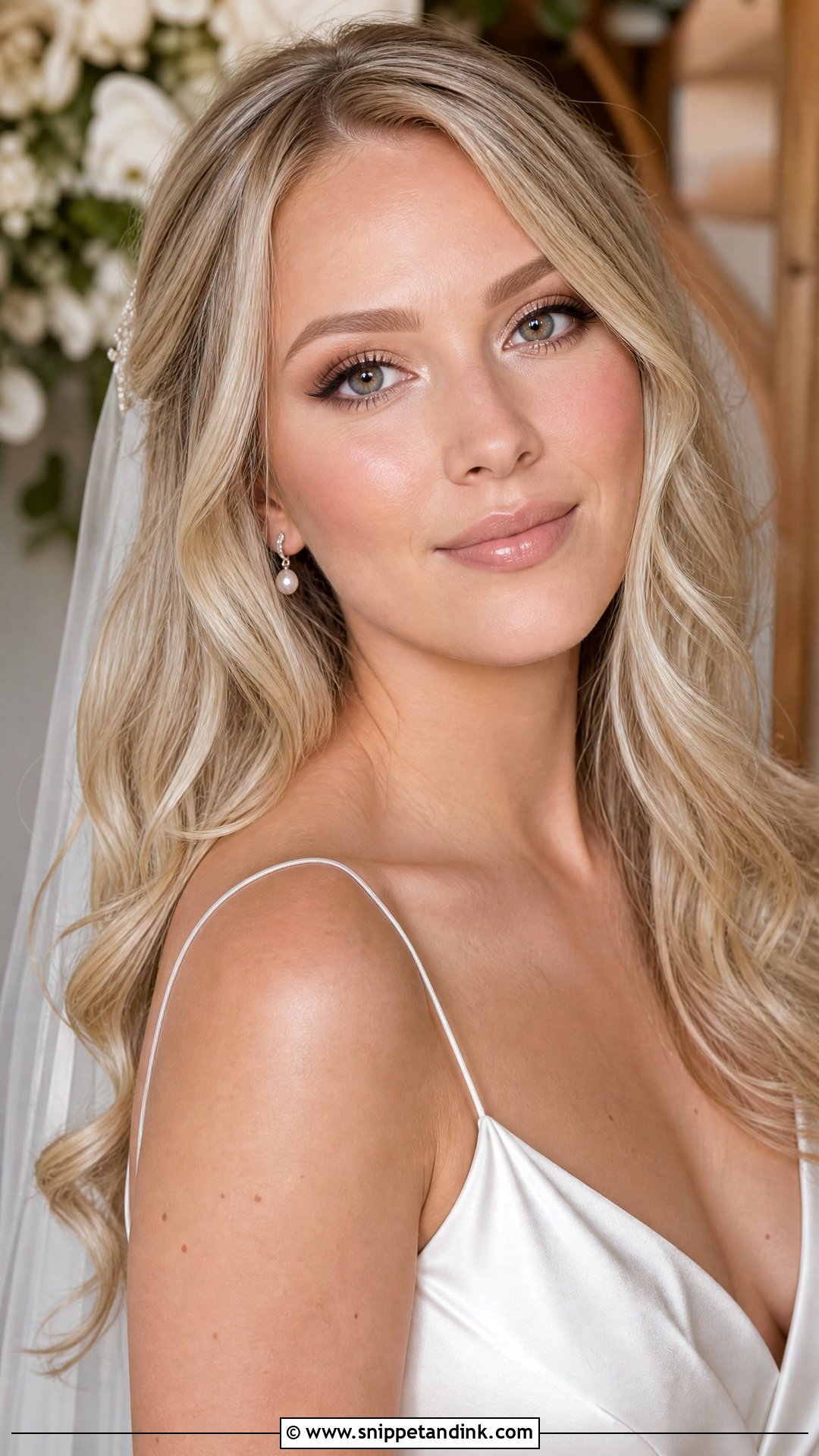
A nude lip is easy to wear and maintain, but the wrong nude erases the lips completely and makes the face look tired in photos. I choose a shade slightly deeper or rosier than your natural lip. The rest of the face needs more definition to balance it, with glowing skin and enough blush. Soft brown shadow, smudged liner and wispy lashes pair well. A satin or creamy matte finish photographs better than a very pale gloss, which can look washed out under flash.
10. Pink Bridal Wedding Makeup
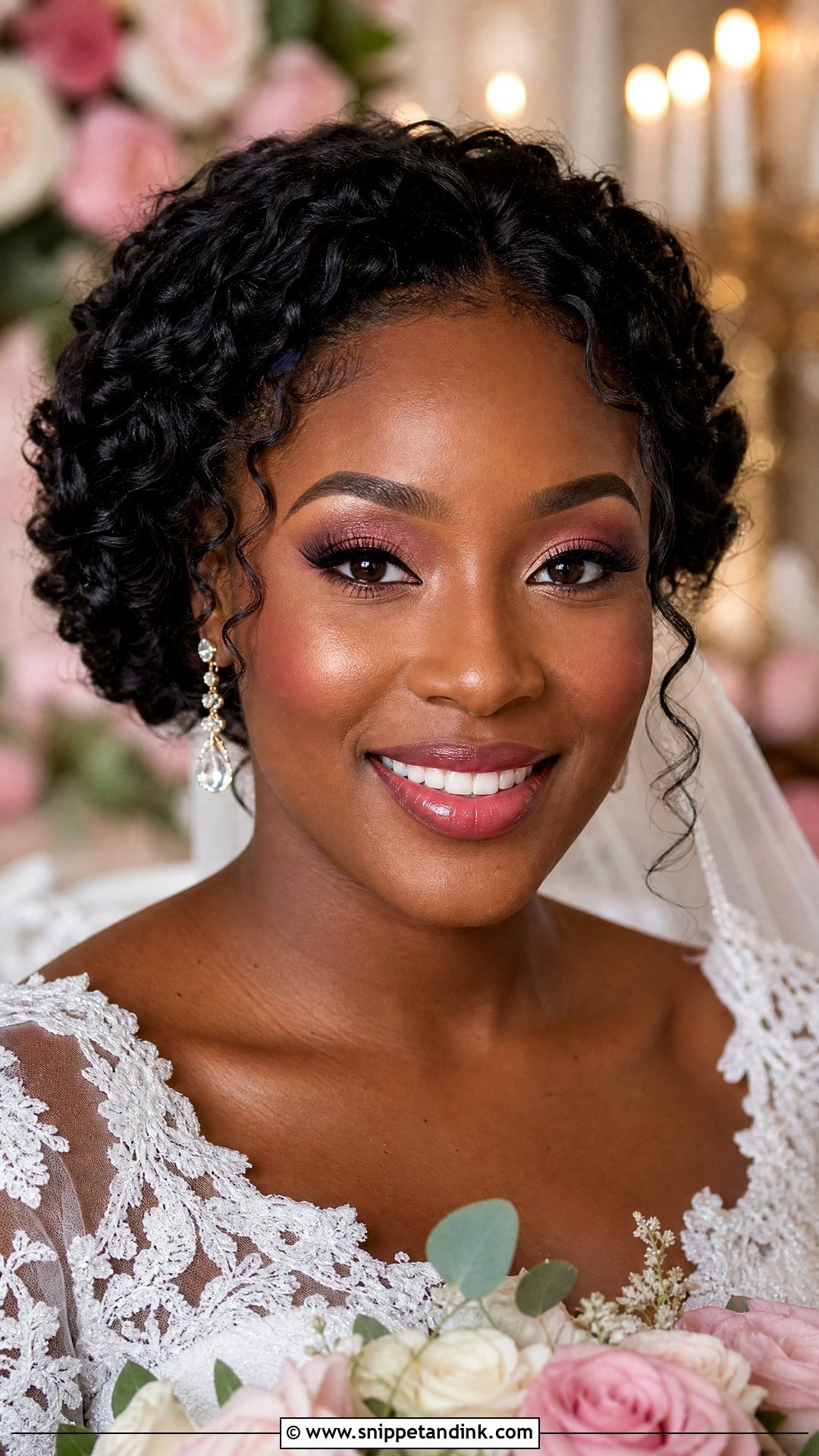
Pink makeup needs adjusting for each skin tone. On fair skin I use baby pink or rose; on medium and olive skin warm rose or mauve-pink; on deep skin berry-pink, plum-rose or a rich fuchsia blush applied softly. The eyes stay delicate with rosy taupe, champagne or soft brown. A matching pink lip in satin or cream finish completes it. Defined brows and radiant skin keep pink makeup from looking too sweet.
11. Peach Wedding Makeup
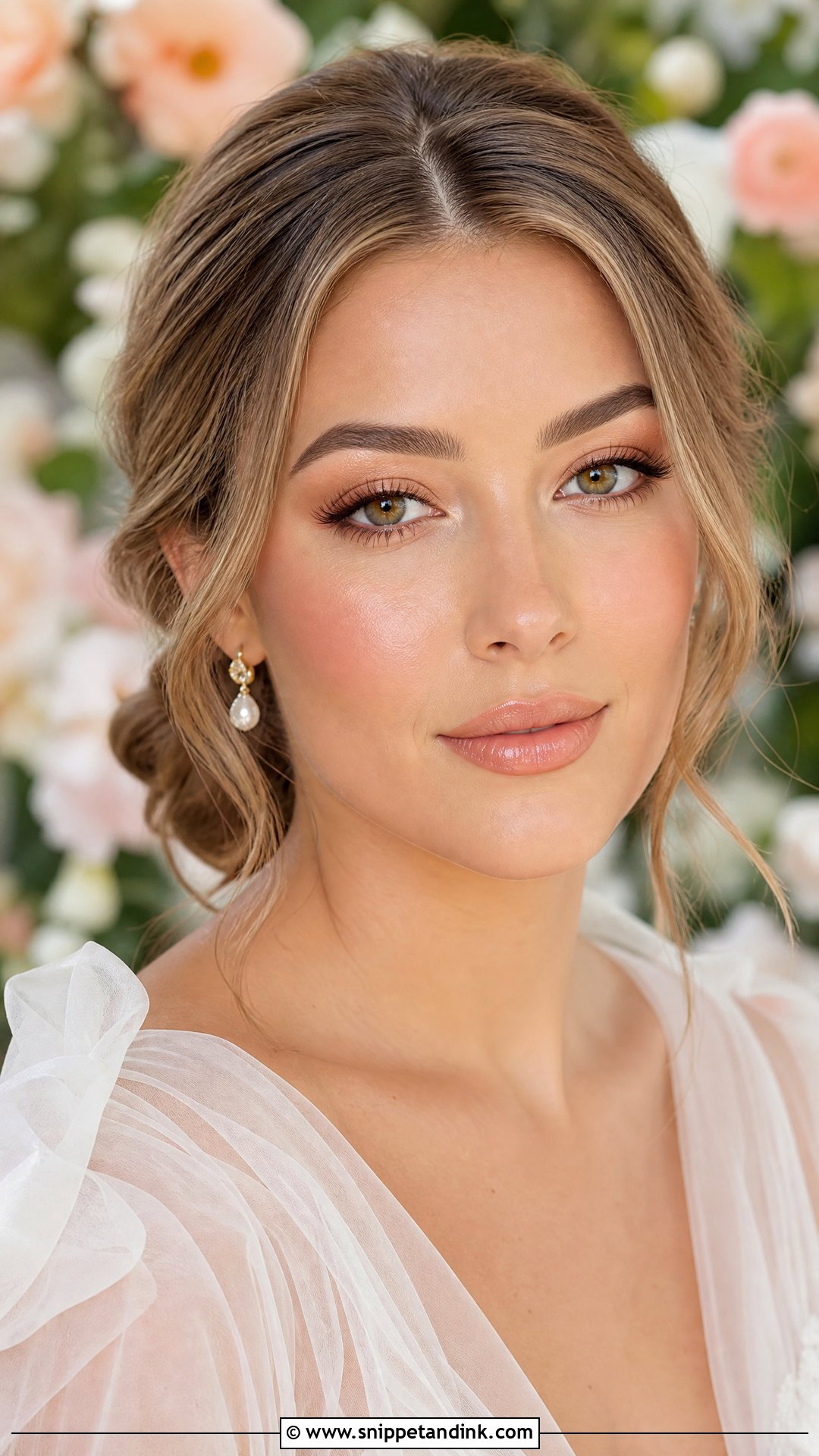
Peach makeup brings warmth and brightness, especially for daytime ceremonies in spring and summer. I start with healthy skin and soft bronzer, then add a peach blush that melts into the cheeks. Warm beige, apricot, bronze or light brown shadow suits the eyes, with brown liner and curled lashes. A peachy nude or coral-pink lip finishes it. It’s a good choice for warm undertones and cream gowns; on very cool skin, peach can look orange, so I’d lean toward a soft coral instead.
12. Brown Smokey Wedding Makeup
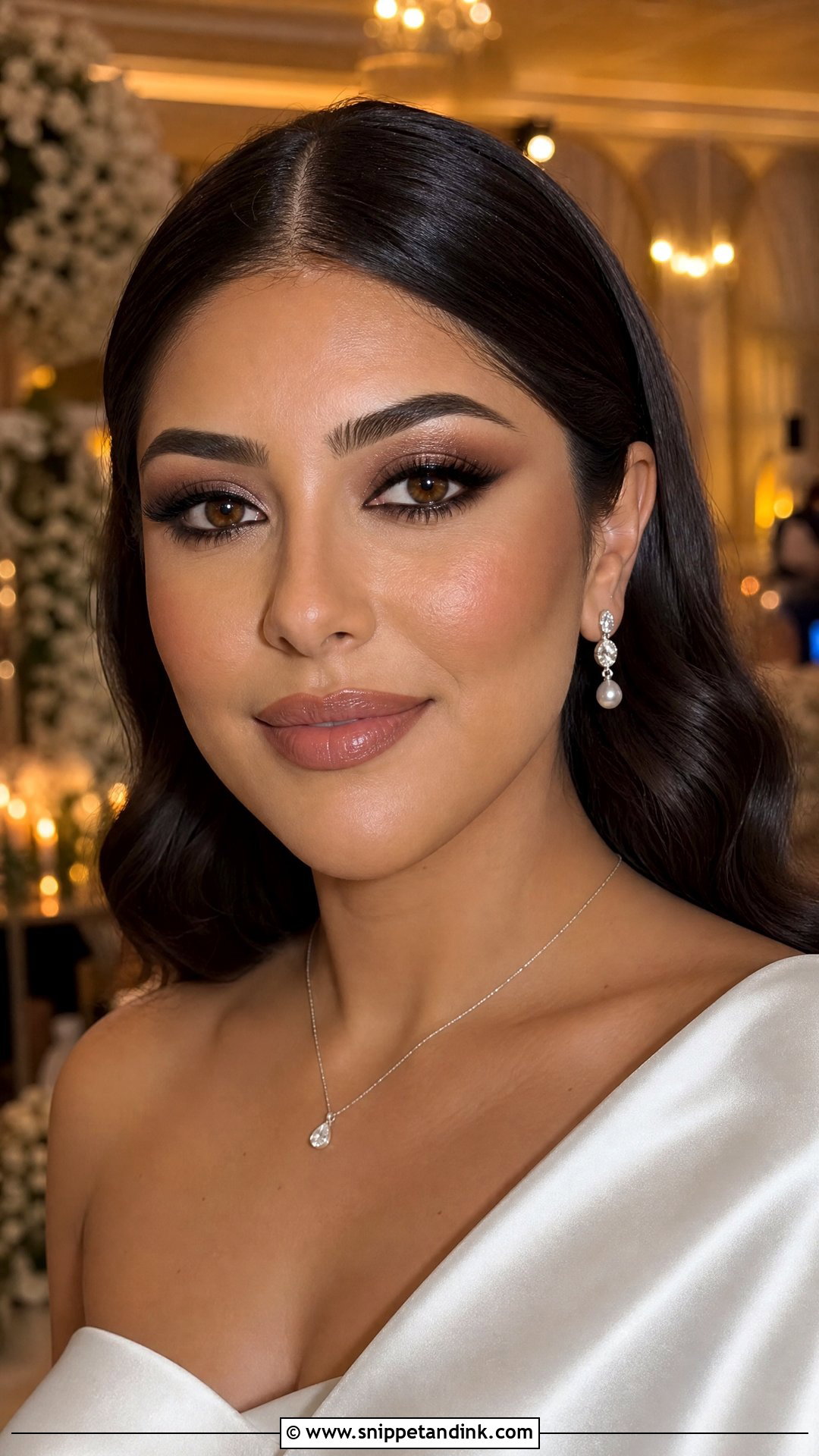
A brown smoky eye is softer than black but still gives depth. I use warm chocolate, espresso, bronze or taupe, deepest at the lash line and outer corner, softened with a mid-tone. Natural-looking skin, soft contour and a nude rose or caramel lip keep the face balanced. Brown flatters blue, green, hazel and brown eyes. It’s also more forgiving if you cry during the ceremony, since a smudge of brown looks far less dramatic than a smudge of black.
13. Champagne Eye Wedding Makeup
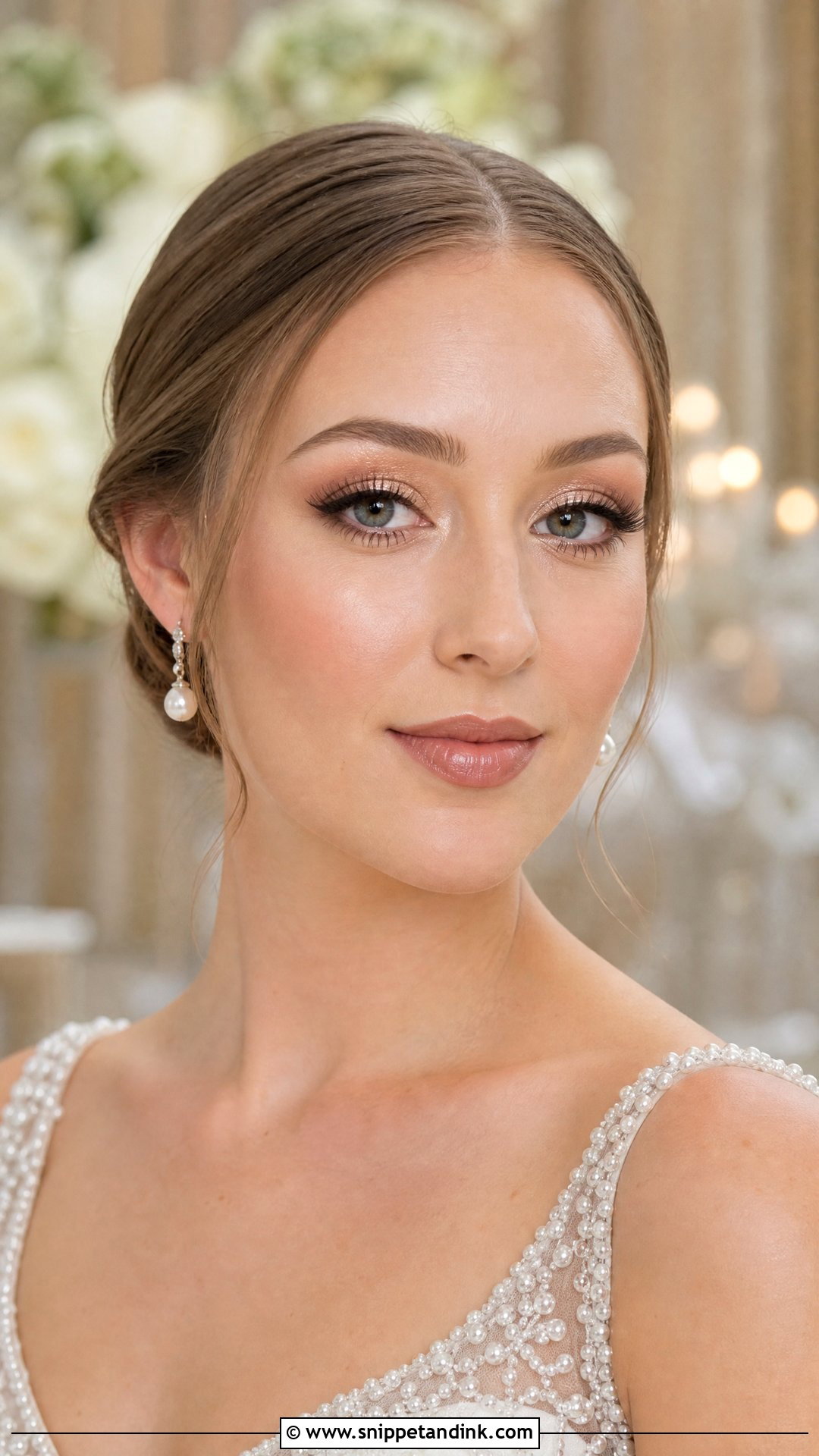
Champagne shimmer on the lid reflects light softly, which brightens the eyes in photos. I put a neutral matte shade in the crease, press champagne shimmer onto the center of the lid and inner corner, then add soft liner and lifted lashes. Smooth, glowing skin with pink, peach or neutral blush suits it. A nude-pink or rose lip completes the look. It works in almost any setting, though I’d avoid chunky glitter, which can look like specks in close-up photos.
14. Vintage Wedding Makeup
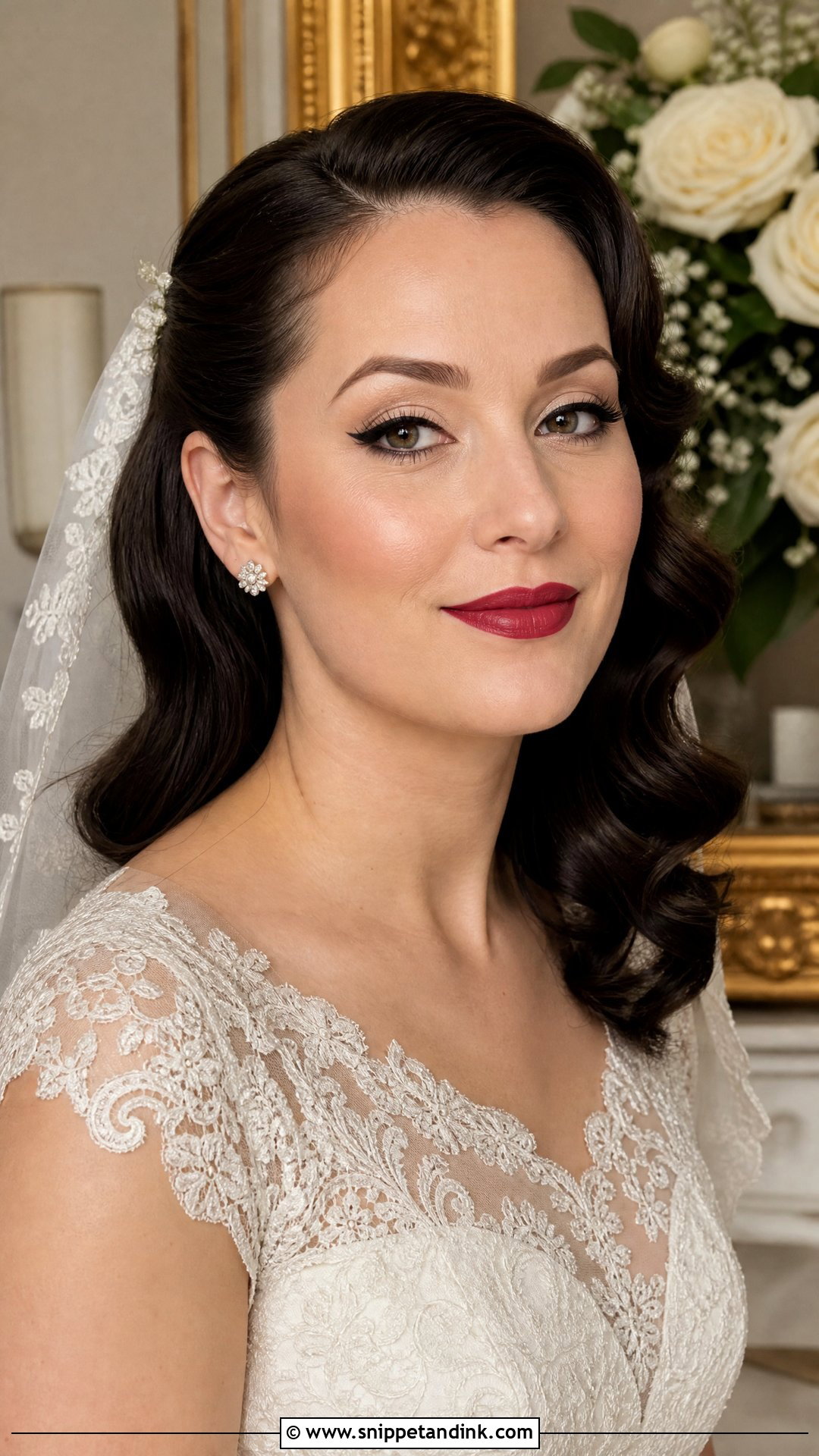
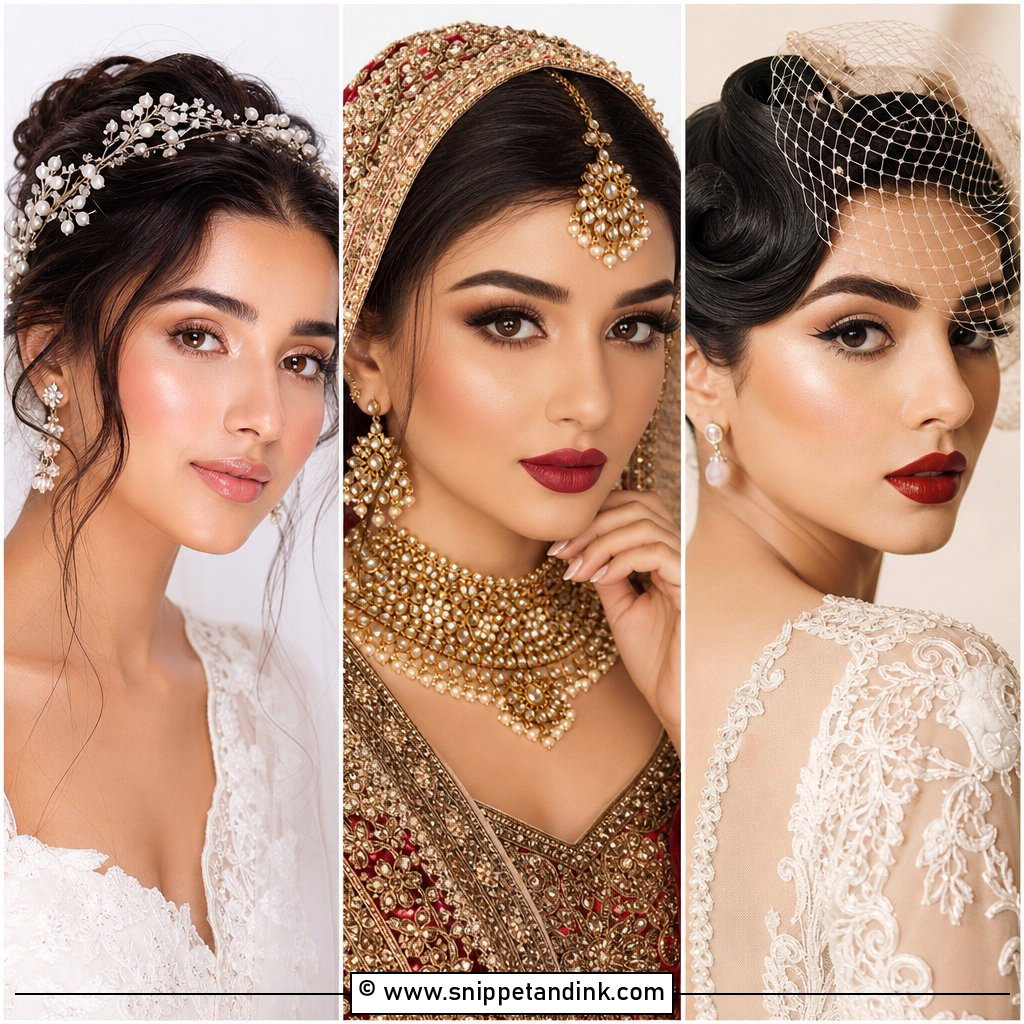
Vintage makeup draws on old-Hollywood technique: smooth skin, softly arched brows, defined liner, structured lashes and a statement lip. Red, rose or berry lipstick all work depending on how bold you want to go. Cream or beige shadow and a neat wing keep the eyes clean. Cheeks get a soft flush rather than contour. Precision makes the difference here, because uneven liner or a wobbly lip line turns vintage into costume. Satin gowns and pearls suit it.
15. Full Glam Wedding Makeup
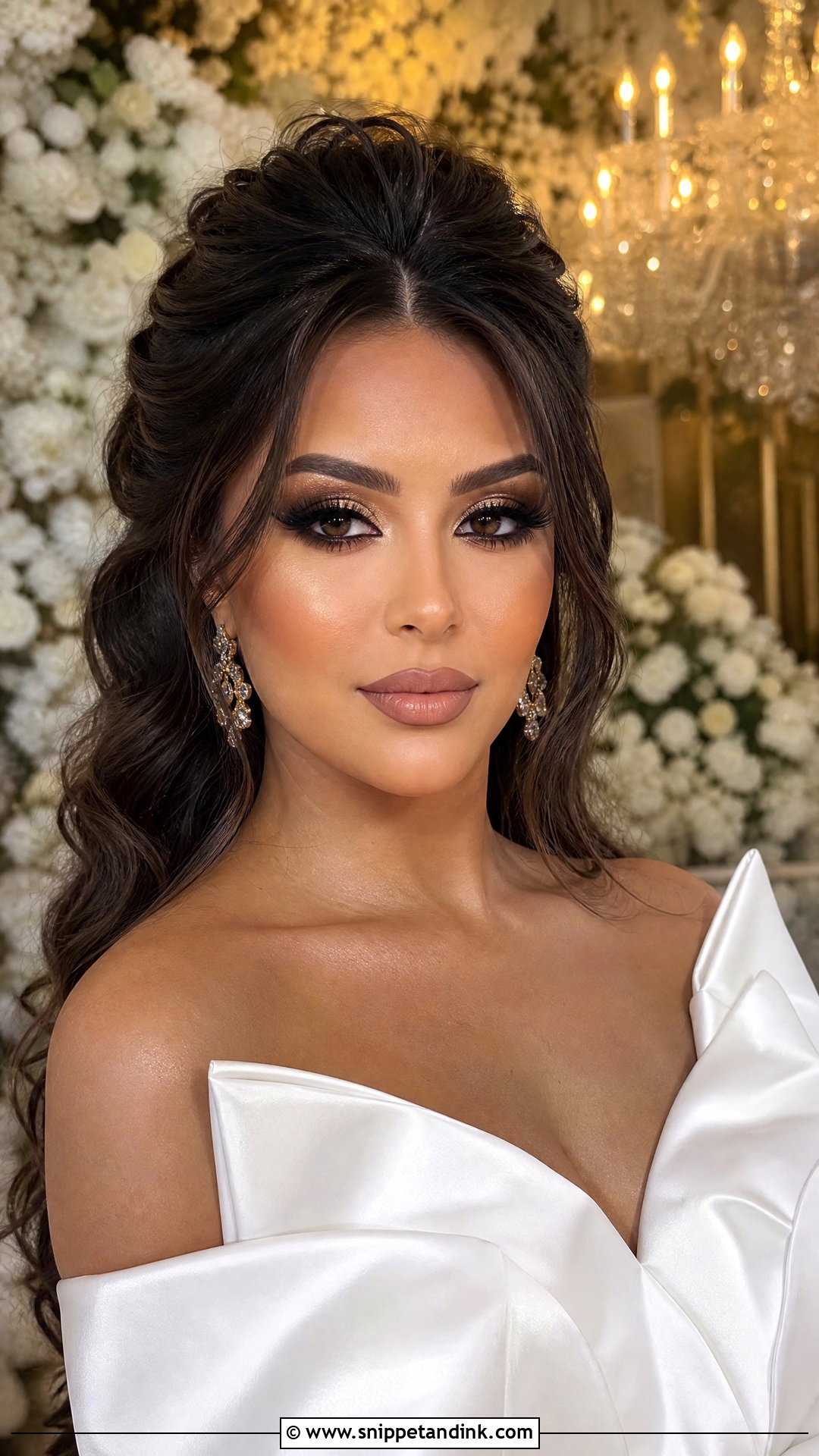
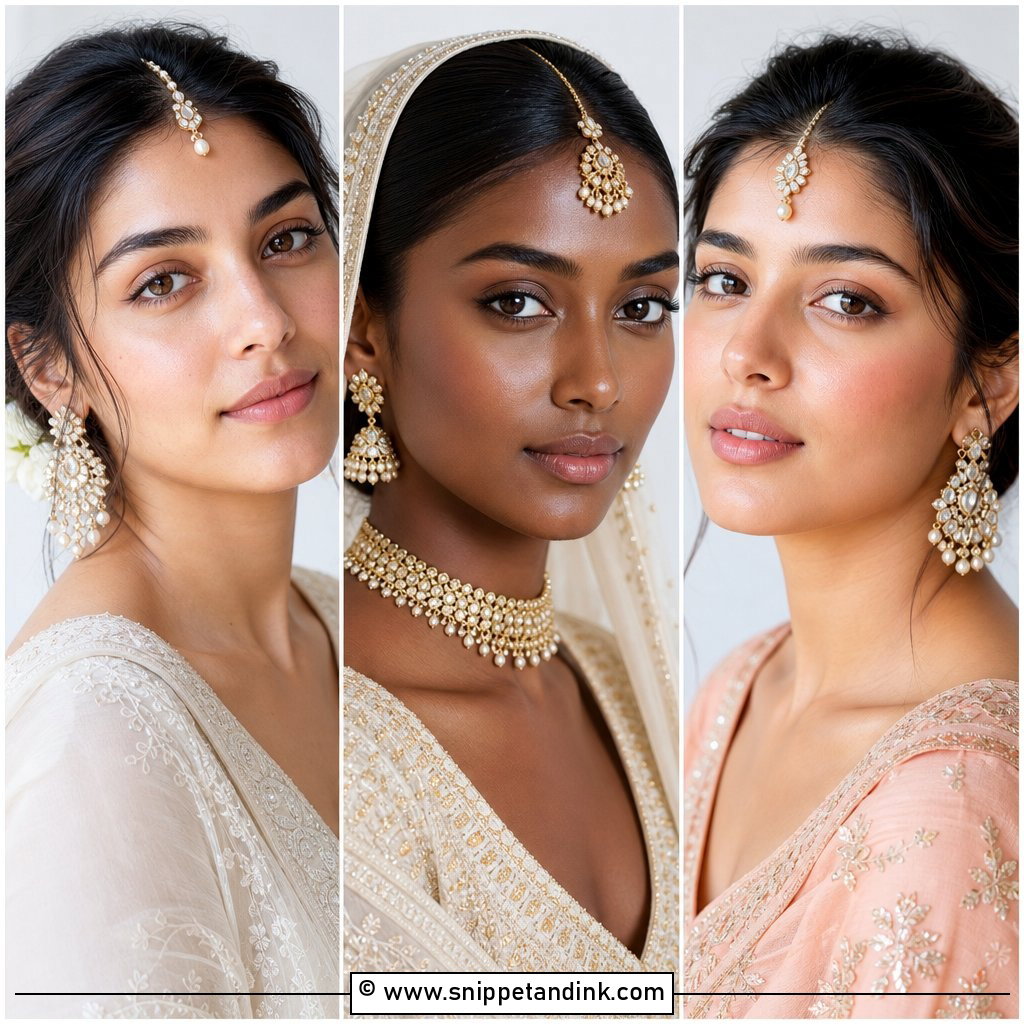
Full glam suits anyone who wears makeup daily and wants to feel completely done up. The base is polished and long-wearing, with sculpted cheeks, bright under-eyes and controlled glow. Eyes can include deeper crease shades, lid shimmer, black liner and fuller lashes. To keep it classic, I choose one feature to lead: bold eyes with a nude or rose lip, or a bold lip with cleaner eyes. Grand venues and evening receptions suit it, and it reads well from the back of a large room.
16. Minimal Wedding Makeup
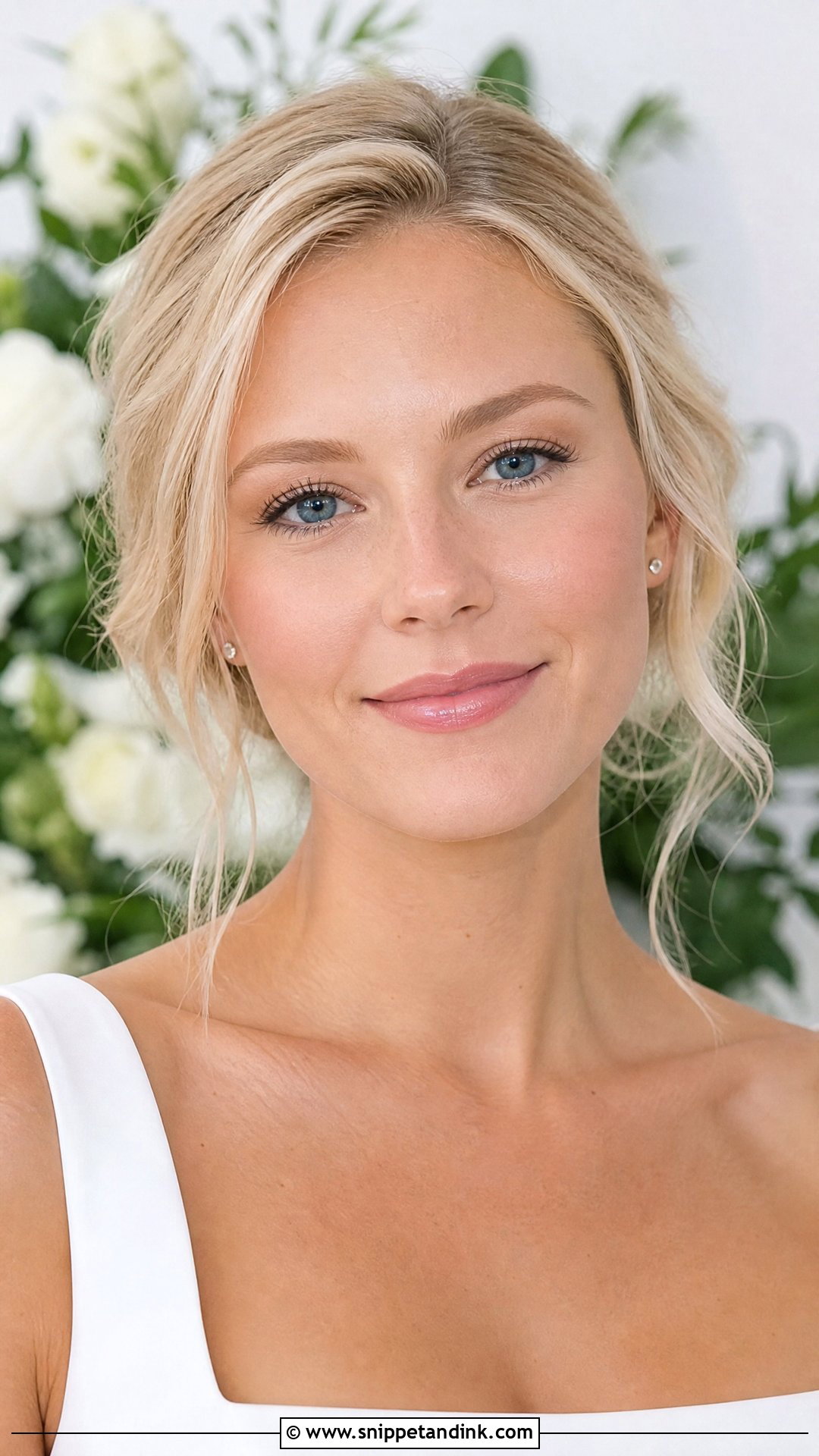
Minimal makeup isn’t bare skin; it’s edited. I start with hydrated skin, light coverage and concealer only where needed. Cream blush gives a natural flush, and brow gel shapes the brows. For the eyes, one neutral shadow, tightlining along the upper lashes and lengthening mascara are enough. A sheer pink, nude or beige lip keeps it fresh. Good skin prep matters more here than in any other look, because there’s little product to hide texture or shine.
17. Bronze Wedding Makeup
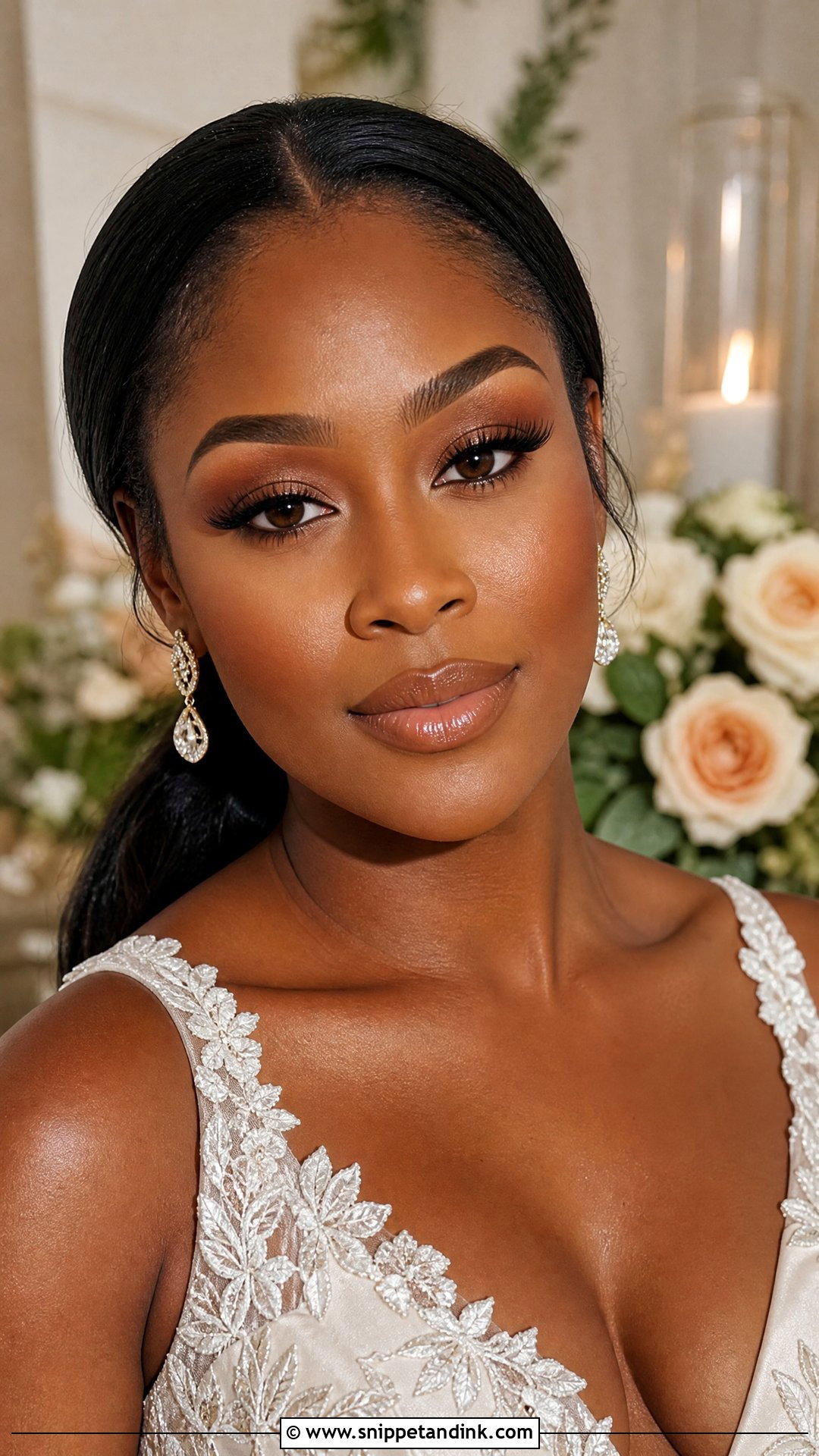
Bronze wedding makeup warms the face and adds gentle shape. I place bronzer where the sun would naturally hit, around the forehead, cheekbones and jaw, rather than in a contour line. Bronze, copper-brown or warm taupe shadow with brown liner suits the eyes. Peach, terracotta or warm rose blush and a caramel nude or warm pink lip complete it. It flatters golden, olive, tan and deep skin especially well, and a lighter hand adapts it for fair skin.
18. Mauve Wedding Makeup
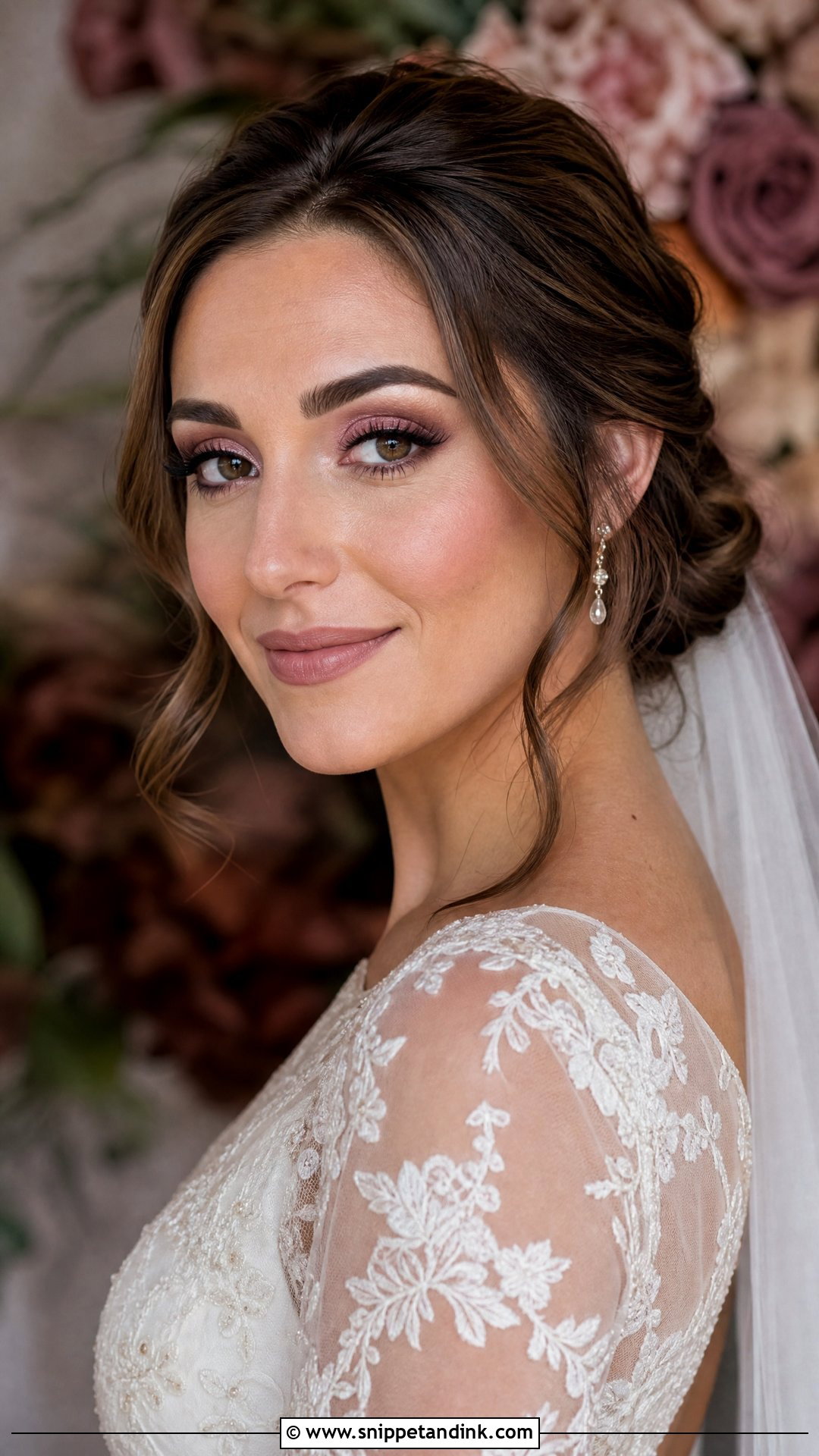
Mauve suits brides who prefer muted, cooler color. It’s softer than pink and lighter than berry. I use a mauve-taupe shadow in the crease, a satin pink-mauve shimmer on the lid and soft brown or plum liner. A mauve blush across the cheeks and a matching mauve-nude lip create a monochrome look. The exact mauve shade needs adjusting for light, olive and deep skin. Fall weddings and formal venues suit it.
19. Berry Lip Wedding Makeup
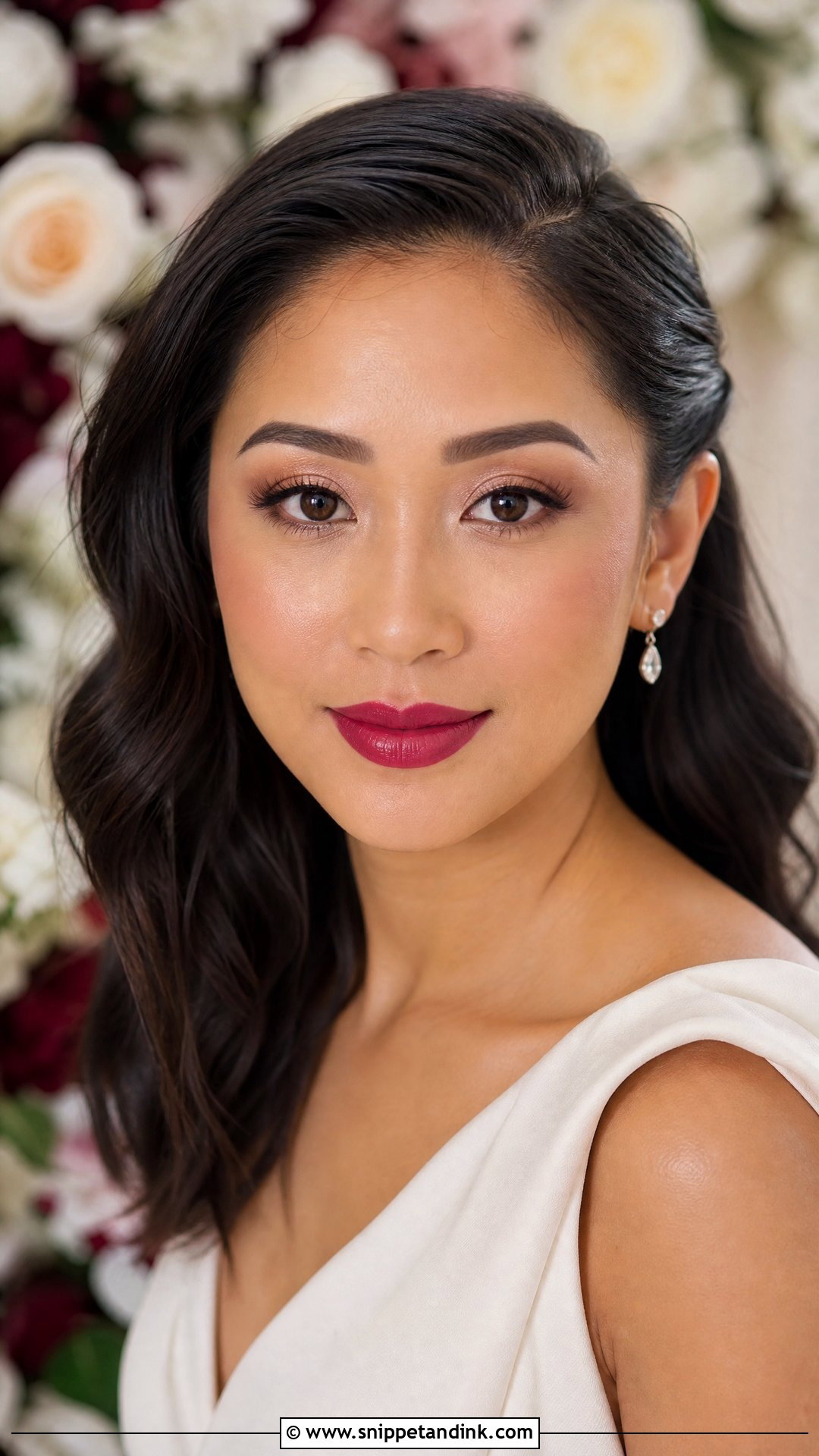
A berry lip is rich without being as bold as red. Pick a shade that fits your undertone, from soft raspberry to deep plum. Keep the skin smooth with natural blush and subtle highlight, and give the eyes enough definition to match. Liner prevents feathering; I apply lipstick, blot, then reapply to build longer wear. Deep berry shows every transfer mark on a champagne glass, so I’d plan touch-ups during the evening.
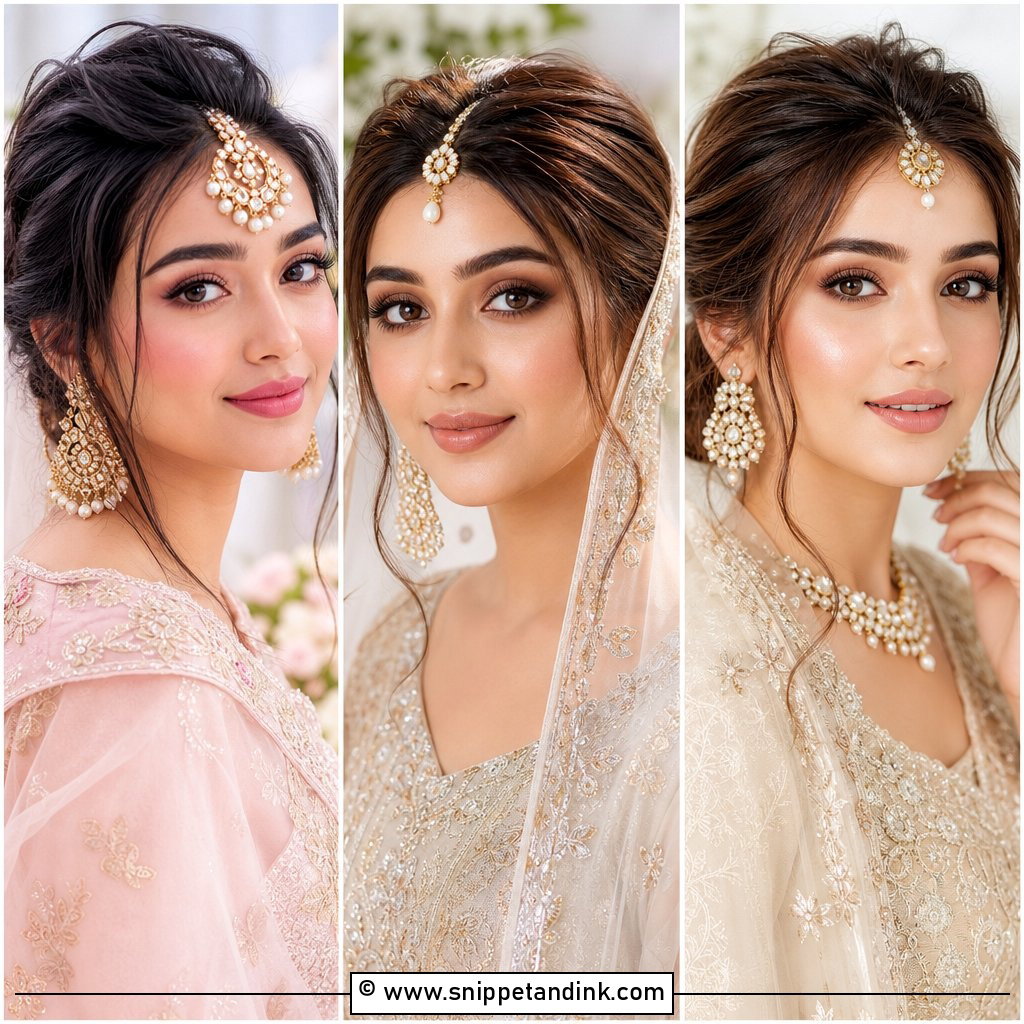
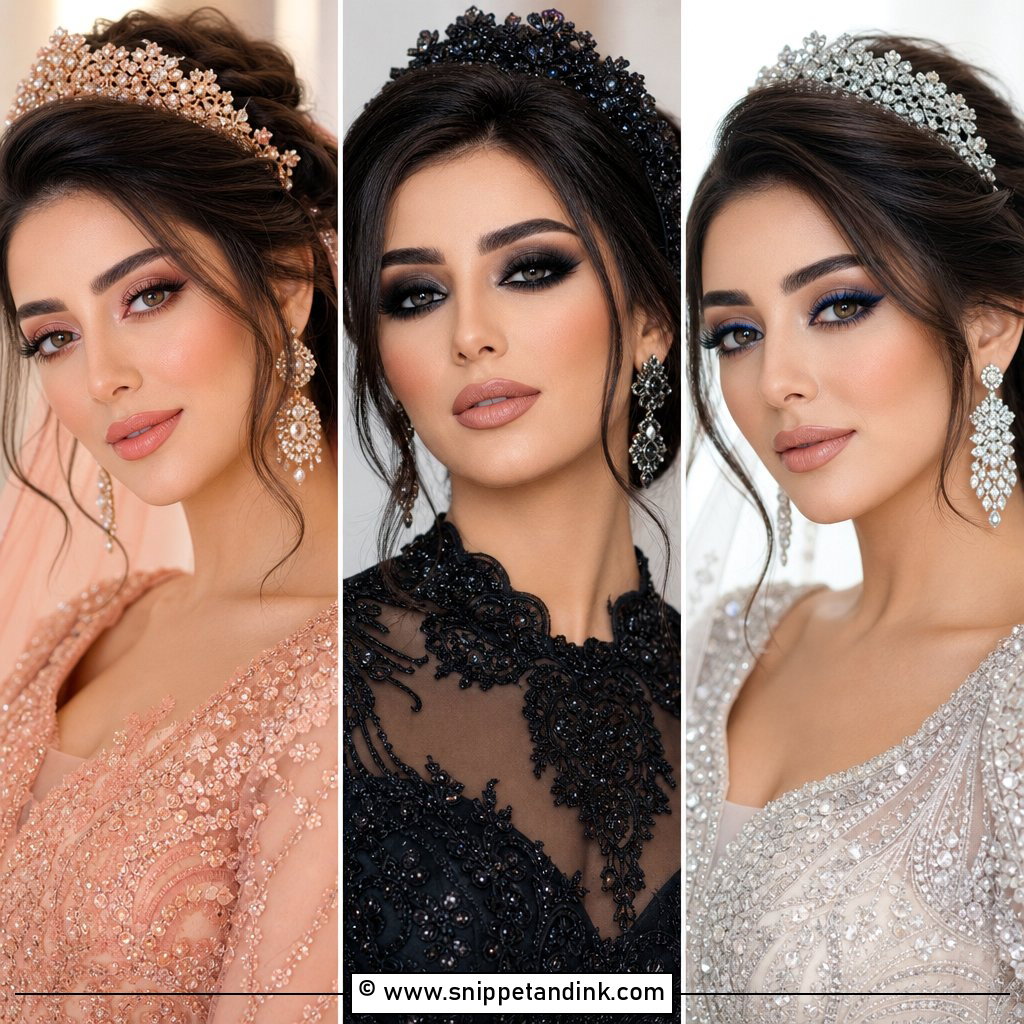
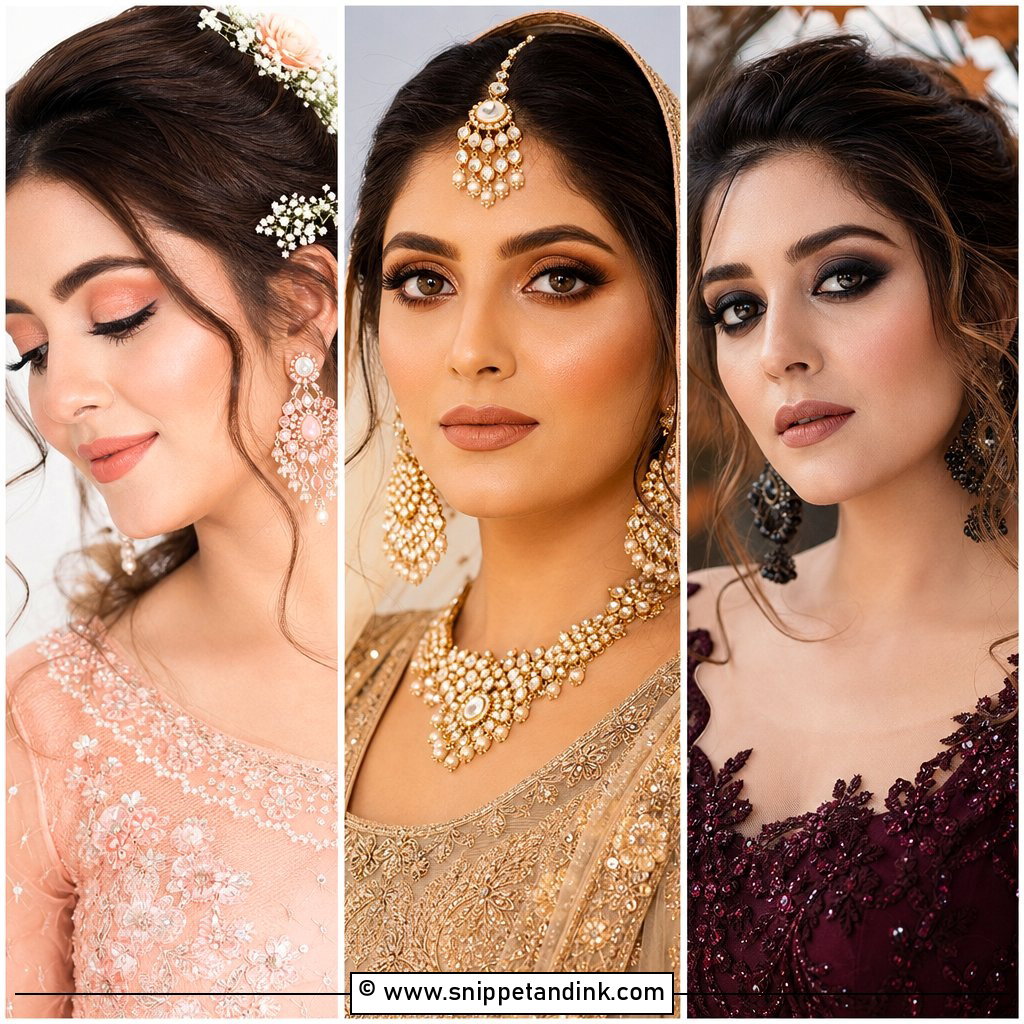
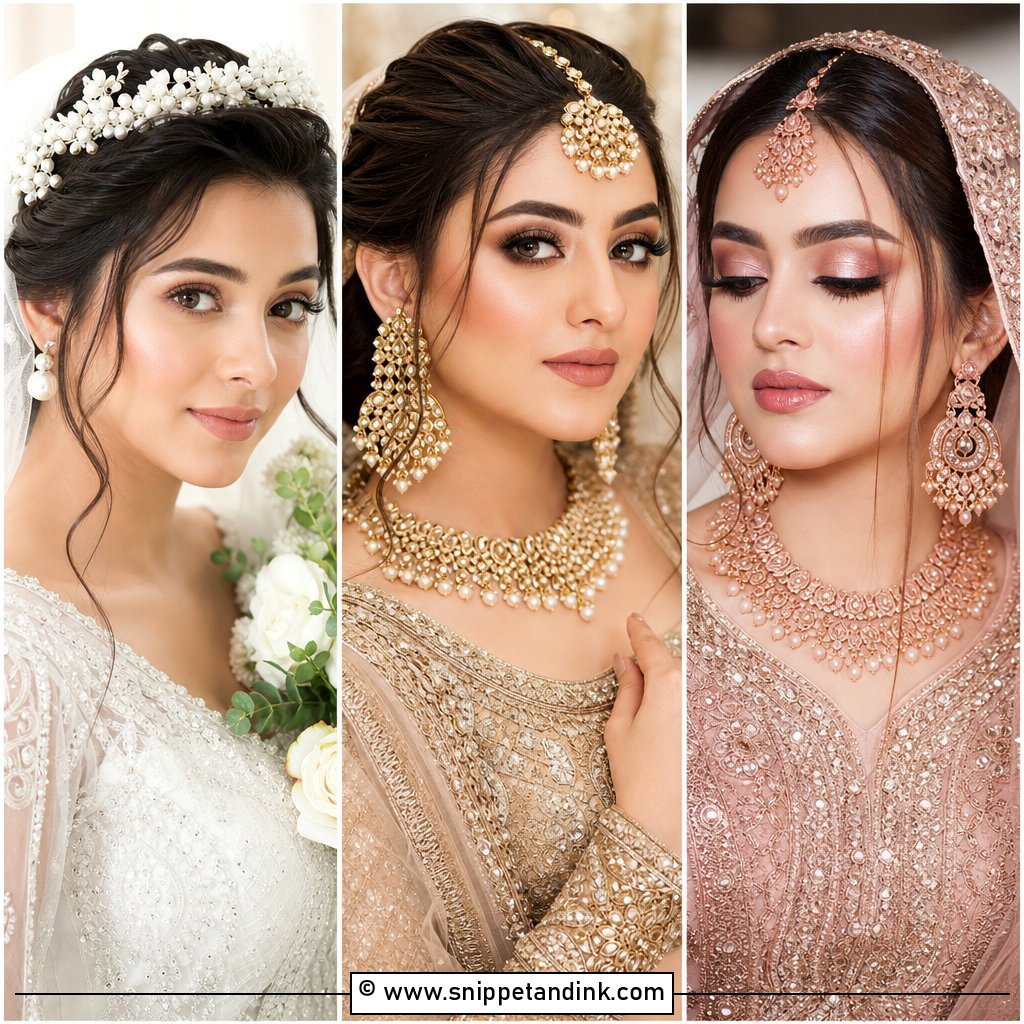
20. Black Tie Wedding Makeup
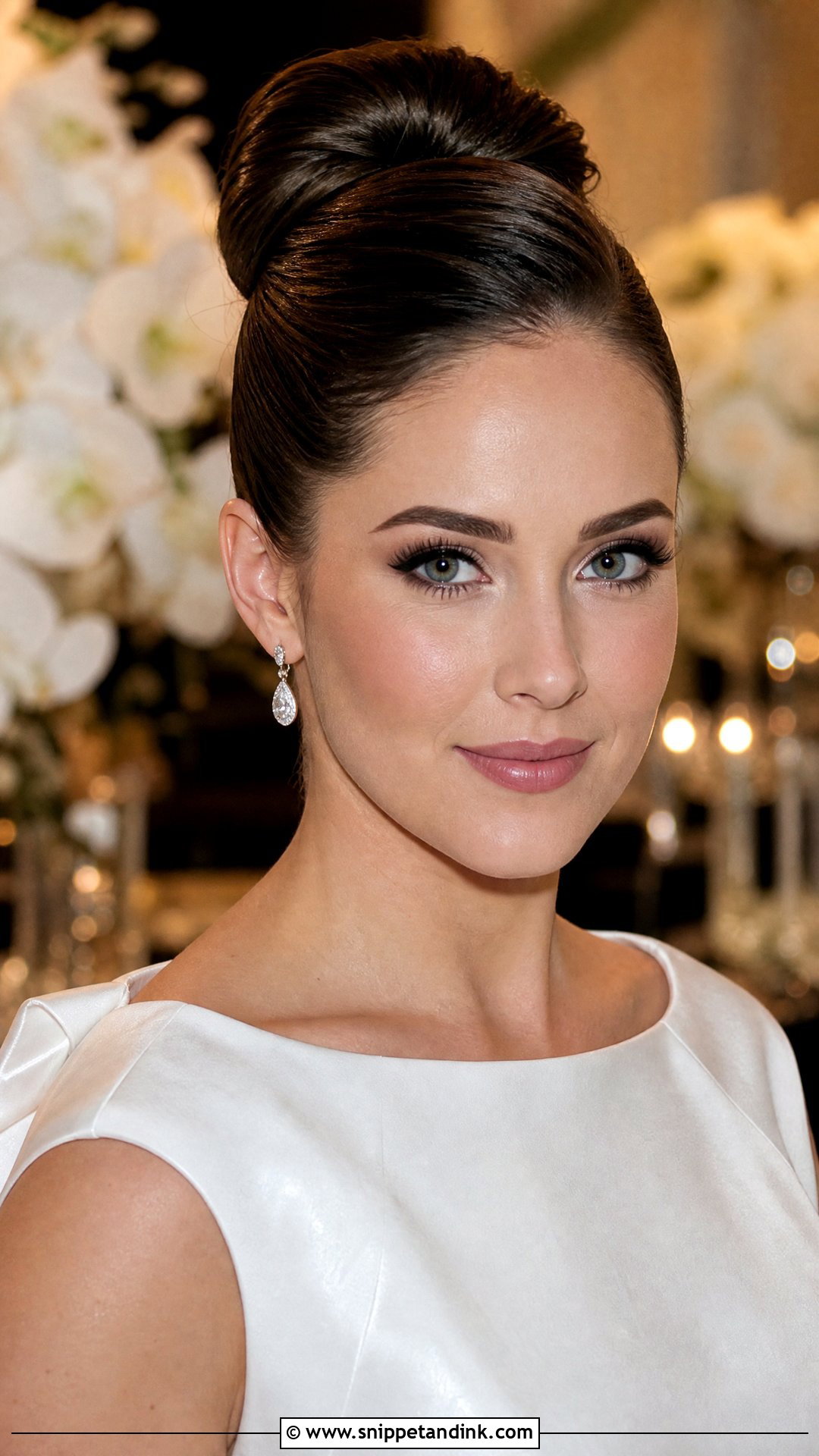
Black-tie makeup should look polished from any angle and still look like skin. I start with a long-wear base, then add soft contour, satin blush and highlight on the high points of the face. Classic eyes with neutral shadow, winged liner and full lashes suit formal gowns. For lips, nude rose, soft berry or classic red, depending on the dress. Evening light is warmer and dimmer, so I build a little more definition than I would for a daytime ceremony.
How Makeup Reads on Camera
Photographs flatten the face, so makeup that looks right in the mirror can disappear on camera. I add a little more blush and lash definition than a bride would wear day to day, then check it on a phone photo before she leaves the chair.
Flash is the other test. Some sunscreens with zinc oxide or titanium dioxide, and some very fine setting powders, can reflect flash and leave a white cast under the eyes or across the face. Wear your SPF during the day if you’re outdoors, but test your full makeup with flash photos at your trial so you can spot any flashback early.
Tears, Kisses and Toasts
Most brides cry at some point. Waterproof mascara or lash extensions, a cream concealer set lightly, and tightlining rather than heavy lower liner all keep the eyes from smudging. Dab tears with the corner of a tissue rather than wiping.
Lips wear off fastest. I line and fill the whole lip with pencil, apply lipstick, blot, then apply again. That layering lasts much longer than one coat. Give your maid of honor the lipstick, the liner and some blotting papers, and you’ll look fresh in the reception photos without leaving the room.
Test It in Daylight and Under Flash Before You Commit
Classic makeup works because it enhances your features rather than covering them. Your choice should suit your dress, venue, skin type and how you want to look in photos. Natural, soft glam, red lips, winged liner, bronze and pinks all have a place. Book a trial, test your lip color, check the makeup in daylight and take photos with and without flash before the wedding. Then you’ll know exactly how it will look on the day.
You'll Like These Ideas:


Leave a Reply