
The sister of the bride sits in my chair at a strange point in the morning: close enough to the bride that her photos get printed and framed, but far enough from the spotlight that her hair shouldn’t compete. What she needs is a style that holds through hugging, crying and a dance floor, and that still looks finished in the last frame of the night. Below are twenty I’d happily put on a bride’s sister, a bridesmaid or a close cousin, with notes on which hair each one suits and where each one tends to slip.
Your Slot on the Bridal Party Hair Schedule
On most wedding mornings the bride goes last, so her hair is freshest for the ceremony. That puts the sister somewhere in the middle, and I’d argue for an earlier slot than you think. Updos and braids hold for many hours, and an early chair gives you time to help the bride, take getting-ready photos and still eat something.
Wash your hair the night before rather than that morning. Squeaky clean hair is slippery and drops curl, while day-old hair grips pins. Arrive with it fully dry and free of oil, conditioner masks and heavy leave-ins.
- A photo of your outfit from the front and the back, including the neckline.
- Your earrings, hair accessories and any dupatta or headpiece you plan to pin.
- Two inspiration pictures at most, one of which shows hair similar in thickness to yours.
- A button-front top, so nothing has to come off over your head afterwards.
Talk to the bride about the bridesmaids too. If everyone else is wearing loose waves, a sleek high bun can look like you missed the memo, and a quick message a week before saves an awkward moment in the chair.
1. Sister Wedding Low Bun
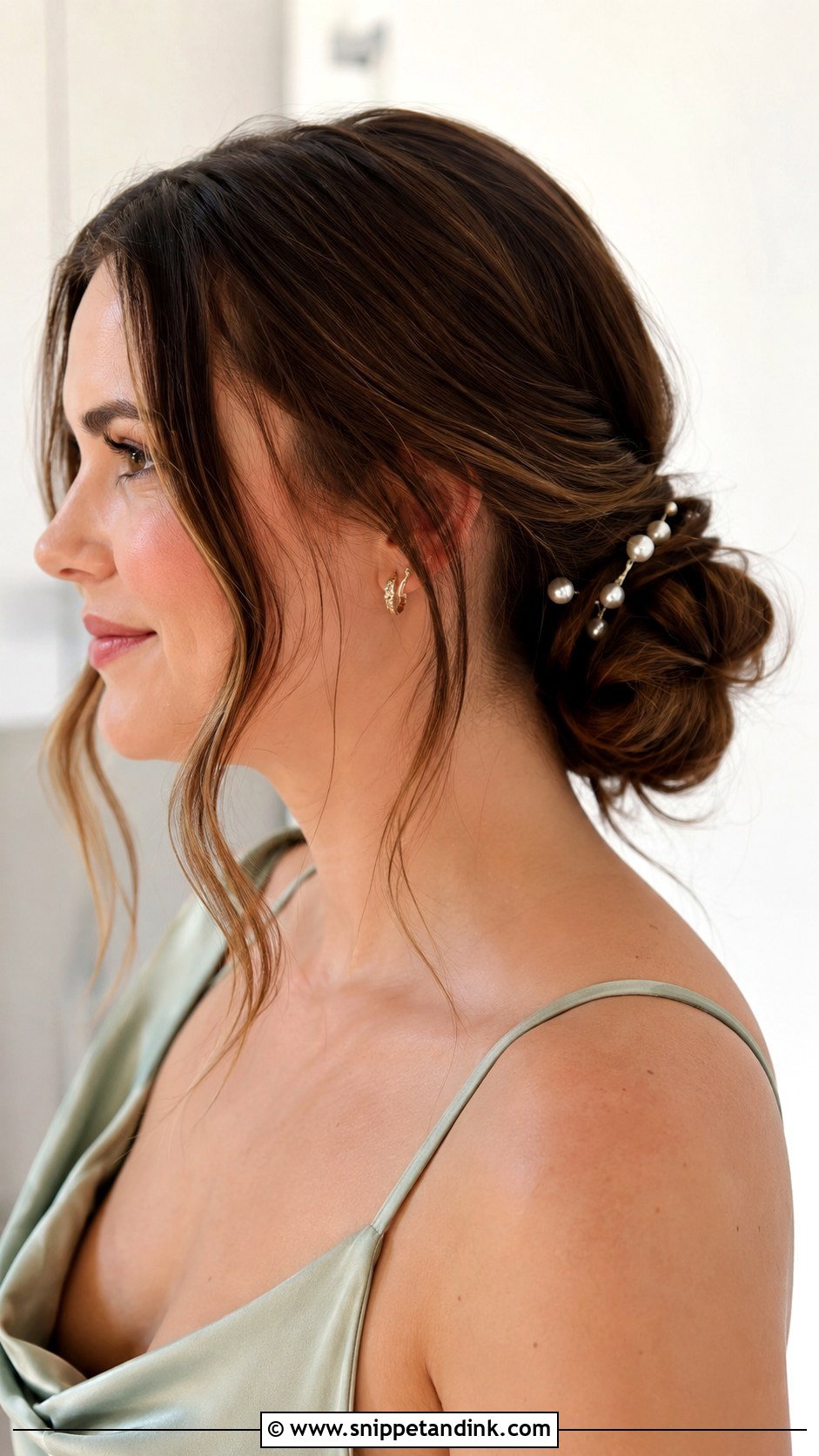
The low bun is the style I reach for when a sister tells me she’s nervous. It sits below the occipital bone, so it doesn’t fight a dupatta, a saree pallu or a veil-free headpiece, and it leaves the neck clear for earrings. I build it on a small ponytail base and pin the bun into that base rather than into loose hair, which is why it’s still tight at midnight. Smooth reads classic; a little pulled-out texture reads softer. Two face-framing pieces cut from the hairline are enough. More than that and they start sticking to lip gloss.
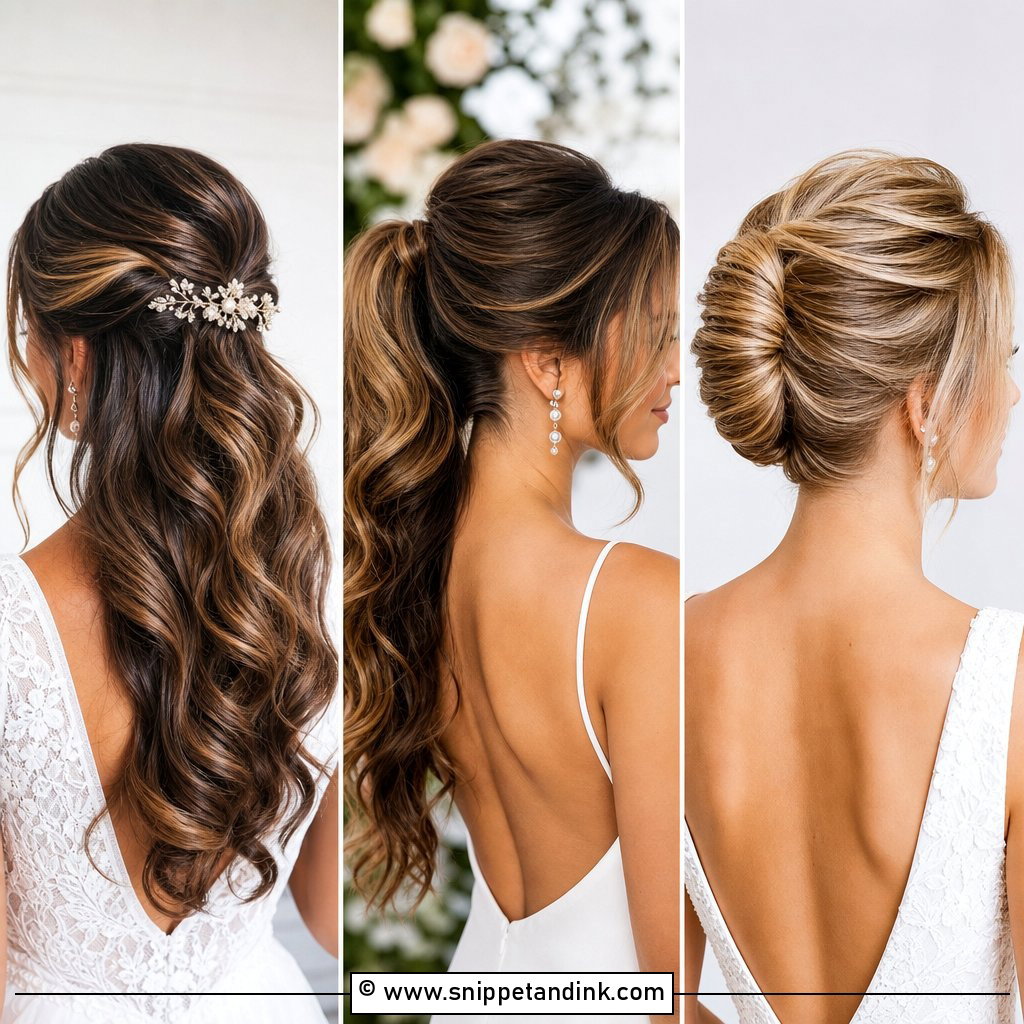
2. Sister Wedding Half Up Curls
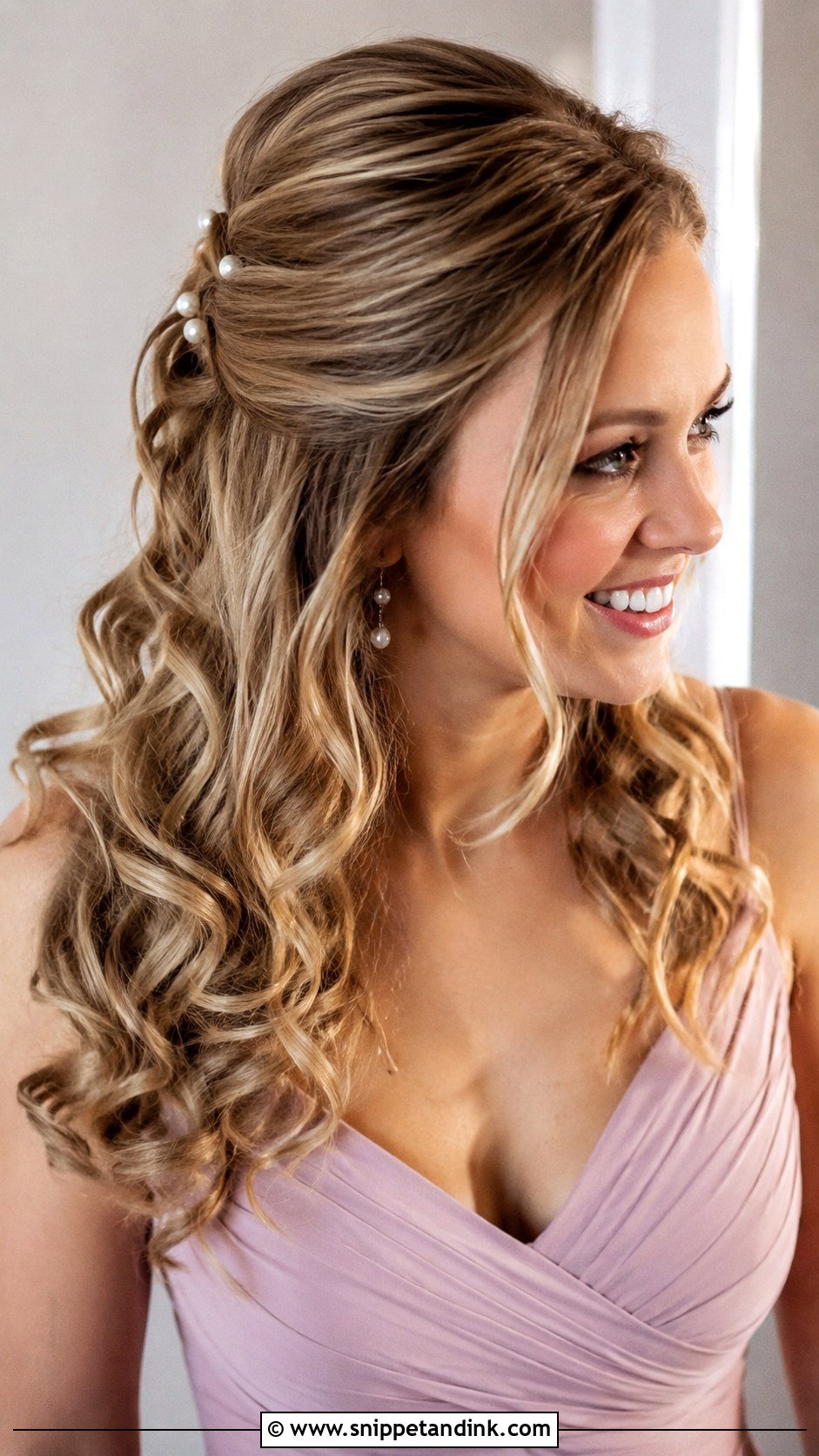
Half up curls let you keep length on your shoulders without the whole lot blowing across your face during the vows. The top section gets pinned behind the crown with a pair of crossed bobby pins, and the curls below carry the movement. Layered, medium to long hair takes this best, because the layers give the curls somewhere to fall. A tiny pearl pin or comb at the join is plenty if the theme allows it. My one firm rule: lift the crown before you pin it. Pulled flat, the top section makes the head look small next to the volume underneath.
3. Sister Wedding Hollywood Waves
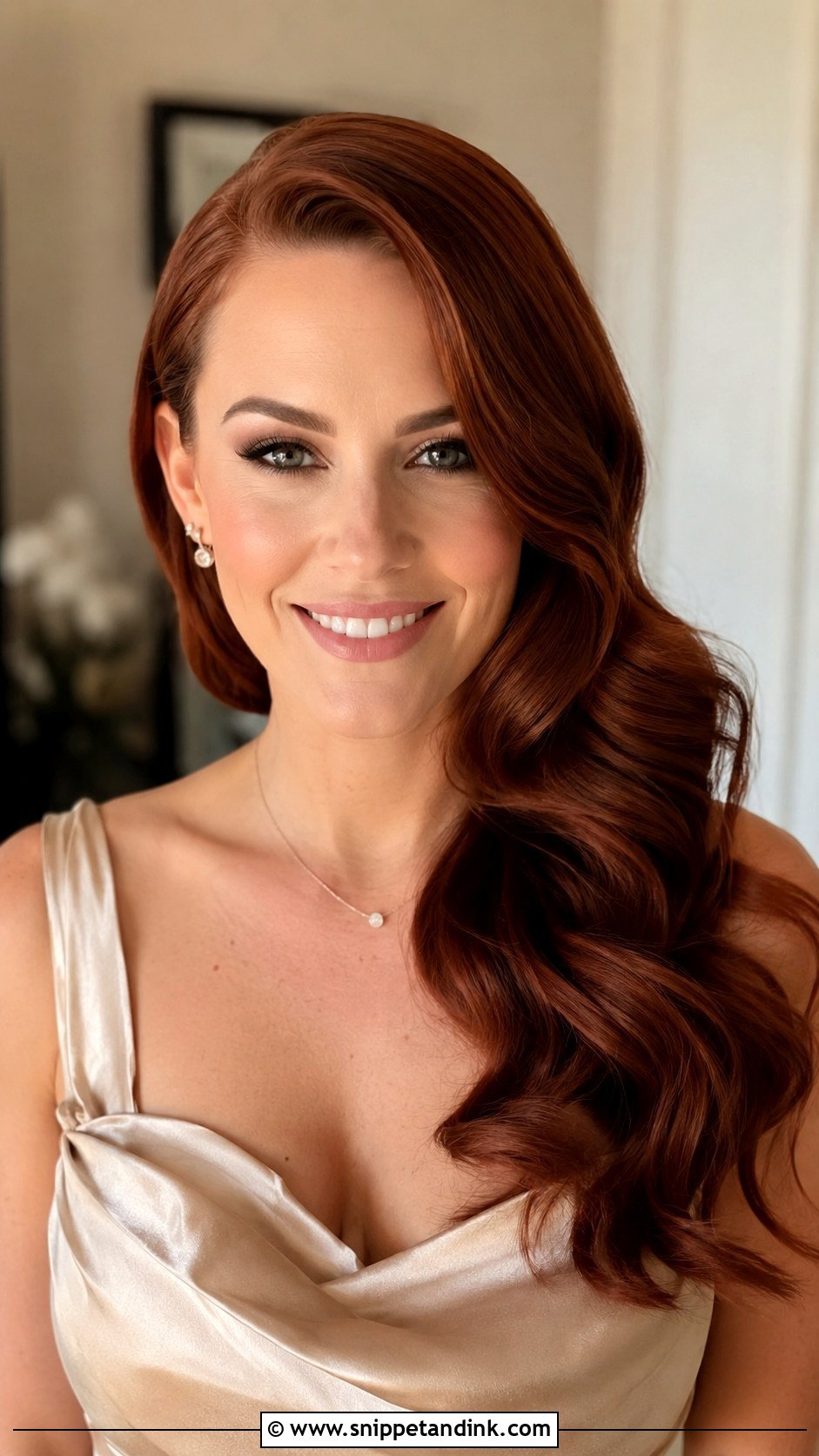
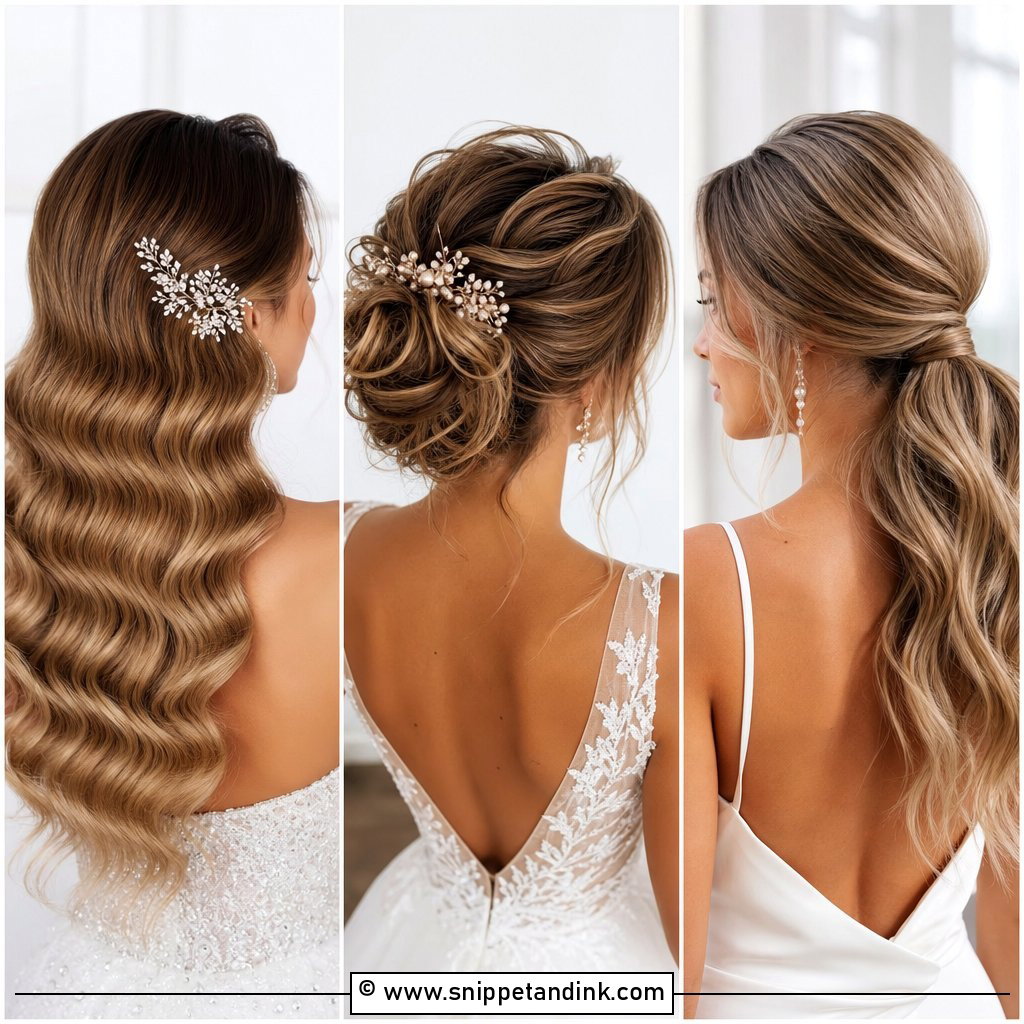
Hollywood waves need discipline more than talent. Every curl is wound in the same direction, set in pin curls to cool, then brushed out into one continuous S shape, and the side part does most of the glamour work. Satin, crepe and any clean neckline frame them well; a busy halter or high collar fights them. Fine hair drops these within a couple of hours unless the hair is prepped with a setting lotion before the iron touches it, so I’d skip them on silky, freshly washed hair in a humid venue. For a family wedding I keep the brush-out a touch looser so they move when you laugh.
4. Sister Wedding Braided Bun
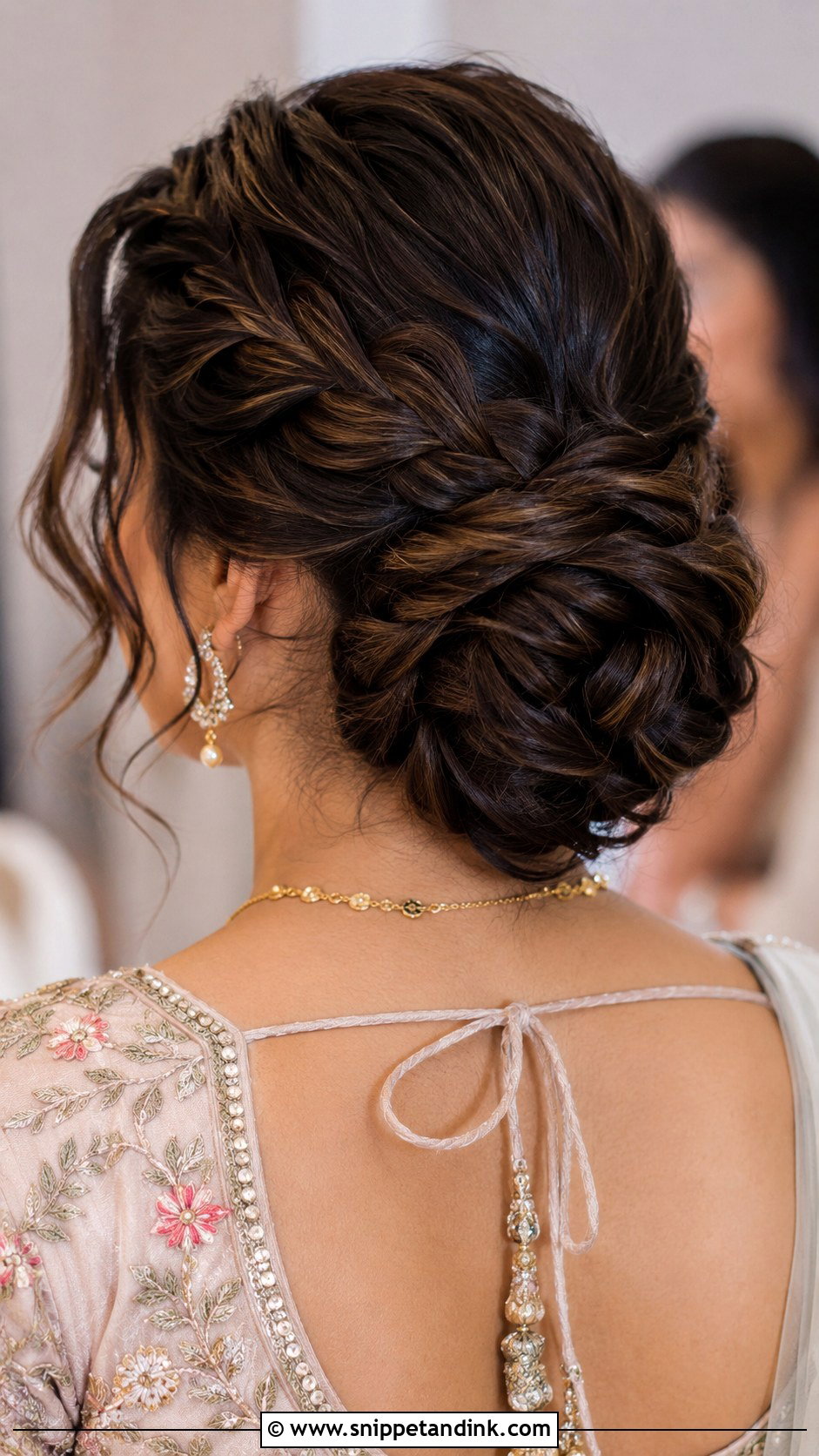
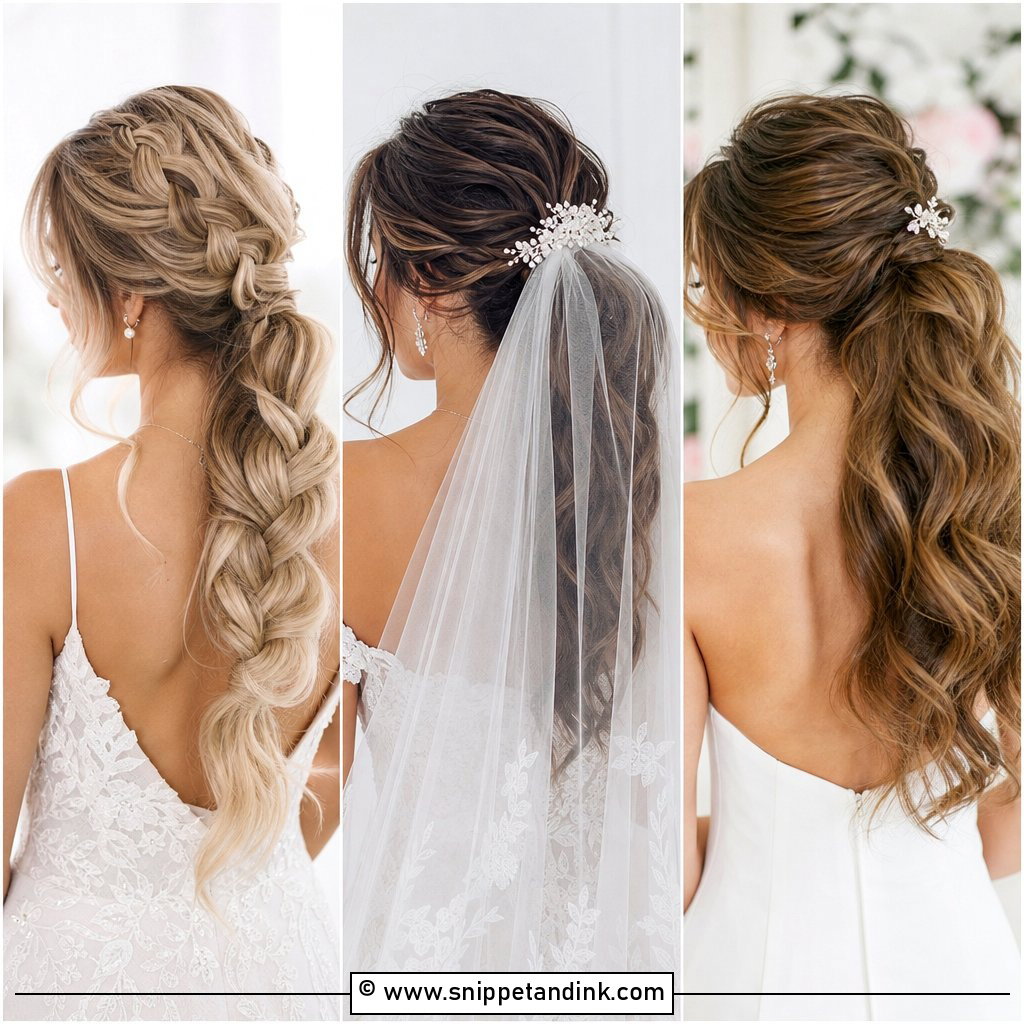
A braid wrapped into a bun gives you detail without fuss, which is why it sits so well beside heavily embroidered outfits and big jewelry. It also lifts every strand off the neck, so it’s the one I suggest for an outdoor ceremony in heat. The braid can run from one side and coil into the bun, cross the crown, or wind loosely around the back. Pancaking the braid (gently pulling the loops wider) makes it read from a distance. Leave a soft piece at each temple, or the whole thing can look severe in close-ups.
5. Sister Wedding Sleek Ponytail
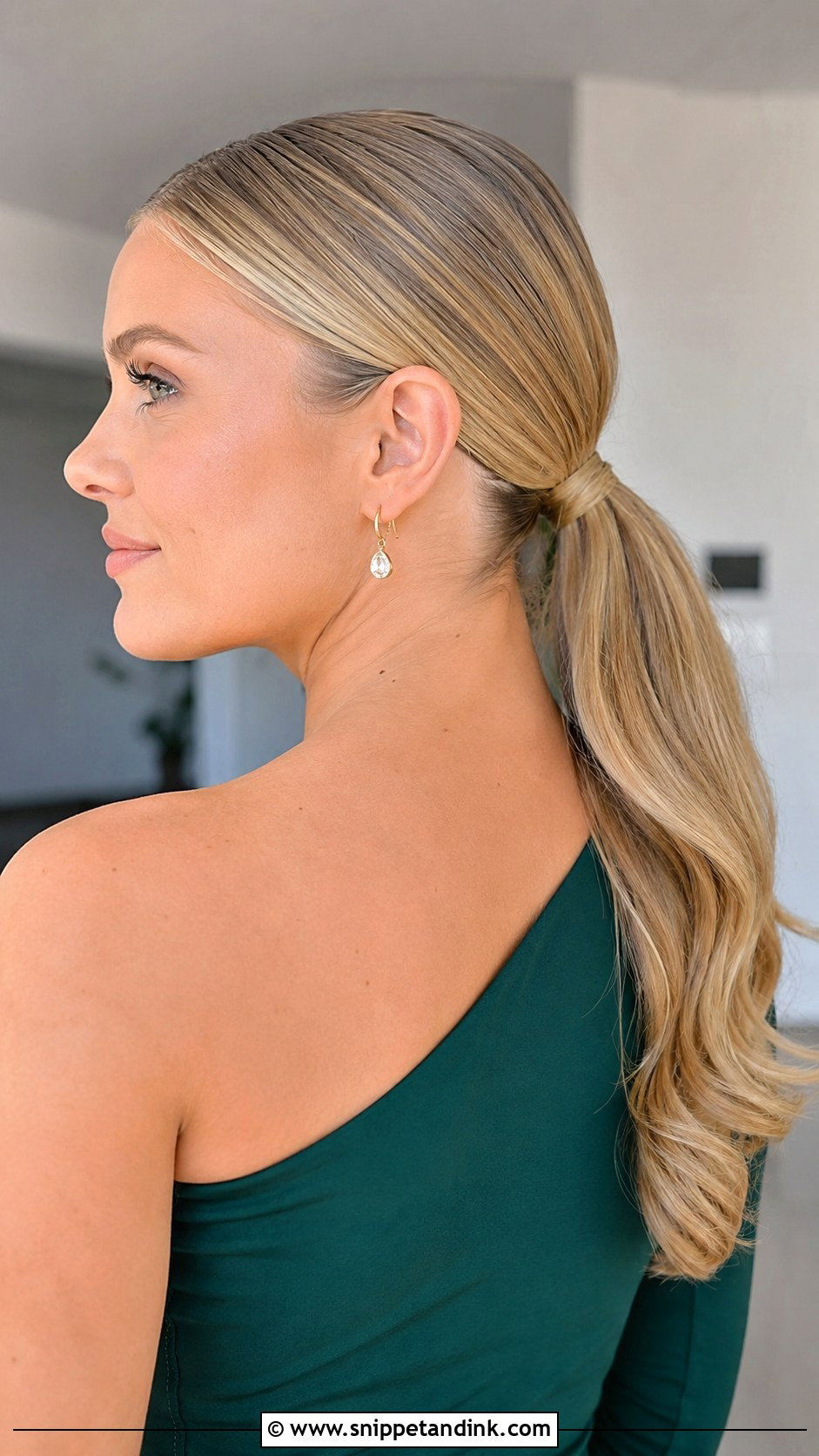
Sleek ponytails are the quiet answer to a loud outfit: high necklines, statement sleeves, heavy embellishment. The finish lives in the prep, so I blow-dry the hair completely straight first, use a clean parting, and smooth the base with a firm-hold gel before the elastic goes in. High gives lift; low is softer and sits better under a dupatta. Wrap a strand around the elastic and hide the end with a pin. Be warned: a very high pony gets heavy by evening, and if you’re prone to tension headaches I’d drop it a few centimetres.
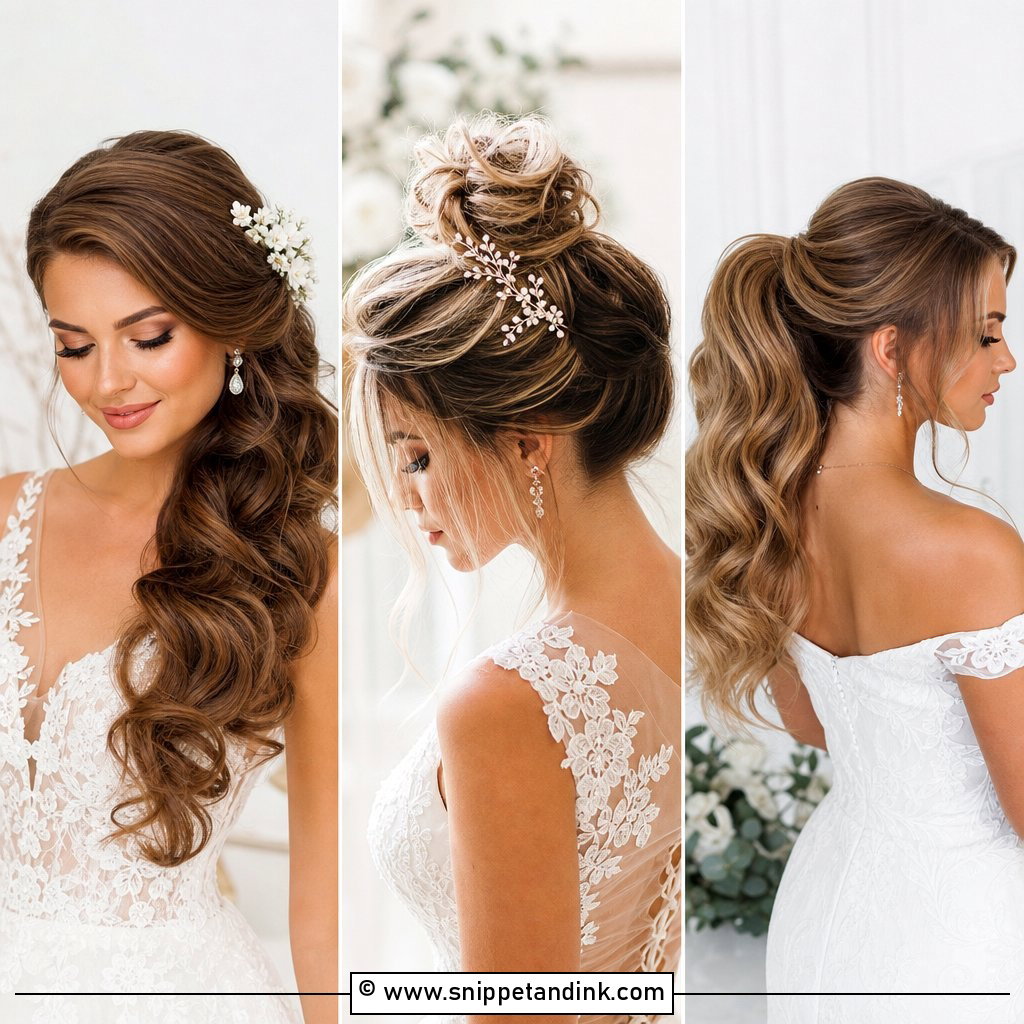
6. Sister Wedding Side Swept Curls
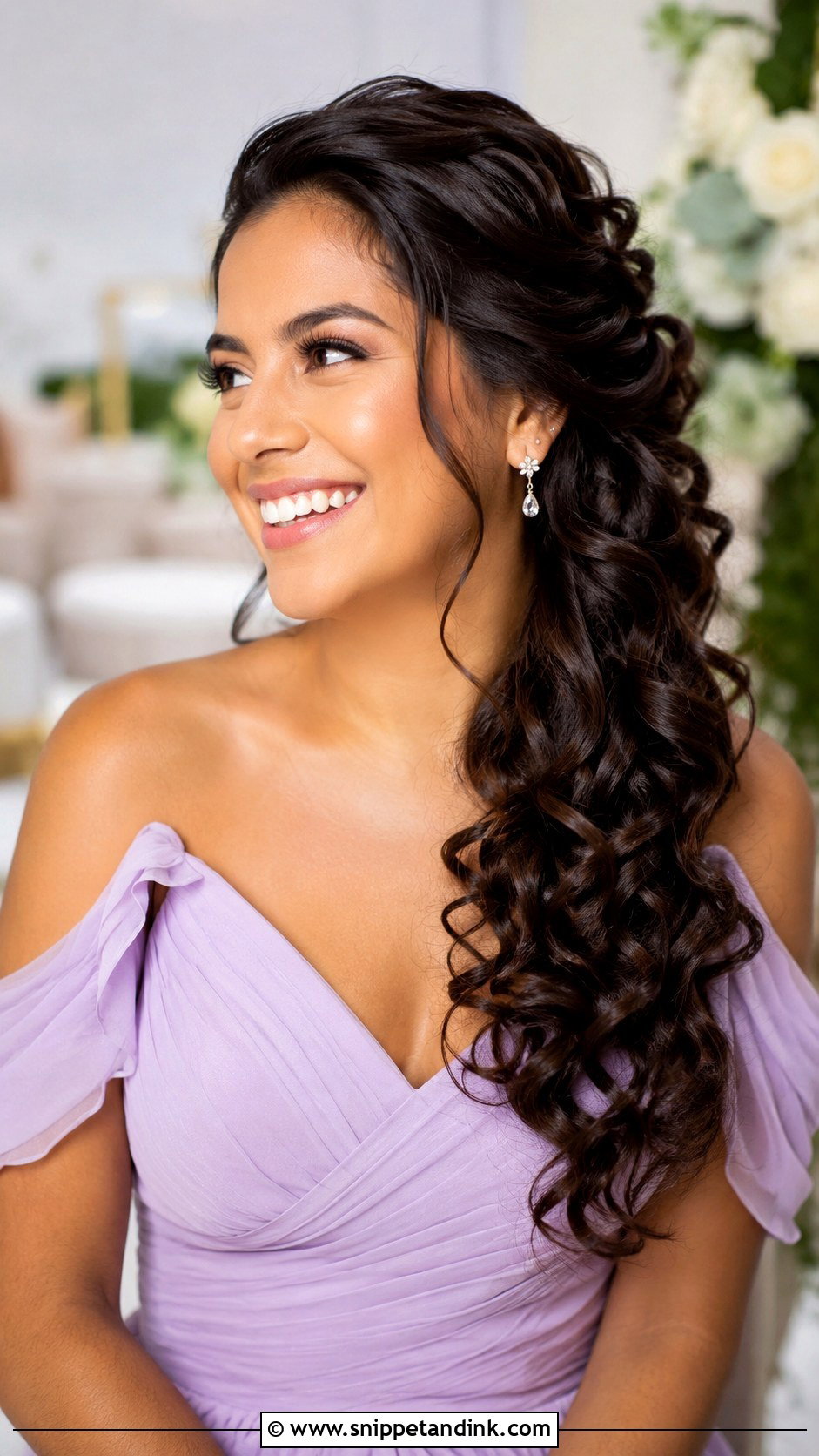
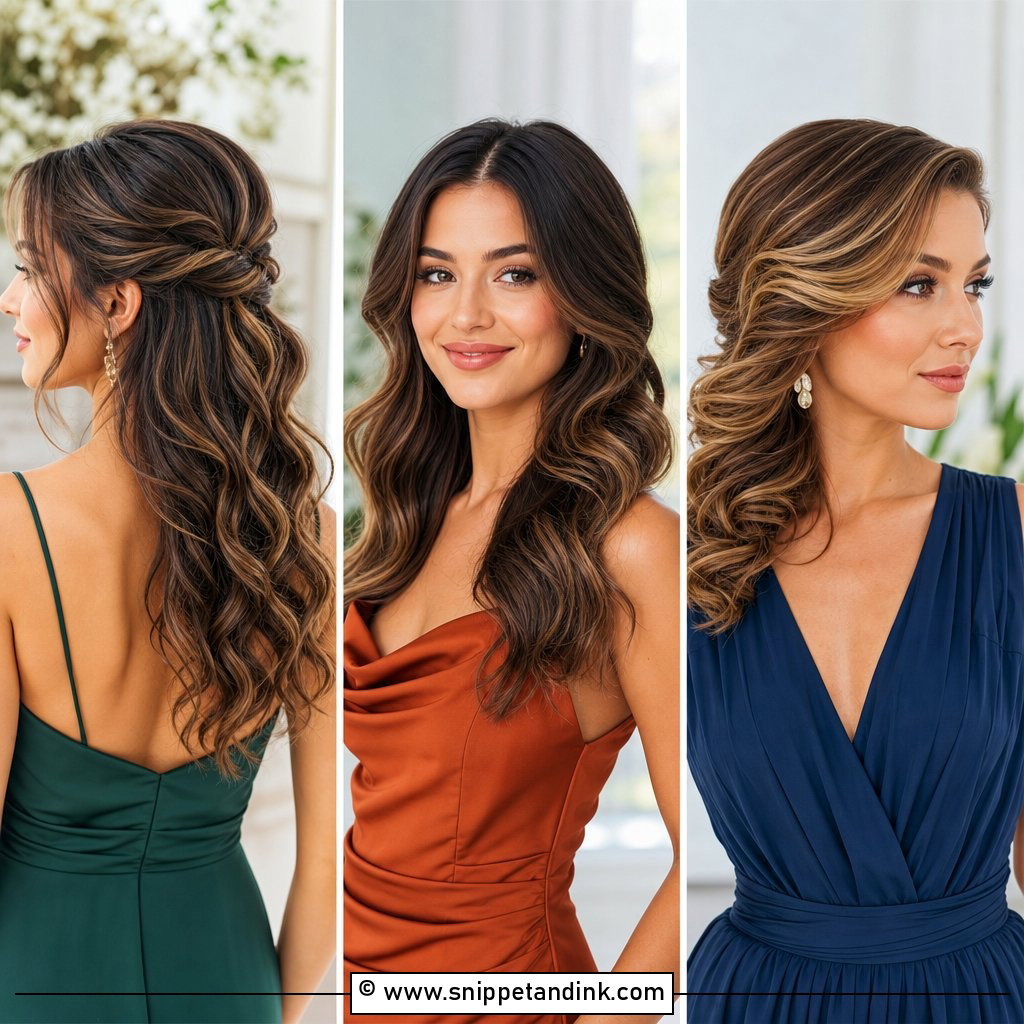
Side swept curls move all the hair over one shoulder, so they suit one-shoulder dresses, open necklines and low backs you want people to see. The secret is invisible: a line of crossed pins hidden behind the ear on the far side, which stops the curls drifting back to centre by the reception. Looser curls look more relaxed; defined ones look more formal. This style also shows off balayage better than any updo, because the colour runs the full length. Keep some lift at the crown so the swept side doesn’t look like it’s sliding off.
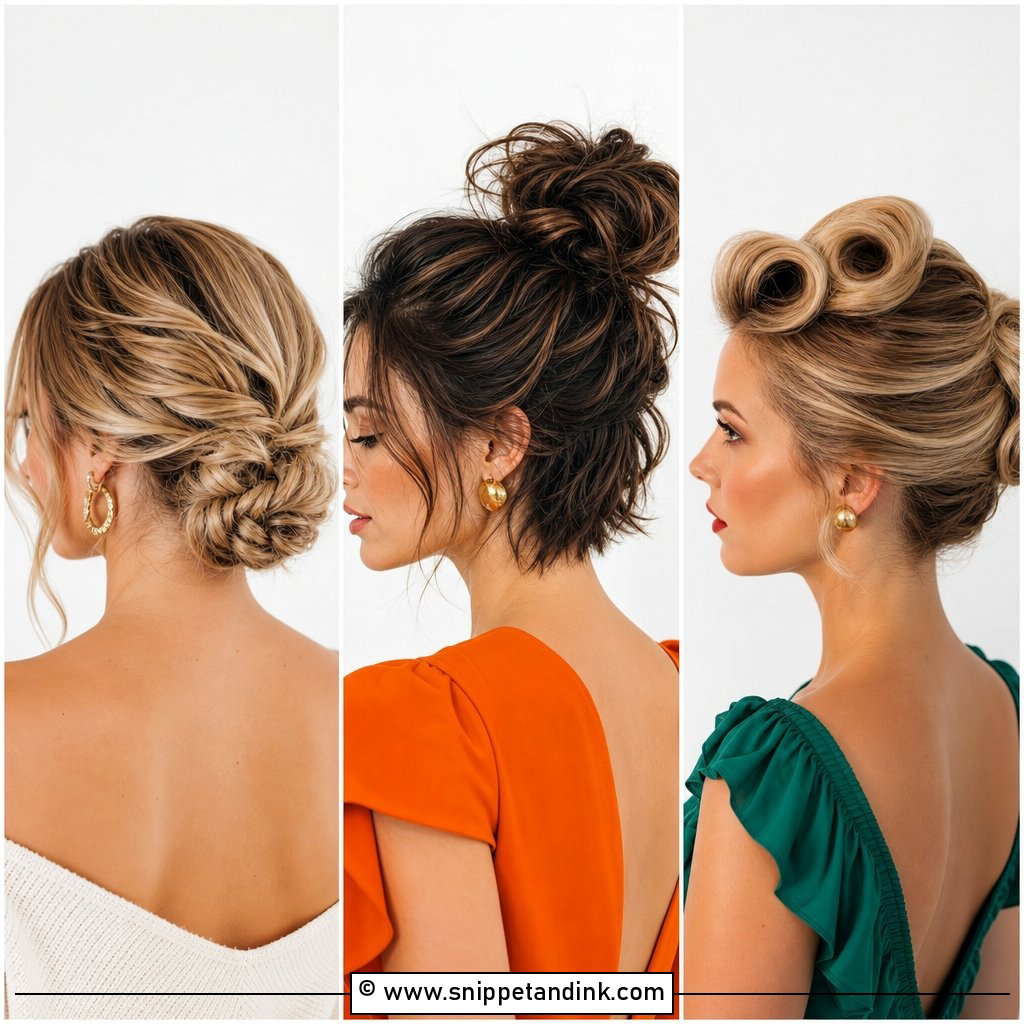
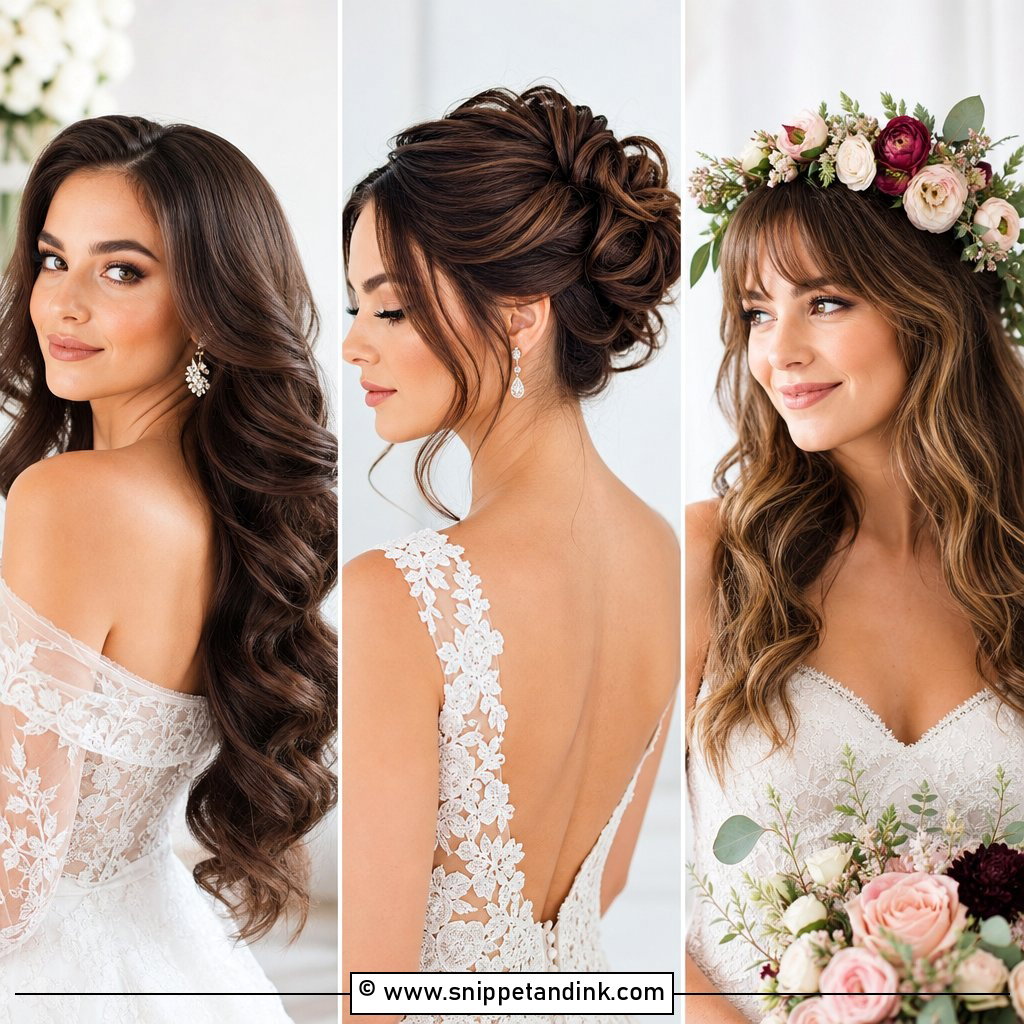
7. Sister Wedding Messy Bun
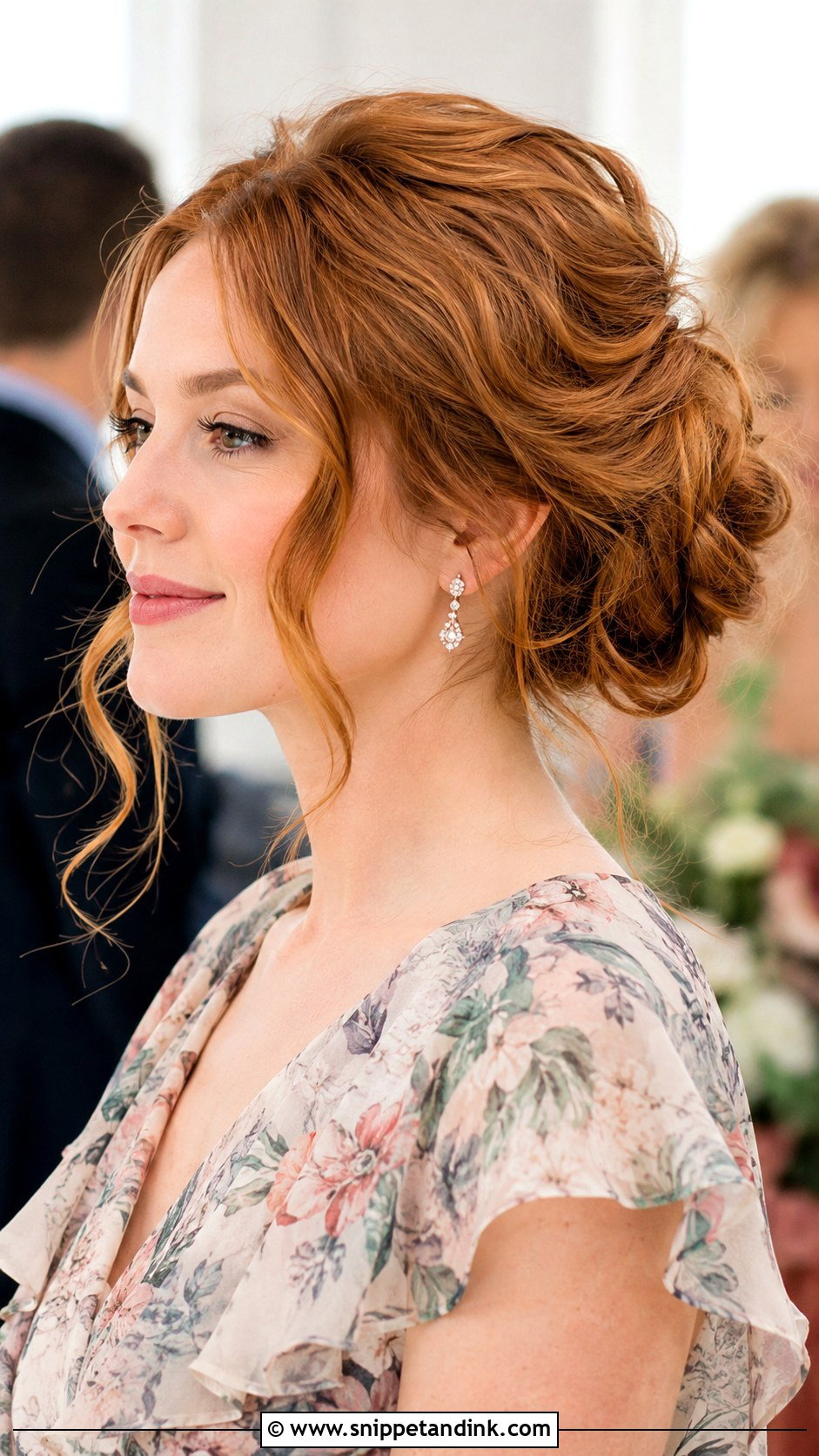
A messy bun takes longer to do properly than a neat one. I curl the hair first, twist it loosely in sections and pin each twist so the texture is built in rather than scraped together. Garden, beach and daytime venues suit it, where a lacquered look would feel stiff. It should sit low or at mid-back, never perched on top like a gym bun. Fine hair needs a little backcombing or a small padding inside to give it body. The aim is soft volume, not a perfect sphere.
8. Sister Wedding Straight Hair
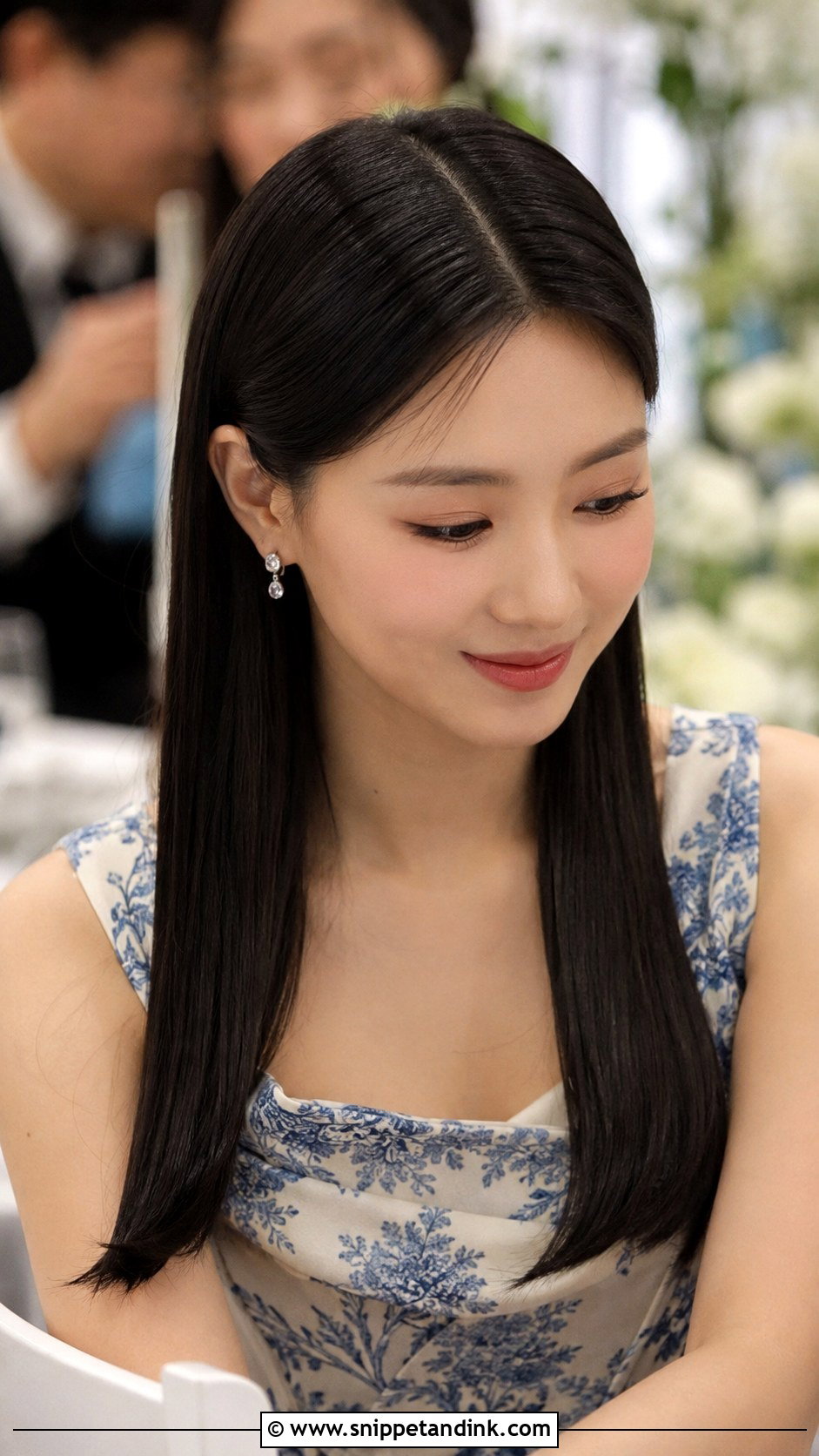
Straight hair is the honest choice when the outfit already says everything. It looks expensive only when the ends are healthy, so book a trim about two weeks before; a fresh cut the day before can look too blunt in photos. A centre part reads modern and a side part reads softer. I finish with a flat iron on low heat over a heat protectant, then a pea-sized drop of serum through the mid-lengths only. Tuck one side behind the ear if you want your earring seen.
9. Sister Wedding High Bun
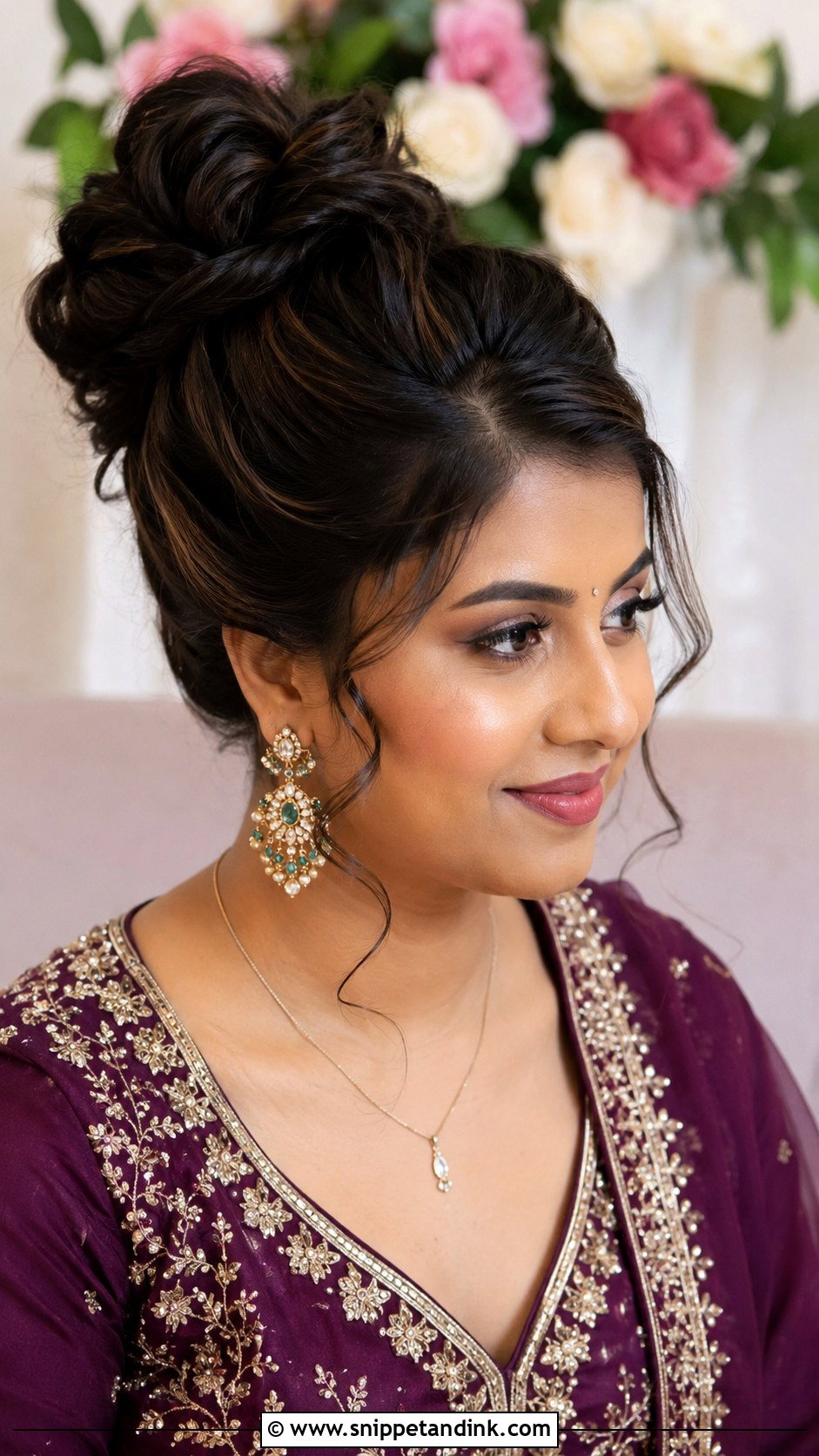
High buns lift the whole face and keep hair off a heavy dupatta, long earrings and high necklines. I’d keep the hairline relaxed rather than dragged back, because tight edges add years and pull on the scalp over a long day. A little height at the crown before the bun goes in keeps the shape flattering from the side. It’s light to wear and cool in warm venues. If you plan to pin a dupatta over it, tell your stylist at the start so the bun sits slightly lower and gives the fabric somewhere to grip.
10. Sister Wedding Loose Waves
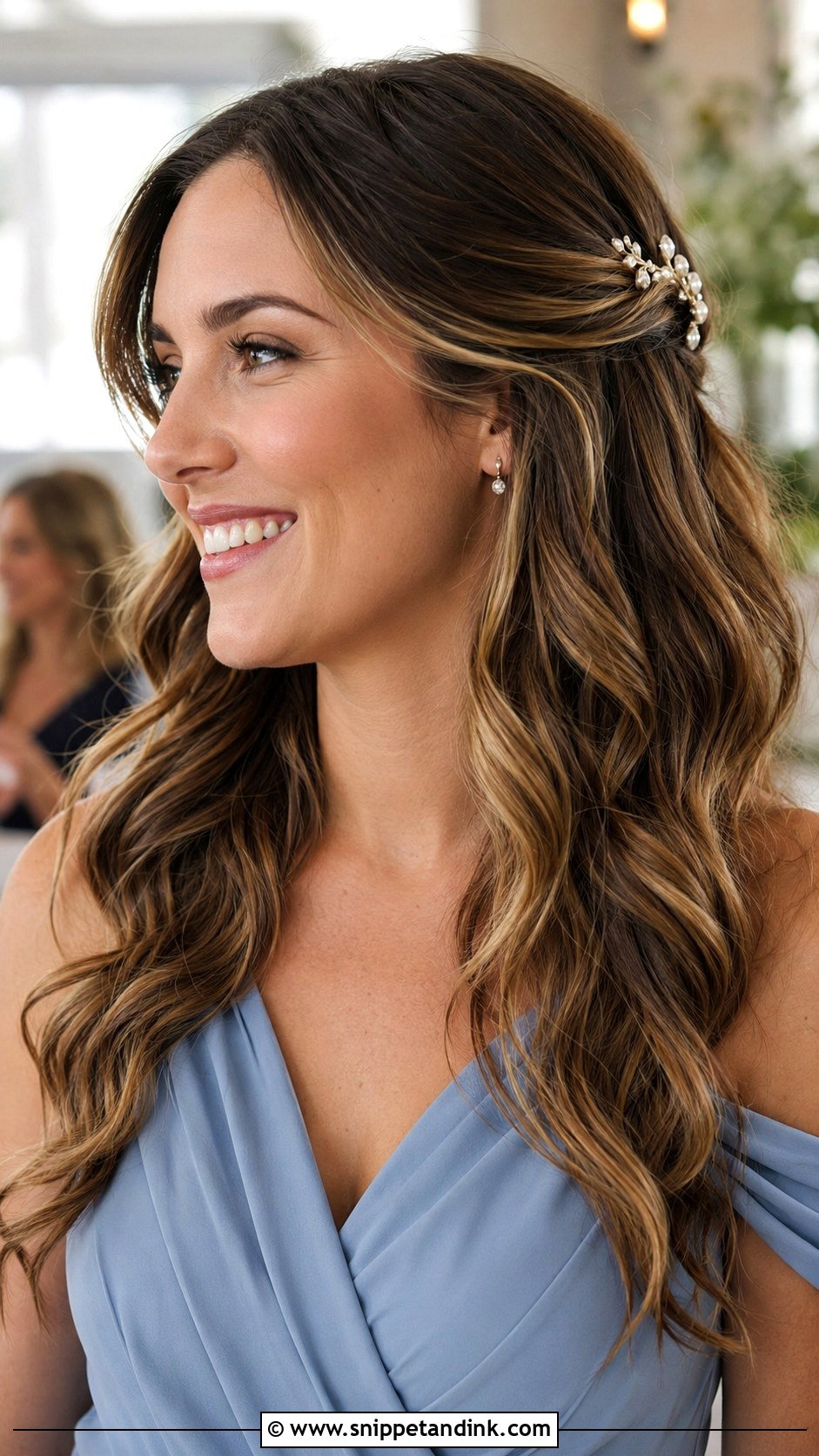
Loose waves are the style most sisters ask for and the one most likely to fall flat by the speeches. Smooth, heavy hair releases curl fast, so I curl it tighter than you want with a smaller barrel, let each curl cool fully in my hand, and only brush them out at the very end. Healthy ends matter here more than in any updo. Add a side clip if you want more polish. The waves should feel touchable, so I avoid finishing with a heavy lacquer that turns them crunchy.
11. Sister Wedding French Twist
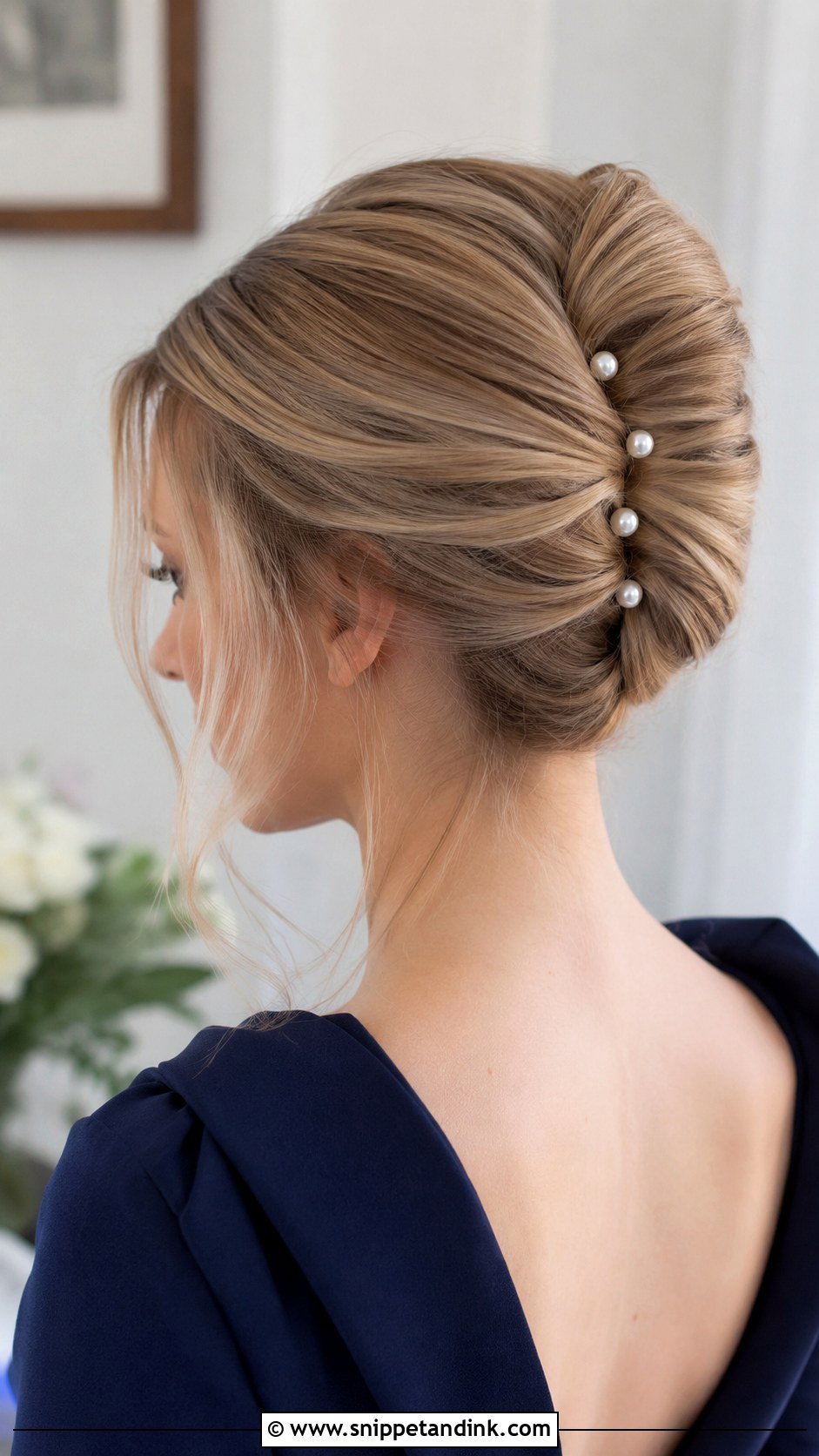
A French twist is the most architectural style on this list: the hair folds vertically up the back of the head and is pinned along the seam, so the profile stays clean all evening. Formal evening weddings, ballrooms and structured silk or satin outfits are where it belongs. The tight 1960s version can look stern now, so I leave a few face-framing strands and keep the top soft. It’s also a smart way to make medium hair look thicker, because the fold doubles the visible hair. One pearl pin along the seam is the only accessory it needs.
12. Sister Wedding Crown Braid
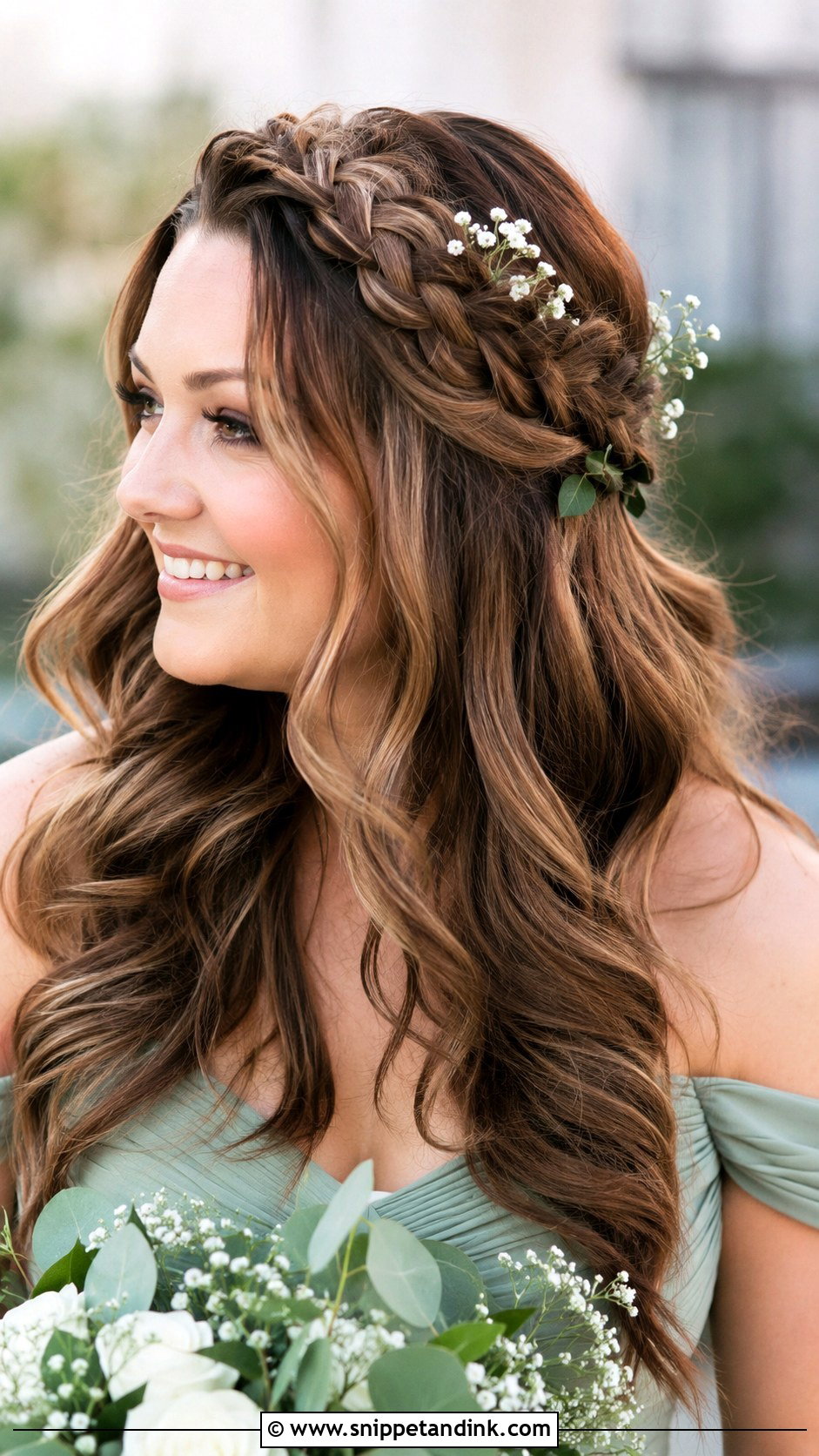
Crown braids frame the face like a soft halo and hold almost anything, which makes them good company for outdoor and daytime weddings. Thick, long and textured hair carries them best; on fine hair I add a thin braiding extension so the crown doesn’t look patchy. The braid can finish into a low bun, sit above loose curls or anchor a half-up style. Loosen the braid after pinning so it looks relaxed rather than schoolgirl-tight. Tucking in small fresh flowers works, but choose ones that won’t wilt on skin heat by the evening.
13. Sister Wedding Curly Updo
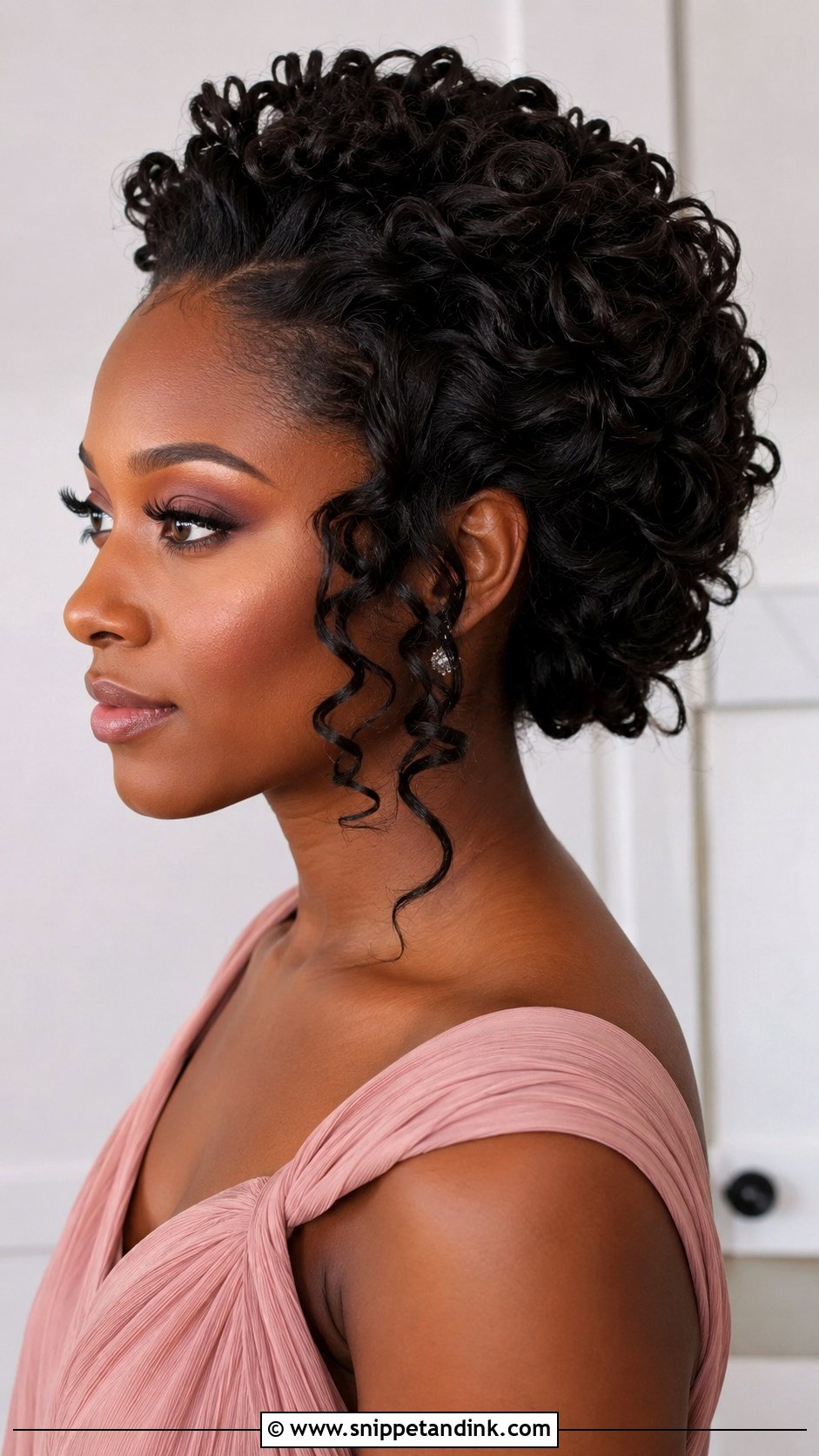
A curly updo celebrates natural texture instead of fighting it. Start with defined curls: I style curly hair wet with a cream or gel the morning of, let it dry fully (diffused or air-dried), and never brush it once dry, or it turns into frizz. Then I gather and pin the curls in clusters rather than smoothing them into a shape. Naturally curly, wavy or permed hair all work. Leave a few curls at the face and keep the main shape secure. Tell your stylist if your curls shrink a lot, because the updo will sit smaller once it settles.
14. Sister Wedding Bubble Ponytail
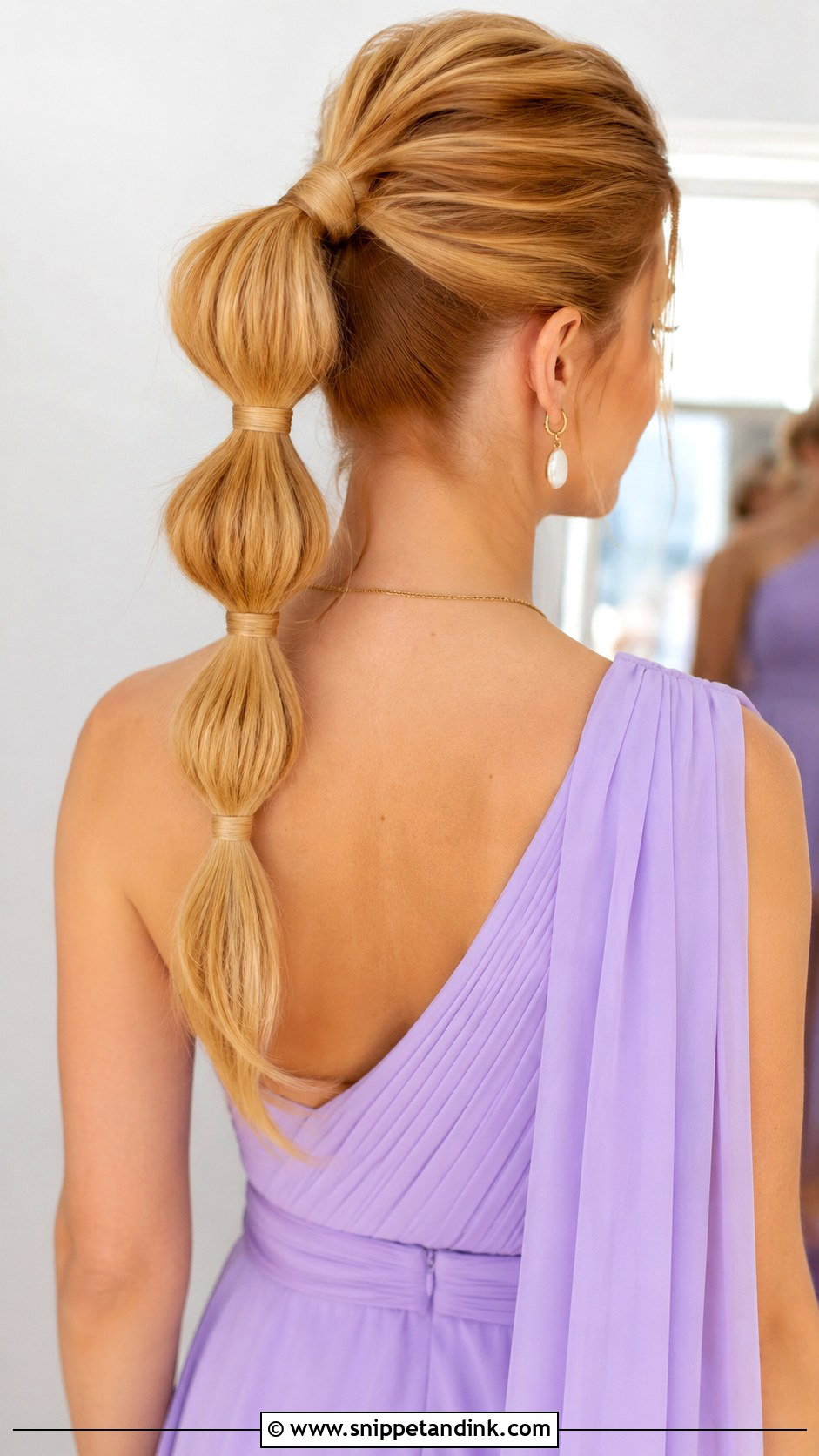
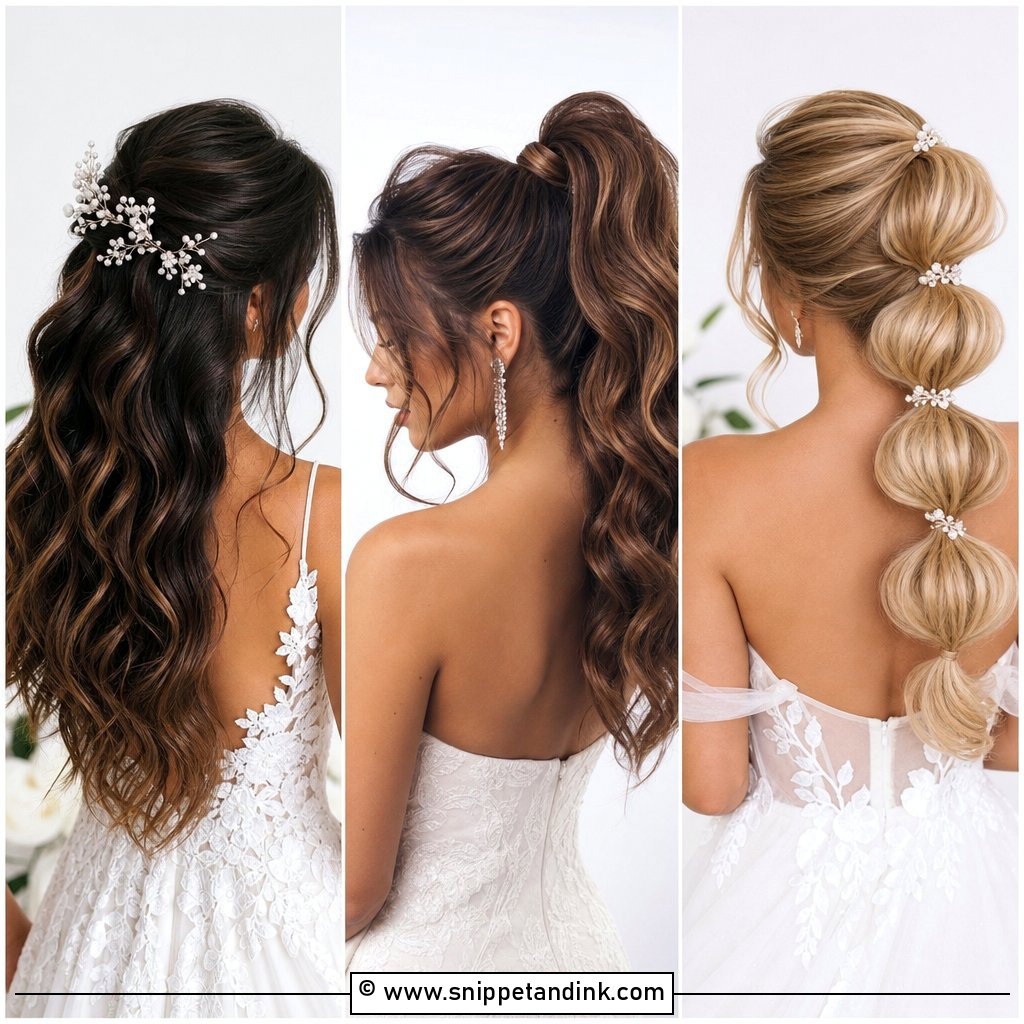
A bubble ponytail is the younger, playful option that still looks polished. It needs length, since each bubble uses a few centimetres of hair between elastics. Use clear elastics, then gently stretch each section into a rounded shape; wrapping a thin strand over each band hides it completely. A sleek base looks modern and a softer base looks romantic. It barely moves when you dance, which is why sisters who plan to be on the floor all night like it. Short layers will poke out of the bubbles, so it’s not for heavily layered cuts.
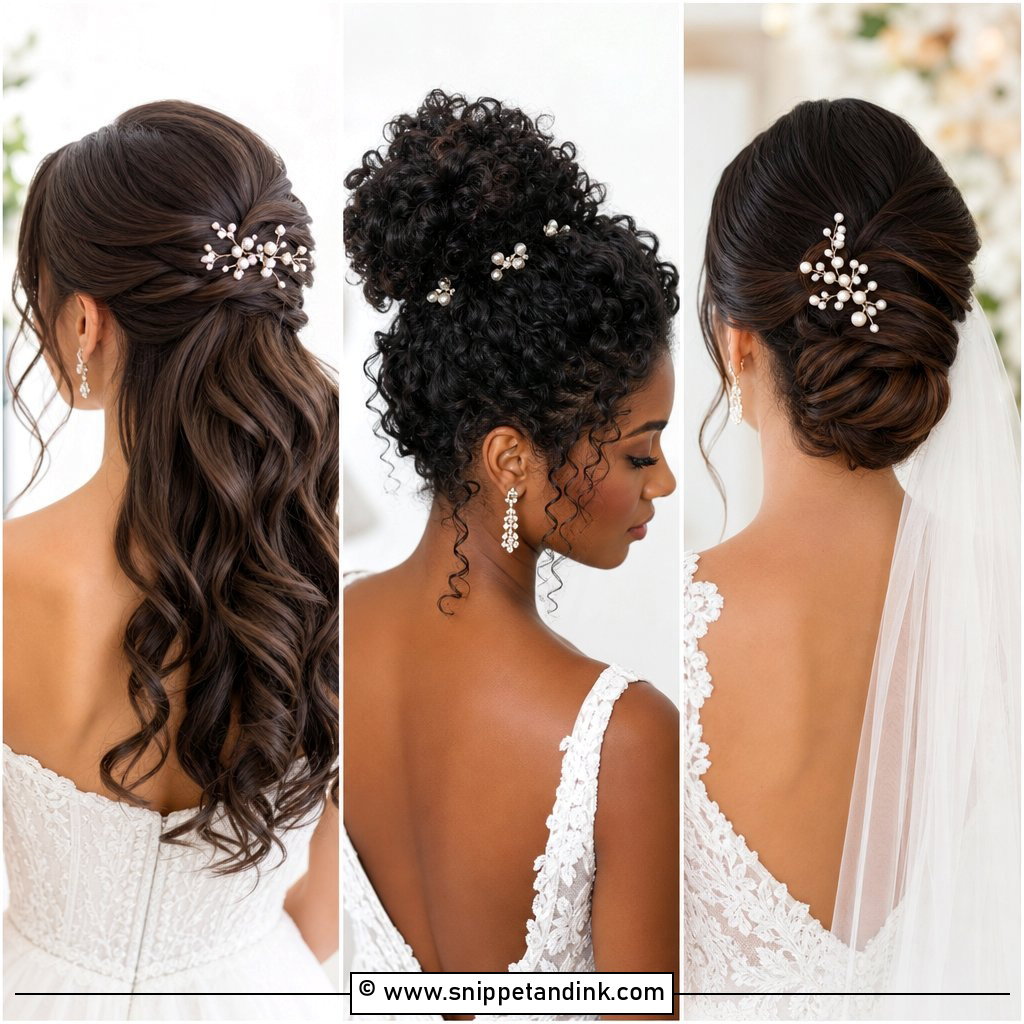
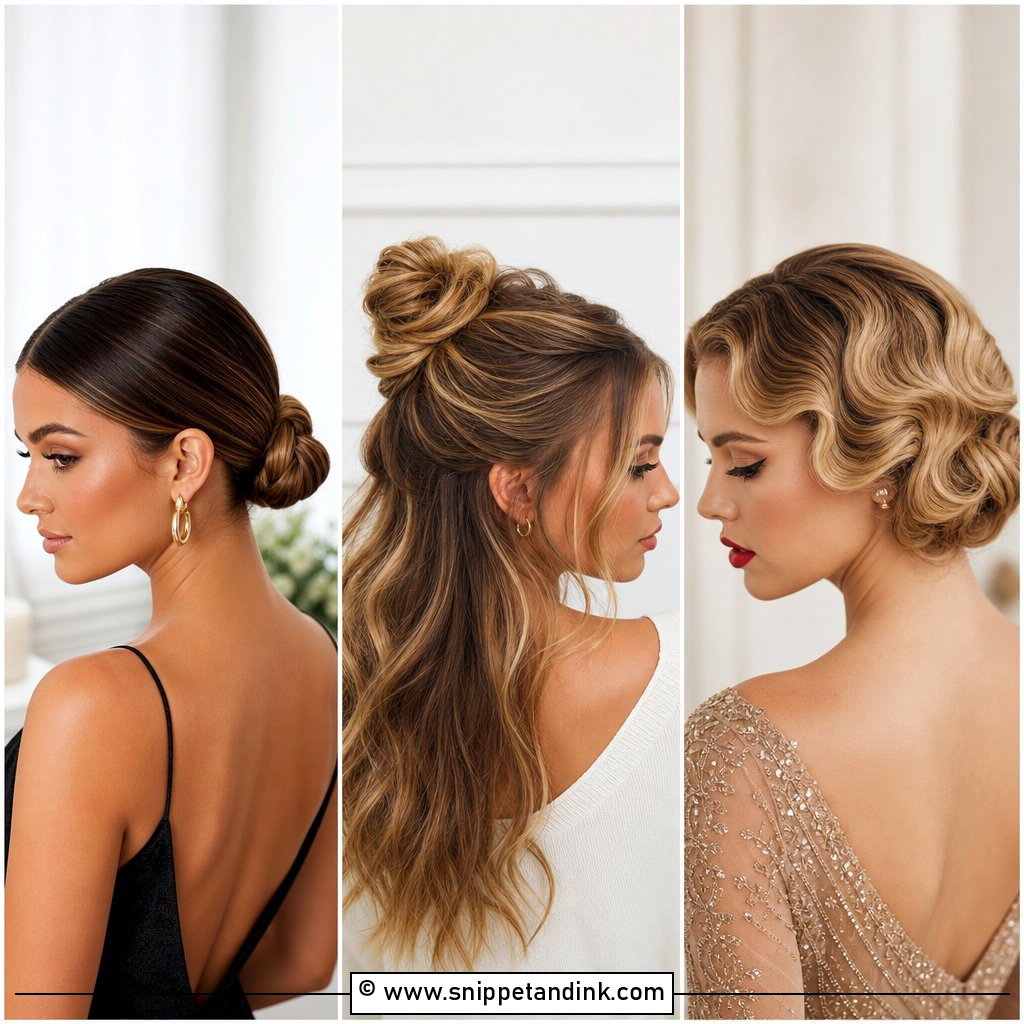
15. Sister Wedding Side Bun
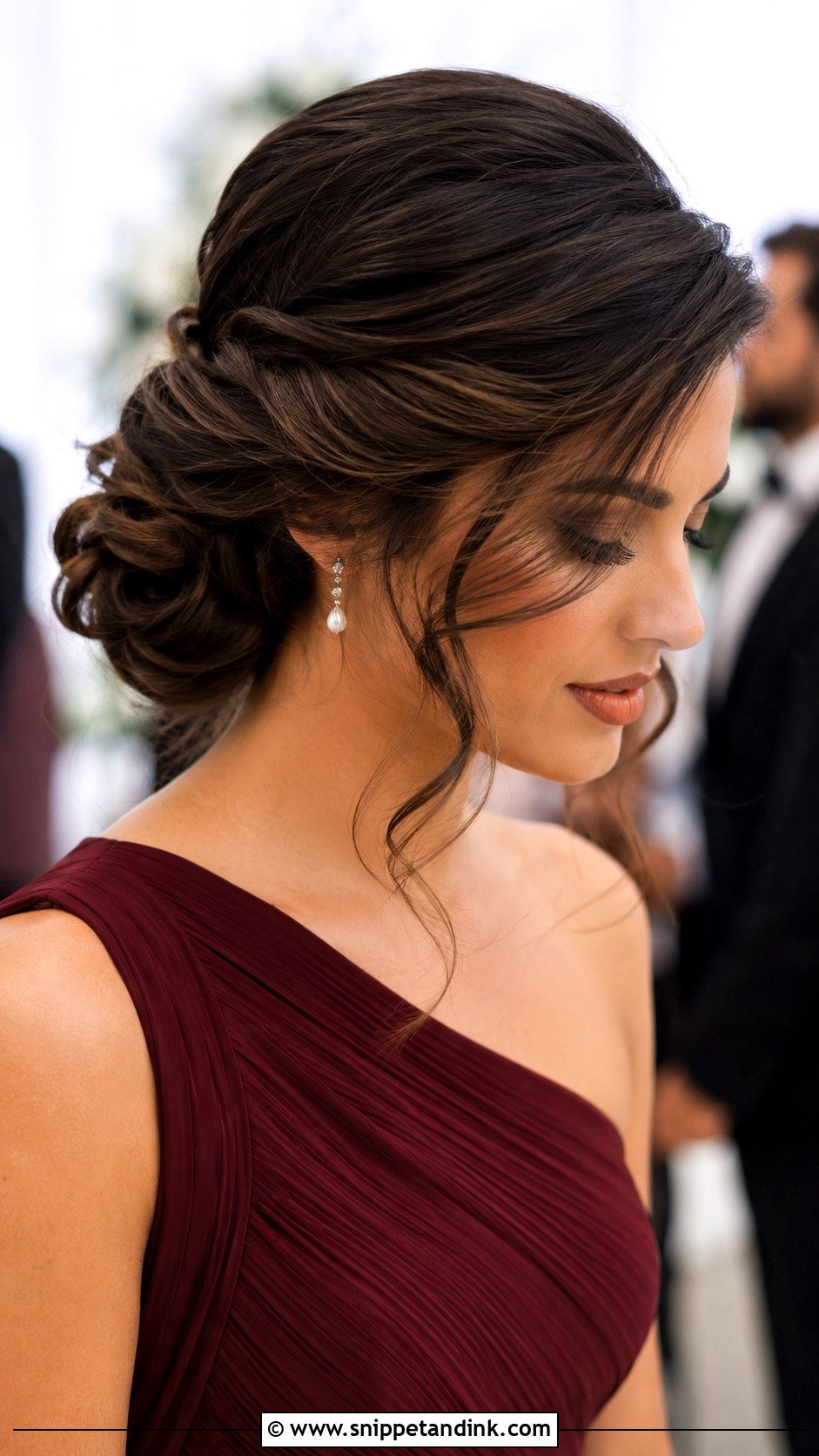
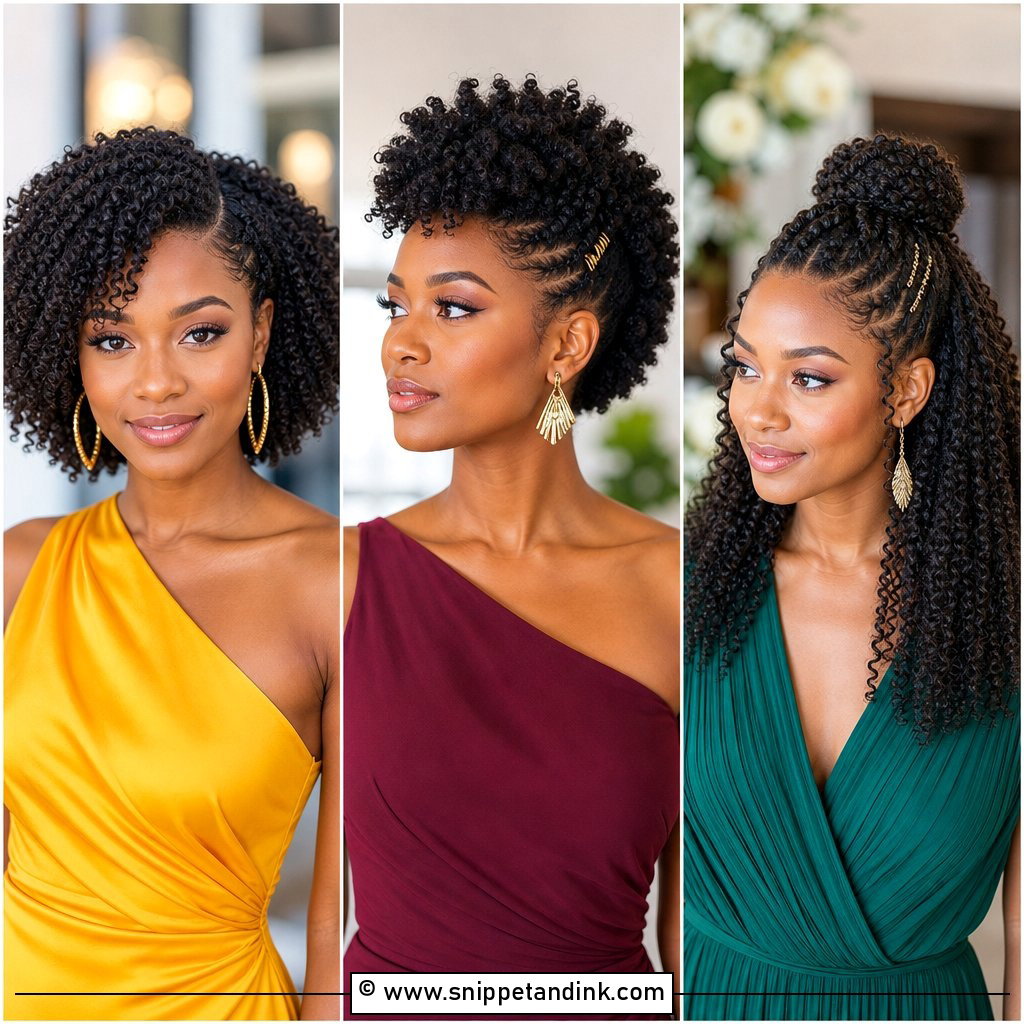
The side bun sits just off centre at the nape, so you can see it from the front, which makes it more visible in portraits than a centred bun. Side parts and side-swept fringes lead into it naturally. It suits off-shoulder dresses and a dupatta draped over the opposite shoulder. Twisted, braided or curled sections all work as the base. I keep it full but compact; a bun too big on one side makes the head look lopsided in profile.
16. Sister Wedding Waterfall Braid
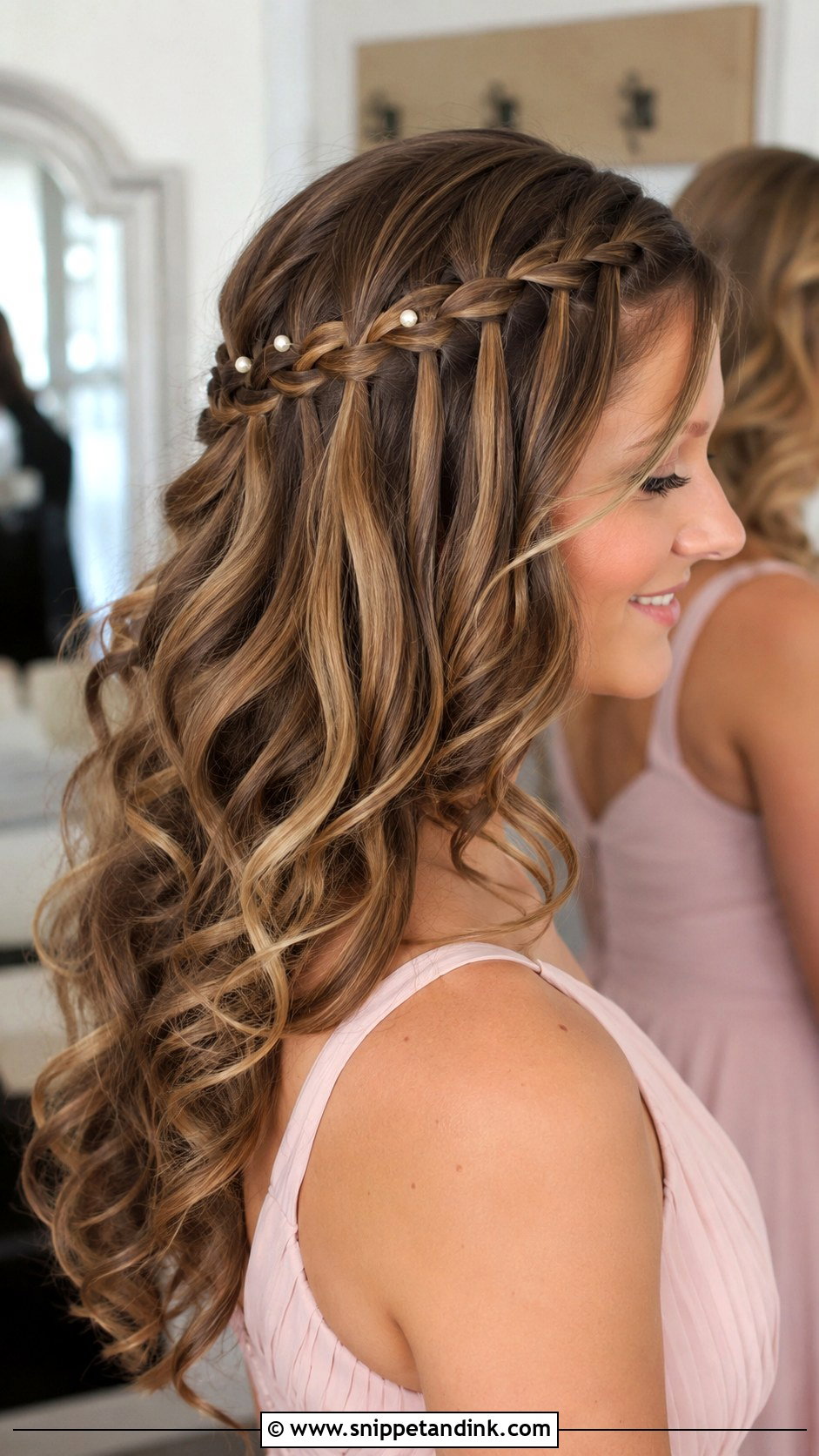
A waterfall braid runs across the back of the head and drops a strand out at every stitch, so the loose hair falls through it like ribbon. It shows best over curled or waved hair, because straight hair hides the dropped pieces. Medium to long hair is needed, and light outfits for daytime and garden ceremonies suit it. Braid it neat but not tight, and pin the end under the opposite side so it doesn’t unravel. In damp air the curls below will drop first, while the braid itself holds well.
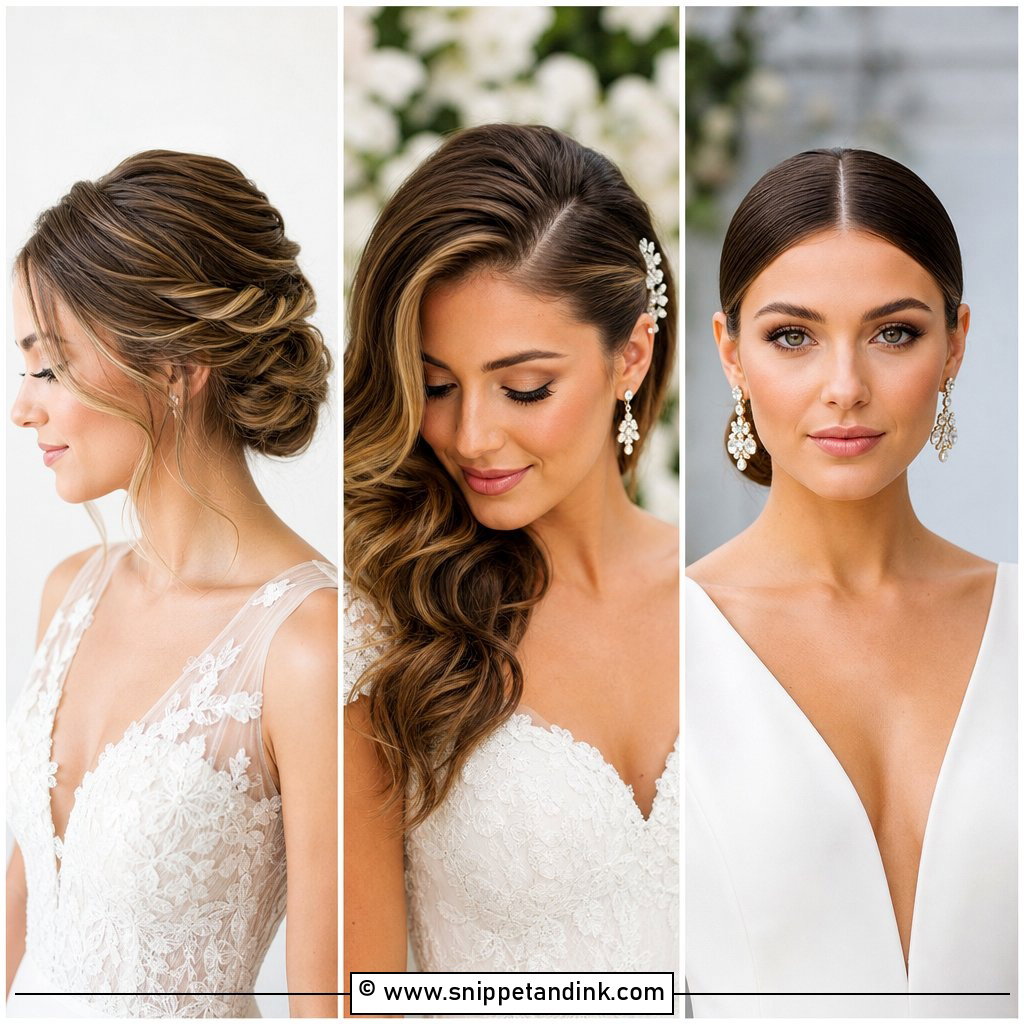
17. Sister Wedding Textured Chignon
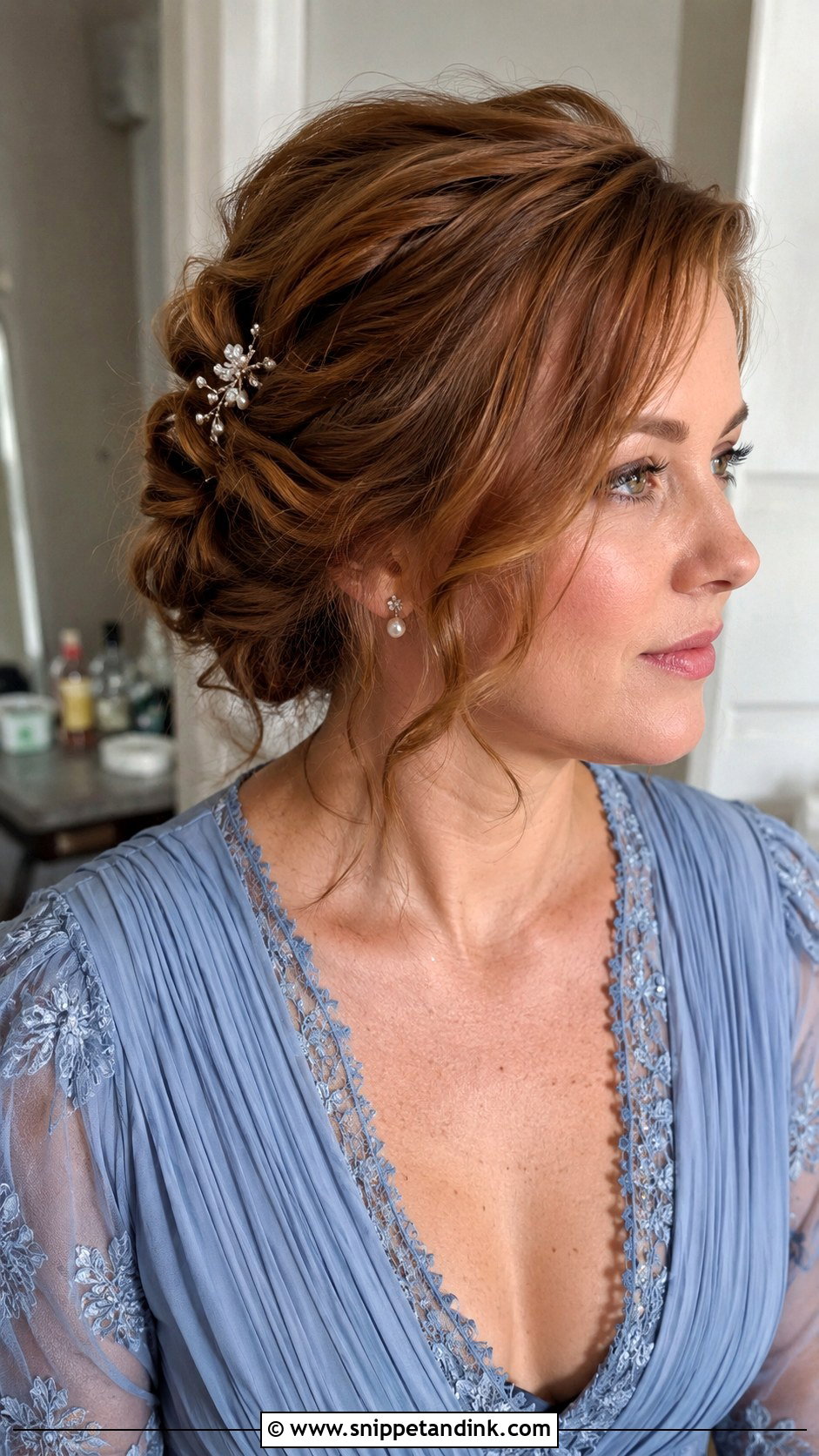
A textured chignon is the low knot at the nape built from twists, curls and pinned sections rather than one smooth coil. Because the shape can be widened, narrowed or set higher, it adapts to most face shapes. The texture is a help for fine and medium hair, which looks fuller twisted than smoothed. I ask how relaxed you want the front before I start, because loosening the hairline after the back is pinned rarely looks right. Up close, the separate twists are what the camera picks up, so I make sure none of the pins catch the light.
18. Sister Wedding Soft Waves With Hair Pin
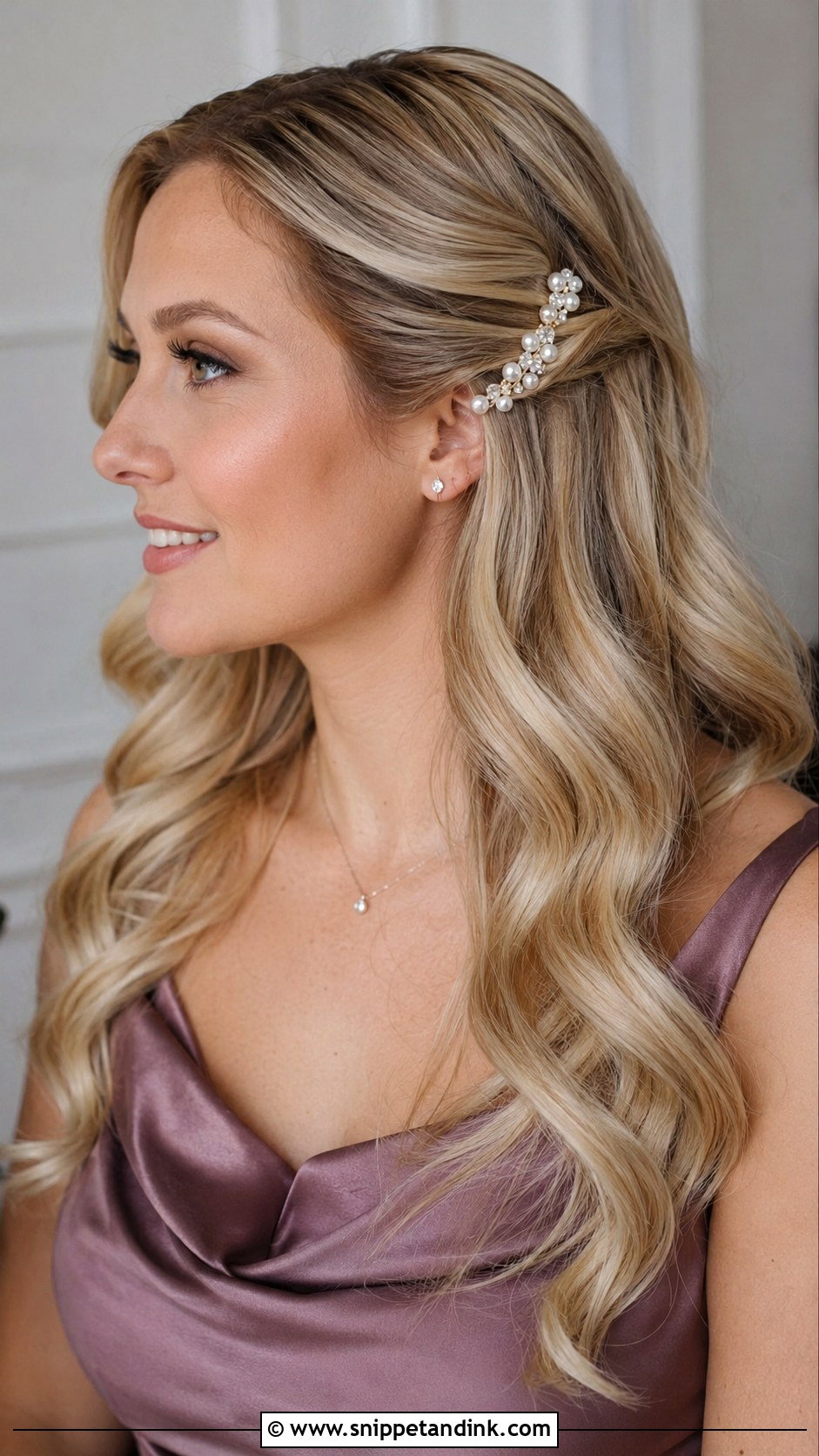
Soft waves with one decorative pin is my answer for the sister who refuses an updo but wants to look dressed. Pin back a small section on one side, just behind the temple, to open the face. Match the pin’s metal to your jewelry so the two don’t argue. Keep the waves brushed out and smooth. To stop a single pin from sliding on silky hair, I set a hidden bobby pin first and slide the decorative one over it.
19. Sister Wedding Long Braid
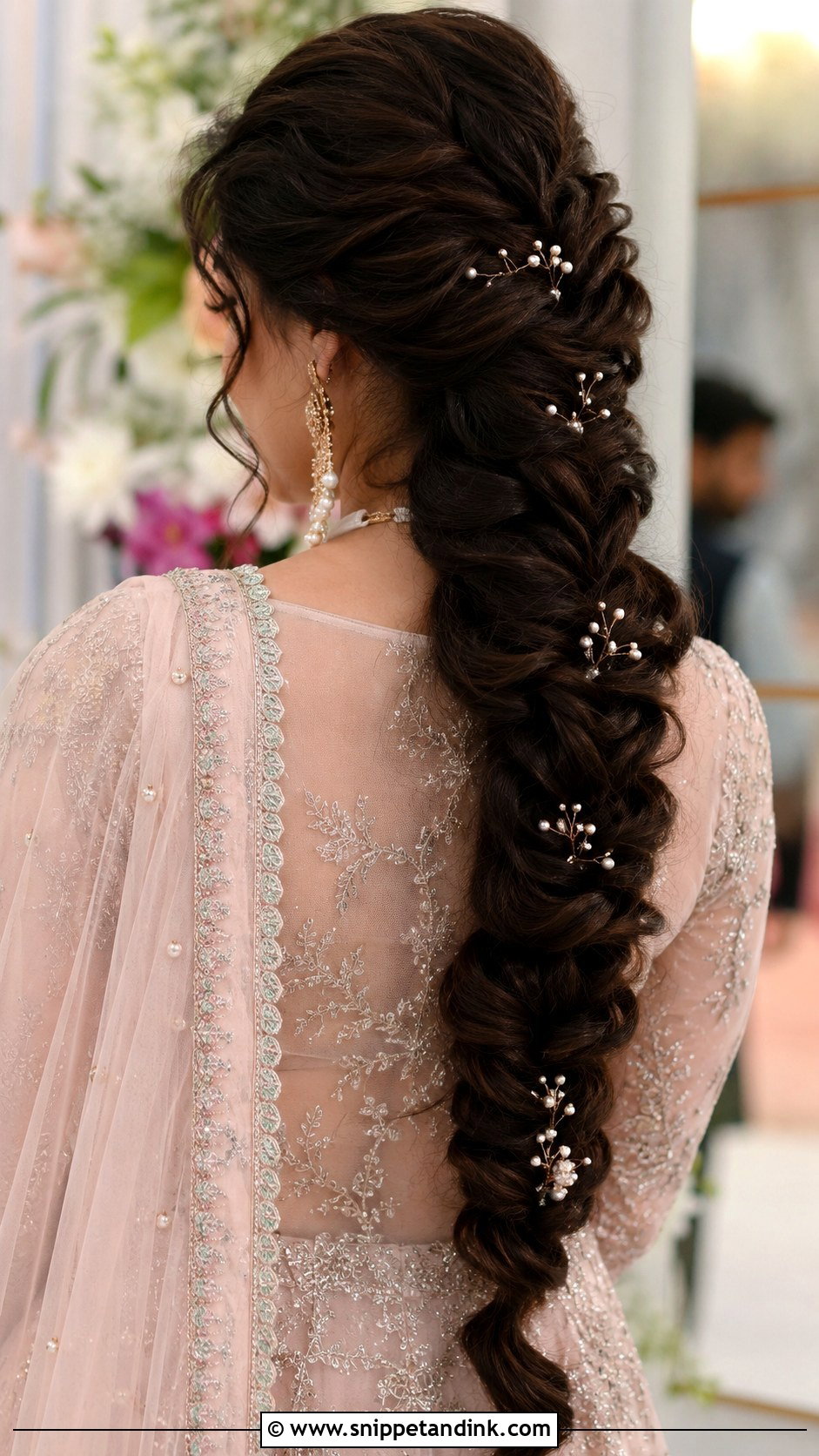
A long braid is festive and practical for traditional weddings and cultural ceremonies, where outfits are heavy with fabric work and the hair has to survive hours of rituals. Classic, fishtail and rope braids all work, and pulling the loops loose makes even average-thickness hair look fuller. Small flowers, pearl pins or decorative tassels add celebration. Volume at the crown stops the braid from looking flat against the head. It needs almost no touch-ups through the day.
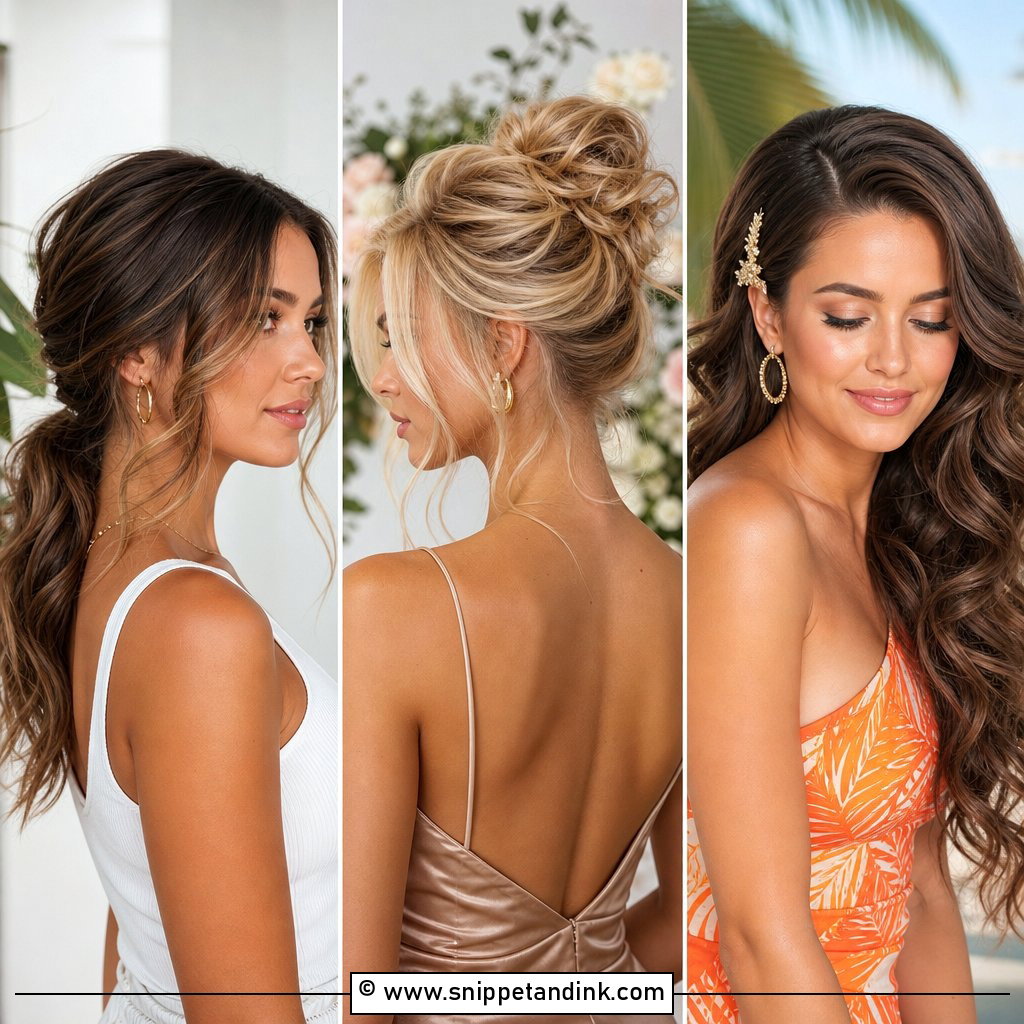
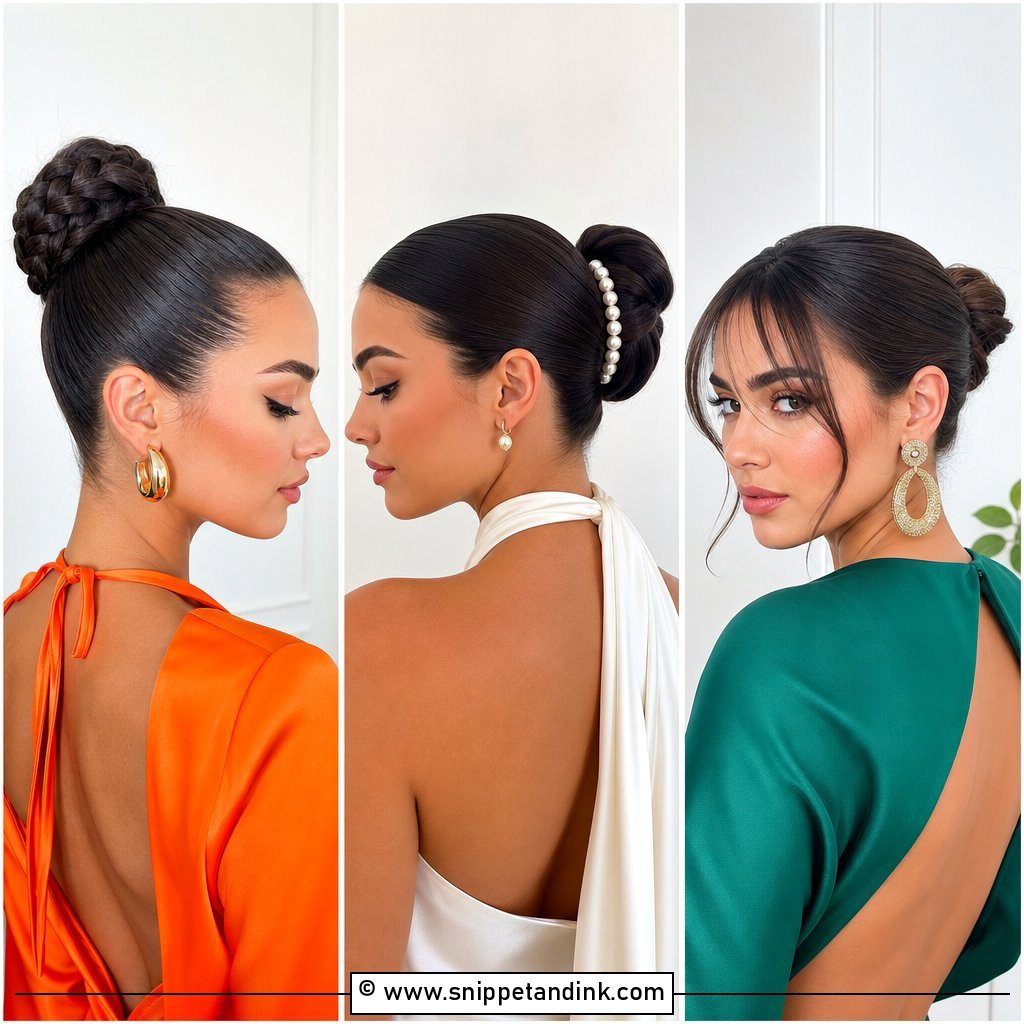
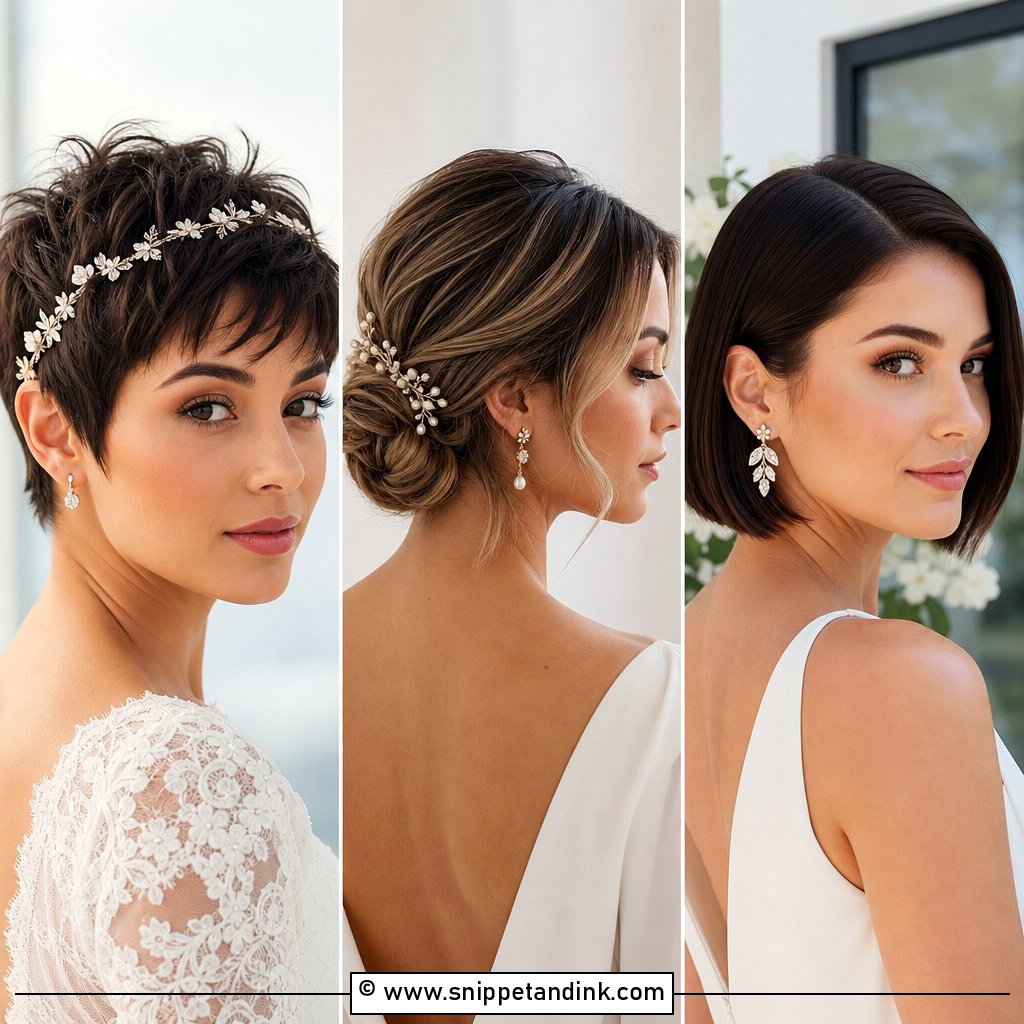
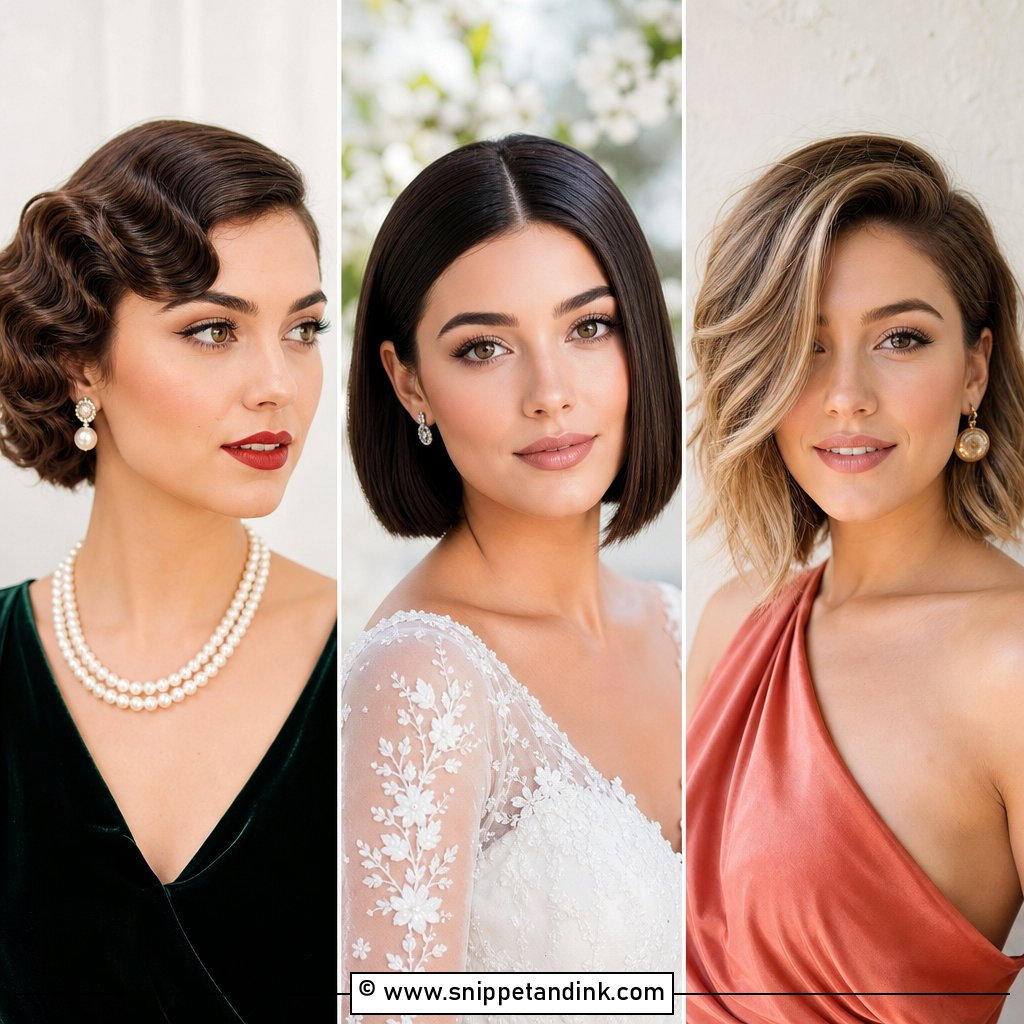
20. Sister Wedding Short Hair Waves
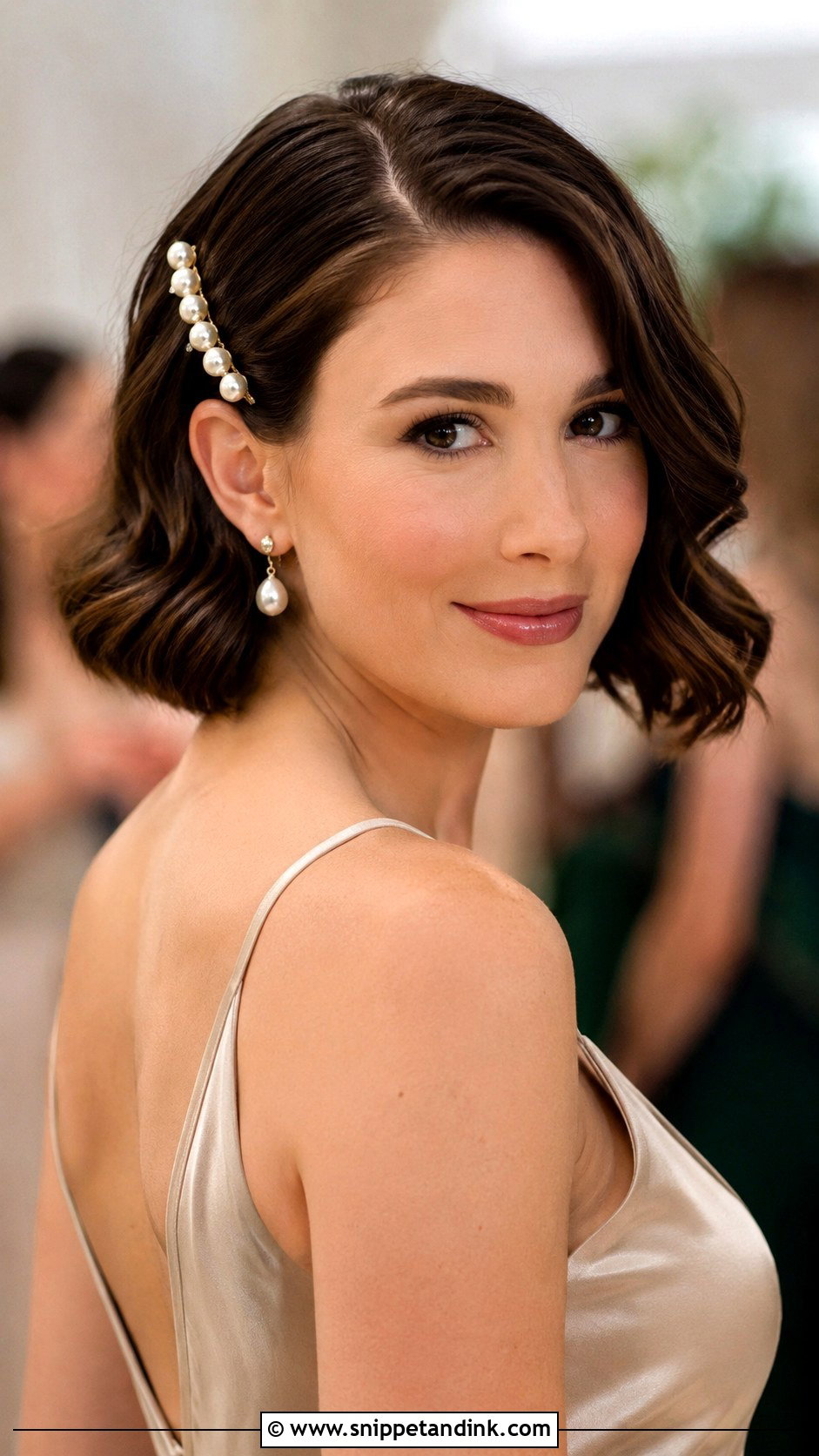
Shorter hair can look every bit as finished. A bob or lob takes polished waves well, especially with a deep side part and a little shine. I use a smaller barrel on short hair and curl away from the face so the waves frame the cheekbones rather than sitting flat. A pearl clip or jeweled barrette on the tucked side adds dressiness. Finish with a light texture spray, because heavy hairspray flattens short hair within an hour.
Dupattas, Sarees and Fascinators on Top of Your Hair
Anything pinned over the hair changes how I build it. A dupatta needs a flat, firm area at the crown or the back of the bun to grip, so I avoid big volume exactly where the fabric will sit. For a saree pallu over the head, a low bun is easiest, because it gives the pallu a ledge to rest on.
Use U-pins or small safety pins through the fabric into the base of the style, never into loose curls. If you’ll take the dupatta off for the reception, ask for a style that looks complete without it, otherwise you’ll have a flattened patch on show.
Small Clutch Fixes for the Dance Floor
Hugs, heat and dancing loosen hair faster than wind. I put the following into the sister’s clutch before she leaves my chair:
- Six bobby pins matched to your hair colour, already opened slightly.
- A travel-size hairspray for flyaways only, not for re-setting curls.
- One clear elastic, in case a ponytail or braid gives way.
- Blotting papers, because oil from the forehead creeps into the front pieces.
If a pin pokes out, slide it back in at a slight angle toward the scalp, through the base of the section rather than over it. If a bun starts to sag, push it upward and add two crossed pins under it. Don’t pull anything out to start again in a hotel bathroom.
Pick the Day You Have, Not the Photo You Saved
The right style comes down to how long your day is, how hot the venue gets, what’s on your shoulders and what your hair actually does. Sleek ponytails suit modern receptions, braided buns and long braids suit traditional ceremonies, and waves suit romantic, unstructured looks. Updos win for long days, heat and statement jewelry. Most of all, wear the one you’ll stop thinking about after the first hour. If you’re still touching it during the vows, it’s the wrong style.
You'll Like These Ideas:


Leave a Reply