
Teacup is the playful name for a tea-length wedding dress, a hem that stops somewhere between the knee and the ankle. I like it for brides who’d rather not spend the evening holding up a skirt, and because it puts your shoes, your ankles and even your hosiery into the outfit. It suits a courthouse, a garden, a vintage hall, a beach or a relaxed restaurant reception, and with the right fabric and sleeve it works in any month. Below you’ll find twenty versions, from structured satin and fine lace to embroidered color and clean crepe, each styled head to toe with my notes on fit and what to watch for.
Buying a Shorter Dress Off the Rack or Online
Short wedding dresses turn up in more places than bridal boutiques: ready-to-wear lines, evening ranges and online shops all carry them, and many ship far faster than a made-to-order gown. That’s a real advantage. It also means sizing rules vary a lot, so I always tell brides to shop by measurements, not by the number they wear day to day. Bridal and formal sizing often runs smaller than high-street sizing.
- Measure bust, waist and hips in the underwear you’ll wear, and order to fit your largest measurement. Taking a dress in is easy; letting it out is often impossible.
- Read the fabric content. Polyester satin creases and shines differently from silk, and stretch crepe forgives far more than rigid crepe.
- Check the return window before buying and try the dress on the day it arrives, in daylight.
- Look up the finished length in the product details and compare it with a tape measure from your waist, so you know where the hem will actually fall on you.
Leave a few weeks for alterations even on a fast-shipping dress. A strap shortened, a waist taken in and a hem adjusted are routine, but busy seamstresses book up in spring and summer.
1. Lace Teacup Wedding Dress
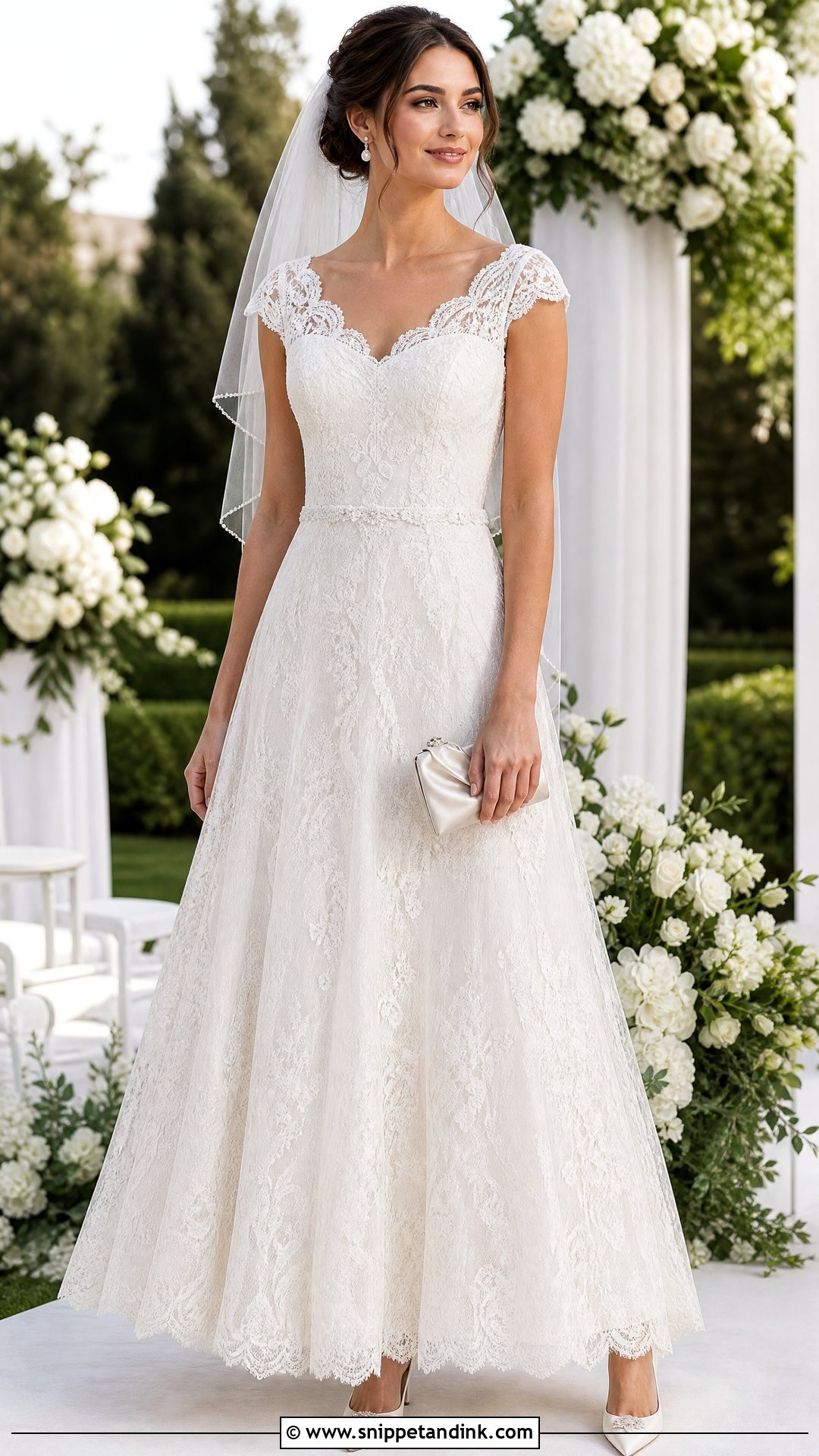
Lace on a short dress feels romantic without the weight of a full gown. I’d pair a fitted lace bodice with an A-line skirt so the waist is defined but you can still walk freely. Scalloped cap sleeves over a soft sweetheart lining add detail without tipping into fussy. Ivory pointed pumps, pearl drops and a small satin clutch go with it, and a fingertip veil brings back the traditional bridal note. Outdoors, choose block heels over stilettos; a thin heel on a lawn sinks with every step. Keep the bouquet compact so it doesn’t cover the lace across the bodice.
2. Satin Teacup Wedding Dress
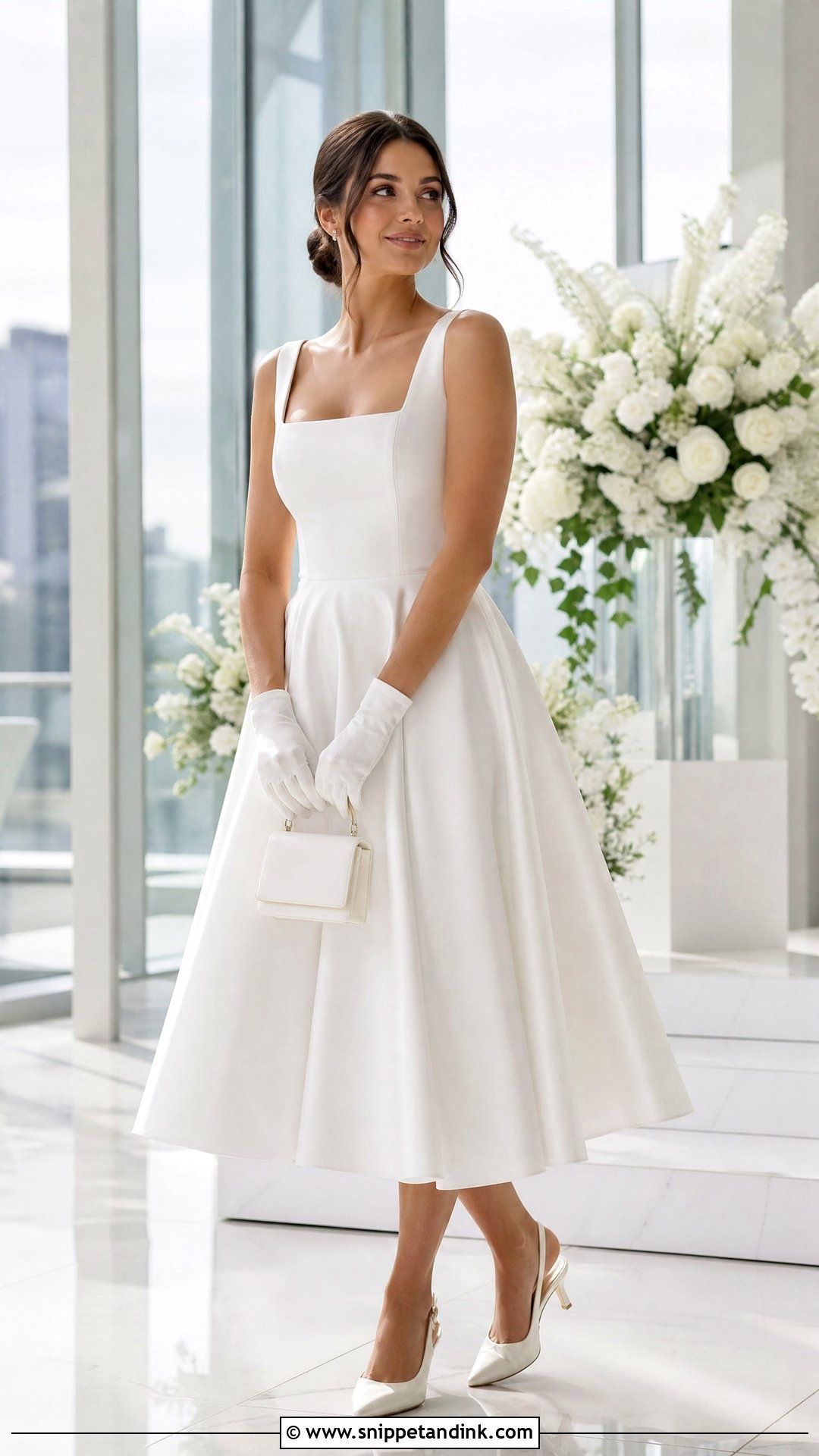
Satin is the fabric that shows fit most honestly. Every pull and wrinkle catches the light, so the bodice has to be well structured. A square neckline with a gently flared midi skirt defines the waist and keeps the shape uncomplicated. Slingbacks, crystal studs, a small structured bag in ivory and a sleek low bun keep it clean. If the dress is very plain, short satin gloves or a thin pearl-edged veil give it personality. Pointed ballet flats are a fair swap for heels. Satin creases across the lap when you sit, so heavier duchess satin is the better buy if you’ll be seated for a long dinner.
3. Vintage Teacup Wedding Dress
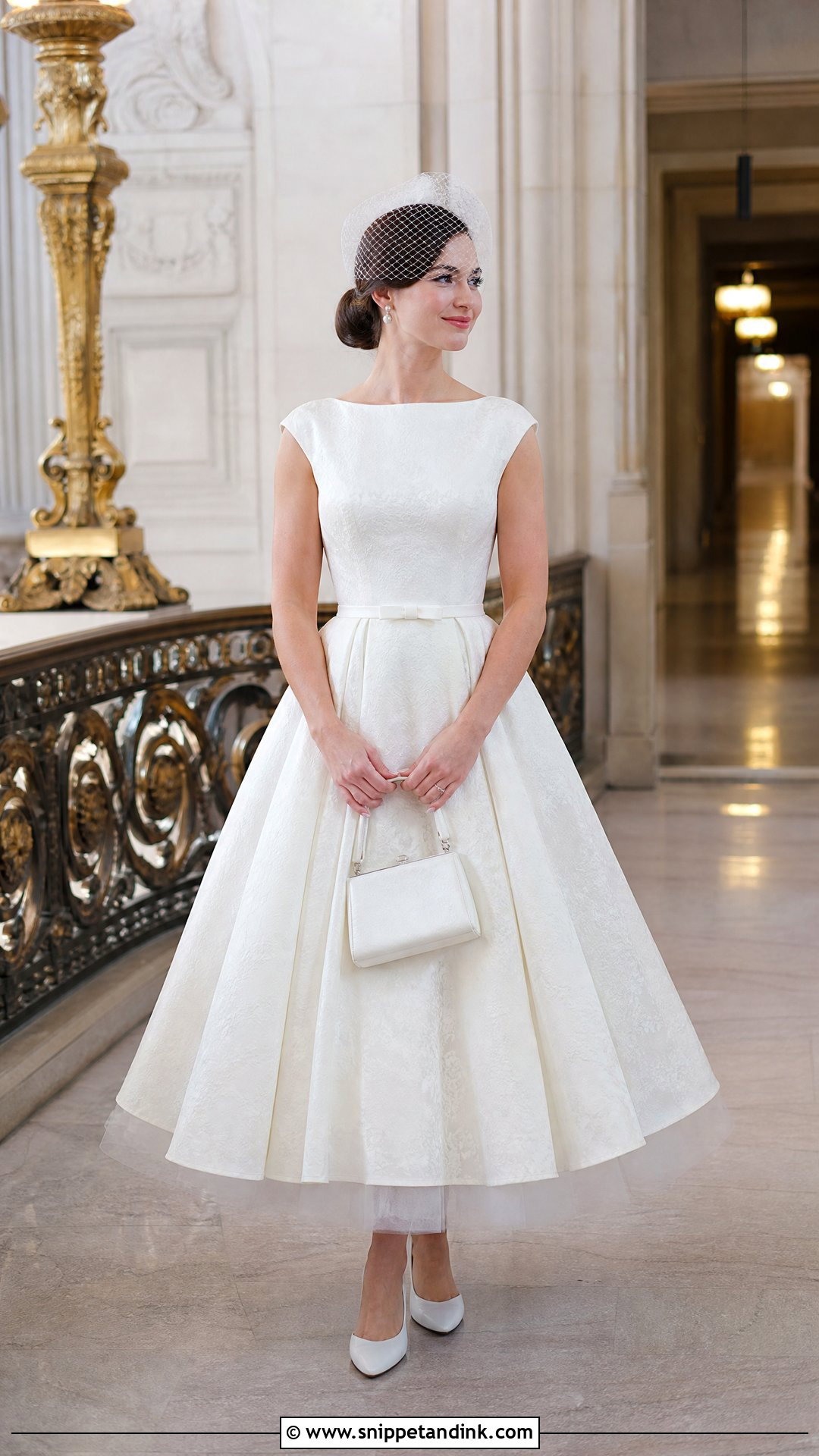
Picture a full skirt swinging across a ballroom floor. That’s the vintage version: fitted waist, bateau neckline and a full skirt over a light petticoat. Ivory lace, matte satin or jacquard all give it depth. Add low closed-toe pumps, pearl earrings and a short birdcage veil, with soft waves or a neat rolled updo. A small top-handle bag works too. My rule with vintage styling is two or three period details, no more. Wear the birdcage veil, the pearls and the petticoat together and you’ve got a look; add gloves, a brooch and seamed stockings and it starts to feel like fancy dress.
4. Long Sleeve Teacup Wedding Dress
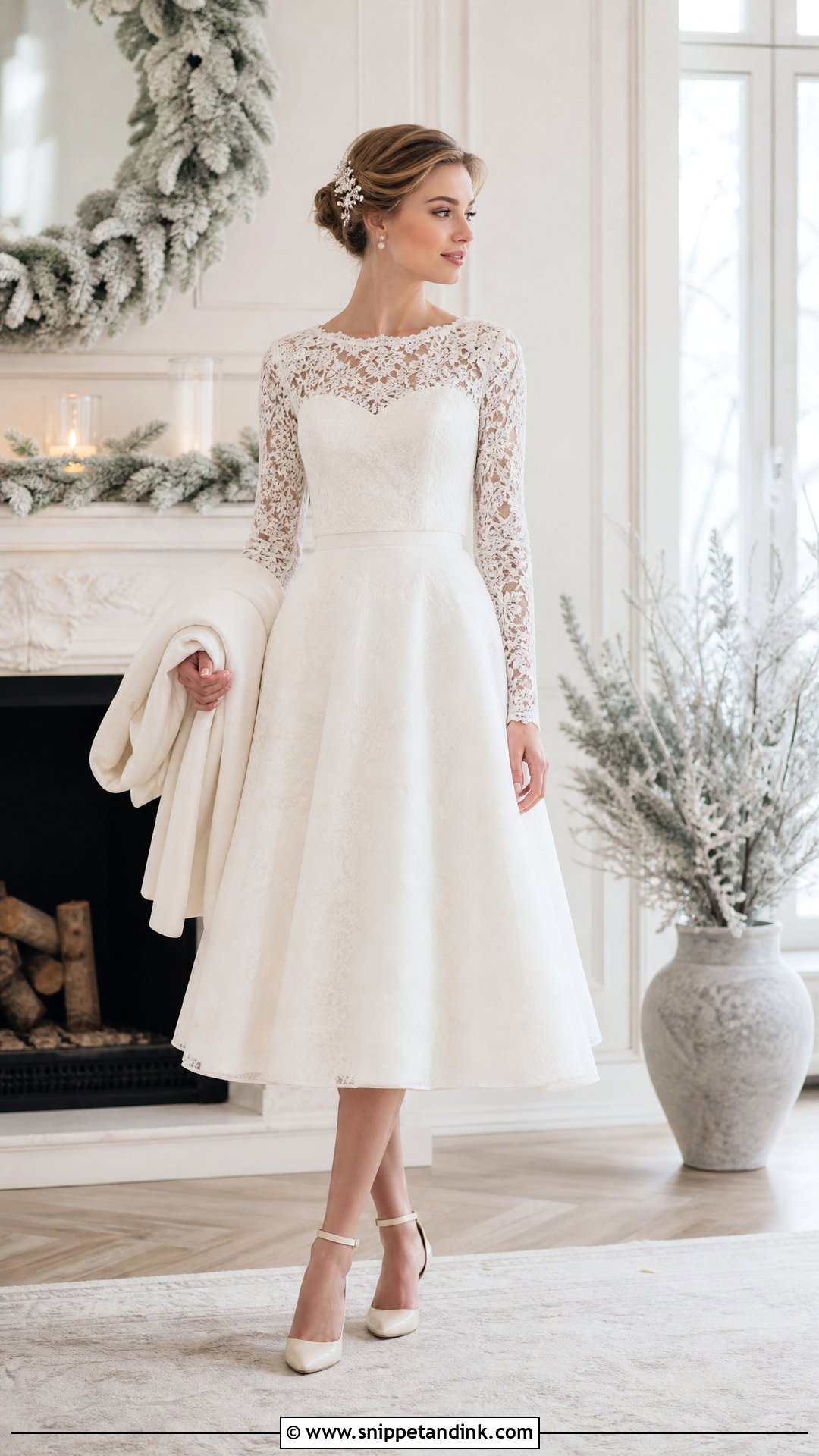
Sleeves give you coverage while the short hem keeps the dress light. Fitted lace or sheer sleeves on a structured bodice with a flowing A-line skirt keeps the balance right. Ivory ankle-strap pumps draw attention to the visible leg, and pearl studs with a simple hair comb are enough sparkle. In cold months, layer with a cropped faux-fur jacket or a tailored coat that stops at the waist. A long coat hides the skirt shape completely, which defeats the point. Check that the sleeve lets you bend your elbow fully; tight lace sleeves are cut slim and often pull when you lift a glass or hug.
5. Off Shoulder Teacup Wedding Dress
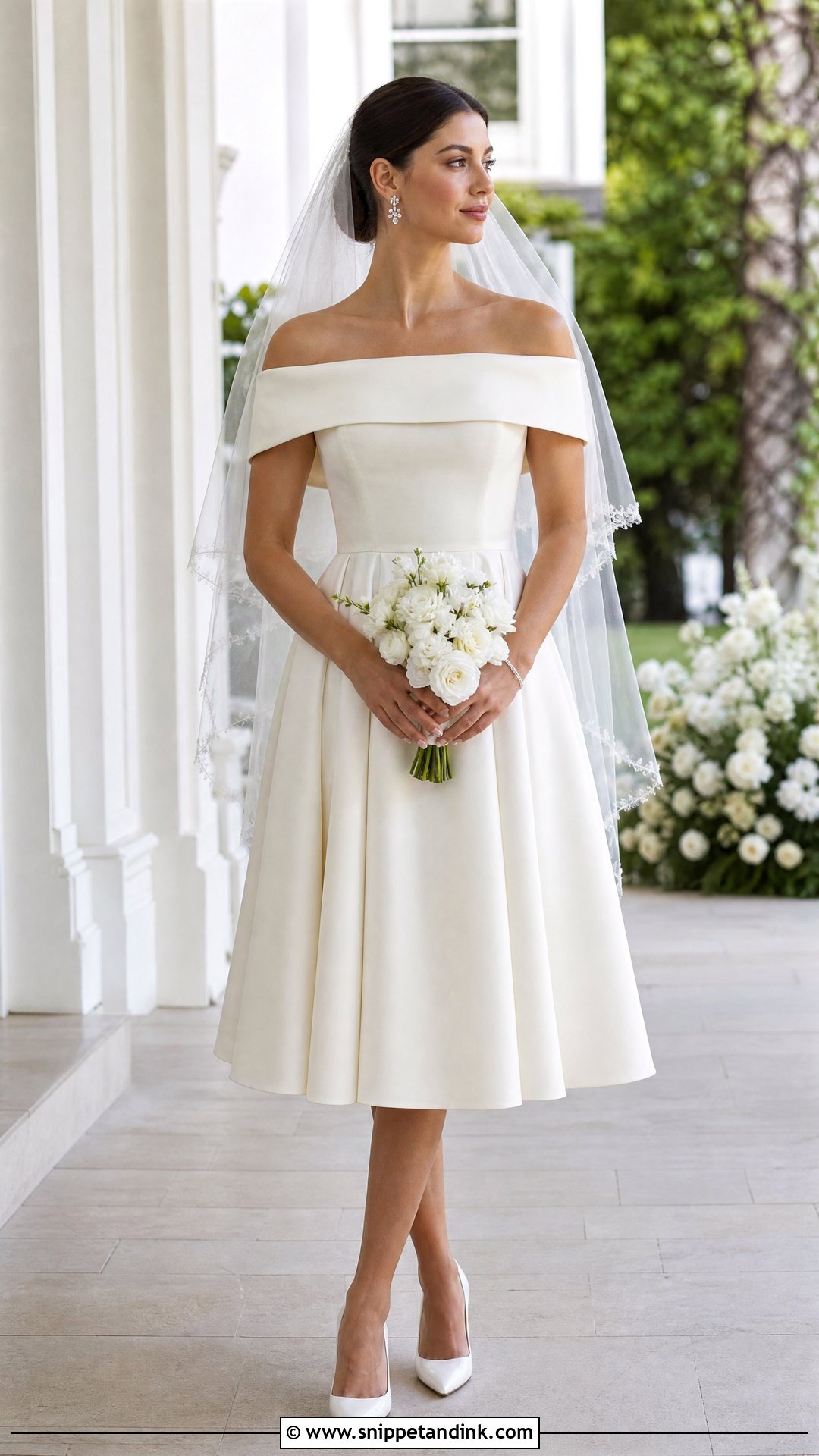
An off-shoulder neckline frames the collarbones, but it’s the one I check most closely at fittings. Whether it’s a folded band or fitted off-shoulder sleeves, it has to stay put without you hitching it up all night, which usually means boning and a grippy strip along the top edge. A softly pleated skirt adds movement. Pearl or crystal drops, pointed pumps and a fine bracelet are plenty; skip the necklace. A shoulder-length veil or floral comb adds a bridal note while leaving the dress on show. And ask for the hem at the slimmest part of your lower leg, which keeps the whole outfit in proportion.
6. Strapless Teacup Wedding Dress
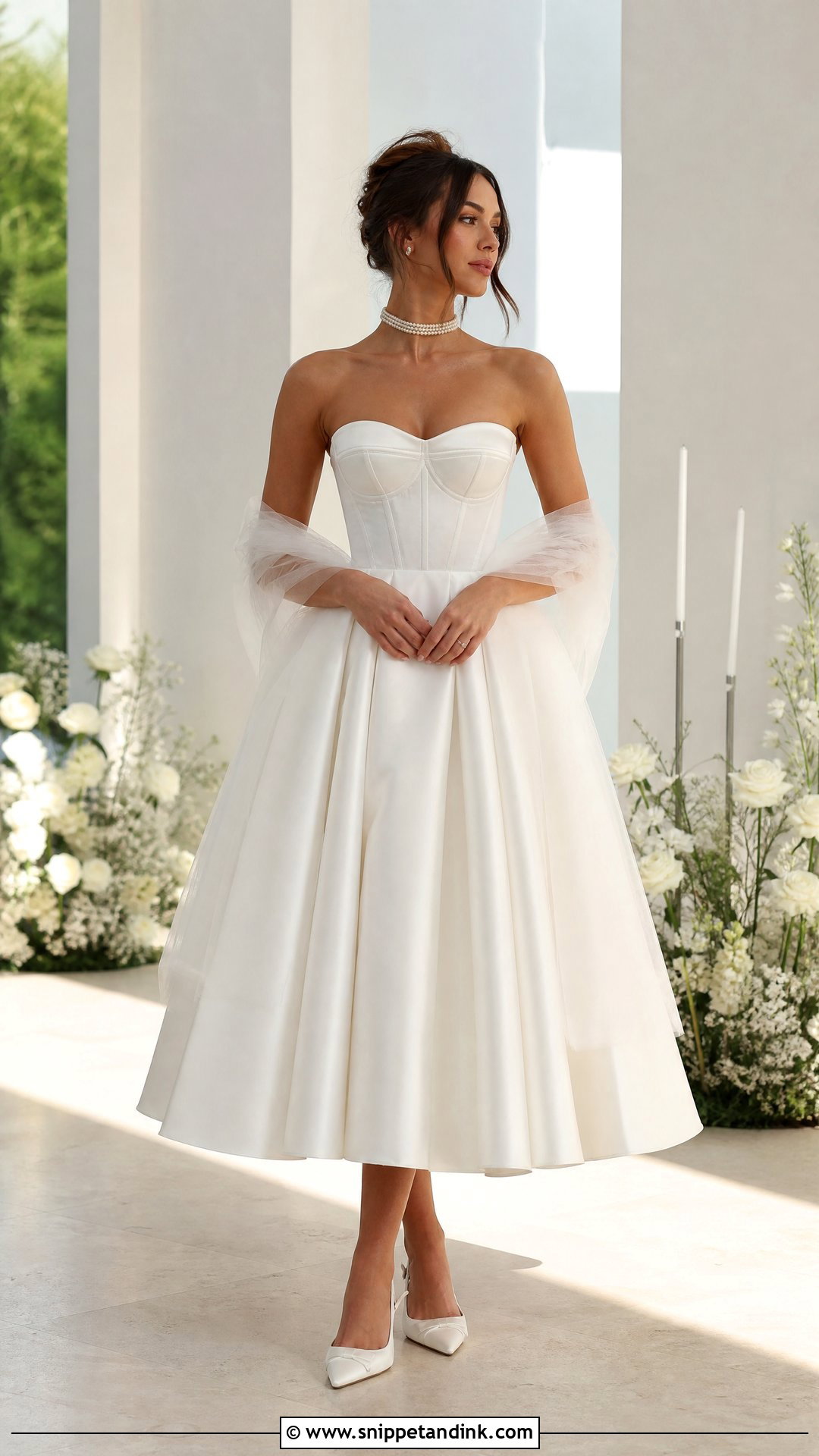
Strapless works on a short dress when the bodice is built to hold itself up. Look for a corset-style bodice with real internal boning and a waist stay, paired with a full or softly gathered skirt. Pointed slingbacks, a pearl choker and a compact clutch keep it crisp. A detachable tulle wrap or cropped bolero covers the shoulders for a religious ceremony. Hair can go sleek, in a polished ponytail or in waves pushed behind the shoulders. With so much open skin, one strong accessory is enough. The test I give every strapless bride: jump on the spot and raise both arms. If the top edge moves, it needs taking in.
7. Square Neck Teacup Wedding Dress
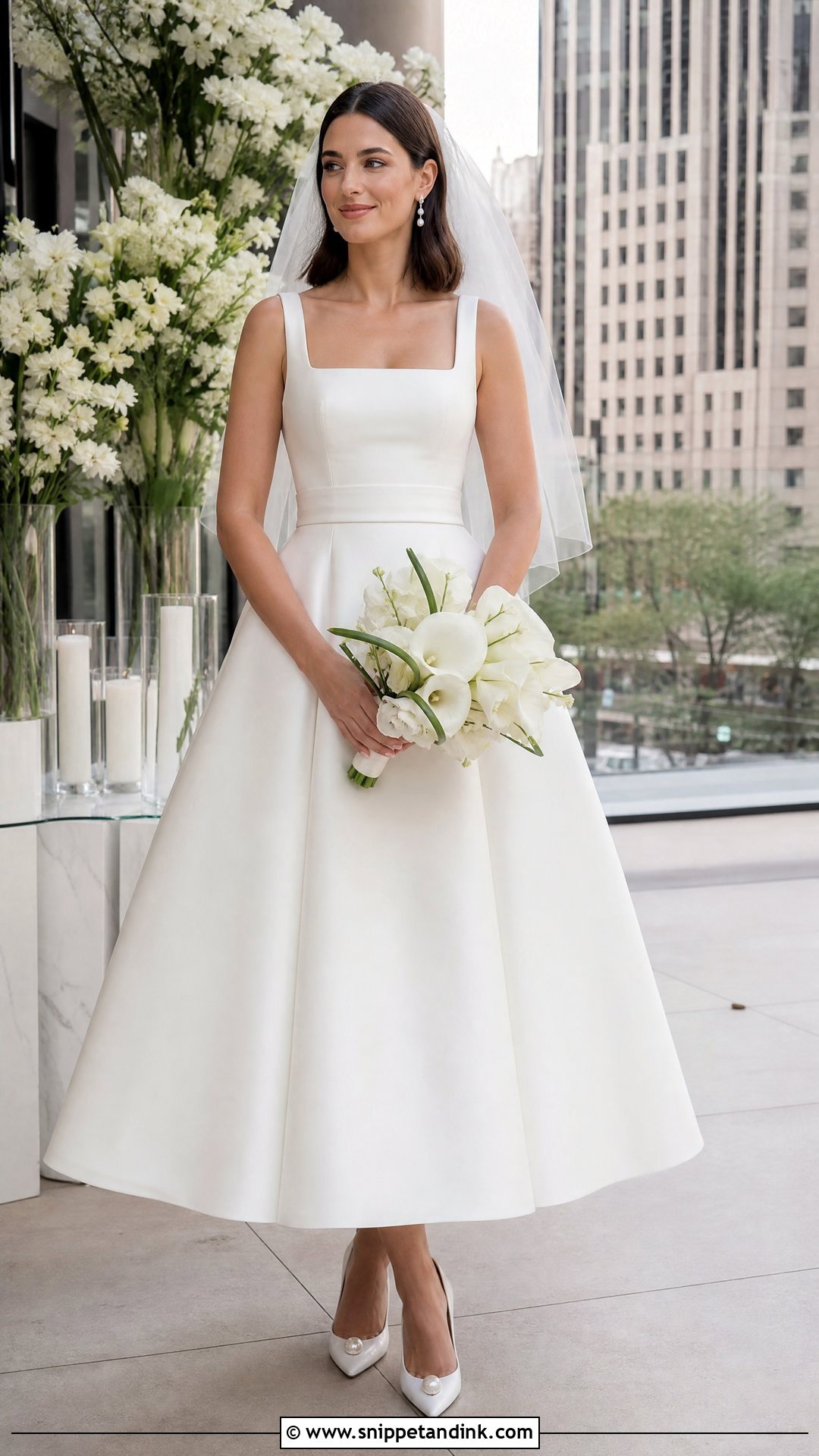
Square necklines are clean and architectural, and they suit brides with straight shoulders particularly well. Wide straps and a fitted waist draw attention up to the face. For the skirt, choose something with body, such as satin, mikado or a heavier crepe, so the A-line holds its edges. Pearl-button pumps, small drop earrings, a plain shoulder-length veil and a low bun or half-up style keep the neckline clear. A narrow satin belt sharpens the waist if needed. I’d keep the bouquet compact and structured to match. This one sits well in modern venues and at a city hall.
8. Halter Teacup Wedding Dress
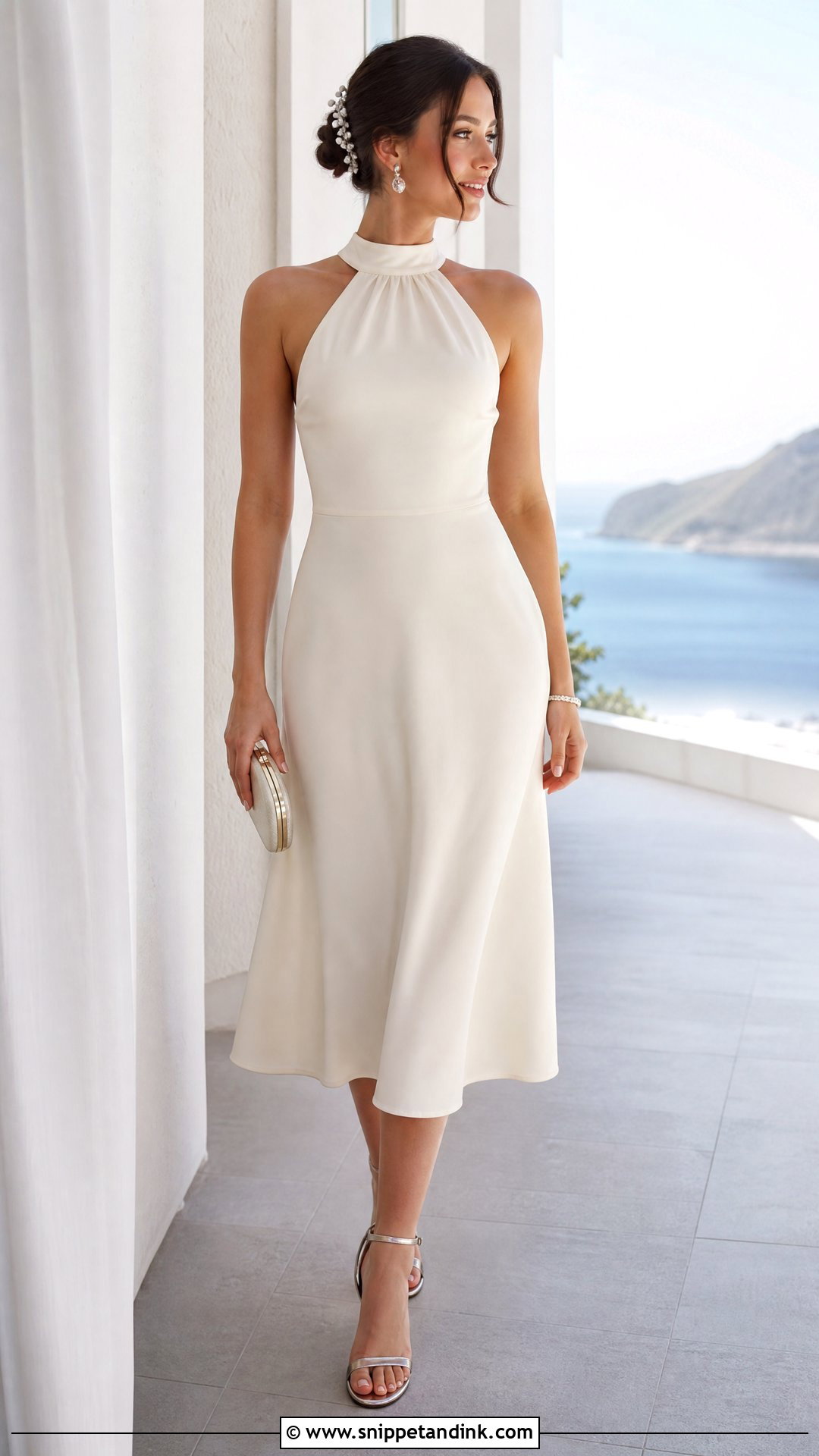
A halter teacup wedding dress shows off the shoulders and back with clean, confident lines. Keep the skirt streamlined rather than full, so the silhouette stays sleek. Metallic or ivory strappy heels lengthen the visible leg, and small earrings are enough sparkle. Wear the hair up in a low knot or a high polished bun to show the neck and back. Skip the traditional veil and try a pearl hairpin or a short tulle bow. One honest note: halters put all the weight of the bodice on the back of the neck, so a heavier fabric can ache by evening. Ask for a hook closure with a wide band rather than a thin tie.
9. Tulle Teacup Wedding Dress
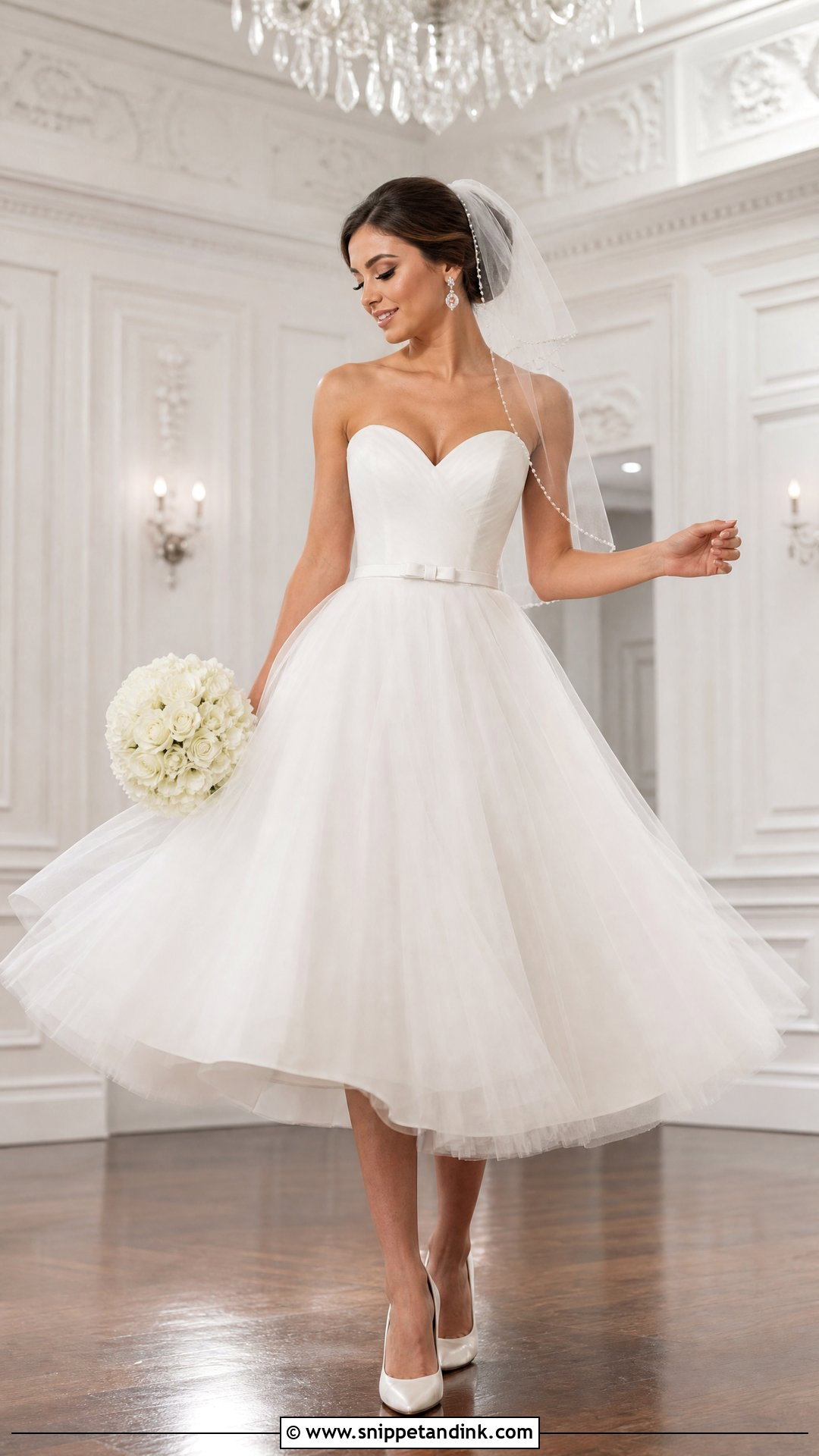
Tulle gives a short dress air and movement, but too many layers turn it into a ballet tutu. Ask for controlled volume over a fitted bodice so the skirt moves without hiding your shape. Pointed satin pumps, crystal earrings and a slim waist belt add definition. A short pearl-trimmed veil suits a plain neckline. Keep the bag small and structured for contrast, and choose a rounded bouquet that sits above the waist. Tulle snags on rough jewelry and on the beading of other dresses, so check your bracelet clasp and keep an eye on hugging guests in sequins.
10. Floral Teacup Wedding Dress
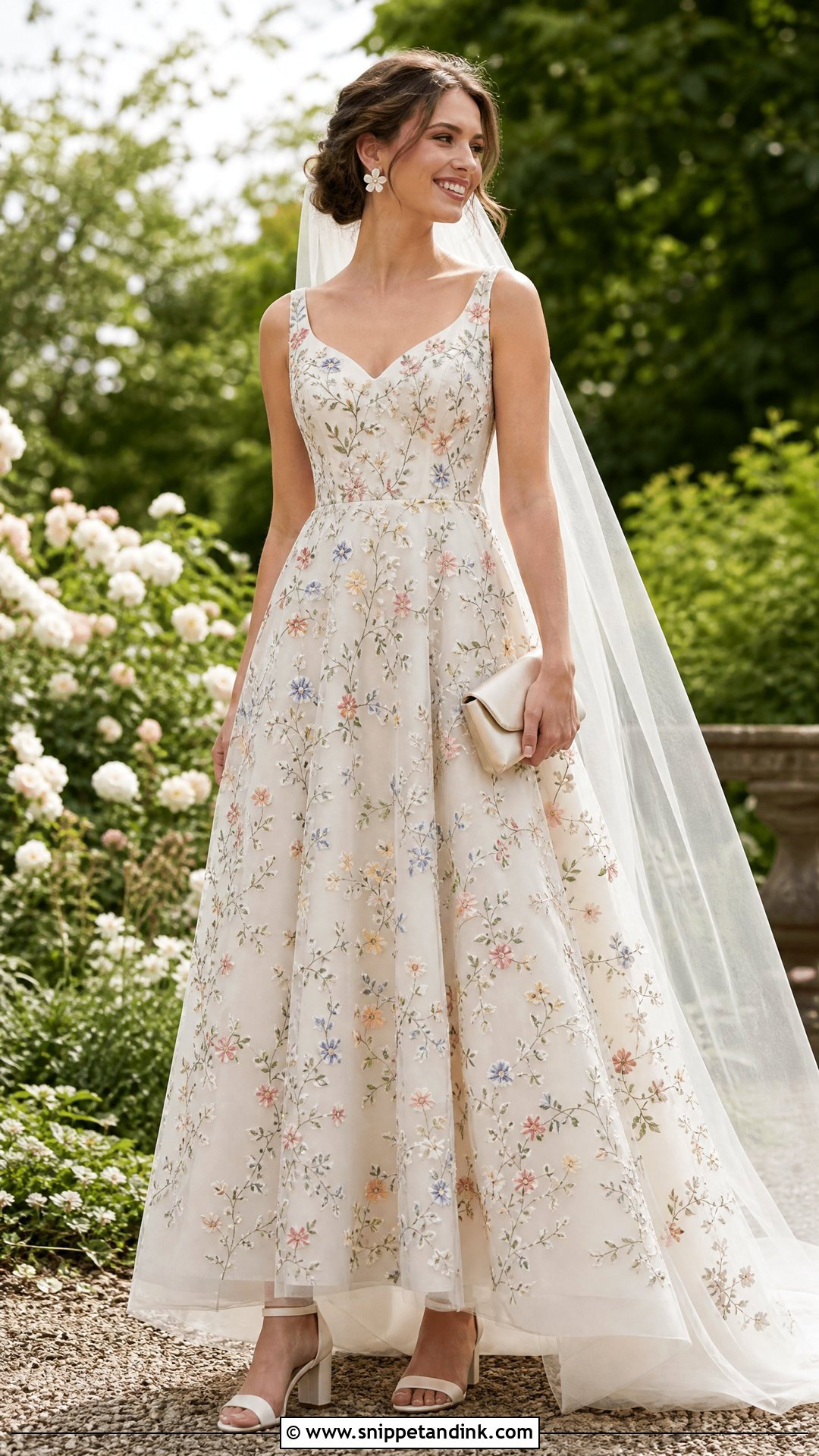
Floral work gives a short dress a fresh feel while still reading clearly as bridal. Embroidered flowers, tonal appliqué or a subtle botanical print across the bodice and skirt all work, as long as the silhouette stays simple. An A-line with slim straps or short sleeves makes a quiet base. Ivory block heels, small flower-shaped earrings and a plain satin clutch let the pattern lead. A soft tulle veil without heavy edging won’t compete. For a little color, pick shoes in one muted shade pulled from the embroidery itself. It suits garden ceremonies and spring weddings best.
11. Minimalist Teacup Wedding Dress
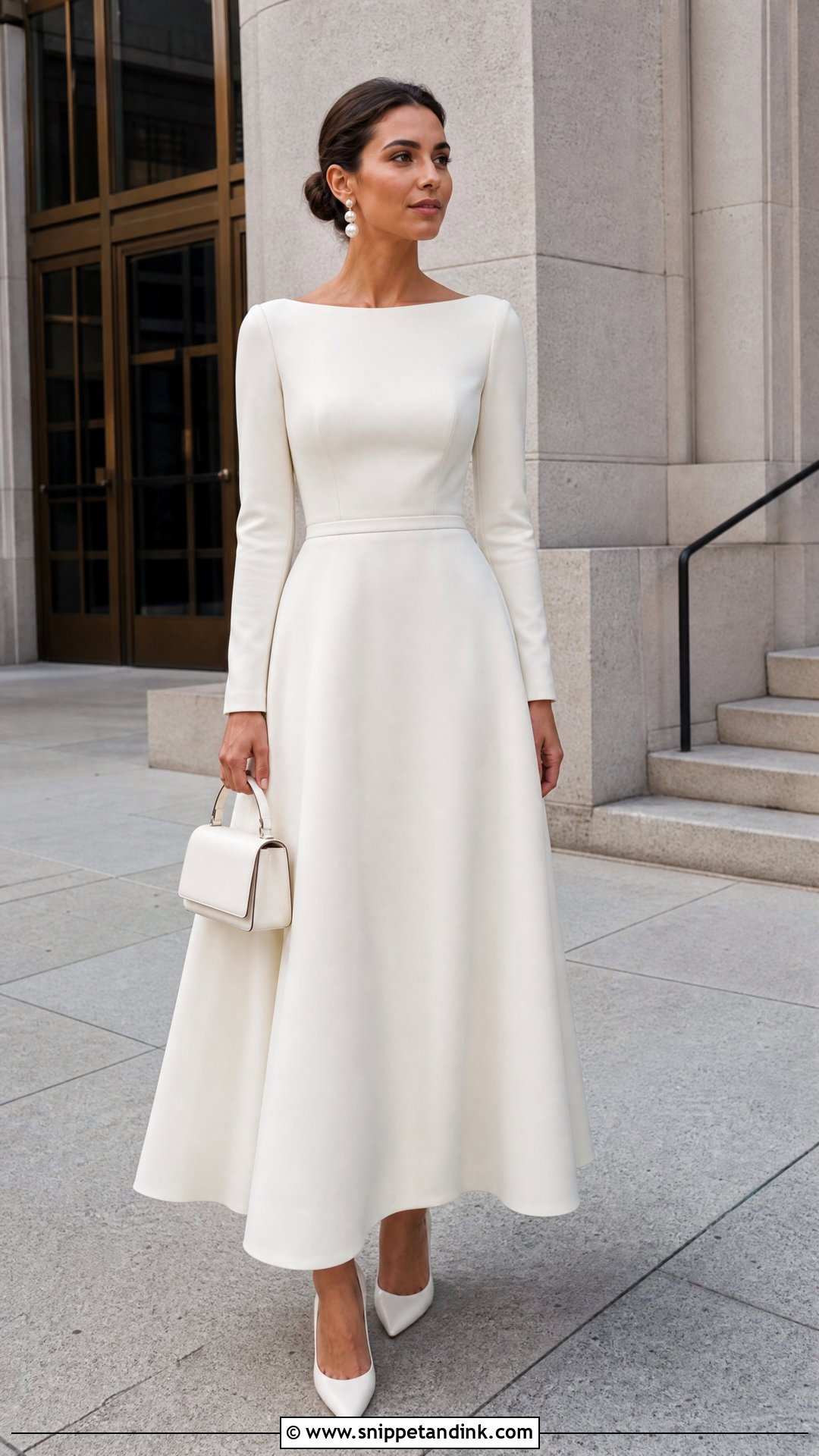
With no lace or beading to look at, every seam on a minimal dress is on display. That’s why I’d only go this route with excellent construction. A sleeveless crepe dress with a boat neck, a defined waist and a softly flared skirt is the classic version. Pointed ivory pumps, sculptural pearl earrings, a clean top-handle bag, a sleek bun and a plain fingertip veil keep it pared back. If you want one focal point, shoes with a small bow or pearl buckle do the job. Resist adding three decorative pieces at once. It fits a gallery, a city restaurant or a courthouse.
12. Plus Size Teacup Wedding Dress
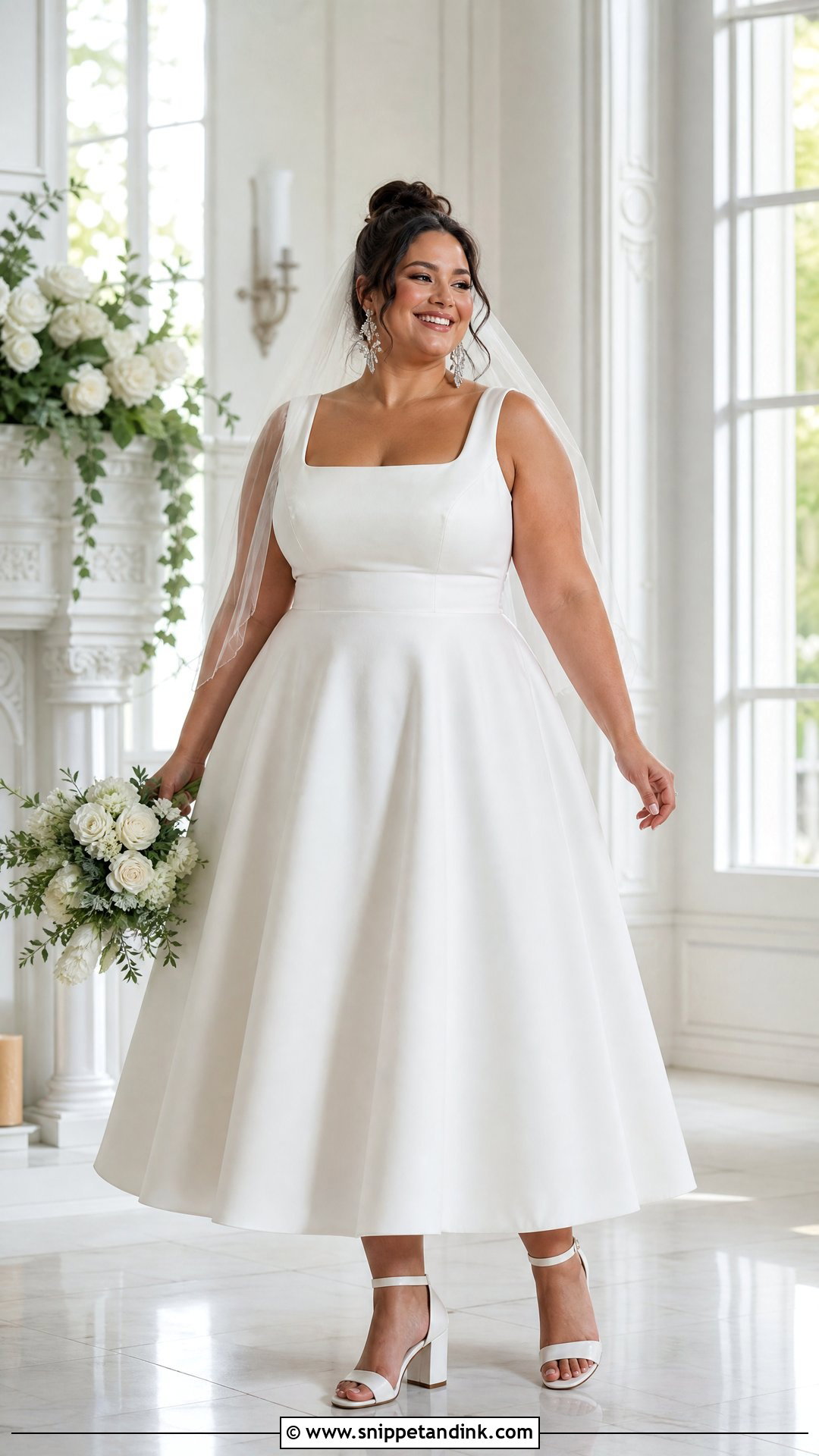
Support and comfort come first for a plus-size bride, with your own taste close behind. An A-line with a structured bodice, wide straps and a defined natural waist is a reliable starting point, and a skirt that skims rather than clings moves more easily. V-neck, square and off-shoulder necklines can all work once tailored to you. Supportive block heels, statement earrings and a fingertip veil anchored under an updo finish it. A cropped jacket or bolero adds coverage without hiding the waist. Most important: set the hem to your height and leg, not to a standard midi length printed on a label.
13. Petite Teacup Wedding Dress
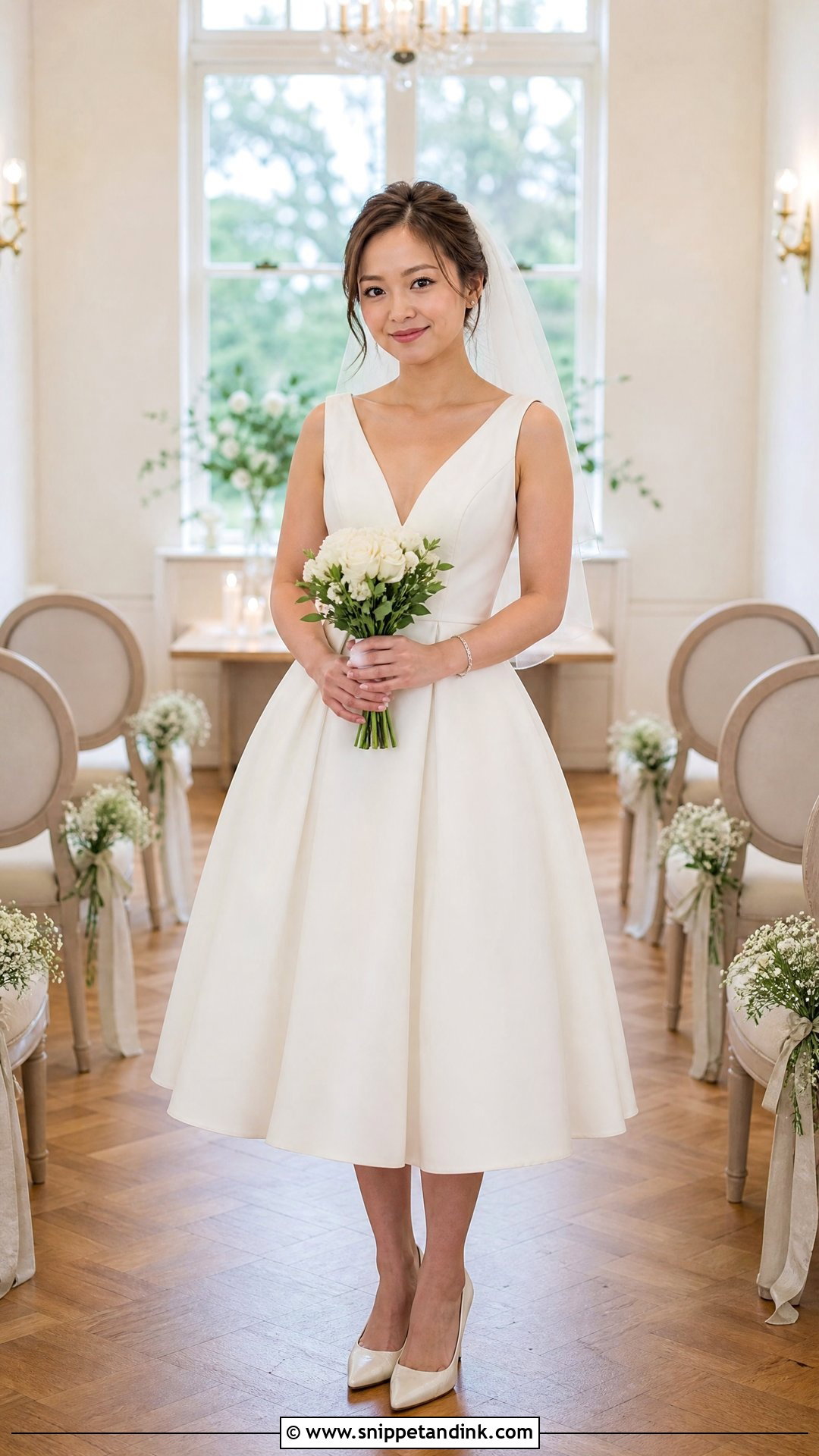
Petite brides look best when the hem ends just below the knee or at the upper calf rather than near the ankle; a hem that stops low on a short leg cuts the frame. A fitted bodice with a V-neck or clean square neckline adds vertical line. Pumps in ivory or close to your skin tone extend the leg further. Pearl studs, a narrow bracelet, a compact bouquet and a short veil or small bow keep everything in scale. Skip oversized bags and very wide skirts. The aim isn’t to look taller at any cost, just to keep the proportions tidy.
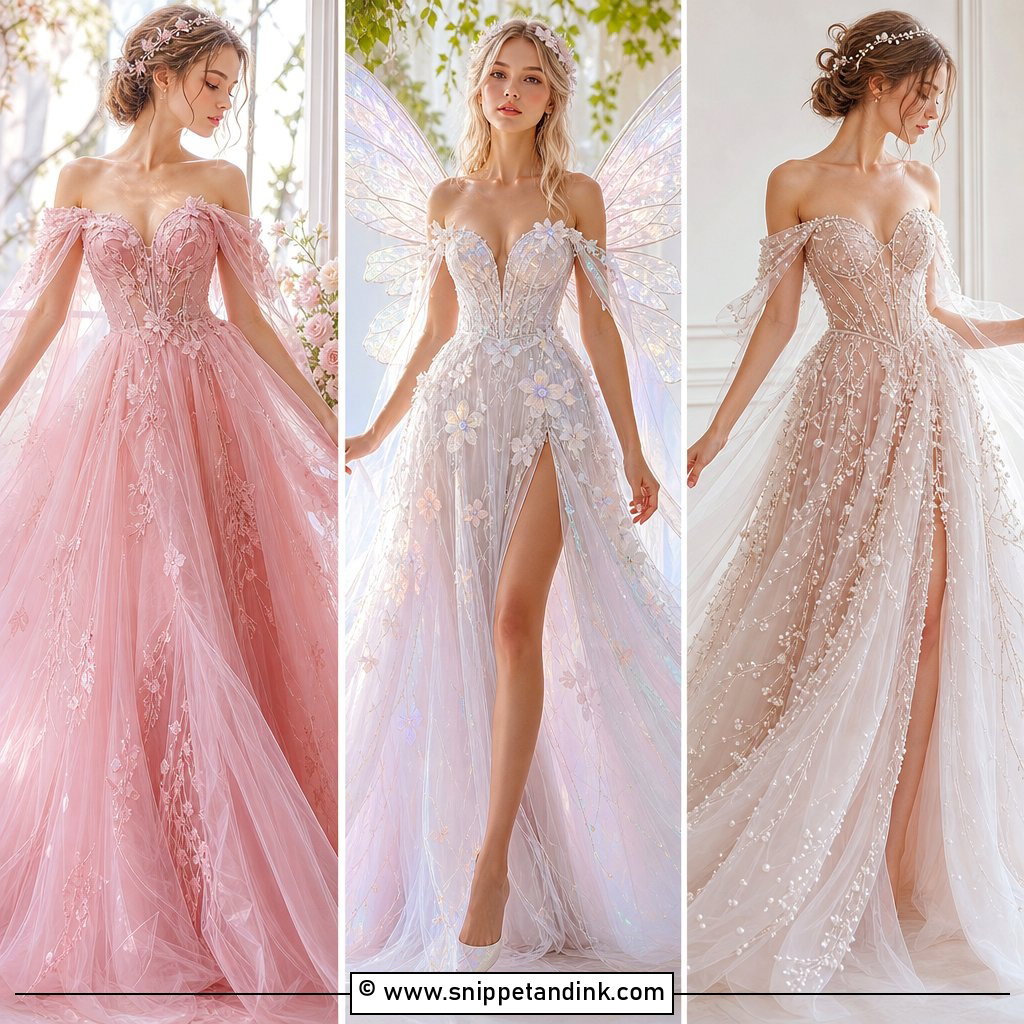
14. Colored Teacup Wedding Dress
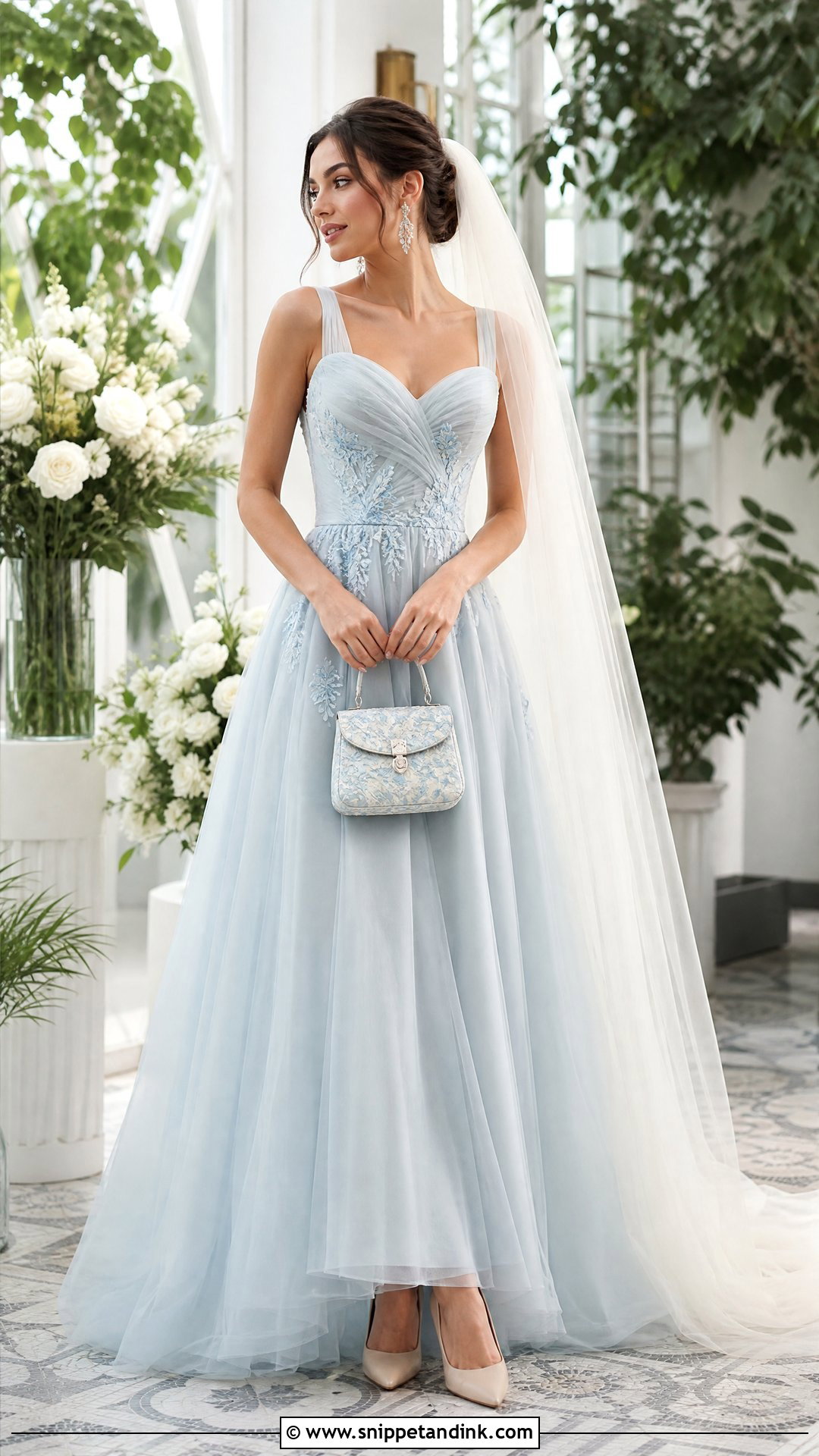
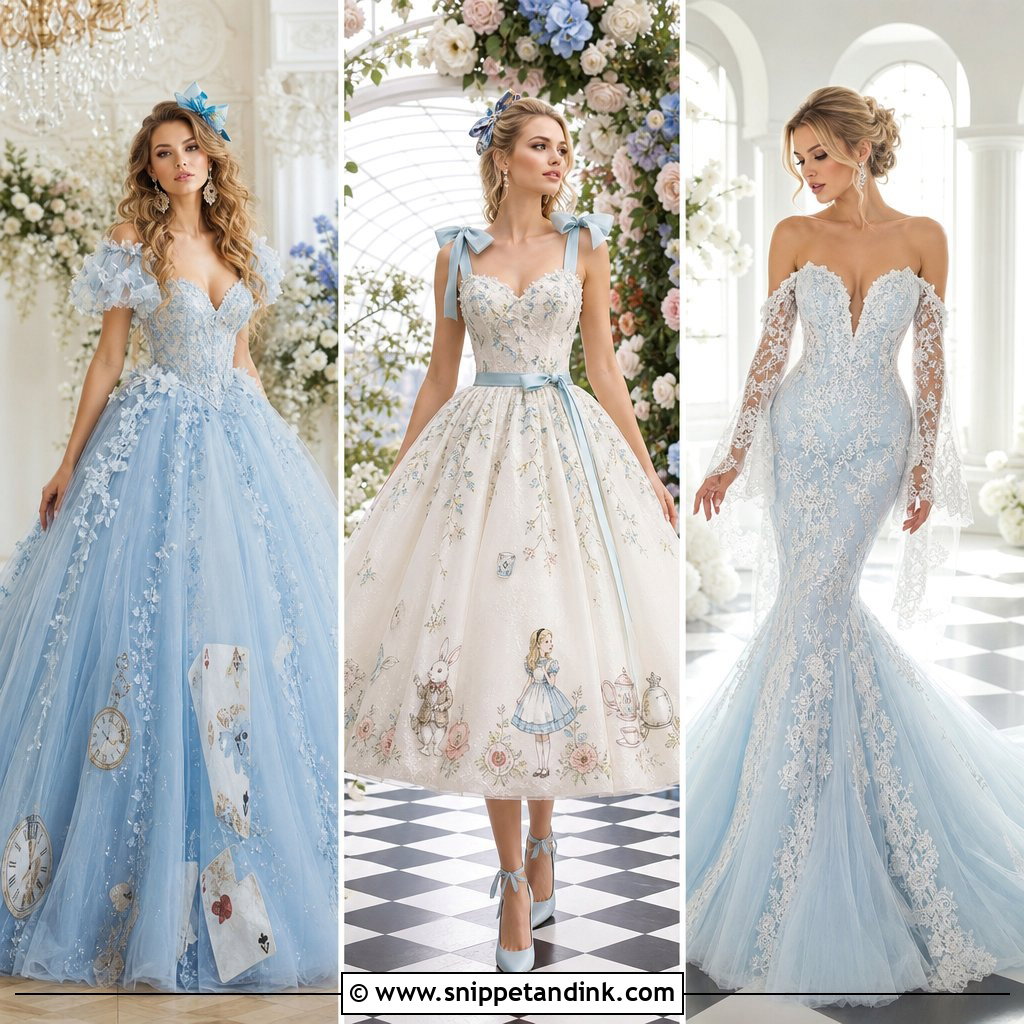
A soft color makes a short dress feel personal. Blush, pale blue, champagne, light lavender and soft silver are the gentle options. You can go all-over color or place a tinted tulle layer over an ivory lining, which gives a hazier, softer shade. Neutral pumps, simple earrings and a bag matched to the dress keep it calm. An ivory veil immediately marks the outfit as bridal; a matching hair bow is the less traditional route. For flowers, mostly white with one accent shade from the dress. Pale colors shift under different light, so look at the fabric outdoors and indoors before ordering.
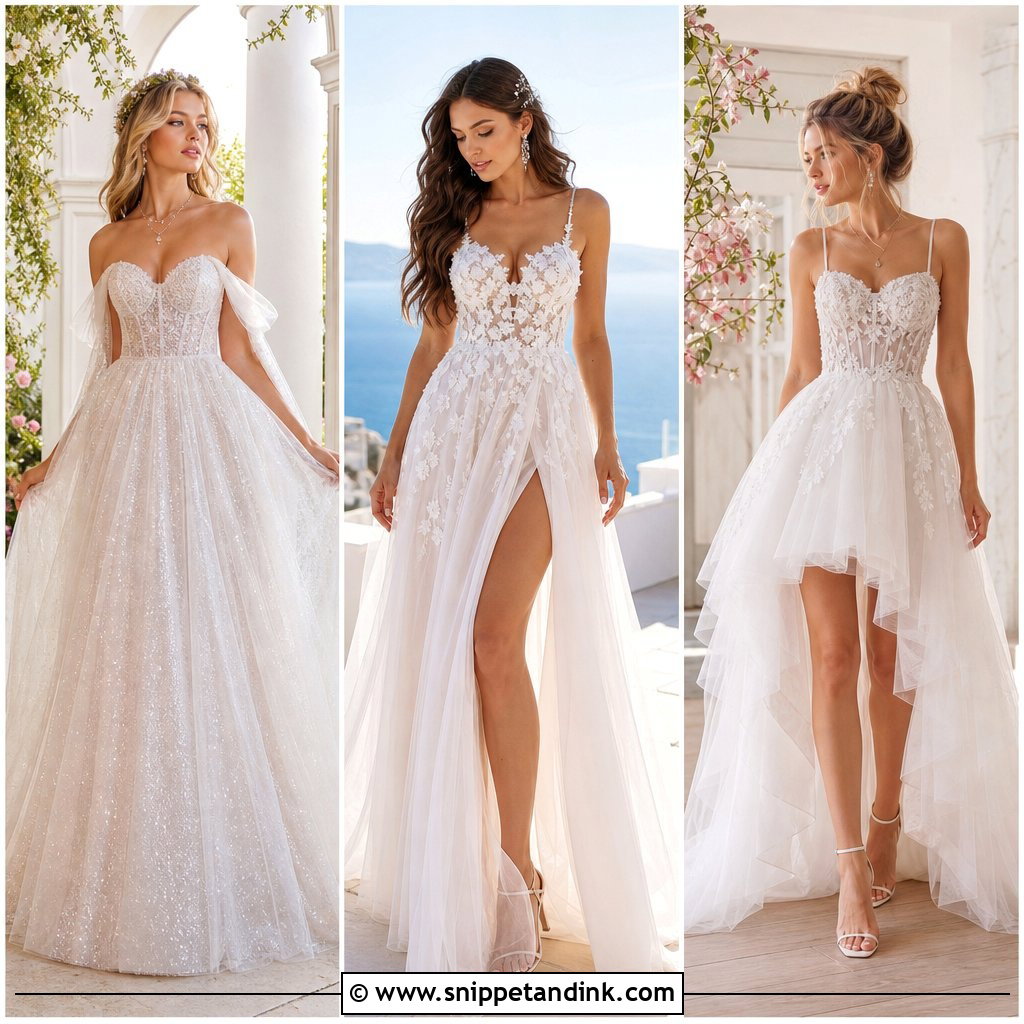
15. Bow Teacup Wedding Dress
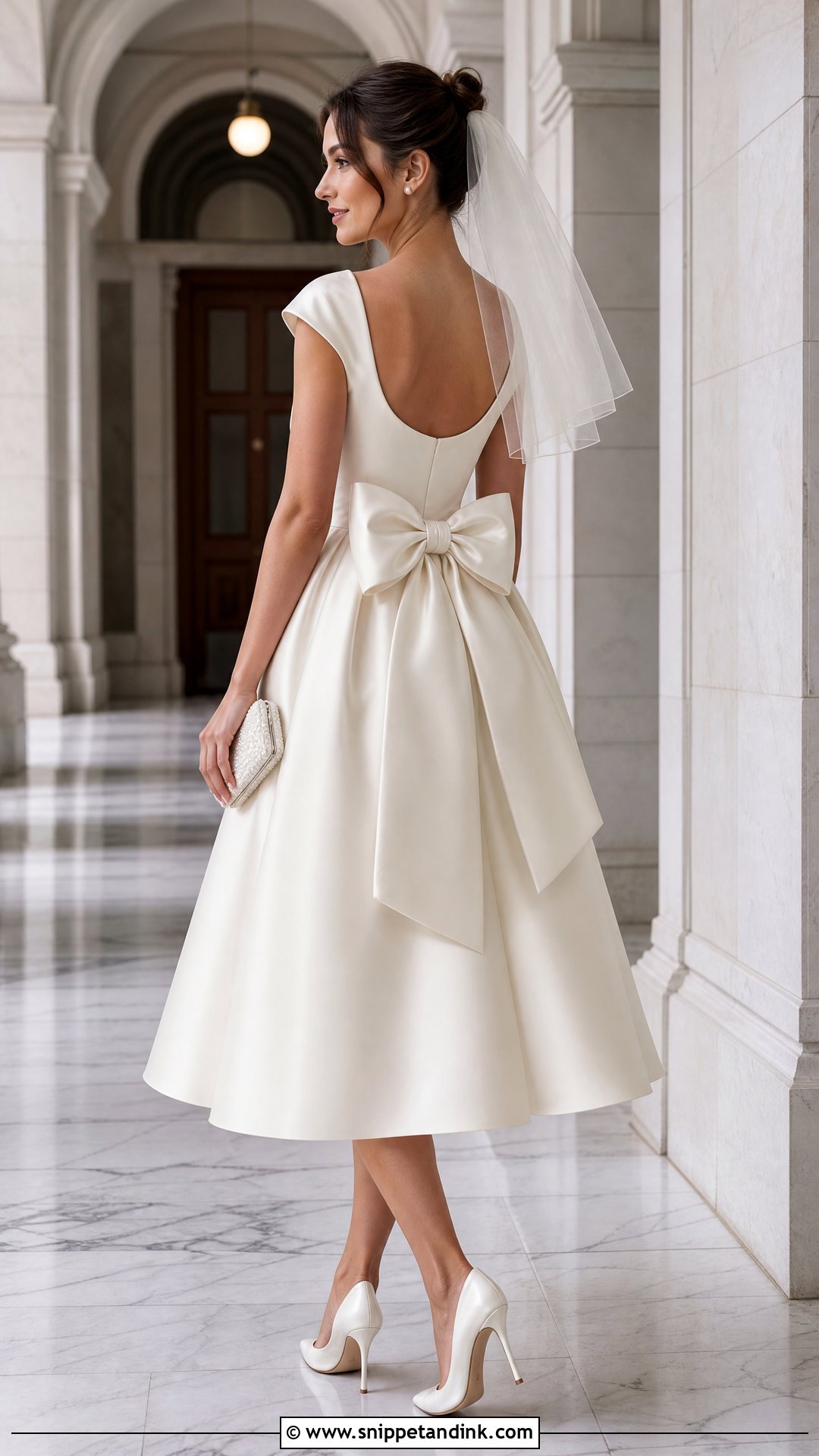
One bow, placed with intent, beats several small ones. Put it at the back, the shoulder or the waist of a clean satin dress with a fitted bodice and flared skirt, and give it room. Pointed pumps, pearl studs and a simple clutch in the dress fabric are enough. If the bow sits at the back neckline, wear your hair up so it shows in photos. Mind the veil too: a short veil can be set above the bow, but a long one will flatten it. Ask how the bow is attached. A large satin bow should be stitched to a stiffened base, or it droops by the reception.
16. Corset Teacup Wedding Dress
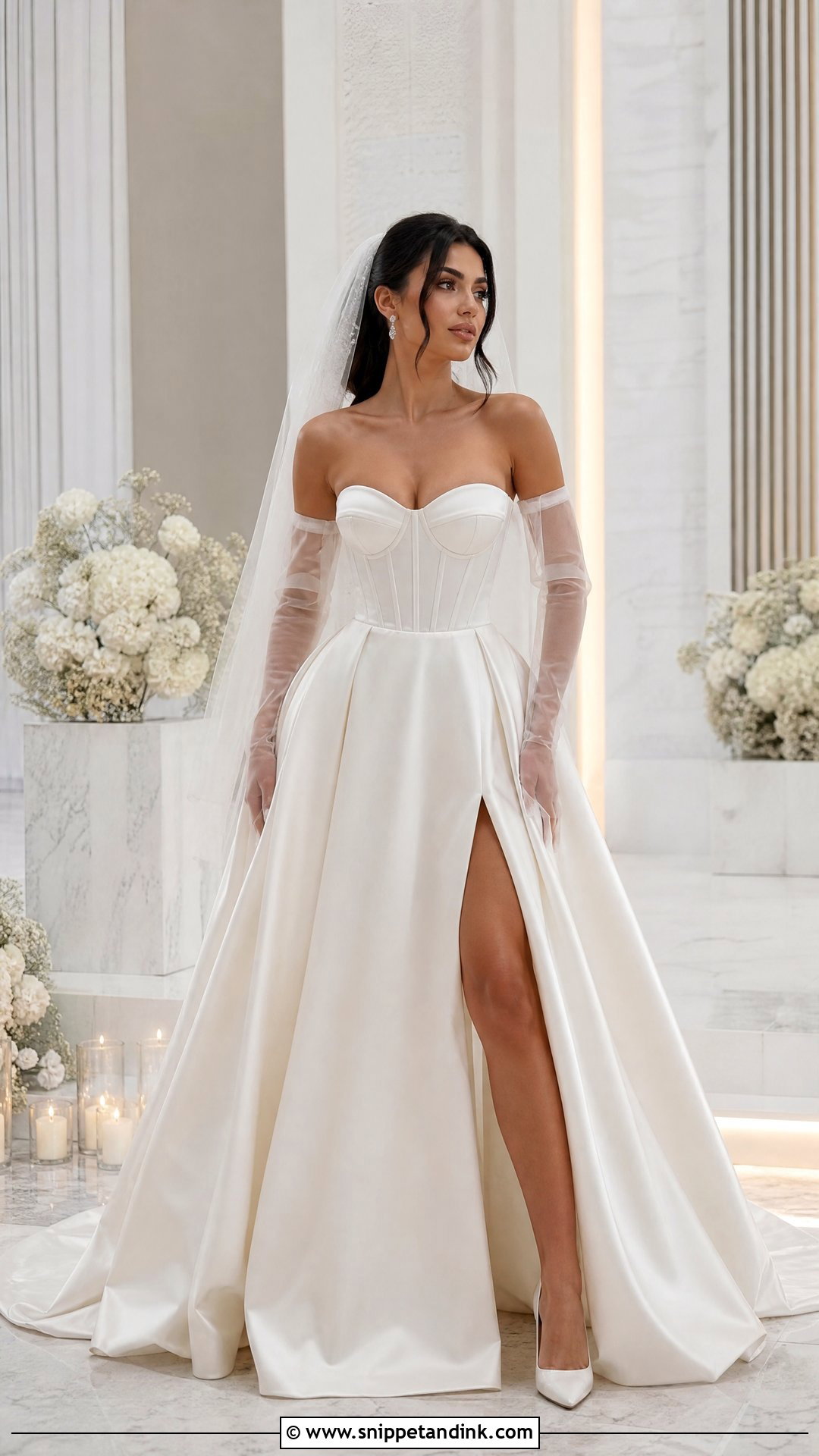
A corset bodice gives a short dress shape and support. Look for real boning, secure cups and a lining that gives the coverage you want. Pair it with a full satin or tulle skirt from the natural waist for an hourglass line. Pointed heels, crystal drops and a narrow bracelet are enough, and detachable fitted sleeves or a sheer bolero add coverage when you need it. A plain veil works best because the corset is already detailed. At alterations, sit, walk and dance in it. Snug is right; if you can’t take a deep breath or eat a full plate, it’s too tight.
17. Beach Teacup Wedding Dress
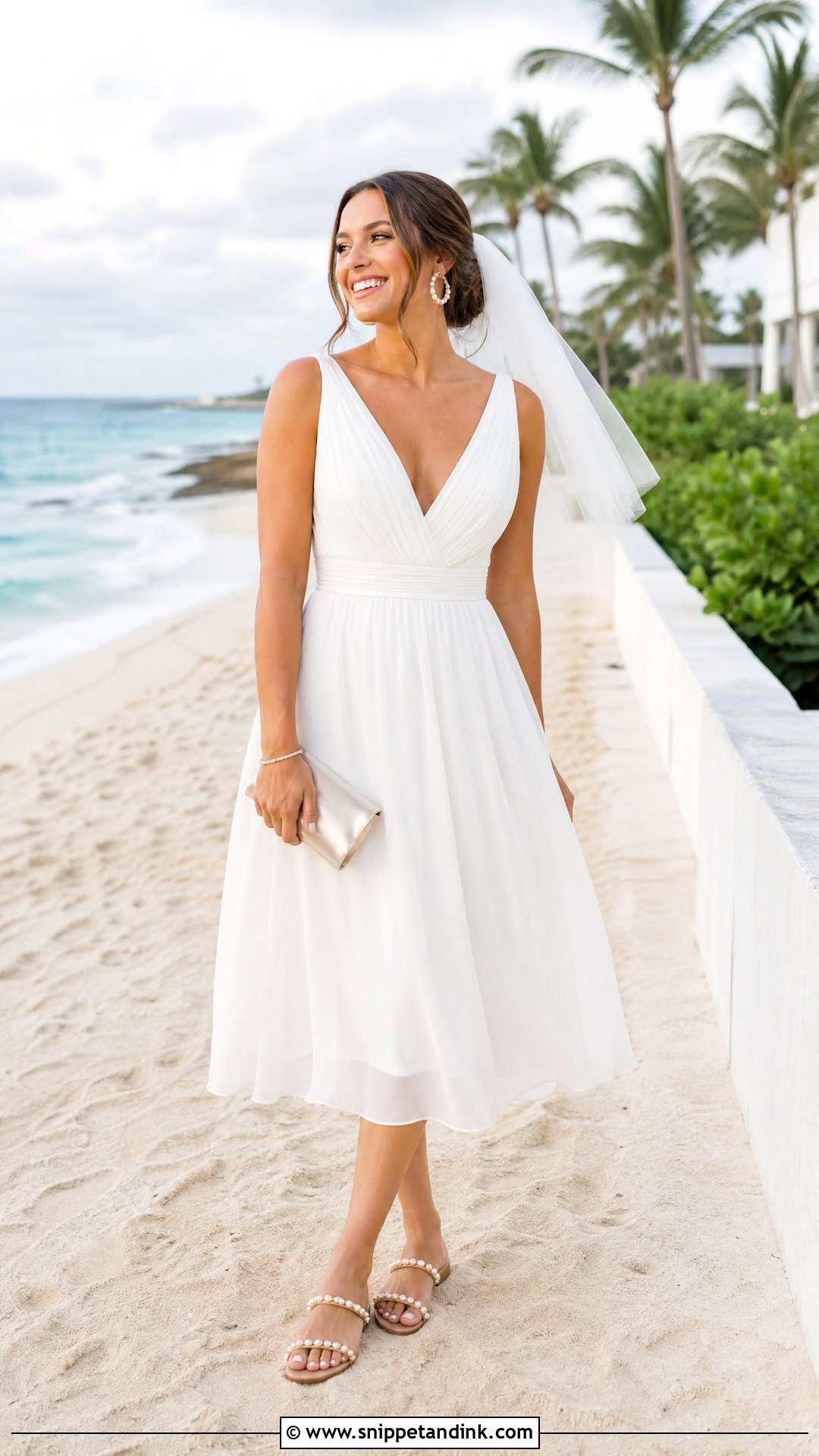
On sand, a short dress is easier than a long one in every way. Choose soft chiffon, lightweight crepe or a light lace on a relaxed A-line, with a halter, V-neck or slim straps to stay cool. Flat embellished sandals, pearl hoops and a small woven or satin clutch suit the setting. A long veil becomes a sail in coastal wind, so go for a short veil, a comb or a ribbon, and wear a loose low bun. The detail people miss is the lining: bright sun shows straight through thin chiffon, so stand in daylight with a camera flash on before you commit.
18. Winter Teacup Wedding Dress
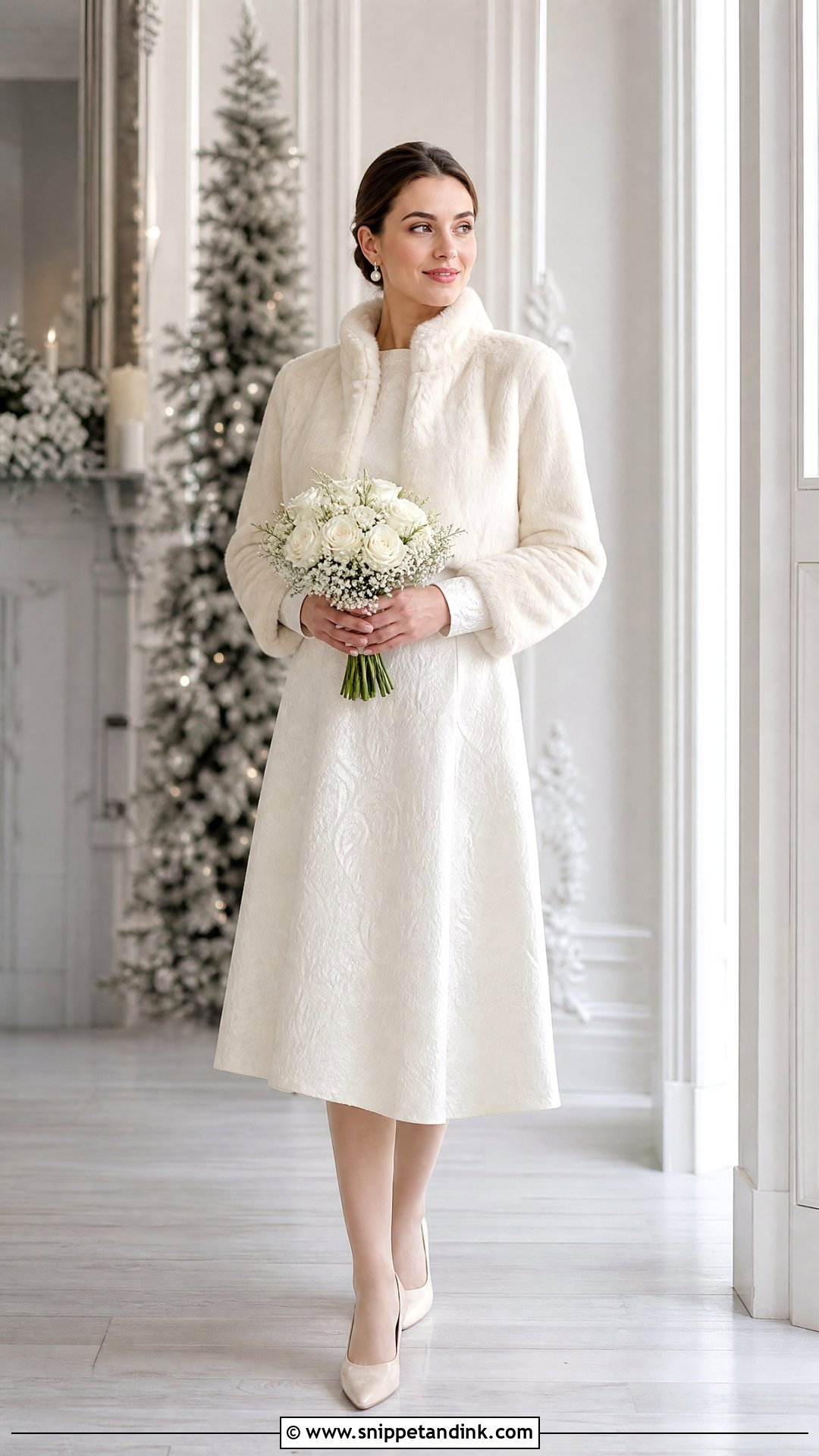
In cold weather, a short dress needs fabric with some weight. A structured satin or jacquard gown with long sleeves, a high bateau neckline and a full midi skirt is warm and photographs crisply. Closed-toe pumps, sheer ivory tights and pearl earrings build the base. A cropped faux-fur jacket, a capelet or a short coat keeps you warm while the waist and skirt stay visible. Velvet shoes or a velvet hair bow add seasonal texture. Bring gloves you can slip off for the ceremony. A compact white bouquet with greenery keeps it from feeling heavily layered.
19. Courthouse Teacup Wedding Dress
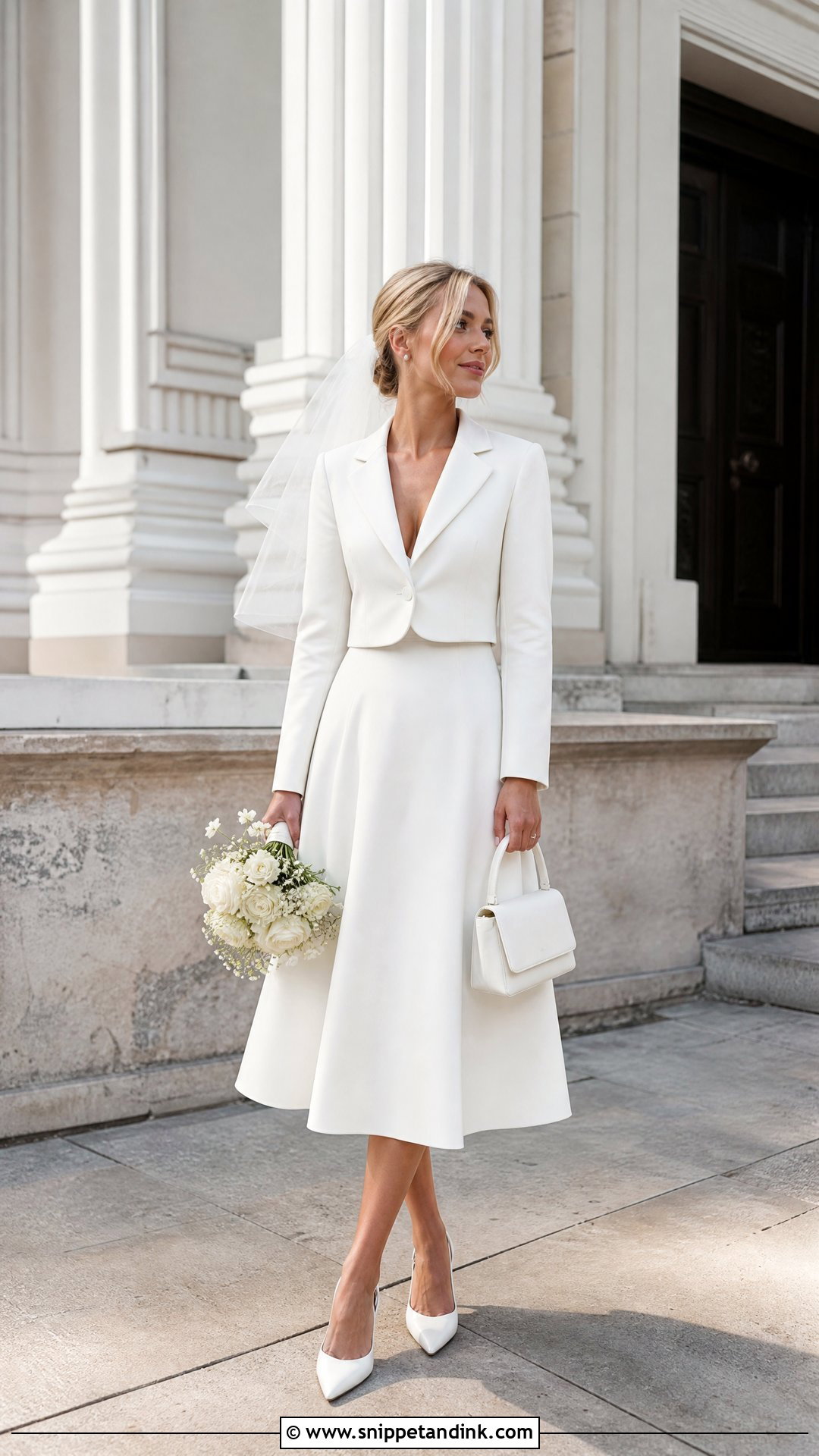
A city hall wedding involves hallways, stairs, lines and often public transport or a taxi, so the dress needs to move. Tailored crepe or satin with a clean neckline, fitted waist and gently flared skirt is my go-to. Slingbacks or polished ballet flats, pearl earrings and a structured bag big enough for ID and documents are practical. A cropped blazer gives a sharp arrival look and comes off for the ceremony and photos. A short tulle veil, a pillbox-style piece or a satin bow is plenty on top. Keep the bouquet small enough to carry alongside your things. It moves easily into a restaurant lunch afterward.
20. Reception Teacup Wedding Dress
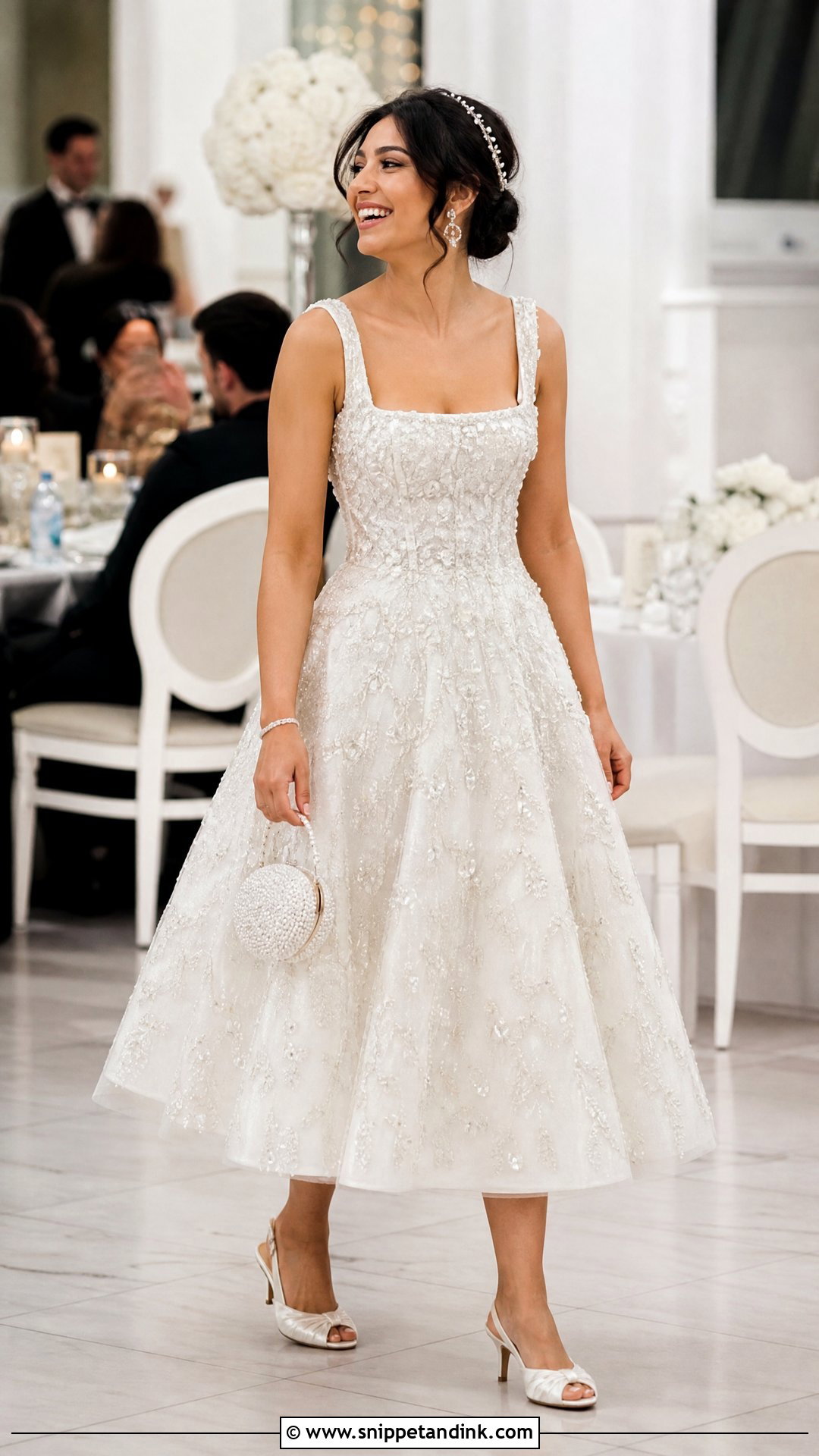
A short second dress for the reception means you can dance without managing a train or bustle. Lightweight satin, tulle or a lightly embellished design with a secure bodice works; wide straps, a halter or short sleeves keep it in place when you’re moving. Wear shoes you’ve already broken in, whether block heels, flats or low slingbacks. After the veil comes off, add sparkly earrings, a wrist bag and a bow or pearl clip. If the dress is beaded, check whether the beads catch on the skirt or your bracelet. Plan the change: ten minutes and one helper is usually enough.
Shoes, Tights and Bare Legs All Get Photographed
With a floor-length gown no one sees your feet. With a teacup hem, guests notice your shoes in every aisle photo, and so does the camera when you sit. That changes how I plan the bottom half of the outfit.
Breaking in the shoes
Wear your wedding shoes around the house for a few evenings, in socks if they’re tight. Scuff the soles lightly or add grip pads, because new leather soles are slippery on polished floors. Pack blister plasters, and if the shoes are pale satin, a clean white cloth for marks.
Tights, tan and the skin between hem and heel
In winter, very sheer tights in nude or ivory look polished and take the edge off the cold; anything thick or shiny reads as office wear. If you’re using self-tanner, apply it a few days ahead and check ankles, knees and the backs of the legs in daylight, since streaks show clearly under a short hem. Moisturize your legs on the morning but skip shimmer lotion, which can transfer onto a pale skirt lining.
Sit, Turn and Walk in It Before Anything Is Hemmed
A shorter dress lives or dies on proportion and practical comfort. Lace, satin, crepe, colored embroidery, seasonal layers and shapes for different heights all appear above, and any of them can work. Try your shortlist while sitting, walking, turning and wearing the shoes you plan to use, because the hem is on view and everything below the knee is part of the look. Let the neckline, fabric, shoes, veil and accessories share the work instead of competing. Pick the dress you’d happily wear for twelve hours, and you’ll look at ease in every photo.
You'll Like These Ideas:



Leave a Reply