
A regal cake is built on three things I can measure before any decoration starts: height, finish and a sense of occasion when it’s wheeled out. It can be white fondant and pearl piping in the old tradition, or fresh flowers, metallic edges and softer buttercream. Stiff and old-fashioned isn’t the goal. It should feel grand and still belong to the two people cutting it, with flavors guests actually finish. Some of the cakes below are dramatic and some are delicate, and a few rest on a single statement detail. I’ve added notes on how each one is made and where it tends to go wrong.
How Tall Should a Regal Cake Really Be?
Couples often ask for five tiers and then discover they’re paying for cake nobody eats. Height and servings don’t have to be the same thing, and that’s the first conversation I have.
- Count guests, then subtract. Not everyone eats wedding cake, especially after a dessert course, so I size real tiers for most of the guest list rather than all of it.
- Use dummy tiers for height. A decorated foam tier looks identical from the room and lets a modest cake stand like a grand one, usually for less than real cake.
- Add a kitchen cake if numbers are large. A plain cake cut out of sight can serve the extra guests while the display cake stays smaller and more manageable.
- Think about the room. A tall cake under a low ceiling or in a tent looks cramped, and a high ceiling can swallow a small one, so I always ask for venue photos.
Taller cakes also cost more in time, structure and delivery. They need internal supports in every tier and are often stacked on site, so ask your baker how your cake will travel and who will assemble it.
1. Royal Wedding Cake With Gold Leaf
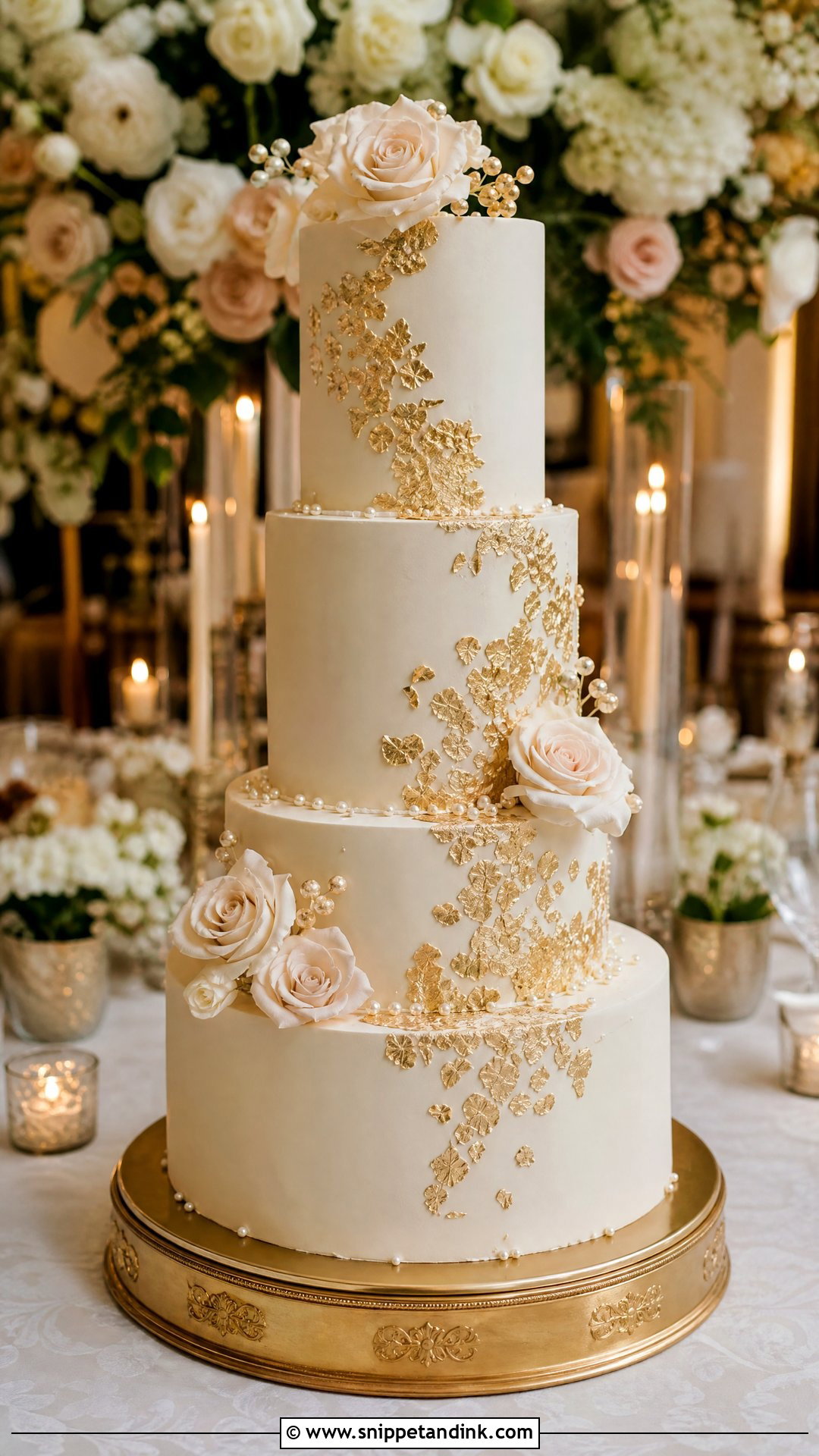
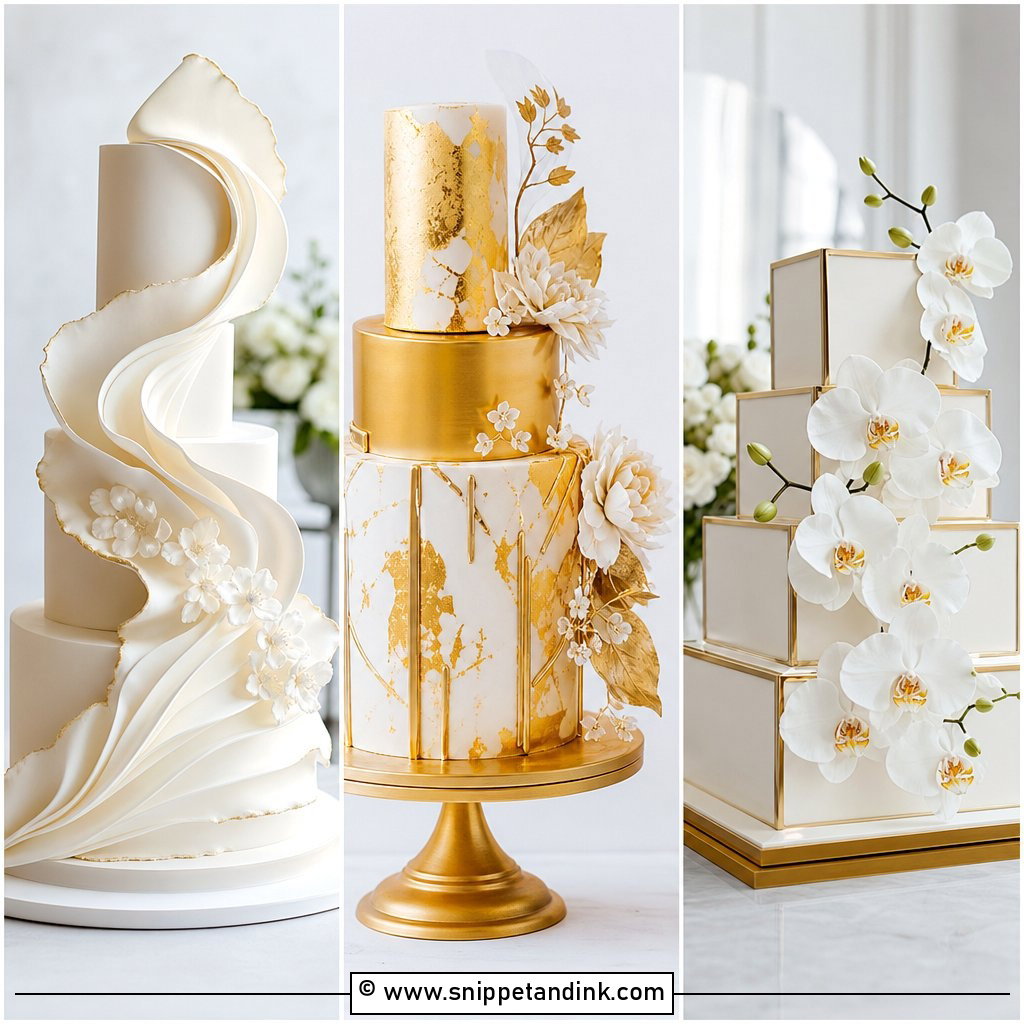
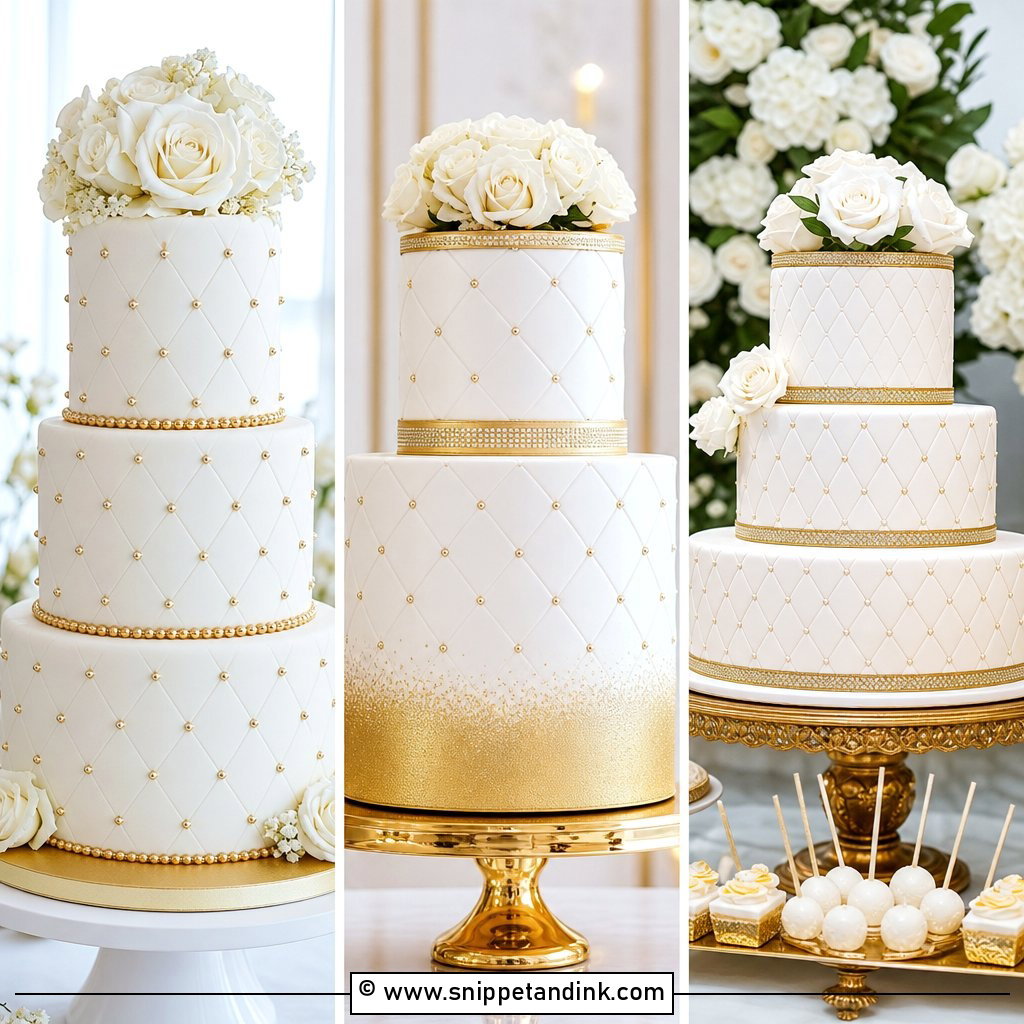
Gold leaf looks expensive because it is thin, real metal, and it behaves like it: it tears if you breathe on it and sticks wherever it lands. I apply it last, with a dry brush and a tiny dab of water, on one edge, one tier or as flakes climbing the side. Covering every tier makes the cake look gilded rather than precious. Ivory fondant gives a clean ground, and pale flowers soften the metal. Ask that the leaf is sold as edible, since craft gold is not. Vanilla bean, almond or champagne sponge suits the look inside.
2. Royal Wedding Cake With Sugar Flowers
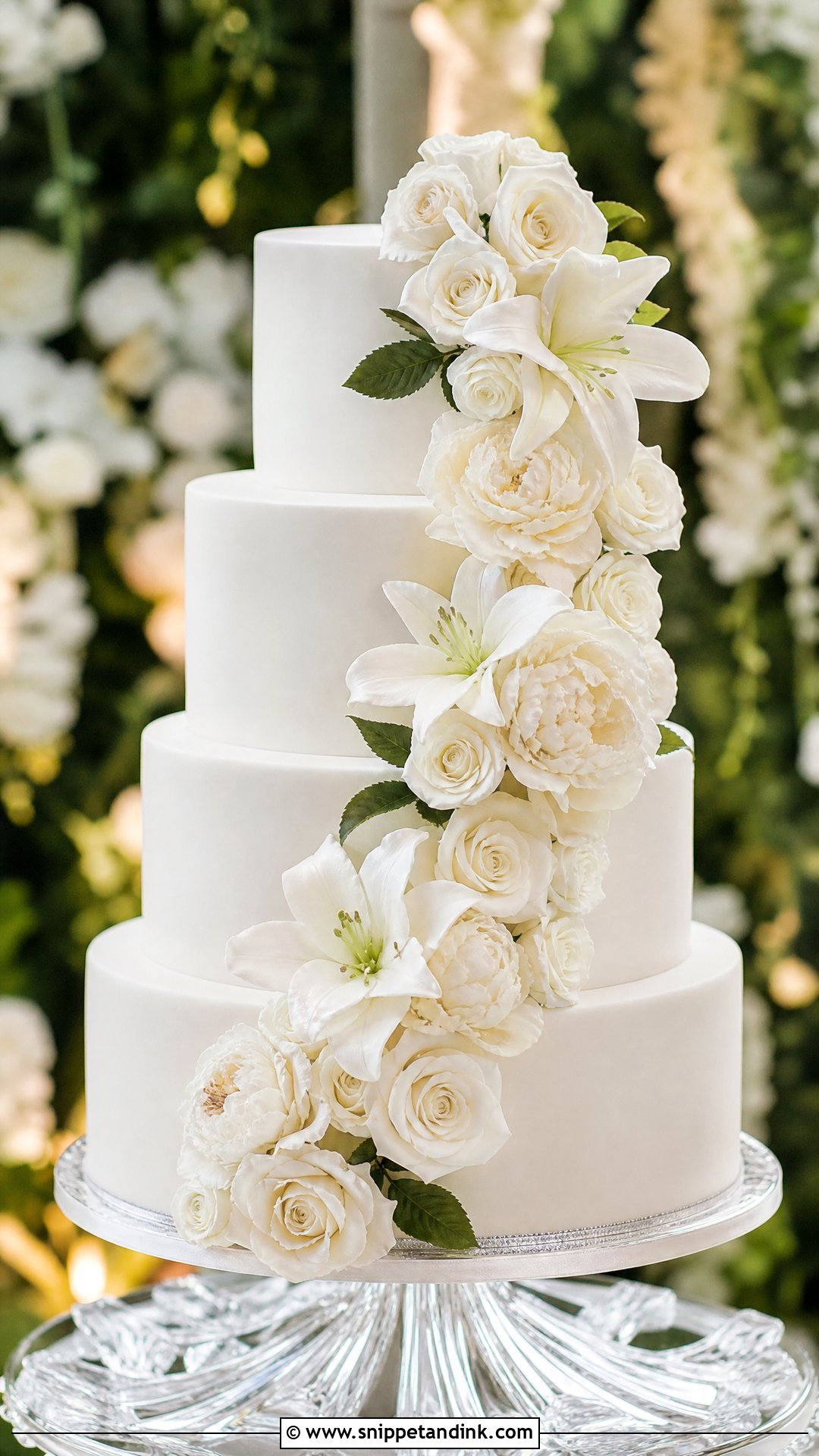
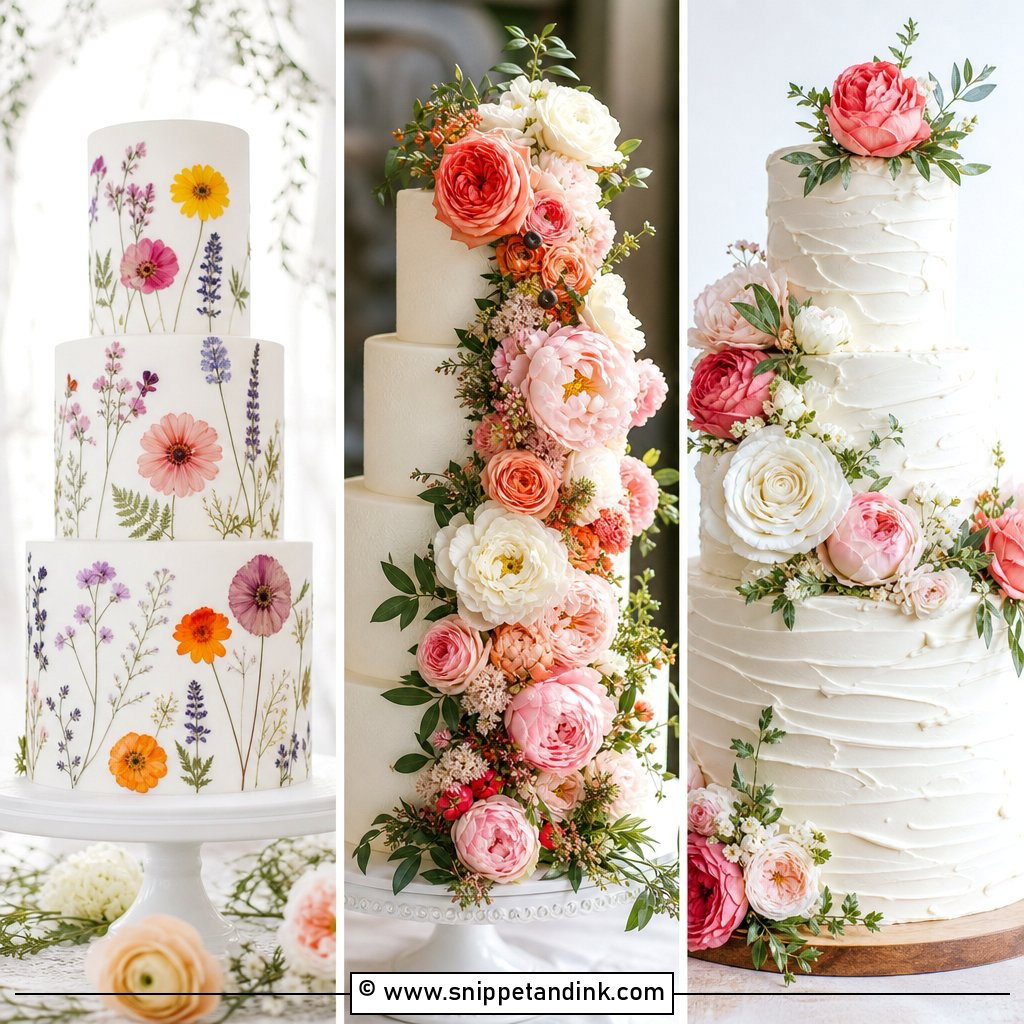
Sugar flowers are made petal by petal from gum paste, wired, dried and dusted with color, which is why a single realistic peony can take hours. They’re made weeks before the wedding and stored dry, because humidity softens them. Roses, peonies, lilies and small fillers on a tall white or ivory cake give the flowers space. I arrange the cascade on the day, with the wires sitting in food-safe picks rather than pushed straight into cake. Couples often keep one bloom afterward, which is a nice reason to spend on fewer, better flowers.
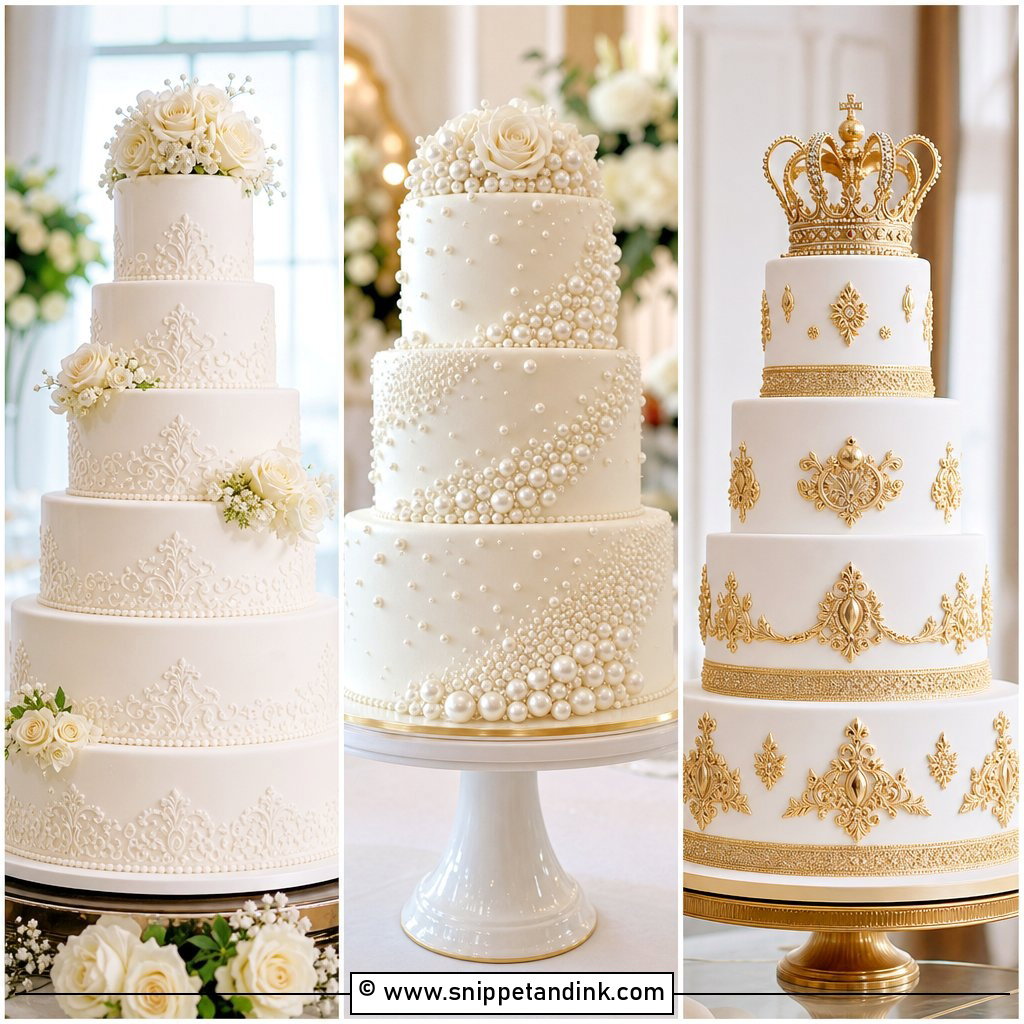
3. Royal Wedding Cake With Pearl Details
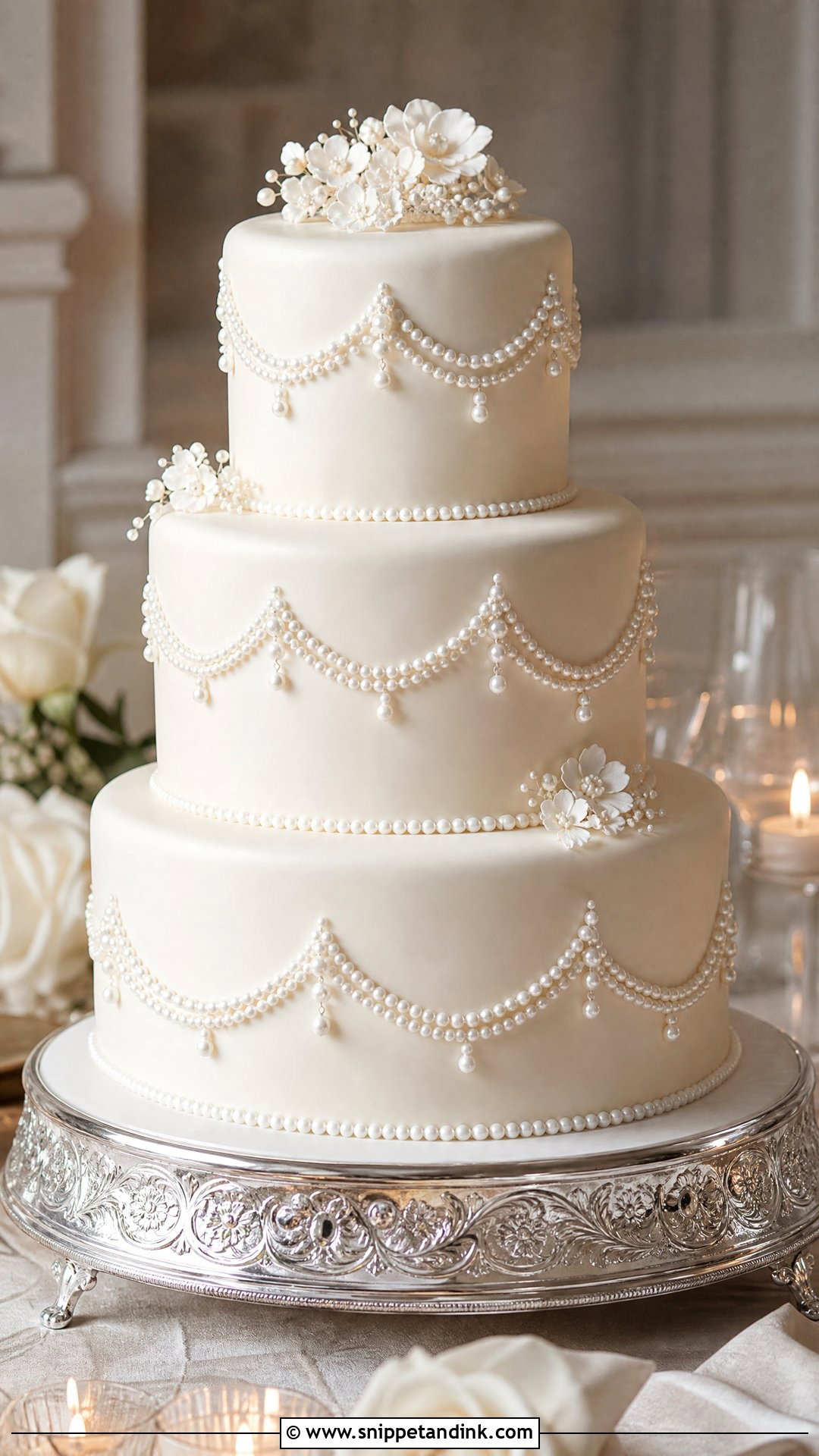
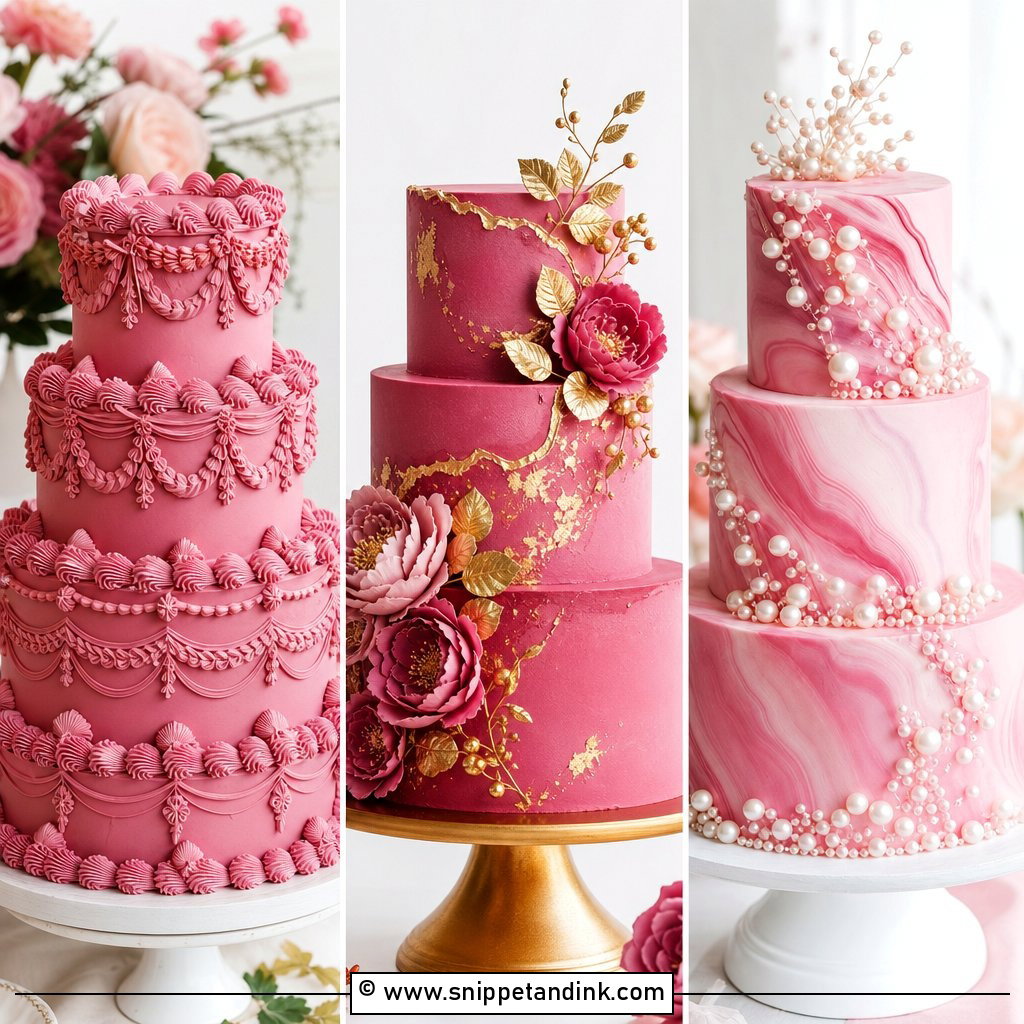
Pearls need a clean background, so they belong on smooth white fondant or very pale buttercream. I use them as a single row around each tier base, in drooping garlands, or worked into piped borders. Spacing is where pearl work looks either couture or homemade, so I mark the tier before placing anything. Vanilla, white chocolate or almond sponge keeps the inside gentle. It’s traditional without being plain, and it needs no color at all.
4. Royal Wedding Cake With Lace Piping
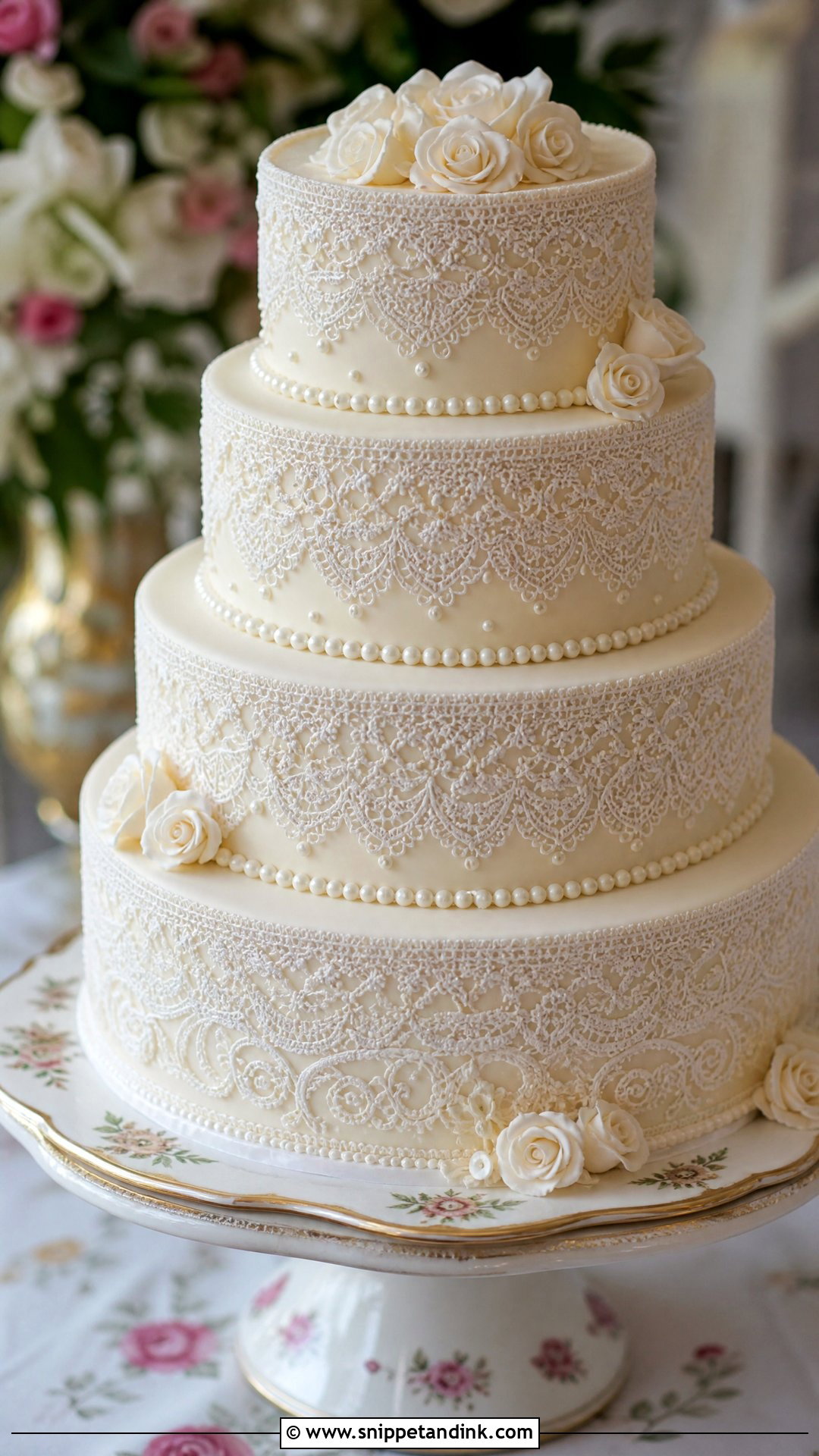
Lace piping is royal icing piped freehand onto fondant, and the most personal version copies a motif from the dress, the veil or even a grandmother’s tablecloth. Bring a close, flat photo of the lace so I can trace the pattern rather than guess. White icing on ivory fondant gives a quiet tone-on-tone effect. Royal icing sets hard and doesn’t like damp air, so I’d hesitate on this design for a humid outdoor reception. Cathedrals, estates and indoor rooms suit it best, with a few pearls or sugar flowers at the base.
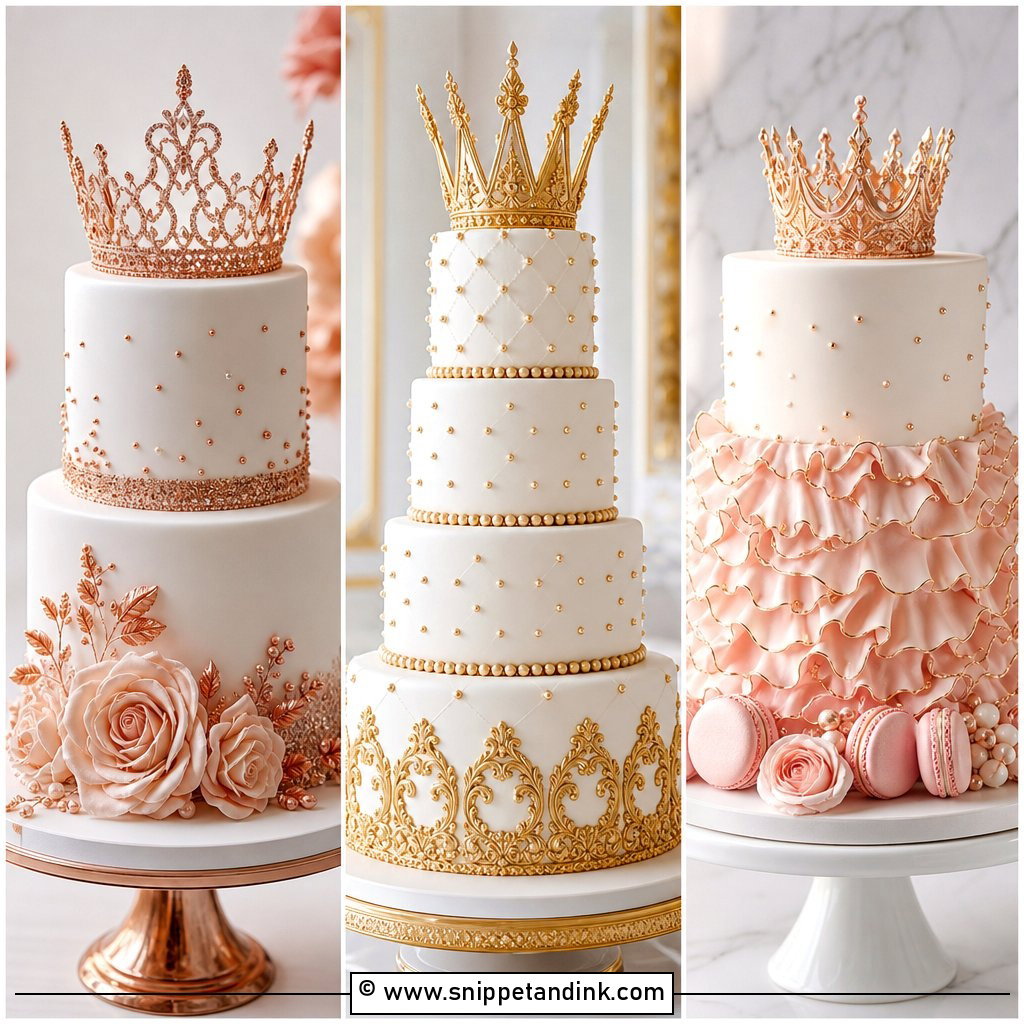
5. Royal Wedding Cake With Crown Topper
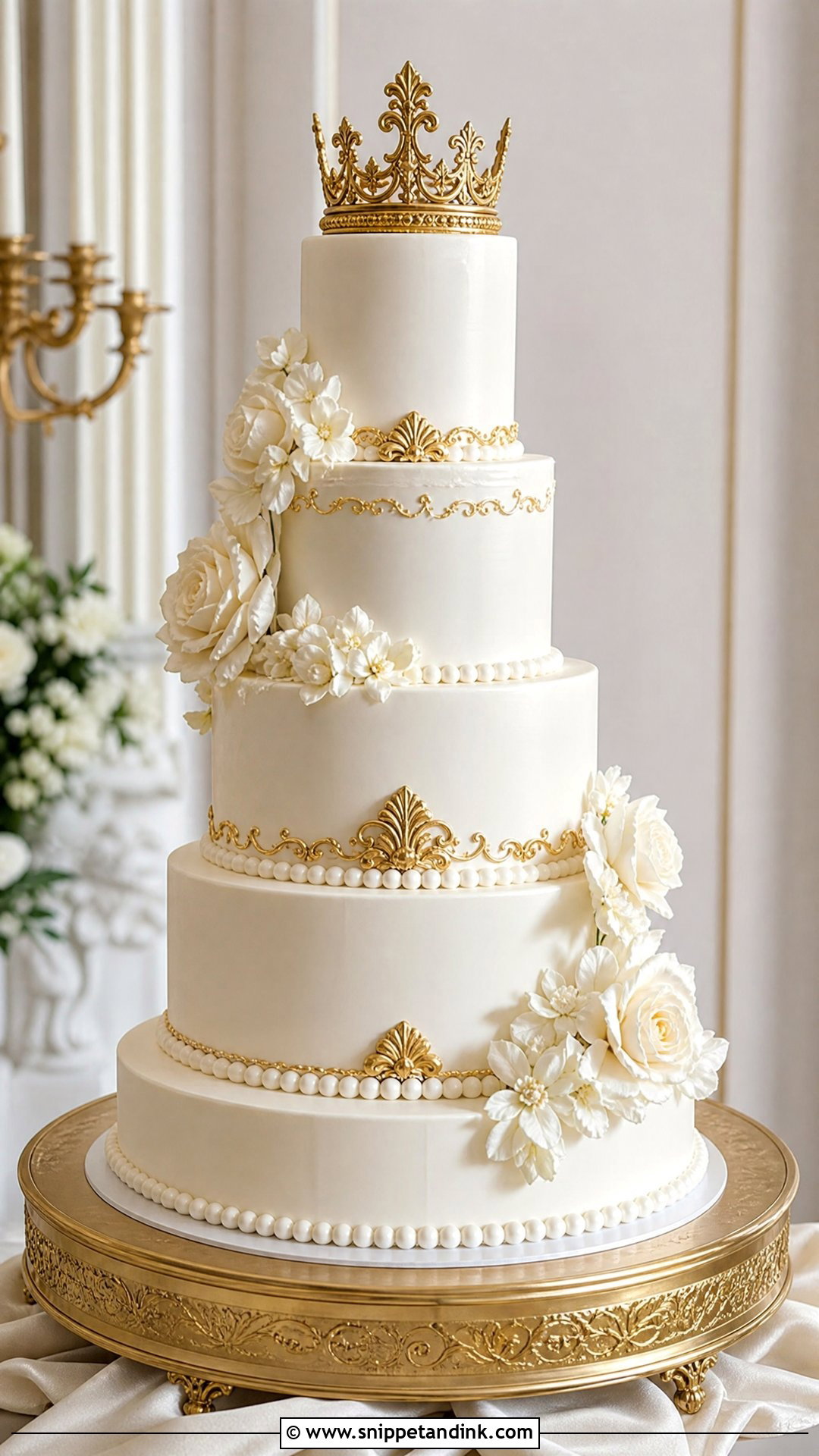
The crown should be small. A topper the size of a teacup tips a cake from regal into fancy dress, and anything metal or resin needs a hidden support plate so it doesn’t sink into the top tier over a warm evening. Tall tiers, smooth frosting and very little on the sides let it stand alone. Gold piping, a few flowers or a monogram can personalize it. Inside, vanilla, lemon or red velvet all work, depending on what your cutting photos will show.
6. Royal Wedding Cake With Monogram
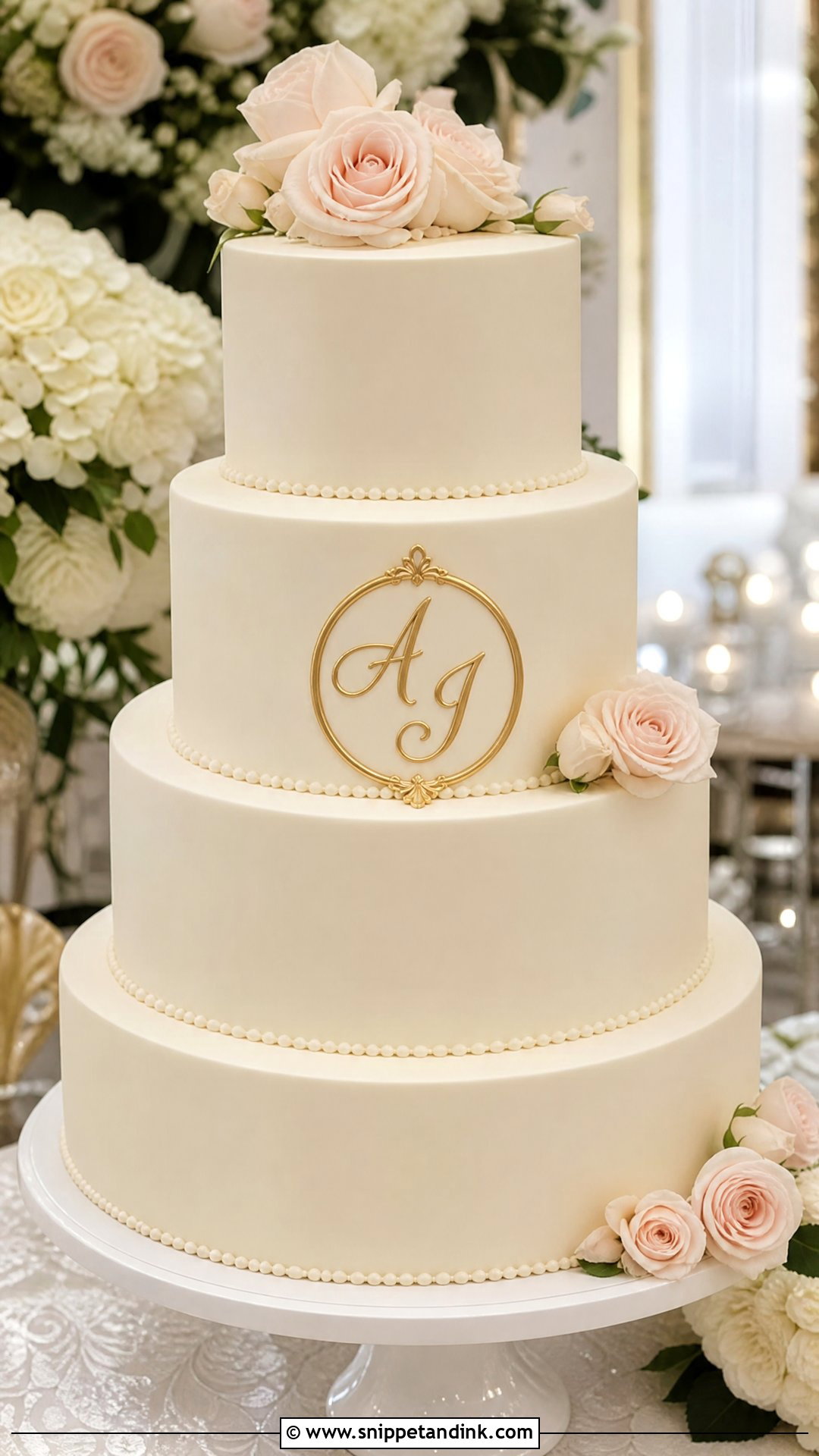
Initials on the center tier face the room and become the first thing guests read. I pipe them in royal icing or cut them from gum paste and paint them gold, and I draw the letters to scale on paper first so the spacing is checked before anything touches the cake. Keep the rest quiet: smooth fondant, pearl borders and one or two flowers. It suits black-tie weddings and historic rooms, and it’s the one detail on the cake that is yours alone.
7. Royal Wedding Cake With Tall Tiers
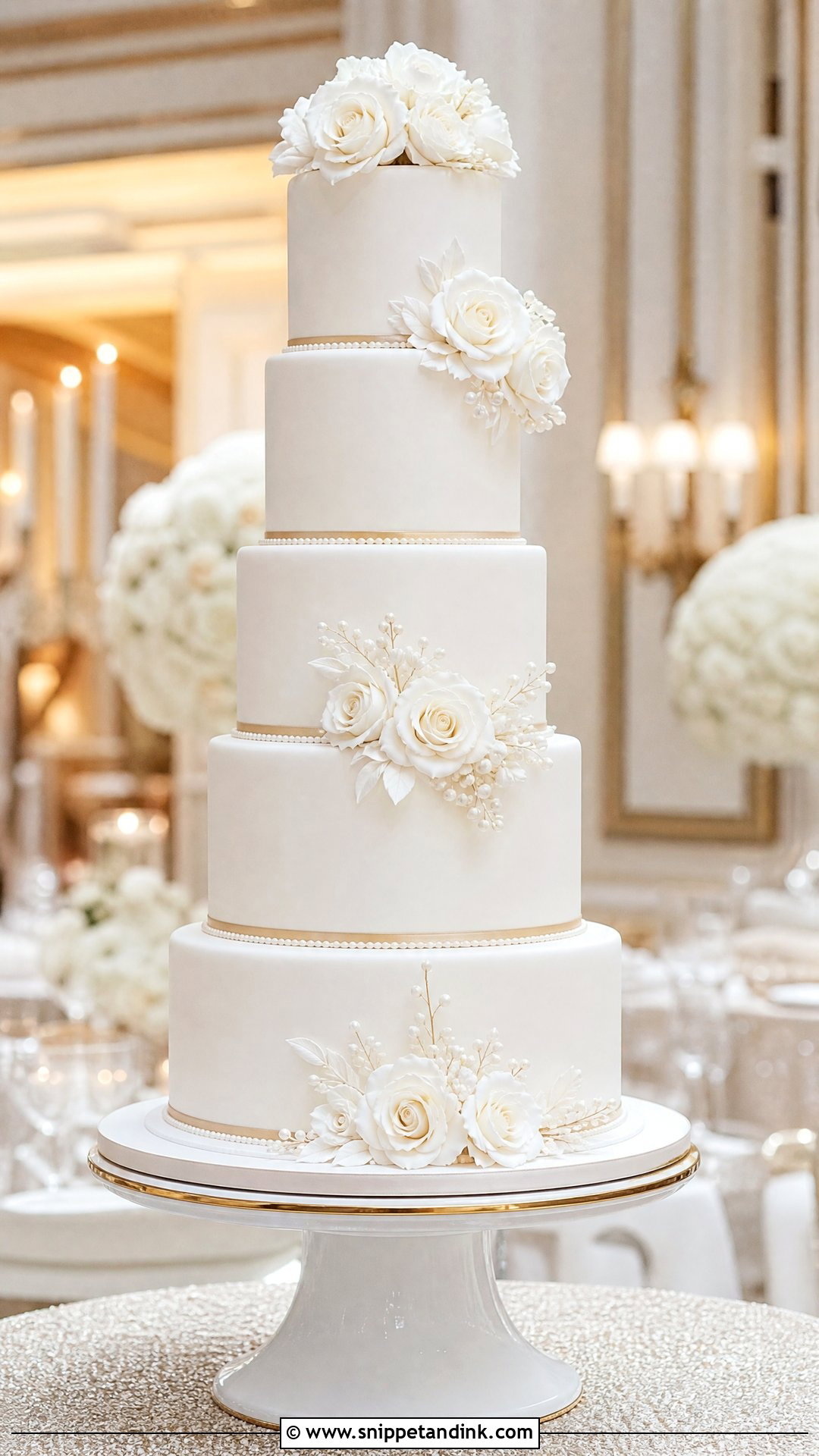
Height alone makes a cake feel grand. A tall tiered cake can be four, five or more levels, depending on guests and the room. Every tier above the first needs internal dowels and a board, and very tall cakes travel in pieces and are stacked at the venue. I also check the ceiling and the cake table before quoting, since a tall cake on a wobbly trestle is a real risk. Smooth white fondant, thin gold borders or a few flowers are enough; the shape already does the work.
8. Royal Wedding Cake With Fresh Roses
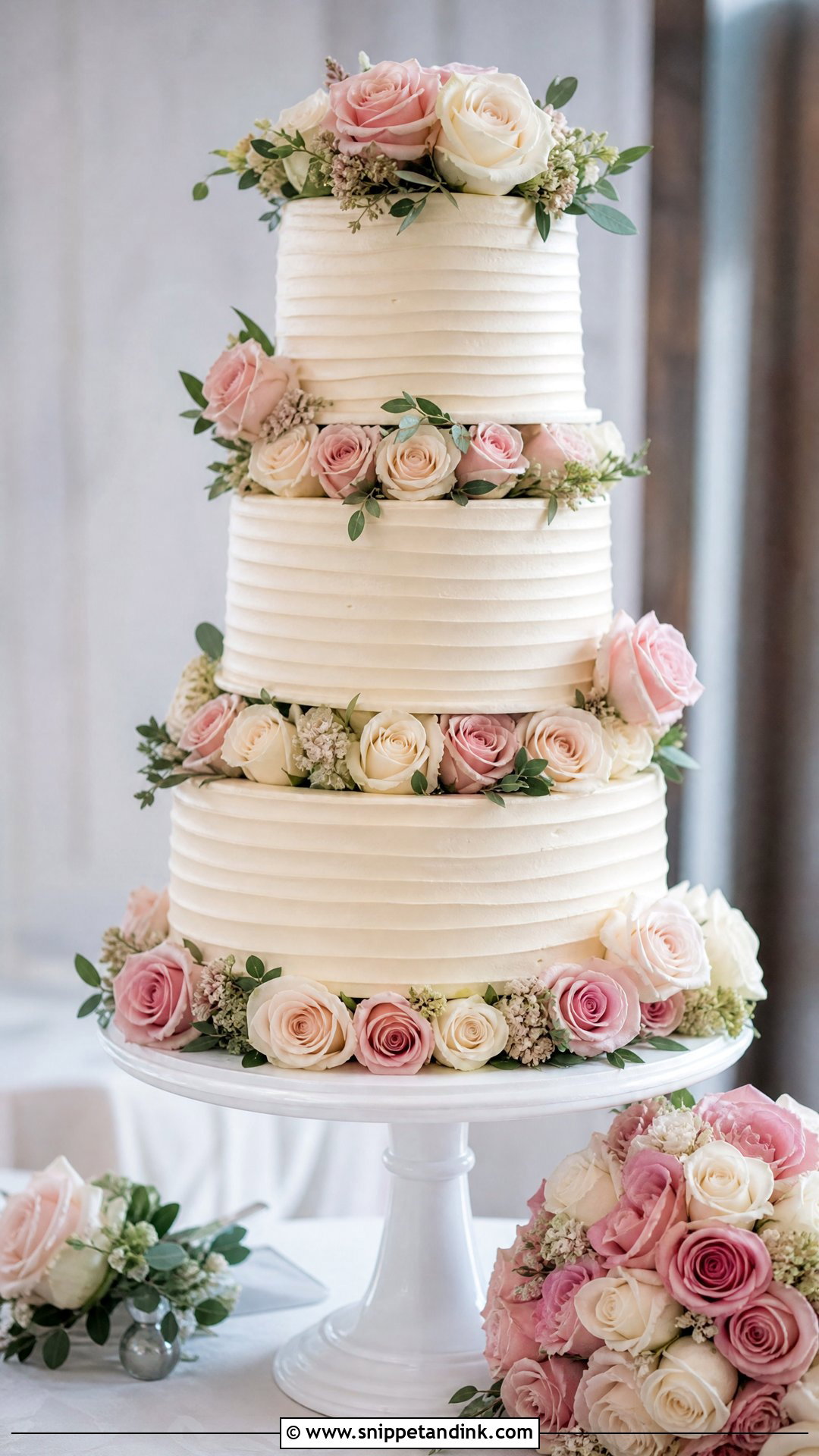
Fresh roses tie the cake to the bouquet better than anything else. White, blush, cream or pale pink look right against ivory buttercream or fondant, between tiers, around the base or down one side. Roses are among the safer cake flowers, but they need to be grown without sprays, and I wrap the stems or use picks so sap never touches the cake. Light sponges such as vanilla, raspberry, lemon or almond suit them. Ask your florist to hold back a few blooms for the cake rather than sending leftovers.
9. Royal Wedding Cake With Silver Details
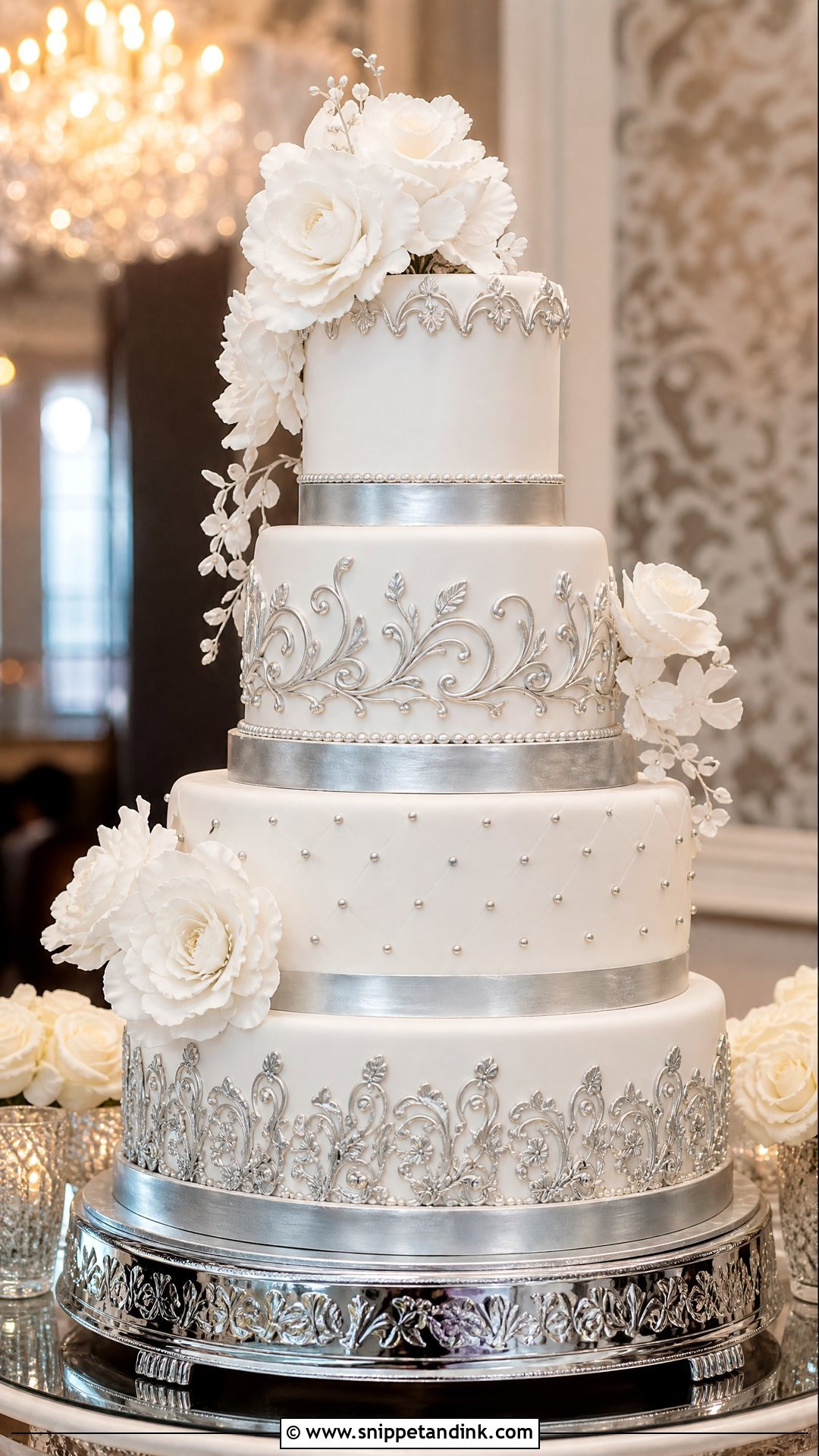
Silver reads cooler than gold and sits more comfortably with chandeliers, mirrors and winter palettes. Silver piping, edible foil, pearl dust or a metallic ribbon on white or pale gray tiers all work. Some silver dusts and dragees are labeled for decoration rather than eating, so check before you assume they can be served. White sugar flowers or crystal-style accents make it formal. Keep the decoration precise. Silver catches every light in the room, and too much of it turns into glare in photos.
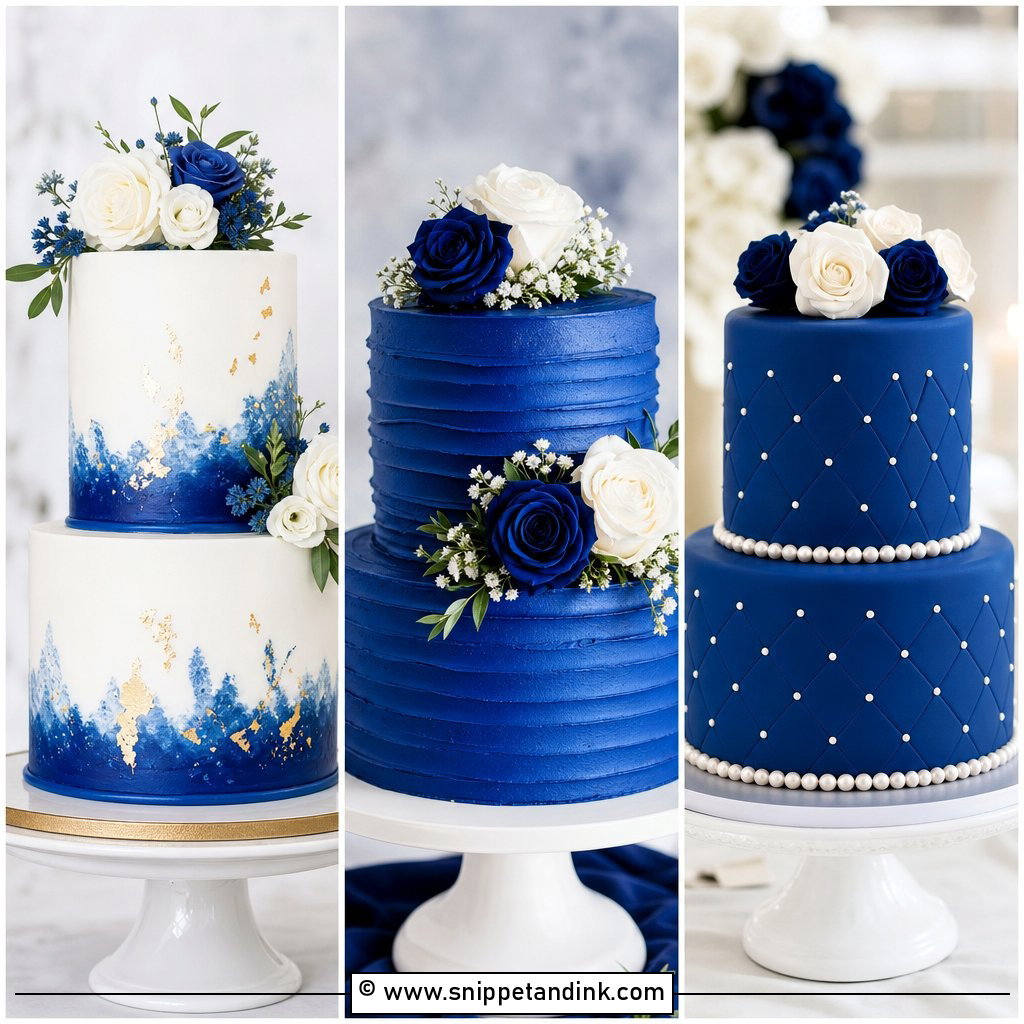
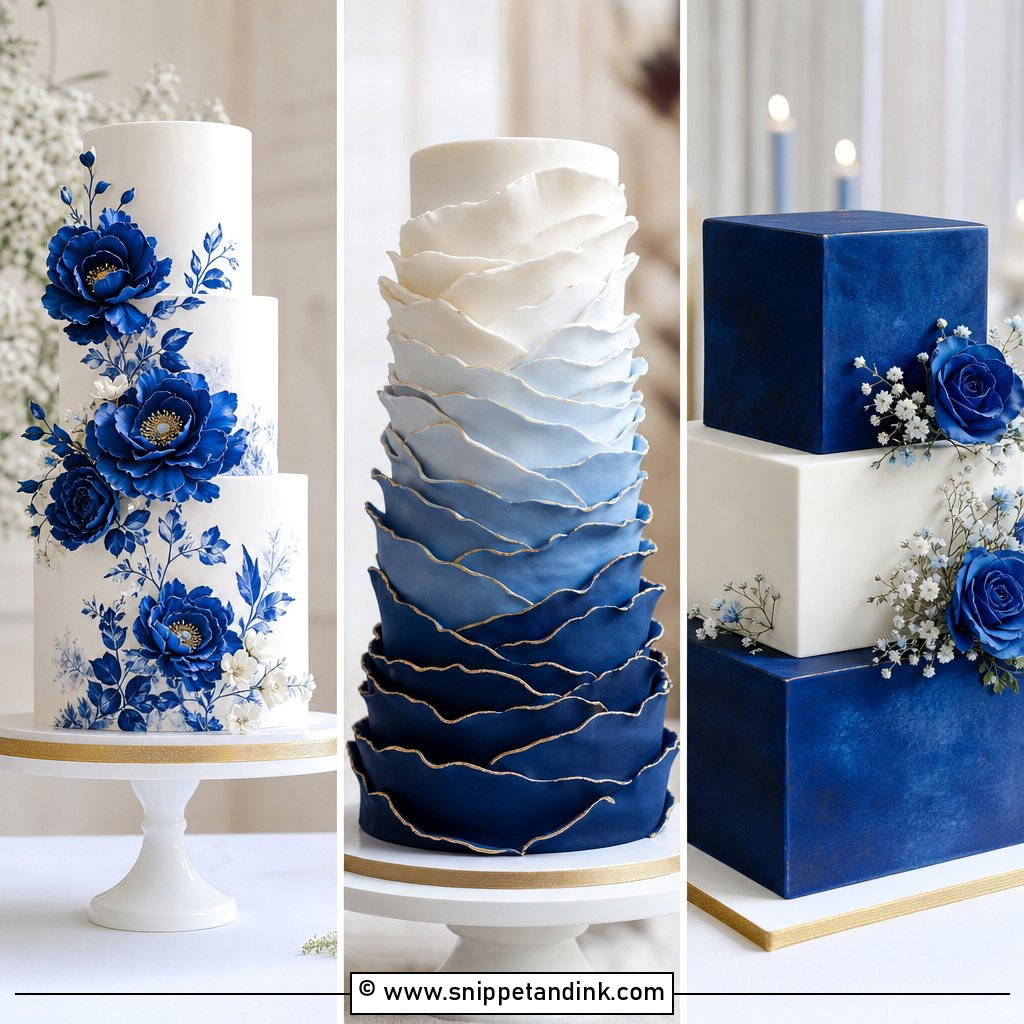
10. Royal Wedding Cake With Blue Accents
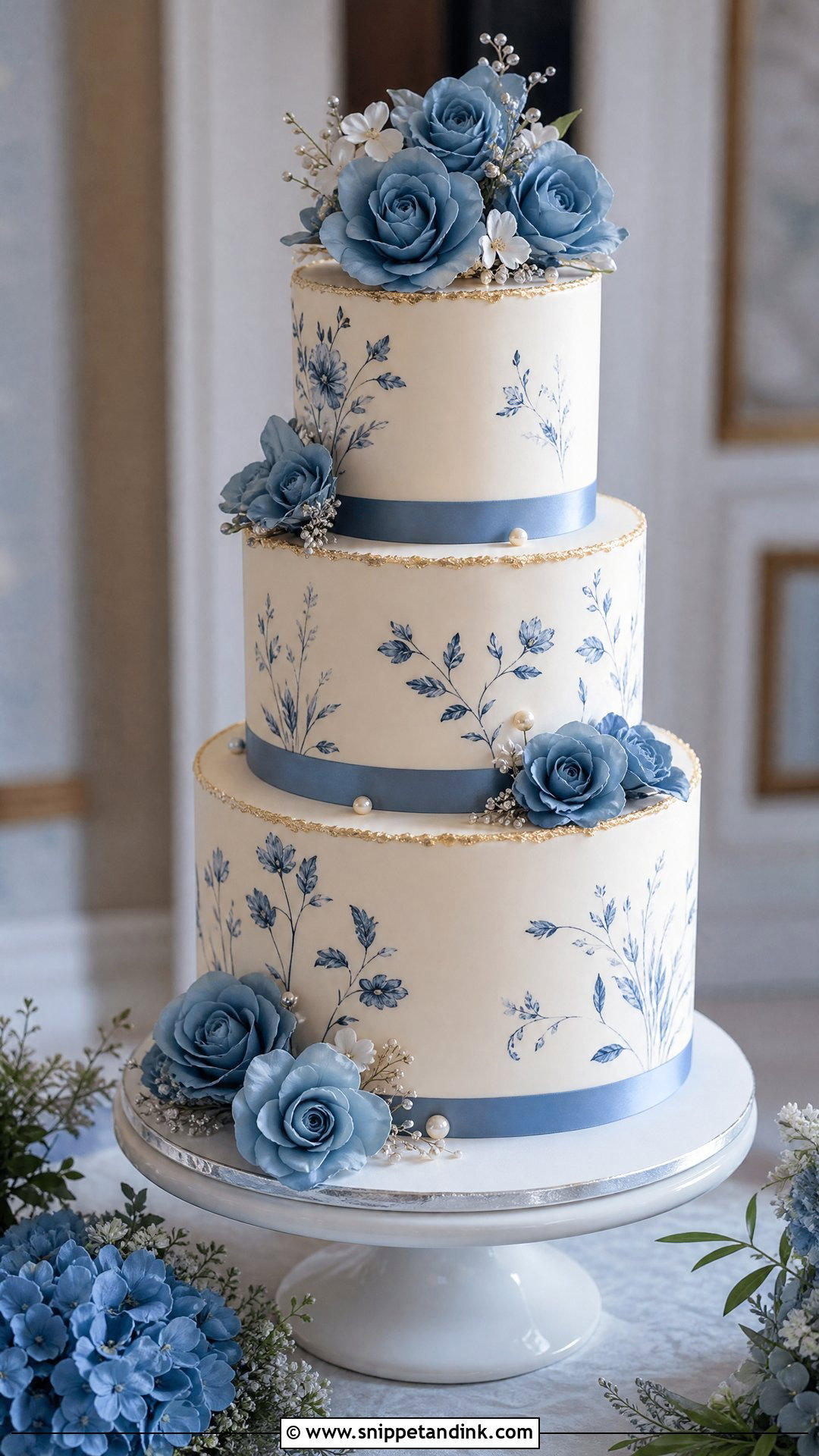
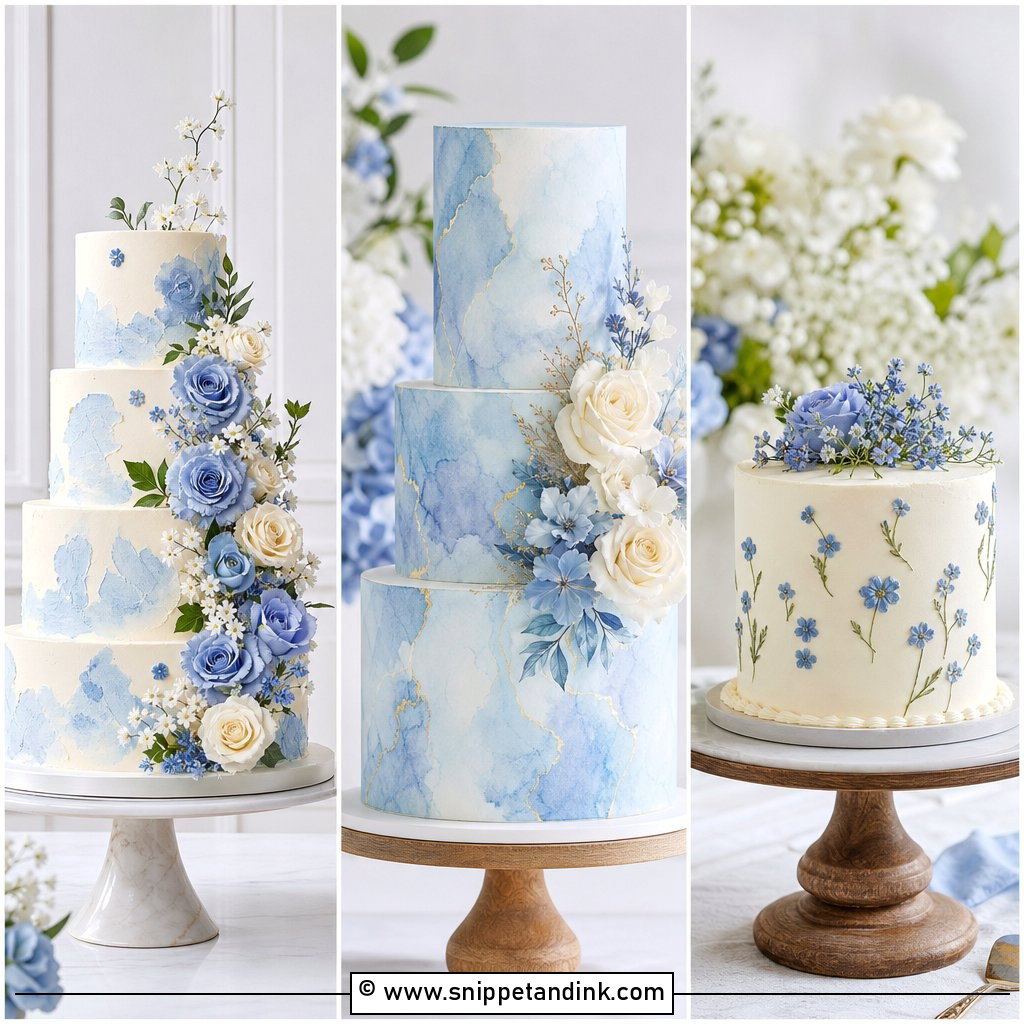
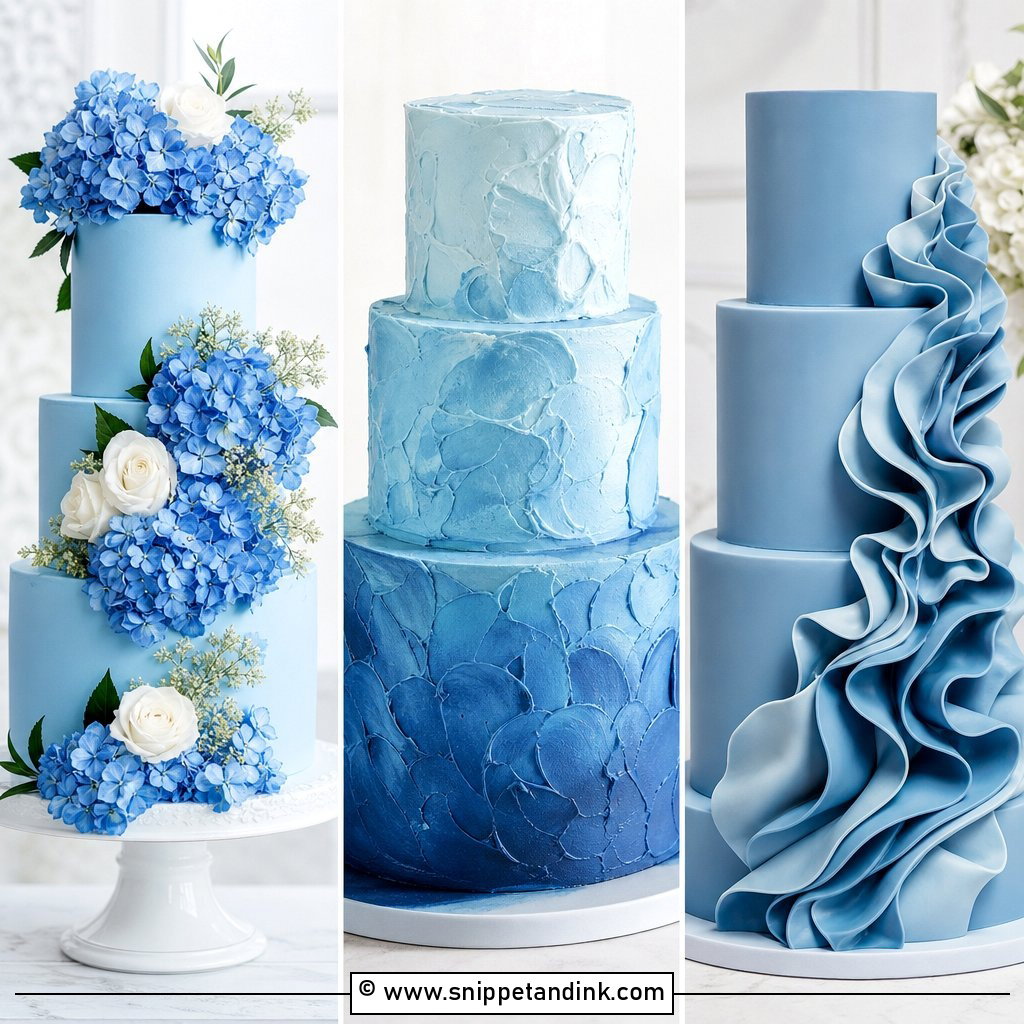
Blue keeps a traditional cake from feeling museum-like. Powder blue, dusty blue or royal blue each change the mood, so I match to a fabric swatch rather than a screen. Ribbon bands, hand-painted detail, sugar flowers or a single blue tier all work, set against ivory, white, silver or gold. Deep blue icing needs a lot of color and can tint mouths, so I usually keep the strongest blue in decoration rather than frosting. A lemon or blueberry filling ties the inside to the color for estate, coastal and formal receptions.
11. Royal Wedding Cake With Buttercream Flowers
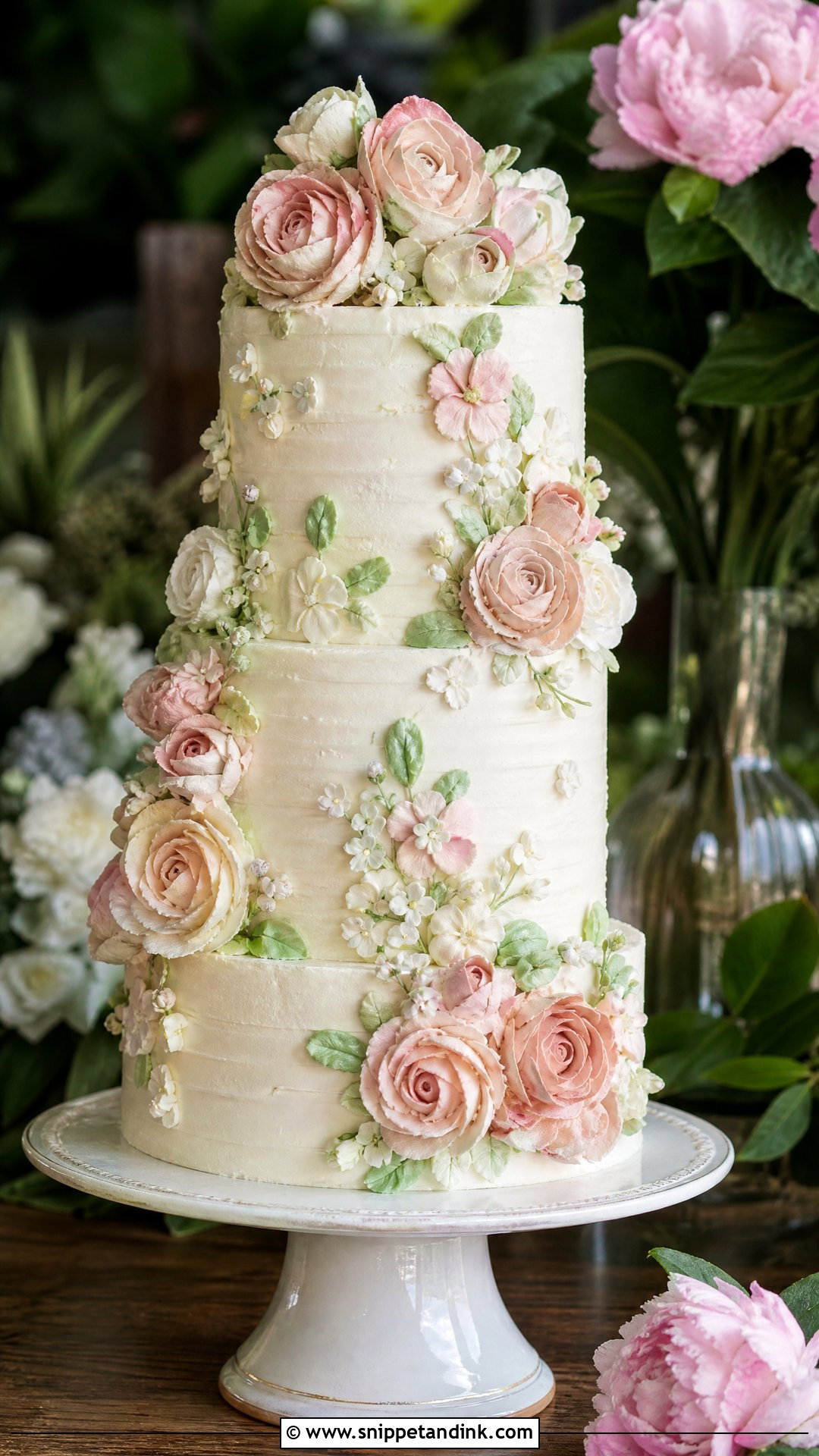
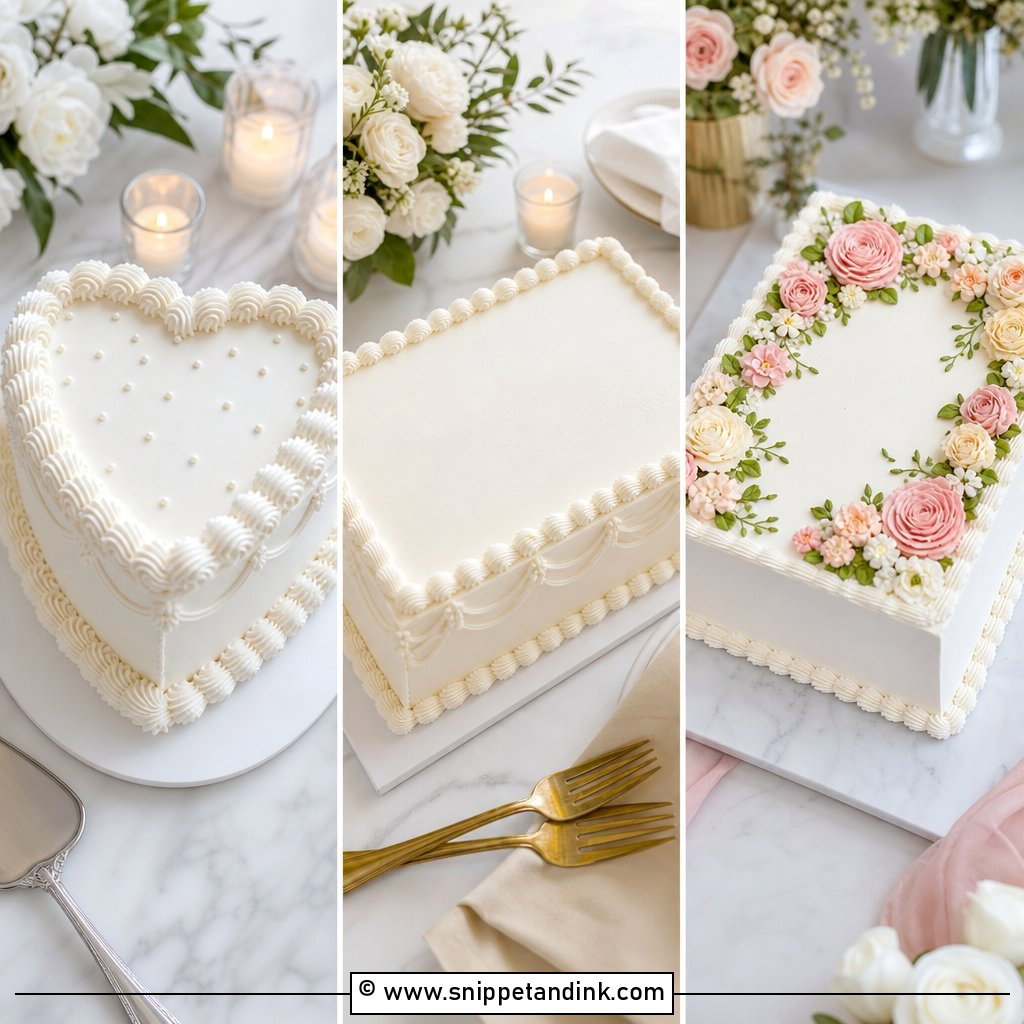
Piped buttercream flowers give texture that fondant can’t. Roses, blossoms and leaves in white, ivory, blush or pale peach are piped straight onto the cake or onto parchment and chilled before placing. The honest drawback is heat. Buttercream flowers soften and lose their edges in a warm room or a summer marquee, so I’d keep this design indoors or plan to display it for a short time. Vanilla bean, strawberry, lemon or almond suit it, and it feels more relaxed than a fondant cake while still looking detailed.
12. Royal Wedding Cake With Fondant Draping
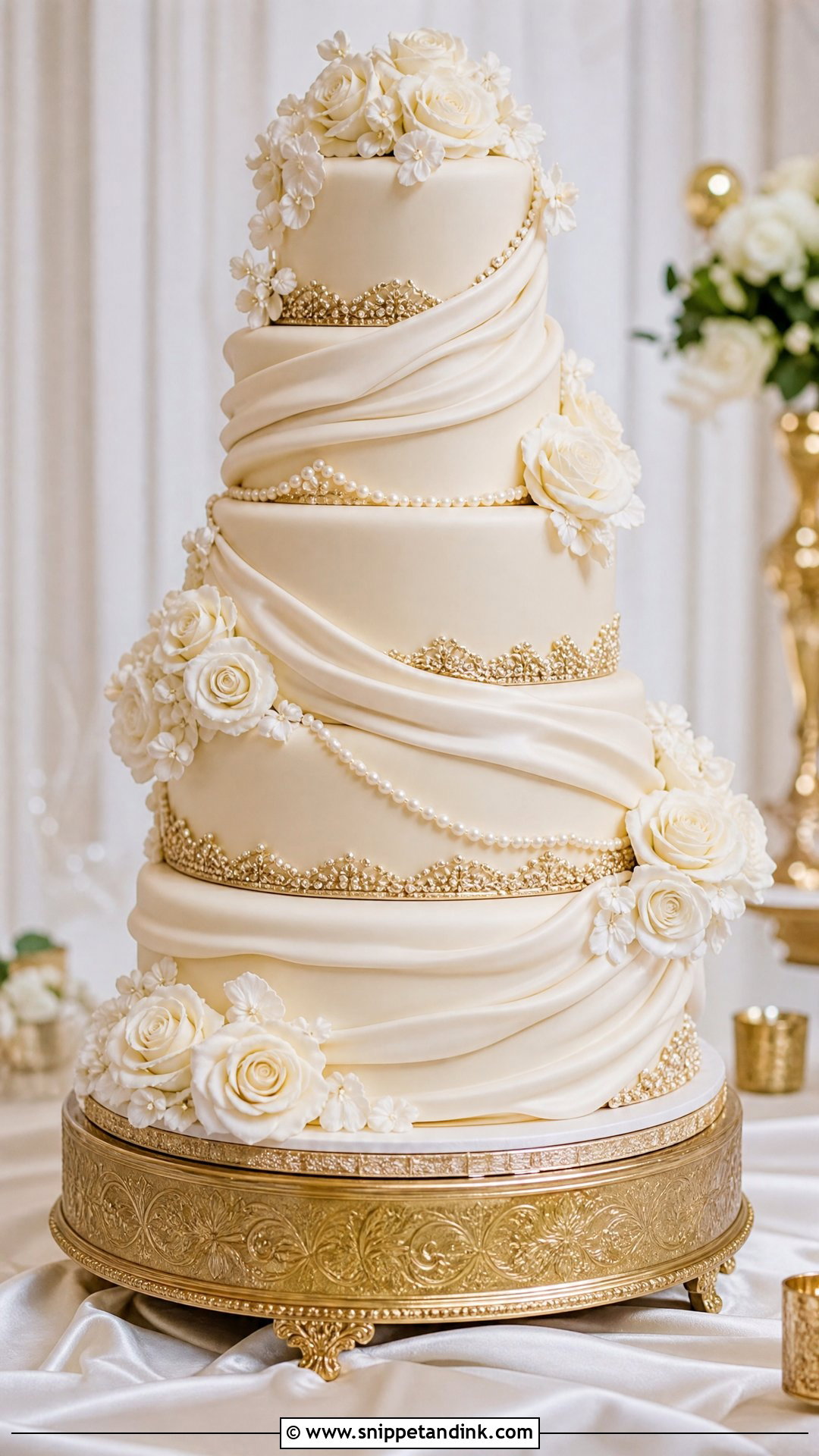
Draping is a sheet of fondant gathered by hand into soft folds, and the trick is rolling it thin enough to fold like fabric without tearing. White or ivory keeps it light; a heavy drape in dark colors can look like curtains. Pearls, gold trim or a single sugar flower where the folds gather finish it. Because the folds catch shadow, the texture shows well from the side as well as the front. It’s a dramatic design that needs no color, at home at a formal reception.
13. Royal Wedding Cake With Lambeth Piping
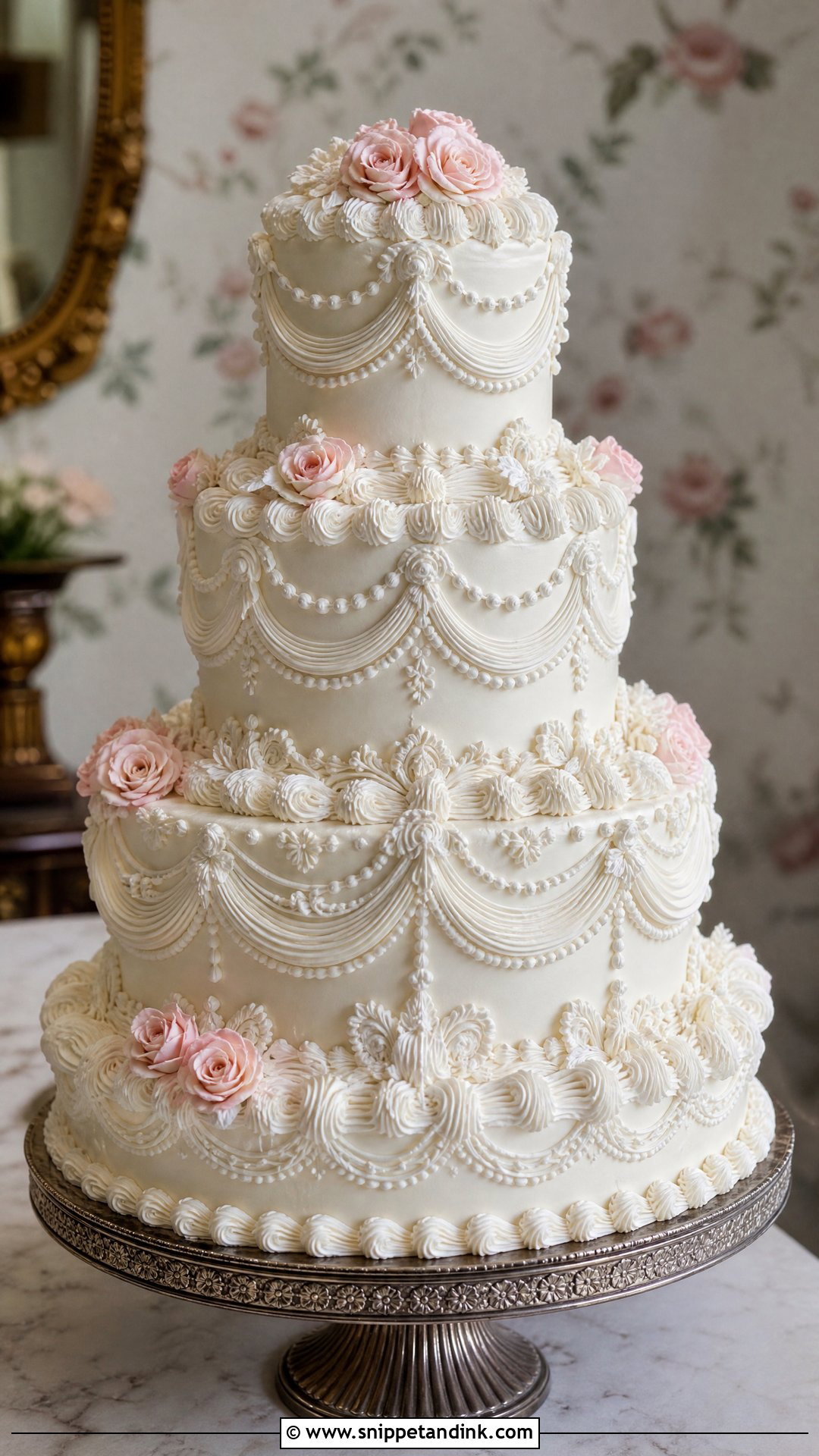
Lambeth piping is built up in layers of royal icing, each one left to set before the next goes on, which is why it creates those deep scrolls, shells and swags. It’s slow work, and it shows in the quote. White on white is the classic; pale pink, ivory or gold lines soften it. Overpiping can look heavy if every surface is covered, so I leave some smooth space on each tier for the eye to rest. Vintage weddings and formal dining rooms suit it best, and it needs nothing else on top.
14. Royal Wedding Cake With Floral Cascade
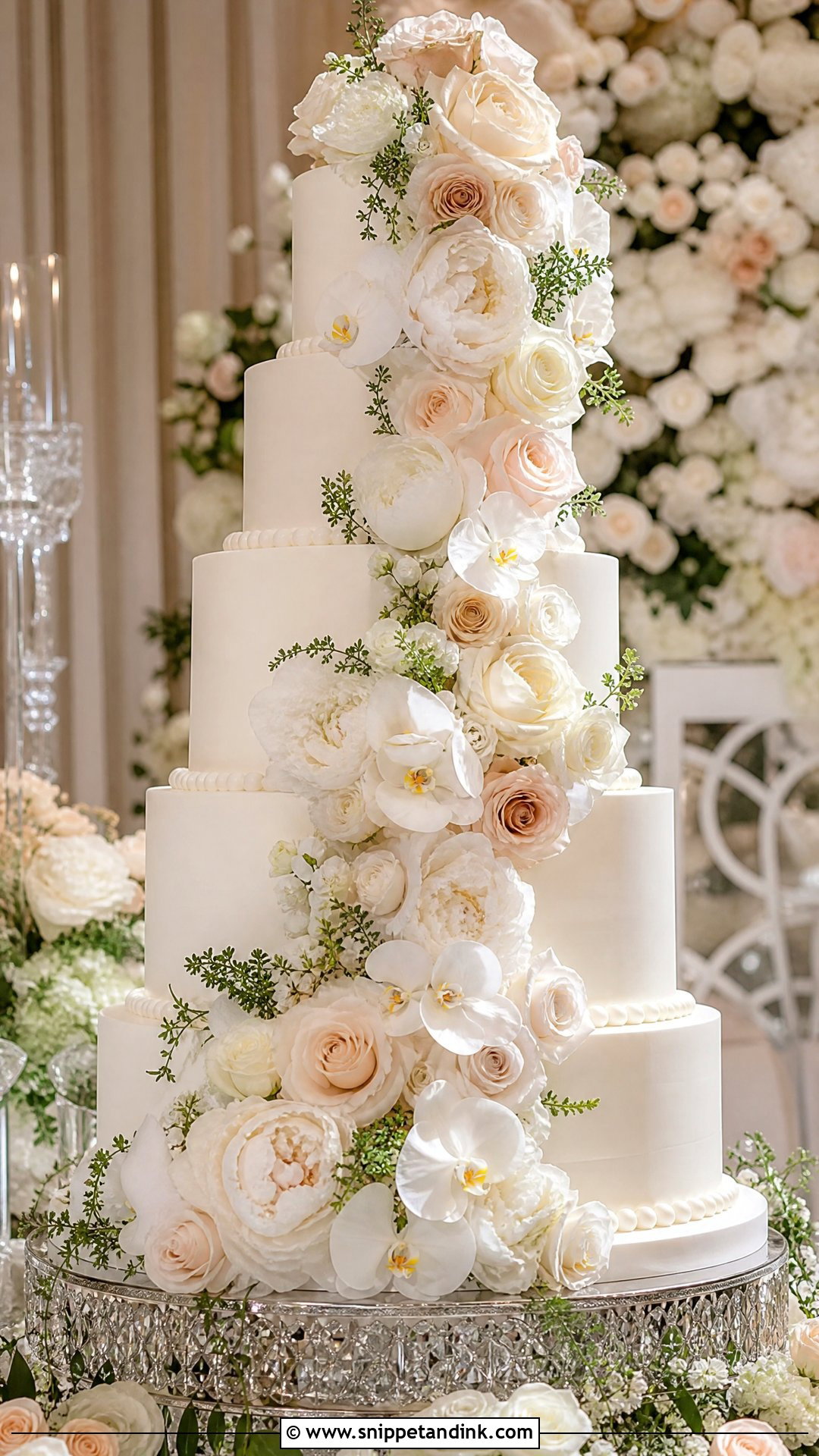
A floral cascade adds movement from the top tier down one side, and the flow should look like it grew there. Roses, orchids, peonies, ranunculus or sweet peas in white, blush, cream or soft pastels give a regal feel. I build the cascade in clusters that follow a curve rather than a straight diagonal, which reads more naturally from across the room. The cake underneath stays plain so the flowers lead. Plan where the knife goes before the cascade is placed, so the cutting photo isn’t blocked by stems.



15. Royal Wedding Cake With Castle Details
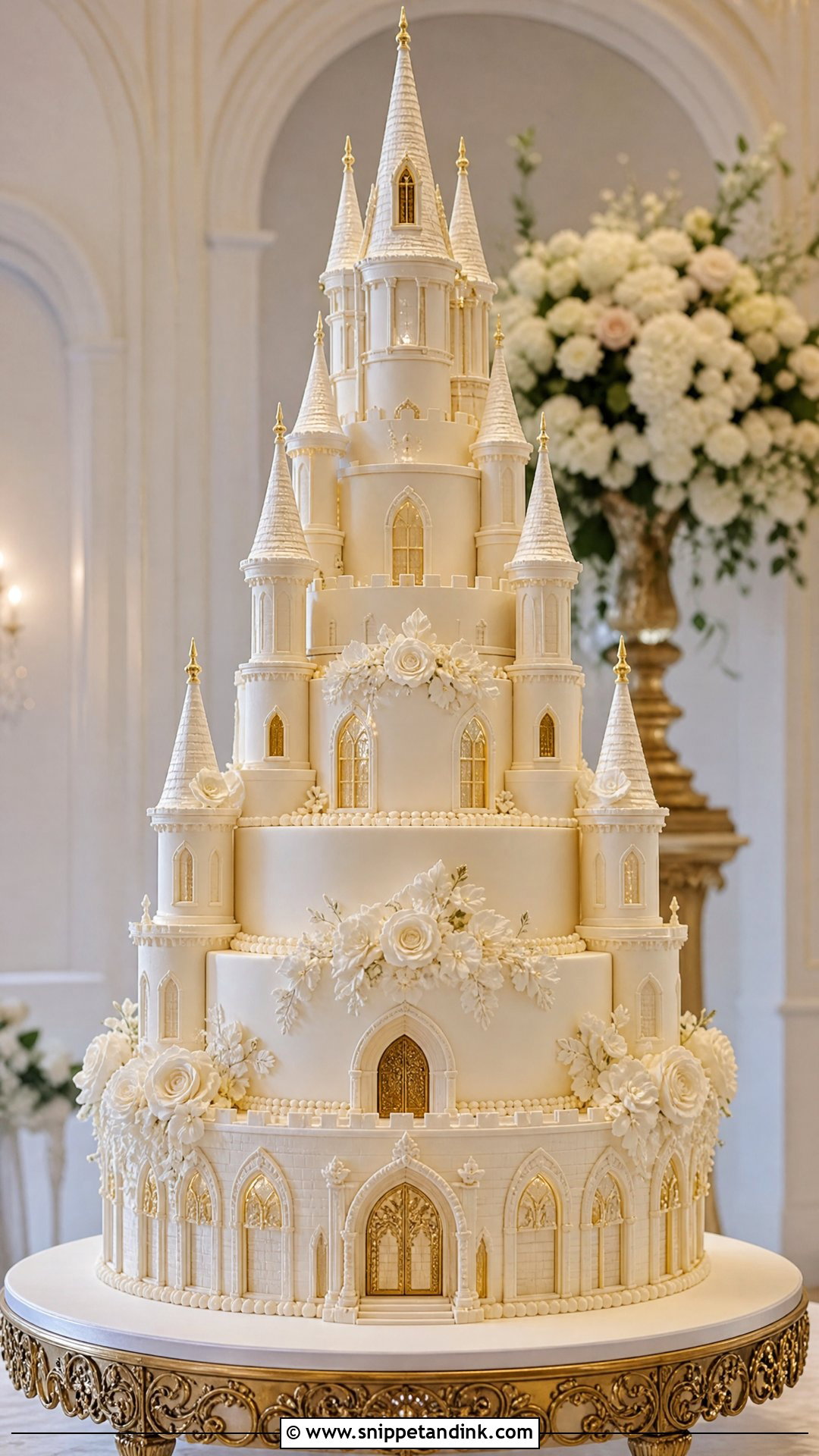
A cake with castle details can look grown-up or like a children’s party, and the difference is restraint. Arched panels, tower-shaped tiers, stone-textured fondant and small gold touches work; turrets with cone roofs and flags rarely do. I keep the palette in ivory, champagne or pale gray. It’s a natural fit for castle venues and historic estates, where the cake can echo the building’s own arches. Sugar flowers at the base soften the architecture.
16. Royal Wedding Cake With White Orchids
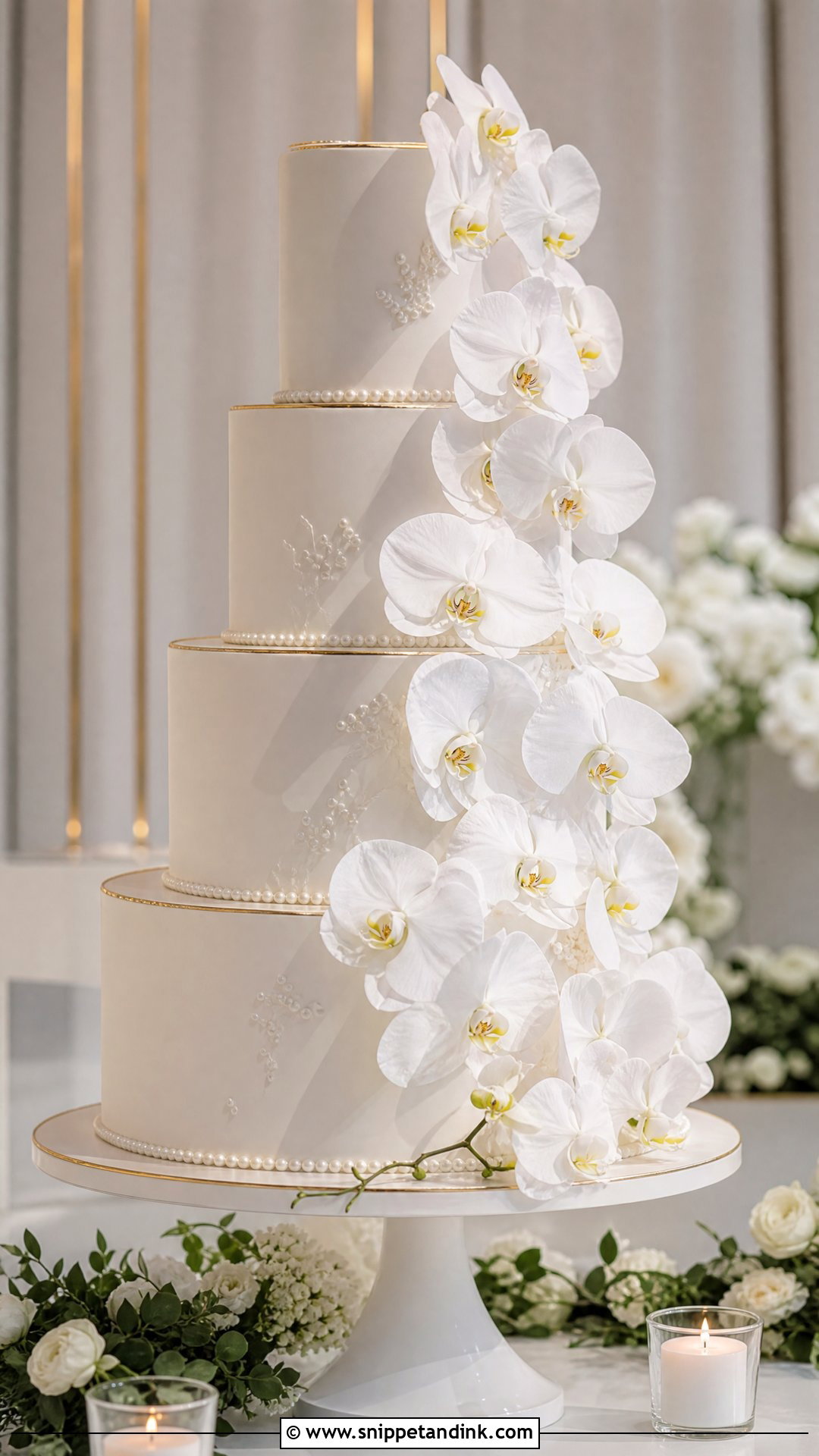
Orchids are sculptural, so a few go a long way. A small cluster or a flowing arrangement on smooth ivory or white tiers reads modern and expensive. If they’re fresh, I place them on a barrier rather than pushing stems into the cake, and I’d want them out of water for as short a time as possible, since they can bruise and wilt in a warm room. Sugar orchids avoid both problems. A light touch of gold or pearl is fine; vanilla, coconut, white chocolate or champagne sponge suits it.
17. Royal Wedding Cake With Edible Gold Piping
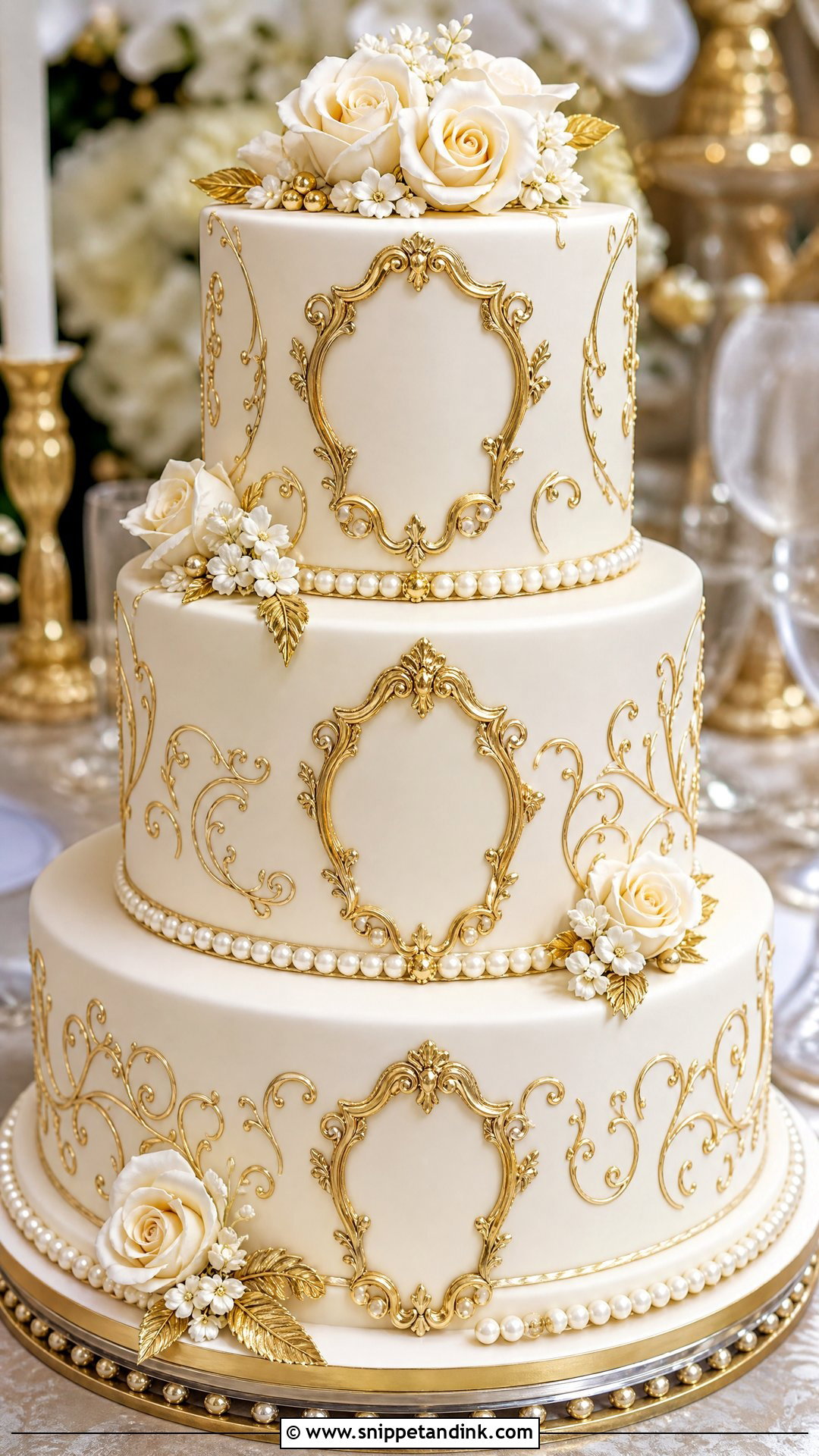
Gold piping is royal icing piped first and painted afterward with edible gold mixed into a little alcohol, which evaporates and leaves the metal behind. That two-step process is why fine gold scrollwork costs more than it looks like it should. Lines can outline each tier, form scrolls or frame flowers on ivory fondant, white buttercream or pale blush. Add pearl borders or small sugar roses for formality. Almond, vanilla or caramel sponge warms the flavor. Restraint keeps it regal; covering every surface makes it brassy.
18. Royal Wedding Cake With Ruffled Tiers
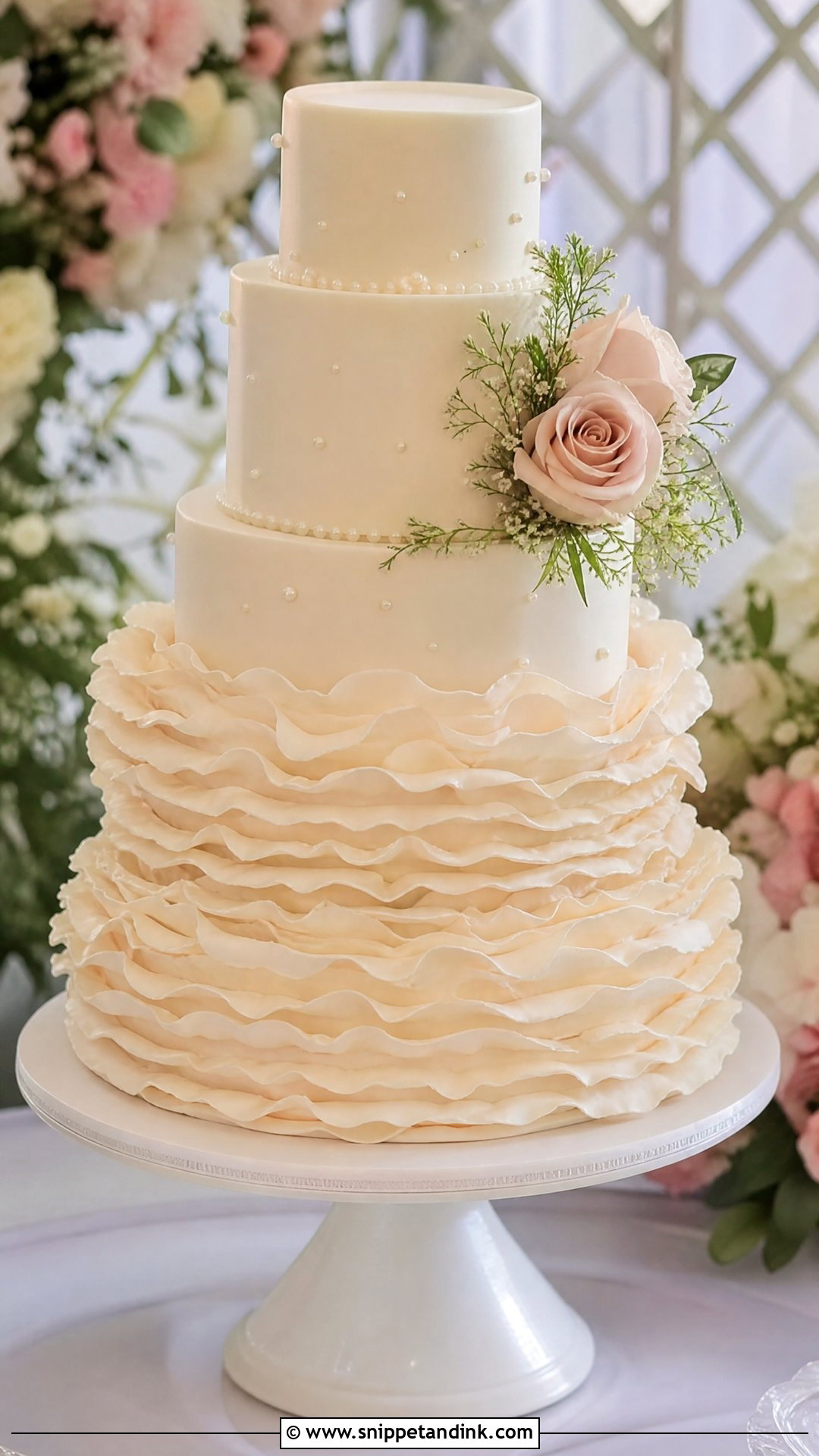
Ruffles can be fondant, wafer paper or buttercream, and each behaves differently. Fondant gives the crispest folds but adds weight; wafer paper is feather-light but curls and goes limp in humid air; buttercream is soft and best eaten soon. A white or ivory ruffled tier looks like layered tulle. I usually keep the upper tiers smoother so the cake doesn’t look top-heavy, with one cluster of flowers or a small topper. Garden receptions and romantic indoor rooms suit it.
19. Royal Wedding Cake With Lemon Elderflower
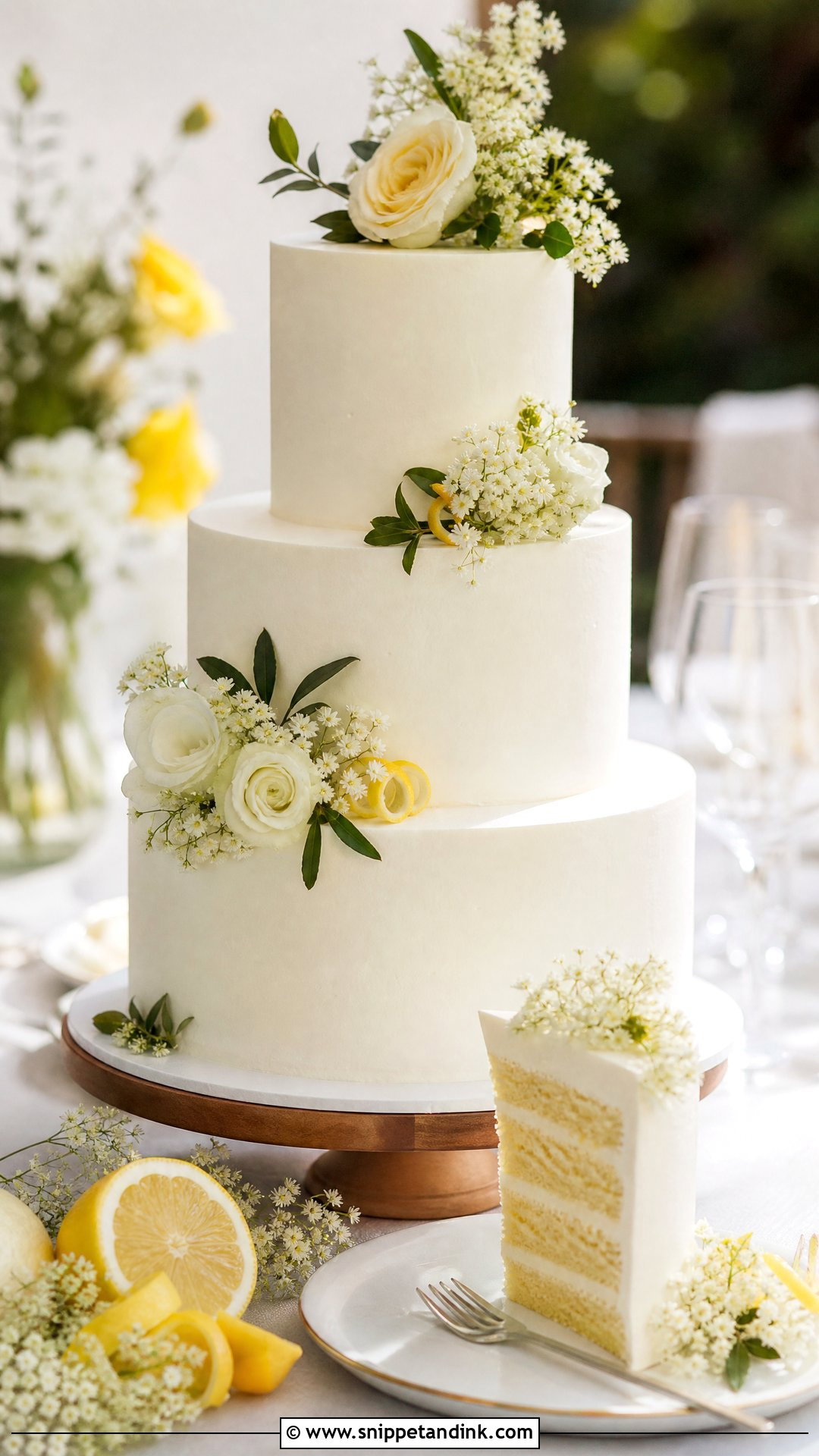
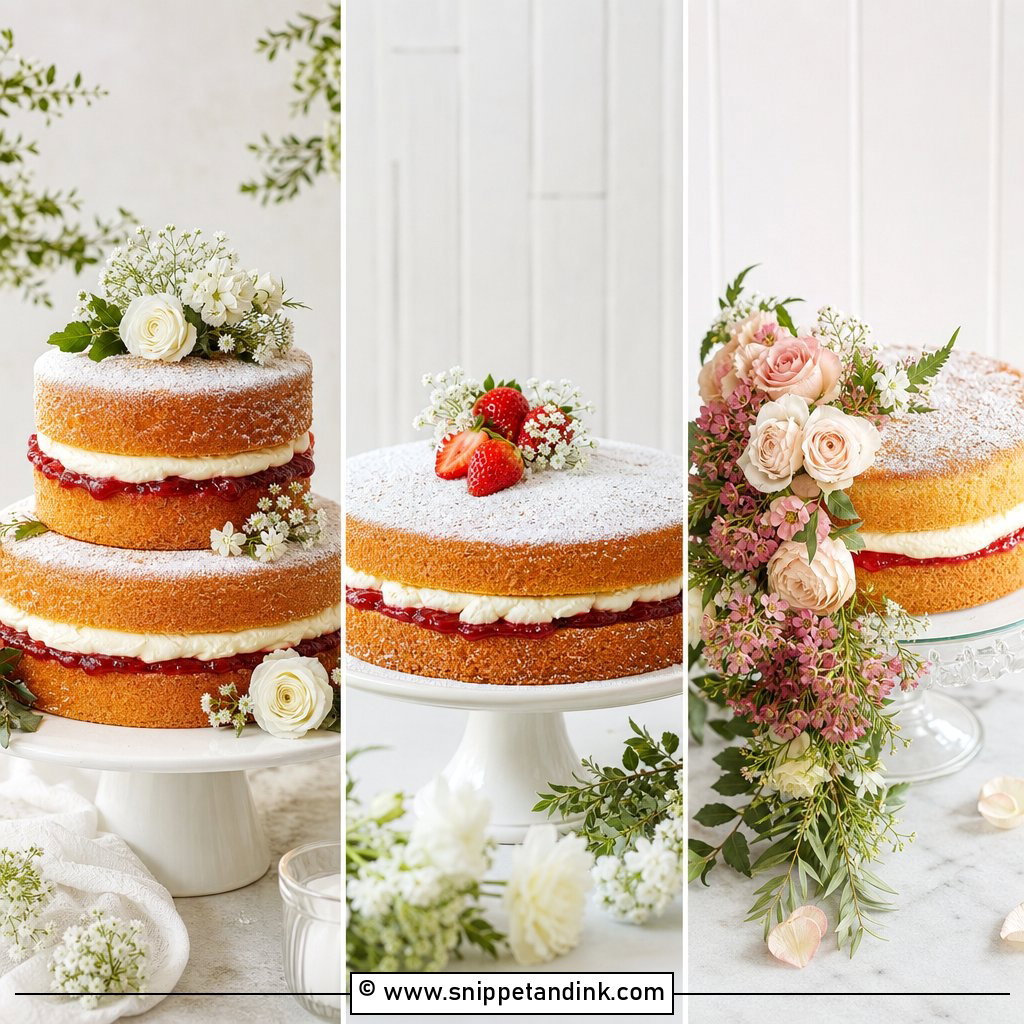
Lemon and elderflower is bright and floral, and it’s become a favorite for spring and summer since a well-known royal wedding used it. Lemon sponge is soaked with elderflower syrup and filled with lemon curd and buttercream. Curd-filled cakes need to be kept cool, so I plan display time carefully for outdoor receptions. Smooth white buttercream and fresh roses, peonies, elderflower sprigs or a little greenery finish it in a garden style. Guests who find wedding cake too sweet usually come back for a second slice of this one.
20. Royal Wedding Cake With Fruitcake
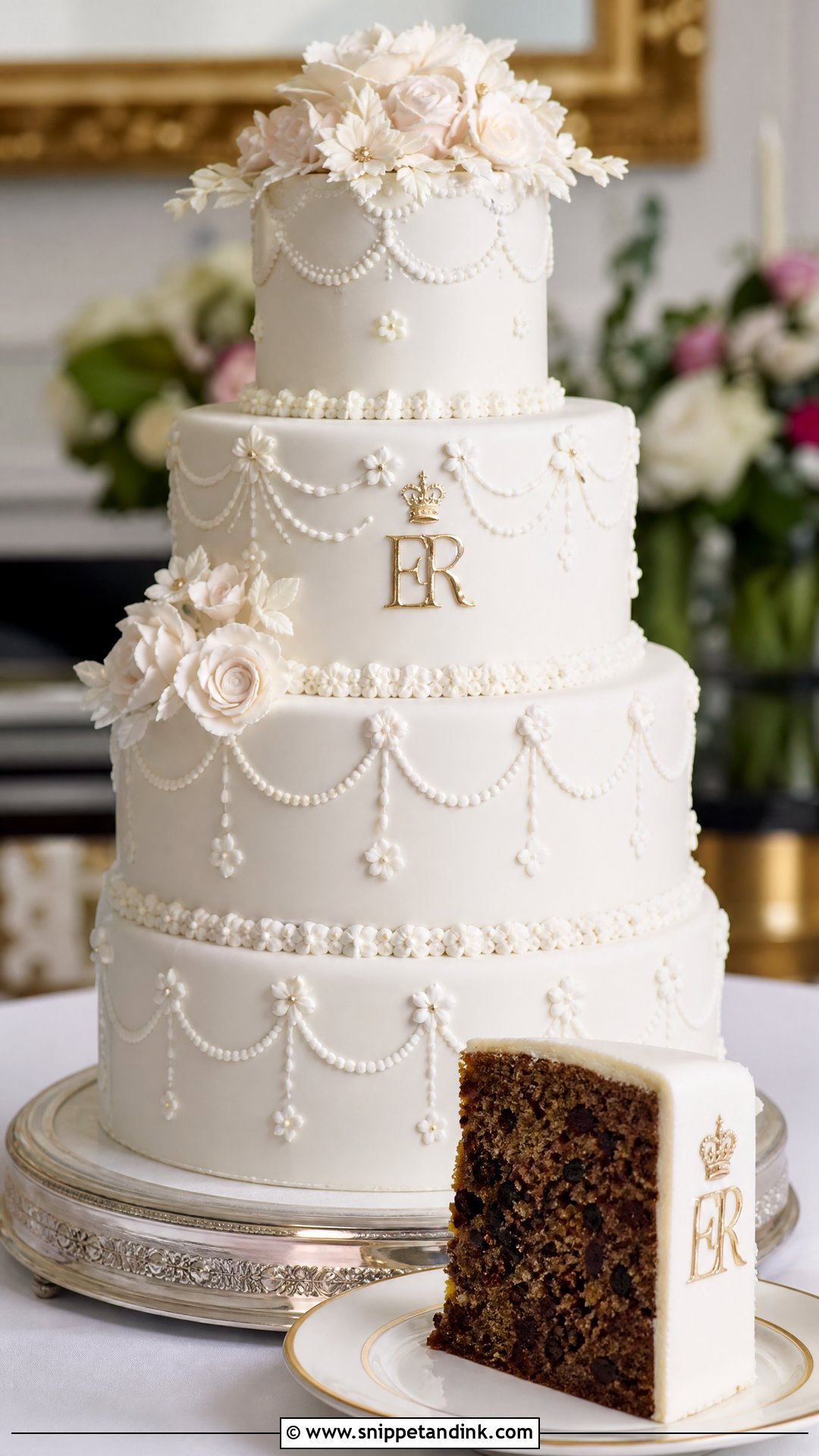
A fruitcake is the oldest royal tradition of all: a dense cake of dried fruit, nuts and spice, often fed with brandy for weeks, then covered in marzipan and hard royal icing. That structure is why the traditional tall, heavily piped royal cakes were possible in the first place. It carries white piping, sugar flowers, a coat of arms or a monogram easily. Plenty of guests don’t love it, so I often suggest one fruitcake tier alongside sponge tiers.
The Anniversary Tier, and Which Cakes Actually Keep
Keeping the top tier is a tradition that began with fruitcake, which survives for months when wrapped and stored properly. Most modern sponge cakes don’t. If you want to eat your top tier on your first anniversary, a little planning helps.
- Remove decorations, wires and any fresh flowers before storing.
- Chill the tier until the frosting is firm, then wrap it tightly in several layers of plastic wrap and foil.
- Freeze it as soon as possible after the wedding, ideally the next day.
- Thaw it slowly in the fridge, still wrapped, so condensation forms on the wrap and not the cake.
Even well wrapped, a frozen sponge won’t taste as fresh after a year. I tell couples that honestly, and some prefer to order a small replica of the top tier for the anniversary instead. Fruitcake is the exception, and it’s one reason I suggest it as the top tier for couples who love the tradition.
What Makes a Cake Feel Regal Is Restraint
A regal cake should set the tone for the room, suit the venue and still feel like yours. Some couples want tall white tiers with pearls and lace, others want gold leaf, fresh flowers, blue accents or a bright lemon elderflower flavor. What the best ones share is a single clear statement and a clean finish everywhere else. Bring your venue photos, your dress lace and your guest count to the first meeting, and we can work out what kind of grand your cake should be.
You'll Like These Ideas:




Leave a Reply