
A debut gown has a harder job than most formal dresses. It has to look right on the grand entrance, survive a formal waltz with a full court, sit through dinner and still let you dance at the end of the night. A traditional debutante ball, a Filipino eighteenth, a cotillion and a modern formal party each bring their own rules, so I always ask about the program before I look at a single dress. Below are the gowns I’d consider, from white ball gowns and pastels to lace, modest cuts and a jumpsuit, with notes on how each one behaves once the music starts.
Can You Waltz in It? Testing a Gown for the 18 Roses and the Cotillion
A Filipino debut usually includes a formal cotillion with the court and the 18 roses, where eighteen important men in the debutante’s life take turns dancing with her. That’s a lot of turning, stepping back and being led in a skirt. Ball and cotillion programs in other traditions are just as demanding. I’d test every shortlisted gown with these movements in the fitting room:
- Take three steps backward. If your heel catches the hem, it needs shortening or a hoop that holds the front away from your feet.
- Turn under a raised arm. Sleeves, off-shoulder bands and a tight bodice show their limits here.
- Sit down and stand up without help, because you’ll do that between every dance.
- Wear the exact shoes you’ll dance in, and have the hem set in them, not in fitting-room heels.
If the cotillion is choreographed, bring the gown or a matching petticoat to at least one rehearsal. Partners need to learn where the skirt is so they don’t step on it.
1. White Ball Gown Debut Dress
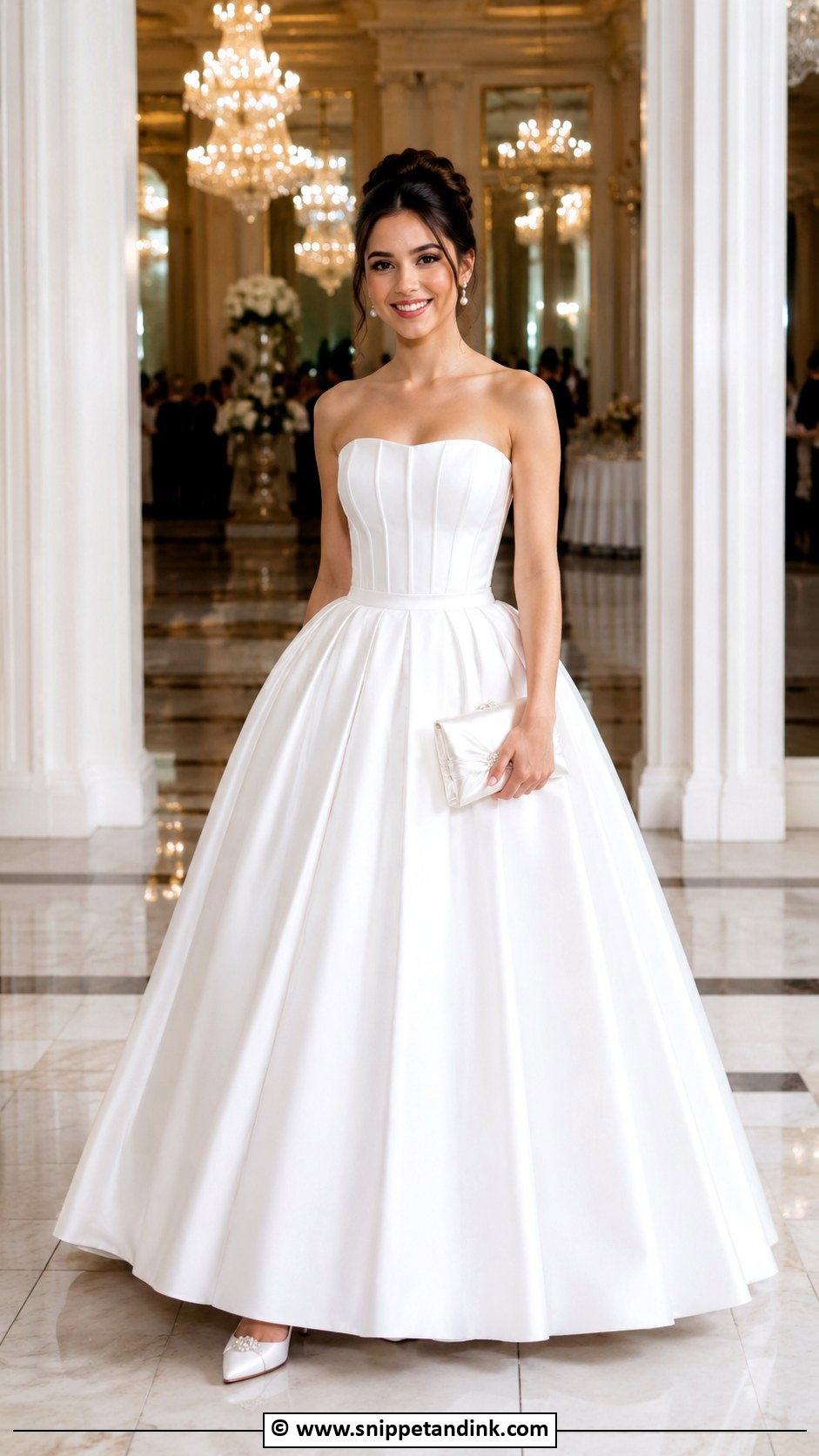
The traditional pick, and for some debutante balls the required one. A white ball gown debut dress needs a bodice built well enough to hold the full skirt through a presentation bow and a waltz. Mikado and satin give a crisp skirt; layered tulle gives softness. If your committee asks for long white gloves, they sit best with a strapless, off-shoulder or sleeveless neckline. Pearl studs, ivory heels and a neat bun keep the focus on the gown.
2. Off Shoulder Debut Dress
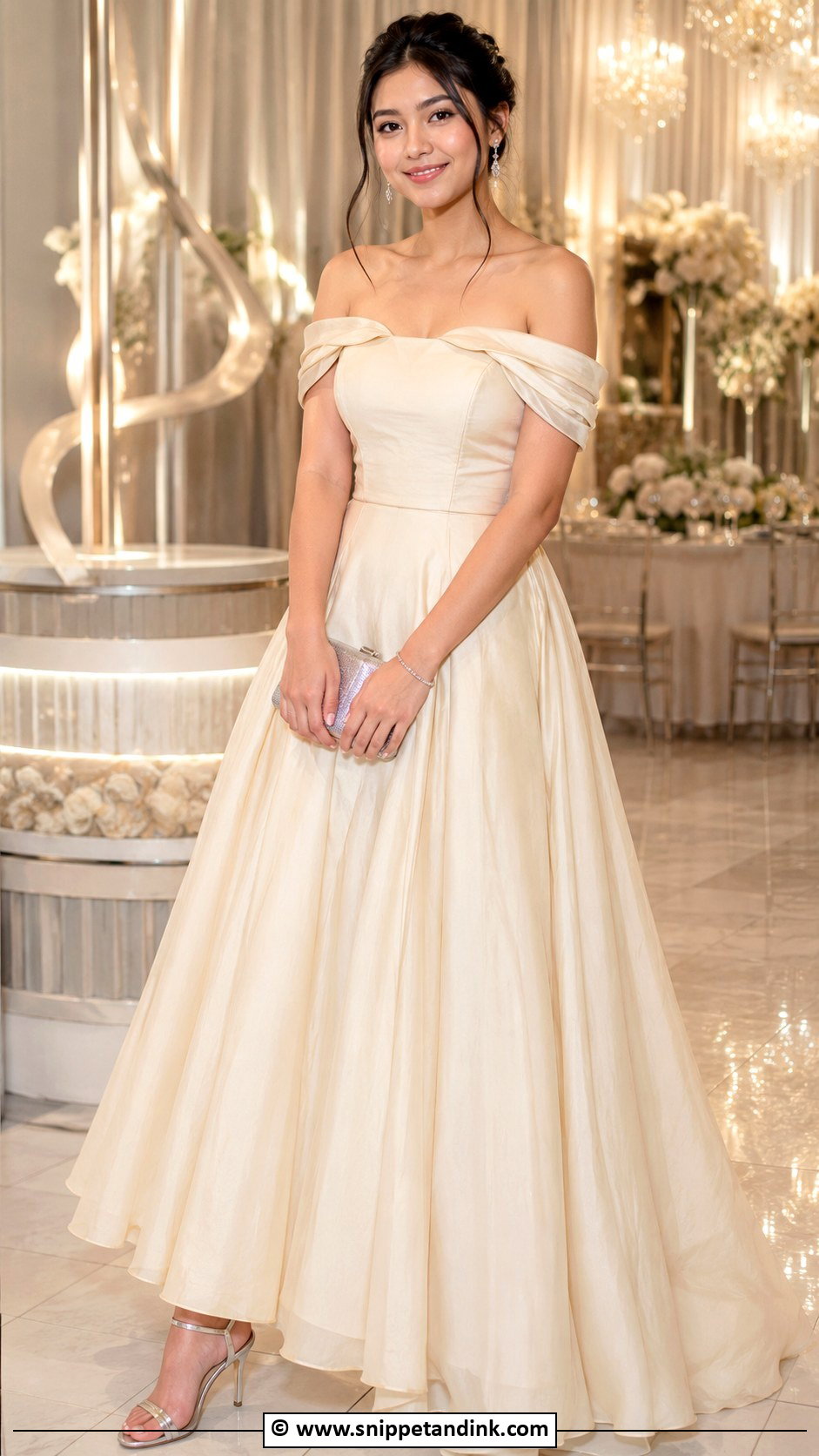
Off-shoulder sleeves look romantic without revealing much, which is why parents and debutantes often agree on them quickly. There’s one thing I test before anything else: raise your arms as if you’re placing a hand on a partner’s shoulder for the waltz. Many off-shoulder bands restrict that movement or slide down. A bodice with good internal support fixes both problems. Drop earrings and pointed heels are enough, and a low bun keeps the neckline clear.
3. Sweetheart Neckline Debut Dress
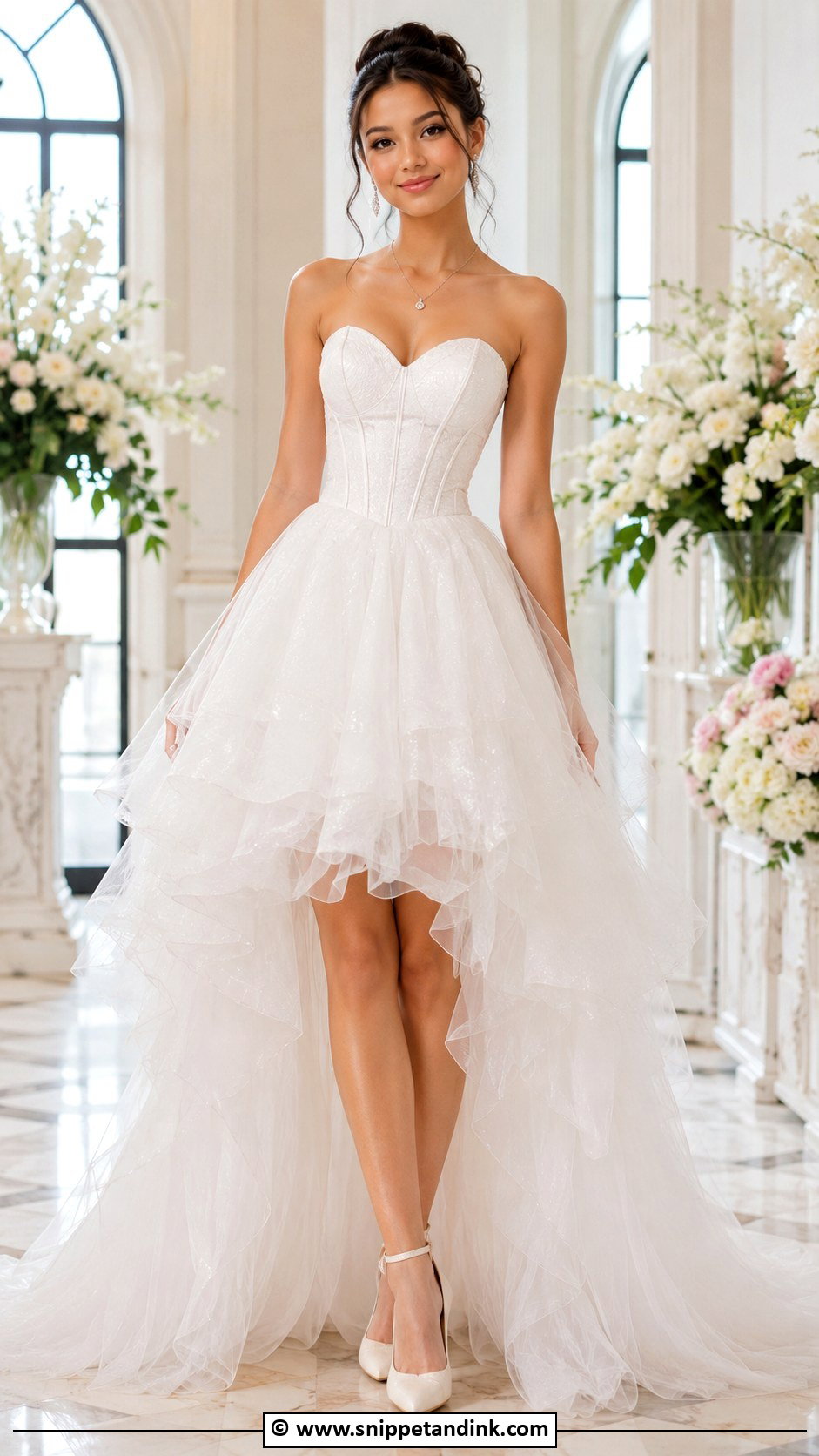
The sweetheart curve softens the upper body and suits a youthful figure without looking too grown-up. It sits naturally on corset bodices, satin ball gowns and tulle skirts. A little beading on a structured bodice gives the princess feel; plain satin keeps it clean. I’d pair it with a fine pendant that falls just above the dip of the neckline and block heels for a long night.
4. Lace Debut Dress
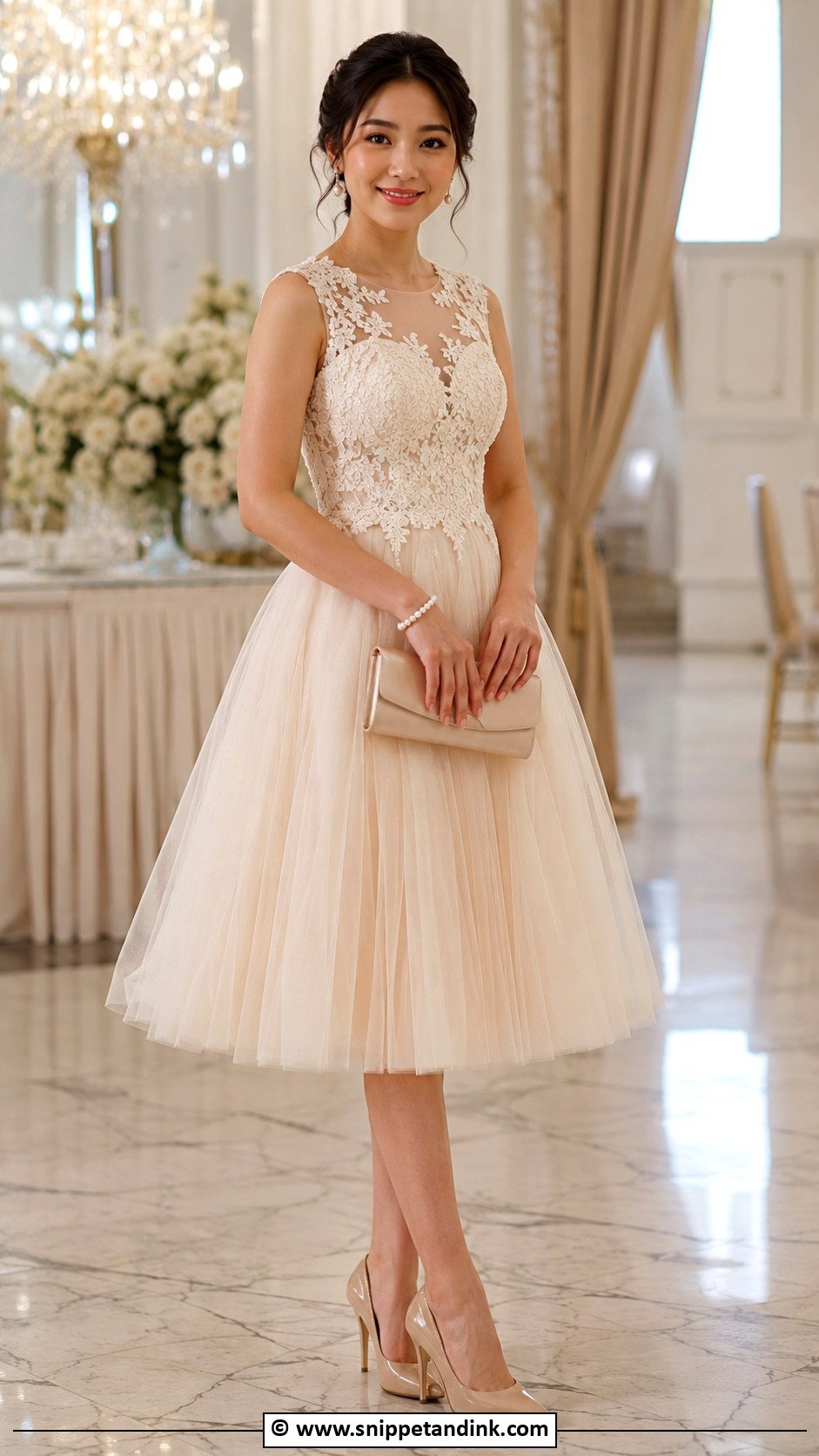
Lace gives texture without heavy sparkle, and it hides small marks from a long evening better than plain satin. For a formal debut, I like lace layered over satin or tulle so the skirt keeps its shape instead of hanging flat. Long lace sleeves read modest; a sleeveless lace bodice is cooler for dancing in a warm hall. Blush or soft blue lace suits a birthday debut. Keep the clutch smooth and the heels simple so the pattern leads.
5. Satin Debut Dress
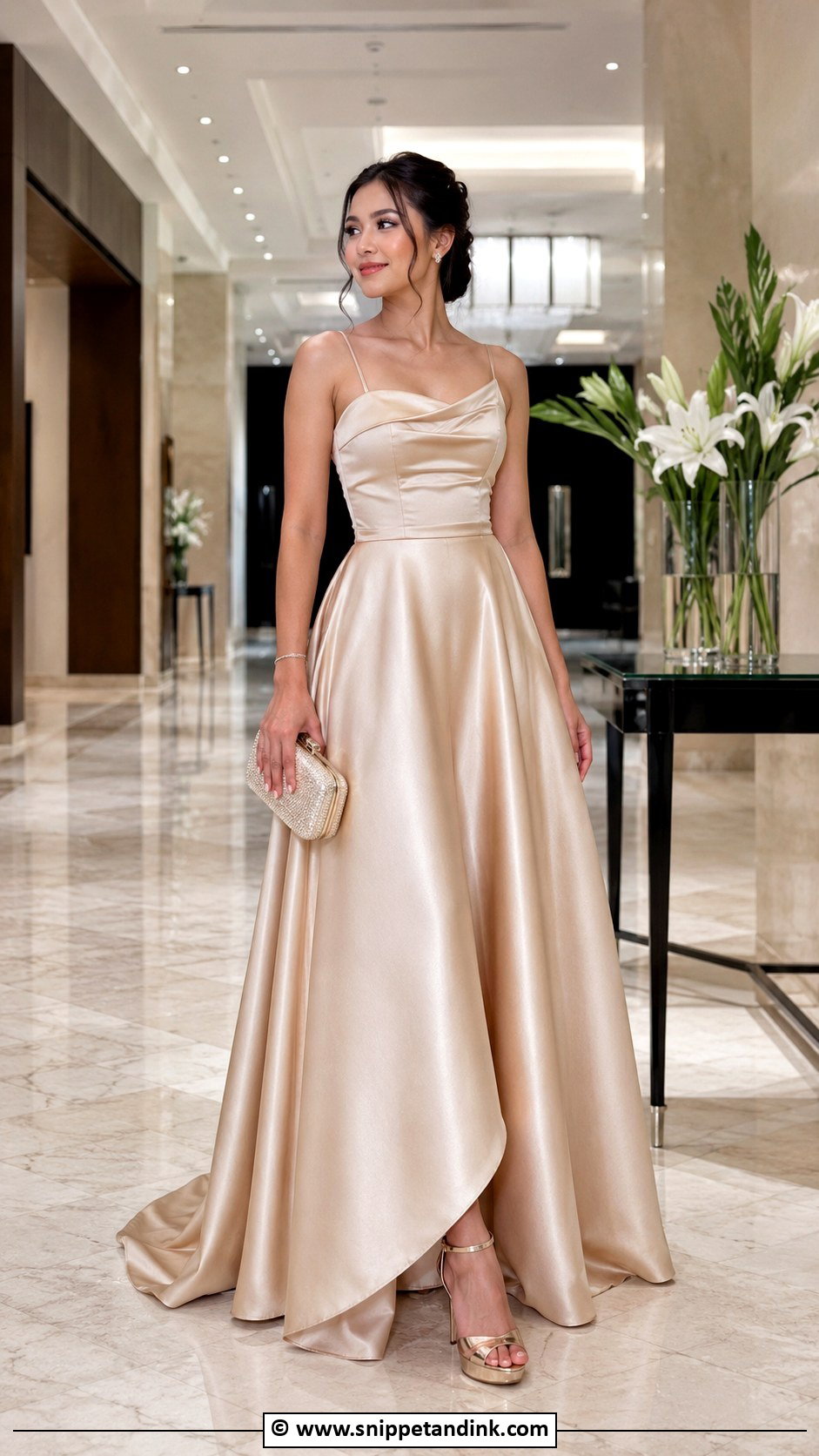
Satin has a natural shine that looks formal with almost no decoration. White or ivory satin is traditional; champagne, rose and pale blue feel softer. The honest downside: satin creases in the car and across the lap during dinner. Steam it at the venue if you can, and choose a heavier satin that recovers better. A fitted bodice and a skirt that moves freely matter more than anything else if there’s a grand entrance on stairs.
6. Tulle Debut Dress
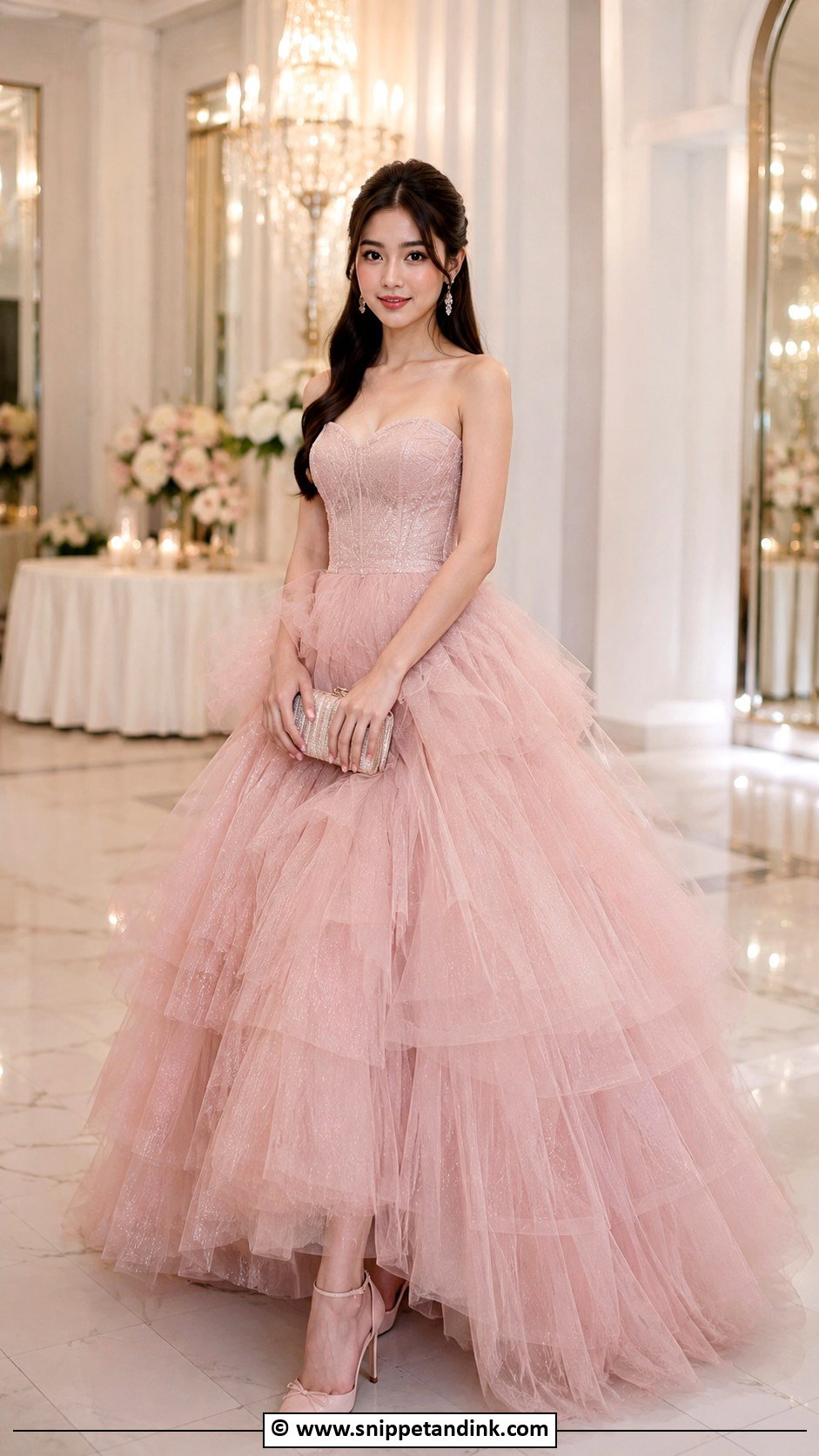
Tulle makes the most volume for the least weight, so it’s kind to a debutante dancing for hours. Layers can build a full ball gown or a gentler A-line. To keep it from looking too young, I’d keep the bodice plain or add tiny floral appliqués rather than glitter. Watch the hem around heels: tulle snags easily on buckles and stiletto tips. Soft curls or a half-up style suit its airy mood.
7. A Line Debut Dress
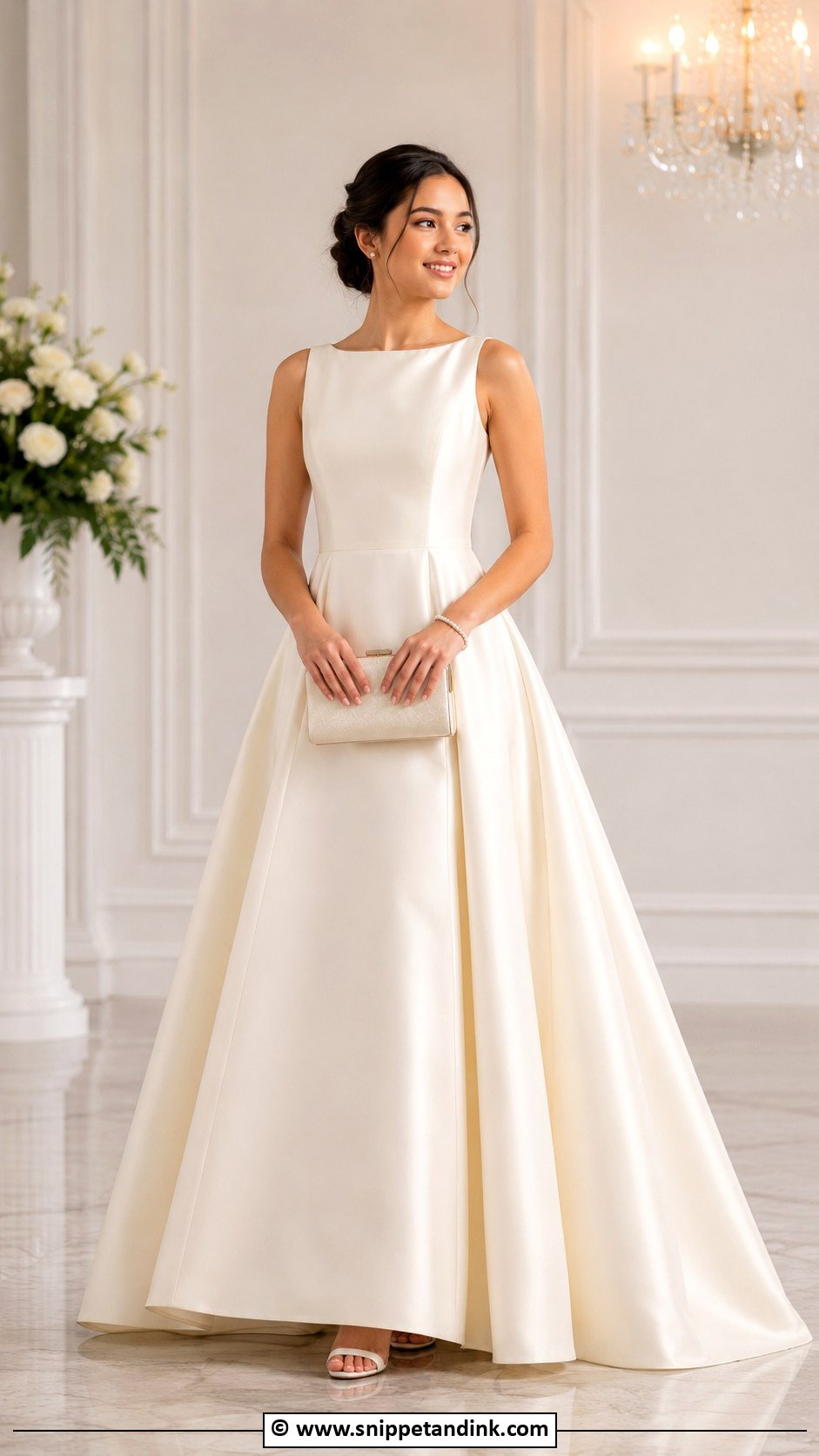
The A-line is the gown I suggest when a debutante has a packed program: dinner, a cotillion, photos, speeches and a dance floor. The skirt flows from the waist without the weight of a full ball gown, so it’s easy to sit and turn in. Satin looks formal, chiffon soft, lace textured. Pick heels you can walk in confidently on a stage and finish with soft waves.
8. Corset Debut Dress
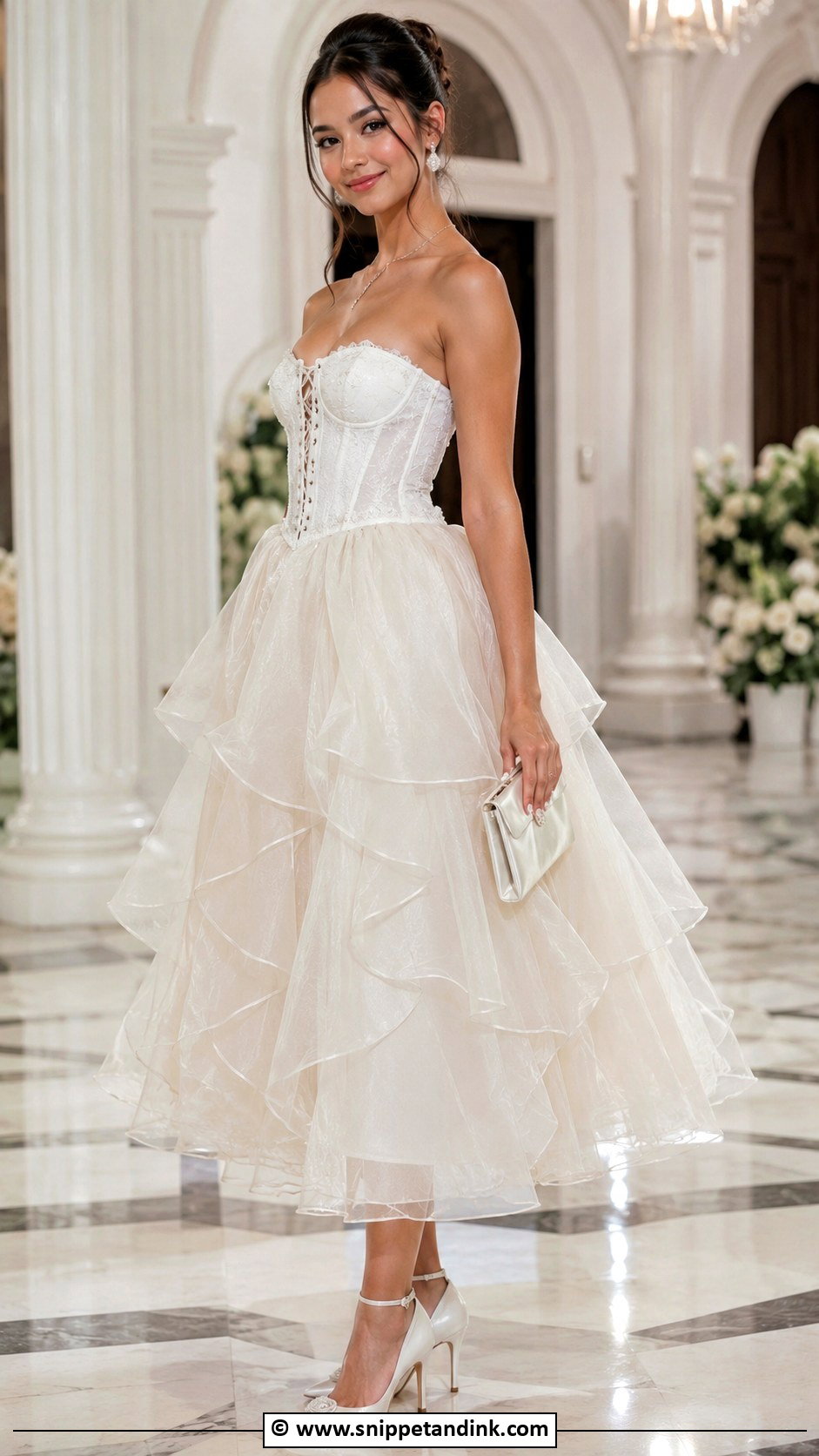
A corset defines the waist, and a lace-up back adjusts if you change shape slightly between fittings, which teenagers often do. The point is support, not squeezing. If you can’t breathe deeply or sit comfortably at the fitting, it’s laced too tight or cut too small. Pair it with a tulle, satin or organza skirt. Blush, champagne and pale lilac look modern; white and ivory traditional. Keep accessories light since the bodice is already detailed.
9. Long Sleeve Debut Dress
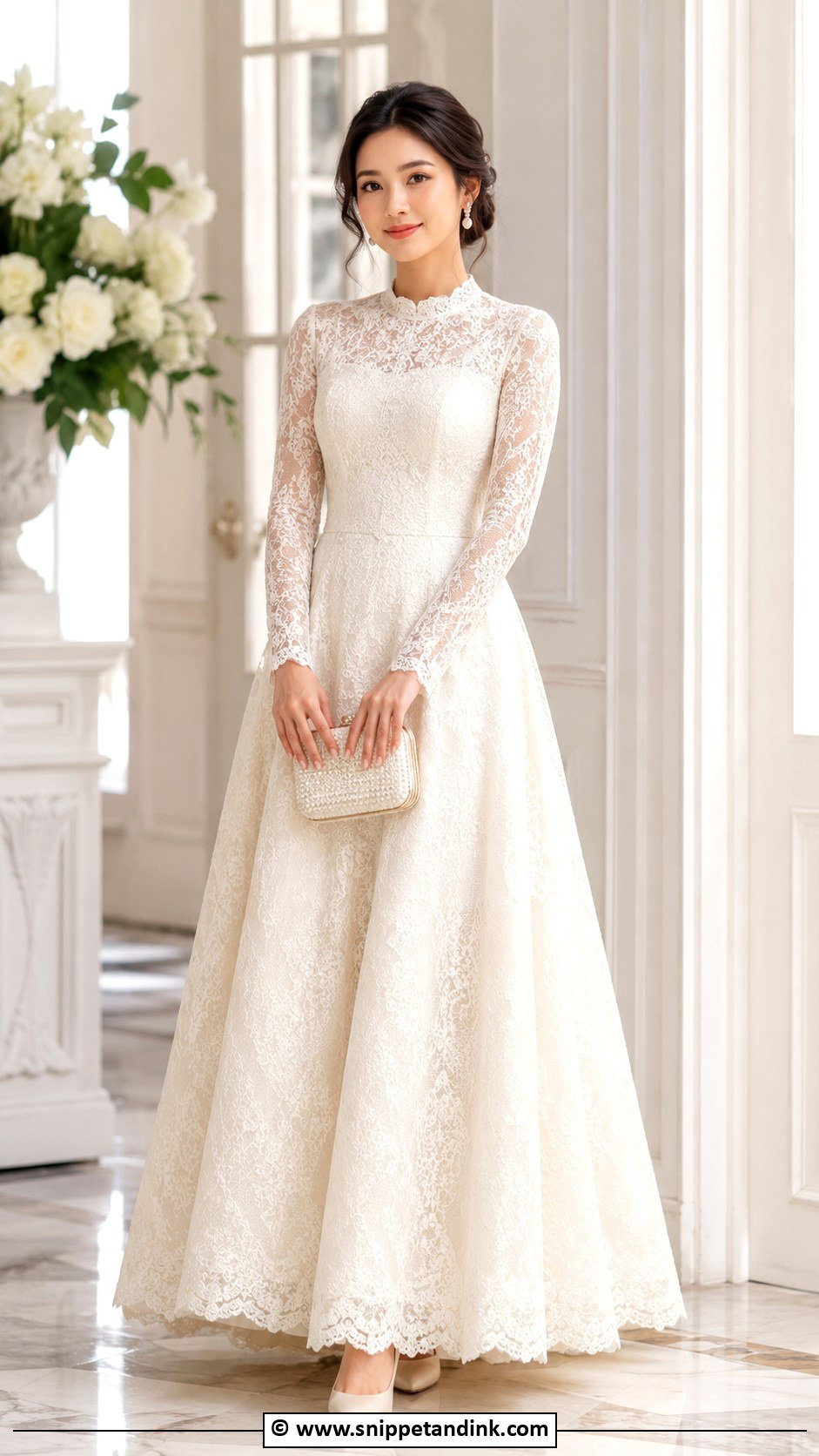
Long sleeves suit modest families, cooler venues and religious portions of a celebration. Sheer lace is romantic; satin or crepe sleeves look cleaner. With a high neckline I’d skip the necklace and wear earrings; with an open neck, a fine pendant works. Check that the sleeves let you lift your arms for a partner dance. Hair pulled back keeps the sleeve detail visible in photos.
10. Strapless Debut Dress
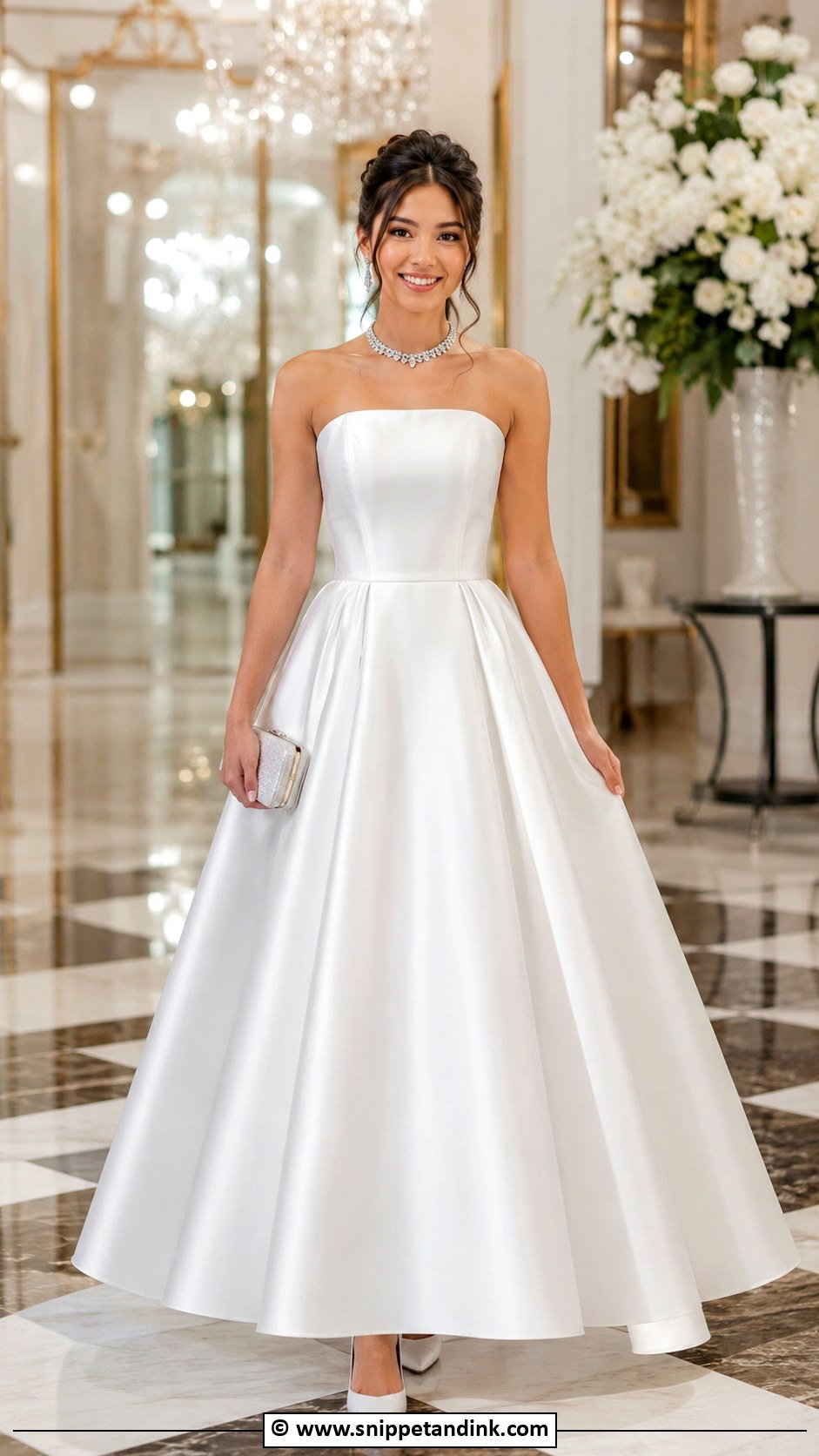
Strapless is classic and simple to style, but the fit is everything. The bodice must stay put through a presentation curtsy and the whole cotillion without tugging. I fit it snugly at the ribs, because that’s what keeps it up, not the bust. With a plain bodice add a necklace; with beading, choose statement earrings instead. A sleek updo makes it elegant, loose waves softer.
11. High Neck Debut Dress
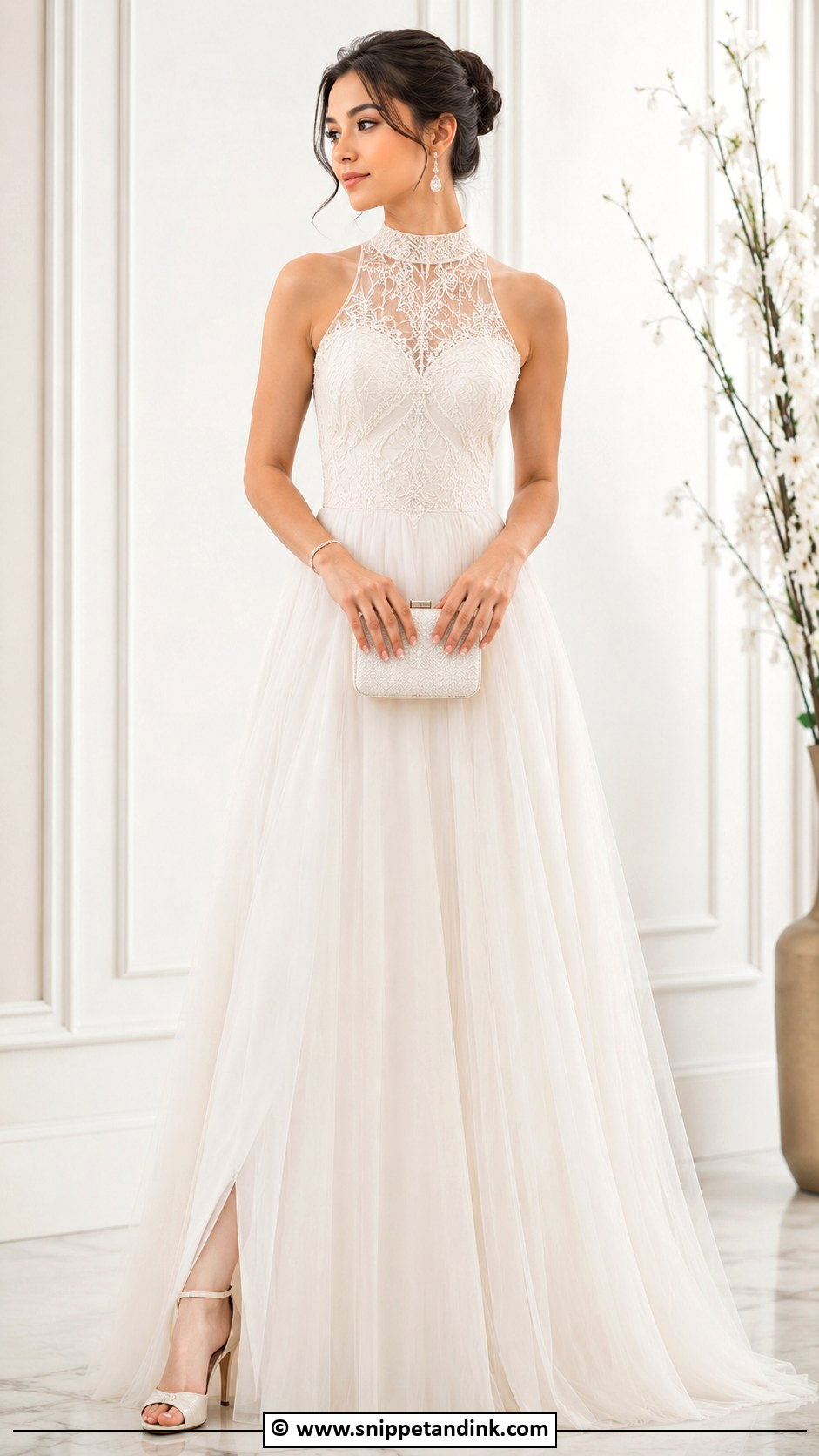
A high neck looks refined and gives coverage while staying dressed up. Lace, illusion mesh, satin and crepe all hold the shape. Balance the covered top with a fuller skirt. Heavy necklaces compete with the collar, so I’d go with drop earrings and a bracelet. A bun or sleek ponytail shows the neckline best.
12. Floral Debut Dress
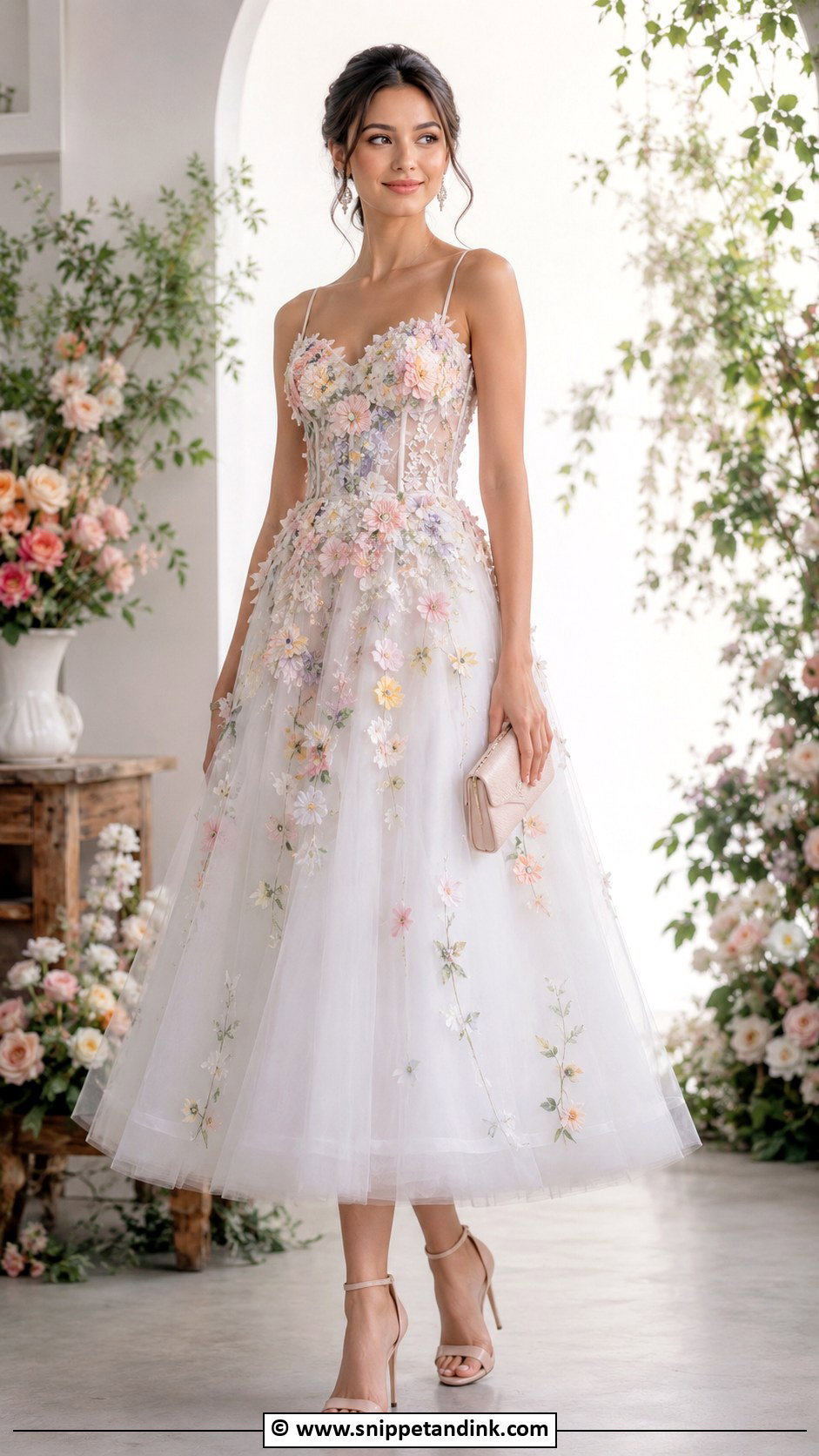
Skip loud prints. For a debut, florals look best as embroidery, 3D appliqué or soft watercolor patterns on tulle or organza. White with pastel flowers feels fresh; blush or lavender backgrounds feel dreamy. If the flowers are colorful, I pull one shade into the accessories and leave the rest alone. A soft curled or half-up style suits it for garden venues or spring parties.
13. Blush Pink Debut Dress
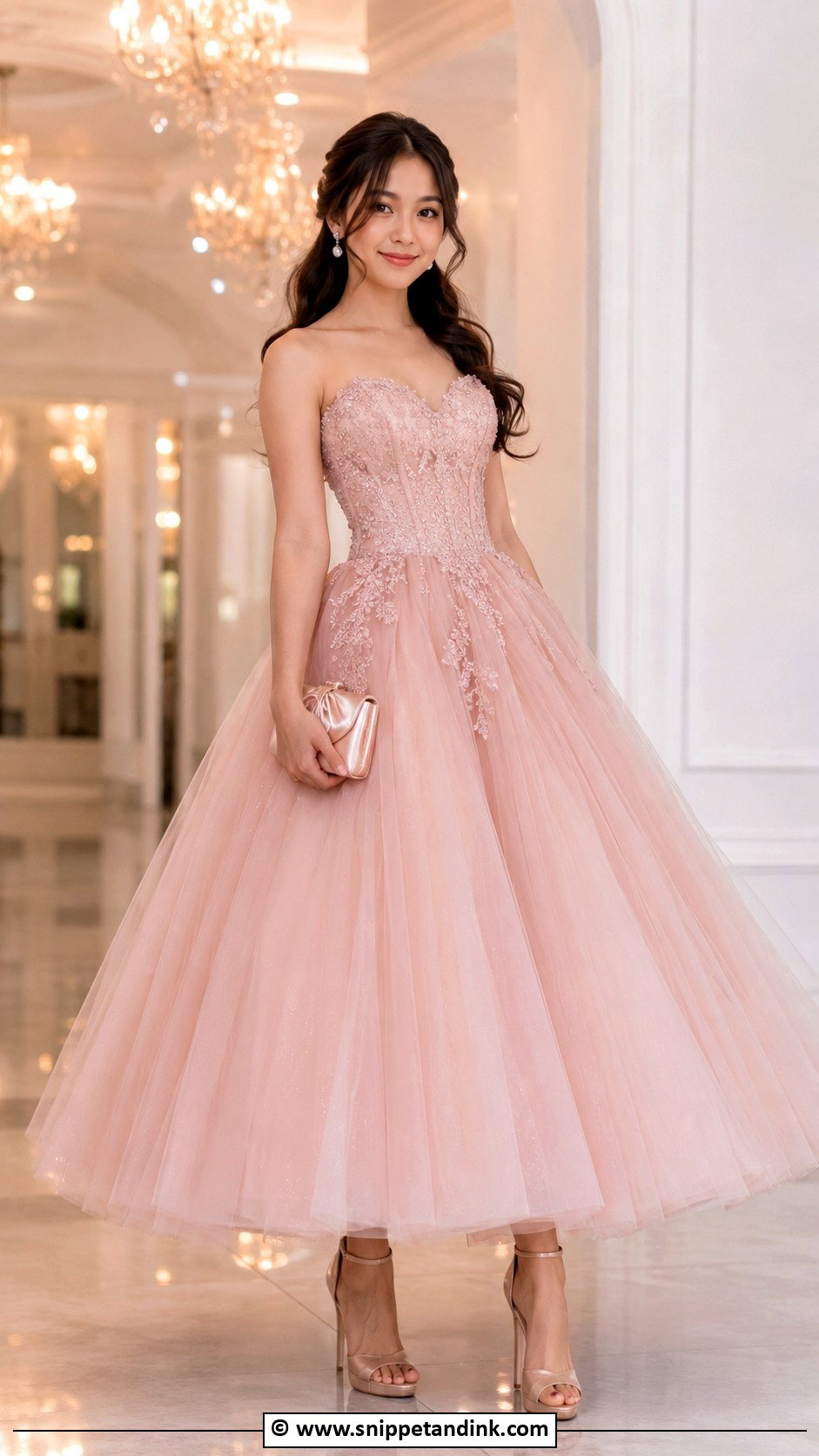
Blush gives color without shouting, and it flatters most skin tones under warm ballroom light. It works in tulle, satin, chiffon, organza and lace. Be aware that very pale blush can look white in photos taken with flash, so if you want the pink to read, go a shade deeper than you think. Champagne or silver heels, pearl earrings and soft rosy makeup complete it.
14. Champagne Debut Dress
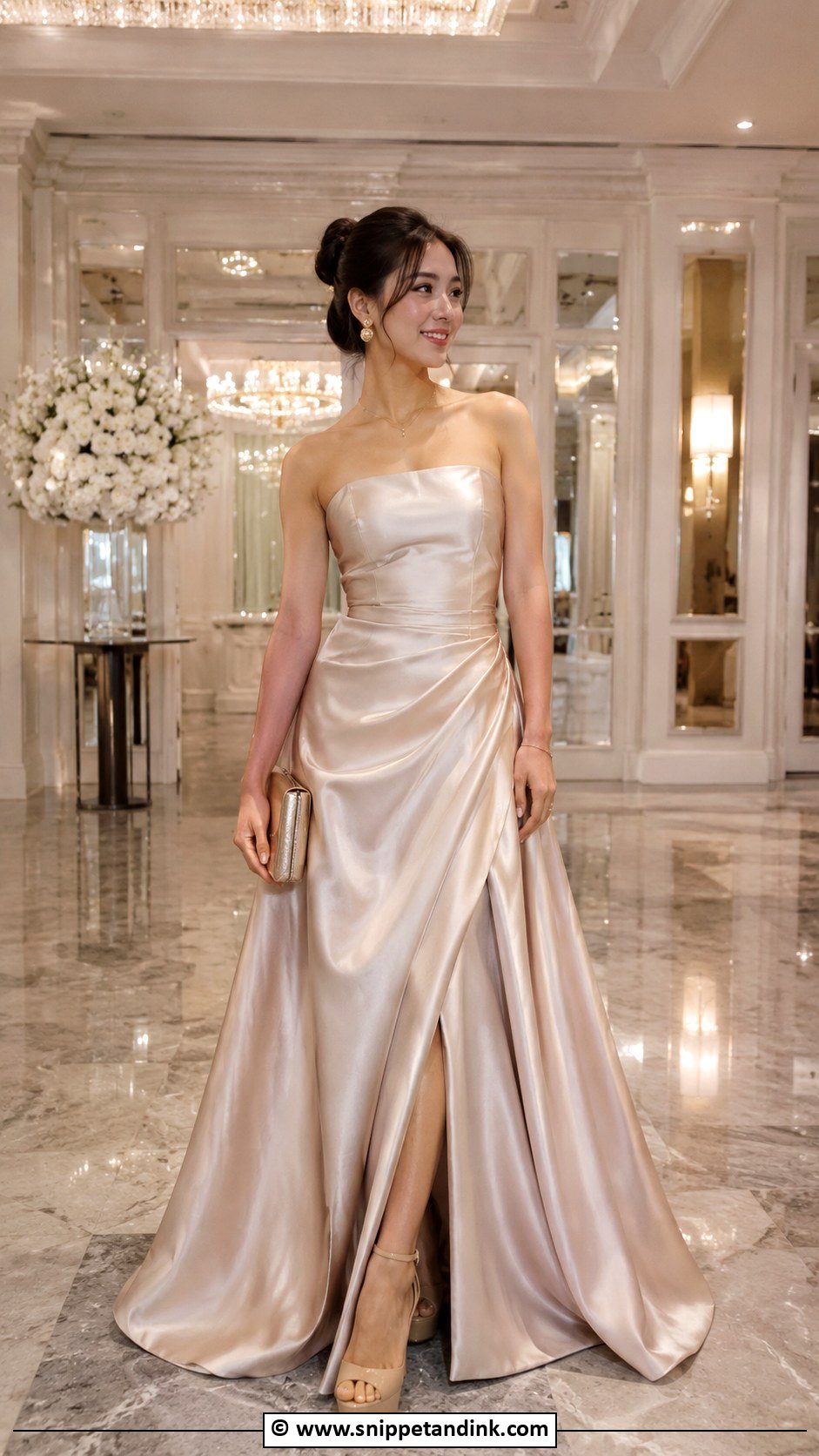
Champagne is warmer and a little more grown-up than white, and it glows under the warm lighting of most hotel ballrooms. Satin, beaded tulle, sequins and organza all suit it. Gold jewelry and nude heels tie in with its tone. Shimmer on the dress means minimal accessories. A low bun or polished ponytail keeps it sophisticated.
15. Powder Blue Debut Dress
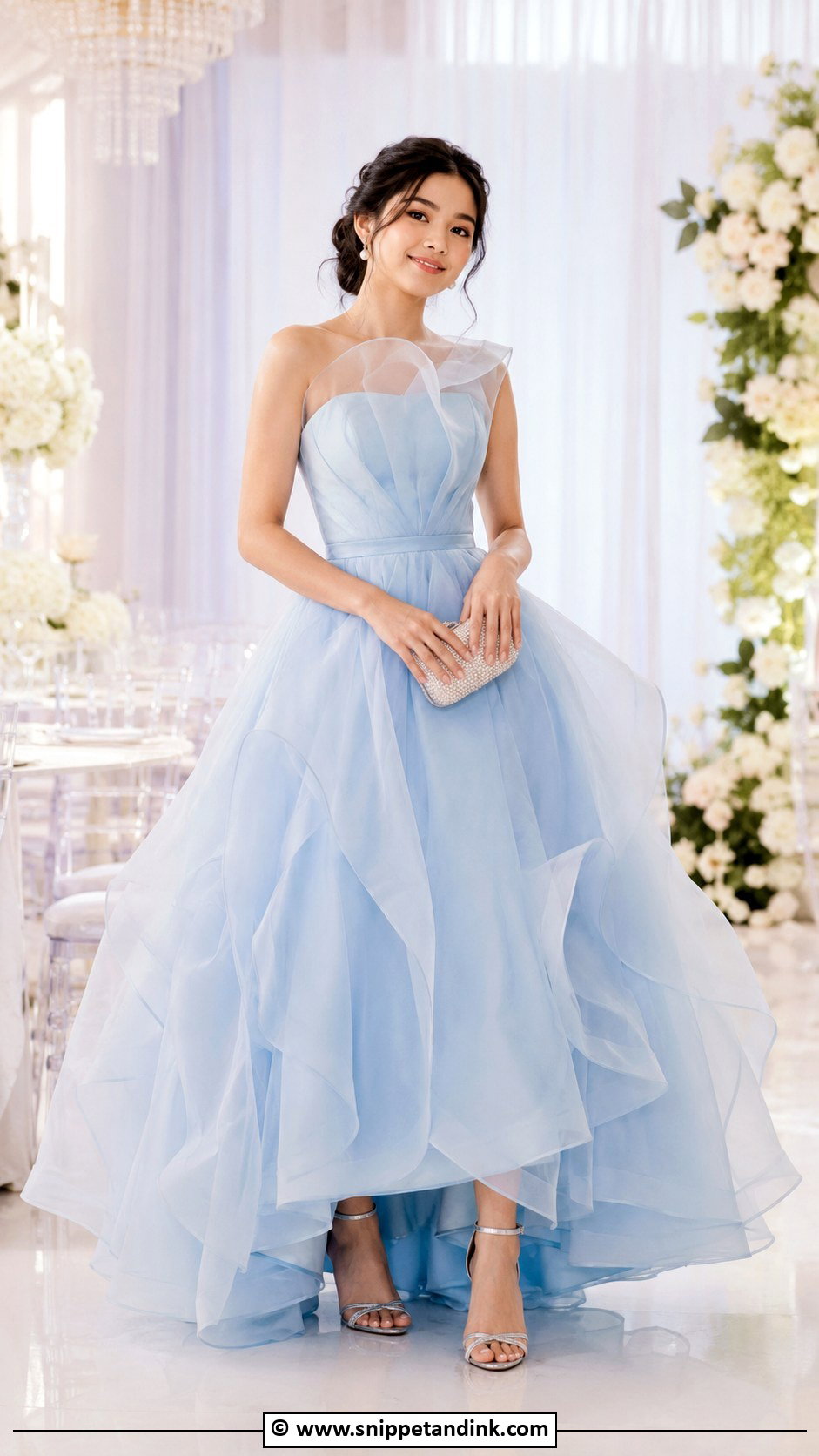
Powder blue is calm and cool, a soft alternative to white or blush. Tulle and organza make it airy; satin smooths it. Silver, pearl and clear crystal accessories suit it far better than dark ones, which can make the palette feel heavy. A half-up style with soft curls goes with the color, and it photographs especially well in winter and ballroom settings.
16. Lavender Debut Dress
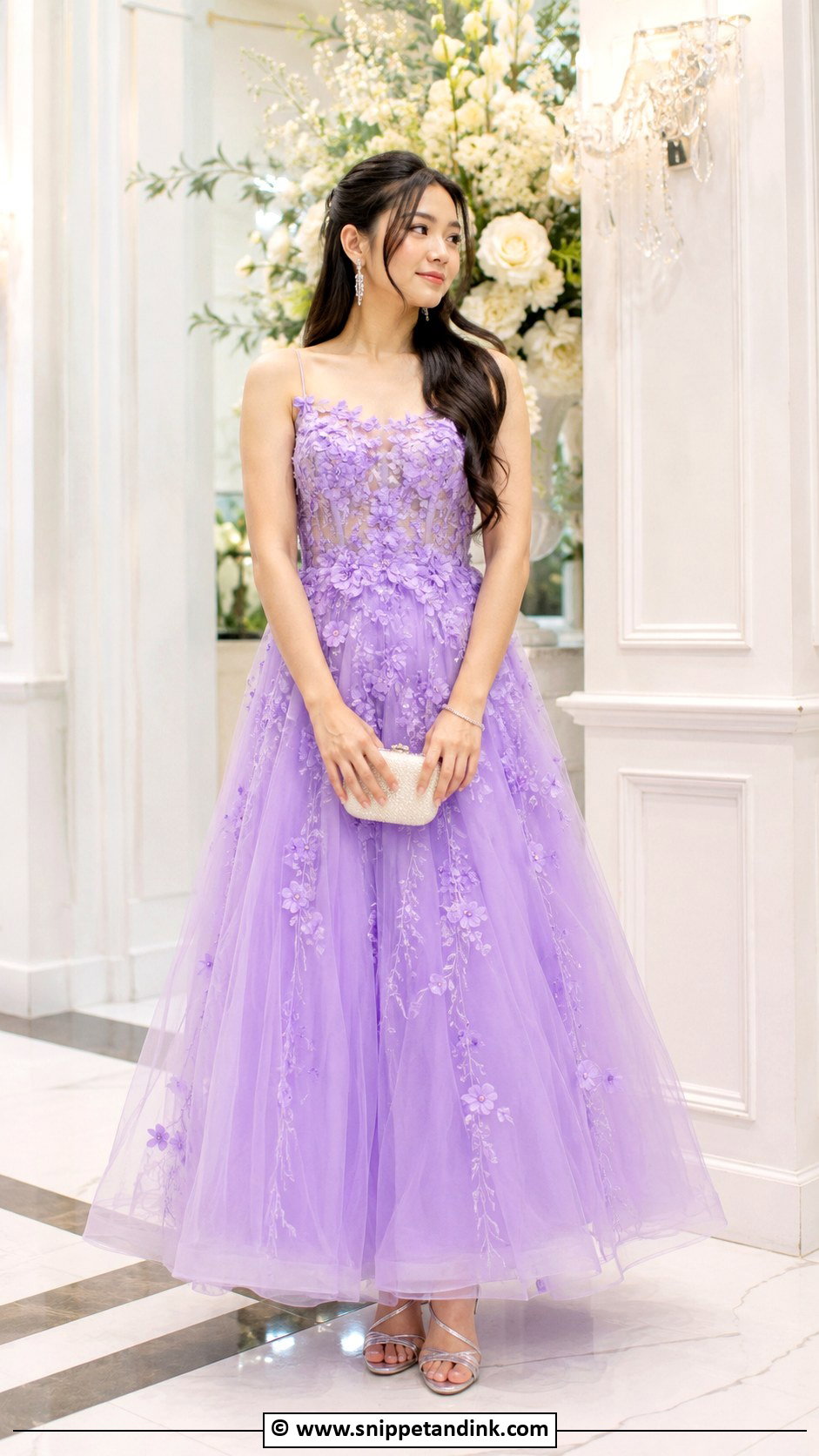
Lavender feels modern and a little whimsical. It’s at its best in layered tulle, chiffon or with floral appliqué. Lavender can lean grey under fluorescent light and pink under warm bulbs, so look at the fabric in more than one light before buying. Silver or pale blush accessories keep the palette gentle, and lavender pumps work if you want to match.
17. Sequin Debut Dress
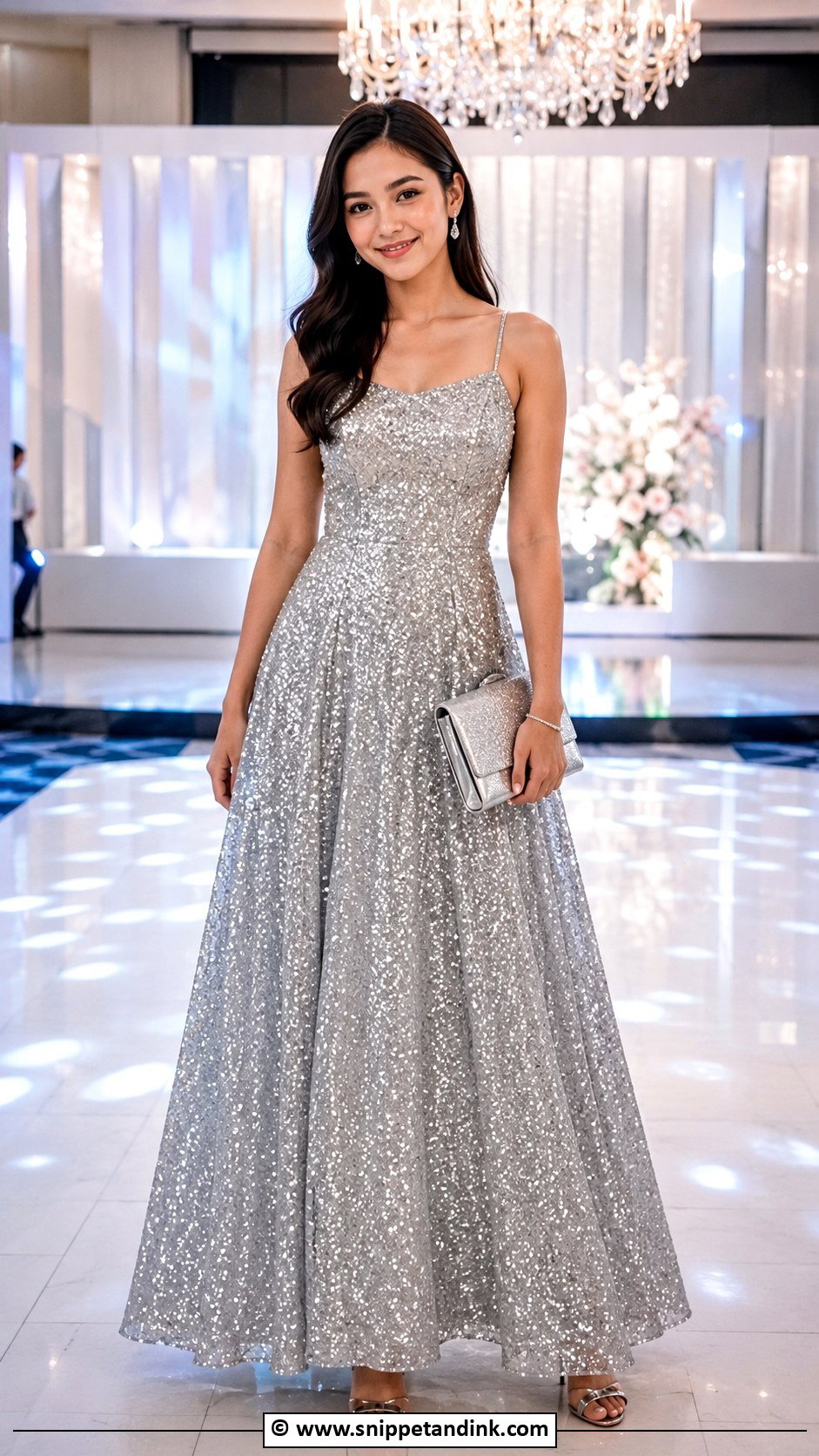
Sequins need restraint at a debut. Soft silver, white, champagne, blush or pale gold on a structured gown or flowing A-line keeps it polished; a fully sequined bodycon can look like a prom dress. Minimal heels, small earrings and sleek hair balance the shimmer. Ask whether the inner arm is lined, because sequins scratch during a long evening of dancing.
18. Beaded Debut Dress
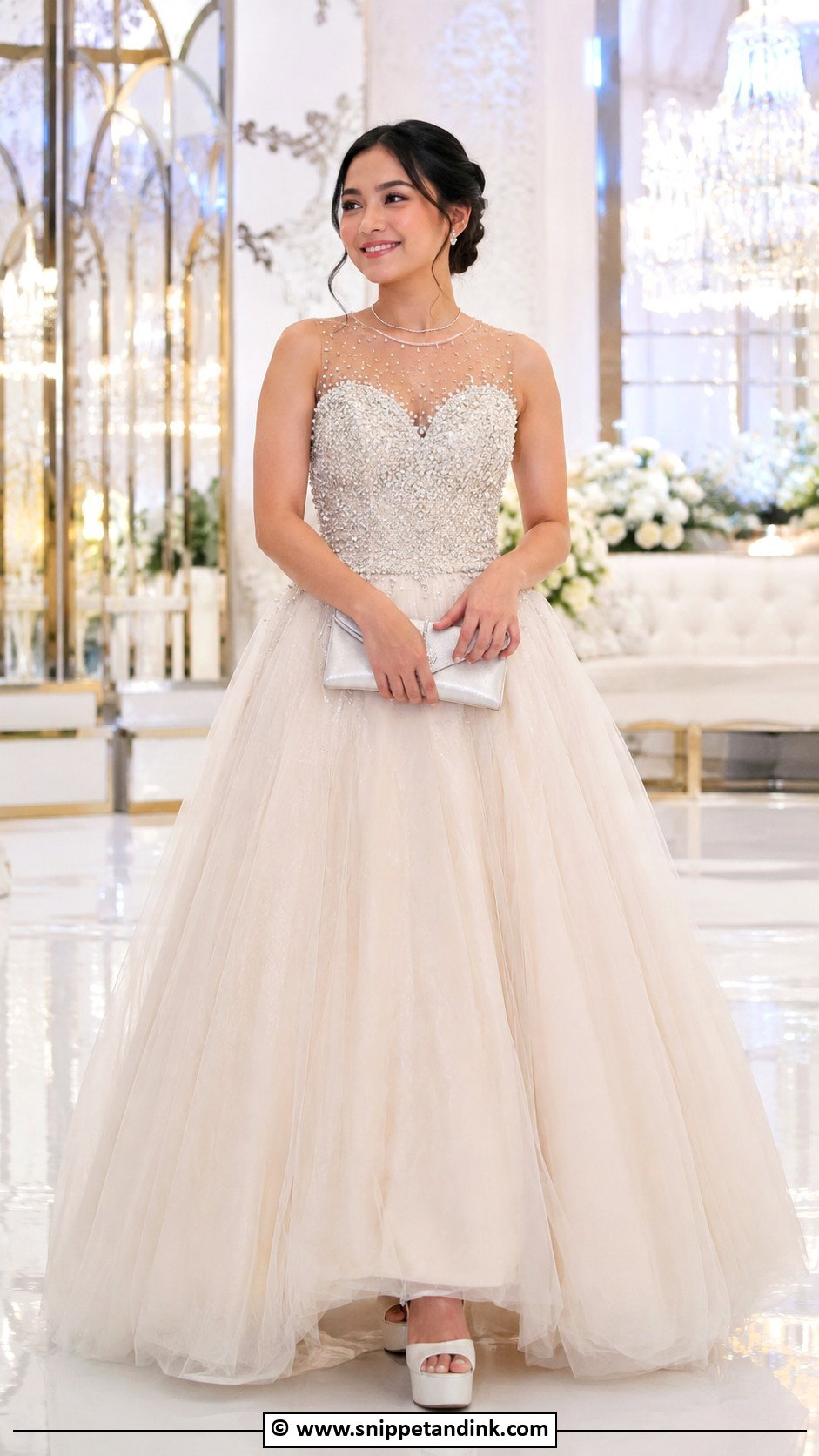
Beading sits between plain satin and full sequins. I look for delicate work along the bodice, waist or sleeves rather than all over, which keeps the gown lighter and looks more refined. Beading adds weight, so sit and walk in it at the fitting. White, ivory, champagne and blush are the most versatile shades. A satin clutch and small crystal earrings are all it needs.
19. Organza Debut Dress
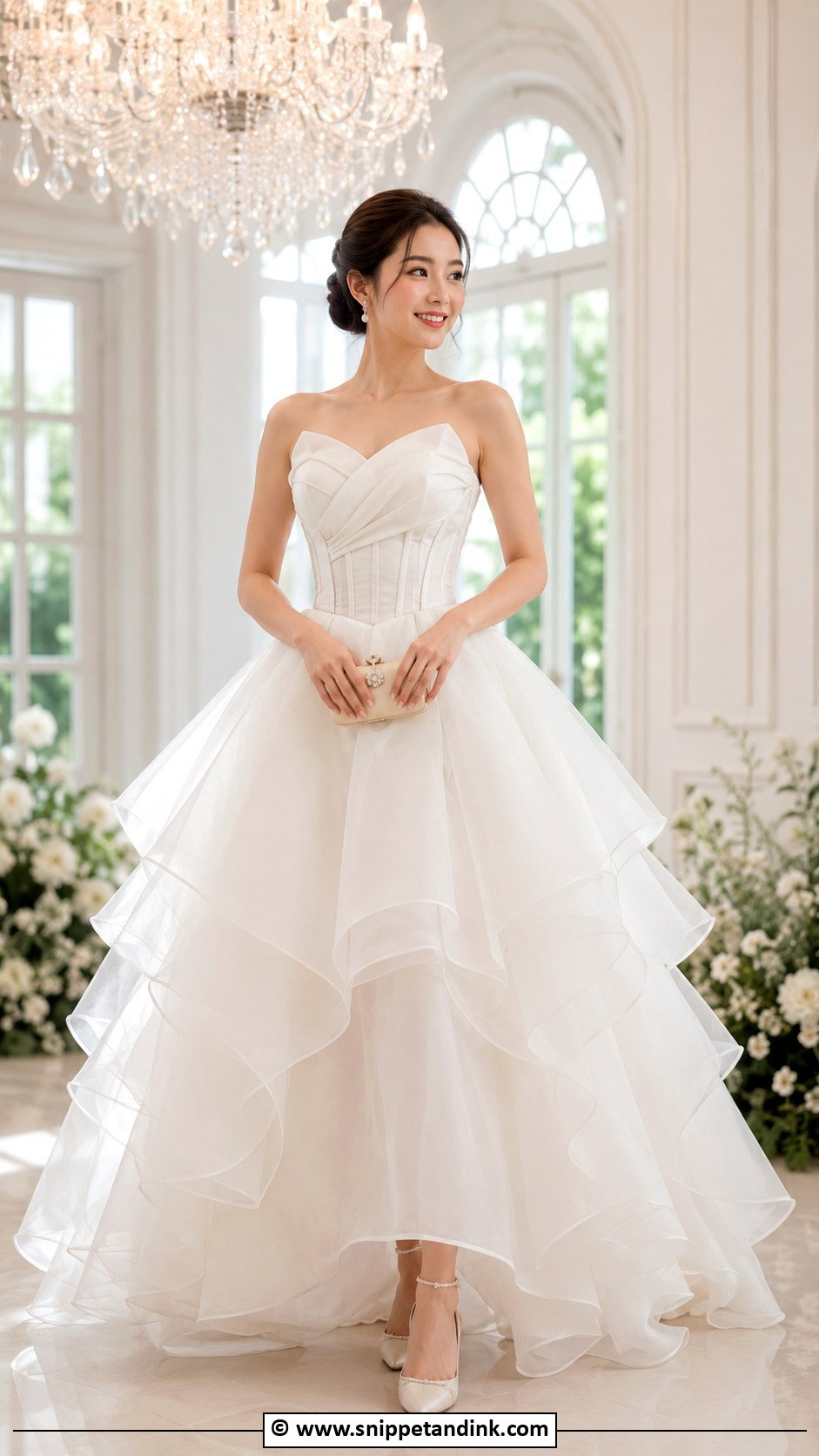
Organza is crisp and holds volume without much weight, so it suits ball gowns, tiered skirts and puff sleeves. Because it stands away from the body, simple cuts look more special in it. The trade-off is that organza crinkles where it’s crushed, which shows after a car ride. With ruffles or layers, keep jewelry minimal. A low bun or polished half-up style suits it.
20. Minimalist Debut Dress
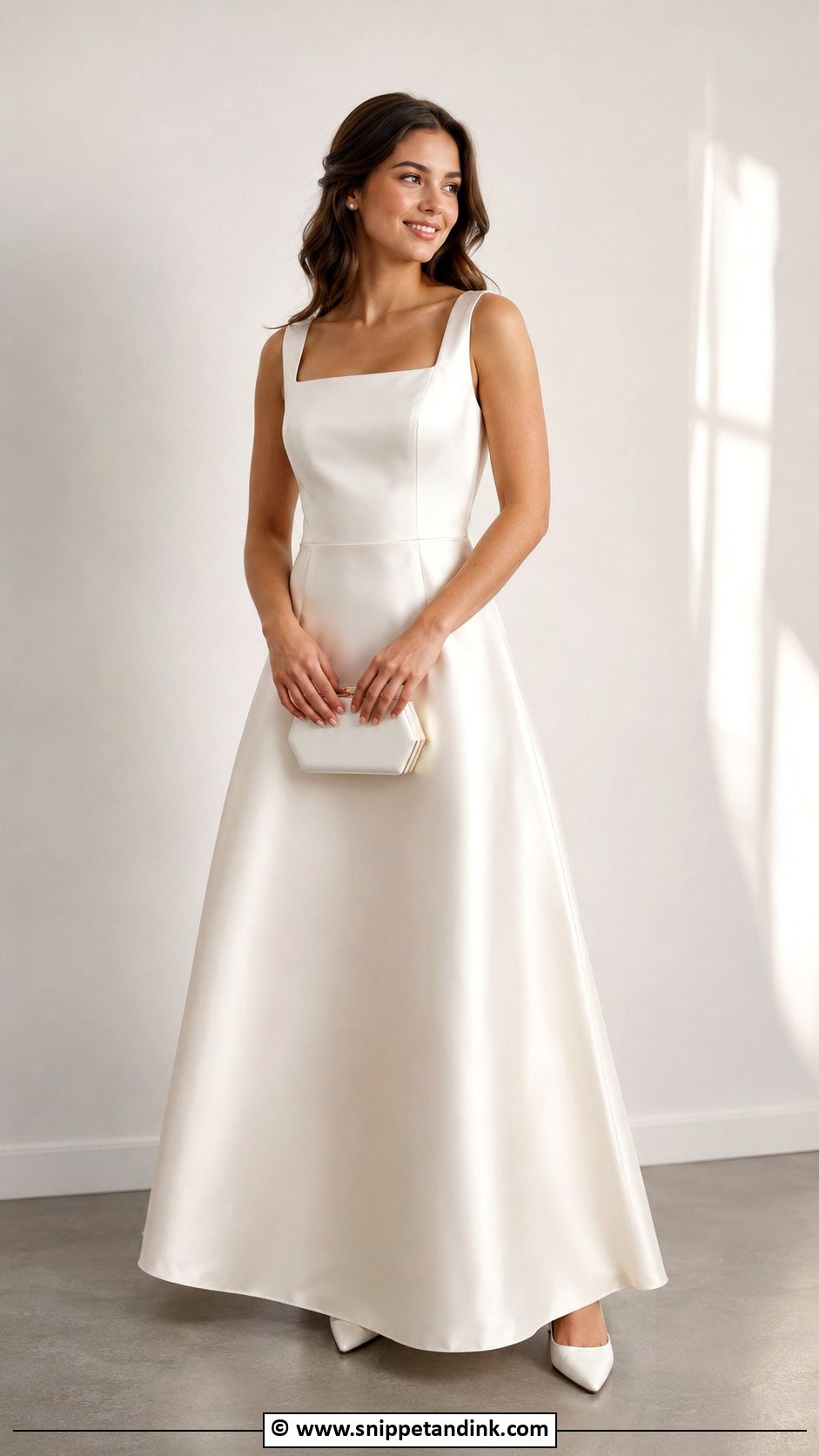
Minimalism works when fabric and fit carry the whole look. A simple satin A-line, a crepe column gown or a smooth white ball gown can look very refined. Pick a single detail and let it lead: a square neck, a low back, a bow or a pleated skirt. Pearl studs and pointed heels finish it, with a smooth bun or blowout.
21. Tea Length Debut Dress
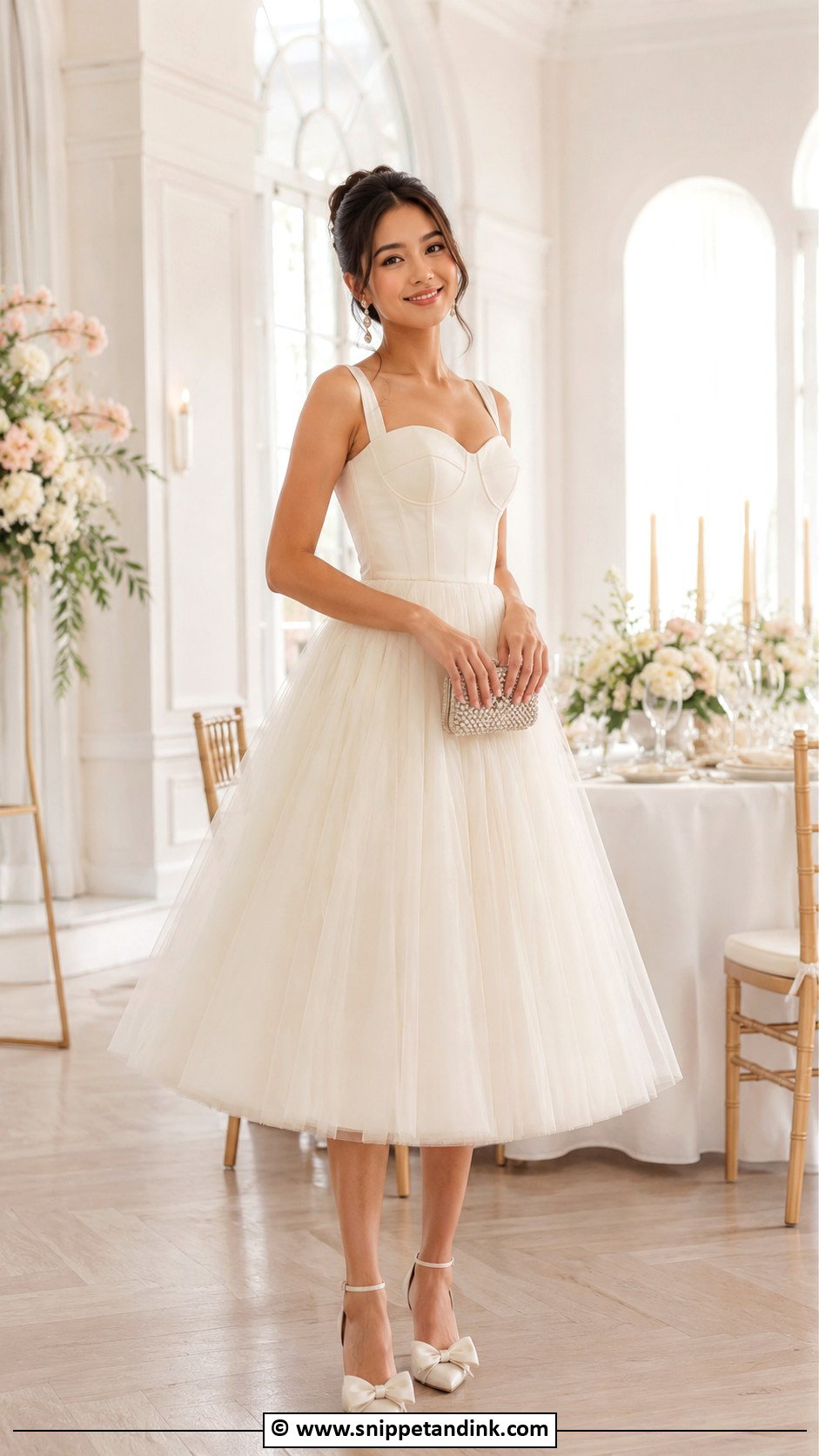
A tea length debut dress is practical for daytime or brunch debuts and for dance-heavy programs. The hem sits between knee and ankle, so the shoes are always on show. A fitted bodice with a full tulle or satin skirt keeps it formal. Choose pumps, bow heels or embellished sandals you can dance in, plus pearl jewelry and a small clutch.
22. Two Piece Debut Dress
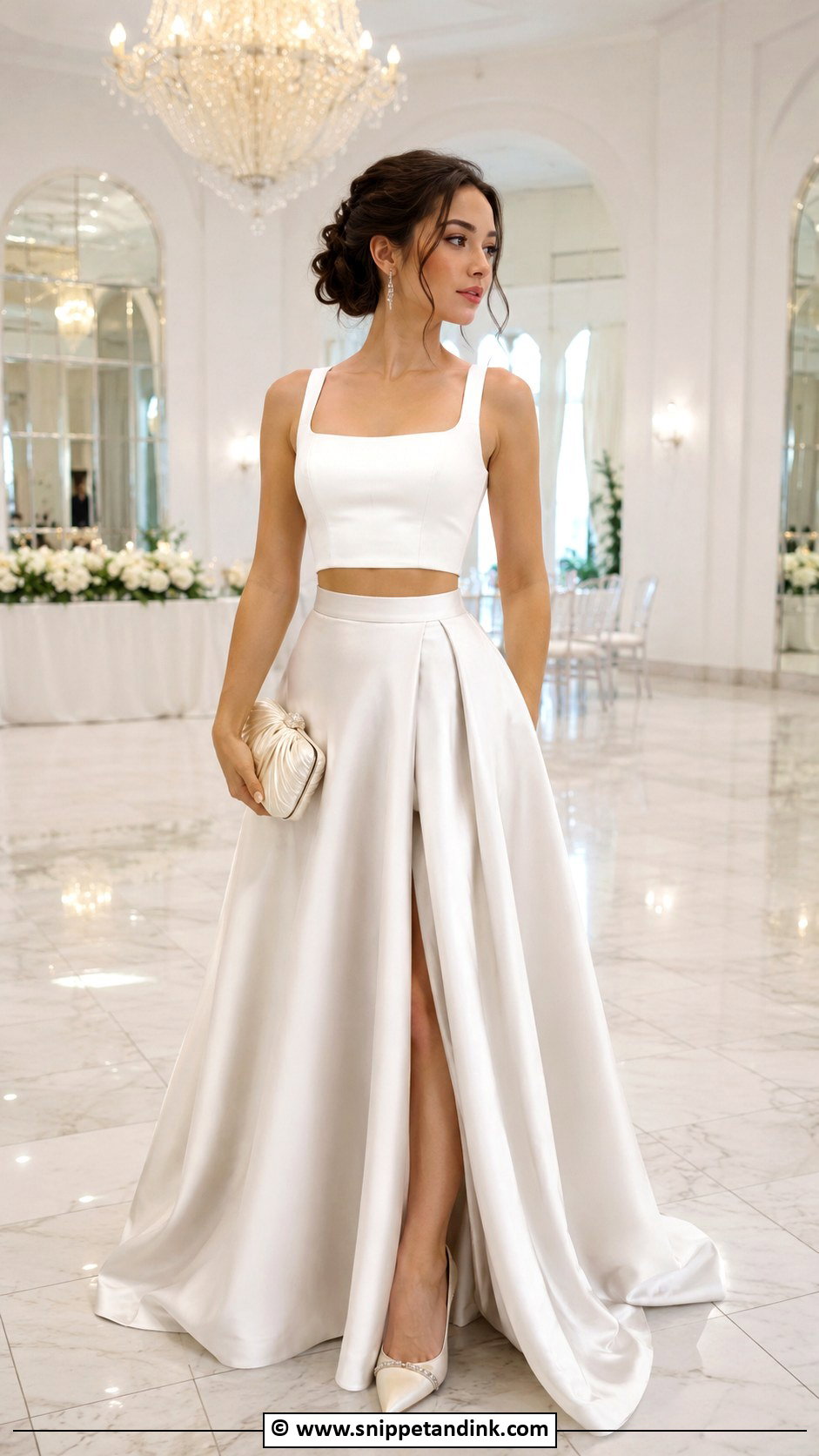
A two-piece looks modern while staying formal, provided the fit is sharp. A structured crop top with a high-waisted ball gown skirt is the usual pairing. Before ordering, I’d confirm how much midriff your event and family are comfortable with, since a few centimeters makes a real difference. Satin, lace, tulle and beading all suit it. A sleek style keeps it intentional.
23. Cape Debut Dress
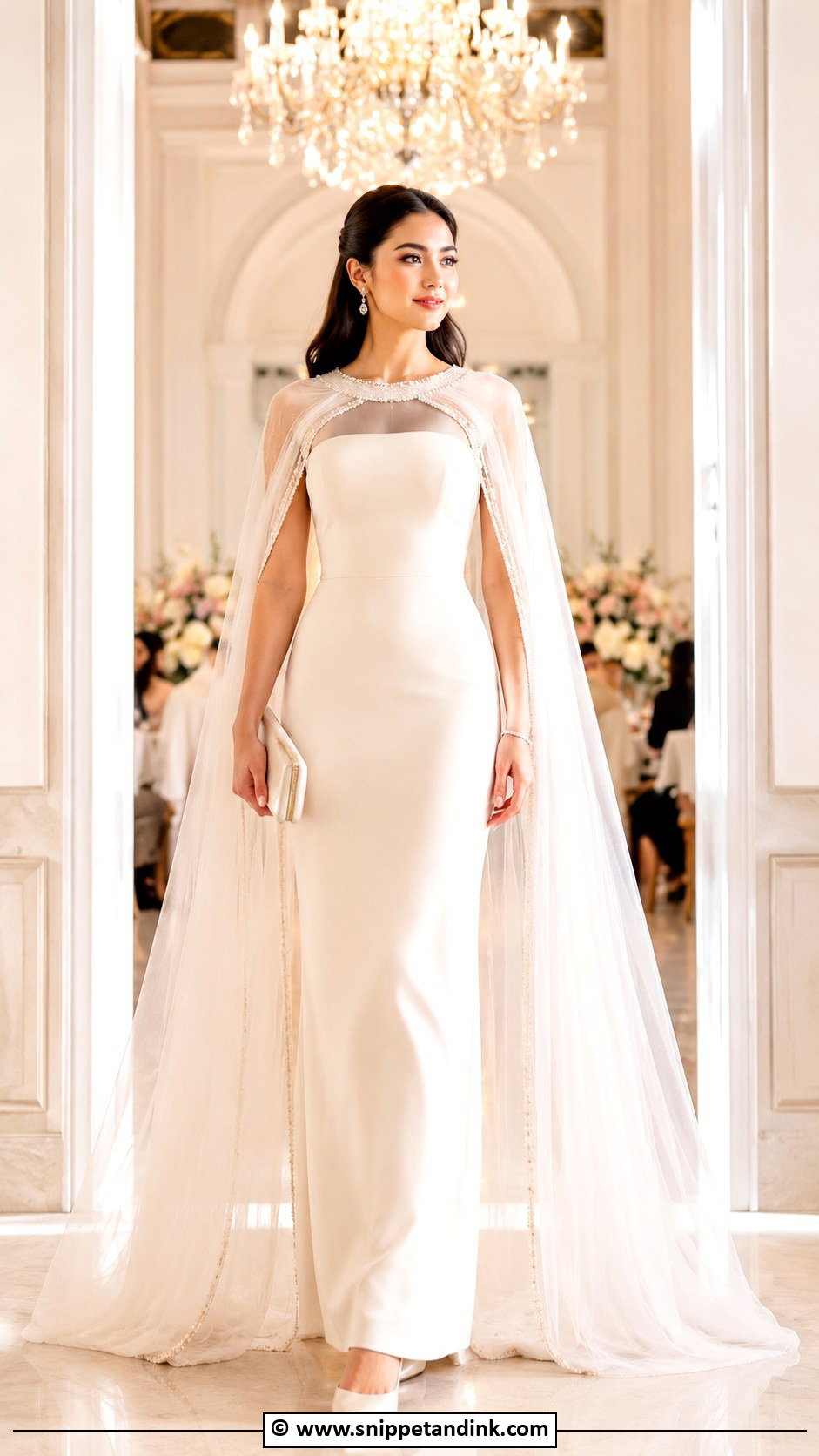
A cape gives a dramatic entrance without a huge skirt. Sheer, satin, lace or tulle capes sit well over column gowns, A-lines and simple ball gowns. Detachable is the way to go: you wear it for the entrance and photos, then take it off before the dancing. Simple jewelry and hair pulled back keep the shoulder line visible.
24. Modest Debut Dress
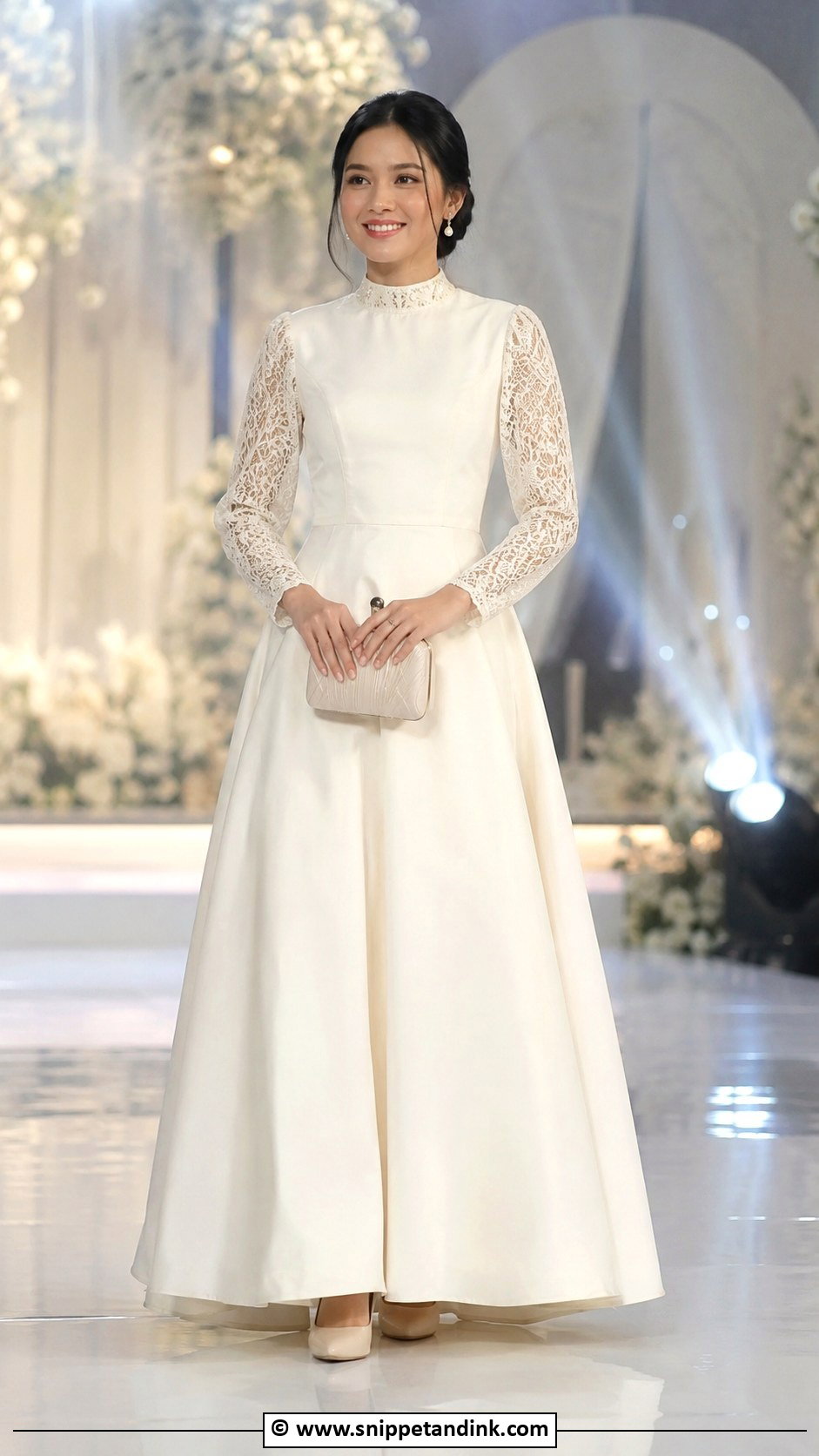
Coverage can still look formal. Higher necklines, sleeves and fuller skirts in lace, illusion, satin or chiffon give a modest gown softness. An A-line or ball gown shape is graceful and comfortable. White, ivory, champagne, blush and pastel blue all suit it. Closed-toe heels, pearls and a neat bun or curls complete it.
25. Modern Debut Jumpsuit Dress
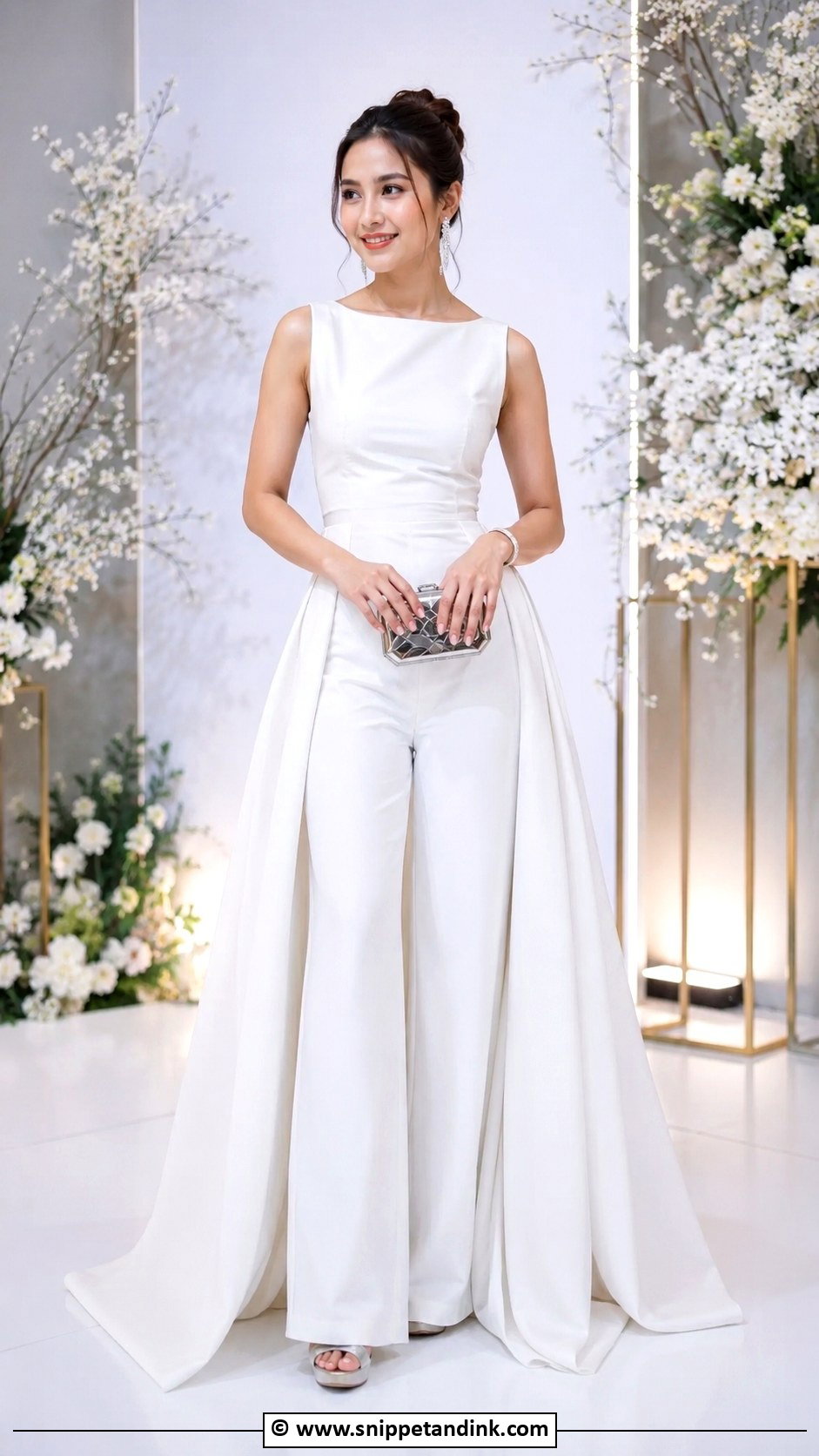
A modern debut jumpsuit dress gives comfort and freedom for the dance floor. On its own a jumpsuit can look too casual for a debut, so I’d add an overskirt, cape, train or dramatic bow for the formal part of the night. Satin and crepe keep it polished. Pointed heels lengthen the legs. It suits contemporary venues, after-party changes and debuts with relaxed dress codes.
Rent, Buy or Have One Made
Each route has its own timeline. Renting is the cheapest and fastest, but alterations are limited to temporary tacks, so the fit is rarely perfect. Buying off the rack takes a few weeks with alterations. A custom gown from a dressmaker usually needs several months and two or three fittings, and I’d start that process roughly four to six months ahead to leave room for changes.
One gown or two
Many debutantes change outfits partway through, wearing a full gown for the entrance and cotillion and a lighter dress for the party. If you’re planning a change, keep the second outfit simpler and quicker to put on, and decide who’ll help you so it takes minutes instead of half an hour. If your family’s budget only covers one, a detachable skirt or cape gives you two looks from a single gown.
Whichever route you take, schedule the last fitting no more than two or three weeks before the debut. Teenagers’ figures can change over a few months, and a gown fitted too early may need taking in or letting out again. Bring the shoes, the undergarments and, if there’s a hoop or petticoat, that too.
Dressing for the Entrance, the Waltz and the Last Song
The right debut dress starts with the event itself: the venue, the program and how comfortable you want to be. Some celebrations call for a traditional white ball gown; others welcome pastels, sparkle, modest details or modern shapes. Whatever you choose, you should be able to walk, sit, dance and pose without thinking about the dress. Try several silhouettes, check the dress code, and sort out shoes and accessories early, so the night is about you rather than the gown.
You'll Like These Ideas:


Leave a Reply