
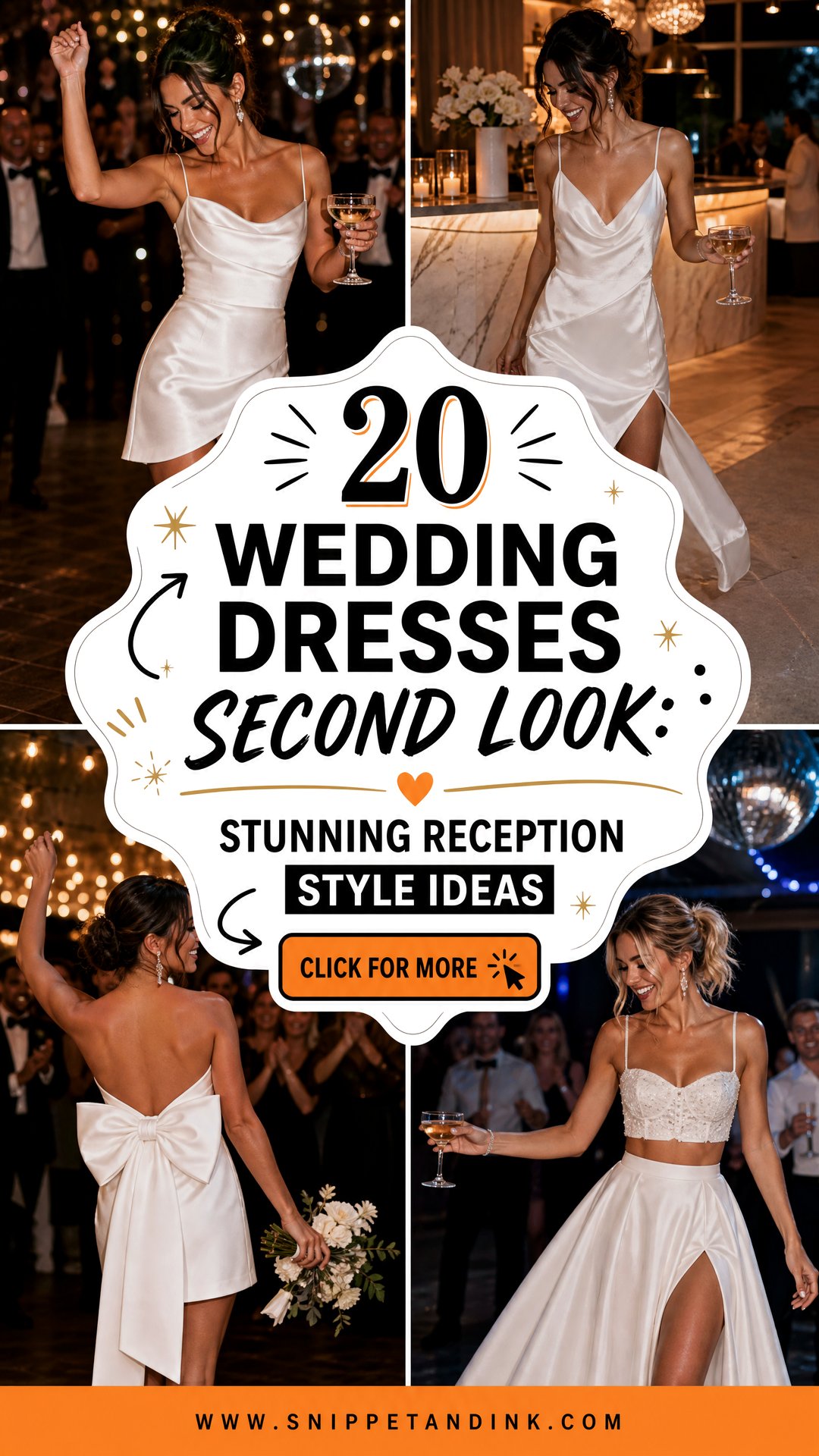
A bridal outfit change is how many brides get the ceremony gown they dreamed of and still have something they can dance in. The second look should feel bridal, but it shouldn’t be a shrunken copy of the first. When it repeats the same neckline and fabric in a shorter length, guests barely register the change. Below are minis, midis, jumpsuits, separates and convertible designs. As you read, think about the venue floor, the shoes you’ll really wear after dinner and how many minutes the timeline gives you to change.
How Different Should the Second Dress Be?
I ask every client the same question first: what do you want to change? Pick one or two things, not everything. A second look reads clearly when it shifts length, fabric or silhouette while keeping something in common with the ceremony gown, so the album still hangs together.
- Length is the biggest visual change. Going from floor length to a mini or midi is obvious from across the room.
- Fabric is subtler. Moving from lace to satin, or from structured mikado to soft silk, changes the mood without a dramatic new shape.
- Match the white. Bright white, ivory and champagne look different side by side in photos, so hold a swatch or a photo of the first gown against the second before you buy.
- Treat it as a real dress in the budget. A second look often still needs hemming, a lining check and a steam, so leave room for alterations and allow several weeks.
1. Satin Mini Wedding Dress Second Look
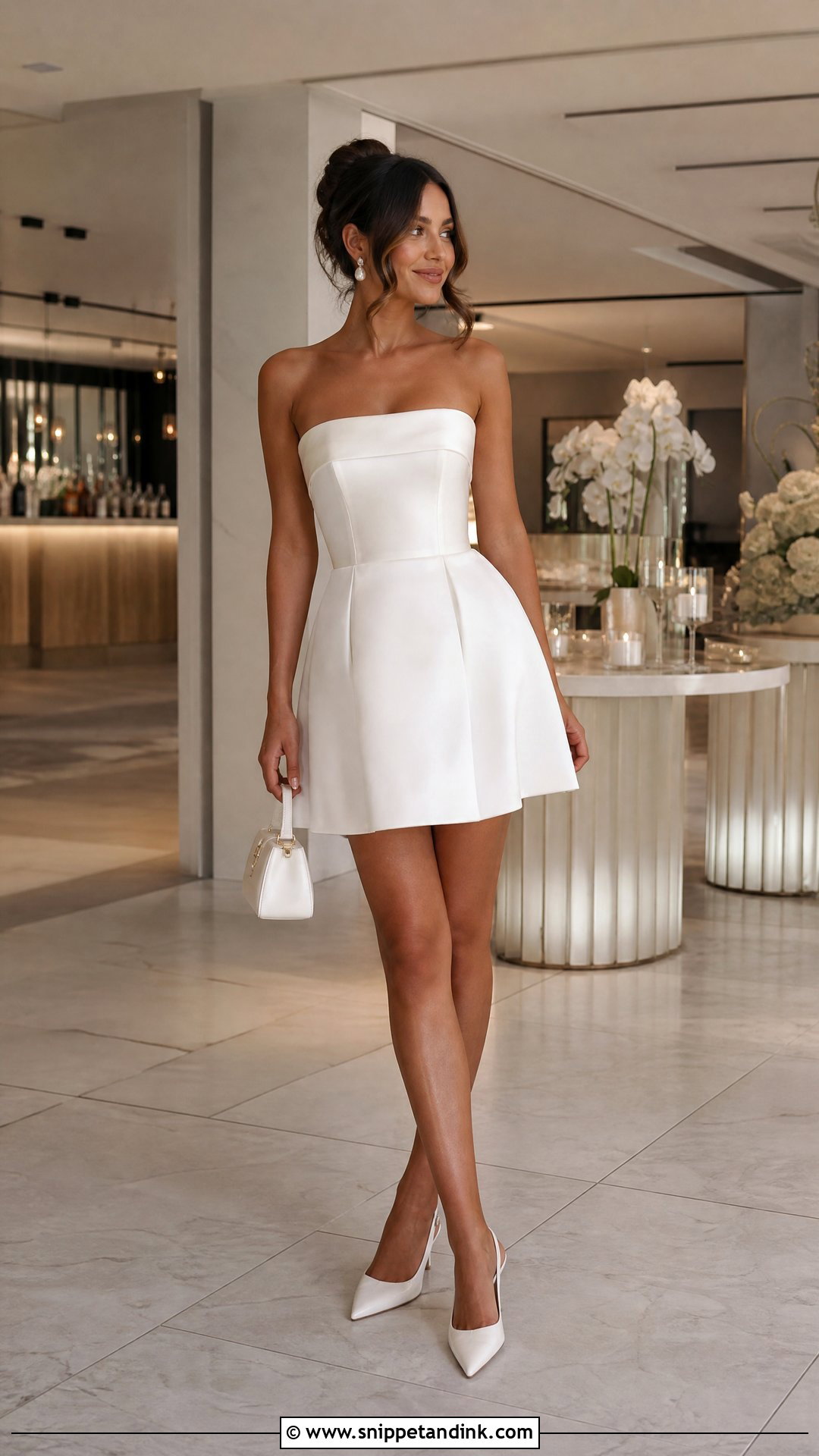
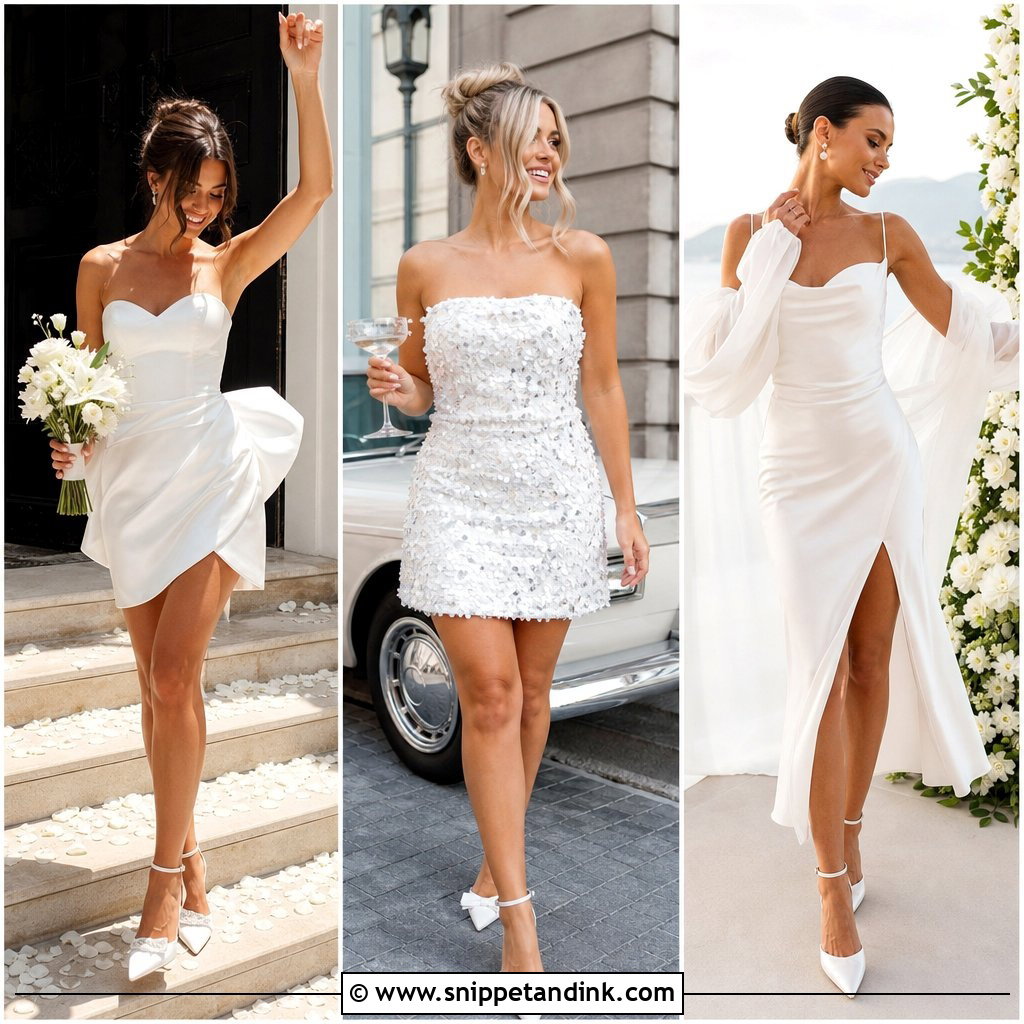
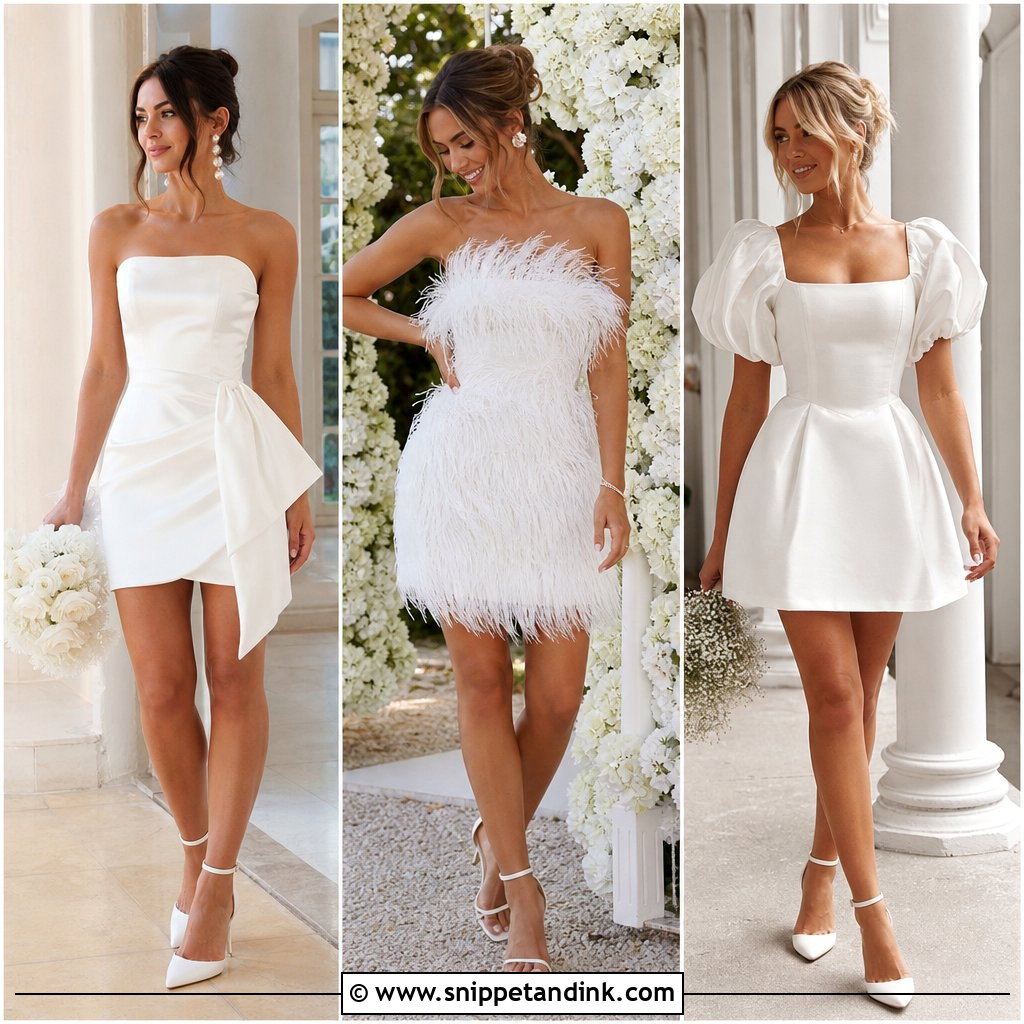
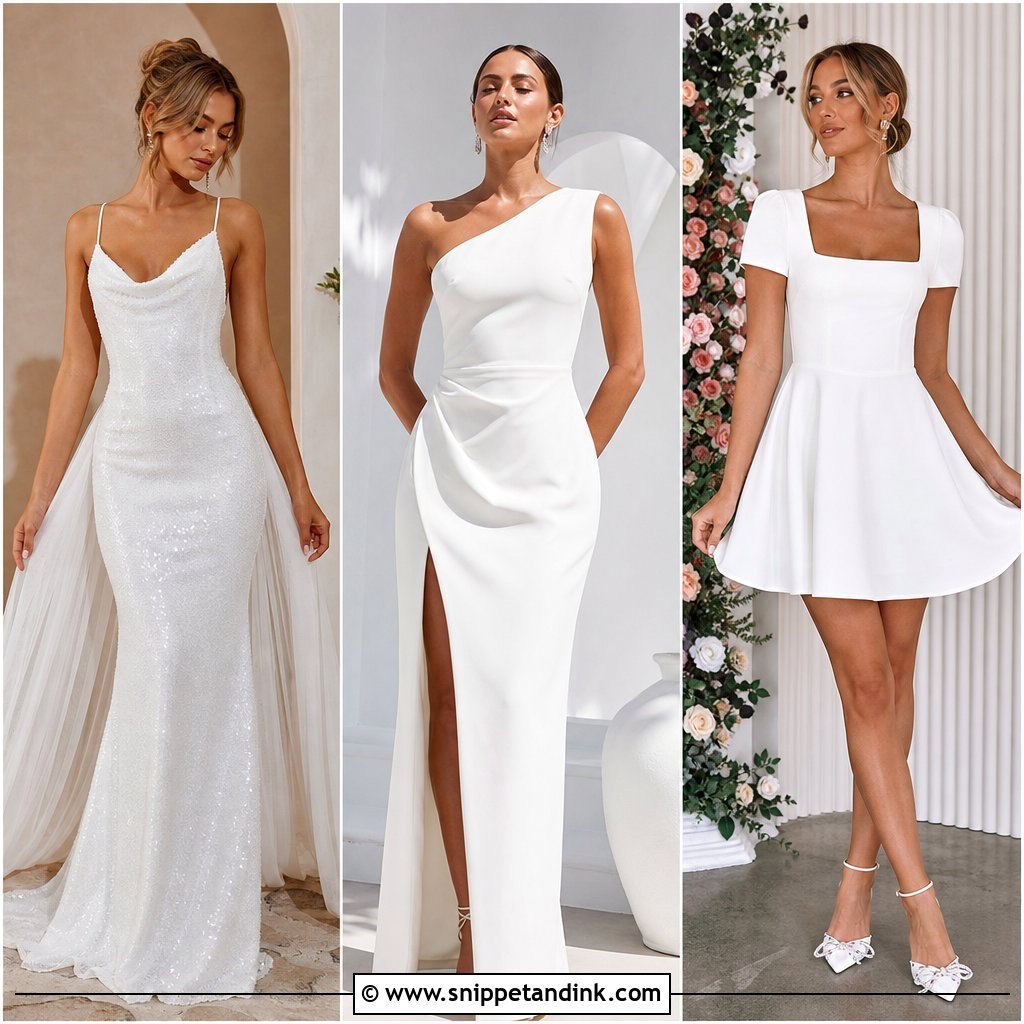
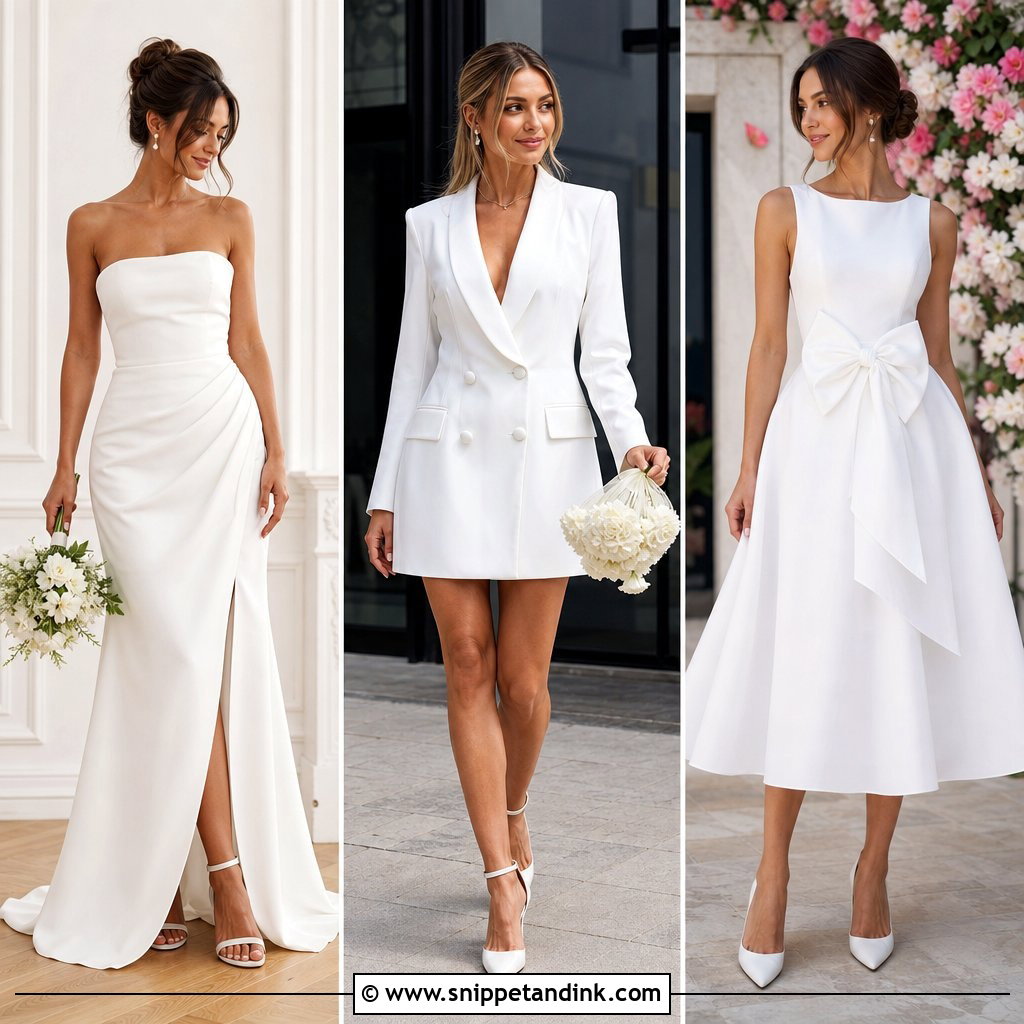
Satin minis are the reception dress I fit most often, and the cut matters more than the fabric. A structured shape with a square or scoop neckline holds its line when you move, while an unlined satin mini rides up the moment you sit, so check for lining first. Ivory satin has enough bridal character on its own without heavy embellishment. Pointed slingbacks, pearl drops and a compact top-handle bag finish it, and a short veil or oversized bow makes the entrance feel deliberate. Swap to embellished flats after the formal photos if you plan to dance for hours. Hotel ballrooms and city lofts suit its polish.
2. Lace Mini Wedding Dress Second Look
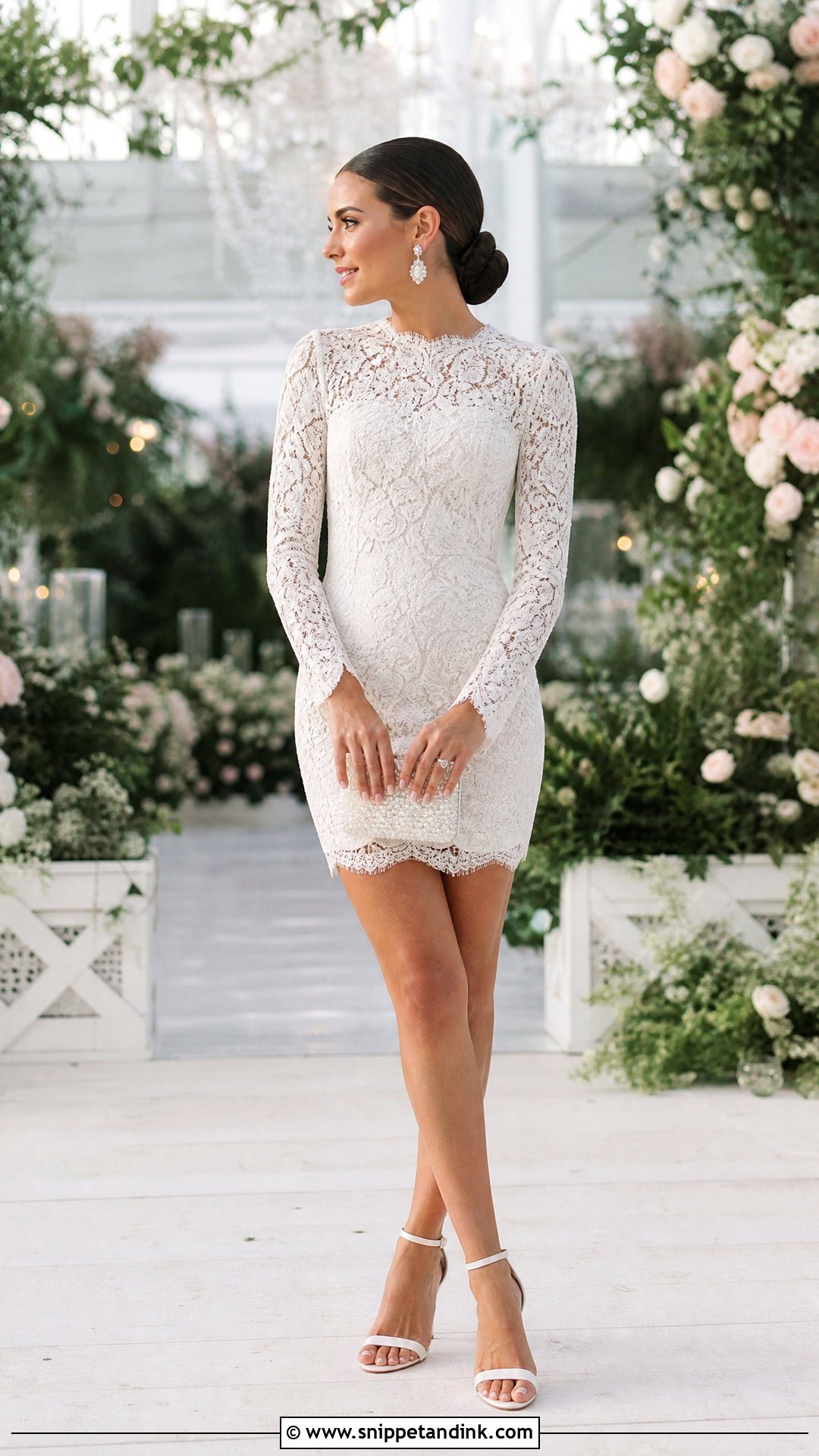
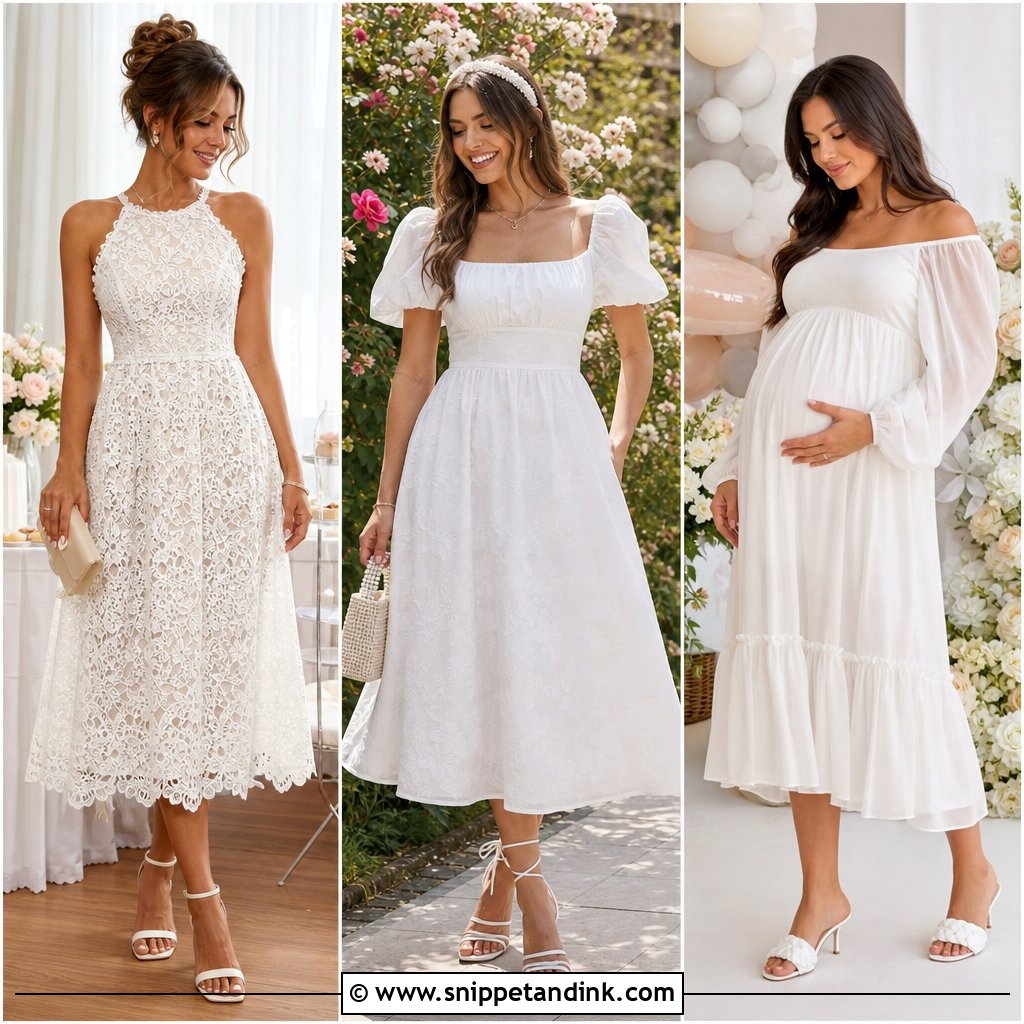
With a lace mini, the lining color changes the dress more than most people realize. Nude lining makes the pattern jump out; ivory lining softens it into something more traditional. I’d pick lace with a clear, open motif, because very fine lace reads as plain texture from across a room. Long sleeves on a fitted cut feel balanced, and a sleeveless A-line suits warm weather. For more coverage, ask for a hem a few inches above the knee rather than the shortest length. Ankle-strap heels, a pearl clutch, small crystal earrings and a sleek bun that keeps the neckline clear. Garden venues, historic homes and intimate restaurants all suit it.
3. Beaded Fringe Wedding Dress Second Look
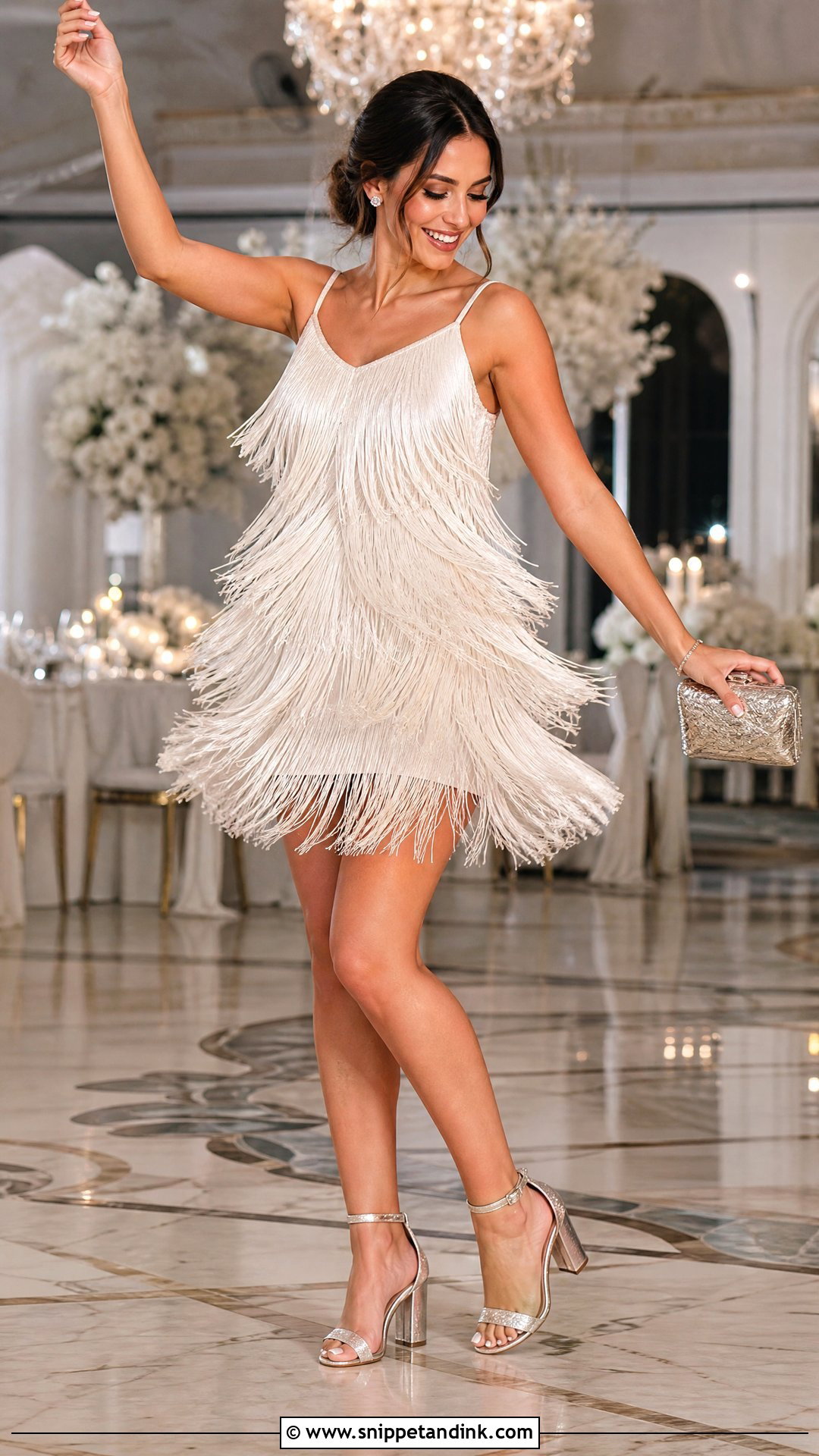
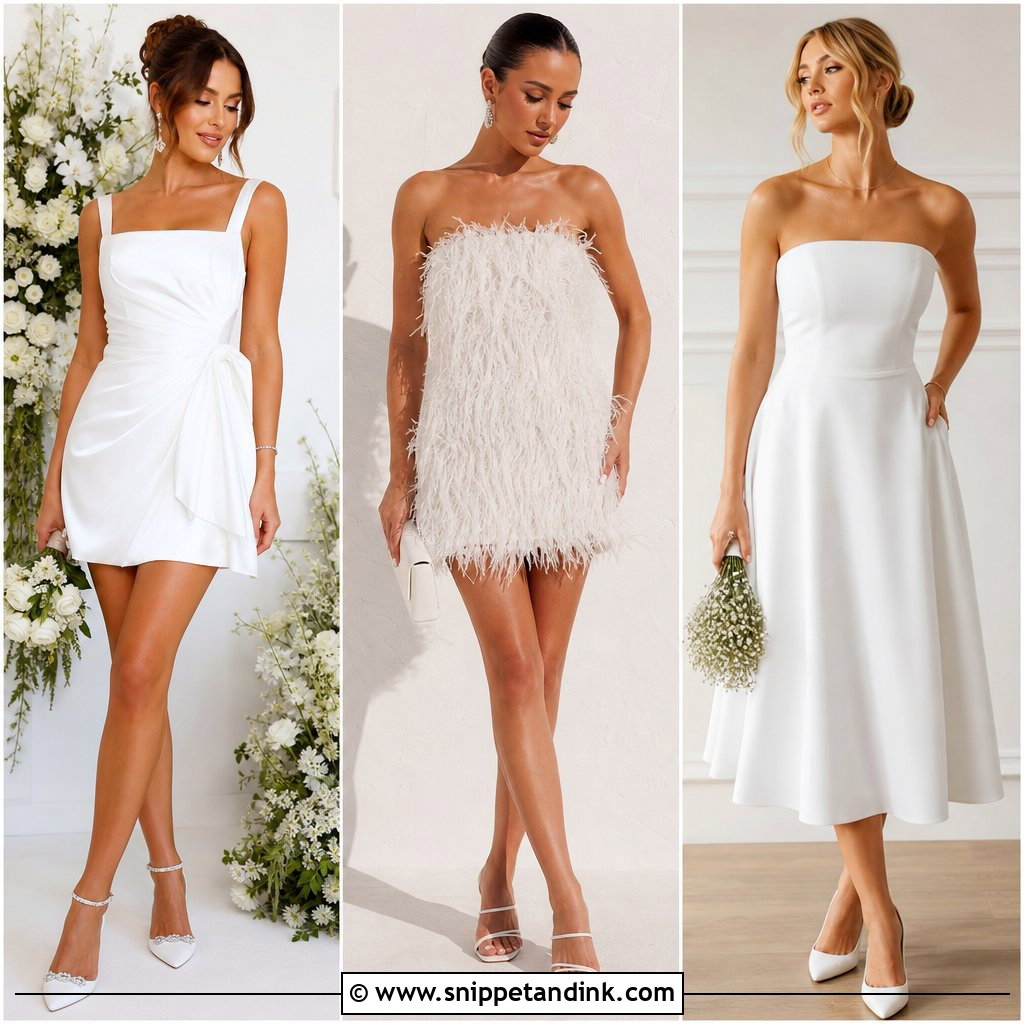
Fringe is the most fun second look on a dance floor and the one I test hardest in the fitting room. I have clients sit, raise both arms and walk quickly, because loosely attached strands tangle with each other or catch on a chair back and pull out. Mini or knee length, layered so it swings without dragging the dress down. A plain neckline keeps the jewelry question simple: crystal studs and nothing else. Secure block-heel sandals, a metallic or ivory clutch, and a high ponytail or smooth bun so the movement stays visible. Dance-heavy receptions and hotel after-parties are where it earns its place.
4. Feather Trim Wedding Dress Second Look
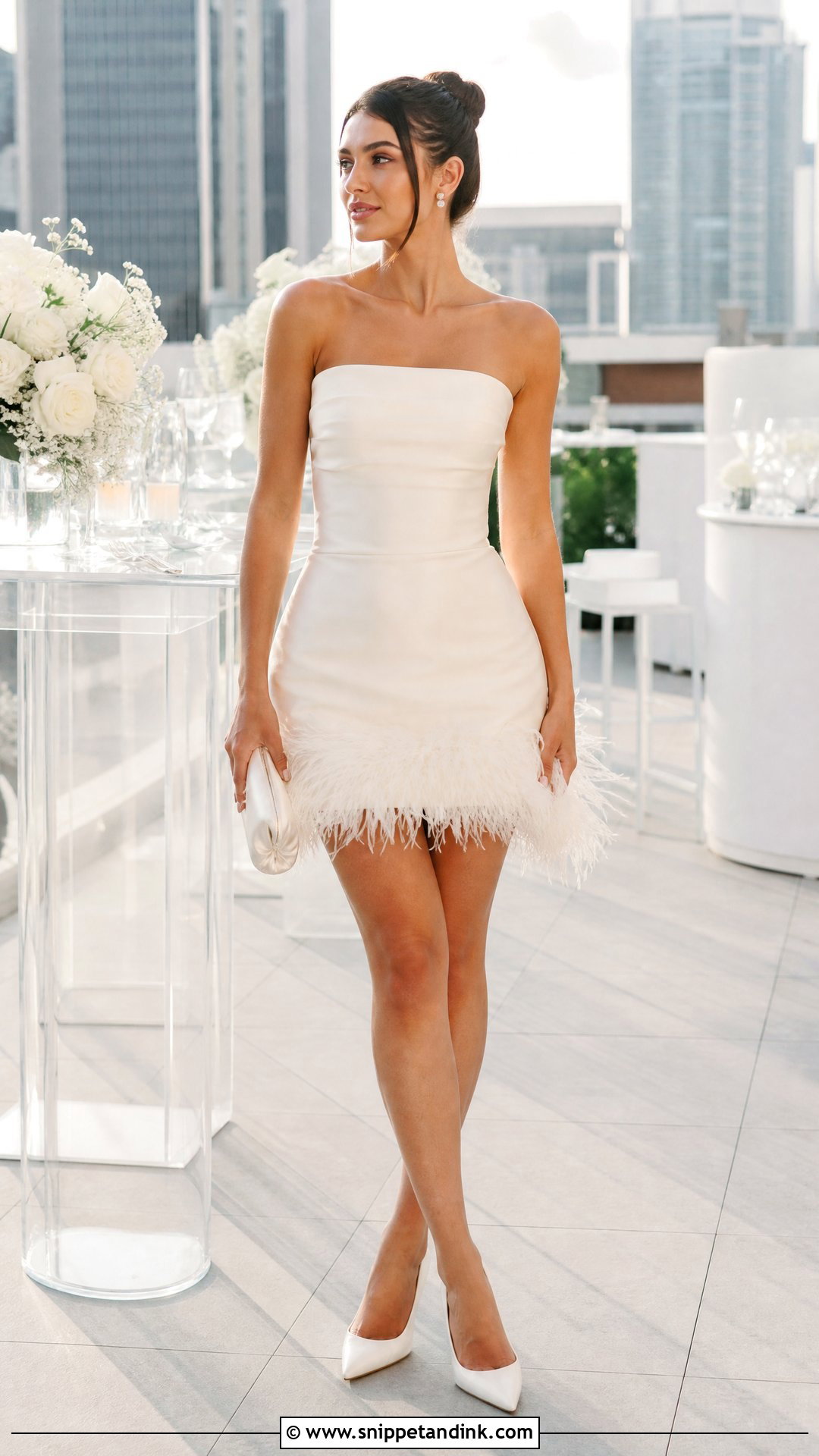
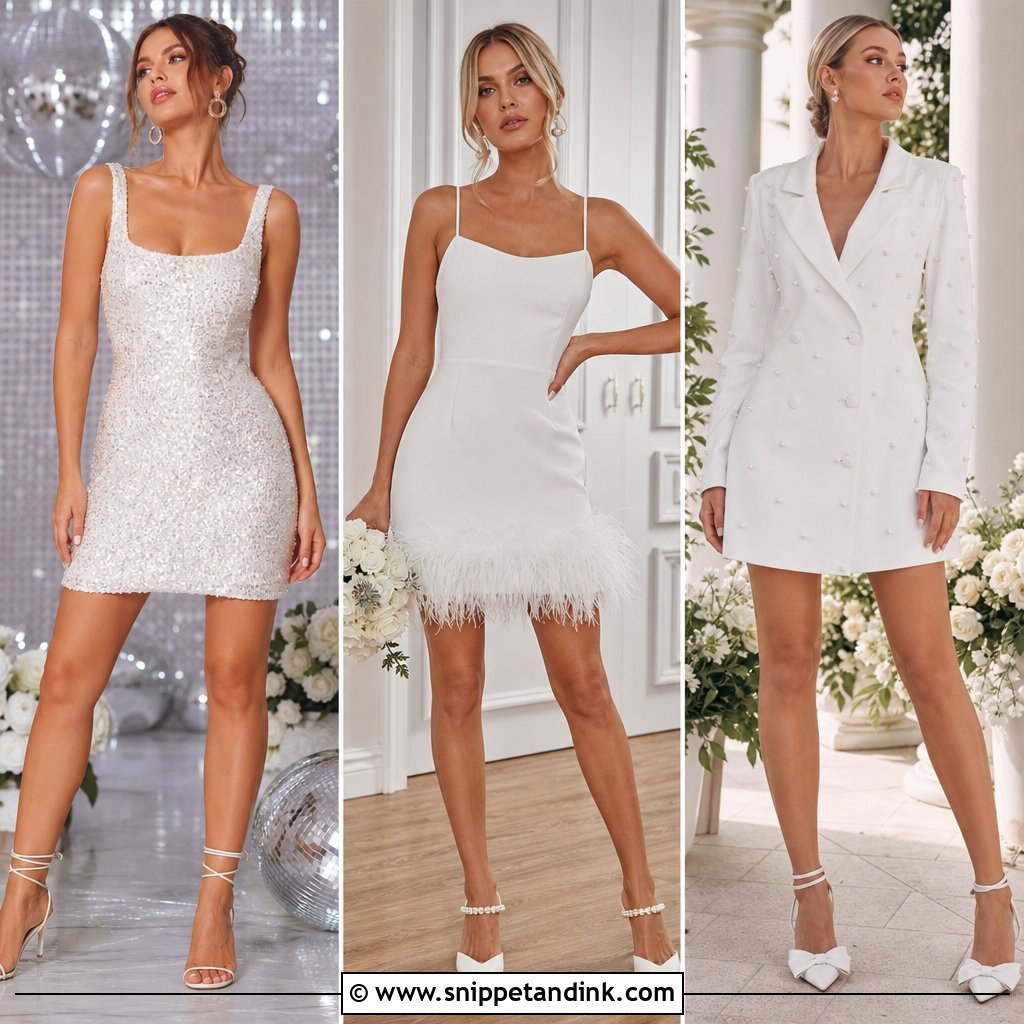
Feather trim works in small doses, on the hem, cuffs or neckline, so the dress stays refined. Strapless suits summer; long sleeves carry it into a cooler season. Real feathers shed a little, and trim that brushes the floor turns grubby within an hour, so I check both before a client commits. Minimalist ivory pumps, diamond-style studs and a smooth satin clutch. Skip extra bracelets, since the feathers already move. A polished ponytail or waved bob completes the modern party look, which suits cocktail receptions, rooftops and upscale lounges.
5. Corset Midi Wedding Dress Second Look
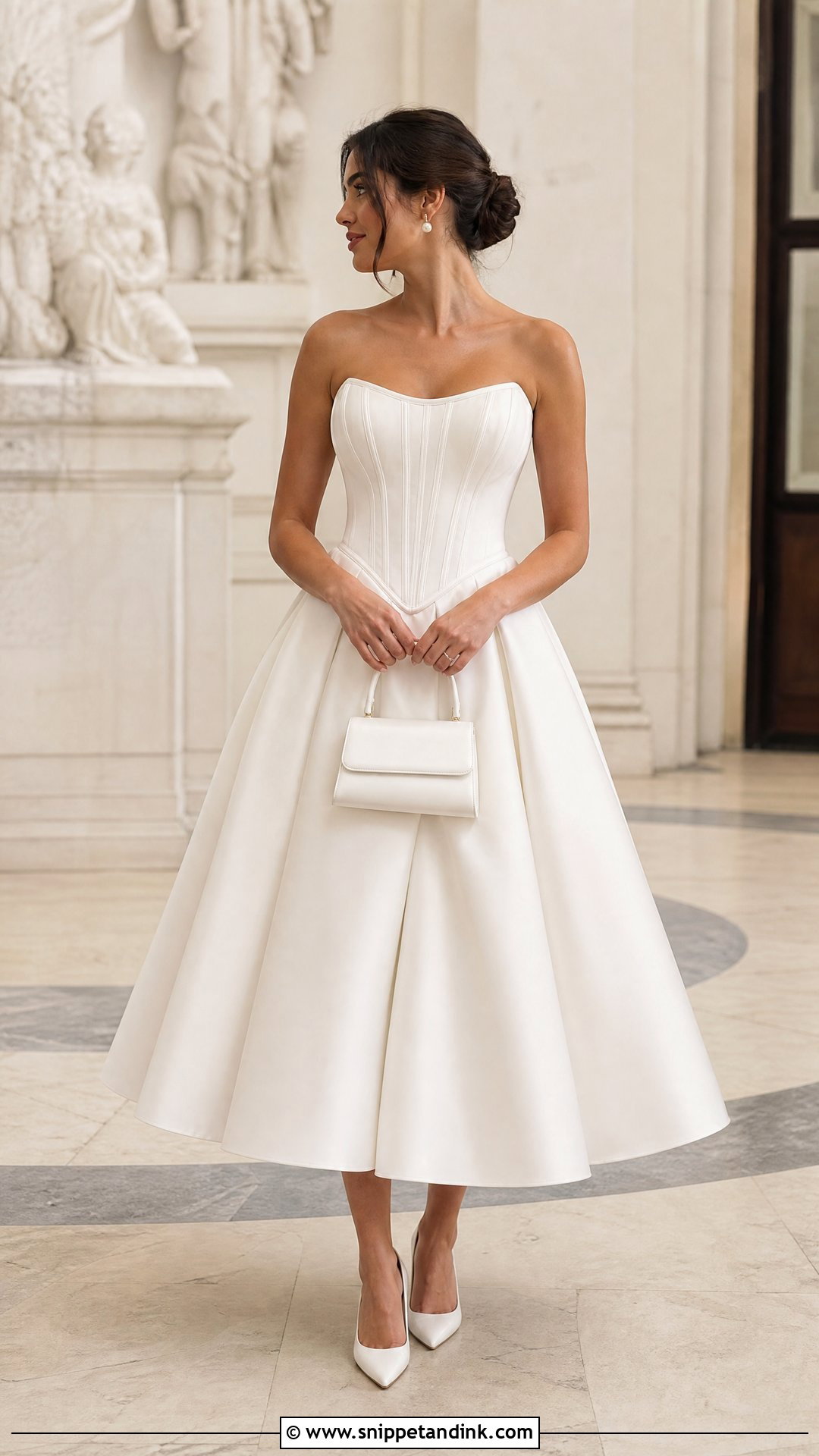
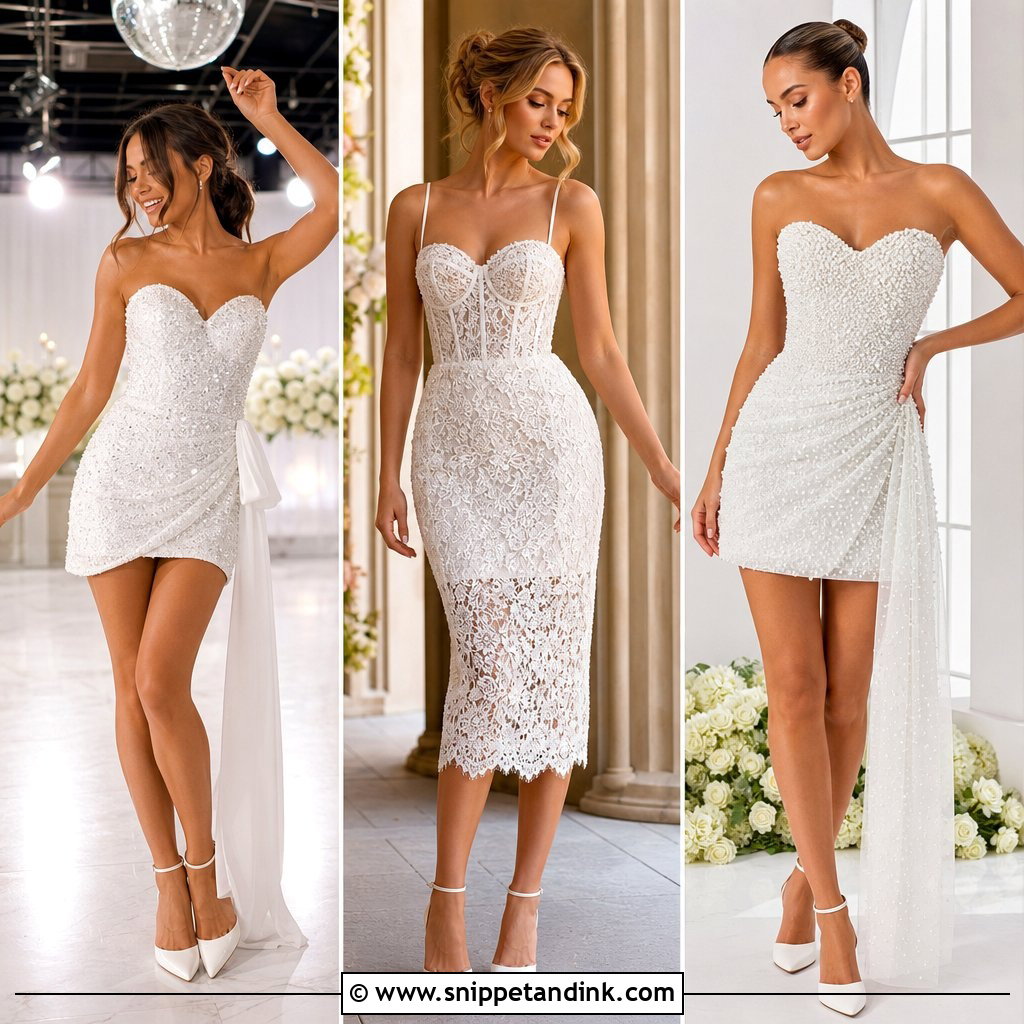
The real test for a corset midi is dinner. Rigid boning that feels fine standing can dig in once you sit and eat, so I look for flexible boning and a secure back closure, and I ask clients to stay seated for a few minutes during the fitting. A straight or gently curved neckline reads modern, and a fuller skirt keeps it bridal. Because the midi hem shows your shoes, choose them with the dress rather than after. Pointed pumps, a structured mini bag and pearl or crystal earrings. With a detailed bodice, leave the neck bare. A low bun keeps it elegant for restaurants, museums and estate receptions.
6. Silk Slip Wedding Dress Second Look
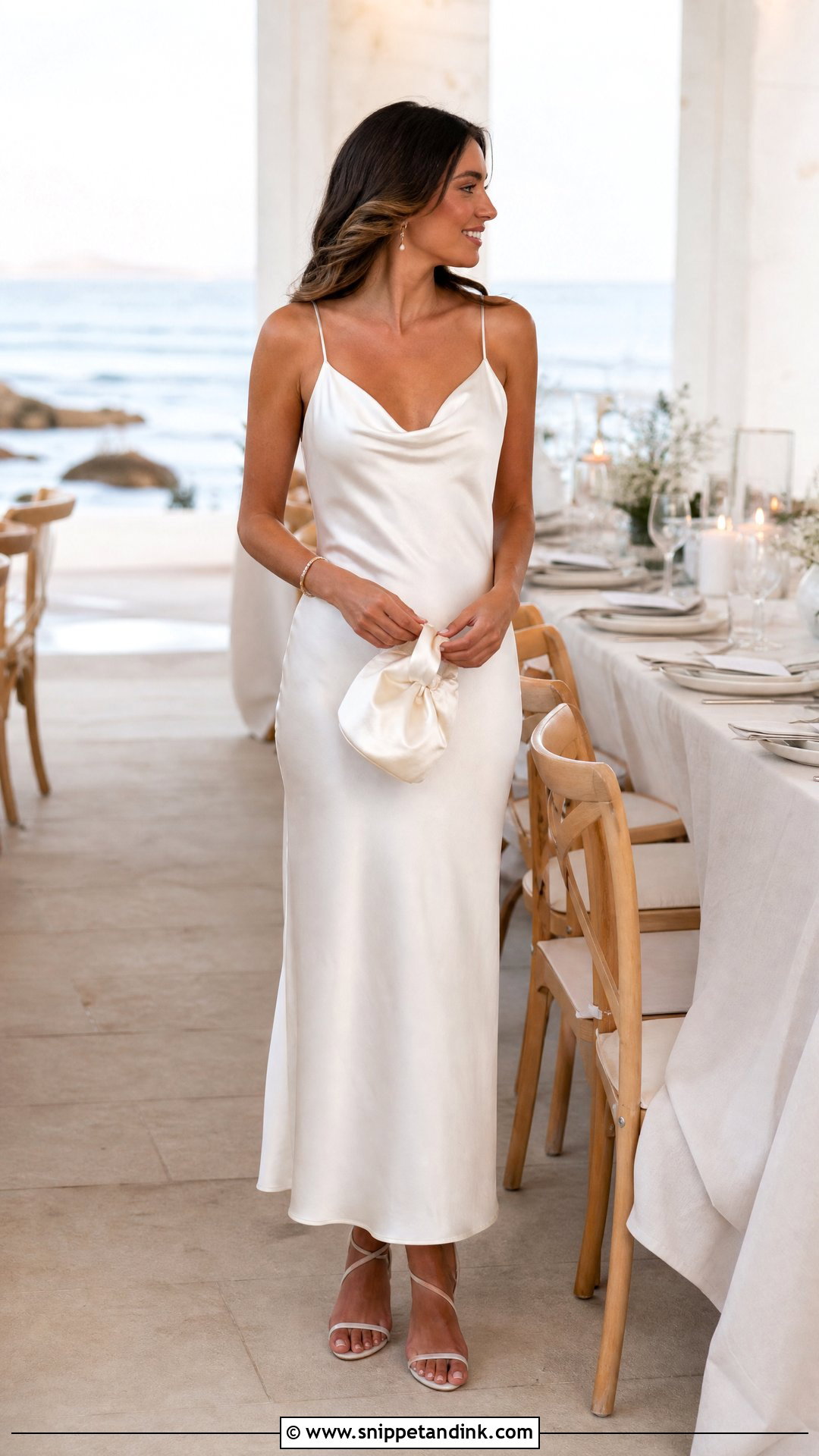
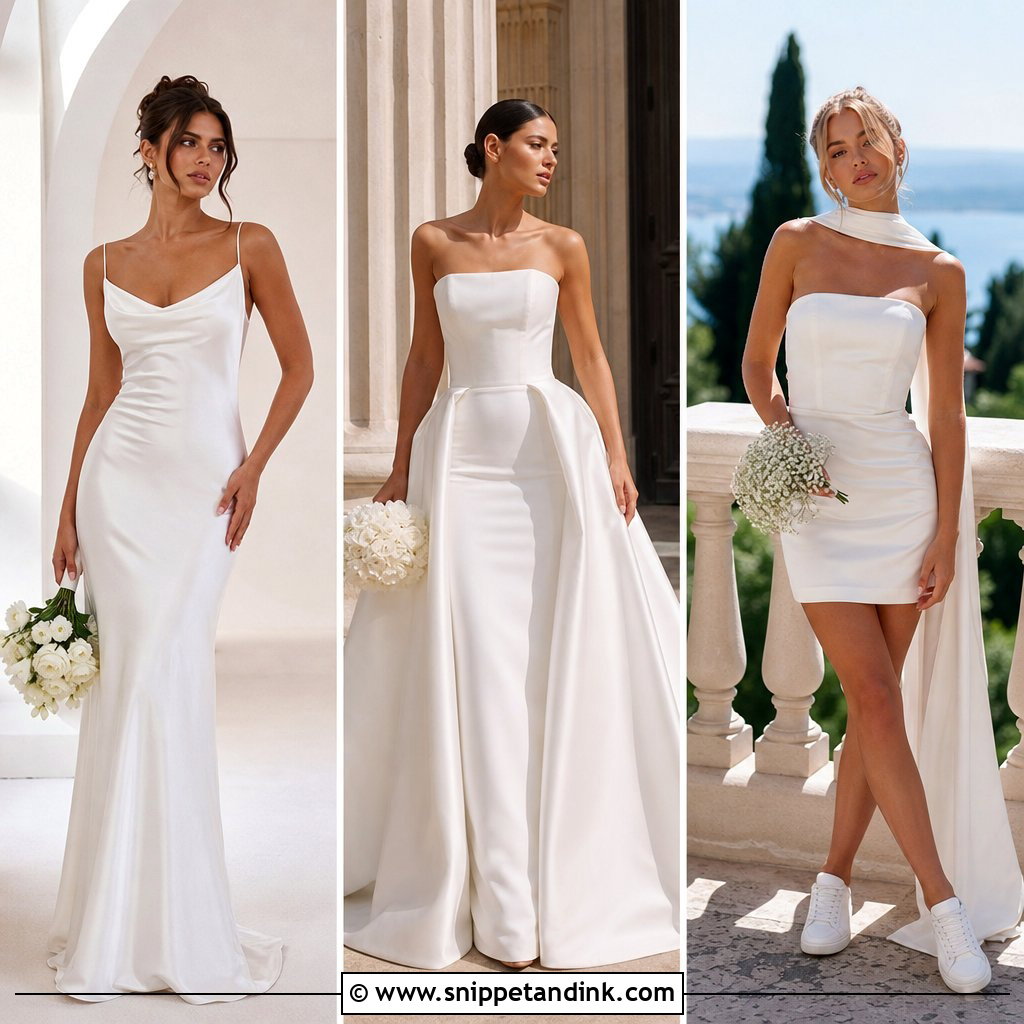
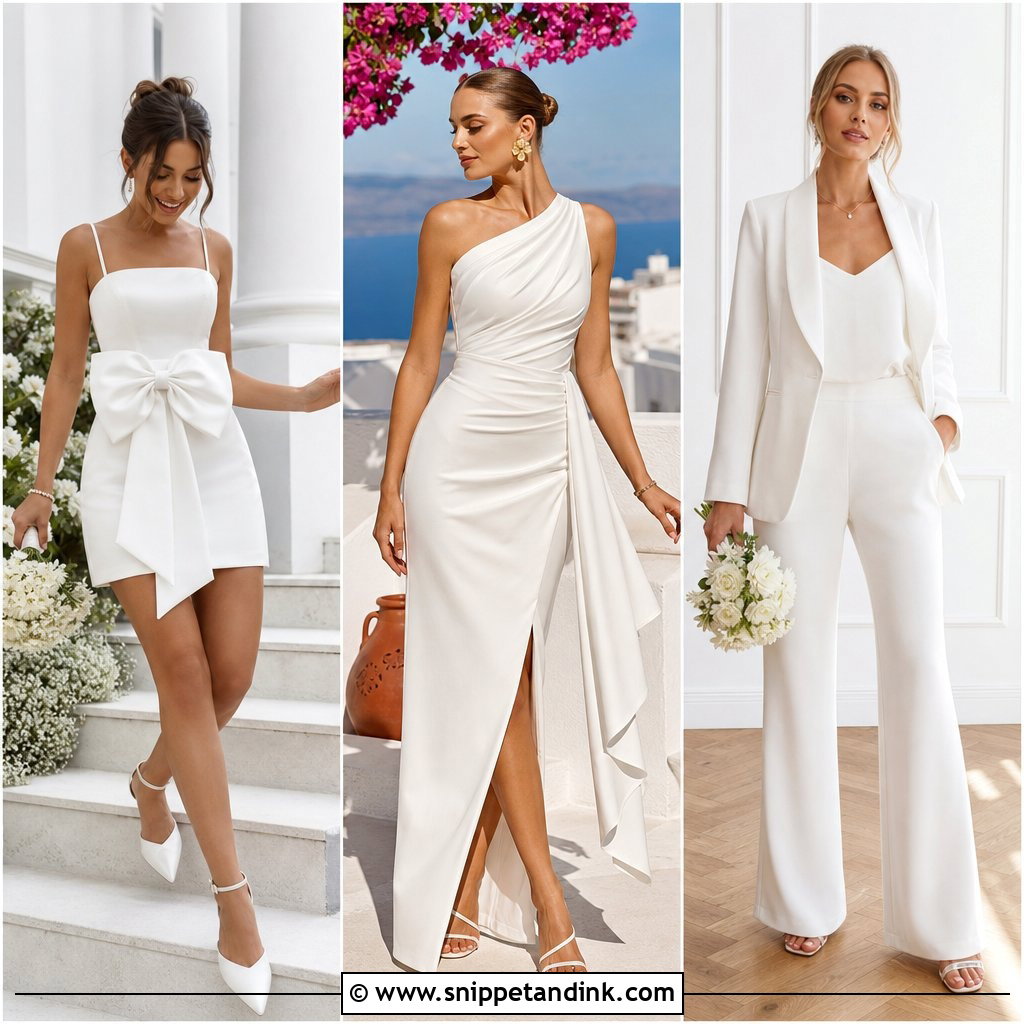
A bias-cut silk slip follows the body closely, which is lovely and also unforgiving. Underwear lines and pulled seams show straight through silk, so smooth, invisible undergarments and discreet support built into the bodice matter more here than with any other dress on this list. Adjustable straps help the fit settle. Midi is the practical length for dancing; floor length makes a bigger entrance. Barely-there sandals, delicate drop earrings and a small satin pouch, plus a wrap or cropped blazer for a cool evening. Finish with loose waves or a low twisted bun for coastal receptions, private dining rooms and minimal city venues.
7. Tea Length Wedding Dress Second Look
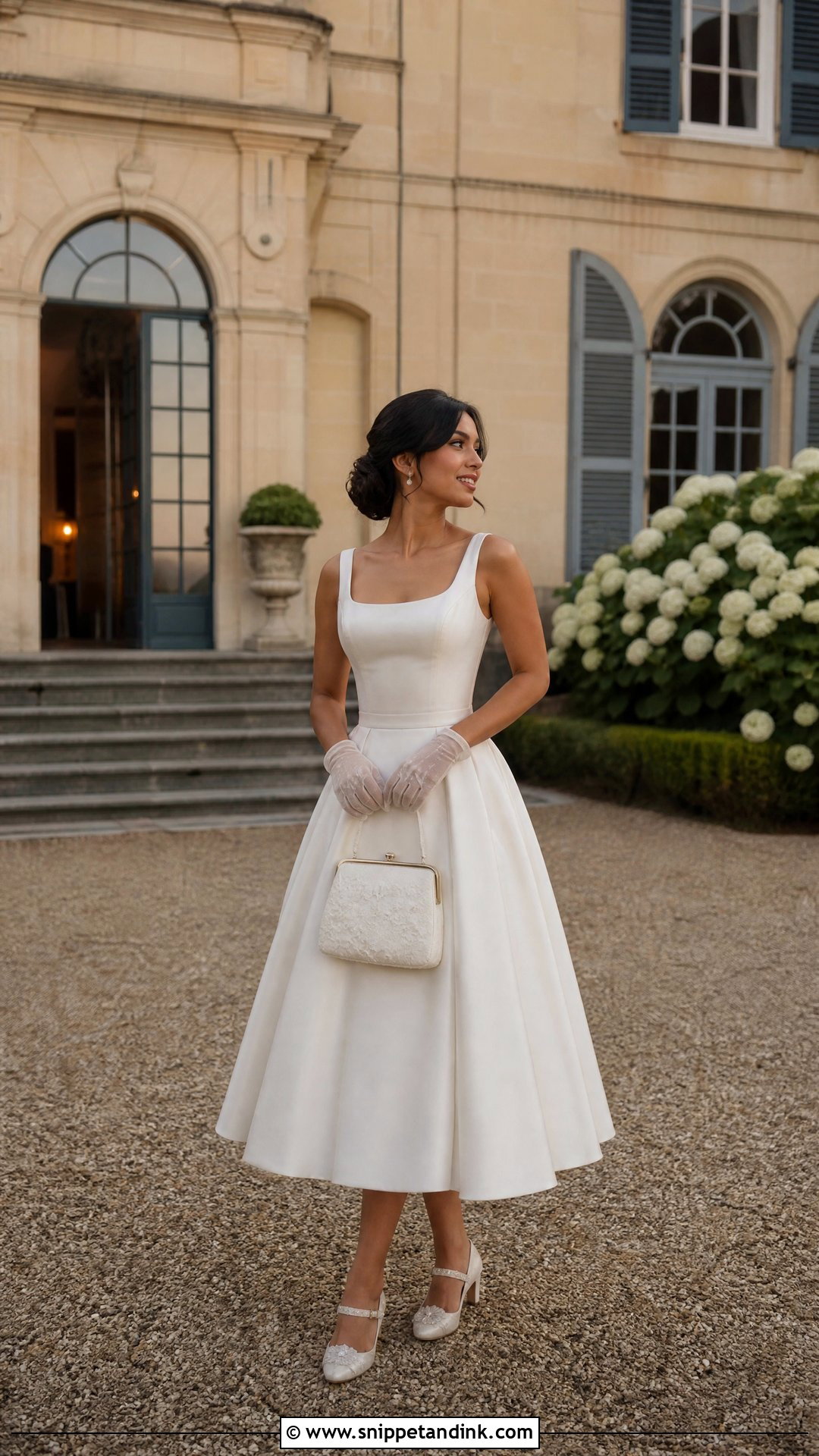
Tea length sits between knee and ankle, which makes your shoes half the outfit. Pointed kitten heels or embellished Mary Janes keep the vintage mood and are kinder over a long night than stilettos. I check that the skirt has enough structure, from a petticoat layer or a stiffer fabric, to hold its flare without adding bulk. A fitted bodice, pearl studs, short gloves and a compact frame bag complete it. A birdcage veil is sweet for photos, but take it off before the dancing gets energetic. Gardens, historic buildings and daytime receptions suit it best.
8. Column Wedding Dress Second Look
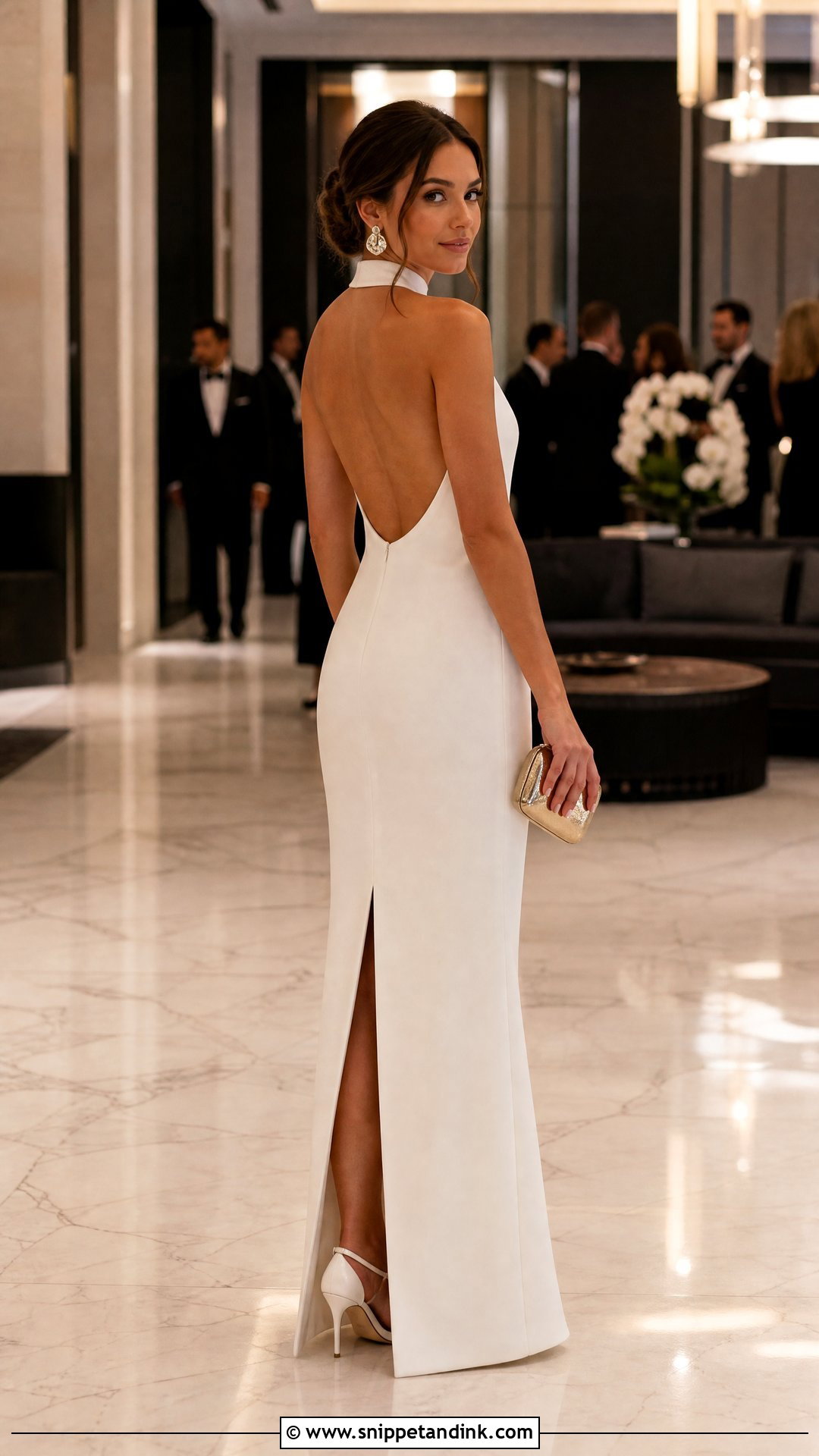
Not everyone wants to go short. A slim column stays formal all evening with far less volume than a ceremony gown. Crepe, satin or draped jersey with a back slit gives you room to walk and dance; without a slit, a column restricts your stride more than you’d expect. Skip a long train unless it bustles securely. To make it read as a different dress, change the neckline or choose an open back. Pointed heels, sculptural earrings, a small metallic clutch and a slicked-back bun suit black-tie receptions, galleries and luxury hotels.
9. Halter Wedding Dress Second Look
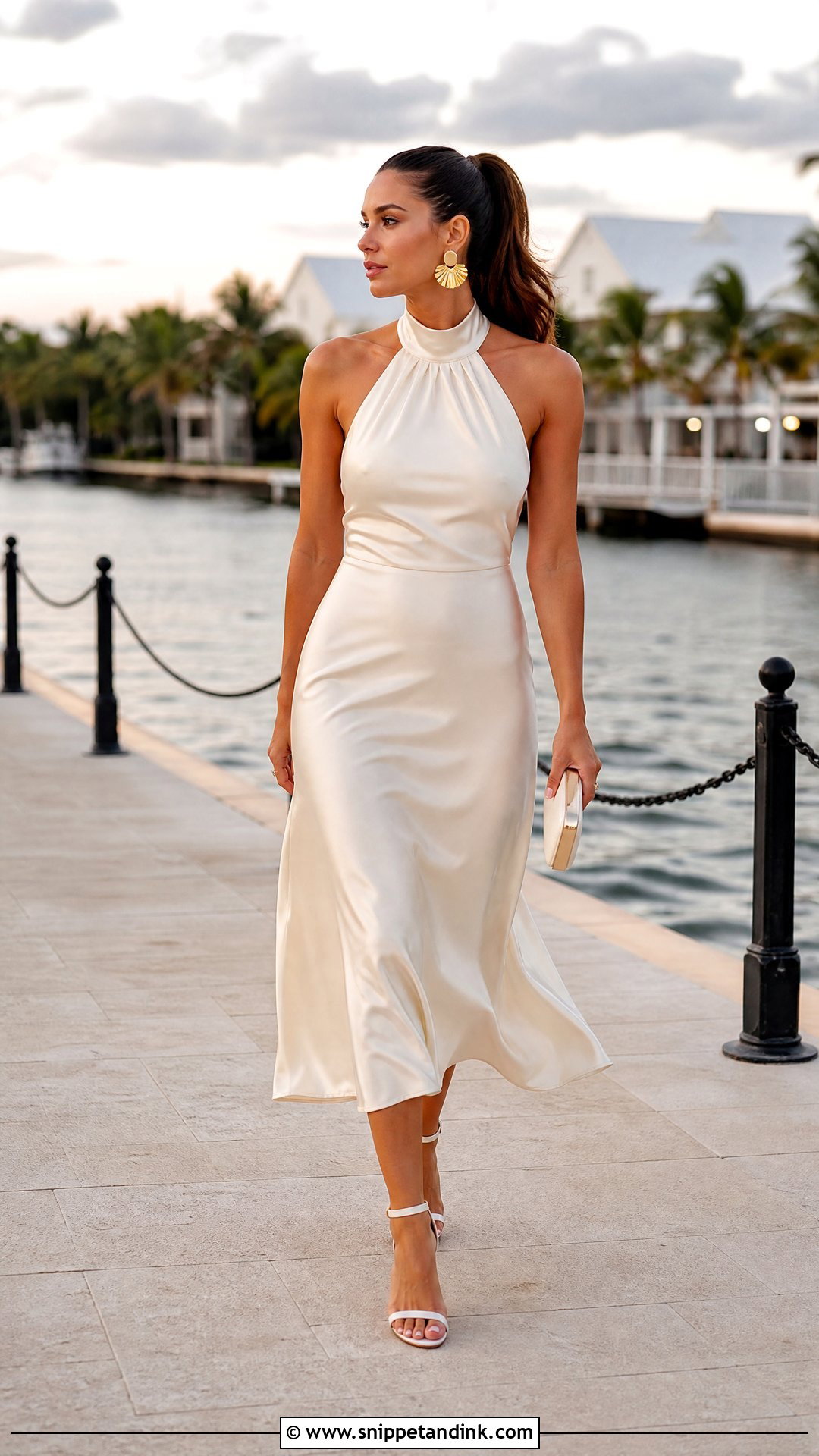
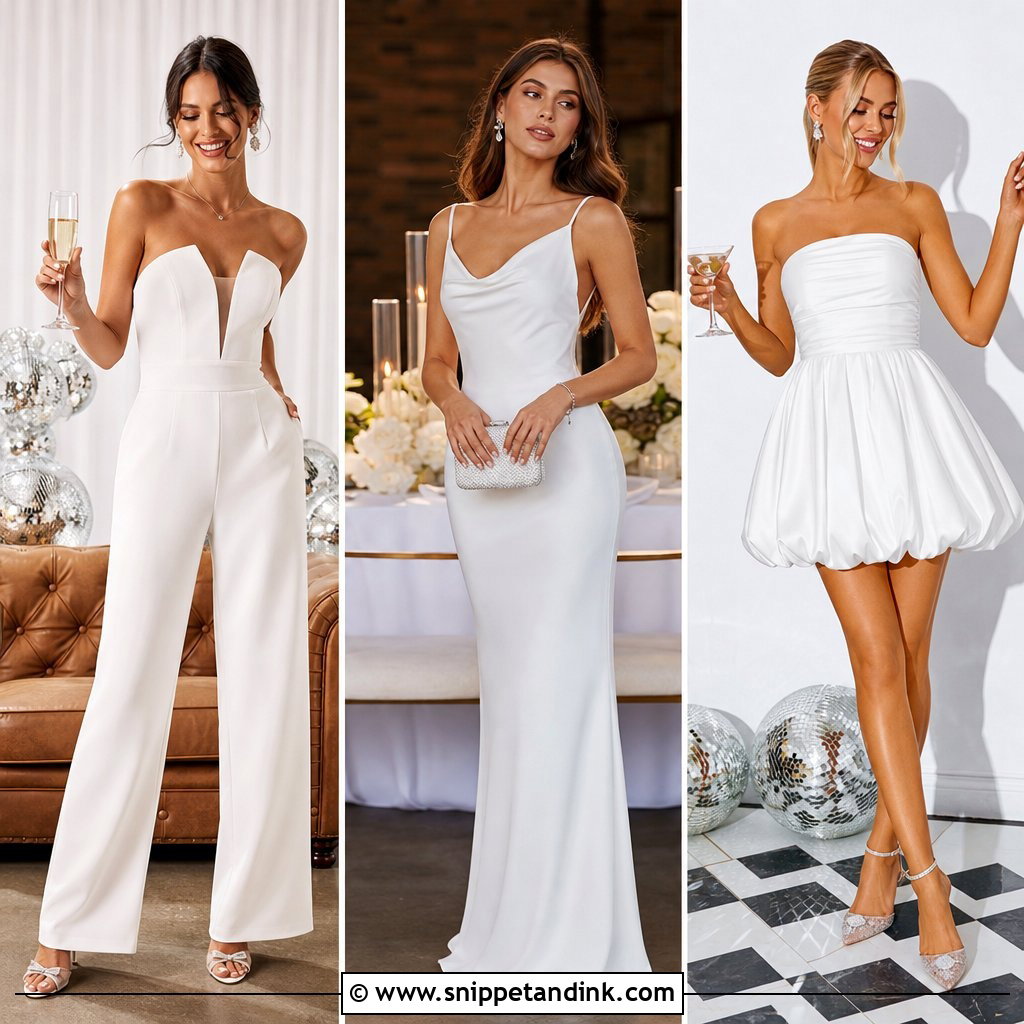
Halter necks hang the weight of the bodice from the back of your neck, so I always check the fastening there. A hook that pulls at the hairline will bother you within the hour. Mini, midi or floor length depends on how formal the reception is. Satin keeps it clean, while subtle beading or sequins add evening sparkle. The neckline already frames the shoulders, so skip the necklace and wear bold earrings with slim-strap sandals and a simple clutch. An updo or high ponytail keeps the back visible and your neck cool on the dance floor. Destination weddings and rooftops suit it.
10. Off Shoulder Wedding Dress Second Look
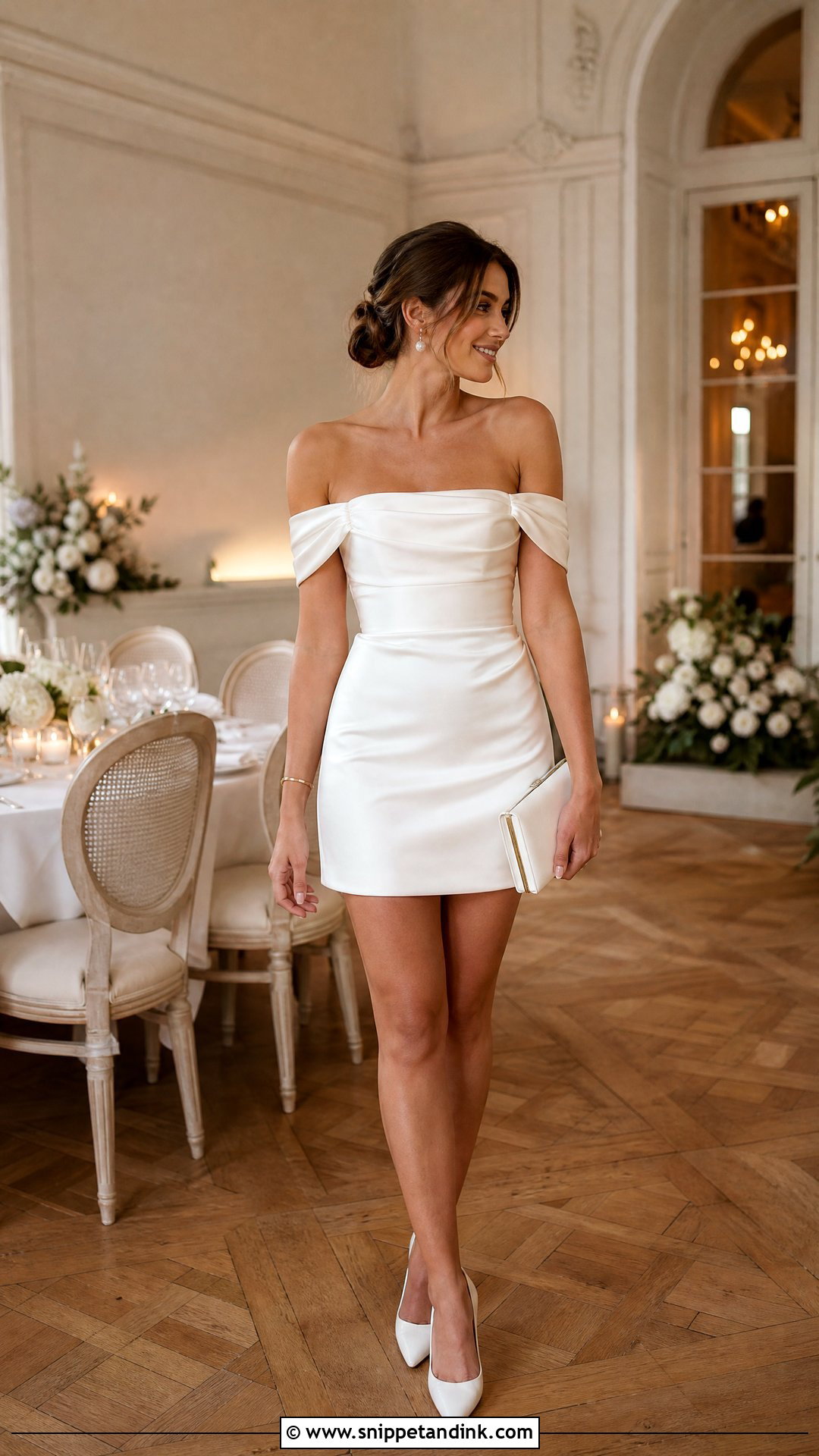
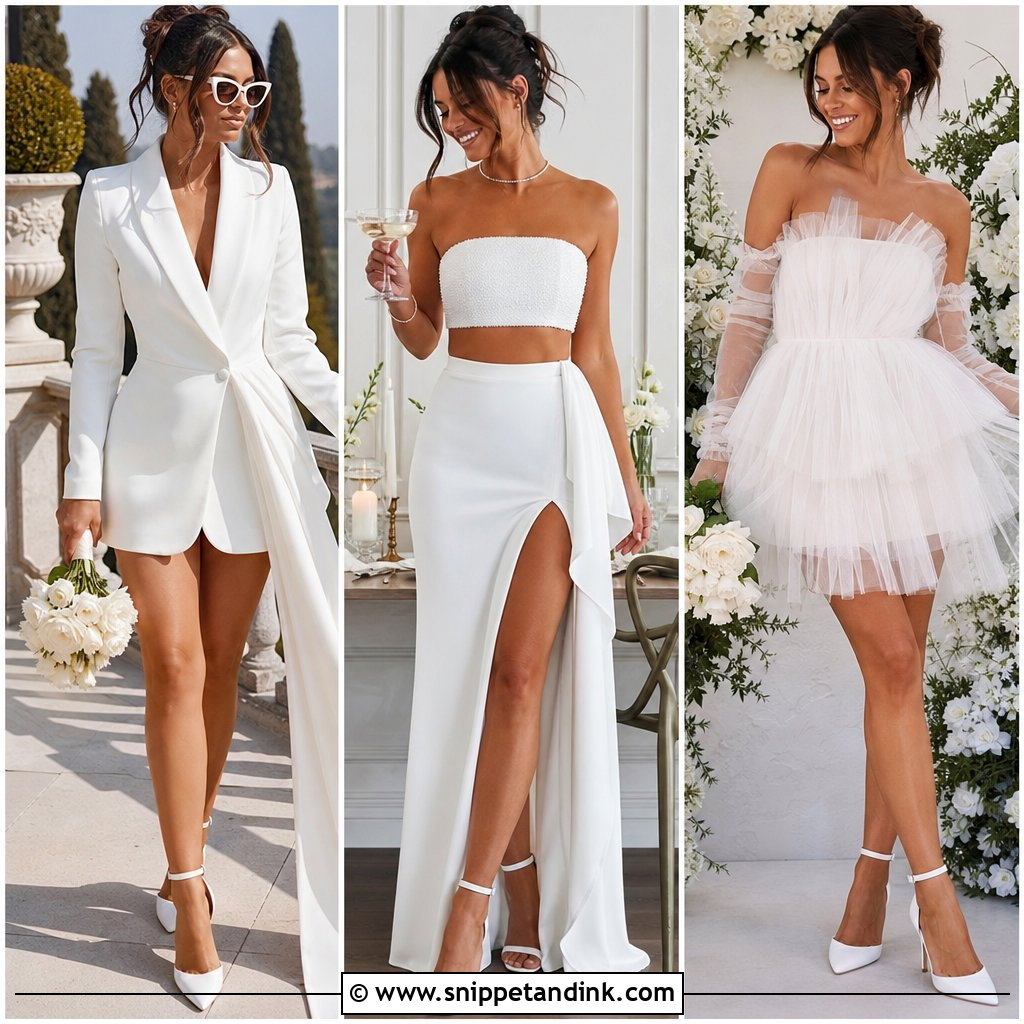
Off-shoulder sleeves look romantic when you stand still, but they pin your arms, and tight bands make hugging and dancing awkward. I have brides lift their arms to shoulder height and give me a hug in the fitting room; if they can’t, we look for a looser sleeve. Fold-over satin necklines look crisp, and lace or tulle sleeves are softer. A fitted mini feels party-ready, a flared midi gives more coverage. Pointed pumps, pearl earrings, an ivory clutch with minimal hardware, and a soft chignon or side-swept waves. Fashion tape helps the neckline stay put. Estates, hotel receptions and garden celebrations suit it.
11. Bow Back Wedding Dress Second Look
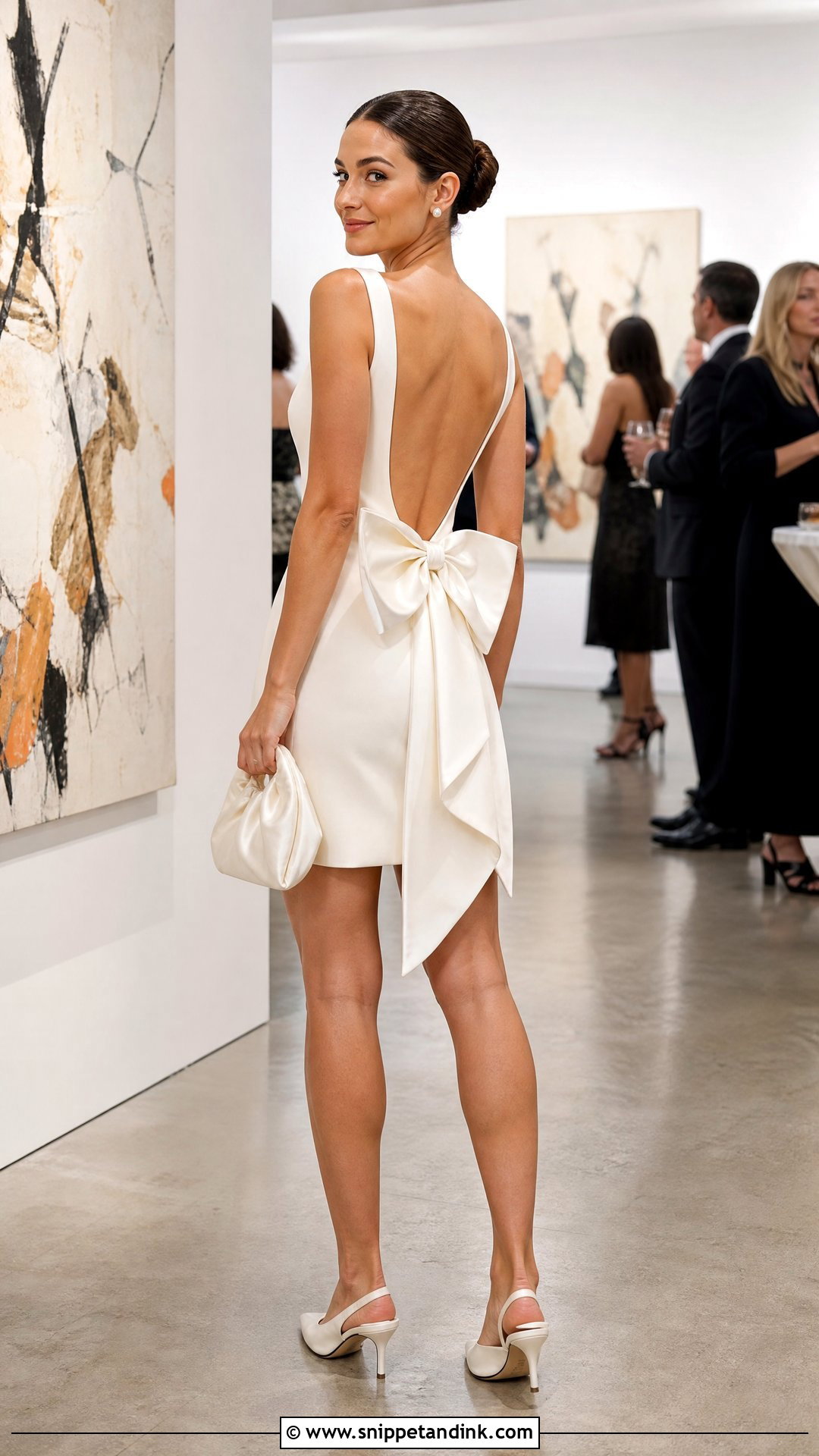
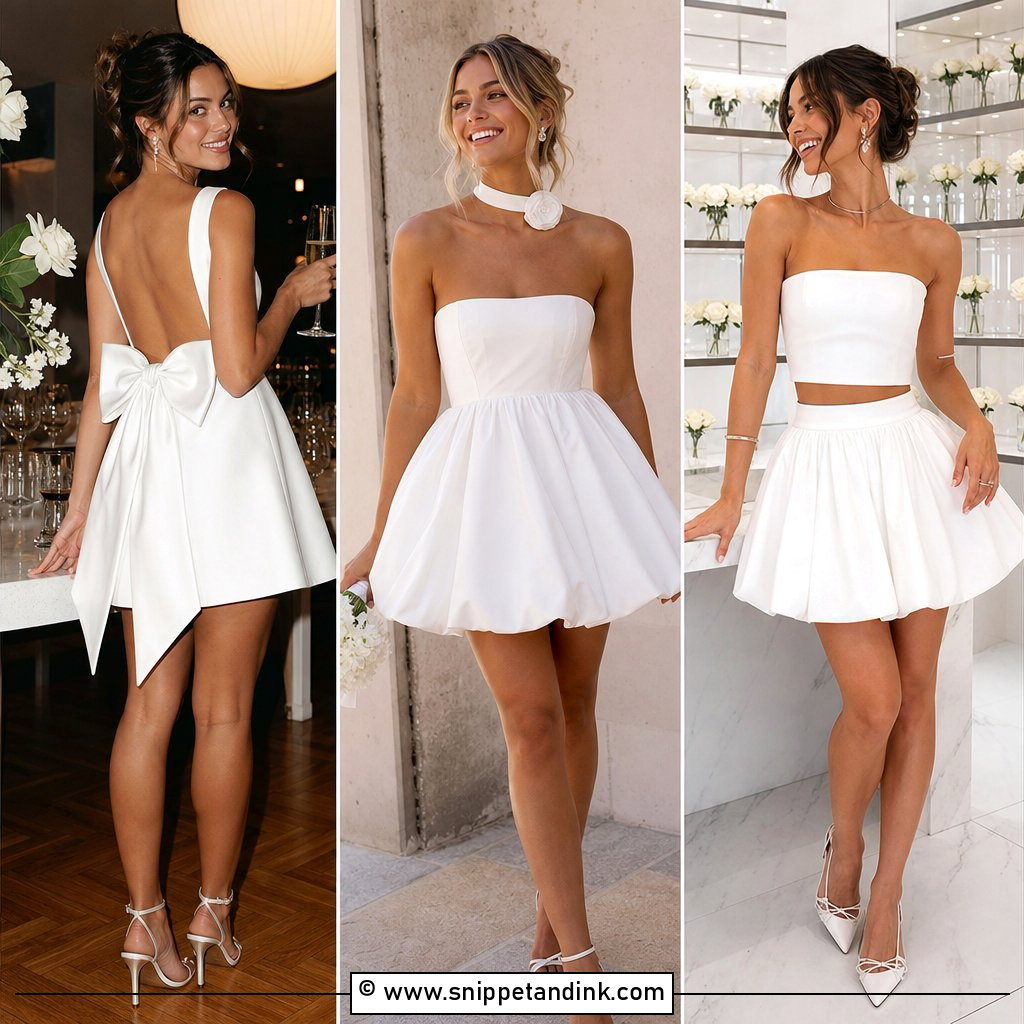
A structured bow sits exactly where you lean back in a chair, so I check how it survives sitting before anything else. Soft bows crush flat; well-interfaced ones hold their shape. Back, waist or shoulder placement all work on a mini or midi. Keep the rest streamlined with pointed slingbacks, pearl studs and a smooth satin bag. Put long hair up, because hair hanging loose covers a back bow in every photo. A detachable bow can come off later for dancing, which gives you a subtle third variation. Modern venues, restaurants and galleries suit its tailoring.
12. Pearl Embellished Wedding Dress Second Look
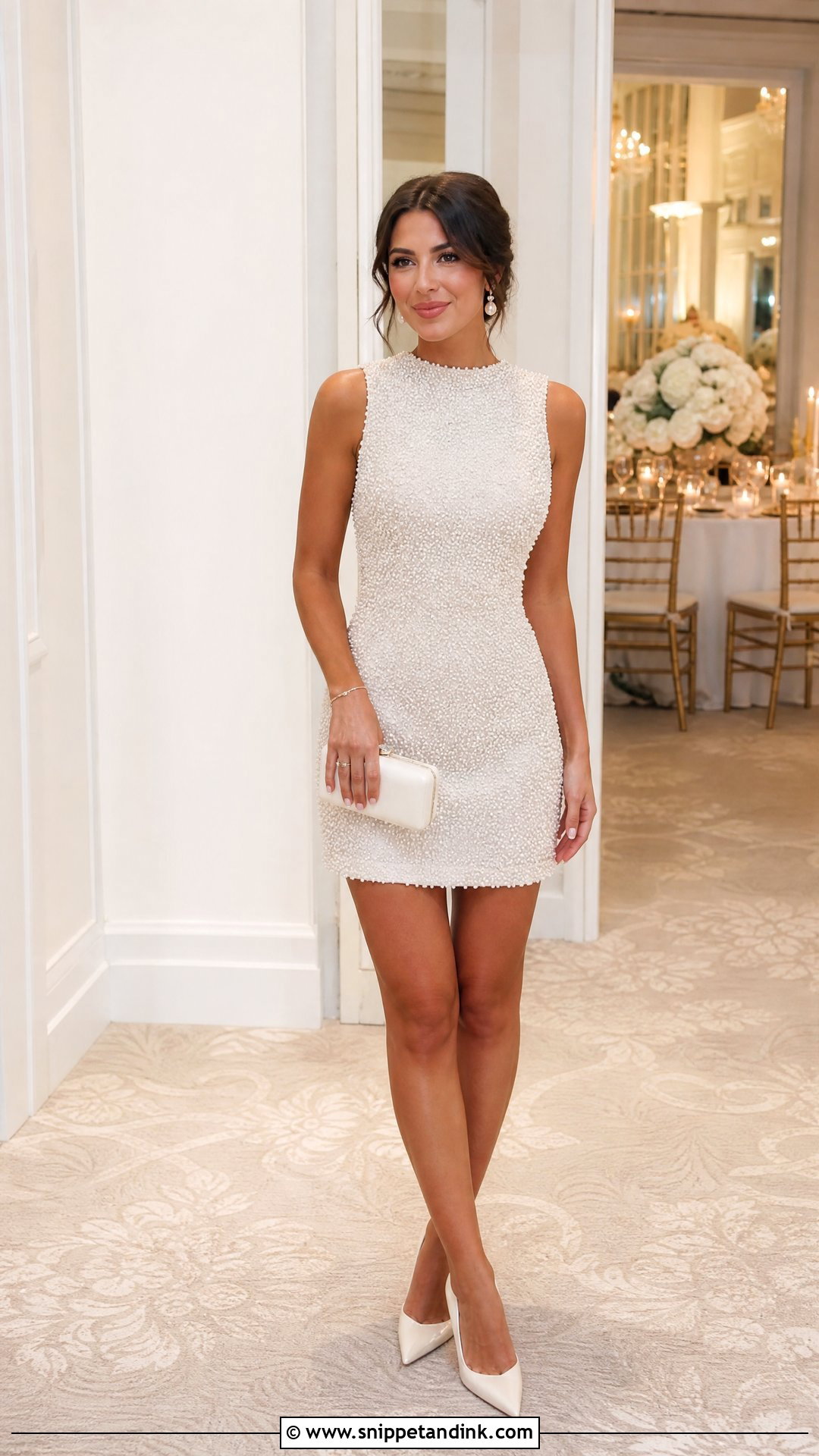
Pearls give bridal detail with a softer glow than sequins, but they snag and pop off where the dress rubs, mostly at the seat and underarms. Check those areas closely and ask how the pearls are attached. Evenly spaced pearls, a sheer pearl overlay or pearl beading around the neckline all work on a mini. If the base fabric is slightly sheer, check the lining under bright light, since a camera flash reveals more than a fitting-room mirror. Satin pumps, pearl earrings and a simple ivory clutch, no necklace, sleek hair. Ballrooms, restaurants and formal evening receptions suit it.
13. Floral Applique Wedding Dress Second Look
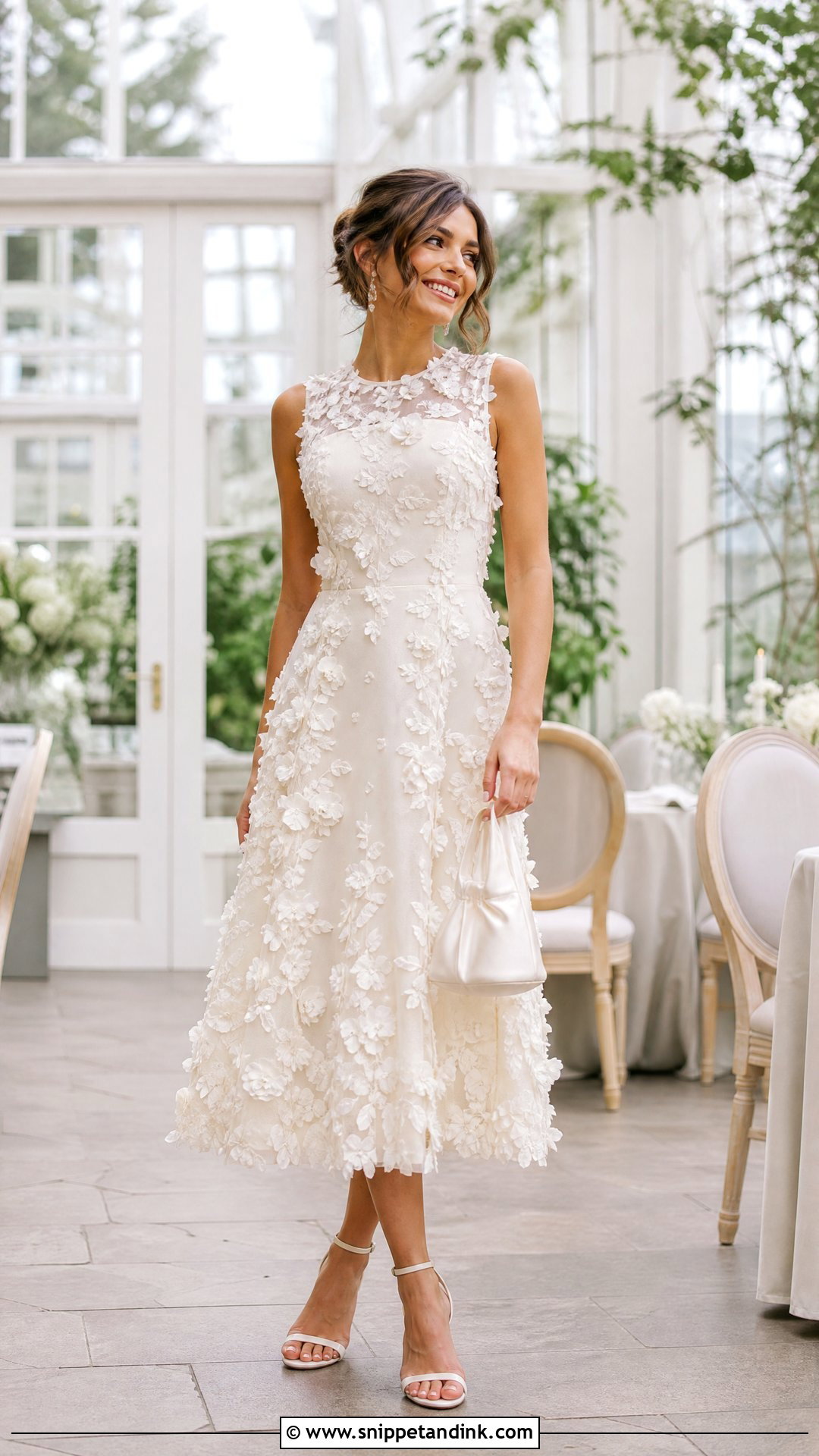
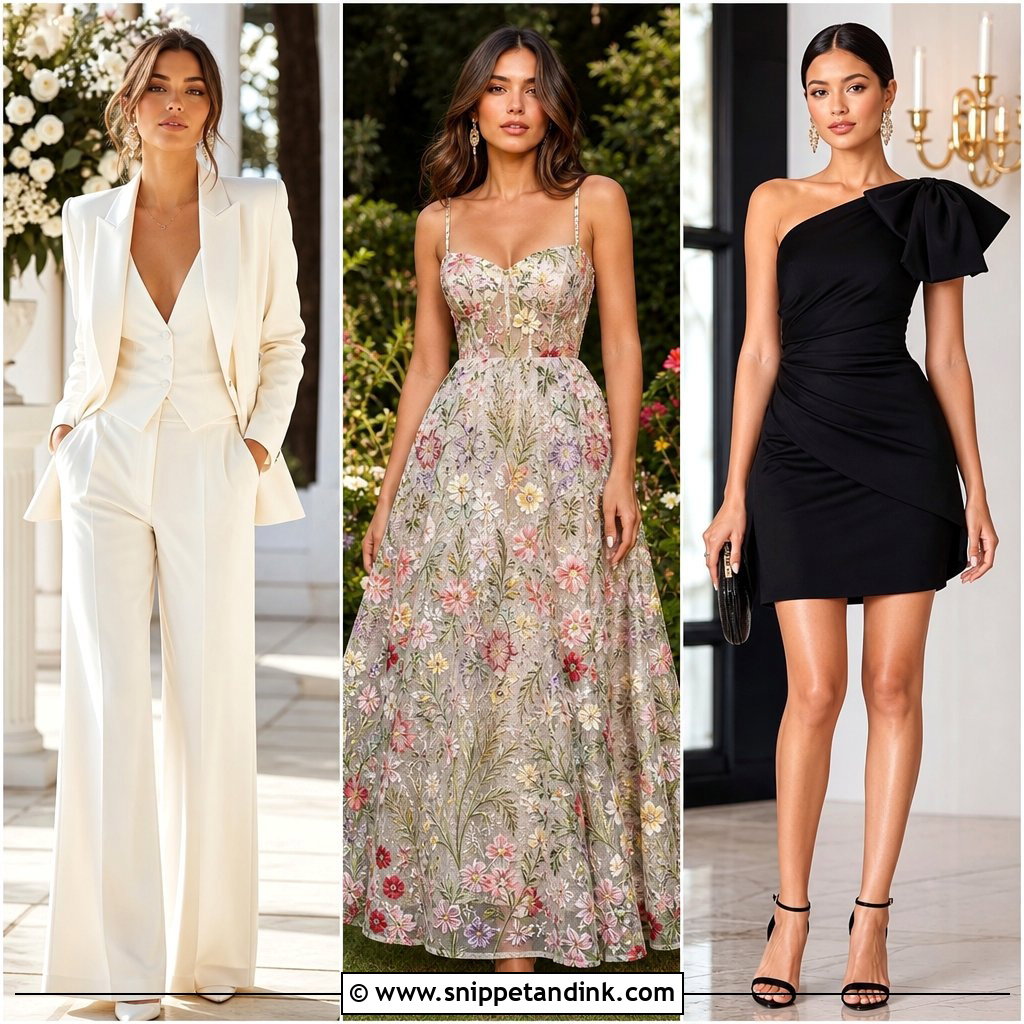
Appliqué flowers are three-dimensional, which means they catch: on chair backs, on a partner’s cufflinks, on a bouquet. I prefer lightweight, closely stitched ones that won’t drag the fabric down. A mini covered in small flowers feels playful; a midi with appliqués on the bodice looks more formal. Simple ankle-strap heels, delicate earrings and a compact satin bag keep the texture from getting busy, and floral shoes would be too much. A low ponytail or loose waves tucked behind the ears. Spring receptions, conservatories and garden terraces suit it.
14. Sequin Wedding Dress Second Look
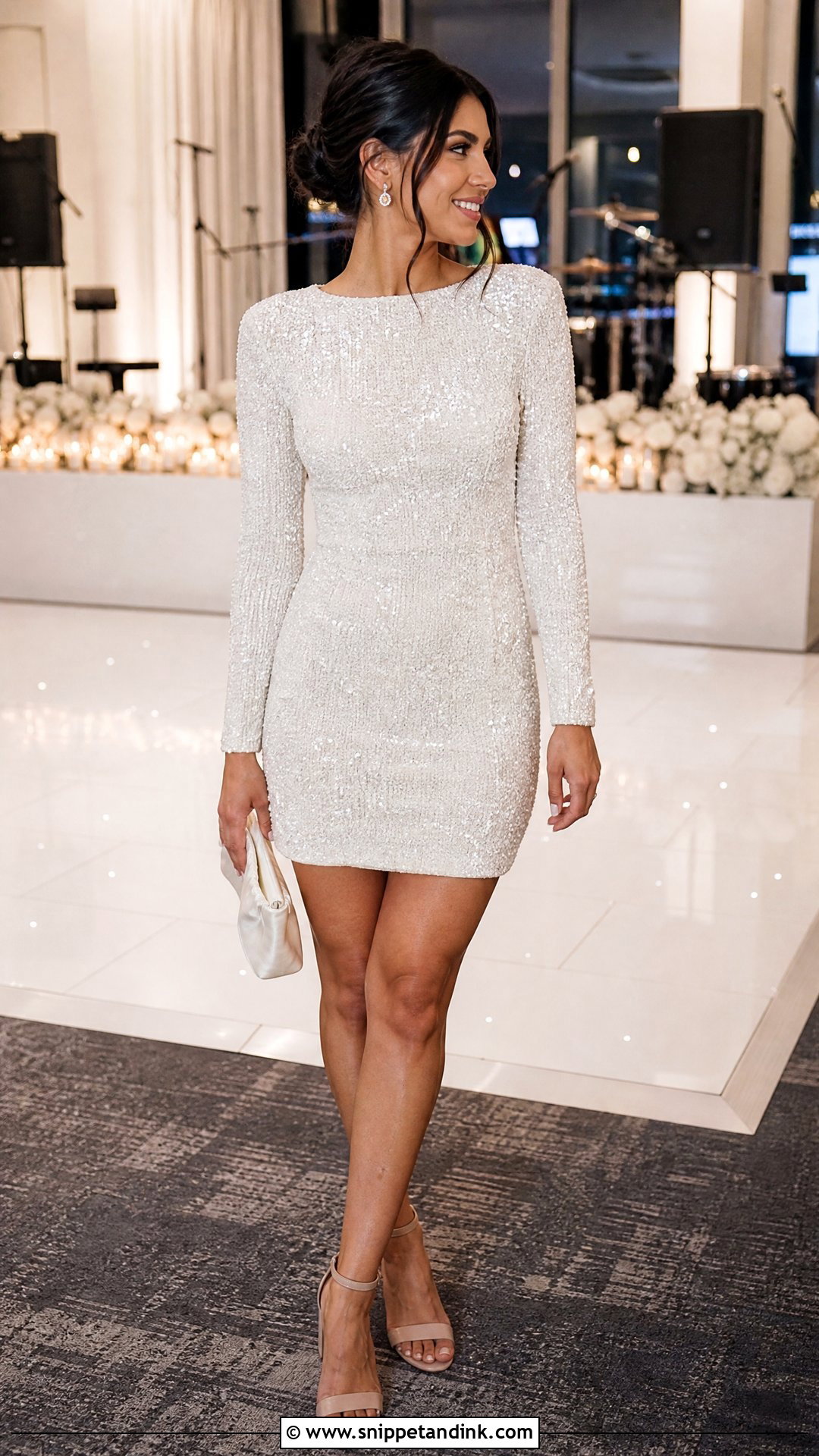
Sequins catch the reception lighting and tell everyone the party has started. I steer clients toward soft ivory, pearl, silver-white or champagne tones, since harsh metallic sequins can look costume-like next to an ivory ceremony gown in the same album. The thing to check is the underarm. Sequin edges scratch when you dance, and a full lining fixes most of it. A long-sleeve mini balances the shine, while a sleeveless shift moves more freely. Neutral heels, small crystal earrings, a plain clutch and a high ponytail or sleek bun for hotel receptions, lofts and ballrooms.
15. Blazer Wedding Dress Second Look
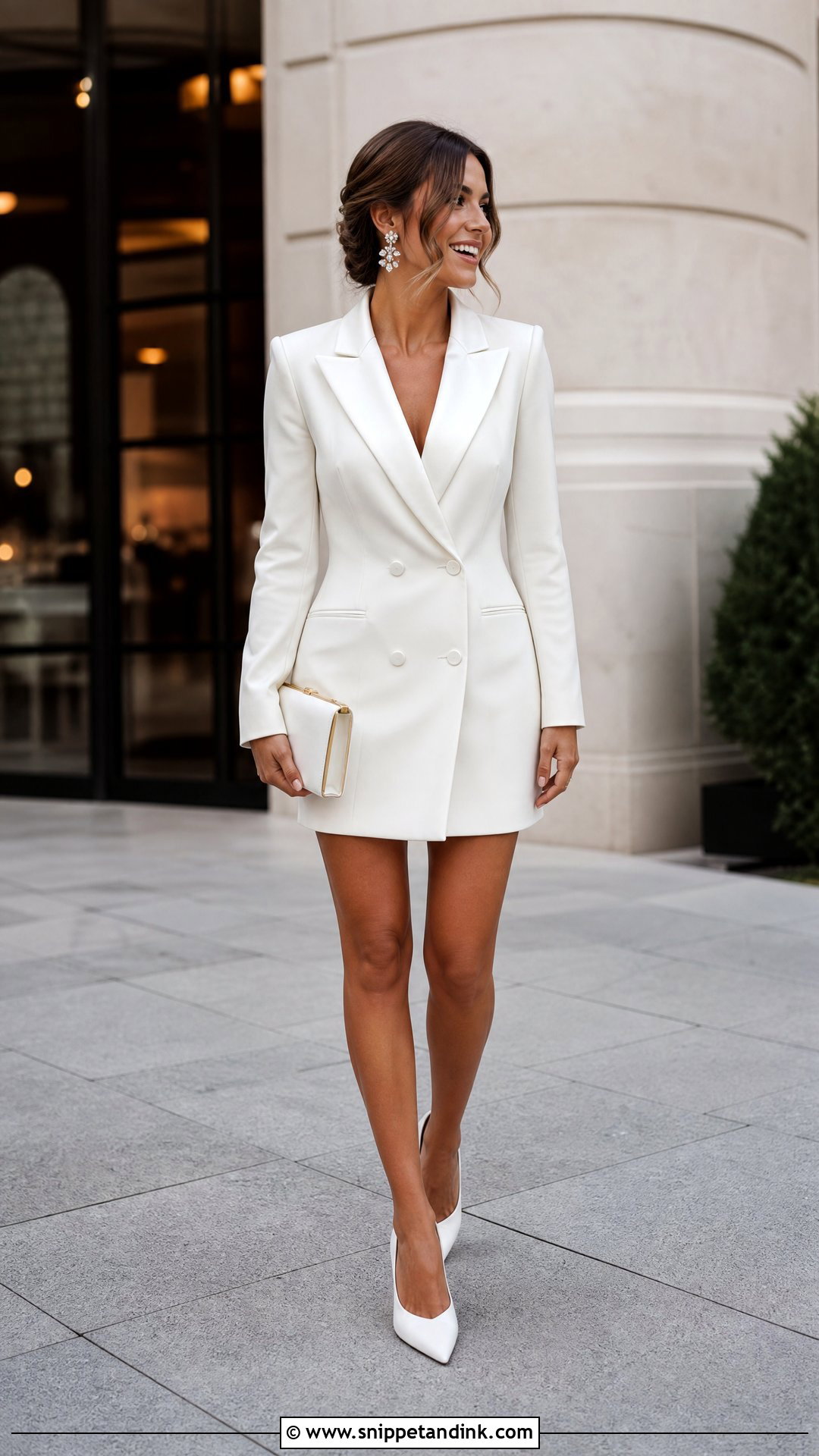
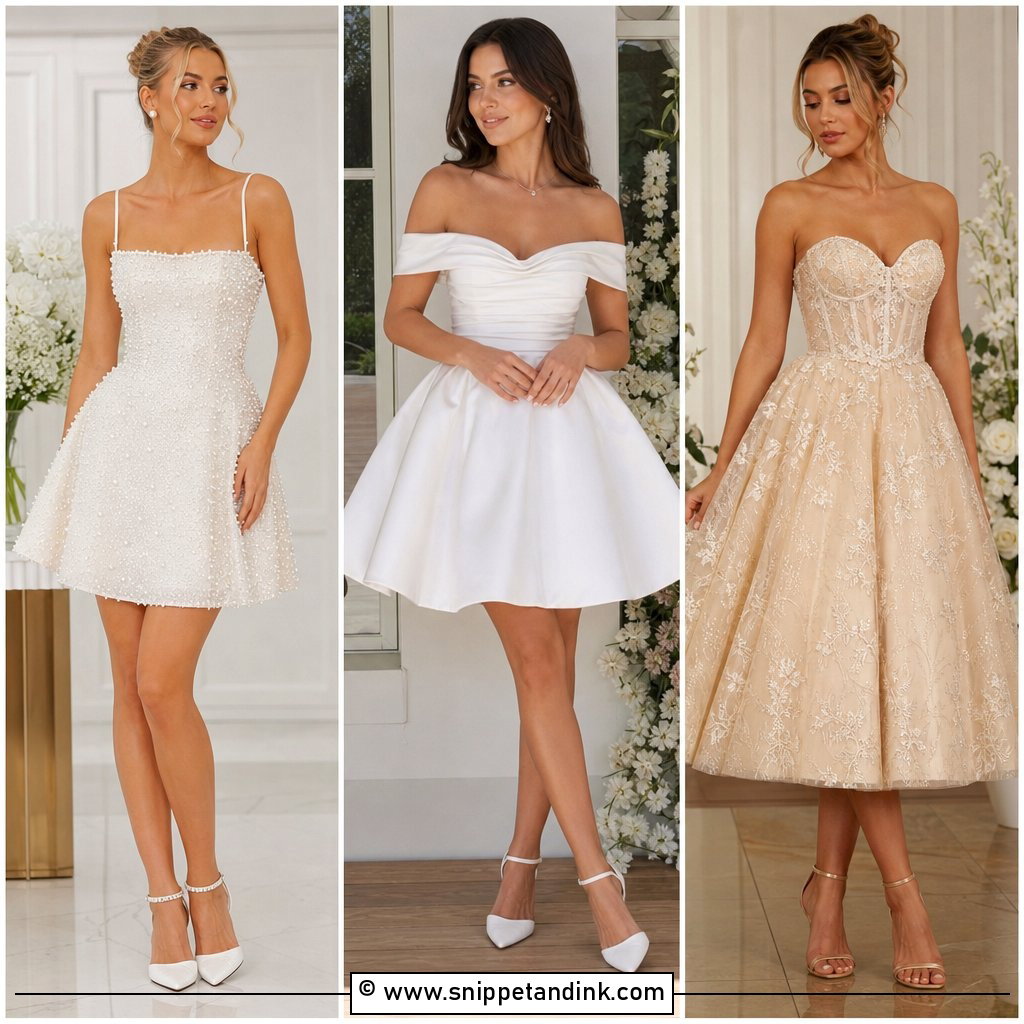
A blazer dress depends entirely on tailoring. If the shoulders are too wide or the closure gapes when you sit, it looks like you borrowed someone’s jacket. Double-breasted or wrap-front designs with a secure closure and a hem long enough to sit in are the safest. Satin lapels, pearl buttons or a little crystal make it unmistakably bridal. A smooth bodysuit or camisole underneath helps if the neckline feels too open, and sheer natural tights work in cooler months. Pointed pumps, a structured clutch, statement earrings and a sleek ponytail. This wedding dress second look suits courthouse celebrations, city receptions and industrial venues.
16. Bridal Jumpsuit Wedding Dress Second Look
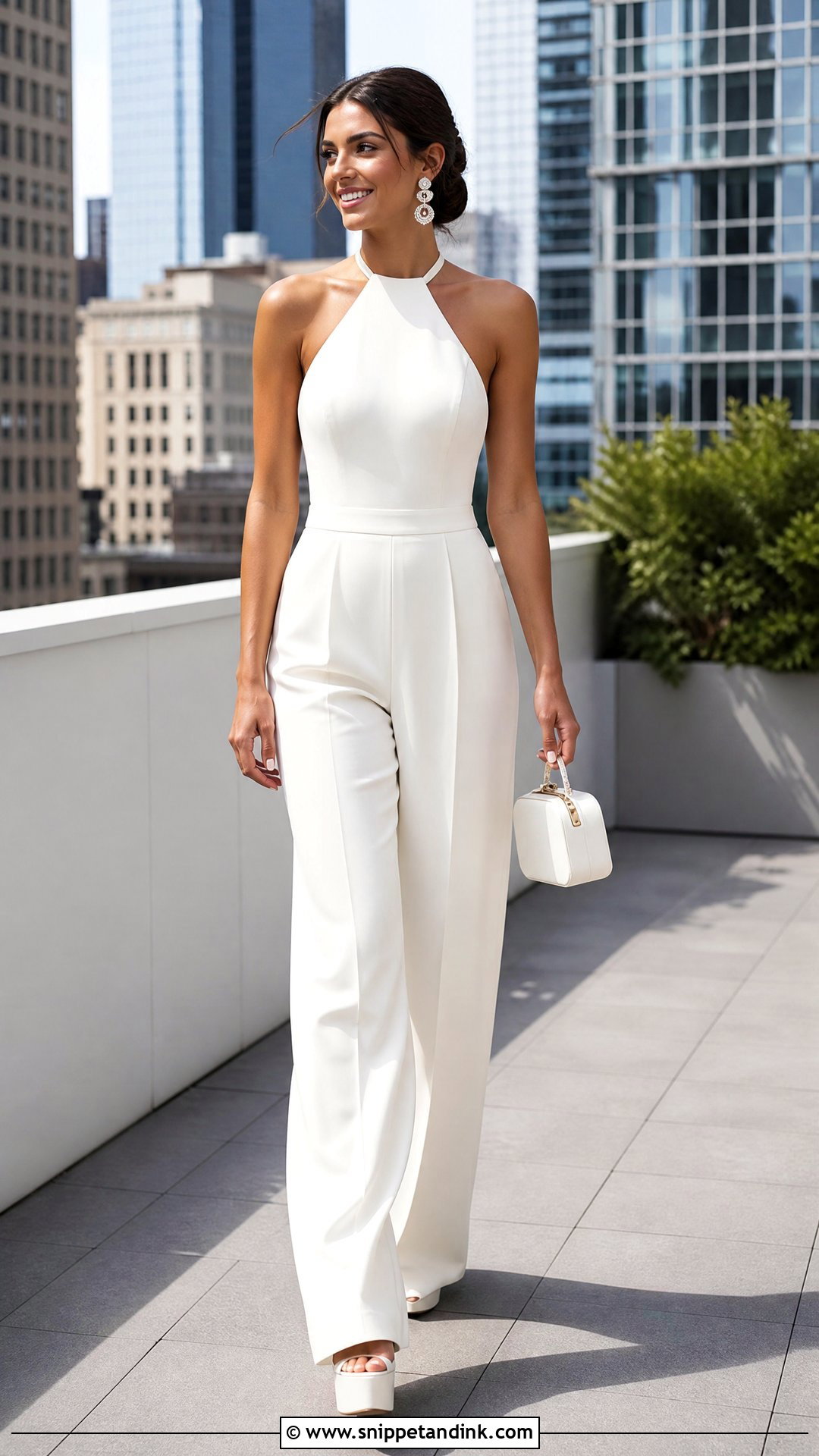
A bridal jumpsuit gives you the freedom of trousers, and the hem is where most go wrong. Have it hemmed in the exact shoes you’ll wear, because an inch too long and you’ll step on it all night. Wide legs move with you; straight tailored legs feel crisper. Think about the bathroom too: a back zip you can’t reach alone is a real problem in a one-piece. Choose the bodice by coverage, from fitted or halter to one-shoulder or draped. Platform heels or pointed pumps, statement earrings and a small structured bag, plus a removable cape or overskirt for the entrance. Lofts, rooftops and restaurants suit it.
17. Bridal Two Piece Wedding Dress Second Look
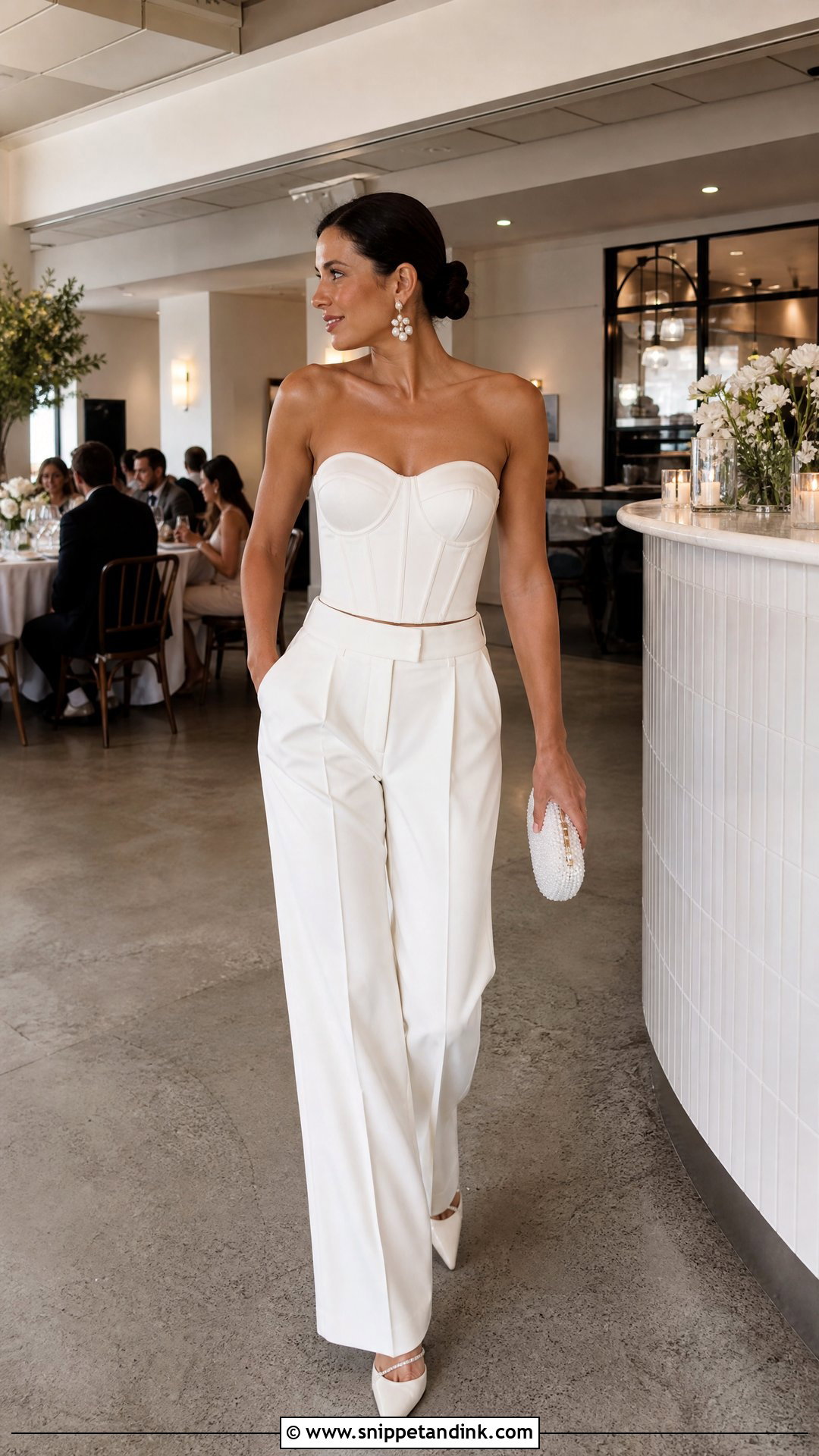
Two-piece outfits give you the most control over coverage. Pair a structured corset, satin camisole or embellished crop top with a matching midi skirt or tailored trousers, and keep both in the exact same ivory, because two near-matching shades look like a mistake under warm lighting. A high-waisted bottom gives more coverage and a smoother join. Raise your arms in the fitting room and make sure the top stays down. Slingback heels, bold earrings and a petite clutch; add a cropped blazer for dinner and take it off for dancing. Beaches, rooftops and destination weddings suit it.
18. Detachable Overskirt Wedding Dress Second Look
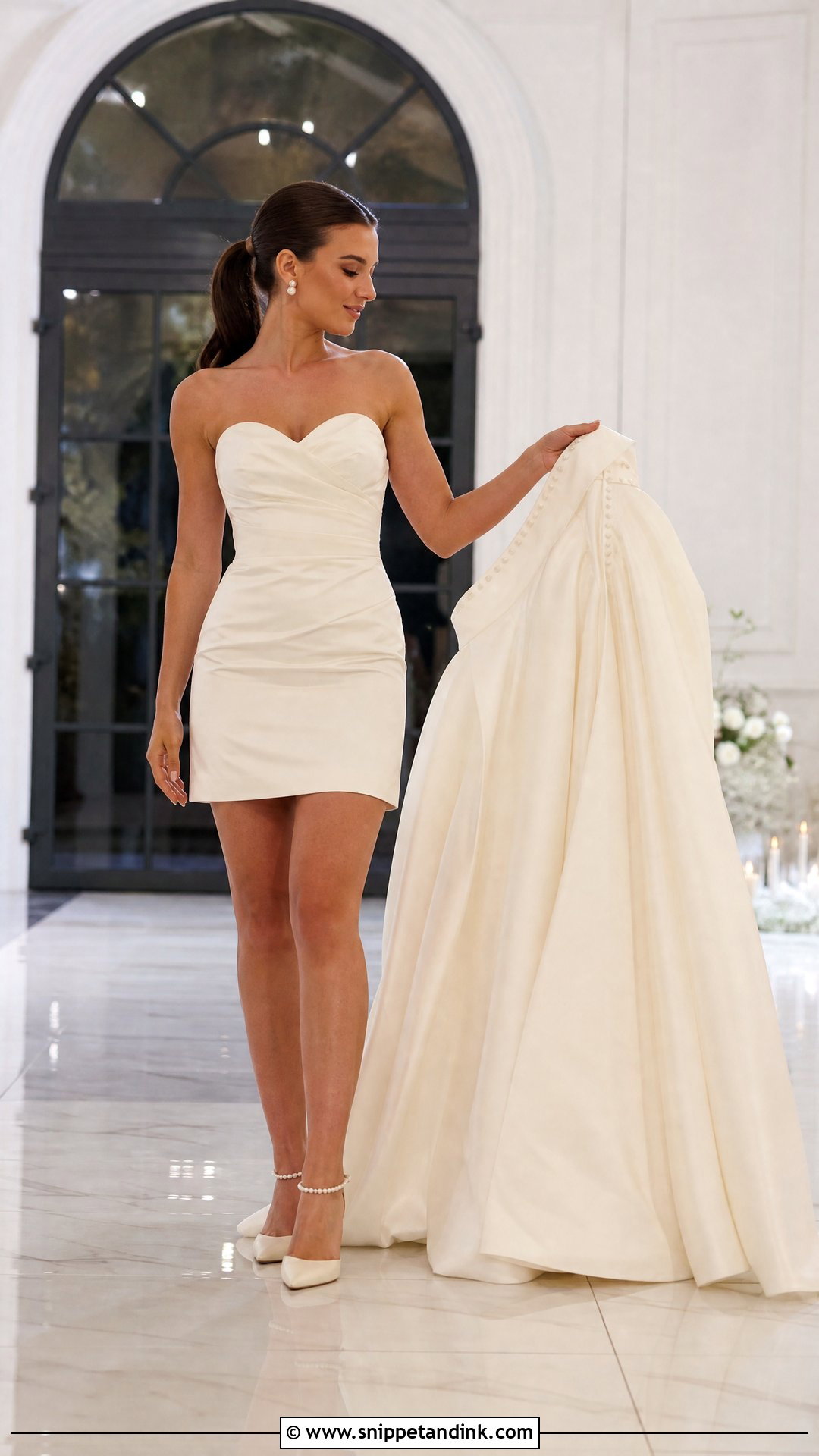
A detachable overskirt gives you two bridal looks without a full change. The base dress has to stand on its own, though, with finished seams, a clean waistband and enough detail to hold up in reception photos. I always ask the attendant who will unhook it to practice at the final fitting, because hooks and snaps under layers of tulle are fiddly in a dim room. Once it’s off, switch earrings, put on lighter shoes or change your hair to make the shift obvious. It saves time and closet space for a bride going straight from a formal ceremony into the party.
19. Convertible Wedding Dress Second Look
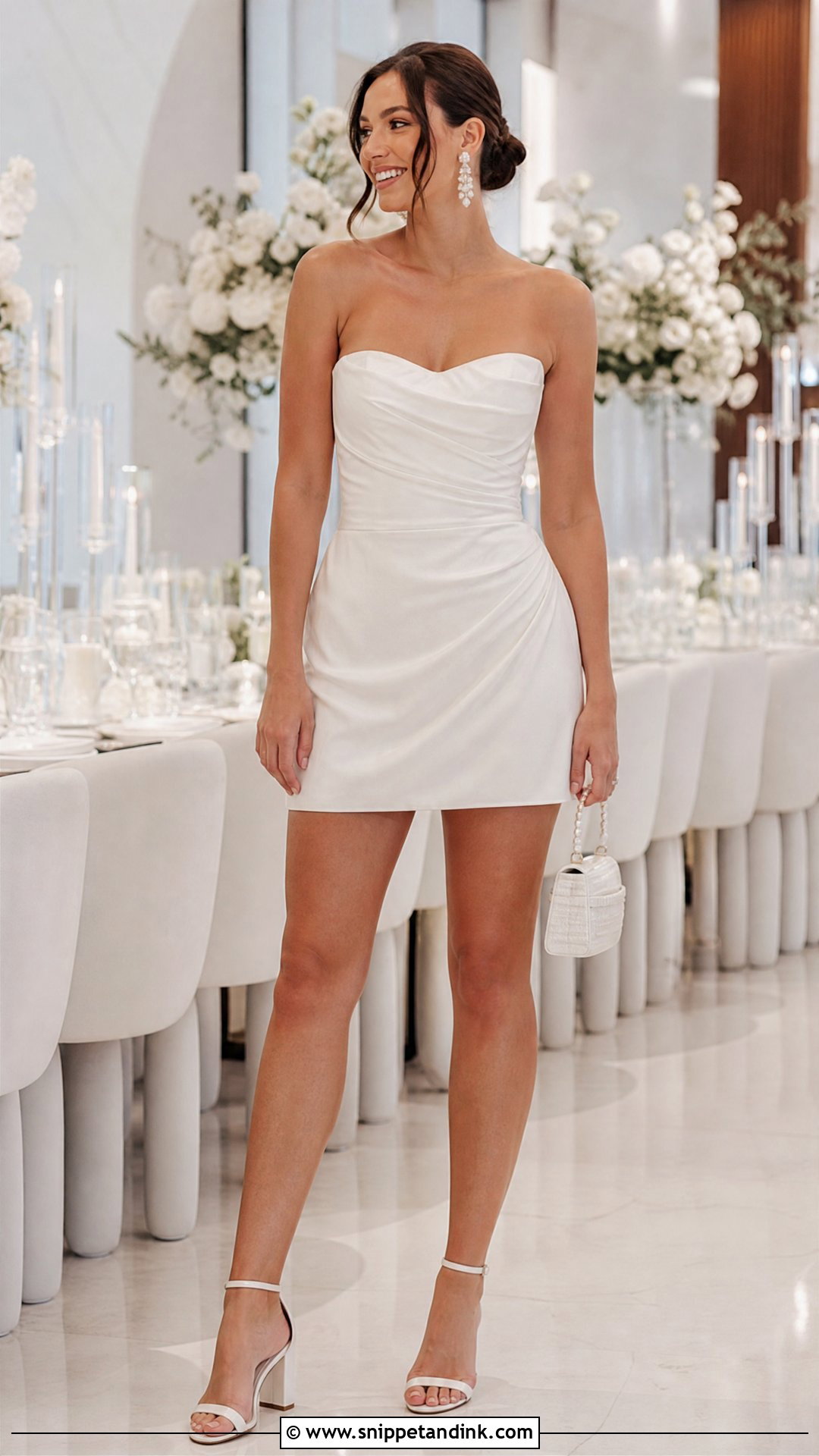
Convertible dresses rely on removable sleeves, straps, trains, capes or layered skirts. Start in the most formal version for the ceremony and remove pieces before the reception; a strapless mini under a long sheer overlay makes the biggest difference. Time the transformation at your final fitting so the timeline is realistic. Each detached piece needs its own labeled garment bag and one named person to carry it, because loose sleeves and trains go missing at the end of a long night. Statement earrings, dance-friendly heels and a compact bag suit the shorter version, and it fits almost any venue.
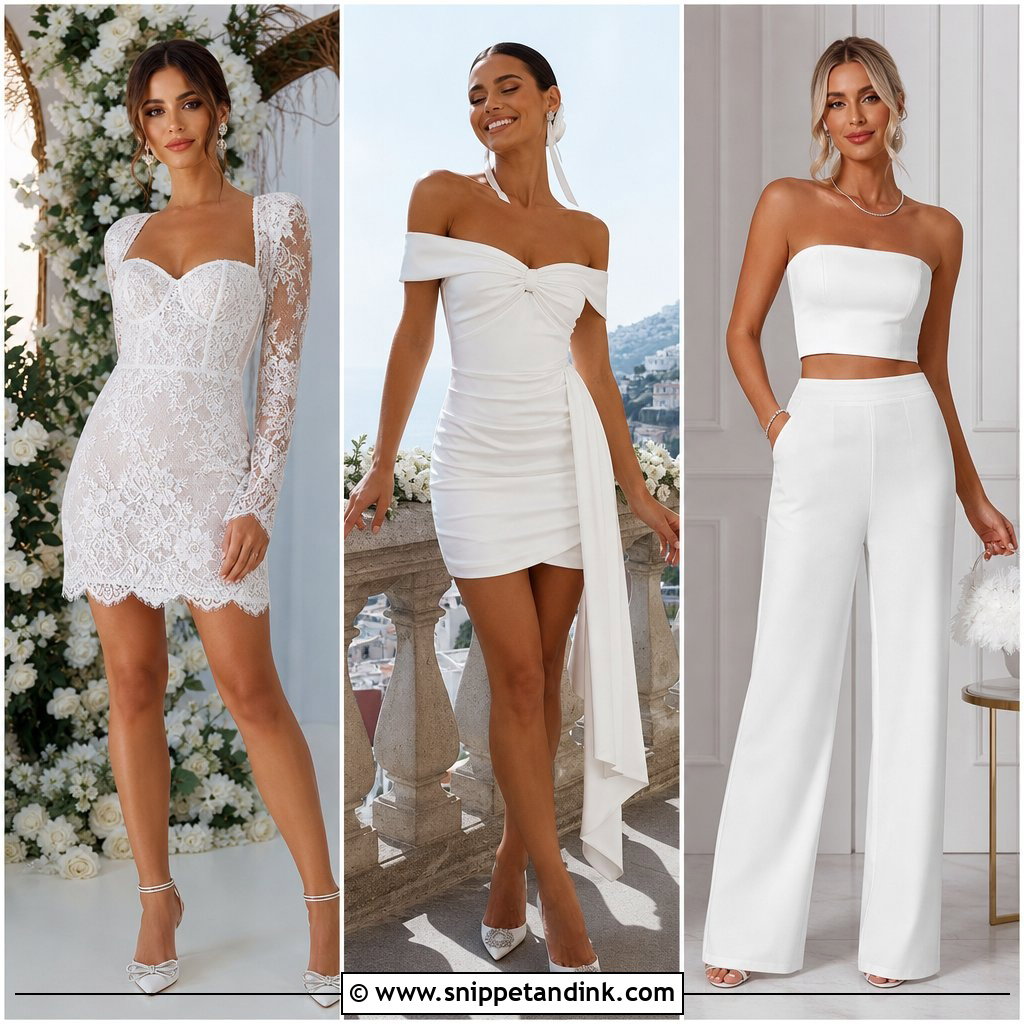
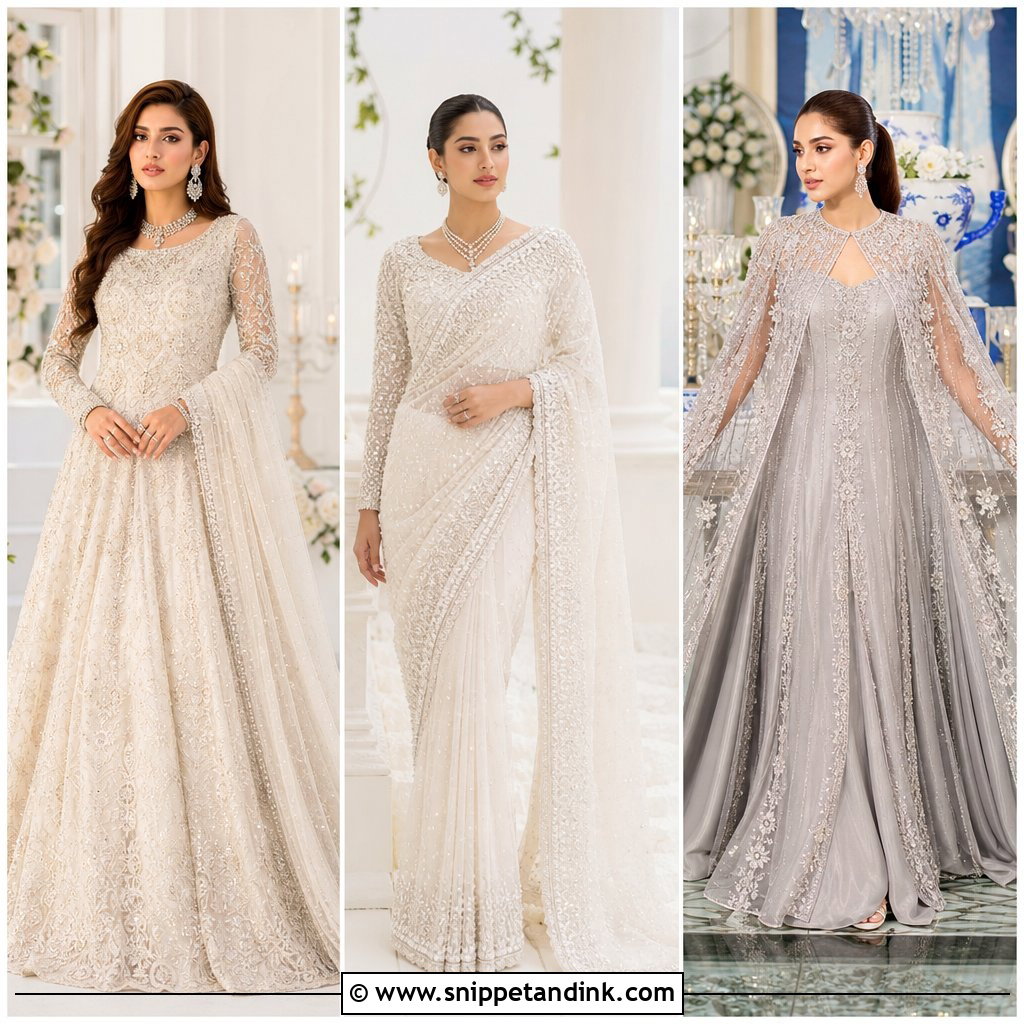
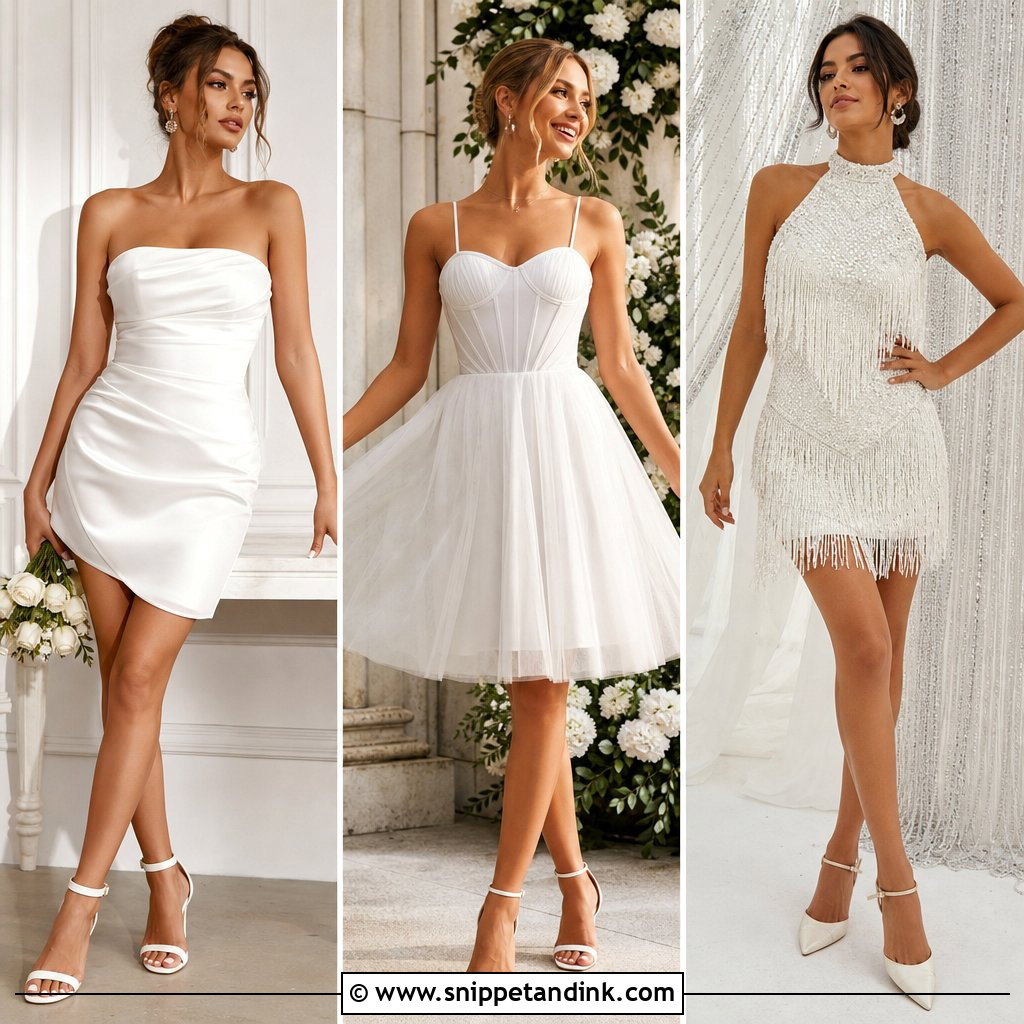
20. Vintage Inspired Wedding Dress Second Look
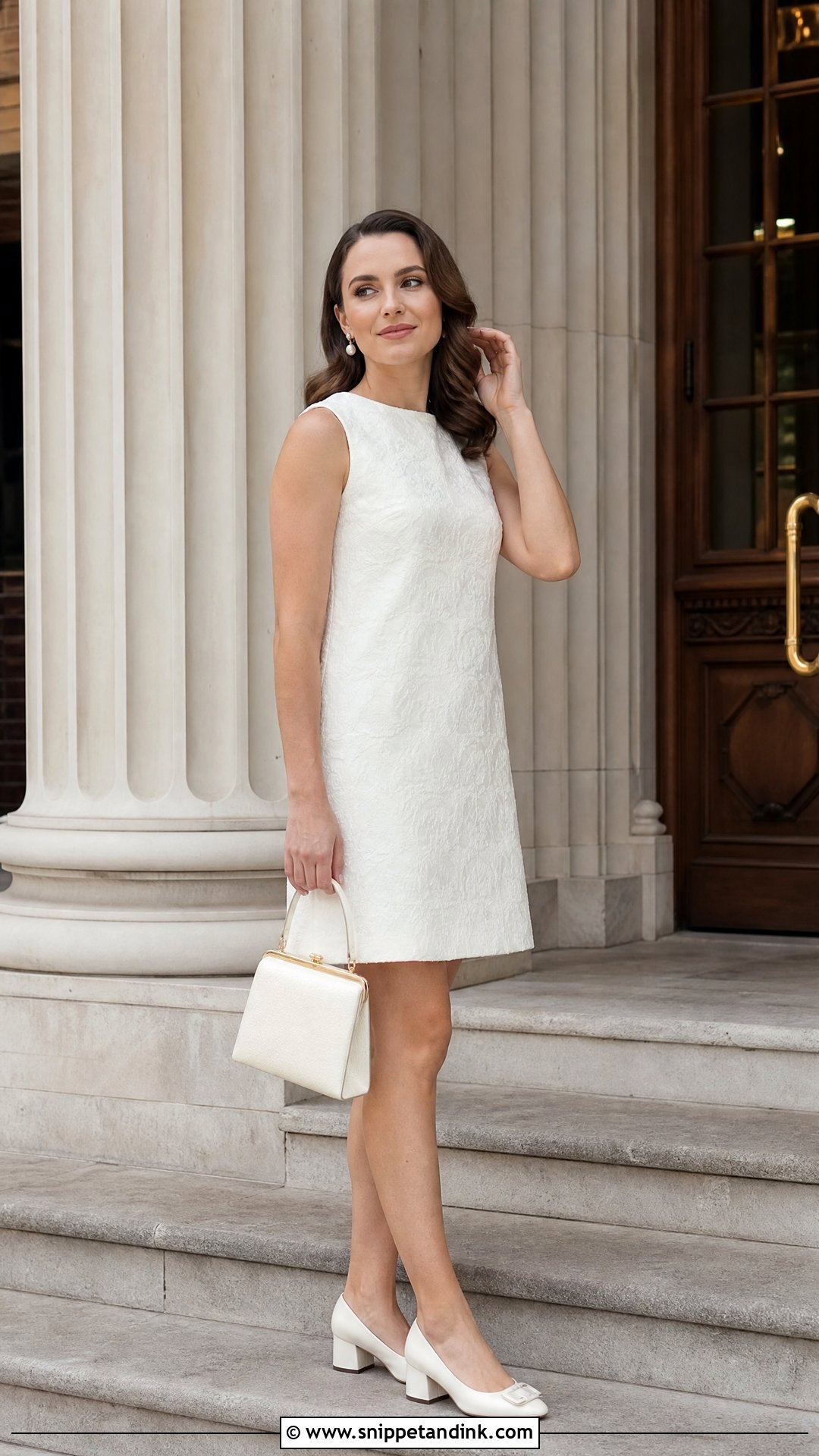
A vintage-inspired bridal dress works when you commit to one decade. A 1960s shift mini, a 1950s tea length or a 1920s beaded dress each have clear rules, and mixing them tips into costume. Genuine vintage pieces often need reinforced seams, fresh lining or careful alteration, and old fabric can be fragile, so give your seamstress time and test movement after tailoring. Period-inspired shoes, a small frame bag and simple pearl or crystal earrings. A soft beehive, polished waves or a neat bun supports the era without going theatrical. Historic venues and restored homes suit it.
Timing the Change So Guests Barely Notice You Left
Most brides change after dinner and before the dancing opens, when guests are busy and the photographer can step away too. Others switch straight after the entrance photos. Agree on the moment with your planner and DJ so nobody calls you back to the floor before you’re ready.
Who comes with you
One or two people, not the whole bridal party. You need someone who can manage a corset, bustle or row of buttons, and someone to hold the gown off the floor while you step out of it.
Hair, veil and makeup in the same window
A change is the natural moment to move a down style into a ponytail, take off the veil, swap earrings and blot. Ask your hairstylist to leave pins, a comb and a little hairspray with someone you trust.
Where the Ceremony Gown Spends the Rest of the Night
Not draped over a hotel chair. Hang it on a padded hanger inside a breathable garment bag, away from food and candles, and name one person responsible for getting it home. If anything spilled on it earlier, blot rather than rub, and tell the cleaner within a few days. Sugary drinks can dry invisible and turn yellow-brown later, so mention them even if you can’t see a mark.
Sit, Hug and Dance in It Before You Commit
Start with how different you want the second outfit to feel from your ceremony gown, then filter by venue, weather, timeline and how much you plan to dance. The options above run from short party dresses and midis to formal columns, jumpsuits, separates and convertible designs. Whatever you pick, try it on with the planned shoes and accessories, then sit, walk, hug and dance in the fitting room. If it stays comfortable and secure through all four, it will carry you through the night.
You'll Like These Ideas:


Leave a Reply