
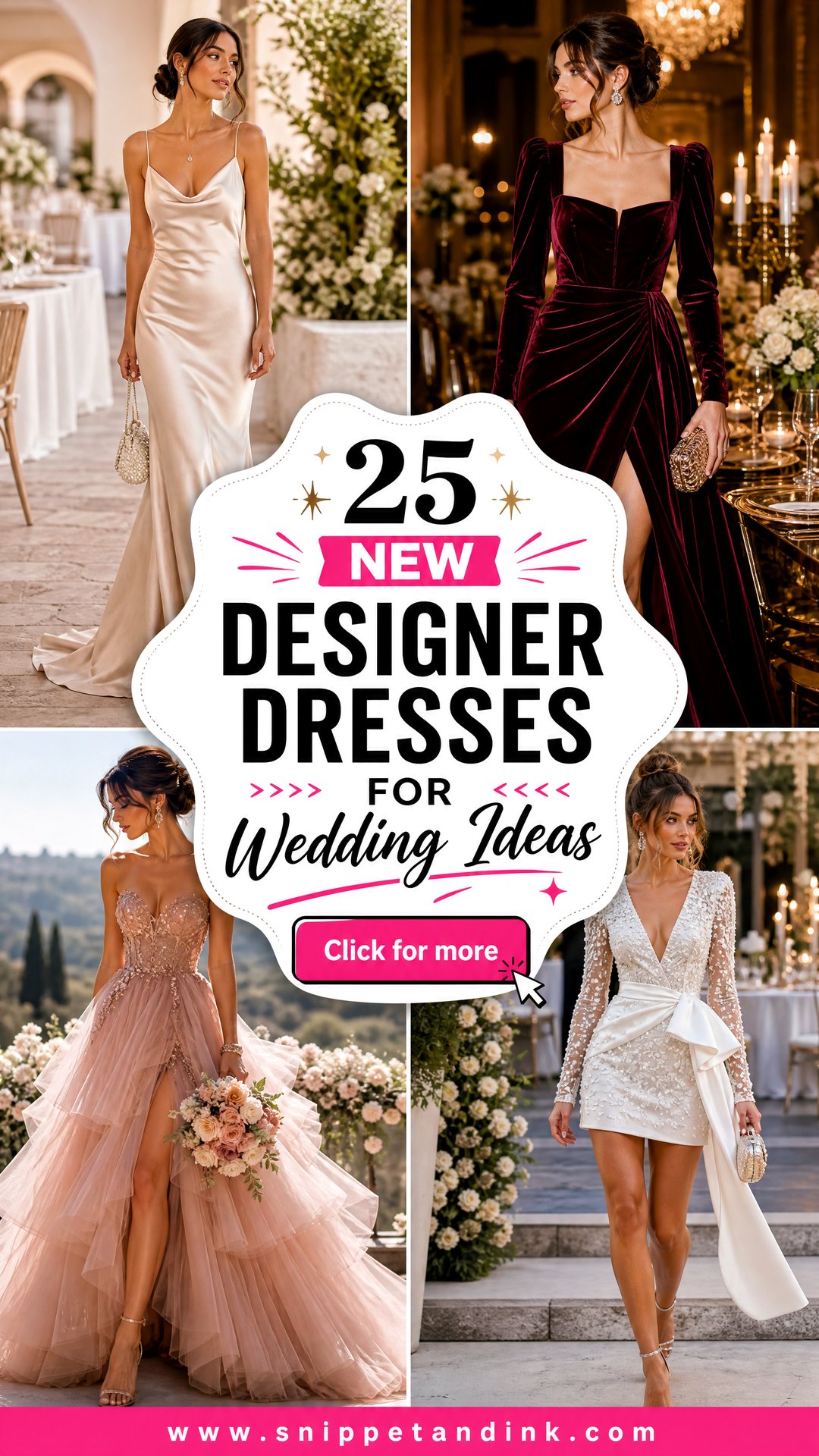
Most of the dresses people ask me about for weddings this year share one thing: a clean shape in a fabric that does the work. Fluid satin, sculpted drape, painterly florals, fine lace and long maxis all fall under that. I dress guests, bridesmaids and the occasional bride who wants a second look for the party, and the advice is the same for all of them. Plan the whole outfit at once, from shoes and bag to jewellery and the layer you’ll want when the sun drops. Below are 25 designer-style dresses for a wedding, from satin slips to tailored cocktail cuts, with what I’d watch for in the fabric and fit of each one.
Reading the Invitation Before You Shop the Rails
The invitation tells me more than any trend report. A start time after six, a hotel or ballroom venue and the words black tie point to floor length and richer fabrics. Cocktail or semi-formal opens up midis and the occasional mini. A garden, farm or beach venue changes the shoes before it changes the dress.
My quick translation
- Black tie: floor length, satin, velvet, crepe or fine beading.
- Black-tie optional: floor length or a very polished midi.
- Cocktail: midi or tailored knee length, more freedom with colour and cut.
- Daytime or garden: lighter fabrics, prints, block heels or flat sandals.
- No dress code given: a dressy midi is the safest middle ground.
Colour comes next. I steer guests away from white, ivory, cream and pale champagne that could read as bridal in photos. If you know the bridesmaids’ colour, avoid matching it too closely, or you’ll appear to be a missing member of the bridal party in every group shot.
1. Satin Maxi Designer Dress For Wedding
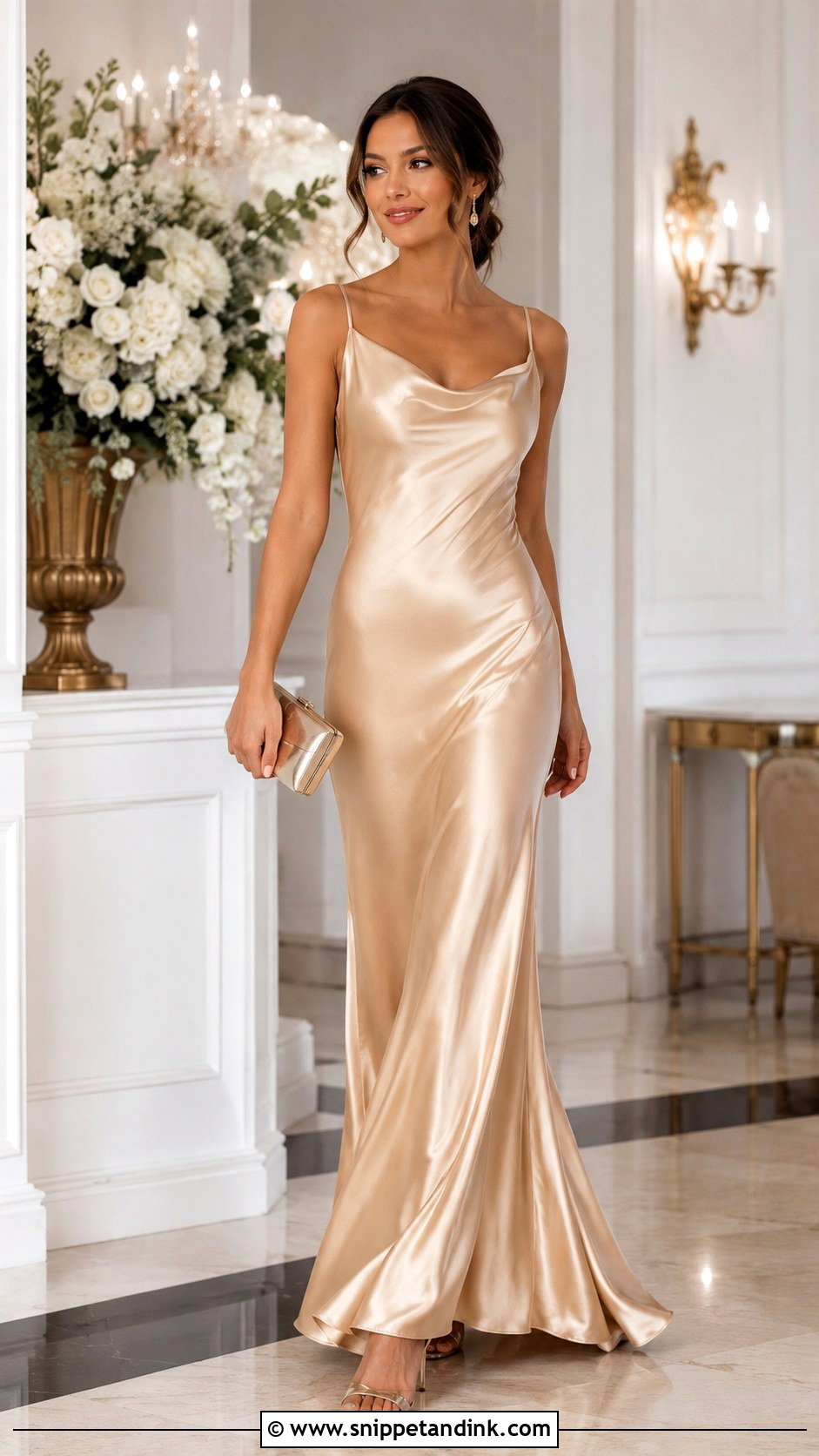
Satin cut on the bias is the easiest route to looking polished, and the least forgiving. A satin maxi dress in champagne, sage, cobalt or soft rose skims the body rather than gripping it, which is exactly why it shows every line underneath. I’d plan smooth, no-line underwear before the dress, not after. Keep the neck simple, cowl, square or halter, and add slim metallic heels, a small structured clutch and drop earrings. In a cool ballroom or garden, a cropped wrap in a close tone finishes it.
2. Floral Midi Designer Dress For Wedding
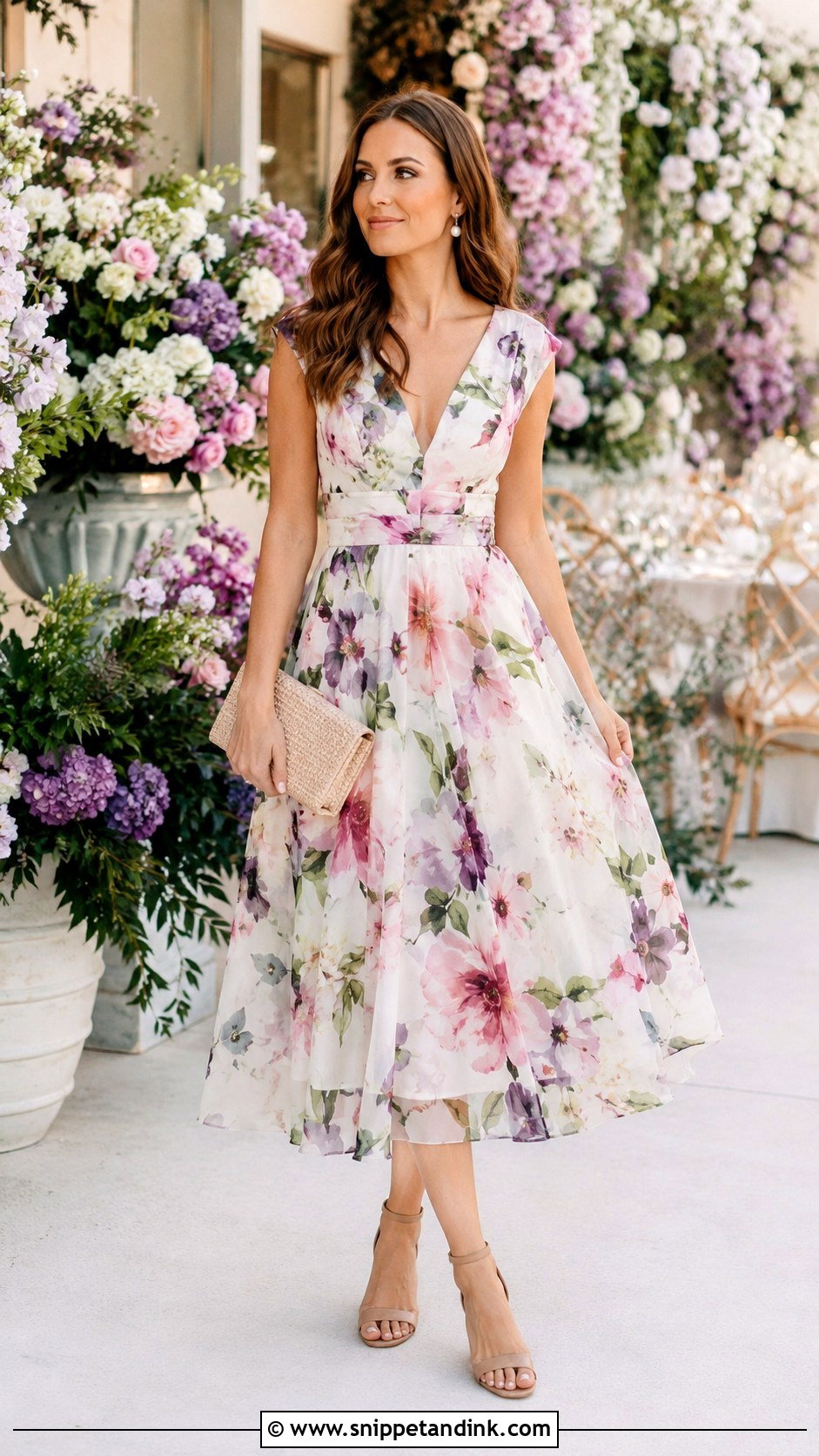
For a daytime wedding, a floral midi is the dress I’d reach for first. Painterly florals, watercolour blooms or small vintage prints look dressier than bold graphics, and a fitted waist with an A-line skirt and flutter sleeves works on most figures. Nude block heels or metallic sandals, a woven clutch and pearl or gold earrings keep it light. If there’s a lawn, wear the block heels. Stilettos sink, and you’ll spend the ceremony standing on your toes.
3. One Shoulder Designer Dress For Wedding
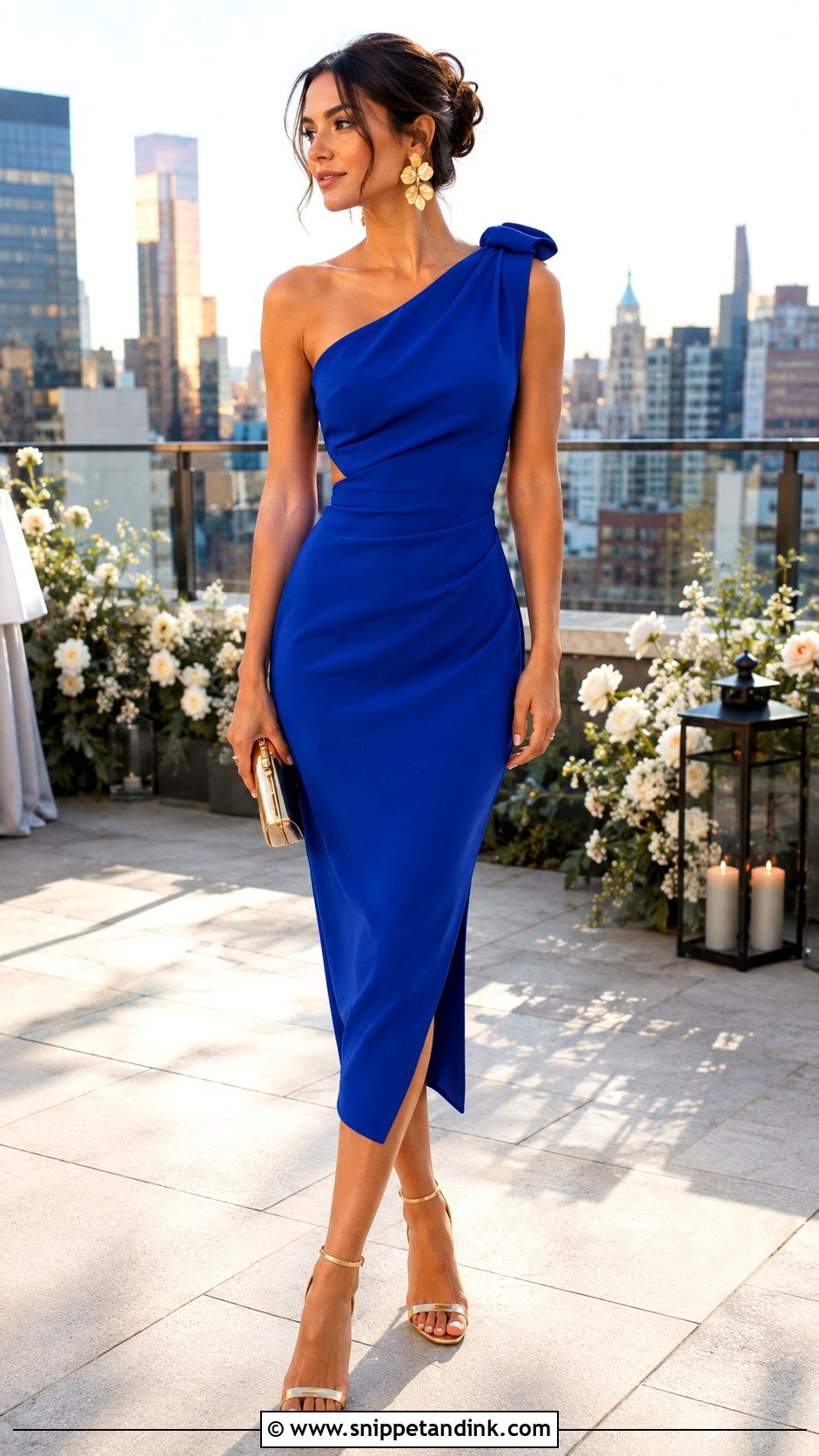
One shoulder is the quickest way to make a plain dress look designed. The asymmetric neck does the talking, so the rest needs a clean shape: a midi or maxi in crepe, satin or chiffon. Lavender, coral, emerald and navy all suit different dress codes. Skip the necklace and wear sculptural earrings. My one fitting note is the strap: it should sit snug on the shoulder bone, because a loose one slides toward the arm every time you lift a glass. Strappy heels, a small clutch and a low bun or soft waves finish it for rooftop, resort and cocktail wedding receptions.
4. Pleated Chiffon Designer Dress For Wedding
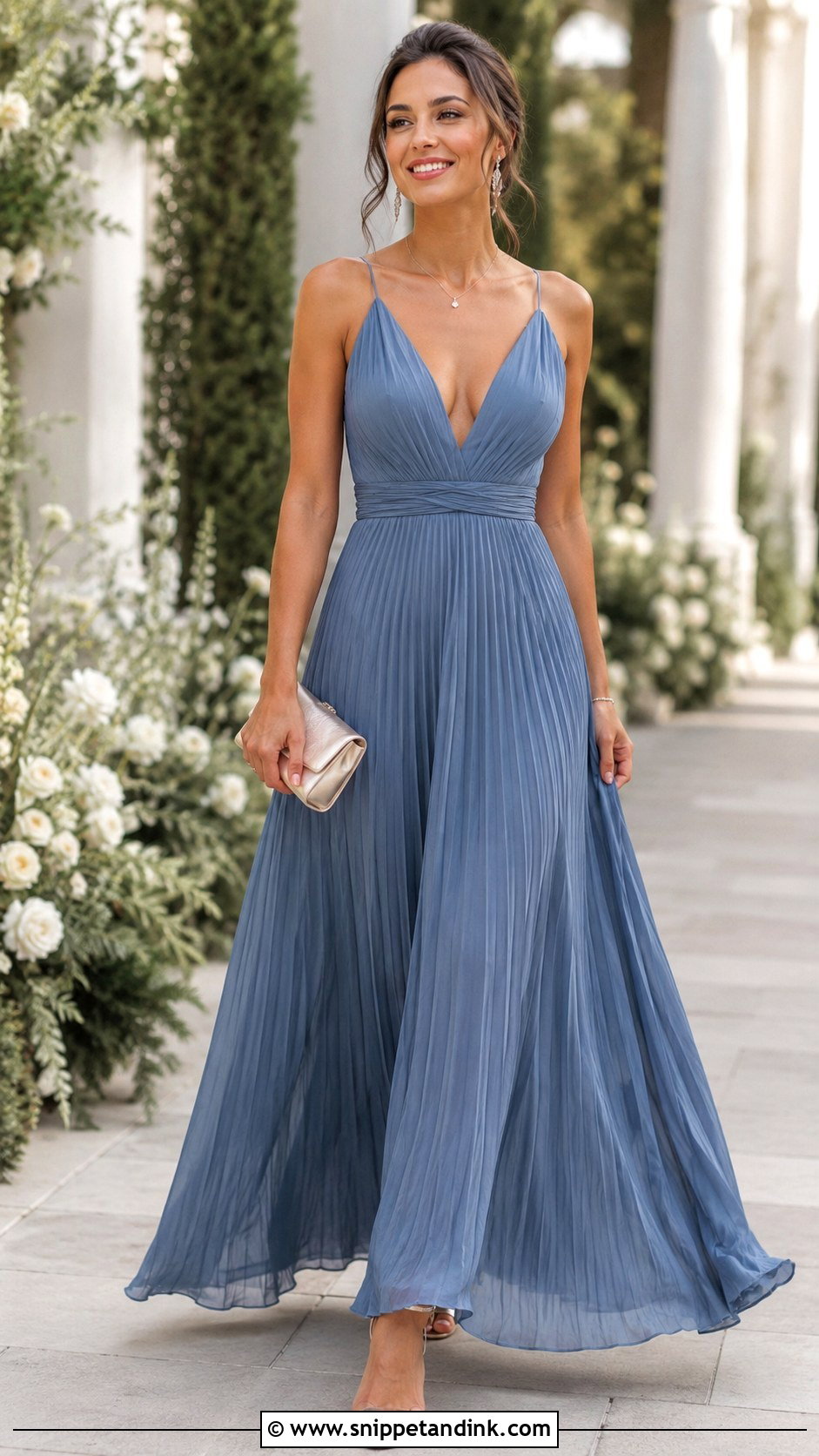
Pleated chiffon moves with you, and the good versions have fine pleats that skim rather than bulk. Look for a defined waist, a flowing skirt and a V, halter or wrap front. Dusty blue, blush, mint and mauve feel fresh. Ankle-strap heels, a satin clutch and small jewellery finish it, and a light wrap in the same shade helps outdoors. Machine pleats are heat-set and fairly hardy, but steam can relax them, so I’d hang this one in the bathroom rather than taking a steamer to the skirt.
5. Lace Midi Designer Dress For Wedding
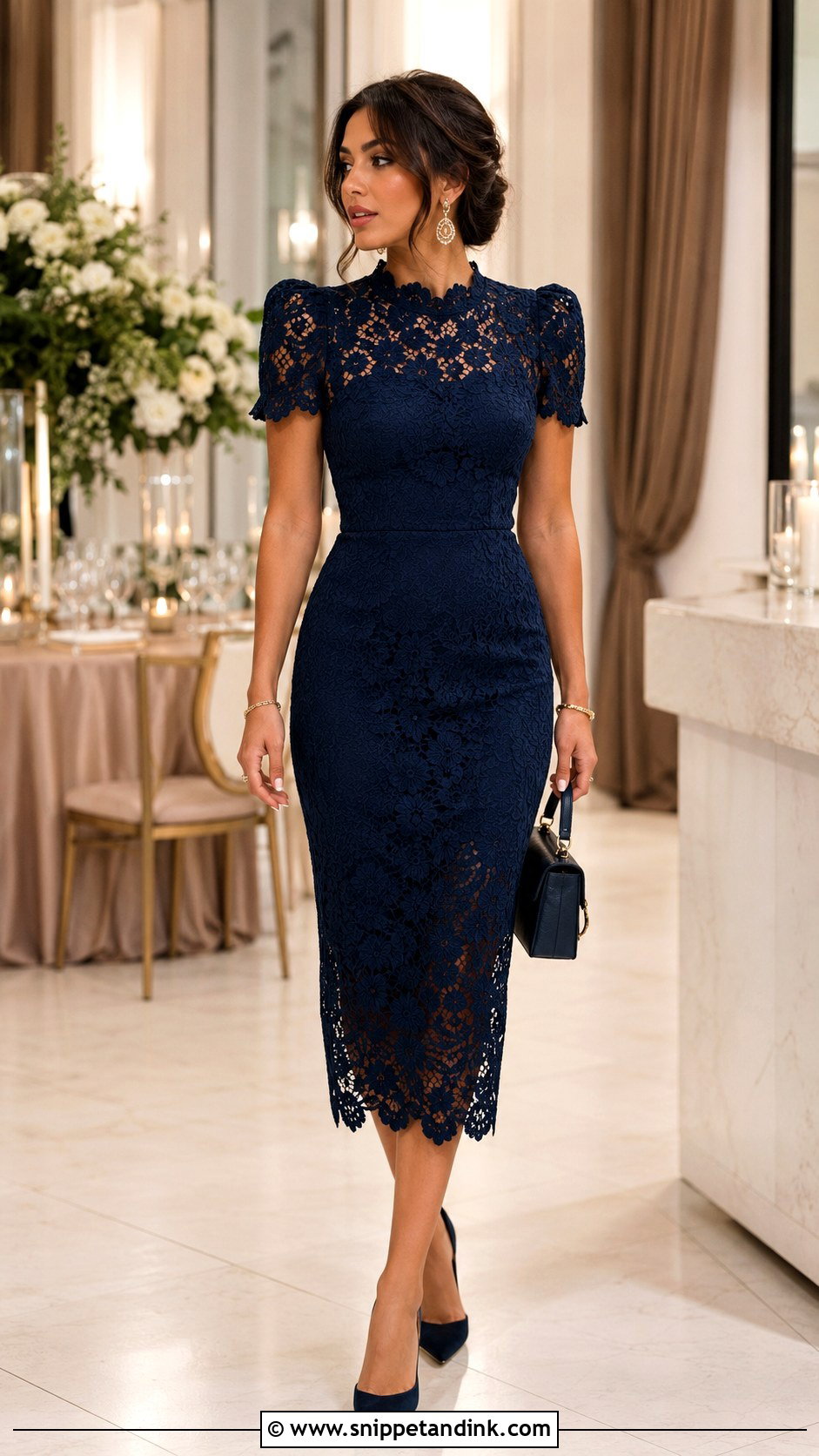
Lace midis can look dated or current, and the difference is the lace. Choose a cleaner pattern on a fitted bodice with a scalloped hem, in navy, dusty rose, olive, plum or powder blue. Pointed heels, a structured mini bag and simple gold jewellery suit it. With long lace sleeves, I’d cut bracelets entirely; lace catches on clasps and pulls a thread. It’s a dressy, modest choice for indoor ceremonies and family weddings.
6. Draped Designer Dress For Wedding
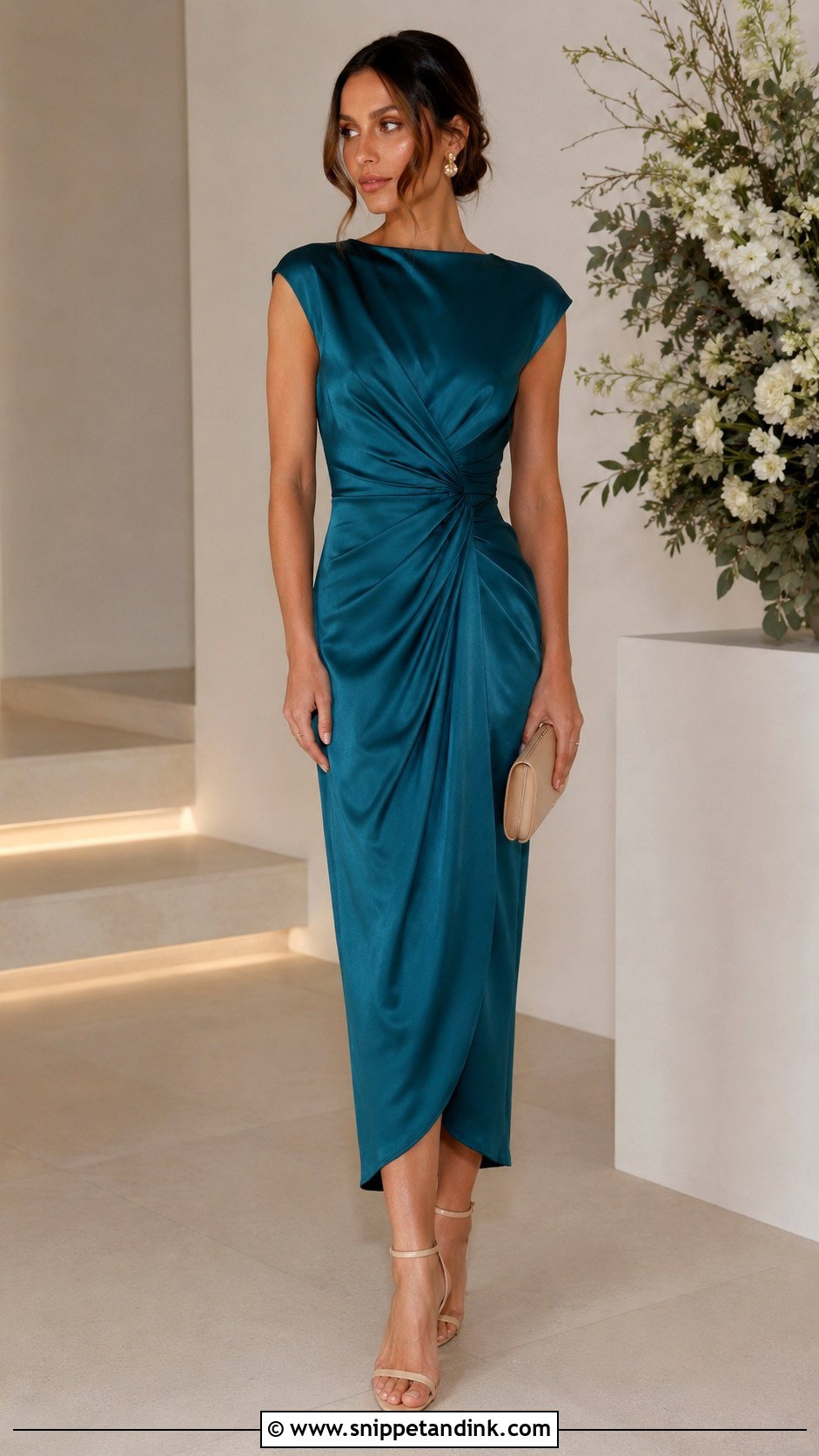
In a draped dress the fabric does the styling: gathering at the waist, shoulder or hip shapes the body without a seam in sight. Fluid jersey, satin or crepe falls best. Teal, berry, bronze and deep green look rich at an evening wedding. Wear simple heels, a clutch with quiet hardware and small statement earrings. Skip the bulky jacket, which flattens the drape; a fine shawl over the arms works better. I check where the drape gathers, because on some bodies a gather at the hip adds width you didn’t want.
7. Strapless Column Designer Dress For Wedding
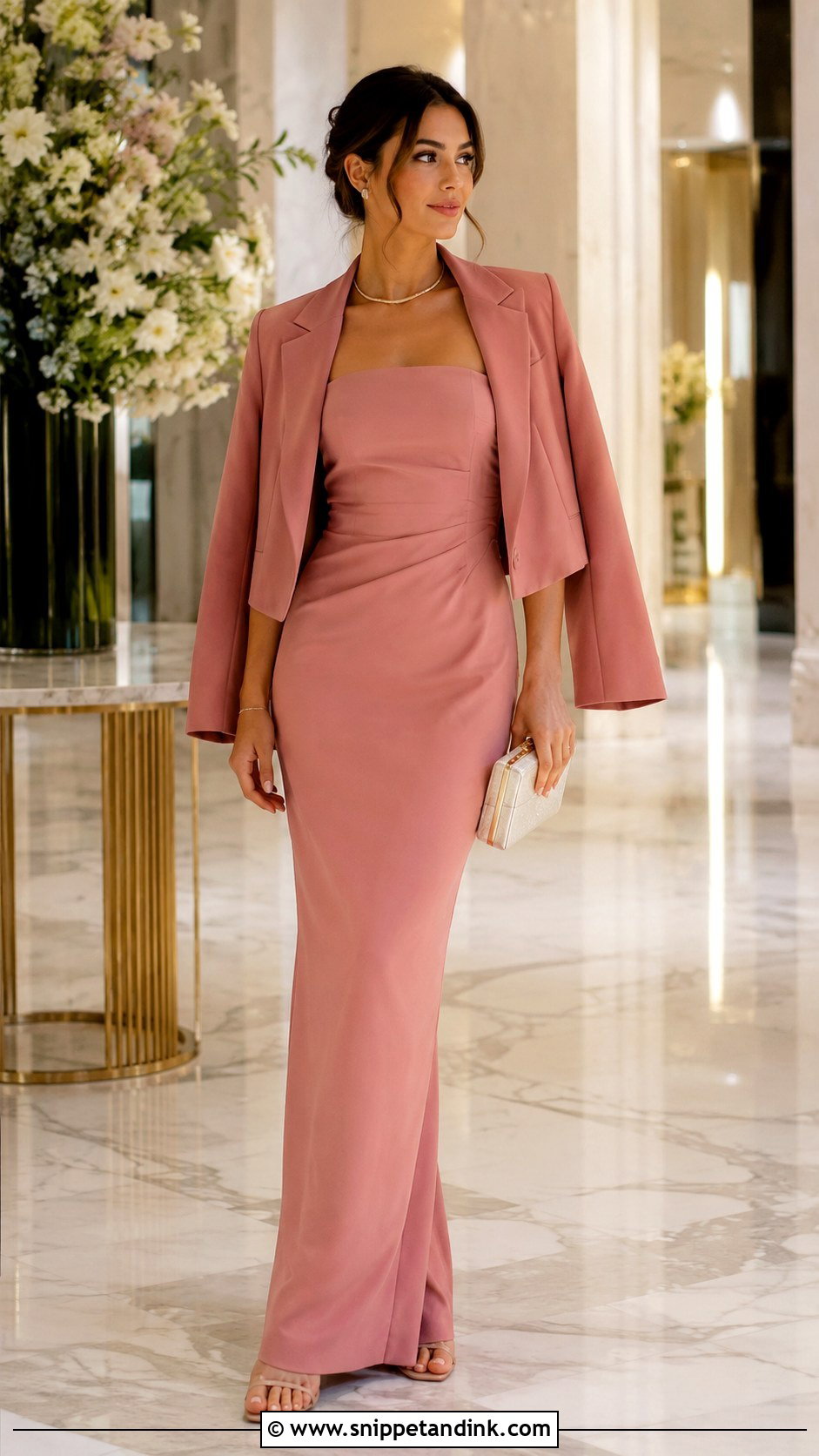
A strapless column should be structured but not tight. Satin, crepe or jacquard in midi or floor length all hold a straight line, and a straight neckline reads more modern than a soft sweetheart. The fit test I make every client do: raise both arms and sit down. If the bodice slips or gapes, it needs boning or a grip strip inside. Add pointed pumps or slim sandals, a box clutch and a short necklace or bold earrings, with a cropped blazer or wrap for the ceremony. It belongs at black-tie optional weddings, city venues and evening receptions.
8. Halter Neck Designer Dress For Wedding
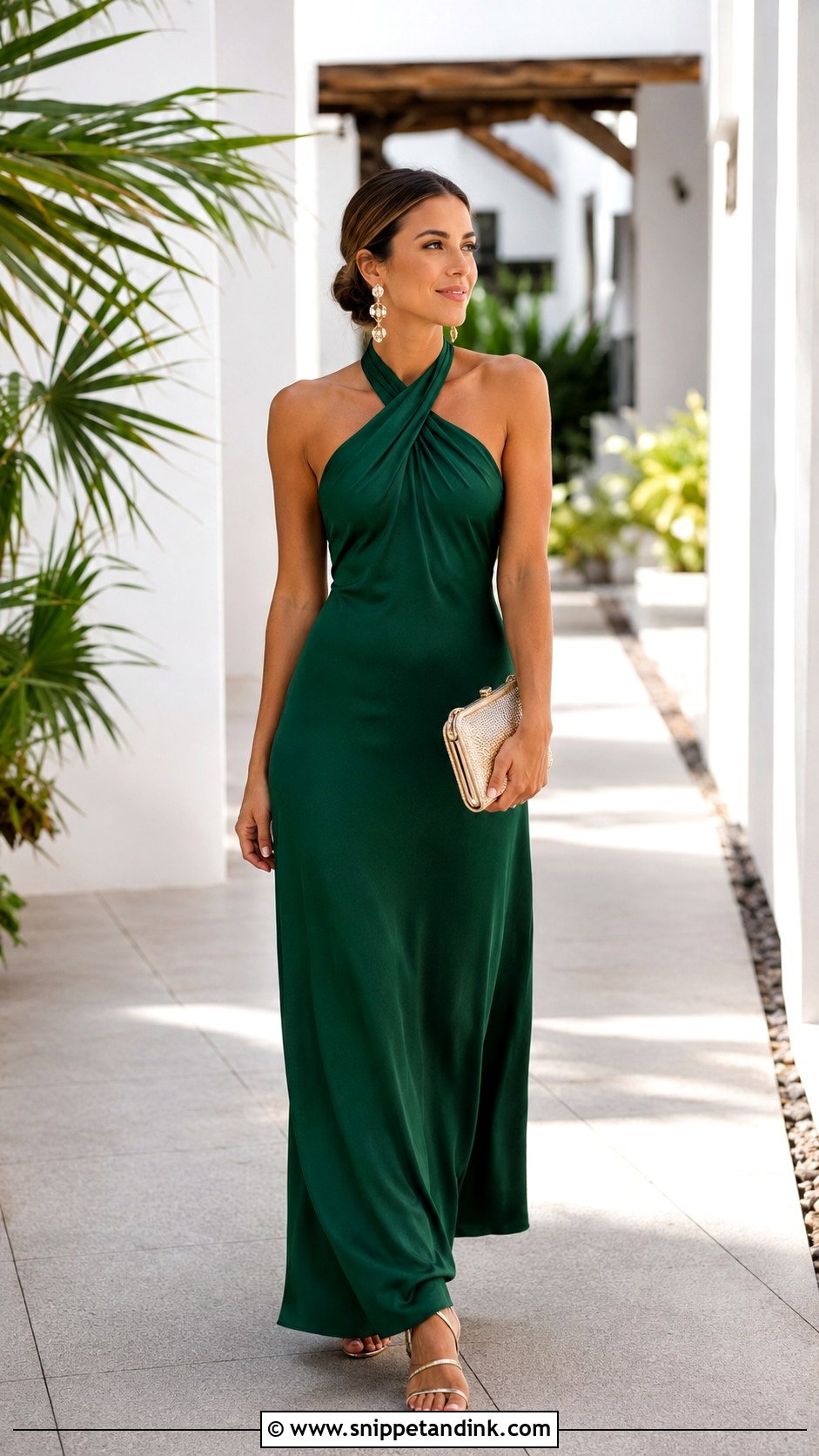
A halter draws the eye up to the shoulders, which suits most guests and especially anyone with toned arms or a narrower top half. Choose a flowing maxi or tailored midi with a high neck and open back in satin, chiffon or crepe. Drop earrings, a sleek clutch and strappy sandals finish it. No heavy necklace; keep the hair lifted or swept back so the neckline shows. One honest drawback: a halter ties at the neck, and after a few hours a heavy skirt can make that tie ache. Look for a wide strap or a hidden back hook that takes some of the weight.
9. Tiered Maxi Designer Dress For Wedding
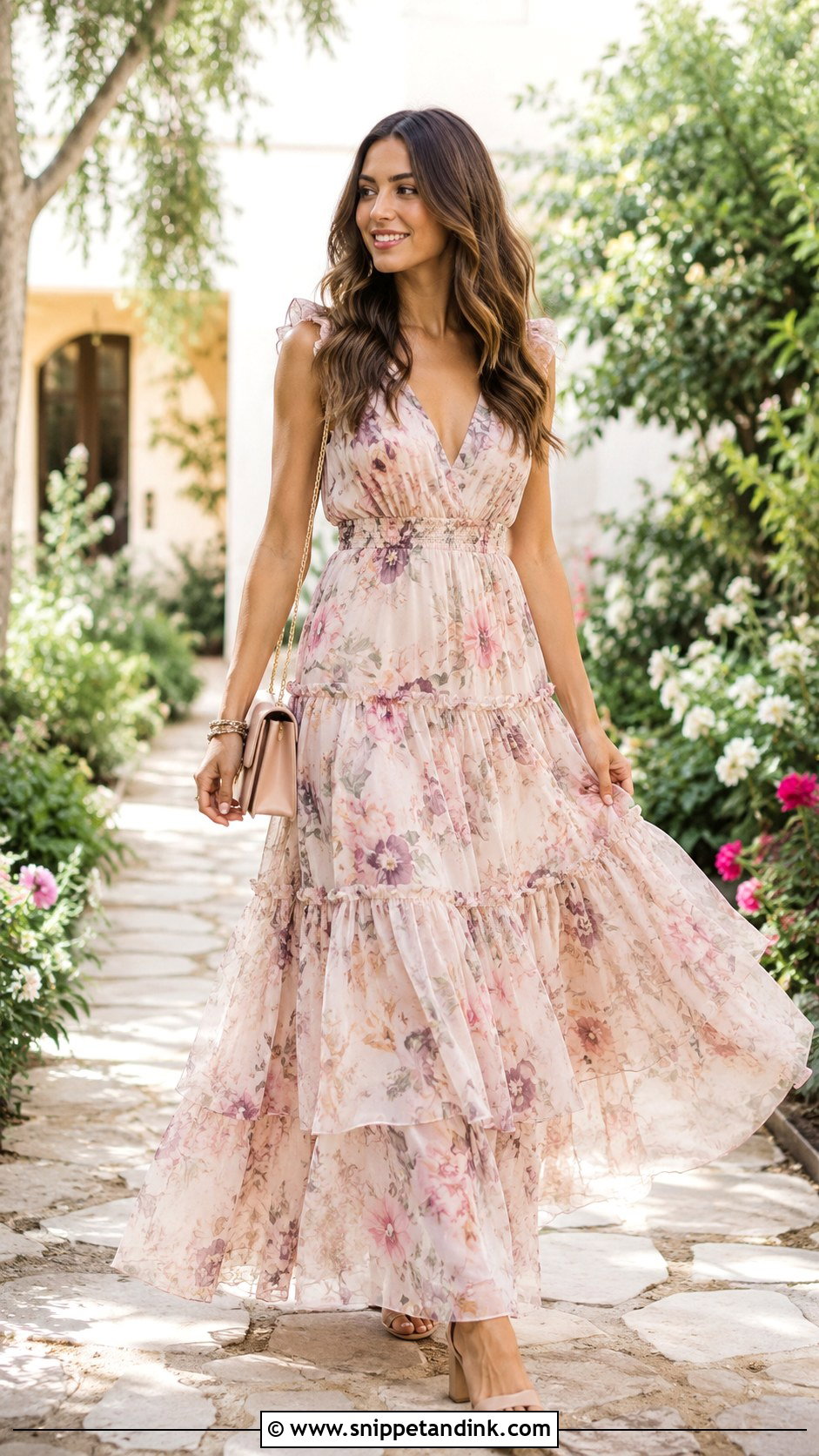
Tiers only work when they float. Stiff layers add volume in the wrong places, so I look for chiffon, georgette or light organza in florals, soft solids or a gentle ombré. Block heels, a small shoulder bag and fine bracelets keep the outfit calm while the skirt moves. It suits garden weddings, venues near the beach and daytime ceremonies. Do check the tier seams on a petite frame; each one cuts the leg line, and three tiers on a short body can look like a lot of dress.
10. Slip Designer Dress For Wedding
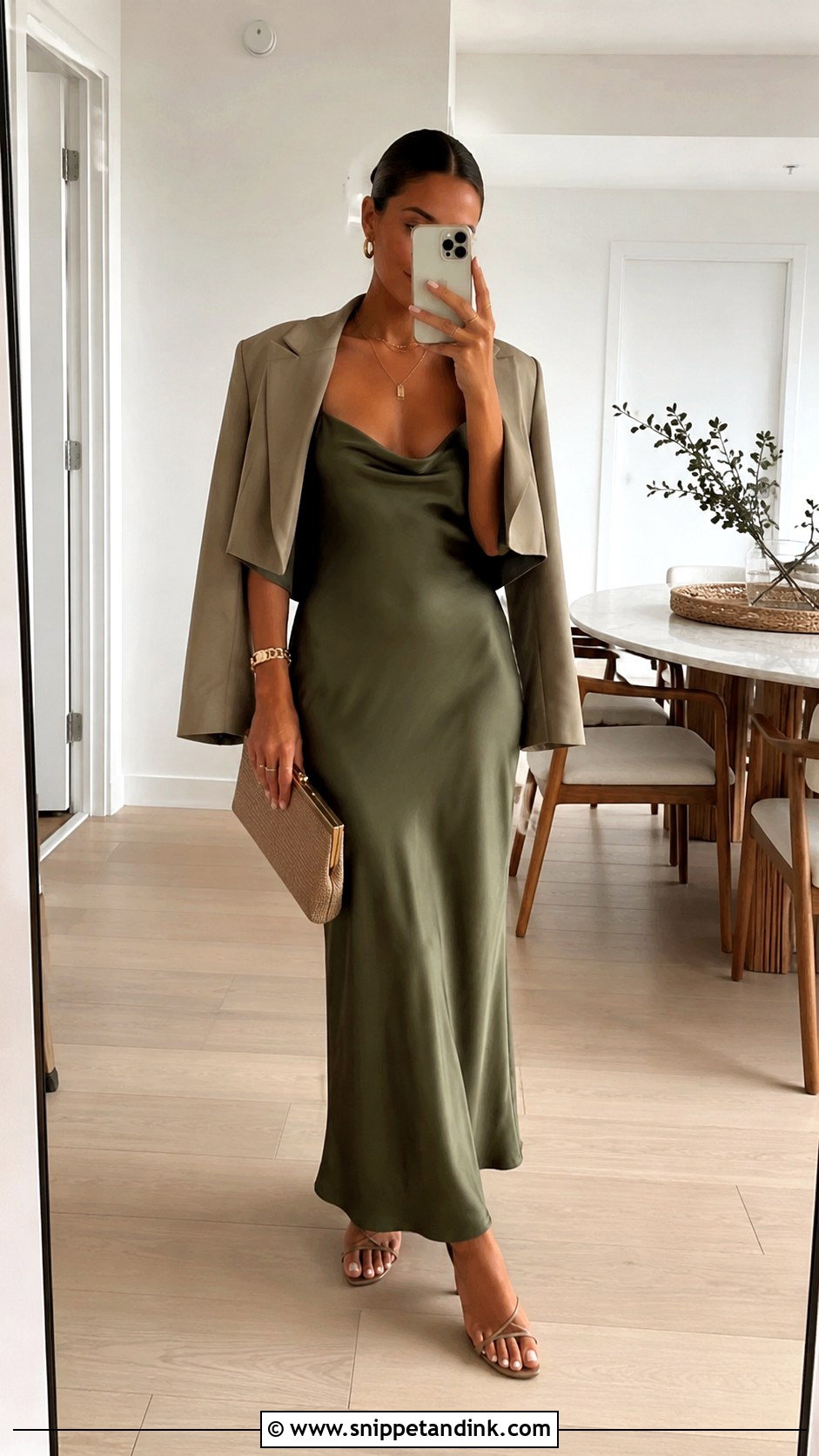
A slip dress can look very expensive or like nightwear, and the line between them is the fabric weight. Choose a heavier satin with a smooth bias cut and a neckline that stays put, in soft silver, cocoa, navy, olive or rose. Strappy heels, a structured clutch and layered fine jewellery finish it. For coverage, wear a cropped blazer, sheer wrap or fine knit shrug over the top. It works at cocktail weddings, formal dinners and city ceremonies, and you’ll wear it again.
11. Ruffle Hem Designer Dress For Wedding
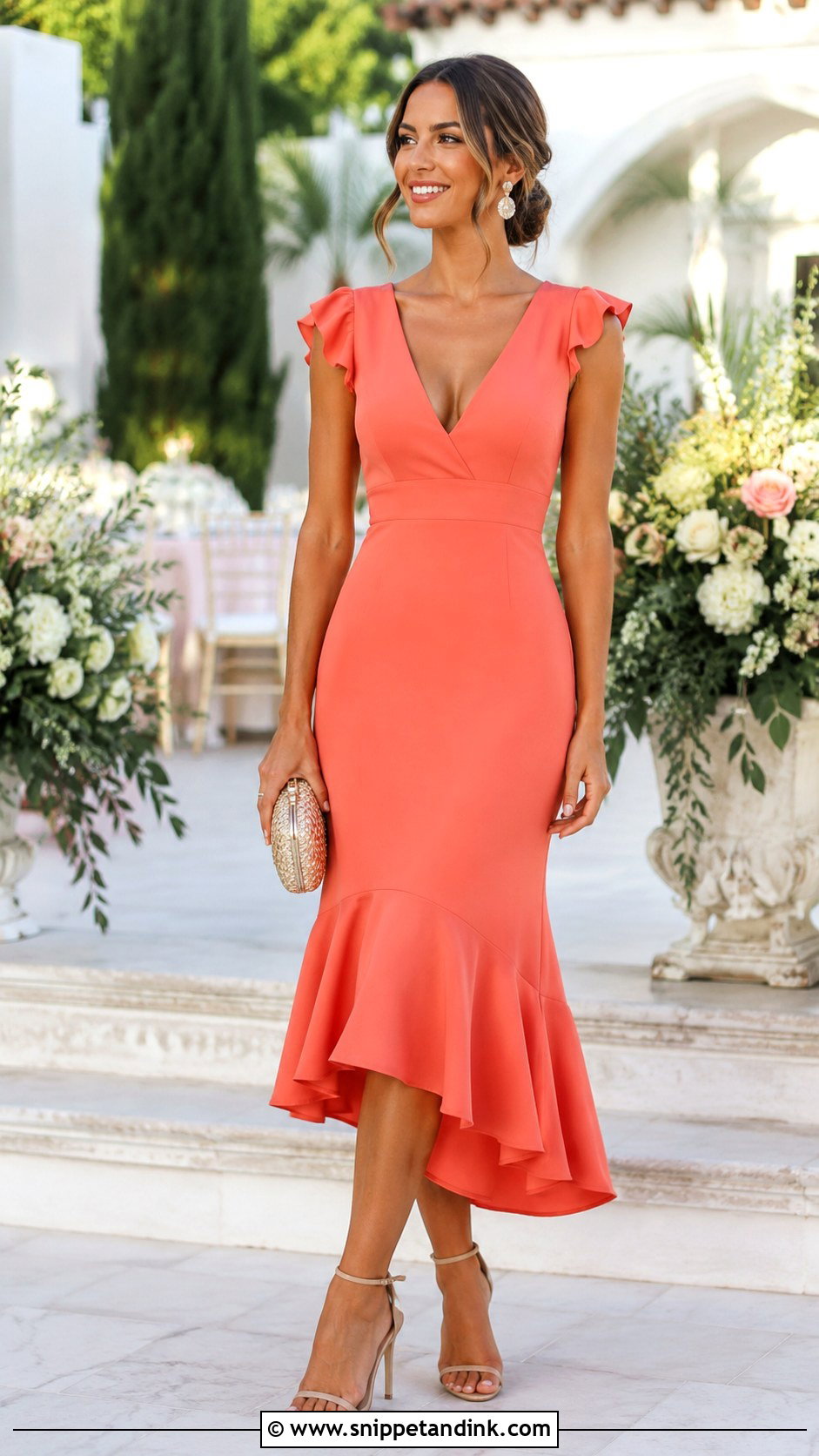
One strong ruffle at the hem keeps a dress playful without turning it sweet. A midi with a single flounce or a soft cascade down the skirt is the version I’d pick. Coral, sky blue, lilac and emerald suit it. Simple heels, a small clutch and neat earrings let the ruffle lead, and sleek hair balances the softness. I’d ask about the hem finish: a ruffle with a narrow rolled edge moves lightly, while a heavy faced hem drags and flattens by evening. Good for semi-formal receptions and warm-weather weddings.
12. Long Sleeve Designer Dress For Wedding
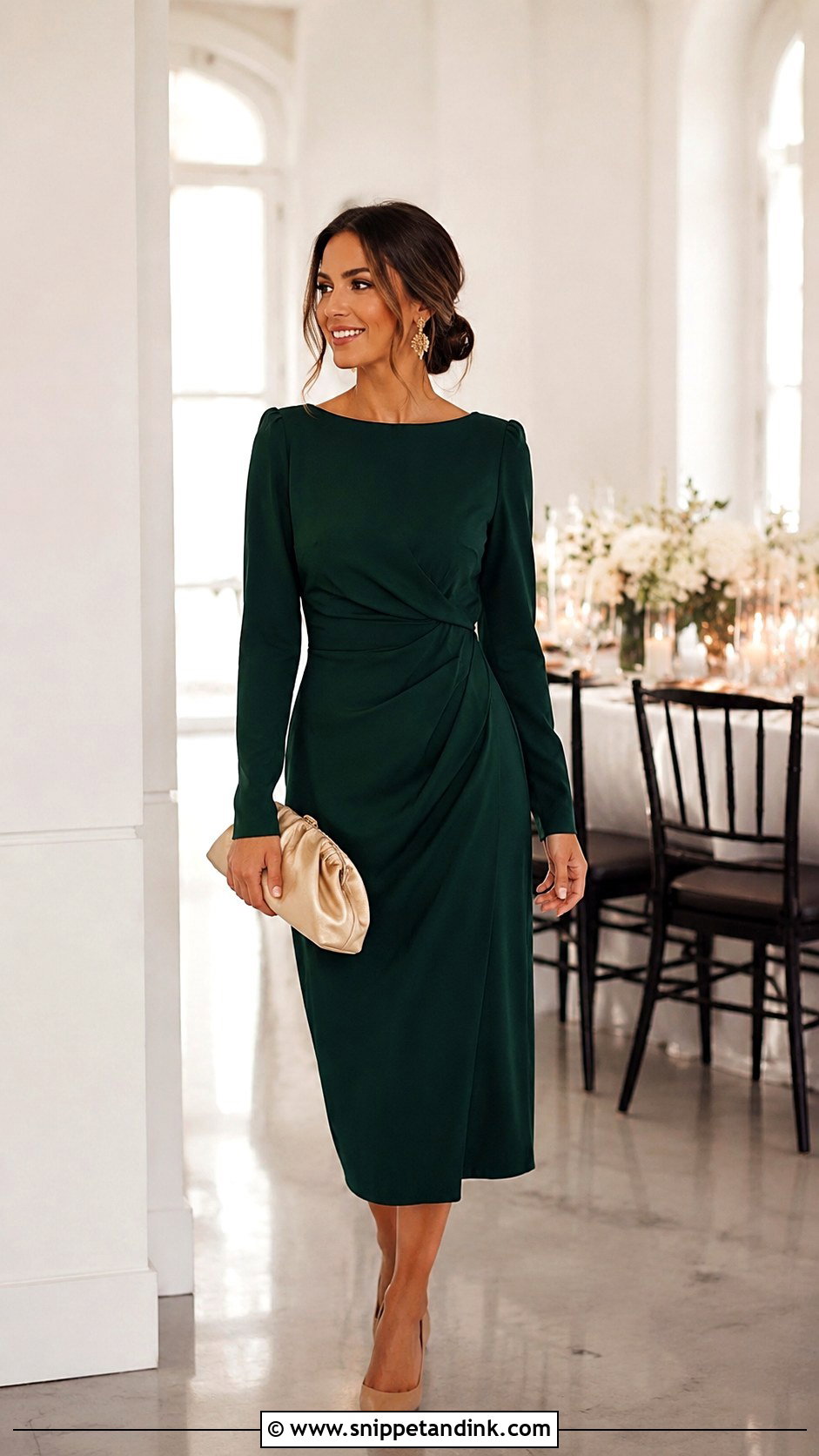
Long sleeves make sense in autumn, winter or any venue where the air conditioning is set for the caterers. Sheer, satin or fitted crepe sleeves change how formal the dress reads. A midi with a defined waist is easy to wear. Deep jewel tones, soft metallics, forest green and navy suit it, with pointed heels, a satin clutch and refined earrings. Keep bracelets minimal if the sleeves are detailed. I always check sleeve length with the arm bent, since a cuff that sits right when your arm hangs can ride halfway up the forearm once you’re holding a drink.
13. Embellished Designer Dress For Wedding
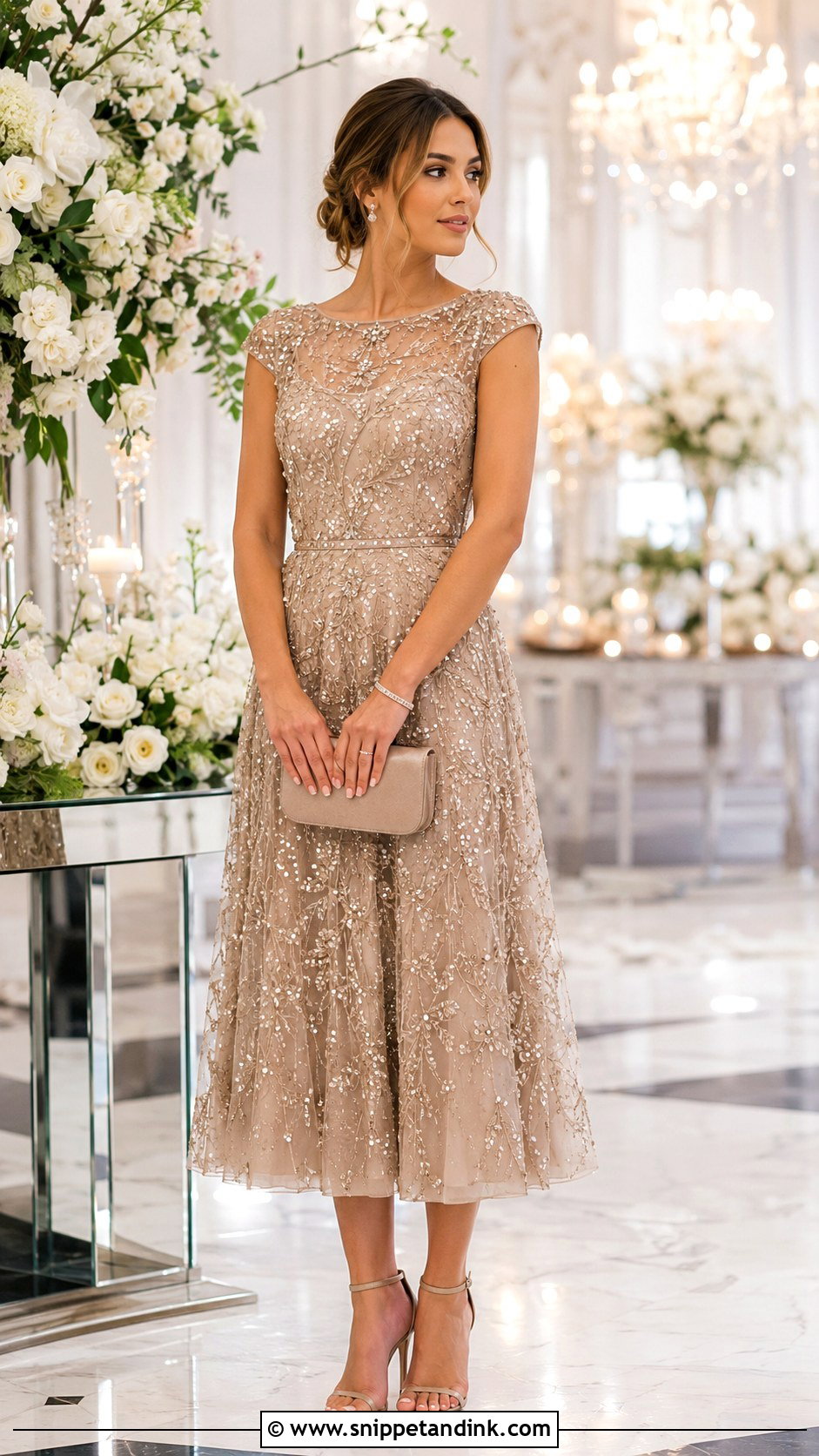
Sparkle at a wedding works when it’s controlled. Fine beadwork, small sequins, crystal trim or tonal embroidery read glamorous; a dress covered in large paillettes competes with the bride. A midi or maxi keeps it refined. Pewter, champagne, blush and bronze glow under evening light. Pair it with understated heels, a plain clutch and almost no jewellery. Before buying, I run a hand over the inside seams. Beading that’s stitched through a backing stays put; beads on a loose thread start dropping on the dance floor.
14. Off Shoulder Designer Dress For Wedding
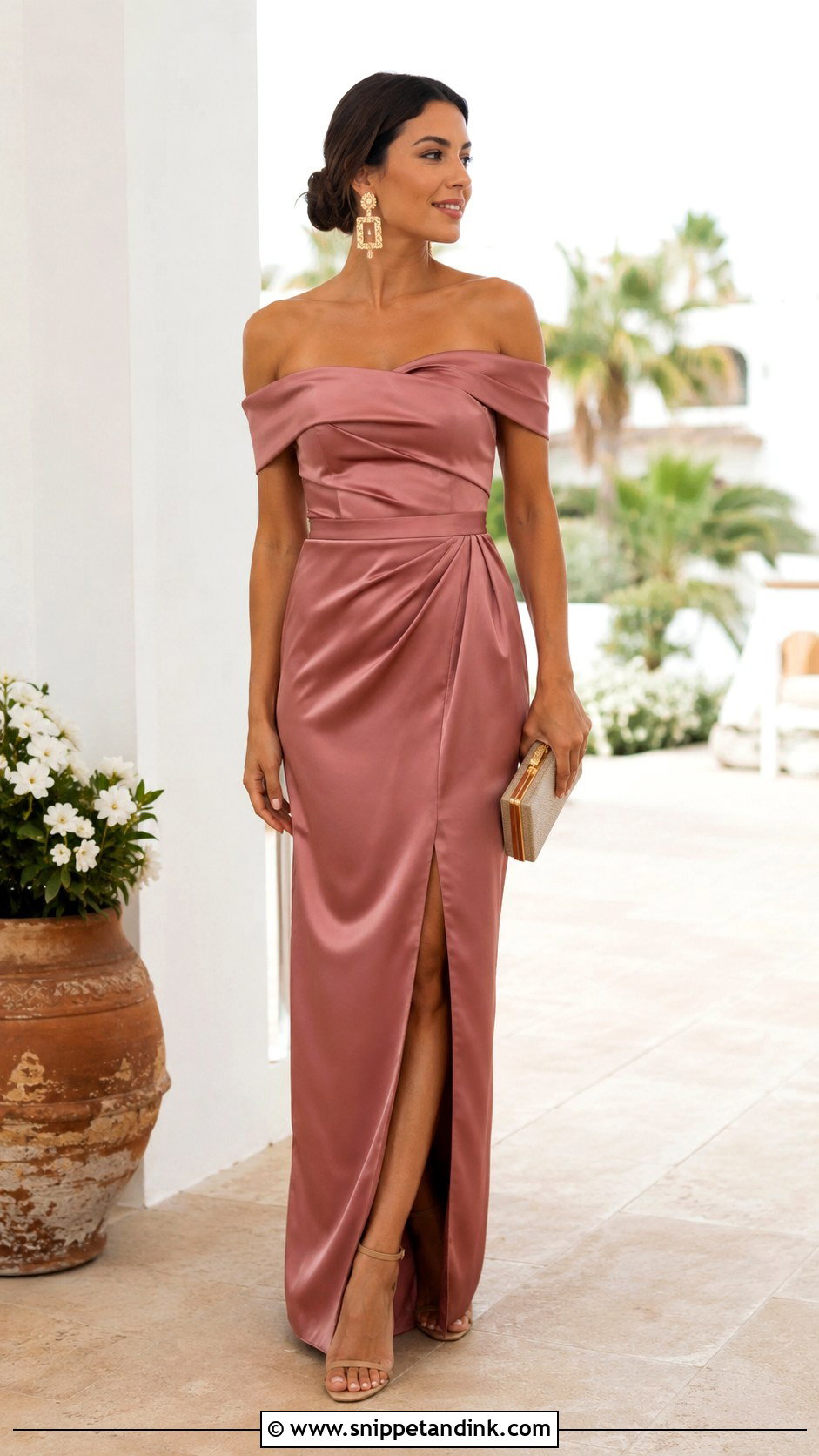
Off the shoulder suits warm-weather weddings, and it only works if the neckline stays where it was put. Choose a structured band with elastic or boning inside, a fitted waist and a midi or maxi skirt in crepe, satin or chiffon. Statement earrings, a small clutch and heeled sandals finish it. With the collarbone on show, skip necklaces or wear a very fine chain. Dusty rose, aqua, butter yellow and deep blue all feel fresh. My advice: try hugging someone in the fitting room. If the band slides up your arm, keep looking.
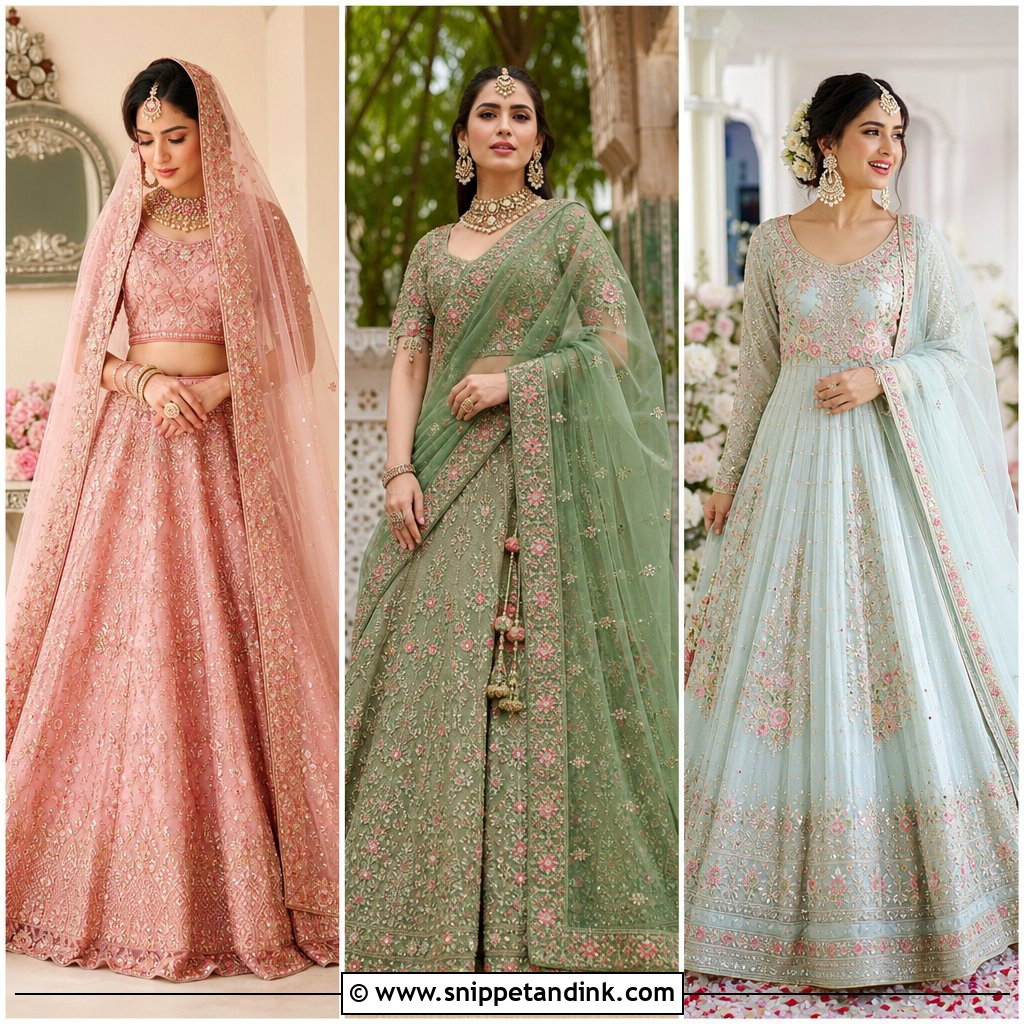
15. A Line Designer Dress For Wedding
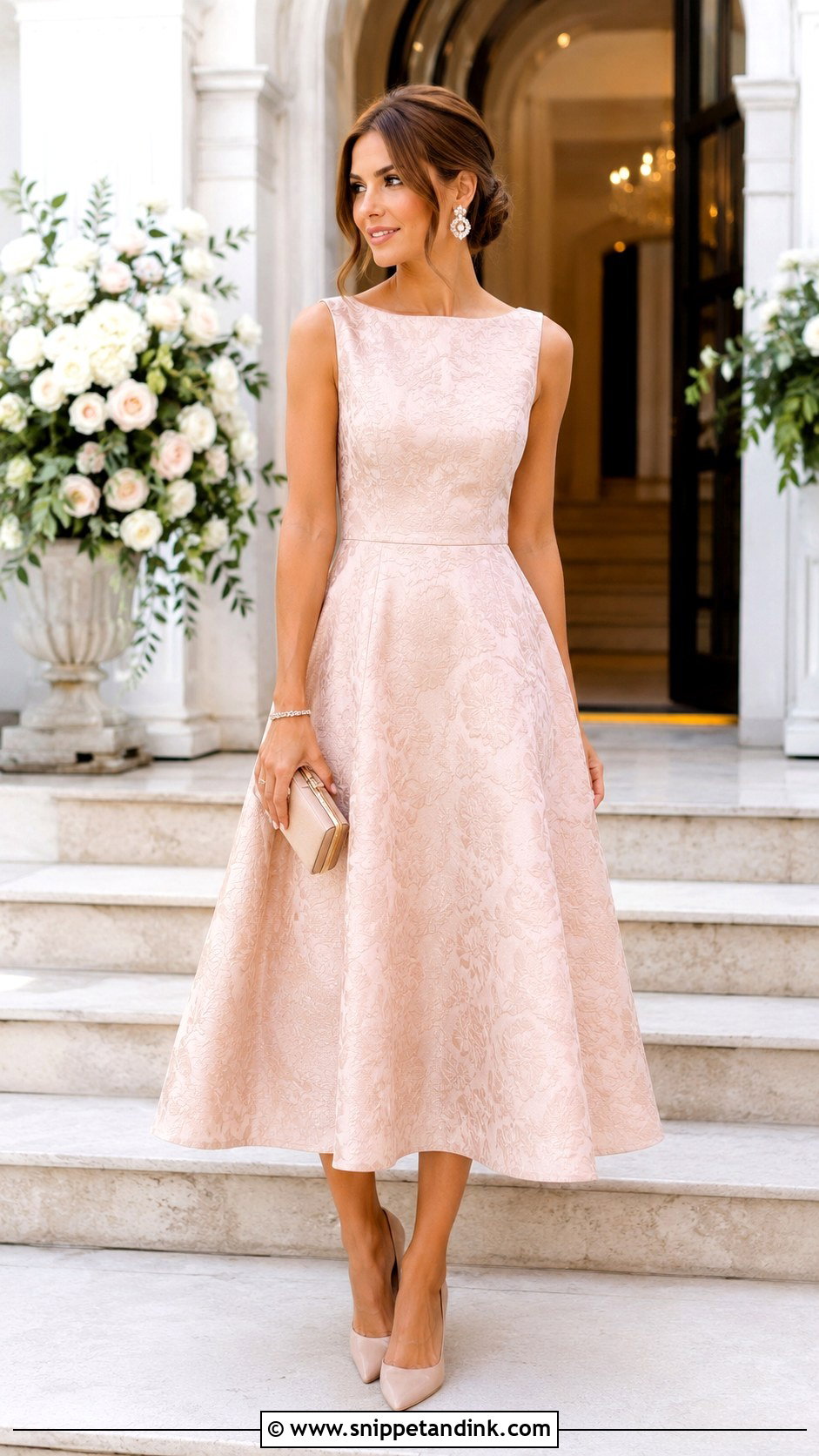
The A-line defines the waist and flows away from the hips, which is why it suits almost every guest I dress. For a designer feel, choose a fabric with body: jacquard, satin faille or structured crepe, which holds the A shape instead of collapsing. A midi length looks polished. Pointed pumps or slim sandals, a box clutch and classic jewellery complete it. Tonal florals or subtle texture look richer than busy prints. Wear it to daytime ceremonies, family weddings and semi-formal receptions.
16. High Low Designer Dress For Wedding
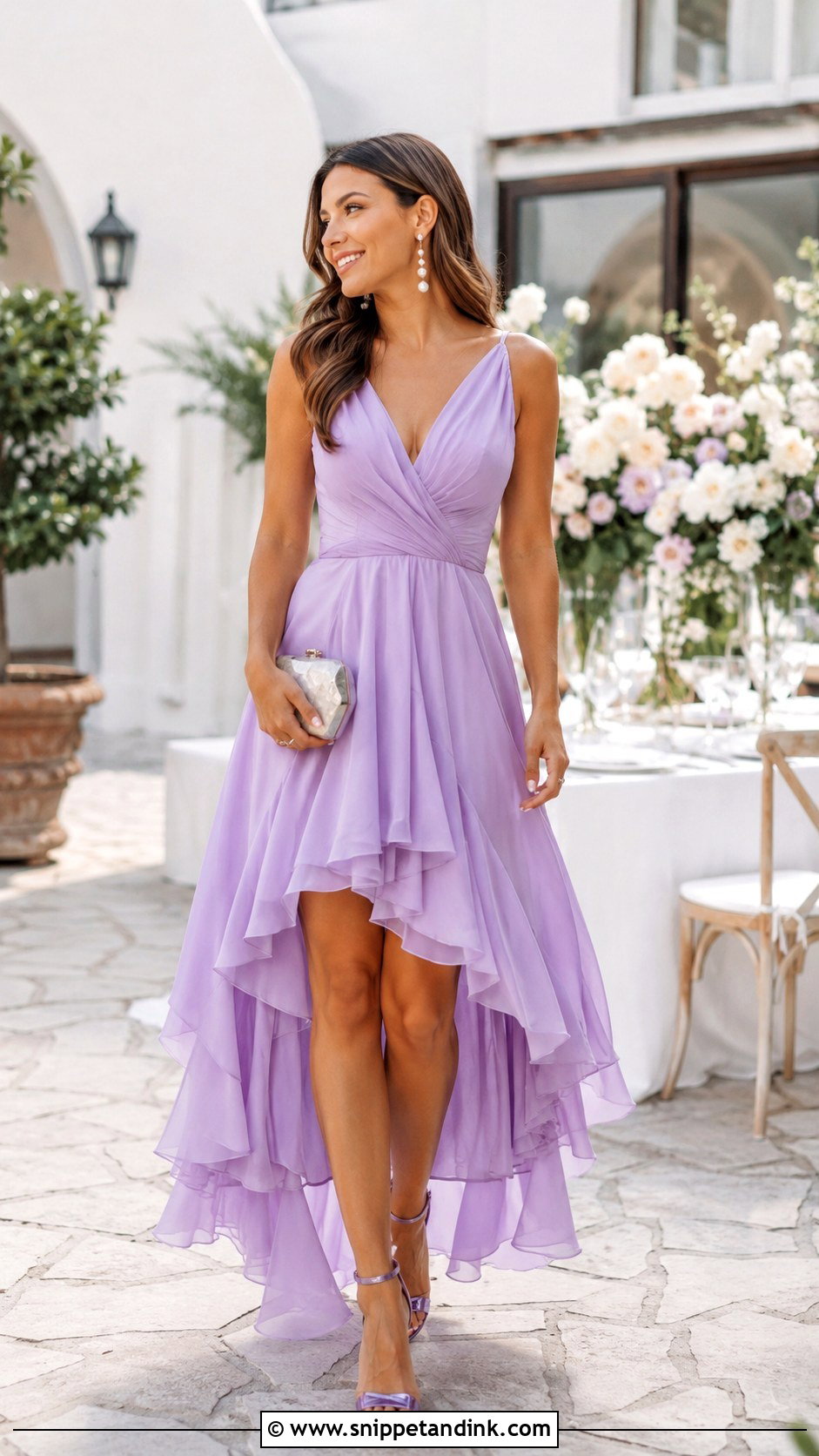
A high-low hem shows off your shoes while the longer back keeps it formal. Chiffon, satin or organza in a clean colour or soft print all work. Statement heels, a small clutch and refined earrings suit it. Skip the dramatic train unless the dress code is very formal; a long back on a guest gets stood on at the buffet. It’s an easy dress for outdoor weddings. Because the front hem is short, the shoes are part of the outfit here, so choose a pair you can walk in on whatever the ground turns out to be.
17. Cape Sleeve Designer Dress For Wedding
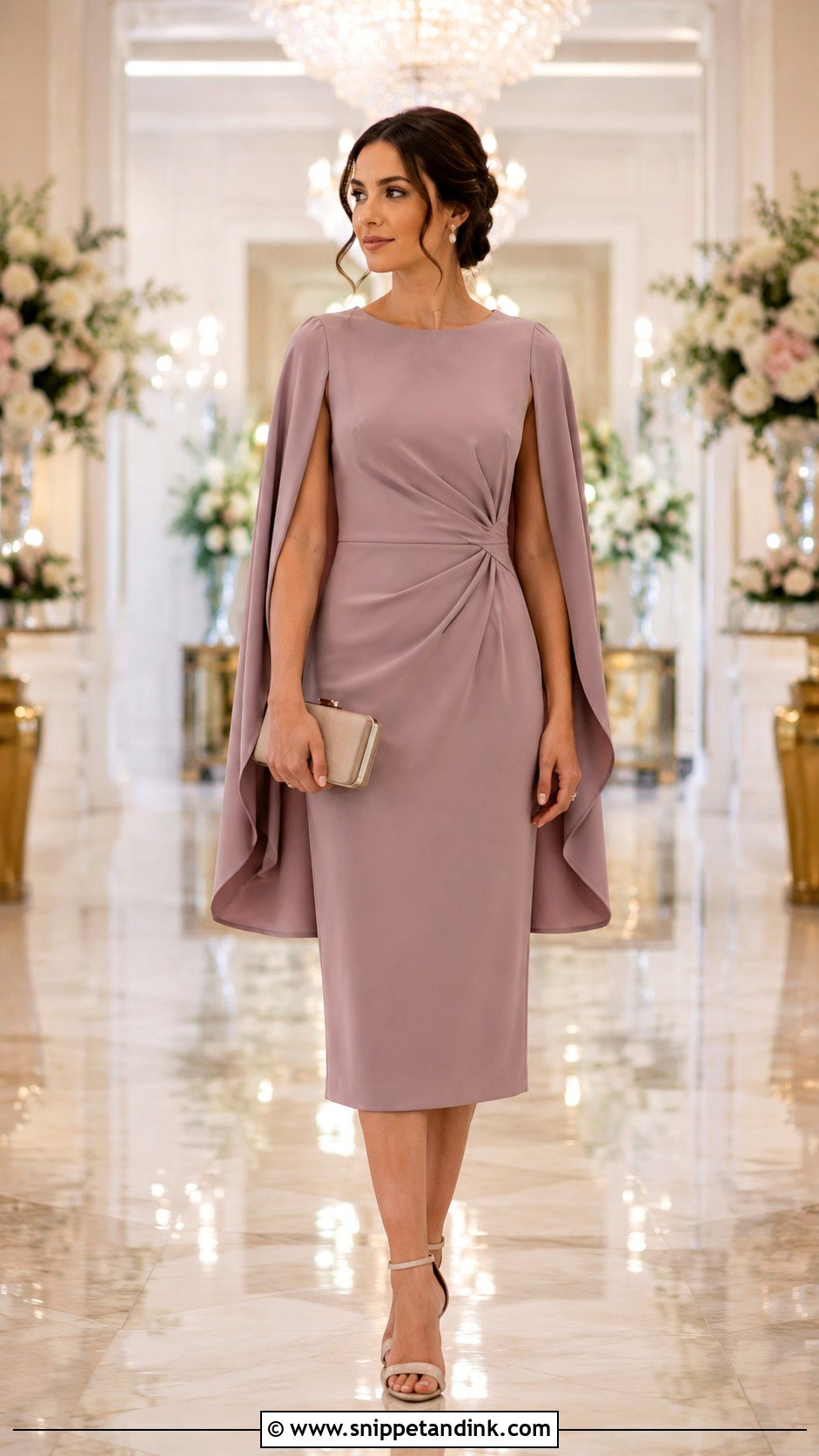
Cape sleeves give light arm cover with some drama, and they replace a wrap for the ceremony. The cape can be short and fluttery or full length depending on the dress code. Keep the base streamlined, a midi or maxi in crepe or chiffon, so the cape doesn’t swamp you. Simple heels, a smooth clutch and small earrings are enough, with no large necklace or heavy bracelets. Practise raising your arms in it: some capes are attached at the wrist and restrict reaching, others float free and catch on chairs.
18. Velvet Designer Dress For Wedding
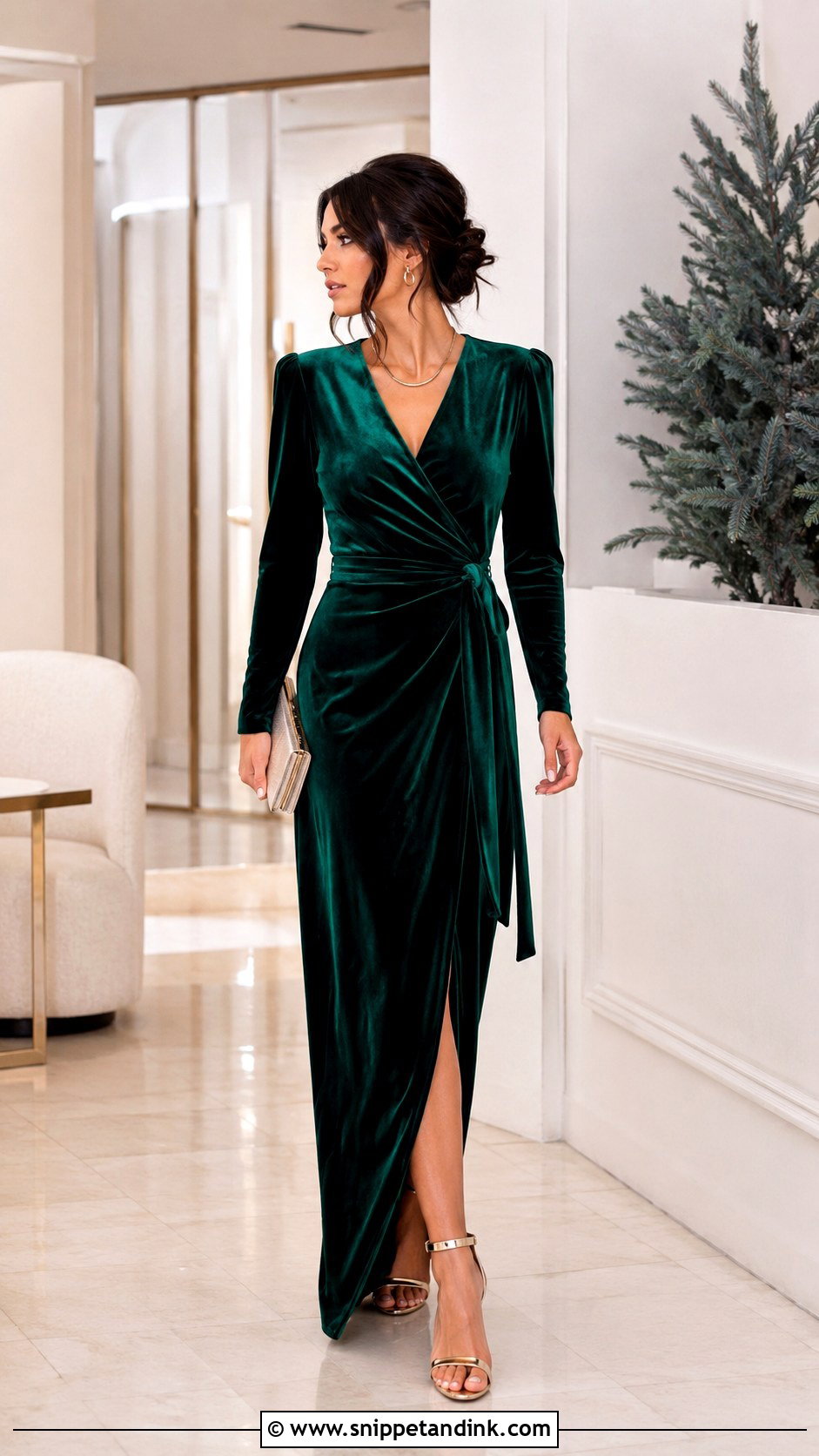
Velvet belongs to cold-weather weddings. A midi or maxi silhouette in emerald, sapphire, plum, burgundy or chocolate looks rich in a wrap, fitted column or long-sleeve cut. Metallic heels, a structured clutch and plain gold or silver jewellery finish it. Keep the styling clean; velvet already has depth. The pile crushes where you sit, so I hang it in a steamy bathroom the night before and never press it flat with an iron.
19. Jacquard Designer Dress For Wedding
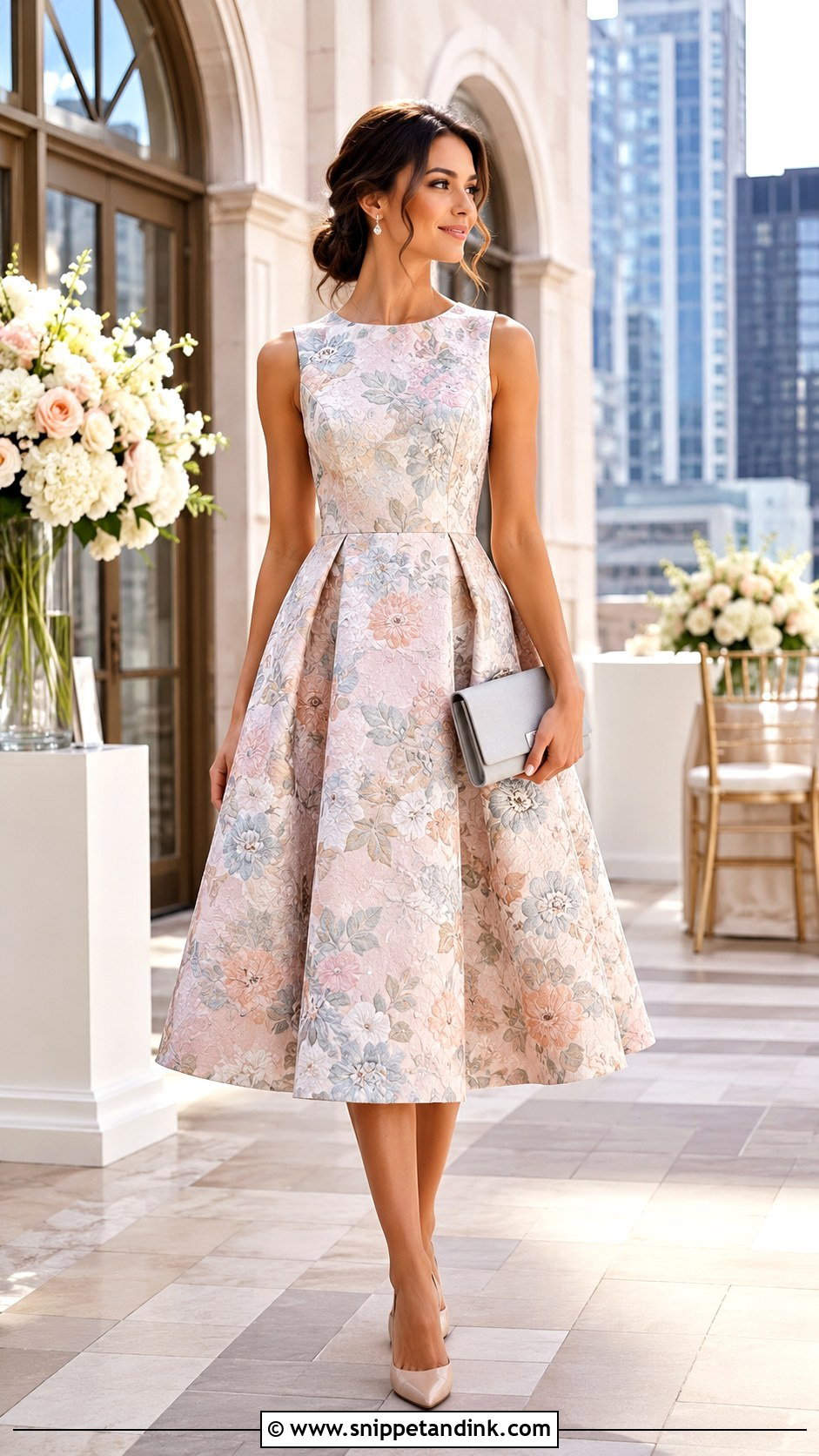
Jacquard gives a dress structure and texture without needing embellishment, and the woven pattern looks expensive in floral, abstract or tonal designs. A fit-and-flare midi, strapless column or tailored sheath all suit it. Classic pumps, a structured clutch and minimal jewellery are enough. Because jacquard has body, it holds its shape all day and photographs crisply. Soft metallics, blush, navy and pastels suit weddings. The trade-off is warmth: it’s a heavy weave, so in high summer I’d choose something lighter.
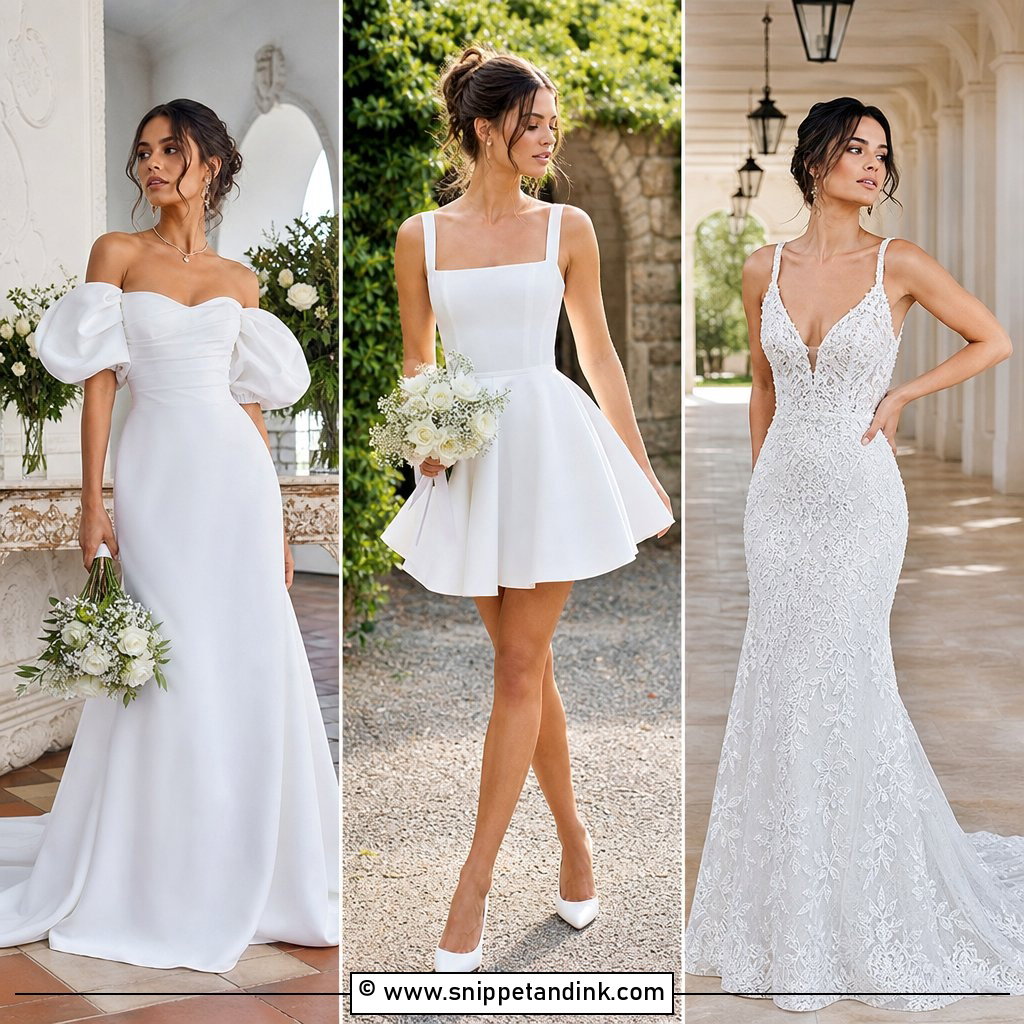
20. Wrap Designer Dress For Wedding
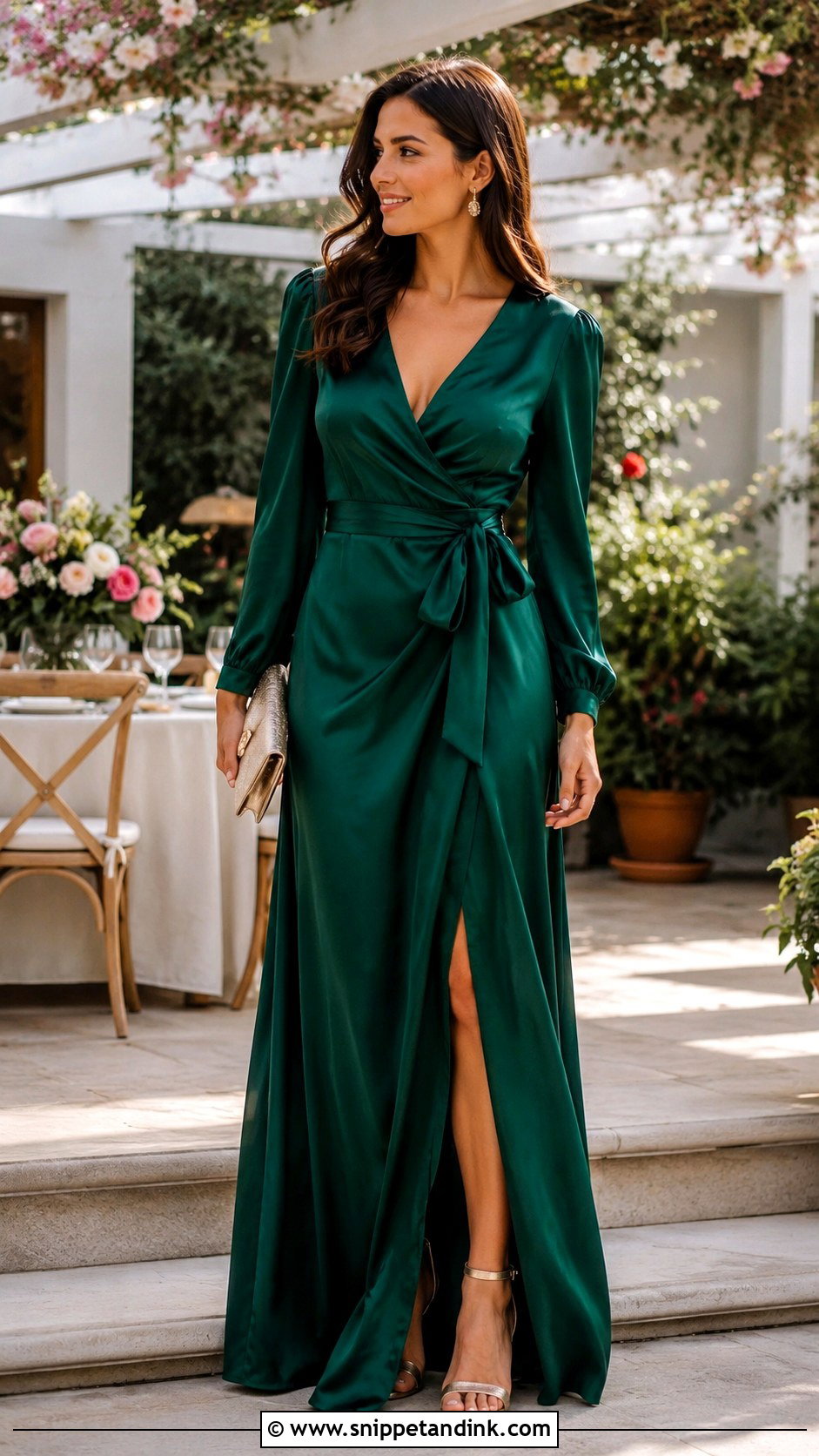
A wrap dress adjusts to your body, which makes it one of the most forgiving choices. Dress it up with silk, satin, chiffon or crepe instead of casual jersey, and keep it midi or maxi. Block heels, a clutch and delicate earrings suit it. If the neckline is deep, fashion tape or a fine camisole in a matching tone helps. Florals, jewel tones and soft solids all work for daytime and outdoor weddings. I’d tie it a little looser than feels right in the mirror; after a three-course dinner, you’ll be glad you did.
21. Tulle Designer Dress For Wedding
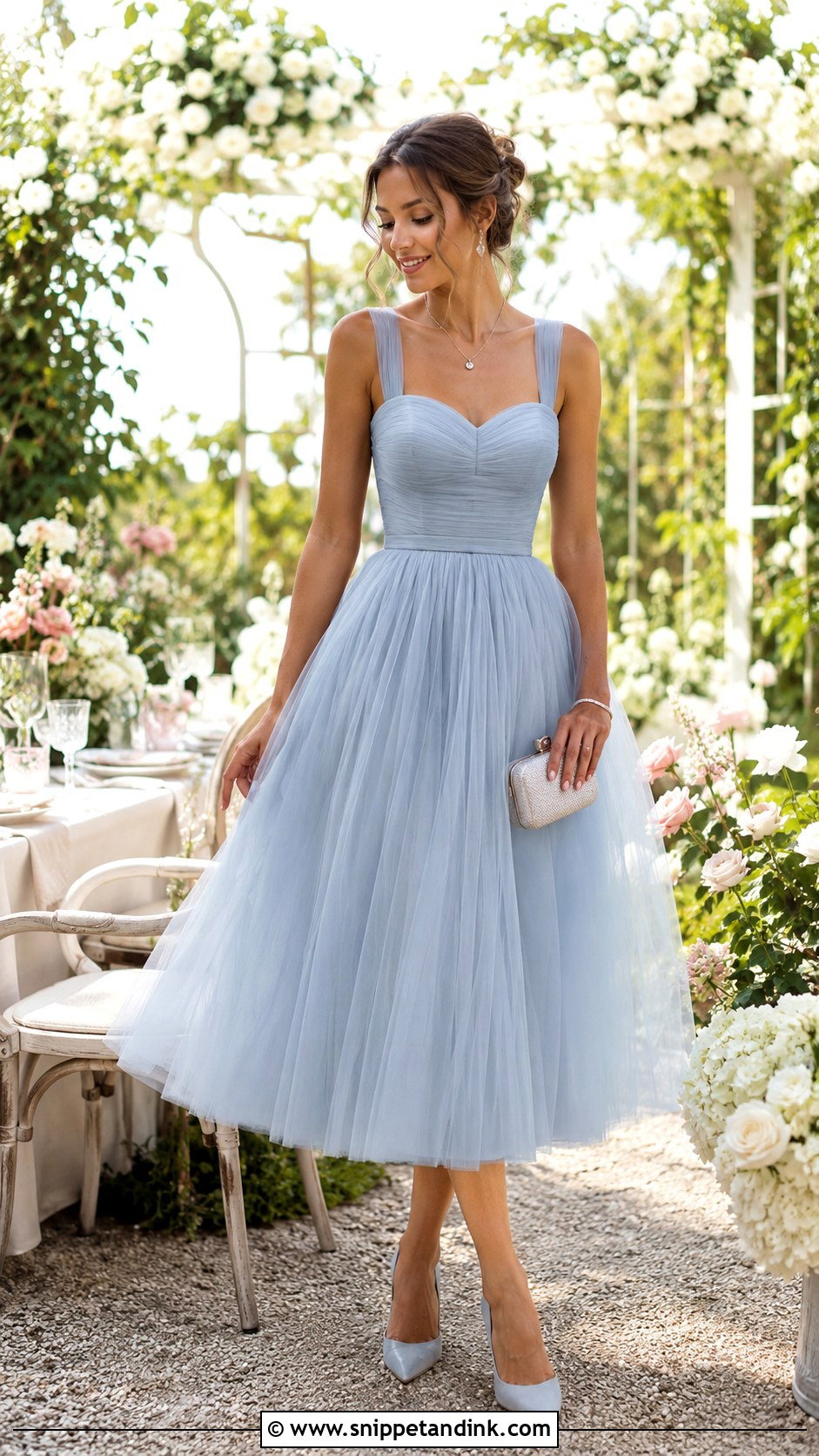
Tulle is dreamy until it tips into costume, and the deciding factor is volume. Soft layered tulle in a midi or tea length, with a fitted bodice and clean waist, keeps it modern. Blush, misty blue, lavender and champagne are pretty colours for it. Pair it with pointed heels, a compact clutch and fine jewellery, and keep hair and makeup simple. A practical note: tulle snags on sequinned bags, rough chair legs and watch clasps, so I’d leave the beaded clutch at home with this one.
22. Sequin Midi Designer Dress For Wedding
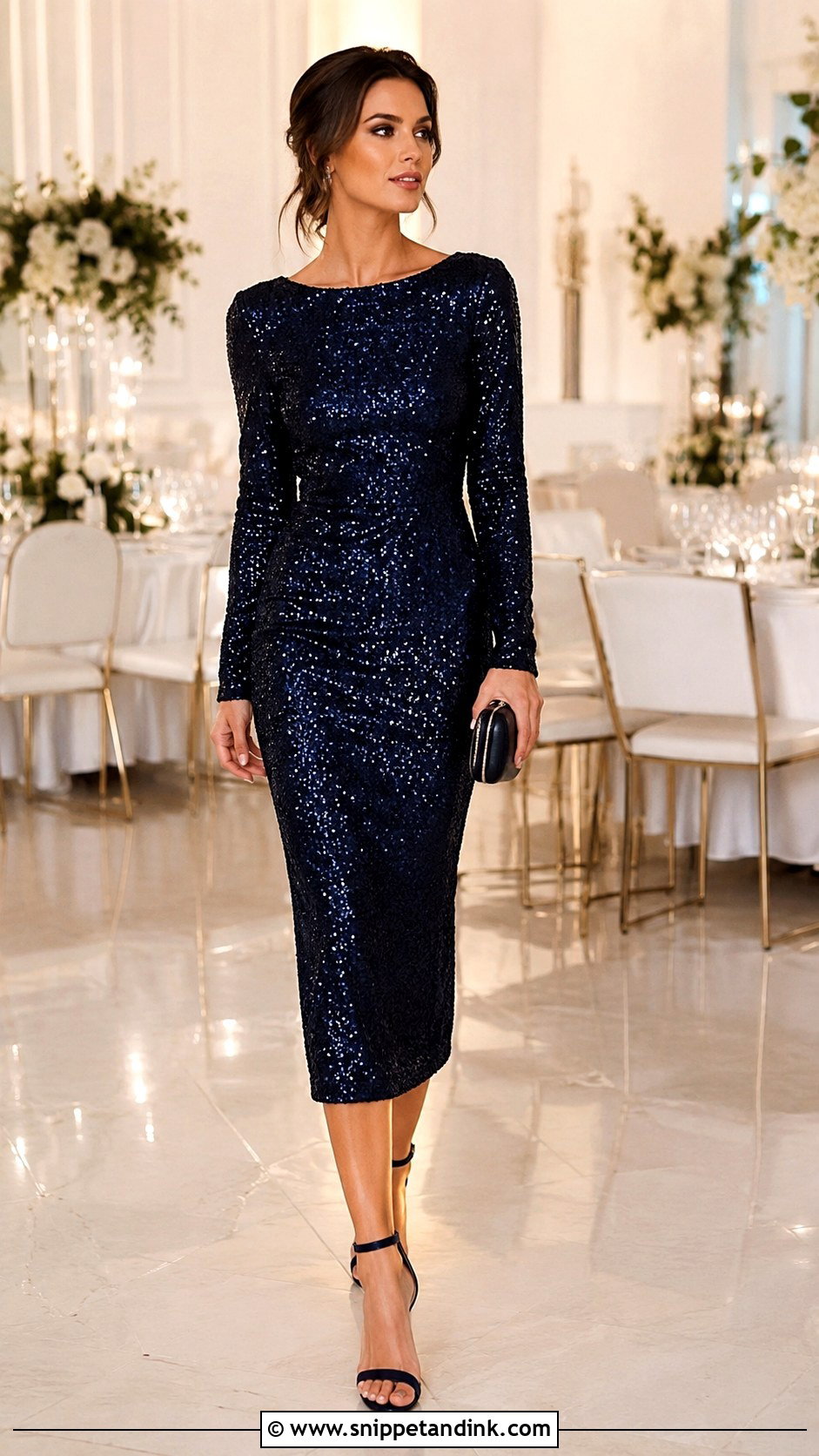
Sequins can be wedding-appropriate if the shine is soft. Choose small sequins, tonal sparkle or a matte finish in navy, rose gold, pewter or emerald, on a simple column, wrap or long-sleeve midi. Plain heels, a minimal clutch and understated earrings let the dress lead. Don’t stack sparkle on sparkle. It suits evening receptions and black-tie optional weddings. Check the underarm on any sequin dress: unlined sequins there scratch your skin raw by the second dance.
23. Scarf Neck Designer Dress For Wedding
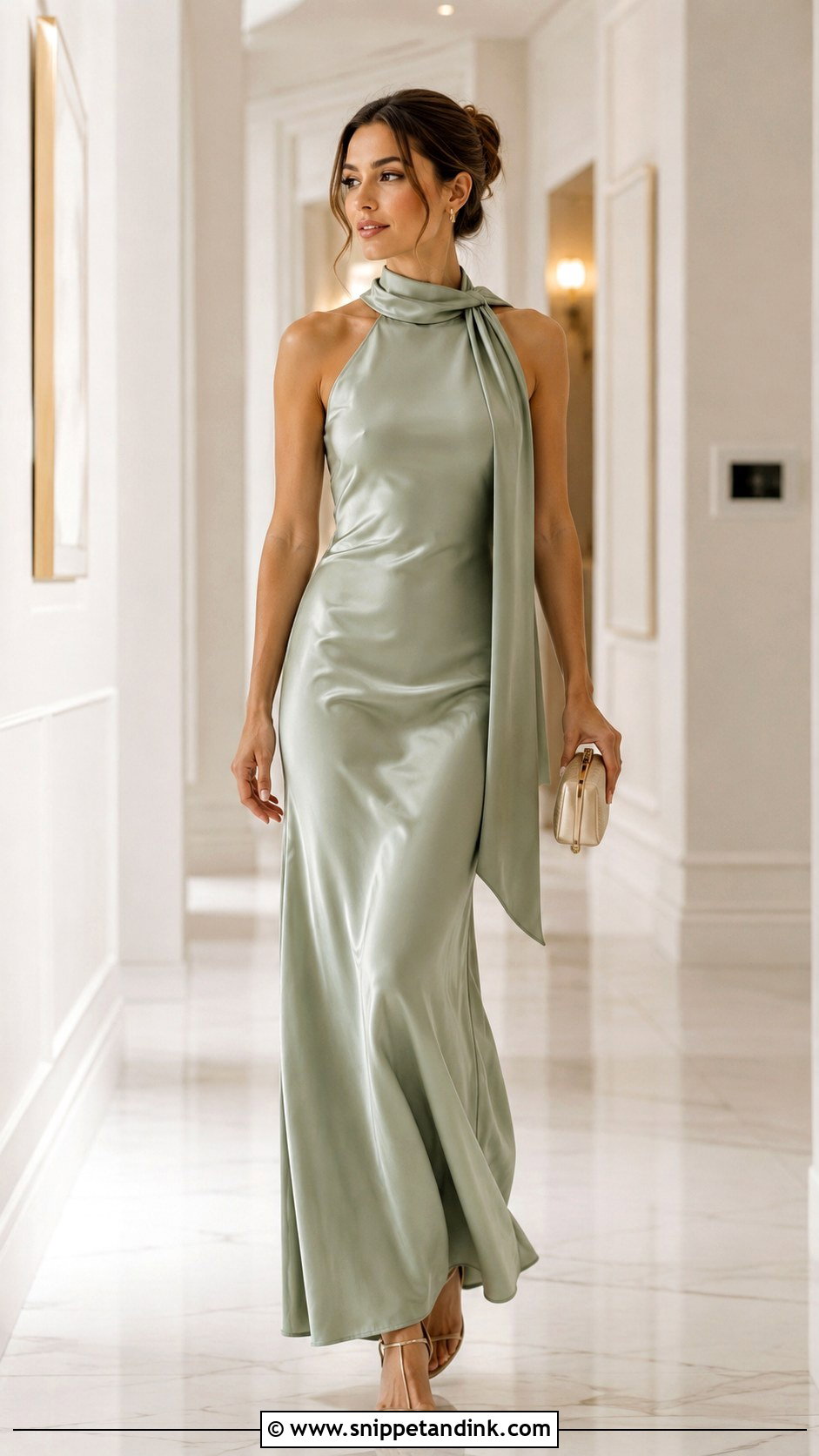
A scarf neck moves around the face, which is why it looks current. Choose a midi or maxi with an attached scarf, tie neck or draped shoulder in satin or crepe, both of which hang well. Slim heels, a structured clutch and small earrings suit it, and the scarf replaces a necklace. Steer clear of soft ivory for a guest outfit. Sage, navy, coral, cobalt and mauve look right. Tie the scarf before you put on earrings, so you can see which pair the knot leaves room for.
24. Drop Waist Designer Dress For Wedding
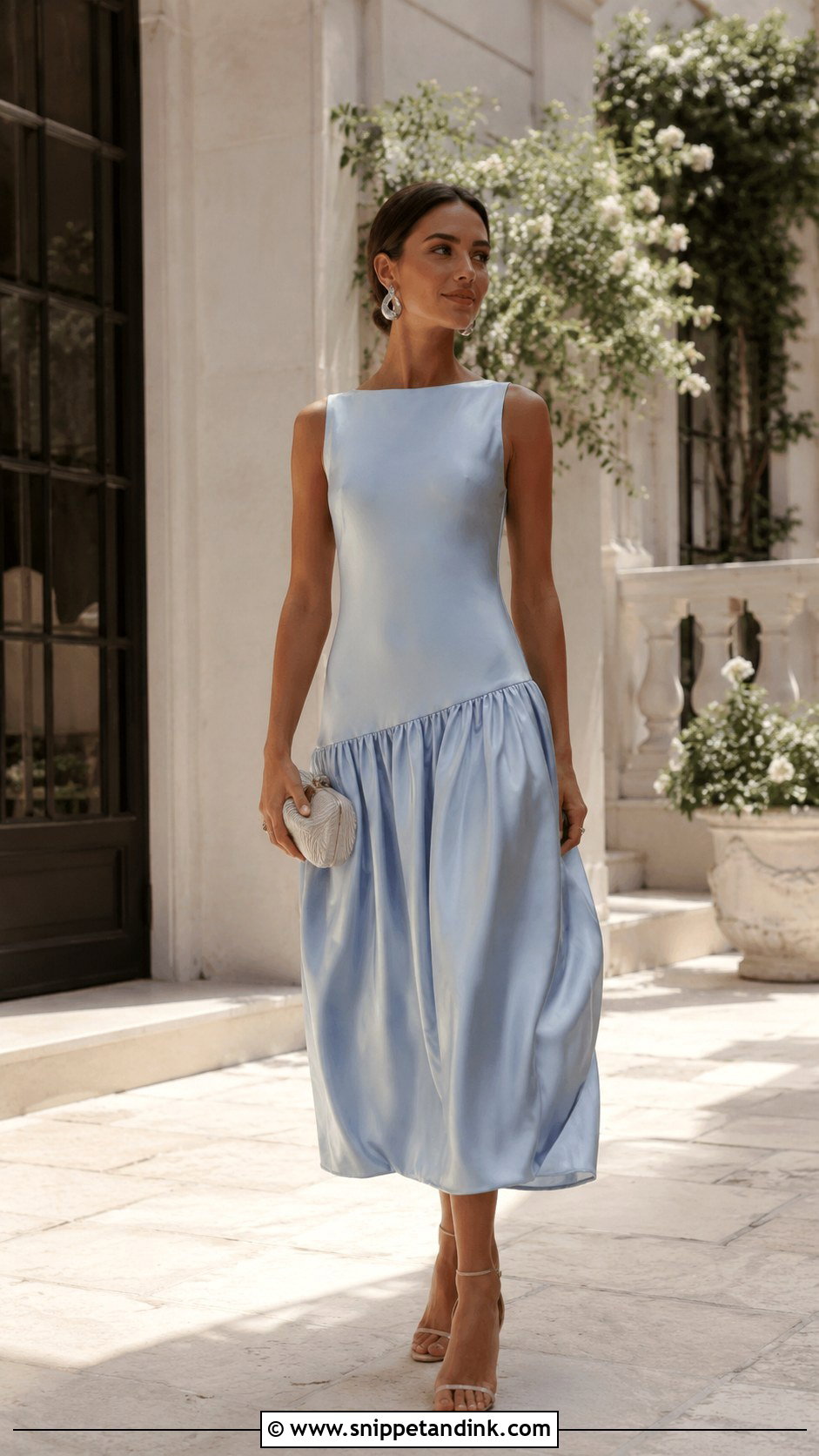
A drop waist sits lower on the body and lengthens the torso, with a runway feel that’s new for wedding dressing. A midi or maxi in satin, organza or crisp cotton blend keeps it refined. Heeled sandals, a petite clutch and sculptural earrings finish it. I’d be honest with petite clients: a low waist shortens the leg, so pick a slightly shorter midi to rebalance it. It suits modern weddings, outdoor receptions and creative venues.
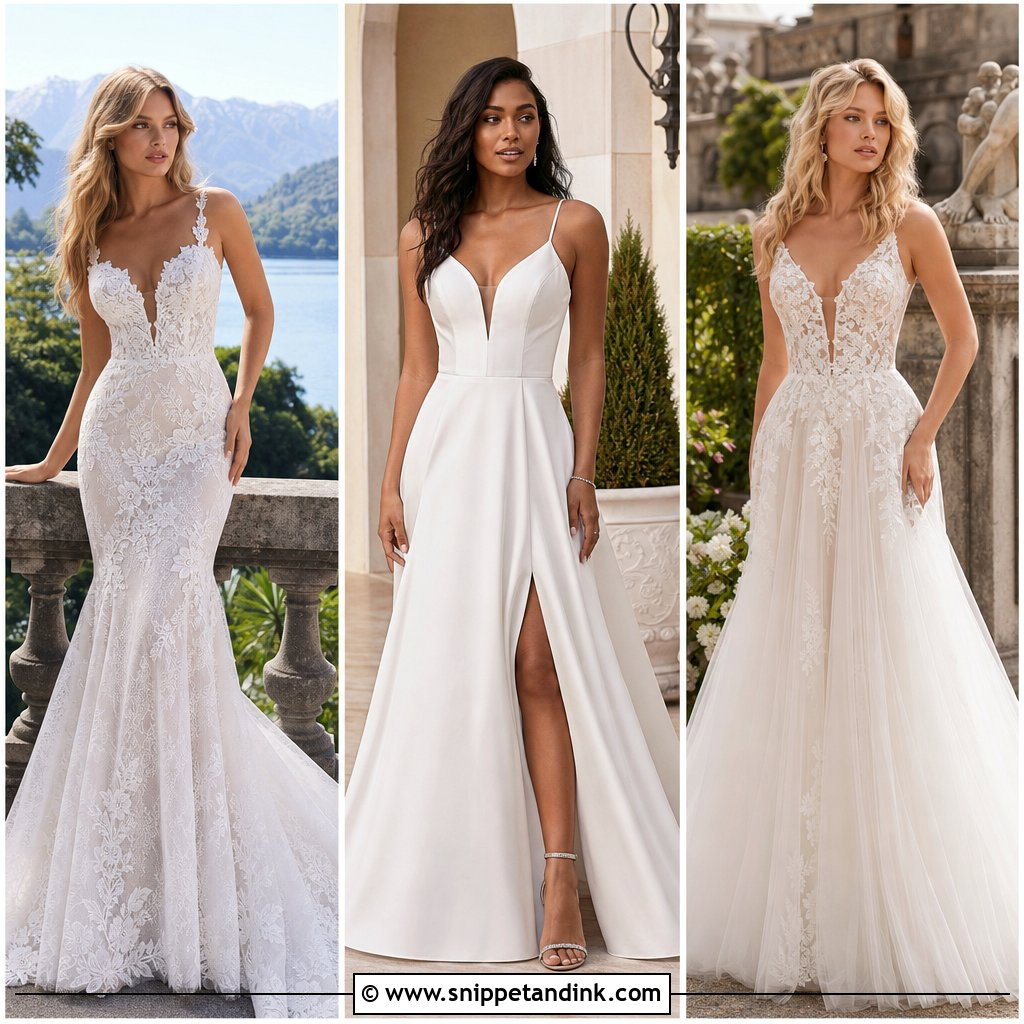
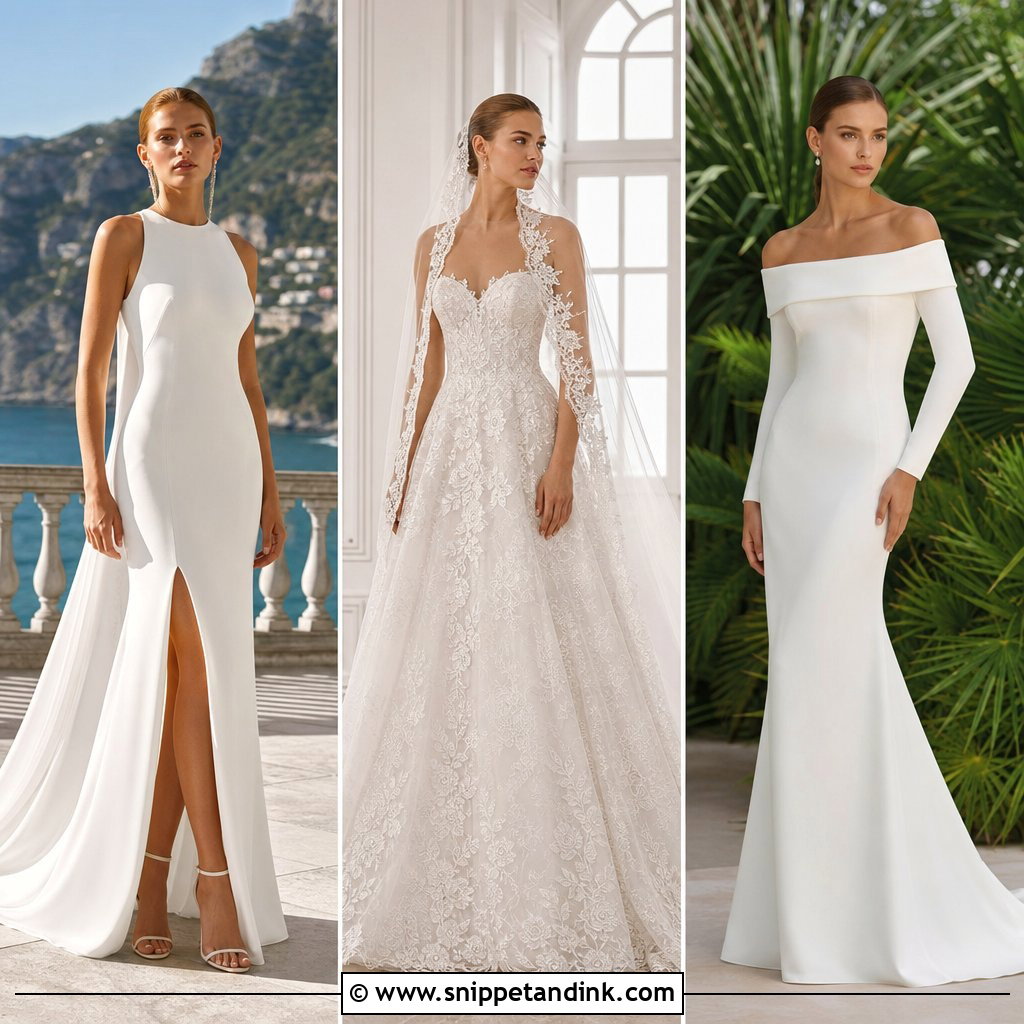
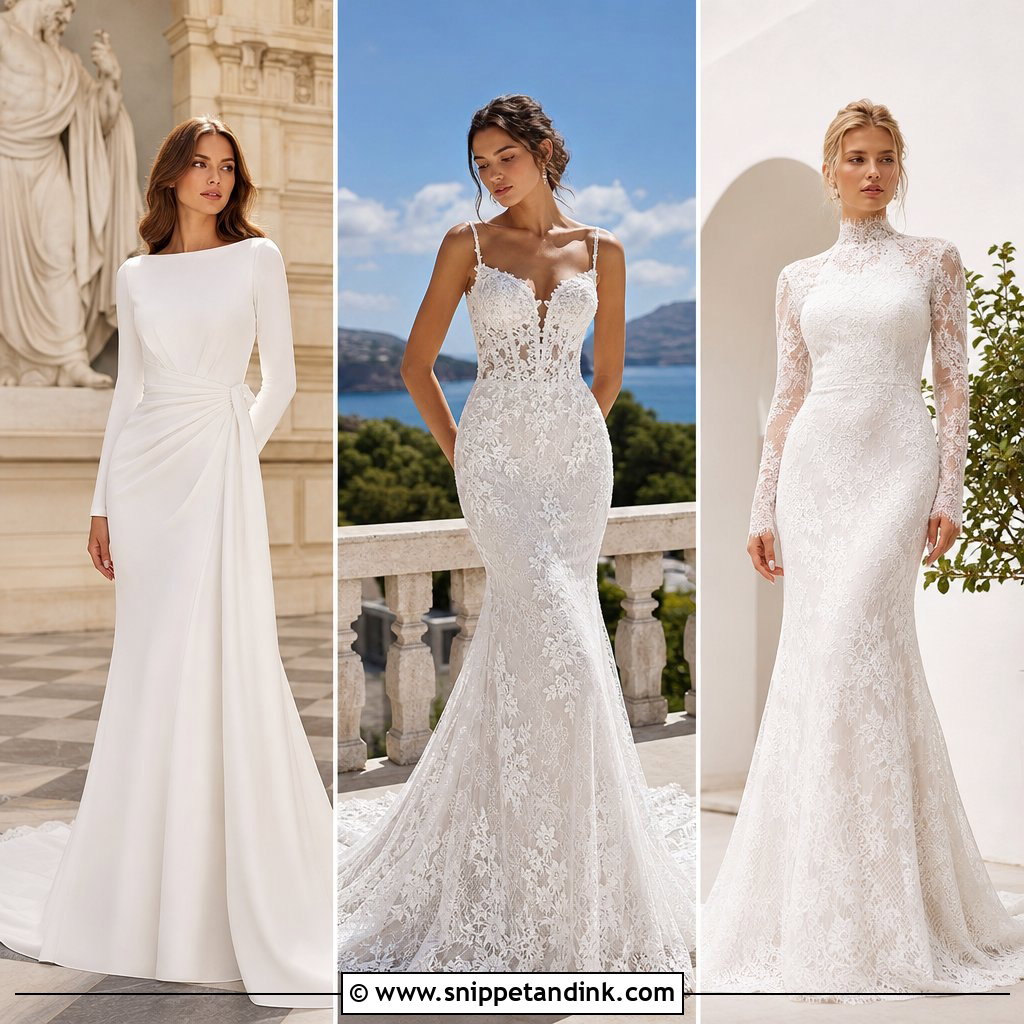
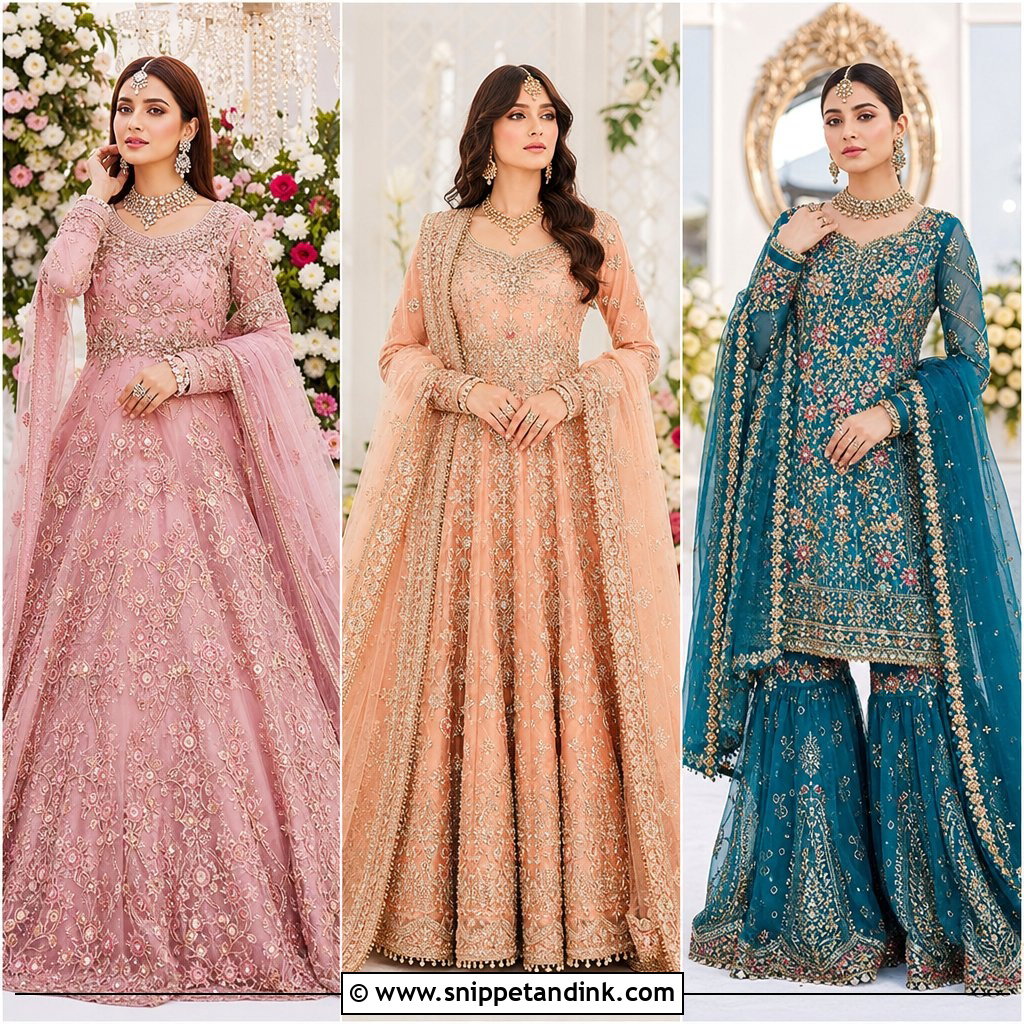
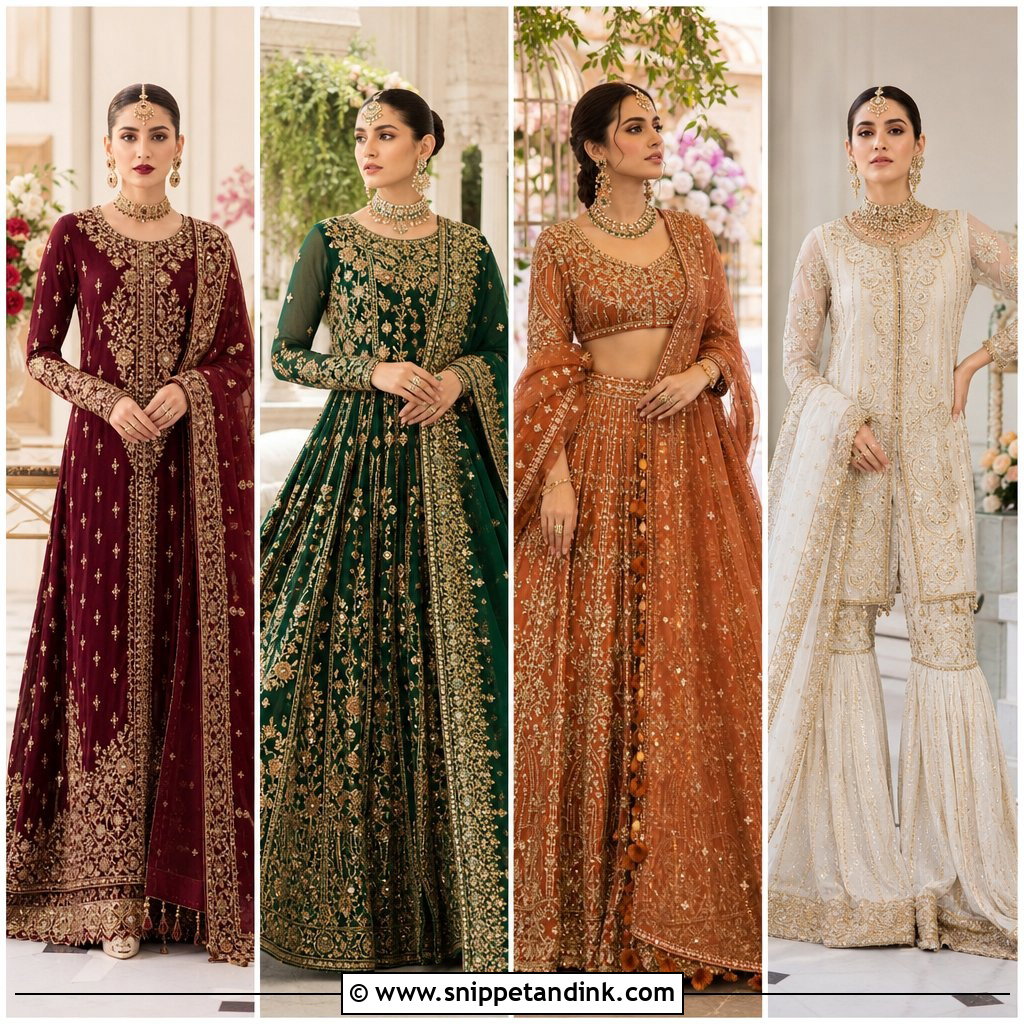
25. Designer Mini Dress For Wedding
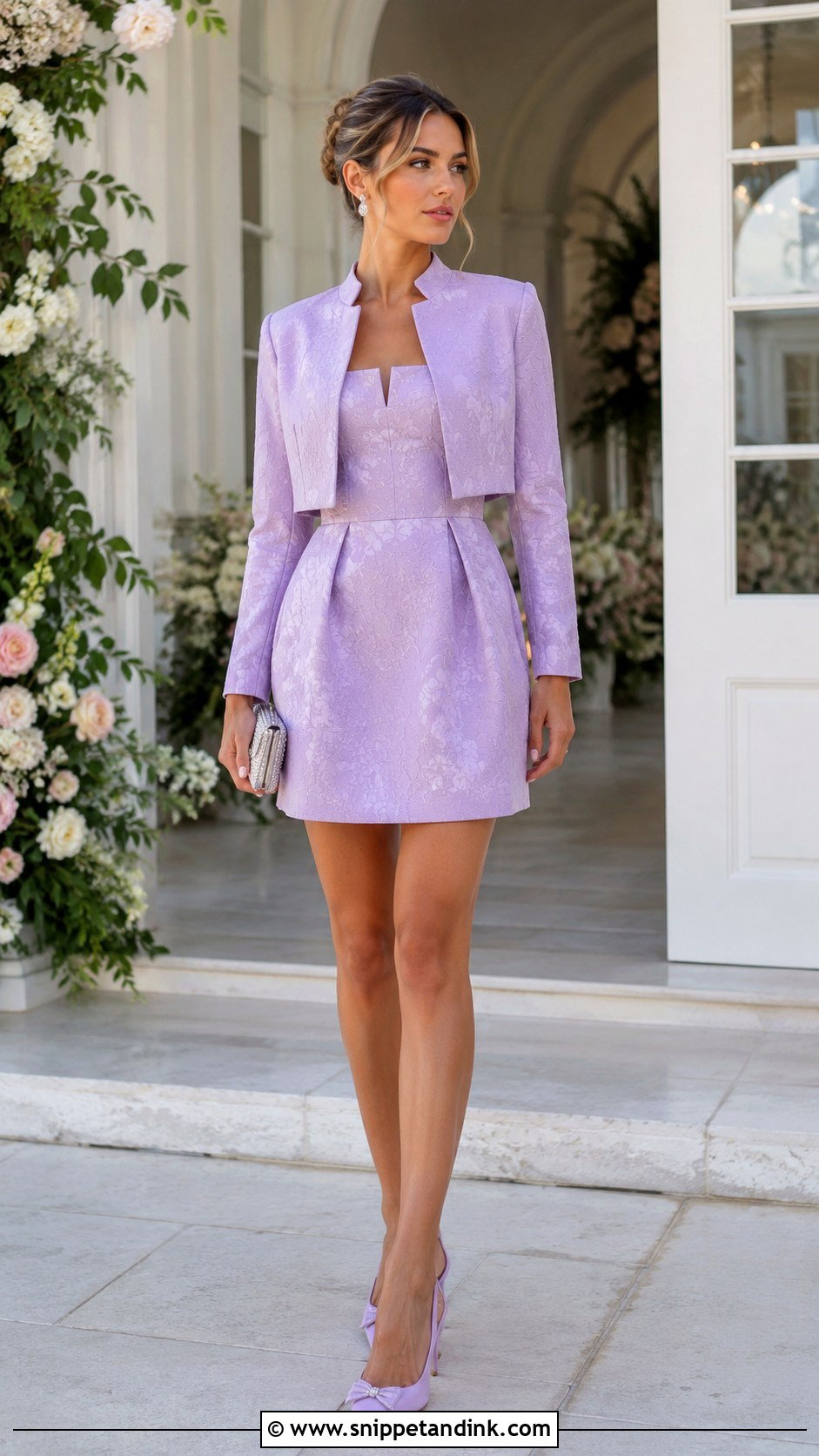
A designer mini dress works at a wedding when the cut and fabric carry it. Long sleeves, a high neck, a structured shape or a fabric like jacquard, crepe or satin keep a short hem dressy. Avoid anything very tight or very short for the setting. Low heels or slingbacks, a small clutch and classic earrings suit it, and a tailored blazer or cropped jacket adds coverage at the ceremony. I’d do the sitting test in the shop: sit, cross your legs and stand. If the hem rides up further than you’d like in a church pew, it’s a reception dress, not a ceremony one.
How Satin, Chiffon and Sequins Behave After Six Hours
Shop lights and a three-way mirror tell you how a dress looks standing still for thirty seconds. A wedding is sitting through a ceremony, a long dinner, hugging and dancing, so I judge fabric by how it handles that.
- Satin creases across the lap and shows water and sweat marks, so lighter shades are riskier than mid and dark tones.
- Unlined chiffon can be sheer in sunlight; stand in front of a window before you commit.
- Crepe and jacquard recover well from sitting and are the most forgiving for a long day.
- Sequins and beading can scratch the inner arm and snag hosiery and wraps.
- Velvet crushes where you sit but steams back overnight.
Plan a little time for alterations too. Hemming to your actual shoes and taking in a strap are quick jobs, but a seamstress may need a week or two in a busy season, so I’d buy the dress at least a month ahead and try it on with the shoes the day it arrives.
Brides Wearing One of These for the After-Party
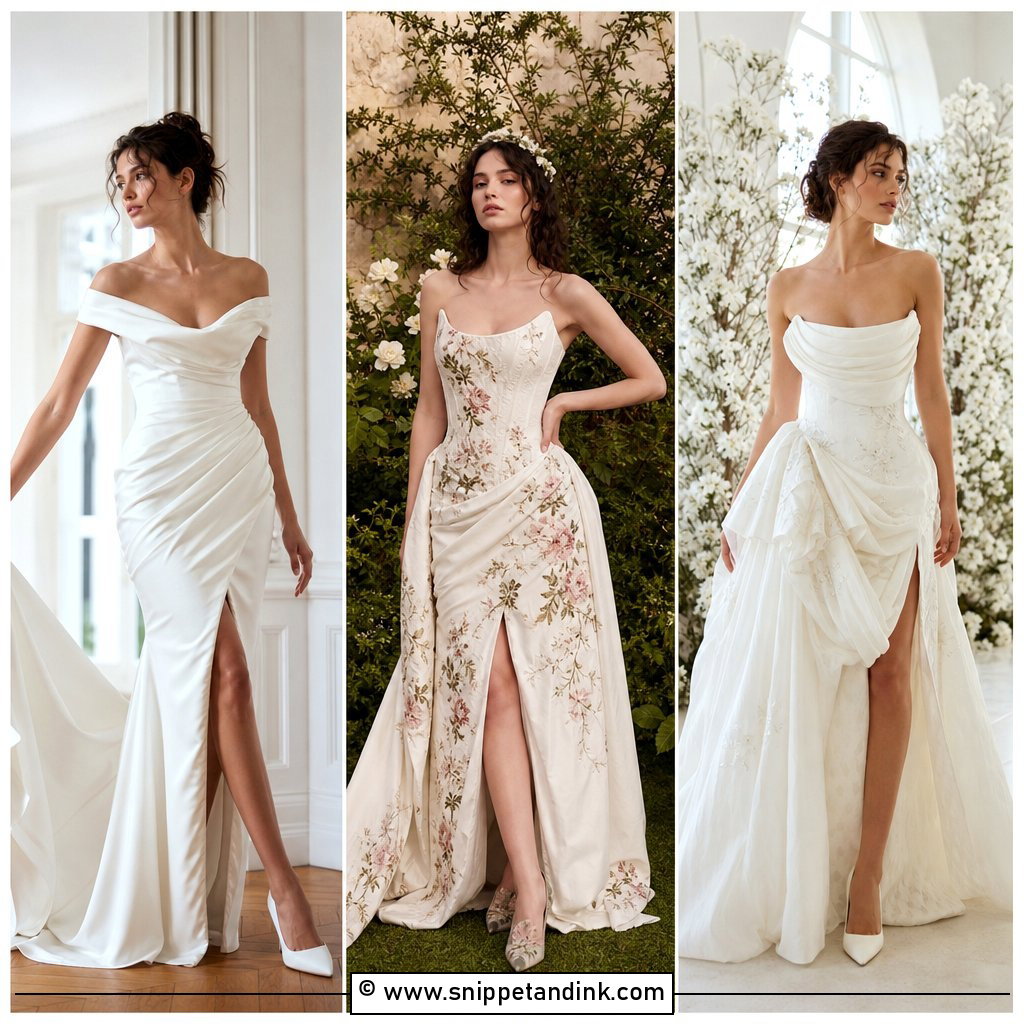
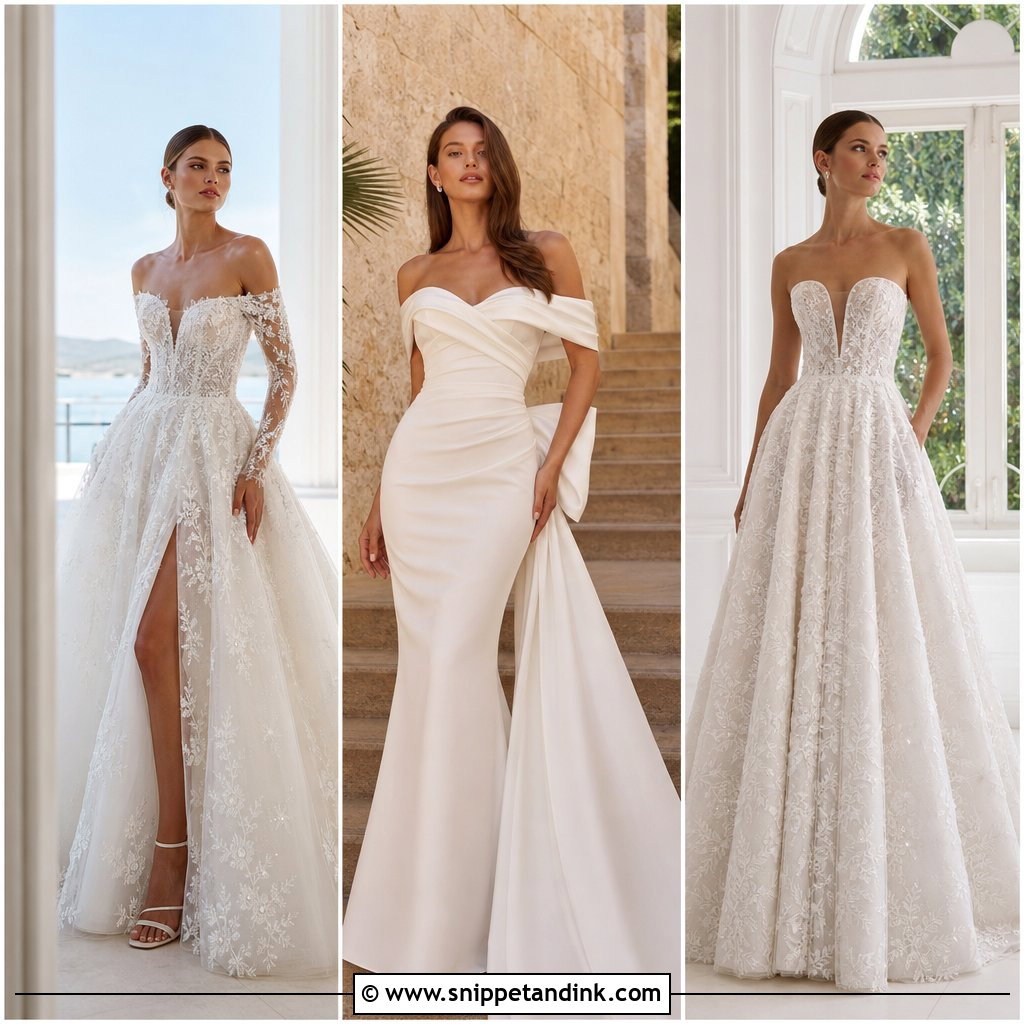
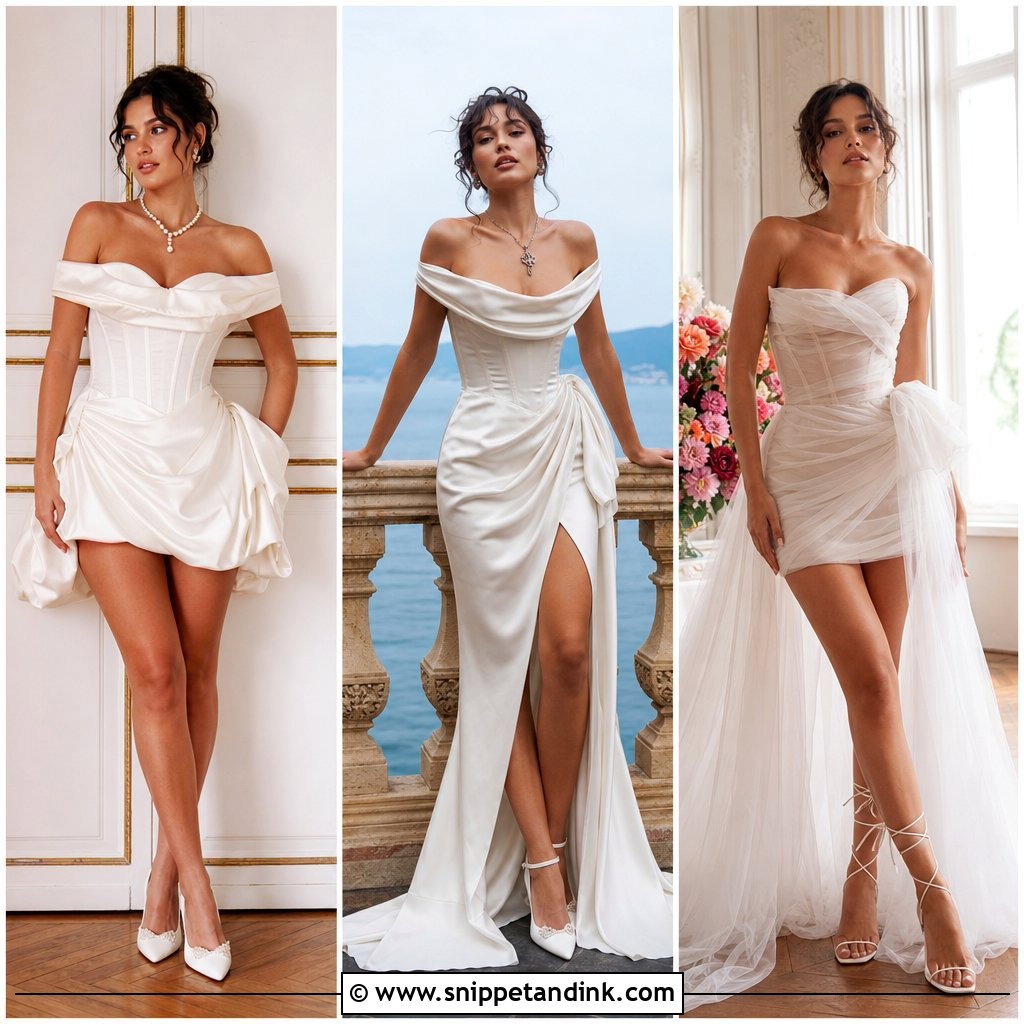
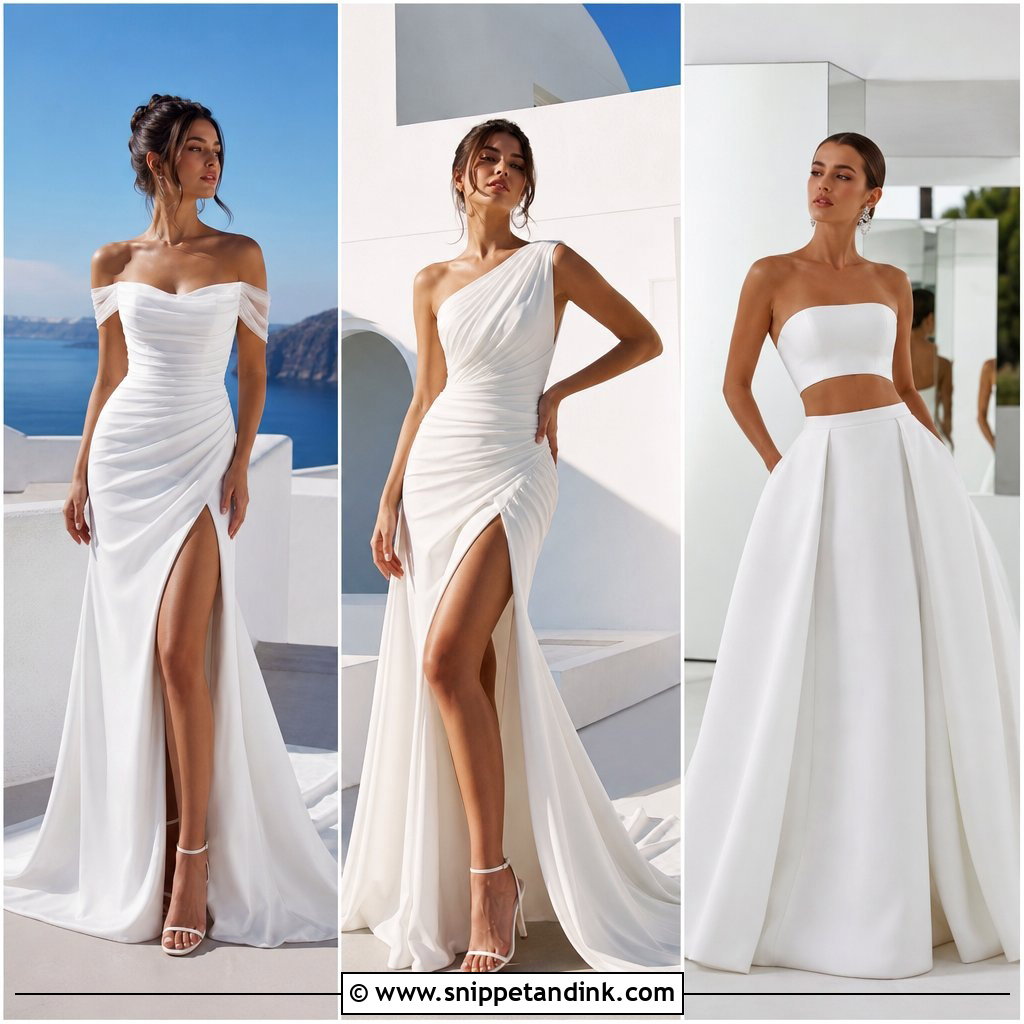
Several of these dresses make a good second look for a bride who wants to dance without a train. The satin slip, the one-shoulder midi, the drop waist and the structured mini all come in ivory and white, and they change in minutes. I’d keep the jewellery from the ceremony so the two looks feel connected, swap the veil for a bow or a clip, and choose flatter shoes. Have the second dress steamed and hung in the changing room before the ceremony starts, because nobody remembers to do it later.
The Dress Is Half the Outfit
A good wedding outfit feels right for the setting and still feels like you by the last song. The options here run from satin maxis and floral midis to velvet, scarf necks and tailored minis, but the dress is only half the decision. Shoes, bag, jewellery, the layer you add and the proportions of all of it decide how the outfit reads. Match fabric and colour to the season, keep accessories in proportion, and test the dress sitting, reaching and walking before the day. Romantic, minimal or formal, every look among these new designer dresses for a wedding comes down to that.
You'll Like These Ideas:


Leave a Reply