
Hair worn down is the style I get asked for most, and it’s also the one that needs the most planning, because nothing holds it in place except the set you give it in the morning. Done properly, it frames your face, moves when you turn and suits nearly any neckline. Below are 30 looks I’d happily build for a bride, from glossy Hollywood curls to braided half-up shapes and sleek straight lengths, with notes on how each one behaves over a long day and whose hair it suits. Read the prep section before the list. It’s the part that decides whether your curls are still there at the first dance.
Setting Down Hair So It Lasts Past the First Dance
An updo is held by pins. Hair worn down is held only by the set, which is why loose curls can drop within a few hours if the prep is rushed. Weight, heat and humidity all pull at them, and long, heavy hair drops fastest of all. Almost every down style I do starts the same way, whatever the finish.
- Wash the night before, not the morning. Hair that’s had a few hours to settle takes a curl and grips pins better than squeaky-clean hair.
- Keep conditioner on the ends only. Conditioner at the roots makes the crown collapse.
- Use mousse or root lift spray before the blow-dry. Curling irons shape hair, but the volume is built at the drying stage.
- Curl in small sections and let every curl cool before you touch it. I pin each one flat as it comes off the iron, and the brush-out happens last.
- Curl tighter than you want the finished look to be. Curls always relax, so a curl that looks perfect at 9am is often a straight bend by the toasts.
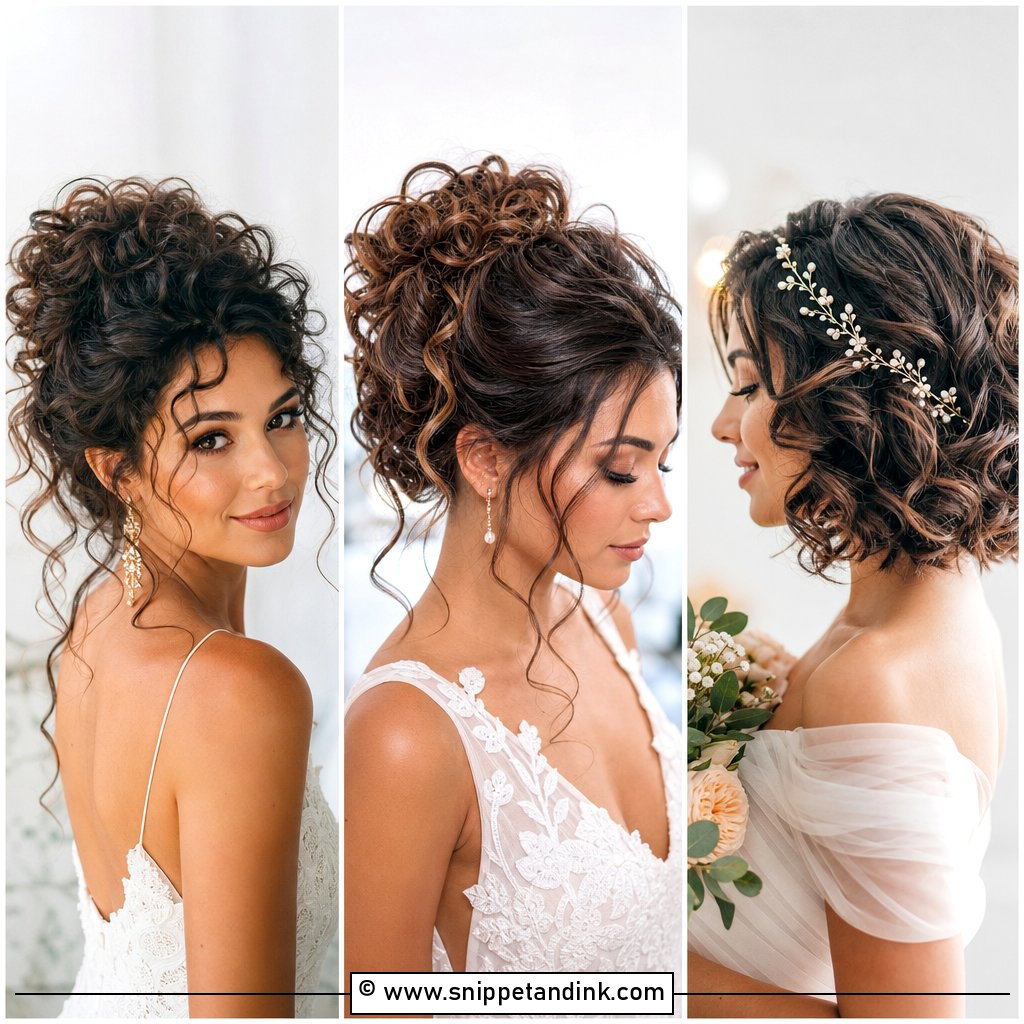
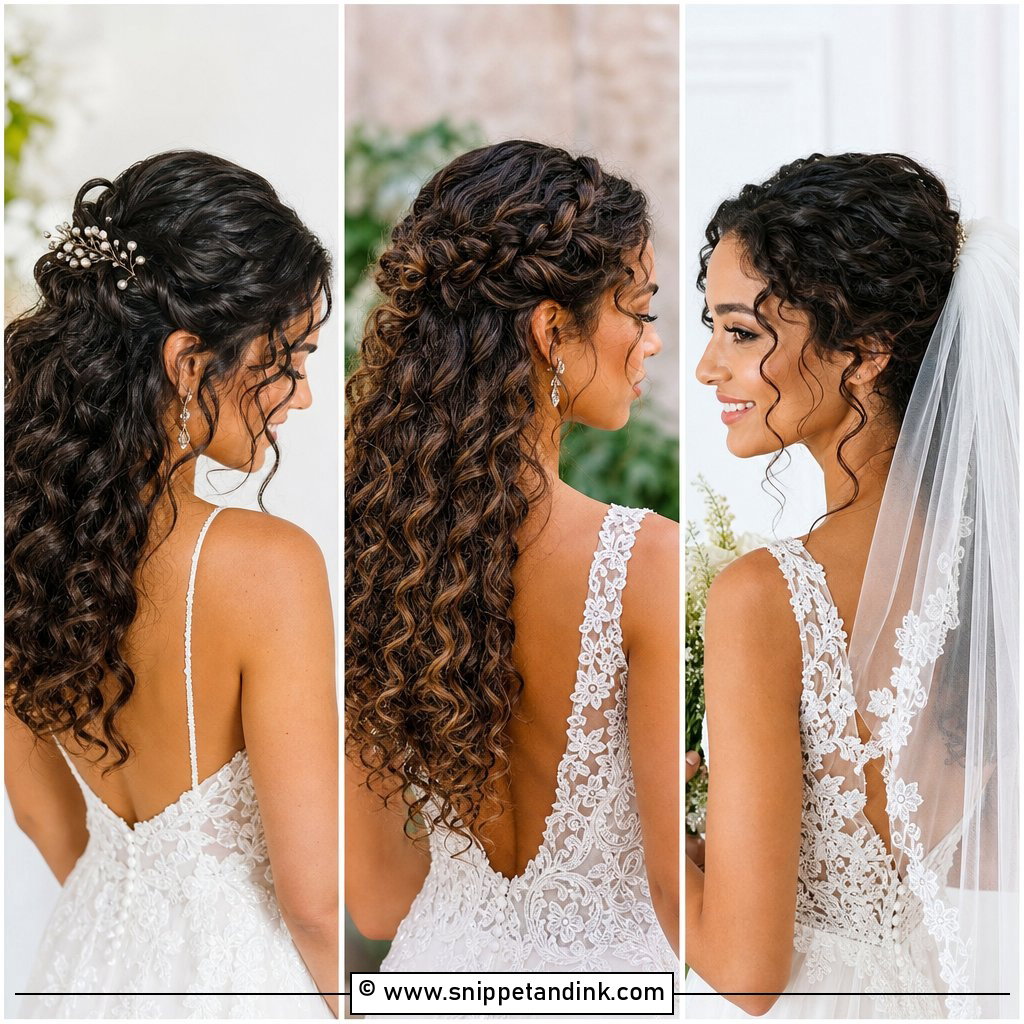
Hair type changes the plan. Fine hair needs smaller sections and often a few clip-in wefts for fullness. Thick, heavy hair needs smaller sections too, because a big section is too heavy for the curl to hold. Naturally curly or coily hair is usually better defined than heat-curled, since your own pattern holds for hours where an ironed curl drops in humid air. Tell your stylist which describes you at the first consultation.
1. Loose Hollywood Curls
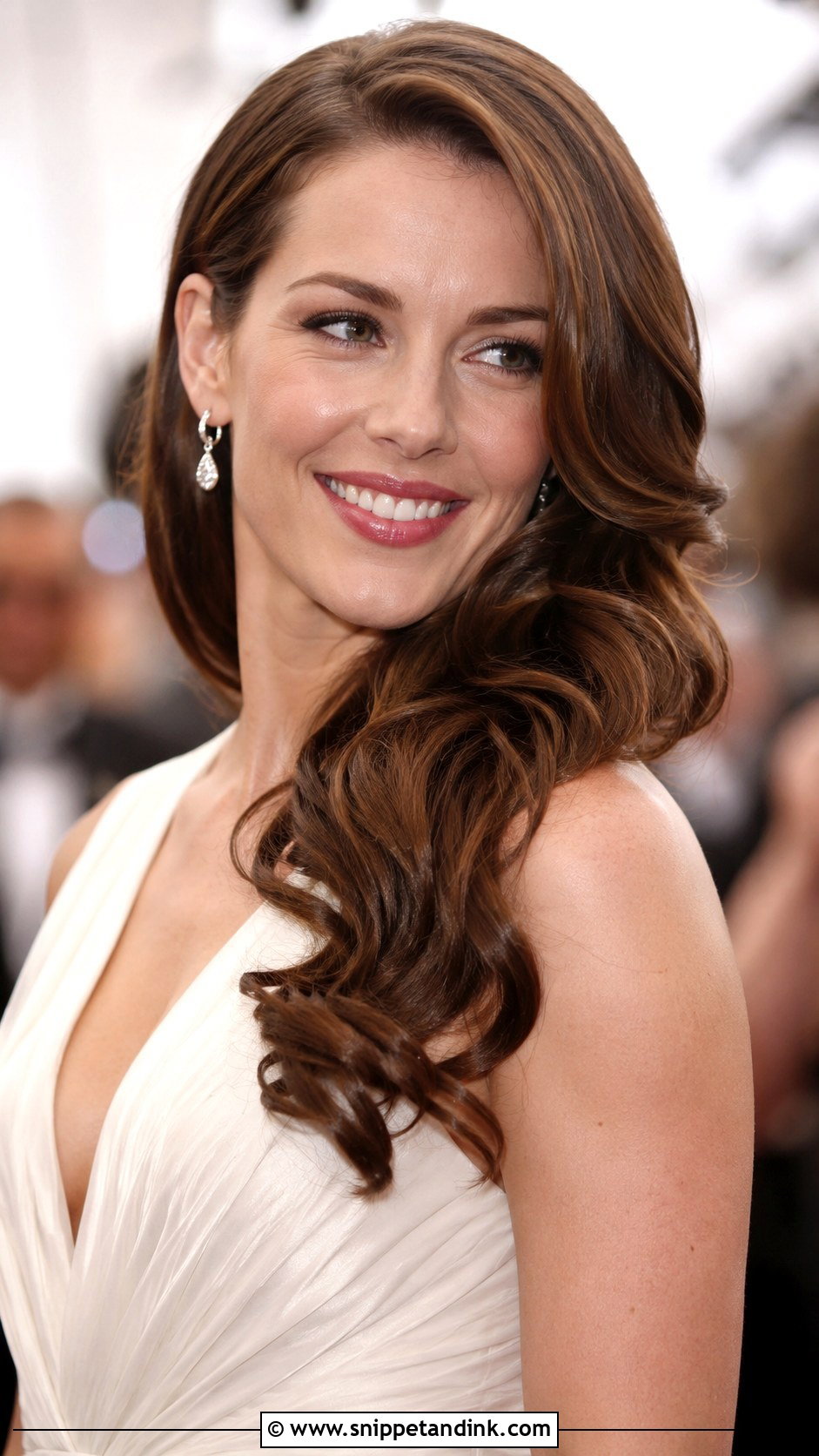
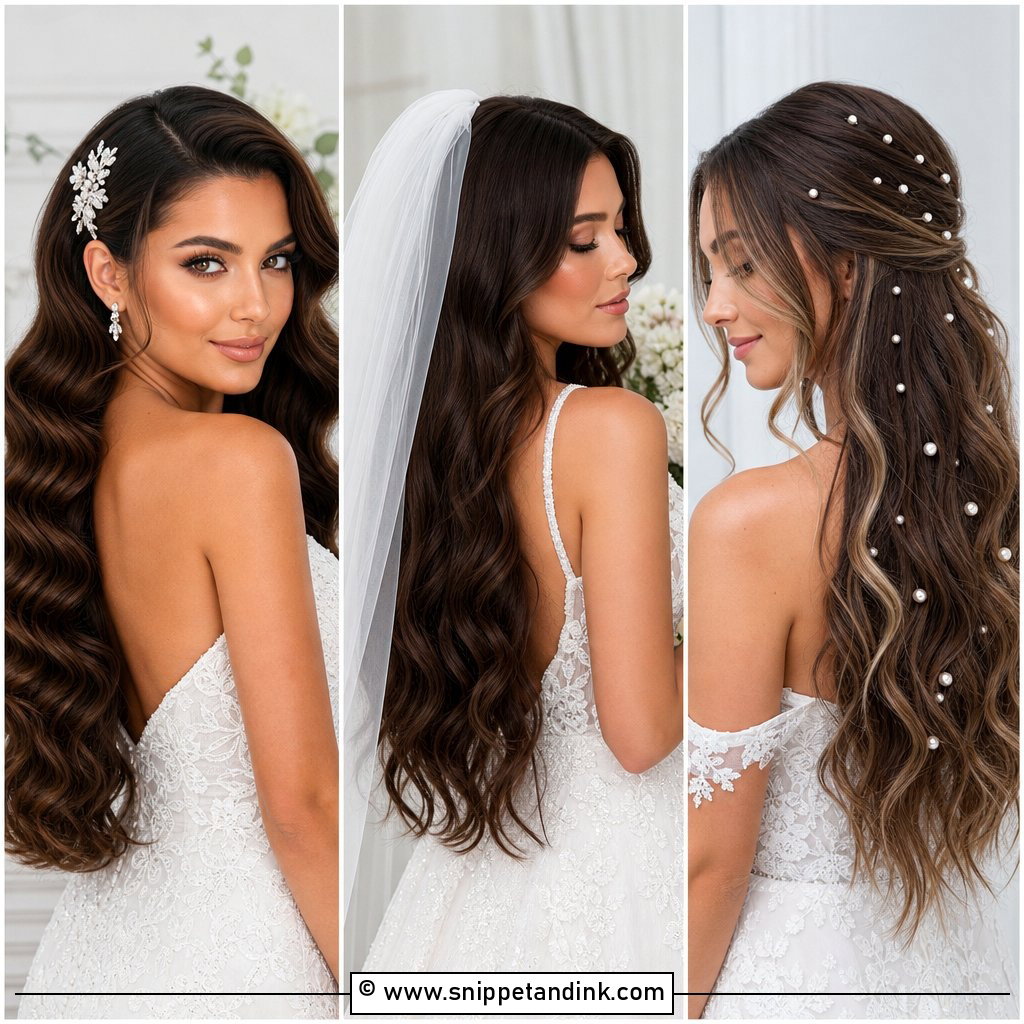
Old Hollywood curls depend on every section being curled in the same direction, then brushed out together so they lock into one continuous wave. The brush-out is where most attempts go wrong: skip it and you get separate ringlets, overdo it and the pattern flattens. I set each curl in a pin curl to cool before I touch it with a brush, and I keep the side part deep so the front wave falls across the brow. You need at least shoulder-length hair to show the full S shape, and it sits best with a fitted or vintage-cut gown. A light mist of shine spray at the end keeps it glossy under reception lighting.
2. Boho Beach Waves
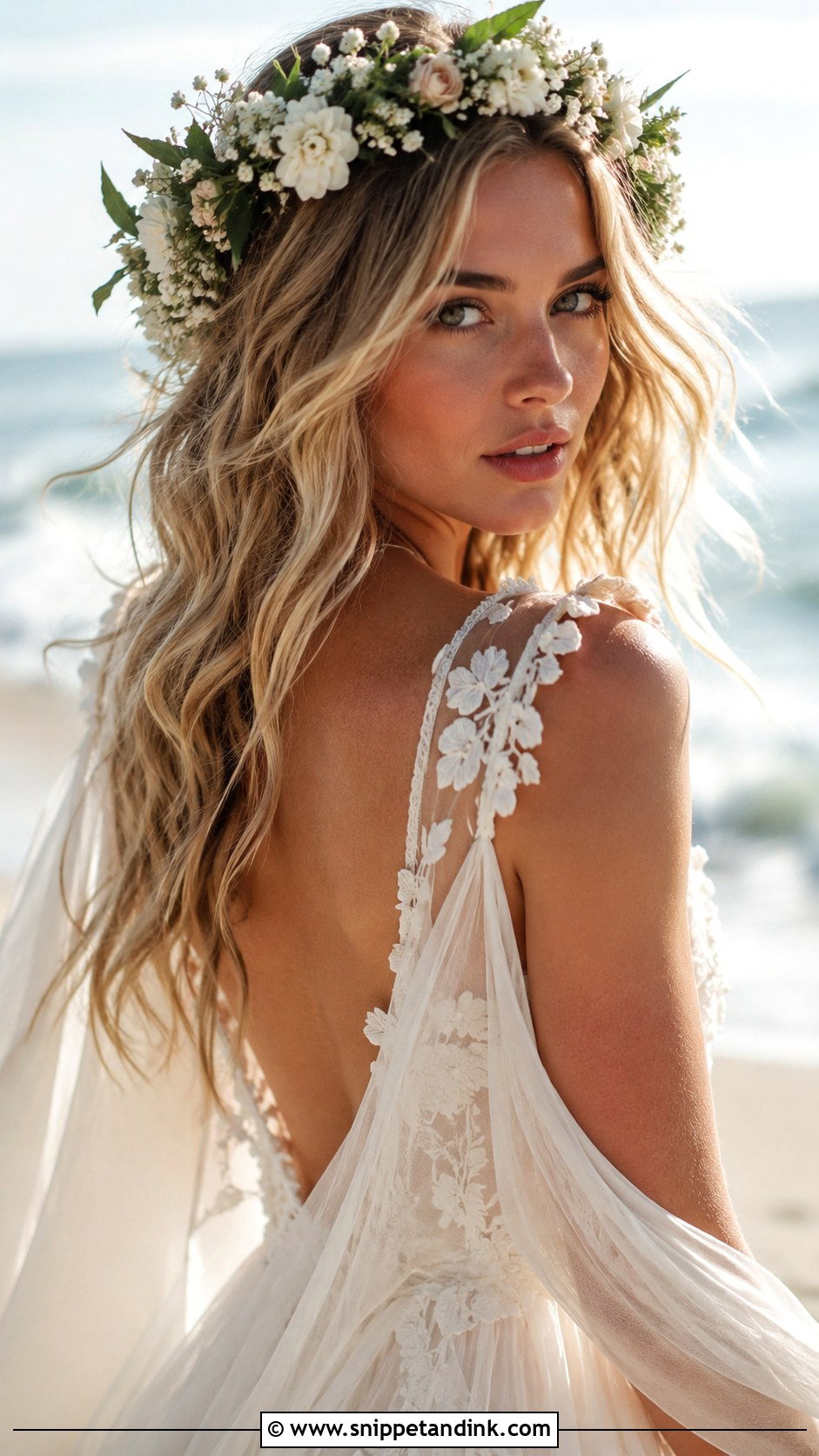
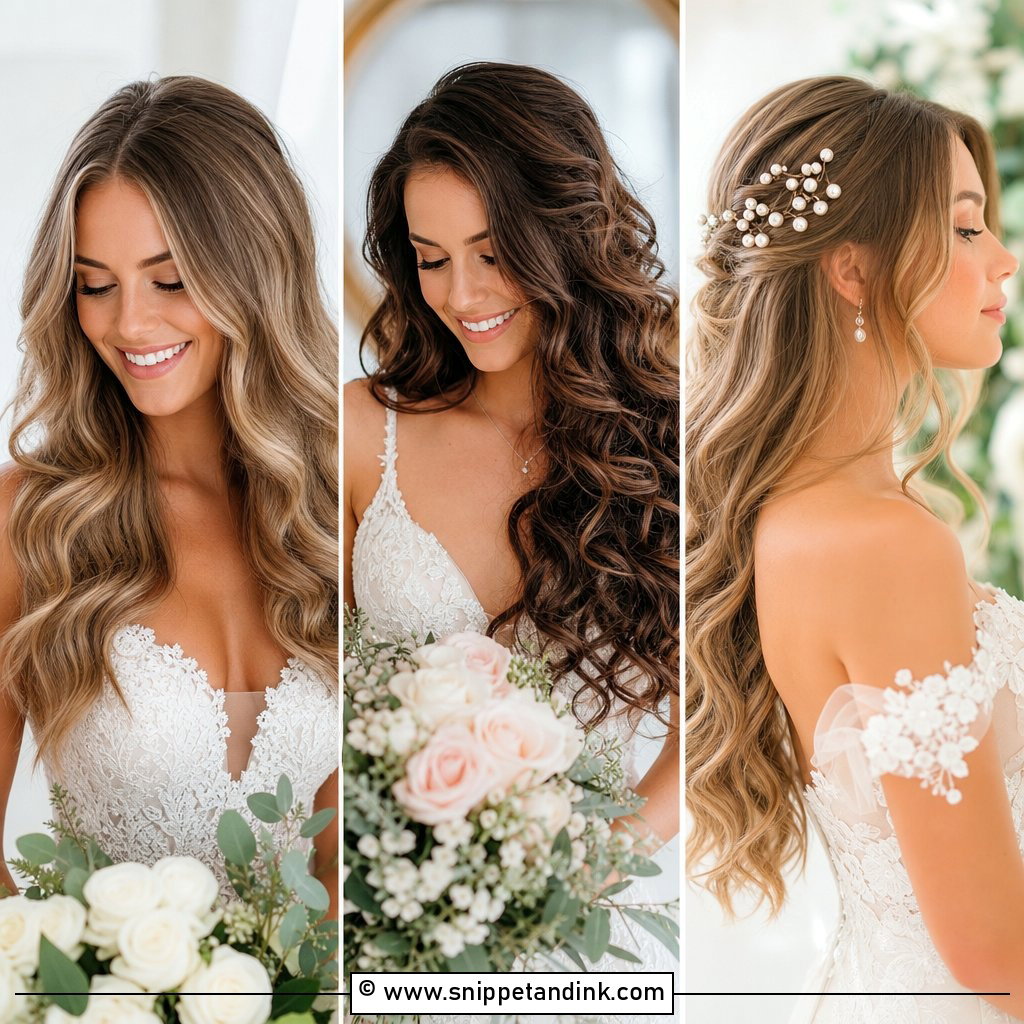
Beach waves look casual, but salt spray on its own dries hair out and can feel crunchy by evening, so I mix it with a little leave-in cream on drier lengths. I curl random sections in alternating directions and leave the last inch straight, which is what makes the ends read as lived-in rather than set. The texture goes naturally with flowing chiffon gowns and a flower crown. It also forgives wind far better than polished curls, because a wave that gets blown about still looks like a wave. A couple of thin braids near the crown stop the top from tangling at the shoreline.
3. Half-Up Half-Down With Braids
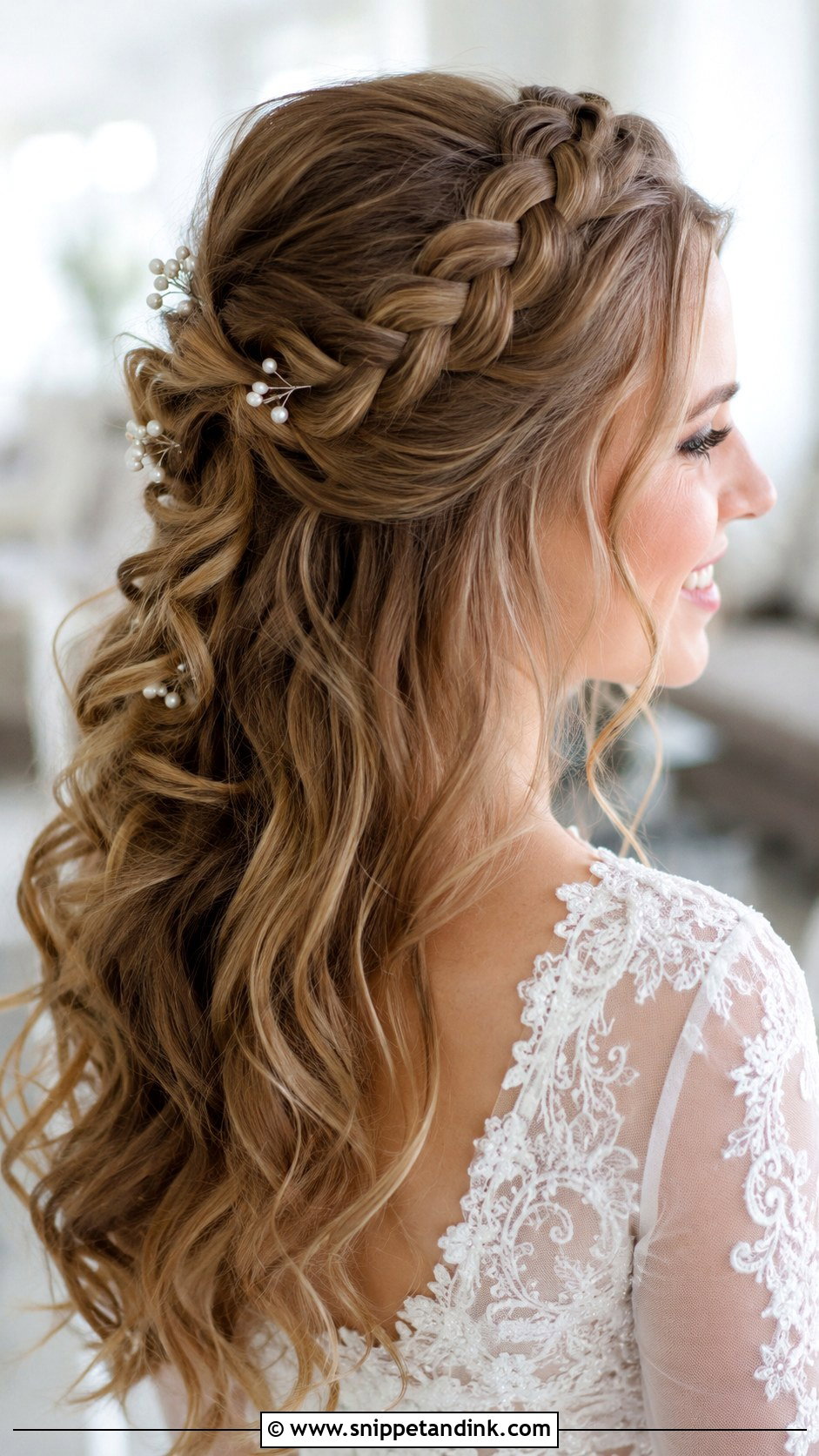
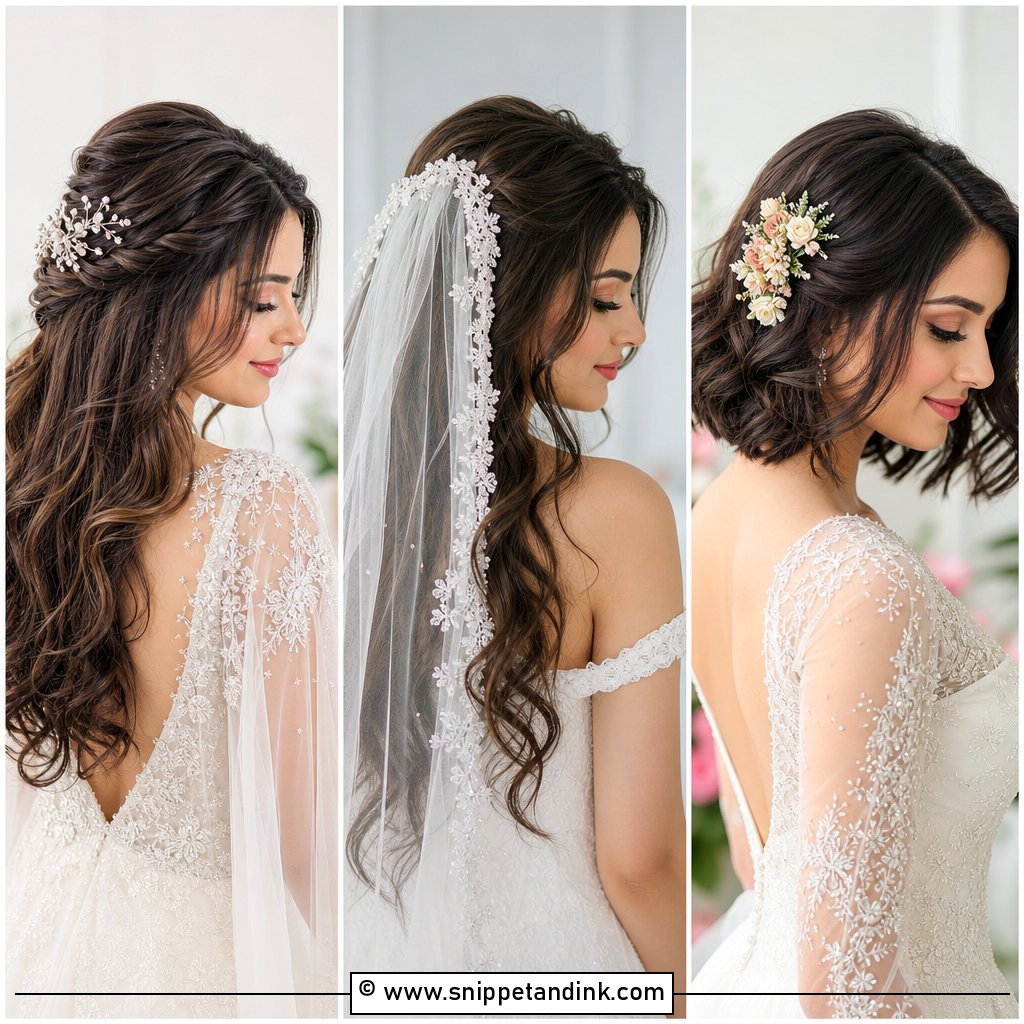
Half up with braids is the request I hear most from brides who want their hair down but not in their face. A Dutch braid sits on top of the hair and reads clearly in photos, while a fishtail is finer and better on thick hair, where it won’t look skimpy. I braid first, curl the lengths second, then pancake the braids by easing the outer loops wider. Where the braids meet at the back, I pin them with crossed bobby pins instead of an elastic so the join stays flat under a veil or a cluster of flowers.
4. Sleek Straight Bridal Hair
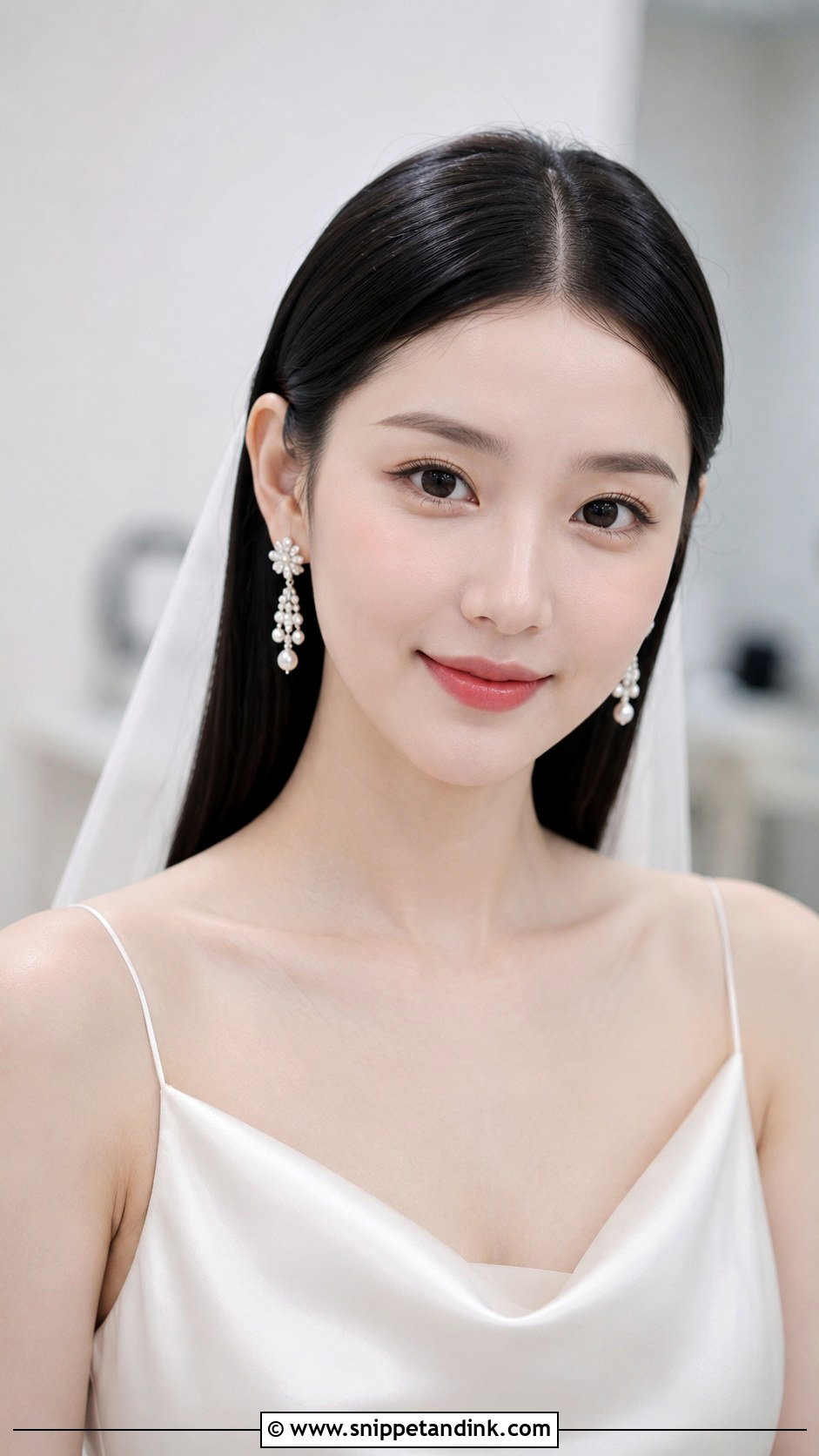
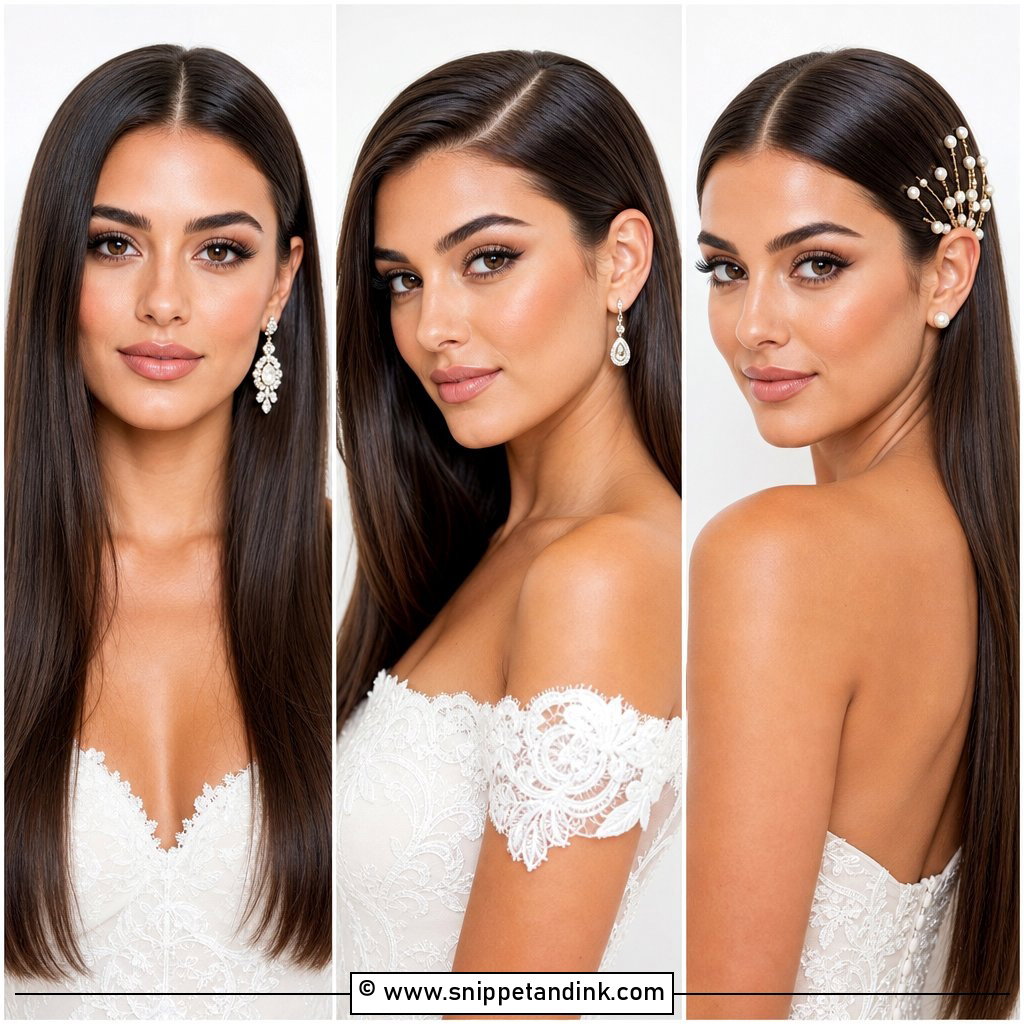
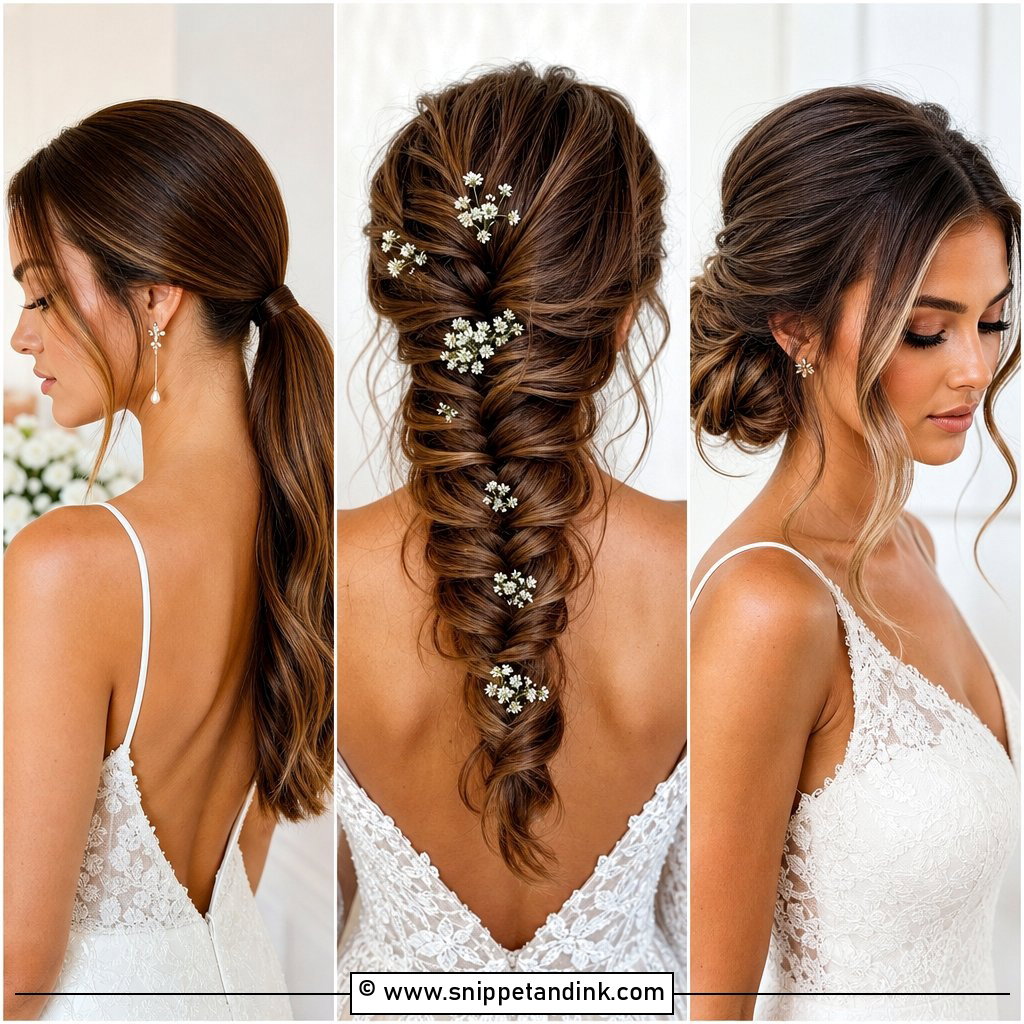
Straight hair looks simple and is honestly harder to keep right than curls, because every kink and flyaway shows. I blow-dry with a paddle brush first, then flat iron in thin sections at moderate heat so the hair stays glossy without frying the ends. A sharp middle part gives it an editorial feel. Fine, naturally straight hair holds this all day. Curly or frizz-prone hair starts to revert in humidity, sometimes within a couple of hours, so I’d only do it there for an indoor venue with anti-humidity spray. A drop of serum on the ends handles static from a veil, and the plain finish lets a minimal gown or statement earrings do the talking.
5. Cascading Vintage Curls Over One Shoulder
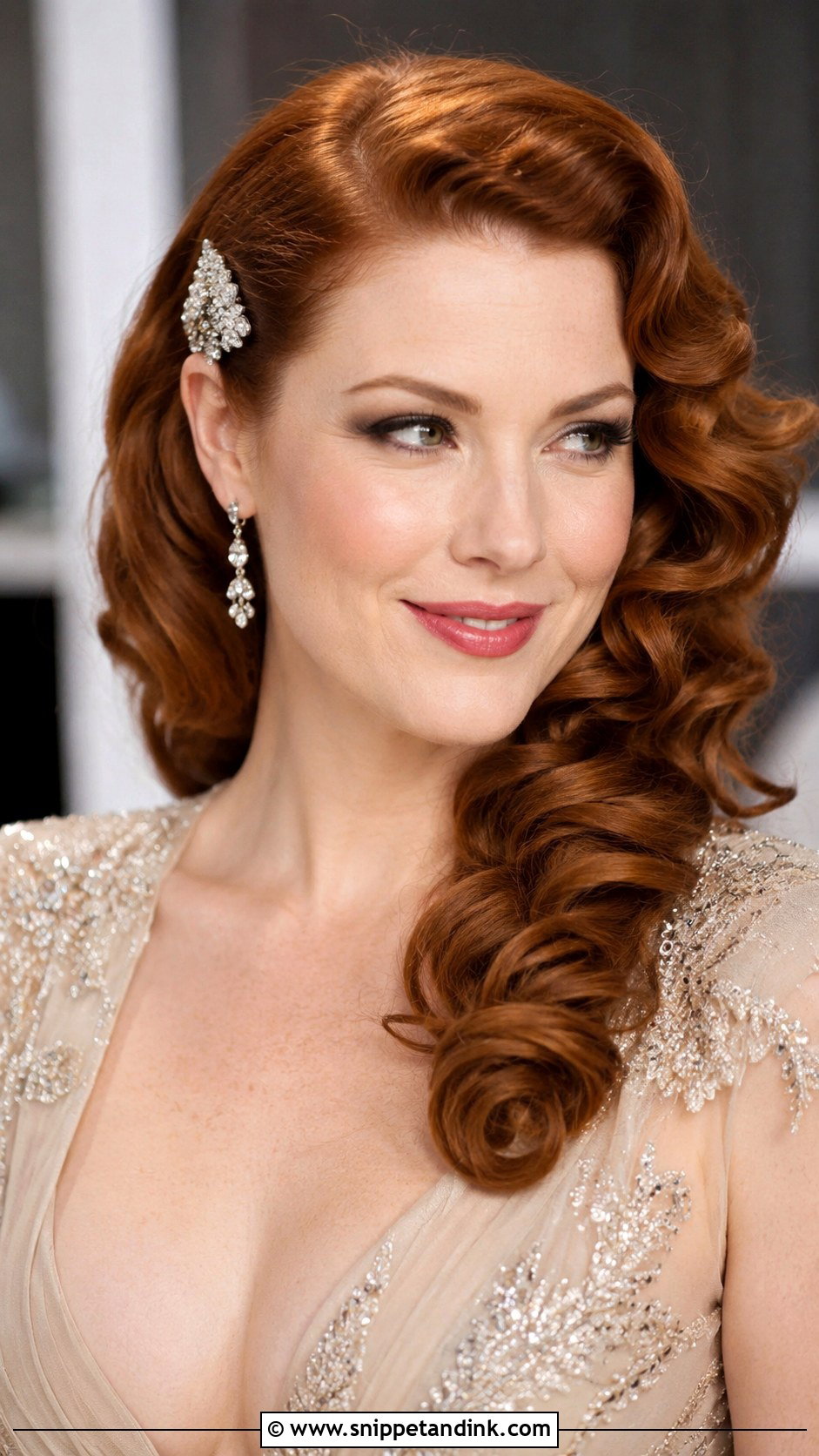
Cascading vintage curls worn over one shoulder need an anchor behind the opposite ear, or the weight slides back to center within the hour. I set a hidden row of crossed bobby pins along the back of the head and drape the curls over that line. Long, thick hair gives the full effect; on fine hair I add a few clip-in wefts so the side doesn’t look thin. The bare side shows off your jawline, which is why I usually suggest one bold earring rather than a matching pair. A birdcage veil or a crystal clip on the pinned side finishes it.
6. Boho Braid Headband With Loose Waves
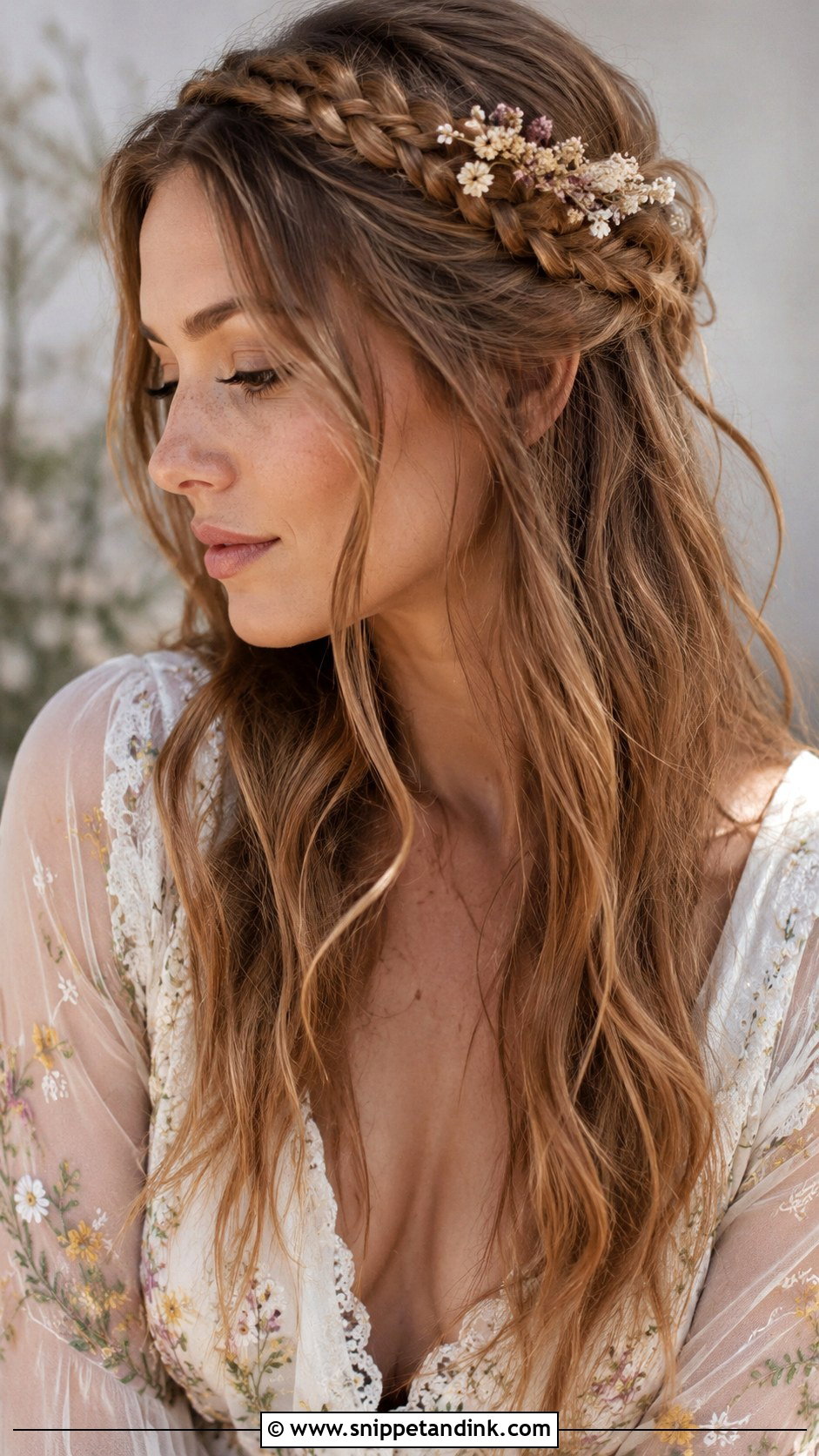
A braided headband does real work. It holds the front sections back so loose waves can’t fall forward during vows or dinner. I start the braid behind one ear, carry it over the top to the other side, then tuck the tail under the waves and pin it flat. Fresh flowers tucked into it will wilt, so for an all-day look I use hardy stems like waxflower or a few dried blooms. If your hair is thin, I rough up the braiding section with texture spray first so the braid comes out fuller. It sits naturally with a garden ceremony and a loose bohemian gown.
7. Soft Romantic Waves With Pearl Pins
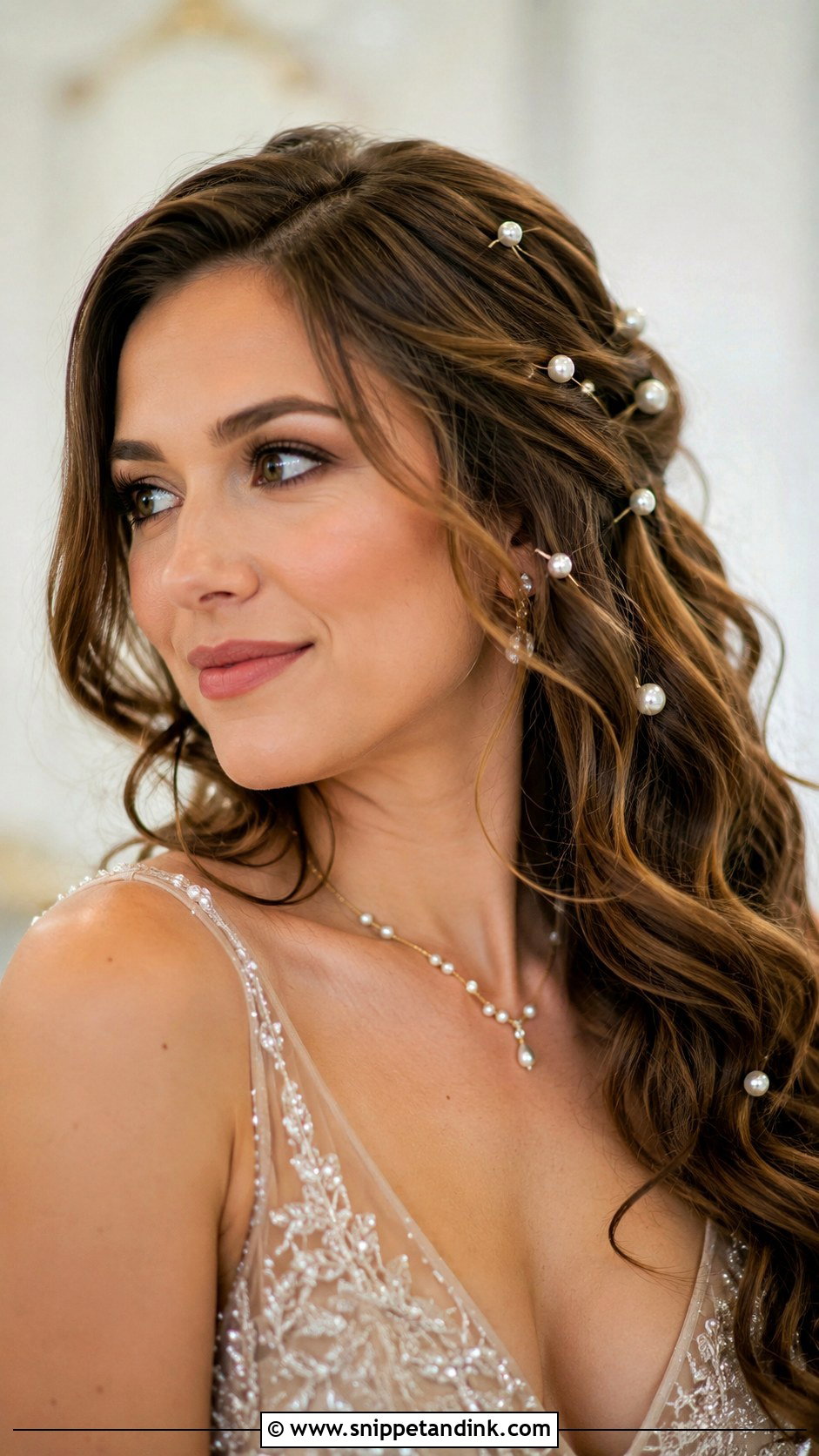
Pearl pins look best placed with intent: a cluster above one ear or a loose trail toward the back, never dotted evenly like polka dots. Freshly curled hair is silky and pins slide straight out of it, so I mist the waves with texture spray and push each pin into a section that has some grip. Freshwater pearls are irregular and look softer, while glass pearls are uniform and catch more light. Either suits a classic gown, and the loose waves underneath stop the look from turning stiff.
8. Voluminous Curls With Side Part
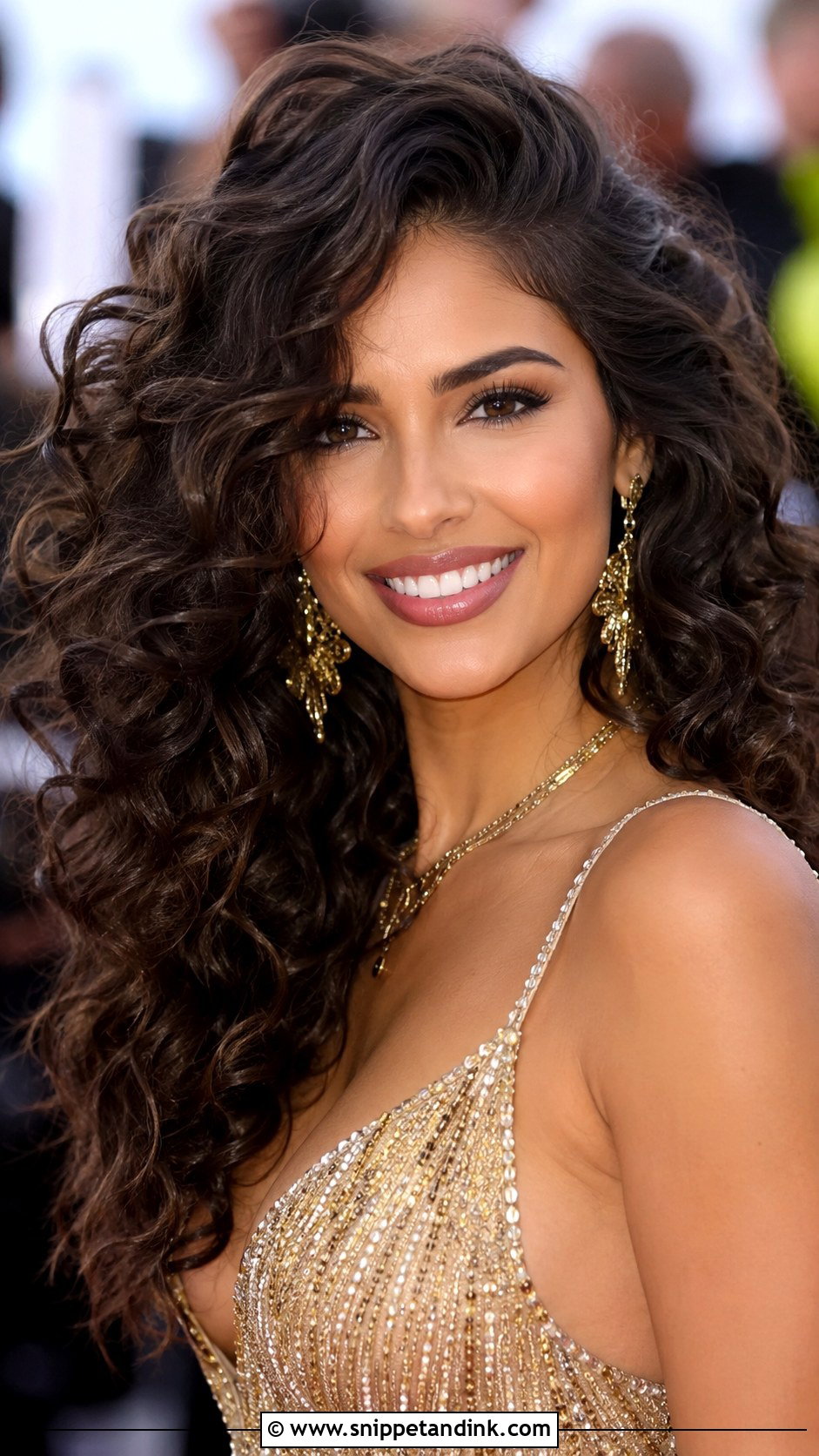
Big curls get their height from the roots. I backcomb gently at the crown, smooth the top layer over it and keep the side part clean. The curl size sits between a tight ringlet and a loose wave, which lets it move when you dance without collapsing. Fine hair is the problem case here: without volumizing mousse before the blow-dry and a proper cooling set, the fullness drops in the first few hours. Medium and long hair with natural body holds it well, and it stands up to a statement gown and bold accessories.
9. Half-Up Twisted Crown With Flowers
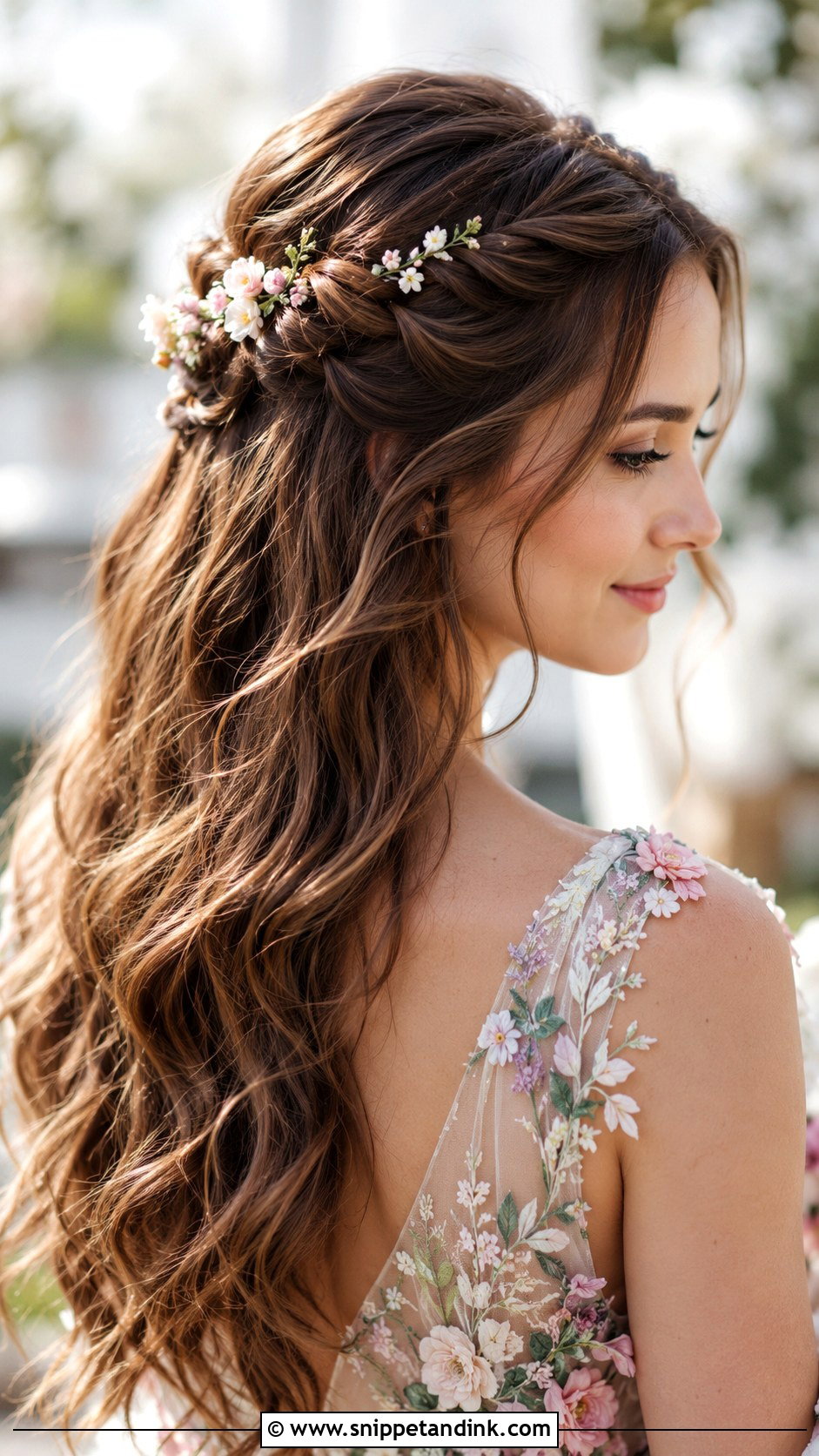
Flowers in a twisted crown need to be chosen for stamina before color. Spray roses and ranunculus hold up for hours out of water; gardenias bruise brown where they’re handled, and hydrangea wilts quickly in heat. I twist the front pieces back, pin them, then tuck the stems into the twists, wiring any delicate heads first. Matching the bouquet is easy if your florist sets aside a few extra stems for the hair. The lengths stay in loose waves, and the whole look fits a spring or summer ceremony outdoors.
10. Sleek And Tucked Behind The Ears
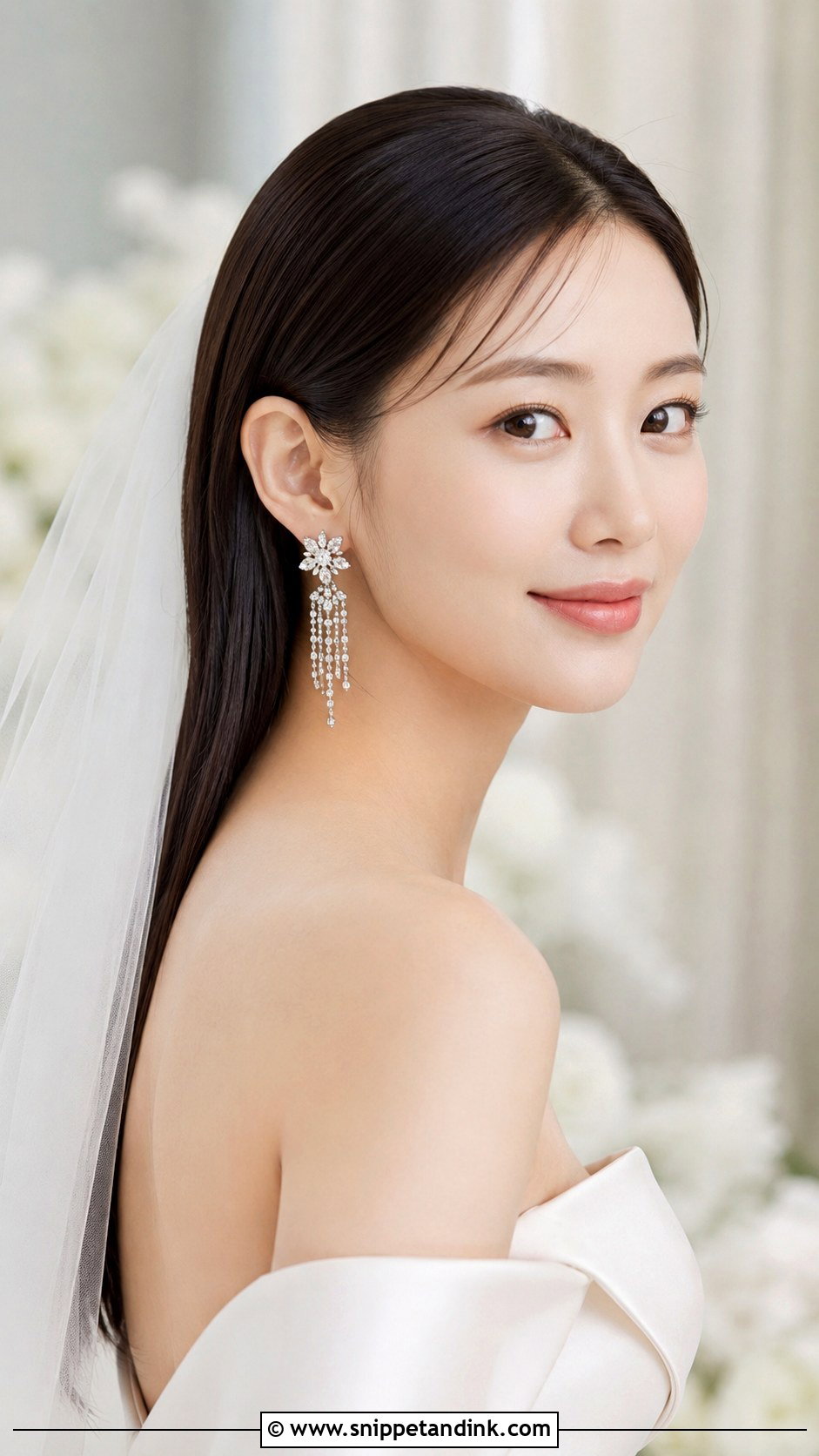
Tucking straight hair behind both ears puts all the attention on your earrings and neckline, so I’d only choose it if you have earrings you love. It needs a very smooth blow-dry and serum through the lengths to stop strands springing forward. Fine and medium hair sits flat behind the ears without much help. Thick hair tends to push out, and I’ll often slide a small pin behind each ear to hold it. It reads cleanly in photos and suits a contemporary gown in a city venue.
11. Loose Waves With A Flower Crown
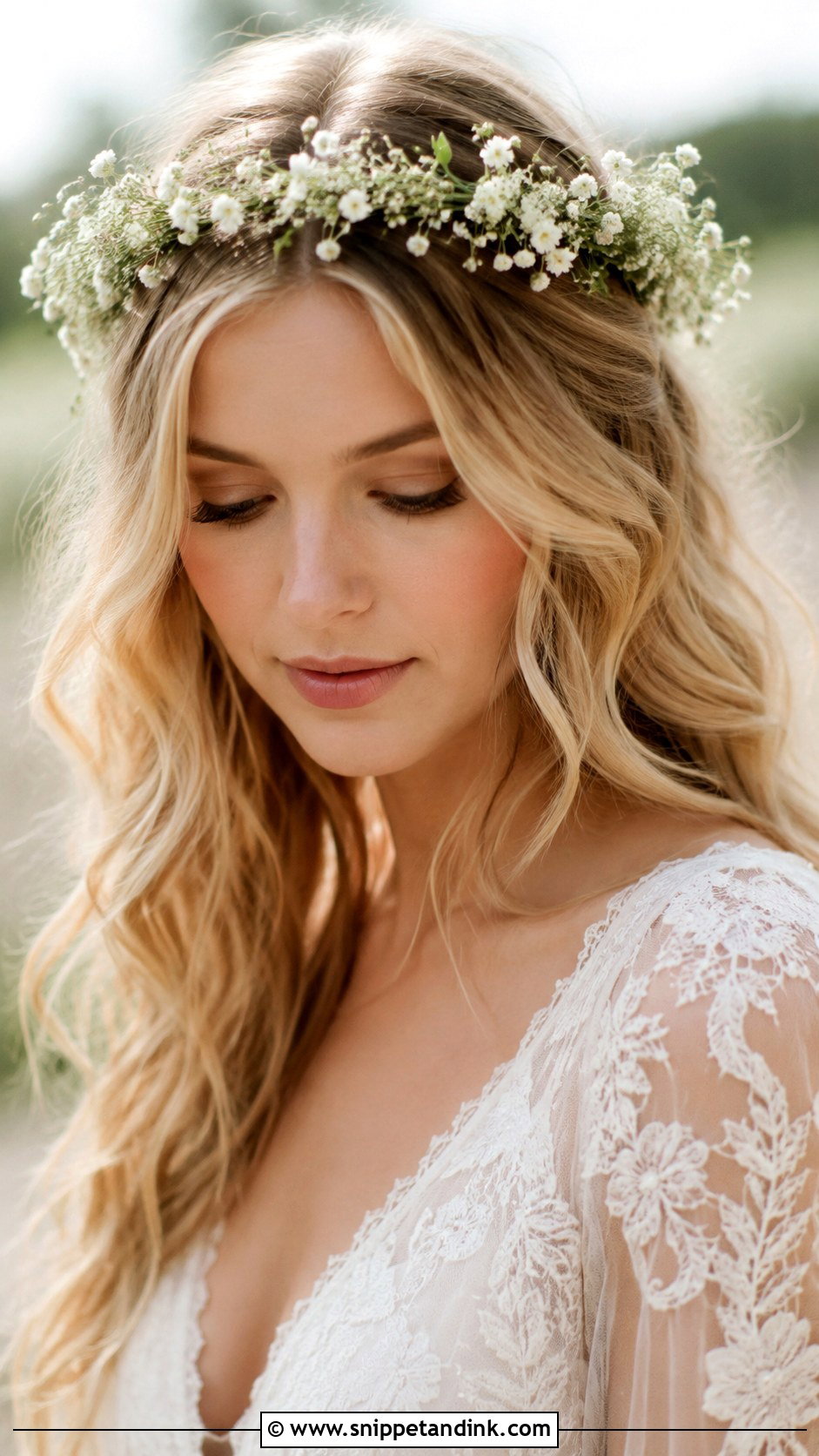
A flower crown changes how loose waves read, because suddenly the whole look is about the crown, so the hair underneath should stay soft and slightly undone. I place the crown first and pin it with bobby pins hooked through its wire base, then arrange the waves around it. A baby’s breath crown is light and stays put; a full rose crown is heavier and needs more anchoring at the back. Ask your florist to make it the morning of the wedding and keep it refrigerated until it goes on. Unlike most styles here, it works at any hair length.
12. Deep Side-Parted Glamorous Waves
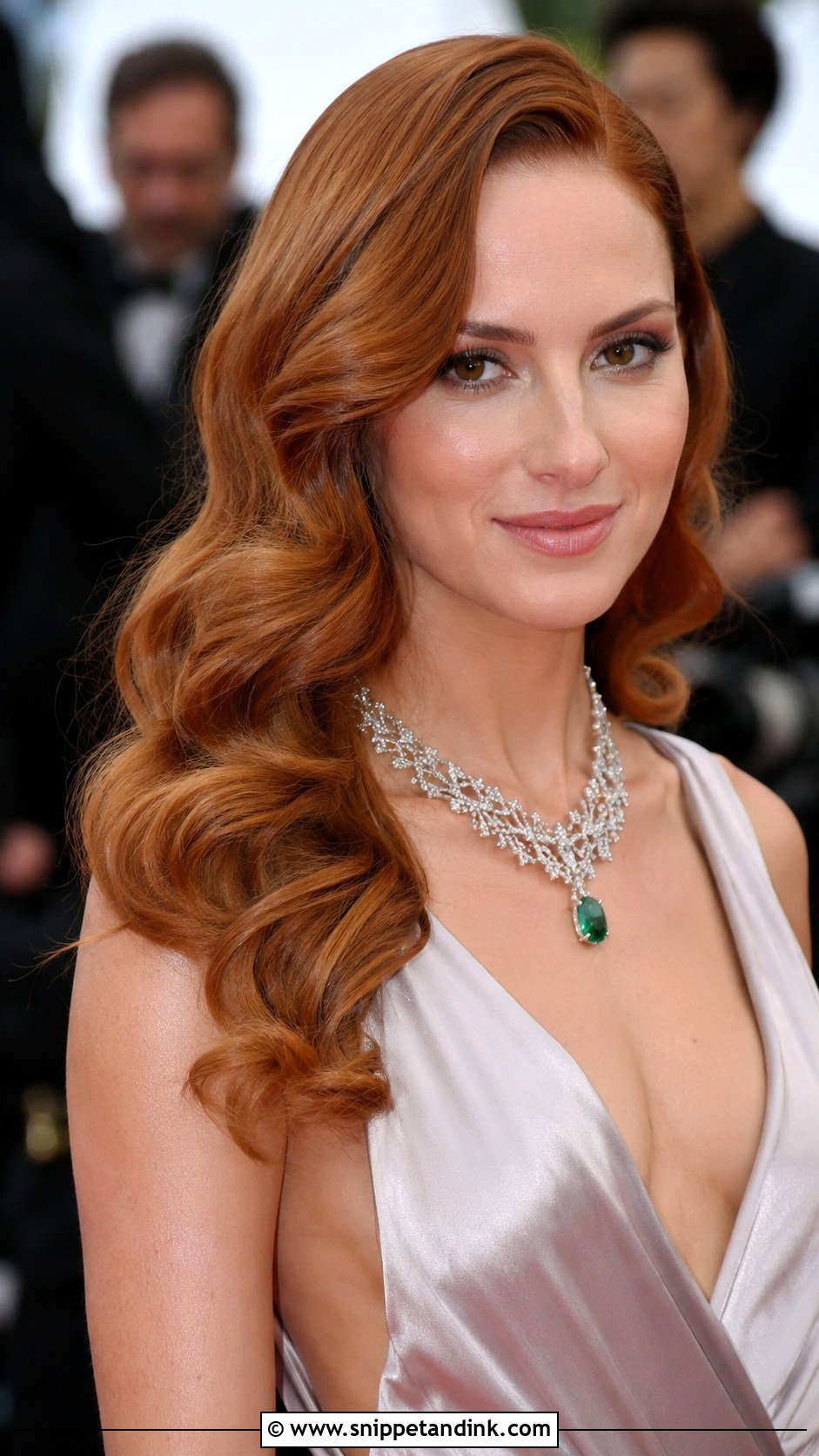
A deep side part puts most of the hair on one side of the face and gives instant lift at the root. I curl every section away from the face with a large barrel iron, let the curls cool completely, then brush them into one smooth sweep, which is what makes it look polished rather than curly. Long hair shows the shape best, and it suits a satin gown with statement jewelry. One caution from experience: the heavy side creeps toward your face as the day goes on, so I hide a pin behind the ear on that side to hold the line.
13. Boho Waves With Twisted Side Braids
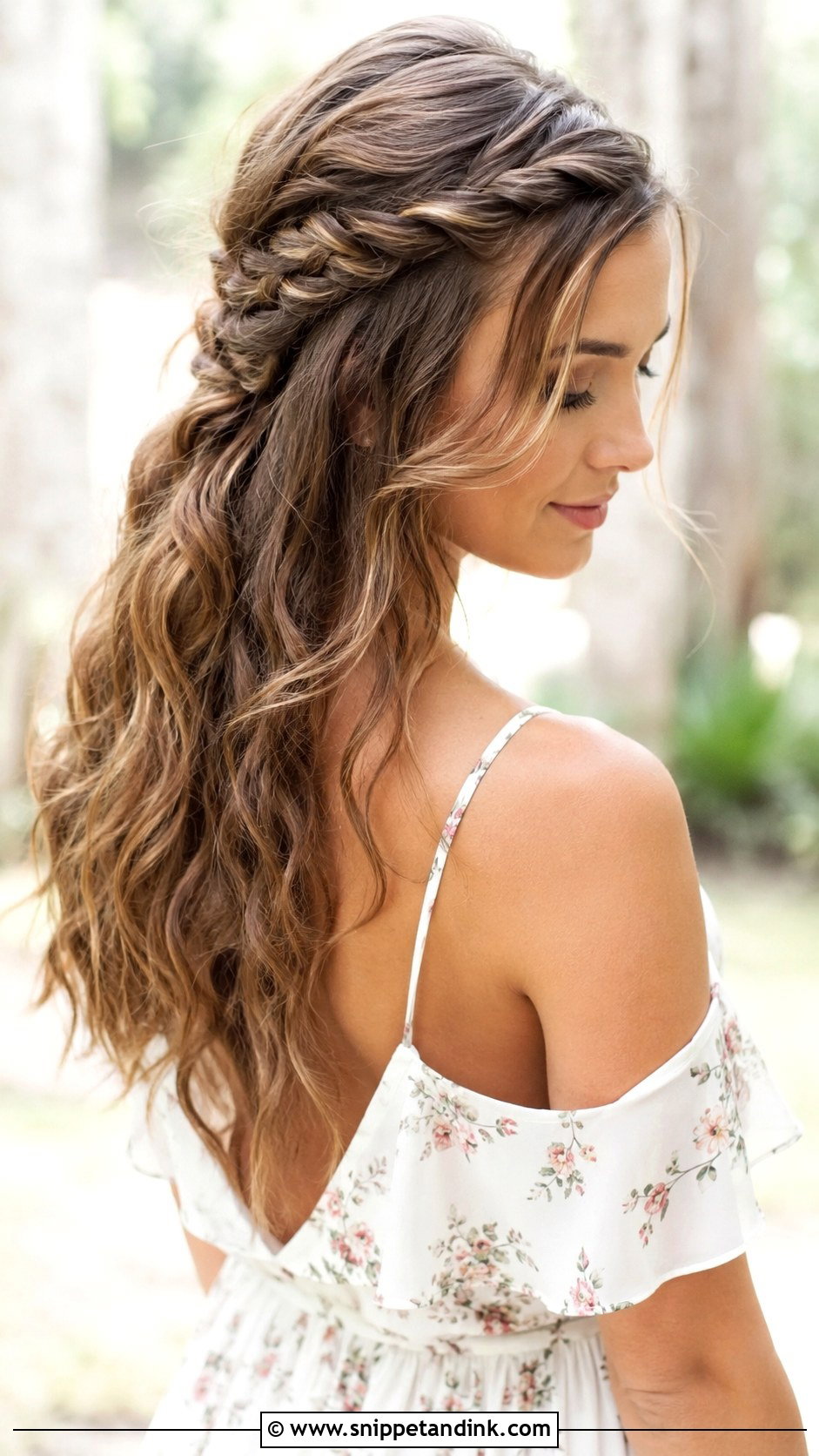
Twisted side braids give the look of a braid with less bulk, and they lie flatter, which helps if a veil comb has to sit nearby. I twist small sections along one or both sides, pin them at the back and pull the twists open for fullness, then wave the rest. Very slippery hair can unravel a twist by mid-afternoon, so I prep the sections with dry shampoo for grip. A few small pins or flowers tucked into the twists suit a garden or outdoor wedding.
14. Sleek Middle-Part Straight Hair
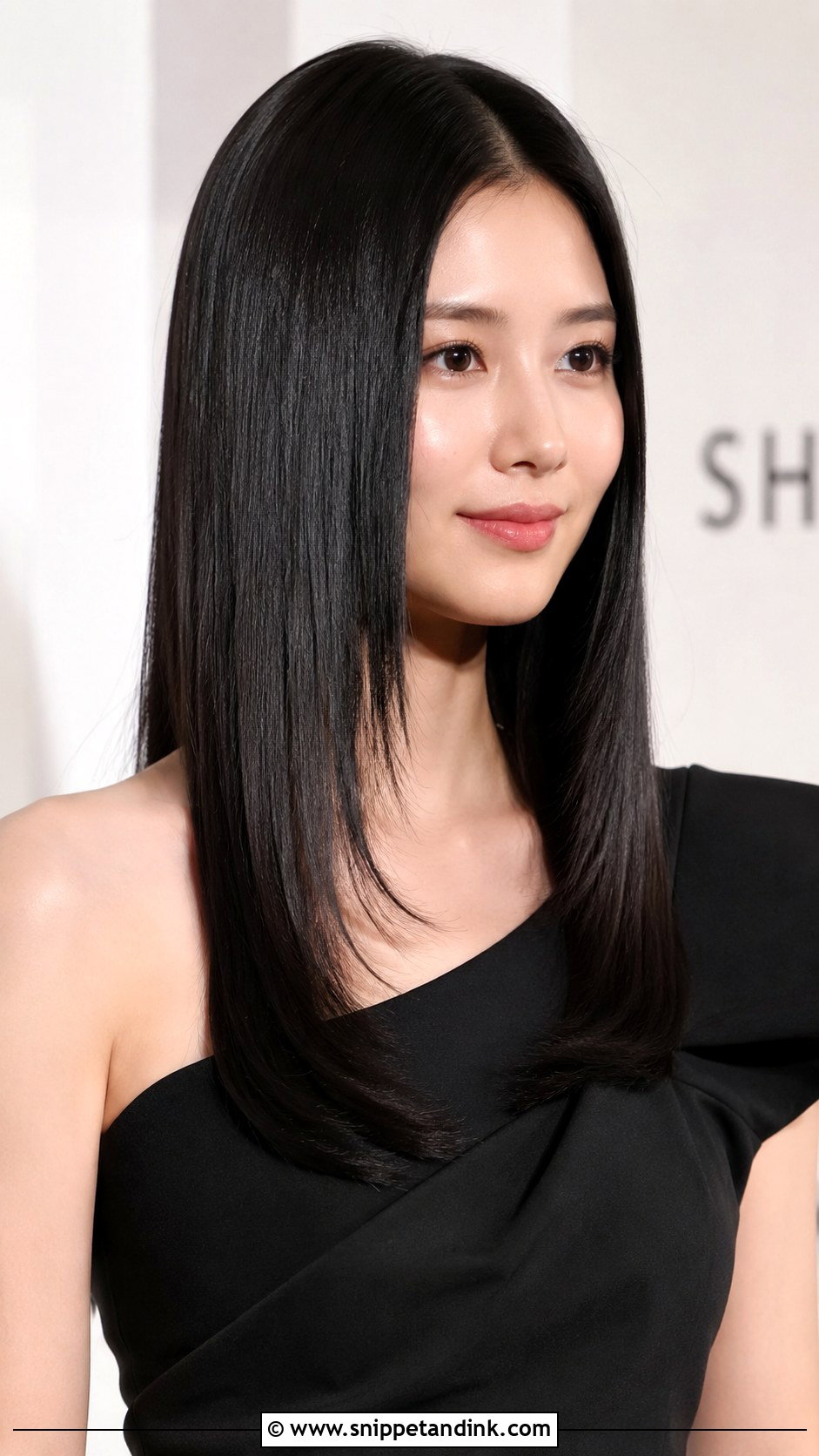
A middle part is unforgiving. If your hairline or features are slightly asymmetrical, the camera shows it, so I always check the part in a phone photo before committing. Every strand gets smoothed with a flat iron, finished with shine spray, and the ends can have a slight flick for personality. It sits well with a structured gown in a modern venue. If you have a cowlick at the front hairline, talk to your stylist about a side part instead, because the hair will fight a center part all day.
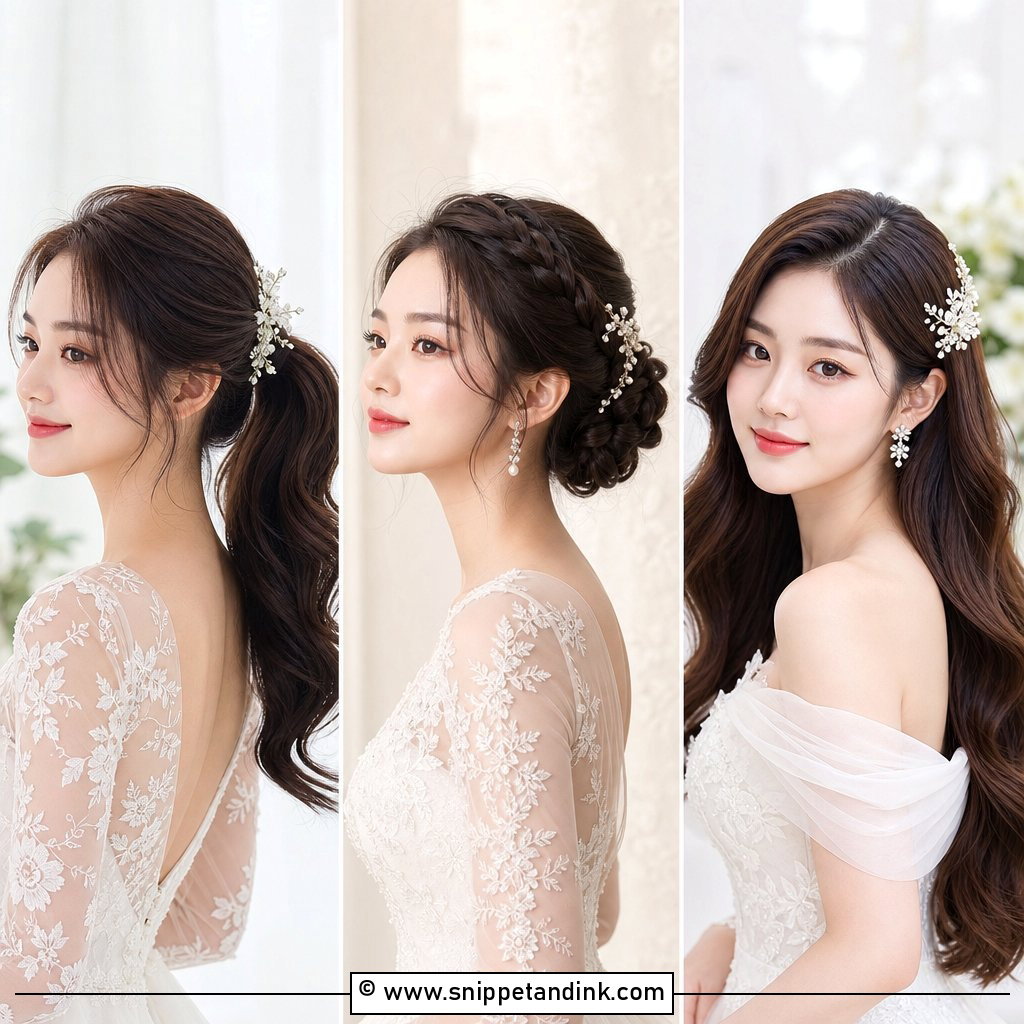
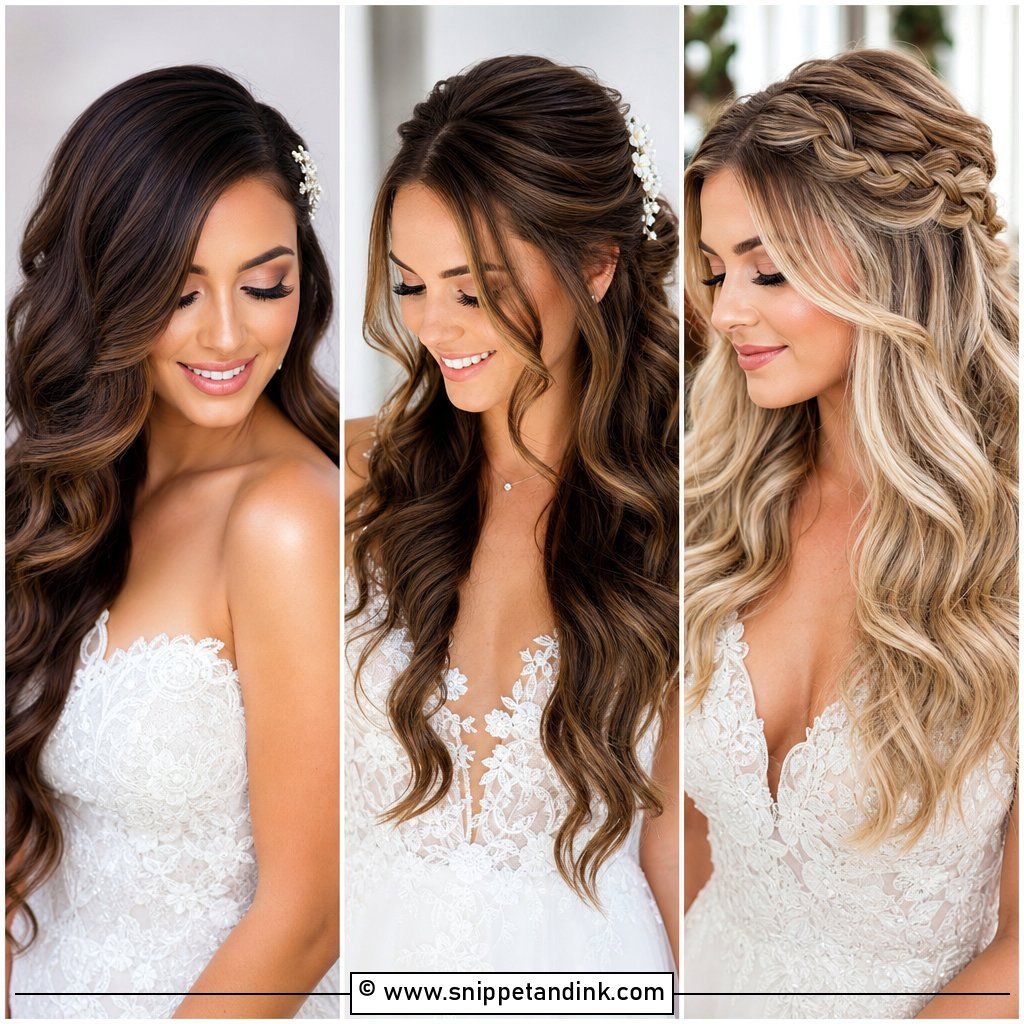
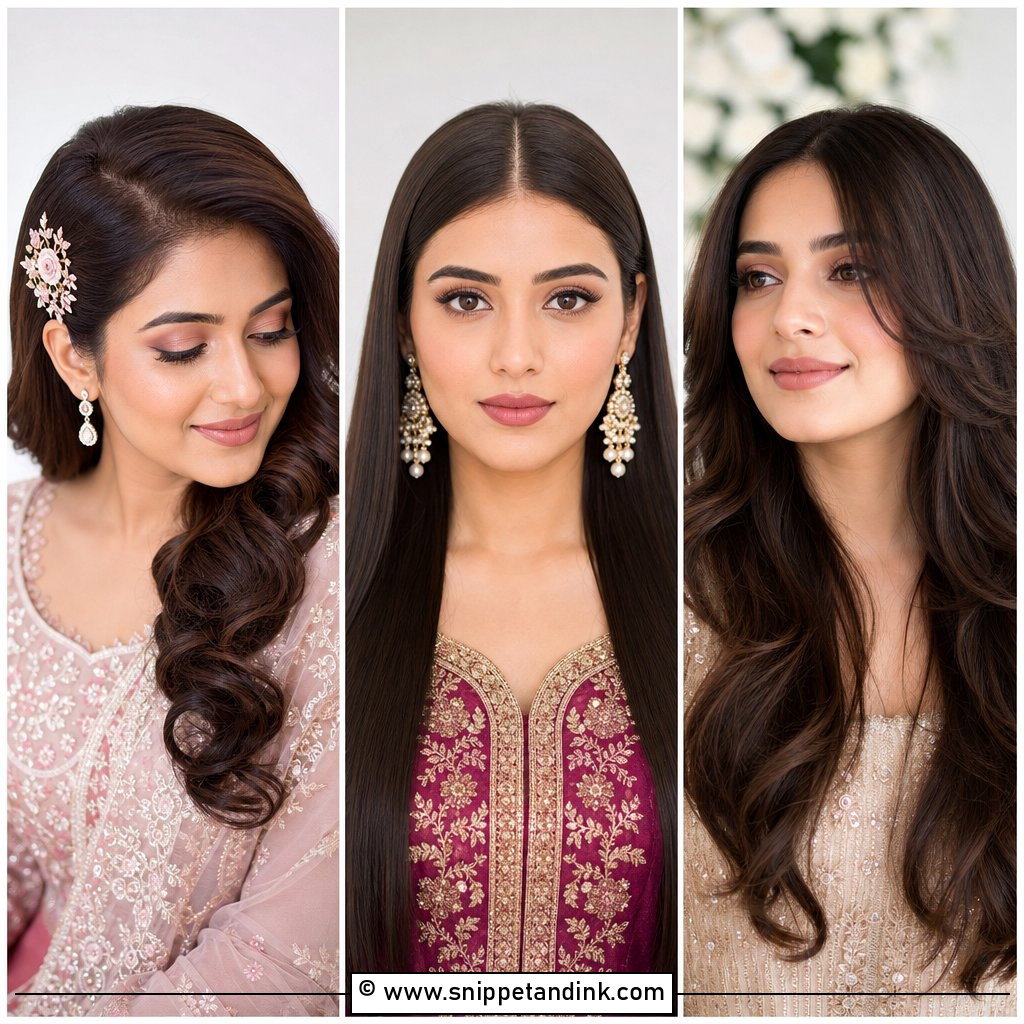
15. Half-Up Bubble Braid
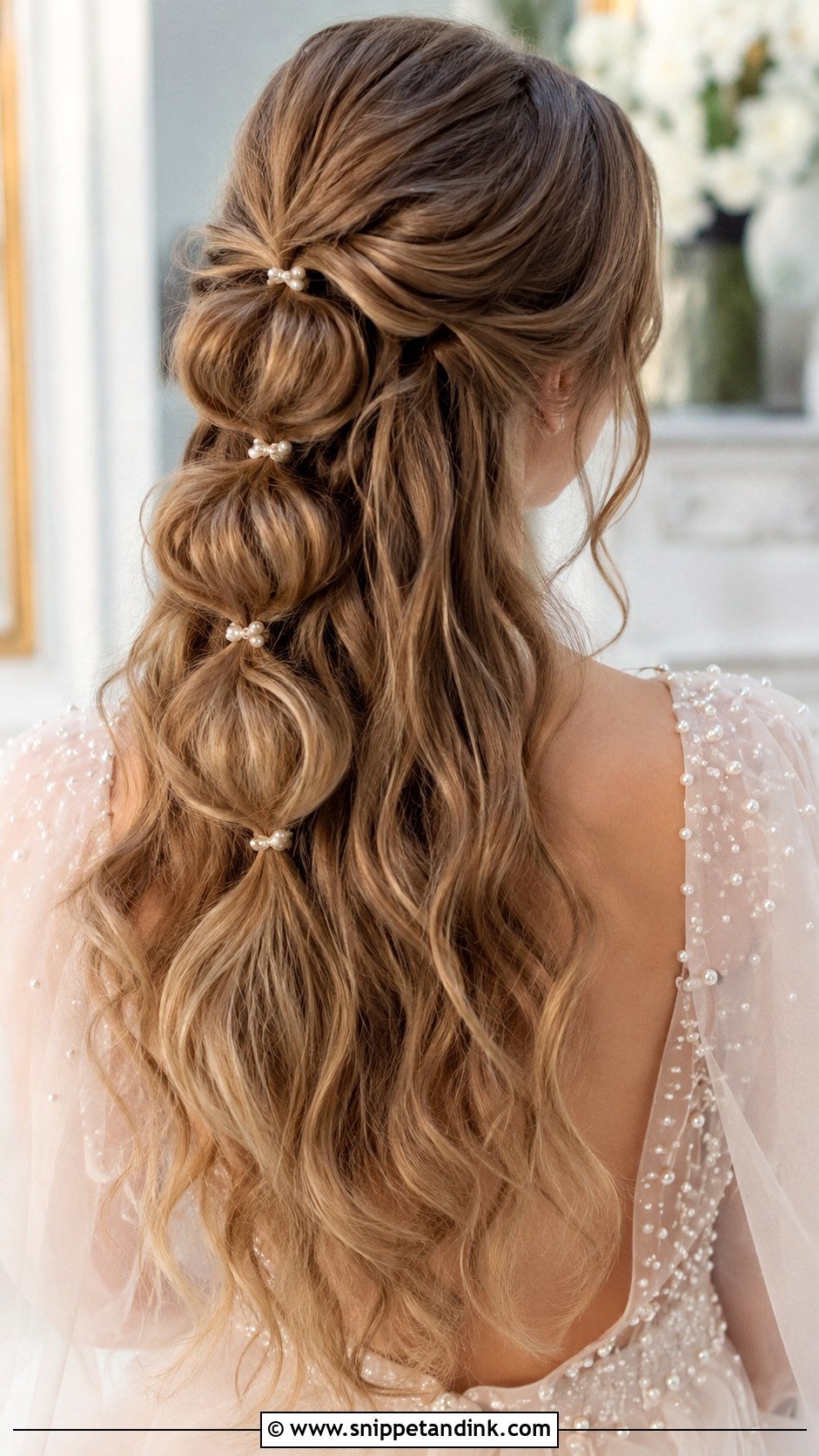
Bubble braids are made with elastics spaced every few inches down a ponytail, with each segment pulled outward into a rounded shape. I use clear elastics so they disappear and hide the top one with a strand of hair wrapped around it. Go slowly when pulling: over-stretched bubbles lose their shape the first time you lean back in a chair. Pearls or small flowers can sit between the segments. It’s a playful style, better for a relaxed or contemporary wedding than a formal ballroom.
16. Long Layered Waves With Curtain Bangs
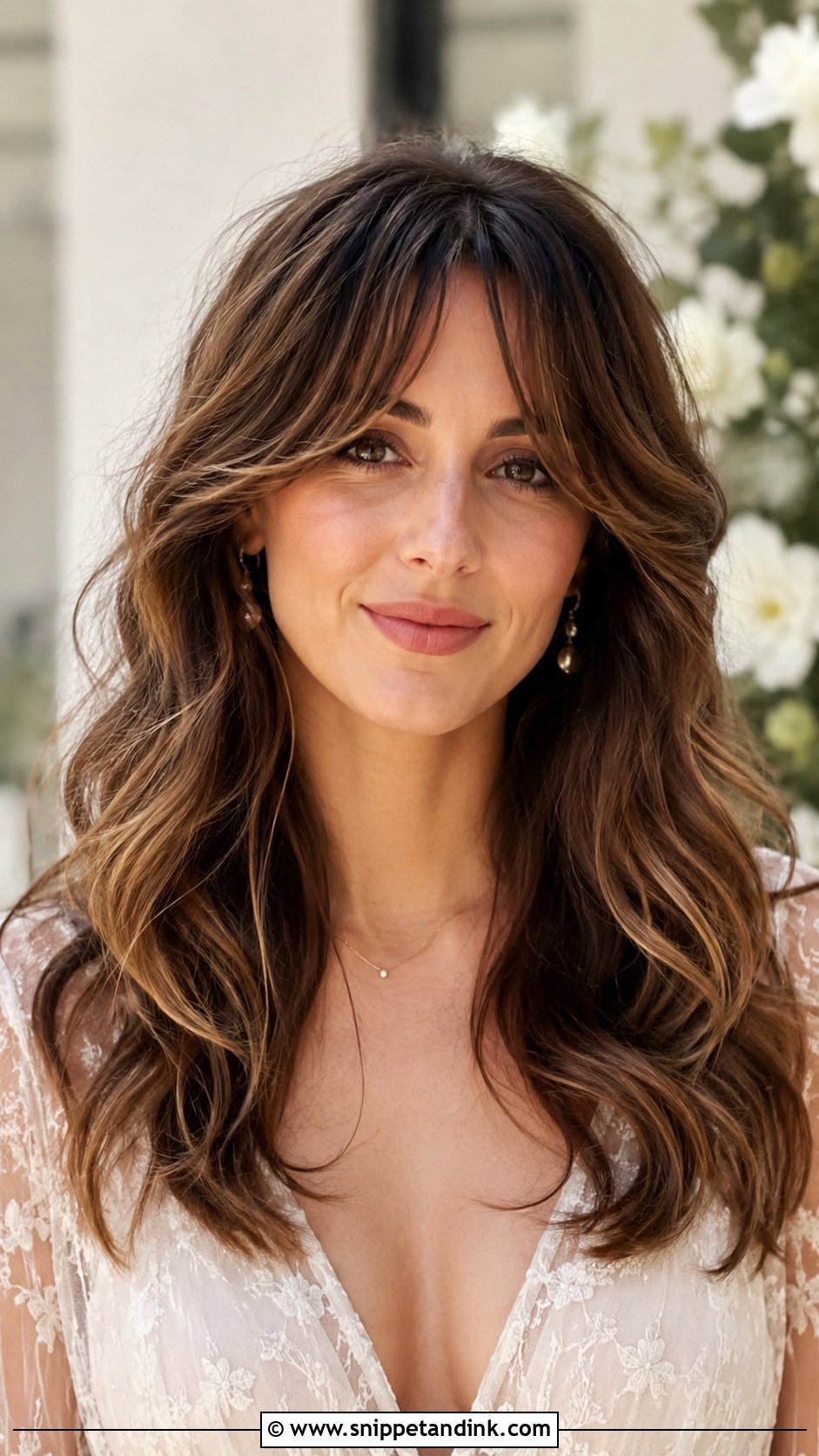
Curtain bangs should be cut at least three or four weeks before the wedding so they settle, because freshly cut bangs always sit shorter and stiffer than they’ll look later. I blow-dry them over a round brush, rolling each side away from the face, and curl the long layers so they blend into the waves. A veil sits comfortably behind them. Very fine hair can make the bangs separate into strands, so I set them with a light mousse. On the day, try not to push your hand through them; it splits the curve.
17. Half-Up Half-Down With A Veil
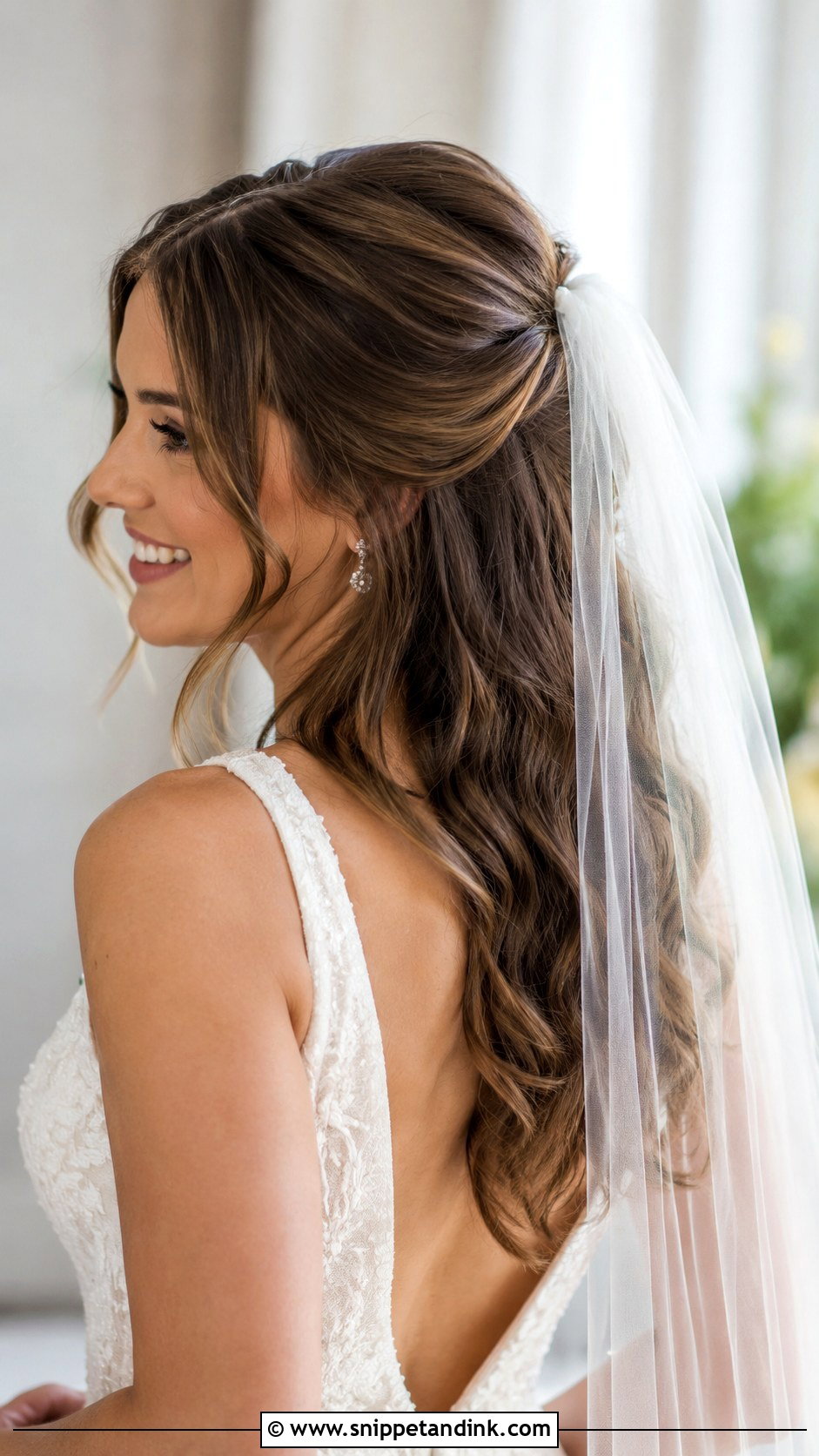
A veil and a half-up style suit each other because the pinned section gives the veil comb something firm to grip. I build a small backcombed base or a hidden braid under the pinned section and slide the comb into that, so the veil never drags the loose hair down. The lengths stay in soft waves, and a sheer veil keeps the shape visible underneath. When the veil comes off after the ceremony, the hair still looks finished, which is why I steer brides who plan to remove theirs for the reception toward this shape.
18. Soft Curls With A Crystal Hair Clip
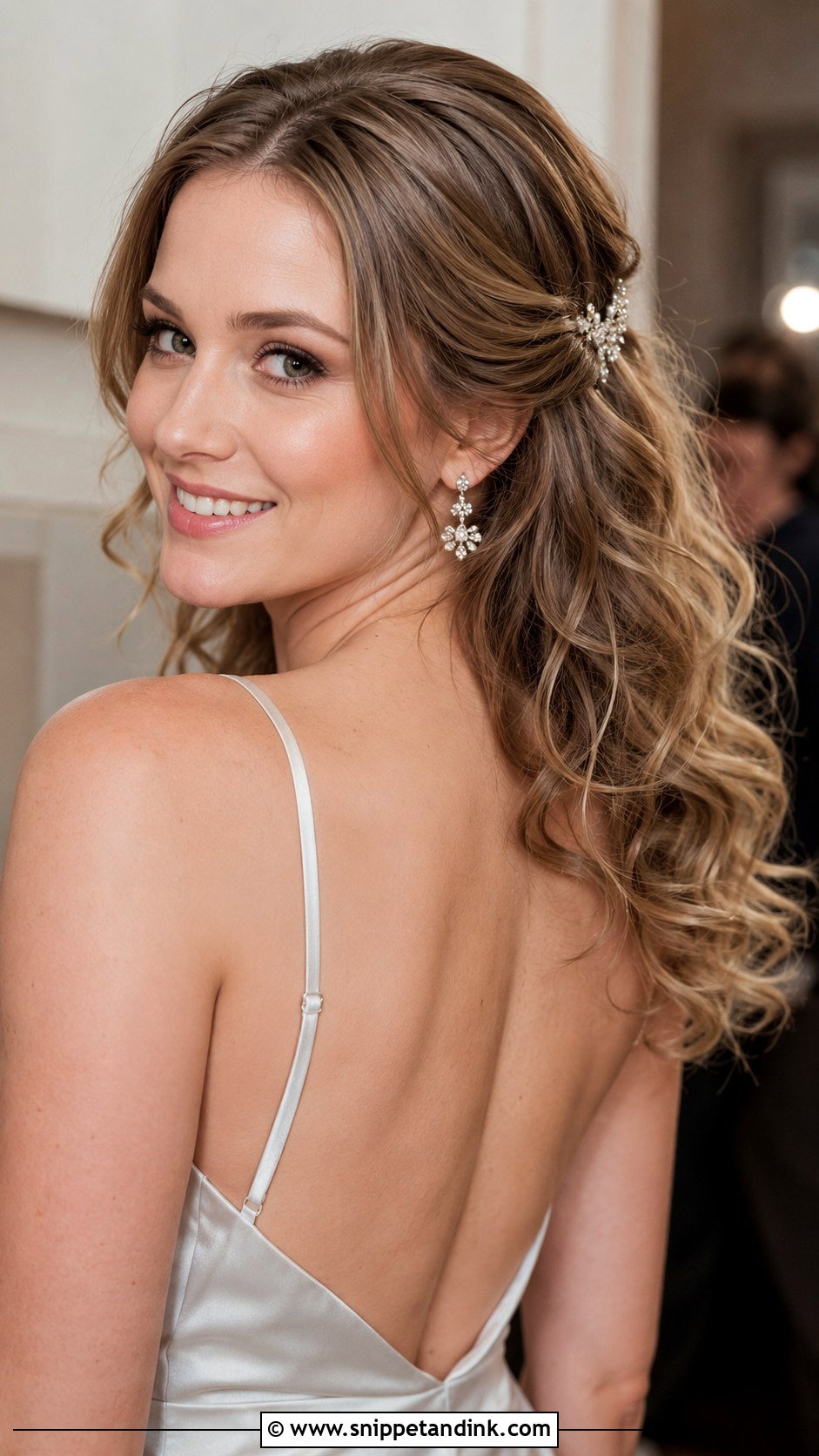
A crystal clip placed on one side pulls the hair back and becomes the focal point, so it needs to be sized to you: a small clip disappears into thick hair, while a large one can overwhelm a petite face. I secure the section with crossed bobby pins first and slide the clip over them, because a clip on its own slides out of curled hair. The curls stay loose and full, and the effect has a 1930s feel next to a satin gown. Wear the clip at your trial for a while, since heavy crystal pieces drag on fine hair.
19. Boho Waves With Baby’s Breath
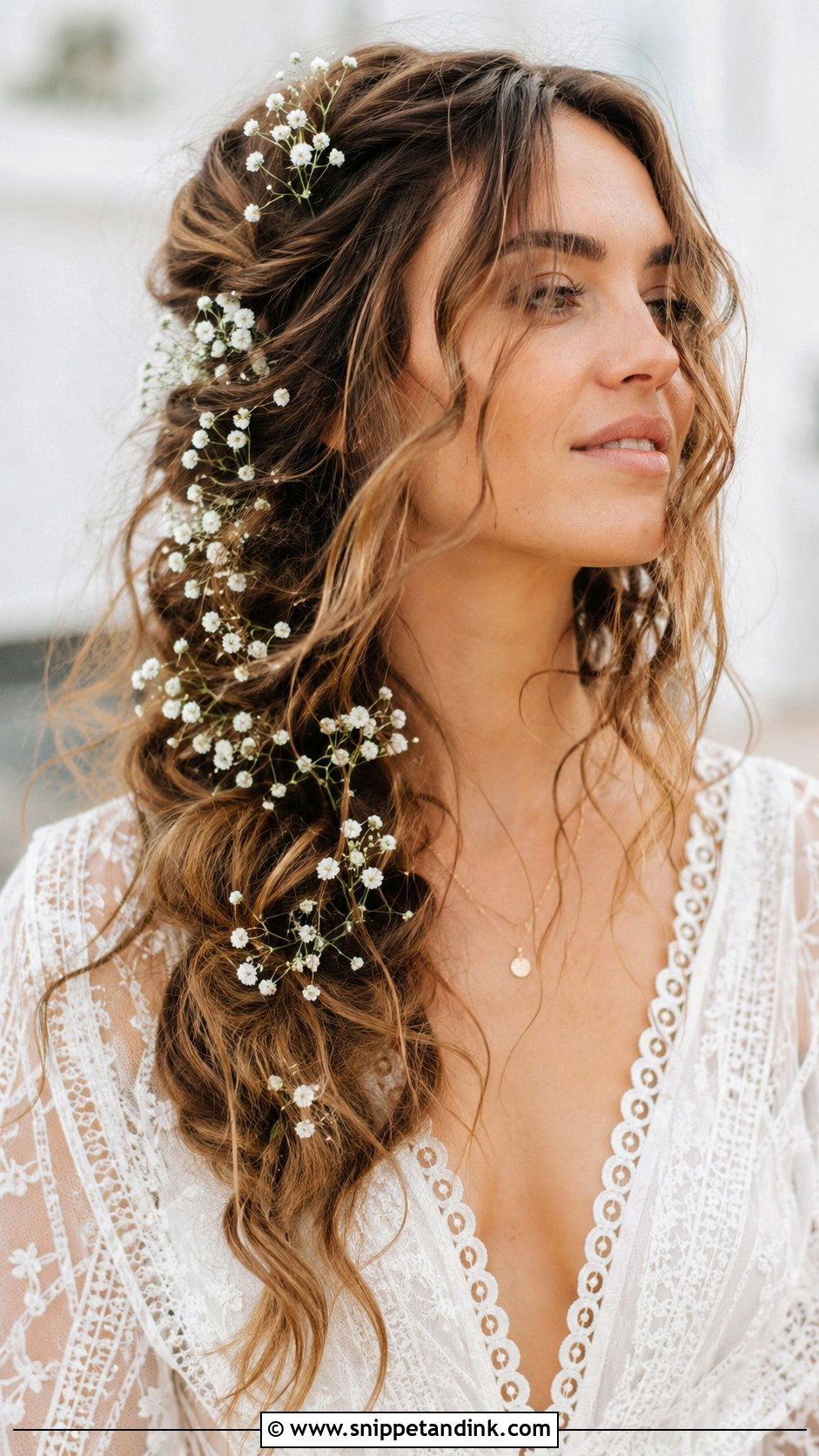
Baby’s breath is one of the hardiest flowers I put in hair, which is why I use it so often. I break it into tiny sprigs and pin each one into the waves rather than just tucking it, so the sprigs don’t fall out the first time someone hugs you. It weighs almost nothing and works at any hair length. Even when it starts to dry, it holds its shape, so the sprigs still look fresh in late-evening photos. It’s an easy fit for an outdoor or bohemian wedding.
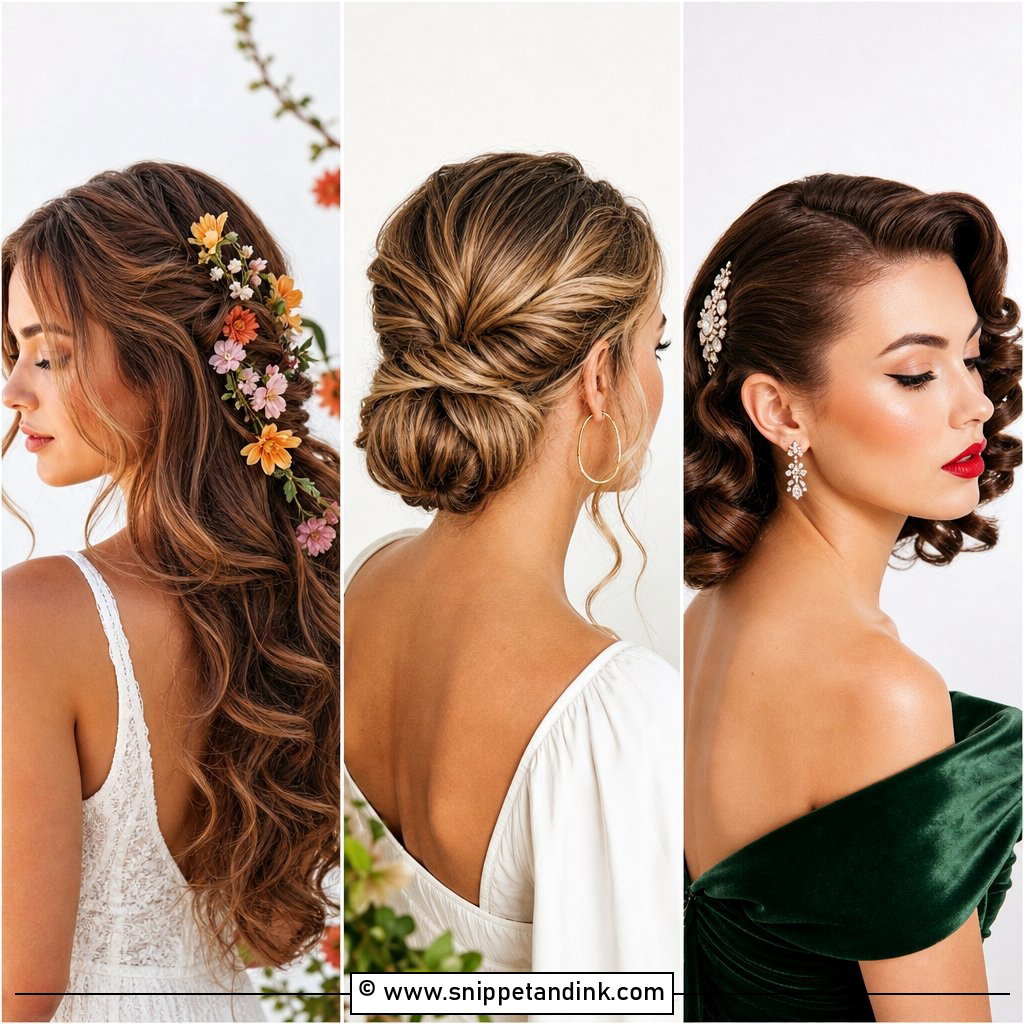
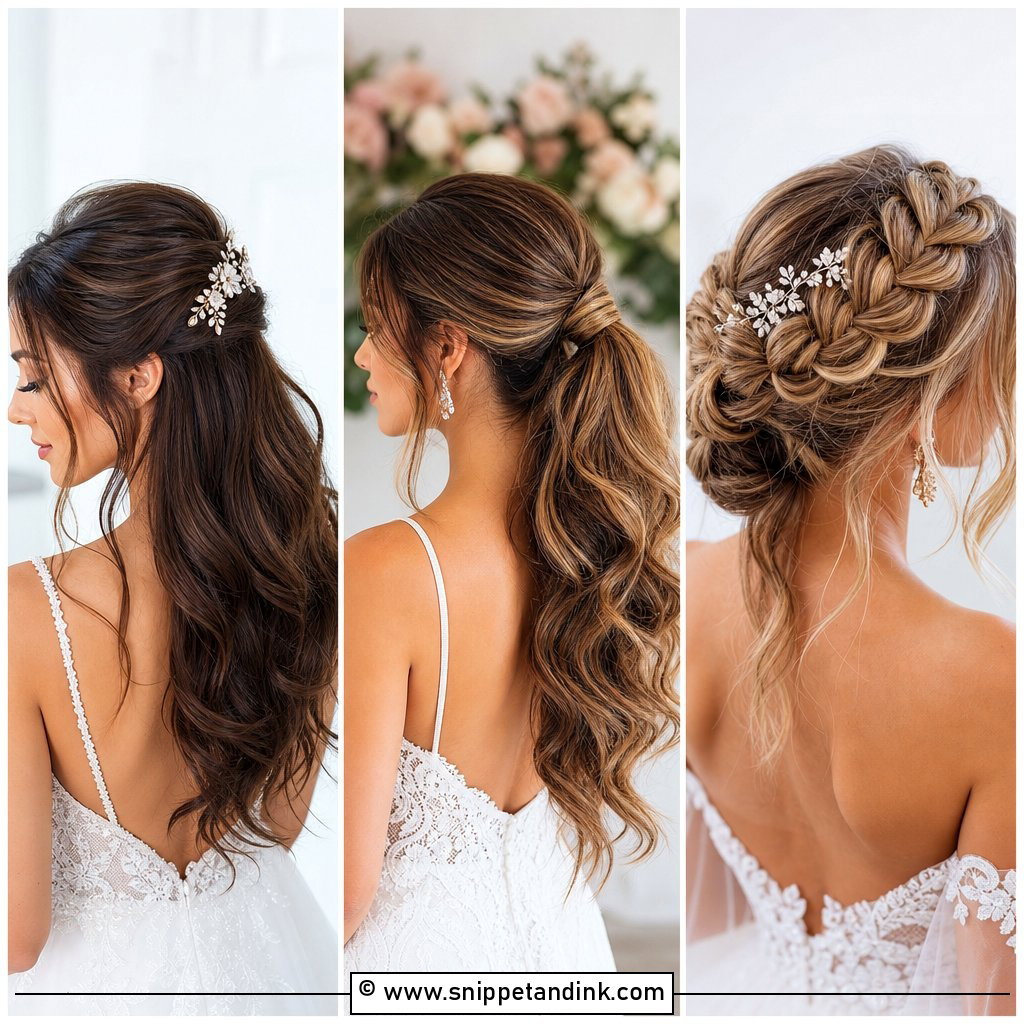
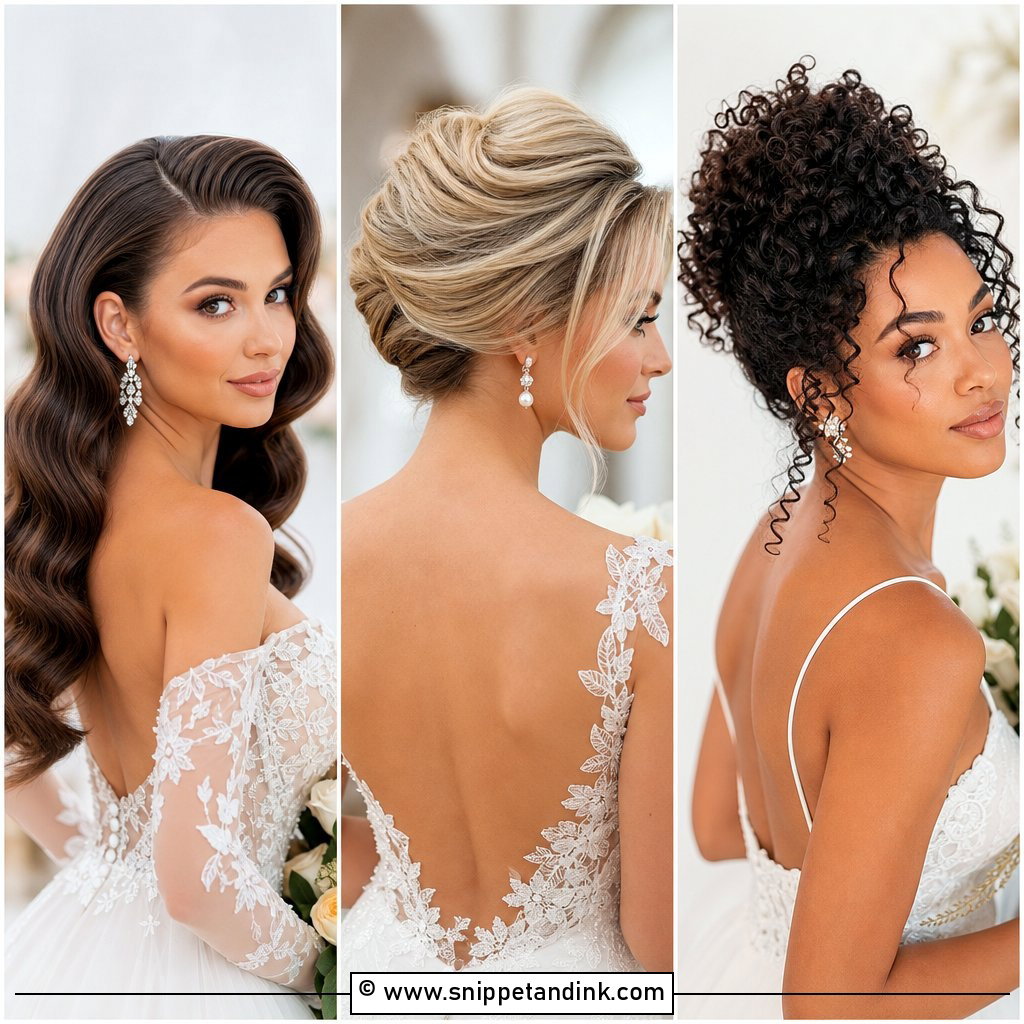
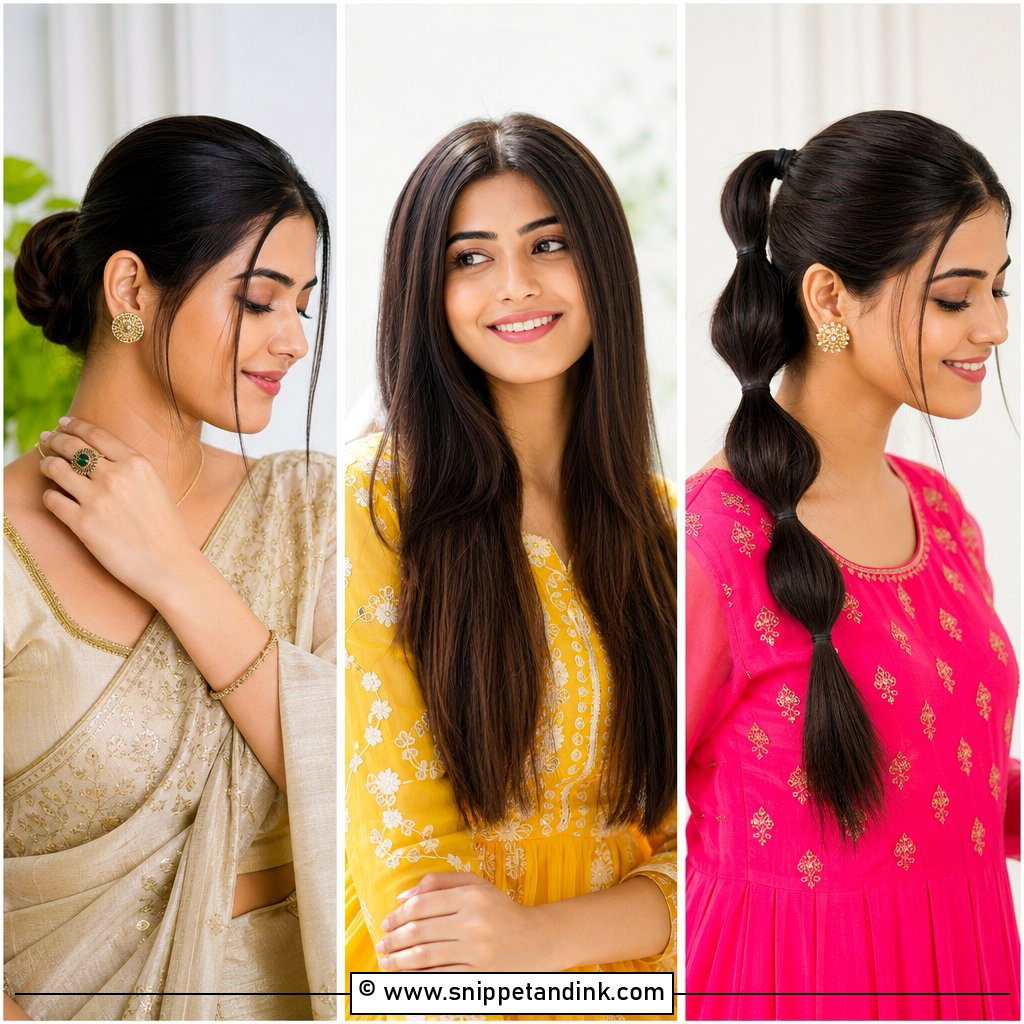
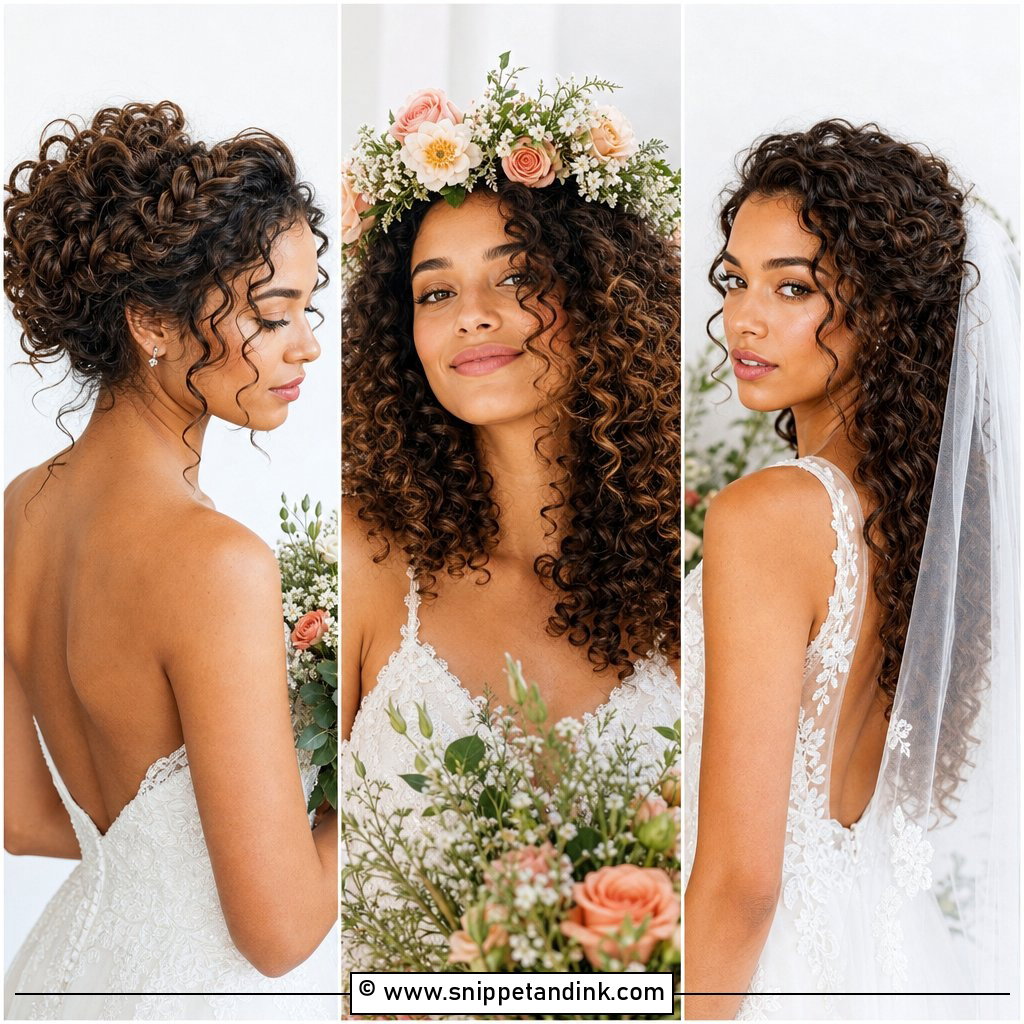
20. Half-Up Fishtail Braid
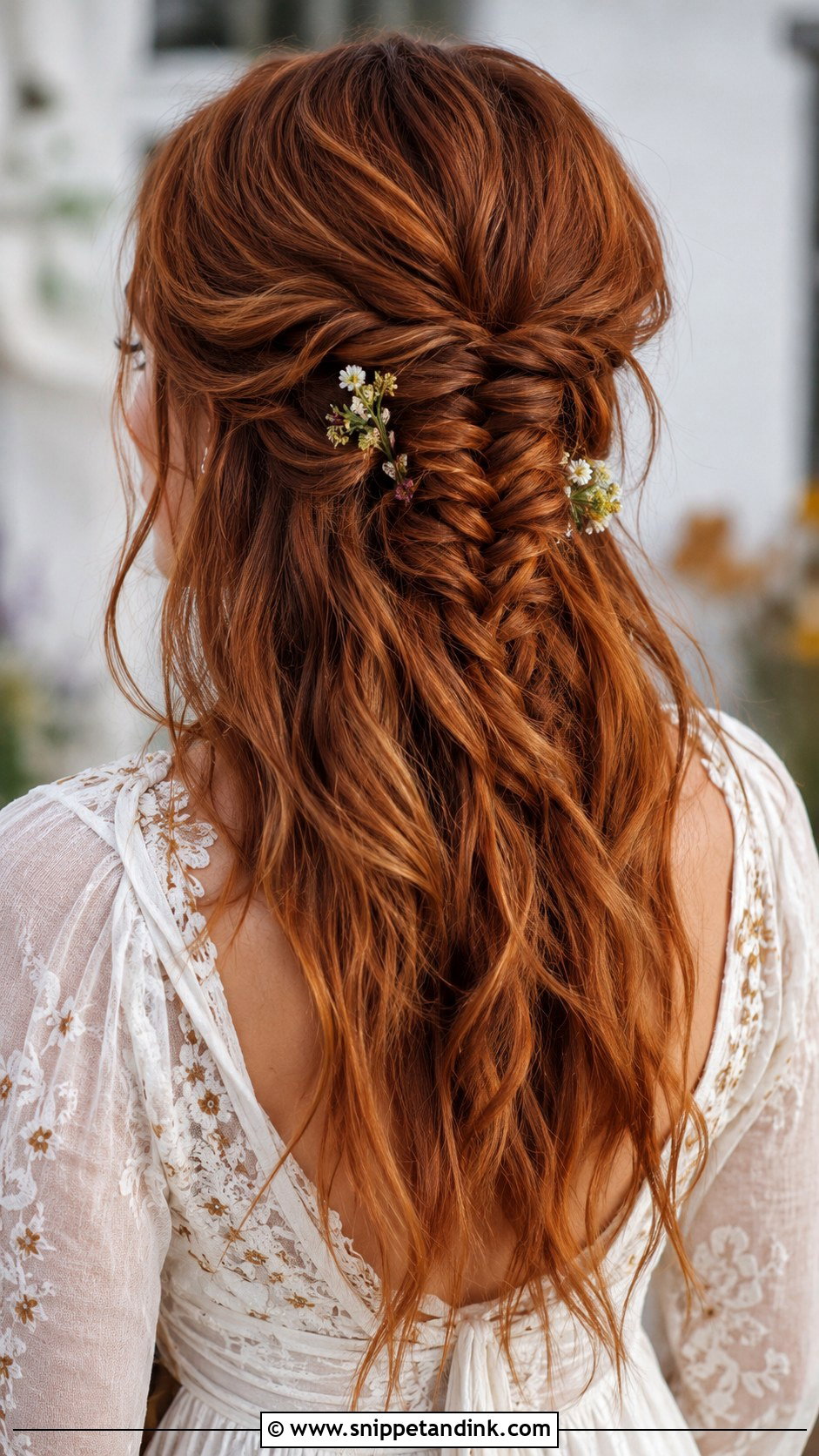
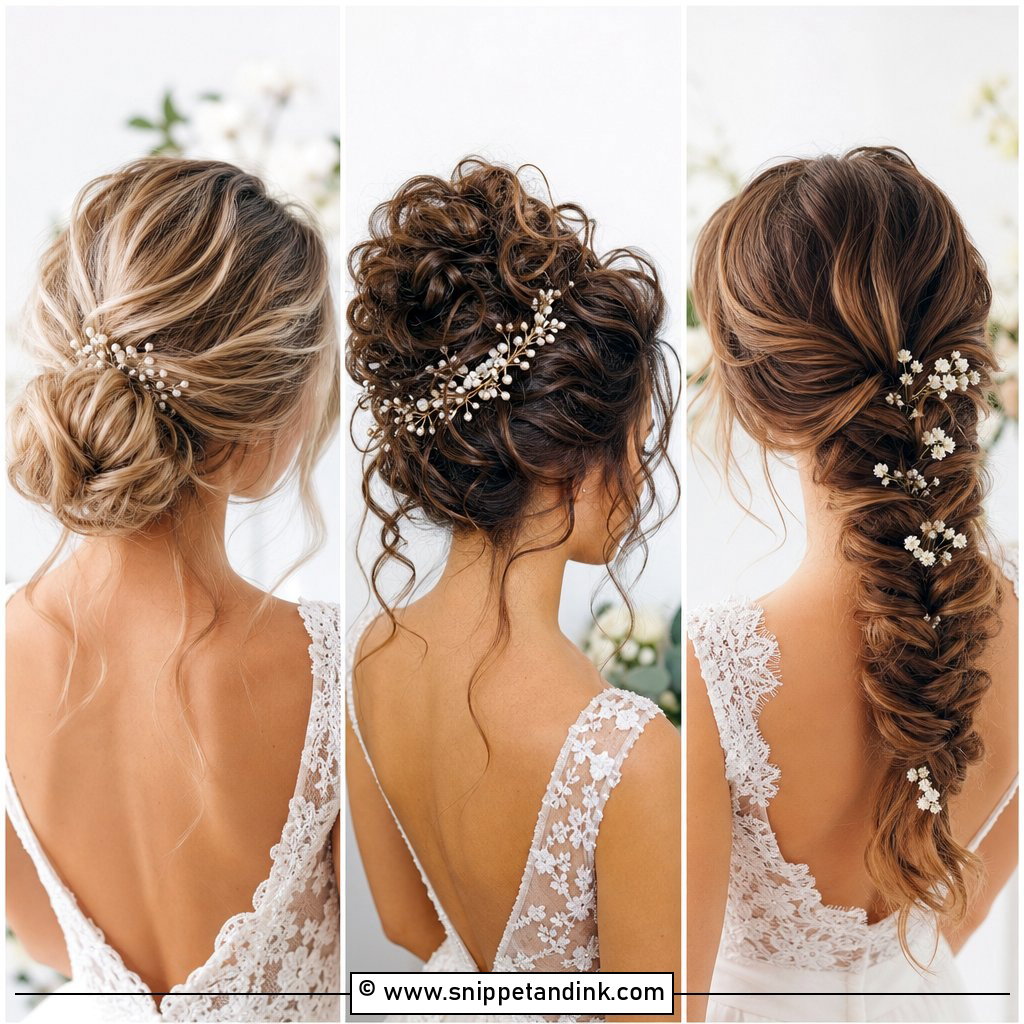
A fishtail is finer than a three-strand braid, so it looks best on medium or thick hair; on very fine hair it can look thin unless a weft is added underneath. I braid the top section, secure it with a clear elastic, then gently pull the outer pieces to widen the pattern. The bottom half falls in soft waves or your natural texture. The detail shows up well from behind, which matters more than people expect, because during the ceremony your guests mostly see the back of your head. Small flowers or pearls can be threaded in for a rustic or boho wedding.
21. Glossy Blowout With Bouncy Ends
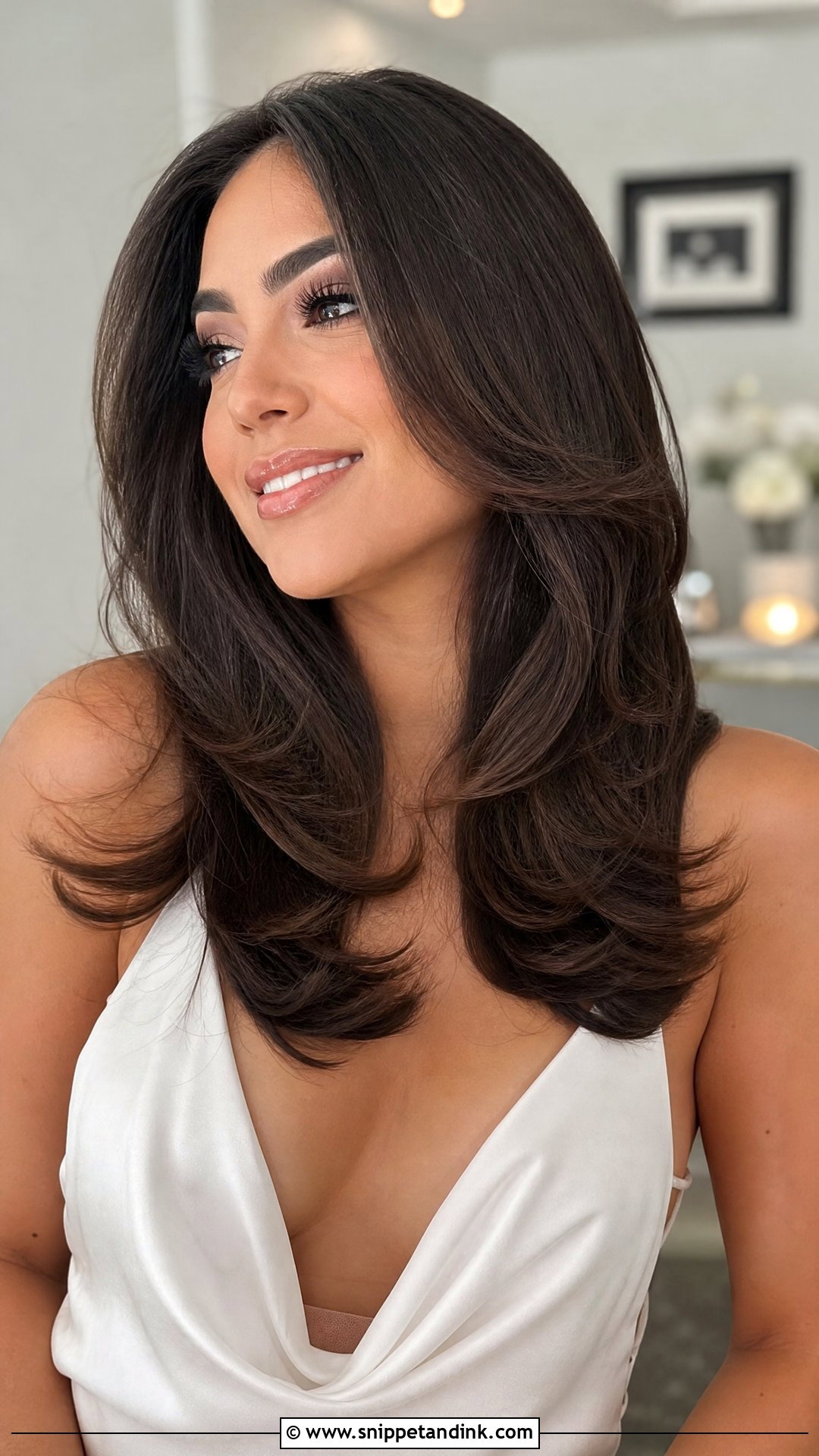
A blowout gives volume without curls, and it’s the look I suggest when a bride wants her hair to look like her own, just better. Glossy blowout hair relies on a round brush and a hot dryer, with each section set in a Velcro roller to cool. That cooling step is what keeps the bounce in the curved ends. Medium to long hair with body suits it best. Humidity flattens a blowout quickly, so I’d keep this one for indoor or dry-climate weddings.
22. Loose Waves With A Tiara
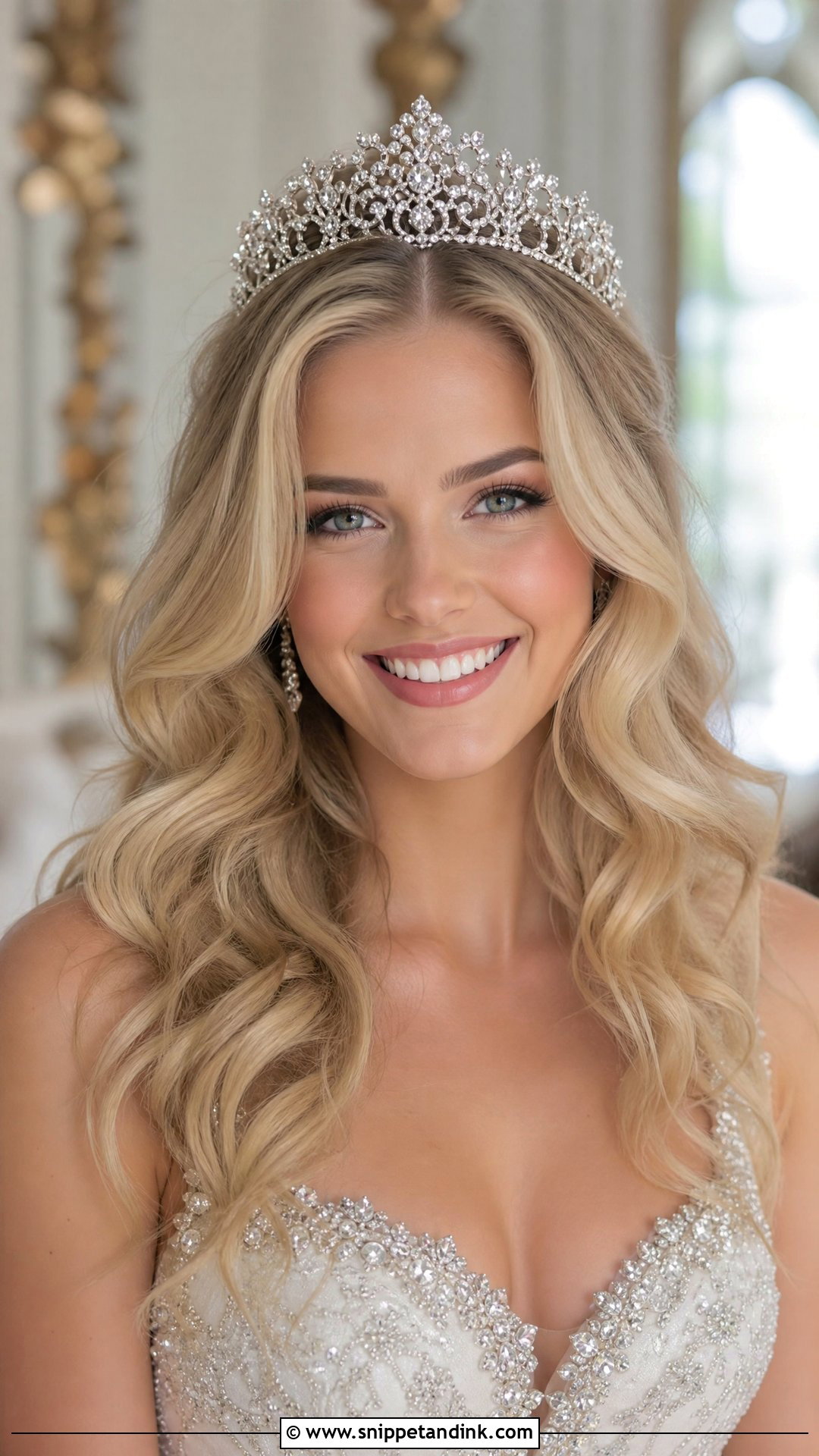
A tiara needs a foundation to sit on, or it slides backward by the time you reach the reception. I backcomb a small section at the crown, smooth it over and pin the tiara’s combs and loops into that base before letting loose waves fall from underneath. Sitting the tiara slightly forward of the crown adds height and frames the face. It belongs with a ballgown and a traditional ceremony. Heavy tiaras can leave a headache by evening, so wear yours for at least an hour at your trial.
23. Half-Up Twisted Knot
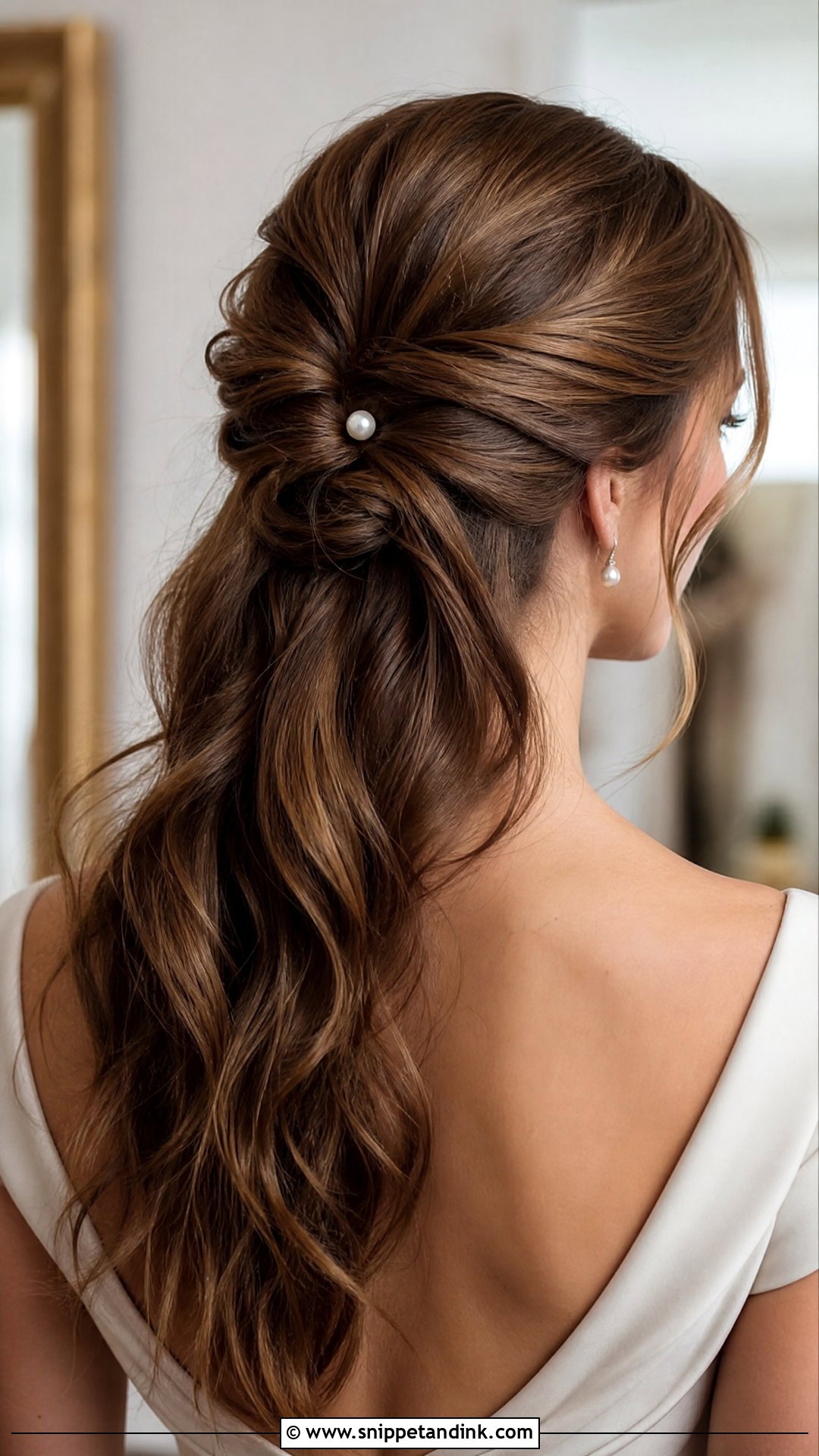
For a half-up twisted knot, I take the top section, split it in two, twist both strands the same way, then wrap them around each other and pin. A tight twist makes the knot sleek; a loose one gives a softer shape. Either way it holds the front pieces back and gives you a place to tuck a pearl pin. Layered hair is the catch, since shorter layers pop out of the knot, so I mist them with a little hairspray before twisting. Medium to long hair with some movement wears it best.
24. Tousled Waves With A Middle Part
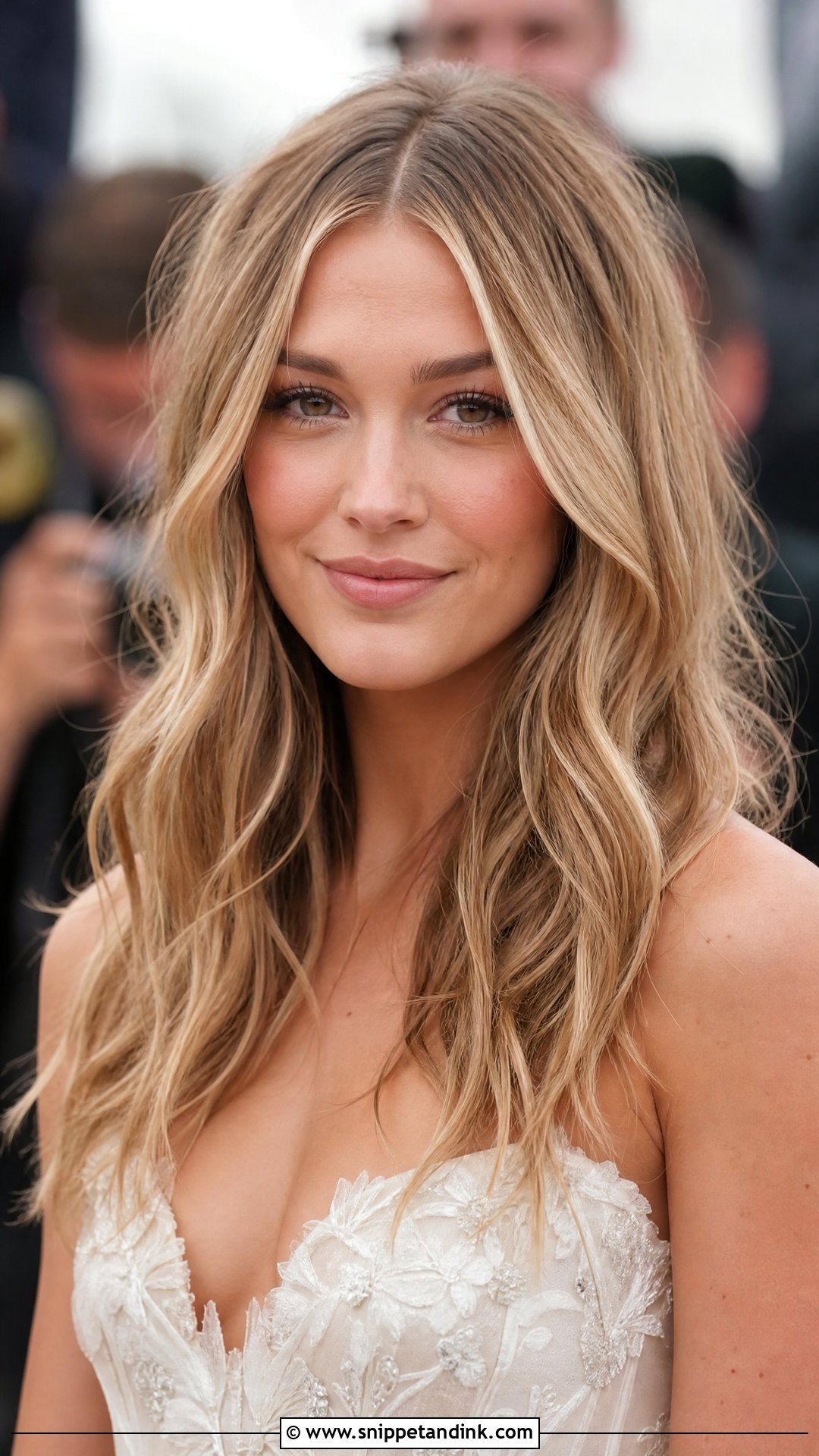
Tousled waves from a middle part are what most brides mean when they ask for natural hair. I make them with a flat iron rather than a curling wand, twisting it as I pull it through so the hair bends instead of coiling, then break the waves up with my fingers and texture spray. Nothing is pinned, which makes this the most comfortable style on the list to wear for ten hours. It suits a boho or contemporary wedding and works at most lengths, though very short hair shows the bend more strongly.
25. Loose Curls With A Pearl Hair Vine
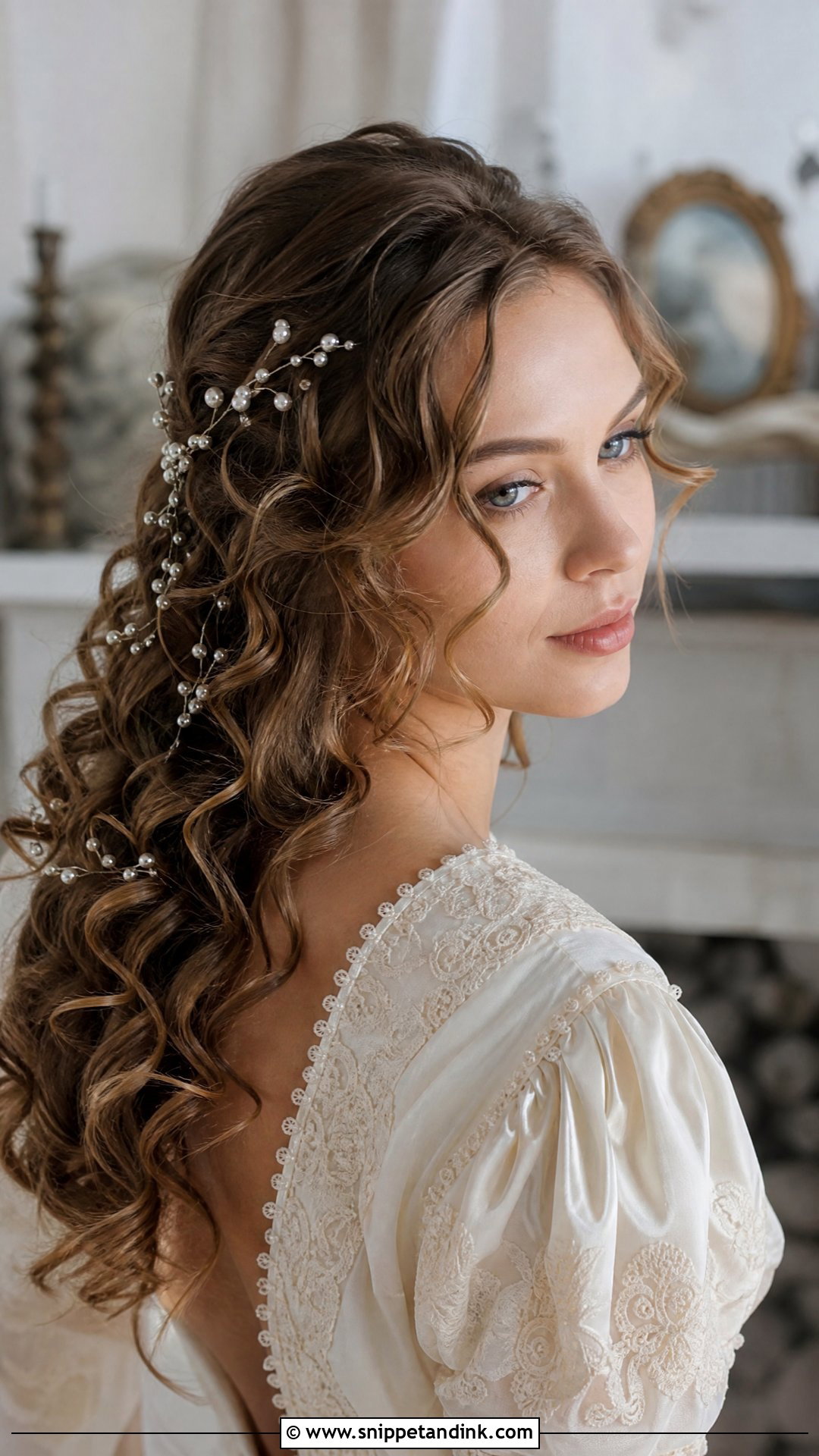
A pearl hair vine is a flexible wire strung with pearls, and the wire is its advantage: I can bend it to follow the curve of a curl or run it along one side section. I weave the ends through bobby pins hidden in the hair so it never shifts. It catches light as you move and suits classic and vintage-inspired gowns on long or medium hair. Check the vine’s length before buying. A short one may not reach from your crown to behind your ear.
26. Half-Up Waterfall Braid
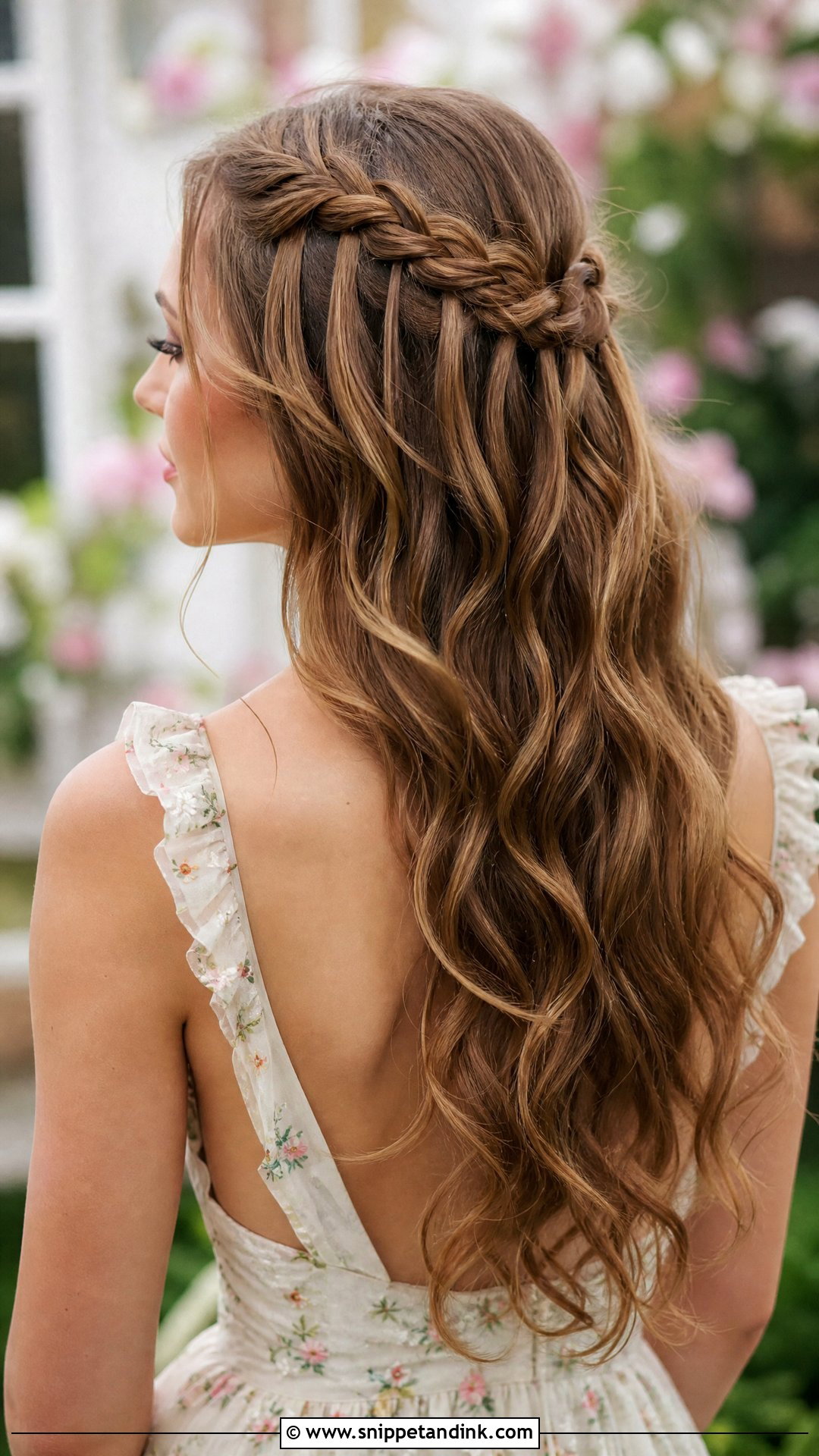
A waterfall braid drops a strand at every crossing, which is what makes the cascade, and it’s much harder to do on yourself than it looks. I braid across the head from one temple to the other, letting a strand hang at each pass and picking up a new one, then curl the dropped strands so they blend into the lengths. Hair with some natural wave shows the pattern best. Fine hair loses definition, and very layered hair lets short pieces escape. Tiny flowers along the braid suit a garden theme.
27. Sleek Low Side-Swept Waves
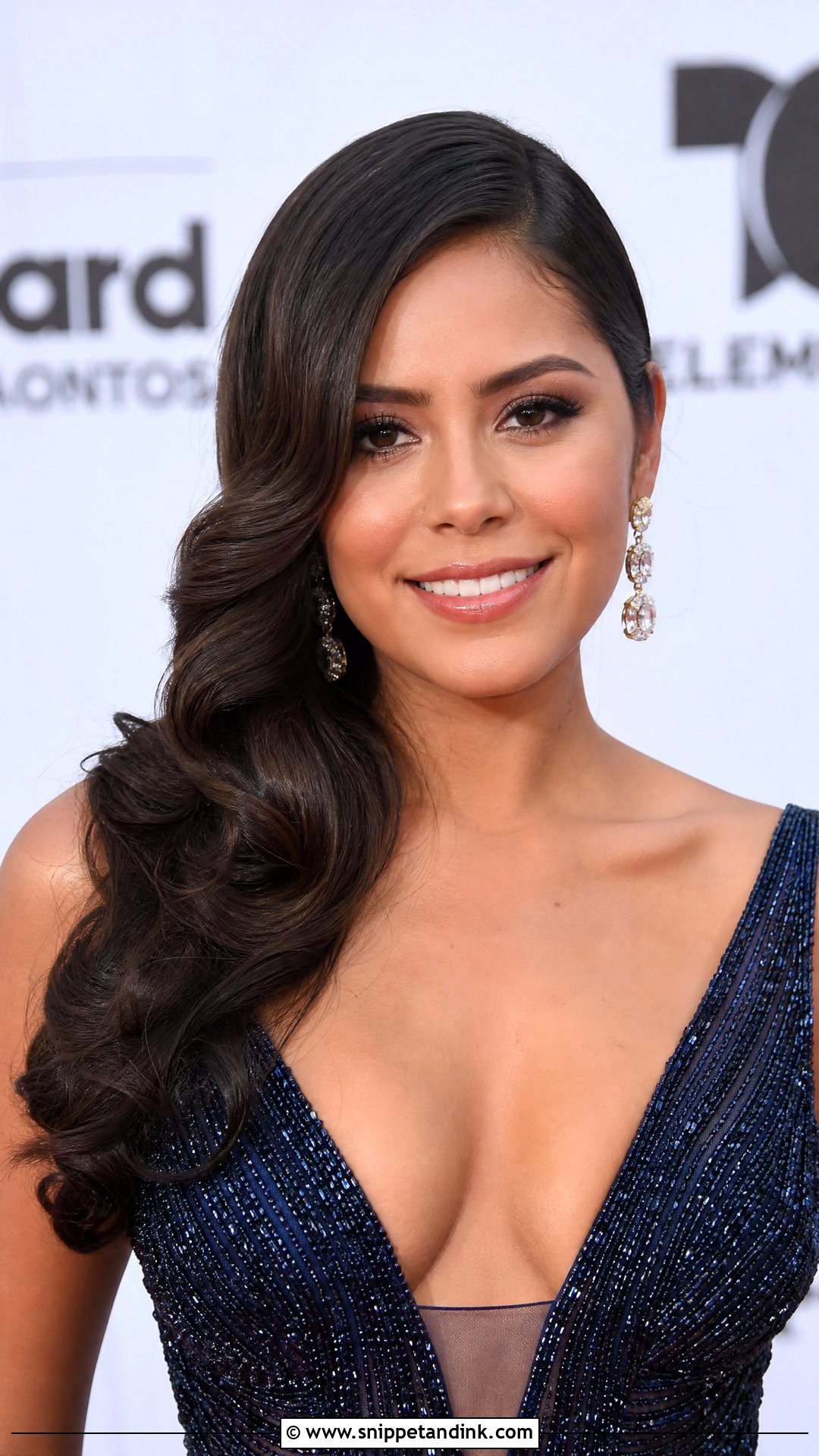
Sleek side-swept waves aren’t the same as curls swept to one side. Here the waves are smoothed into one glossy shape, closer to a red carpet finish. I curl every section the same way with a curling iron, brush them out, sweep everything over one shoulder and pin firmly behind the ear. Long, thick hair with body holds the shape. The bare side shows your neckline and a statement earring, so it pairs well with a fitted gown.
28. Boho Half-Up With Loose Braids And Waves
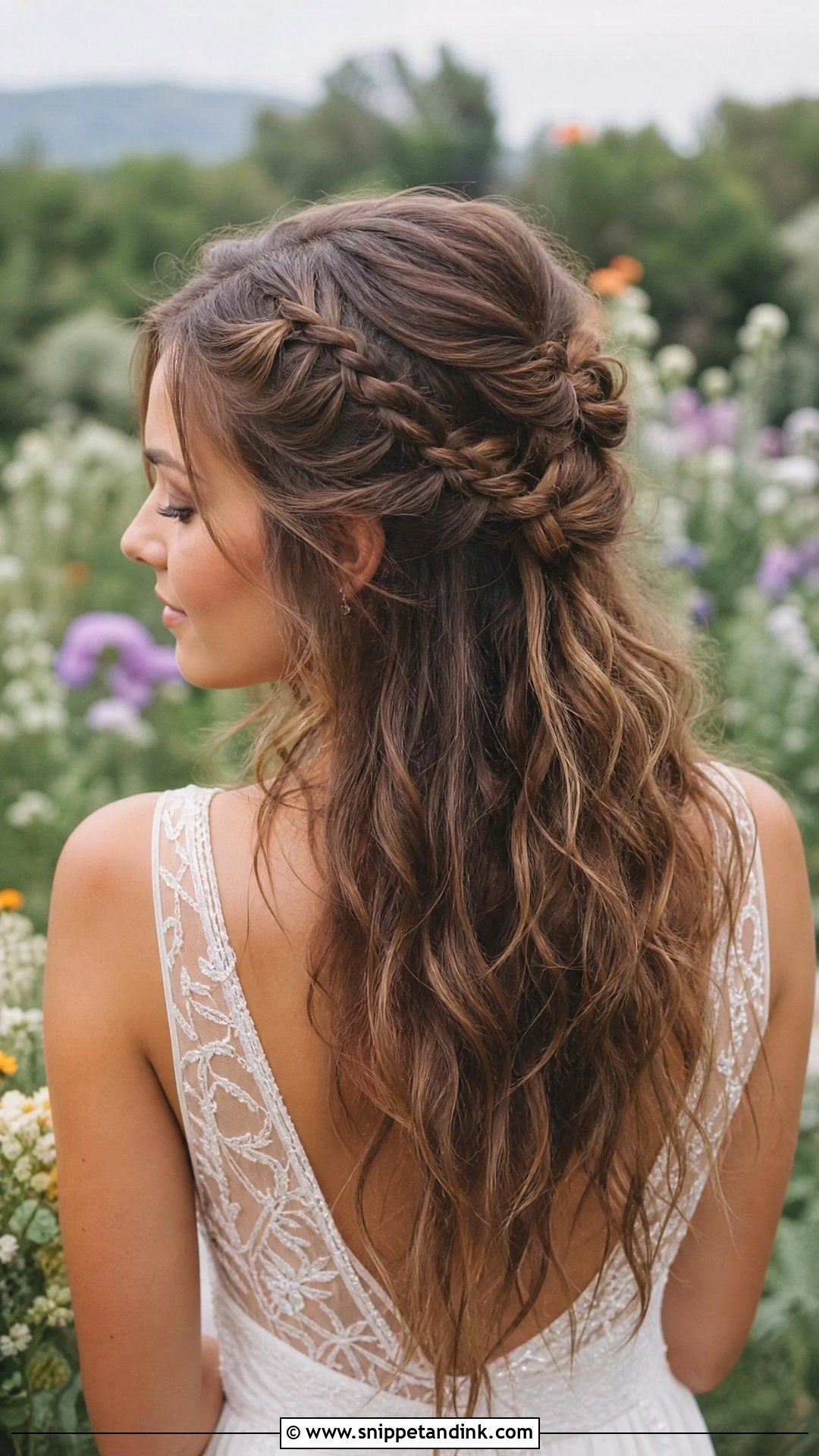
Loose braids gathered at the back make a relaxed half-up shape that suits a boho bridal look. I braid two sections from the temples, pull them apart for an undone texture and pin them where they meet, letting the bottom half fall in soft beachy waves. Because the braids are loose, they relax as the day goes on, so I pin each one in two places, not one. Wildflowers or small pins can be tucked in for an outdoor or garden wedding.
29. Long Flowing Waves With A Deep Part
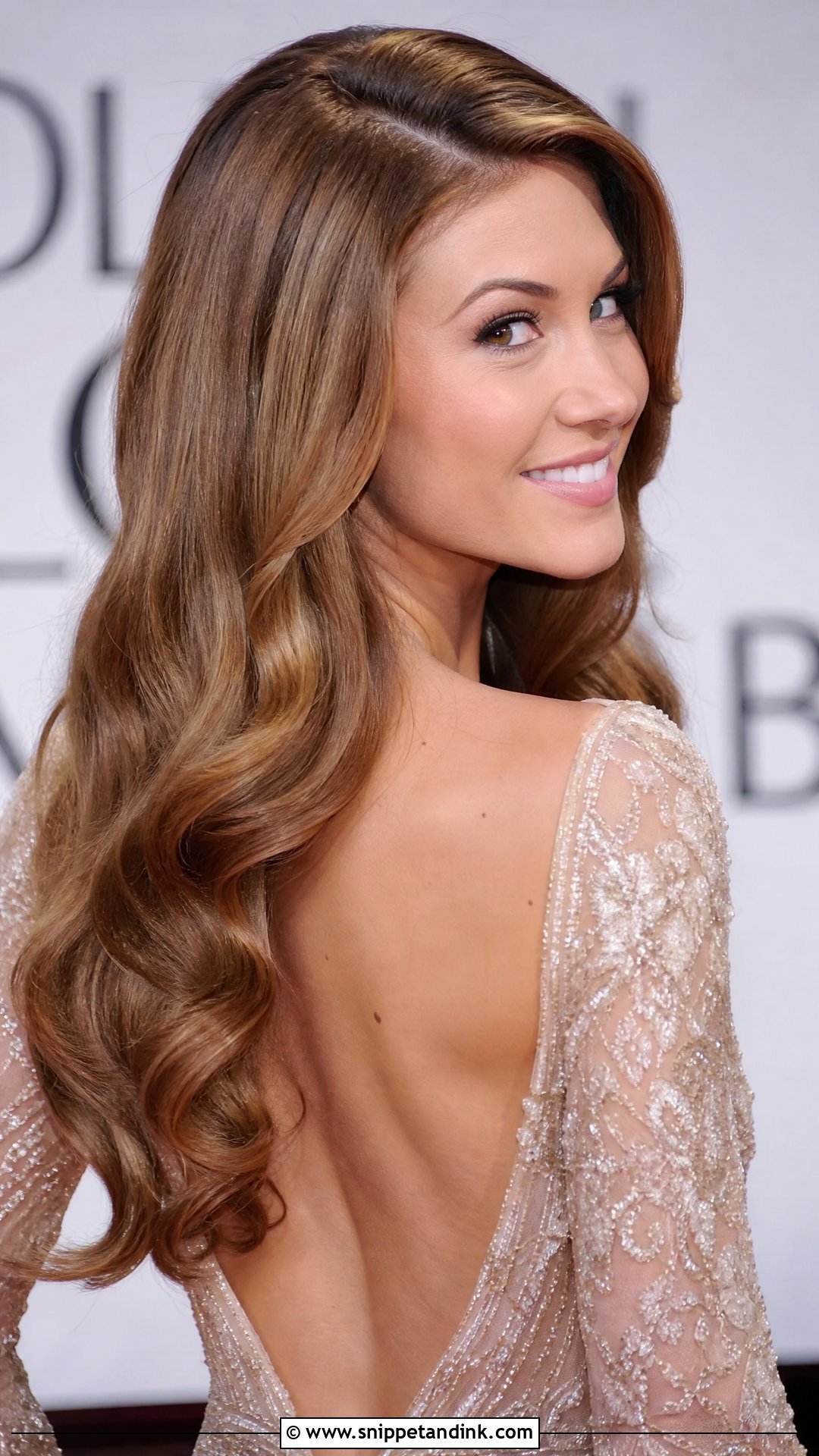
Long waves with a deep part are about as simple as down hair gets, and simple styles show everything, so the hair needs to be in good condition. I’d book a trim around two weeks before the wedding. A large wand gives loose waves down the back, shine spray gives gloss, and the deep part adds volume at the front. The waves will relax across the day, and that’s fine. By evening they look softer, which many brides end up liking more than the morning version.
30. Half-Up Half-Down With Pearl Accents
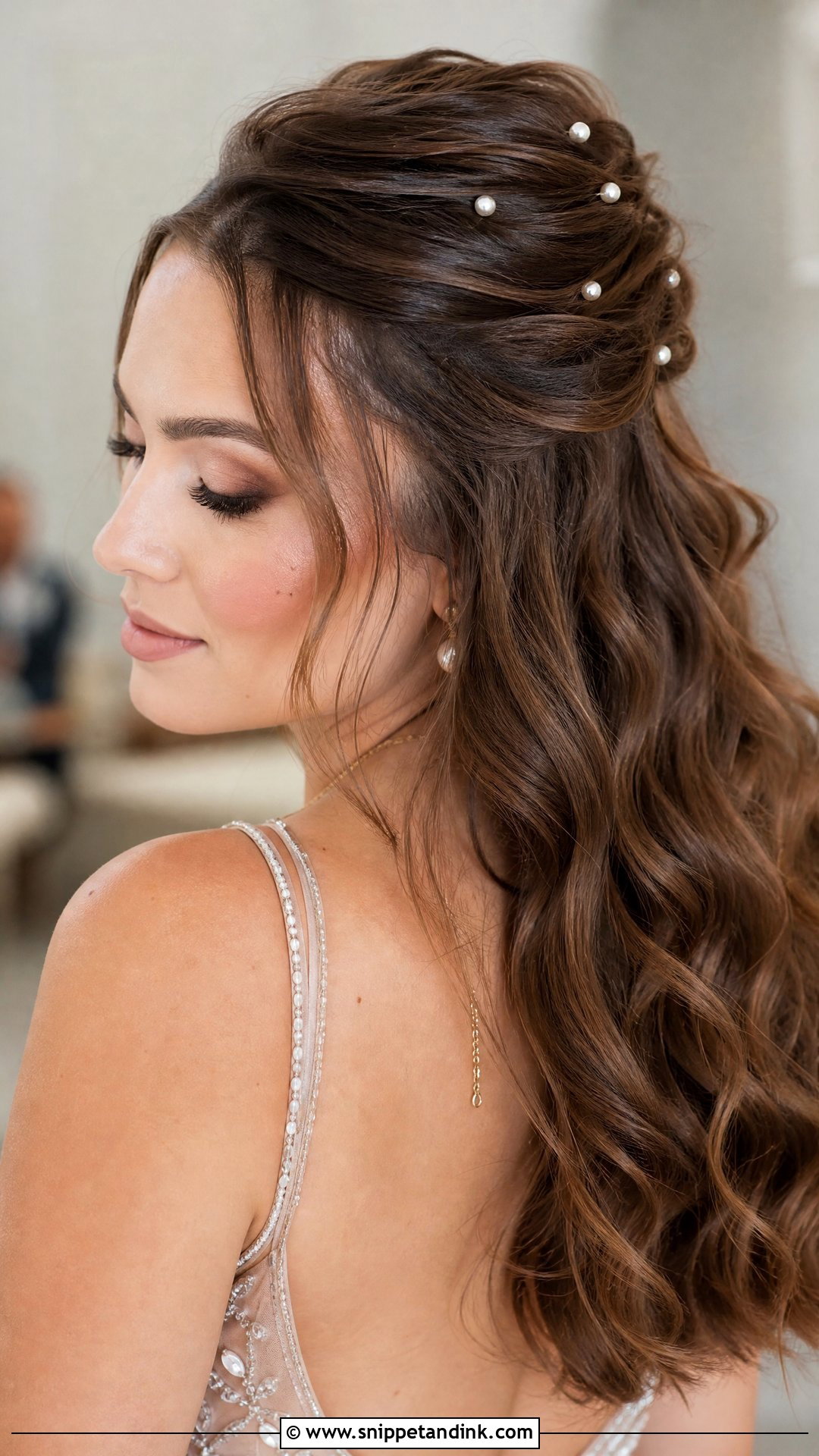
For pearls in a half-up section, I secure the top with crossed pins and push the pearl pins through the twisted base so they have something firm to hold. They go across the pinned section, never into the loose lengths, where they’d slide out. The half-up shape keeps hair off your face, and the waves below stay soft. Medium to long hair works best, and it sits well with a classic gown and fine jewelry.
Lace Backs, Veils and Hugs: What Loose Hair Runs Into on the Day
Hair worn down touches everything, and that brings problems an updo never has. Most are easy to prevent if you plan for them at your trial.
Beading and lace catch hair
Beaded bodices, lace backs and crystal straps snag the ends of loose curls, especially when you hug people or sit back in a chair. Bring the dress, or at least a photo of its back, to your trial. If it’s heavily beaded, a half-up style or curls swept to one shoulder keep most hair off the detail. A little serum on the ends also helps them slide instead of catching.
The veil comb needs somewhere to grip
A comb pushed into loose curled hair slides straight out under the weight of the veil. I make a hidden anchor first, either a row of crossed bobby pins or a small braid, and push the comb in under it. Removing the veil then takes seconds and doesn’t wreck the curls around it.
A small touch-up kit
Give your maid of honor a few bobby pins, a small travel hairspray and a fine-tooth comb. If your venue is humid or outdoors, add an anti-frizz cream for the ends. A curl that has dropped by the speeches can be twisted around a finger and held for a minute, and that’s usually all it needs.
Taking Your Shortlist to the Trial
Wearing your hair down is the most personal choice of the wedding morning, because it shows your real texture and length. The right style depends on your dress, your venue and how well your hair holds a curl. Take two or three photos from this list to your trial, along with a picture of your dress from the back, and ask your stylist which ones your hair will actually hold. That conversation will tell you more than any picture.
You'll Like These Ideas:




Leave a Reply