
A short free gown is the dress I reach for when a client wants to look finished without anything pressing on the waist or hips. The cut skims the body instead of gripping it, so the fabric does most of the work: Ankara holds a crisp outline, chiffon floats, crepe drapes close, and adire or a floral fabric, or plain material each change the mood of the same pattern. Below are thirty versions I would actually send someone out in, from errand-day shift dresses to satin pieces for an evening party, with notes on where each one goes wrong and how a tailor can fix it.

Telling Your Tailor How Free Is Too Free
Most free gowns that look shapeless failed at the measuring stage, not the design stage. When I brief a tailor, I give three numbers: bust, hip and the length I want the hem to land, measured from the shoulder point while the client stands in the shoes she plans to wear. Then I say how much ease I want, which is the extra room beyond the body measurement.
- Ask for the shoulder and armhole to be fitted closely even though the body is loose. A free gown hangs from the shoulders, so if those slip, everything below looks sloppy.
- Agree on the width at the hem before cutting. Too much flare in stiff Ankara makes the gown stand away like a lampshade.
- Request a fitting with the lining in place, since a lining changes how chiffon, lace and organza fall.
- Sit down and lift your arms at the fitting. A short hem that looks fine standing can rise well above the knee once you sit.
If you are buying ready-made, the shoulder is the one area you cannot easily alter, so choose the size that fits the shoulders and have the length taken up.
1. Short Ankara Free Gown With Flat Sandals
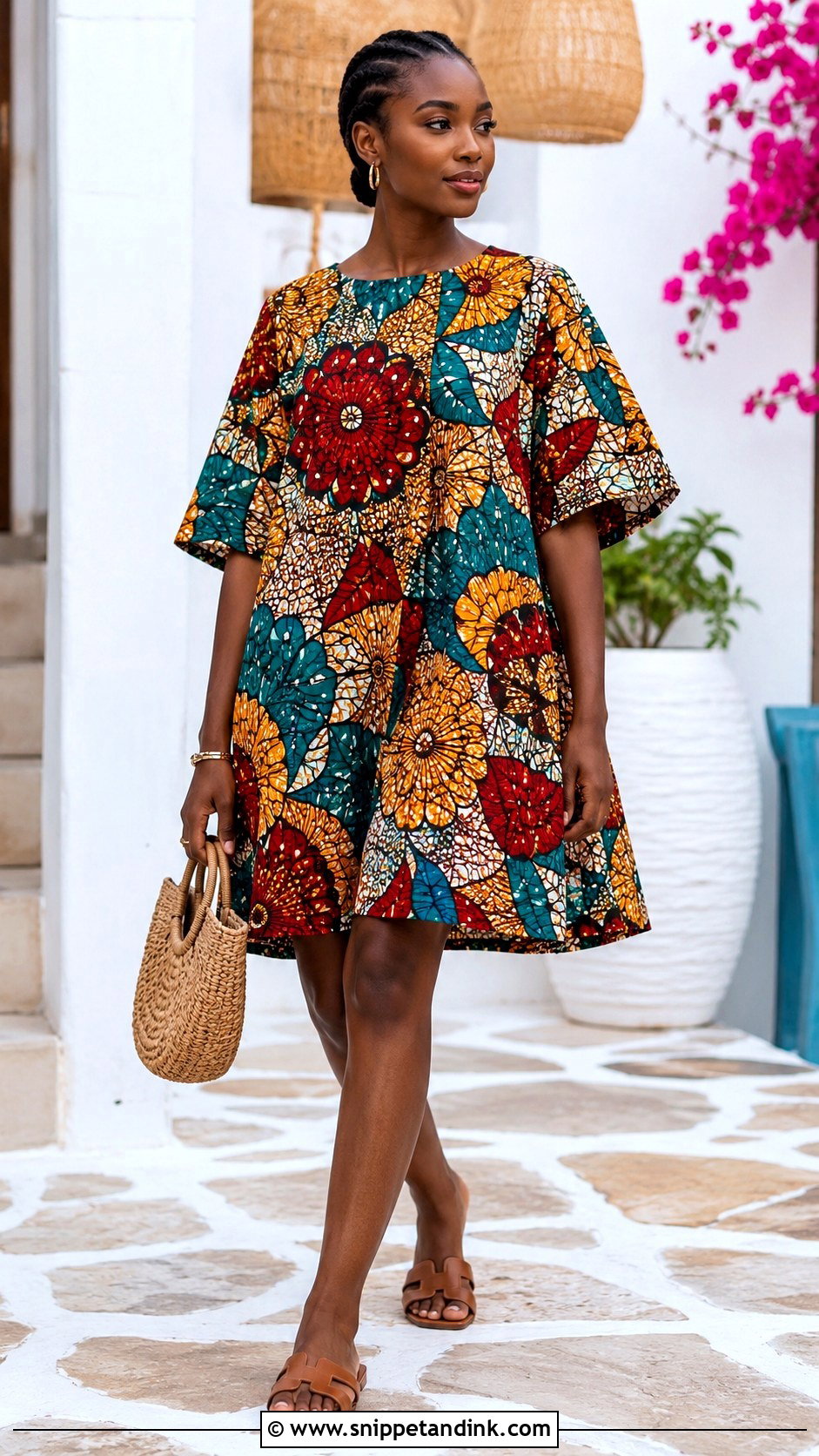
Ankara is the easiest place to start because the print does the styling for you. I keep the hem at or just above the knee and ask for a loose A-line rather than a straight shift, since stiff wax cotton stands away from the body and a straight cut can look boxy from the side. Brown leather sandals and a woven bag are enough. If the gown feels shapeless at the first fitting, ask for light gathers at the waist or a slim belt instead of taking the side seams in, which ruins the free drape.
2. Short Free Gown With Puff Sleeves And Heels
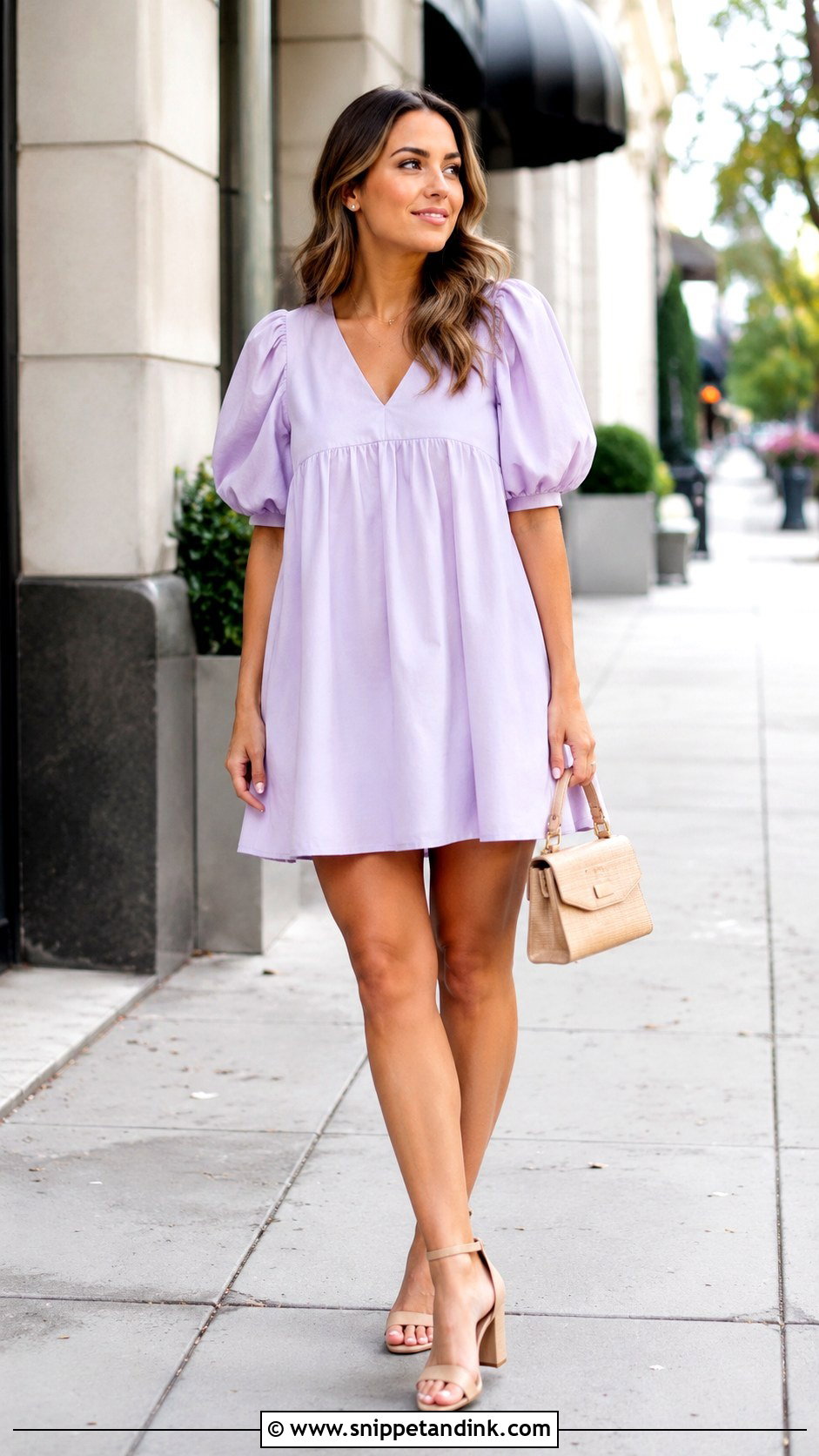
Puff sleeves add width at the shoulder, and that width is the whole point, so the body of the gown should stay plain. I check sleeve height on a client standing in front of a mirror with her arms down: if the puff sits higher than the shoulder bone it starts to look costume-like. Plain crepe or cotton holds the gathers better than soft rayon. Block heels balance the short length, and a structured bag keeps it from reading too sweet.
3. Short Free Gown With Sneakers
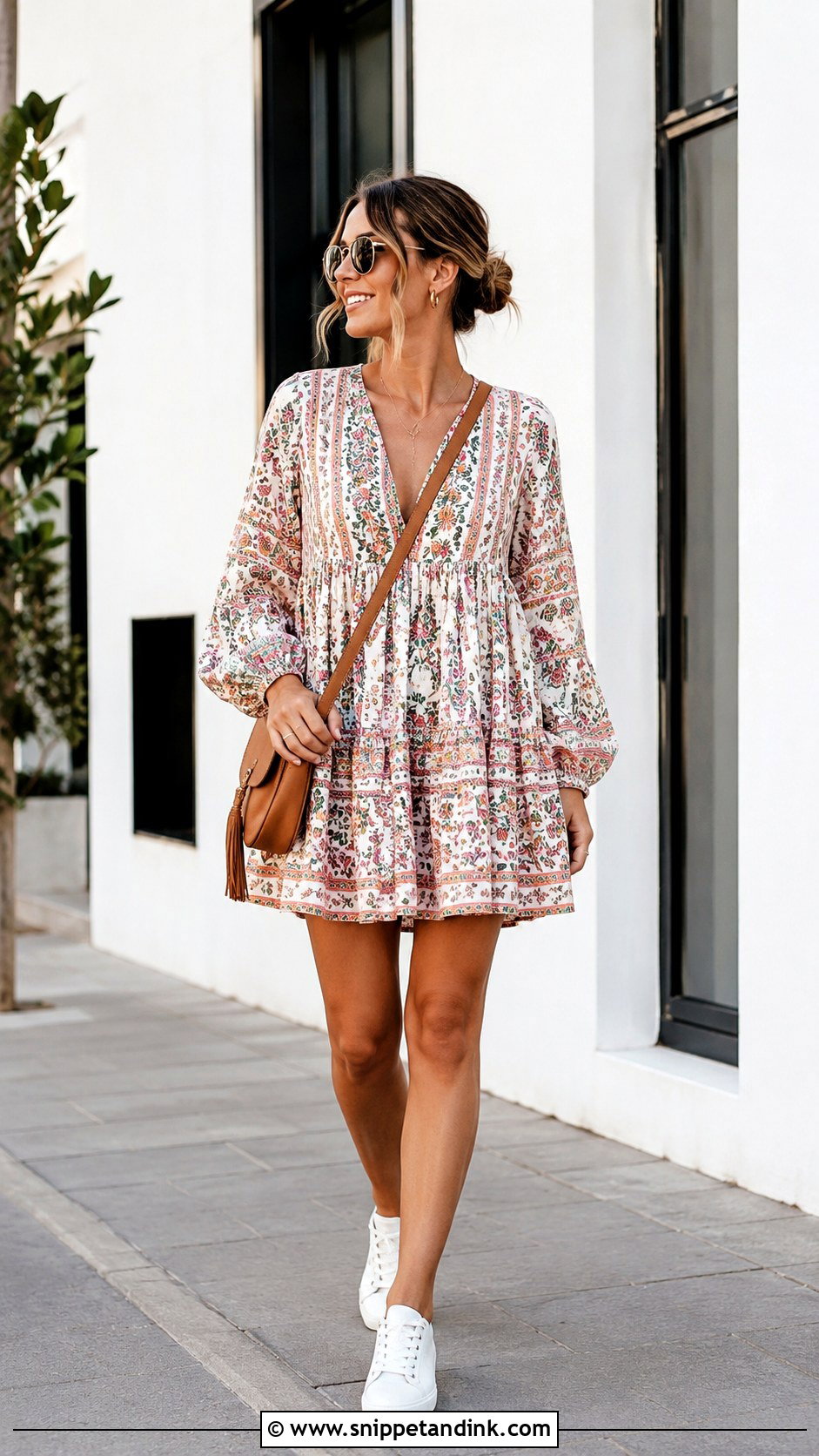
Sneakers change the proportions more than people expect. A very wide gown over flat white trainers looks like a nightdress, so I go for a soft A-line, a tiered hem or a shirt-dress cut in cotton, denim or jersey. Add a crossbody bag and small earrings and stop there. This is the version I suggest for travel days and long walks, where you will be on your feet for hours and still want photos to look intentional.
4. Short Lace Free Gown With Block Heels
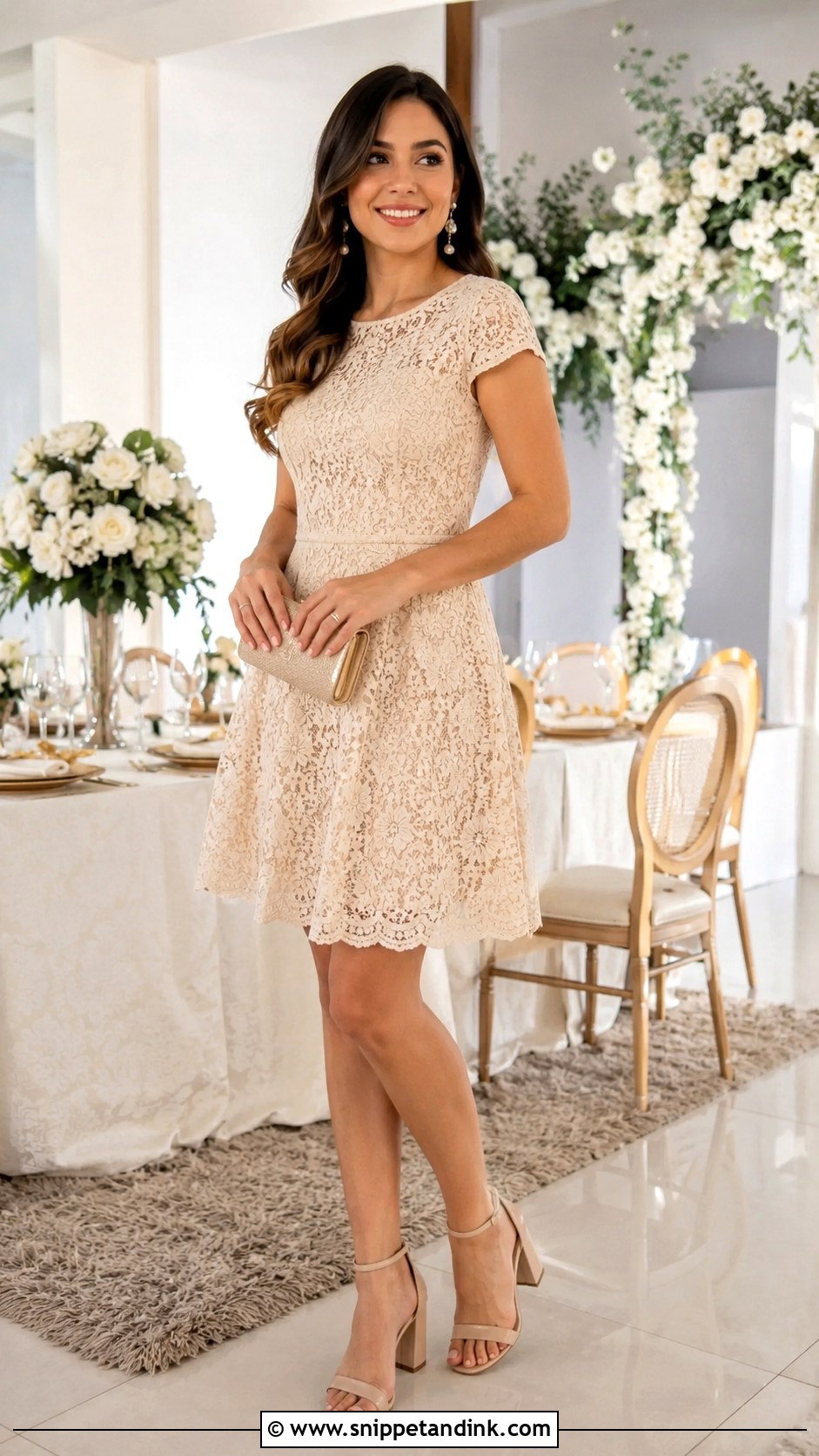
Lace already carries a lot of texture, so the shape has to be quiet. Insist on a full lining: unlined lace scratches at the underarm and shows every strap underneath. Cape or three-quarter sleeves sit well on a free A-line, and I match the block heel to the lace colour rather than the lining. With heavily corded or beaded lace I take accessories down to one pair of earrings. It reads formal enough for an introduction or family celebration without trying too hard.
5. Short Chiffon Free Gown With Strappy Sandals
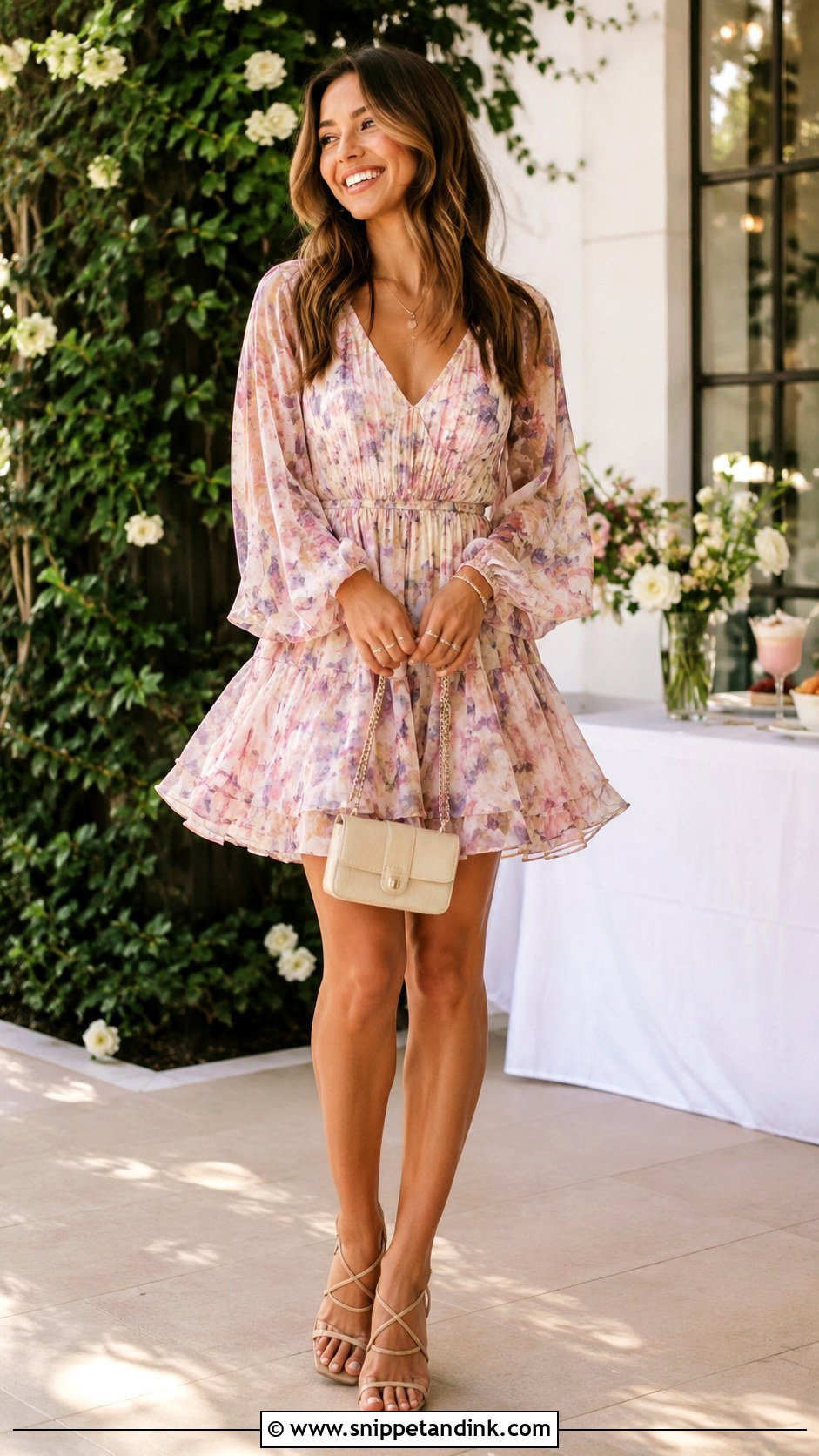
Chiffon is the fabric I warn people about most, because it moves so freely that a short hem can lift in a breeze. A good lining fixes both the sheerness and the wind problem, and a tiered or flared cut gives the fabric somewhere to swing. Strappy flats or a low block heel suit it; anything chunky looks heavy against something that light. Floral chiffon is easy for daytime, while a solid colour reads older and gets more wear.
6. Short Bubu Free Gown With Slides
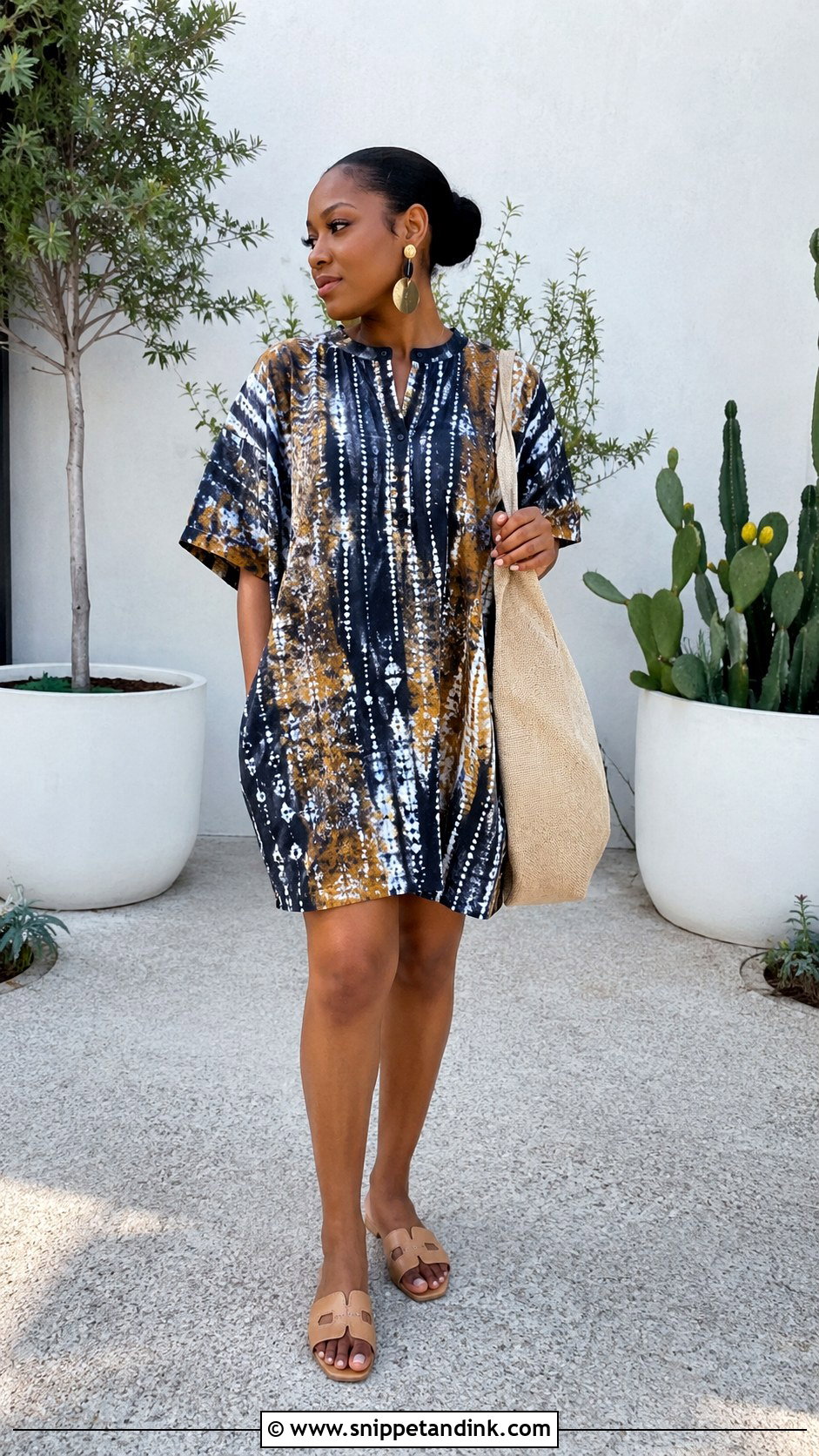
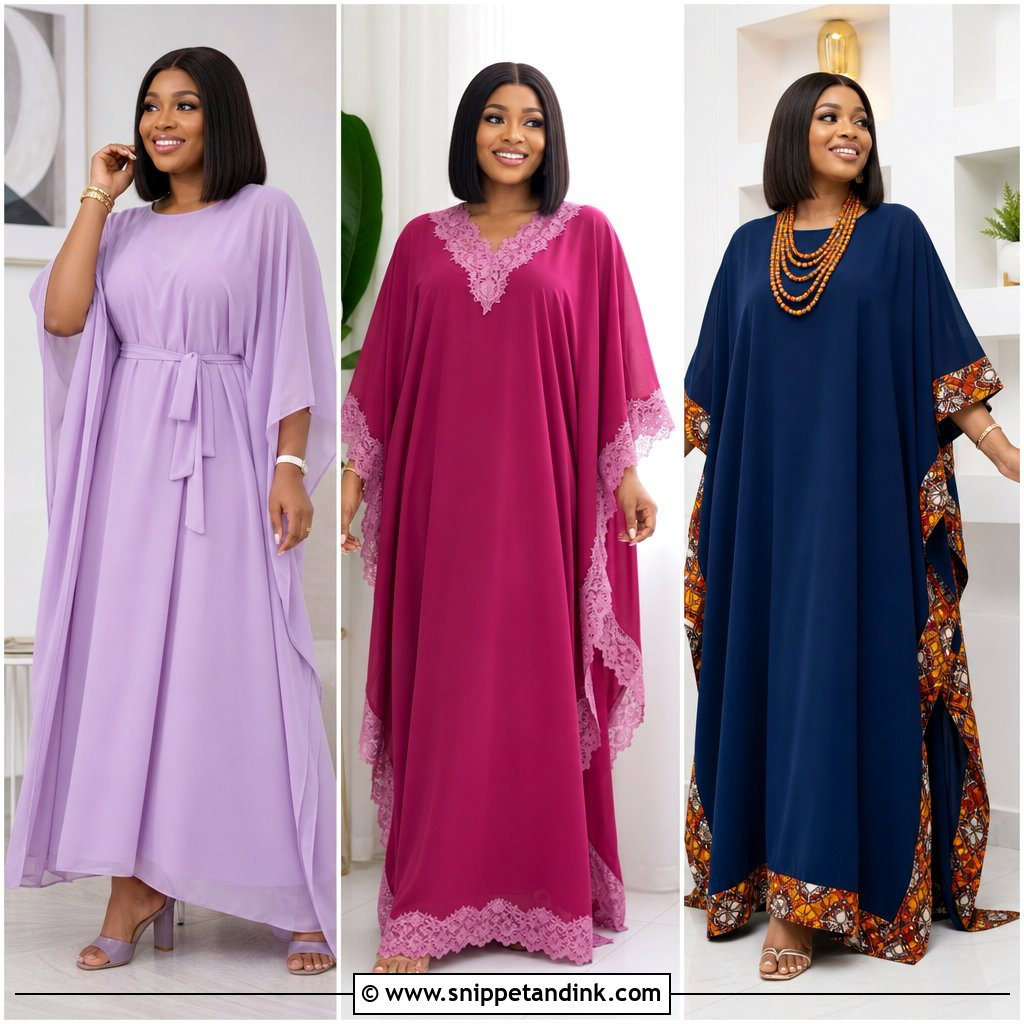
Of every style here, a short bubu free gown gives the most room, and that is exactly why the length has to be neat. I keep it at the knee or a touch below; any shorter and the wide body starts to look like an oversized top. Choose a fabric with some fluidity, such as silk, crepe or soft cotton, because a heavy wax print in a bubu cut stands out like a tent. Side pockets and a clean neckline make it look modern. Slides and a tote finish it.
7. Short Adire Free Gown With Leather Sandals
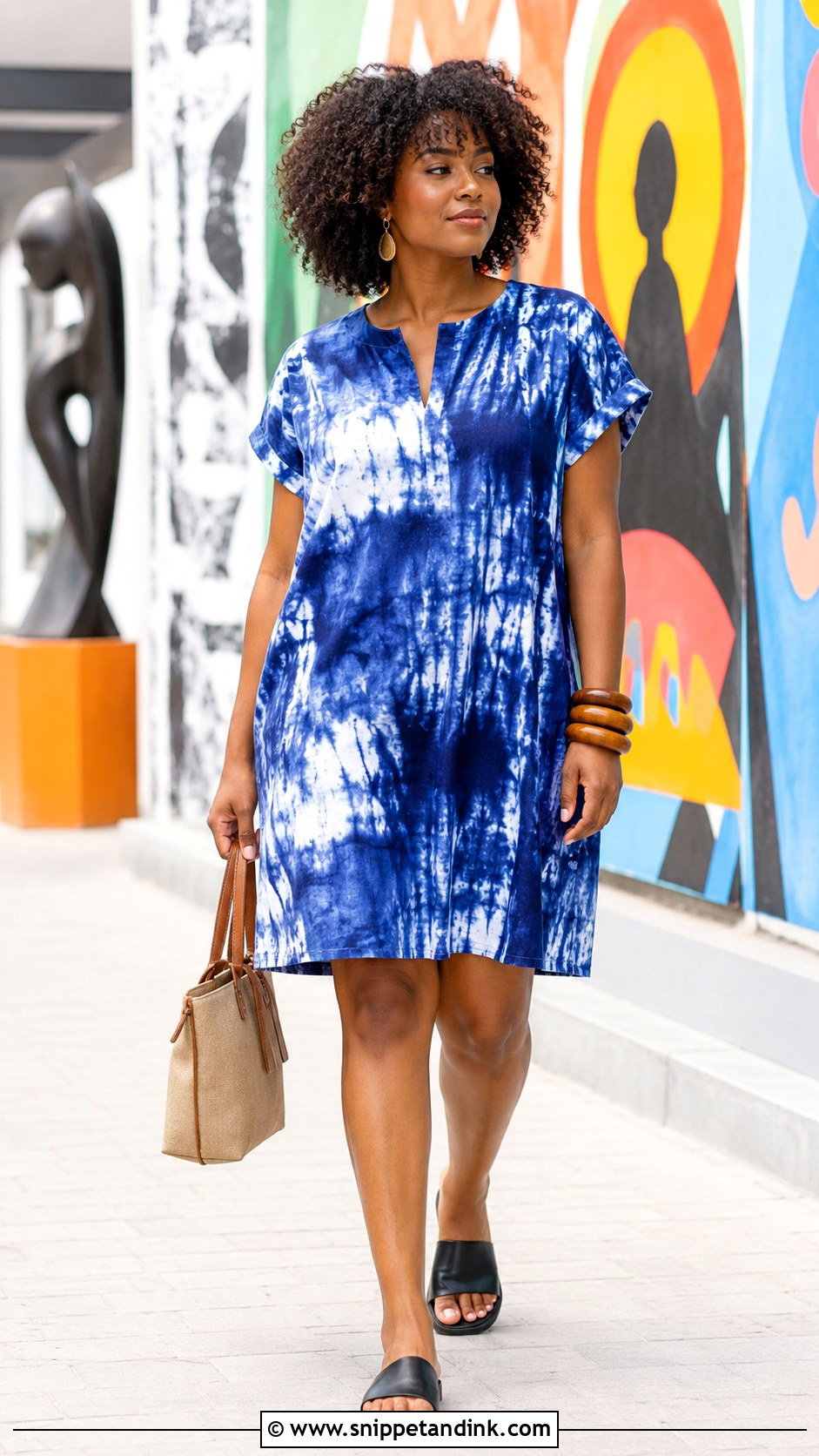
Adire is hand-dyed, so no two lengths are identical, and I treat the pattern as the accessory. A relaxed shift or short kaftan cut lets the dye work show across a wide panel instead of being chopped up by seams. Brown or black leather sandals and wooden bangles feel right with it. If the cloth has four or five dye colours, keep the bag neutral. Two-colour adire gives you the cleanest result.
8. Short Plain Free Gown With Statement Earrings
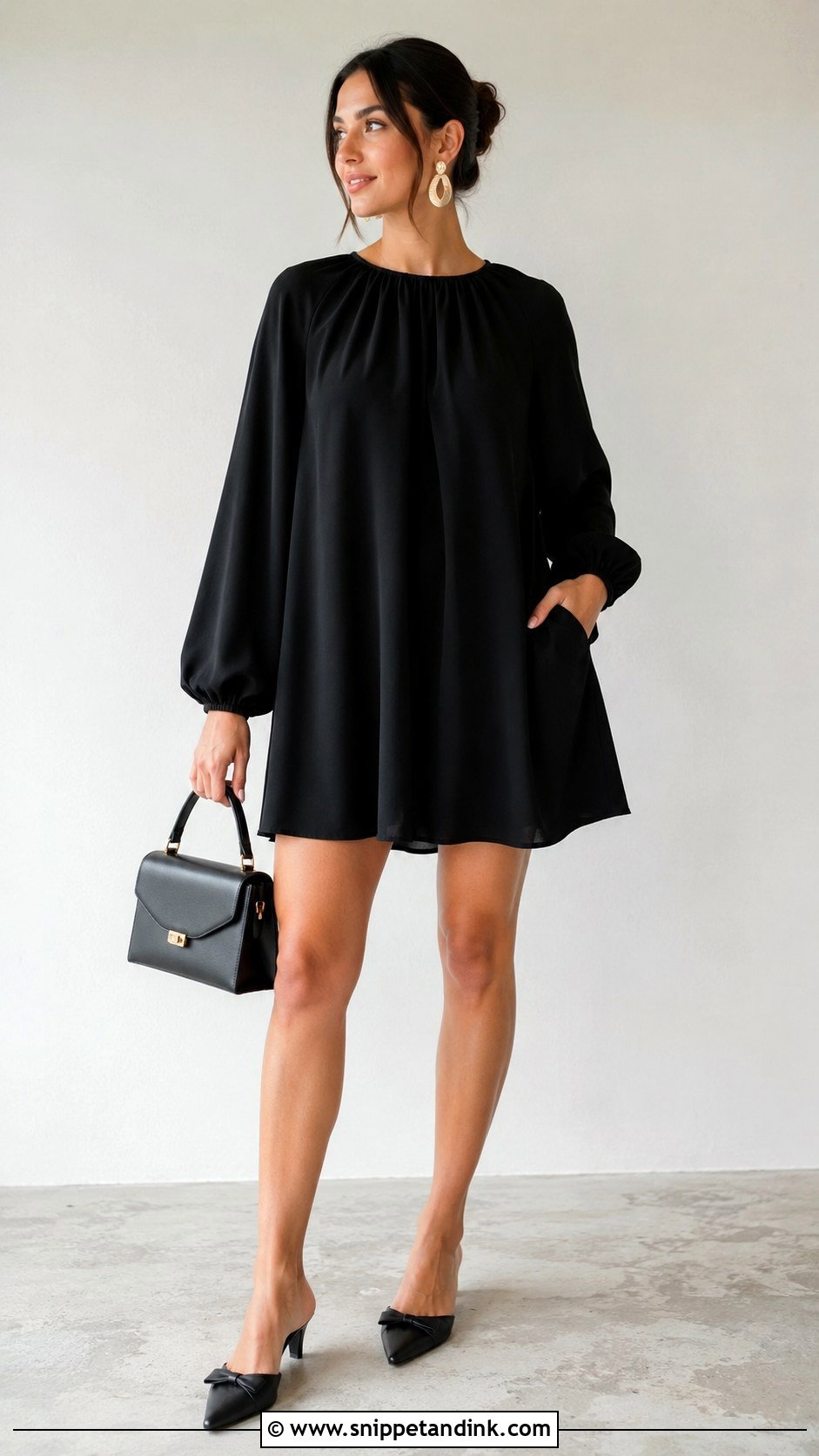
A plain gown looks expensive or cheap almost entirely because of the shoulder. When I fit one, the first thing I check is that the shoulder seam sits on the shoulder bone and the neckline does not gape when the client leans forward. Get that right in a soft crepe or cotton blend in navy, olive or burgundy, add one pair of statement earrings and a structured bag, and the dress looks far more considered than it is.
9. Short Floral Free Gown With Wedge Sandals
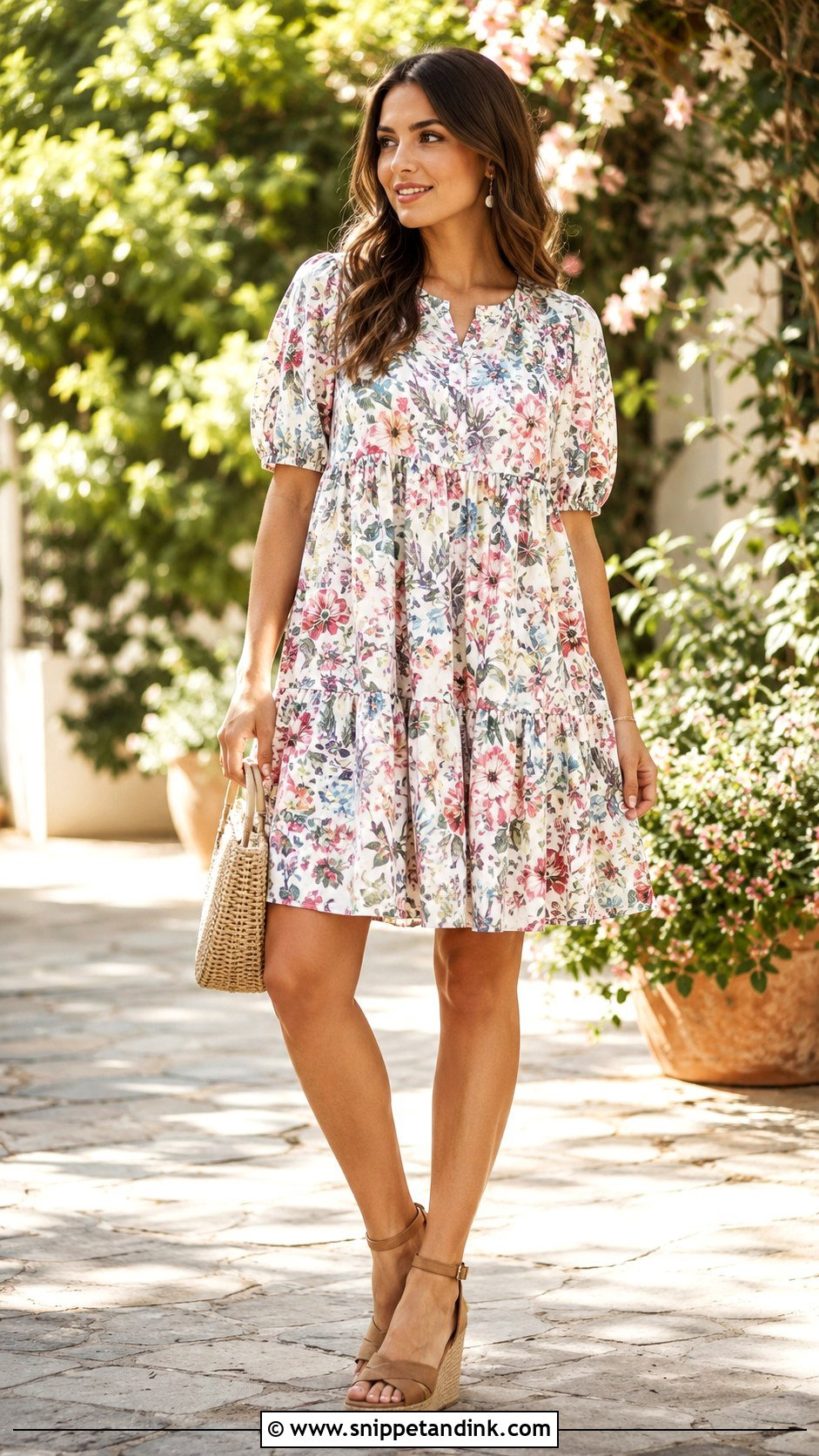
Floral prints need movement to look right, which is why I put them in chiffon, rayon or soft cotton and cut them loose or tiered. Wedge sandals give height on grass, where a stiletto would sink, so this is my pick for garden parties and baby showers. Scale the accessories to the print: a large bloom wants a plain bag, while a tiny ditsy floral can take a coloured shoe.
10. Short Shirt Free Gown With Loafers
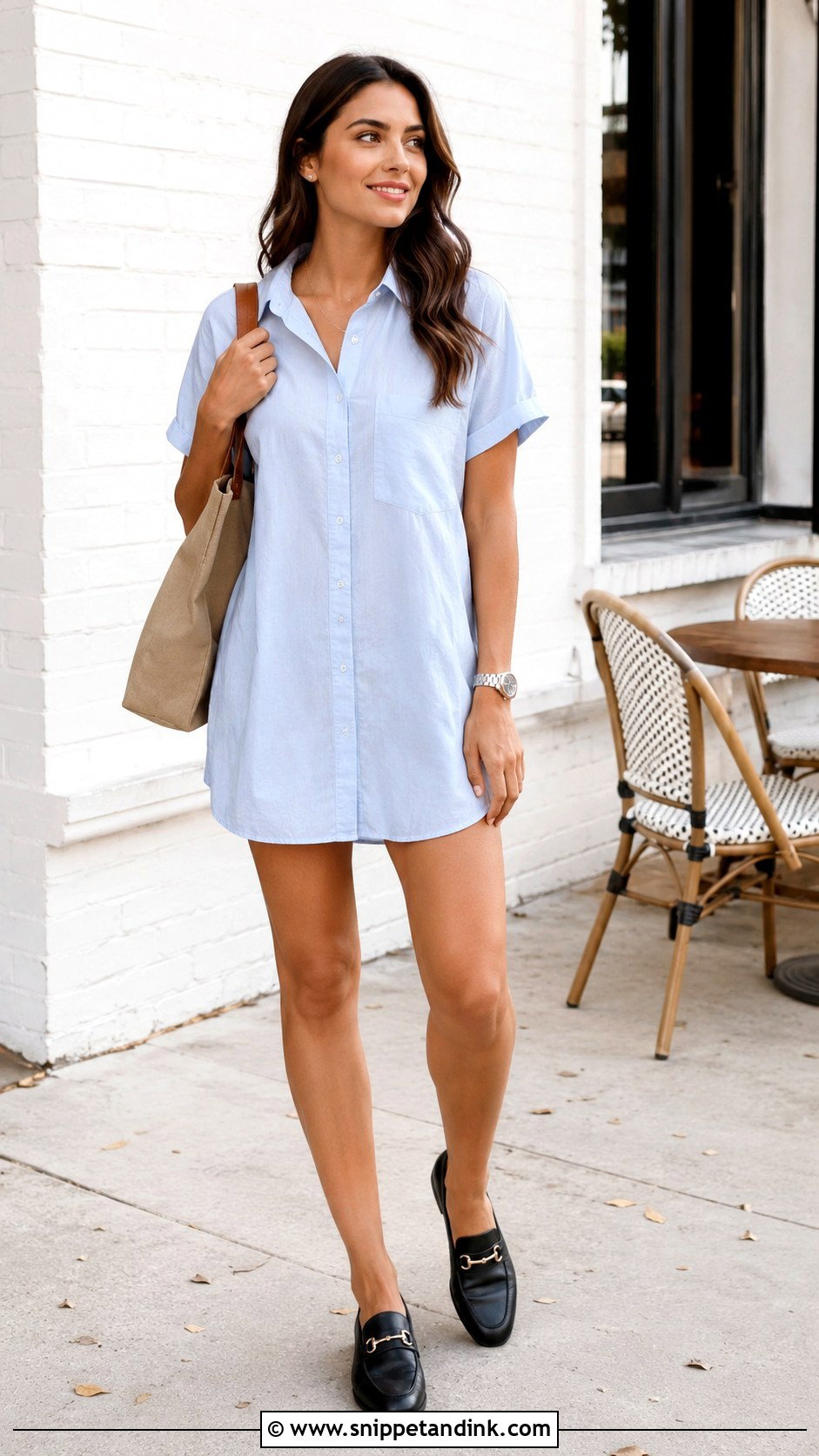
The shirt version is for the client who dislikes fuss. Cotton, a linen blend or chambray all work, and I suggest a hem that clears the knee only slightly if it is going to the office. Loafers keep it smart. Linen creases the moment you sit, so for a full workday I would choose cotton poplin or a blend. You can belt it or leave it loose, and it layers under a light jacket without bunching.
11. Short Free Gown With Bell Sleeves And Mules
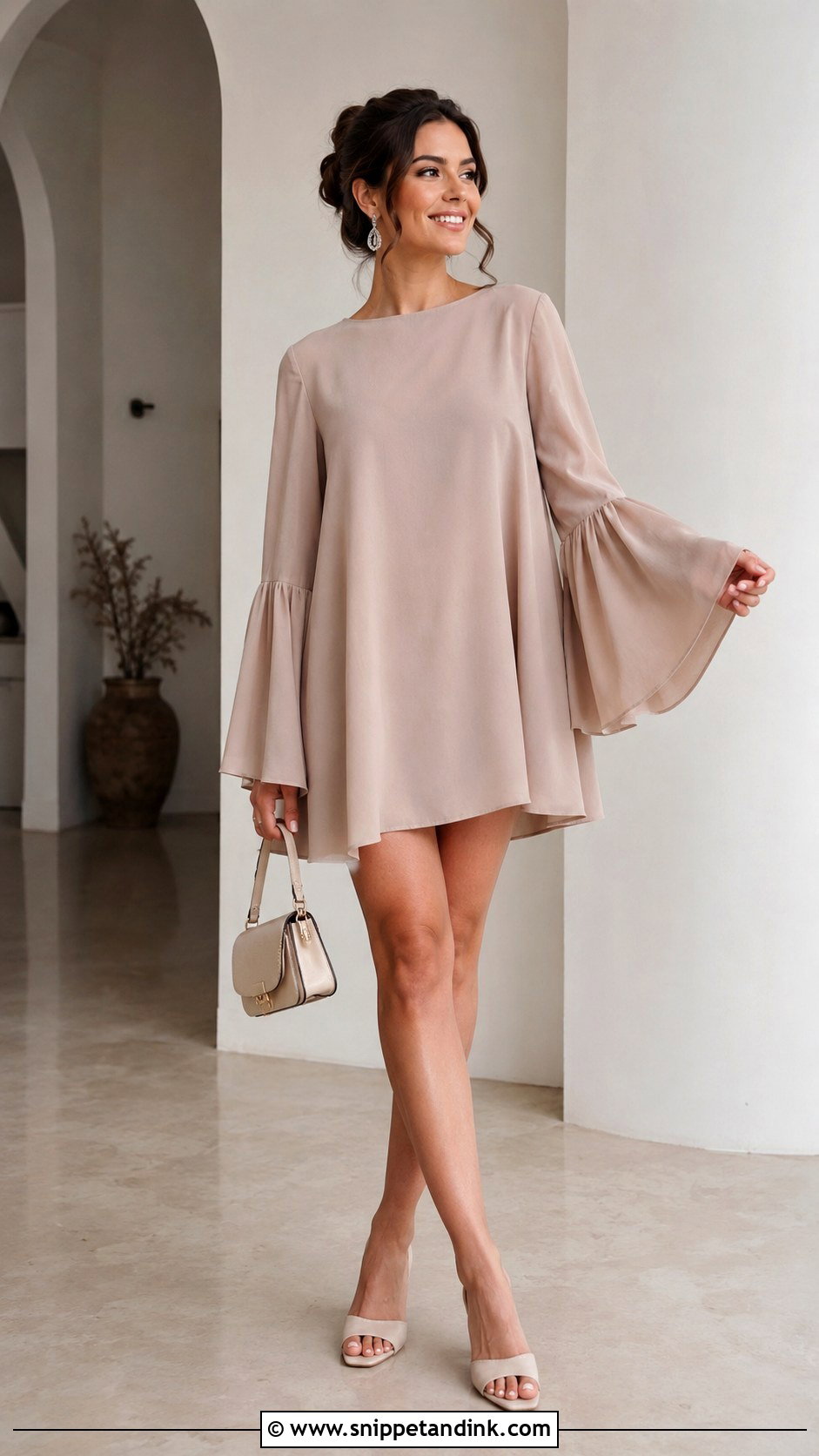
Bell sleeves move every time you lift your hand, so they suit a dress that otherwise stays still. I keep the flare moderate on petite clients because a wide bell at the forearm visually cuts the arm in half. Plain crepe or soft lace holds the shape better than stiff Ankara here. Mules and a mini bag finish it. If you love the drama of a really wide sleeve, keep the shoes and jewellery very simple.
12. Short Peplum Free Gown With Low Heels
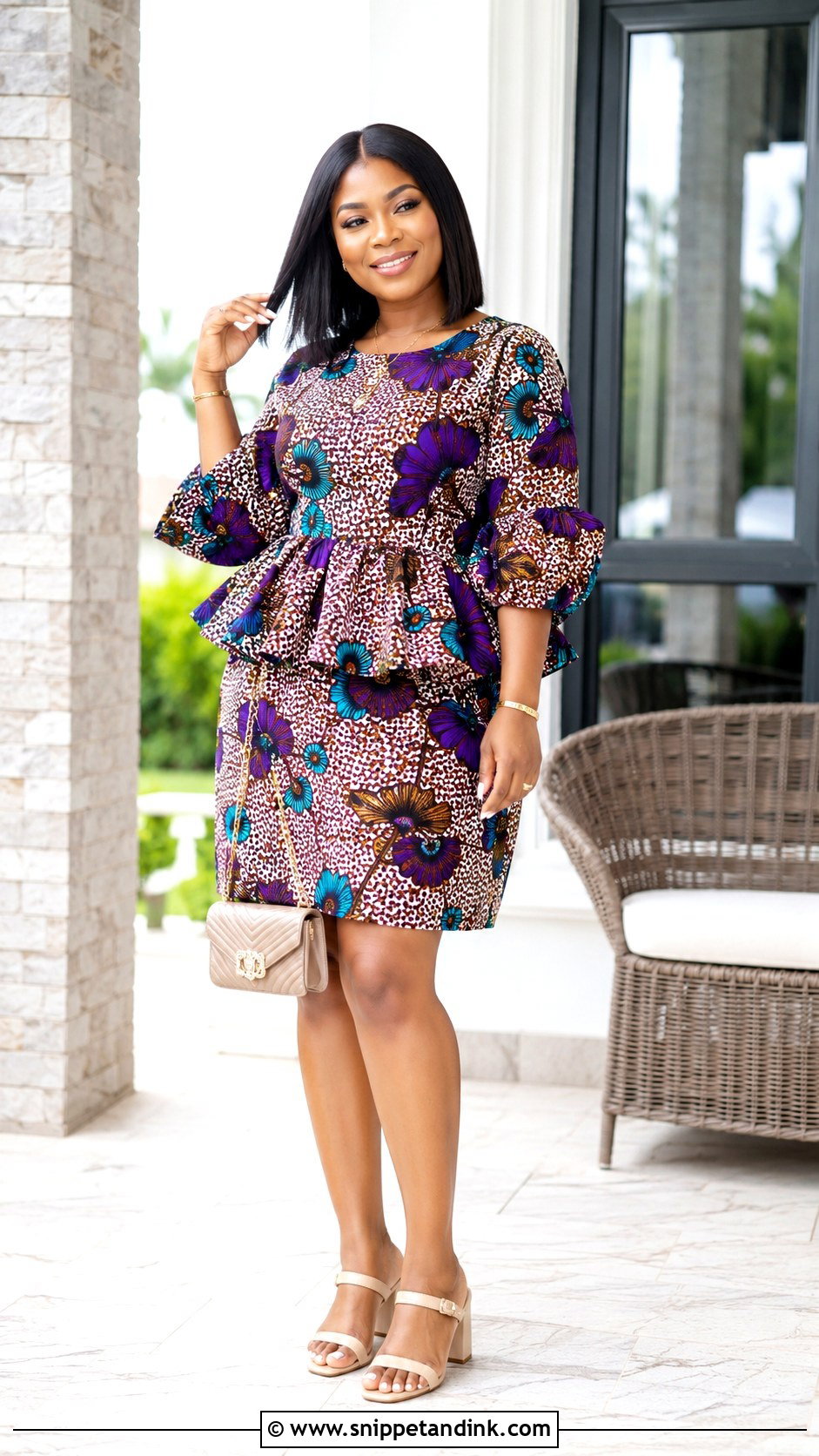
Peplum on a free gown is a compromise I like: you get a little definition without a tight bodice. Where the peplum starts matters most. Just below the bust or at the natural waist lengthens the leg, while a peplum at the hip can widen it on a pear shape. Ankara and plain crepe hold the flare crisply. Low heels and simple jewellery keep it suitable for family functions and daytime events.
13. Short Free Gown With Side Pockets And Slides
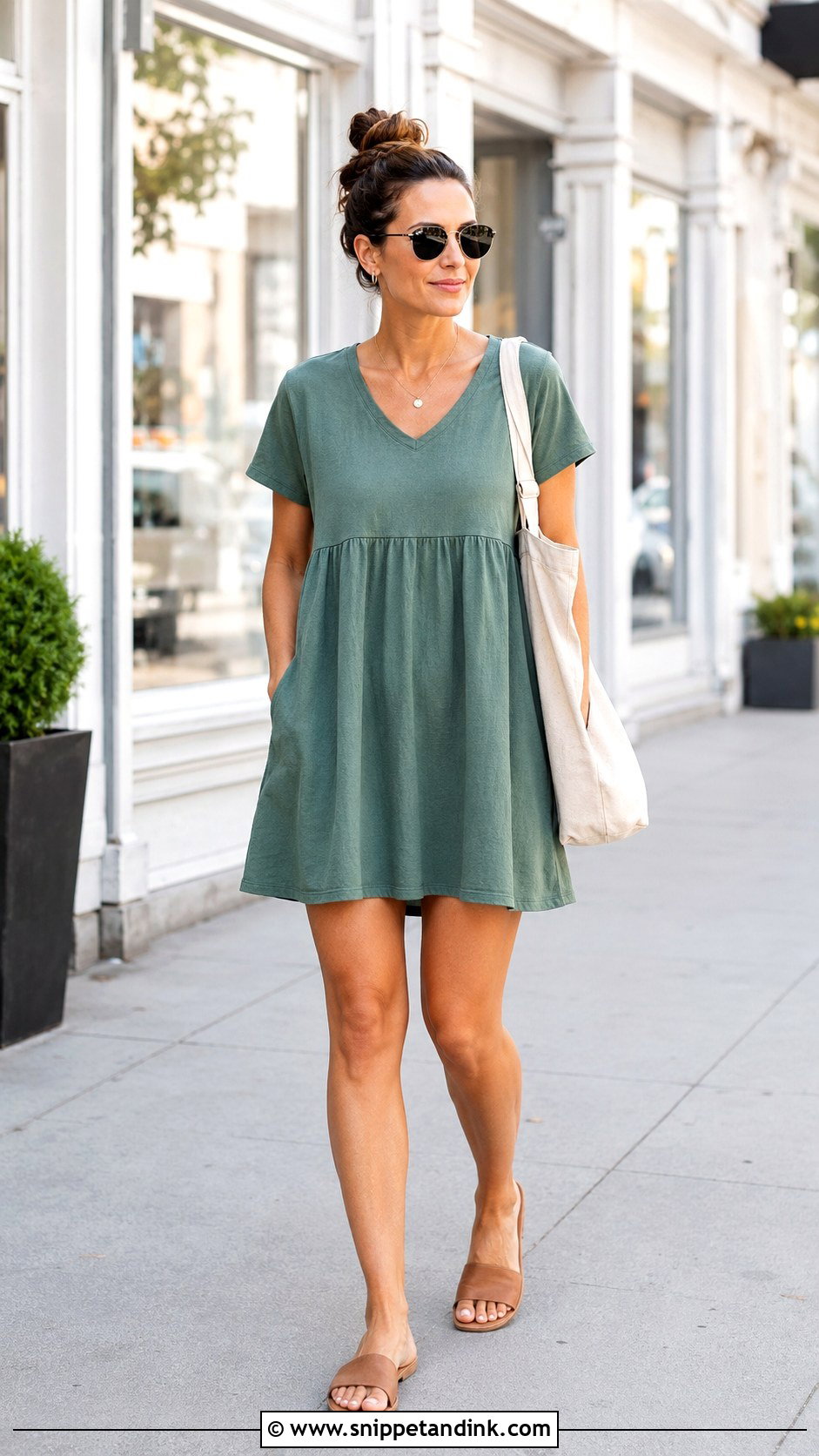
Pockets are the detail people love and tailors often get wrong. I ask for them set into the side seam and cut from a lighter lining fabric, so they lie flat instead of adding bulk at the hip. A slightly flared shape hides them better than a straight cut. Cotton, denim or plain crepe suit the casual feel, and slides with a canvas tote make it a real errand dress.
14. Short Satin Free Gown With Clear Heels
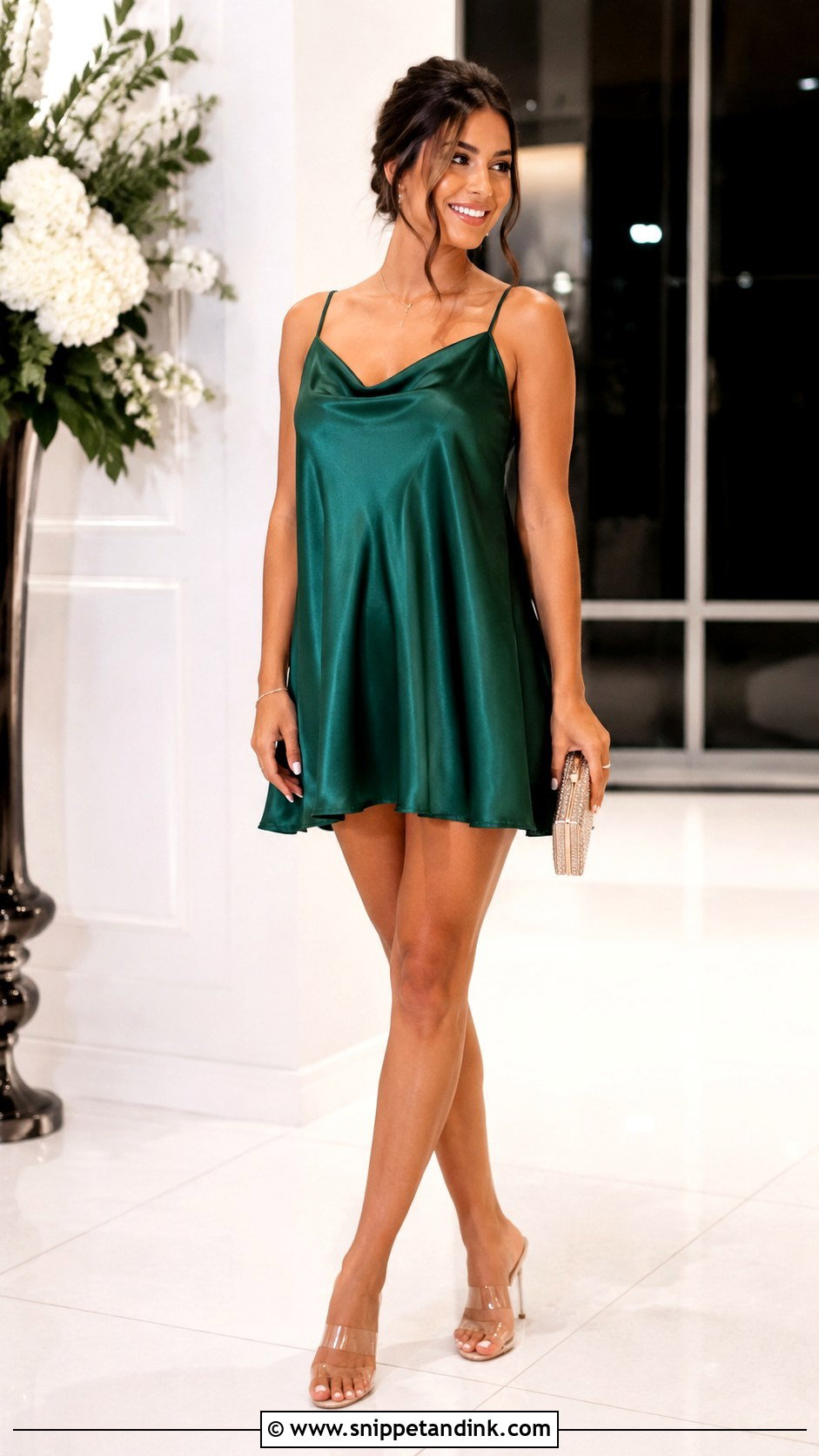
Satin shows everything: thin satin clings, wrinkles where you sit and highlights every seam. I steer clients towards a heavier satin with a matte back for a short loose cut, because it falls in clean folds instead of rippling. Keep the design simple, a shift or soft flare, and choose a deep shade like emerald, chocolate or navy. Clear heels or thin metallic sandals and a small clutch are enough for an evening party.
15. Short Crepe Free Gown With Pointed Flats
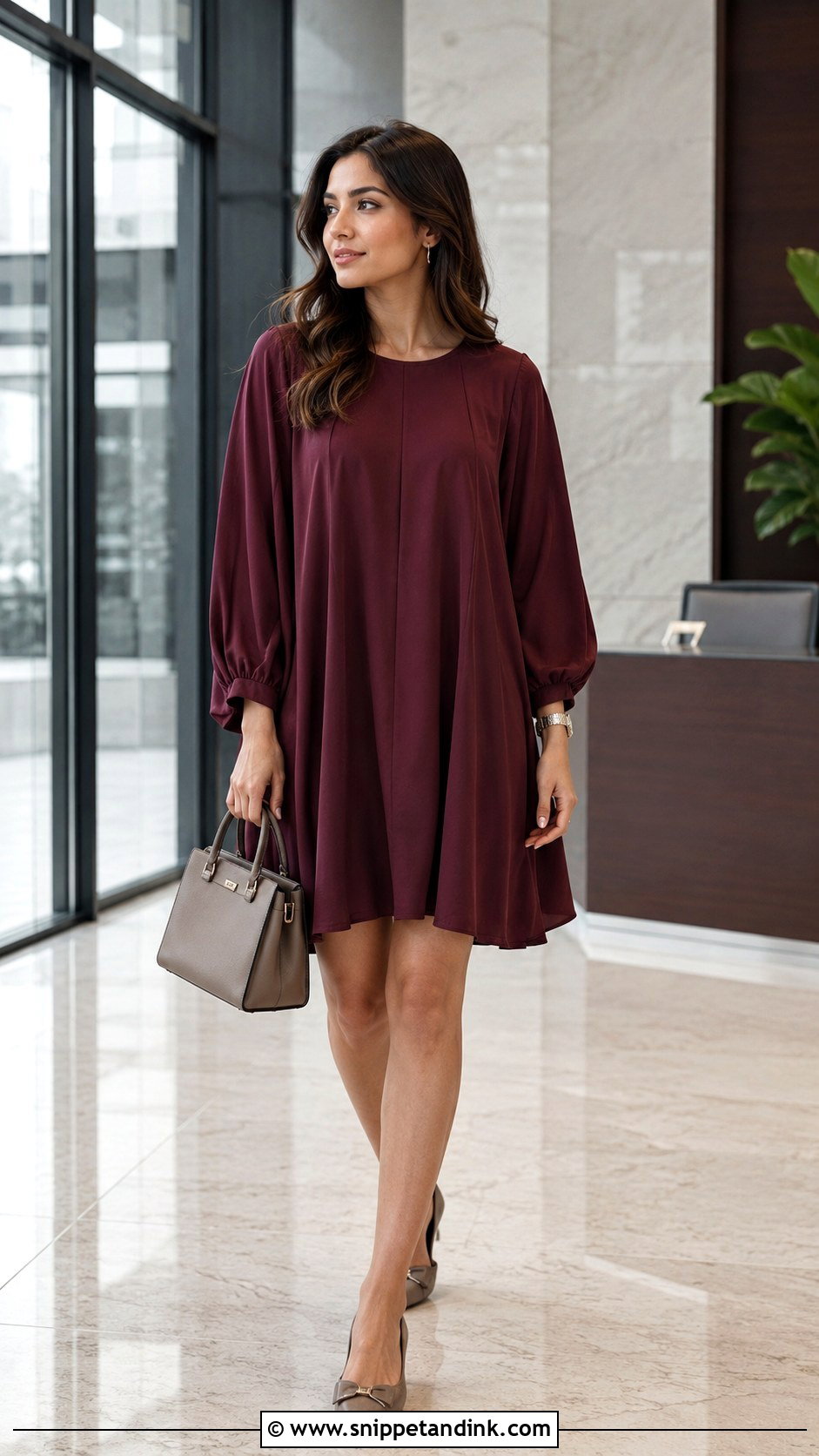
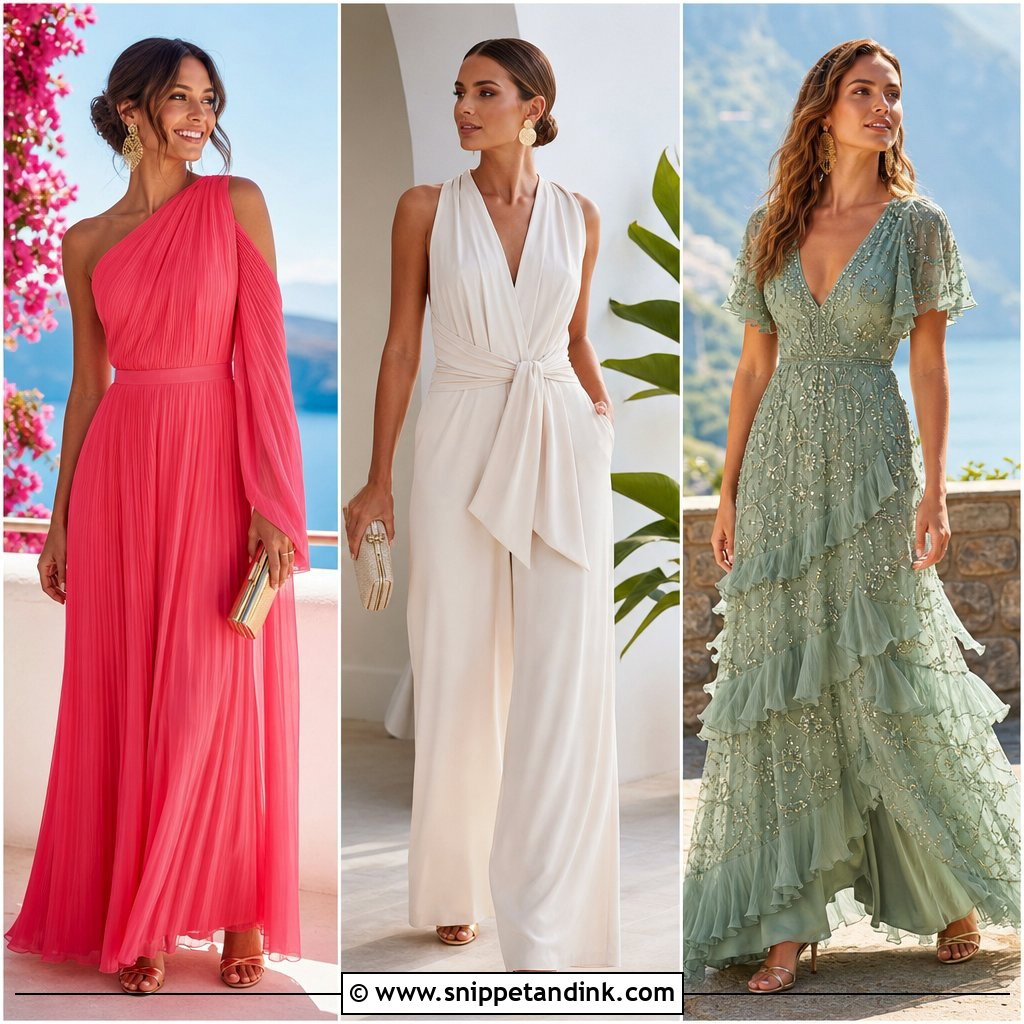
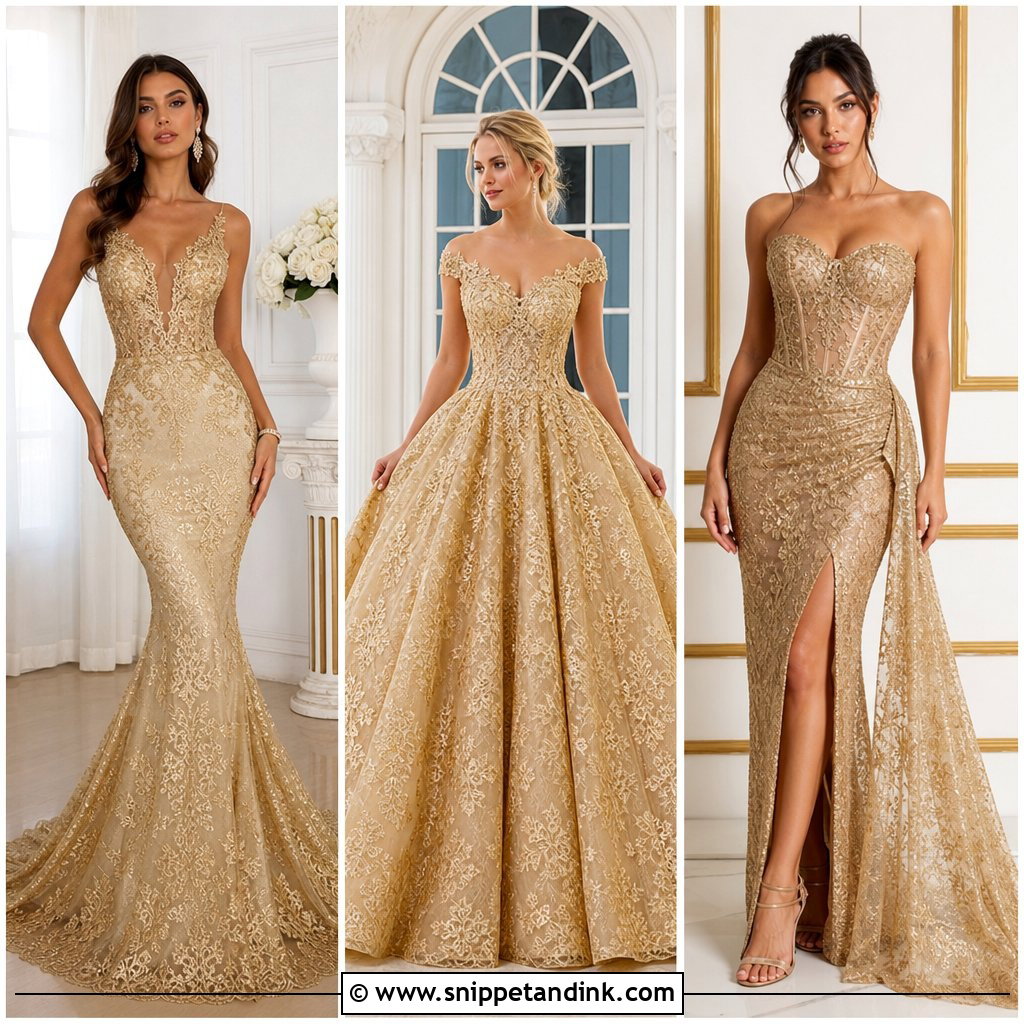
Crepe is my most dependable fabric for a short free gown because it drapes well and recovers from creasing after a few minutes of wear. That makes it the one I recommend for long days with lots of sitting. Pointed flats lengthen the leg and keep it polished. Black, tan or forest green can be worn again and again simply by changing the bag and earrings, so this is a good first gown to have made.
16. Short Denim Free Gown With White Sneakers
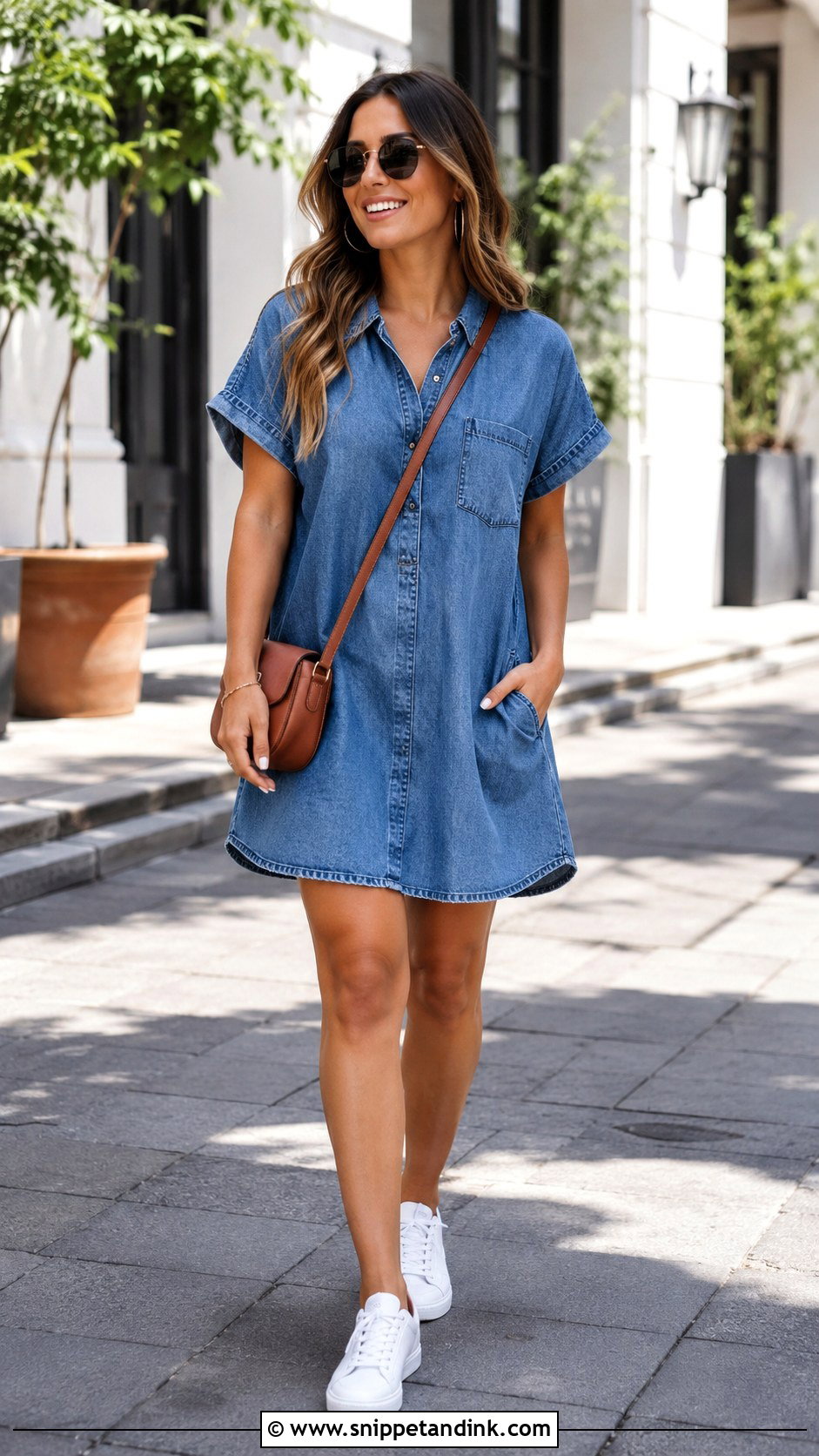
Denim needs a structured cut, so I put it into a shirt-gown or shift shape and keep the design plain, since seams in thick denim add weight. Light wash reads casual; dark wash looks neater and hides creases better. White sneakers and a crossbody bag finish it. Expect stiffness for the first few wears unless the denim has a little stretch.
17. Short Free Gown With Cape Sleeves And Heeled Sandals
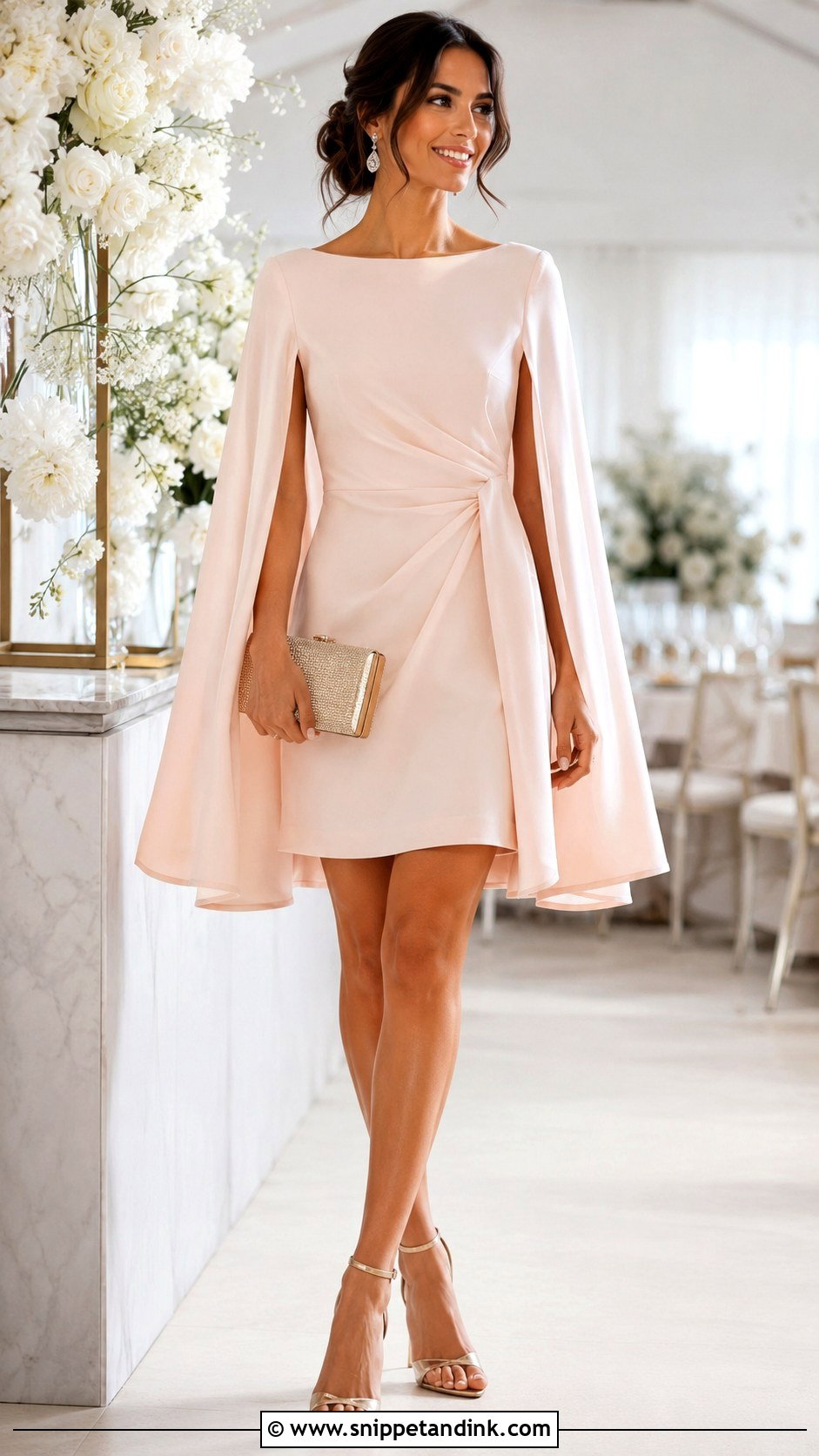
Cape sleeves give arm coverage without the restriction of a fitted sleeve, which is why clients who want modesty often prefer them. I check that the cape does not ride up when the arms are raised, which is a common issue with short-cut capes in slippery chiffon. Lace or crepe behaves better. Pair it with heeled sandals and a clutch for an introduction or a formal lunch, and choose a higher neckline if you want a modest finish.
18. Short Free Gown With Ruffle Hem And Sandals
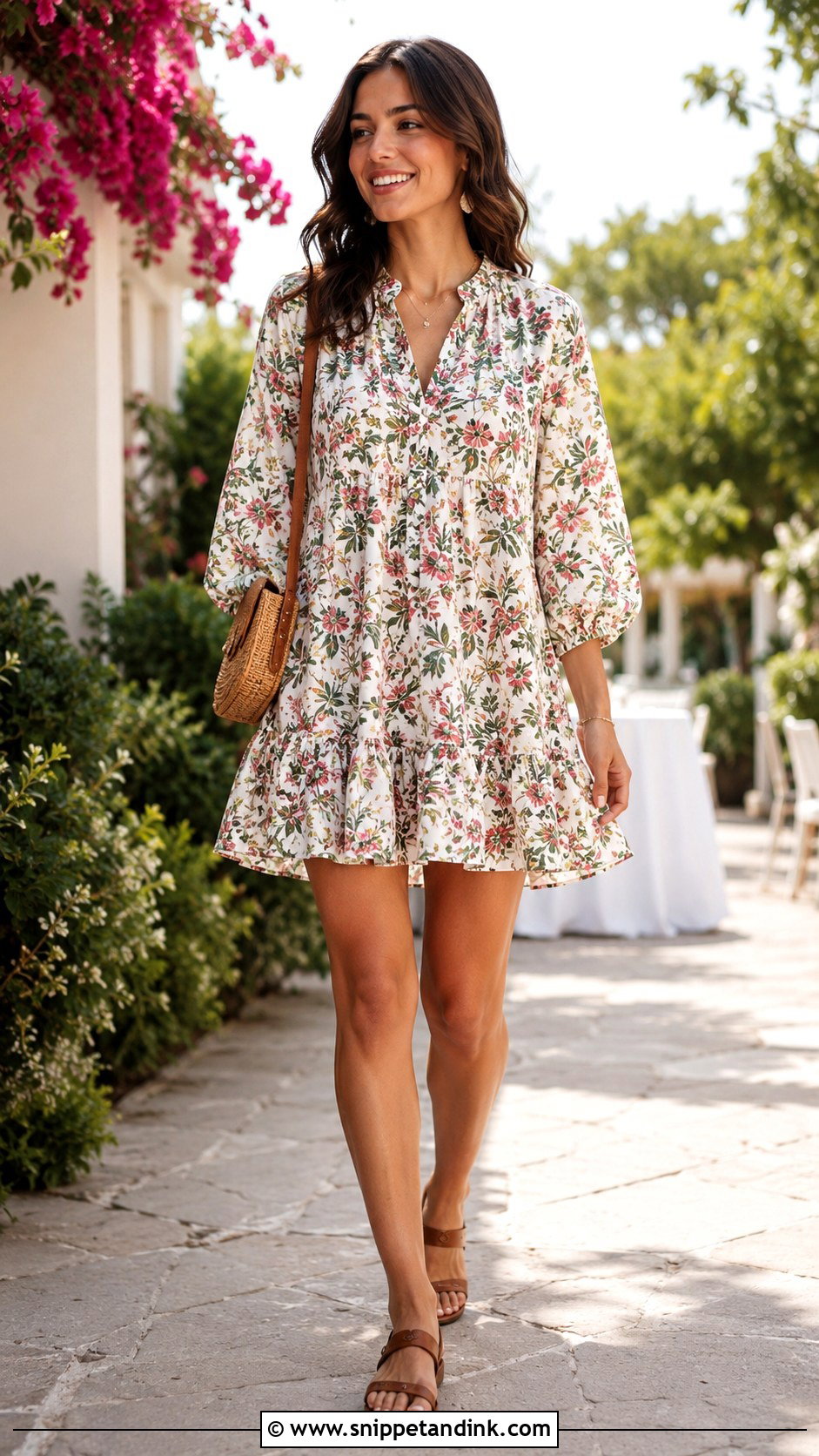
A ruffle hem adds movement right where a short gown needs weight to sit well. On curvy figures it balances the hip; on petite clients I keep the ruffle narrow so it does not cut the leg off visually. Cotton or chiffon gives a soft ruffle, while Ankara makes it stand out more firmly. Simple sandals and light jewellery keep the attention on the hem.
19. Short Free Gown With Bishop Sleeves And Pumps
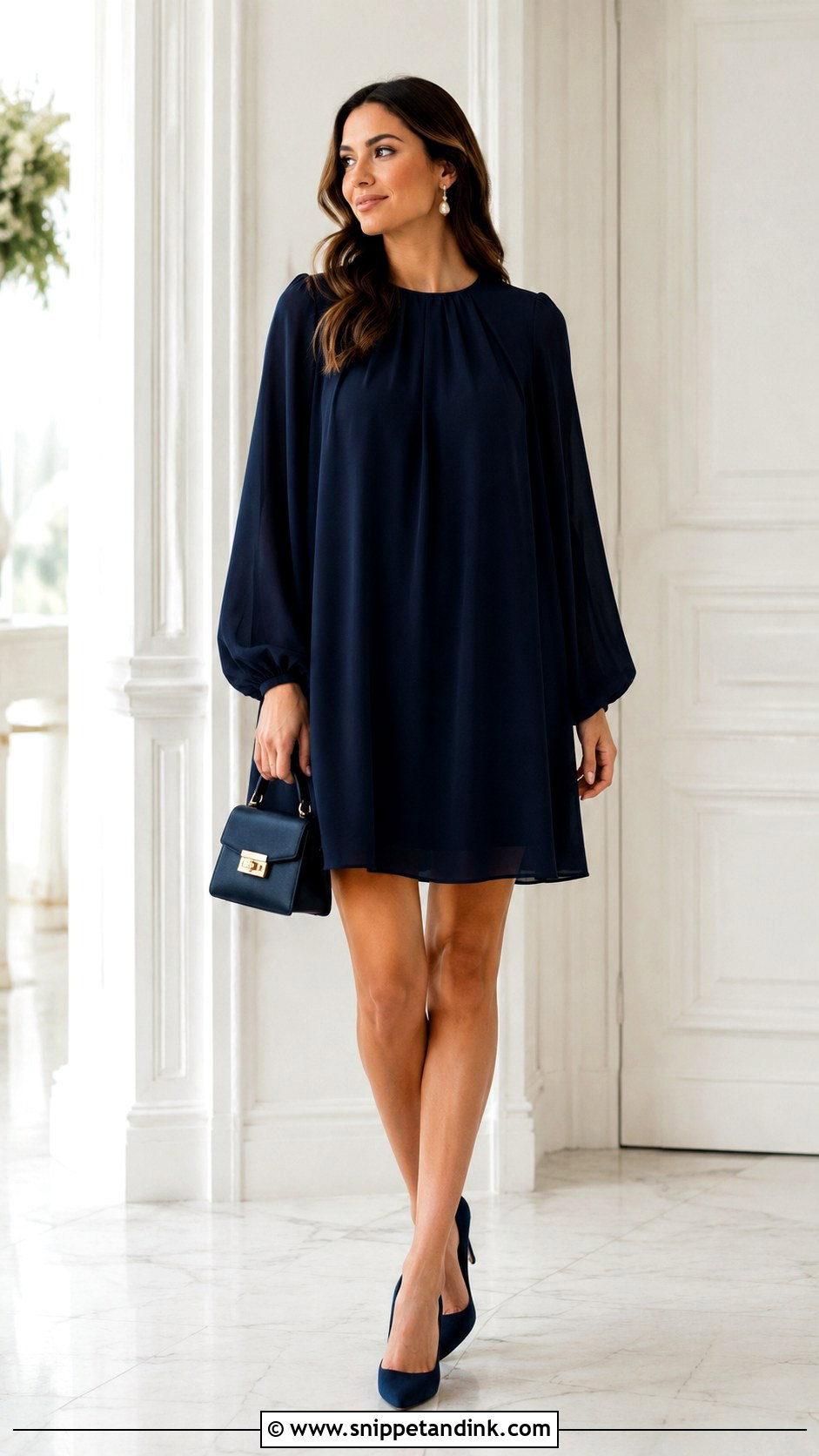
Bishop sleeves are full through the arm and gathered into a cuff, which means the cuff fit decides comfort. I make sure clients can slide the hand through without forcing it and that the cuff does not dig in when the wrist bends. Keep the body of the gown plain and the hem at the knee. Crepe or satin suits pumps and a structured mini bag for a formal visit.
20. Short Free Gown With Headwrap And Sandals
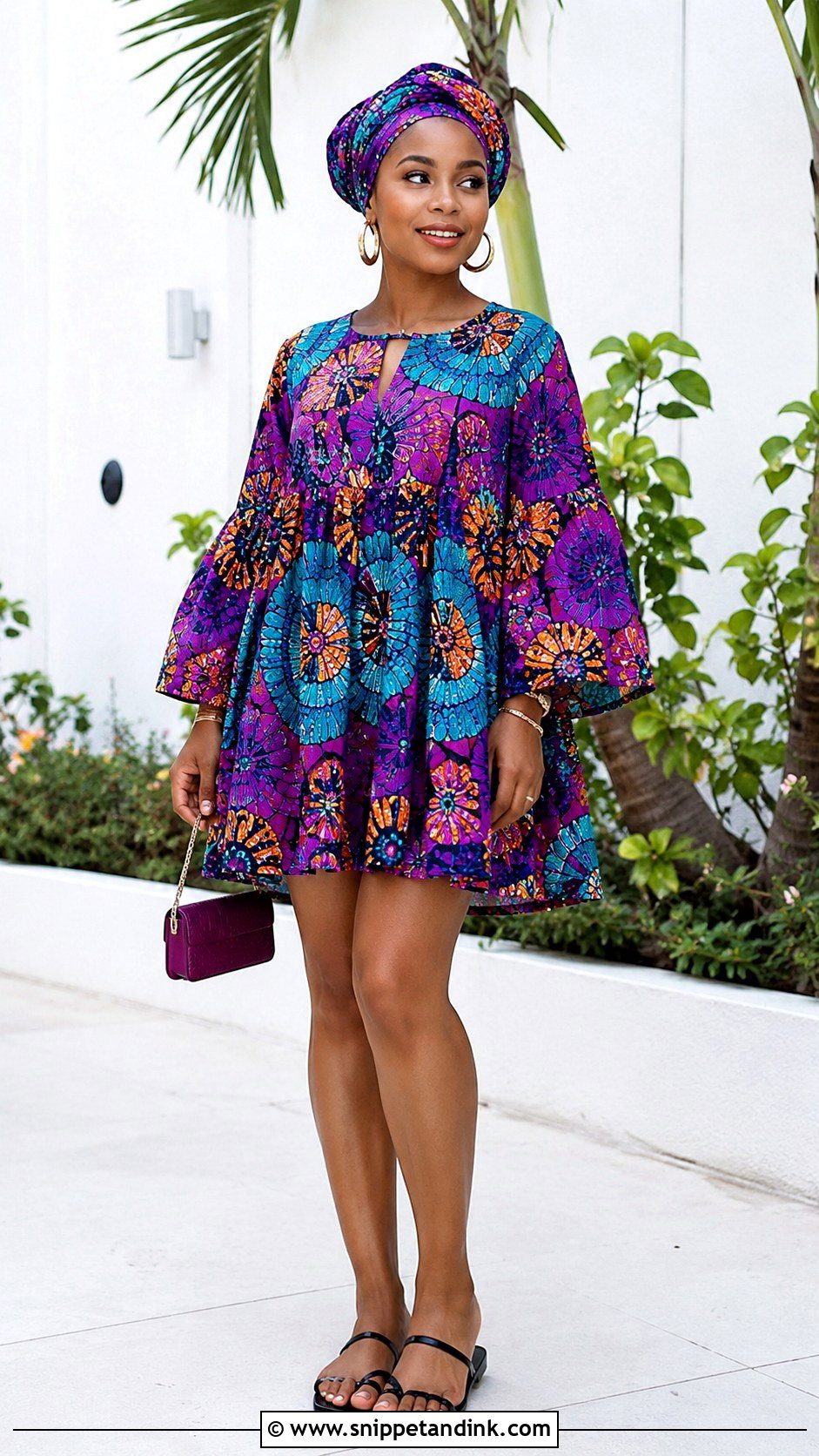
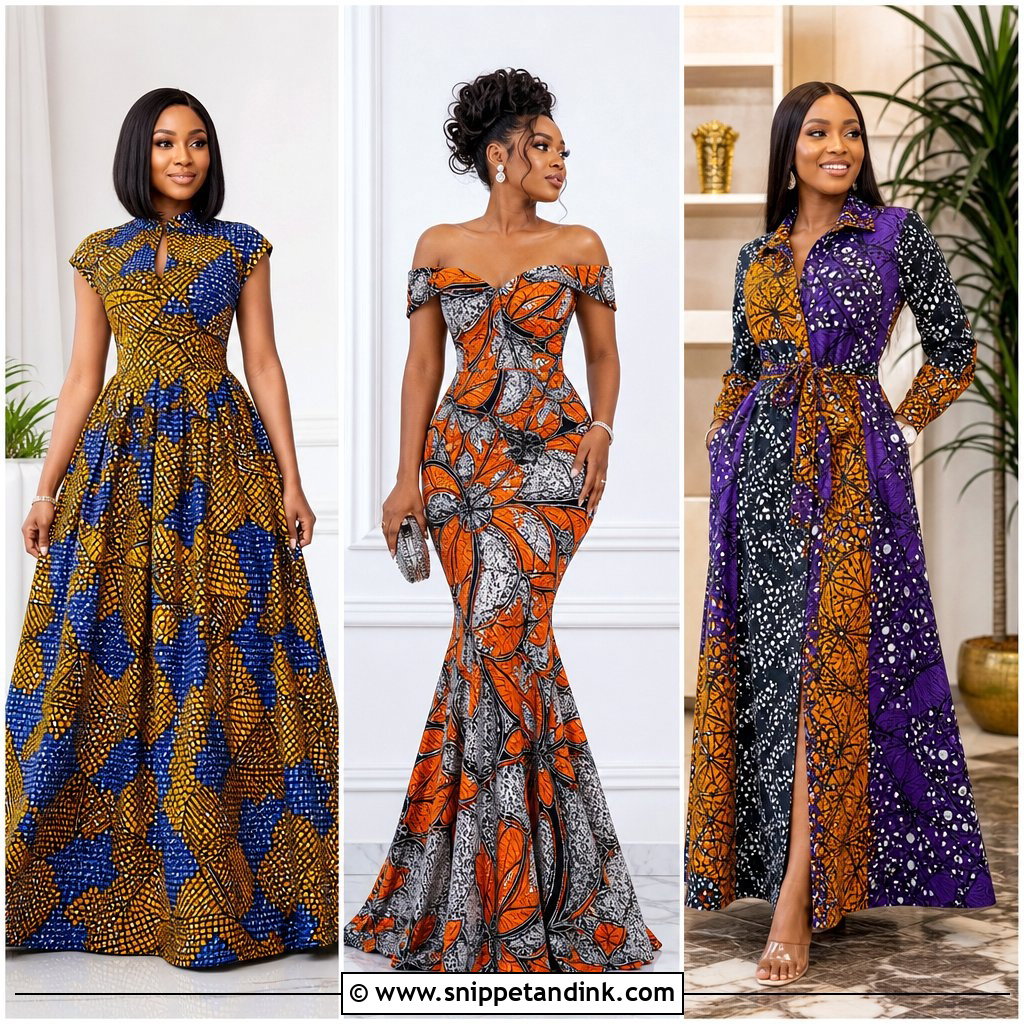
A matching or contrasting headwrap pulls the outfit together so it looks planned from head to foot. My rule is simple: busy print on the gown, plain wrap; plain gown, printed wrap. Ankara, adire and batik suit this best in a shift or kaftan cut. Order an extra length of fabric when you buy, because matching a print later is rarely possible.
21. Short Two-Tone Free Gown With Slingback Heels
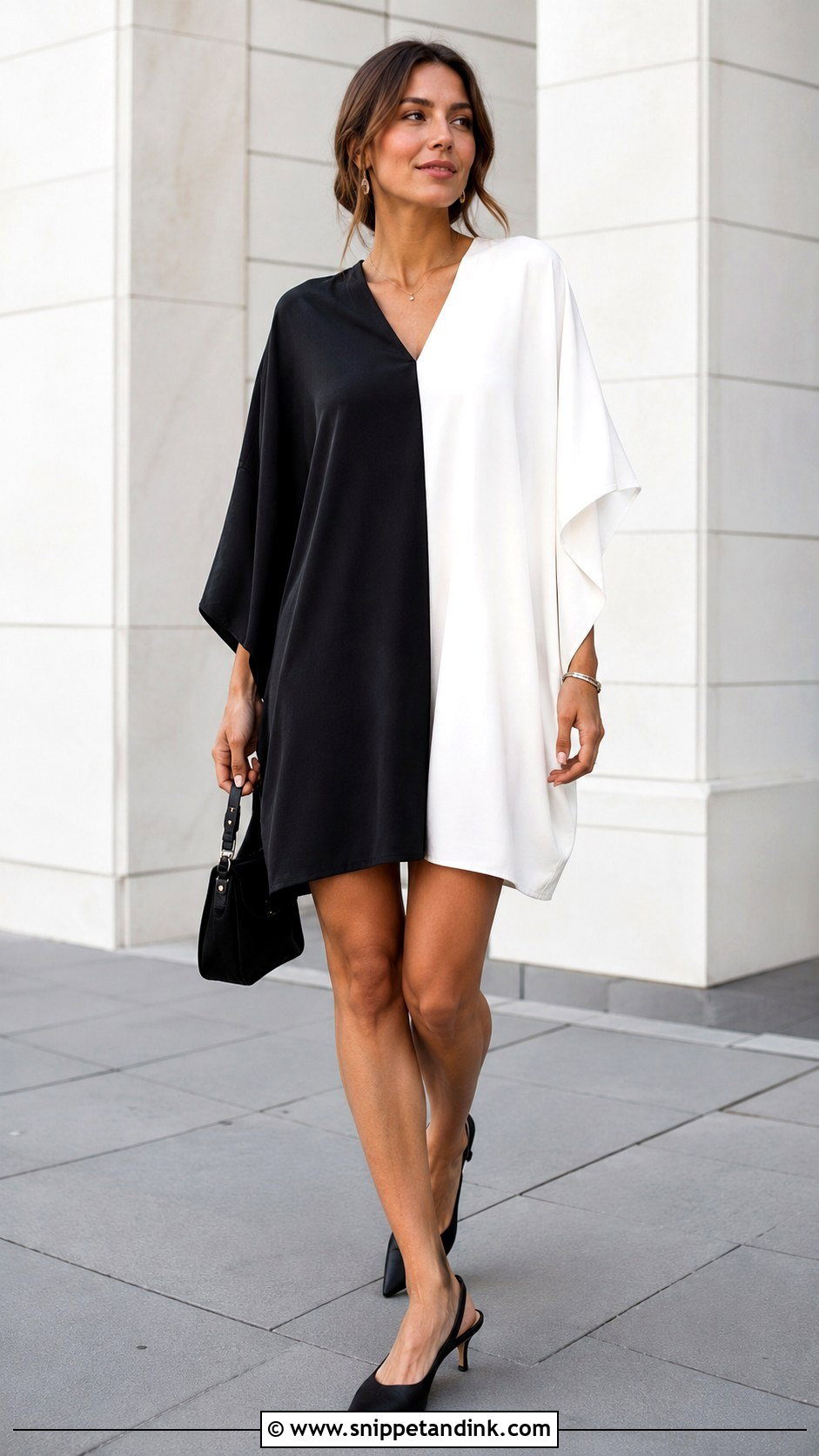
Two-tone gowns are a way to get interest without embellishment, and placement is everything. A darker panel down the sides narrows the figure, while a contrasting hem draws the eye to the legs. I keep colour pairs close in strength, black with white or navy with sky blue, so one does not swallow the other. Slingback heels in a neutral finish it.
22. Short Free Gown With Front Buttons And Flats
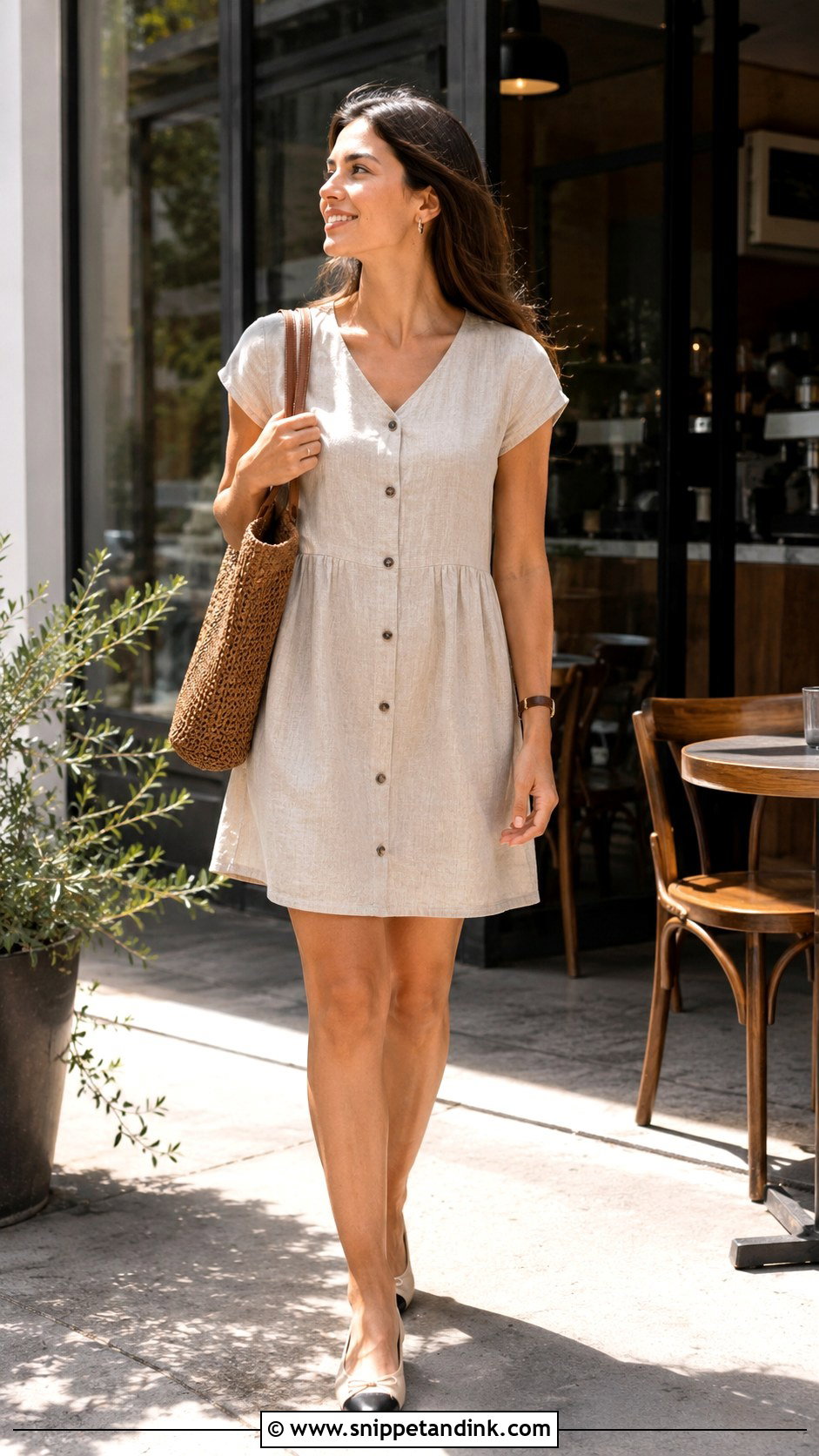
Front buttons make the gown easy to put on and take off, which matters more than people think on a busy day. The trap is gaping between buttons at the bust, so I ask for closer button spacing there or a hidden press stud. Cotton, linen blend and Ankara all work. Ballet flats or loafers keep it relaxed, and a self-fabric tie belt adds shape when you want it.
23. Short Free Gown With Embroidery And Low Sandals
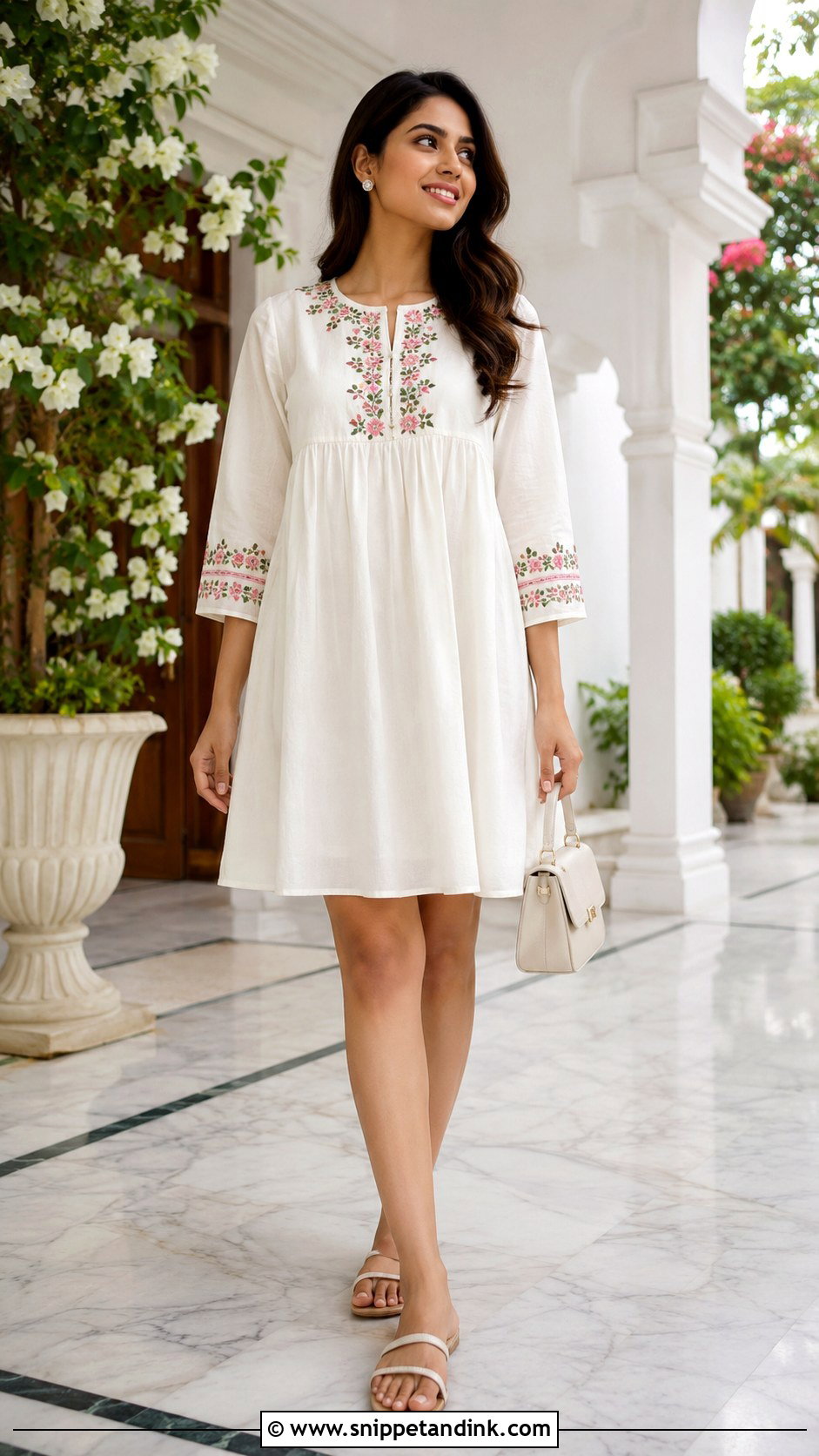
Embroidery turns a plain cotton or linen gown into something for a cultural programme or formal visit. I prefer it at the neckline or sleeve edge, where it sits near the face, rather than scattered across the body. Ask for the embroidery thread to be colourfast before it goes near light fabric, as bleeding is hard to fix. Keep the cut very simple and wear low sandals.
24. Short Tiered Free Gown With Platform Sandals
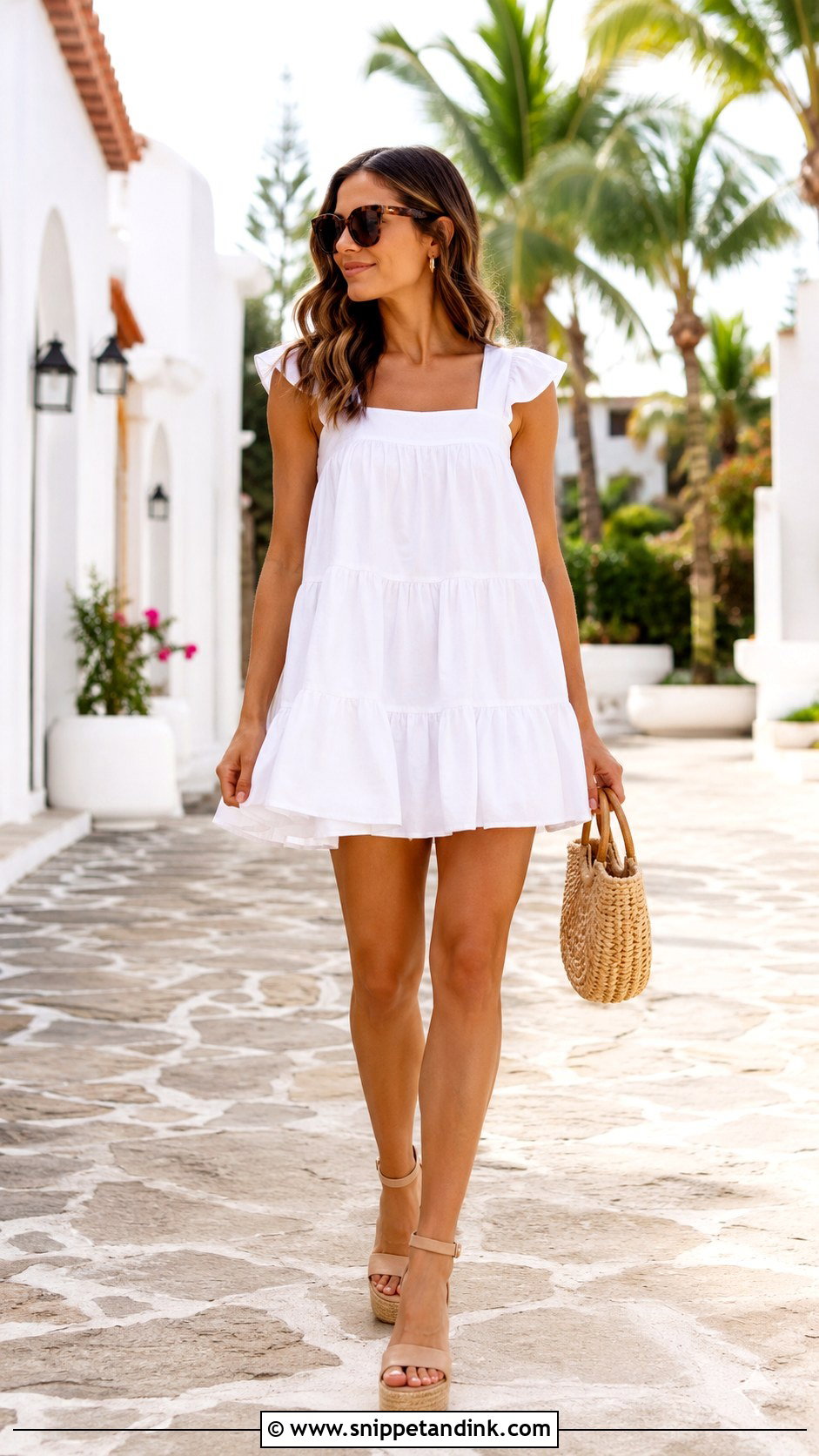
Tiers add volume in layers, so the more tiers you add, the younger and more playful the dress looks. Two tiers look neater; three suit a casual holiday mood. Cotton, rayon and lightweight Ankara work best because heavy fabric pulls the tiers flat. Platform sandals balance the extra volume at the hem, and sunglasses with a woven bag finish the look.
25. Short Free Gown With Square Neck And Heels
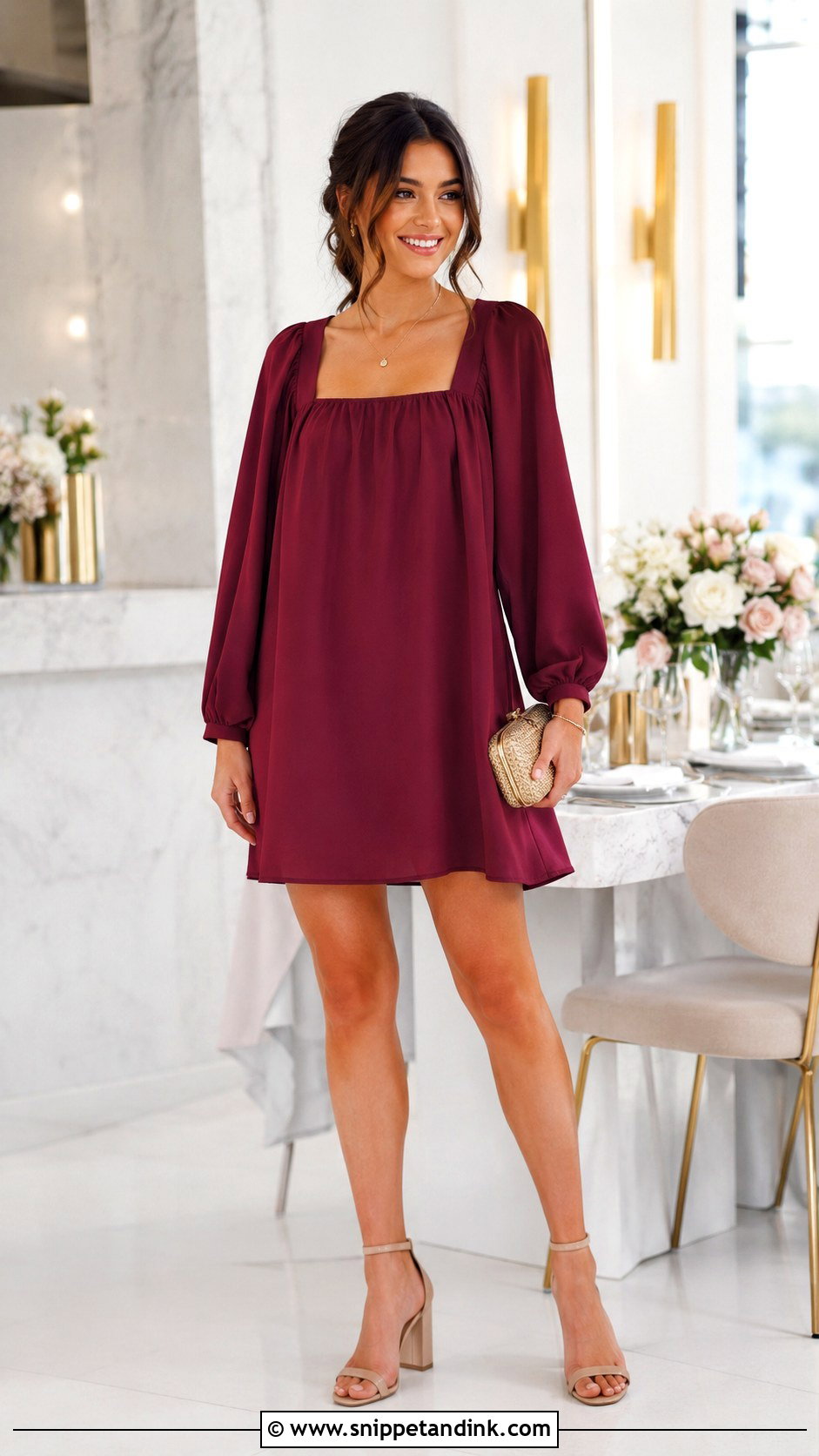
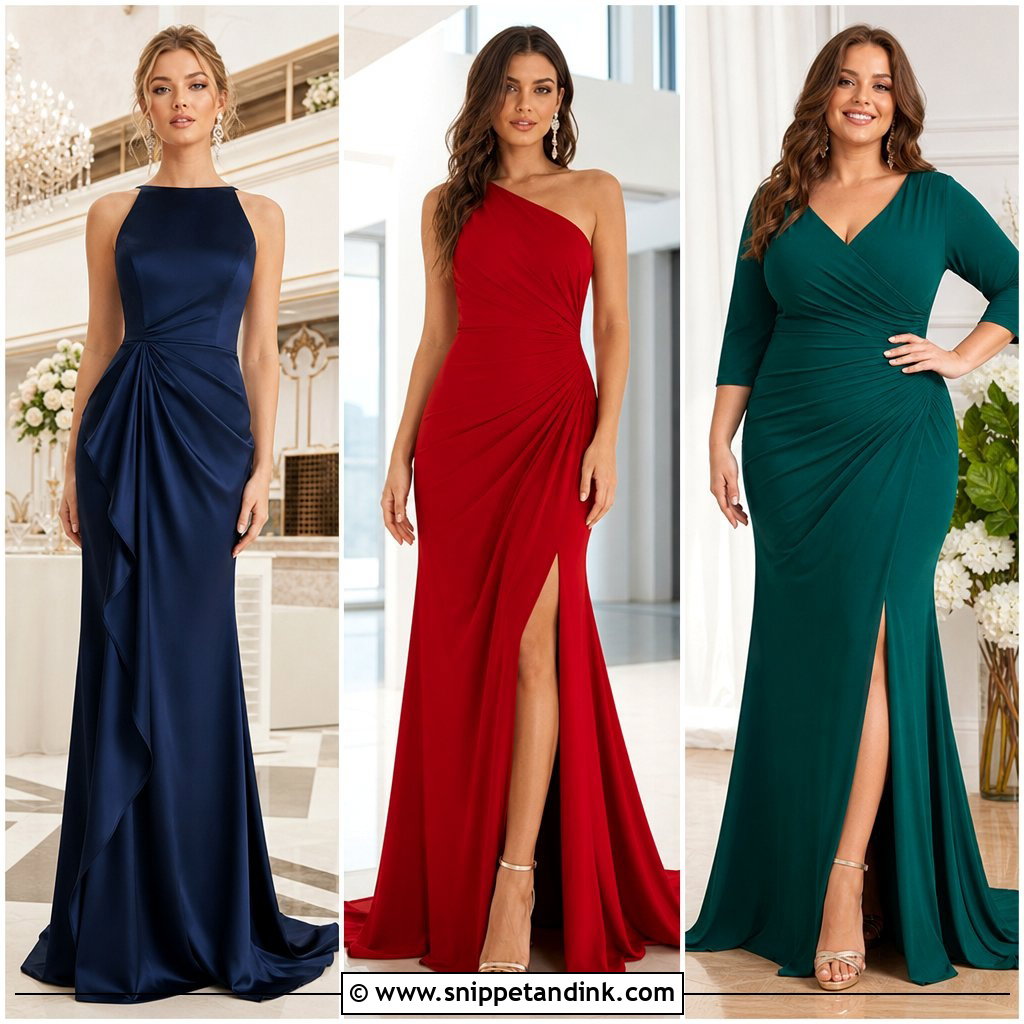
A square neck frames the collarbone and makes a plain gown look tailored. If your shoulders are broad, add a short or puff sleeve to soften the line; on a smaller frame, a sleeveless or cap-sleeve version shows the neckline at its best. The neck edge needs facing or lining so it does not curl outward. I keep the necklace short or skip it entirely.
26. Short Free Gown With Pleated Front And Flats
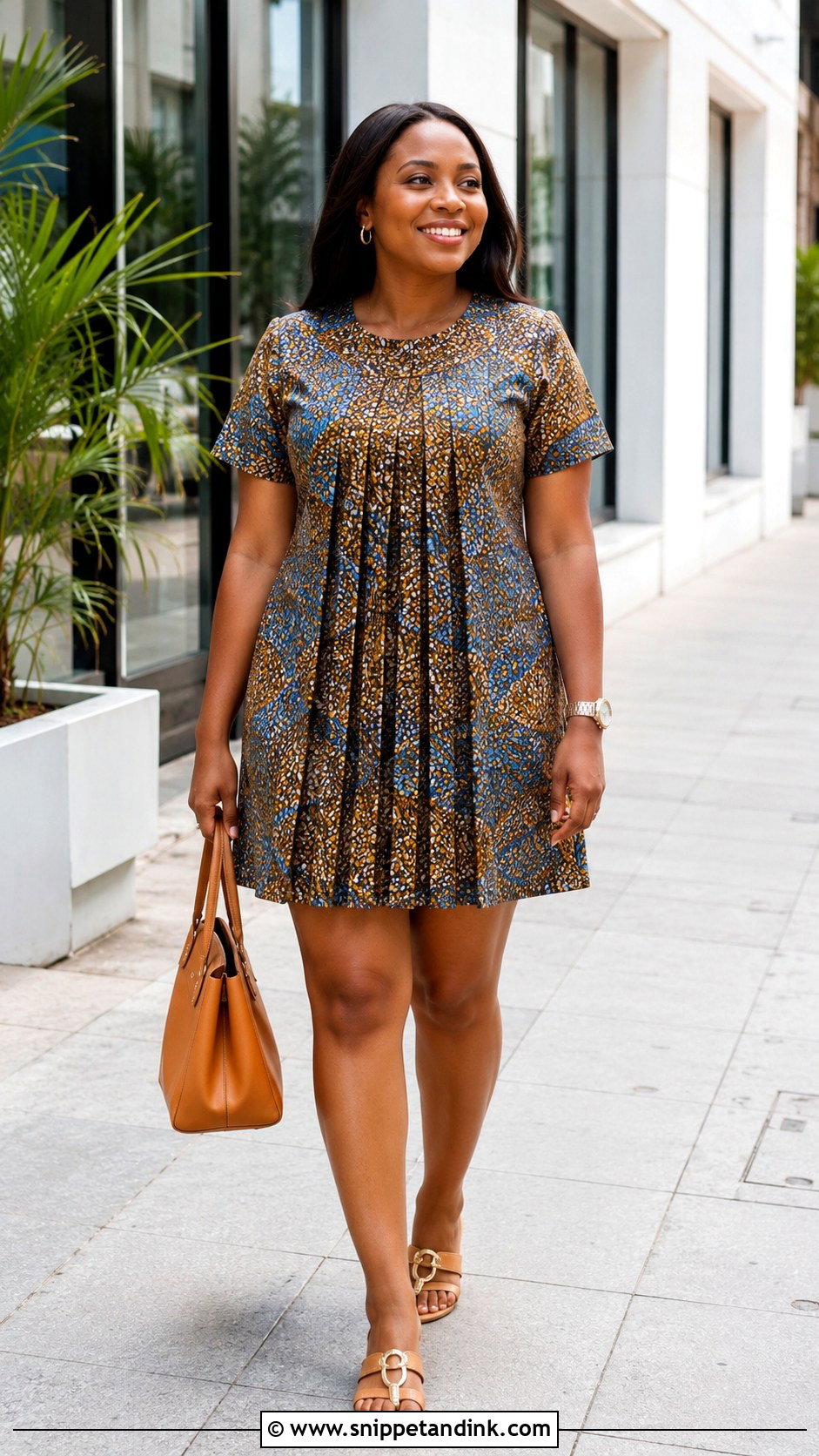
Pleats give a free gown quiet structure, and vertical pleats from the neckline or bust lengthen the body. I ask for the pleats to be stitched down a few centimetres so they do not spring open across the stomach when you sit. Plain crepe and light cotton press well. Flats and a medium handbag make it a smart casual dress for the office.
27. Short Free Gown With One Shoulder And Heeled Mules
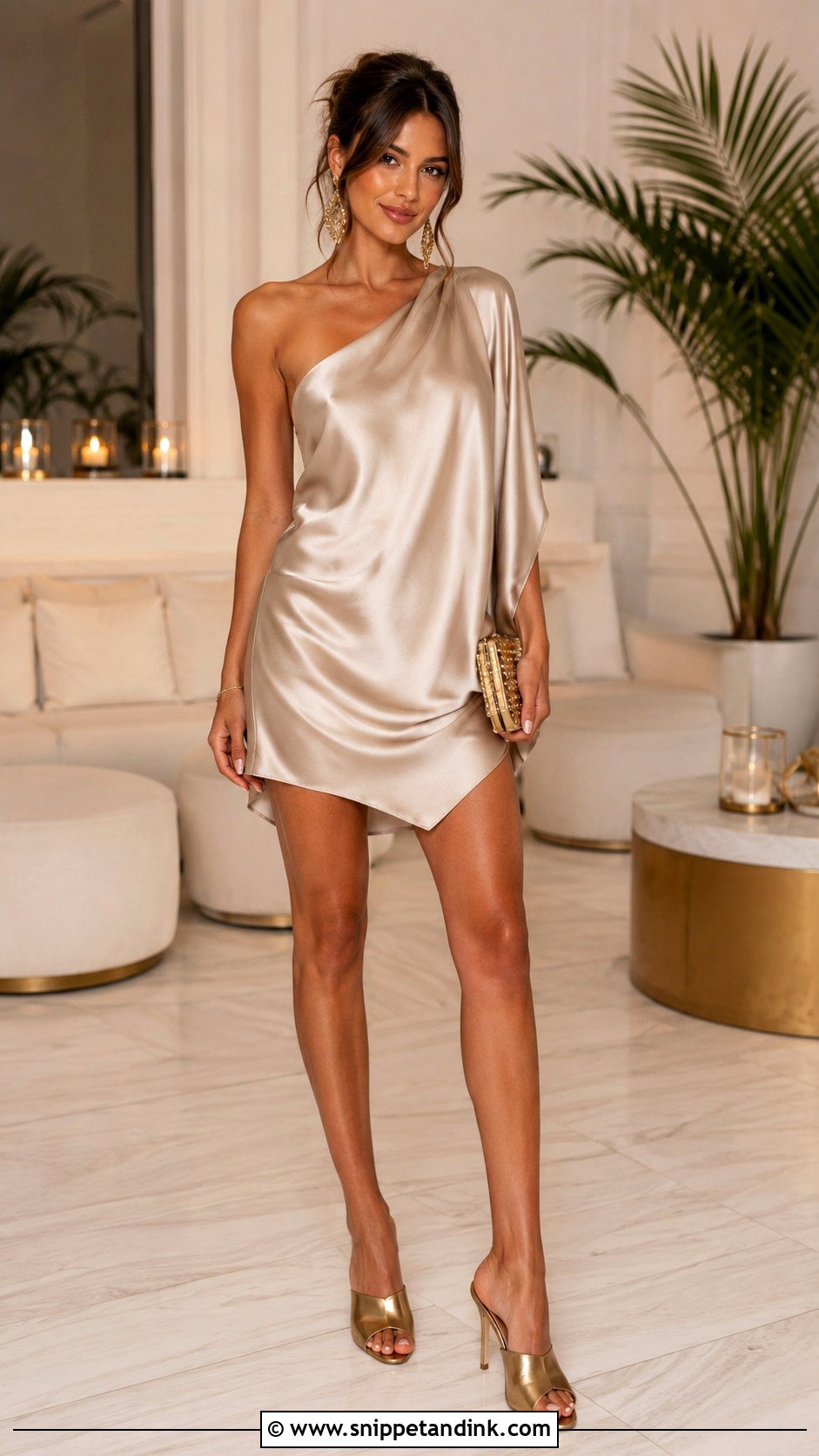
One shoulder is the boldest neckline here, so I keep the rest of the dress loose and plain. The bare shoulder needs a secure fit or a silicone grip inside the edge, otherwise it slips forward all evening. Statement earrings on the open side balance the line. Crepe or heavy satin, heeled mules and a small clutch make it a confident party dress.
28. Short Free Gown With Wrap Detail And Block Heels
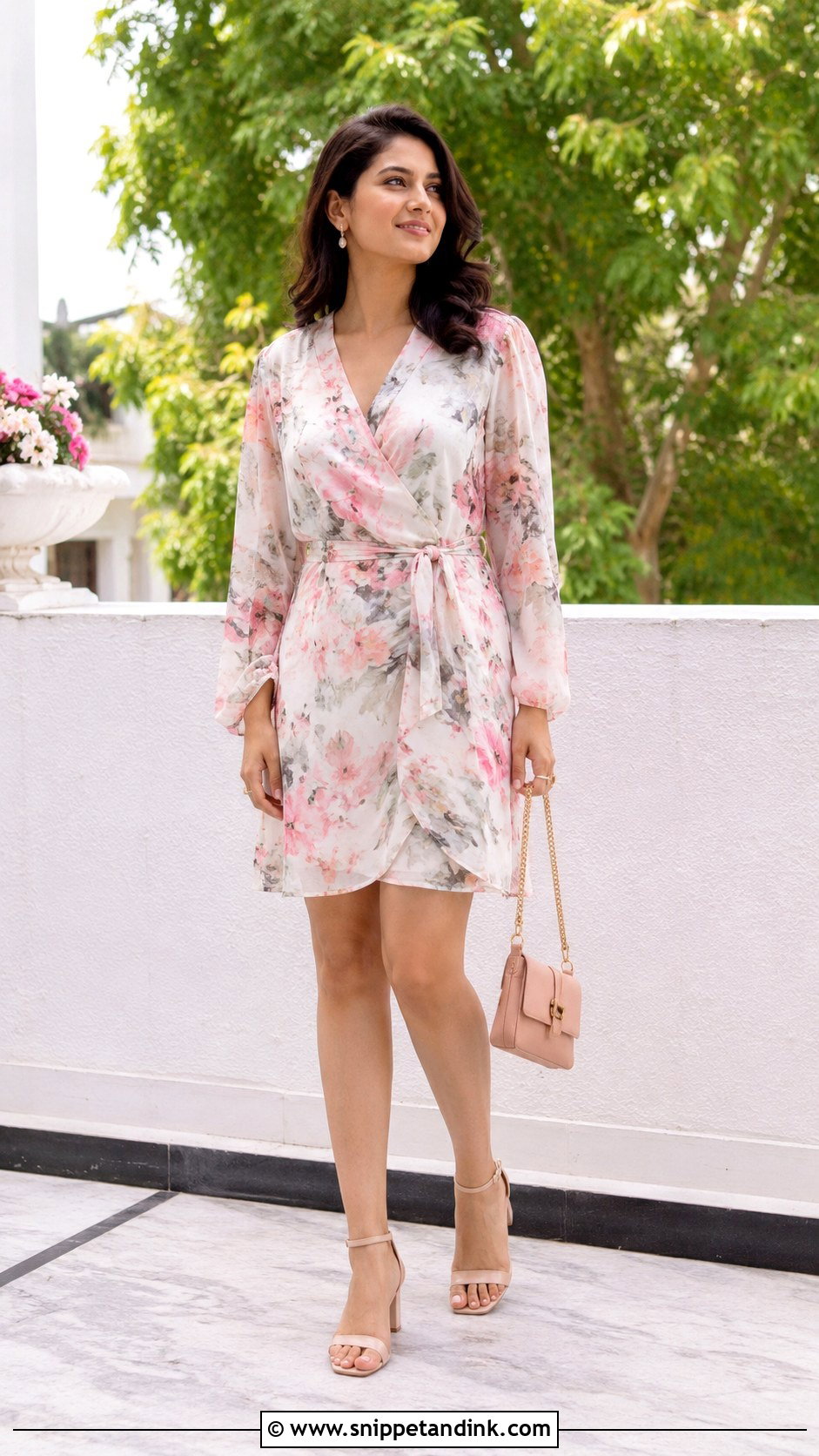
A wrap detail creates a diagonal line across the body, which gives the eye a sense of shape even when the gown is loose. A real wrap can open when you walk, so I usually ask for the overlap to be stitched in place. Soft crepe or rayon drapes best. Block heels and a small bag suit receptions, work events and birthday lunches.
29. Short Free Gown With Organza Sleeves And Pumps
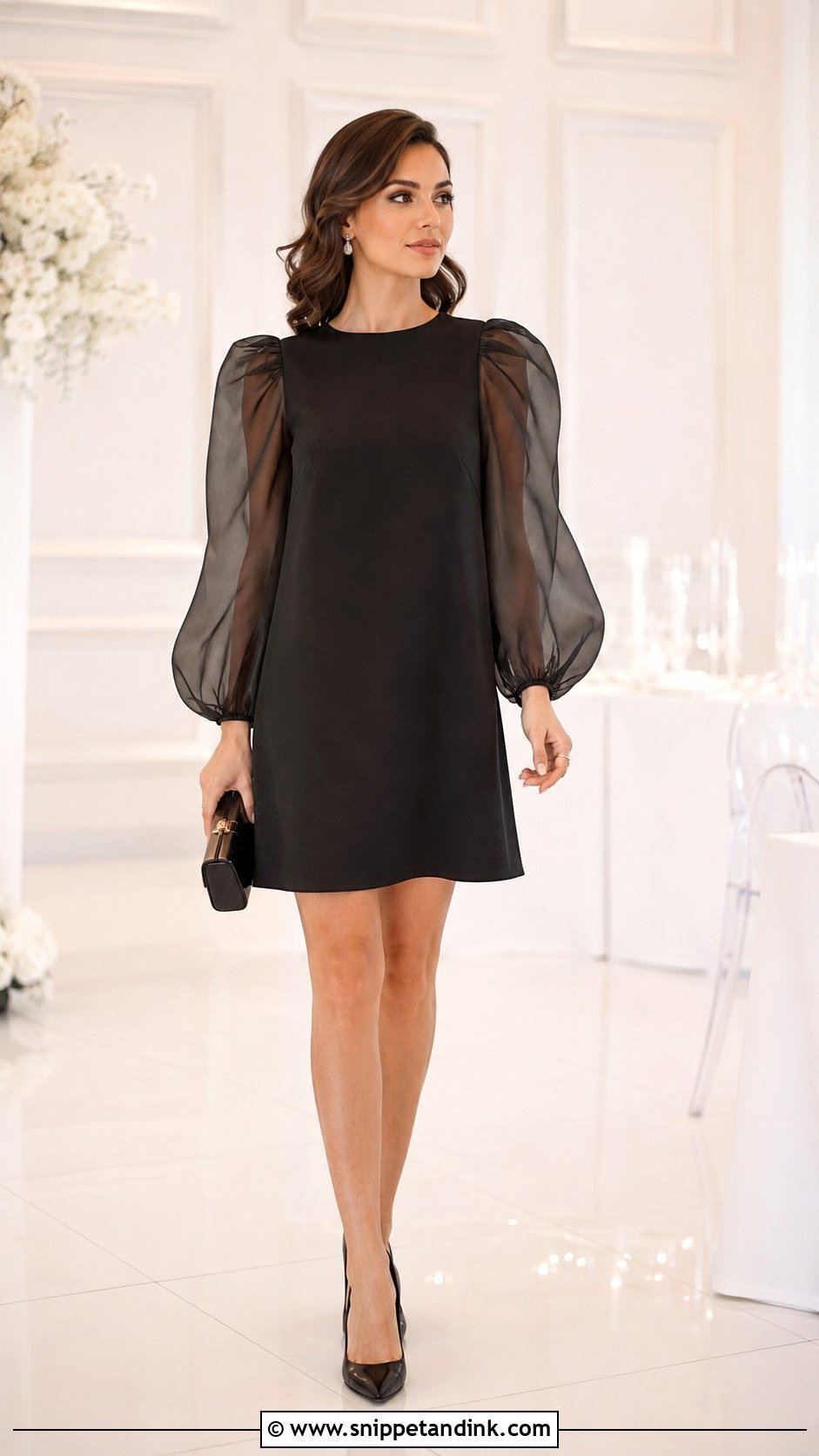
Organza sleeves bring light volume and a little shine to an otherwise simple dress. The body can be plain crepe, satin, or Ankara, but it must be fully lined so the sheerness stays on the arms. Organza creases sharply and does not iron well at high heat, so I tell clients to steam it at a distance. Pumps and a clutch are all you need.
30. Short Free Gown With Matching Bag And Shoes
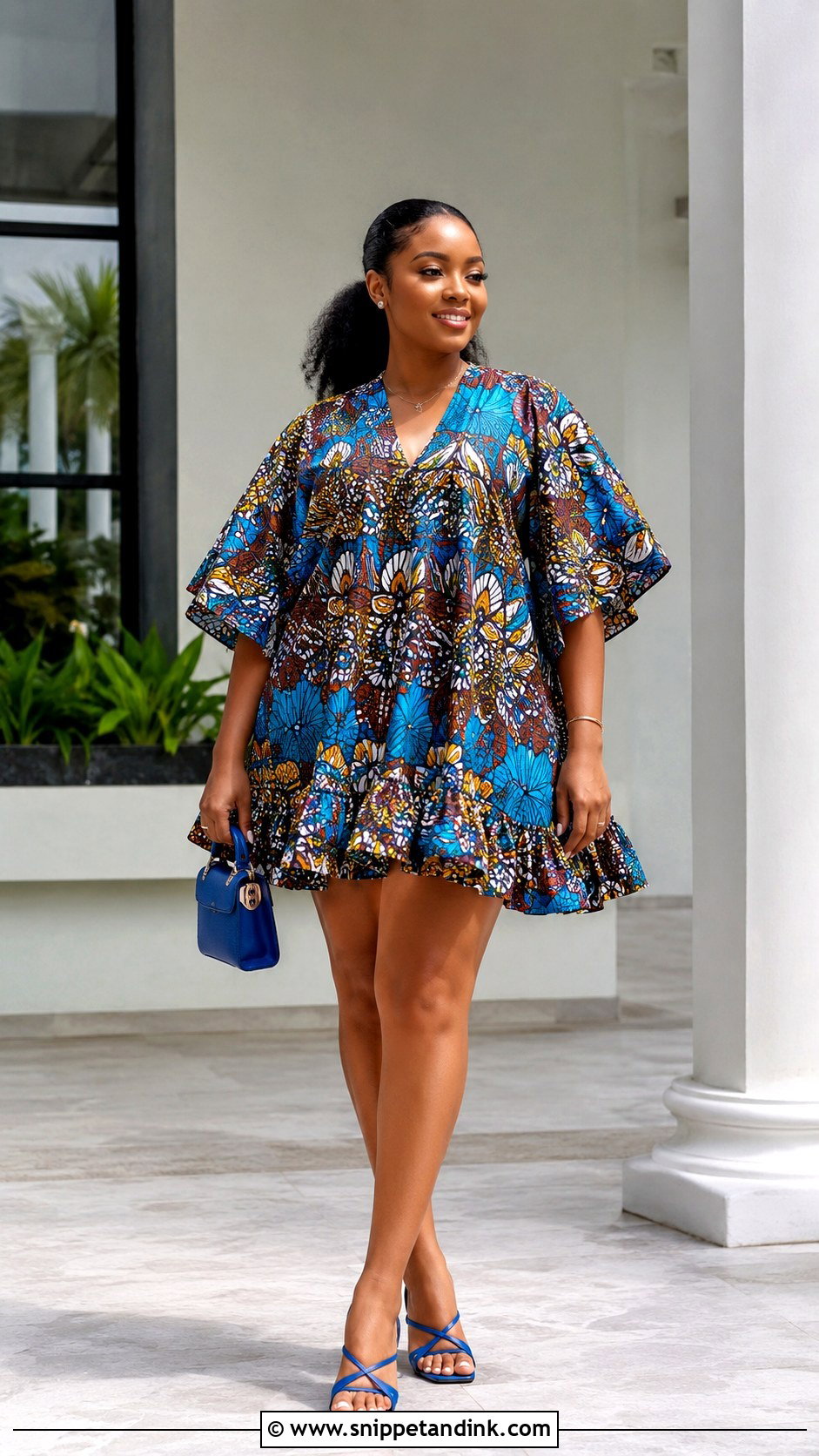
Matching the bag and shoes to one colour pulled from the fabric makes the outfit look planned with very little effort. Take a swatch with you when you shop, because blues and greens shift a lot between shop light and daylight. A blue Ankara gown with blue sandals and a mini bag works well, as does a beige gown with nude heels and a clutch. Keep jewellery quiet so the matching accessories support the dress.
Washing Wax Prints and Hand-Dyed Cloth So the Colour Stays
Ankara and adire fade faster than most people expect, and it is usually the wash that does it. I tell clients to wash a new Ankara gown alone the first time, in cold water, because loose dye can still run. Turn it inside out and dry it in shade; direct sun bleaches the printed side within a few washes.
Adire needs even more care because the dye is applied by hand. A mild detergent without bleach, a short soak and no wringing will keep the pattern sharp. Satin, chiffon and organza belong on a gentle cycle in a mesh bag or, better still, hand washed and steamed rather than ironed. Lace with beading should be spot cleaned only.
Where the Hem Lands Changes the Whole Dress
Short covers a range, and an inch either way changes how a free gown reads. Just above the knee looks youngest and suits flat shoes. At the knee is the safest length for family events and office days. A hem a little below the knee looks most formal and works with block heels or pumps.
I also look at the narrowest point of the leg. A hem that stops at the widest part of the calf shortens the leg in photos, so I nudge it up or down an inch or two to land above or below it. Petite clients usually look taller with the hem slightly higher than they first ask for.
Start With the Occasion, Then the Fabric
A short free gown gives comfort and polish in one piece, and the fabric, sleeve and shoe decide the rest. Pick your occasion first, then the fabric that suits it, and spend your effort on the shoulder fit and hem length. A good tailor can adjust the neckline, sleeve and length to suit your shape, which matters more than following any one design here.
You'll Like These Ideas:



Leave a Reply