
Most of the gowns I’m asked to style for owambe weekends, church thanksgivings and wedding guest duty are not the heavily beaded ones. They’re plain material gowns where the cut and the cloth carry everything, from fabrics like Ankara, crepe, chiffon to satin, cotton, lace, silk and suiting. What I look at first is how a fabric behaves on a body that sits, eats, dances and gets hugged all afternoon. Sleeve shape, neckline, waist placement and hem length do more for a simple gown than any embellishment, so that’s where each idea below puts its attention.
Taking Your Fabric to a Tailor Without Losing a Yard
A simple gown has nowhere to hide a sewing mistake, so most of my work happens before the first cut. Ankara is commonly sold in six-yard pieces, and a sleeved long gown can use most of that once the print is matched. If you want a short or sleeveless style, ask your tailor whether there will be enough left for a matching head wrap or a second piece.
- Pre-wash cotton, Ankara and adire before measuring, since they can shrink on the first wash and the tailor’s careful fit goes with it.
- Bring the shoes you plan to wear to the measuring visit. Hem length is set by heel height, not by bare feet.
- Agree on the lining in writing: full lining for chiffon, lace and thin crepe, bodice lining only for firm fabrics.
- Ask for a fitting before the hem is finished. It’s the last point where a waist or sleeve can be moved cheaply.
- Give yourself more time than you think. Busy tailors fill up before festive seasons and wedding weekends, and a rushed gown shows it at the seams.
I also ask clients to sit, raise both arms and reach forward at the fitting. If the gown pulls across the back or rides up at the hip in those moves, it will do worse after six hours at a party.
1. Simple Ankara A Line Gown
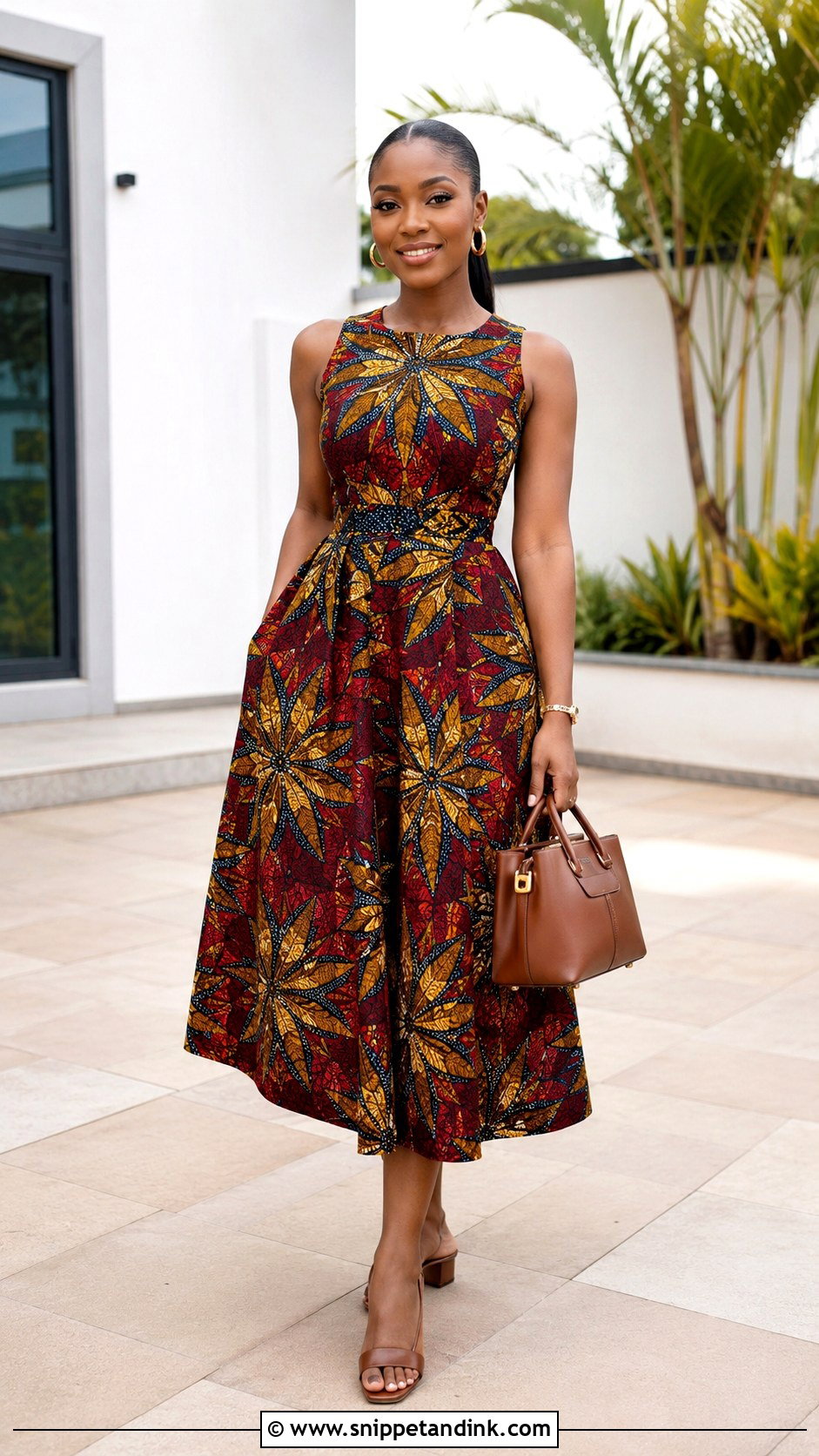
The A line is the shape I suggest to anyone sewing their first Ankara gown, because the fitted bodice is the only part that has to be exact. Below the waist the skirt opens away from the hips, so small measuring errors disappear. With a large print, ask your tailor to centre a motif on the bodice front; a flower cut in half across the bust is the giveaway of a rushed job. Block heels and a structured bag keep it neat from a family lunch to a daytime party.
2. Plain Crepe Straight Gown
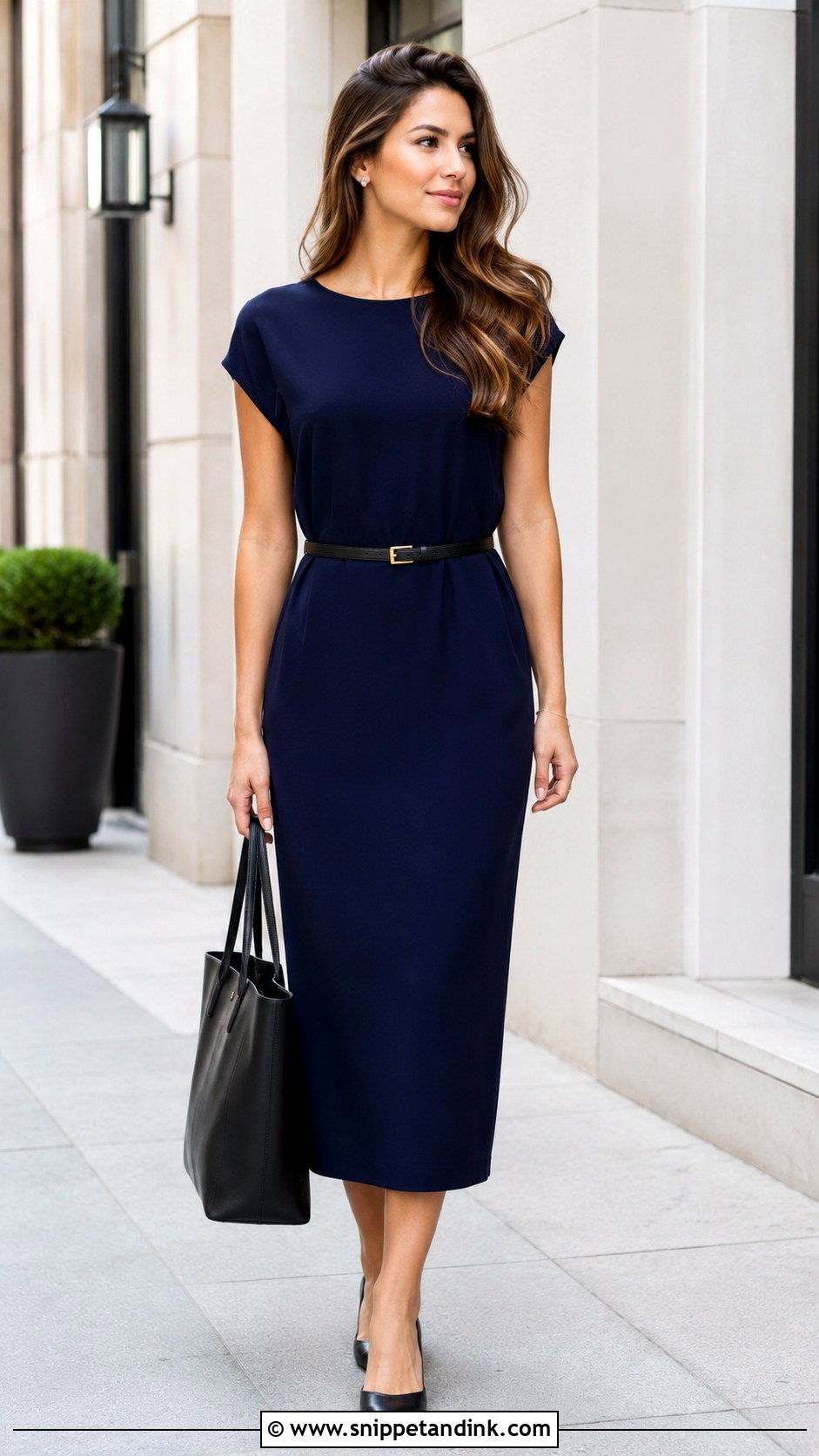
Crepe is forgiving in a way people don’t expect. Its grainy surface hides small creases from sitting, so a straight crepe gown still looks pressed at the end of a long service. The catch is cling: thin crepe shows every line underneath, so I always ask for a full lining, not just a bodice lining. Navy, emerald, burgundy and black read sharp at knee or midi length, and a slim belt gives it a waist without changing the pattern.
3. Chiffon Free Gown
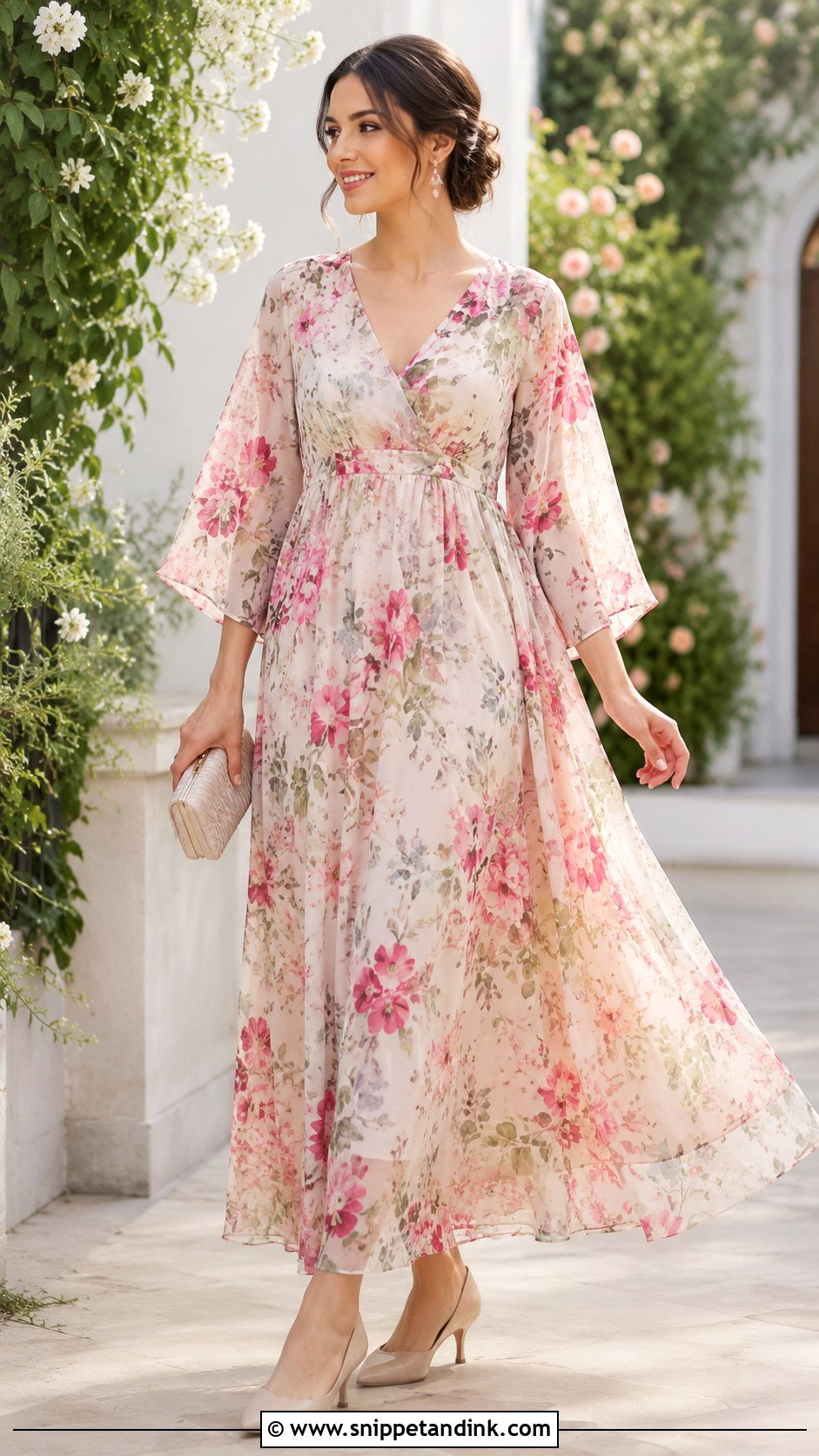
Chiffon on its own is see-through, so a chiffon free gown is really two garments: the floaty outer layer and a lining that does the modest work. I check the lining length before anything else, because if it stops too high the hem shows a shadow line in daylight photos. A soft V or round neck with loose sleeves suits this fabric. Watch your jewelry and bag hardware too, since chiffon snags on prongs and zips more easily than people think.
4. Short Ankara Shift Gown
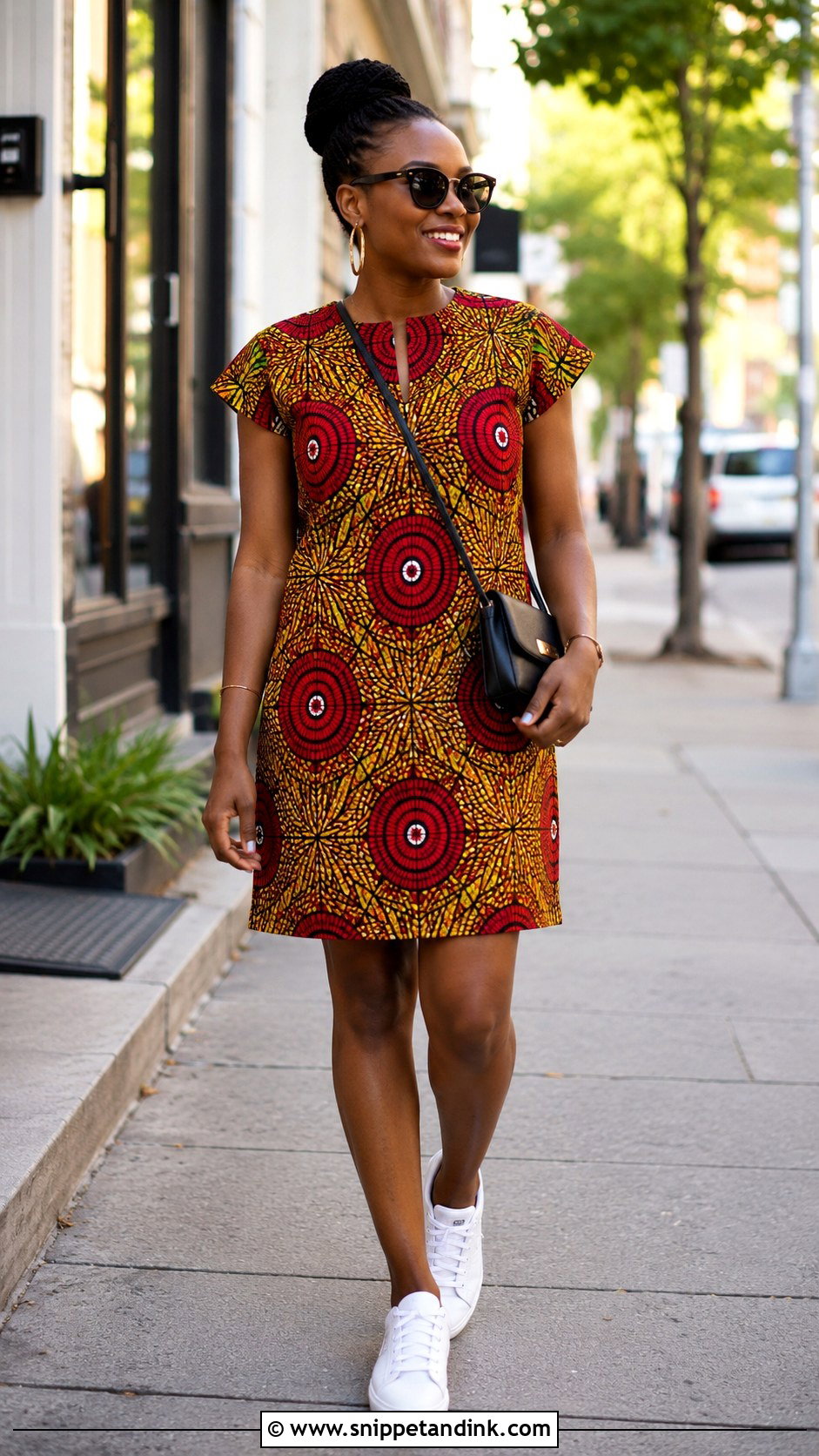
A shift has no waist seam, which makes it comfortable and quick to sew, but it also means the fit lives entirely in the shoulders and bust darts. If those are off, the whole gown hangs crooked. I keep the hem at or just above the knee so the straight line doesn’t make the legs look short. White sneakers make it casual, low block heels make it smart, and a small crossbody bag stops the straight shape from looking boxy.
5. Long Satin Gown
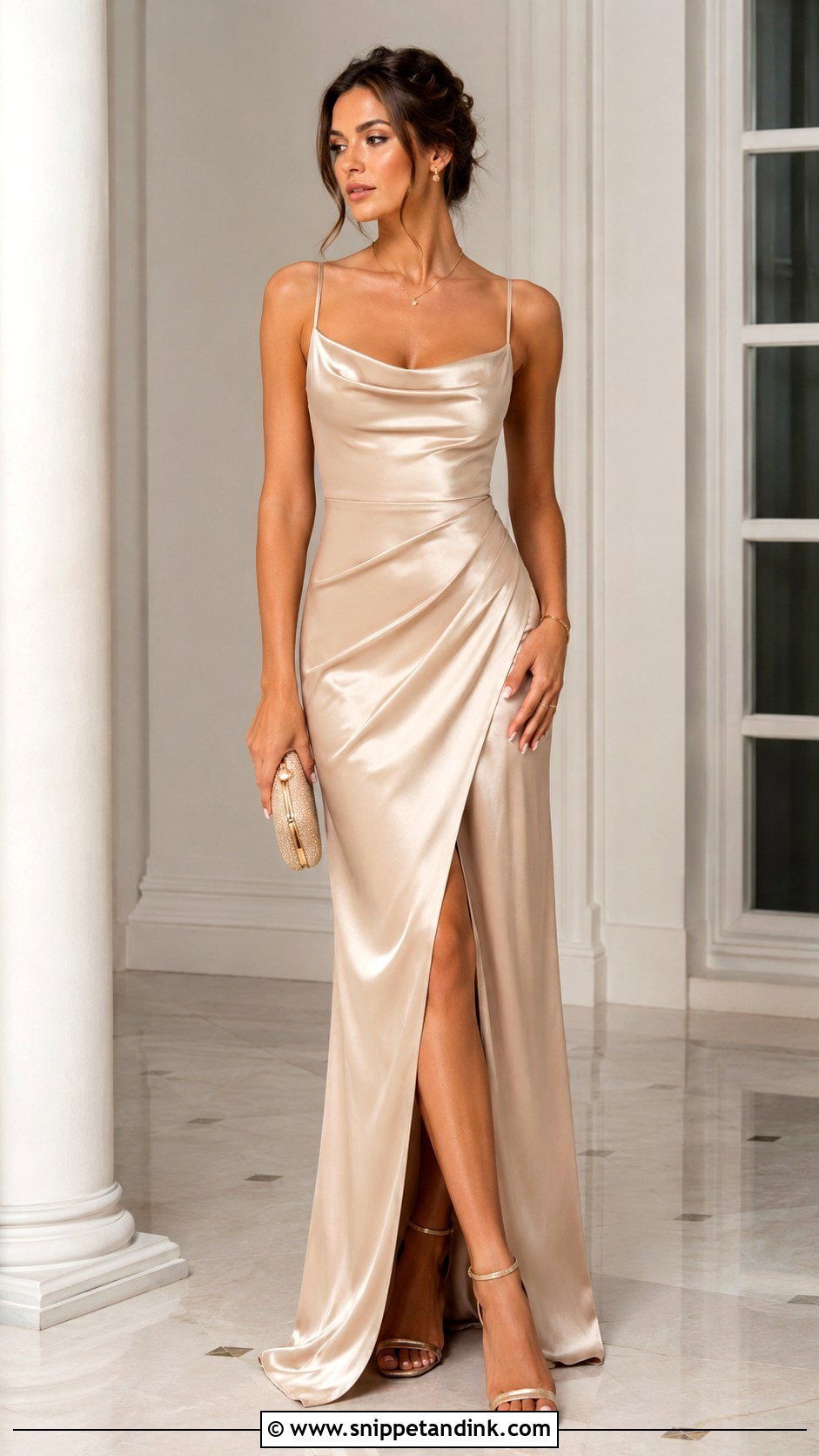
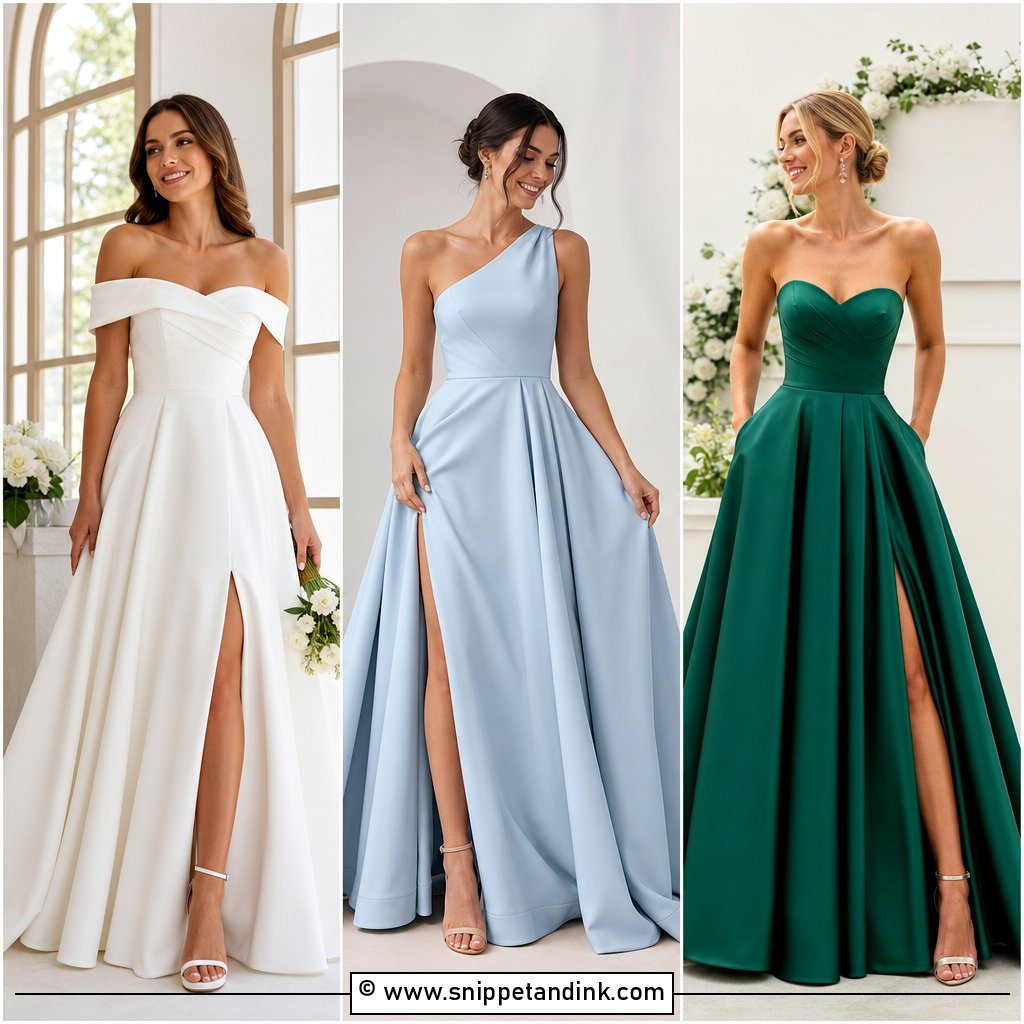
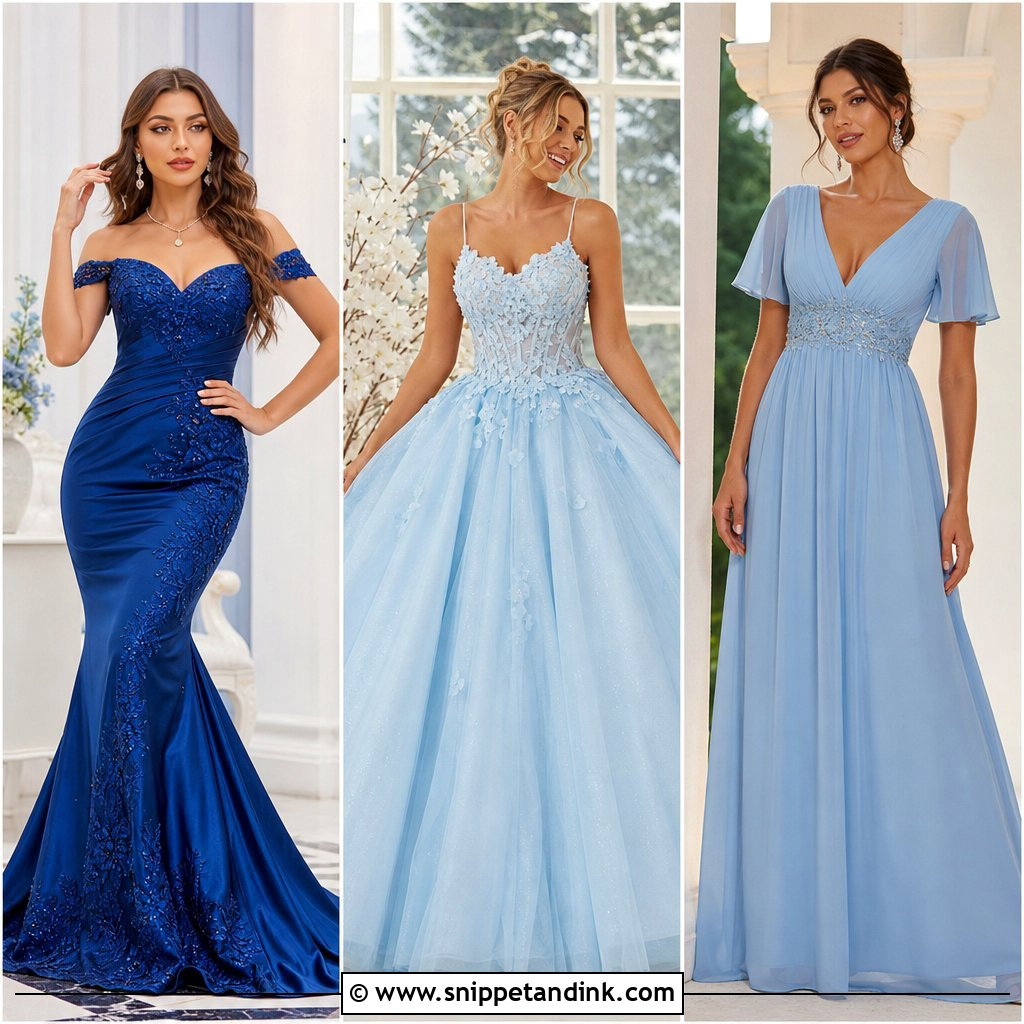
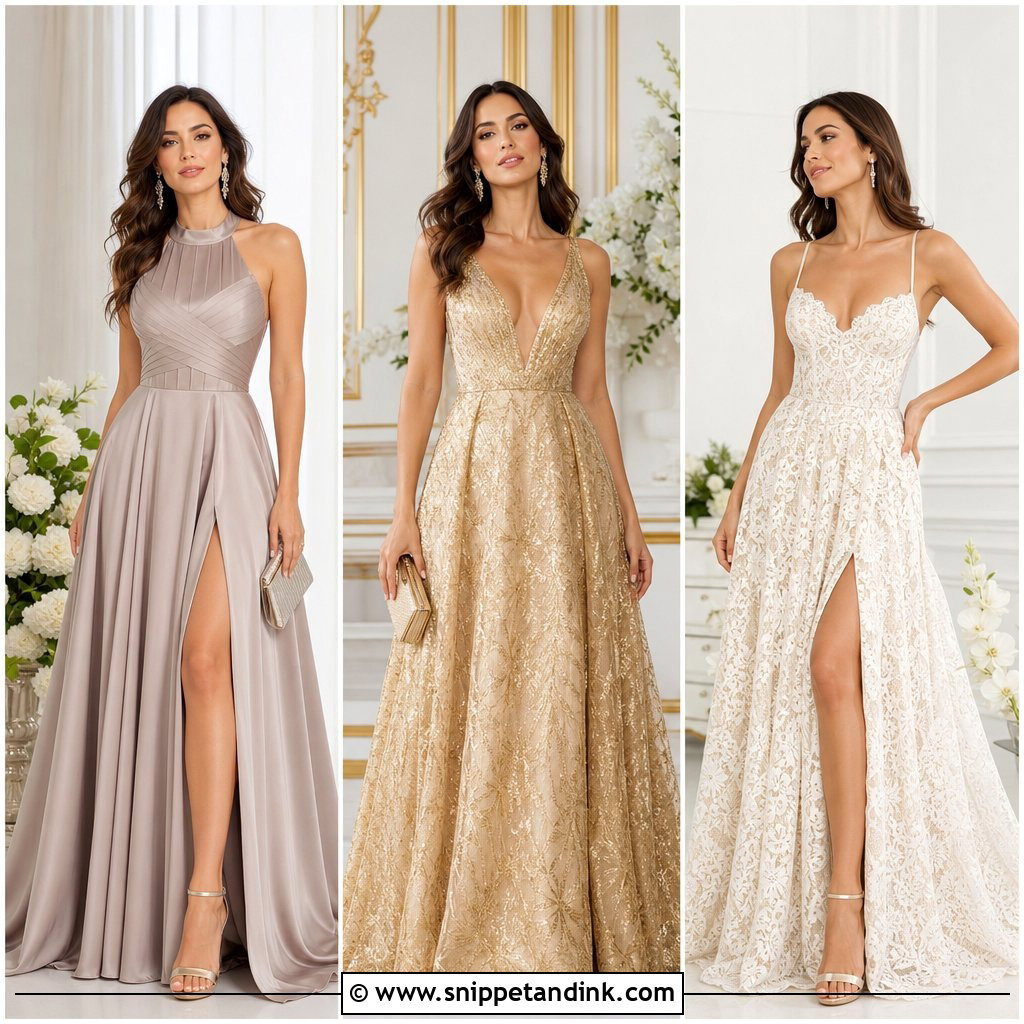
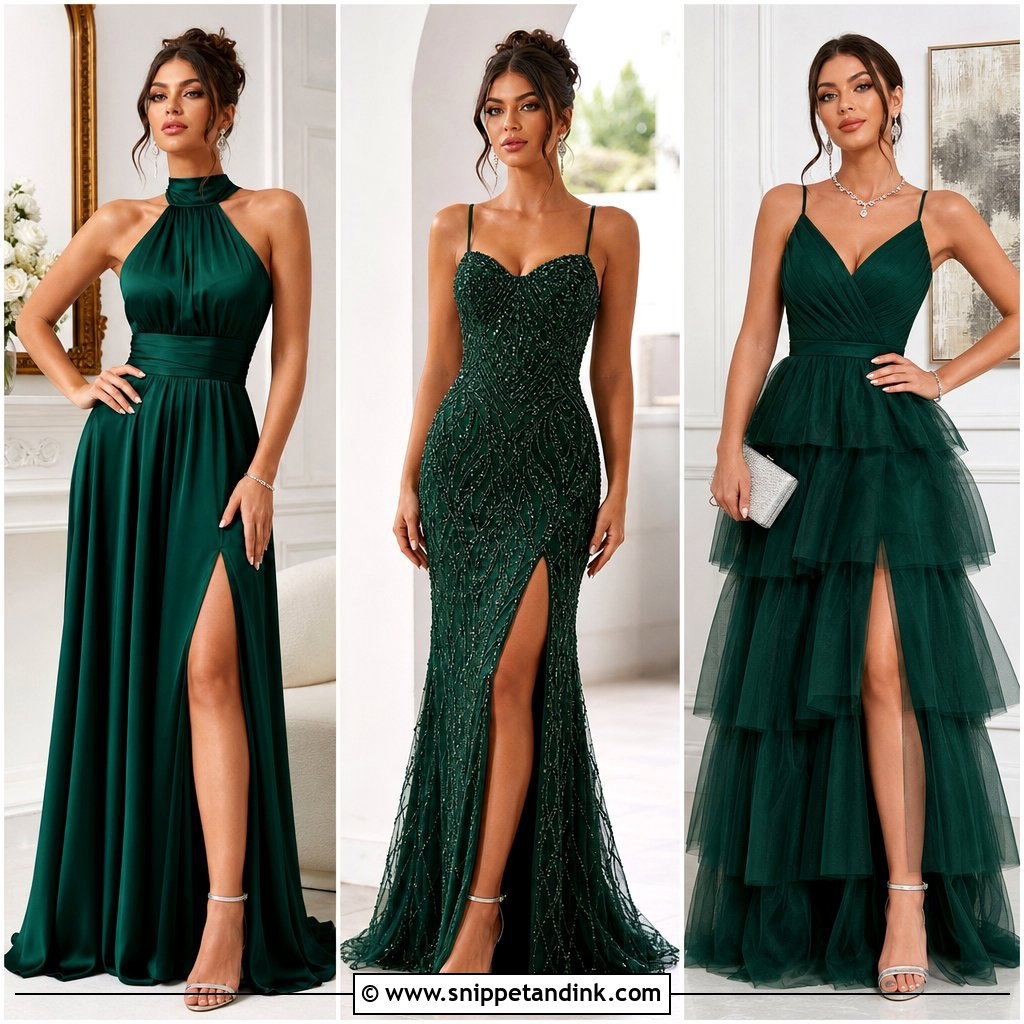
Satin does a lot of work by itself, so I resist adding anything to a long satin gown beyond a round neck, a modest slit or a soft gathered waist. Be honest about the fabric’s weak spots: it creases where you sit and it marks if a drink splashes it, so a heavier satin with some body is worth the extra cost. For evening I like champagne, dusty rose or chocolate, and for something bolder, royal blue, wine, emerald or black. Strappy heels and fine jewelry are enough.
6. Cotton Maxi Gown
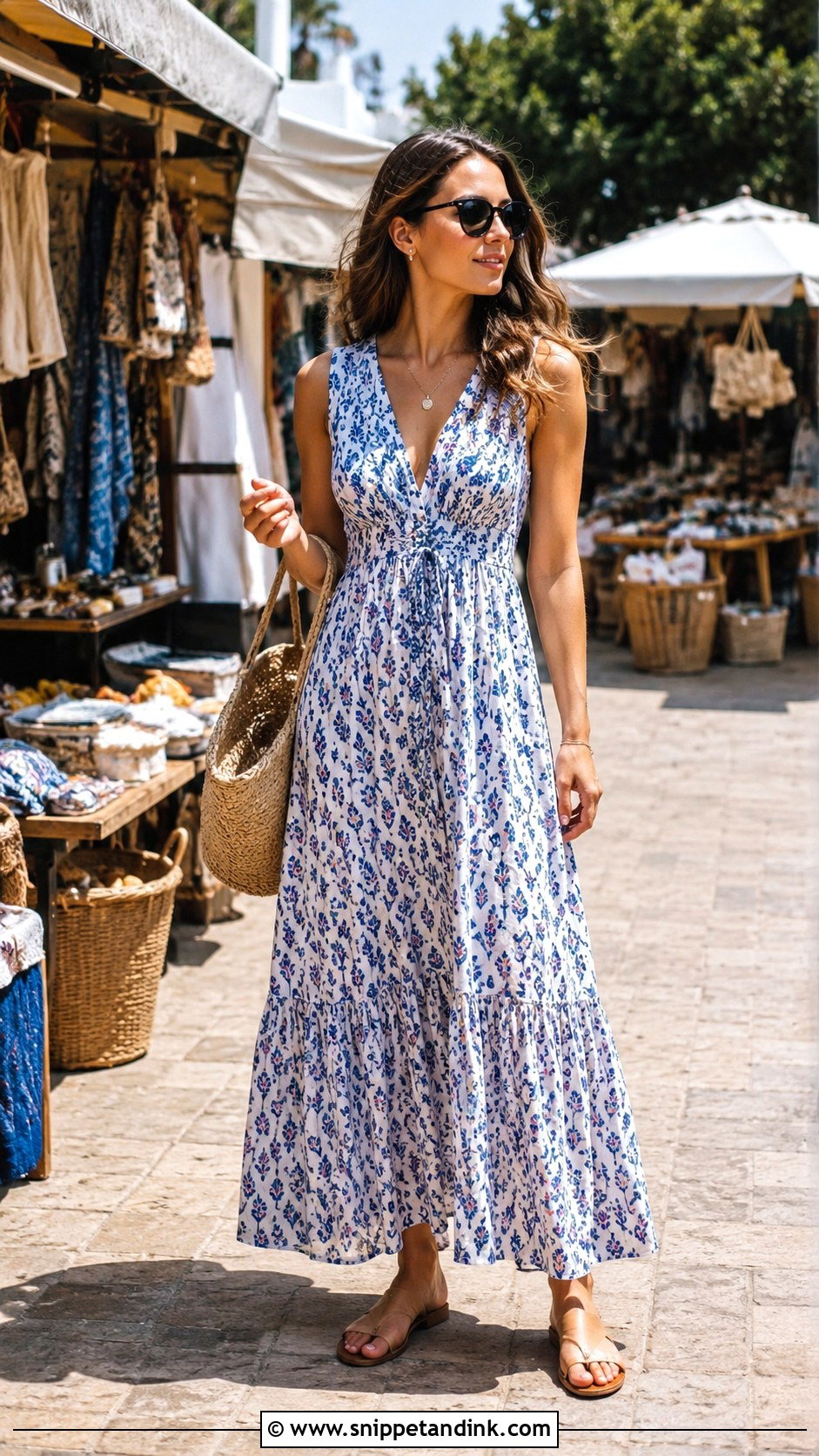
Cotton breathes, which is why I put clients in a cotton maxi for hot outdoor days and travel. A loose waist or gathered skirt keeps air moving. Pre-wash the fabric before it goes to the tailor, though; cotton can shrink after the first wash and a maxi that cleared the floor can end up at the ankle. Flat sandals, a woven tote and a denim jacket for cooler evenings finish it.
7. Ankara Wrap Gown
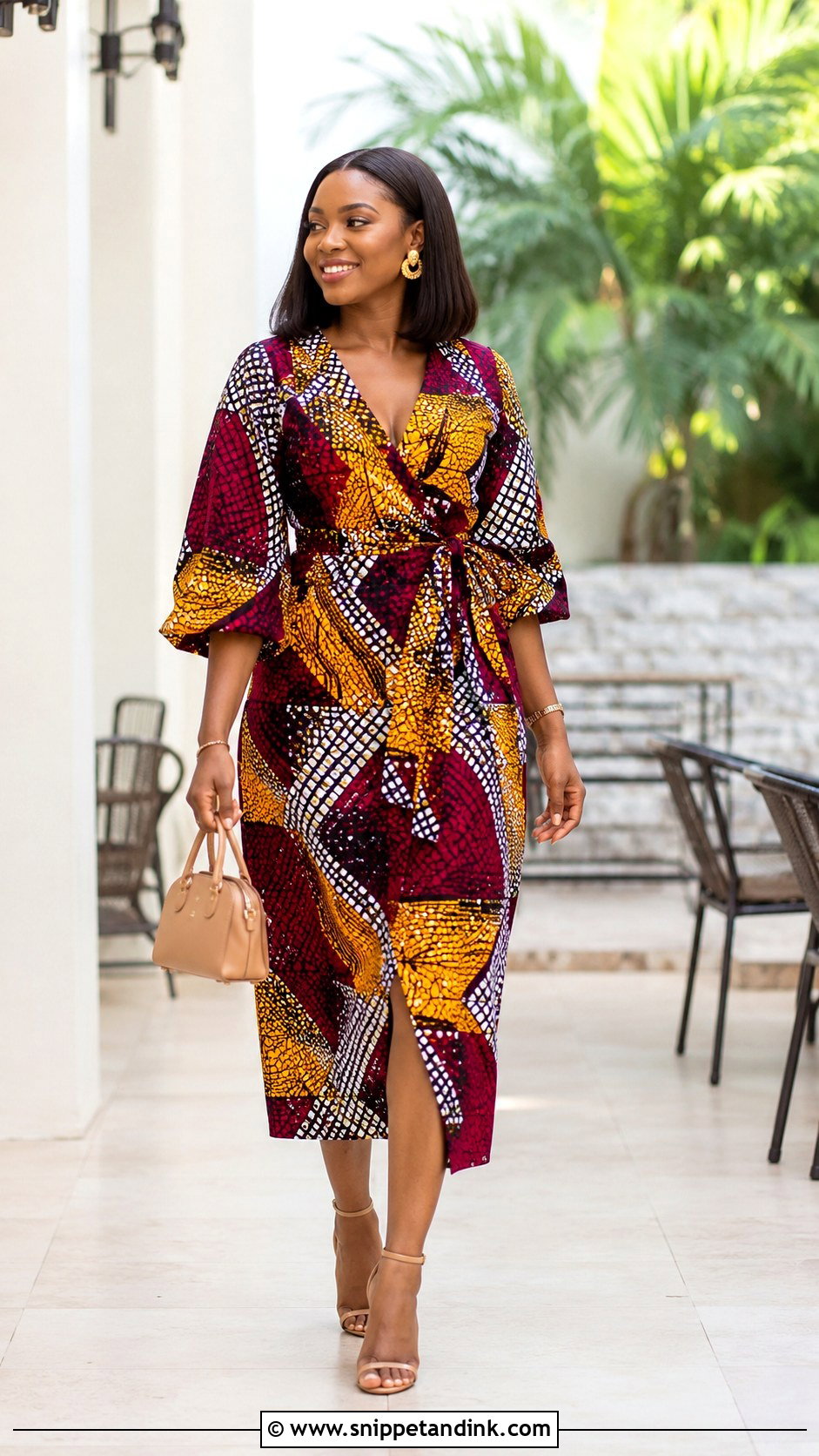
Of all the shapes here, the wrap is the one I recommend when someone’s size changes from month to month, because the tie adjusts with you. It also gives a V neckline and a clear waist without darts or zips. The thing I check is the overlap: if the front panel is cut too narrow, the skirt opens when you sit or step out of a car. Ask for a generous overlap and a hidden snap at the bust, then add nude heels and gold earrings.
8. Simple Lace Midi Gown
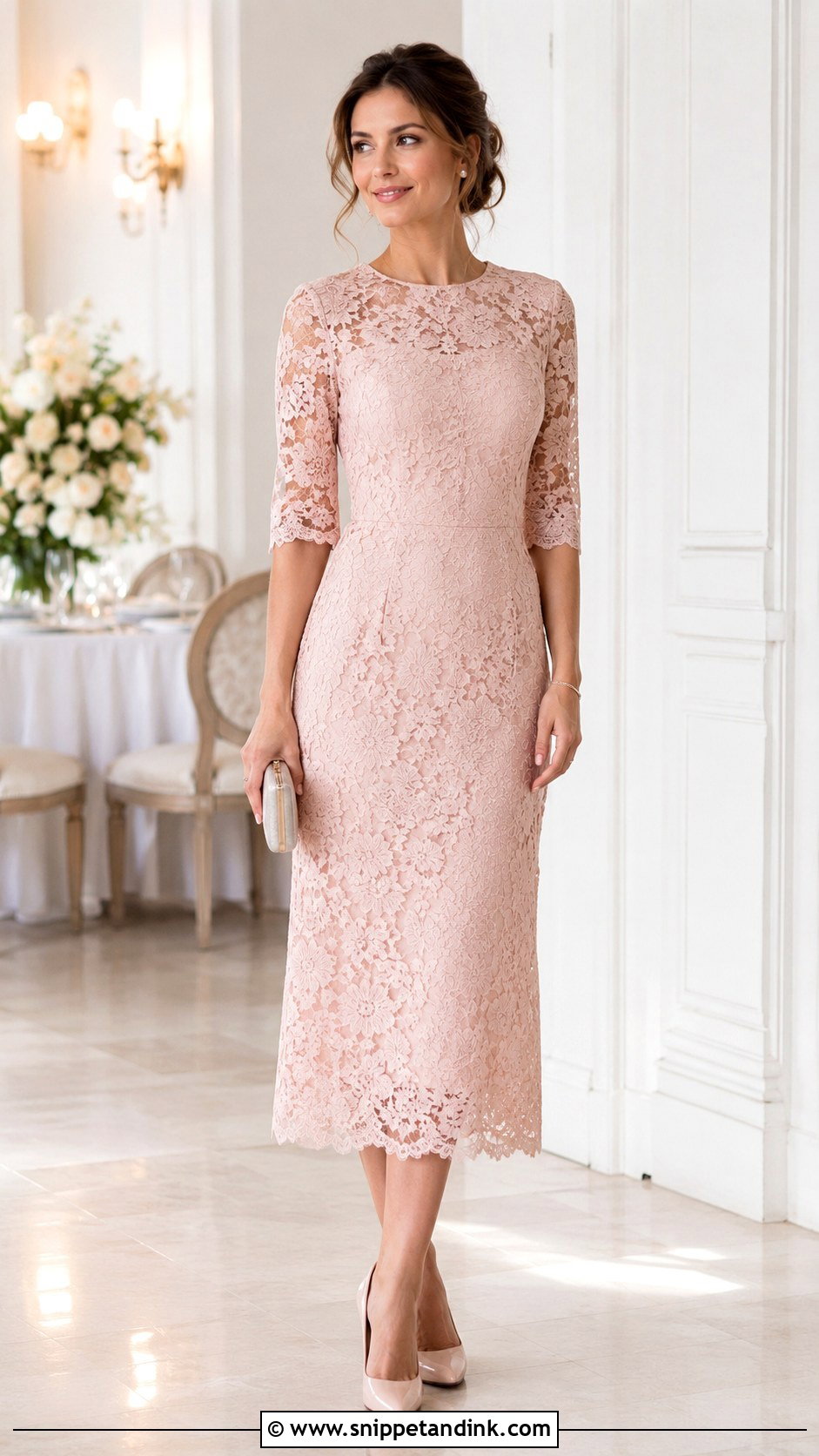
Lace already has texture, so the gown should stay quiet: a fitted bodice and a straight or slightly flared midi skirt. The lining colour changes the look more than people realise. A matching lining makes the lace read as one soft surface, while a contrast lining pushes the pattern forward. Blush, cream and sky blue are gentle; plum and forest green look richer. Ask the tailor to match lace motifs at the side seams, because that is where cheap finishing shows first.
9. Material Gown With Puff Sleeves
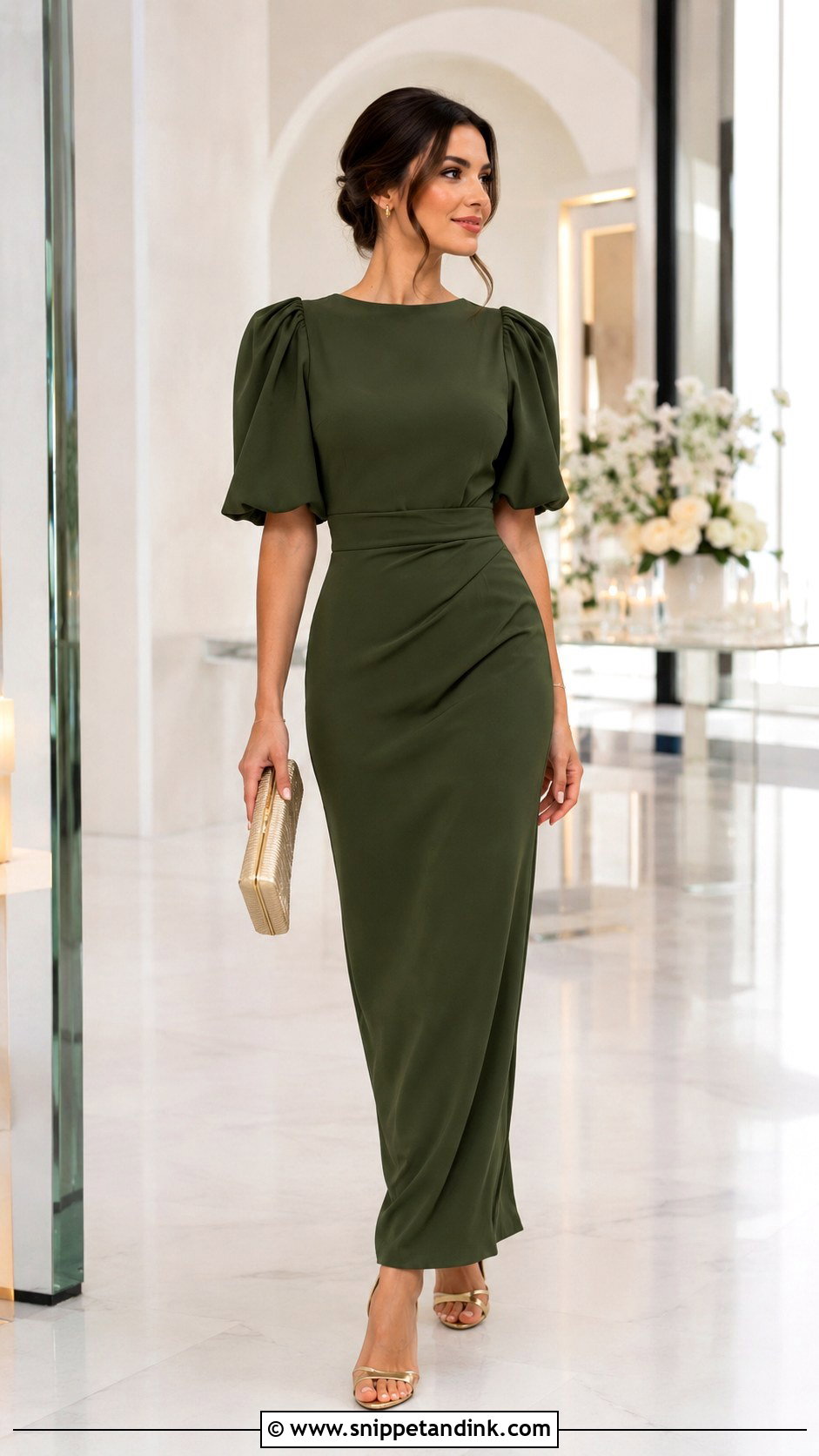
Puff sleeves widen the shoulders, which balances fuller hips nicely and can overwhelm a very petite frame. I keep everything else plain: simple neckline, fitted waist, straight skirt, no heavy necklace competing at the same height. The fabric has to hold air, so Ankara, brocade, crepe or satin work, while soft cotton puffs collapse by lunchtime. Simple heels and small earrings are all it needs for family celebrations.
10. Simple Bubu Gown
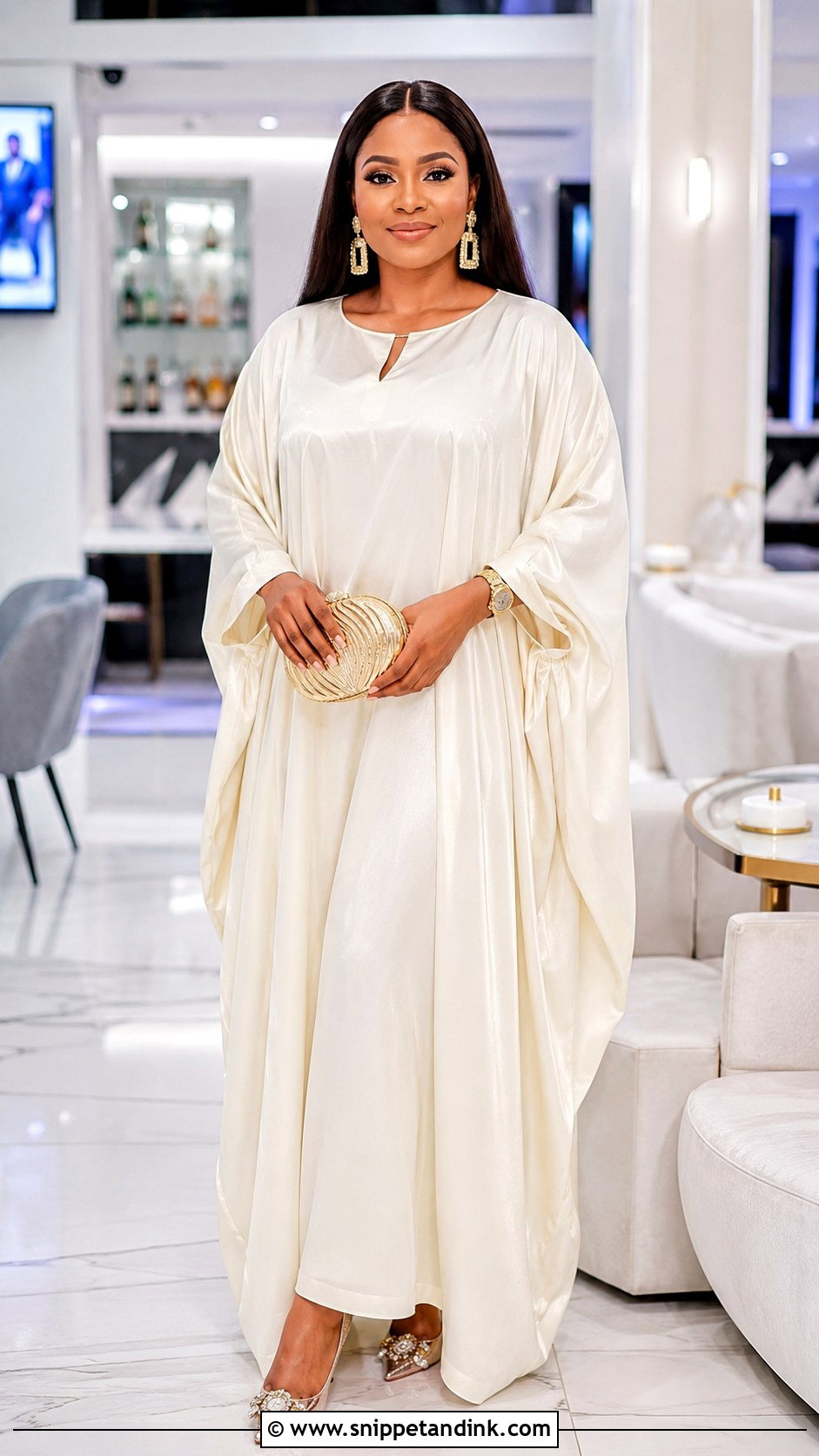
A bubu is the gown I’d wear to a long celebration where I’ll be sitting for hours, because nothing presses anywhere. The width is the risk. In very soft fabric a big bubu can swallow a small frame, so I like a little structure at the neckline and sleeve edges to give it a frame. Plain fabric, Ankara, adire, silk, crepe and chiffon all work. With that much cloth, keep accessories sharp: a small clutch, statement earrings, embellished flats.
11. Off Shoulder Ankara Gown
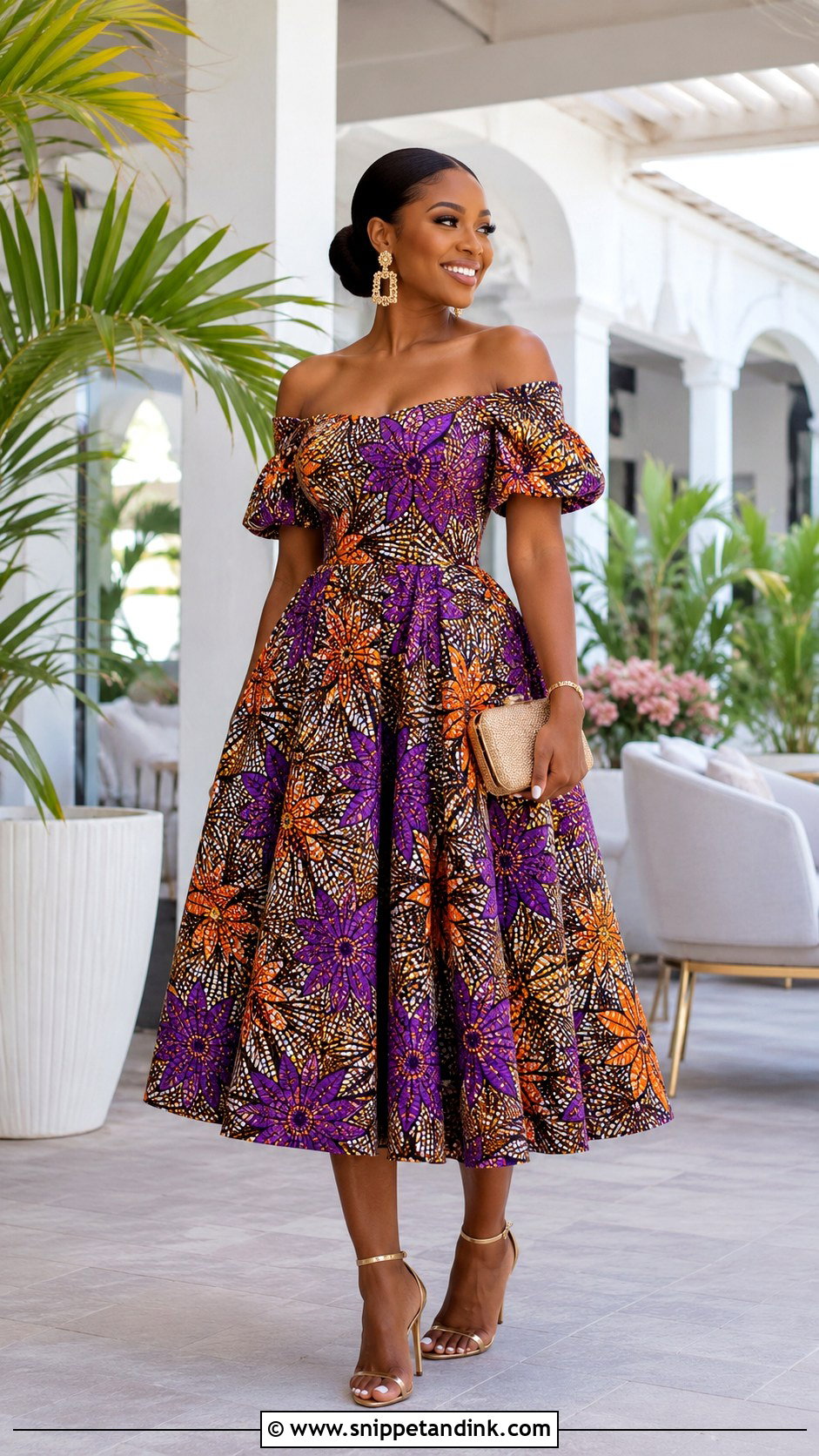
Off shoulder necklines fail in one specific way: they slide up or down as the day goes on. Elastic in the neckline or a folded shoulder band with boning at the sides fixes most of that, and I’d ask for both if you’ll be dancing. A midi or long length with a fitted waist keeps the rest modest. The shoulders are already the focus, so skip the necklace and let bold earrings and a clutch do the work.
12. Plain Material Peplum Gown
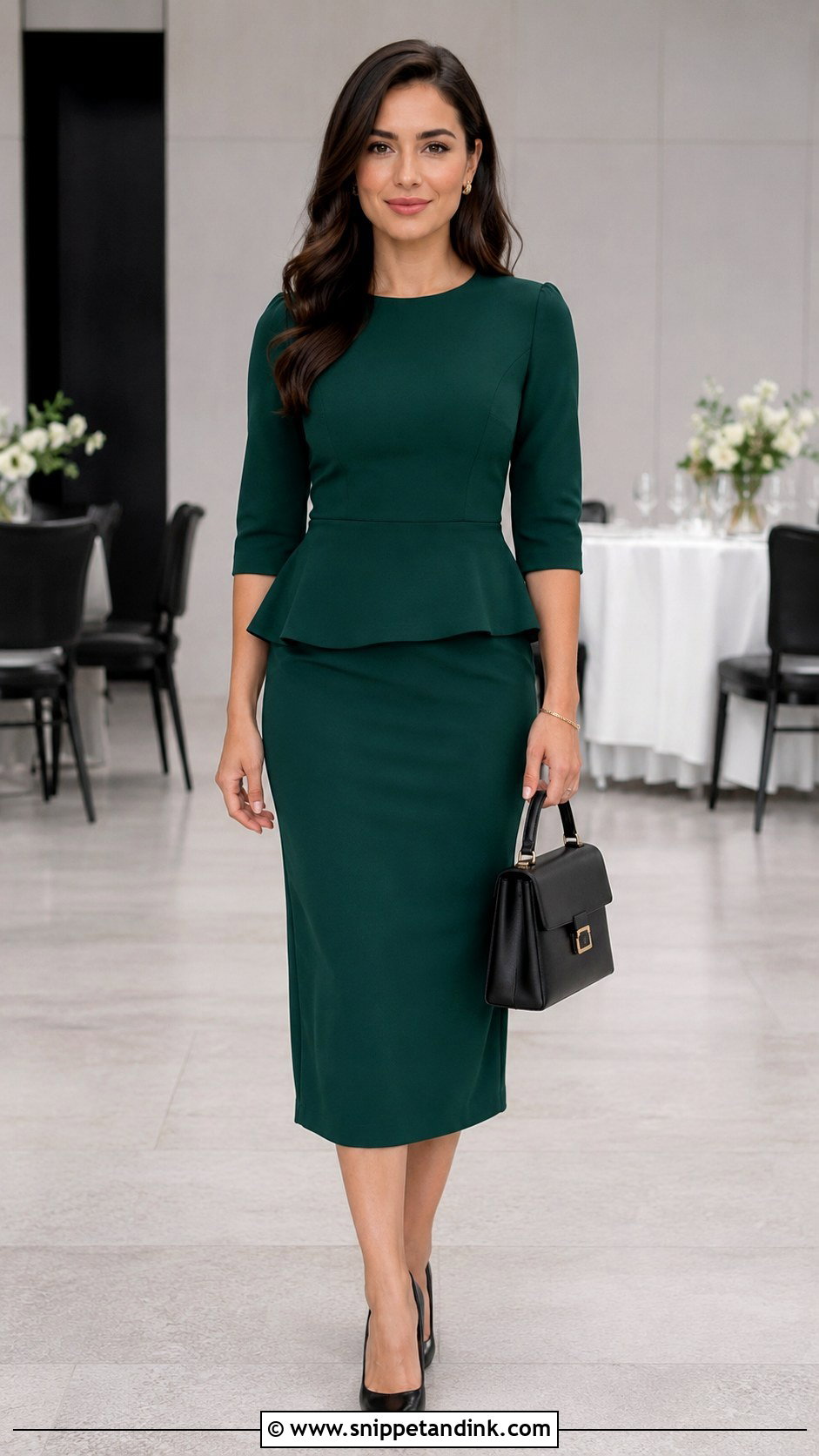
A peplum only looks crisp if the fabric can hold it out from the body, which is why a plain material peplum gown works in crepe, scuba, suiting or duchess satin and droops in soft cotton. Where the peplum starts matters too. Placed at the natural waist it defines shape; placed too low it adds width at the hip. A knee or midi pencil skirt keeps it tidy for office events and formal gatherings, with pumps and a small bag.
13. Ankara Shirt Gown
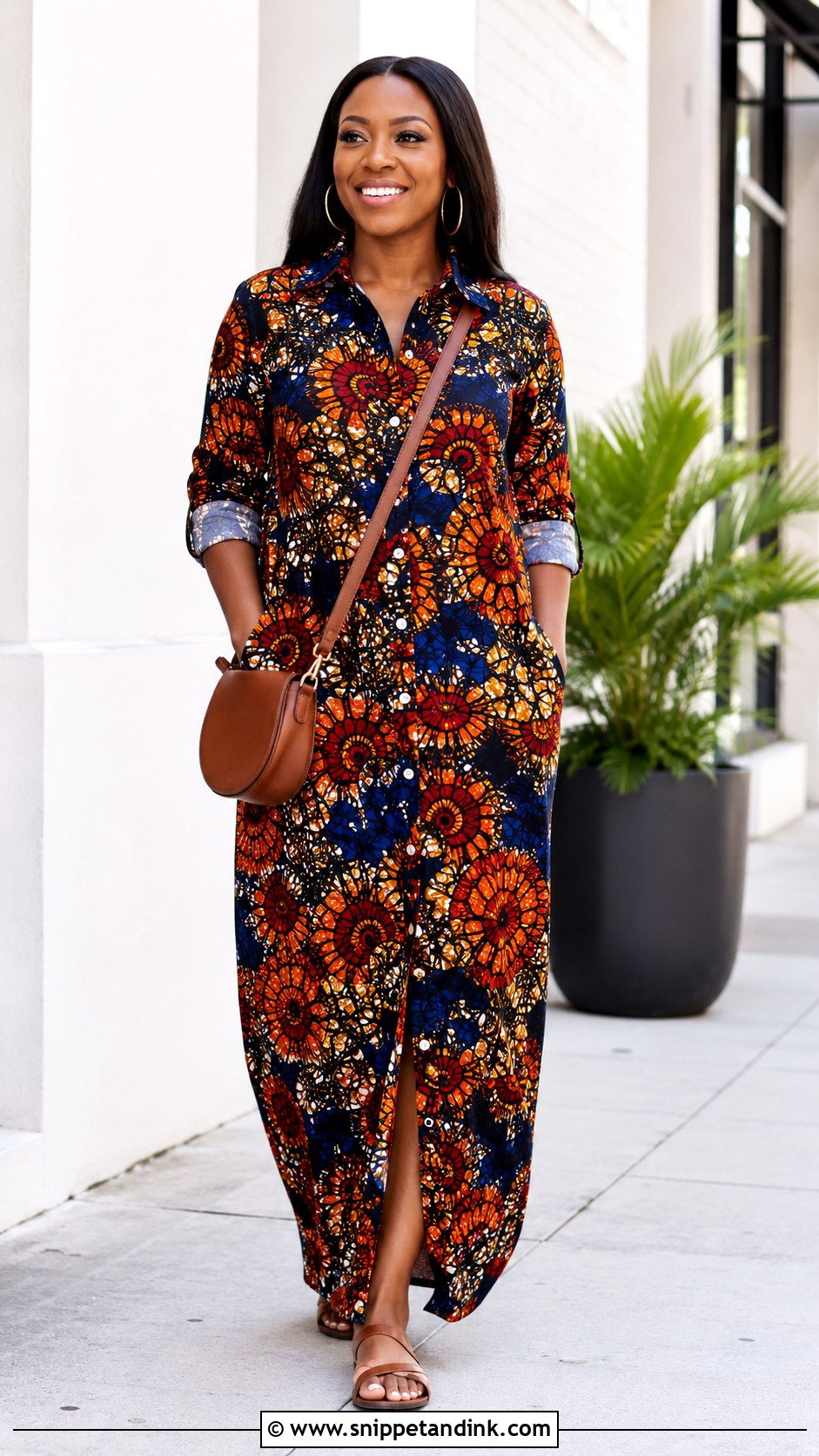
The shirt gown is the most casual idea in this list, and I treat it that way. Collar, buttons, a relaxed body and an optional belt make it easy for shopping, brunch or travel days. One fitting point matters: the buttons across the bust. If they pull open when you sit, ask the tailor to add a hidden press stud between them. Rolled sleeves, a crossbody bag and clean flats keep it light.
14. Mermaid Material Gown
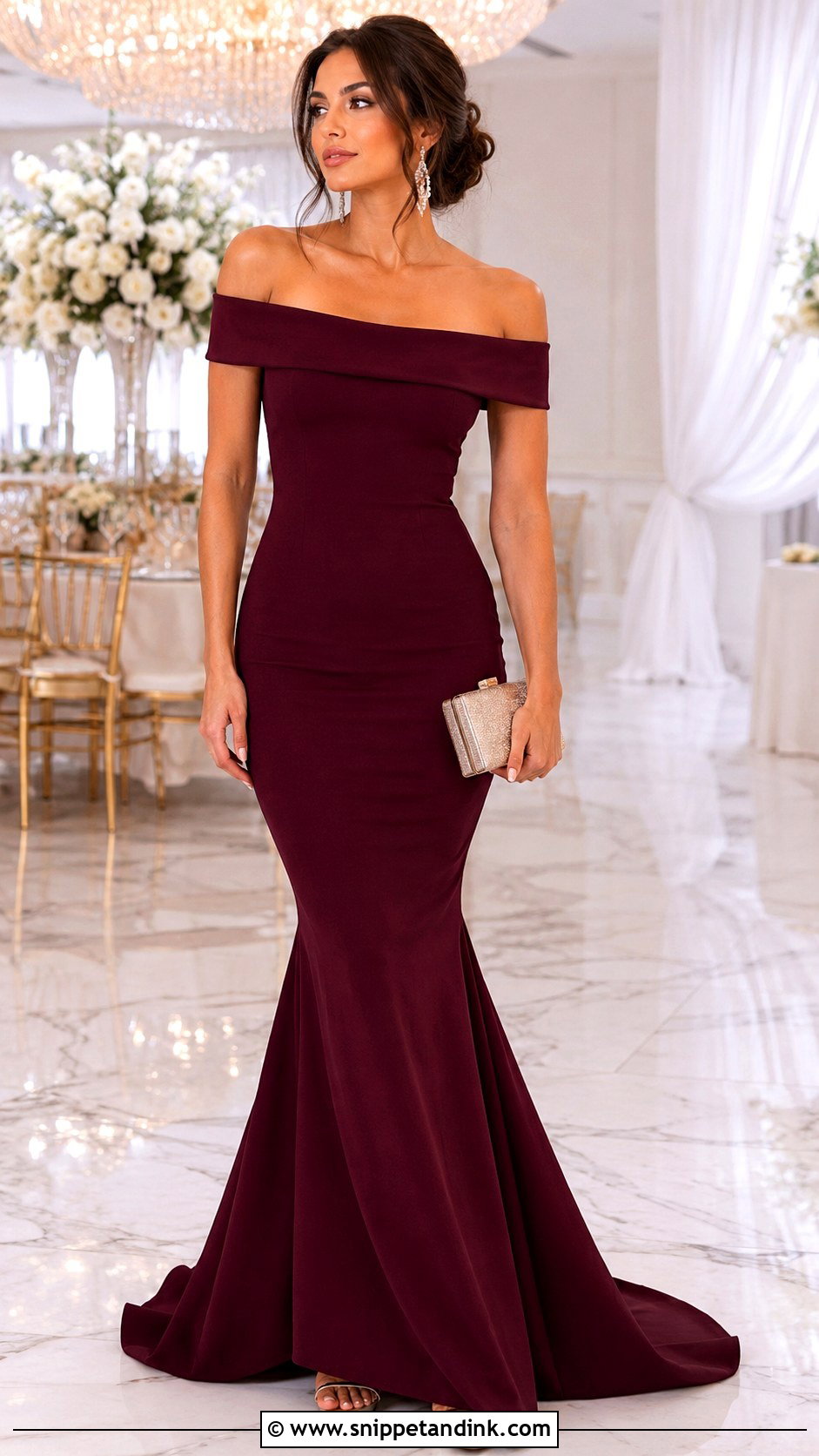
Mermaid gowns are where tailoring makes or breaks the outfit. The flare has to start at the right point on your leg, usually around the knee, or you’ll walk in tiny steps all evening. At a fitting I ask clients to sit, climb a stair and take a full stride before anything is finished. Plain fabric or a subtle print keeps the silhouette clean. Slim heels, drop earrings and hair off the neck show the line properly.
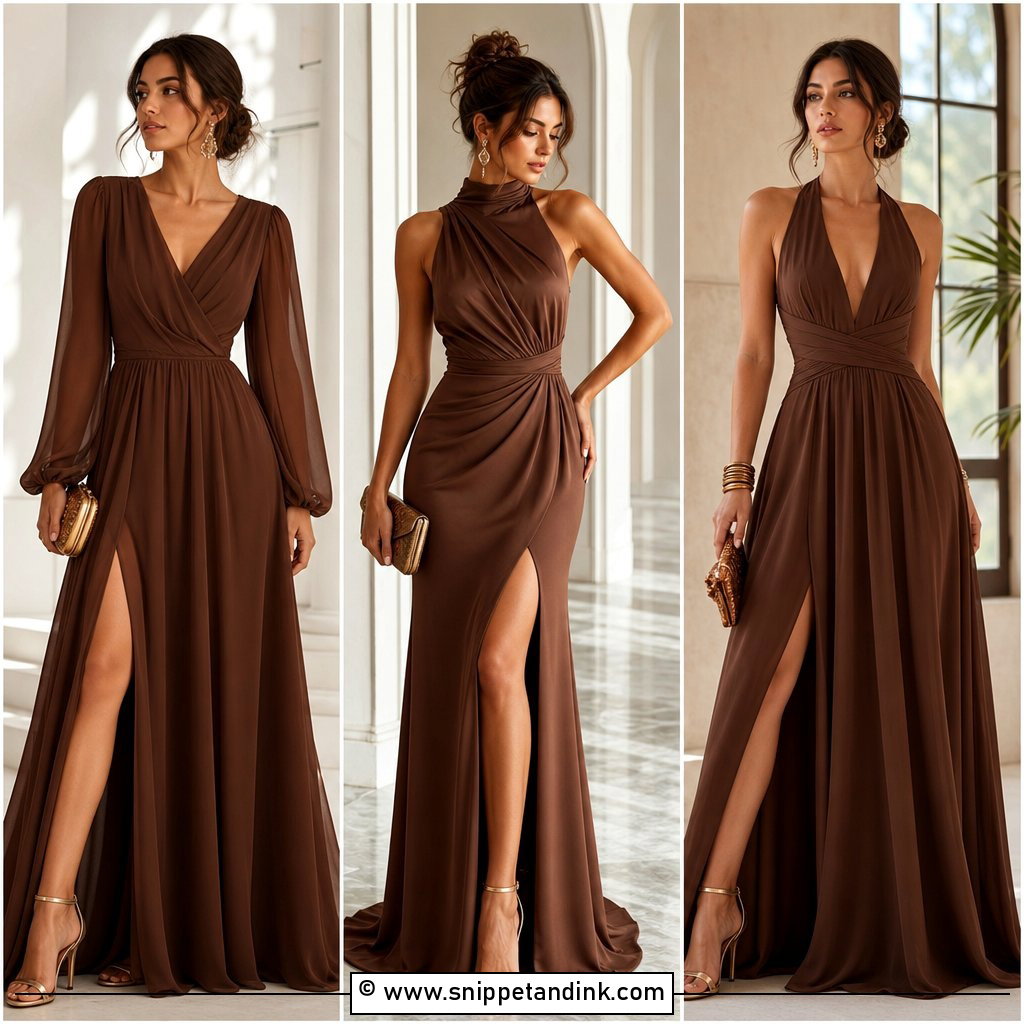
15. Simple Kaftan Gown
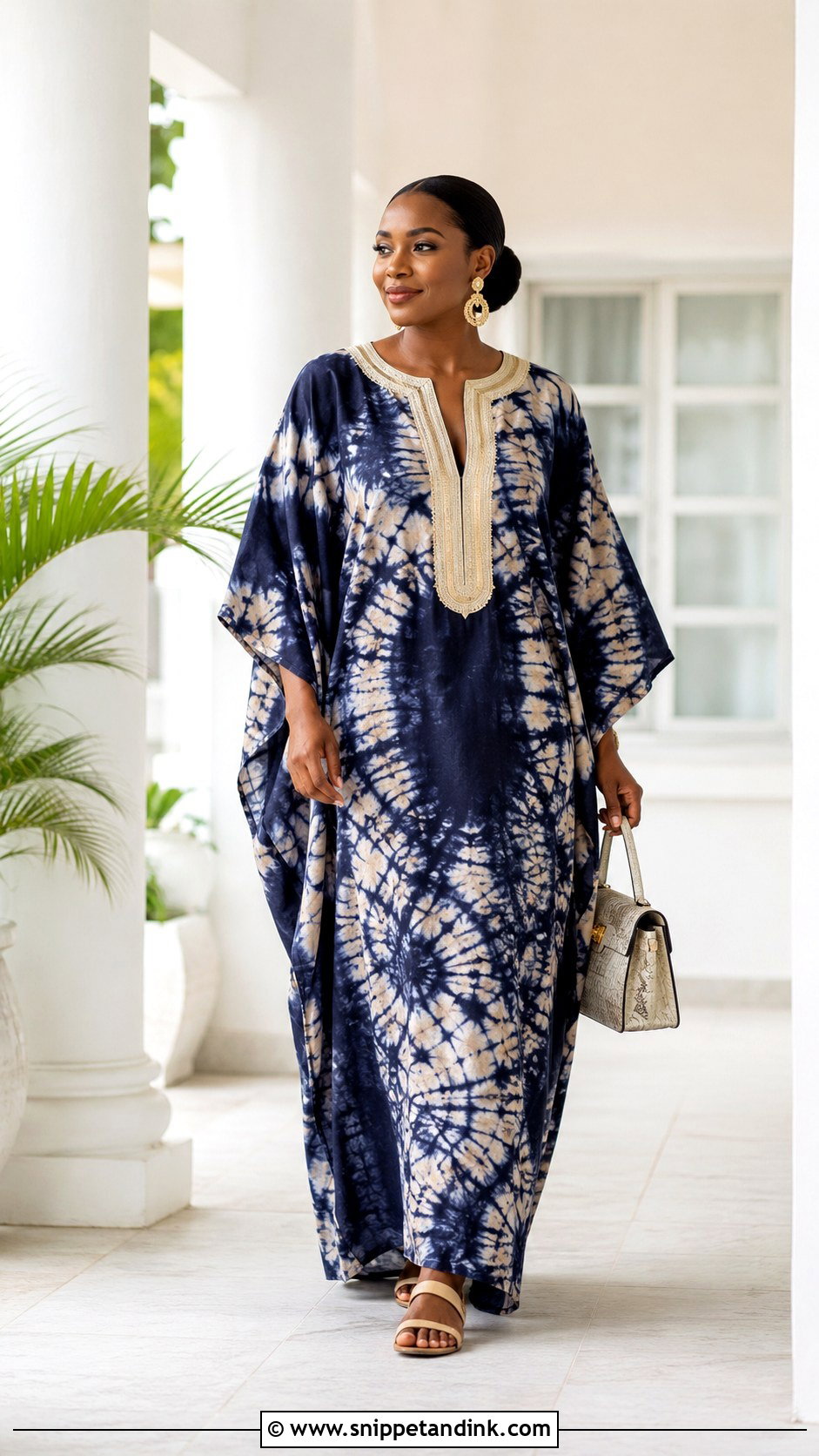
For days when comfort comes first, a simple kaftan gown is hard to beat, and it suits almost every age and body shape. Plain silk, crepe, chiffon, Ankara or adire all drape well in this cut. A little embroidery at the neckline or sleeve edge lifts it. I usually pair the softness with a structured bag, because two soft things together can look like loungewear. Flat sandals for a relaxed day, low heels to dress it up.
16. Round Neck Ankara Gown
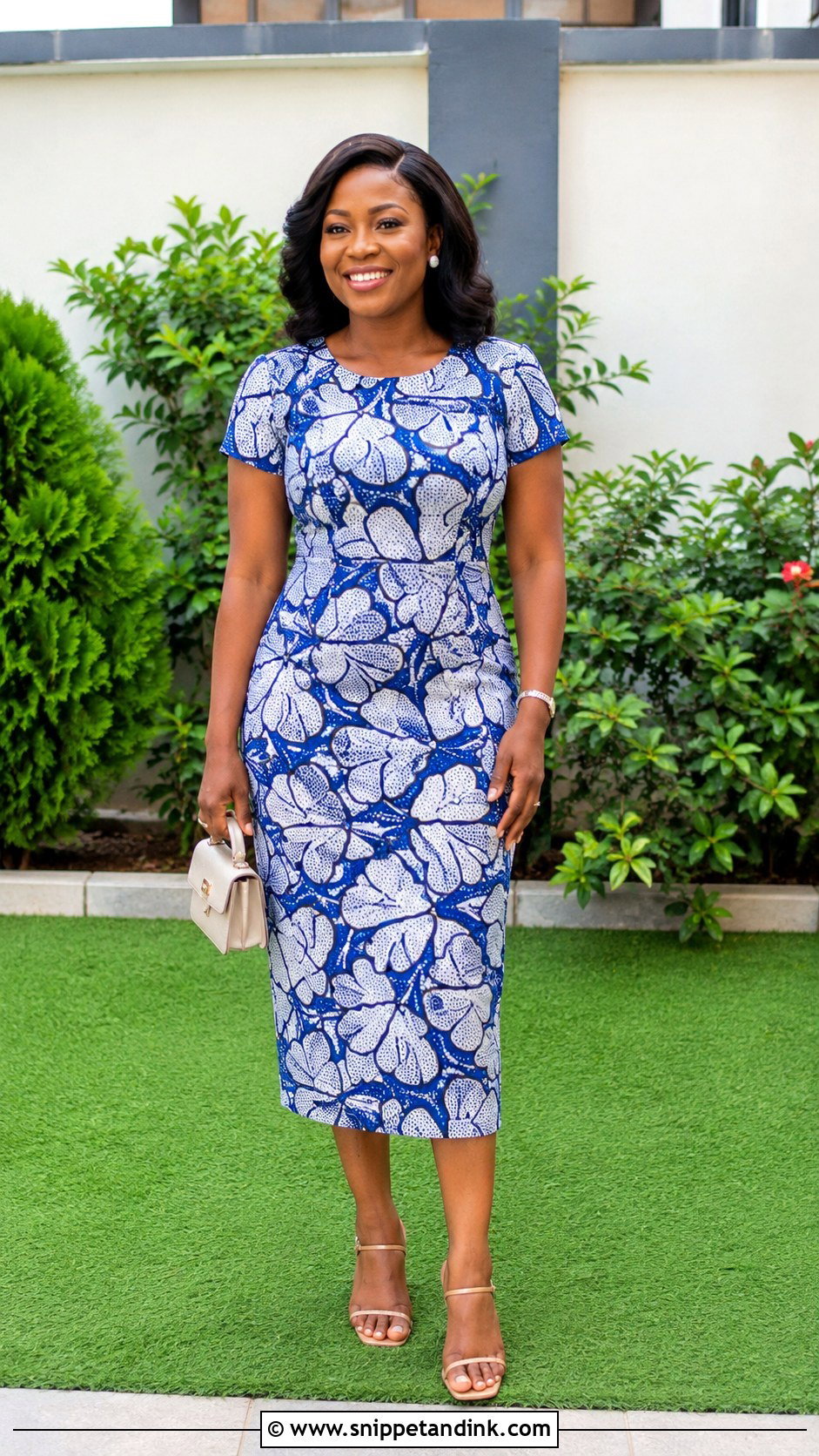
A round neck is the neckline I fall back on when the print is loud, because it gives the eye one calm edge. You can cut it short, midi, or long depending on the event. Fitted bodice and flare skirt feels younger; a straight cut feels more grown. Check the neckline depth at your fitting: a round neck cut too high on a short neck can feel tight by evening. Simple sandals and stud earrings are enough.
17. V Neck Long Gown
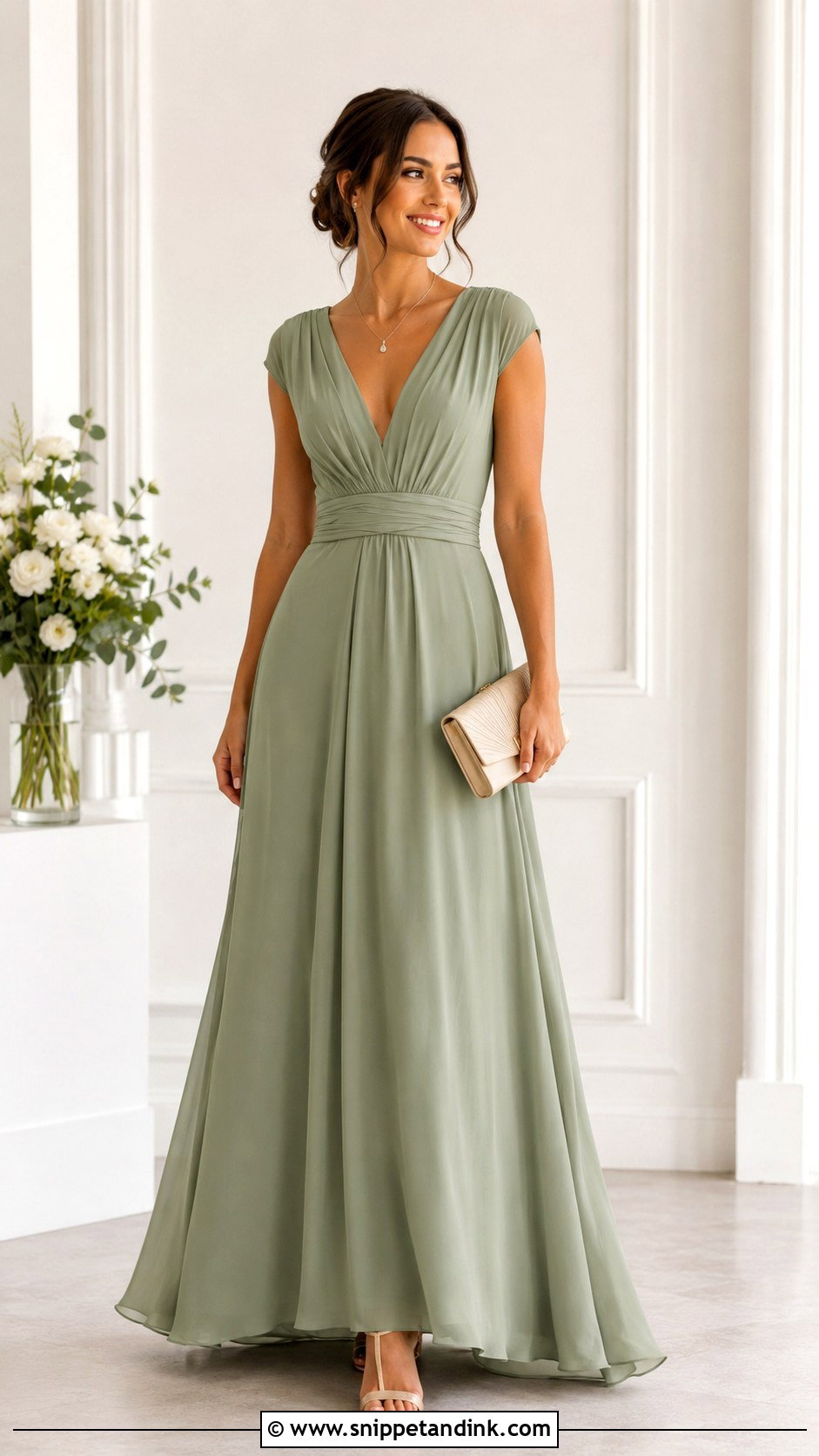
A V neck draws a vertical line down the body, and it doesn’t need to plunge to do it. A modest V with a fitted waist or soft gathered skirt flatters a wide range of shapes. On a fuller bust I ask for a hidden stitch or snap at the base of the V so it doesn’t gape when you lean forward to greet someone. Satin or crepe with heels reads formal; cotton or a print with flat sandals keeps it casual.
18. Simple Gown With Bell Sleeves
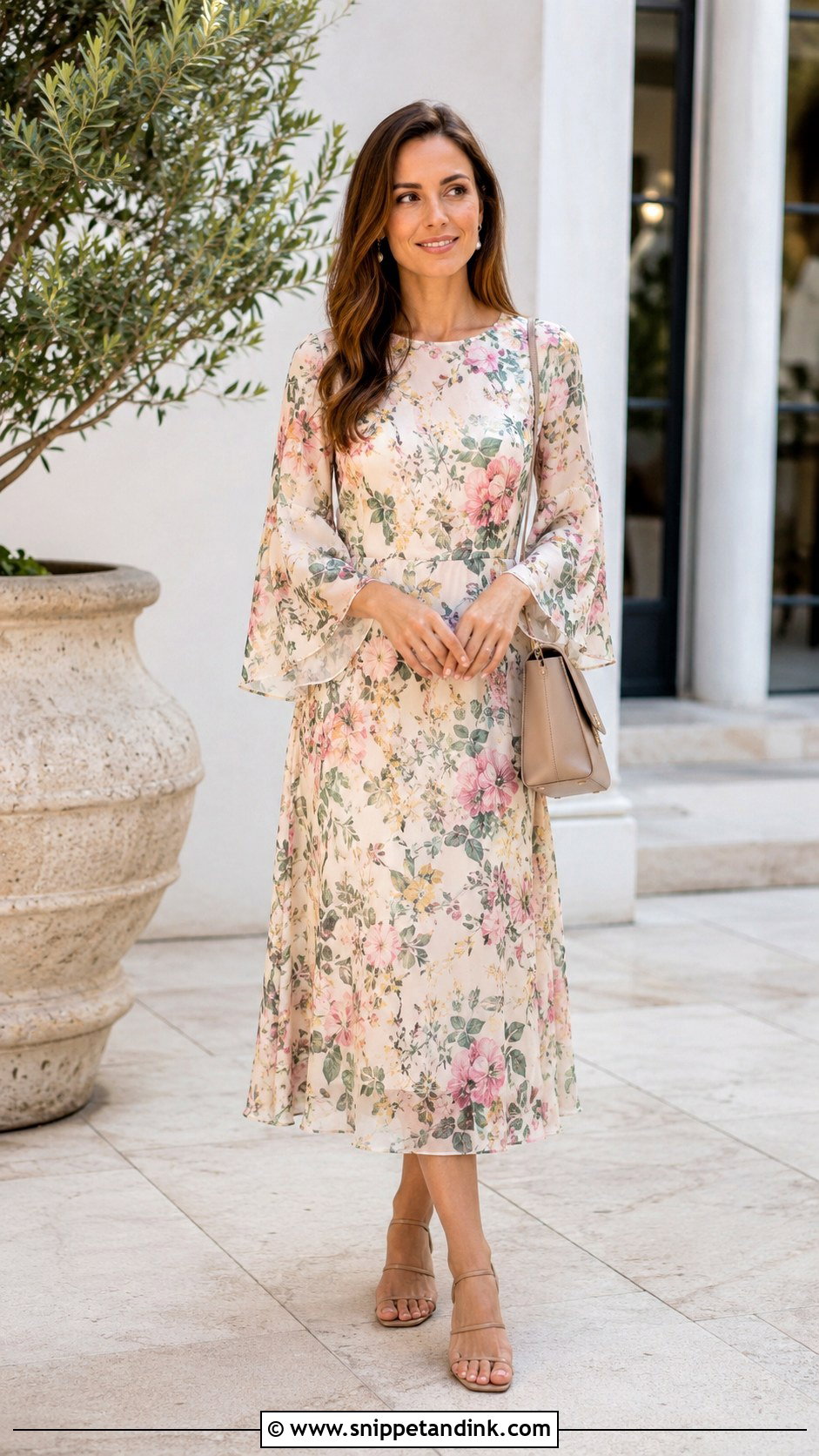
Bell sleeves give movement at the arm while the rest of the gown stays still, so keep the body straight, A line or lightly fitted. The practical issue is eating. A wide sleeve that flares from the wrist will drag through plates at a reception, so if you’ll be at a seated meal, ask for the flare to start at the elbow instead. Plain fabric, Ankara, chiffon or lace all work, with low heels and minimal earrings.
19. Two Material Combination Gown
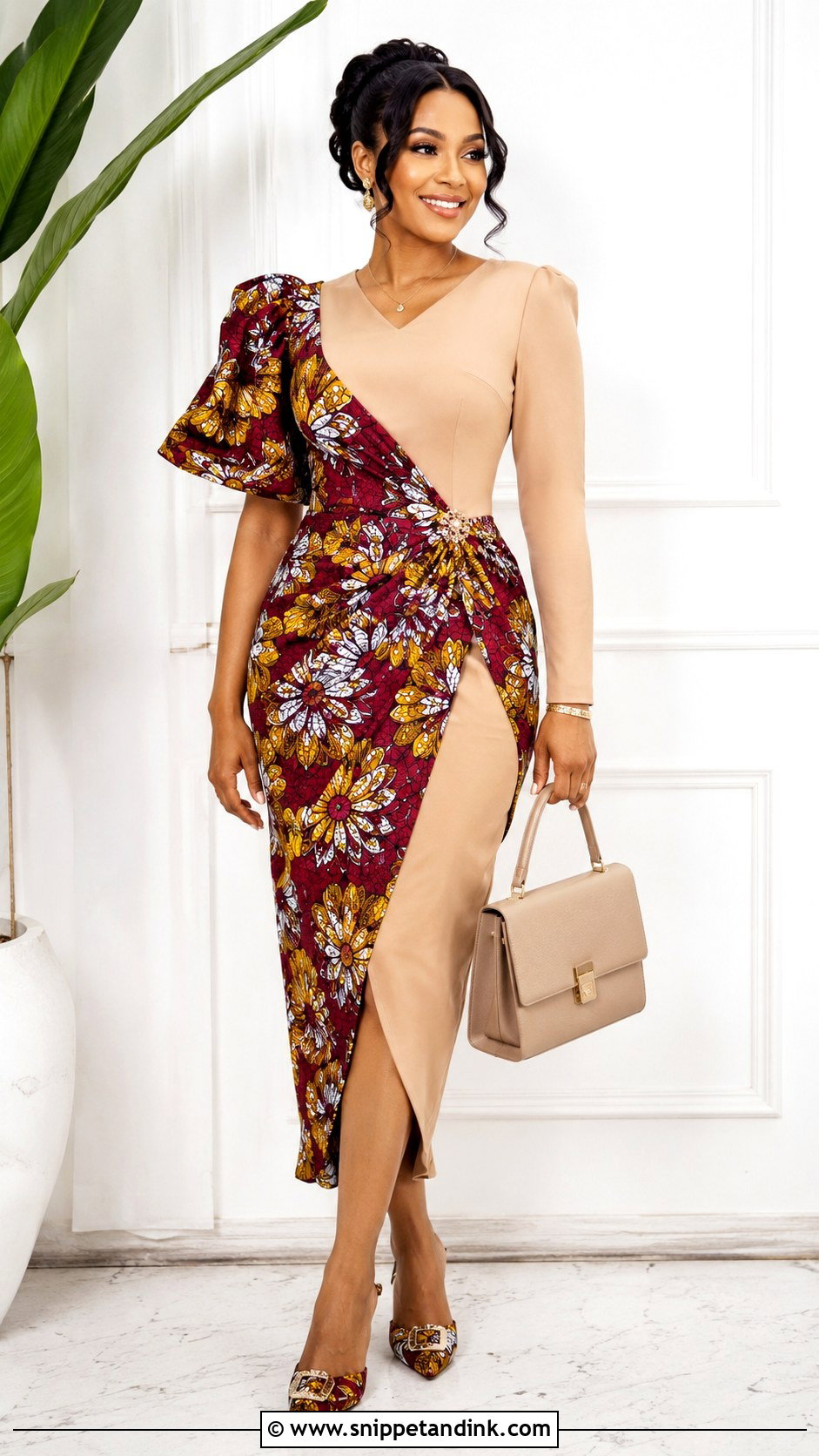
Mixing two fabrics is a smart use of leftover material, and the rule I give is simple: one fabric leads, the other only accents. Ankara with plain crepe, lace with satin or adire with a solid all work when the second fabric stays on the sleeves, bodice, hem or side panels. Check that both fabrics need the same care, because a cotton that shrinks sewn to a crepe that doesn’t will pucker after the first wash. Match your shoes or bag to one colour from the print.
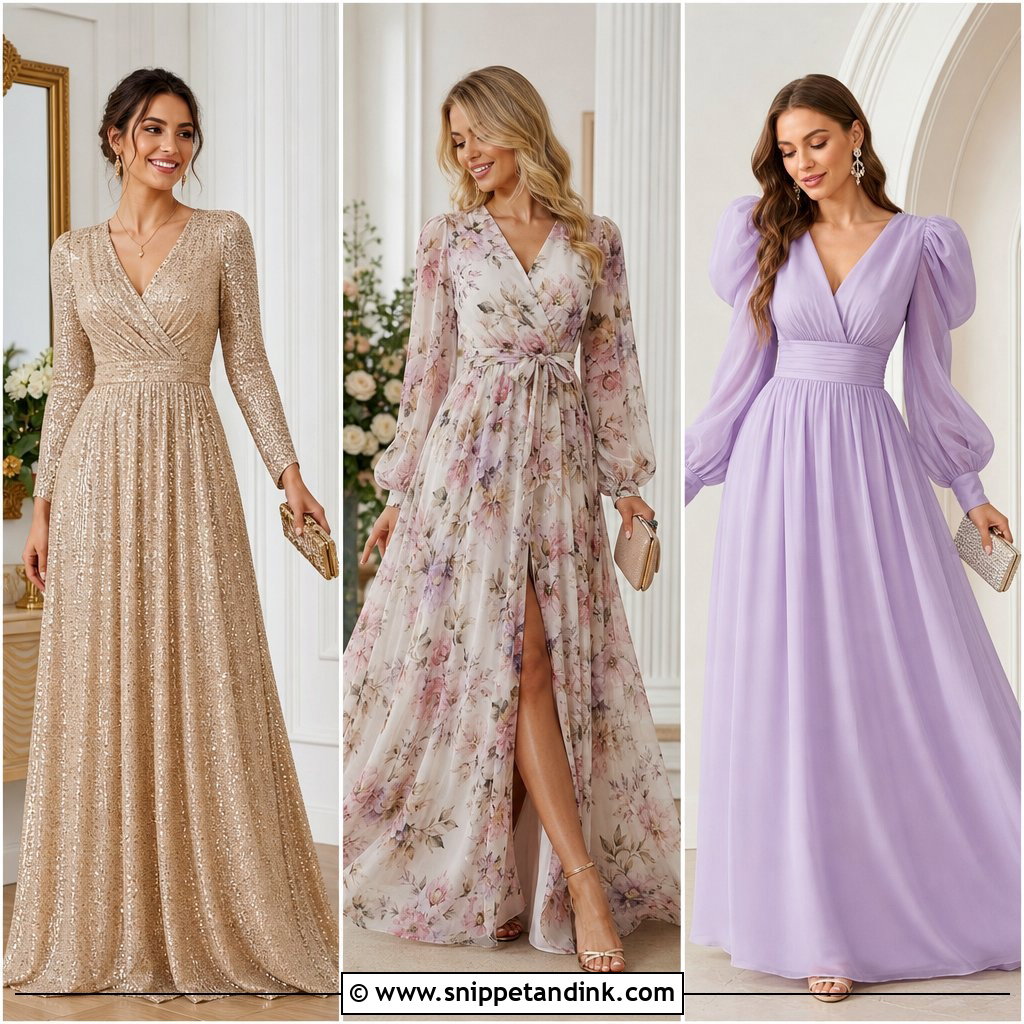
20. Simple High Low Gown
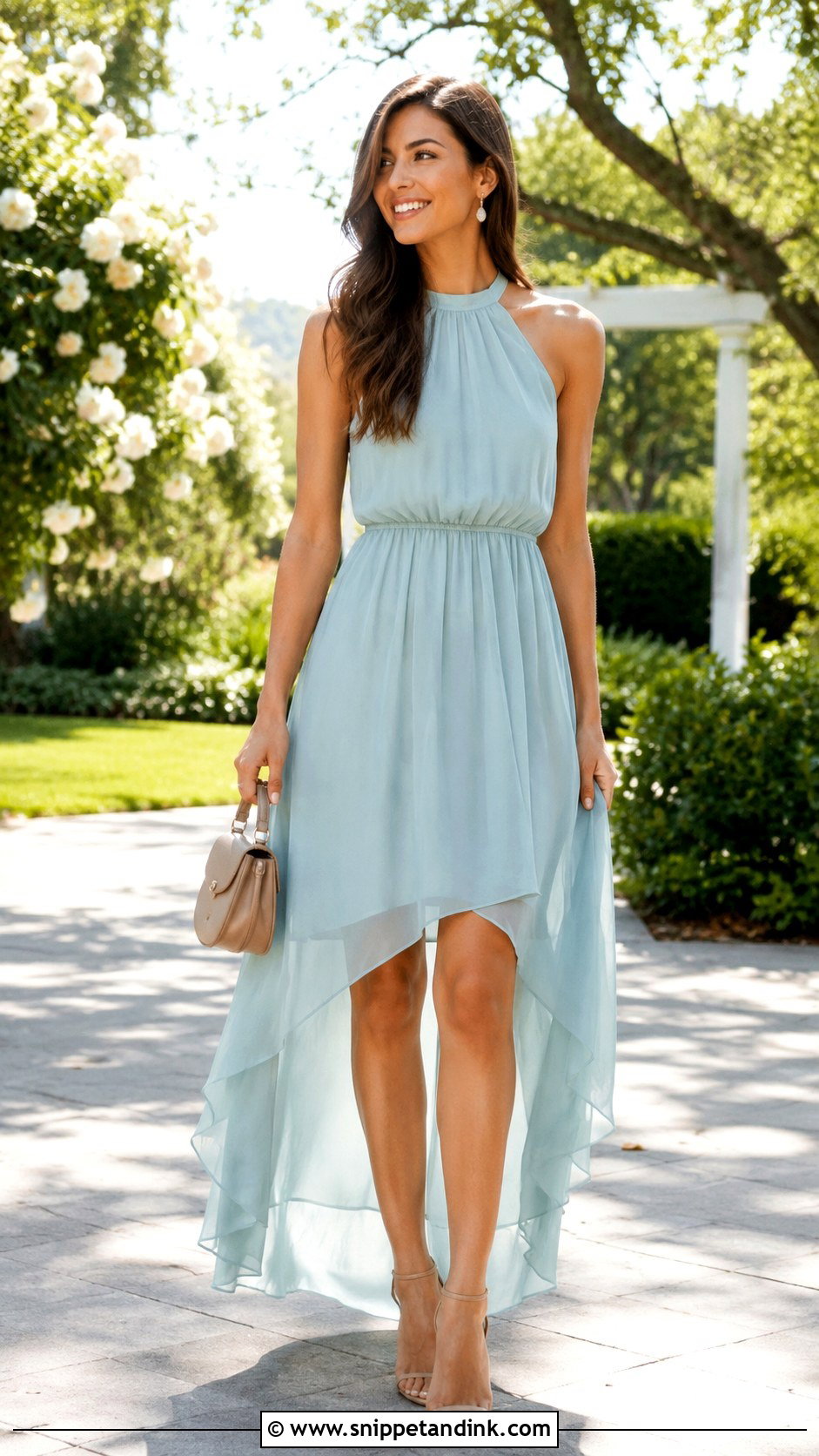
A high low hem shows your shoes in front, so they become part of the outfit rather than an afterthought. Lightweight chiffon, cotton, crepe and Ankara all move well in this shape. I keep the dip modest; a very steep drop at the back tends to look like a costume in daylight. The neckline should be plain and the layers few. It’s a good pick for outdoor gatherings and daytime parties, with clean sandals or pumps and a small handbag.
21. Fitted Knee Length Gown
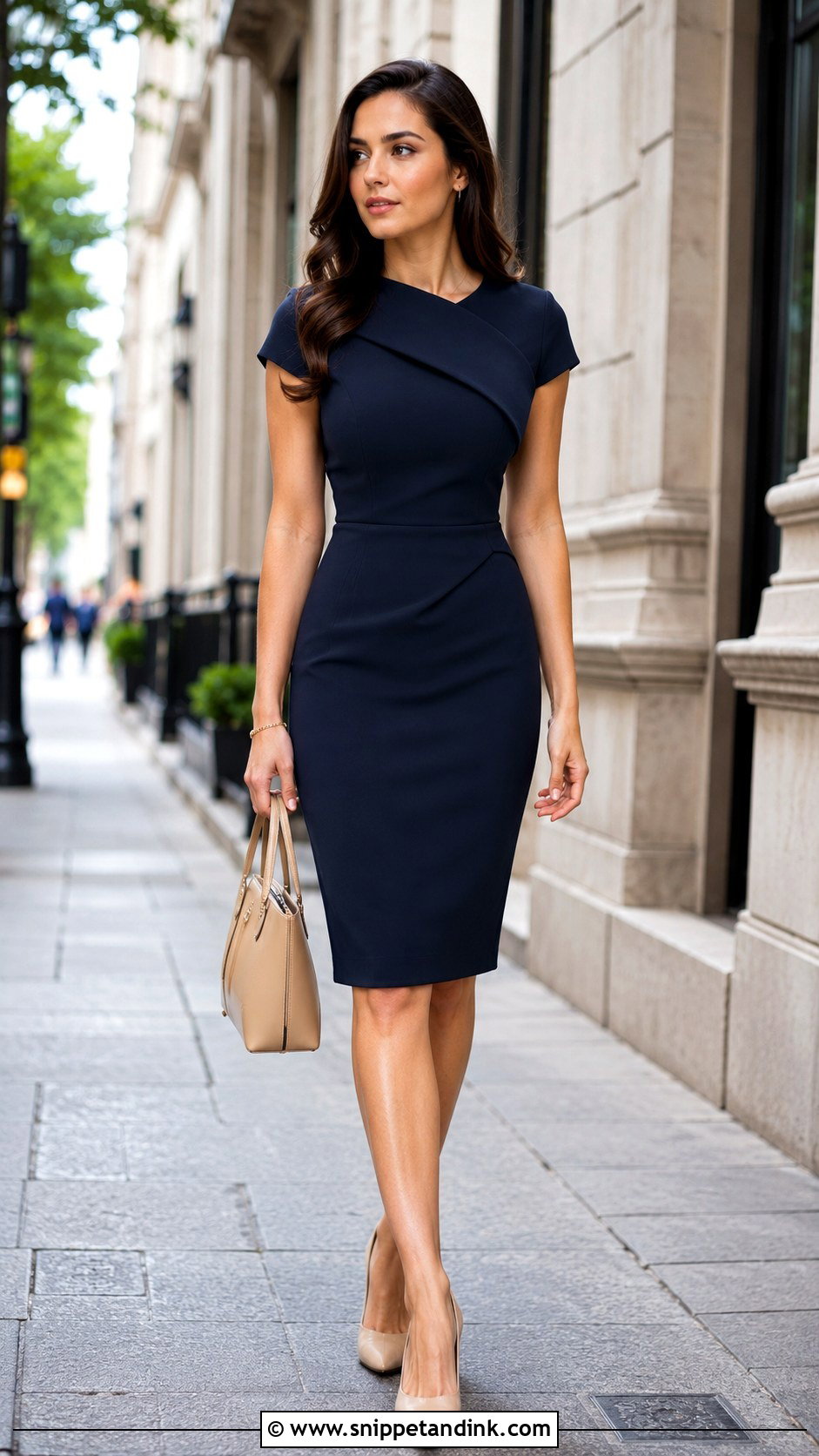
Fitted does not mean tight, and the knee length gown is where that difference shows. I ask for about two fingers of ease at the hips and a back vent or short slit at the hem, otherwise you can’t climb stairs or get into a car gracefully. Stretch crepe, scuba, cotton sateen or firm Ankara hold a smooth line. Add a blazer for work or a clutch for an event, and keep jewelry minimal so clean seams and good lining do the talking.
22. Simple Adire Gown
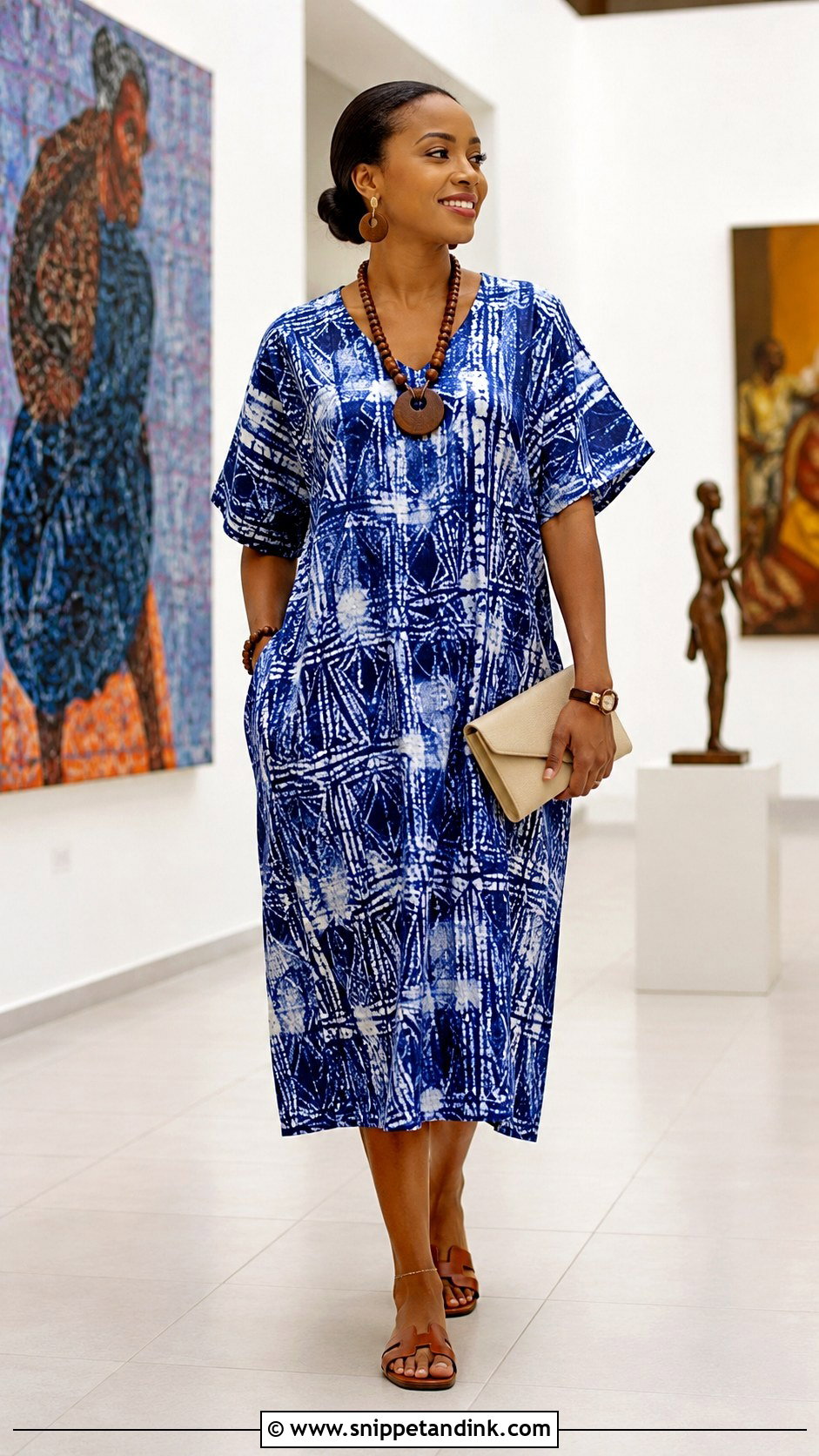
Adire is hand-dyed, so no two pieces are identical, and that’s exactly why a simple adire gown should be cut plainly. A straight midi, a free maxi or an A line lets the pattern speak. Hand-dyed indigo can rub off a little at first, so wash it on its own in cold water before wearing it with light shoes or a pale bag. Leather sandals, wooden jewelry and a straw bag suit cultural events and relaxed outings.
23. Simple Gown With Side Slit
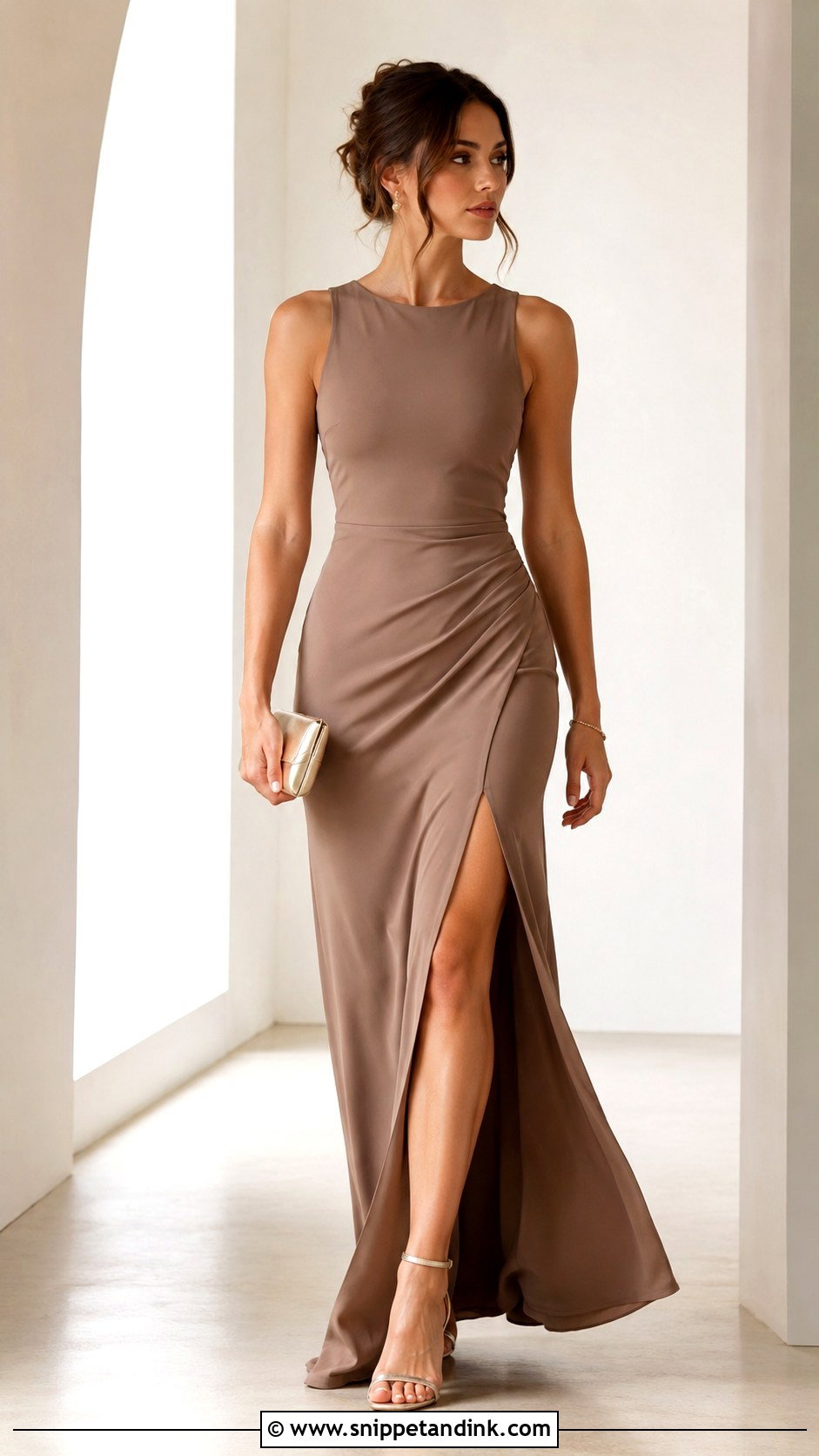
Slit height is the one measurement I always take with the client seated, not standing. A slit that looks modest in the mirror can open far higher once you sit or cross your legs. On a midi or long straight gown, a side slit makes walking easy and adds a quiet bit of style. Crepe, satin, Ankara, cotton and chiffon all work. Strappy heels for events, flat sandals for daytime, and a slim bracelet keep it simple to repeat.
24. Simple Gown With Bishop Sleeves
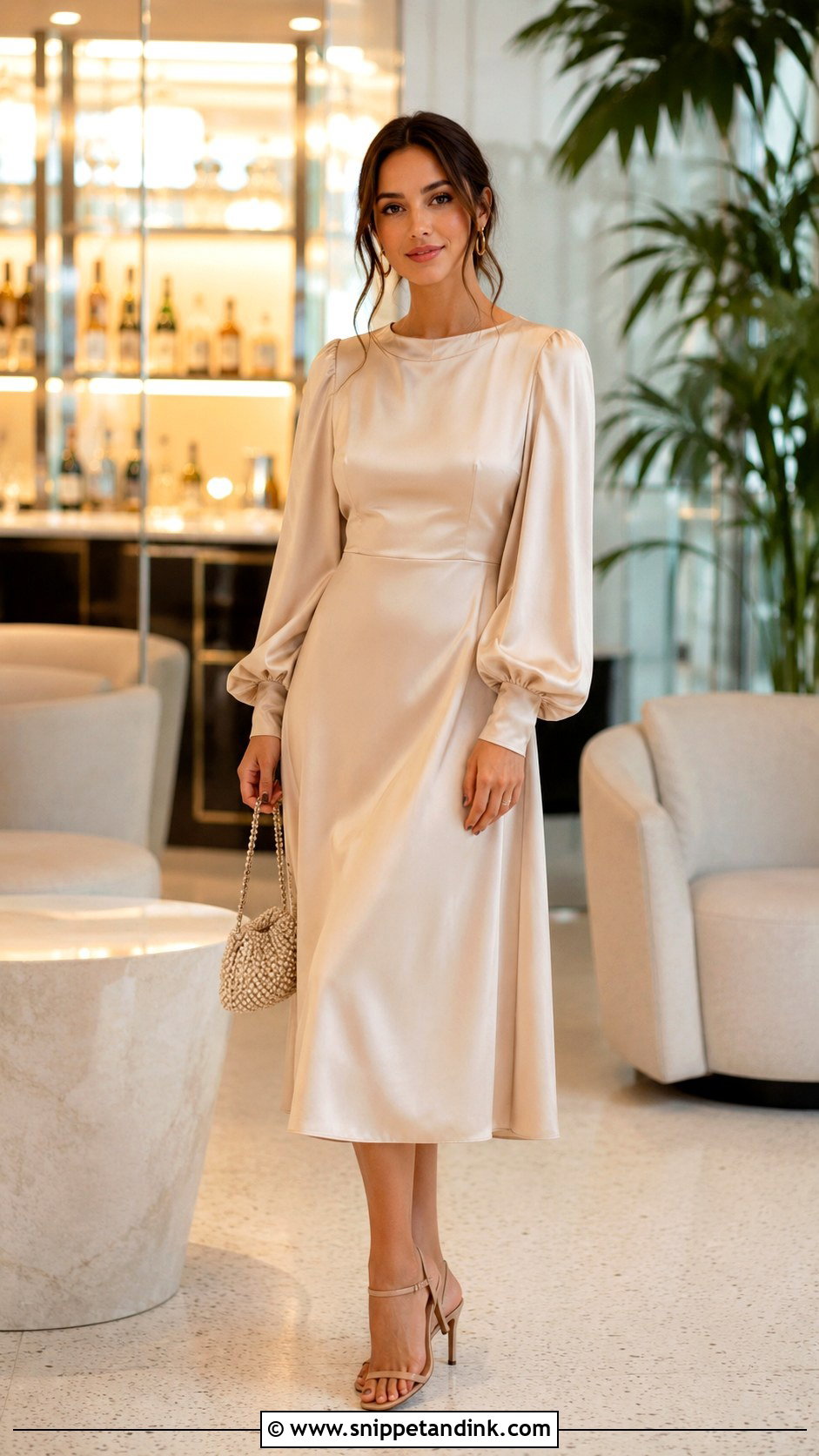
Bishop sleeves are full through the arm and gathered at a cuff, so they give volume without the stiffness of a puff. Chiffon, crepe, satin and light Ankara gather softly; heavy fabric makes the cuff bulky. I check the cuff size at a fitting, since a tight elastic cuff leaves marks by evening and a loose one slides down over your hand. With a printed gown keep accessories plain. With a solid one, a textured bag or bold earrings can carry some interest.
25. Simple Maxi Gown With Belt
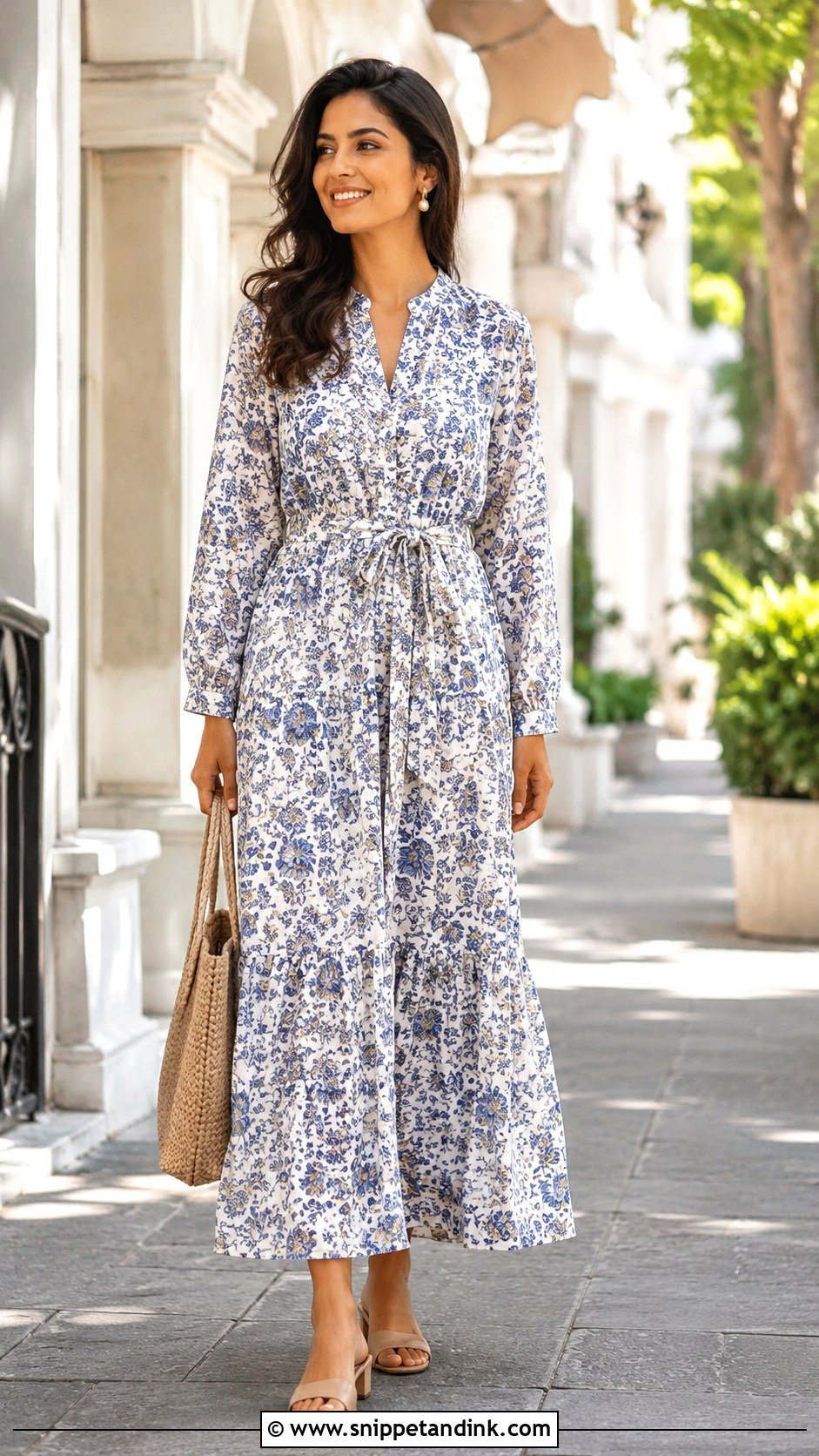
A belt is the cheapest way to give a loose maxi a waist, and it lets one gown look different on different days. A matching fabric belt keeps the line soft; a leather belt adds contrast and works better on cotton and Ankara than on satin, where buckles can mark the fabric. Cotton, Ankara, crepe, satin and chiffon all suit the style. Sandals and a tote for daytime, low heels and a clutch for an event.
How Each Fabric Holds Up After a Full Day Out
The photos from an event are taken at the end as much as the start, and fabrics age at very different speeds. This is roughly how I’d expect them to look by evening.
Crepe and suiting
These are the most reliable. Seated creases mostly fall out as you stand and walk, which is why I steer clients to crepe for long services and receptions.
Satin and silk
They crease at the lap and show water and sweat marks. If you’re wearing satin to an outdoor event in heat, choose a mid tone rather than a pale one and carry a small cloth to blot spills instead of rubbing them.
Cotton, Ankara and adire
They breathe well but wrinkle visibly. Ankara keeps its wax finish for the first few wears, then softens. To keep the colour, I wash these inside out in cold water, dry them in the shade rather than strong sun, and iron on the reverse side.
Chiffon and lace
Both snag. Keep rough bag straps, bracelets with sharp edges and velcro away from them, and hand wash or dry clean rather than machine wash, since the lining and outer layer can shrink at different rates.
A Plain Gown Lives or Dies by Its Lining and Seams
Every gown in this list is plain on purpose, so the quality shows in the parts people rarely talk about. Good lining, matched prints, a hem that hangs evenly and a fit that lets you sit and dance are what make Ankara, lace, crepe, chiffon, satin, cotton or adire look expensive. When I plan a gown with someone, I start with the shoes, bags and jewelry they already own and choose a cut that works with them. That way the gown gets worn again instead of living in the wardrobe after one event.
You'll Like These Ideas:


Leave a Reply