
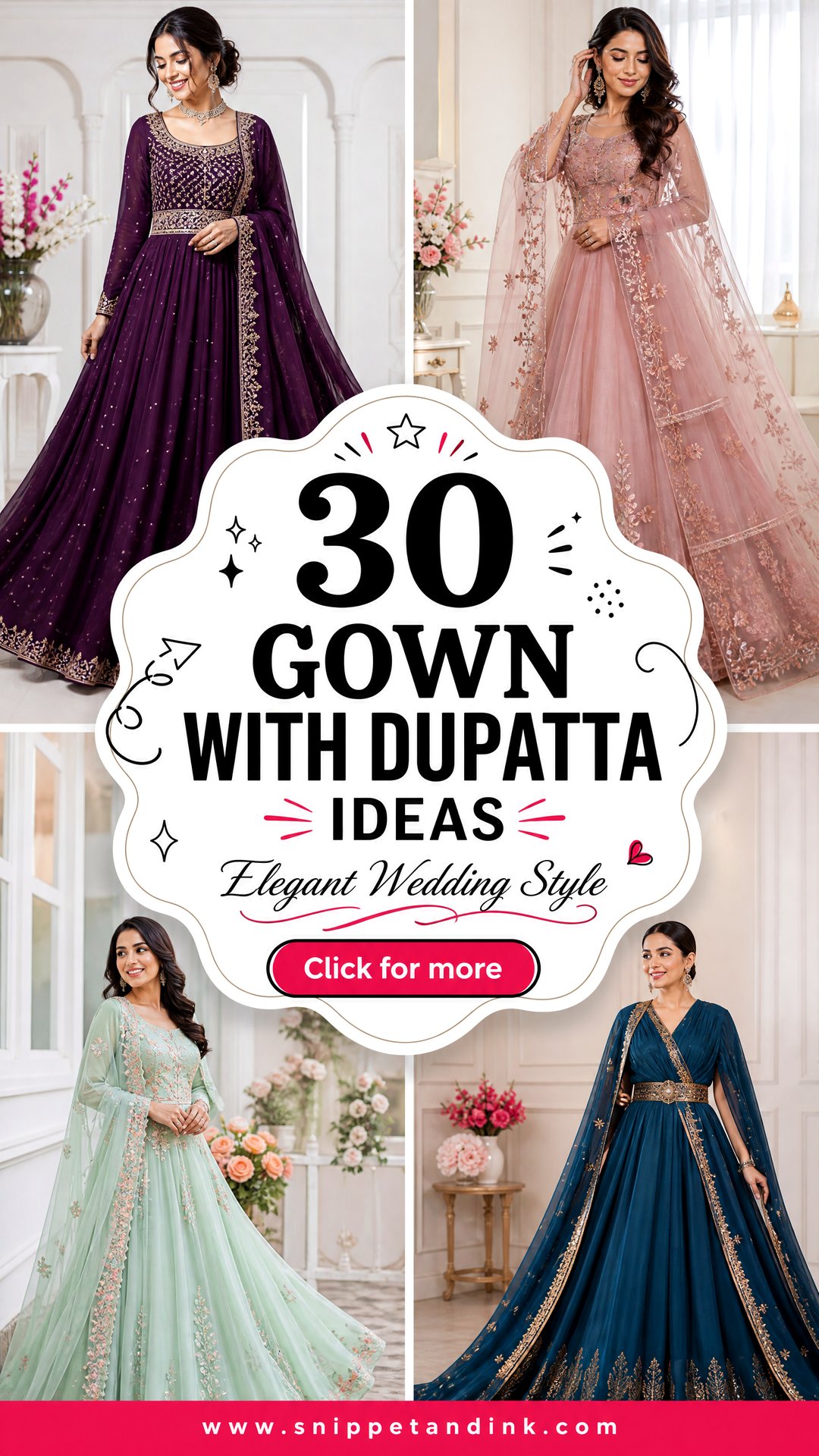
A gown with a dupatta gives you the grace of Indian ethnic wear without the layers of a lehenga or the draping of a sari. The gown sets the shape; the dupatta adds colour, movement, coverage and a more traditional finish. I style this pairing for sangeets, receptions, engagements and family functions, and the looks that work always balance fabric, embroidery, drape, jewelry, shoes and hair. Go heavy with velvet and zari, keep it soft with chiffon and pastels, or modern with cape-style dupattas and belted drapes. The thirty looks below each come with the full head-to-toe styling.
Pinning a Dupatta So It Survives the Dance Floor
A dupatta that slides off every few minutes ruins the evening, and it’s nearly always a pinning problem, not a fabric problem. This is how I set one before a function.
- Put the gown on first and decide on the drape in front of a full-length mirror.
- Pleat the shoulder end into narrow folds, about two fingers wide, so it lies flat.
- Pin from the inside through the gown’s shoulder seam, where the fabric is strongest. Net and chiffon tear easily away from the seam.
- Add a second pin a little lower on the back for heavy Banarasi, brocade or velvet dupattas.
- If you drape over the head, use U-pins into your hairstyle rather than safety pins through the fabric.
Use small, rust-proof safety pins in a colour close to the fabric, and bring spares in your clutch. Once it’s set, raise both arms and turn quickly. If it shifts now, it will slip later.
1. Anarkali Gown With Dupatta
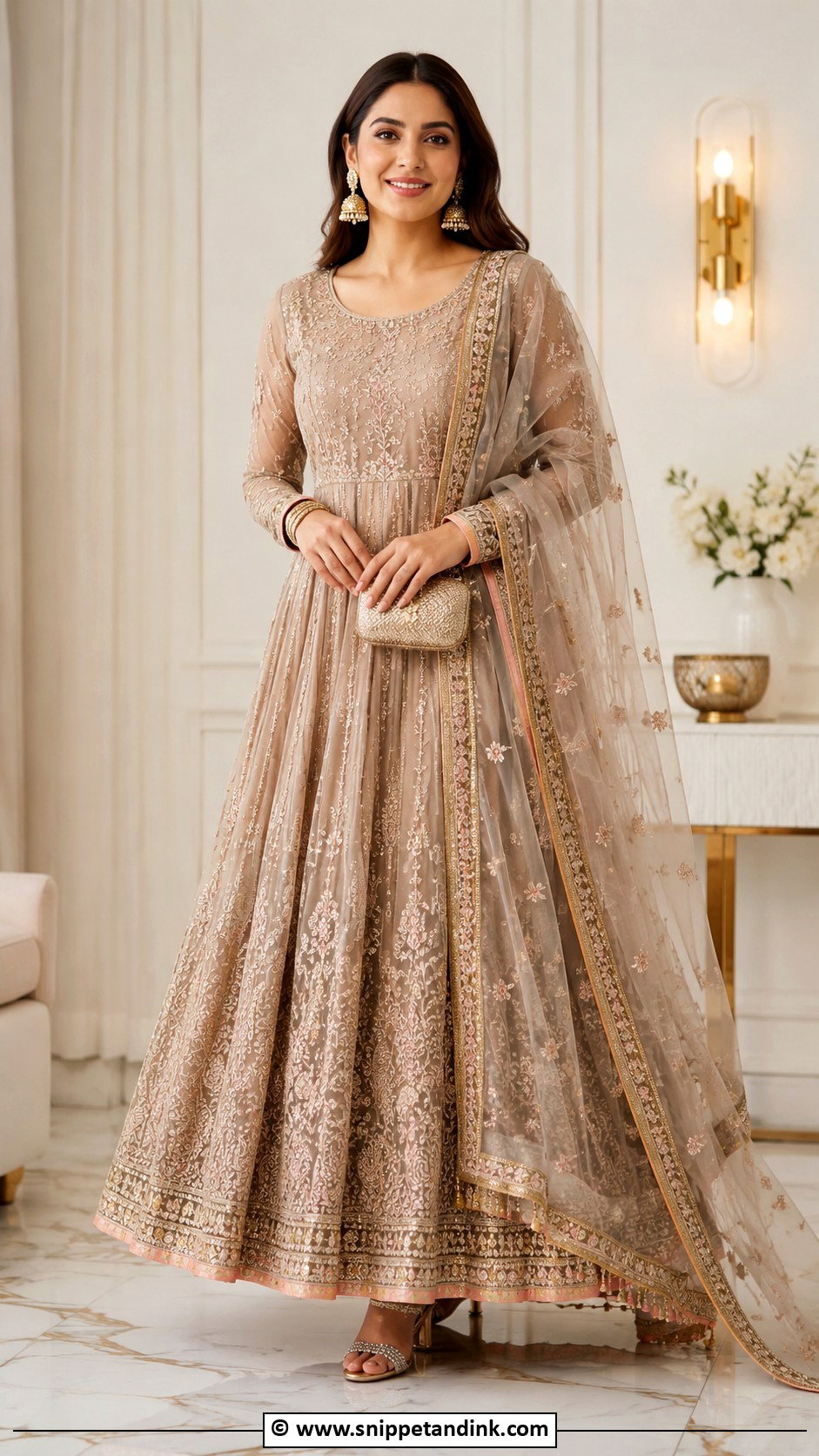
The flare of an Anarkali is what makes it move, and that flare depends on fabric: georgette, silk, chiffon or soft net all swing well. For an Anarkali gown with dupatta, choose embroidery at the neckline, sleeves or hem, then drape a light dupatta over one shoulder. Jhumkas, bangles, embellished heels and a small clutch finish it. Heavily worked gown, sheer plain dupatta. Plain gown, zari or sequinned dupatta. Watch the kalis, the panels that make up the flare; the more there are, the fuller and heavier the skirt, and the more it needs a light dupatta on top.
2. Floor Length Gown With Dupatta
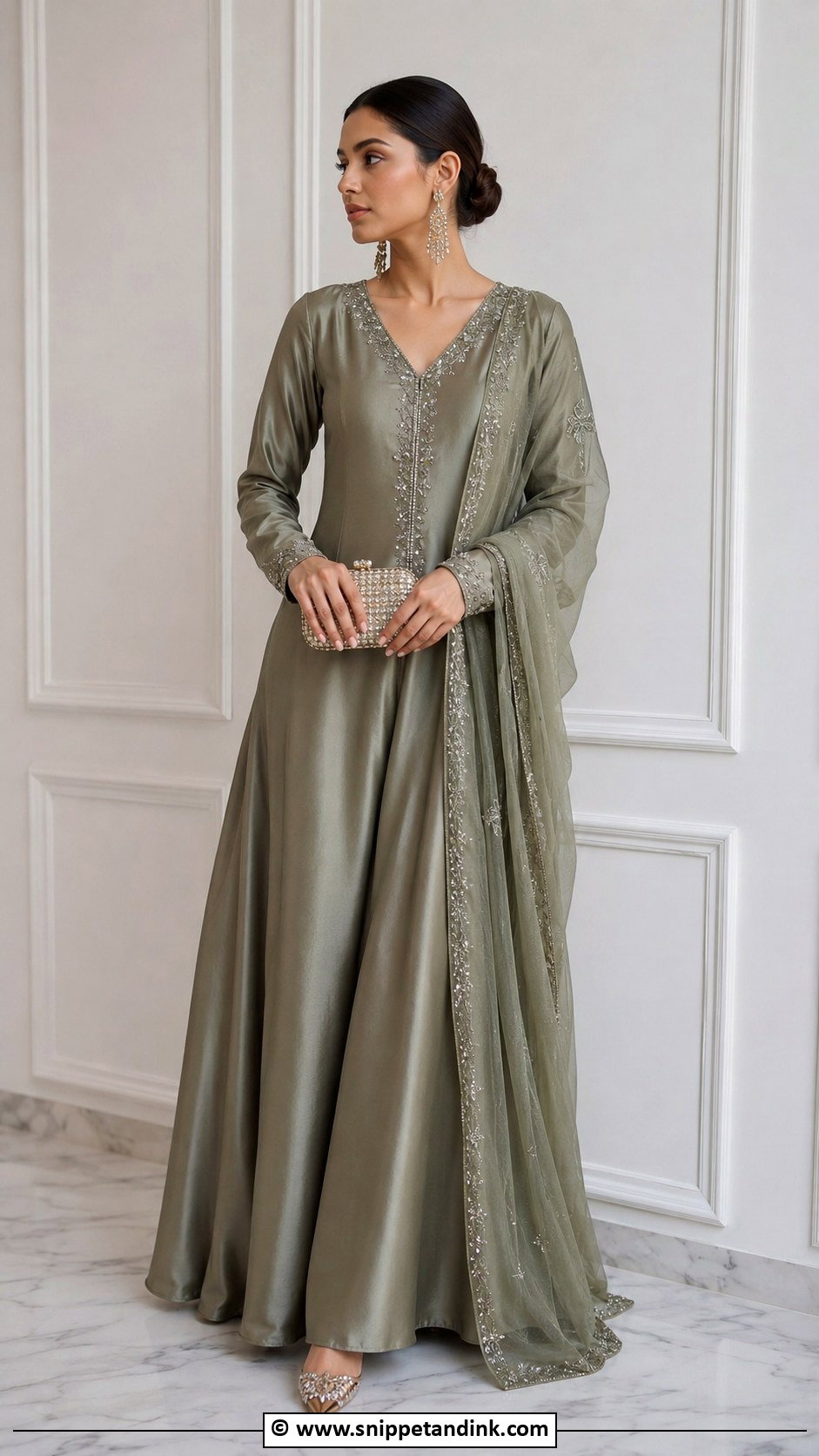
A floor-length gown is already formal, so the dupatta should frame it rather than bury it. I’d pick a soft drape on one shoulder, side pleats or a long trail down the back. Satin, silk, organza and georgette all give a refined finish. Pointed heels or embellished sandals help the hem fall straight. Long earrings, a sleek bun and a structured clutch finish it. Have the hem cut with your shoes on; a floor-length ethnic gown that pools at the front is the most common thing I fix before an event.
3. Embroidered Gown With Dupatta
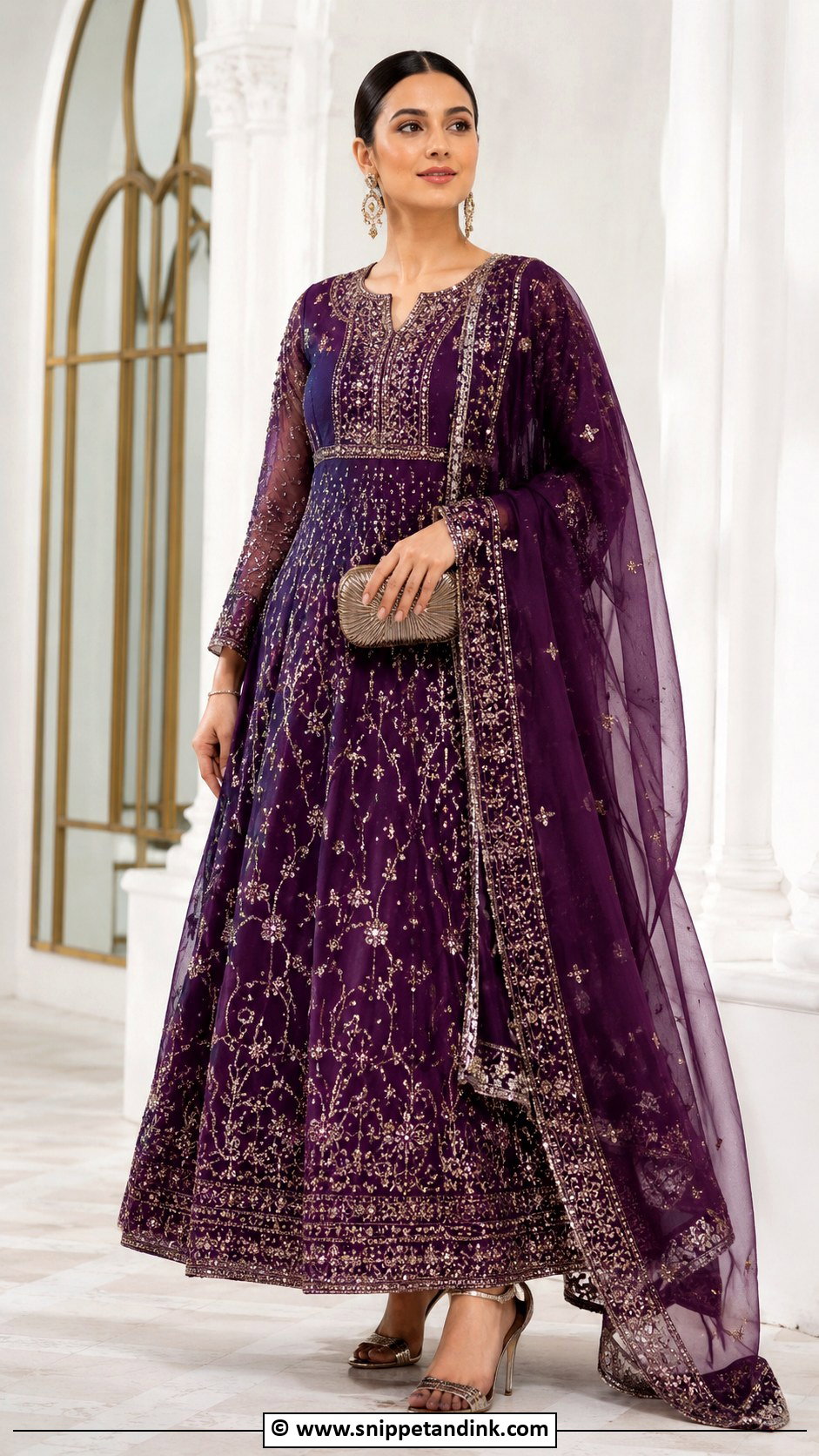
Embroidery is where most of the cost of these gowns sits, so let it lead. Threadwork, mirror work, zari, sequins or resham around the bodice and border look rich, and a matching dupatta with a light embroidered edge ties it together. All-over embroidery wants minimal jewelry, such as drop earrings and a slim bracelet. Work concentrated on the top leaves room for a statement ring or bangles. Match heels to the thread: gold for zari, silver for silver work, nude for multicolour. Before buying, check the back of the embroidery; loose, long floats of thread catch on jewelry.
4. Net Gown With Dupatta
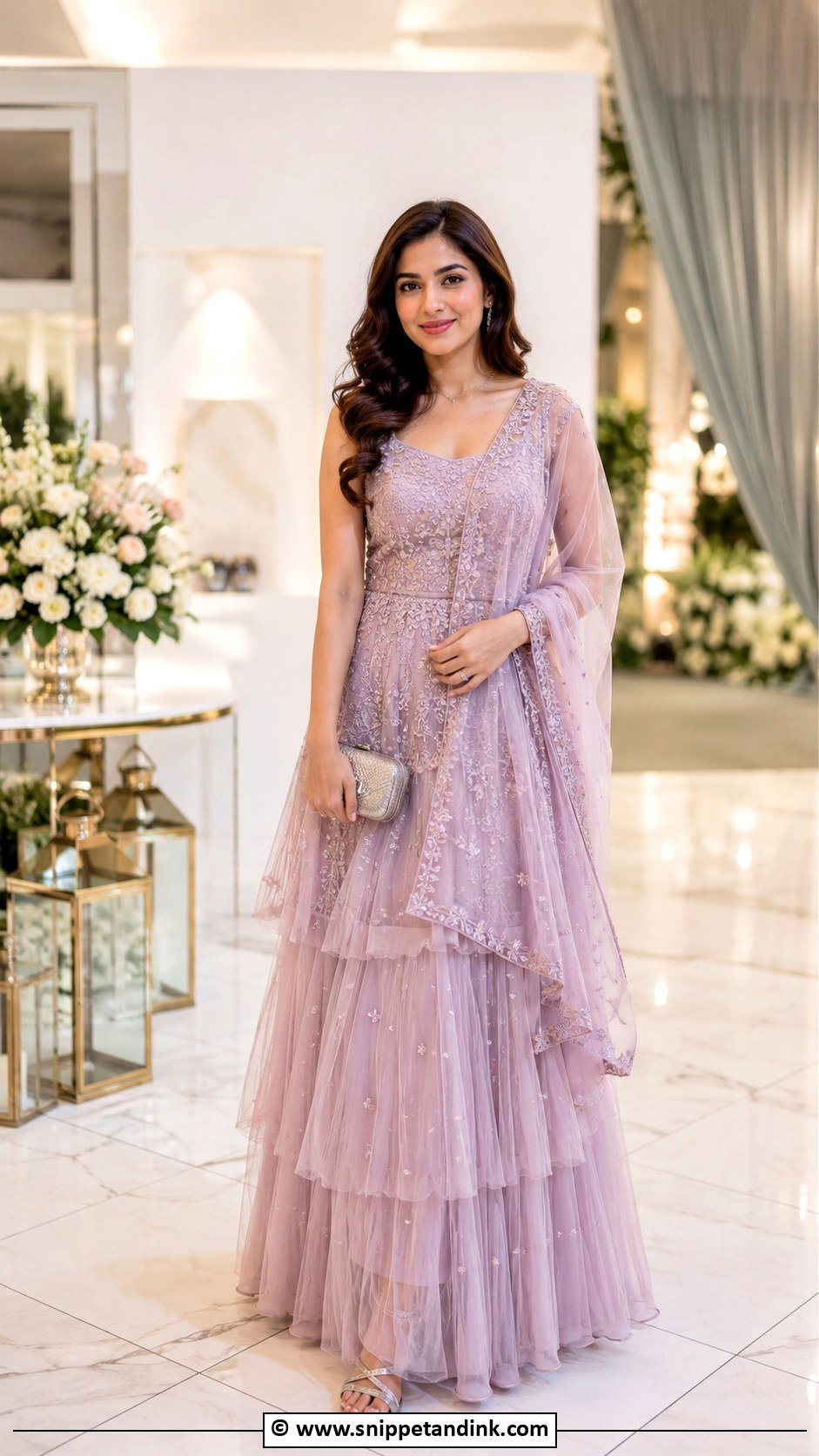
Net creates volume without much weight, which is why it shows up on so many layered and flared gowns. Choose one with a properly lined bodice and restrained embellishment, otherwise it can look like a costume. Drape a matching net dupatta lightly over both shoulders or pin it on one side. Delicate jewelry, soft curls and metallic heels suit it. The catch with net: it snags on everything. Bangles with sharp settings, bracelet clasps and mirror work all pull threads, so keep your jewelry smooth.
5. Silk Gown With Dupatta
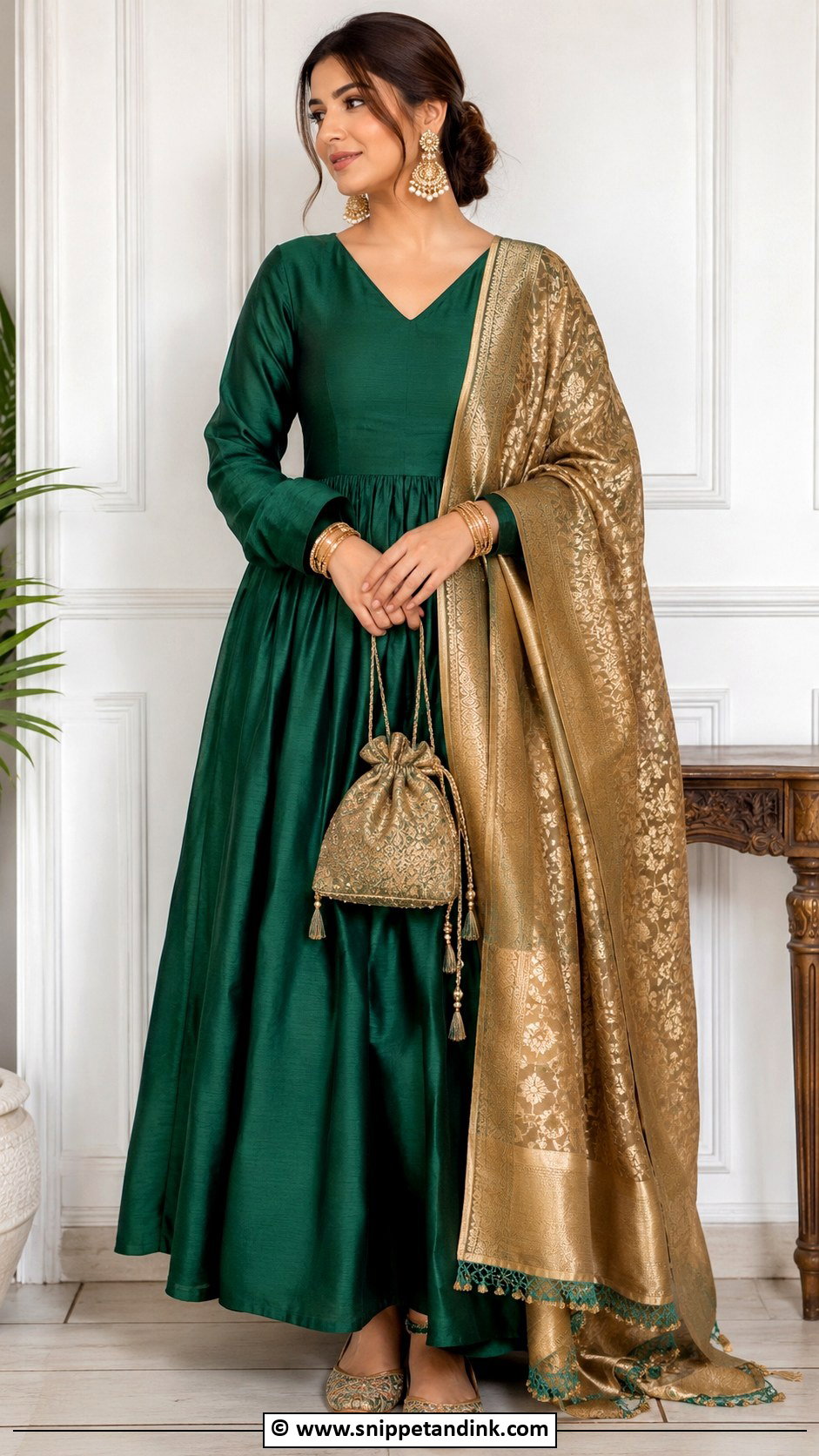
Silk holds its shape, so it suits A-line, pleated and flared ethnic gowns that need structure. A Banarasi, tissue, or zari-bordered dupatta makes the outfit feel properly festive. Emerald, maroon, navy, mustard and deep purple look rich. Gold jewelry, embroidered juttis or heels and a potli bag finish it, with a low bun or smooth waves so the silk stays in focus. Pure silk shows sweat marks under the arms, so I suggest dress shields for long summer functions.
6. Velvet Gown With Dupatta
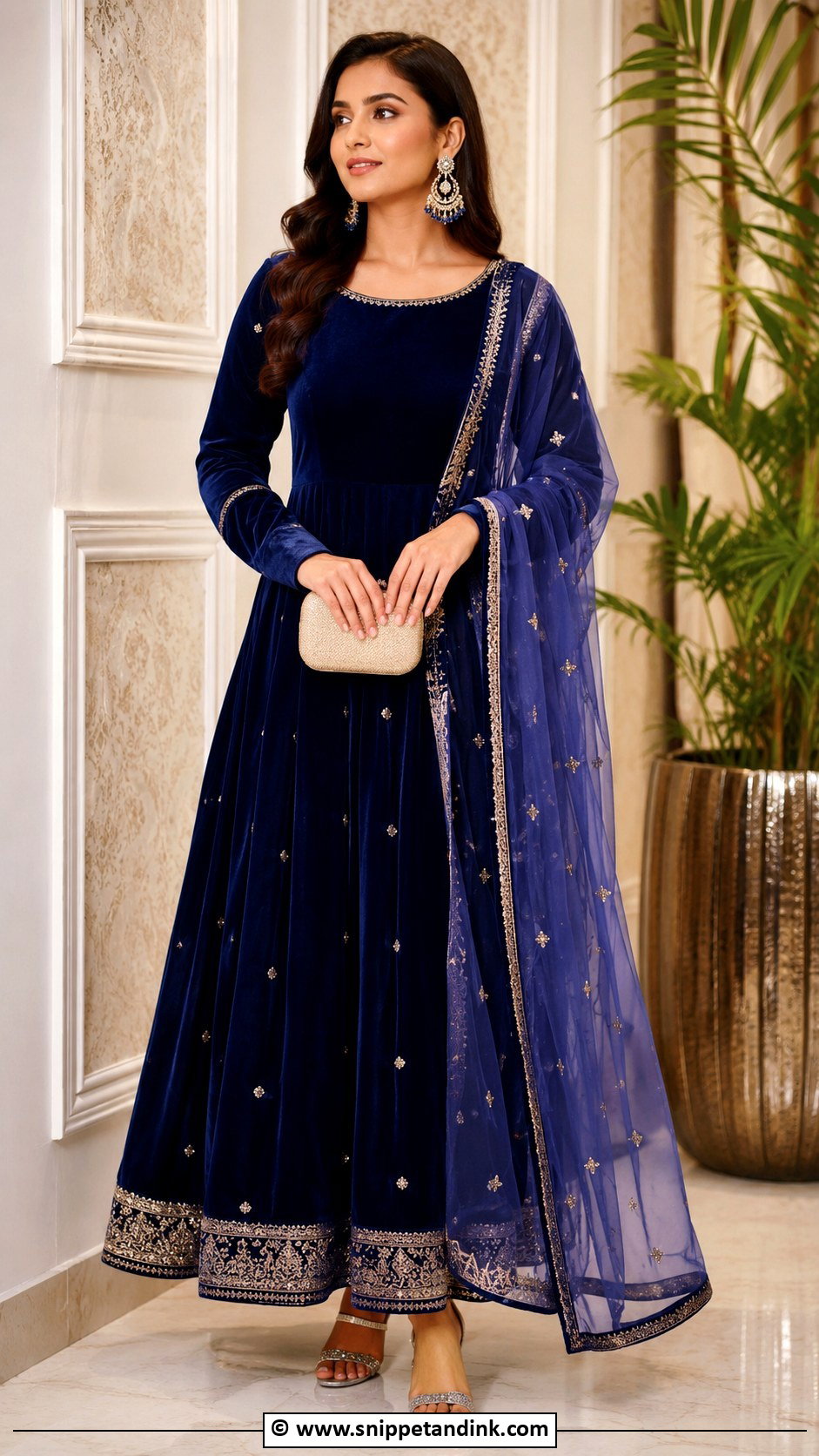
Velvet looks expensive even when the cut is simple, but it’s warm. It belongs at winter weddings and air-conditioned evening receptions, not outdoor afternoon functions. Wine, royal blue, emerald, plum and black give the most depth. Pair it with a light dupatta in net, organza or chiffon; a velvet dupatta on a velvet gown is too heavy to carry for hours. Embroidered heels, chandelier earrings and a compact clutch. With a high neckline, skip the necklace.
7. Chiffon Gown With Dupatta
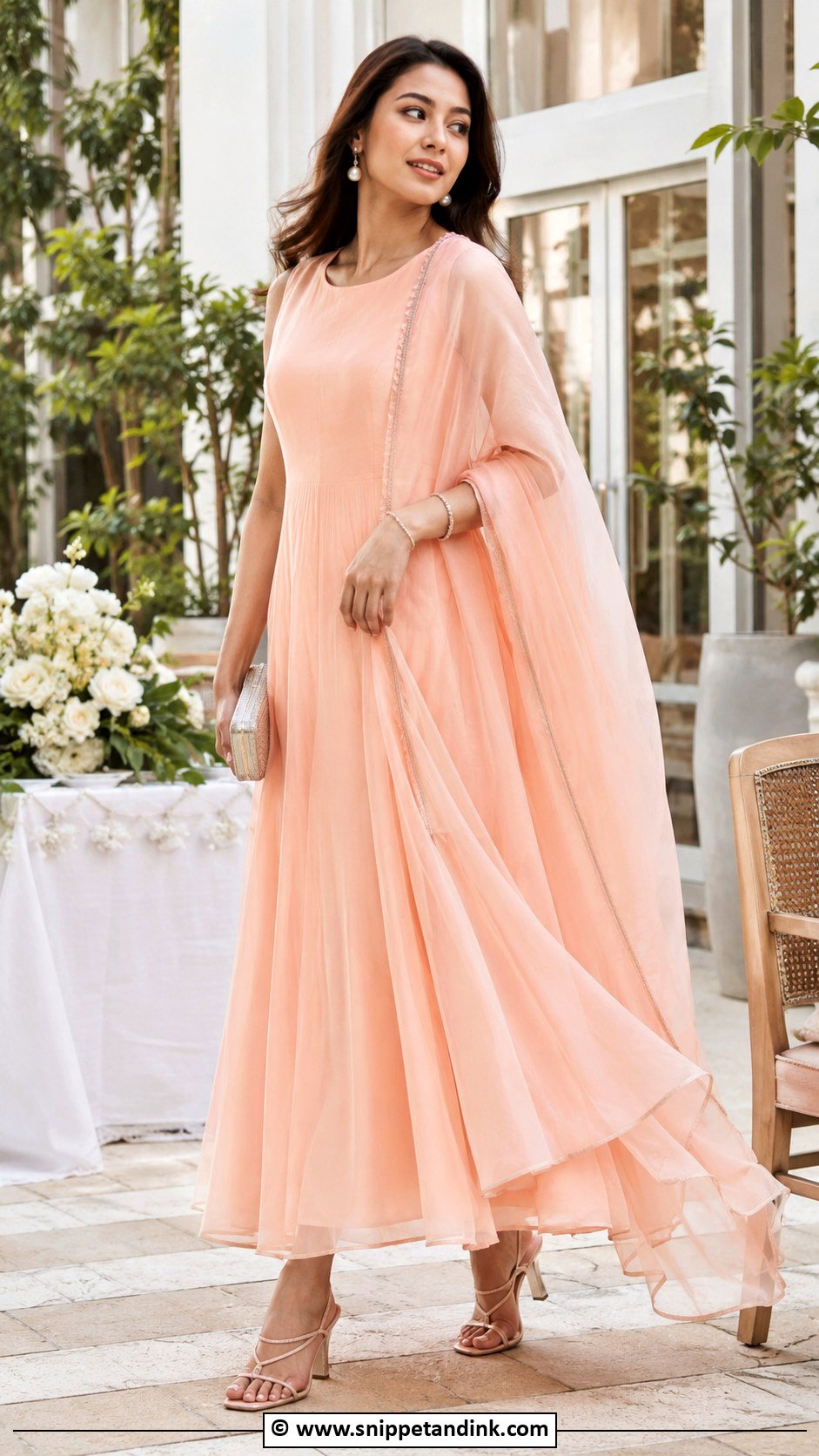
Chiffon falls softly and is the easiest fabric to wear for a long day. A pastel chiffon gown with a lightly embellished dupatta suits daytime functions, while deeper shades carry into the evening. Strappy heels, pearl earrings and a fine bracelet keep it clean. Drape the dupatta across the front, over one shoulder or loosely around the arms. Chiffon dupattas slide off easily, so I always pin one corner at the shoulder seam even for a relaxed drape. Summer functions and festive lunches suit it best.
8. Georgette Gown With Dupatta
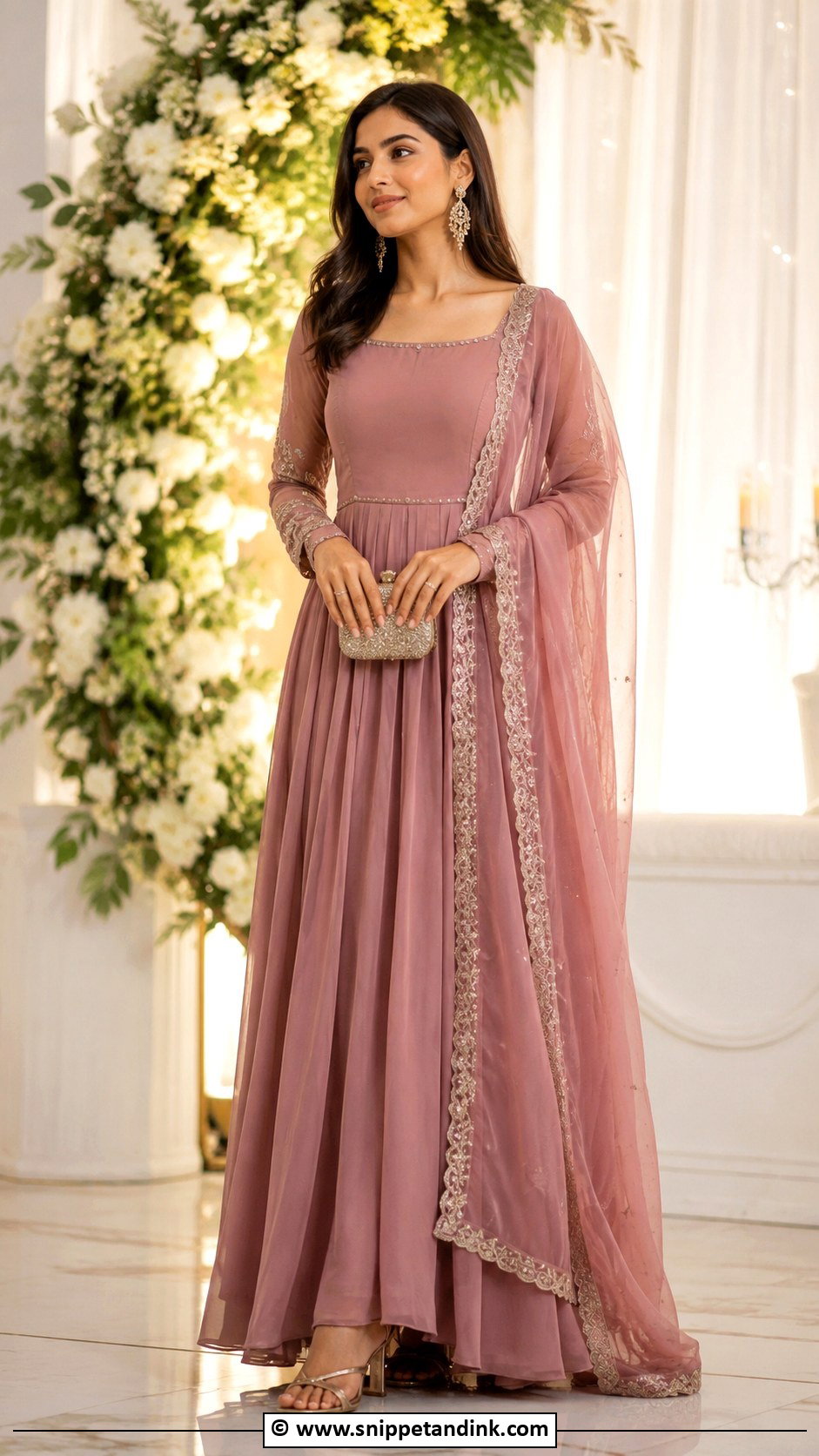
Georgette is the practical choice. It’s light, drapes well and is more forgiving than heavy fabrics, which makes it a good first ethnic gown for someone who isn’t used to wearing one. Pick a fitted bodice with a flared lower half and a matching dupatta finished with lace, sequins or threadwork at the border. Block heels, statement earrings and a small clutch or shoulder bag. Georgette has a slightly grainy texture that grips the shoulder better than chiffon, so the dupatta tends to stay where you put it.
9. Organza Gown With Dupatta
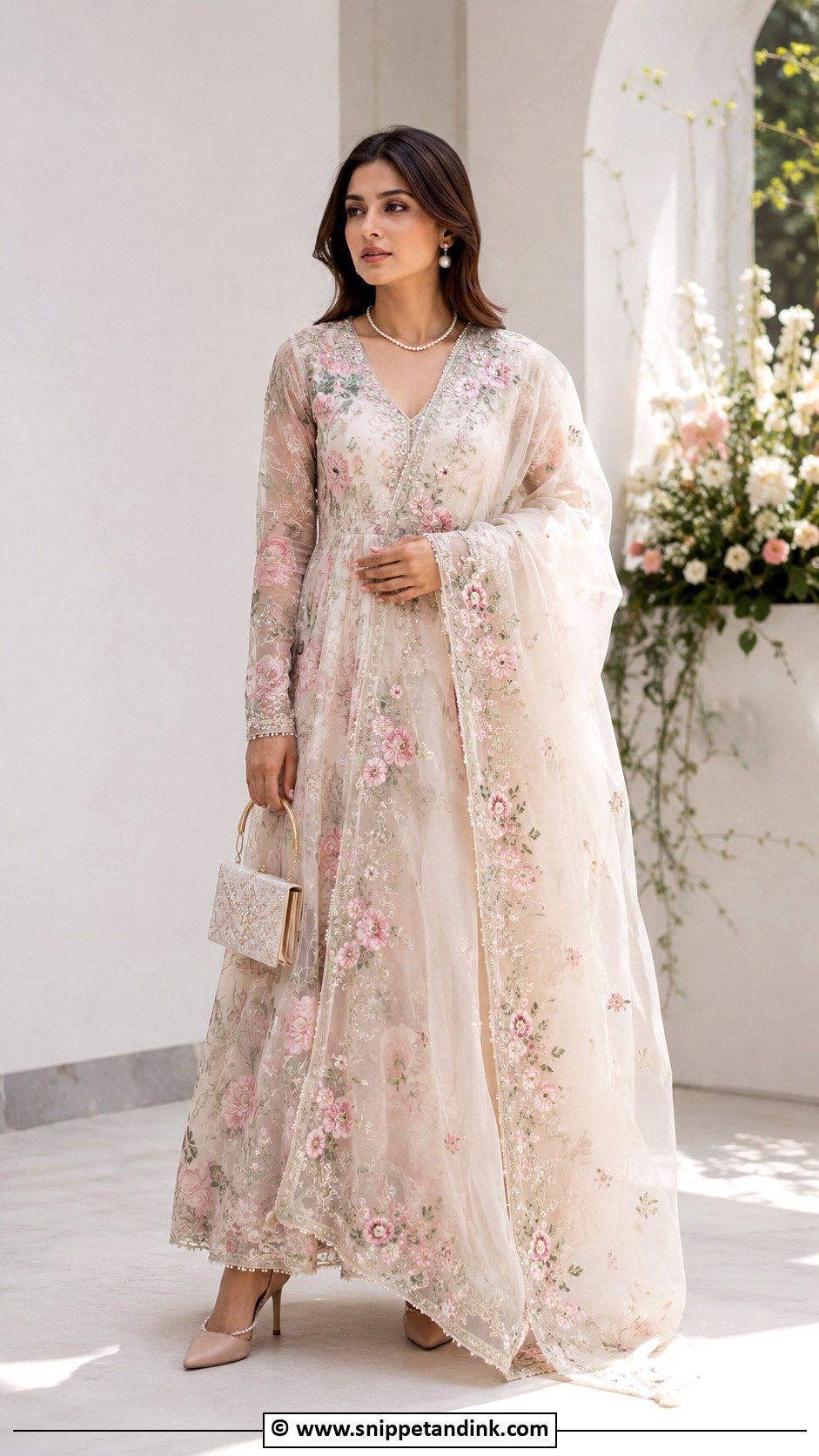
Organza is crisp, sheer and stiff enough to hold a fresh, airy shape. Pastel organza with floral embroidery or fine sequins looks right in daylight; deeper colours with metallic detail suit evenings. Since organza already has volume, pin the dupatta neatly rather than letting it float. Pearl jewelry, sleek heels and a small structured bag. A soft bun or half-up style works well. Organza creases sharply when you sit, so steam it just before you leave and avoid long car journeys sitting on it.
10. Sequin Gown With Dupatta
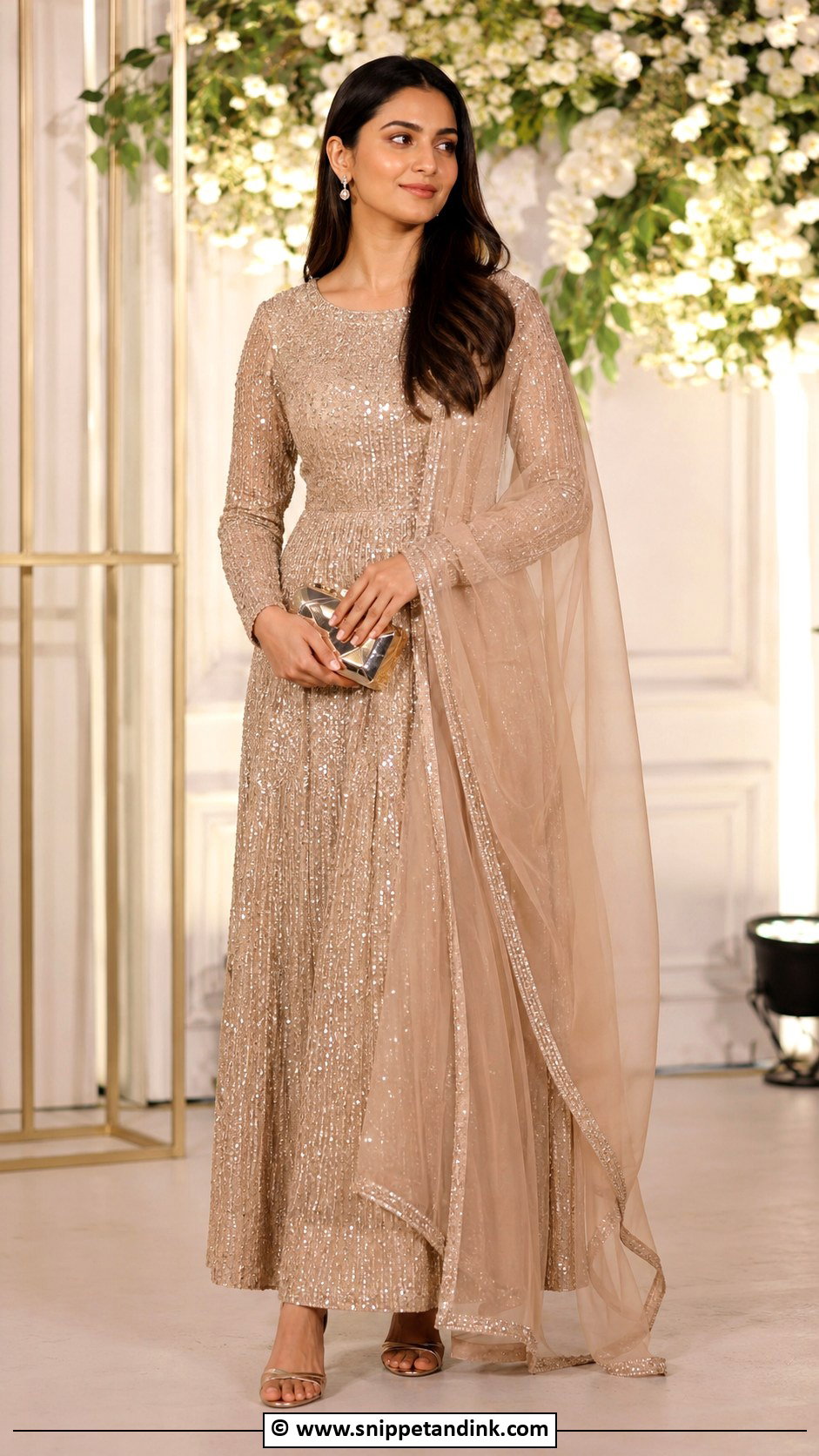
With sequins, balance is the whole job. Choose a gown with fine sequins or scattered shimmer and pair it with a sheer dupatta with only a simple border. Metallic heels, small earrings and a sleek clutch are enough. If the gown is fully sequinned, skip heavy necklaces and stacked bangles; they rub against the sequins and both lose. Soft makeup and smooth hair keep it refined. Receptions and evening parties suit it.
11. Floral Gown With Dupatta
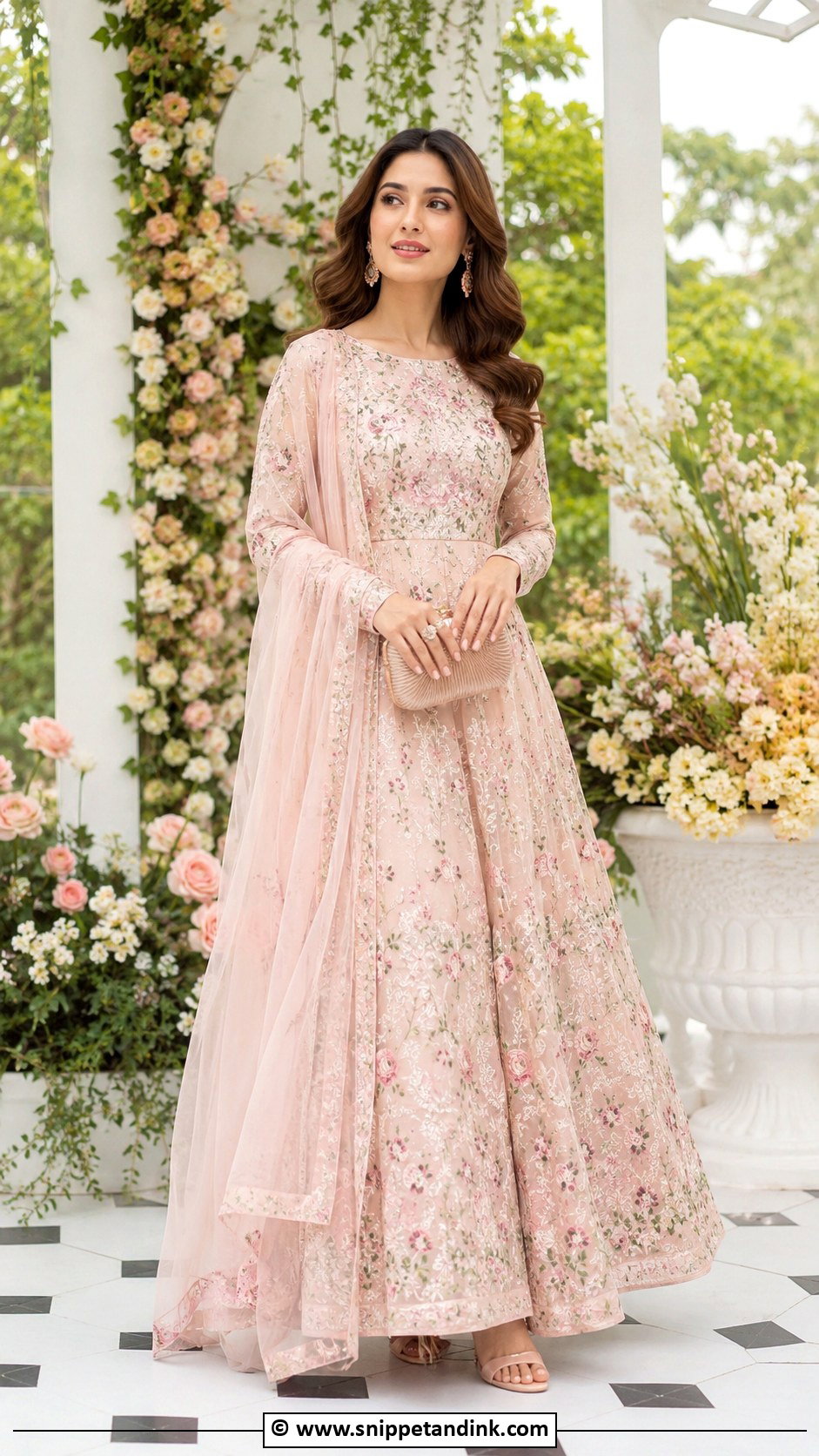
Florals keep a daytime function fresh. Prints, thread embroidery or appliqué can make a gown festive without weight. Blush, mint, ivory, peach, lavender and powder blue suit the look. Pair it with a light organza or chiffon dupatta, simple earrings and comfortable heels, plus a small clutch in a matching or neutral shade. I’d keep jewelry fine so the flowers stay the focus. Watch printed georgette in direct sun; cheaper prints can look flat and washed out in photos.
12. Pastel Gown With Dupatta
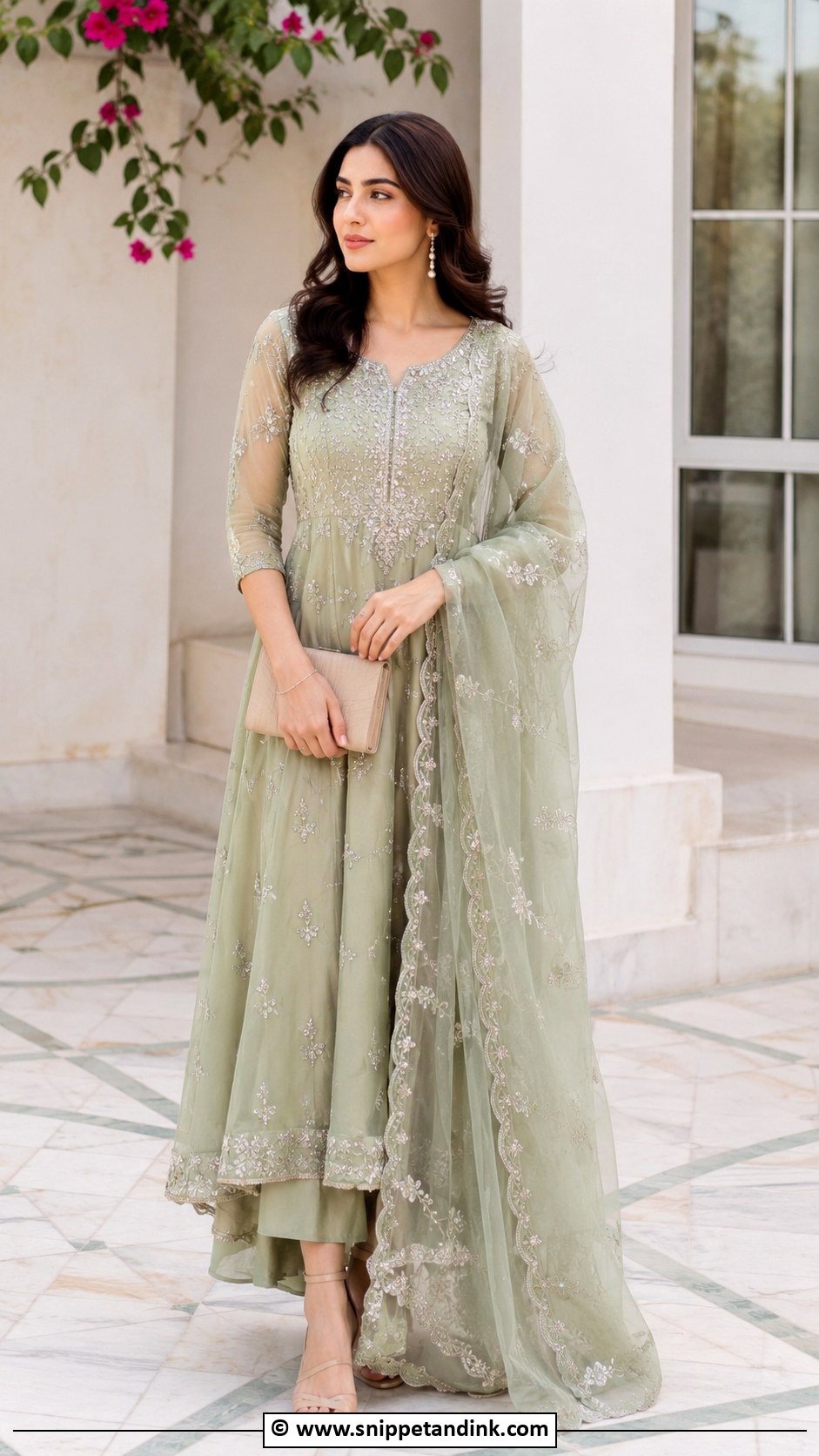
Pastels read modern and traditional at once. Blush pink, sage, lavender, powder blue and peach are easy in daylight. Choose light embroidery, pearl work or fine sequins, and a sheer dupatta in the same shade or one step lighter. Pearl earrings, nude heels and a clean clutch. If the gown feels shapeless, a slim embroidered belt at the waist adds definition. Pastel silk shows water marks, so carry a dupatta you don’t mind getting a splash on at the food counter.
13. Red Gown With Dupatta
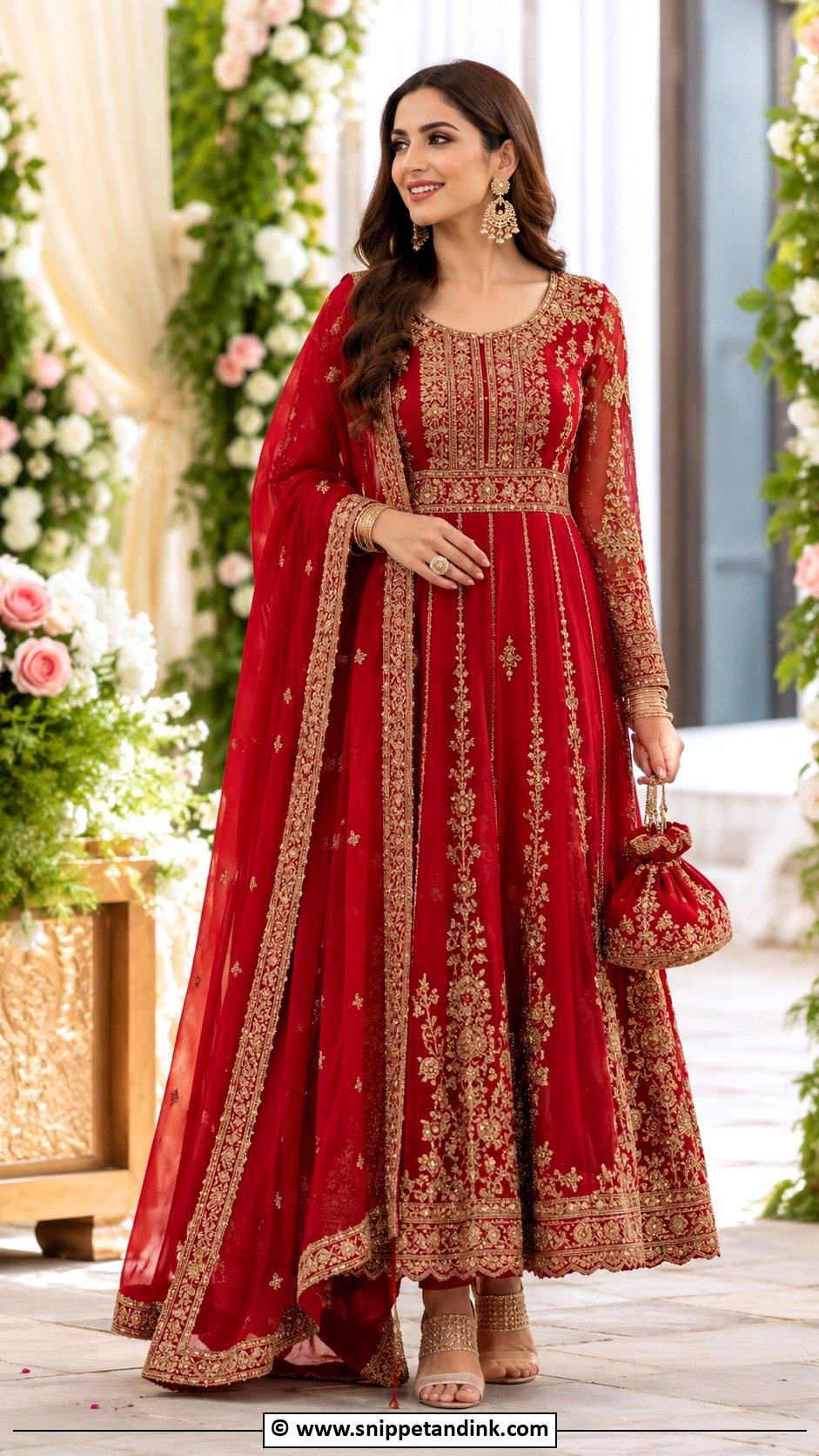
Red is traditional and celebratory, so the styling needs intention. Choose a red gown with gold embroidery, tone-on-tone threadwork or a soft shimmer. A matching red dupatta is classic; gold, beige or blush adds contrast. Gold earrings, bangles, embellished heels and a small potli bag complete it. Keep makeup balanced: defined eyes or a soft lip, not both strong. As a guest, I’d check that you won’t be competing with the bride’s red; at many weddings it’s her colour.
14. Black Gown With Dupatta
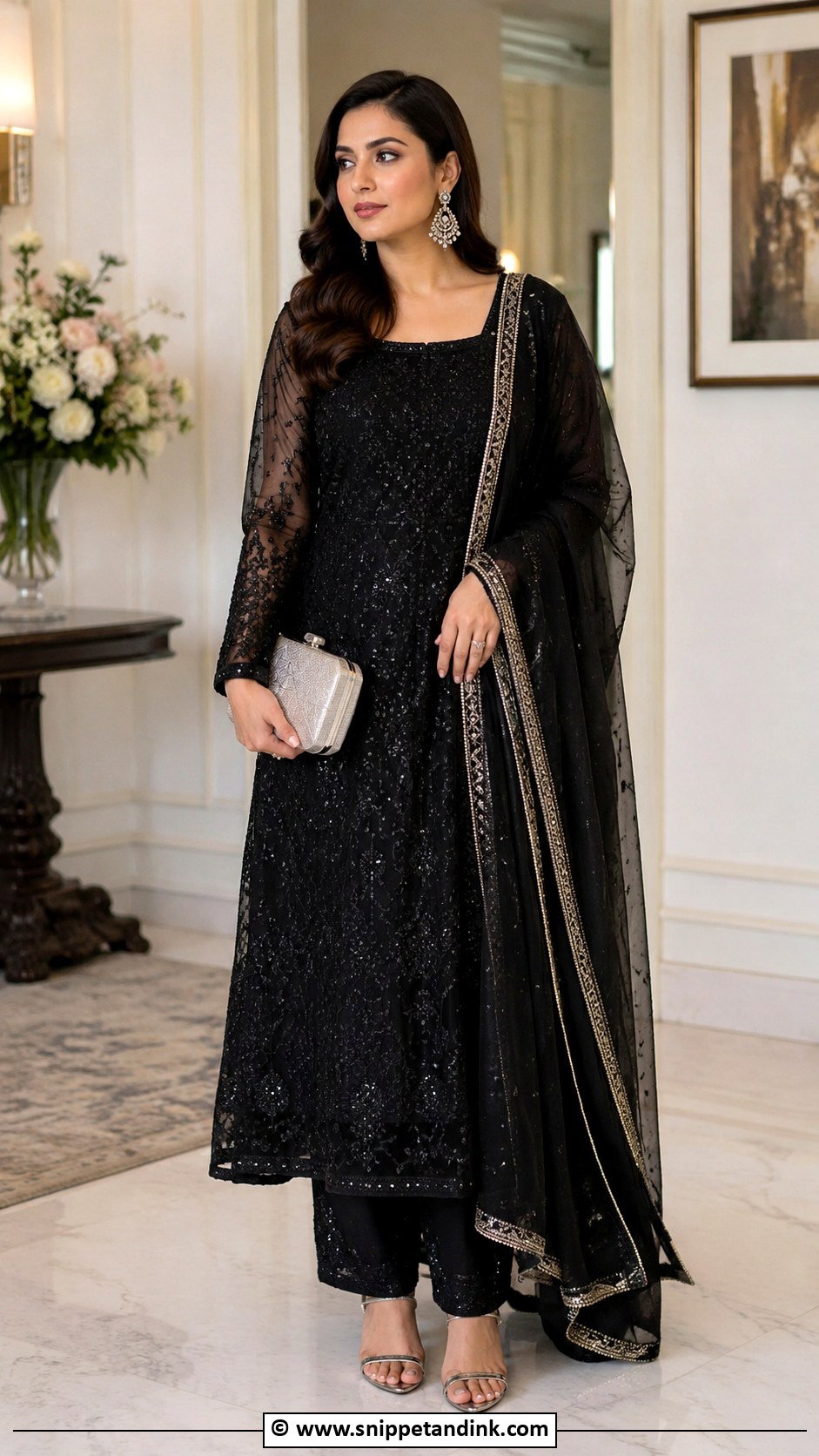
Black works for evening and is versatile, but it needs ethnic detail to feel festive: embroidery, sequins, mirror work or metallic borders. A black net dupatta gives a sleek monochrome effect; gold, silver or a jewel tone adds contrast. Metallic heels, statement earrings and a structured clutch. With a plain neckline, a choker suits it; with heavy work at the neck, focus on earrings. Some families consider black inauspicious at weddings, so it’s worth a quiet check with the hosts before a ceremony.
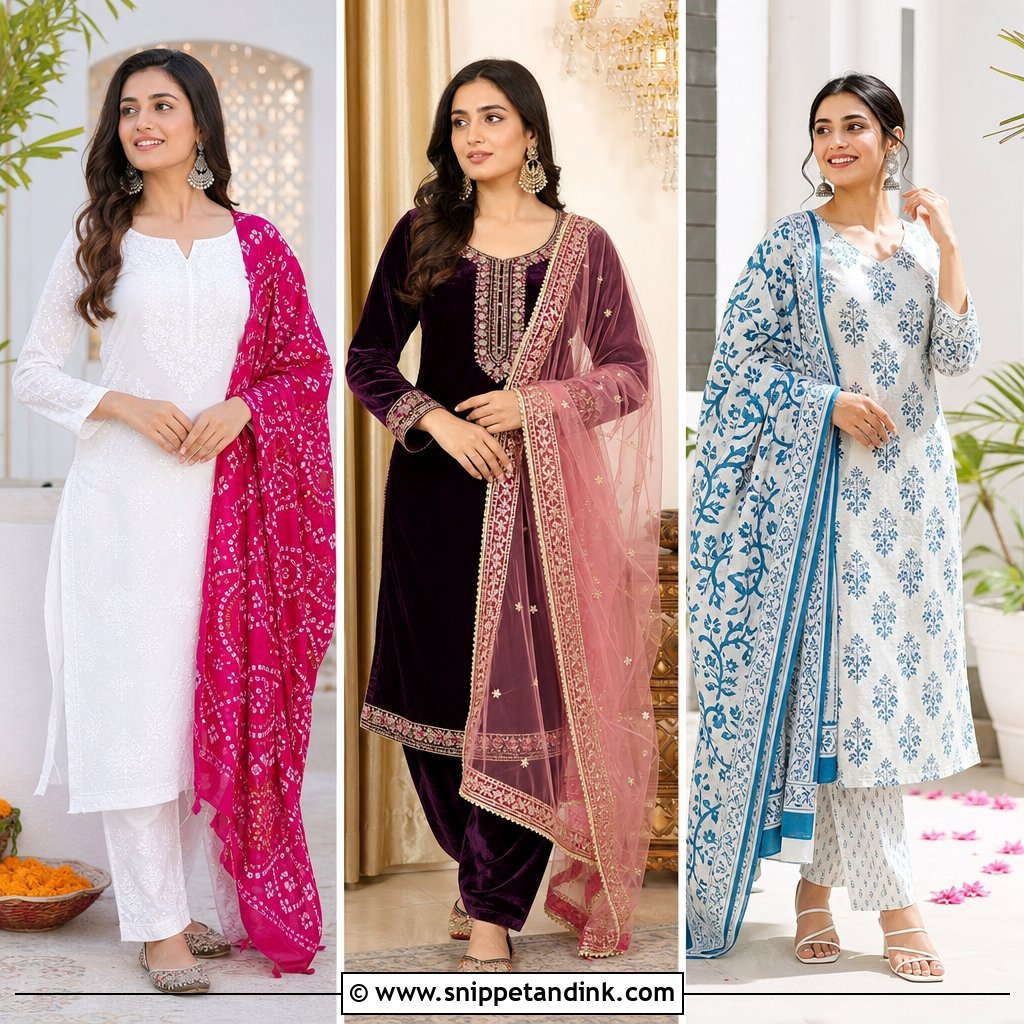
15. White Gown With Dupatta
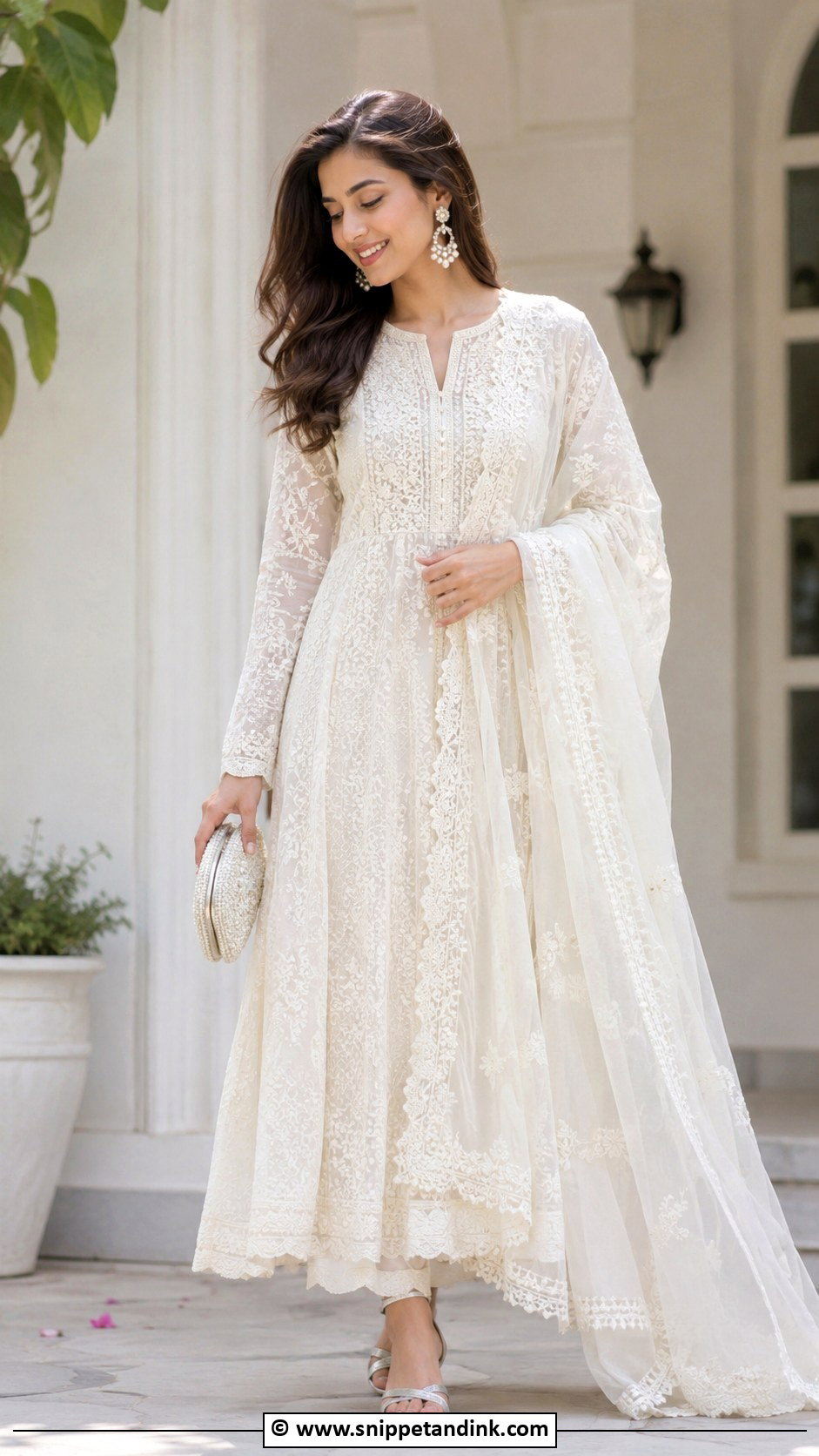
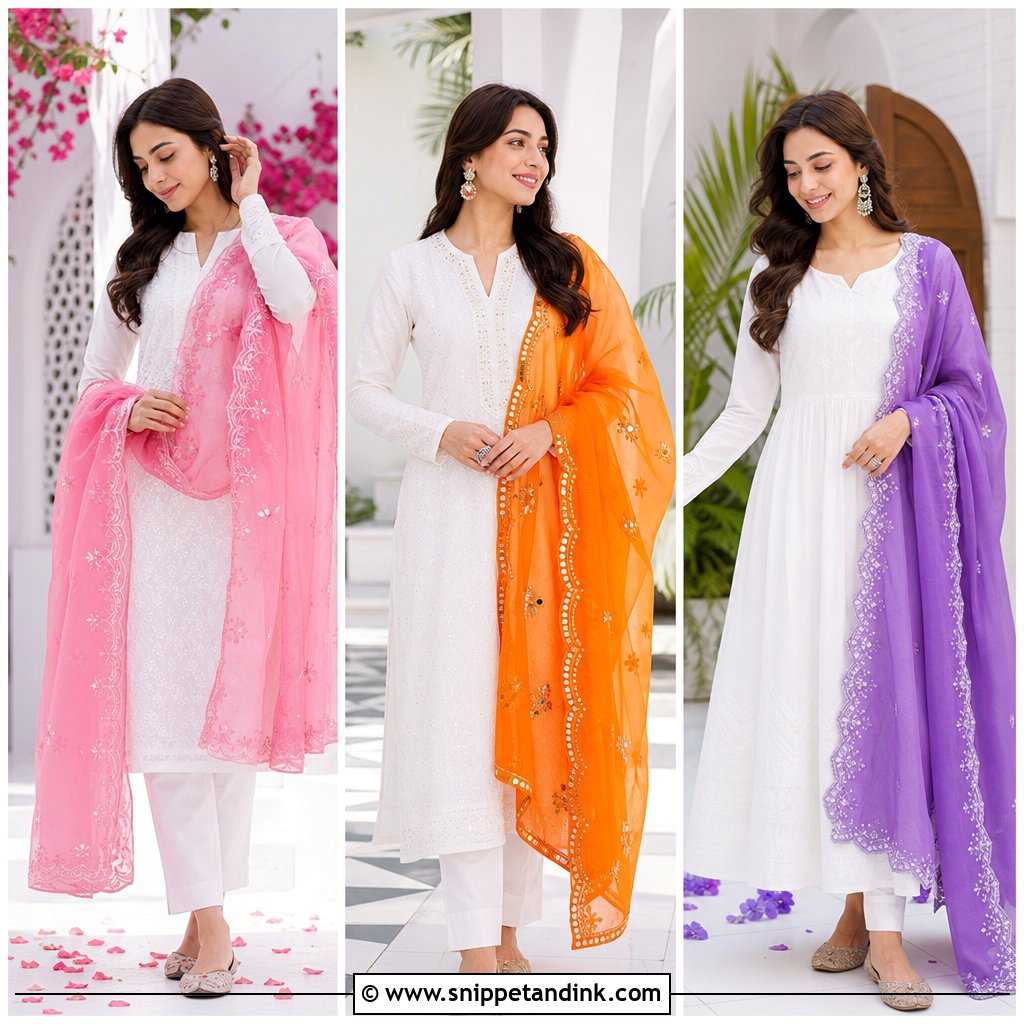
A white gown needs texture, or it looks flat. Chikankari, pearls, lace, sequins, zari or tone-on-tone embroidery all give it depth. A white or ivory dupatta makes a soft monochrome outfit; a pastel one adds colour. Pearl earrings, silver or gold heels and a delicate clutch suit it. Soft waves or a low bun finish it. Chikankari is hand-embroidered on fine cotton or georgette, and it’s delicate, so I’d keep it away from rough jewelry. White suits daytime functions well, though some families avoid it at weddings for cultural reasons, so ask if you’re unsure.
16. Green Gown With Dupatta
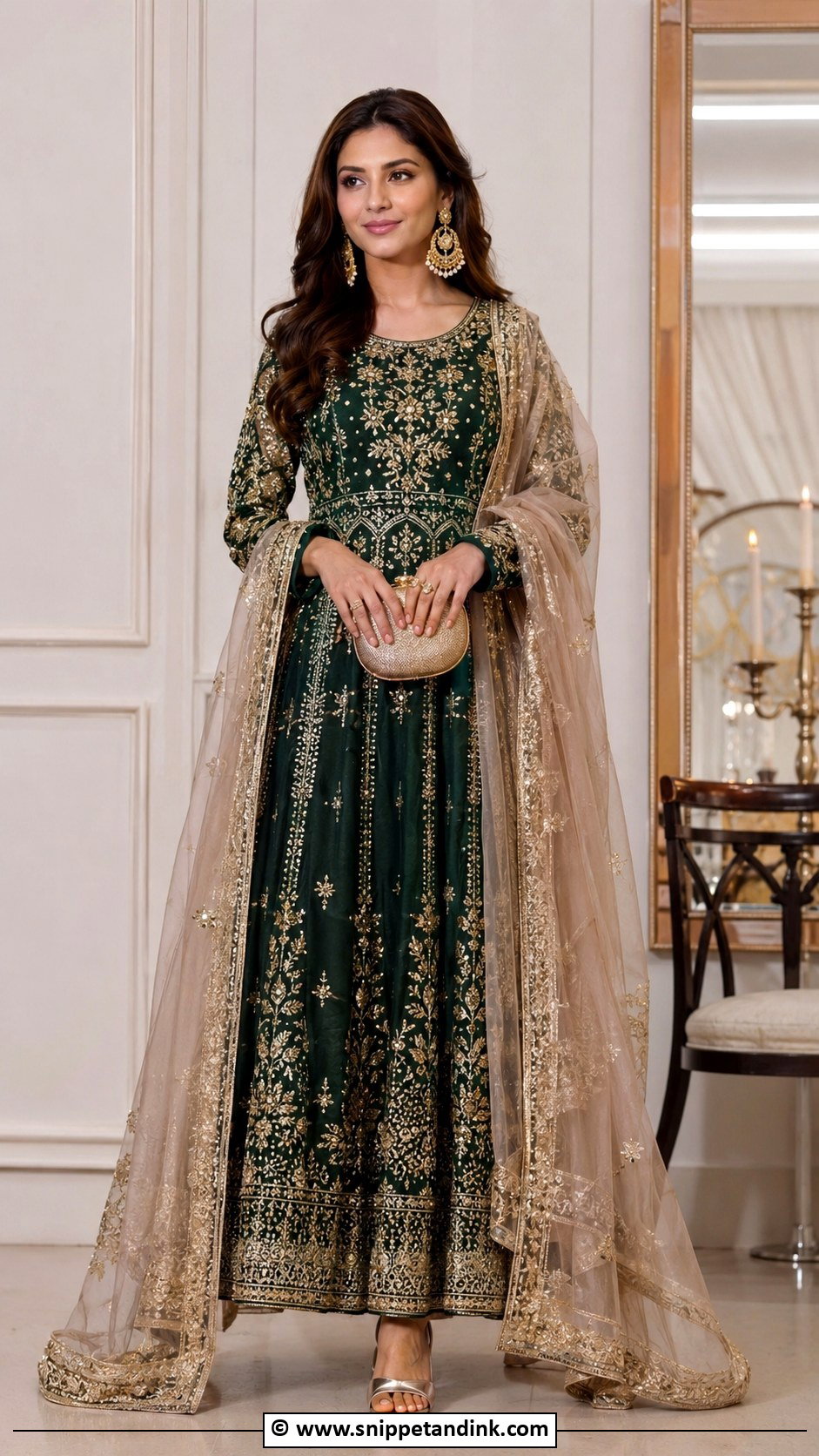
Green flatters a wide range of skin tones, and each shade sets a different mood: emerald, bottle green, sage, pistachio, olive. For a regal look, I’d put emerald with gold embroidery and a matching or champagne dupatta. For daytime, sage with pearl work and an organza dupatta. Gold jewelry, nude or metallic heels and a potli or clutch. Kundan-style earrings suit green especially well. It’s a good alternative when you’d rather not wear red or pink.
17. Blue Gown With Dupatta
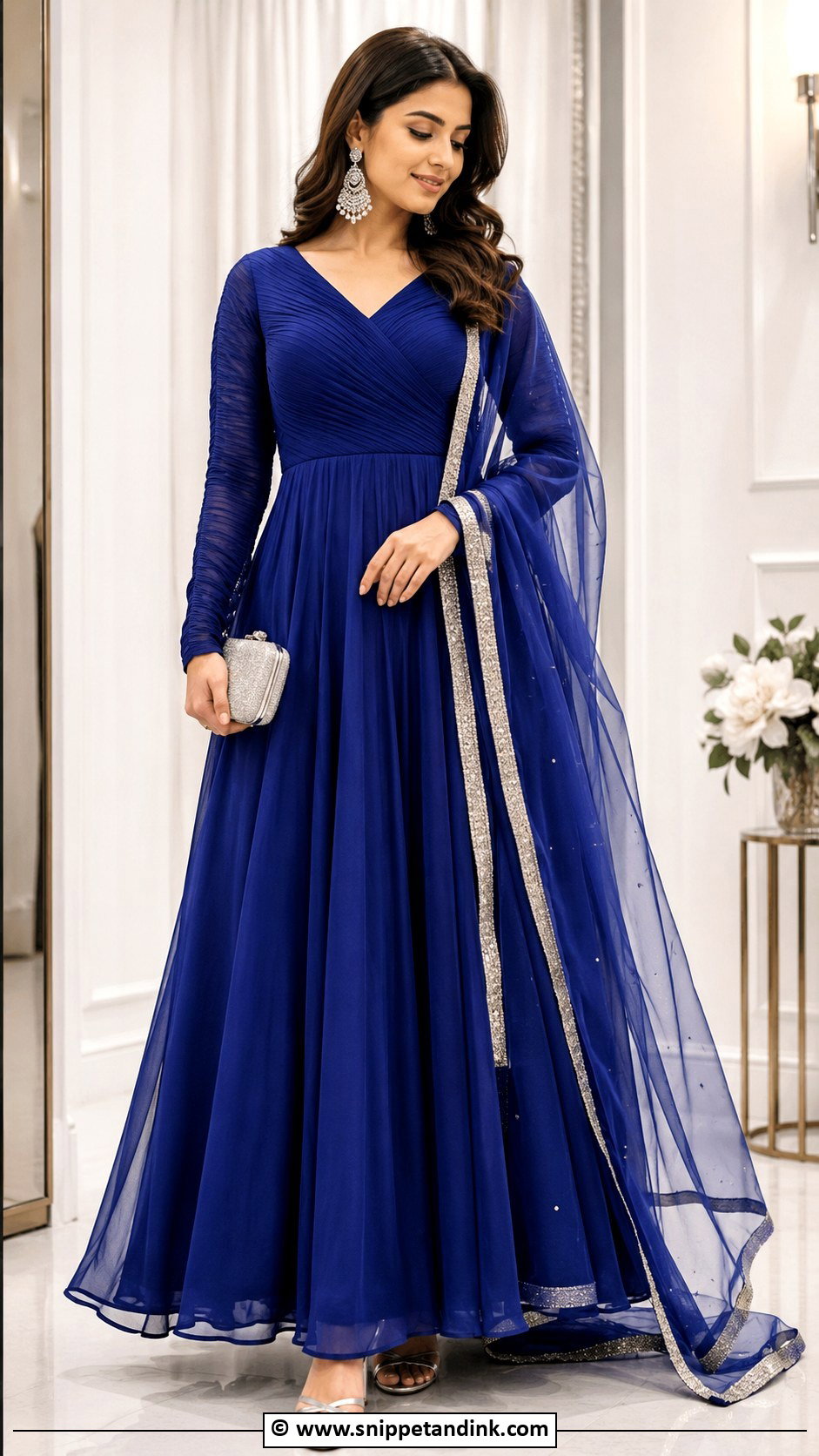
Blue can be calm, royal or modern. Navy and royal blue look grand in the evening; powder and sky blue are soft for daytime. A heavily worked blue gown needs a sheer dupatta to stay balanced. Silver jewelry suits cool blues; gold warms deeper shades. Metallic heels and a small clutch, with a side-swept style or sleek bun. Royal blue can photograph slightly purple under some event lighting, so look at it in a phone photo under warm bulbs before you commit.
18. Pink Gown With Dupatta
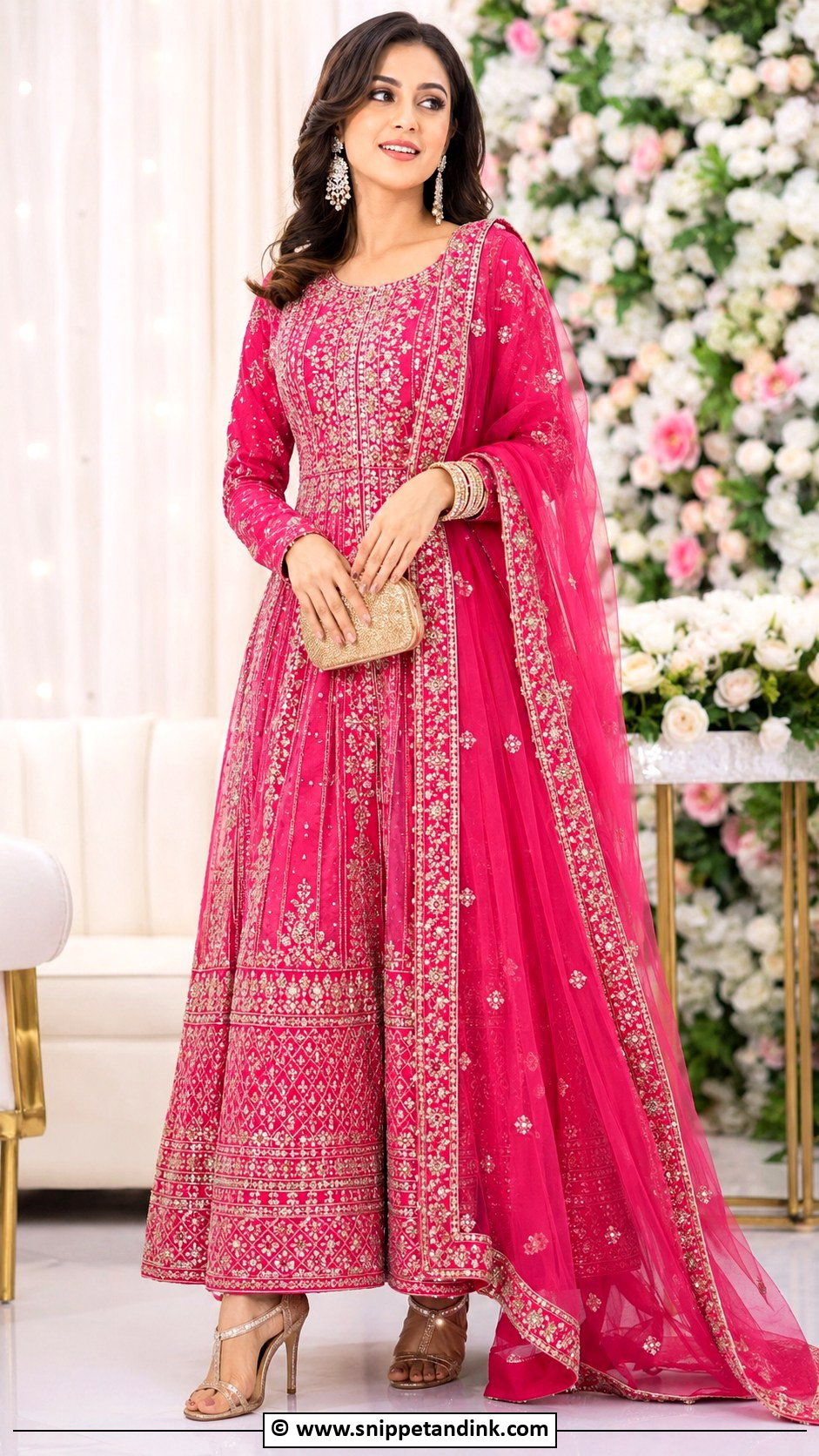
Pink covers a lot of ground. Blush looks soft, rani pink festive and bold. Let the occasion pick the embroidery: pearls or sequins for a light event, zari or mirror work for a grand one. A matching dupatta keeps it cohesive; gold or ivory adds contrast. Embellished heels, fine bangles and earrings that suit the neckline. Fresh makeup keeps a strong rani pink modern. Pink is one of the easiest colours to wear across several functions in one wedding, simply by changing the dupatta.
19. Yellow Gown With Dupatta
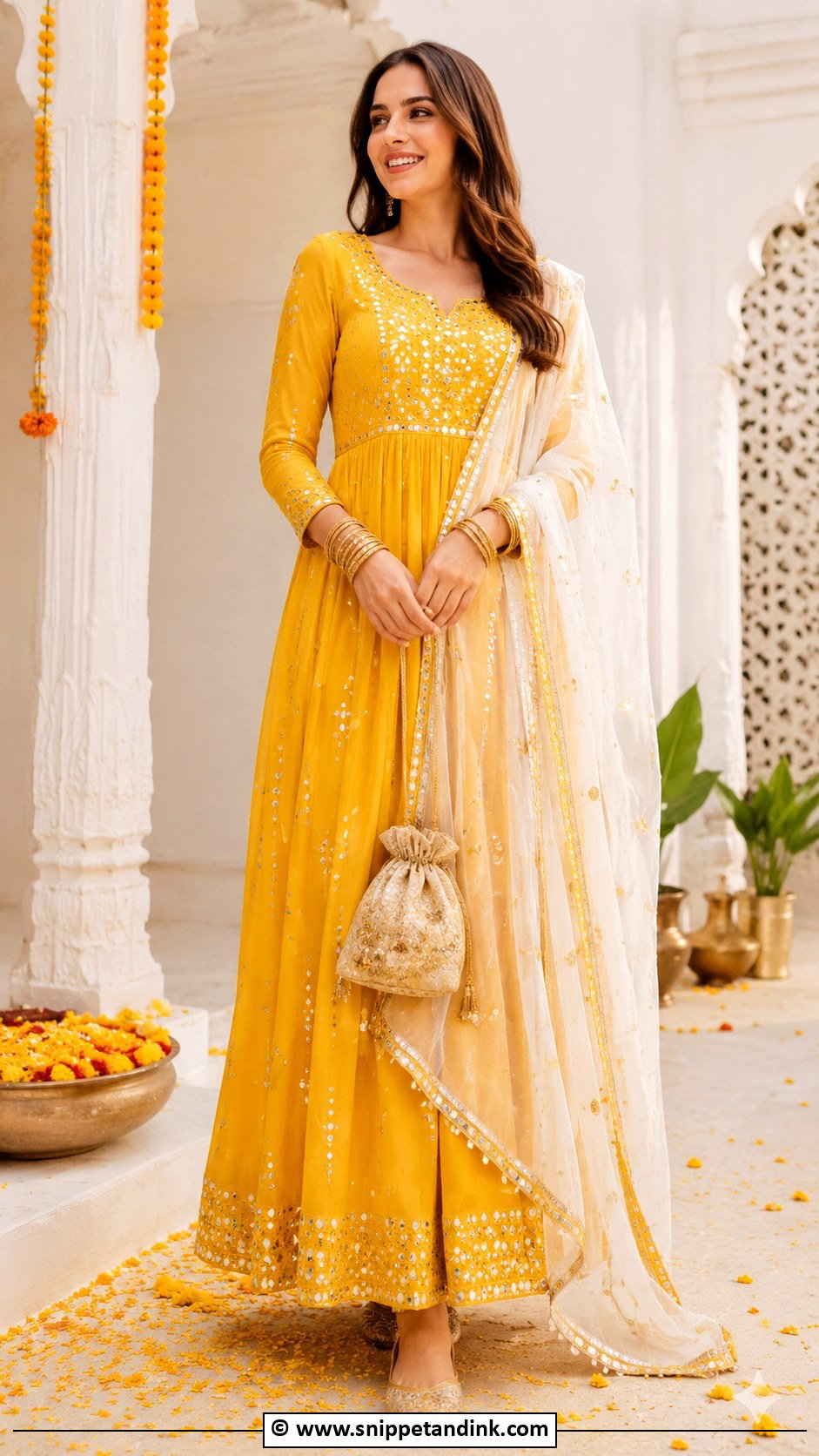
Yellow is the colour of haldi mornings and bright daytime functions. A yellow gown with dupatta in mustard, lemon, marigold or pastel yellow works depending on the event. A flowing gown with mirror work or gota detail feels lively without weight. Match the dupatta or contrast it with white, gold or peach. Juttis or block heels for comfort, with bangles and simple earrings. For a haldi, choose something you won’t mind getting turmeric on; it stains and rarely washes out completely.
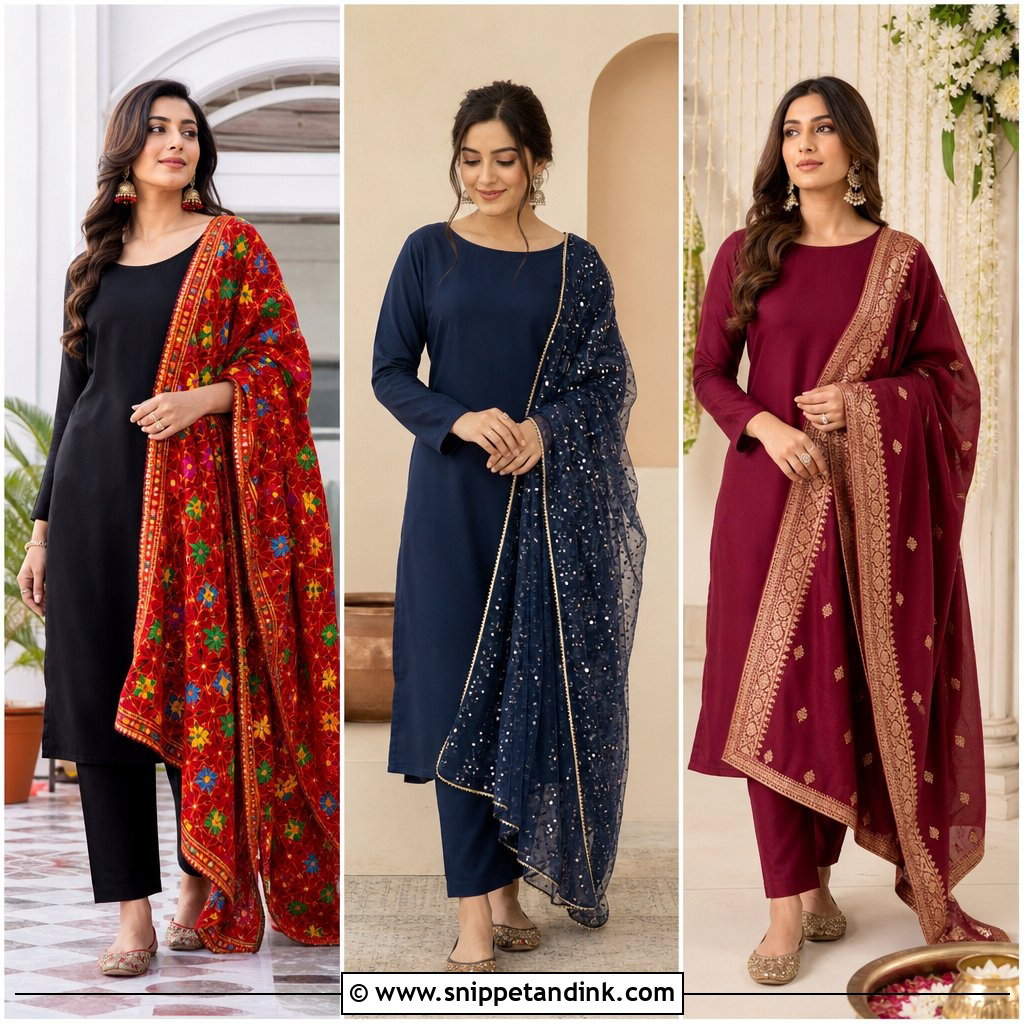
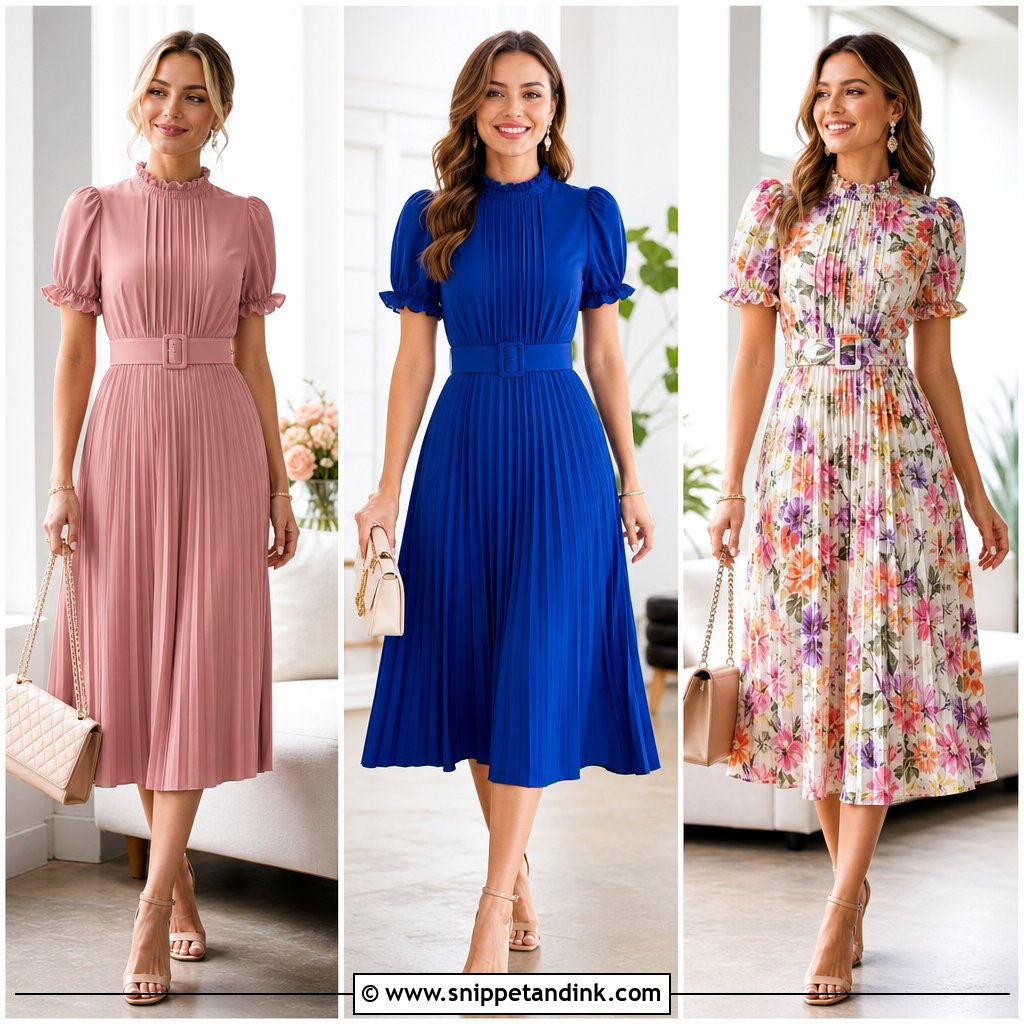
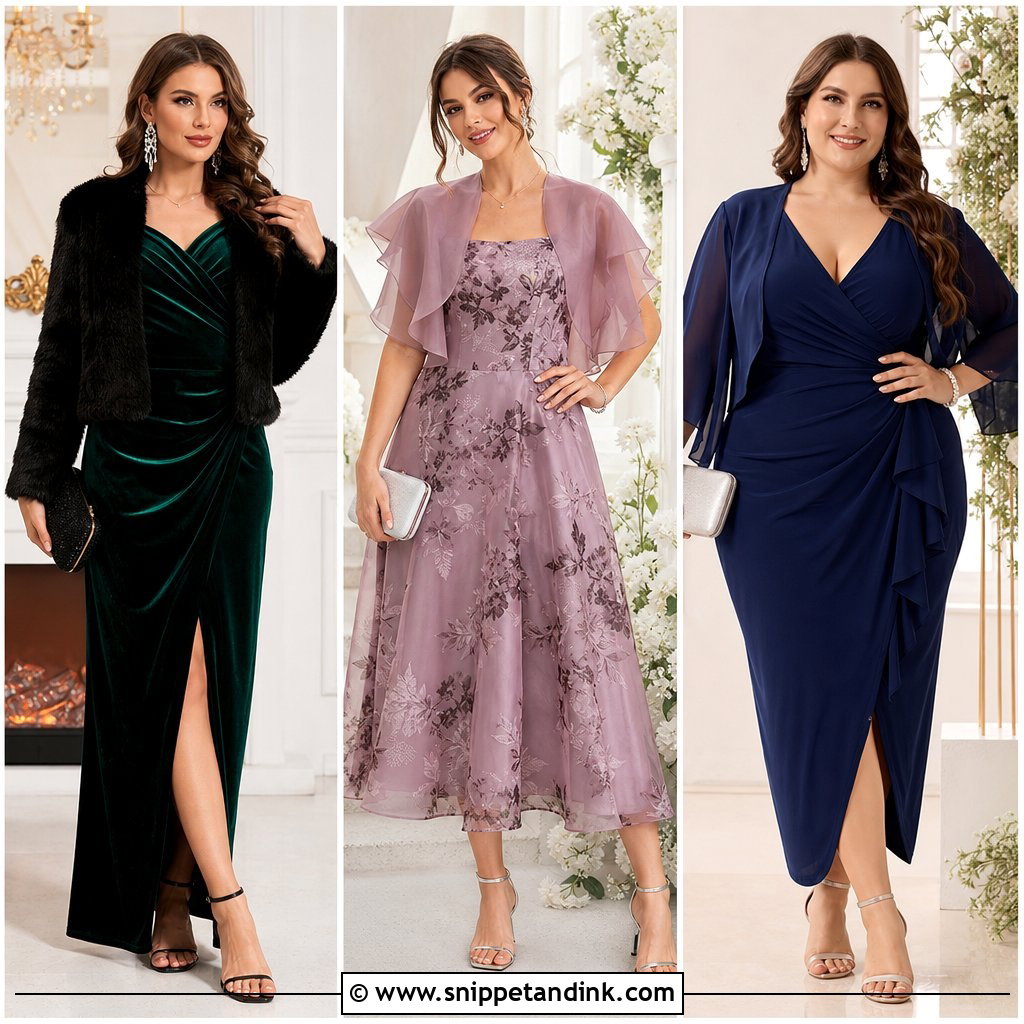
20. Purple Gown With Dupatta
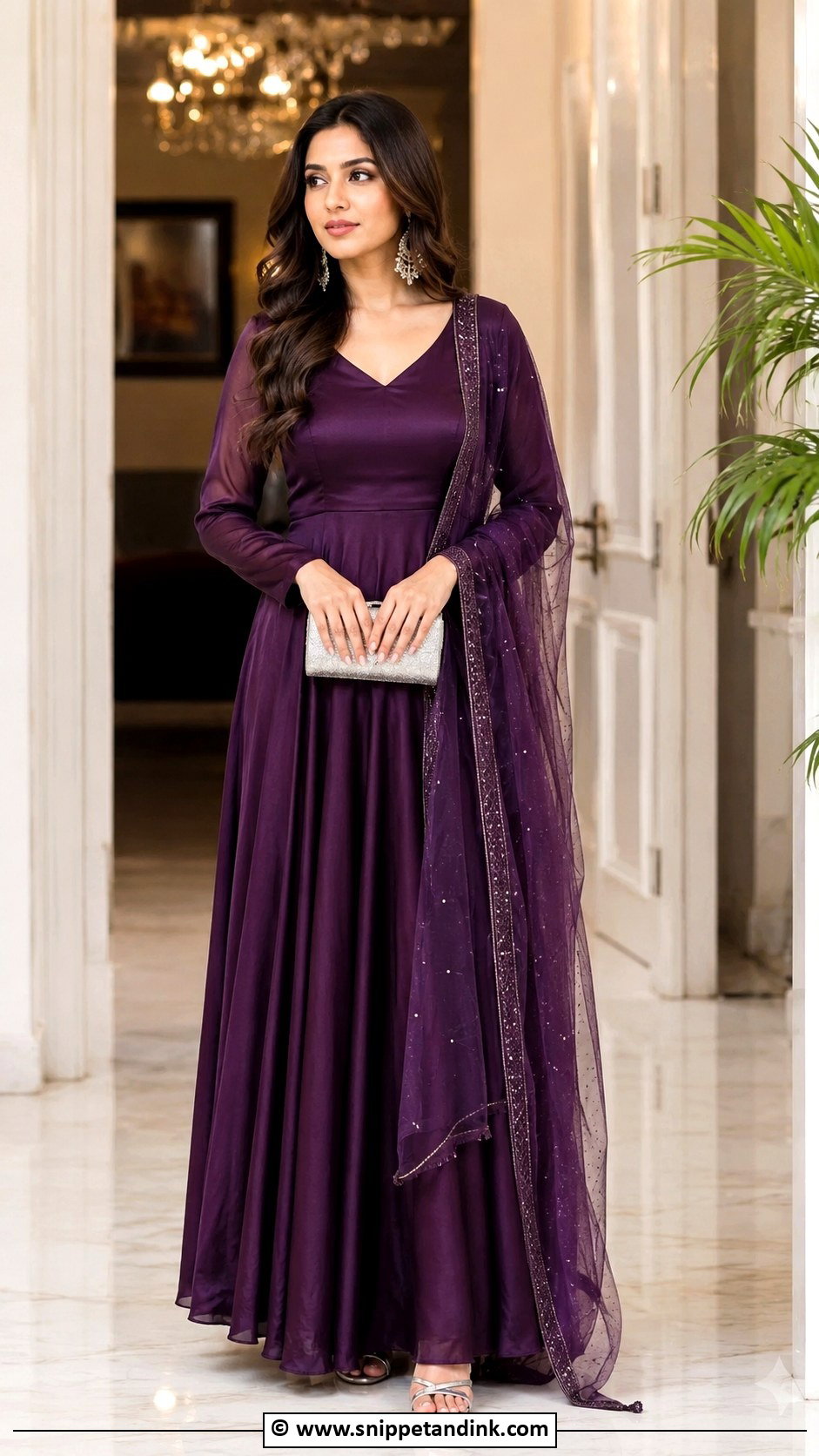
Purple is the slightly unexpected choice. Deep purple, plum, mauve and lavender each give a different level of drama. A plum velvet or silk gown with a net dupatta looks right in the evening; lavender georgette or organza suits daytime. Silver, diamond-look or pearl jewelry depending on the shade. Metallic heels and a matching clutch. With heavy embroidery on the gown, keep the dupatta light. It stands out in a room full of reds and pinks without clashing with them.
21. Gown With Banarasi Dupatta
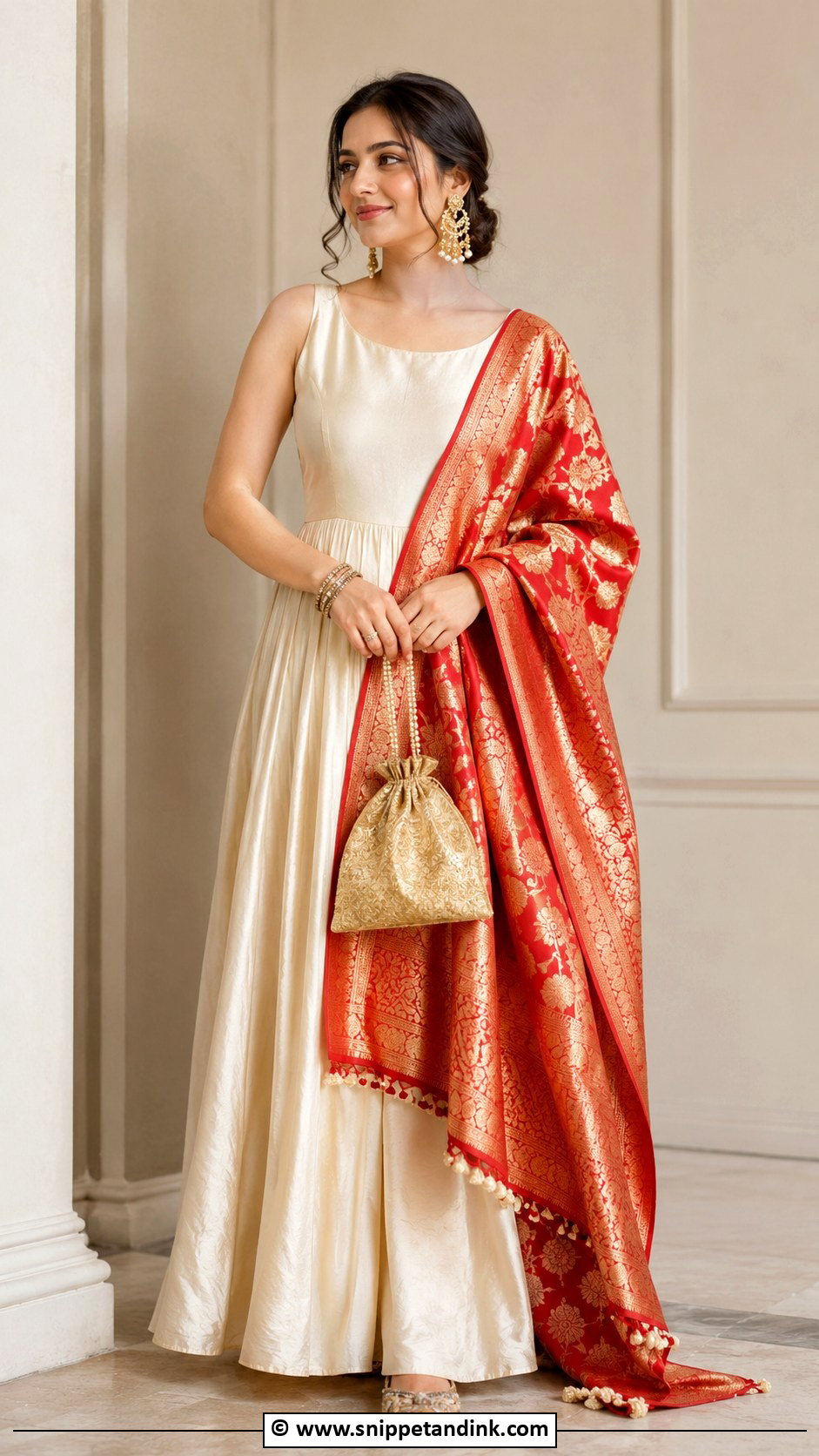
A Banarasi dupatta is woven, not embroidered, and the weight and sheen of its zari make it the statement piece. Pair it with a plain or lightly worked gown in silk, crepe, georgette or satin. Classic combinations work: ivory with red, emerald with gold, navy with gold, pink with orange. Traditional earrings, bangles and embellished heels or juttis, with a potli bag. A real Banarasi is heavy, so pin it at the shoulder in two places, not one, or it will drag the gown’s neckline sideways.
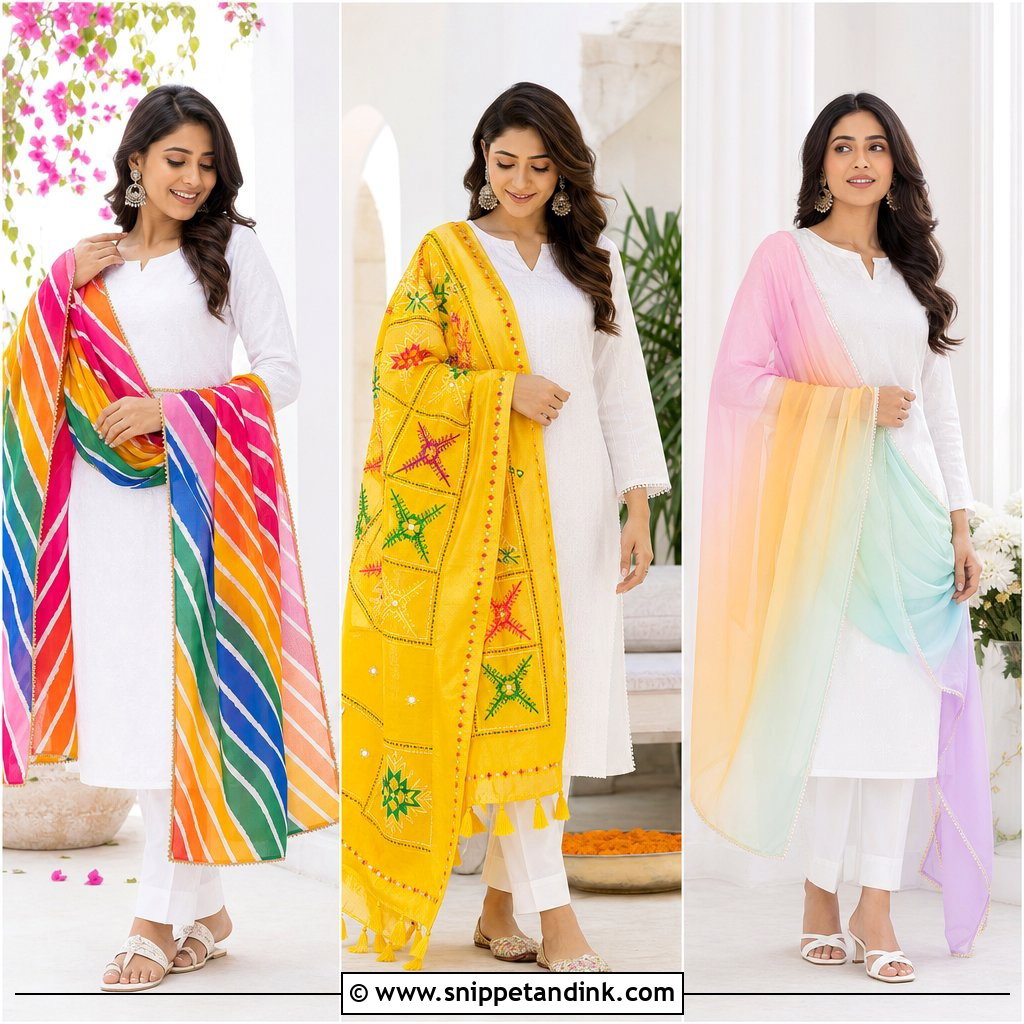
22. Gown With Phulkari Dupatta
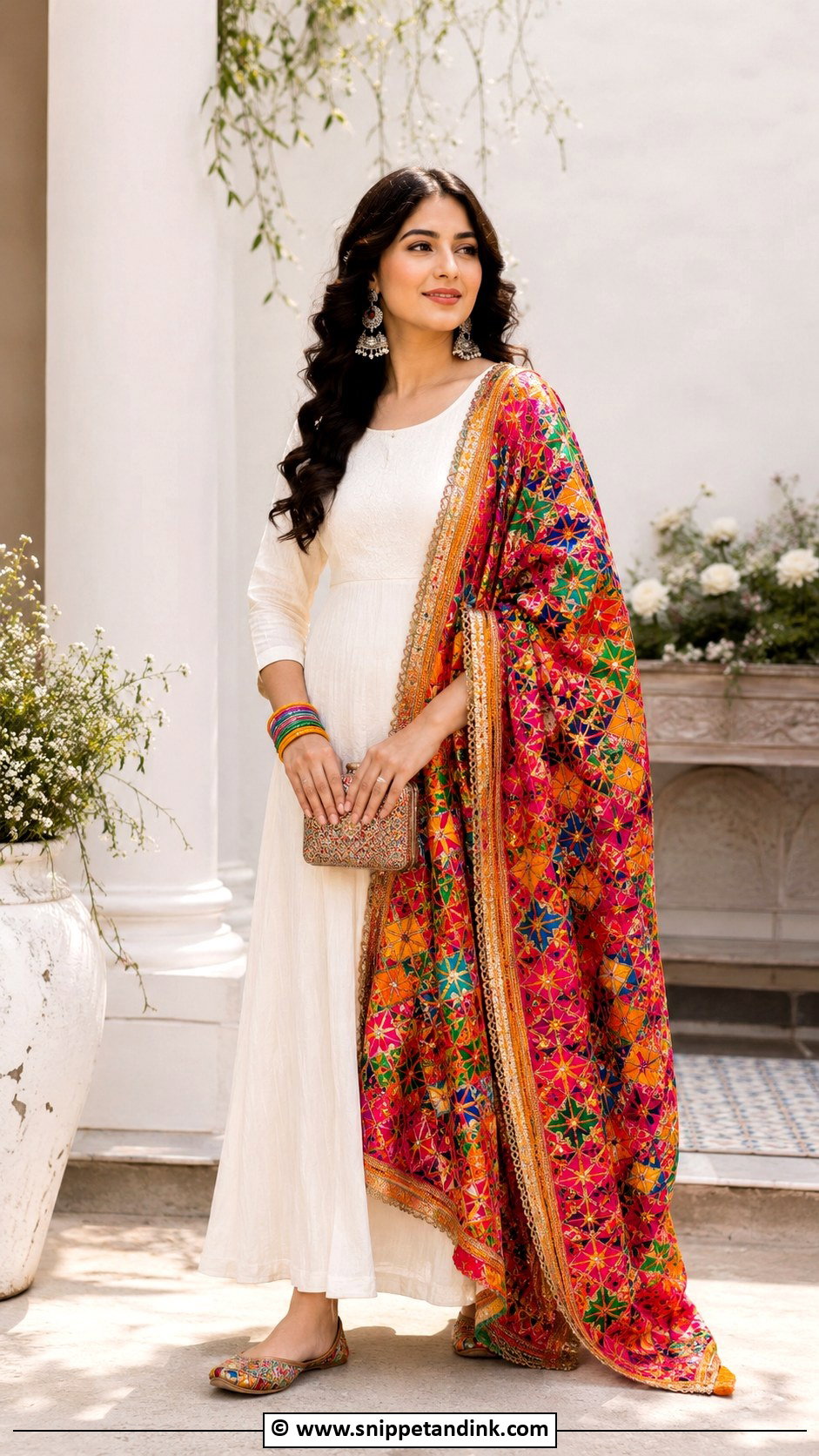
Phulkari is bold enough on its own that the gown should be a solid colour. A gown with Phulkari dupatta works with white, black, yellow, pink or green under the multicolour embroidery. Choose a clean A-line or Anarkali, and drape the dupatta over one shoulder or across the front. Juttis, oxidised earrings and simple bangles finish it. The traditional darning stitch is worked from the back of the cloth, so treat the reverse gently and keep sharp jewelry away from it. Daytime functions and cultural events suit it.
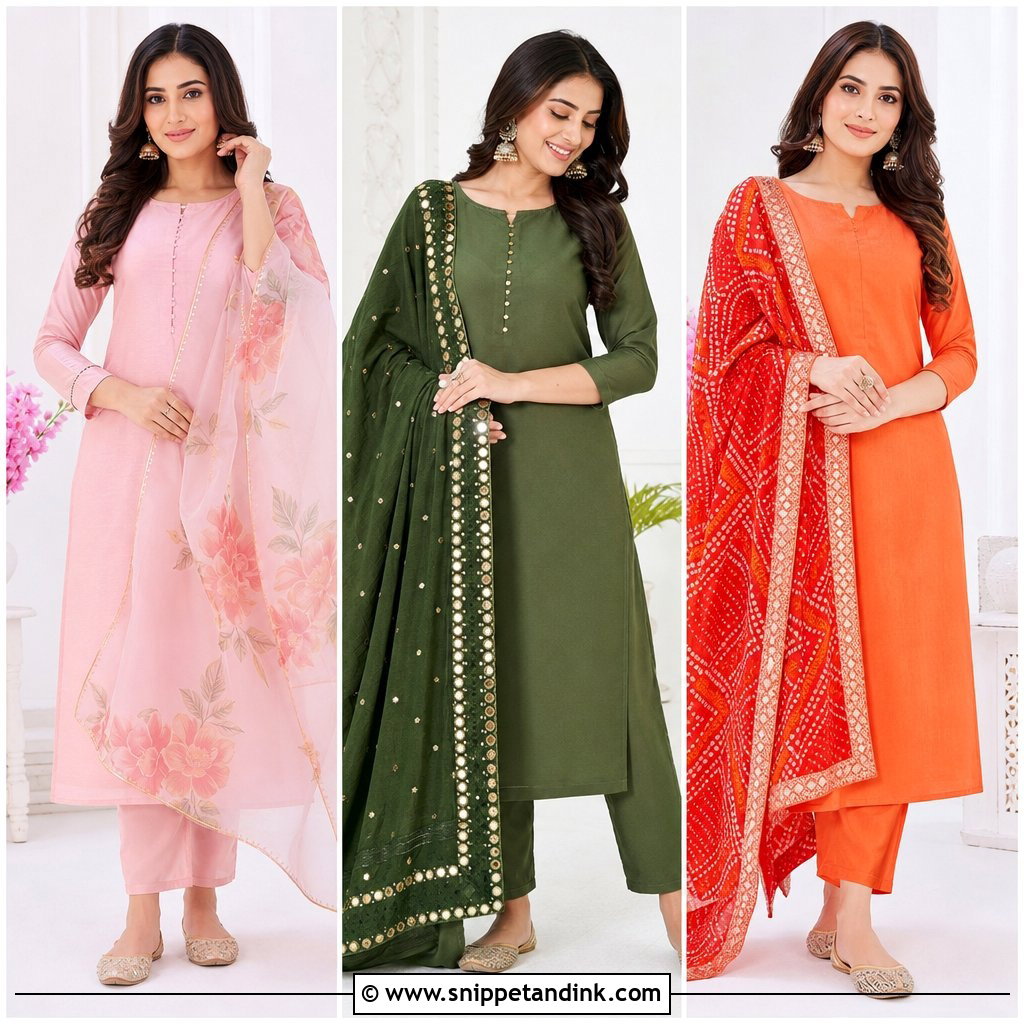
23. Gown With Bandhani Dupatta
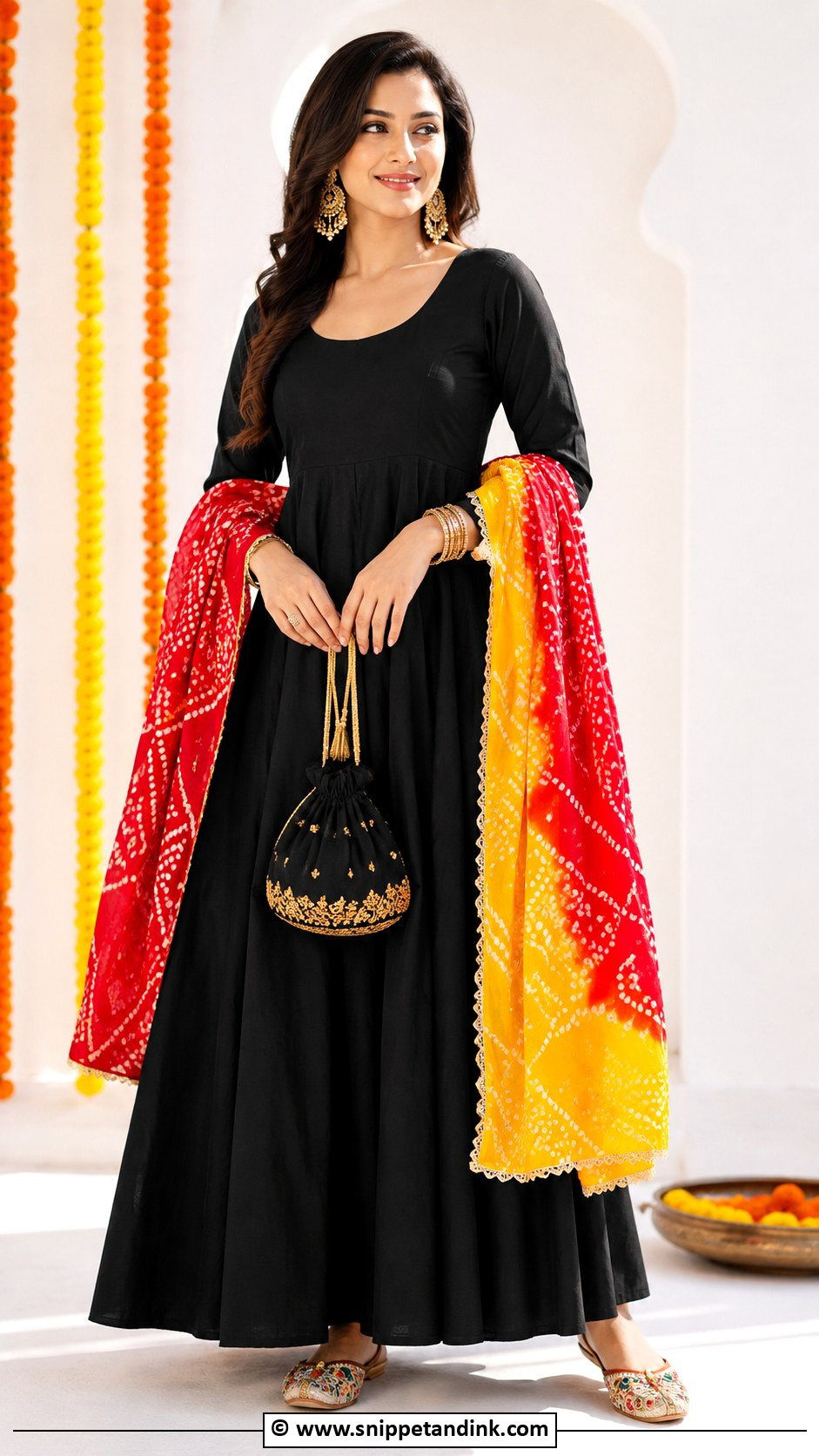
Bandhani brings regional colour and charm. The dotted tie-dye pattern shows best against a plain or lightly worked gown. Red, yellow, green, pink and orange bandhani are especially festive; pair them with neutral, black, ivory or matching gowns depending on how bold you want to go. Traditional earrings, bangles and embroidered juttis complete it, with a low bun or soft braid. Bandhani dyes can bleed, especially when new, so avoid letting a damp bandhani dupatta sit on a pale gown.
24. Gown With Mirror Work Dupatta
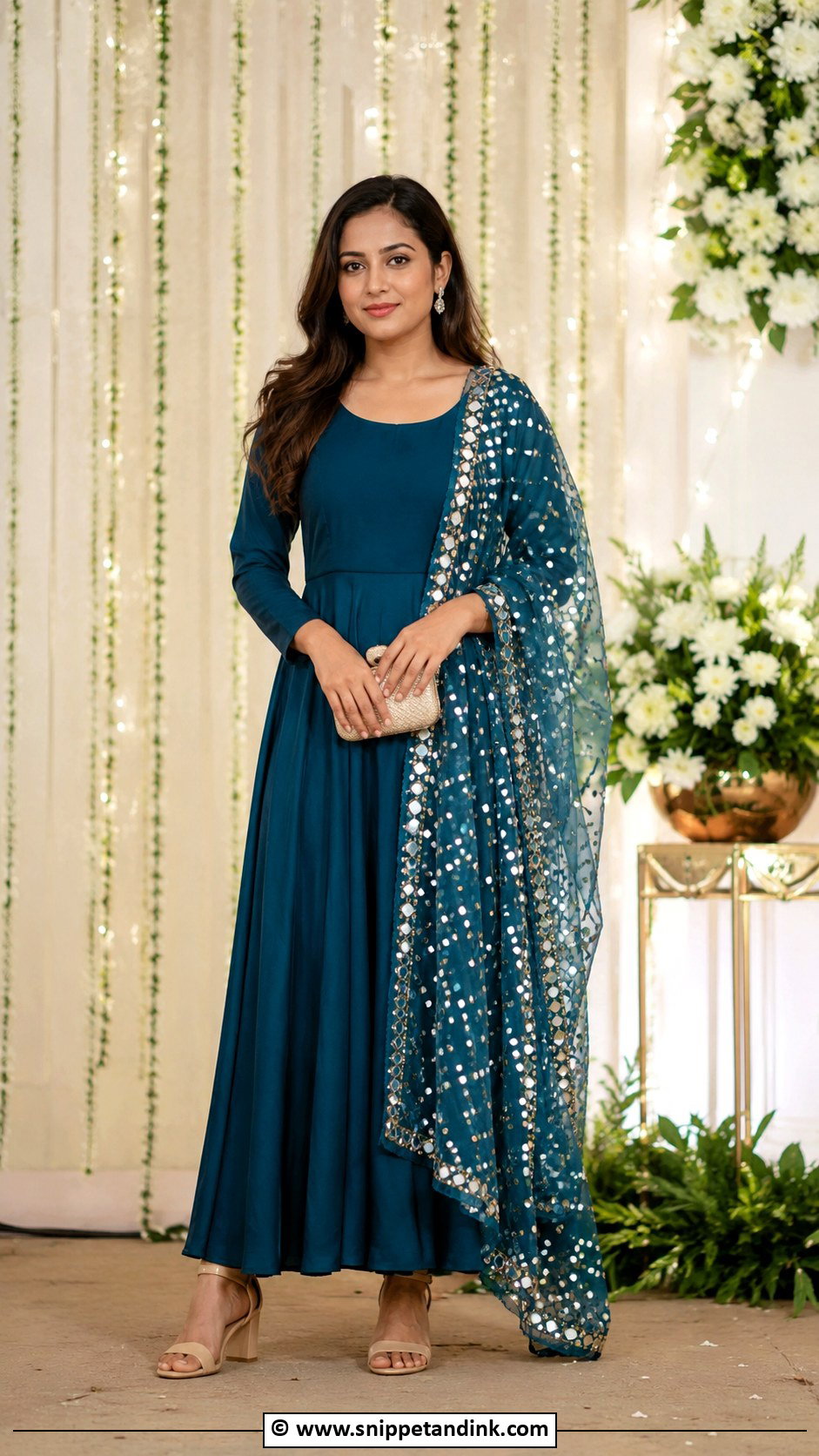
Mirror work throws light everywhere, which is wonderful at a sangeet and a lot under camera flash. Pair a solid, printed or lightly embroidered gown with the mirror dupatta in black, white, red, teal, yellow or fuchsia. Keep jewelry simple and avoid adding more metallic pieces. Block heels, juttis or embellished sandals, a small clutch and soft waves. The edges of mirrors can catch on loose hair and net, so wear your hair up or pinned back on that side.
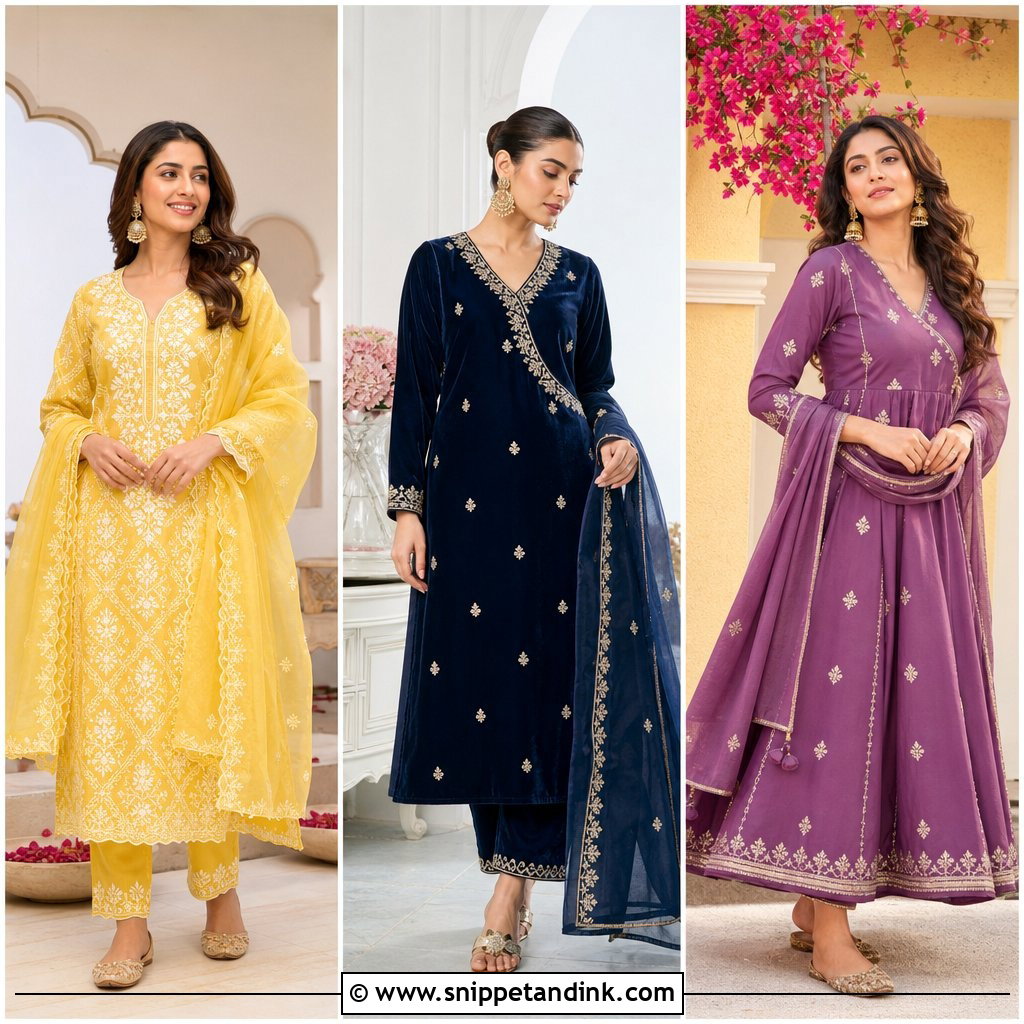
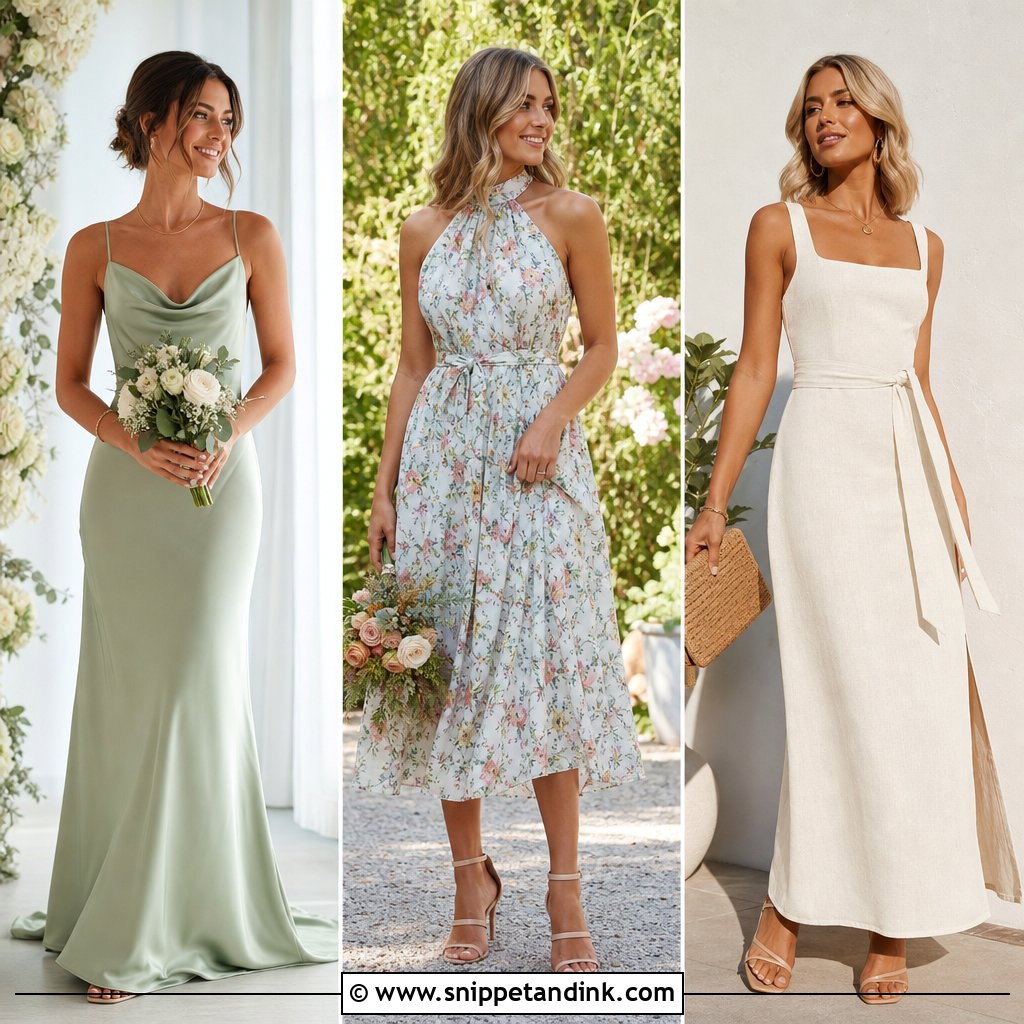
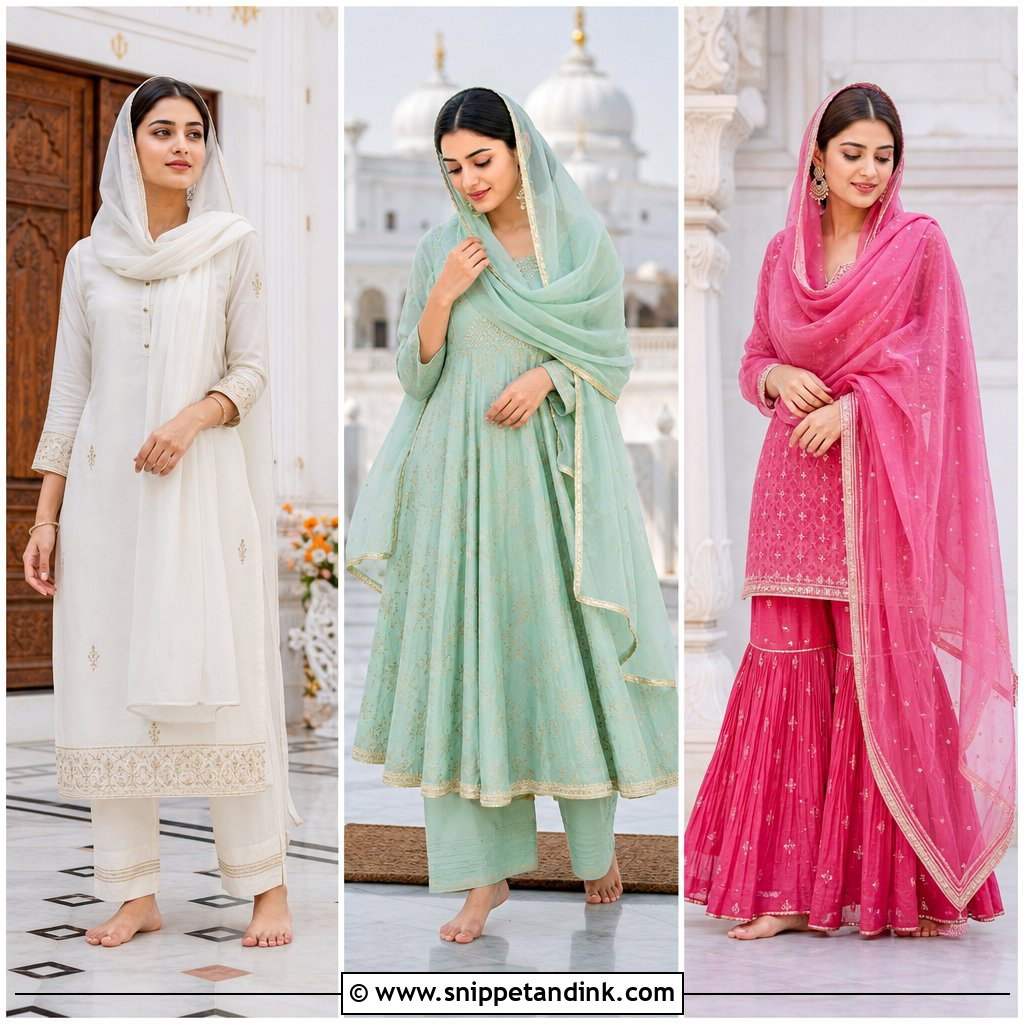
25. Gown With Cape Dupatta
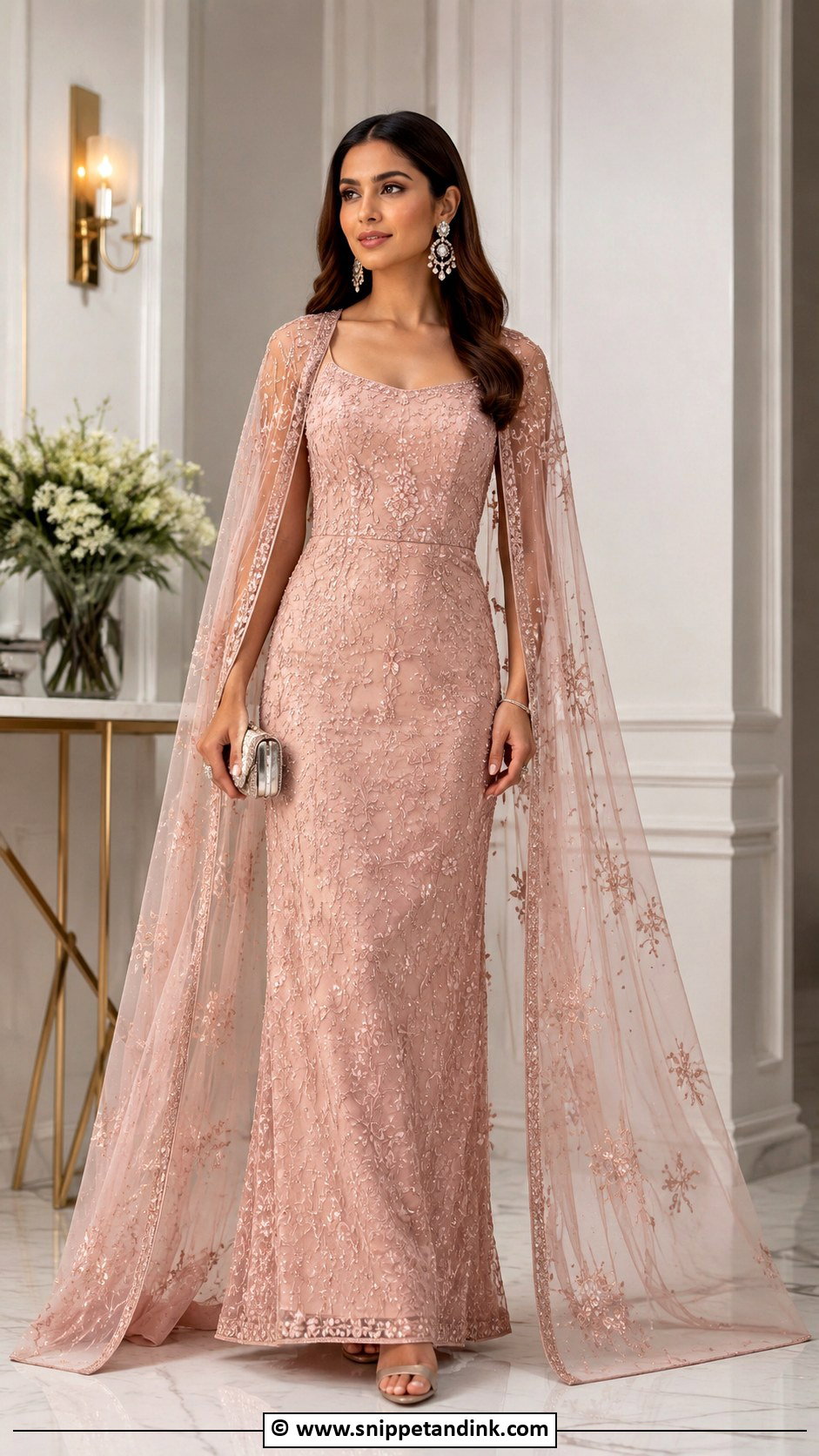
A cape dupatta sits over the shoulders and stays there, which makes it the hands-free option. It’s my suggestion for anyone who doesn’t want to keep adjusting a dupatta all evening, especially while dancing or holding a plate. Choose a fitted or softly flared gown with a sheer embroidered cape in net, organza or chiffon. Sleek heels, statement earrings and a minimal clutch. Receptions and engagements suit it, and it feels modern while still giving coverage.
26. Gown With Belted Dupatta
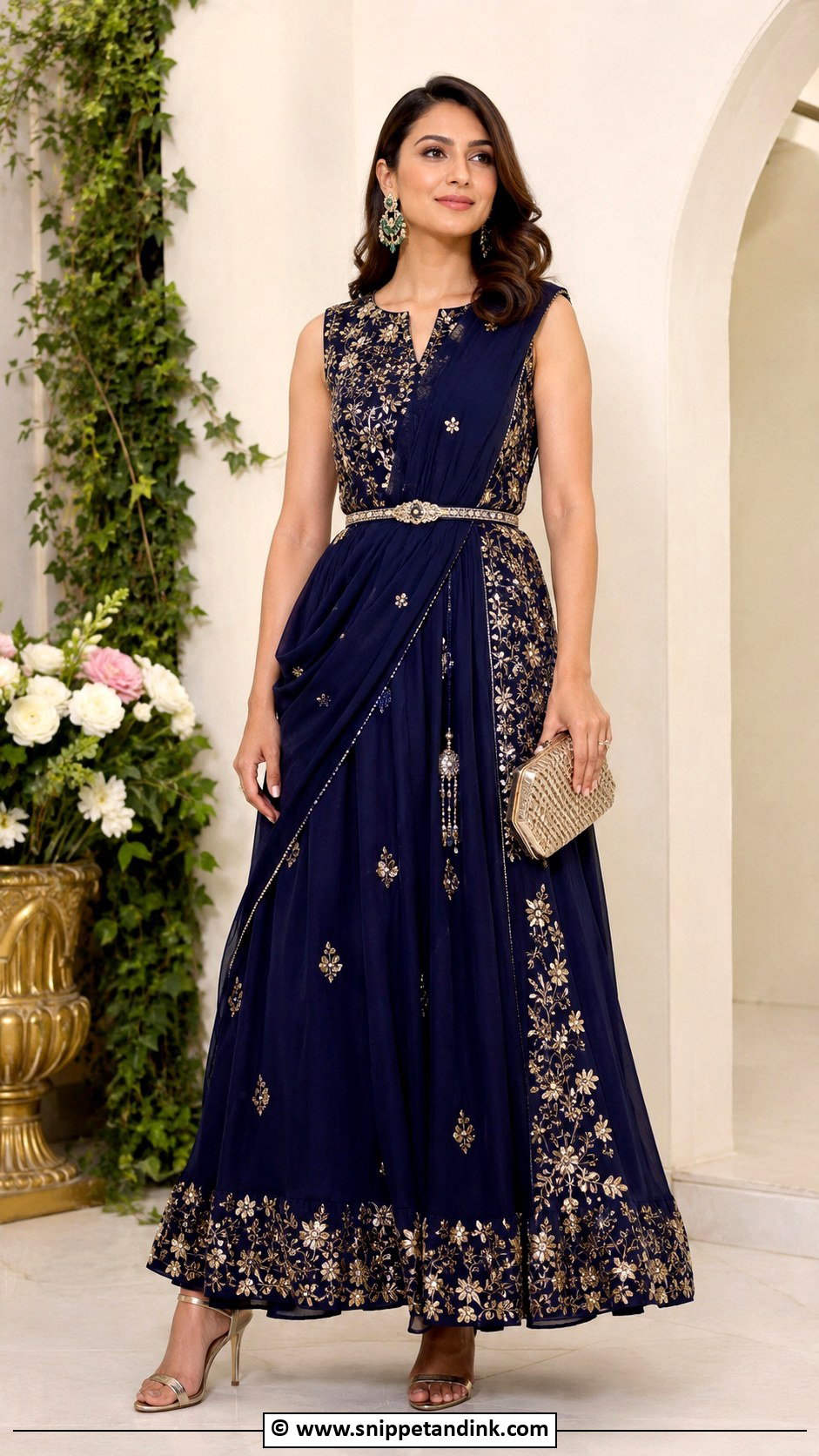
A belt fixes the dupatta’s biggest problem: slipping. It also defines the waist. Drape the dupatta from one shoulder, bring it across the front and secure it under the belt. Fabric, embroidered, metallic or slim jewelled belts all work, depending on the gown. Heels, earrings and a structured clutch finish it. Fasten the belt after the drape is pinned at the shoulder, not before, or the fabric pulls tight across the bust when you sit.
27. Gown With Jacket Dupatta
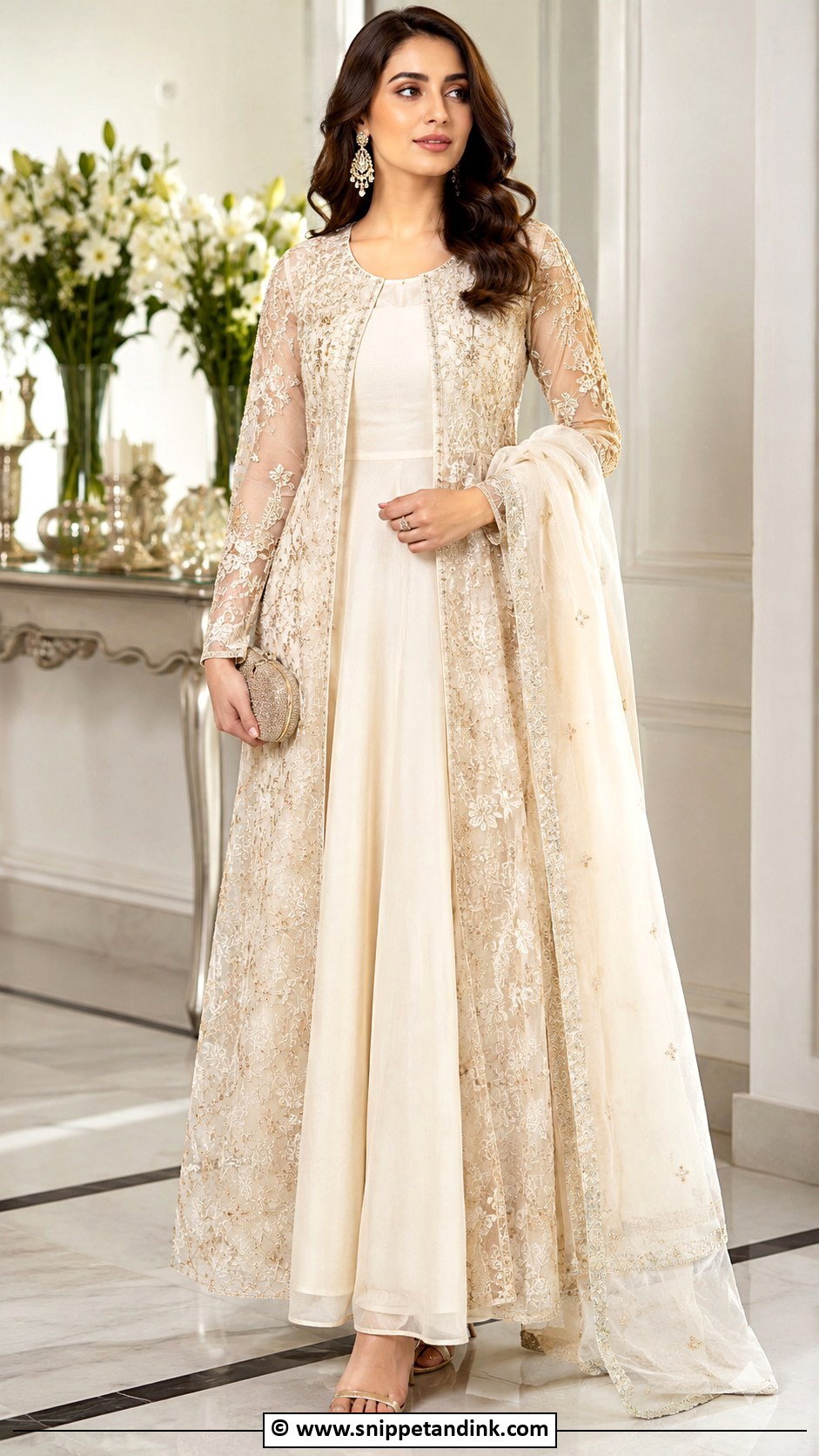
A jacket dupatta layers the outfit and adds coverage. The jacket can replace a dupatta or sit alongside a light one. A long sheer embroidered jacket over a simple gown looks refined; a short structured one gives more shape. Heels, drop earrings and a small clutch. It’s the right choice when you need arm coverage without a heavy shawl, for example at a temple or gurdwara ceremony. Check the sleeve length with your bangles on; tight jacket sleeves and stacked bangles don’t mix.
28. Gown With Trail Dupatta
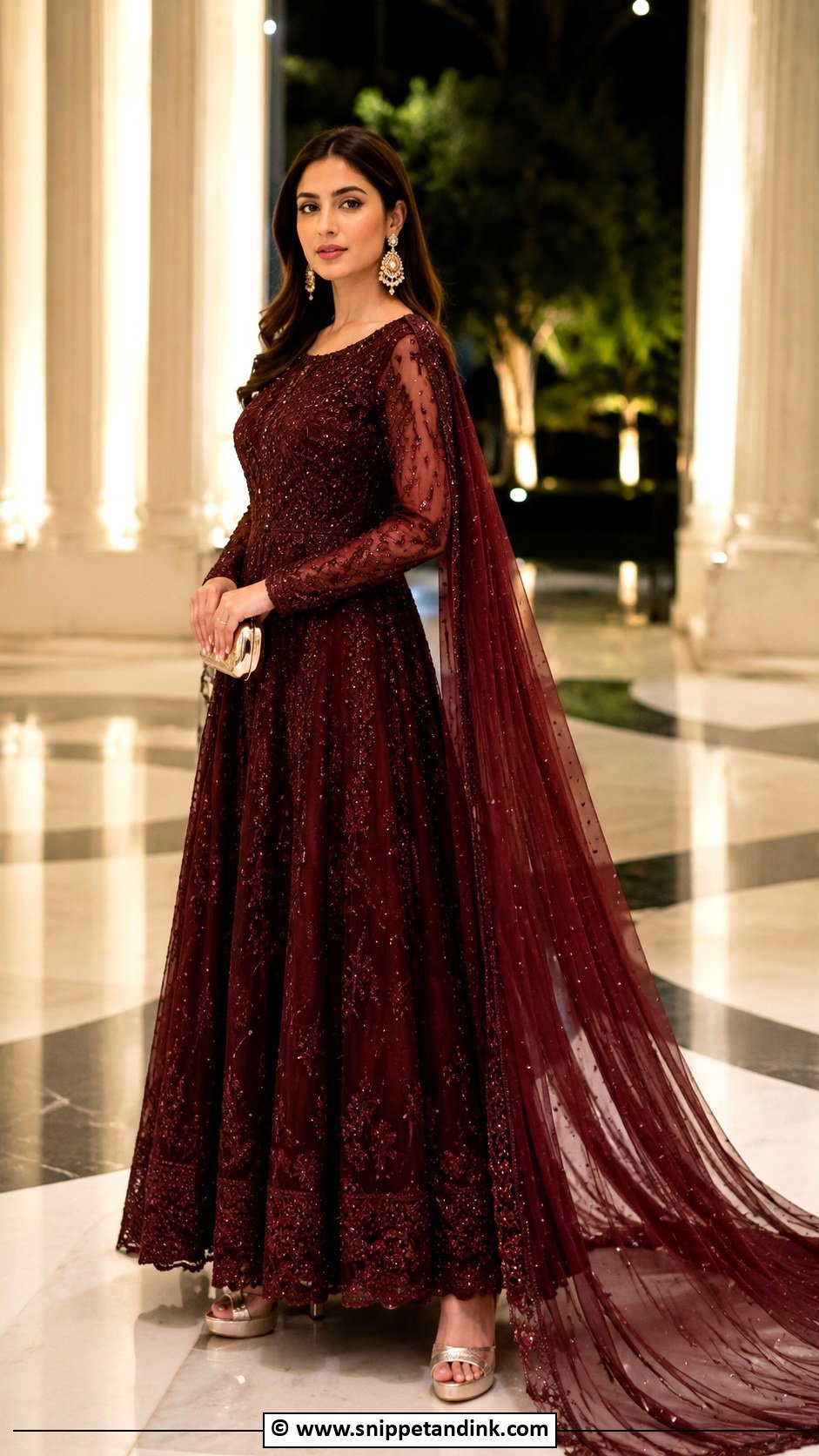
A trail dupatta makes an entrance without making the whole outfit heavy. Pin it at the shoulder and let it fall behind like a soft train. Net, organza and chiffon move best and won’t feel bulky. Keep the gown fitted at the bodice and flared at the hem so the shape balances. Heels for height, statement earrings and a sleek clutch. Keep the trail short enough to manage on stairs and crowded dance floors; I’d rather it graze the floor than drag a metre behind you.
29. Gown With Sheer Dupatta
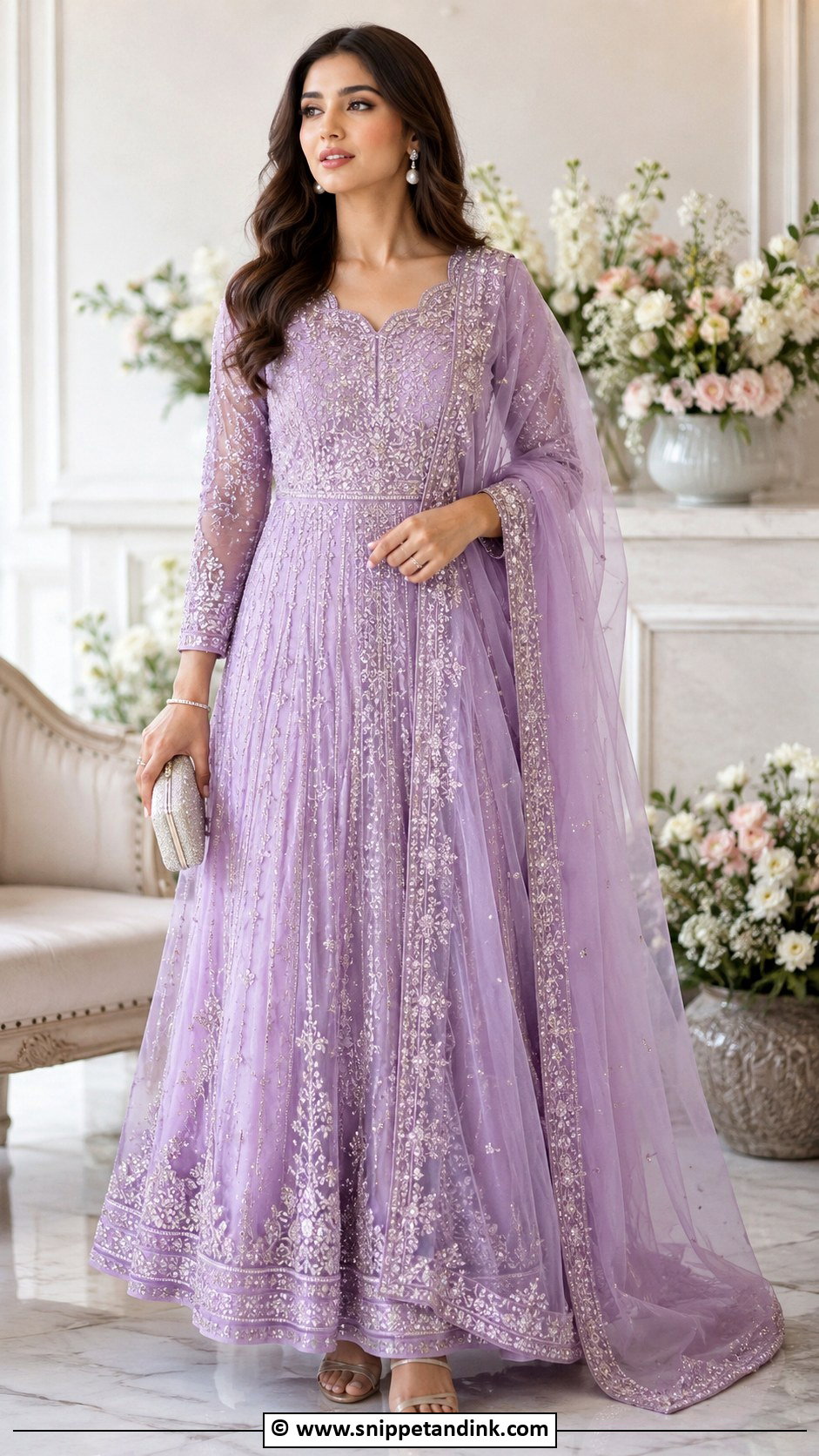
A sheer dupatta adds softness without hiding the gown’s shape or embroidery. Net, organza, chiffon and tissue all work. Choose a matching shade for a monochrome look or a contrast colour for interest. Delicate jewelry, heels and a clutch that echoes the embellishment. Tissue has a metallic sheen and holds a crinkle, so it looks fuller in photos than plain chiffon. It suits almost any function, day or evening, and is the easiest style to wear if you’re new to dupattas.
30. Gown With Heavy Dupatta
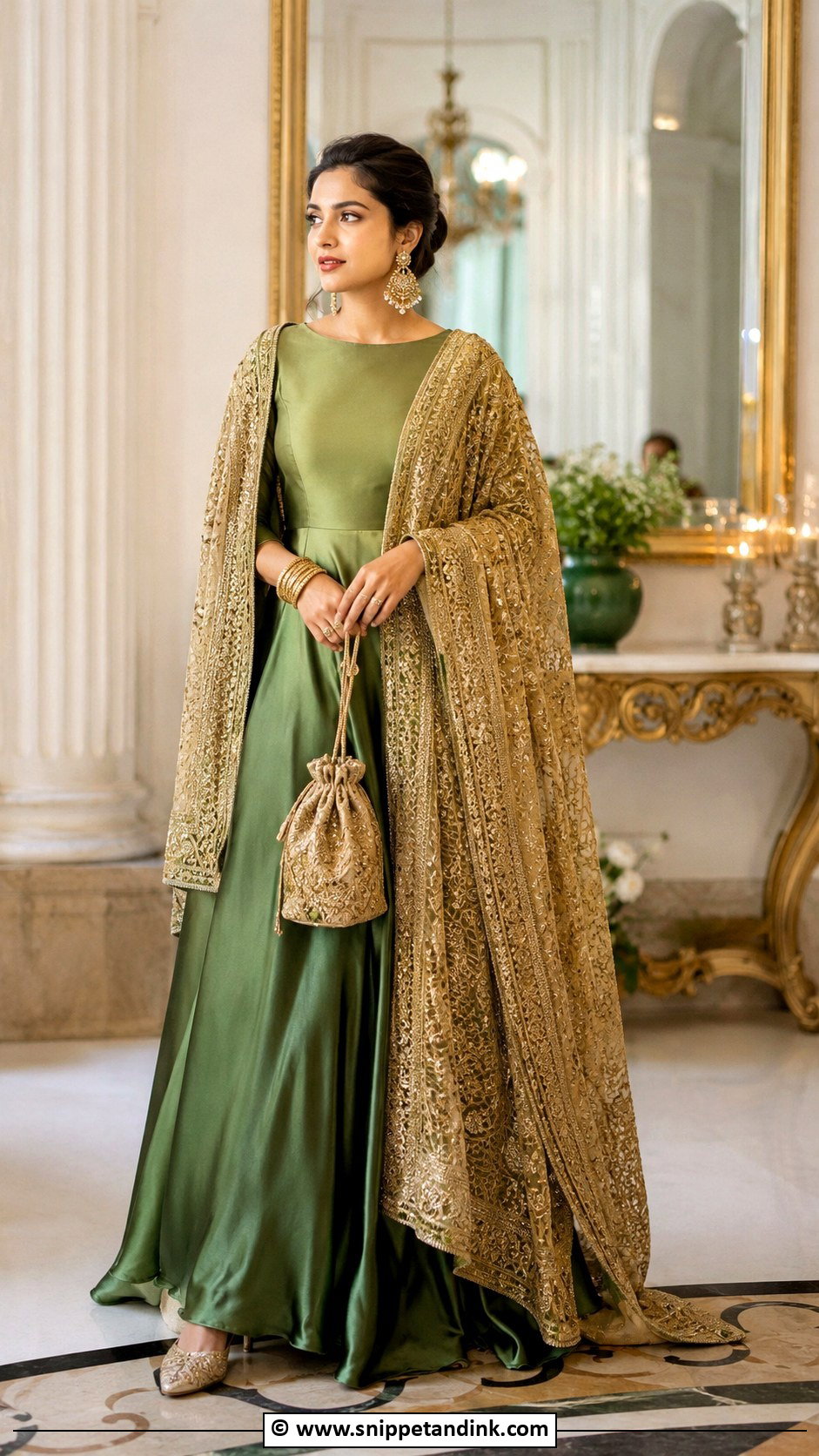
A heavy dupatta on a simple gown gives you a grand look without a heavy outfit. The gown can be plain silk, satin, georgette or crepe, while the dupatta carries zari, sequins, embroidery, mirror work or brocade. Drape it neatly over one shoulder, or across both to show off the border. Traditional earrings, bangles, heels and a potli bag. The weight is the issue: a brocade dupatta pulls on whatever it’s pinned to, so ask your tailor to add a small fabric loop at the gown’s shoulder seam to pin through.
Storing Zari, Mirror Work and Bandhani After the Wedding
Ethnic gowns and dupattas are often the most expensive pieces in a wardrobe, and they’re easy to damage in storage. A few habits keep them wearable for years.
- Wrap zari and Banarasi pieces in soft cotton or muslin, not plastic. Metallic thread tarnishes faster in trapped moisture.
- Refold zari dupattas along different lines every few months; the metal thread can crack where it’s always folded the same way.
- Iron mirror work and heavy embroidery on the reverse, with a cloth between the iron and the fabric.
- Dry-clean bandhani and other hand-dyed pieces the first time. Home washing can make the colours run.
- Air everything for a day after the function before packing it away, so sweat and perfume don’t set into the fabric.
Store heavy gowns folded flat rather than hanging, so the weight of the embroidery doesn’t stretch the shoulders. A small cloth bag of dried neem leaves or a cedar block in the box helps keep insects away.
If a sequin or mirror comes loose at the function, keep it in an envelope rather than throwing it away. Any tailor can stitch it back on, but matching an old sequin later is surprisingly hard.
Let the Function Decide Which Dupatta Goes On
The best pairing balances occasion, fabric, colour and drape. A simple gown turns festive with a Banarasi, Phulkari, mirror-work or heavy embroidered dupatta, while a statement gown needs a sheer or minimal one. Pastels, florals, chiffon and organza suit daytime; velvet, silk, sequins and jewel tones carry the evening. Shoes, jewelry, clutch and hair finish the outfit. Pick the pairing you can move, eat and dance in, because a dupatta you stop fighting with is the one that looks right in every photo.
You'll Like These Ideas:


Leave a Reply