
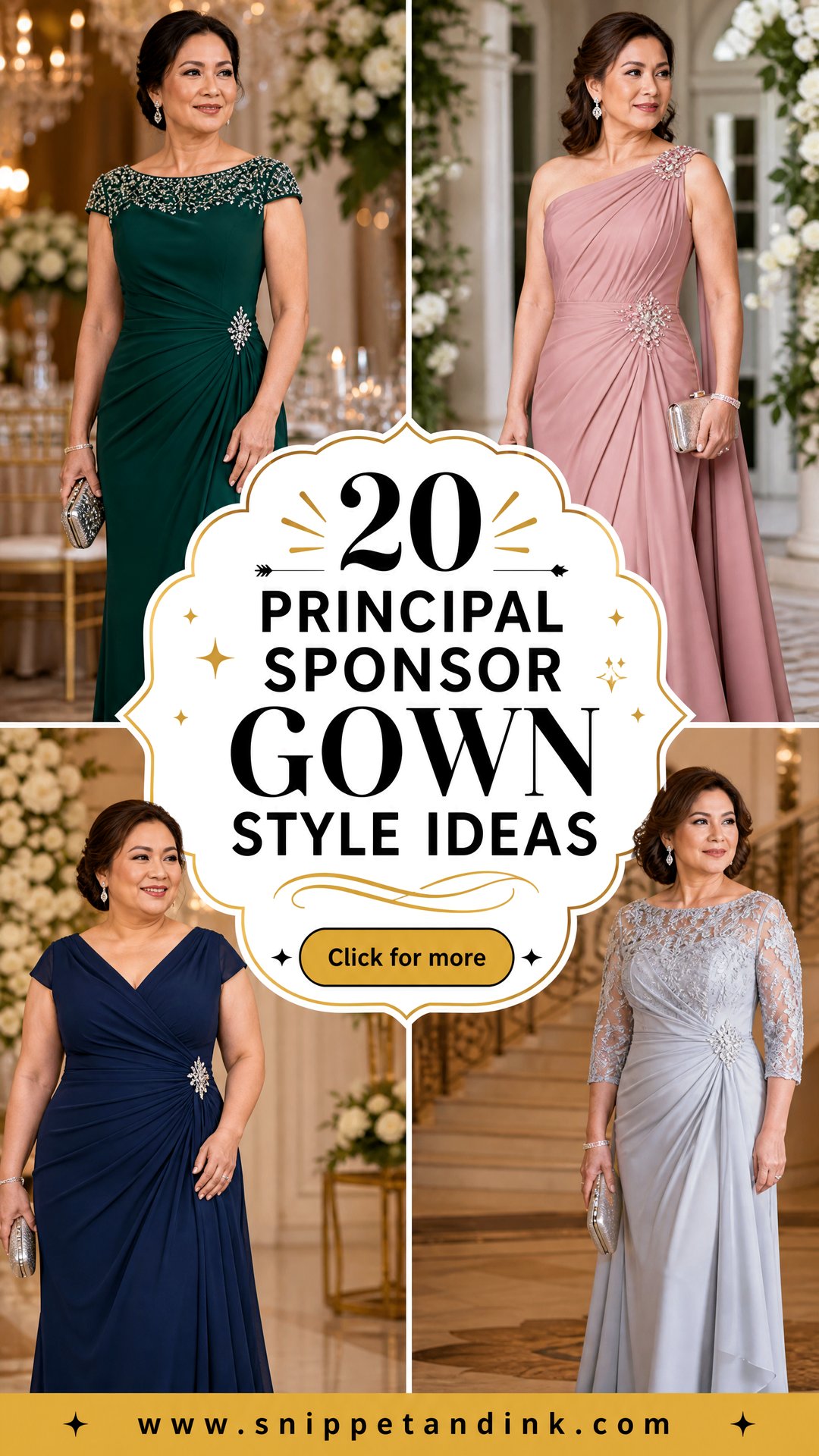
Being asked to stand as a principal sponsor is an honour, and the gown should look like you took it seriously without pulling attention from the couple. In practice that means dressing a step more formal than the guests, staying inside the couple’s colour motif and choosing something you can stand, walk and sign the marriage contract in for several hours. Floor length is still the safe default, though a dressy midi suits a daytime garden ceremony. Chiffon, crepe, lace and satin all work in colours well away from white. Below are twenty gowns covering classic tailoring, soft draping, Filipiniana details and quiet embellishment, with notes on the figures, ages and venues each one suits.
The Couple’s Motif Comes Before Any Shopping
Most couples send their sponsors an entourage guide or at least a colour motif. Read it closely before you buy anything. Some couples want every ninang in one exact shade; others are happy with anything from a palette. If it’s unclear, ask. Nobody minds the question, and it’s far better than arriving in the one colour the bride didn’t want.
- Stay away from white, ivory, cream and pale champagne unless the couple specifically asks for them.
- Check the church’s rules. Many Catholic churches expect covered shoulders, so pack a shawl or bolero even if your gown is sleeveless.
- Find out what your partner ninong is wearing. If he’s in a barong, a gown with some embroidery or a Filipiniana detail looks right beside him.
- If the couple is providing fabric or a set design, give it to your dressmaker early; custom work often takes several weeks, and longer near peak wedding season.
1. A-Line Principal Sponsor Gown
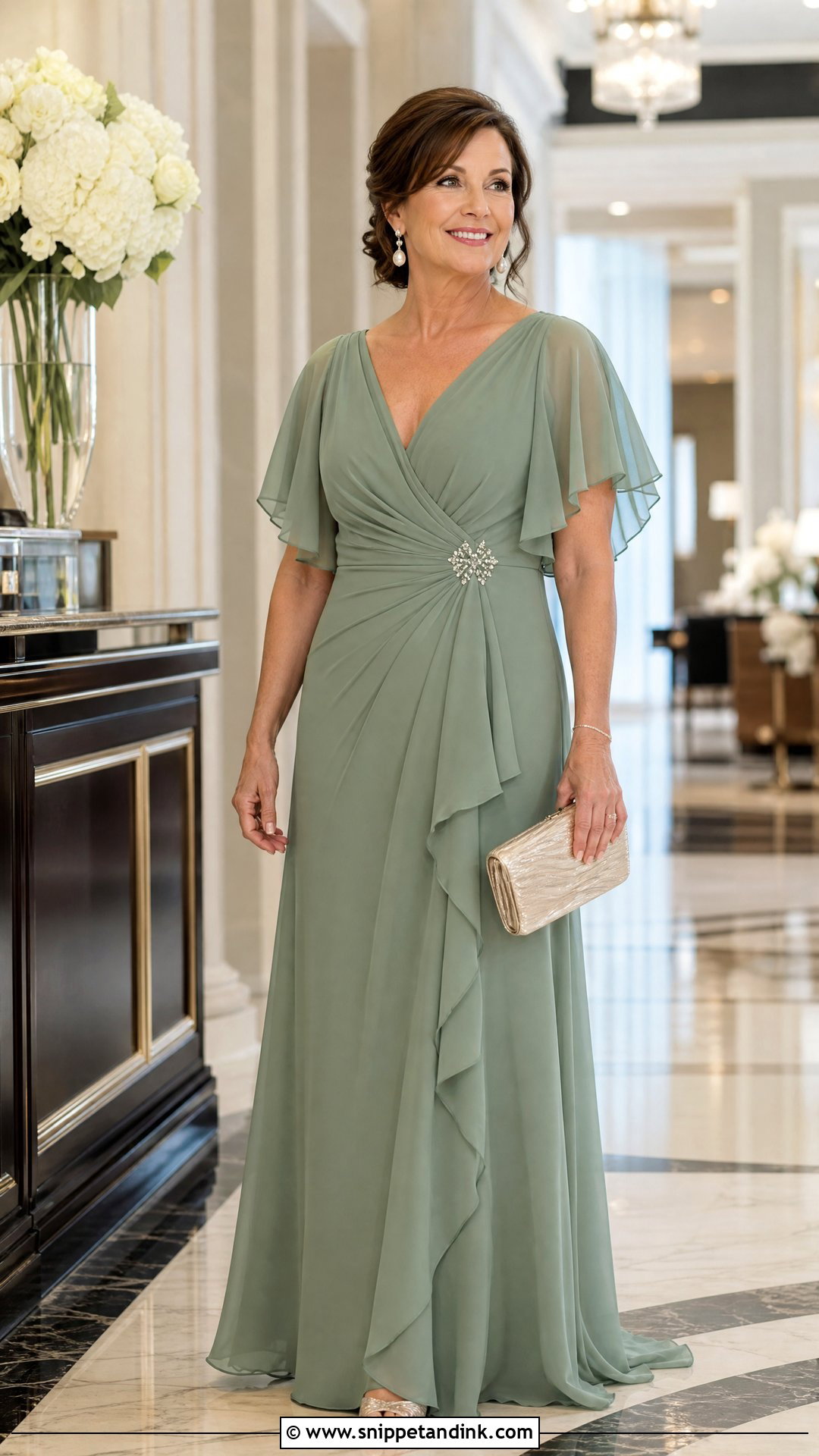
If I’m dressing a sponsor who hasn’t decided anything yet, I start her in an A-line. The skirt skims the hips instead of clinging, which helps through a long Mass and a seated dinner. Sage, dusty blue or mauve chiffon sit comfortably in most wedding motifs. A fitted bodice with flutter or short sheer sleeves gives some arm coverage without weight. Low metallic heels, pearl drops, a small structured clutch and a soft updo keep the look neat for a hotel or a traditional church ceremony.
2. Lace Sleeve Principal Sponsor Gown
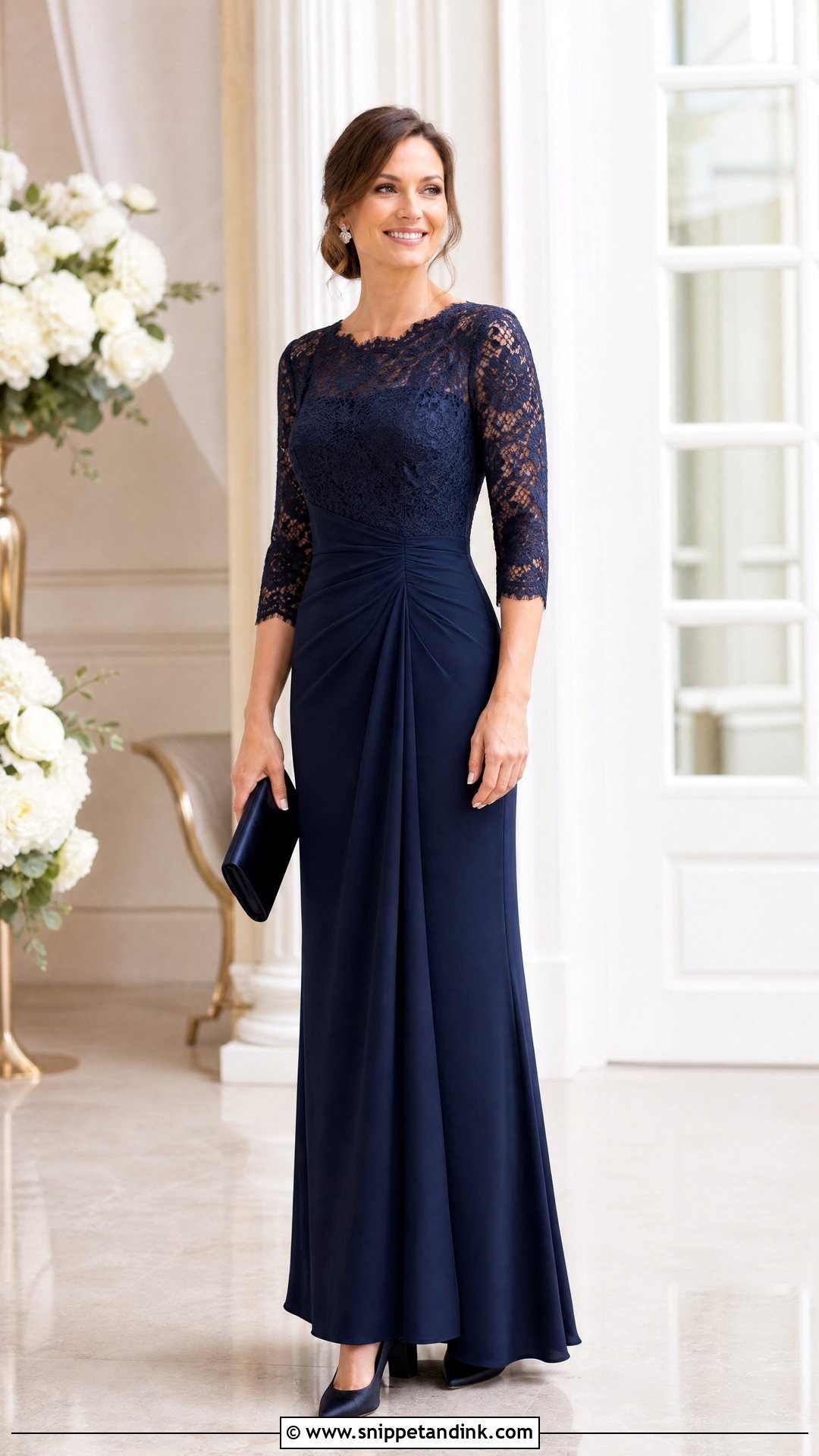
Lace sleeves are what most of my older clients ask for first, and for good reason: they cover the upper arm and still look light. Three-quarter lace on a crepe or chiffon gown, with a soft V or bateau neckline, is the version I like most. Rub the inside of the sleeve on your wrist before buying. Cheap lace with a stiff net backing scratches by the second hour. Deep mauve, navy, emerald and plum sit well in most palettes. Pointed block heels, crystal studs, a satin clutch and a low bun finish it, and I’d skip extra beading so the lace stays the focus.
3. Filipiniana Principal Sponsor Gown
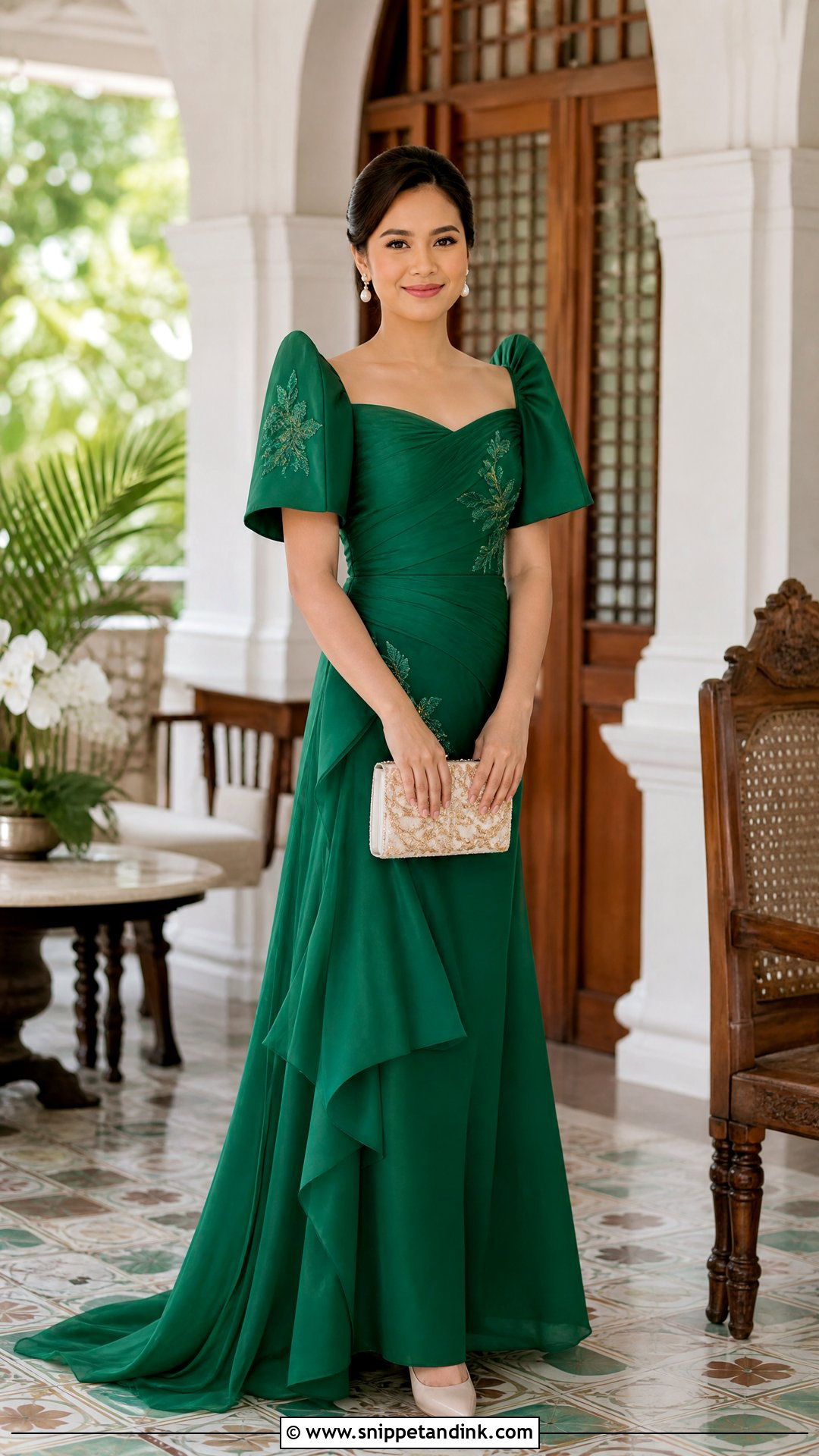
A Filipiniana-inspired gown honours the tradition behind the role, and it’s often the most fitting choice for a church wedding. A modern terno with structured butterfly sleeves, a fitted bodice and a long skirt in emerald, royal blue, burgundy or deep teal suits a formal church; dusty rose or silver grey works for a lighter motif. Ask your modista to keep the sleeve height modest. If several sponsors wear ternos, oversized sleeves crowd each other in the group photo at the altar. Closed pumps, pearl earrings, an embroidered clutch and a sleek bun keep the sleeves as the focus.
4. Satin Wrap Principal Sponsor Gown
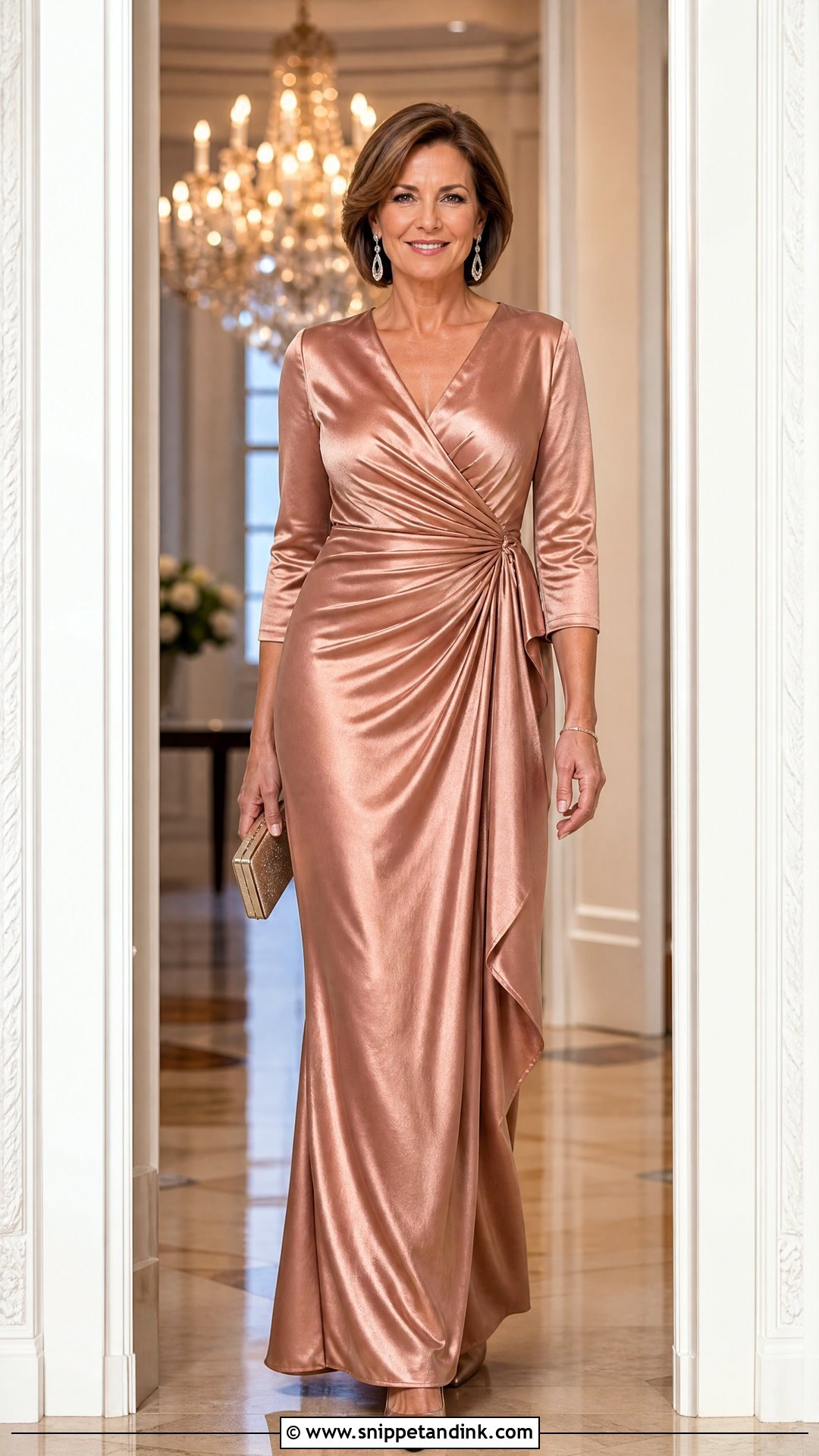
Satin wrap gowns are flattering, but the surplice neckline is the weak spot. It opens when you lean over the table to sign the contract, so ask for a hidden snap at the cross point. Avoid champagne and beige satin, which can look bridal under church lights; rose gold, copper, navy and muted olive are safer. Three-quarter sleeves balance the sheen. Smooth undergarments matter on satin, since every line shows. Matte metallic heels, a box clutch, small gemstone earrings and a low ponytail suit an evening hotel wedding with a formal dress code.
5. Cape Sleeve Principal Sponsor Gown
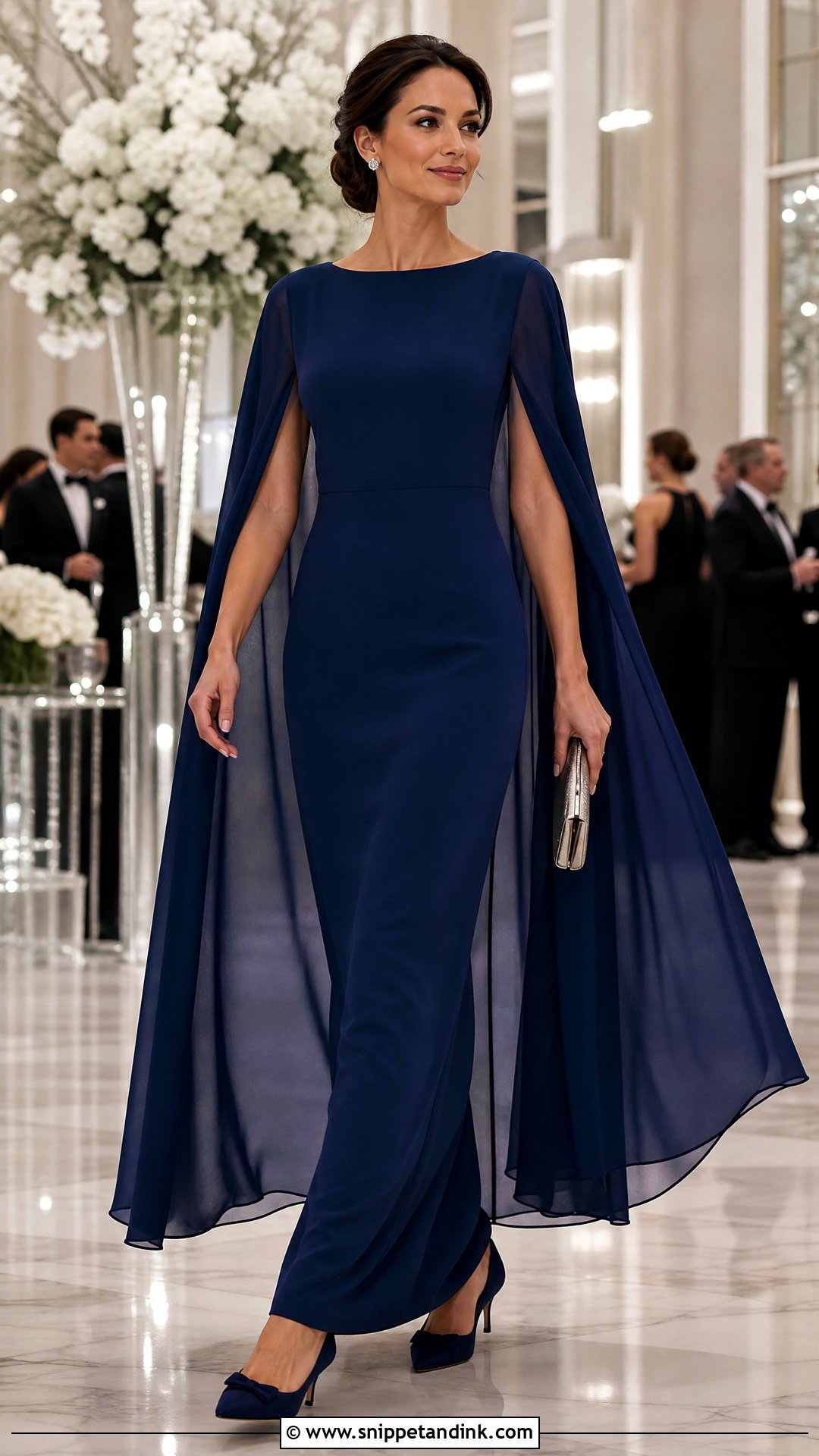
A cape sleeve gives the arms full coverage with lots of movement, and it reads very formal. I like it on a column or A-line base with light chiffon panels falling from the shoulder. Watch the length of the cape. If it reaches the wrist it trails across your plate at dinner and over the pen at the signing, so elbow length is more practical. Deep blue, wine, forest green or smoky lavender suit it. Keep the bodice plain, then add kitten heels, a slim metallic clutch, studs and a neat updo for a black-tie ballroom reception.
6. Empire Waist Principal Sponsor Gown
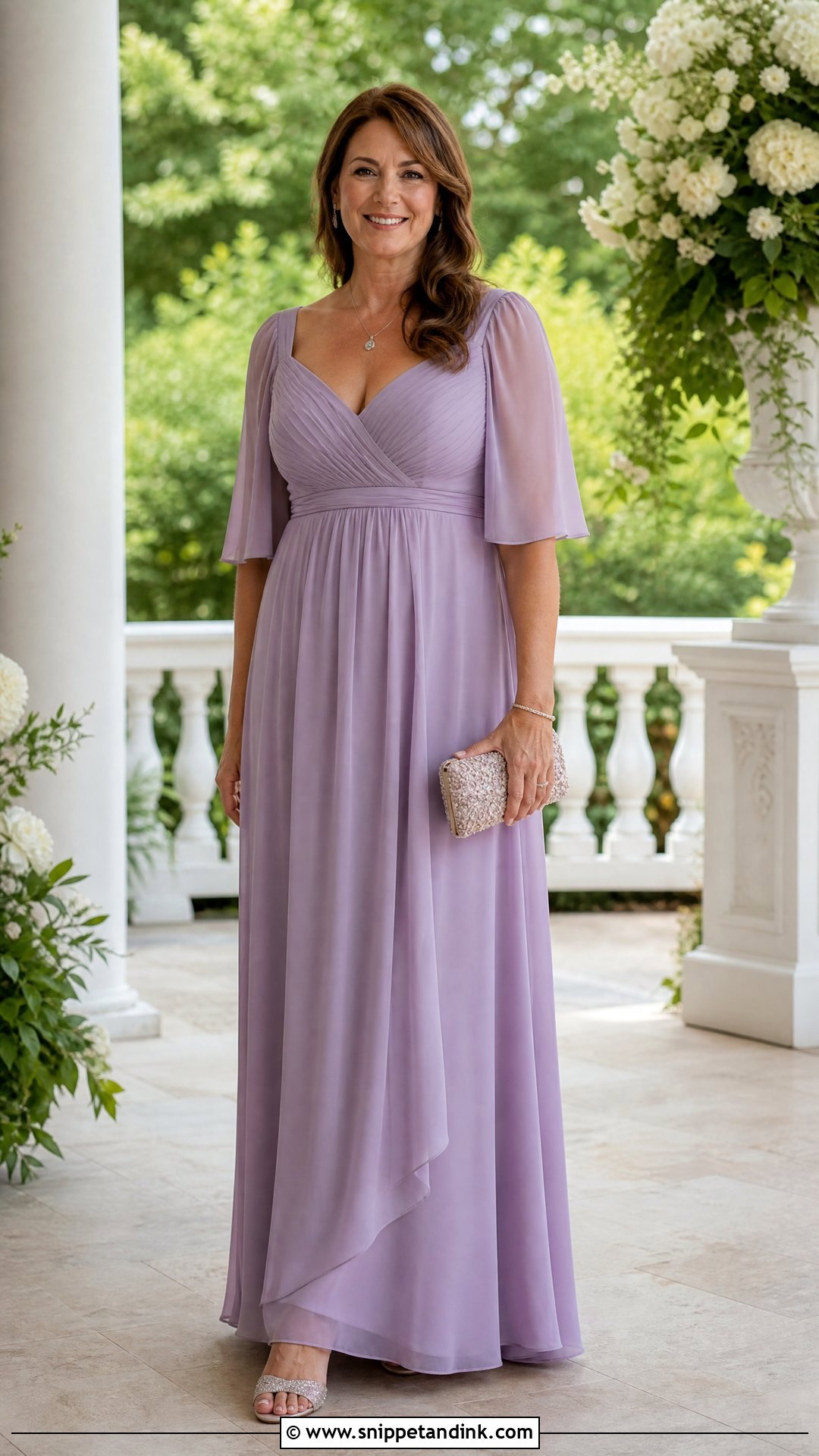
An empire waist gives room through the middle and is the gown I suggest most often to sponsors who want comfort over a long day. The seam sits just under the bust, and its placement decides whether it looks graceful or maternity-like, so have it fitted exactly to your bust line. A flowing chiffon or georgette skirt in dusty blue, muted lavender or soft green suits daytime weddings. A scoop neck and sheer elbow sleeves add coverage. Cushioned low heels, a beaded clutch, a short pendant and a curled bob or half-up style finish it. Apple-shaped and petite figures tend to do well here.
7. Beaded Column Principal Sponsor Gown
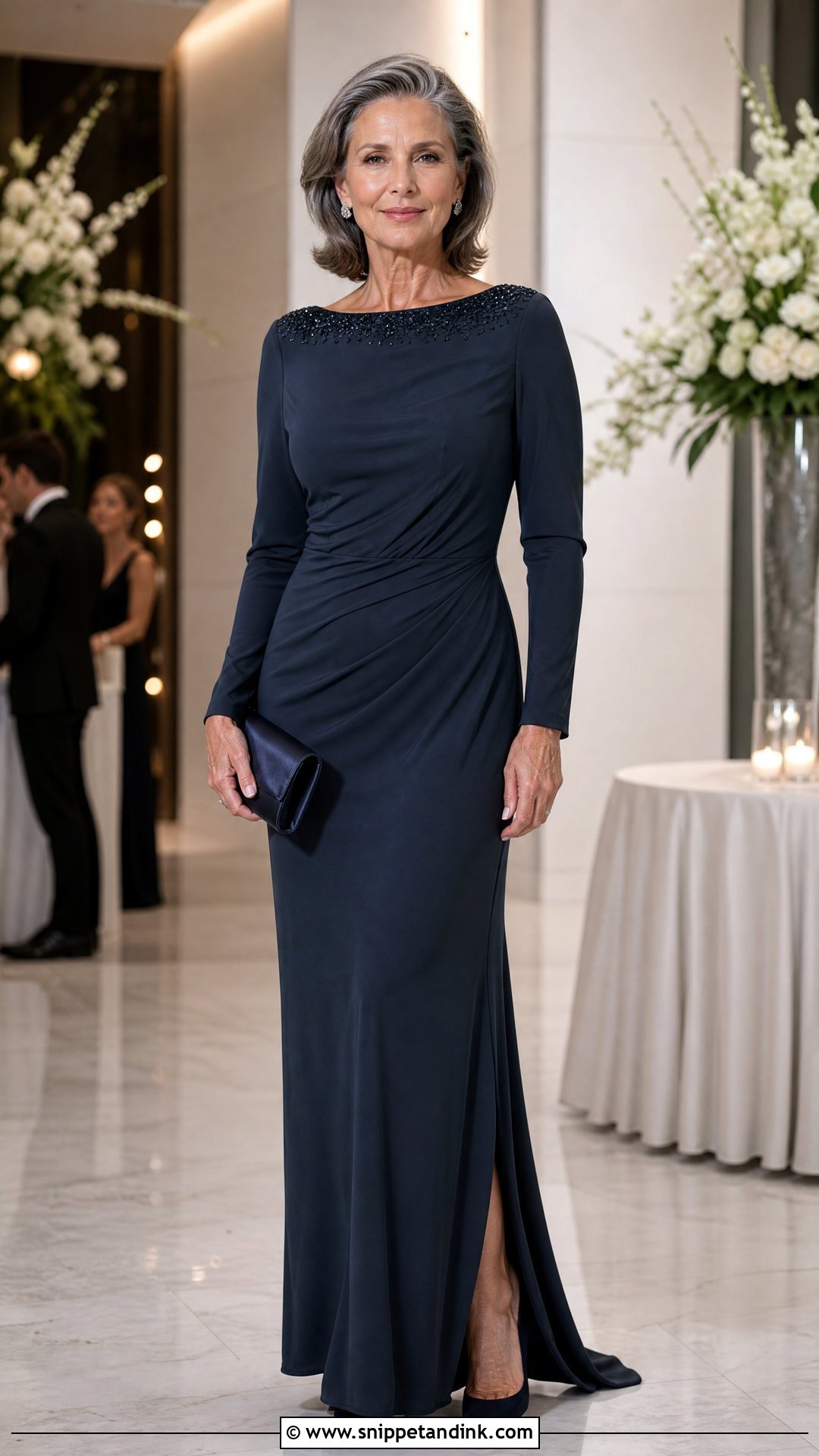
Beaded columns are the evening option. Navy, charcoal blue, deep plum or silver grey with beadwork concentrated at the neckline and fading toward the hem look rich rather than flashy. Heavy beading weighs the bodice forward, so a firm, stretch-lined base and a back slit make walking and sitting bearable. Keep the earrings small, with closed heels and a plain satin clutch. This principal sponsor gown is easiest on taller women, but petite sponsors can wear it with careful hemming and vertical bead lines that keep the eye moving upward.
8. Tulle Overlay Principal Sponsor Gown
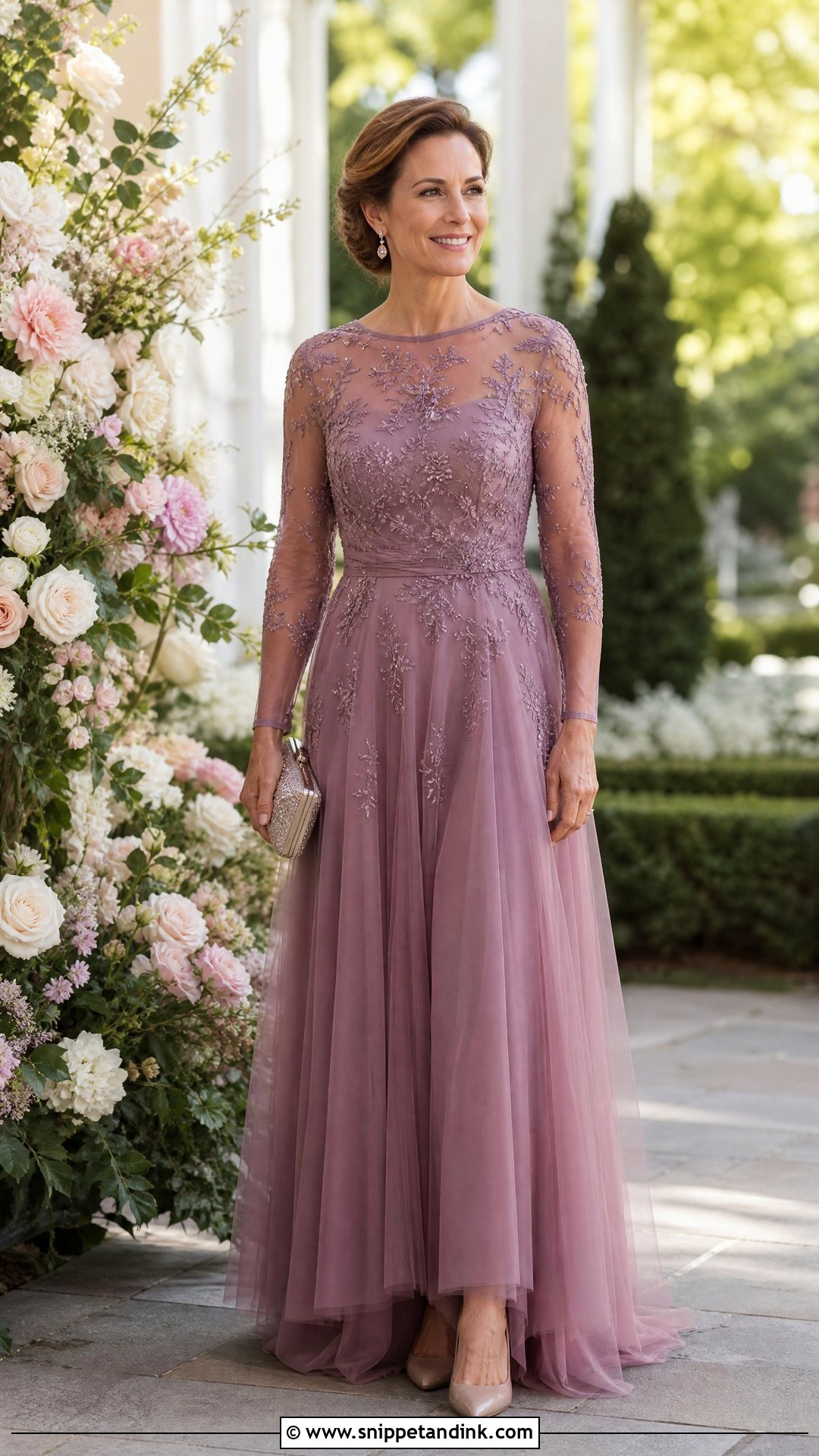
Tulle can look grown-up when it sits over a fully lined, simple A-line base. Elbow sleeves and fine embroidery at the bodice help. The rule I give every sponsor is: no big skirt and no pale bridal shade, or you’ll be mistaken for the bride from the back of the church. Mauve, slate blue, sage and antique rose are safe. Soft tulle moves better than stiff net, which crushes when you sit through the ceremony. Low satin pumps, pearl earrings, a compact metallic bag and a neat chignon or soft waves suit garden and ballroom weddings.
9. Portrait Neckline Principal Sponsor Gown
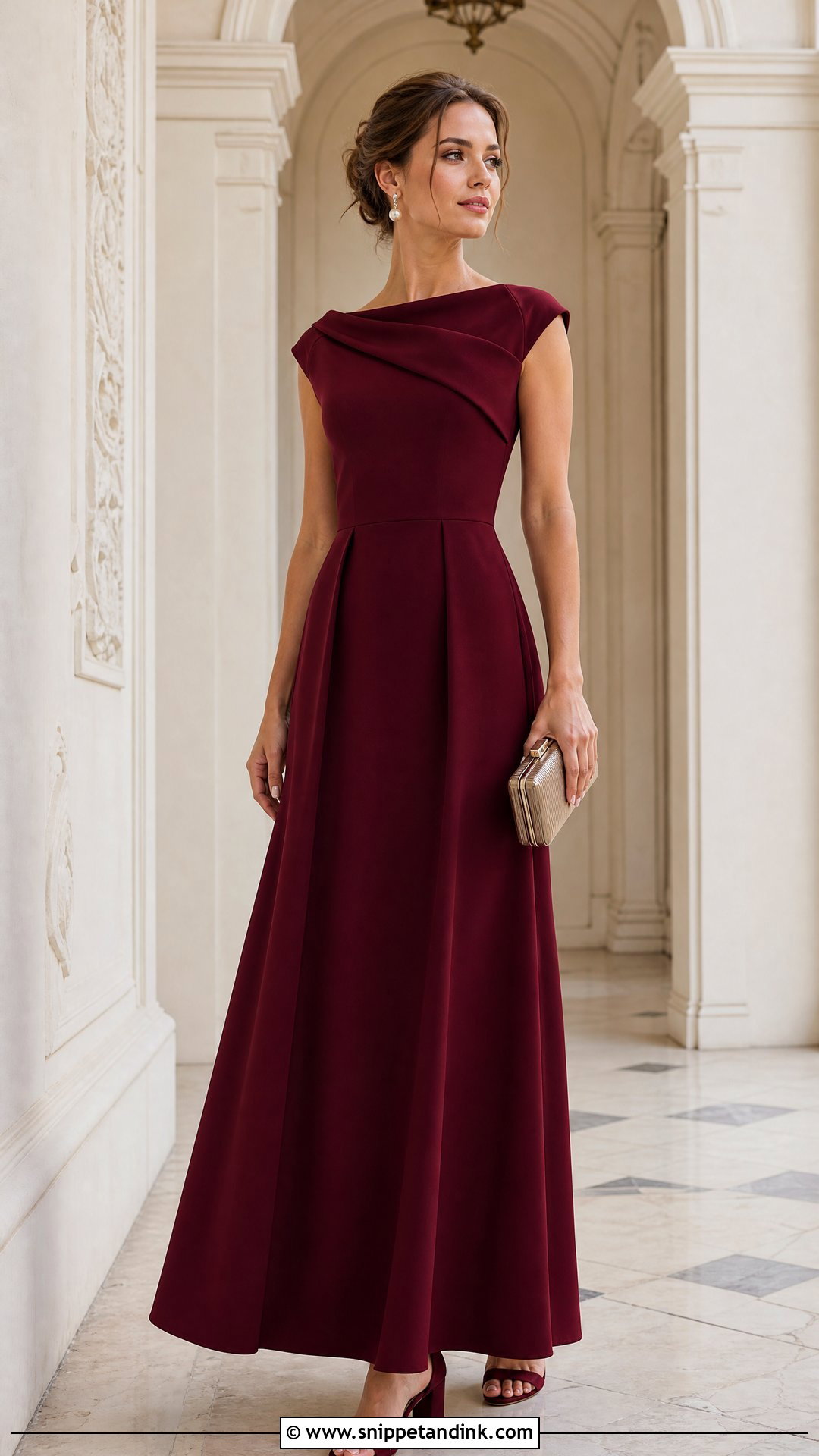
A portrait neckline folds around the shoulders and frames the face, with more coverage than a true off-shoulder gown. Structured crepe holds the fold neatly. The fold can creep up when you raise your arms, so test it at the fitting and ask for a stay stitch or a small elastic hold if it moves. Teal, burgundy, navy and dark mauve give it a confident tone. A small brooch at one shoulder lifts a plain gown. Closed block heels, a structured clutch, pearl or crystal earrings and a low bun or side waves suit ballroom ceremonies.
10. Peplum Principal Sponsor Gown
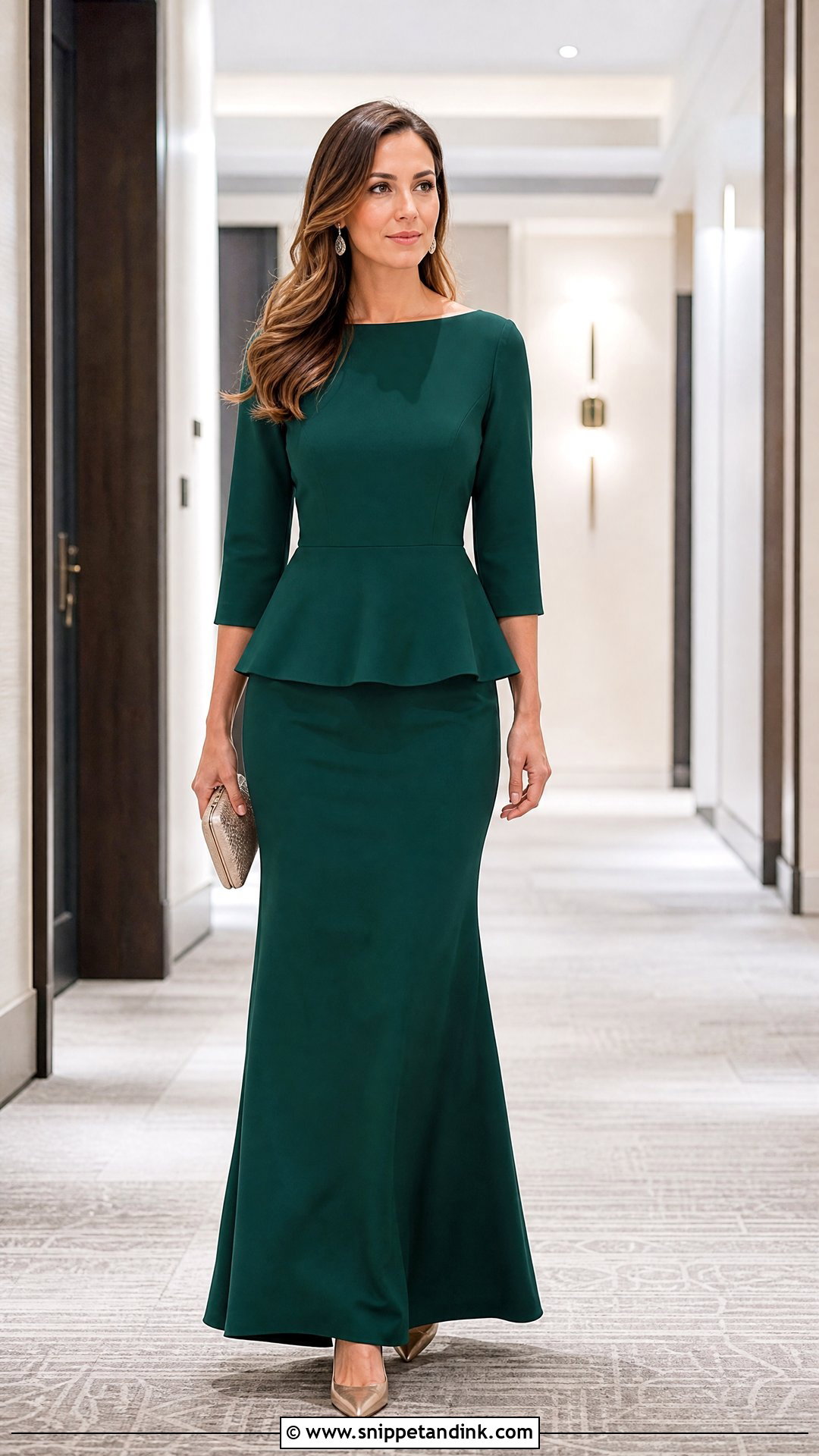
A peplum adds shape at the waist and softens the midsection at the same time. The peplum should lie flat and stop at the high hip; a stiff or wide one adds bulk exactly where most women don’t want it. A fitted crepe bodice over a straight or gently flared skirt in emerald, navy, aubergine or muted gold looks formal. Three-quarter sleeves and a bateau neck keep it dignified. Pointed pumps, a slim envelope clutch, medium drop earrings and a smooth updo suit the structure. Hourglass and straighter figures carry it most easily, though a good tailor can adapt it.
11. Pleated Chiffon Principal Sponsor Gown
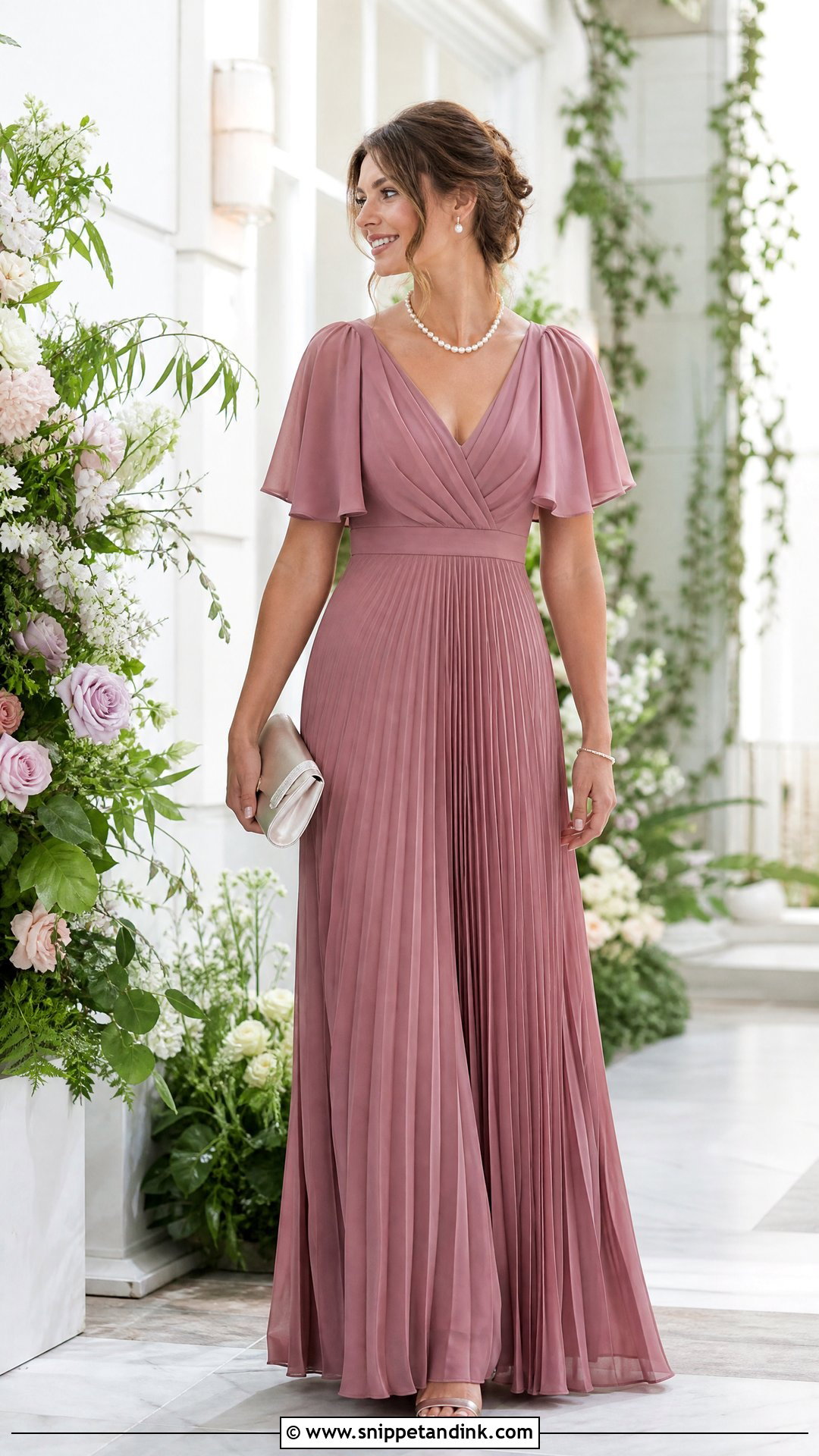
Pleated chiffon is my answer to a hot provincial church without air conditioning. The fabric breathes, and fine pleats move without needing decoration. Dusty rose, smoky blue, eucalyptus green and muted purple suit spring and summer motifs. A narrow self-fabric band at the waist does better than a sparkly belt. Pleats only fall evenly if the gown is steamed properly, so hang it the night before and steam from the inside. Comfortable metallic sandals, a small satin clutch, pearls and a half-up style keep you cool through a long ceremony.
12. Jacket Principal Sponsor Gown
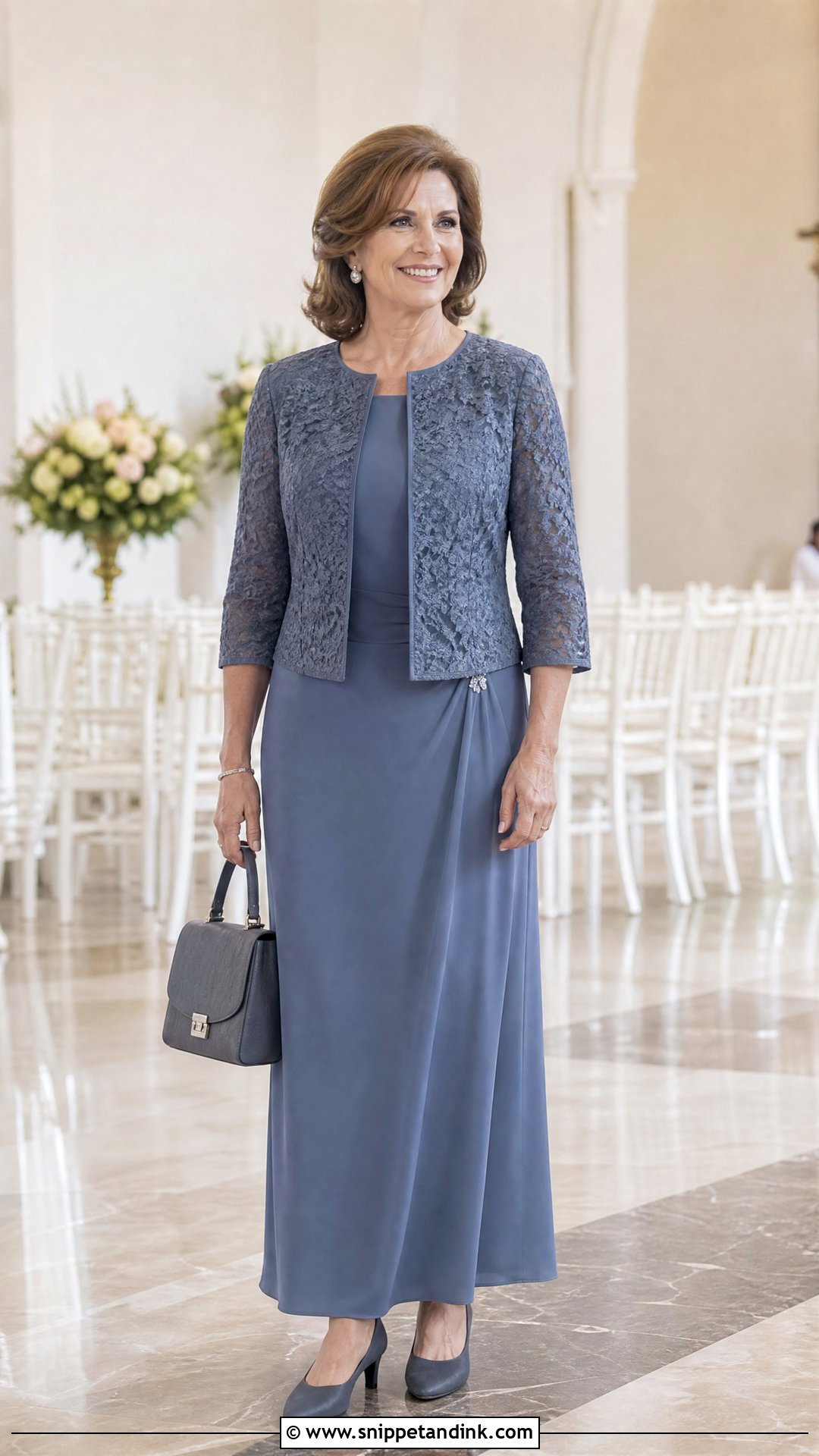
A matching jacket gives you two levels of coverage in one outfit. Wear it for the church and take it off at a warm reception. A sleeveless or short-sleeve crepe gown with a cropped lace, chiffon or embroidered jacket in the same colour keeps things tidy. Slate blue, plum, dark rose and forest green are good options. The jacket must end at the waist, not the hips; a hip-length hem widens the figure in photos. Low closed heels, a structured bag, classic studs and a short layered cut or low bun complete it.
13. High Neck Crepe Principal Sponsor Gown
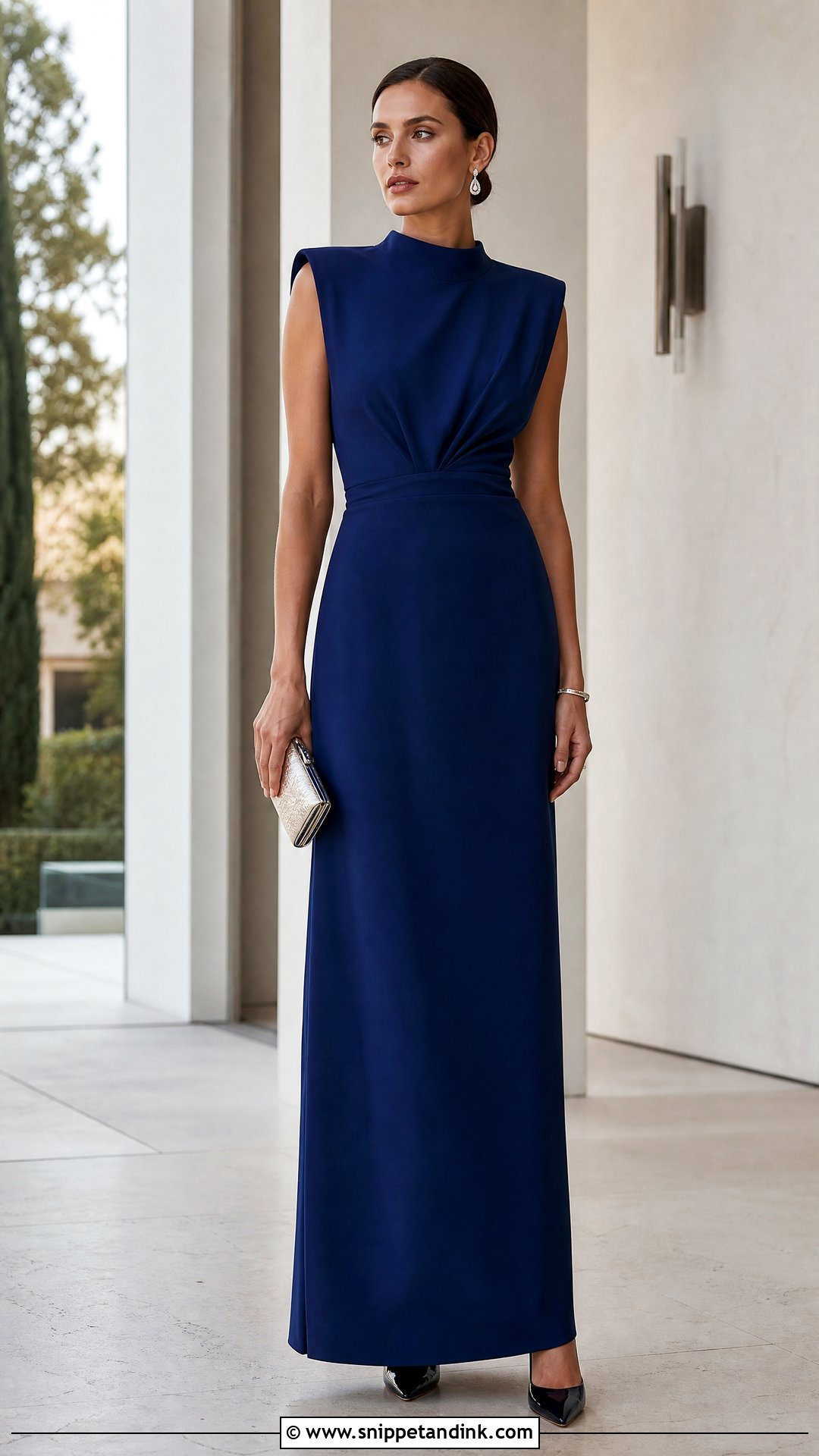
A high-neck crepe gown is clean and modern, and its matte surface takes strong venue light without shine or glare. Go sleeveless with wide shoulder coverage, or add fitted elbow sleeves for a more conservative church. A defined waist and long straight skirt keep it streamlined. Deep sapphire, burgundy, pine green and graphite suit evening ceremonies. Crepe shows the line of a bra strap at the shoulder, so check the cut of the armhole against your undergarments. Drop earrings, a sleek bracelet, pointed heels, a small clutch and a low twisted bun finish it, with no necklace.
14. One Shoulder Principal Sponsor Gown
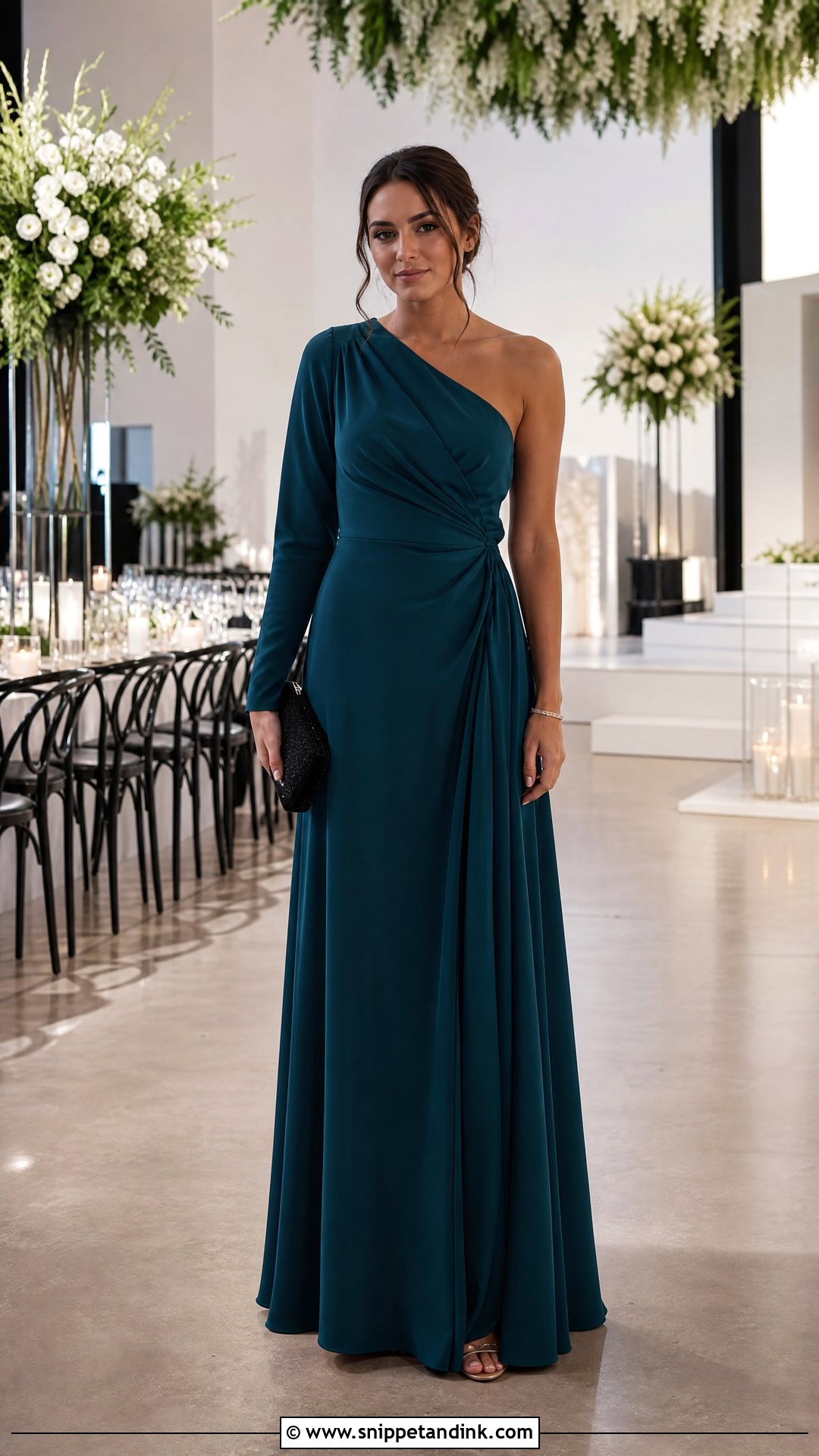
One-shoulder gowns can be refined for a sponsor, but only if the neckline stays secure. Bust support is the real issue, since a strapless bra rarely stays put under an asymmetric cut. Ask for built-in cups and a grip strip along the open edge. A softly draped A-line with one covered shoulder in navy, dark teal, berry or muted bronze suits evening receptions. Skip big bows, high slits and heavy sequins. Low heels, a compact clutch, a bracelet on the bare-arm side and a side-part bun balance the line. Check first that the couple’s dress code allows asymmetry.
15. Floral Appliqué Principal Sponsor Gown
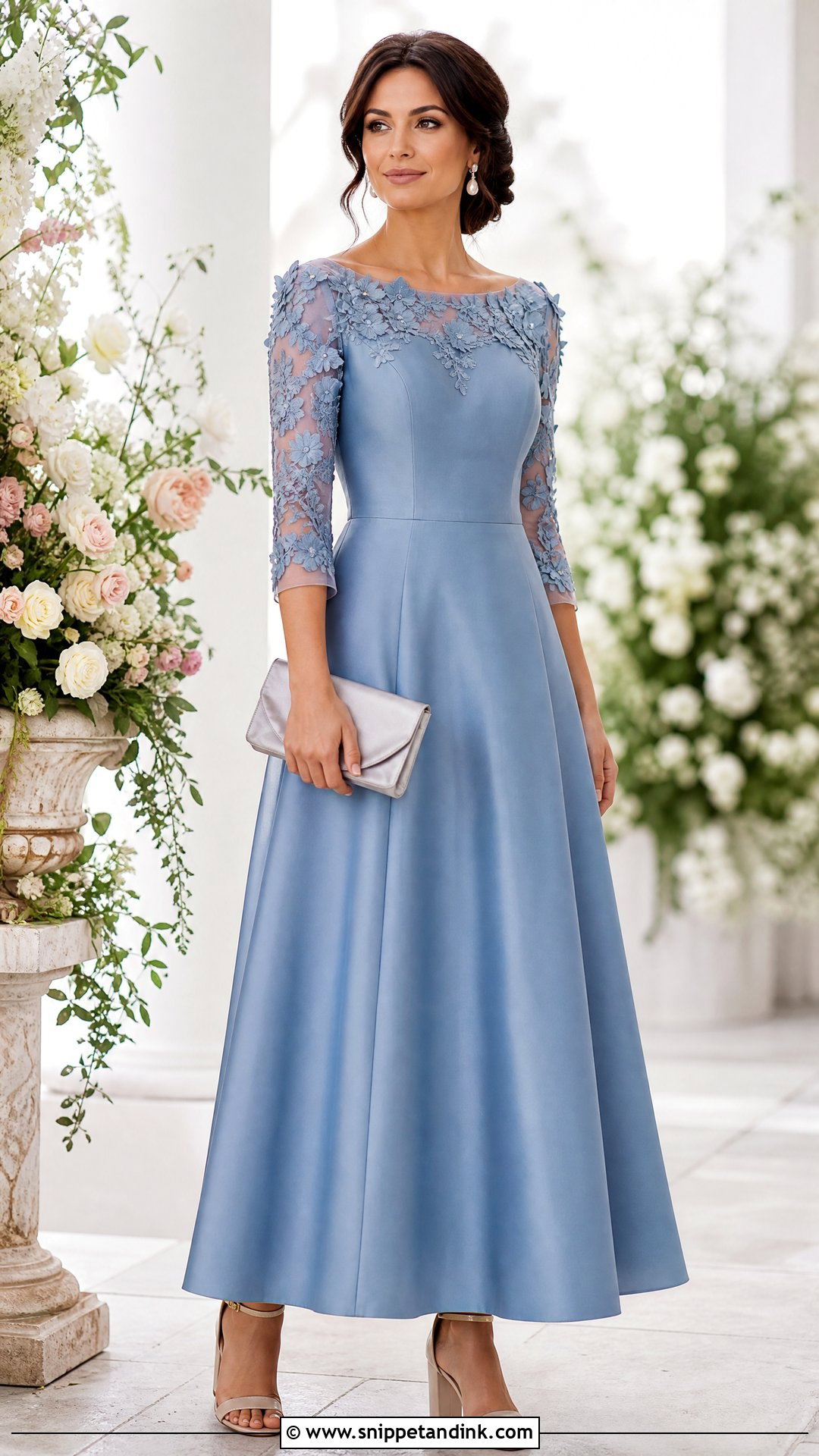
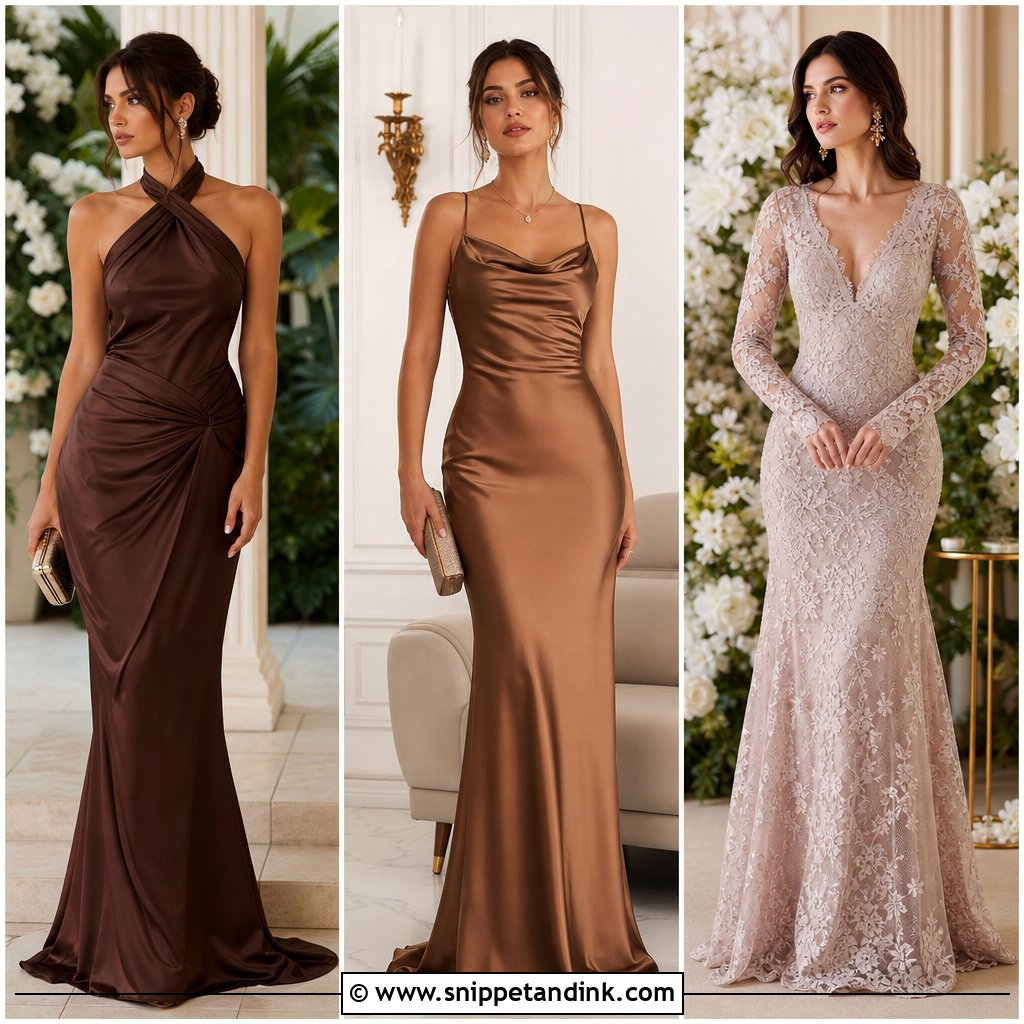
Floral appliqué gives texture without a printed pattern, which can look too casual for a sponsor. Tonal flowers along the neckline, sleeves or upper bodice of a solid A-line or column gown keep it formal. Dusty blue, mauve, sage and soft plum sit well in romantic motifs. Keep the skirt plain. Raised appliqués can catch on bracelets and clutch chains, so tug a few gently at the fitting to check they’re stitched securely. Neutral block heels, pearl earrings, a smooth satin clutch and a soft low bun suit garden and daytime hotel weddings.
16. Ruched Plus Size Principal Sponsor Gown
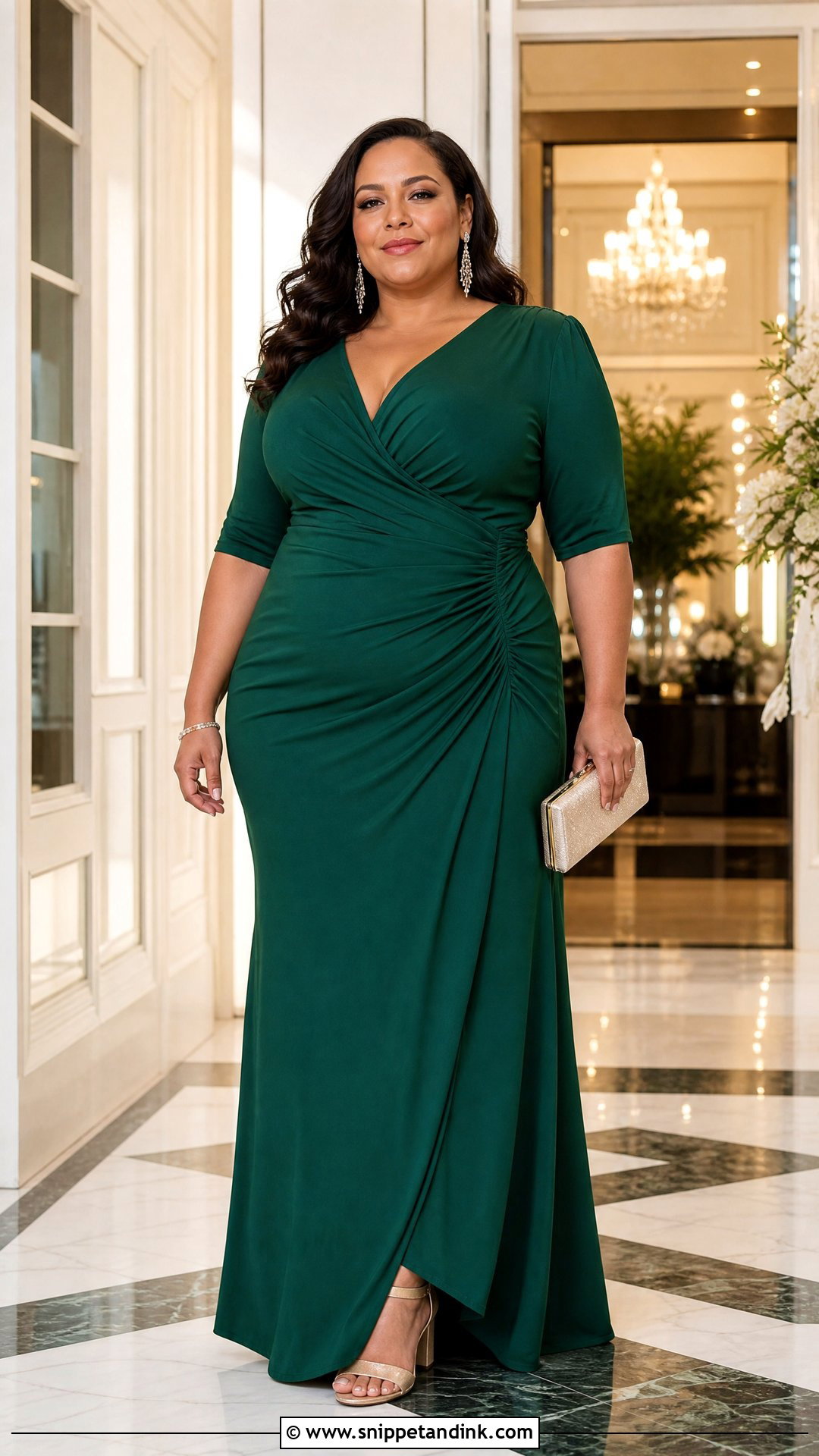
Diagonal ruching across the waist shapes a plus-size gown without asking you to hold your breath. Stretch crepe or lined jersey moves far more easily than stiff satin, especially when you’re standing and sitting through a long Mass. A secure V-neck, elbow sleeves and a softly flared skirt keep it balanced. Emerald, sapphire, plum and wine look rich. The ruching should follow your body, not pull across the hips or bust; if it does, the size is wrong. Cushioned block heels, a structured clutch, long drops and a side-swept style suit it, with a hem taken up so you don’t trip.
17. Petite Principal Sponsor Gown
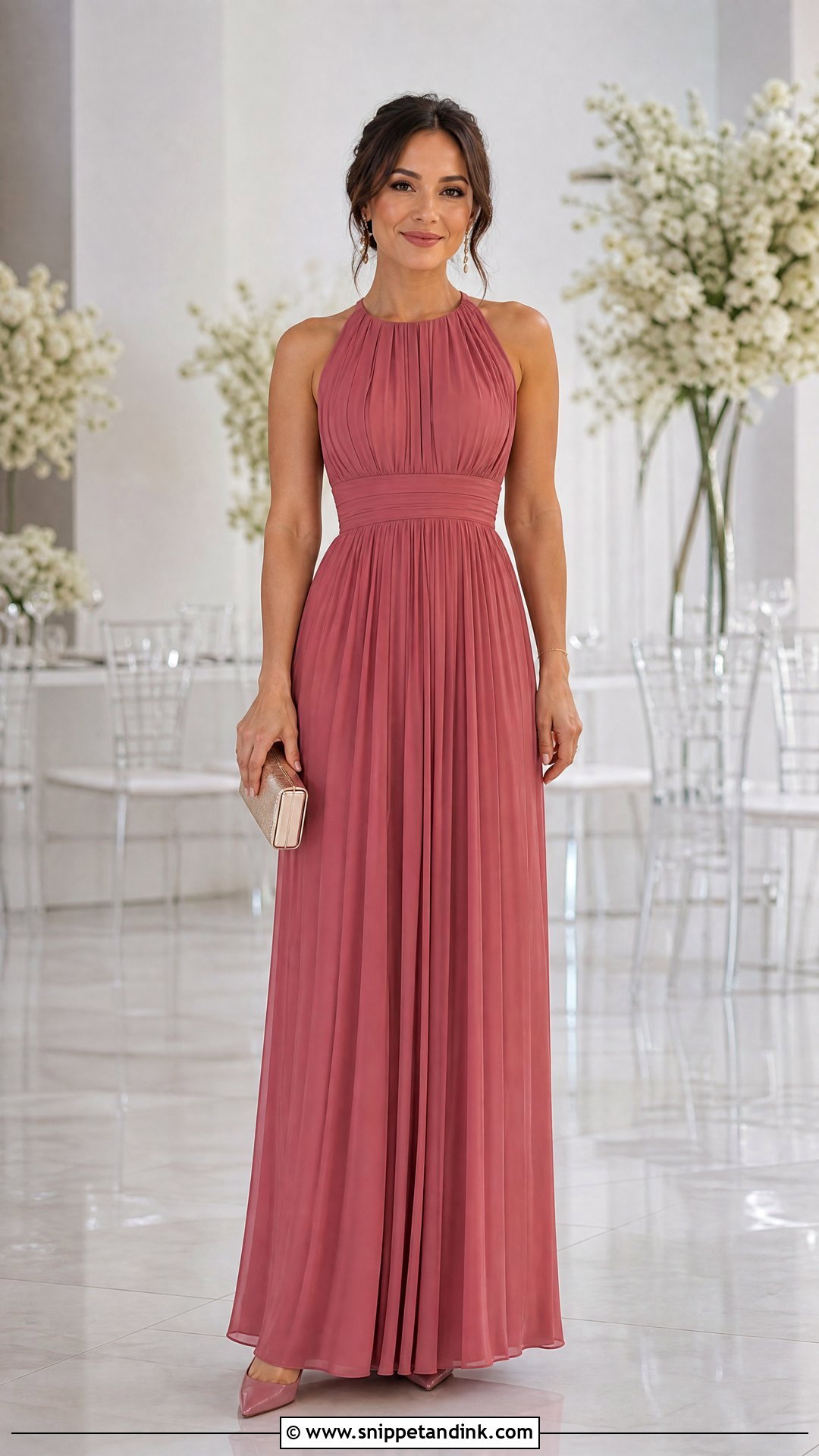
A petite principal sponsor gown should add length without letting the fabric take over. A narrow A-line or column with vertical pleats and a slightly raised waist keeps the line long. Skip big sleeves, wide belts and very full skirts. Dressing in one colour from neckline to shoes, in navy, teal, mauve or deep rose, makes the biggest difference. Tailoring matters more than heel height: shorten the straps, the bodice and the hem, not just the hem. A small clutch, delicate earrings and a neat high bun finish it.
18. Three-Quarter Sleeve Principal Sponsor Gown
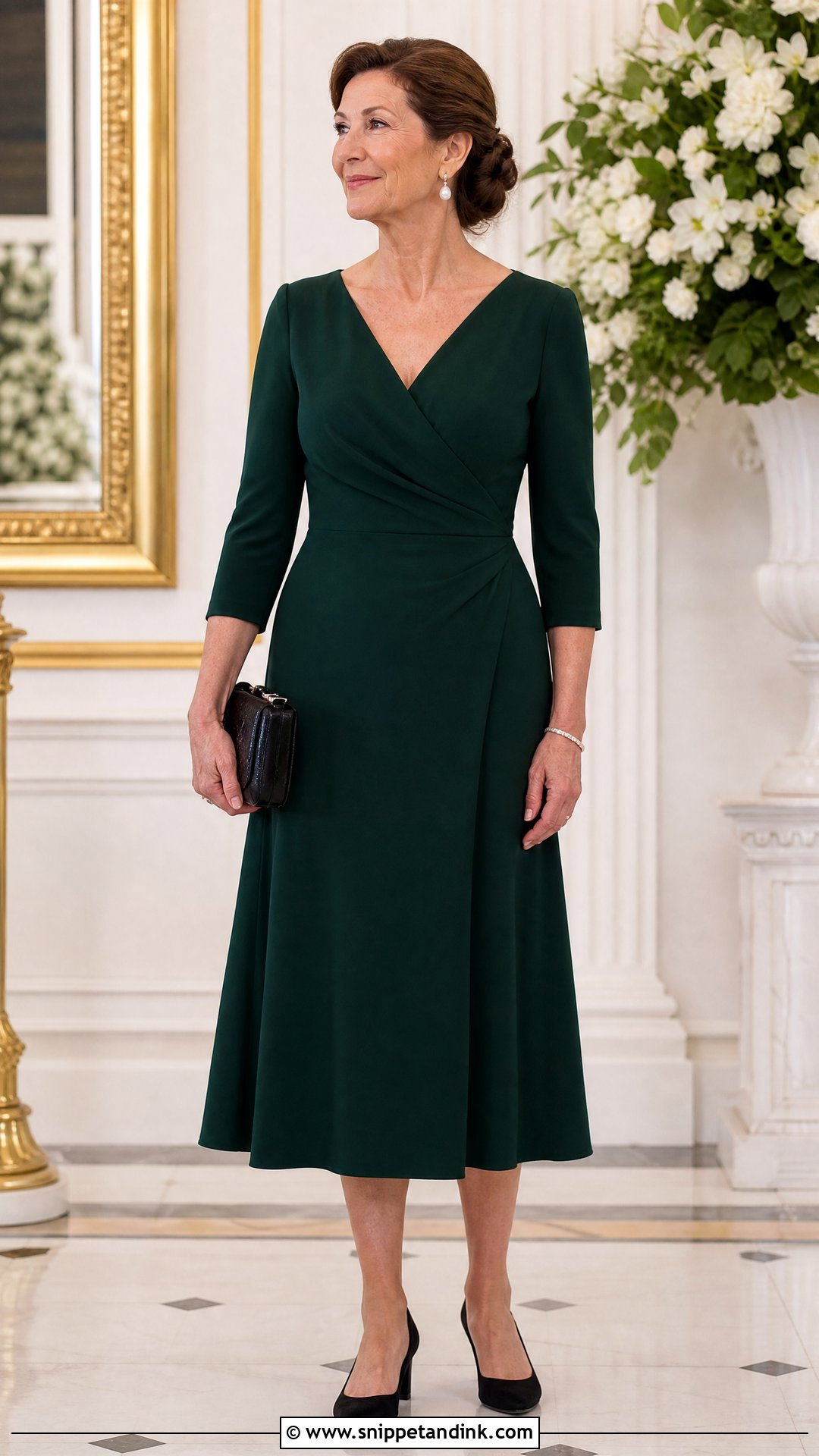
Three-quarter sleeves cover the arms but leave the wrists free, which matters when you’re greeting guests, holding a candle or signing documents. A floor-length A-line in soft crepe, chiffon or light lace with a scoop, bateau or modest V neckline keeps it comfortable. Dark lavender, steel blue, forest green and burgundy suit both day and evening. Bend your elbows at the fitting; a sleeve cut too narrow at the forearm bunches and pulls. A slim bracelet, pearl earrings, low pumps, a compact bag and a soft bob or chignon complete it.
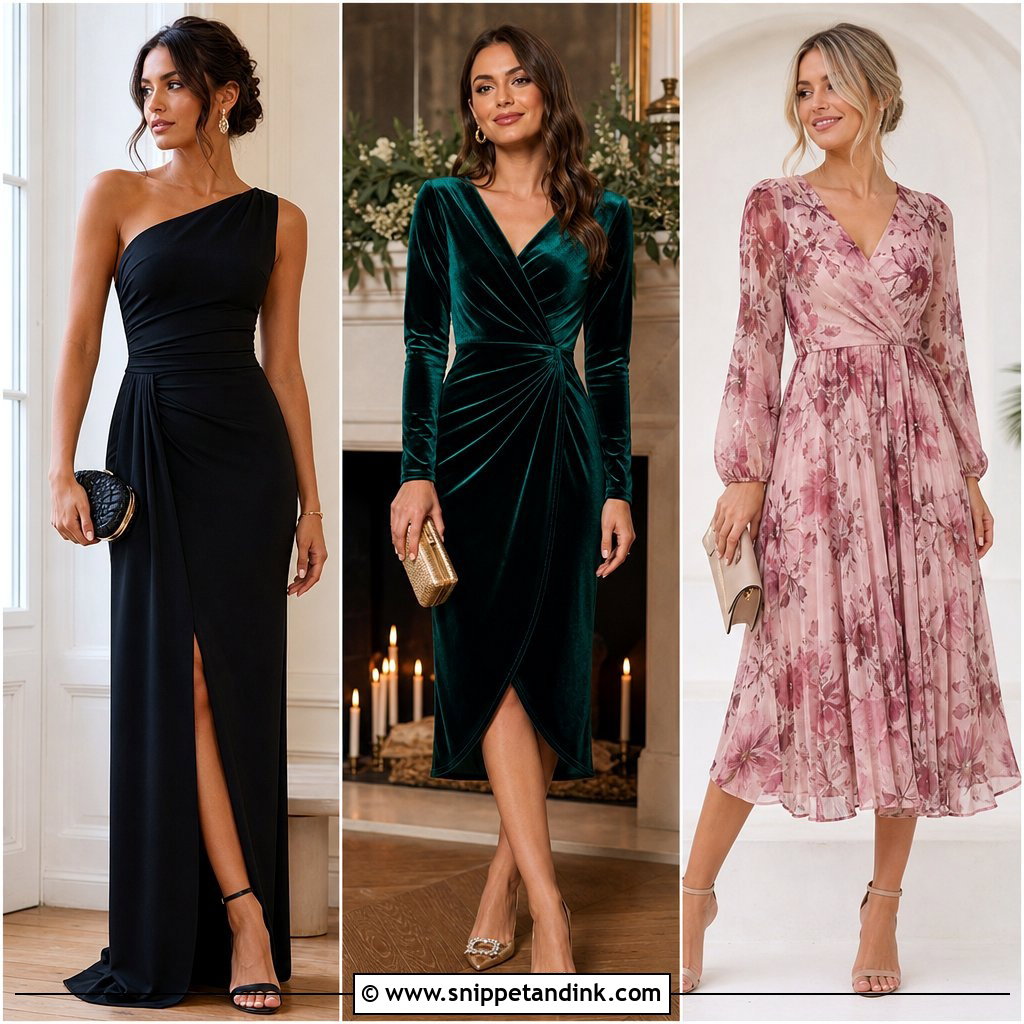
19. Midi Principal Sponsor Gown
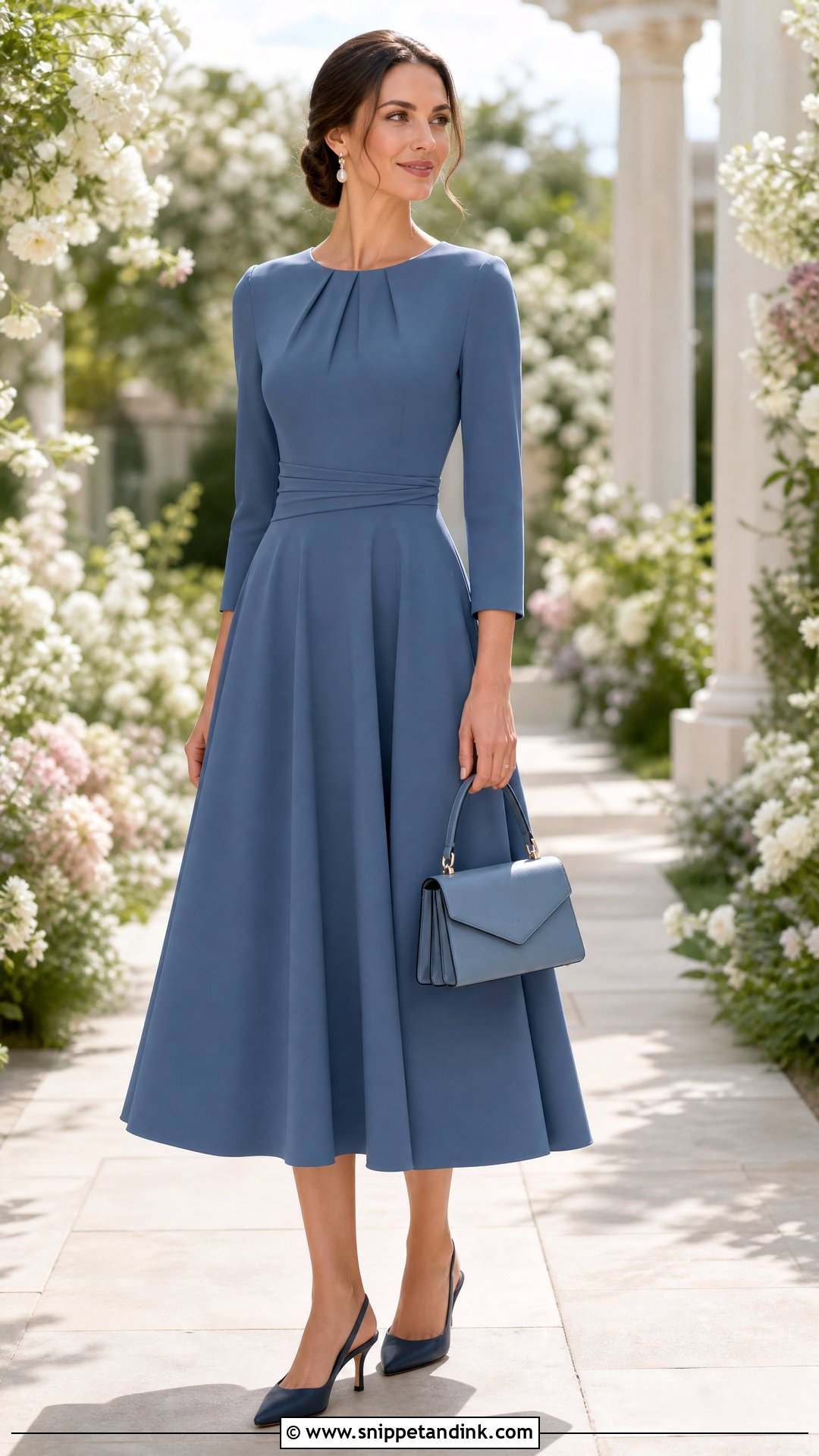
A formal midi works for daytime and outdoor weddings where a long hem would drag across grass. A tea-length A-line, hitting below the knee or at the lower calf, stays formal in luxe crepe, embroidered chiffon or satin-backed fabric. Refined pastels or muted jewel tones are fine as long as they follow the couple’s motif. Shorter hems show your shoes, so choose closed slingbacks you can stand in. A structured top-handle bag, pearl earrings and a tailored shawl for the church suit it. This principal sponsor outfit suits warm climates and garden paths, as long as the skirt stays modest.
20. Velvet Principal Sponsor Gown
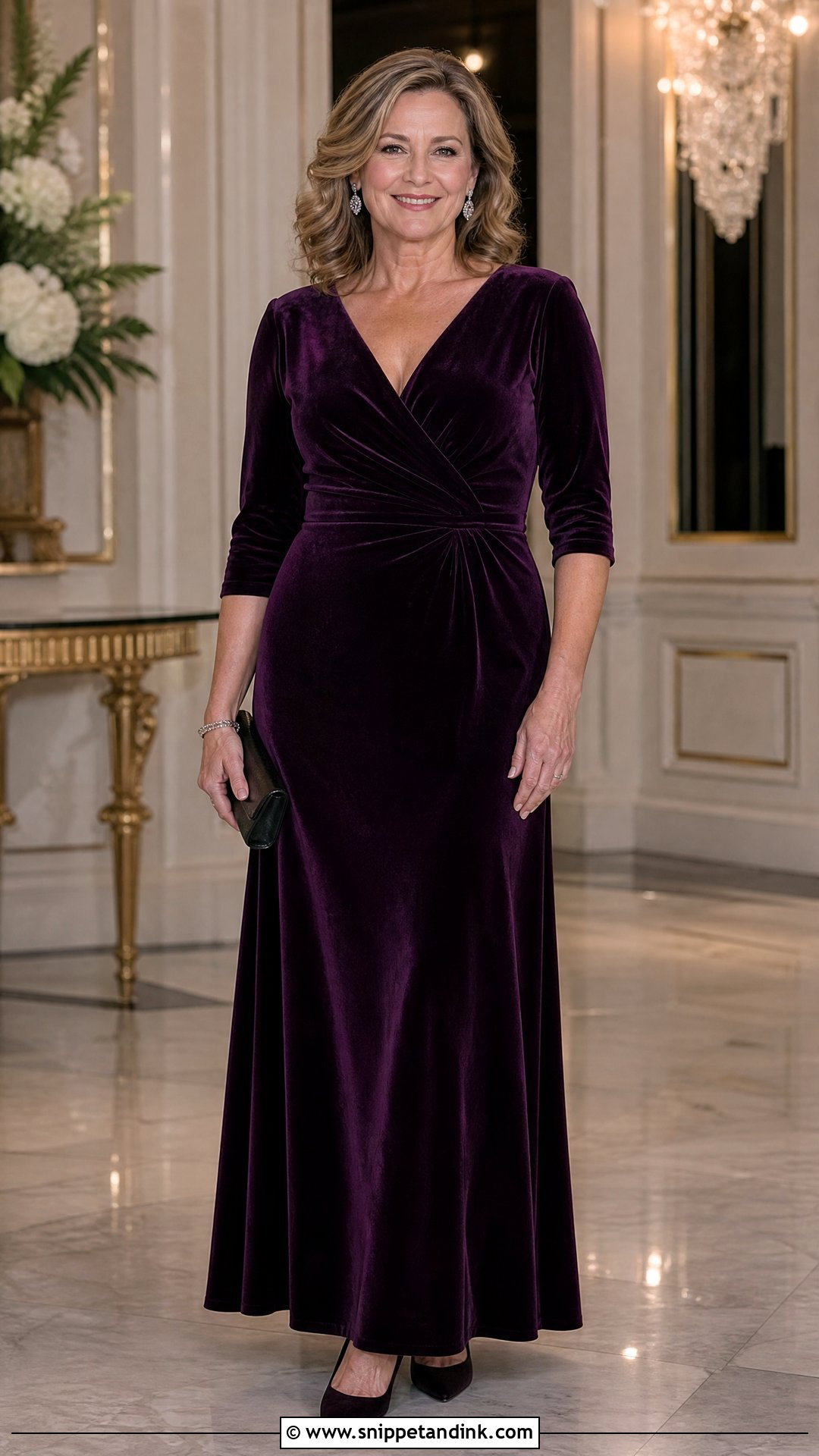
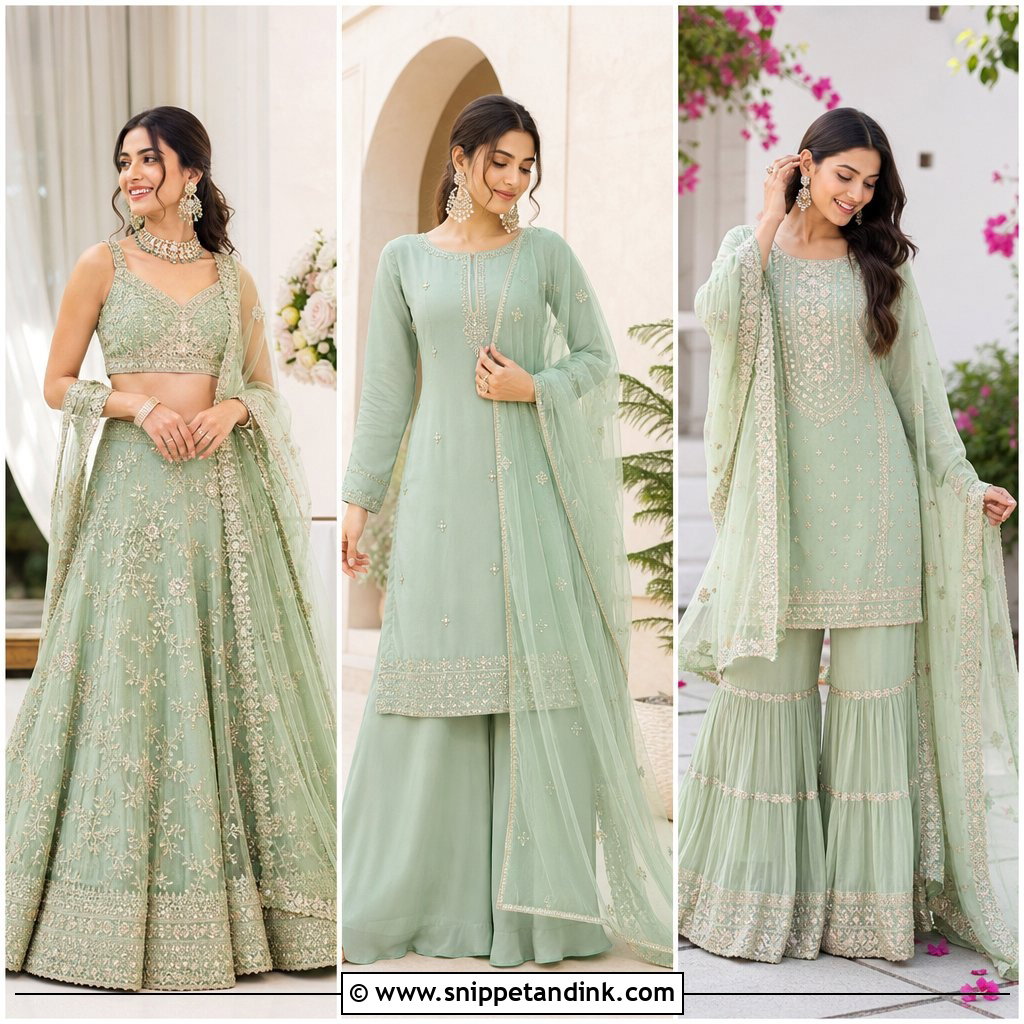
Velvet belongs in a cool season or an air-conditioned ballroom. In a warm church it’s punishing, so check the venue before choosing it. A streamlined A-line or column with a modest V-neck and three-quarter sleeves in deep navy, burgundy, forest green or plum looks rich without trimming. Lightweight stretch velvet with a smooth lining keeps the gown from feeling bulky. Velvet marks where it’s crushed, so travel with it hanging rather than folded. Simple pointed pumps, a matte clutch, small crystal earrings and a sleek low bun suit a black-tie reception.
What Your Gown Has to Survive During the Ceremony
Principal sponsors aren’t guests who sit quietly at the back. You walk in the processional, often in pairs. You stand or sit in the front pews through the whole ceremony, which in a Catholic nuptial Mass can run about an hour. Then you go up to sign the marriage contract as a witness and stay for a long run of formal photos at the altar.
Every one of those moments tests a different part of the gown. Walking tests the hem and your shoes. Signing tests the neckline and sleeves when you lean over a table. The photos test how you look standing still for twenty minutes under bright lights. So at the final fitting I ask sponsors to do exactly those things: walk, sit, lean forward with a pen and hold still.
Heat and long churches
Many churches are warm, and some have only fans. If yours is one of them, choose chiffon, georgette or lined crepe over satin and velvet, and keep sleeves unlined or sheer. Bring a folding fan, blotting papers and a spare pair of flat shoes for the reception. Your feet will thank you by the time the program starts.
Dress to Honour the Couple, Then Yourself
A sponsor’s gown comes together once you know the formality, the motif, the venue and the weather. Pick a silhouette you can stand, sit and be photographed in, then keep the accessories modest, the shoes supportive and the hair tidy. A-line, empire waist, crepe, lace, Filipiniana and jacket gowns have stood the test of many church weddings, while cape sleeves and appliqués add something more modern. Good tailoring does more than any amount of embellishment. Above all, the outfit should look respectful and confident while leaving the spotlight on the bride.
You'll Like These Ideas:


Leave a Reply