
The makoti outfit is read differently from a white wedding gown. Your new family looks at it for respect as much as for beauty: whether the head is covered, how the shoulders are dressed, whether the colors and fabric speak to their culture as well as yours. I style makoti looks from classic shweshwe dresses to Xhosa umbhaco, Zulu beadwork, Tswana gowns, Sepedi color blocking and tailored modern pieces, and the ones that work best are the ones you can greet elders, kneel, walk and dance in without adjusting anything. The doek, blanket, shoes, bag and jewelry carry as much meaning as the dress. Here are 35 makoti outfits, with notes on how each one wears through a long ceremony day.
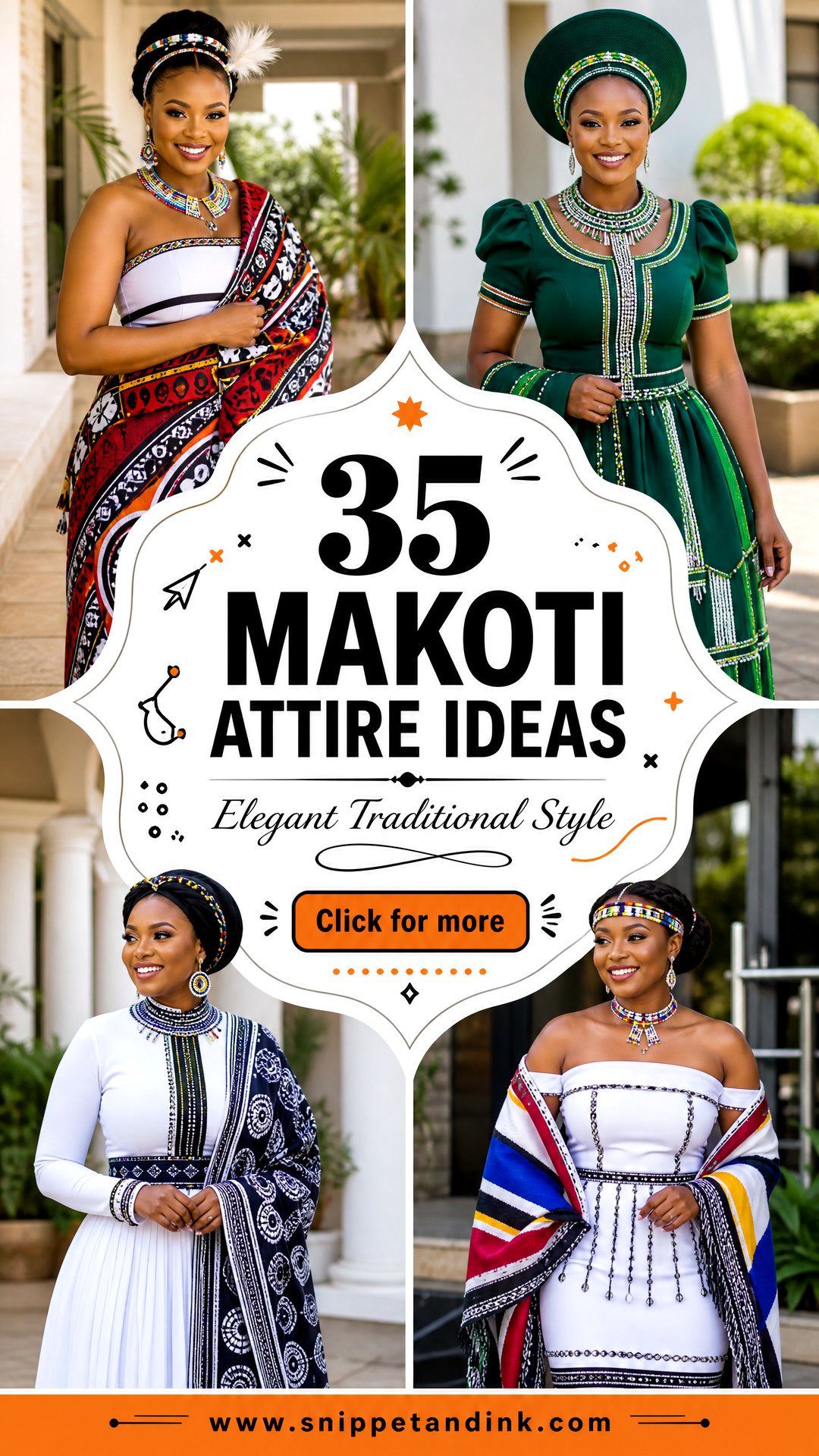
Ask the In-Laws Before You Ask the Seamstress
The first fitting I want to have with a makoti is really a conversation about her new family. Expectations differ between cultures, between regions and even between households, and the outfit that delights one mother-in-law can quietly worry another. Finding out early saves you from paying for a dress twice.
Questions worth asking before any fabric is cut
- Must my head be covered all day, or only at certain moments?
- Do I need my shoulders covered with a blanket, shawl or wrap in front of elders?
- Is a particular color, print or fabric associated with your family or clan?
- Will your side be giving me any part of my attire, such as a blanket, doek or full outfit?
- Are trousers or a jumpsuit acceptable at any part of the celebration?
That fourth question matters more than people expect. In many families the groom’s side presents the makoti with part of her clothing as a welcome, and arriving in a fully finished outfit of your own can step on that moment. If they are giving you a blanket or doek, build the rest of the look around it.
1. Shweshwe Makoti Dress With Matching Doek
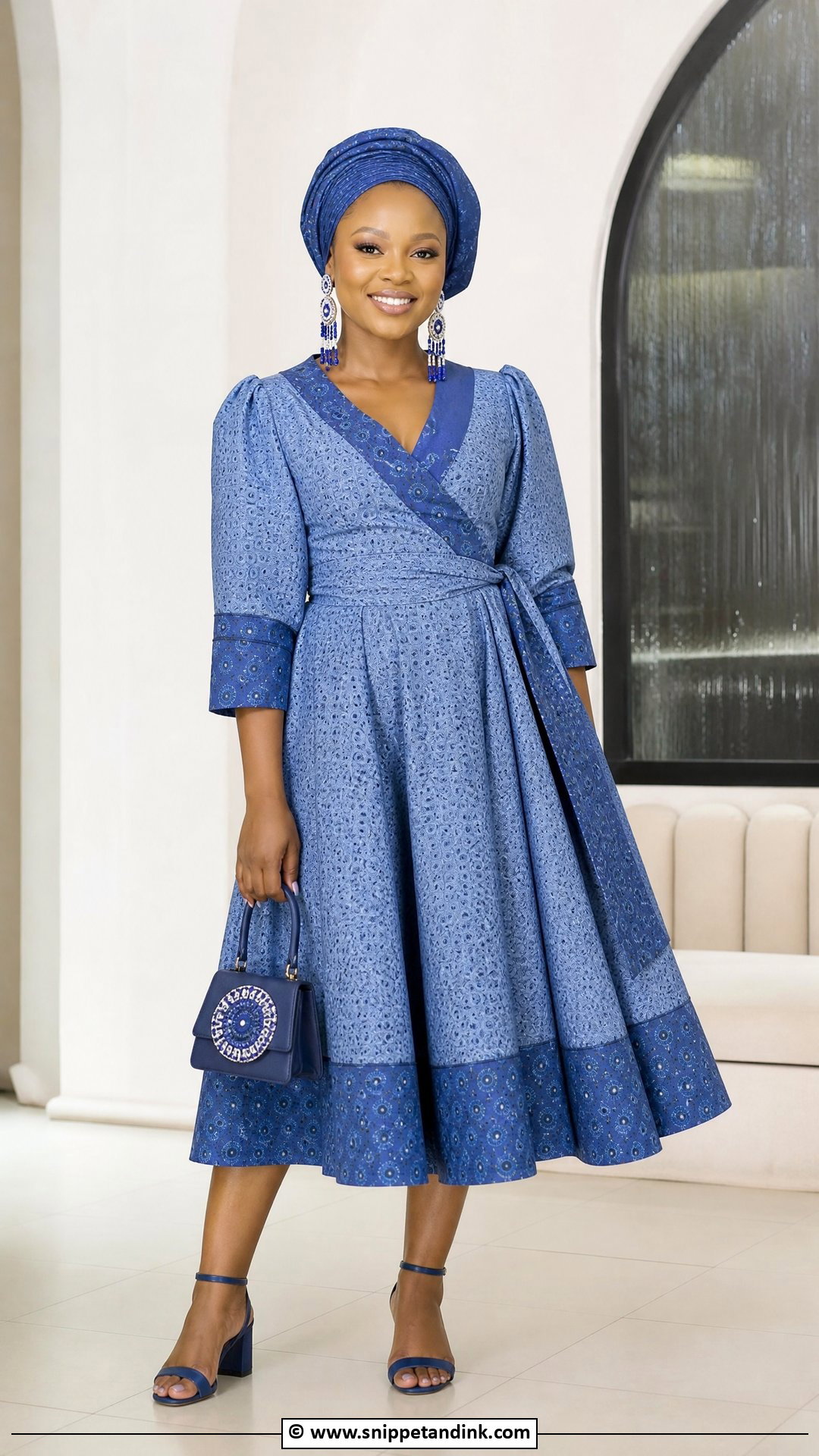
Shweshwe with a matching doek is the look most families recognise instantly, which makes it a safe and respected starting point. I’d go midi or ankle length in blue, brown, green, red or black print, and take the doek from one of the main colors in the fabric rather than the busiest part of the pattern. A fitted bodice over a flared skirt stays modest and moves well. Low block heels, pearl or beaded earrings and a small structured bag finish it for lobola, family gatherings and portraits. New shweshwe is stiff from starch, so a skirt that looks very full on the first wear will soften and drop once it has been washed.
2. Xhosa Umbhaco Makoti Outfit
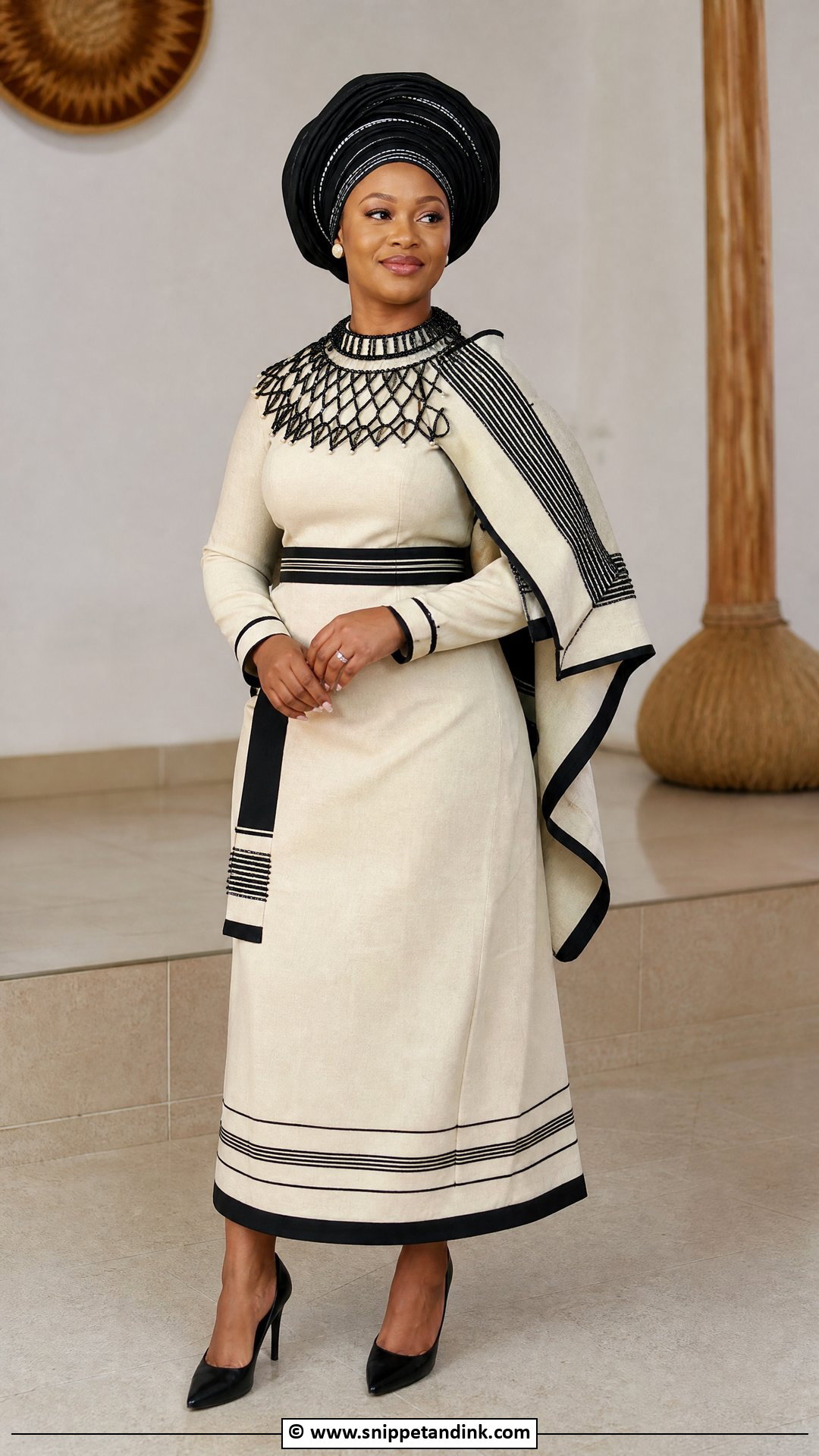
Umbhaco is unmistakable: a cream or white base with black trim, a long skirt, a modest top, a doek and a blanket or wrap over the shoulders. The trim lines are the design, so I keep beadwork in conversation with them rather than piling on enough to hide them. Black or white low heels ground the outfit, and a beaded necklace with matching earrings adds the cultural detail. Tailoring matters more than ornament here. Trim that is stitched slightly off level at the hem shows clearly in every full-length photograph.
3. Zulu Makoti Outfit With Isicholo
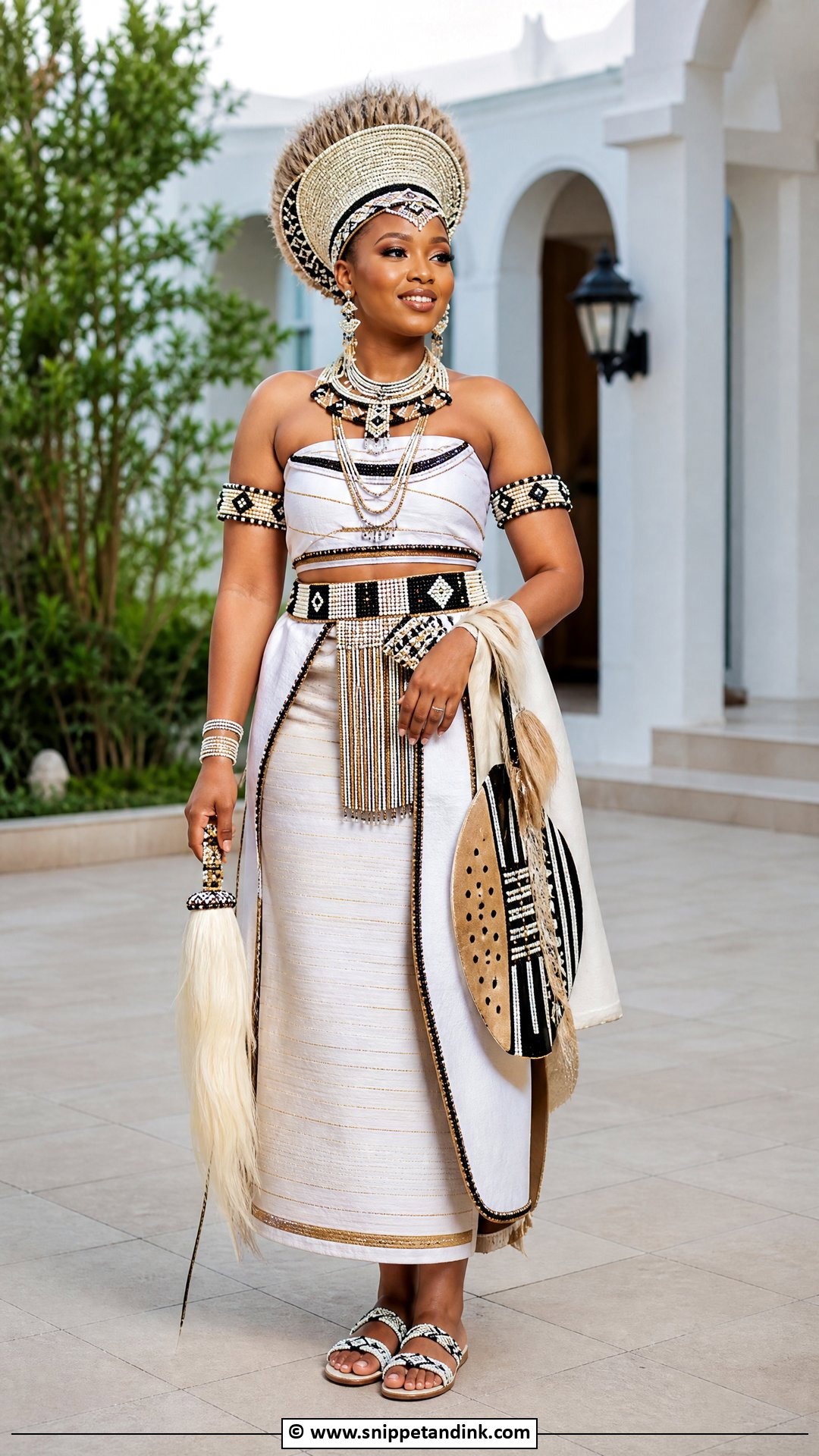
The isicholo marks a married woman, so wearing it is a statement in itself, and the rest of the outfit should support it rather than compete. A long skirt with a wrap top or structured bodice works, with a beaded collar, belt or bracelet set that matches the color story. Black, red, white and earth tones are classic; cream, gold or muted green soften it for a modern bride. A wide isicholo changes your balance and your sightlines, so practise sitting, bending and turning your head in it before the day. Comfortable sandals or low heels will carry you through the greetings.
4. Sepedi Makoti Dress With Pleated Skirt
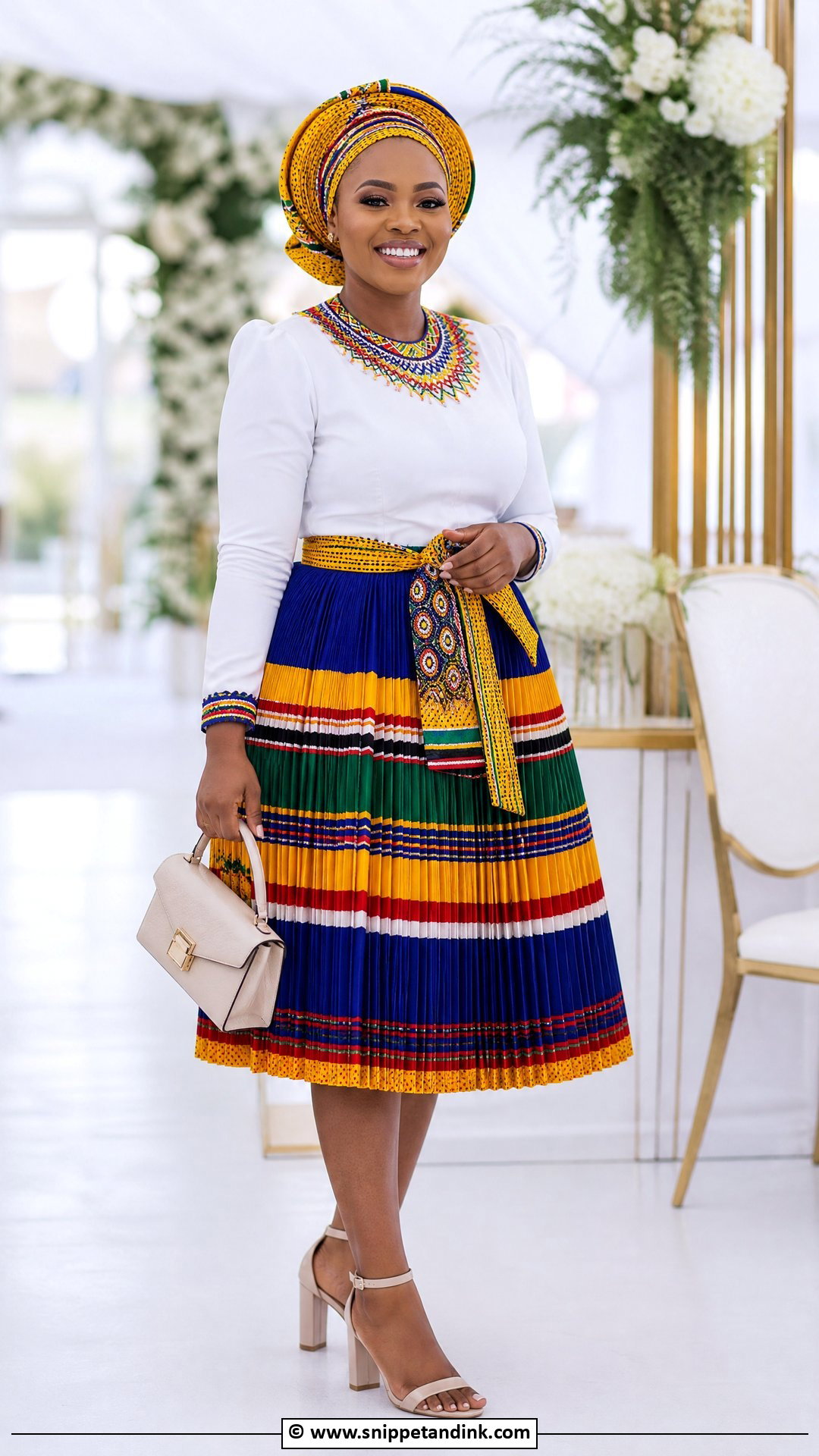
Sepedi dressing is known for bold color combinations, and pink, turquoise, yellow, orange, royal blue and purple all work when one color clearly leads. A fitted top over a full pleated skirt flatters most shapes and keeps the outfit modest and festive. Add a matching doek, a beaded necklace and simple neutral heels. With a very colorful skirt, I keep the bag and shoes completely plain. Pleated skirts in stiff cotton hold their pleats best when they are hung, not folded, the night before.
5. Tswana Shweshwe Makoti Gown
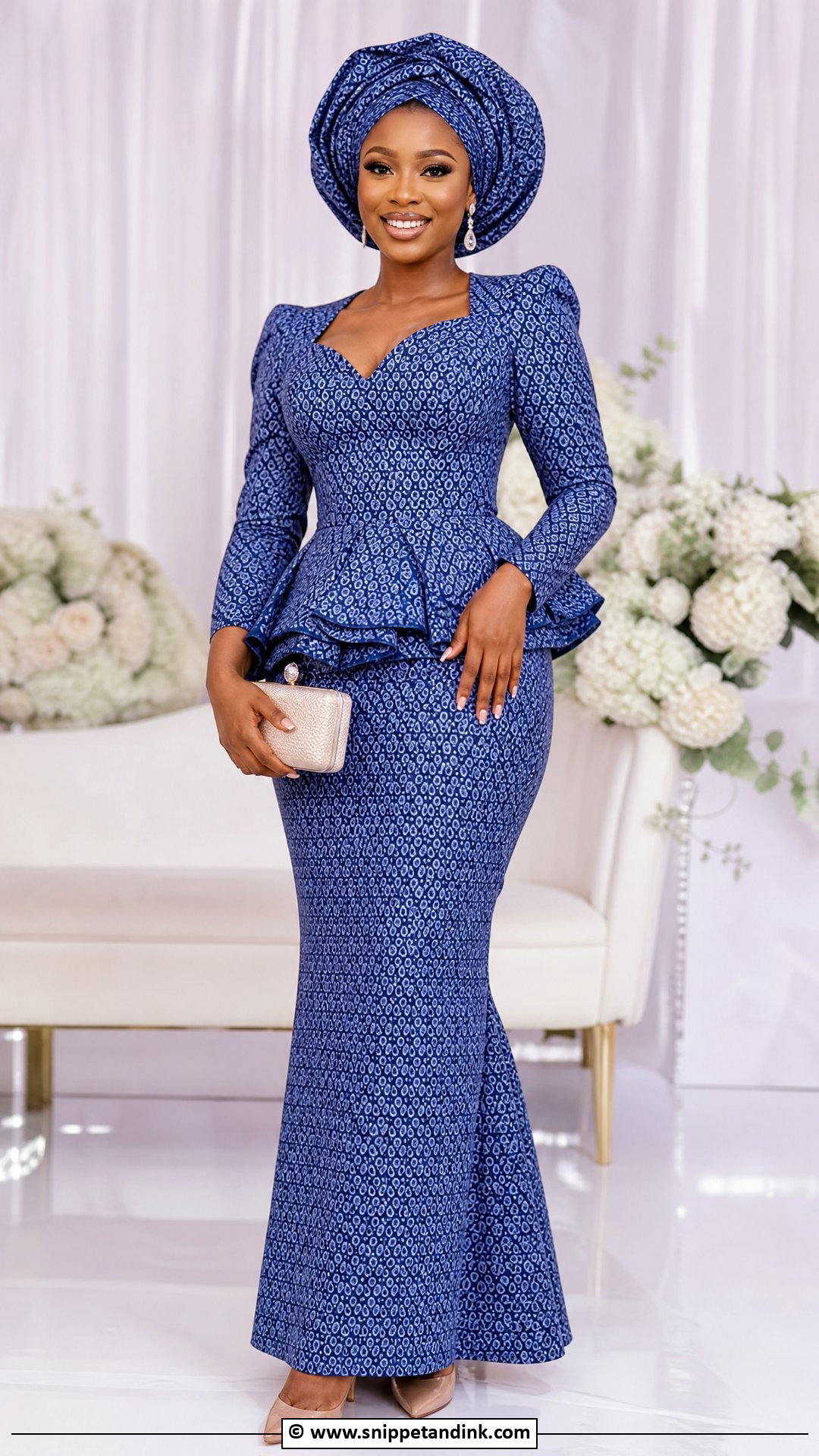
A Tswana shweshwe makoti gown gives traditional fabric a formal bridal shape, usually a long A-line or mermaid. Peplum waists, puff sleeves, a matching shoulder wrap or an off-shoulder neckline with added coverage all keep the cultural character. A doek in the same print completes it, with nude or black heels, a small clutch and very little jewelry. If you choose a mermaid shape in shweshwe, ask the seamstress to allow extra room at the knee, because the stiff cotton does not give the way stretch fabric does when you sit or kneel.
6. Sotho Blanket Makoti Outfit
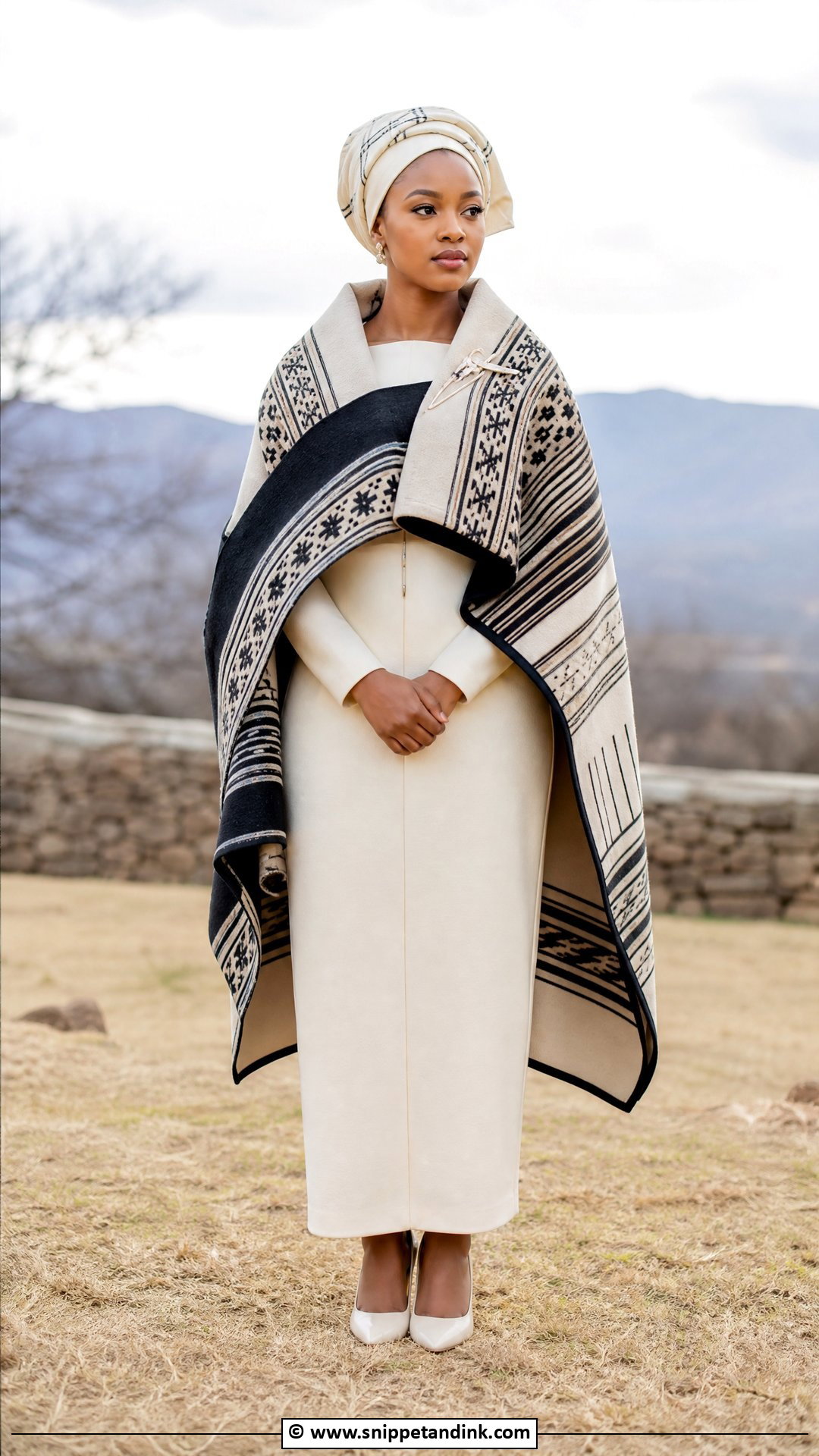
With a Sotho blanket, the blanket is the outfit and everything underneath is support. A simple dress or skirt set in cream, navy, brown, green or red works as a base, chosen to sit quietly beside the blanket’s pattern. Add a doek that picks up the trim, then closed-toe heels or neat flats. It is practical as well as ceremonial in cool weather or outdoors. I pin the blanket at the shoulder with a large brooch or a hidden safety pin so it stays put when you raise your arms to greet people.
7. Venda Makoti Dress With Beaded Accessories
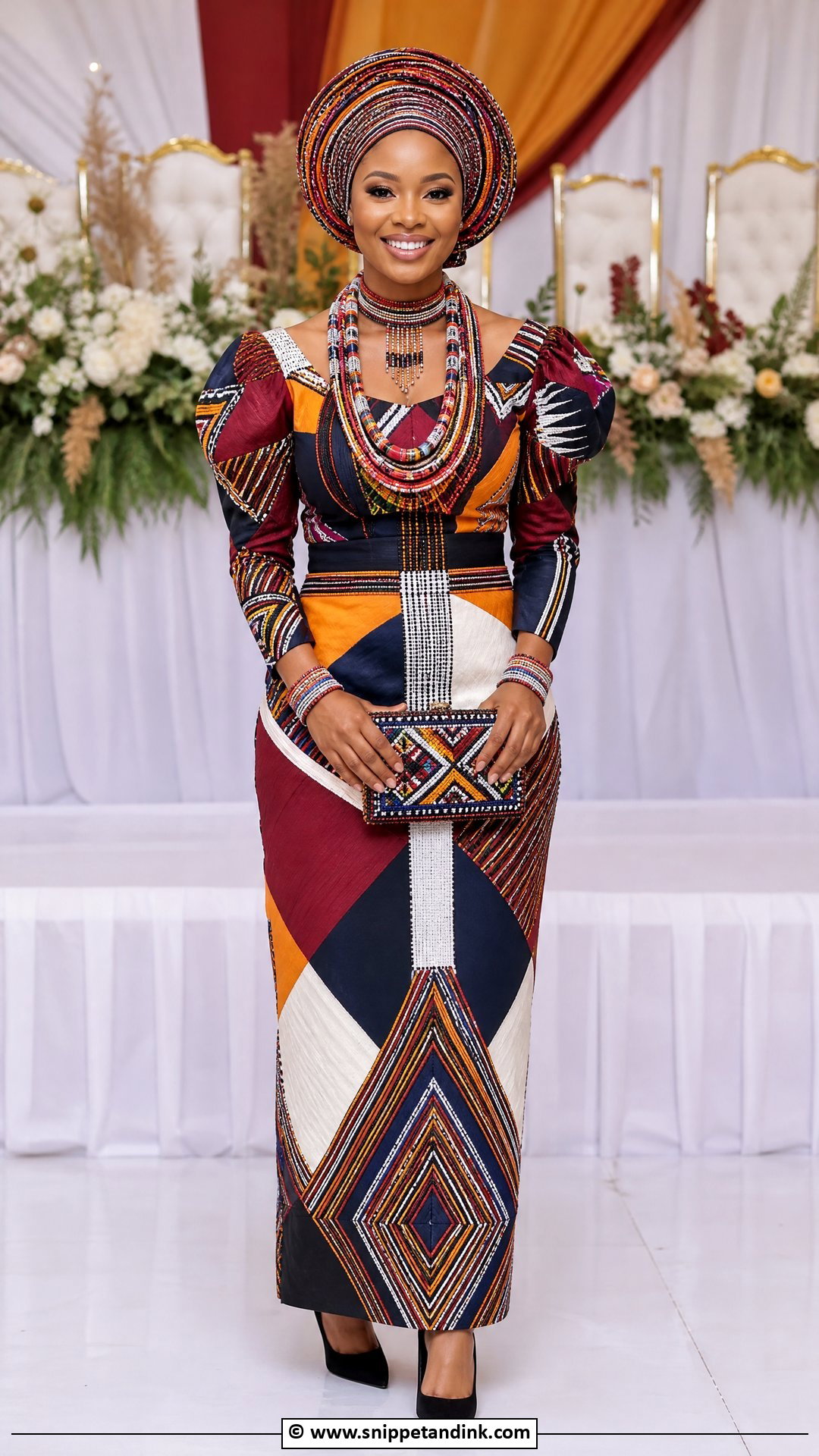
Venda fabrics are bright, striped and patterned, and my approach is to let the fabric lead and cut everything else down. A fitted dress, wrap skirt outfit or peplum top with a long skirt all work. Layered beadwork, a matching headwrap and shoes in black, nude or one color from the fabric complete it. A beaded clutch is fine as long as it doesn’t fight the necklace. Stripes need careful matching at the seams, so give your seamstress a little extra fabric for pattern placement.
8. Ndebele Makoti Outfit With Beaded Collar
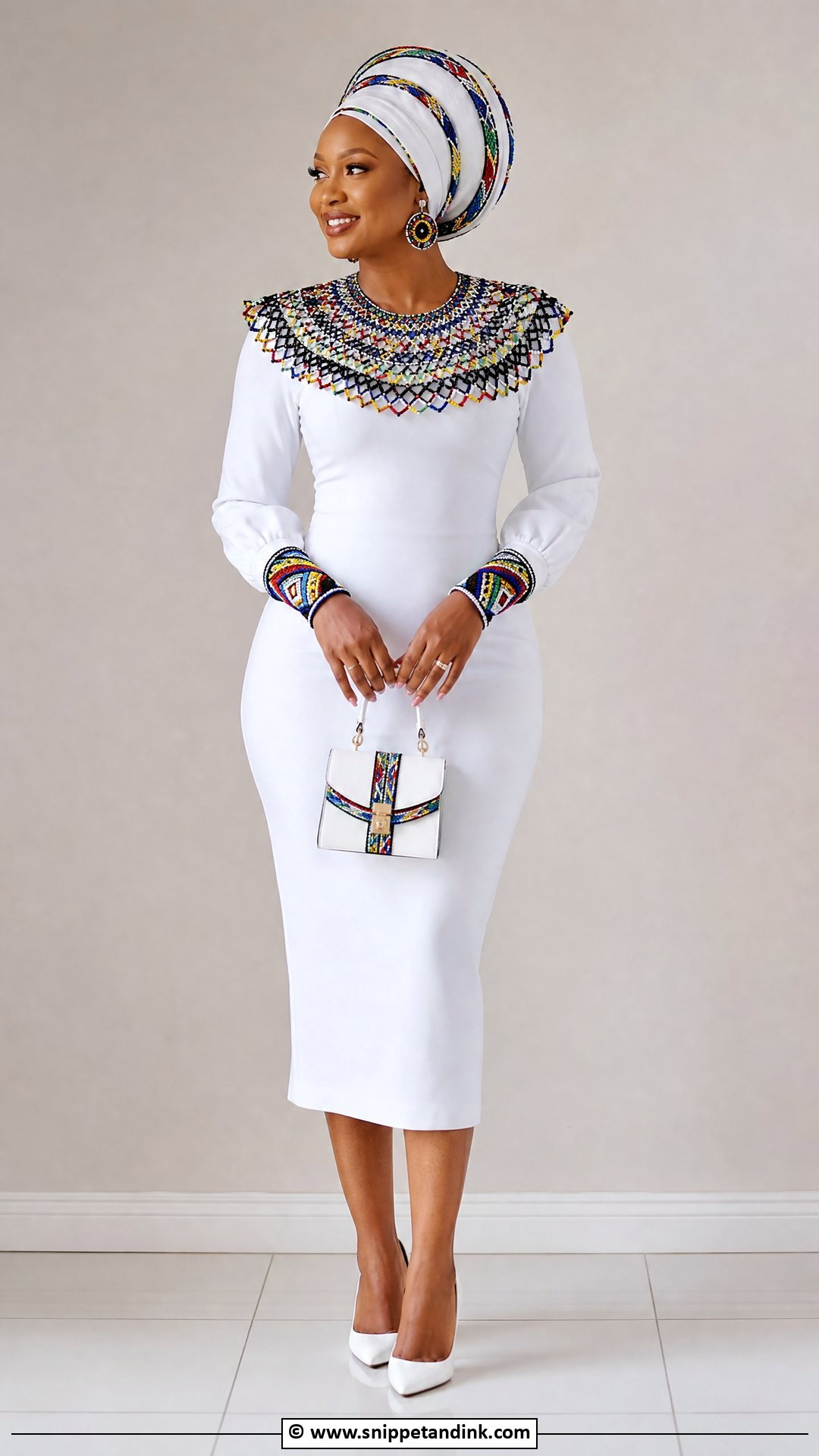
Ndebele beadwork is architecture: clean shapes and strong geometric color. A plain black, white or bright dress becomes something else with a wide beaded collar, matching cuffs and a structured doek. For a modern version, a tailored midi or skirt suit with Ndebele-inspired accessories works well. Keep shoes sleek and plain. A heavy beaded collar pulls a soft neckline down over hours, so I pair it with a dress that has a firm, close-fitting neckline.
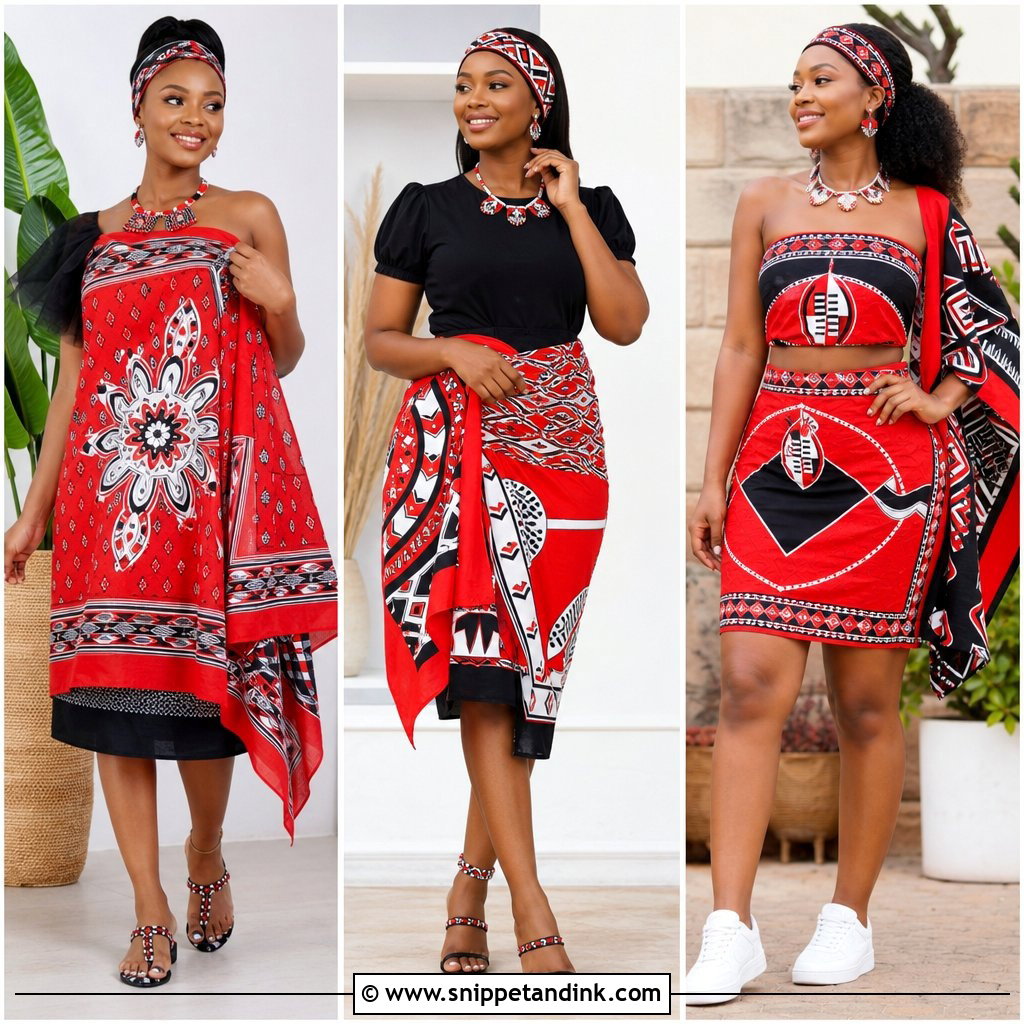
9. Swati Makoti Outfit With Printed Wrap
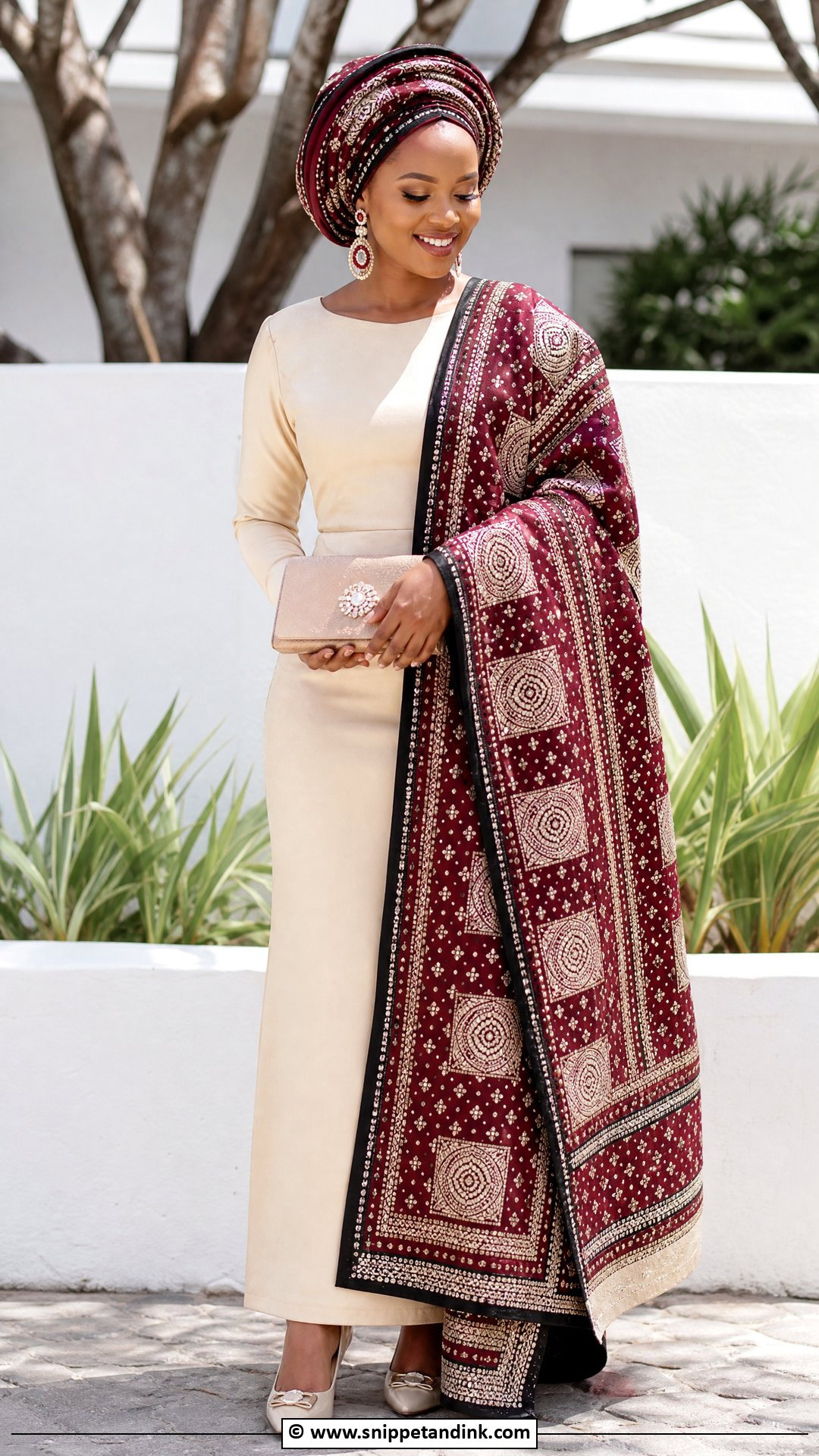
The wrap does the ceremonial work in a Swati outfit, so start with a long dress or skirt set in a solid color and let the printed wrap go over the shoulder or across the body. Red, black, white and blue combinations look strong, especially with a matching headwrap. Beaded earrings, a neat clutch and walkable shoes complete it. A wrap that looks thrown on reads careless in photos. I fold and pin it at the shoulder and the hip so it stays where it was placed after an hour of hugging relatives.
10. Modern Makoti Suit With Doek
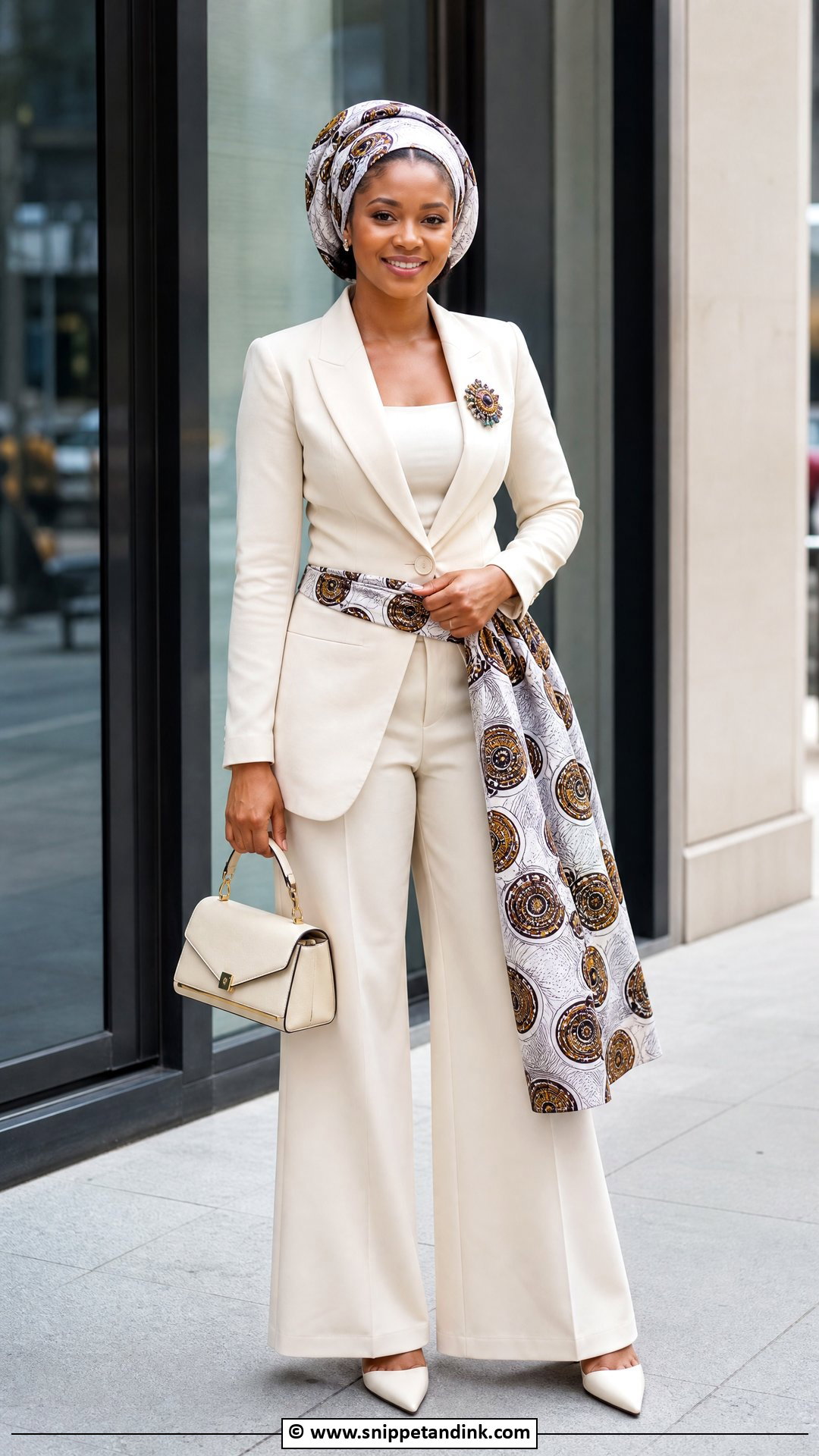
Not every bride feels like herself in a dress, and a tailored suit with a doek can be just as respectful. A well-cut blazer and wide-leg trousers in white, cream, navy, emerald or burgundy looks strong, and a shweshwe, umbhaco or African print doek brings in the culture. A beaded brooch, printed belt or statement earrings soften the suit. Pointed flats, block heels or loafers suit the setting. Some families expect a skirt at the formal moments, so this is a look I’d clear with your in-laws first; it works especially well for civil events and family meetings.
11. Makoti Peplum Top And Pencil Skirt
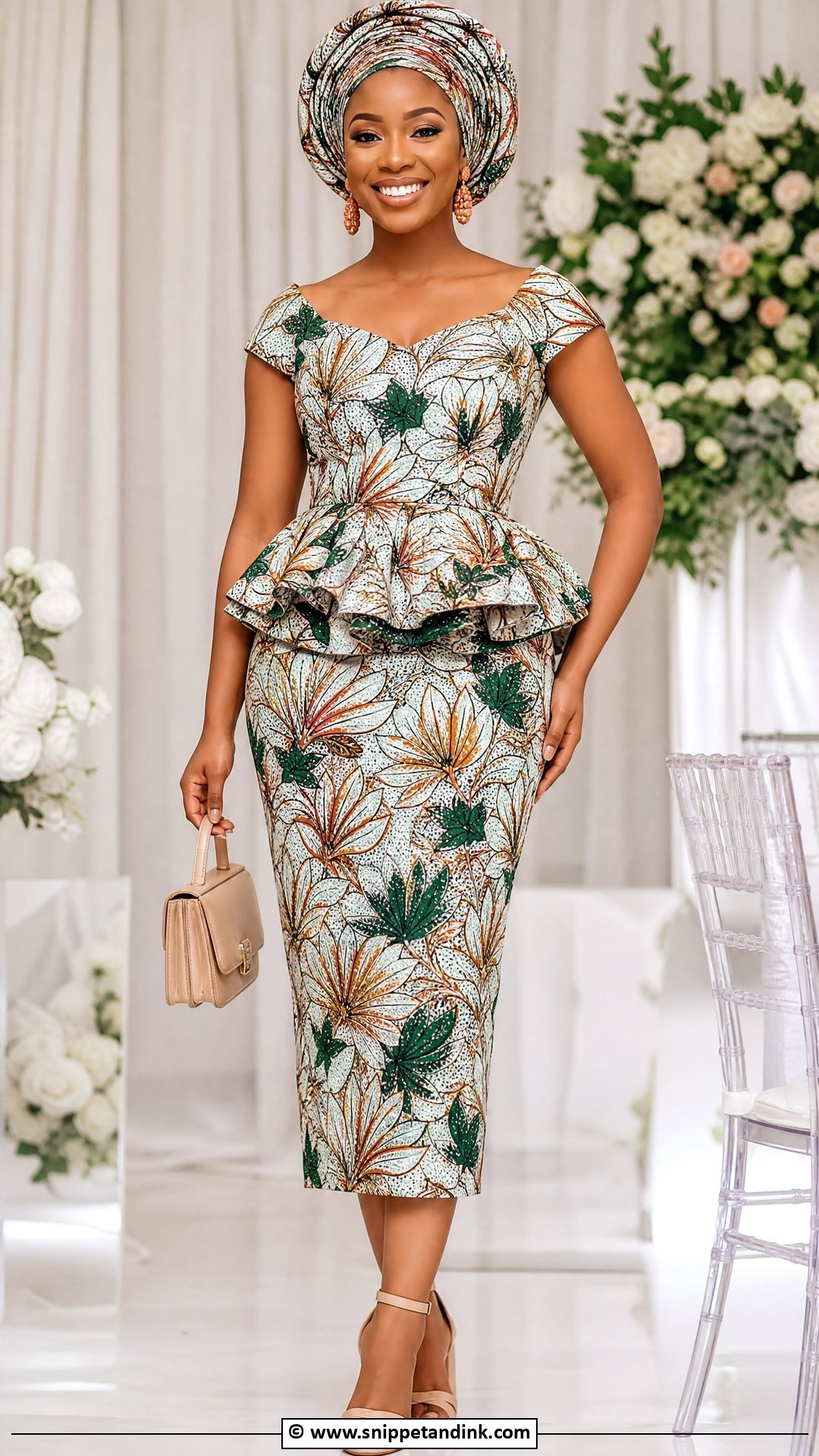
Peplum over a pencil skirt is one of the most forgiving shapes I fit. The peplum defines the waist and gives gentle cover over the hips, and the pencil skirt keeps the line formal. Shweshwe, African print, satin or plain fabric with printed trim all work, with a matching doek, block heels and a small bag. The one adjustment I nearly always make is a back vent or slit in the pencil skirt, because a makoti kneels and climbs into cars more than a bride usually expects. It suits indoor ceremonies, family lunches and formal introductions.
12. Makoti Maxi Dress With Shoulder Wrap
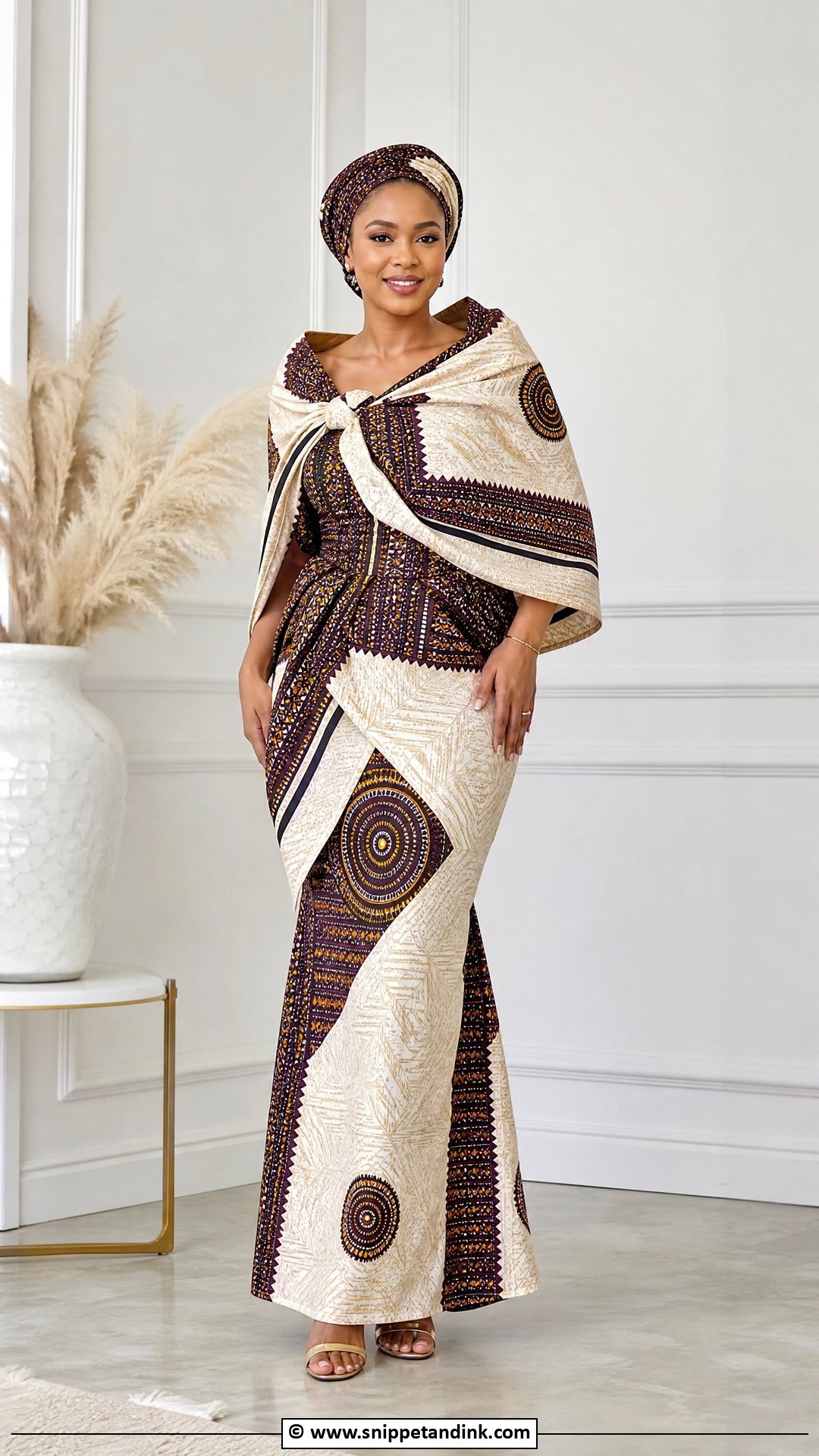
A long dress with a shoulder wrap is about as modest and dignified as a makoti outfit gets. The dress gives a graceful line and the wrap adds ceremony. Pick a fabric with enough body to hold its shape, such as cotton, shweshwe, jacquard or a heavier African print, and a wrap that either matches or contrasts on purpose. A doek, small earrings and comfortable heels complete it. The wrap also adds movement in photographs, which helps a plain dress come alive on camera.
13. Makoti Mermaid Dress With Beaded Details
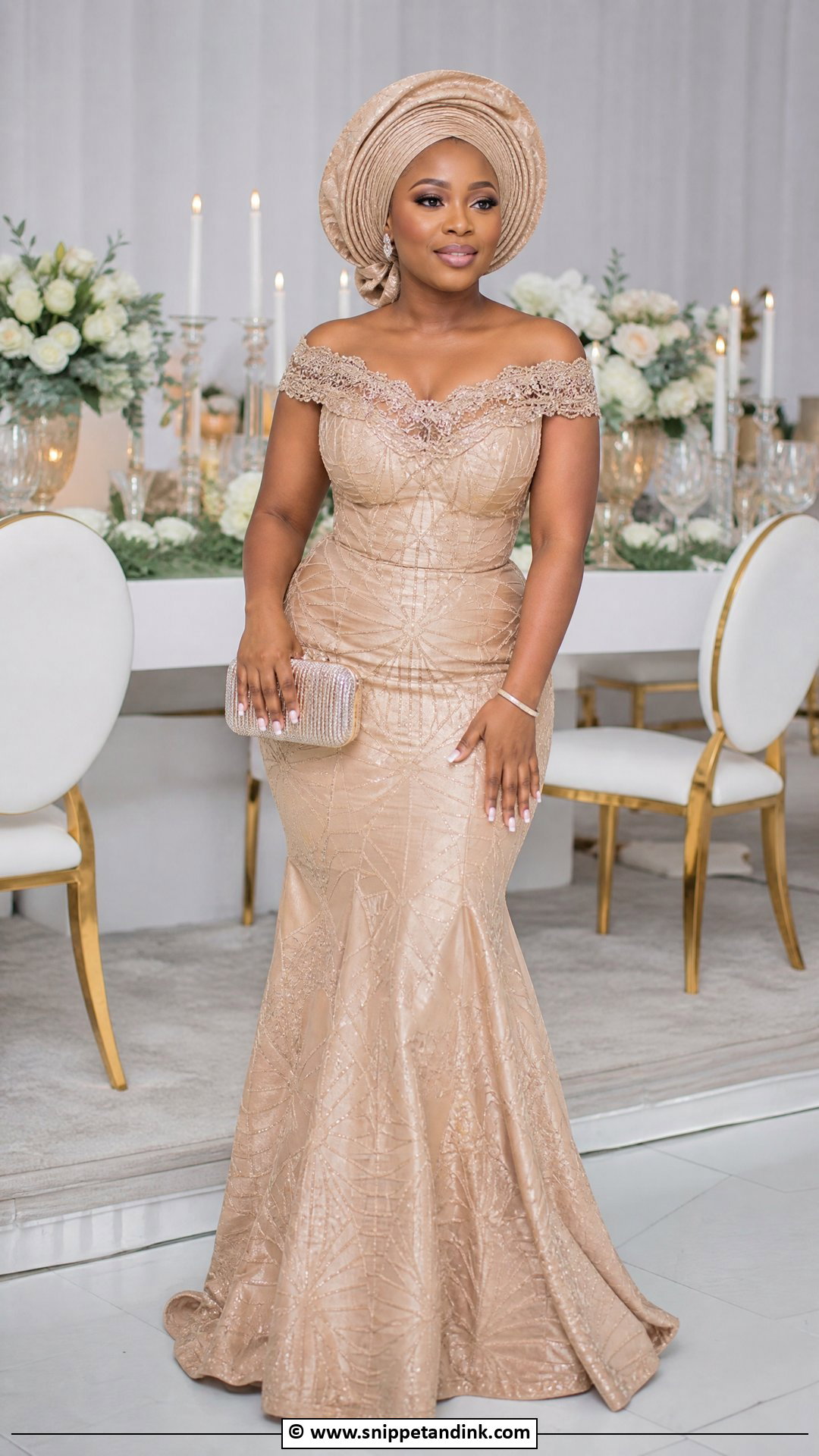
A mermaid gown should fit smoothly through the bodice and hips and flare below the knee, and that flare point decides everything. Set it too high and the shape is lost; set it too low and you can’t walk up a step. Beading at the neckline, sleeves, waist or hem adds culture without much weight, and a matching doek or soft headwrap balances the fitted shape. Choose heels you can stand in for long periods and keep the clutch small. I’d save this one for formal receptions and bridal portraits rather than a day of kneeling and serving.
14. Makoti Ball Gown With African Print
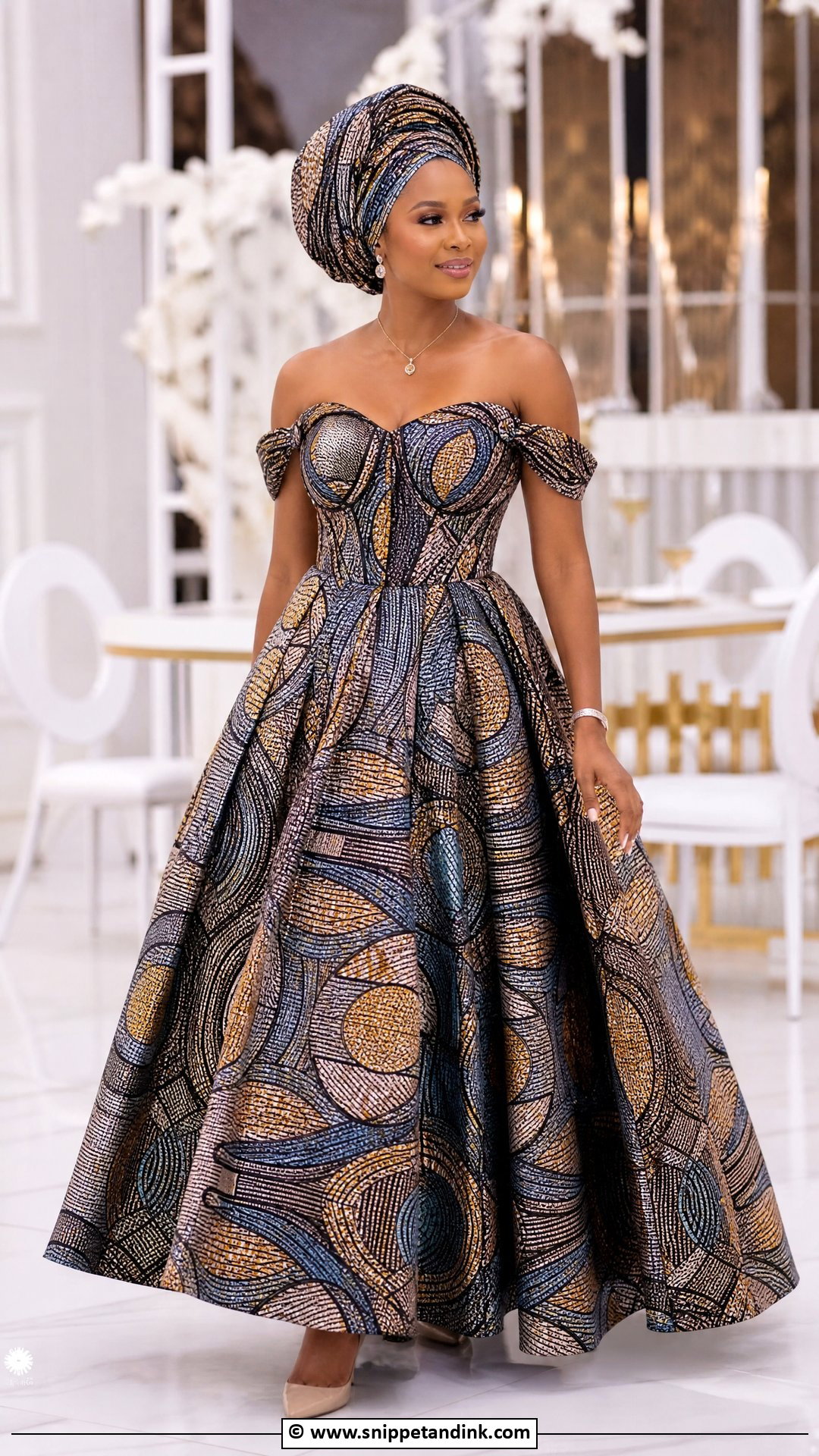
An African print ball gown makes the grandest entrance on this list. The full skirt in shweshwe or another print gives drama, and a fitted bodice keeps the shape balanced. For a softer finish, add sleeves or a modest sheer panel at the neckline, and a doek in the same fabric. Jewelry should stay modest because the gown already carries a lot. Stiff cotton ball gowns are heavy and warm, so I recommend one for the main reception, not for an outdoor afternoon of greeting.
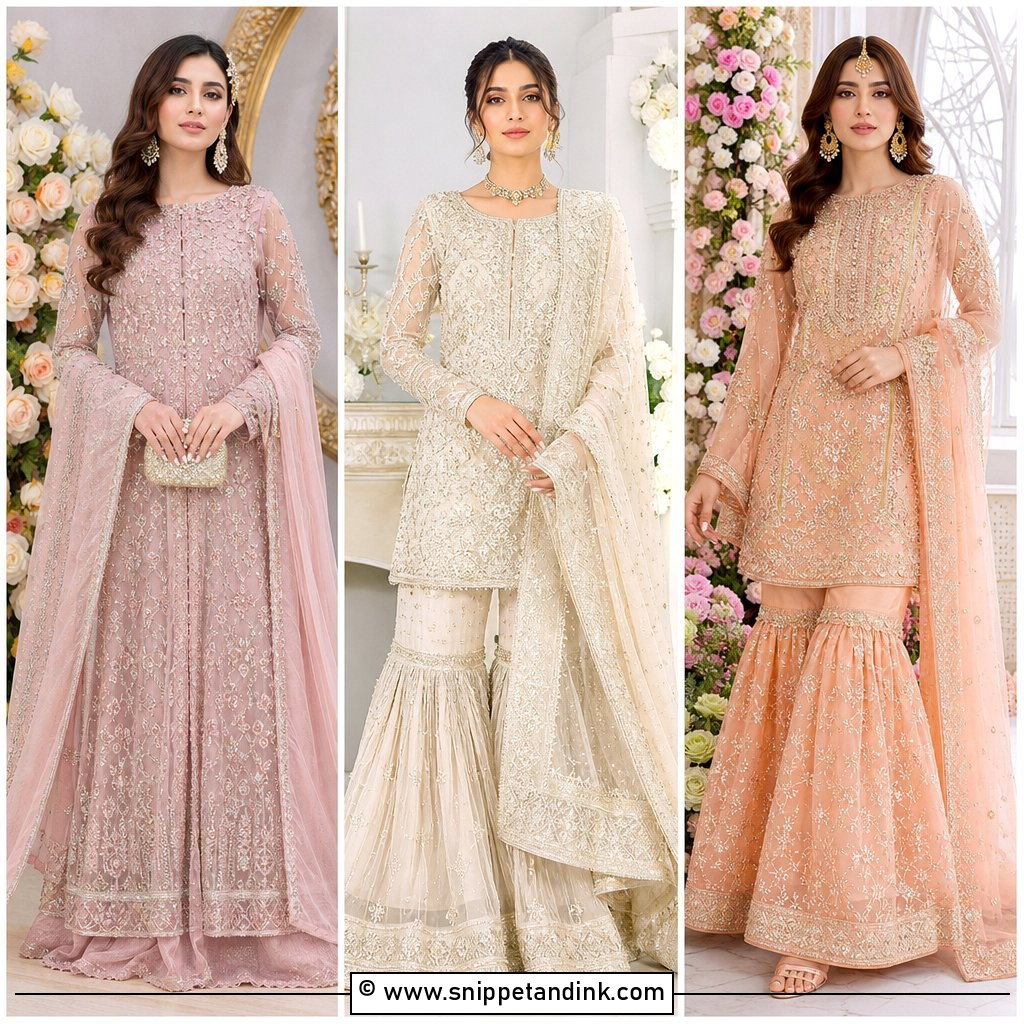

15. Makoti Wrap Dress With Headwrap
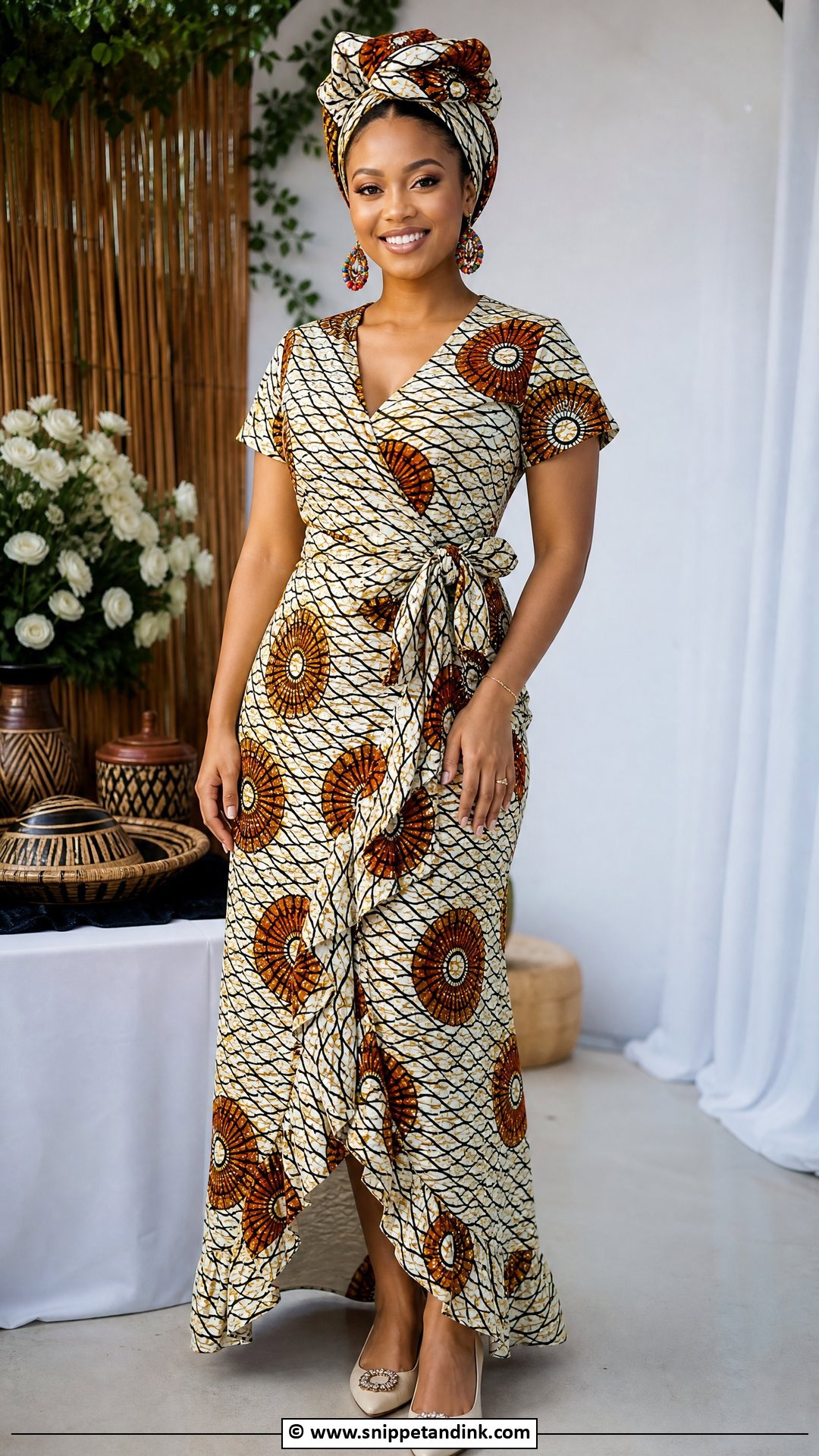
Wrap dresses adjust through the day, which is useful when you are standing, sitting on mats and moving between rooms. The wrap defines the waist and lets you move easily. Knee, midi or ankle length depends on how formal the event is and what your in-laws expect. African print cotton, shweshwe or a plain fabric with printed borders all work, with a matching headwrap, low heels or dressy flats and small beaded earrings. A hidden snap where the wrap crosses keeps it from opening when you bend to greet elders.
16. Makoti Two Piece Skirt Set
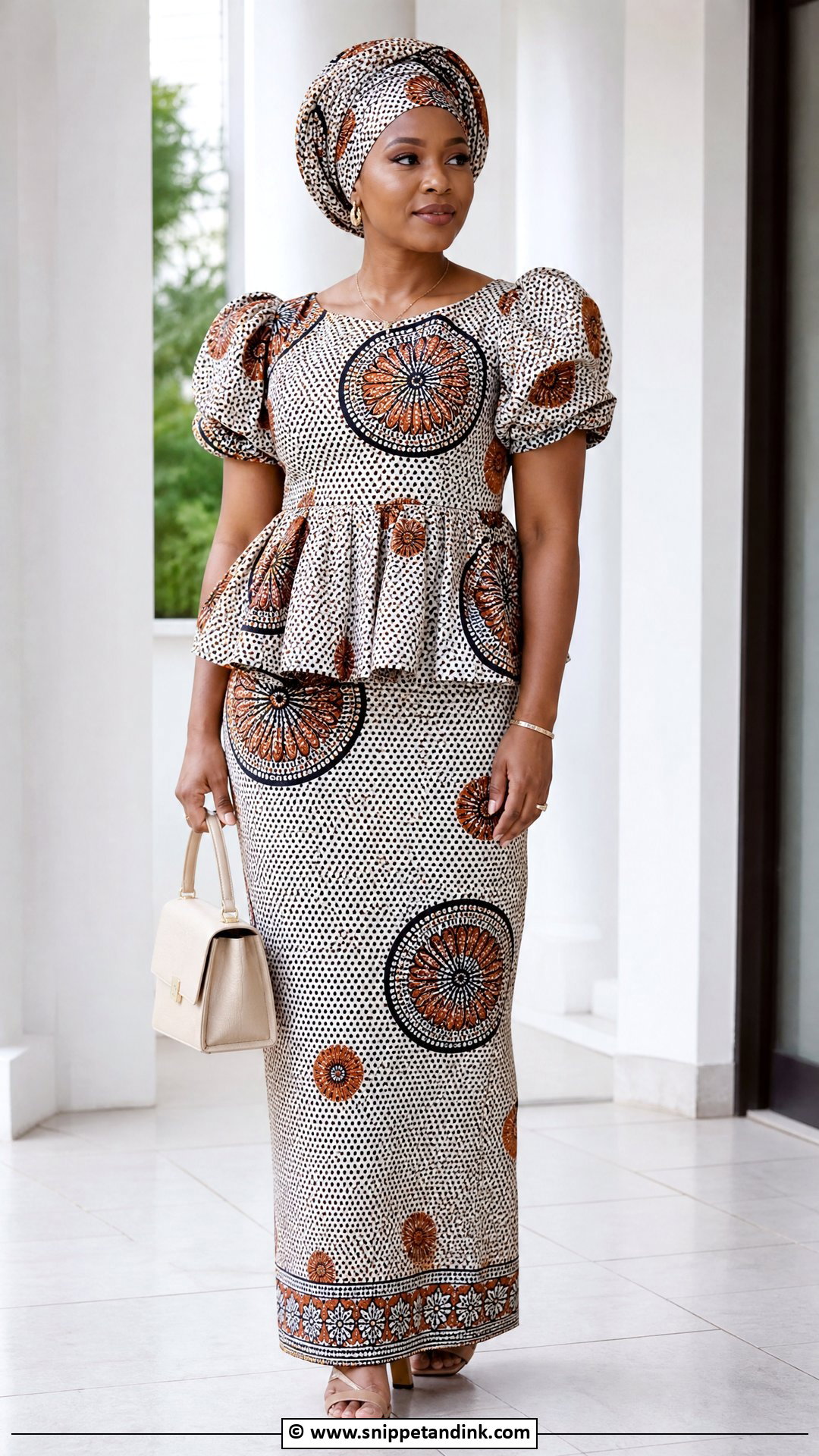
A two-piece skirt set looks complete on the day and comes apart into separates later, which is good value. Choose a matching top and long skirt in shweshwe, satin or African print. A cropped top only stays modest if it meets the waistband with no gap when you raise your arms, so test that in the fitting. Puff sleeves, a peplum hem or a high neckline make the set feel more bridal. Add a doek, neat heels and a small bag. It also makes changing between ceremonies quicker.
17. Makoti Blouse And Full Skirt
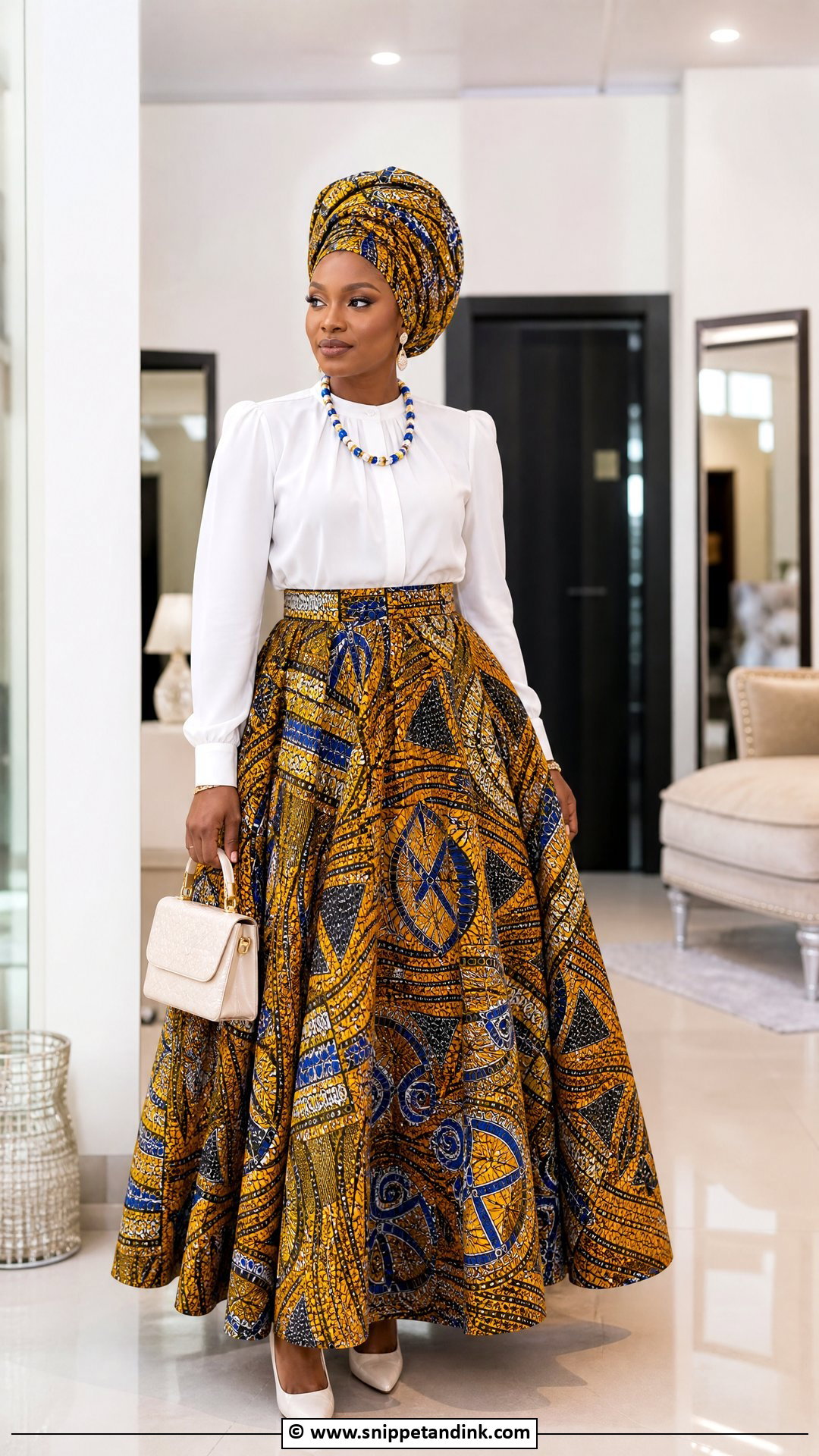
A blouse and full skirt has the traditional feel many families love, and the skirt moves well when you walk and dance. The blouse can be plain, printed or trimmed with fabric from the skirt. Midi to ankle length is usually right. Tucked in, it gives a clean waistline; a peplum blouse softens it. A doek, beaded necklace and closed-toe heels complete the outfit. It gives you the elegance of a gown without carrying its weight all day.
18. Makoti White Dress With African Print Trim
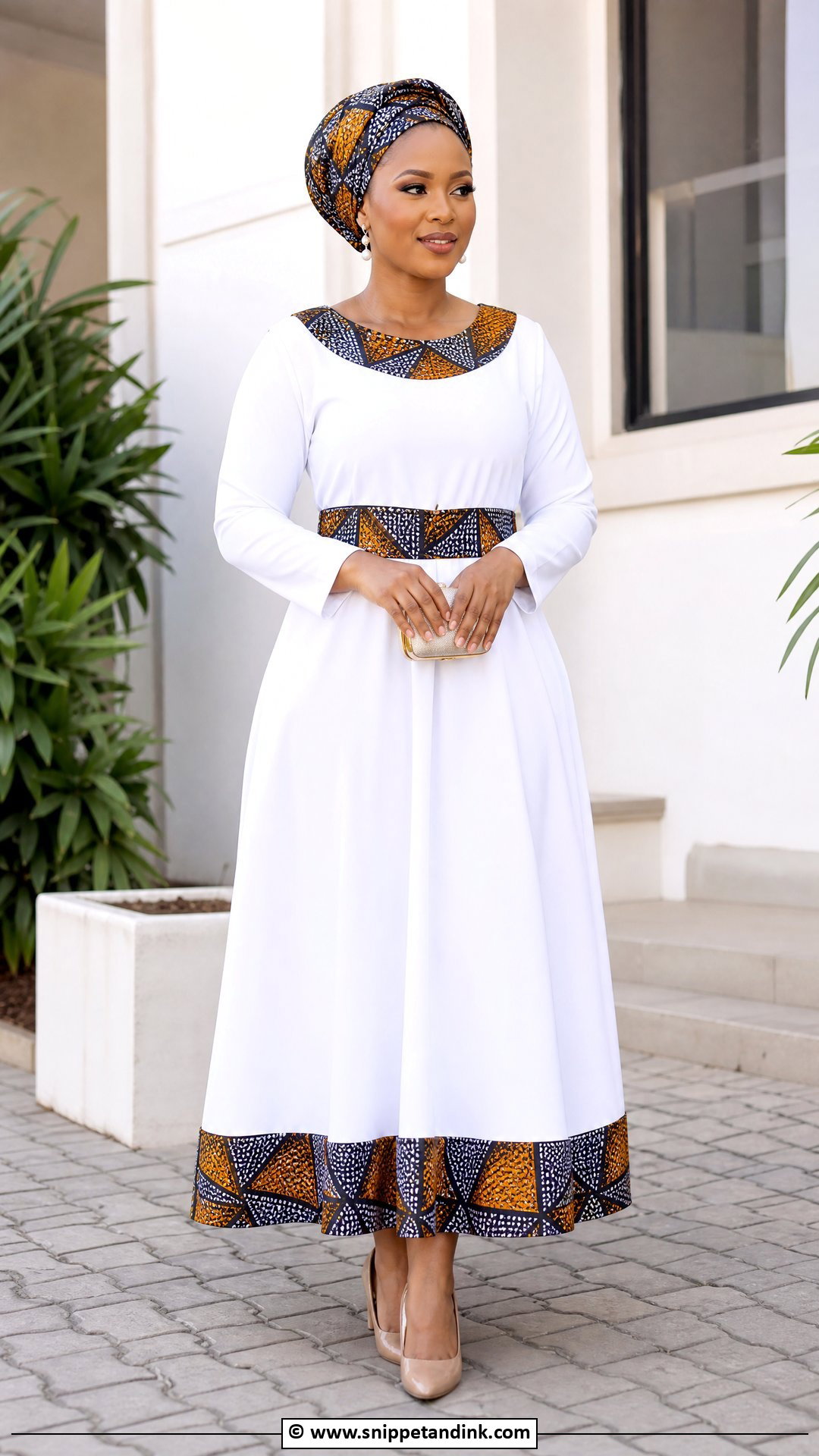
White with African print trim gives a clean bridal base with clear cultural detail. Place the print at the sleeves, hem, neckline, belt or doek, but not all of them at once. Midi or maxi length keeps it modest. White, nude or metallic shoes and simple jewelry suit it, and it looks especially fresh at daytime events. White cotton shows red soil and grass stains quickly, so for an outdoor family ceremony I’d keep a stain pen in your bag.
19. Makoti Black And White Umbhaco Outfit
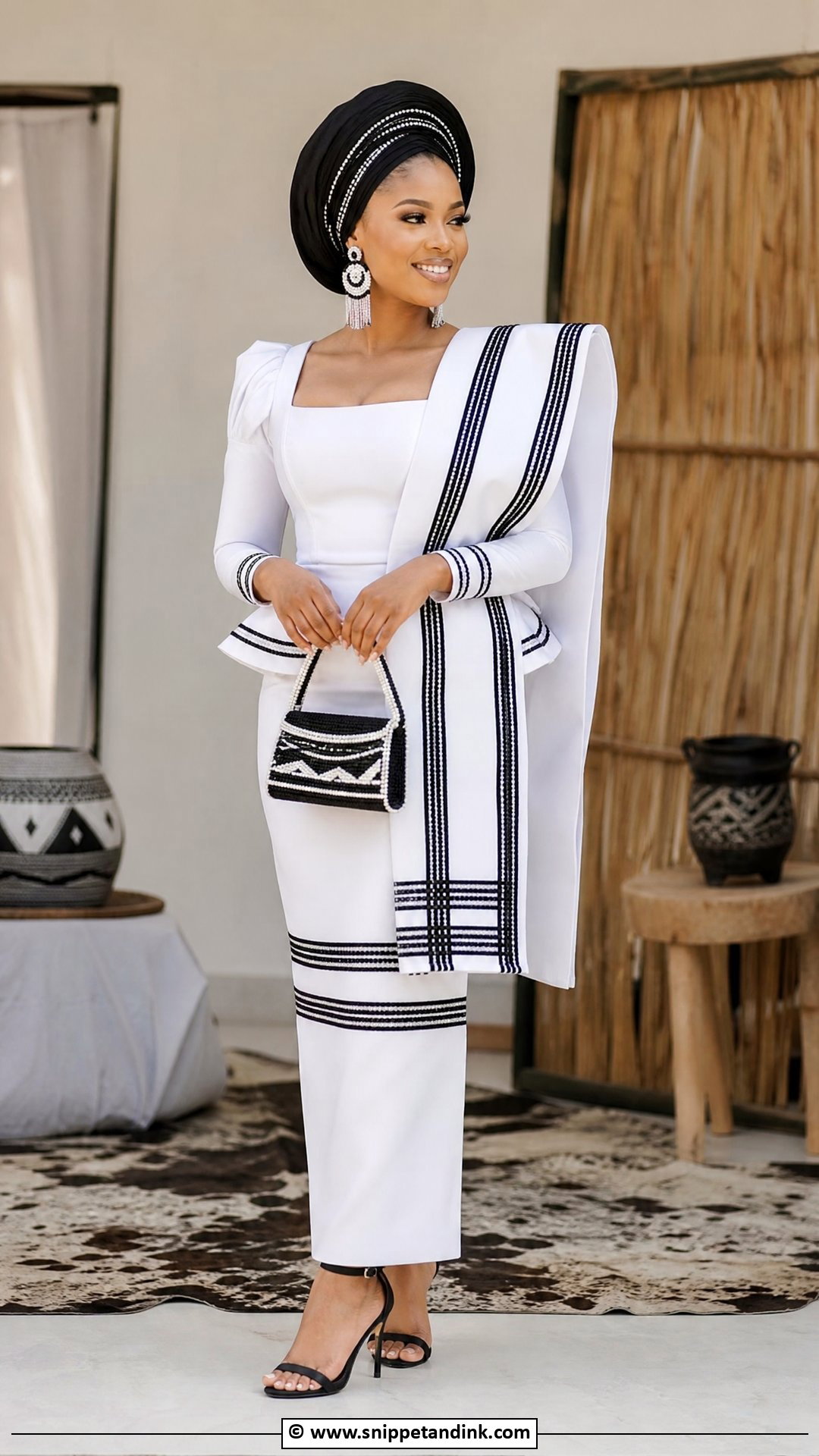
Black and white umbhaco is the sharpest version of the Xhosa look, with the contrast doing the work. A long skirt, structured top, doek and shoulder wrap complete the makoti appearance. Keep the fit easy at the waist and arms, since you will be serving and greeting. Black heels or flats, beaded earrings and a simple bag suit it. For a modern touch, add subtle sleeve volume or a tailored bodice, while keeping the trim lines as the focus.
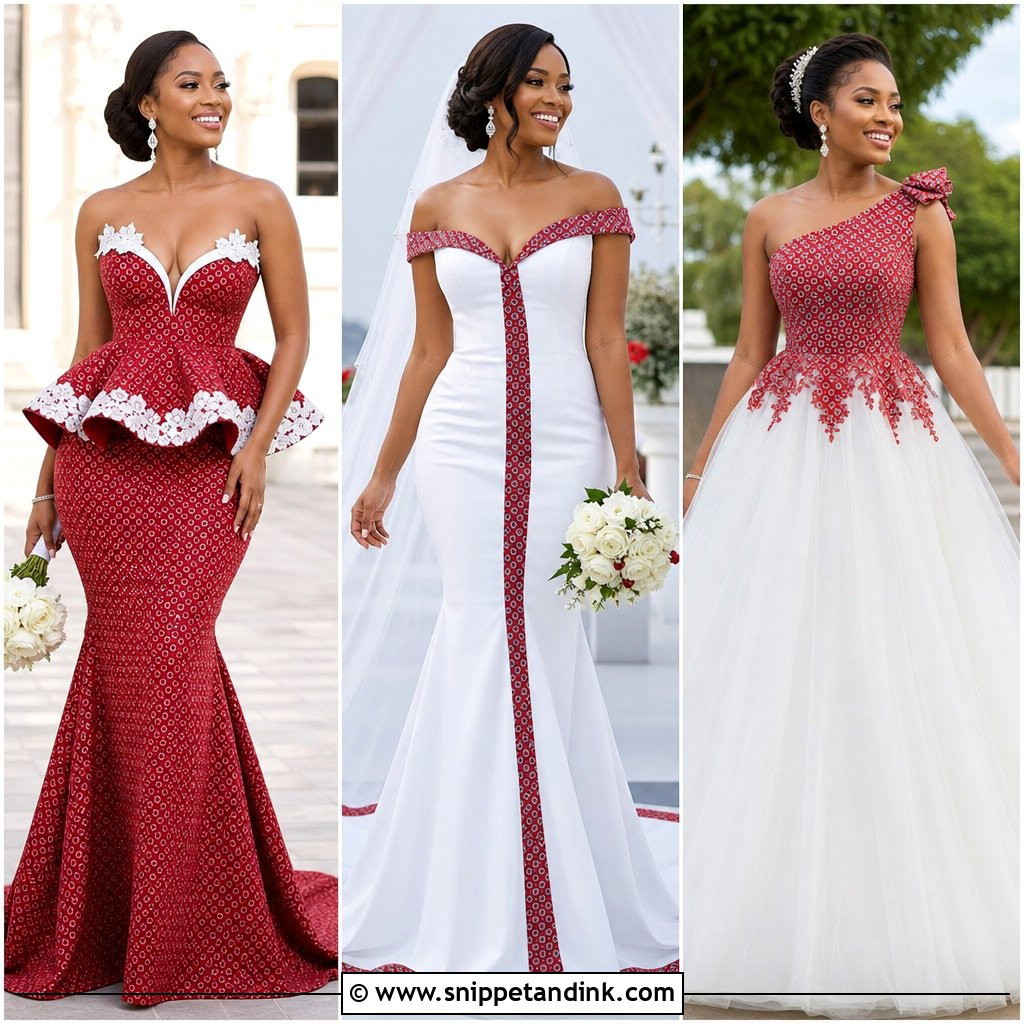

20. Makoti Red Shweshwe Dress
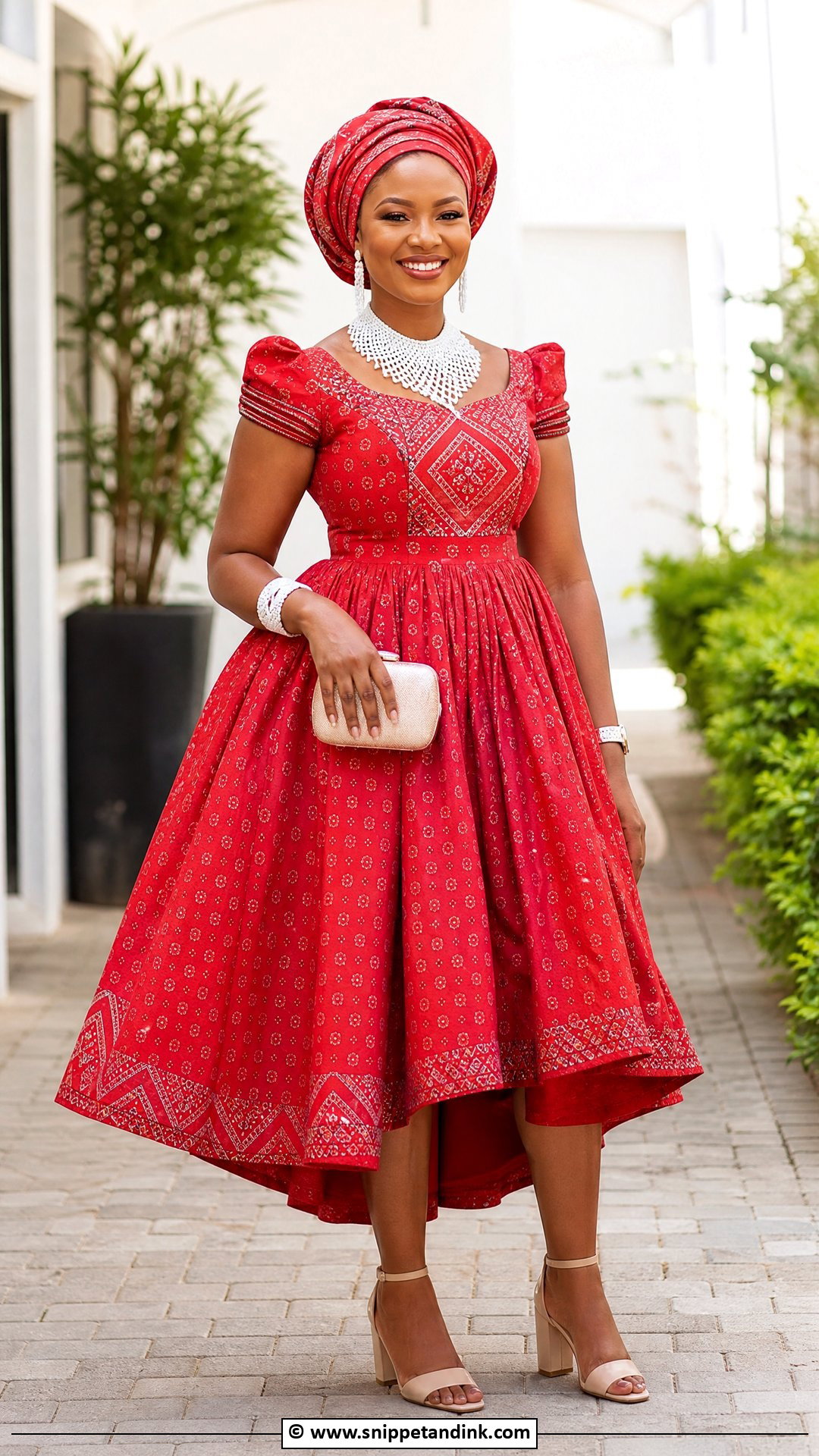
Red shweshwe is celebratory, and a modest, well-tailored silhouette keeps it dignified. A fit-and-flare, peplum or maxi dress all suit the fabric. Add a matching doek and keep shoes neutral, black, gold or nude. Beadwork in white, black or red ties it together. Red shweshwe can bleed a little in its first washes, so if the outfit has white trim, pre-wash the red fabric before it is sewn.
21. Makoti Blue Shweshwe Dress
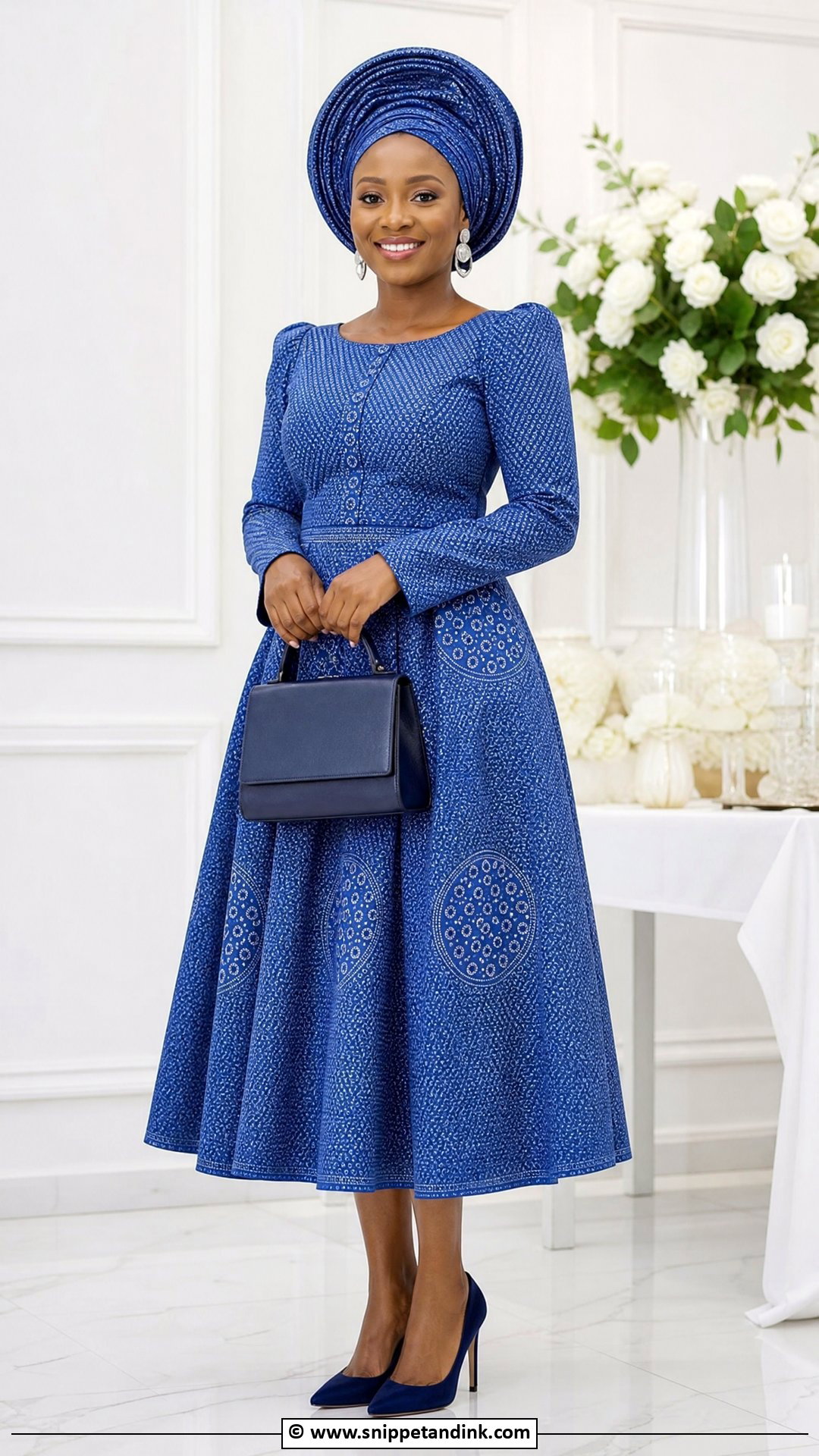
Blue shweshwe is the version most people picture, and it suits almost any silhouette, from a simple A-line to a gown with dramatic puff sleeves. A matching doek finishes it, and silver, pearl or white beadwork adds a bridal touch. Black, navy or nude shoes balance it. With a busy print, I’d keep the bag plain and structured. Because it is so familiar to elders, it rarely needs any explaining at a ceremony, which is part of its appeal.
22. Makoti Green Traditional Dress
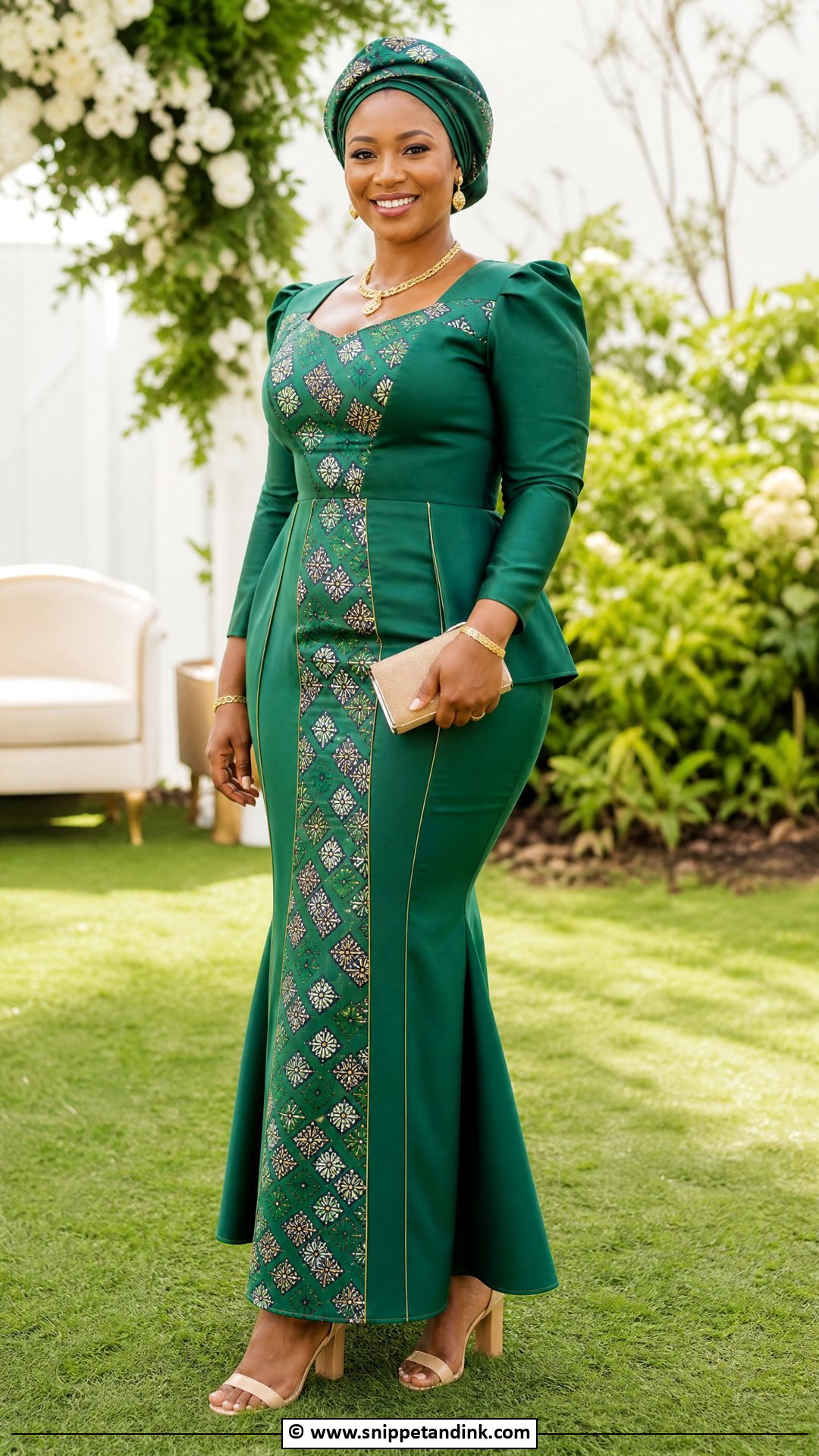
Green covers a lot of ground, from deep emerald and forest to olive and bright grass green, and the right one depends on your skin tone and the mood of the ceremony. A long dress with a matching doek works, warmed up with gold jewelry or beadwork. If you prefer print, mix green shweshwe with plain green fabric for contrast. Block heels in gold, nude or black keep it practical. Bright grass green can cast color onto the face outdoors, so I’d hold the fabric up to your face in daylight before buying.
23. Makoti Yellow Traditional Dress
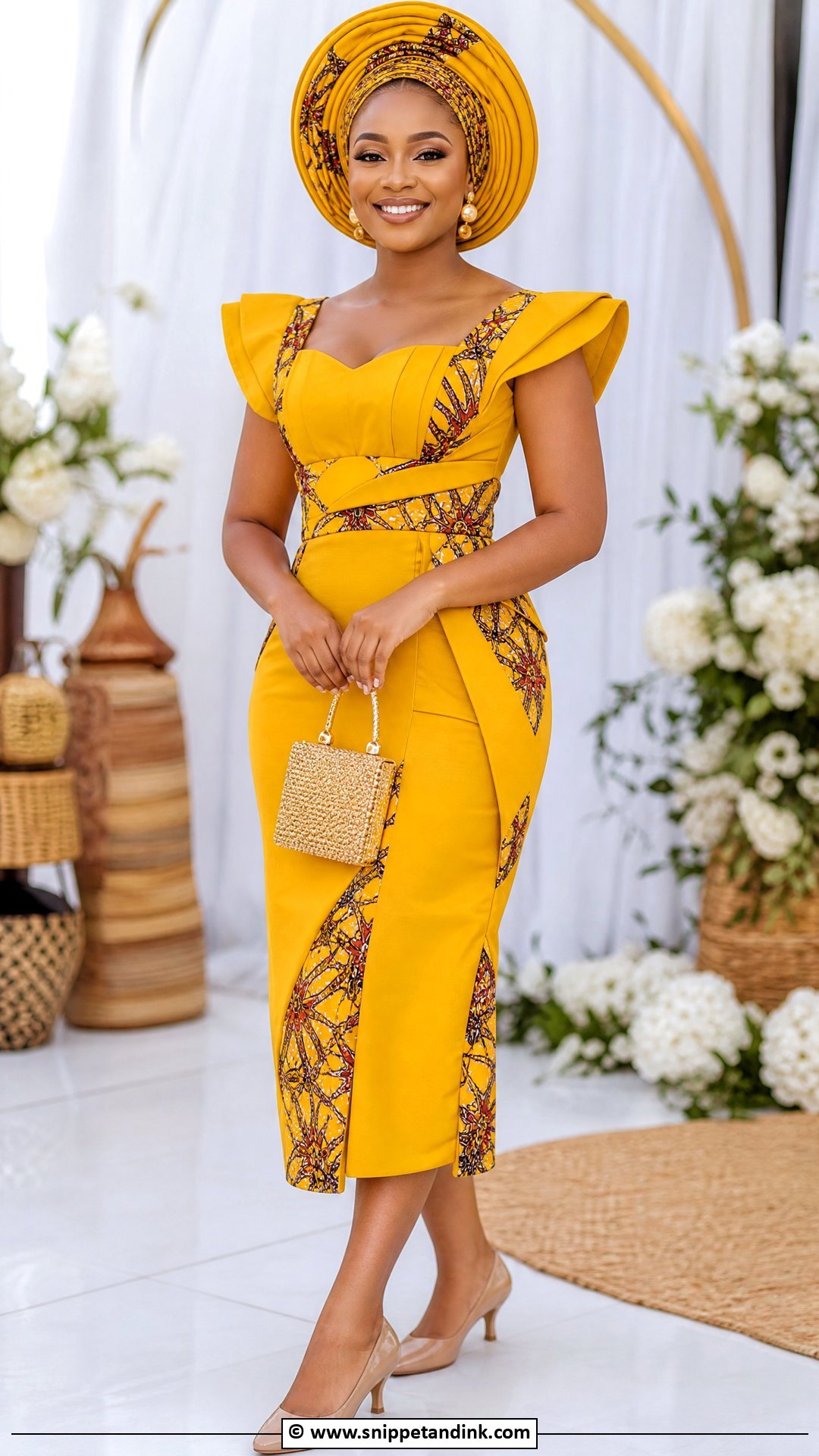
Yellow works in shweshwe, Sepedi-inspired color blocking or African print, and it needs a structured cut to look grown-up: a midi, a maxi or a peplum skirt set. Balance it with white, brown, navy or black accents. A matching doek makes it look intentional, and simple earrings with low heels keep the focus on the color. Yellow shows perspiration more than darker shades, which is worth thinking about for a hot afternoon ceremony.
24. Makoti Burgundy Dress With Gold Accessories
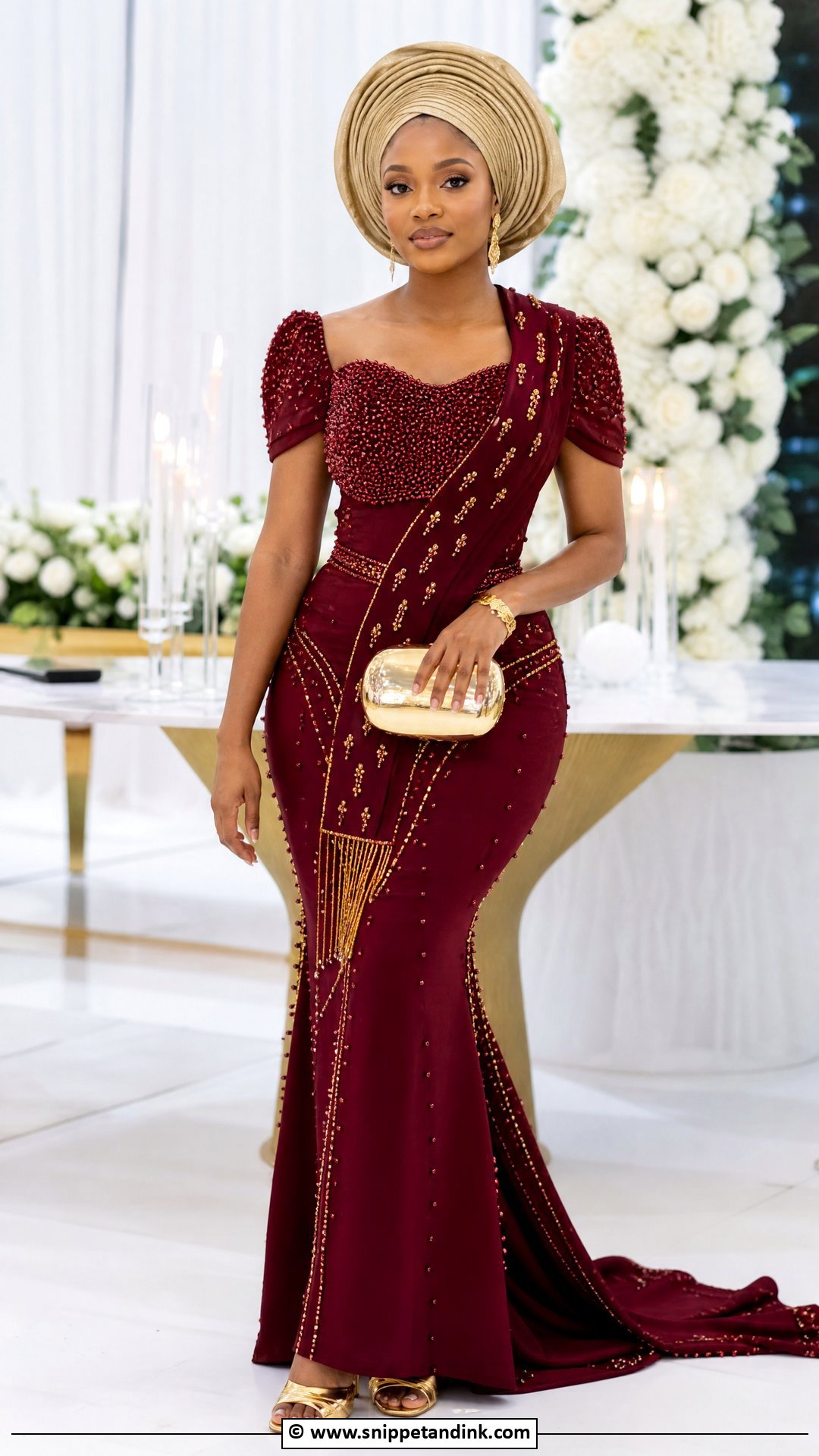
Burgundy suits a bride who wants color with depth. A long satin, jacquard, shweshwe or African print dress looks rich with gold beadwork, gold earrings and a metallic clutch. Add a matching doek, or a gold-toned headwrap for contrast. Gold block heels or nude pumps keep the shoes comfortable. It is an evening and cool-season color, and in my experience it flatters deeper skin tones particularly well.
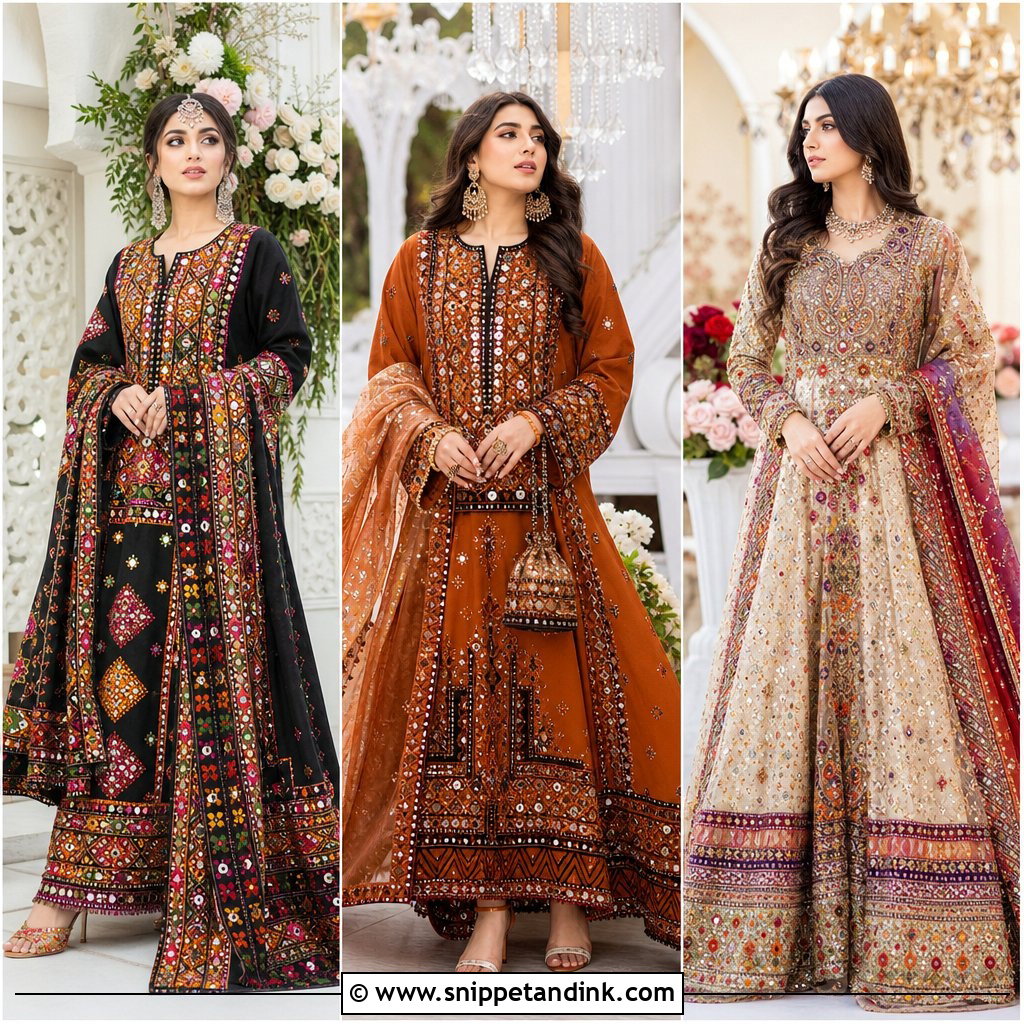
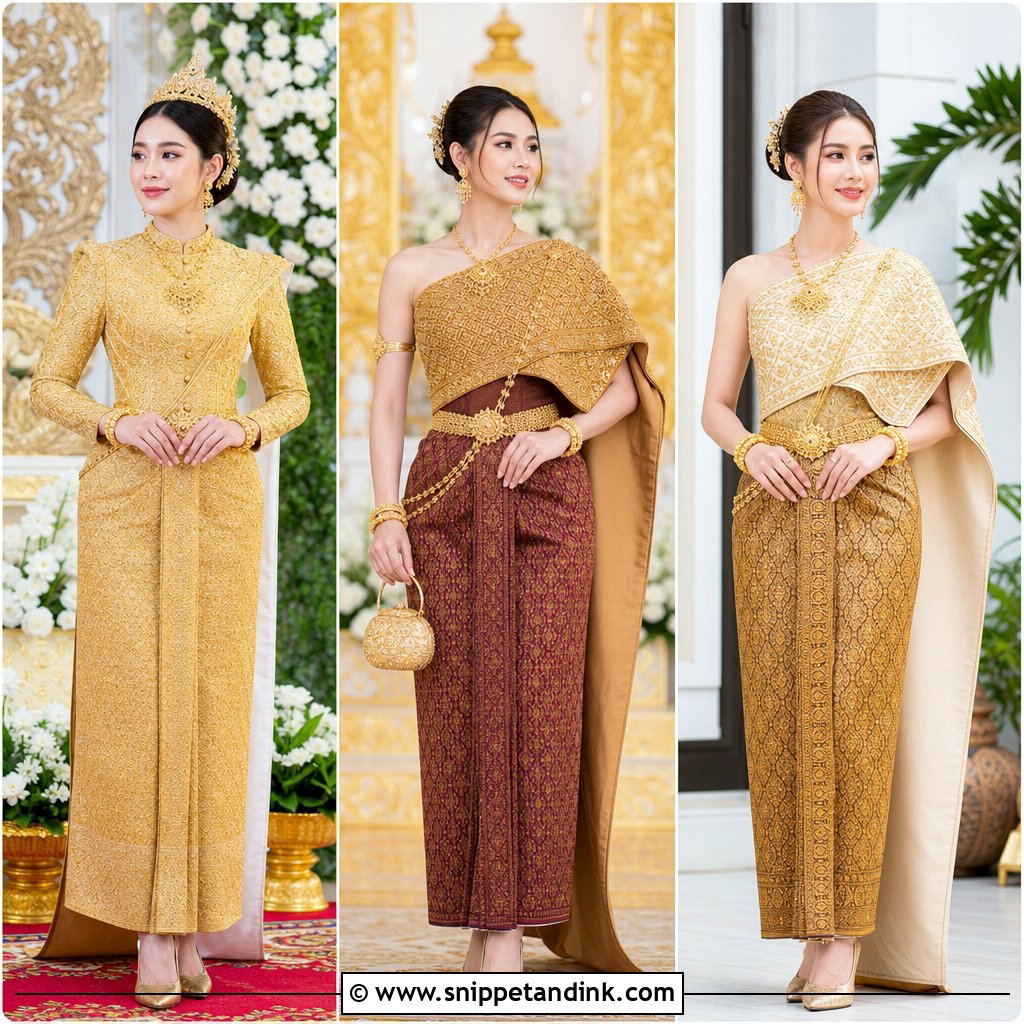
25. Makoti Cream Dress With Beaded Shawl
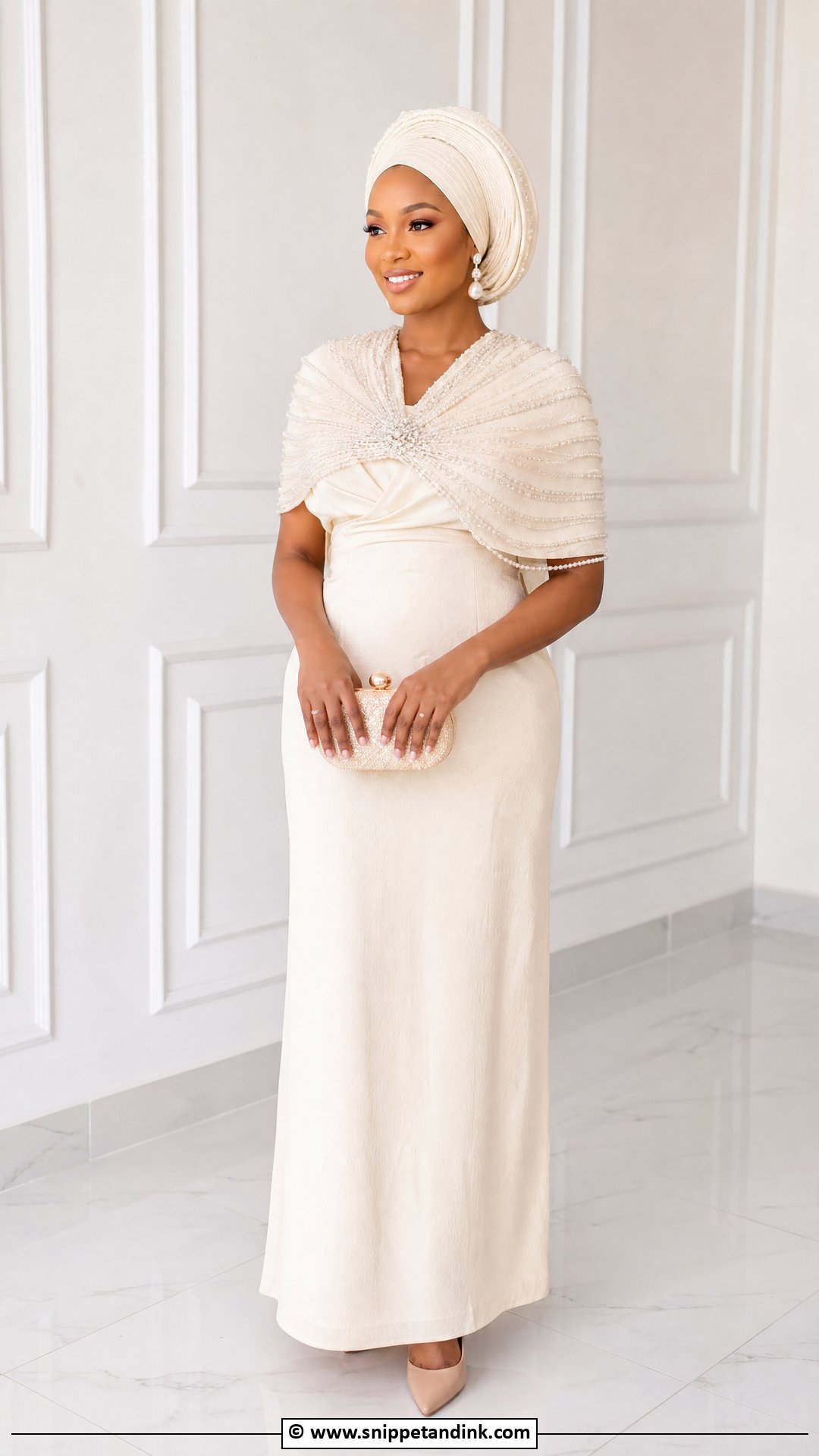
Cream is gentler than pure white and sits more easily with warm skin tones and traditional accessories. A modest maxi or fitted midi with a beaded shawl over the shoulders is soft and ceremonial. The shawl can carry white, gold, black or cultural color accents. A cream doek, pearl earrings and nude heels complete it. Beaded shawls are heavy at the edges, so I anchor them with a pin at each shoulder to stop them sliding back.
26. Makoti Ankara Dress With Doek
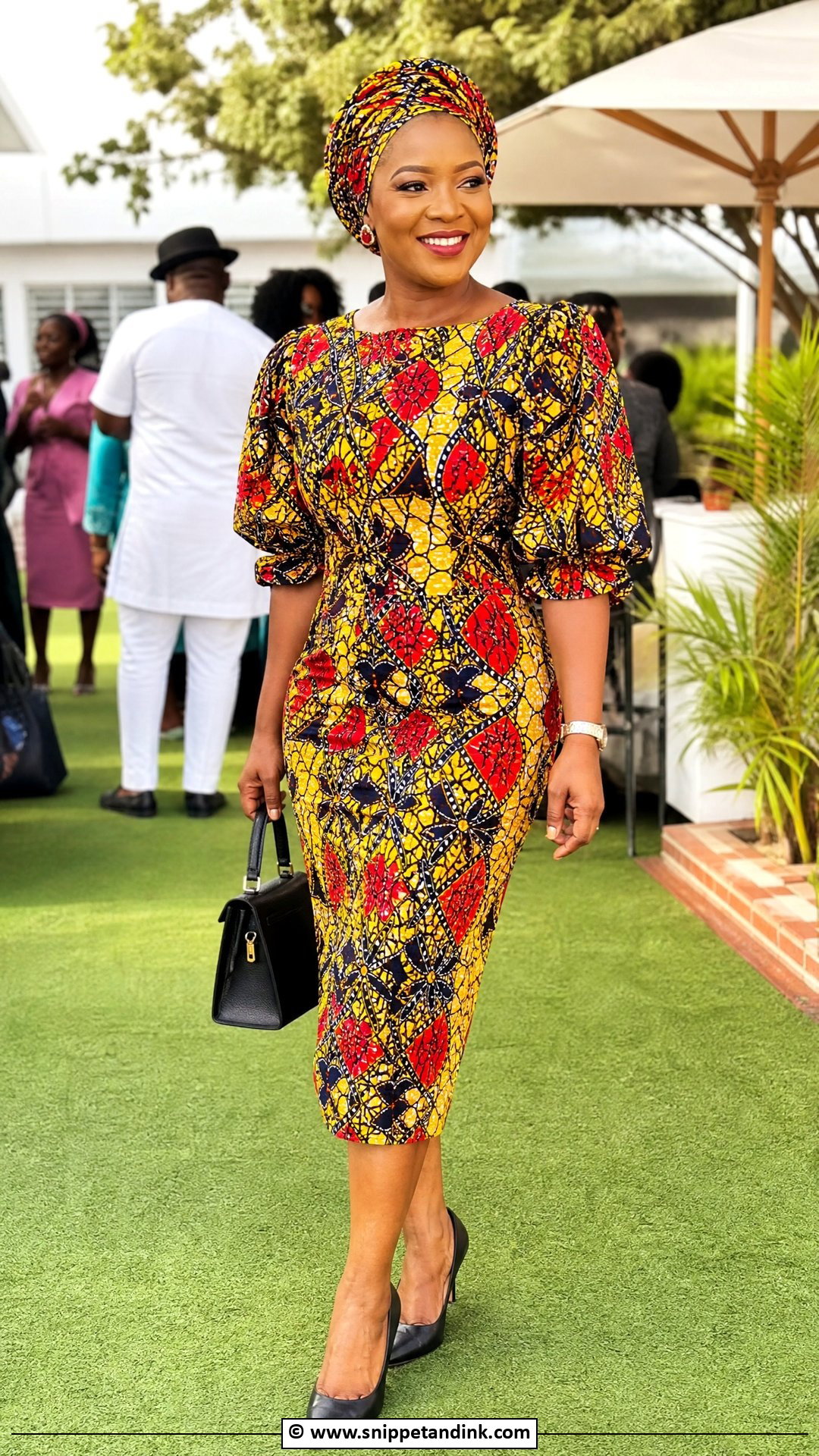
Ankara prints are loud, so the silhouette has to keep them in order. A midi with sleeves, a long wrap dress or a fitted gown with a flared hem all work. Match the doek to one main color in the print, then keep shoes and bag plain. Beaded jewelry can add a traditional finish, but too many extra colors make the whole outfit noisy. Ankara is a wax print with West African roots, so if your family expects a specifically South African fabric, shweshwe may be the better choice.
27. Makoti Satin Skirt And Shweshwe Top
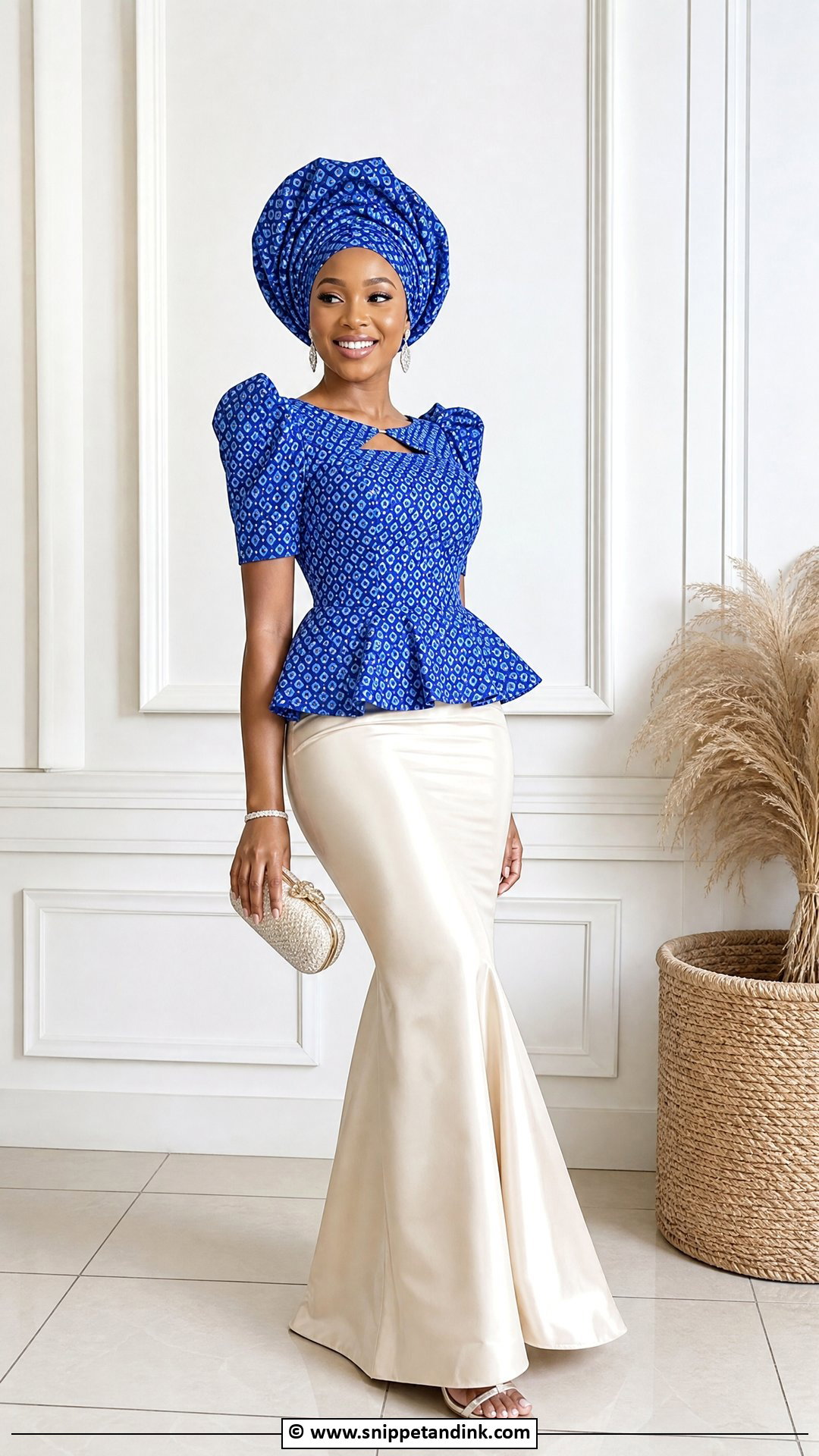
A satin skirt with a shweshwe top mixes smooth and crisp textures in a way that looks dressier than a full print. A high-waisted satin skirt in cream, navy, black, gold or green pairs with a fitted or peplum shweshwe blouse, and a doek cut from the same shweshwe ties it together. Keep shoes sleek and simple. Satin and starched cotton behave differently when pressed, so have the two pieces steamed separately at their own settings.
28. Makoti Lace Dress With Traditional Wrap
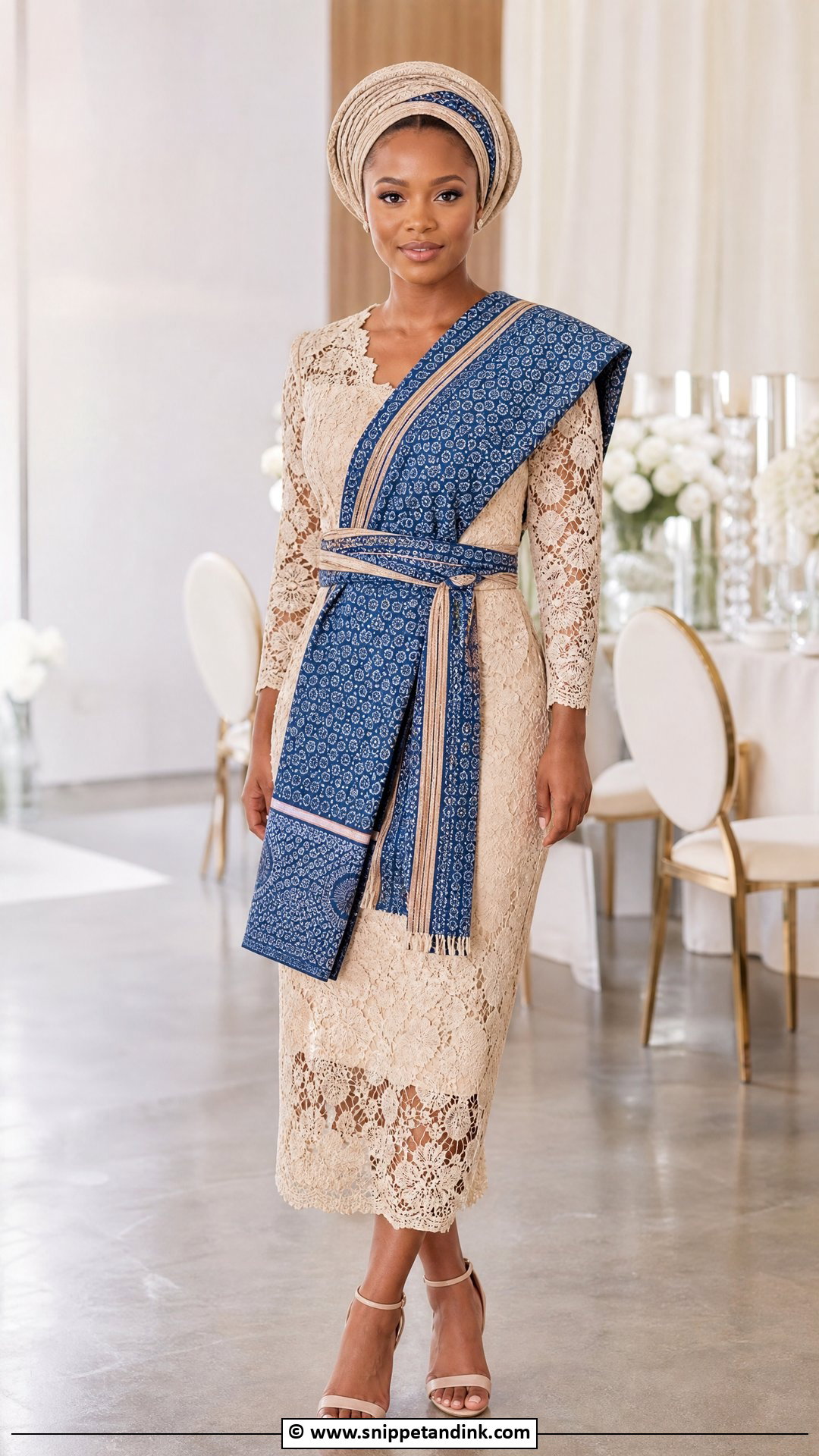
Lace gives bridal texture and the wrap brings cultural meaning and cover. Choose lace in white, cream, blush, navy or burgundy, then layer a shweshwe, umbhaco, Sotho or printed wrap over the shoulders. The doek can match either piece, depending on which you want to lead. Add simple heels and small earrings. Beaded wraps and brooches catch on lace, so I place pins through the wrap and a lining layer rather than the lace itself.
29. Makoti Long Sleeve Dress With Doek
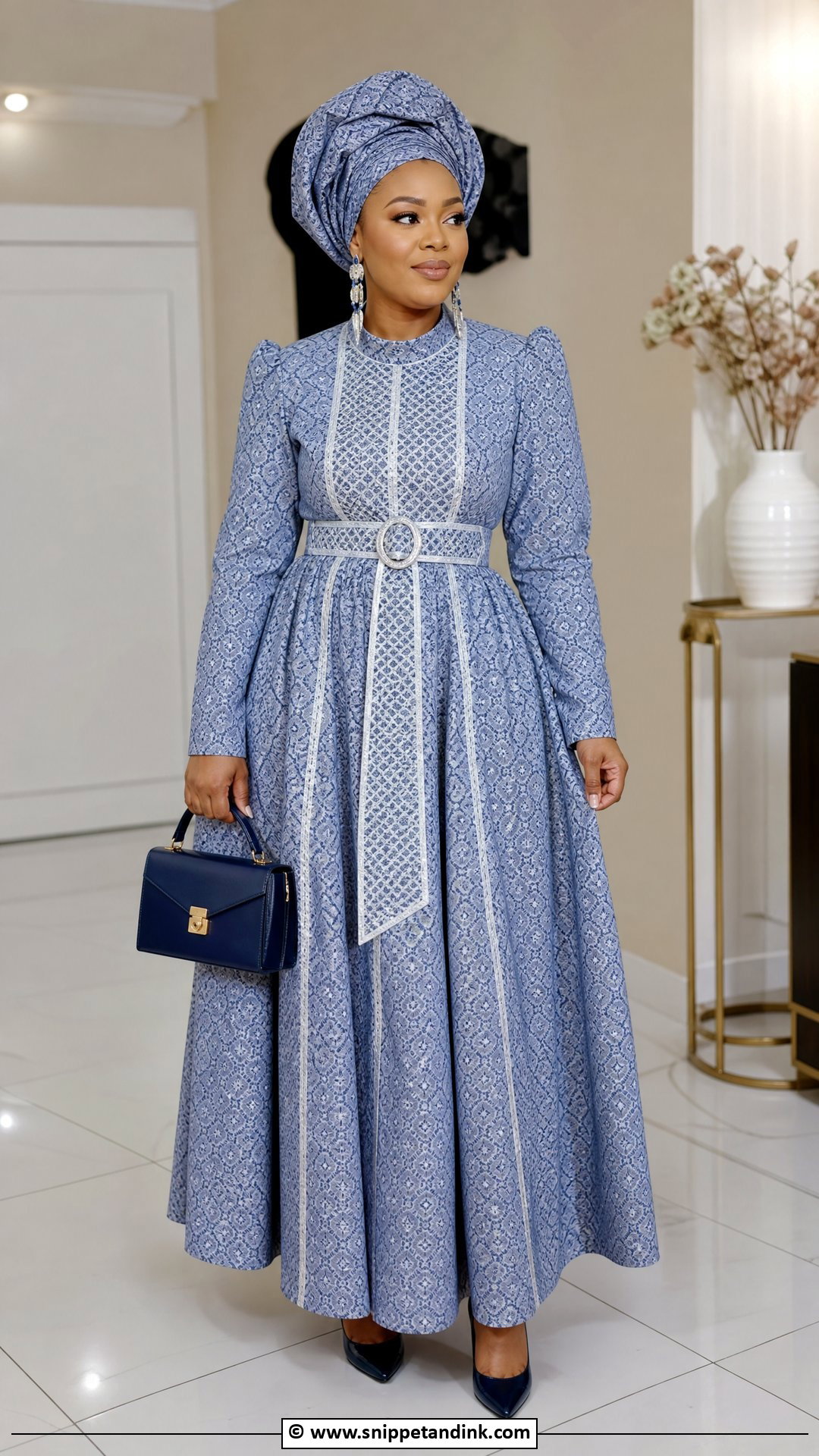
Long sleeves are modest, practical in cool weather and right for formal family gatherings. A fitted, A-line or maxi silhouette in shweshwe, plain cotton, satin or African print all work, with a doek in matching fabric. A plain dress can take beaded jewelry or a printed belt; a printed one needs very little. Set the sleeve length with your bracelets on, since beads at the wrist push a long sleeve up and the cuff then bunches.
30. Makoti Off Shoulder Dress With Shawl
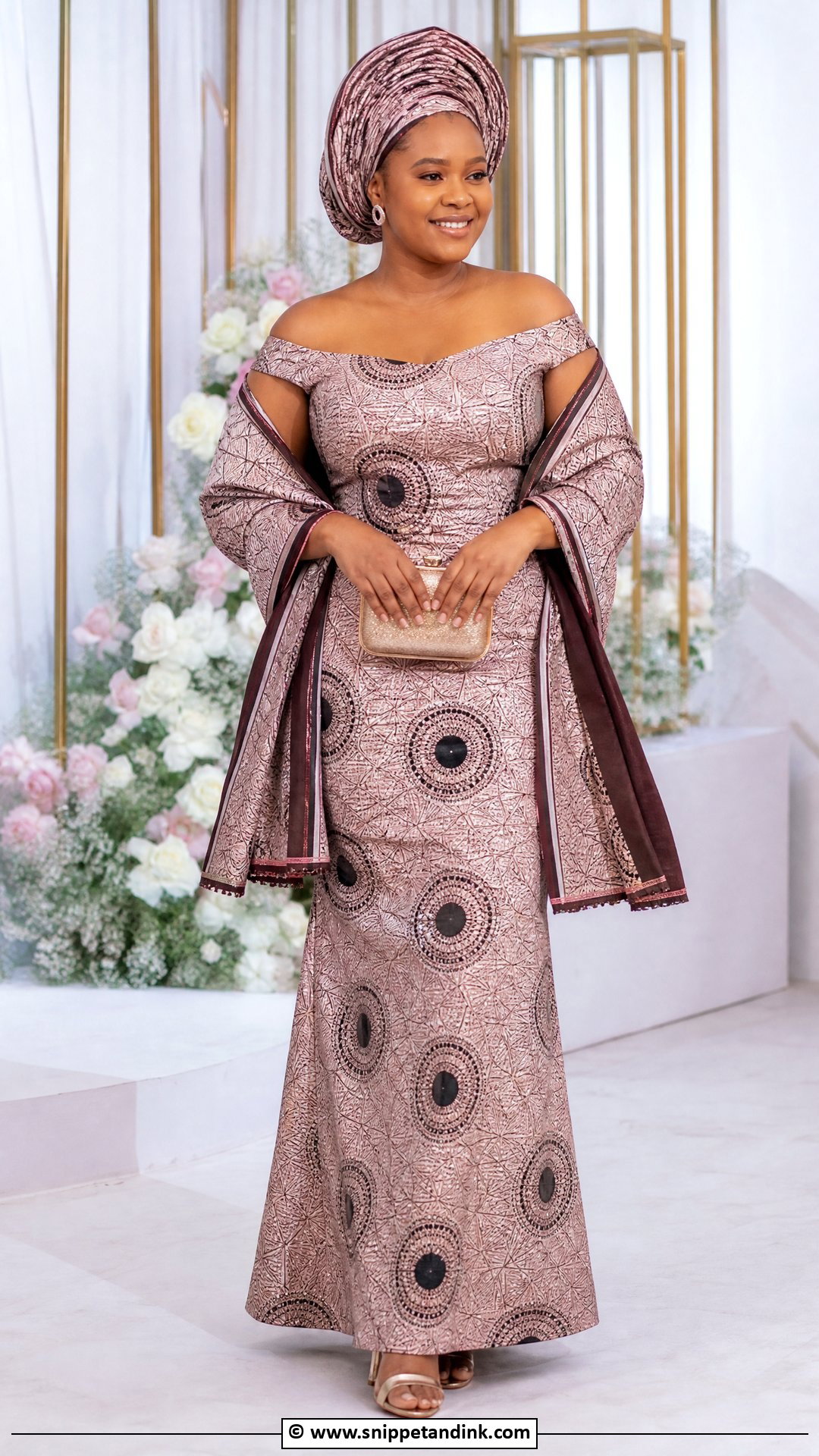
Off-shoulder necklines are modern, and many families will accept them only with the shoulders covered during formal moments, so the shawl here is not optional. A fitted bodice with a midi or maxi skirt works, with a matching wrap or beaded shawl layered over the top. A doek softens the neckline and makes it feel more traditional. Block heels and a small clutch finish it. I’d plan the shawl as part of the design rather than an afterthought, so it looks right in photographs too.
31. Makoti High Low Dress With Heels
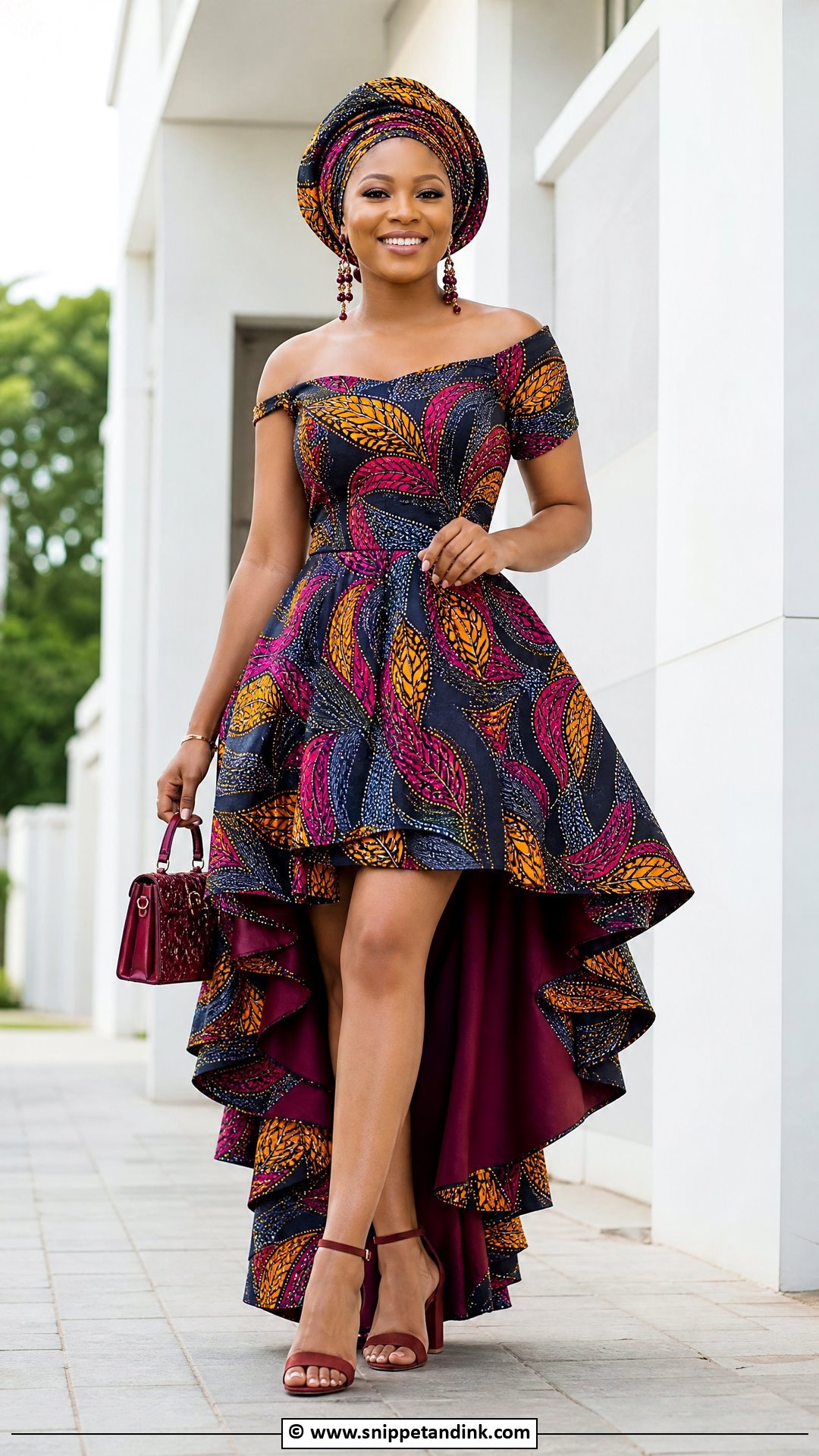
A high-low hem shows off your shoes and keeps the back of the dress long and dramatic. The shorter front makes walking easier, and the longer back moves well in photos. Shweshwe, Ankara or plain fabric with traditional trim all work, and a matching doek keeps it connected to makoti styling. Choose stable heels such as block heels or wedges, especially outdoors. Check the front hem while kneeling, because a high-low cut that looks modest standing can ride well above the knee on the floor.
32. Makoti Kaftan Dress With Beads
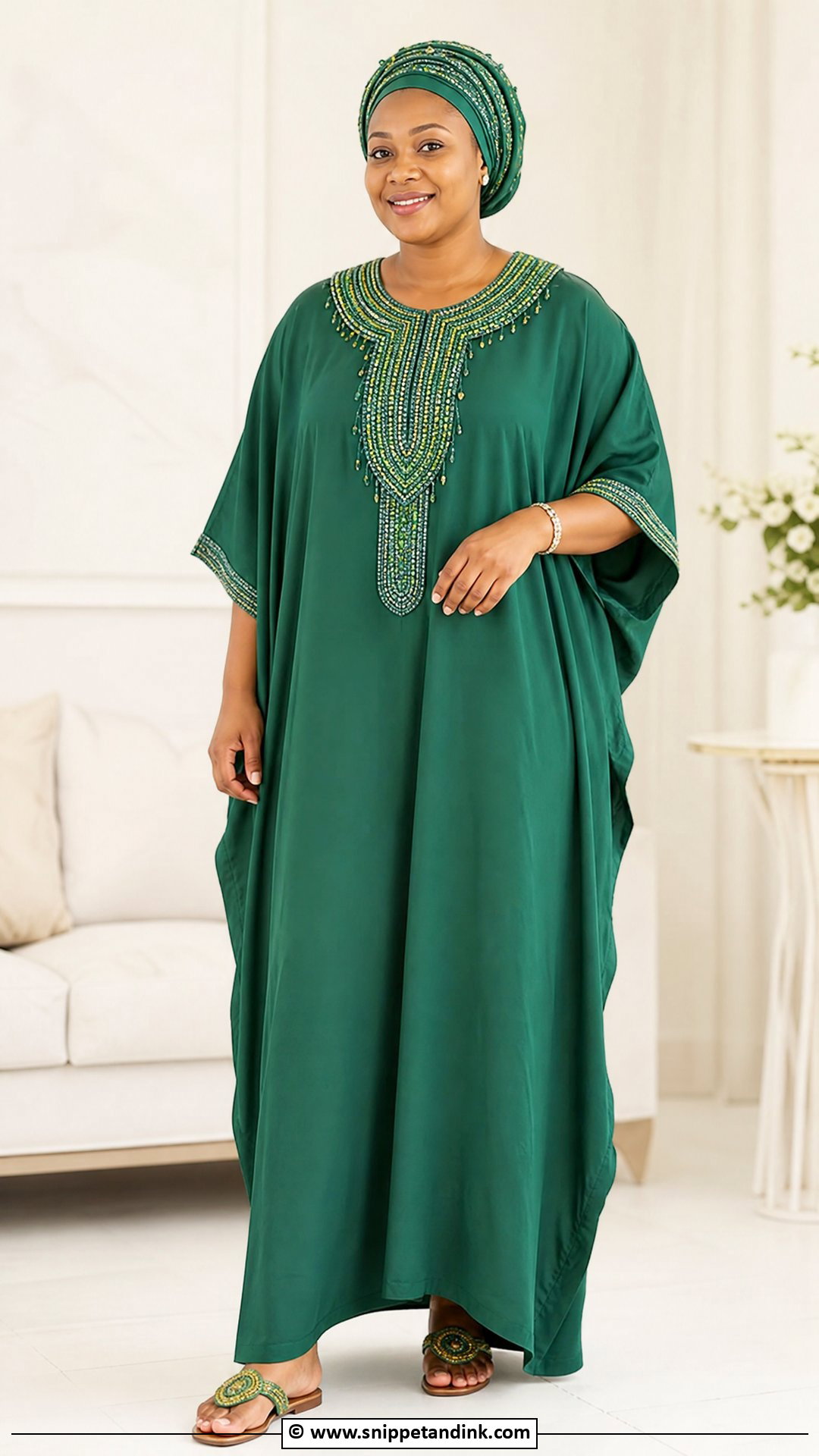
A kaftan drapes instead of clinging, so it suits almost every body and gives you ease through long ceremonies. Cream, white, navy, emerald, burgundy or African print all work, with beadwork at the neckline, sleeves or waist to give it shape. A matching headwrap completes it. Flat sandals, low heels or embellished mules suit different settings. The loose shape can look shapeless in photos, so I add a beaded belt or a defined yoke to give the eye somewhere to land.
33. Makoti Jumpsuit With Traditional Cape
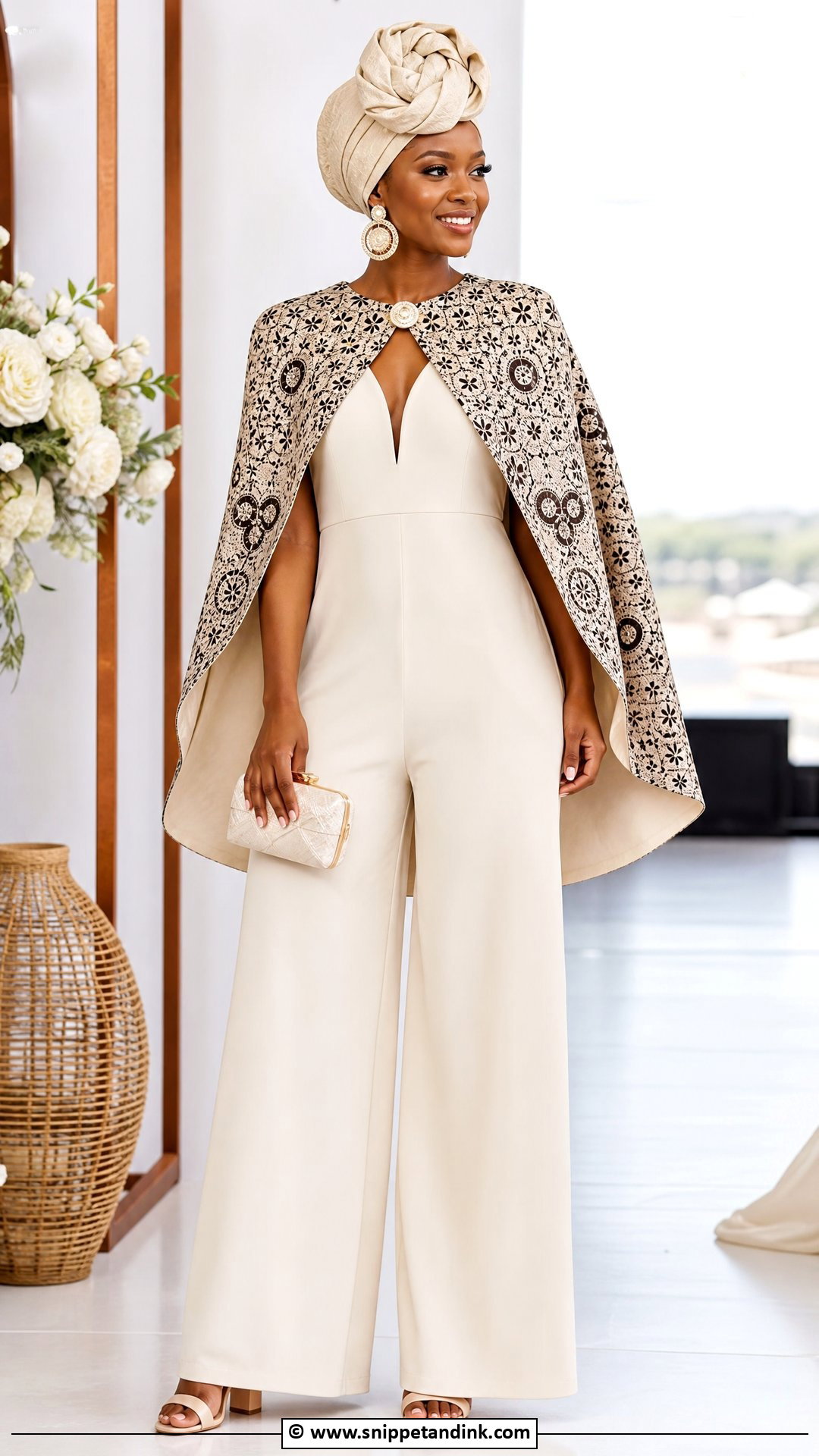
A wide-leg jumpsuit in white, black, cream, navy or burgundy gives a sleek base, and a shweshwe, umbhaco or beaded cape brings the ceremony and movement. A doek or sculpted headwrap makes it more bridal, with block heels and statement earrings. I suggest it most as a second look or for civil celebrations. As with the suit, ask your new family first, since trousers are not welcome at every traditional moment.
34. Makoti Matching Couple Outfit
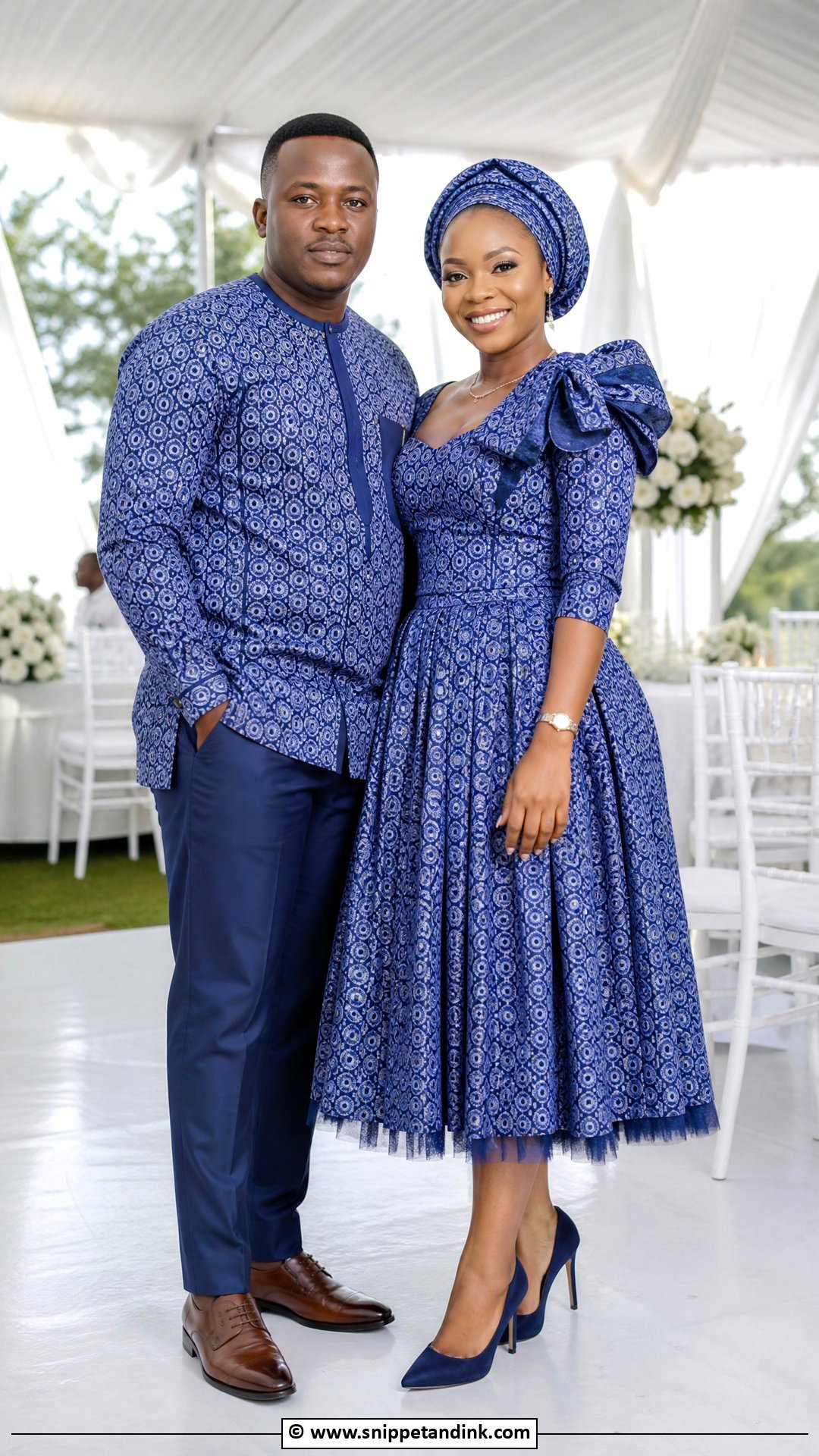
Matching fabric between bride and groom shows unity, and it photographs as a clear pair in family portraits. The bride might wear a shweshwe dress, skirt set or gown while the groom wears a shirt, waistcoat or jacket in the same print. To keep it from looking busy, one partner wears more print and the other uses it as trim. Buy all the fabric at once from the same batch, because the same shweshwe design can vary slightly in shade between rolls. Your doek, shoes and accessories should still look complete on their own.
35. Makoti Reception Dress With Headwrap
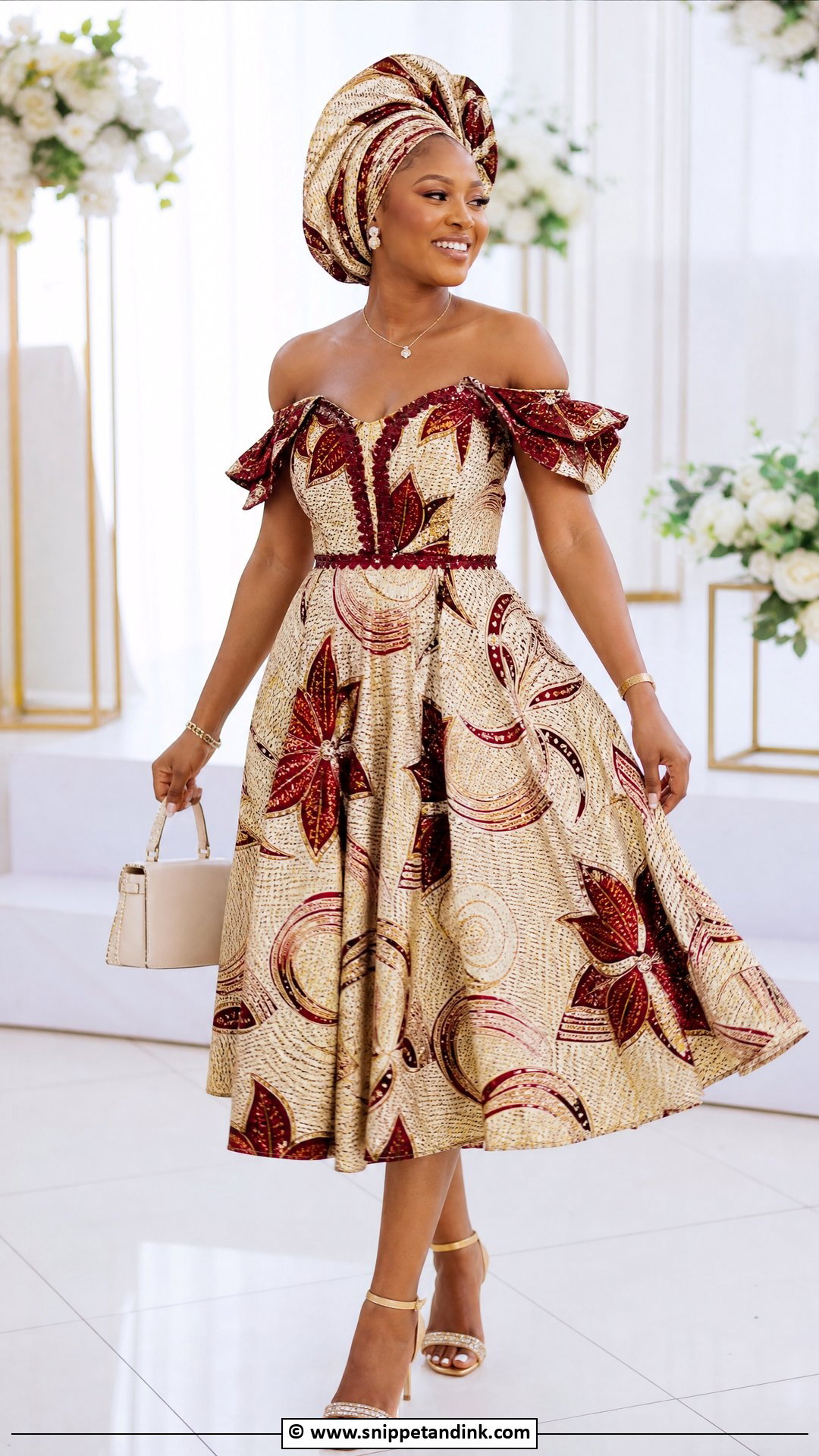
Many brides change after the formal ceremony into something lighter for greeting guests and dancing, and this is that dress. A midi or maxi in shweshwe, satin, lace or African print with a coordinated headwrap works well. A fitted waist, soft sleeves and a flowing skirt keep it easy. Comfortable heels, simple jewelry and a small bag complete it. Keep the doek, at least, from the earlier look; changing everything at once can make the second outfit feel like it belongs to a different event.
Shweshwe Shrinks, So Brief Your Seamstress Early
Shweshwe arrives stiff and slightly shiny because of the starch used in finishing it. That crispness is part of its character, but it also hides the fact that the cotton shrinks when it is first washed. I always ask for the fabric to be washed and ironed before cutting. It loses some stiffness, but a dress cut from unwashed shweshwe can come out of its first wash too short and tight across the back.
- Buy extra fabric for the doek, any wrap and a spare panel for repairs, all from the same batch.
- Bring the shoes and the doek to every fitting, since both change how the hem and neckline read.
- Allow several weeks for sewing and at least two fittings; popular seamstresses fill up quickly before the main wedding season.
- Kneel, sit on a low chair and raise both arms at the final fitting, because those are a makoti’s real movements.
A doek that stays up through the day
A doek tied for a photo and a doek tied for eight hours of greeting are different things. Lightly starched fabric or a doek with a stiff interlining holds its shape far better than soft cotton. I pin it through the knot into a scarf cap underneath rather than into the hair, so it doesn’t drag. If nobody in the bridal party can tie your style confidently, book someone who can and have them show a sister or friend how to re-tie it after lunch.
Respect Shows in the Details Your In-Laws Notice
Makoti dressing is a way of showing respect and stepping into a new family with confidence, so the right outfit depends on your culture, the ceremony, what your in-laws expect and what you can move in. Some brides feel most themselves in classic shweshwe; others choose umbhaco, Zulu beadwork, Sepedi color, a tailored suit or a modern gown with traditional details. Whatever you choose, good tailoring, a well-tied doek and shoes you can stand in all day matter more than any single trend.
You'll Like These Ideas:




Leave a Reply