
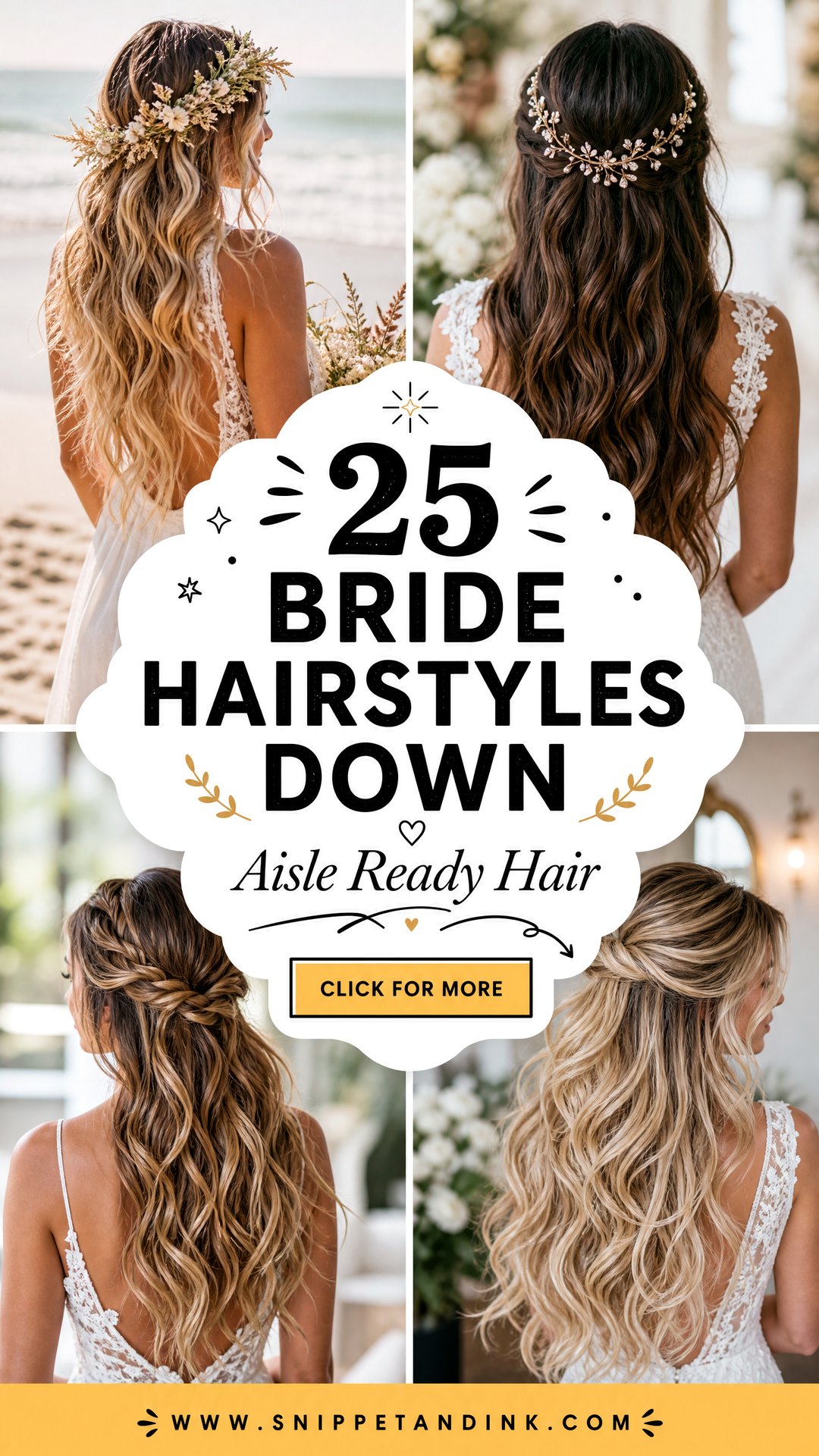
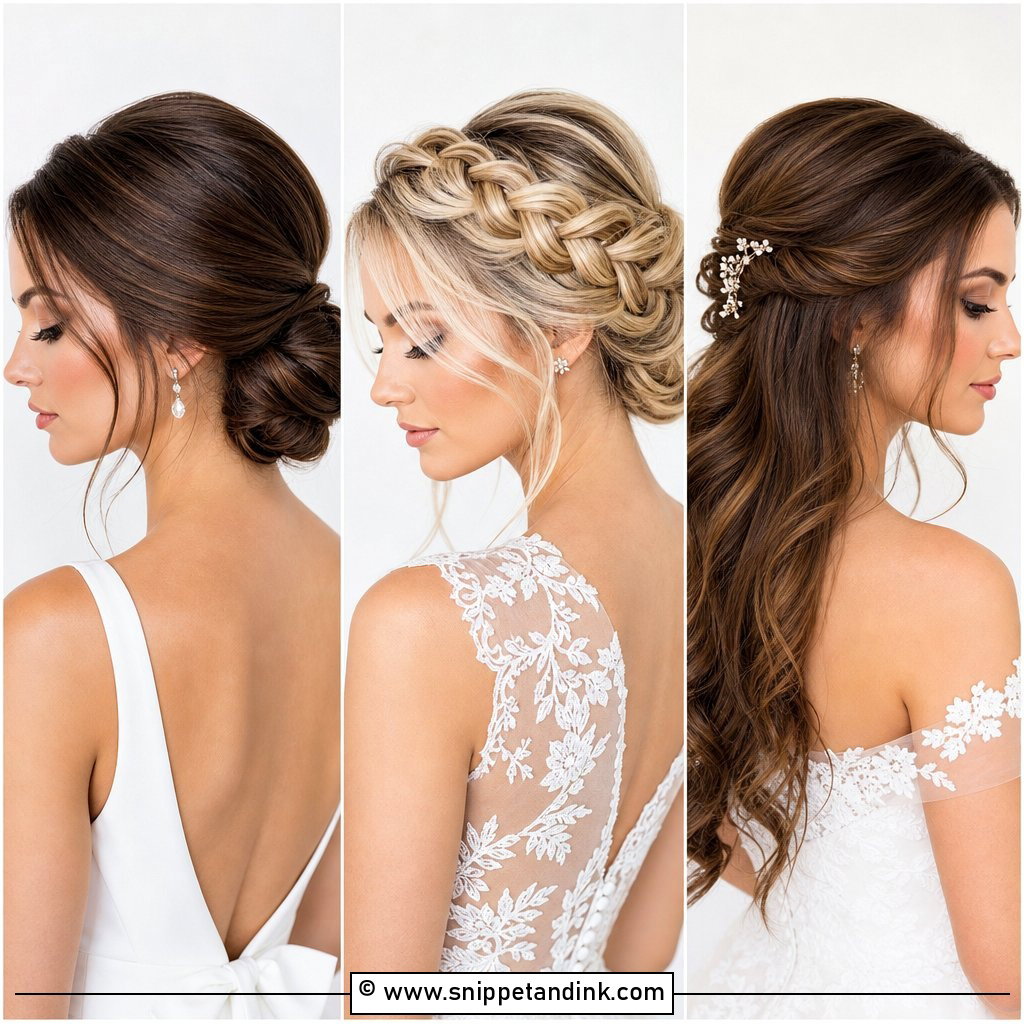
Hair worn down is the style brides ask me about most, and it’s also the one I plan hardest for. An updo is locked in with pins; loose curls are fighting gravity, humidity and every hug from the moment you stand up. That doesn’t mean down styles are fragile. It means the work happens underneath, in the set, the prep and the hidden anchoring. Below are 25 down and half-down looks, from glossy vintage waves to braided boho texture, with notes on how each one behaves on different hair and what I’d change at a trial to make it last.
Why Curls Worn Down Drop Faster Than Any Updo
In an updo, every curl is pinned against another, so gravity can’t pull it straight. Loose curls hang from the root with all their weight working against them. Add body heat, a warm venue, and constant movement, and even a strong curl relaxes into a wave within hours. That’s not a sign your stylist did something wrong. It’s physics, and the way to manage it is to plan for the drop.
I curl tighter than the look you want in photos. If you want soft waves at the reception, I start with defined curls in the morning, because they’ll relax by the ceremony. I also let every curl cool fully before touching it. Hair sets its shape as it cools, so brushing it out warm undoes most of the work.
Prep That Actually Helps Hold
- Wash the day before, not the morning of. Slightly worn hair grips curls and pins far better than silky, freshly conditioned hair.
- Skip heavy conditioner on the lengths that week if your hair is fine. It softens the curl before it even starts.
- Arrive with hair fully dry and free of oils, serums or leave-ins unless your stylist asked for them.
- Tell your stylist if your hair has been colored or chemically straightened recently. Both affect how heat holds.
Humidity is the one factor I can’t fully control. For outdoor or summer ceremonies, I lean toward textured styles like beach waves or braided half-ups, which still look intentional when they soften. Glassy Hollywood waves and pin-straight finishes are better kept for air-conditioned venues.
1. Soft Romantic Waves Down
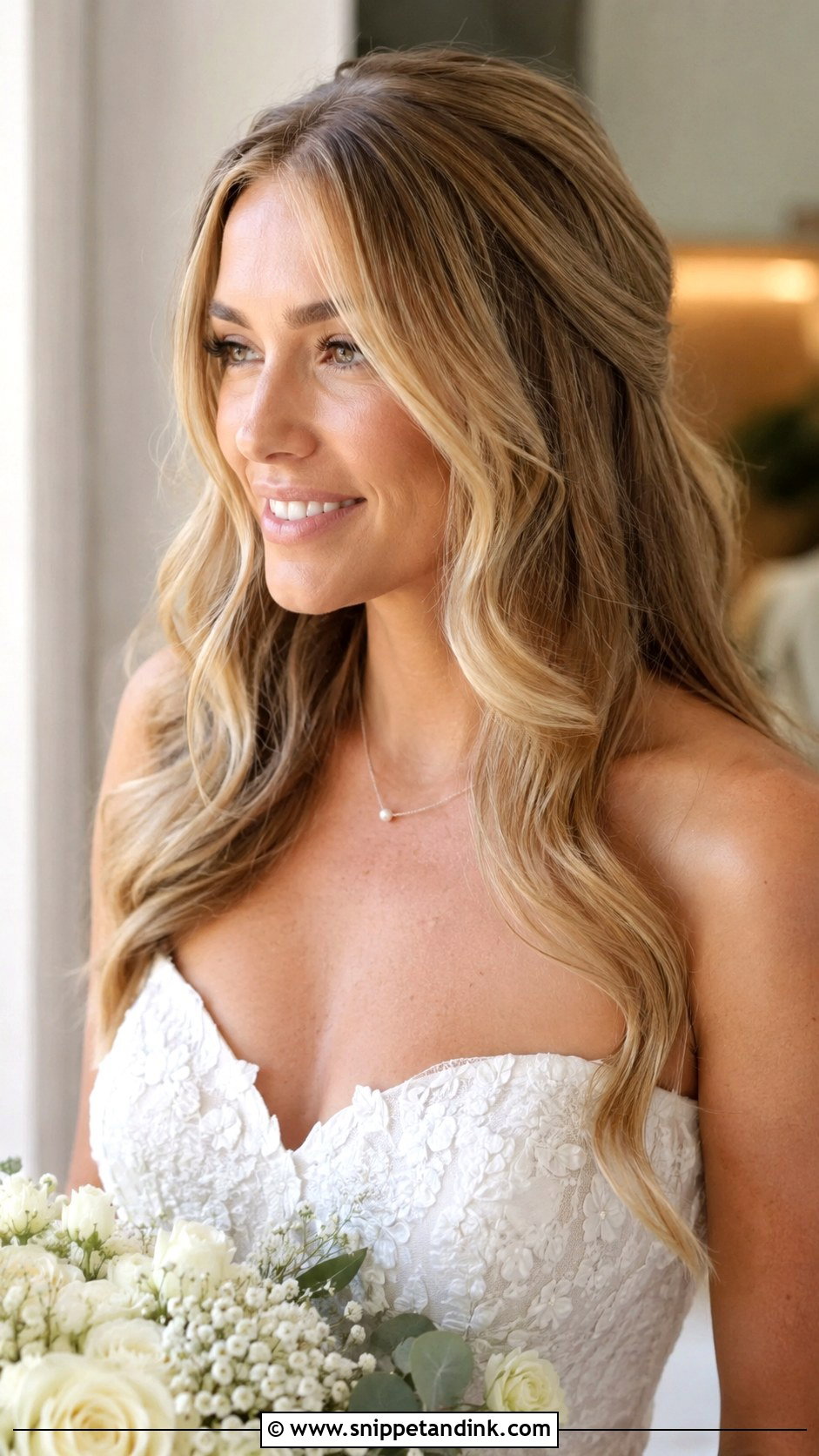
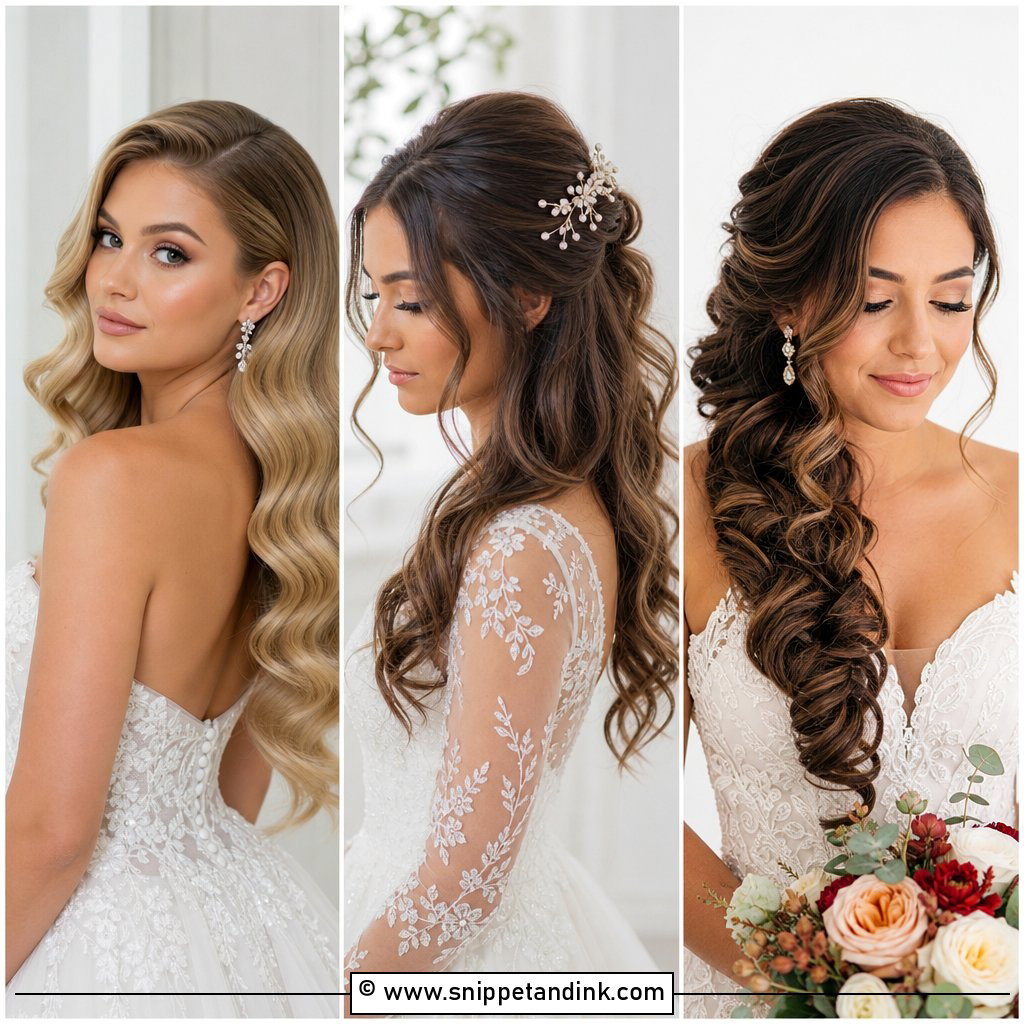
Soft waves are my default starting point because they forgive almost everything. I curl in alternating directions around the face and the back, then brush them out once they’ve cooled completely, so the pattern reads as movement rather than ringlets. Brushing warm curls is the most common mistake I see; they collapse within the hour. A middle or side part both work here, and a couple of loose front pieces soften the frame without hiding your face.
2. Old Hollywood Glam Waves
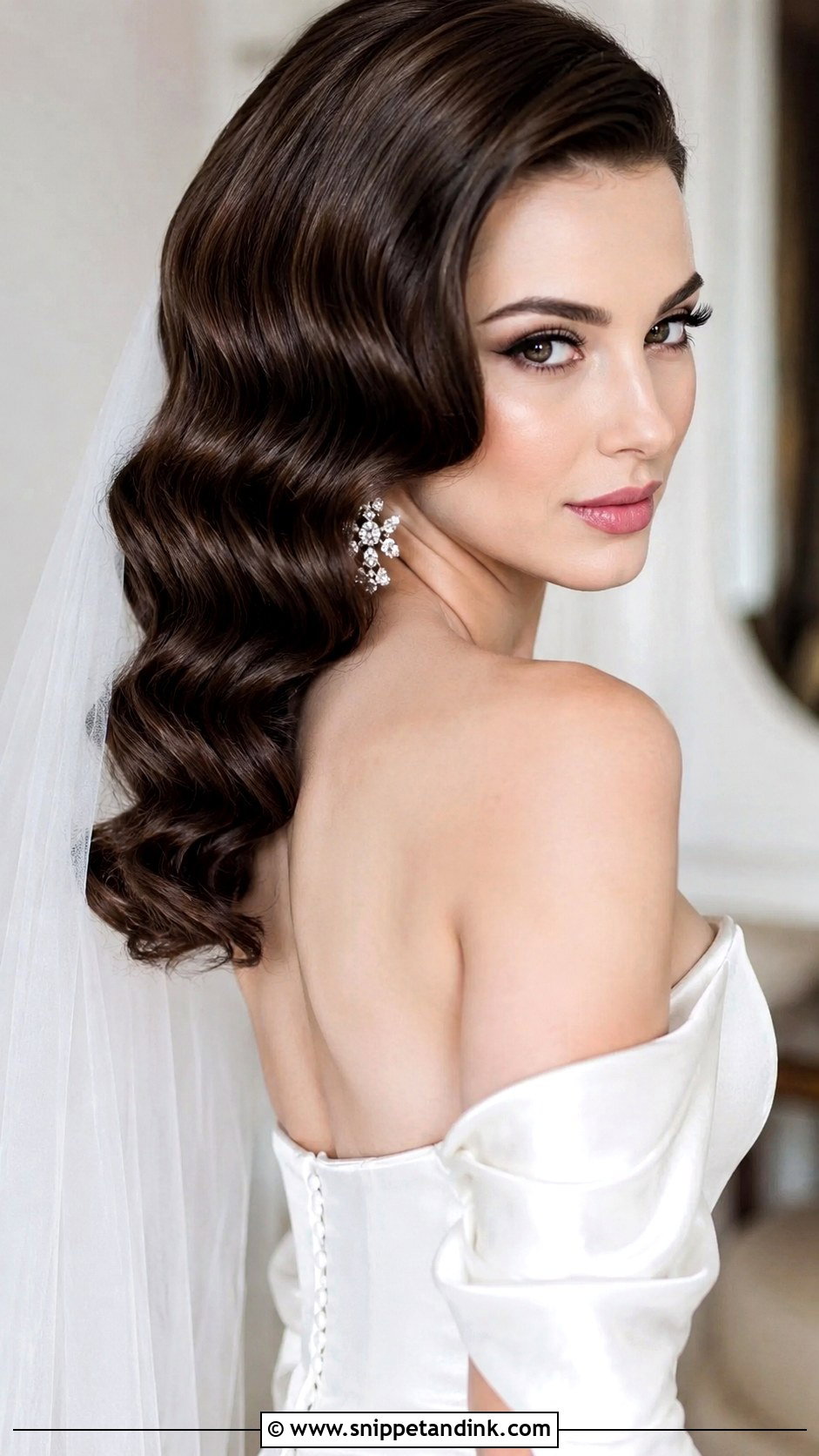
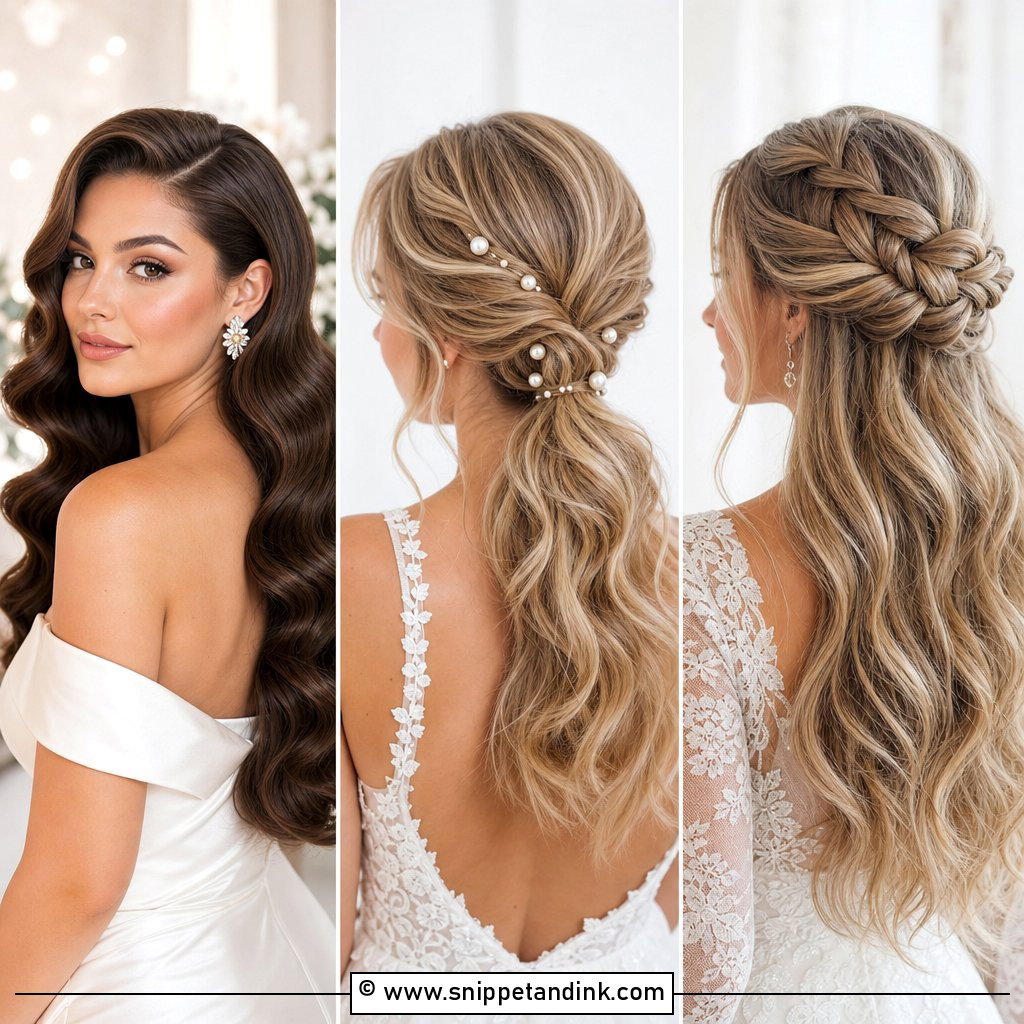
Old Hollywood waves are a set, not a curl. Every section gets curled in the same direction, pinned flat while it cools, then brushed into one continuous S and pressed into ridges with clips. Shine matters, so I finish with a light serum on the lengths only. Swept to one side, it pairs well with a fitted gown and statement earrings. I’d steer fine hair shorter than the collarbone away from it, because the ridges need weight and length to hold their shape.
3. Beachy Waves for a Boho Bride
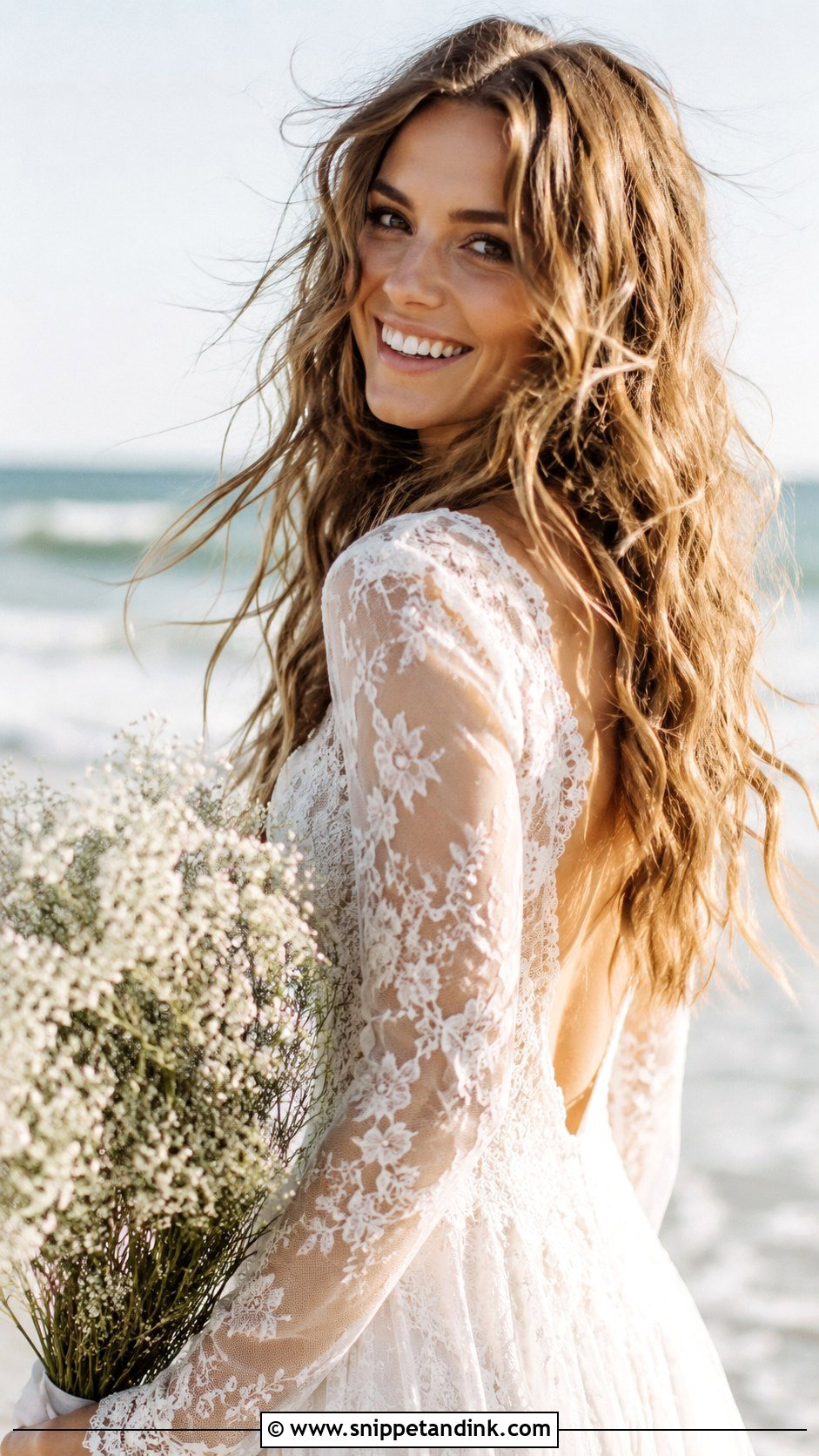
Loose, tousled beach waves look careless but take real planning. I use a flat iron twist or a wand on medium heat and leave the last two inches straight, then rough the lengths up with a dry texture spray instead of hairspray, which would make them crunchy. Outdoor ceremonies and beach vows suit this one, and so do gold pins or a sprig of baby’s breath. The trade-off: humid air will push it toward frizz, so I build texture rather than smoothness from the start.
4. Sleek Straight Bridal Hair
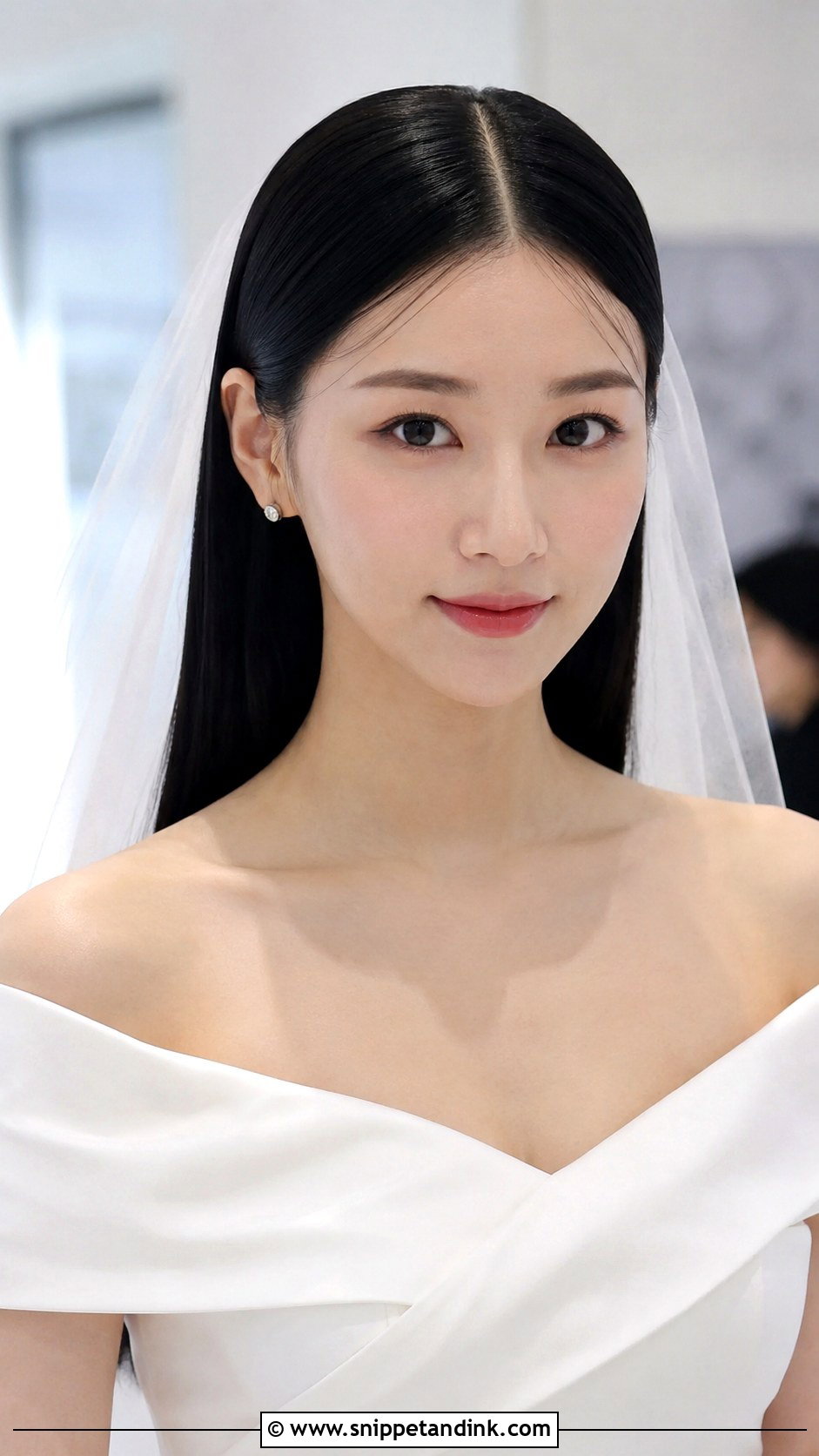
Straight hair is the least forgiving style on this list. Any kink from a hair tie, any dent where a clip sat, shows up instantly in photos. I blow it out section by section with a round brush, then go over it with a flat iron on low passes so it stays glossy instead of looking flat and fried. A sharp middle part and a sleek veil keep it modern. If your hair has a natural wave and the forecast says humid, plan for it to start bending by the reception.
5. Half-Up Half-Down with Soft Curls
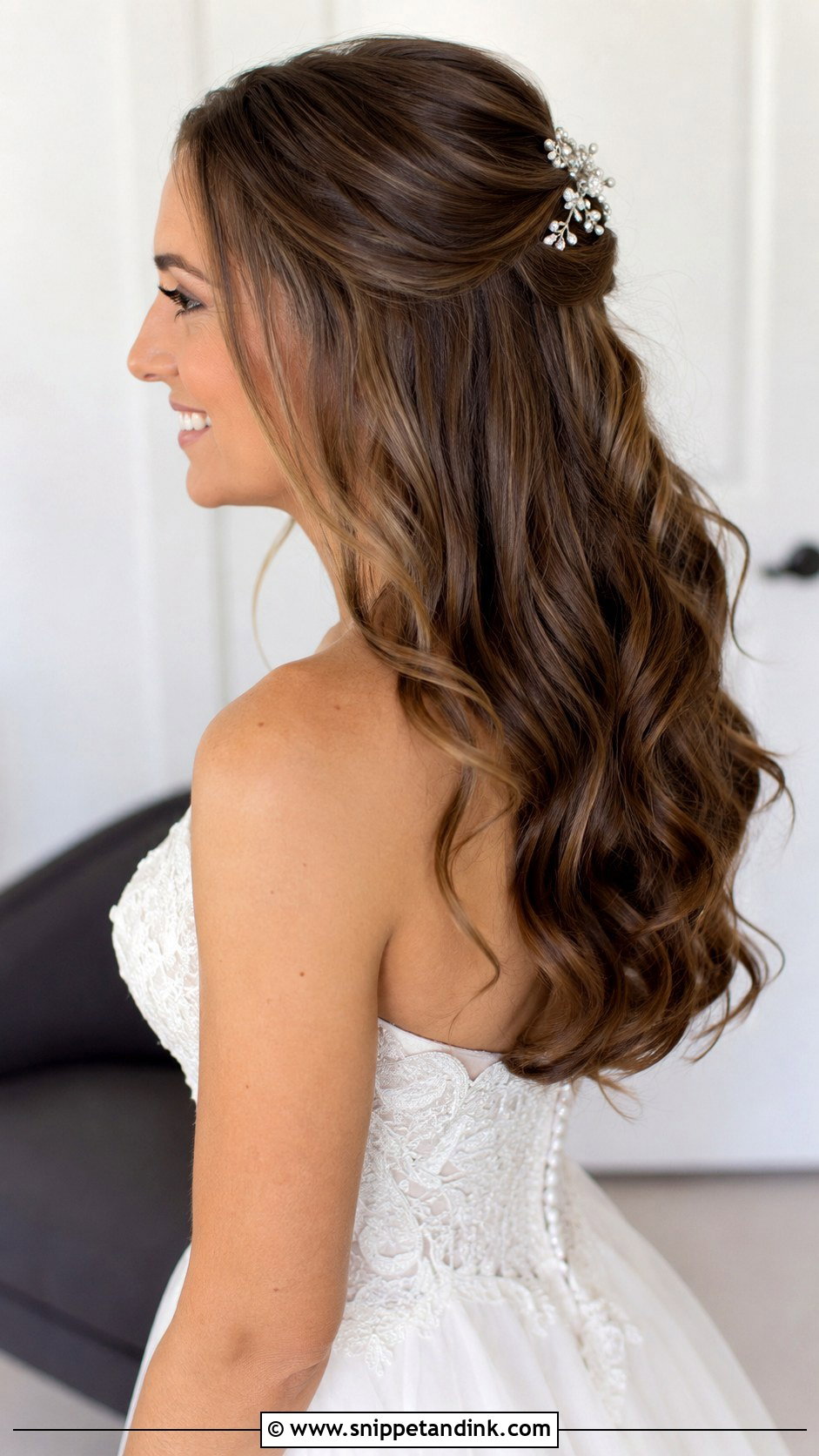
Half-up, half-down is the style I recommend most to brides who want length without worrying about it. The top section gets secured at the crown, which keeps hair off your face and gives a veil comb something solid to grip. Underneath, the curls are free to move. I always build that crown section on a small hidden base, a mini ponytail or crossed pins, because pinning straight into loose hair is what makes half-up styles slide by mid-afternoon.
6. Face-Framing Waves with Pinned Sides
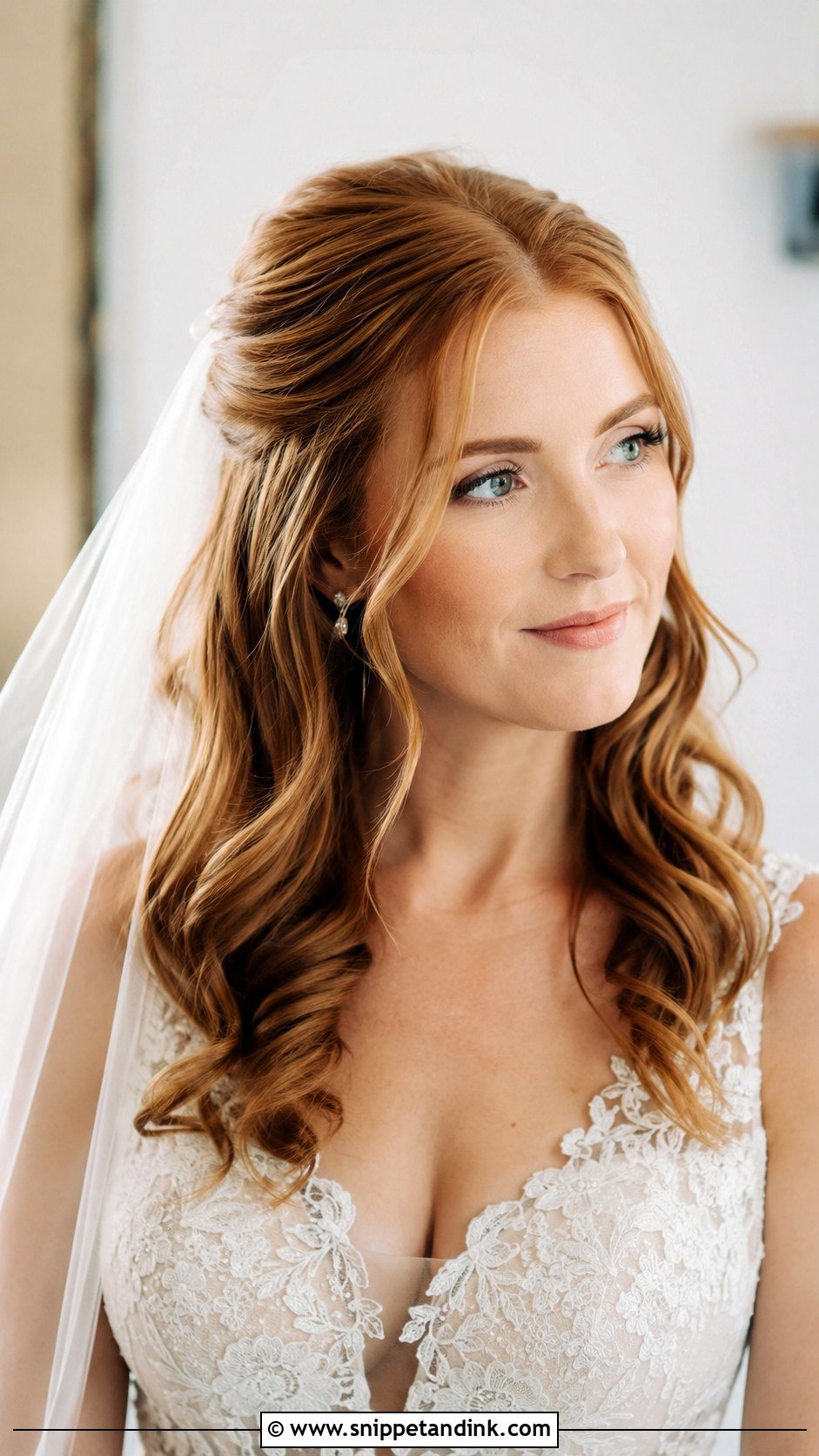
Pinning back just the front sections gives you a clear view of your face during vows while the rest of the waves stay loose. The trick I rely on is placing the pins behind the ear line, angled upward, so they disappear under the waves rather than sitting on top of them. It suits nearly every length. On very thick hair, I take smaller front sections than you’d expect, or the pinned pieces bulge at the sides.
7. Boho Braided Half-Up Down Style
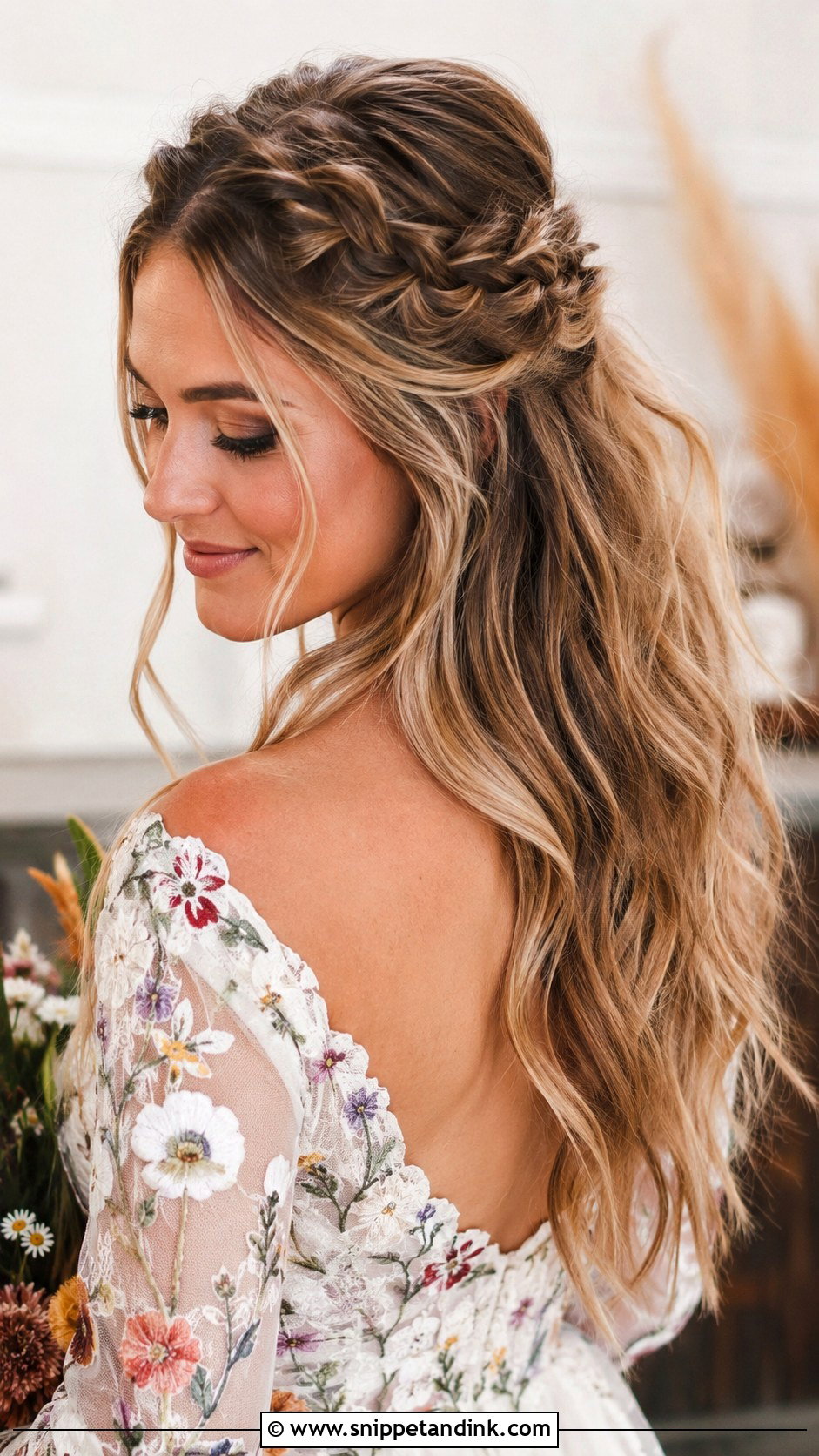
A boho braided half-up mixes one or two loose braids with waves underneath, either wrapped across the crown or pulled back softly from each side. I pancake the braids, gently pulling the loops wider with my fingers, so they show up on camera instead of reading as a thin cord. Wildflowers or dainty gold pins tuck neatly into braids. Long, thick hair shows off the detail most, but clip-ins can give finer hair enough body to braid.
8. Long Bridal Hair with Cathedral Veil
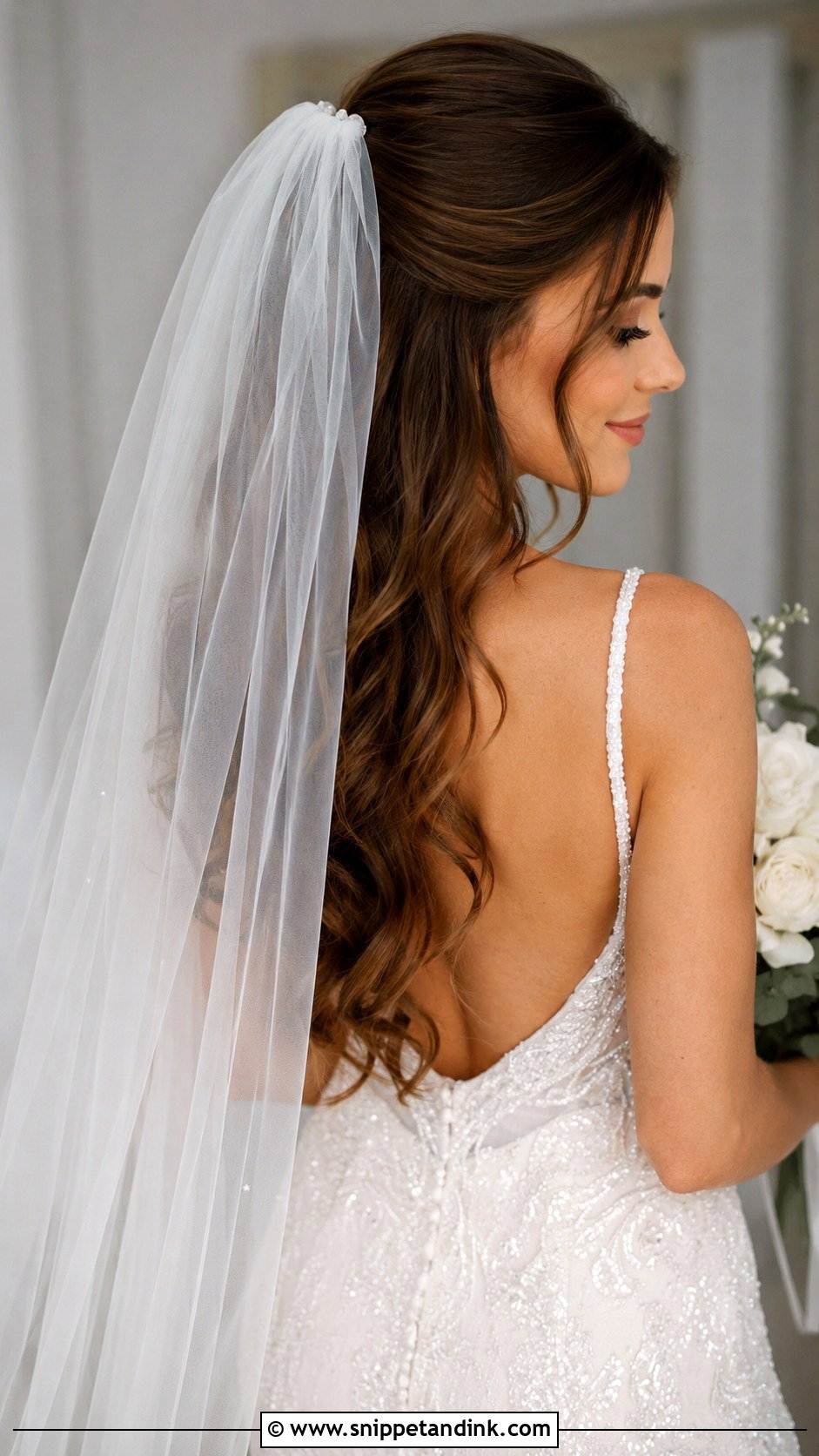
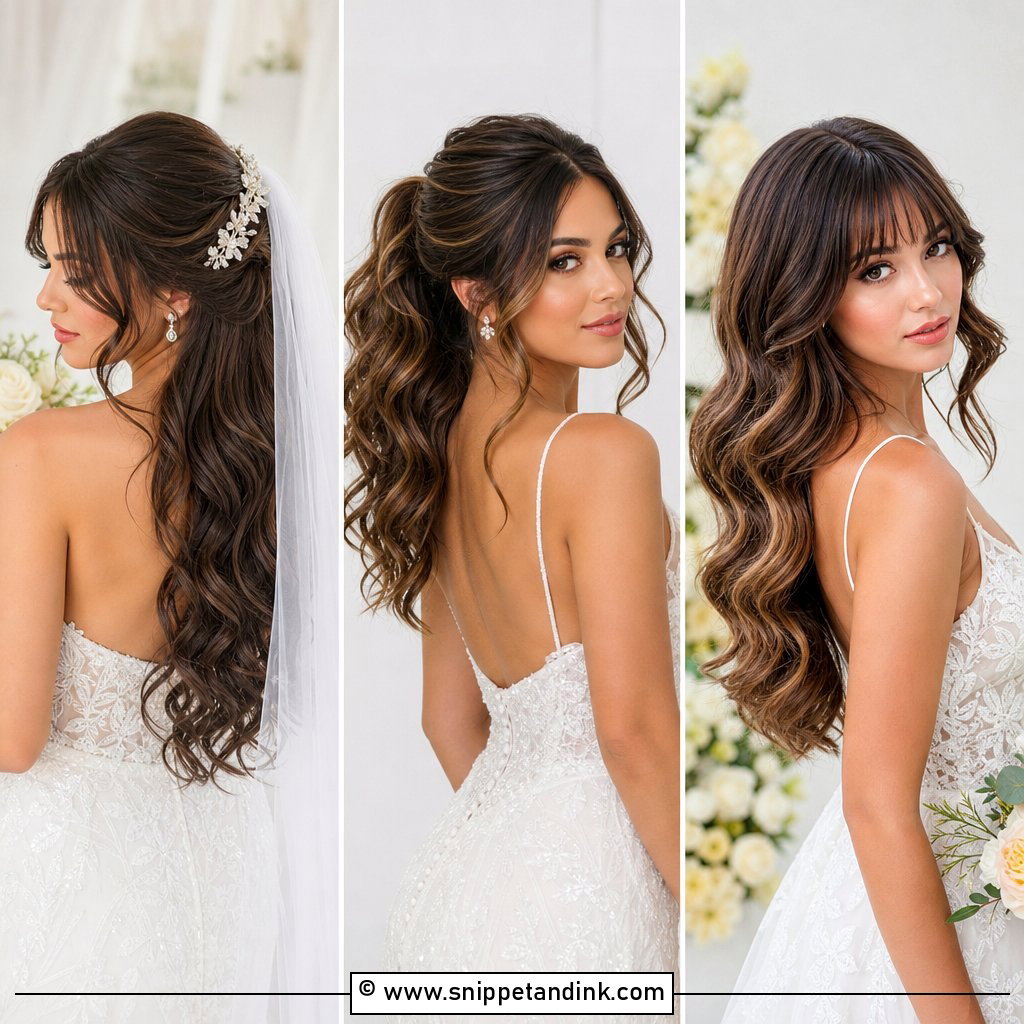
Long hair worn down beneath a cathedral veil has a real problem I always flag at the trial: a full-length veil is heavy, and loose hair gives its comb nothing to hold. I build a small anchor, a tiny braid or a few crossed bobby pins under the crown, and slide the comb into that. Soft waves or gentle curls give the most movement under all that tulle. Once the veil comes off for the reception, the waves underneath take over.
9. Side-Swept Waves Bridal Look
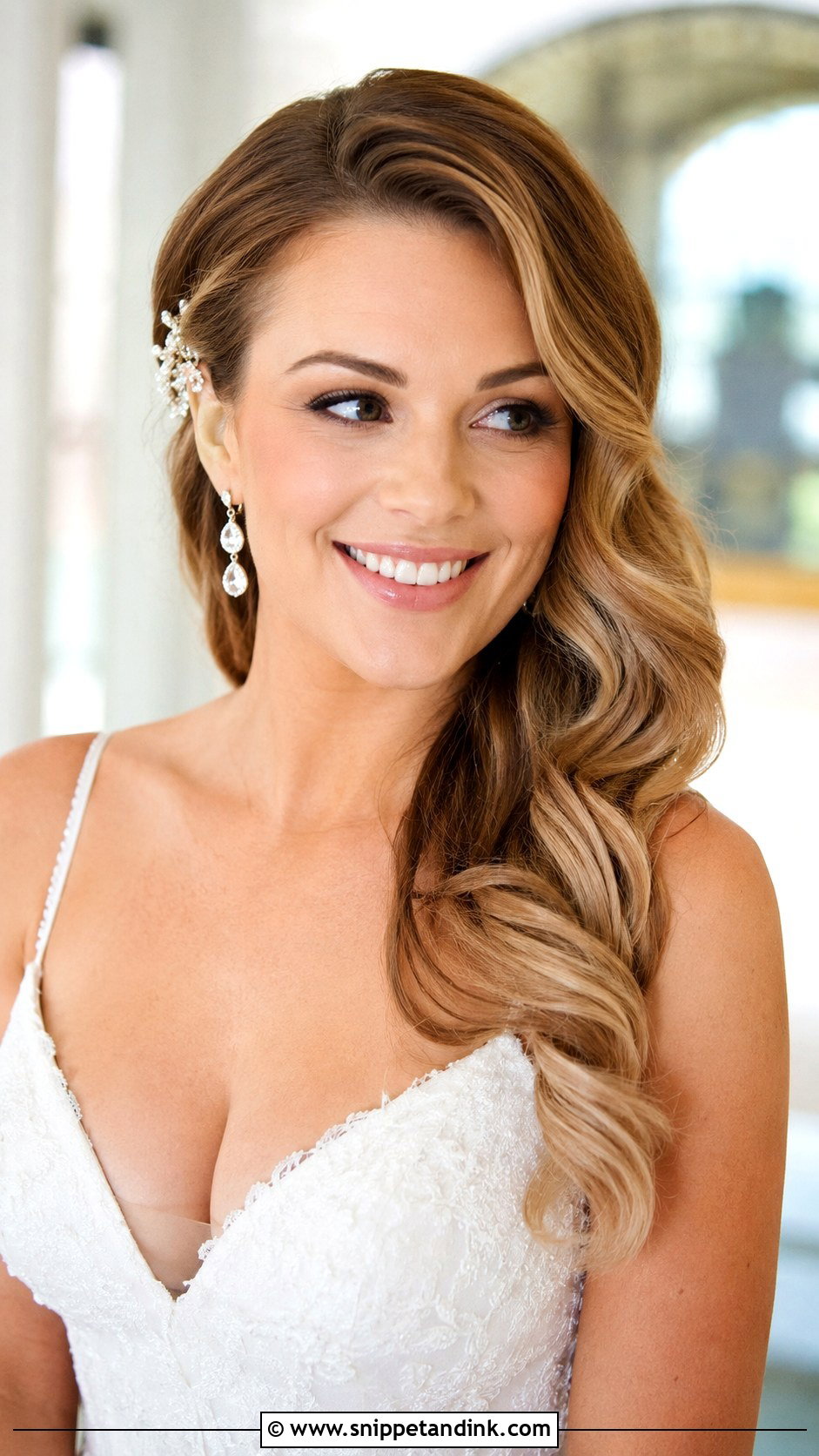
Sweeping everything over one shoulder shows off dangling earrings, an open neckline and any back detail on the gown. It needs more support than it looks, because hair wants to fall back to its natural part. I pin a hidden line along the back of the head, from the opposite ear across, and the waves rest on that. A sparkly pin at the swept section covers the anchor point nicely. Medium to long hair works best.
10. Loose Curls with Flower Crown
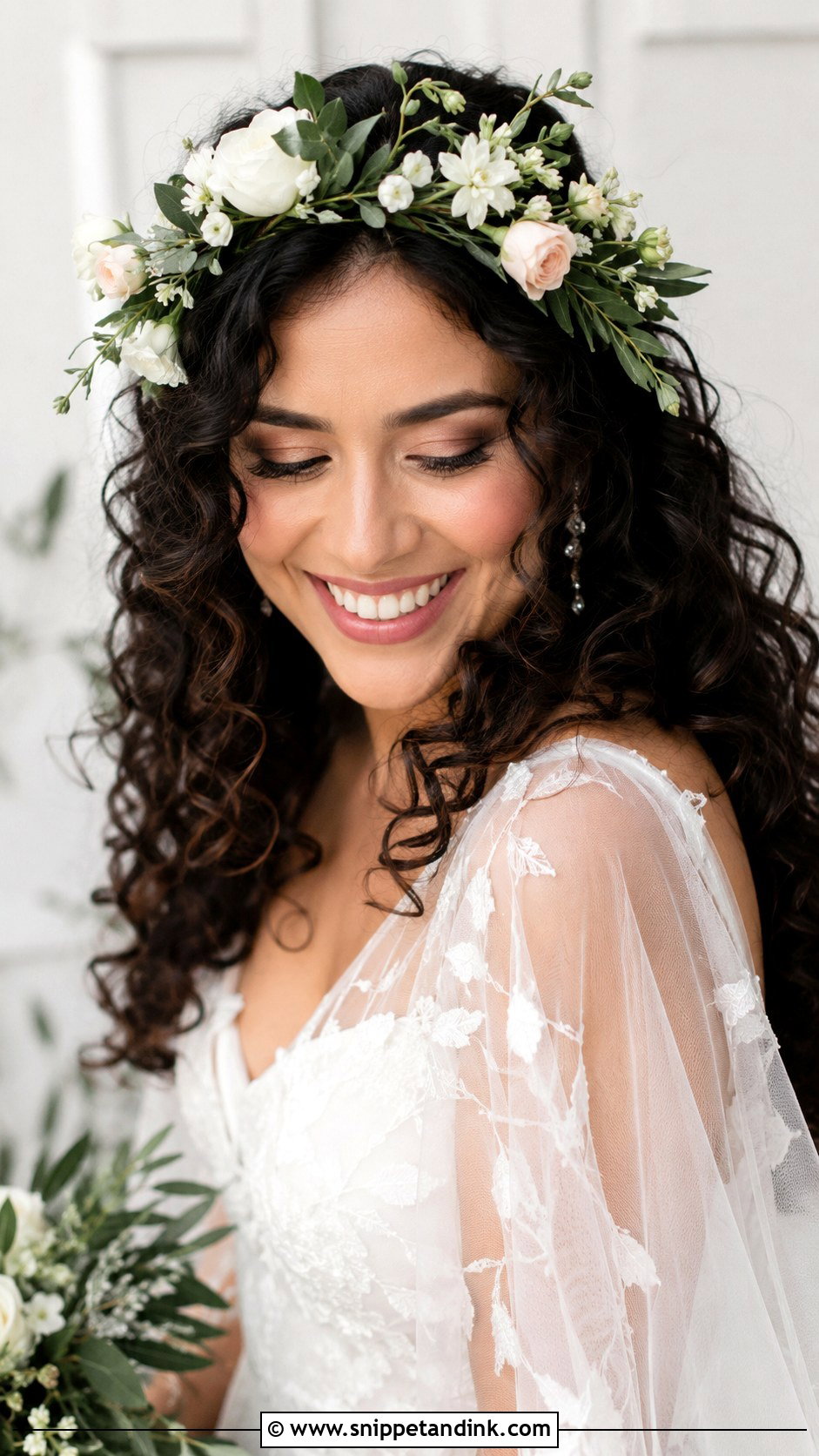
Loose curls under a flower crown is a spring and summer favourite for outdoor and garden ceremonies. The crown can be dainty or full. I attach it with bobby pins hooked through the wire base at four points, never just resting on top, or it rides forward every time you look down. This pairs naturally with flowy gowns and soft makeup. Ask your florist to use blooms that cope without water for several hours.
11. Sleek Straight Hair with Middle Part
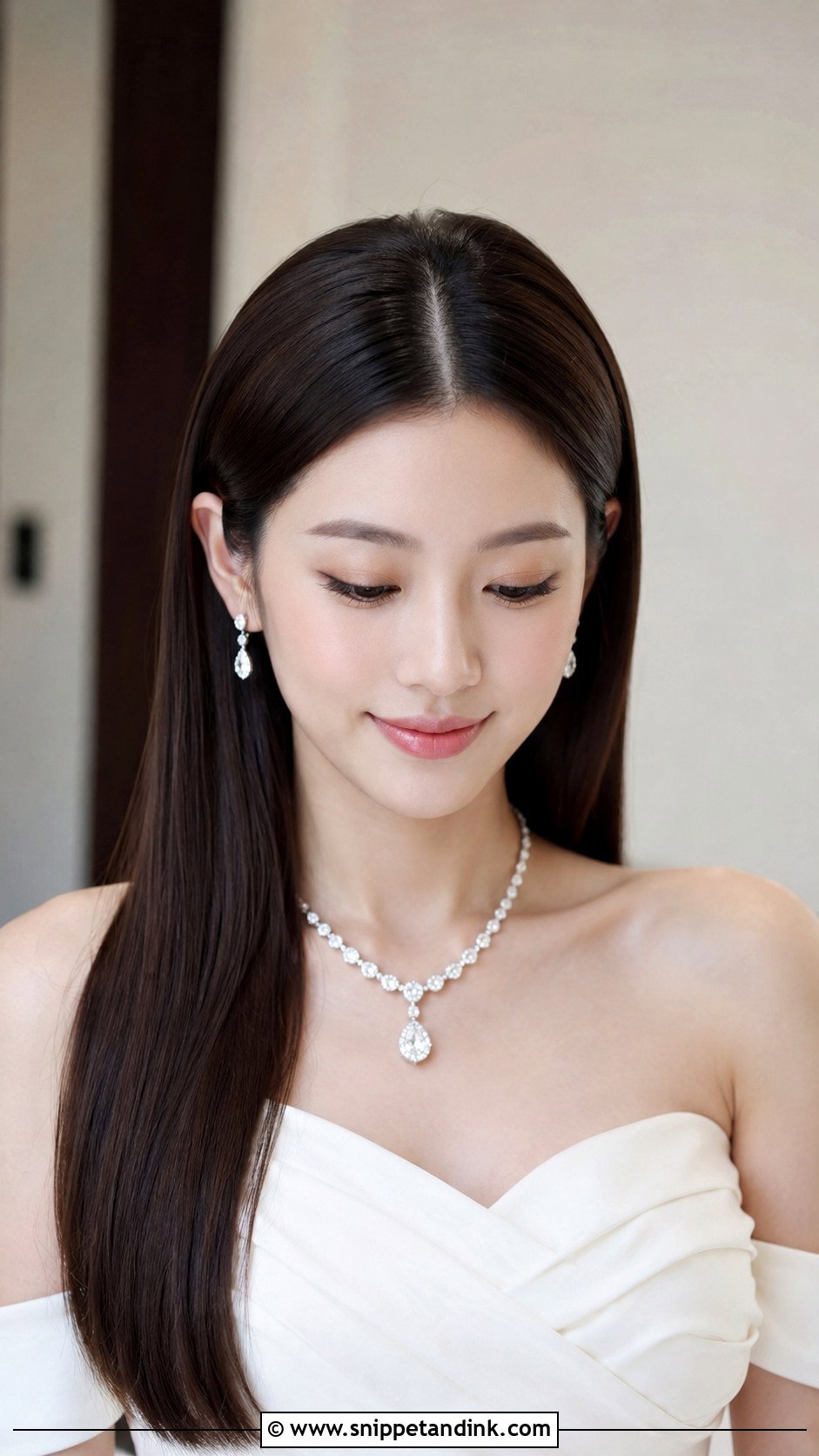
A center part with pin-straight hair is all about symmetry, so the part itself has to be dead straight; I map it with a tail comb from the nose bridge back. This look stays put through the day with minimal effort and pairs well with simple gowns and statement jewellery. Medium to long lengths give the most impact. The honest caution: it shows every flyaway, so I keep a smoothing balm in the touch-up kit for the reception.
12. Voluminous Curls Down
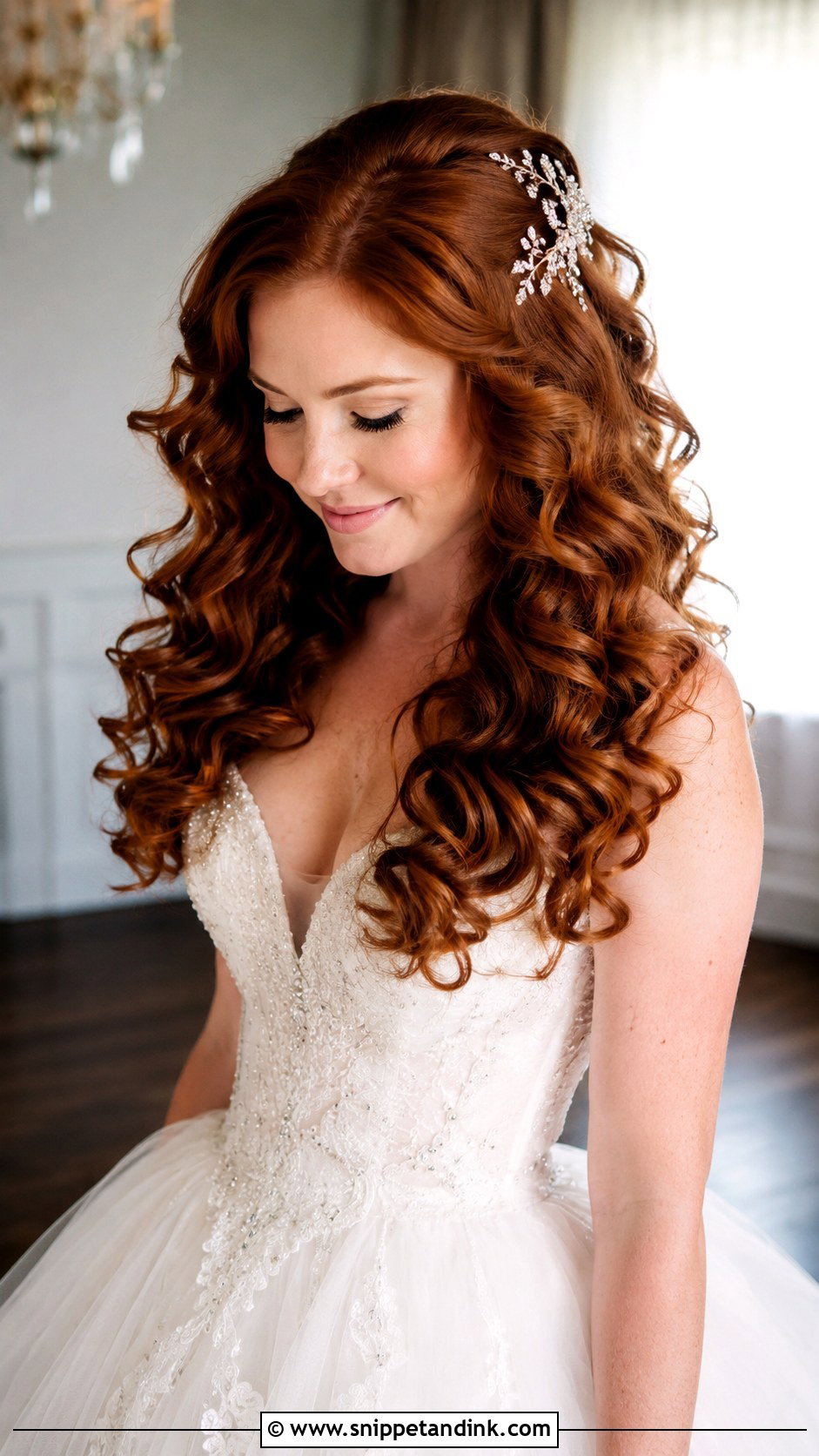
Big, voluminous curls are built from the root up. I set the root with mousse and a round brush blow-dry before any curling iron touches the hair, because volume added only to the ends just looks wide at the bottom. Naturally thick hair takes this beautifully. On finer hair, I add clip-ins or hold the curls in velcro rollers until right before you dress. It works with fitted shapes and ballgown silhouettes alike.
13. Half-Up Braided Crown with Waves
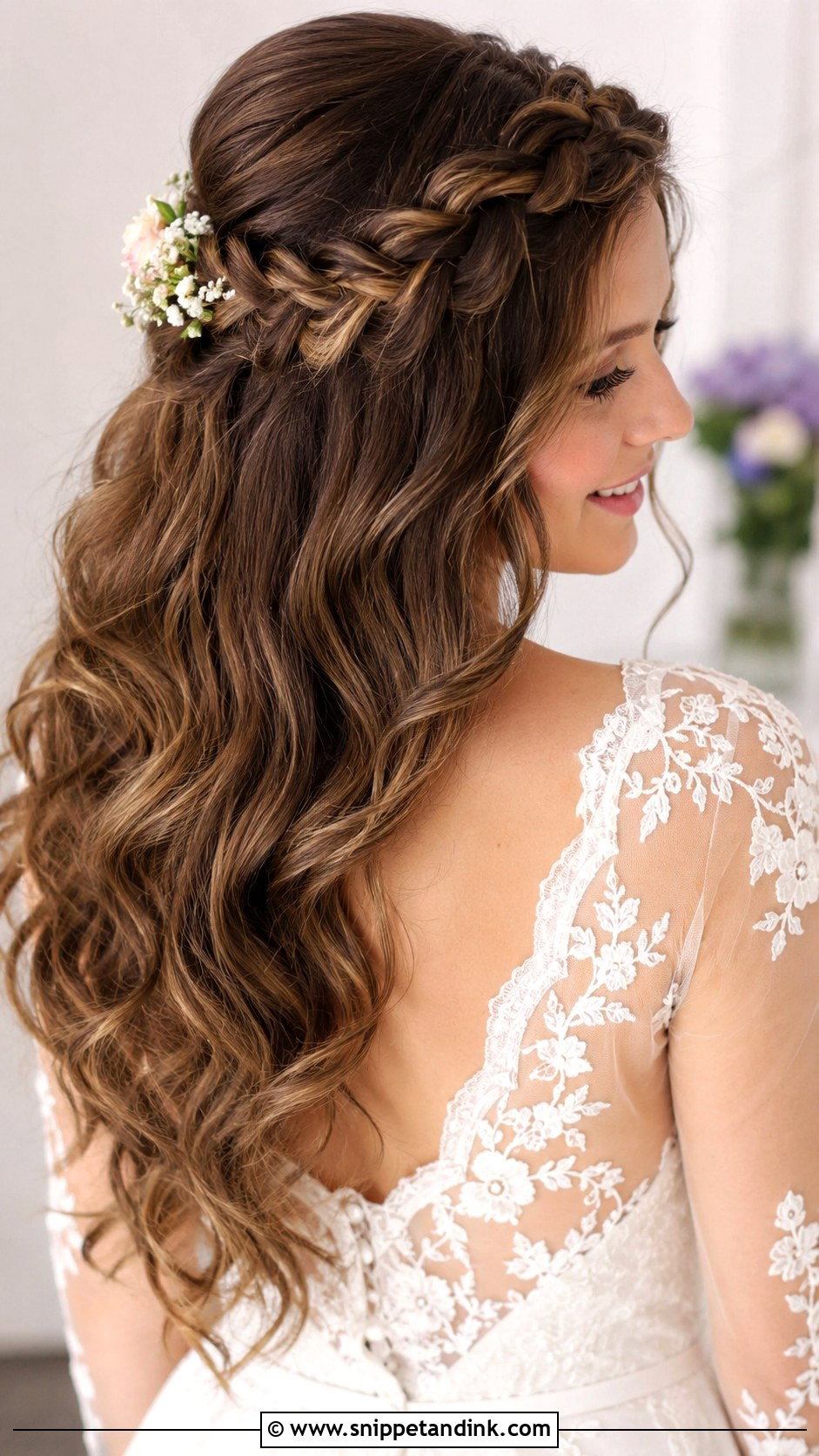
A braided crown wraps across the top of the head like a natural tiara, with waves falling free below. Because the braid is pinned all the way around, it holds through dancing far better than most down styles. I keep the braid slightly loose at the hairline to avoid a tight, pulled look at the temples. Fresh flowers tuck neatly into it. It’s also one of the sturdiest bases for a veil comb.
14. Tousled Waves with Delicate Tendrils
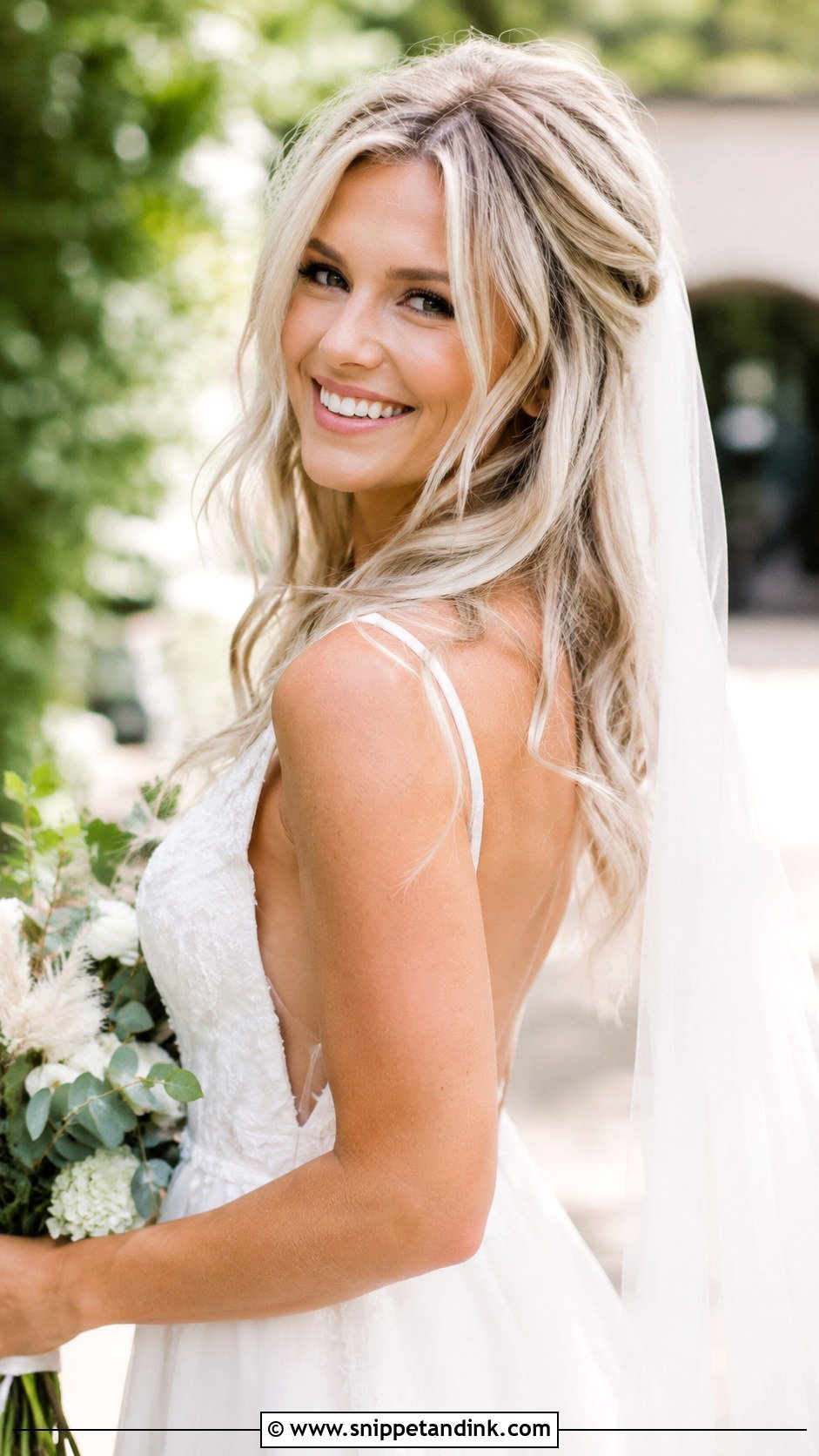
Soft, tousled waves with face-framing tendrils look unplanned, but tendrils are where I’m most careful. Pieces that are too long drift into lip gloss; pieces that are too thick look like a curtain. I pull out very fine sections from the temple and in front of the ear, curl them away from the face, and leave them a touch shorter than the main waves. A simple veil or a few scattered pins finish it.
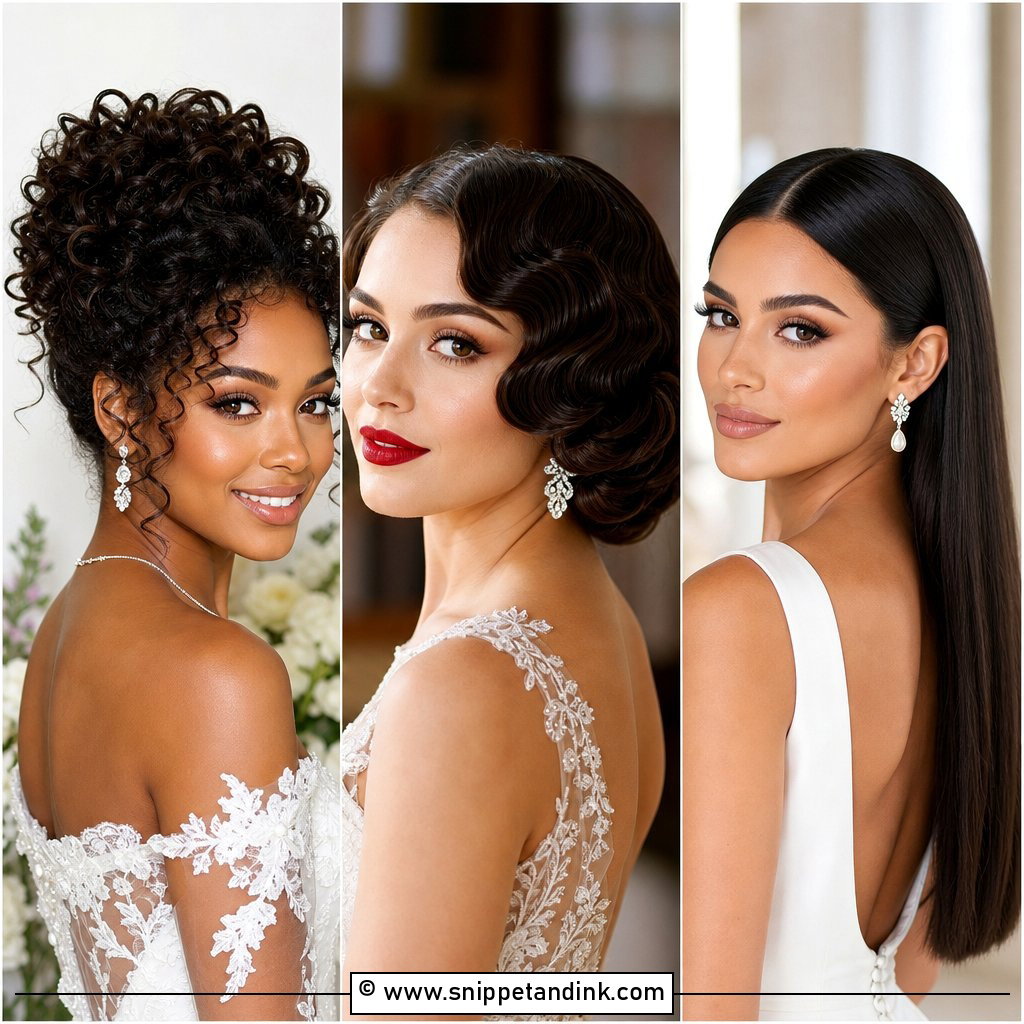
15. Glossy Waves with Side Part
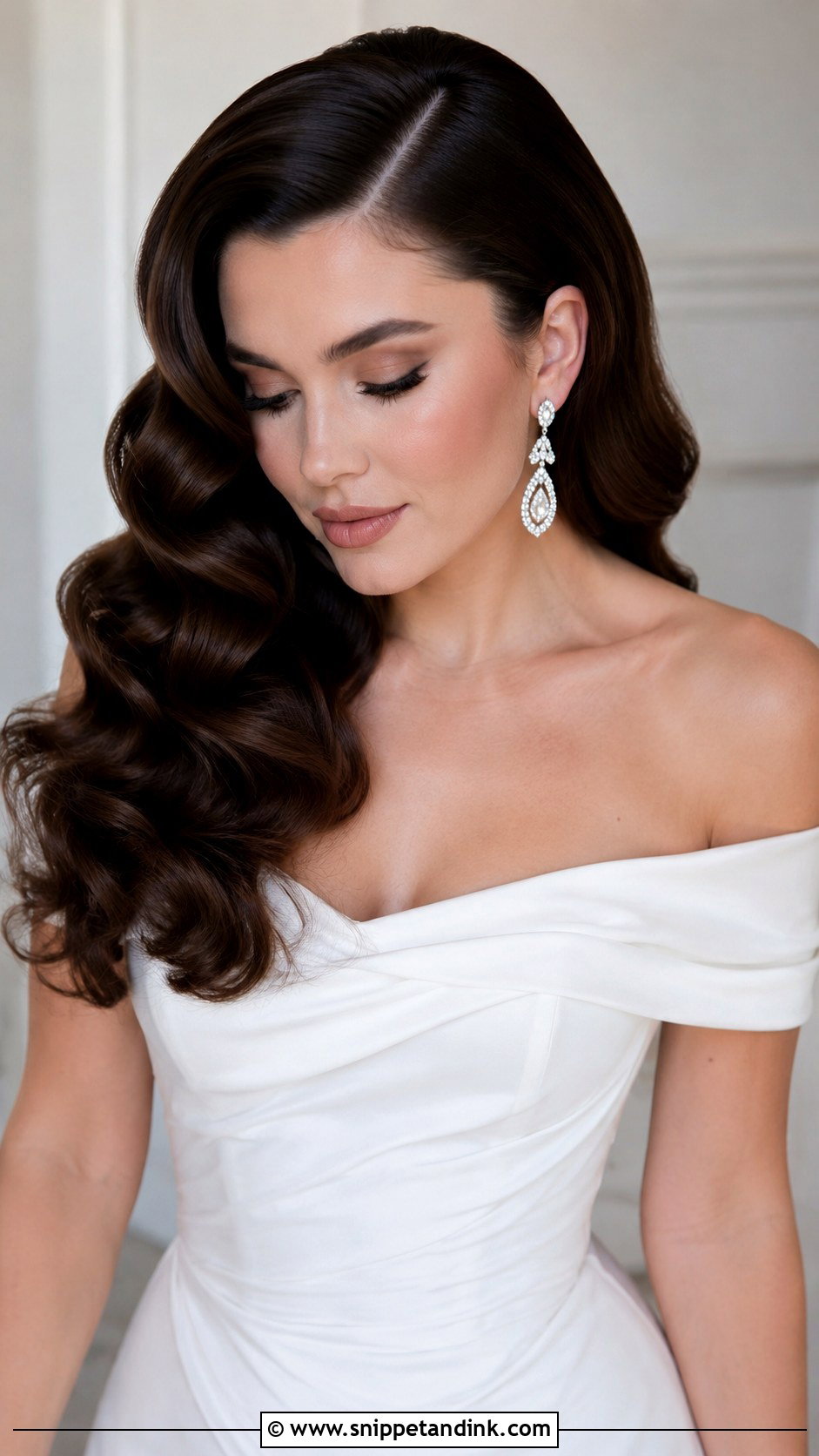
A deep side part adds instant height on the heavy side and creates a flattering sweep across your forehead. Glossy, well-defined waves below give it a vintage finish. The part needs to be set during the blow-dry, not just combed in at the end, or the hair keeps trying to flip back. It suits medium to long hair and pairs nicely with statement earrings and a fitted gown.
16. Bohemian Waves with Hair Accessories
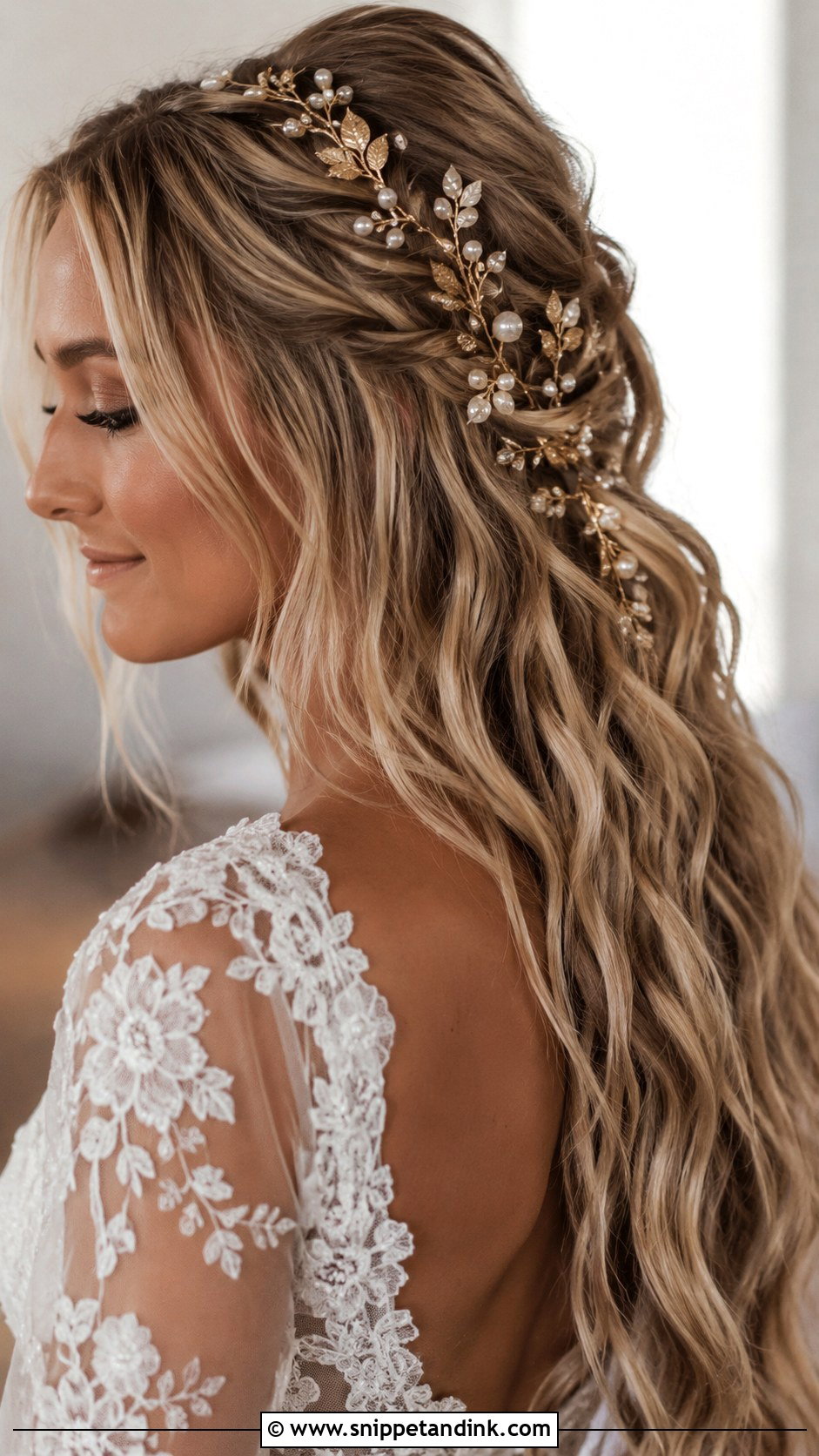
Bohemian waves dressed with accessories rely on the pieces themselves: gold leaves, pearl pins, or tiny fresh blooms. My rule is to place accessories where they’ll be seen in the ceremony photos, usually the side facing your partner, and to anchor each one into a pin base rather than straight into loose hair. Textured hair grips accessories far better than freshly washed, silky hair, so I usually ask brides to wash the day before.
17. Long Hair with French Braid and Veil
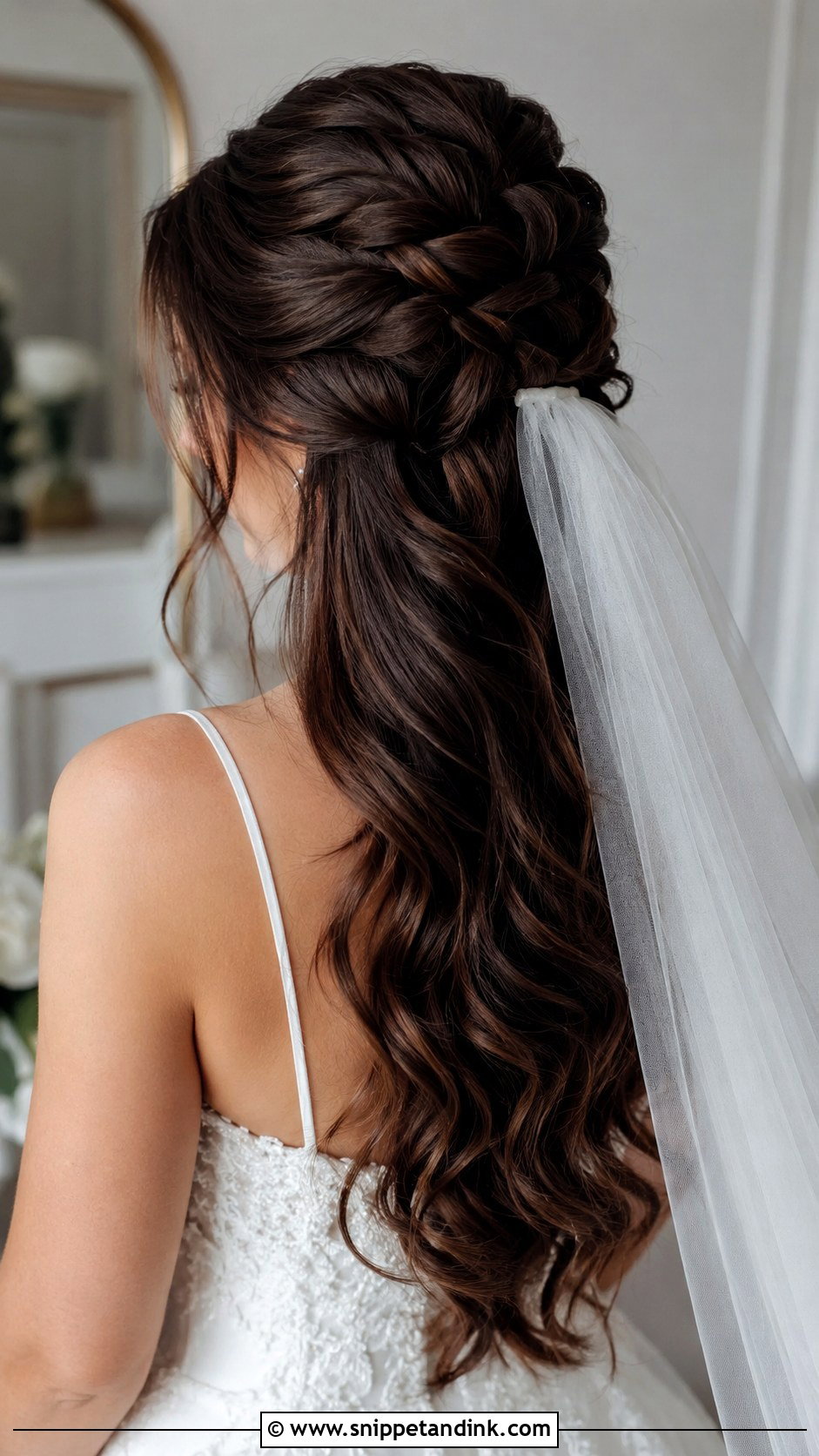
A French braid worked through part of the hair, with waves flowing below and the veil set behind it, keeps the braid visible in every photo from the front. That placement matters: if the veil goes on top of the braid, you lose the detail entirely. Long, thick hair holds a French braid best. The braid doubles as a firm base for the comb, so this is one of the more secure veil options for loose hair.
18. Curtain Bangs with Waves Down
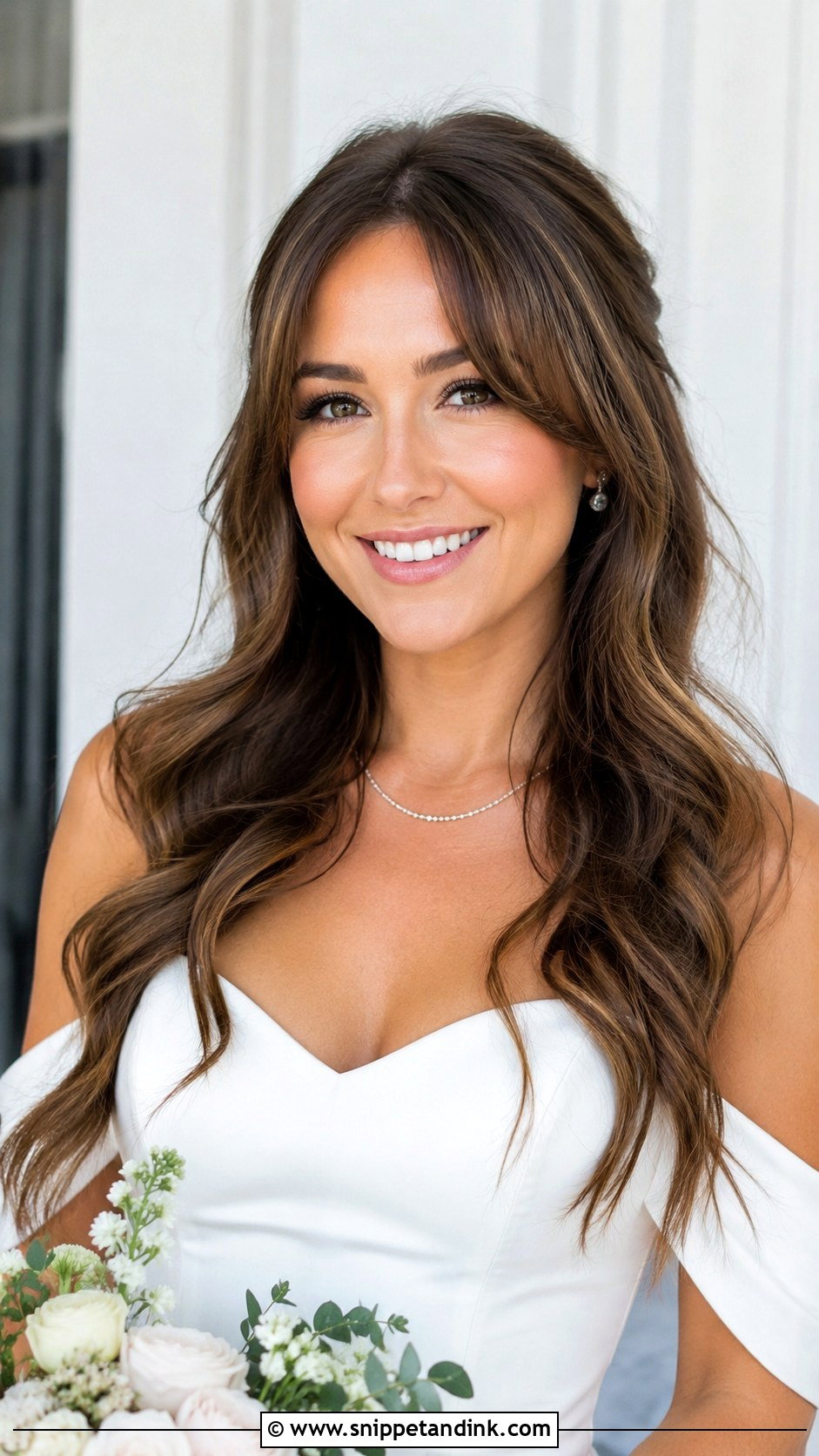
Curtain bangs sweep away from the center and frame the face, while waves fall loosely below. If you’re cutting soft, parted bangs for the wedding, do it four to six weeks ahead so the first awkward week has passed. On the day, I blow them out with a small round brush, rolling away from the face, then add a tiny amount of hairspray on the brush rather than spraying the fringe directly.
19. Romantic Curls with Pearl Pins
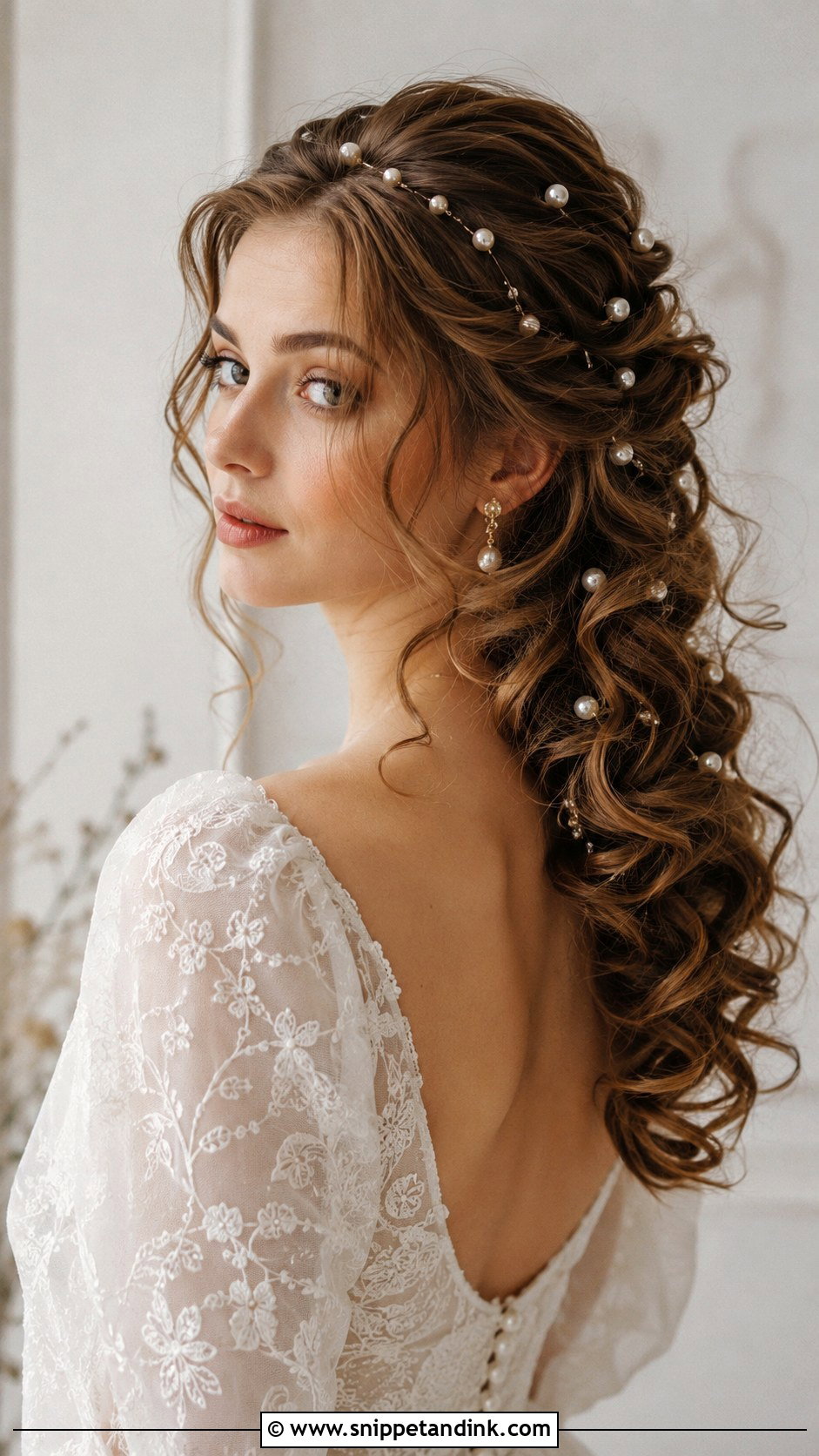
Pearl pins scattered through soft curls add a classic accent without competing with a veil. I space them unevenly, clustered more on one side, because a perfectly even grid looks like polka dots in photographs. Each pin needs a small twist or a crossed bobby pin under it, otherwise the weight of the pearl slides it down the curl within a few hours. Pearl earrings tie the look together.
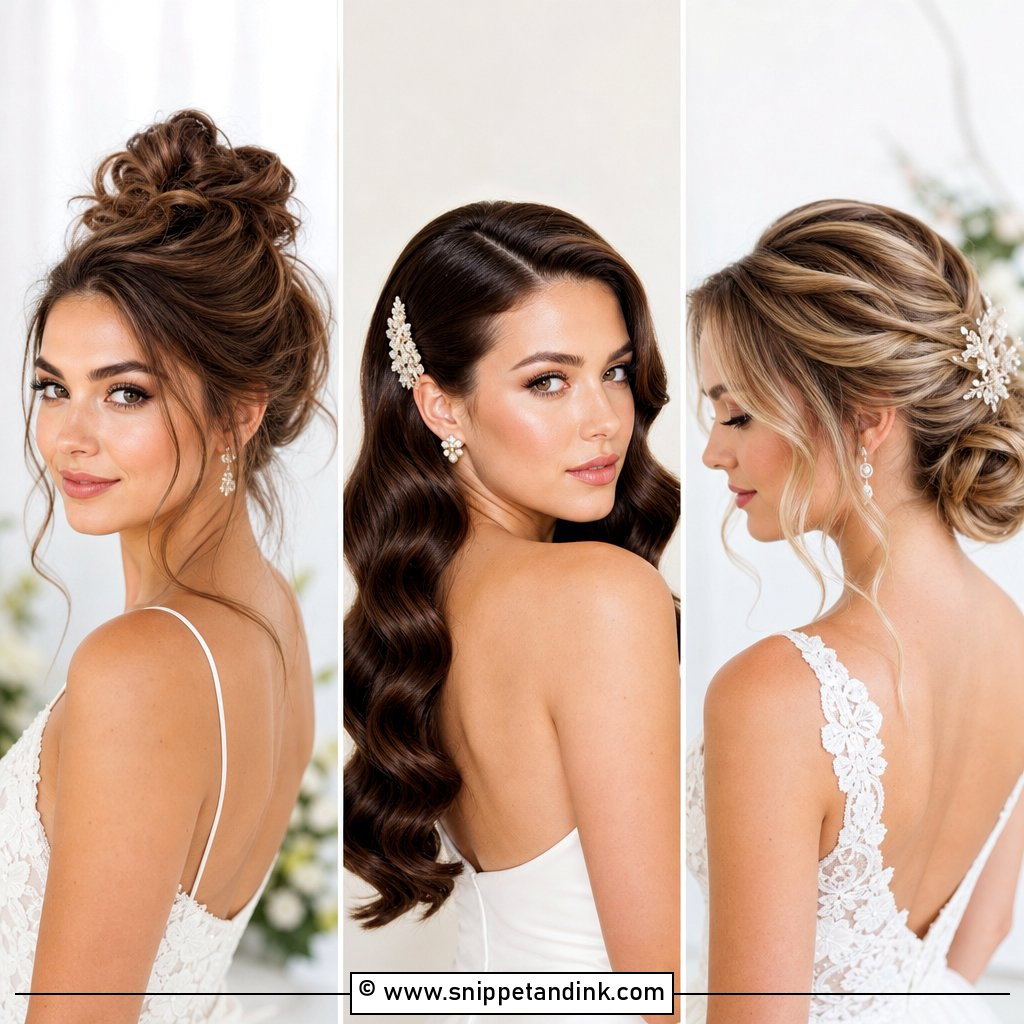
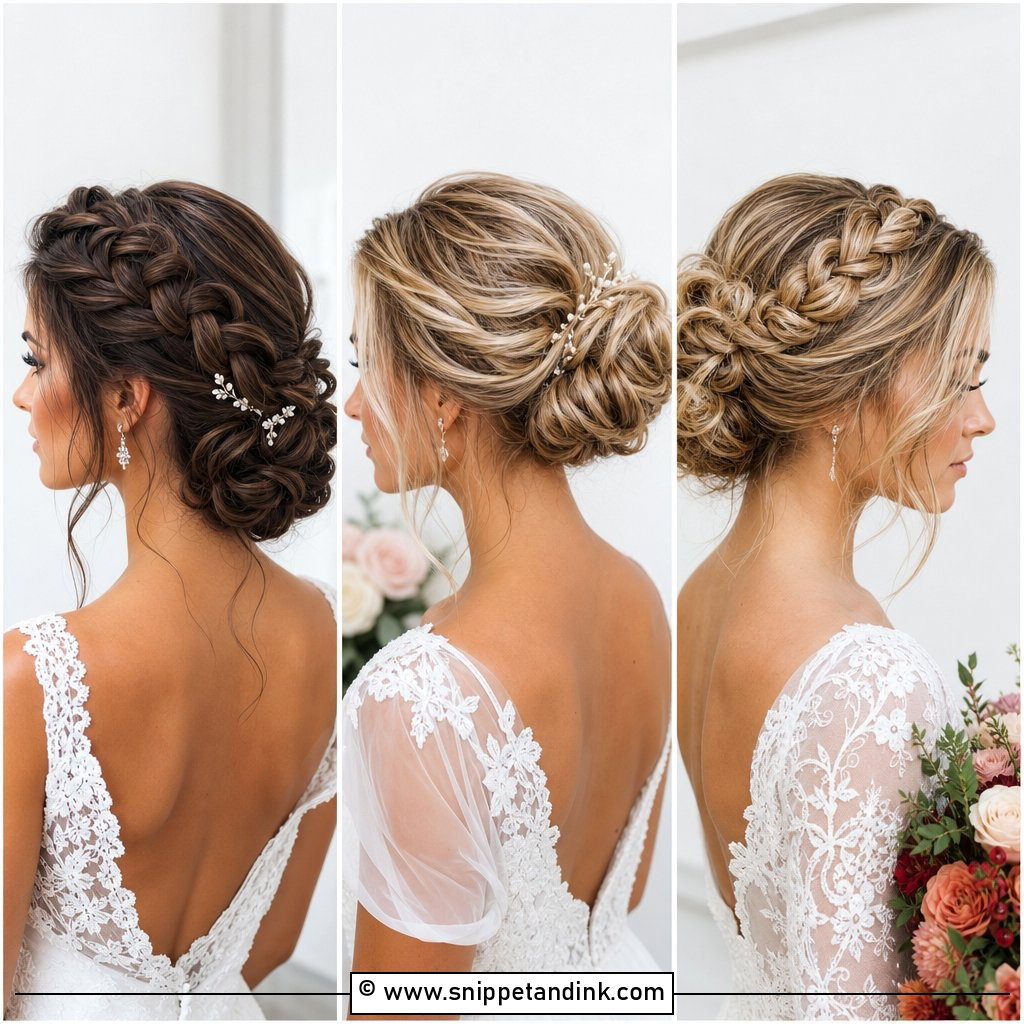
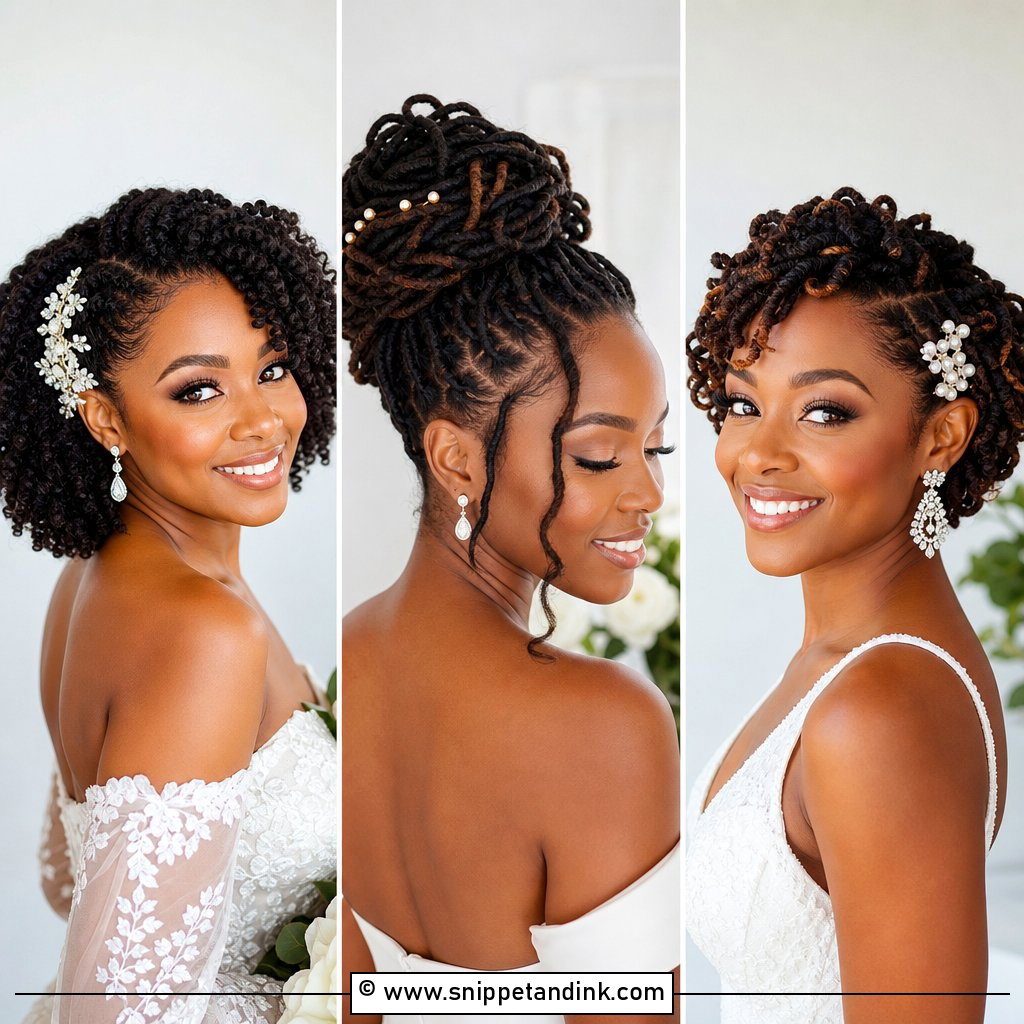
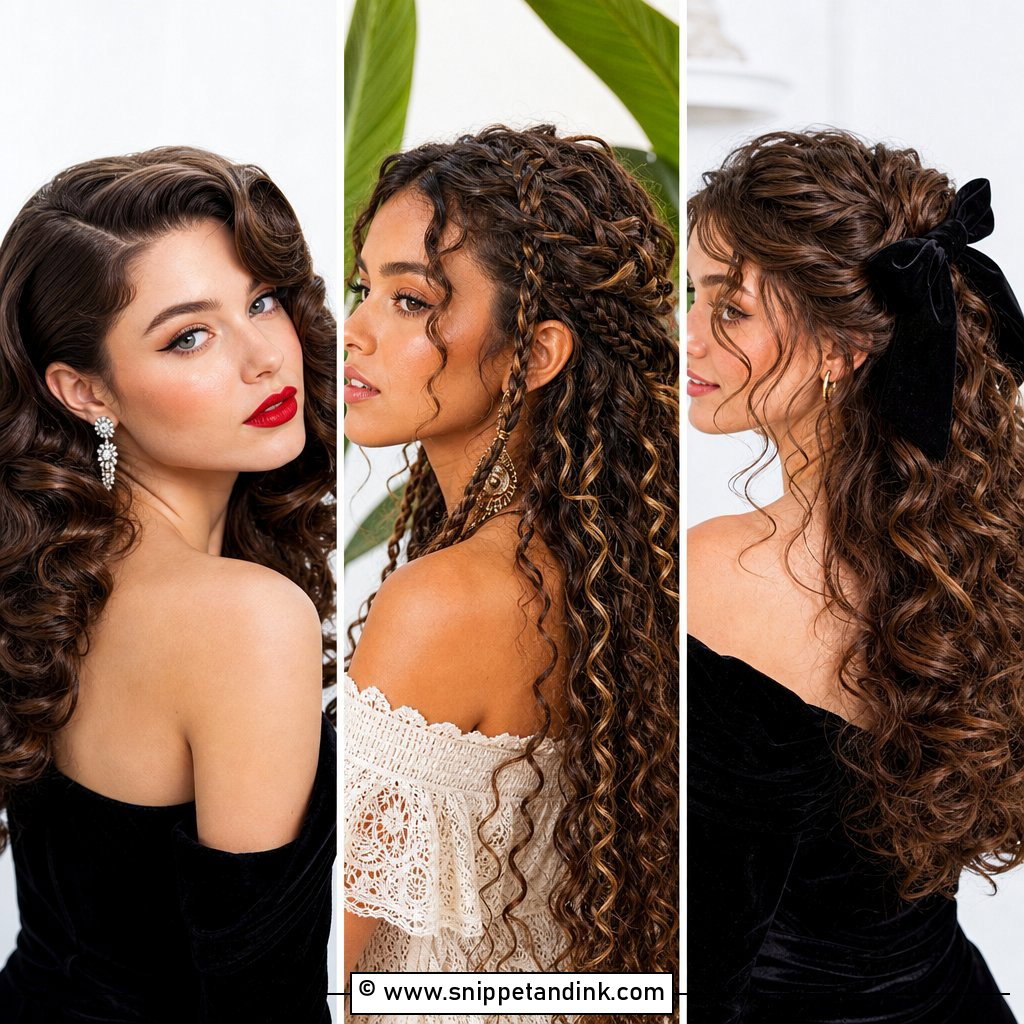
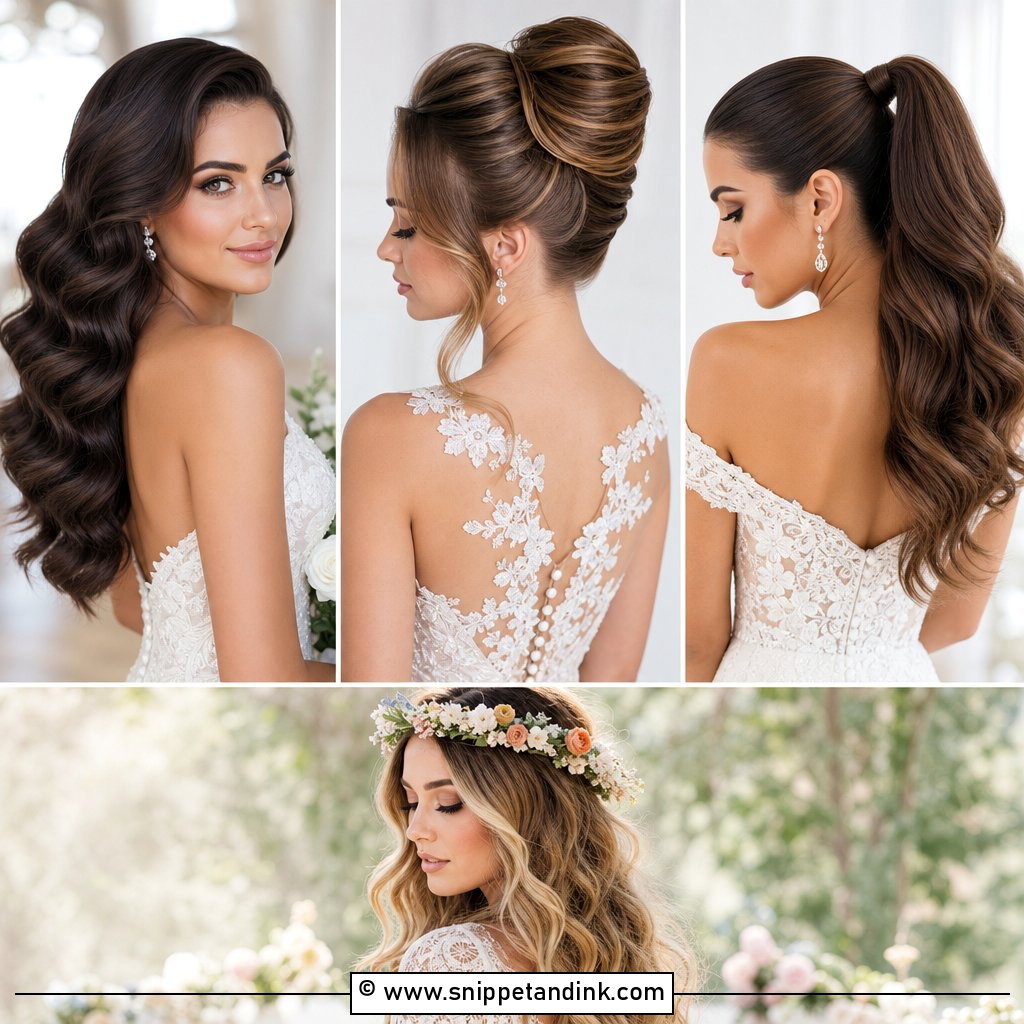
20. Twisted Half-Up Down Style
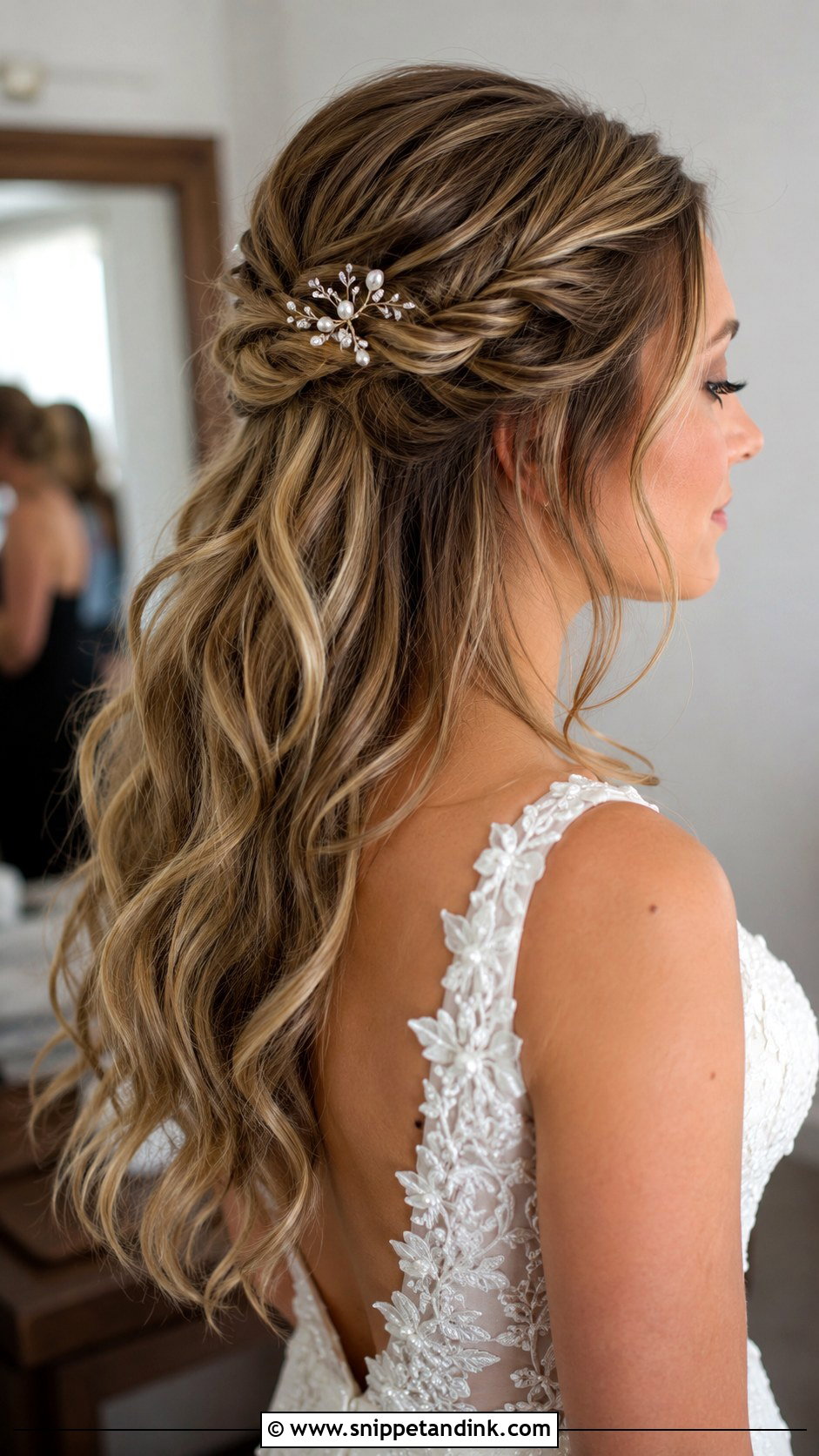
Twisting a section from each side and pinning them where they meet at the crown is the quickest secure half-up I do. The twists create a natural catch point for a veil and keep hair out of your face during the ceremony. I twist away from the face and pin each twist with two crossed pins, so it holds through a long reception. A decorative pin where the twists meet hides the join.
21. Wavy Hair with Floral Hairpiece
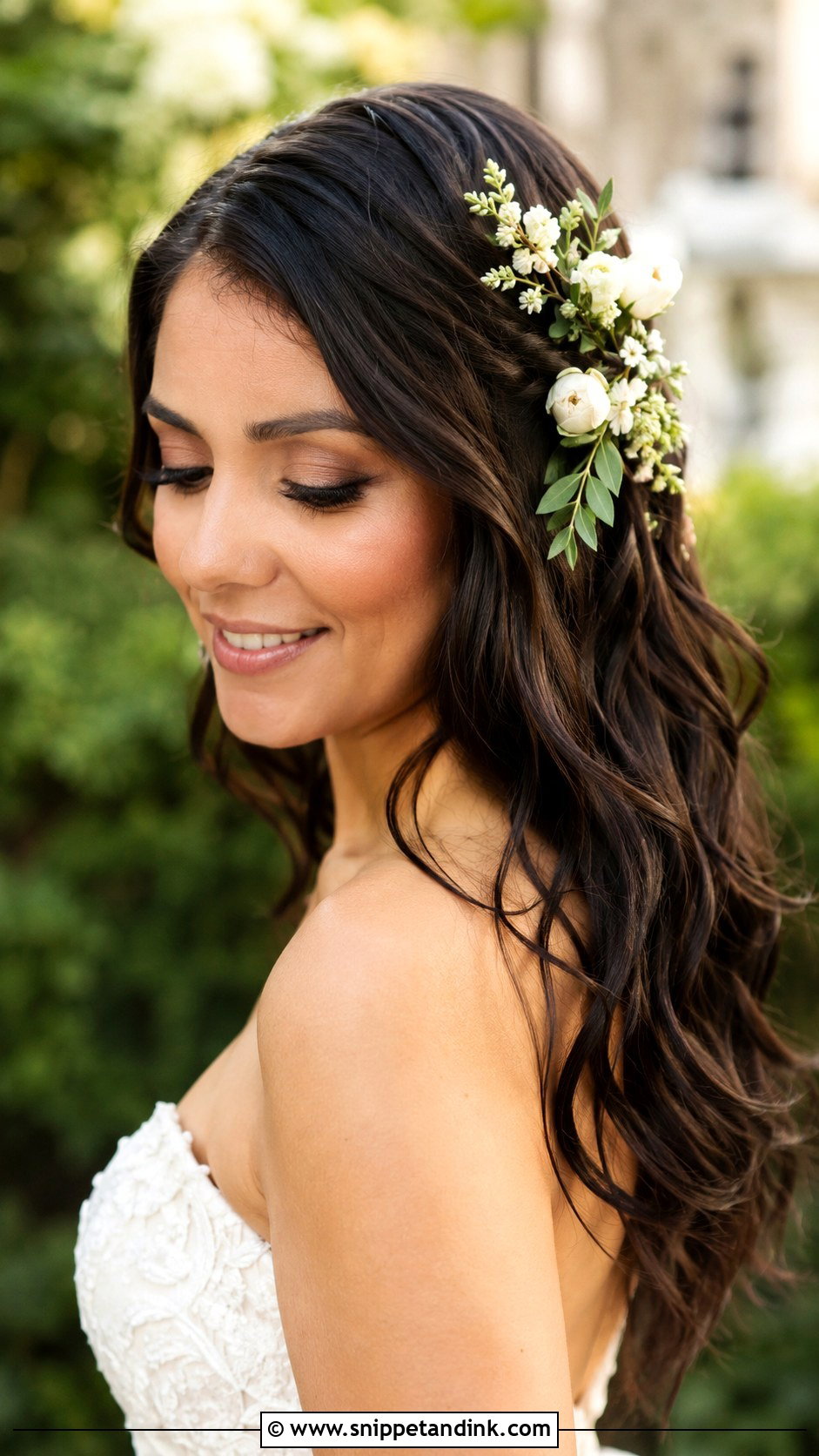
Fresh flowers in wavy hair suit spring and summer ceremonies, especially outdoors. They can tuck along one side, across the crown, or be scattered through the waves. Choose sturdy blooms: spray roses, waxflower, and small orchids last much longer out of water than delicate garden flowers that wilt by the first dance. I wire or pin each stem into a base so nothing shifts or falls out.
22. Deep Side Part with Loose Waves
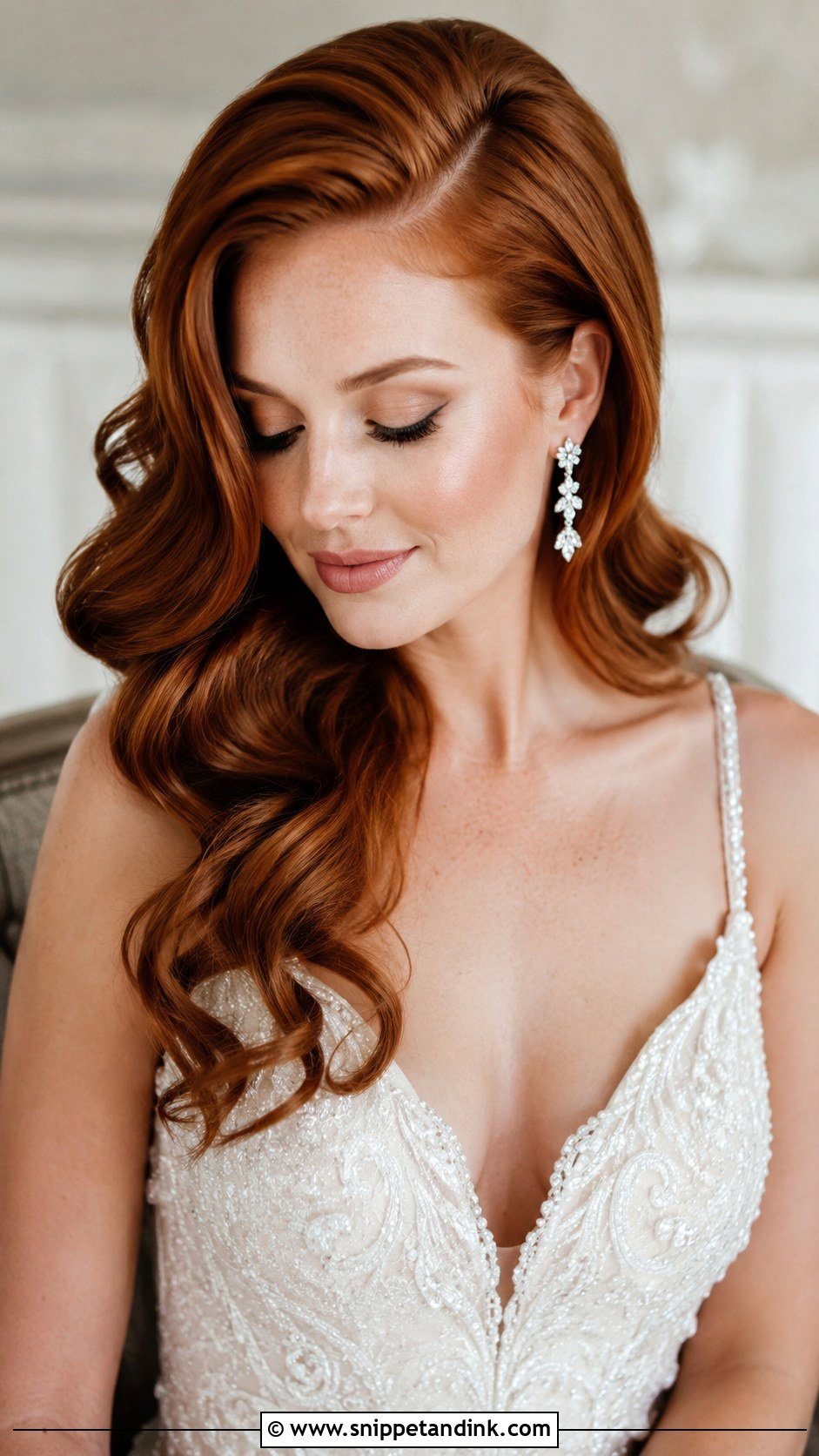
A deep part with loose waves is the easiest style here to adjust on the spot, because simply flipping the part changes the whole shape. I check which side your hair naturally falls toward at the trial and work with it; fighting a cowlick for ten hours never wins. Statement earrings or a sparkly clip near the part show off the line. It flatters most face shapes and suits medium to long hair.
23. Boho Waves with Braided Accents
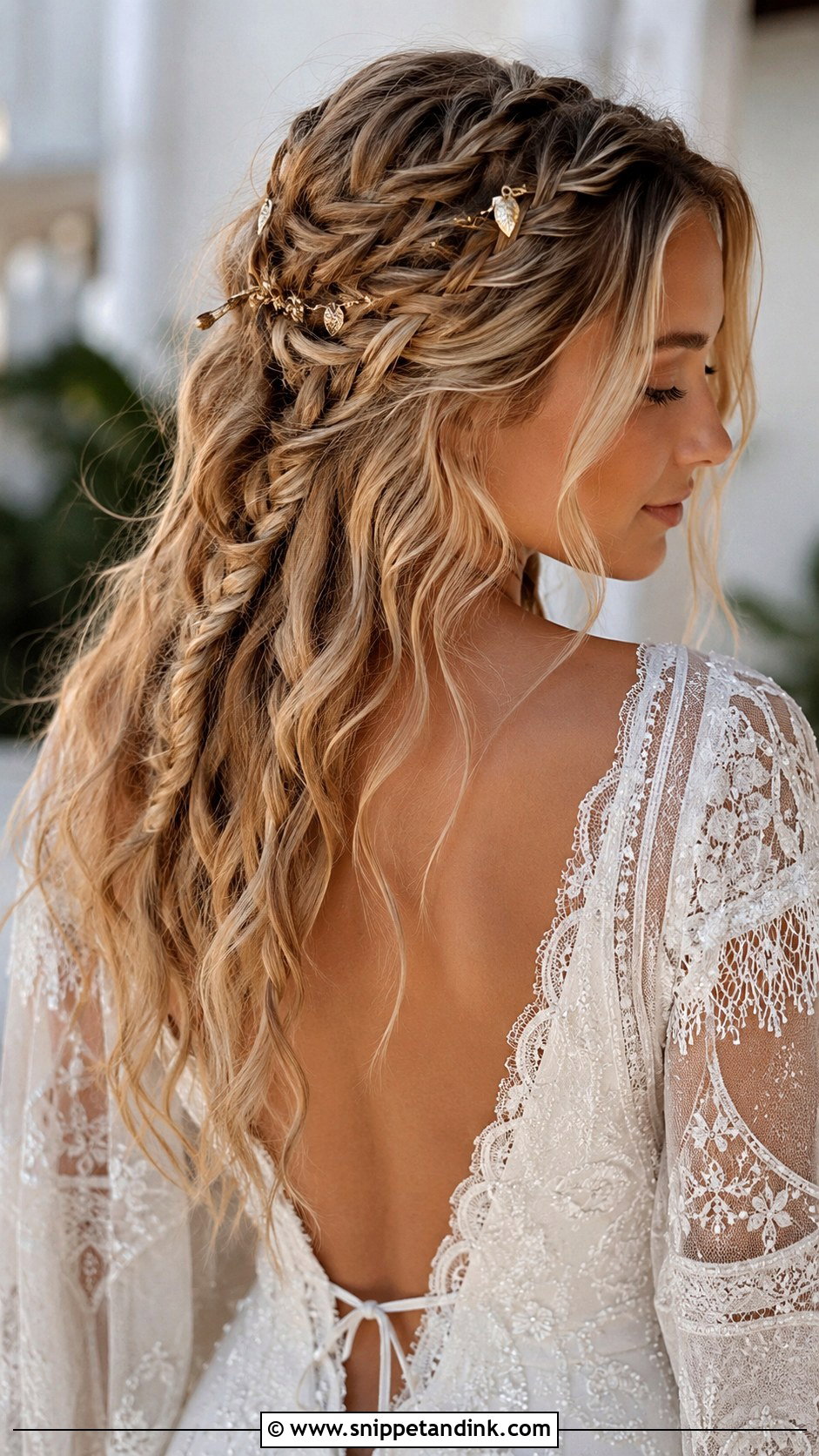
Small braids woven through loose boho waves add texture without heavy structure. I keep them thin, two or three strands wide, and tie them off with clear elastics hidden under the waves. This works best on long, thick hair. Tiny flowers or gold rings can be threaded onto the braids. For festival-style or outdoor weddings, it’s one of the few down styles that actually looks better as the day goes on.
24. Sleek Low Waves with Center Part
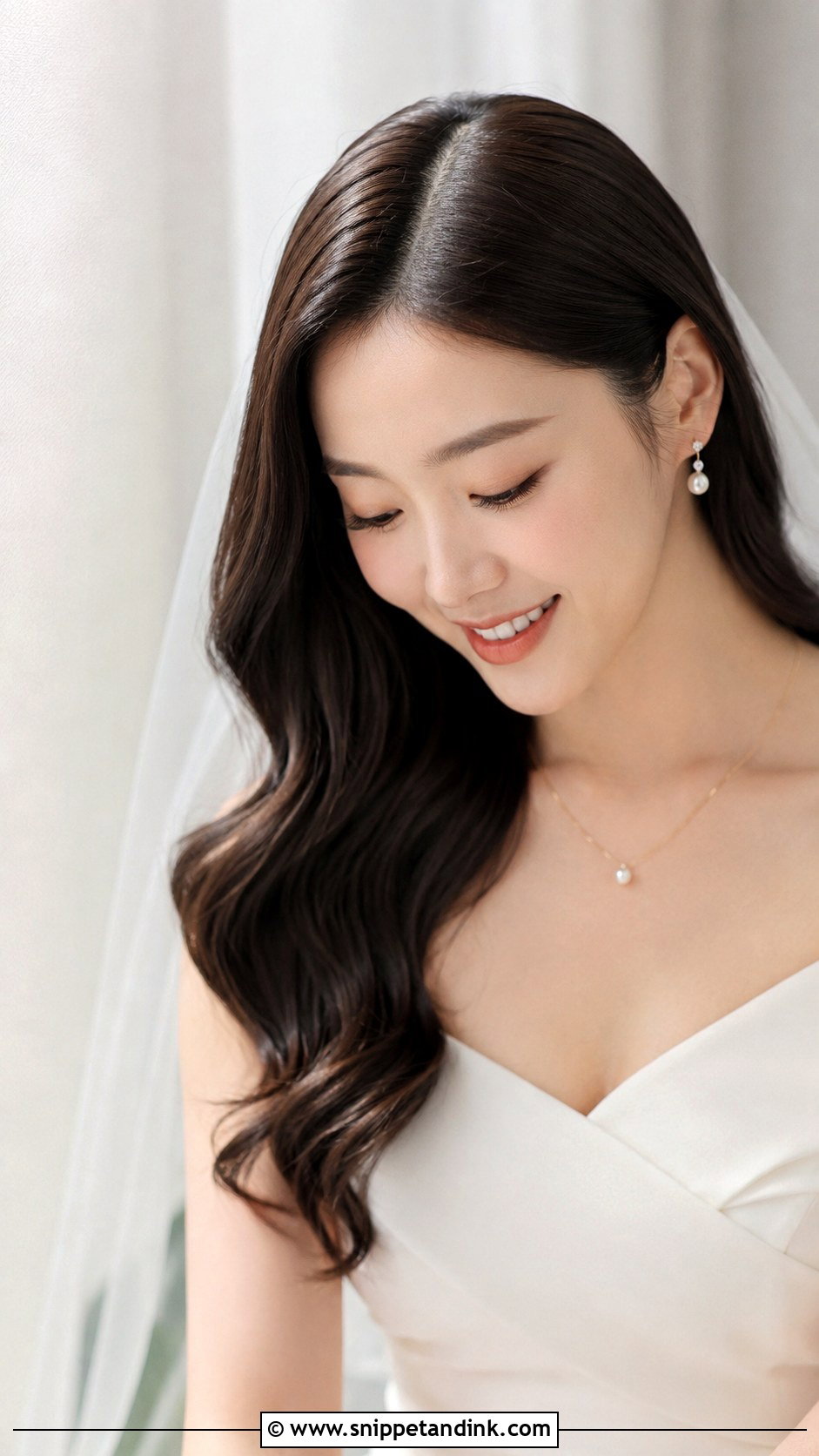
Sleek at the top and waved through the ends, this style needs two different finishes in one head of hair. I smooth the crown with a paddle brush and a light cream, then curl only from the mid-lengths down, so the transition looks deliberate rather than accidental. A clean center part keeps the look modern. Simple jewellery and a clean gown suit it best.
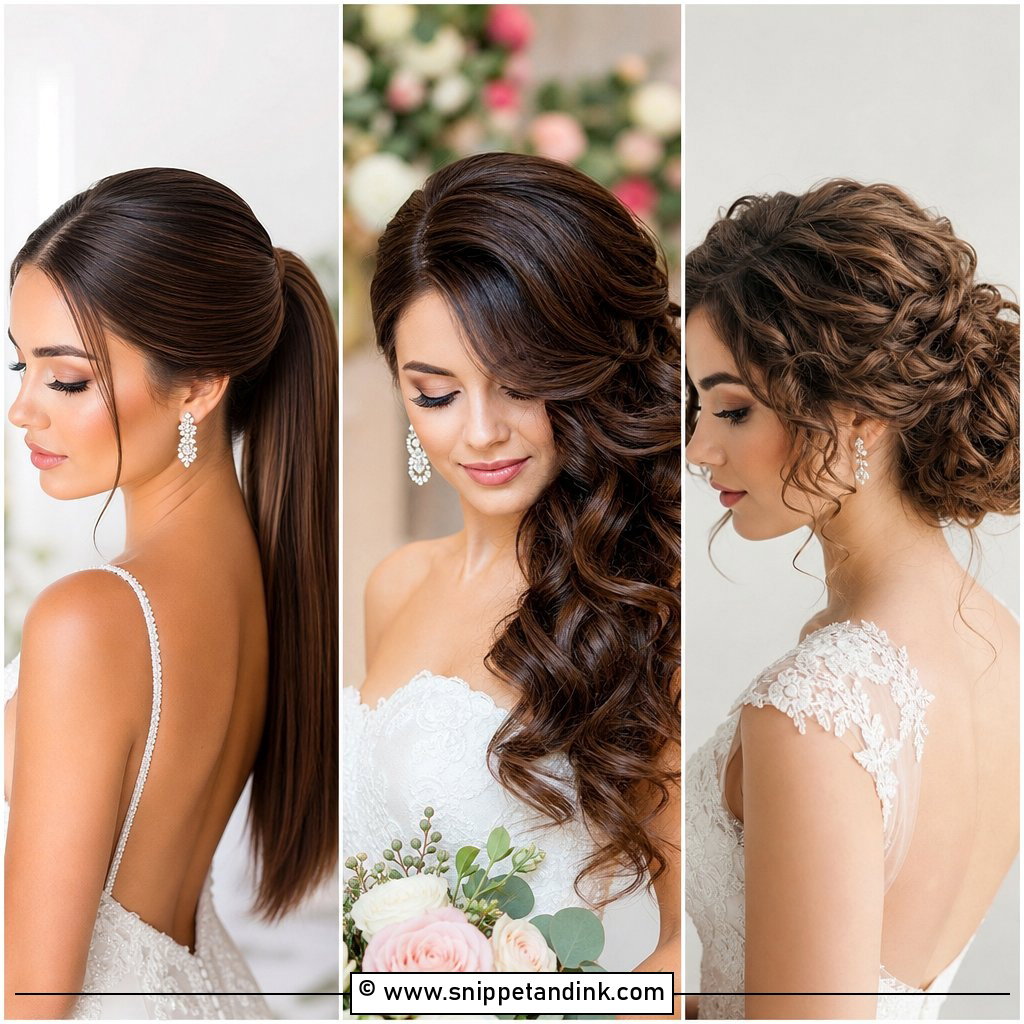
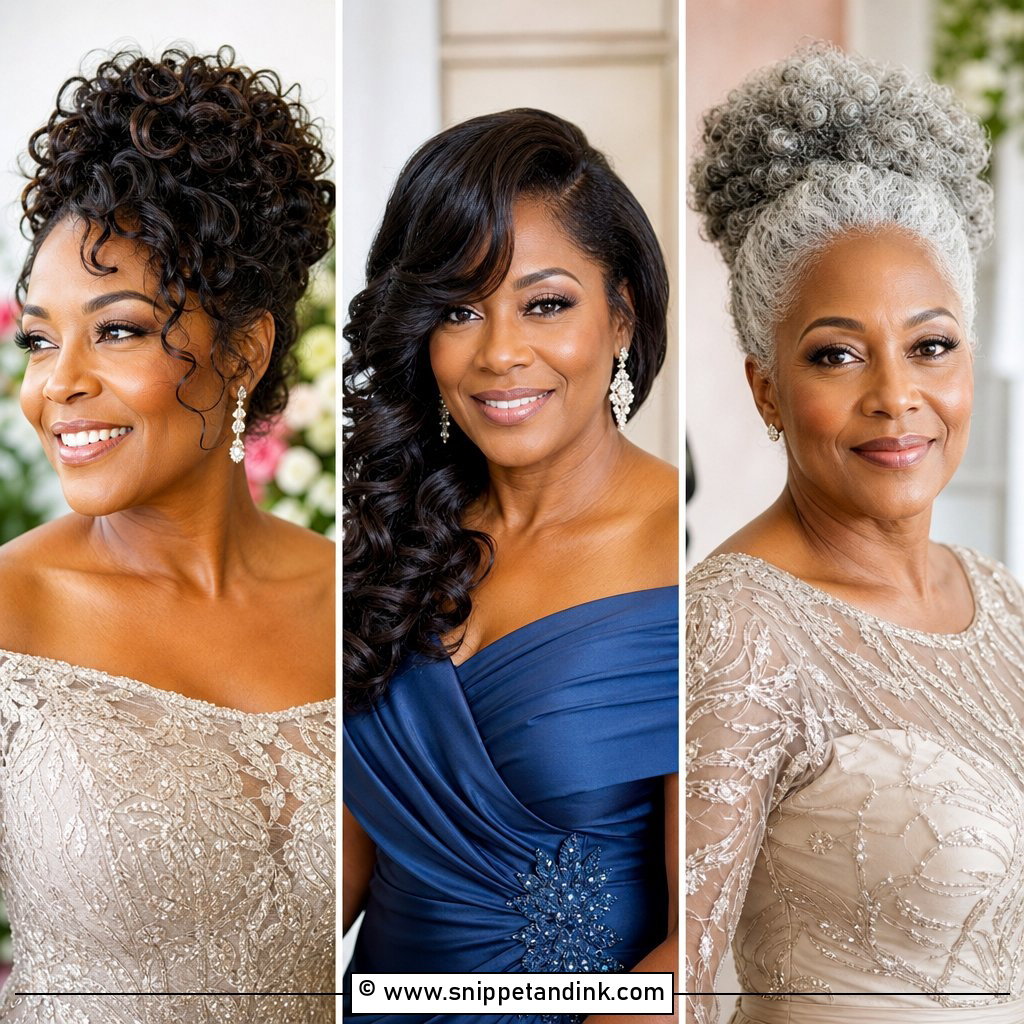
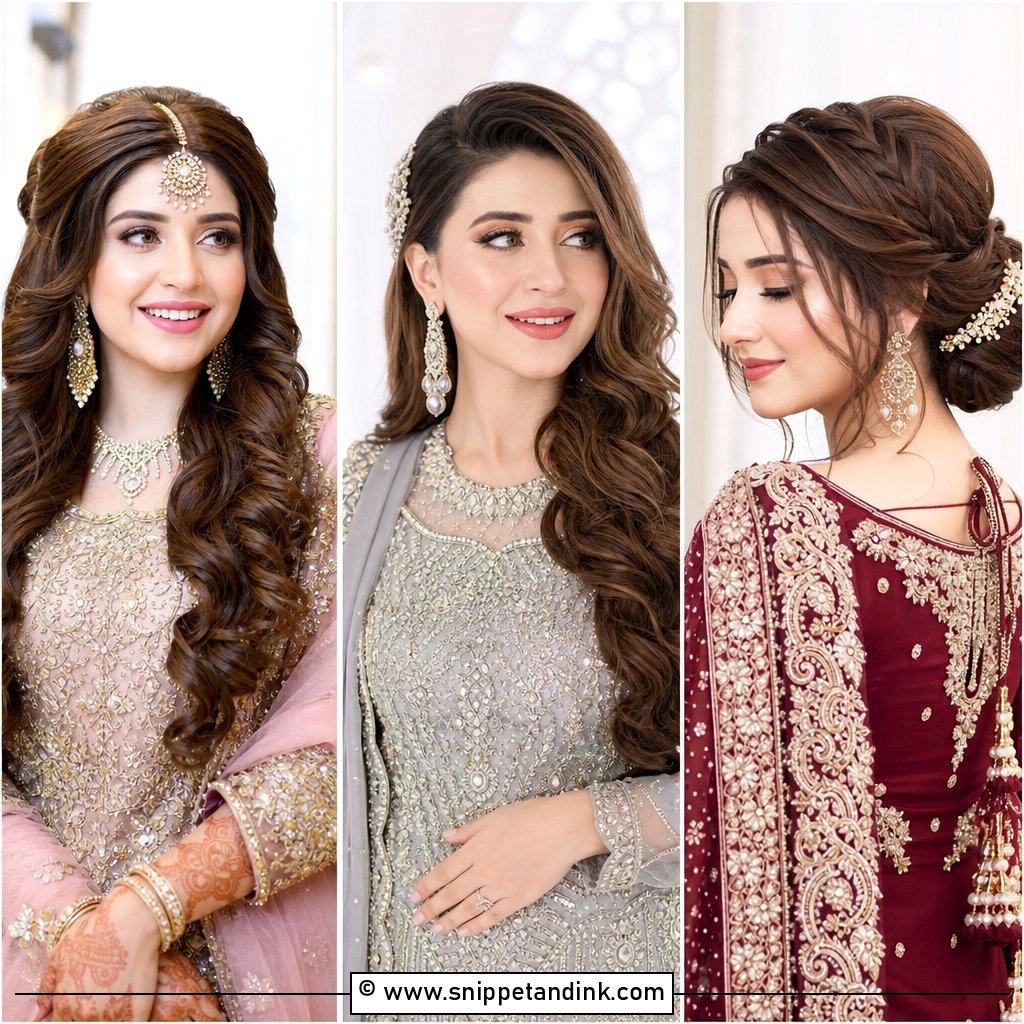
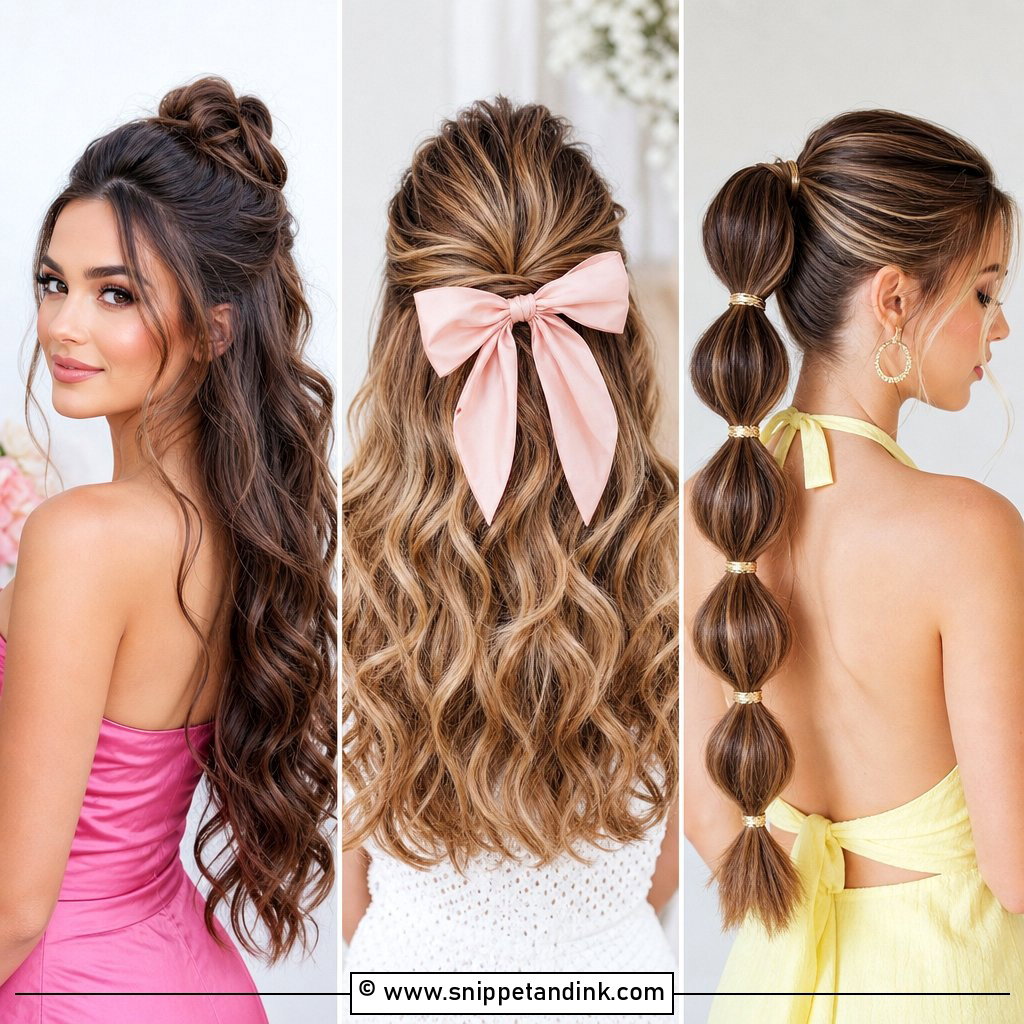
25. Long Layered Waves with Volume
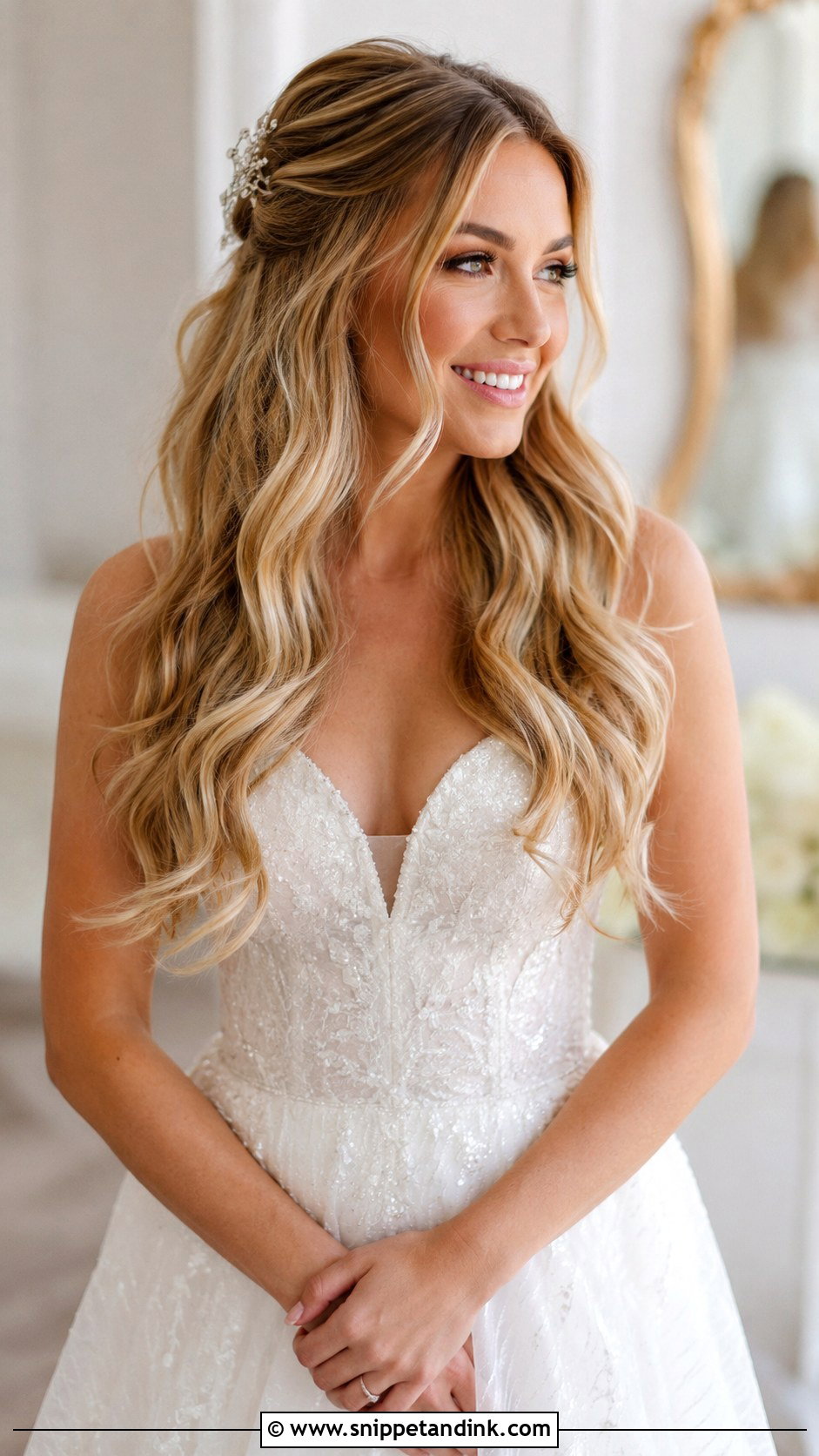
Long layered hair takes volume brilliantly, because the layers lift on their own once they’re curled. I curl each layer separately, so the shorter pieces frame the face and the longer ones fall behind. This pairs well with veils, flowers, or sparkly pins. If your layers are fresh and choppy, ask your stylist to blend them a few weeks before the wedding rather than the week of, so they’ve settled.
Humidity, Hugs and a Heavy Veil Pull Loose Curls Apart
Most of the trouble with down styles comes from three places, and you can plan around all of them. The first is the veil. Its weight hangs from a single comb, and if that comb sits in loose hair, it slides down and drags the curls with it. A small hidden anchor under the crown solves this almost entirely.
The second is contact. Every hug presses curls flat against the shoulder, and long hair gets caught under your arms and bag straps. I’d tell you to sweep it back before the receiving line rather than avoid hugs; flattened sections spring back when lifted with your fingers.
A Small Touch-Up Kit for Your Maid of Honor
- A travel hairspray with flexible hold, not a strong lacquer that turns curls stiff
- Six to eight bobby pins in your hair color
- A small smoothing balm for flyaways along the part
- A wide-tooth comb or just fingers; a fine brush will separate curls into frizz
If curls fall flat before the evening portraits, ask your maid of honor to twist a couple of large sections around a finger, pin them for ten minutes, then release and finger-comb them. It won’t recreate the morning set, but it brings back enough shape for photos. And if the day is hot, consider a pretty clip or a low twist for the dancing. It’s a relief, and it changes the look for the evening.
Settling on Your Wave Pattern at the Trial
Wearing your hair down is a choice I love supporting, but it works best when it’s tested. Bring the photos you’re drawn to, your veil if you have it, and the earrings you plan to wear to your trial. Wear a top with a similar neckline to your gown so we can see how the length sits. Then take photos in daylight and in the evening and notice how the waves hold by the time you get home.
You'll Like These Ideas:



Leave a Reply