
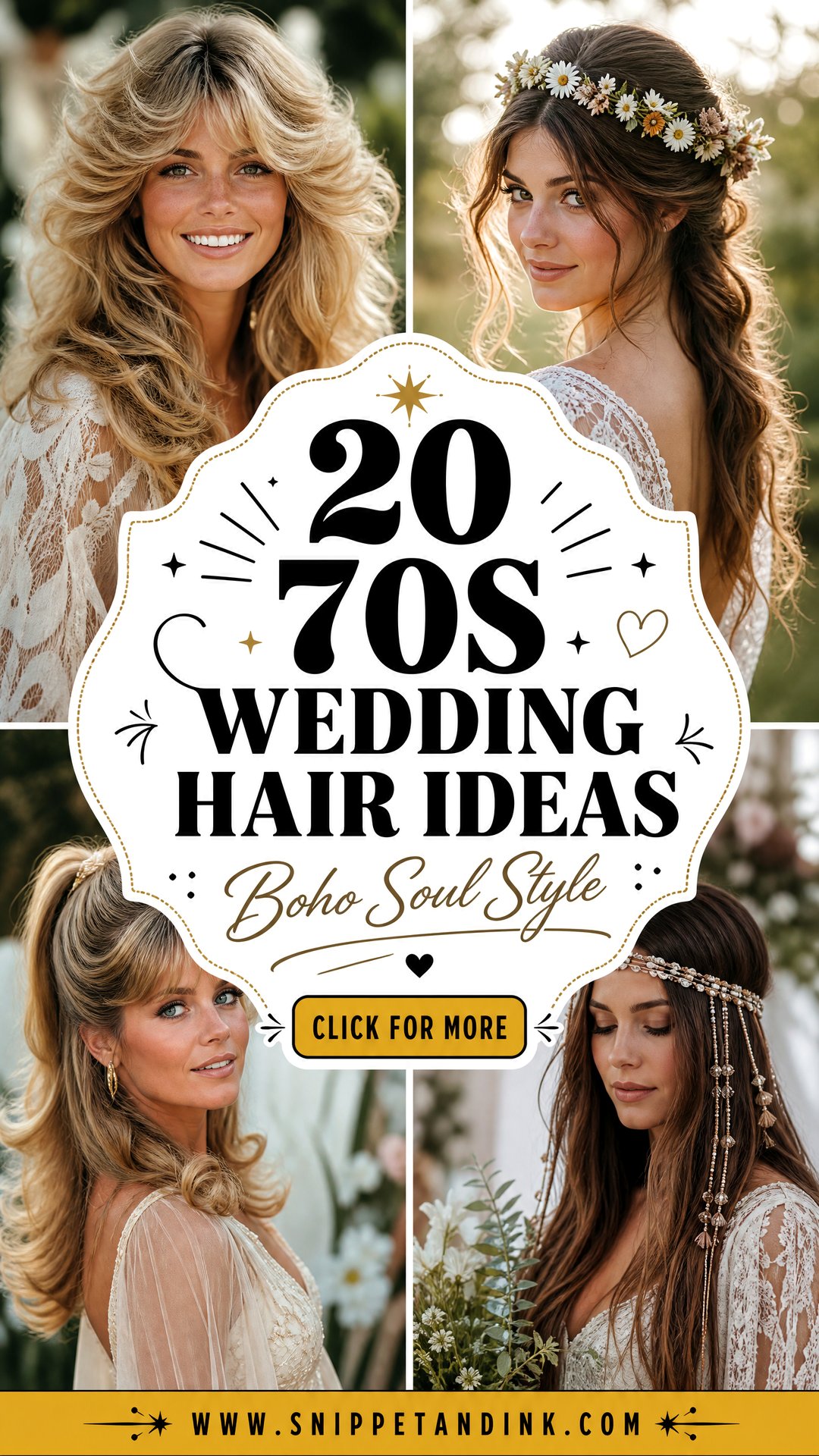
Seventies bridal hair is mostly about texture and parting, not costume. Feathered layers, a glossy center part, a few loose braids, a crown of daisies: none of it needs a period dress to make sense. That’s why I like styling it for both garden ceremonies and glittery disco receptions. The catch is that the era’s hair was usually worn loose, and loose hair is the hardest thing to keep looking fresh from the first look to the last dance. Below are 20 70s wedding hair ideas, from Farrah feathers to hippie braids, with my notes on what each one asks of your hair.
Seventies Texture Starts With the Hair You Already Have
The decade’s hair was mostly worn down, and loose styles show your natural texture more than any updo does. So before you fall for a picture, I’d look at what your hair does on a normal day and pick from the styles that work with it.
Fine or very straight hair
Feathered waves and blowouts can drop within a couple of hours on fine hair. I set every curl with a light mousse while damp, let each section cool pinned in a coil, and only brush out once makeup is finished. The half-up looks and pinned-back waves are kinder to you than all-down disco curls, because the pins take the weight off the crown.
Thick, wavy or layered hair
You’re the natural fit for shags, curtain bangs and center-parted waves. Your challenge is frizz and bulk, not hold. I use a smoothing cream before the iron and leave out heavy texture spray, because it can turn thick waves into a puff by evening.
Curly and coily hair
The afro, a halo of flowers over natural curls, and braided crowns all sit naturally on your texture. Stretching coils the day before gives a fuller, more even shape, and I avoid heat on the morning itself so the curl pattern stays consistent through the day.
1. Farrah Fawcett Feathered Waves
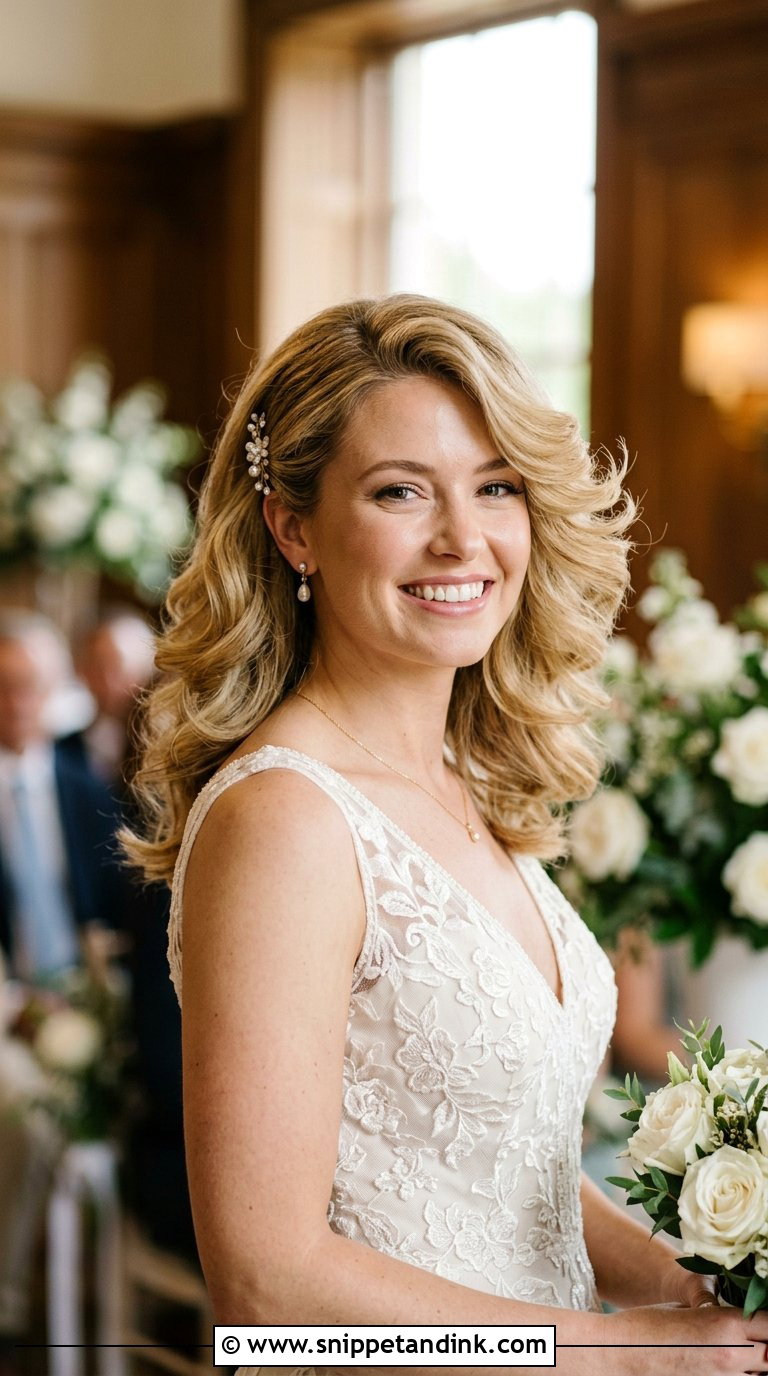
No style says 1970s faster than Farrah Fawcett’s feathered waves, with big layers brushed back off the face into that wing shape at the cheekbones. The cut does half the work here. Without long face-framing layers starting around the chin, the iron has nothing to flip, so I always ask whether the bride is willing to have them cut in first. I roll each front section back and away from the face with a large barrel, let it cool in the curl, then brush it out. Wear it loose, or under a plain sheer veil that won’t flatten the wings.
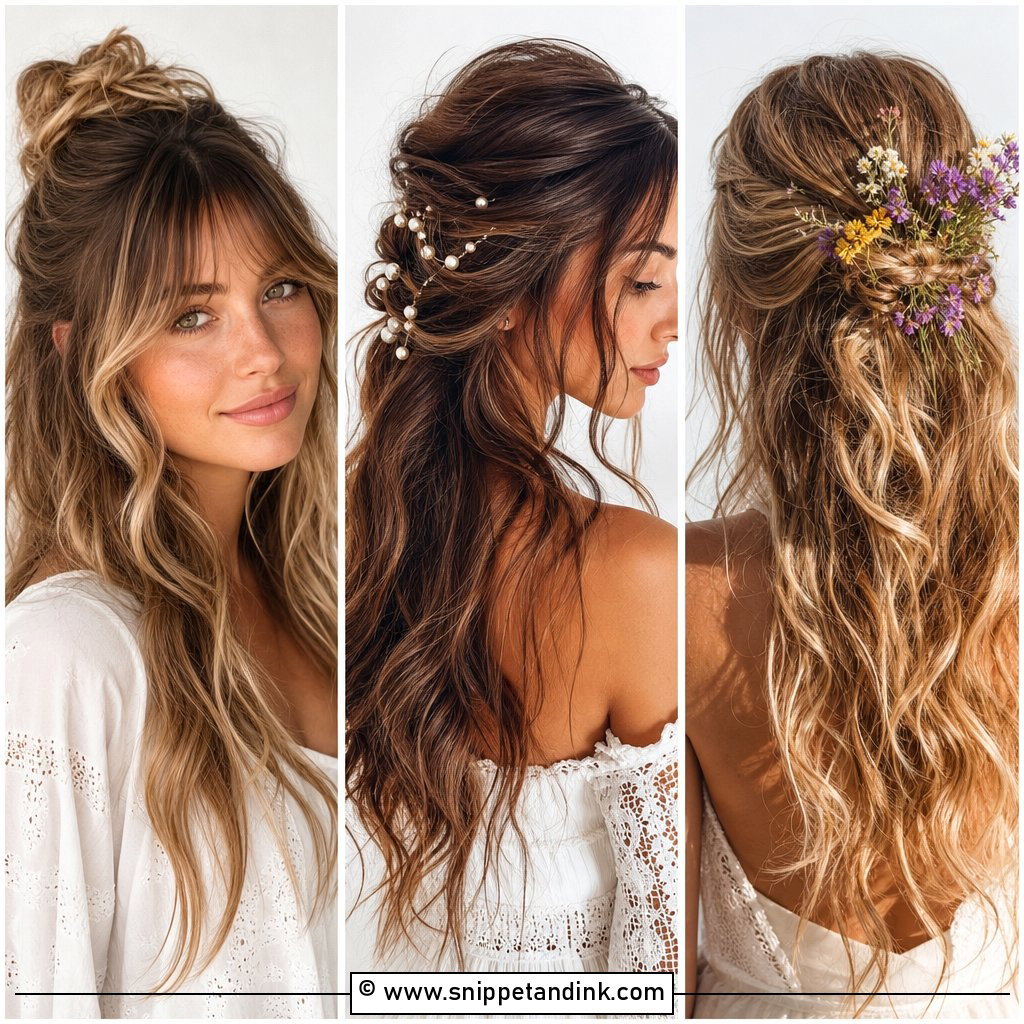
2. Center-Parted Boho Waves
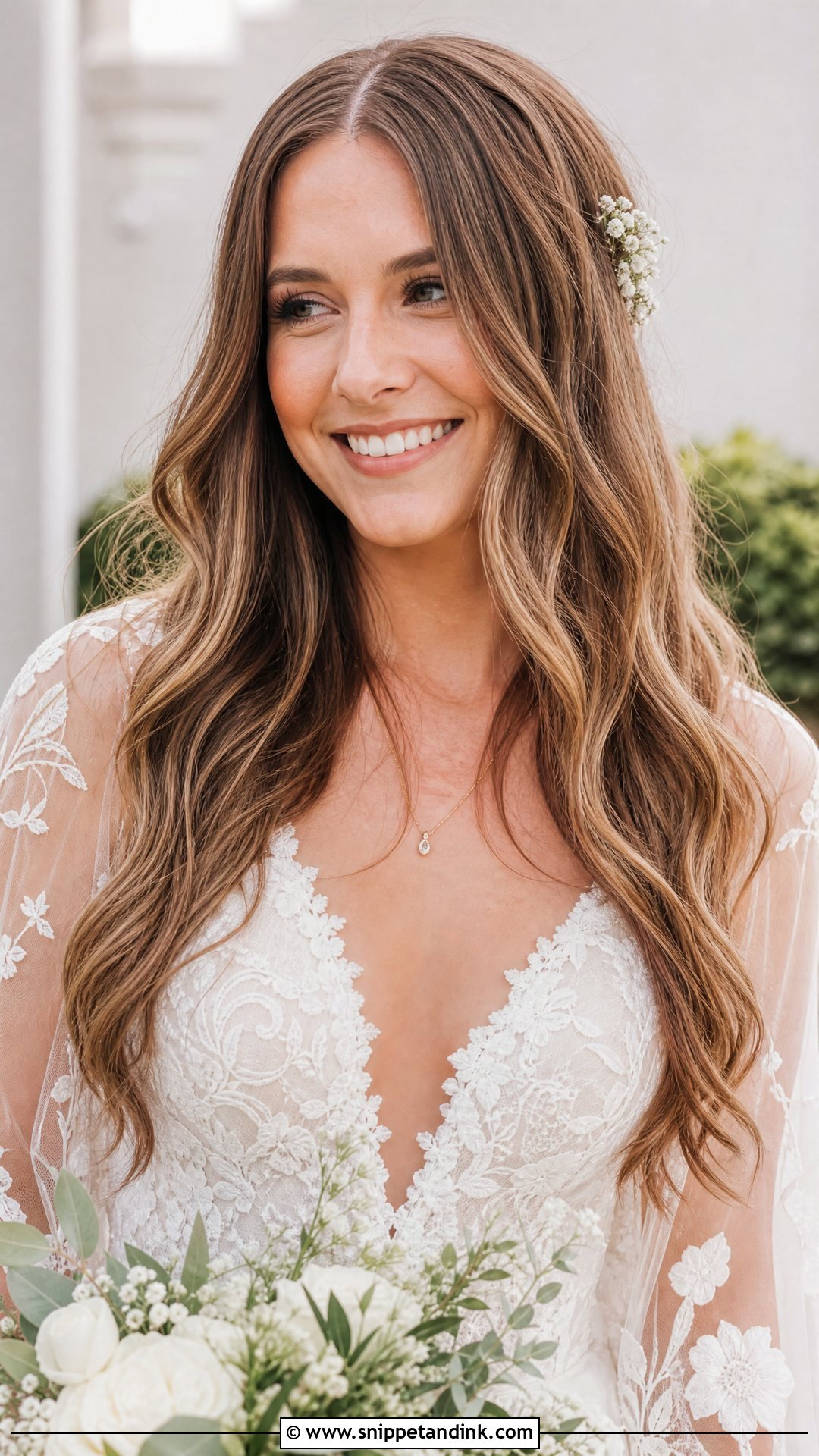
Glossy waves from a dead-center part are the most wearable look on this list. I use a medium barrel, wrap alternate sections in opposite directions so the waves don’t clump into one sheet, and finish the ends with a drop of oil. Be honest with yourself about the part, though. A strict middle part shows every bit of asymmetry in the face and every cowlick at the crown, so I test it at the trial before we commit. Long and medium lengths carry it best; a couple of small blooms near the crown is plenty of decoration.
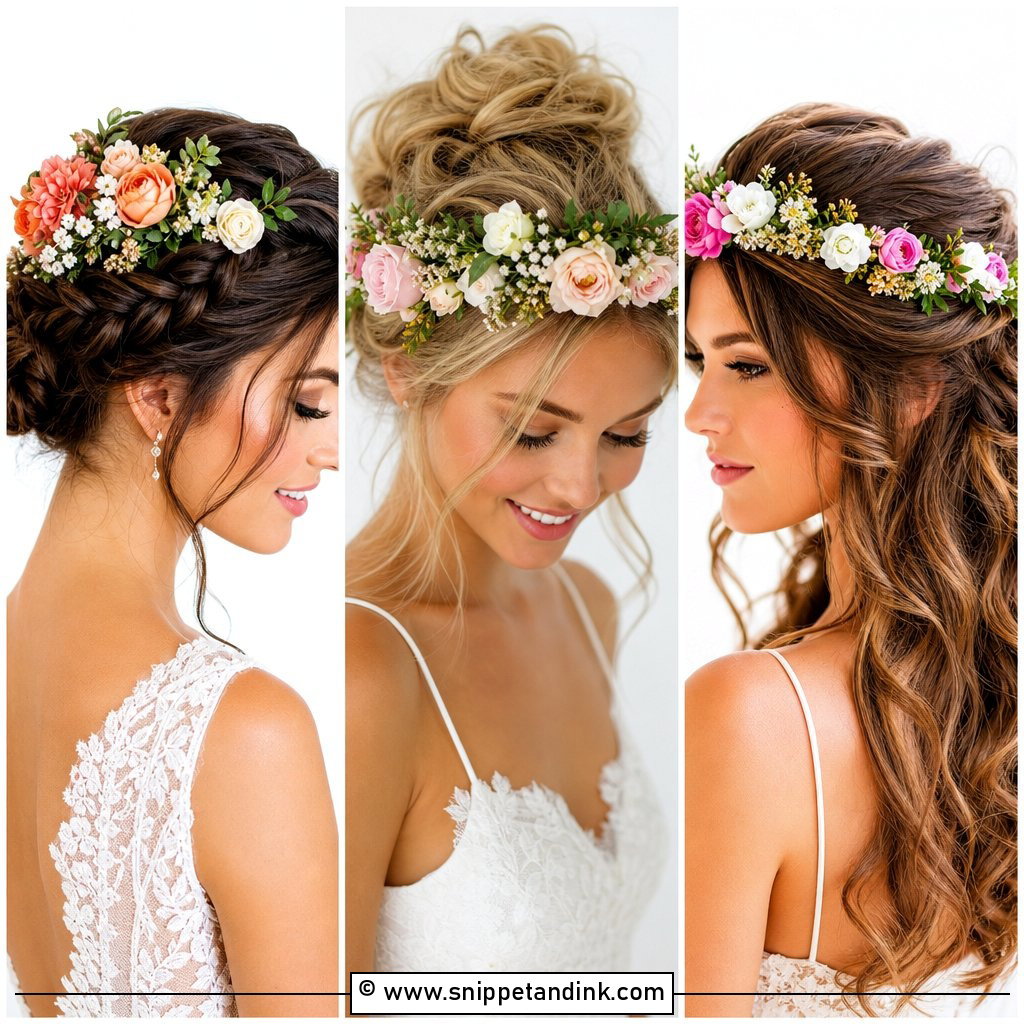
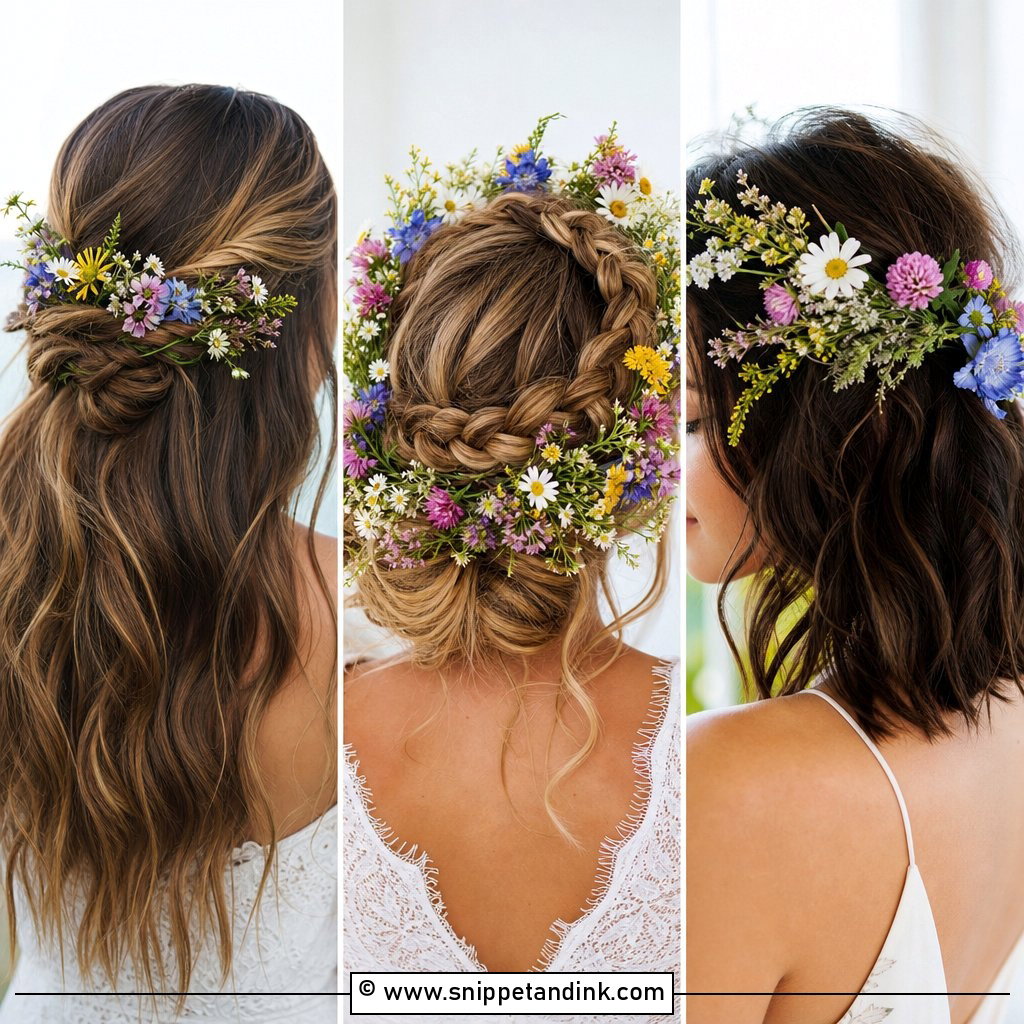
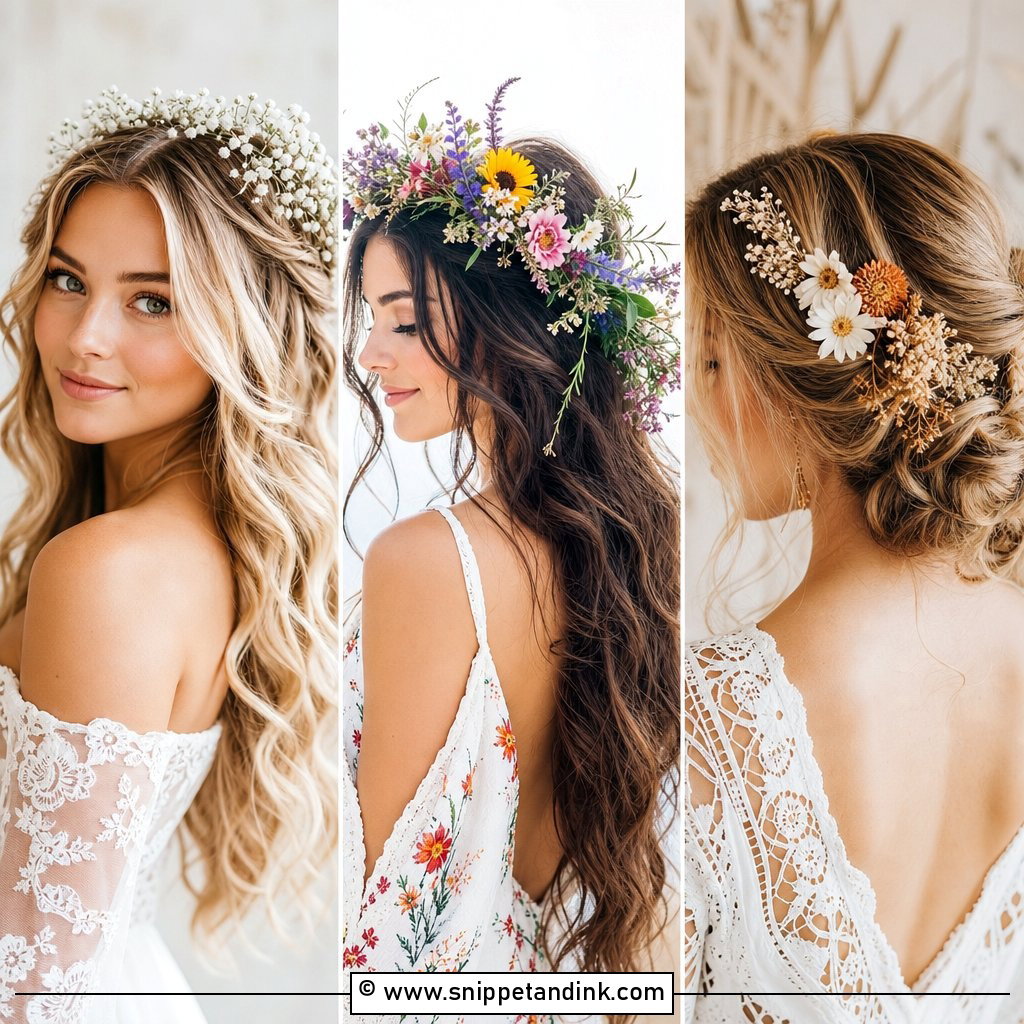
3. Half-Up Flower Crown
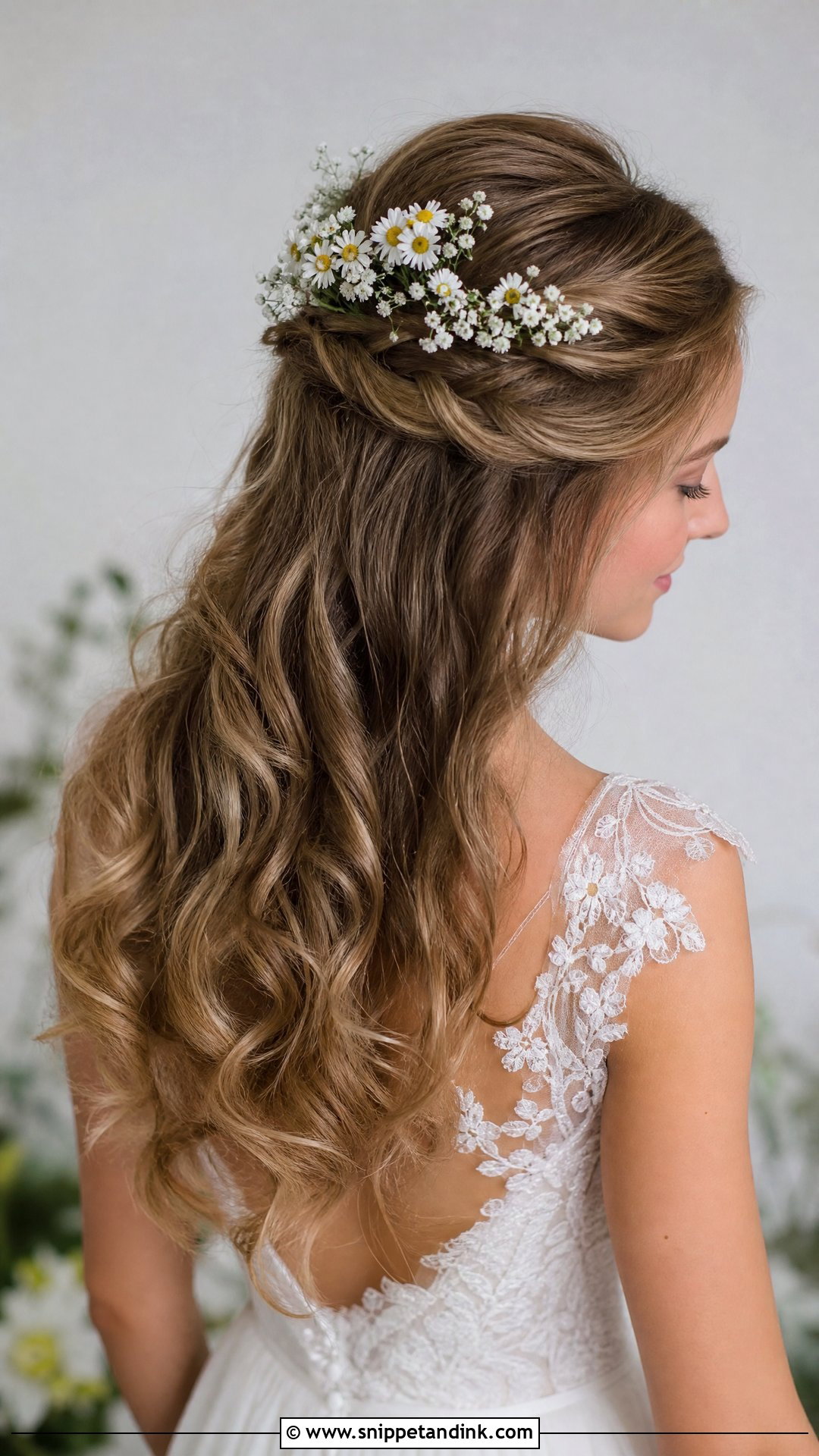
This is the flower-child look most people picture: hair mostly down in soft waves, the top section twisted back loosely, and a crown of baby’s breath, daisies or wildflowers on top. My practical worry with any fresh crown is weight and wilting. Daisies and baby’s breath hold up well out of water; delicate garden blooms can flop by the reception. I anchor the crown to the half-up twist with crossed bobby pins rather than balancing it on loose hair, and I keep the waves underneath loose for that authentic hippie feel.
4. Long Feathered Layers With Curtain Bangs
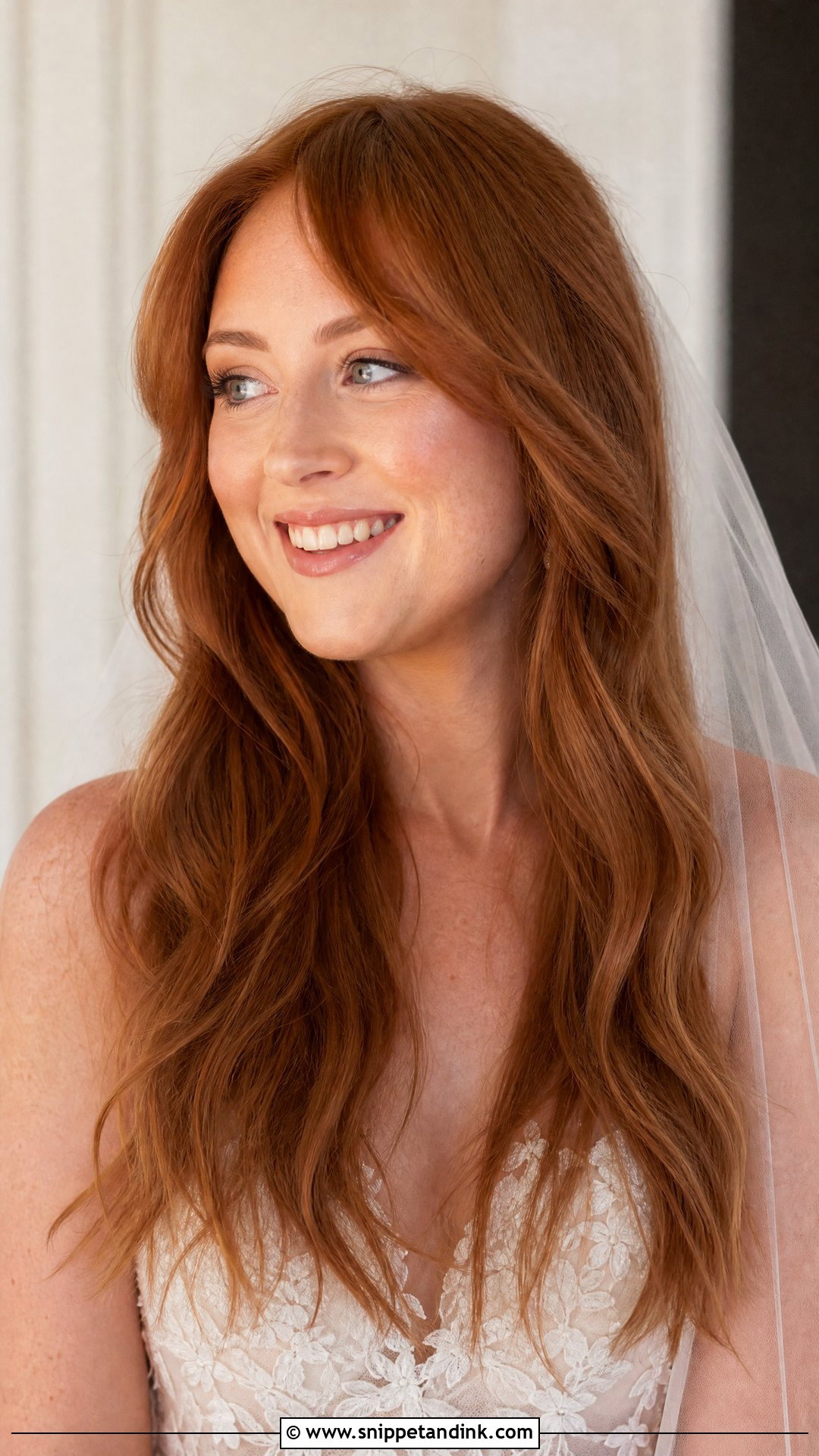
Curtain bangs part in the middle and fall into long feathered layers, so they frame the eyes without covering them. They’re the most modern-feeling piece of the decade. Get them cut at least four to six weeks out, because fresh bangs always sit too short and too heavy for the first fortnight. On the day I set them with a round brush and a few minutes in a velcro roller, not an iron, so they stay soft. Brides with a strong cowlick at the hairline should test this before cutting anything.
5. Jane Fonda Half-Up Ponytail
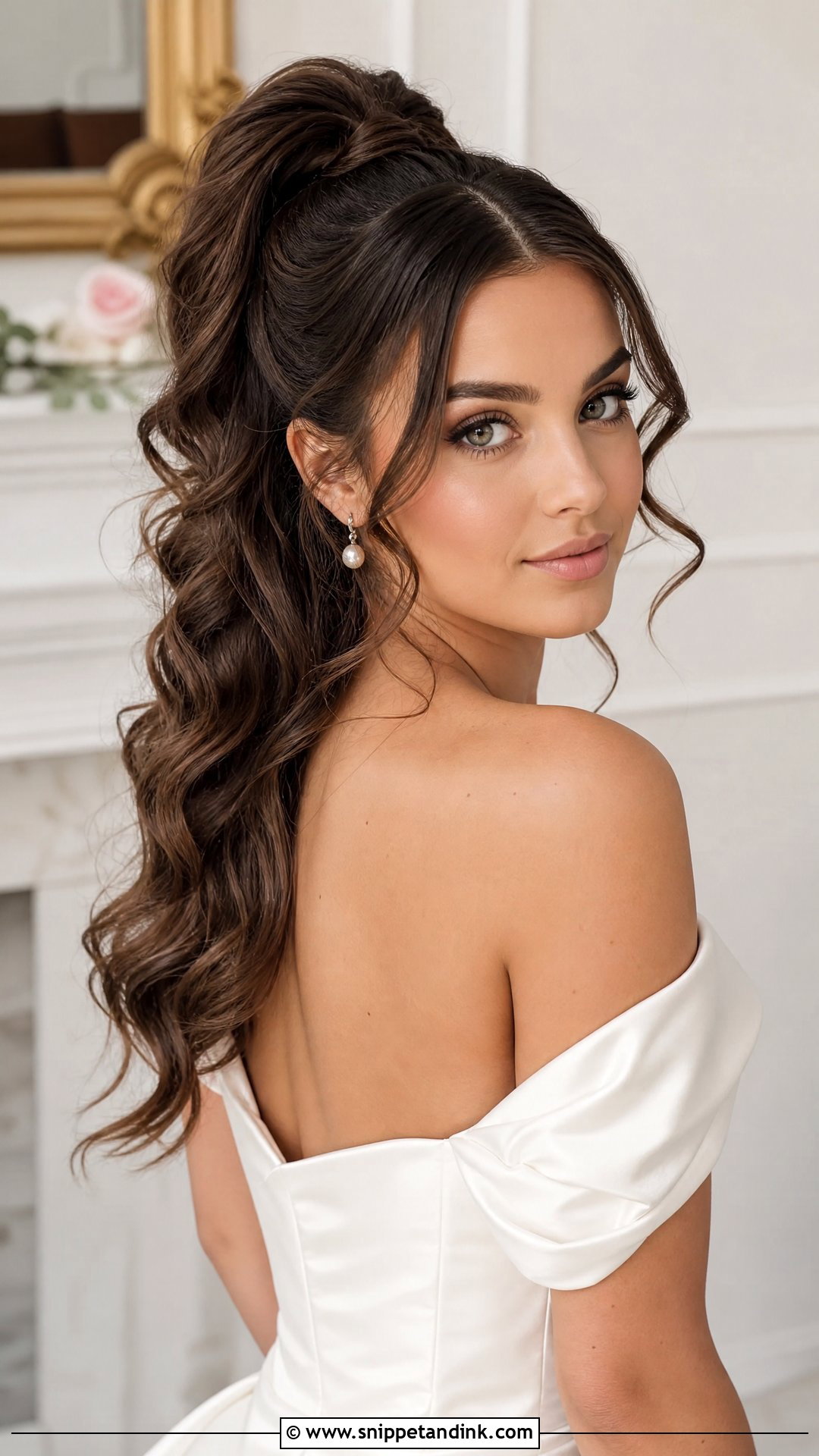
Inspired by Jane Fonda’s Barbarella hair, this half-up ponytail starts from a center part with large curls through the length, then the top half pulled into a high tail with soft pieces left around the face. Height is the tricky part. A high half-up pony pulls on the crown all day, so I build it on a small teased base and secure it with an elastic plus two pins crossed underneath, which spreads the tension. A thin ribbon tied over the elastic is the most period-correct finish, and it holds up well on the dance floor.
6. Soft Hippie Braids
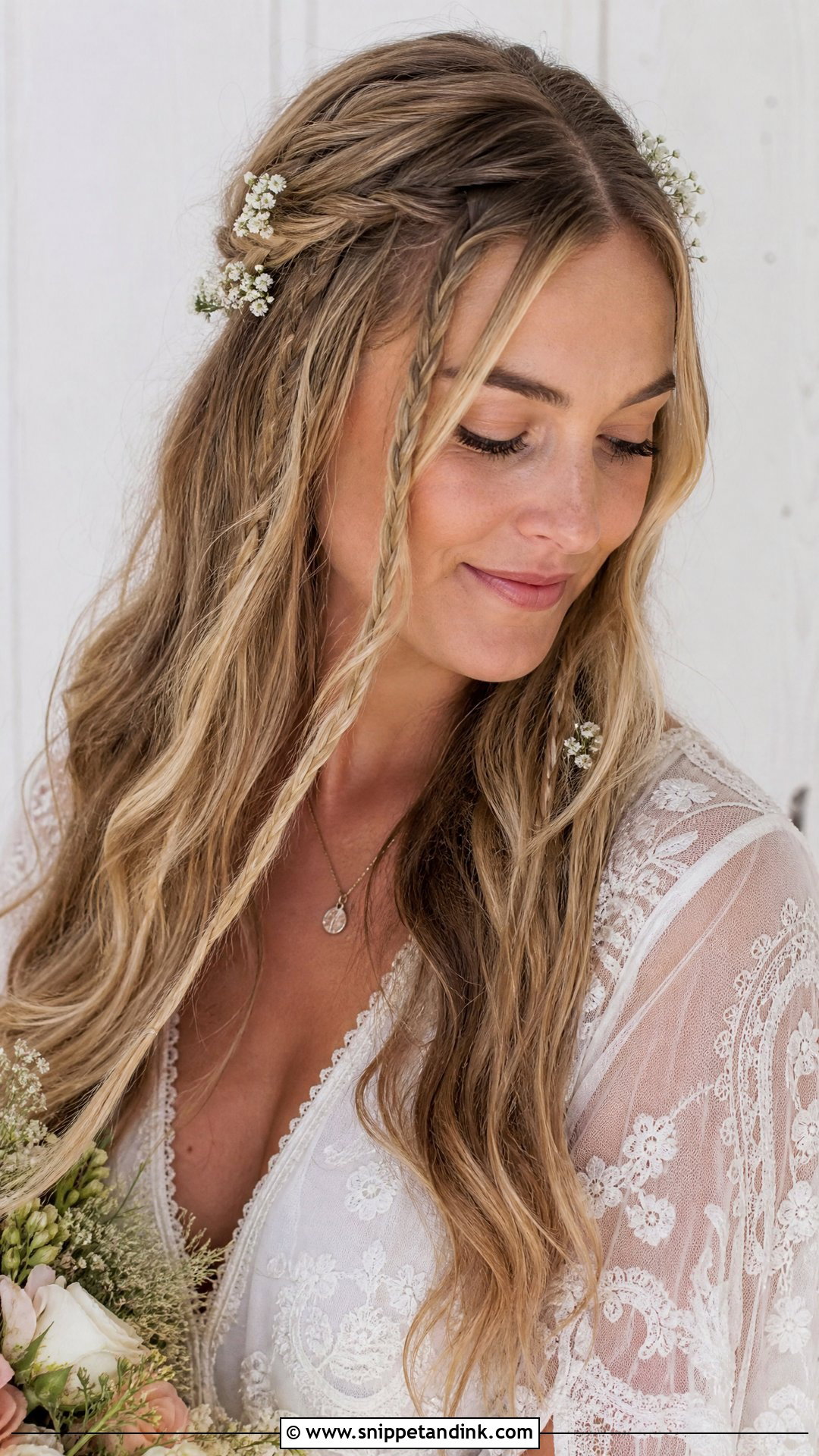
Hippie braids are thin, a little loose, and worn on top of waves rather than instead of them: one or two on each side of the face, or a single braid laid across the crown like a headband. I pancake them gently after braiding so they look lived-in, but I always pin the tail ends under the hair, because a loose braid end is what unravels first. Little sprigs of greenery tuck into the plaits easily. Most lengths work, though very layered hair will poke out of thin braids unless I add a light paste first.
7. Glossy Disco Waves
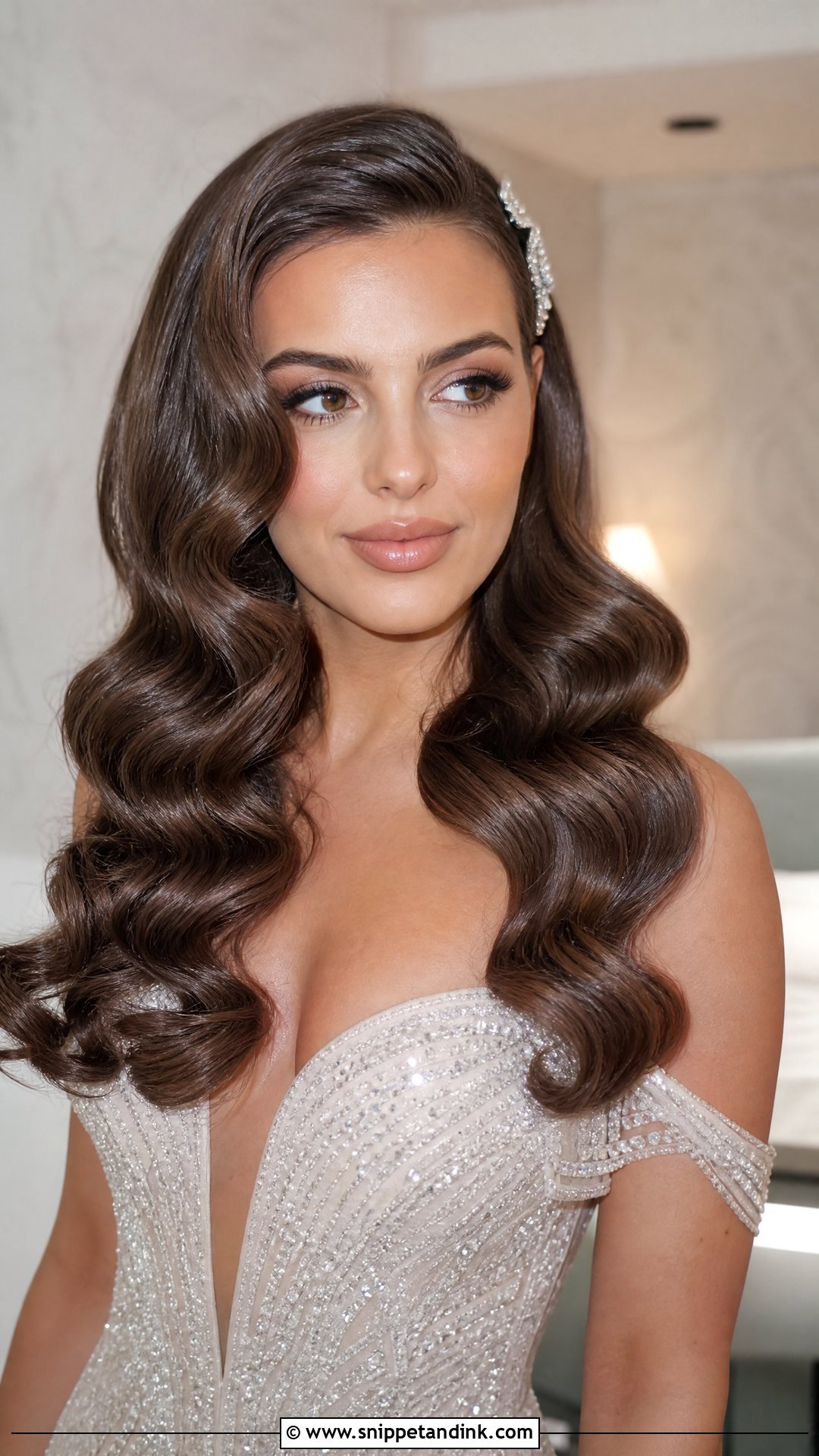
Disco waves are the Studio 54 end of the decade: big, deep, very shiny waves with real volume. I set them with a large barrel, pin each curl to cool, then brush them out into soft ridges and finish with shine spray. Shine is the whole point, so I go lighter on dry texture spray here, since it dulls the gleam that reception lighting picks up. Wear it all down or pin one side back for balance. It suits a glam venue and metallic jewelry far more than a field of wildflowers.
8. Low Textured Bun With Face-Framing Pieces
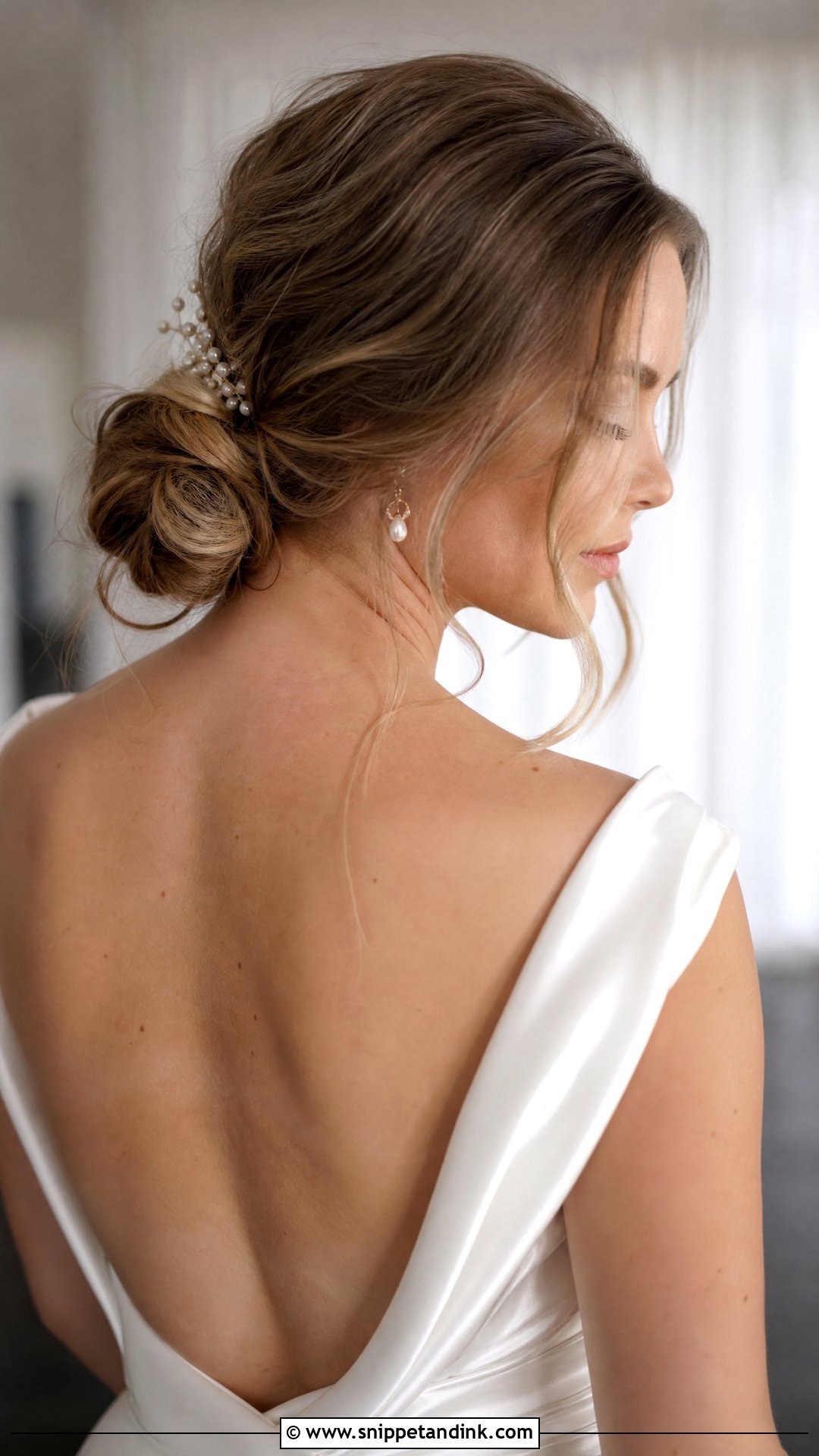
A low, textured bun gives you the era’s looseness with hair off your neck. I gather it into a knot at the nape, pull out a few face-framing pieces, and keep the whole thing slightly messy. Messy on purpose still needs structure underneath. I usually build the knot over a hidden small elastic and pin it with U-pins, so the undone look stays undone in the same places at hour ten. A small flower or vintage pin tucked at the side is enough, and it’s one of the few looks here that sits comfortably under a long veil.
9. Voluminous Blowout
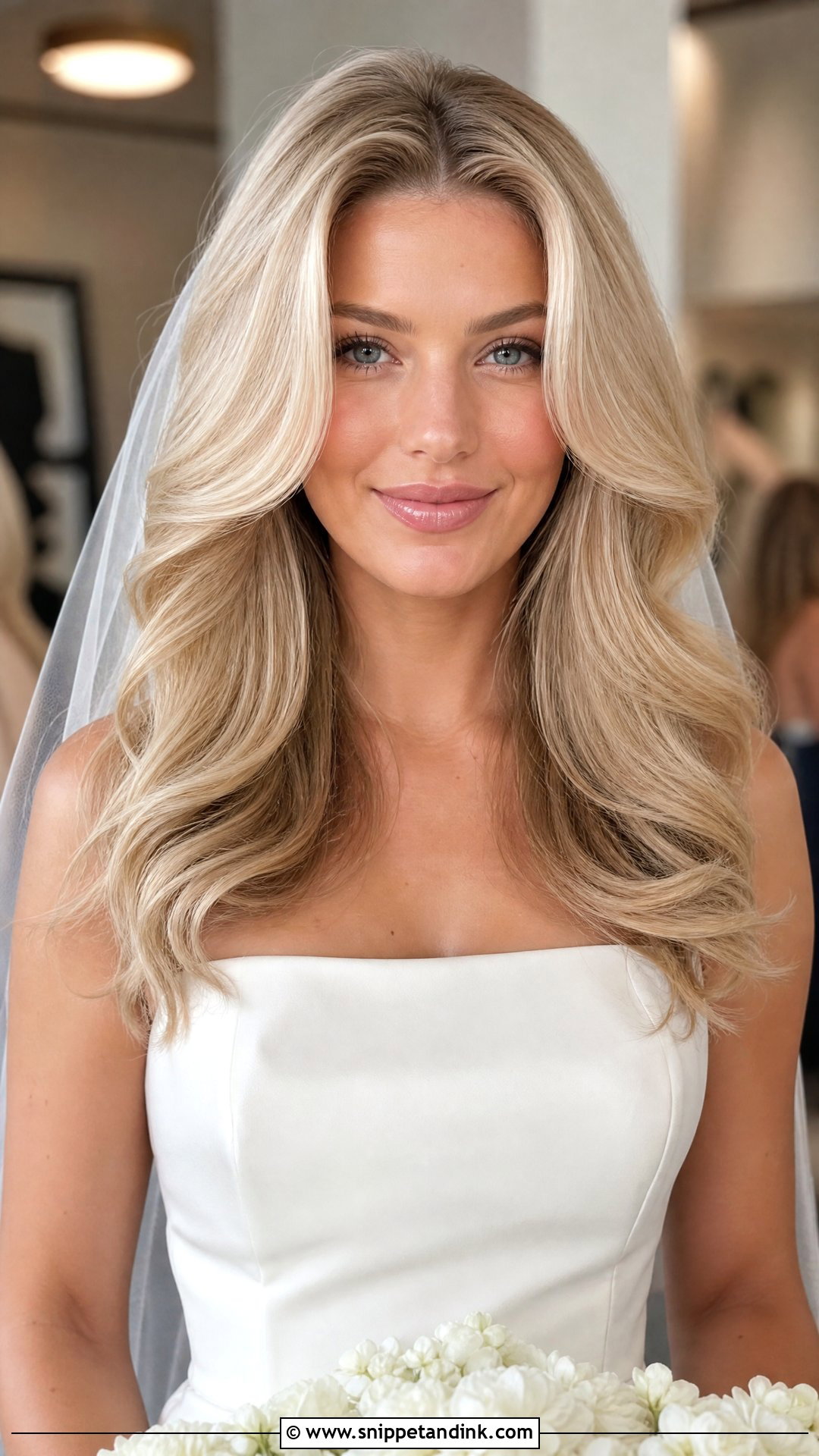
This one skips curls entirely: lift at the roots, soft sweeping ends flicked slightly outward, all done with a round brush and a hair dryer. A real blowout lives or dies on the root lift, so I dry the crown in sections over-directed upward before touching the ends. Fine hair loses that shape fast in damp weather, which is why I set the round-brushed sections in velcro rollers while makeup is happening. Finish with a flexible hairspray. It pairs well with a clean center part and simple jewelry.
10. Waterfall Braid With Loose Waves
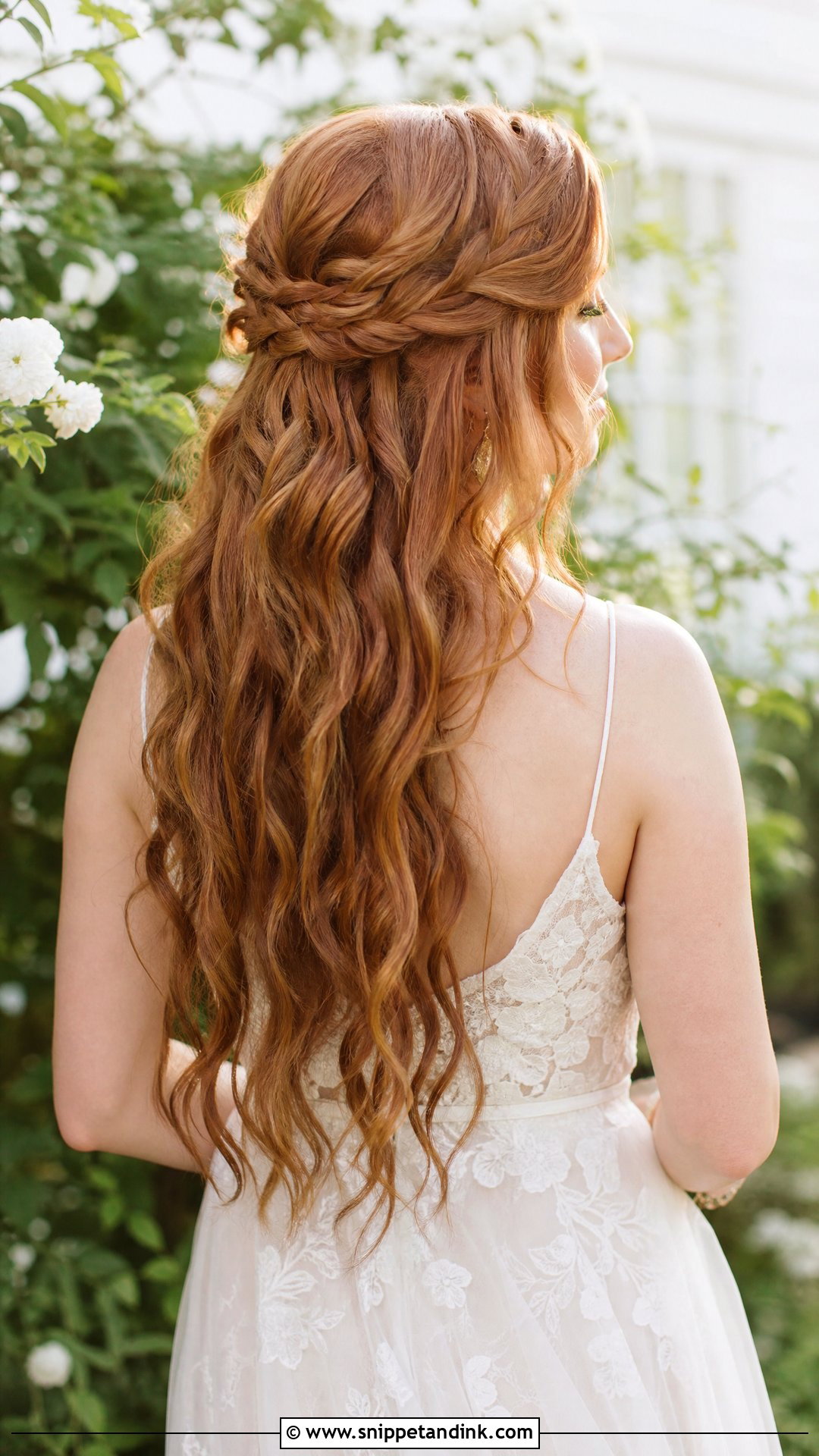
A waterfall braid runs across the back of the head, dropping strands through as it travels, with soft waves underneath. It’s intricate, and it needs medium to long hair with some grip. On very silky hair the dropped strands slide out, so I prep with a dry texture spray before I start. I also curl the length after the braid, not before, so the waves under it stay fresh. Small flowers can be tucked into the braid itself; garden and beach weddings are where it makes most sense.
11. Center-Part Sleek Straight Hair
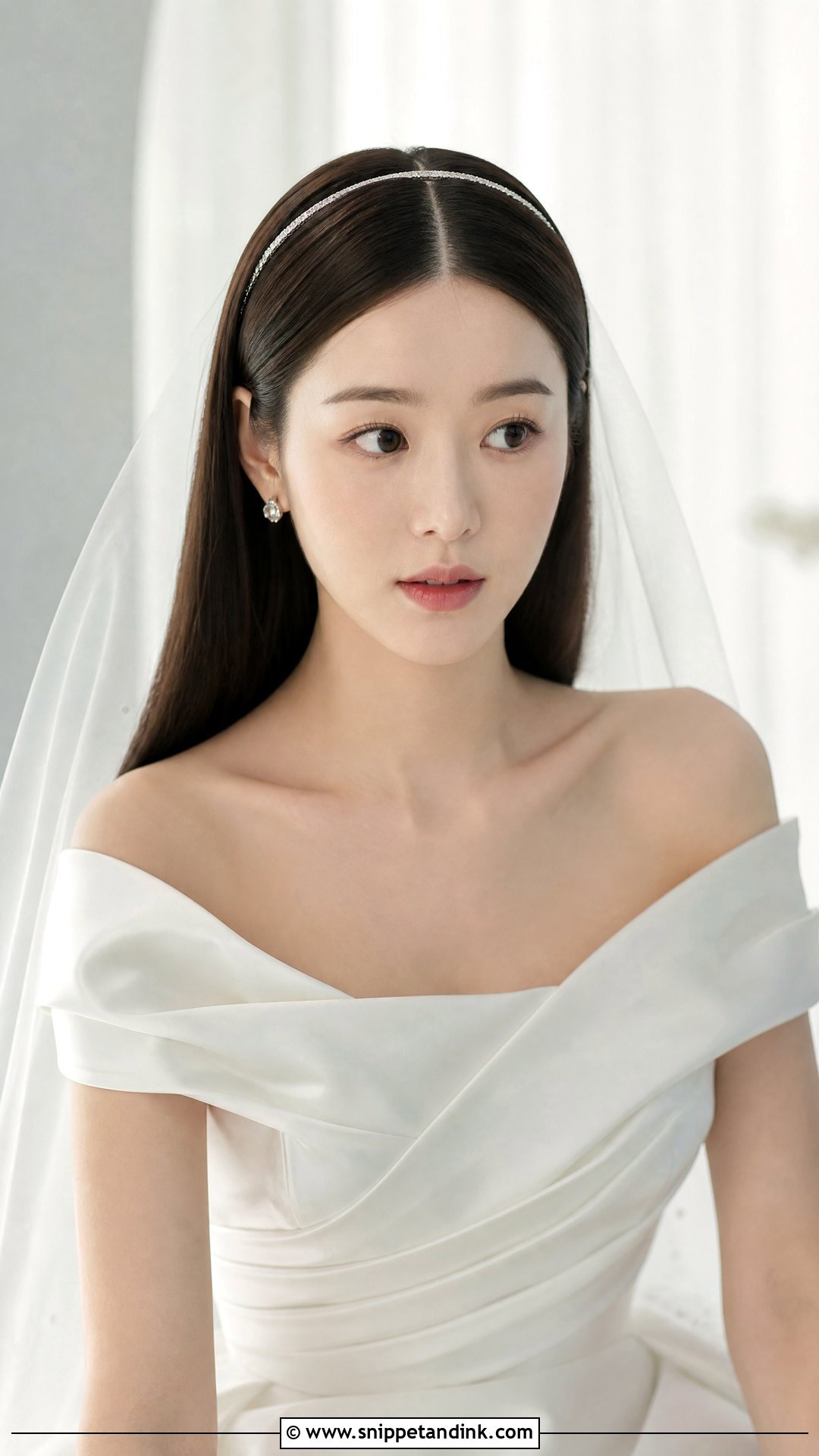
Not every seventies look is about curls. Sleek, straight, center-parted hair was just as much of the decade, and it’s the minimalist option here. I flat iron in small sections with a heat protectant and keep the part razor straight. This look is unforgiving: split ends, dryness and any uneven color all show, so I only recommend it for long, healthy hair, and I suggest a trim and a gloss treatment a couple of weeks before. A thin headband or a few delicate flowers soften it.
12. Boho Braided Crown
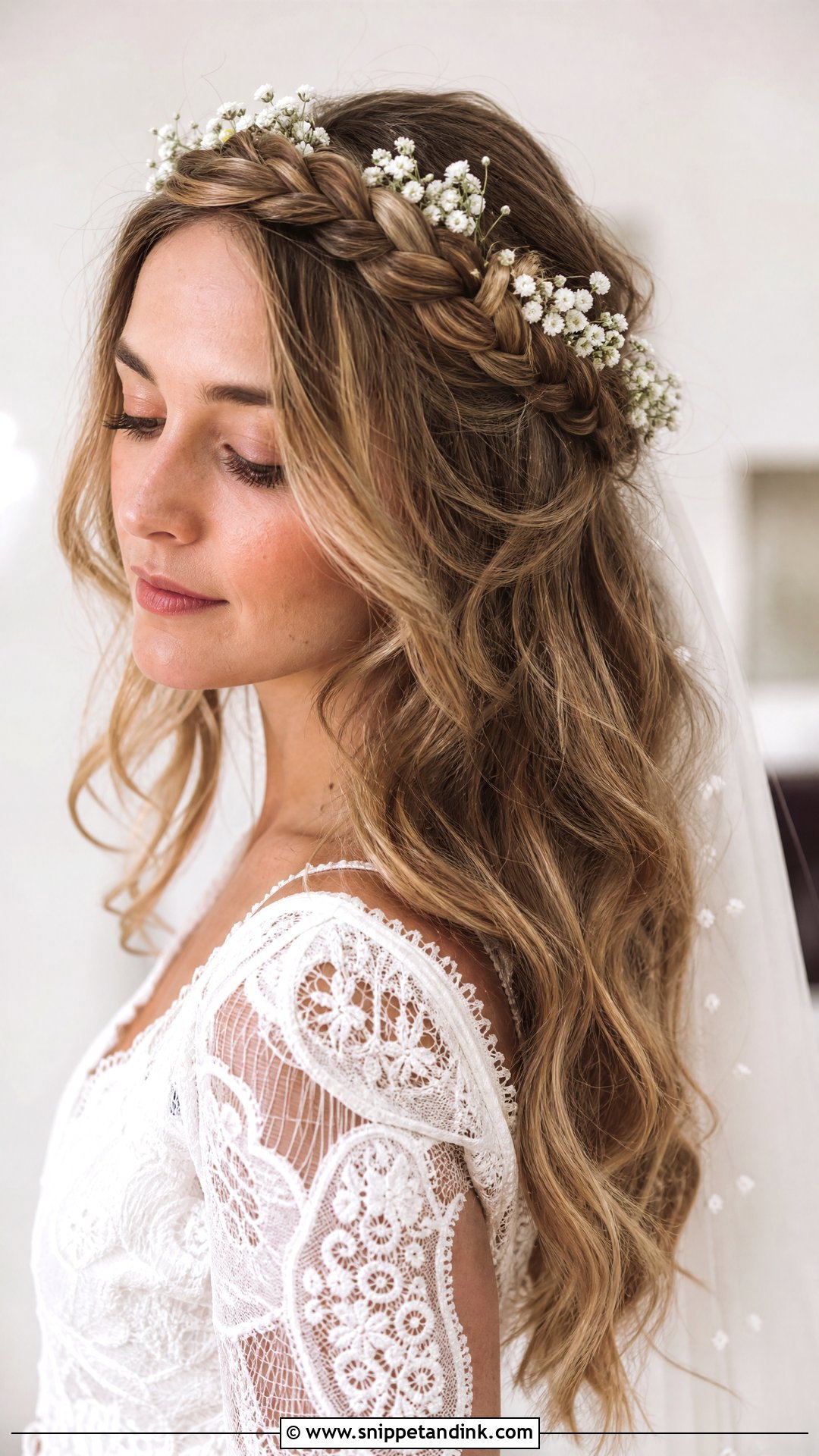
A braided crown wraps around the head like a halo. I braid it along the hairline and pin it into a ring, leaving the rest flowing underneath or sweeping everything up for a fuller crown. Pin placement matters: I set the pins horizontally into the braid itself so they grip both the braid and the hair below, which keeps the crown from slipping down the back of the head. Weave in baby’s breath or tiny wildflowers if you like. It needs enough length to reach around, usually past the shoulders.
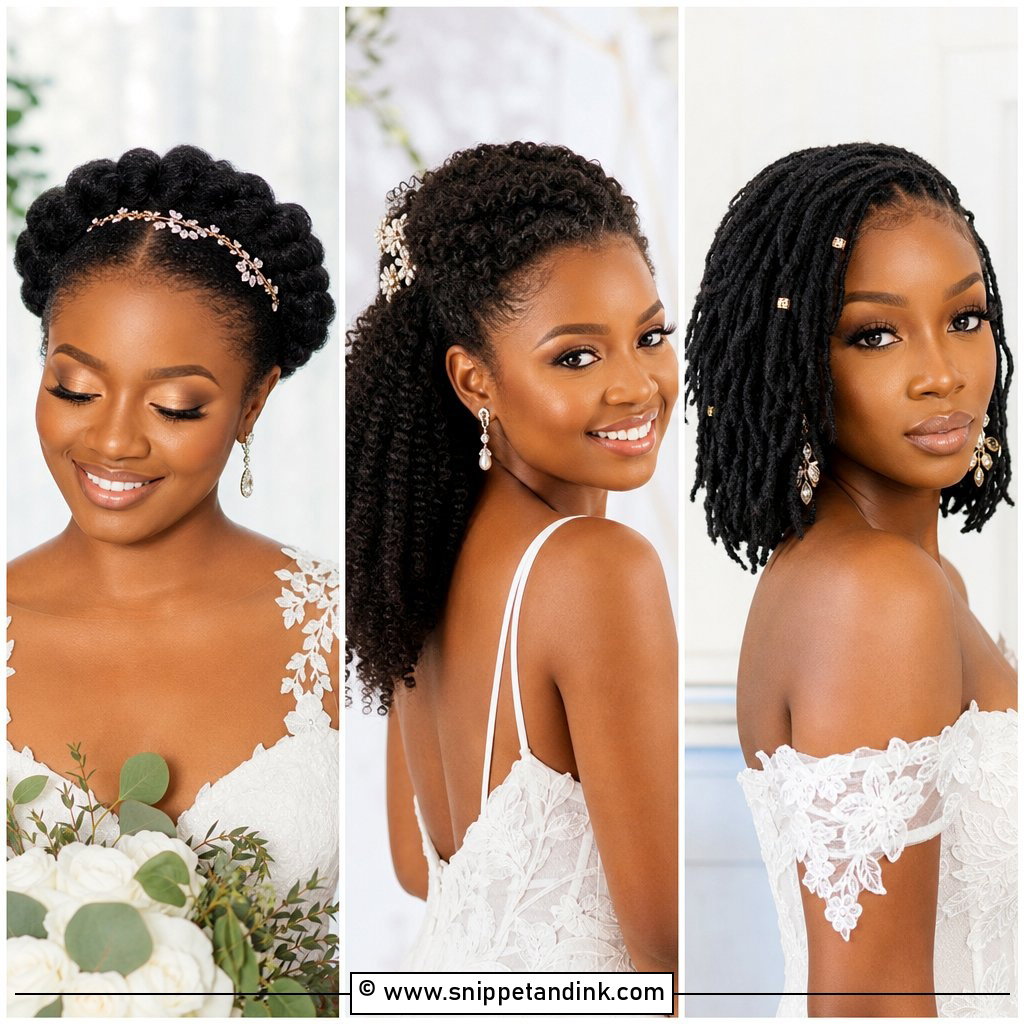
13. Afro With Floral Accents
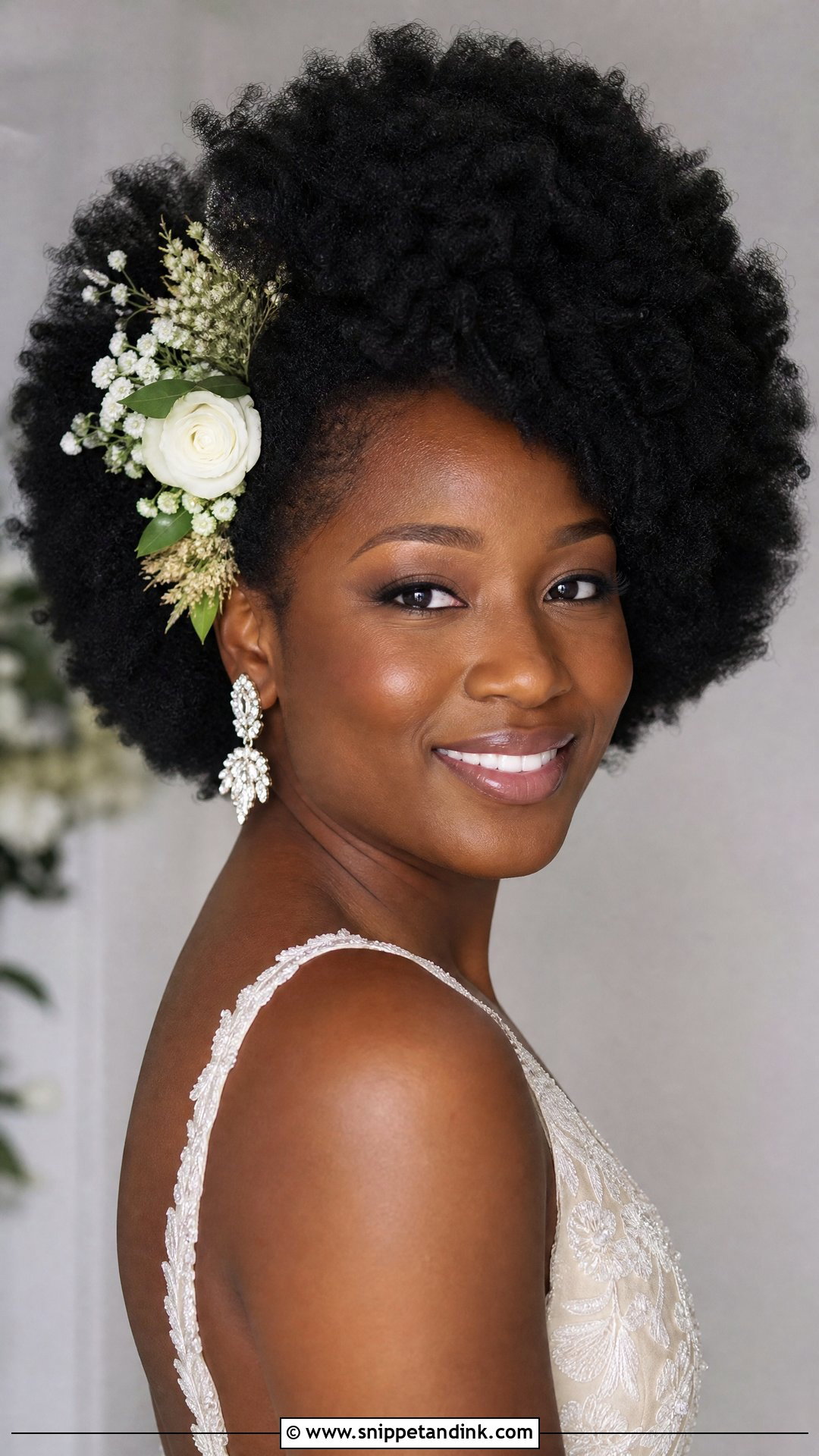
The natural afro was a proud, powerful symbol of the late sixties and seventies, and it makes a joyful wedding look. The work is in the shape. I stretch and define coily hair the day before, then pick it out on the morning into a full, rounded silhouette, with fresh flowers tucked along one side or scattered through. Humidity grows an afro, it doesn’t flatten it, so I shape it slightly smaller than the final size if the ceremony is outdoors. Statement earrings and a glowing complexion are all it needs.
14. Loose Side-Swept Waves
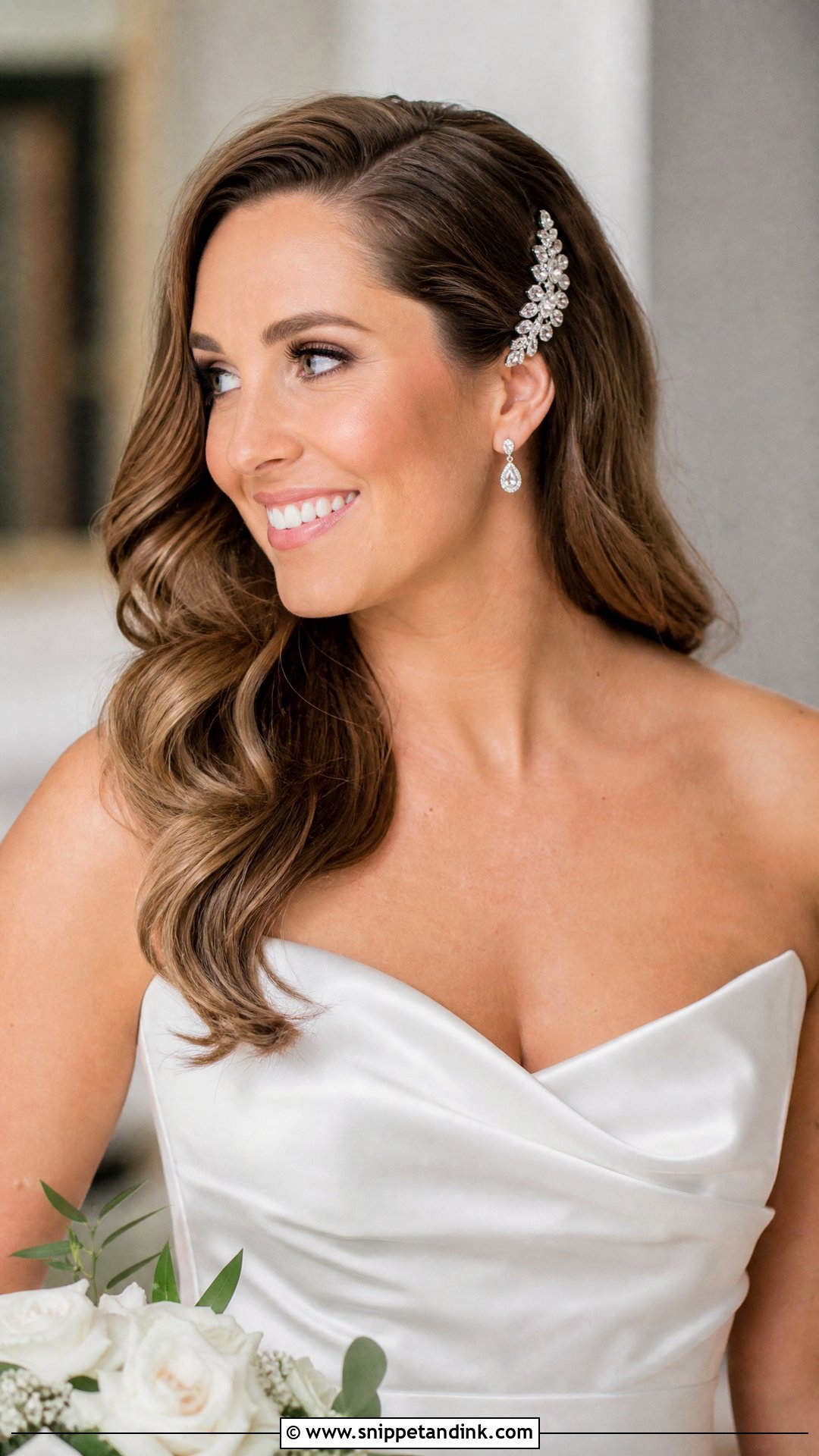
A deep side part with waves draped over one shoulder is old Hollywood with a seventies looseness. I curl with a large barrel, brush the curls out, and then pin the back of the heavy side with a hidden criss-cross of pins, because otherwise the whole curtain of hair slides back to the center by the speeches. Remember which side your partner stands on: the exposed side is the side the ceremony photos see. A sparkly clip or one small bloom at the part finishes it.
15. Feathered Shag With Layers
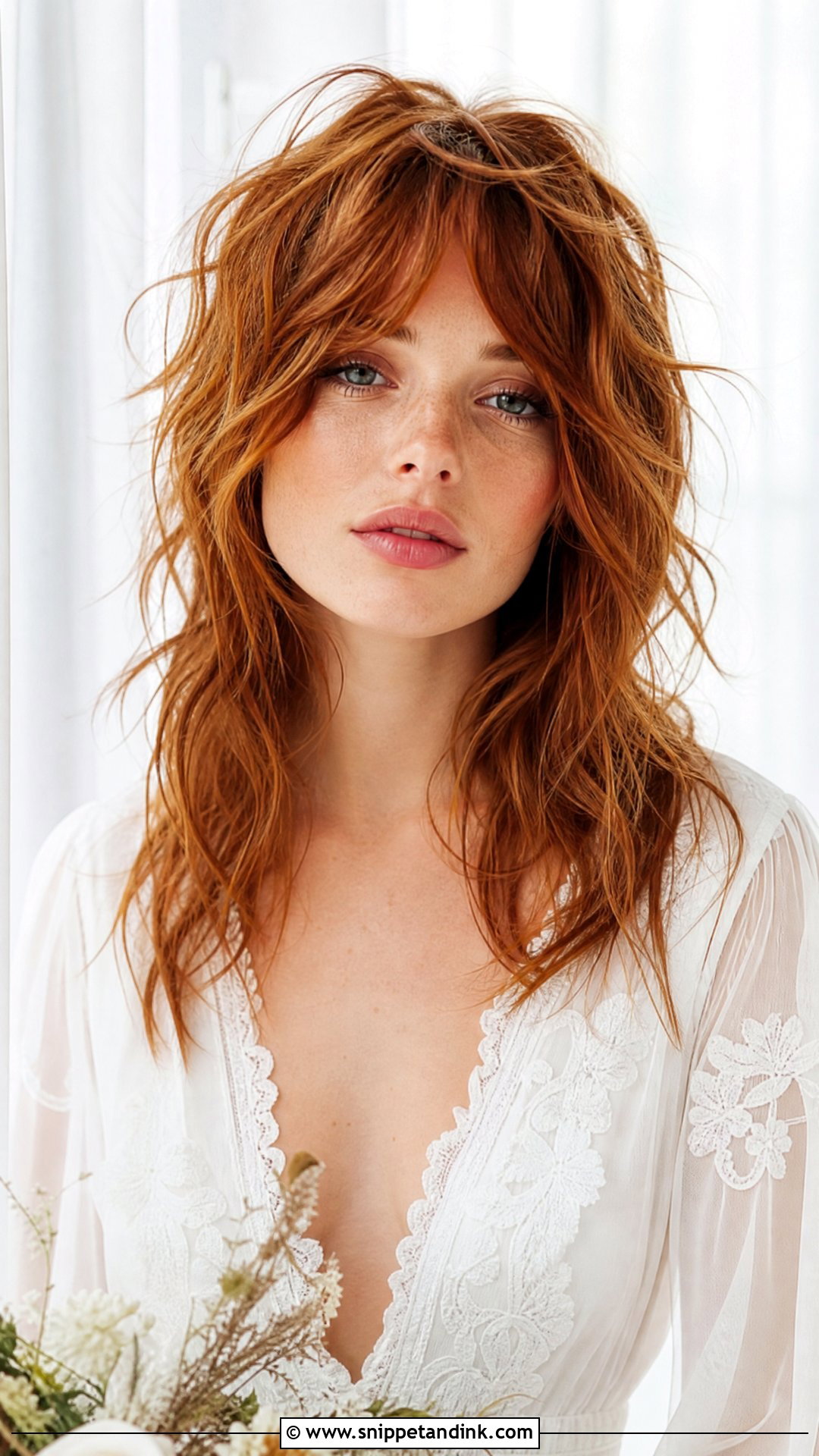
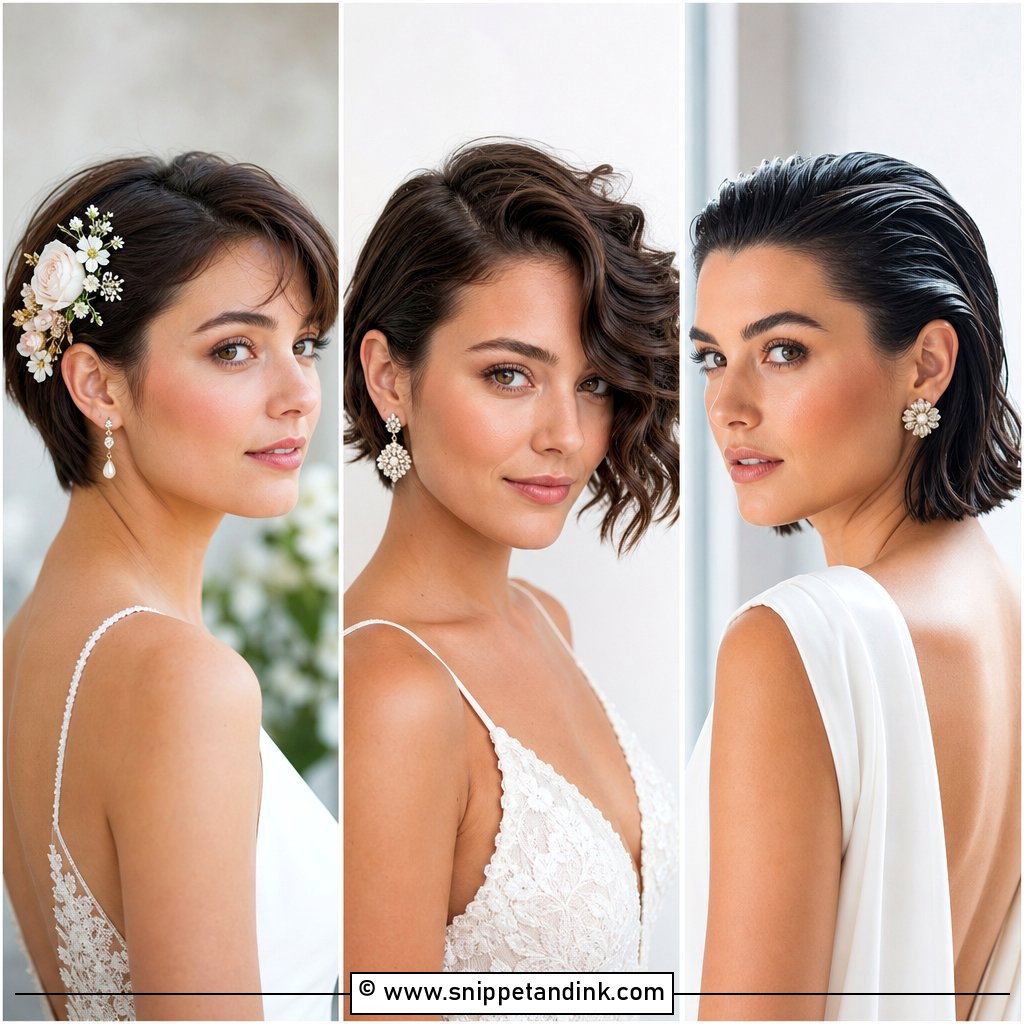
The shag was a seventies icon: choppy layers, wispy pieces, lots of texture. For a wedding it gives short and medium hair real personality. I style it with texture spray and a little paste worked through the ends to separate the layers, rather than curling every piece. The cut has to be right before the date, and shags grow out awkwardly, so time the last cut for two to three weeks before the wedding. A small floral pin, or nothing at all, suits it better than a big veil.
16. Half-Up Bouffant With Waves
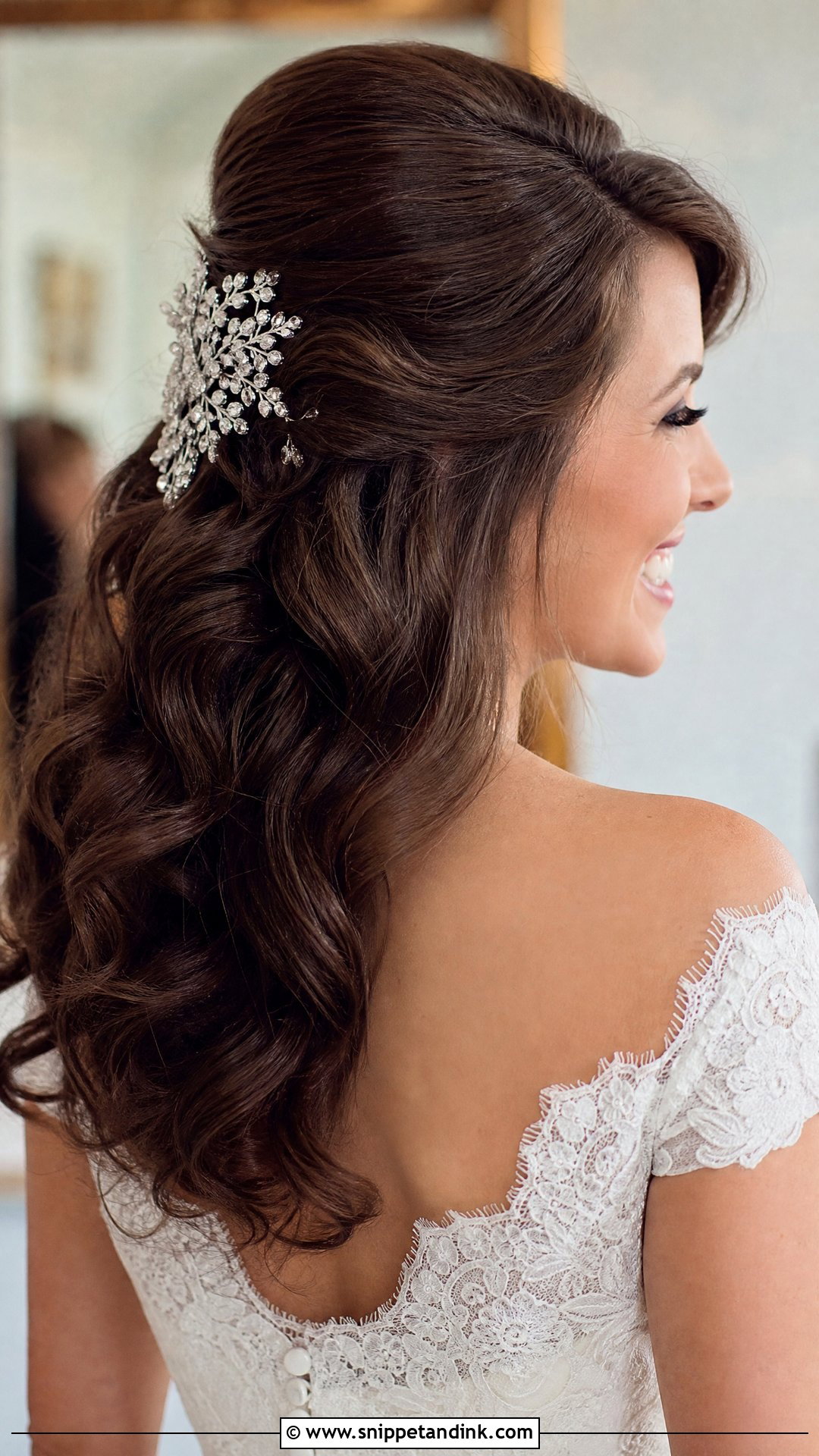
A bouffant puts height at the crown. I backcomb the crown section in small slices, smooth just the top layer over it, and pin it into a half-up style with waves below. Teasing is what gives it hold, and it also tangles, so plan on conditioner and patience when taking it out. The lift lengthens the face, which some brides love and others find too much, so I always try it at the trial. A decorative comb or small flowers at the back hide the pins.
17. Long Hair With Beaded Headband
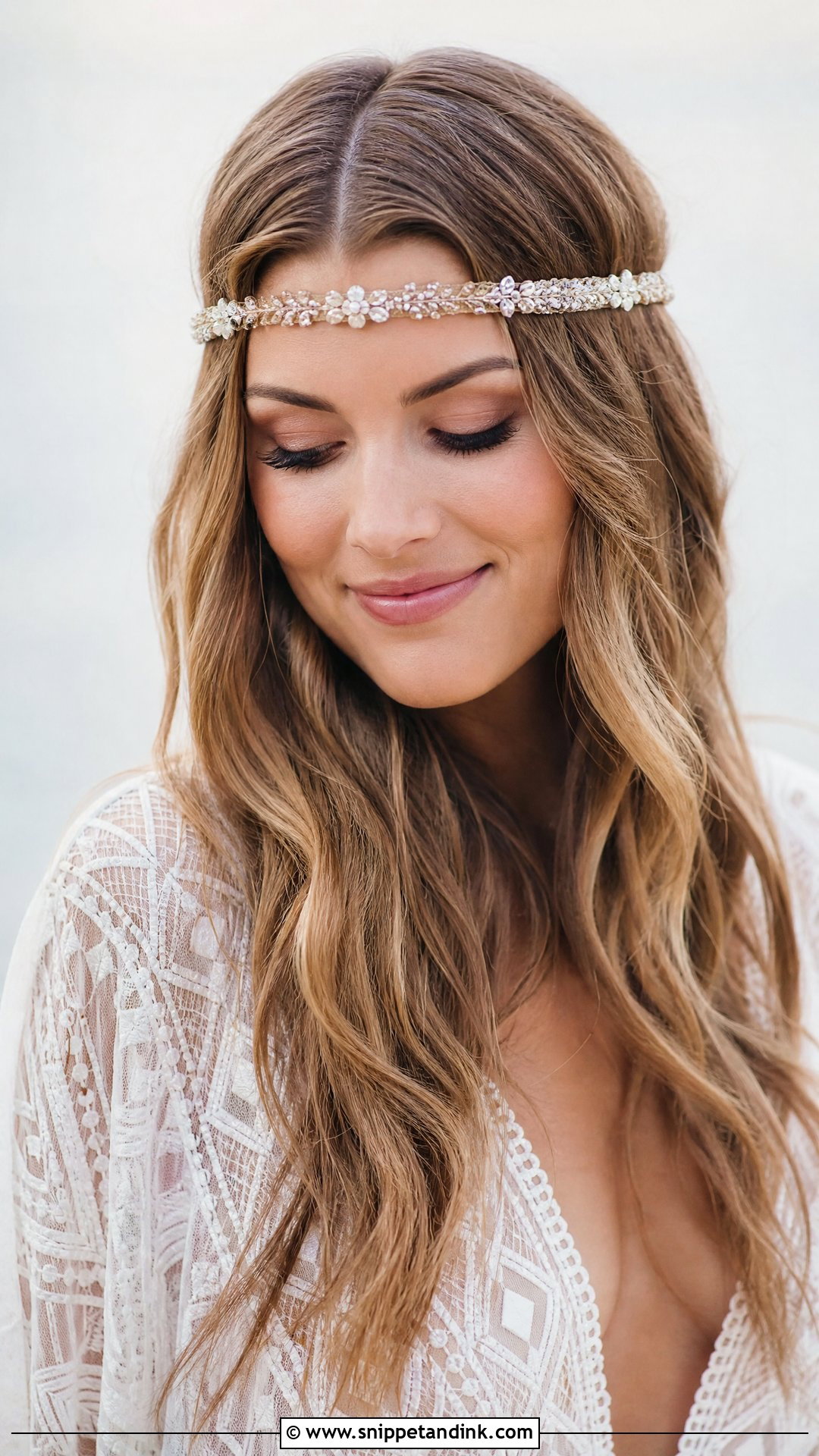
A beaded or jeweled headband worn low across the forehead is the hippie-luxe version of a tiara. Pair it with long waves and a center part. Comfort is my main concern here: a band sitting on the forehead can press and leave a red line after a few hours, so I look for one with a soft elastic back and I secure it with pins behind the ears instead of making it tight. Delicate beading or metallic detail catches the light. It’s one of the simplest looks to do yourself.
18. Soft Curls With Middle Part
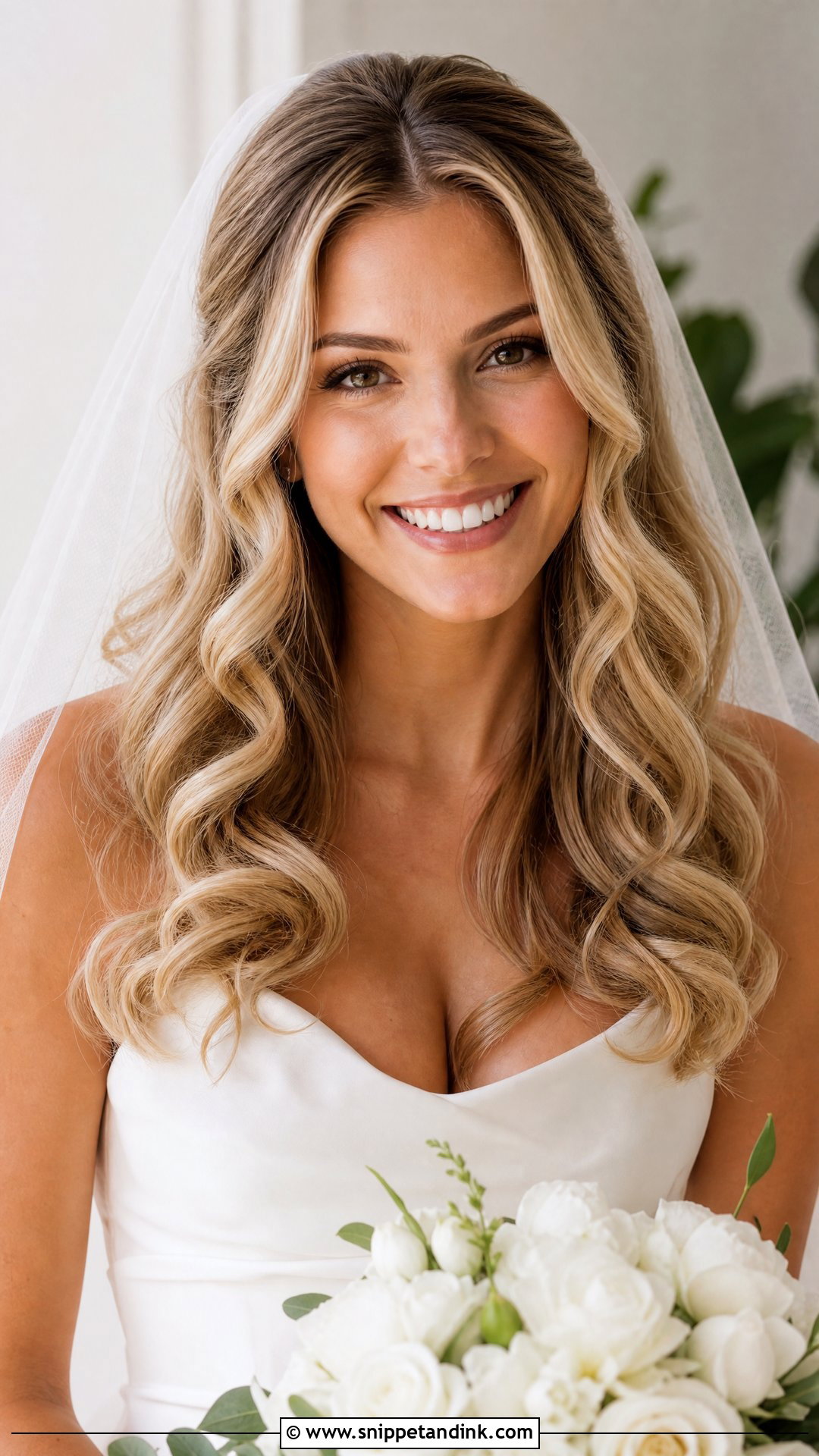
Soft curls from a middle part are the gentler side of the decade. I form loose ringlets with a wand, let them cool, then brush them out slightly so they lose the springy, prom-curl look. Curls that haven’t cooled before brushing drop within an hour, which is the most common way this style fails. Let them fall freely around the shoulders and add a little shine spray. A simple veil or delicate florals sit happily on top.
19. Pinned-Back Waves With Volume
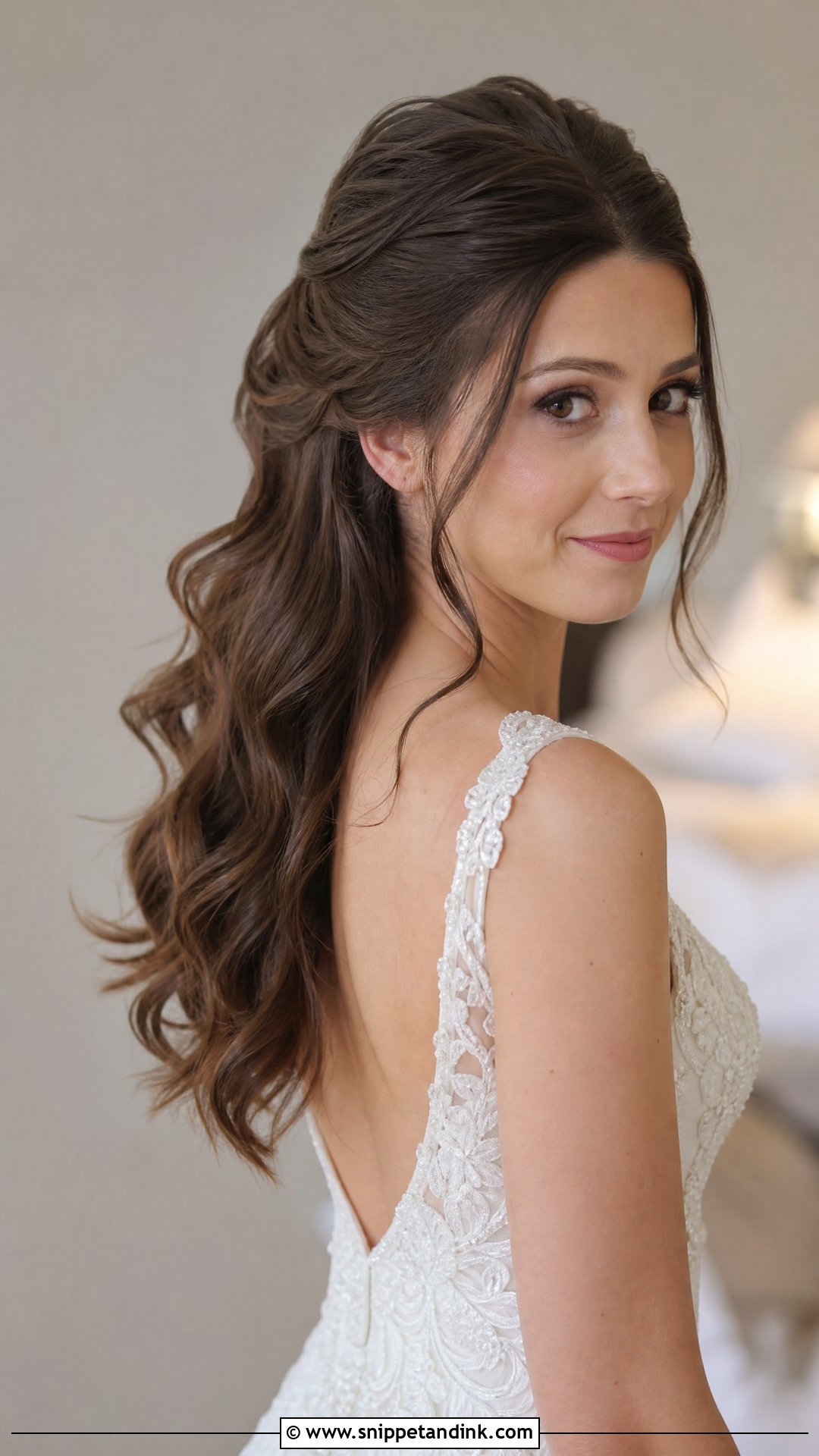
Pinned-back voluminous waves are the most secure way to wear your hair down. I tease the crown gently for height, sweep both sides back, and pin them where they meet. The length flows freely in full waves. Because the sides are anchored, the face stays clear even in wind, which is why I suggest this one so often for outdoor ceremonies. Decorative pins or a small flower can cover the meeting point.
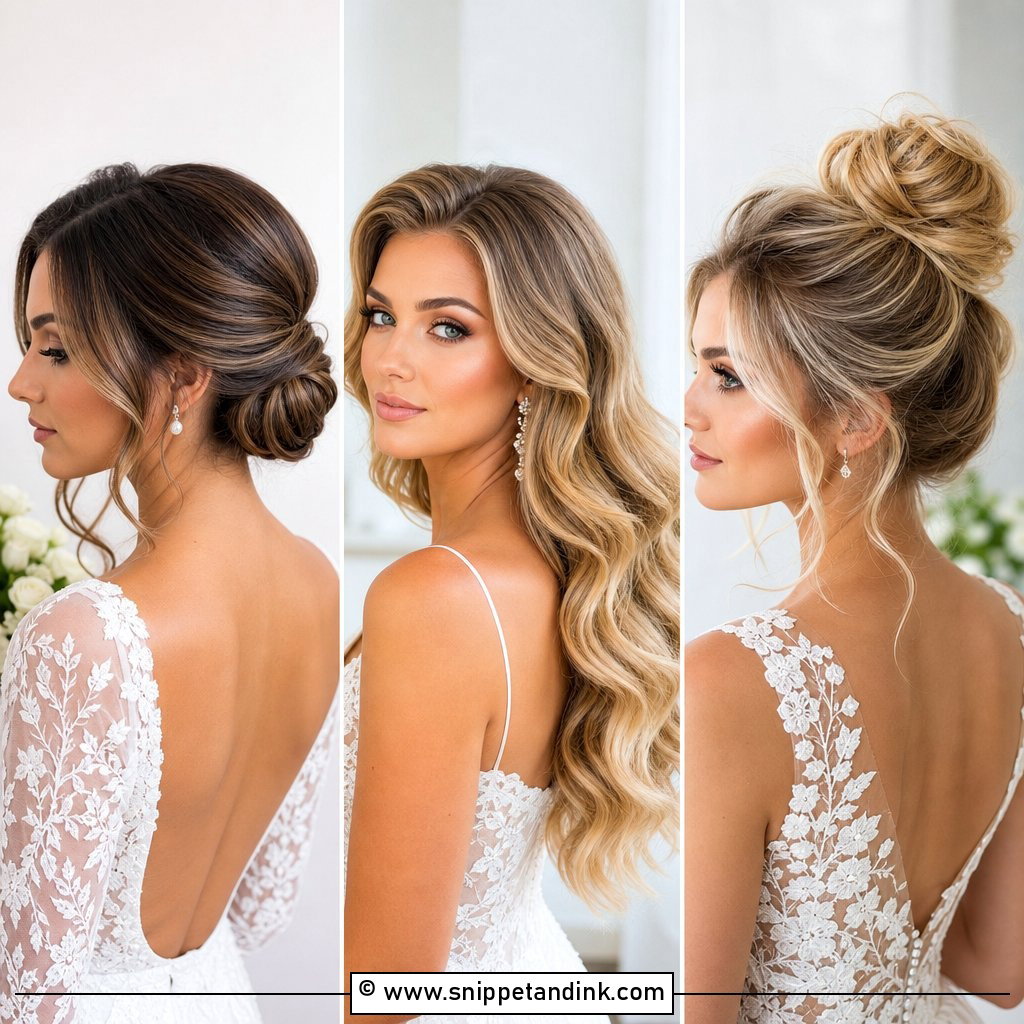
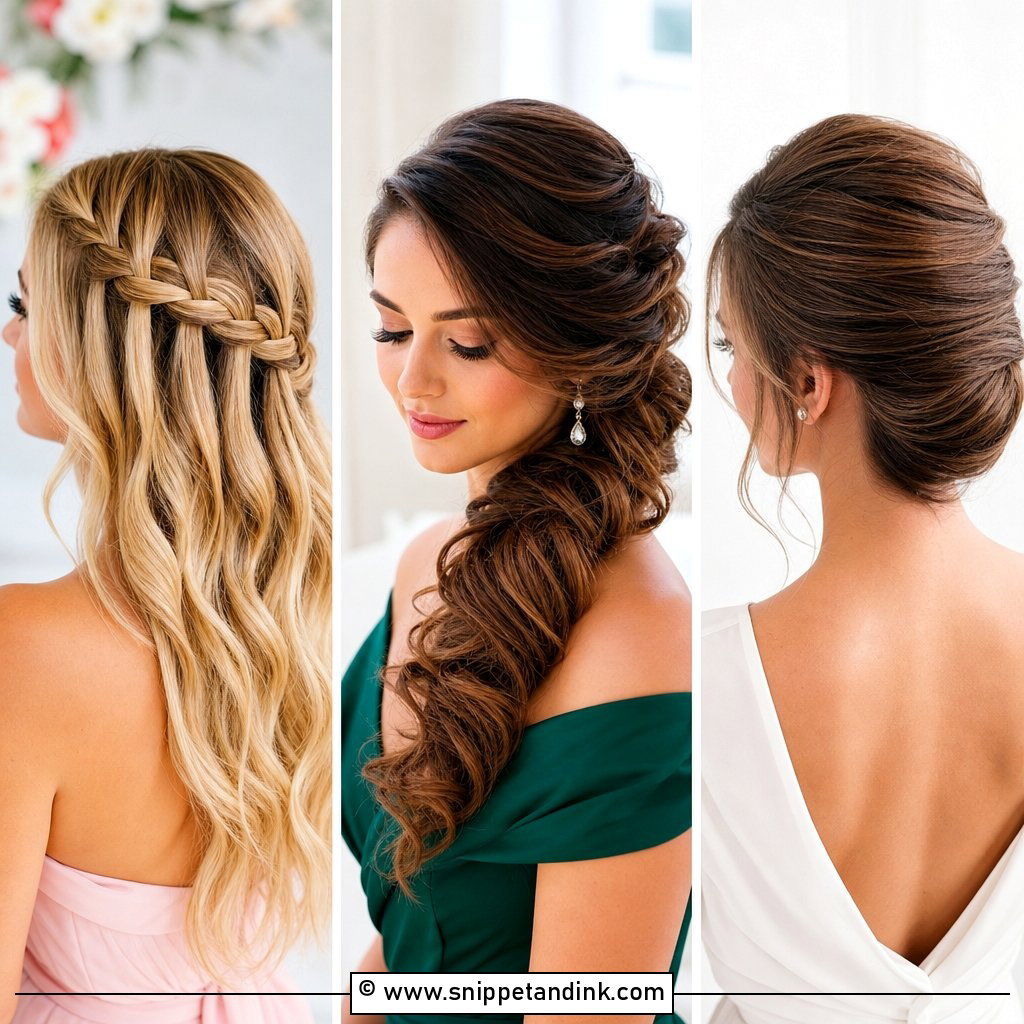
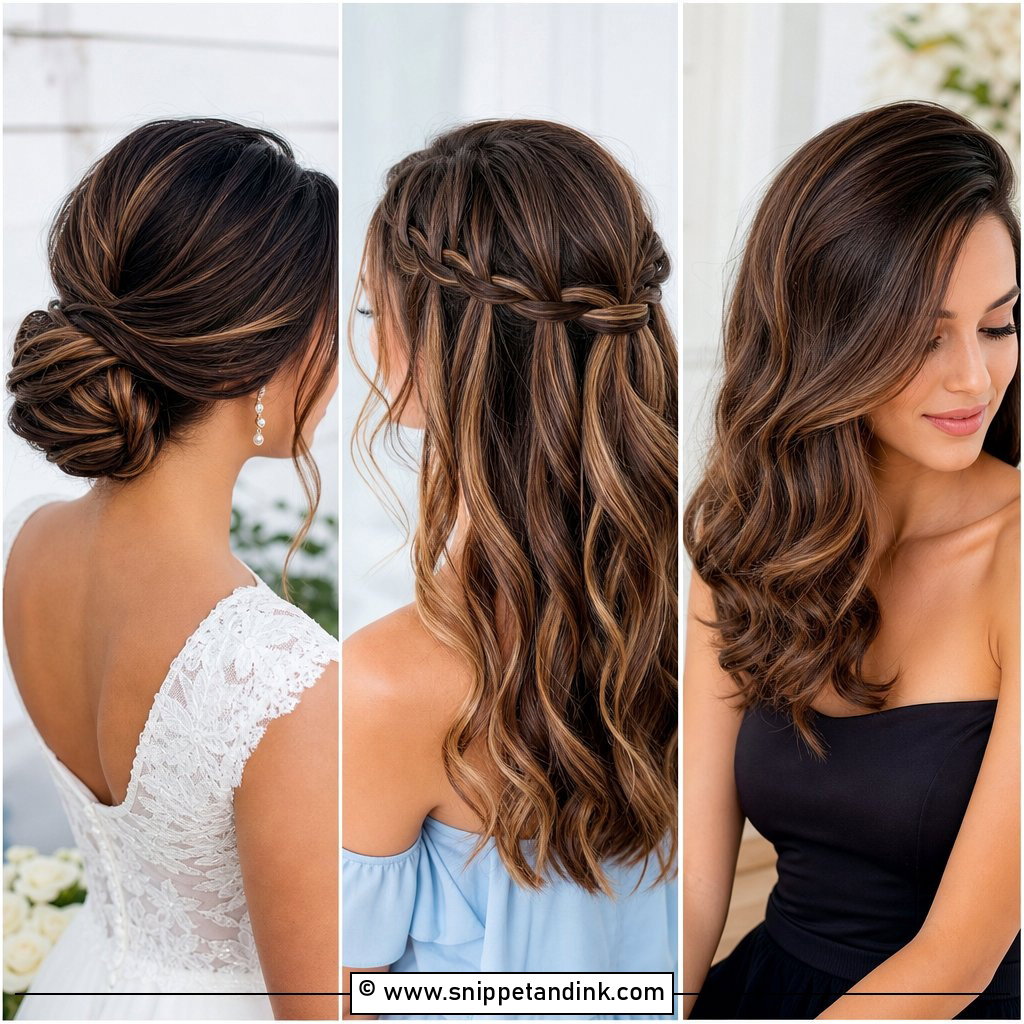
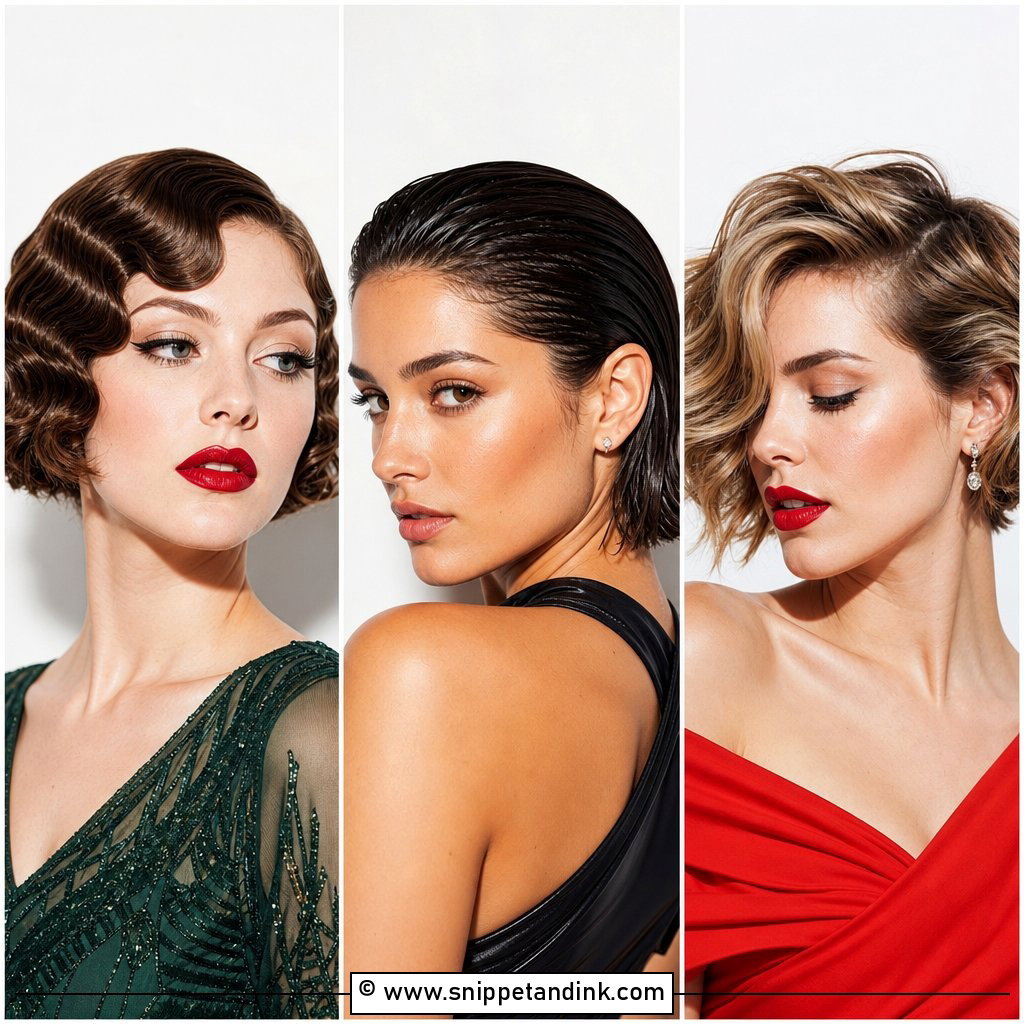
20. Wavy Hair With Floral Halo
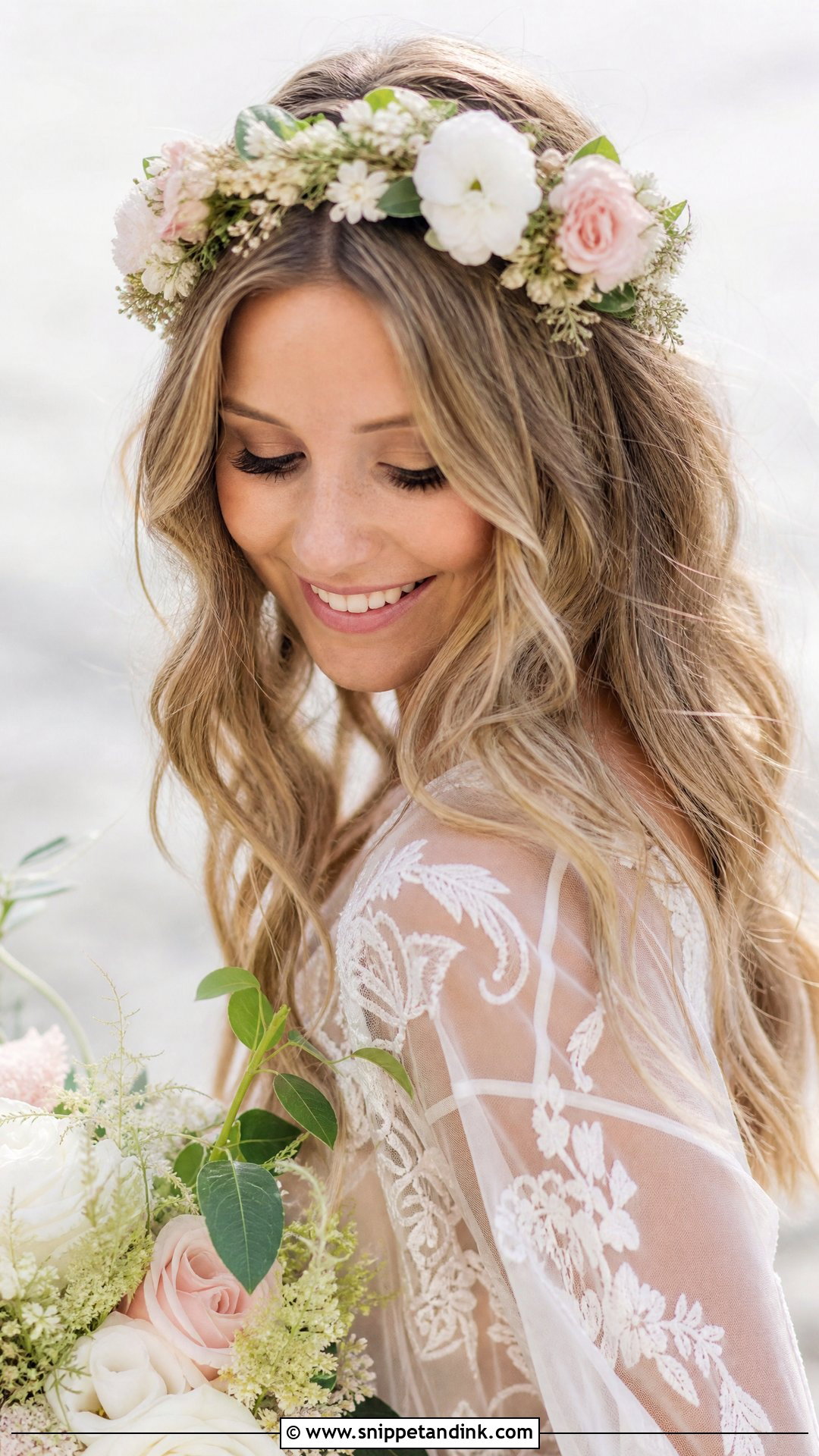
The last look is soft, undone waves with a full floral halo ringing the crown. Matching the blooms to your bouquet ties it together, and it’s worth asking your florist to wire the halo on a soft base so it bends to your head rather than sitting on top like a hoop. A generous halo is heavy, so I pin it in at four points, never two. It’s the most flower-child finish of the twenty and belongs at an outdoor or festival-style wedding.
Fresh Flowers, Headbands and Heat at an Outdoor Wedding
So many of these ideas use real flowers, and real flowers in hair have rules. Out of water and pressed against a warm head, soft garden blooms like peonies or sweet peas can wilt before the first dance. Baby’s breath, waxflower, spray roses, small daisies and greenery like eucalyptus last far better.
- Ask your florist to make hair pieces the day before and keep them refrigerated until I pin them in.
- Have crowns and halos built on a soft wire base with stems taped, so they bend to the head and nothing drips onto the hair.
- Keep a spare sprig or two in the kit for the reception, because the bloom behind the ear is the one that gets crushed in hugs.
- Wear any headband or crown for an hour at the trial; pressure headaches show up by then, never in the first ten minutes.
When to Cut Feathered Layers, Bangs or a Shag
Several of these looks depend on the cut, not just the styling. I’d book the main cut six to eight weeks before the wedding if you’re making a big change, so there’s time to adjust it, and a light tidy-up two to three weeks out. Never cut bangs in the final week; they need a little growth to fall softly.
If you’re not ready to commit, clip-in curtain bangs or face-framing pieces in your exact shade are a reasonable stand-in. Bring them to the trial so I can blend and cut them into shape before the day.
Disco Glam or Garden Hippie, Which Seventies Are You?
The seventies gave brides two moods: shiny, swaying disco glamour and barefoot garden romance. Most of these twenty lean one way or the other, so start with your venue and your dress, then pick the texture that fits. Fresh flowers, a beaded band or a thin braid can add the period detail later. Do a trial with your real accessories, and give any new cut a few weeks to settle, and the look will still feel like you on the wedding day.
You'll Like These Ideas:


Leave a Reply