
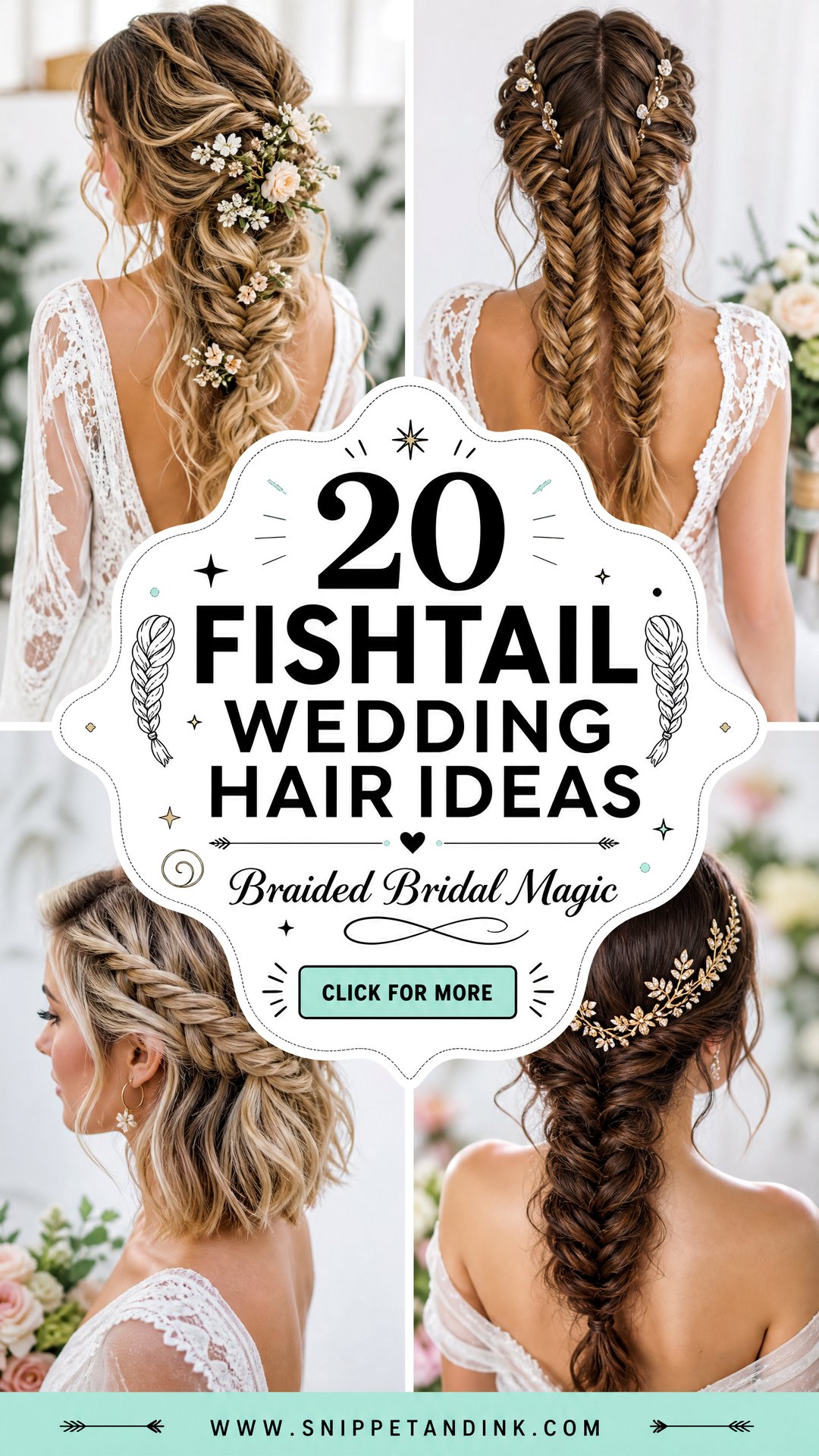
Your hair frames every photo of the aisle walk, and a fishtail gives it texture without the stiffness of a set updo. It’s a two-strand braid, so it looks intricate but builds faster than most people expect, and it suits anything from a sandy beach to a ballroom. It sits well under a veil, takes fresh flowers and pins easily, and with a little help it adapts to most lengths. Here are twenty ways I build it for weddings, with the practical detail behind each one.
Which Fishtail Works With Your Neckline
Before I suggest a braid, I ask to see the gown. The neckline decides more about the right fishtail than hair type does, and it’s the detail brides most often forget to mention when they book.
- Strapless and sweetheart: a side-swept braid softens the bare shoulders, while a low bun shows the full line of your neck and collarbones.
- Off-shoulder: a side-swept fishtail or a half-up style. A full updo leaves a lot of skin on show, which some brides love and others find exposing.
- High neck and halter: an updo, chignon or braided bun. Hair worn down hides the neckline detail and catches on lace or beading.
- Open or low back: keep the hair up. A long braid hanging down covers exactly the detail you chose the dress for.
- V-neck: almost anything works, and a half-up fishtail balances the length of the V.
Heavily beaded or lace bodices need one more thought. A loose braid rubbing against beading all day frizzes the hair and can pull threads on delicate lace, so if the embellishment runs over the shoulders, keep the braid up or centered behind you.
1. Side Swept Fishtail Braid
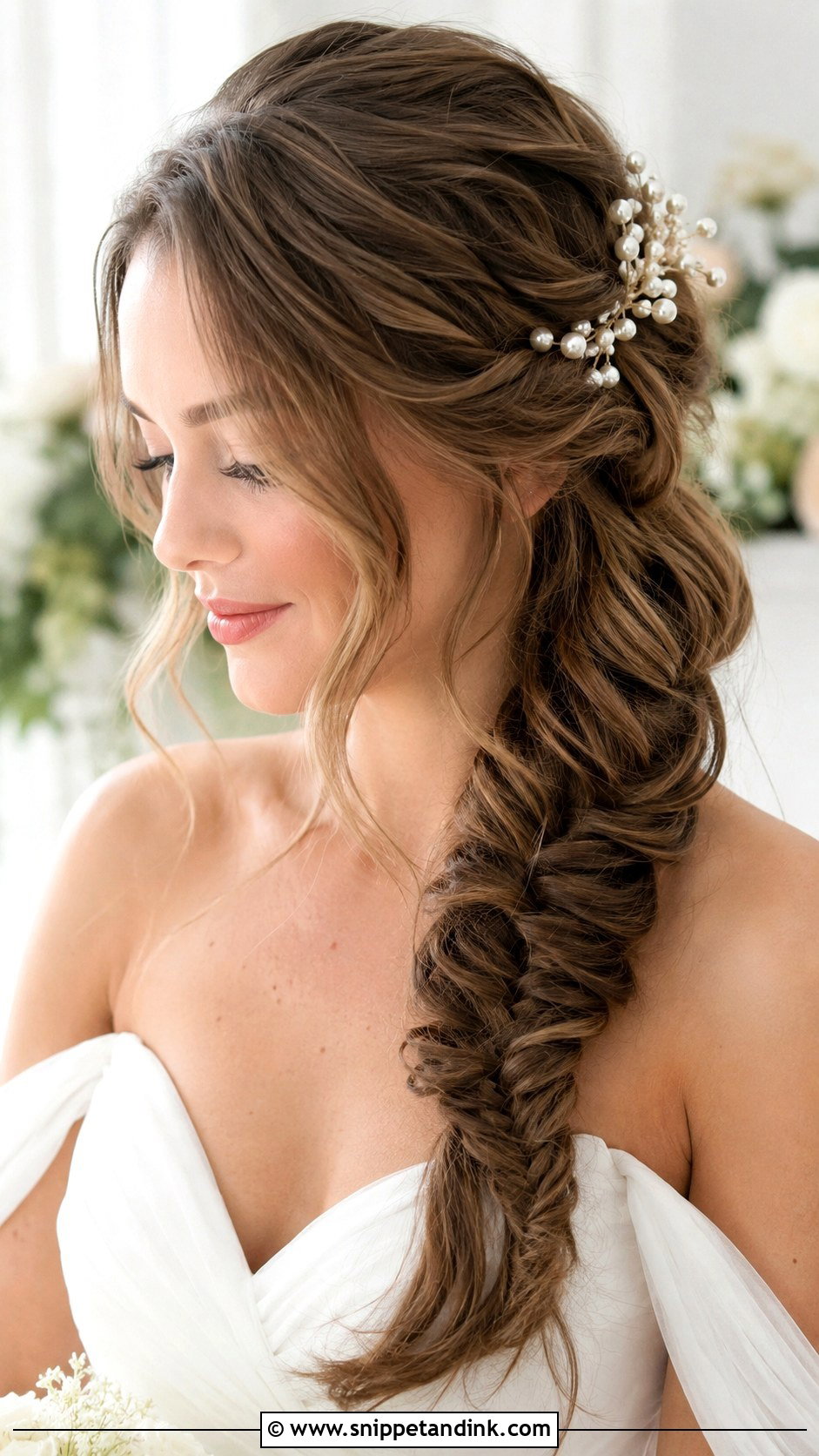
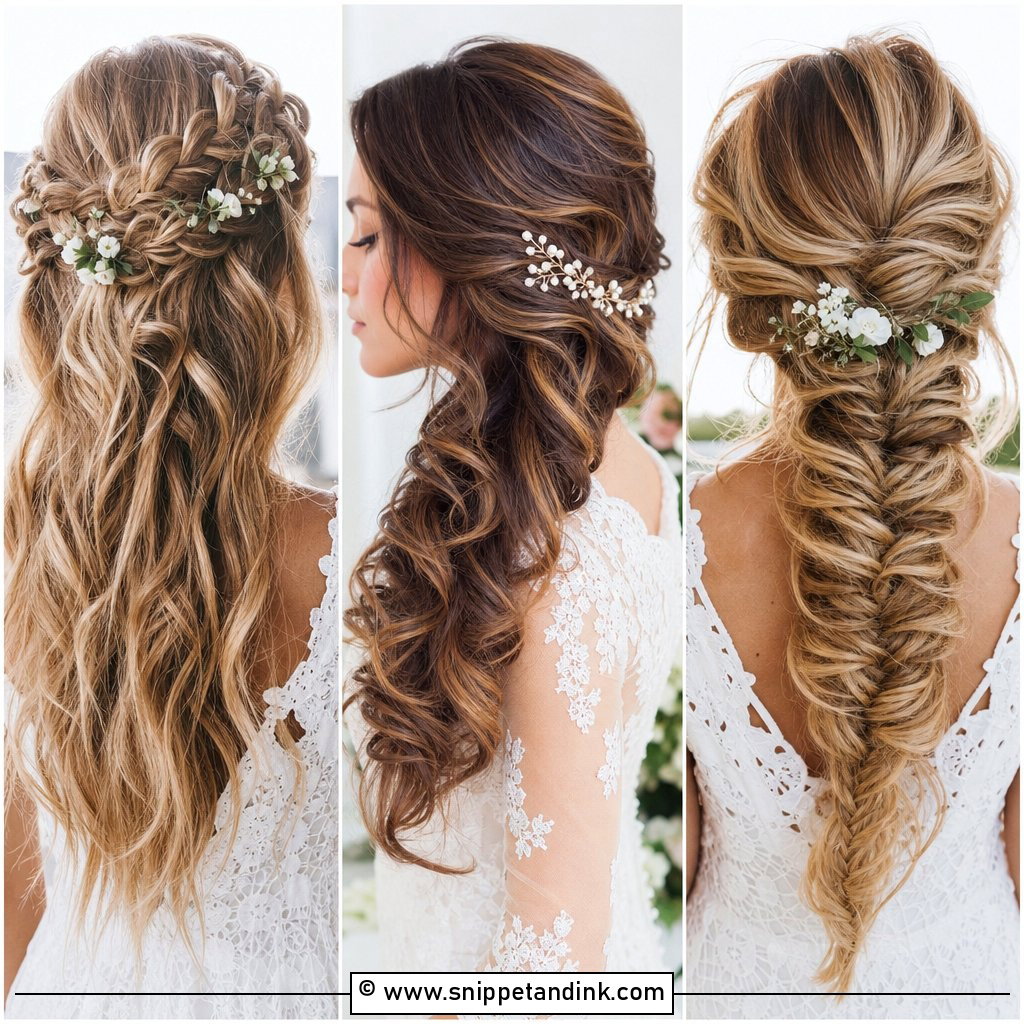
Draped over one shoulder and across the collarbone, this is the version brides ask me for most. I loosen it by pulling only the outer edge of each crossing, so the pattern stays visible instead of dissolving into fuzz. Long or medium hair works, with a few soft pieces left out at the temples. A sparkling comb where the braid begins hides the pins anchoring it. With an off-shoulder gown, the braid fills the bare side of the neckline and leaves the other open. Pin it firmly below the ear, or it will drift behind your back as you hug guests.
2. Fishtail Braid Updo
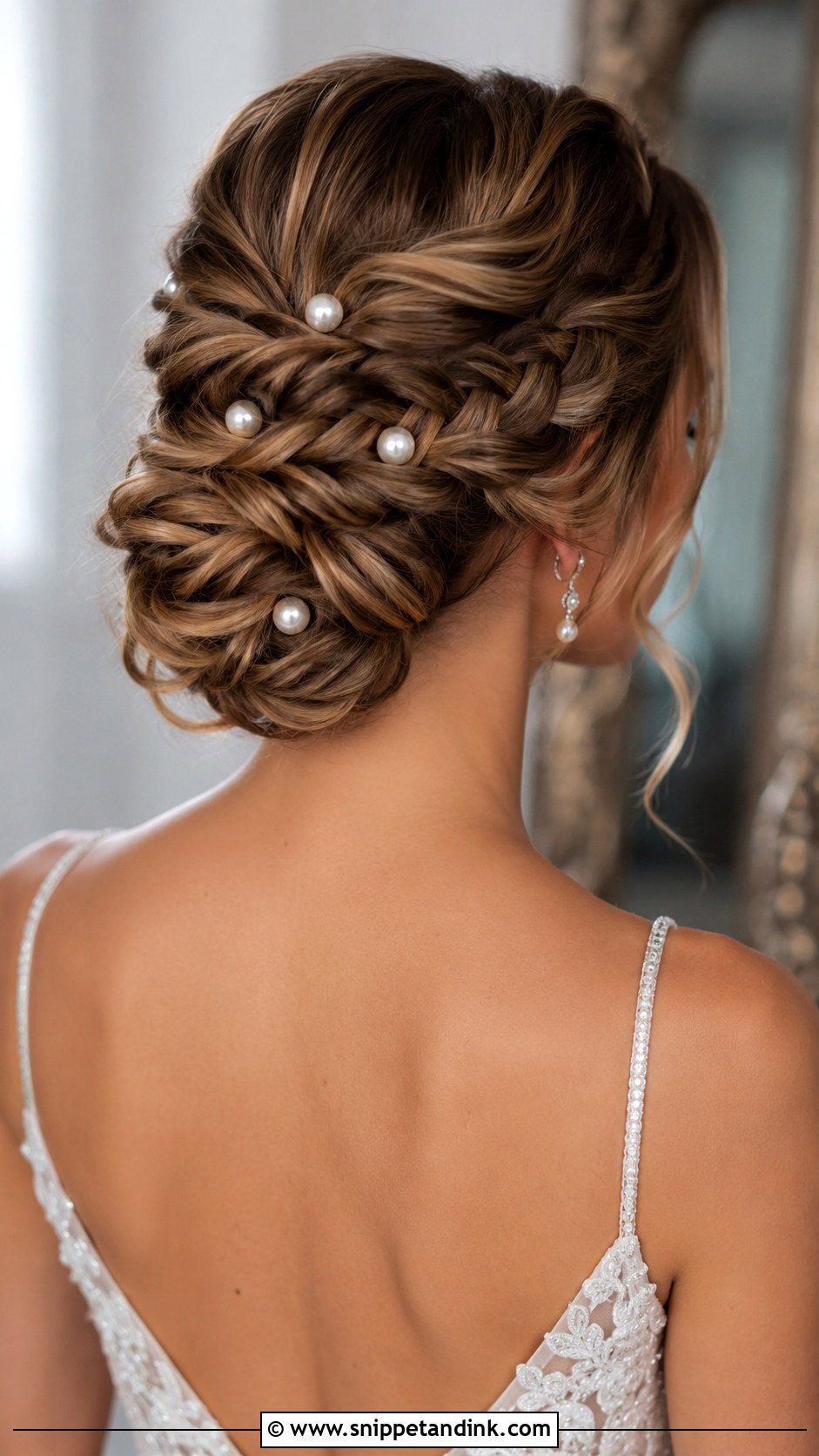
The braid is woven first, then twisted up into a low chignon at the nape, so you keep the fishtail texture on the surface with the structure of a classic updo underneath. This is the one I suggest to brides who plan to hug, dance and change into a second outfit, because nothing hangs loose to catch. A few pearl pins add a little shine. At the trial I ask the bride to shake her head hard; if anything shifts, it gets another pin before the wedding. It suits formal venues and classic gowns.
3. Half Up Fishtail Braid
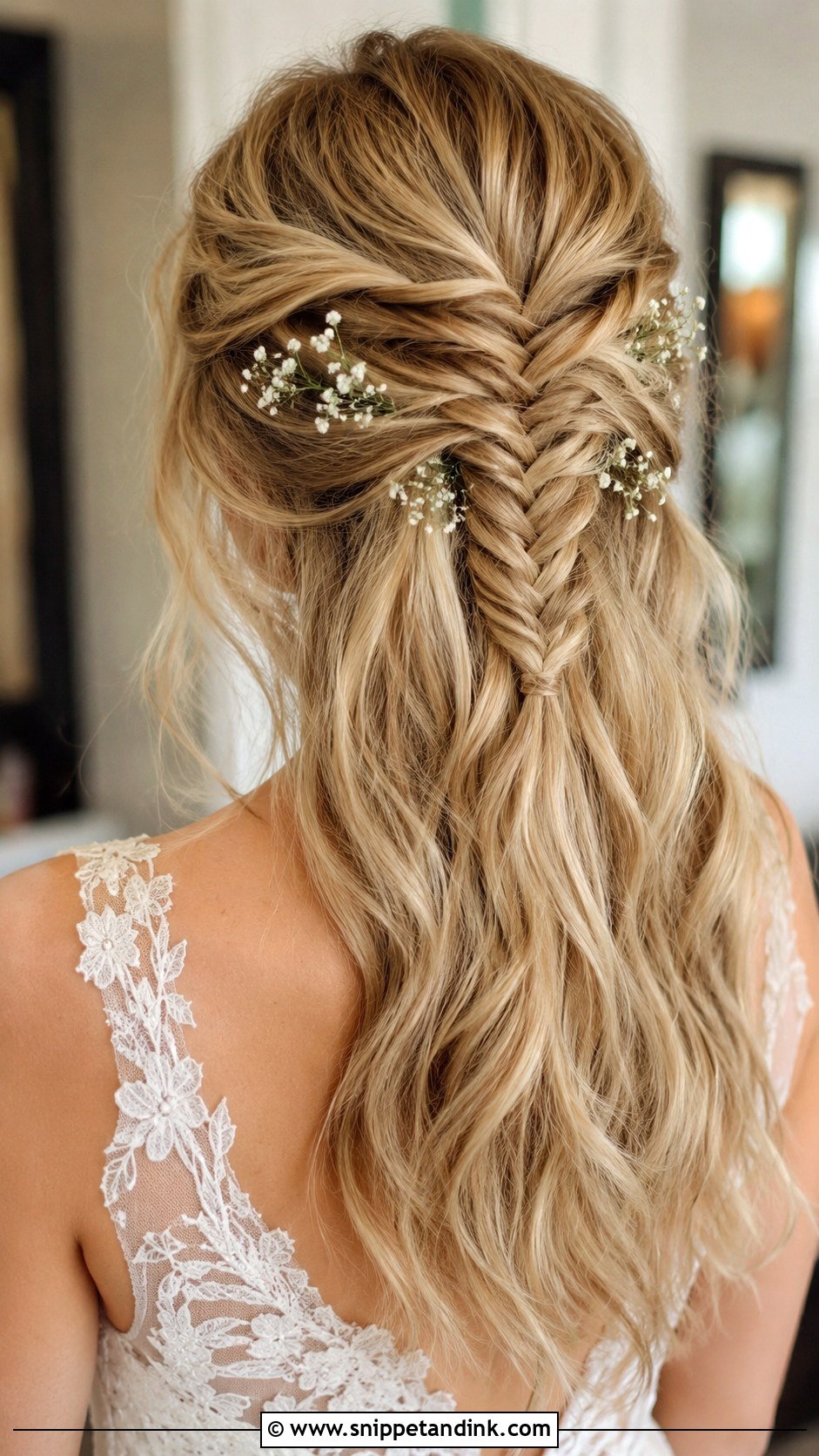
The top section becomes a delicate fishtail and the rest falls loose, giving a fairytale, feminine silhouette that suits most people. The braid behaves like a soft headband and keeps hair off your face during the vows. Leave the lengths straight or wave them; waves hide the line where braid meets loose hair. One caution for very fine, straight hair: the loose section can look thin next to the braid, so I often add a few clip-ins underneath. Tiny flowers or jeweled pins finish it for a garden ceremony.
4. Fishtail Braid Crown
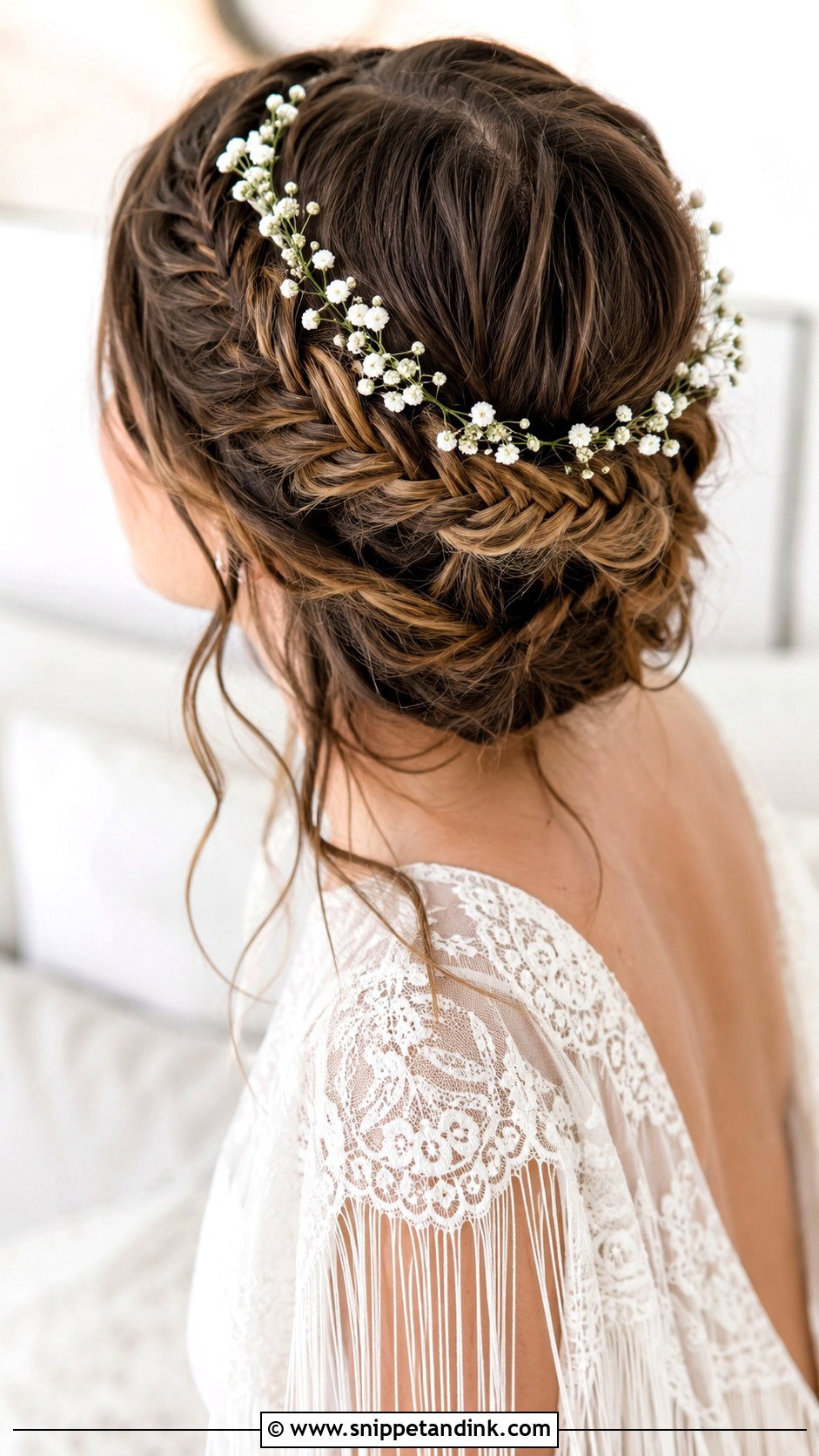
There’s something regal about a braid wrapped around your head like a halo. Two fishtails start near each temple and meet at the back, where I cross the ends under each other and pin them flat so the join disappears. All the hair is up and off the neck, which helps at an outdoor summer wedding. Loosen the braids gently and tuck small blooms along the crown. It needs hair well past the shoulders, and on very thick hair I sometimes braid only the top half so the crown doesn’t sit high and heavy.
5. Boho Fishtail Braid With Waves
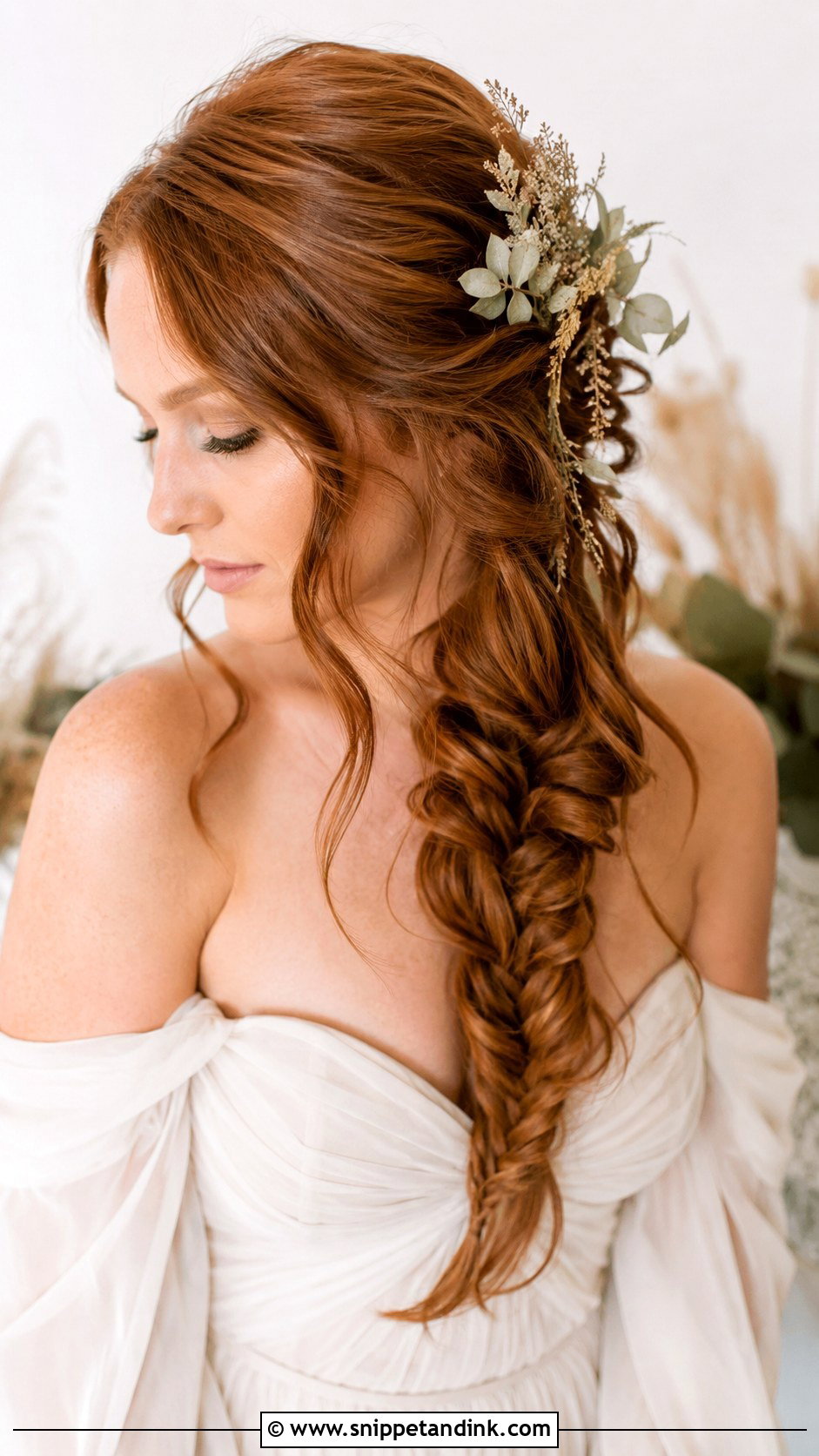
Tousled waves with a loose fishtail woven through, usually off to one side. I build the waves first with a large iron, braid, and only then pull strands out, because tugging pieces loose before curling just creates frizz. It suits beach and rustic venues, chiffon gowns and bare shoulders. Dried flowers or a little greenery tucked in add an earthy note, and dried stems don’t wilt in the sun the way fresh ones do. This style is meant to look slightly imperfect, so resist asking your stylist to tidy it.
6. Fishtail Braid With Veil
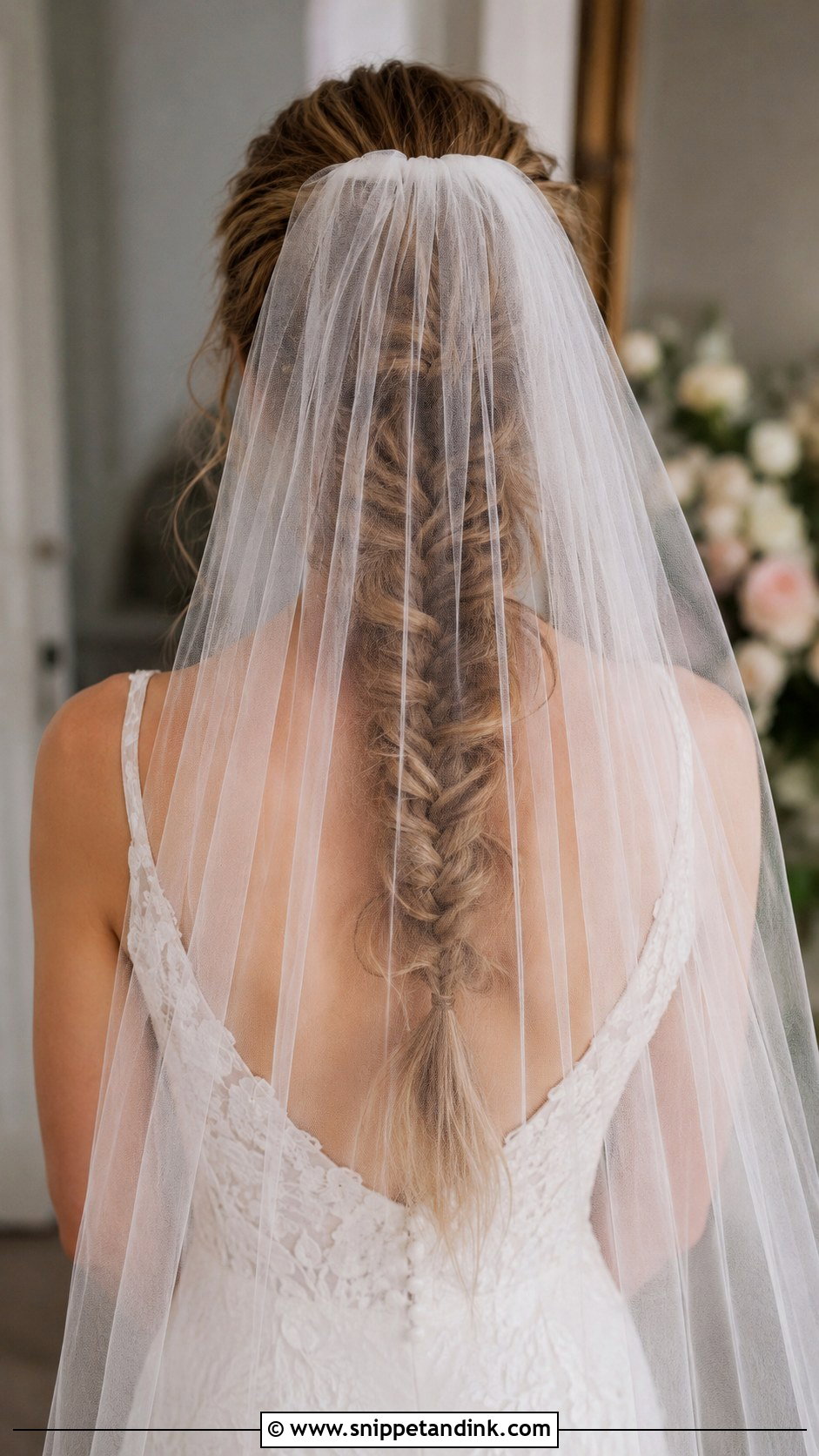
A braid works under a veil far better than most brides expect. I place the veil comb at the crown, above where the fishtail begins, so the braid shows clearly beneath the sheer tulle. For a long cathedral veil, a low fishtail bun gives the comb a firm base and stops the weight dragging the braid down. Slide the comb in against the direction it will be pulled, then cross two bobby pins over its teeth. When the veil comes off for the reception, the braid is still finished on its own, with no flattened patch.
7. Fishtail Braid With Flowers
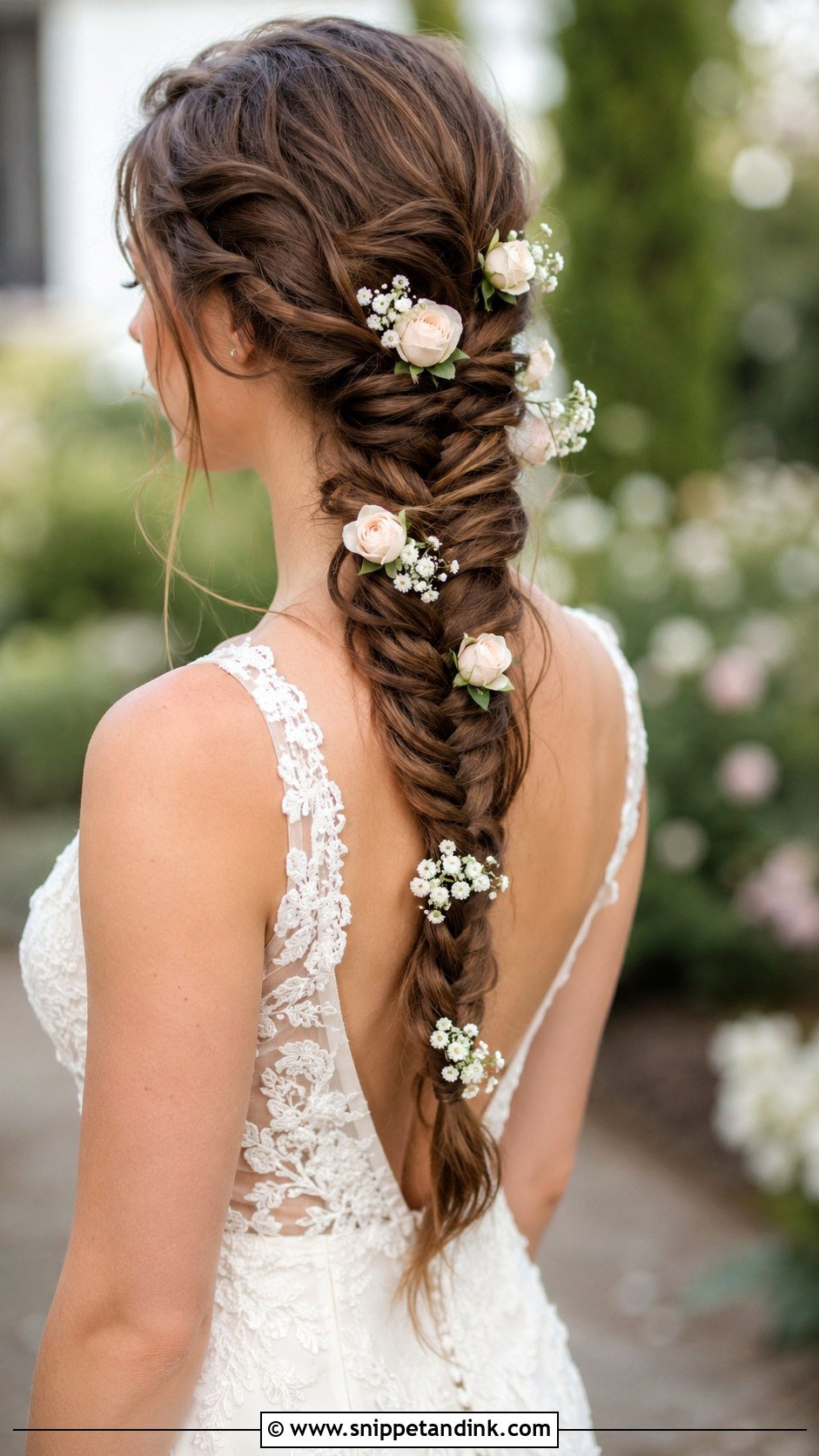
Small flowers tucked between the woven strands scatter color all the way down the braid. Baby’s breath, spray roses and ranunculus all work; I pick small, firm heads and avoid anything with soft petals that bruise against pins. Match them to your bouquet and ask your florist to set aside a few extra stems for the morning. I add the flowers last and keep hairspray well away from them, since heavy spray can spot delicate petals. It suits garden and spring weddings, with a few sprigs of greenery for contrast.
8. Fishtail Braided Bun
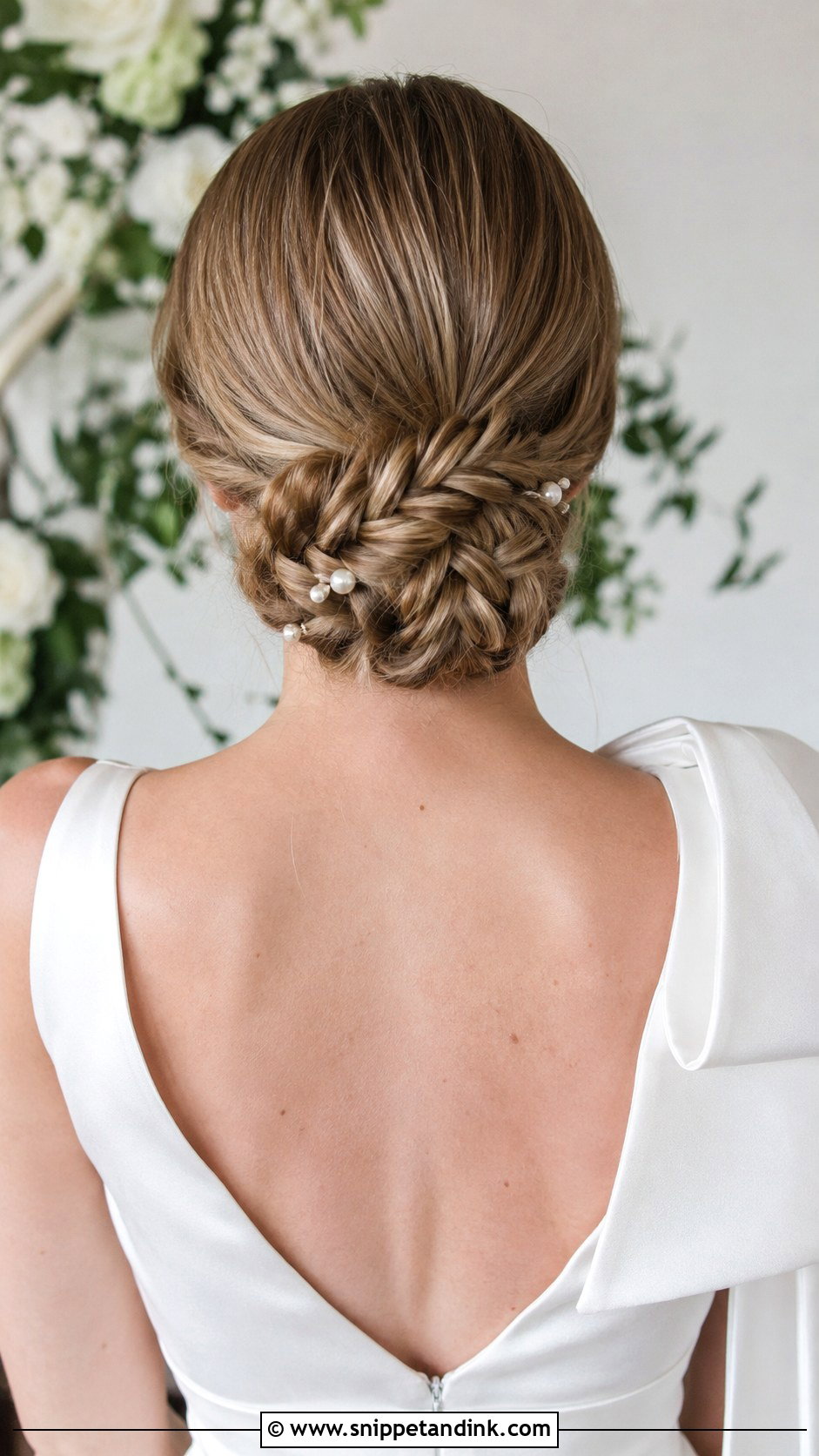
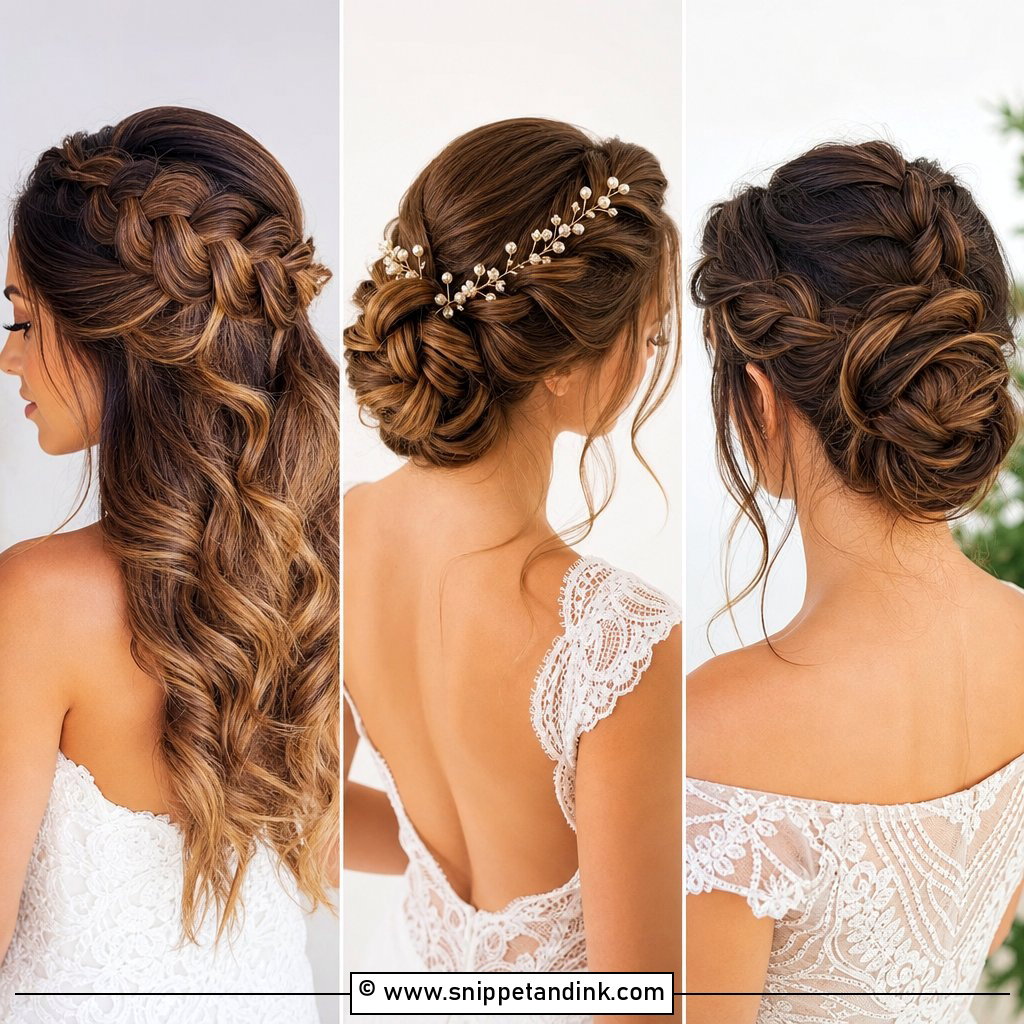
The braid coils around itself at the nape into a textured low knot. It shows the fishtail pattern in a polished shape and holds through a long reception, which suits formal venues. I braid slightly looser than I would for a hanging fishtail, because coiling pulls the pattern tighter as it wraps. A jeweled pin or a few pearls add sparkle, and the bare neck shows off statement earrings. If you have short layers, expect a few ends to poke out of the coil; a dab of wax smooths them.
9. Low Fishtail Braid
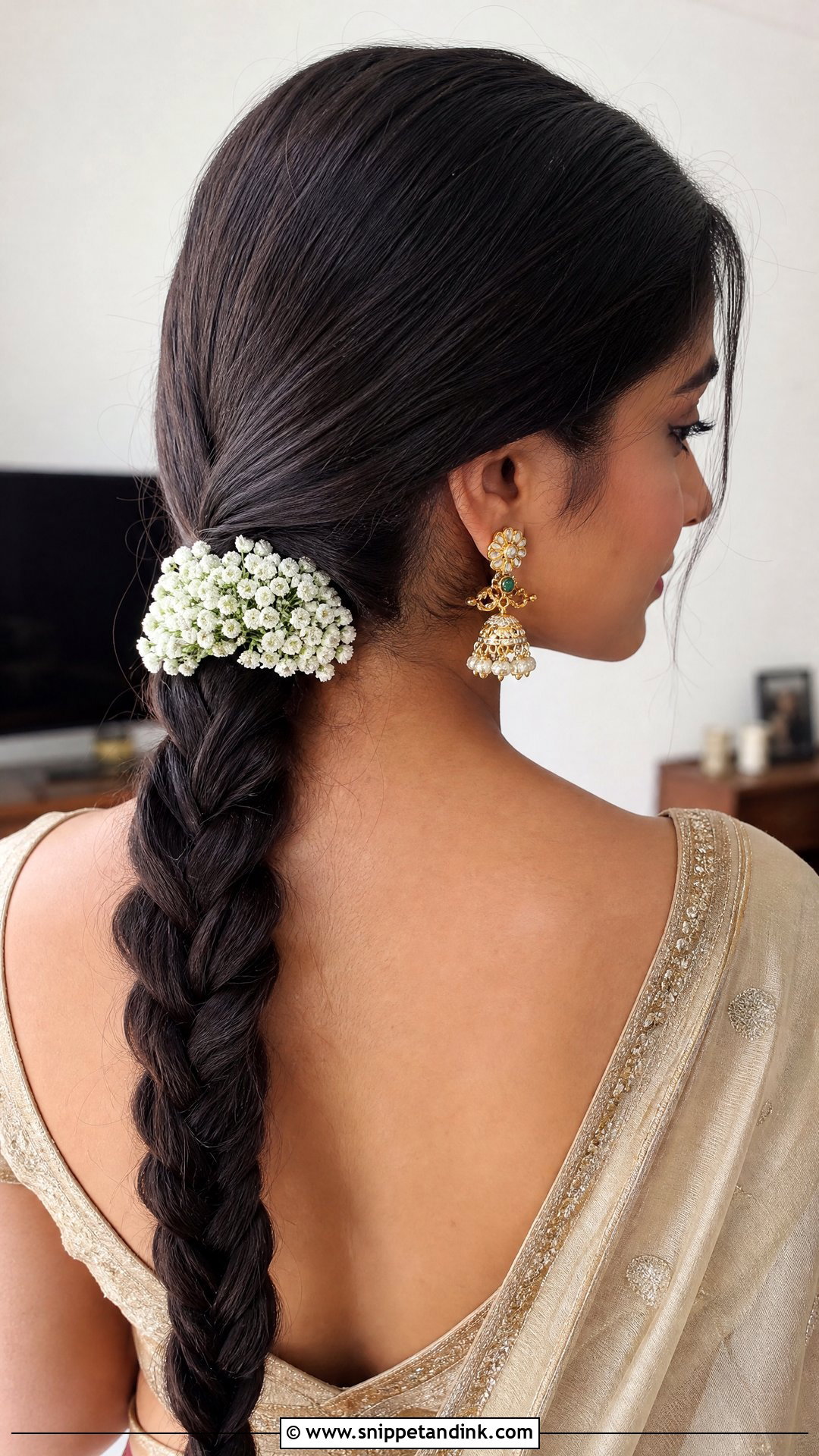
The simplest version is often the most striking from behind. The braid starts at the nape and runs straight down the back, so the woven pattern is the whole look. Tight reads sleek; slightly loosened reads soft. A thin ribbon or pearl strand threaded through adds a little detail. Since guests look at the back of your head for the entire ceremony, I check this braid from behind in a mirror every few crossings to keep it dead center. If you’d like very little fuss and a strong aisle shot, this is the one I’d book.
10. Double Fishtail Braid
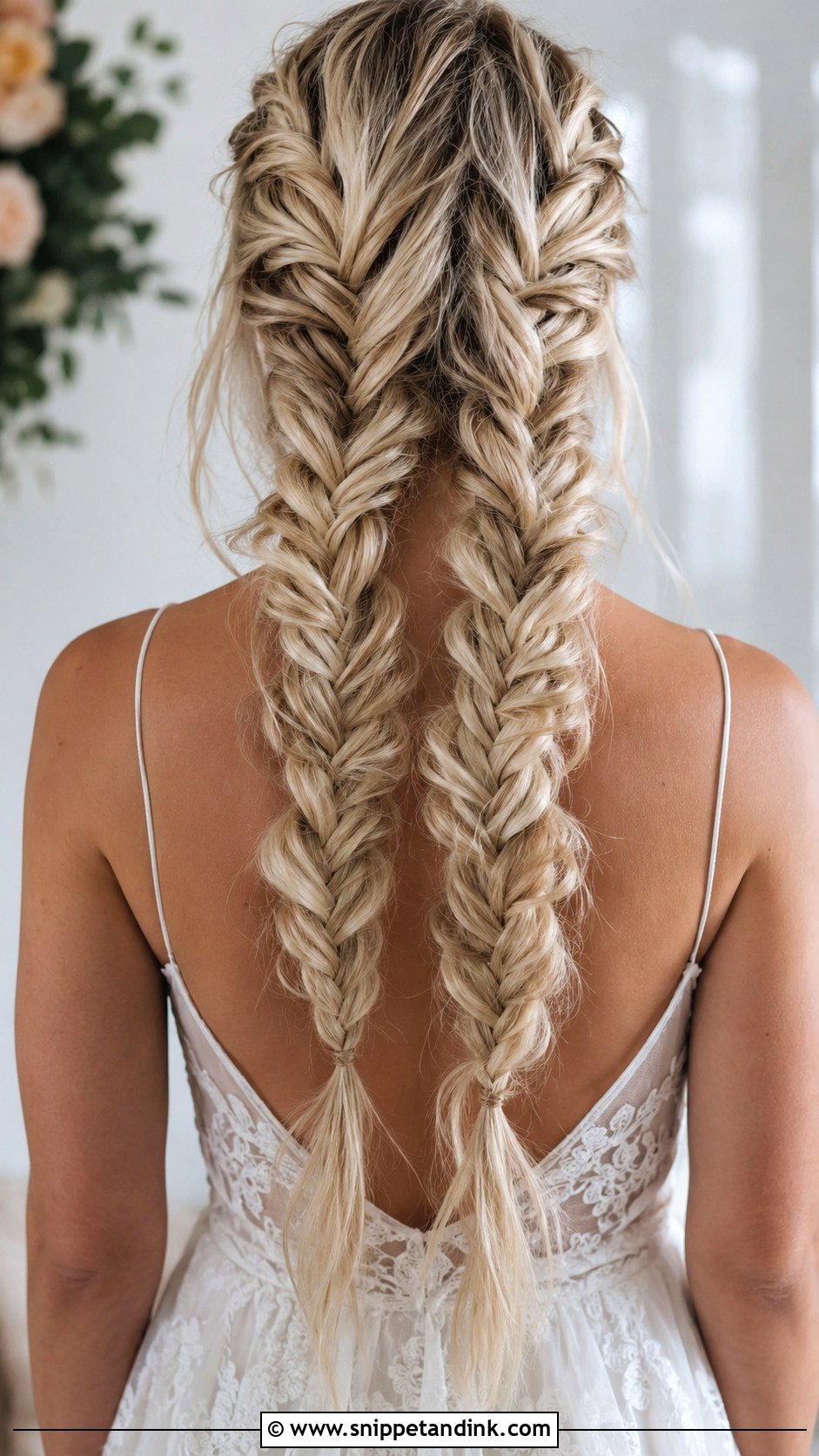
Two fishtails side by side, flowing down the back or wrapped into an updo together, make a symmetrical pattern from behind. They need thick or long hair; on fine hair each braid ends up skinny. I count the crossings on the first braid and match them on the second, so both finish at the same width, because uneven doubles are what people notice. Join them at the ends with a small elastic hidden under a flower, or leave them separate for a younger look.
11. Fishtail Braid With Pearls
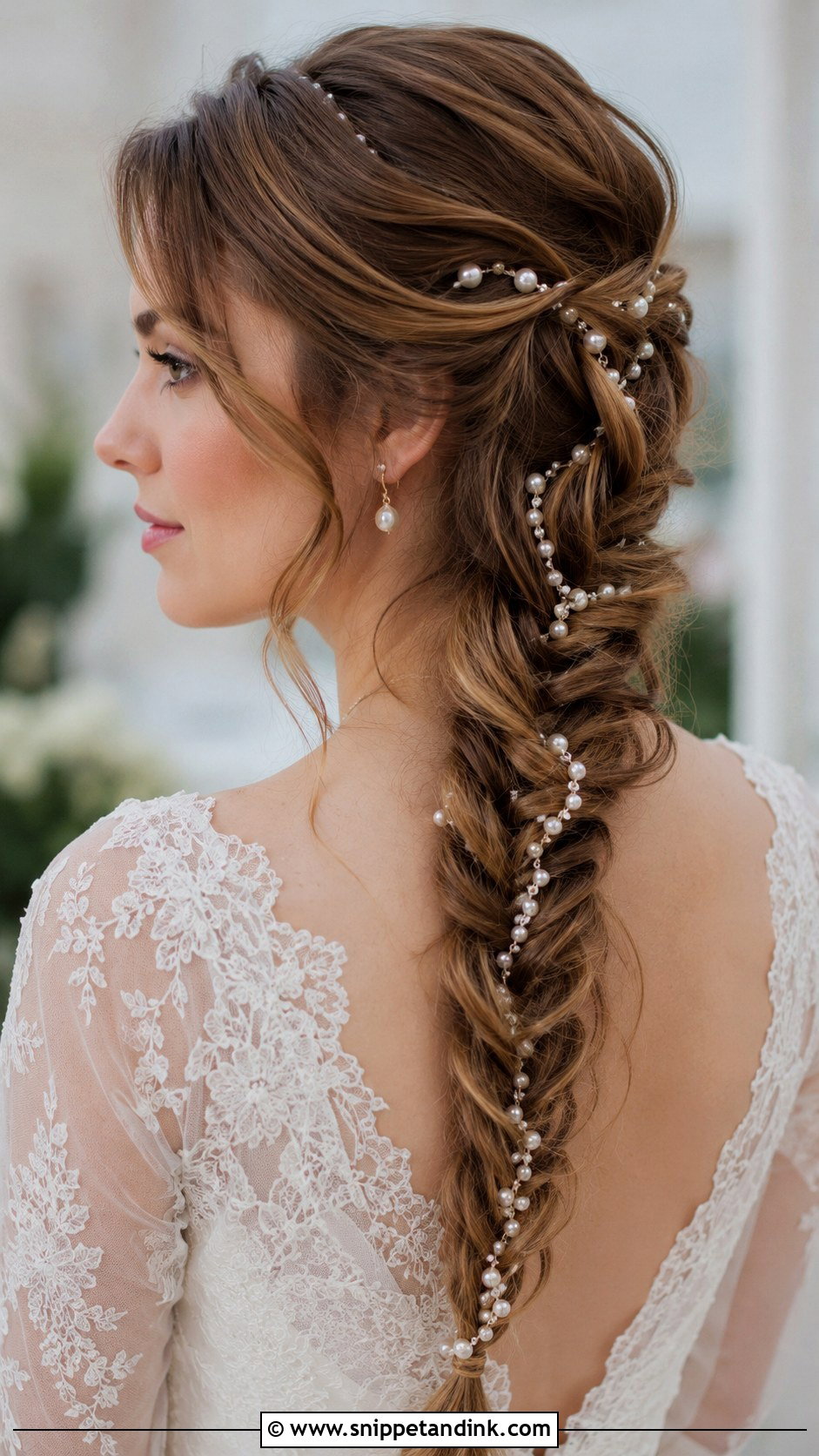
Pearl pins tucked into the weave, or a pearl strand threaded through it, give a soft shine as you move. Single pins are the easy route: they slide into the crossings and grip well. A continuous strand looks more finished, but it has to be woven in as the braid is built, which adds time to your appointment. Pearl earrings tie it together. This pearl-adorned fishtail leans vintage, so I find it sits best with lace or satin rather than a very minimal modern gown.
12. Messy Fishtail Braid
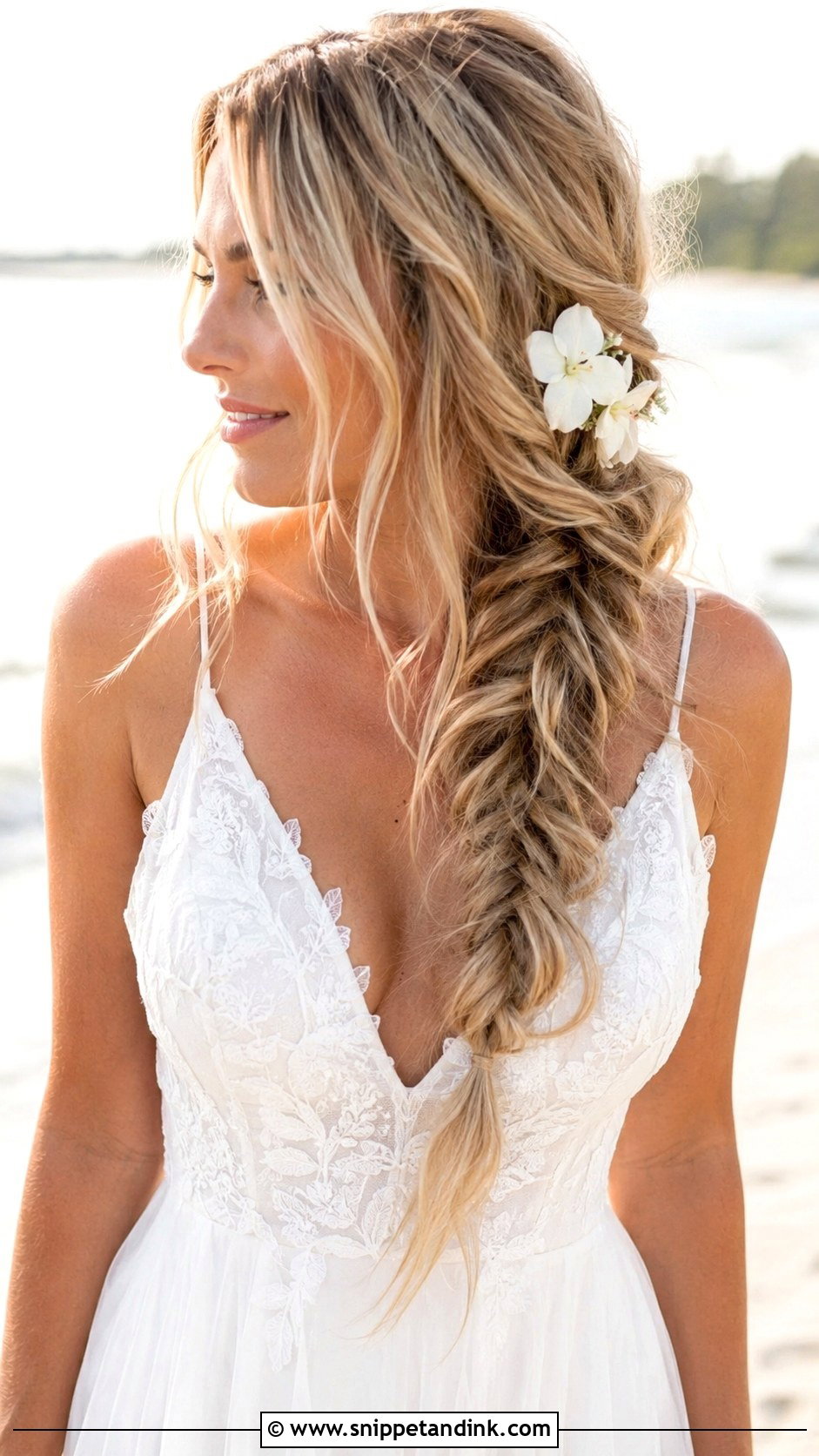
The woven strands are loosened on purpose for an airy texture, with wispy pieces falling around the face. It actually gets better as the day goes on, which is rare for wedding hair. The risk is that it looks unwashed rather than undone if the hair is too soft and silky, so I prefer hair washed the day before with texture spray worked in. Beach, backyard and boho weddings suit it, with a flowing gown and natural makeup. A few small flowers finish it.
13. Fishtail Braid Ponytail
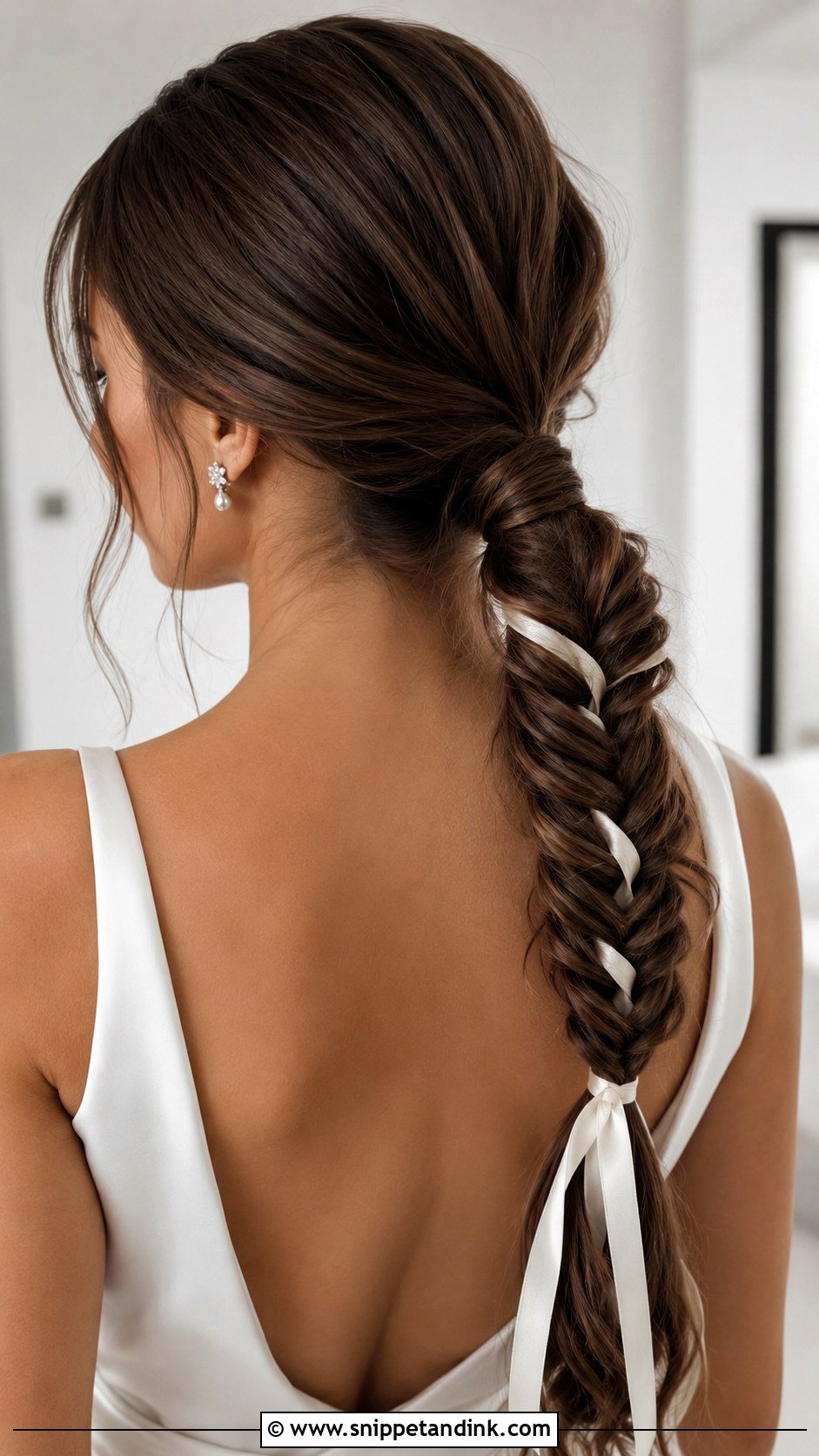
Hair goes into a ponytail first, then the length becomes a fishtail, and it swings every time you move on the dance floor. A strand of hair wrapped around the base hides the elastic. High reads dramatic, low reads more traditional. I use two elastics, one at the base and another an inch below, because a single band tends to slip under the weight of a long braid. Pearls or a ribbon give it a bridal touch for a contemporary celebration.
14. Fishtail Braid With Curls
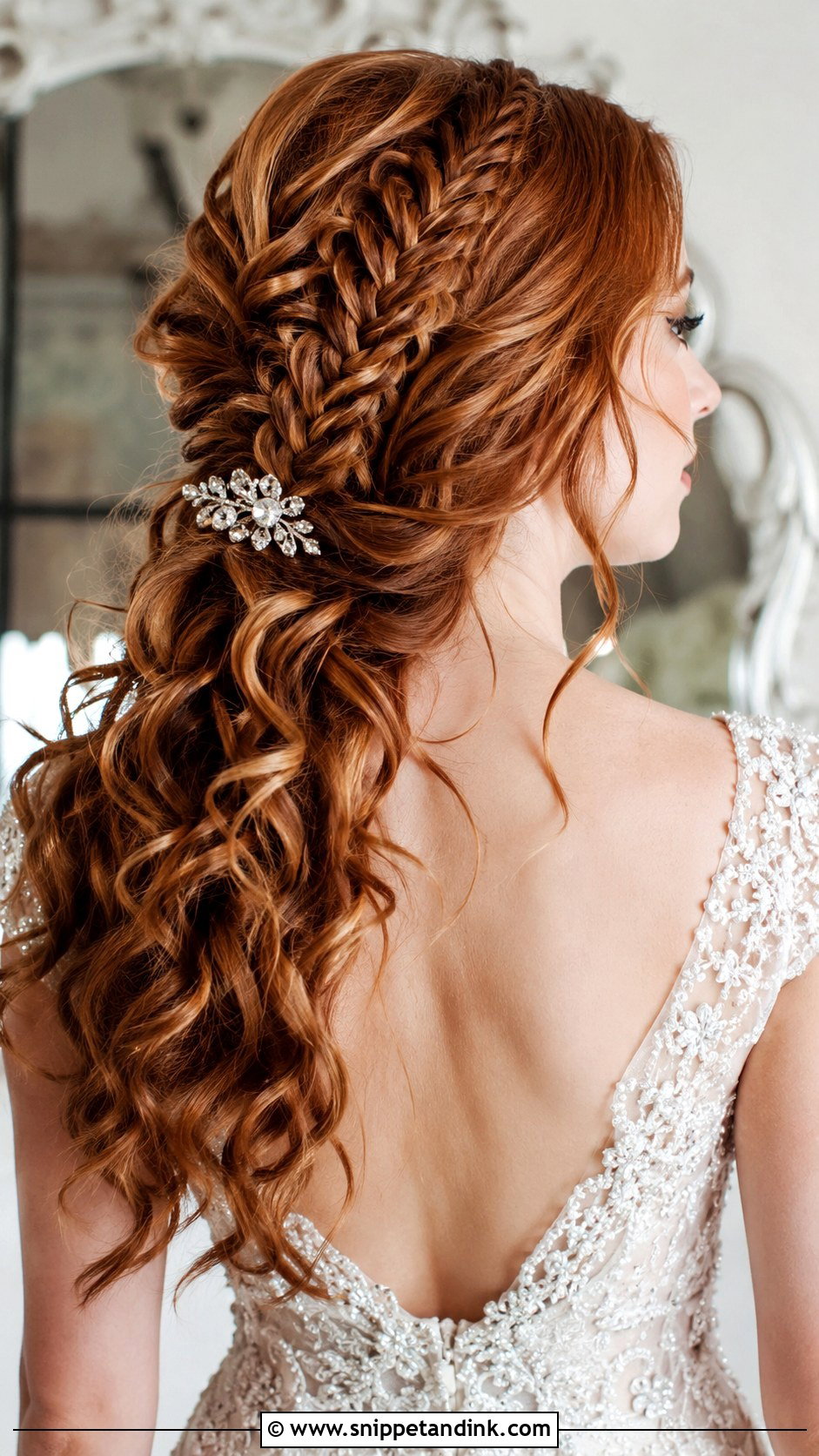
The braid runs through hair that’s already curled, so curls peek out along its length and soften its lines. It reads lush and a little old Hollywood, which suits formal and vintage-inspired weddings. Curls must be completely cool before braiding, or they fall out as you cross them. I pin each one to set, let them cool, then braid loosely so the two textures blend. A sparkling clip at one side finishes it.
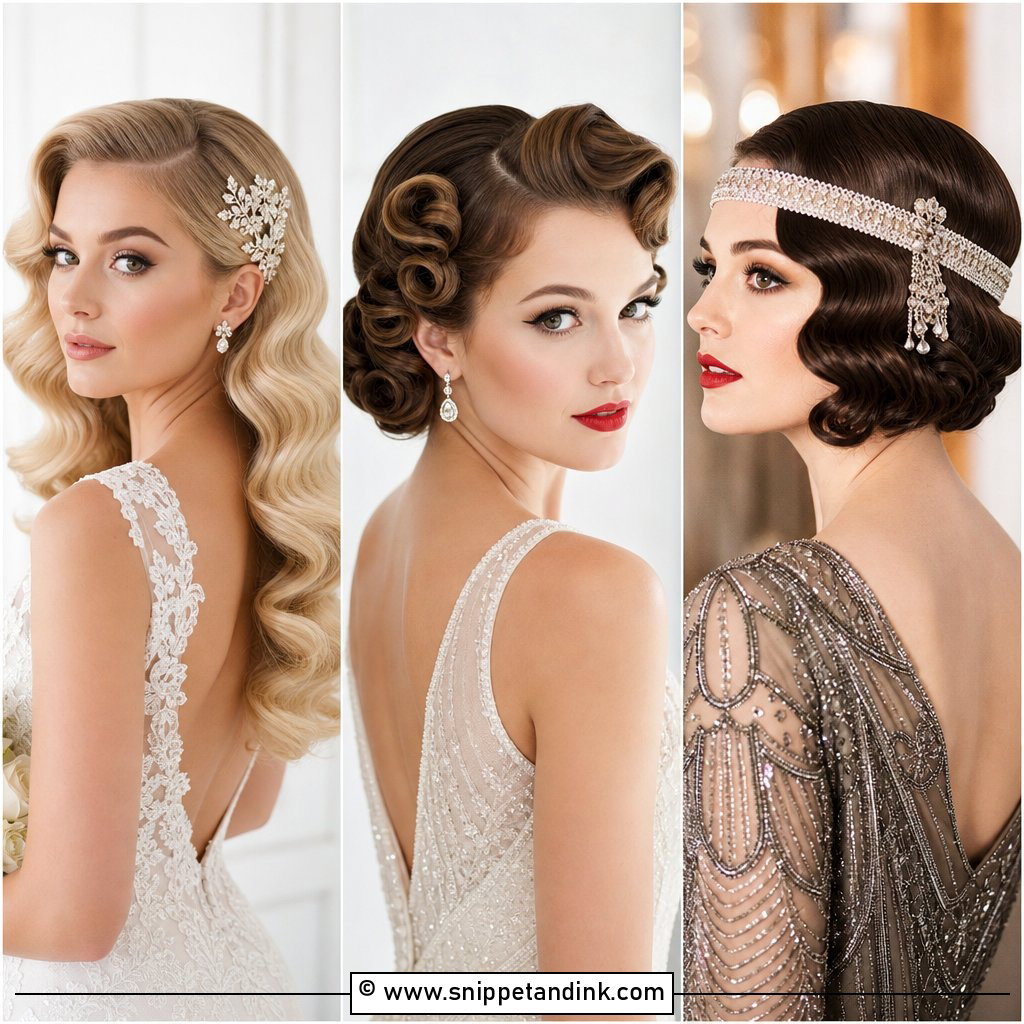
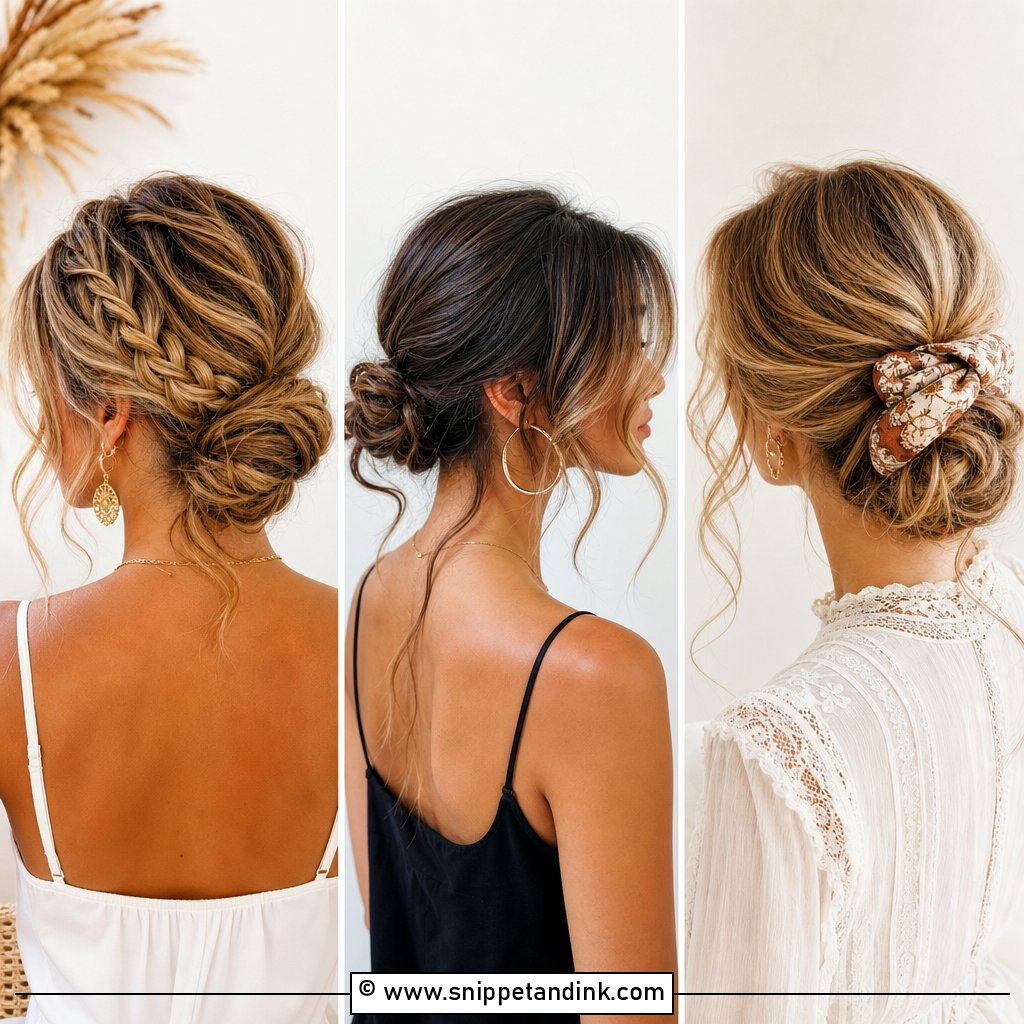
15. Waterfall Fishtail Braid
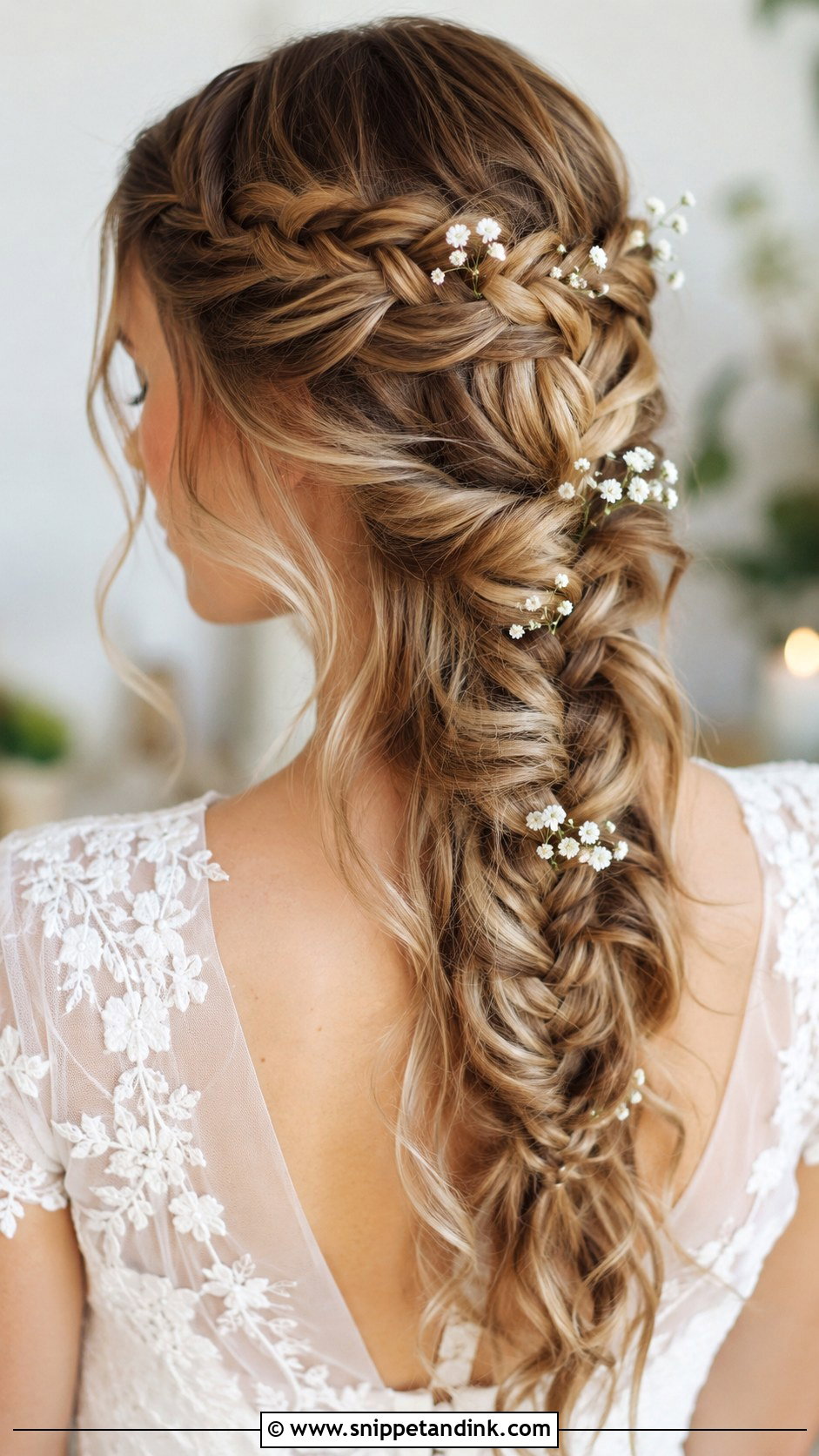
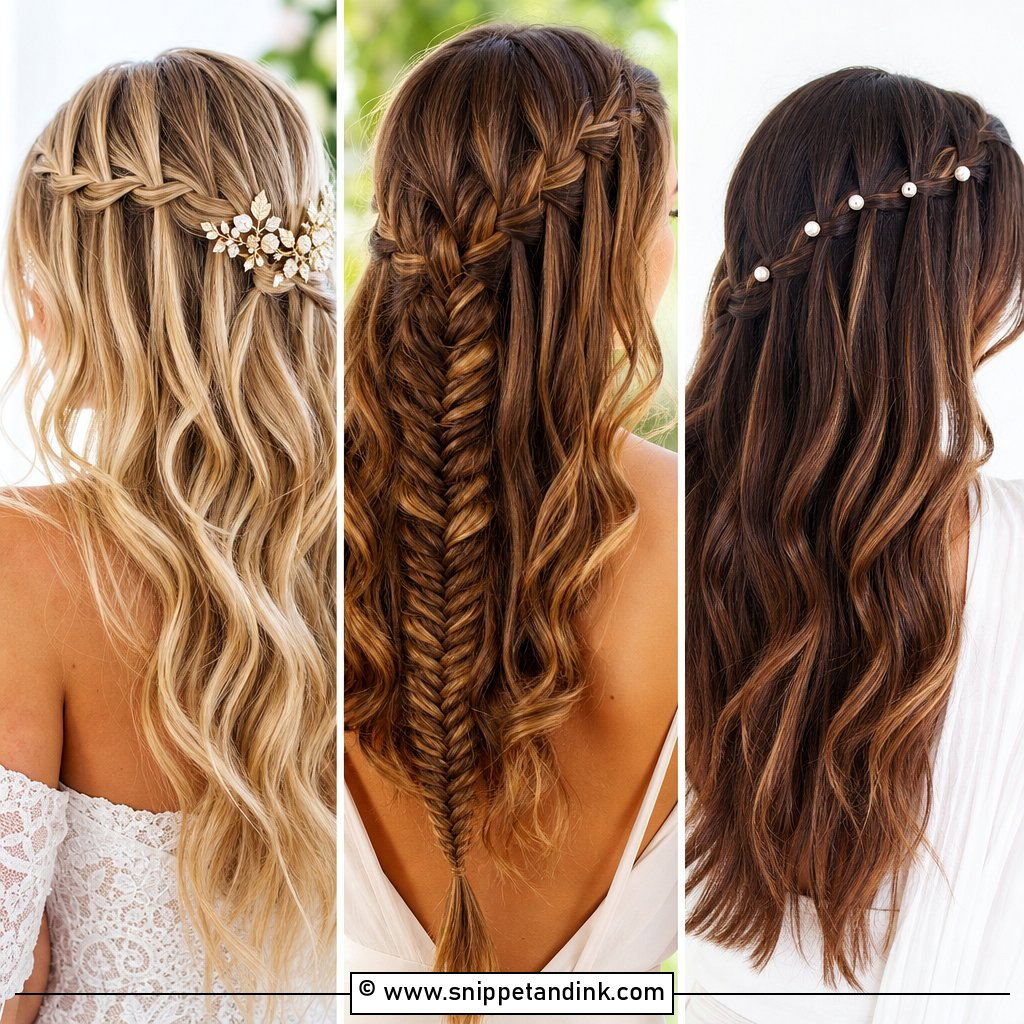
Here, strands drop out of the weave at intervals and hang loose beneath it like a cascade. It’s one of the most detailed braids on this list, and it’s slow: each dropped section is replaced with new hair from above, so allow more time than for a straight fishtail. It sits best as a half-up style or across the crown, with loose waves below. Tiny flowers along the line of the braid add color. Wavy hair hides small inconsistencies, while very straight, sleek hair shows every one.
16. Fishtail Braid Chignon
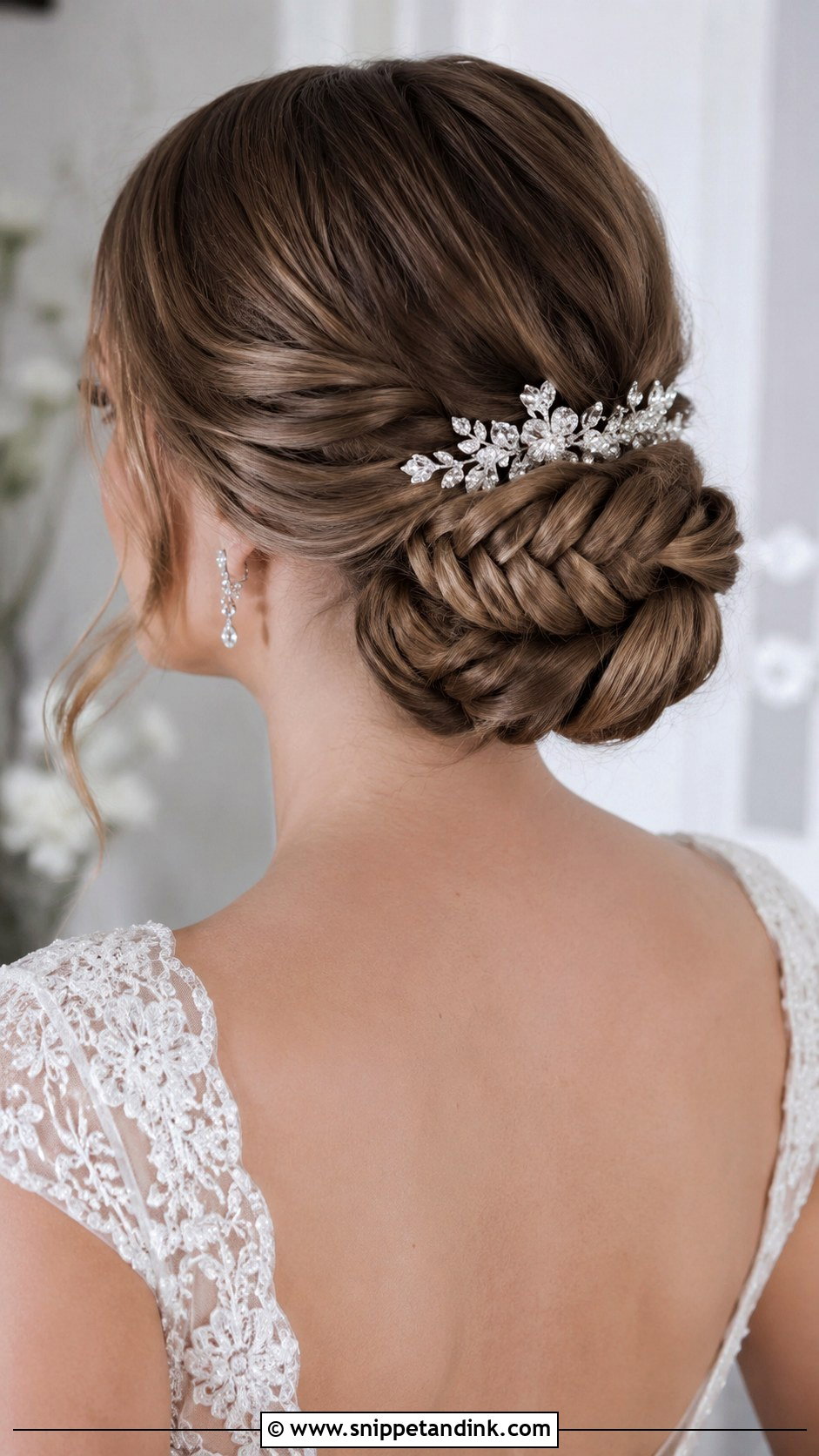
The braid coils into a smooth, low chignon at the nape, so it reads polished with only a hint of texture. Formal venues and structured gowns suit it, and the open neckline shows off statement earrings. A jeweled comb or a row of pearl pins adds finish. I smooth the hairline with a little cream before braiding, because the cleaner the sides, the more the woven bun stands out in profile photos. It holds firmly through dinner and dancing.
17. Fishtail Braid For Short Hair
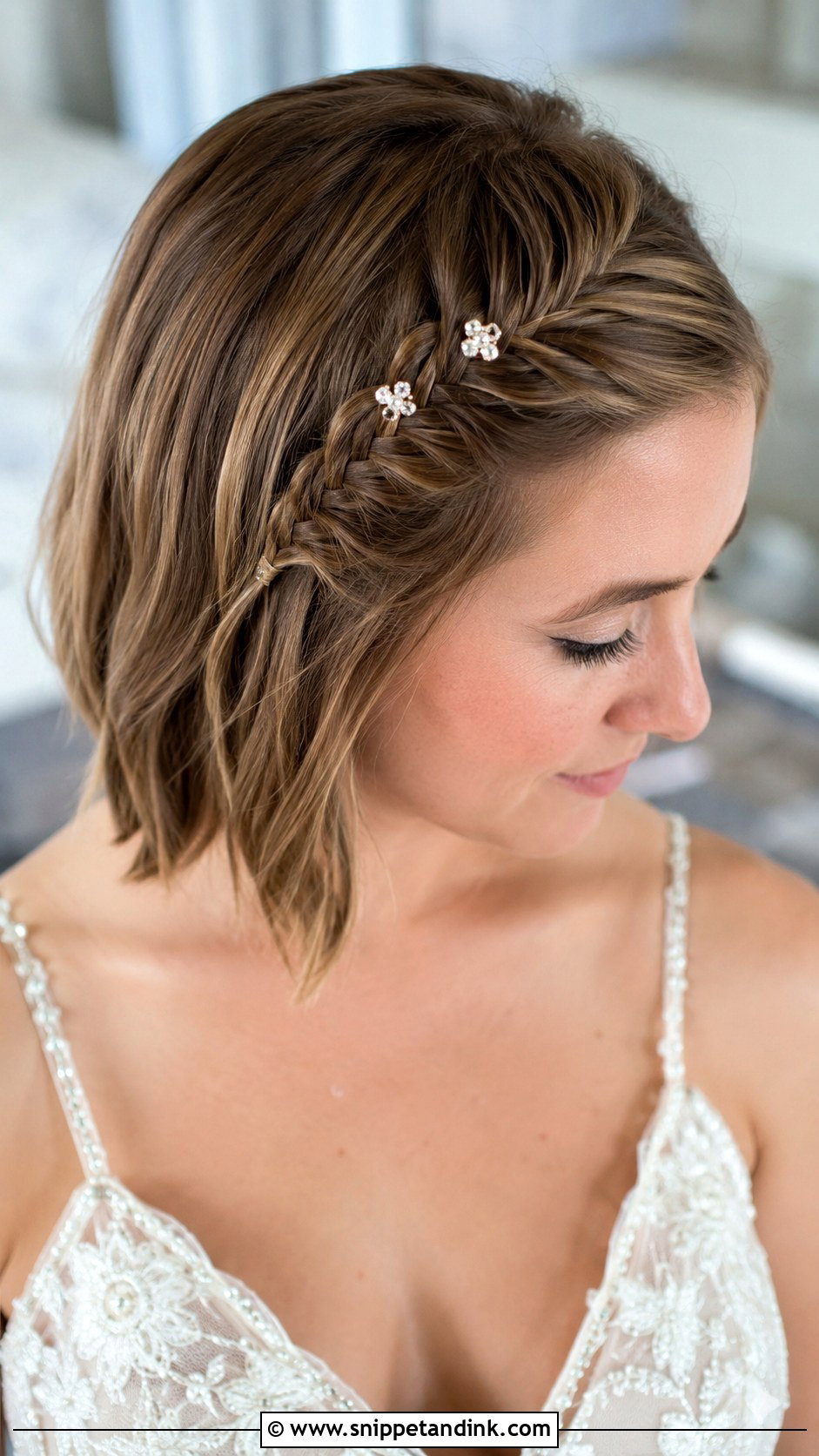
A fishtail does work on shorter hair, just on a smaller scale. I braid the front sections back as a slim woven accent, or run a small fishtail along one side of a bob, so you don’t need long locks to get the texture. Tiny sections and a little pomade are essential, because short ends try to escape at every crossing. It works as a half-up accent or a braided headband. Expect the braid itself to be short; on a chin-length bob it may only run a few inches before I tuck and pin the end.
18. Fishtail Braid With Headpiece
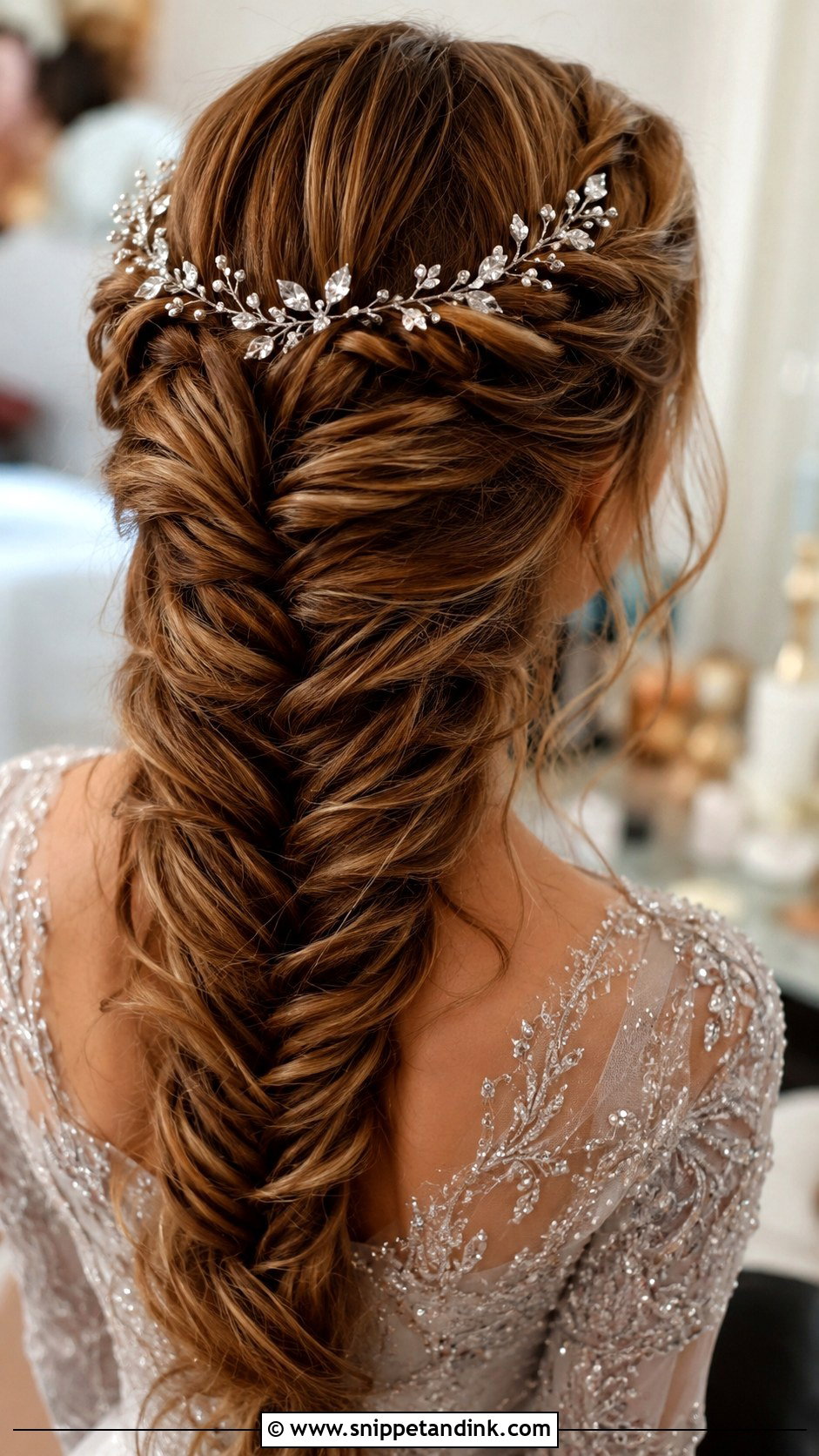
A sparkling headpiece paired with the braid adds a sense of ceremony. A tiara, jeweled band or vine sits across the crown or along the hairline while the fishtail falls down the back or wraps into an updo. Headpieces need something to grip, so I pin a band into the base of the braid where I can, and build tiny hidden braids behind the ears to anchor a vine. Choose crystals, pearls or fine metal to match the detail on your gown. It suits formal weddings and brides who enjoy a statement accessory.
19. Dutch Fishtail Braid
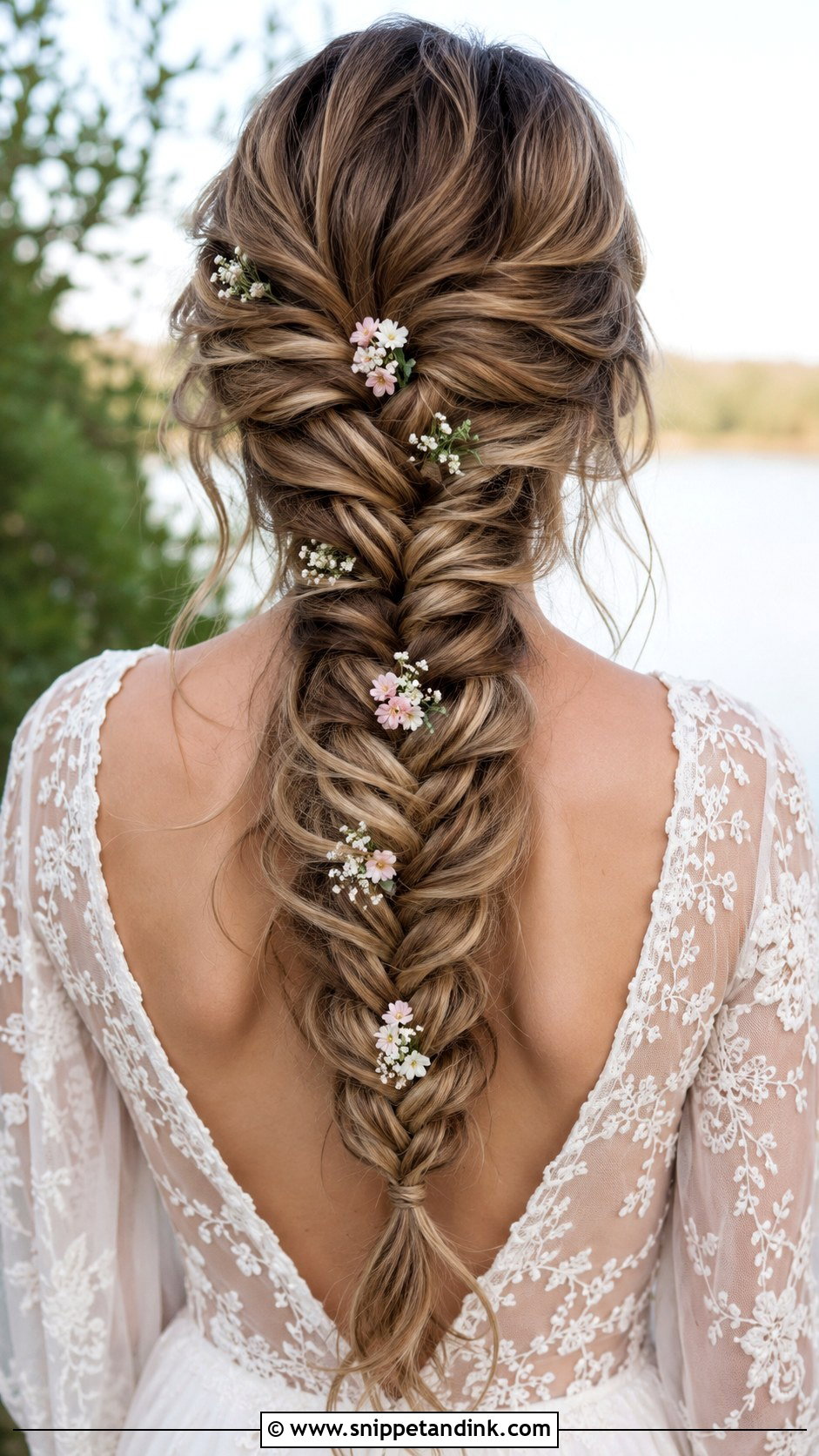
In a Dutch fishtail the strands cross underneath rather than over, so the braid stands up from the head instead of lying flat. That raised, three-dimensional shape gives it the most definition of any braid here, and because it grips the scalp it holds well through a long day. It looks strong along the crown or down the back. Loosen it slightly to soften it, or keep it tight for impact. It takes practice to do on yourself, so if you’re styling your own hair, learn the regular fishtail first.

20. Fishtail Braid With Ribbon
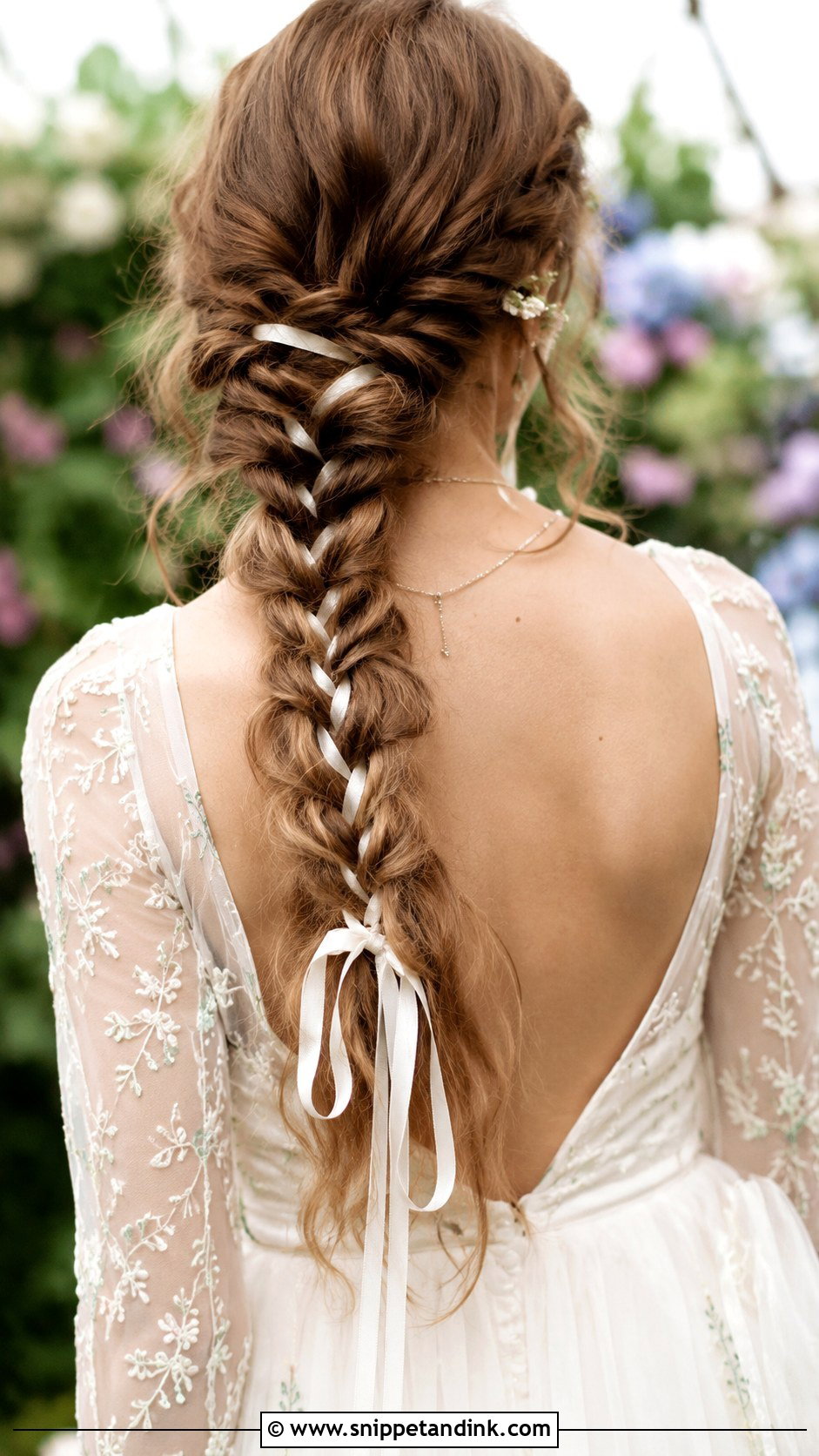
A thin silk or satin ribbon woven alongside the hair adds a touch of color and a vintage feel. Ivory keeps it subtle, while a soft shade can tie into your theme. I fold the ribbon over one strand as I begin and treat the two as a single piece of hair, which stops it twisting. Silk grips better than slippery satin. Let the ends trail at the tip. It suits garden and boho weddings and sits well with loose waves or a half-up style.
What Sea Wind and Summer Heat Do to a Fishtail
A braid is about the most wind-proof wedding style there is, which is why I steer beach brides toward one. Loose curls blow across your face in every portrait, while a fishtail just sways. The weak points are the pieces left out around the face and anything loosened for texture, so on an exposed coastline I keep those to a minimum and spray them close to the head.
Humidity is the bigger problem. Salt air and damp heat lift the tiny hairs at every crossing into a halo of frizz. A smoothing cream before braiding and an anti-humidity spray afterward help a great deal, and the tighter, sleeker versions in this list hold up best. The messy and boho styles cope by design, since a little frizz simply reads as more texture.
Then there’s heat at the nape. A thick low bun or a heavy braid lying on your neck feels warm in a summer field, and sweat loosens pins there before anywhere else. For an outdoor wedding in high summer, the crown or a higher bun is often the more comfortable choice.
What to tuck in your bridesmaid’s bag
- Six to eight bobby pins in your hair color
- A travel-size anti-frizz spray or a little smoothing balm
- A clear elastic in case the end of the braid works loose
- Two spare stems if fresh flowers are woven in
Try It With the Gown, the Veil and the Weather in Mind
Fishtails cover a wide range, from a sleek chignon to a loose boho cascade, finished with flowers, pearls, ribbon or a headpiece. The braid you settle on should suit your hair, your neckline and the place you’re marrying more than any single photo. Bring your veil and accessories to a trial, look at the braid from behind and in profile, and wear it for a few hours before you decide. The version that still feels comfortable after lunch is the one to book.
You'll Like These Ideas:



Leave a Reply