
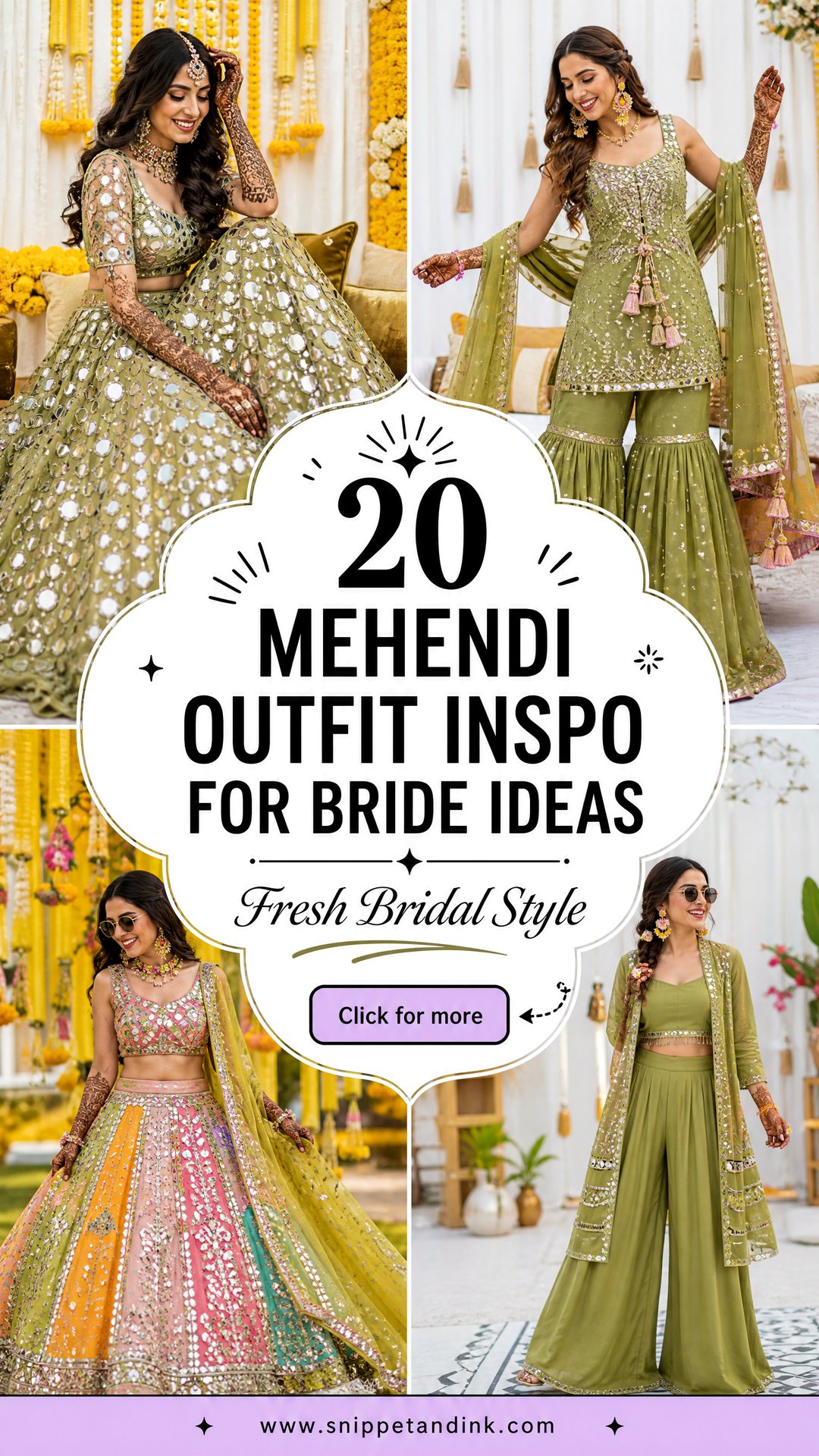
I think of a mehendi look as a whole outfit, not just a lehenga: the clothes, jewelry, hair and makeup have to work together from the first stroke of henna to the last dance. Garden functions, home ceremonies and resort weddings each ask something slightly different. What they share is a need for movement, color, breathable fabric and enough detail to set the bride apart without tipping into overdone. Easy lehengas, shararas, floral jewelry, mirror work and cape dupattas come up again and again, in palettes like lime, mustard, rani pink, sage and lavender. Here are twenty complete looks, each with what I’d pair it with and what I’d watch for.
A Hot Afternoon and a Cool Evening Need Different Fabrics
The same lehenga can feel easy at an evening function in November and unbearable at a noon mehendi in June. Before I look at color, I ask when and where the function is.
Daytime heat
Cotton, mulmul, chanderi and cotton-silk breathe. Polyester georgette and net look light but hold heat against the body, and layers of can-can make it worse. Silk shows sweat marks under the arms and across the back quickly, which is worth knowing before an outdoor afternoon of photos. Ask the venue about shade and a fan for the bride’s seat, since you won’t be moving for a while.
Evening chill
For an outdoor winter evening, heavier silk, a velvet jacket or a structured cape adds warmth without covering the arms. A shawl around the shoulders once the henna dries is the simplest fix. Avoid thick sleeves you’d have to roll up over fresh paste.
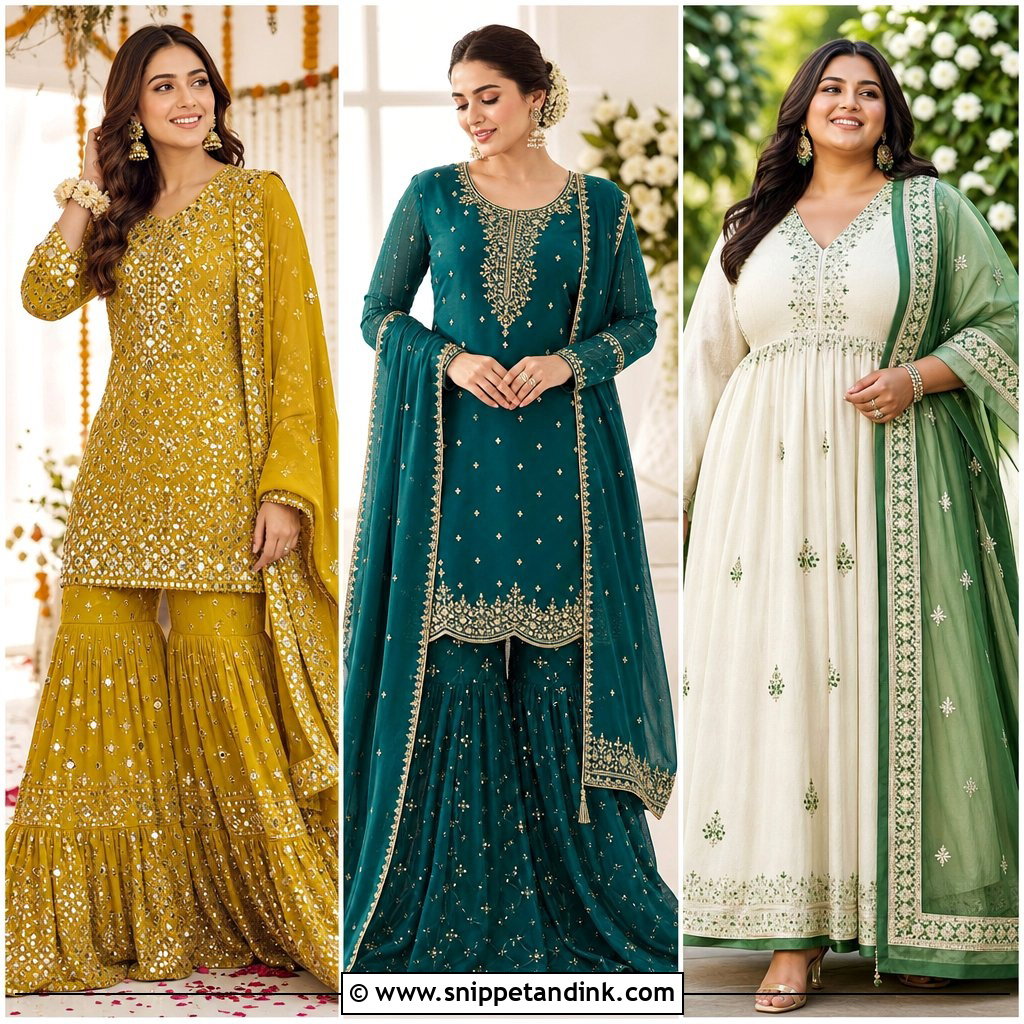
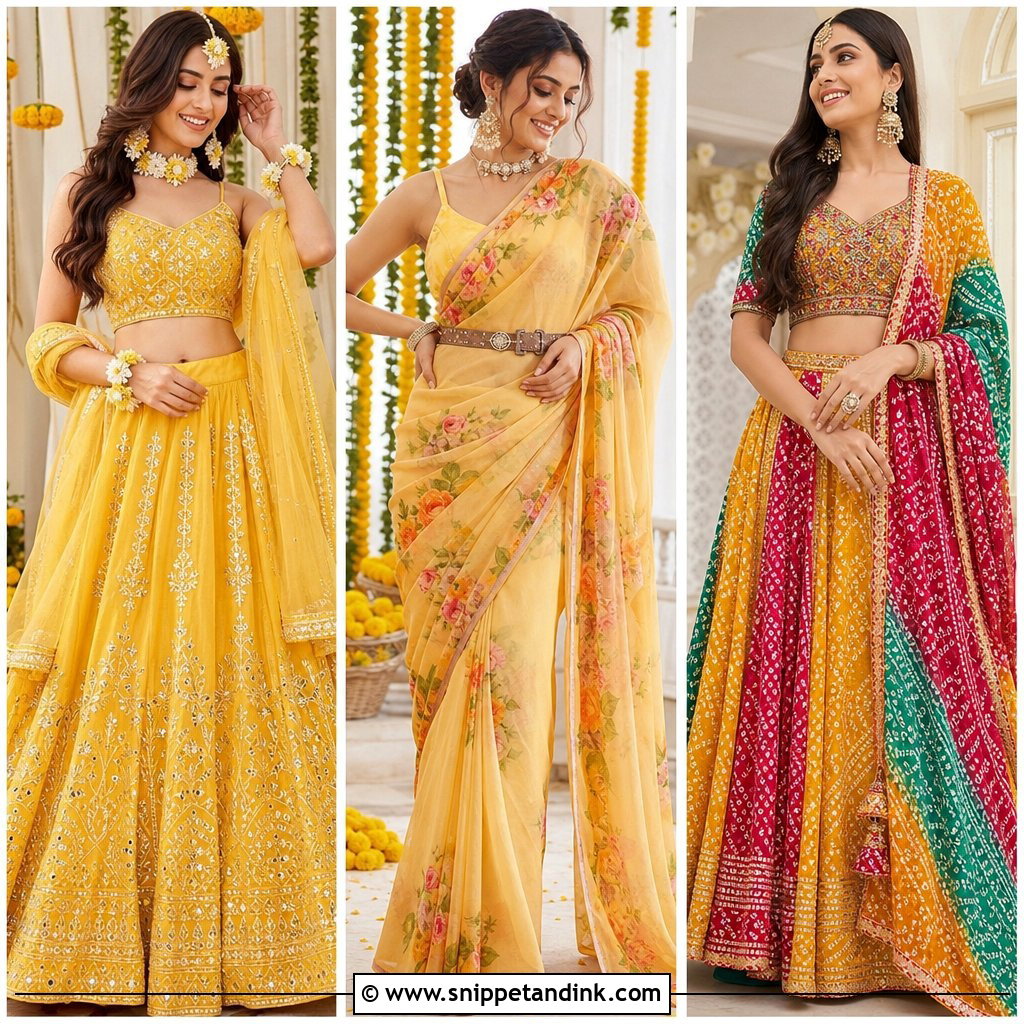
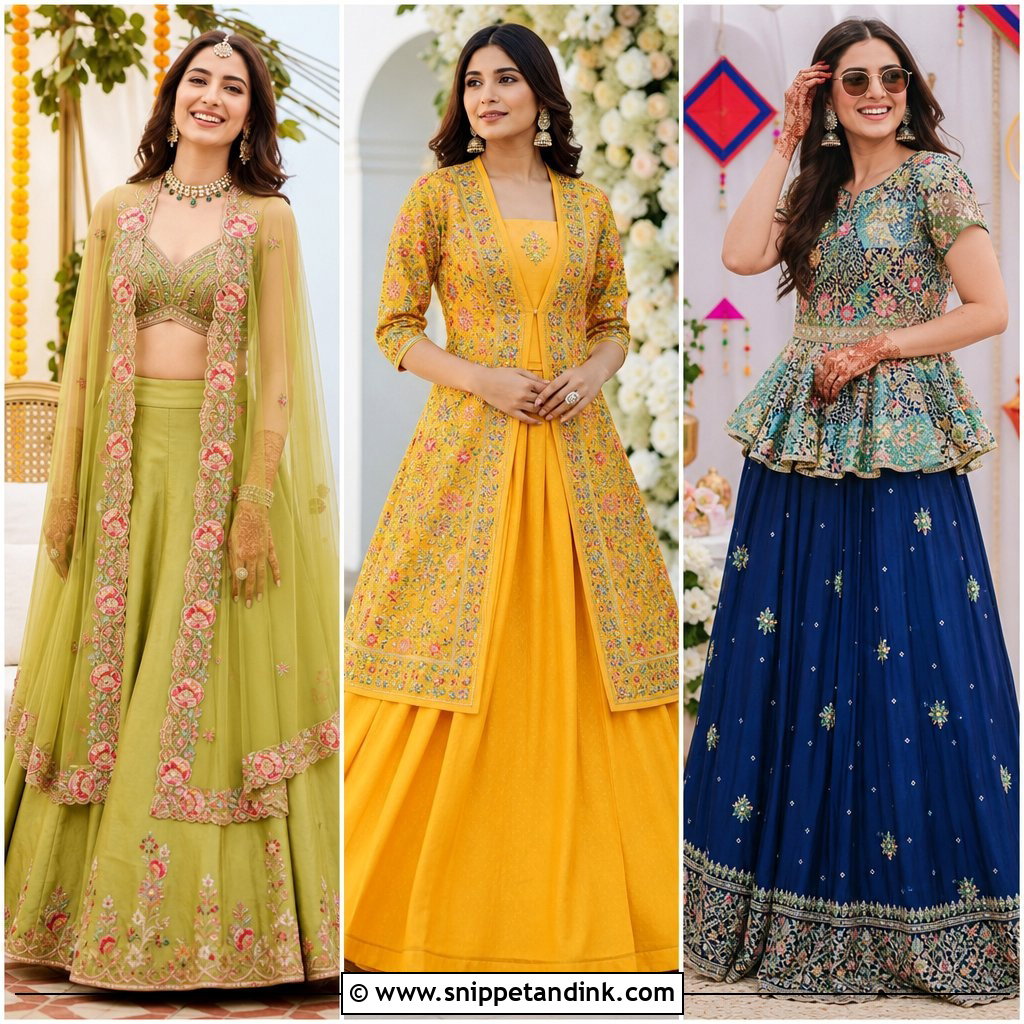
1. Yellow Mehendi Lehenga For Bride
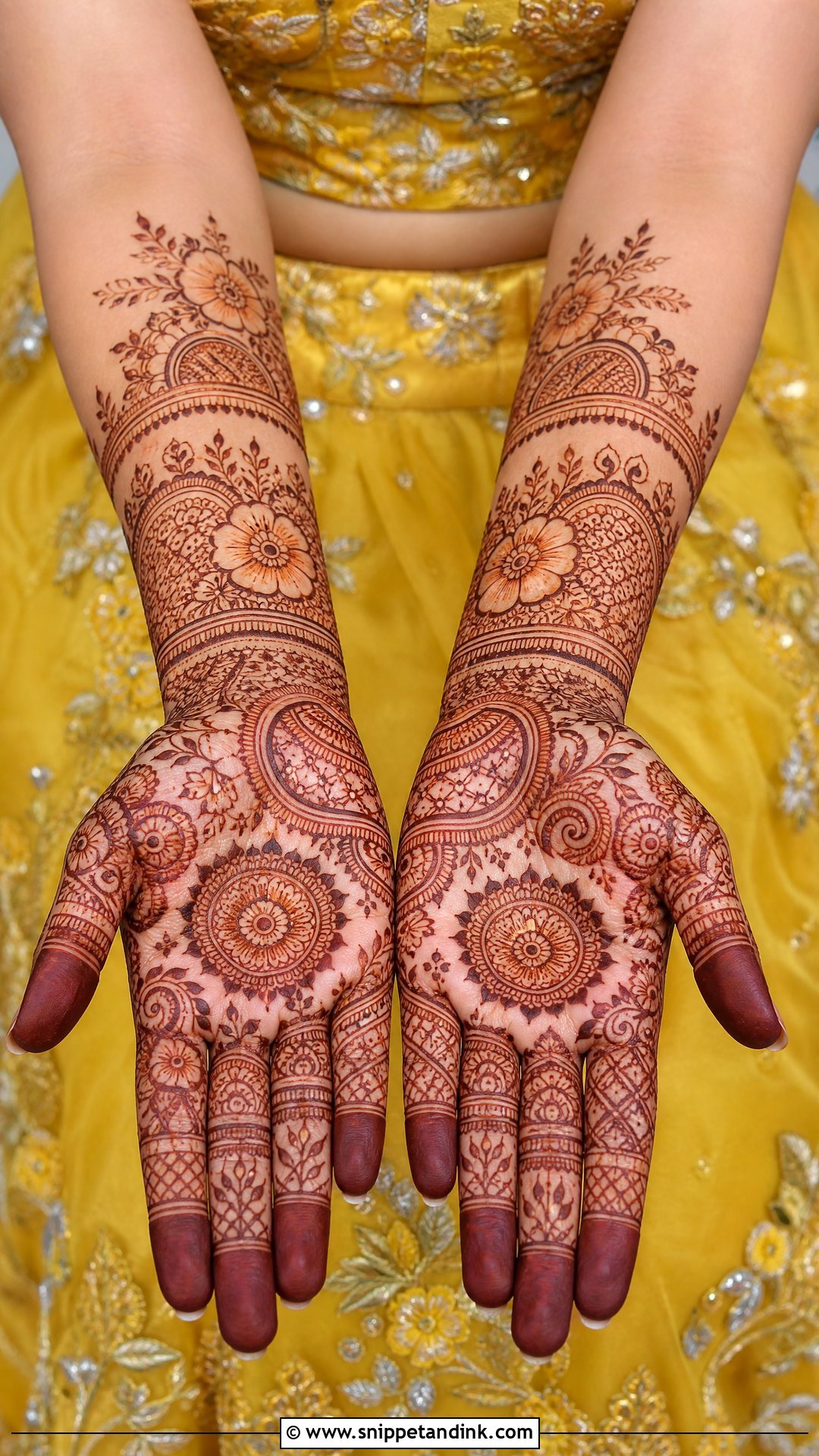
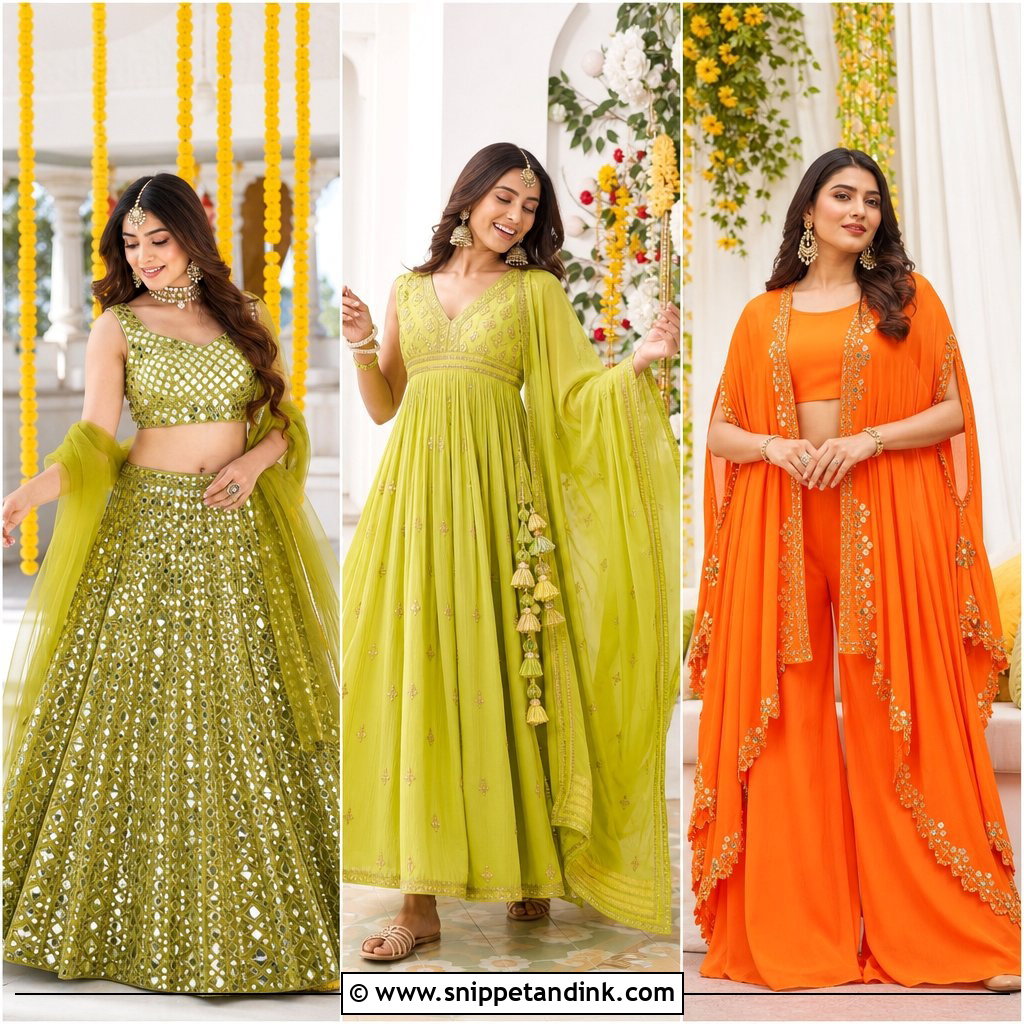
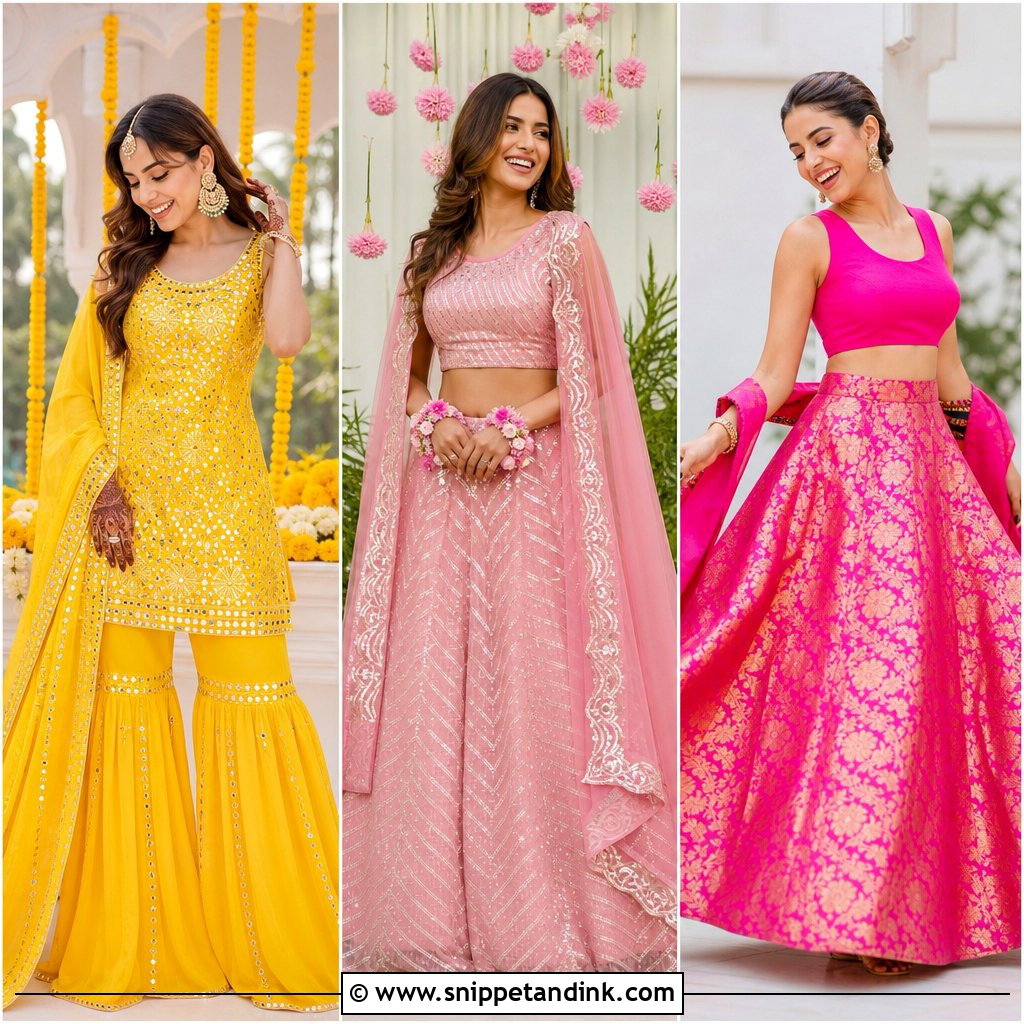
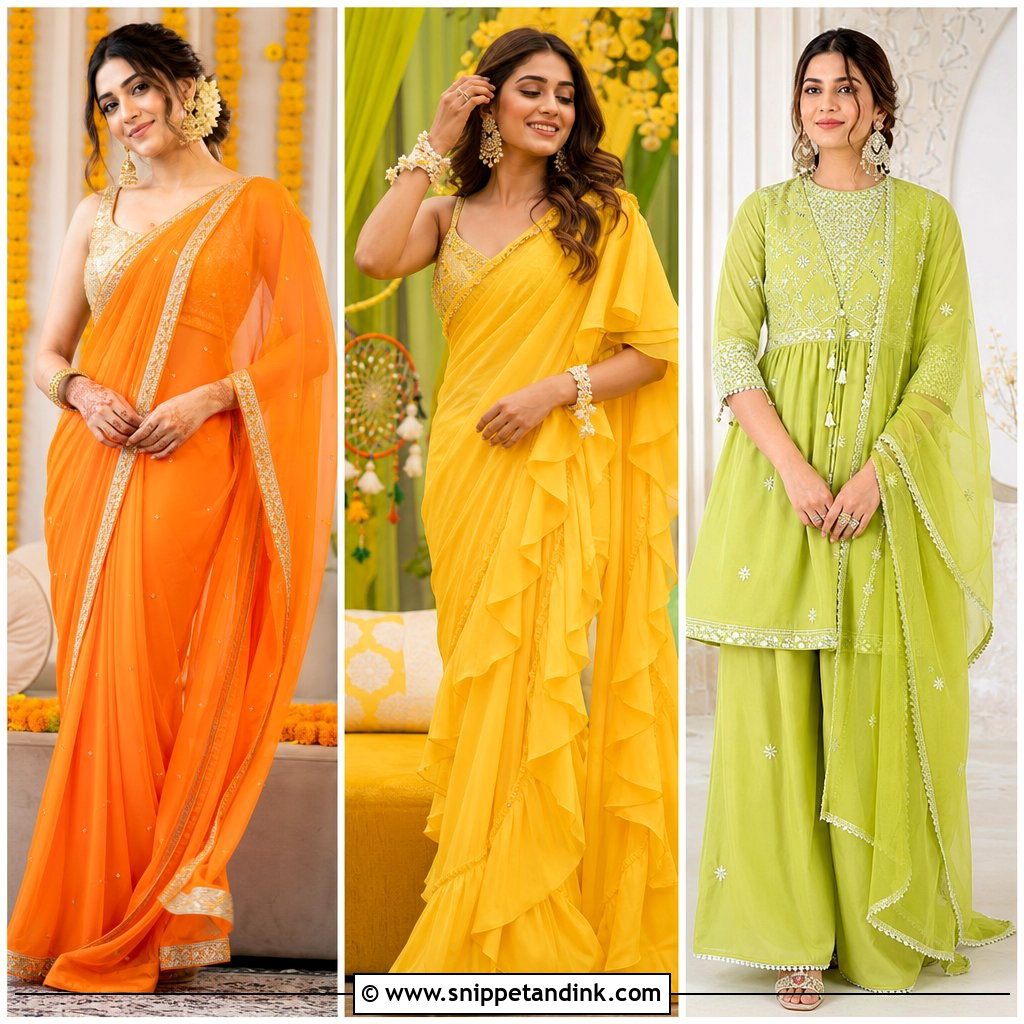
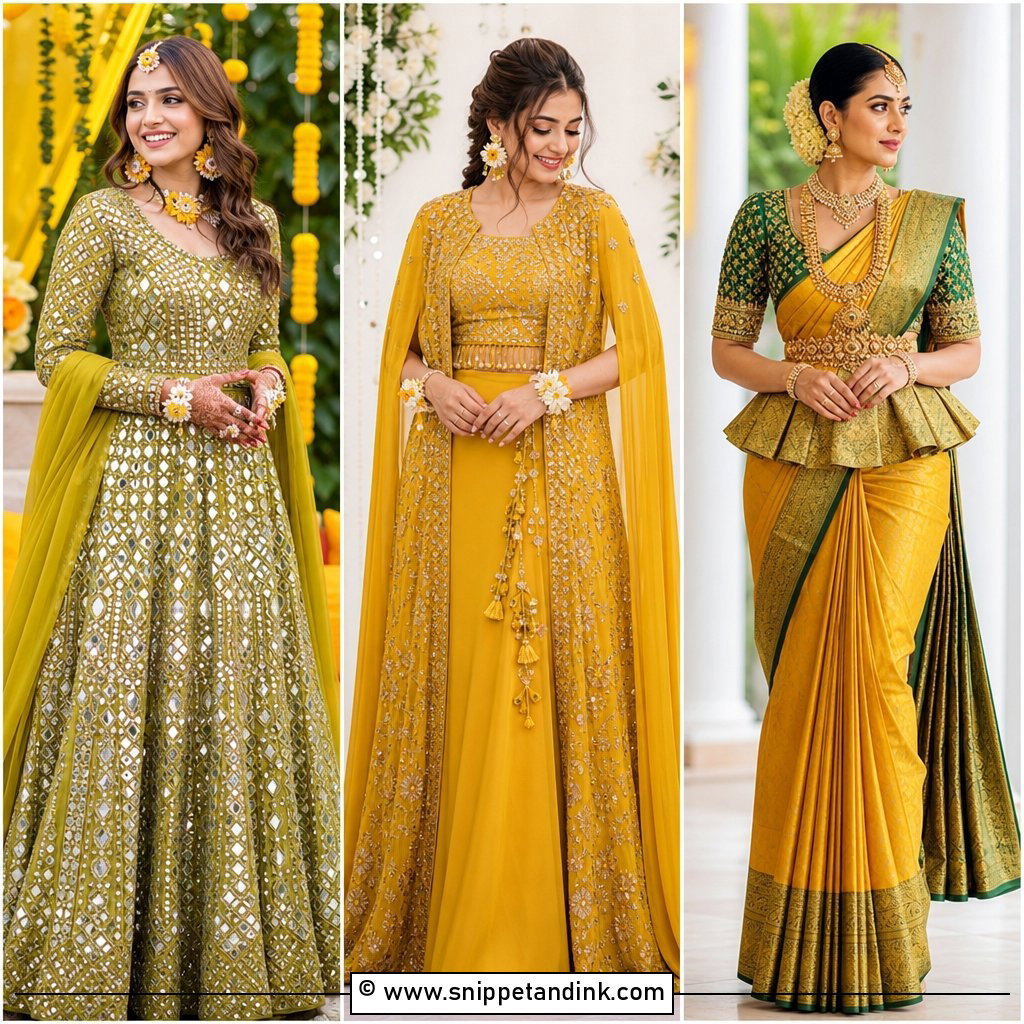
Of all the colors, yellow is the one families rarely argue about. I’d pick it in georgette, organza or chanderi, with mirror work, gota patti or small floral embroidery rather than anything dense. Elbow sleeves are fine for a palm-only design; if your henna runs past the wrist, ask for the sleeve to finish above the elbow instead. Pin a sheer dupatta on one shoulder so your arms stay free. White, pink or fresh green floral jewelry, peach blush and glossy lips round it out, and it looks especially right with marigold decor.
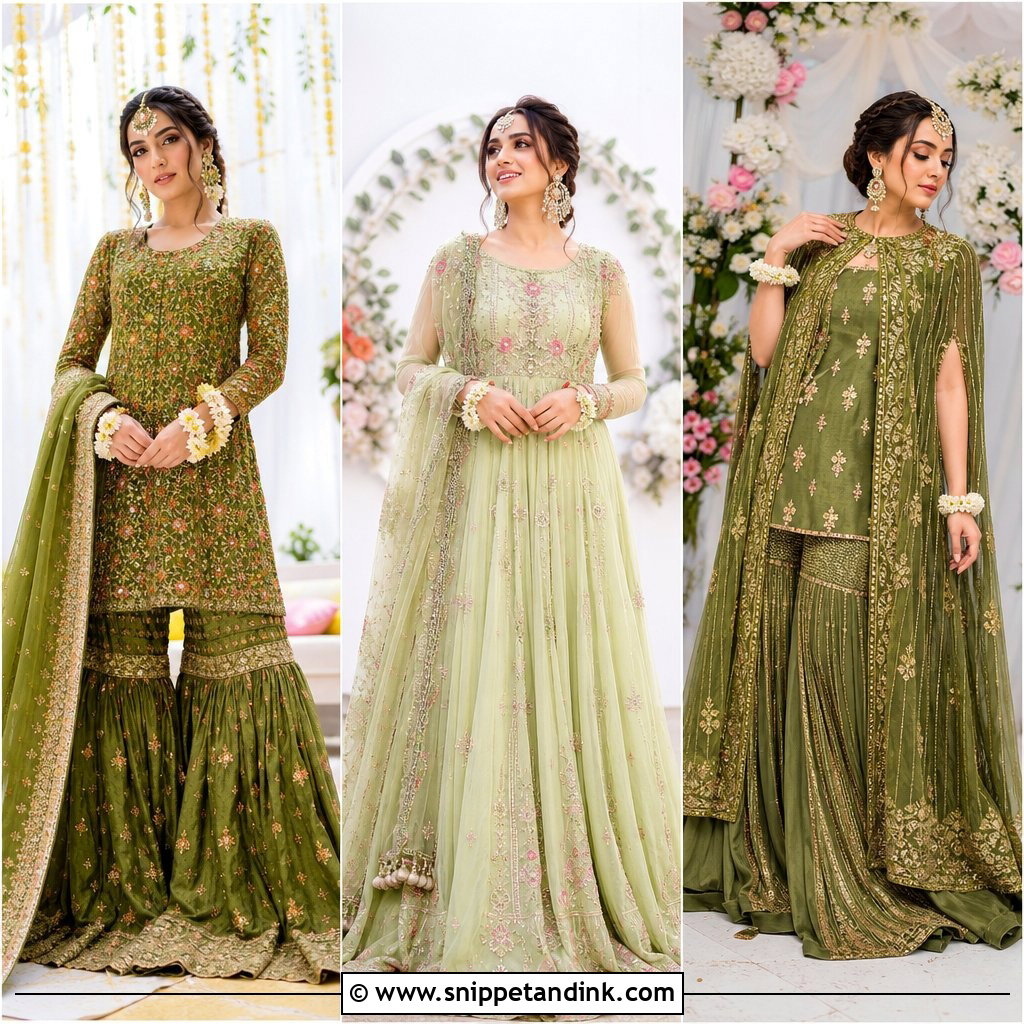
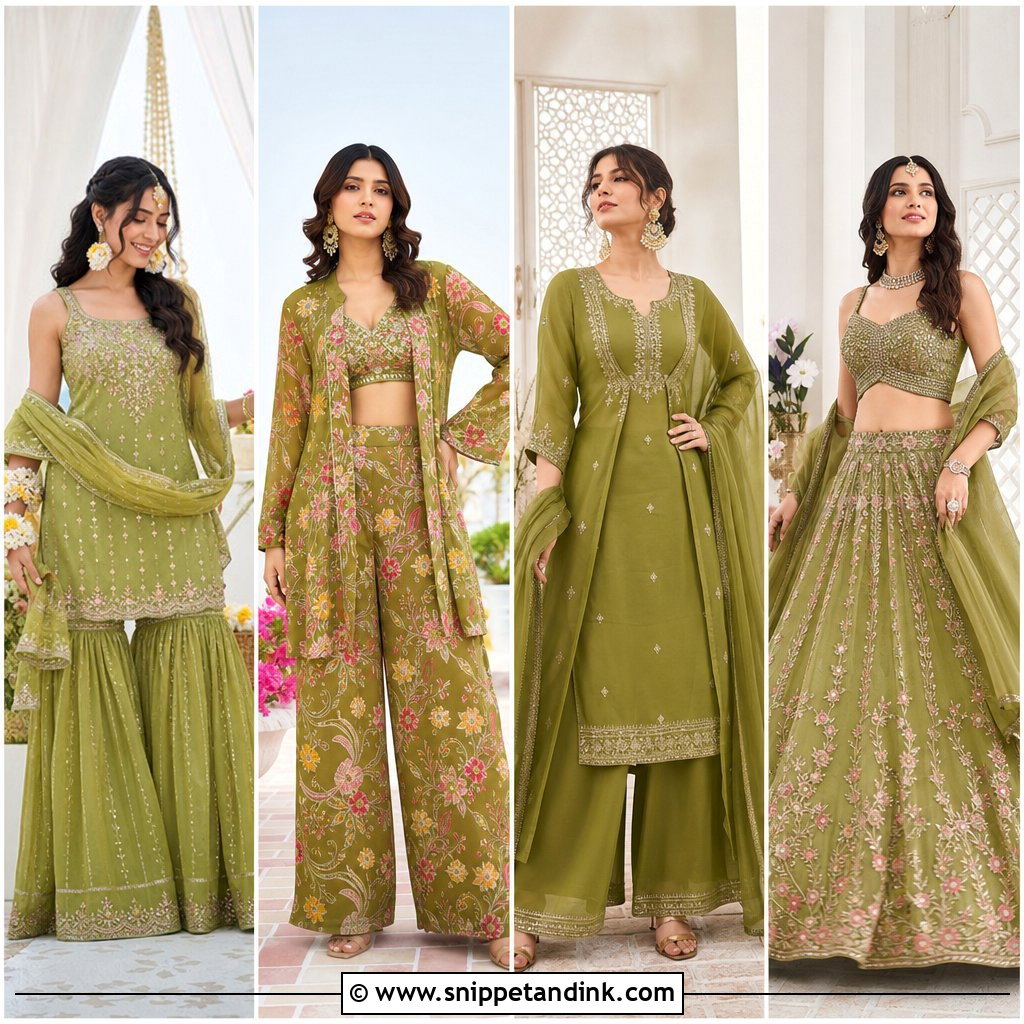
2. Green Mehendi Lehenga For Bride
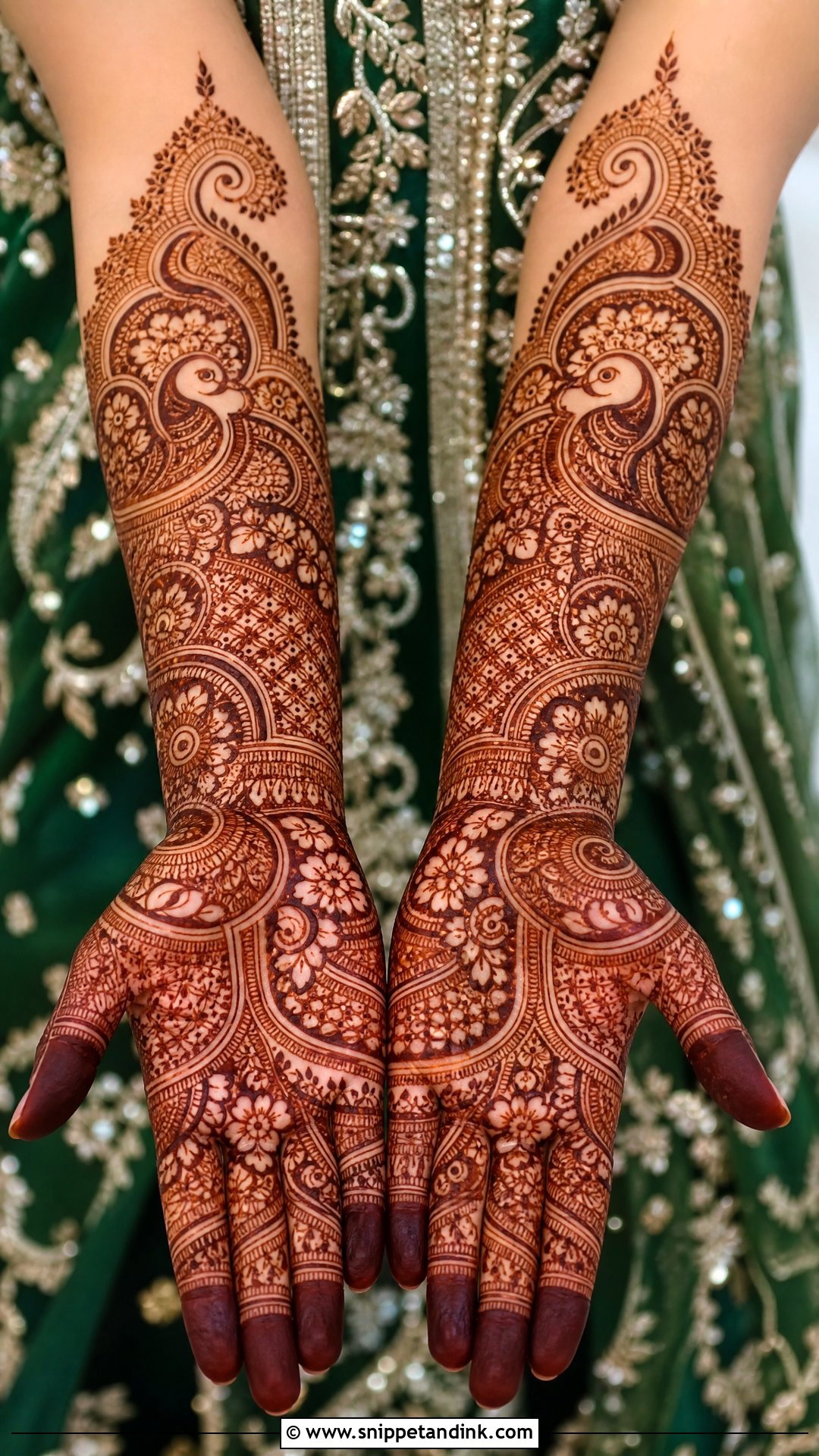
Emerald with antique gold embroidery reads grand; lime with mirror work reads young and outdoorsy; sage sits in between. I choose the shade by the time of day before anything else, because lime can turn yellowish under warm evening bulbs while emerald can look flat in harsh midday sun. Straps, cap sleeves or a square neck keep the blouse comfortable. A contrast dupatta in yellow, peach or pink gives depth. Gold jhumkas, bangles and soft waves finish it.
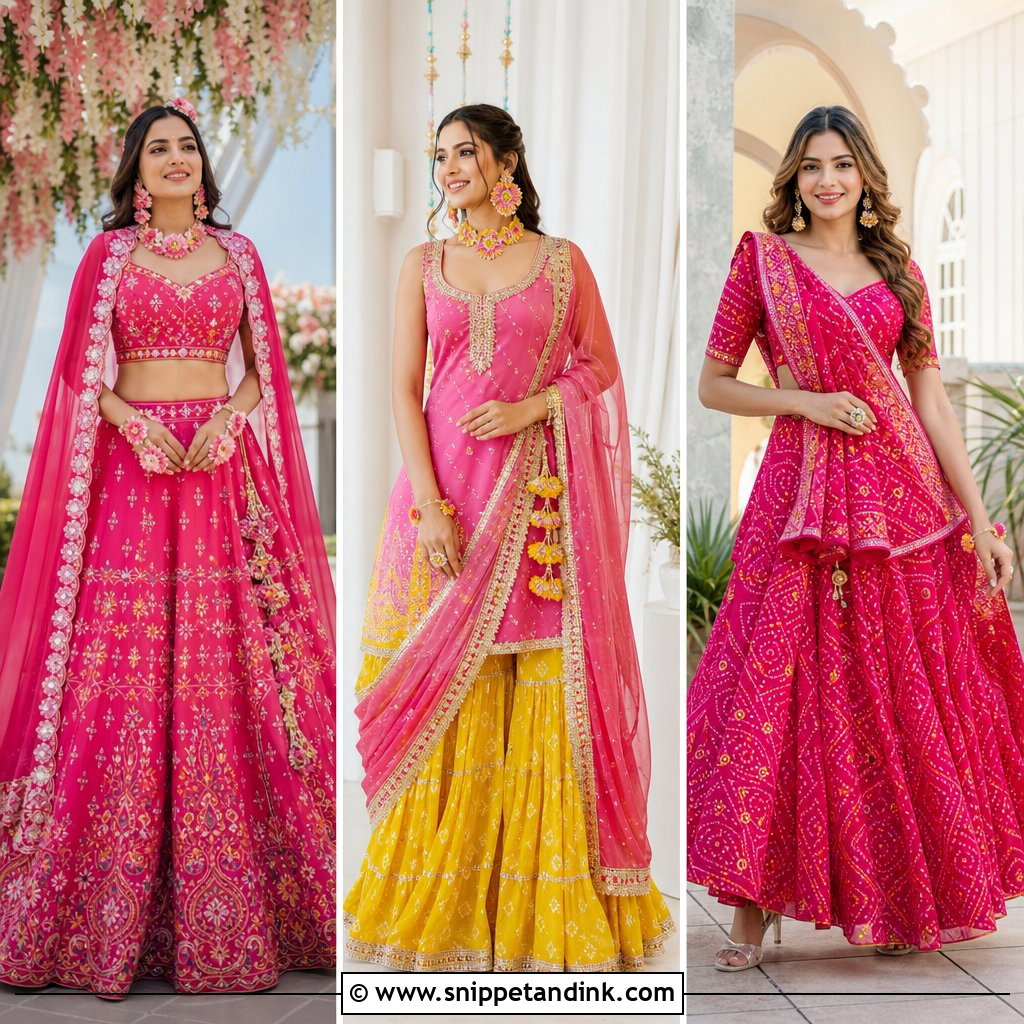
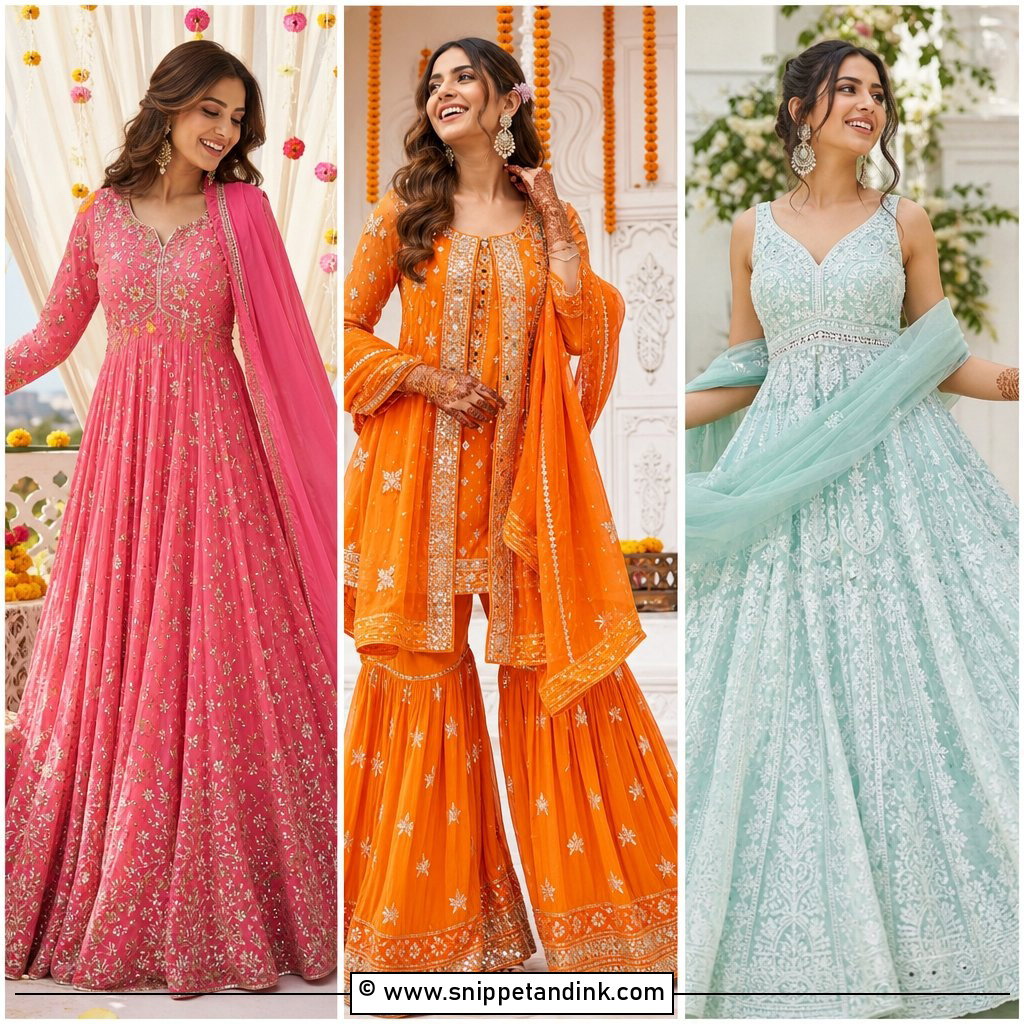
3. Rani Pink Mehendi Outfit For Bride
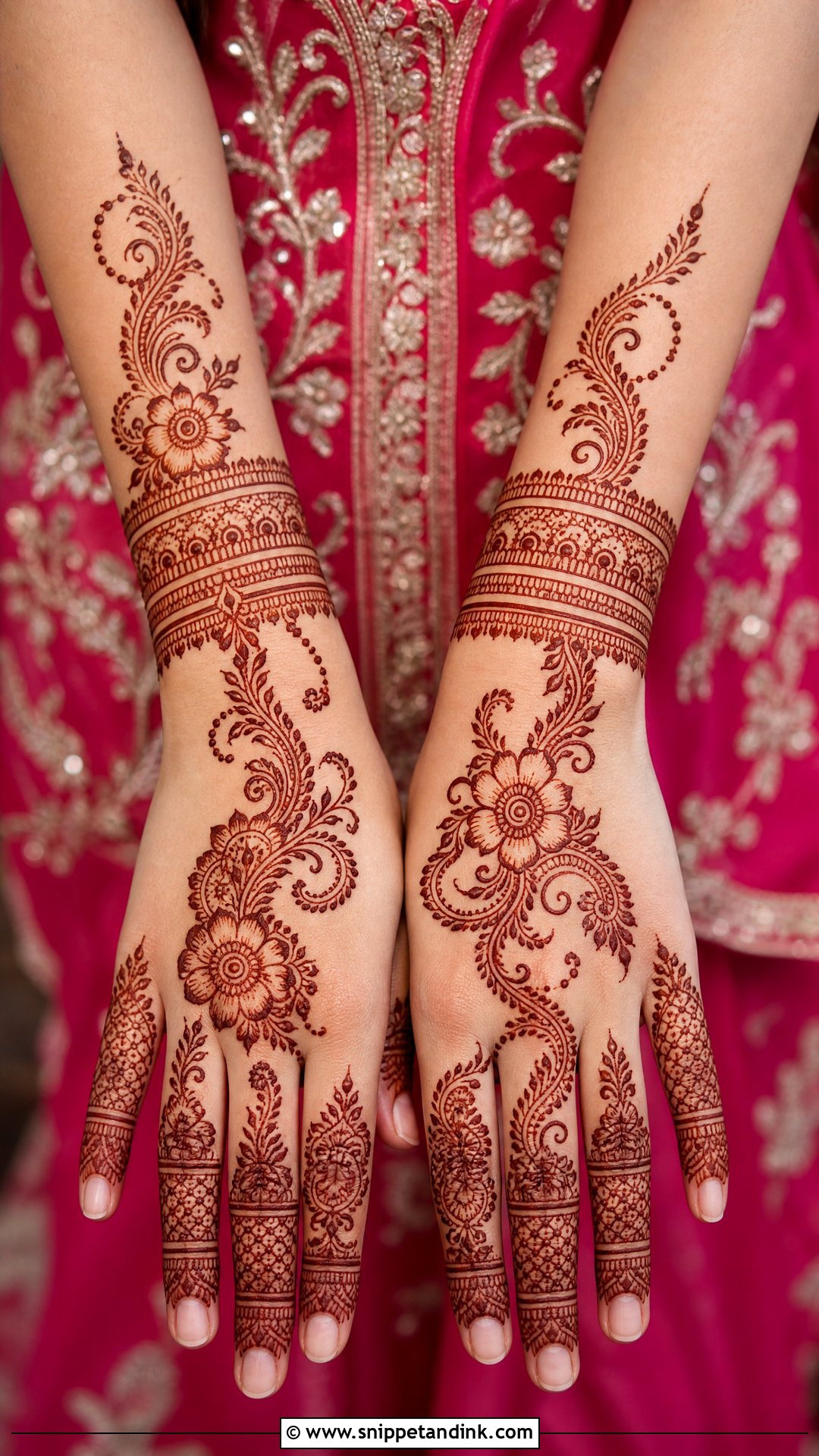
This shade brings bridal energy with very little help. A rani pink lehenga with mirror work, thread embroidery or small sequins holds its own indoors or out. For a modern clash, I like an orange, lime or yellow dupatta against it. A lighter version is a rani pink skirt with a crop top and cape. Kundan earrings, bangles or a floral haathphool keep the jewelry playful, and a sleek braid with fresh flowers suits it. Strong pink reflects onto the skin in close-ups, so keep the blush light.
4. Mirror Work Mehendi Lehenga For Bride
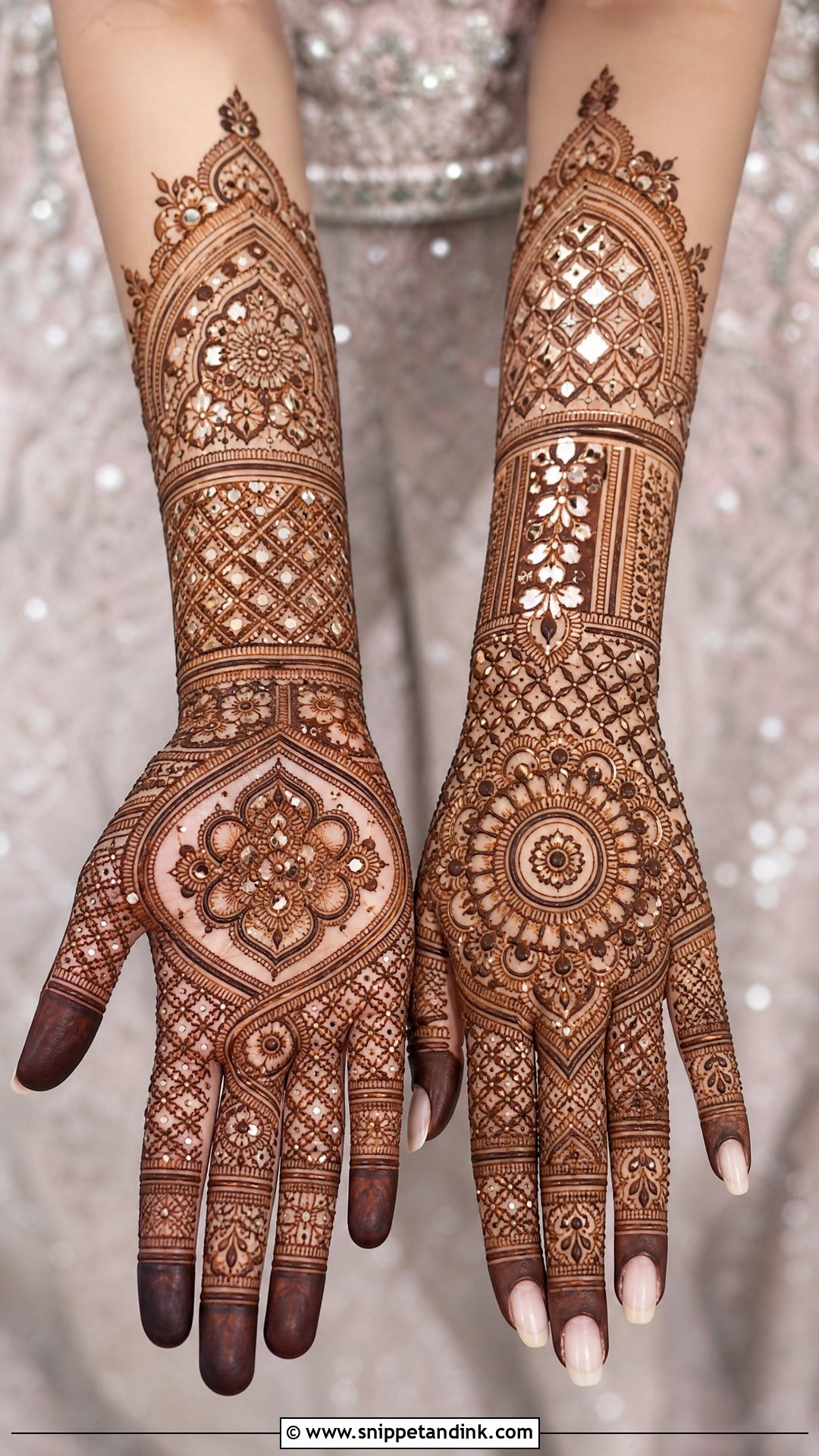
Mirror work catches light without feeling formal, which is why it suits this function so well. A mirror lehenga in yellow, green, coral or ivory moves nicely when you dance. My rule of thumb: smaller mirrors for a daytime ceremony, where big panels can flare in direct sun, and larger panels when the function runs into the evening and there’s less light to catch. A sleeveless or short-sleeve blouse keeps things easy for the artist. Oxidized jewelry pushes it boho; kundan pushes it bridal. Pin the dupatta well.
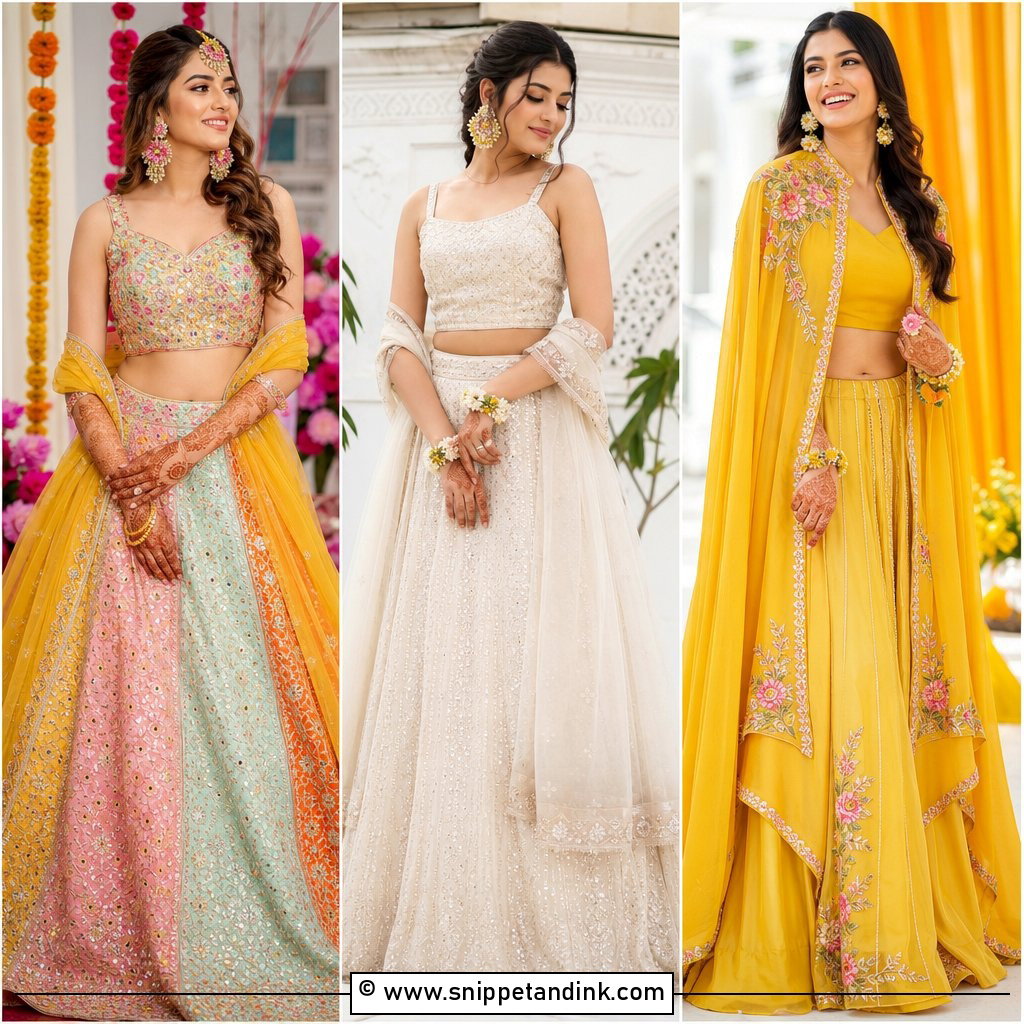
5. Floral Mehendi Lehenga For Bride
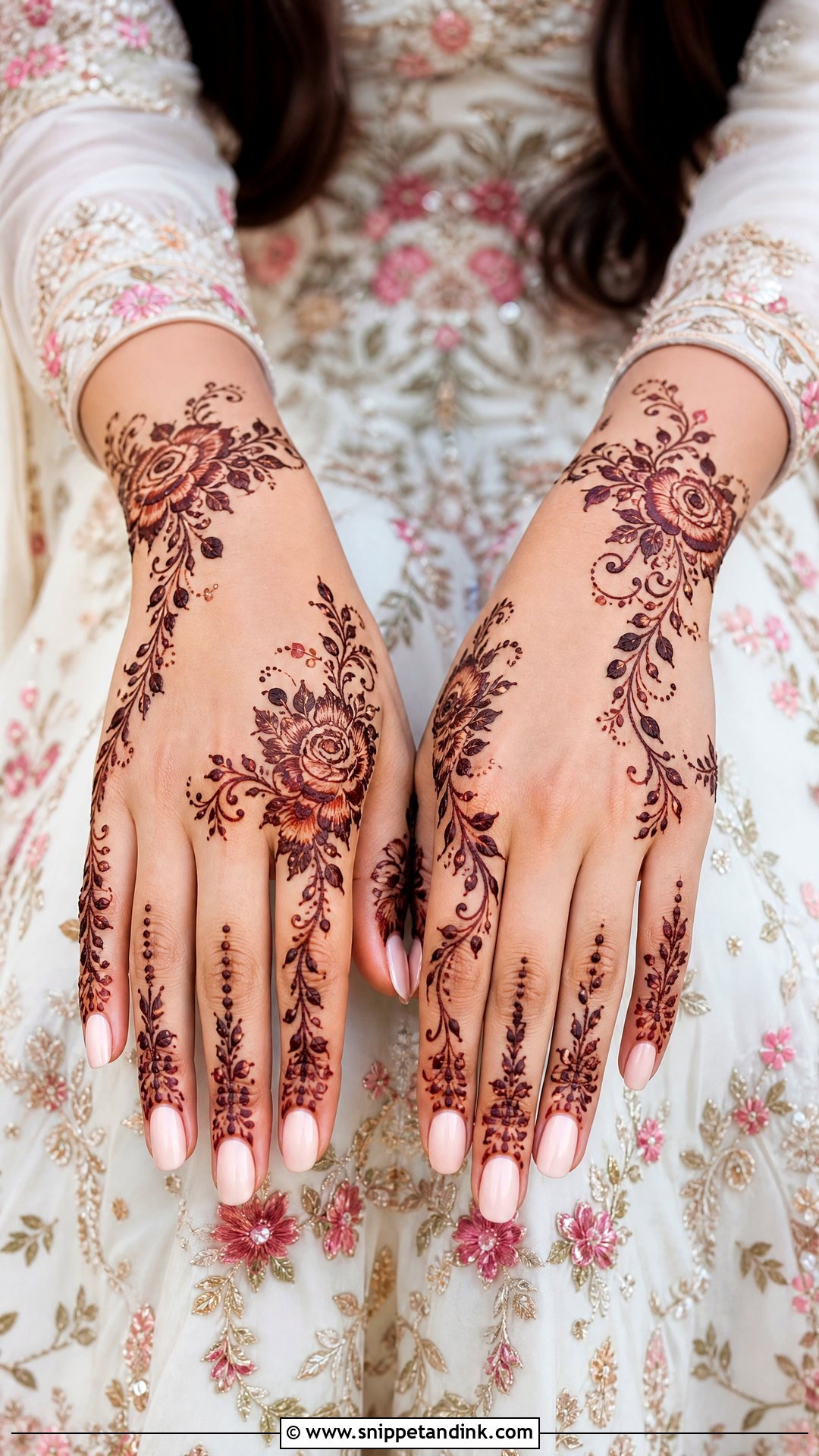
Soft florals in organza, georgette or a silk blend give a romantic look that stays comfortable over a long ceremony. Blush, mint, lemon, lavender or ivory grounds with brighter floral accents keep it fresh. The blouse decides how bridal it feels: embroidered is dressier than printed. Floral jewelry, pearl details or pastel bangles keep the styling gentle, and a half-up style or loose curls suit it. I’d reach for this at a garden or poolside daytime event.
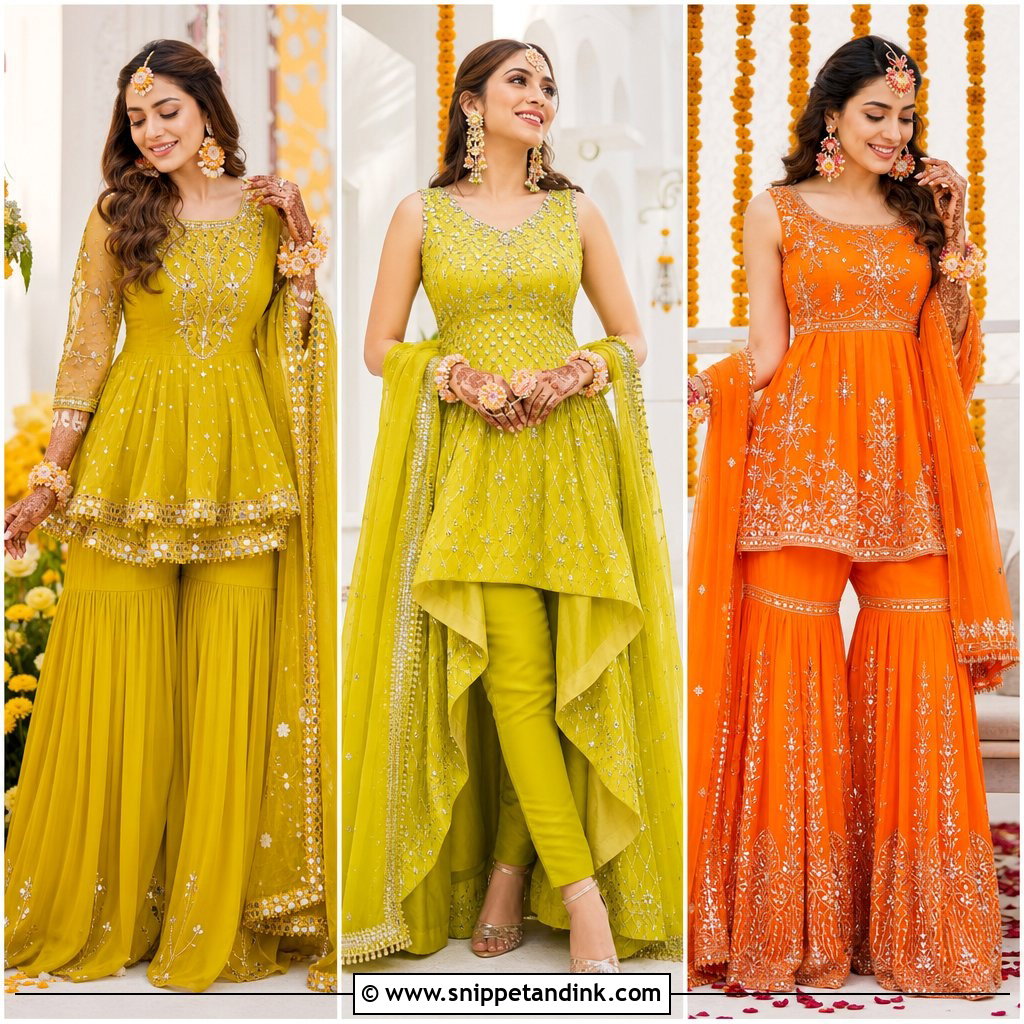
6. Sharara Mehendi Outfit For Bride
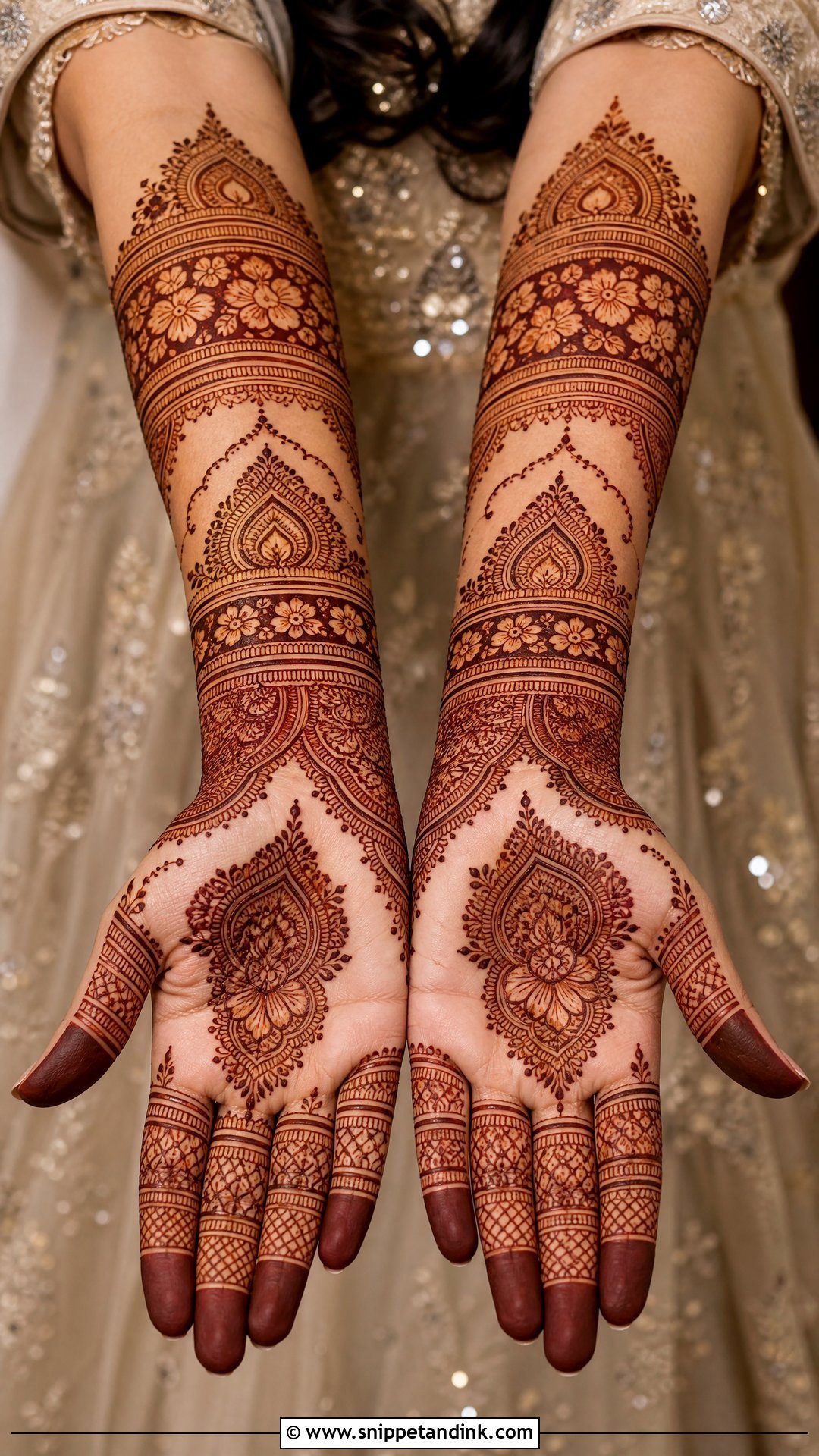
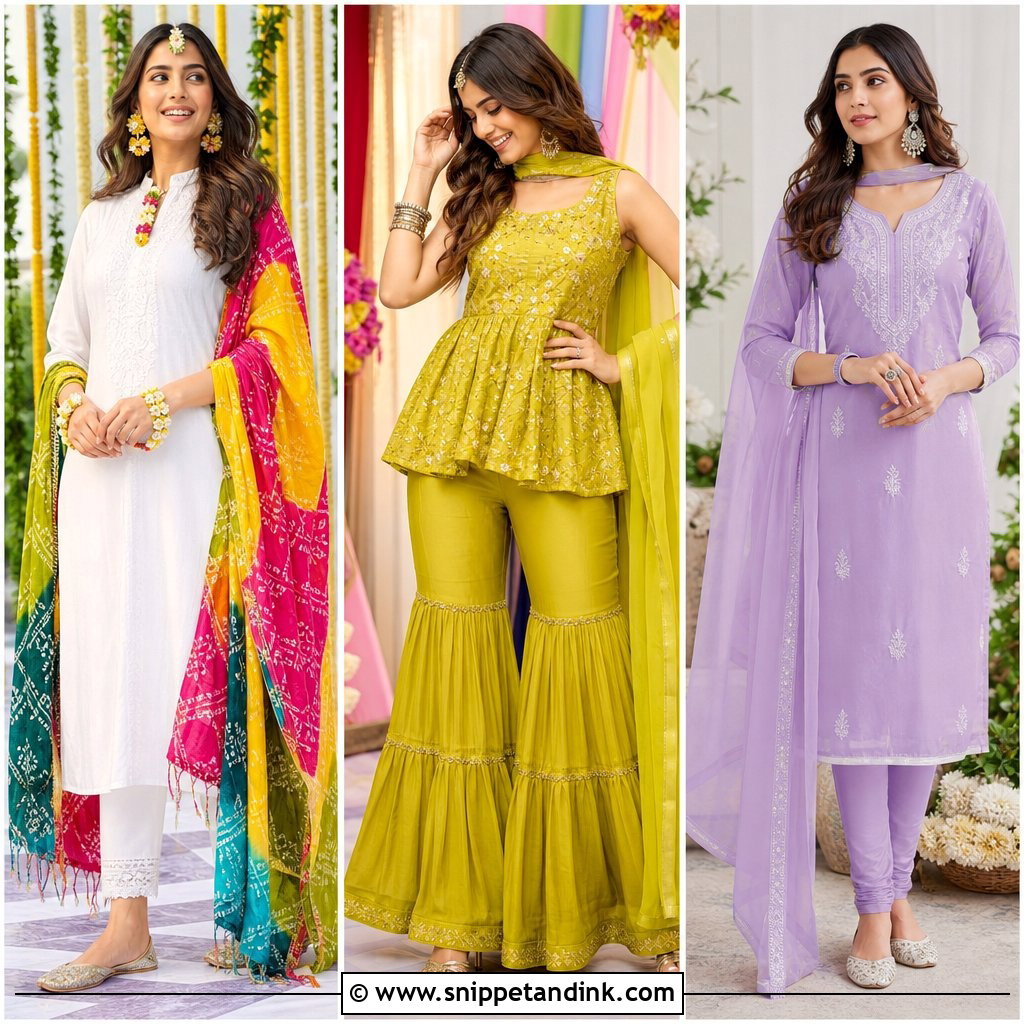
A sharara lets you sit, greet guests and dance at the same event without changing. The wide legs move freely, and a kurti or short peplum keeps it polished. Mustard, green, coral or pink with gota patti, mirror work or thread embroidery all work. A short kurti looks playful; a longer one more graceful. Heavy borders on a dupatta tend to fall right where the artist is working, so I keep the dupatta light. Jhumkas, bangles and a soft braid finish it.
7. Gharara Mehendi Outfit For Bride
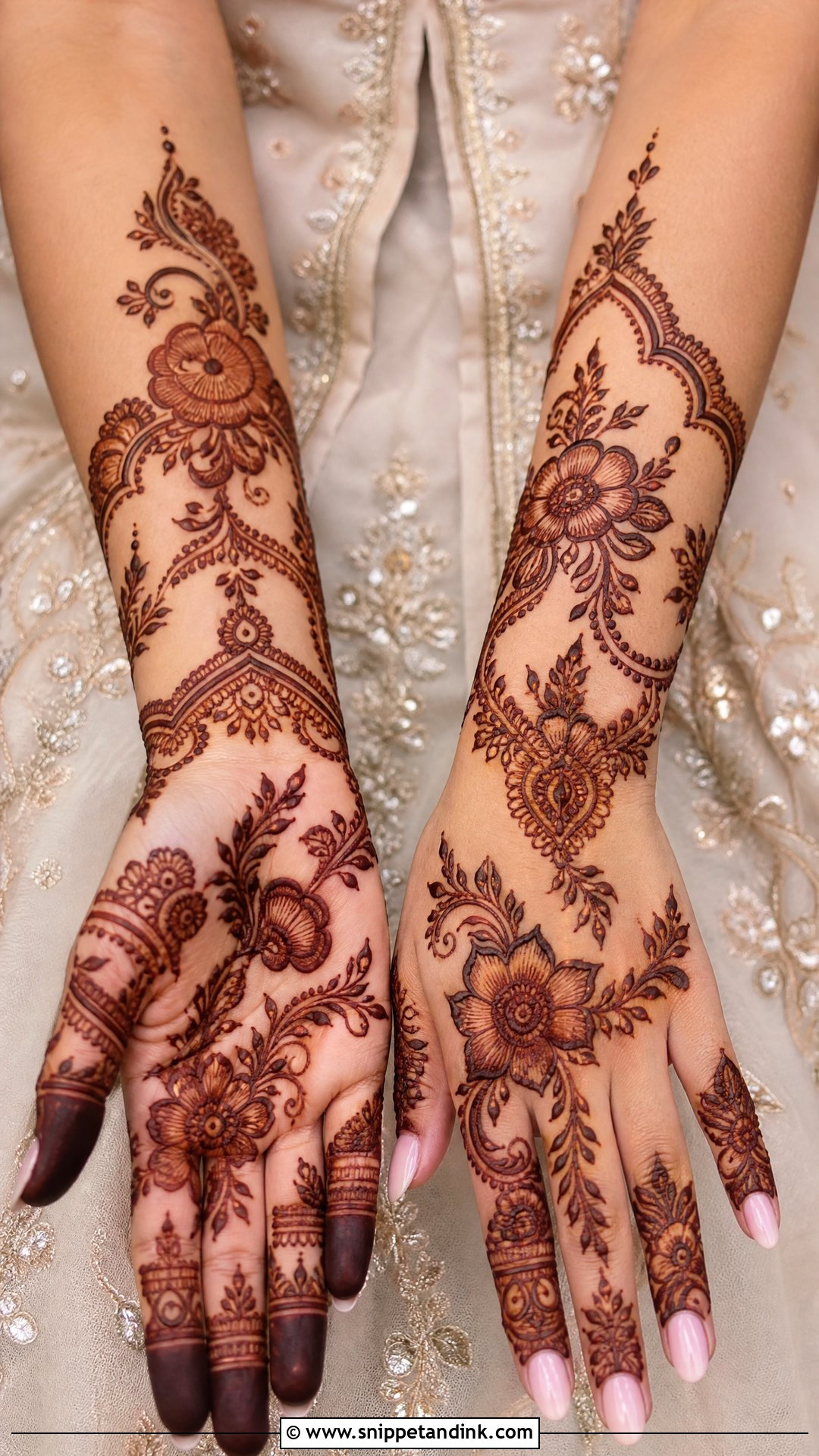
If you want to stay traditional without wearing a lehenga, a gharara is the obvious step. Choose a gharara in lime green, mustard yellow, deep pink or turquoise with zari, gota or resham work; the fitted upper leg and flared lower panel give a graceful shape in photos. A short kurti with a scalloped hem adds charm, and a sheer dupatta keeps it light. Passa, jhumkas or a delicate maang tikka suit it. The flare starts at the knee, so check that seam in a seated position, since a band cut too high rides up on the cushions.
8. Cape Mehendi Outfit For Bride
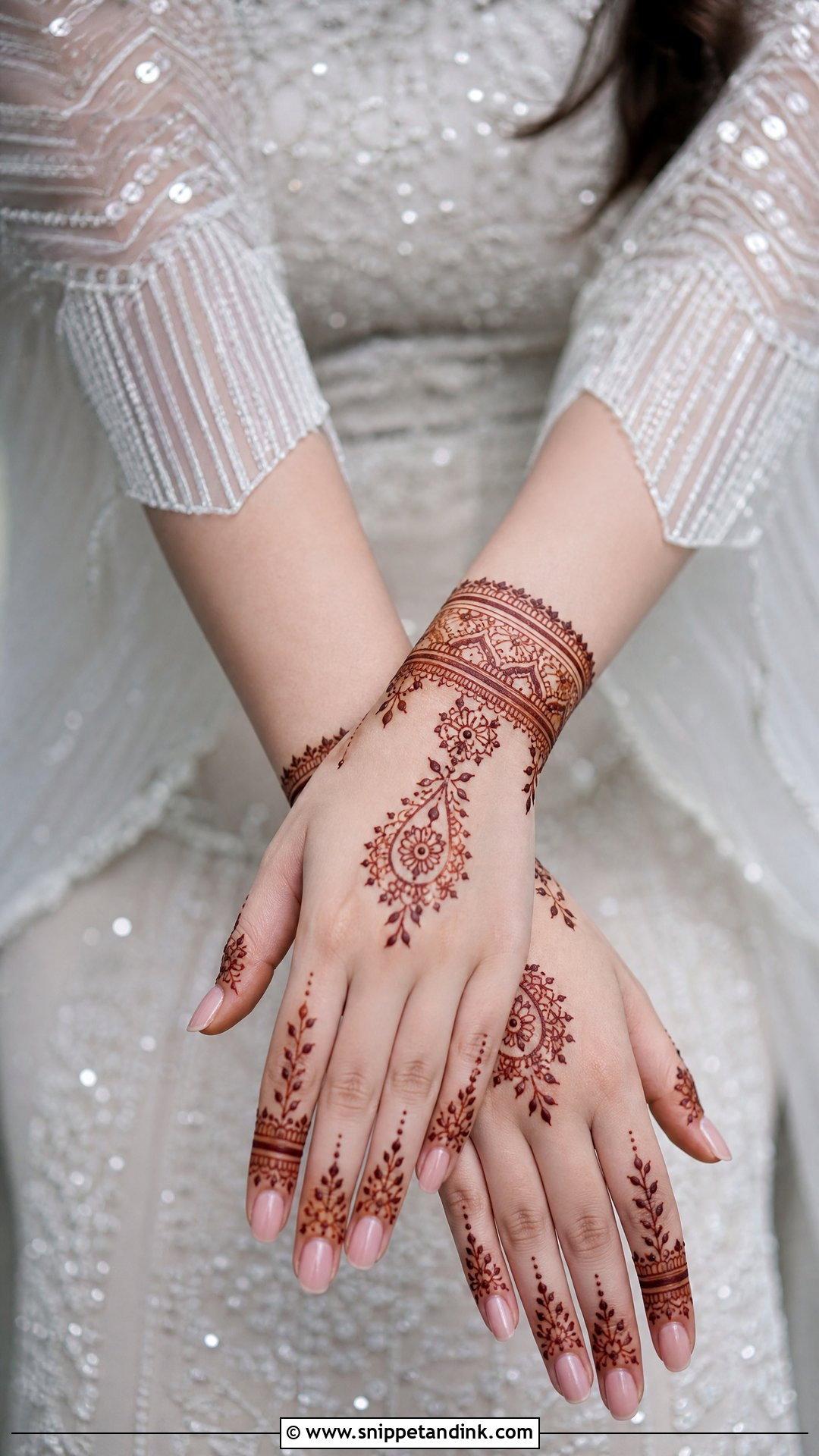
Without a traditional dupatta to manage, a cape-style blouse, sheer jacket or embroidered overlay over a lehenga or sharara keeps your arms more open for the artist and still gives drama. Mirror work, tassels, pearls or light thread embroidery dress the cape. Ivory with yellow, sage with gold, and coral with peach are combinations I like. A pearl-trimmed cape can drag across wet henna if it falls over the arms, so check where the hem lands when your hands rest in your lap. Minimal jewelry and a sleek ponytail or soft curls balance it.
9. Indo Western Mehendi Outfit For Bride
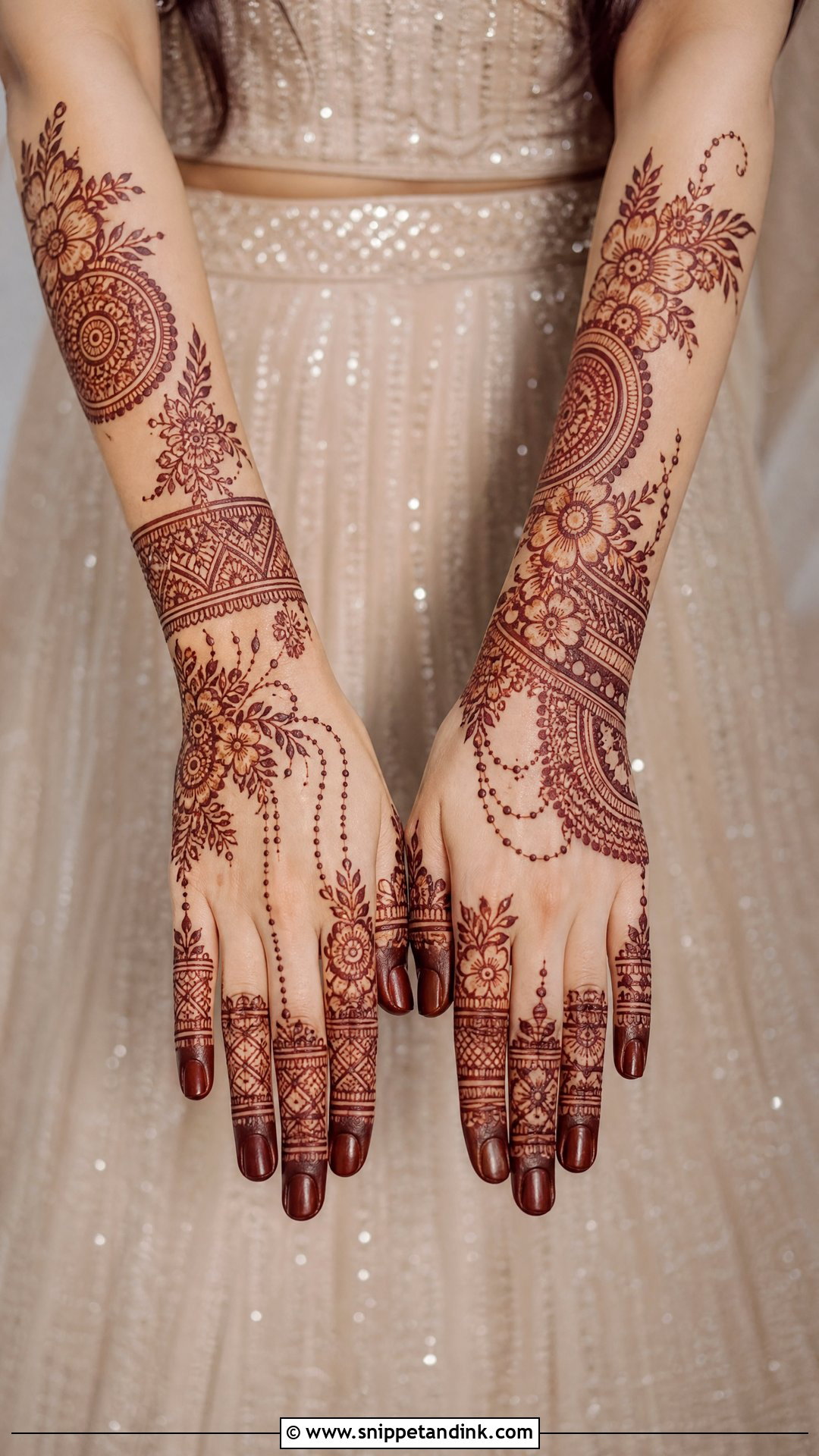
An Indo western mehendi outfit gives a relaxed look that still makes a point: dhoti pants with a crop top, a draped skirt with an embroidered blouse, or a pre-draped saree with a belt. All of them move easily if you want to dance freely. Lime, hot pink, orange, turquoise or sunshine yellow keep it festive, and mirror work, tassels or metallic embroidery tie it to the ceremony. I keep the accessories clean: statement earrings, stacked bangles or a waist belt. It’s well suited to destination weddings and modern venues.
10. Pastel Mehendi Lehenga For Bride
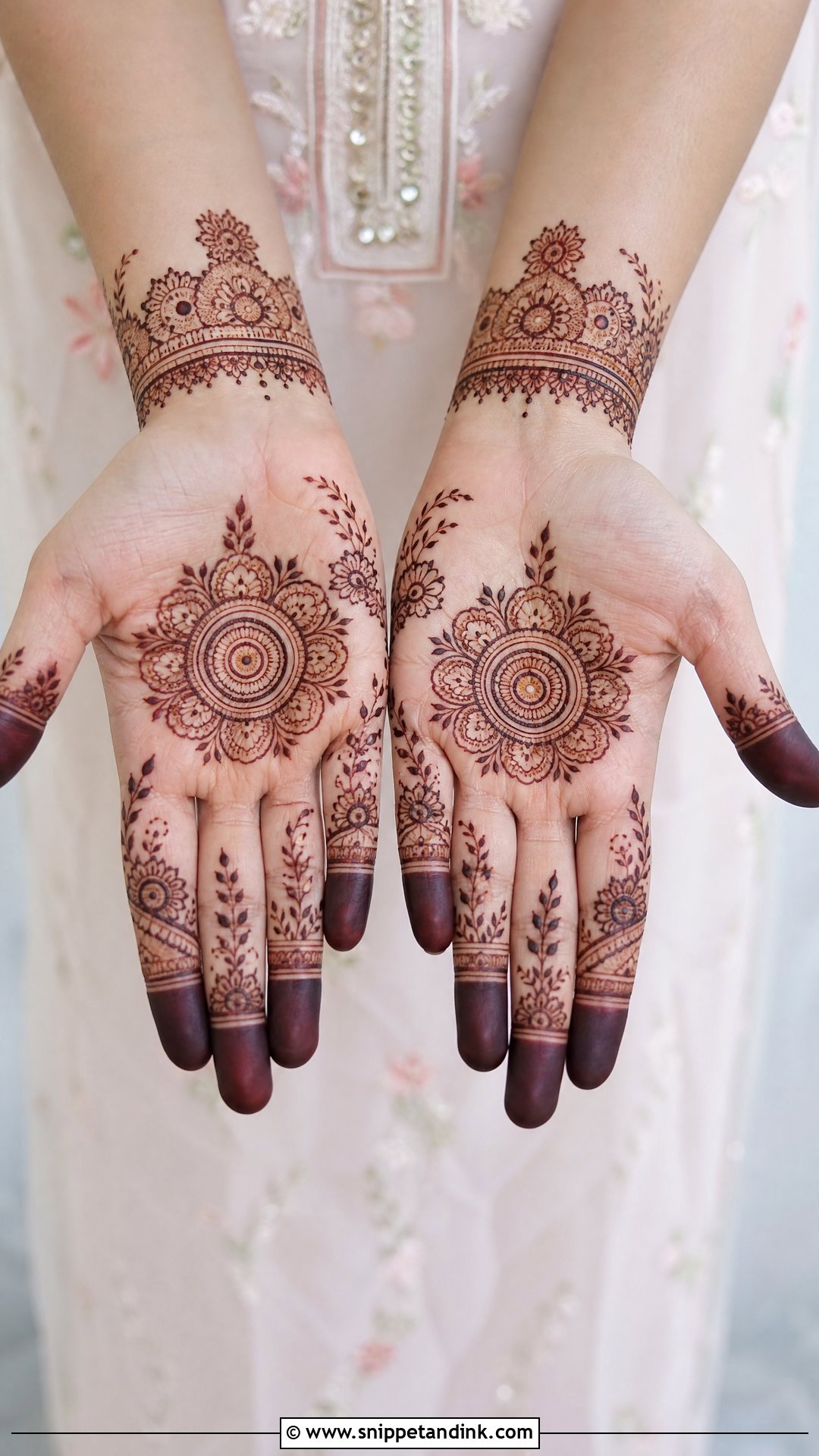
Pastels hold up at a mehendi when there’s enough contrast. Mint, lavender, powder blue, peach or blush feel soft, but I’d always add embroidery in gold, silver, hot pink or green so the outfit doesn’t fade into the decor. A floral dupatta or a bright blouse does the same job. They’re happiest at morning events and airy outdoor venues. Pearl jewelry, floral accessories or delicate kundan suit them, with dewy makeup and defined lashes.
11. Orange Mehendi Outfit For Bride
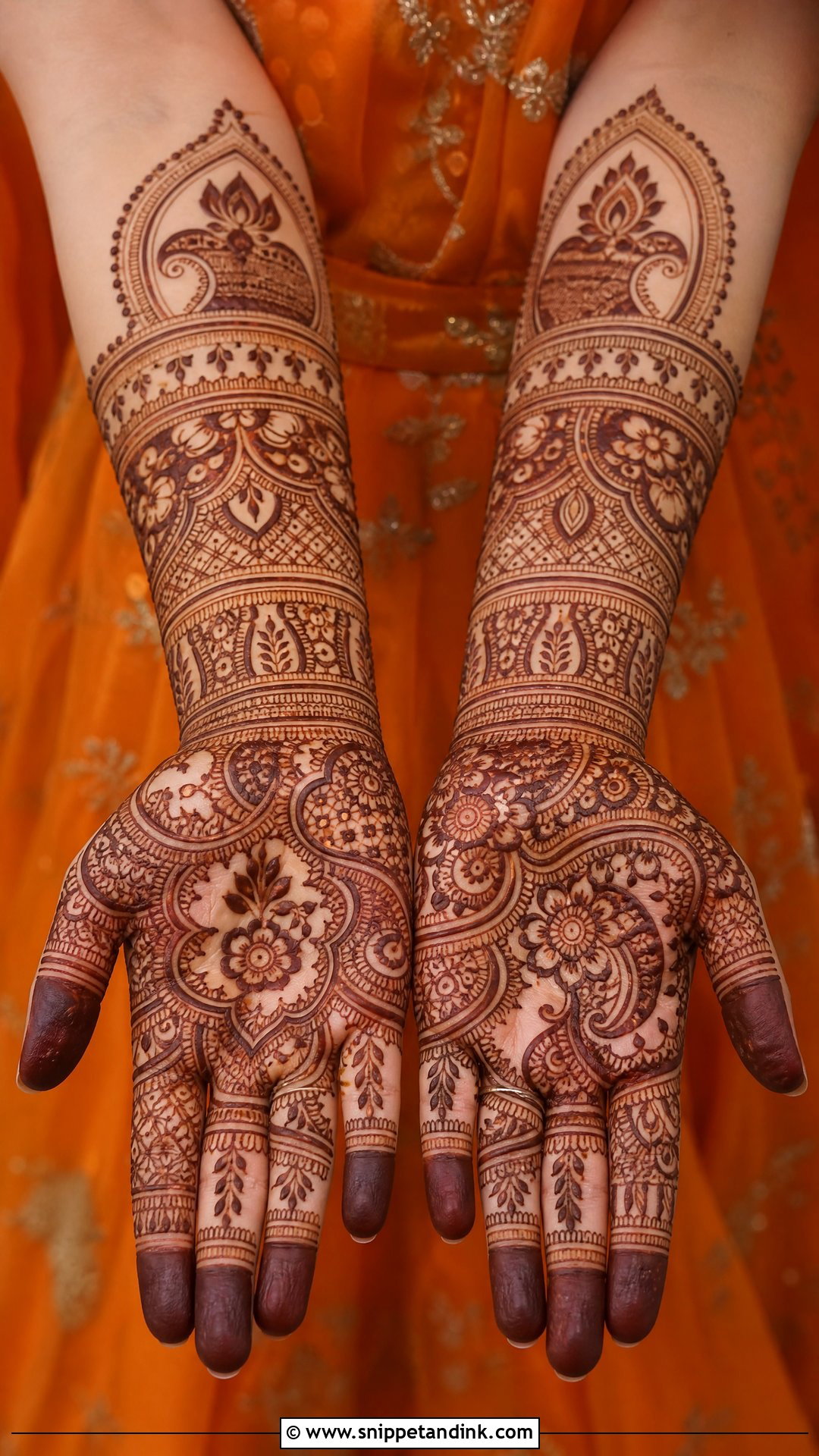
Orange suits a high-energy celebration. Burnt orange, tangerine and marigold all sit well against henna and warm decor. An orange lehenga, sharara or draped skirt can carry gold embroidery, mirror work or colored threads, and pairing it with pink, yellow, green or ivory makes it more festive still. I keep the jewelry warm-toned, with gold jhumkas, polki or floral pieces. A braid with small flowers softens the strong color.
12. White Mehendi Outfit For Bride
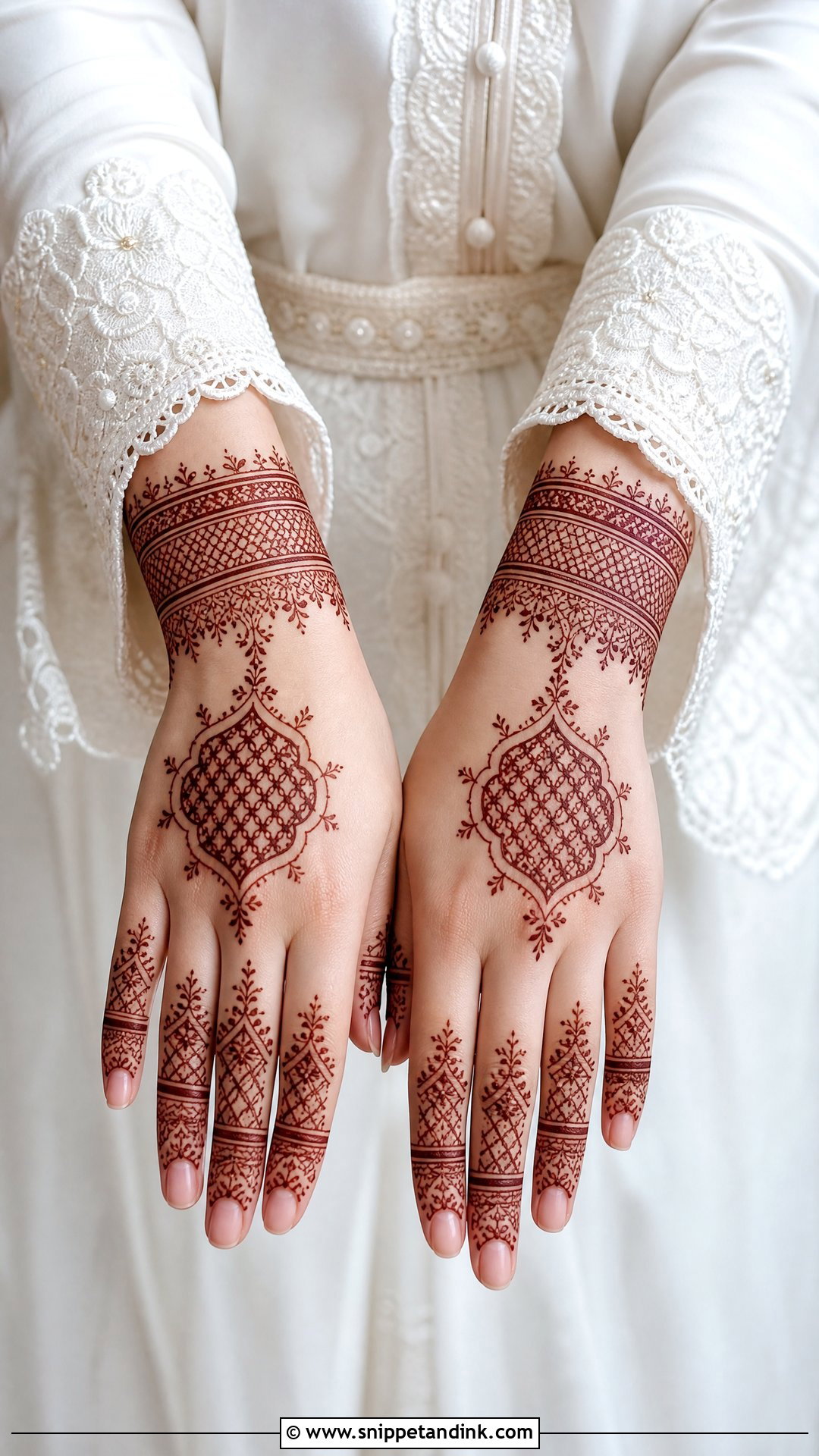
White and ivory can look fresh and modern when they’re handled carefully. I usually suggest ivory over stark white, since it’s warmer against skin and kinder in photos. Colorful embroidery, mirror work, gota patti or a bright dupatta keep it festive; an ivory lehenga with multicolor threadwork is a strong daytime pick, and an ivory sharara with a yellow or green dupatta leans traditional. Emerald, pearl or floral jewelry adds color. Near the hands, pick a sturdy fabric rather than a fine net that will show every speck of paste.
13. Lavender Mehendi Lehenga For Bride
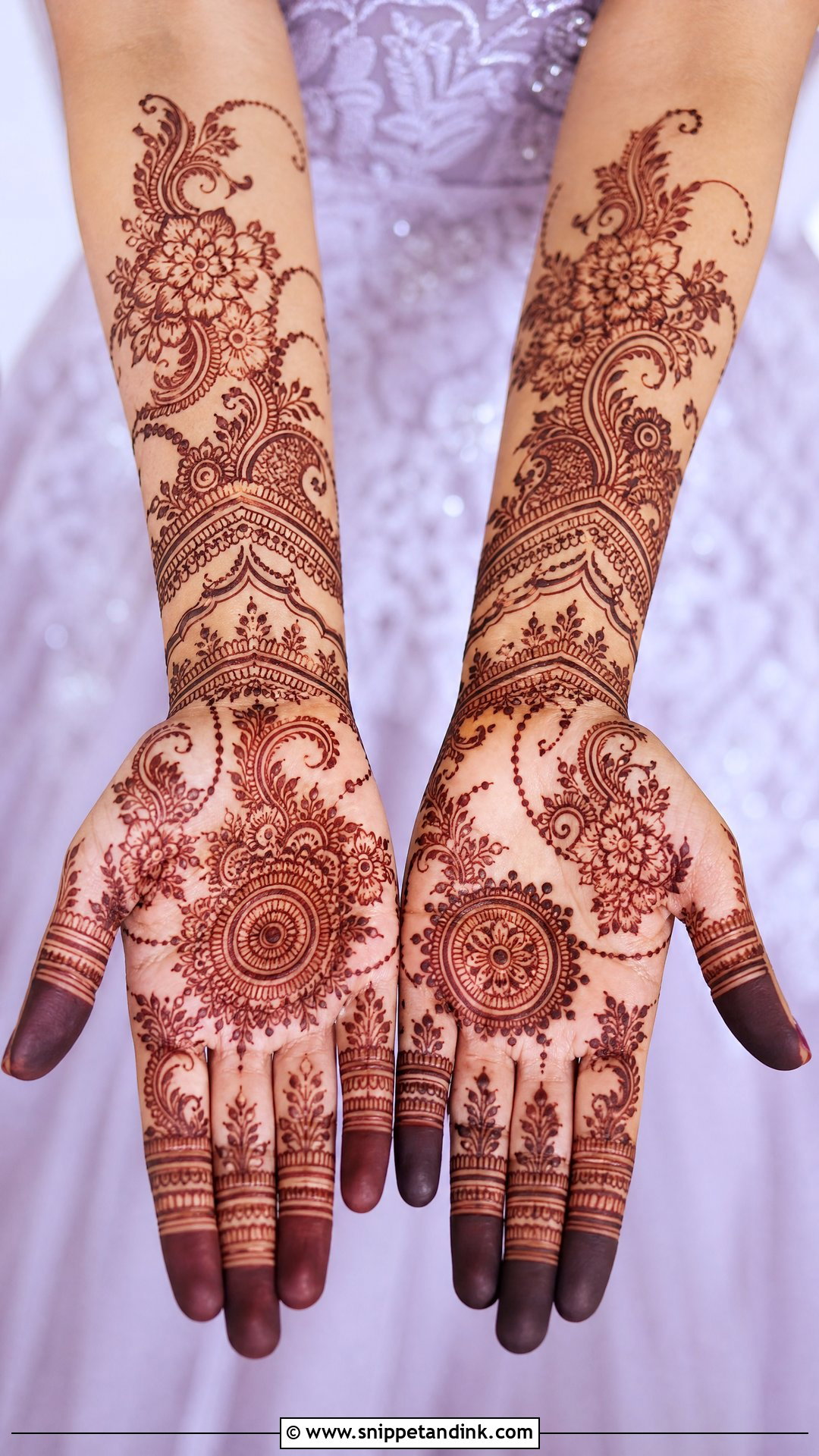
Lavender is soft but still feels current. With silver, pearl, mirror or pastel floral embroidery it suits a mehendi well, and mint, blush, ivory or a pop of bright yellow pair with it. Choose a lightweight skirt, a comfortable blouse for the long sitting and a sheer dupatta with a thin border. Pearl jewelry, crystal-set pieces or pastel florals go with it, along with soft curls. It’s the color I point to for a bride tired of yellow and green. One caution: some lavender dyes look greyish under cool LED or fluorescent light, so see the fabric in similar lighting to the venue if you can.
14. Phulkari Mehendi Outfit For Bride
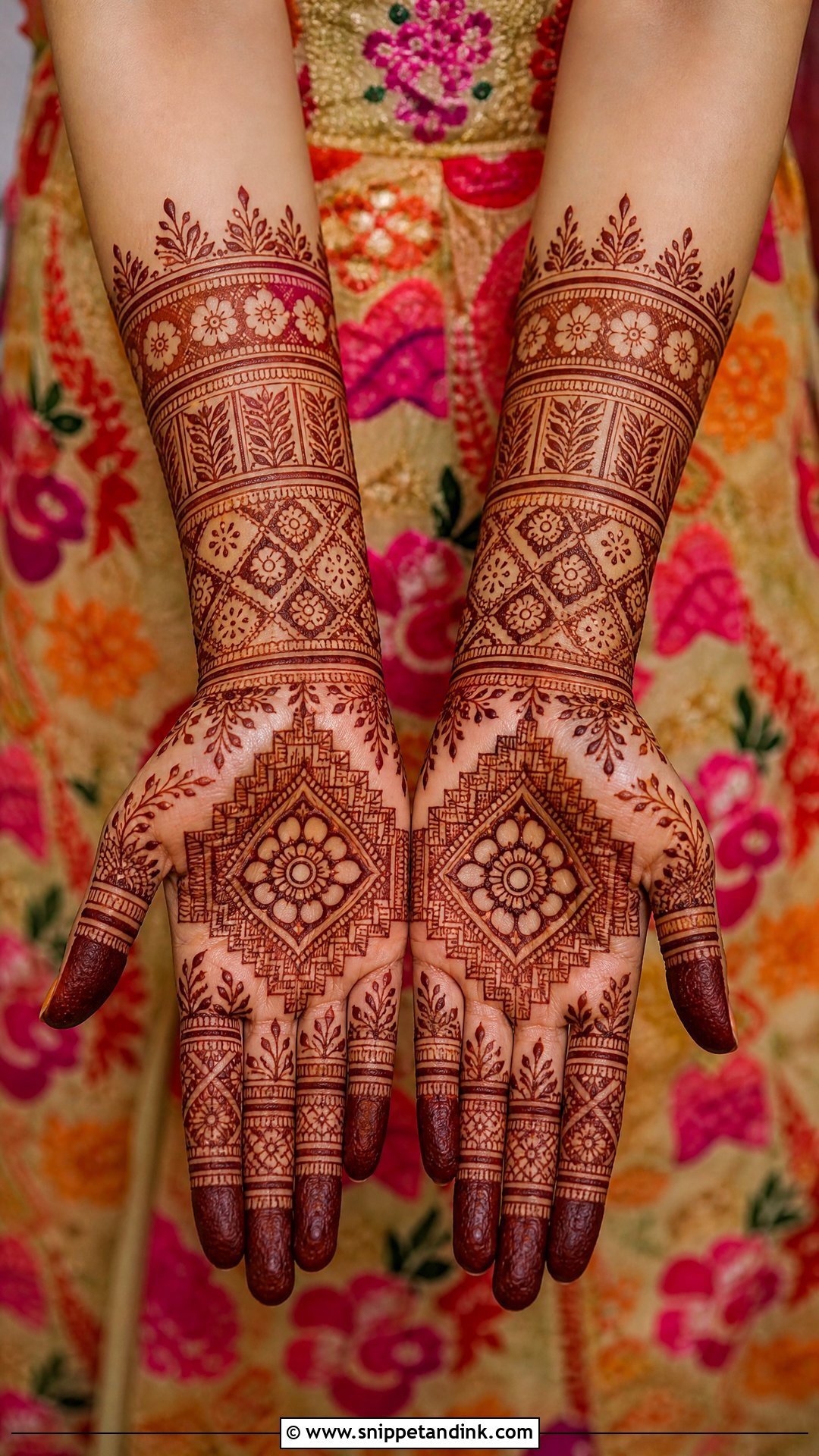
Phulkari’s colored threadwork makes an outfit festive on its own, so the rest of the styling can stay simple. Wear a phulkari dupatta over a plain lehenga, a phulkari jacket with a skirt, or a full phulkari sharara set, on a yellow, orange, pink or green base. Traditional juttis, bangles and statement earrings complete it, and a paranda braid makes it feel rooted. It belongs at Punjabi mehendis. Old phulkari dupattas passed down in families can be fragile, so if you’re wearing an heirloom, I’d pin it lightly at a few points rather than through the embroidery.
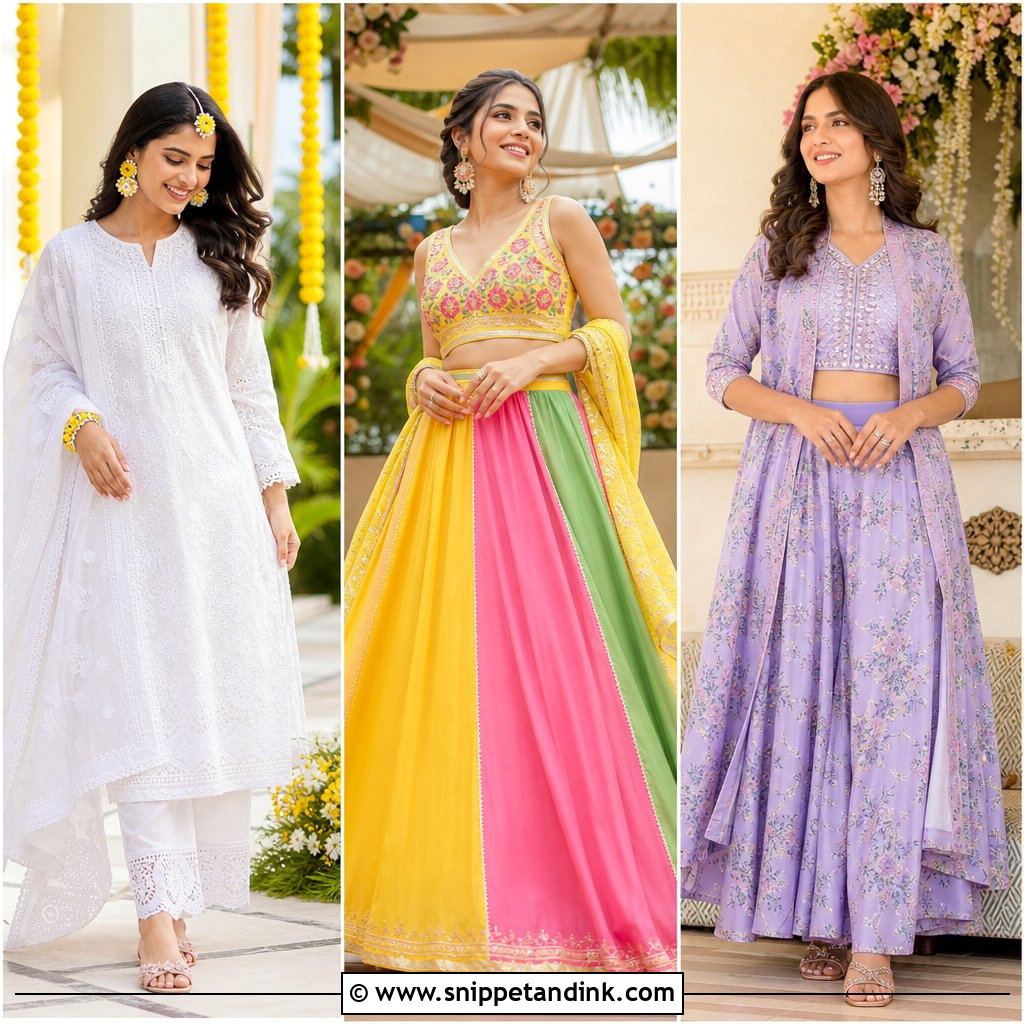
15. Bandhani Mehendi Outfit For Bride
Bandhani brings color and tradition without demanding heavy embroidery. A bandhani lehenga, saree or sharara in yellow, red, green, pink or orange looks festive, and gota borders, mirror details or zari highlights make it bridal. A bandhani dupatta over a plain blouse and skirt is the lighter option. Kundan jewelry, bangles and soft glam makeup suit it, with a bun, braid or loose waves. Light bandhani cottons and georgettes stay comfortable in warm weather.
16. Multicolor Mehendi Lehenga For Bride
Nothing on this list is more playful than a multicolor lehenga with bright panels, patchwork embroidery, mirror details or colorful threadwork. I balance it with a blouse in one solid color and a dupatta that picks up a single shade from the skirt. Pink, yellow, green, orange and turquoise sit together well. Keep accessories to statement earrings, bangles and a neat braid. Every angle shows a different color, which keeps the photos lively.
17. Short Kurti Lehenga For Bride
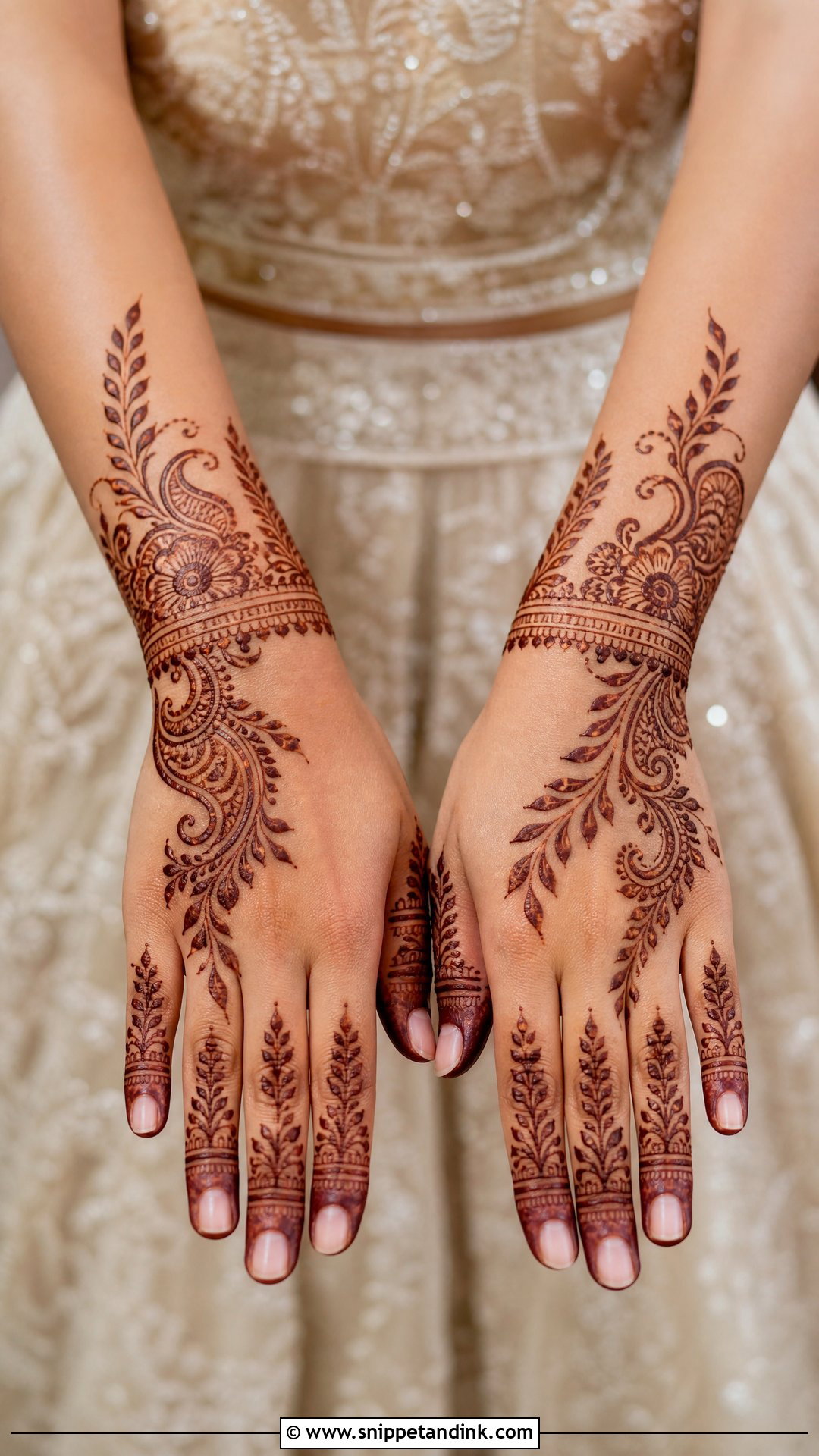
A short kurti gives more coverage than a small blouse while the lehenga keeps the occasion feel. Choose an embroidered kurti in yellow, green, pink or ivory over a flowing skirt; mirror work, gota patti and tassels all suit it. The dupatta can drape on one side or be skipped if the kurti carries enough detail. Check the sleeves first, because a kurti with fitted sleeves is the most common reason a comfortable outfit turns awkward at the henna table. Jhumkas, bangles and embellished flats finish it.
18. Printed Mehendi Outfit For Bride
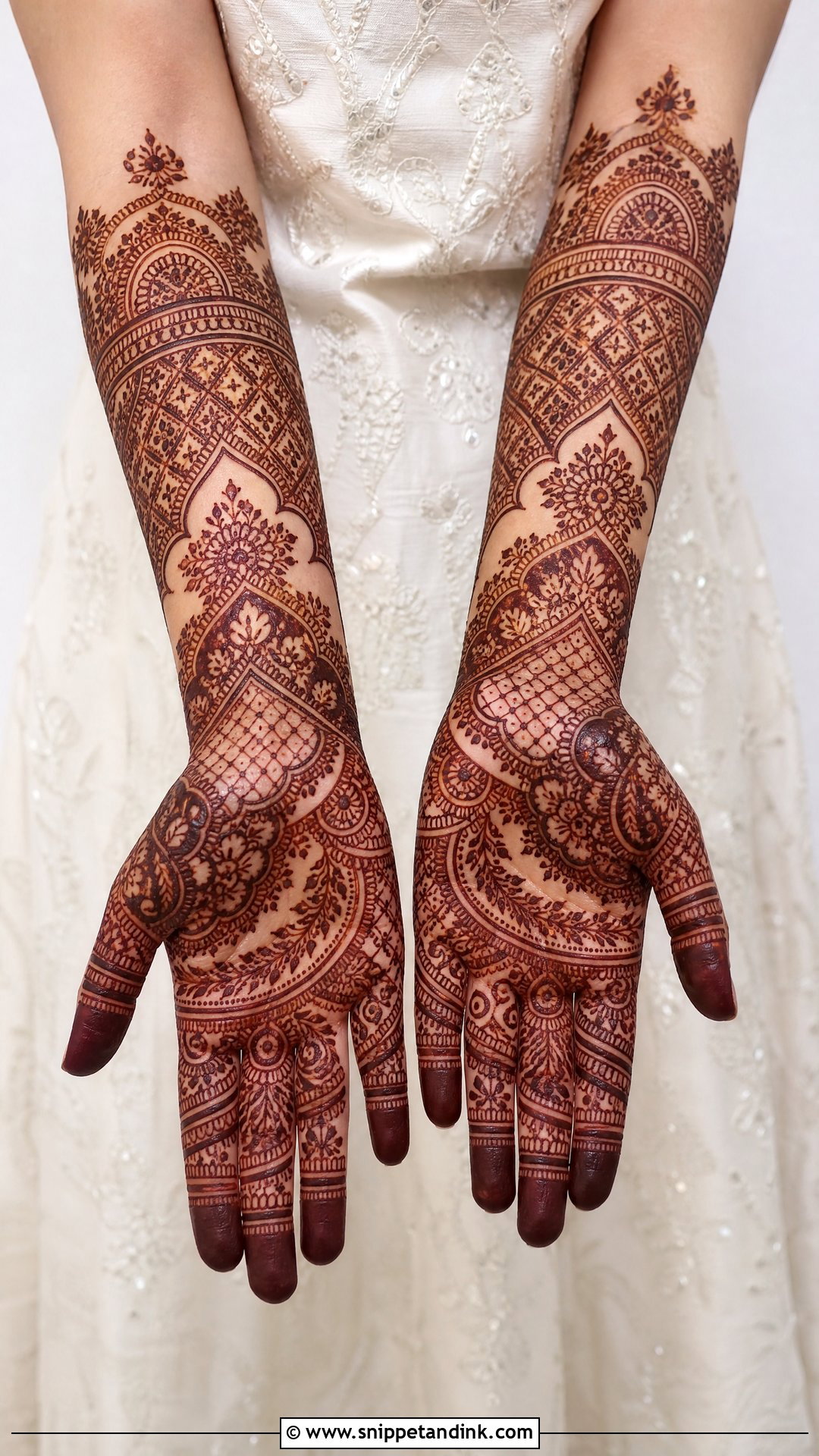
Prints are the lightest, most breathable route to a bridal mehendi look. A printed lehenga, co-ord, anarkali or sharara in floral, paisley or folk patterns can look bridal when the silhouette and accessories are right. A statement blouse, a mirror border or an embroidered dupatta lifts it to occasion wear. Yellow, pink, green or coral prints feel right for the day. Floral pieces, oxidized earrings or delicate kundan keep the jewelry fresh, with natural hair and soft makeup. It fits home ceremonies, lawns and destination weddings.
19. Anarkali Mehendi Outfit For Bride
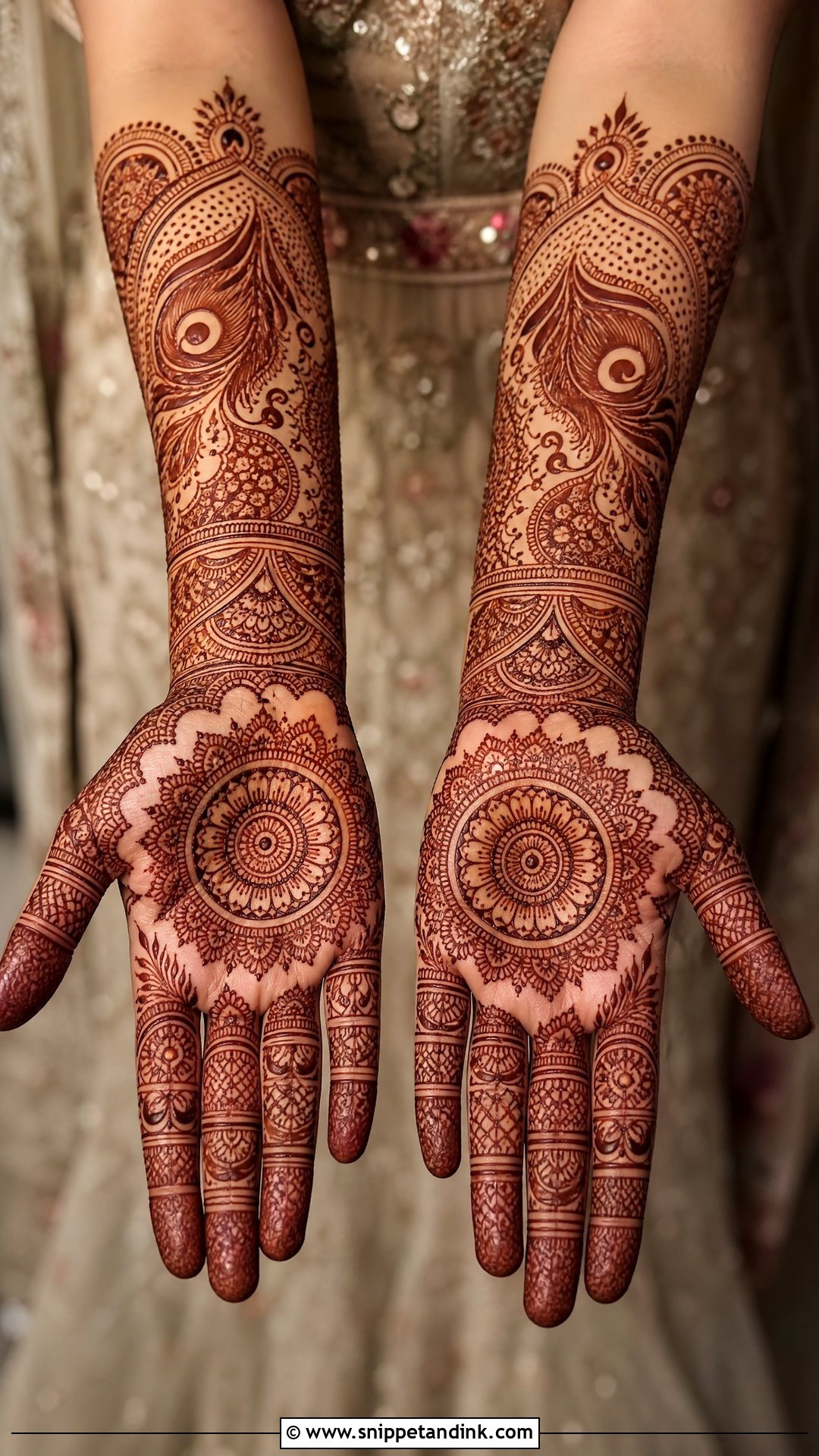
Graceful and genuinely comfortable, an anarkali gives you a traditional shape without the bulk. Bright yellow, green, peach, pink or ivory with mirror work, gota or thread embroidery all suit it. The flare moves in photos, and the covered bodice feels secure over a long ceremony. Sleeves need to be short or sheer and loose, or three-quarter and wide enough to push up. A light dupatta, statement earrings and juttis or embellished flats complete it. It’s my suggestion for a bride who wants modest and easy without a heavy lehenga.
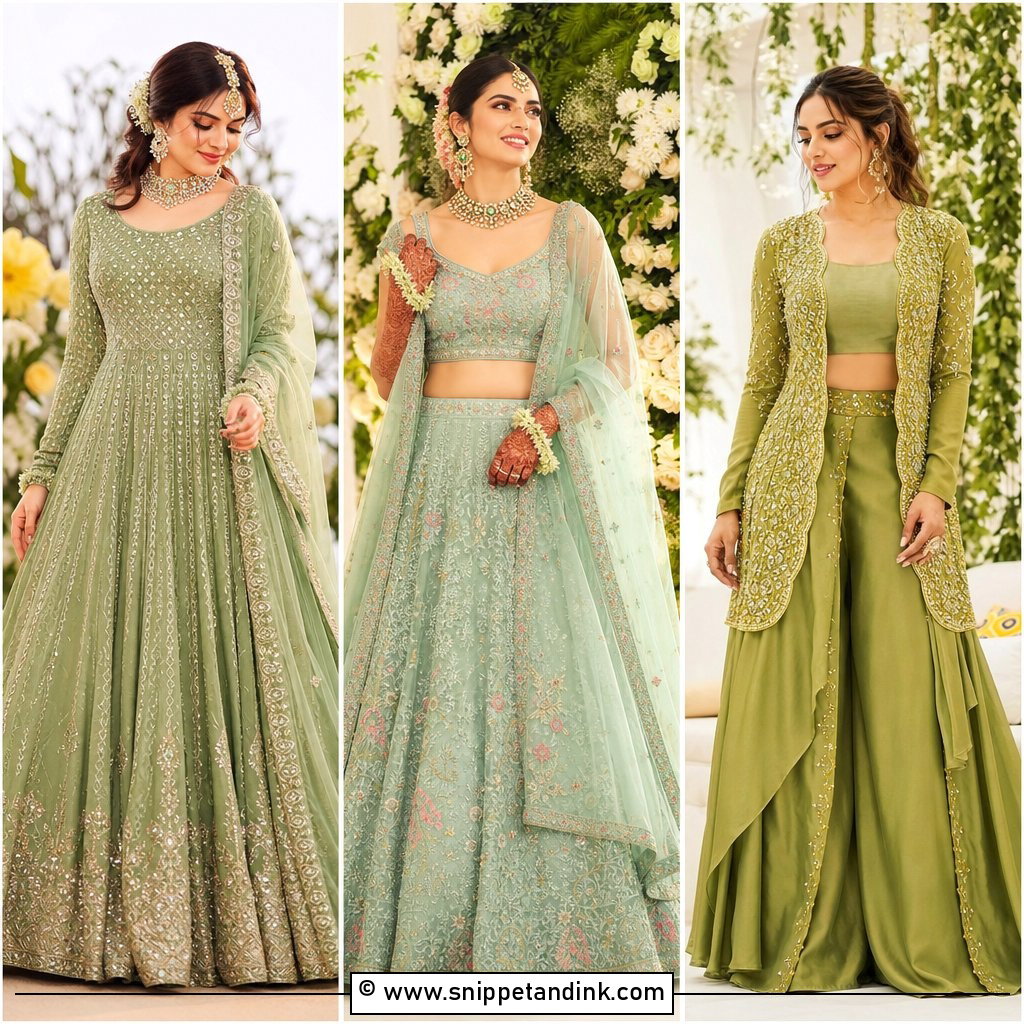
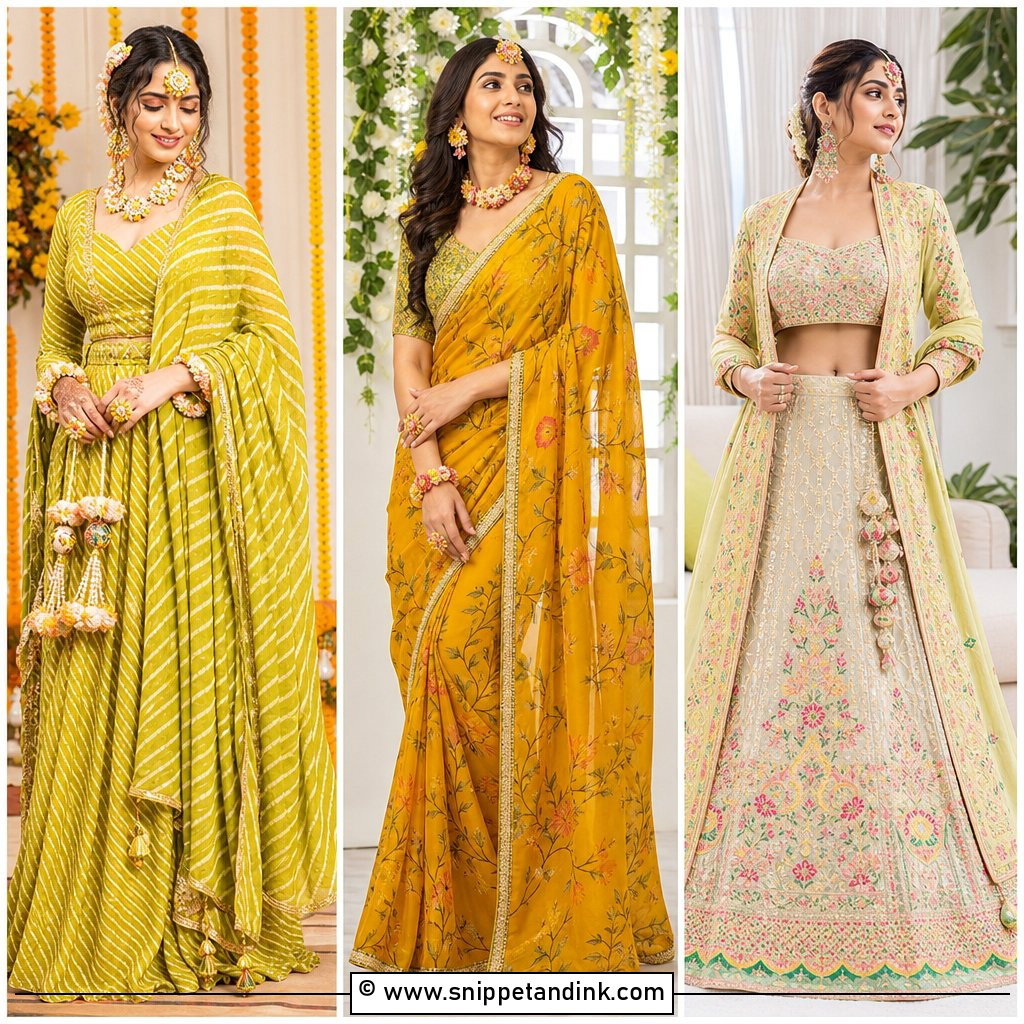
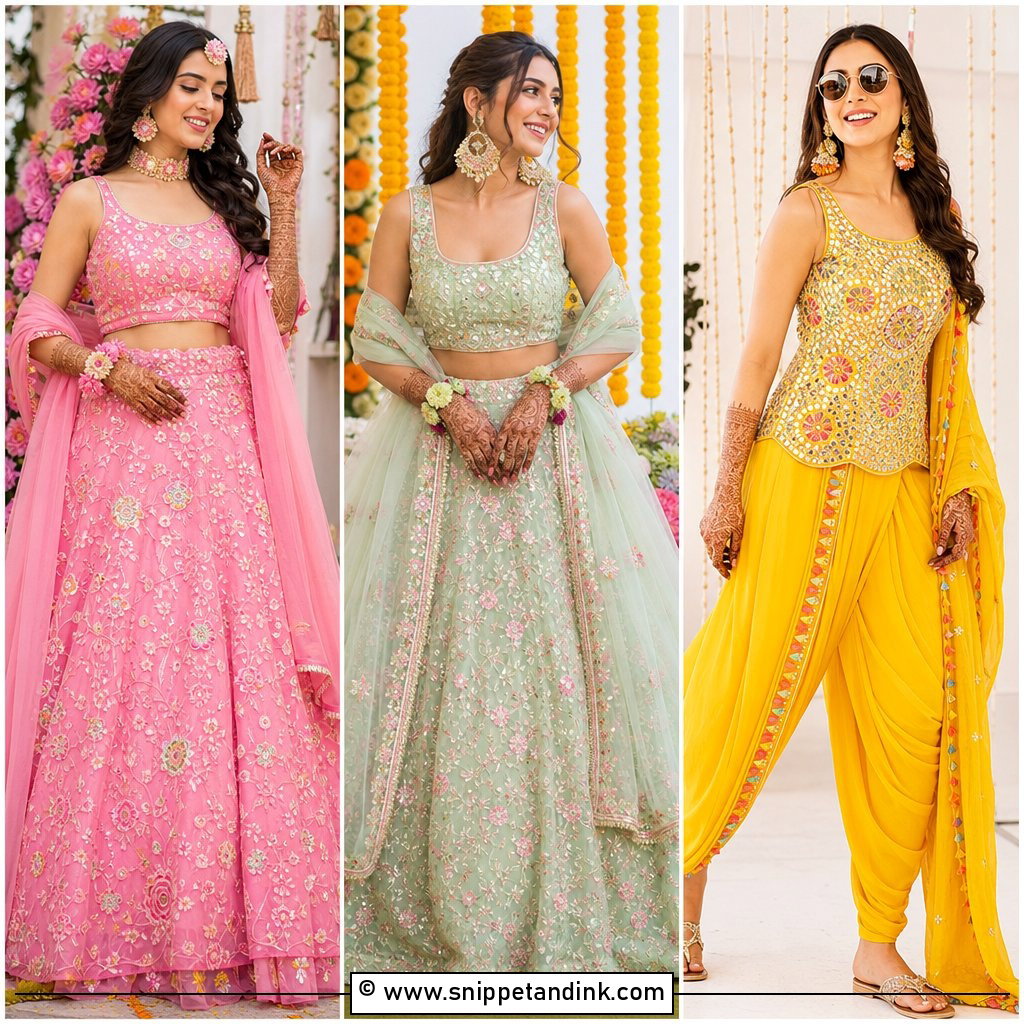
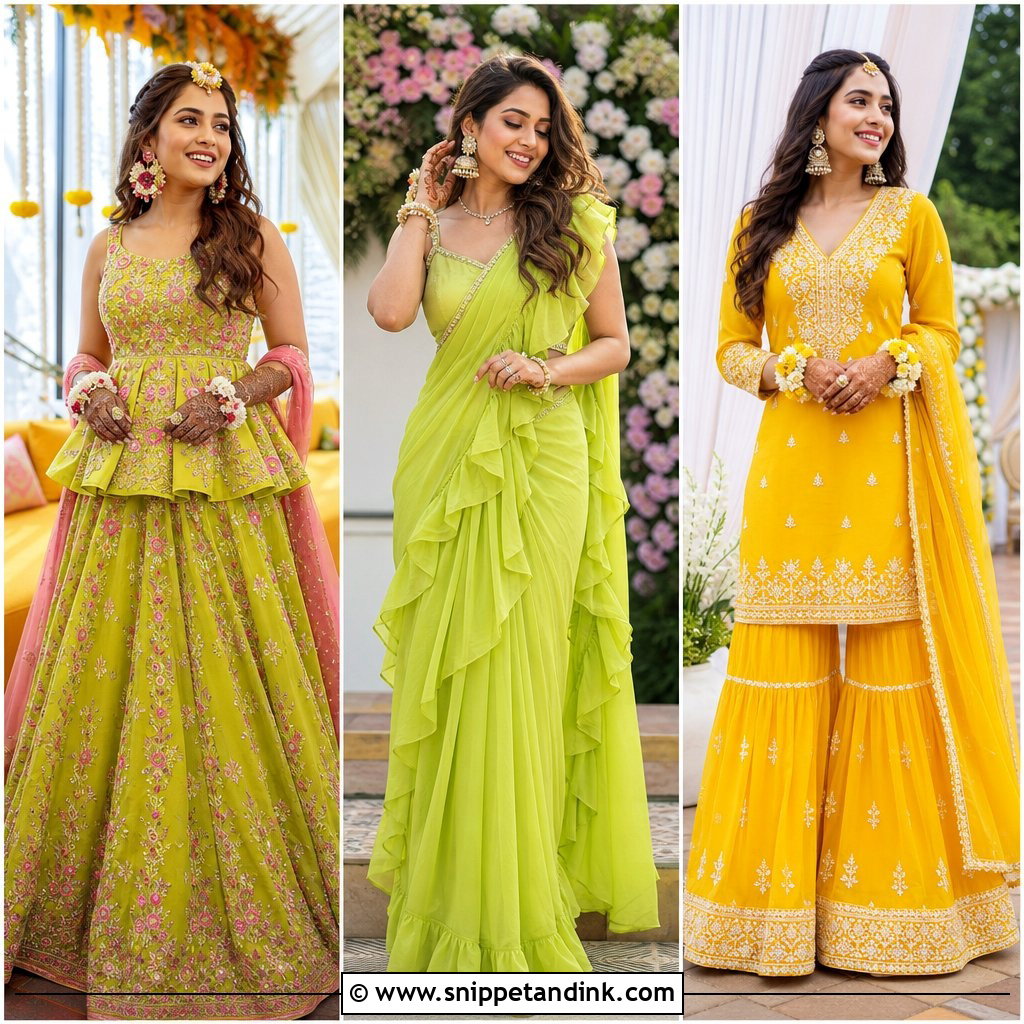
20. Co Ord Mehendi Outfit For Bride
Matching separates are the relaxed, modern option. Pick a crop top with wide pants, a peplum top with a skirt, or an embroidered jacket set, and make it bridal through color, fabric and detail such as mirror work, tassels, shells, sequins or thread embroidery. Lime, mustard, coral, fuchsia and turquoise all work. Keep accessories bold but simple: hoops, bangles, a floral hairpiece. It’s built for dancing and candid photos.
Rent It, Borrow It or Buy It?
Renting a bridal mehendi outfit has become common, and it’s a sensible way to wear something more elaborate for one evening. Before you sign anything, ask a few plain questions:
- Has the outfit been professionally cleaned since the last wear, and can you see it in person first?
- Which alterations are allowed? Many rentals permit only temporary tacking, not cutting.
- What happens if henna marks it? Fresh paste can leave a permanent stain, and that often means losing the deposit or paying a fee.
- When do you collect and return it, especially if the wedding runs over several days?
Borrowing from family needs its own care: older zari and gota can be brittle, so try the piece on gently and keep it well away from the artist’s table. If you buy, think in separates. A good mehendi blouse can be worn later with a different skirt, and the dupatta works over a plain suit for years.
Whichever route you take, have the outfit in your hands at least a week before the function. That leaves time for a proper try-on with your jewelry and shoes, a quick fix if a hook or tassel has come loose, and a calm decision if something simply doesn’t fit the way it did in the shop.
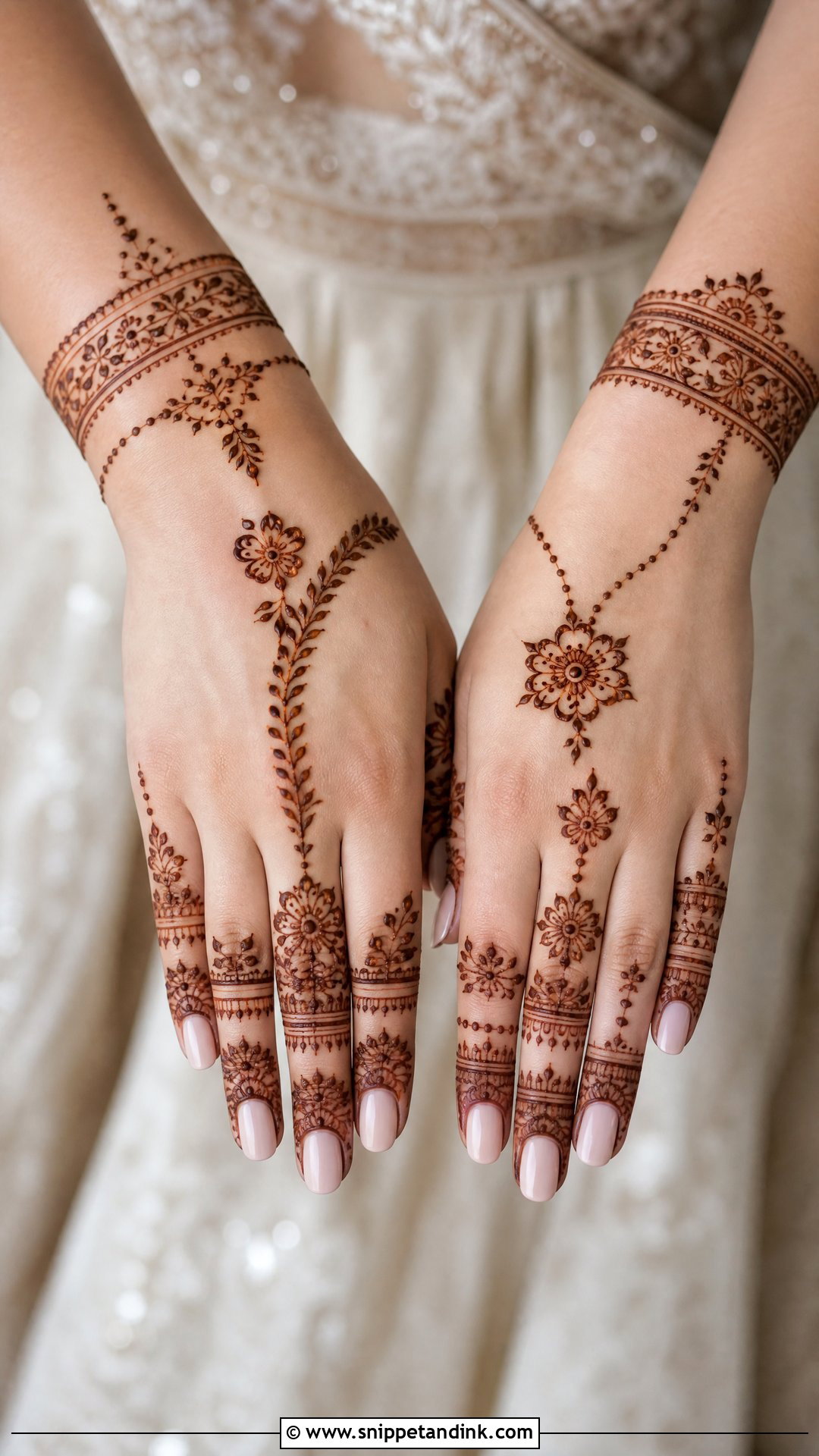
Finish the Look with Jewelry, Hair and the Henna Design
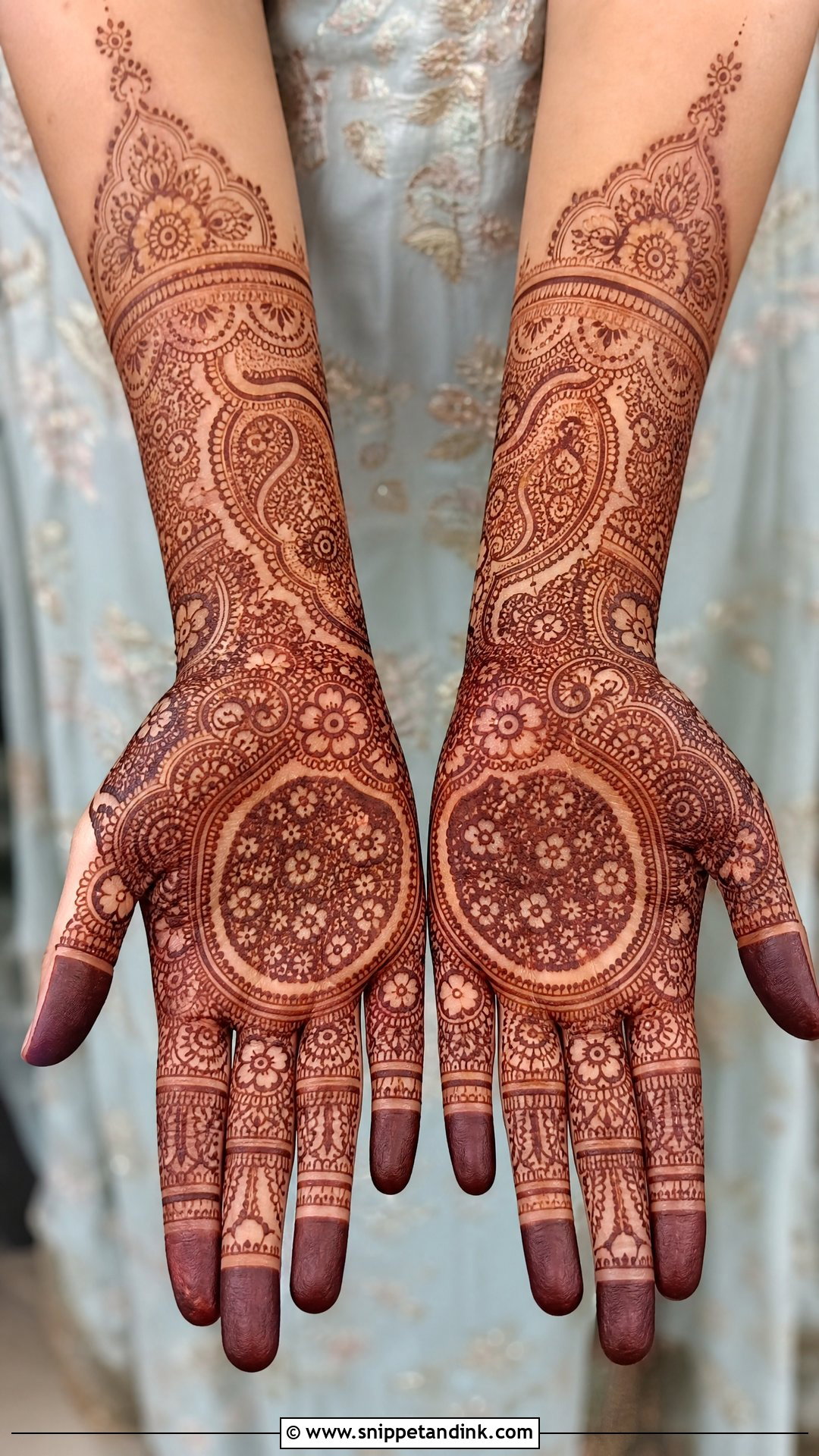
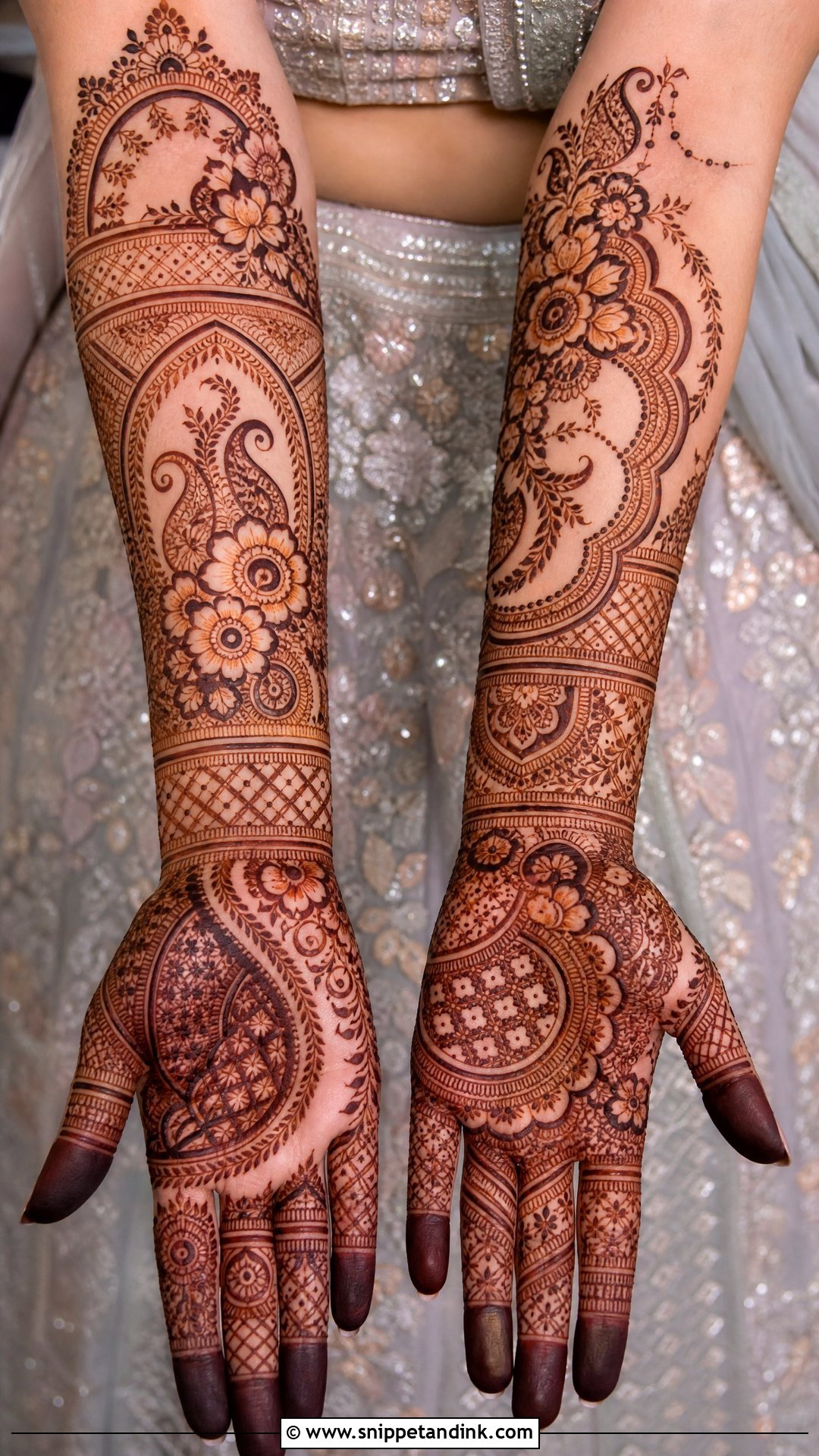
Classic yellow and green lehengas suit some brides; shararas, capes, co-ords, pastels or textiles like bandhani and phulkari suit others. Let the venue, the weather, the sitting time, your jewelry and how much you want to move decide. Light fabric, secure drapes and breathable shapes usually win. Once the outfit is set, bring the jewelry, hair, makeup and the henna pattern into the same conversation so they read as one look rather than four separate decisions.
You'll Like These Ideas:


Leave a Reply