
Ranch weddings ask more of hair than most venues do. There’s open sky, an afternoon breeze that picks up right around golden hour, dust off the gravel drive and usually a long walk across grass. The styles below run from low buns to finger waves, and I’ve written each one the way I’d talk it through at a trial, including where it struggles. Before you commit to a saved photo, hold it against three things: your neckline, how windy the site gets late in the day, and whether your hair keeps a curl overnight on an ordinary Tuesday. That last one tells me more than any inspiration picture.
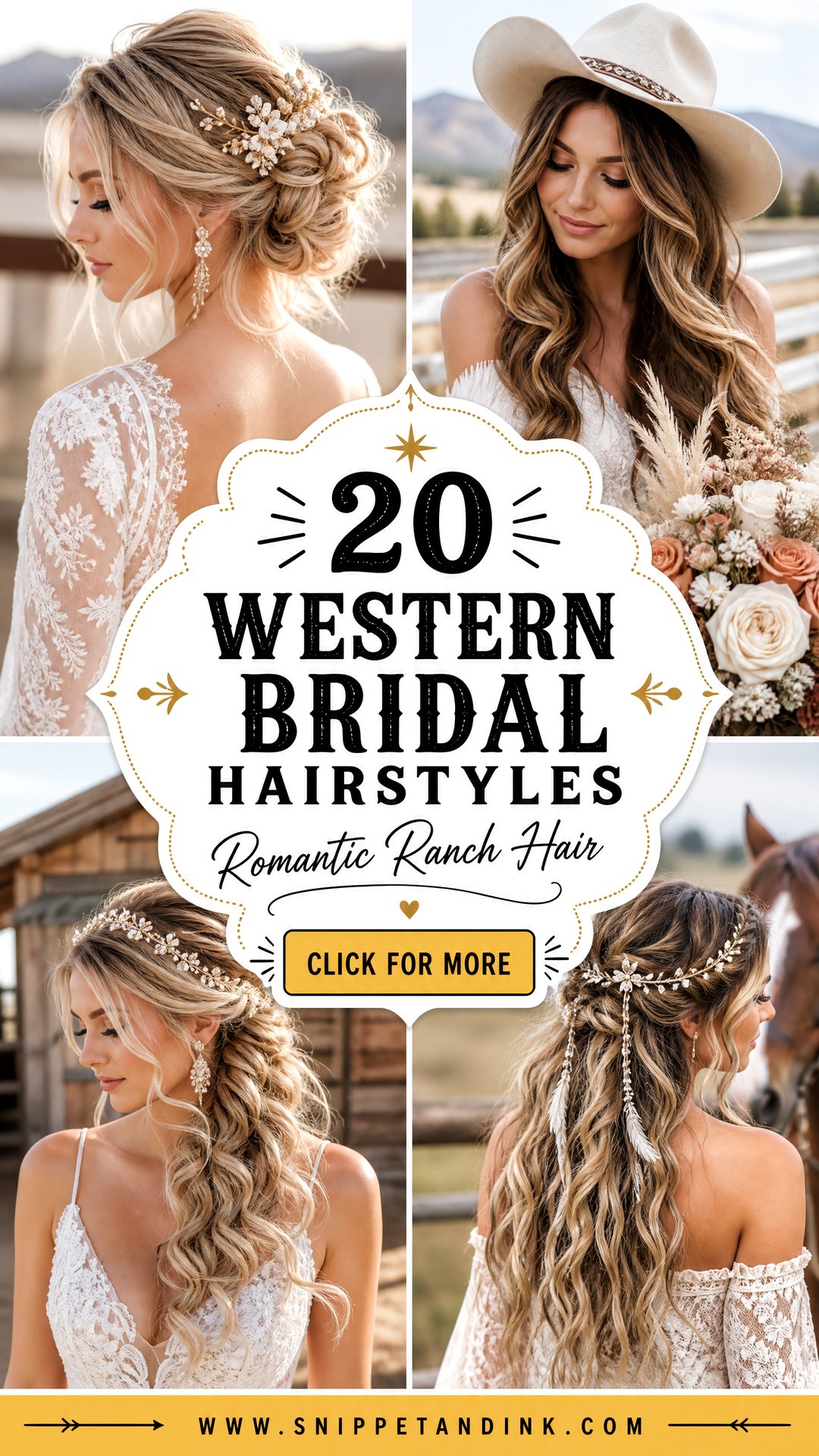
What an Open Pasture Does to Bridal Hair by Late Afternoon
Most ranch ceremonies are timed for the softer light before sunset, which is also when the breeze tends to pick up across open ground. Add a few hours of sun on the crown and dry air that pulls moisture out of curls, and you can see why I plan these weddings differently from a ballroom booking.
Wind is the biggest factor. It lifts anything sitting high or loose, and it catches veils like sails. Heat comes next: curls set on hair that’s sweating at the root will drop faster, and a heavy updo gets uncomfortable. Dust is the quiet one. It dulls shine and sticks to anything coated in a tacky spray, so I go lighter on sticky finishing products at dusty sites.
Prep I do differently for ranch brides
- Curl with a little more heat and let each section cool fully in a pin before brushing out.
- Anchor every style on a hidden base (a small elastic, a braid or a cross of pins) rather than pinning loose hair.
- Use a flexible spray for hold and save shine spray for after the outdoor portraits.
- Pack a touch-up kit with grip pins, a mini iron and a wide-tooth comb for the cocktail hour.
If you can, visit the venue at the same hour as your ceremony a few weeks ahead. Ten minutes standing where you’ll say your vows tells you more about the right hairstyle than any mood board.
1. Western Bridal Low Bun
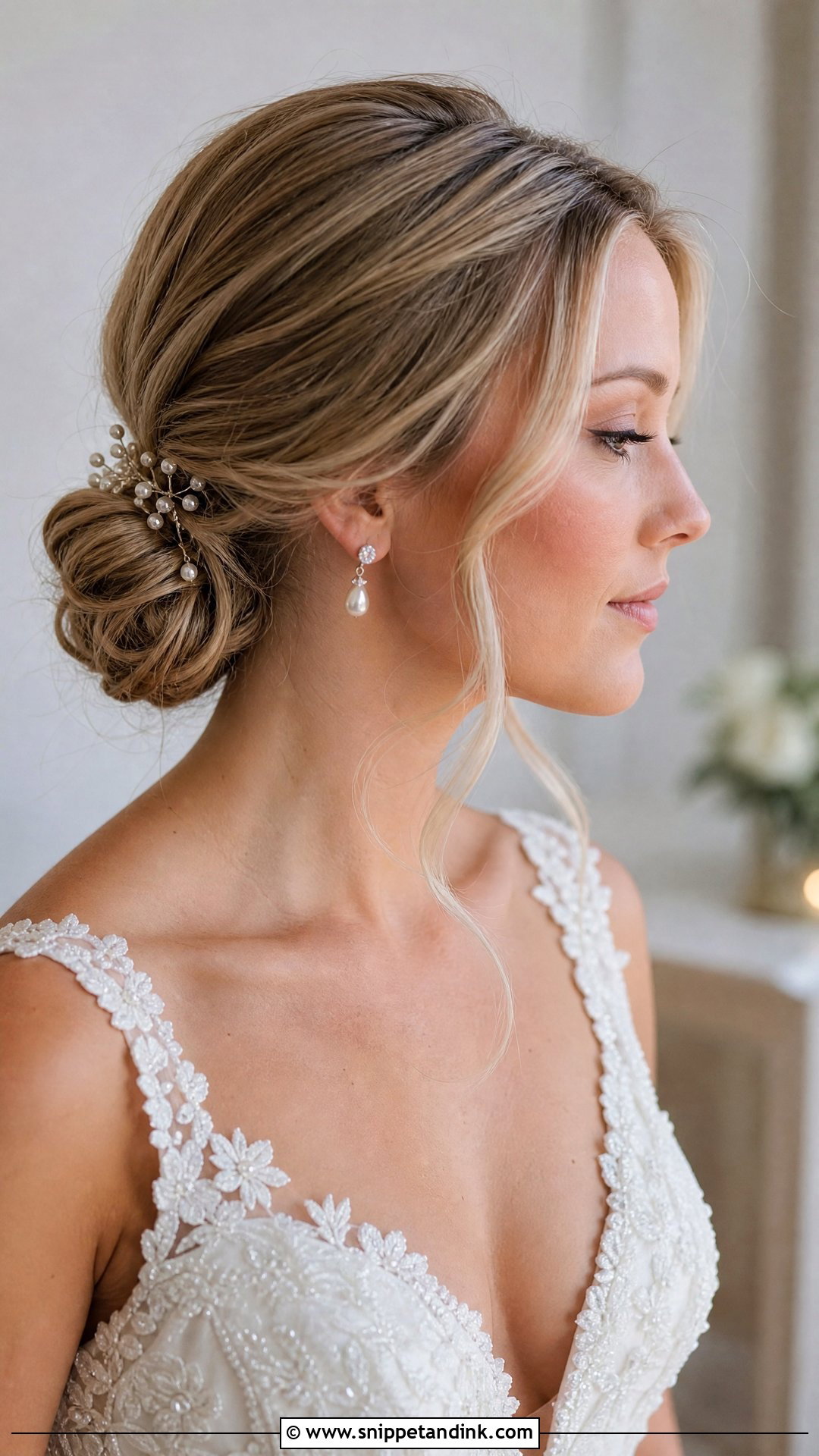
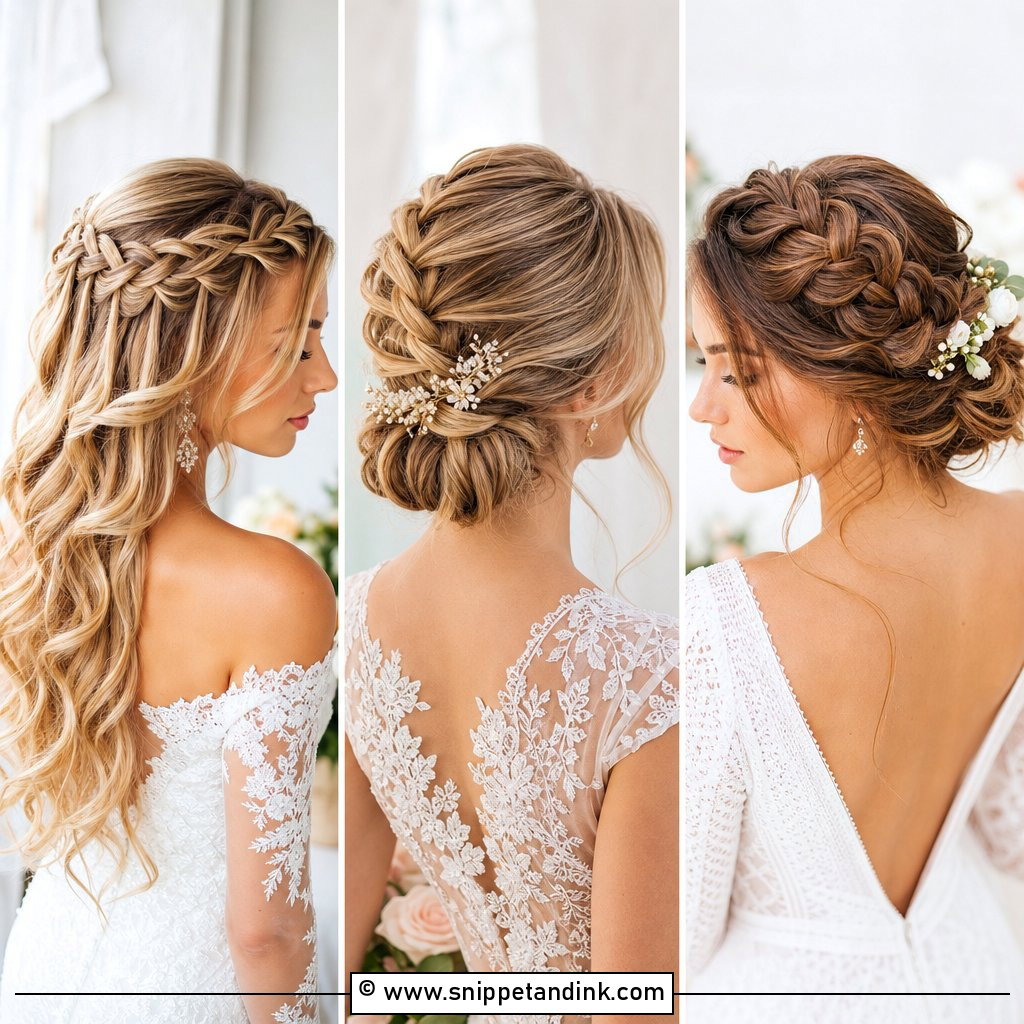
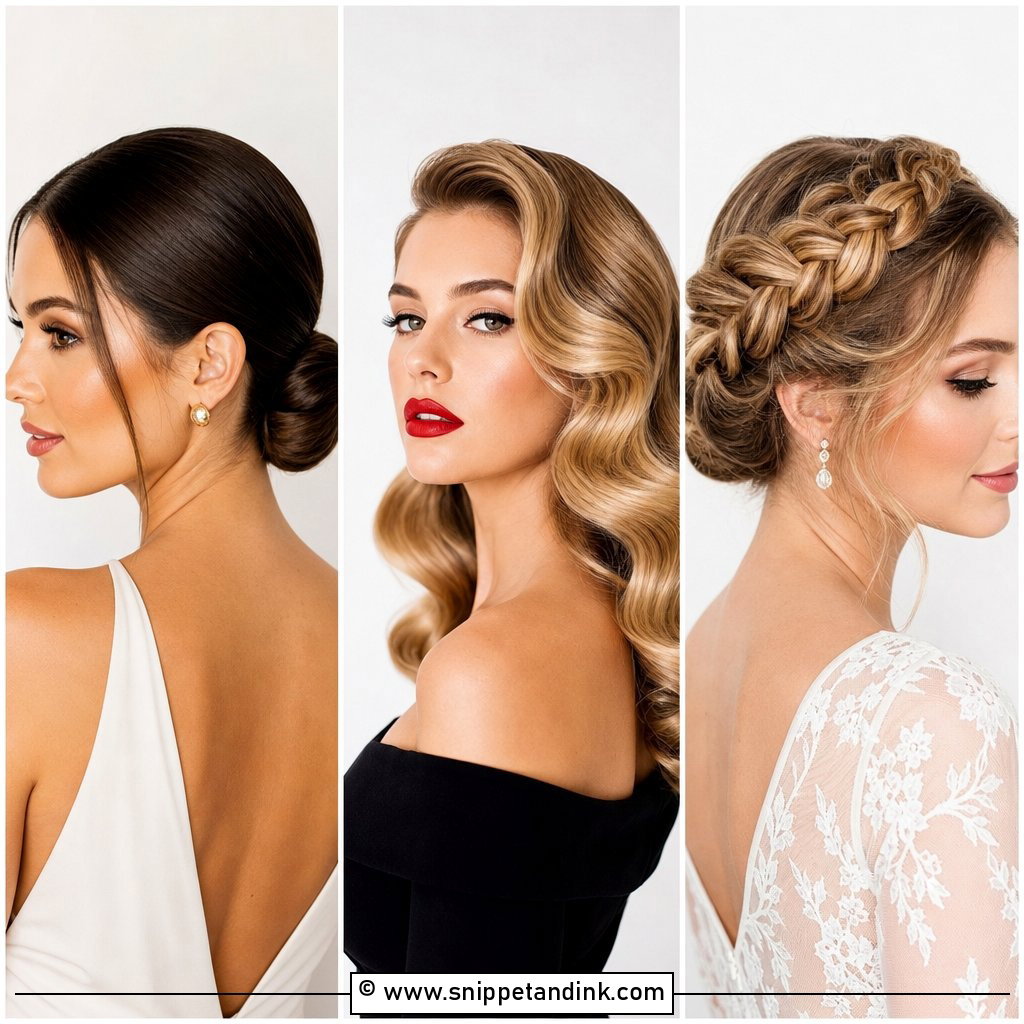
I reach for a low bun more than any other shape at outdoor venues, because it sits under the wind instead of in it. Placed at the nape, it leaves room above for a comb, a veil or pearl pins, and it keeps a strapless, square or high neckline clear, which is why it pairs so easily with long sleeve dresses as well. I build it on a small elastic base and cross the pins into that base, not just into loose hair. That’s what stops it sliding during hugs. Ask for a smooth finish if you want it classic, or have two face pieces left out if you’d like it softer.
2. Western Bridal Hollywood Waves
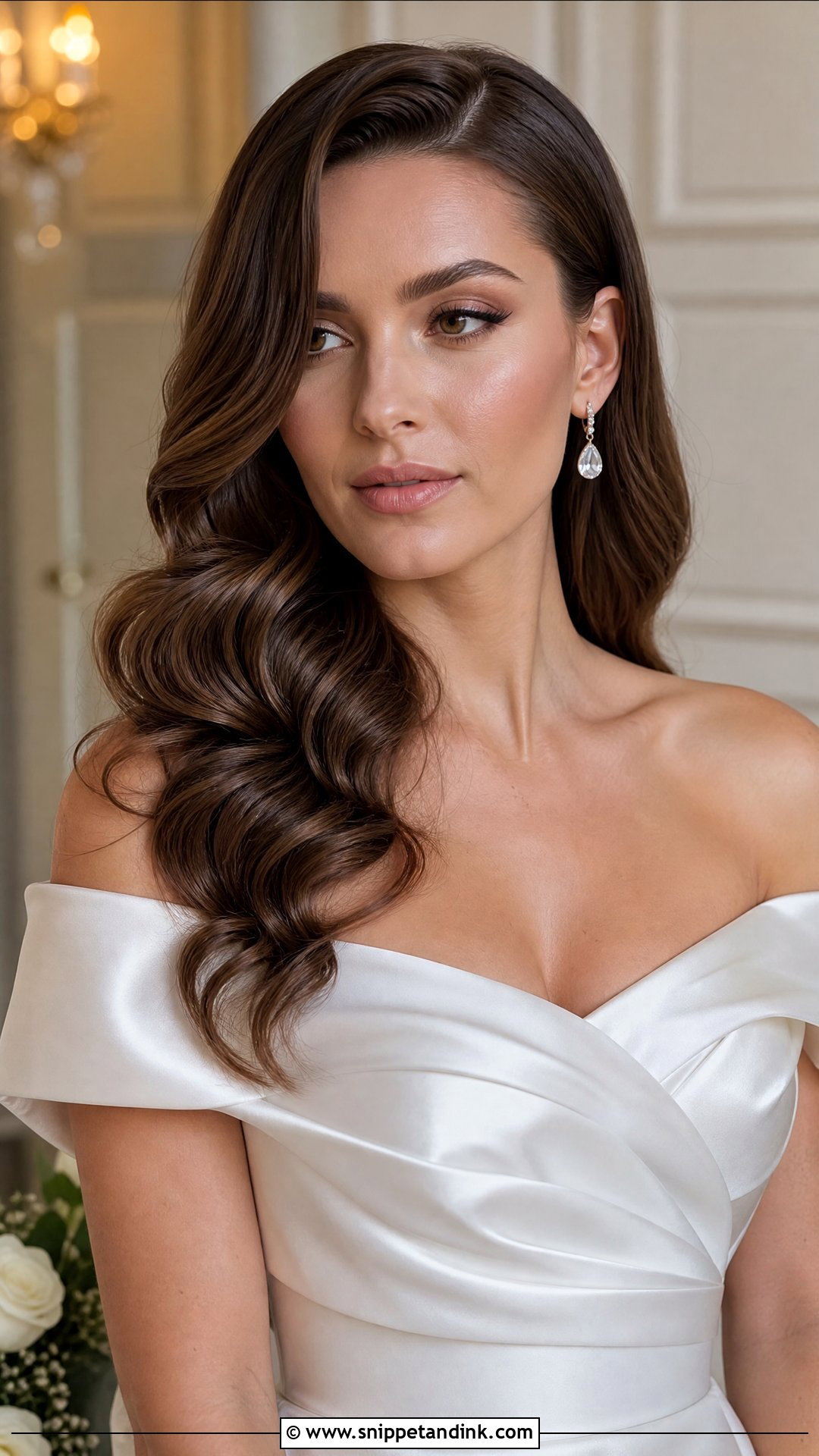
Few styles are as fragile in open air as Western bridal Hollywood waves. The pattern is set with a large barrel, pinned to cool, then brushed into one continuous S, and humidity is what breaks that S apart first. On medium to long hair it looks fuller with a few clip-in wefts, and the deep side part suits off-the-shoulder satin. After a trial I ask the bride to send me a photo four or five hours later. If the wave has dropped by then, it won’t survive an outdoor ceremony in July, and we talk about pinning it to one side instead.
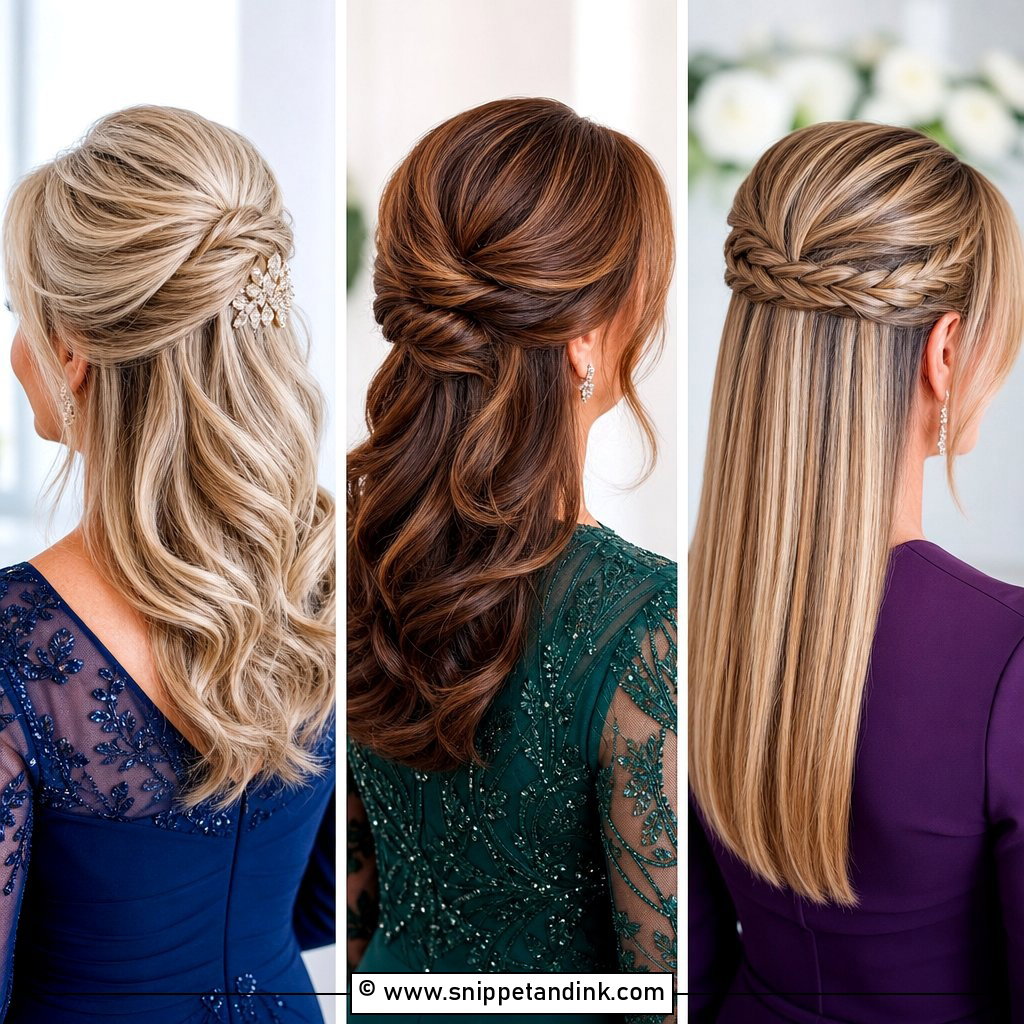
3. Western Bridal Half Up Half Down Hair
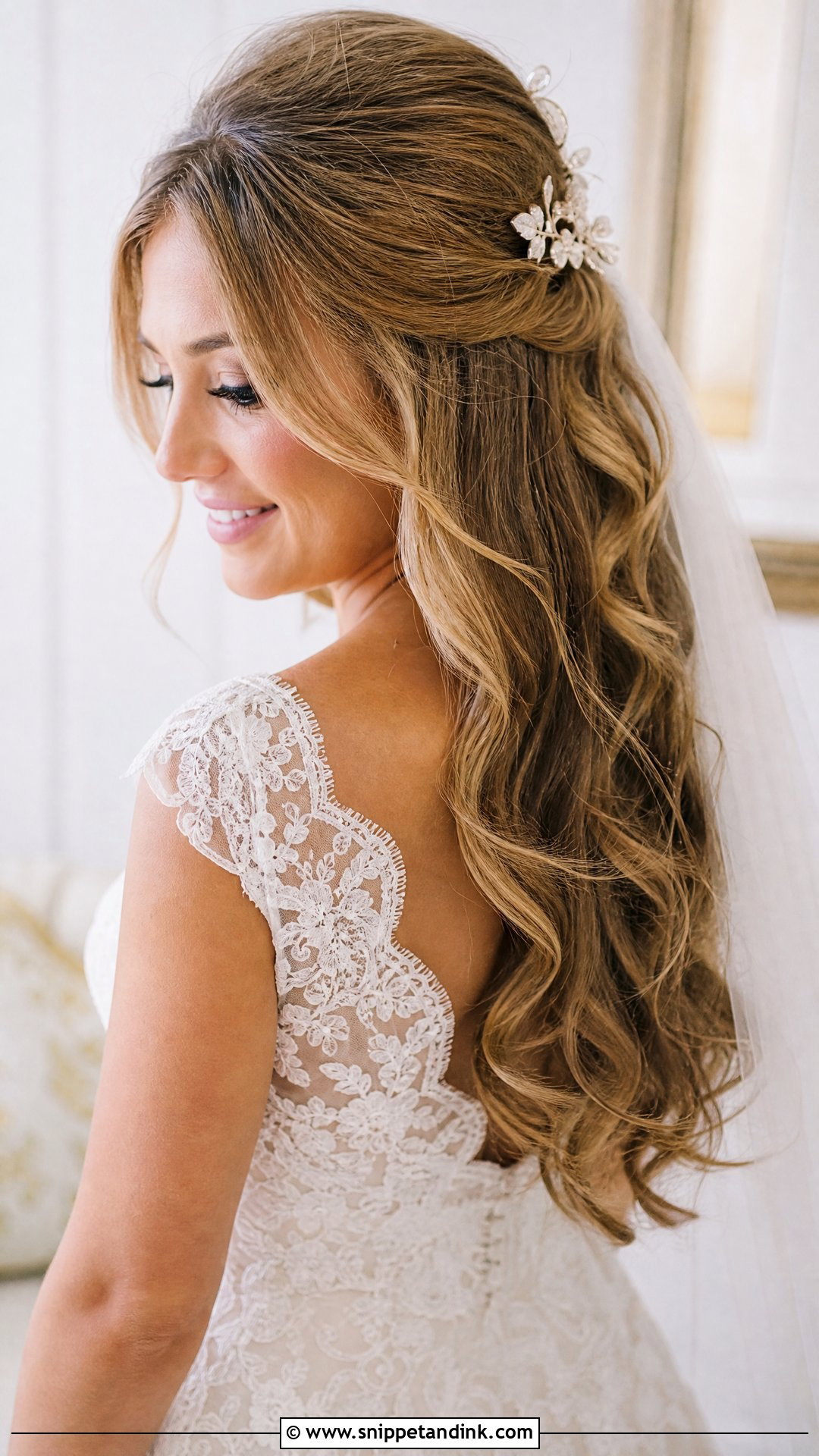
Half up gives a veil comb something solid to grip, and that’s the main reason I suggest it to brides who want their hair mostly down. I secure the top section into a small hidden knot and slide the comb in just above it. The lengths underneath can be curled, waved or left in natural texture. On a breezy pasture the loose half will move, so expect that in photos and hand a small brush to someone in your bridal party. A pearl comb or a sprig of dried flowers over the join hides the anchor.
4. Western Bridal Chignon
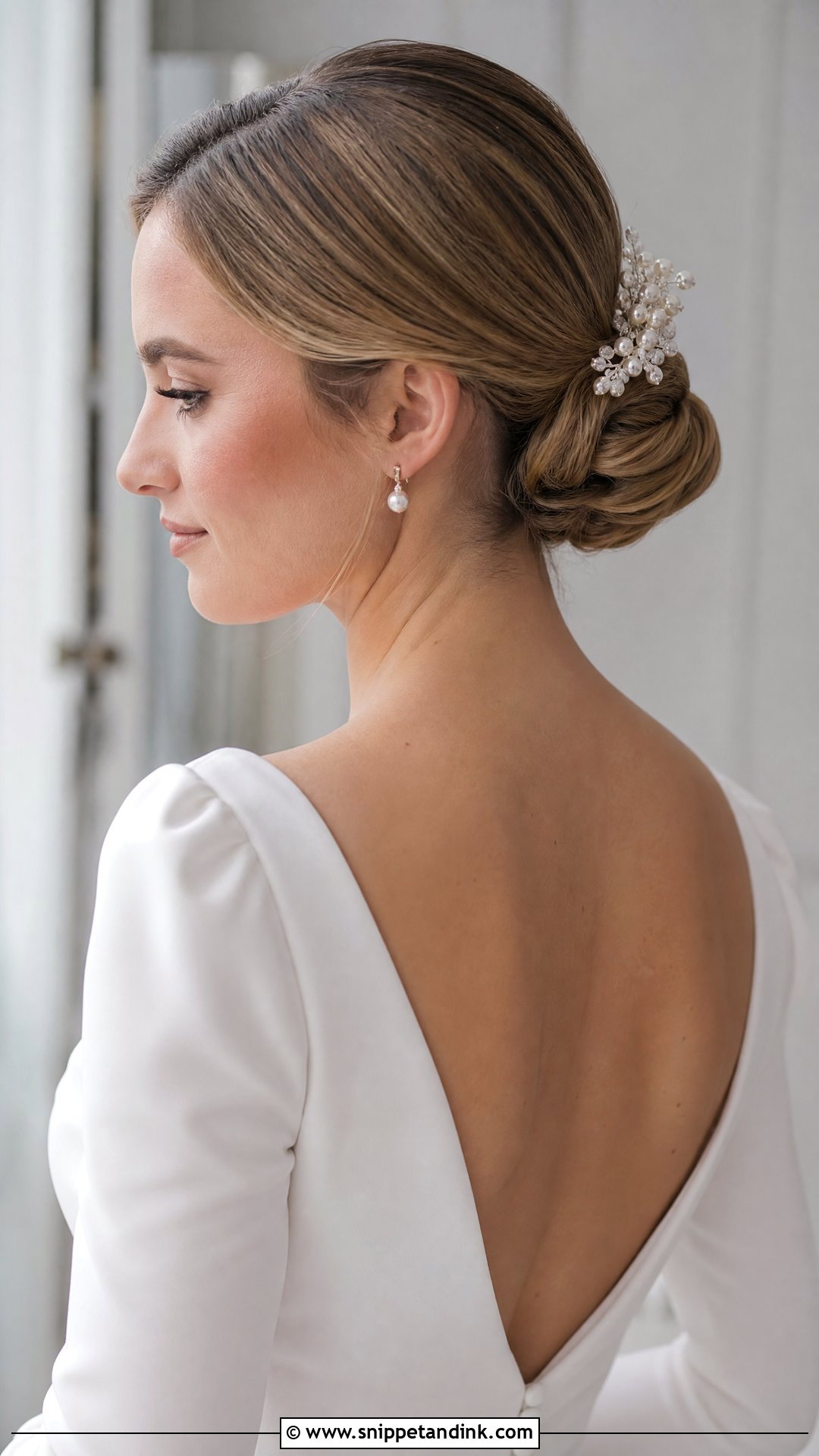
A chignon is a bun with tailoring. The hair is rolled or tucked into a shaped form at the nape rather than simply wrapped around itself, and that structure is why I like it under a cathedral veil at a chapel or lodge venue: the tulle has a firm shelf to rest against. Worn sleek it reads minimal, while a little texture pulled at the edges softens it. Very short layers tend to poke out of the roll. If your cut is choppy, mention it when you book so your stylist brings smaller pins and a finishing pomade.
5. Western Bridal Textured Updo
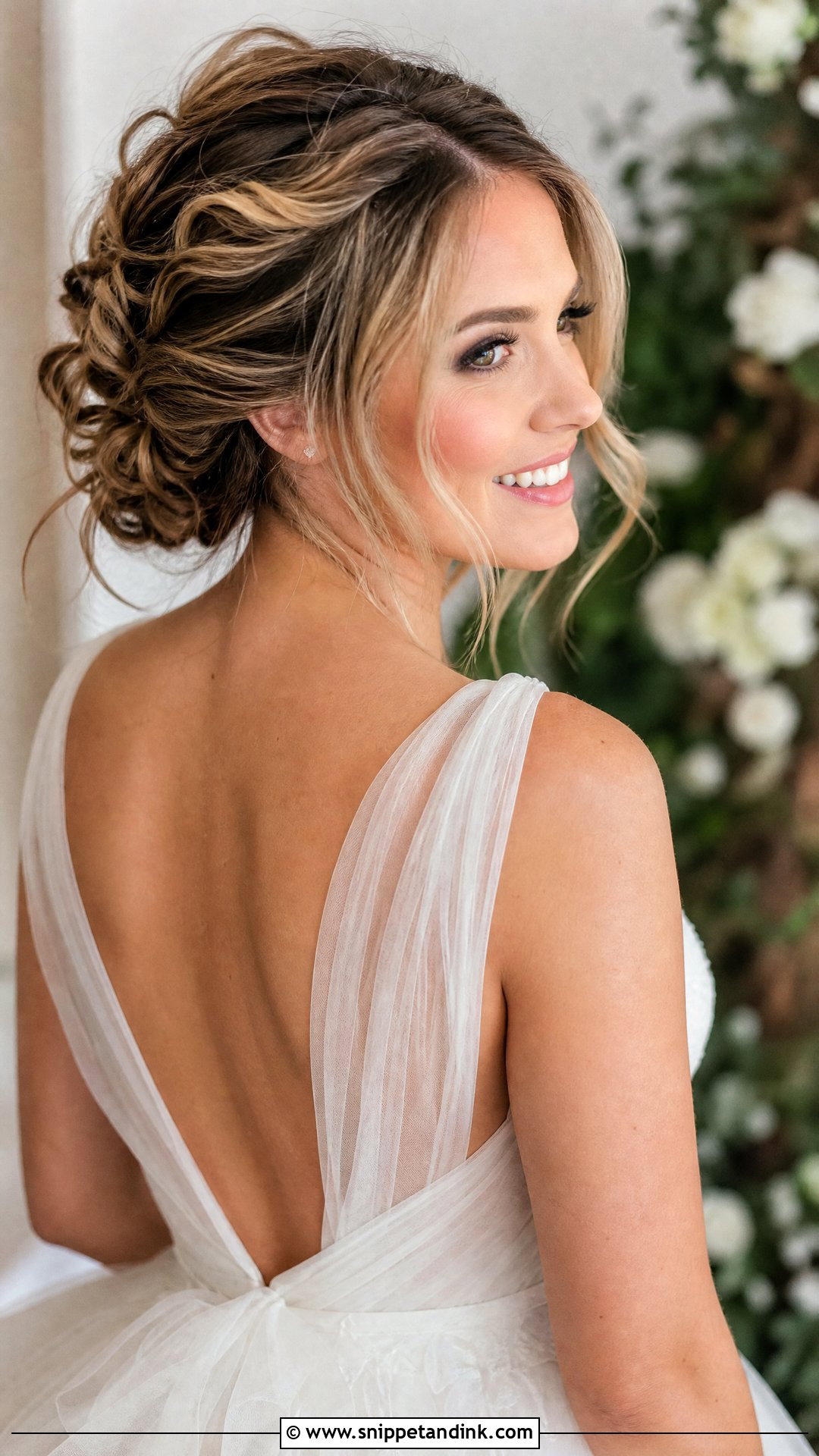
Texture is what keeps a Western bridal updo from looking stiff in a rustic setting. I build it in small pinned sections with dry texture spray between each, so every twist has grip and stays where I put it. Highlighted and balayage hair show the most from this, because each twist turns a lighter strand to the surface. The catch: those loose front pieces are placed, not accidental, and freshly washed silky hair won’t hold them. Wash the day before, not the morning of.
6. Western Bridal Sleek Bun
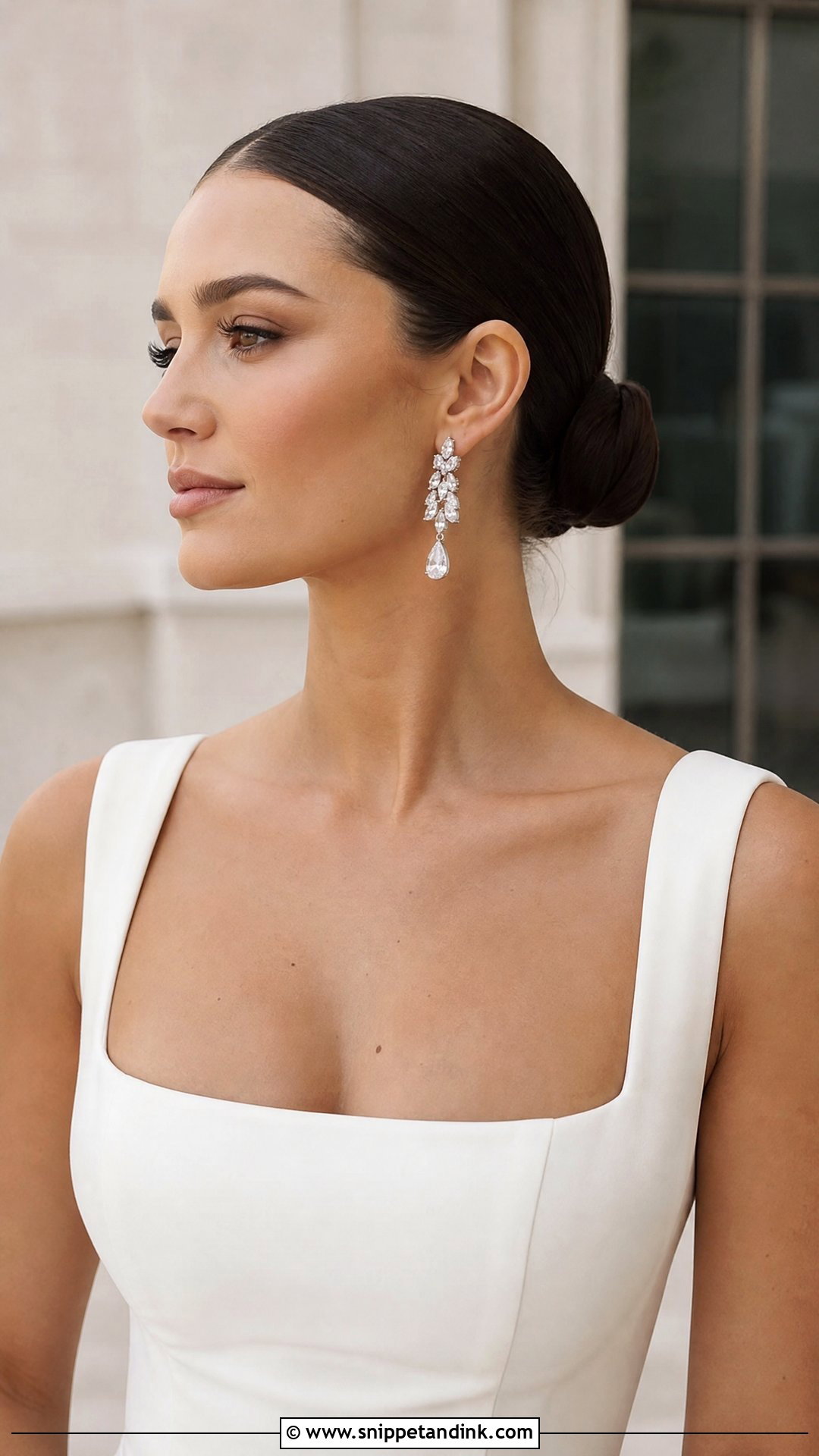
A sleek bun has nowhere to hide, so prep matters more than shape. I blow the hair flat with a paddle brush, smooth it back with a little cream and a fine-tooth comb, then set the bun at the nape or just above. It suits plain fitted gowns, square necklines and big earrings at a city or formal venue. On fine hair I add a small padding donut or a wefted wrap so the bun doesn’t look tiny from behind. I’d skip it if you have a hairline cowlick that bothers you, since sleek styling pulls every root into view.
7. Western Bridal Soft Waves
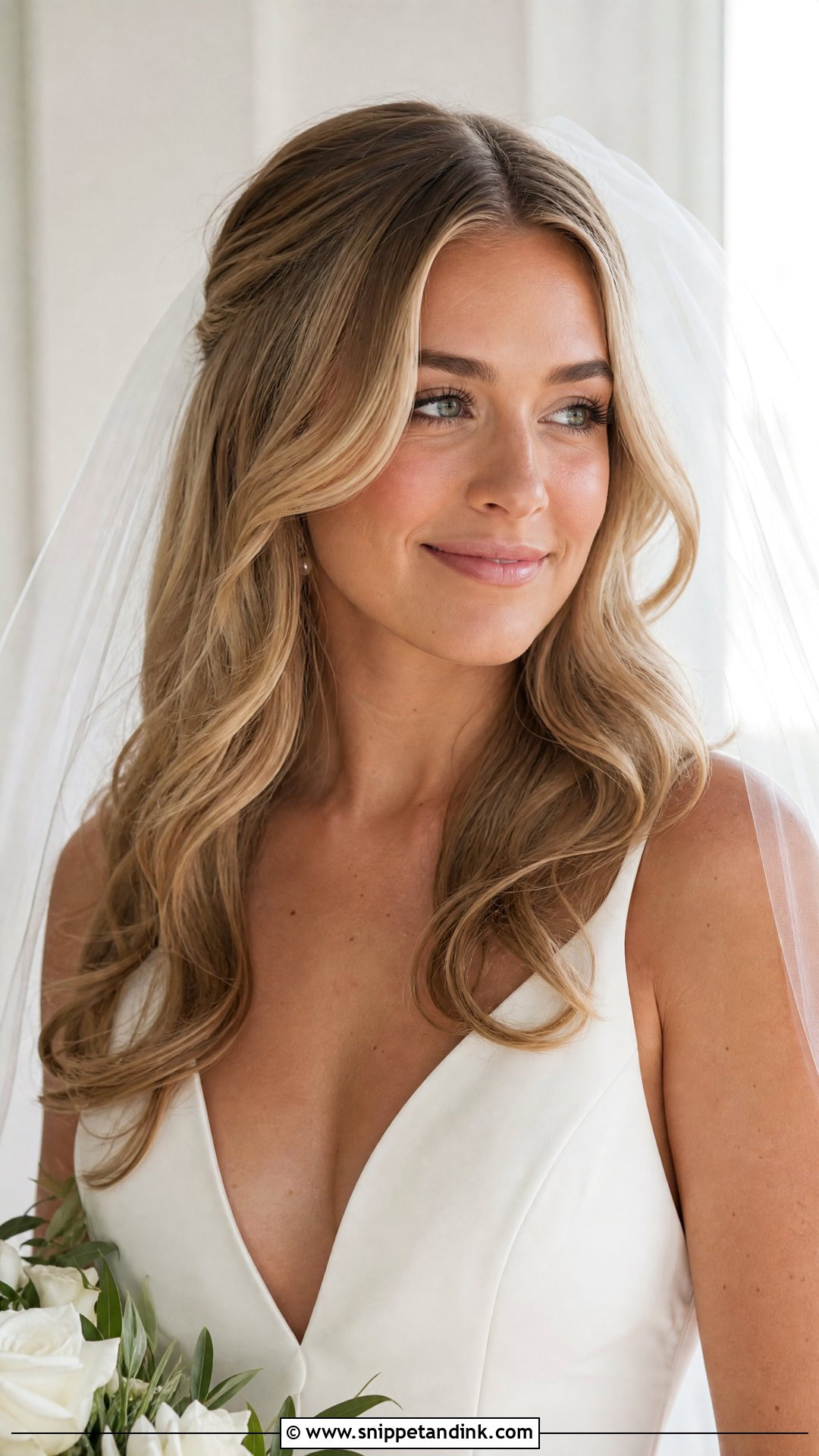
Soft waves sit between beach texture and full Hollywood sculpting. I curl in alternating directions, then brush through lightly so the bends join without turning into ringlets. Layered cuts take this best because the layers give each wave a place to break around the face. Match the prep to your hair: mousse on fine hair, a lighter cream on thick or coarse hair. With a long veil and a relaxed outdoor ceremony, it’s the down style I find easiest to keep looking fresh through the evening.
8. Western Bridal High Bun
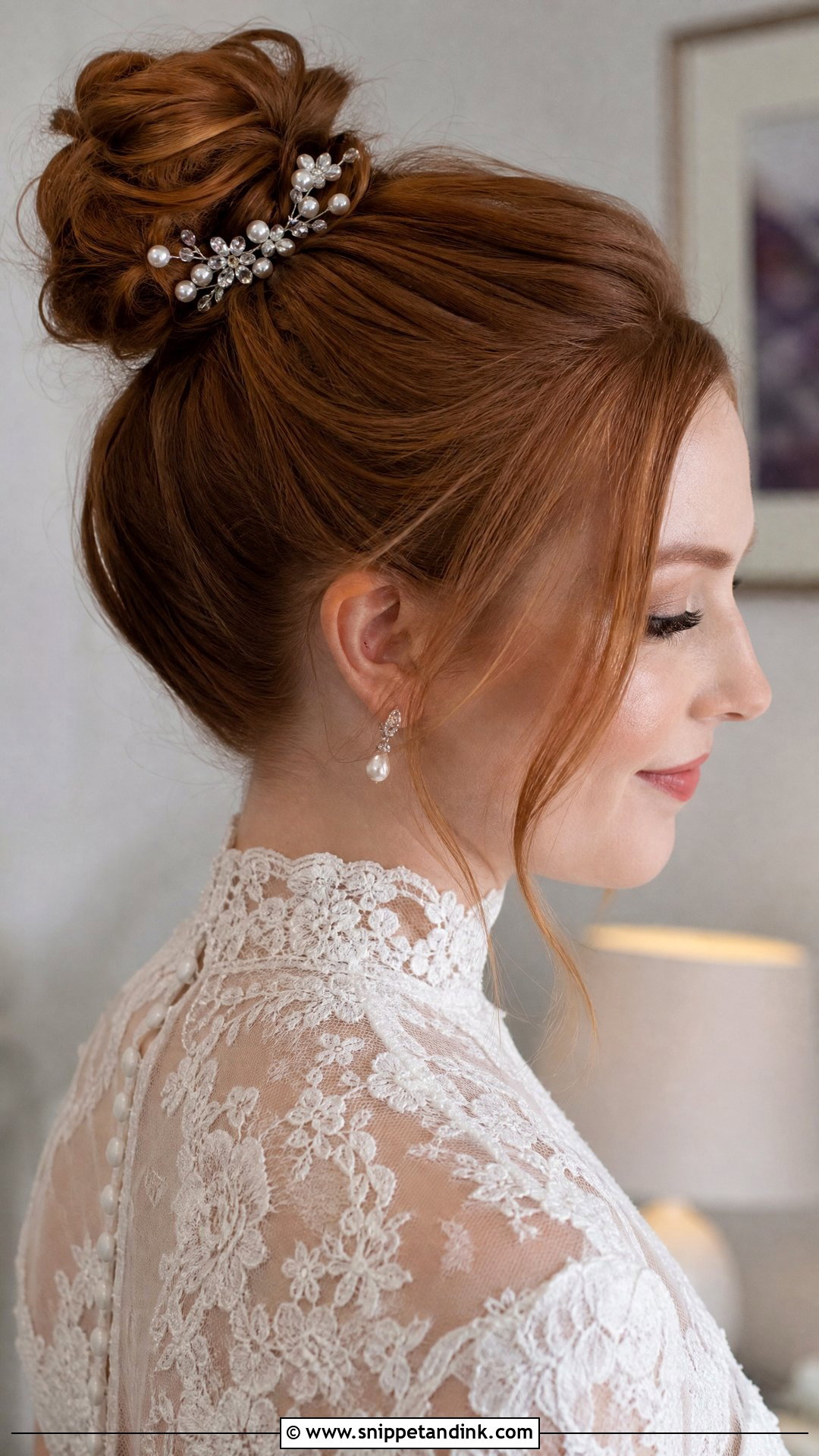
A high bun lifts the face and puts earrings and the neck on show. It works with ball gowns, halter necklines, high collars and a statement veil worn underneath. Weight is the real issue. Long, thick hair set high can pull on the scalp by mid-afternoon, so I split it into two smaller coils pinned together rather than one heavy one. Plan the veil early, because a comb can’t sit on top of a high bun.
9. Western Bridal Low Ponytail
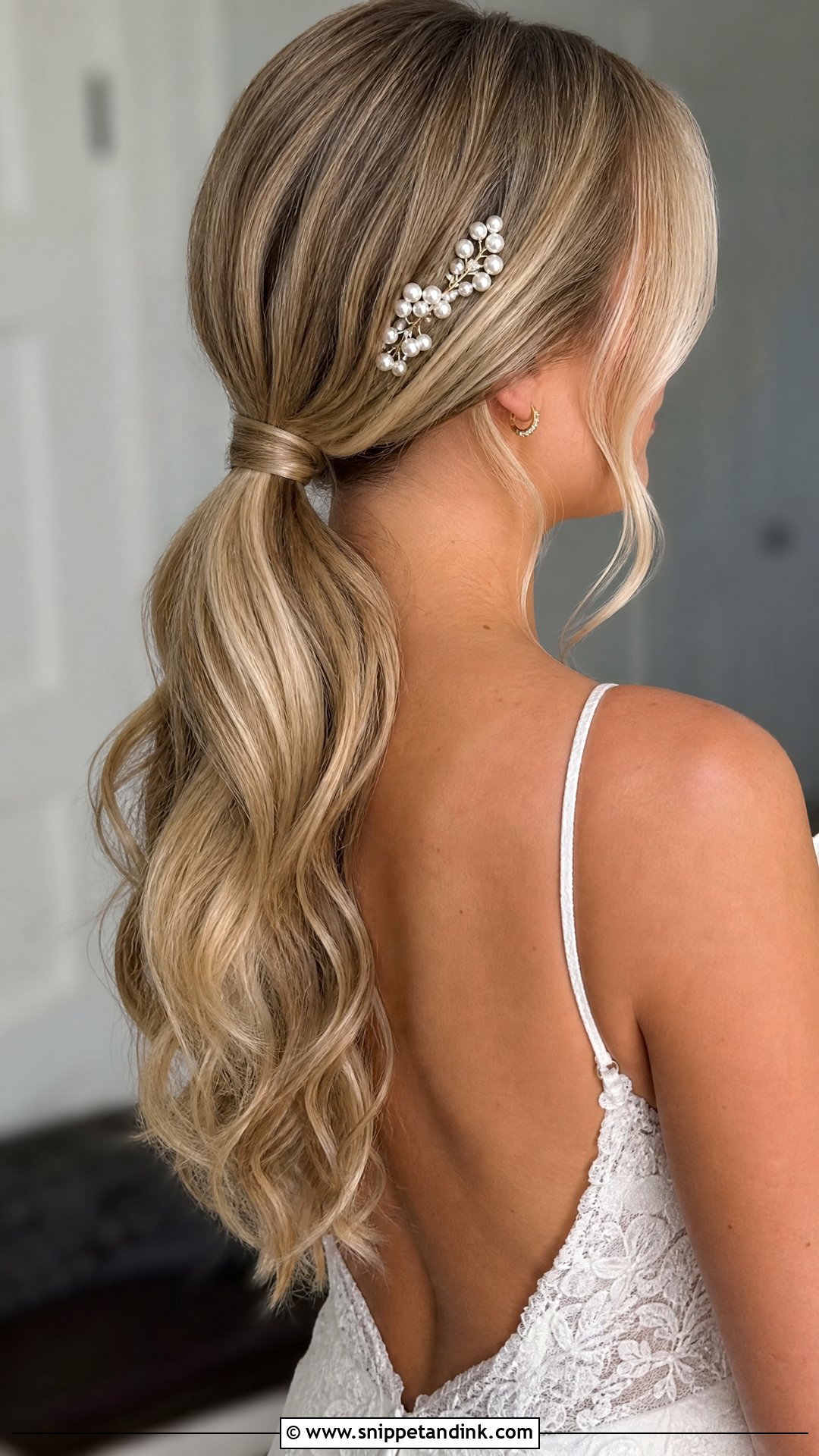
I like a low ponytail for brides who say an updo makes them feel like someone else. The hair is smoothed or waved, gathered at the nape, with a little lift at the crown, and it shows off an open back while still swinging when you walk. I wrap a section of hair around the elastic and pin it underneath so no band shows; a satin bow or pearl clip can replace the wrap. If the ceremony site is windy, the tail will blow across your face, so a light hold spray through the length is worth the extra minute.
10. Western Bridal High Ponytail
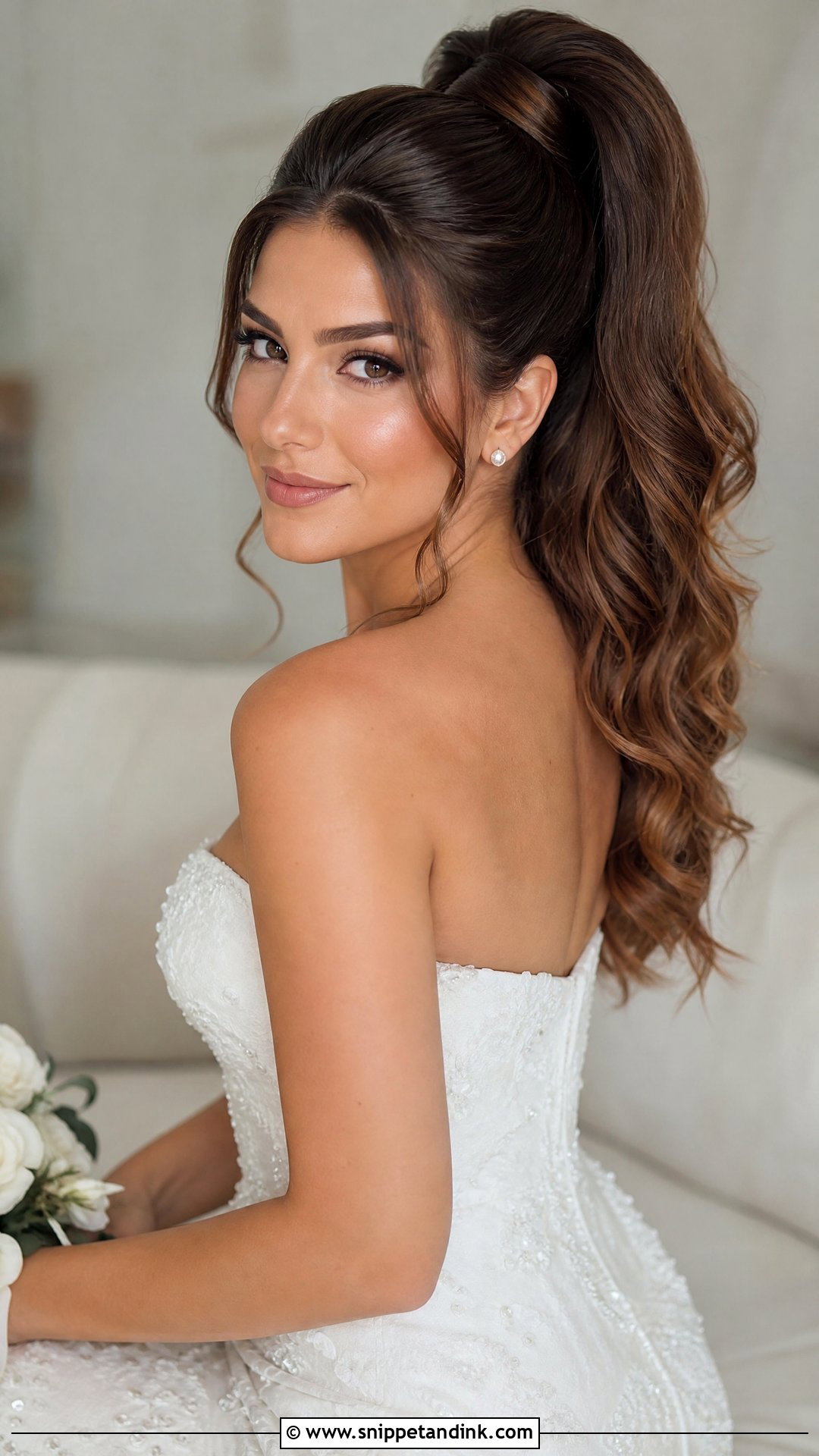
A high ponytail is a reception favorite, and plenty of brides switch into it after the ceremony. Crown volume, a tight smooth base and curled ends brushed until they merge are what make it read deliberate rather than gym-ready. Extensions add length and help a lot on thinner hair. It sits well with strapless and fitted gowns. Worn all day it can ache, so I often set a lower ponytail for the vows and move it up at dinner, which takes about five minutes.
11. Western Bridal Side Swept Curls
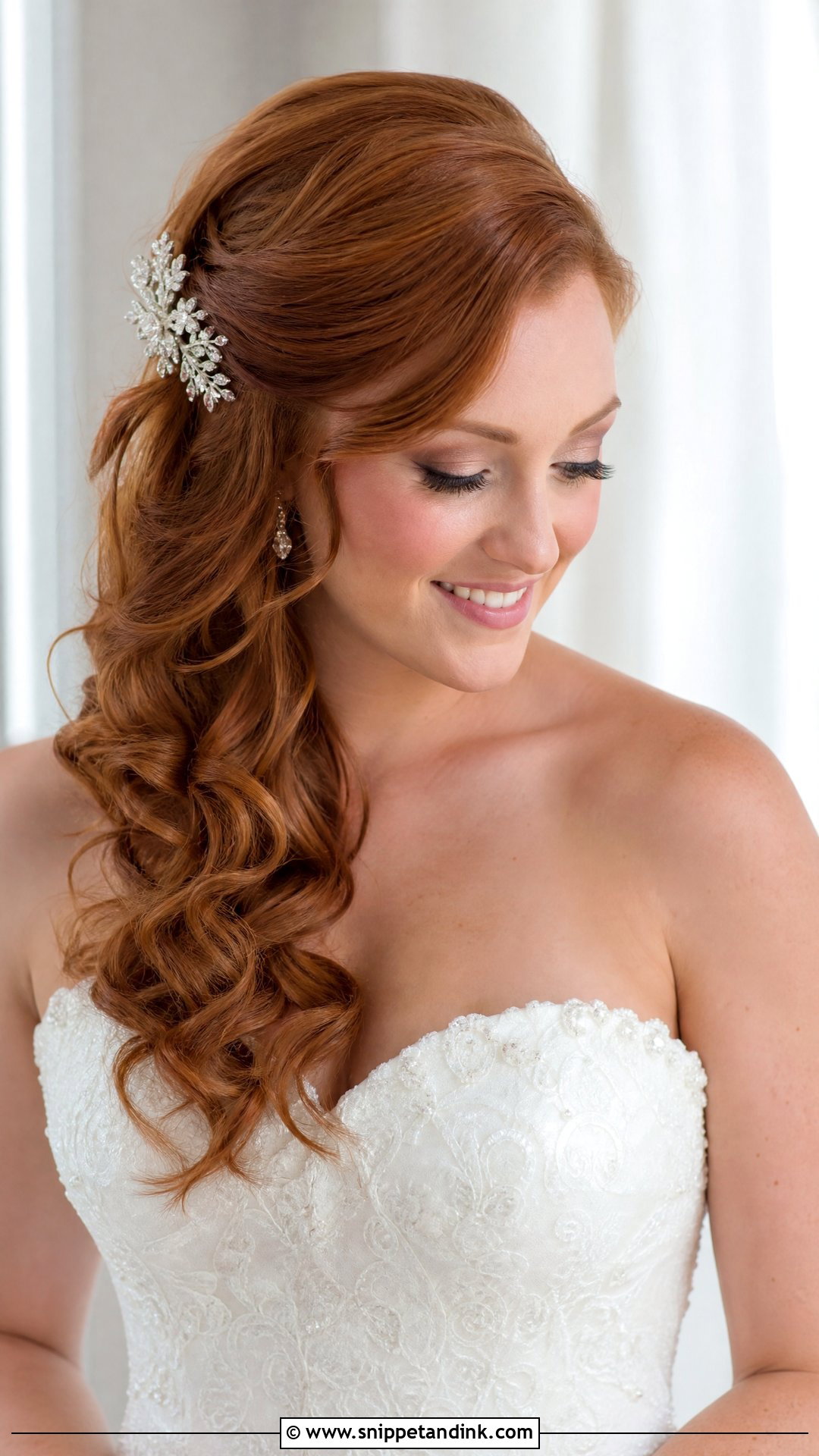
Side swept curls give you the softness of down hair with more control. The secret is a row of crossed pins behind one ear, hidden under the curls, which anchors everything toward that shoulder. A side part, a one-shoulder or strapless neckline and vintage combs all suit it. Ask your coordinator which way the wind usually comes across the ceremony spot, and have the curls placed on the sheltered side. A crystal comb or a few pearls over the pinned side covers the anchor.
12. Western Bridal Braided Updo
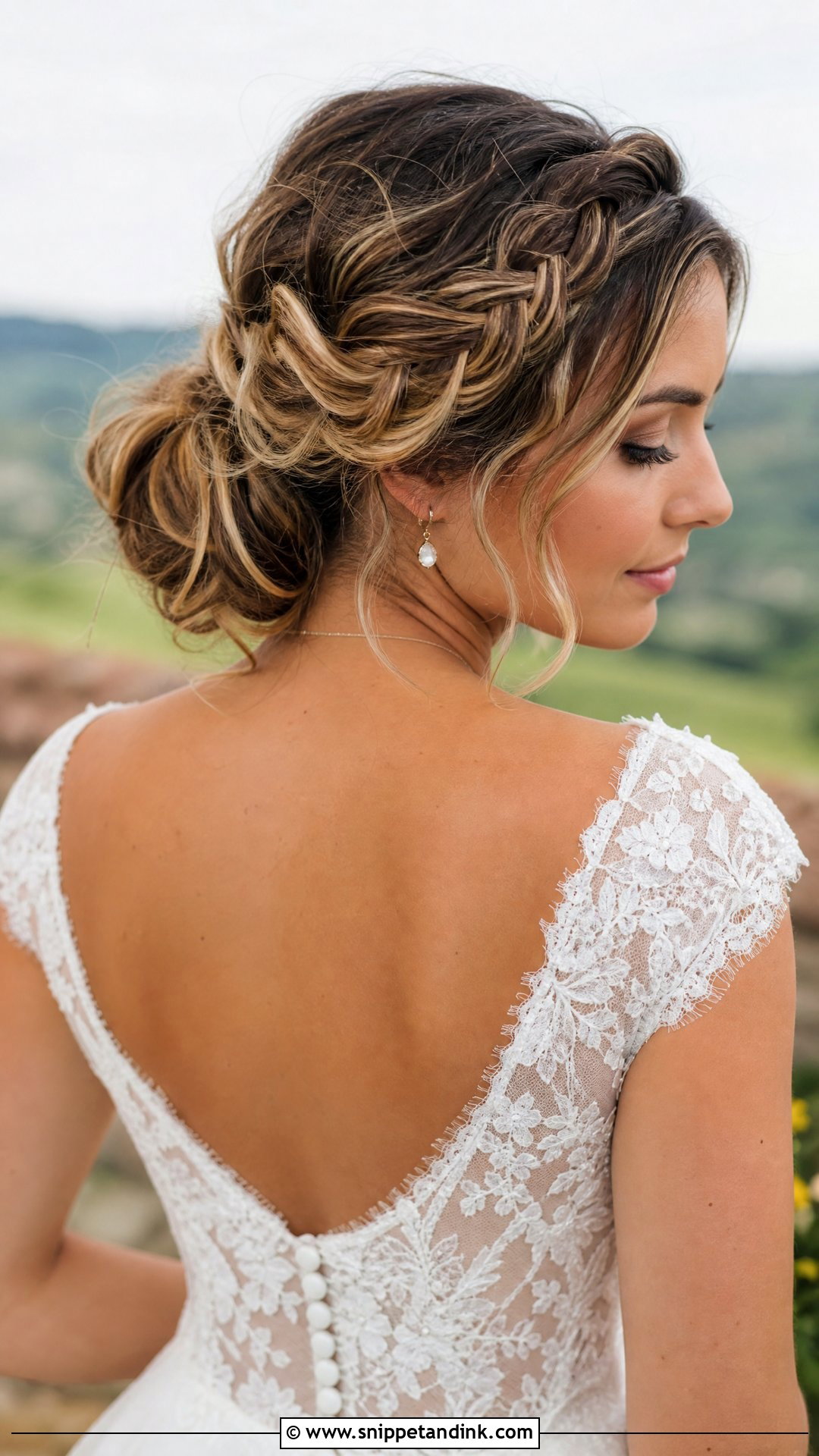
Braids lock the hair before anything is pinned, which makes a braided updo one of the steadiest styles in wind. The braid can wrap into a bun, feed into a chignon or run along the crown. It suits outdoor weddings, barn venues and soft dresses, and balayage shows its color right through the plaits. Once braided, I pull each loop out slightly so it looks fuller and less tight. Go gently on fine hair, though, or the braid starts to gap.
13. Western Bridal Boho Waves
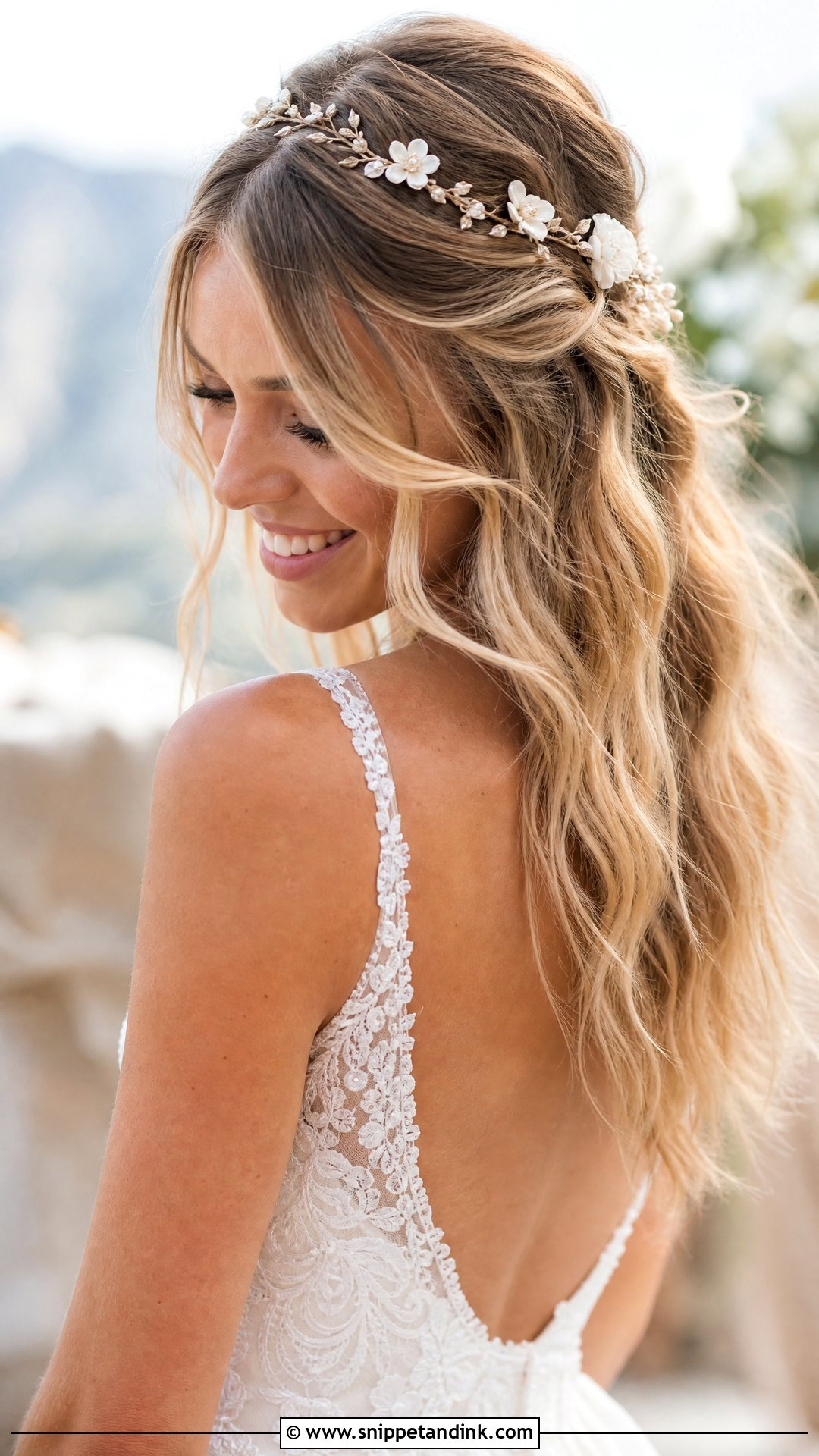
Boho waves need grip more than hold. Freshly washed hair slides out of a loose wave within an hour, so I prep with texture spray and finish with a flexible spray rather than a firm lacquer. The pieces around the face still need to look tidy in close-ups, since that’s where the camera lands. Lace gowns, floral crowns and pearl vines all sit well with it. On a dry, dusty ranch, this is the style that forgives a little mess best.
14. Western Bridal Vintage Finger Waves
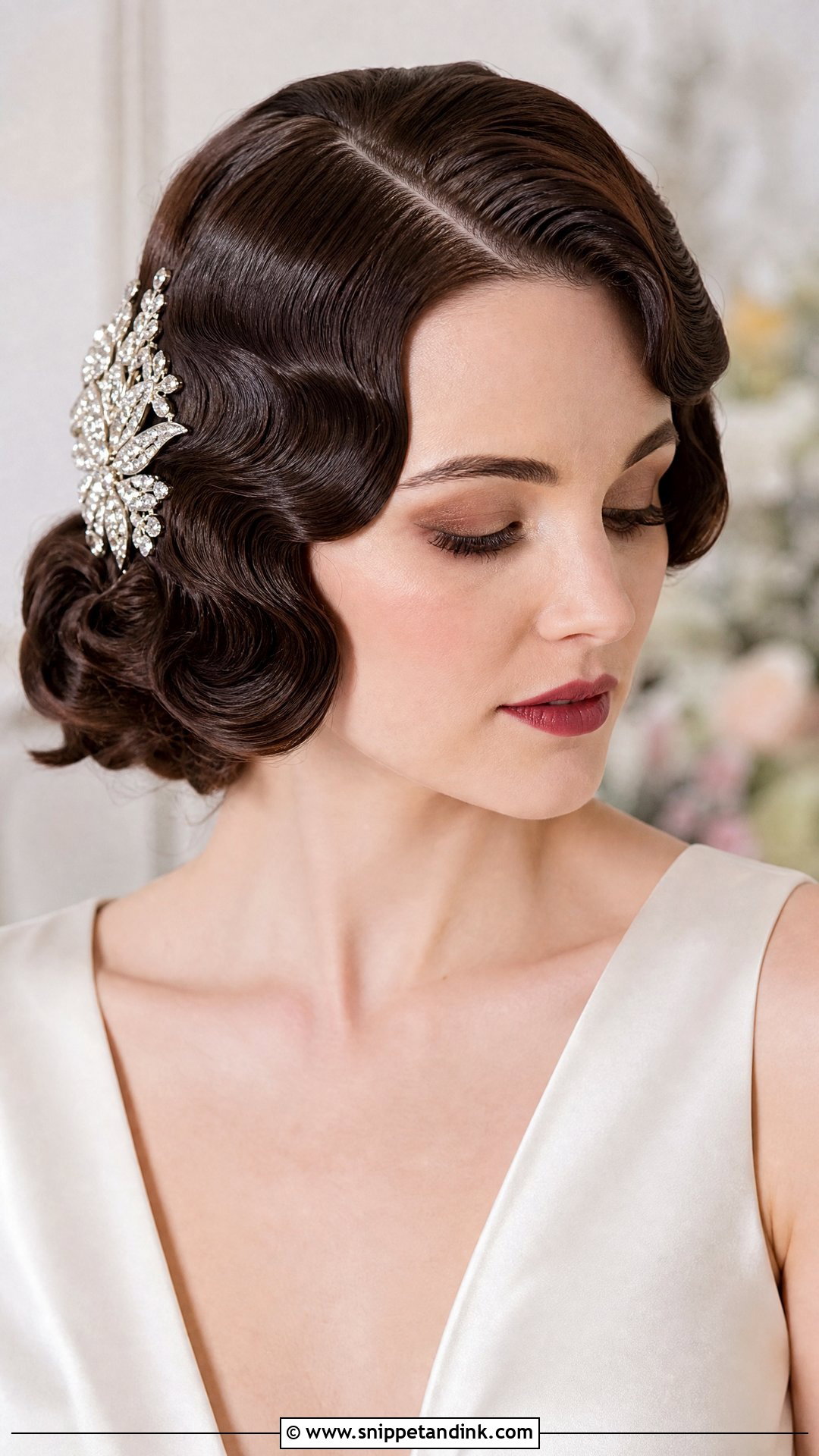
Finger waves are a sculpting job. The hair is set wet with gel, shaped with fingers and a comb into a close, ridged S, and left to dry before anyone touches it. They suit short hair, bob haircuts, or long hair pinned under on one side for a faux bob. Satin, art deco jewelry and a birdcage veil complete the period feel. Hire someone who has done them before, because inexperienced ridges drift and the pattern turns muddy. They’re the wrong pick for a relaxed barn party, yet in close portraits nothing else looks quite like them.

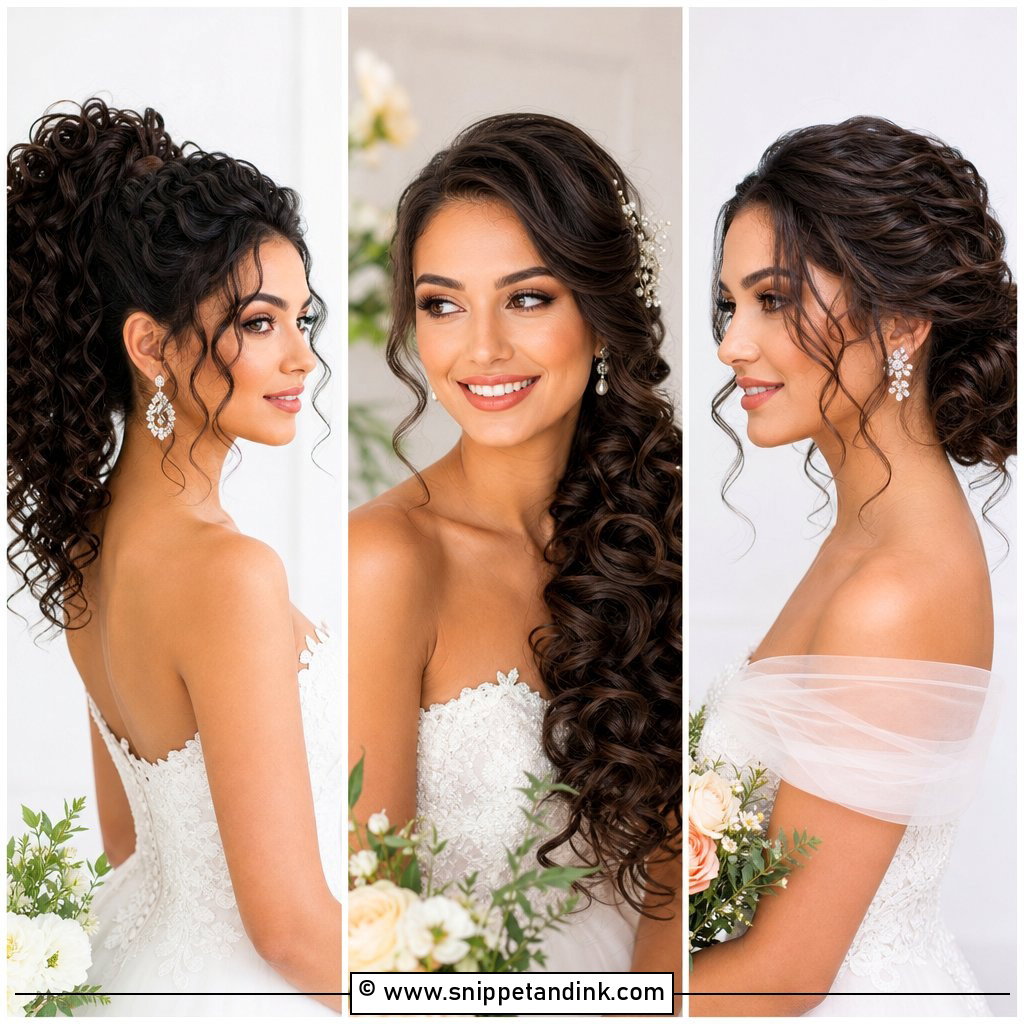
15. Western Bridal Curly Updo
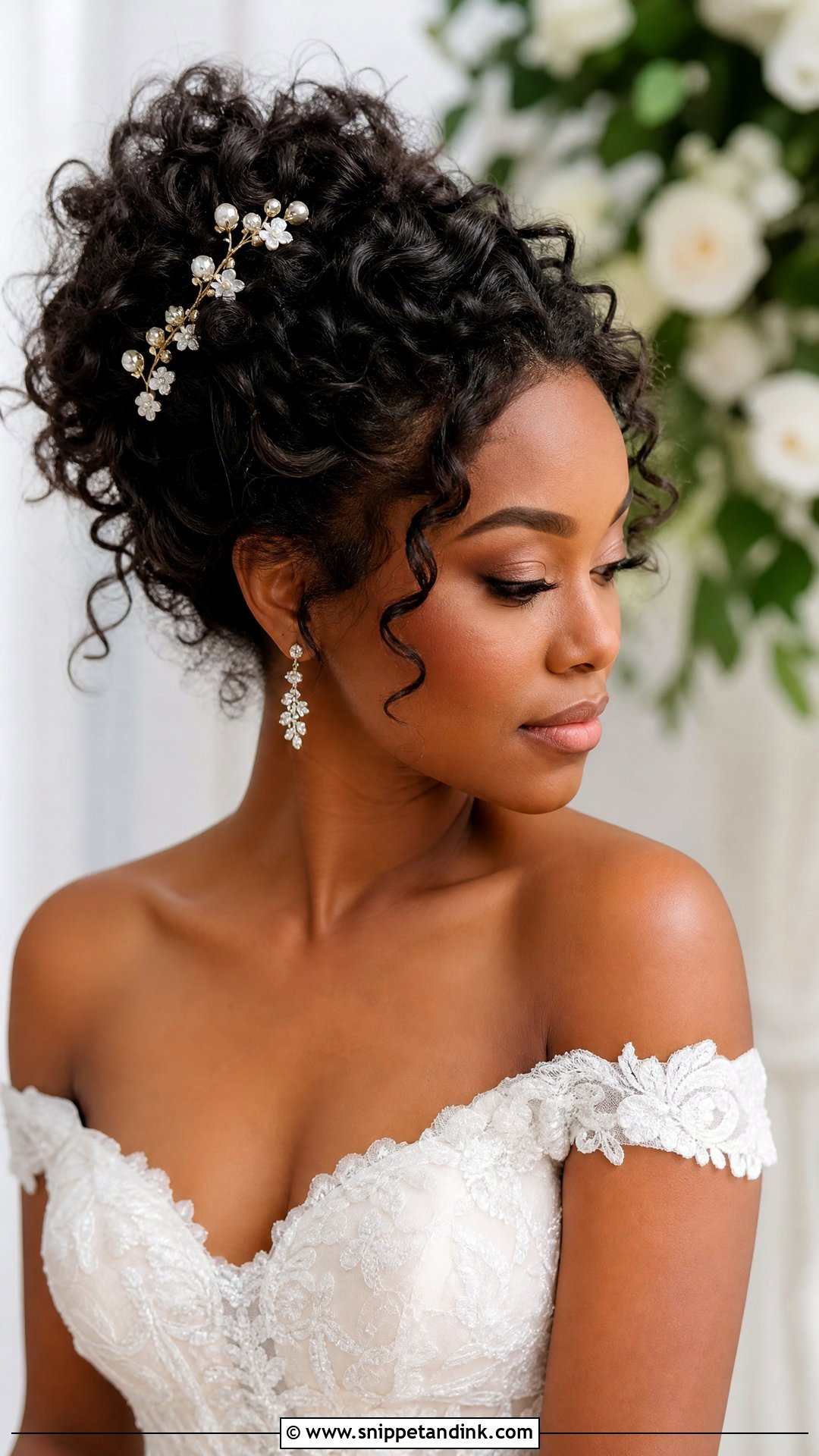
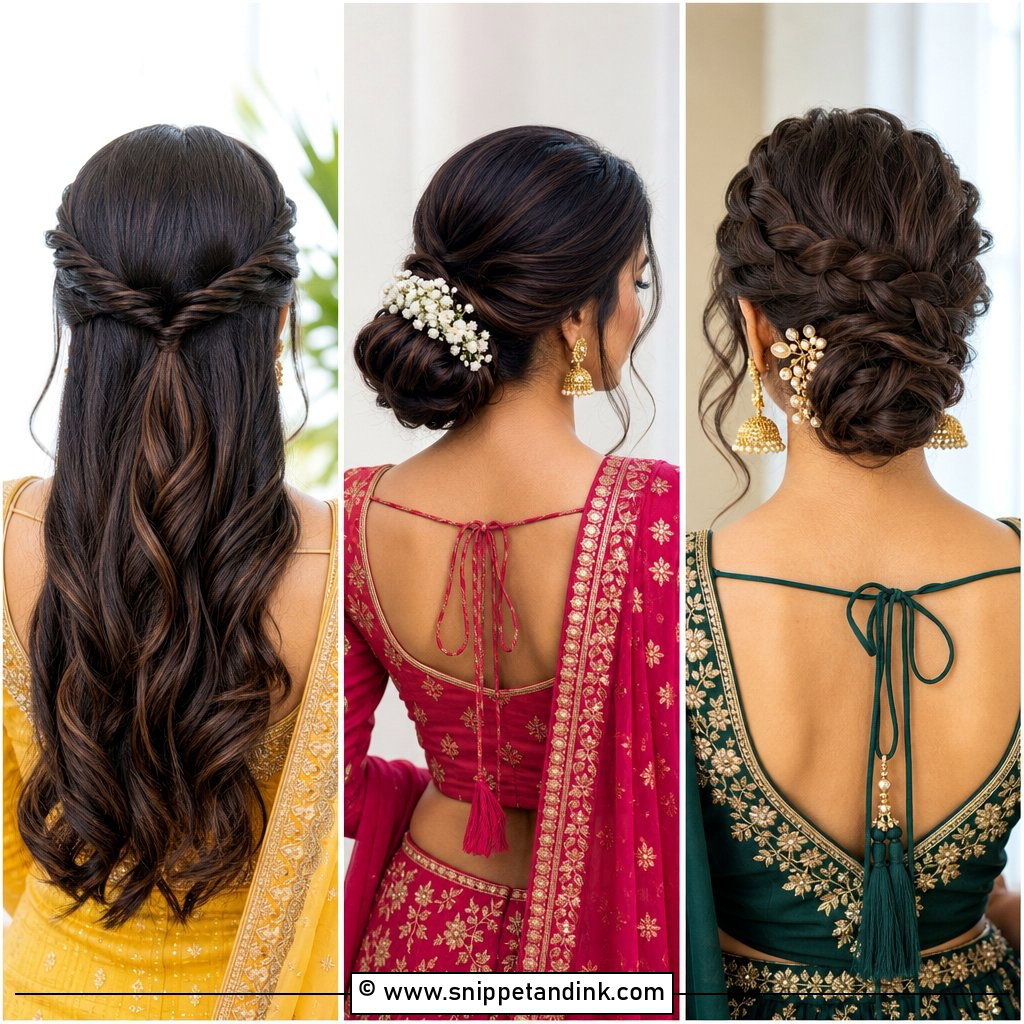
I never straighten a curly bride for an updo. I work in sections and pin curls in clusters instead of smoothing them, so the natural texture becomes the volume. Prep is moisture first, then a curl cream and a light gel or foam that stops frizz without crunch. The shape can sit low, at the crown or as a loose bun. Ask your stylist how she plans for shrinkage, because curls sitting tighter by evening is normal. Floral pins and hair vines stay put well in curly hair since there’s plenty for them to hold.
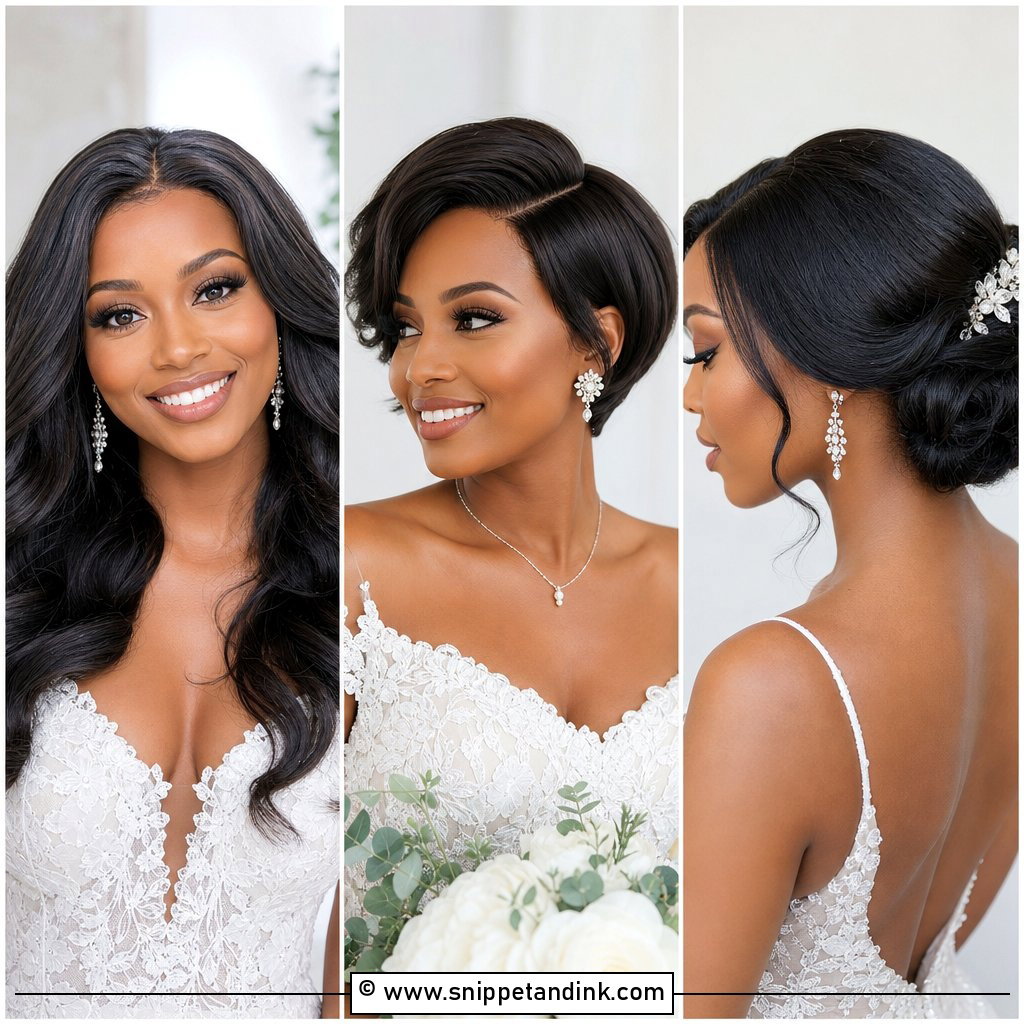
16. Western Bridal Short Hair Waves
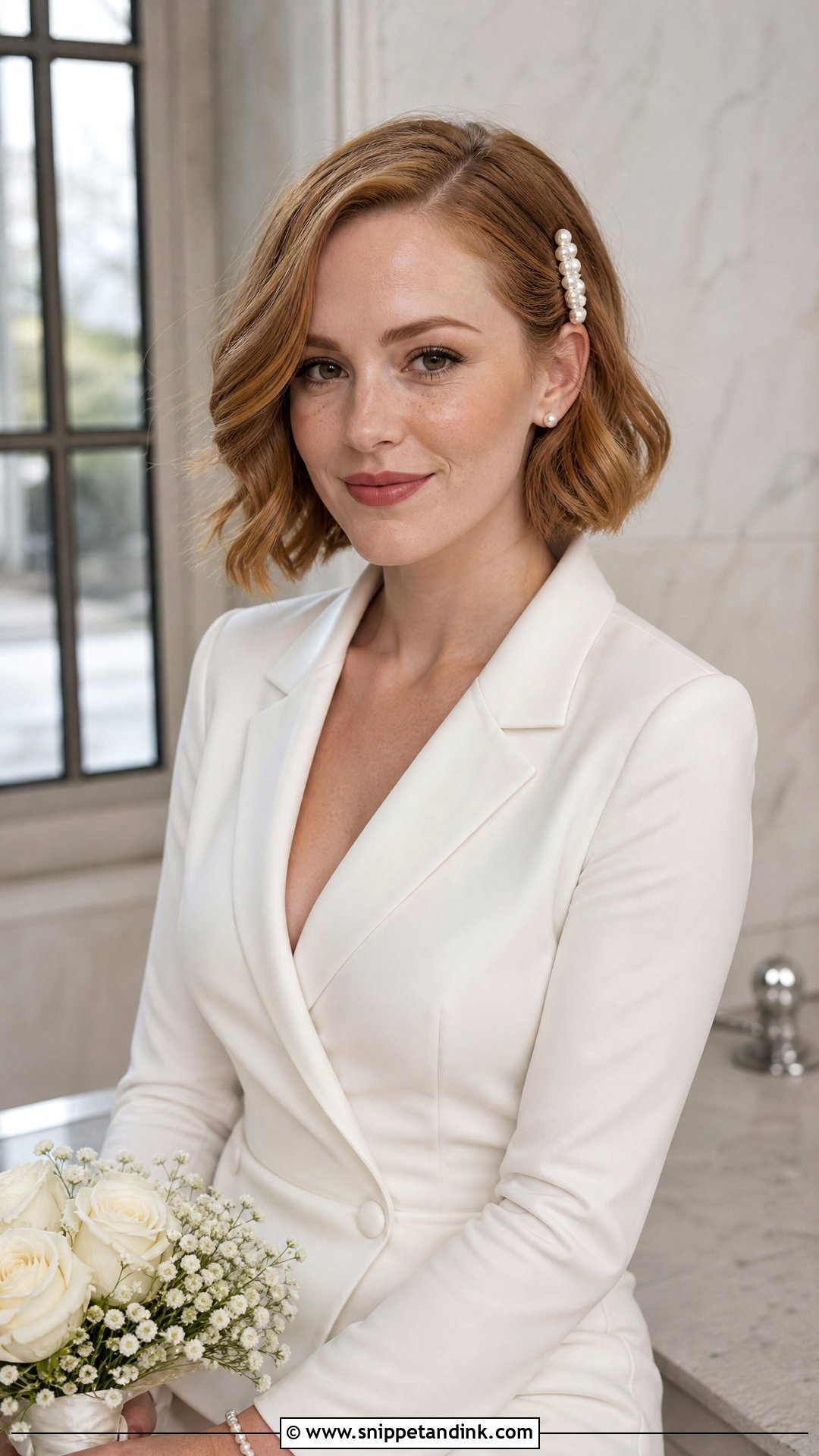
Short hair can carry a full wedding look without extensions. On a bob or lob I put in soft bends with a small iron, keep the ends flat so they don’t flip, and finish with shine spray. A side part leans glam; a center part looks more modern. Pearl clips and small combs suit short lengths better than a heavy veil, which can drag a bob flat. Get your cut about two weeks out so the line has a chance to soften.
17. Western Bridal Loose Curls
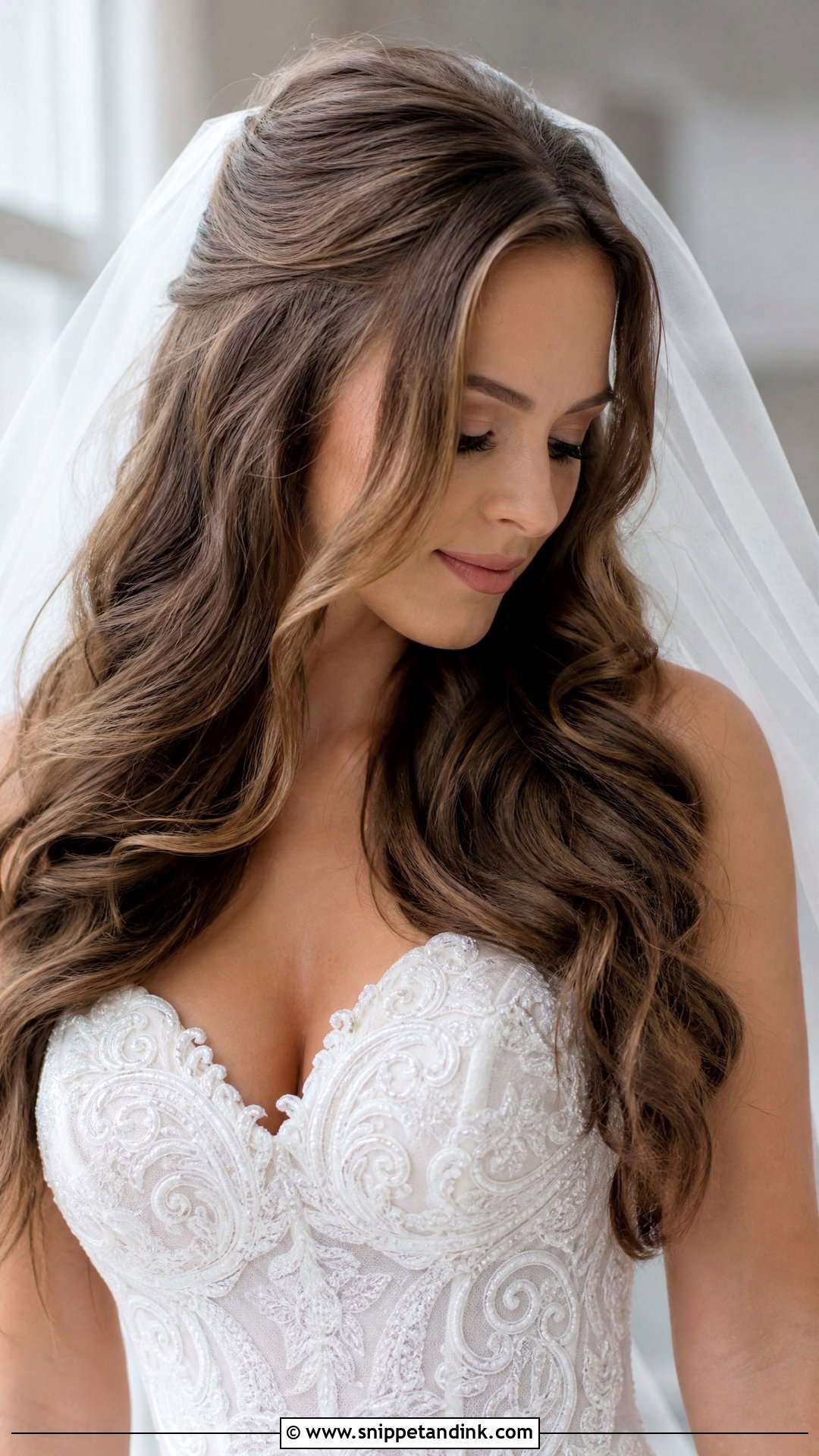
How loose curls are set decides how long they last. I curl away from the face at the front, alternate direction further back, pin each curl to cool and only brush out at the very end. Long, medium and layered hair all take it, as do extensions. Brushed out they look softer; left defined they hold longer. Curls will drop over a long day no matter what, so ask your stylist about a touch-up plan. Five minutes with a mini iron before the reception entrance makes a real difference.
18. Western Bridal Crown Braid
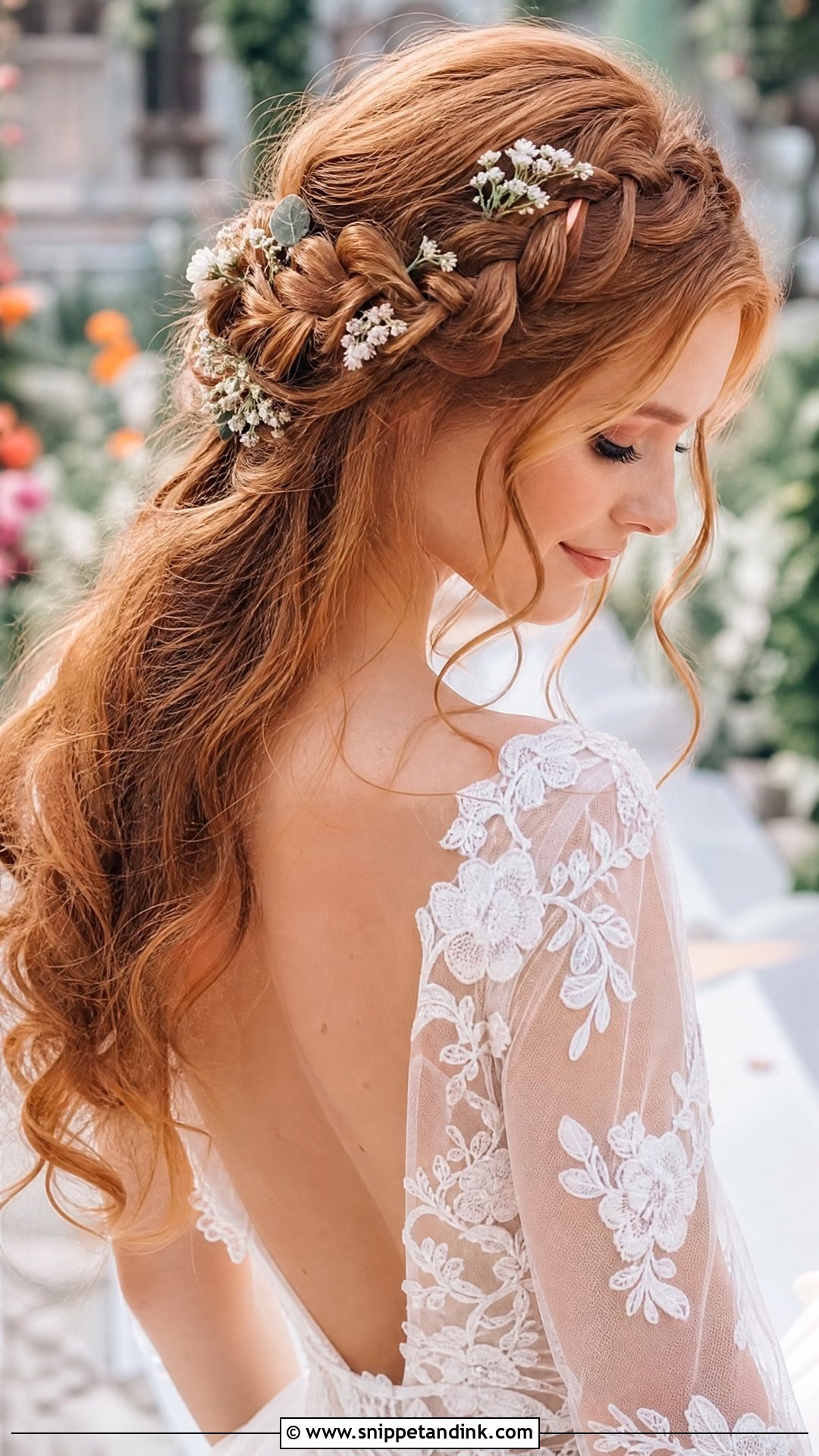
A crown braid keeps every strand off your neck, which is a relief on a hot afternoon. It can circle the whole head or run halfway, with curls or a bun behind. Medium to long hair works, and extensions braided in will thicken it. I keep the tension gentle and loosen the braid afterward so it doesn’t look severe or leave you with a headache by the toasts. Outdoor ceremonies and floral details are its natural setting.
19. Western Bridal Pearl Hair Bun
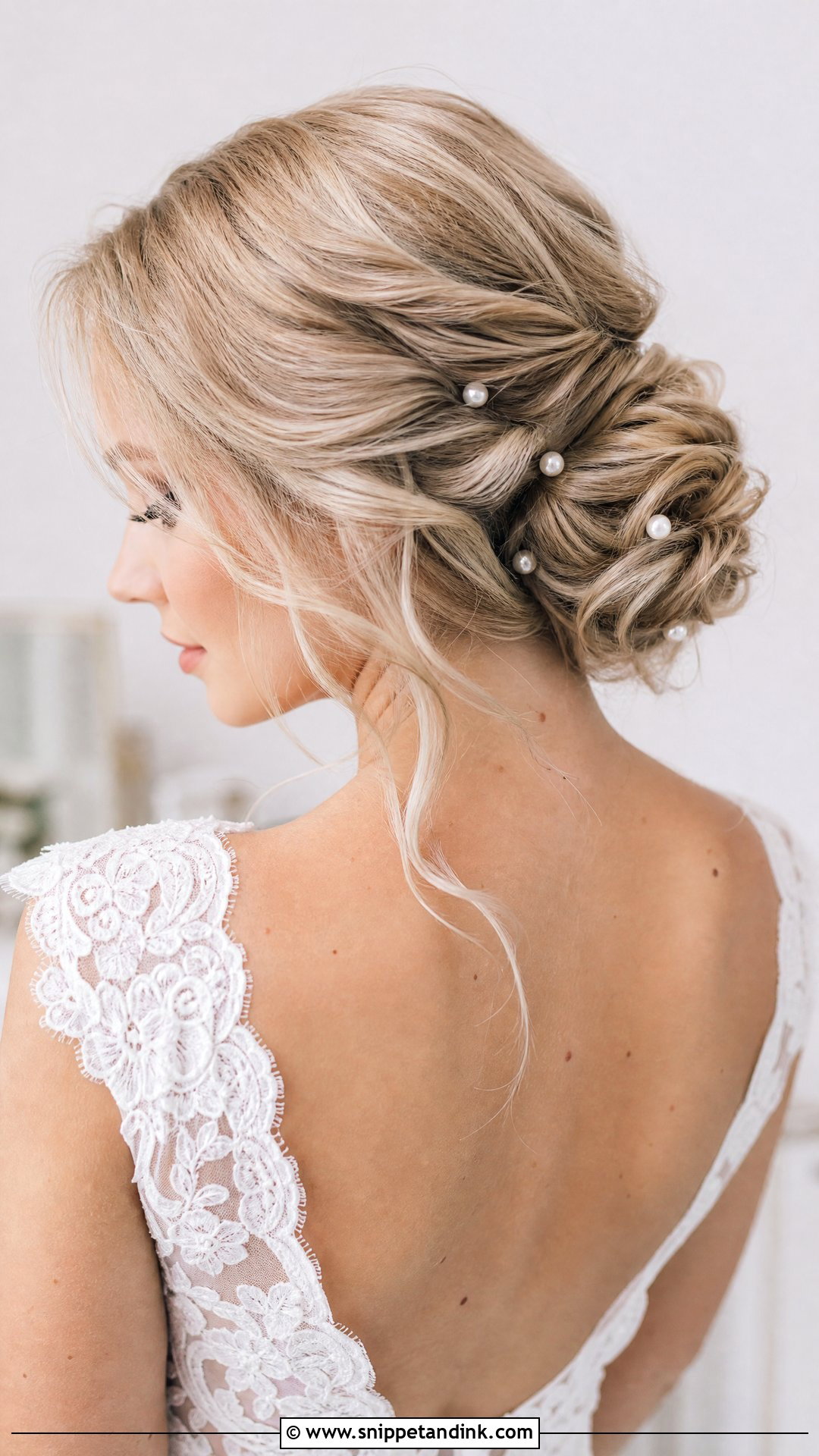
Pearls on a bun work when there’s a pattern to them. I place them around the edge of a low bun or scatter a few through a textured one, and I count as I go, because past a certain point the bun just looks crowded. If your earrings or necklace are pearl, this ties the whole look together. Keep the bun underneath clean so the pearls read as intentional. Choose pins with a grip coating, since smooth pearl pins slip out of silky hair.
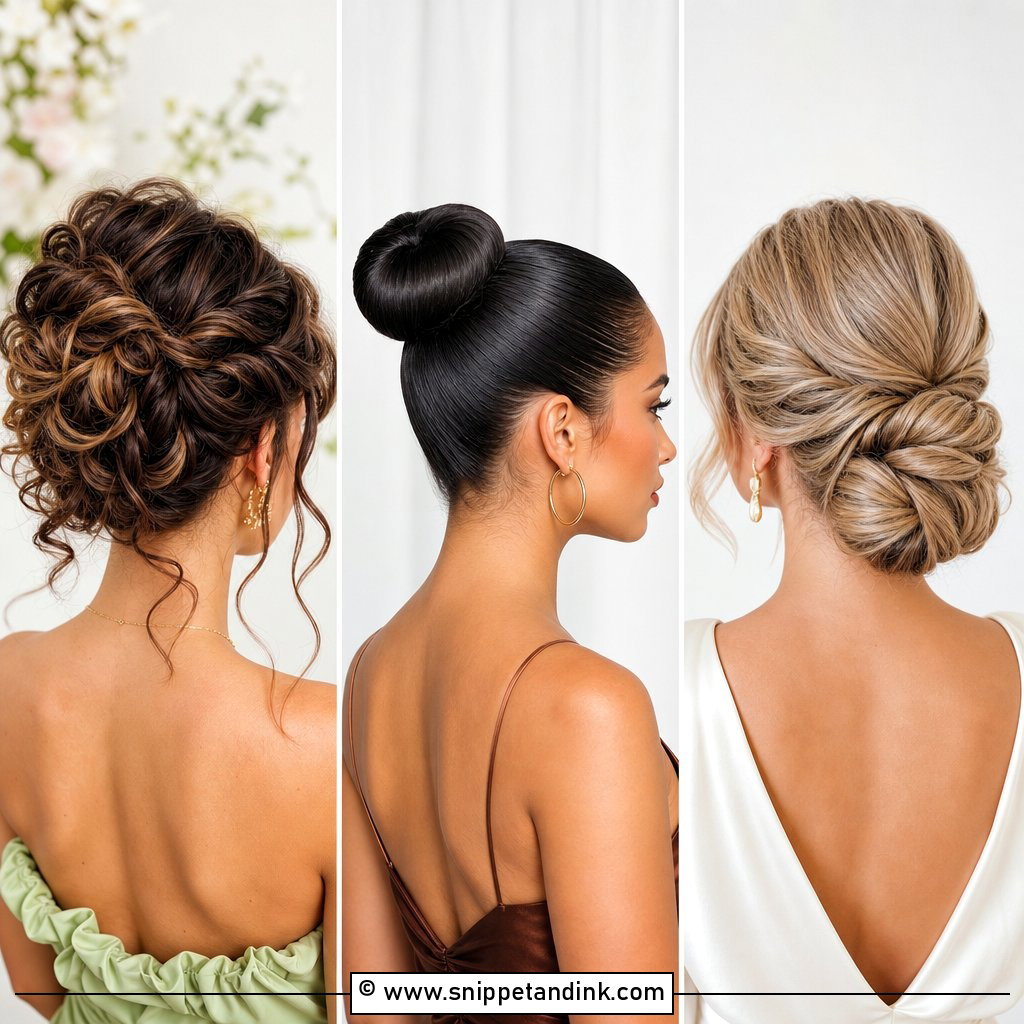
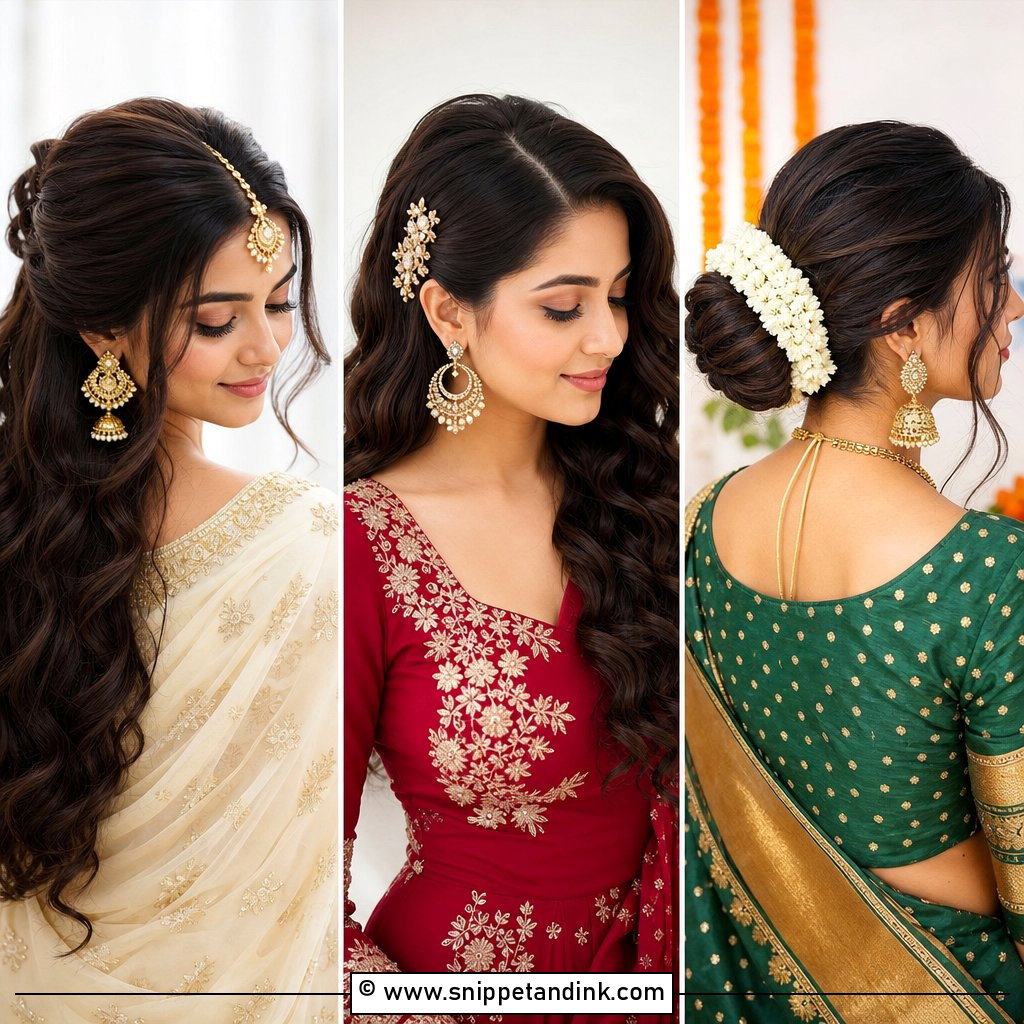
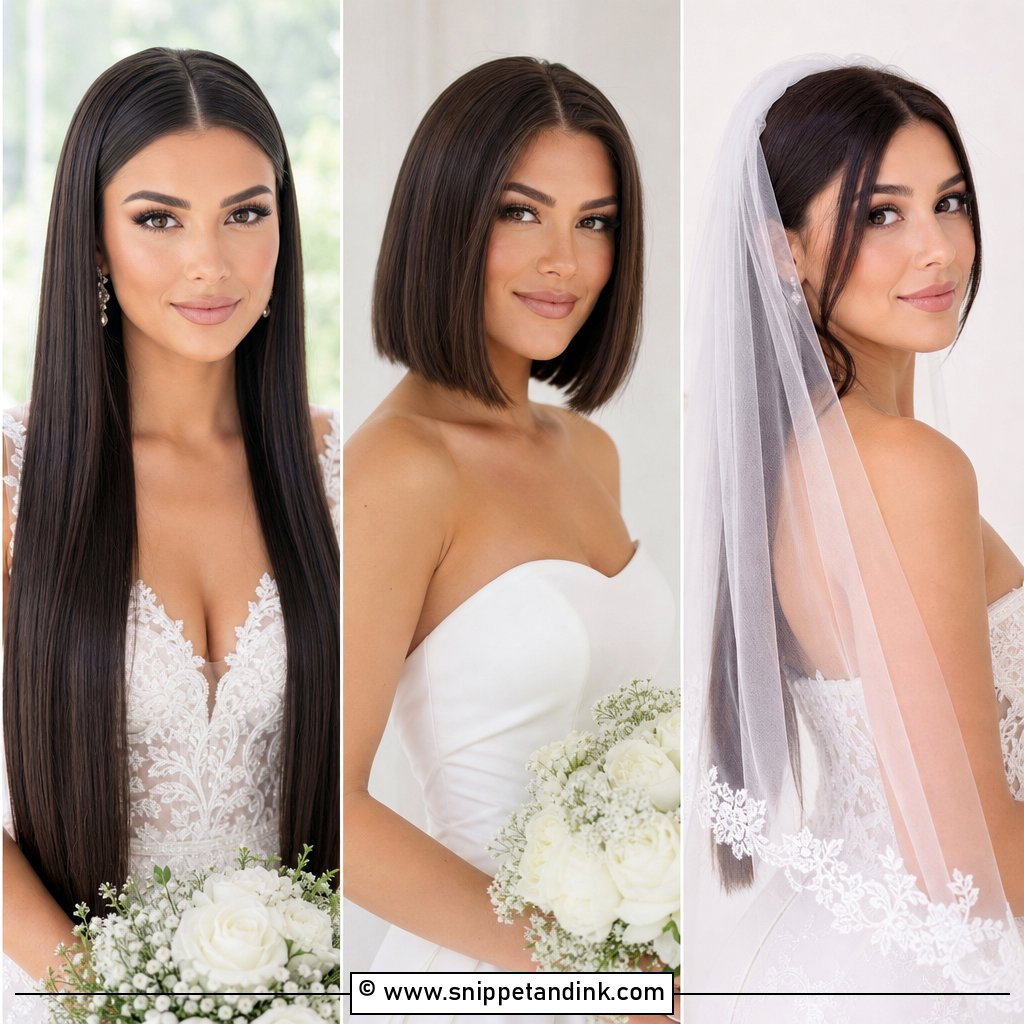
20. Western Bridal Veil Hairstyle
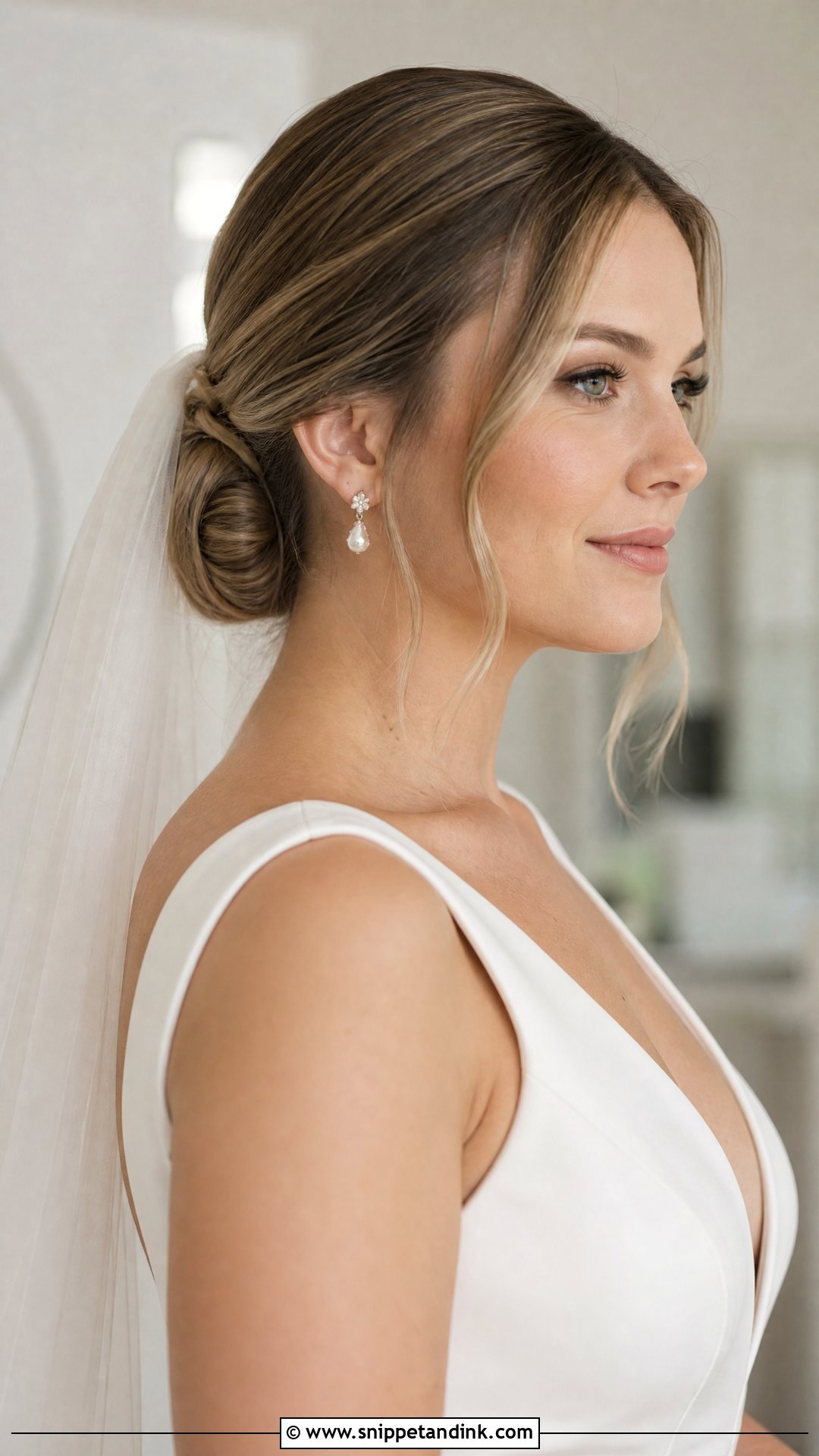
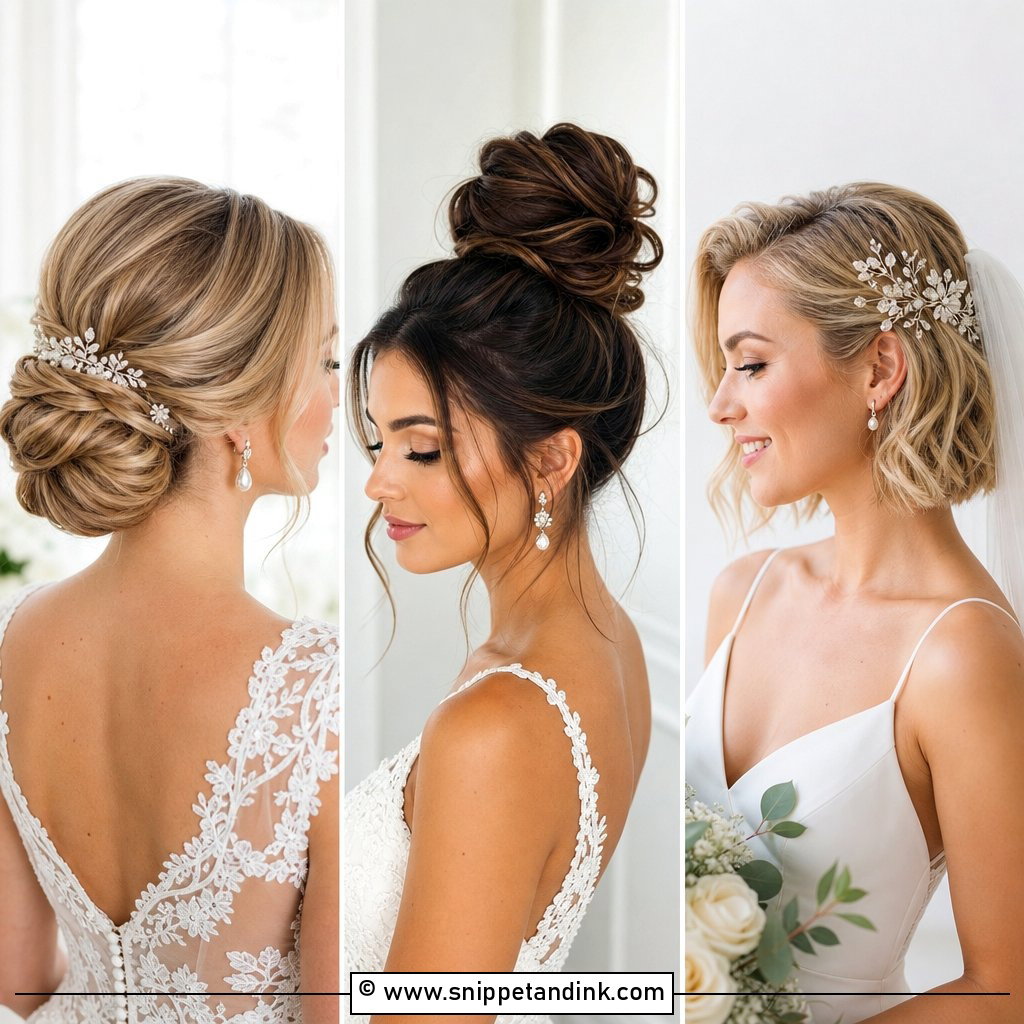
Decide on the veil before the hair, not after. Low buns, chignons, half-up styles and soft waves all carry a veil, but differently: a veil above the bun needs a structured base, while one tucked underneath sits best on a low updo. Bring your veil, or a comb of similar weight, to the trial so we can check placement from the back and side. I also cross two bobby pins over the comb teeth, because on an open field the comb alone will lift.
Can You Wear a Cowboy Hat Over Bridal Hair?
Yes, if the hair is planned for it. A felt or straw hat presses straight down on the crown, so any lift there flattens within minutes, and a high bun or high ponytail simply won’t fit under the band. Low shapes are the hat-friendly ones: a low bun, a low chignon, a side braid or loose waves with no volume at the top.
Bring the actual hat to your trial. I size the style to it, keep the part where the brim sits flat and put most of the curl from the ears down, where the hat can’t crush it. A hat and a veil together rarely work, so most brides wear the veil for the ceremony and switch to the hat for portraits and the reception.
Taking the hat off is the other half of the plan. Expect a flattened band around the head, which a little dry shampoo at the roots and a quick tease with fingers will lift. If you know you’ll be on and off with it all night, ask for a low, braided style. Braids barely show hat marks at all.
The Shape That Holds Up From Vows to Barn Dance
On a ranch, the style that wins is usually the one built for wind. Low buns, chignons and braided updos are the steadiest; Hollywood waves and side swept curls bring glamour but need a sheltered spot or a backup plan. Half-up hair and loose curls stay soft and romantic, while ponytails and pearl buns feel more modern. Think about your neckline, your veil, the weather and your own texture, then book a trial early enough to change your mind. Wear the trial style for the rest of that day, and pay attention to how it feels by dinner.
You'll Like These Ideas:





Leave a Reply