
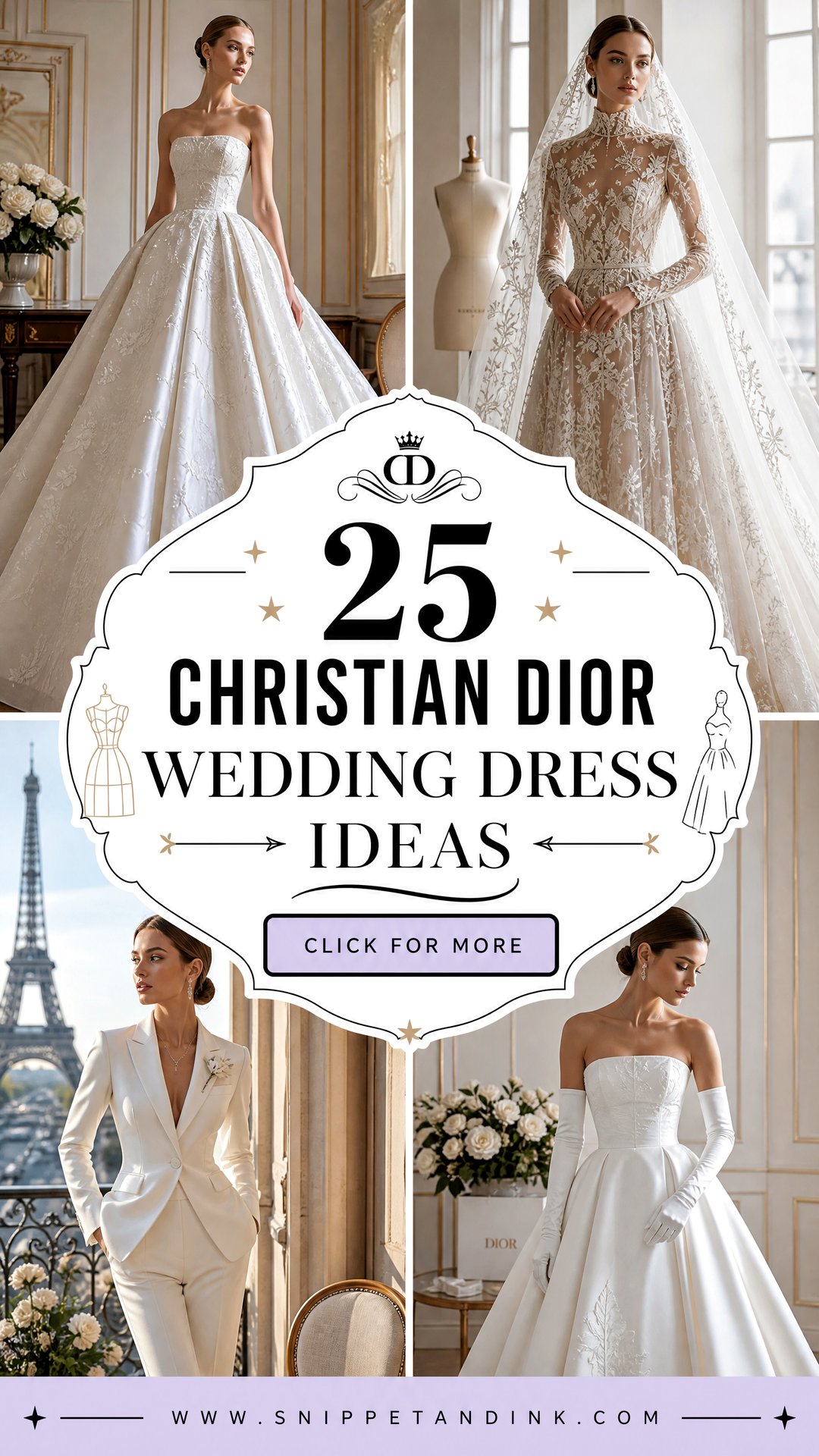
A Dior-inspired wedding dress starts at the waist. The house has always built clothes around a sculpted middle, and most Dior bridal inspiration follows from that: a skirt that falls away from it, embroidery that looks placed rather than scattered, silk and tulle chosen for how they hold a shape. I style these looks head to toe, because a gown only reads as couture when the shoes, veil, jewelry, bouquet and hair stay in the same register. Below are 25 directions, from opera-glove ball gowns to tailored suits and short reception dresses, with notes on what each one asks of your body, your venue and your fittings.
What Makes a Gown Read as Dior Without the Label
Most brides I style for a Dior-inspired wedding aren’t wearing a Dior label. They’re wearing the shape the house made famous with its New Look of 1947: a narrow, defined waist, a structured hip line and a skirt that stands away from the body. When that structure is right, a gown from almost any maker reads as Dior. When it’s missing, even an expensive dress just looks like a nice white dress.
So I shop with a short list of cues rather than a brand name:
- The waist sits at your natural waist and is cut close, not dropped.
- The fabric has body: mikado, silk faille, duchess satin or a firm organza. Thin polyester satin collapses into folds instead of holding a line.
- The bodice is built inside, with boning and a grosgrain waist stay, so the dress holds you up rather than the other way round.
- The skirt gets its volume from a petticoat or crinoline, not from extra layers of heavy fabric.
- Embellishment is placed with intent: a band of embroidery, a single bow, a row of covered buttons.
Buying the real thing versus the shape
A genuine pre-owned Dior gown or white ready-to-wear piece does turn up through resale and consignment, but the sizing is fixed and the alteration room is often small. Take your measurements with you and ask how much seam allowance is left before you buy. For most brides, a well-made gown in the right silhouette plus serious tailoring is the more honest route.
1. Dior Ball Gown Wedding Dress
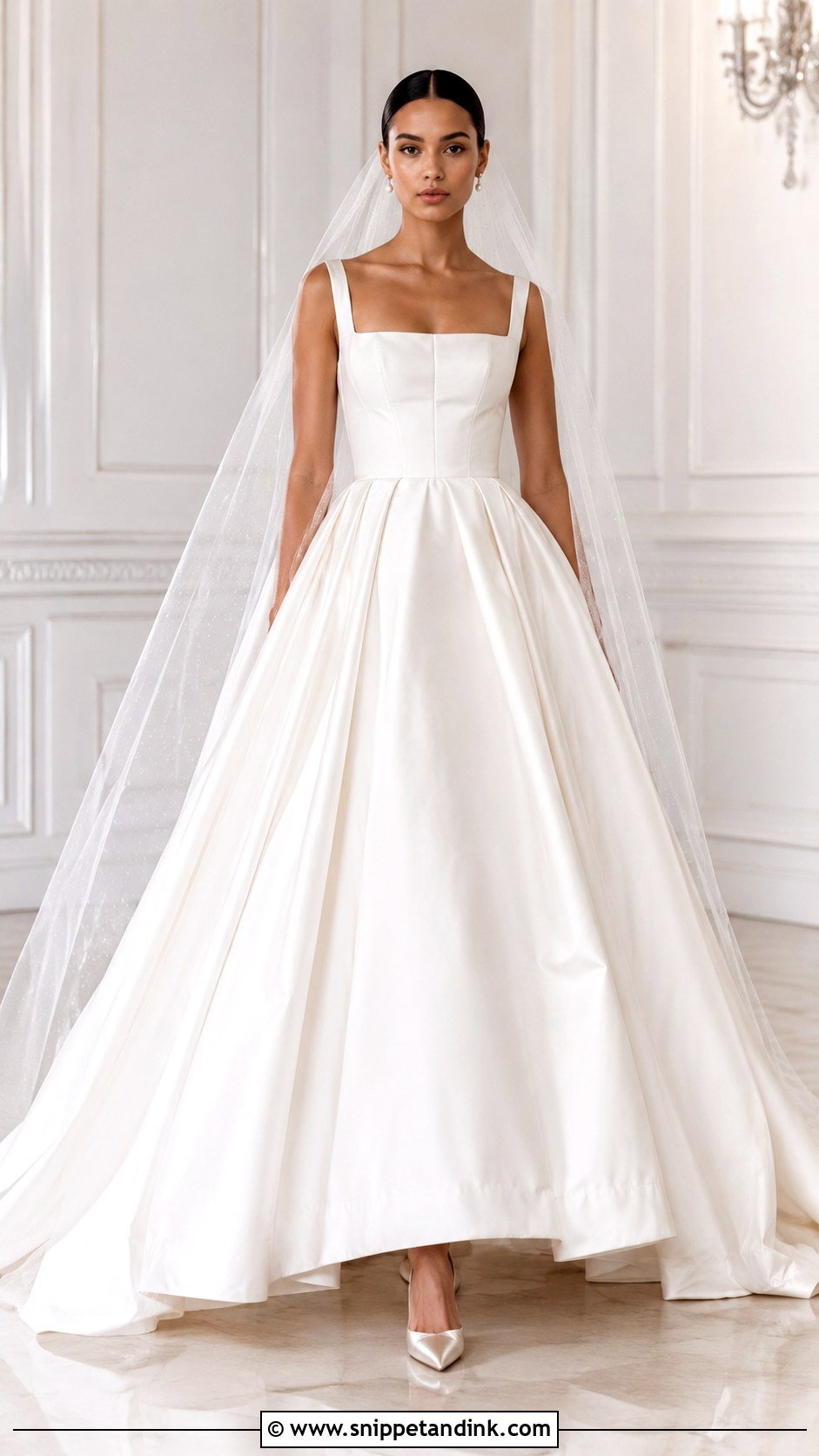
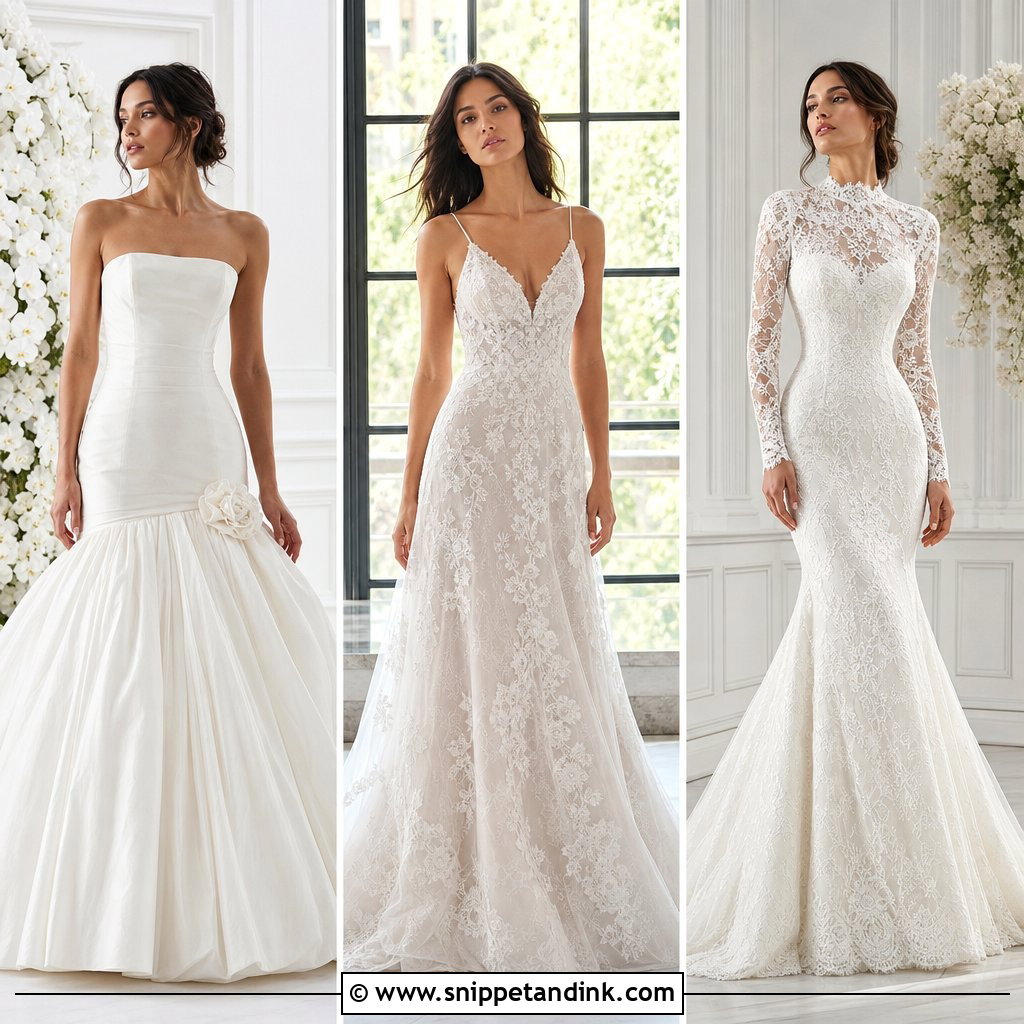
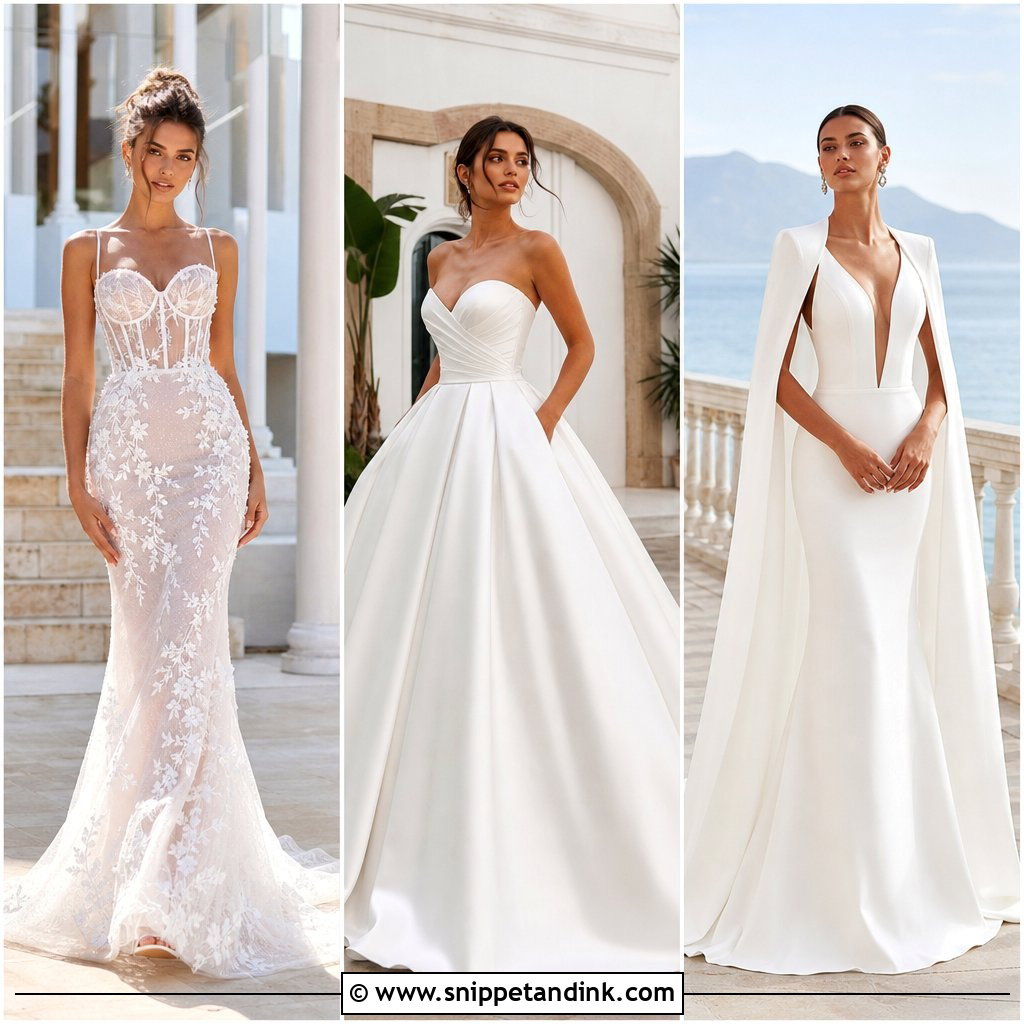
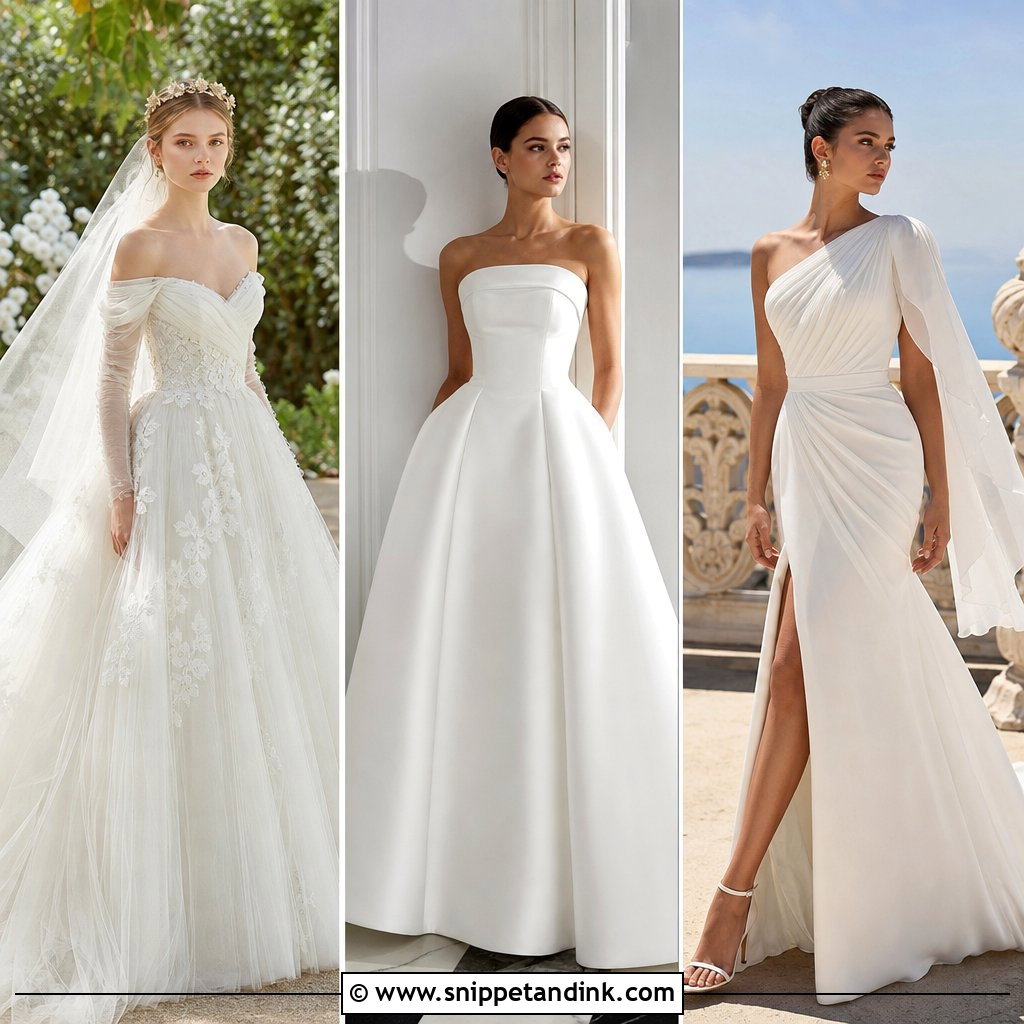
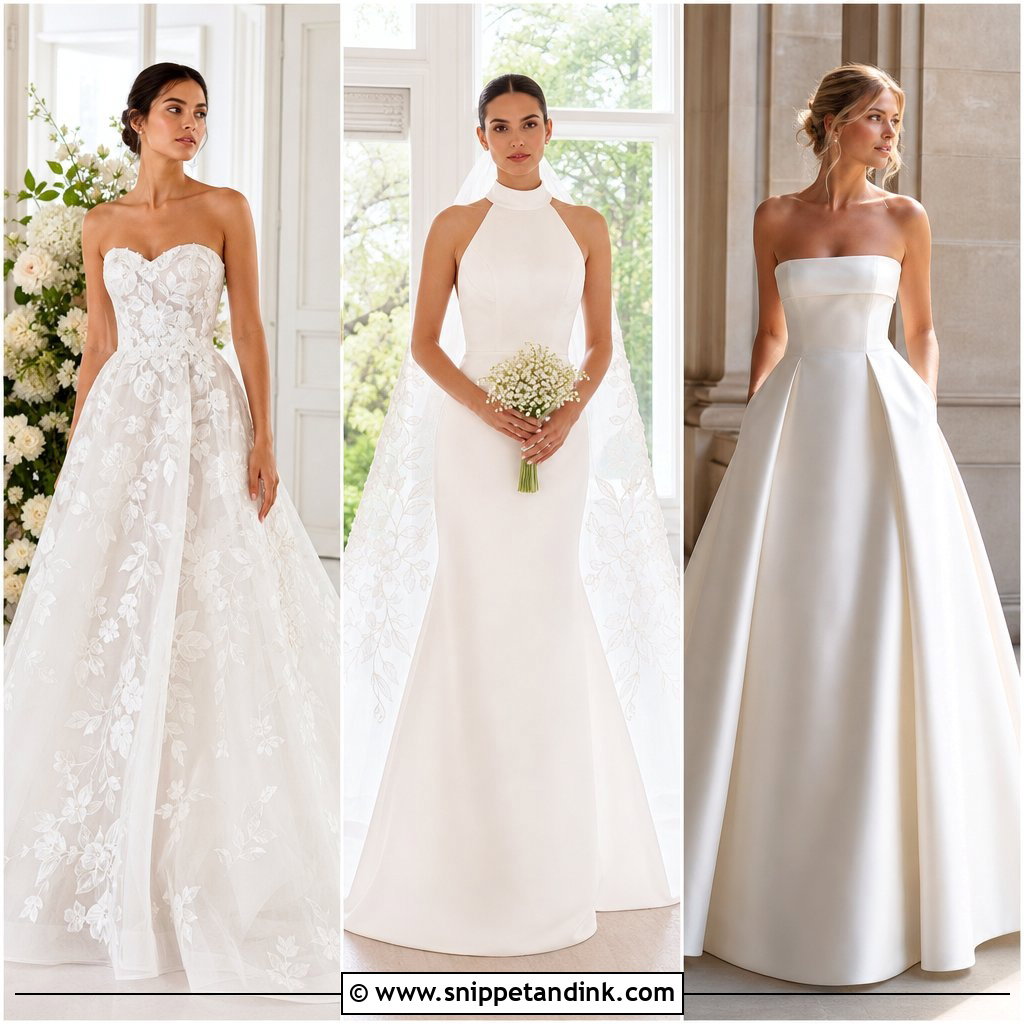
A ball gown gives you the big entrance, but only if the bodice does the work. I look for a fitted, boned bodice with a defined waist so the full silk, satin or tulle skirt has something to hang from; without that, the skirt drags the whole dress down by mid-afternoon. A petticoat underneath holds the shape without adding fabric weight. Style it with pointed satin pumps, pearl drops, a smooth low bun and a long sheer veil that won’t hide the seams. White roses or lily of the valley suit the scale, and so does a formal ballroom, museum or estate where the skirt has room to move.
2. Dior Lace Wedding Dress
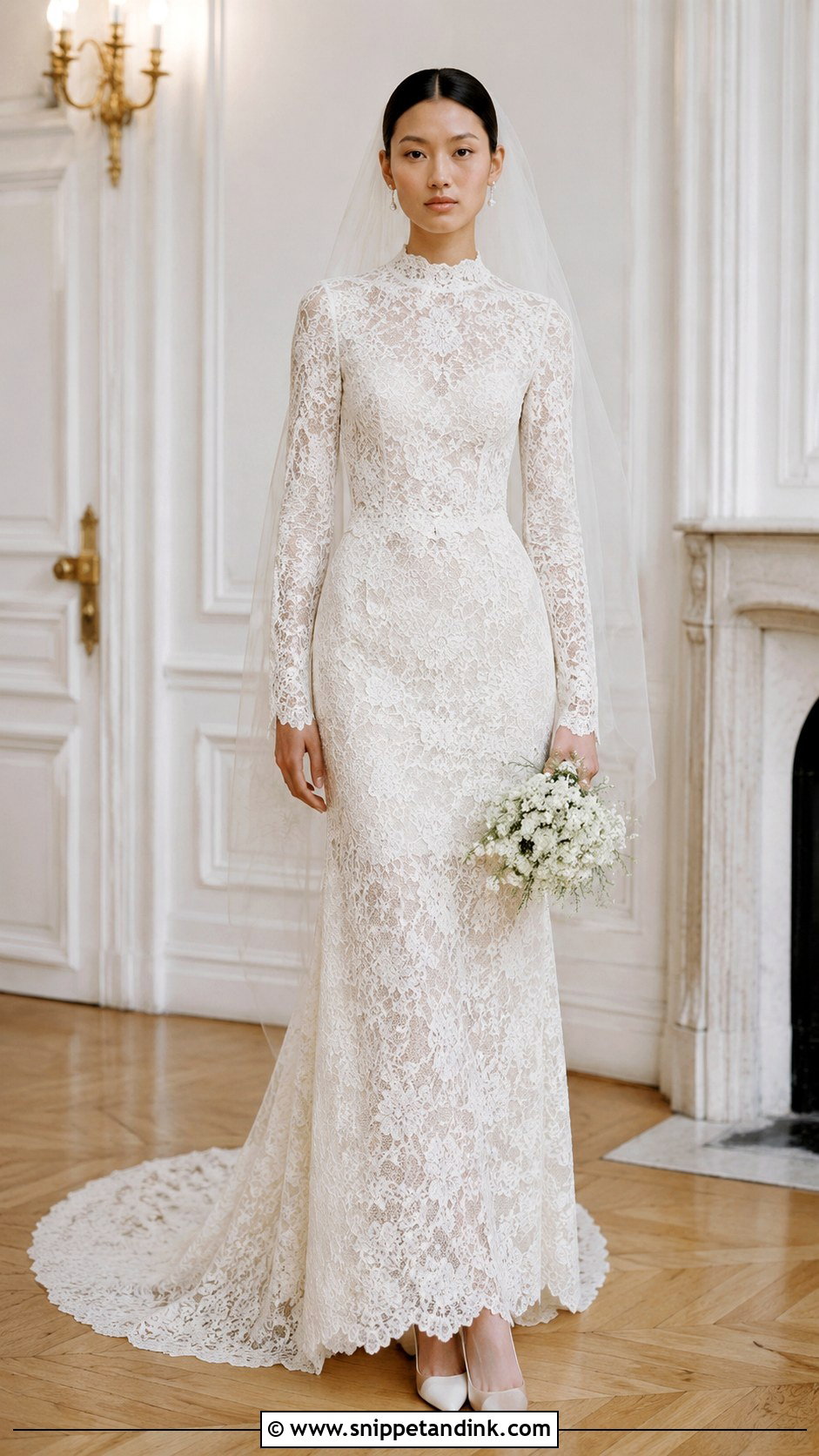
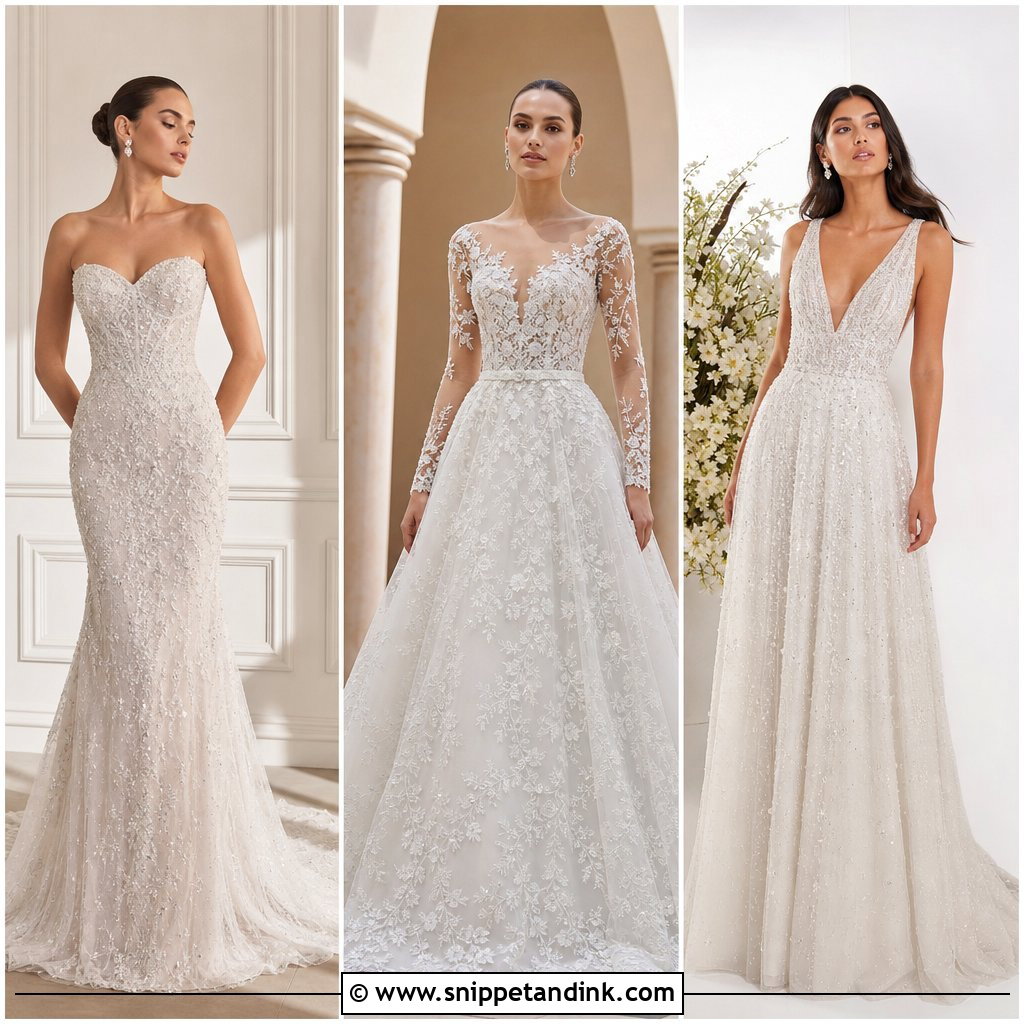
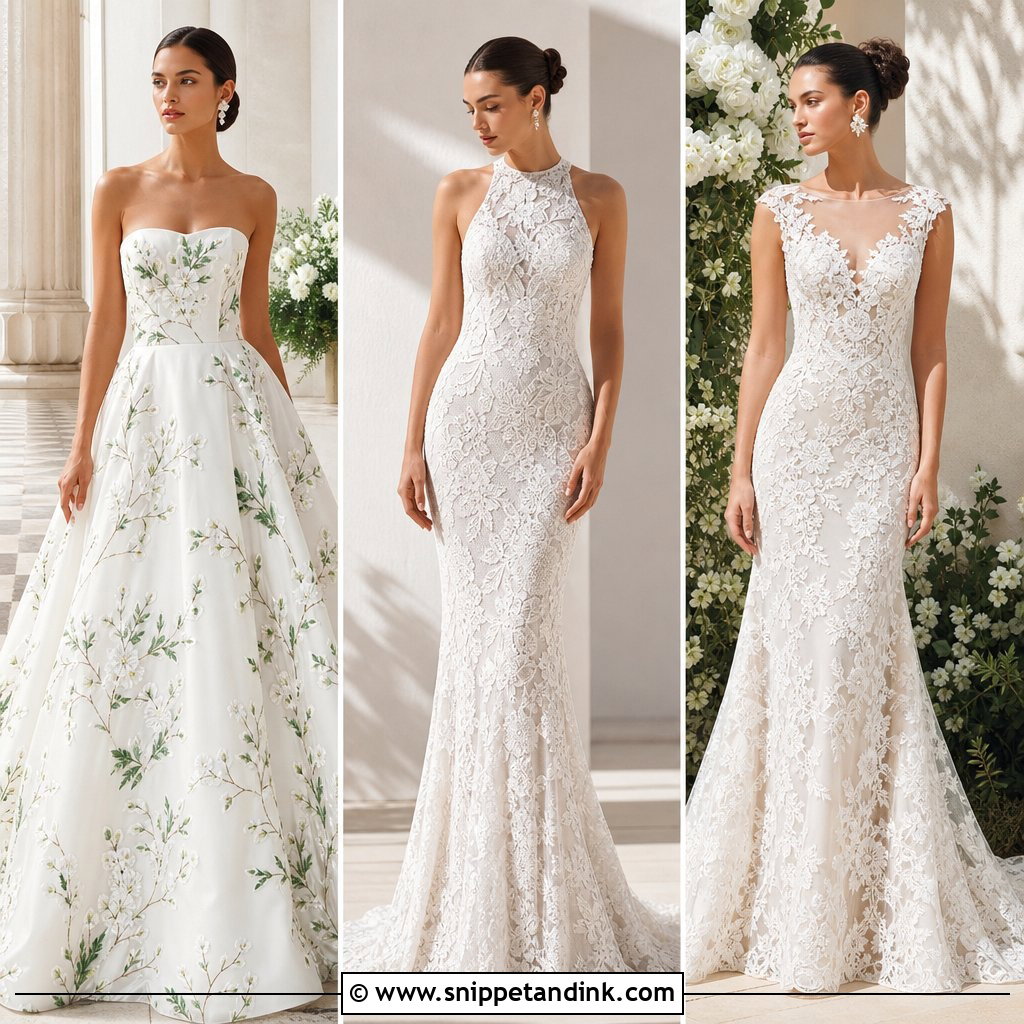
Lace looks delicate or heavy depending almost entirely on what’s under it. Over a nude or ivory lining it floats; over bright white it can go flat. I like the long-sleeve version with a narrow waist, a subtle train and covered buttons down the back, though I always warn brides that a row of covered buttons takes a few patient minutes to close, so assign someone to it. Ivory slingbacks, small diamond studs and a plain tulle veil keep the lace in charge. White ranunculus, baby’s breath and pale greenery match its weight, and a rosy cheek with a soft pink lip stops the whole thing looking too serious.
3. Dior Tulle Wedding Dress
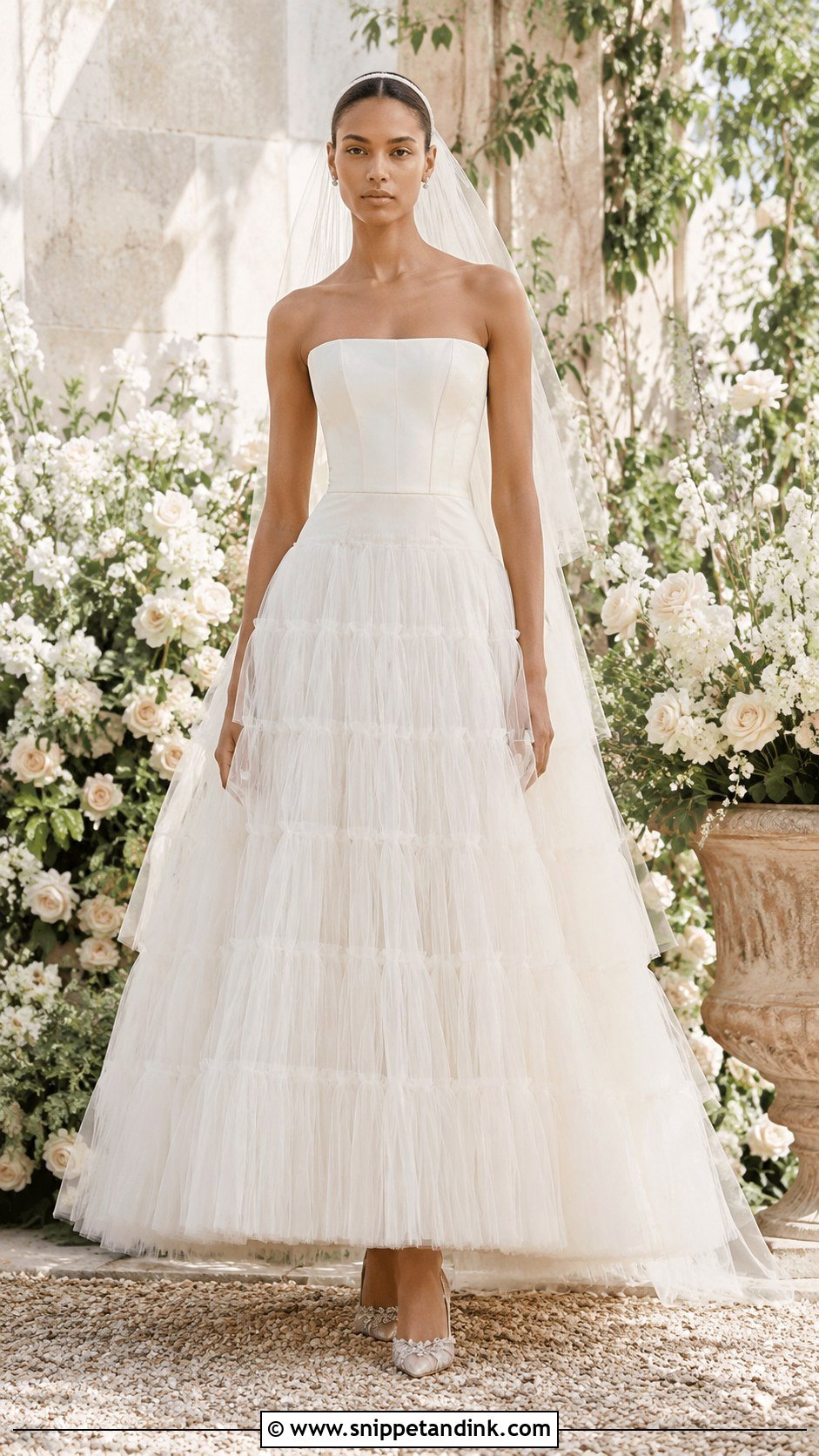
Tulle is the fabric I watch most closely at fittings, because a few extra layers turn floating into bulky very quickly. A strapless or square-neck bodice over a layered skirt keeps the couture mood without widening you at the hip. Crystal-embellished heels, a narrow satin headband and delicate earrings are enough. A fingertip veil is the right length here; anything longer starts competing with the skirt. Carry white peonies, sweet peas and pale blush blooms, and save this one for a garden, terrace or spring celebration where light coming through the layers does the rest.
4. Dior Satin Wedding Dress
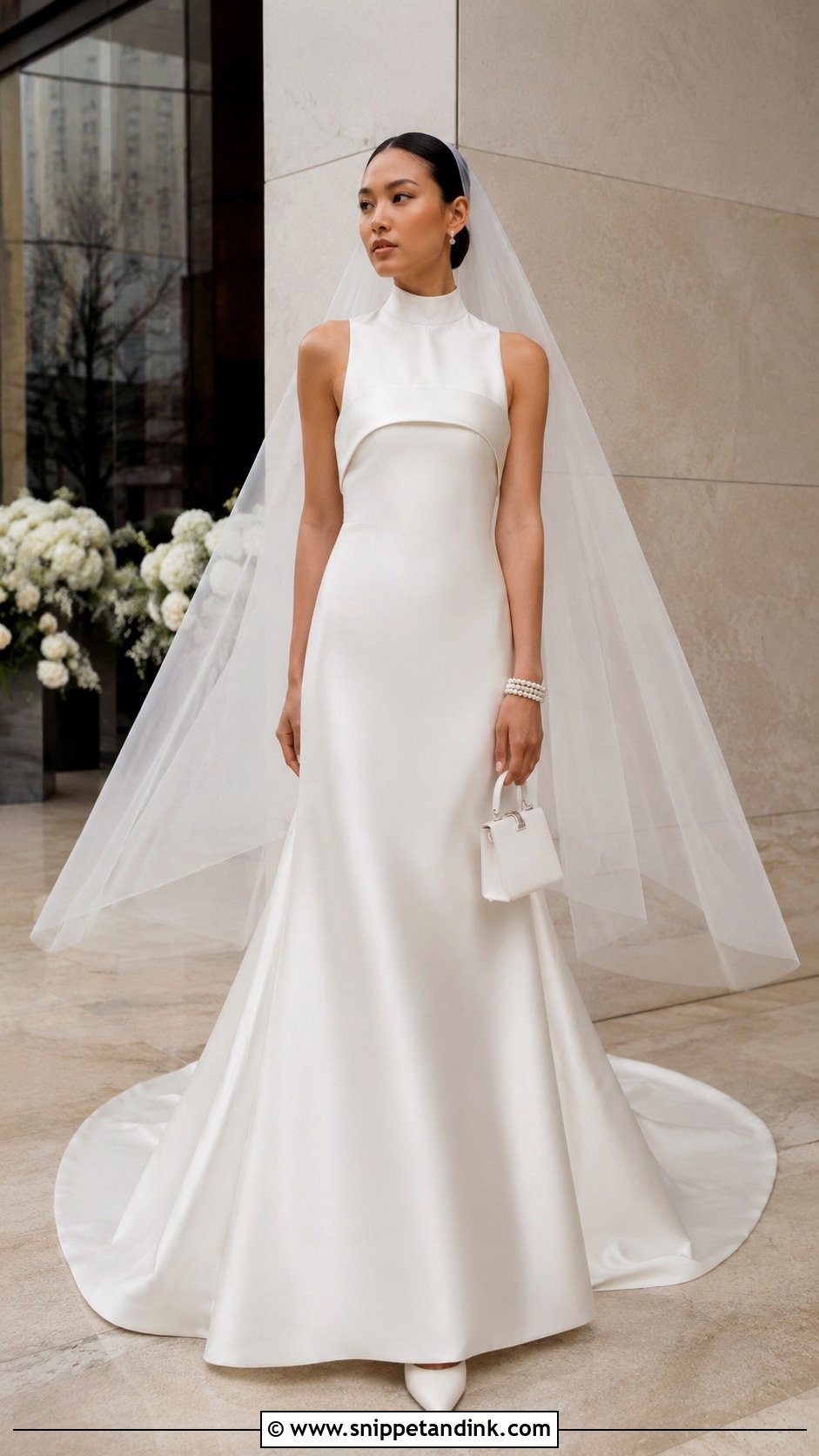
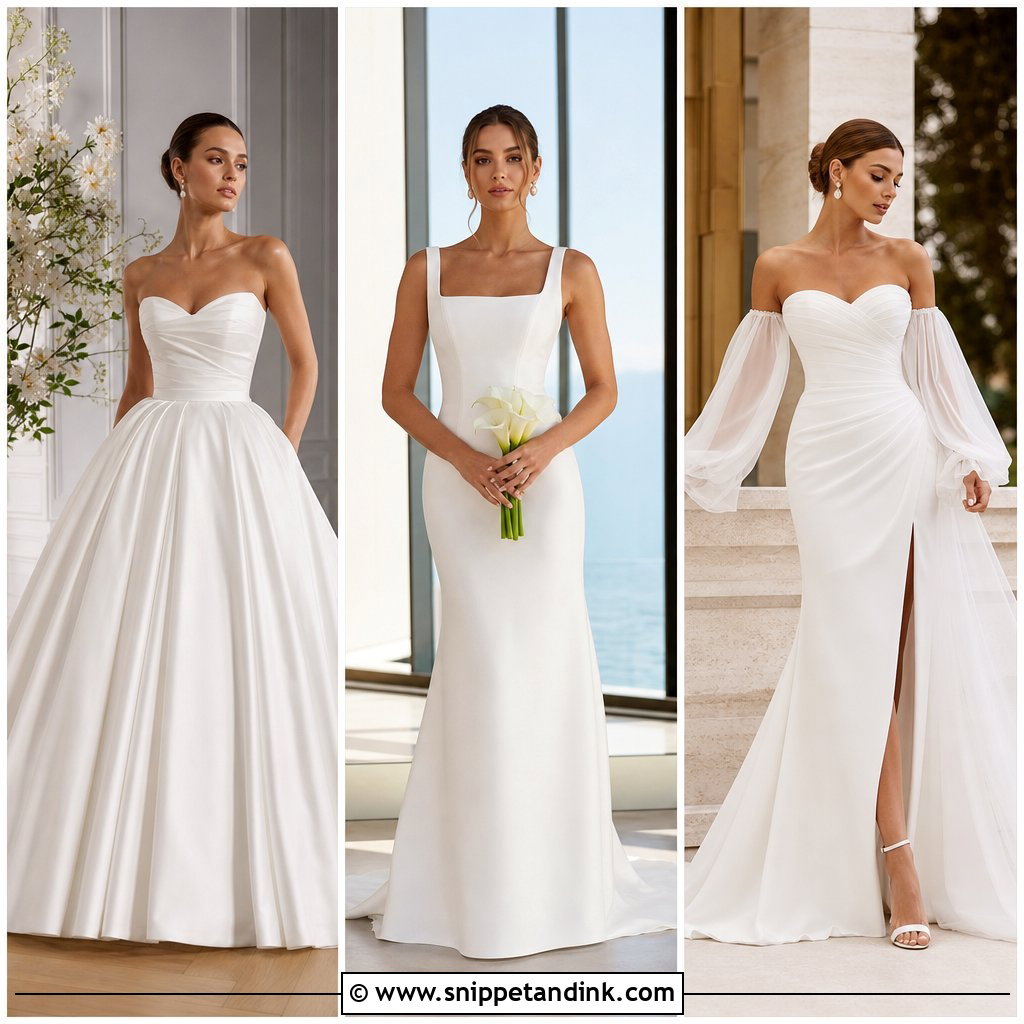
Satin shows everything, which is why the cut has to be precise. Every pulled seam and every crease from sitting in the car catches the light, so I steam it on site and ask the bride to stand, not sit, for the last half hour before the ceremony. Look for a sculpted bodice, a smooth skirt and a clean train, with a straight or off-shoulder neckline. Satin pumps, a pearl bracelet and a structured mini bag finish it, along with a sleek bun or polished waves so nothing fights the fabric. A long plain-edged veil suits city weddings, hotels and evening ceremonies.
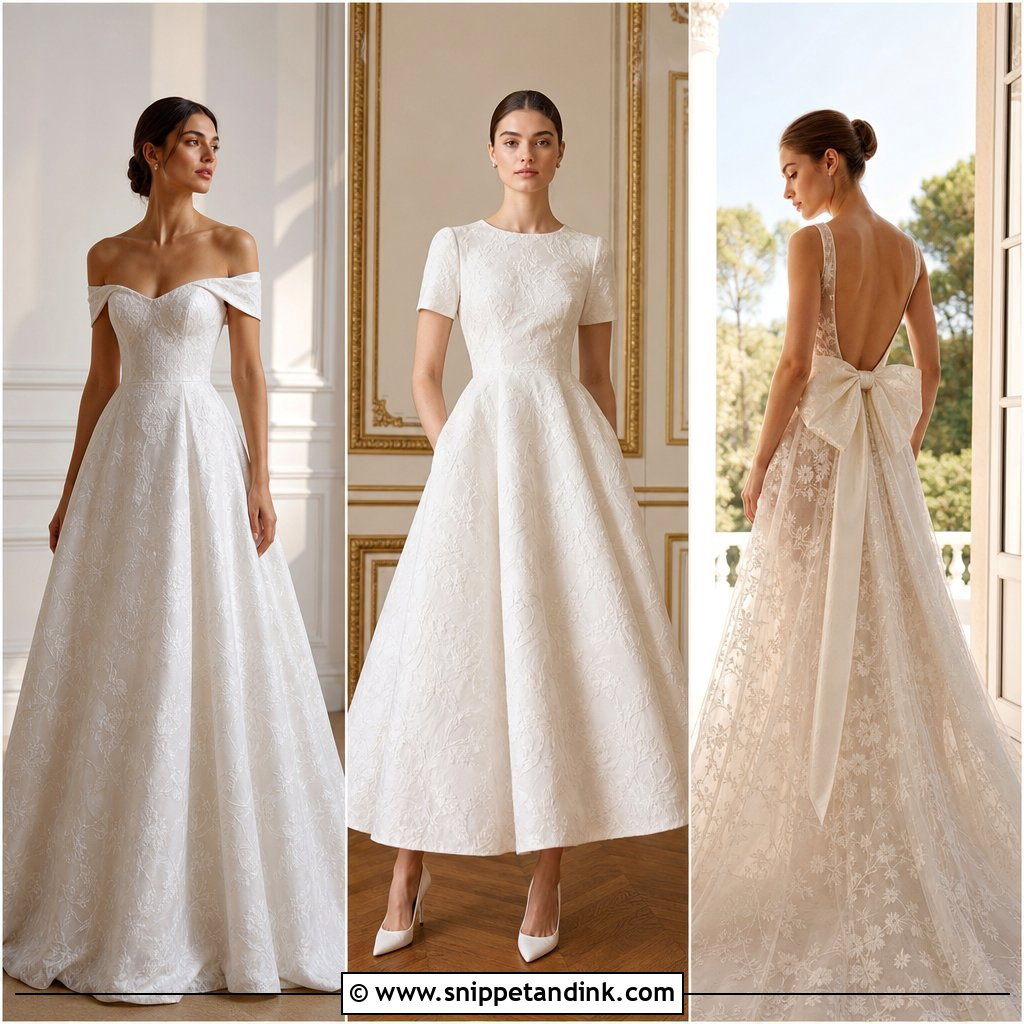
5. Dior Off Shoulder Wedding Dress
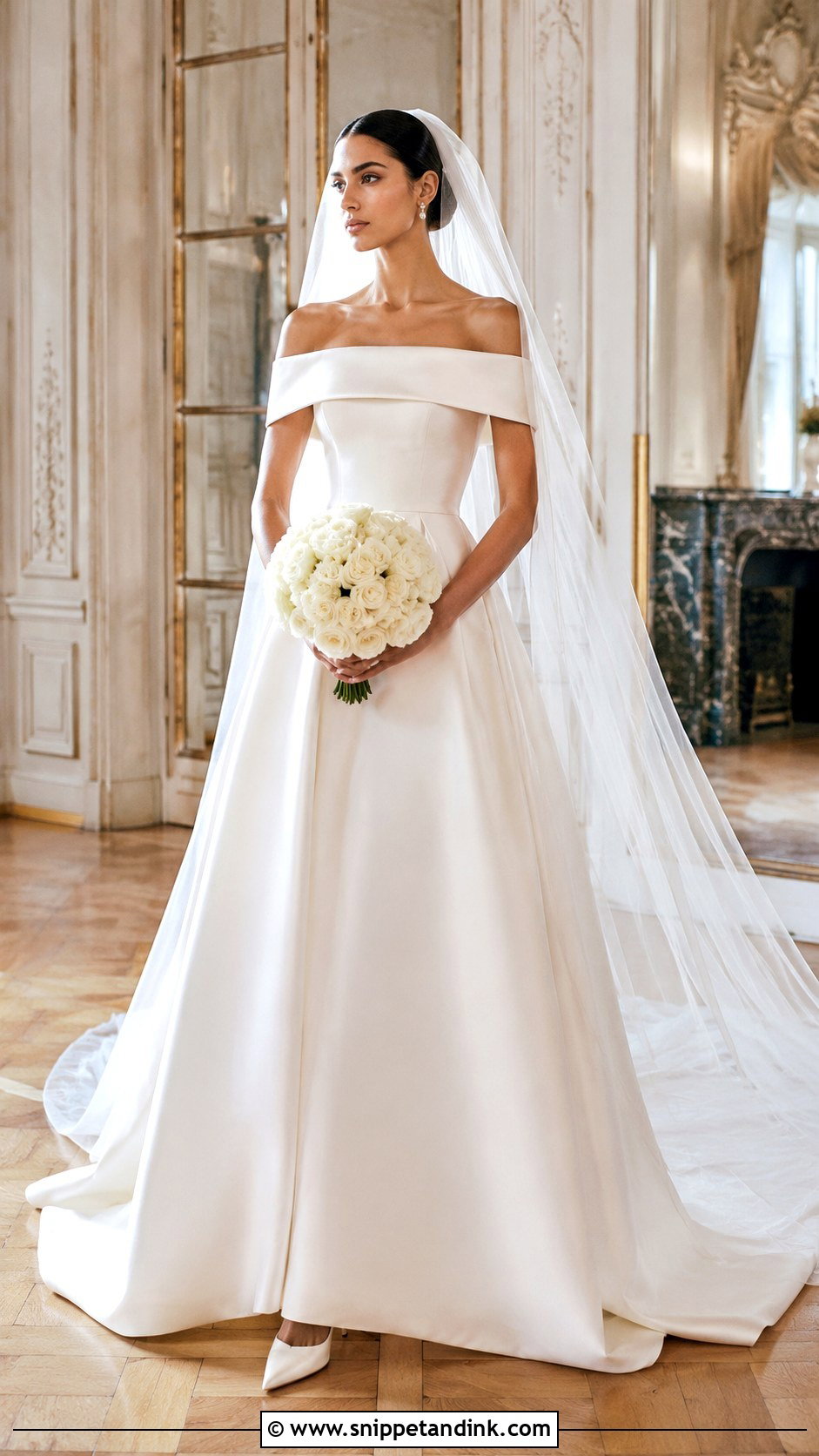
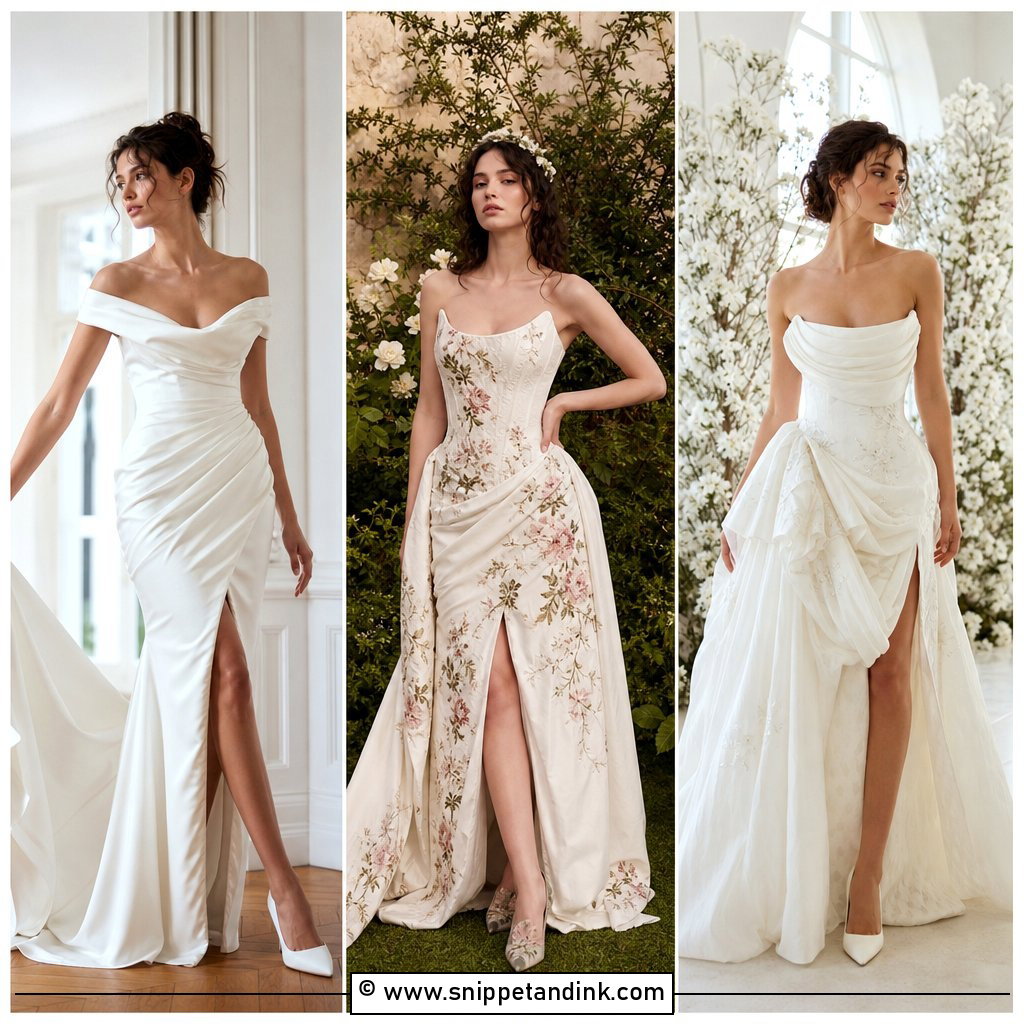
The folded off-shoulder bodice is all about the collarbones, so the first thing I check is whether the band stays put when you lift your arms. If it slides, it needs a stay or a discreet silicone grip sewn in, not more tightening. Pair the fitted waist and full or lightly flared skirt with pearl earrings, ivory heels and a neat chignon that keeps the shoulders open. A sheer cathedral veil adds drama; a shorter one relaxes it. A rounded bouquet of white roses and lisianthus balances the wide neckline in portraits.
6. Dior Strapless Wedding Dress
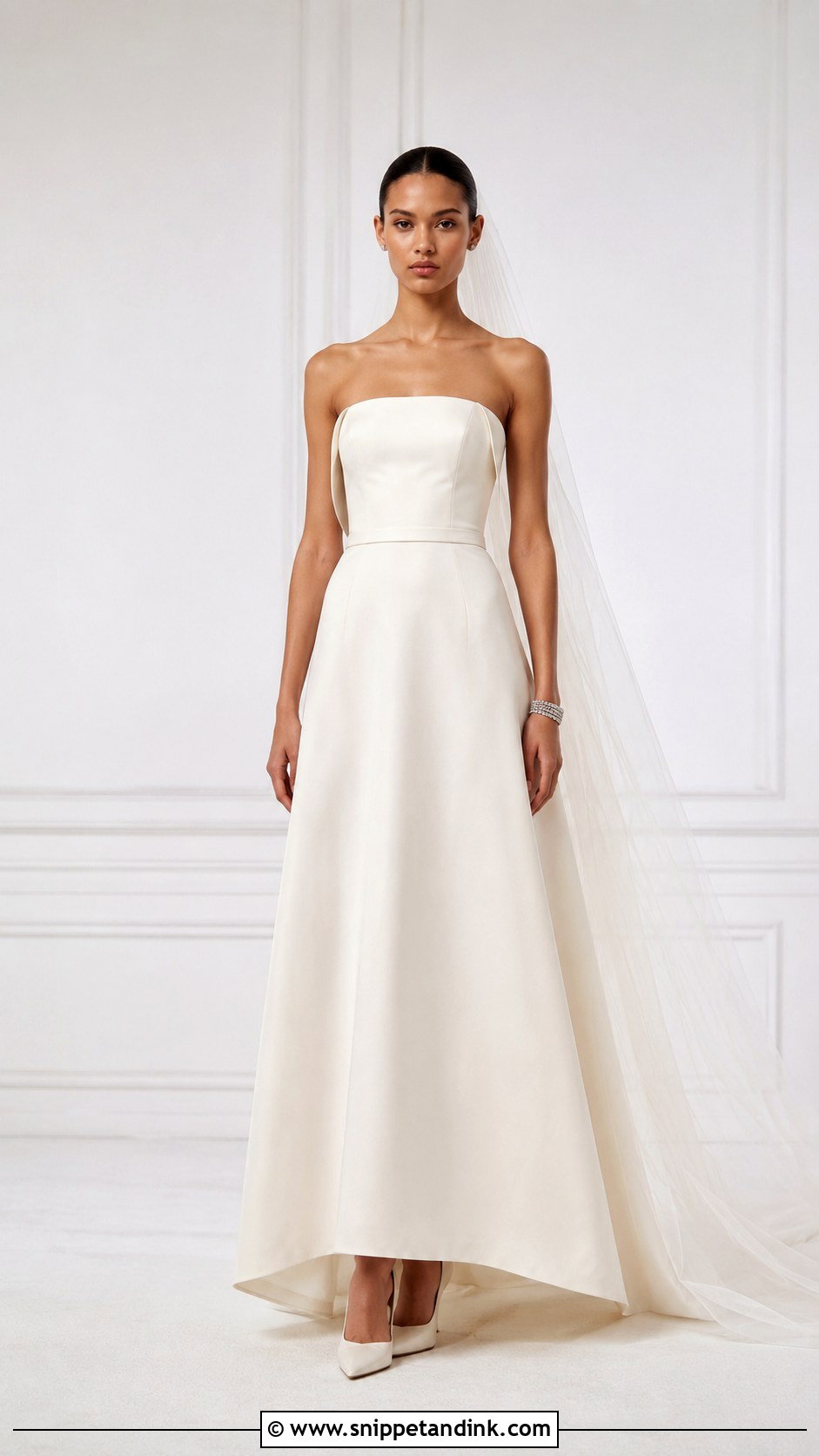
Strapless is where fit matters most, and it’s the shape I’d steer you away from if you expect to spend the reception hitching it up. A structured bodice should support the bust and define the waist on its own, with boning and a waist stay doing the work instead of your hands. Then let the venue choose the skirt: full for formal rooms, a slim A-line for something lighter. Pointed ivory pumps, a diamond tennis bracelet and small studs are plenty. Keep the veil sheer with minimal trim, with a soft updo and glowing skin.
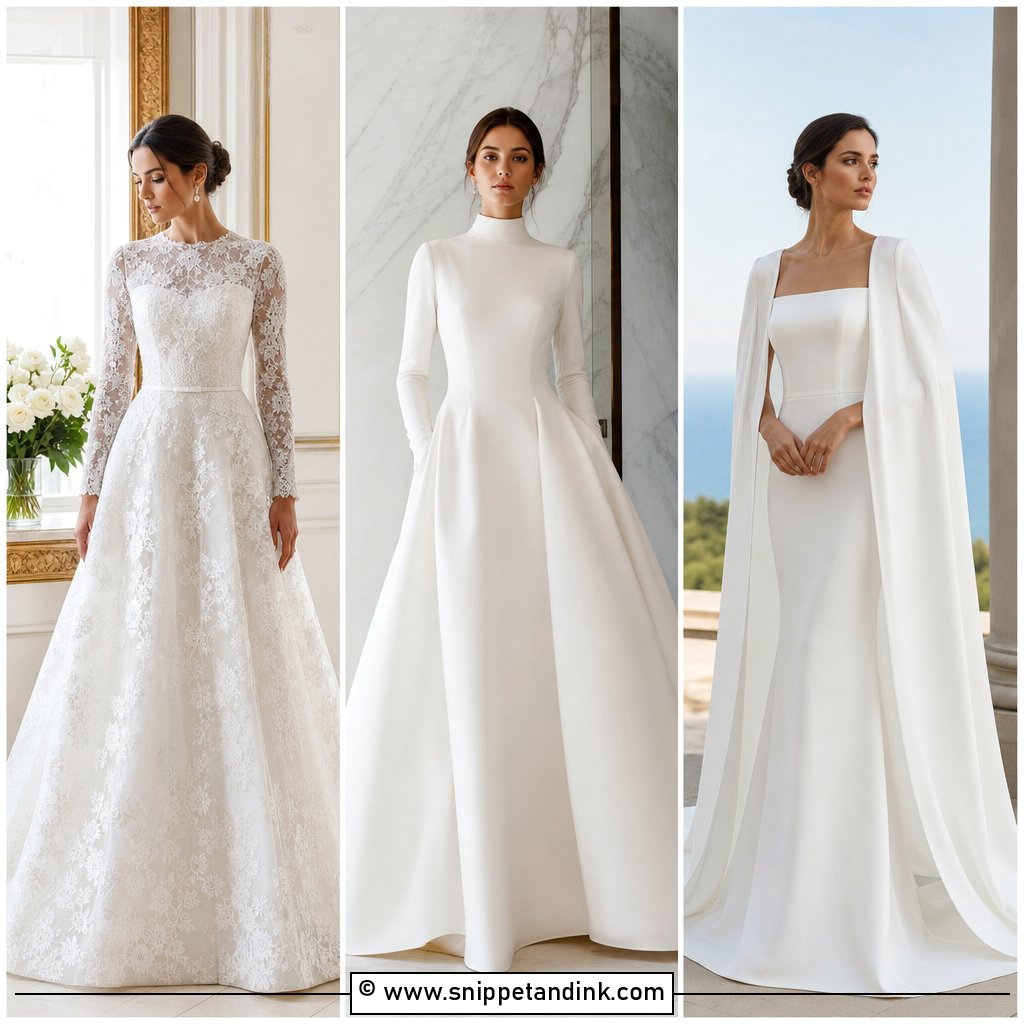
7. Dior Long Sleeve Wedding Dress
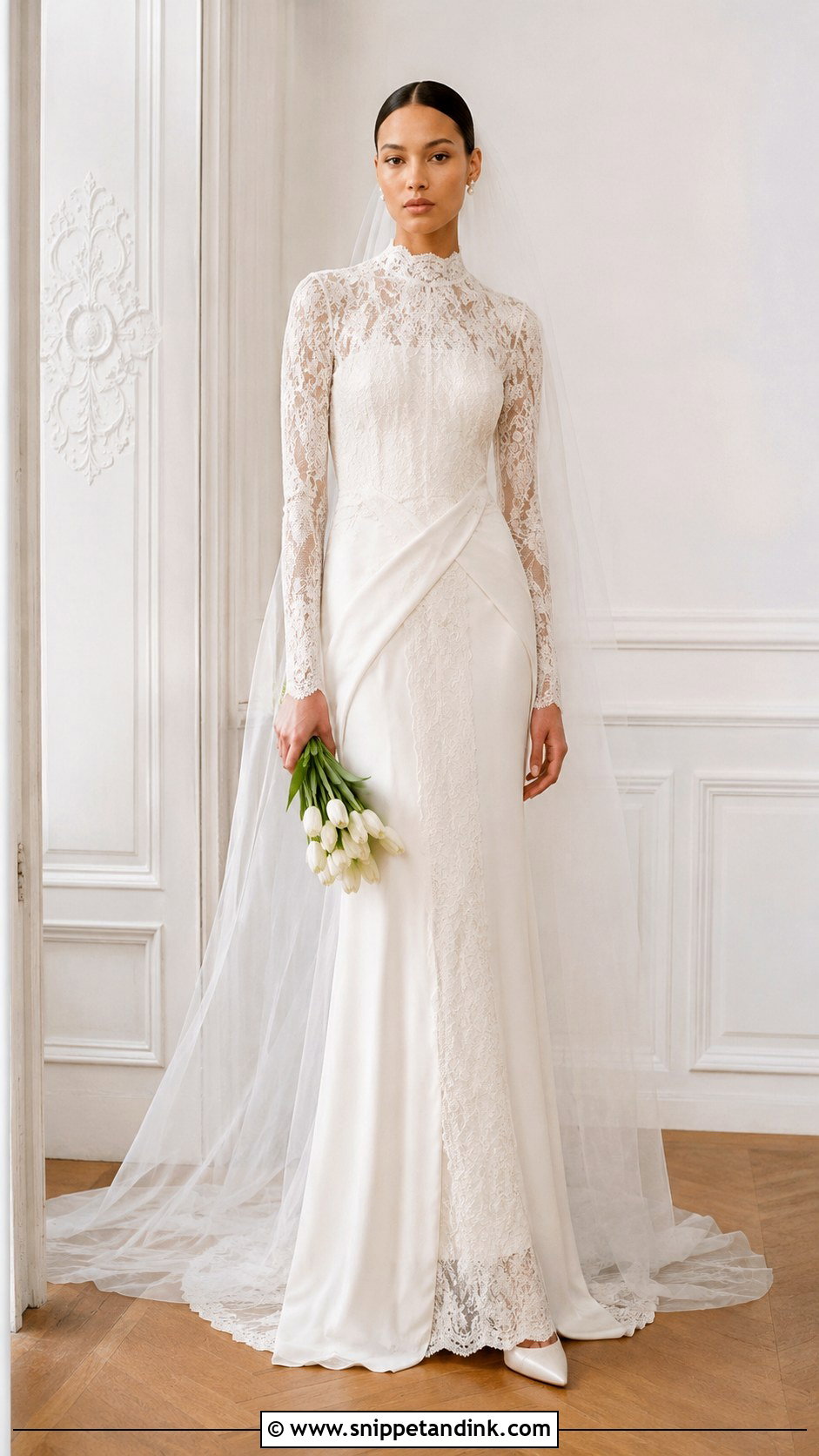
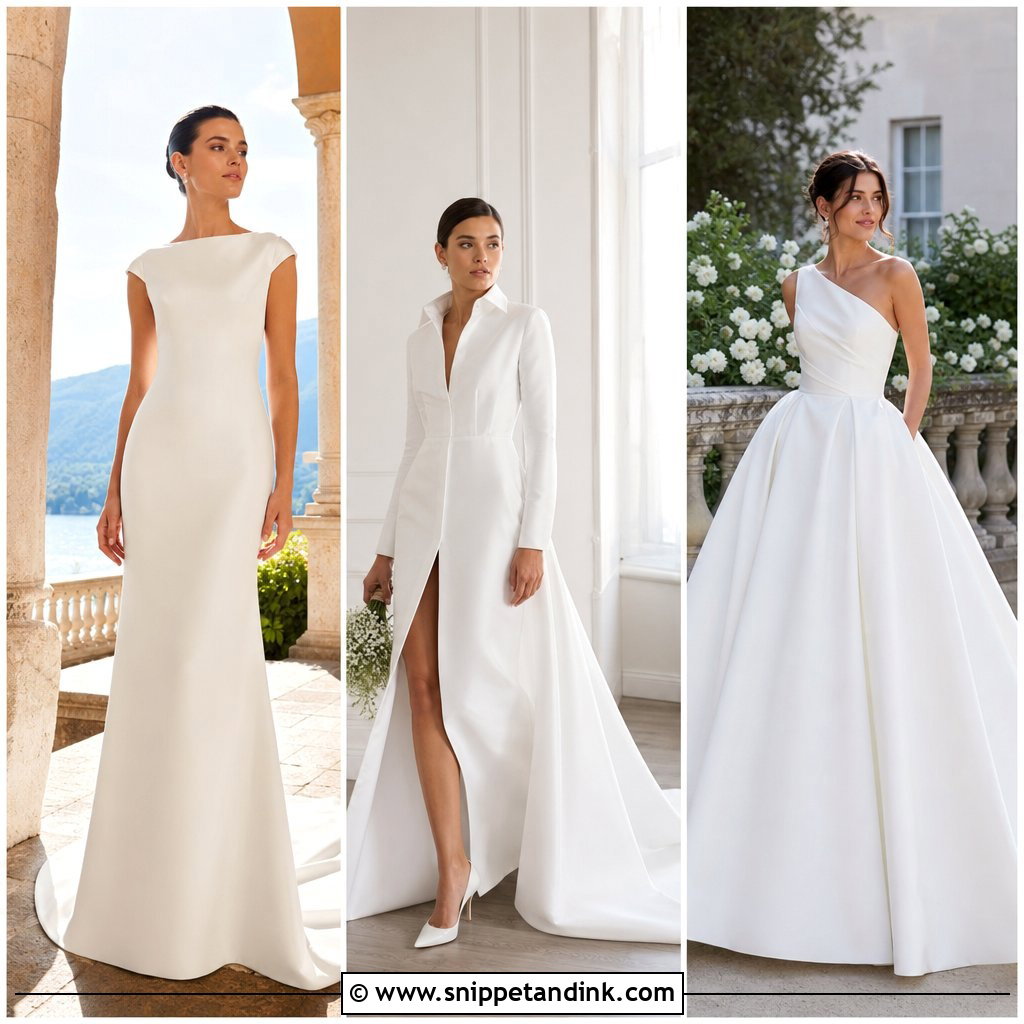
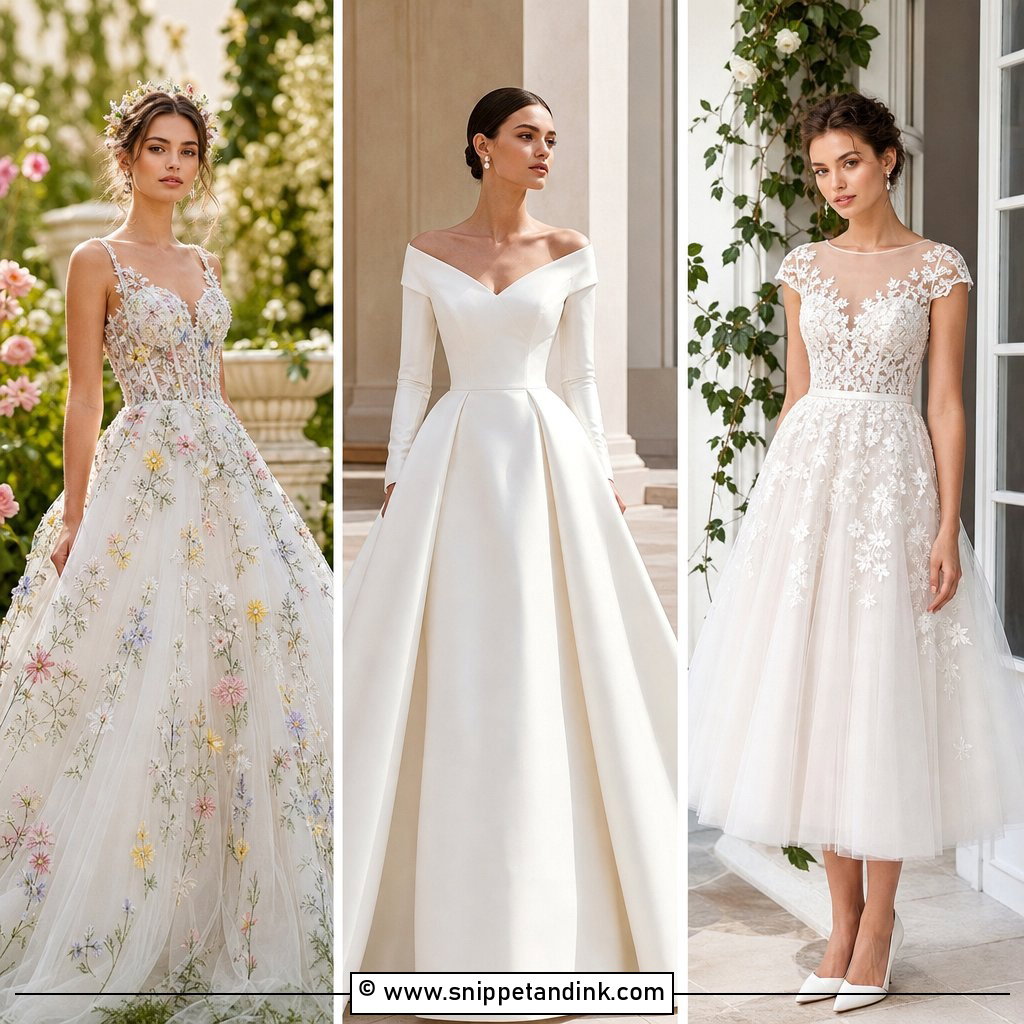
Sleeves are a fabric decision before they’re a style decision. Sheer lace breathes in summer, silk crepe drapes well in spring, and fitted satin feels right in cold weather, but a tight satin sleeve also limits how high you can raise your arms, so I have brides hug and reach at every fitting. A high neck with a slim skirt reads sophisticated; a V-neck with a fuller skirt softens it. Closed-toe heels, pearl earrings and a smooth veil tucked into a low bun keep it clean, with white tulips or roses in hand. This is the one I suggest for cooler weather, formal venues and anyone who wants arm coverage without looking plain.
8. Dior A Line Wedding Dress
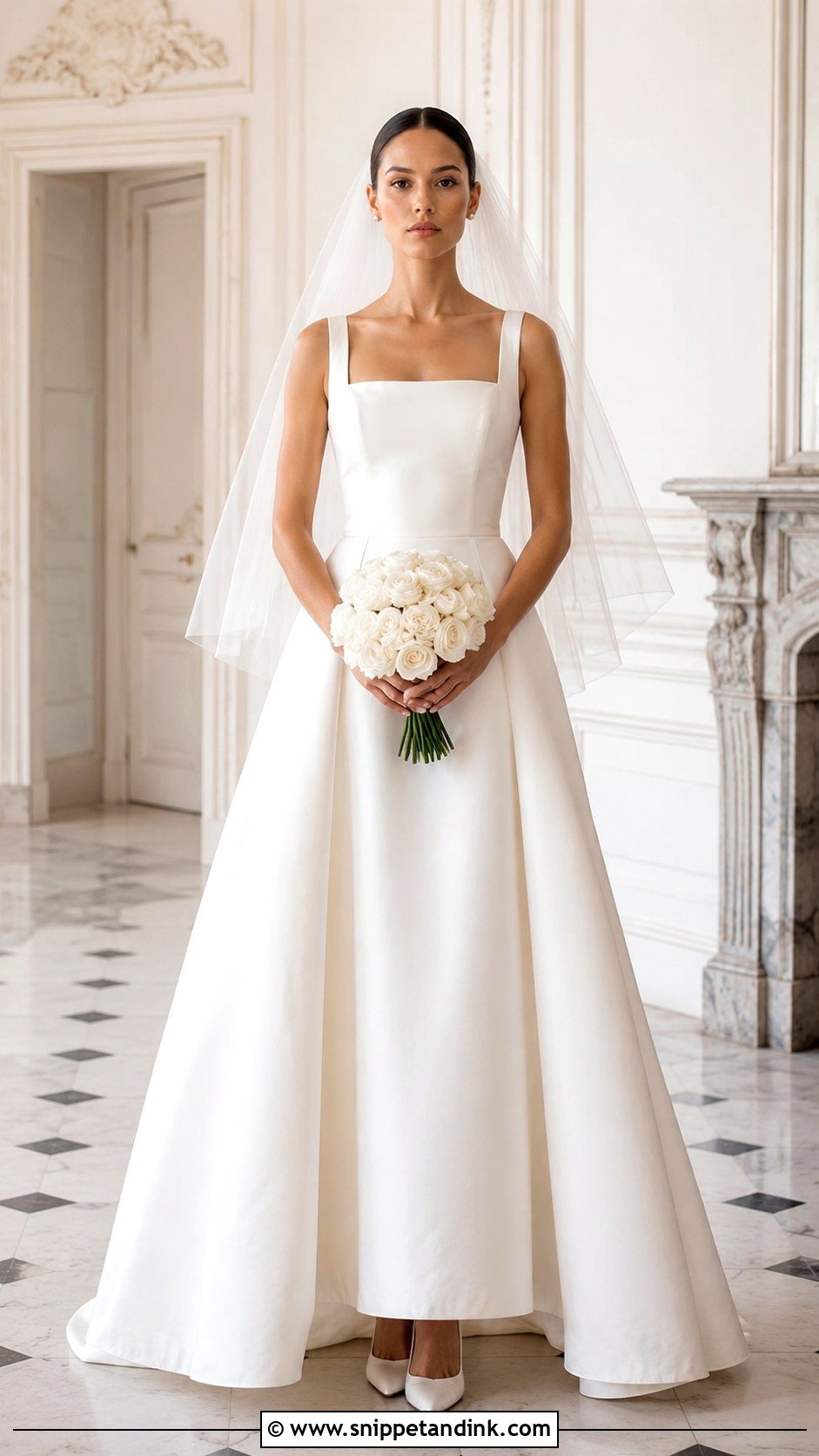
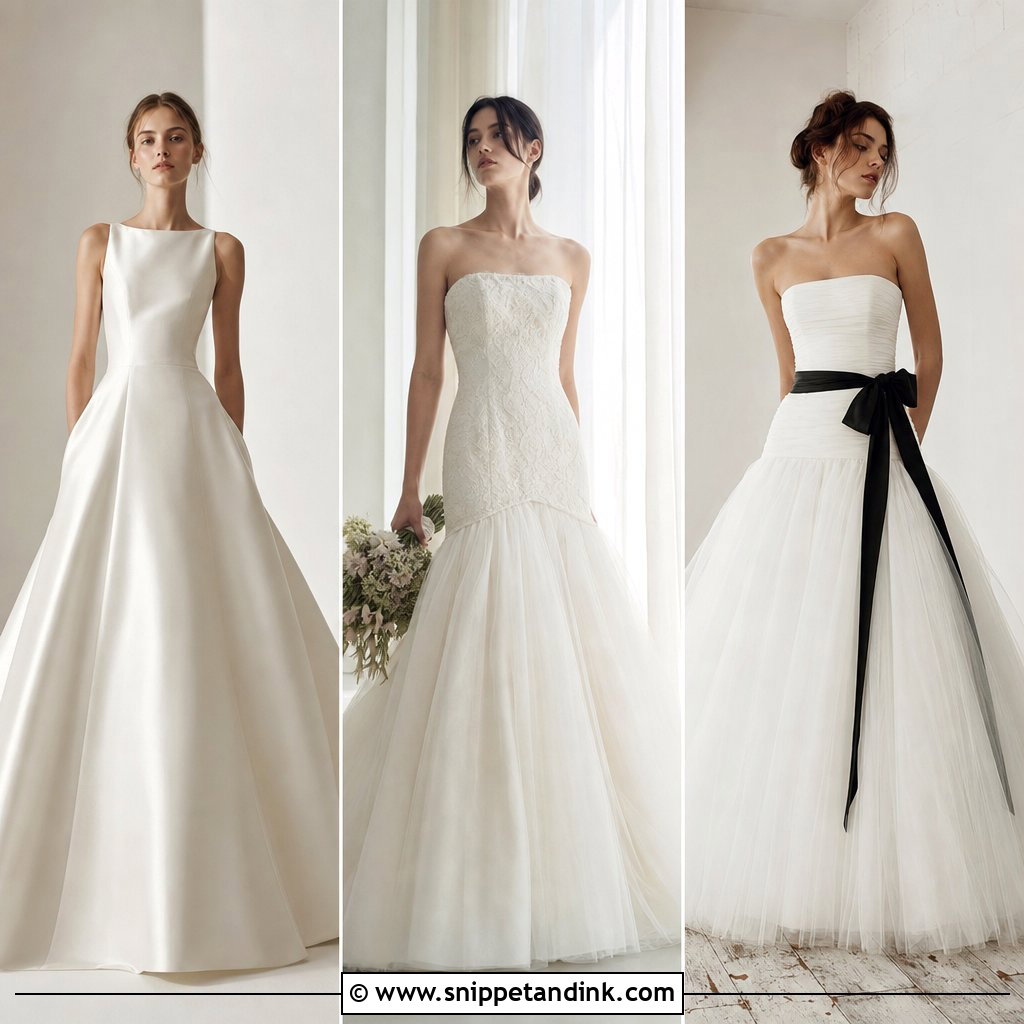
If I had to dress a bride I’d never met in one silhouette, it would be the A-line. The fitted top and gently widening skirt define the waist, skim the hips and leave you free to walk, sit and dance for a full day. Silk faille, mikado, satin or a soft organza all hold this shape, and a square or bateau neckline pushes it toward Dior. Add ivory pumps, pearl studs, a medium-length veil and a structured bouquet of white roses, orchids or gardenias.
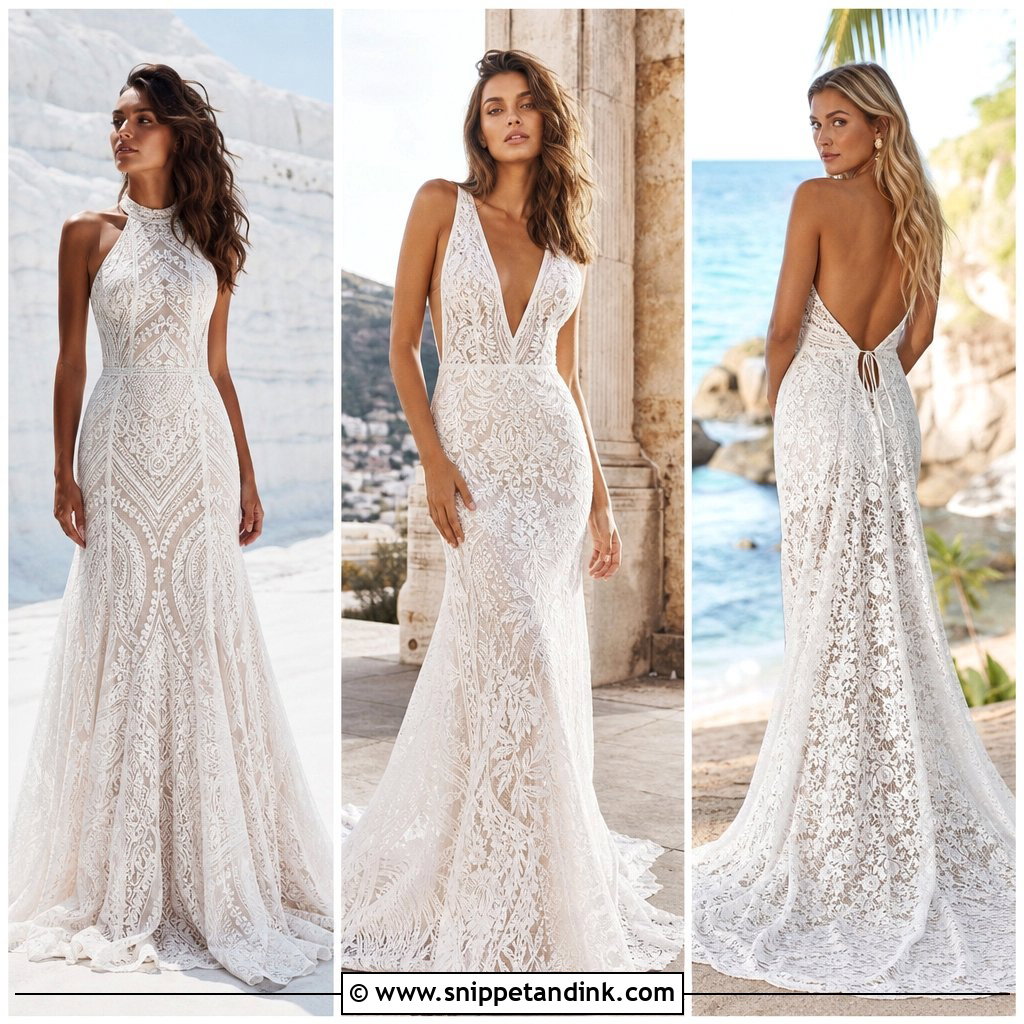
9. Dior Mermaid Wedding Dress
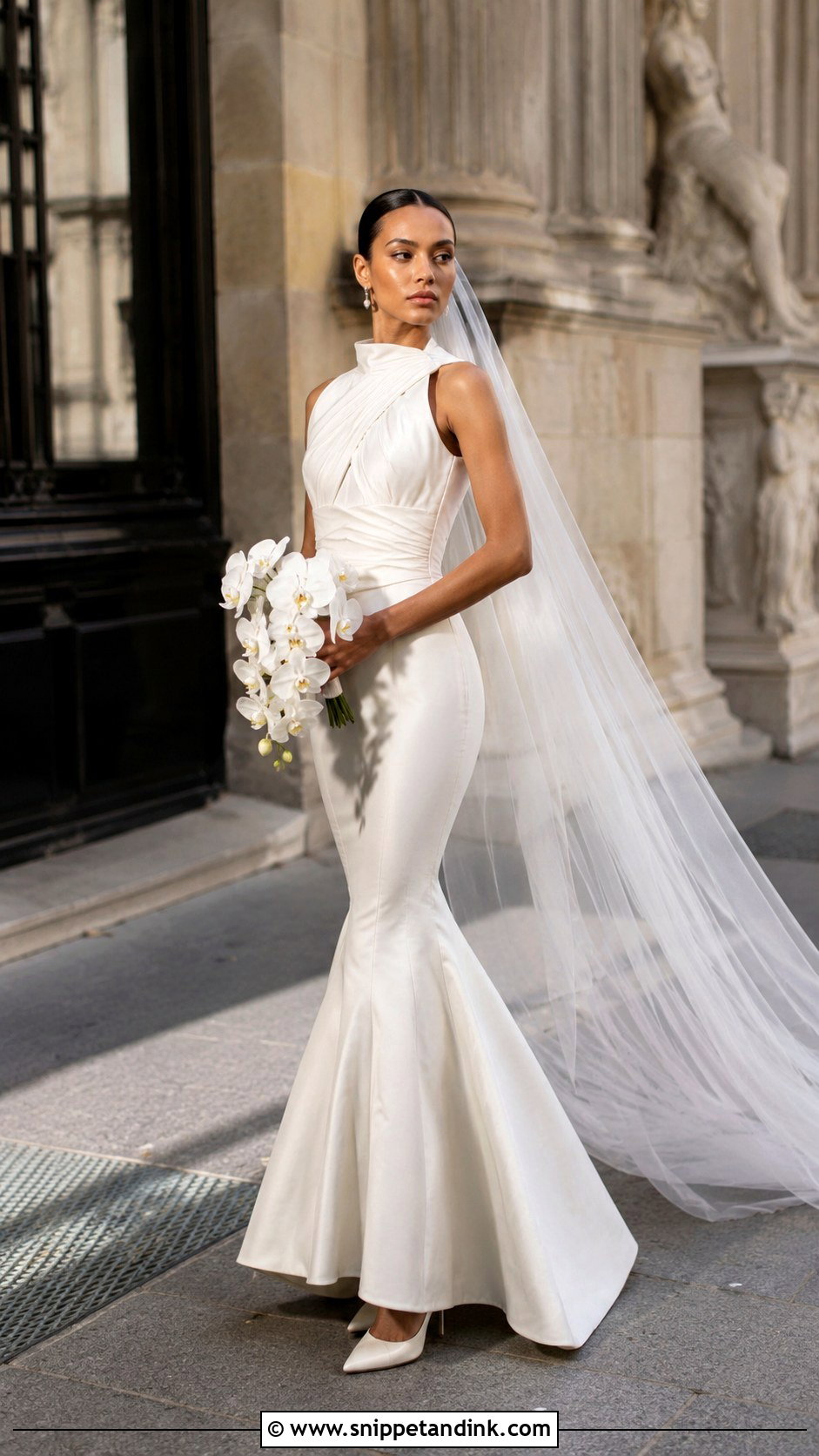
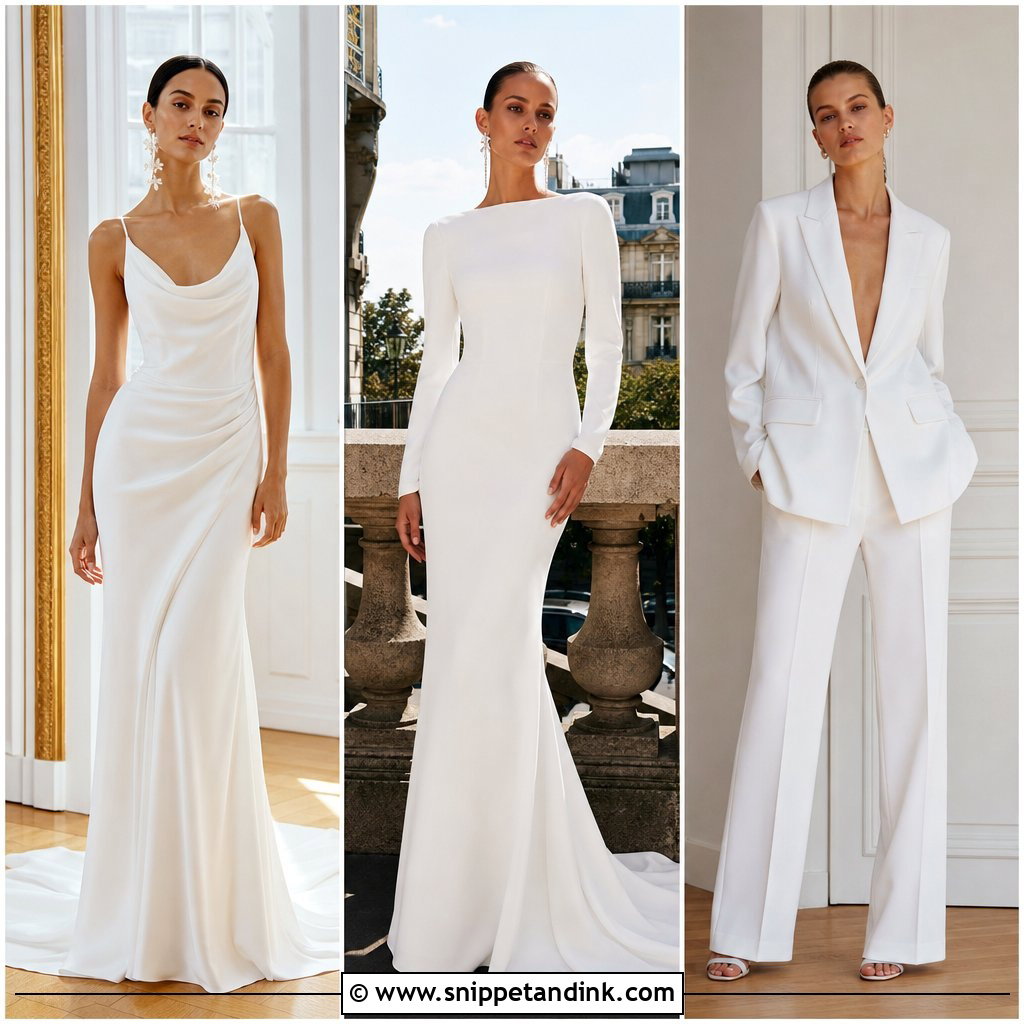
A mermaid gown fits smoothly through the bodice, waist and hips and only opens below the knee. It looks sculpted, but it makes stairs and sitting harder, so I always ask where the flare starts. Set too low, it turns your walk into a shuffle; at the fitting, take a few steps and climb one stair before you agree to the hem. Satin, crepe or lace with subtle embroidery keeps it luxurious. High ivory heels, drop earrings and a long veil placed low at the back of the head suit it, with calla lilies or white orchids, at a formal evening wedding, a modern hotel or a black-tie event.
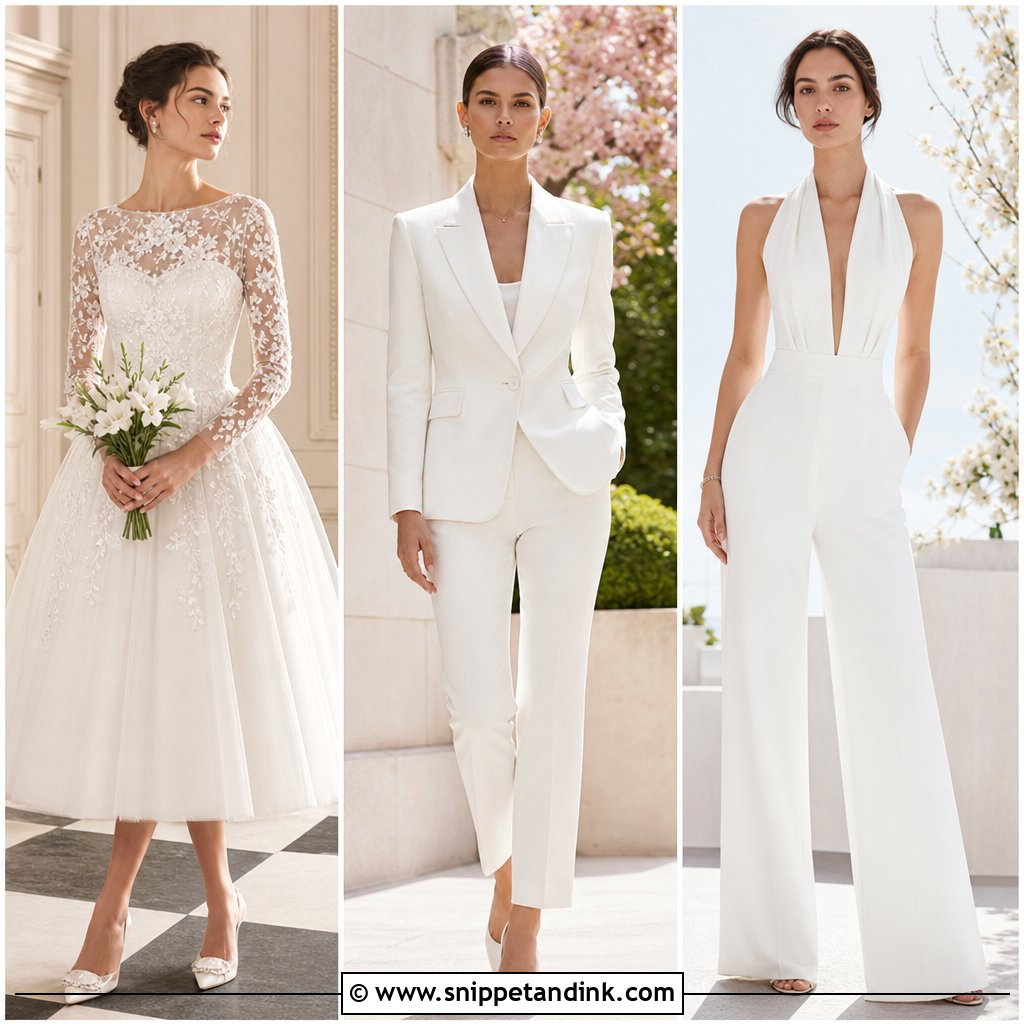
10. Dior Tea Length Wedding Dress
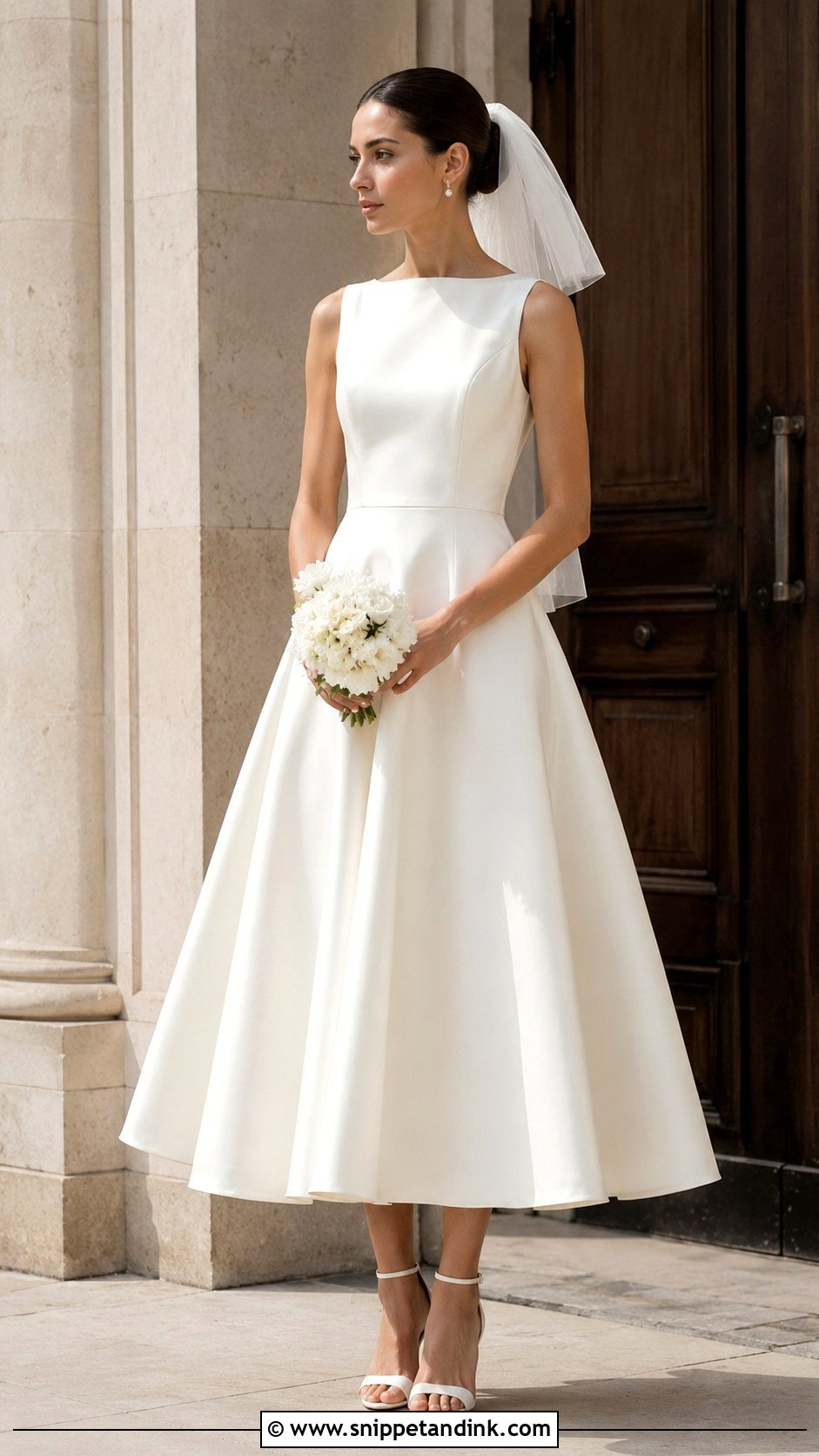
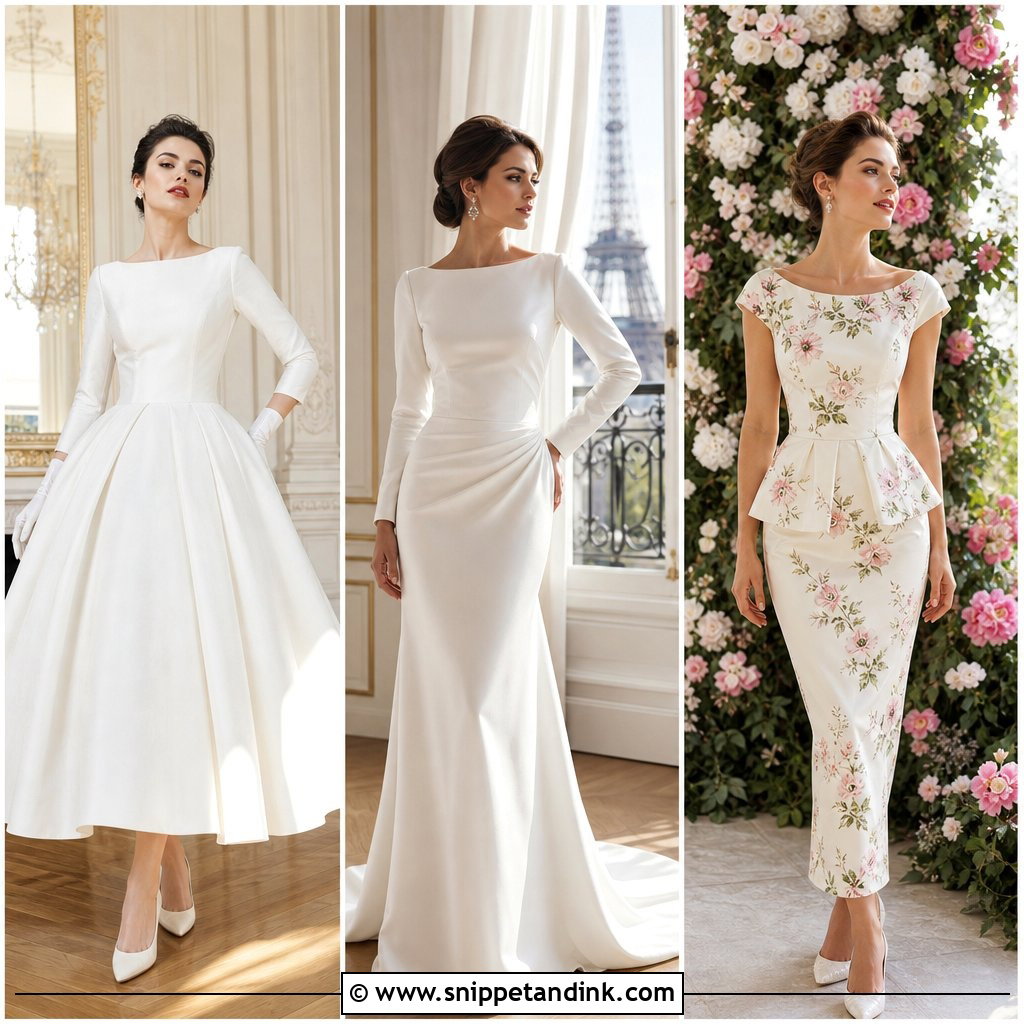
Tea length is the easiest dress here to actually live in, and the only one where your shoes are on show all day. The hem should land below the knee or at mid-calf, over a fitted bodice and softly full skirt in satin, lace or organza. Since everyone will see your feet, wear pointed pumps, slingbacks or elegant ankle-strap heels that are worth showing off, and break them in first. Add pearl earrings, a short veil and a small structured bouquet. A red lip leans vintage; a soft pink stays fresh. I reach for this one for courthouse ceremonies, daytime parties and garden venues.
11. Dior High Neck Wedding Dress
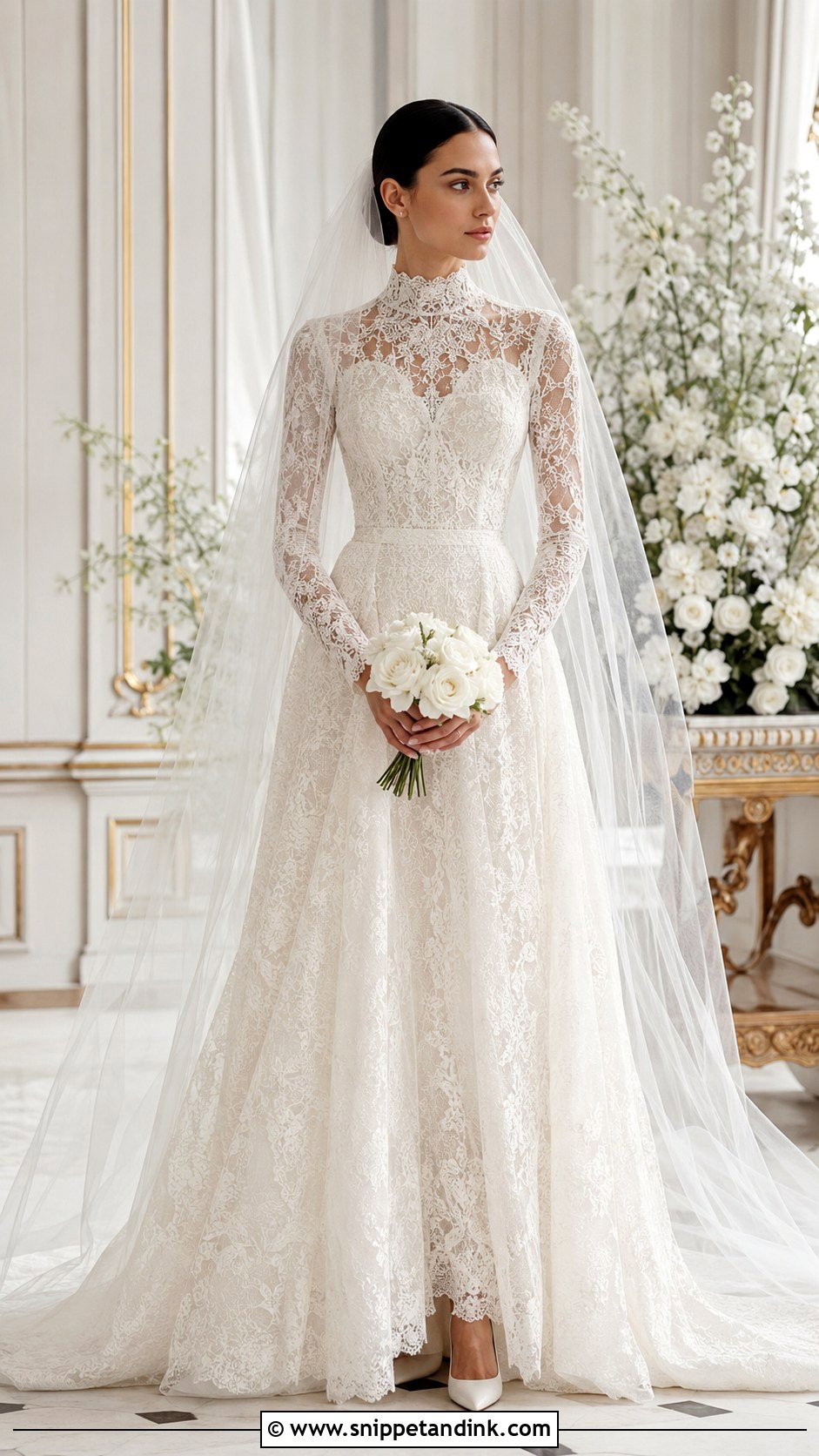
A high neckline lengthens the whole upper body, so I keep the neck itself empty: small earrings, no necklace. The fitted bodice and flowing skirt can be lace, crepe or silk organza depending on how formal you want to go. One fitting note matters here. A collar that’s even slightly tight shows every time you turn your head, and you’ll feel it by the speeches, so make sure two fingers slide in comfortably. Ivory pumps, a sleek bun and a long veil anchored beneath the crown follow the line, and a simple bouquet of white roses or lilies leaves the neckline as the focus.
12. Dior Embroidered Wedding Dress
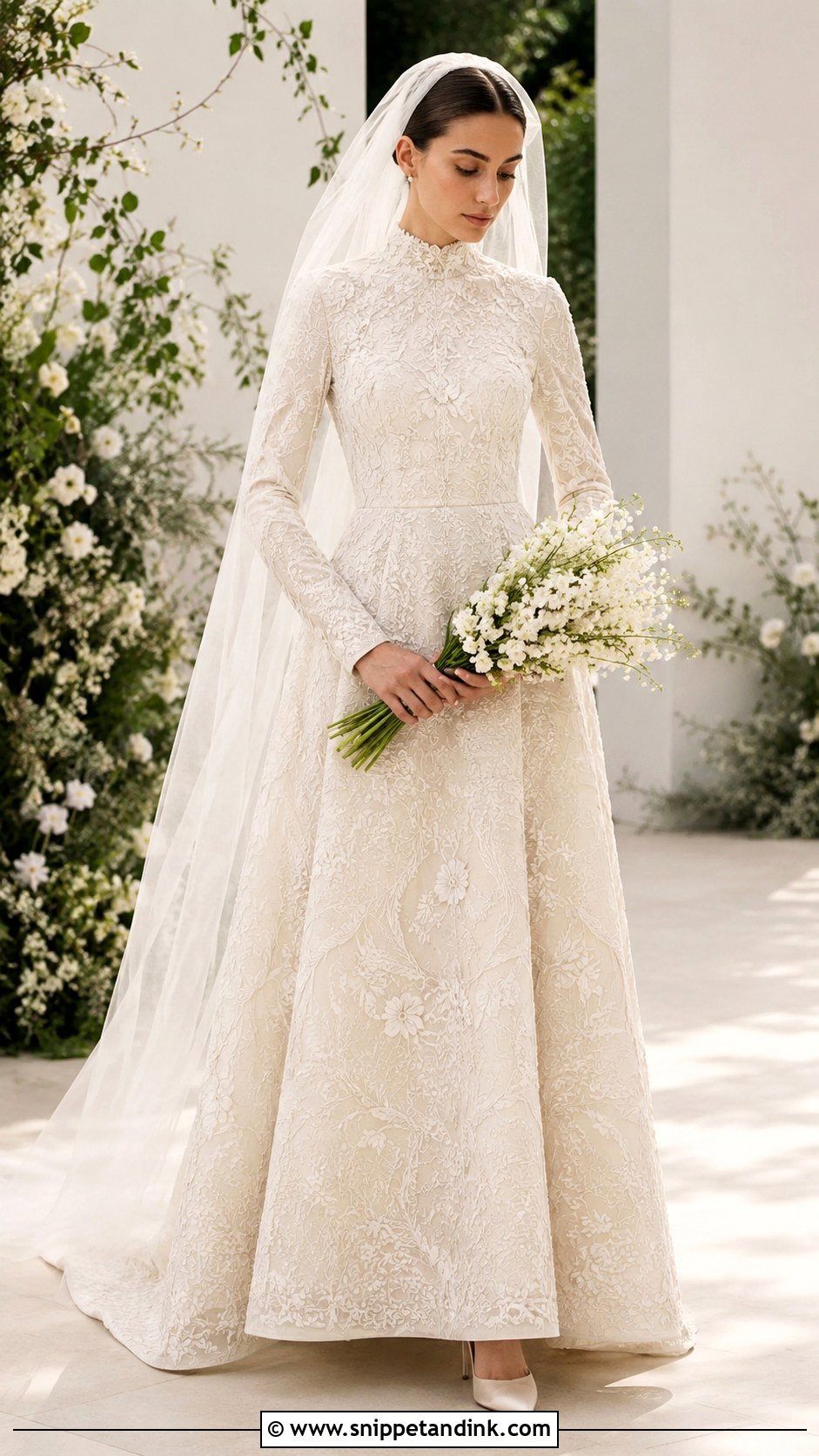
Embroidery is where couture detail shows, so the styling job is mostly restraint. Floral work, tonal threadwork, pearls or subtle crystal accents across the bodice and skirt need plain satin heels, tiny pearl earrings and a veil with no heavy trim beside them. Watch the weight: beaded or pearl embroidery makes a skirt surprisingly heavy, and the bustle has to be built to carry it or the loops tear by the first dance. White flowers on pale green stems and simple hair, a low bun or soft waves, finish it for garden venues, gallery spaces and anyone drawn to couture details.
13. Dior Minimal Wedding Dress
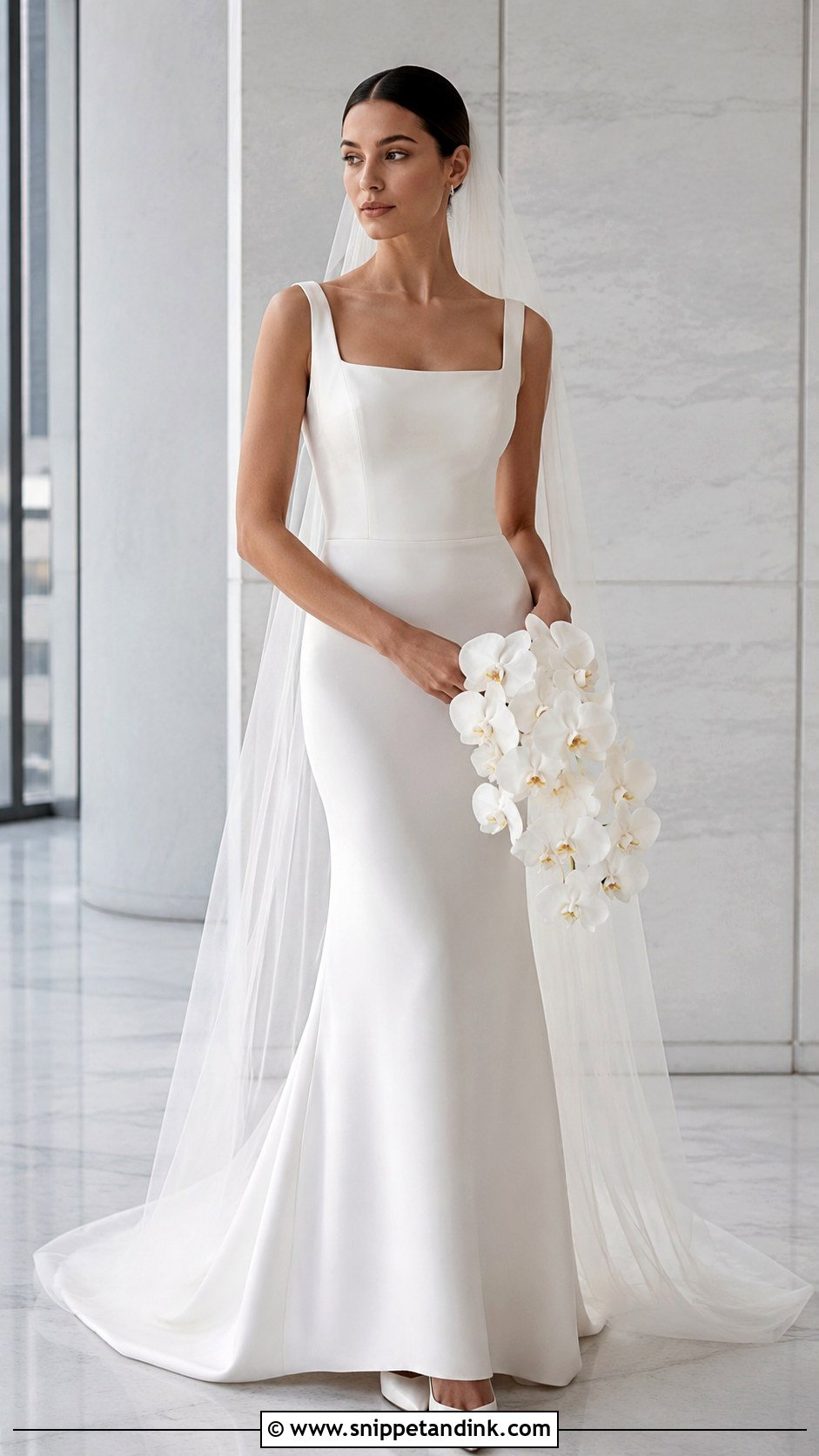
A minimal gown hides nothing, which makes it the hardest kind to fit. Pick clean silk, satin or crepe with one strong feature, a square neckline, a sculpted waist or a long train, and leave out embellishment entirely. I fit these with the exact bra and shapewear the bride will wear on the day, because a visible line through crepe is the first thing a camera finds. Pointed ivory pumps, small diamond earrings and a sleek veil are enough, with a white orchid bouquet or a single-flower arrangement. A clean part and a low bun or polished waves suit city weddings and modern venues.
14. Dior Wedding Dress With Cape
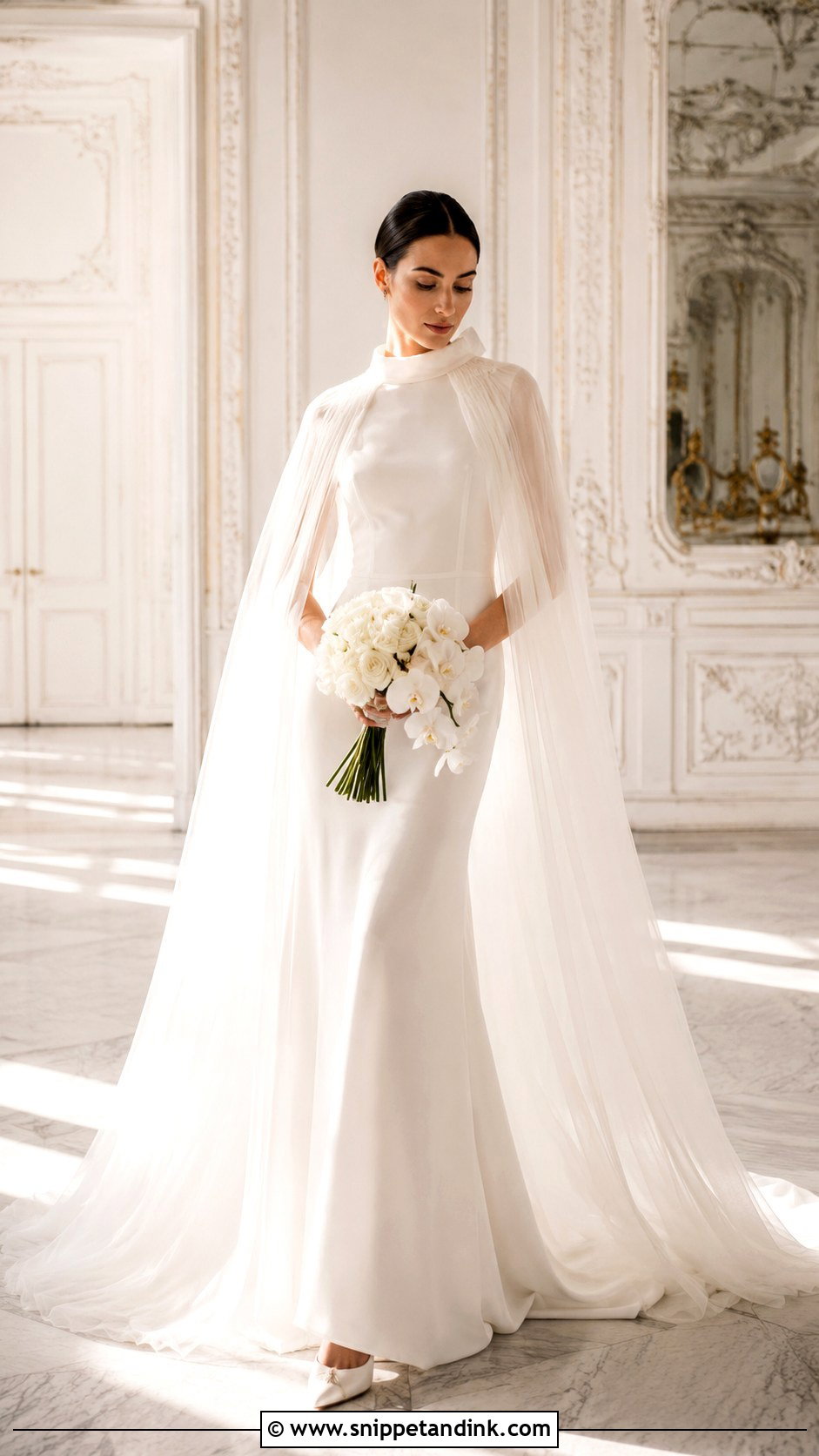
A cape gives movement and coverage without a traditional veil, and it solves the reception problem neatly: unclip it and you’re in a sleeker dress. Start with a sleek gown, then add sheer tulle, silk chiffon or lace from the shoulders, long and dramatic or short and delicate. I ask for capes to attach with hooks or snaps at the shoulder seams rather than a tie at the neck, because a tie pulls backward every time someone steps on the hem. Ivory pumps or sandals and small earrings keep the neckline clean, and white roses with orchids complete it. Expect your back view to get as much attention as the front.
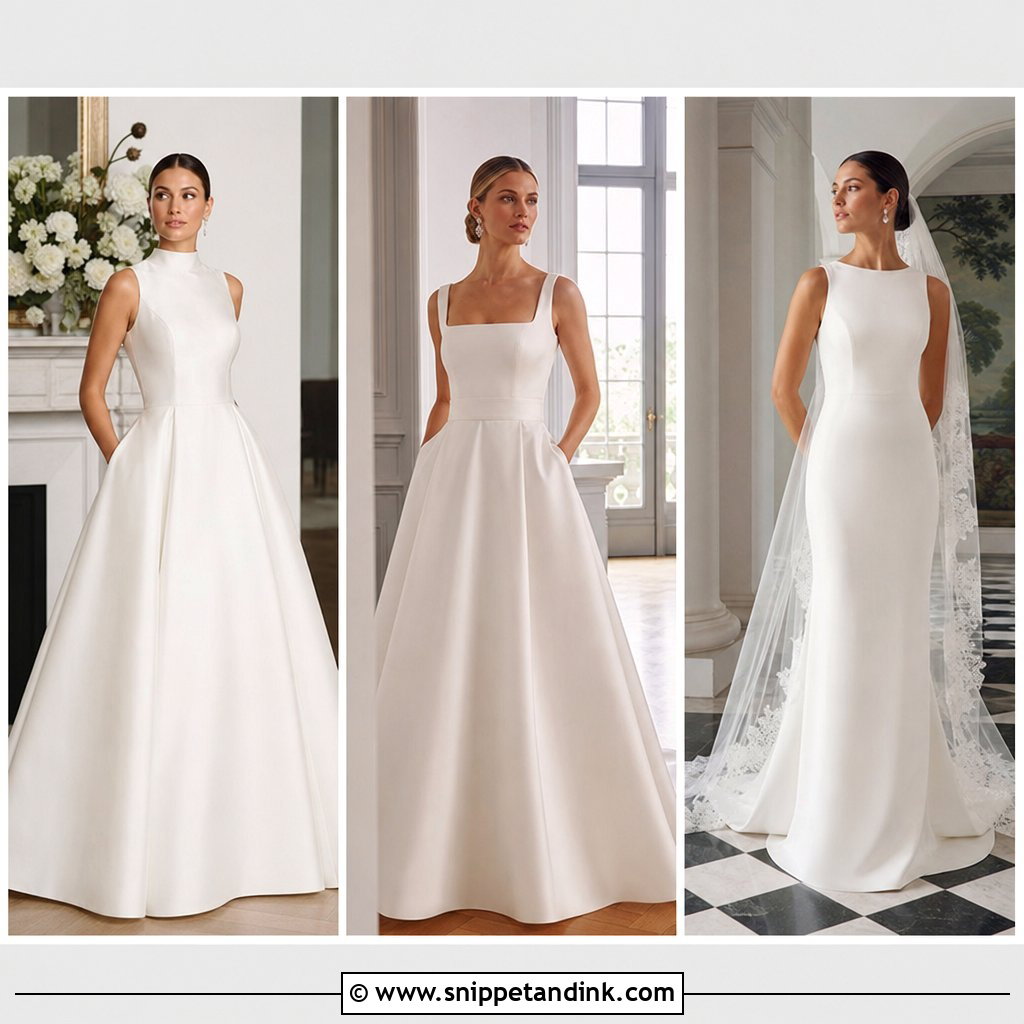
15. Dior Wedding Dress With Bow
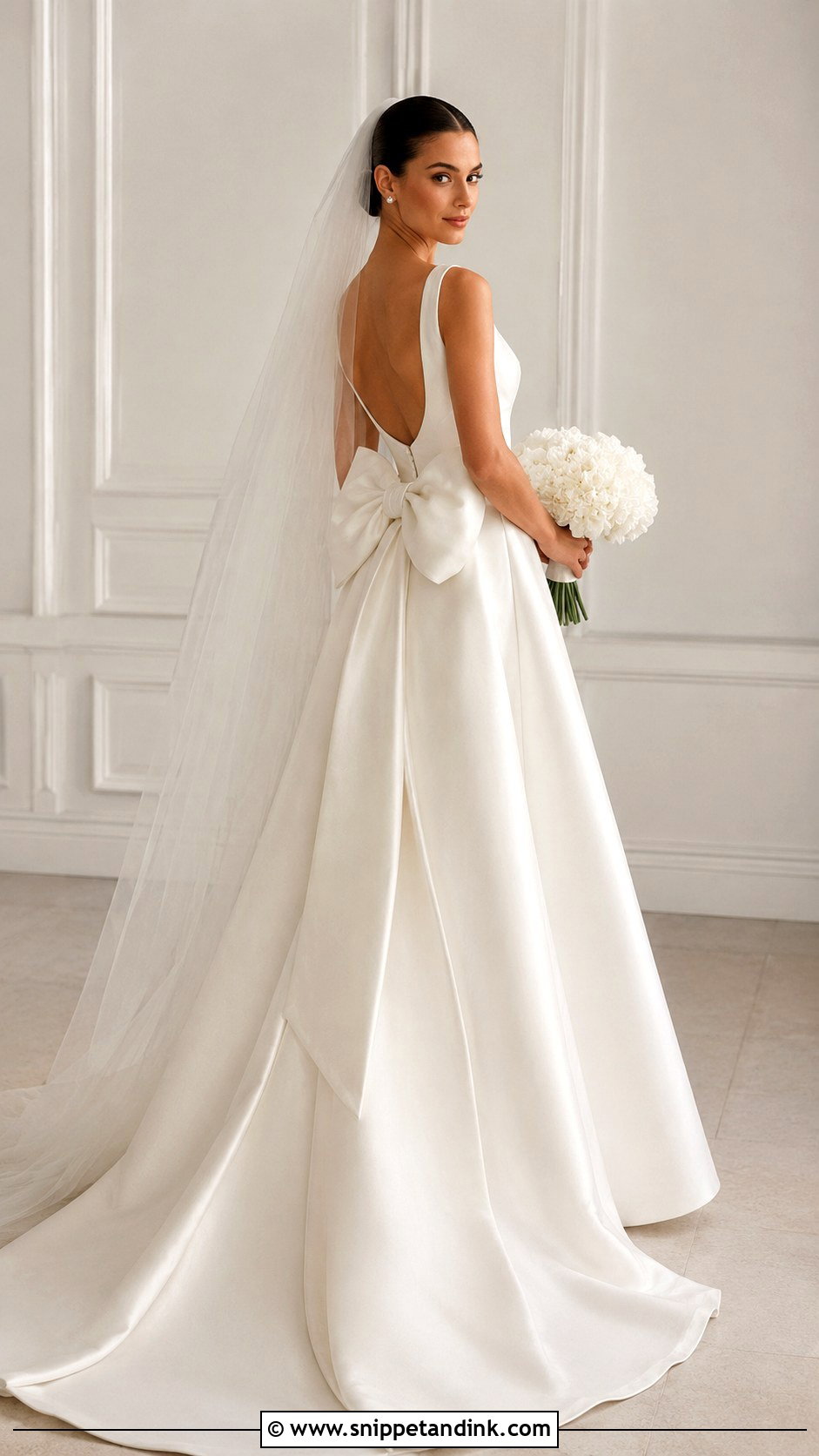
With a bow, the question is scale. It can sit at the waist, back, neckline or shoulder, but it should look as if the dress was cut around it rather than added later, and a satin A-line with a back bow is the classic version. Satin bows crush when you sit, so I ask for interfacing inside the loops and keep a steamer close until you walk out. Simple ivory heels, pearl earrings and a plain veil let it stay the focal point, with white roses and sweet peas and a low bun or half-up style.
16. Dior Floral Wedding Dress
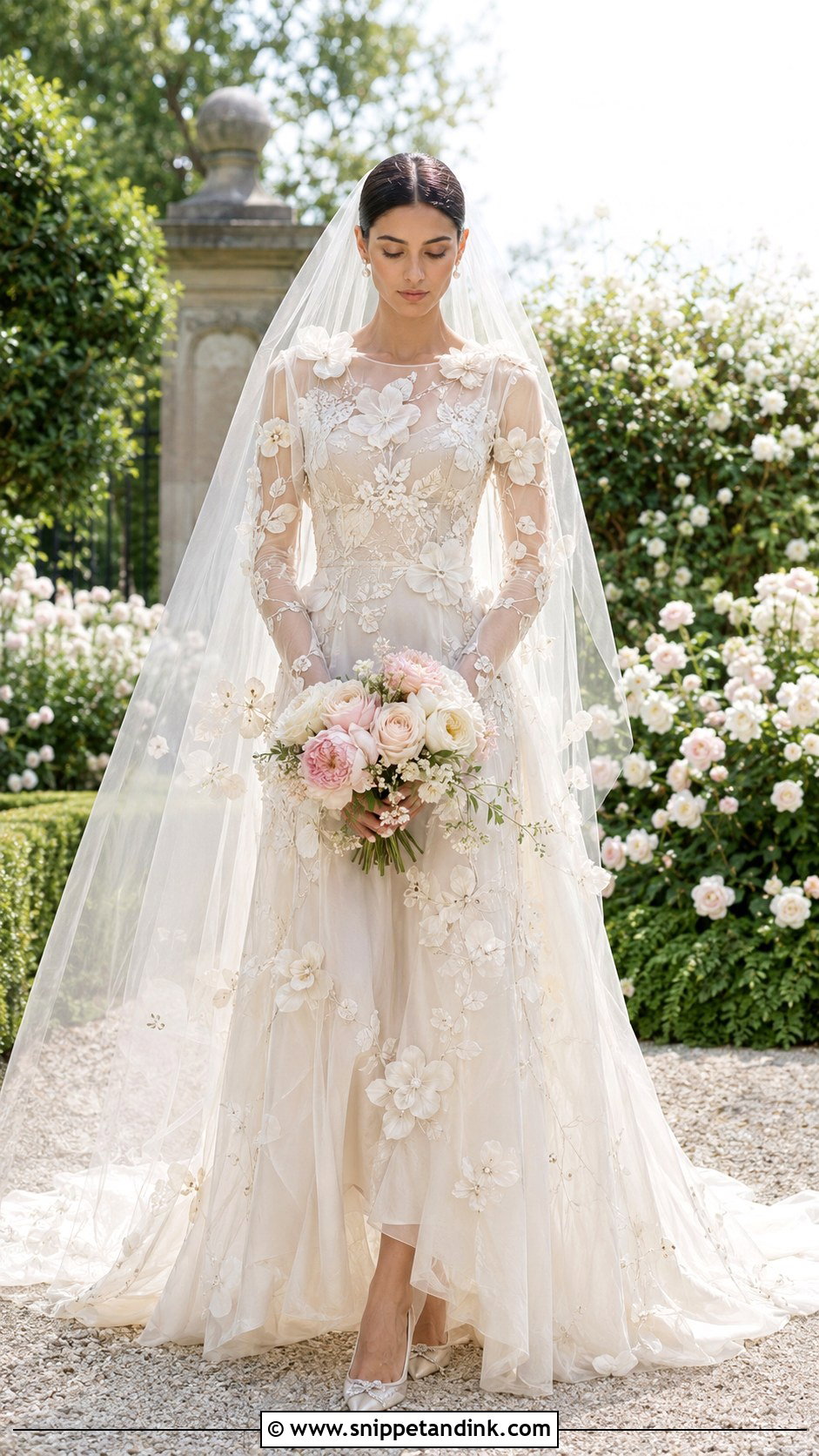
Floral detail can cover the whole gown or sit lightly on the bodice and hem, through embroidered flowers, appliqué petals or soft printed organza in ivory, cream or pale blush. I usually suggest lighter placement for petite brides, since all-over raised petals can swallow a small frame. Delicate heels, pearl earrings and a sheer veil keep it graceful. Echo the dress with garden roses, peonies and soft greenery, and keep makeup fresh with glowing skin and a natural lip. Spring, summer and outdoor venues suit it best.
17. Dior Vintage Wedding Dress
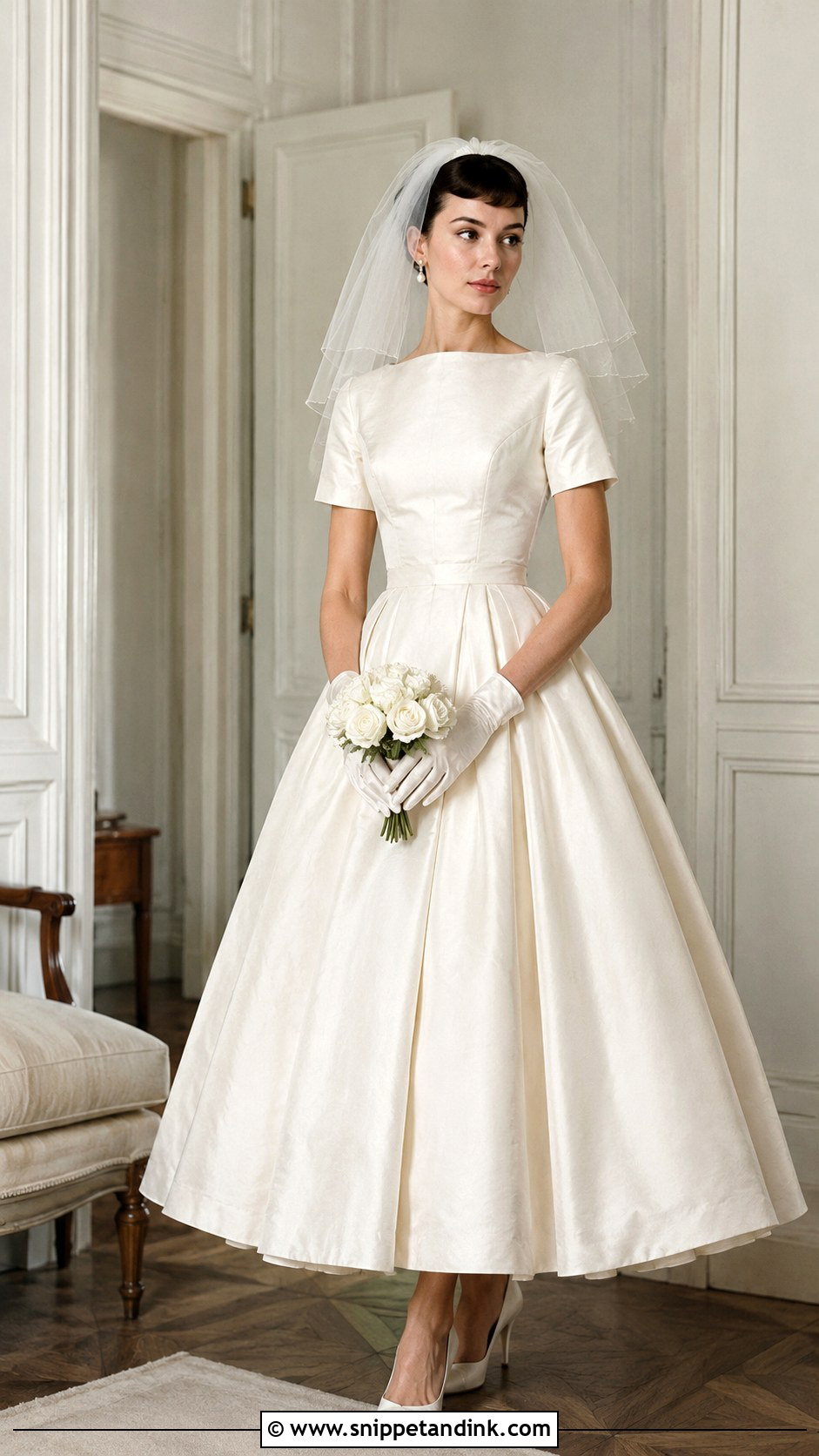
Mid-century Dior is the shape most brides picture: nipped waist, structured bodice, full skirt, maybe vintage lace. You can hunt for a pre-owned Dior gown or recreate the feeling with a similar silhouette. With a true vintage piece, I check the seams and underarms for yellowing and brittle fabric before anyone falls in love, because old silk can split under tension and alterations are limited by how much seam allowance is left. Pointed pumps, short gloves, pearl earrings and a neat veil suit it, as does a small bouquet of white roses or lily of the valley. A soft updo or brushed waves keeps it looking collected rather than costume.
18. Dior Couture Wedding Dress
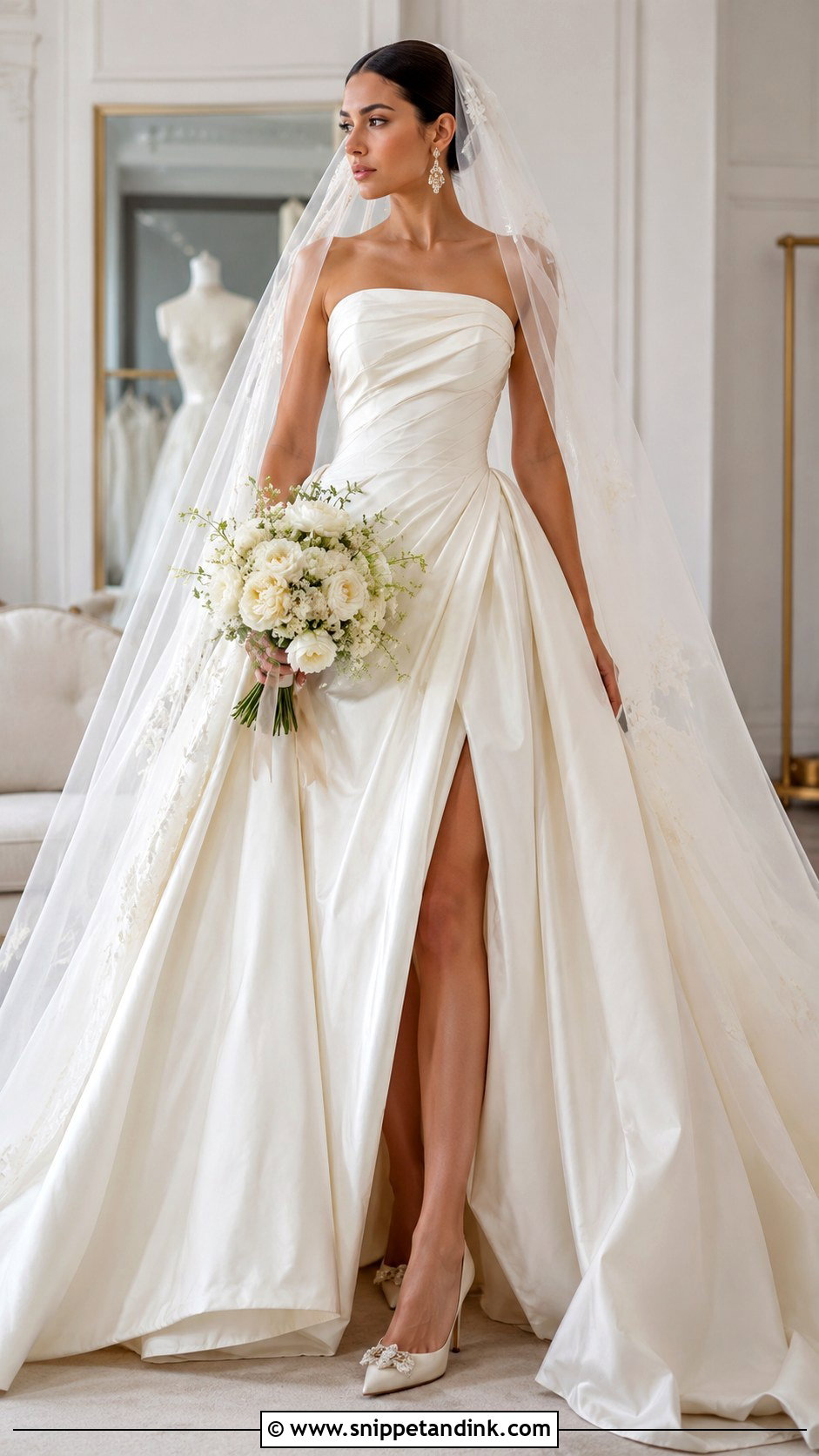
Real couture is built on your body over several fittings, and most brides aren’t wearing that. You can borrow the feeling through structure: a sculpted bodice, hand-finished-looking embroidery, considered draping or a dramatic skirt. What usually gives a gown away as off the rack is fit at the back and waist, so I’d put money into alterations before accessories. Then come refined heels, heirloom-style jewelry, a veil that matches the dress’s scale, a balanced bouquet and hair that looks intentional.
19. Dior Reception Wedding Dress
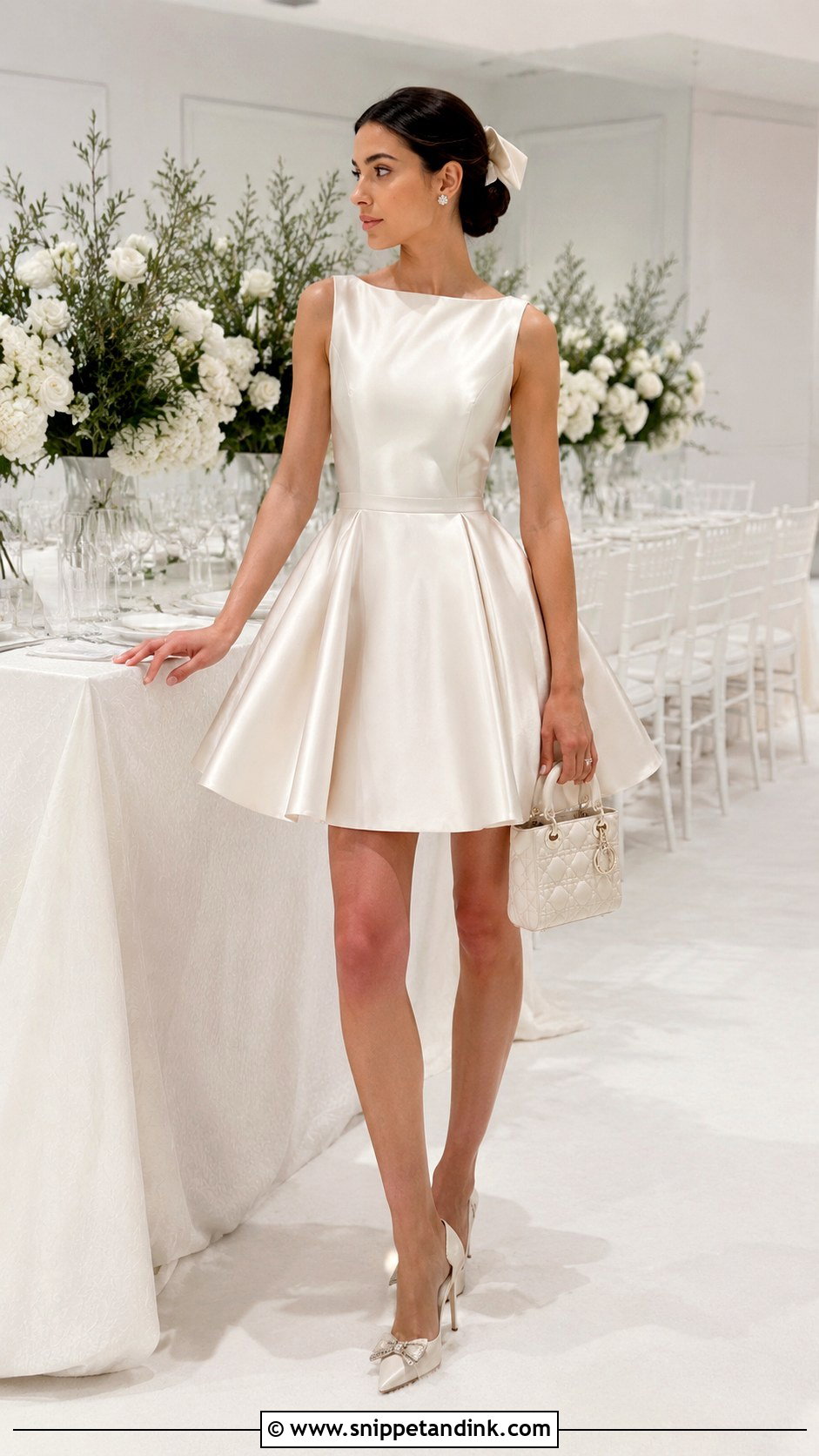
The reception dress is for dancing, so I test it by moving in it, not by standing in front of a mirror. A shorter dress, slim column or soft midi with a defined shape still reads bridal in satin, crepe, lace or feather-light trim. Feather trim sheds a little, worth knowing if your partner is in a dark suit. Statement heels, small sparkling earrings and a mini top-handle bag suit it. Drop the long veil for a bow clip, headband or simple hair accessory, and swap the bouquet for something smaller or a floral wrist piece you can wear while greeting guests.
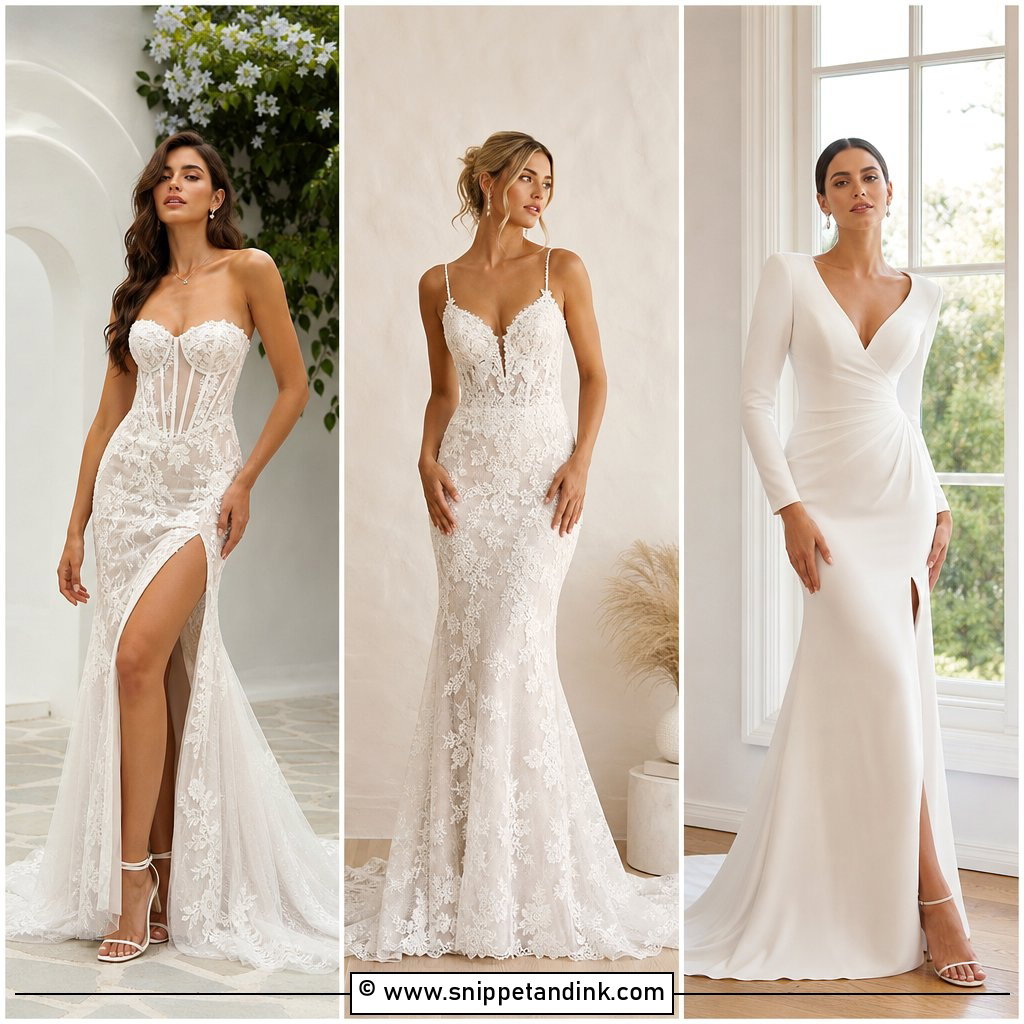
20. Dior Courthouse Wedding Dress
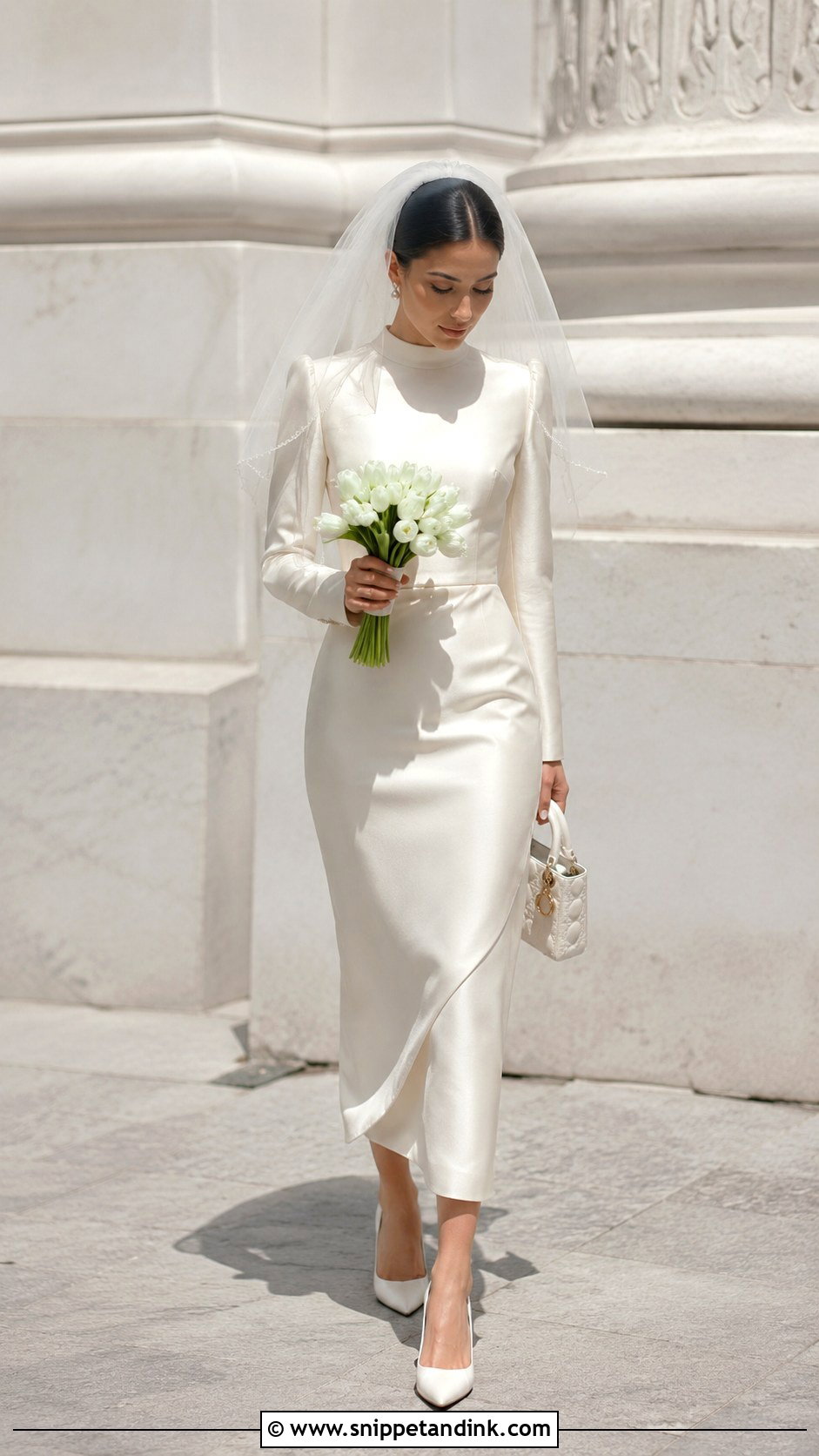
A civil ceremony usually means a small room, a wait in a hallway and photos on the steps outside, so I dress for those three places. A tailored ivory midi, a sleek column or a refined skirt suit all work. Add pointed pumps, pearl earrings and a small structured bag. A short veil, birdcage veil or satin headband brings bridal charm without looking overdone, and white tulips or roses are the right bouquet size. Clean makeup and smooth hair hold up well in a city setting.
21. Dior Wedding Suit
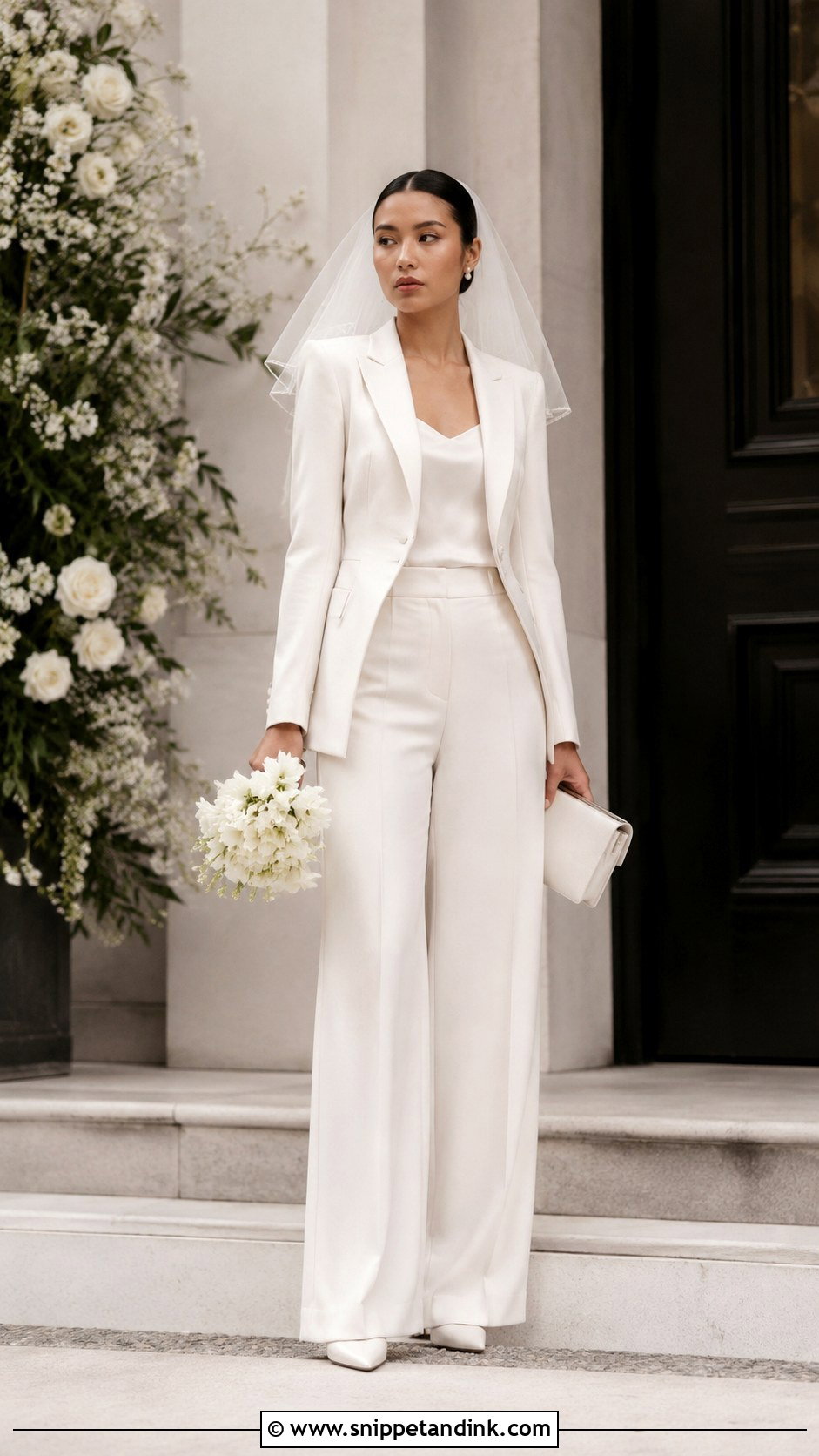
A suit is all tailoring, so the trousers need hemming for the exact heels you’ll wear, ideally just skimming the top of the shoe. Choose an ivory blazer with a defined waist and wide-leg trousers, or a matching skirt for something softer, over a silk camisole or structured corset-style top. Pointed heels, pearl earrings and a sleek clutch keep it polished, and a short veil or satin headband makes it ceremonial without hiding the cut. Carry a small white bouquet. I suggest it for courthouse ceremonies, modern venues and second looks, and for brides who simply feel more like themselves in a jacket.
22. Dior Wedding Dress With Gloves
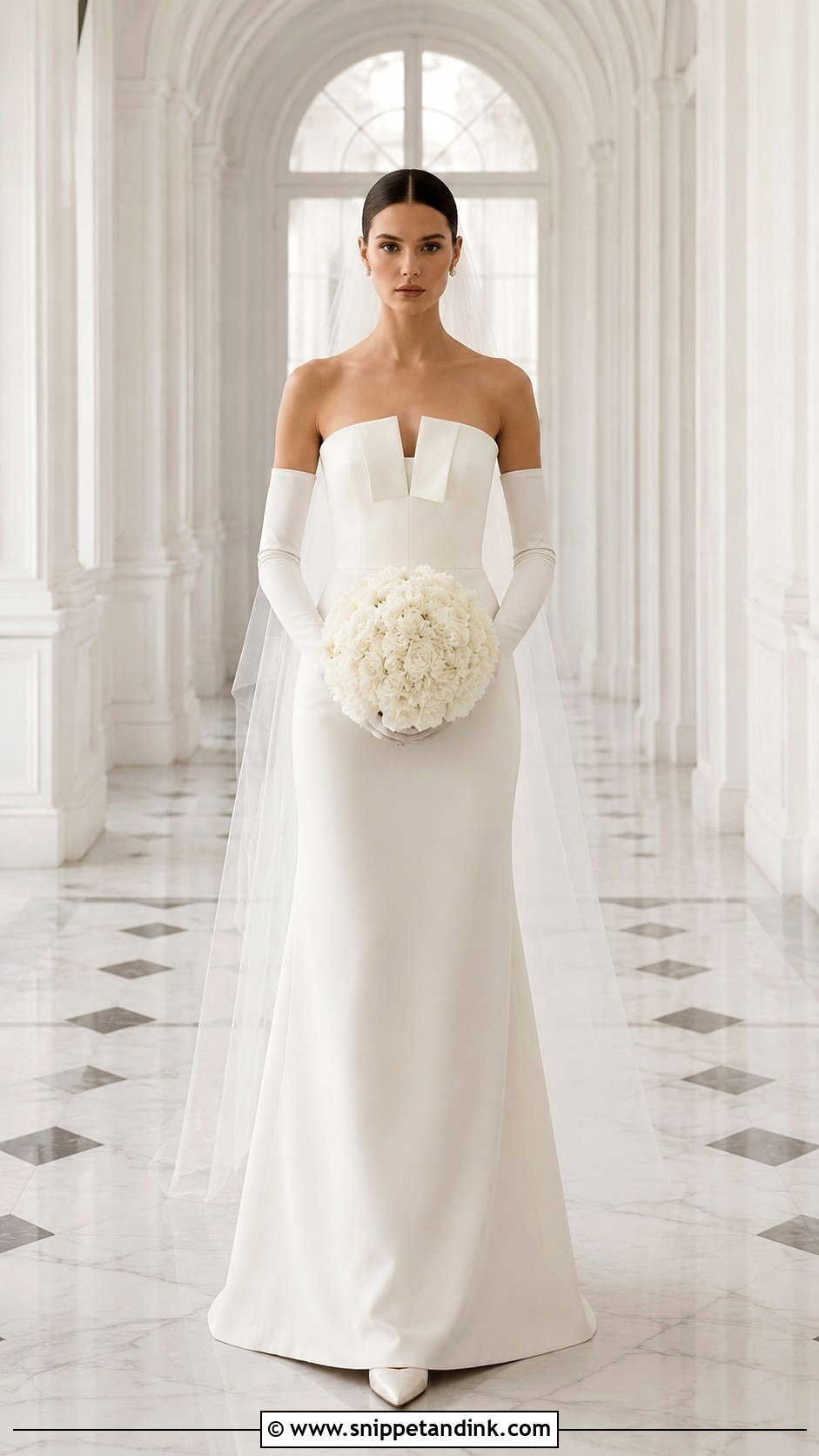
Gloves are the most Dior accessory on this list, and their length has to match the sleeve and hem. A Dior wedding dress with gloves usually means opera-length with a strapless gown, wrist-length with a tea-length dress, or sheer gloves beside lace, all with a clean neckline. The practical issue is the ring. Decide beforehand whether you’ll remove the left glove for the exchange or have the ring finger seam opened, and practice pulling it off quickly. Satin pumps, pearl or diamond earrings, a smooth veil and a rounded bouquet of white flowers finish it.
23. Dior Garden Wedding Dress
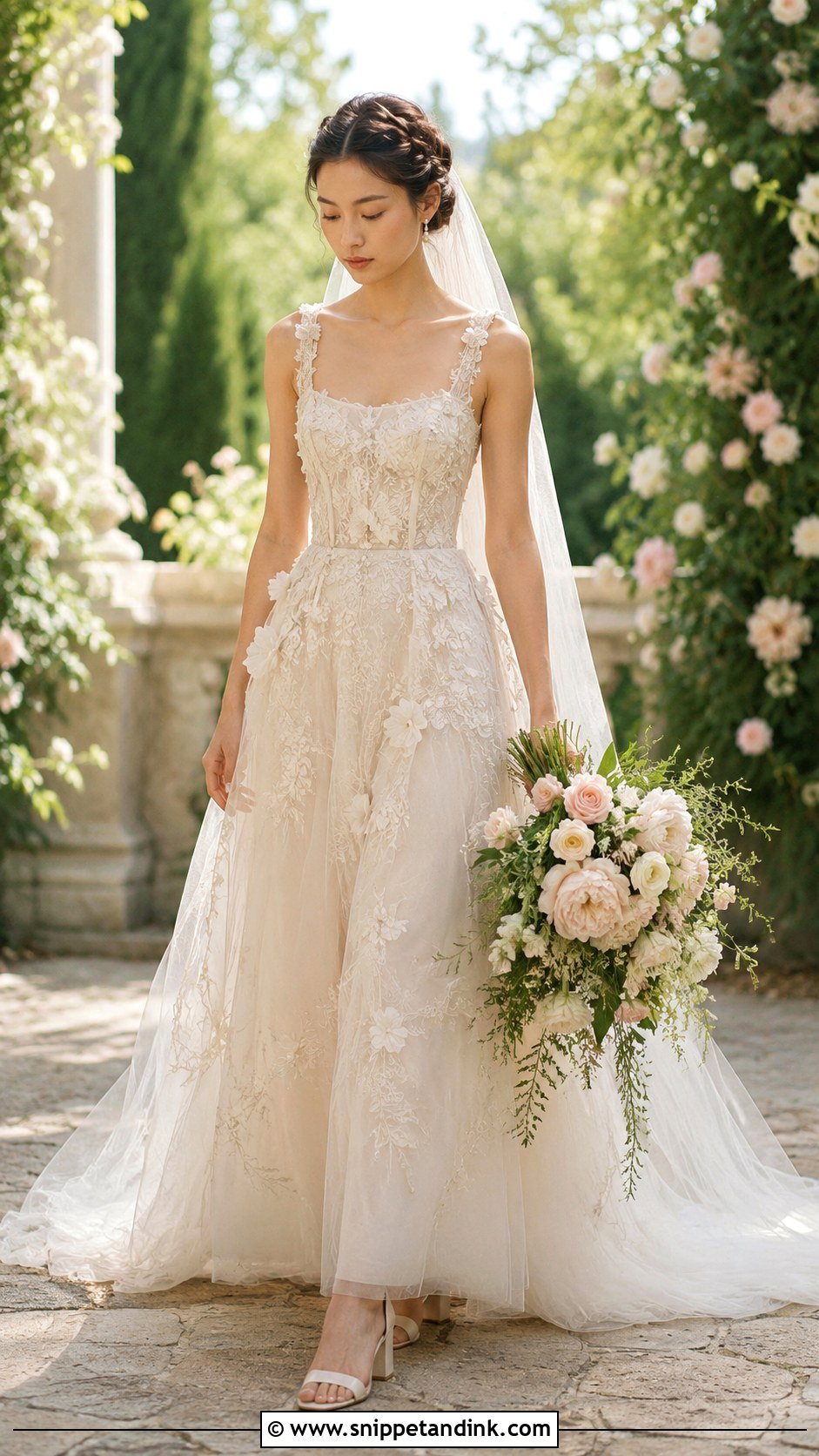
Grass decides this look before anything else. Stilettos sink, so I put garden brides in block heels or elegant flats and pin the hem with those shoes on. Soft tulle, lace, organza or floral embroidery moves well in a breeze, and an A-line with flutter sleeves or a delicate strap stays comfortable through a long outdoor afternoon. Pearl earrings, a sheer veil and a loose bouquet of garden roses, peonies and greenery suit it, with loose waves or a low bun.
24. Dior Beach Wedding Dress
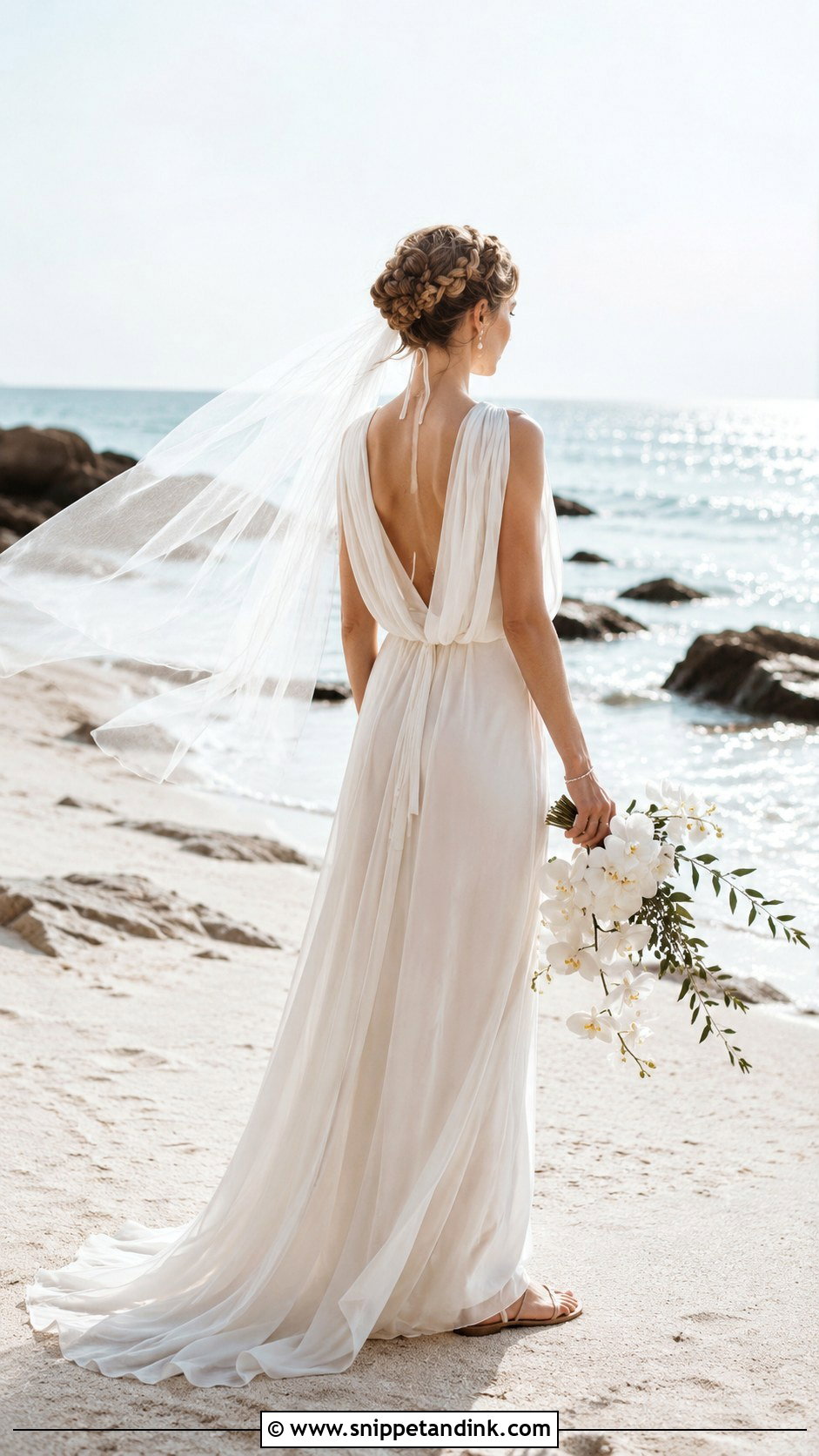
Sand, wind and salt are hard on a gown. A light silk, chiffon or crepe dress with a simple shape and soft train behaves best, while heavy skirts drag and collect sand. Skip stilettos for flat sandals, low block heels or barefoot-style bridal sandals. A light veil will fly, so I either secure it with extra grips or choose a shorter one that won’t wrap around your face in a gust. Pearl earrings, a delicate bracelet and white orchids, roses or tropical greenery keep it fresh, and a low bun stays tidier in wind than soft waves.
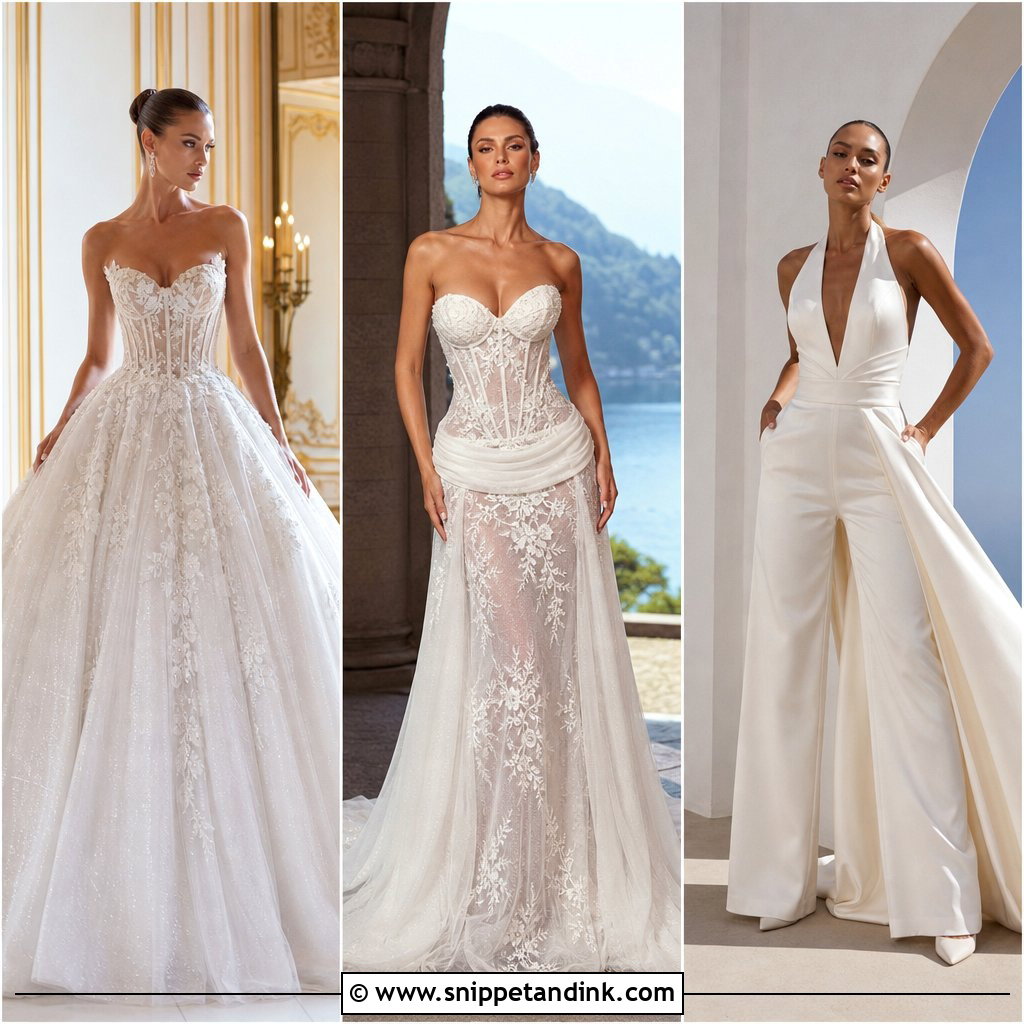
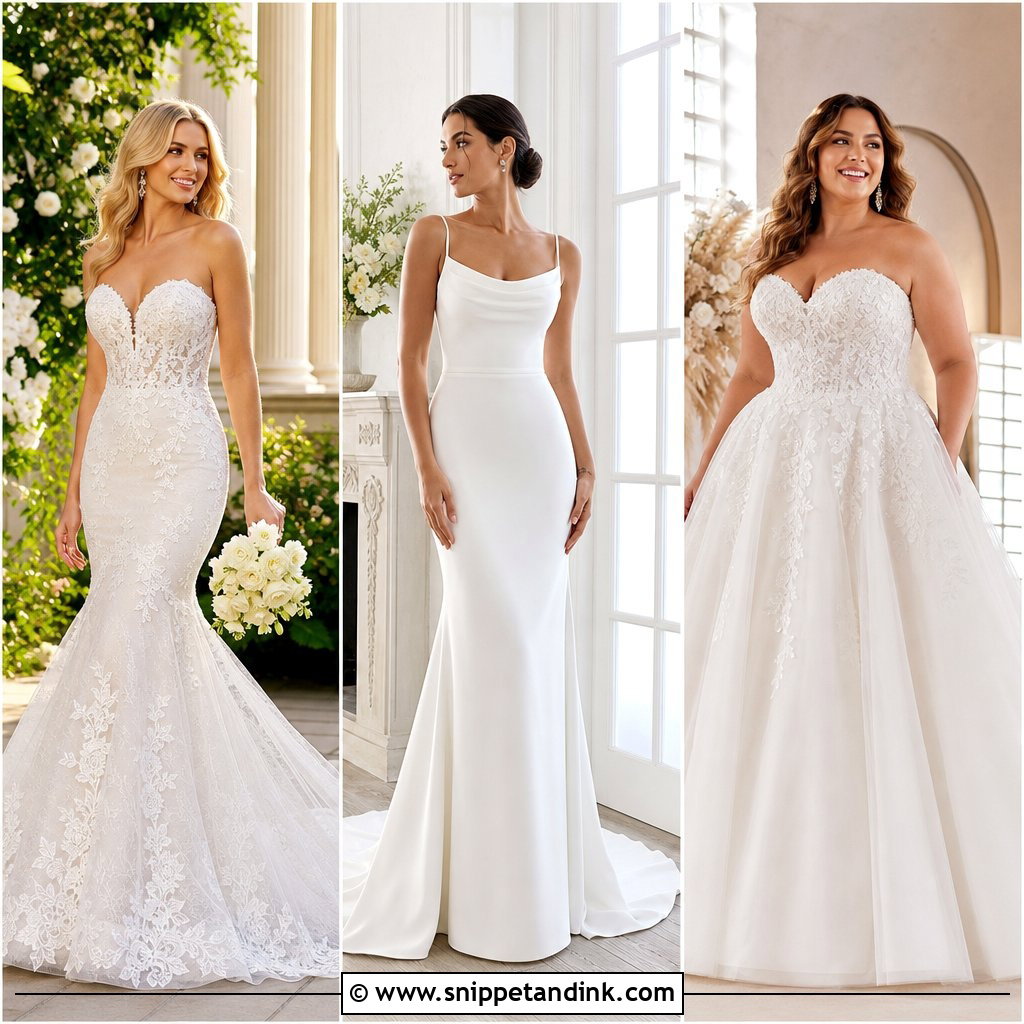
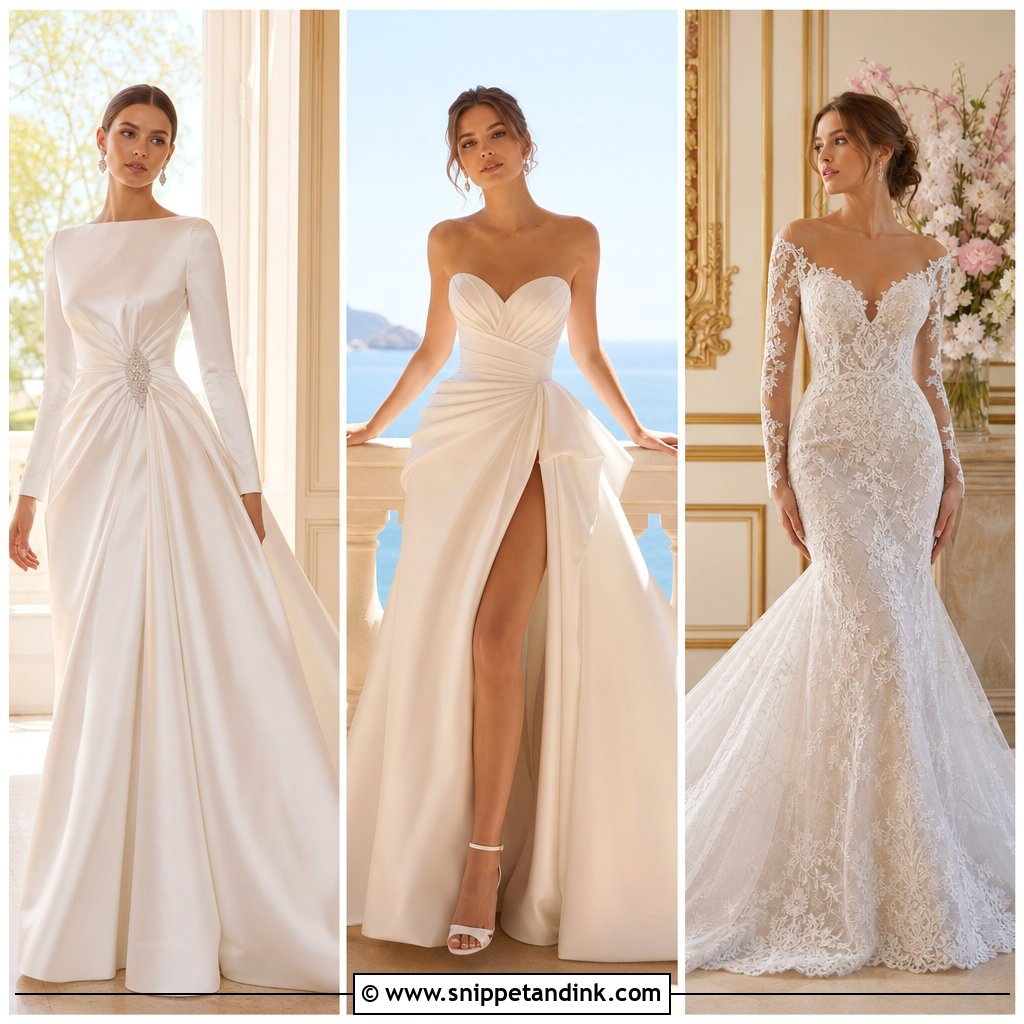
25. Dior Plus Size Wedding Dress
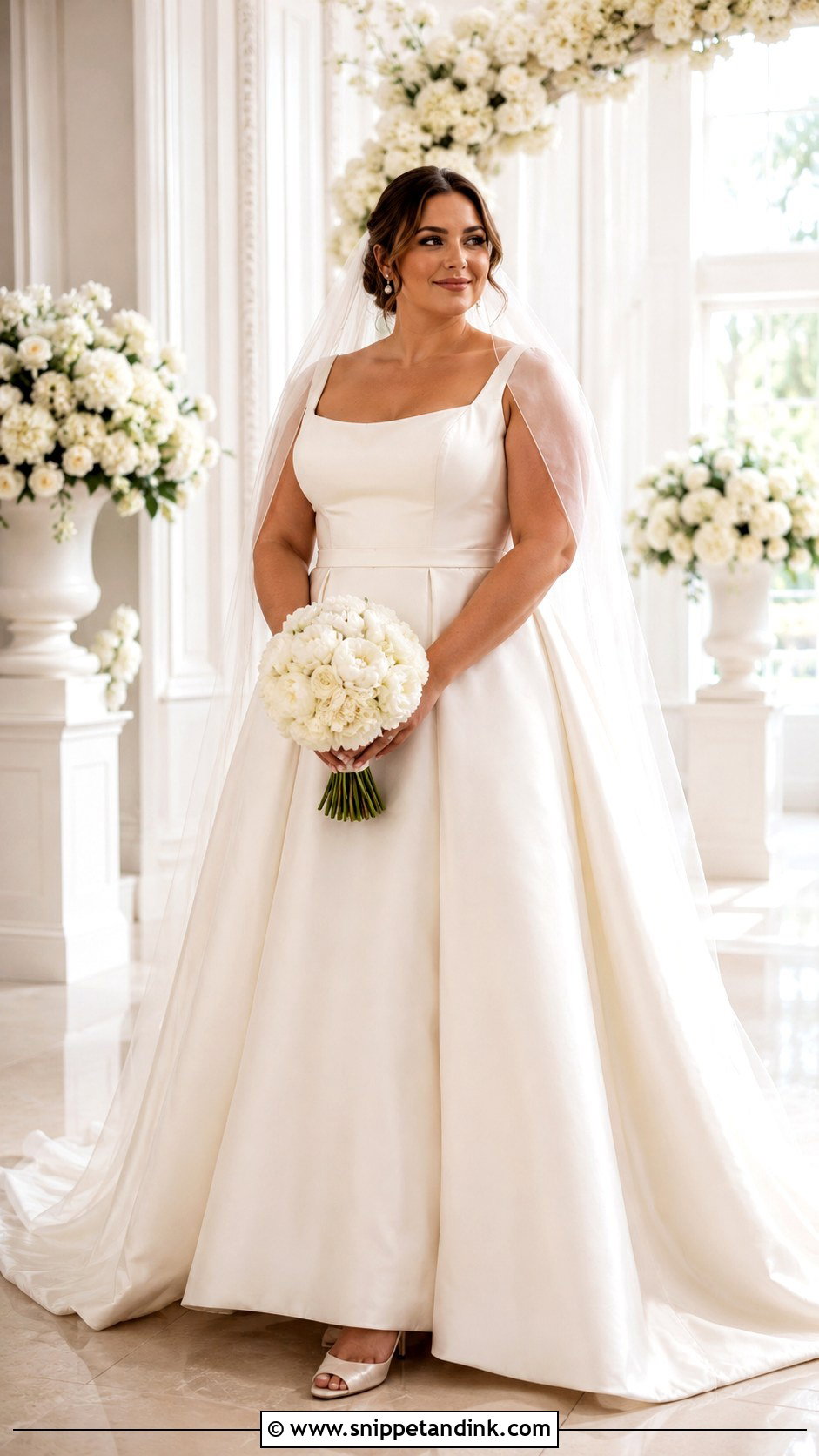
Structure is your friend here. I look for a gown that supports the bust, defines the waist where you want it defined and lets you move, and A-line gowns, ball gowns, wrap-inspired bodices, corset details and smooth crepe all qualify. Internal boning and a waist stay do more than any amount of tightening, and the dress should still feel secure, never restrictive, by the end of dinner. Comfortable ivory heels, pearl earrings and a veil scaled to the gown suit it, and rounded flowers balance the silhouette. If the budget is tight, spend on tailoring first.
Three Fittings for a Boned Bodice, and What Happens at Each
Structured gowns live or die at alterations. I plan for about three fittings, starting roughly two to three months out, with the last one close enough to the wedding that your weight and posture are settled. Seamstress schedules vary a lot, so ask about timing when you buy the dress.
- First fitting: bring the exact shoes and undergarments. The hem is pinned to those shoes and the bodice is shaped around that bra or corset, so swapping either later undoes the work.
- Second fitting: test it like the day itself. Sit, raise both arms, hug someone, step up onto a stair. I’m watching for a bodice that gaps when you sit and a strapless top that creeps down when you reach.
- Final fitting: learn the bustle with whoever will do it on the day, and try the veil with your hairstylist’s placement in mind.
If a gown needs more than taking in, such as a new neckline or a moved waist seam, that’s a bigger job. Talk it through with the seamstress before you pay for the dress, not after.
Silk and Tulle After the Last Dance
Pale silk and satin show stains later than you’d expect. Champagne, cake and sweat can dry clear and then turn yellow or brown in storage as the sugars oxidize, so I tell brides to get the gown to a cleaner who handles bridal fabrics within a few weeks, not months, and to point out every spill they remember.
Skip the plastic garment bag for storage. Silk needs to breathe, so wrap it in acid-free tissue inside an acid-free box or a cotton bag, kept somewhere cool, dark and dry. A heavy ball gown shouldn’t hang by its shoulders for months, because the weight stretches the bodice; fold it flat with tissue in each fold, or hang it from the inner loops at the waist. Tulle steams back to life later, but crushed satin creases are much harder to lift, so pad those folds generously.
Where the Waist Sits Decides the Rest
A Dior-inspired look is a whole outfit, not a gown on its own. Shape, fabric, accessories, beauty and setting all have to point the same way, whether you go grand, floral, minimal or tailored. The strongest versions I’ve styled had one clear focus, a sculpted waist, a lace sleeve, a cape, a clean satin finish or a bow, and every other choice supported it. Decide on yours first, then let the shoes, veil and flowers follow.
You'll Like These Ideas:


Leave a Reply