
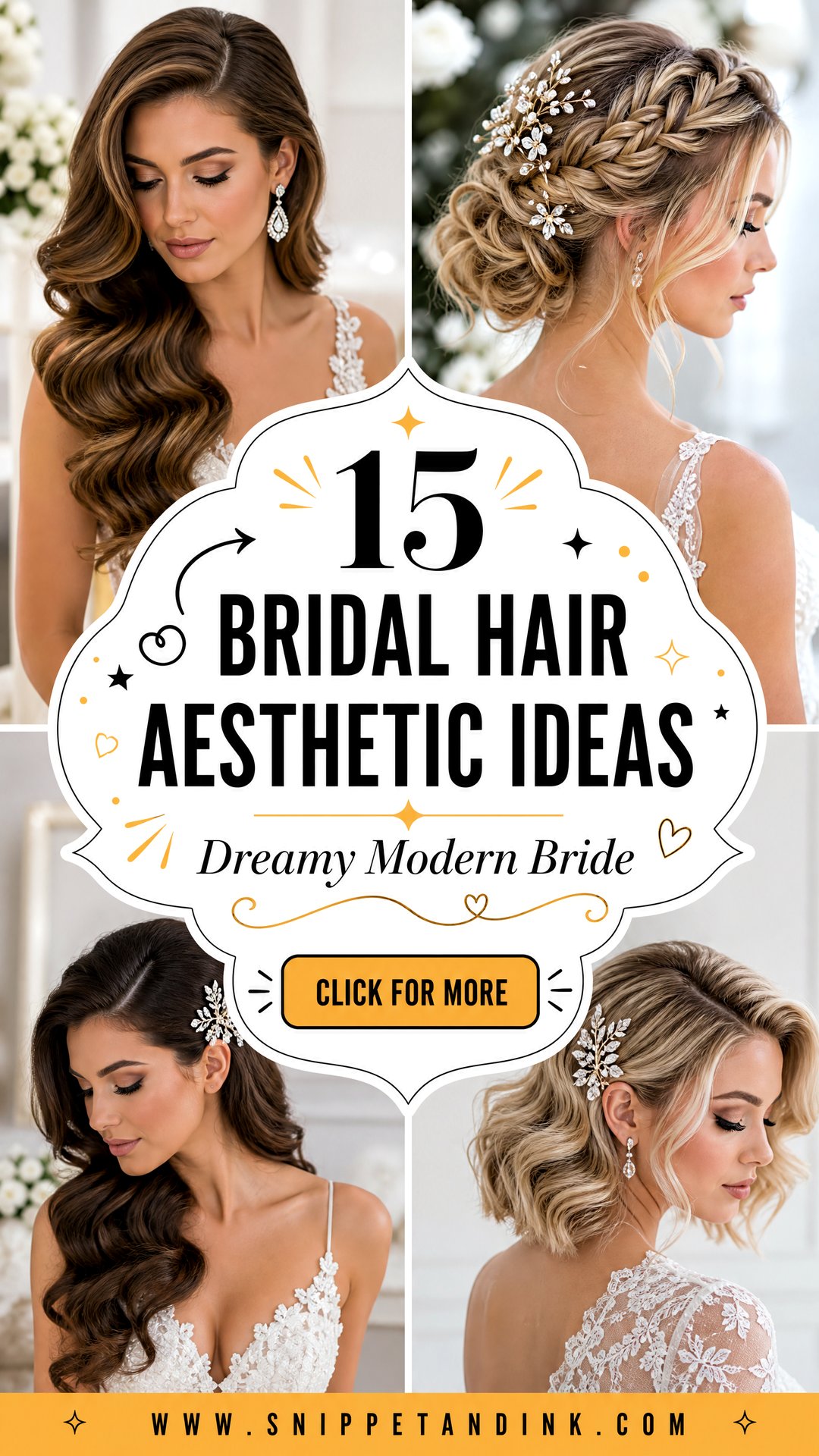
Wedding hair sets more of the look than most brides expect. It decides where the veil sits, how much of the neckline shows and whether the back of the dress gets seen in the ceremony photos. The styles I’m asked for most right now are polished but personal: soft buns, clean ponytails, waves, sculpted curls and modern twists that still hold at the reception. When I sit with a bride at a trial, I’m matching the style to her face, her hair texture and her venue, not to the photo with the most saves. Here are fifteen I’d happily take into a trial, with honest notes on who each one suits.
Reading a Hair Photo Before You Hand It to Your Stylist
Most bridal hair pictures online were taken minutes after the last pin went in, often on a model wearing clip-in wefts, under soft window light. I still want to see them. I just want you to read them first, because a photo tells me a lot more when you know what you’re looking at.
- Look at the size of the bun or the fullness of the waves. If your hair is fine, a big low bun in a photo probably has added hair inside it, and we should talk about padding at the trial.
- Check the hairline. Slicked styles look very different on a soft, wispy front than on a strong one, so find an example whose hairline resembles yours.
- Hunt for the back view. Guests see the back of your head for most of the ceremony, and some styles that look full from the front are a flat knot from behind.
- Notice the light. Glossy studio waves can look stiff in midday sun, while textured styles keep their charm in harsh light.
When you message me, send one photo you love, one you dislike and a picture of your neckline and veil. The one you dislike is often the most useful, because it shows me where your line sits between soft and messy.
1. Bridal Low Bun
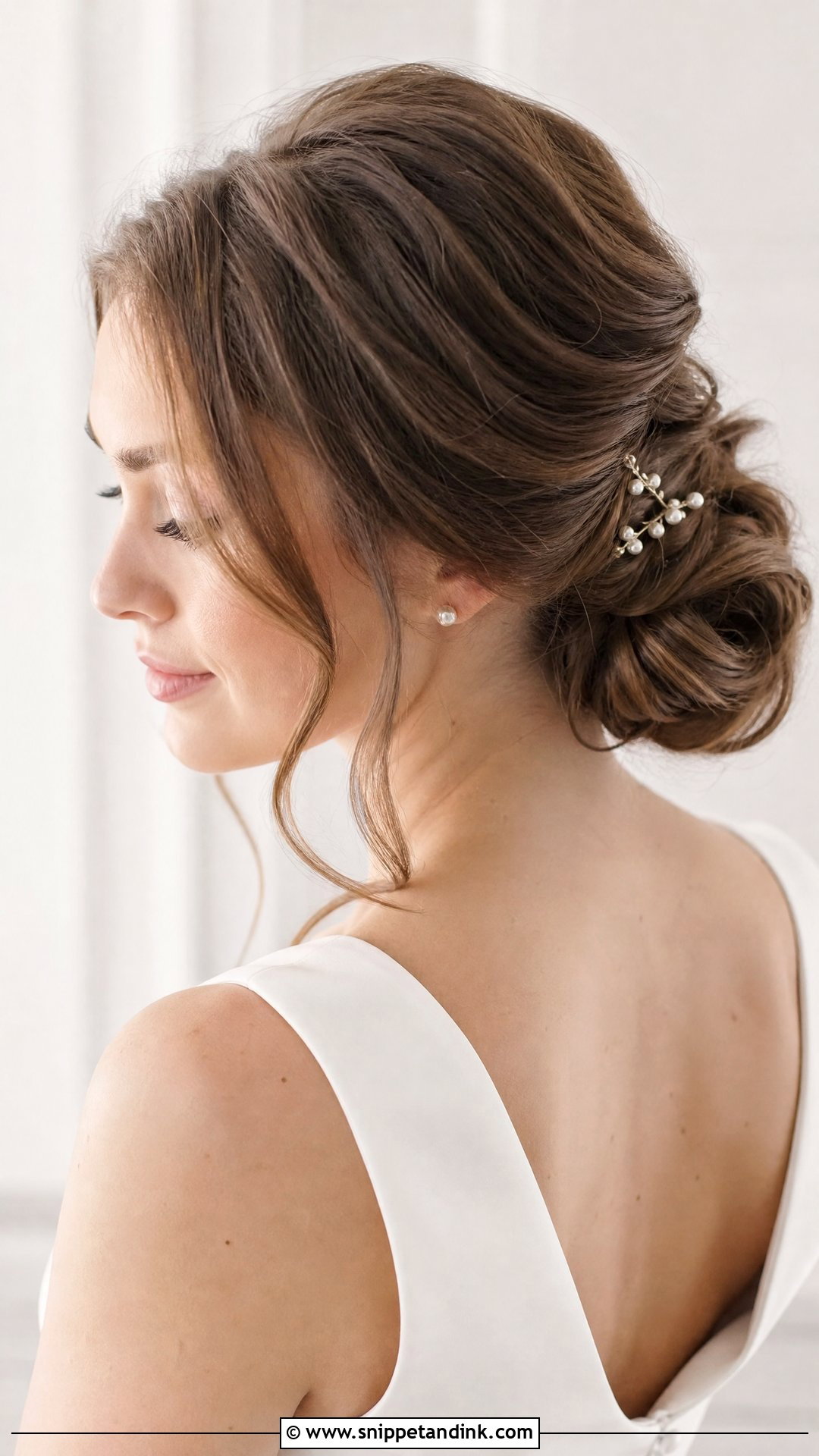
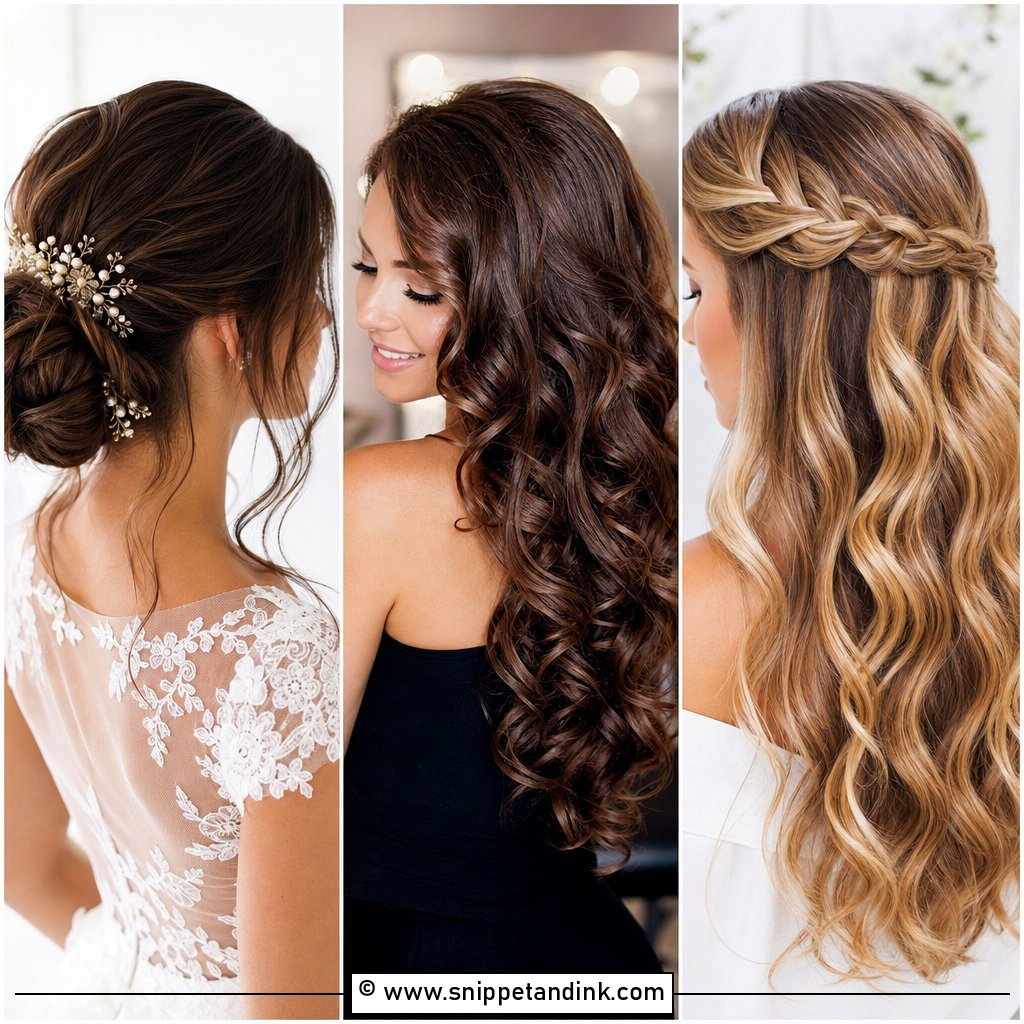
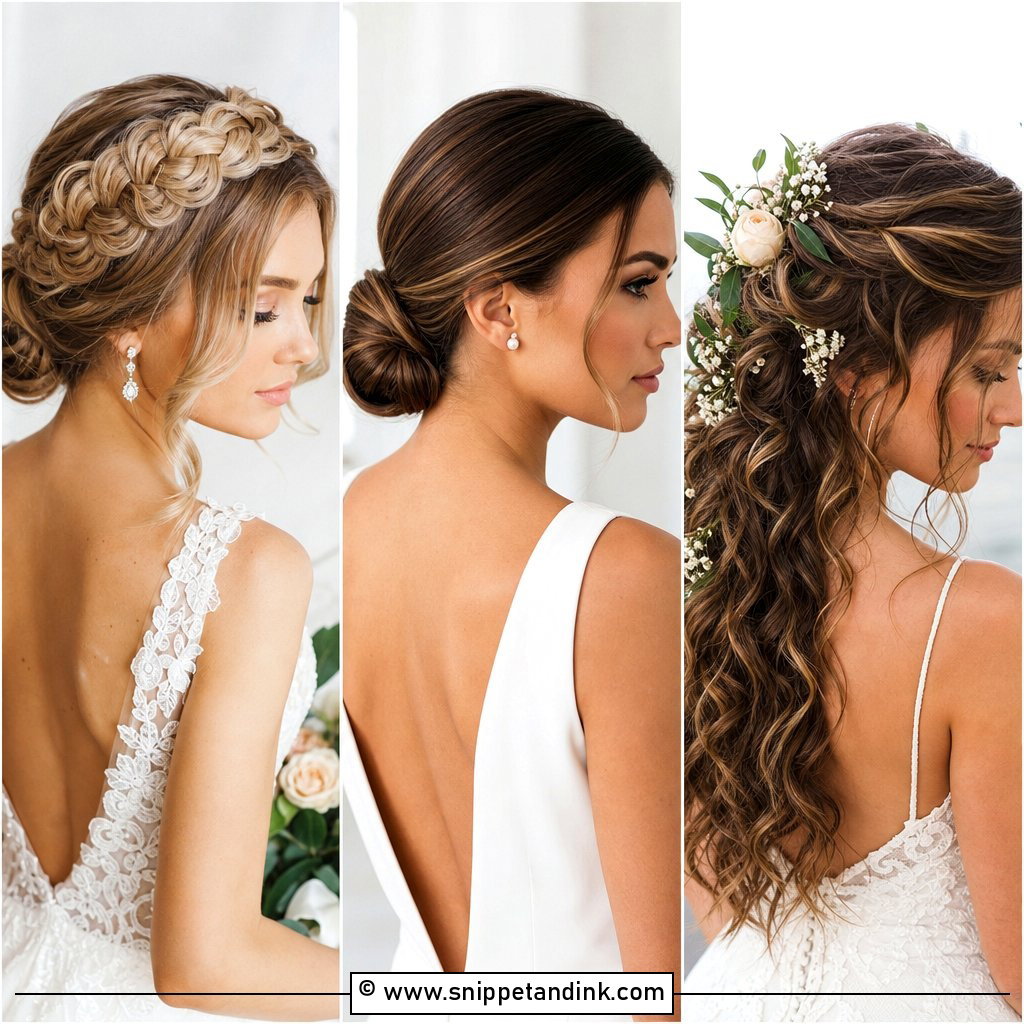
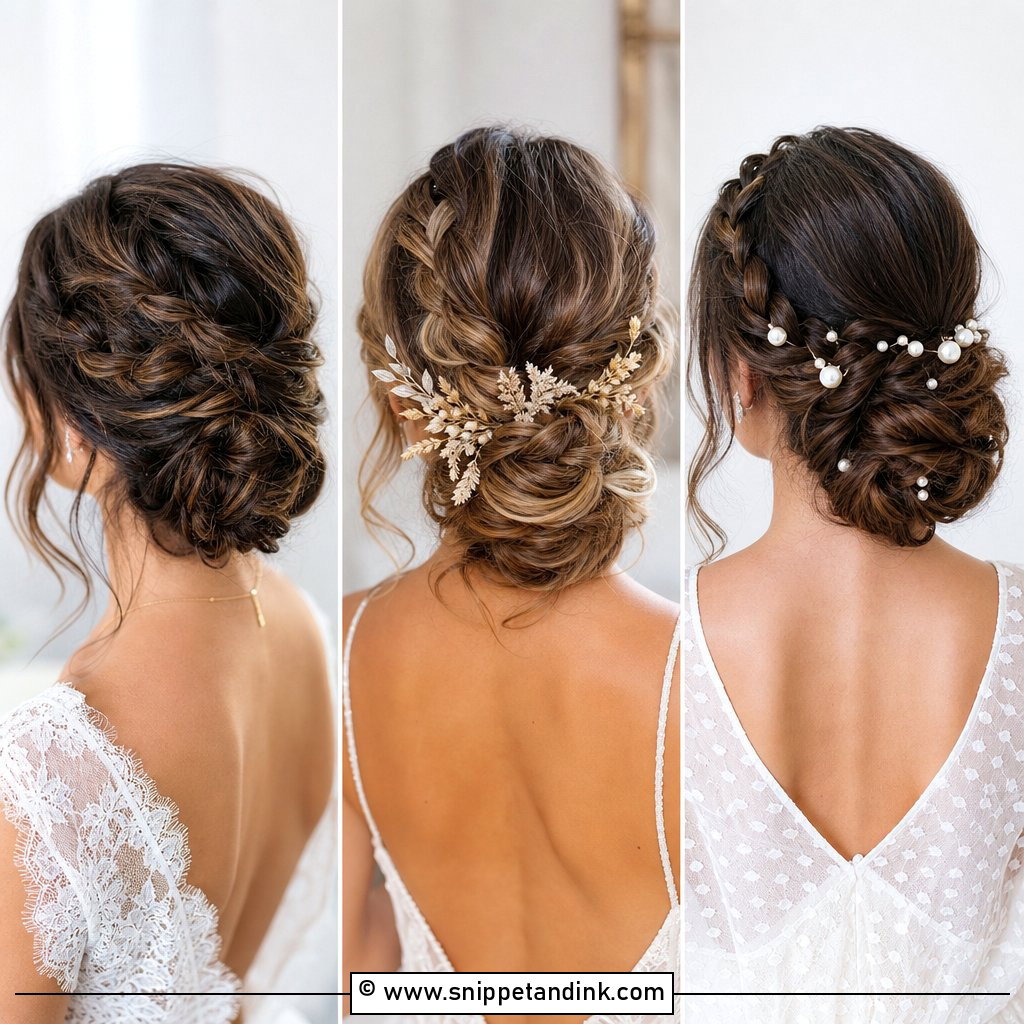
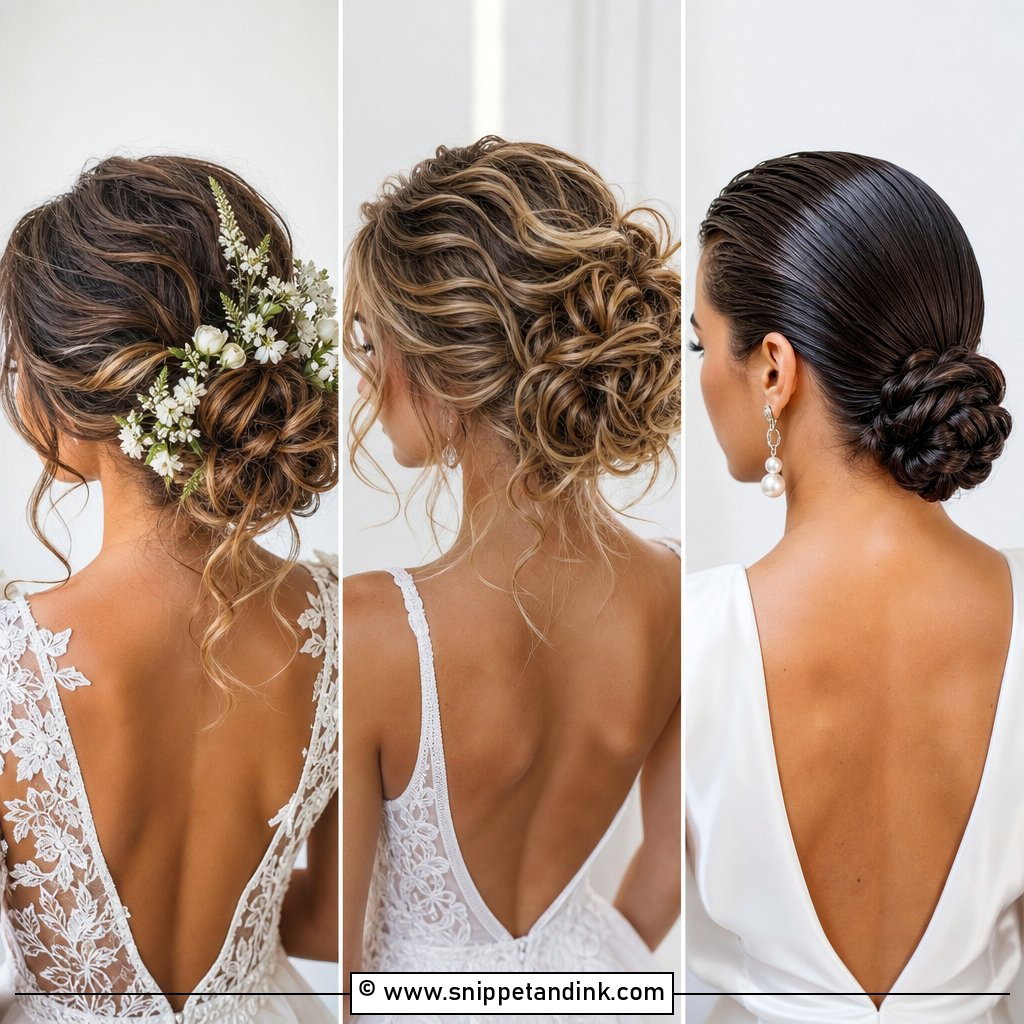
The low bun is the style I can promise will look right from every angle, which matters when guests spend the ceremony looking at the back of your head. Because it sits at the nape, it leaves room above it for a veil comb or pearl pins, and it keeps hair off a lace bodice, open back or high collar. I build it on a small hidden ponytail or two crossed pins so the weight has an anchor; a bun pinned straight into loose hair starts to droop by dinner. Ask for gentle lift at the crown so the profile isn’t flat. Face-framing pieces soften it, while a smoother finish gives it a modern, clean bridal aesthetic.
2. Bridal Hollywood Waves
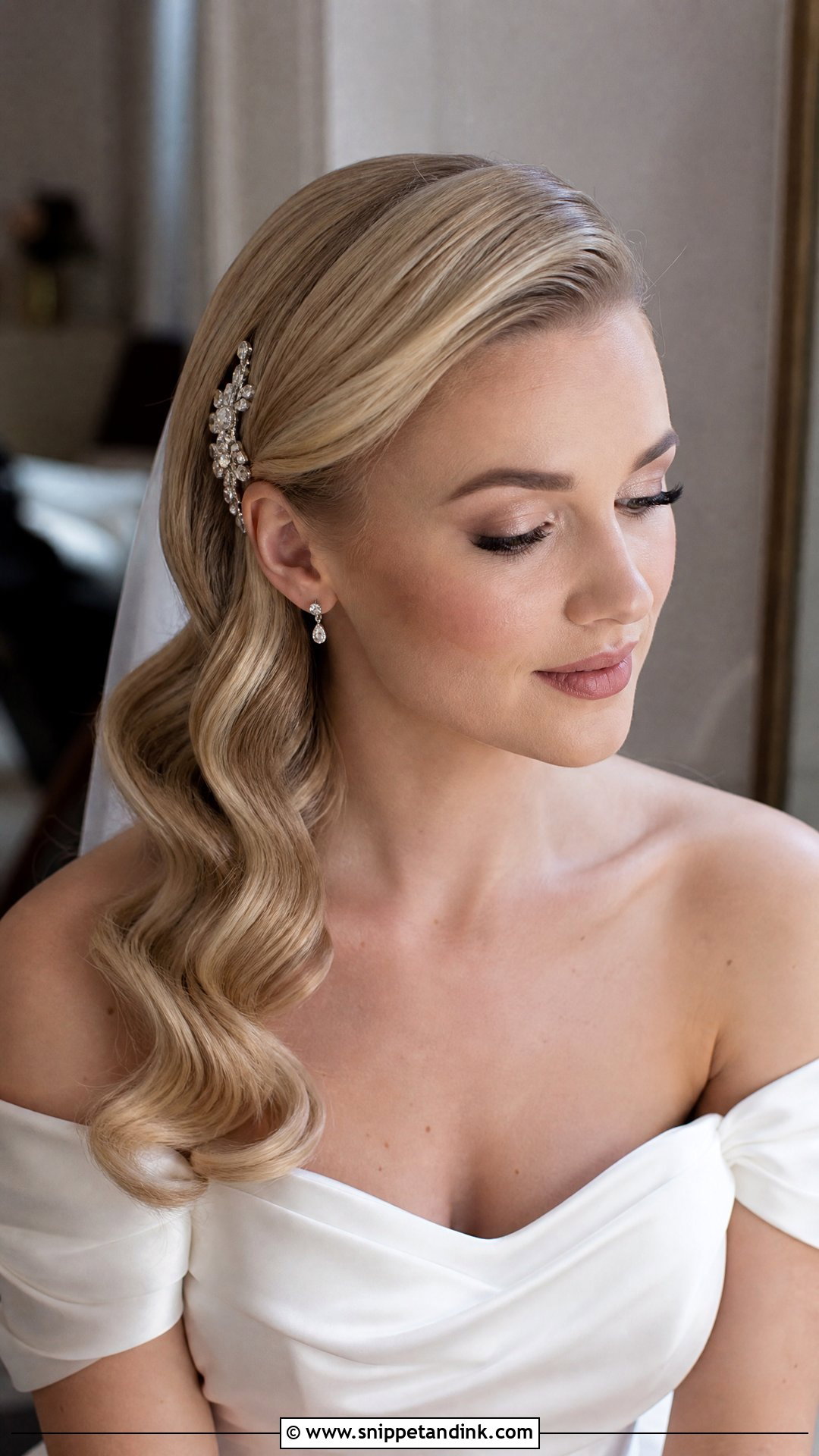
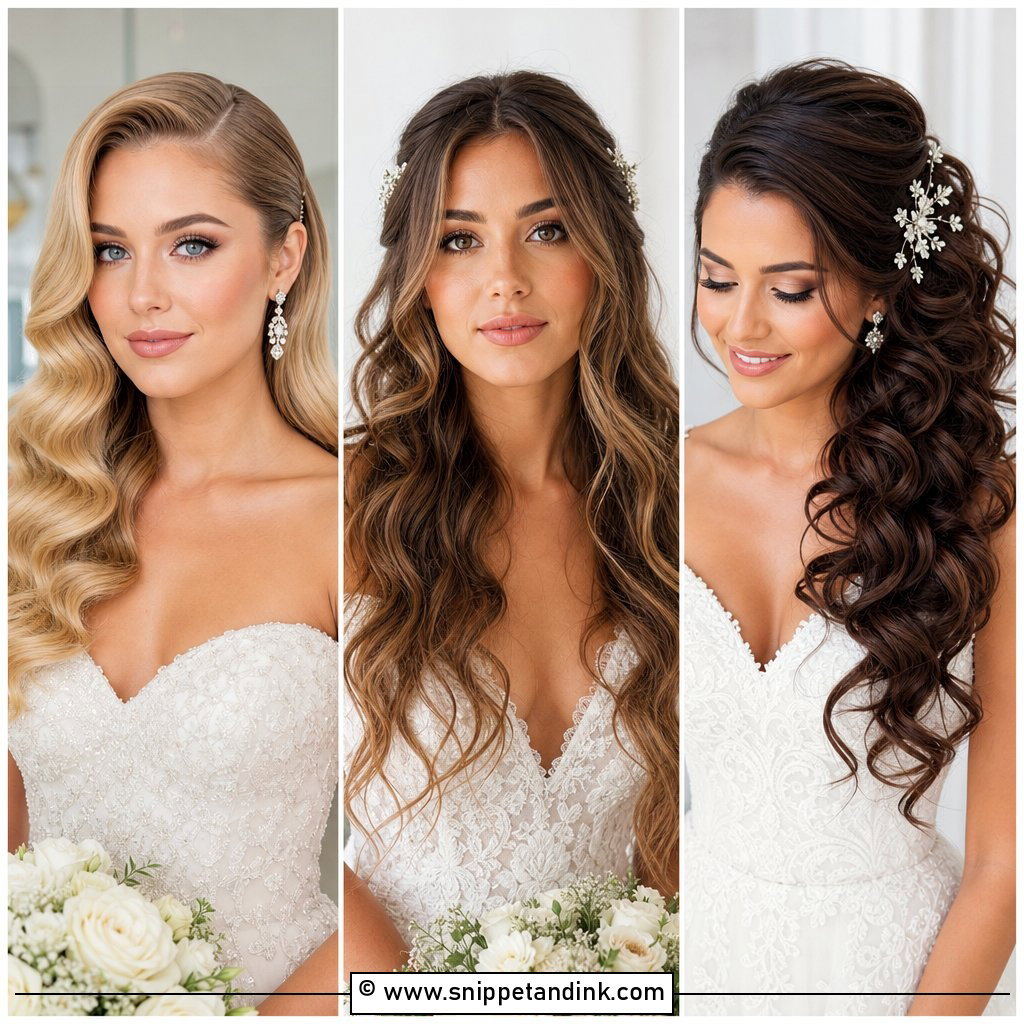
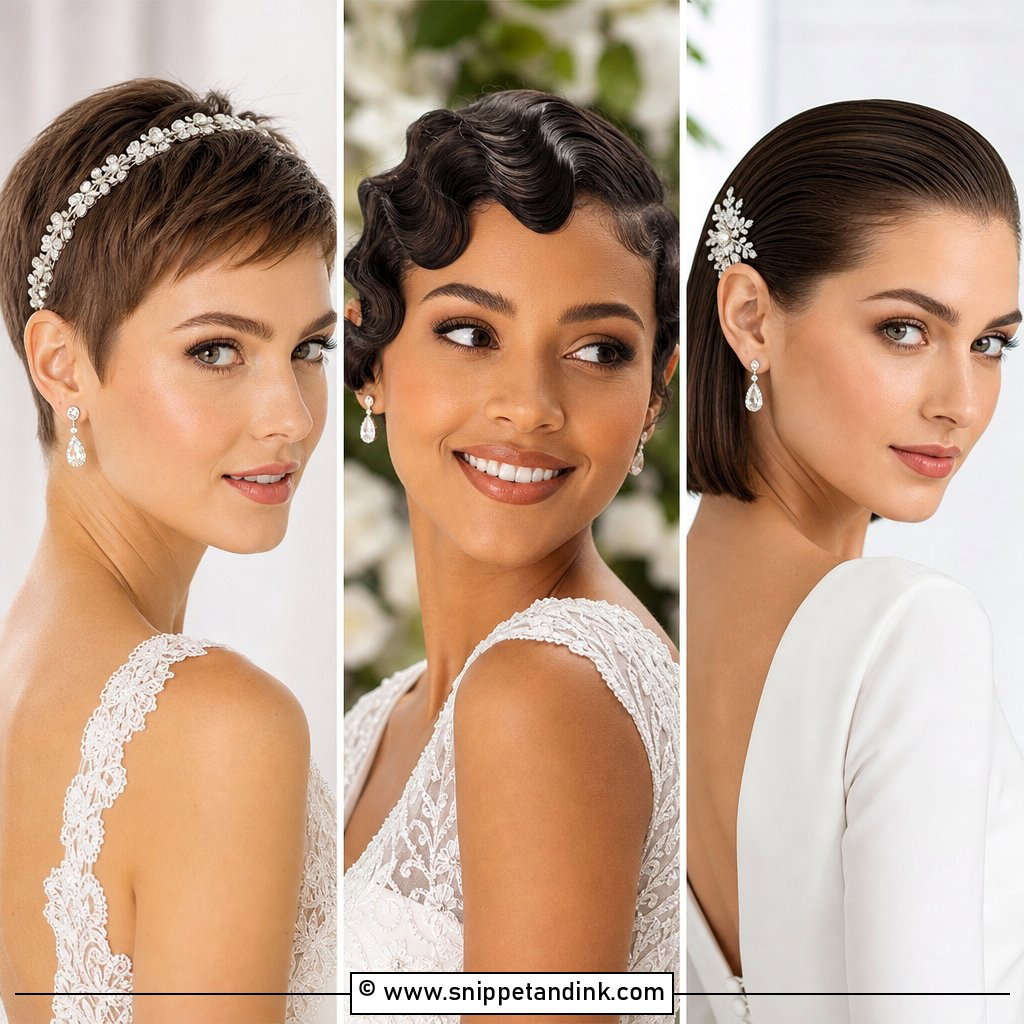
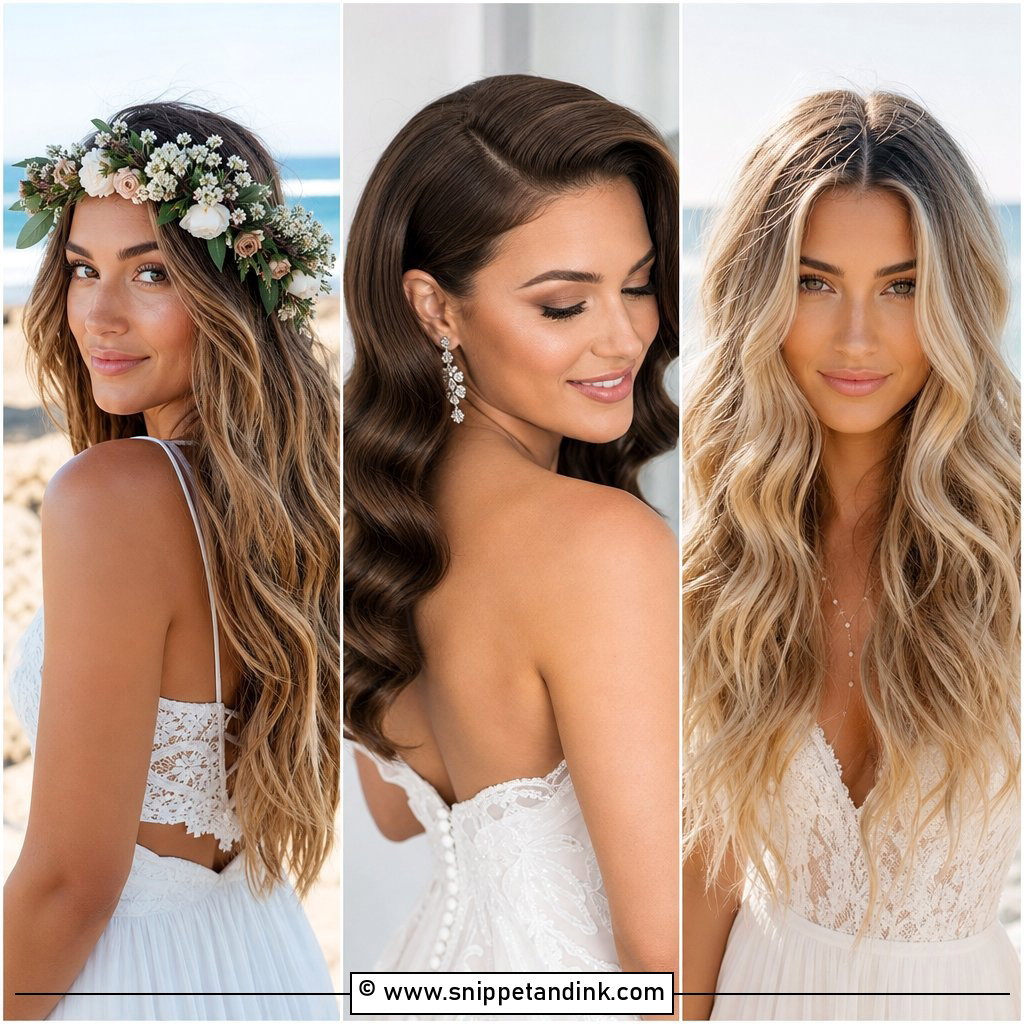
Hollywood waves are glamour with rules. Every wave is set in the same direction, which is what creates that glossy ripple, and one side is usually tucked behind the ear to show the shape. I curl the whole head one way, pin each curl flat to cool, then brush the set out with a boar bristle brush and press the ridges with clips while the spray dries. Skip the cooling and the pattern falls within the hour. Medium to long hair gives the deepest ripple, and it sits best against strapless satin or a vintage-leaning gown. You want hold without crunch, so I use a light setting spray at prep and very little at the finish.
3. Bridal Half Up Half Down Hair
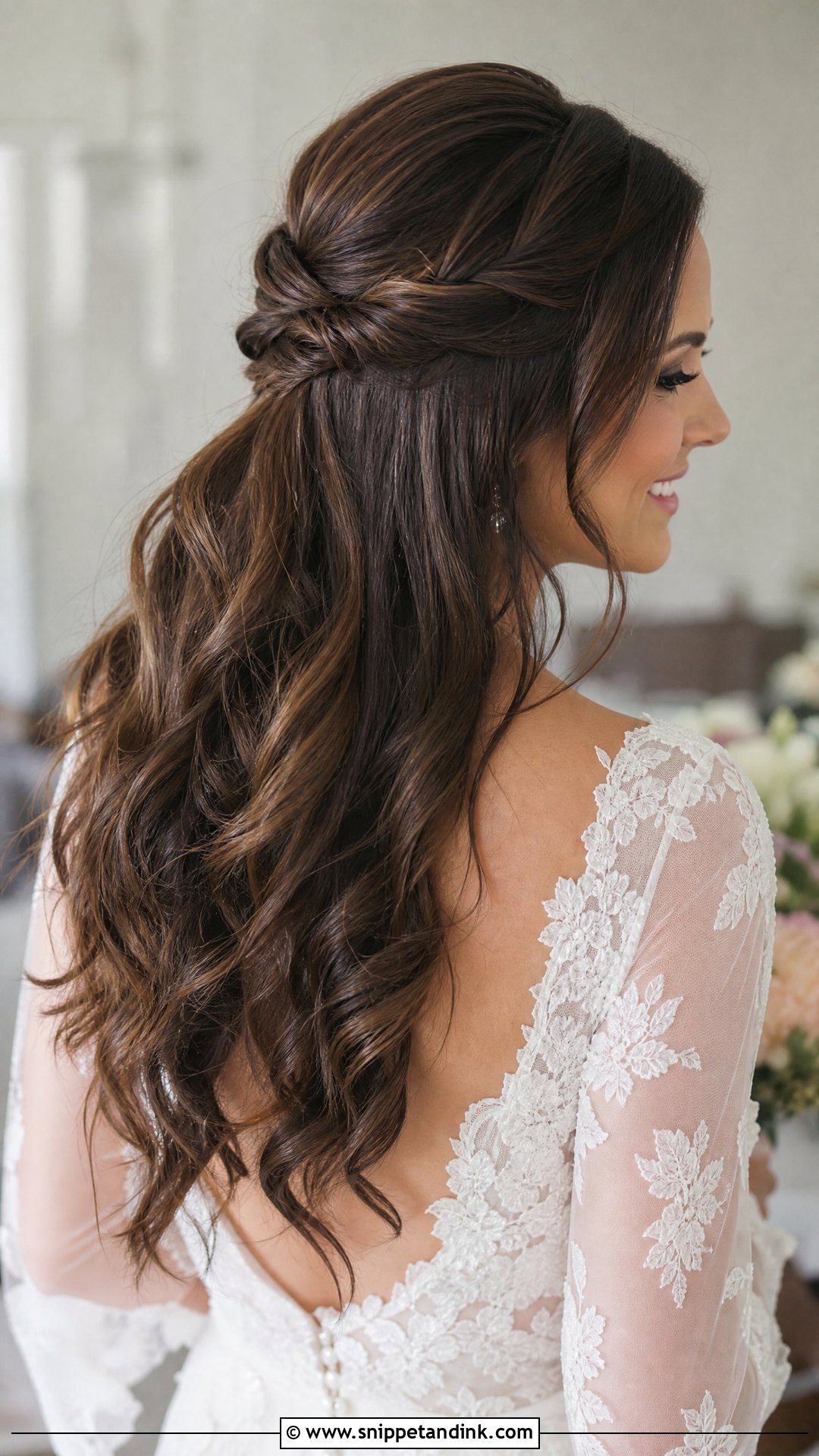
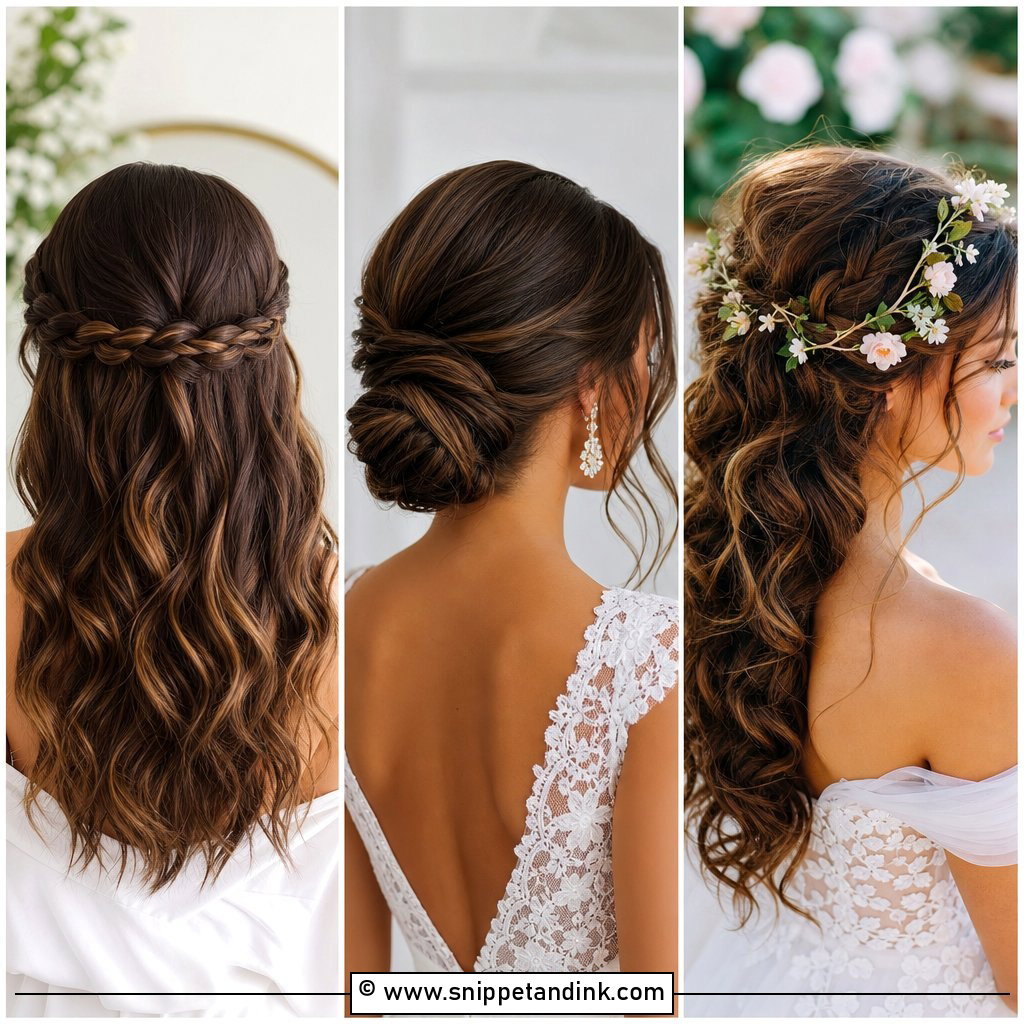
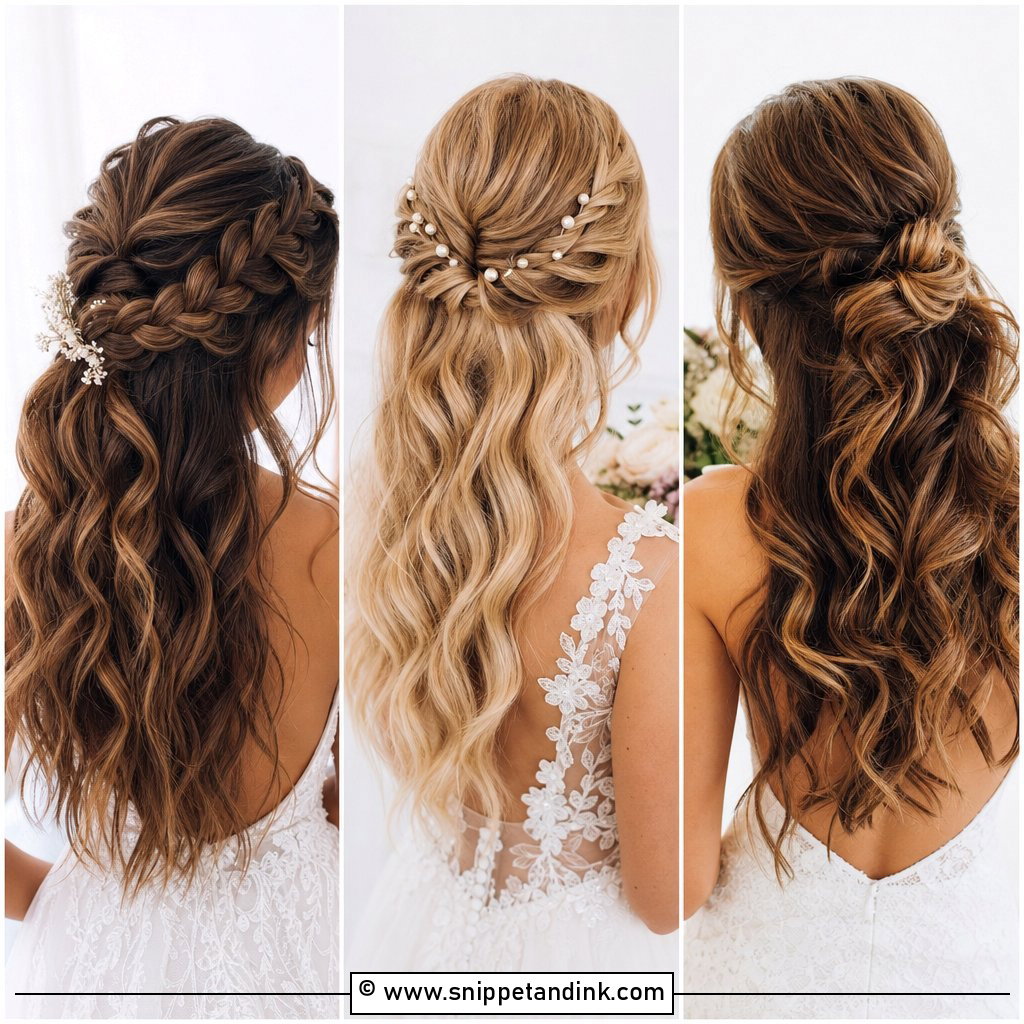
Half up gives you hair down for the portraits while keeping the front lifted and off your face during the vows. The top can be twisted, braided or softly pinned into a small crown, with loose waves through the lengths. The part people underestimate is that crown section, because it is also what the veil comb grips. I back-comb lightly underneath and cross two pins there before the comb goes in; without that, a heavy veil slides backward by the first dance. On very fine straight hair, expect the lengths to relax and plan a quick touch-up before the reception.
4. Bridal Sleek Bun
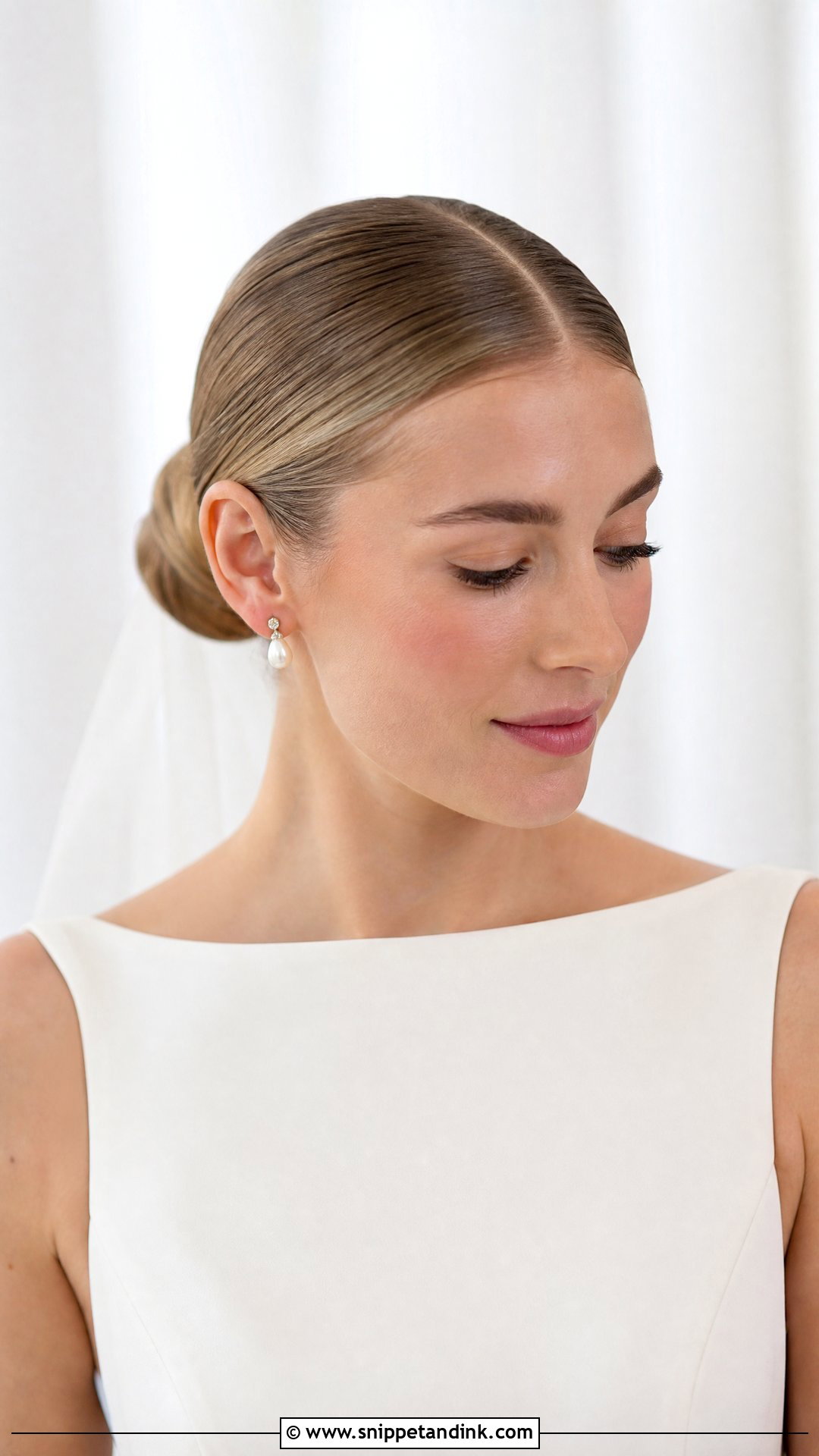
A sleek bun is the most exposing style here, and I say so up front. With every strand smoothed back from a center or soft side part, your hairline, ears and head shape are all on show. It pairs with clean gowns, structured fabric and pearl or diamond studs, and it copes with heat better than almost anything. Where it goes wrong is tension. Pulled tight at nine in the morning, it can give you a headache by the speeches, so I smooth with gel and a fine brush rather than force and leave the base a touch looser than you’d expect. The shine does the work, not the tightness.
5. Bridal Textured Updo
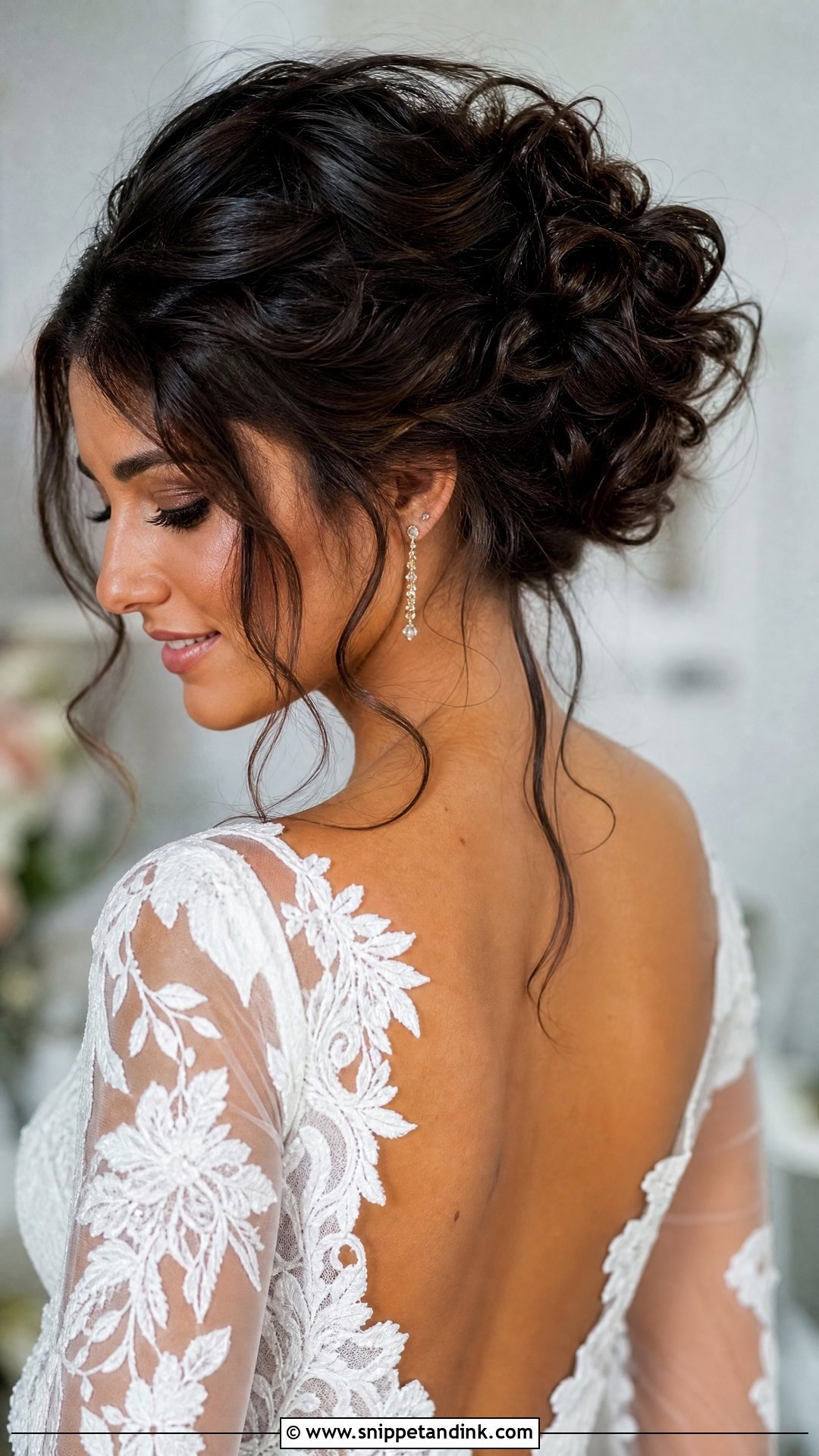
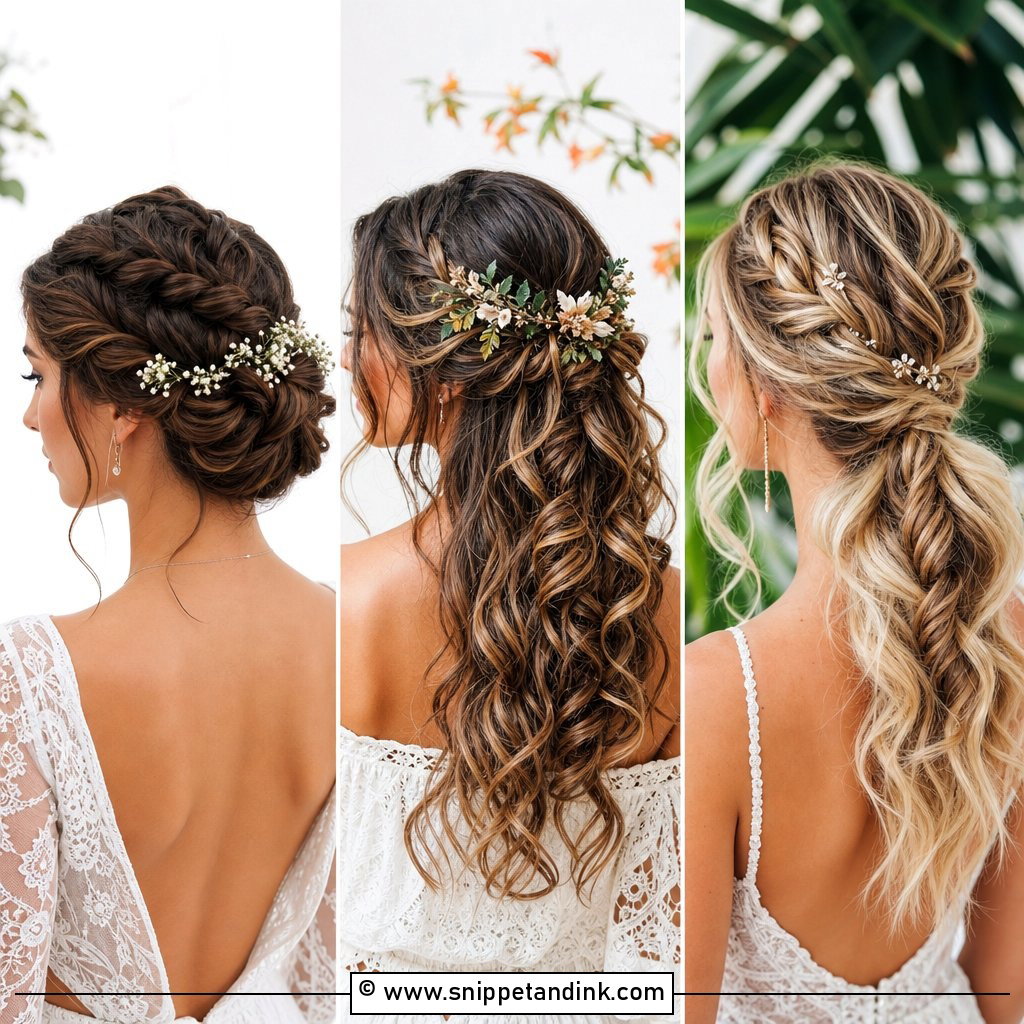
This is my usual answer for brides who don’t want a perfectly smooth bun but don’t want their hair loose either. It’s built from pinned curls, soft twists and lifted roots, finished slightly undone, which suits garden venues and lace. Texture is also the kindest thing I can do for fine hair: dry texture spray over a curl set makes thin hair look far fuller. The catch is that undone still needs a firm skeleton. I pin the base tightly first and only then pull the surface apart, so the loose pieces are a choice rather than a collapse.
6. Bridal Chignon
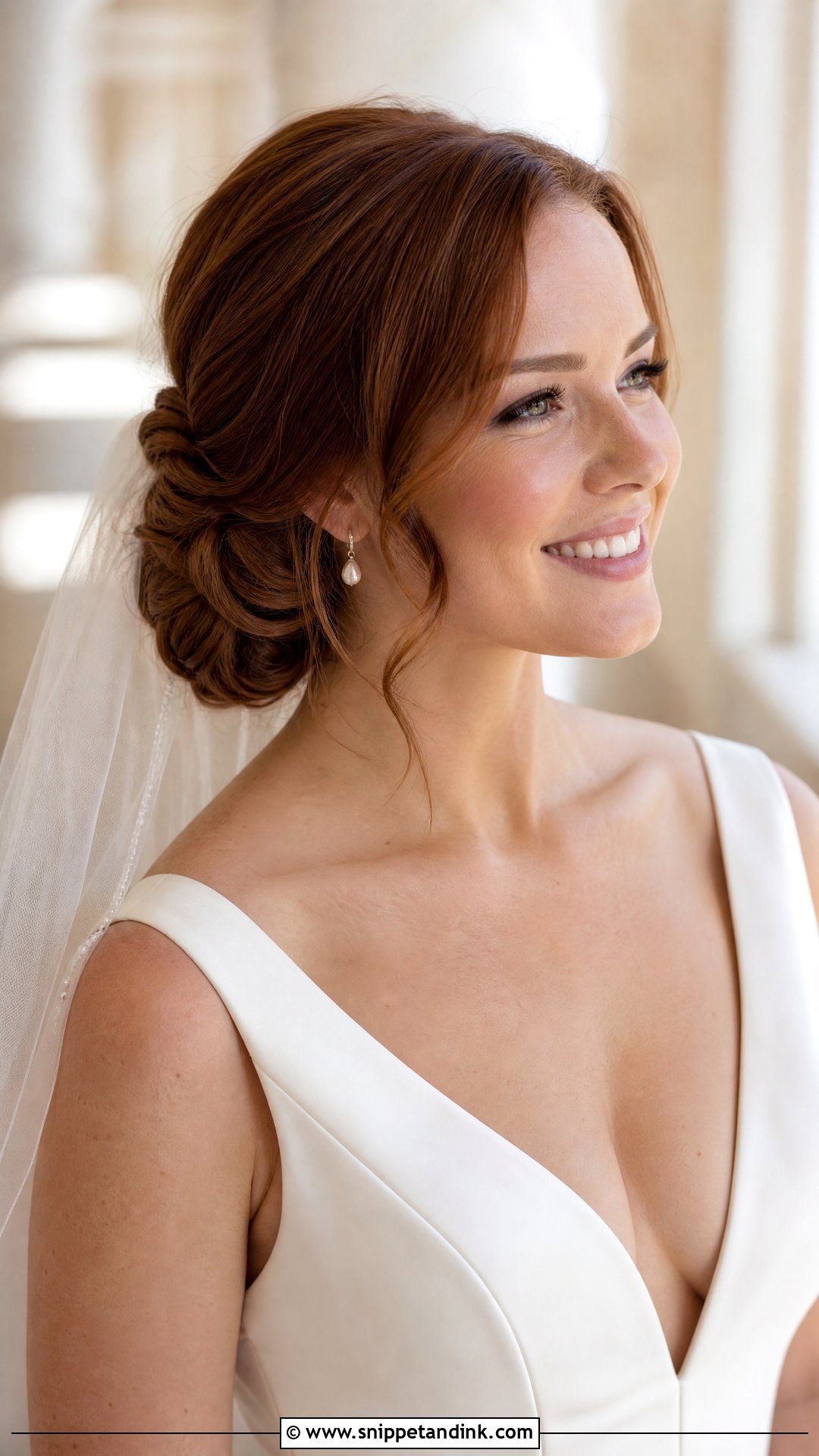
A chignon sits low like a bun but is shaped rather than wound, so it can be smooth, twisted, braided or slightly full. It’s gentler than a sleek bun and reads best in profile, which is why I always ask where the veil goes before I start: above the chignon for a traditional drape, tucked under it for a cleaner line. Medium and long hair carry it alone. With shorter hair I add padding or extensions for fullness. Keep the shape compact, because an oversized chignon looks heavy on a petite frame.
7. Bridal Ponytail
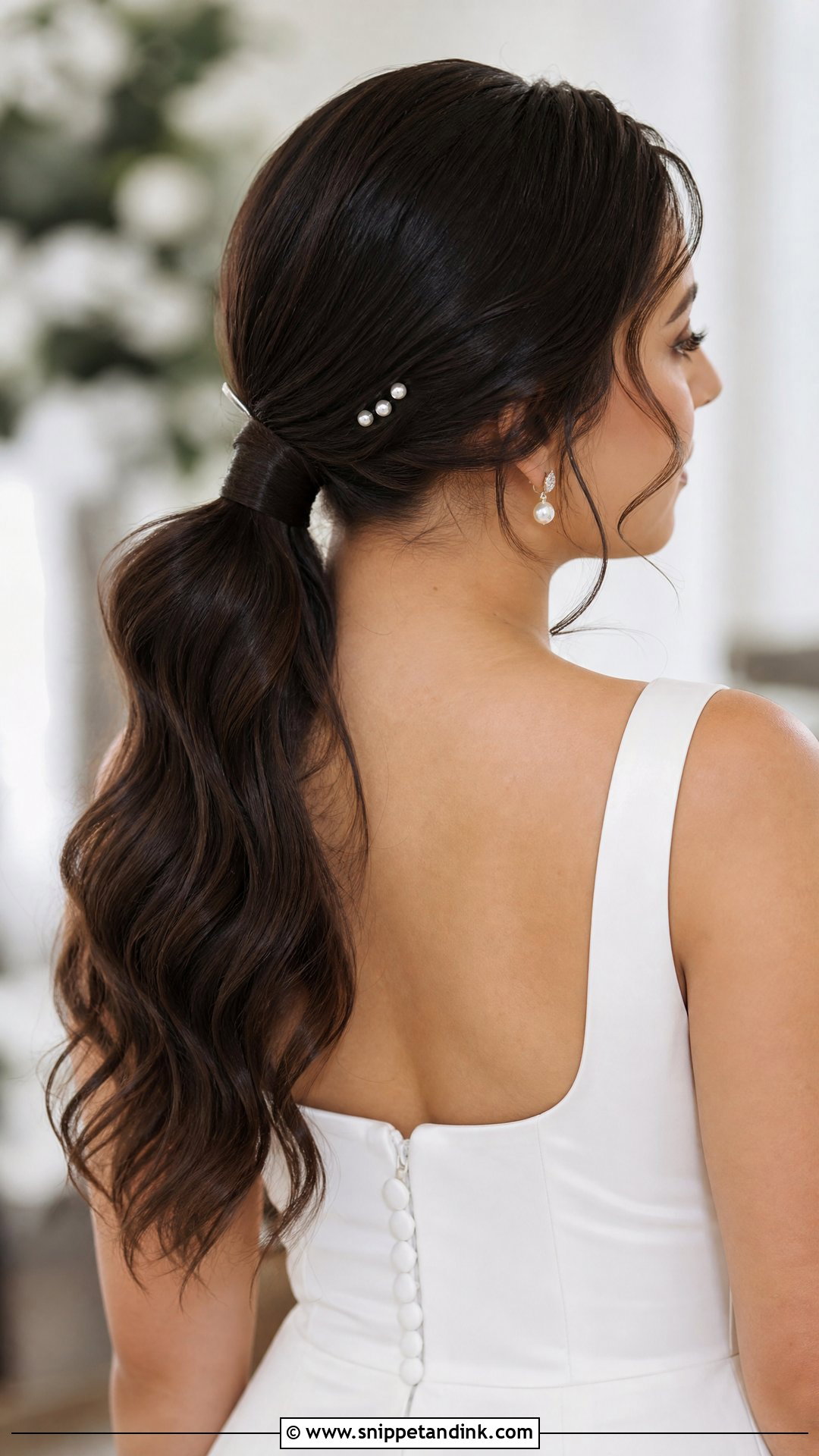
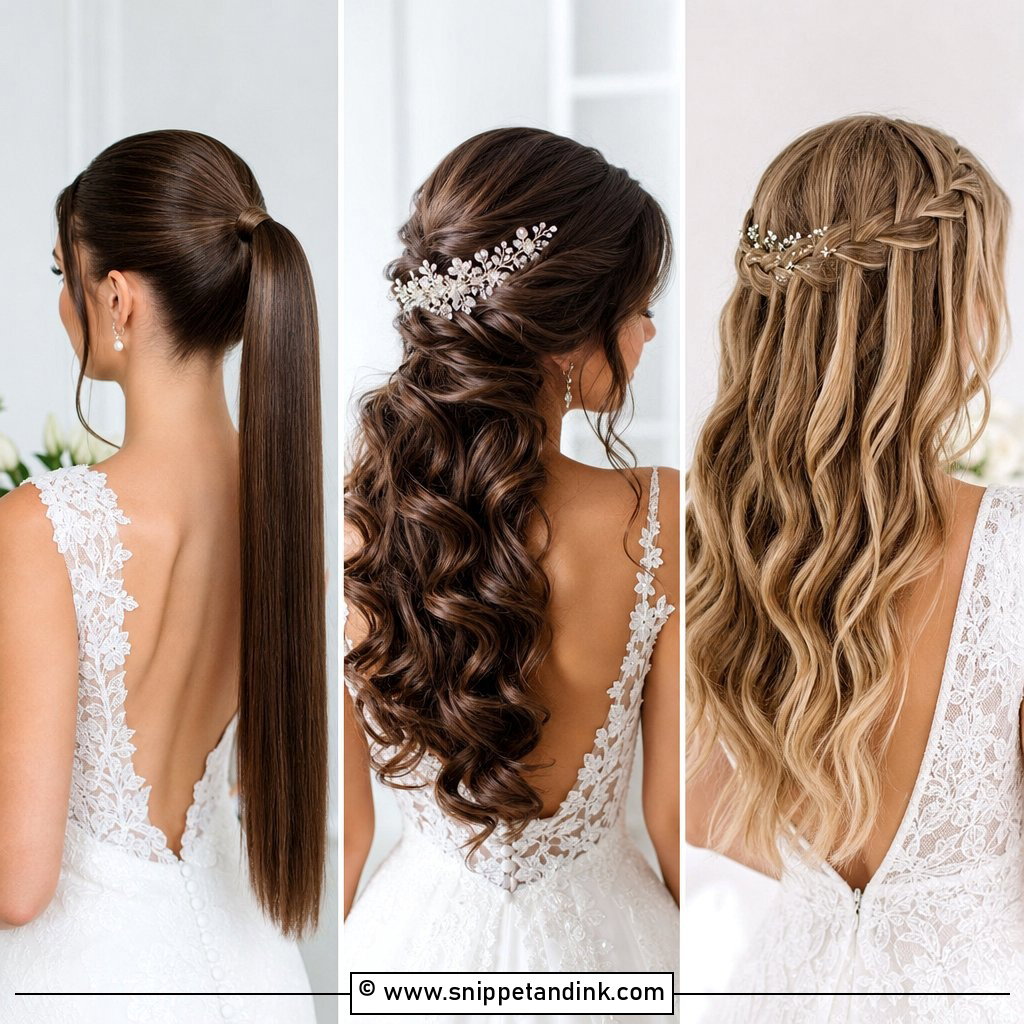
Ponytails are the most comfortable thing I do for a bride, and the style most often requested as a reception change. High and sleek or low with waves through the tail, it gets hair off the neck and still gives you movement on the dance floor. I wrap a small section around the elastic and pin it underneath so the band disappears. The base needs to be firm, but I stop before it pulls at the temples, since that pull is what turns into a mid-afternoon headache. For extra detail, add soft curls, pearl pins or a delicate bow.
8. Bridal Braided Updo
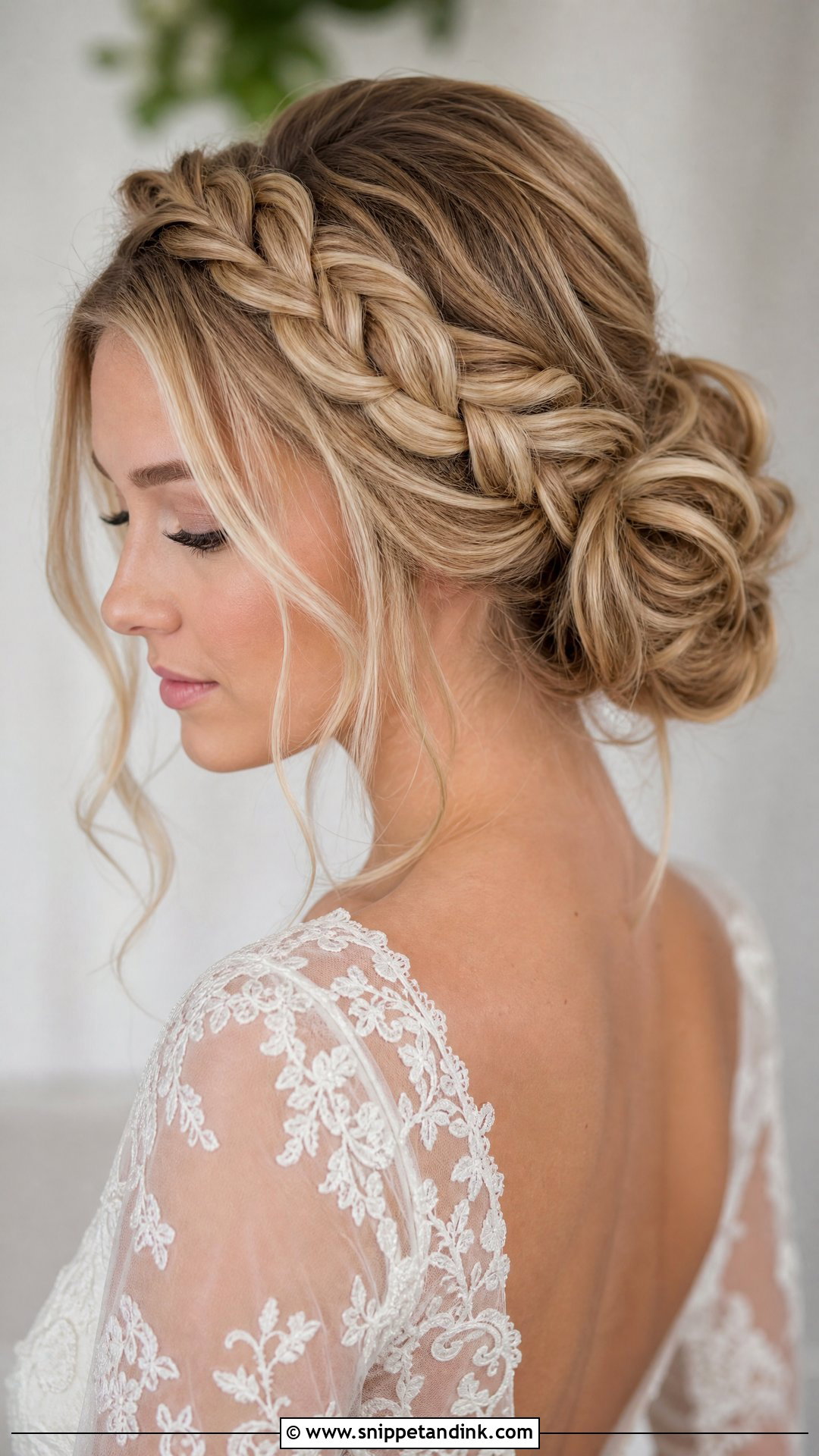
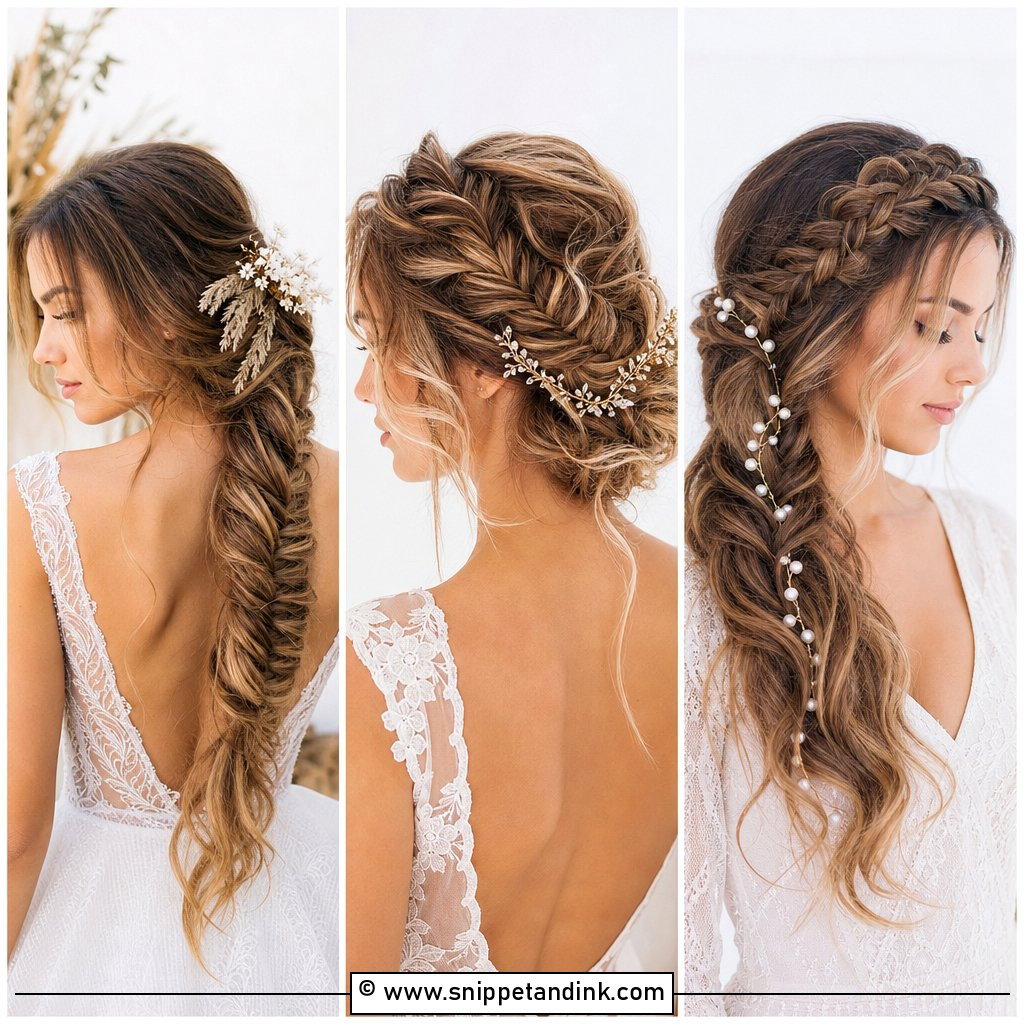
Braids are structural, which is why I reach for them at outdoor weddings. A braid wrapped into a bun or laid along the crown keeps the shape together when wind or damp air would pull a looser updo apart. Thick curly hair braids especially well because it has natural grip. For a softer finish I pull each loop gently outward, but only after the braid is pinned, never before, or it loses its strength. Keep a little lift at the front and a few loose pieces so your face doesn’t look scraped back.
9. Bridal Soft Waves
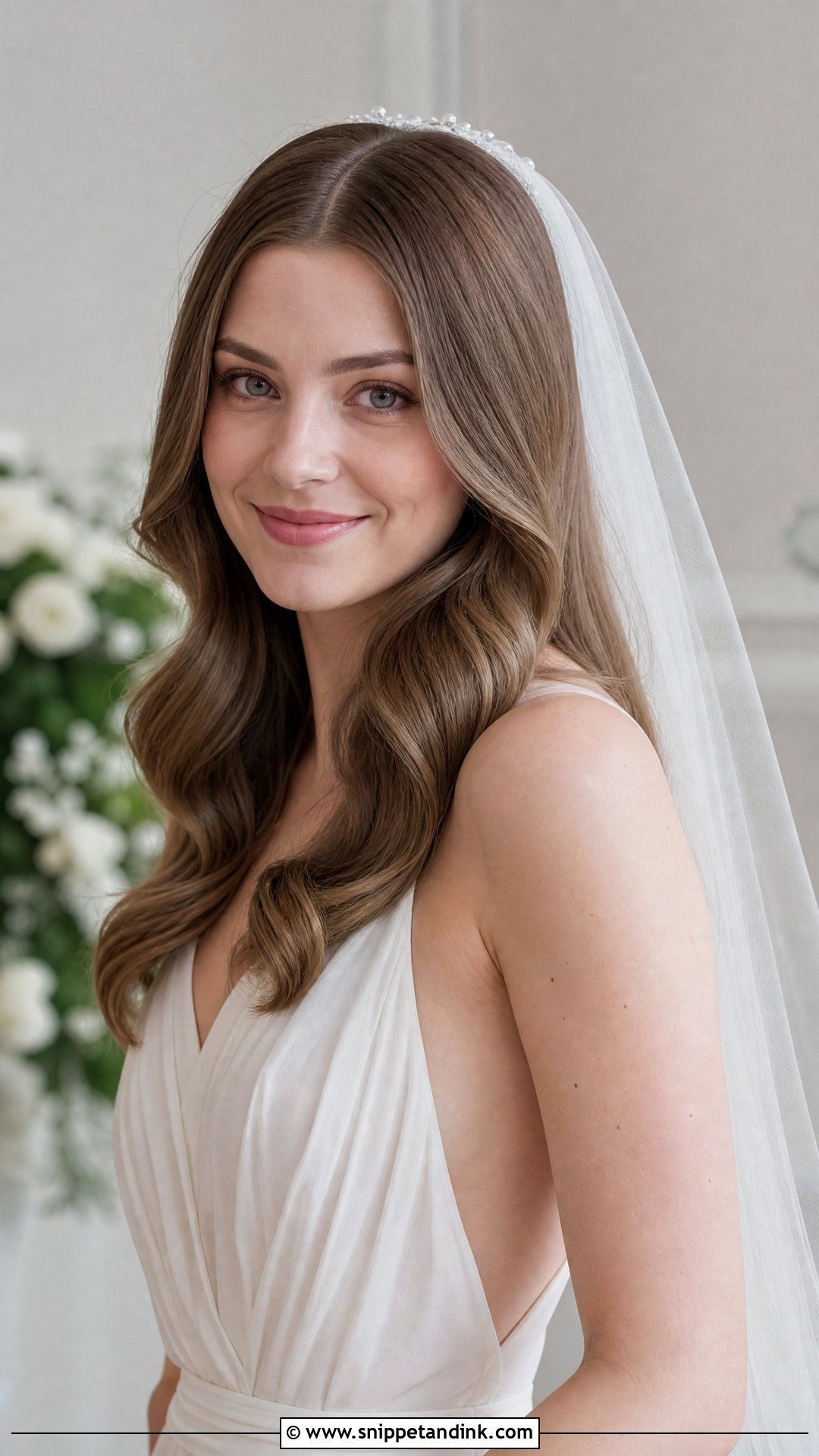
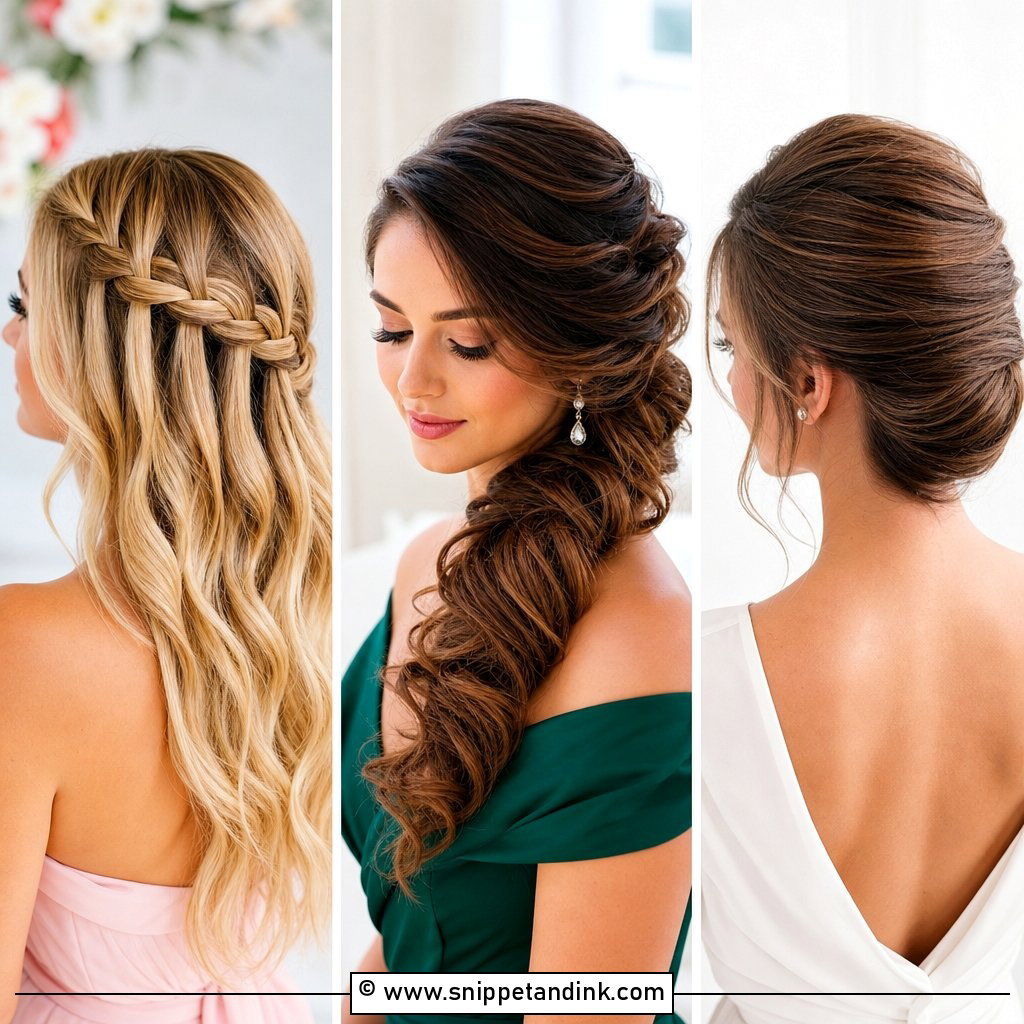
Soft waves are the down style I’m asked for most, and the one I’m most careful to set expectations on. They look relaxed in photos, but they are the first style to drop, especially on fine straight hair or in humidity. I curl tighter than the finished look, let each section cool completely and brush out just before the first look. A middle part reads modern; a deep side part reads romantic. A veil, floral pins or a slim headband turns them bridal, and they sit naturally with boho dresses, simple satin and beach or garden settings. Shine matters more here than in any updo, so a gloss treatment the week before is worth booking.
10. Bridal French Twist
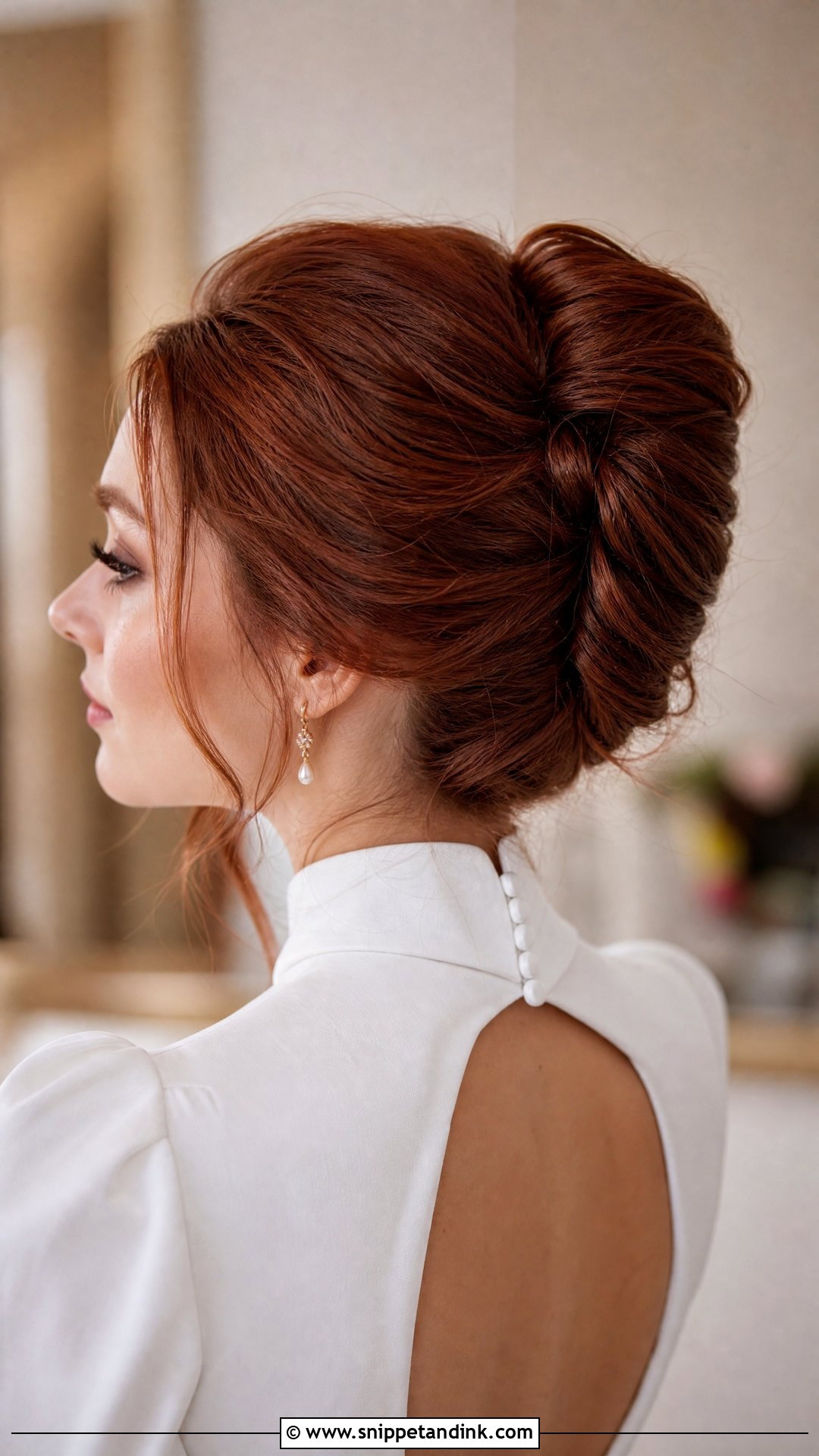
A French twist is swept up and pinned vertically along the back of the head, which lengthens the neck in a way a bun can’t. It’s structured but softer than a tight bun and suits high necklines, off-the-shoulder gowns and classic veils. I lay a line of crossed pins first and roll the hair over them, so the seam is hidden and the twist can’t spin loose. Shoulder-length layered hair is tricky here, because short layers pop out of the roll; I’ll often add a small extension or suggest a chignon instead. A few loose face pieces keep it from looking like costume vintage.
11. Bridal Curly Updo
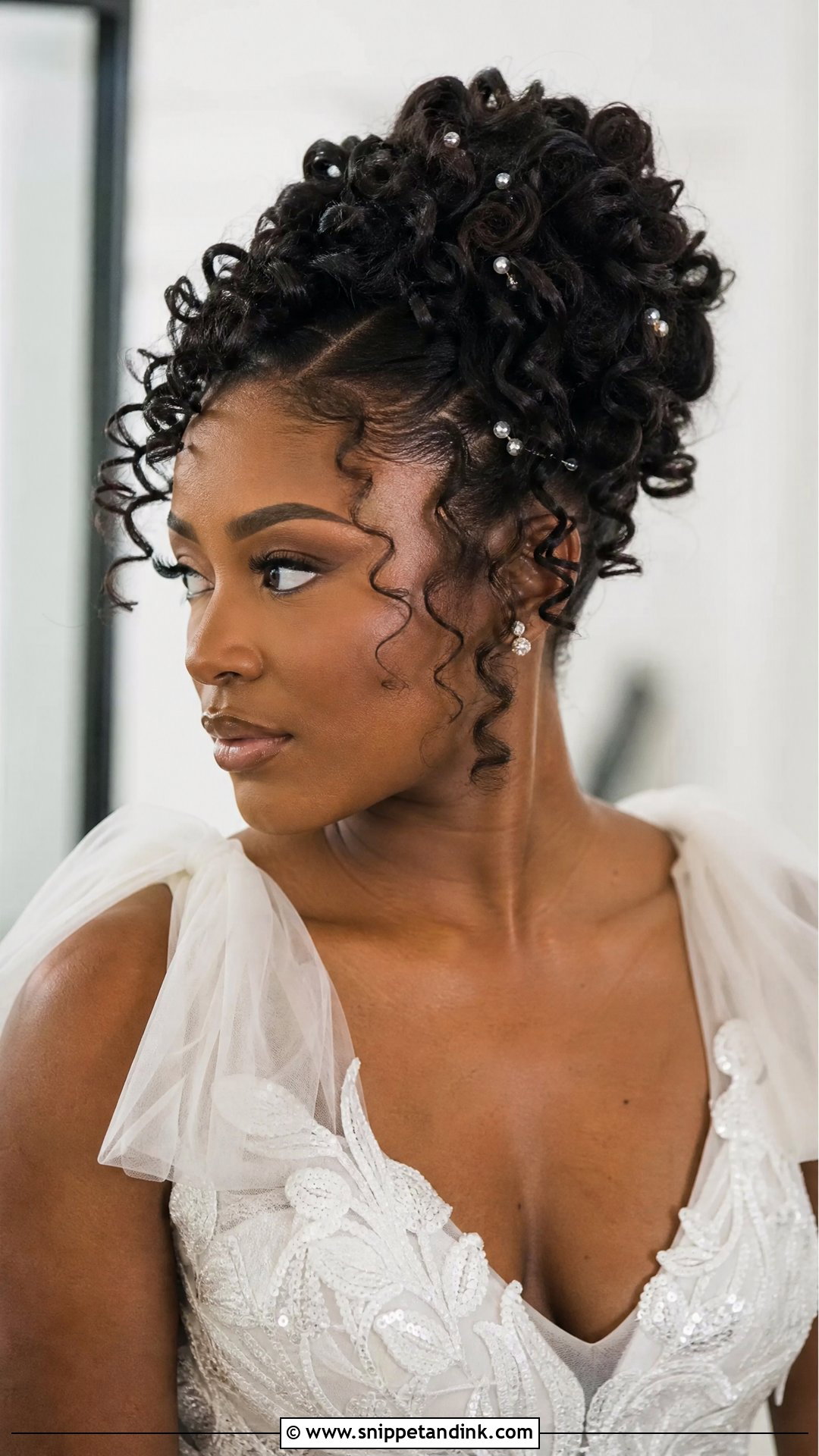
A curly updo should keep your curl pattern visible rather than brushing it into frizz. I like curls defined the day before with the product the bride already trusts, then on the morning I gather and pin in sections so each cluster keeps its shape. Brushing dry curls is the mistake I see most, and it can’t be undone on the day. It can sit low, high or softly gathered, and flowers or a veil tuck in without hiding the texture. For curly-haired brides who want volume and comfort, the result feels romantic, natural, and camera-ready.
12. Bridal Side Swept Hair
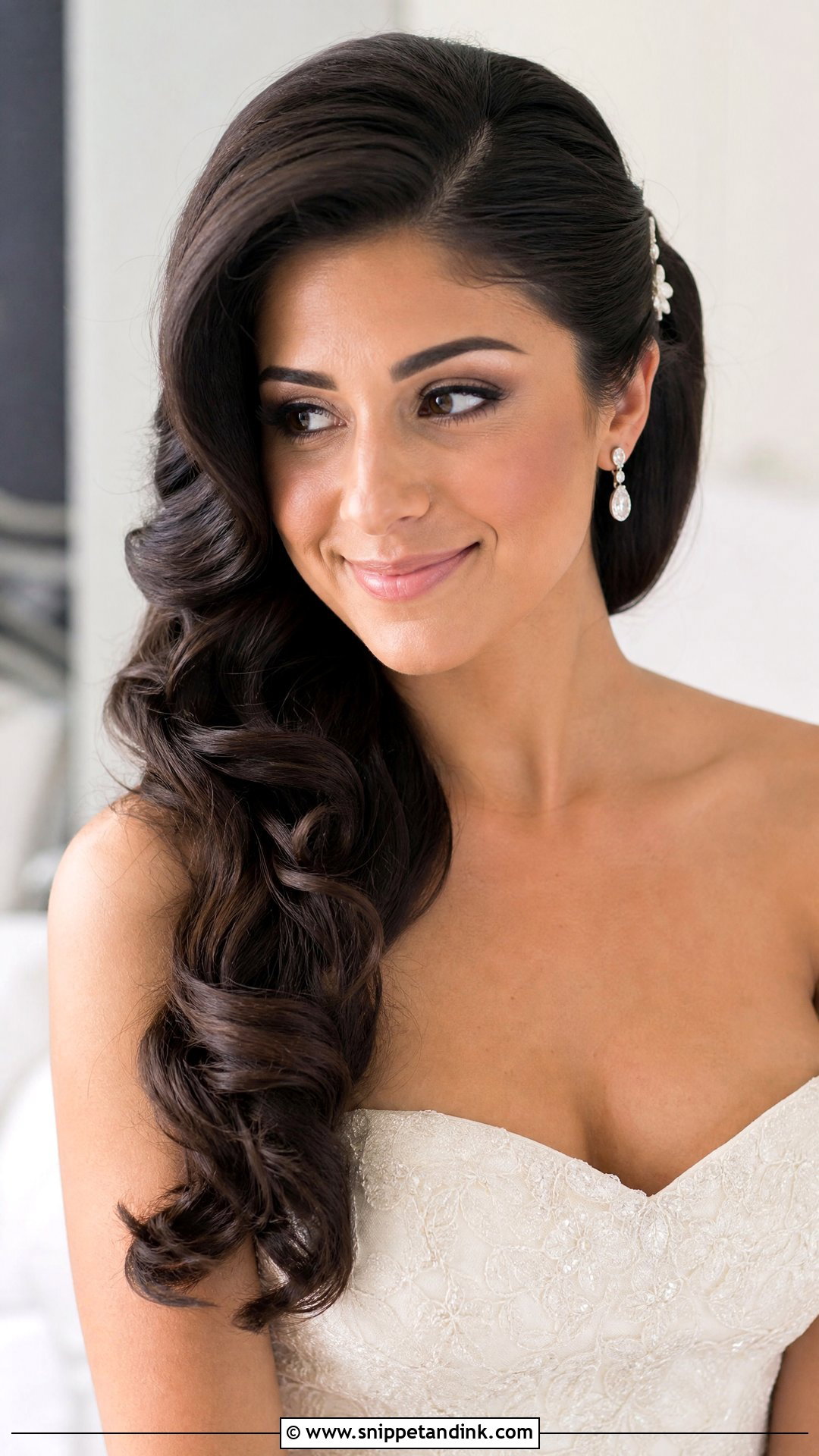
Side swept hair shows off length while keeping one side of the neck clear, which is why it sits so well with one-shoulder and strapless gowns. The waves are gathered to one side and held with pins hidden behind the ear and along the nape. Those hidden pins are the whole style. I cross them in pairs into a small braid or back-combed base, because pins against smooth hair slide the moment someone hugs you. Loose waves keep it soft, set curls make it formal. Ask your photographer which side they’ll shoot the ceremony from before you pick a side.
13. Bridal High Bun
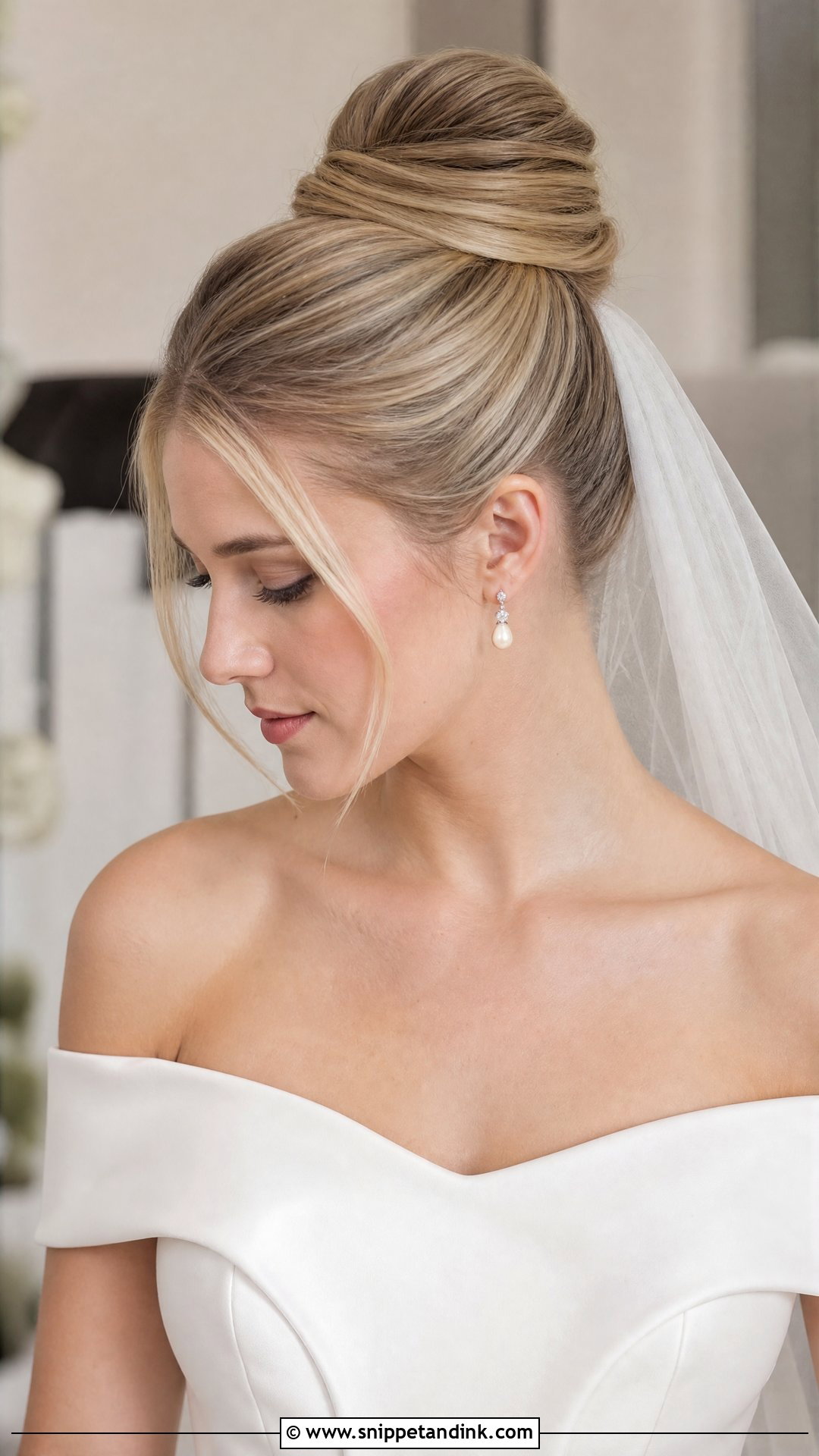
A high bun lifts the whole silhouette and clears the jaw and cheekbones, so your makeup gets more of the attention. It can be smooth, lightly textured or a little full, and it suits dramatic veils and high necks. Placement is where I spend my time: I sit it at the crown or just behind and check it in profile with the veil comb in, because a veil anchored under a high bun needs different support than one pinned above it. It’s heavier than it looks, so with very thick long hair I’d suggest a mid bun unless you’re fine with some pressure by evening. Avoid heavy teasing, as a perfectly round ball dates it fast.
14. Bridal Short Hair Waves
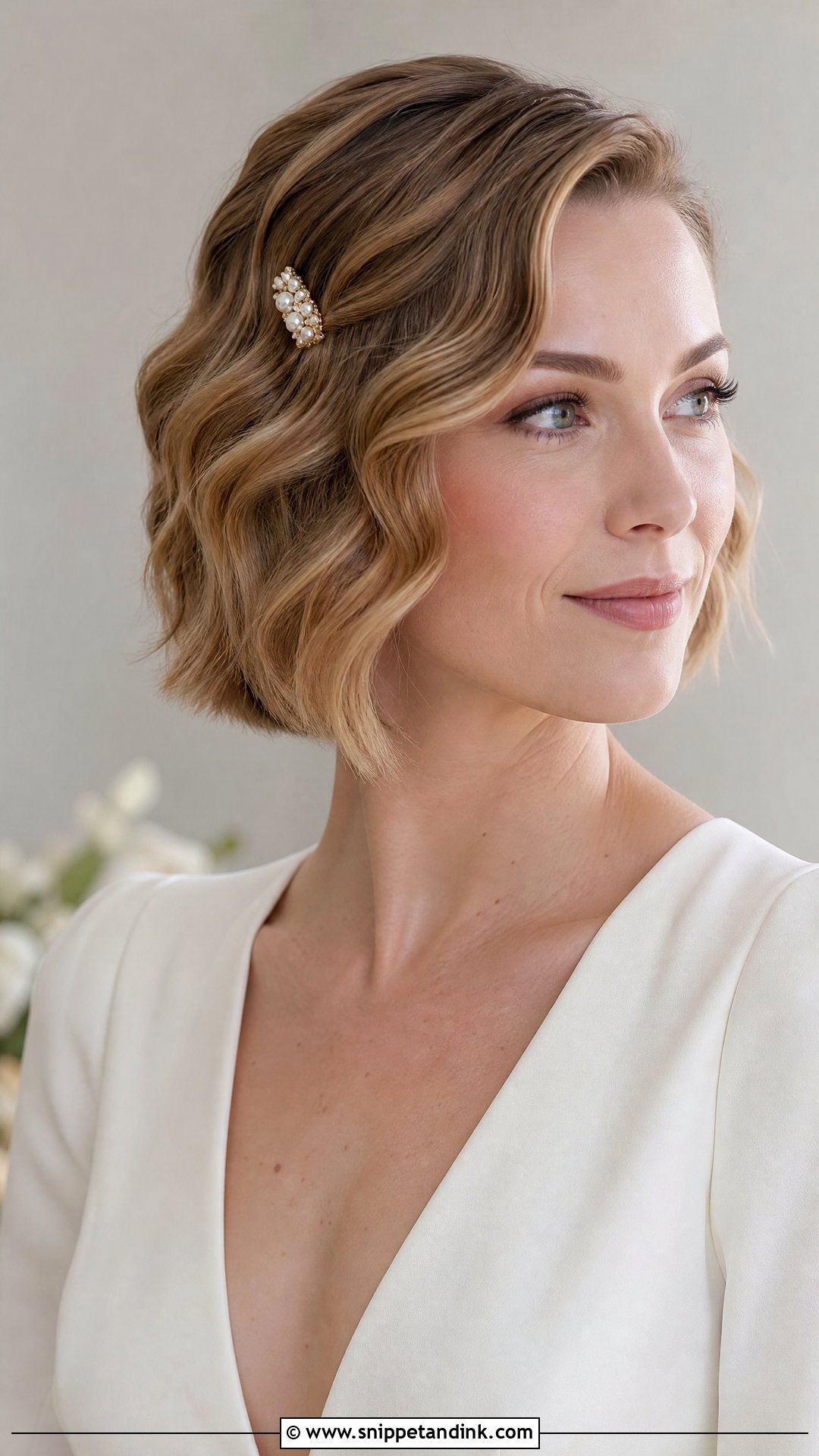
Short hair doesn’t need extensions to look bridal. A bob, lob, or cropped cut with polished bends and the right accessory looks finished on its own. I use a smaller iron than I would on long hair and leave the last inch straight, so the wave reads as shape rather than a ringlet. A deep side part makes it more formal, and a pearl clip or small comb gives a veil something to grip. Get your trim about two weeks out, not the week of, so the line around your jaw has softened.
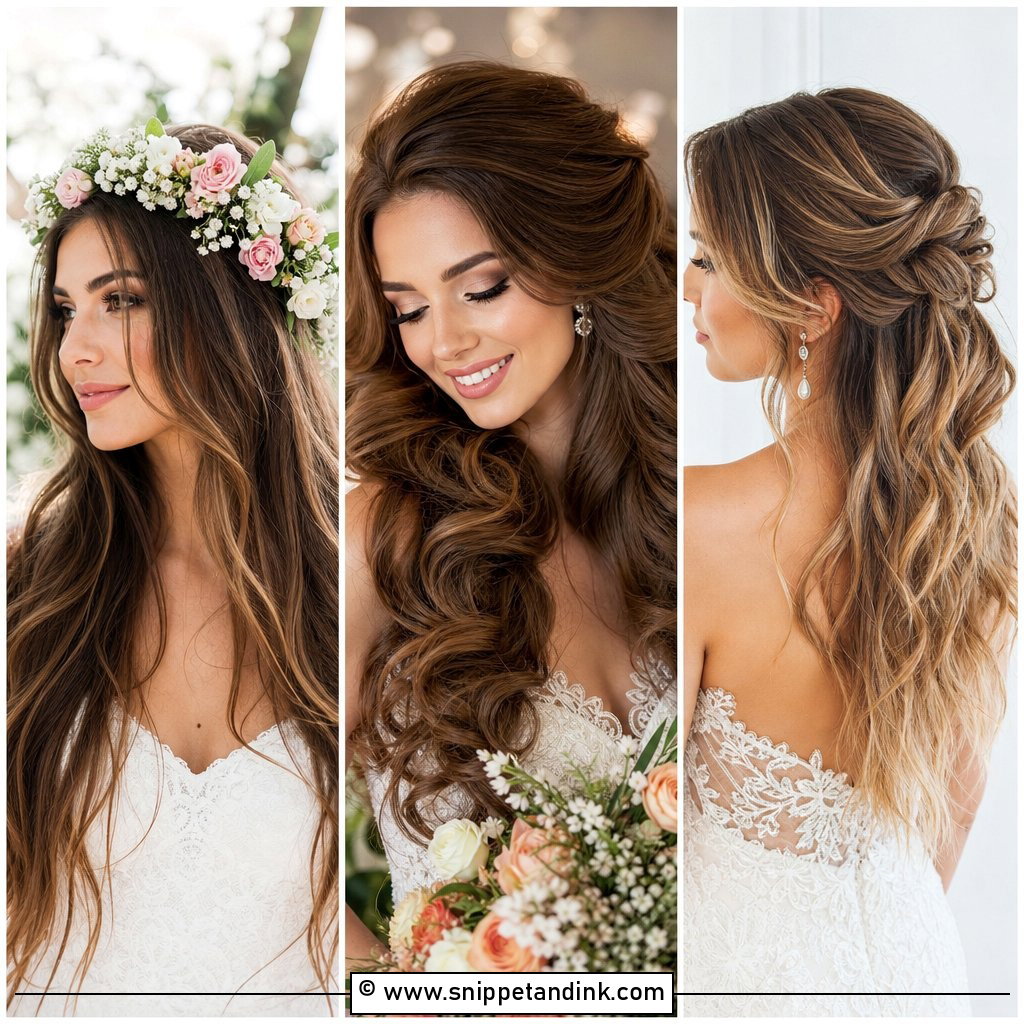
15. Bridal Hair With Pearl Accessories
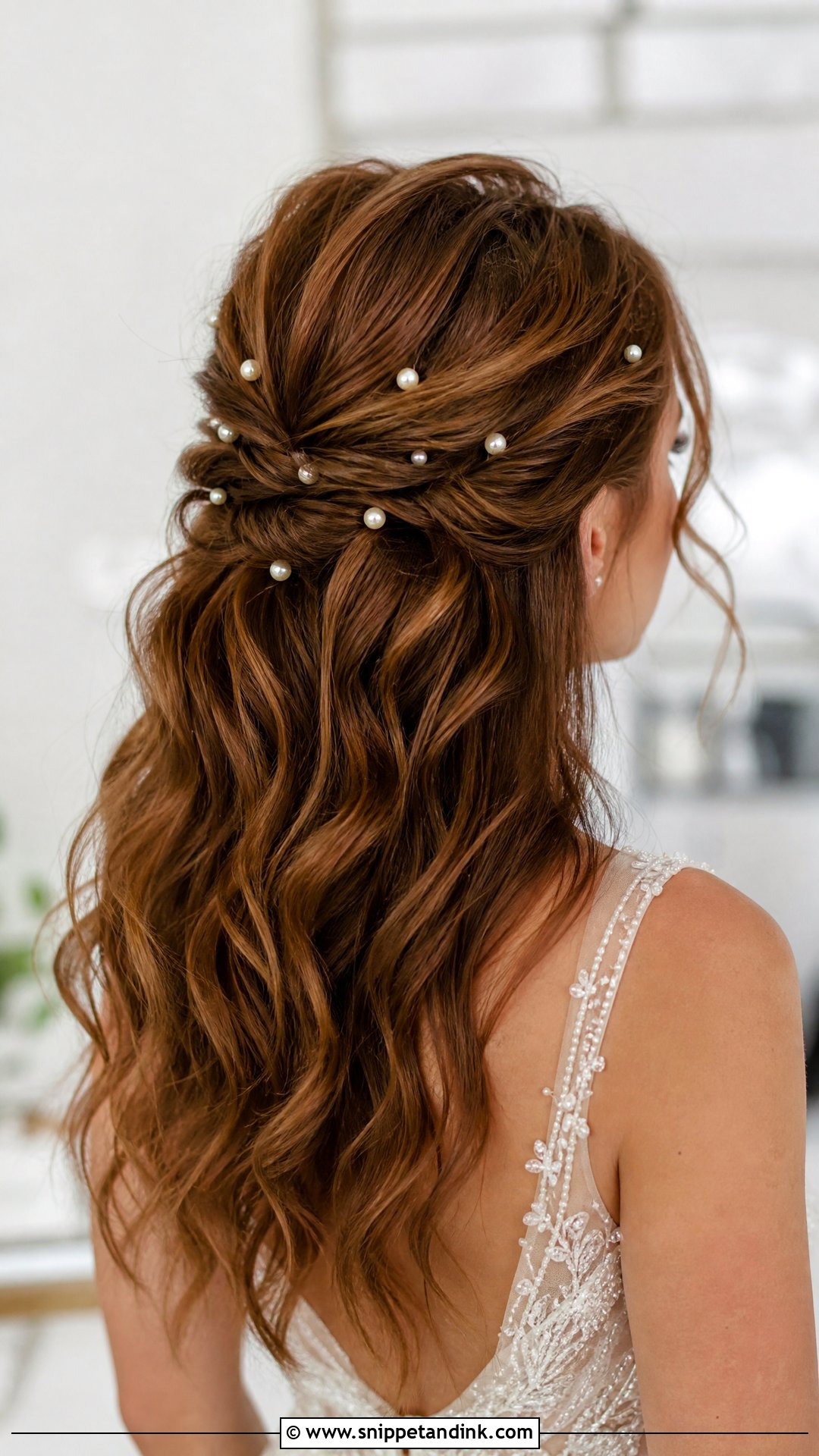
Pearls add detail without changing the hairstyle underneath. They tuck into a low bun, scatter through waves, follow a braid or line the edge of a half up section. Balance is the trick: small pearls stay delicate, while larger pearl clips carry more visual weight. I place them only after the style is finished and check from a few steps back, since spacing that looks even up close often reads as random from the aisle. Match the pearl tone to your earrings or gown beading; bright white pearls against an ivory dress look off in photos.
Adjusting the Same Style for Fine, Thick or Coily Hair
Two brides can bring me the identical photo and need completely different prep. Fine hair needs grip: I work in a texture spray or a light mousse at the root and curl everything, even for a sleek style, because curled hair holds pins far better than slippery straight hair. Thick hair needs the opposite. I thin the bulk with sectioning rather than scissors, use fewer but stronger pins, and keep buns smaller than the photo so the weight doesn’t drag on the scalp. Coily and tightly curled hair usually holds an updo brilliantly, but I want it washed, conditioned and stretched or defined the day before, not on the morning, so it has time to dry fully.
Which of These Fifteen Survive Humidity, Hugs and a Veil Change
Hair is usually finished a couple of hours before the ceremony and has to last past dinner. These styles don’t age the same way, so I’d rather you know which way yours goes before you commit.
Worn down
Soft waves, Hollywood waves and side swept hair drop first. If you love a down style, give a bridesmaid a travel hairspray and four bobby pins, and plan five minutes with me or a mirror before the reception entrance.
Half up
The pinned crown stays put, so even when the lengths relax the look still reads as finished. It’s the safest middle ground I know.
Fully pinned
Buns, chignons, twists and braided updos are the most reliable through hugging, dancing and a veil coming off. The trade is comfort. Wear your trial version for the rest of that day, and if your scalp aches by evening, tell me so I can loosen the base.
The Dress, the Veil and Your Own Curl Settle It
Most brides arrive at the trial torn between two of these. When that happens I look at the dress, the veil and how long a curl lasts on your own hair. A low bun suits a quiet, classic ceremony and Hollywood waves bring glamour. A sleek bun, ponytail or French twist reads clean and modern, while curly updos, chignons and braids lean romantic and forgive a long day. Bring clear photos of the styles and the dress to your trial, then wear the result for the rest of that afternoon. The one you stopped noticing by evening is usually the right one.
You'll Like These Ideas:



Leave a Reply