
Separates give you more say over your wedding outfit than almost any gown. You choose the waistline, the volume and the neckline one piece at a time, and each idea below comes with a top, shoes and accessories so you can see the whole look rather than a skirt on a hanger. Tulle, satin, lace, crepe and a few shorter shapes are all here. I ask every bride to keep two things in mind: how much you’ll be moving through the day, and undertone. Bright white, soft white and ivory sit very differently beside each other in photographs.
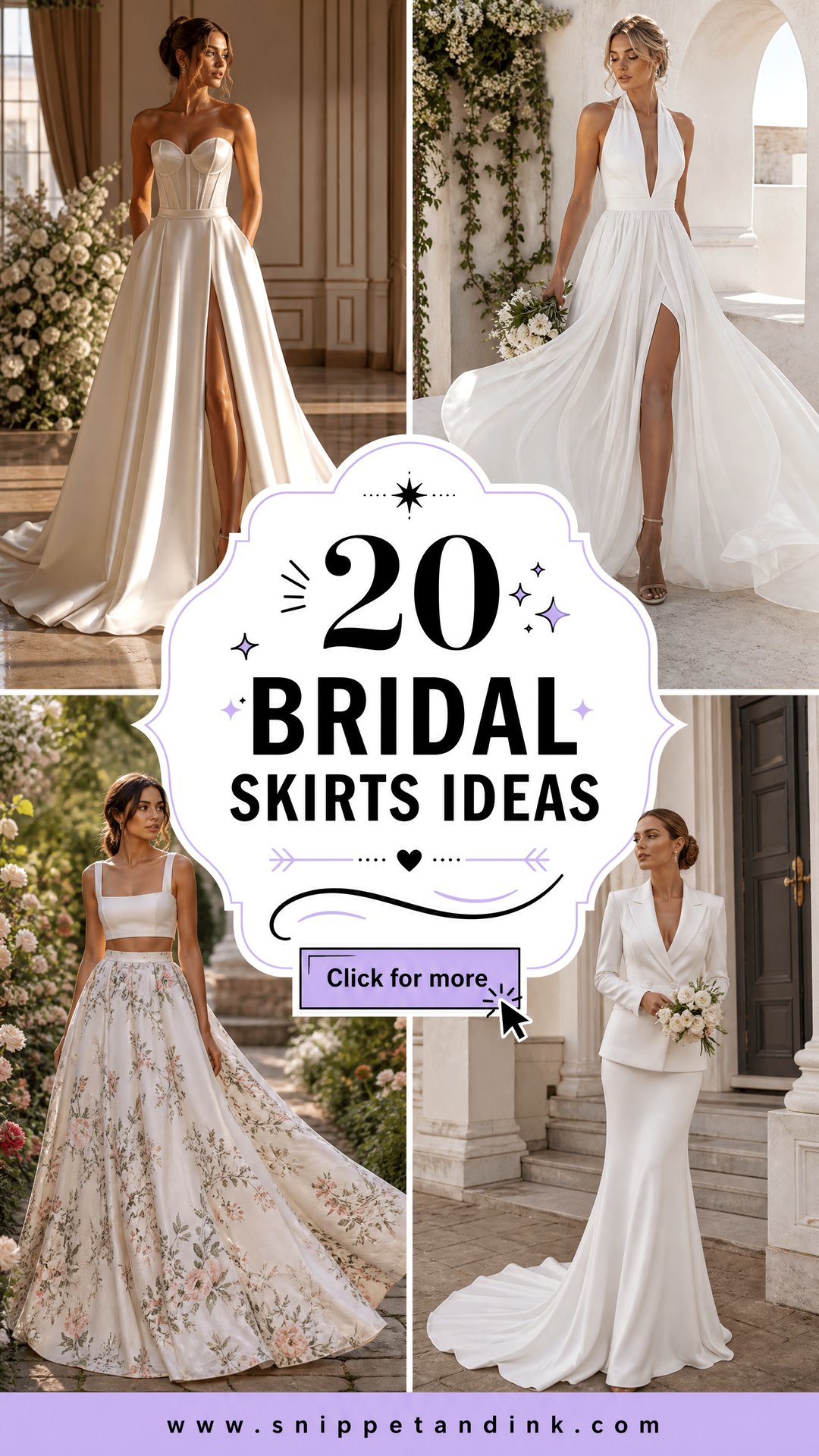
Where Bridal Skirts Come From, and How Long Each Route Takes
There are three ways to get a bridal skirt, and their lead times differ a lot, which is worth knowing before you fall for one.
- Bridal salon separates are usually made to order. Expect several months from order to delivery, though it varies by designer, and plan alterations after that.
- Ready-to-wear bridal lines and occasion-wear shops ship in days or weeks, which helps with a short engagement. Check the return policy, as you may need to order two sizes and send one back.
- A dressmaker can make a skirt to your measurements, often the best route for an unusual size or for matching a top you bought elsewhere. Allow time for a toile, a test version in inexpensive fabric, before the real cloth is cut.
Whichever route you take, leave six to eight weeks for alterations, with the first fitting about two months out and the last a week or two before the wedding.
1. Tulle Bridal Skirt With Lace Crop Top
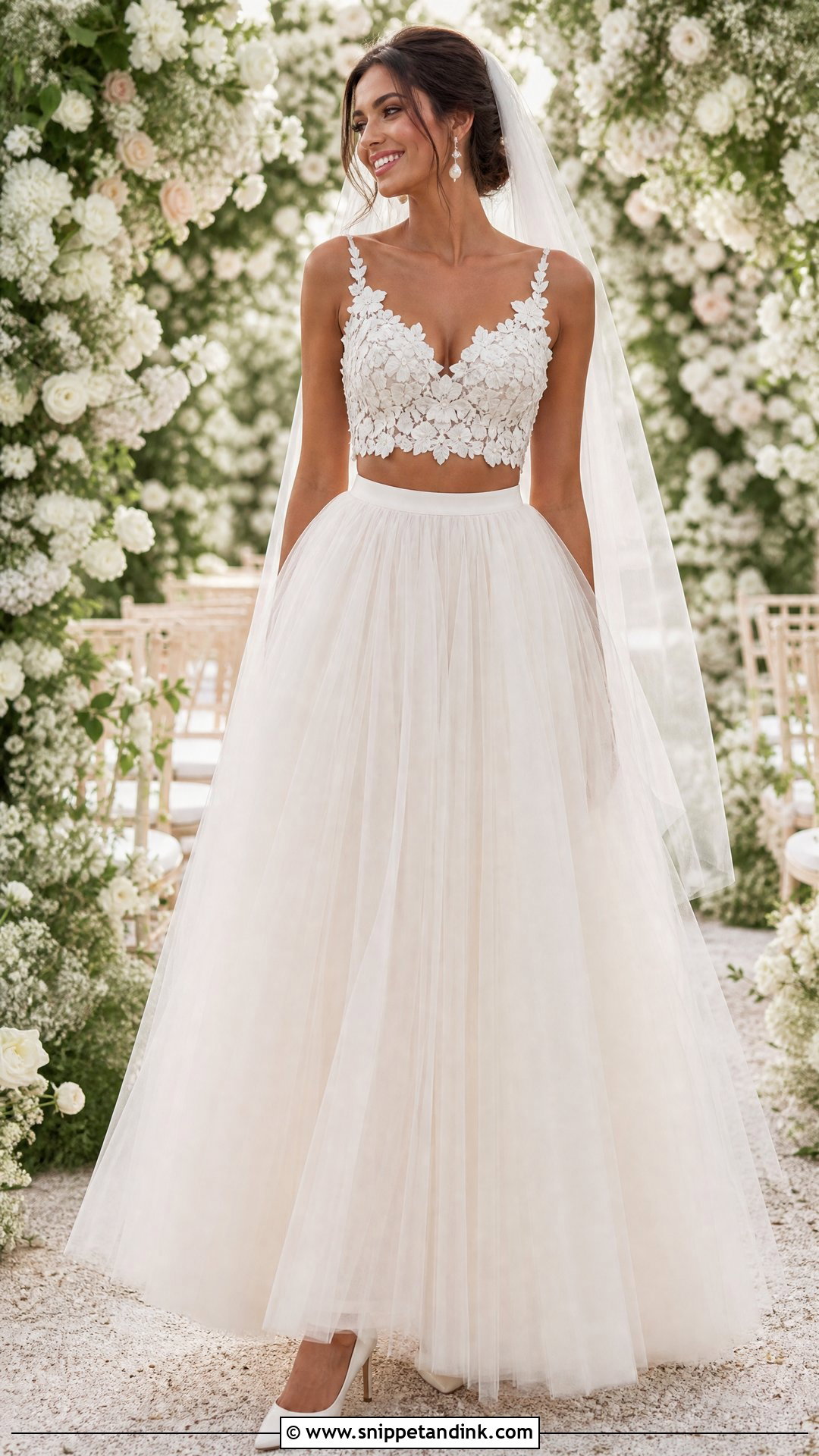
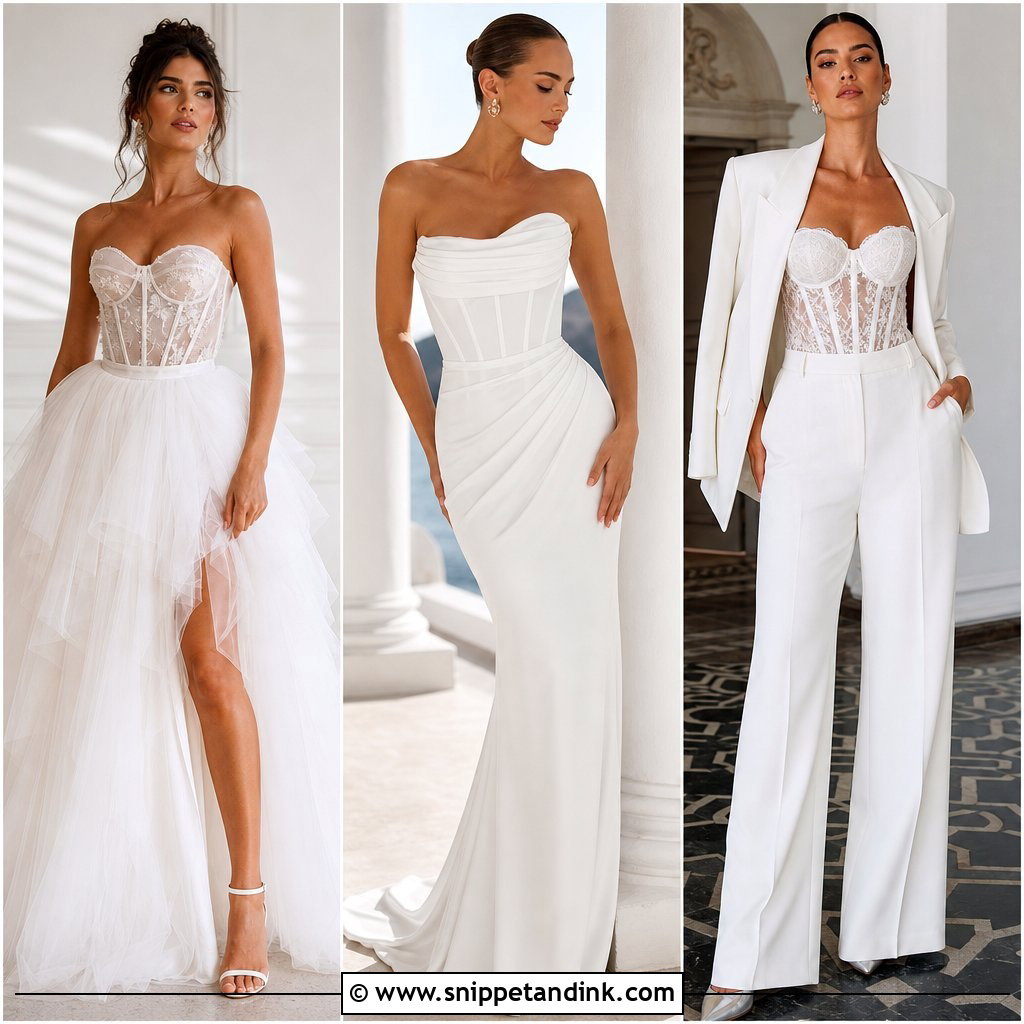
Tulle under a lace crop top is gentle and romantic, and from the back of the room it reads as a gown. I set the skirt waist high enough to meet the top’s hem, so little or no skin shows. Floral lace gives the camera something to pick up, and a light lining in the bodice stops it itching after an hour. Leave the neck bare or nearly bare so the lace edge shows. Mark the hem in your real wedding shoes; tulle that’s even slightly long catches under your toes on every step.
2. Satin Bridal Skirt With Corset Top
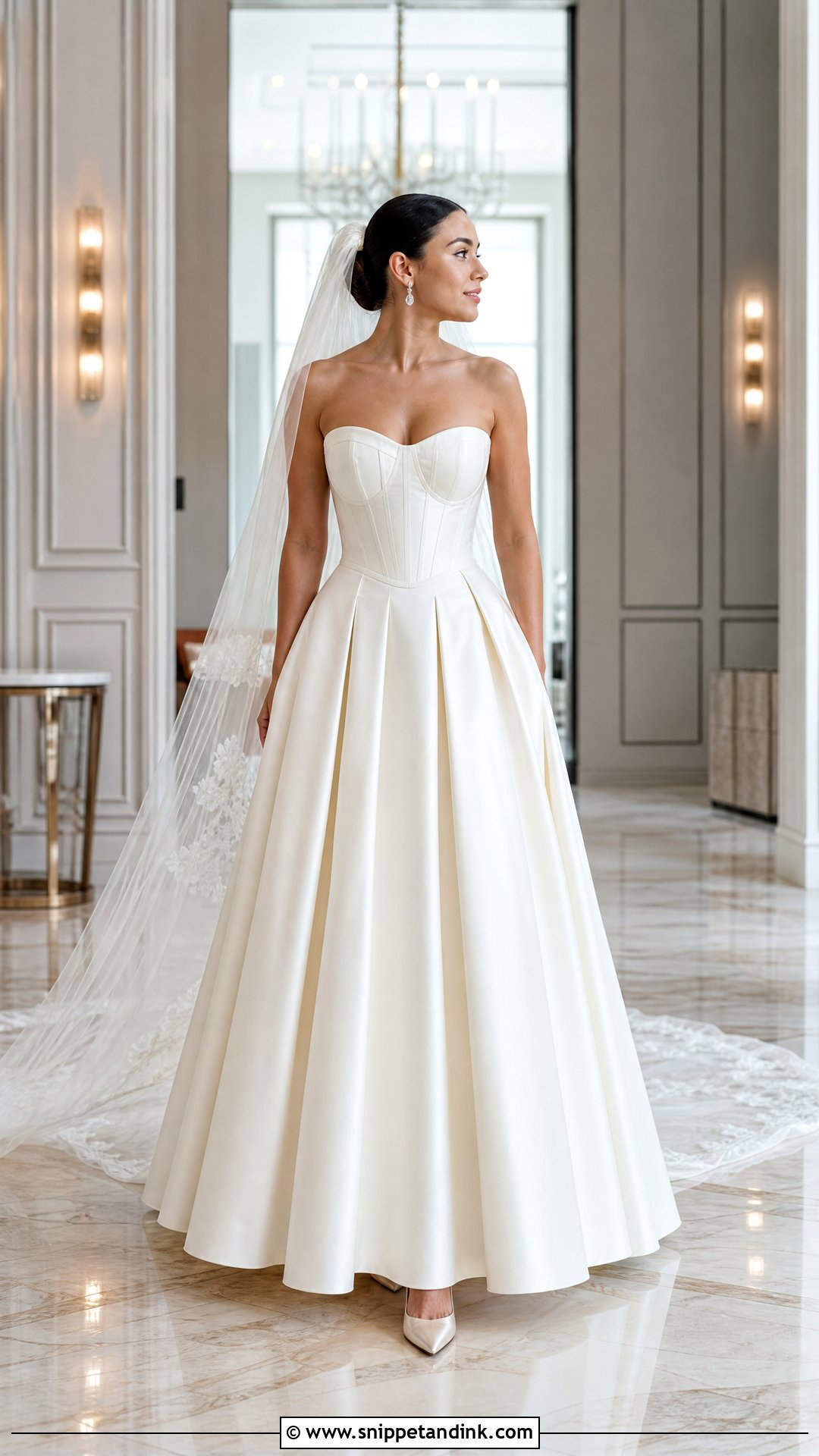
Satin on satin, a corset over an A-line skirt, looks like a single formal gown when both pieces come from the same fabric and dye. A high waist lets the corset sit over the skirt band, and soft pleats give volume without bulk. Satin is the fabric where poor alterations show most. It reflects light, so any pull across the bodice or uneven seam becomes a visible stripe. Give this one a good tailor and at least two fittings. A cathedral veil adds drama, while a sleek low bun keeps it modern.
3. Silk Bridal Skirt With Cowl Neck Top
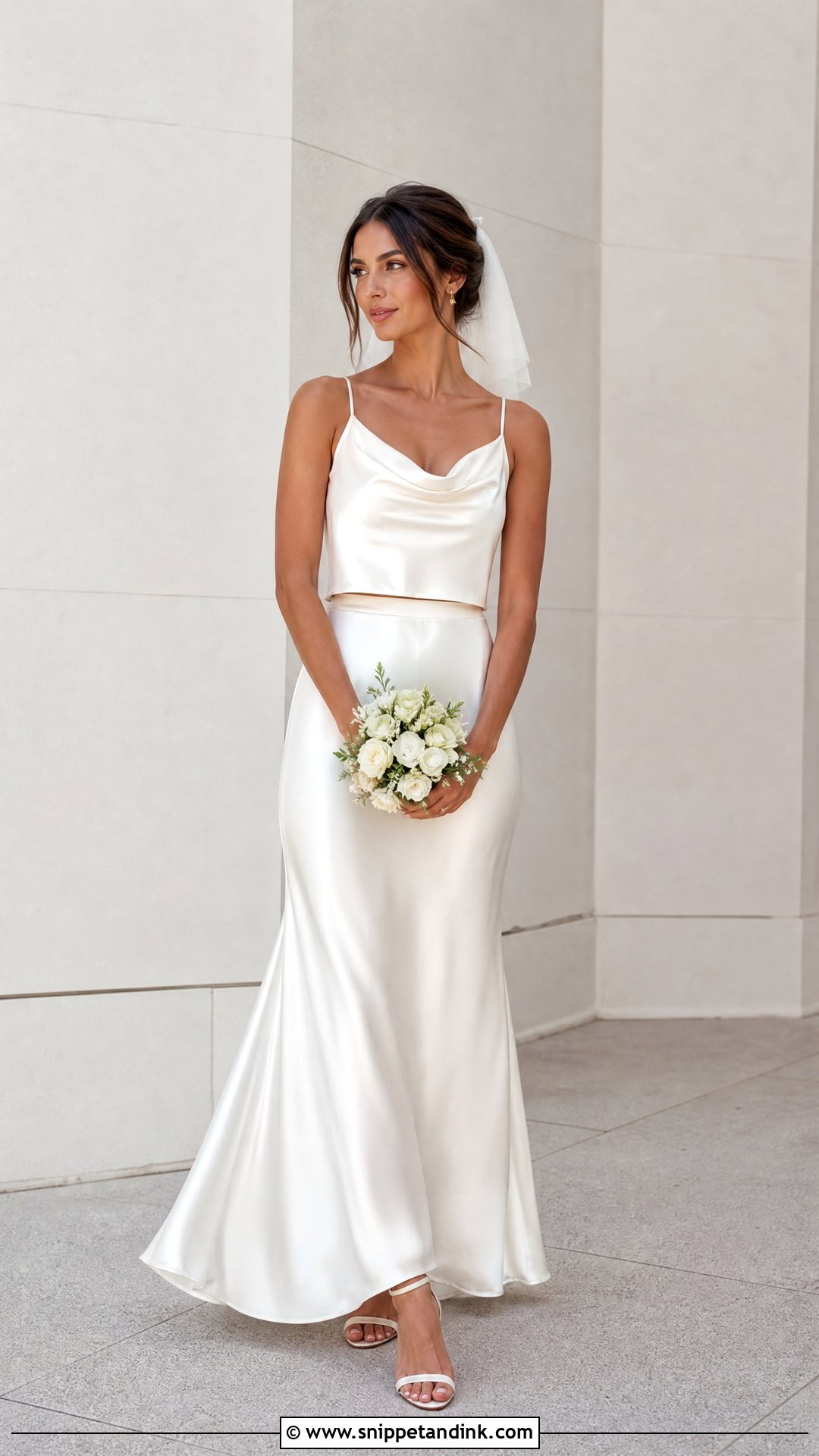
A fluid silk skirt and a softly draped cowl neck top make one of the quietest outfits here, which is the point. They suit a city ceremony or a destination wedding where ease matters. Choose a bias-cut or lightly flared skirt that skims rather than clings, and a top with wider straps for support. Silk shows every line underneath, so test your undergarments at the first fitting. Steam both pieces before dressing, because silk creases in the bag and a cowl only drapes properly when the fabric hangs freely.
4. Lace Bridal Skirt With Long Sleeve Bodysuit
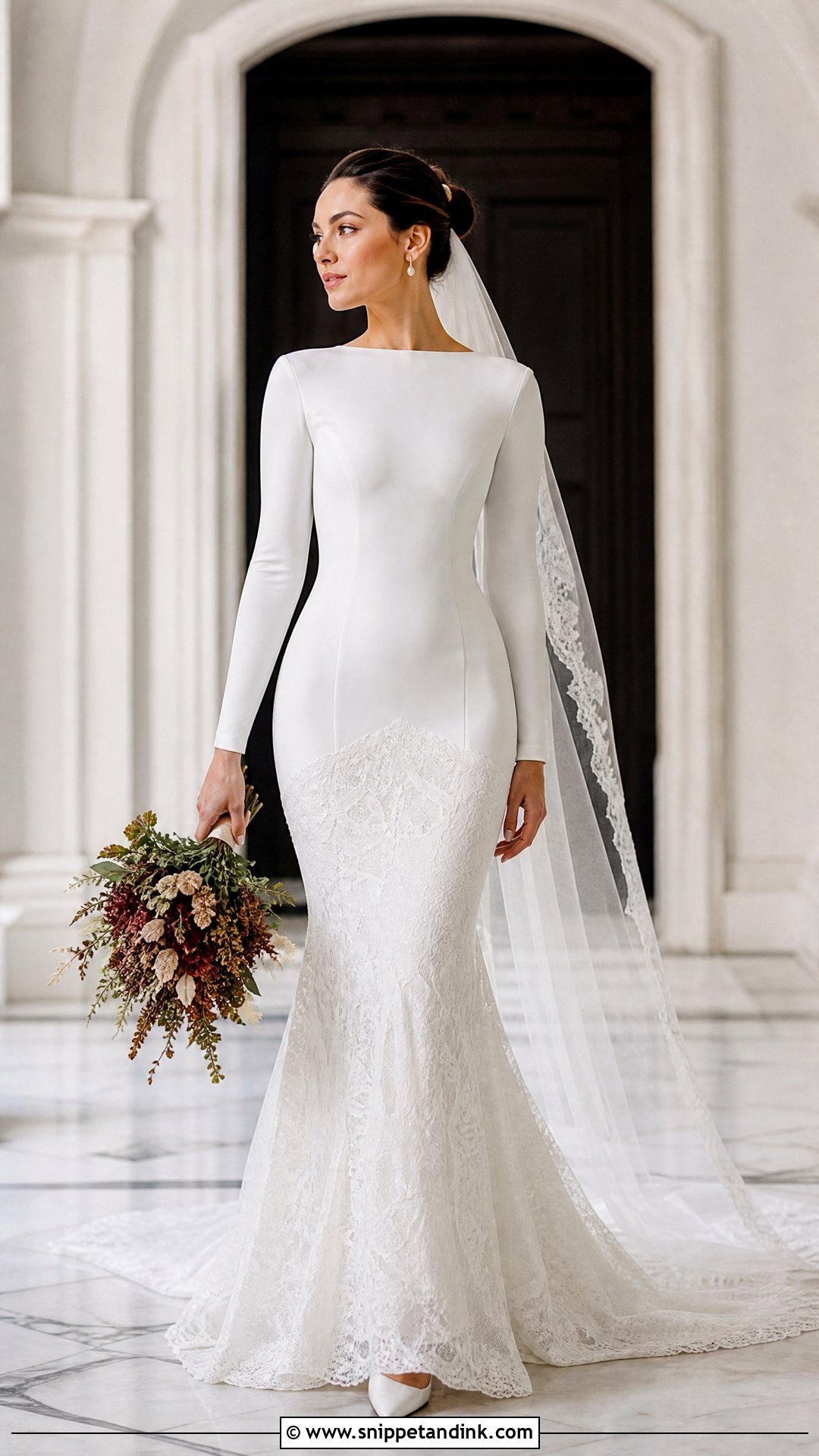
A long-sleeve bodysuit under a lace skirt solves the commonest separates problem, a top that untucks. The bodysuit stays put, so the waistline stays smooth all day. Pair a fitted skirt with lace appliqué and a small train with an opaque crepe bodysuit, perhaps with a sheer lace neck to echo the skirt. It’s warm enough for autumn or a cool venue without a jacket. Snap fastenings at the base matter more than you’d think; you’ll be using the bathroom in it, and fiddly hooks are a nuisance in a bridal skirt.
5. High Low Bridal Skirt With Bustier Top
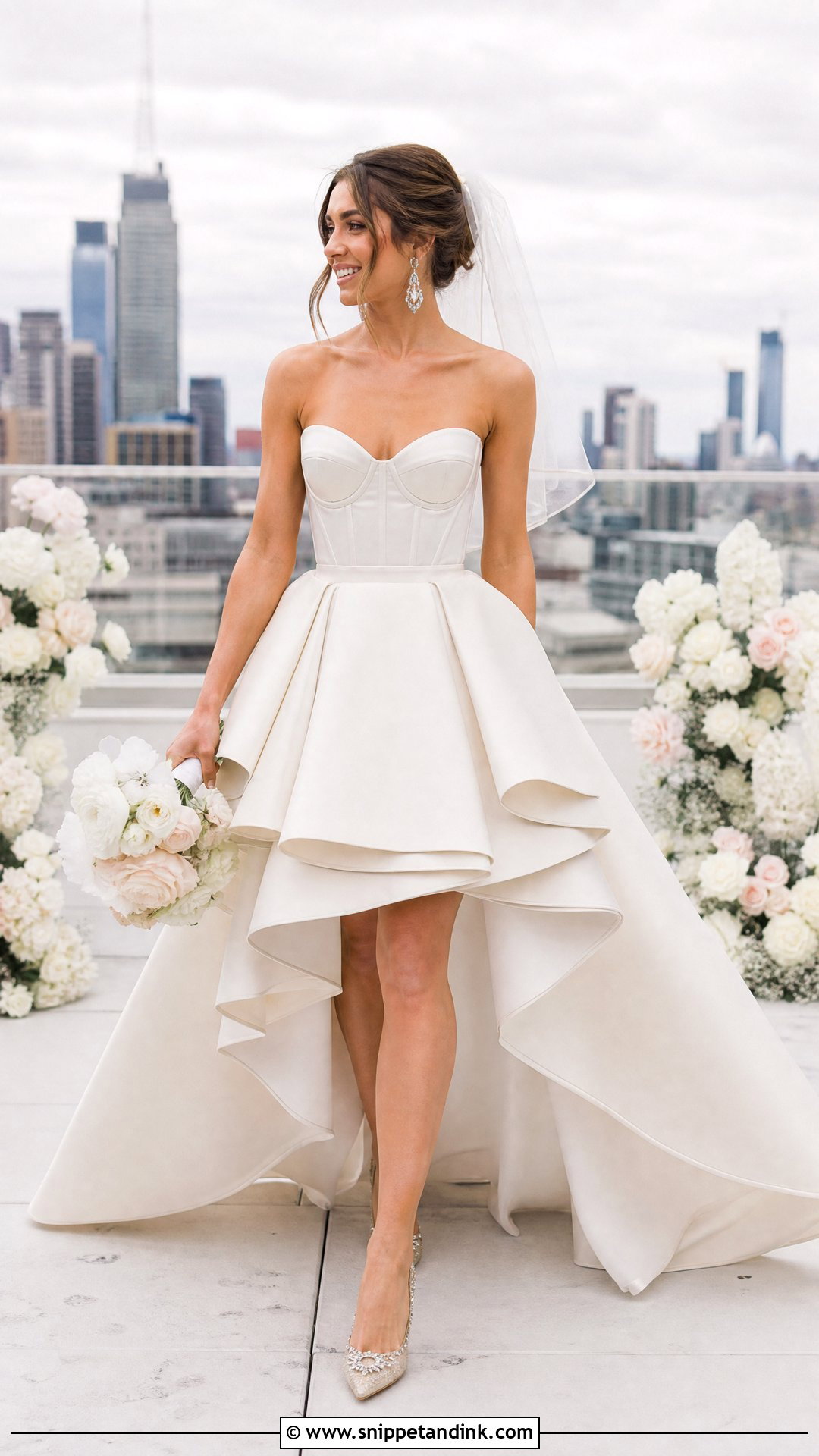
A high-low hem makes your shoes part of the outfit, so this is the skirt for a bride who has already found the shoes. The front sits around the knee and the back extends into a train, with a structured bustier keeping the shape formal. Short or birdcage veils suit it, whereas a long veil fights the uneven hem. At the fitting I have brides turn on the spot and climb a few stairs, because the longer back panel can fold under a heel. Embellished pointed pumps are the natural pairing.
6. Chiffon Bridal Skirt With Halter Top
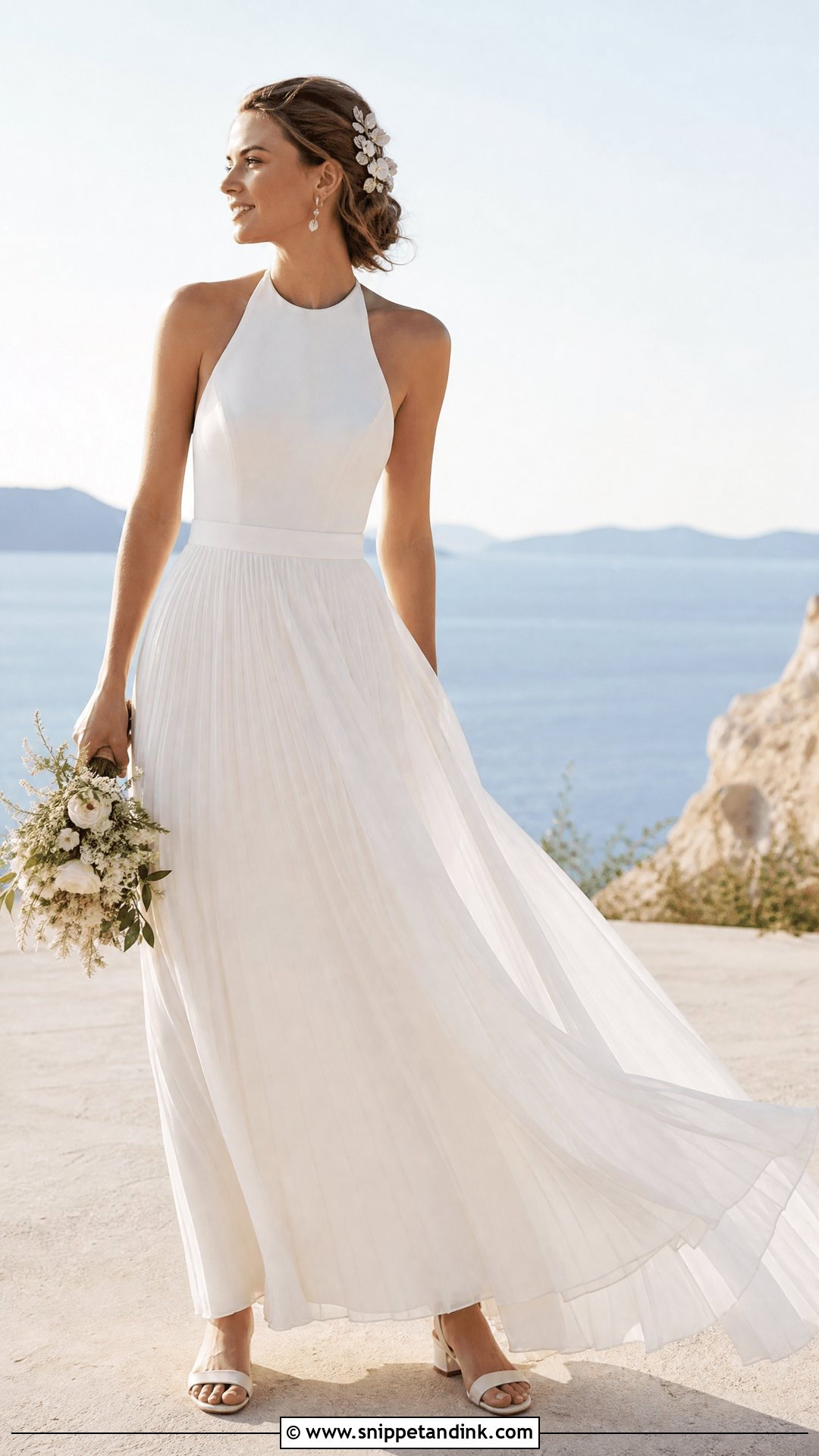
Pleated chiffon with a halter top in the same ivory is my pick for heat. The halter gives support and the pleats move freely in any breeze. Lining is essential, since unlined chiffon turns sheer in bright sun. On grass or sand, skip the long train and set the hem to just skim the ground; a train collects sand and damp grass and drags behind you. A floral comb can stand in for a veil at a relaxed destination wedding, and a loose updo keeps the halter neckline visible.
7. Mikado Bridal Skirt With Off Shoulder Top
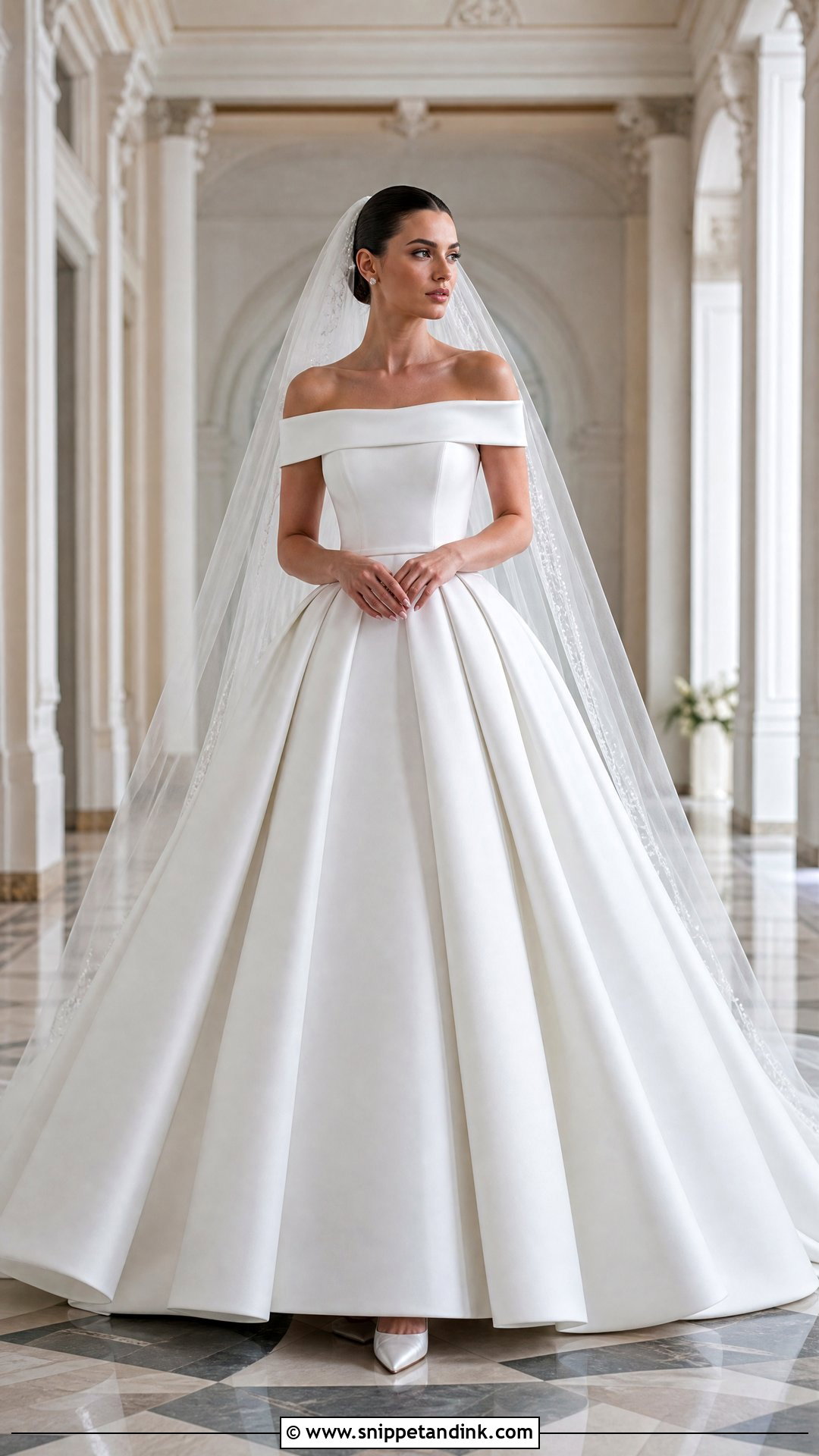
Mikado pleated into a ball gown skirt carries the drama of a structured gown by itself, so everything above it should be restrained. A fitted off-shoulder top with internal boning stays put far better than one held up by elastic, which creeps down every time you move your arms. Pointed satin heels and simple studs are enough. Ask for a bustle so the train lifts for dinner, and pockets if you’d like them, since Mikado hides them well. It belongs in a grand indoor setting or a formal evening.
8. Tea Length Bridal Skirt With Fitted Cardigan
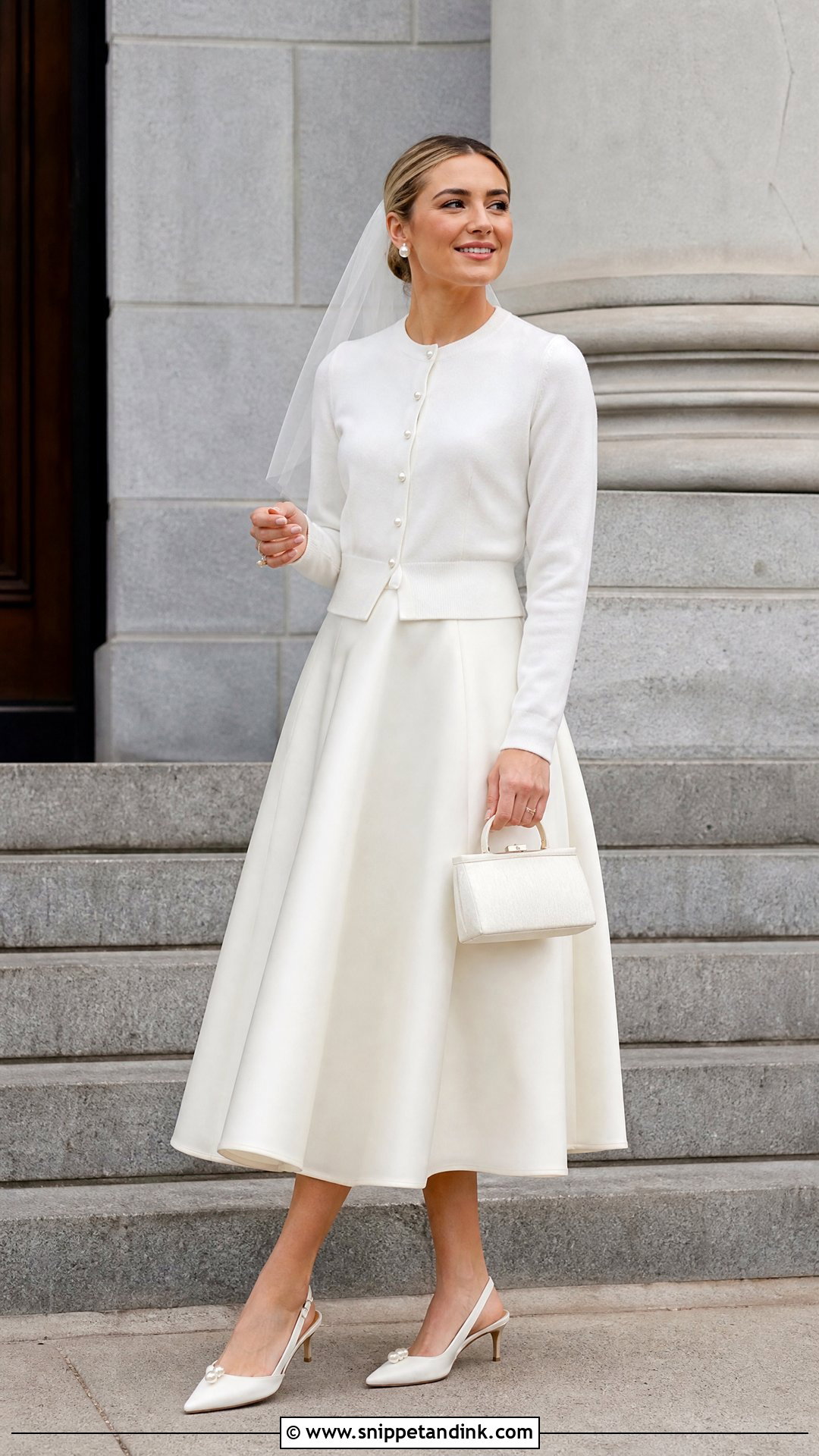
A tea-length skirt with a fitted cardigan has a vintage charm that suits courthouse and daytime weddings. A structured A-line skirt ending between knee and ankle, with a fine knit cardigan buttoned fully as the top, looks neat and cohesive. Fine knits pill where a bag strap rubs, so carry a small top-handle bag rather than a shoulder bag. Try several shoe shapes with this hem. A pointed or almond toe usually lengthens the leg better than a round one.
9. Sequin Bridal Skirt With Satin Camisole
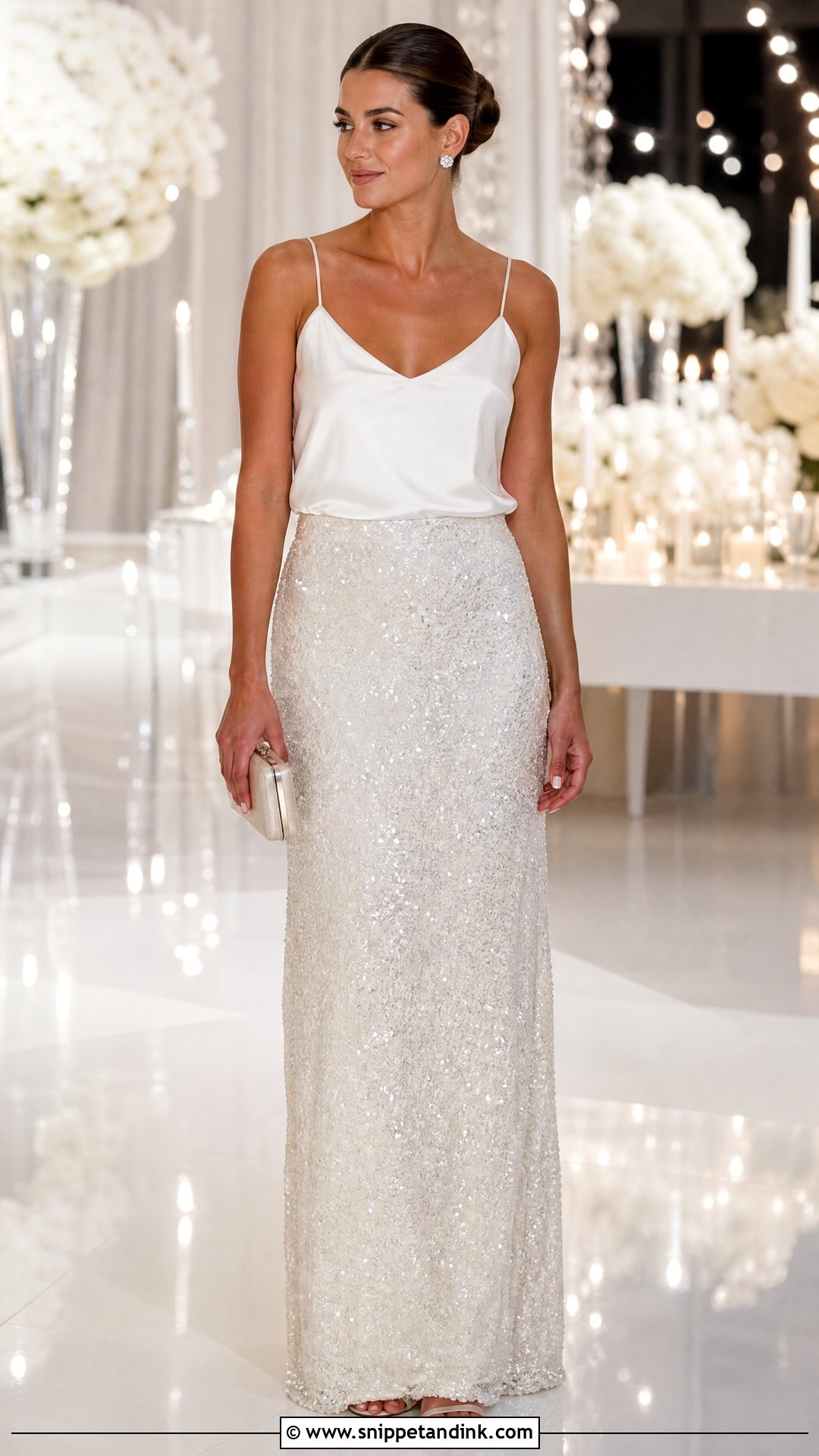
Shimmering sequins look polished on a floor-length skirt when they’re small and closely set; large reflective discs look more party than wedding. A softly fitted satin camisole keeps the top quiet. I’d save this one for a reception, an after-party or a glamorous city ceremony. Turn the skirt inside out at the fitting and check the waistband and lining, since sequin edges against bare skin scratch over an evening. Hold the skirt beside the camisole in different light as well, because sequins often throw a cooler white than satin.
10. Floral Bridal Skirt With Square Neck Top
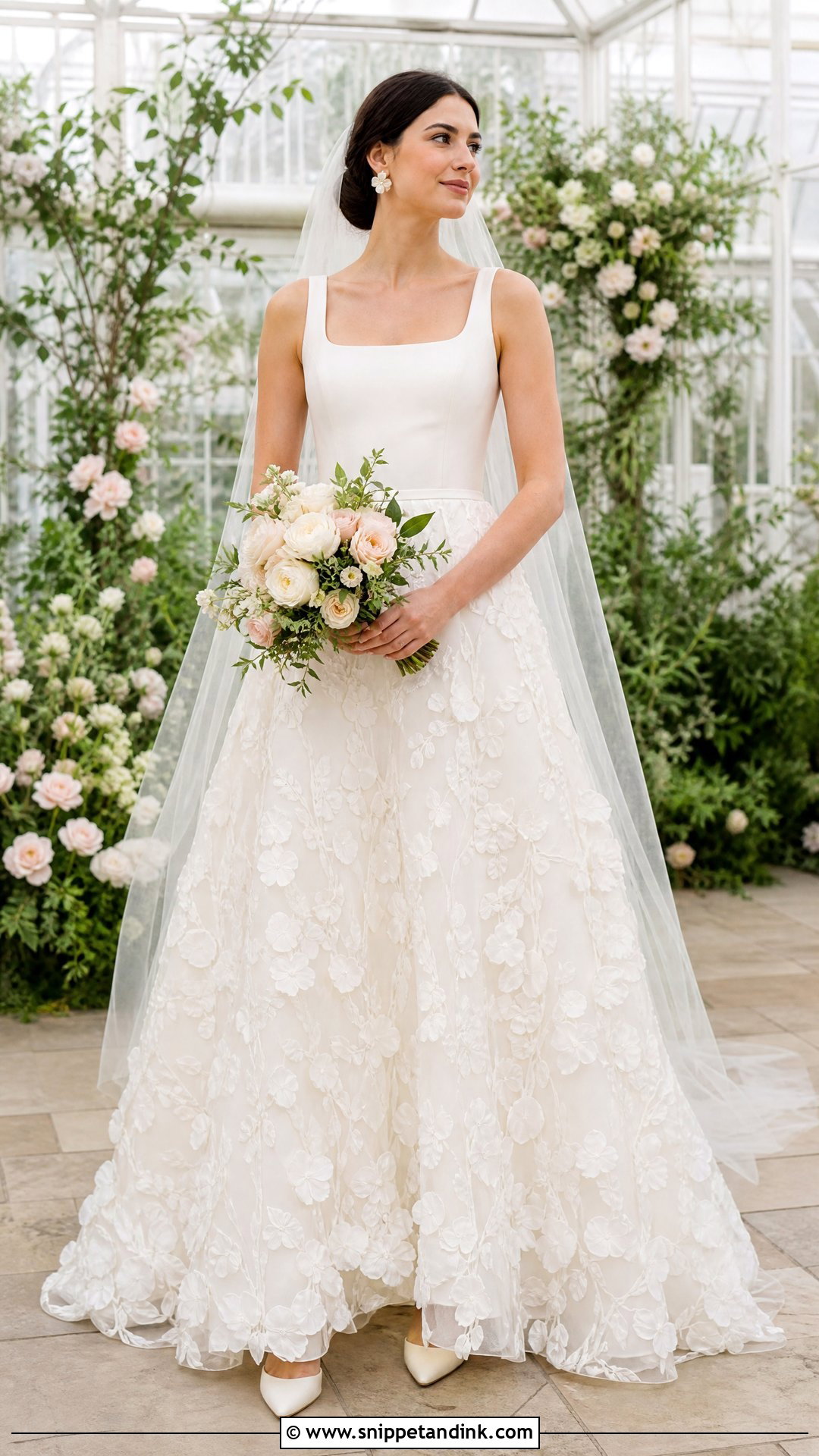
Raised floral appliqués give a skirt texture that shows up at any distance, provided the top above stays plain. A square-neck bodice works well because its straight lines calm the busy skirt. Keep the bouquet simple too, in a palette that doesn’t compete. Sit down in the skirt before buying it, since flowers at the hip and seat can press uncomfortably or get crushed. In the week before the wedding, check every appliqué and stitch down any petals that loosened during fittings.
11. Organza Bridal Skirt With Bandeau Top
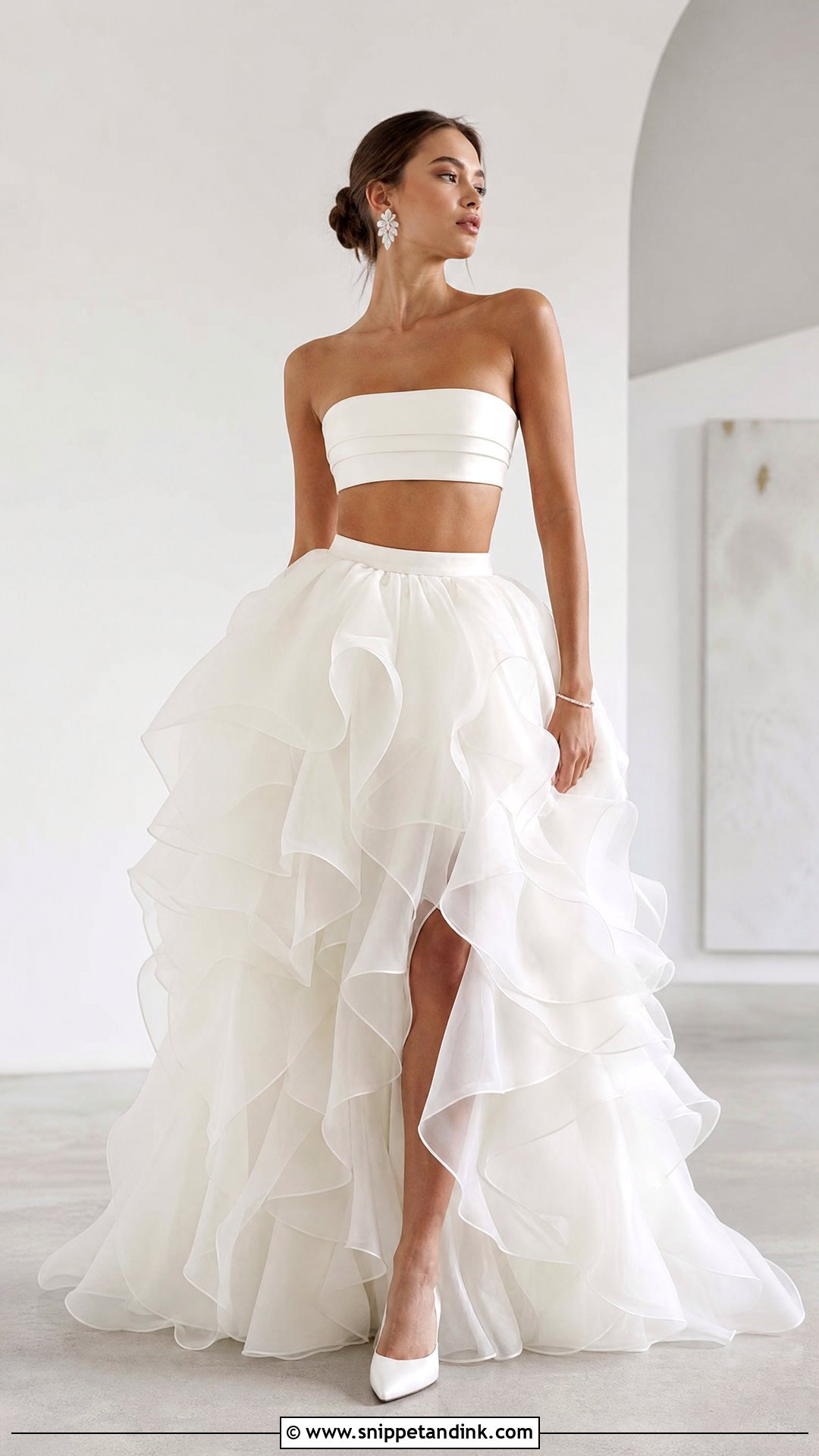
Ruffled organza gives a minimalist bandeau top plenty of movement. Soft, sculptural layers feel romantic; stiff ruffles stand away from the body and can look like a costume. A high waistband anchors the volume and gives a clean meeting point with the top, and a detachable shoulder wrap covers you for the ceremony before coming off later. A skirt this size needs space, so it suits venues with wide aisles. Your tailor can thin the layers at the waist while keeping the fullness lower down.
12. Bridal Overskirt With Mini Dress
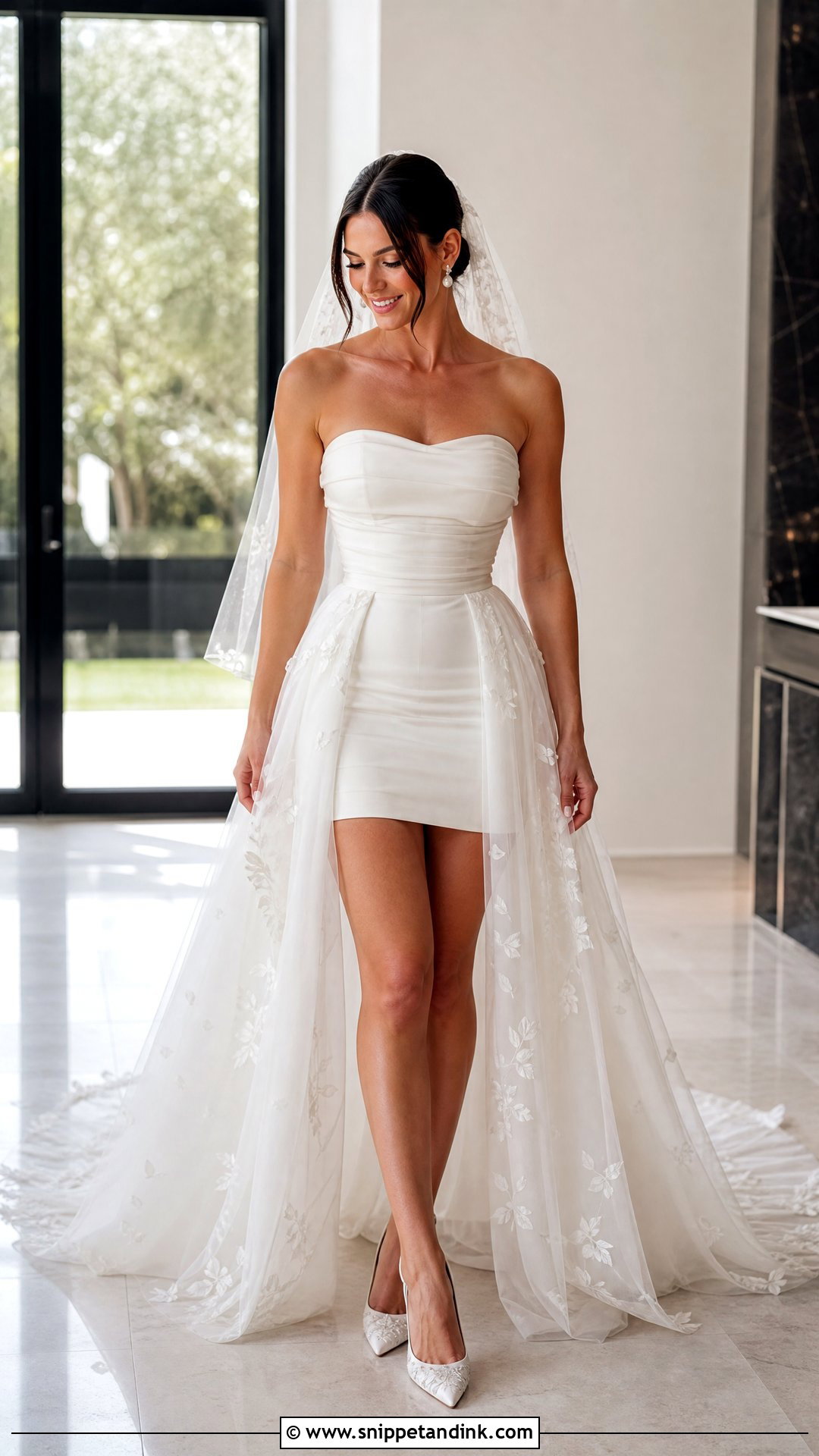
A detachable overskirt over a fitted mini dress gives you two looks without a full change: a sheer tulle or organza overskirt with a defined waistband and train for the aisle, and just the mini for the party. The base dress has to be smooth enough not to show lumps under the overlayer. I have the tailor hide the fastening, then I time the bride taking it off. The waistband should grip firmly without digging into the dress beneath.
13. Winter Bridal Skirt With Cashmere Sweater
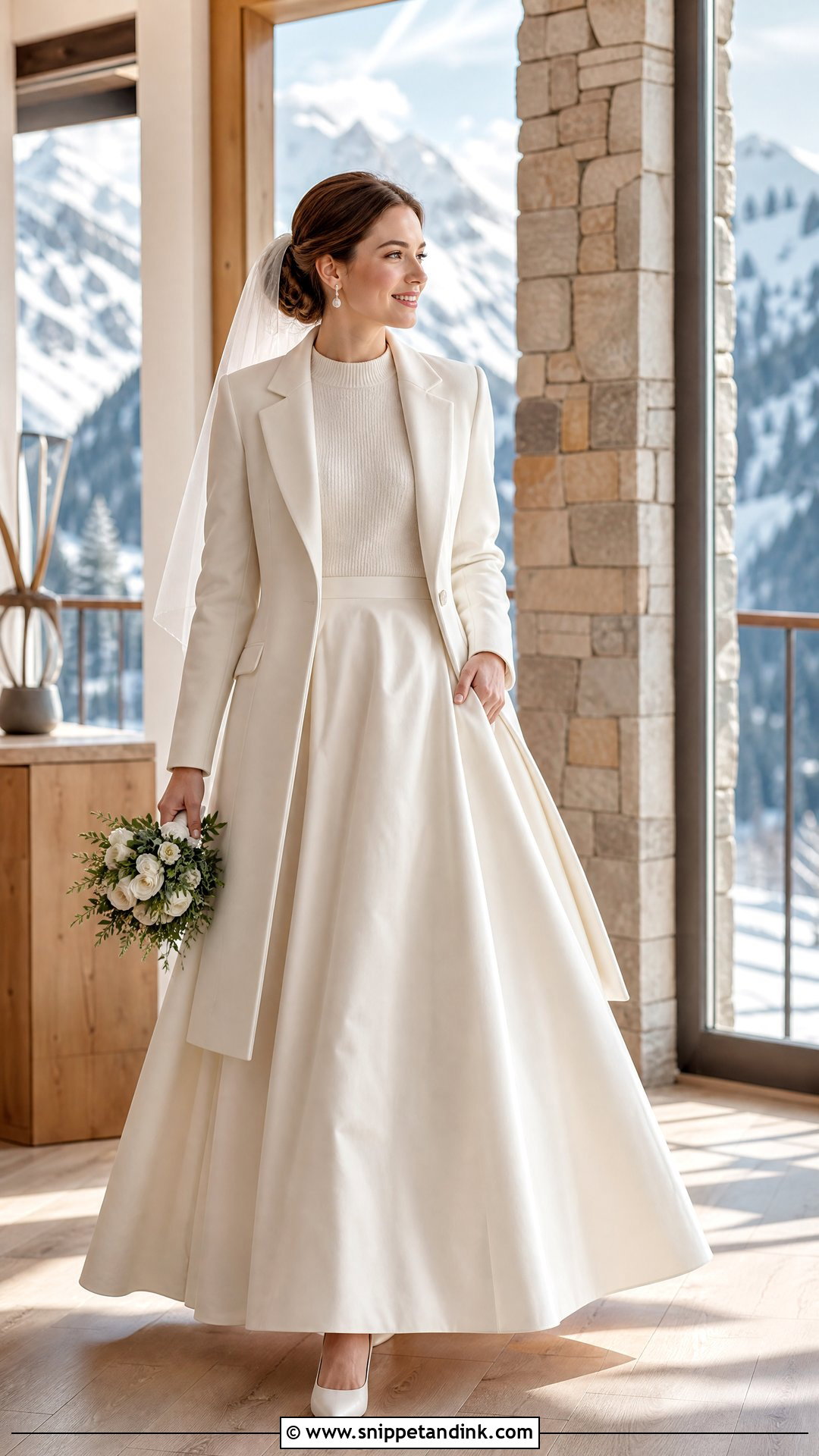
Knitwear with a full skirt is warm and a little unexpected. Choose a fine cashmere sweater in ivory or winter white with a bateau or V-neck, never a chunky knit, which bunches at the waistband. A satin or tulle skirt underneath carries the bridal formality. Tuck the sweater in smoothly, and if it creeps out, a few discreet stitches at the side seams will hold it. Knitted ivory and woven ivory rarely match exactly, so look at them side by side in daylight. Add a tailored coat for outdoor photos.
14. Linen Bridal Skirt With Sleeveless Top
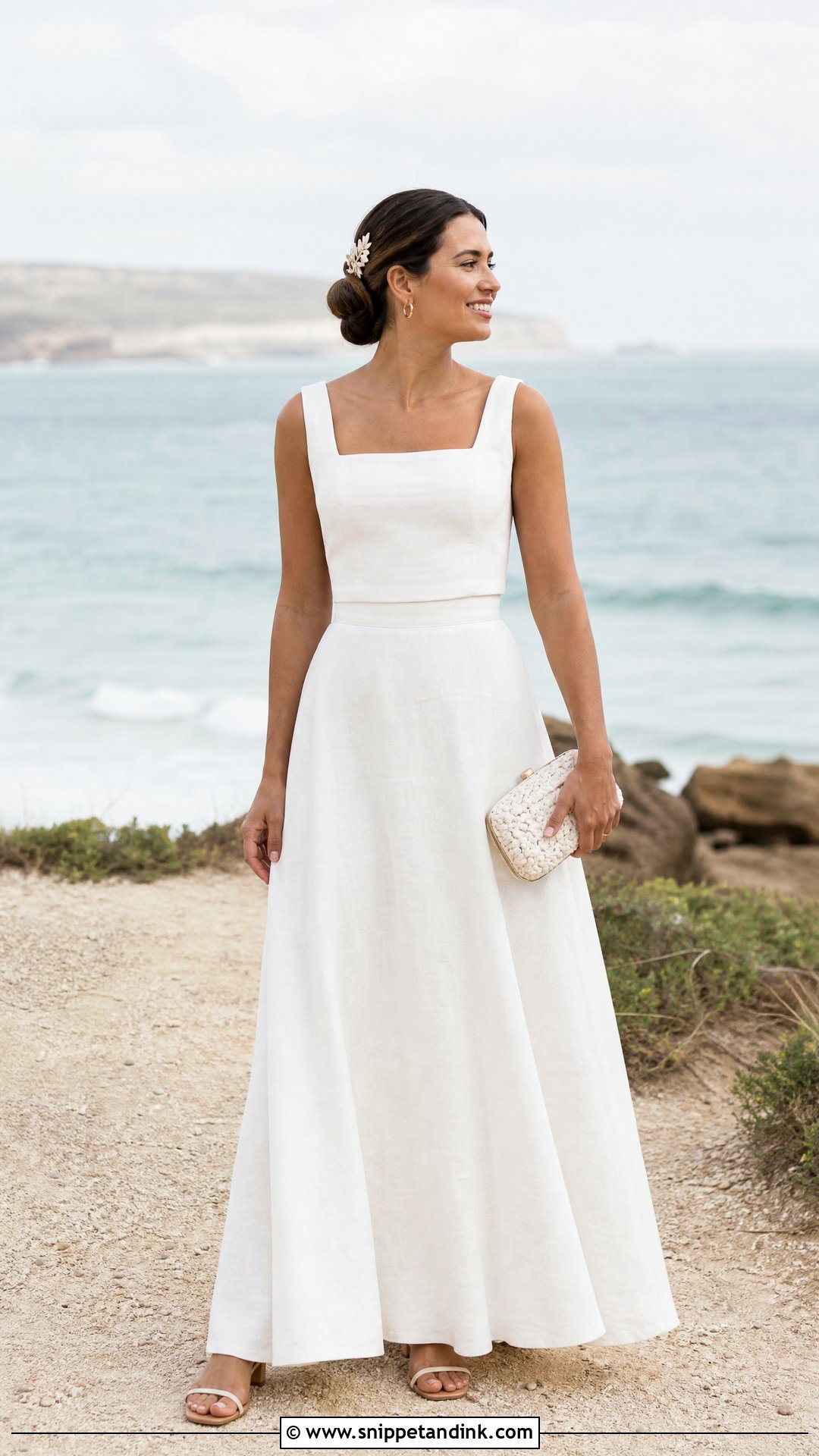
Linen is the honest summer fabric. A lined A-line or wrap skirt in a linen blend breathes well and wrinkles less than pure lightweight linen, and a structured sleeveless top with a square or high neck stops it looking too casual. Flat sandals and a woven clutch suit a beach or an elopement. I steam it shortly before dressing, then leave it alone. Linen creases the moment you sit, and those soft creases are part of its character rather than a flaw.
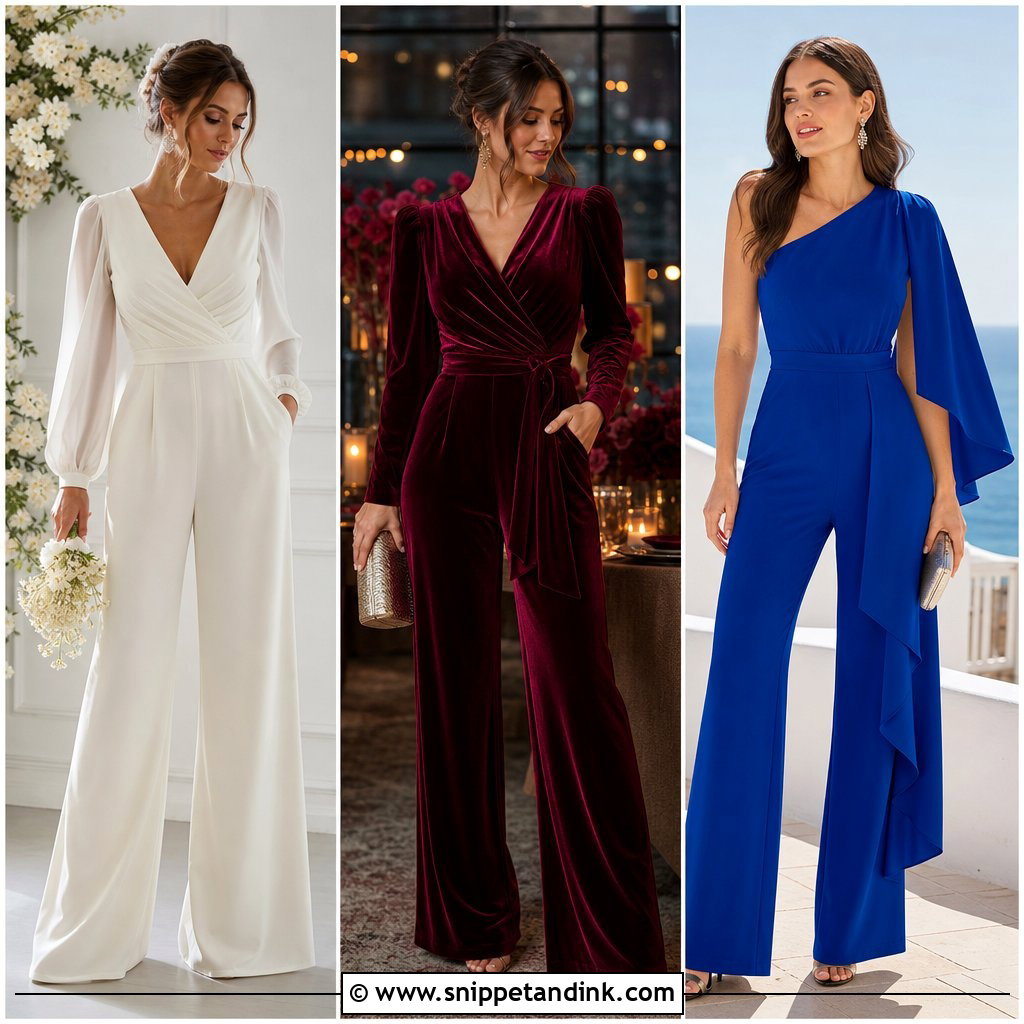

15. Crepe Bridal Skirt With Tailored Blazer
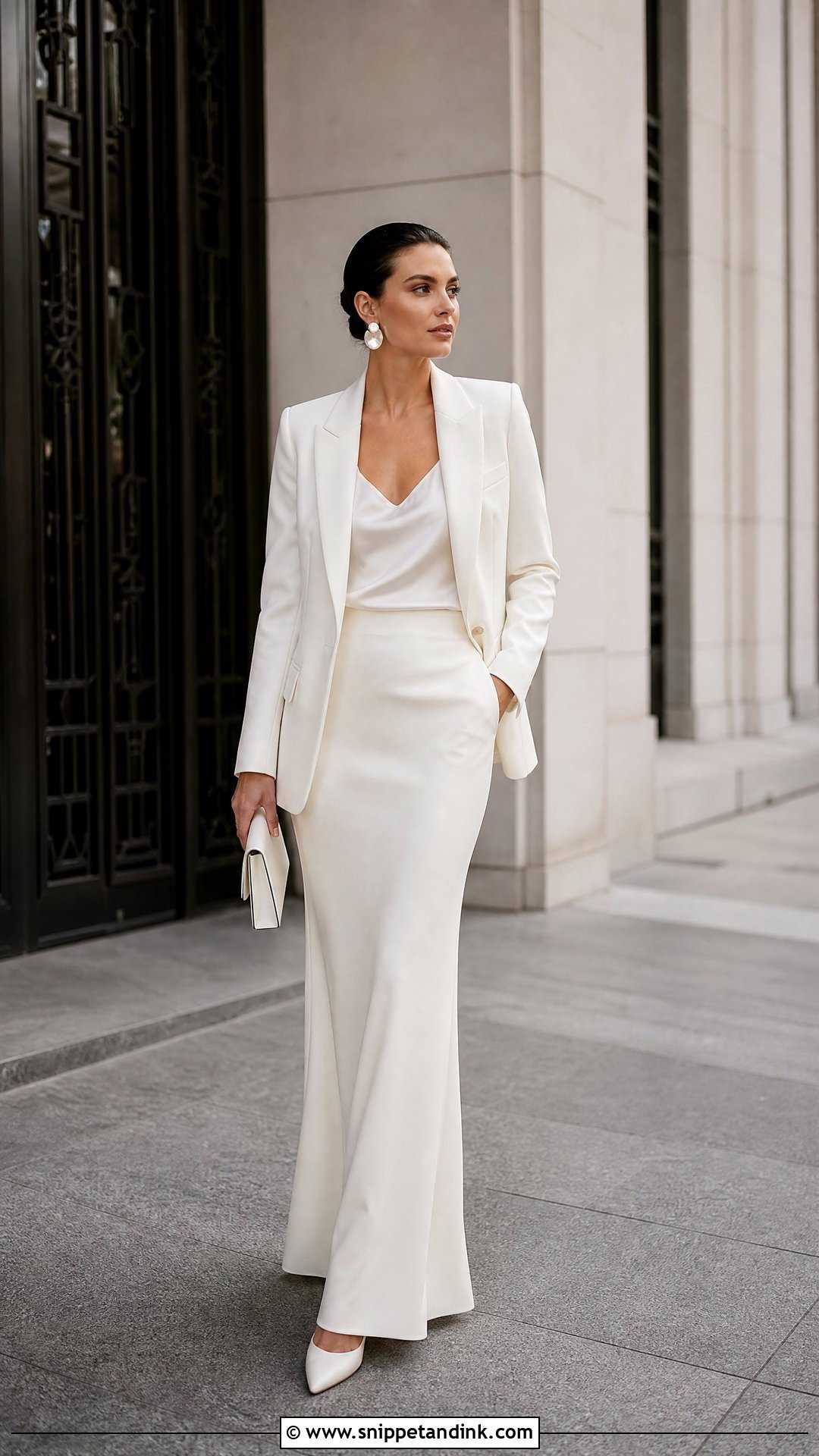
A column crepe skirt with a tailored blazer makes a confident gown alternative for a courthouse or gallery wedding. Keep the blazer, the camisole beneath it and the skirt in the same ivory family. A single-breasted jacket adds shoulder structure, worn closed for the ceremony and open afterwards. Crepe should skim the hips, not pull across them; horizontal drag lines mean the skirt needs letting out. Ask for a back slit wide enough for a normal stride.
16. Tiered Tulle Bridal Skirt With Pearl Top
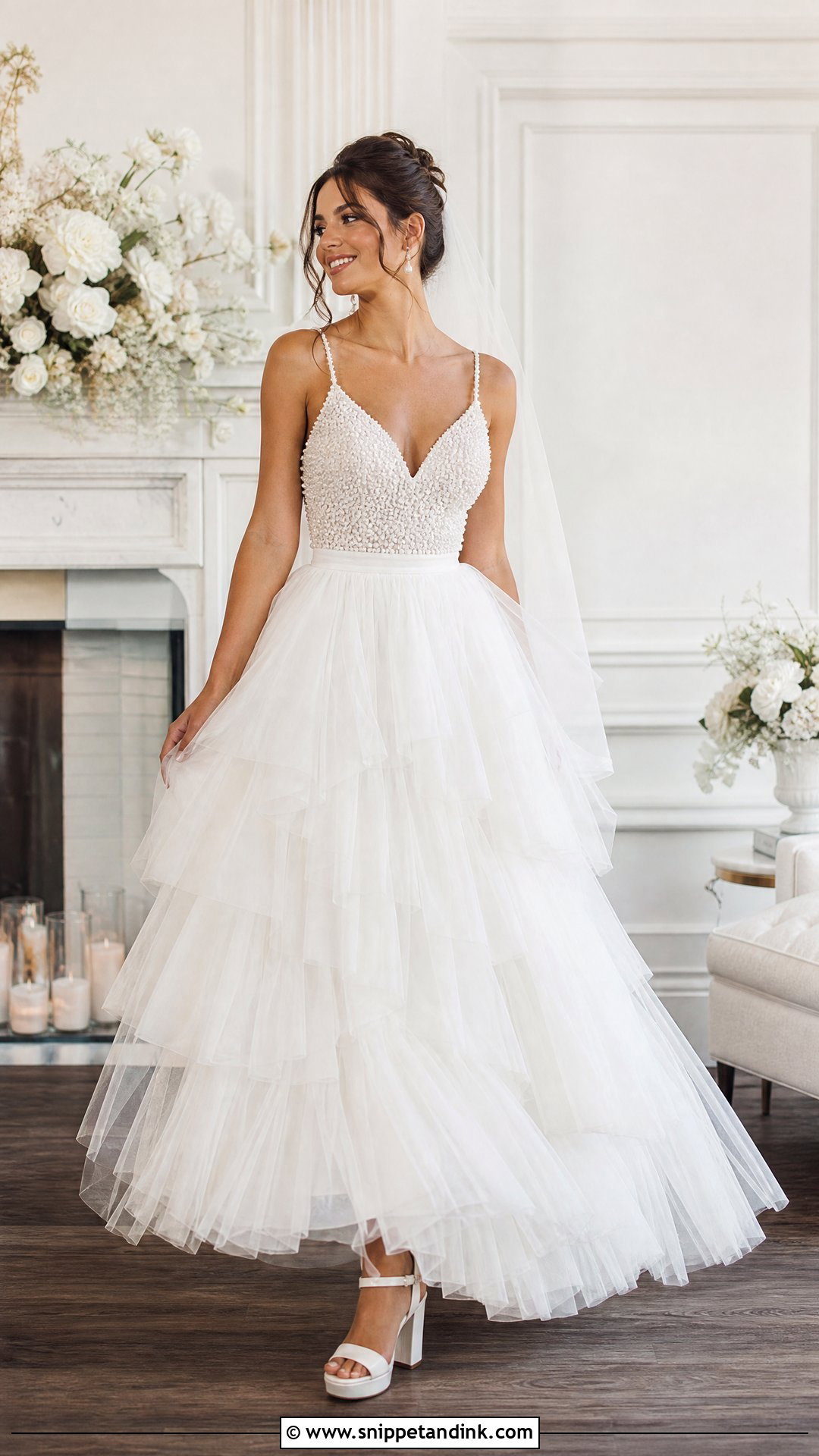
Tiered tulle has a lighthearted bounce, especially beside a pearl-scattered fitted top. A high waistband with the tiers starting below the natural waist keeps volume off the middle. Scattered pearls balance better than dense beading, and a plain bag avoids competing with them. Check that each tier is evenly spaced and its edge finished, as raw tulle edges fray and catch. Satin block heels keep you steady on lawns.
17. Draped Bridal Skirt With One Shoulder Top
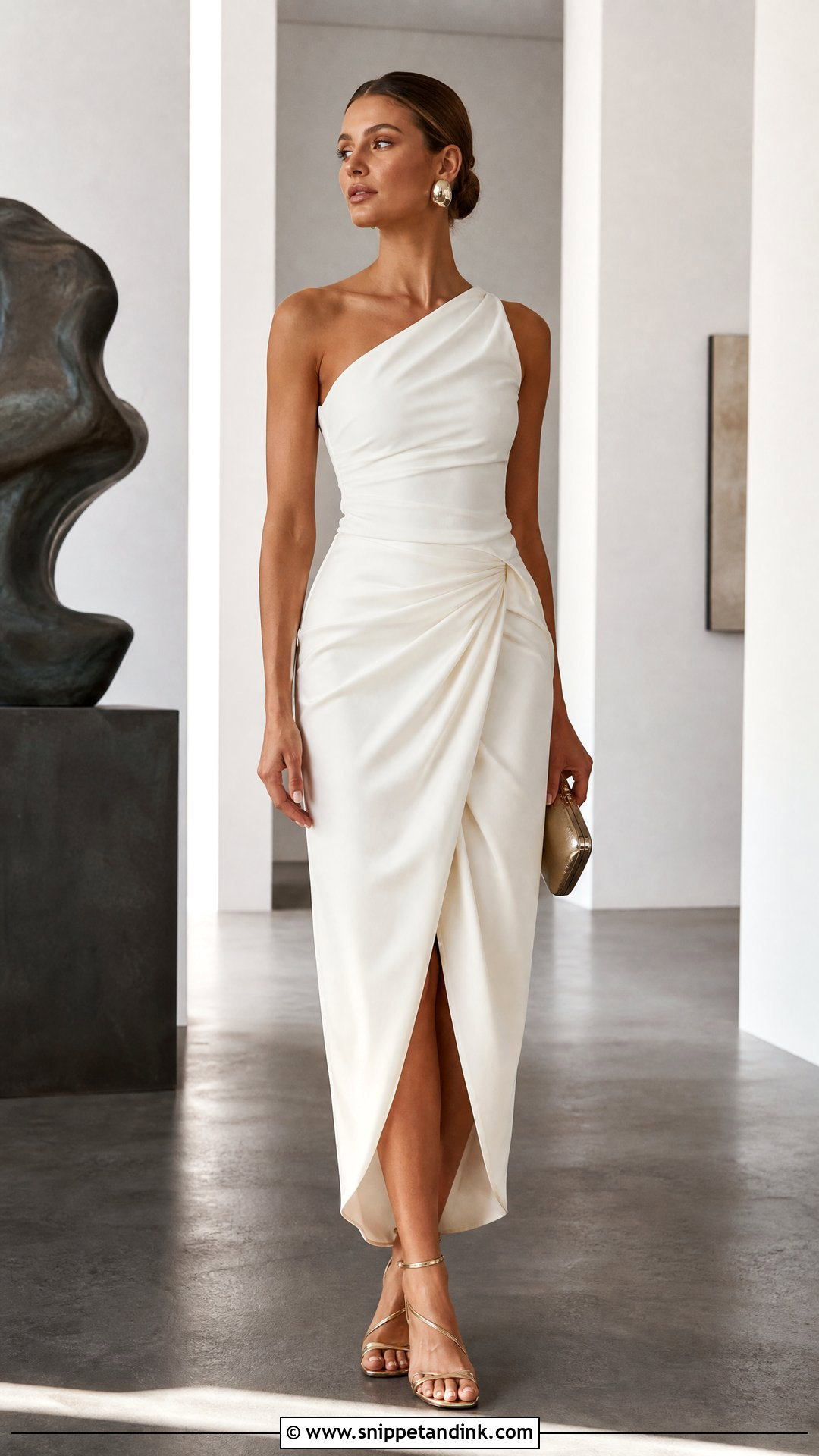
An asymmetric drape across the waist, beside a one-shoulder top, gives a modern, architectural line. Keep the top smooth so the folds lead. Draping is where I check seated wear most carefully. A soft drape can collapse into creases after an hour at dinner, so ask the tailor to tack the folds to the lining at a few points. Sweep your hair away from the covered shoulder, and consider a small hair accessory instead of a veil to keep the shape clean.
18. Embroidered Bridal Skirt With Silk Blouse
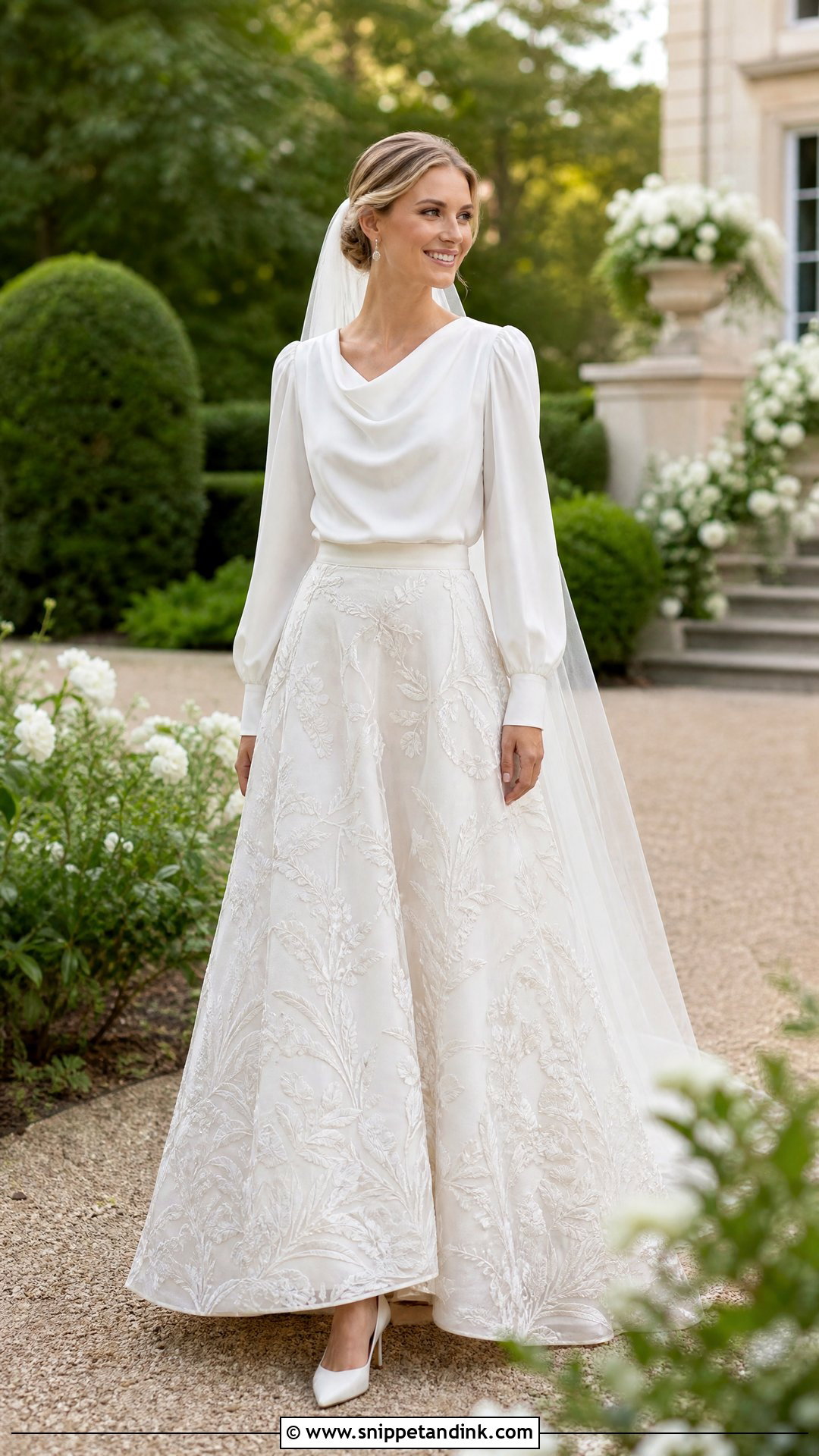
An embroidered skirt can carry the whole outfit, with a silk blouse keeping the top half soft. Choose embroidery that runs right around the skirt rather than clustering in one area, which looks lopsided in profile. Match the blouse to the skirt’s base fabric, not to the embroidery thread, or the outfit splits in two. Tuck the blouse into a high waistband. If the embroidery includes colour, repeat one soft shade in the bouquet or earrings. It sits naturally at estate venues and outdoor weddings with a handmade feel.
19. Mini Bridal Skirt With Cape Top
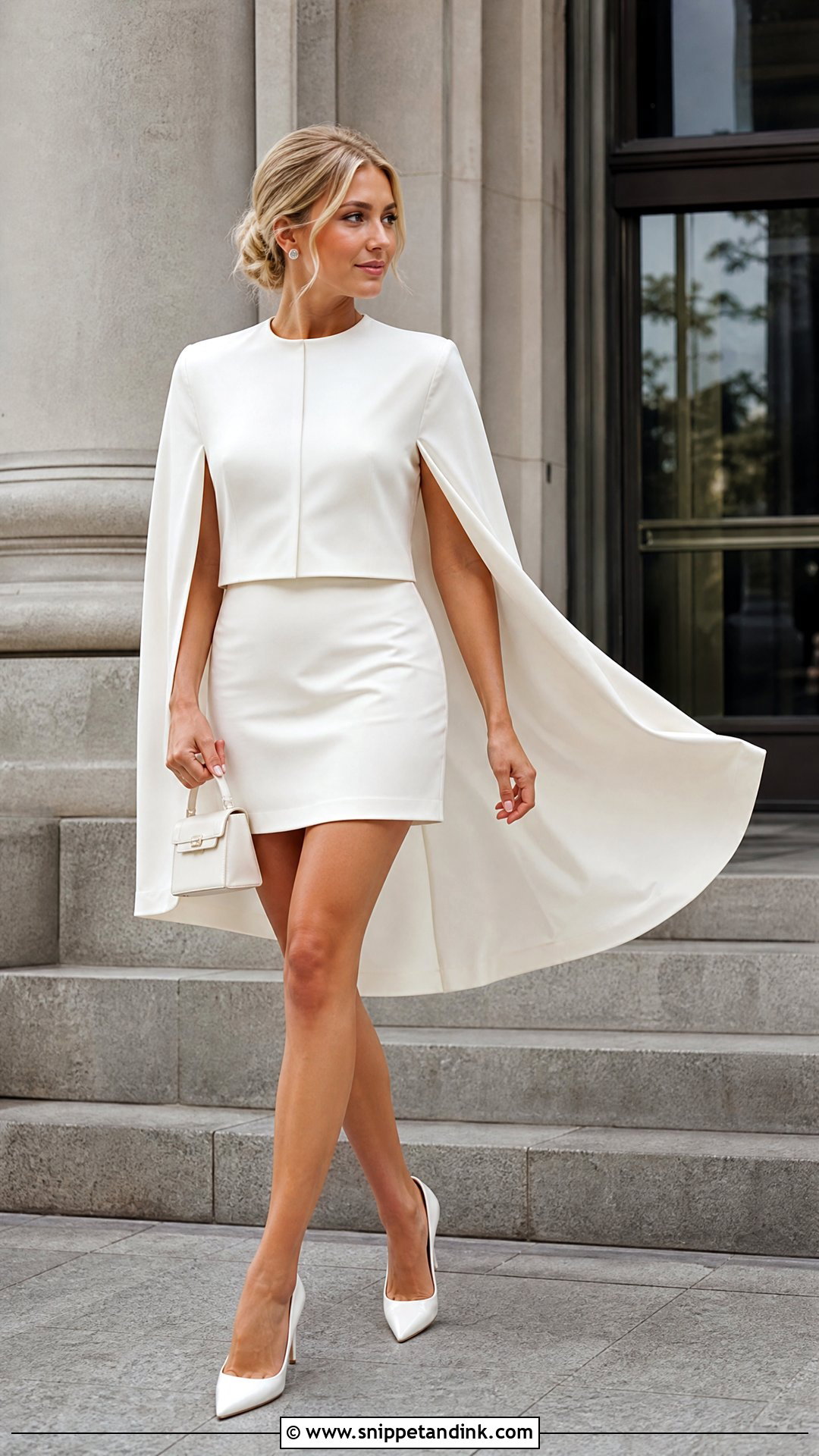
A mini skirt with a cape top gets its ceremony presence from the cape. Pick a clean A-line or straight skirt and a fitted top with a cape falling from the shoulders, so the length behind balances the short hem in front. Skip the veil, since the cape already decorates the back. The cape fabric needs to be light; a heavy one drags the neckline backward. Even if the skirt has stretch, I would avoid a very tight fit, because you’ll be sitting, climbing steps and getting in and out of cars.
20. Blush Bridal Skirt With Ivory Corset
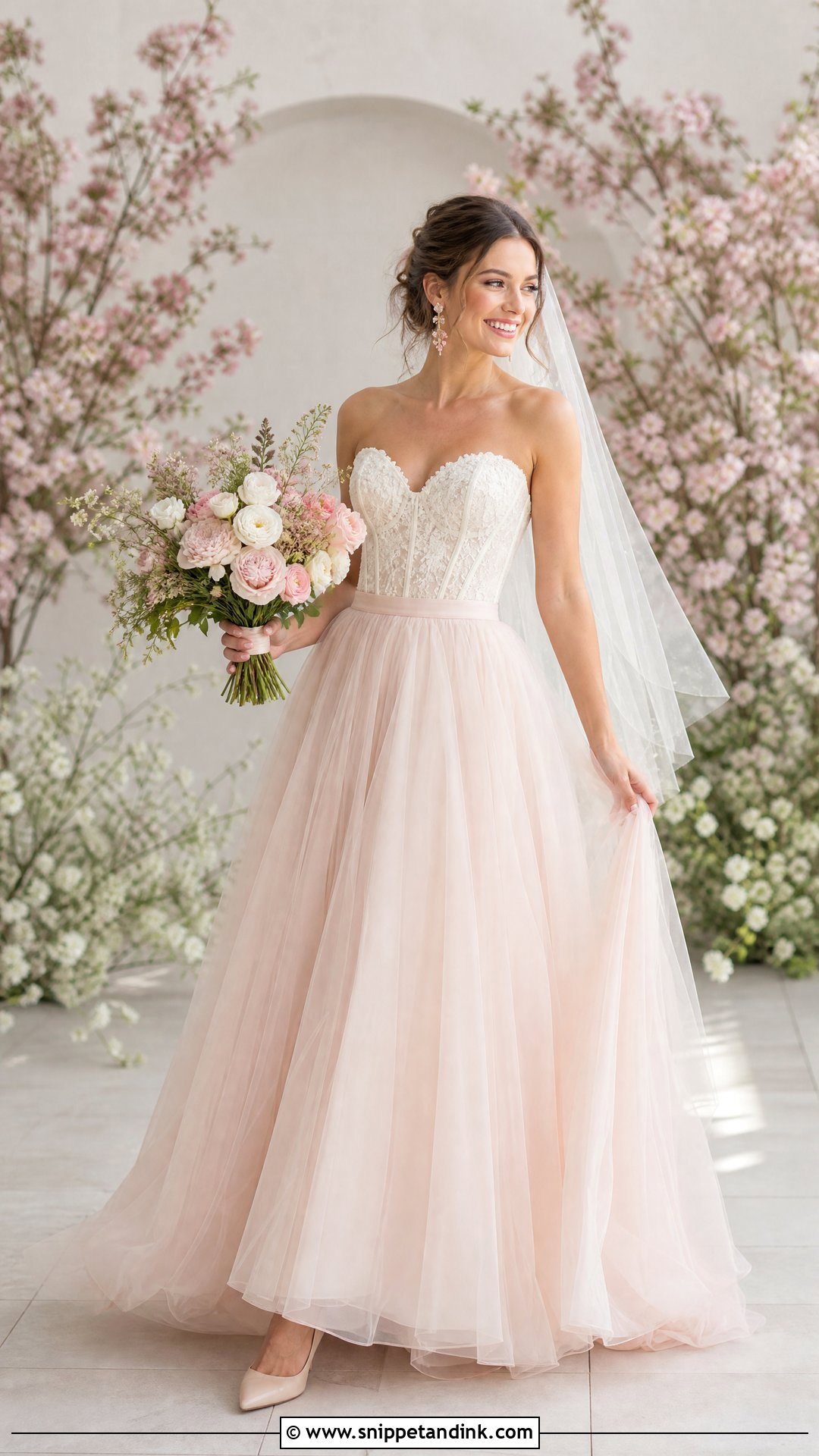
A blush skirt is a gentle step away from white that still reads clearly as bridal. Pair blush tulle or organza with an ivory corset and match the undertones: cool pink with crisp ivory, warm blush with creamy ivory. A sheer ivory veil ties the colours together. Shop lighting distorts blush more than most colours, so view both pieces together in daylight and take a quick phone photo too. The camera can merge blush and ivory into one muddy tone or make the pink louder than you expect.
Should the Season Change Your Skirt?
It should, at least in fabric and layering. In winter, heavier satin, Mikado and crepe hold warmth better than tulle alone, and a fine knit, cropped jacket or tailored coat gives you cover for outdoor photos. Under a tea-length or mini skirt, sheer tights in a warm nude look tidy and help in the cold.
In summer, breathability matters more than anything else. Cotton or silk linings beat polyester, and linen, chiffon and light crepe stay cooler than satin. If the skirt is long and full, anti-chafe balm on the inner thighs saves a lot of discomfort by evening.
The Camera Goes Straight to the Waistline
In photographs of separates, the eye lands on the join. A top that has crept out of the waistband, or a skirt that has twisted so its side seam drifts toward the front, shows in every full-length shot. Before portraits, I straighten the side seams and smooth the top at the waist. Stand tall with your shoulders back, because slouching folds the waistband over. A high waist helps here too, since it lengthens the legs in full-length frames.
Undertones, Shoes and a Practice Walk
Judge each fabric by how it moves and how it feels after several hours, not only by how it looks in the mirror. Tulle and organza give volume, silk and crepe give a cleaner line, and detailed skirts need a calmer top beside them. Compare undertones, bring your wedding shoes to alterations, and walk and sit in the finished outfit before the day. With good tailoring, a skirt and top look every bit as finished as a gown.
You'll Like These Ideas:



Leave a Reply