
A prewedding week asks more of your clothes than the wedding day does. You might sit cross-legged for two hours while henna dries, get splashed with turmeric paste, then walk into a family lunch in the same afternoon. When I dress a bride or her sisters for these functions, I plan around three things before colour: the fabric’s weight, how the dupatta stays put, and whether the hem clears the floor when you sit down. Daytime events reward cotton, mulmul and light georgette; evening gatherings can carry a little more texture. The outfits below are the relaxed end of Indian festive dressing, and each one comes with the practical detail I’d check before wearing it.
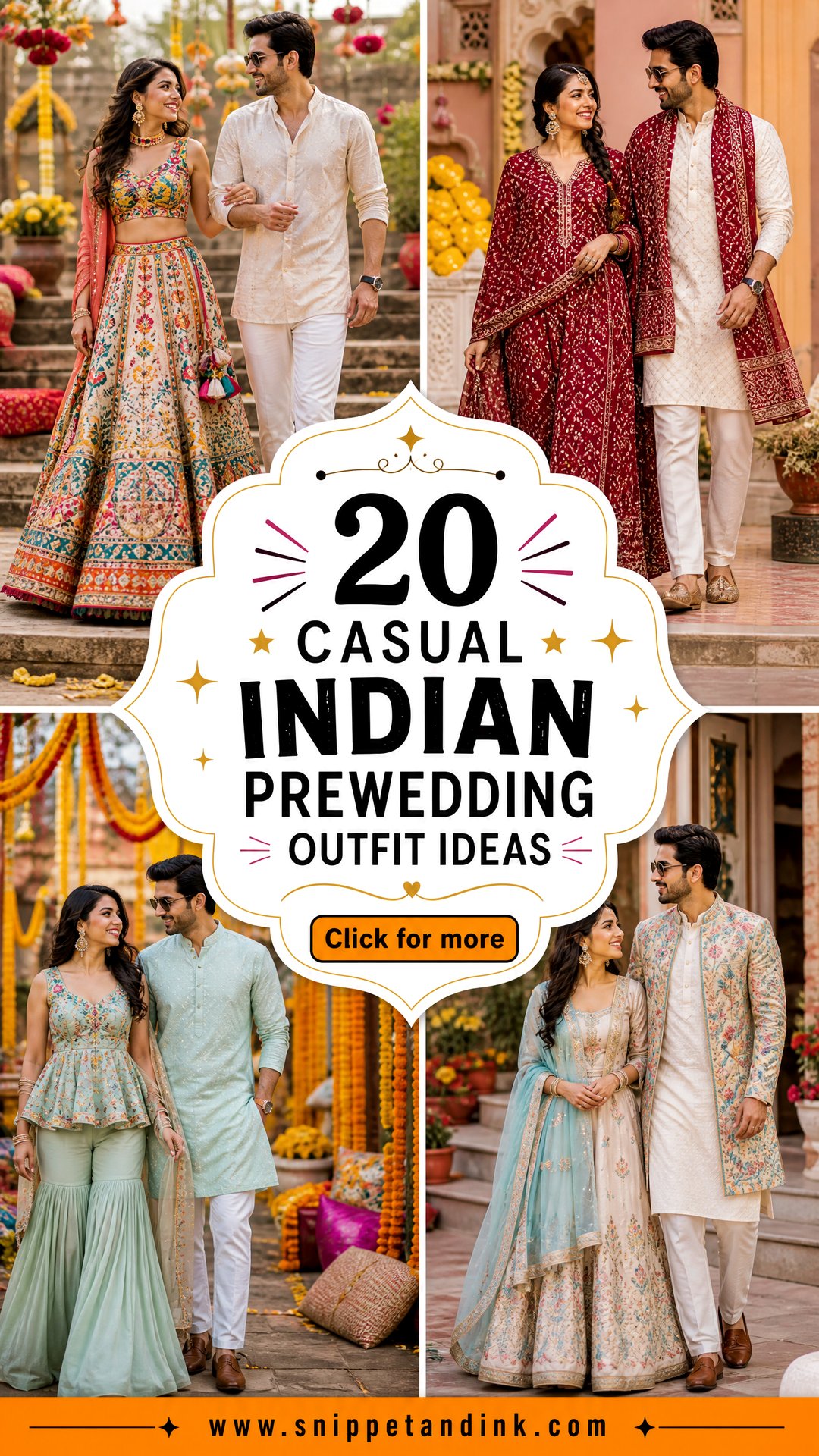
Haldi, Mehendi, Lunch or Sangeet? Each Function Wants Different Fabric
I don’t start with the outfit; I start with the schedule. Each prewedding function puts a different kind of stress on clothing, and a piece that’s right for one can be miserable at another.
- Haldi: assume the paste will reach you. Washable cotton or a blend you don’t mind losing, short hems, flat shoes, and no silk.
- Mehendi: you’ll sit still for a long stretch with your hands out of action. Sleeves should end above the wrist or push up easily, and the dupatta should be pinned so nobody has to adjust it for you while the paste dries.
- Family lunch or puja: often floor seating. Skirts and pants need room at the knee, and necklines should stay modest when you bend forward to touch elders’ feet.
- Sangeet rehearsal or casual sangeet: movement wins. Lighter shararas, Patialas and lehengas with secure blouses; nothing that needs holding up.
If you’re travelling to a destination with several events in a row, plan one outfit per function and one spare that works for any of them. The spare is the one that saves you when a hem tears or turmeric lands somewhere it shouldn’t.
1. Cotton Kurta And Palazzo Prewedding Outfit
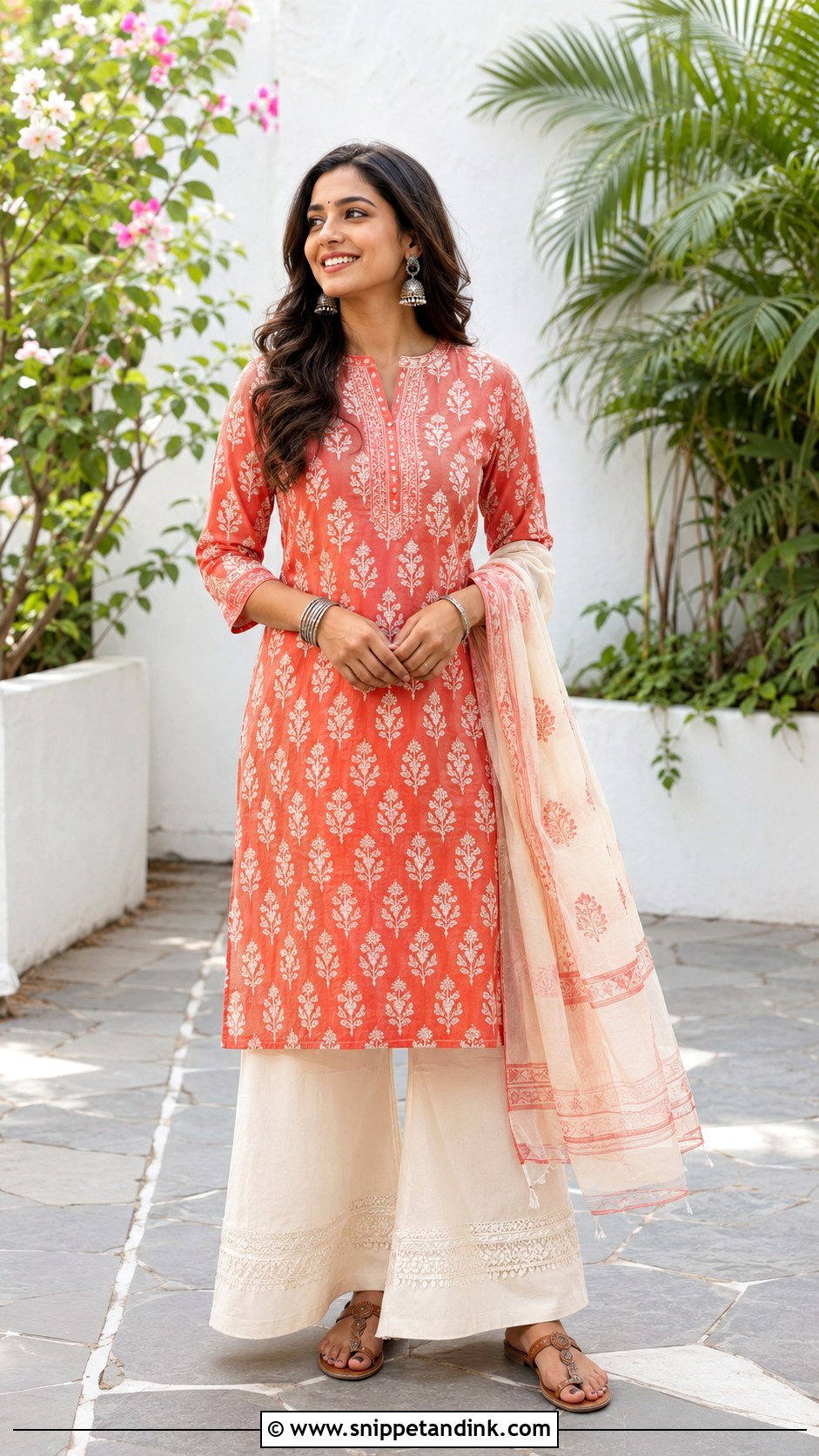
This is the set I reach for when someone tells me they hate fussing with their clothes. A straight or lightly flared cotton kurta in coral, turquoise or leaf green, with solid palazzos underneath, gives you room to sit on floor cushions without the fabric pulling across the thighs. Keep any block print or threadwork small; bulky embroidery on cotton tends to pucker after the first wash. Pin a light dupatta at one shoulder, add Kolhapuris and oxidised jhumkas, and put hair in a low bun. One honest warning: palazzos in very thin cotton can turn transparent in direct sun, so hold them up to a window before the day.
2. Floral Anarkali And Jutti Prewedding Outfit
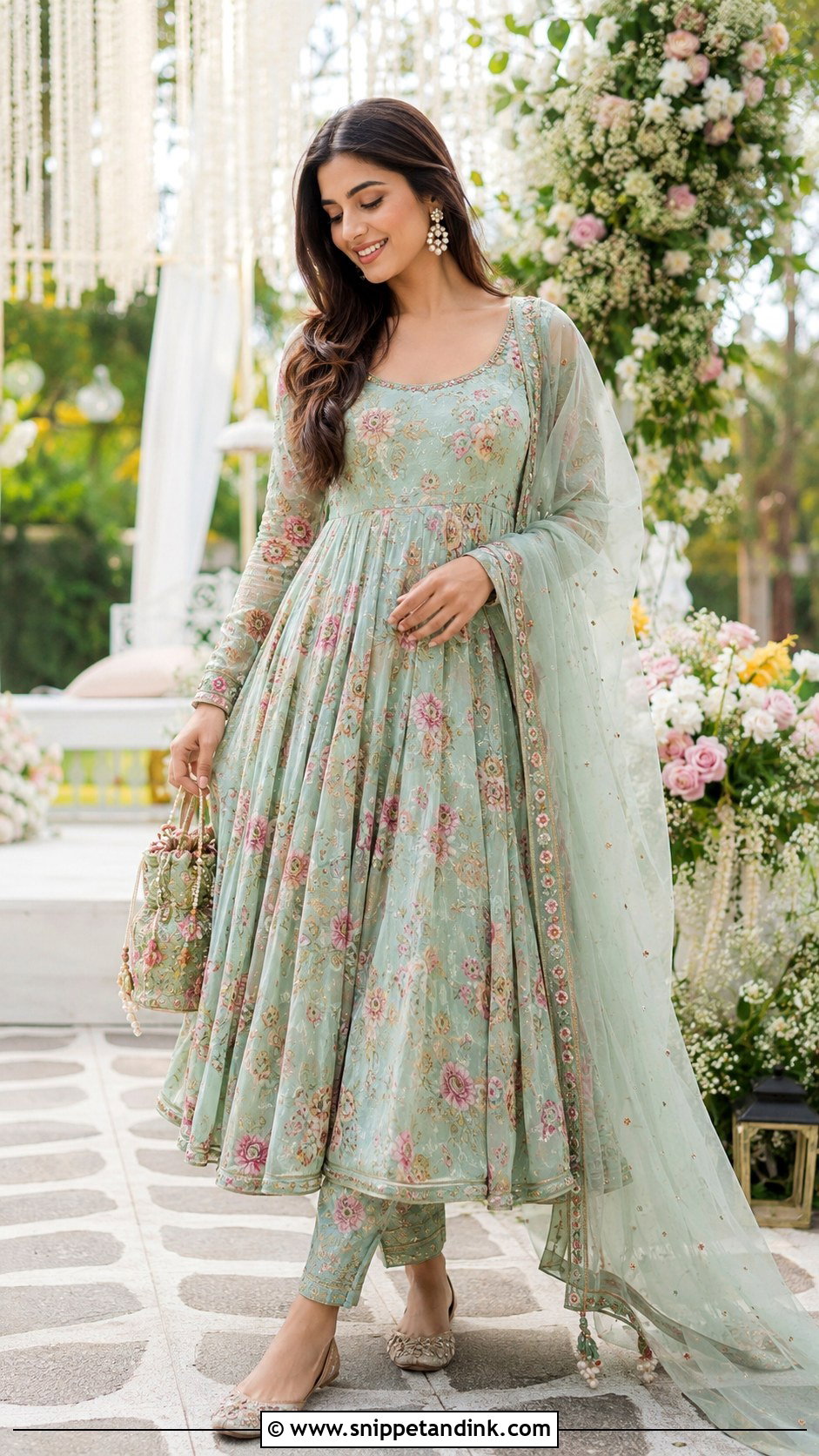
A floral Anarkali moves more than almost anything else on this list, which is exactly why it suits a garden mehendi. Cotton voile and light georgette swing well; heavy georgette at ankle length gets weighty by evening. I look for medium-sized flowers in mint, peach or lilac, with embroidery kept to the neckline or hem. Wear it with narrow pants and juttis that pick up one colour from the print, plus pearl drops and a small potli. If you’re petite, a calf-length cut stops the skirt from swallowing you when you sit.
3. Yellow Sharara Haldi Prewedding Outfit
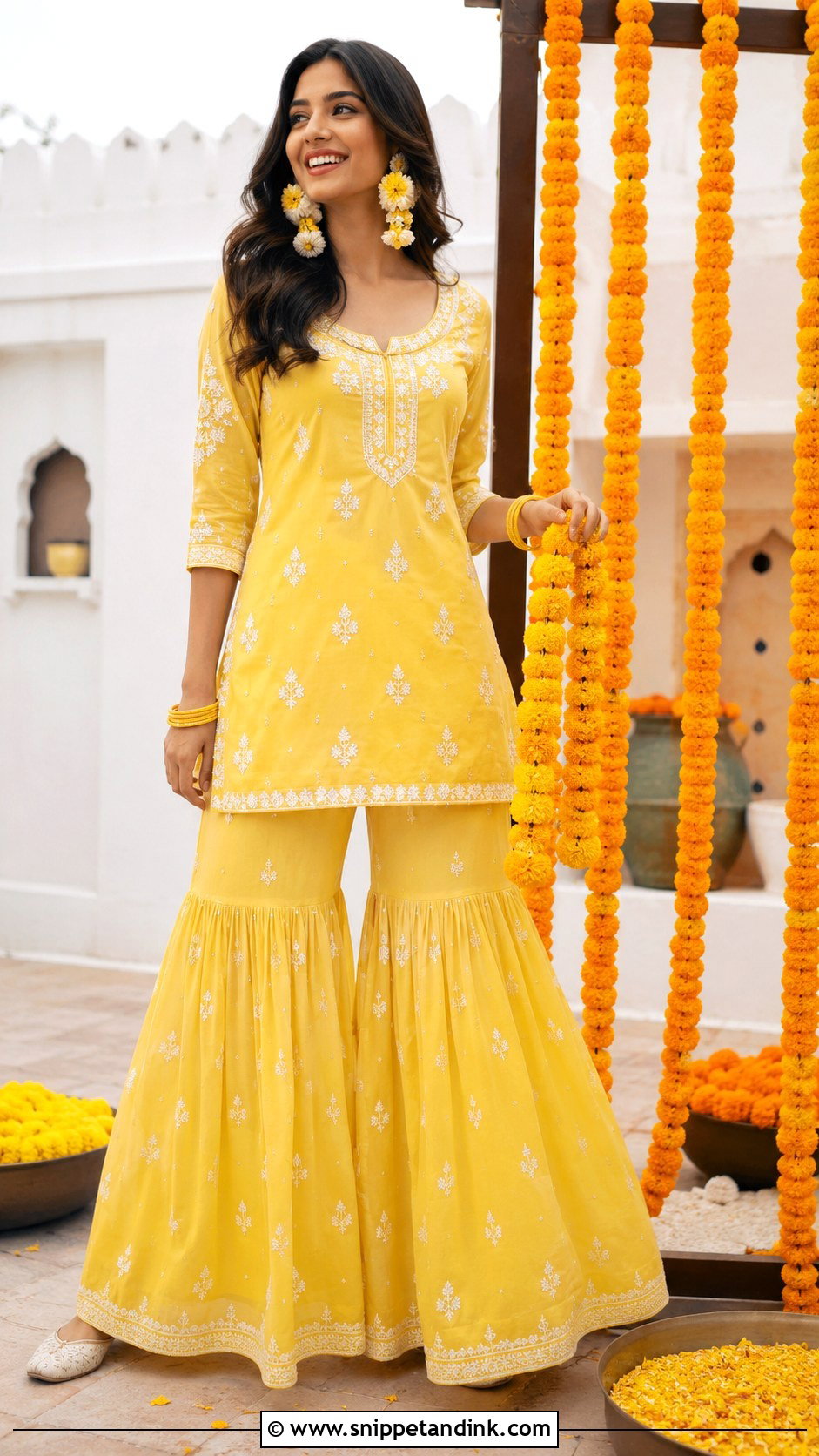
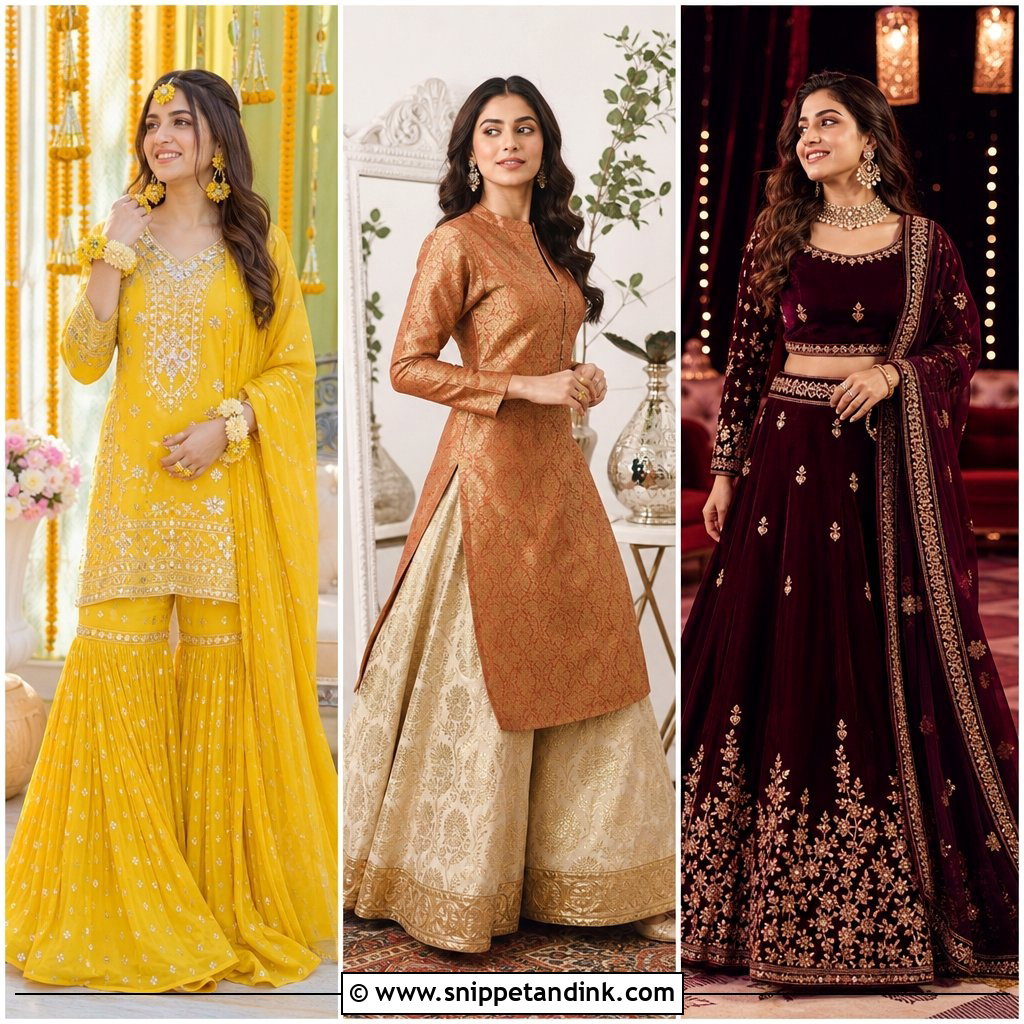
Yellow for a haldi ceremony is tradition, but the fabric matters more than the shade. Turmeric paste stains silk badly and permanently, so I put brides in cotton, muslin or a washable blend and tell them to treat the outfit as something they may not wear again. Choose a short kurta and a moderately flared sharara; very wide legs drag through wet paste and petals on the floor. White threadwork or a few mirror accents show up well in photos against all that yellow. Flat juttis are a must here, because haldi floors get slippery. Marigold flatters warmer skin, while a softer lemon tends to suit cooler undertones.
4. Printed Lehenga And Crop Top Prewedding Outfit
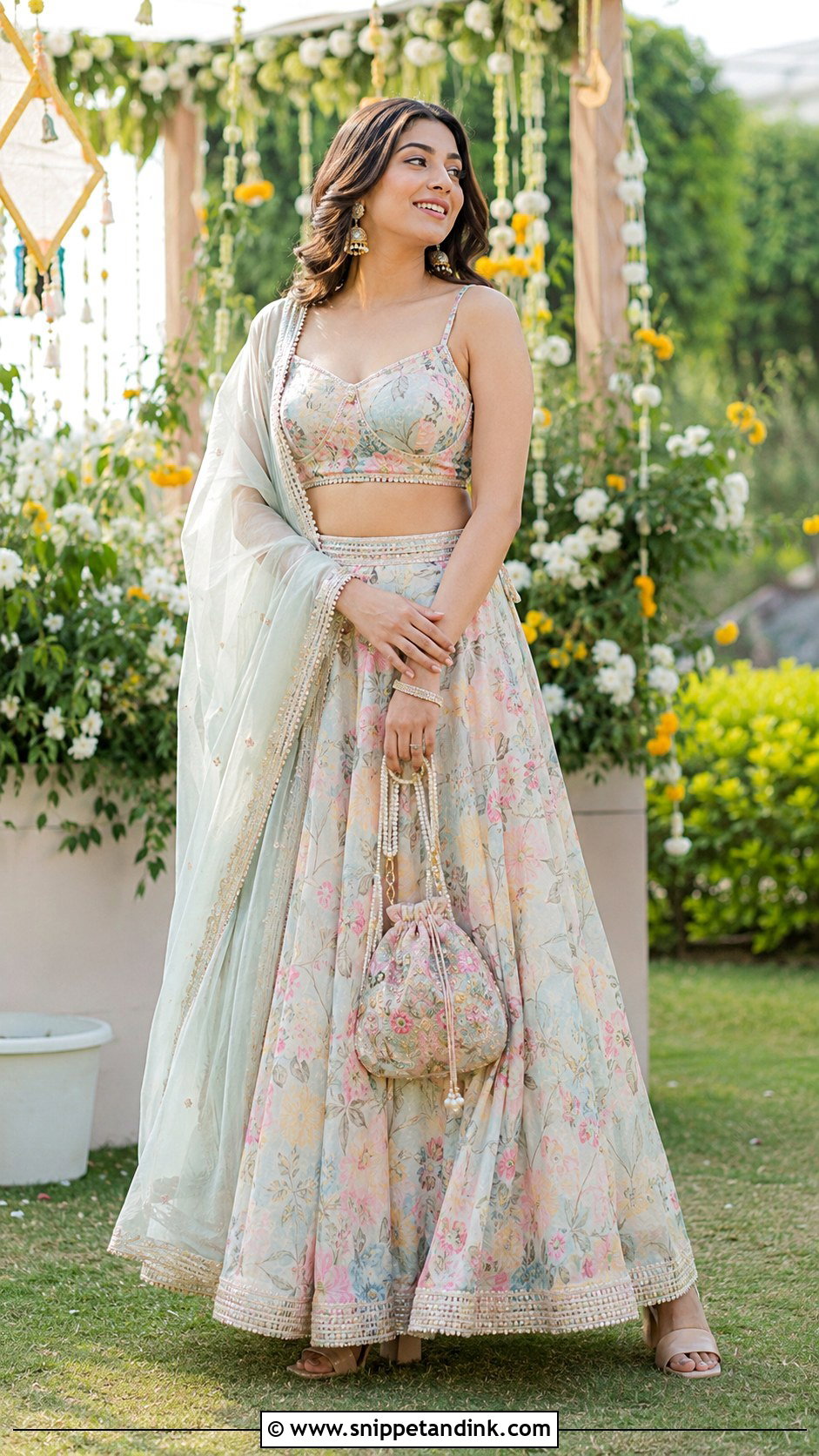
A printed lehenga gives you the full-skirt silhouette without the weight a densely embroidered bridal piece carries. Cotton, crepe or georgette skirts with florals or block prints are light enough to dance in. The blouse is where people go wrong: a crop top that looks fine standing can ride up when you sit or lift your arms, so do a quick arm-raise test in the mirror. Drape the dupatta over one shoulder and pin it. Petite frames carry smaller prints and a higher waistband better, while taller women can take wide borders. It’s my pick for a daytime mehendi or a casual photo session.
5. Chikankari Kurta And Pants Prewedding Outfit
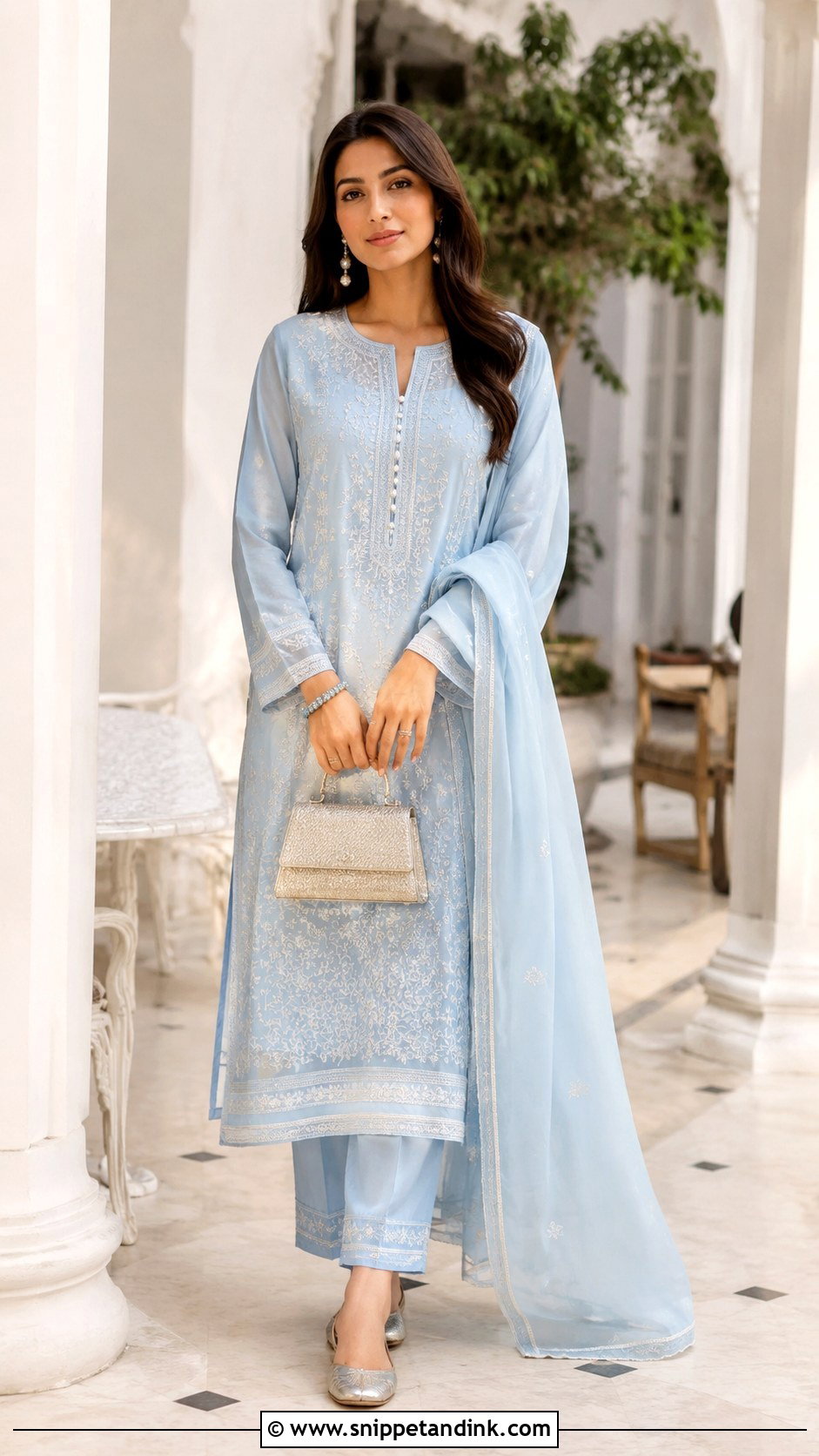
Chikankari is hand embroidery worked on fine fabric, and its charm is how delicate it is, which also means it shows every stain and snag. Pastel pink, pistachio and powder blue keep the threadwork readable from a distance. Cotton is right for daytime; for an evening event I’d choose a lined georgette version, because unlined chikankari is quite sheer under camera flash. Match the lining or slip to your skin tone or the kurta colour. Straight ankle pants, pearl studs and metallic flats are all it needs. Leave the heavy necklace at home and let the embroidery do the work at a home puja or an intimate roka.
6. Bandhani Suit And Mojari Prewedding Outfit
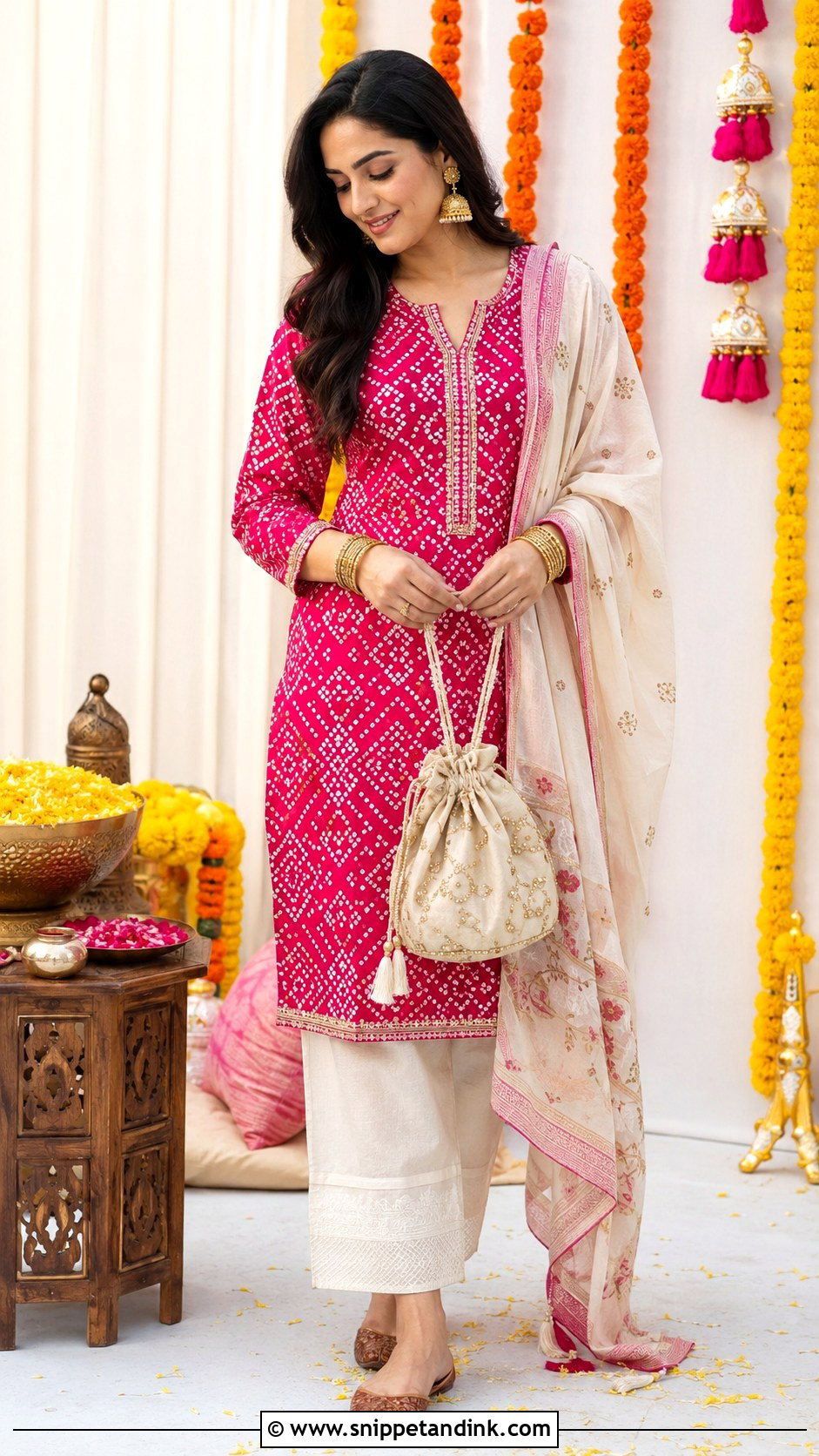
Bandhani is tie-dye made by binding tiny points of cloth before dyeing, so the dots are slightly irregular by nature, and that’s what makes it look handmade rather than printed. Pair a fuchsia, orange or green bandhani kurta with solid pants, or flip it and wear a plain kurta with a bandhani dupatta for a quieter effect. A thin gota border adds shine without pushing it into wedding-day territory. Finish with leather mojaris and gold-toned bangles. I love it for travel days: creases disappear into the pattern. Do hand-wash it cold and separately the first time, because the dyes can bleed.
7. Pastel Saree And Sleeveless Blouse Prewedding Outfit
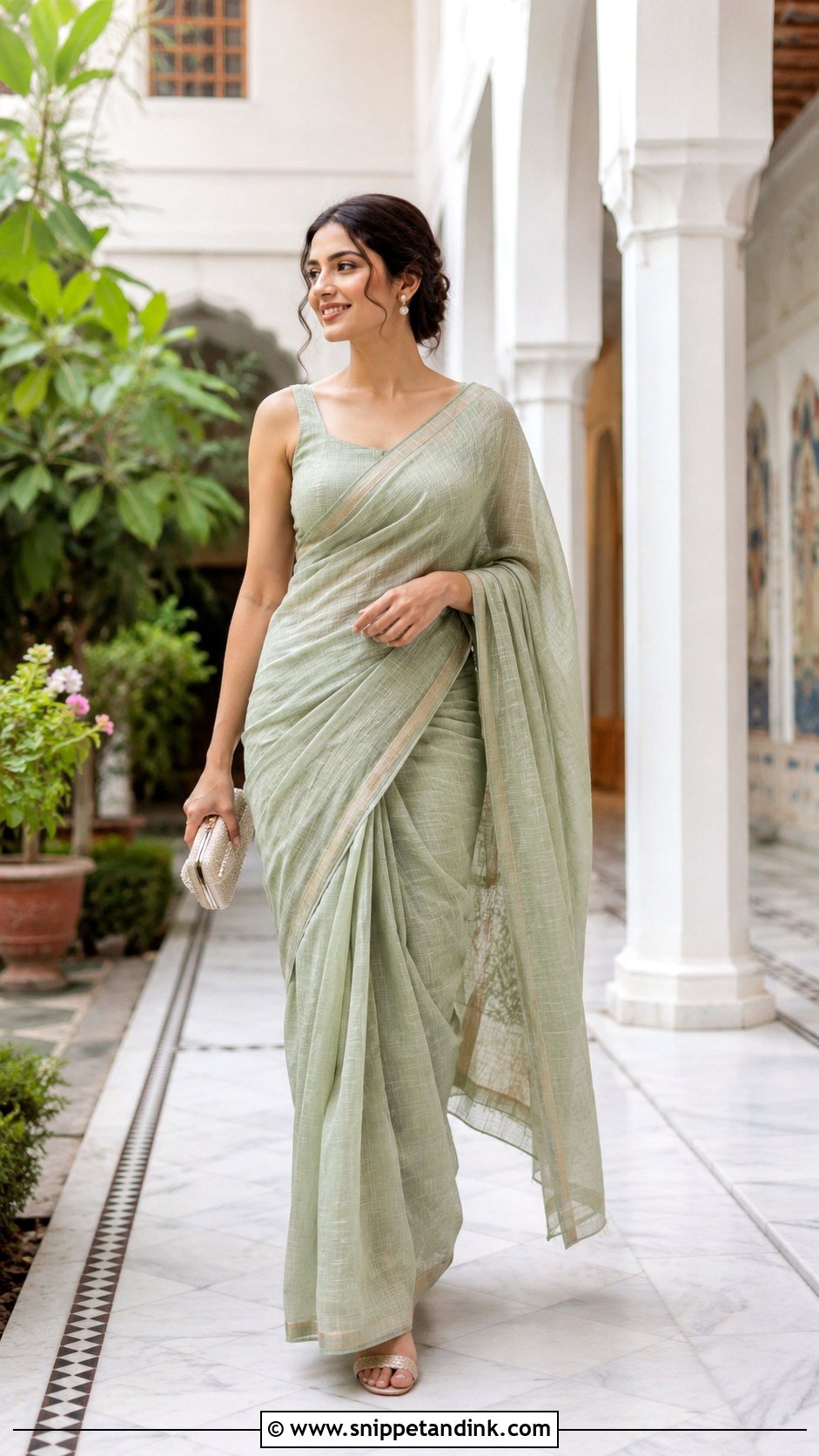
Can a saree feel casual? Yes, if you keep the drape minimal and the fabric soft. Linen, cotton-silk and chiffon in sage, blush or pale peach are far easier to manage than a stiff Banarasi. Use fewer pleats than you would for an evening drape and pin the pallu firmly at the shoulder so it doesn’t slide every time you reach for a plate. The blouse should allow you to lift your arms comfortably. If you’ve rarely worn a saree, a pre-stitched one gives you the same line with none of the pleating, and nobody at a family lunch will know.
8. Cape Kurta And Trousers Prewedding Outfit
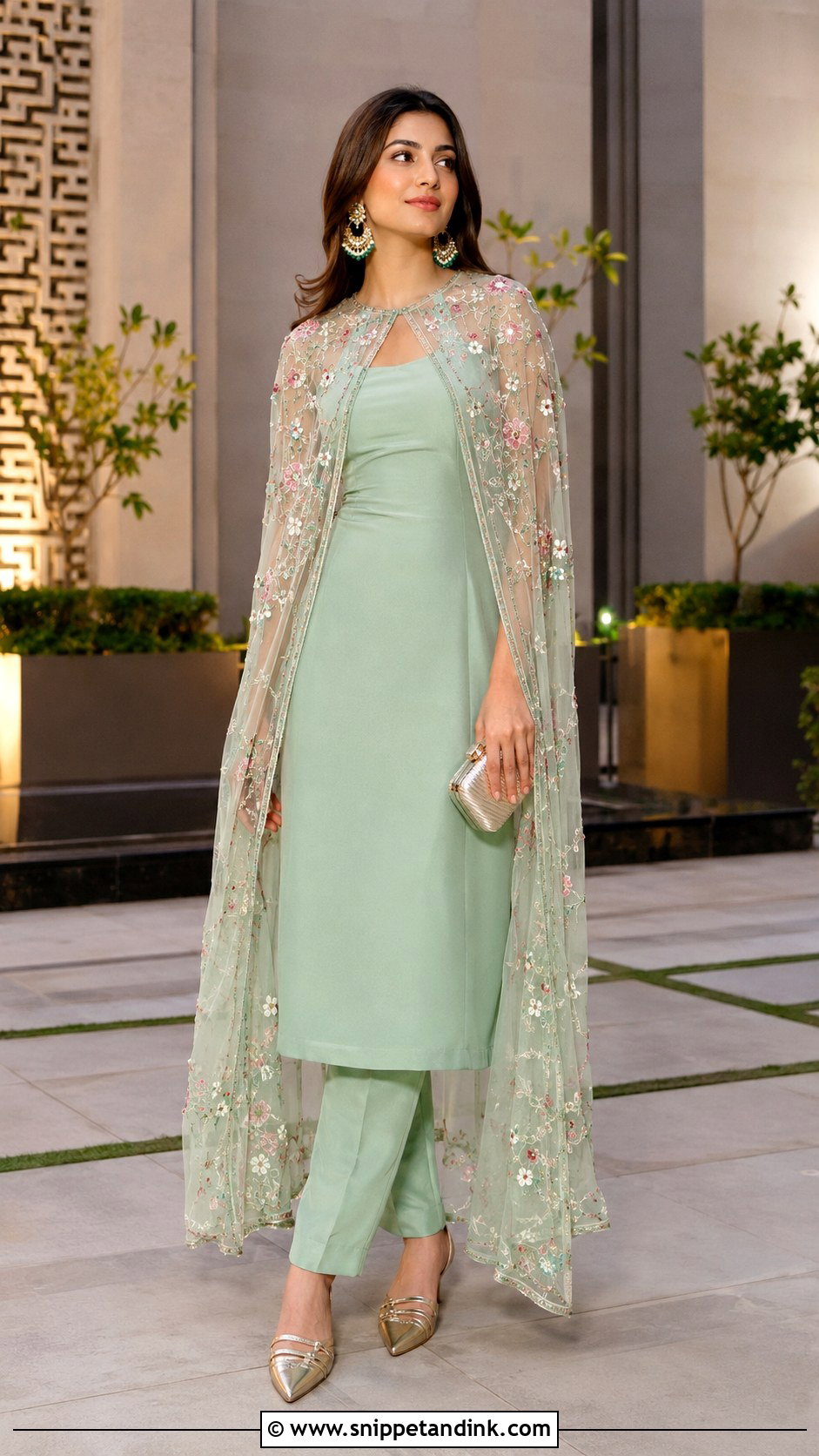
A cape kurta solves the coverage question without a dupatta, which I appreciate for anyone who finds dupattas slipping all evening. Wear a fitted solid tunic underneath and a sheer embroidered cape ending at the knee or mid-calf. Ivory with mint or navy with silver read well at an evening welcome event. Straight trousers keep the line long. Skip the necklace, since it fights with the cape’s neckline, and choose statement earrings instead. Check that the cape is tacked at the shoulders; loose capes drift backwards when you dance.
9. Angrakha Kurta And Dhoti Pants Prewedding Outfit
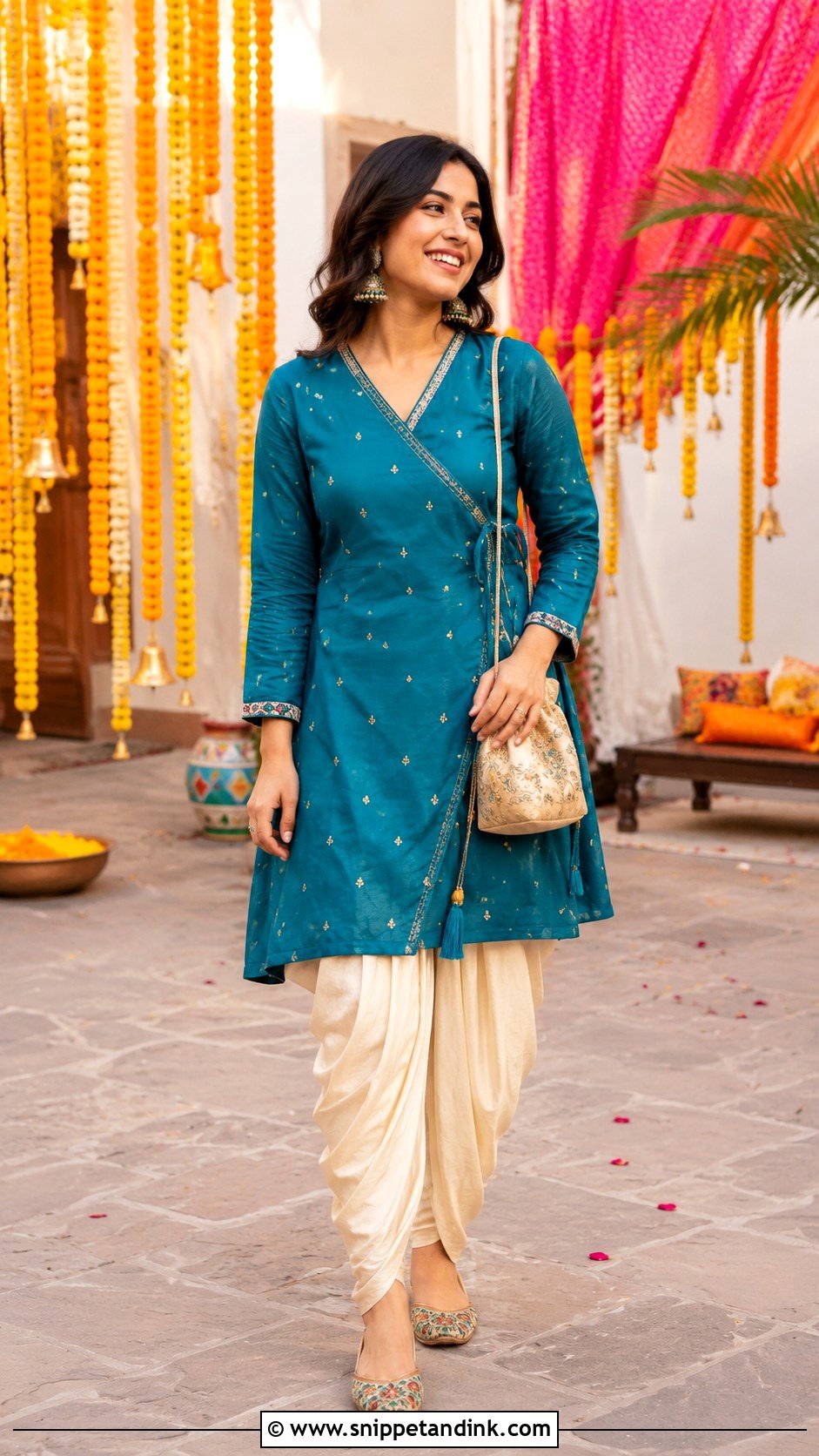
The Angrakha’s wrap front is held together with side ties, and I always test those ties sitting down, because a wrap that sits flat when standing can gape at the bust when you lean forward. Choose a short or knee-length kurta in cotton-silk, rayon or chanderi, then add softly draped dhoti pants. Teal, rust and mustard show off the cut. Since the dhoti already has volume, skip the big dupatta and either pin a narrow scarf or wear none. Flat juttis and a crossbody potli keep your hands free for dance practice or a long family lunch.
10. Peplum Top And Sharara Prewedding Outfit
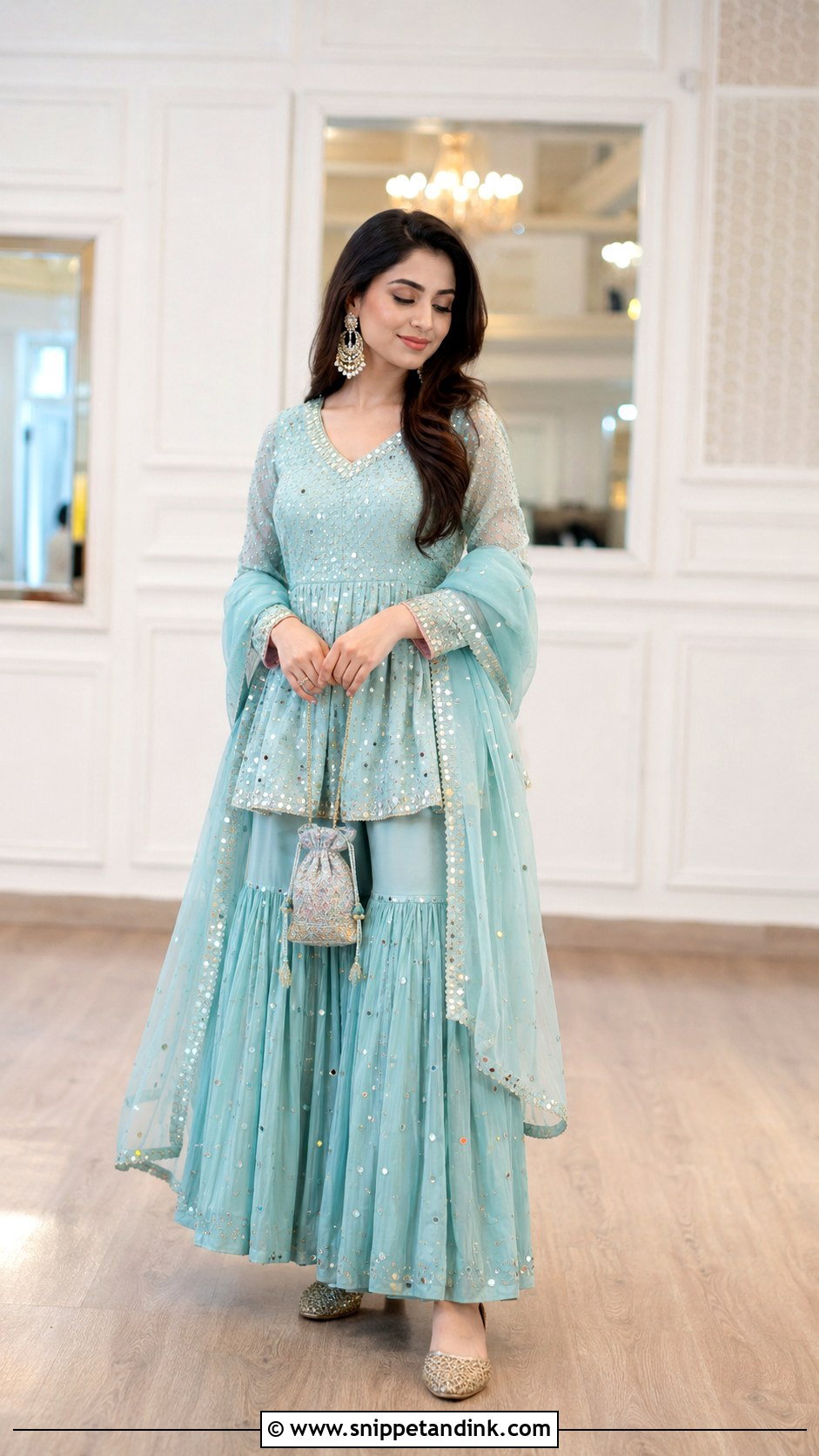
A peplum top with sharara pants works because the fitted waist and flared hem give shape while the pants stay loose. The peplum should end at the upper hip; longer than that and it starts to compete with the sharara’s flare. Keep embellishment to small mirror work or a little thread embroidery at the neckline. Emerald, magenta and coral hold their colour under both daylight and warm indoor lighting. A sheer dupatta can go over one shoulder if you want more coverage. I’d put this on a sister for a casual sangeet or an evening mehendi.
11. Handloom Saree And Flat Sandals Prewedding Outfit
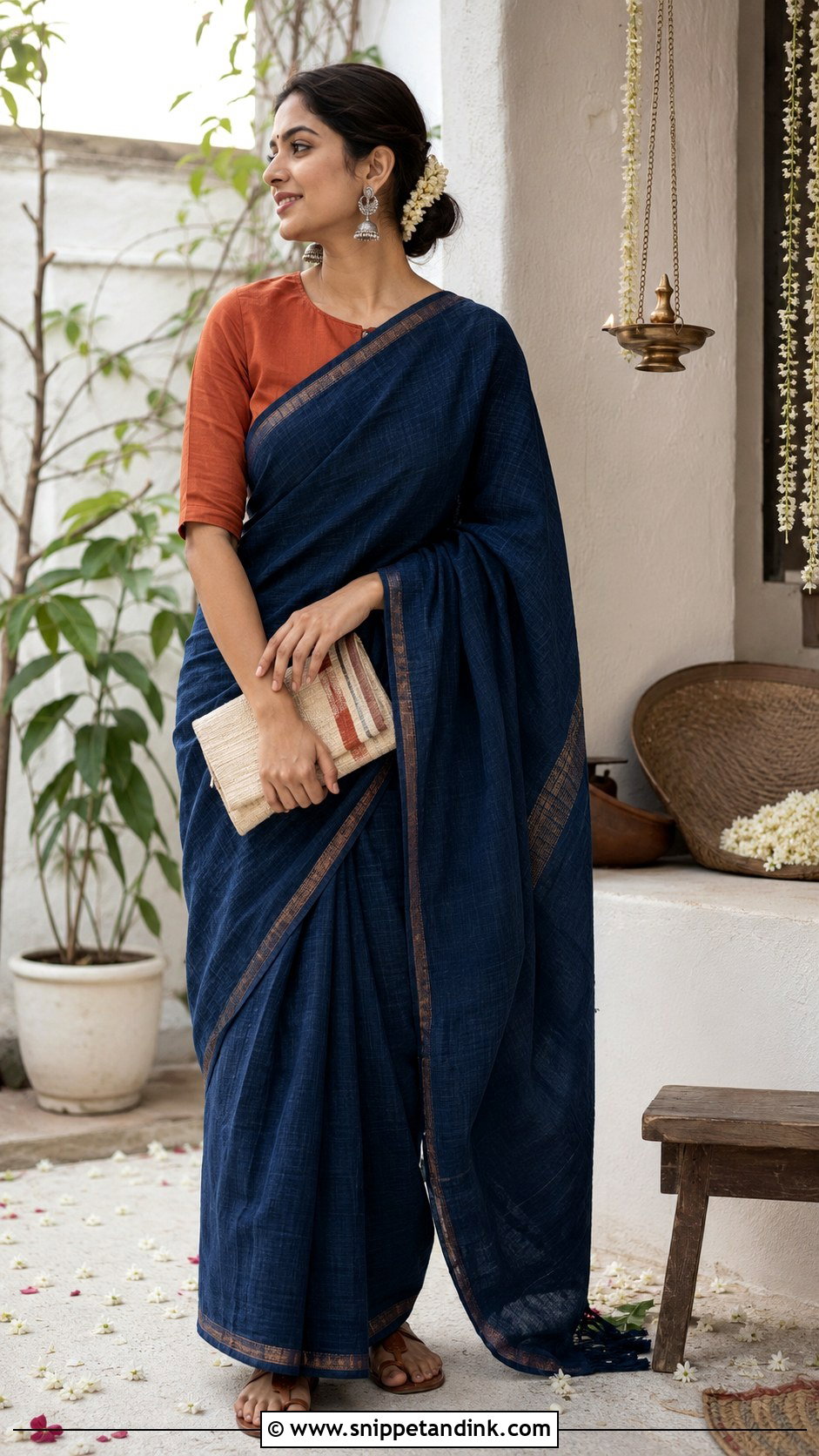
Handwoven fabric has small natural irregularities in the weave, and that texture is what makes a handloom saree feel personal at a small home ceremony. Linen, mulmul and soft handwoven silk with a narrow woven border are my favourites in indigo, terracotta or turmeric yellow. Pair it with an elbow-sleeve blouse in a solid contrast. Mulmul is very soft, so it needs hidden safety pins at the shoulder and at the waist pleats or it will slowly loosen over a morning. Silver jewellery, flat leather sandals and a few fresh flowers in a low bun suit it at morning prayers and family introductions.
12. Short Kurti And Long Skirt Prewedding Outfit
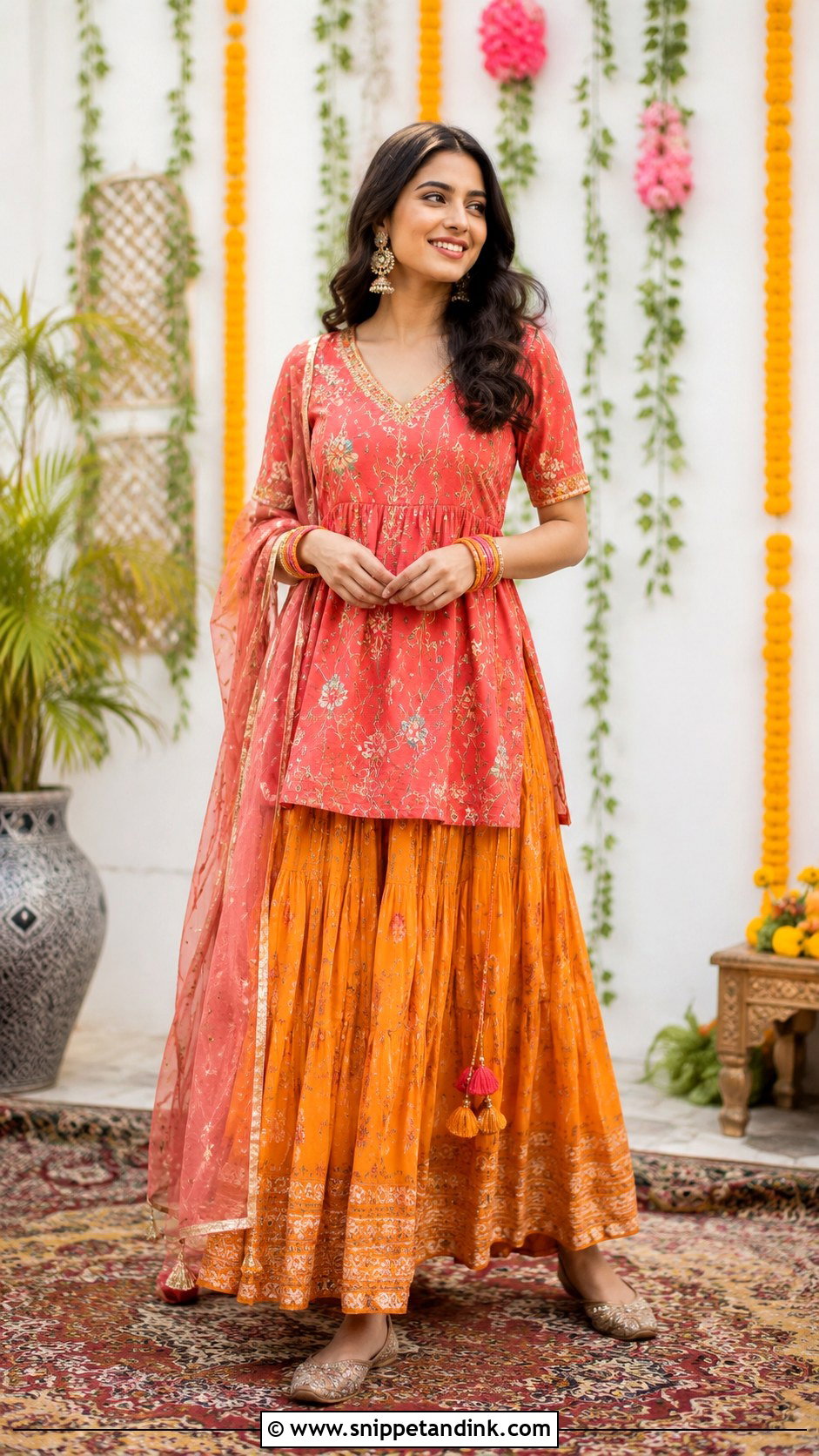
A short kurti over an ankle-length skirt feels young and is easy to re-wear later as separates. Balance it: a solid kurti over a printed skirt, or an embroidered kurti over a plain one, never both busy. If there’s floor seating or dancing, check the waistband with a squat test in the fitting room, since elastic skirts can roll down under a short top. A slightly longer kurti gives more coverage than a cropped cut. Contrasts like pink with orange or turquoise with navy look festive with an airy dupatta and a wrist full of glass bangles.
13. Kaftan Kurta And Cigarette Pants Prewedding Outfit
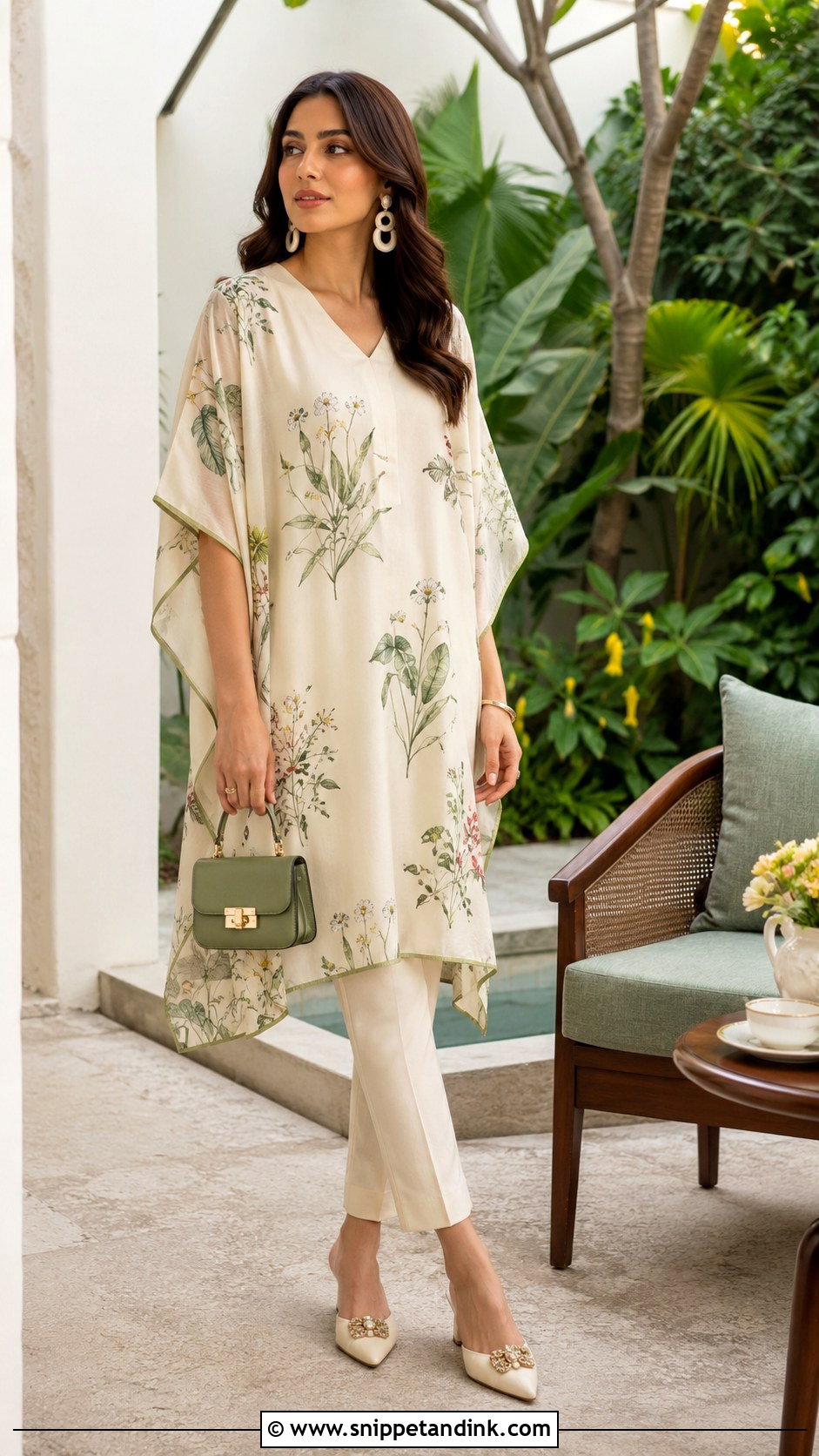
When comfort comes first, I steer people toward a kaftan kurta, but with one condition: the volume has to be controlled. A knee-length kaftan with a defined neckline and side slits over slim cigarette pants looks deliberate; a shapeless one looks like loungewear in photos. Crepe and cotton-silk drape better than stiff fabric. A thin inner tie gives a hint of waist without changing the relaxed shape. Pointed mules, sculptural earrings and a clean ponytail that shows the neckline finish it for a welcome tea or a resort afternoon.
14. Embroidered Jacket And Kurta Set Prewedding Outfit
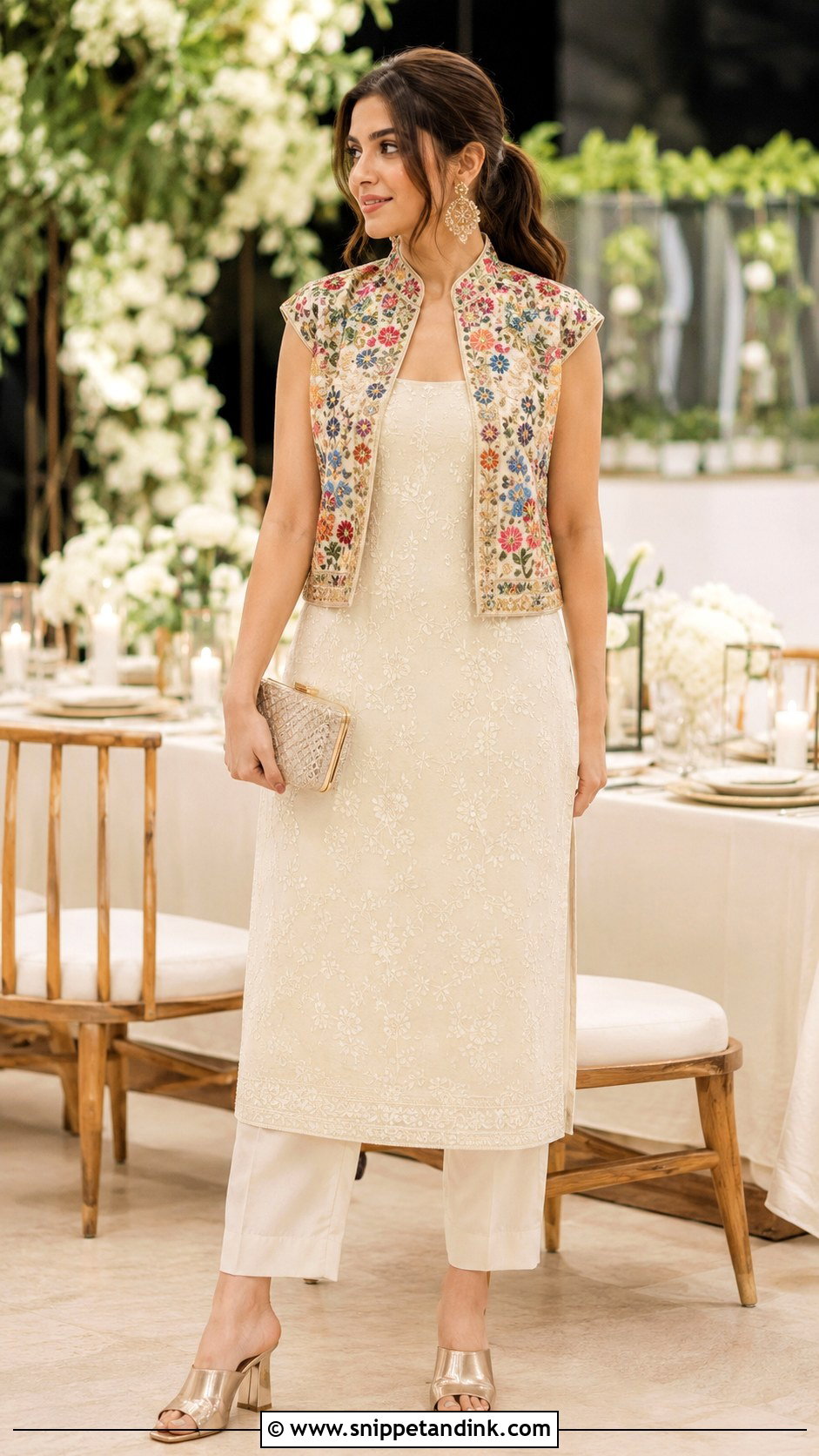
An embroidered jacket over a plain kurta set is the most adjustable outfit here, which is why I pack one for nearly every client’s prewedding week. Start with a monochrome kurta and matching straight pants, then choose a cropped jacket for a defined waist or a longer open layer for coverage. Threadwork, mirrors or brocade carry the colour, so you can skip the dupatta. When the afternoon heat drops into a cool evening, the jacket goes on; when the dancing starts, it comes off. Keep the base simple so the jacket stays the focal point.
15. Indian Co-Ord Set And Dupatta Prewedding Outfit
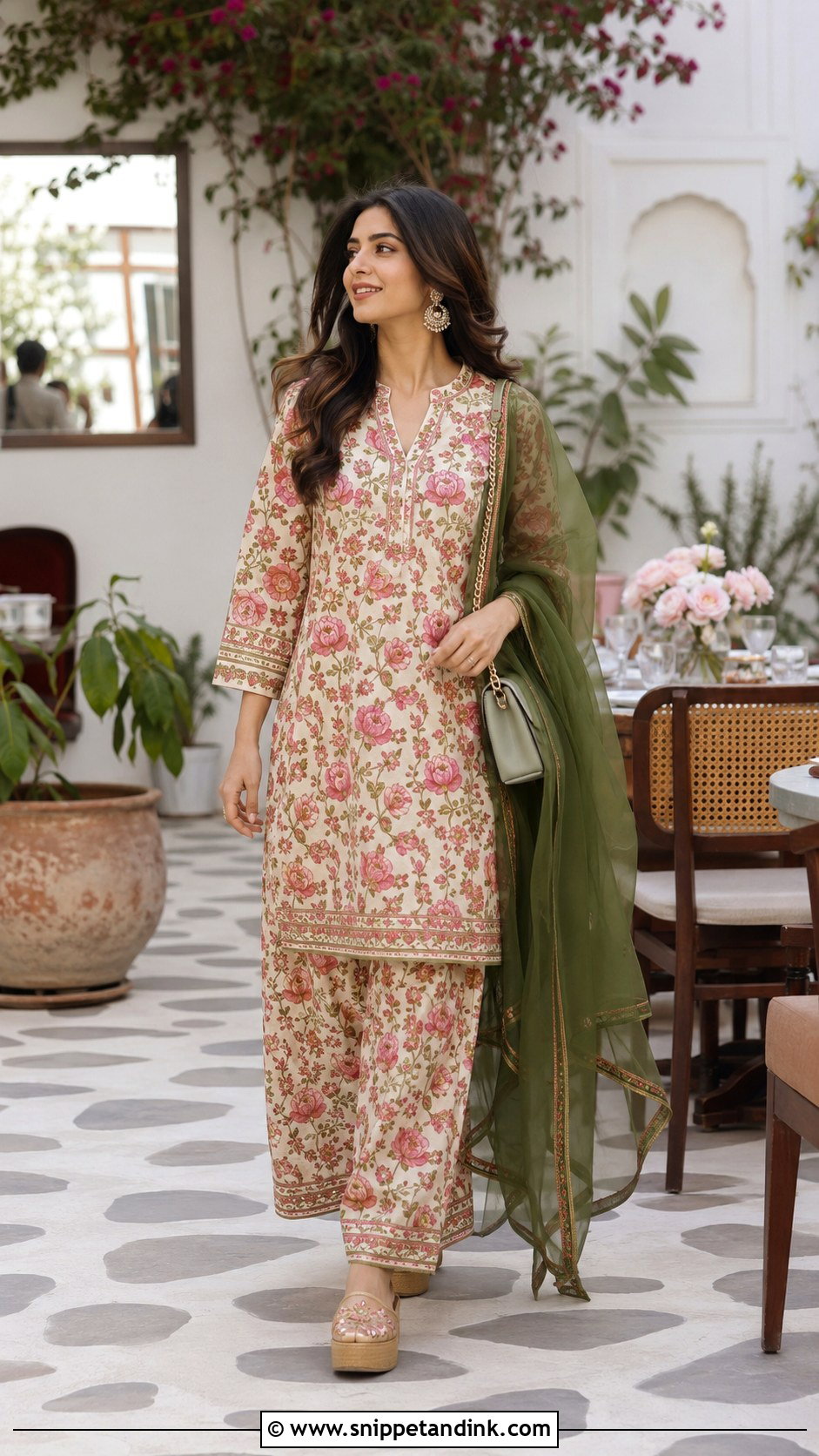
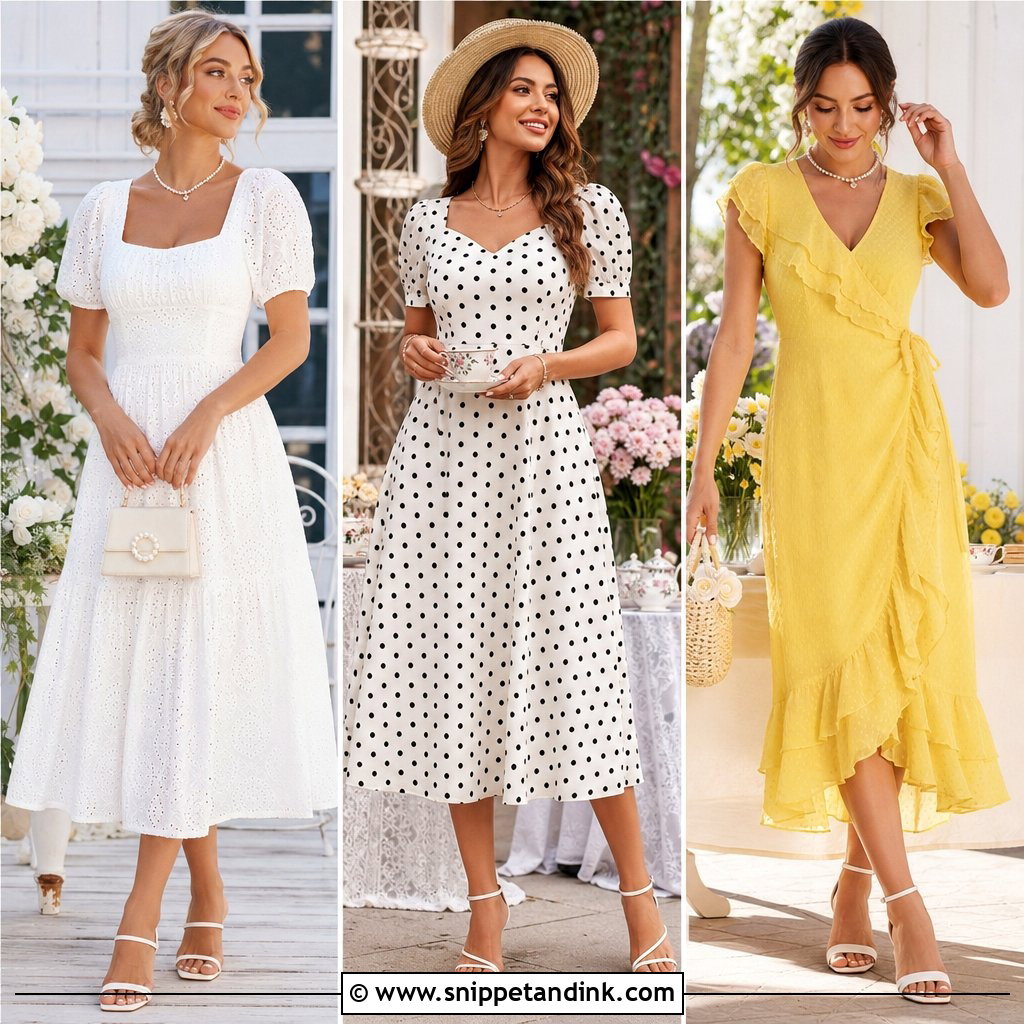
A matching co-ord set is about the quickest outfit to get ready in, which matters on the morning you’re also coordinating relatives. A short tunic with wide-leg trousers in the same print, or a longer top with straight pants for more coverage, both work. Wearing one print head to toe creates an unbroken vertical line, which tends to make you look taller. Add a contrasting organza dupatta when the function is a little more ceremonial, plus platform juttis and small chandbalis. It also travels well, so it’s a sensible pick for the day everyone arrives.
16. Patiala Salwar And Short Kurta Prewedding Outfit
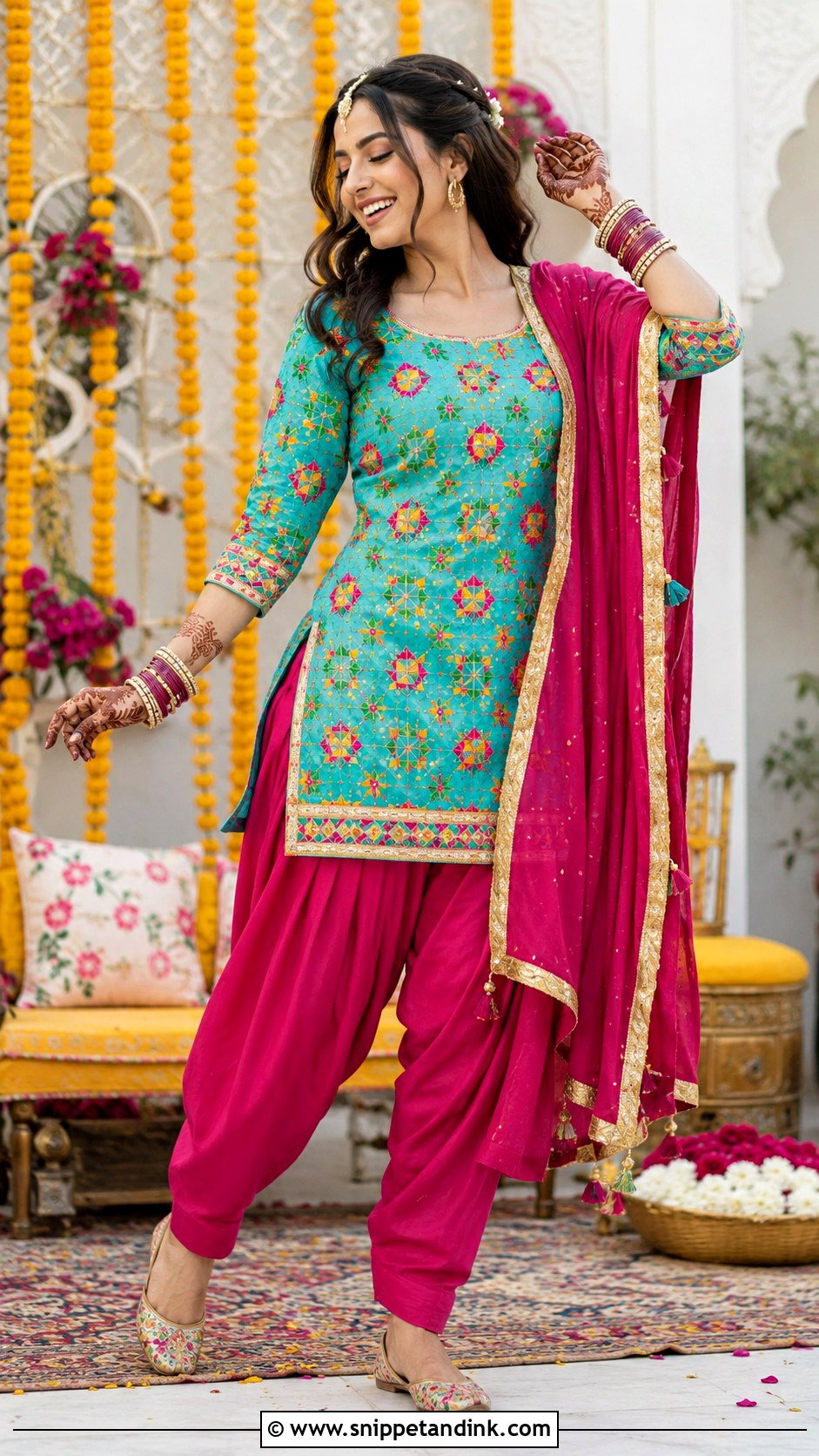
A Patiala salwar has deep pleats gathered at the waist, often several metres of fabric, so the kurta needs to be short, ending around the upper thigh, or the pleats disappear. Cotton and light silk blends let those folds fall without bulk. Put a solid salwar under a phulkari-style kurta, or reverse it. The length at the ankle is the detail I check most often, because extra fabric bunched there trips people during giddha and bhangra. Add embroidered juttis, gold hoops and a braid or high ponytail that can handle the movement.
17. Printed Maxi Kurta And Flats Prewedding Outfit
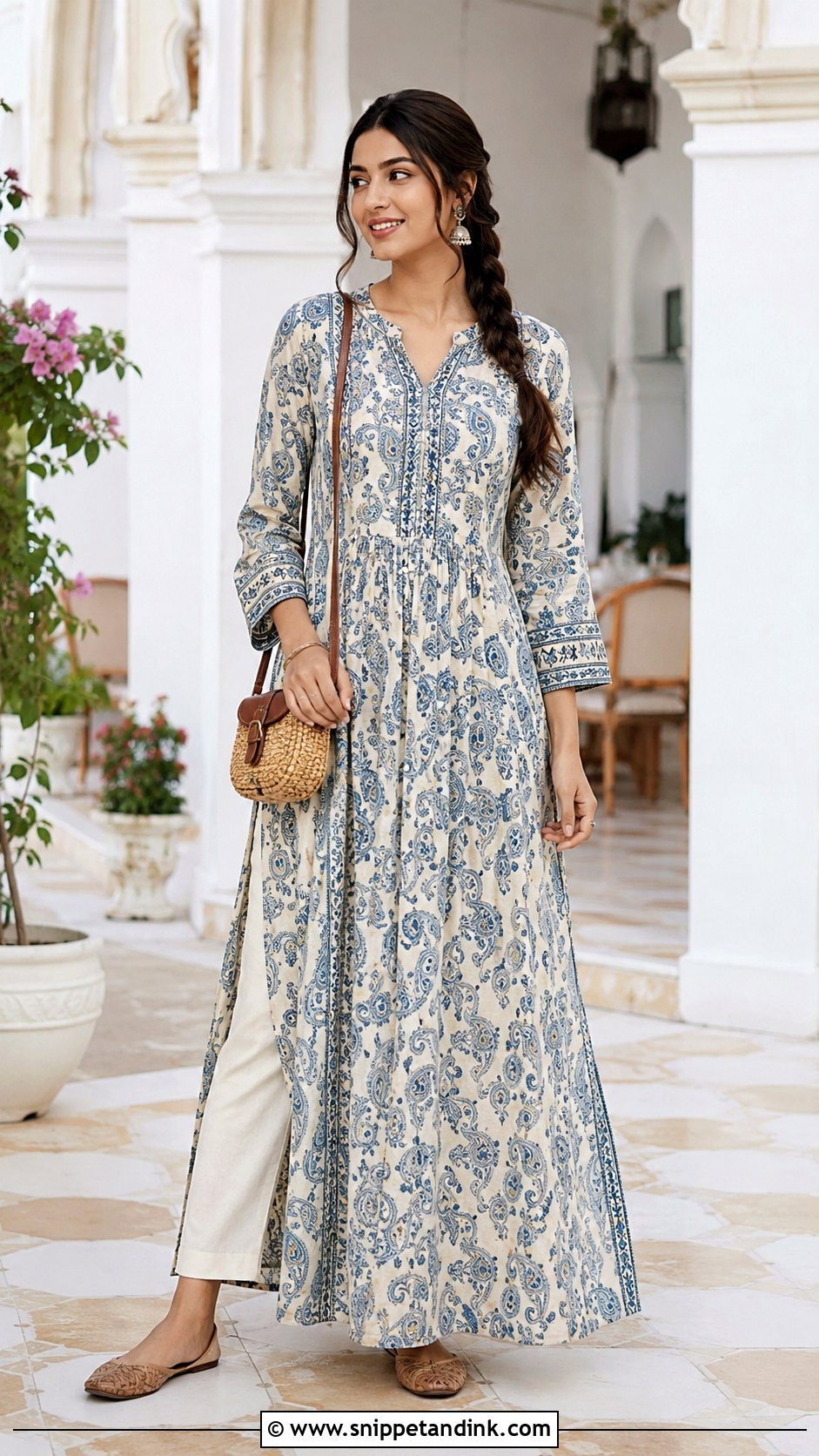
A printed maxi kurta is a one-piece answer for the mornings when you have twenty minutes to get dressed. Look for an ankle-length cut with side slits, a tiered skirt or a gently flared hem in a paisley or Mughal-inspired print. If the slits run high, wear slim pants underneath; a fully lined closed version can be worn as a kurta dress. A fabric belt shapes the waist, and an open neckline balances a fuller skirt. Braided flats and a small sling bag keep it easy for a casual puja or an outdoor brunch.
18. Tunic And Wide-Leg Pants Prewedding Outfit
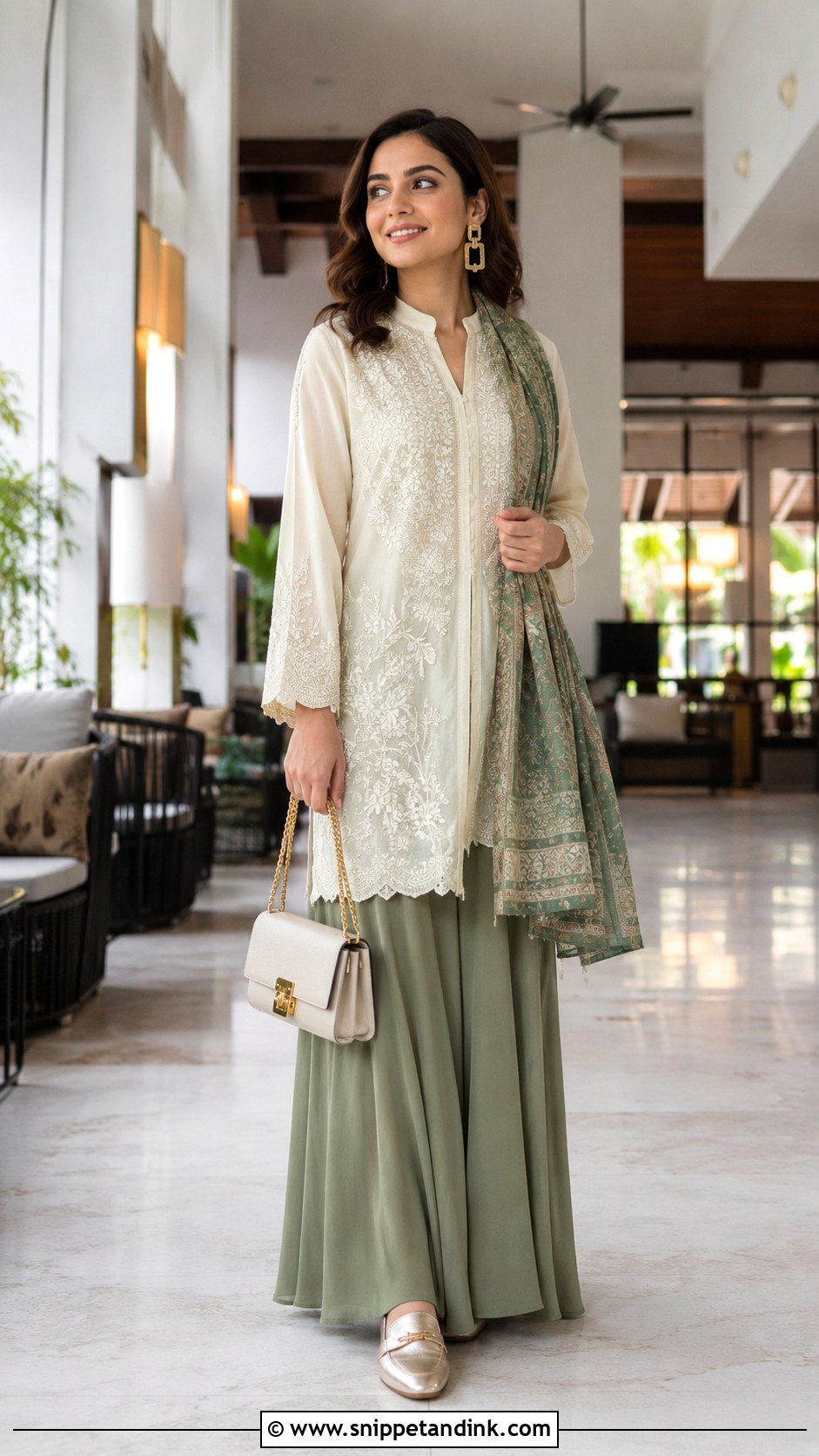
Indo-Western dressing works best when the pieces share a colour family, even if they don’t match. An ivory embroidered tunic over sage, rust or dusty pink wide-leg pants is the pairing I use most. Linen and crepe trousers flow well, though linen creases the moment you sit, so expect a lived-in look by evening. Satin-finish pants hold up better for an informal dinner. Roll the sleeves for a relaxed feel, swap the dupatta for a printed scarf if you like, and add metallic loafers. You’ll wear the tunic again long after the wedding, which is a quiet argument in its favour.
19. Straight Suit And Organza Dupatta Prewedding Outfit
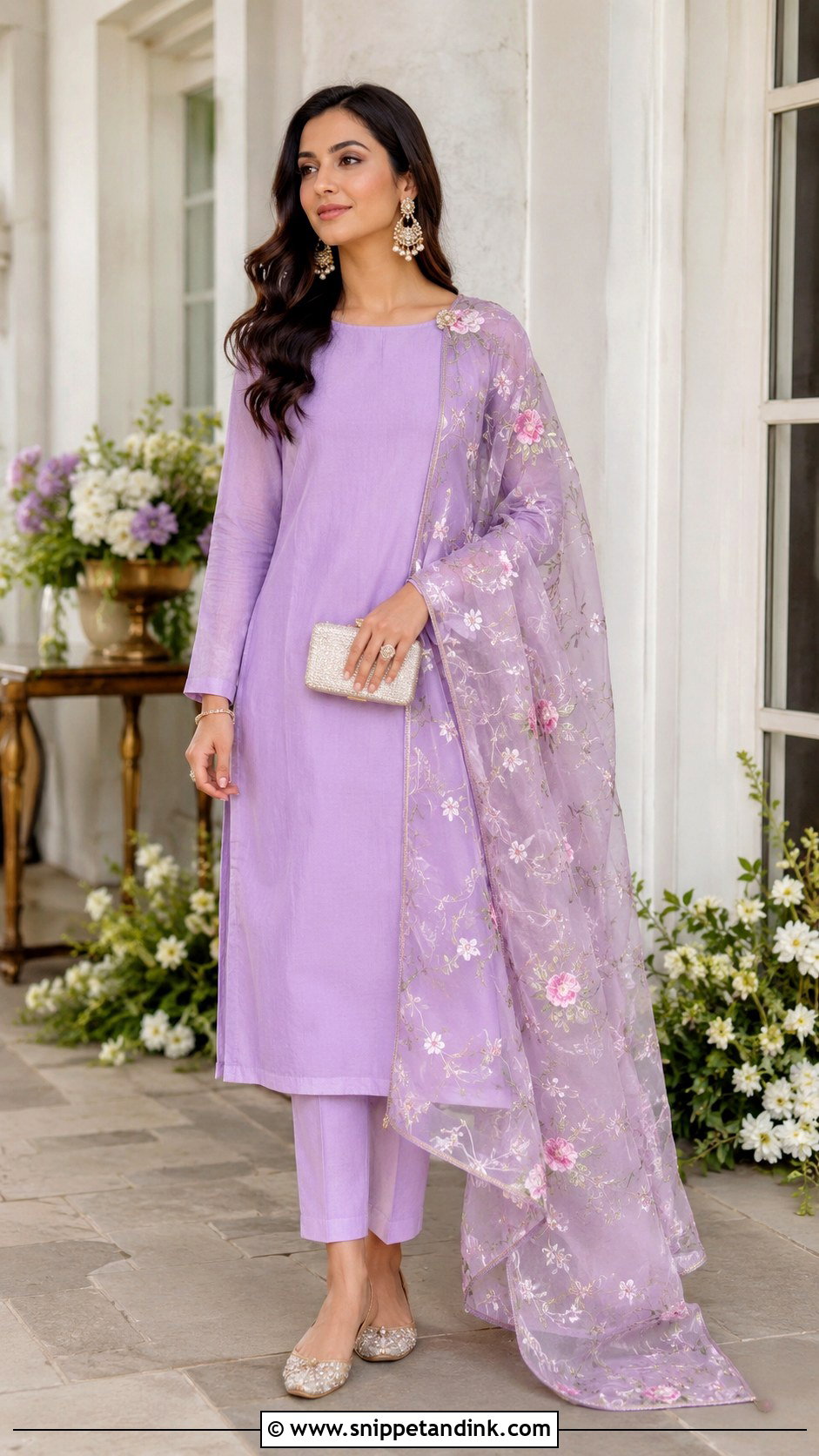
Sometimes one good accessory does all the work. A solid straight kurta and ankle pants in lilac, mint or deep teal become festive the moment you add an organza dupatta with scattered embroidery or a scalloped edge. Organza is crisp and a little slippery, so pin it at one shoulder or it will slide off during meals and group photos. Keep the kurta neckline clean, add pearl chandbalis and kitten heels, and it sits comfortably between casual and semi-formal, which is the exact brief many engagement dinners come with.

20. Gharara Suit And Potli Prewedding Outfit
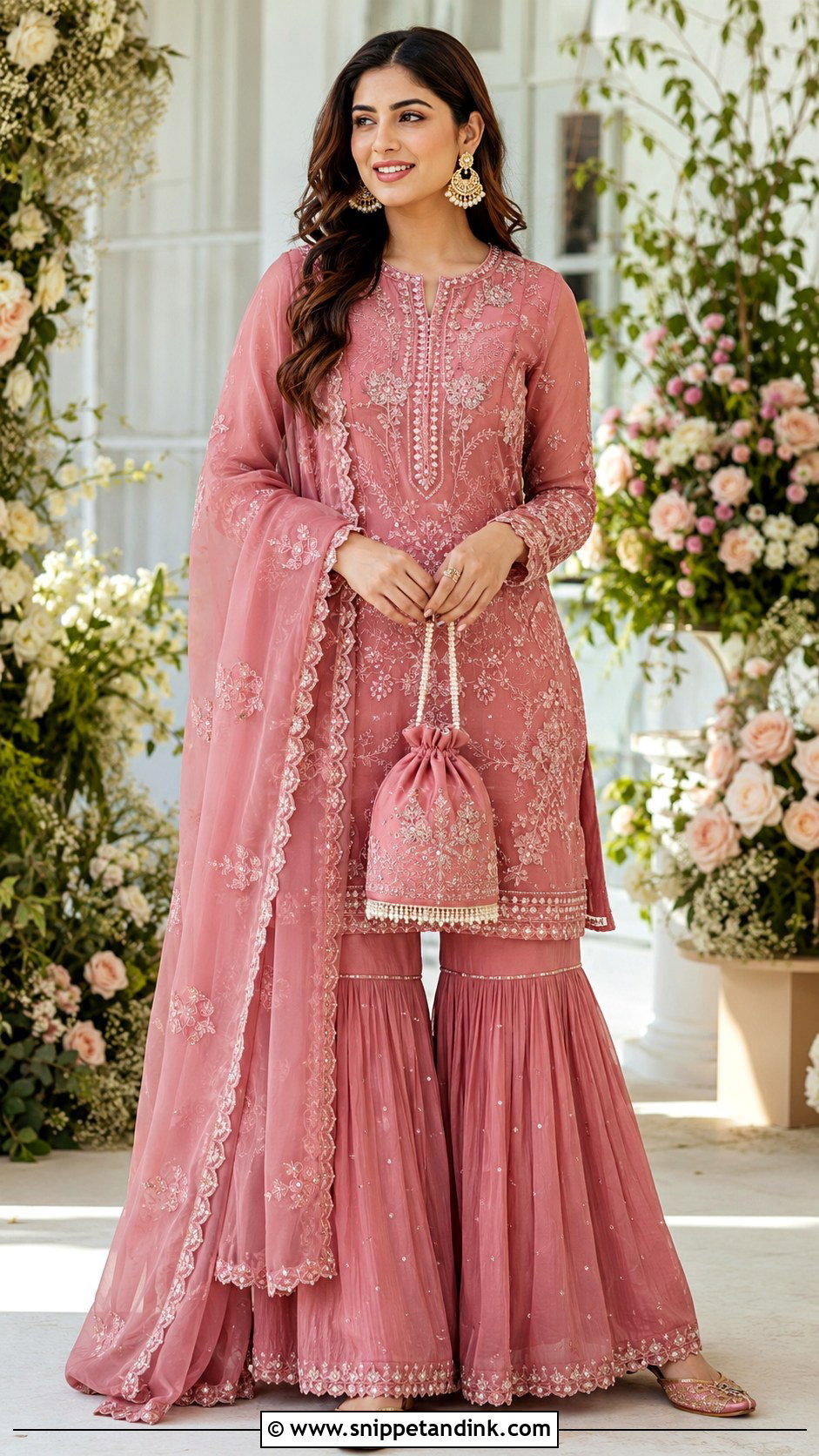
The gharara’s defining detail is the gathered joint at the knee, where the fabric flares out below. That flare needs a light fabric, such as georgette, cotton-silk or crepe, or the pants become heavy and drag. Avoid thick borders at the hem for the same reason. I tailor the kurta closely through the shoulders so the volume below has something to balance against. Pastel green and powder blue suit daytime; jewel tones look better at night. With chandbalis, a sheer dupatta and a coordinated potli, it’s right for a small sangeet or a family dinner, at any height once the knee joint sits in the right place.
Turmeric, Henna and Oil: Rescuing Clothes After the Function
Prewedding clothes get used hard, and a little knowledge saves a lot of them. Turmeric is the worst offender. Scrape off any paste as soon as you can, rinse the back of the fabric in cold water, and avoid hot water at first because heat can set the yellow deeper. On cotton, sunlight often fades a remaining turmeric stain over a day or two of drying outdoors. On silk or anything embellished, don’t experiment; take it to a dry cleaner and tell them it’s turmeric.
Henna smudges on fabric behave differently, since the stain is a dye that bonds as it oxidises. Let the paste dry fully, flake it off, then wash. Expect a faint mark on light colours, which is one more reason I steer people toward printed or deeper-coloured outfits for the mehendi itself. Oil from hair treatments or food responds to a little dish soap worked in before washing.
Packing Five Functions Into One Suitcase
Roll cotton kurtas and pants instead of folding them; they come out with softer creases. Keep embroidered pieces flat between tissue in a garment bag, with the embellishment facing inward so sequins don’t catch on other clothes. Pack each outfit as a complete set in its own bag with its dupatta, jewellery and safety pins, labelled by function. A travel steamer is worth more than an iron here, because steaming relaxes chiffon and georgette without leaving shine marks.
- A strip of safety pins in two sizes, plus a few bobby pins
- Double-sided fabric tape for necklines and dupattas
- A small sewing kit with thread close to your main colours
- Blotting tissues and a stain pen for food spills
Comfort Checks Worth Doing Before the First Function
Relaxed Indian dressing for these functions comes down to a few honest checks: can you sit on the floor in it, will the dupatta stay where you put it, and can the fabric handle the weather and whatever might spill on it. Comfortable shoes and secure pins matter as much as colour. Many of these pieces can be split and re-worn afterwards with simpler items. Above all, follow whatever dress code the couple or family shares, then pick the outfit you’ll still feel like yourself in at the end of a long afternoon.
You'll Like These Ideas:



Leave a Reply