
Wearing your hair down sounds like the easy option, and it’s actually the one I plan most carefully. An updo is held by pins; loose hair is held by nothing but how it was set, so it has to cope with hugs, veils, humidity and hours of turning your head for photos. The styles below are the down looks I’m asked for most, from Hollywood waves to natural curls and extensions. For each one I’ve noted the hair type it suits, the hidden work that keeps it in shape, and where it tends to go wrong, so you can bring a photo to your stylist and have a real conversation about it.
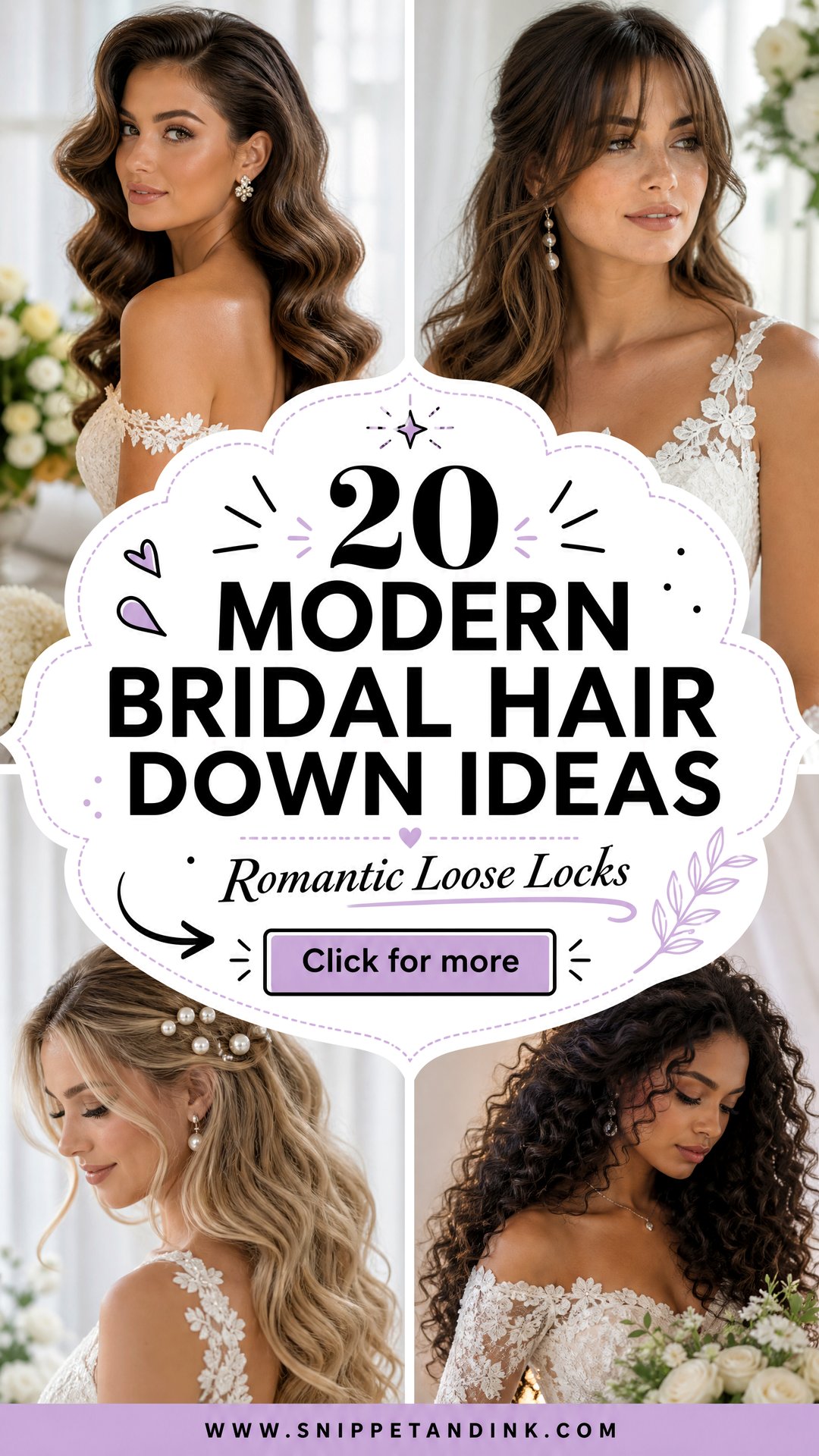
Why Curls Drop Faster When Nothing Is Pinned Up
In an updo, curls are trapped by pins and support each other. Down, every curl hangs on its own, and gravity, warmth from your neck and moisture in the air all pull it straight. Heavy, very fine or freshly conditioned hair loses its shape quickest.
Hold mostly comes from what happens before the curling iron. I use a light mousse or setting lotion on damp hair, dry it fully (curling damp hair weakens it and doesn’t hold), and curl smaller sections than the final look needs. Each curl is pinned flat and left to cool completely; that cooling is when the shape sets. Only then do I brush it out. If you skip any of these steps at home before a trial, don’t judge the style by how it drops.
- Wash the day before, not the morning of, unless your hair gets oily overnight. Second-day hair grips a curl better.
- Skip heavy conditioner and oil the night before. They weigh down the lengths.
- Tell your stylist if your hair is chemically straightened or keratin treated. Those treatments resist curling and often need more time and product.
1. Bridal Hair Down With Hollywood Waves
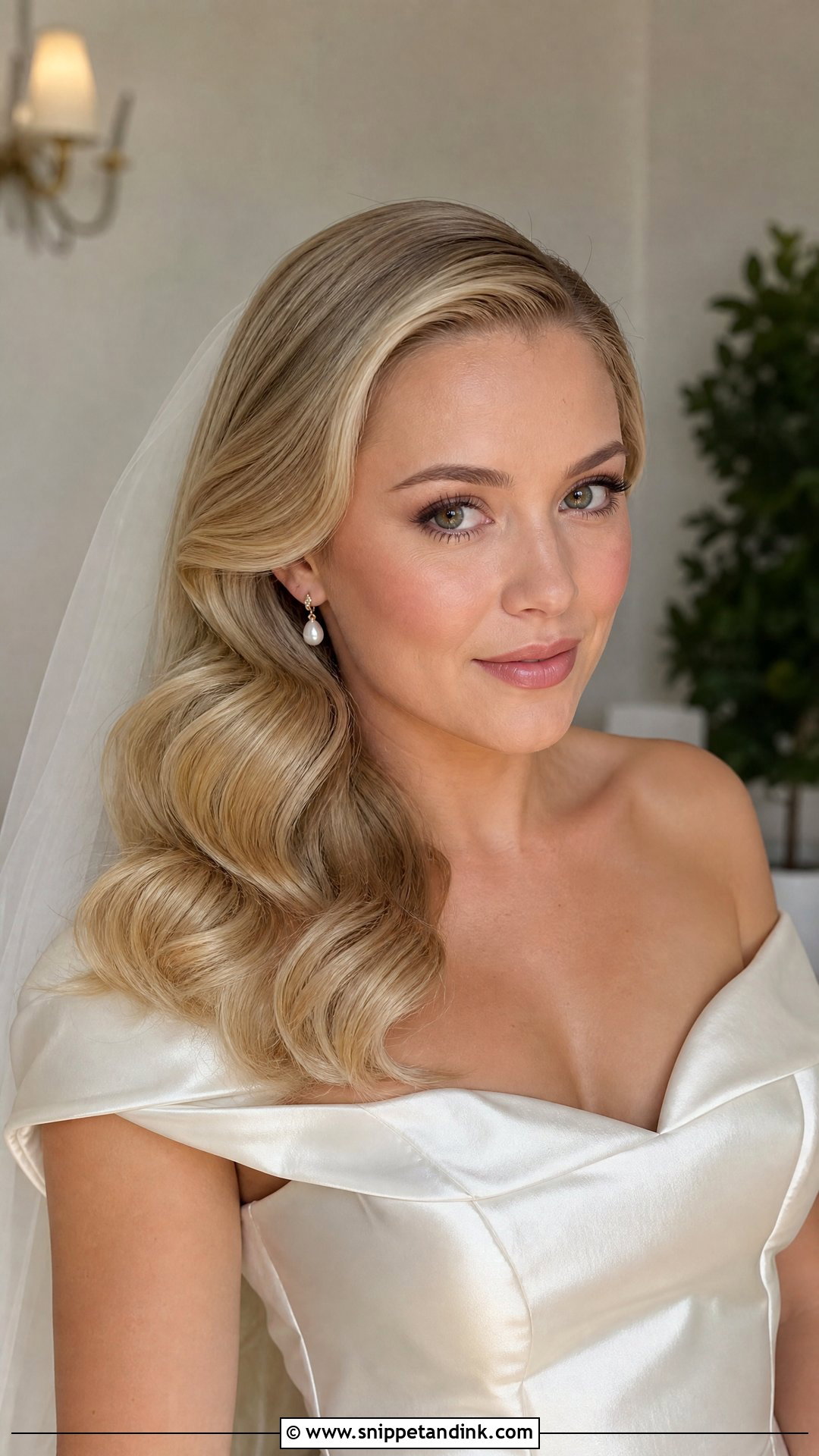
Hollywood waves are brushed into one continuous S-shape, which is what makes them look so finished. I set them in uniform sections curled in the same direction, pin each curl while it cools, then brush them together with a boar bristle brush. A deep side part does most of the shaping. They sit well against strapless gowns, satin and strong earrings. Medium to long hair takes them best; on hair with lots of short layers, the wave breaks up, so I’ll sometimes add extensions to give the ends weight.
2. Bridal Hair Down With Soft Waves
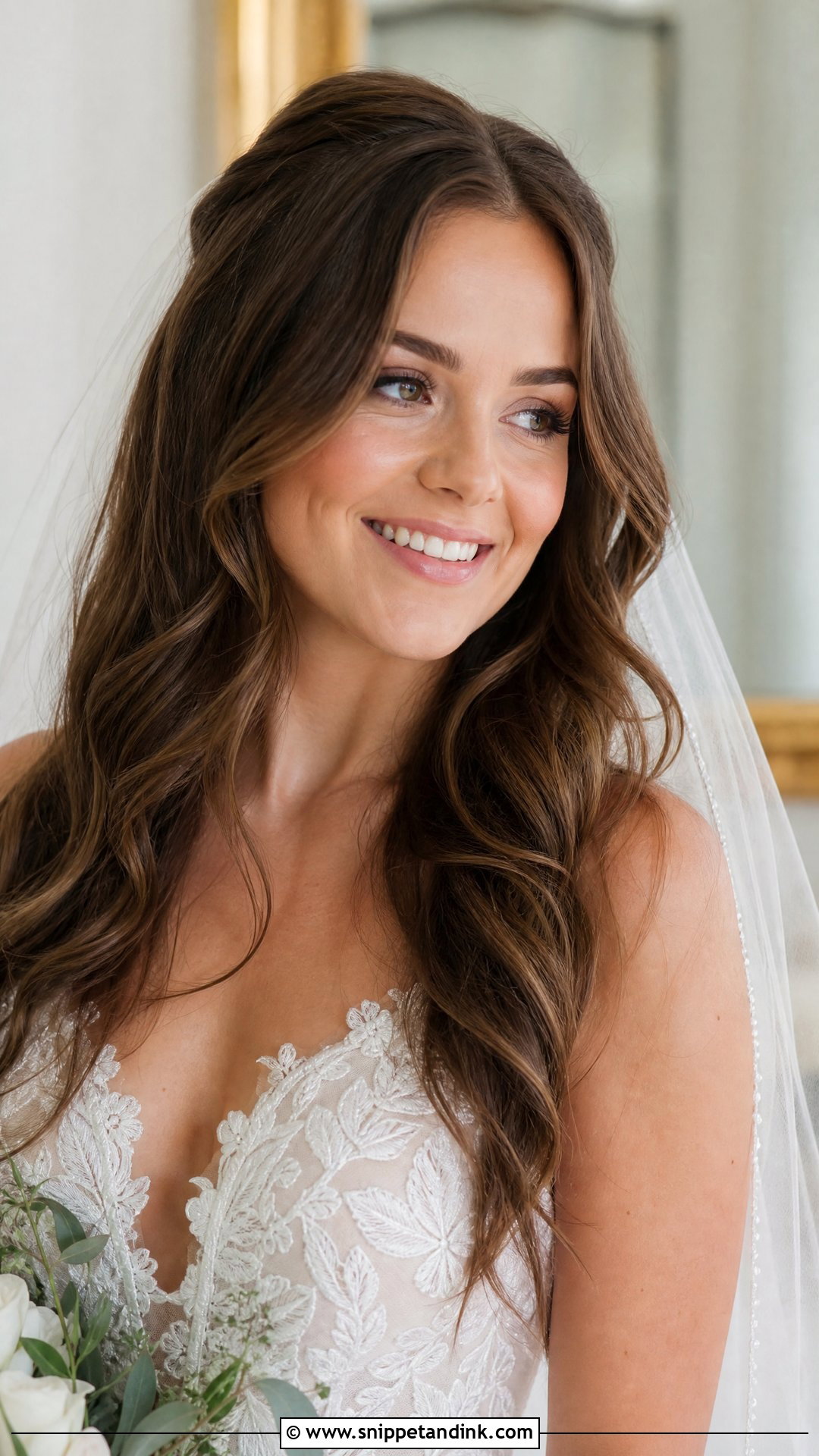
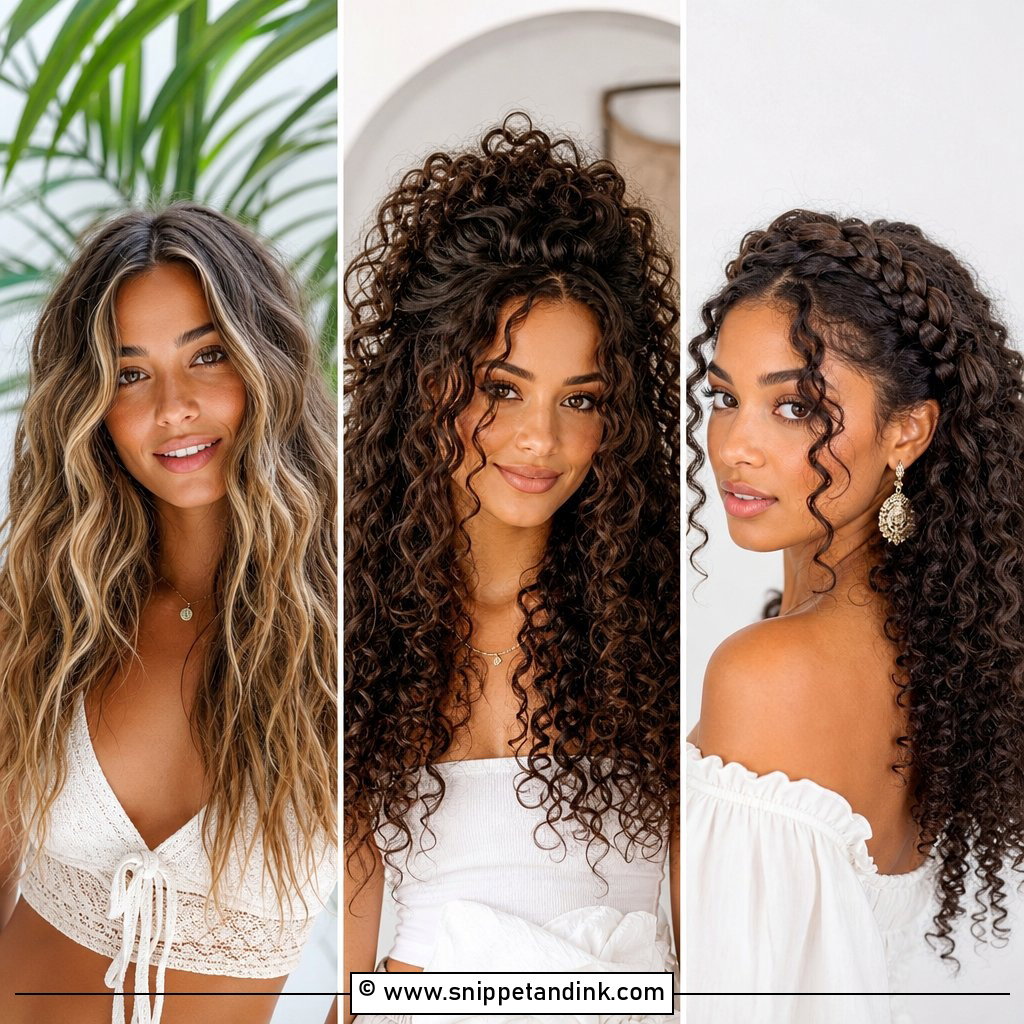
Soft waves are looser than Hollywood waves and move freely, so they look relaxed rather than formal. I start the bend below the cheekbones and alternate the curl direction, which stops them clumping into ringlets. A few face-framing pieces and a little texture spray through the ends finish it. They suit lace, gardens and beaches. The trade-off is hold: soft waves can fall flat within a few hours on fine or freshly washed hair, so I prep with a texturising product and set with a flexible spray that doesn’t go crunchy.
3. Bridal Hair Down With Loose Curls
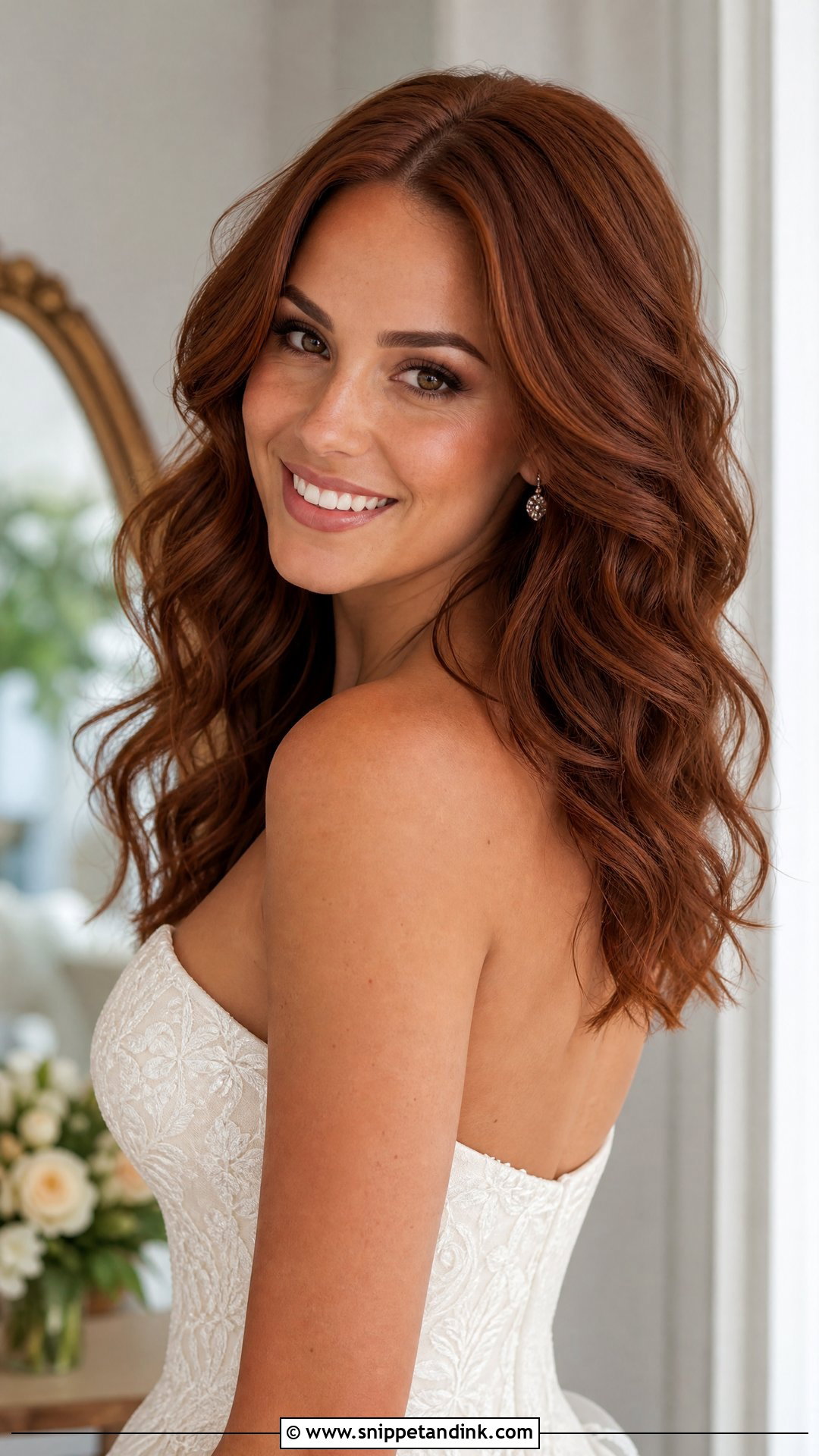
Loose curls sit best on layered hair, because the shorter pieces spring up and give the shape some air around the face and shoulders. The trick is curling smaller than the final look you want, then pinning each curl flat to cool completely before brushing it out with fingers. Curls brushed while still warm drop within the hour. If your hair is heavy and one length, the curls will relax lower than you expect by the evening, which some brides like and others don’t.
4. Bridal Hair Down With Big Curls
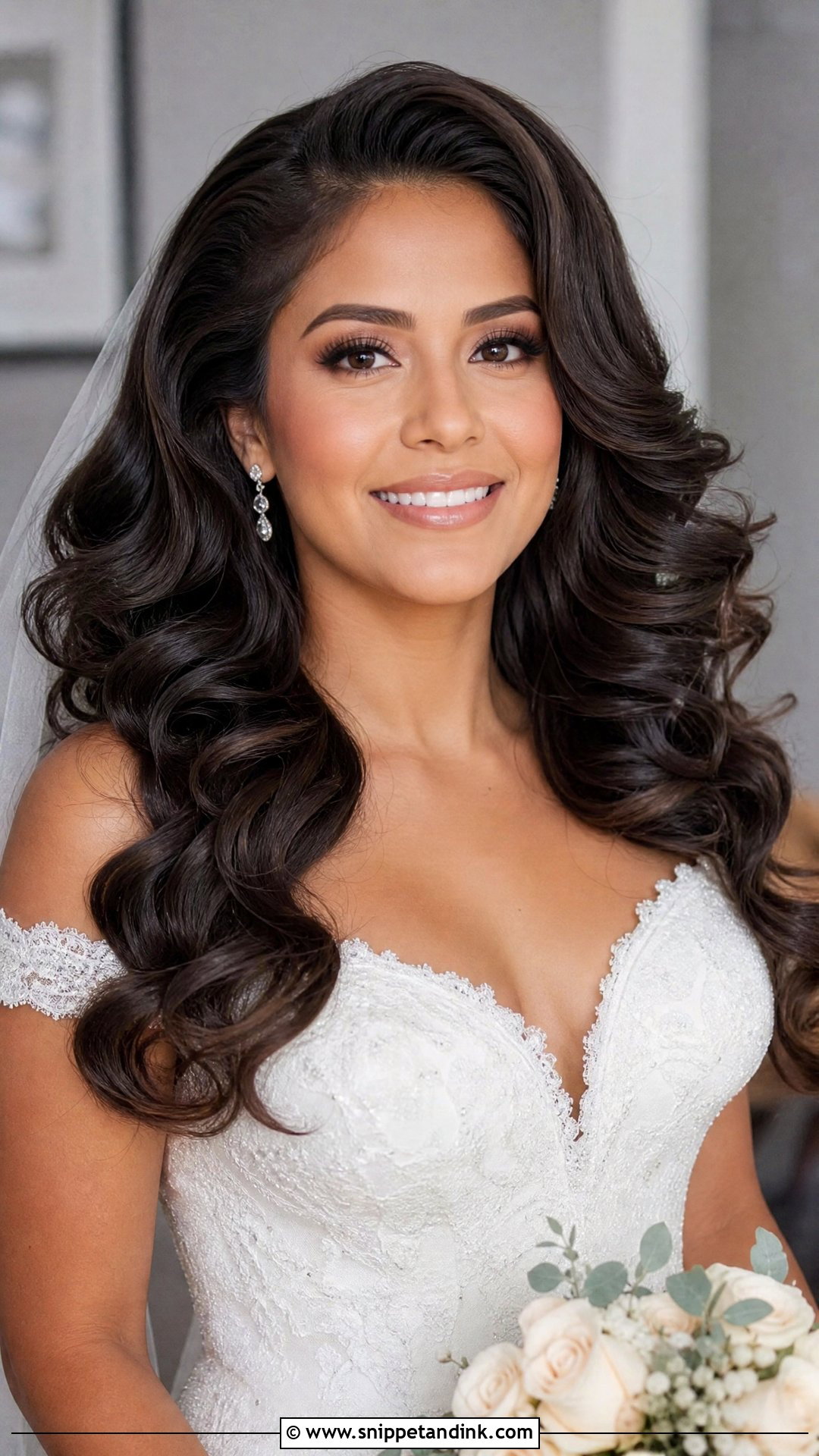
Big curls need lift at the root and larger sections through the lengths, so prep starts with a root-lifting product and a round-brush blow dry. I curl in large sections, pin, cool and then open them gently around the shoulders. They show well from the front and side, especially with off-the-shoulder or dramatic necklines. Leave them slightly imperfect; very uniform large curls look dated. For fine hair, clip-in extensions add fullness and help the shape hold.
5. Bridal Hair Down With Side Part
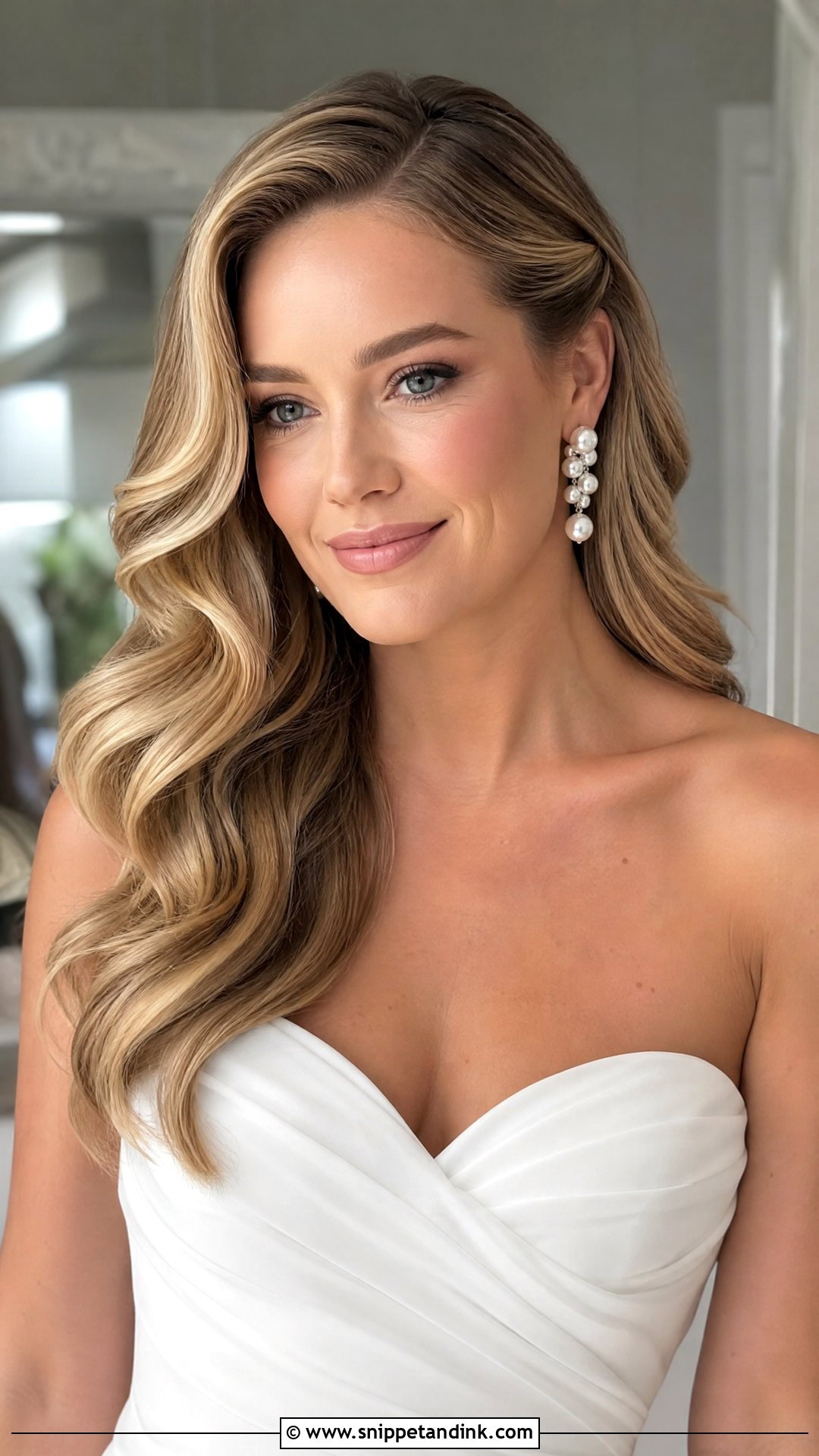
Moving the part to one side gives a down style instant direction. A deep part sweeps hair across the forehead and frames one cheekbone, and it leaves the other side open for an earring. I usually pin that open side lightly behind the ear with a couple of hidden grips, otherwise it creeps forward after an hour. The rest can be waves, curls or a smooth blowout. If you have a strong cowlick at the hairline, test the side part at your trial; some partings simply won’t stay where you want them.
6. Bridal Hair Down With Middle Part
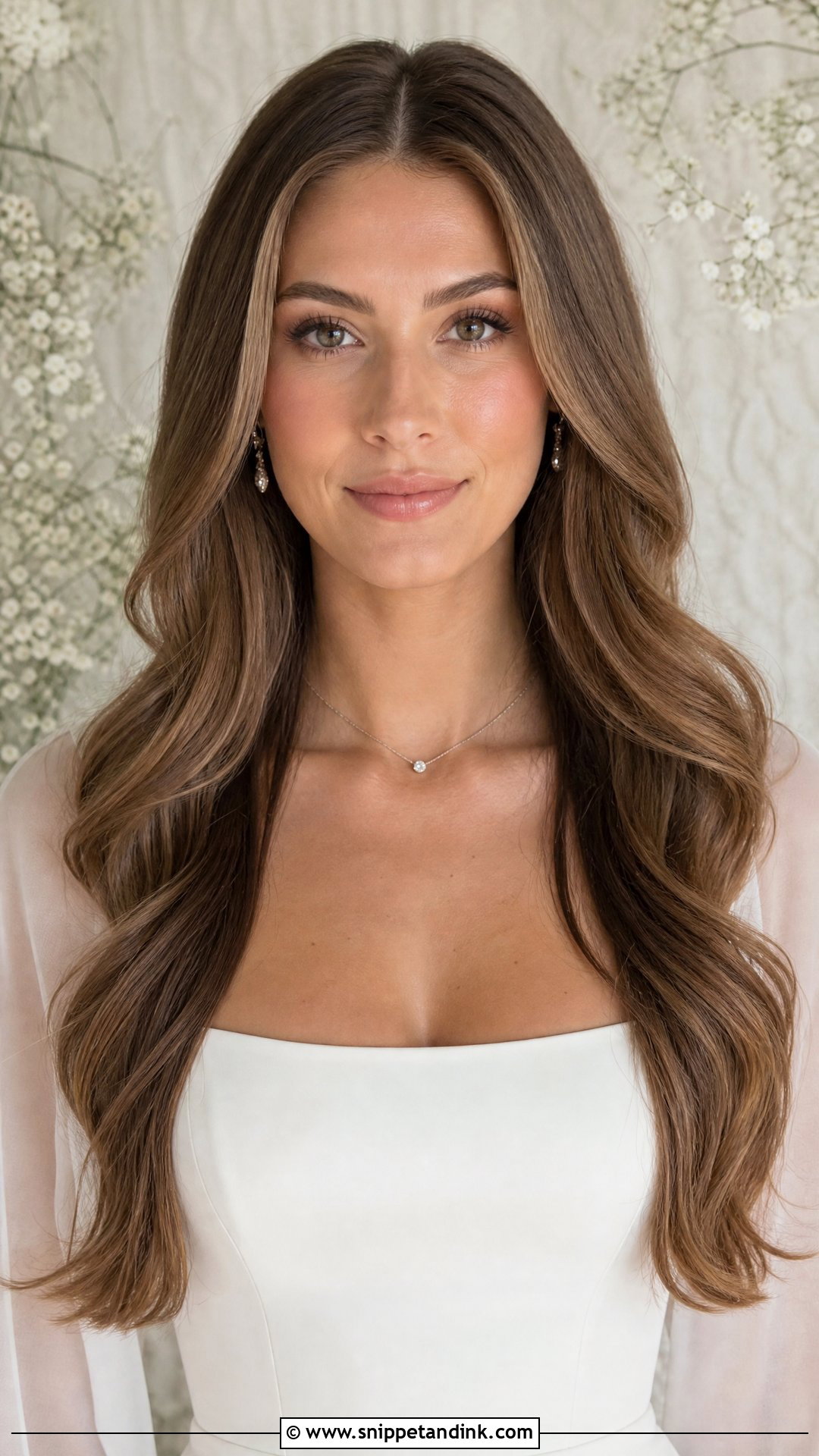
A centre part feels modern and symmetrical, and it pairs well with clean necklines, sleek gowns and long veils. The downside is that it shows any flatness at the crown and any imbalance between sides. I blow dry the roots across the part in both directions before setting it straight, so it sits with a little lift. Face-framing pieces should start around the cheekbones or jaw, and the ends need to look full; trimmed, healthy ends matter more with a centre part than with any other style.
7. Bridal Hair Down With Curtain Bangs
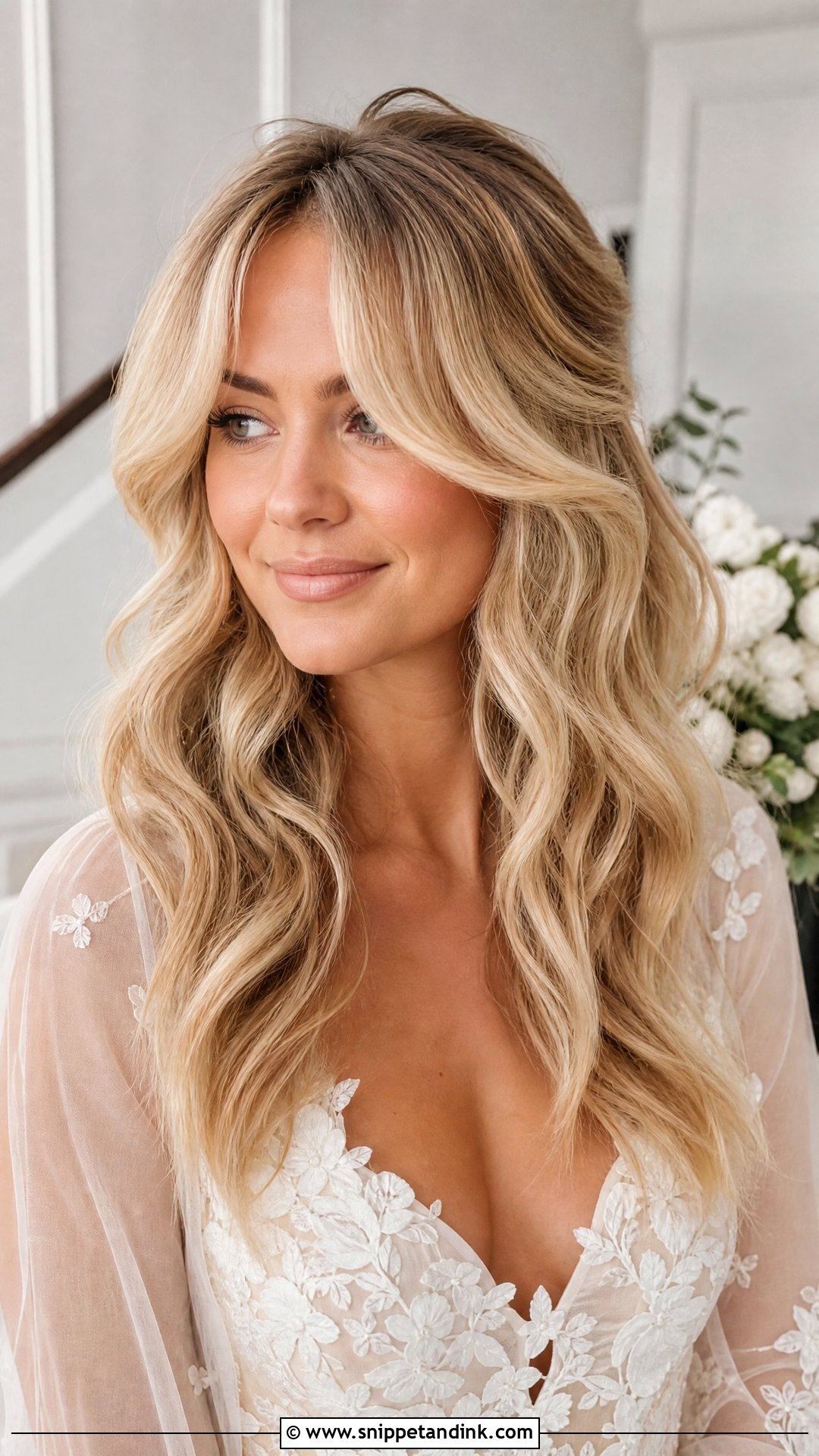
Soft, open curtain bangs give shape around the face without a full fringe. I shape them with a round brush first, then curl the longer hair away from the face so it all opens outward. They suit layered cuts at medium to long length and help balance veils, floral pins and headbands. If you’re cutting them in specially, do it at least three or four weeks before the wedding so they’ve grown into a length you know how to style, and so the trial reflects what you’ll actually have.
8. Bridal Hair Down With Face Framing Layers
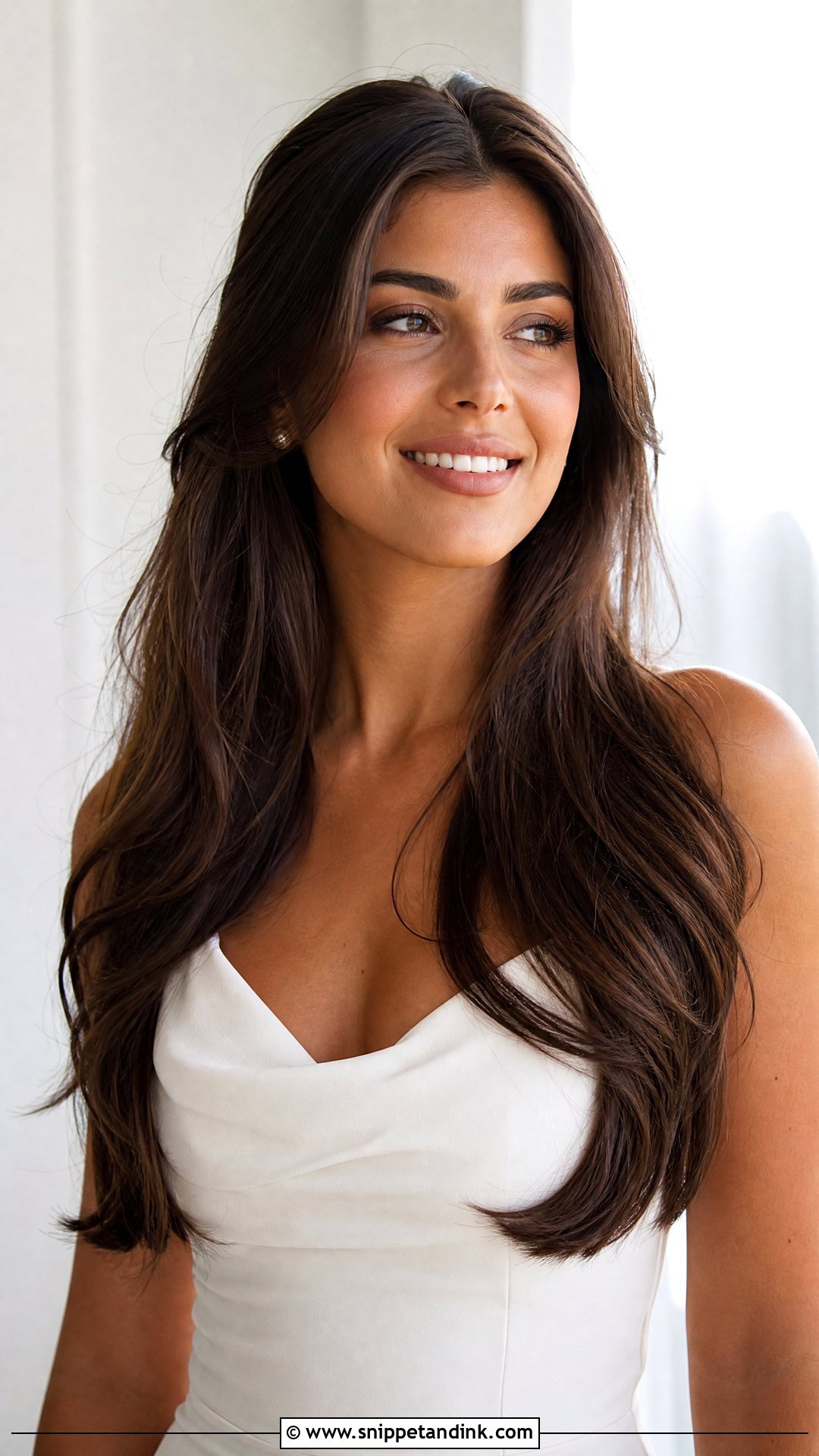
Face-framing layers add movement and stop long hair from looking flat. The shorter front pieces soften the jaw and lift the cheekbones in close-up photos. I style them in waves, loose curls or a blowout depending on the dress. Get the cut about two to three weeks before the day, not right before; fresh layers can look blunt and choppy until they settle. On very fine hair, too many layers thin the ends, so I keep the framing to the front only.
9. Bridal Hair Down With Pearl Pins
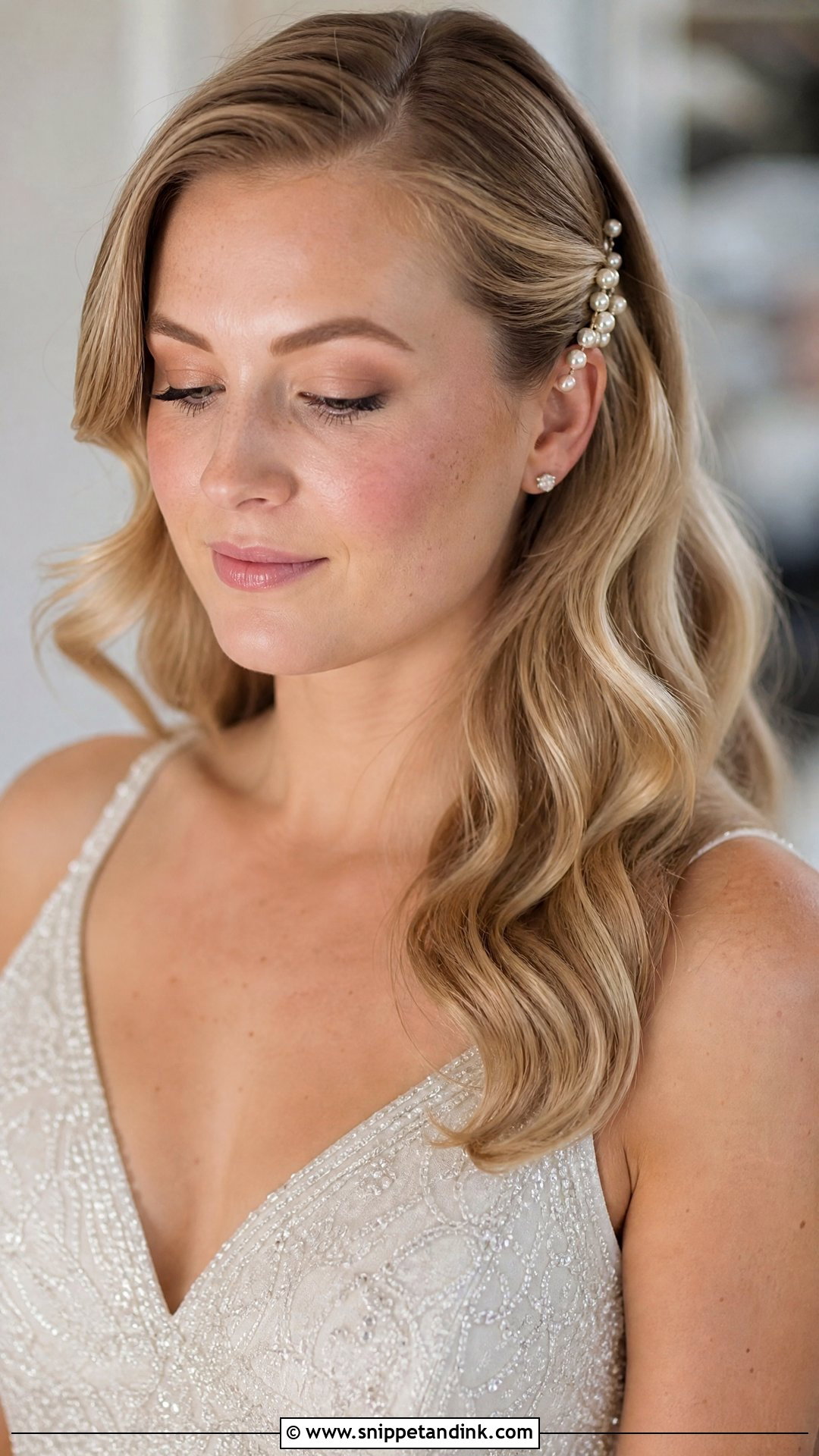
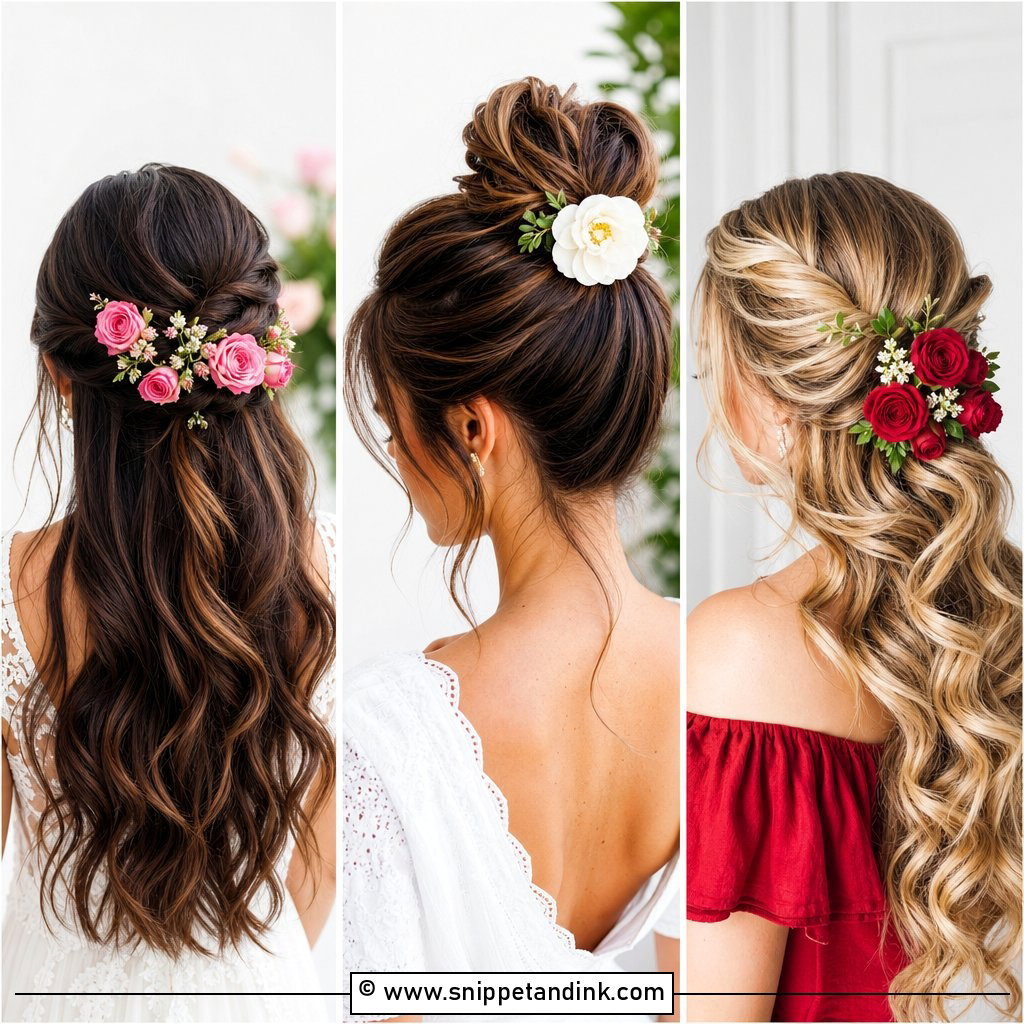
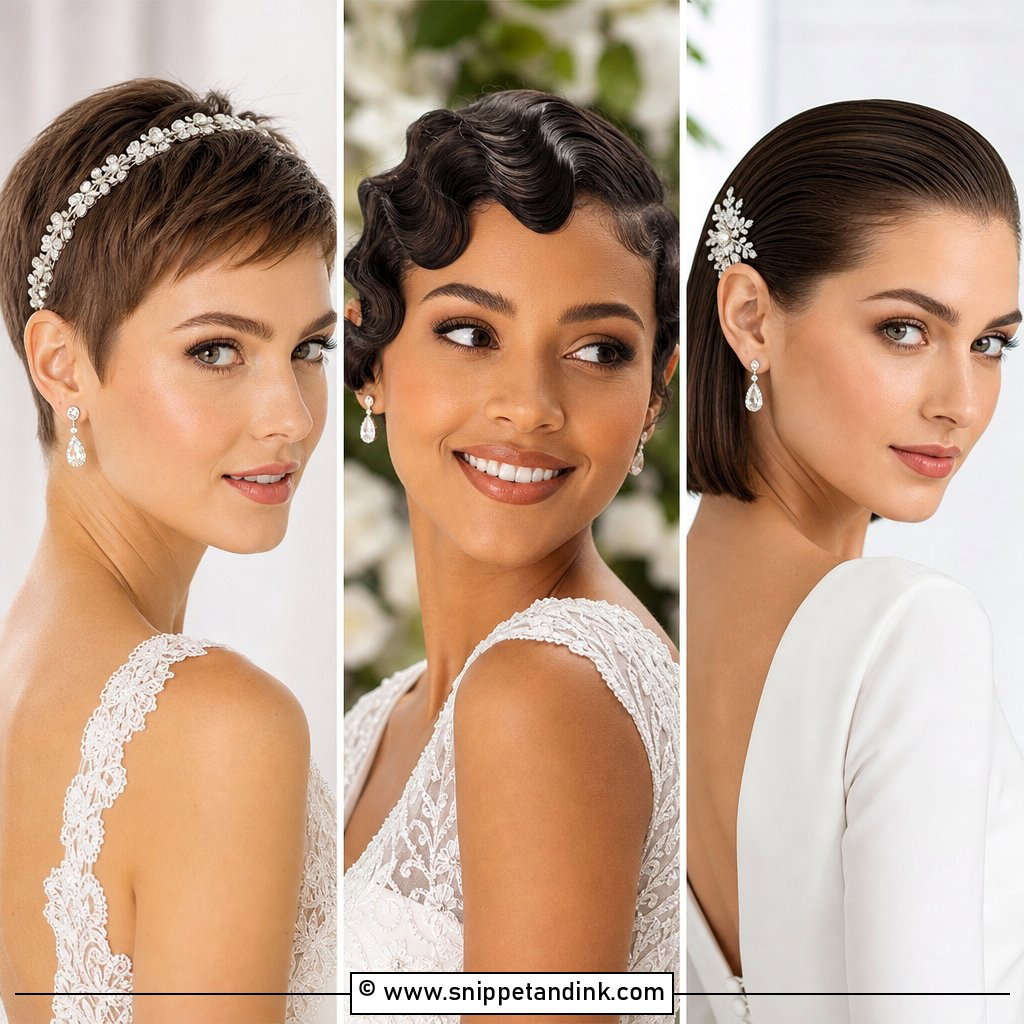
Pearl pins work best as a small cluster on one side or near the crown, not scattered across the head. I slide them into a section that’s already anchored with a hidden grip, so they don’t slip down silky waves. They pick up the light in photos and tie in with pearl earrings, beaded gowns or soft makeup. They also do a quiet job: holding face-framing pieces back so they don’t fall into your eyes during the vows.
10. Bridal Hair Down With Bow
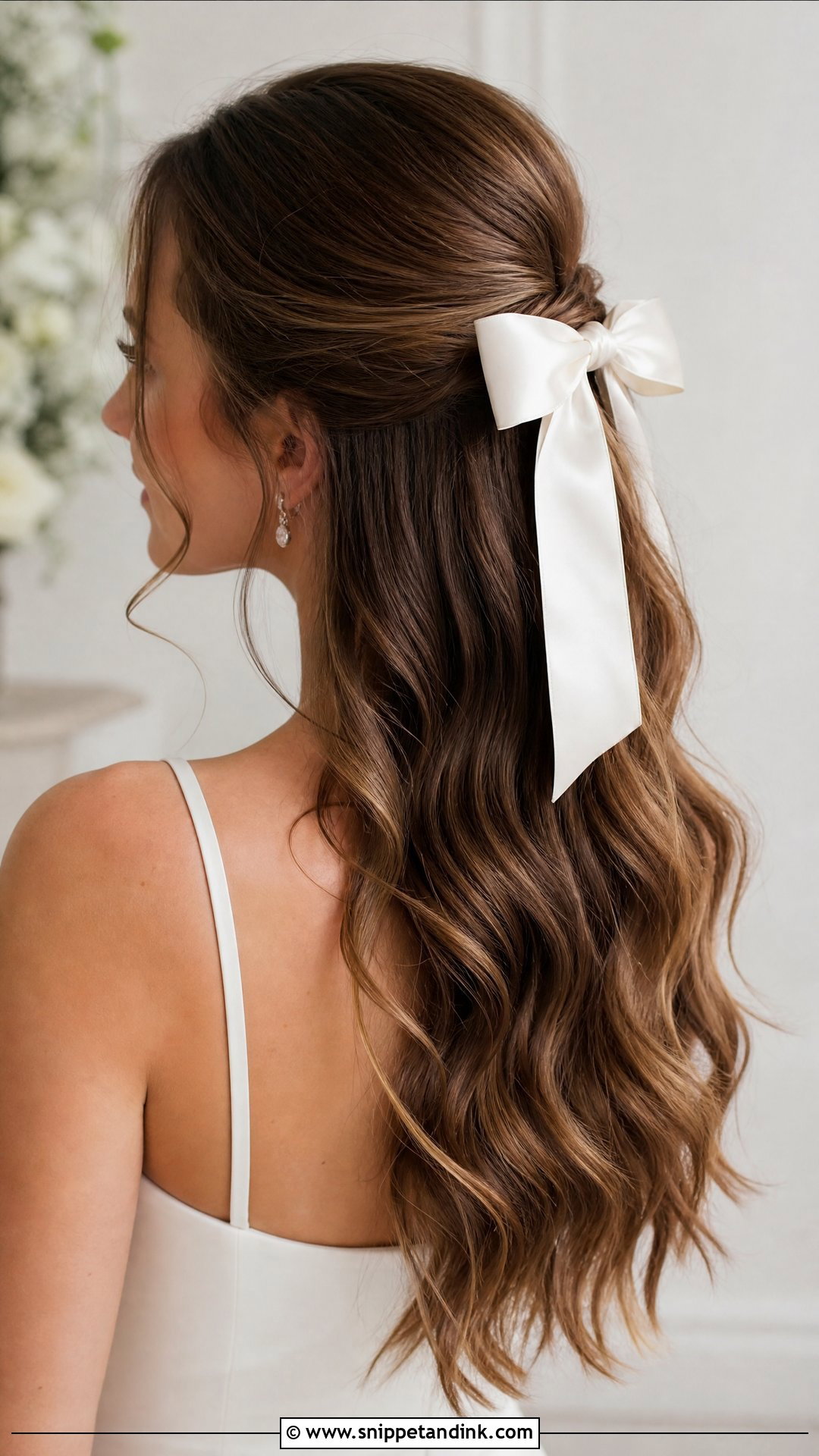
A bow can look grown-up when the hair around it is glossy and the gown is simple. I tie off a half-up section with a small elastic, pin it flat, and then attach the bow over that base so it doesn’t drag the hair down. Satin, organza and velvet bows all work. It suits romantic, garden and courthouse weddings. Size it to the dress: a large bow reads as fashion, a small one reads delicate. Keep other accessories to a minimum.
11. Bridal Hair Down With Veil
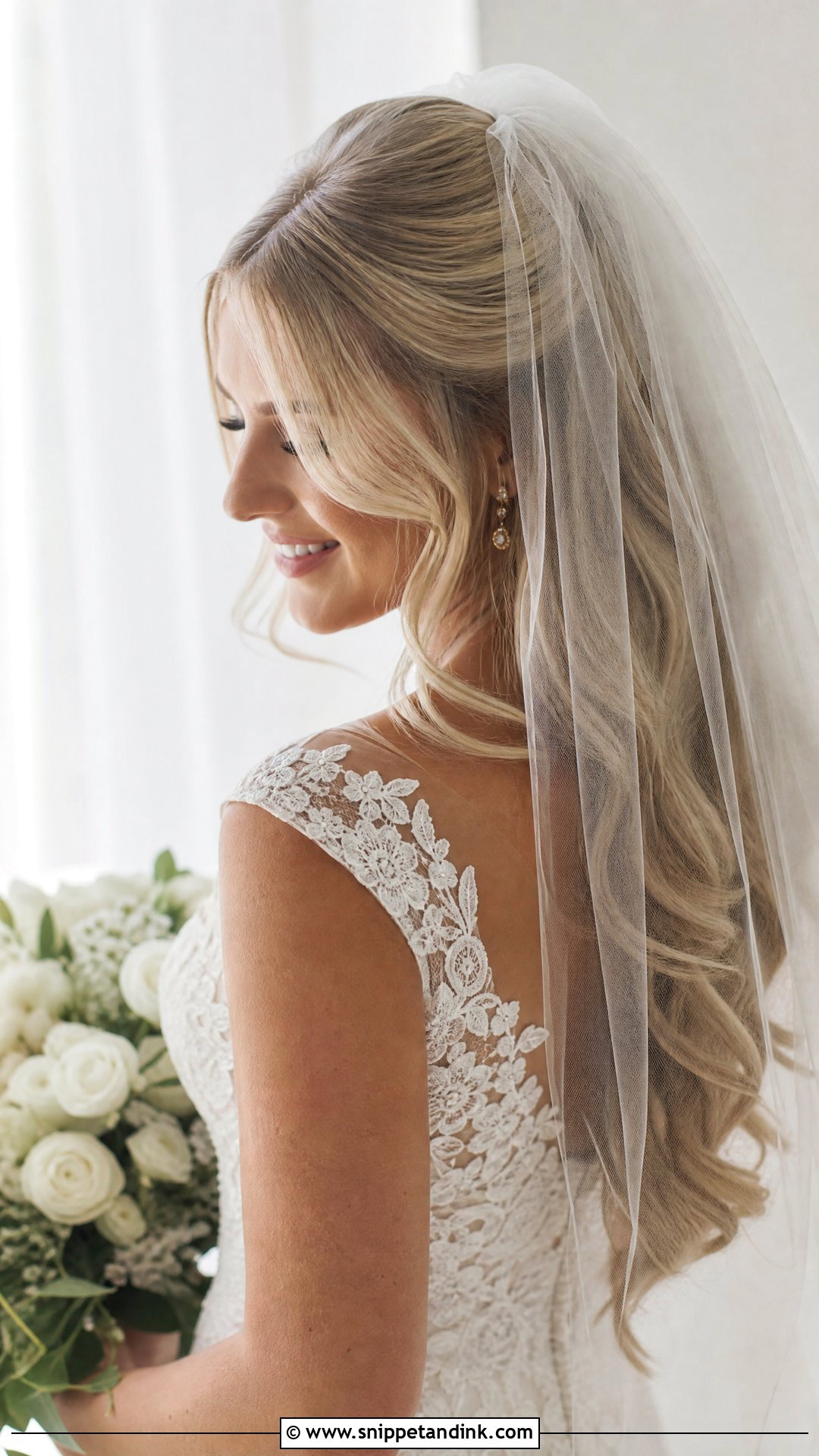
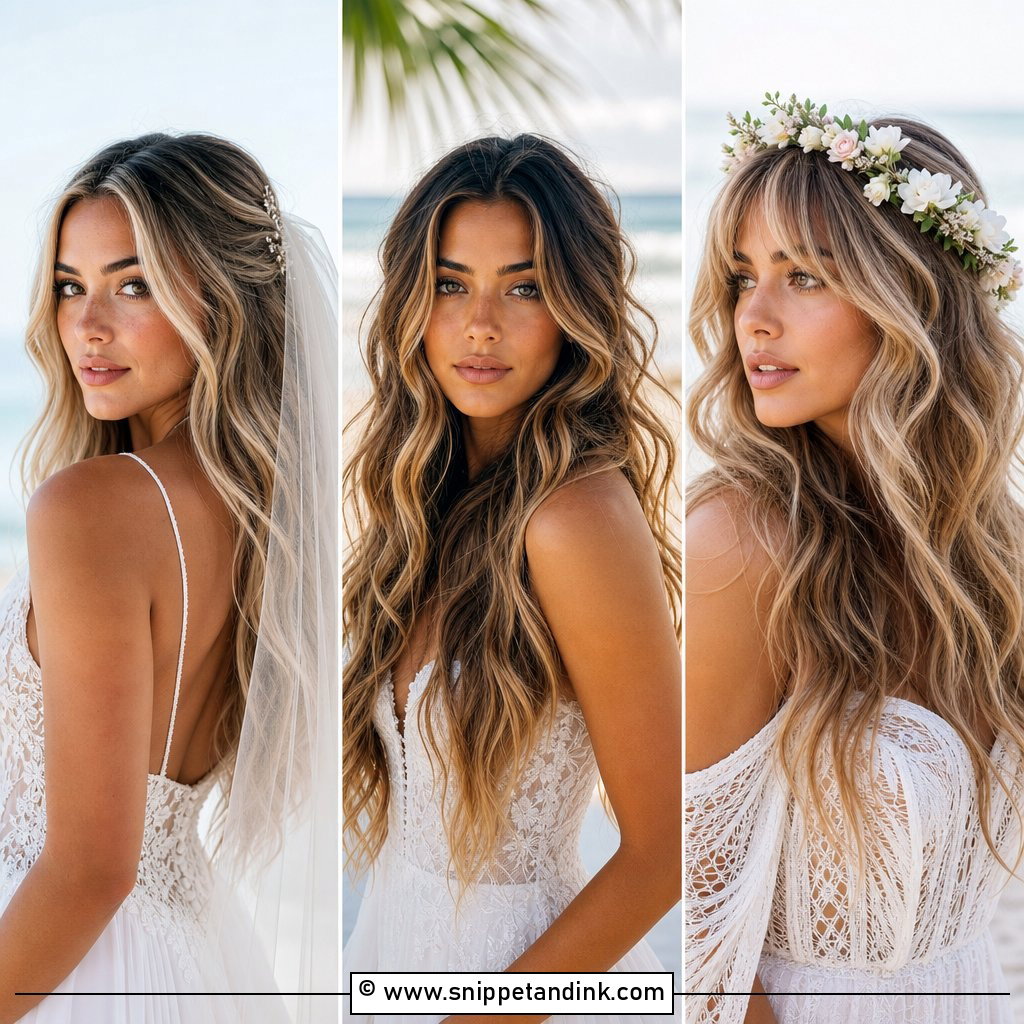
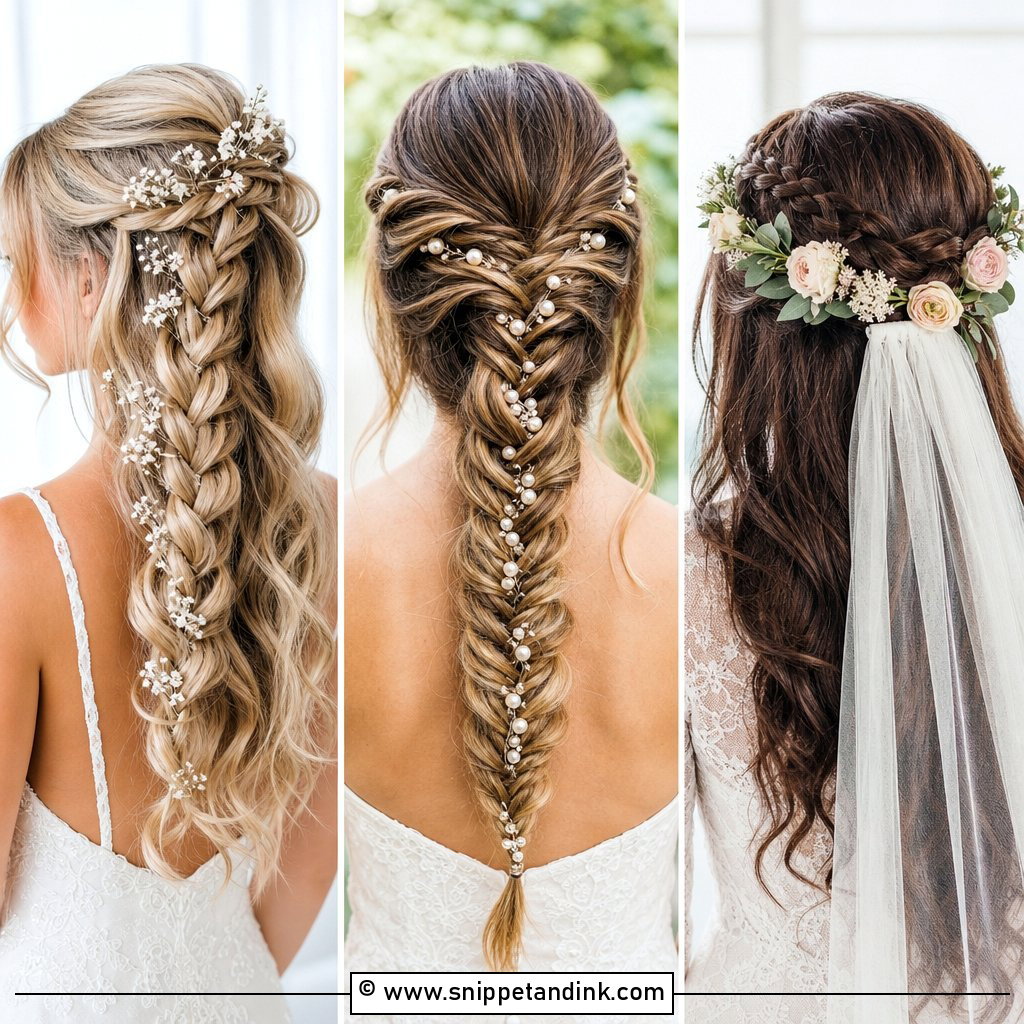
Wearing a veil with loose hair takes some hidden engineering. Because nothing is pinned up, I create an anchor where the comb sits: a small backcombed section, a tiny braid or crossed grips. The comb slides into that, and the rest of the hair flows freely. Soft waves, loose curls and half-pinned sections all work. A higher veil placement feels classic; a lower one feels softer. Bring the real veil to your trial so I can test its weight; a long cathedral veil pulls far harder than a short blusher.
12. Bridal Hair Down With Hair Vine
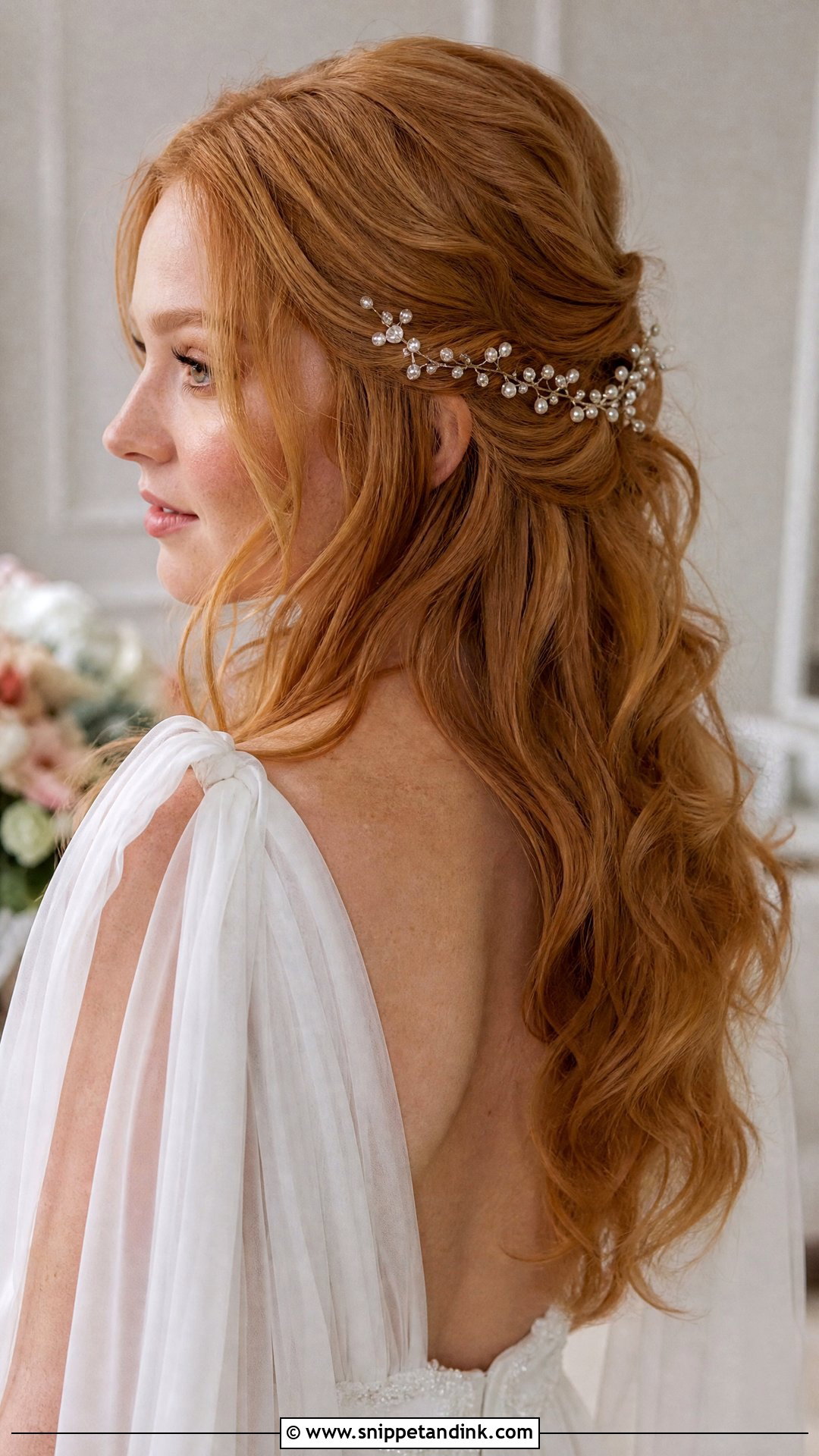
A hair vine is lighter than a crown and follows the movement of waved hair. I lay it across the back, along one side or around a half-up section, and secure it with small pins woven through the wire every few centimetres. Vines with pearls, crystals or small flowers suit lace gowns and outdoor weddings. Bend the vine to the shape of your head before the day; a flat, straight vine sticks out at the edges and never sits properly.
13. Bridal Hair Down With Floral Pins
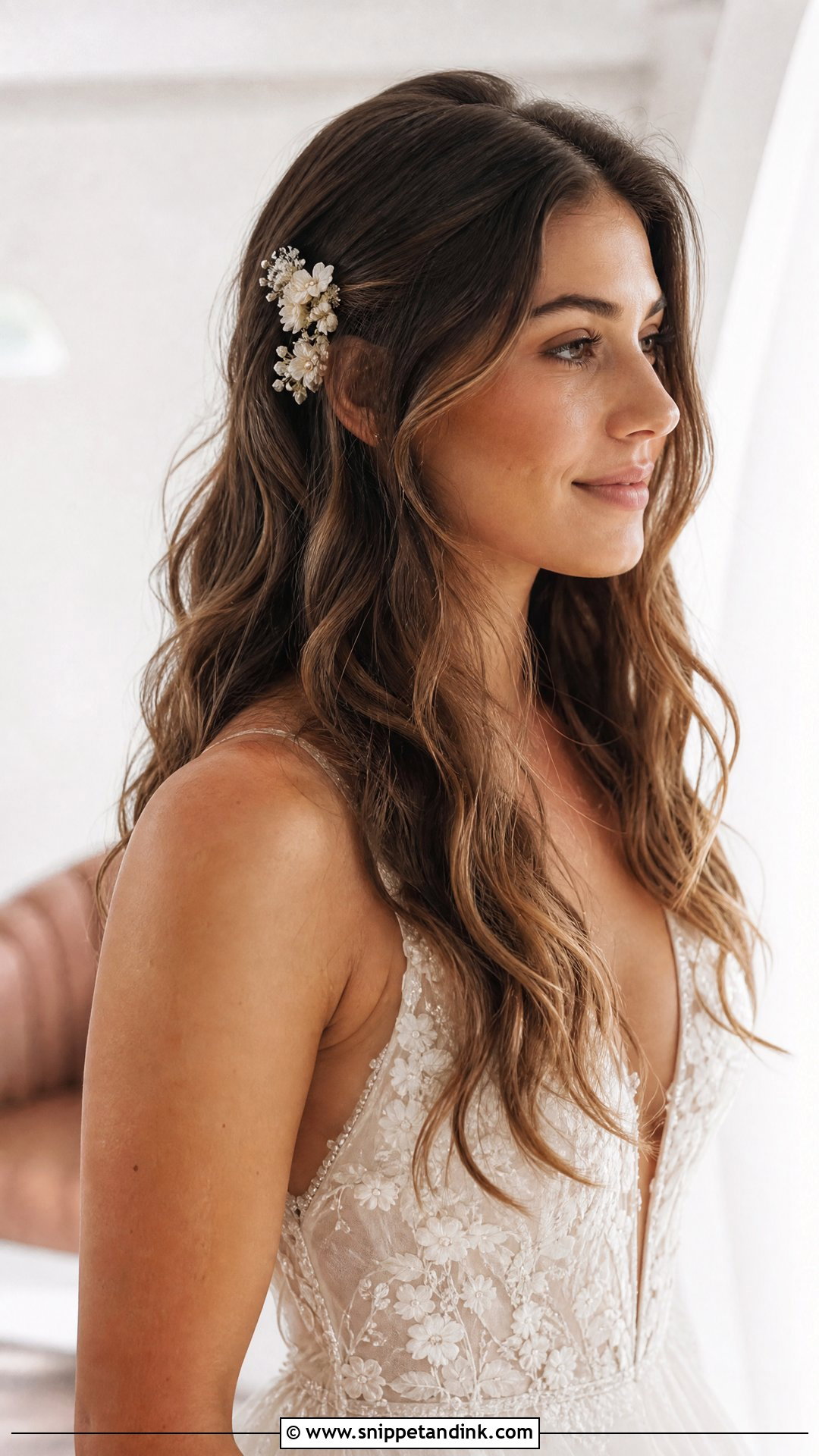
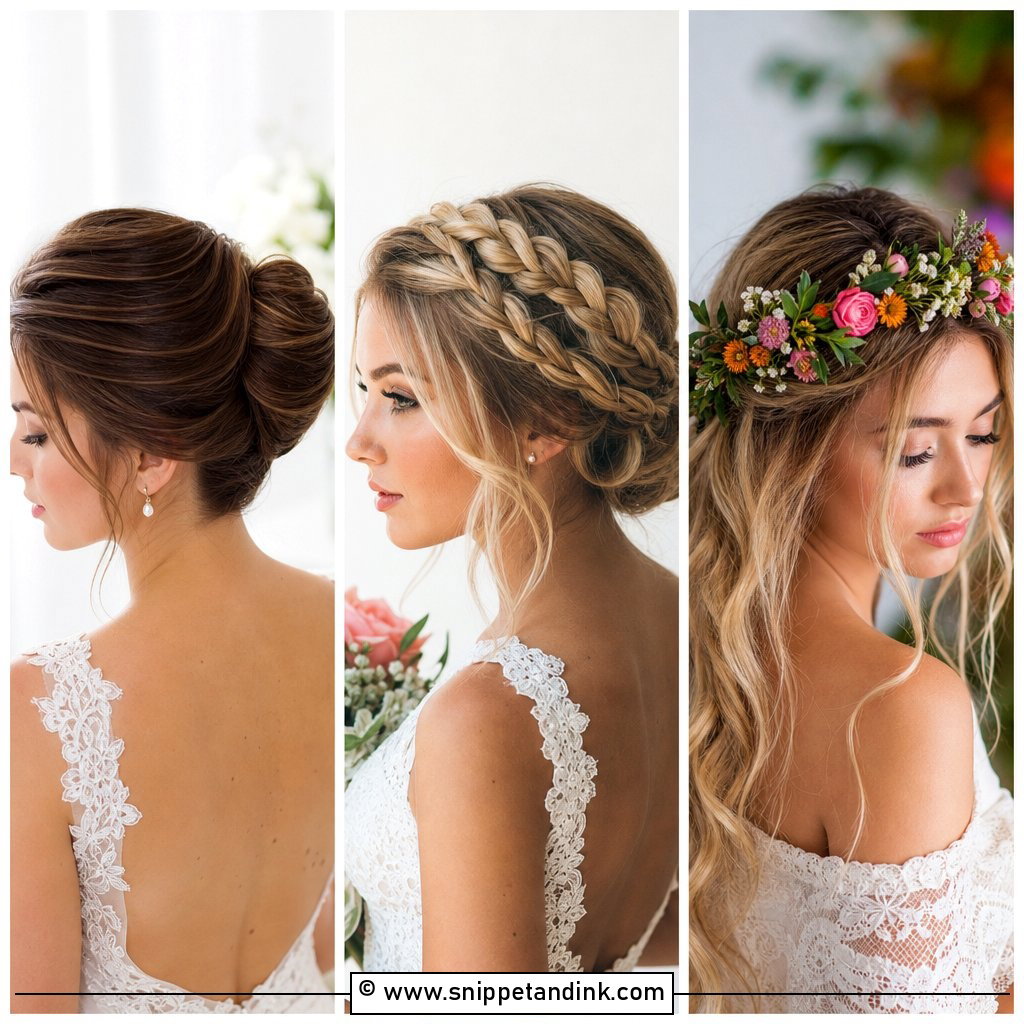
Real flowers wilt, so I choose varieties that hold up out of water, like spray roses or wax flower, and add them as late as possible. In heat, preserved or silk flowers last much longer. Soft waves give the pins something to grip. Place them with intention, behind one ear or around a half-pinned crown, and keep to a small colour story that links to the bouquet. Too many flowers overwhelm loose hair. Check with your florist about anything that sheds pollen onto a white dress.
14. Bridal Hair Down With Headband
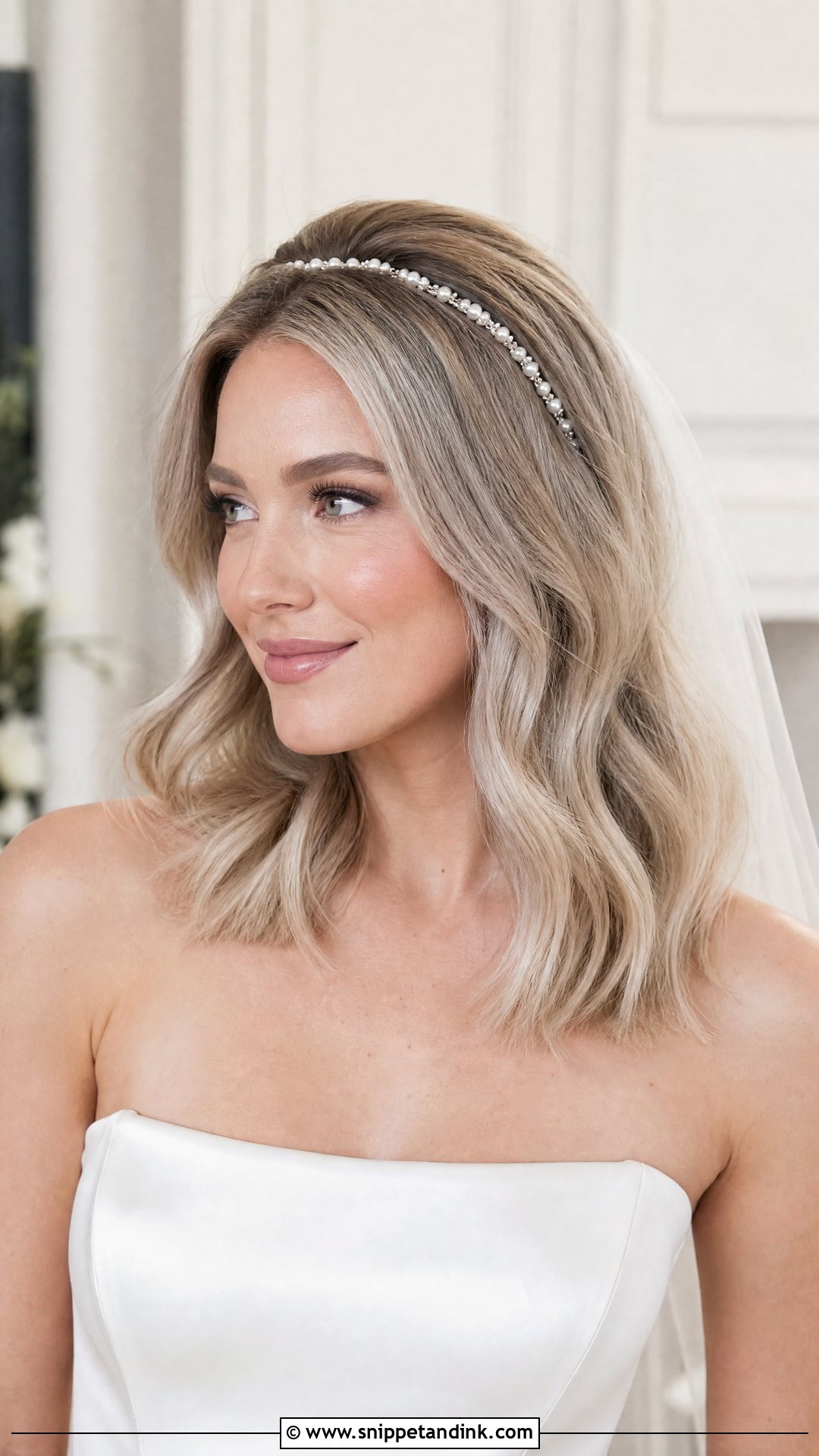
A headband is the simplest way to keep the front of your hair out of your face without an updo. A slim pearl band, a padded satin one or a crystal piece all finish soft waves nicely, and they’re especially good on shorter cuts and lobs. Headbands press on the head behind the ears, so wear it for an hour at the trial to check comfort. I keep the crown volume soft; too much height behind the band tips it into a vintage look.
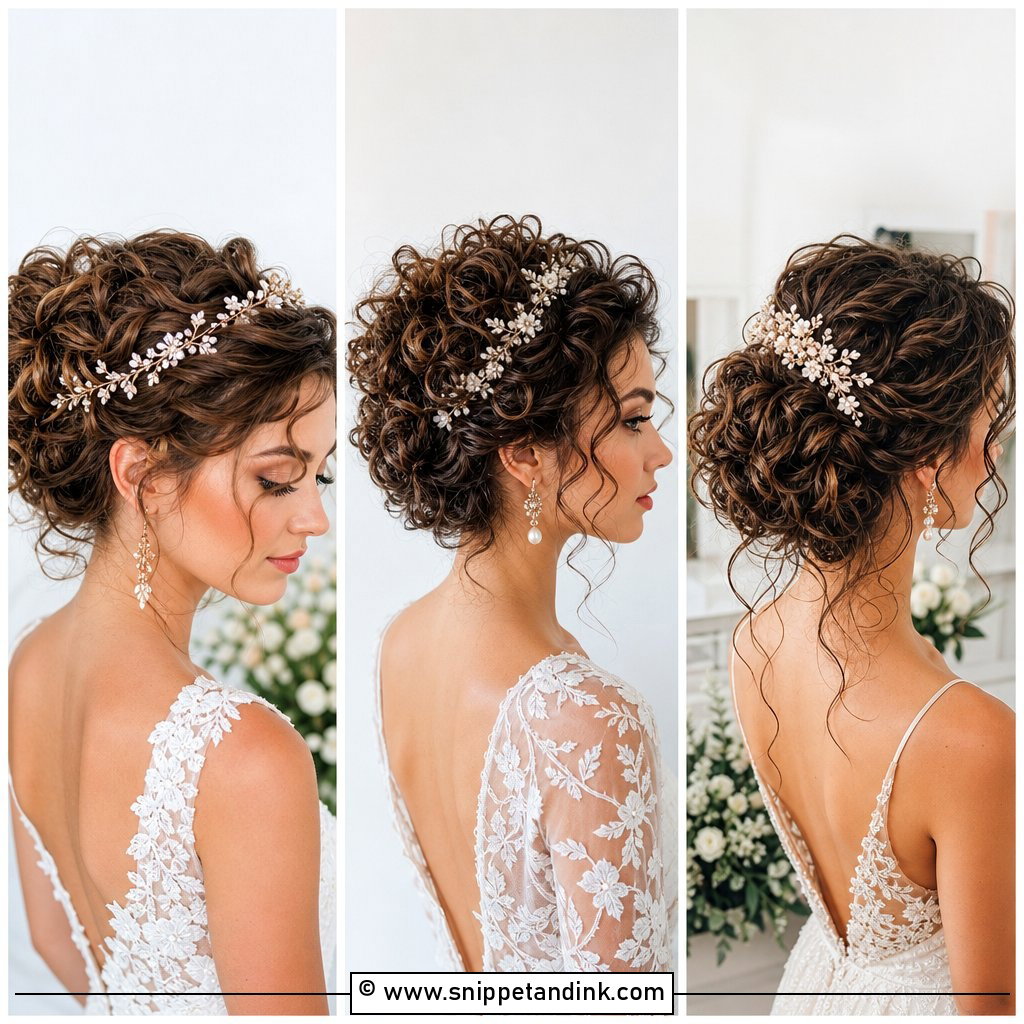
15. Bridal Hair Down With Half Up Crown
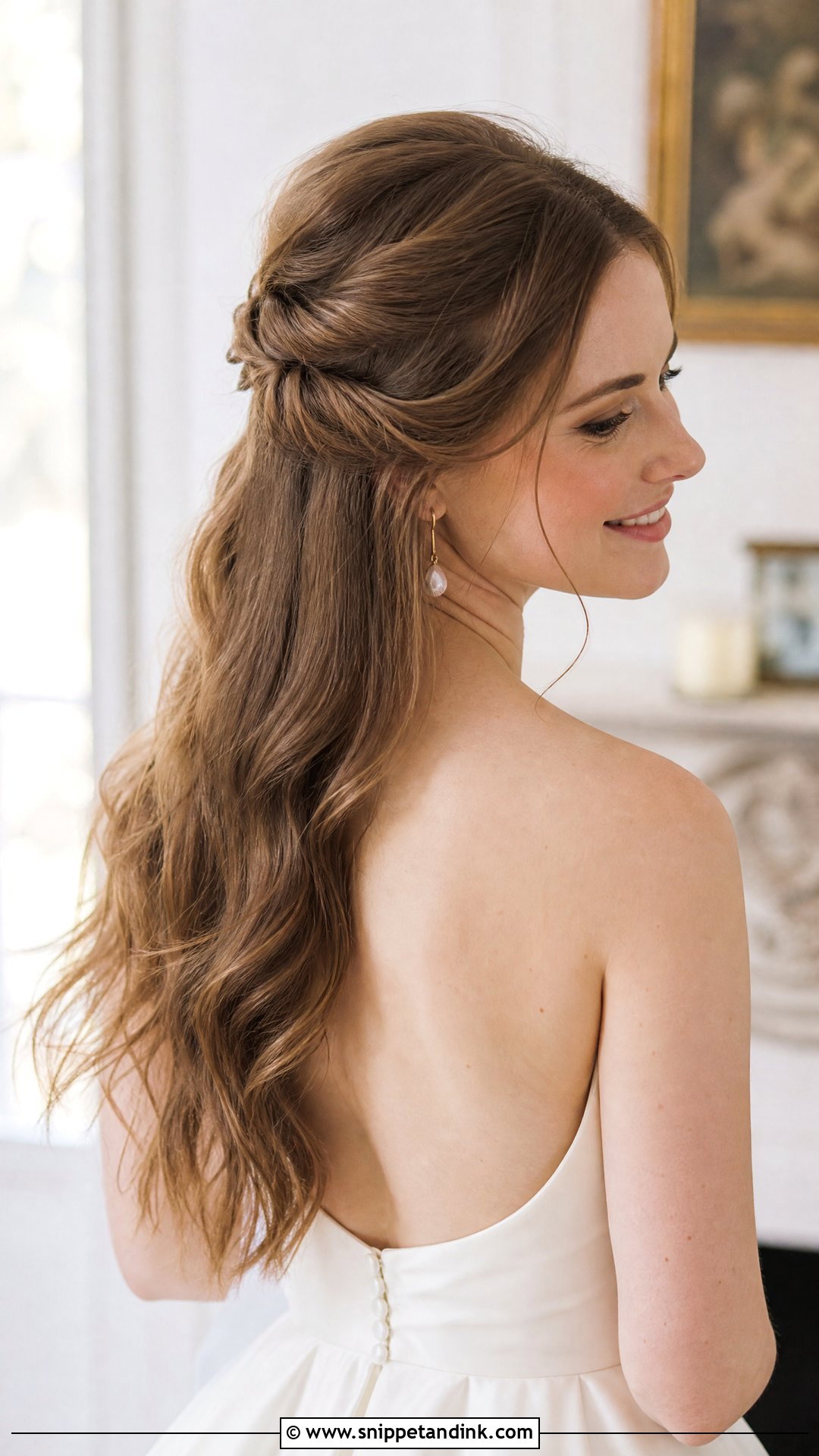
A half-up crown gives loose hair some structure and gives a veil or accessory something firm to sit in. I take the top section back loosely, then twist, braid or pin it to create lift at the crown. It’s the most secure down style I do, so I recommend it for long days and windy venues. Waves or curls below keep it full from every angle. Ask for relaxed volume rather than tight pulling; a tight half-up section looks dated and can give you a headache by the speeches.
16. Bridal Hair Down With Braided Crown
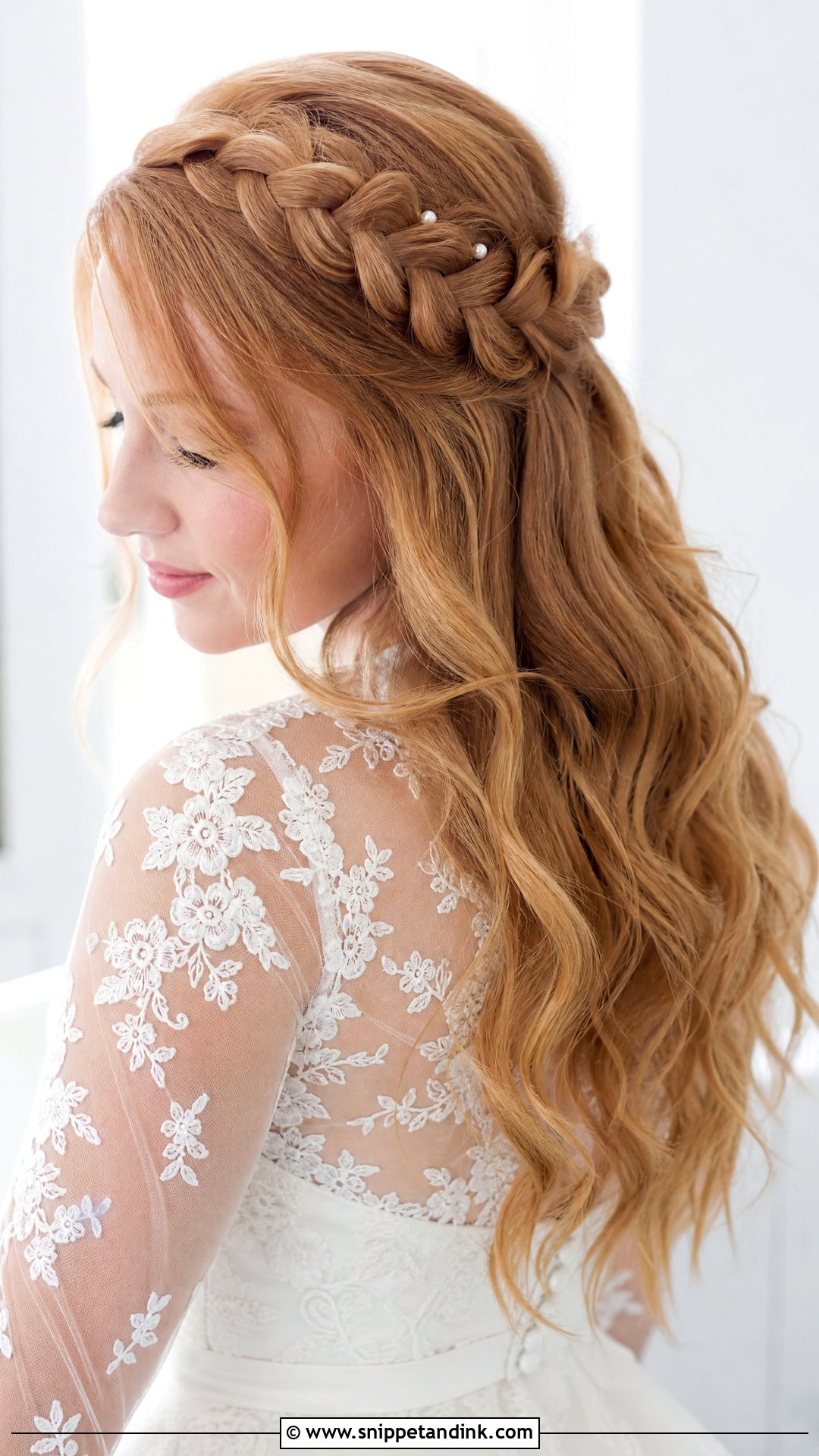
A braided crown keeps hair out of the face while the lengths stay loose, which makes it a good choice for outdoor ceremonies with a breeze. The braid can run across the back, along one side or into a half-up section. I pancake the braid, gently pulling the loops wider, so it looks soft rather than school-run tight. Tiny pins or pearls tucked into the plaits add detail. If your hair is very fine or layered short, I’d add a small clip-in piece to the braid for thickness.
17. Bridal Hair Down With Sleek Straight Hair
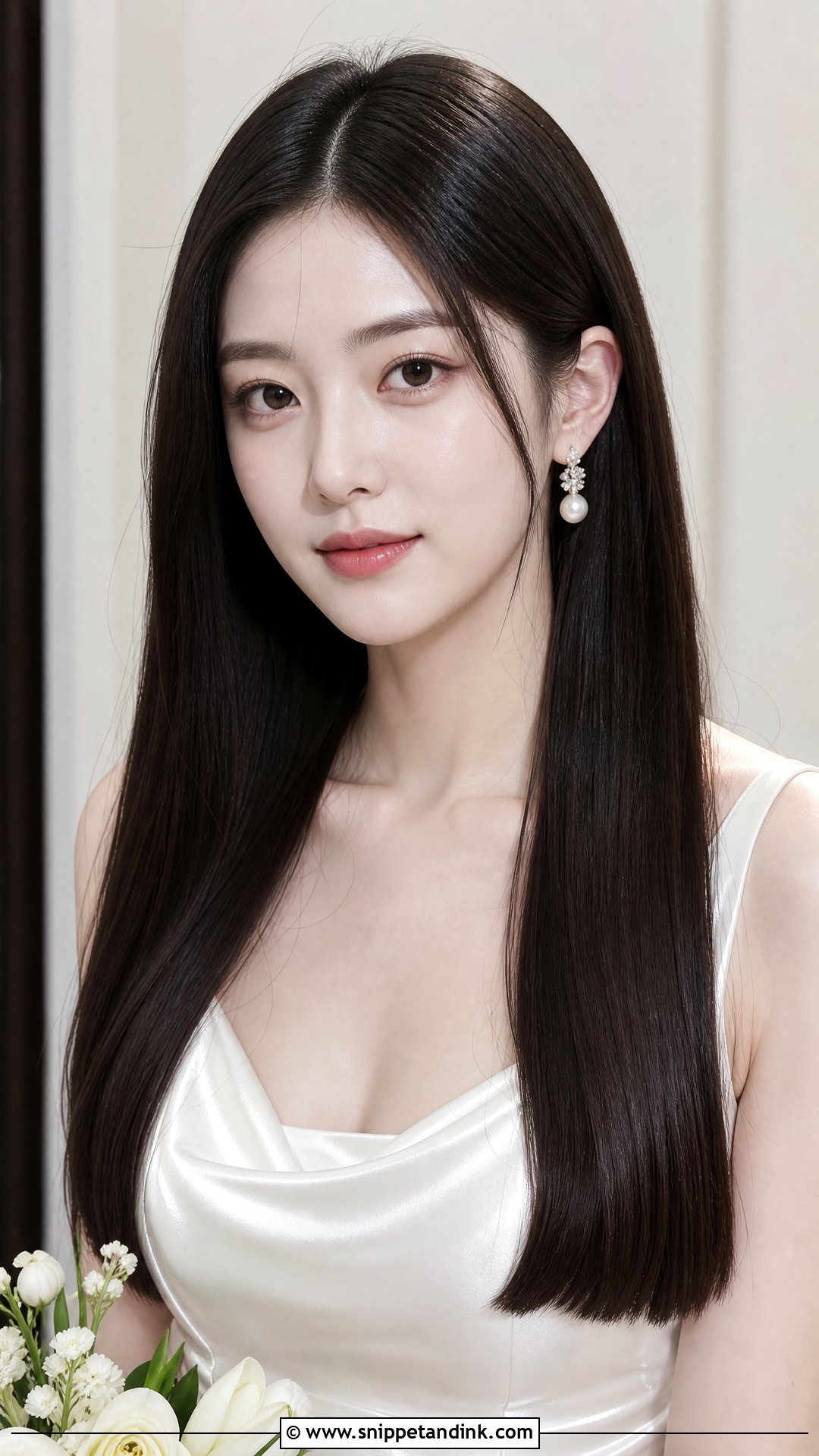
Sleek straight hair looks simple and is surprisingly demanding. Every frizzy strand and split end shows, so the cut needs to be fresh and the blow dry thorough. I use heat protection, smooth with a flat iron in thin sections and finish with a light shine product. A middle part looks current; a side part is softer. It suits minimalist gowns, high necklines and long veils. In humid weather, straight hair puffs up faster than waves, so I’d only recommend it for indoor or dry-climate weddings.
18. Bridal Hair Down With Bouncy Blowout
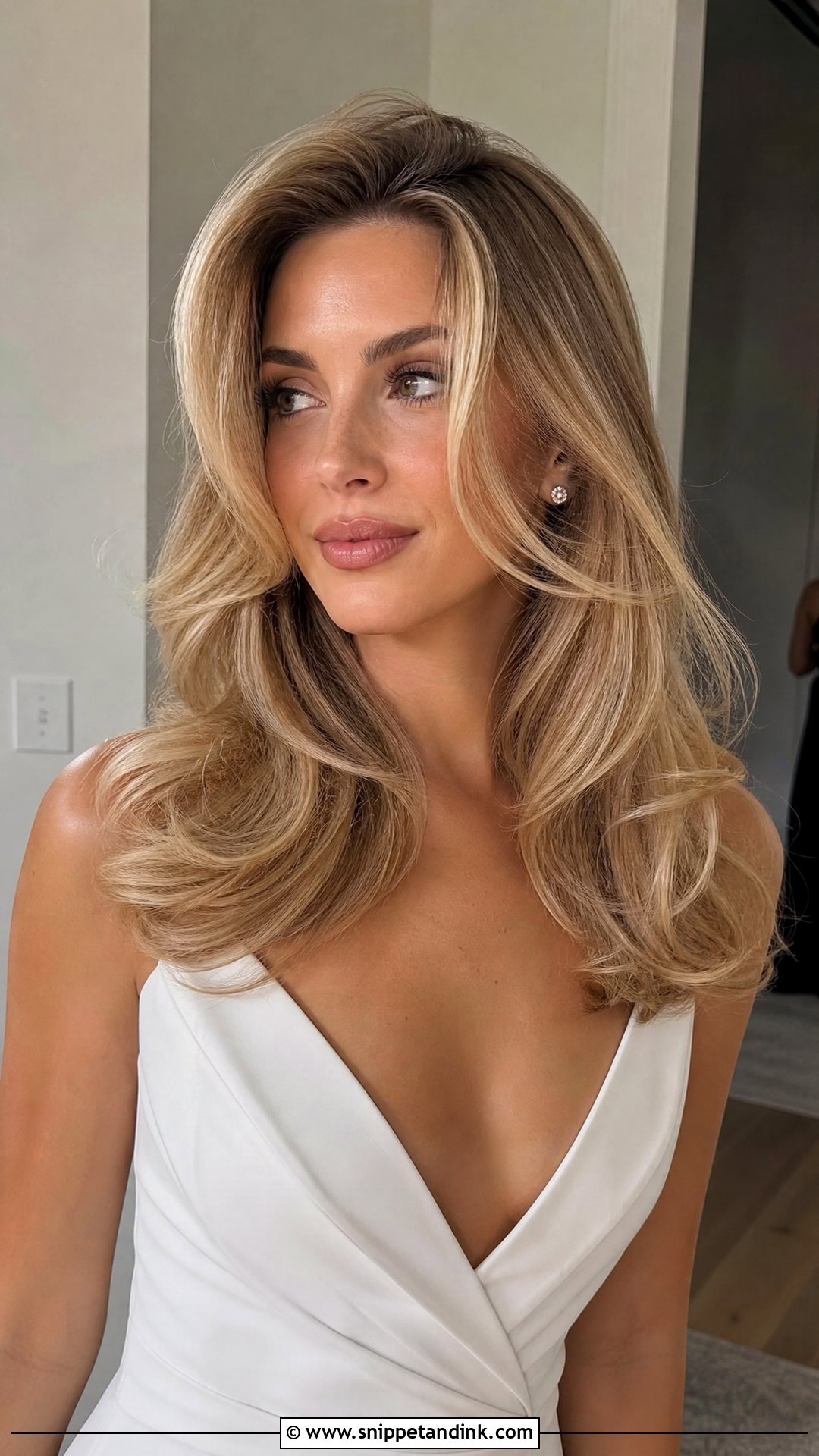
A bouncy blowout gives movement without a defined curl pattern. I prep the roots with a volumising mousse, dry with a large round brush, and let each section cool on the brush or in a velcro roller before releasing it. That cooling step is what keeps the bounce. Face pieces flip away from the face and the ends bend over the shoulders. It suits simple gowns and city weddings. On very heavy hair, a blowout relaxes quicker than a curl, so plan for a touch-up before the evening.
19. Bridal Hair Down With Natural Curls
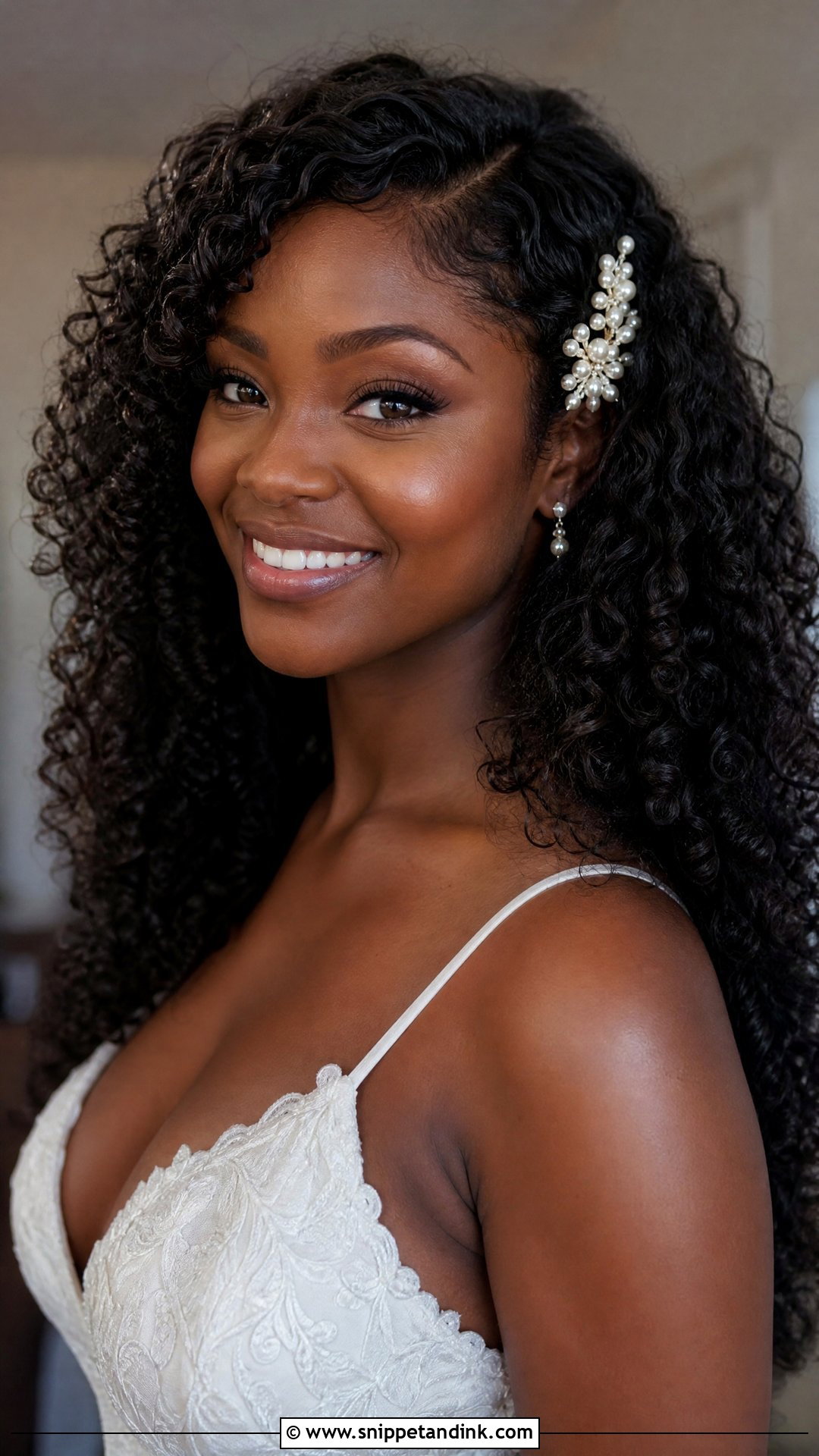
Natural curls look their best when they’re hydrated, defined and left to be curls. I work with your pattern using curl cream, diffuse dry, and shape individual curls by hand, adding hold only where needed. Floral pins, pearl clips and a side part all suit this texture, and a veil sits well when anchored to a small hidden twist. A trial is essential, because curls respond to weather, product and drying time. Don’t wash your hair on the morning itself unless that’s your normal routine; curls often look best on their usual day.
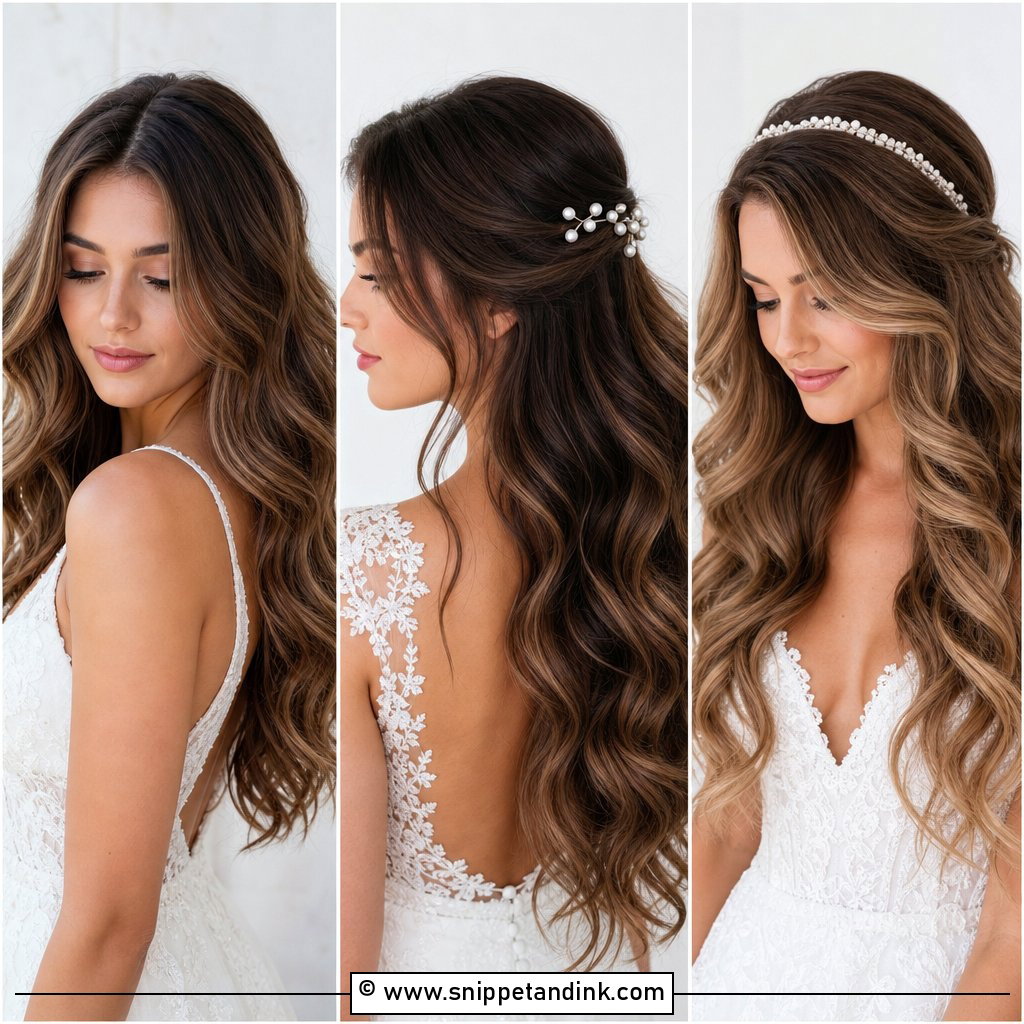
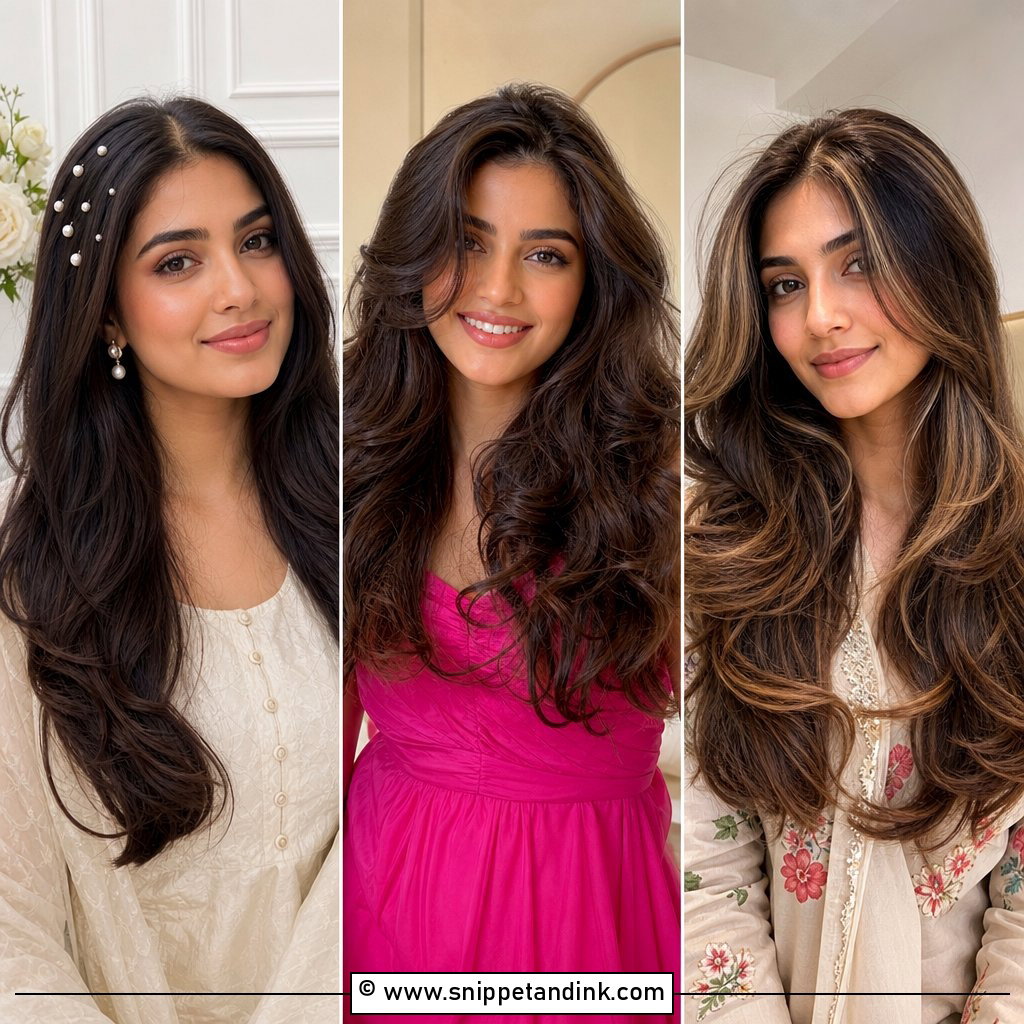
20. Bridal Hair Down With Long Extensions
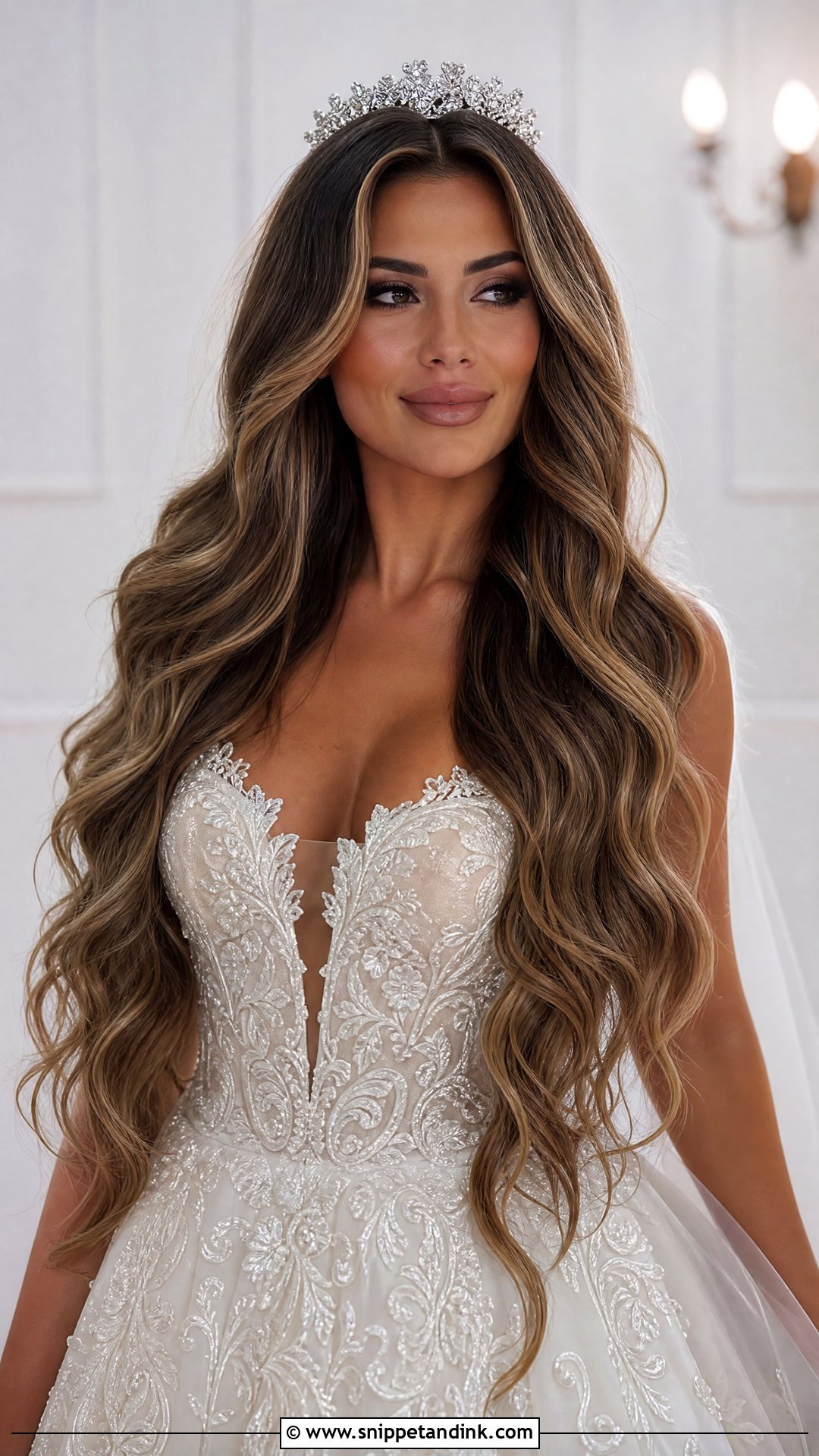
Extensions add fullness and length, help curls hold and make fine hair look thicker in photos. The key is blending: the colour, texture and cut must match your own hair, or you’ll see a layer of different hair underneath. I trim and curl extensions together with your own hair so they move as one. Clip-ins work with Hollywood waves, curls, half-up crowns and veils. Bring them to your trial so we can test comfort, colour match and placement, and wear them for a few hours beforehand to check they don’t pull.
Lace Backs, Beading and Loose Ends
Long loose hair rubs against the back of your dress all day, and some fabrics don’t get along with it. Beading, sequins and lace catch strands and can tangle the ends into knots by the evening. Hair spray and oil can also leave marks on delicate silk.
If your dress has a detailed back, I’d suggest a half-up style or sweeping the hair over one shoulder for some of the photos so the back shows. I also smooth the ends with a little serum rather than spray, so they glide over fabric instead of catching. Let the spray dry fully before the dress goes on.
What I Pack for Fallen Waves at the Reception
Even well-set hair relaxes over a long day. Give a bridesmaid a small kit and five minutes before the evening entrance: a few bobby pins matching your hair colour, a small travel hairspray, a dry texture spray for flat roots, and a compact brush or wide-tooth comb. If your waves have fallen, twist a few sections around a finger, hold for a minute and release. A cordless mini curling iron is worth packing for long or very humid days.
Loose Hair Can Go the Distance If It’s Set Properly
Hair worn down has to feel soft and still last through the ceremony, portraits, hugs, dancing and weather. Most of the work is invisible: the prep before curling, the cooling time, the anchors under a veil, the hidden grips behind an ear. Choose the style that suits your dress, venue and hair type, bring photos to your trial, and be open to small adjustments. A stylist may suggest a slightly different wave or part because it will hold better on your hair. That advice is usually the difference between hair that looks good at the start and hair that still looks good at midnight.
You'll Like These Ideas:


Leave a Reply