
Net, which most bridal shops call tulle, is the fabric that lets a wedding dress look full without weighing much. It turns up in everything from classic ball gowns to slim columns, and it pairs naturally with what bridal design keeps returning to: lace, visible corsetry, sculpted waists, raised flowers and detachable layers. What makes or breaks a net dress is mostly invisible in a photo: the lining under it, the structure inside the bodice and how much embellishment the fabric is carrying. Below are twenty styles, with the fitting checks I run on each one so the dress still feels good at midnight.
Silk Tulle, Nylon Tulle and English Net Behave Differently
Bridal shops say net, tulle and illusion almost interchangeably, but the fiber under the label changes how a dress looks, feels and survives the day. Ask what the net is made of before you fall in love with a sample.
- Silk tulle is the softest. It drapes close to the body and has a gentle sheen, but it crushes easily, snags more readily and costs considerably more.
- Nylon tulle is the bridal workhorse: crisp, strong and good at holding volume in a skirt. It’s what most ball gowns use.
- Polyester tulle is the cheapest and the stiffest. It holds a shape well but can feel scratchy against bare skin.
- English net has a finer, rounder mesh with a softer hand, and point d’esprit is net scattered with tiny dots. Both read more vintage.
For a dress you’ll be sitting, hugging and dancing in, I’d look for soft nylon or silk where it touches skin and save stiffer net for petticoat layers. Whatever the fiber, rub the fabric on the inside of your wrist in the shop. If it scratches there, it will scratch your arms all evening.
1. A-Line Net Wedding Dress
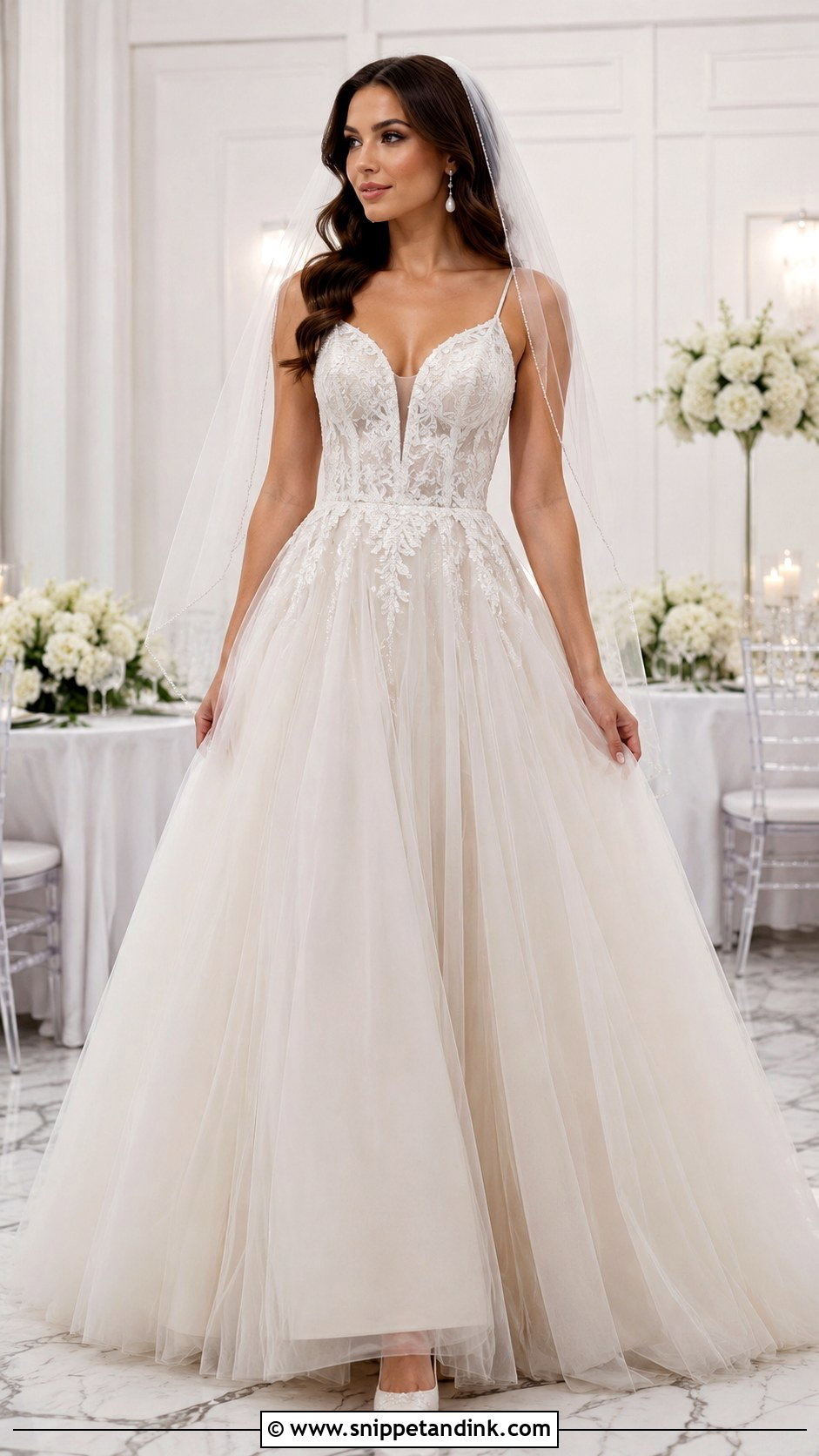
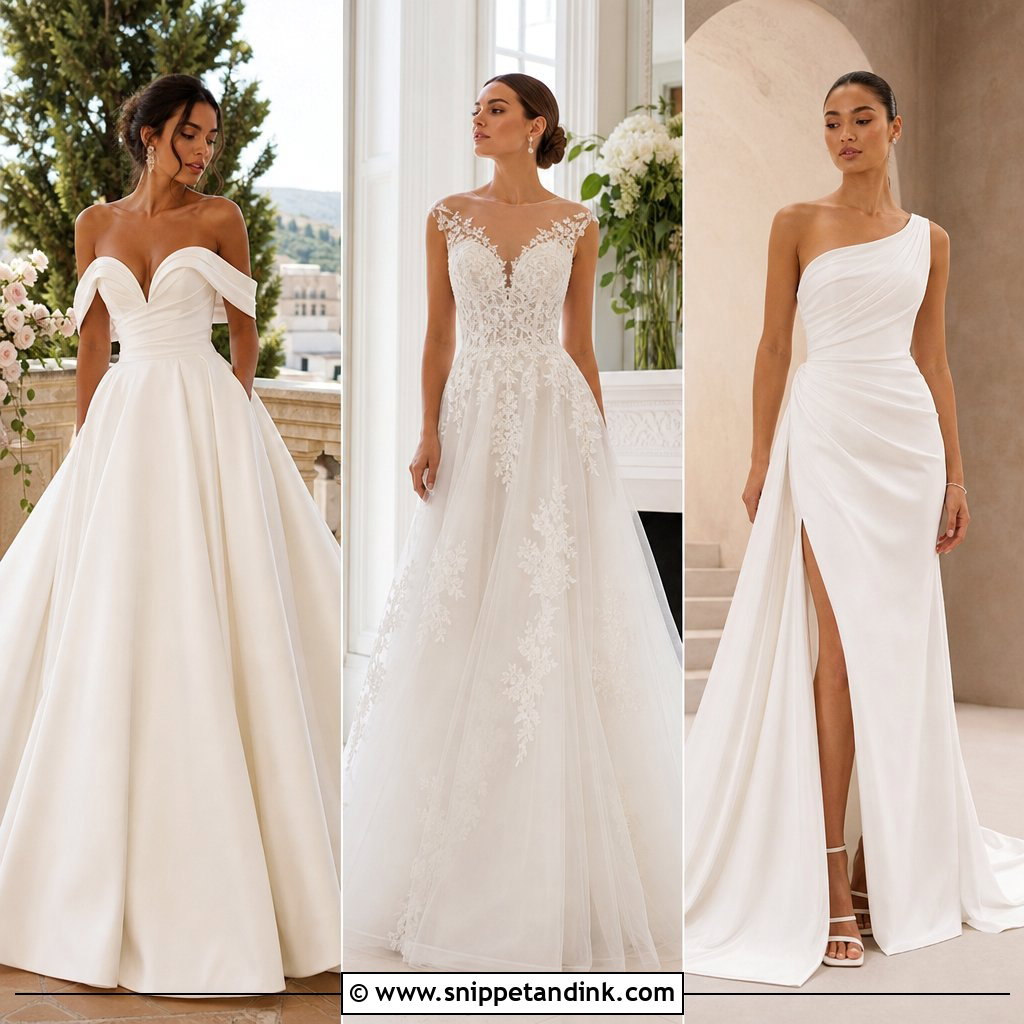
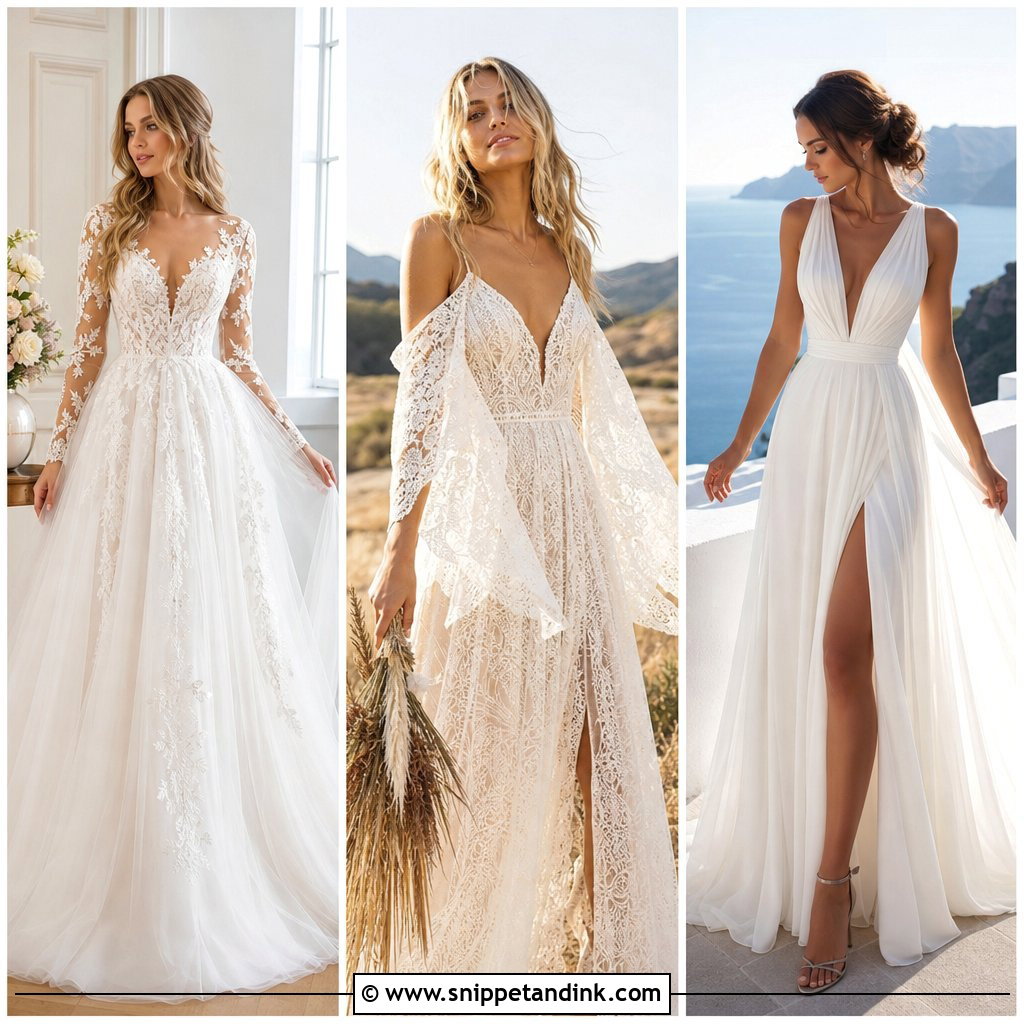
If a bride walks into an appointment unsure of her shape, the A-line is usually the first dress I pull. A softly fitted bodice meets the natural waist, and layered net skirts out over the hips without clinging. Fine floral embroidery adds interest without tipping into ornate. I’d finish it with pointed ivory pumps, pearl drops, a fingertip veil with a narrow raw edge and a low bun. Raw-edge veils work on net because tulle doesn’t fray. For more coverage, keep the bodice fully lined and use illusion net only at the neckline or sleeves.
2. Net Ball Gown Wedding Dress
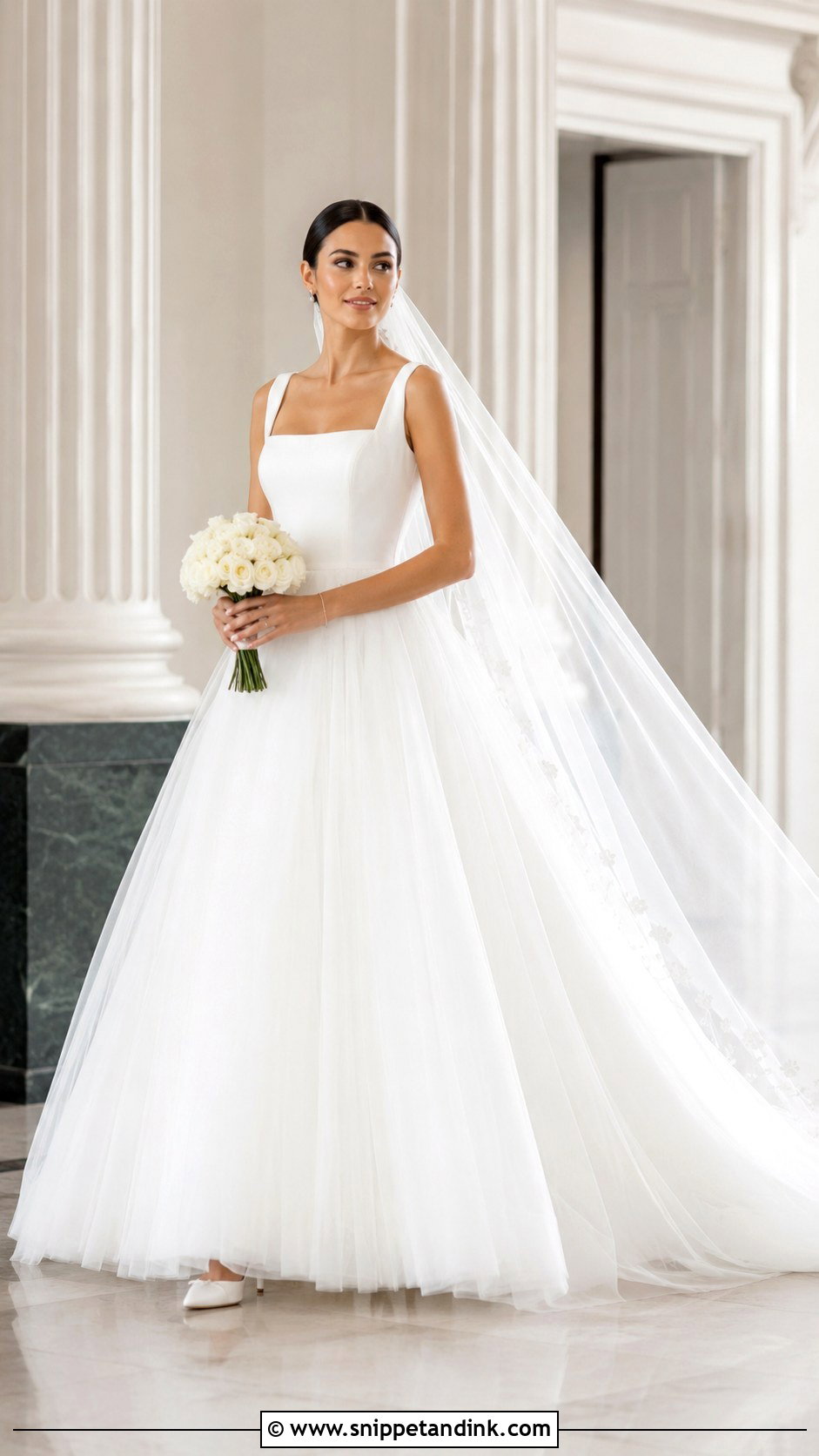
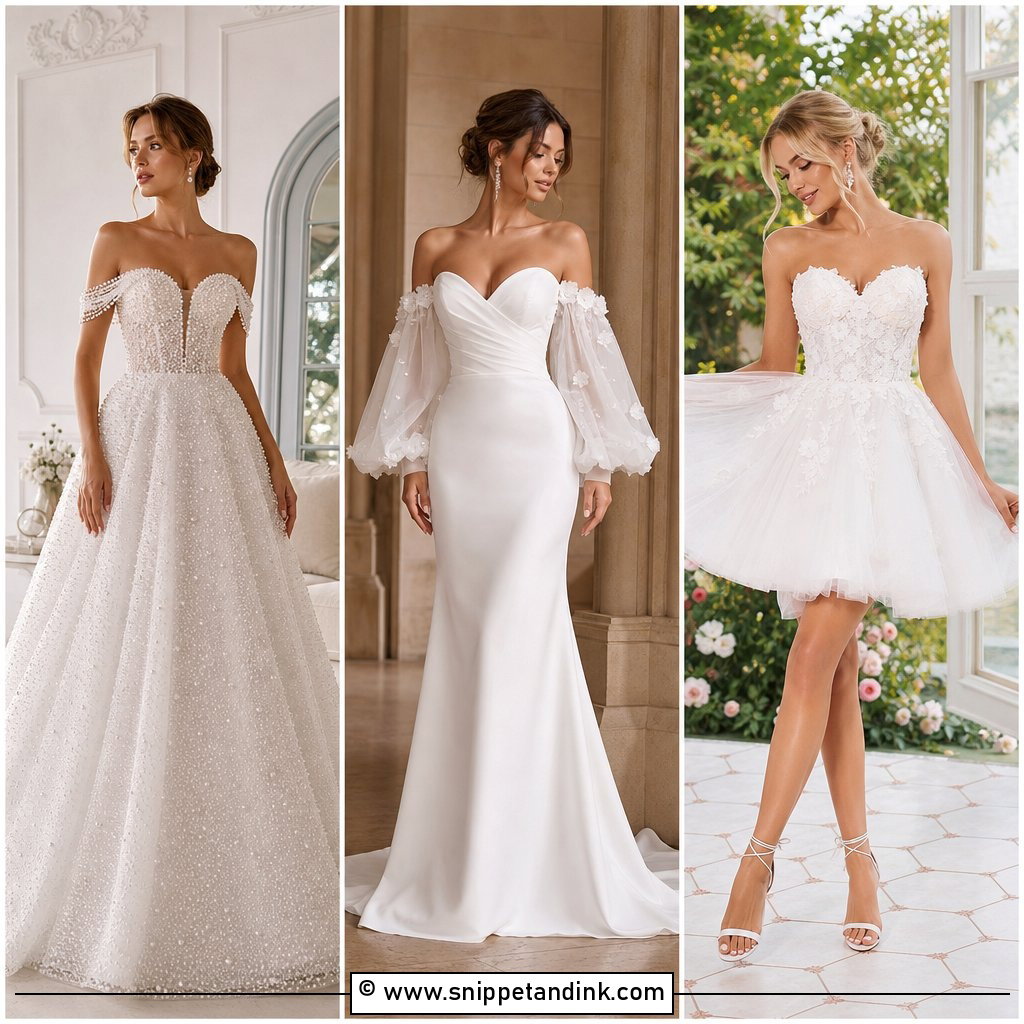
A ball gown in net looks lighter than one in satin or mikado, but it isn’t weightless; several layers plus a petticoat add up. Look for a fitted bodice with real internal boning to carry that skirt, and a scoop or square neckline to balance the volume. Crystal studs, a slim tennis bracelet, closed-toe satin heels and a neat chignon keep the top half calm. A cathedral veil extends the line for the ceremony. If you dislike bulk, ask for soft net over a moderate petticoat; a very wide hoop makes bathroom trips and car rides a team effort.
3. Embroidered Net Wedding Dress
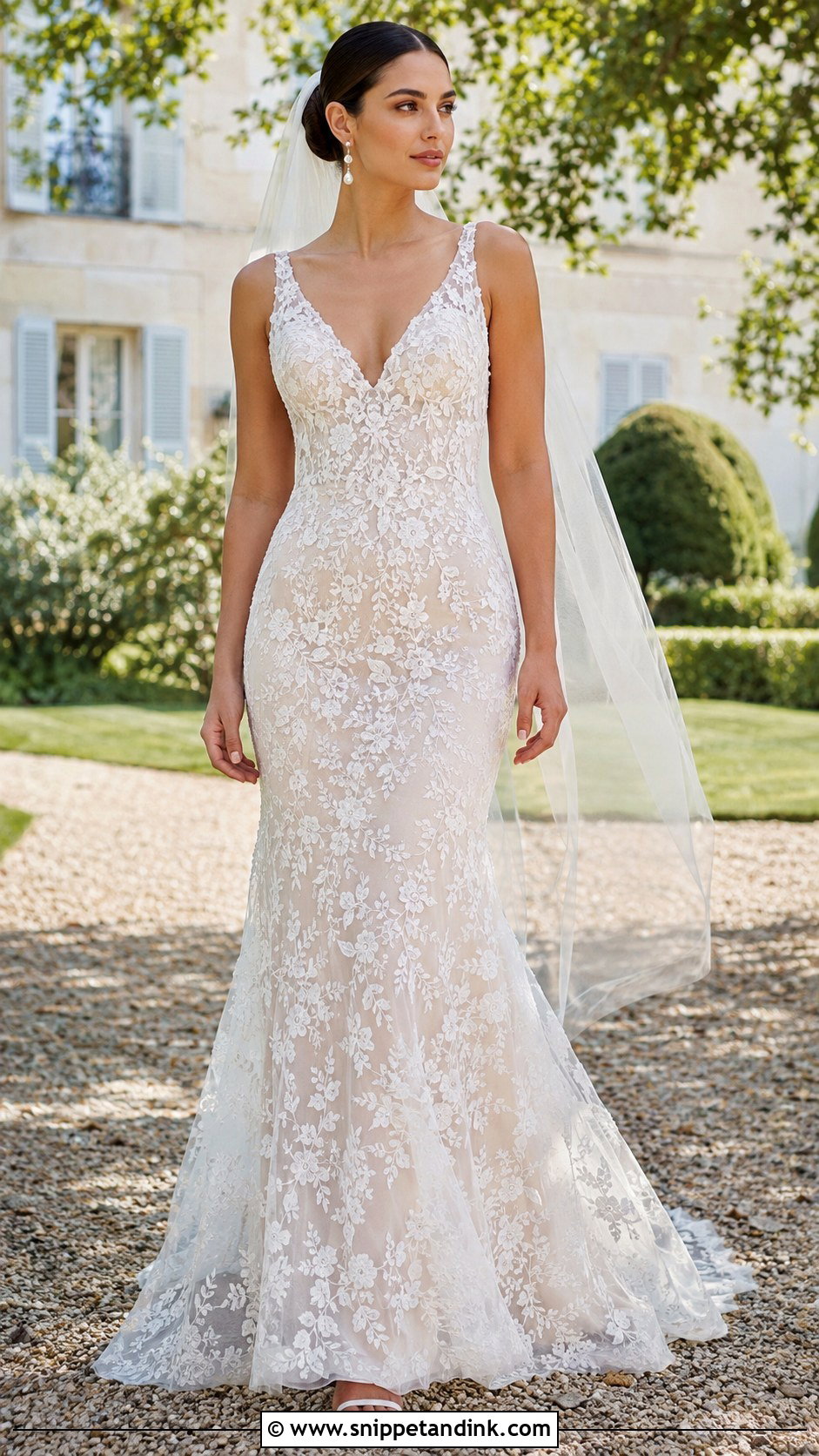
Embroidery gives plain net depth, and the best placement is heavy on the bodice and thinning out down the skirt so the eye travels. A lightly flared shape keeps it from feeling heavy. The lining color under embroidered net changes everything: nude makes motifs look like they sit on skin, champagne warms them, ivory flattens the contrast. I always take a bride to a window to compare in daylight. Then check the underside of the embroidery at the arms and neckline, since stiff threads scratch. Plain ivory sandals, small pearls and a plain net veil let the pattern lead.
4. Long Sleeve Net Wedding Dress
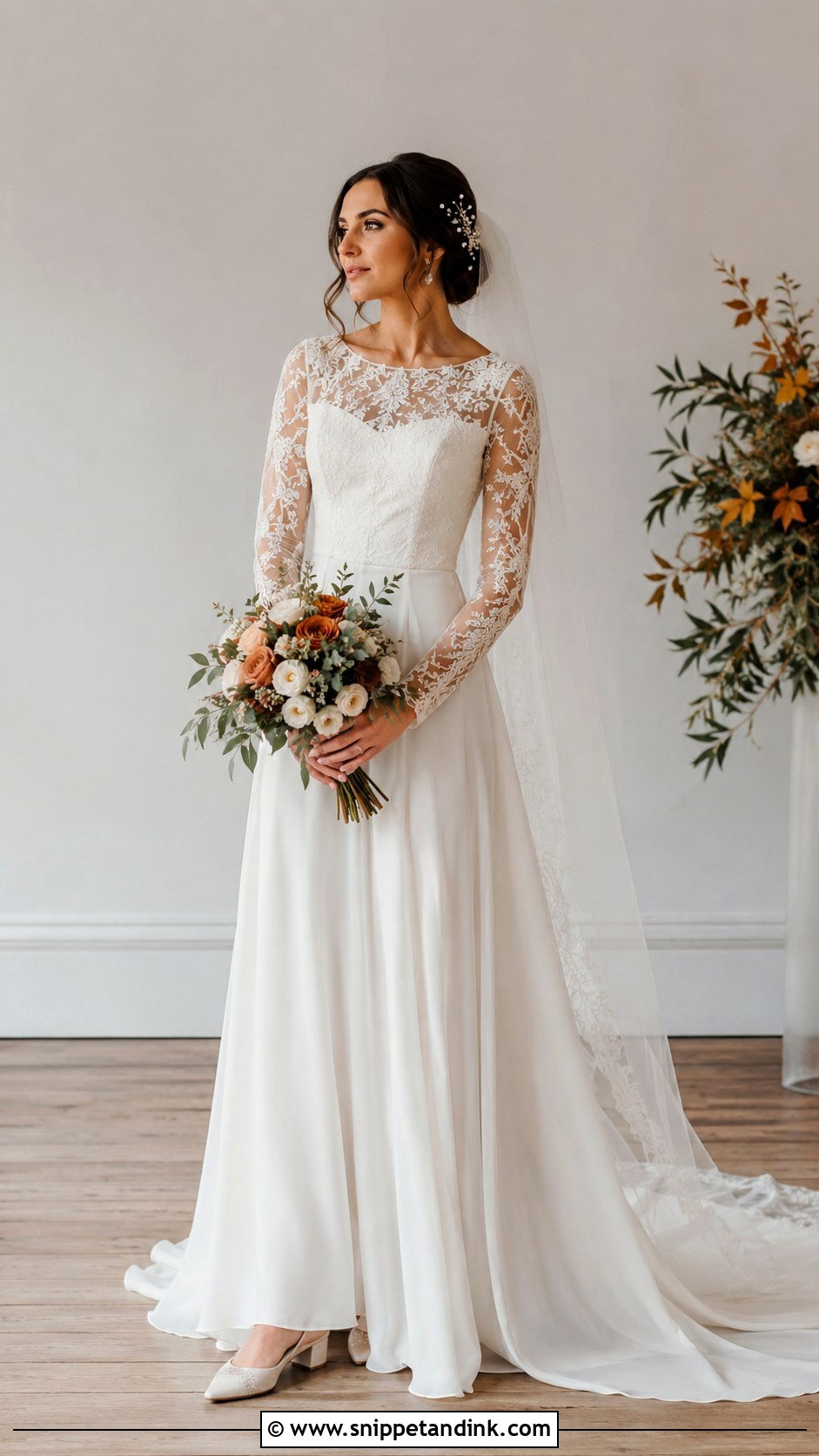
Illusion sleeves give coverage and still look light, and lace appliqués or tiny embroidered motifs on them carry the eye down the arm. Balance them with an opaque bodice and a flowing skirt; a bateau, jewel or soft V neckline keeps the top refined. Sleeve fit is where these dresses succeed or fail. Net has little give, so if the armhole is cut low or the sleeve is too tight at the elbow, you won’t be able to hug anyone. I have brides raise their arms above their heads at every fitting. Skip stacked bracelets, since they snag the cuffs, and pin a chapel veil under a smooth bun.
5. Off-Shoulder Net Wedding Dress
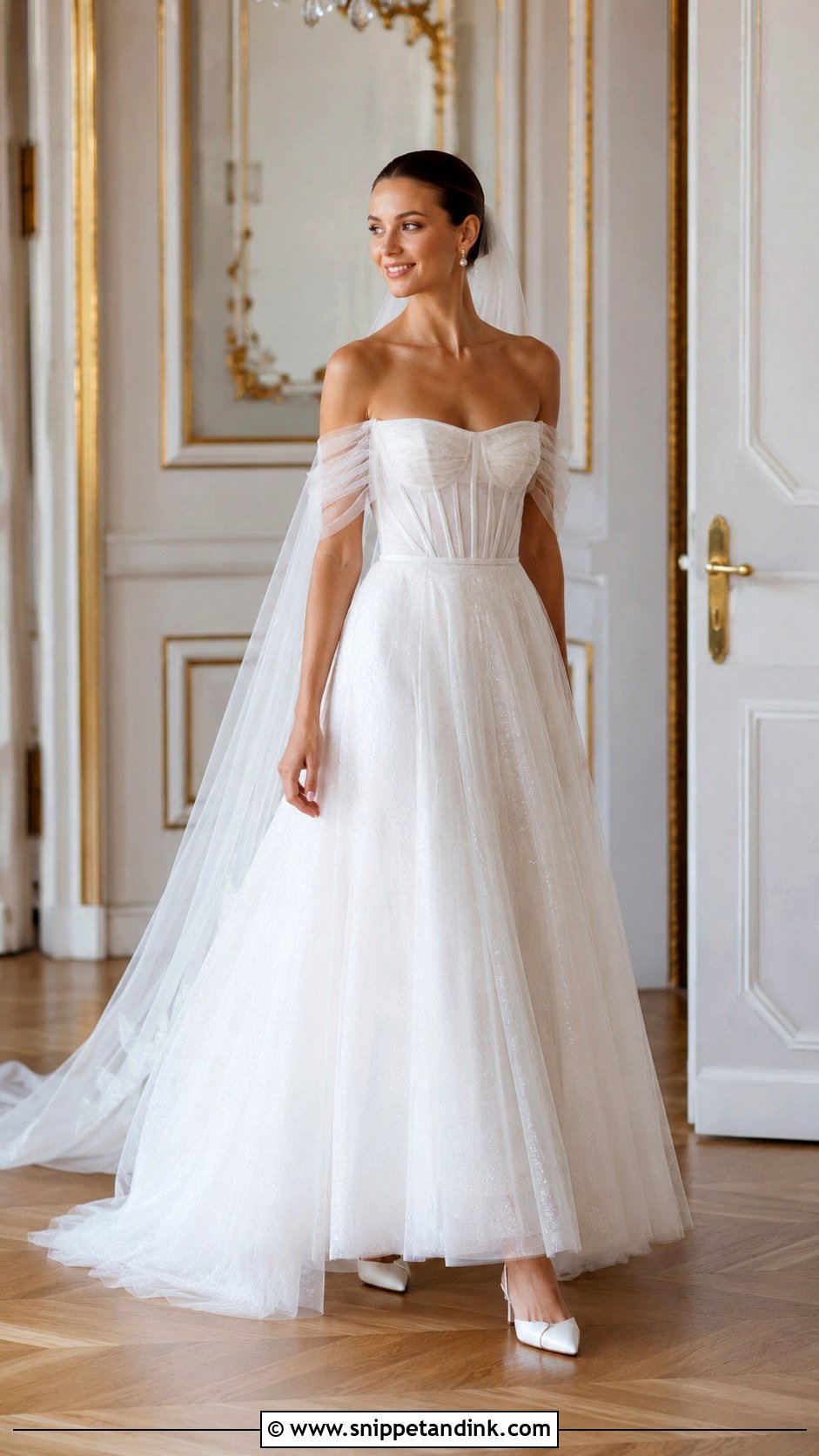
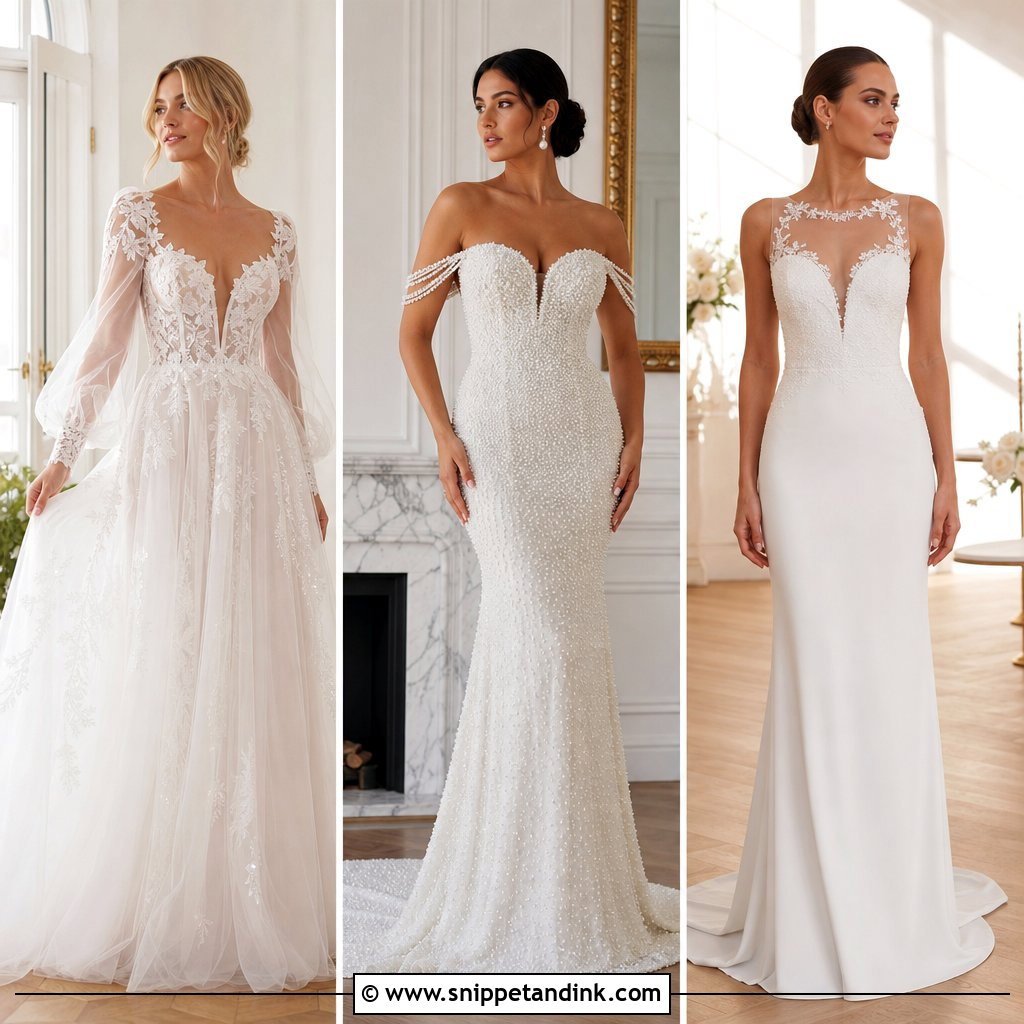
Off-shoulder net frames the collarbone, but the bands around the arms should be decoration, not support. Look for a structured inner bodice with boning that holds the dress up on its own; if the sleeves are doing the work, you’ll be hitching them all night. An A-line or gently flared skirt balances the open neckline. A fine pendant, pearl earrings and pointed slingbacks suit it, with a low twisted bun or side-swept waves and a plain veil with a clean edge. Ask the tailor to set the bands where you can still lift a glass, since sitting too low on the arm pins your elbows to your sides.
6. V-Neck Net Wedding Dress
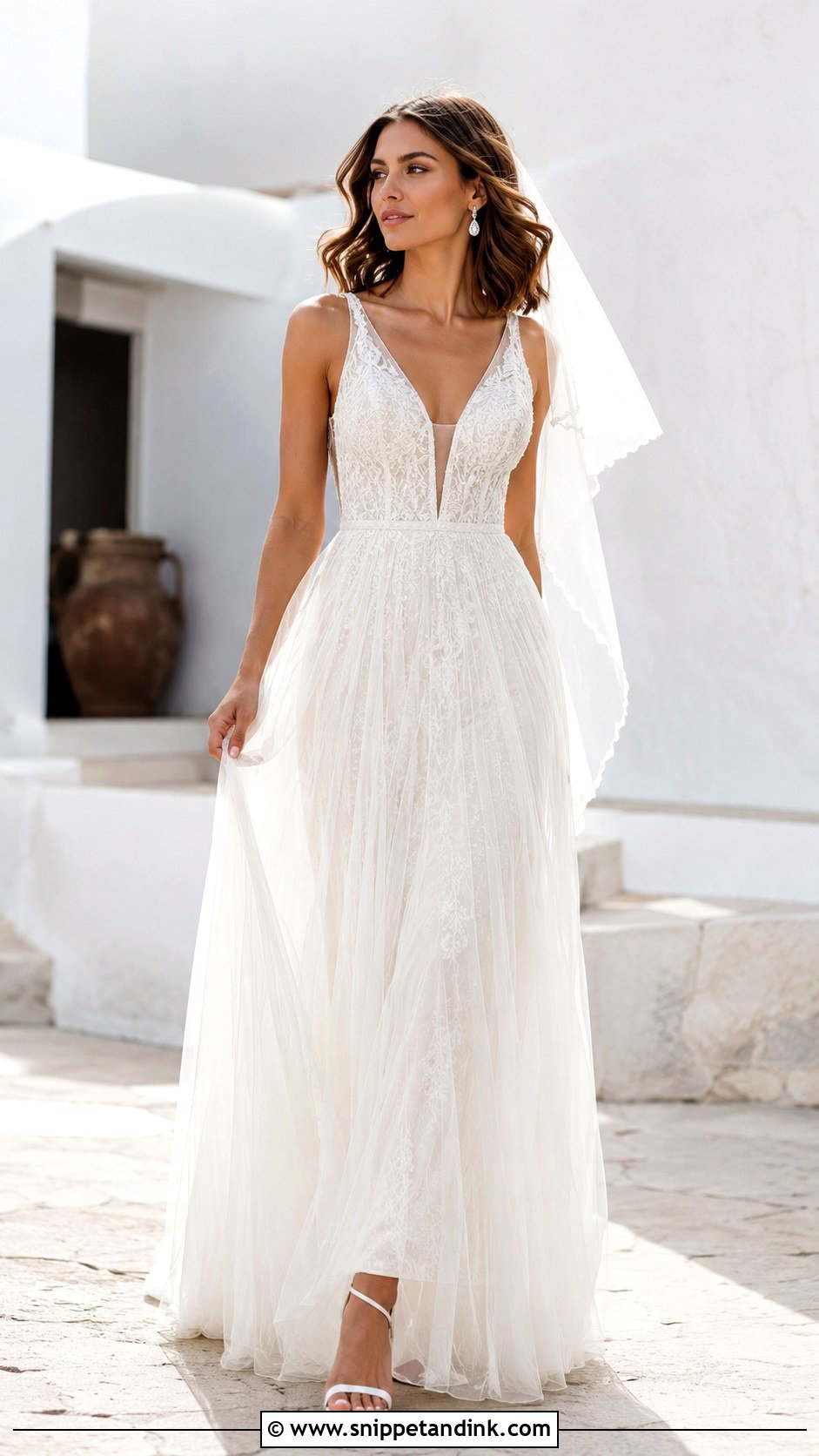
A V-neck lengthens the neck and lightens a layered gown. For coverage, a sheer net panel set between the sides of the V lets the line show without the plunge. Bodice support is the real question with a deep V, so I ask for discreet cups, reinforced side seams and internal boning if the bride wants to go braless. Keep jewelry to teardrop earrings and a thin bracelet; a necklace fights the neckline. A shoulder-length veil reads relaxed, a long plain one formal.
7. High Neck Net Wedding Dress
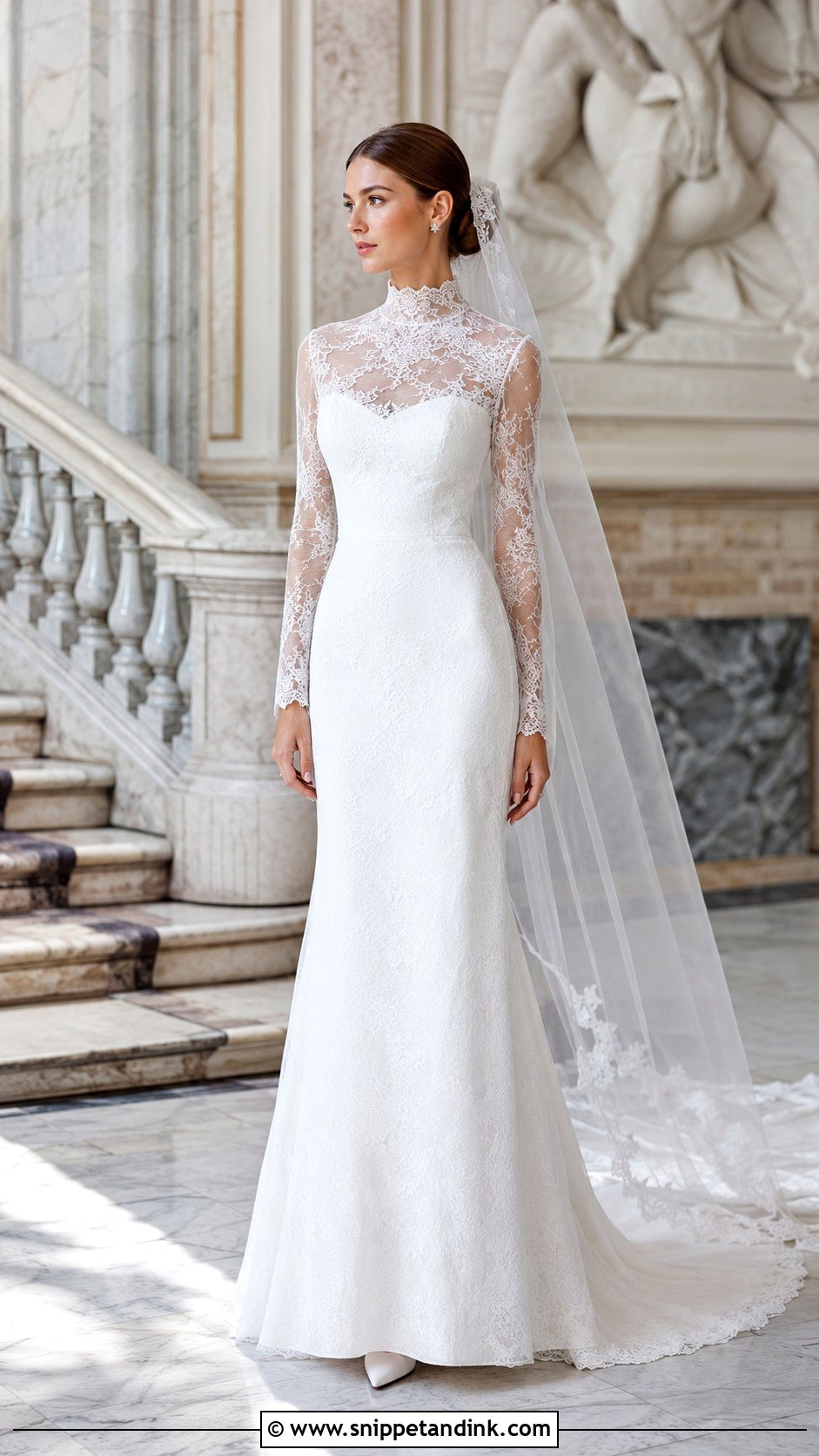
High necks in net give coverage while still showing skin through the sheer layer, with lace motifs placed over a lined sweetheart or straight bodice underneath. Keep the skirt narrow, a slim A-line or column, or the whole dress can feel covered up. The neck edge is the detail I check by touch. It should be soft and finished, ideally with a fine binding, because a scratchy collar rubbing under your jaw is all you’ll think about by the speeches. Small studs, a sleek bun and pointed satin pumps finish it. Set the veil under the bun so the collar shows from behind.
8. Sweetheart Net Wedding Dress
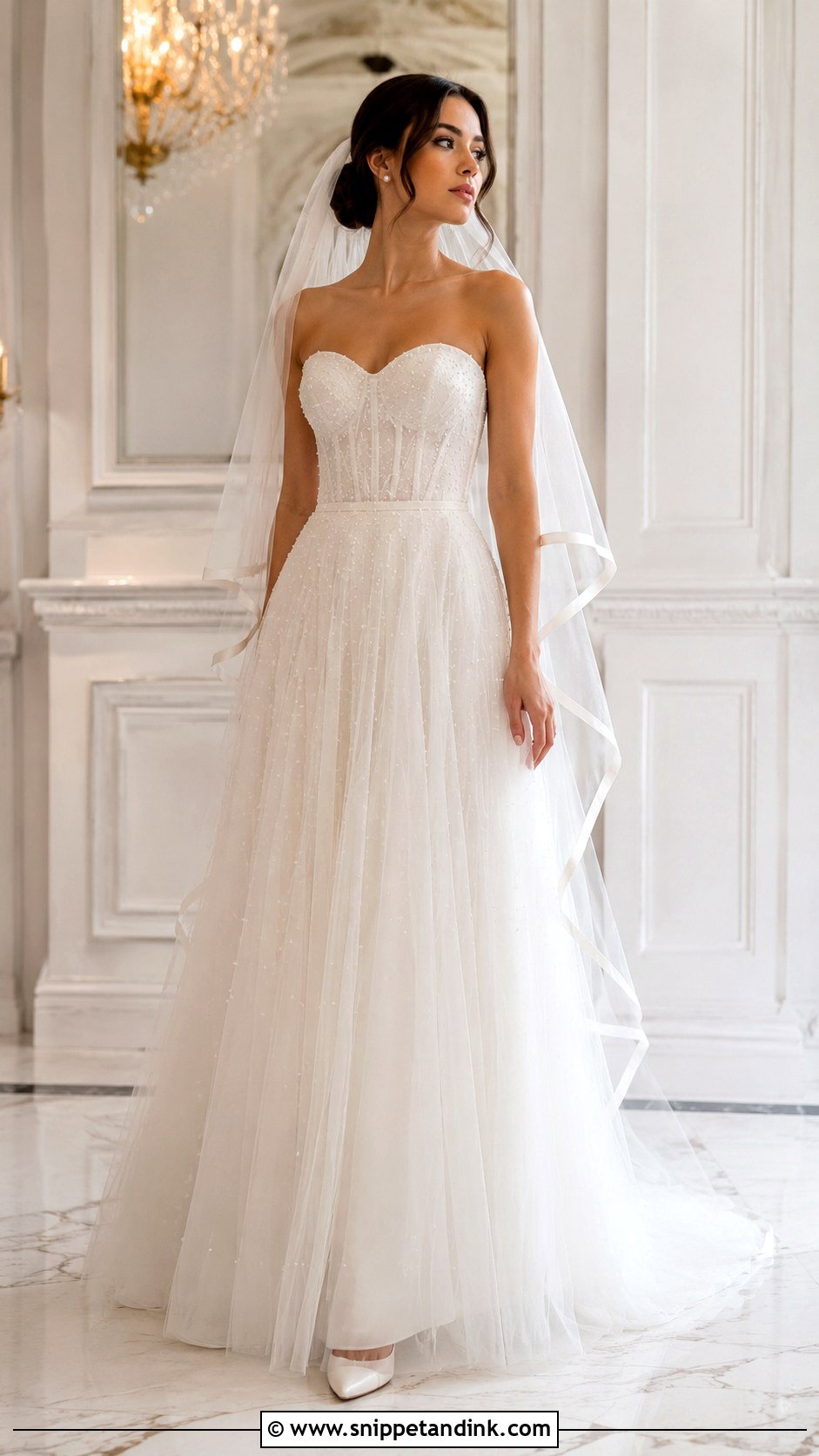
The sweetheart neckline is a classic for good reason: its curve suits most busts. A corset-style bodice gives shape, and an opaque lining keeps it ceremony-appropriate under the net. The skirt layers start at the natural waist. Sweetheart bodices shift when you sit and reach, so at alterations I check the neckline seated, walking and with arms raised; a little gaping in the mirror becomes a lot by the first dance. A fine pendant, pearl studs, almond-toe heels and a fingertip veil with satin piping keep it neat.
9. Corset Net Wedding Dress
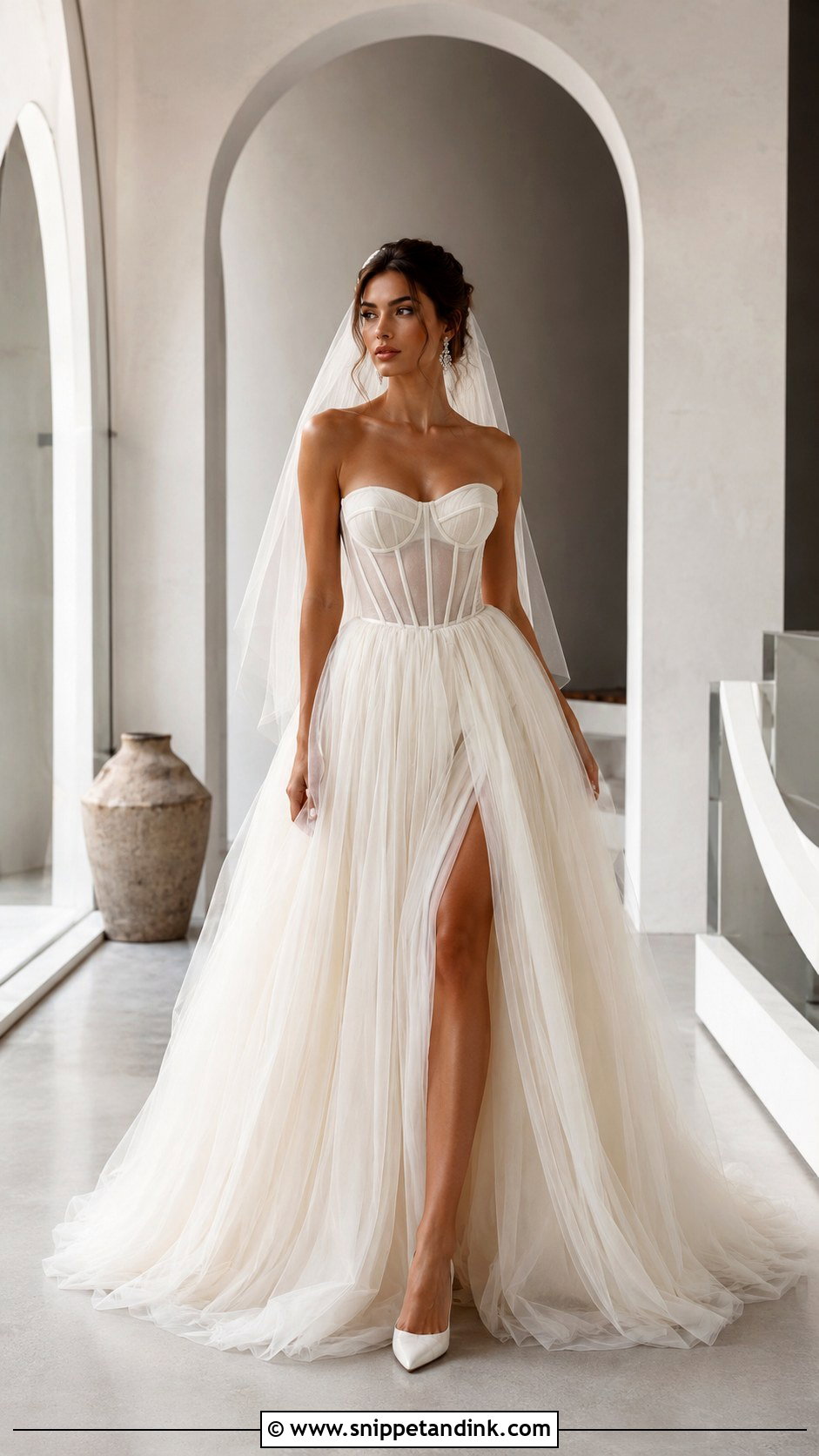
A corset bodice over a floating net skirt puts the structure on show. Exposed boning and a defined waist have stayed a fixture in bridal design, and they look most deliberate with full or partial lining behind them. Pair it with a layered A-line skirt, pointed pumps, crystal earrings and a chapel veil. A real corset should support you, not squeeze. If you can’t take a full breath sitting down at the fitting, it needs letting out, because you’ll be eating and dancing in it. Visible cups or seams can be backed with extra lining if they feel too revealing.
10. Floral Net Wedding Dress
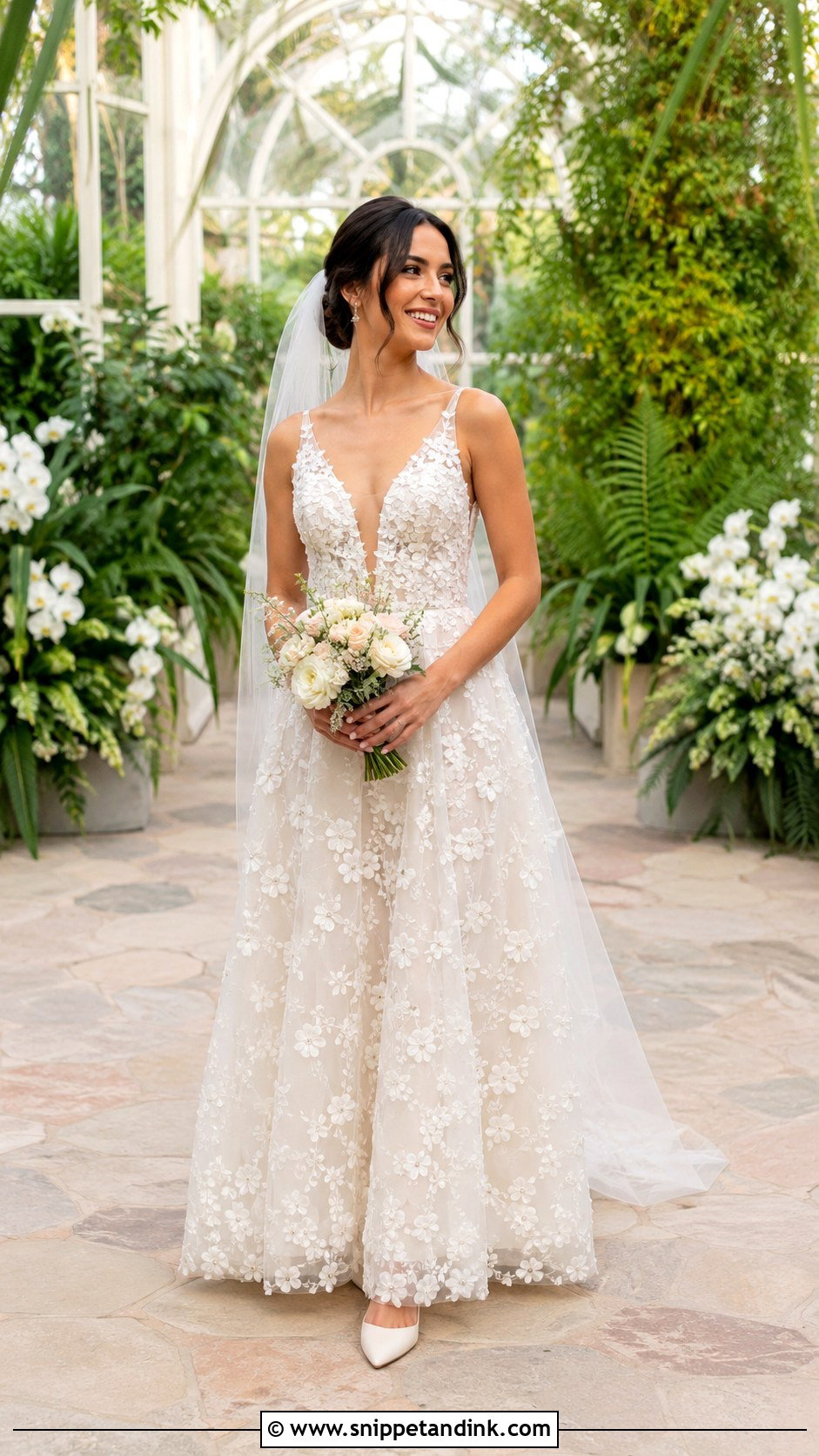
Raised flowers on net seem to float, since the fabric under them nearly disappears. Keep them concentrated at the bodice and waist and let them thin out toward the hem, on a simple A-line or column. With this much texture, everything else should be plain: ivory heels, tiny floral studs, a single-layer veil and a bouquet in one flower or a narrow palette. The snag risk is the veil. Raised petals catch tulle, so I test the veil against the bodice at the final fitting and sometimes swap to a veil with a finished edge.
11. Pearl Net Wedding Dress
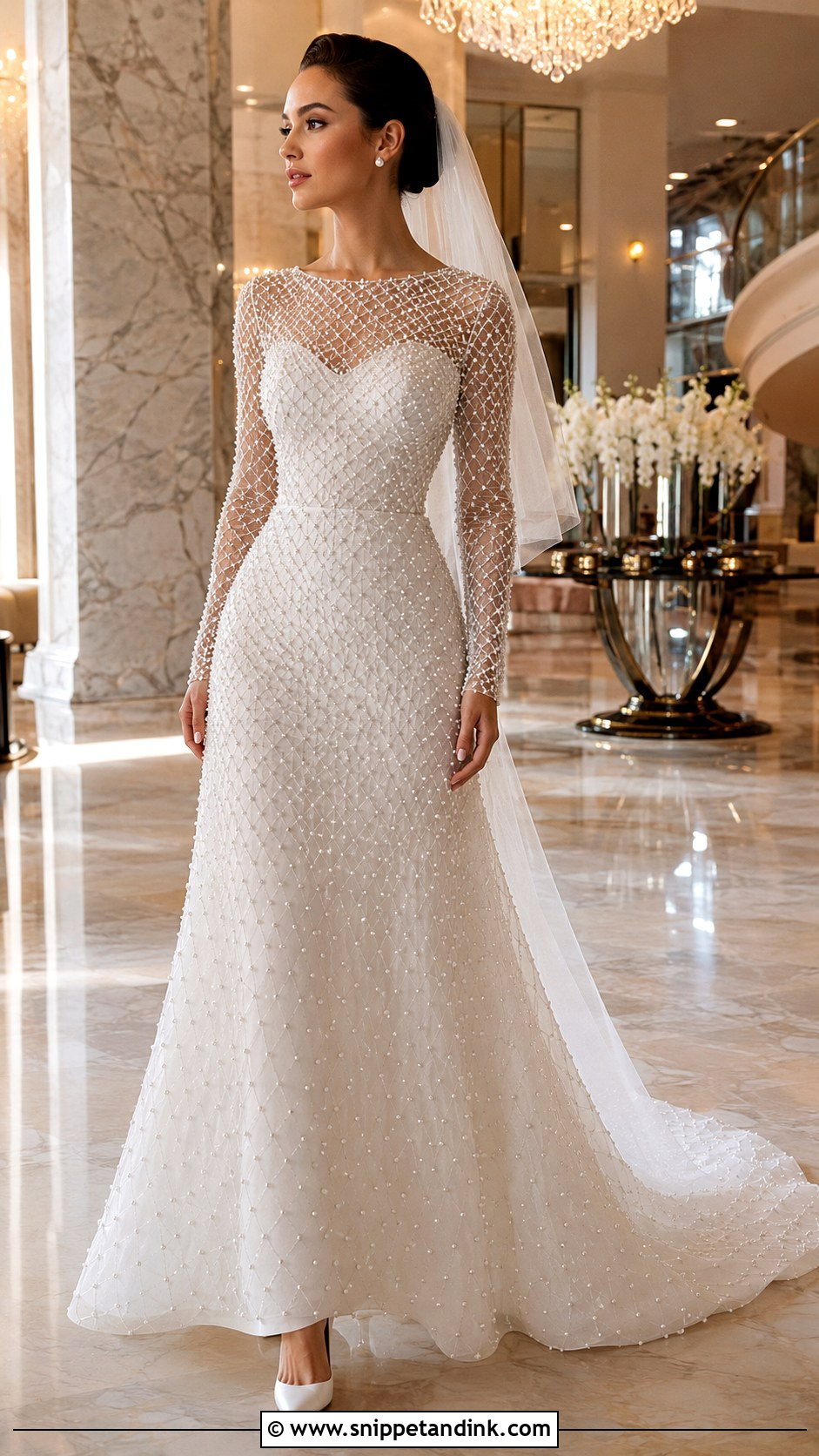
Pearls on net glow more as you move, because each one catches light from a different angle. Choose secure pearlwork on the bodice, sleeves or upper skirt rather than every surface; a fitted waist and soft flare give it room. Pearl studs, satin pumps and an unbeaded veil keep the eye on the dress, with a low bun or soft Hollywood-inspired waves. Before alterations start, I go over the beading by hand and tug gently on any pearl near a seam, since those are the ones that pop off when the dress is taken in.
12. Sequin Net Wedding Dress
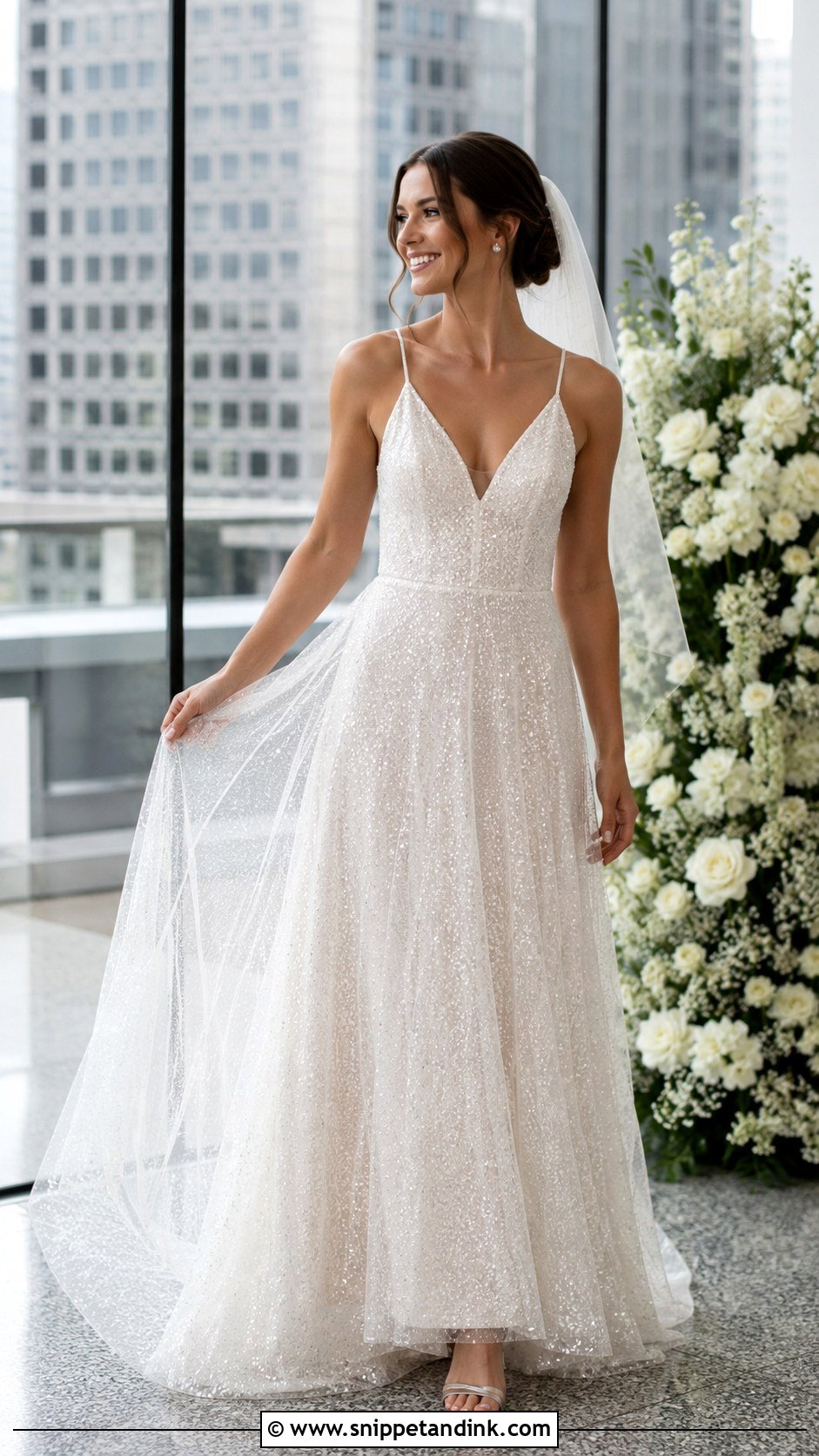
Fine sequins stitched into embroidery give a sequin net wedding dress controlled sparkle; big flat discs make net stiff and noisy. A fitted bodice and flowing skirt keep it balanced. For quieter shine, ask for matte ivory, pearl or clear sequins rather than bright silver. Sequins are hard-edged, and the underarm is where they rub, so I ask for a soft lining panel there on most sequin gowns. Simple studs, metallic ivory sandals, a plain sheer veil and a smooth low ponytail or bun finish it.
13. Layered Net Wedding Dress
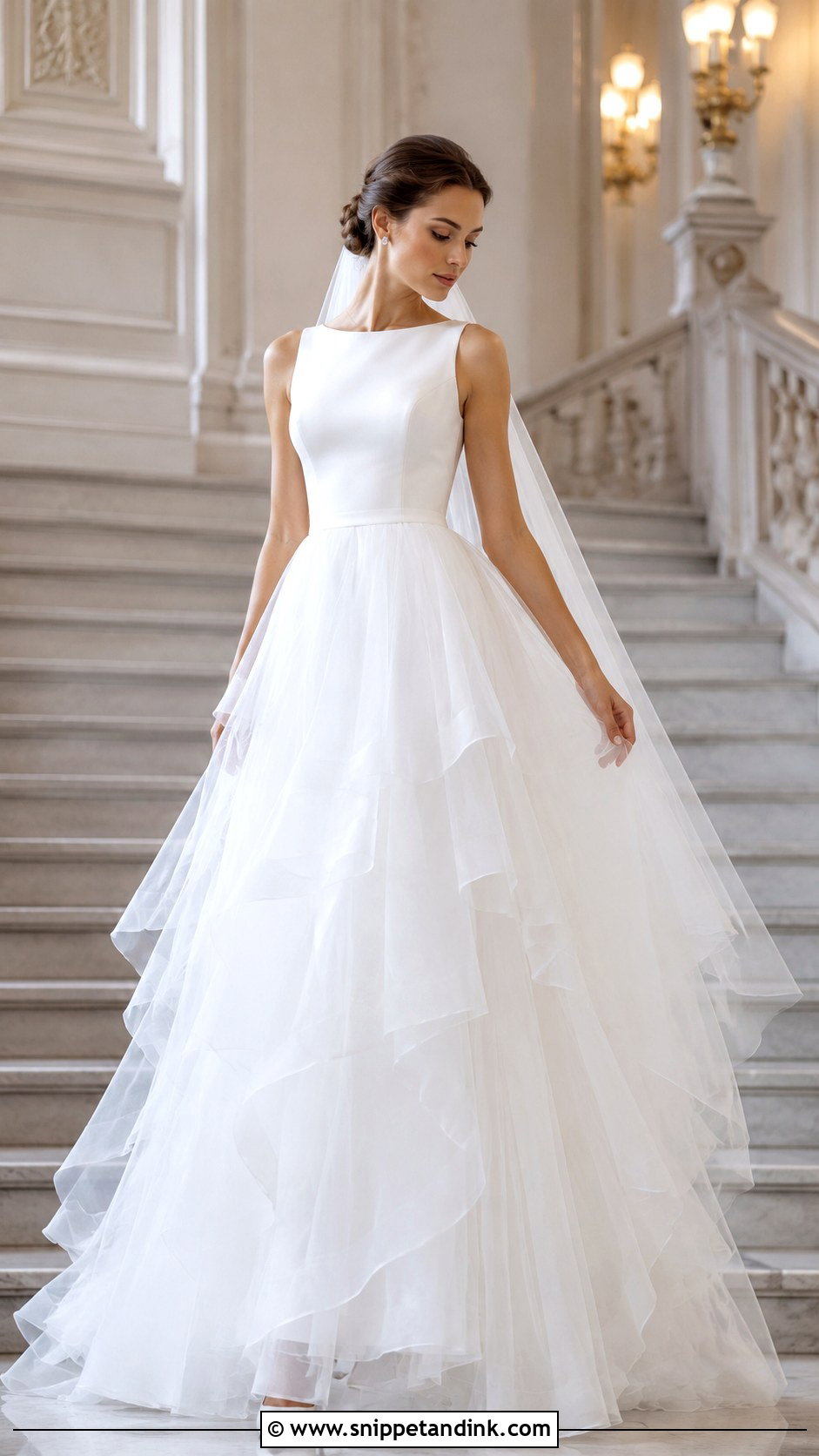
Layers of soft net give movement from every angle. Keep the bodice fitted and plain so the tiered or graduated skirt leads. Uneven layers look modern; evenly cut circles look traditional. Layered skirts trap heat, so for a summer wedding I’d ask about a lightweight lining and the lightest petticoat that still gives the shape you want. Low satin heels, crystal studs, a neat updo and a veil that ends clearly above or beyond the fullest layer finish it. Hem the dress with your shoes on, so the front layers clear the floor.
14. Ruffle Net Wedding Dress
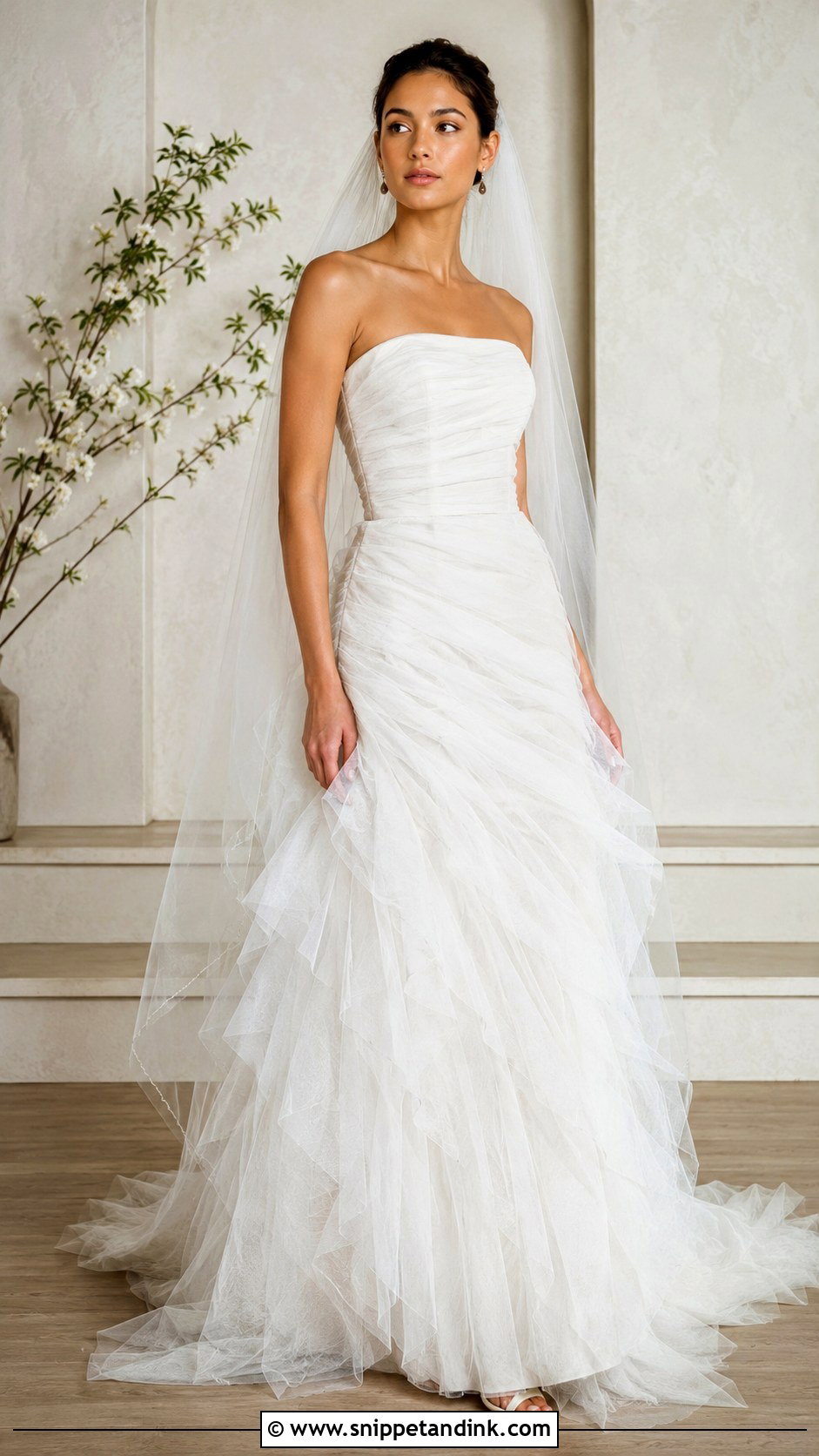
Can a textured gown still feel light? A ruffle net wedding dress manages it when the ruffles are soft, spaced out and anchored to a streamlined bodice. Diagonal or cascading ruffles add movement without adding equal width all the way around. Scale matters here: petite brides look best in smaller ruffles, while taller brides carry wider tiers. Ruffles also complicate hemming, since shortening from the bottom can cut into a tier, so ask your tailor to take length from the waist seam if needed. Drop earrings, satin heels, a raw-edge veil and a smooth bun suit it.
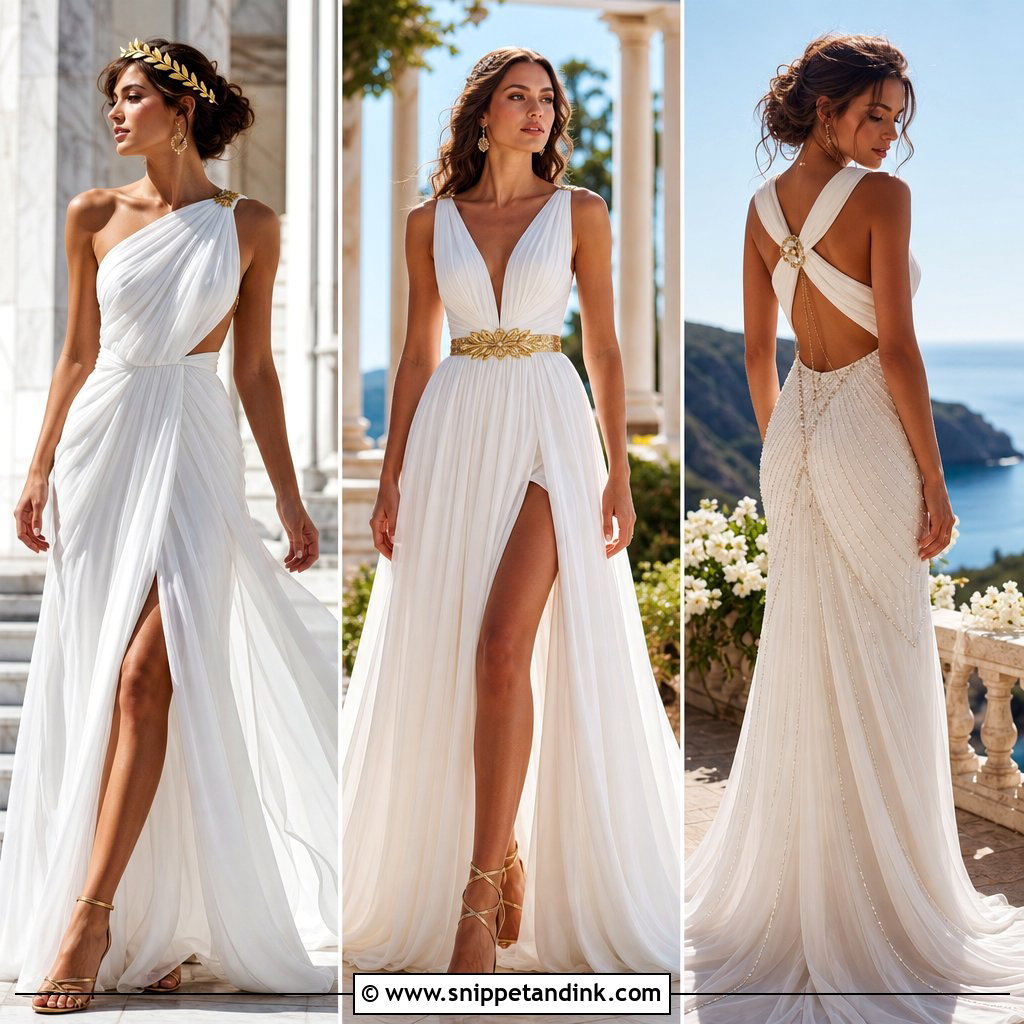
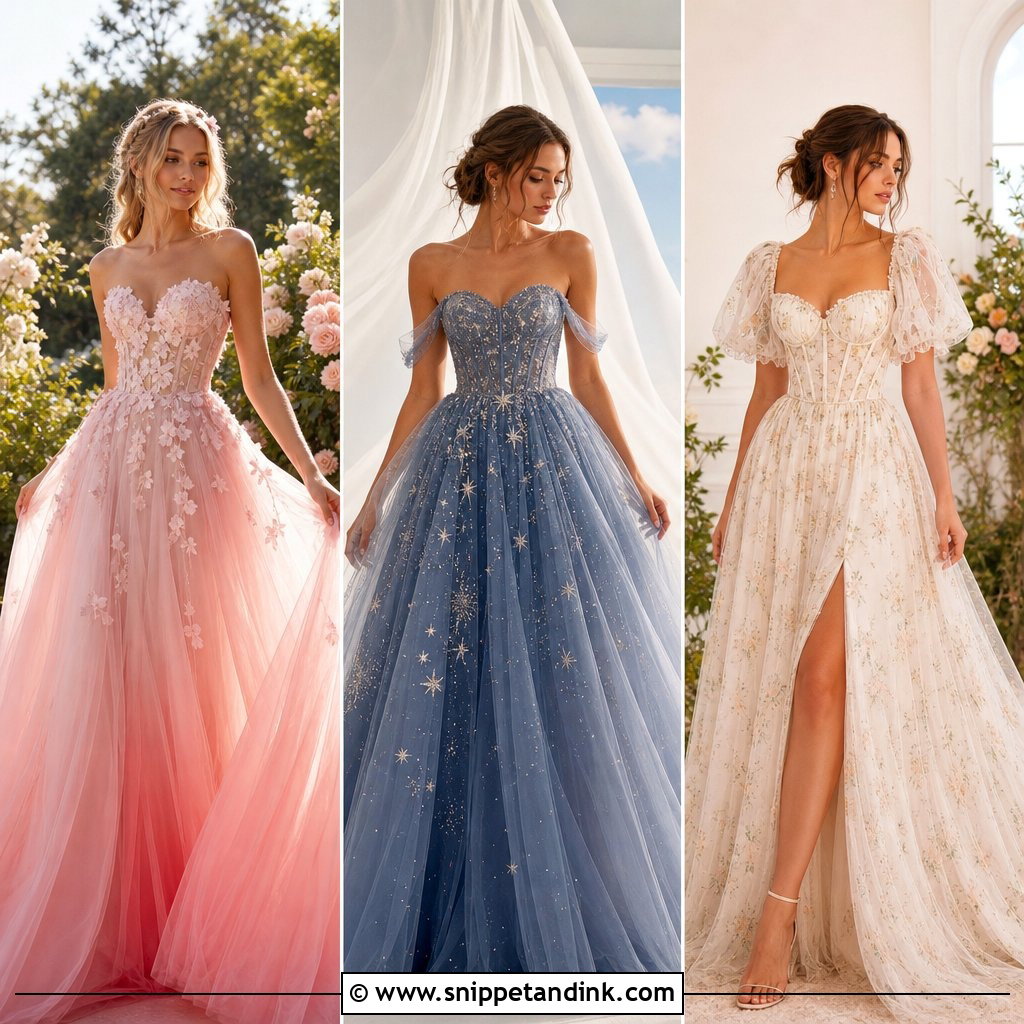
15. Cape Sleeve Net Wedding Dress
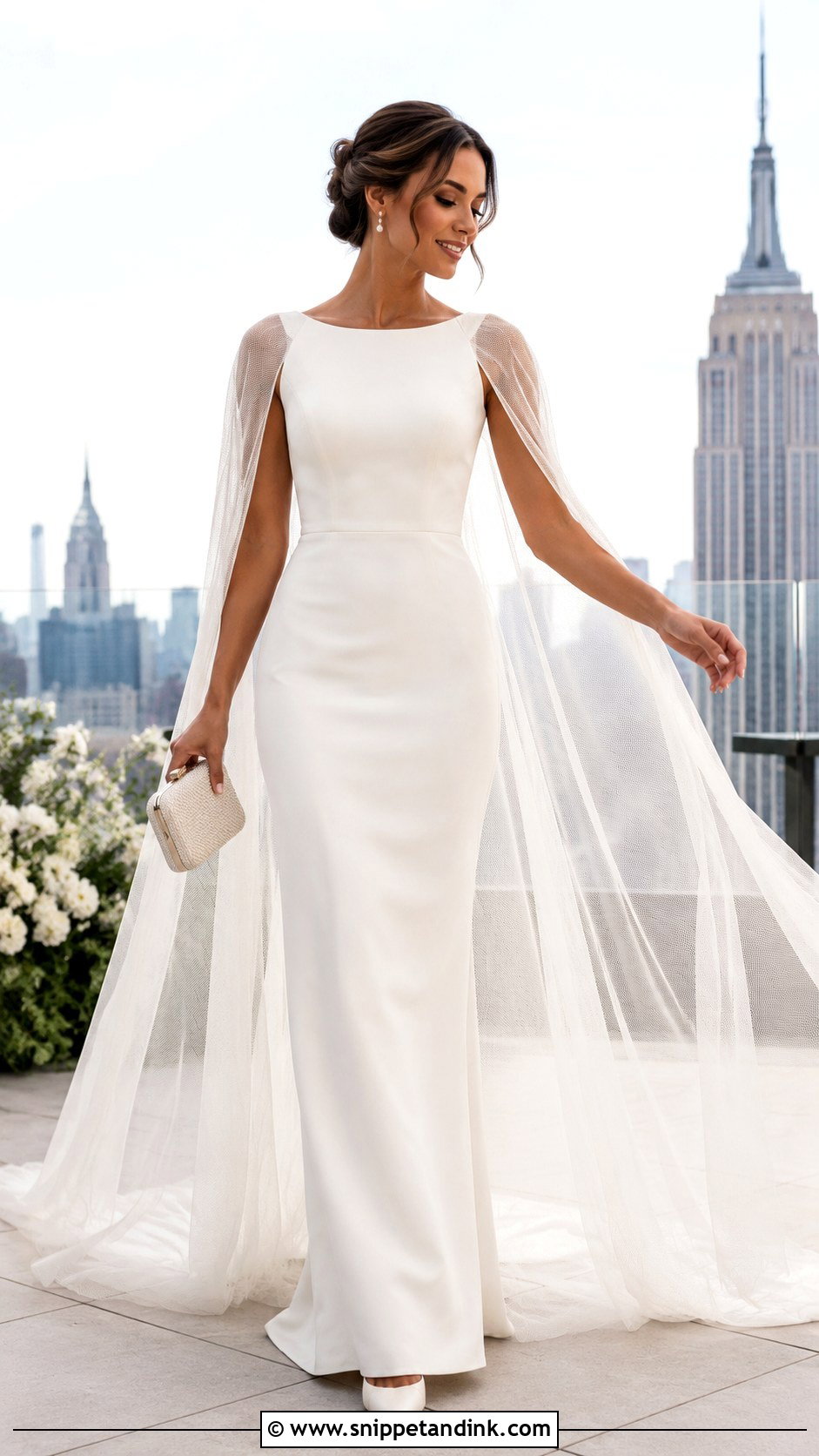
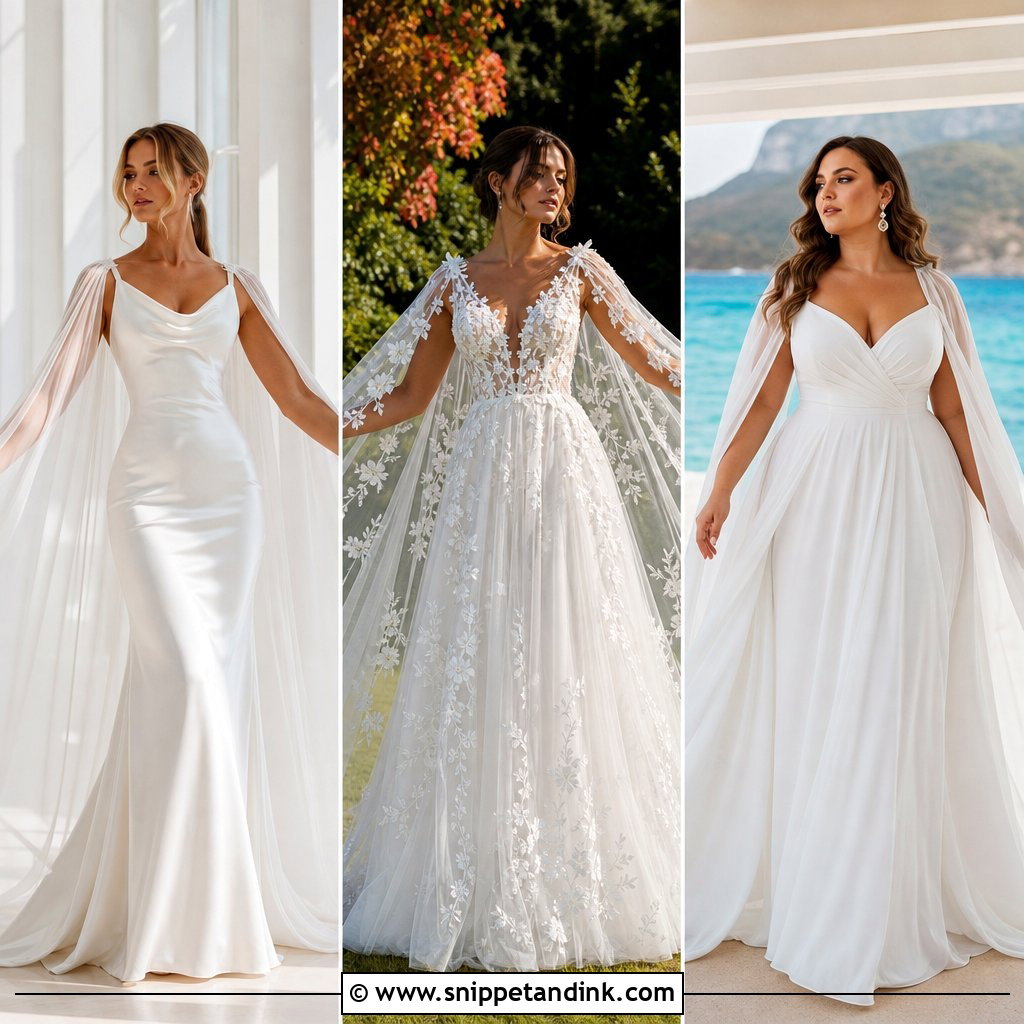
Cape sleeves give arm coverage without the close fit of a set-in sleeve. Net panels fall from the shoulders to the elbow, wrist or floor over a plain column or A-line, and the bodice stays simple so the cape leads. A veil is often unnecessary, though a short plain one works if the cape isn’t floor length. Floor-length capes tangle. I have brides turn, hug someone and sit at the fitting, and if the panels wrap around the arm, a small wrist loop keeps them in place. Wear your hair up to show where the panels attach.
16. Detachable Train Net Wedding Dress
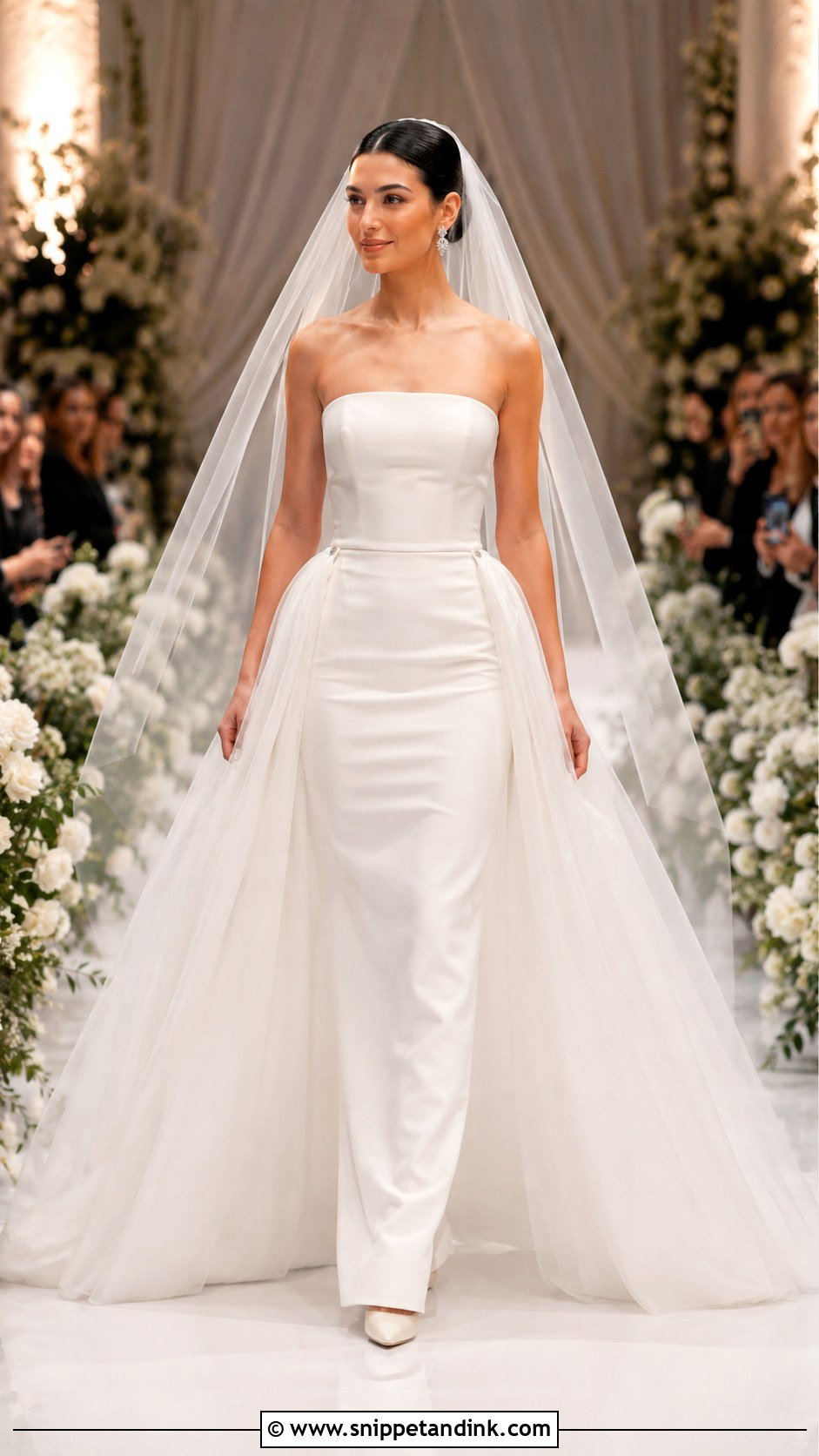
A detachable net train gives you two looks from one dress. Start with a fitted column, trumpet or simple A-line, then add a light net train or overskirt for the ceremony. Designers keep offering these because brides want aisle drama and a dance floor they can move on. Wear a long veil, crystal earrings and pointed pumps first, then switch to shorter earrings and block heels when the train comes off. The fastening is the thing to test. Hidden hooks or snaps should release in under a minute, and the person helping you should practice at the final fitting.
17. Mermaid Net Wedding Dress
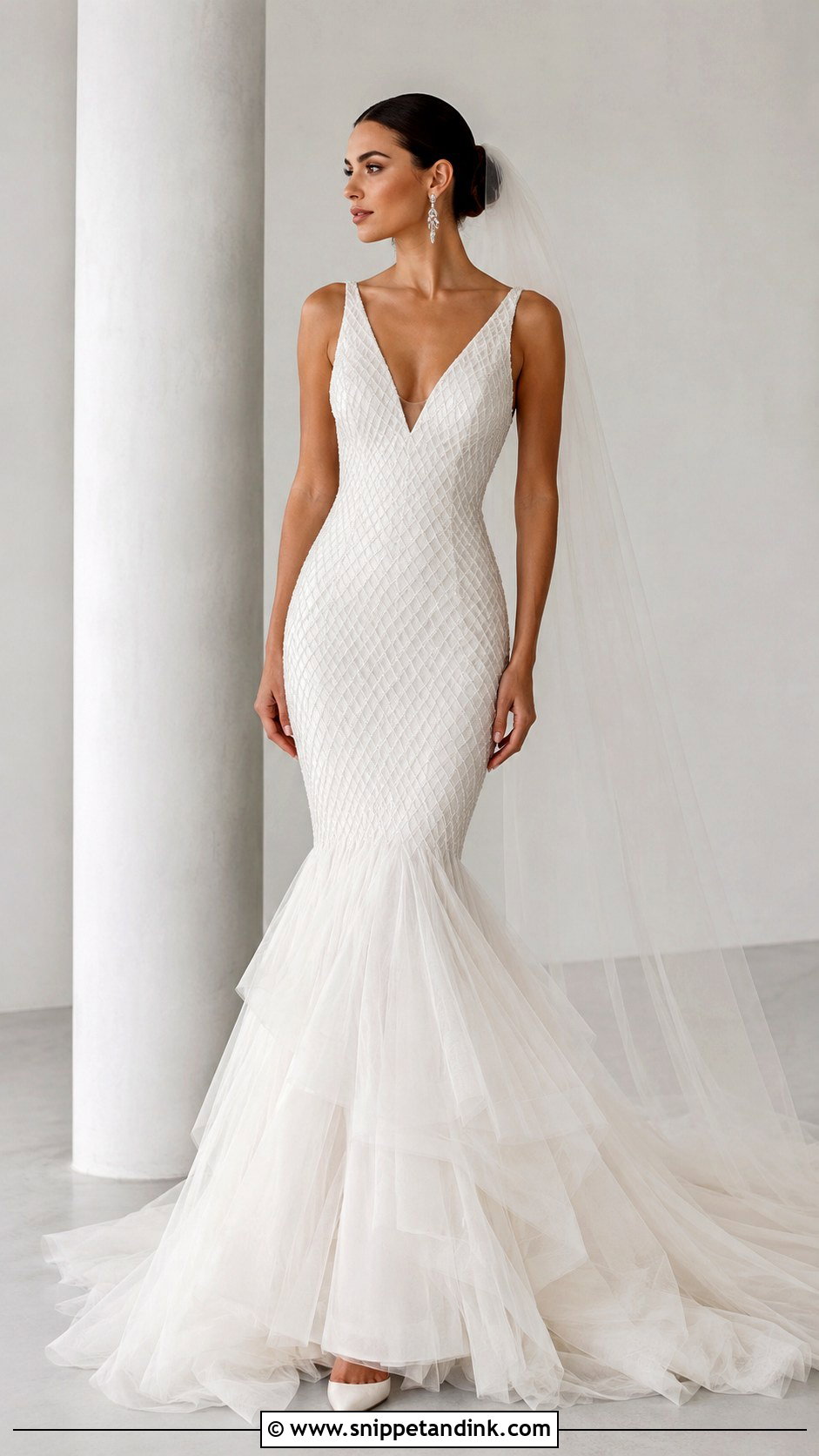
A mermaid shape hugs the body to the knee before opening into soft net, usually through godets or layered panels. That fitted section needs proper lining through the bodice and hips to keep its shape. The flare point decides how you’ll move. Set it too low and you’ll shuffle up steps; a slightly higher flare gives far more freedom without losing the silhouette. At fittings I make brides climb a few stairs and sit down on a low chair. Elongated earrings, pointed heels and a chapel veil under a sleek bun finish it, and leave the big necklace off.
18. Tea-Length Net Wedding Dress
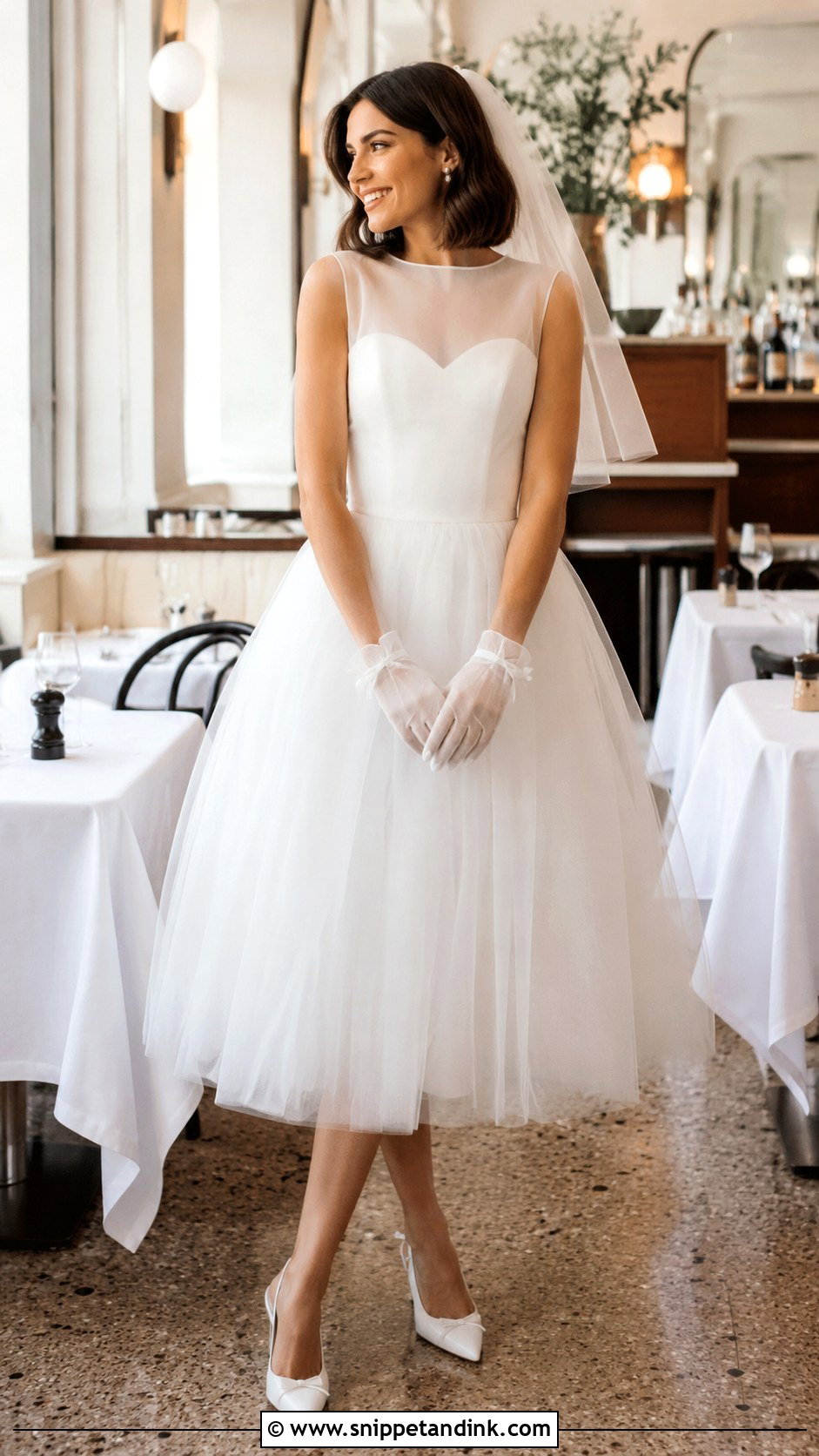
Tea length is the most practical bridal hem: it clears puddles, grass and dance floors. The skirt ends between knee and ankle, with light net layers for gentle volume. Your shoes are on show, so choose them first, whether pointed slingbacks, embellished flats or classic pumps, and confirm the hem with those exact shoes. Pearl earrings, short gloves if you like them and a birdcage or shoulder-length veil suit the length, with a curled bob, low bun or polished ponytail. Keep the petticoat moderate. Too much and the skirt sticks out like a costume.
19. Minimal Net Wedding Dress
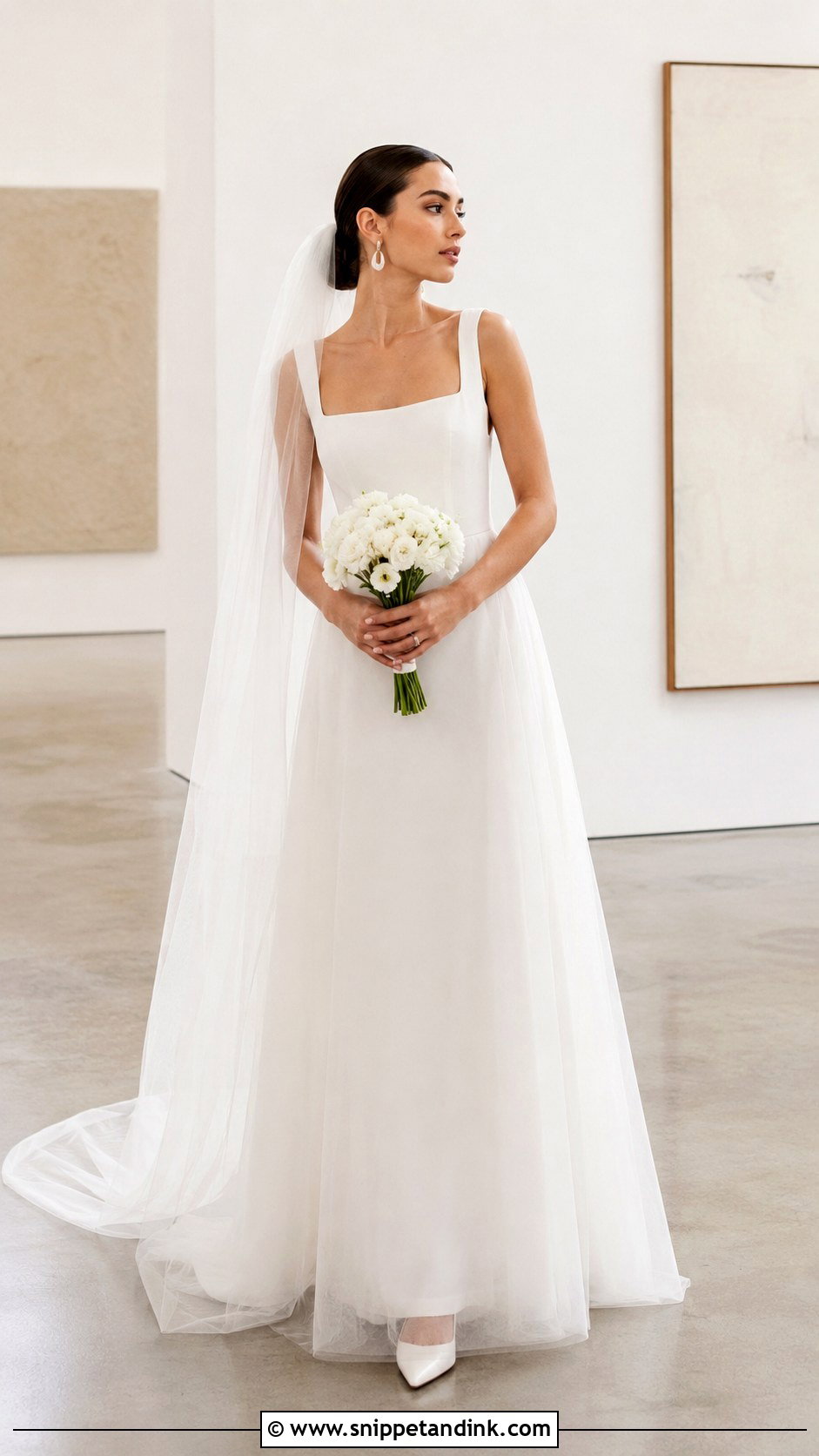
With no embroidery, pearls or lace, net has nowhere to hide. A minimal dress relies on a smooth lined bodice, a clean neckline and several unembellished skirt layers. Choose a column or narrow A-line. Fabric quality is everything here, since every seam and edge shows, and I always look at the lining under bright light; a matte lining looks far more refined beneath sheer layers than a shiny one, which can glow through in flash photos. Sculptural earrings, pointed heels, a plain cathedral veil, a center-parted bun and a compact bouquet keep the lines clean.
20. Short Net Wedding Dress
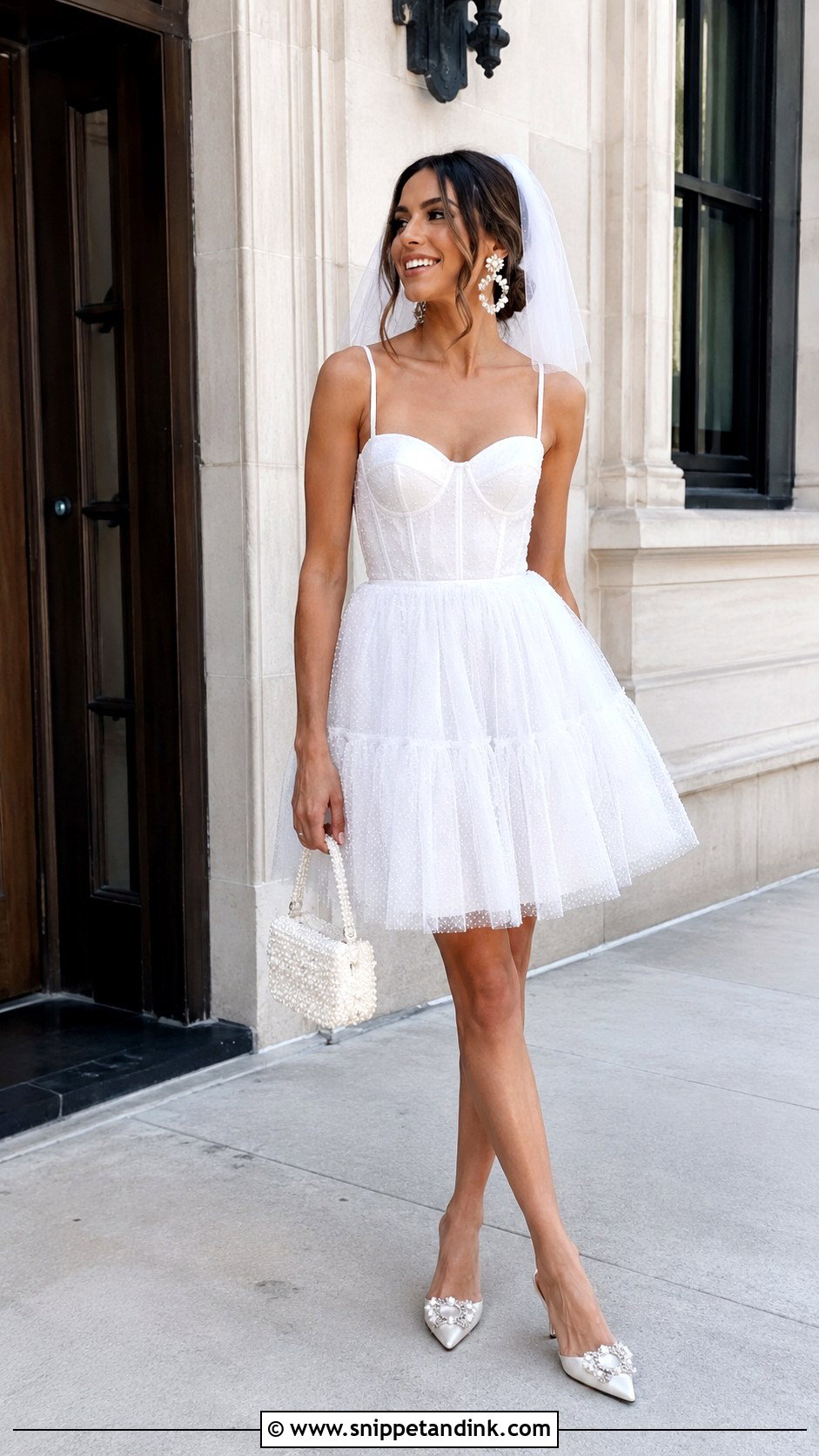
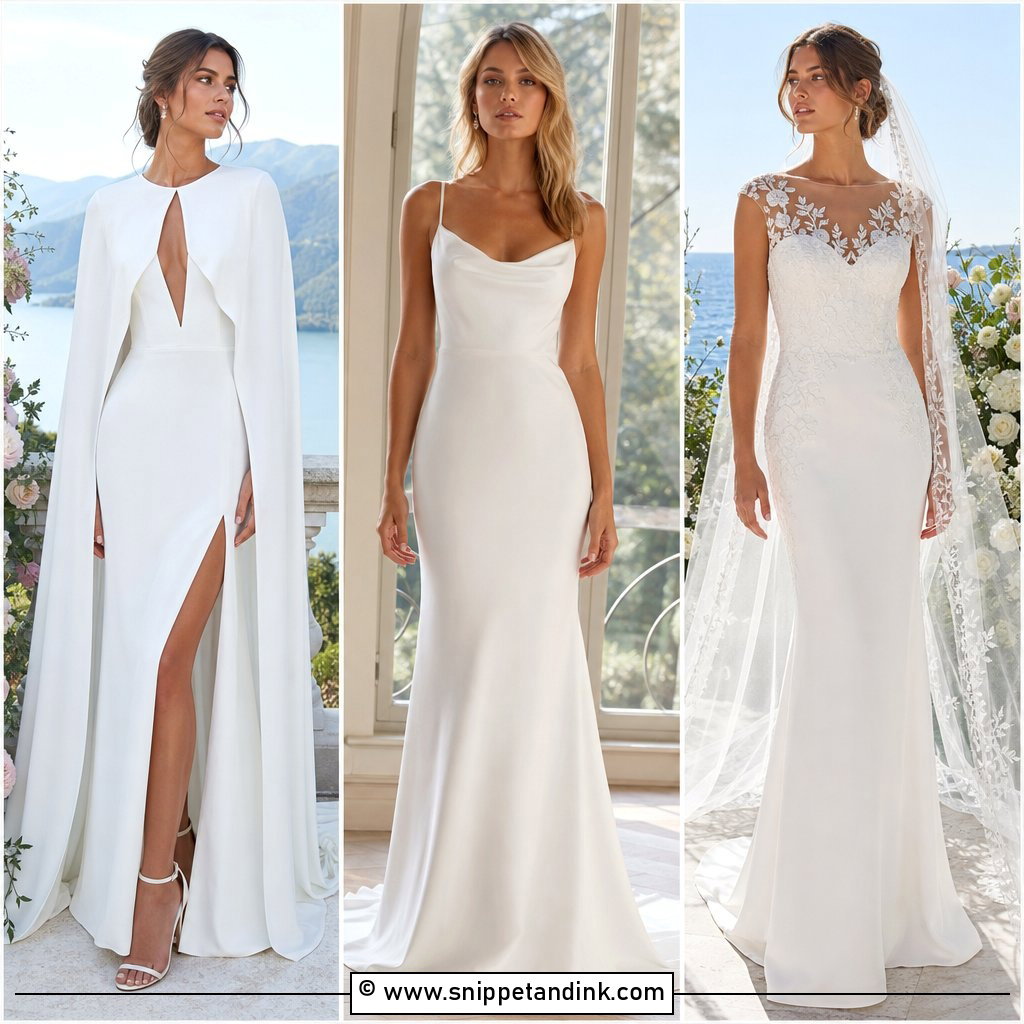
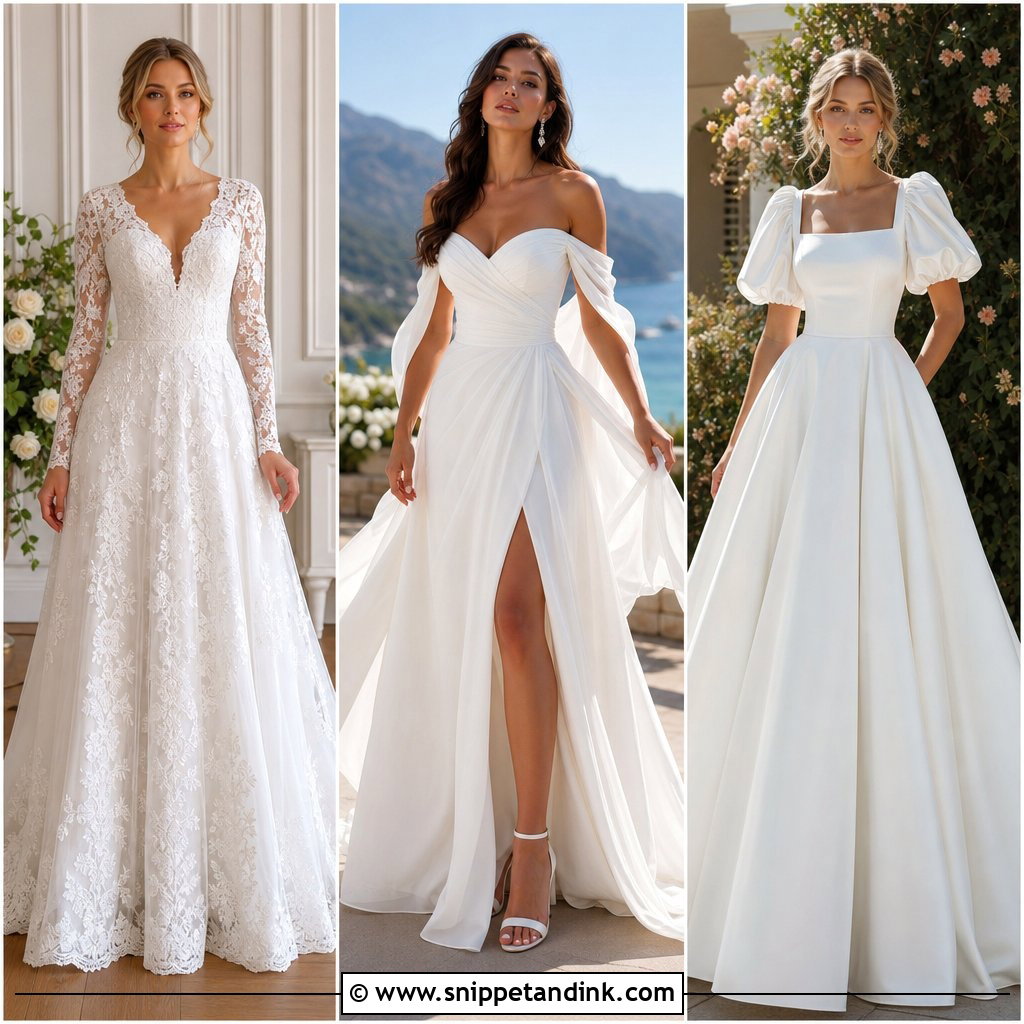
A short net dress works for a courthouse ceremony, a daytime wedding or a reception change. Start with a structured mini or knee-length base, a softly layered net skirt, straps that stay put and a secure neckline. Proportion is the easy mistake: a big veil over a very full short skirt looks top-heavy, so I’d pick a bow, a headband or a short veil instead. Built-in shorts or an opaque lining make dancing carefree. Embellished flats, low heels or bridal pumps let you move, and short skirts are the best chance you’ll get to show off your shoes.
Alterations, Bustles and the Week After
Made-to-order gowns commonly take several months to arrive, and alterations on net need more time than people expect, so I plan backwards. Start fittings roughly two to three months before the wedding and expect two or three of them. A layered net skirt is hemmed layer by layer, and any beading at the hem has to be lifted and resewn, which is slow handwork.
Bustling a net train
Tulle is light, so even a long net train bustles neatly. An over bustle hooks the train up to the back of the bodice, while an under or French bustle tucks it beneath with ribbon ties. Ask your seamstress to color-code the ties, and teach a bridesmaid at the last fitting rather than on the night.
Steaming and storing tulle
Never iron net directly, since synthetic tulle melts and turns shiny. Hang the dress and steam it from a little distance on low, and the creases from travel drop out within minutes. After the wedding, get it cleaned soon. Splashes of champagne or cake look invisible at first, but sugar oxidizes and turns brown over months. Store the gown in a breathable cotton bag or an acid-free box, never plastic, and pad the folds with acid-free tissue.
Try It With the Shoes, the Veil and the Underwear
A net dress should feel secure and comfortable from the aisle to the last song. Think about how the fabric moves, how much lining you want and whether the embellishment suits the venue. Structured bodices carry full skirts; simpler shapes let embroidery, pearls or layers stand out. Bring your shoes, veil, jewelry and underwear to fittings before the final alterations, and walk and sit in the dress so problems show up early. Then keep only the details that feel like you, rather than every trend in the shop.
You'll Like These Ideas:



Leave a Reply