
A gown can read graceful, modern or dramatic, and most of that comes down to three choices: the cut, the fabric and what you wear with it. The designs below run from wedding and evening gowns to Indo-western styles, modest cuts and party wear, so there is something here for a reception, a sangeet or a formal dinner. When I dress someone, I look at sleeves, neckline, skirt volume and embroidery placement long before color, because those details decide how the gown moves and how long you can comfortably wear it. Each entry below covers the shape, who it flatters, and the styling that keeps it from looking overdone.
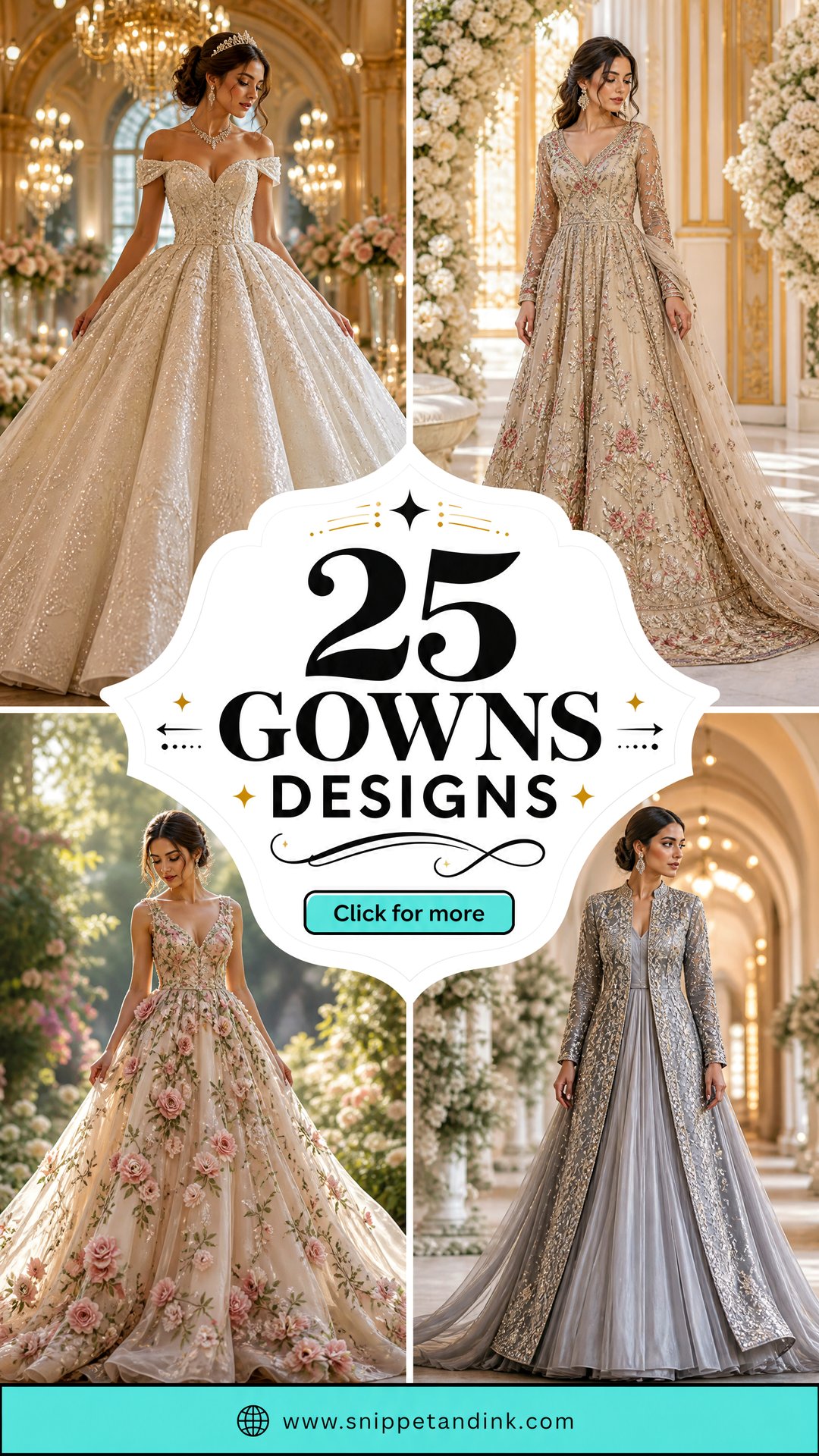
Matching the Silhouette to What Your Evening Involves
Before I show anyone a single gown, I ask what the day looks like. A gown that’s perfect for an entrance can be miserable for a six-hour reception with dinner, dancing and a long car ride in between. The silhouette should fit the schedule as much as the body.
- Long seated dinner: A-line, empire or Anarkali shapes. Mermaid and tight corset bodices get uncomfortable when you sit for an hour or more.
- Lots of dancing: A-line, high-low or a slit gown. Ball gowns and long trains need bustling or a change of outfit.
- Outdoor or garden venue: high-low or shorter hems, and avoid heavy trains that collect grass and soil.
- Stairs, a stage or a mandap: skip floor-length capes and very narrow skirts, or plan for someone to help with the hem.
Then think about the weather. Velvet and heavy brocade are hard work in summer, while thin chiffon feels underdressed and cold at a winter evening reception. Once the schedule and season are clear, the list of designs that work shrinks quickly, and the decision gets easier.
1. A Line Gown Design
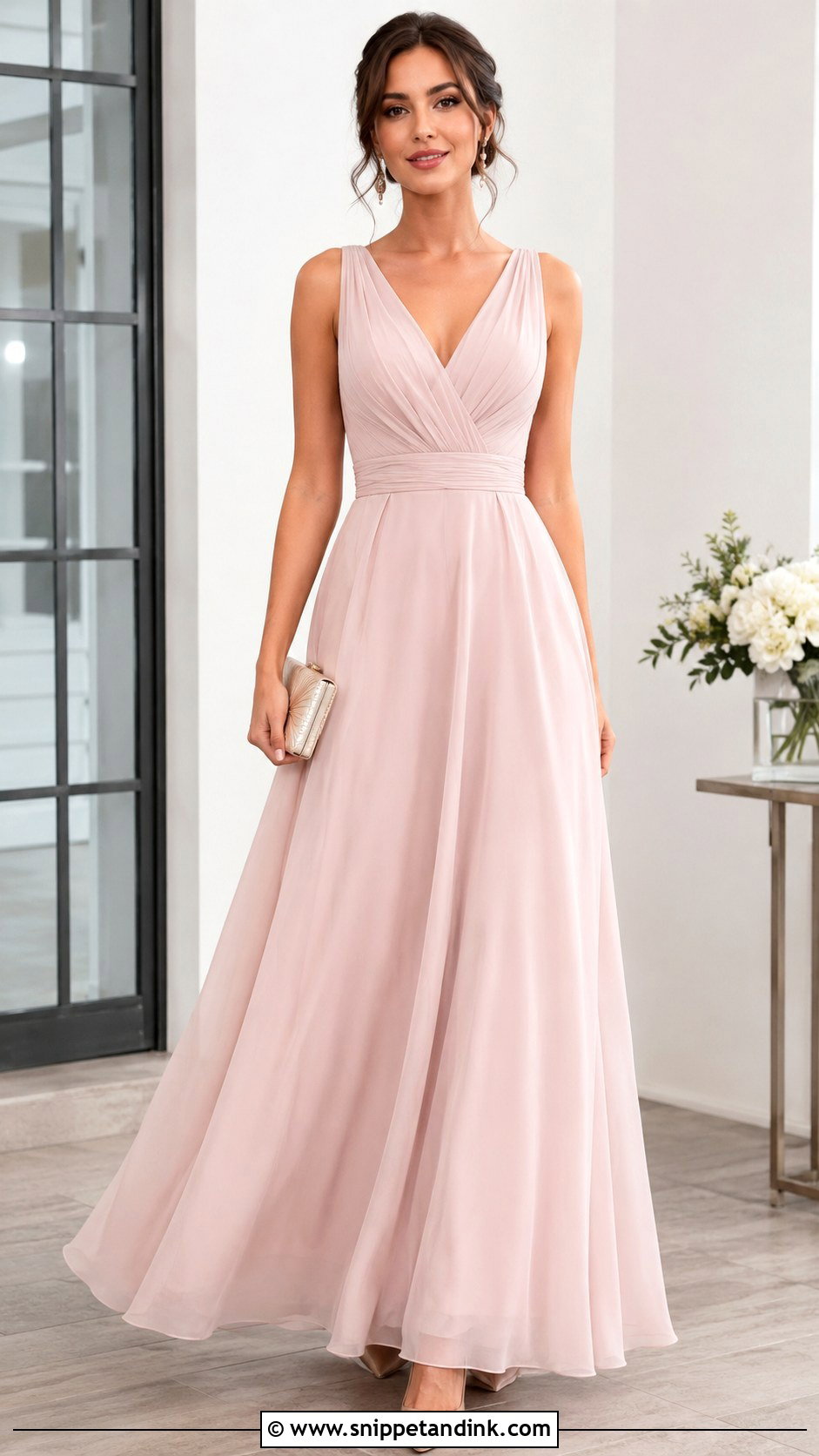
If a client has no idea where to start, I put her in an A-line first. It fits through the bodice and widens gently toward the hem, so it flatters without clinging, and it’s the easiest shape to walk, sit and dance in. Soft satin, chiffon or georgette gives movement without bulk. A V or sweetheart neckline lengthens the upper body, and petite women gain height from a waistline set slightly higher than natural. Curvy women usually find thicker straps or a supportive sleeve more comfortable than spaghetti straps. Finish with pointed heels, a structured clutch and small drop earrings.
2. Ball Gown Design
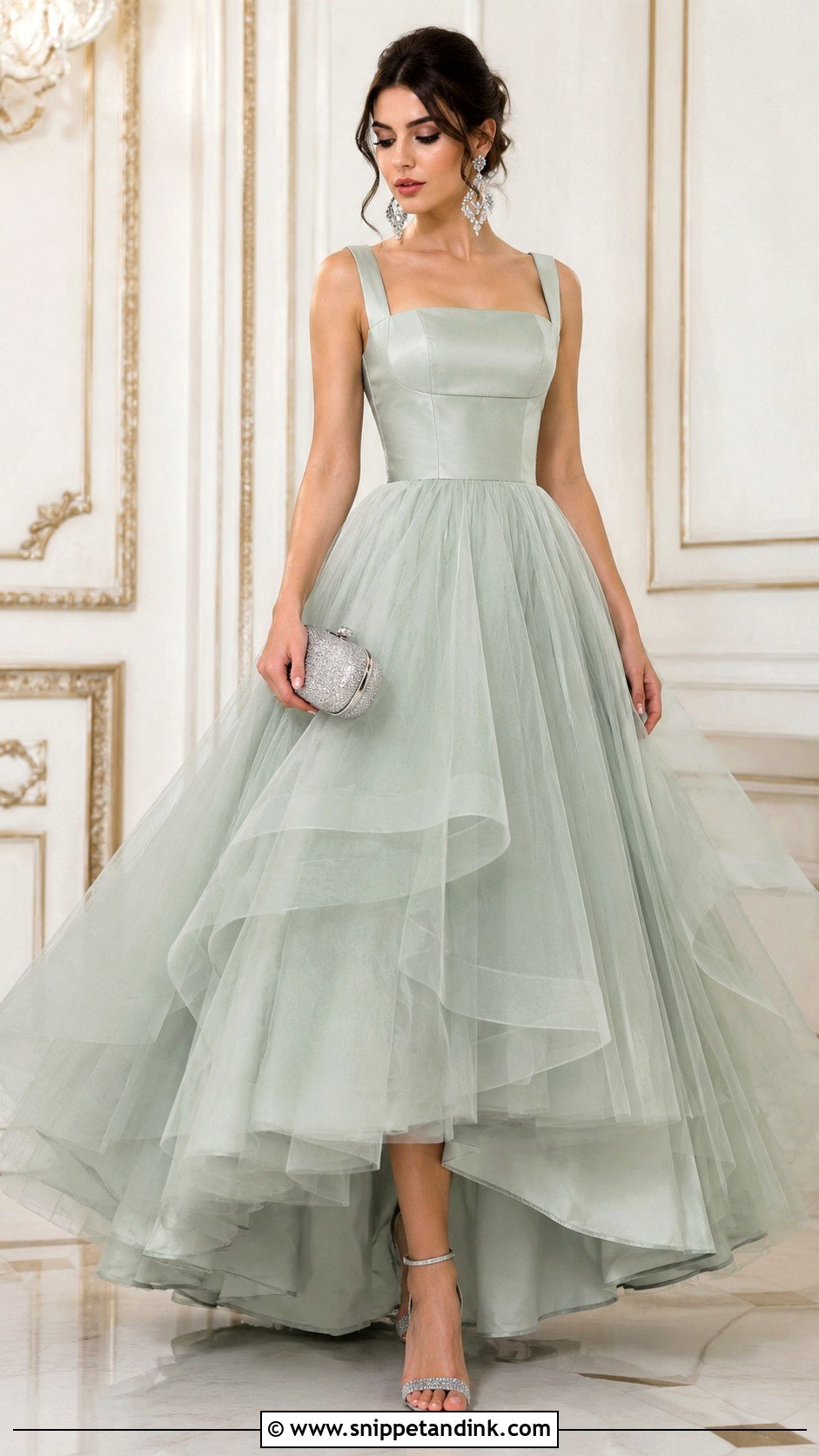
Nothing makes an entrance like a fitted bodice over a full skirt. The trick is balance: the skirt is already doing a lot, so keep accessories clean. Strapless, off-shoulder and square necks all pair well with a sleek updo and sparkling earrings. Tulle gives the princess feel, satin a richer finish, embroidered net a festive one. What surprises people is the weight. A layered satin skirt with a petticoat can be heavy, so I suggest heels with a block or platform base for stability, and practice walking in them with the skirt on. A small clutch is plenty.
3. Mermaid Gown Design
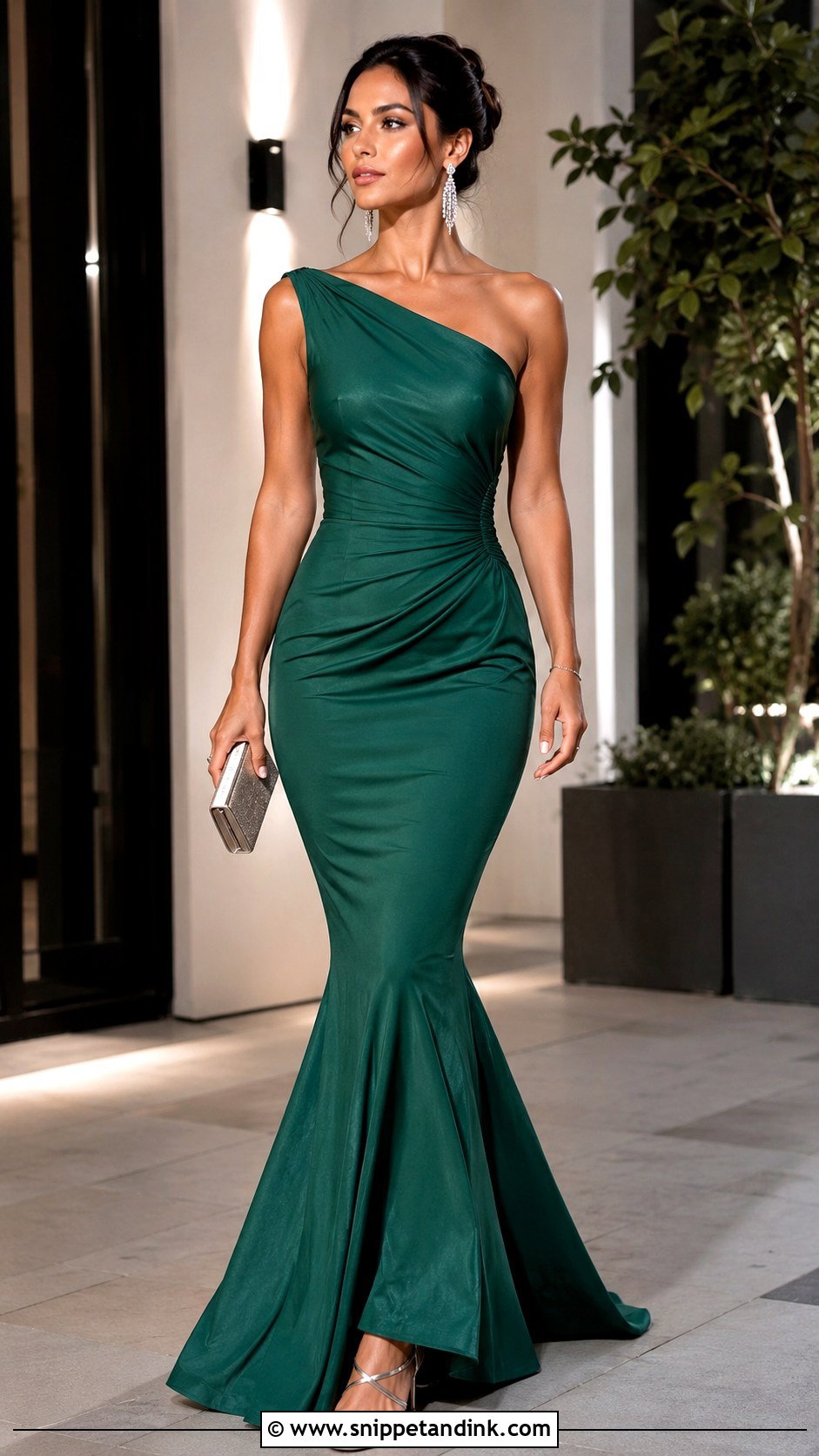
The mermaid shape hugs the bust, waist and hips, then flares near the knee or lower. Satin, crepe, lace and embellished fabric hold that sculpted line best. Where the flare starts matters more than anything else: a flare at the knee looks dramatic but limits your stride, while a flare lower on the calf is easier to walk in. Wear the heels you’ll actually wear at every fitting so the hem is set to the right height. For more comfort, look for stretch fabric or a softer fishtail. A side part, a metallic clutch and long earrings complete it.
4. Satin Gown Design
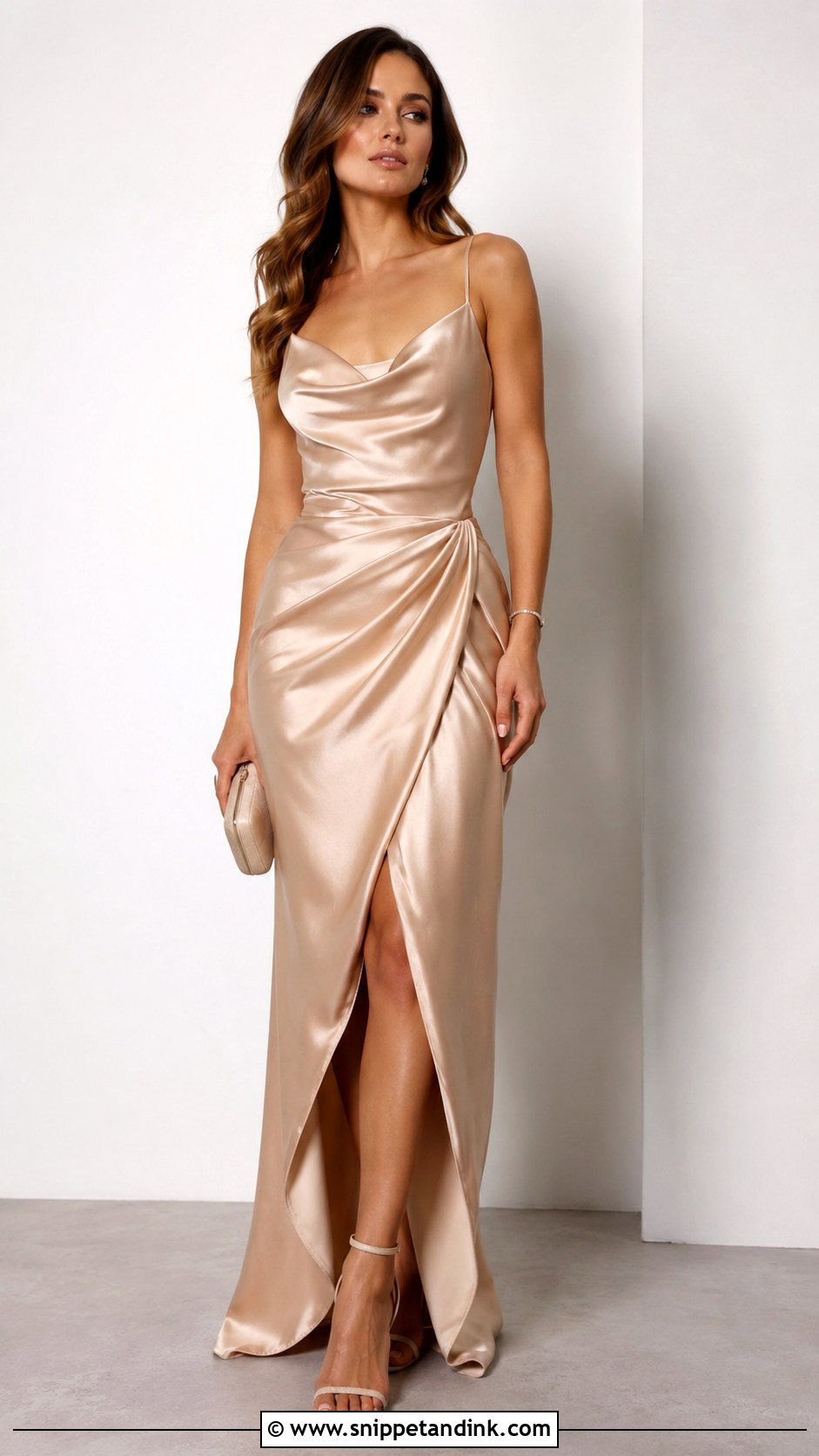
Satin carries a gown on its own, which is why it needs so little embellishment. A slip-style cut reads minimal and sleek; a draped one softer. Champagne, emerald, navy and ivory all look rich in it. Two cautions from the fitting room. Satin shows every crease, so steam it just before you dress and avoid sitting in the car for long before photos. And bias-cut satin is honest about what is underneath, so no-line underwear and a smooth fit at the hip matter more than with any other fabric. Strappy heels, a clean clutch and fine jewelry keep the fabric as the focus.
5. Sequin Gown Design
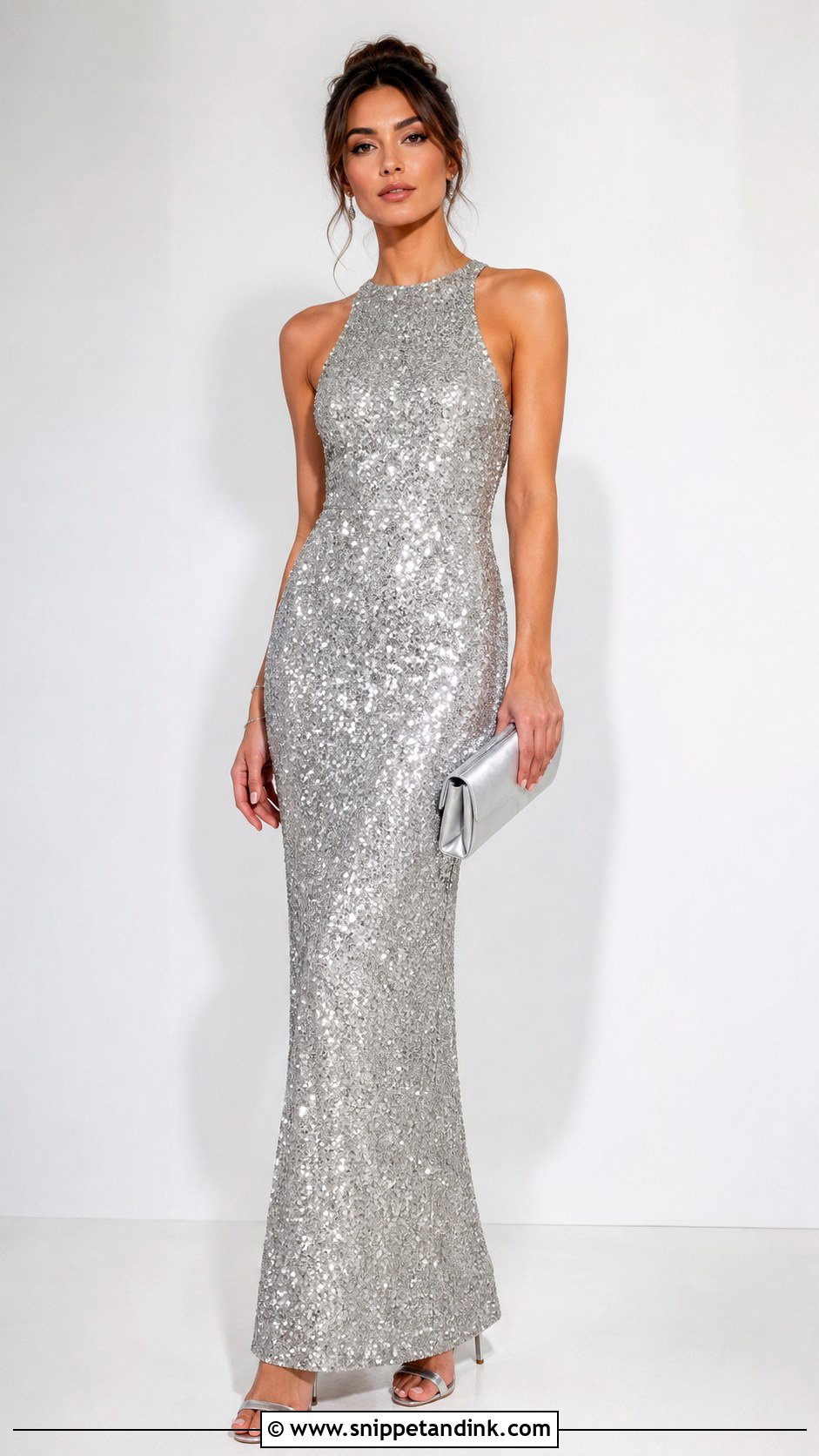
Sequins are for evenings when you want to be seen. Black, silver, gold and emerald all look bold and still classy when the fit is clean. A column or A-line silhouette keeps it comfortable, and if full sequins feel like too much, choose sequins on just the bodice or sleeves. Keep everything else plain: simple heels, a satin clutch, little jewelry. I always check the inside of a sequin gown before recommending it. Unlined sequins scratch the underarms and inner arms over a long night, and a smooth lining is the difference between dancing and standing stiffly by the wall.
6. Embroidered Gown Design
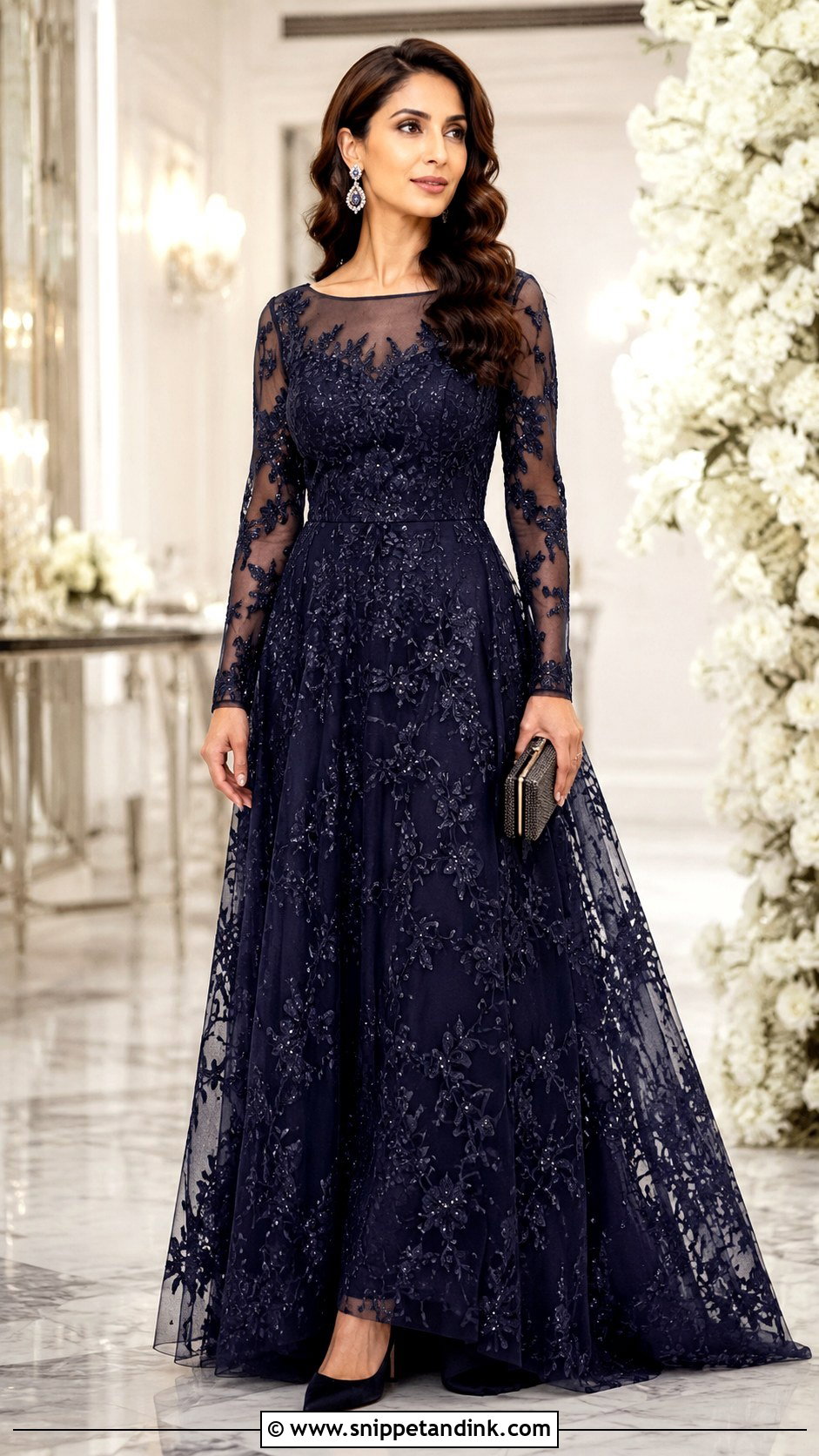
Embroidery is where craftsmanship shows. Floral threadwork, beadwork, zari-style detailing and tonal embroidery each give a different mood, and net, georgette, silk blend and organza are the usual base fabrics. Placement changes your shape: vertical lines lengthen, waist embroidery defines curves, scattered florals soften. Match accessories to the density of the work. A heavily embroidered gown wants simple heels and clean accessories; a lightly embroidered one can take bolder earrings or a statement bracelet. Weddings, receptions and cultural events suit it best.
7. Off Shoulder Gown Design
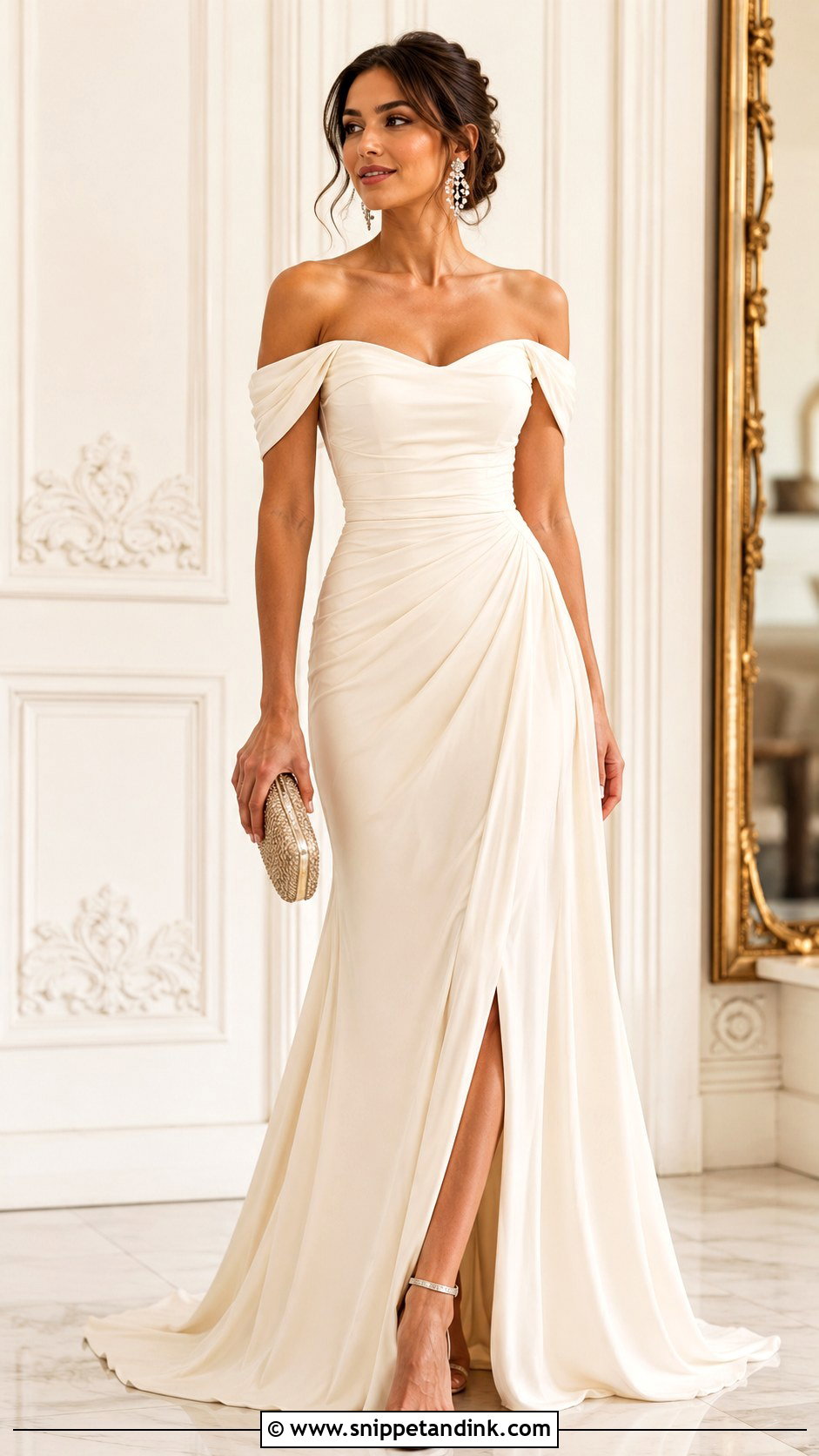
An off-shoulder neckline frames the collarbones and shoulders, so it needs no necklace at all. Statement earrings and smooth hair are enough. Pair the neckline with a fitted bodice over an A-line or mermaid skirt for structure, or a flowing cut for something softer. The thing I check every time is support. Off-shoulder bodices slide down when you raise your arms to hug or dance, so the gown needs boning, a silicone grip strip inside the neckline, or both. Ankle-strap heels and a small clutch finish it.
8. One Shoulder Gown Design
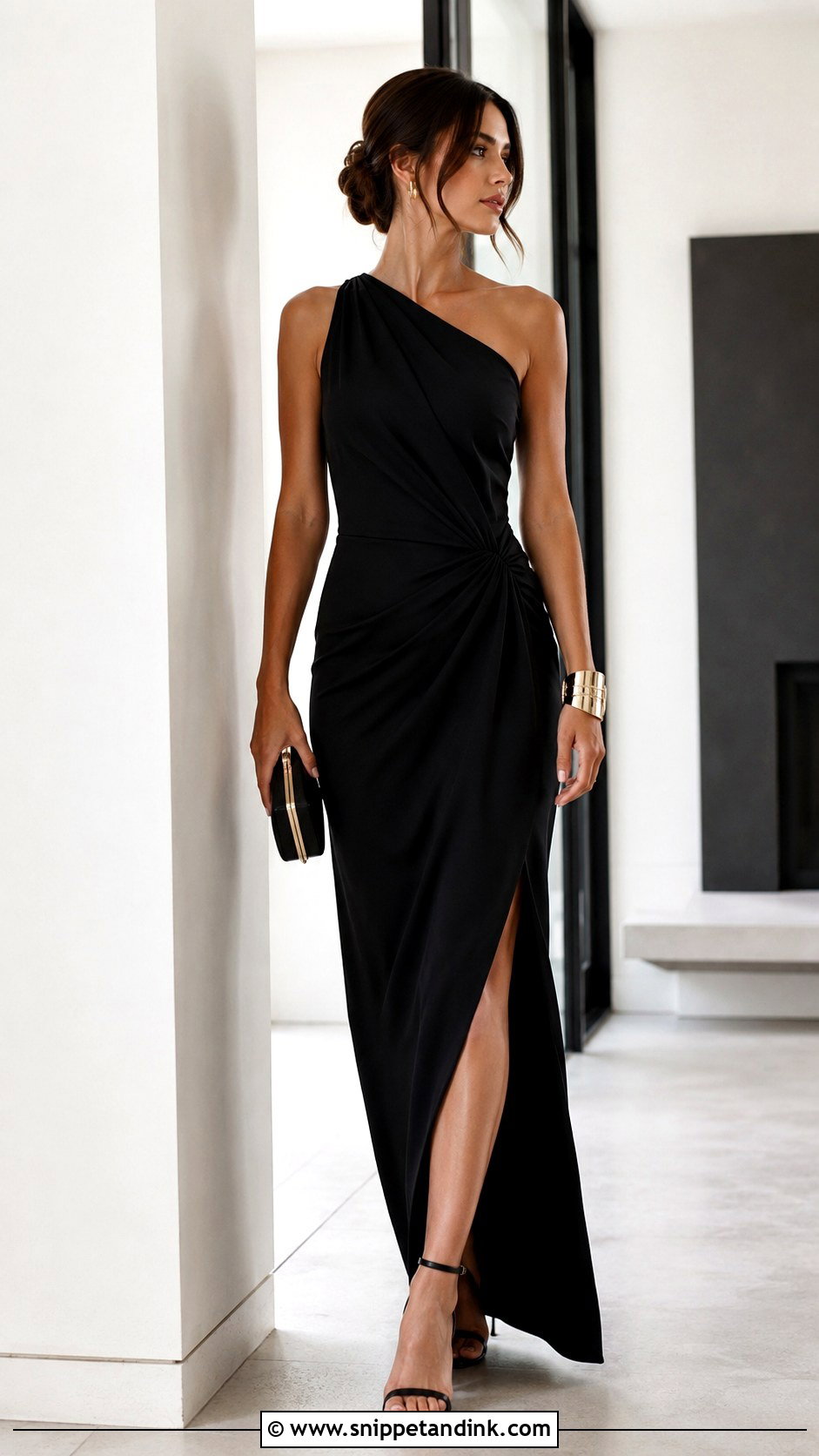
One bare shoulder looks modern without feeling revealing. The asymmetry draws the eye up, so sleek hair, a single bold cuff and simple earrings are all it needs. A fitted version reads sharp; a draped one fluid. Crepe, satin, chiffon and jersey give a smooth fall. If there’s a slit as well, keep the heels refined and the clutch modest. It’s a good pick for anyone tired of the classic strapless, and it stays up better than strapless too, since the single strap carries part of the bodice’s weight.
9. Long Sleeve Gown Design
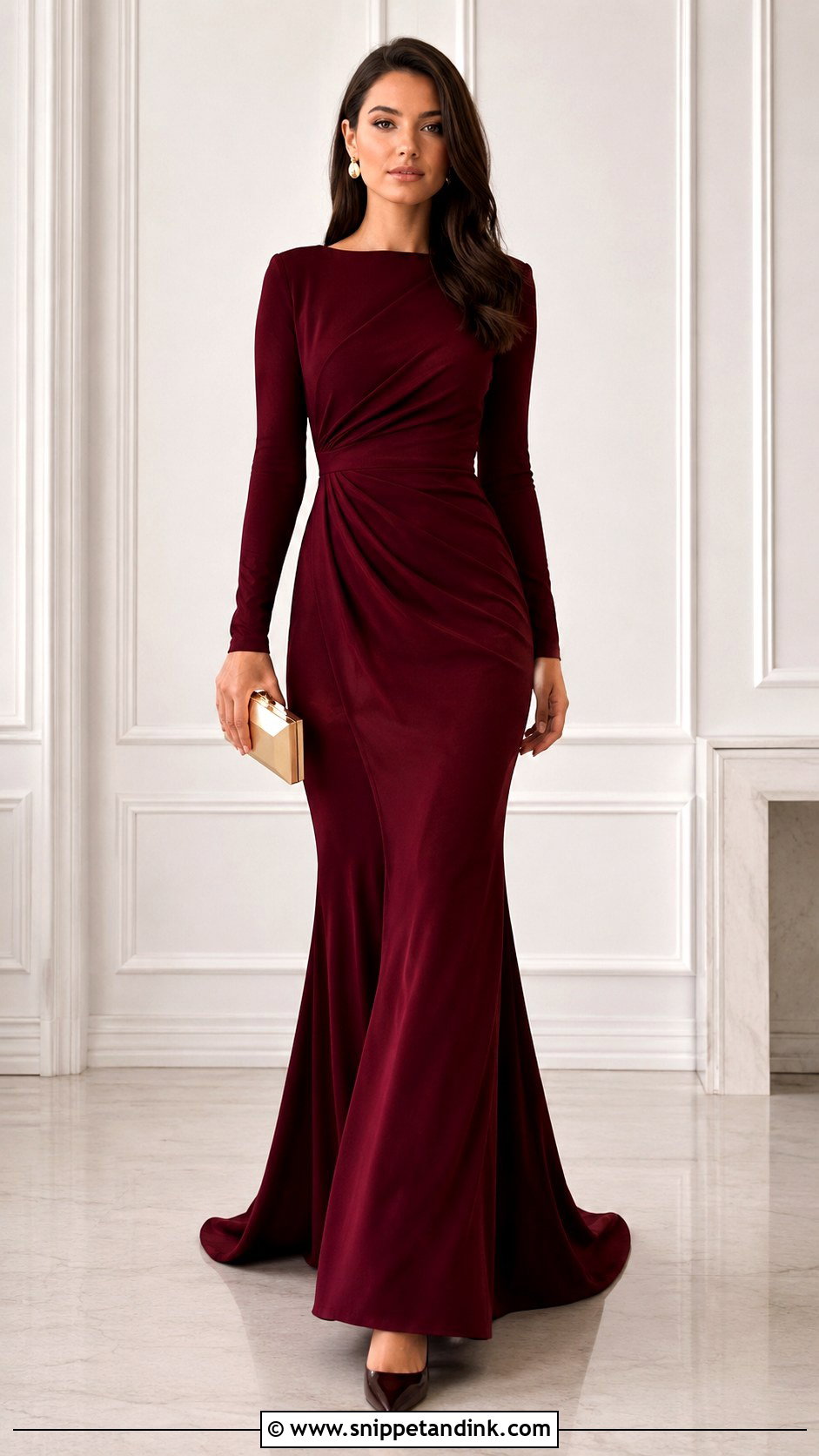
Long sleeves are practical for winter weddings, modest dressing and anyone who runs cold in air-conditioned halls. Sheer embroidered sleeves look delicate; fitted satin or crepe sleeves look sleek. Balance the coverage with an open neckline, a defined waist or a flowing skirt. When fitting, I have clients reach forward and lift their arms, because fitted sleeves with no stretch can pull the whole bodice up. Jewel tones, burgundy and champagne look especially refined here, with pointed heels, a small box clutch and simple earrings.
10. Cape Gown Design
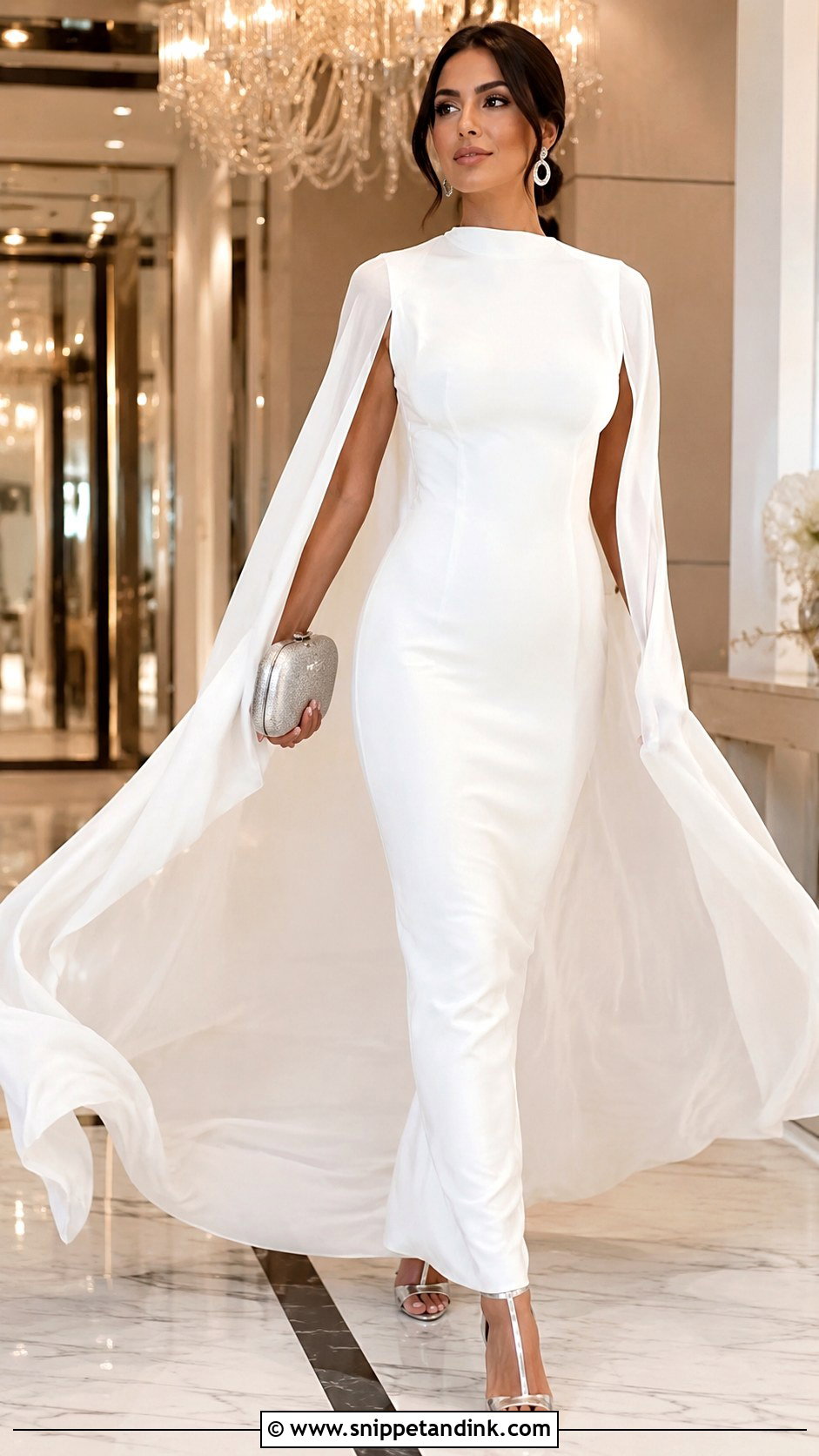
A cape gives you movement and drama without a single accessory. It can attach at the shoulders, fall from the back or sit as a sheer overlay. Plain gown plus plain cape looks sleek; an embroidered cape gives an occasion-wear feel. Keep shoes and bag simple. A neat bun or soft waves show off the shoulder detail. Capes also offer arm coverage without a fitted sleeve, which many women find more comfortable. Watch the length, though: a floor-length cape gets stepped on going up stairs, and I usually ask for it to end just above the gown’s hem.
11. Anarkali Gown Design
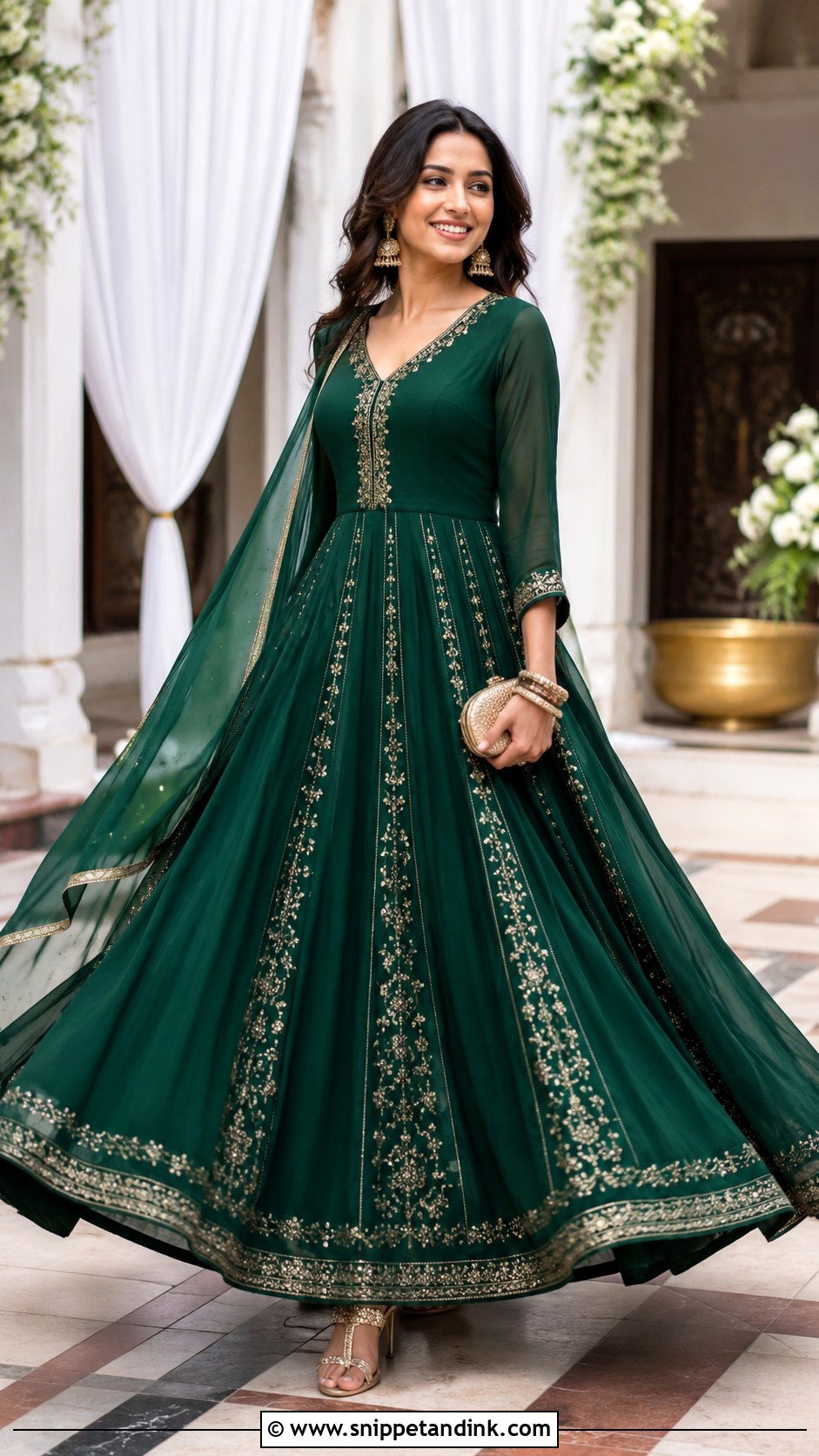
An Anarkali gown design combines traditional style with the ease of a single piece: a fitted bodice, a defined waist and a flared floor-length skirt built from kalidar panels that swing as you walk. Silk, georgette, chiffon and embroidered net all work. The panel count matters. More panels mean more flare and more fabric weight, so for a long day of standing I’d choose a georgette Anarkali over heavy silk. Embellished heels, jhumkas, bangles and a small clutch complete it, with a dupatta for extra coverage or a more traditional finish.
12. Saree Gown Design
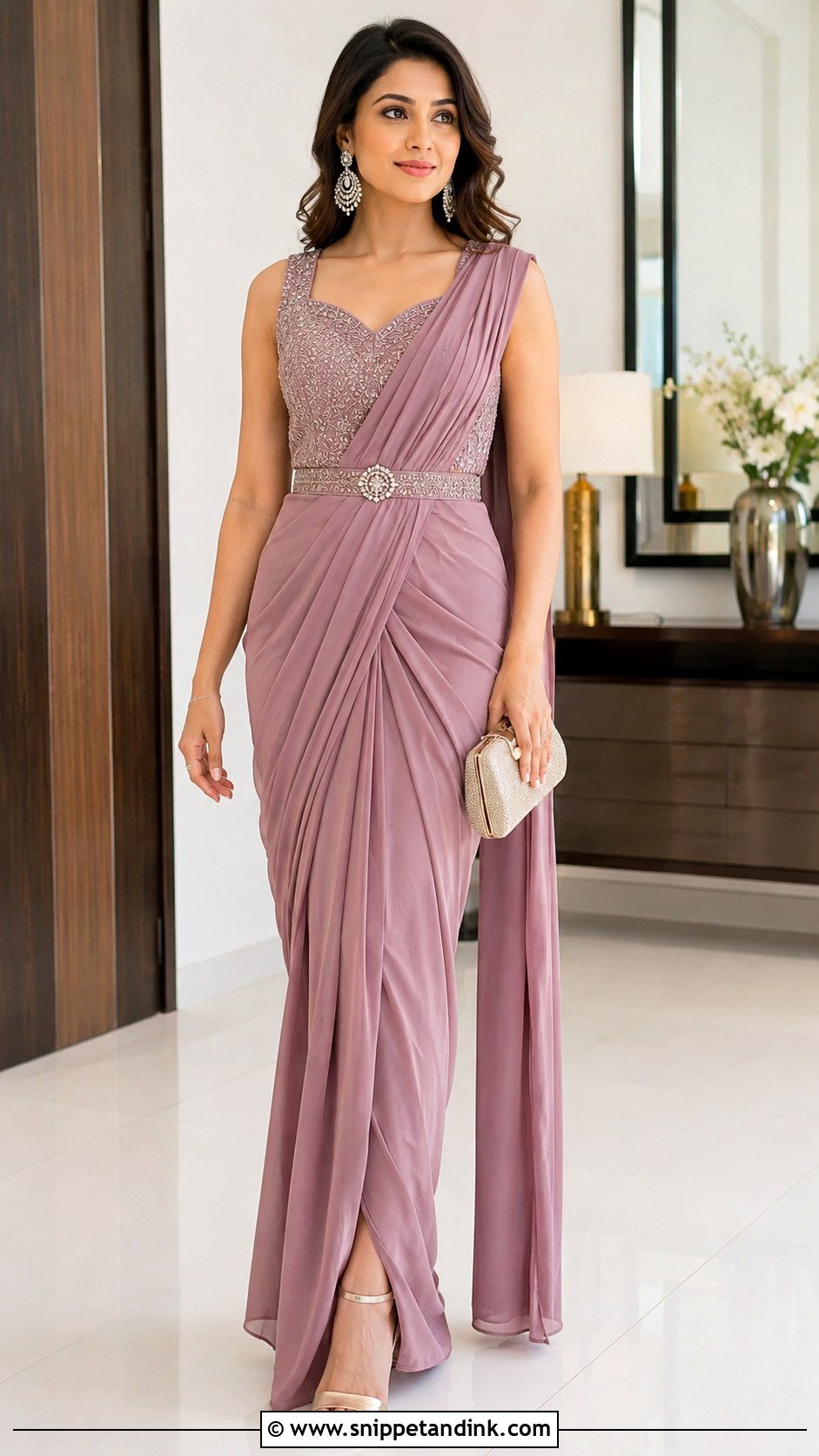
A saree gown design gives you the drape of a saree without the twenty minutes of pleating and pinning. It usually has pre-stitched pleats, a fitted bodice and a pallu-style drape. Satin, georgette, crepe and chiffon fall smoothly. A belt helps define the waist and keeps the drape in place through dancing. Choose a monochrome version for a sleek, modern feel or an embellished one for a bigger celebration. Metallic heels, a potli bag and statement earrings finish it, and it’s a smart option for anyone who has never worn a saree and doesn’t want to learn on the day.
13. Lehenga Gown Design
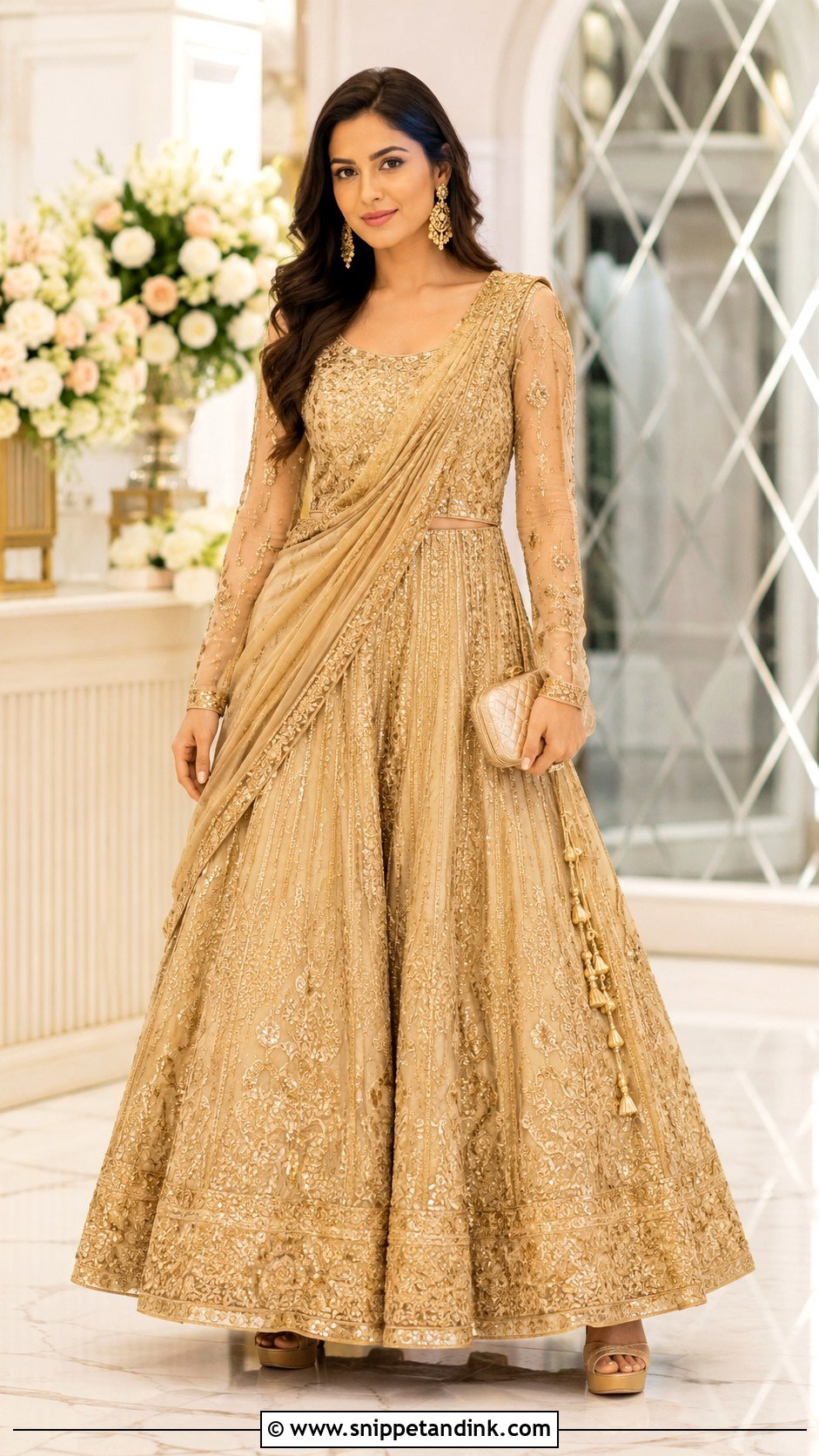
A lehenga gown gives the look of a lehenga in one piece: a fitted top, a wide skirt and sometimes attached draping or a dupatta-style panel. Embroidery, mirror work, sequins and brocade make it rich enough for a wedding or sangeet. The waist is what I fit most carefully. Heavy lehenga skirts hang from the waistband, so if it’s too tight you feel it within an hour, and if it’s too loose the skirt drops and the hem drags. Platform heels, a statement clutch and traditional jewelry suit it; a choker or heavy earrings, depending on the neckline.
14. Floral Gown Design
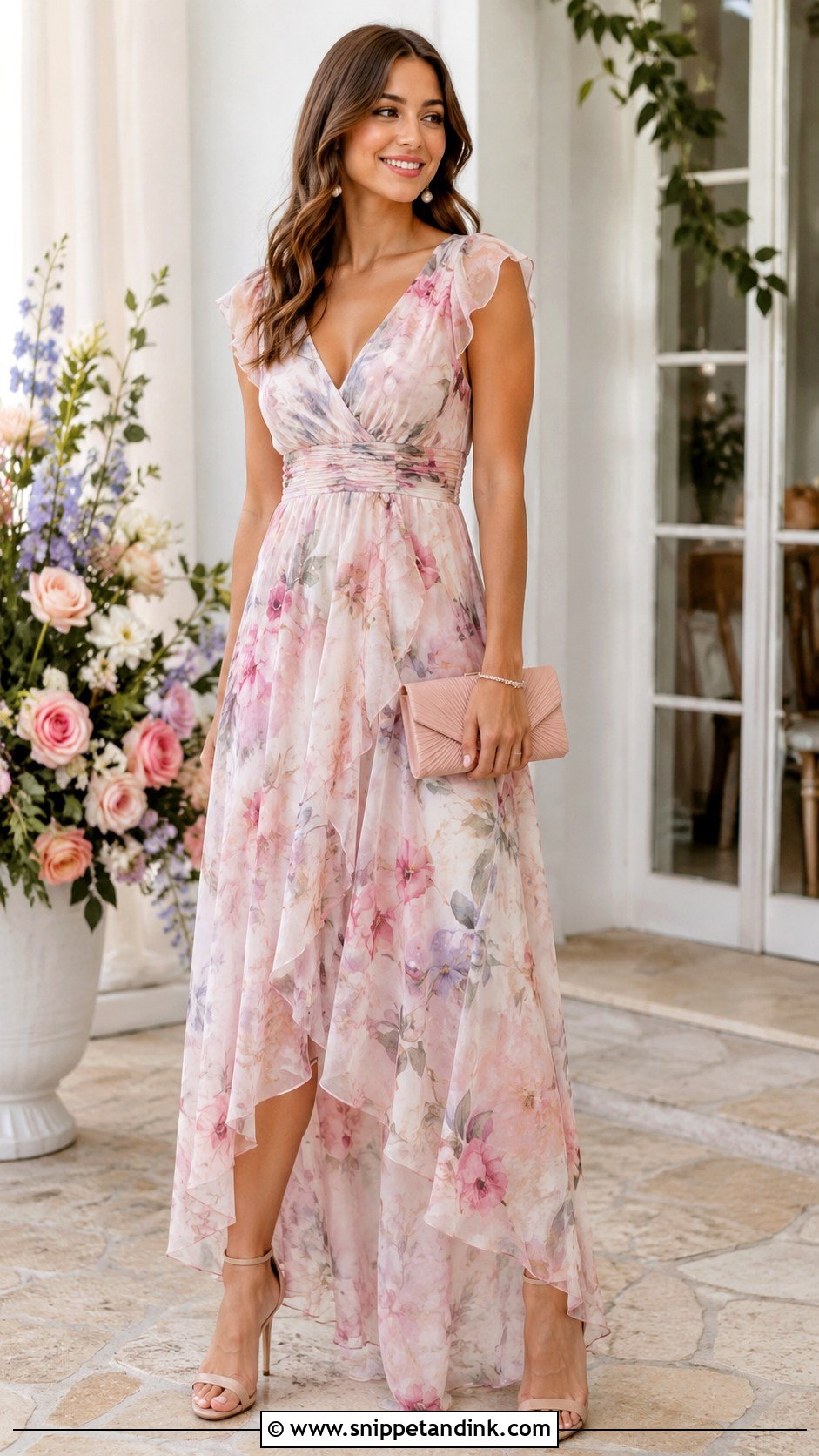
Florals are the daytime gown. Soft prints suit chiffon, organza, georgette and cotton blends; for something dressier, look for embroidered flowers, 3D appliqué or floral beadwork. How you accessorize depends on the print. Bold florals want plain accessories. Soft florals can take a colored bag or statement earrings. A flowing A-line is the most comfortable floral cut, and a fitted one reads more formal. Nude heels, pearl earrings and a small pastel clutch suit bridal showers, garden parties and family celebrations.
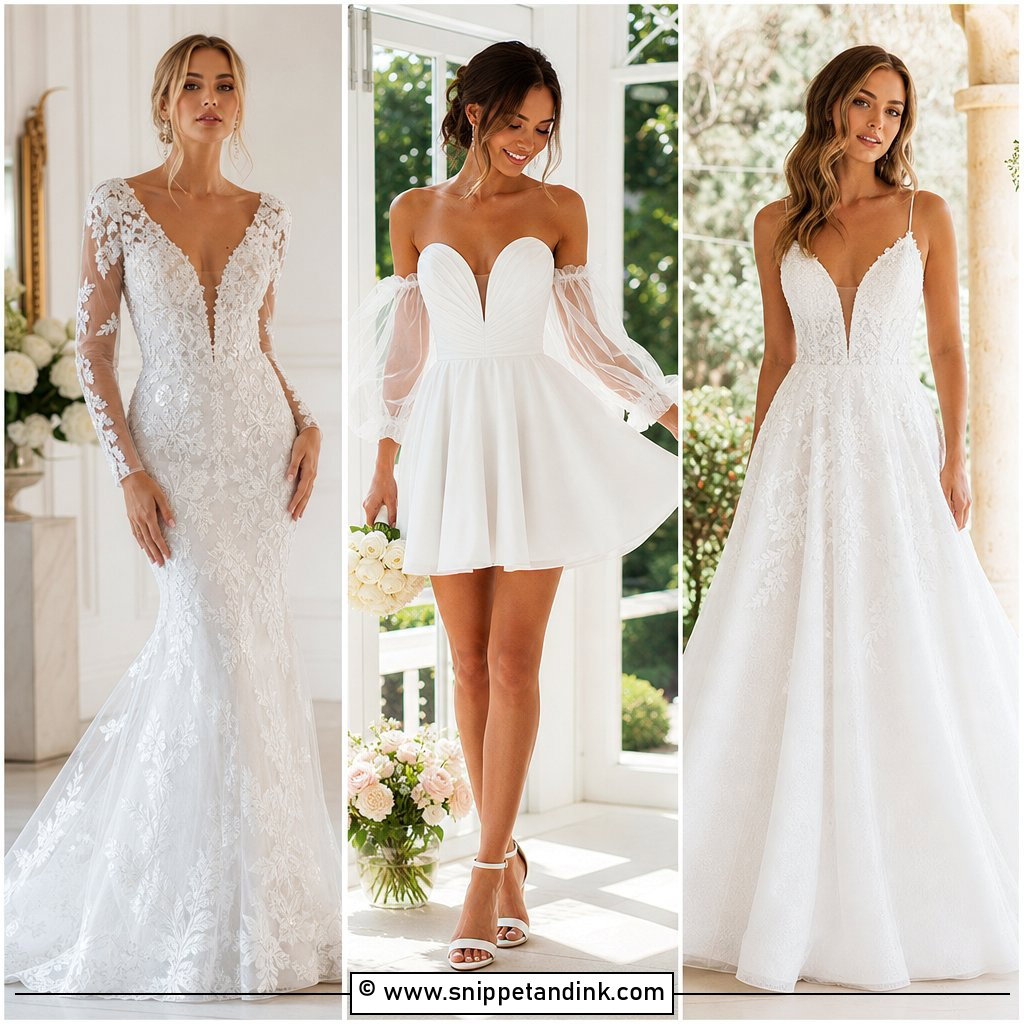

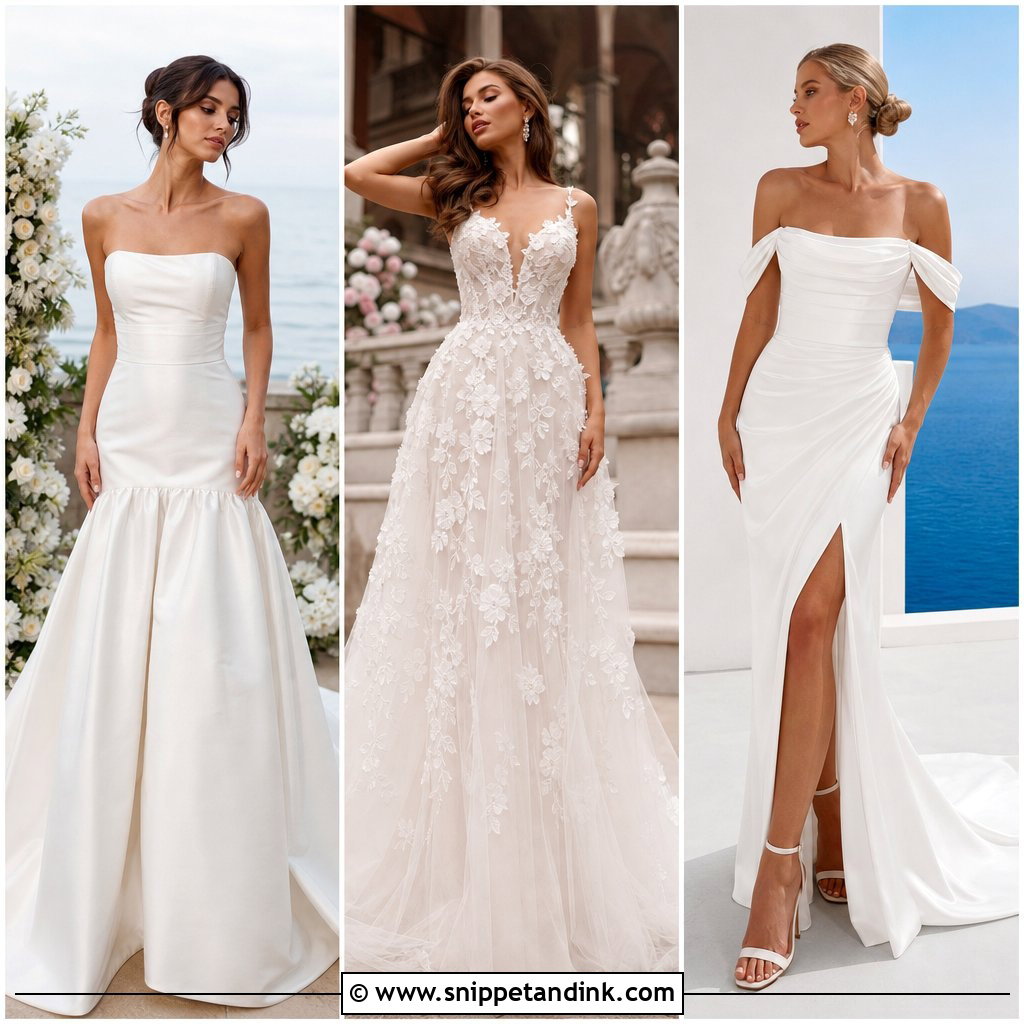
15. Velvet Gown Design
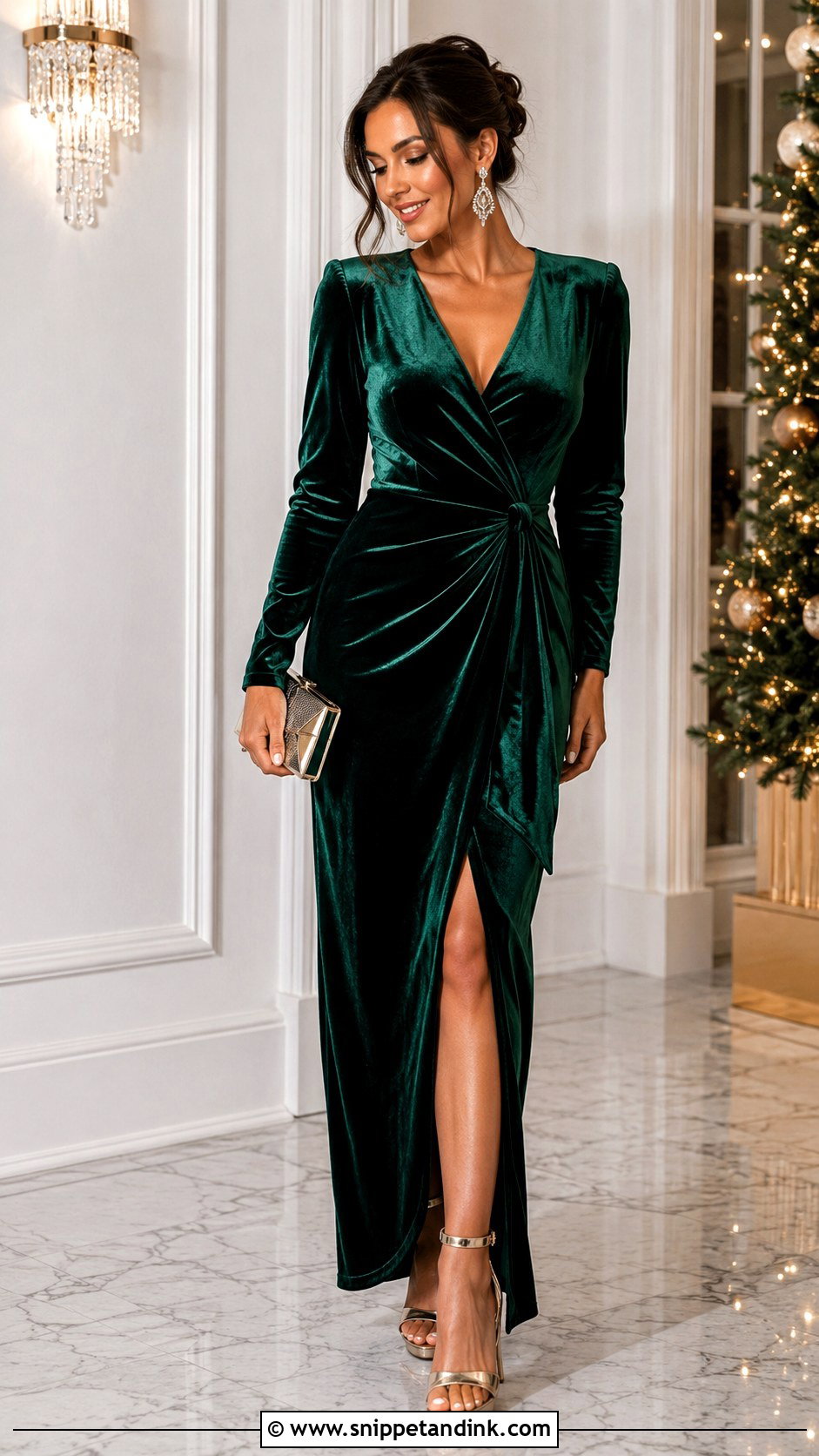
Velvet makes even a plain cut look expensive, because the pile holds light and shadow in a way flat fabrics can’t. Emerald, burgundy, plum and black are the shades that suit it. A long-sleeve velvet gown feels regal; off-shoulder looks more modern. Because velvet is thick, choose a silhouette that skims rather than squeezes, since tight velvet shows every seam. A side slit or wrap detail adds movement. It’s warm, so save it for winter or cool evening venues. Metallic heels and a structured clutch keep it polished.
16. Ruffle Gown Design
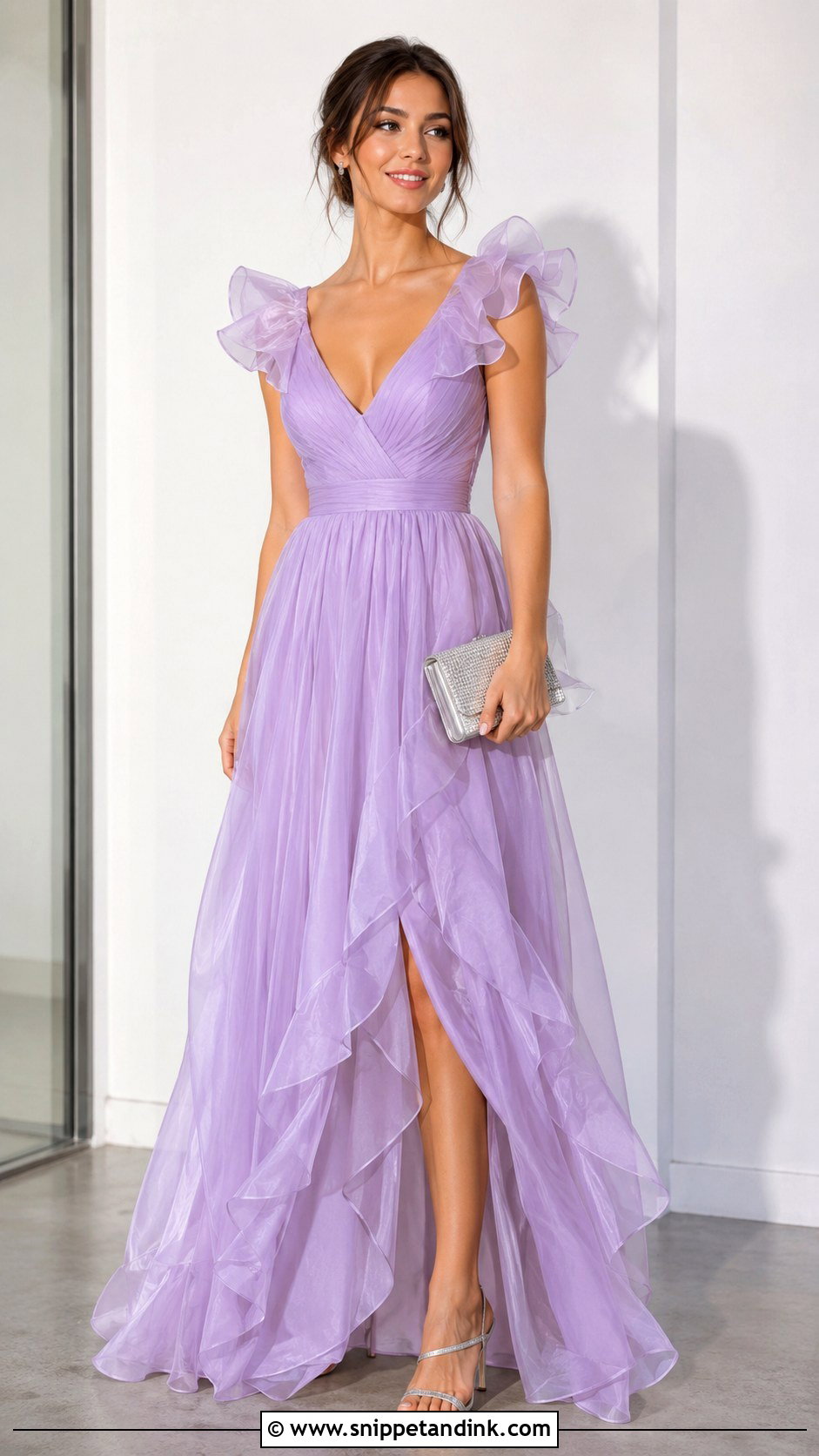
Ruffles change character with placement. On the shoulder they draw the eye up, on the skirt they add flow, at the hem they finish softly. That’s the whole idea behind a ruffle gown design. Chiffon, organza and tulle keep them light; heavier fabrics make ruffles stand stiffly away from the body. If you’re petite, smaller ruffles or vertical placement stop them from swamping your frame. Keep shoes and clutch simple so the ruffles stay the only detail, and it suits parties, proms and receptions.
17. High Low Gown Design
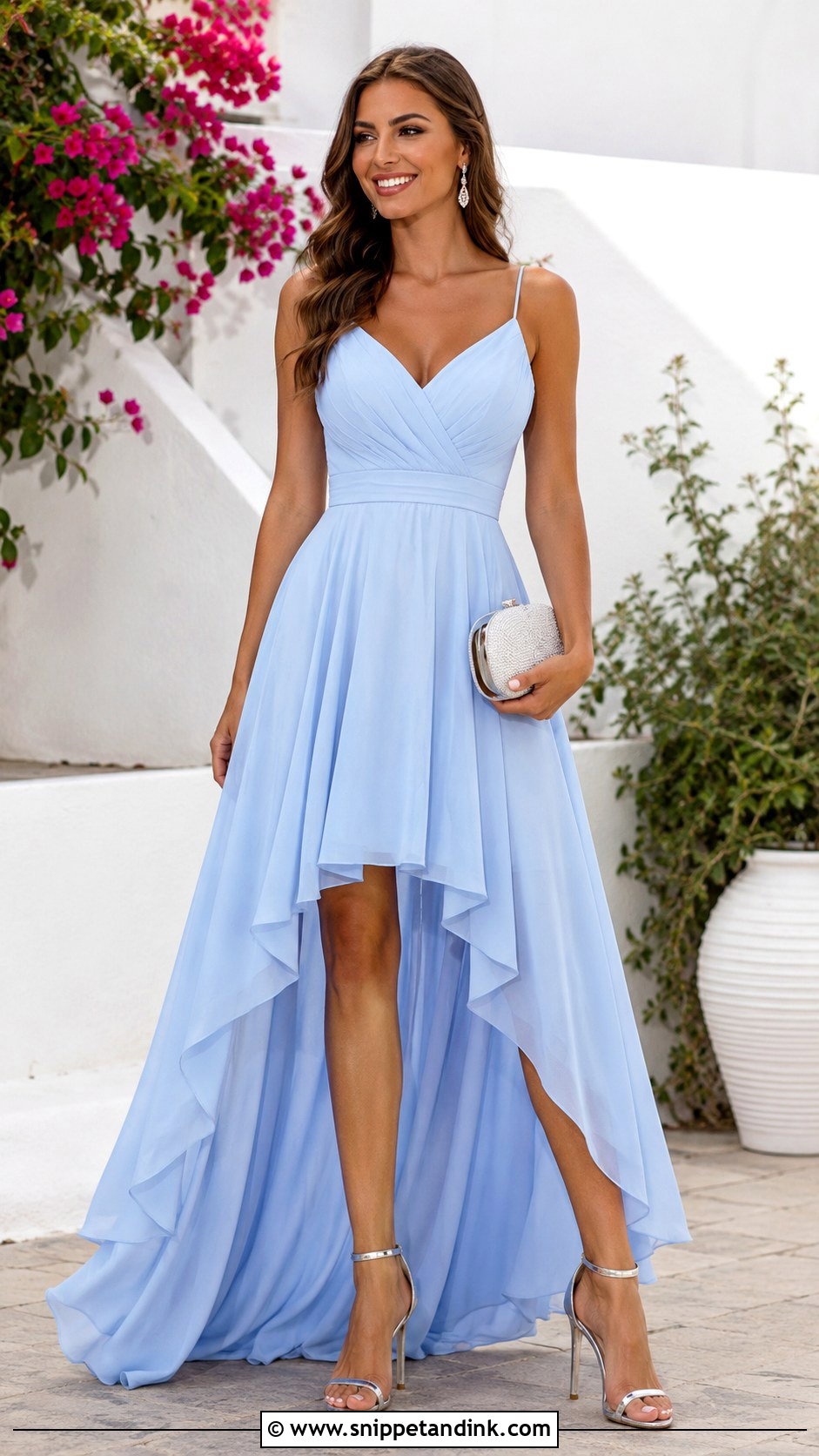
The high-low hem is shorter in front and longer behind, so you get a gown’s drama while your shoes stay visible. That makes footwear the second focal point, so choose heels worth seeing. A fitted bodice with a flowing skirt is the most flattering version; a structured high-low looks more modern. Chiffon softens it, satin adds shine, tulle adds volume. It’s practical outdoors too, since the shorter front stays out of wet grass and the back can be bustled. Keep accessories small.
18. Slit Gown Design
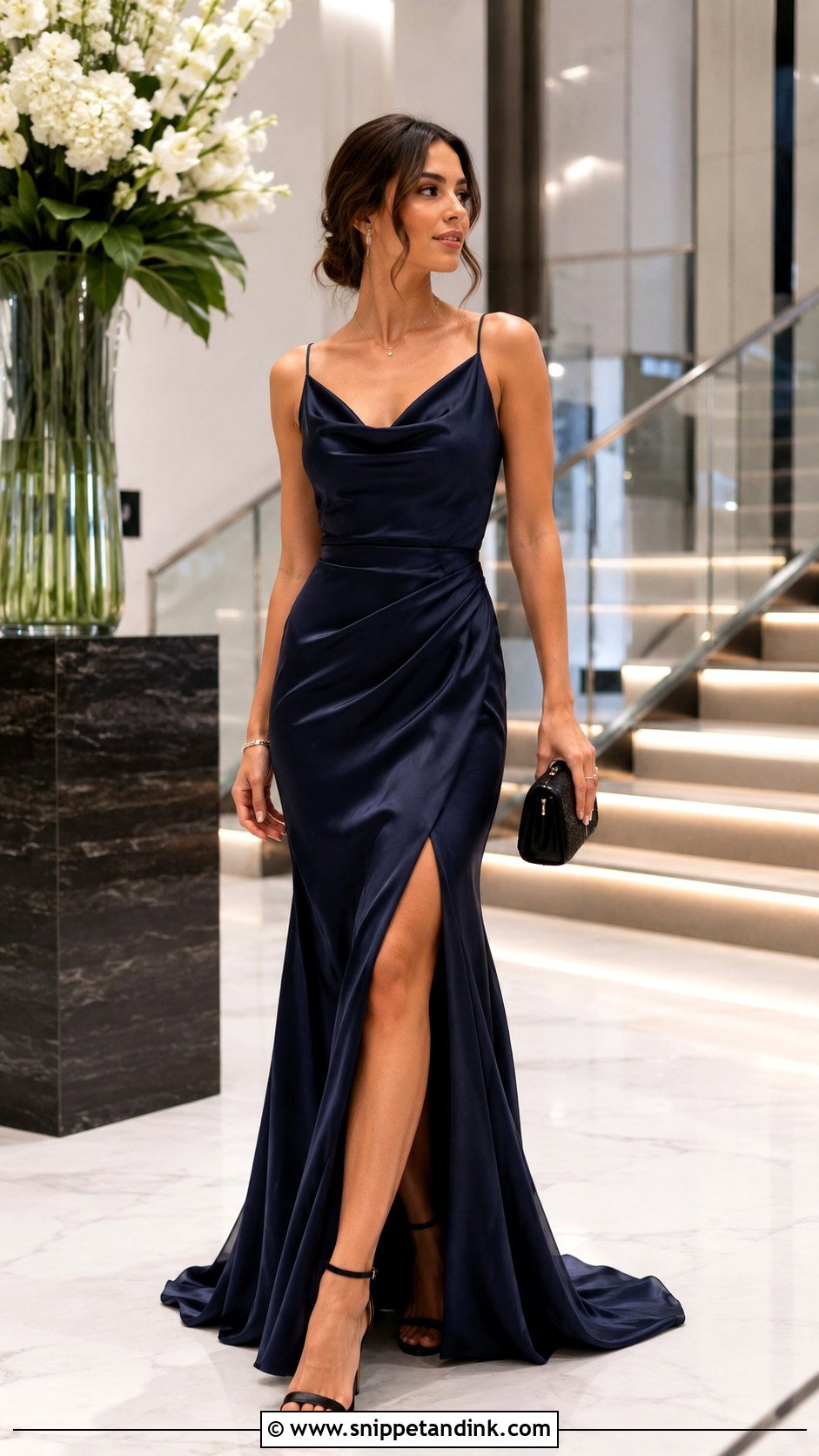
Side slits are the easiest to wear, because they open naturally as you walk and close when you stand still. Front slits are bolder and show more when you sit. Satin, crepe, chiffon and jersey drape smoothly around a slit. Before buying, sit down in it and climb a step. If the slit opens higher than you’re comfortable with, a tailor can close it a few centimetres in minutes. With a high slit, I’d balance it with sleeves or a more covered neckline. Sleek heels, a small clutch and simple jewelry finish it.
19. Corset Gown Design
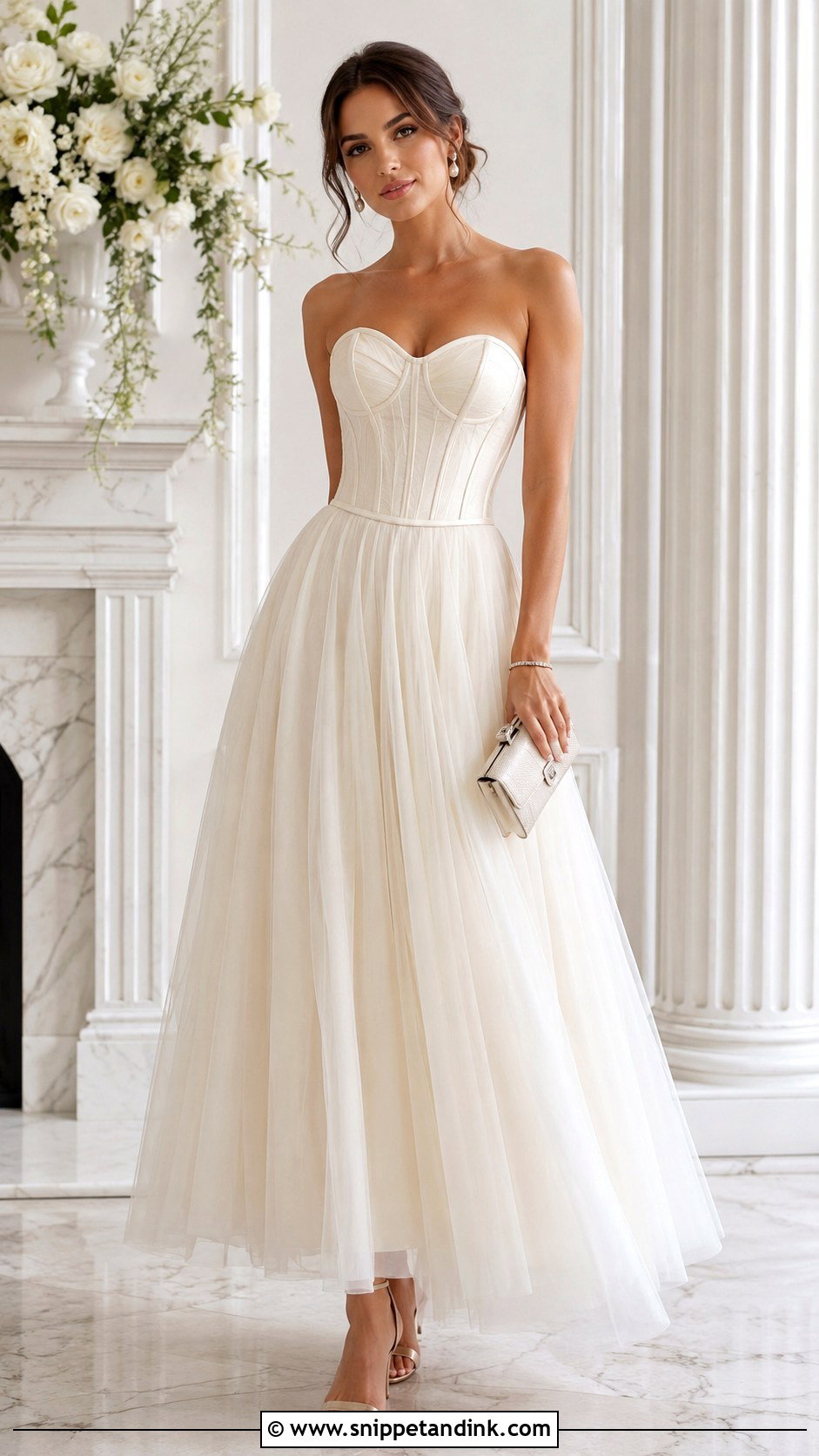
A corset bodice shapes the waist and supports the upper body, which is why it’s so popular for receptions and prom. The boning can be visible as a design detail or hidden under fabric for a smoother line. Fit is everything. A corset that’s too tight at the ribs makes eating and breathing hard by the second hour, so I fit it with the client seated as well as standing. Over an A-line skirt it looks romantic; over a mermaid skirt, sculpted. Lace, satin, tulle and beaded fabric all work, with heels, a compact clutch and elegant earrings.



20. Pleated Gown Design
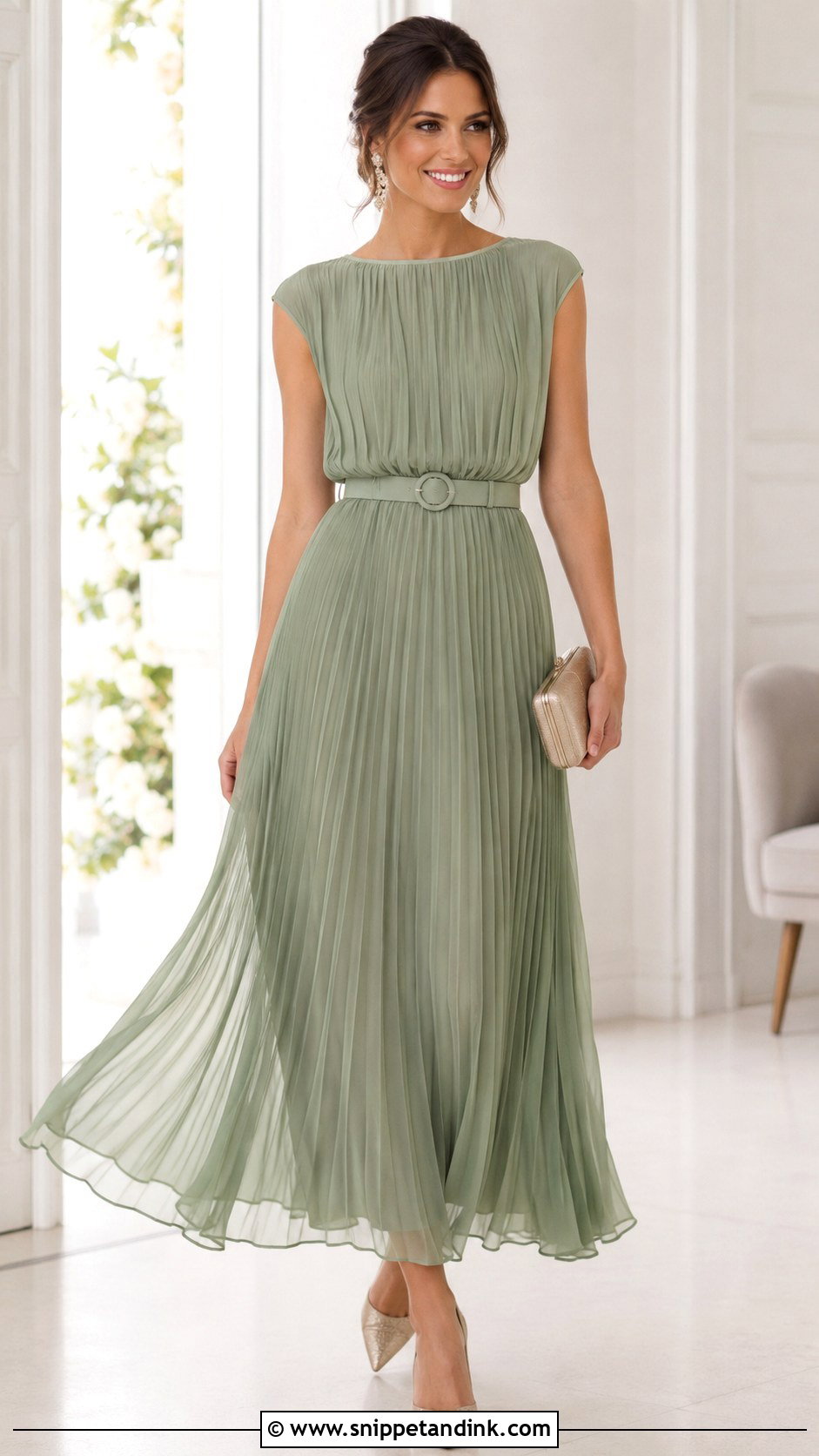
Pleats add texture without decoration. Fine pleats are soft and graceful; wide pleats give structure and volume. Vertical pleats are the most flattering because they draw one long line from waist to hem. Pleated chiffon feels airy, while pleated satin is more refined. A belt keeps the shape from looking loose. Solid blush, sage, navy and champagne let the pleating show. Ask how the pleats are set: heat-set pleats in synthetic fabric survive packing, while pressed pleats in natural fibers soften quickly. Pointed heels, a simple clutch and delicate jewelry are enough.
21. Jacket Gown Design
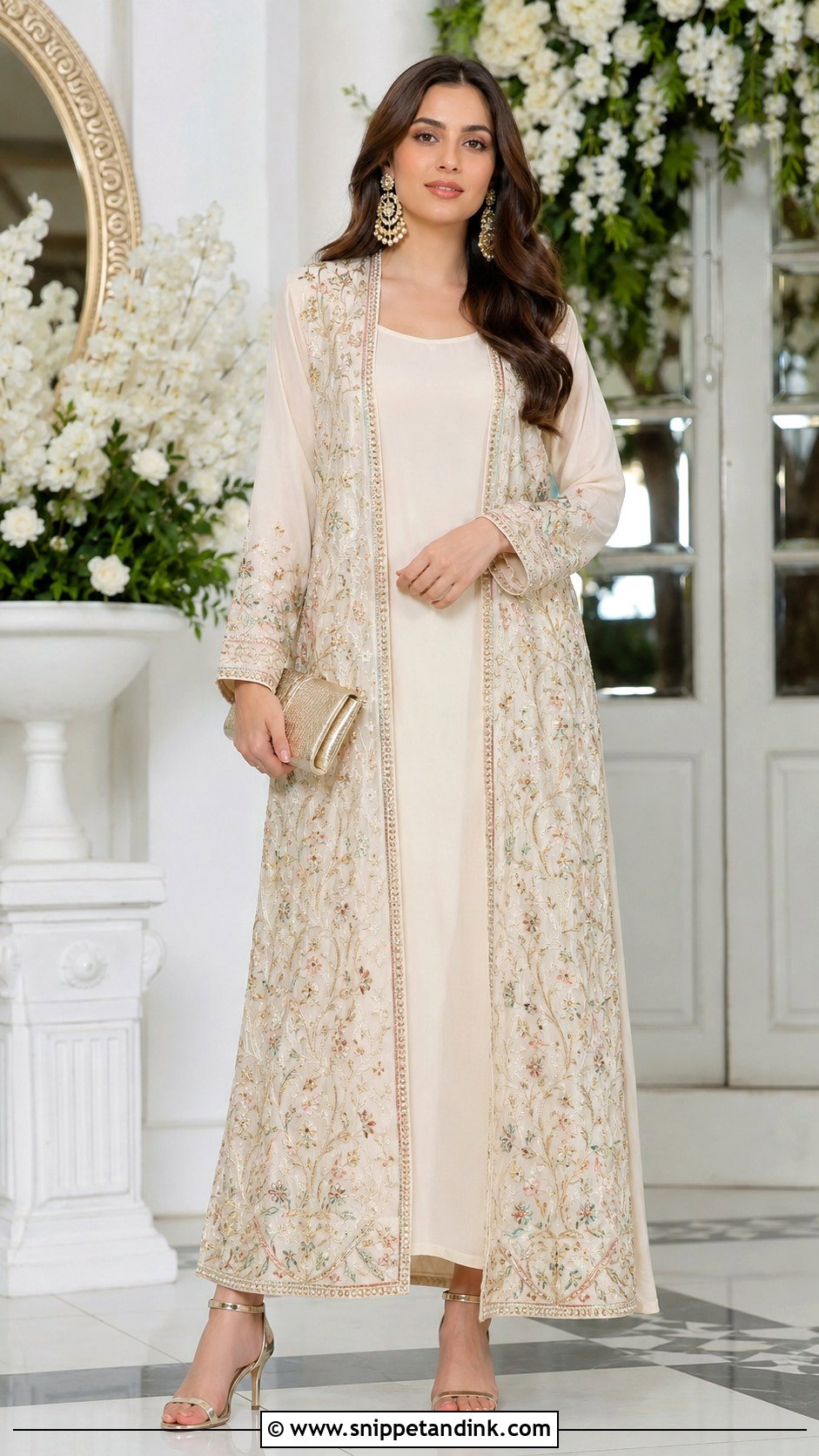
A jacket gown is really two outfits. Wear the jacket for the ceremony or a cold venue, take it off later for a cleaner look on the dance floor. Jackets can be cropped, long, embroidered or sheer. A simple gown under an embellished jacket is the strongest combination, since the outer layer becomes the highlight. A long jacket adds height; a cropped one defines the waist. Match your earrings to the jacket detail rather than the gown. I recommend this to clients who want to rewear a gown, because the jacket can be swapped for a different one next time.
22. Organza Gown Design
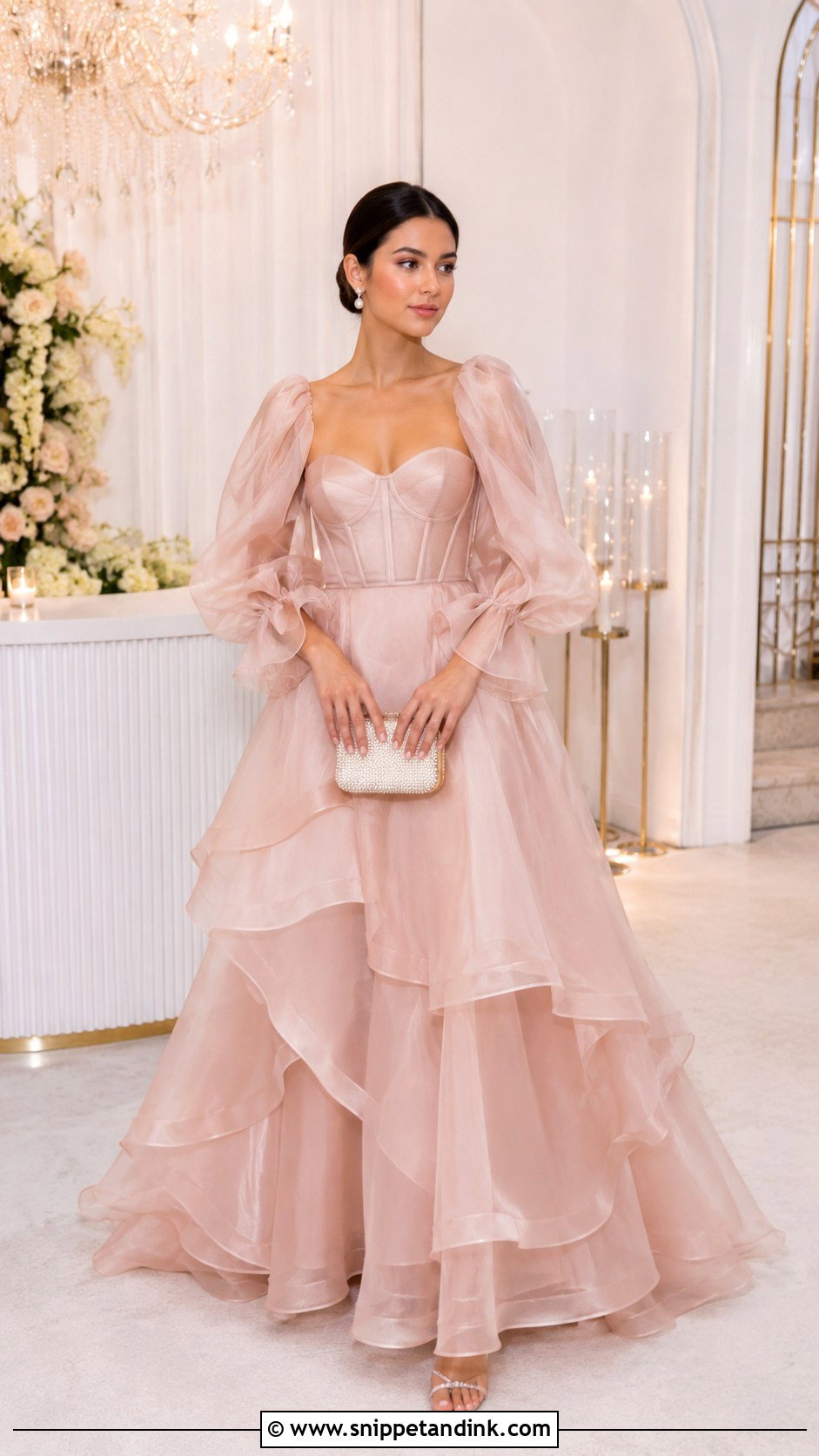
Organza is crisp and holds shape, so it’s the fabric for puff sleeves, layered skirts and floral appliqué. It’s also translucent. Check that the lining is smooth and comfortable, since some organza edges scratch where they touch skin. Blush, ivory, lavender and powder blue look especially fresh in it. A fitted bodice with an organza skirt gives volume without weight. One warning: organza creases sharply if crushed in a garment bag, and those creases don’t always steam out, so hang it with space around the skirt. Delicate heels, pearl jewelry and a small clutch suit it.
23. Net Gown Design
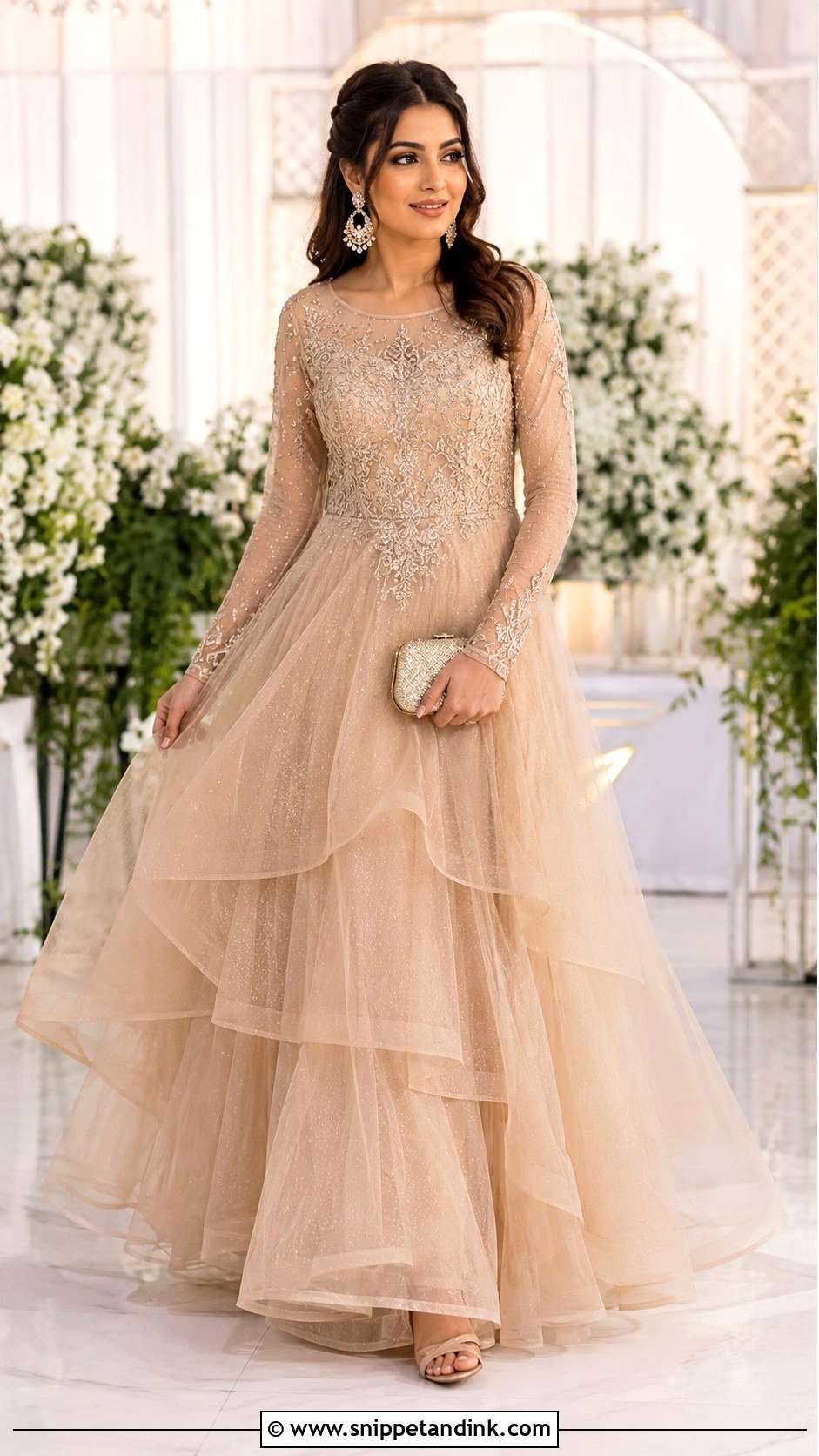
Net holds embroidery, sequins, lace and layered volume, which is why it shows up in so many festive gowns. It looks floaty but dresses up easily. The first thing I check is the lining. Cheap net is scratchy against bare skin, especially at the underarms and neckline, so you want a soft lining wherever it touches you. A heavily embroidered net gown needs minimal accessories; a plain one can take bolder earrings. Layered net skirts give volume, fitted net sleeves give coverage, and jewelry should match the embellishment tone.
24. Minimal Gown Design
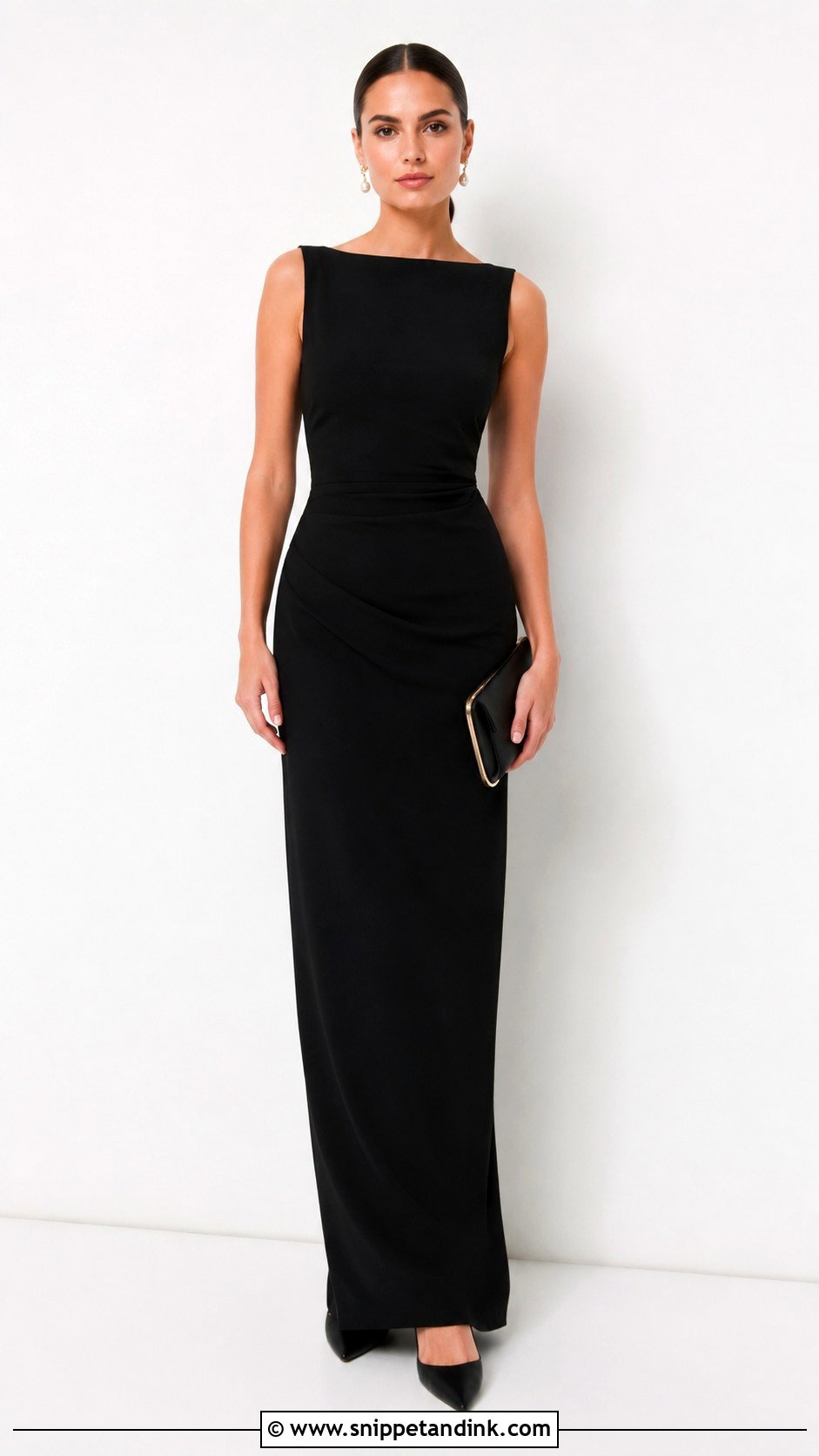
Minimal gowns leave nowhere to hide. Satin slips, crepe columns, simple A-lines and smooth long-sleeve cuts all depend on fit, so tailoring matters more here than on anything embellished. A hem a centimetre too long or a waist slightly loose shows immediately. Black, ivory, navy, taupe and soft gray keep it calm. Add one strong accessory, like pearl earrings or a cuff, with sleek heels and a structured clutch. It suits formal dinners, ceremonies and evening events, and it’s the gown most likely to be worn again.

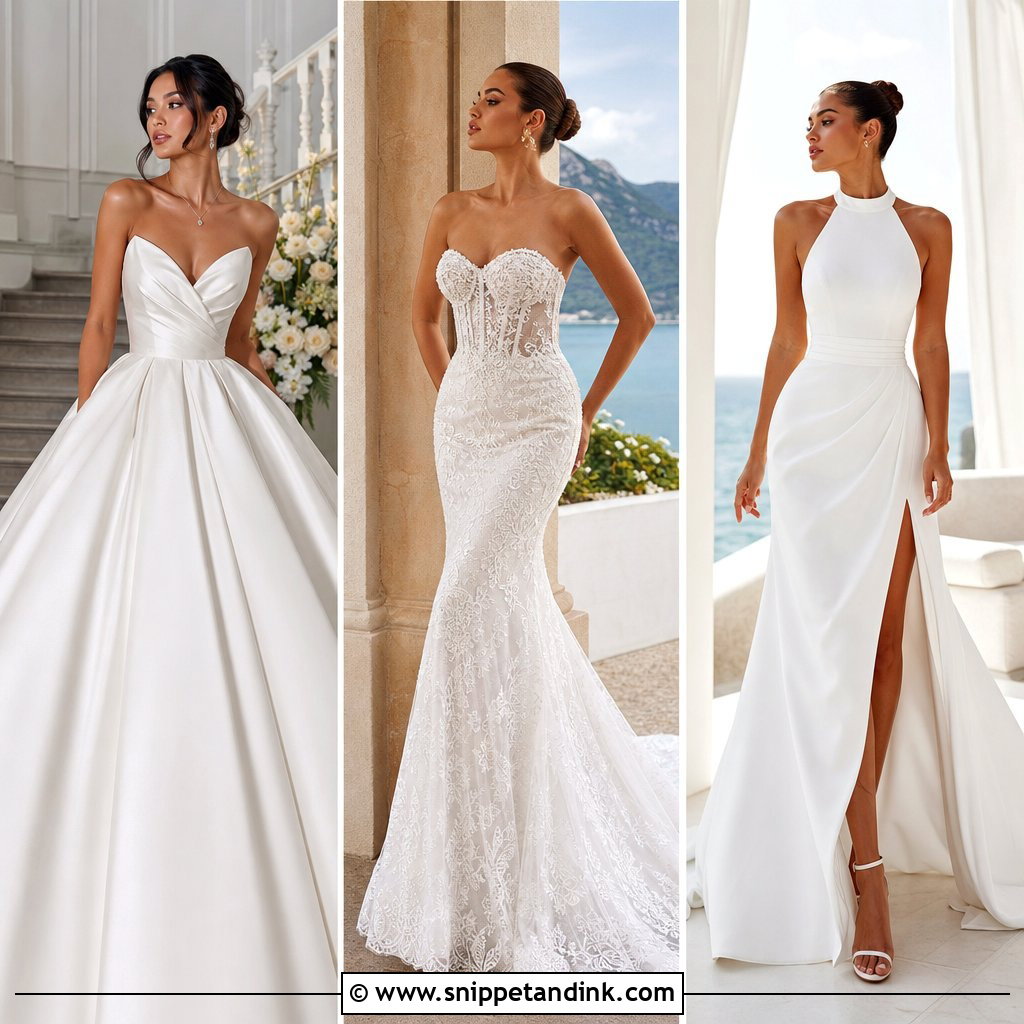

25. Plus Size Gown Design
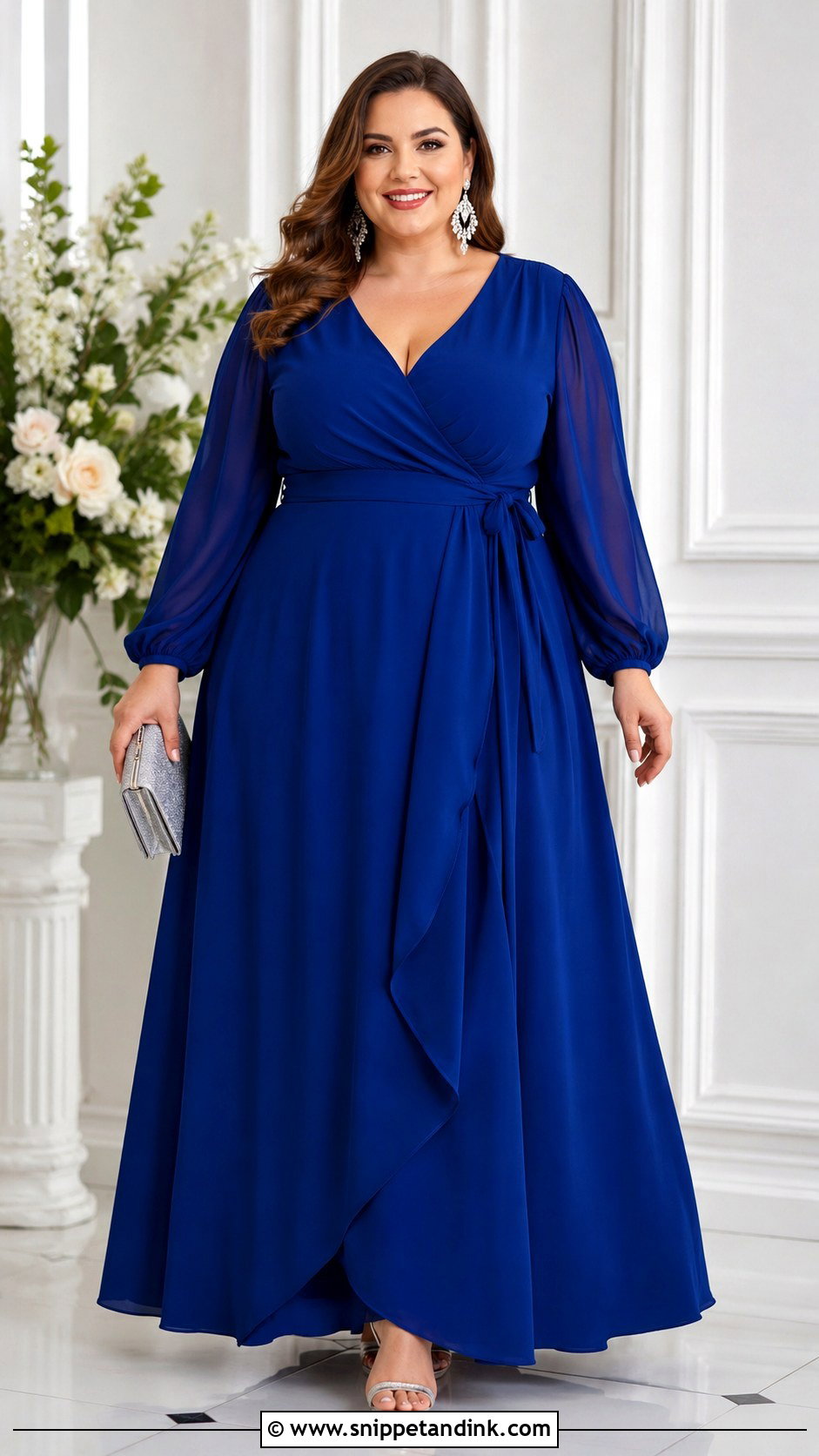
For a plus size gown, forget the old rules about what you’re allowed to wear. Start with what makes you comfortable: wide straps, structured bodices, wrap waists, stretch panels or a flowing skirt. A-line, empire, mermaid and long-sleeve cuts can all work depending on your style. The fabric matters more than the cut in my experience. Chiffon, crepe, satin blends and lined net move well, while thin unlined fabrics cling. Dark colors are elegant, but jewel tones, pastels, florals and metallics look just as good. Choose jewelry that highlights the features you love. Fit, comfort and confidence are the whole point.
What a Tailor Can Change, and What It Can’t
Almost every gown needs some alteration, and knowing what’s simple saves both money and panic. Taking in a side seam, shortening a plain hem, adjusting straps and adding a bustle are routine jobs. Letting a gown out is harder, because most seam allowances are narrow, so it’s usually safer to buy for your largest measurement and take it in.
Some changes are expensive or impossible. Shortening a hem covered in beading, lace or horsehair braid means removing and reattaching the trim by hand. Raising a neckline needs matching fabric, which may not exist. Changing a mermaid into an A-line is effectively remaking the skirt.
For a wedding or bridal gown, I plan for two or three fittings spread over several weeks, with the last one close to the date in case your weight shifts. Party and evening gowns usually need less, but even a simple hem takes time during busy wedding season, so book it early. Always bring the shoes and the underwear you’ll wear on the day, because both change where the hem and waist sit.
Comfort, Fabric and Fit, in That Order
From A-line to saree gown, velvet to minimal, every design here suits a different occasion, body and taste, and a gown can be simple, dramatic, traditional or glamorous depending on cut and styling. When you’re deciding, put comfort first, then fabric, fit, color and accessories. You should be able to walk, sit and dance without thinking about the dress. Try it on in the shoes you’ll wear, sit down in it, lift your arms, and if it still feels right, you’ve found the one to build your outfit around.
You'll Like These Ideas:







Leave a Reply