
Most brides I meet arrive with a folder of saved photos and one worry: will it stay put? The women wedding hairstyles that work today aim for polish without stiffness, so low buns keep some softness, waves stay glossy, half up styles look relaxed, and ponytails are finished well enough for a ceremony. Your neckline, veil, the weather, your texture and how much hair you want near your face will narrow the choice quickly. I’ve written each of the twenty below the way I’d explain it at a consultation, including how it’s built and when I’d talk you out of it.
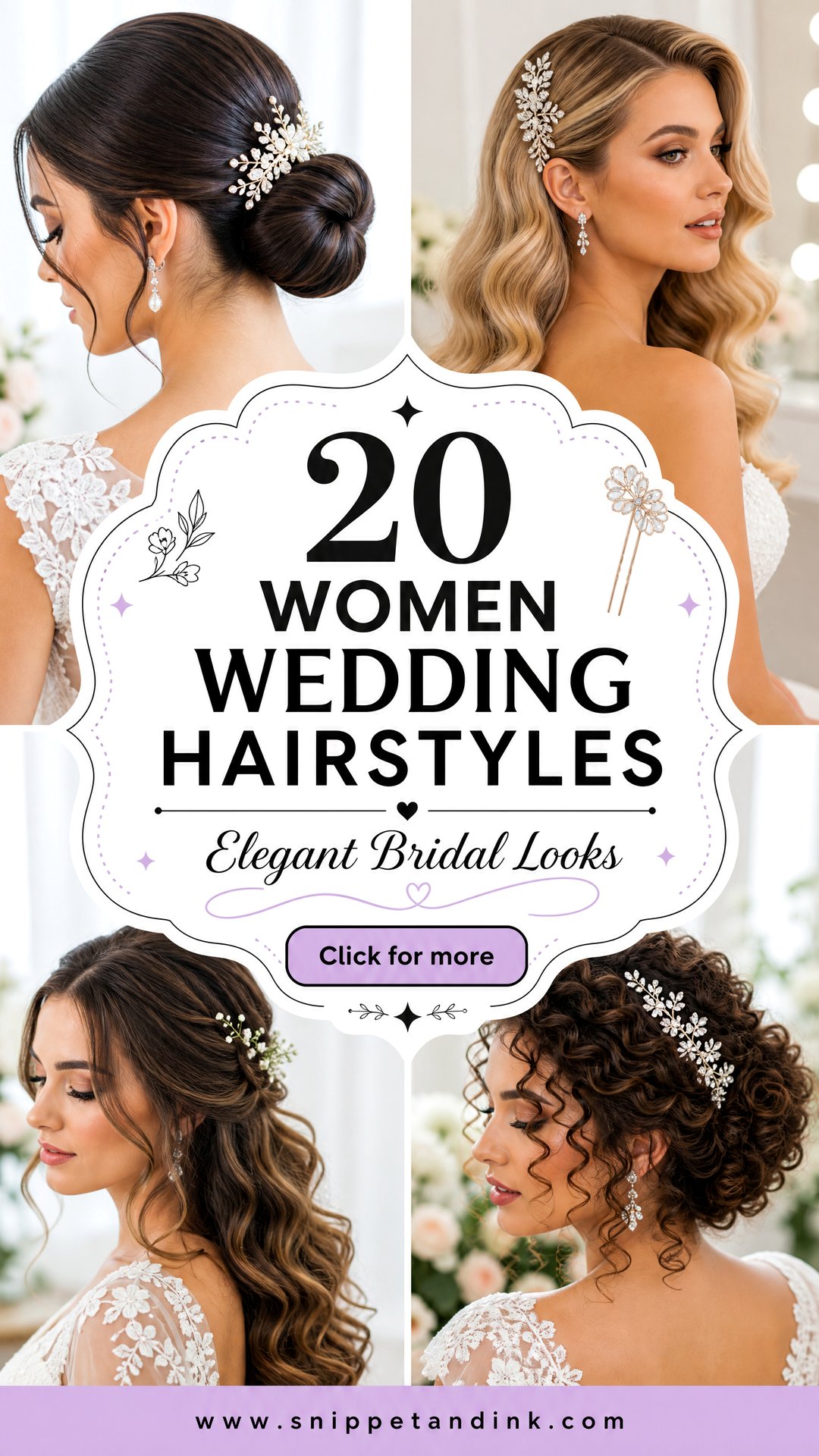
Strapless, Halter or High Neck? The Neckline Narrows the List
Before I look at anyone’s saved photos, I ask about the dress. The neckline does more to decide the hair than face shape does, because it sets how much neck and shoulder will show and where the eye travels.
- Strapless and sweetheart: almost anything works. Loose waves fill the bare shoulders; a low bun shows the collarbones.
- Off-the-shoulder: half up or a low chignon keeps the shoulder line clean without hiding it under hair.
- Halter and high neck: hair up or swept to one side. Loose hair sitting on a high collar looks heavy and tangles in lace.
- V-neck: soft waves or a side ponytail echo the line of the neckline.
- Open or detailed back: an updo, so the back of the dress isn’t covered at the ceremony.
Sleeves matter too. Long lace sleeves and loose hair rub against each other all day, which roughens curls fast, so brides in sleeved gowns often end up happier with hair lifted.
If you haven’t bought the dress yet, wait before booking the trial. Bring a photo of the gown, front and back, and wear a top with a similar neckline to the appointment so you can judge the proportions properly in the mirror.
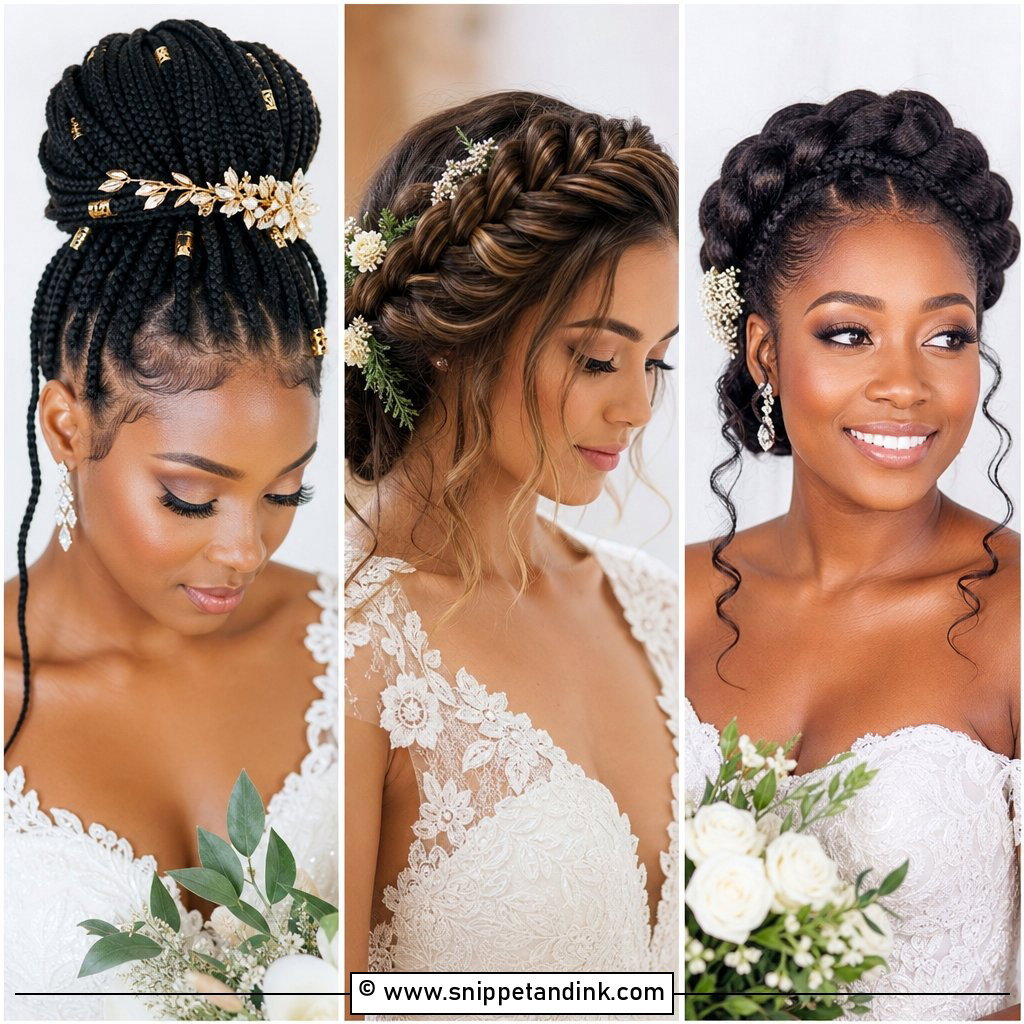
1. Low Bun Wedding Hairstyle
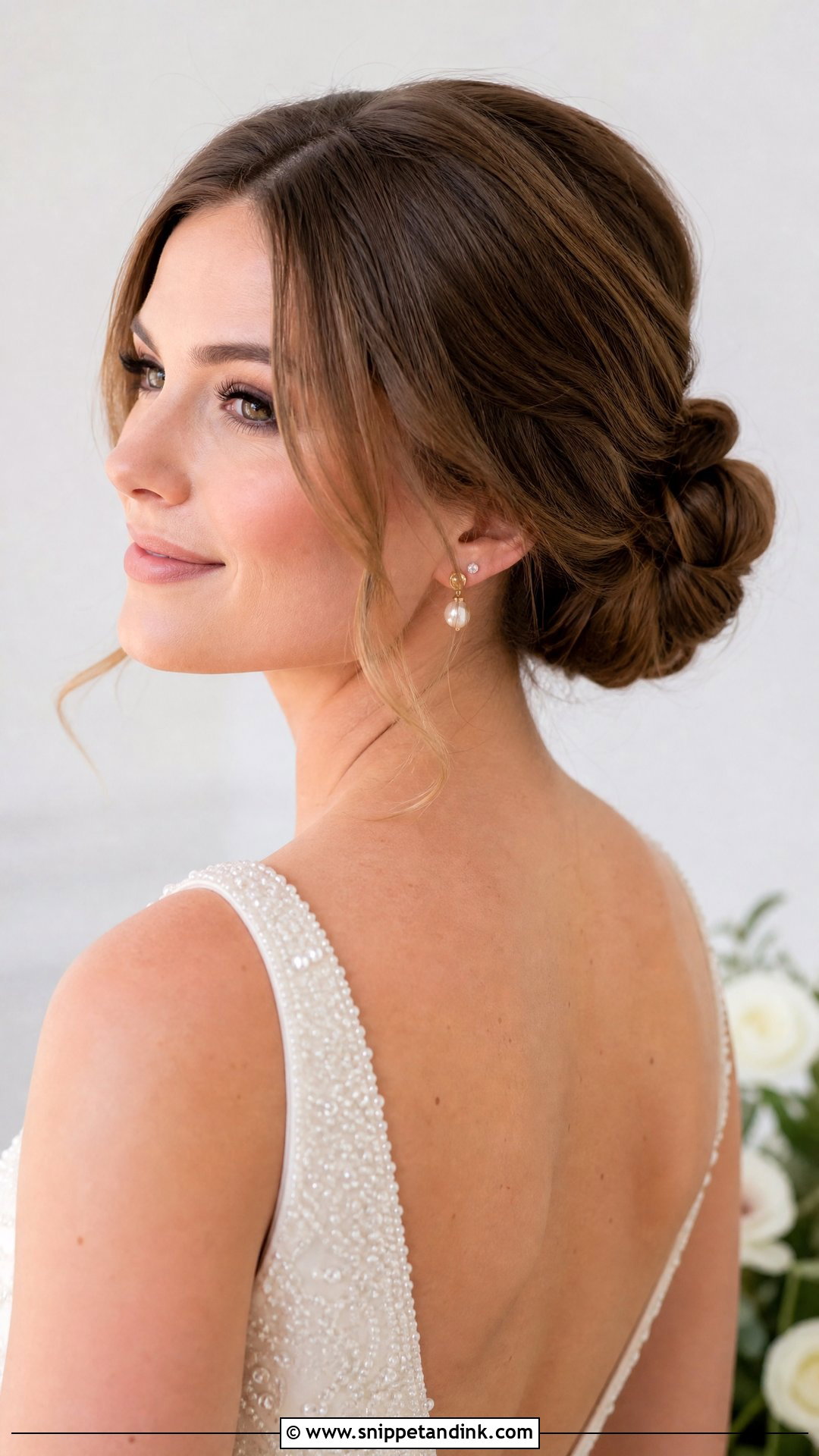
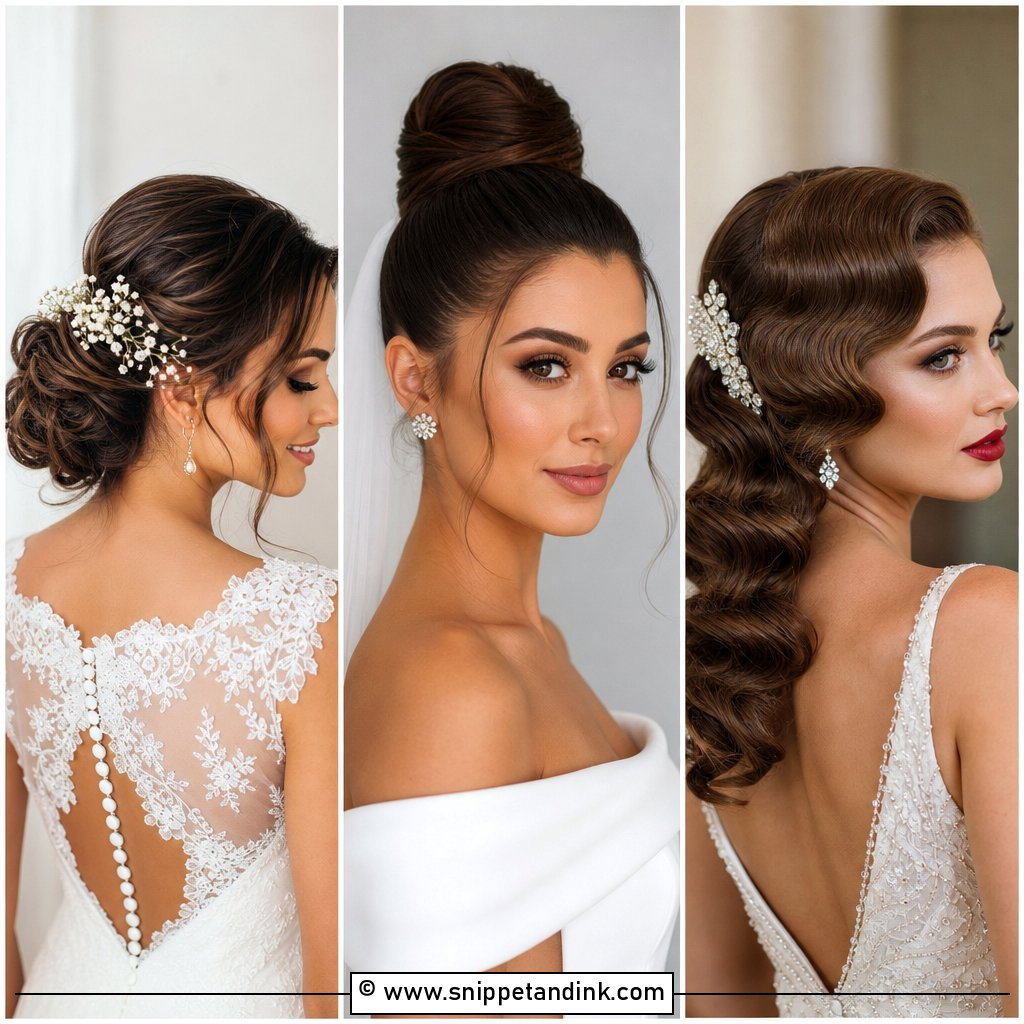
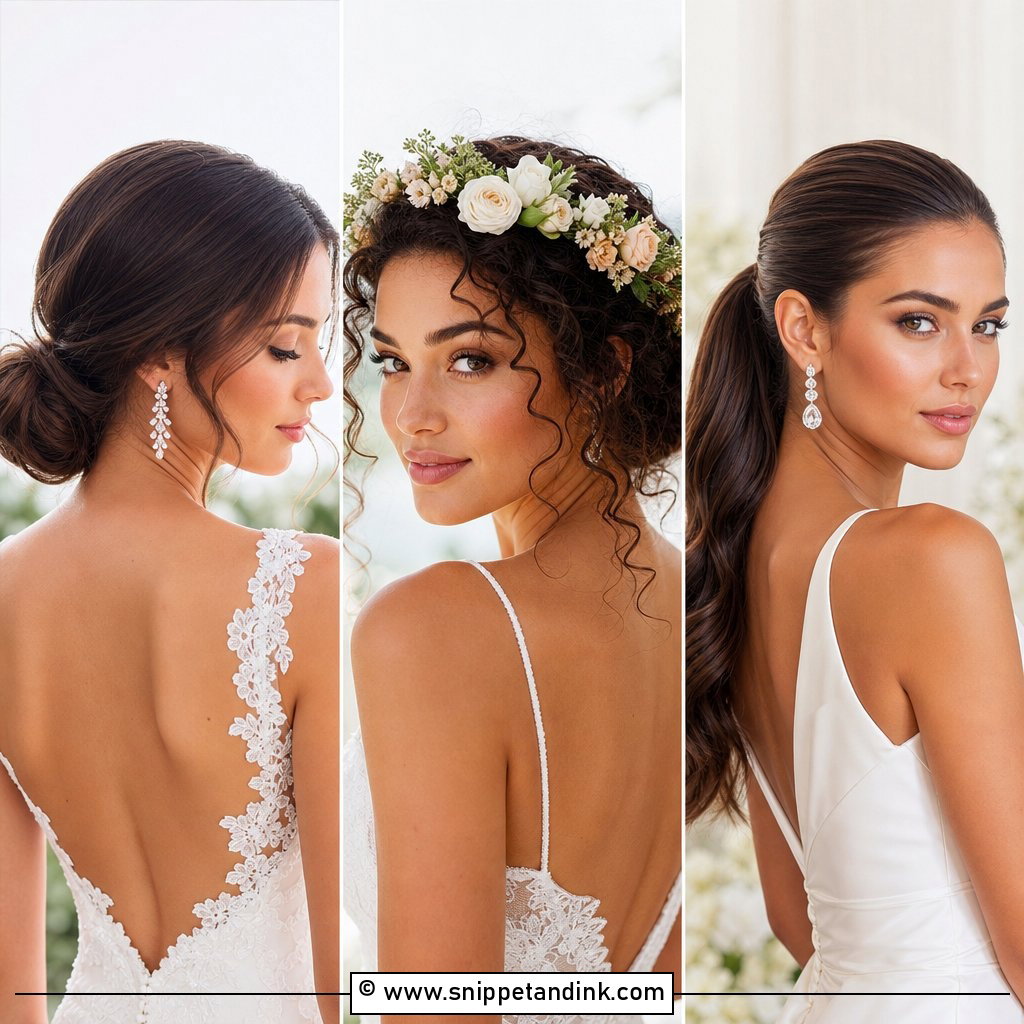
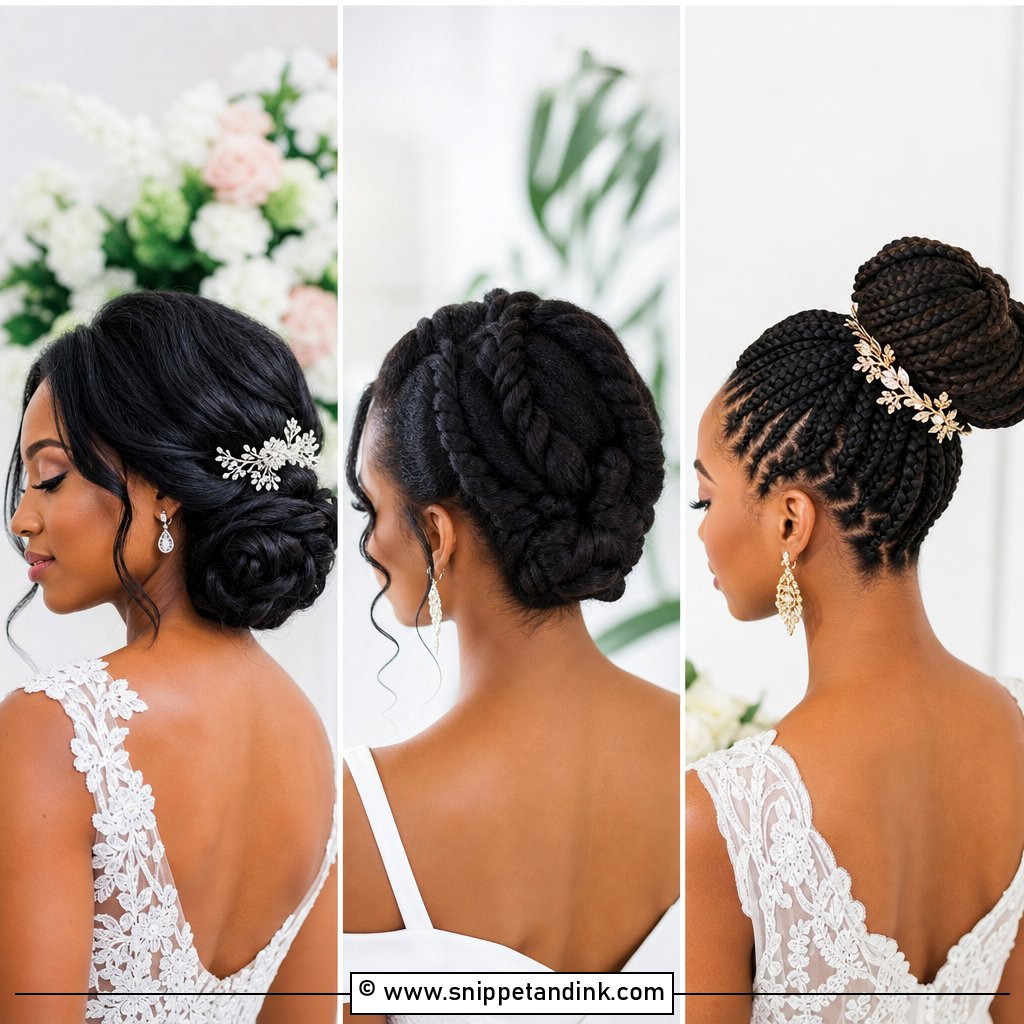
If I could only offer one style, it would be the low bun. It suits nearly every dress, veil and face shape, and sitting near the nape it leaves the neck clear for strapless, square or high necklines. Smooth, textured or slightly loose, the finish is your call. I usually add a little height at the crown so the head doesn’t look flat in profile photos, and a couple of face pieces stop it from looking severe. Long ceremonies, humid rooms and outdoor receptions are where it proves its worth.
2. Textured Low Bun Wedding Hairstyle
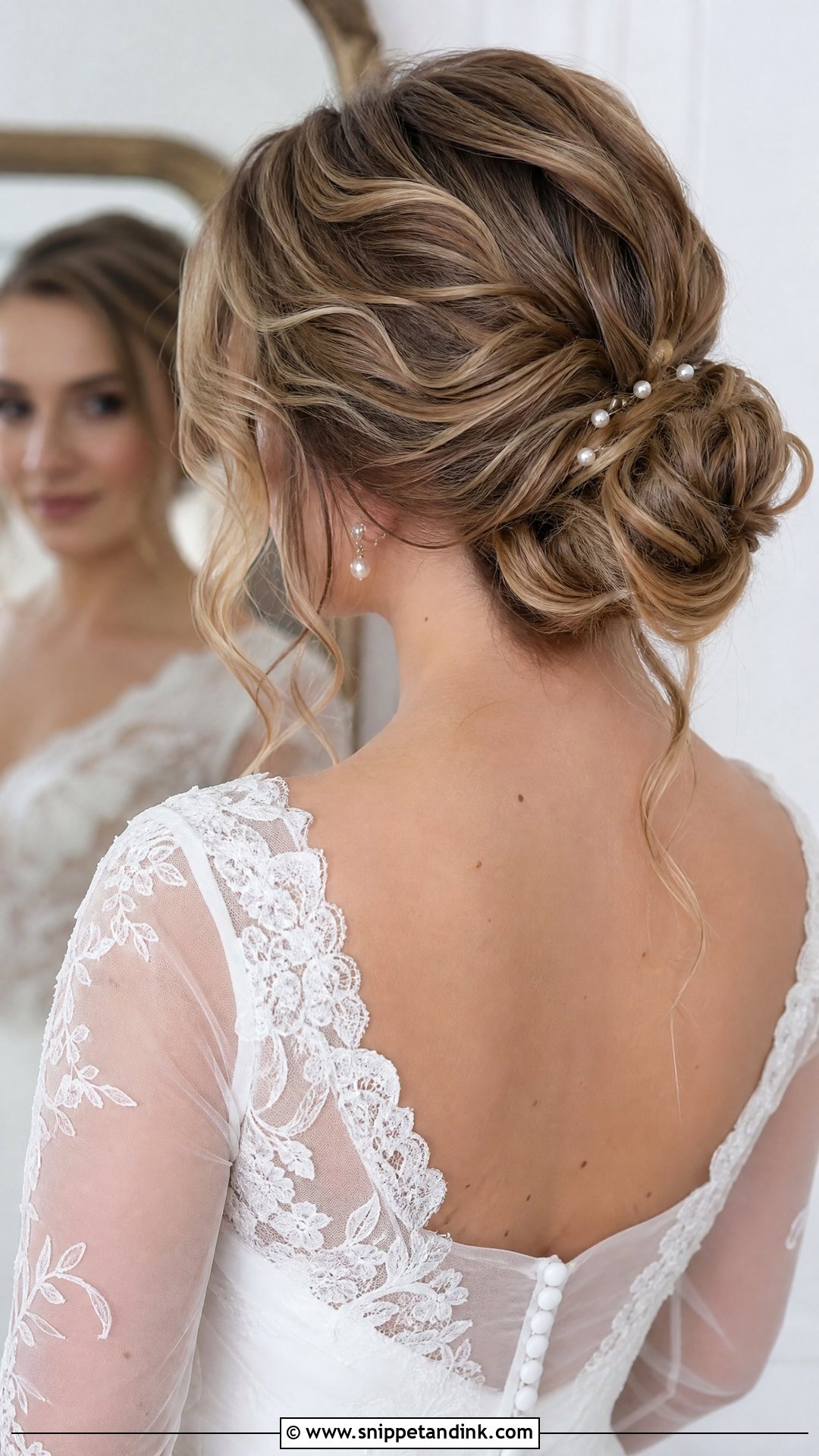
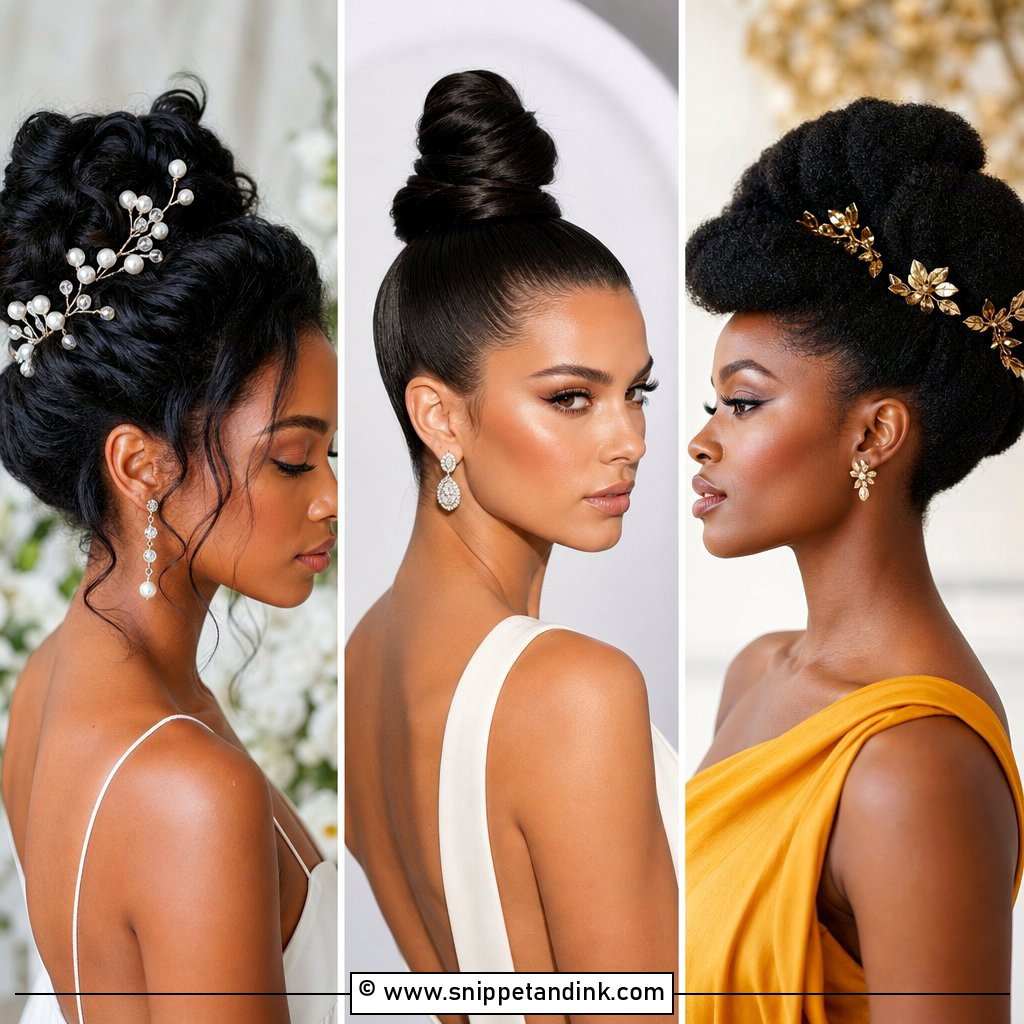
Texture is a gift to fine hair. When I build a low bun from loose twists, pinned waves or pulled-apart sections, the gaps between pieces read as volume, so fine hair looks fuller and thick hair looks lighter. Pearl pins, a sheer veil or a simple comb tucked above it all sit well. The catch is that “undone” still needs a firm base; I secure an elastic at the nape first, then build the texture over it, so the bun holds through dancing, wind and warm weather.
3. Sleek Bun Wedding Hairstyle
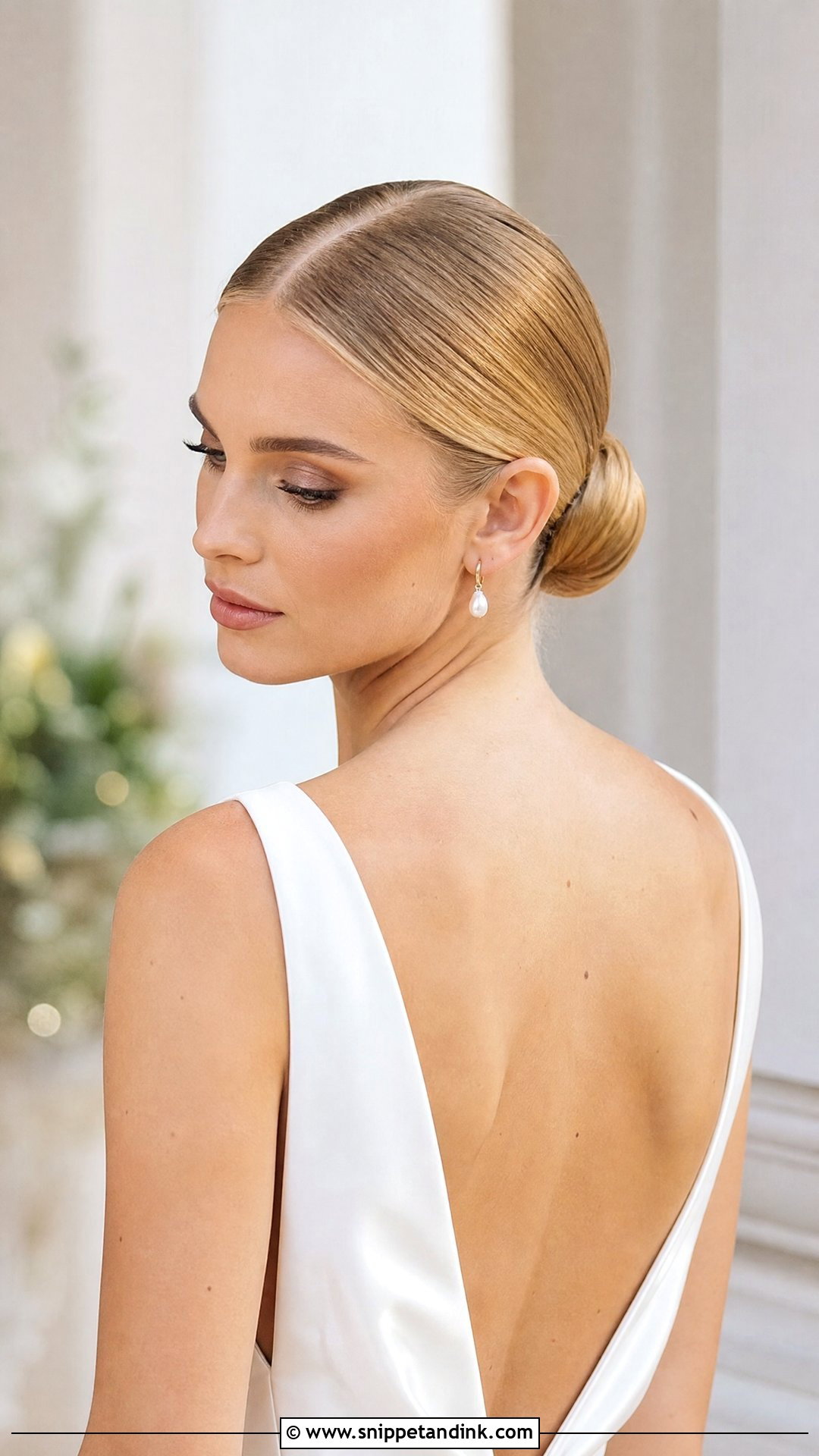
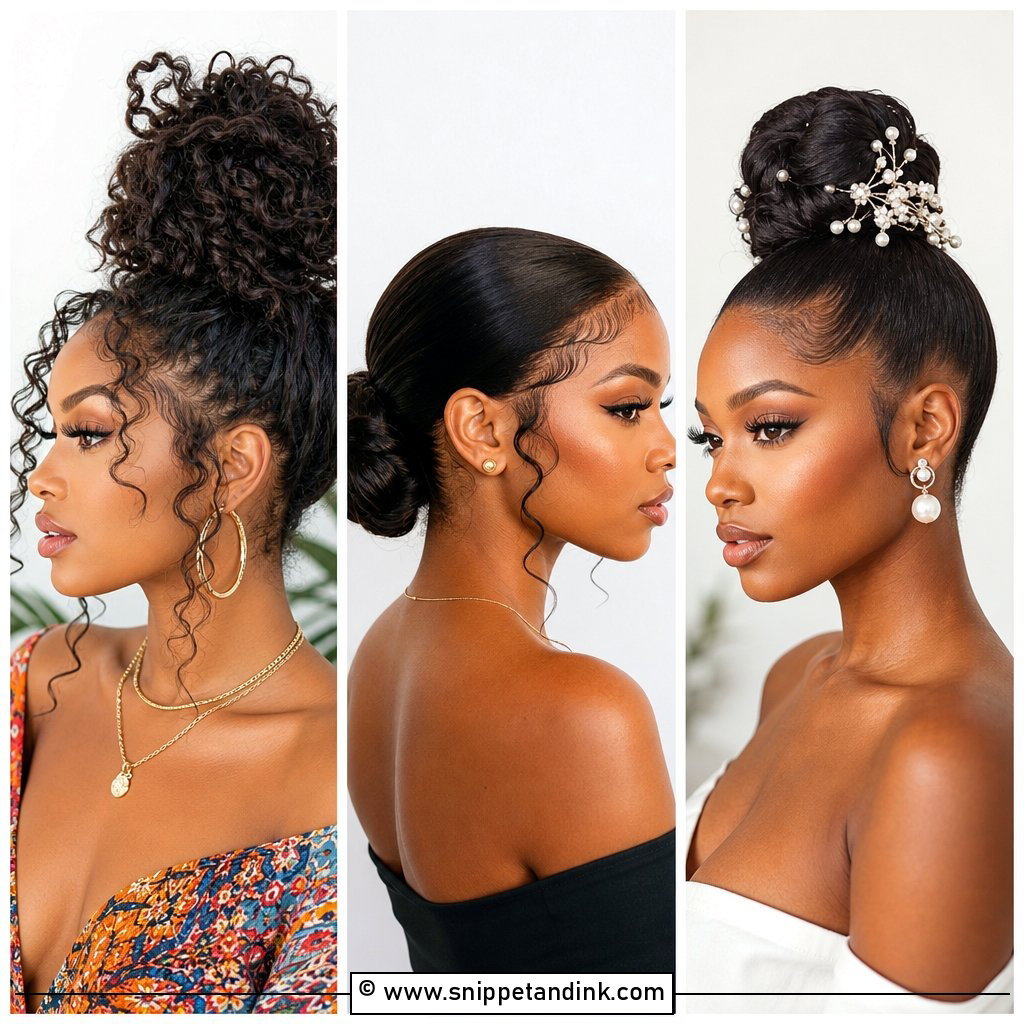
Every detail of a sleek bun shows: the part, the flyaways, the shape of the bun. That makes the prep matter more than the pinning. I smooth the hair with a light gel or cream, brush it back with a boar bristle brush and set a clean part before twisting it into a tight or softly rounded shape at the nape or slightly higher. It pairs with minimal gowns, satin, structured necklines and dramatic earrings. Brides with very curly hair should plan for a silk press or a blow-dry beforehand, and anyone who gets tension headaches should ask for a softer pull.
4. Chignon Wedding Hairstyle
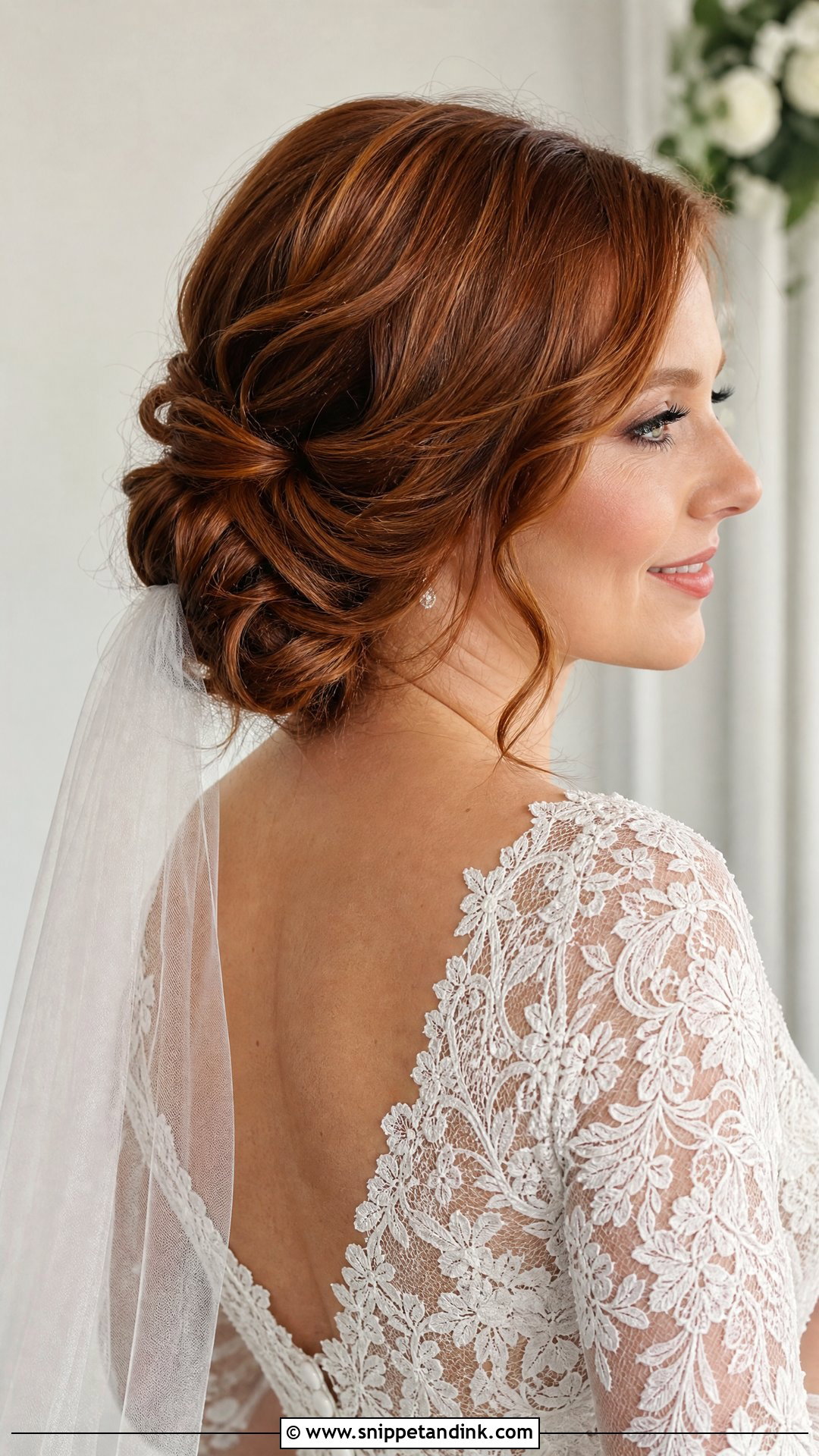
A chignon is softer than a tight bun but more sculpted than a loose one. It’s tucked, rolled or pinned low at the back and can be smooth or gently textured through the sides. Veils, hair vines, pearl pins and fine combs all sit neatly with it. I recommend it most when the dress has lace, beading or an open back, because the hair stays compact and out of the way of the detail.
5. French Twist Wedding Hairstyle
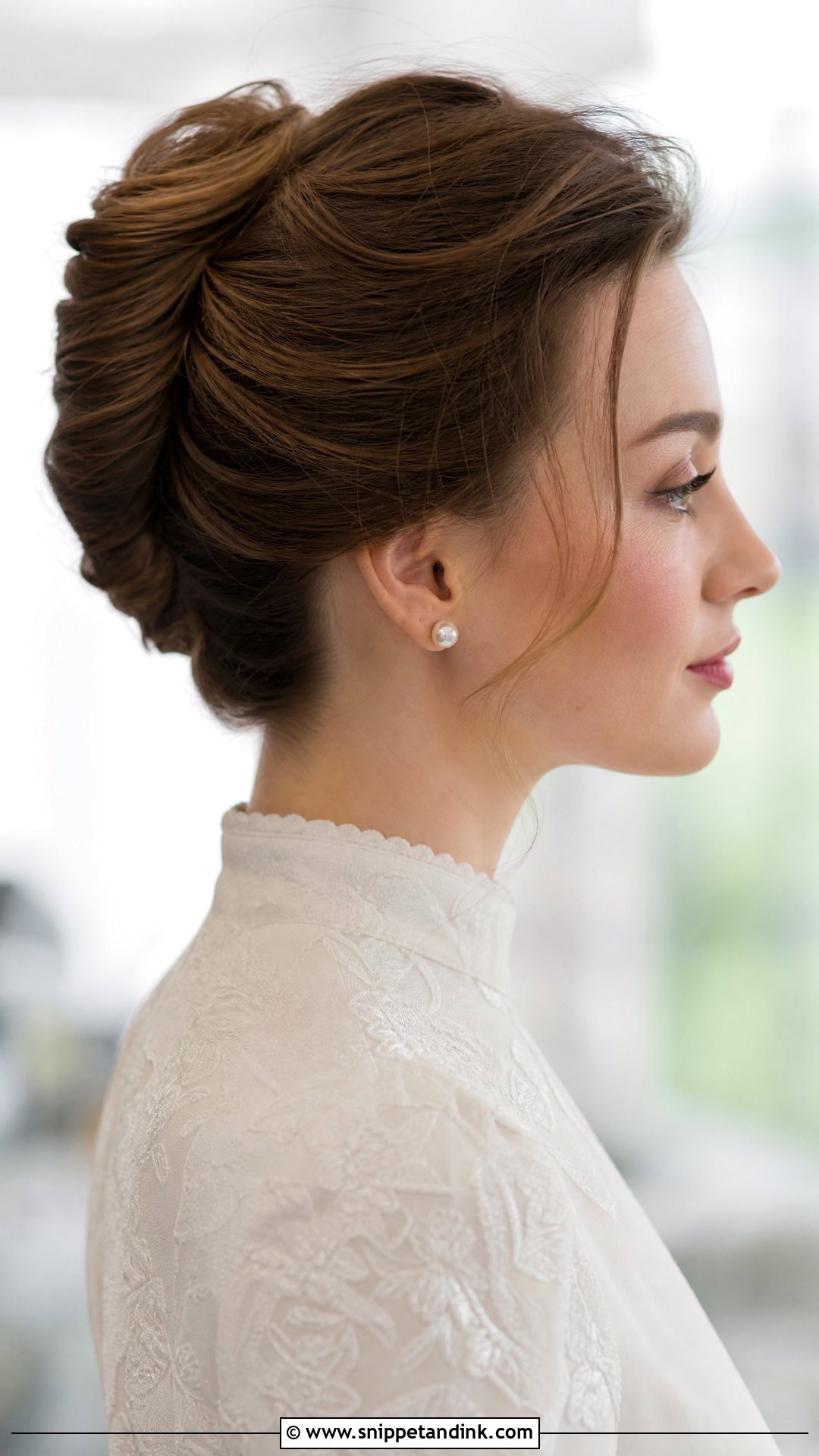
The French twist sweeps hair up and tucks it into a vertical roll, which lengthens the neck and gives a little vintage feel. Medium to long hair works best; shorter or finer hair can be built out with padding or a few wefts underneath. I lock the twist with a row of interlocking pins along the seam, the most secure fastening I know for this shape. Keep it sleek for formal ceremonies or loosen the front for something more modern. It pairs well with drop earrings, high collars, boat neck dresses and lace veils.
6. Hollywood Waves Wedding Hairstyle
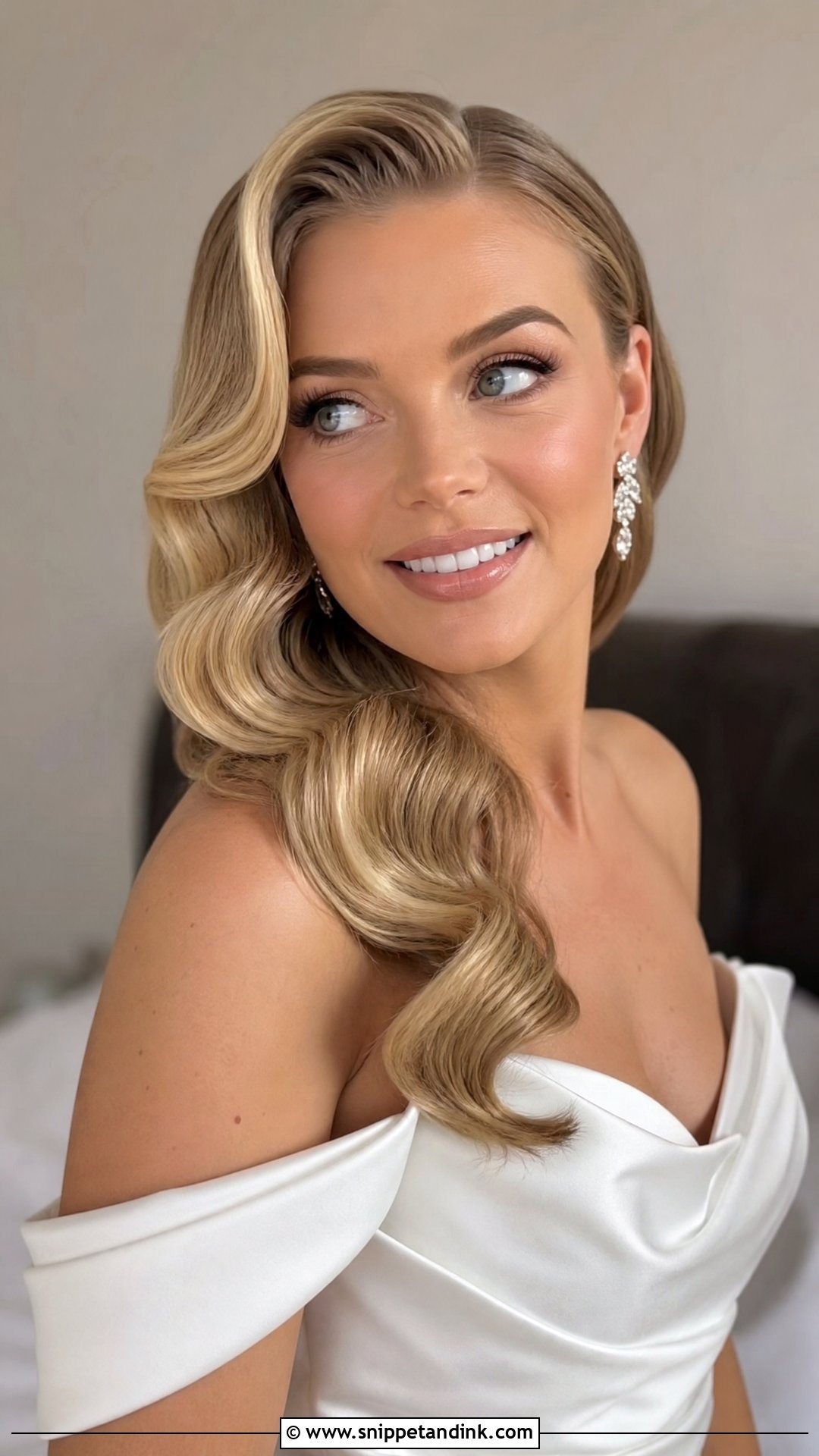
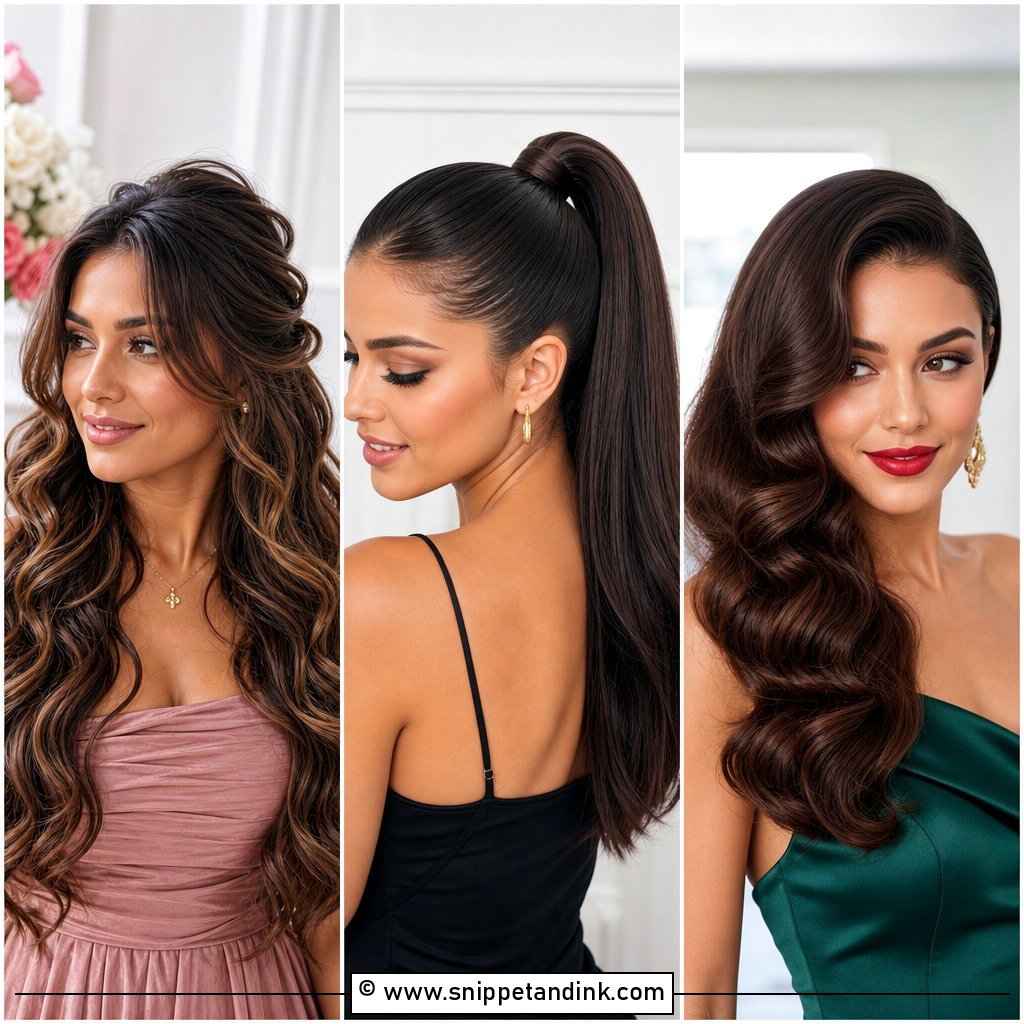
The secret of Hollywood waves is patience. Every section is curled the same way, pinned while it cools, then brushed into one uniform ripple that frames the face. Rushing the cooling stage is why so many versions fall flat by the toasts. Medium to long hair shows the pattern best, with a deep side part, an off-shoulder gown or a vintage-inspired dress. A veil comb can break up the wave, so place it low or behind the waves rather than through them. Finish with a light hold spray and a shine mist.
7. Soft Waves Wedding Hairstyle
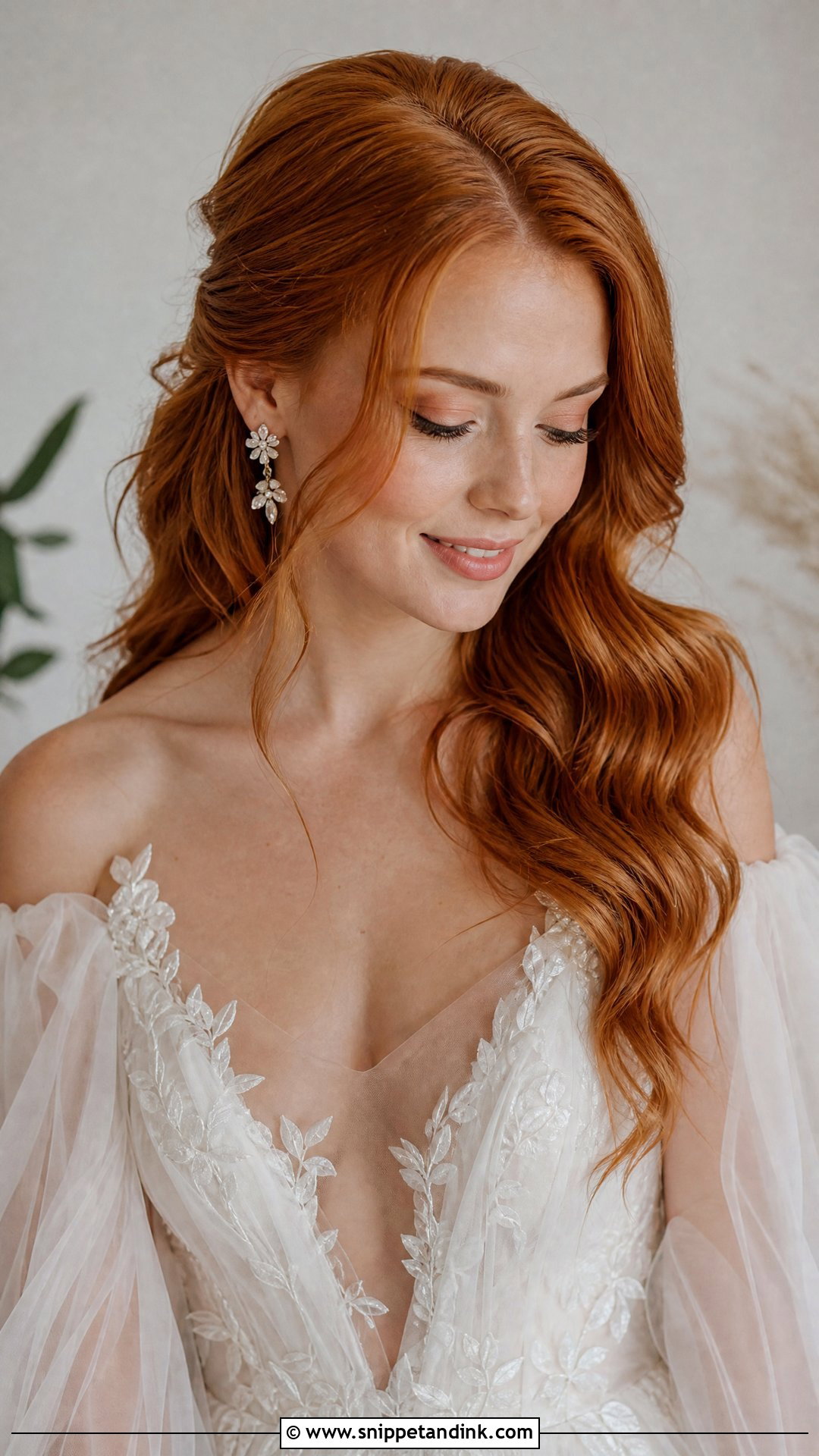
Bridal waves aren’t beach waves. They’re smoother, shinier and more deliberate, which is why they look finished in photos. Middle part, side part or soft face-framing layers all suit them, and they fit garden weddings, beach ceremonies and simple indoor rooms. Floral pins, small pearls or a light veil at the crown are easy additions. If your hair drops curls quickly, I set them tighter than the end result, pin them to cool, then brush out. They relax into the right shape over the day instead of falling out.
8. Half Up Half Down Wedding Hairstyle
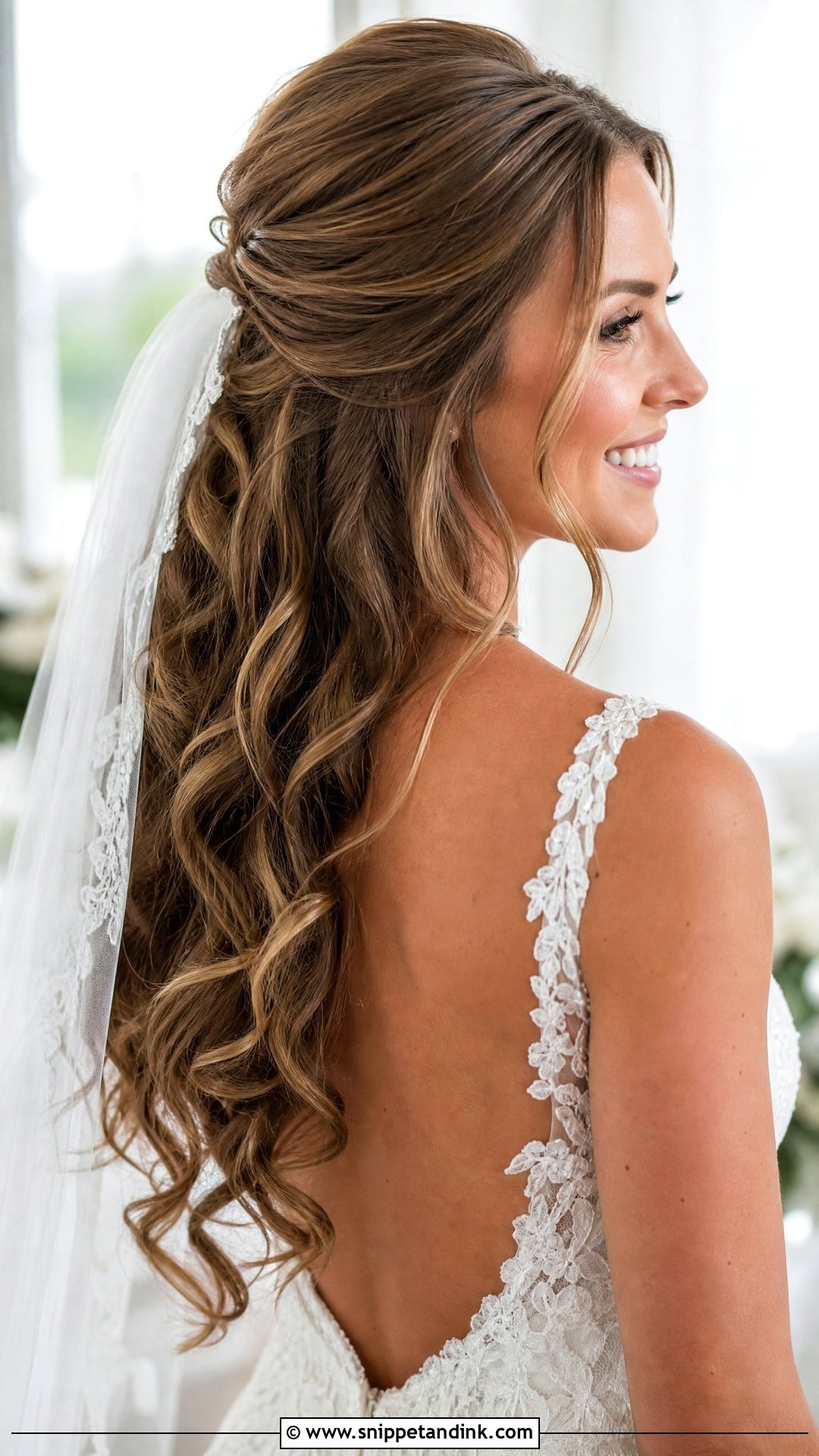
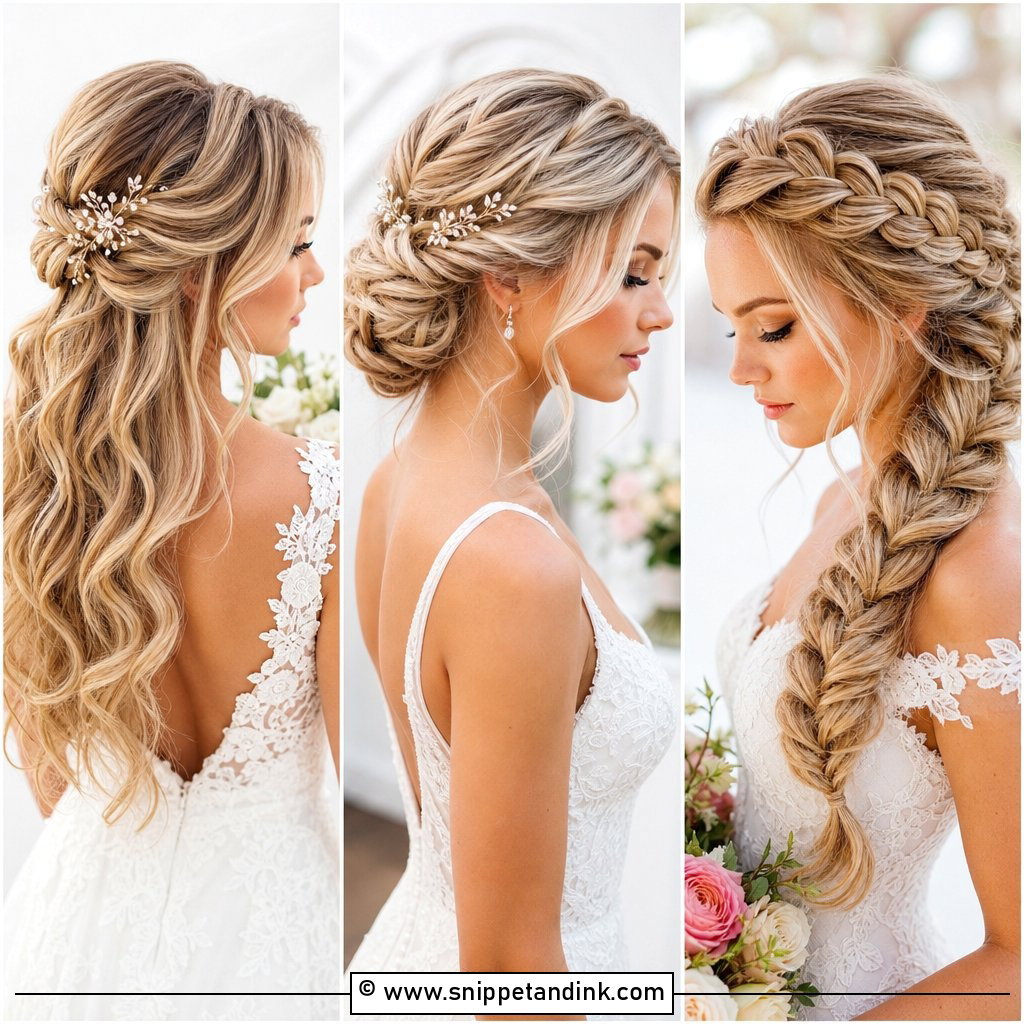
Half up, half down gives you lift at the top and length at the shoulders. The pinned section can be twisted, braided or softly gathered, and that gathered point is a natural anchor for a veil comb. Curled ends, face-framing layers and a little crown volume keep the proportions balanced. On very fine or freshly washed hair, I fix the top section with a small elastic before pinning, since pins alone tend to slide down by the evening.
9. Half Up Wedding Hairstyle With Braid
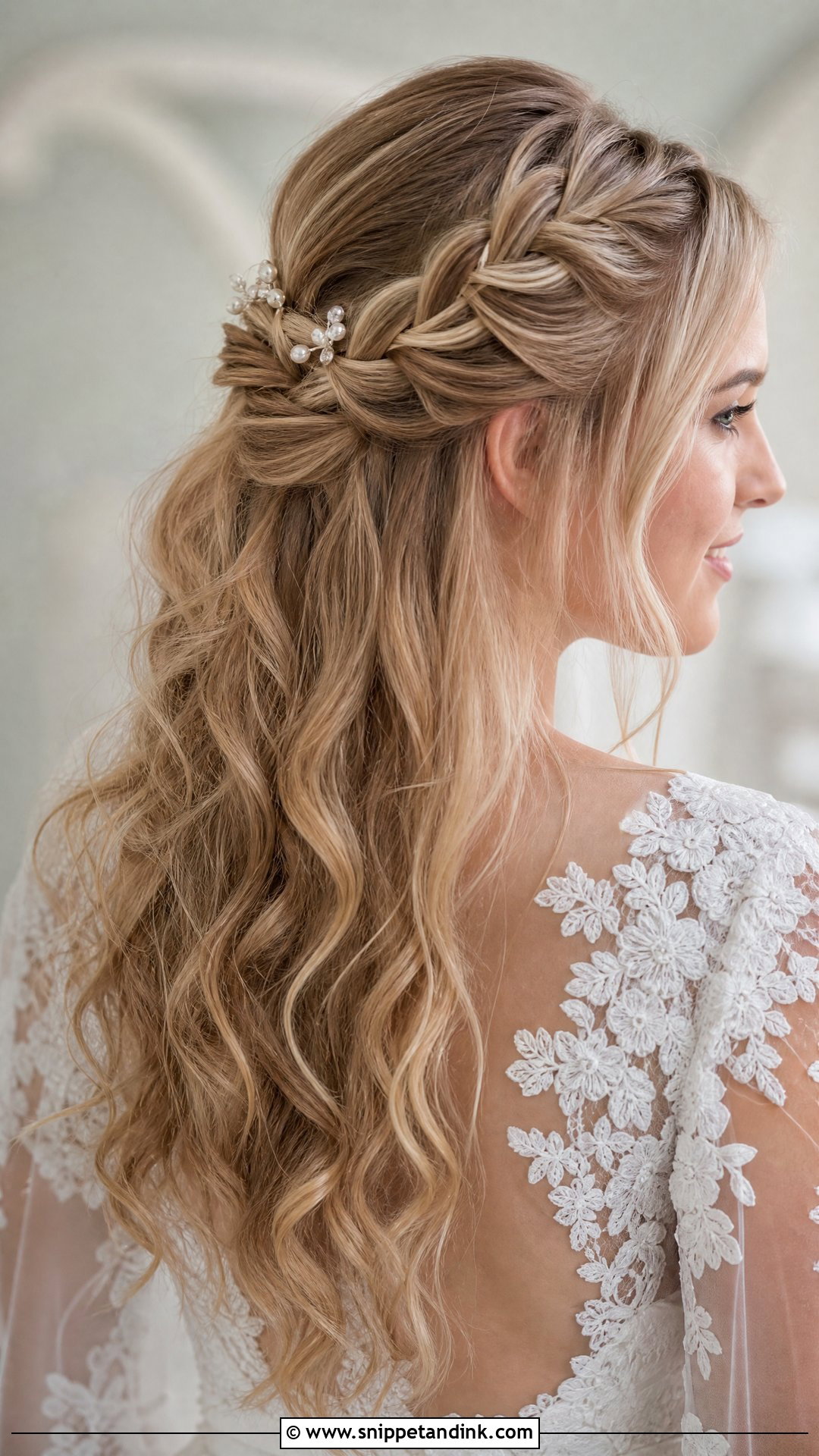
Adding a braid to a half up style gives detail without taking over. It can cross the crown, weave into the pinned section or run along one side. Outdoor weddings, rustic venues and lace or tulle dresses suit it well, and the loose lengths can be curled, waved or smooth. Pull the braid apart a little after it’s secured so it looks full. For thick hair it’s practical too, because braiding the front sections takes weight away from the face.
10. Braided Updo Wedding Hairstyle
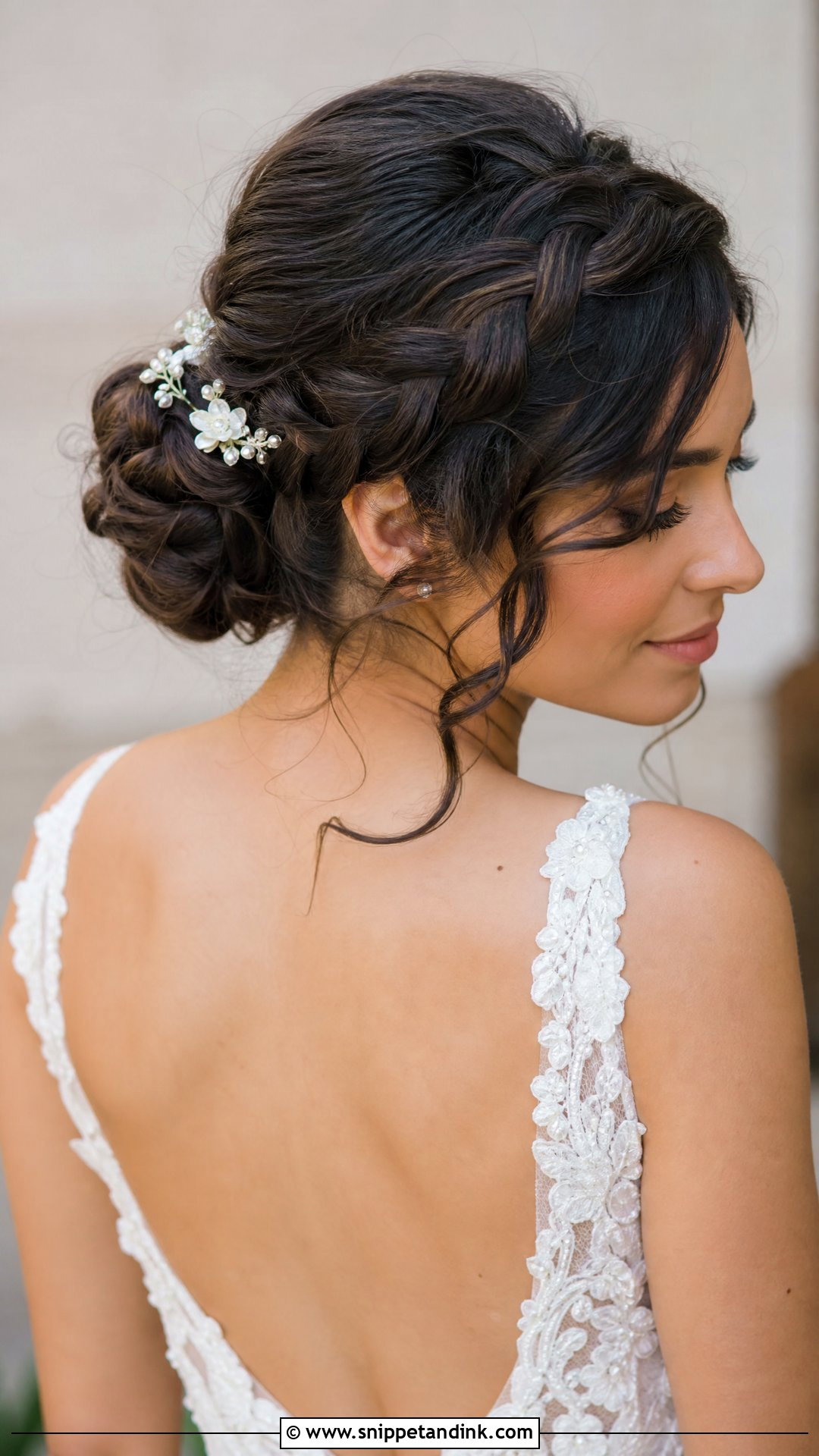
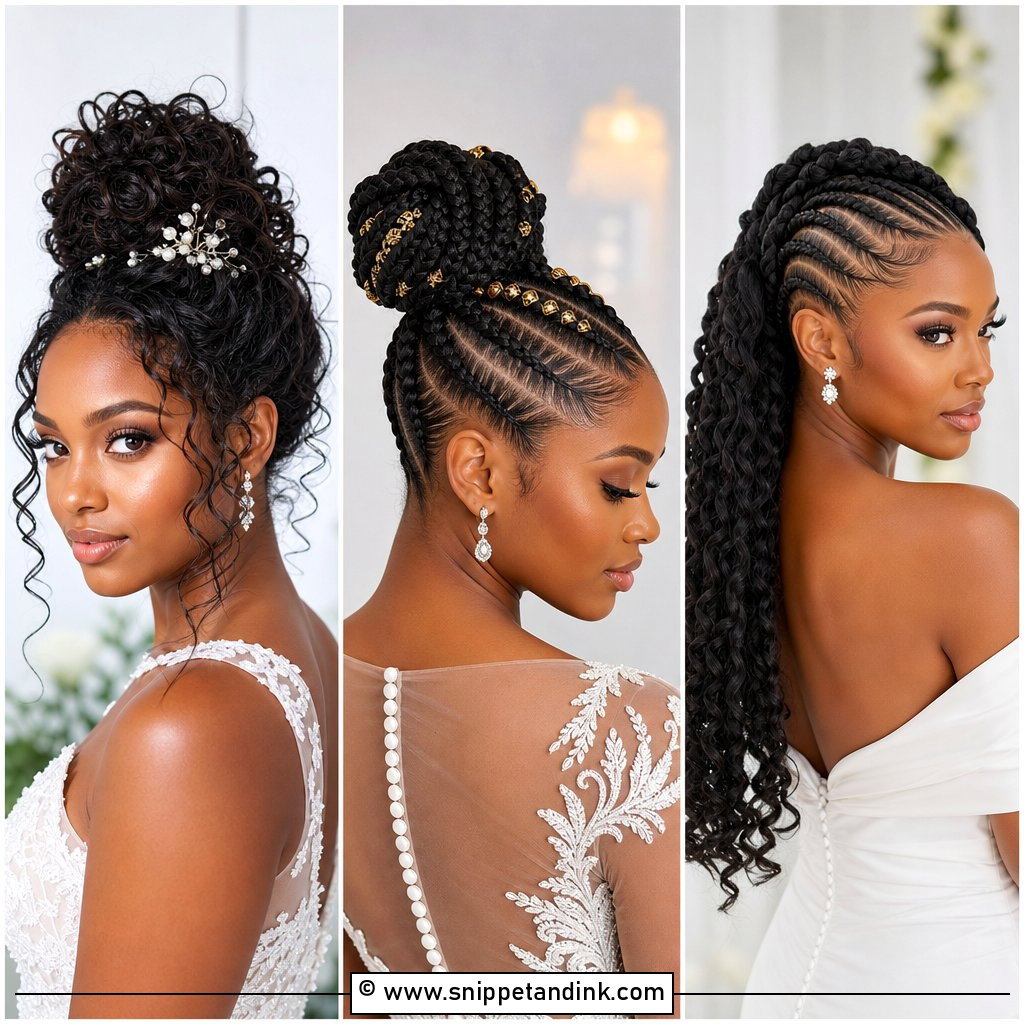
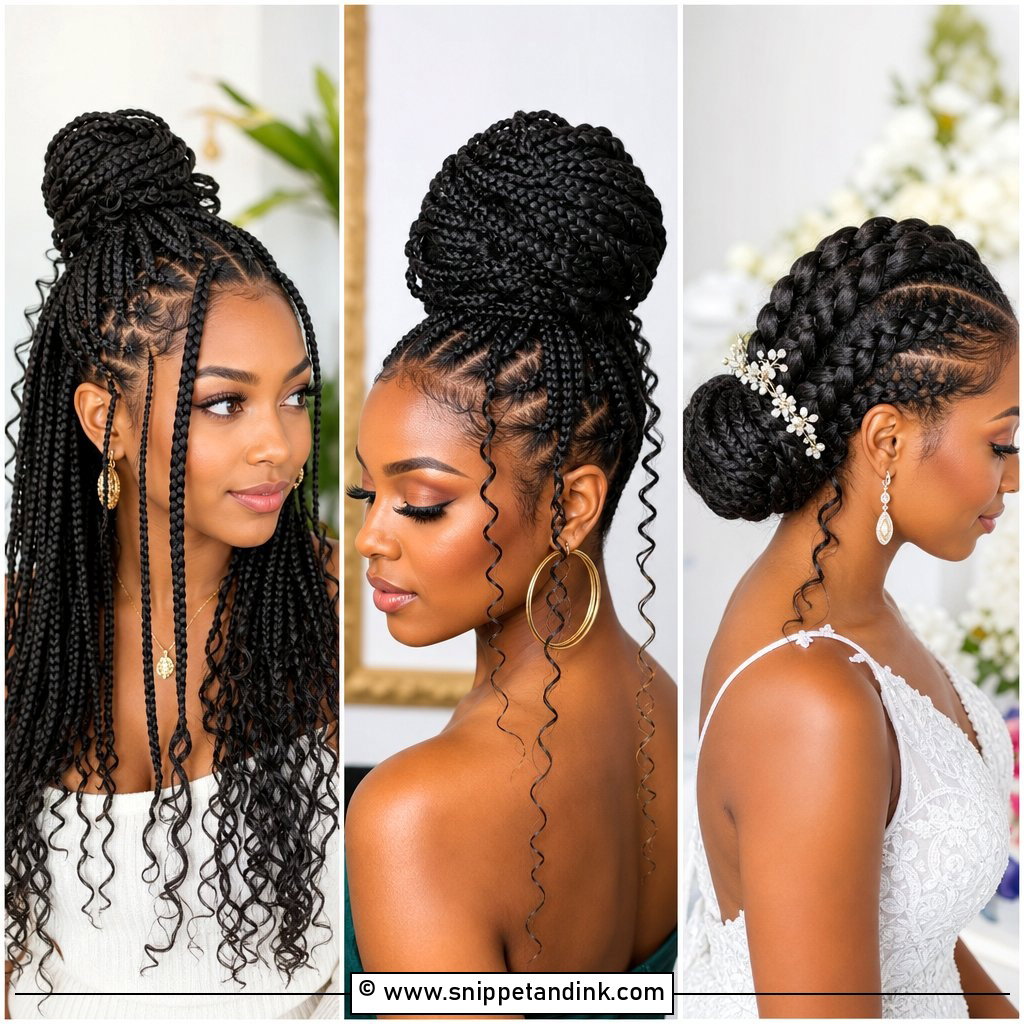
A braided updo is one of the most secure styles I do. Braids can wrap around a bun, cross the crown or blend into a low pinned shape, and every pin has a plait to grip. That makes it ideal for warm weather and long receptions. How tightly I pin it decides whether it reads polished or relaxed. Tiny pearls or floral pins sit between the plaits, and the braid itself gives depth that photographs well from behind.
11. Crown Braid Wedding Hairstyle
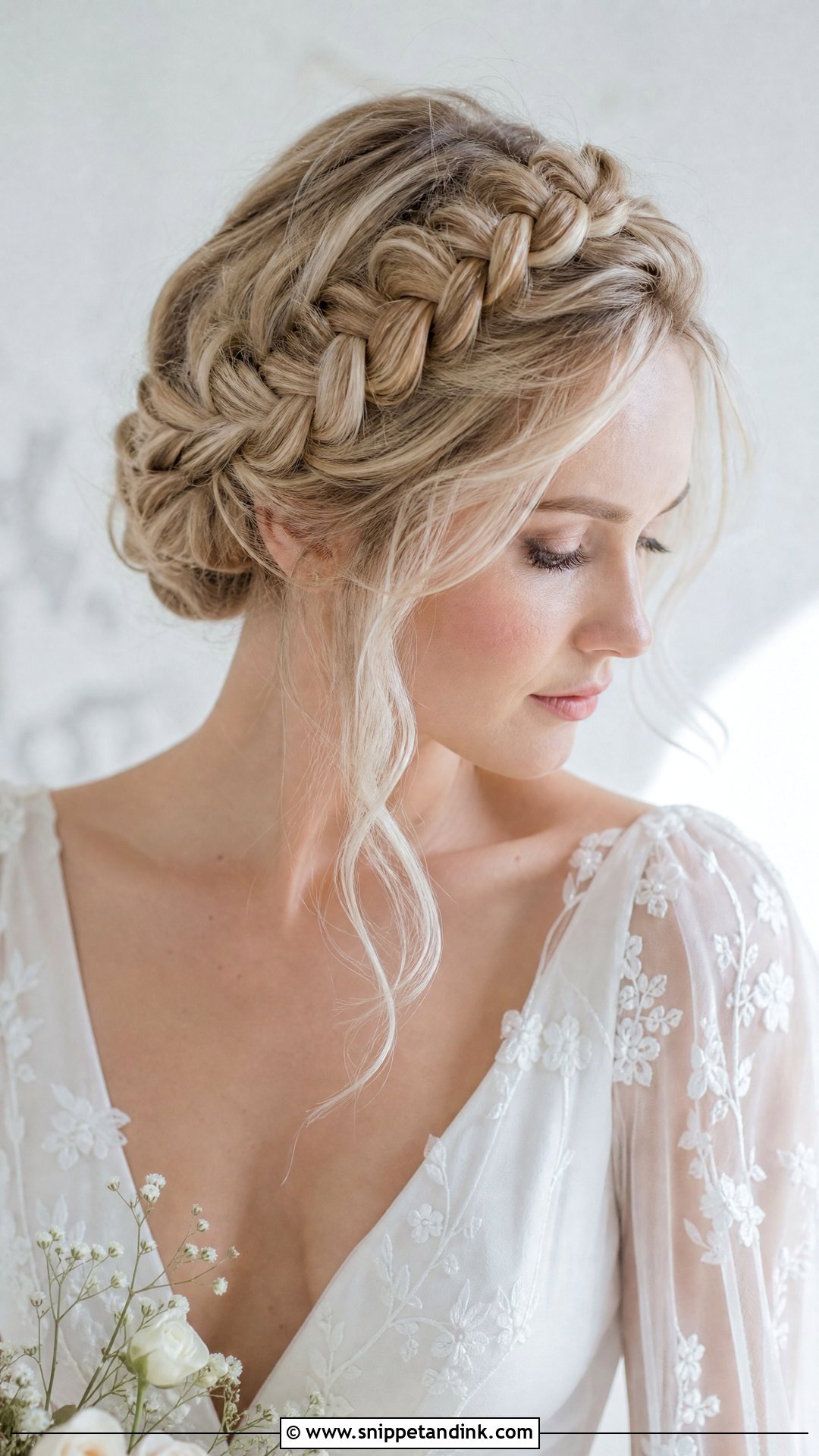
A crown braid frames the head and, once it’s anchored, barely moves. Smooth reads classic; loose and pulled apart reads bohemian. It’s my go-to for outdoor ceremonies and brides who don’t want to think about their hair again after the morning. Soft tendrils at the face keep it from looking formal. Small flowers, pearl pins or a simple veil tucked underneath all work. If your hair is shoulder length, a clip-in braid can complete the circle.
12. Fishtail Braid Wedding Hairstyle
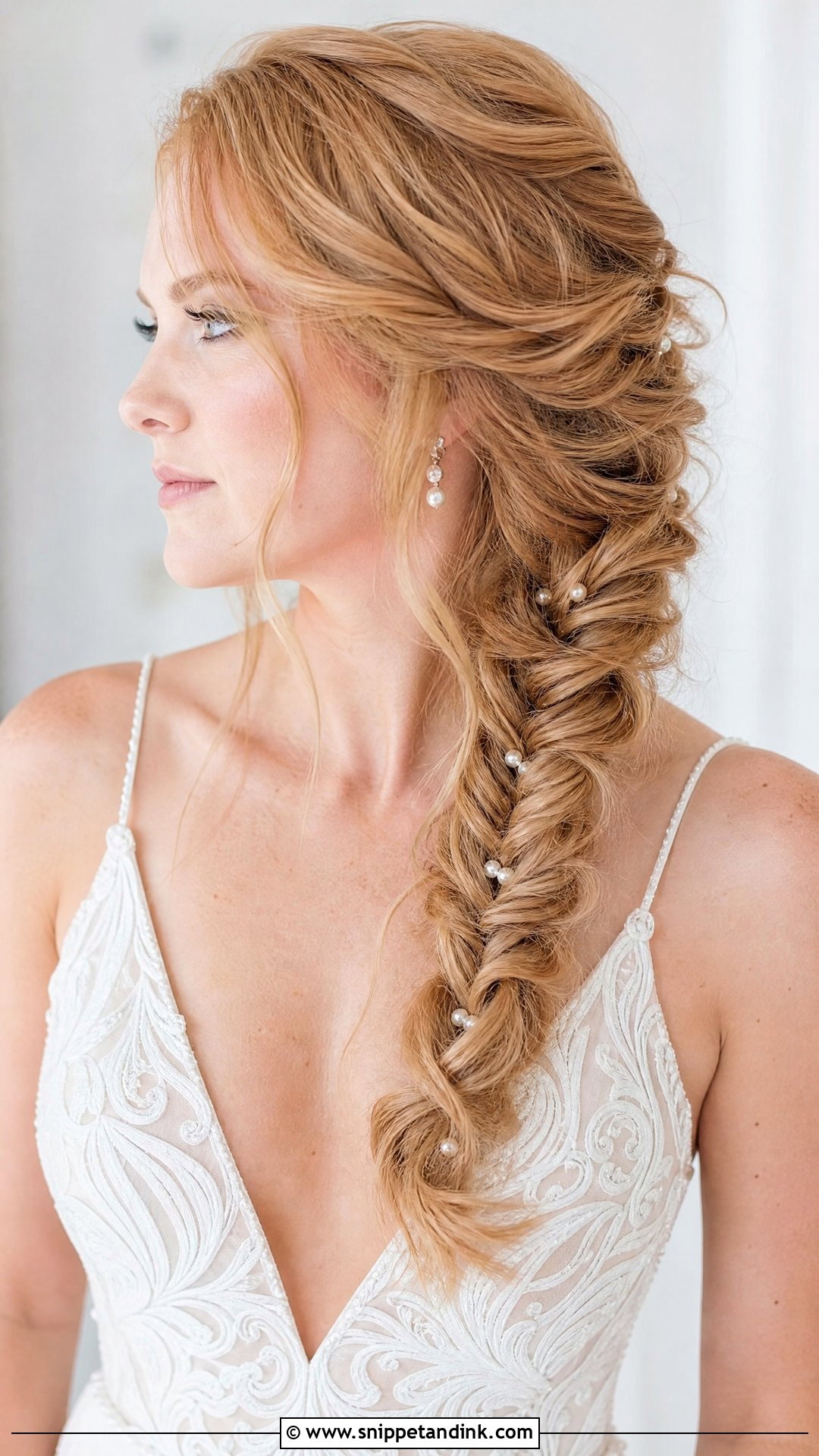
The fishtail is built from dozens of thin crossings, so it looks more intricate than a three-strand braid even when it’s loose. Over one shoulder, down the back or folded into a half up style are the usual placements. Long hair shows it best. I curl the hair before braiding, then pull the edges out gently for a fuller finish. A ribbon or a few small pins are enough decoration; the pattern is the point. Layered hair can poke out of the braid, which a little texture paste fixes.
13. Bridal Ponytail Wedding Hairstyle
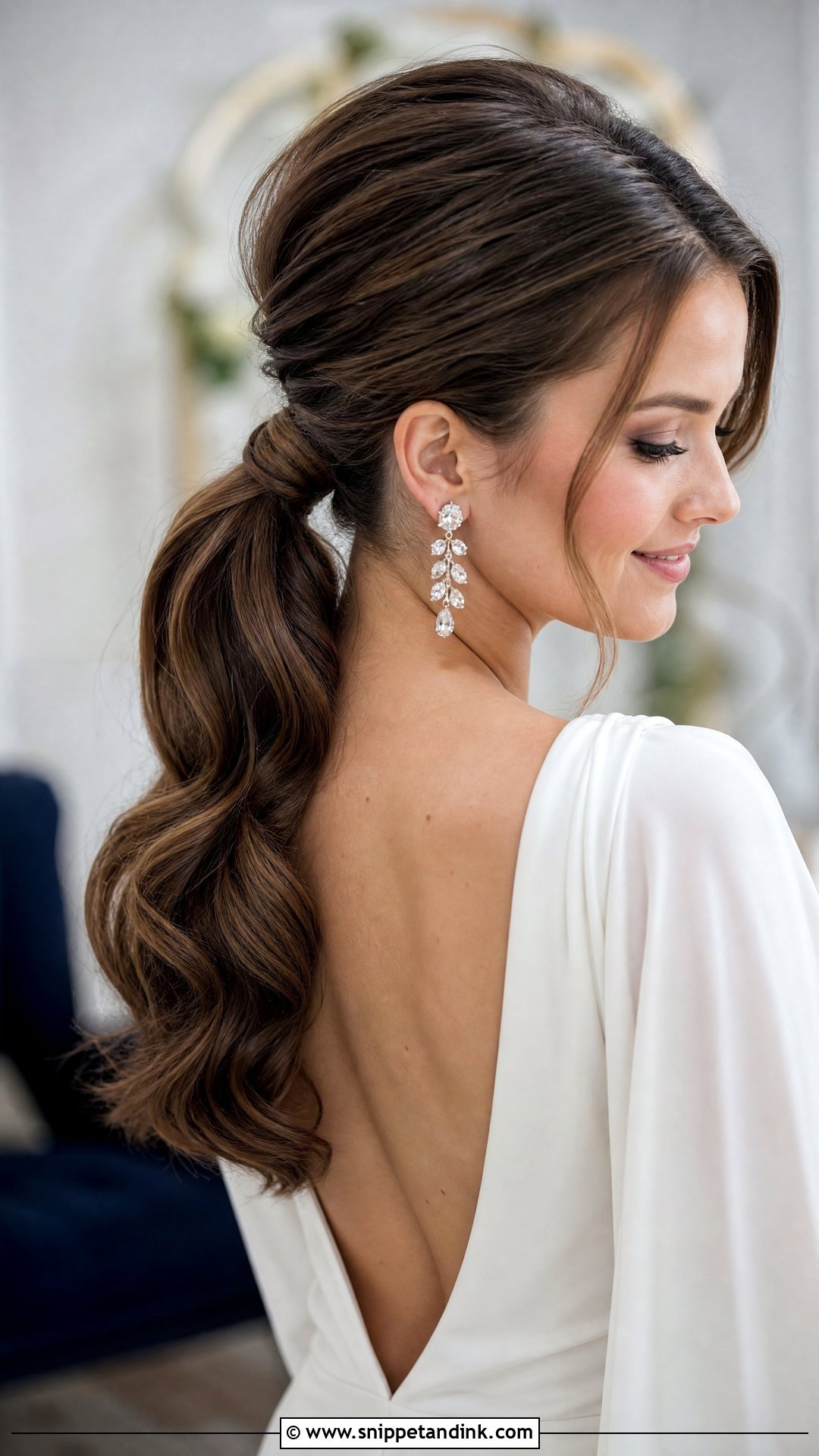
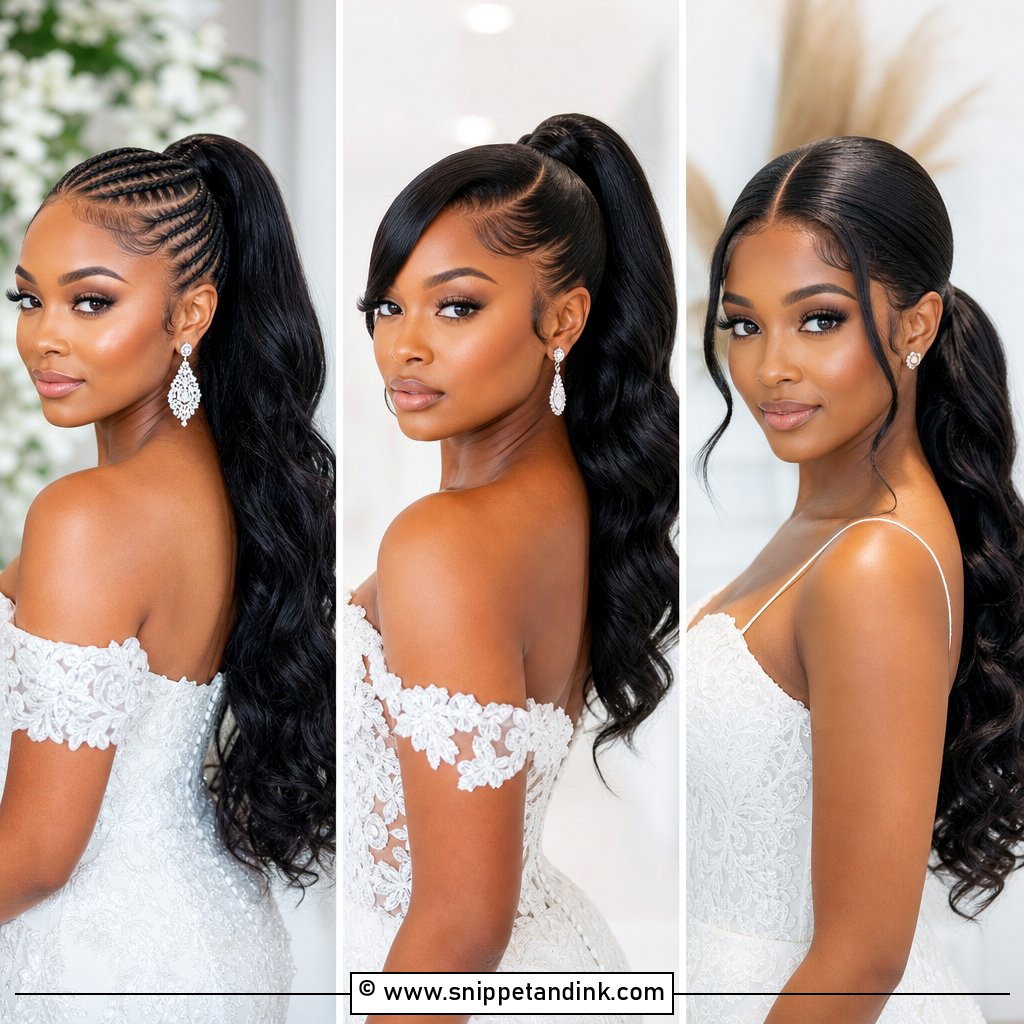
A bridal ponytail gives movement without wearing everything down. Low and sleek, high and lifted, or softly curled all work, and wrapping a strand of hair around the base makes it look finished. Clean gowns, open backs and statement earrings suit it, and it stays comfortable through a long reception. I decide between crown volume and a smooth part based on face shape: a little height lengthens a round face, while a flat, sleek top suits angular features.
14. Sleek Ponytail Wedding Hairstyle
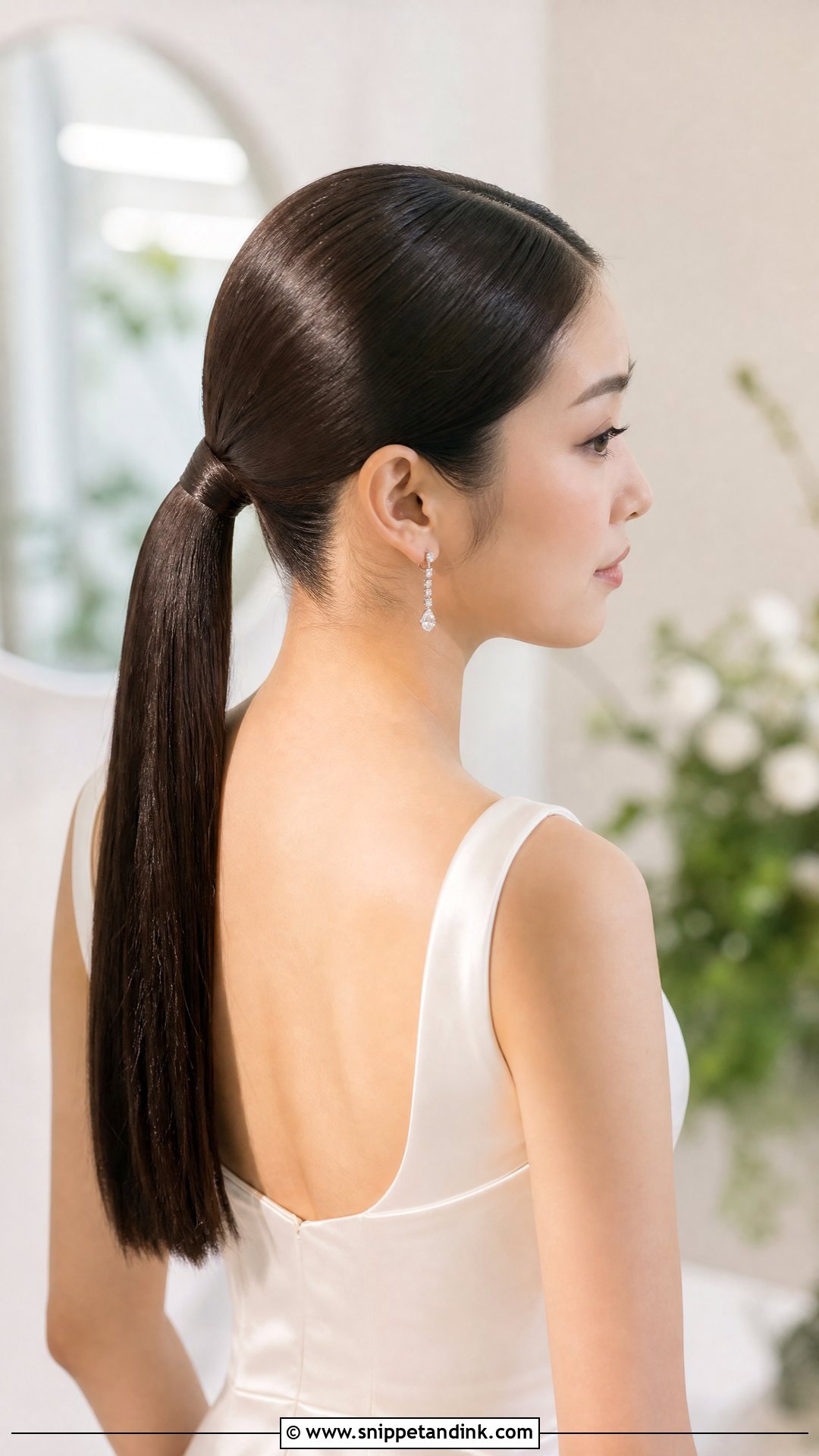
Sleek ponytails are mostly about smoothing. The hair is brushed tightly or softly back with shine products and gathered into a polished tail, with the lengths left straight, softly curled or waved. It works with modern gowns, halter necklines and simple veils, and it keeps hair off the face for warm venues and long photo sessions. Centre parts look chic, side parts softer. Wrap the base, and if your hair is thin at the nape, ask for a few wefts to give the tail some body.
15. High Ponytail Wedding Hairstyle
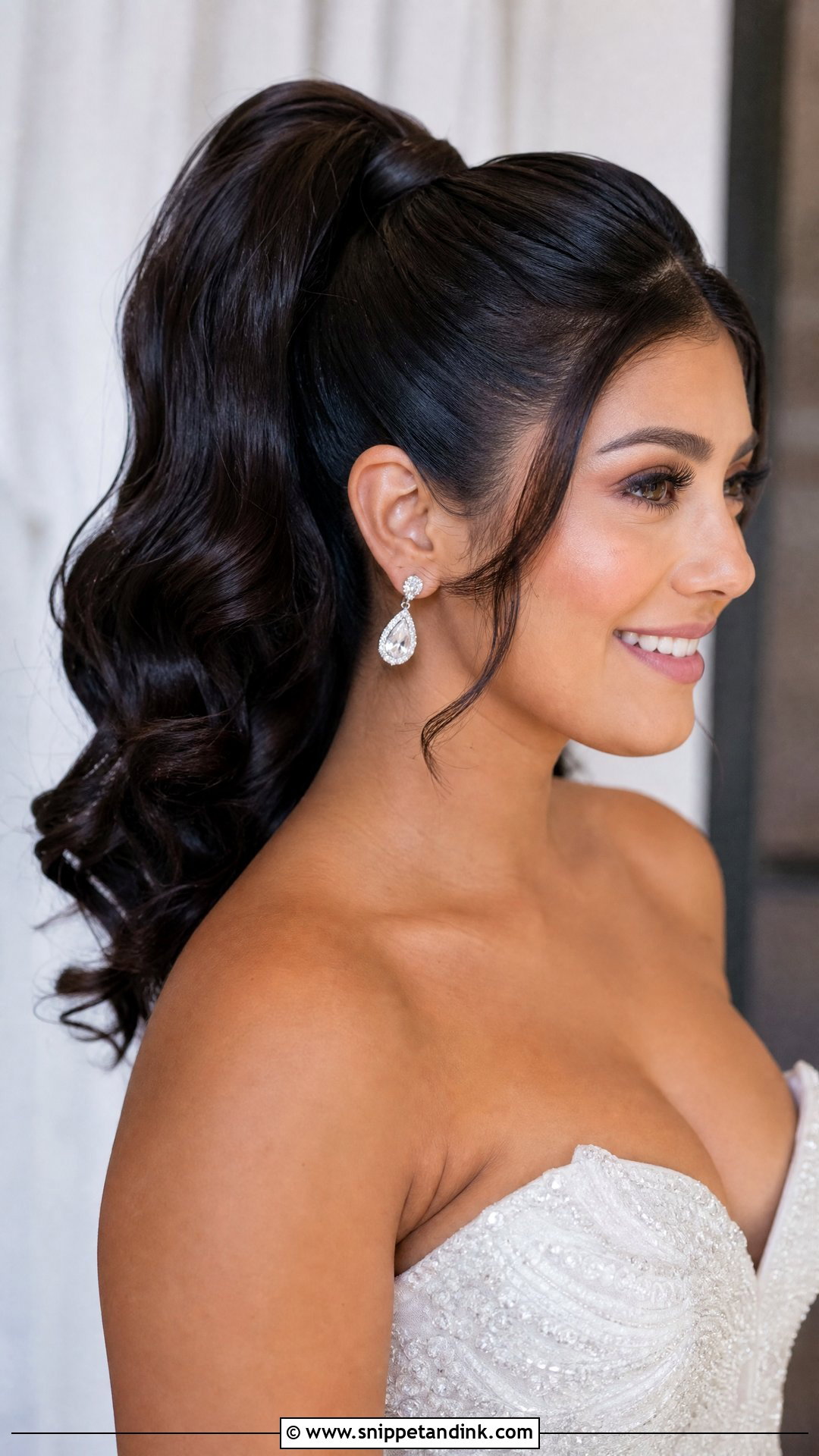
A high ponytail draws the eye up and adds a bit of red-carpet energy. It can be curled into bouncy waves, worn straight or given soft volume at the crown. Strapless dresses, high necklines and dramatic earrings suit it well. It’s comfortable for dancing, but heavy, long hair can pull at the crown over many hours, so I anchor the elastic with crossed pins and keep the base wrapped. Soft pieces at the temples gentle the look.
16. Curly Wedding Hairstyle
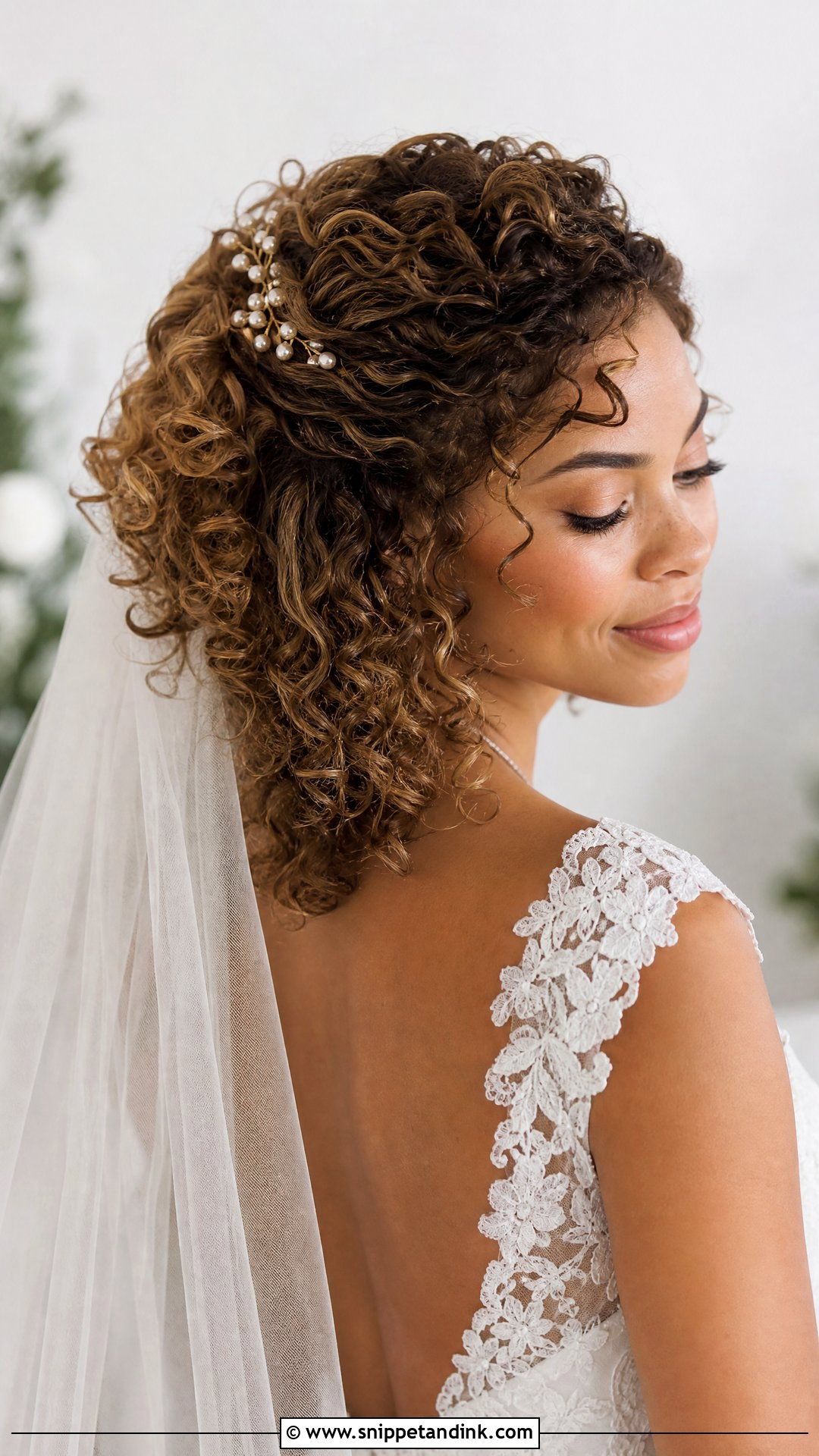
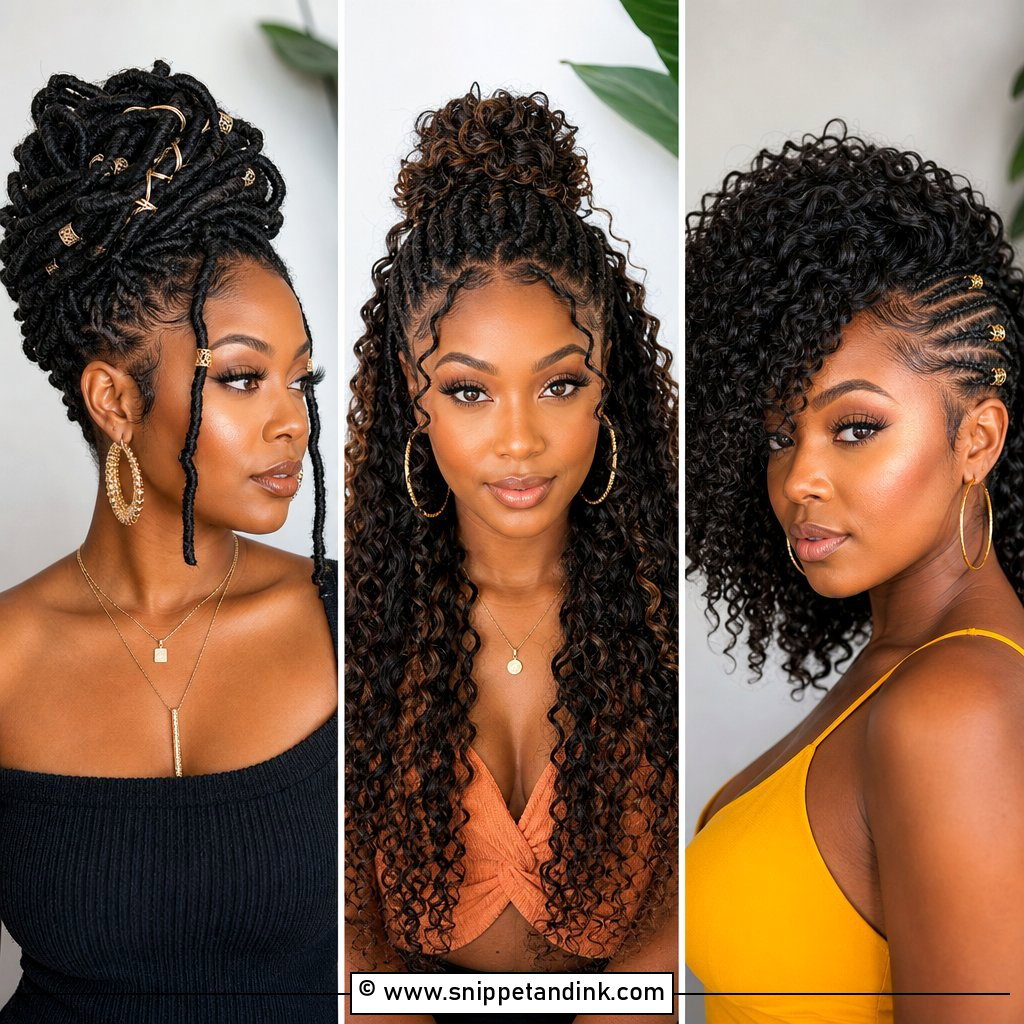
Curly bridal hair should look like your curls on their best day, not forced into one uniform ringlet. Defined curls can be worn down, half up or pinned into a soft updo. Hydration, definition and hold matter more than uniformity, so I set curls with a cream or gel and let them dry completely before touching them. A few face-framing curls keep it romantic. Veils need care, since a heavy comb at the crown can flatten curls, so I often place it lower in the hair.
17. Natural Hair Wedding Hairstyle
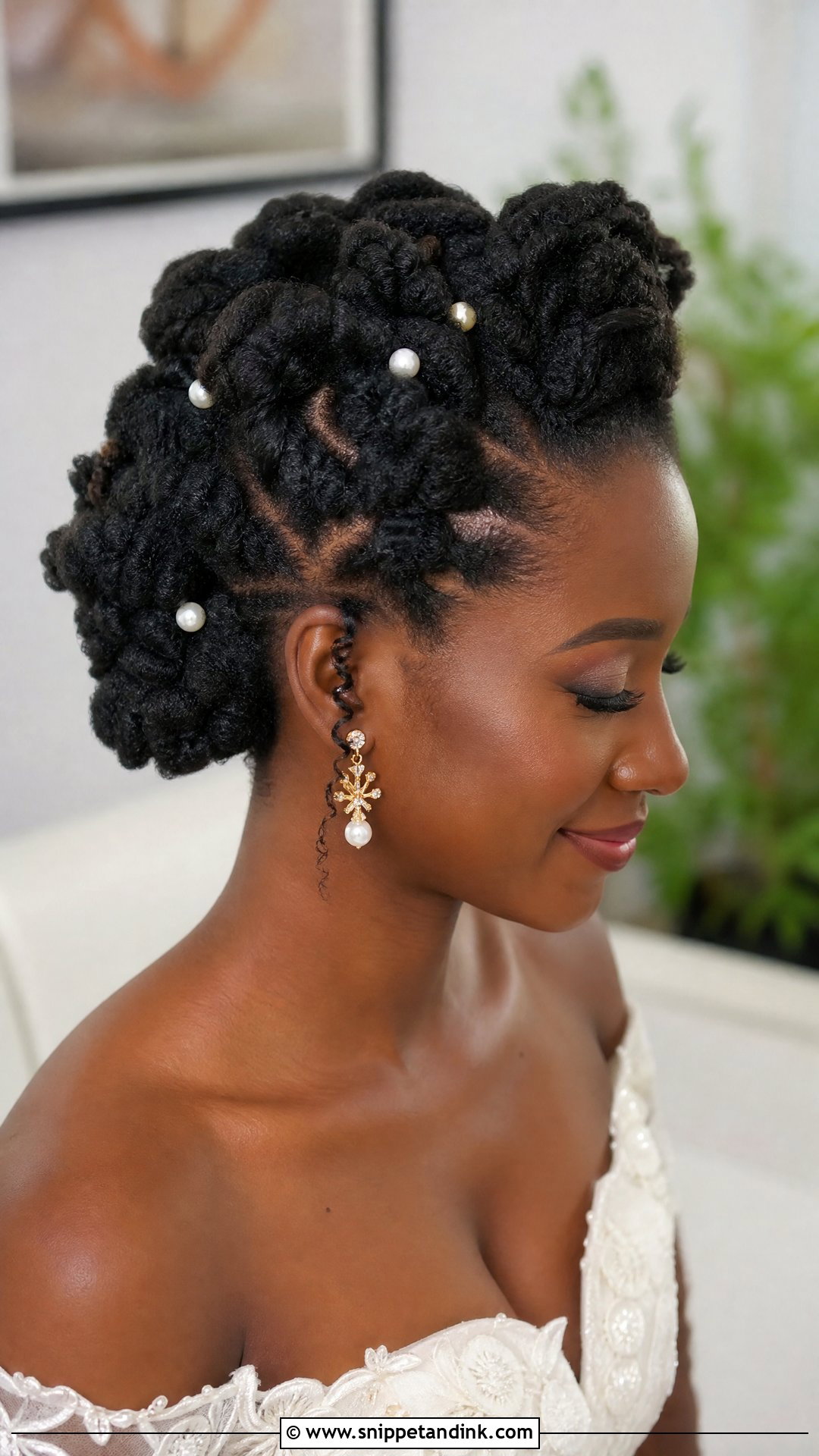
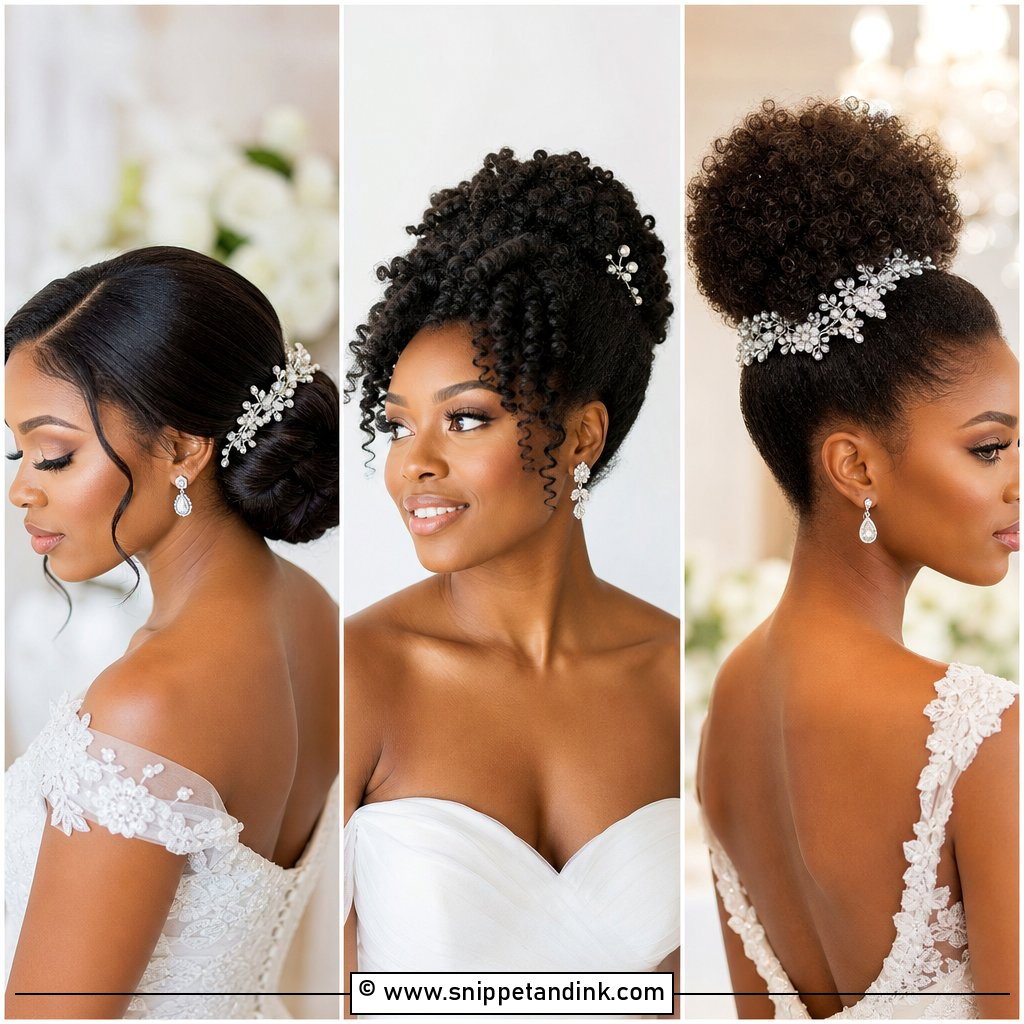
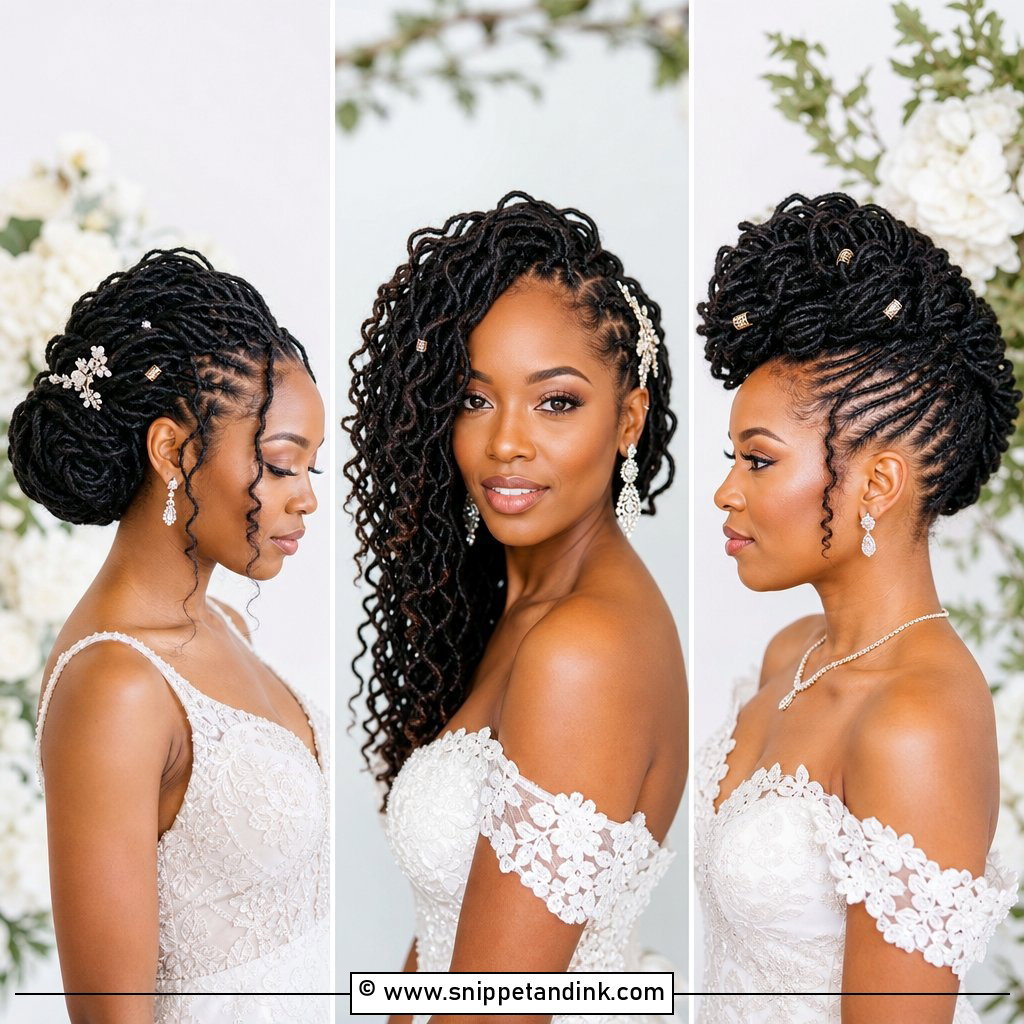
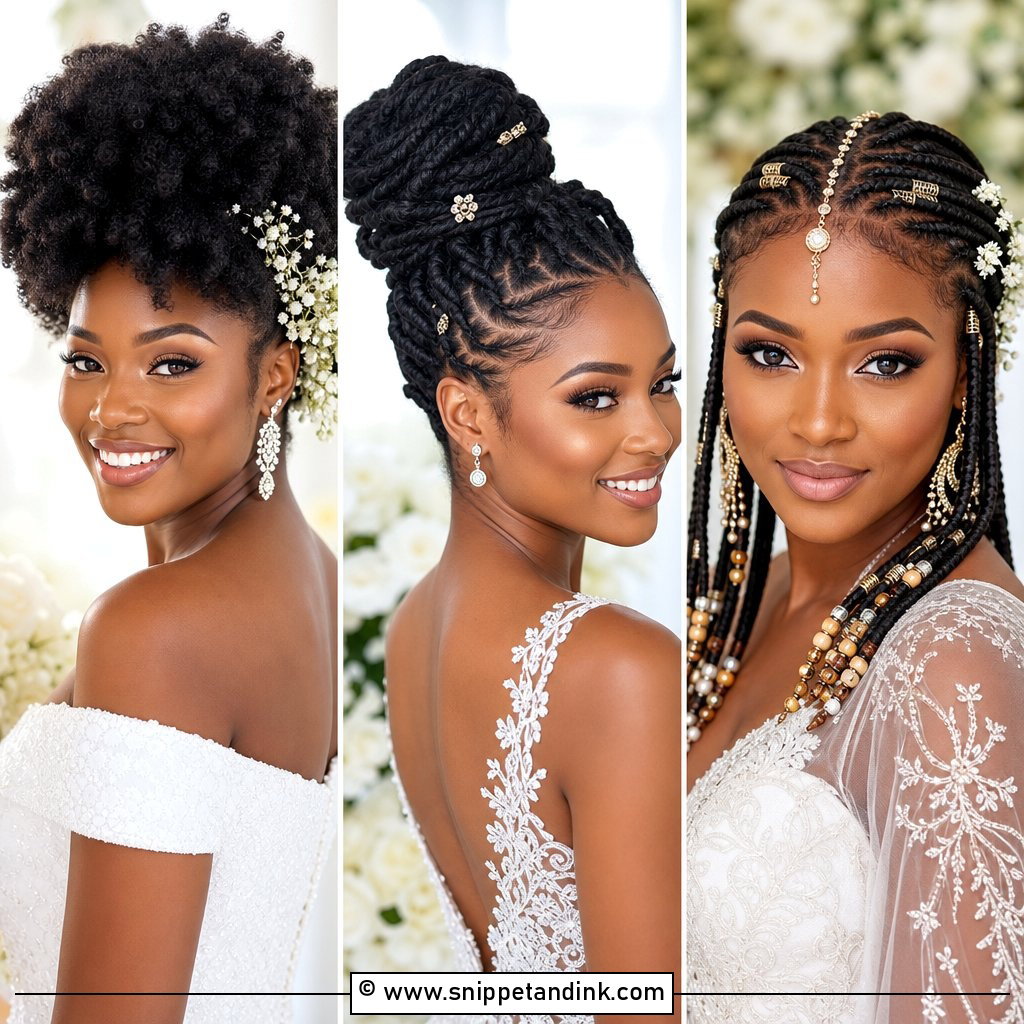
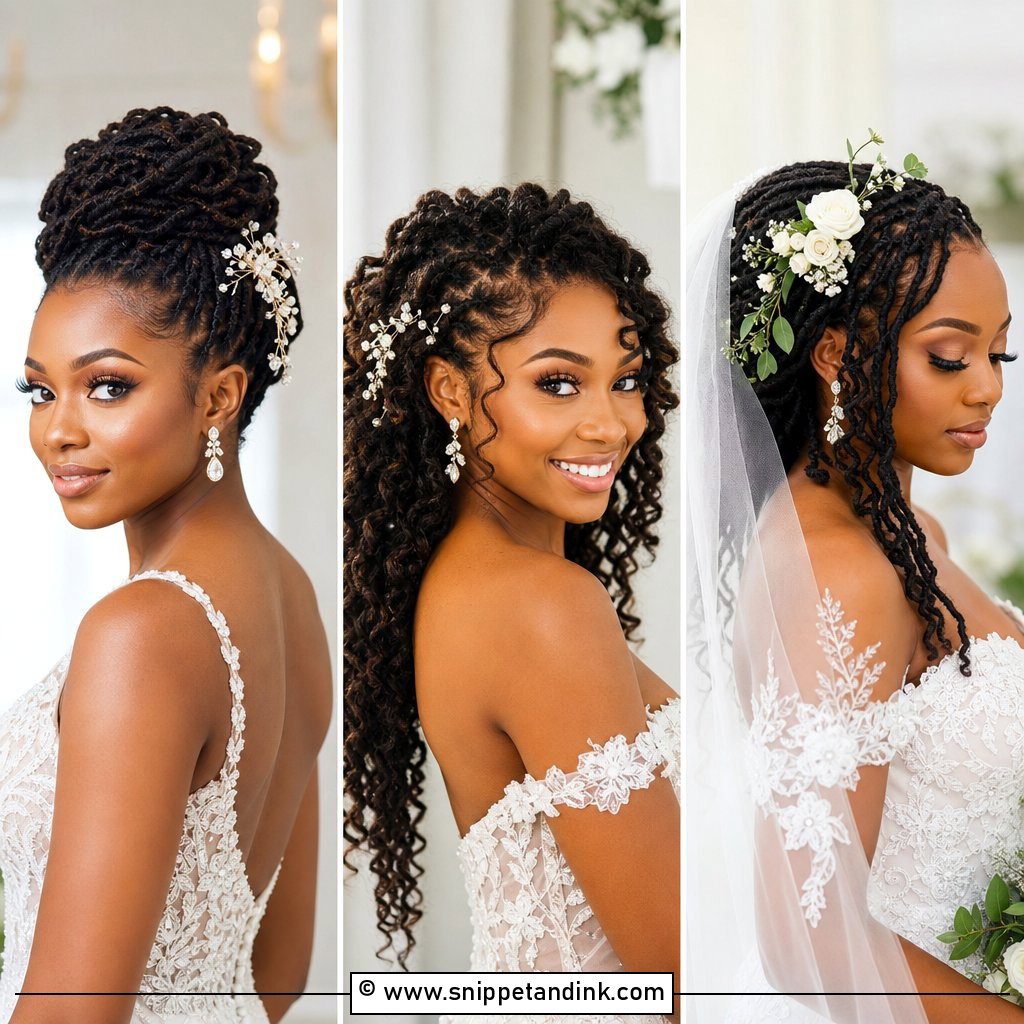
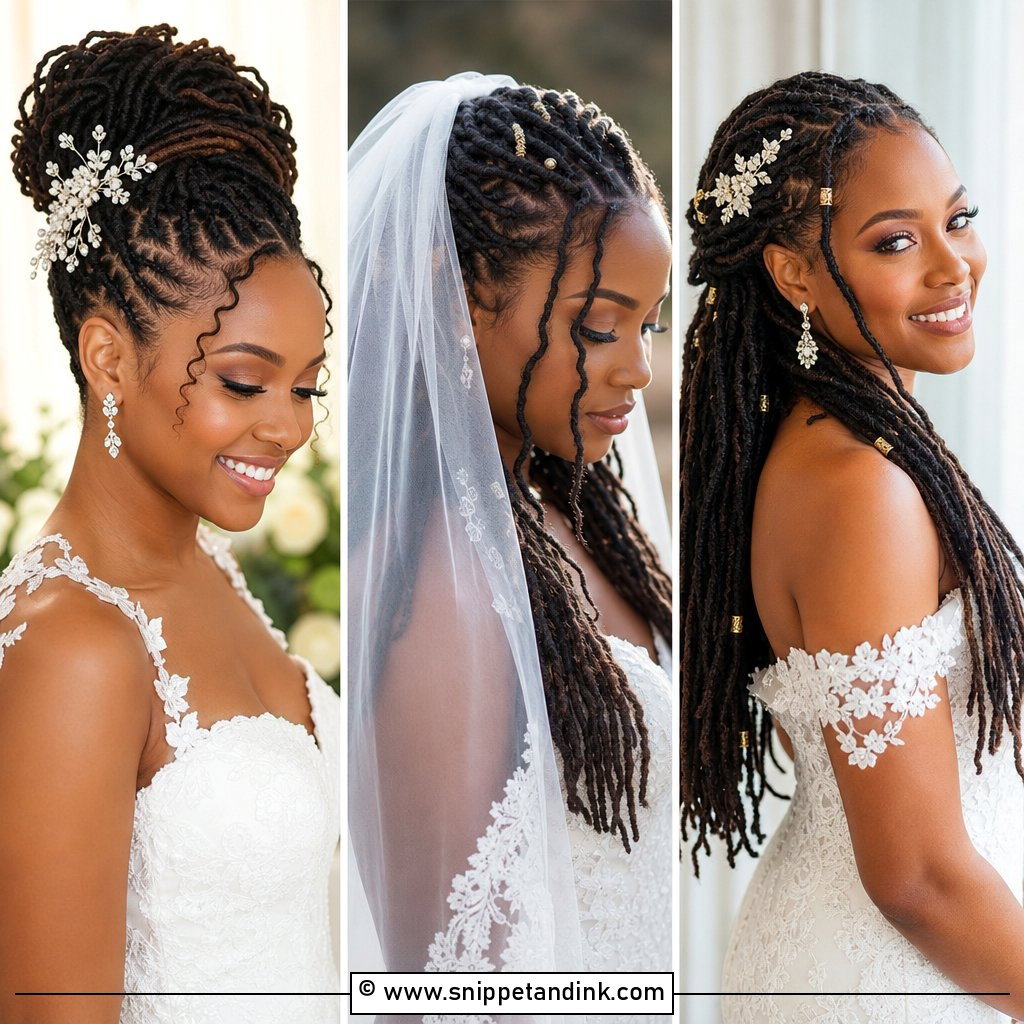
Natural hair styles can be bold, soft or sculpted. Coily and kinky textures hold twist updos, defined wash-and-go shapes, puffs, braided crowns and pinned curls well. Every good version starts with moisture and a shape that suits your face and accessories. Test any veil, comb or pins at your trial, since placement in dense textured hair needs a different grip than in straight hair. Shaped with intention and a little shine, these styles look formal and personal at once.
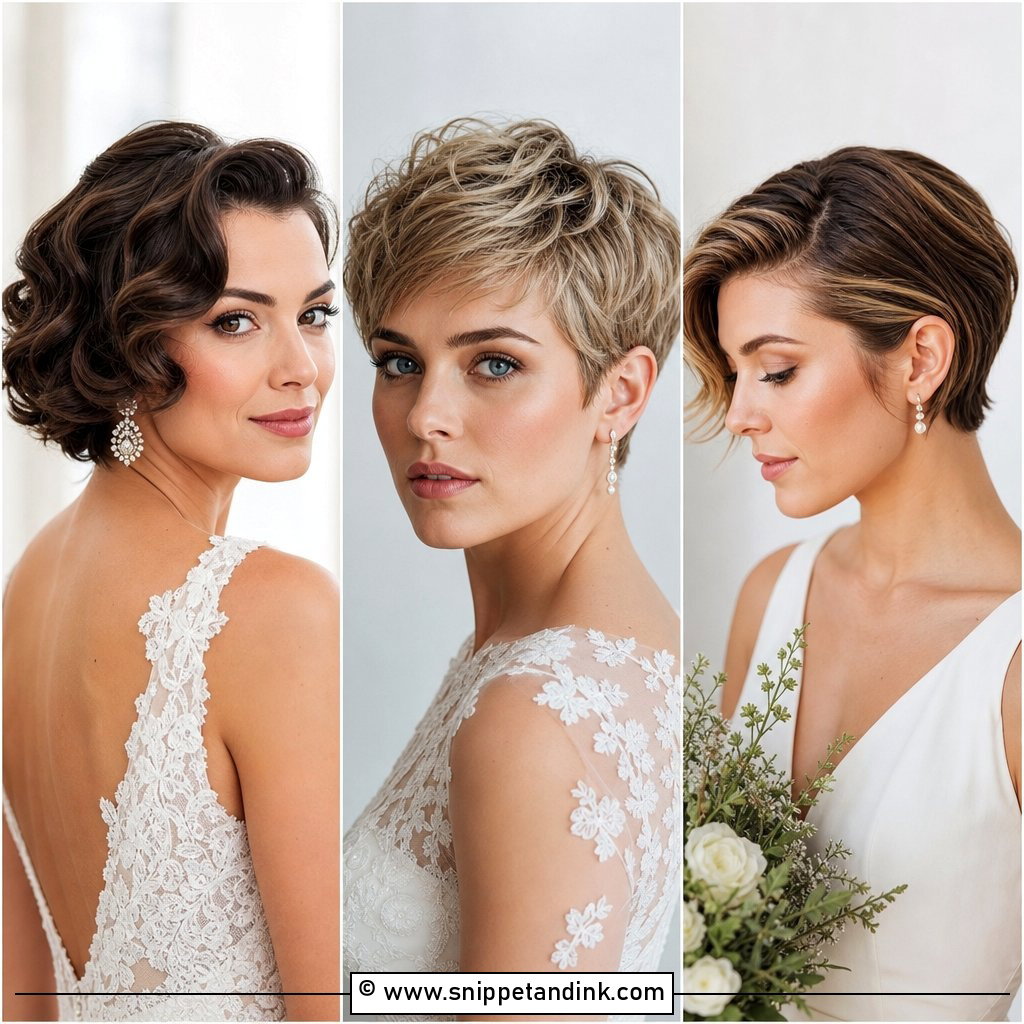
18. Short Hair Wedding Hairstyle
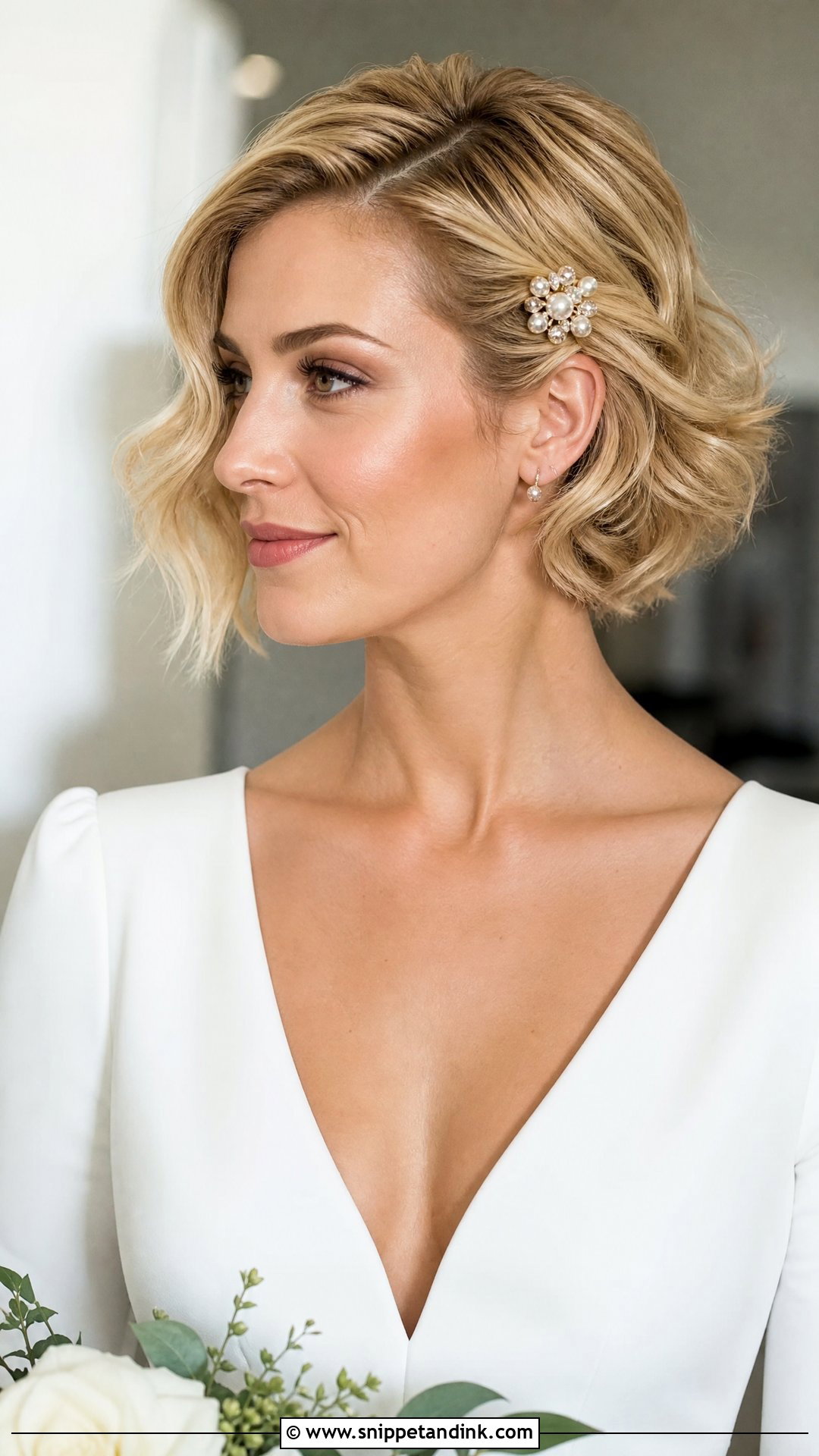
Short bridal hair is about shaping the cut rather than disguising it. Bobs, pixies and cropped cuts can be waved, smoothed, tucked at the sides or finished with a small accessory. A side part adds a dressier feel; brushed-back texture looks modern. Pearl clips, mini combs, veils and headbands stay visible on short hair, which is a real advantage. If you’re planning a trim, have it two or three weeks before the wedding so the line has softened.
19. Bob Wedding Hairstyle
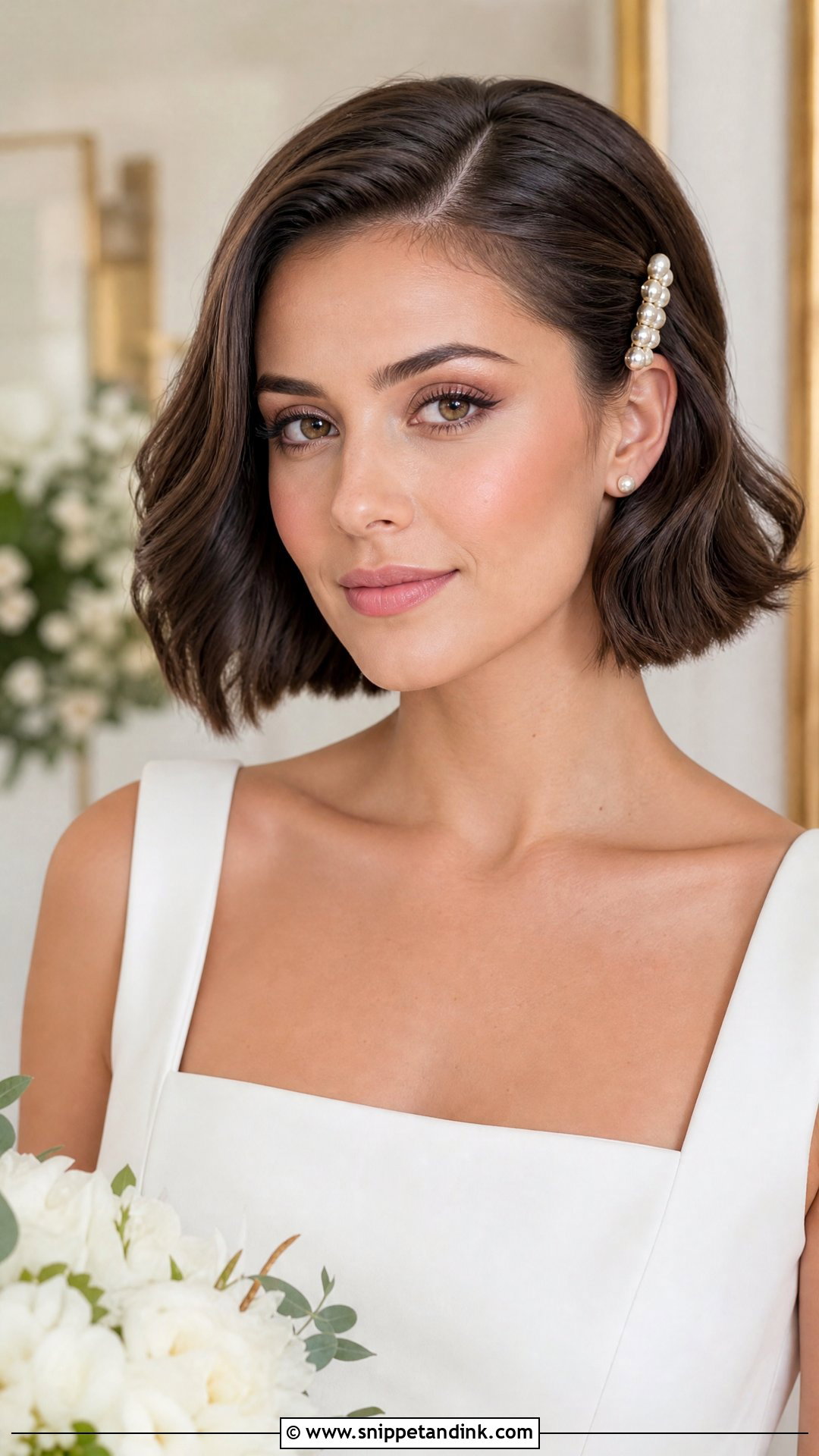
A chin-length or shoulder-length bob can be smooth, waved, tucked behind one ear or given a soft side part, and the shorter length keeps attention on the face, neckline and earrings. For softness I brush out loose waves with light root volume; for a modern look, a glossy blowout. Bobs take veils, pearl clips and slim headbands easily. Blunt bobs show dents from clips more than layered ones, so I place accessories where the hair already bends.
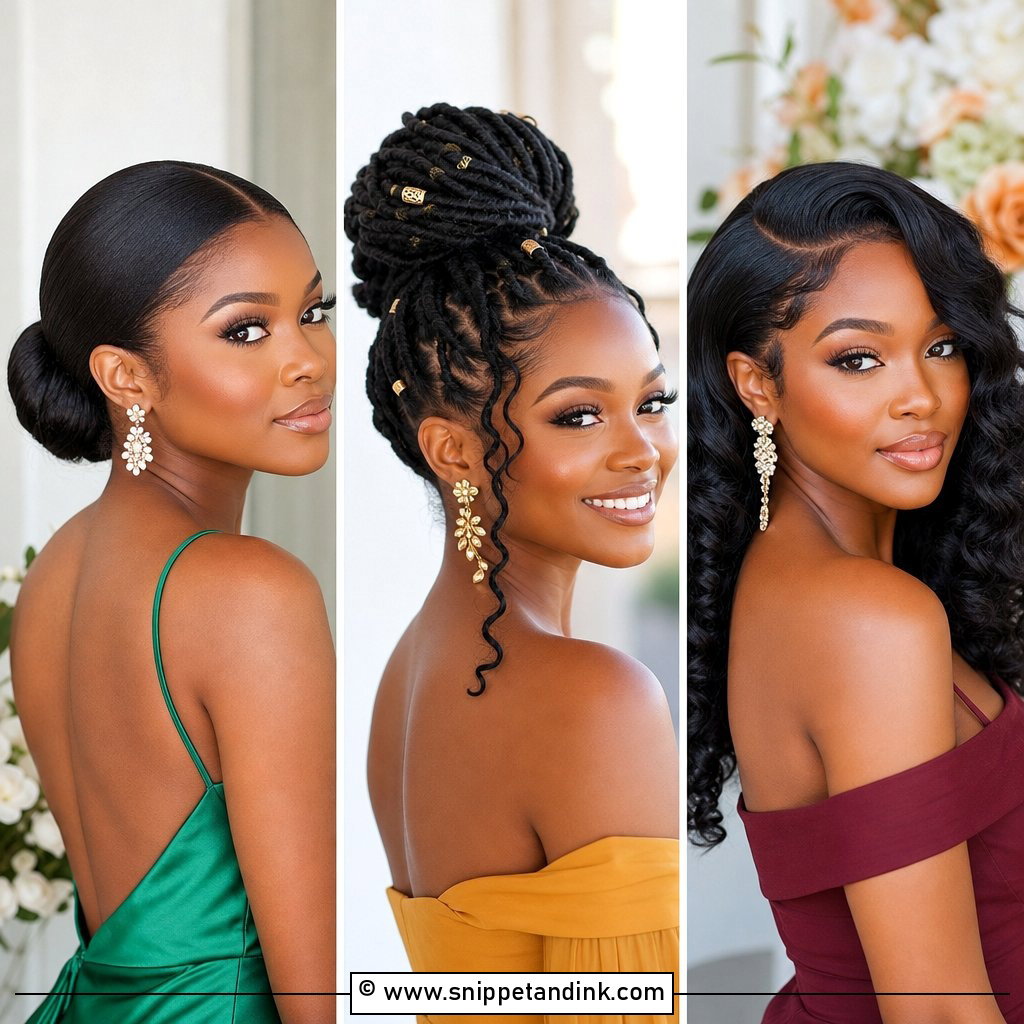
20. Wedding Hairstyle With Veil
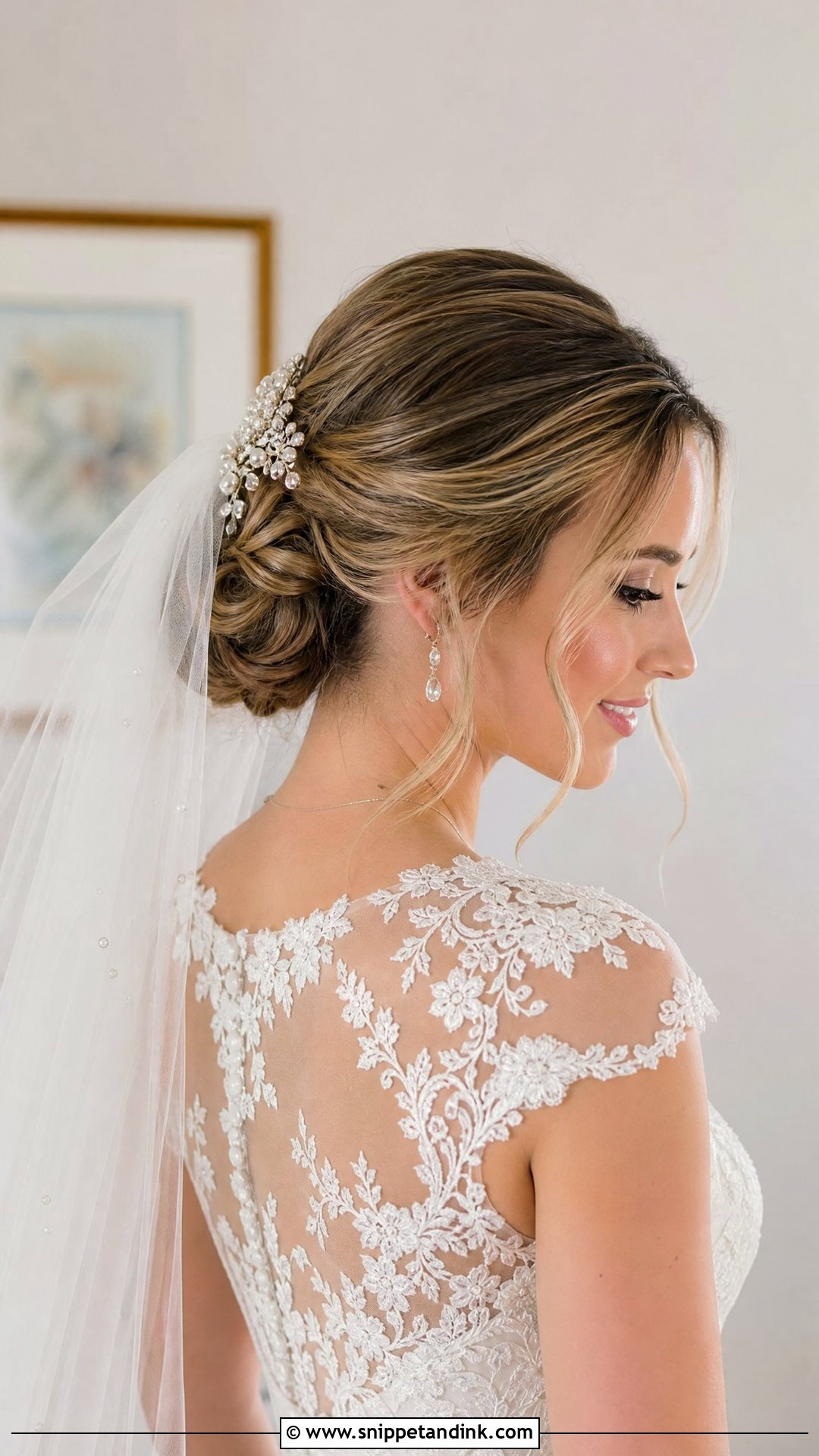
Veil placement is part of the hairstyle, not an afterthought. Low buns, chignons, half up styles and soft waves all hold a comb securely when the comb is anchored into a small pinned section. Heavy, long or embellished veils need an updo to carry the weight. Light, single-layer tulle is happy in loose waves or a half up style. Bring the veil to the trial so your stylist can test placement, height and how it comes out without wrecking the style. Check it from the back as well as in the mirror.
Extensions for Fuller Buns, Braids and Ponytails
Many of the styles above look fuller in pictures than the bride’s own hair could manage alone, because a stylist has added a few clip-in wefts. It’s nothing to be shy about, and it’s often what keeps a fine-haired bride’s bun from looking small under a veil.
Getting the match right
Human hair wefts can be curled with hot tools and blend best. Match the colour in daylight against your mid-lengths, not your roots, and buy them early enough to bring to the trial, where your stylist can trim and blend them. Synthetic hair is cheaper but can melt under curling irons and catch the light differently in photos.
Who needs them
Fine or thin hair wanting a large bun, shoulder-length hair wanting a long ponytail or fishtail, and anyone wanting Hollywood waves with real body. Thick hair rarely needs more length, but may still need a few pieces to fill a gap at the nape.
Ask Your Stylist How Each Look Adjusts to Your Hair
The right style looks good in photos, but it also suits your dress, venue, texture and how you want to feel for twelve hours. Sleek buns feel modern and controlled; soft waves feel natural. Braids add detail, ponytails add movement, and short styles look chic with the right finish. Think about the weather, the weight of your veil, your neckline and how long the style needs to last. Then bring two or three favourites to your trial, and ask your stylist what each would look like on your exact hair.
You'll Like These Ideas:


Leave a Reply