
Some bridal hair looks just as right in a forty-year-old album as it does in last month’s gallery. A low chignon, a French twist, a smooth bun, glossy waves: these shapes frame the face, hold up under a veil and give pins and combs an obvious place to sit. They also forgive a lot, which matters when you’re standing in sun, wind or a warm marquee for hours. I’ve grouped fifteen of them below with notes on the necklines and hair types each one suits. Read them with your own gown in mind, because in my chair the neckline usually decides more than anything else.
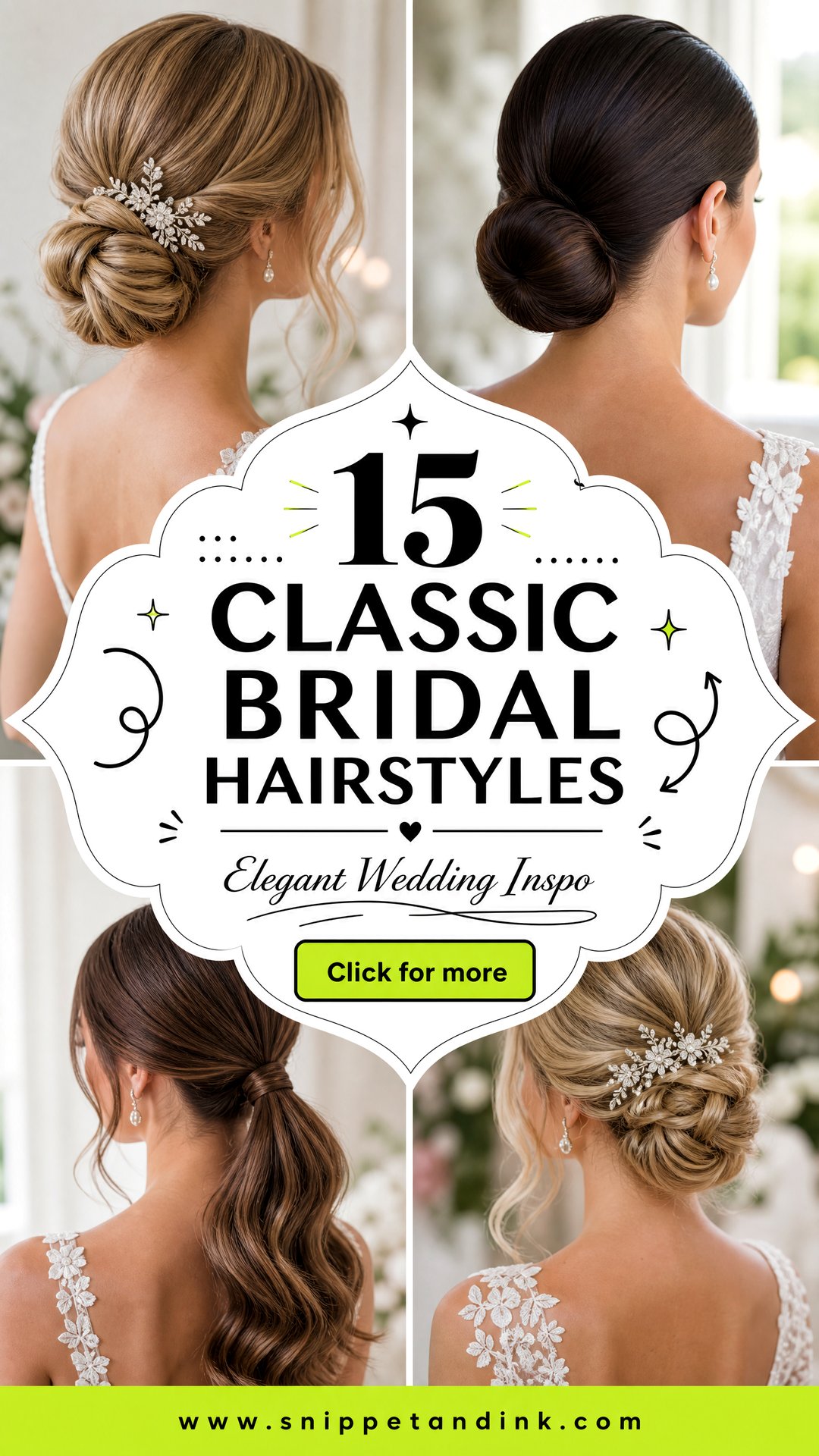
The Line Between Classic and Old-Fashioned
A classic style and a dated one can share exactly the same shape. What separates them is finish. The chignons I see in old wedding albums were tight, crisp and sprayed solid, often with a ring of spiral curls hanging at the temples. The same chignon done now looks softer because of a handful of small changes.
- Movable texture. I want hair that would shift slightly if you touched it, so I spray in light layers from a distance instead of one heavy coat at the end.
- Fewer, finer tendrils. Two thin pieces in front of the ears read fresh. Thick corkscrew curls at the cheeks read like an old prom photo.
- Shine without wetness. A smooth crown should look glossy, not slick. If the hairline looks damp under a bright mirror light, it will look greasy on camera.
- Pins that hide. Matching pin colour to your hair, or swapping visible grips for a single comb, keeps the back as clean as the front.
- Makeup at the same level. Very sculpted hair with very soft makeup can look unfinished. Keep both roughly equally polished.
If you bring me a reference photo from a vintage album, tell me which parts you want to borrow. Usually it’s the silhouette, almost never the hairspray.
1. Classic Bridal Low Chignon
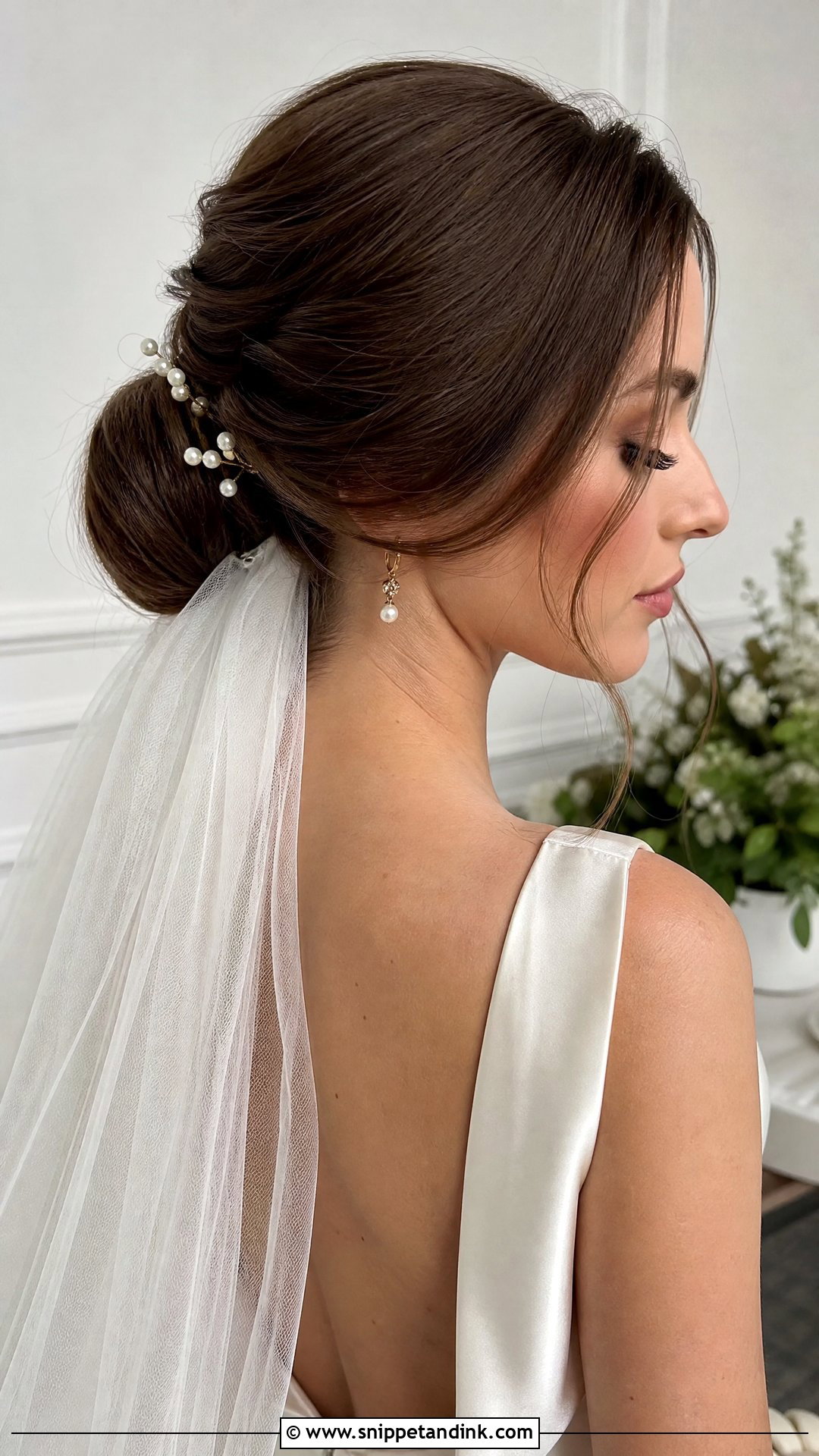
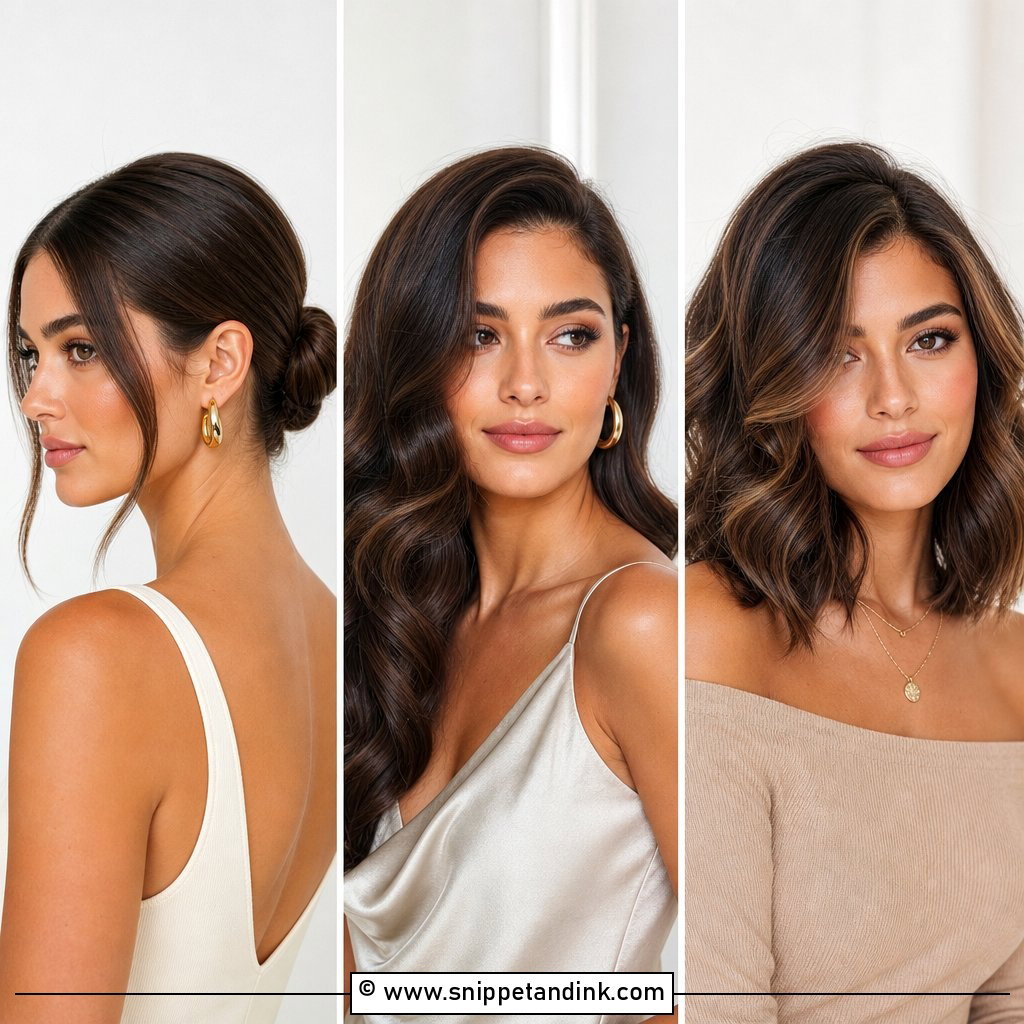
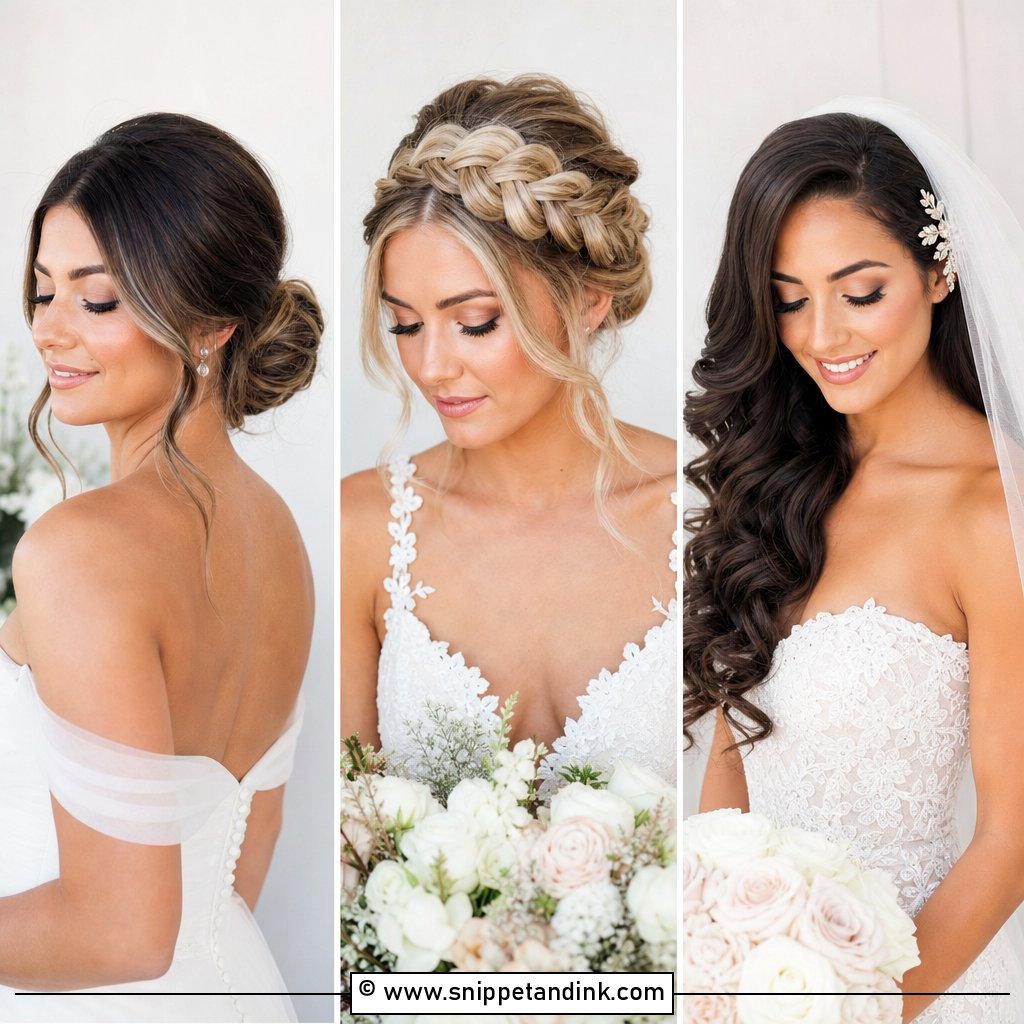
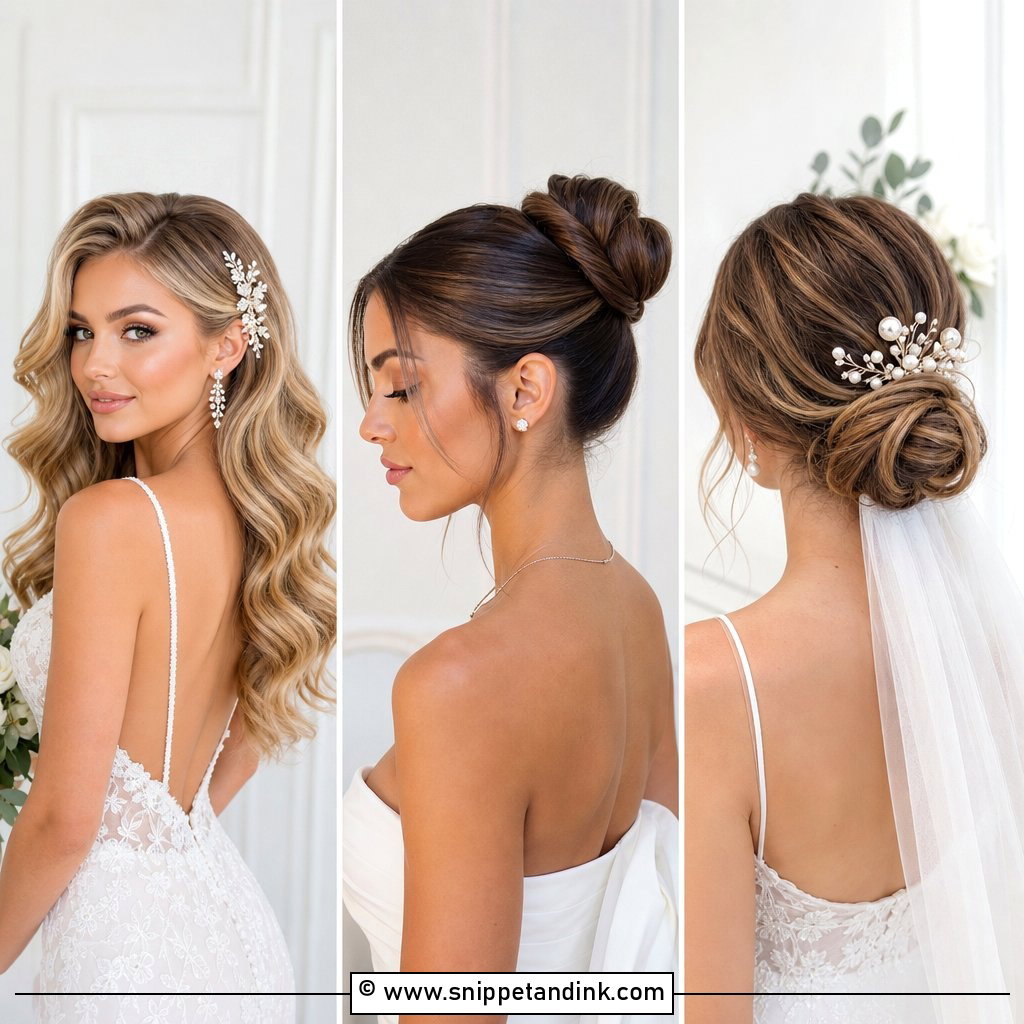
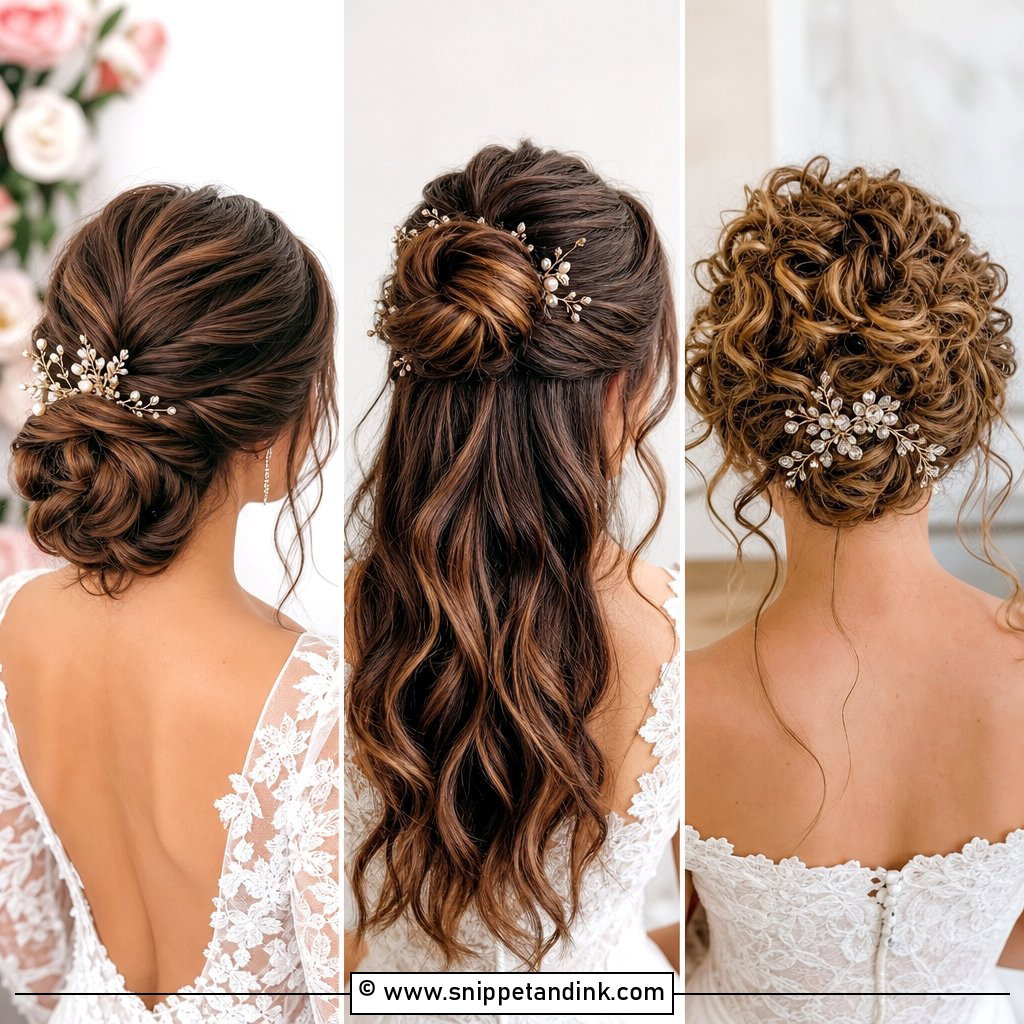
If a bride can’t decide, this is where I start the trial. A chignon at the nape looks graceful from the side and the back, which is the angle guests see for most of the ceremony. It leaves room above for a veil or a comb and sits cleanly above satin, lace, square necklines and open backs. For a more formal finish I lift the crown slightly with a little backcombing under the top layer; for something softer, two pieces come out at the cheekbones. In heat it’s one of the safest choices, since nothing touches your neck or shoulders.
2. Classic Bridal Hollywood Waves
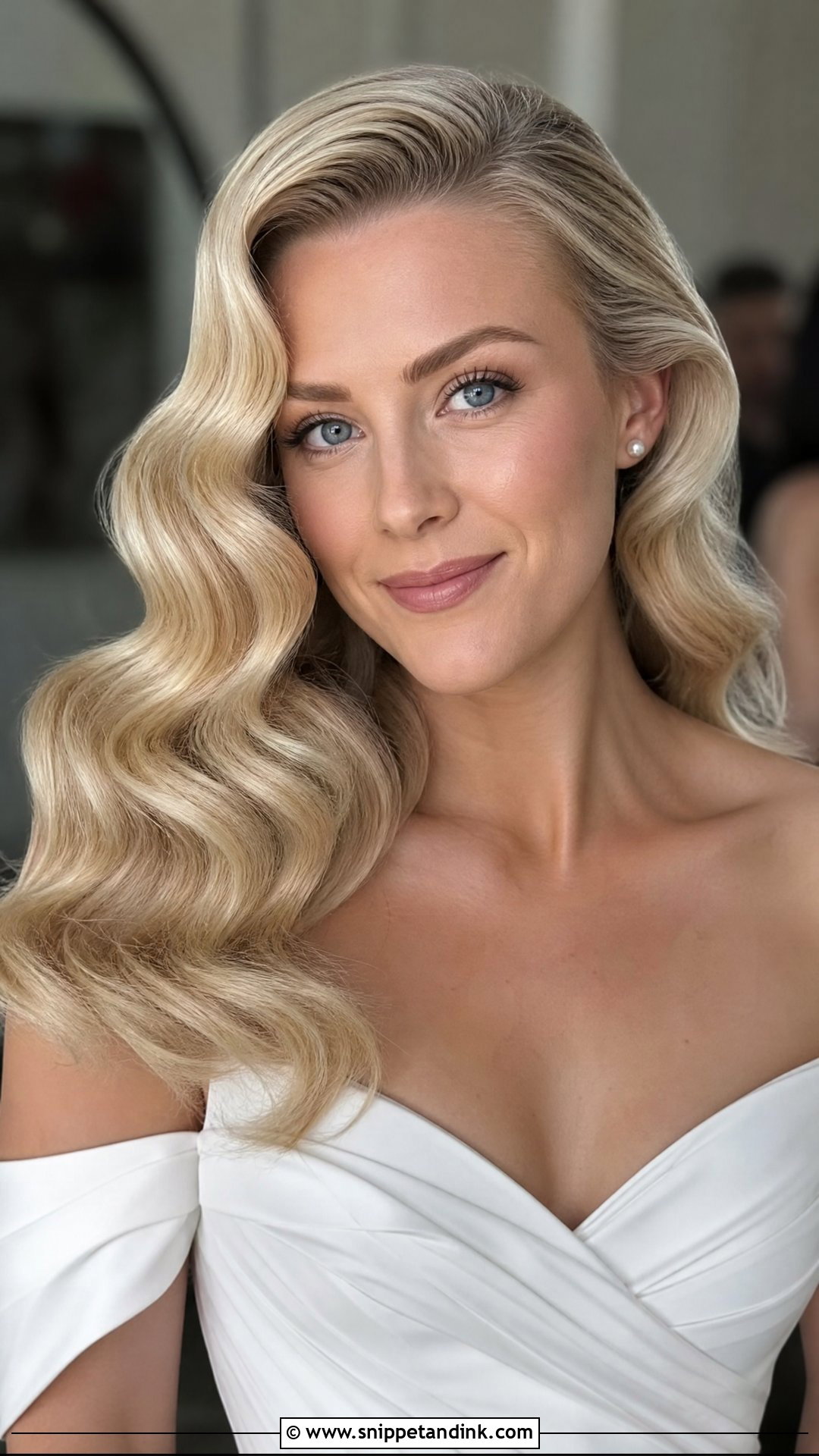
Hollywood waves give you that red-carpet shape because every section is curled in the same direction and then brushed until the curls join into one ripple. That brushing step is what most at-home versions skip. You need at least shoulder length for the pattern to show. A deep side part reads vintage; a soft middle part reads more current. They suit strapless and off-the-shoulder gowns well. Honestly, they’re not my first choice for an outdoor summer ceremony, because humidity loosens the sculpted shape faster than almost any other style here.
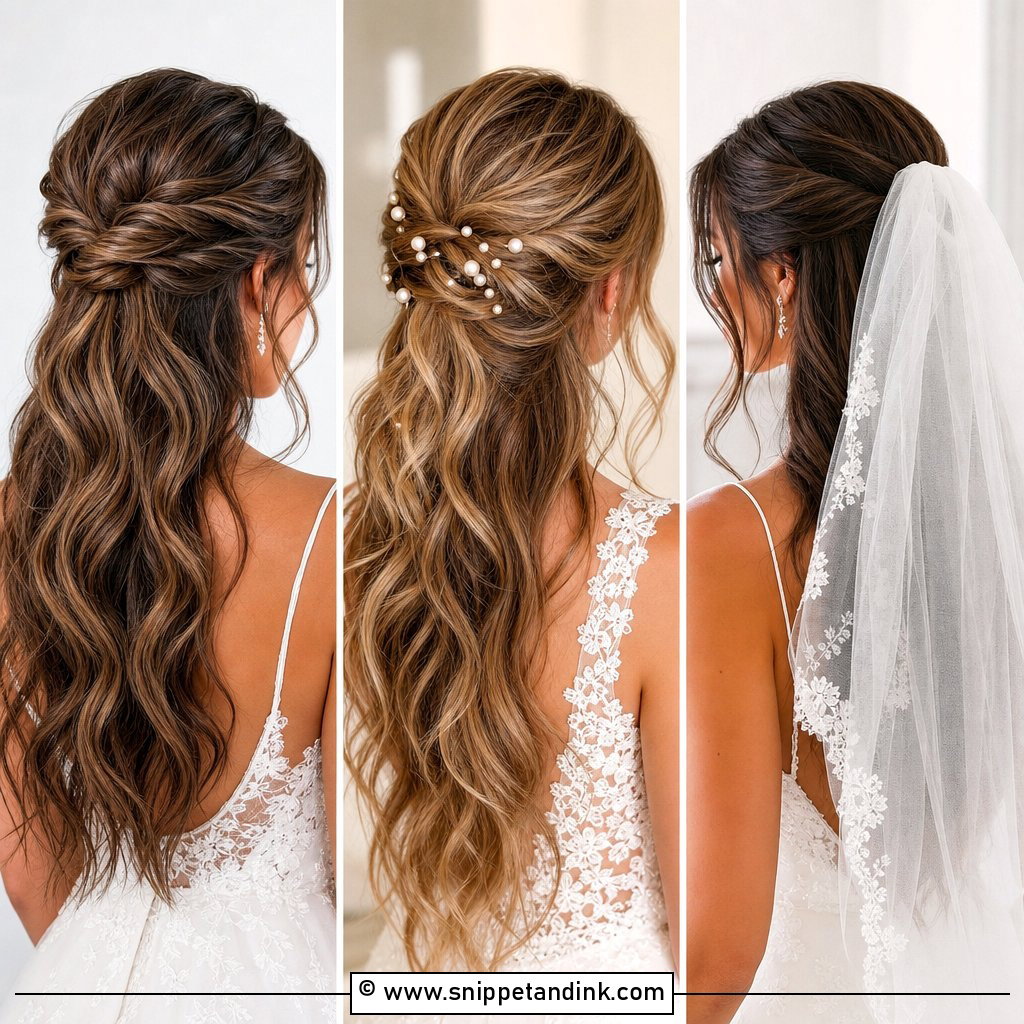
3. Classic Bridal Half Up Half Down Hair
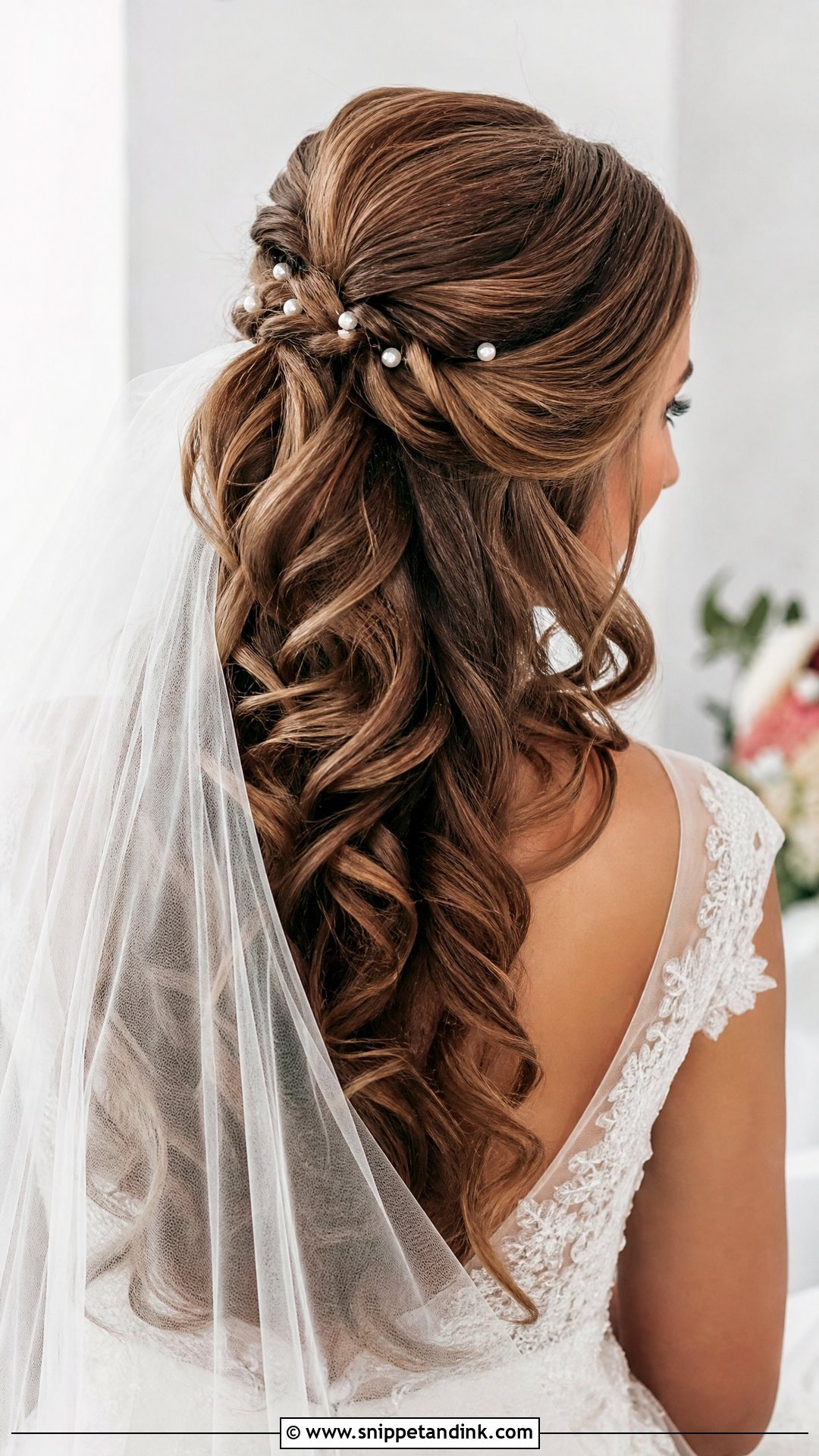
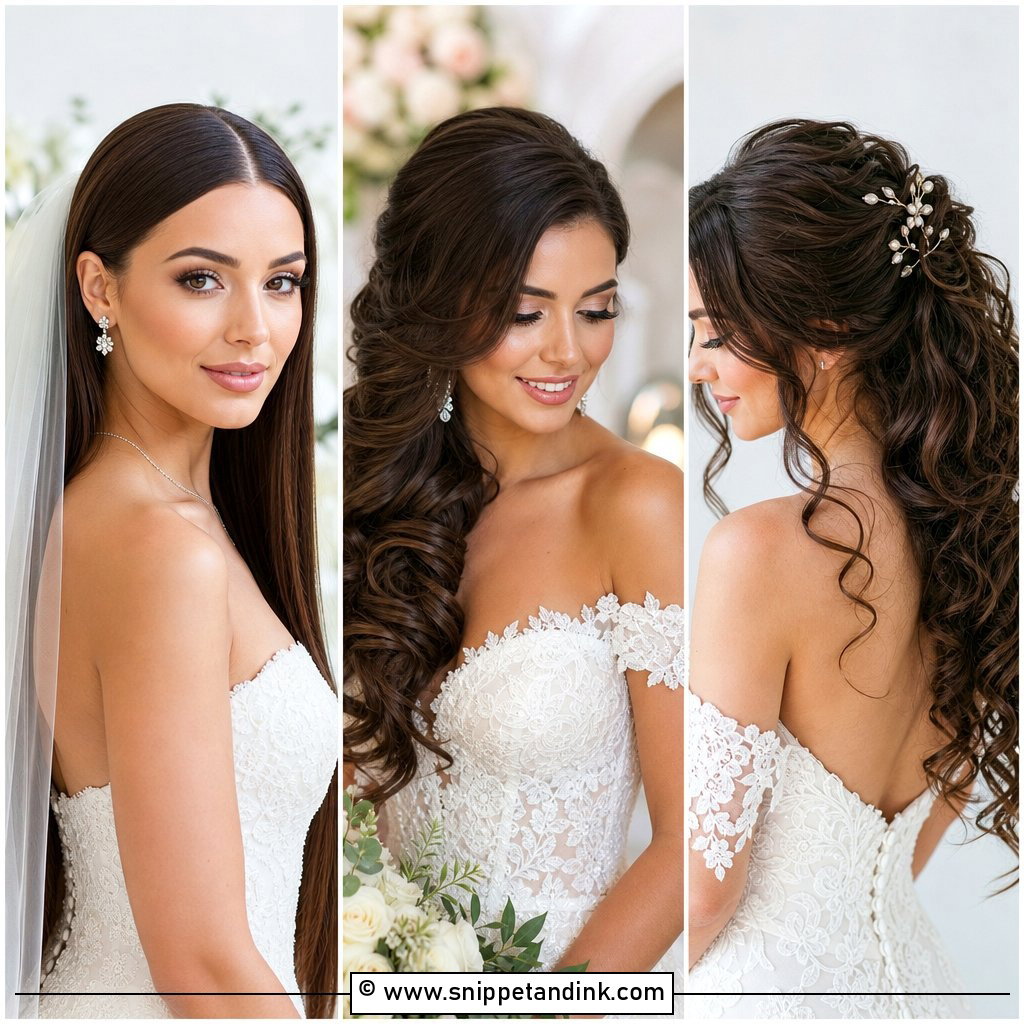
Half up hair keeps your face clear during the vows while the lengths still move. I pin the top section back with crossed grips hidden under a twist, which gives the crown a little lift and also gives a veil comb something firm to hold. That built-in anchor is why I like it for brides wearing a veil with otherwise loose hair. Layered cuts look especially good this way, as the layers show off their movement. Finish the join with pearl pins, a small bow or a simple comb.
4. Classic Bridal French Twist
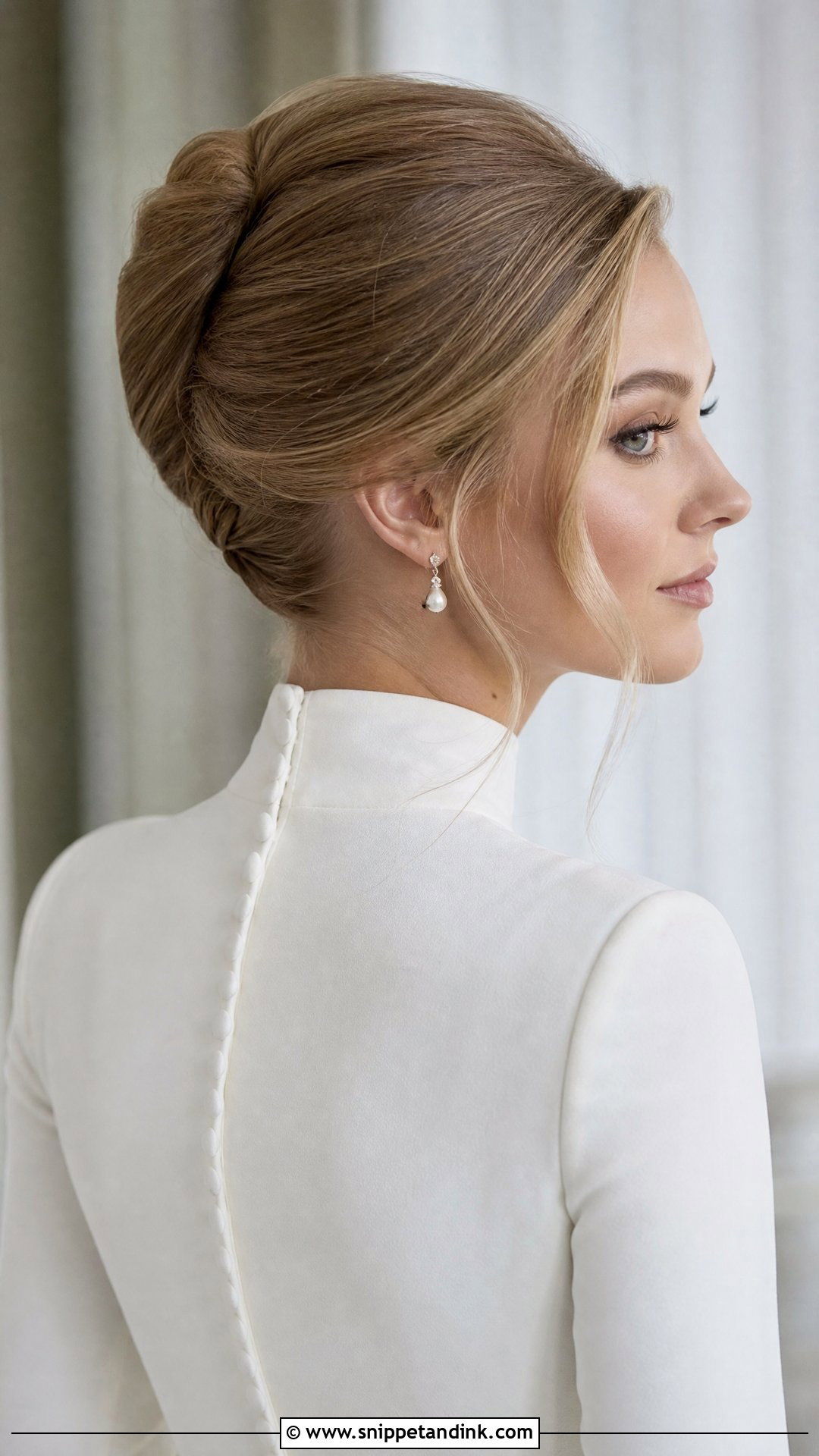
A French twist lengthens the neck more than any other updo on this list, because the line runs vertically up the back of the head. It suits high necks, bateau necklines, tailored dresses and vintage gowns. Medium length is actually ideal; very long, thick hair can make the roll bulky and heavy. I secure it with long pins woven along the seam rather than pushed straight in, so the twist doesn’t open when you hug people. Worn sleek it’s formal. Pulled slightly loose at the hairline, it relaxes for a garden setting.
5. Classic Bridal Sleek Low Bun
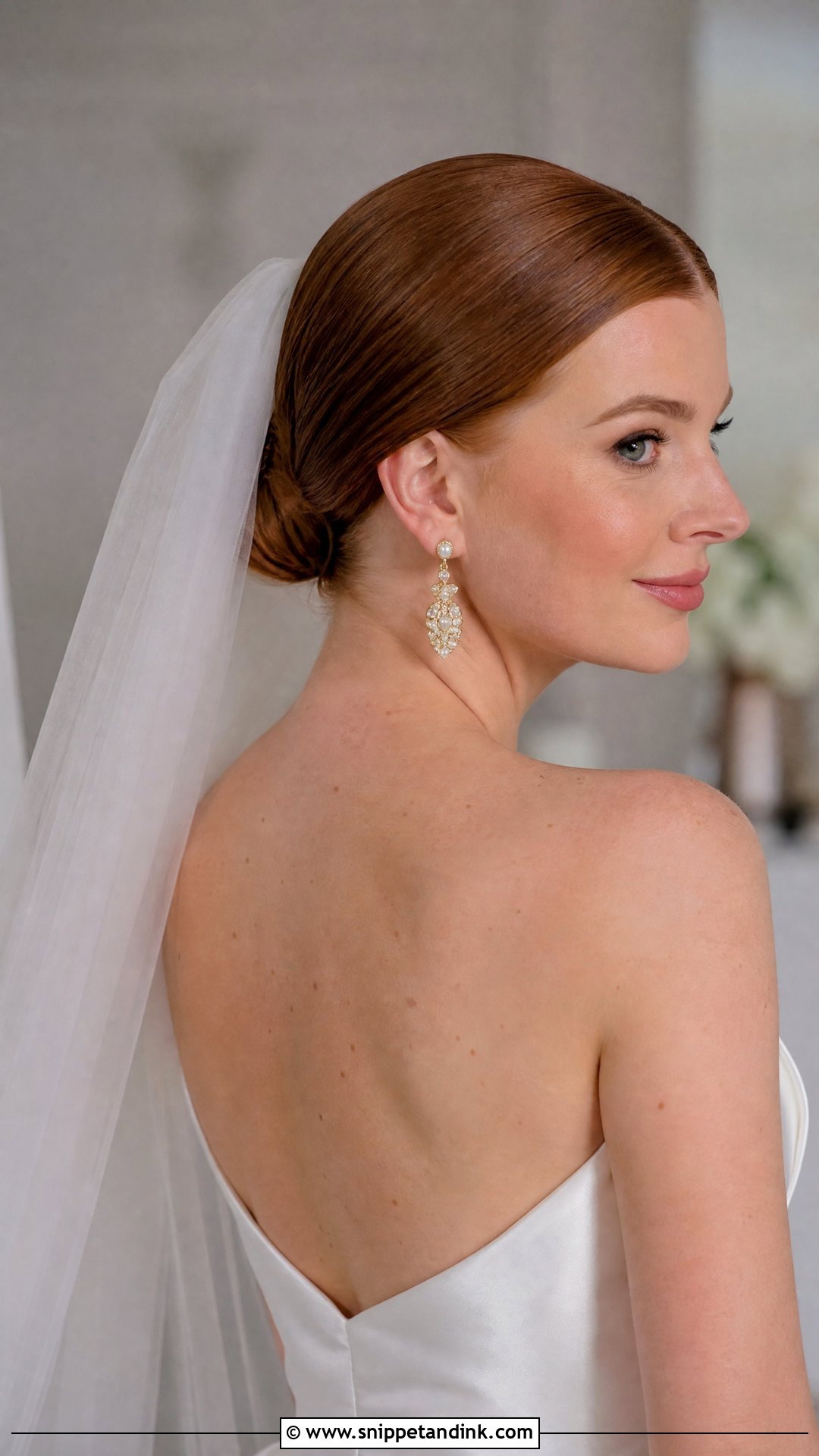
When the dress is doing a lot, the hair should step back. Statement sleeves, heavy beading, a dramatic veil or big earrings all sit better with a sleek low bun that doesn’t compete. I smooth the hair with a dense brush while blow-drying so it’s already flat before it’s tied, which means less product later. A middle part looks modern, a side part gentler. Use a light shine spray so it looks glossy rather than lacquered. Of every style here, this is the one I trust most in wind and humidity on a long wedding day.
6. Classic Bridal Curly Updo
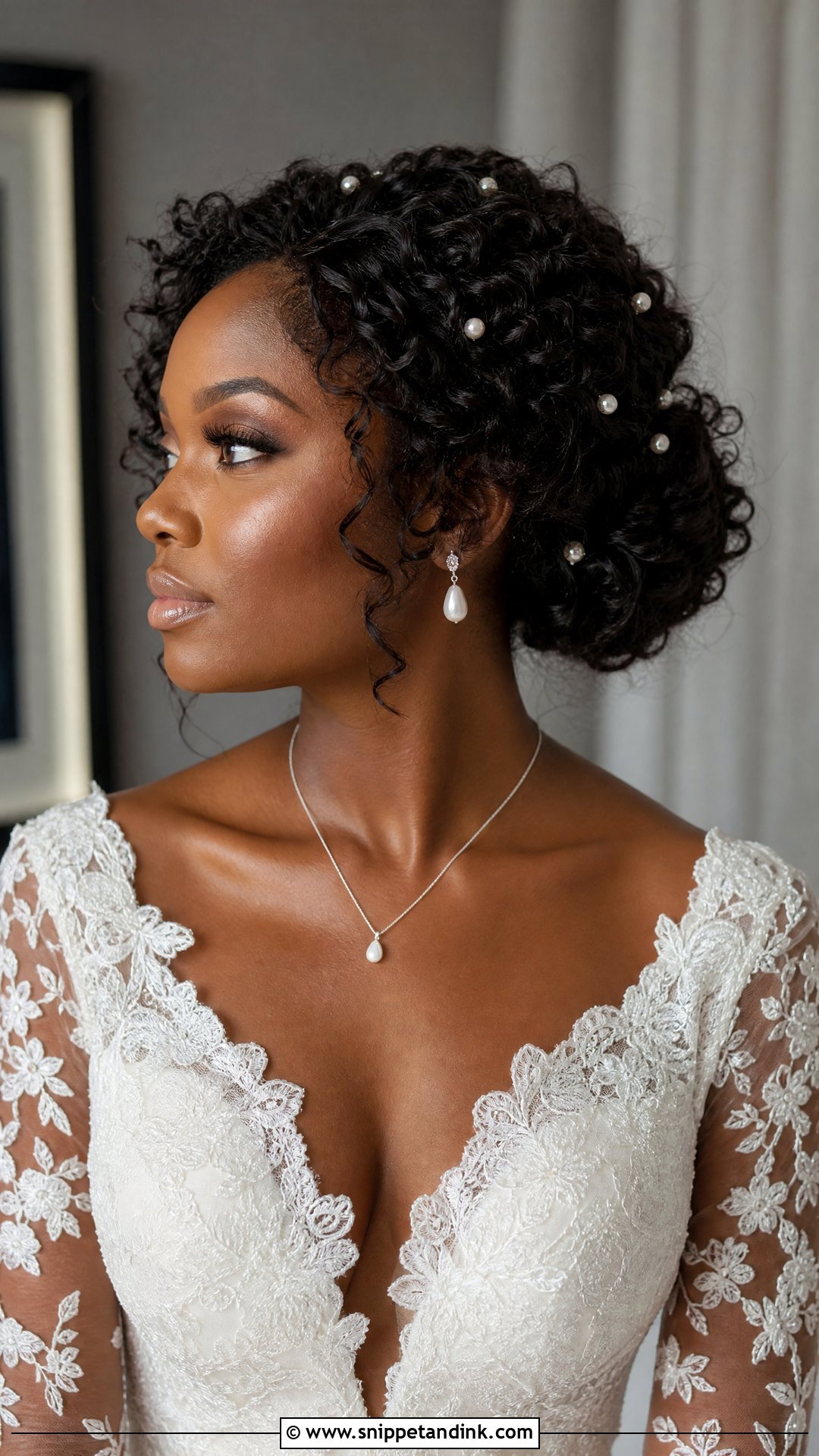
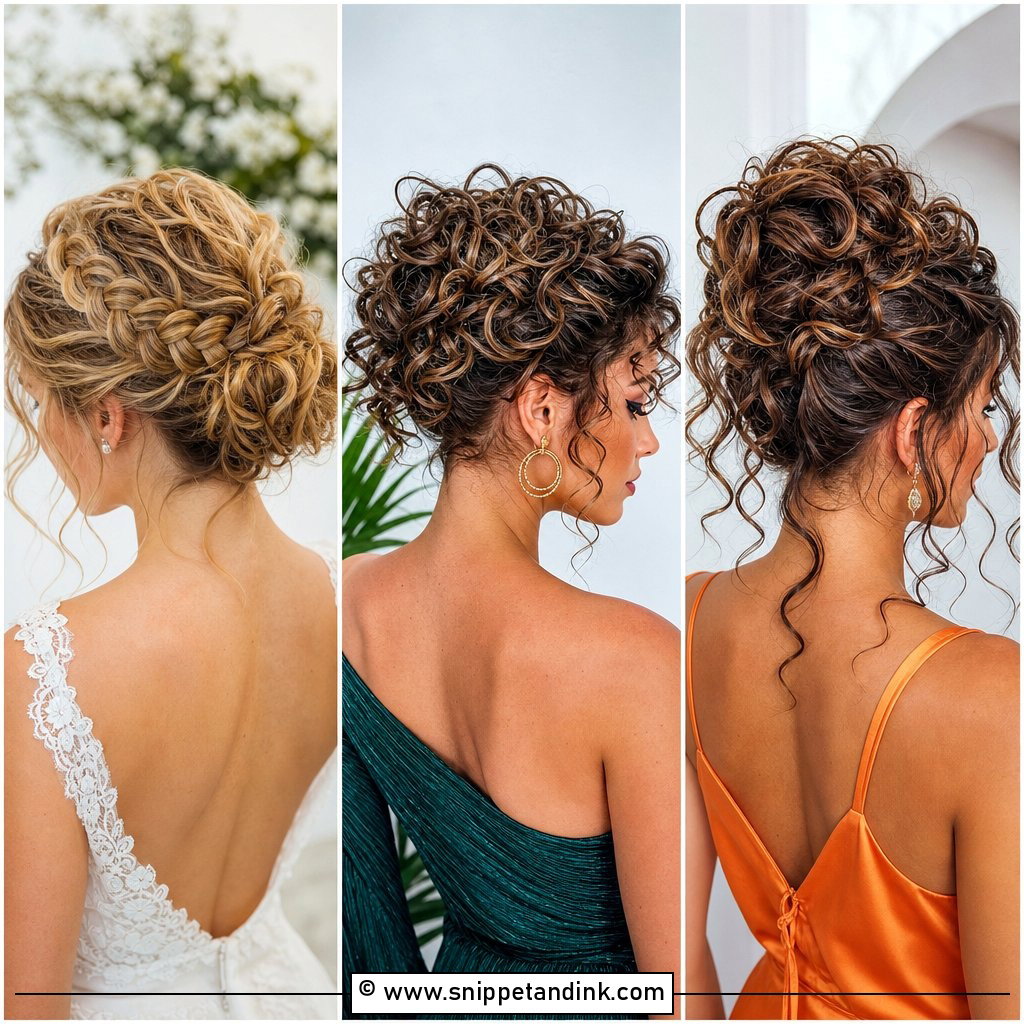
Curly brides are often talked into straightening, and I don’t think they should be. A curly updo keeps your natural texture as the feature. I define the curls first with a curl cream and let them set completely dry before pinning, because pinning damp curls is the quickest route to frizz. Then the curls are gathered loosely at the back or nape. Curls hold pins far better than straight hair, so this tends to be very secure. A few curls left loose at the face soften the frame, and floral pins or a jeweled comb tuck in easily.
7. Classic Bridal Side Swept Curls
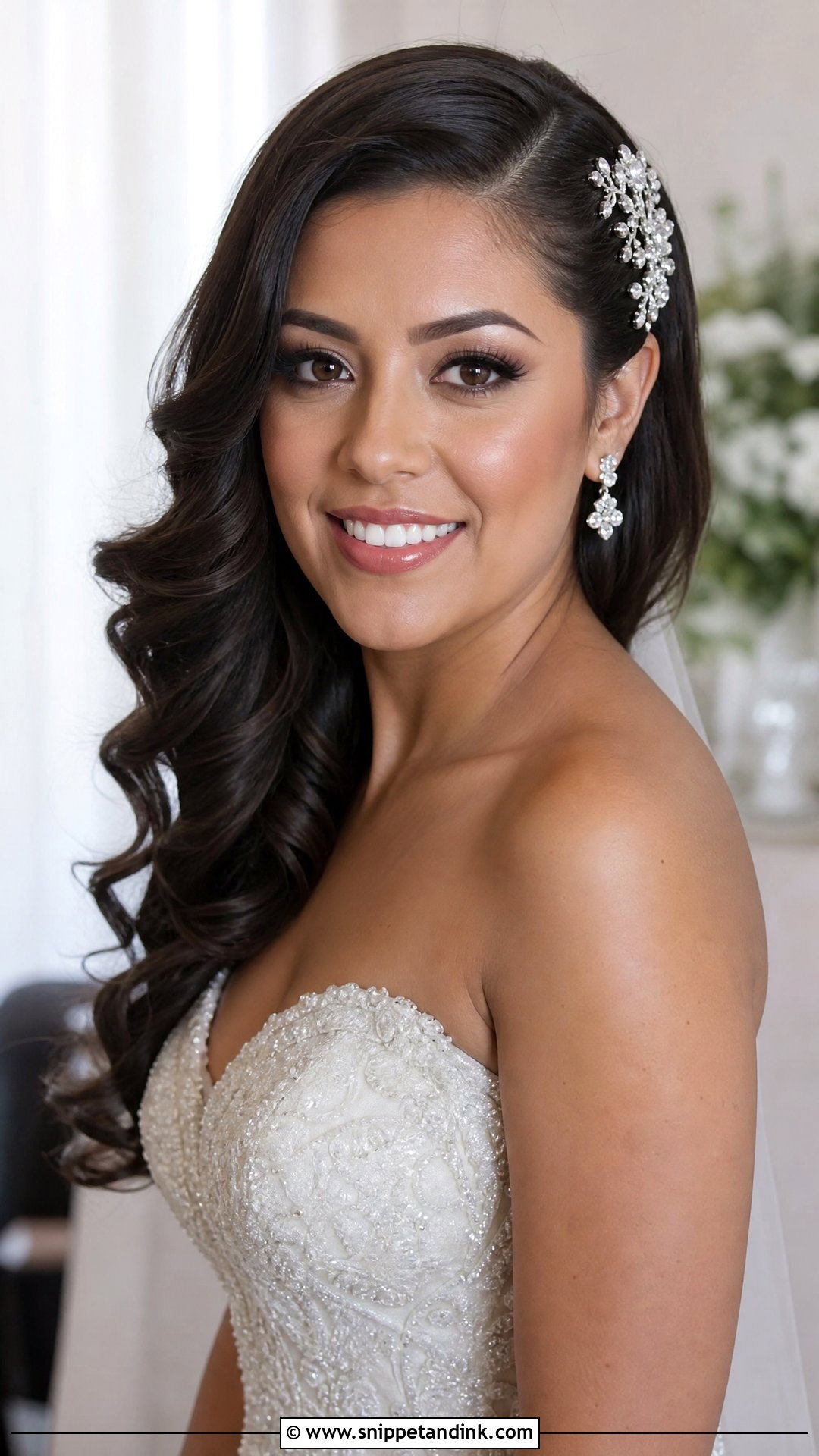
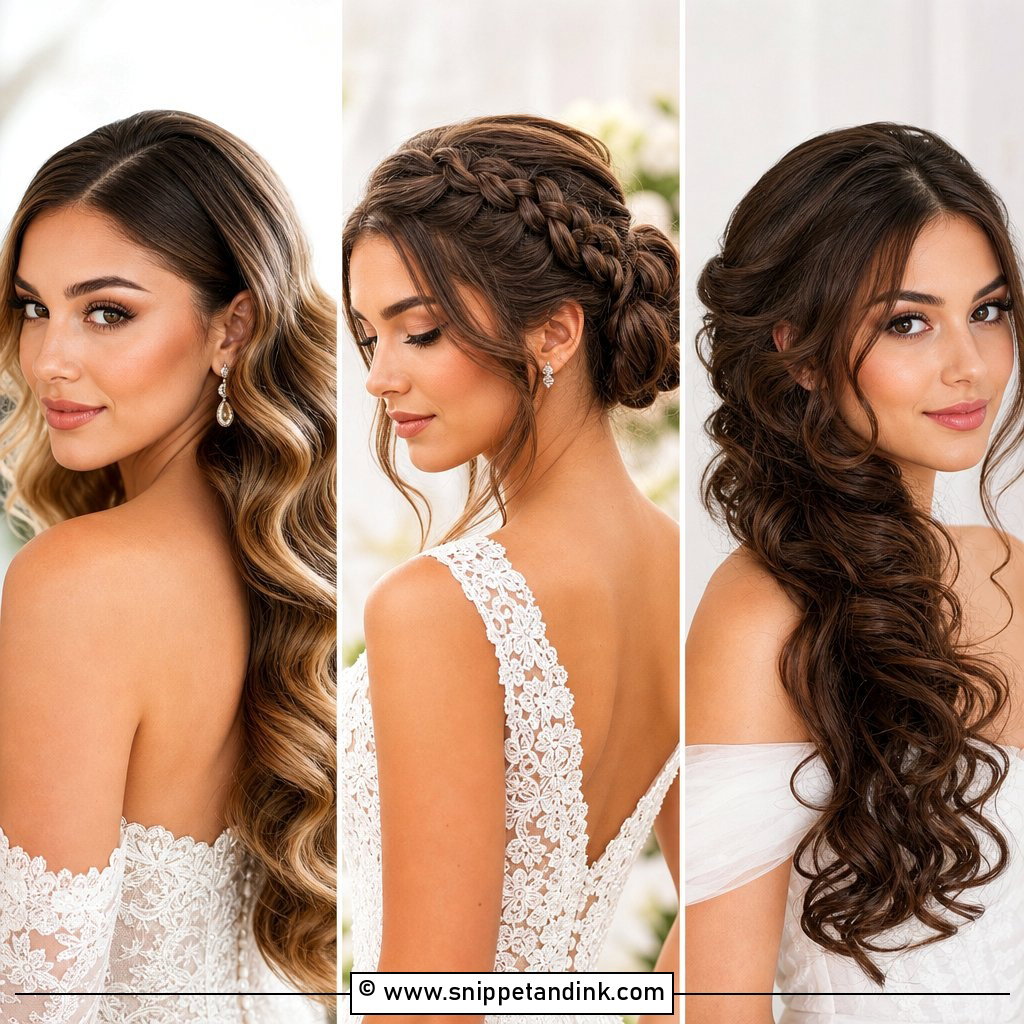
Side swept curls feel like hair down but behave better. The curls are set and allowed to cool fully, brushed softly, then gathered over one shoulder and secured behind the ear with hidden pins or a comb. That cooling step decides whether the curls last until the first dance. The shape suits one-shoulder gowns, sweetheart necklines and bodices with detail. One warning I give every bride: choose which shoulder before the day. Your photographer will mostly shoot you from that side, and your partner should stand on the other.
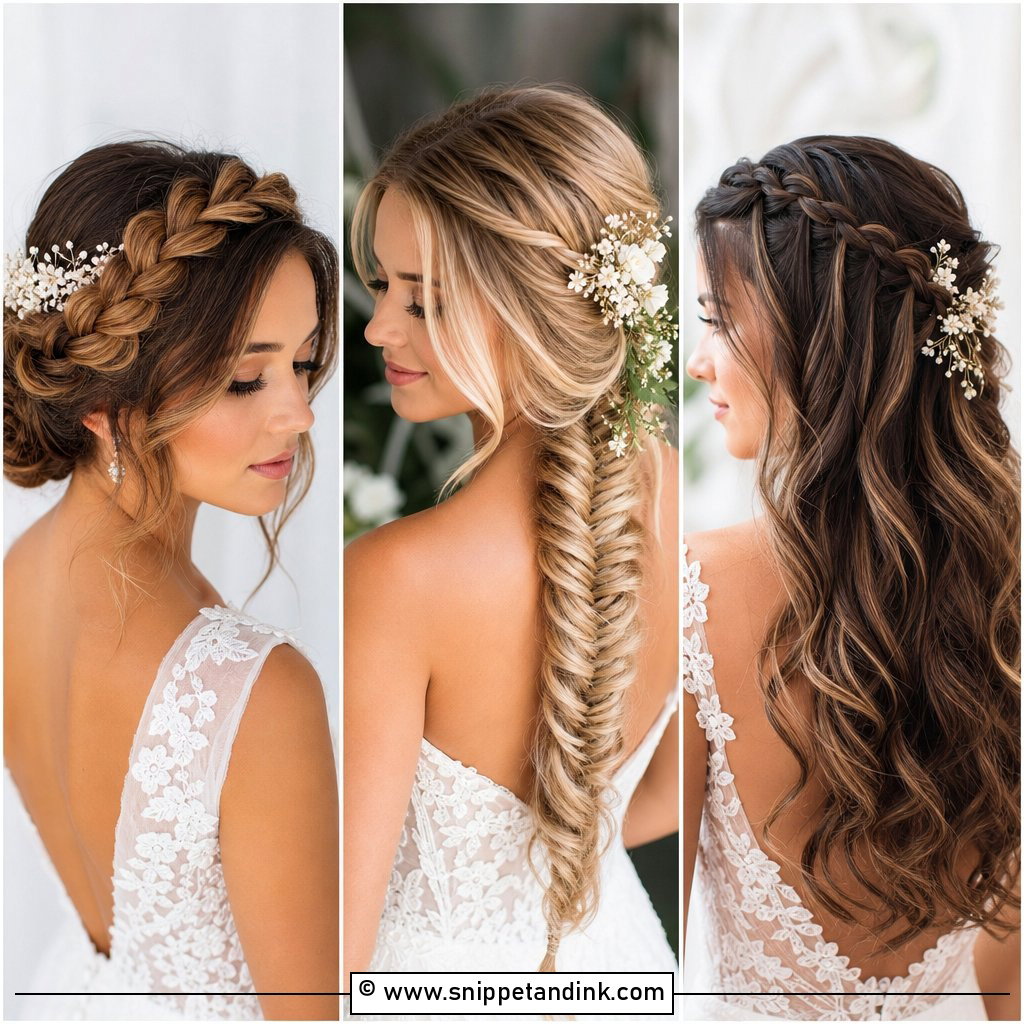
8. Classic Bridal Braided Chignon
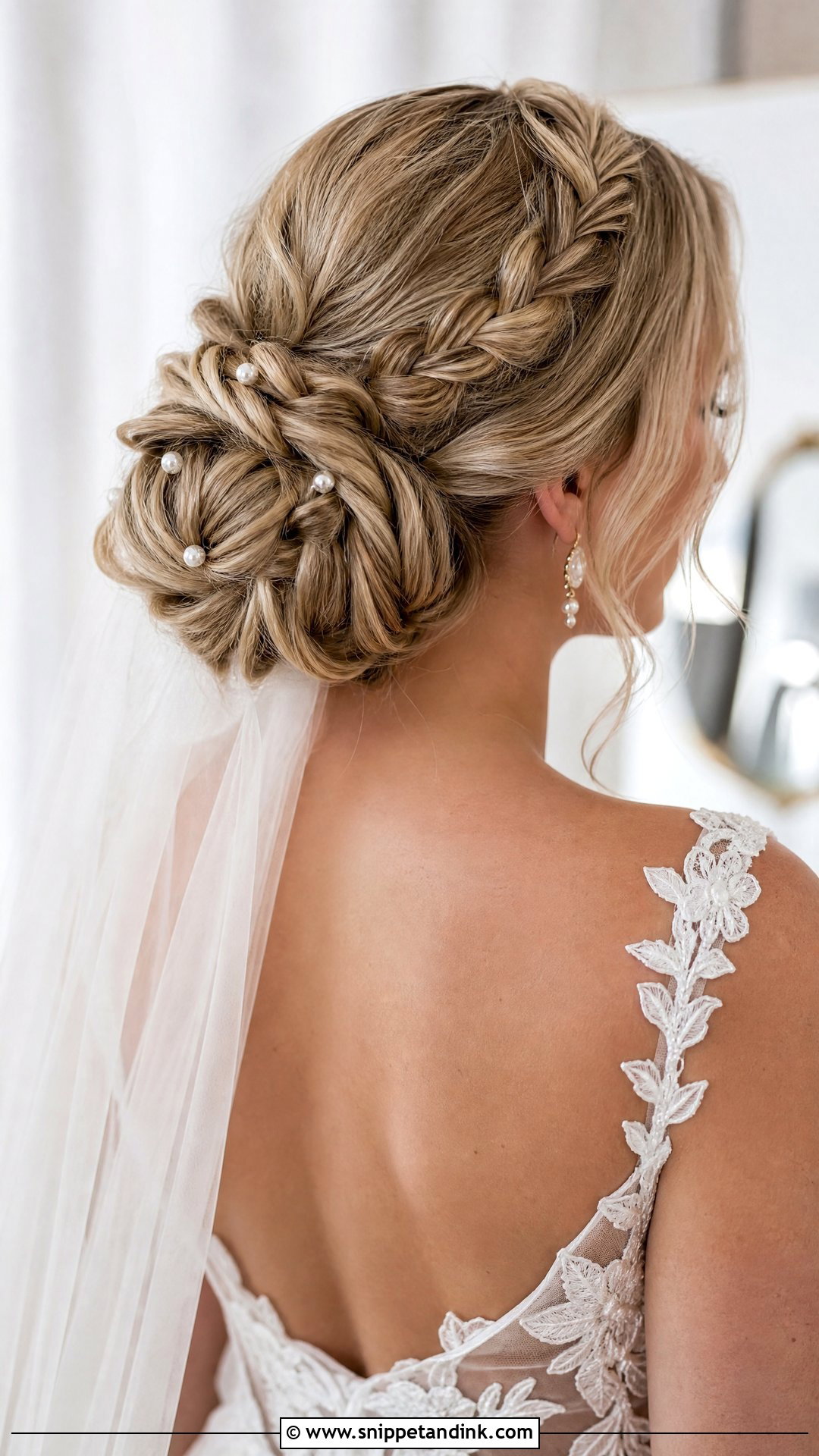
A braid wrapped into a chignon gives the bun texture and gives your pins something to hold. The braid can circle the bun, run along the sides or be part of the bun itself. I pancake the braid after it’s pinned, gently pulling at the outer loops so it reads softer and fuller. It sits nicely with lace and with chapel or garden settings. On fine hair I add a small padding piece inside the bun so the braid has volume to wrap around. Highlighted hair shows the woven pattern especially clearly in photos.
9. Classic Bridal Crown Braid
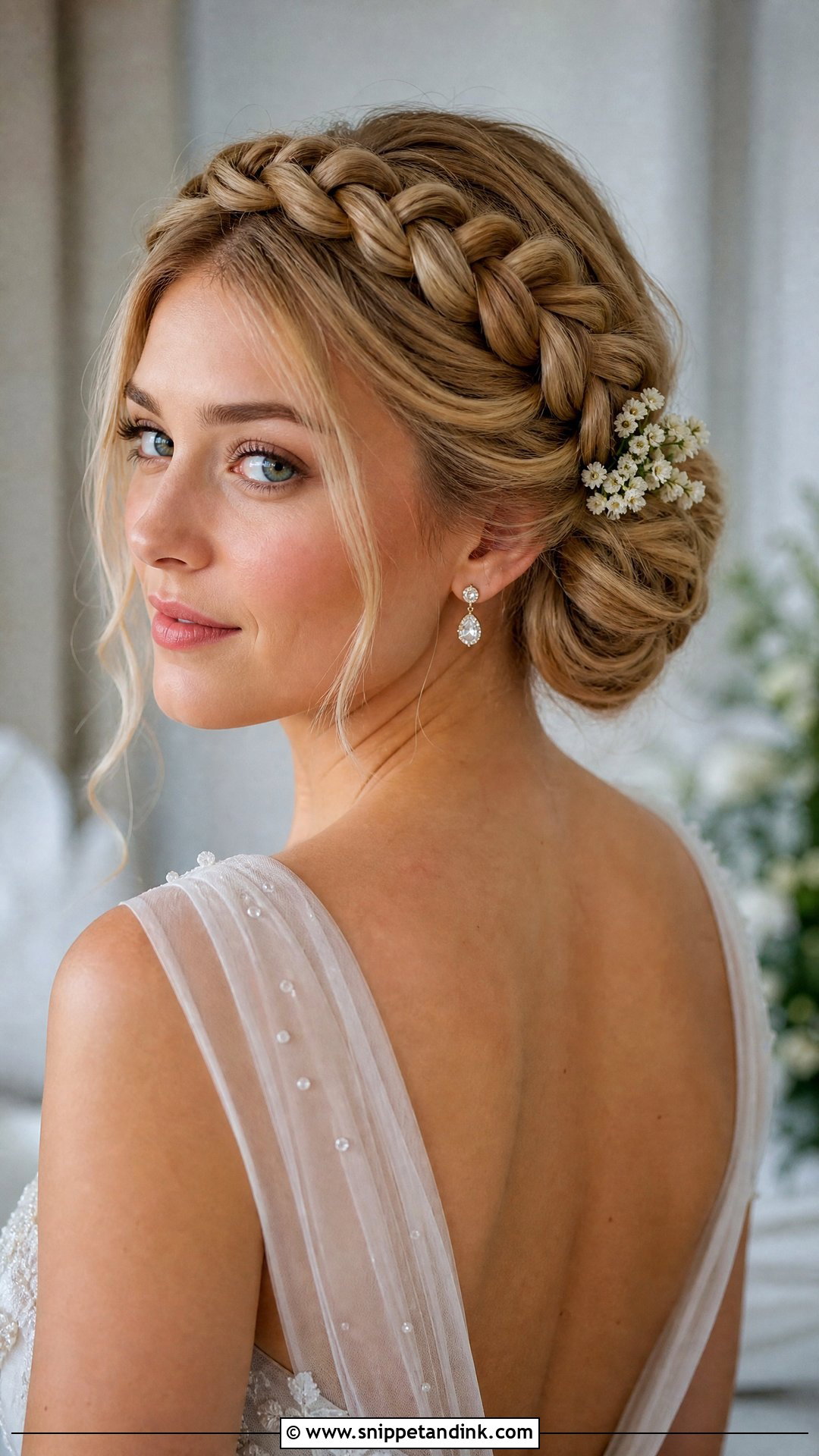
This one solves the outdoor wedding problem. A crown braid keeps everything off your face in wind, yet you still see detail from the front. The braid can sit like a halo or wrap down into a low bun at the back. I’d only suggest it if your hair reaches at least past the shoulders; shorter hair runs out before the braid gets round the head and needs a hairpiece. Wear it neat and tight for a formal look or loosened for a softer one. Small flowers, pearls or gold pins tuck straight into the braid’s gaps.
10. Classic Bridal High Bun
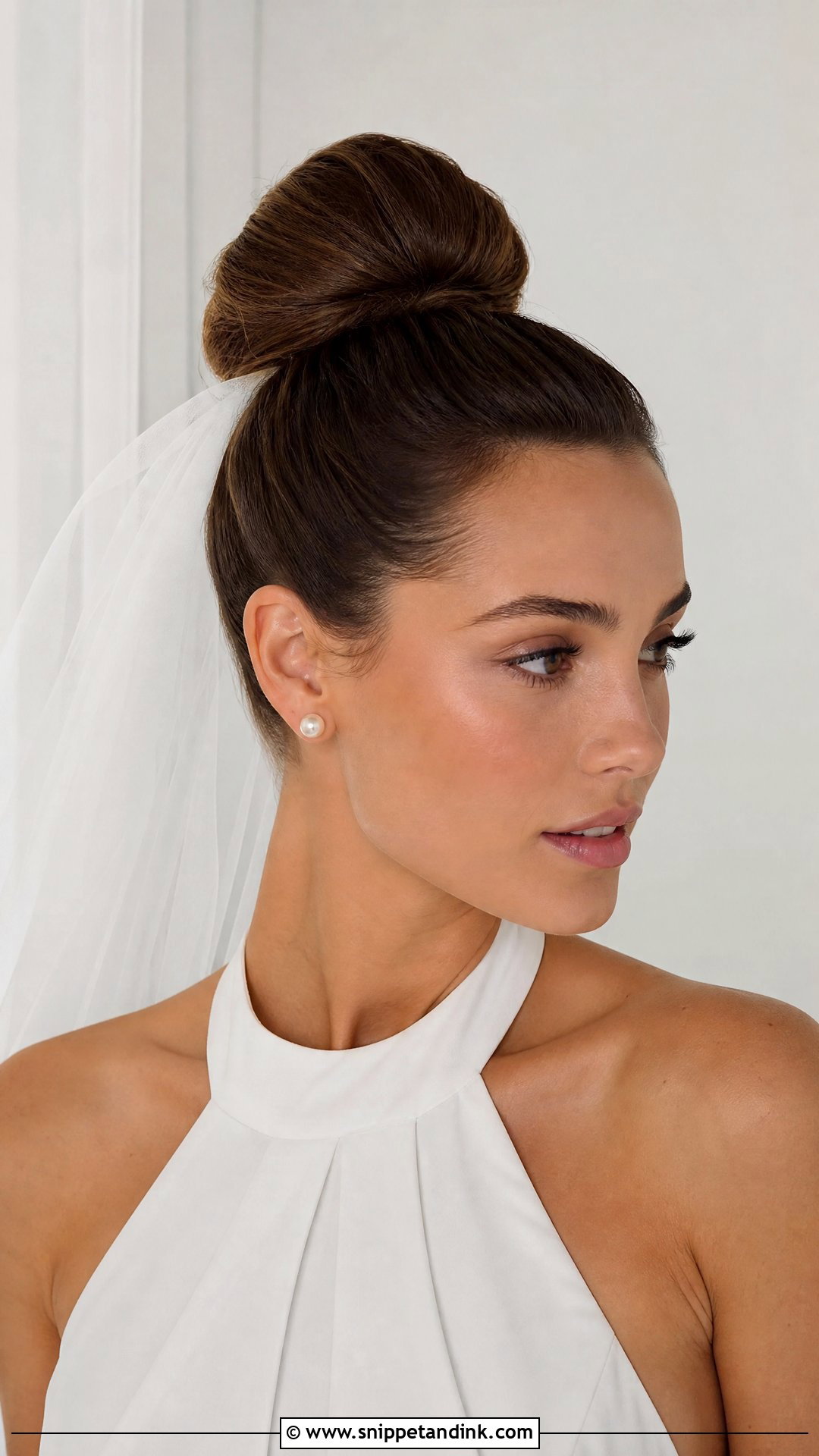
Placement is everything with a high bun. I sit it at the crown or slightly behind it; too far forward and it shortens the face, too far back and it can look like a gym bun. Done well, it lifts the face and shows off a halter or a high collar. It’s the style I’d pick for brides with statement earrings who want nothing near their jawline. With a long veil, the comb usually goes underneath. Fine hair may need a bun form inside to look balanced, and thick hair benefits from being split and pinned in two halves to spread the weight.
11. Classic Bridal Soft Waves
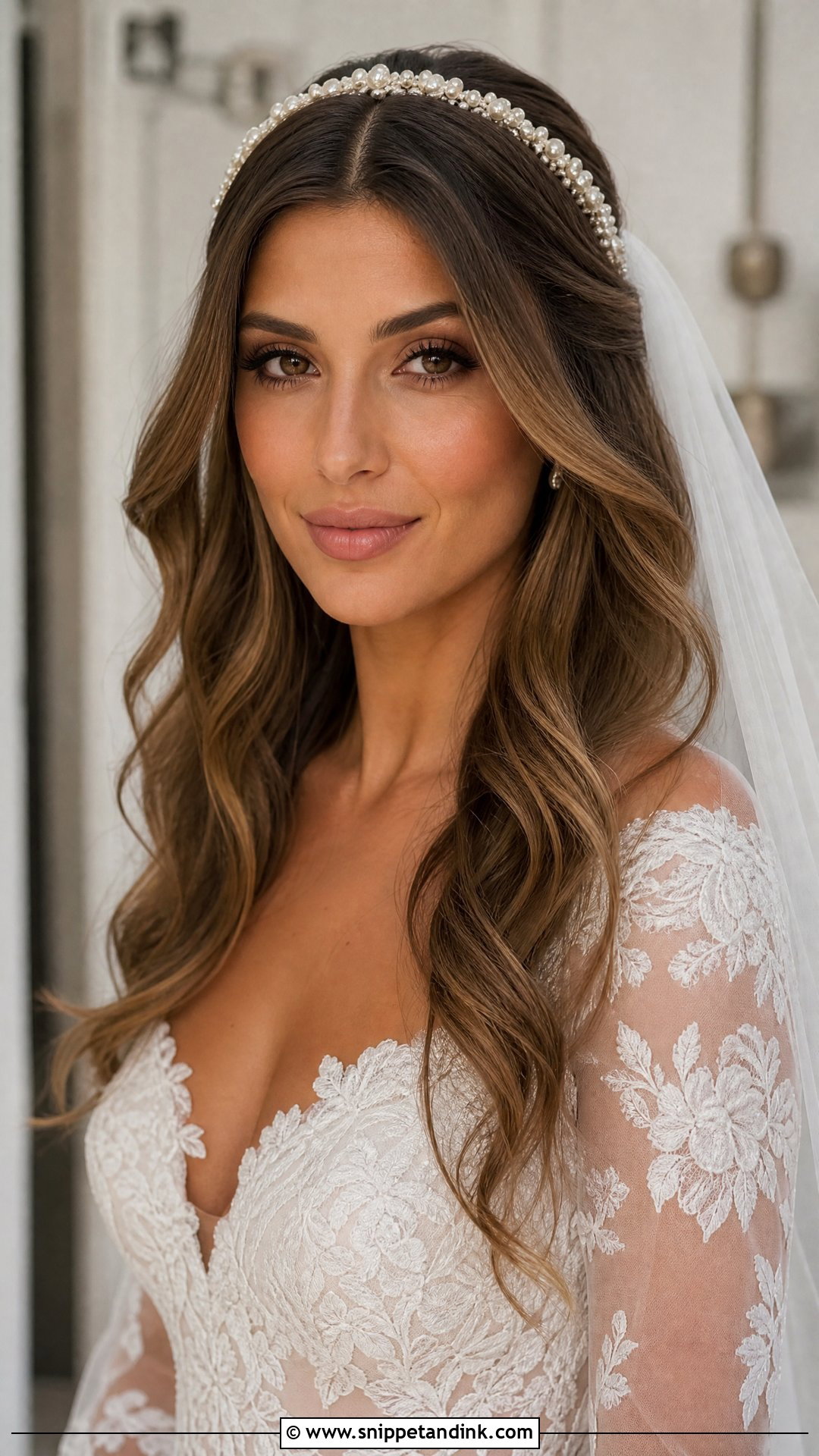
Bridal soft waves are not beach waves. They should be smooth and shiny, with the bend moving through the hair rather than sitting as separate ringlets. I prep with a light mousse at the roots, curl each section, pin it to cool, and brush everything out only once it’s completely cold. These suit brides who rarely wear updos and would feel strange in one. Center or side parts both work, and they go with veils, headbands and anything from bohemian lace to clean satin. Expect them to relax by a third over the day.
12. Classic Bridal Low Ponytail
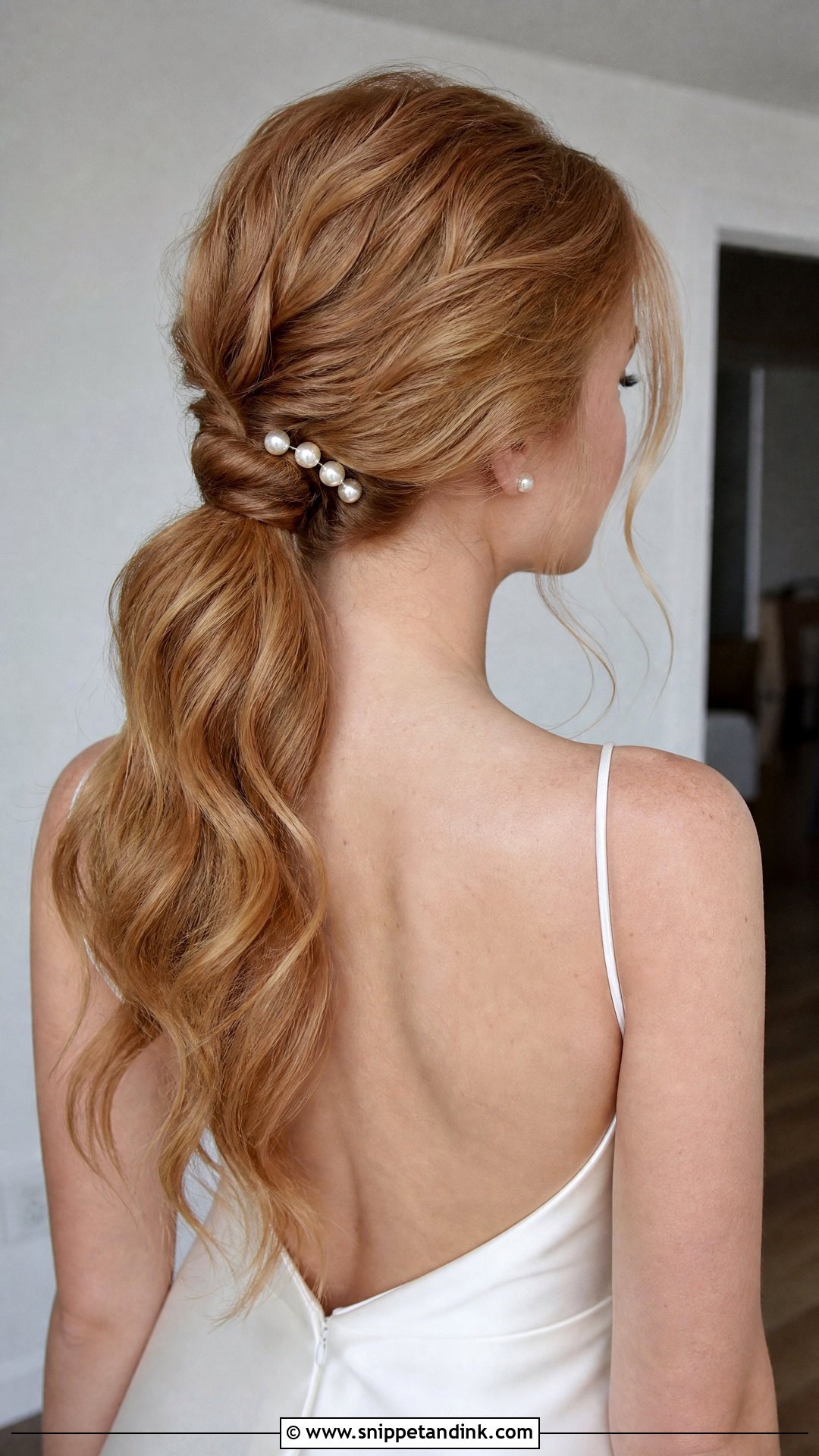
A low ponytail gives you an updo’s tidiness while still showing your length. The lengths can be curled, waved or left smooth. I always wrap a strand of hair around the elastic and pin it underneath, because a visible elastic is the first thing people notice in the back-view photos. It suits modern gowns and minimalist dresses. Add volume at the crown, leave soft face-framing pieces, or put a pearl accessory just above the tie. It’s also the easiest style on this list to refresh at the reception: brush the tail, re-curl two pieces, done.
13. Classic Bridal Vintage Finger Waves
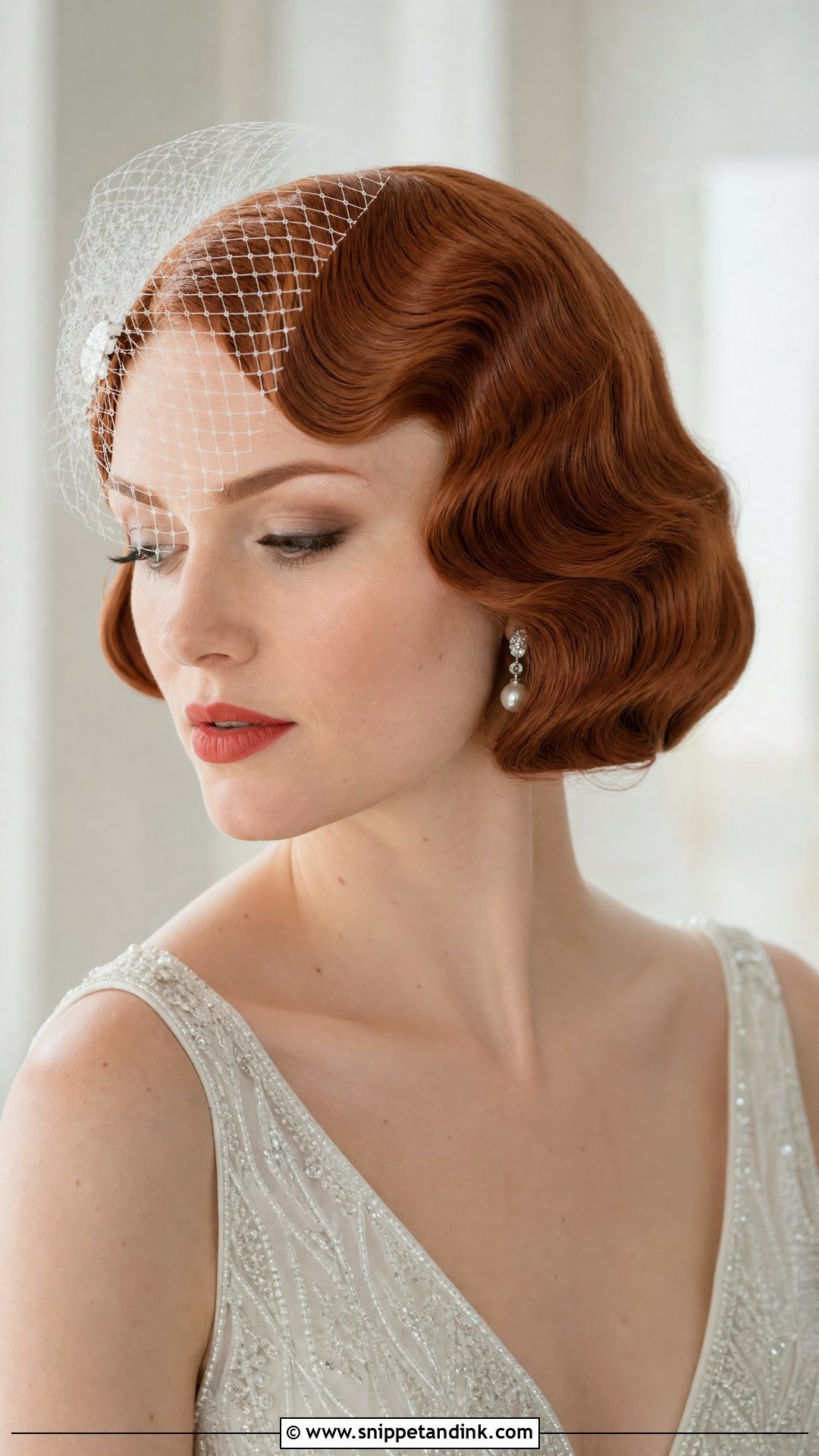
True vintage finger waves are sculpted close to the head with a comb and fingers while the hair is wet with setting lotion, then left to dry completely. That’s very different from Hollywood waves. They look most authentic on short hair and bobs; on longer hair I set waves at the front and pin the rest into a low bun. A deep side part is the traditional choice. They pair with satin, art deco jewelry and birdcage veils. Ask for a full trial. Not every stylist practices this technique often, and you’ll want to see it before the day.
14. Classic Bridal Twisted Updo
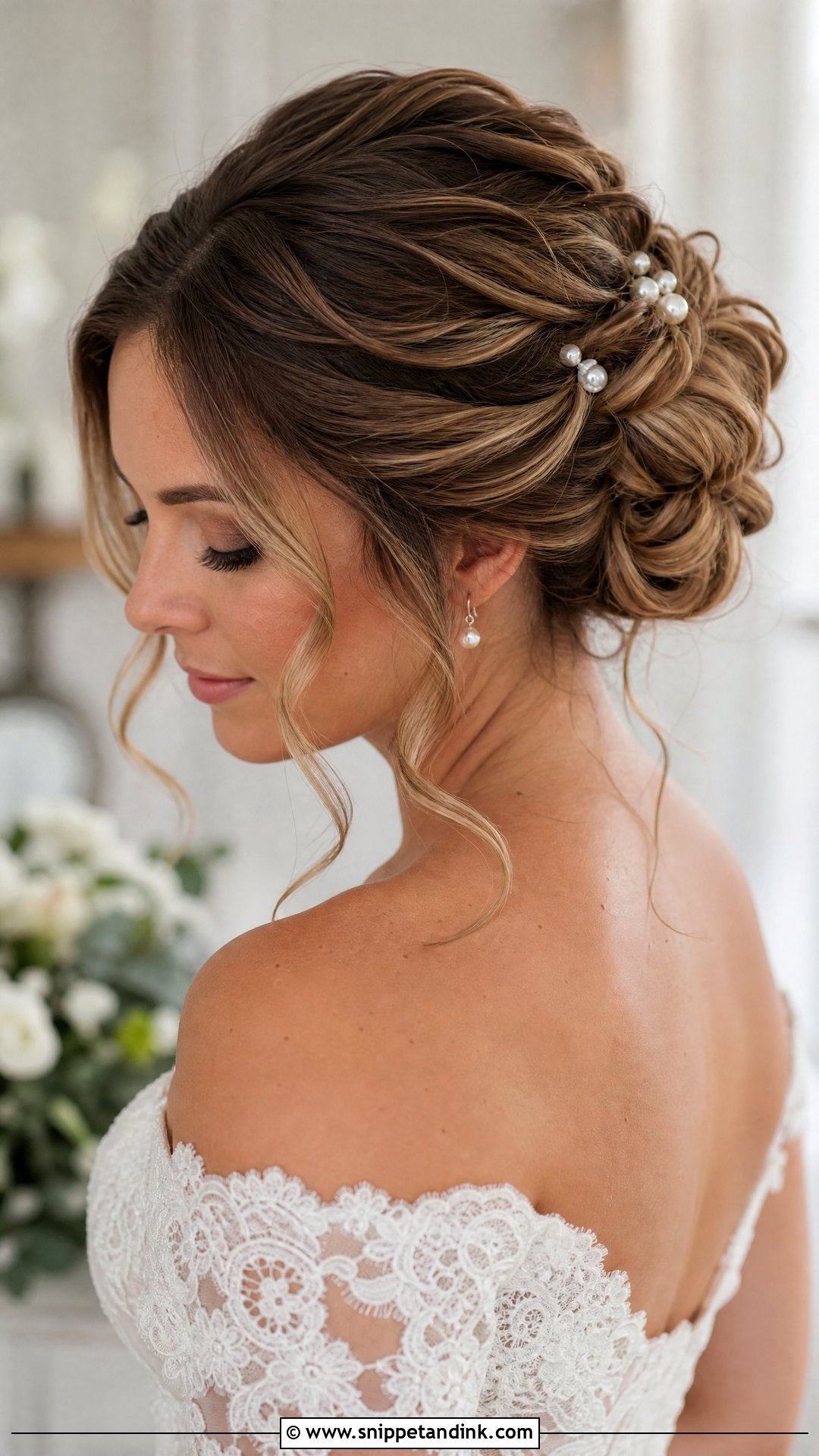
Instead of one bun, a twisted updo is built from several small twists pinned together. The result looks fuller than the hair really is, which makes it one of my favourites for fine or medium-density hair. Highlights and balayage show up as a woven pattern because each twist exposes different tones. The updo can sit low, centered or off to one side to suit your veil. I keep the front smooth with a couple of face-framing pieces so the texture stays at the back, where it shows best in ceremony photos.
15. Classic Bridal Long Hair Down
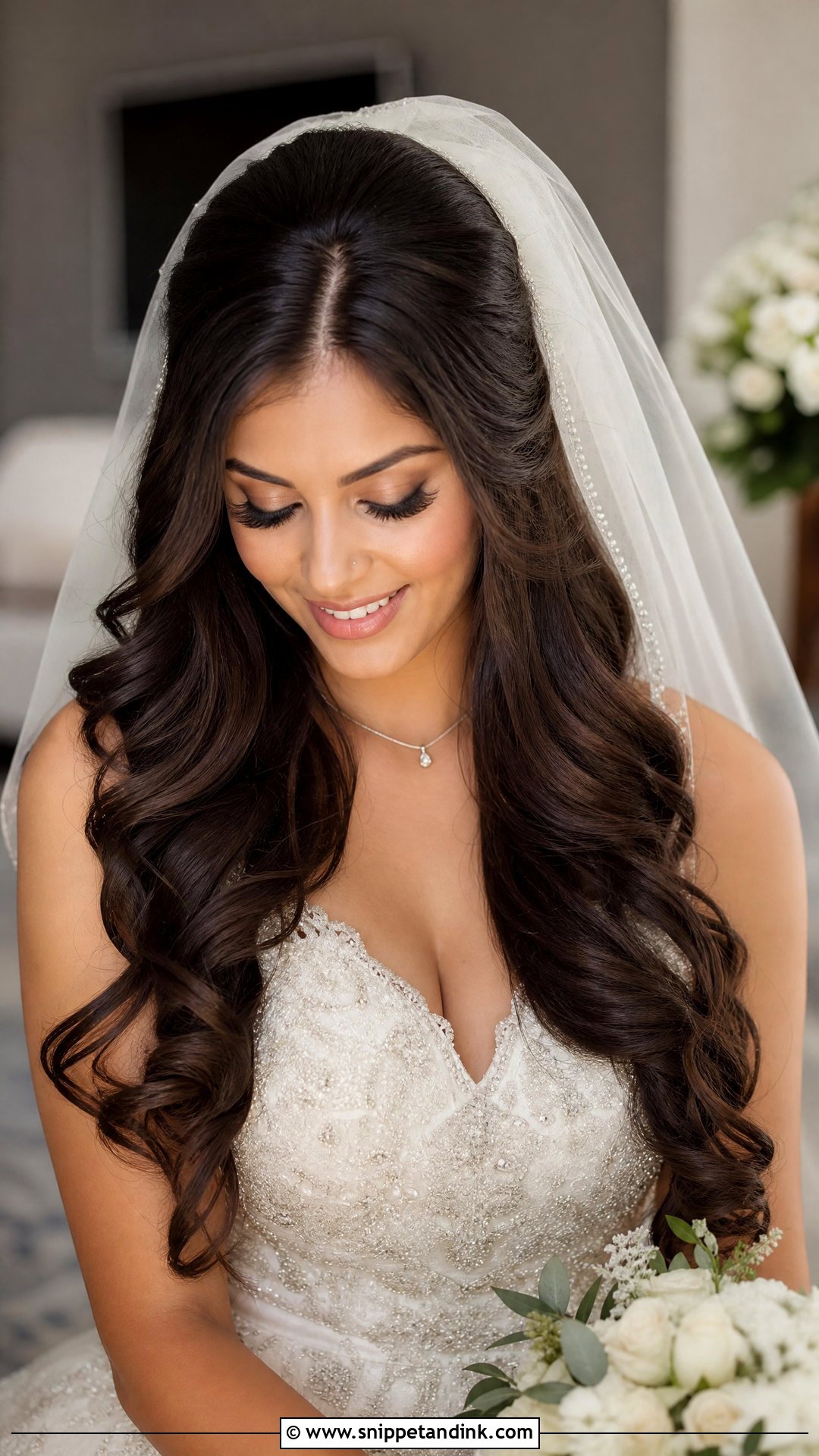
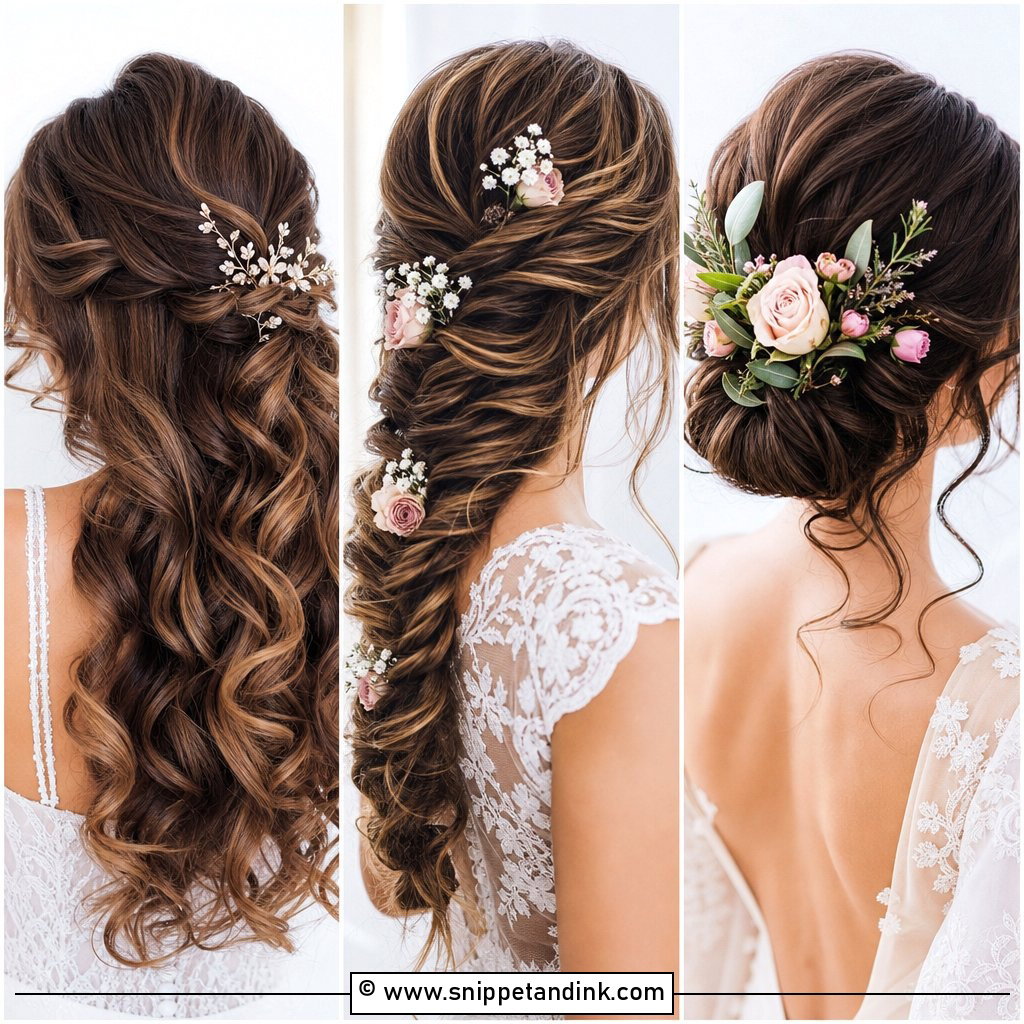
Long hair worn down takes more preparation than an updo, not less. It needs to look finished, so I give it volume at the crown, otherwise it lies flat under a veil and photographs like everyday hair. Long curls, smooth waves or brushed-out bends all work. For a veil, I build a small pinned section at the crown to hold the comb. This pairs well with simple gowns, open necklines and lace. If you’re marrying somewhere humid, I’d seriously consider a half up version instead, because fully loose hair is the first to frizz.
Veil Comb Placement on Each of These Shapes
A veil changes a classic style more than any other accessory, and it’s the thing brides most often forget to bring to a trial. The comb needs something solid to grip, and where I put it depends on the shape underneath.
Low buns and chignons
Two options. The comb goes just above the bun for a traditional frame that shows the whole updo through the tulle, or underneath so the veil falls from the nape and the bun sits on top. Heavier cathedral veils are happier above, where the hair is densest.
French twists and high buns
A twist has a long vertical seam, and I push the comb in sideways along its edge. With a high bun the veil normally goes underneath, otherwise the bun disappears and the outline looks top-heavy.
Hair down and half up
Loose hair gives a comb nothing to hold, so I build a small hidden anchor: a tiny pinned twist or crossed grips at the crown. Half up styles already have one. Curls under a long veil will soften faster, because the tulle rubs them every time you turn your head.
If the veil is coming off after the ceremony, have your stylist show a bridesmaid how to slide it out without dragging the pins with it.
A French Twist Will Still Look Right in Thirty Years
Every shape here has outlasted plenty of trends that may fade, and that’s really the whole appeal. Look at your neckline first, then at your hair’s texture and how it behaves in damp air, then the veil. Two or three styles will rise to the top quickly. Bring photos of those to your trial, wear your real earrings and veil, and ask me (or whoever you book) for a photo from behind and from the side as well as the front. If you still love it after a few hours of wear and a walk outside, you’ve found it.
You'll Like These Ideas:



Leave a Reply