
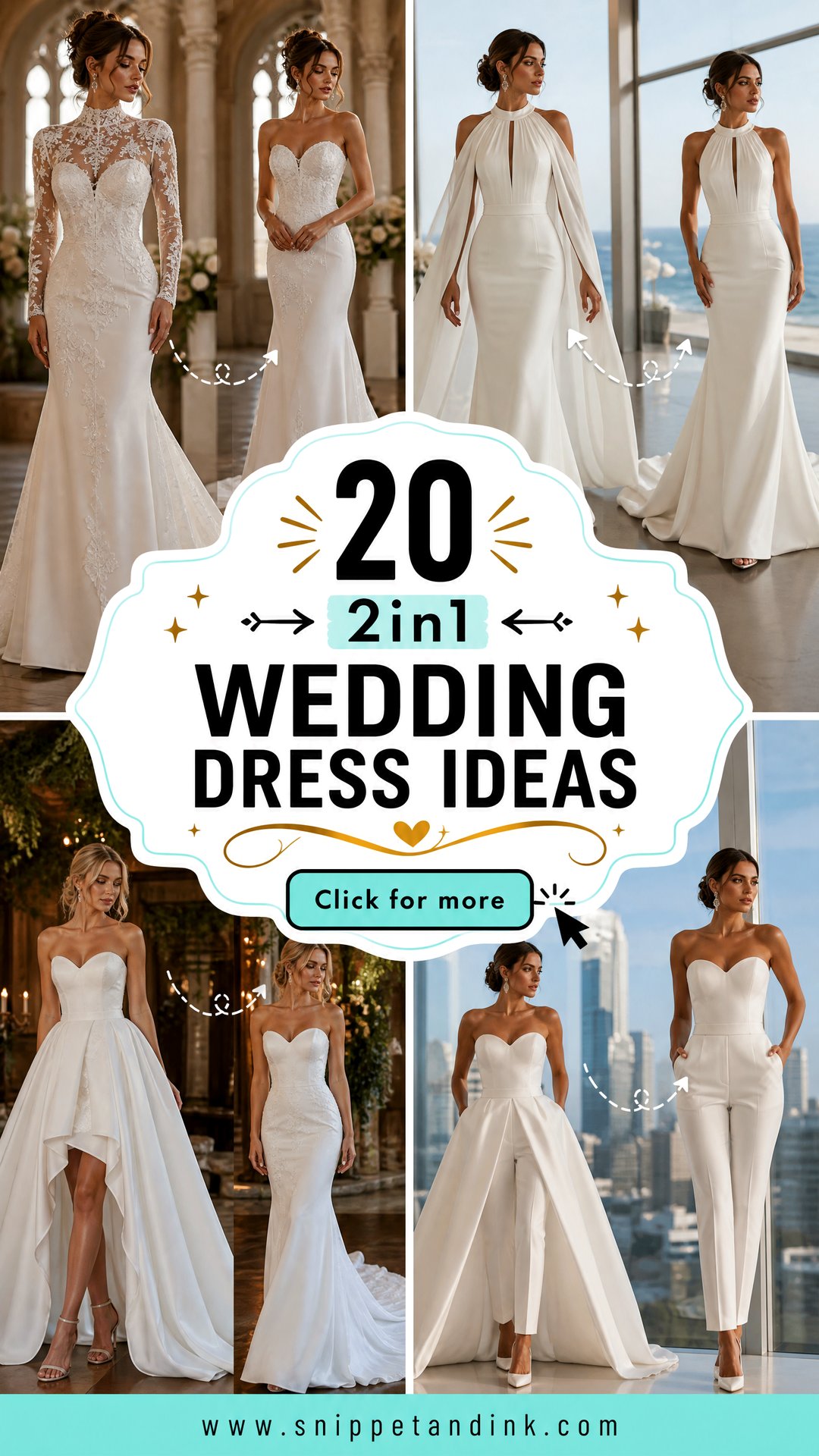
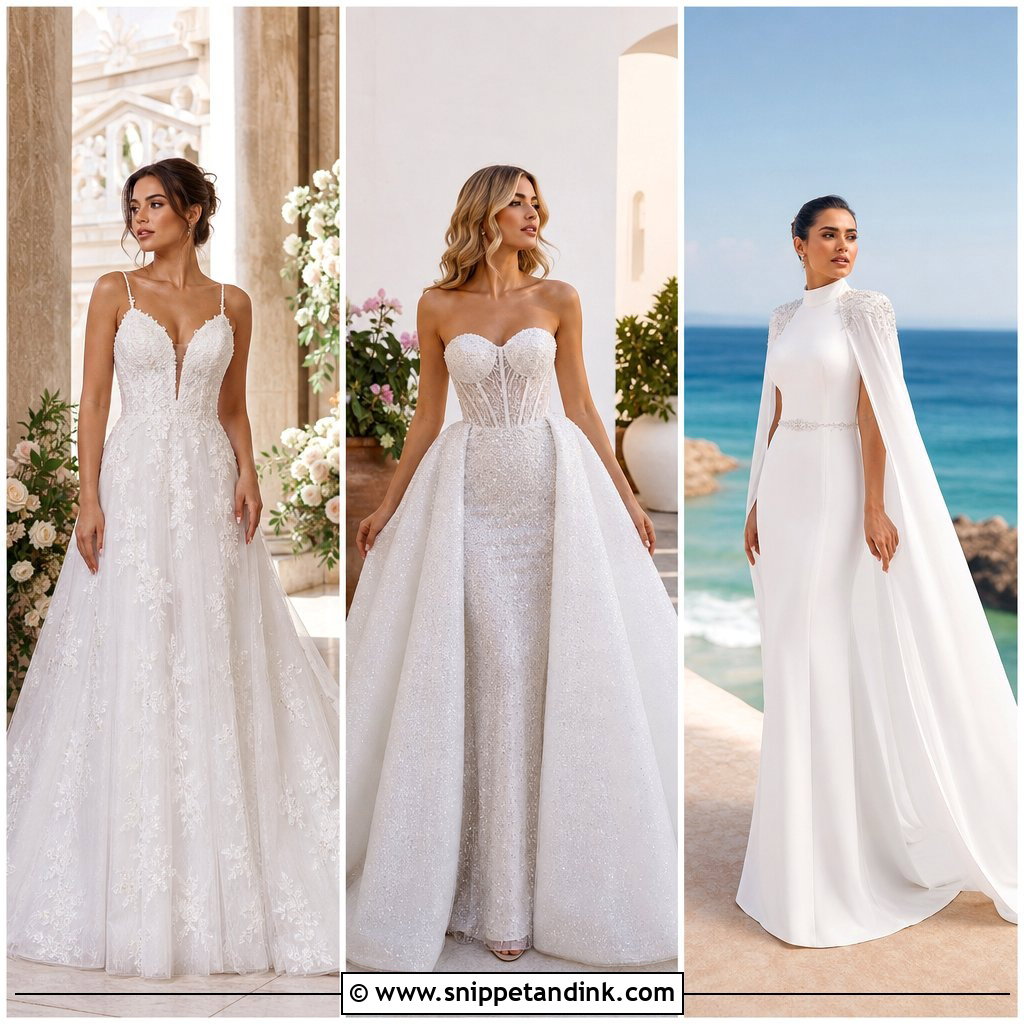
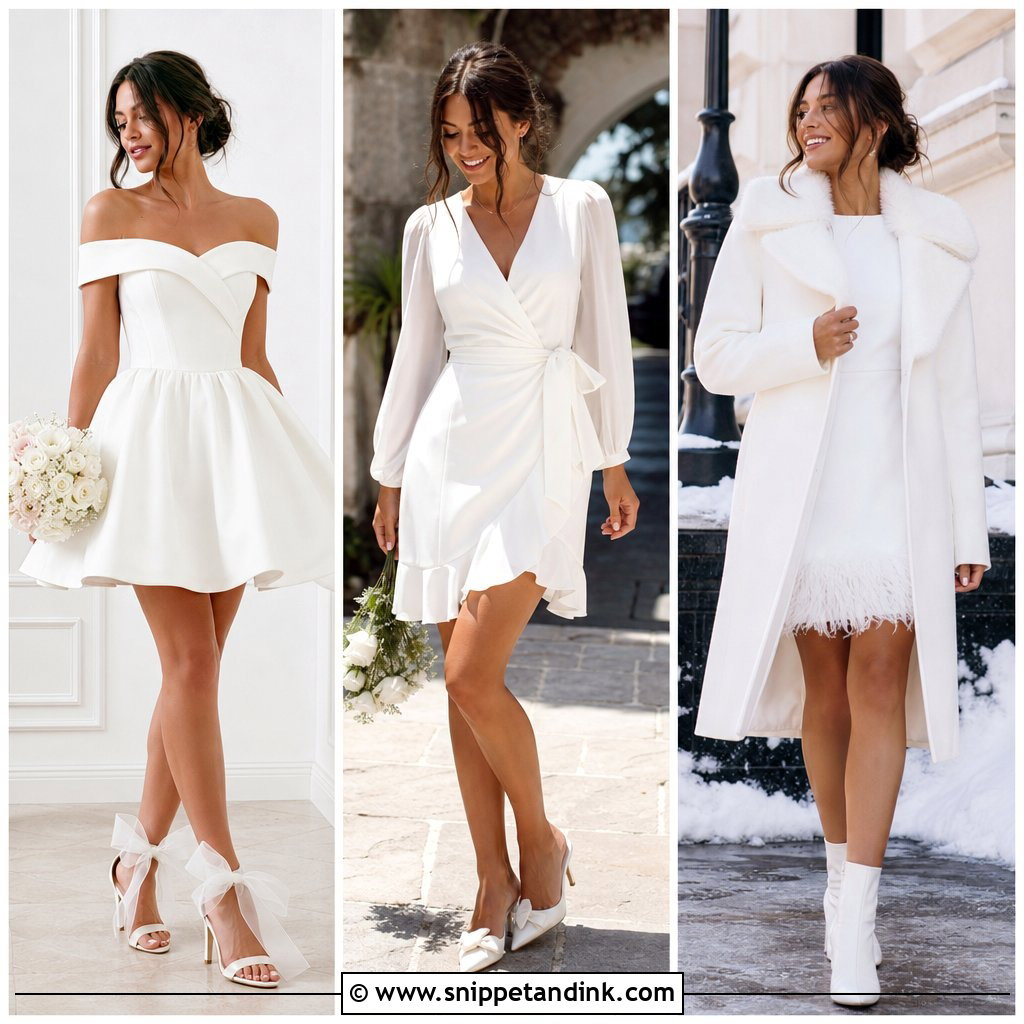
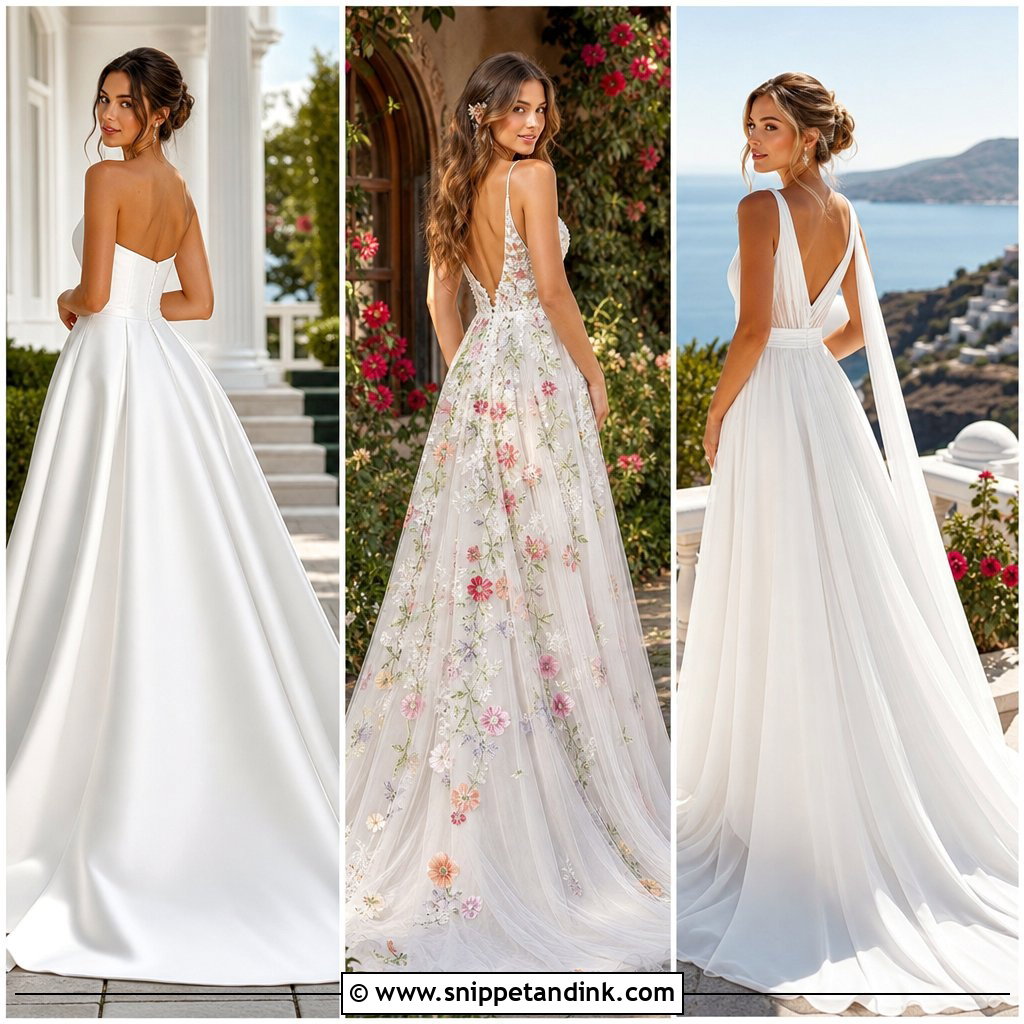
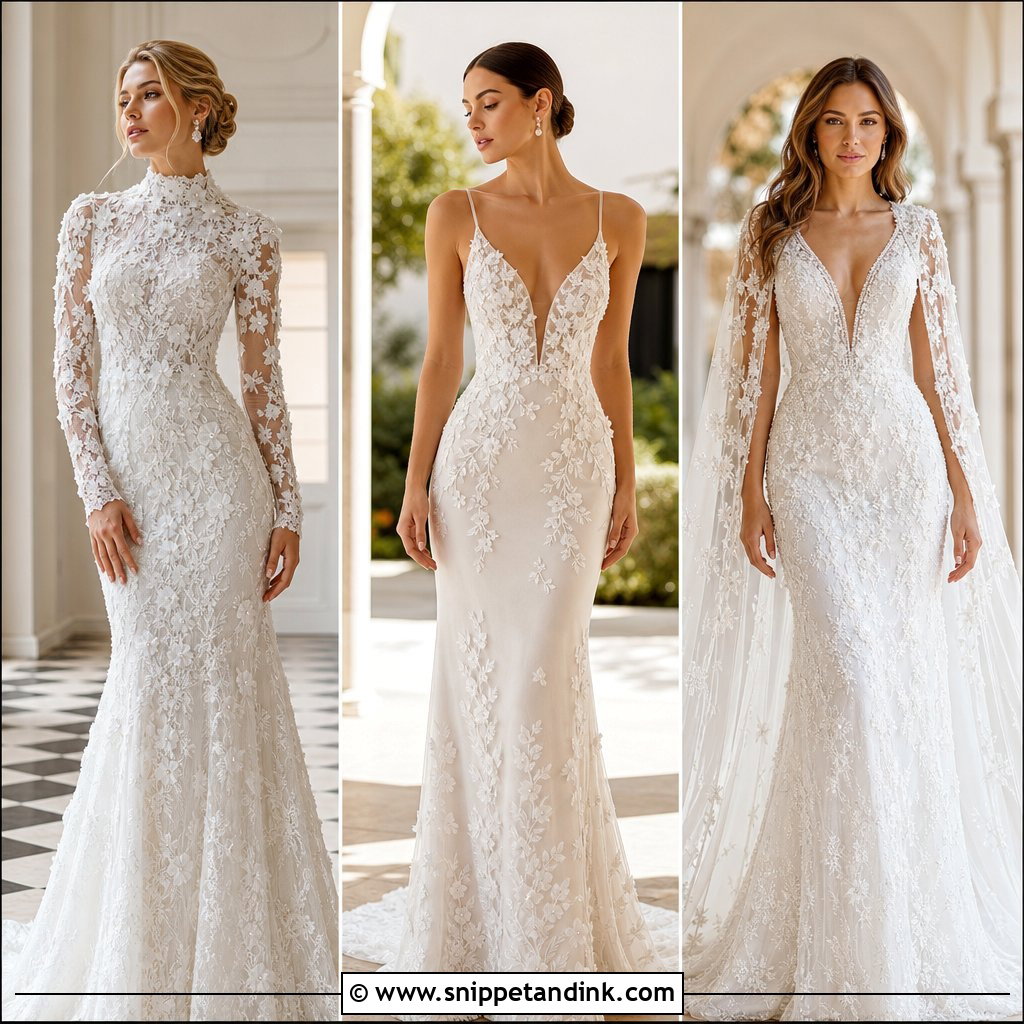
Plenty of brides who come to me are torn between a ceremony gown with real presence and something they can actually dance in. A two-in-one dress settles that argument without buying two outfits. Convertible gowns rely on removable overskirts, sleeves, capes, trains and toppers, so a ball gown at the altar can become a fitted mini, a column or a tailored jumpsuit before the first song. The versions I trust most share fabric, colour and embellishment between both halves, so the reveal looks planned rather than patched together. Below are twenty ways to do it, from layered lace to bare satin and even trousers.
Hooks, Snaps or Buttons: What Actually Holds the Second Layer On
Before I look at lace or silhouette, I turn a convertible dress inside out. How the removable piece attaches decides how it hangs, how fast it comes off, and whether it survives a full ceremony.
- Hook and bar is what I want on any heavy overskirt or long train. It takes weight without popping open, and a row of them spreads the load across the waist.
- Snaps suit light pieces such as puff sleeves, chiffon panels or a small peplum. On a full satin skirt they tend to give way on the first step.
- Buttons and loops look lovely on toppers and boleros, but they are slow. Elastic loops are faster than fabric ones and still close neatly.
- A waistband with belt loops or internal hooks anchors the overskirt to the base dress itself, so the weight sits on the waist seam rather than dragging the bodice fabric down.
Ask to hold the overskirt on its own at the shop. A full ball gown skirt in satin or Mikado can feel surprisingly heavy, and if it already feels like a lot in your hands, it will feel like more after an hour of photographs.
1. Mermaid 2in1 Wedding Dress With Ball Gown Overskirt
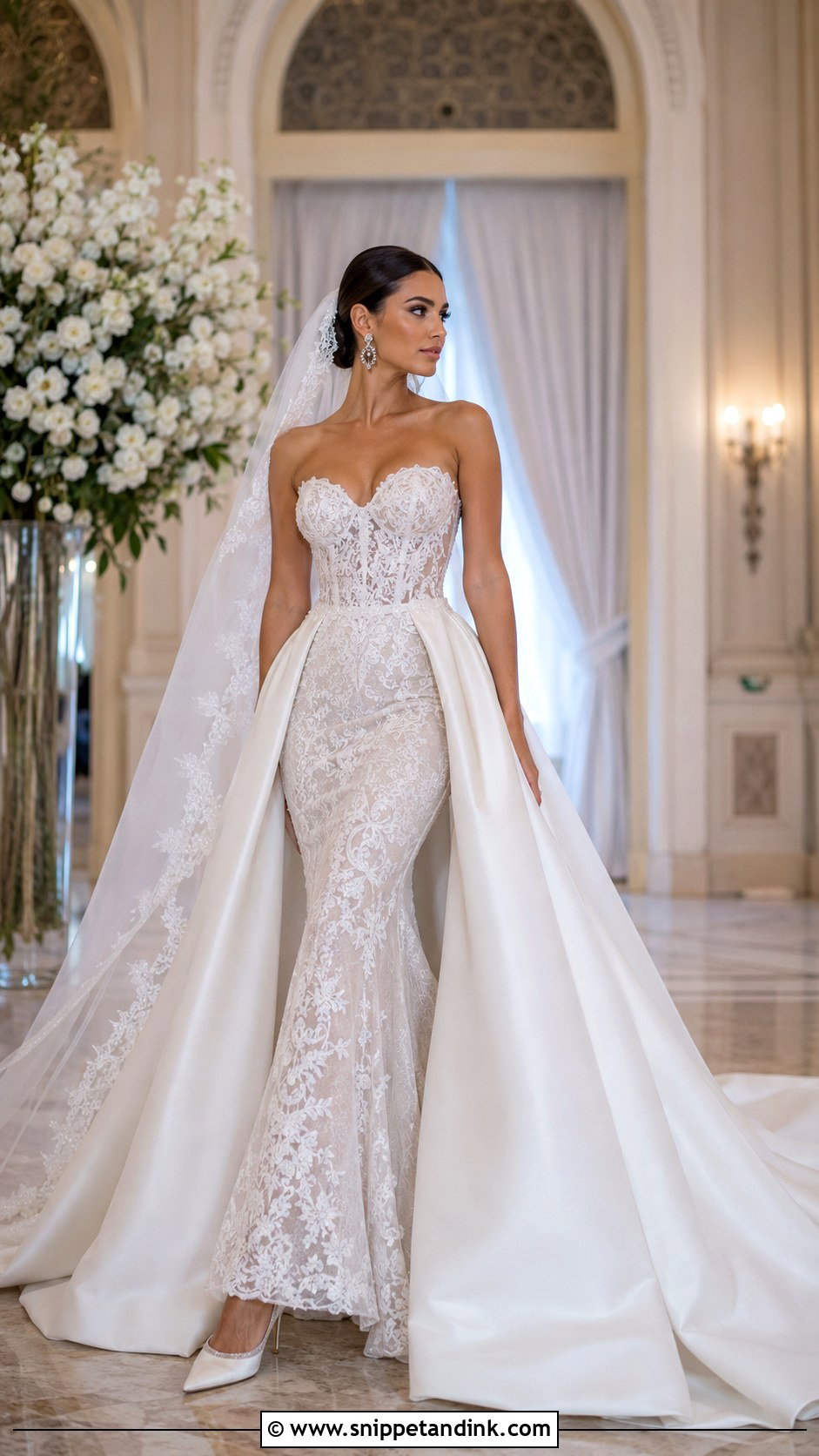
This is the most dramatic swap on the list, and the one that asks the most of your fitter. The base is a structured corset bodice on a smooth satin or lace mermaid, and the full overskirt fastens around the waist and sweeps into a train, giving you princess volume over a fitted dress. The catch I always flag: the mermaid flare sits underneath that skirt, so the overskirt needs a slightly wider cut through the hip and enough net inside that the knee flare doesn’t print through. Pointed ivory pumps, crystal earrings and a cathedral veil carry the ceremony. Afterwards, trade the veil for a pearl comb and carry a compact clutch.
2. Mini 2in1 Wedding Dress With Tulle Overskirt
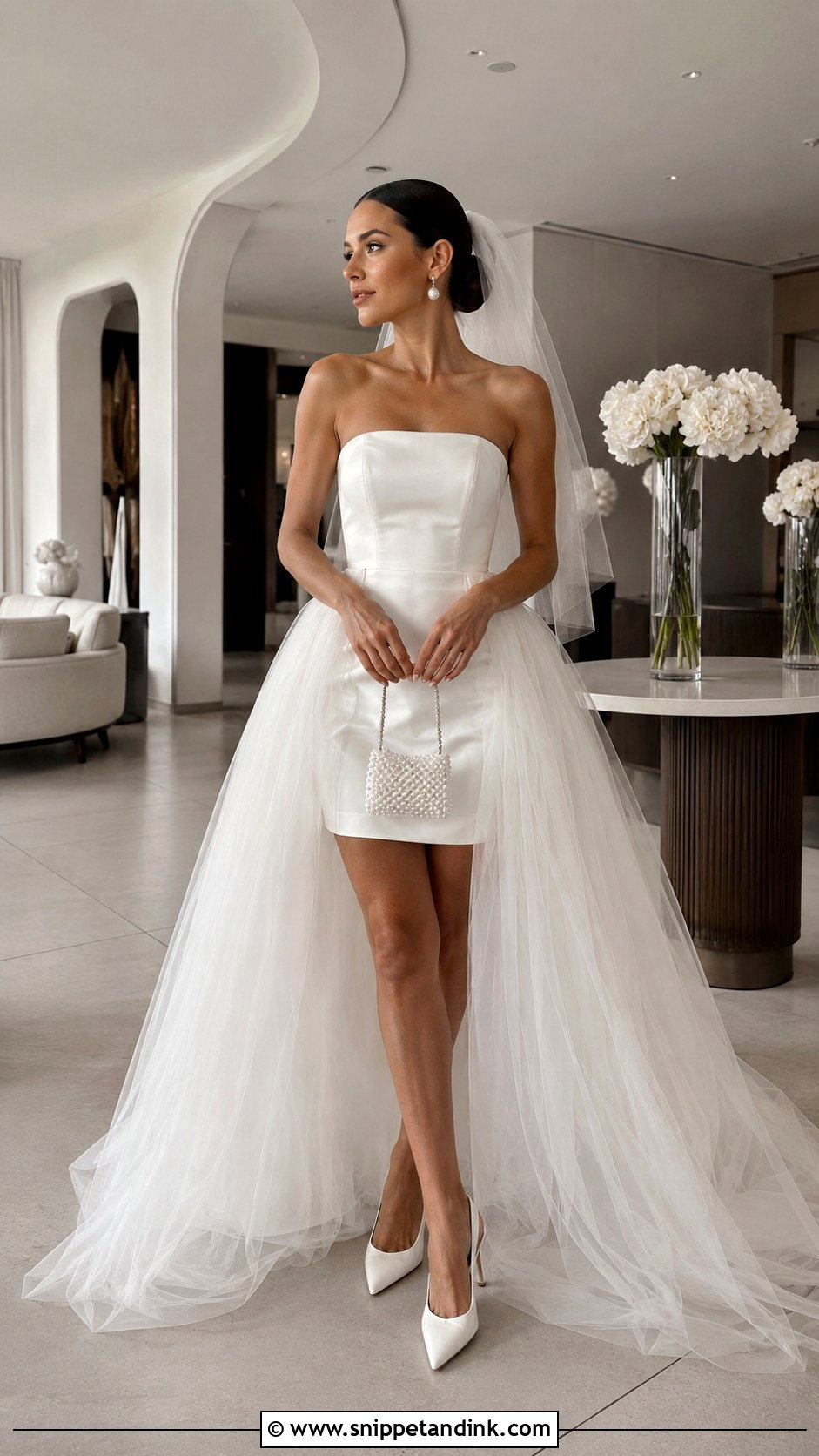
Walking in at floor length and dancing in a mini is the biggest hemline change you can get. Under the tulle sits a structured strapless mini with a supportive corset bodice and a clean, tailored skirt. Ask for the tulle overskirt on a narrow waistband with only a subtle train, because a wide band adds bulk exactly where the mini needs a crisp line. Tulle is sheer, so even several layers hint at the short dress beneath; I have brides stand near a window at a fitting and decide how much they want to show. Slingbacks, a delicate veil and pearl drops suit the ceremony, then statement earrings or a small embellished bag for the party. Hotel and rooftop receptions suit it best.
3. Satin 2in1 Wedding Dress With Detachable Train
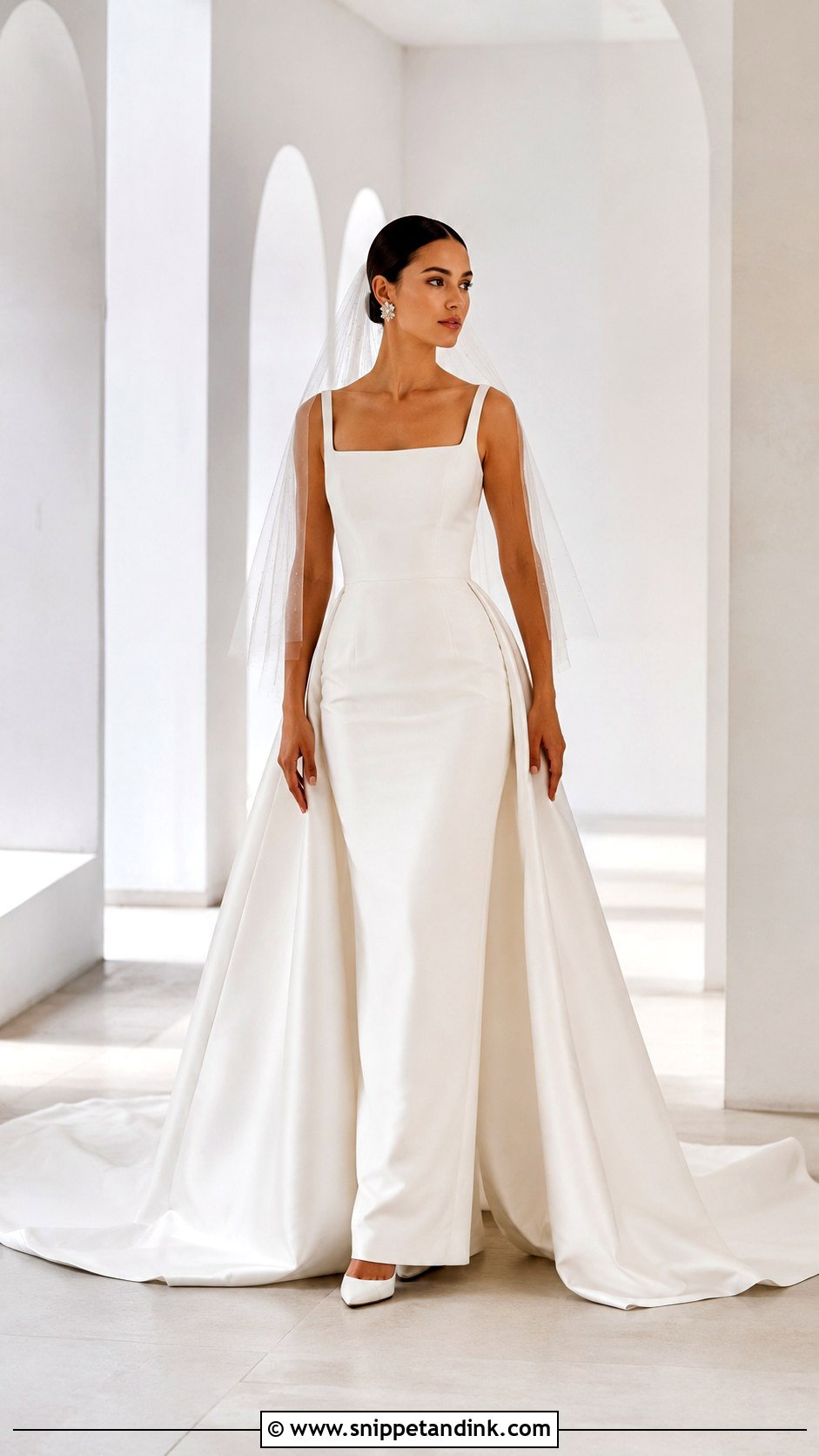
Satin shows every seam and every pull, which is why a detachable train suits it: there’s no extra skirt to wrestle, only one panel. Start with a column or trumpet gown with a square neckline and a defined waist. The cathedral train fastens at the back waist, and I’d have it held on with hooks and thread bars rather than snaps, since a long satin train is heavy enough to pop snaps loose on the first step. Pair it with a fingertip veil, sculptural earrings and pointed pumps. Once the train is off, a sleek low bun and a structured satin clutch carry you through dinner. Clean, modern venues show this one off.
4. Strapless 2in1 Wedding Dress With Puff Sleeves
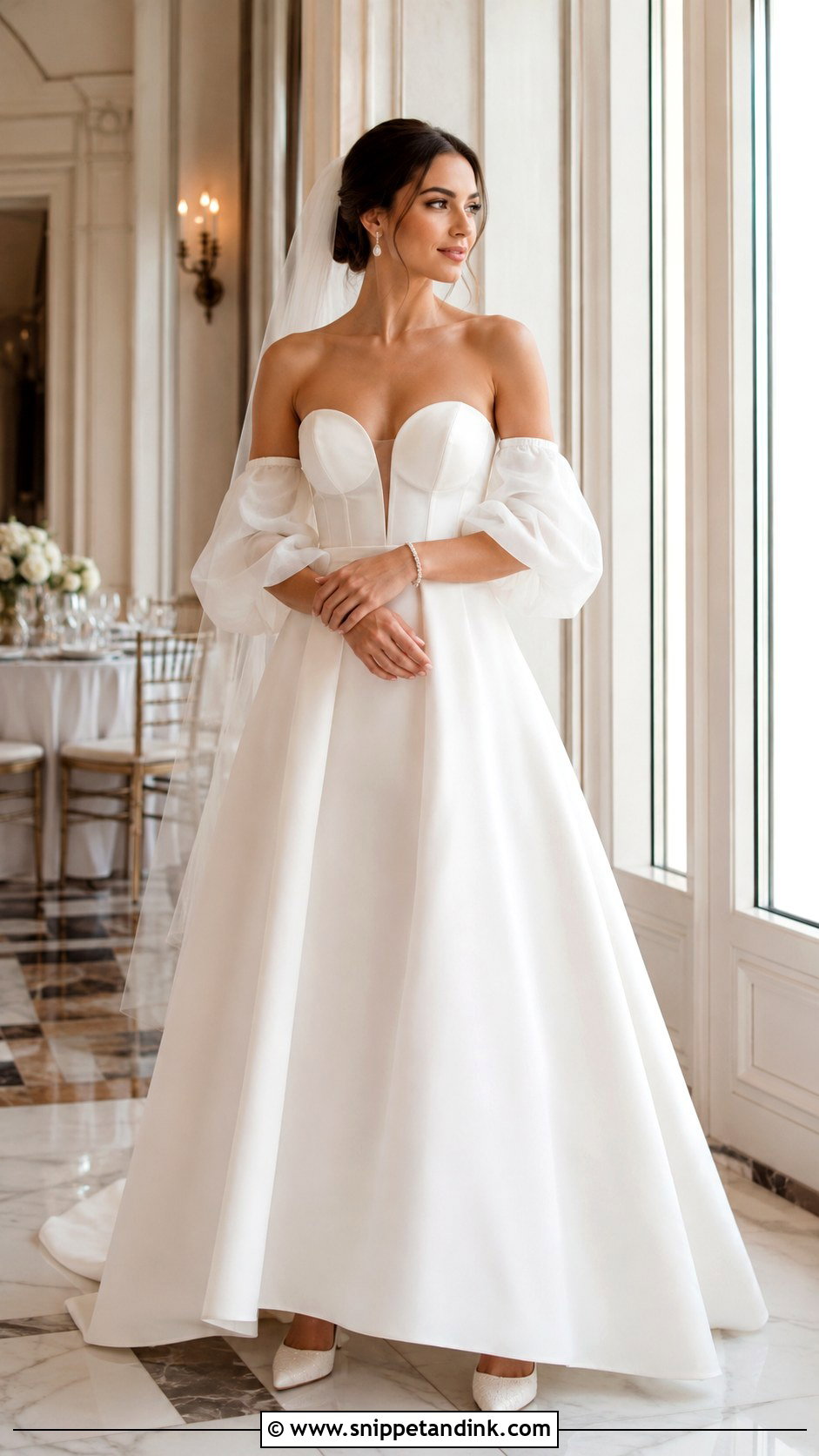
Detachable puff sleeves soften a strapless bodice for the vows and leave the neckline untouched for later. The base is a fitted strapless dress with a gently curved bodice and an A-line or slim trumpet skirt, and the organza sleeves sit around the upper arm and taper at the cuff. Organza only holds its puff if there’s a net lining inside the sleeve; without one it collapses before the ceremony is over. My test at the fitting is simple: raise both arms as if you’re hugging someone. If the band rolls or the sleeve slides, it needs a strip of silicone grip. Pearl studs, a simple veil and closed-toe heels come first, then a tennis bracelet and small top-handle bag.
5. Lace 2in1 Wedding Dress With Removable Long Sleeves
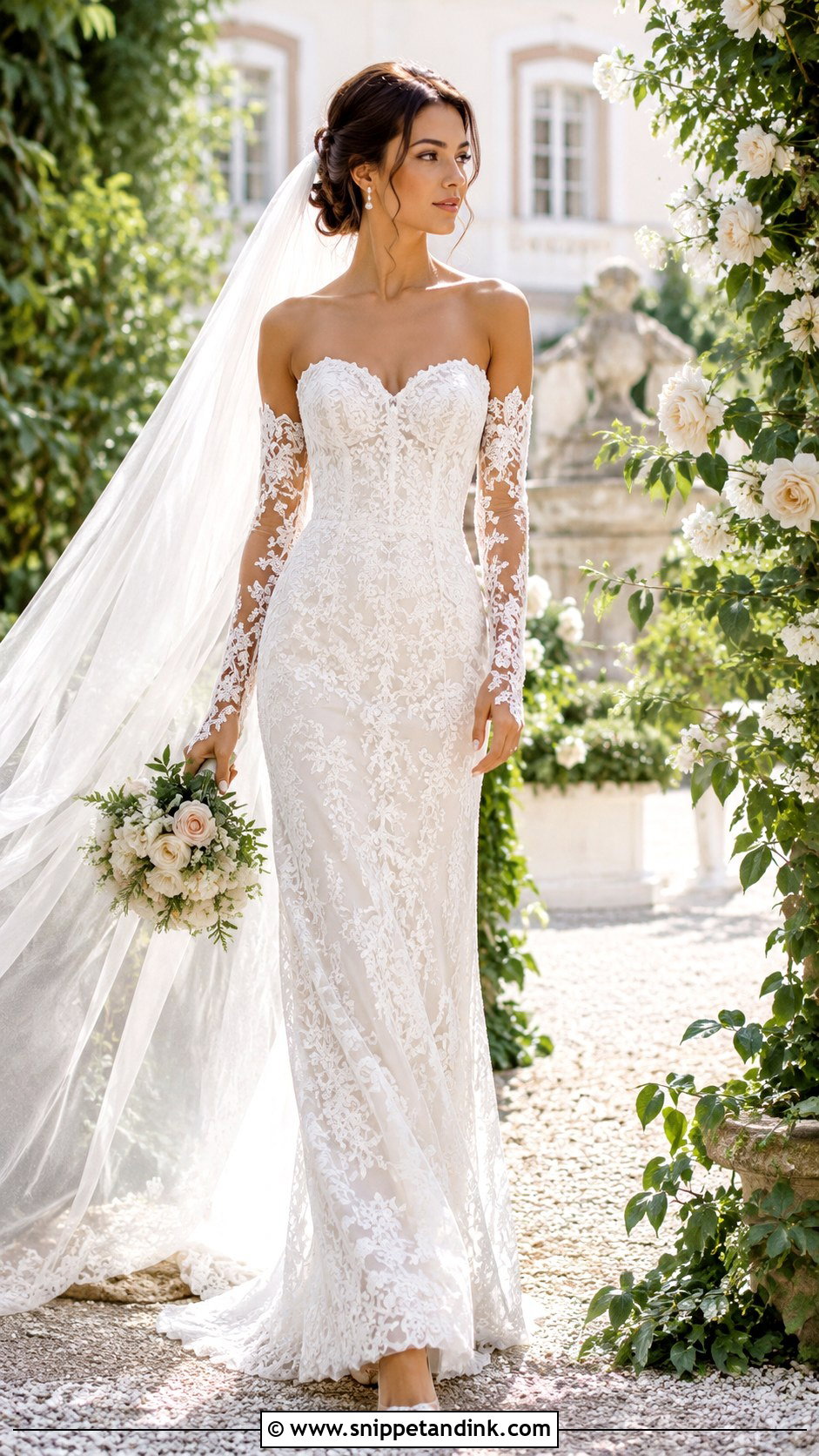
Long lace sleeves give you coverage in church and a lighter look by evening. A fitted sheath or soft A-line with a sweetheart neckline and floral appliqués makes the base. The sleeves have to be cut from the same lace as the bodice, ideally ordered with the gown, because lace bought later from a different dye lot almost never matches. Hidden snaps or small covered buttons at the shoulder keep them in place. A sheer veil, pearl earrings and lace-trimmed pumps finish the ceremony; a jeweled clip and block heels take over for the reception. Gardens, historic houses and indoor venues all suit it in any season.
6. A-Line 2in1 Wedding Dress With Detachable Cape
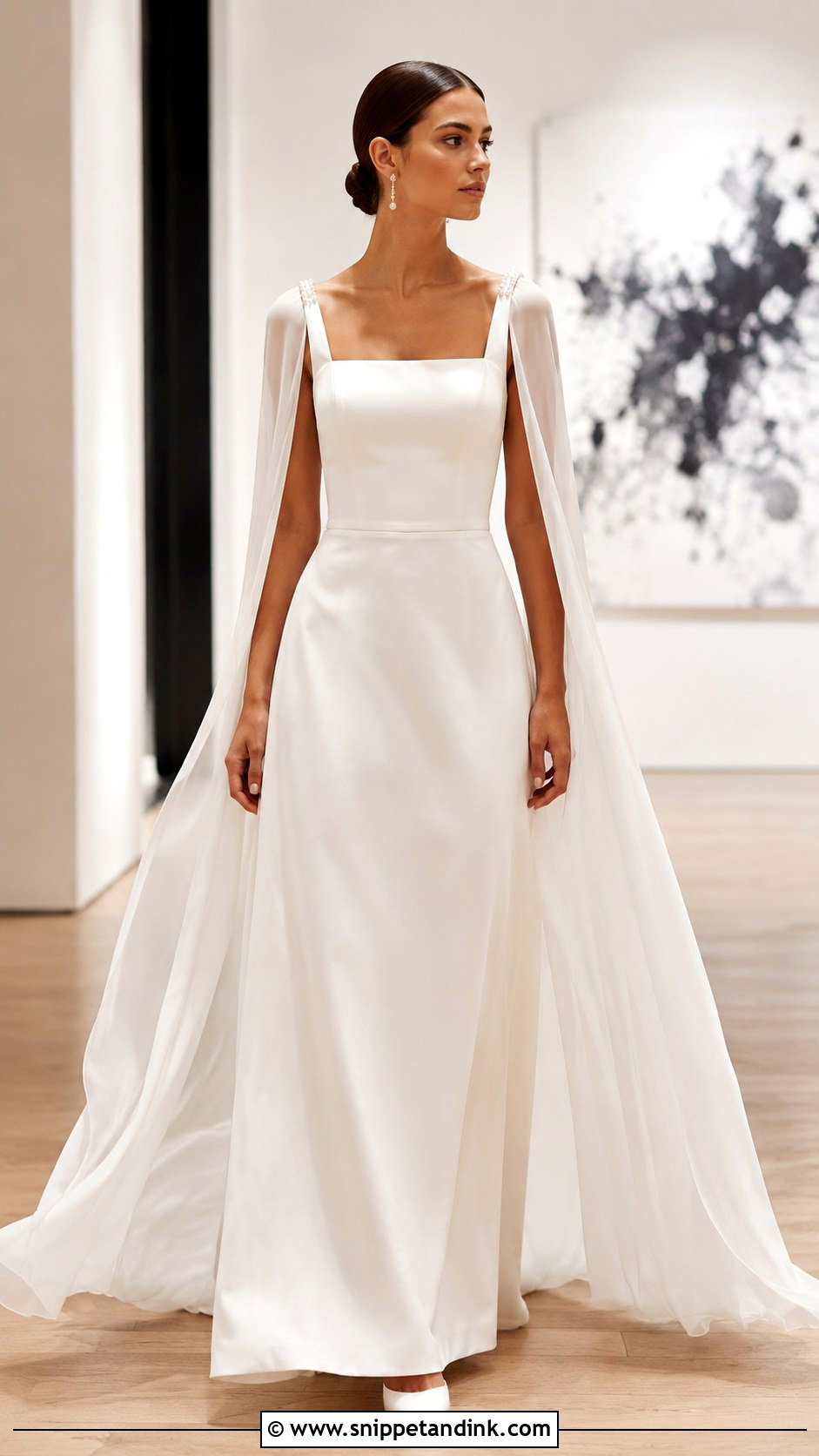
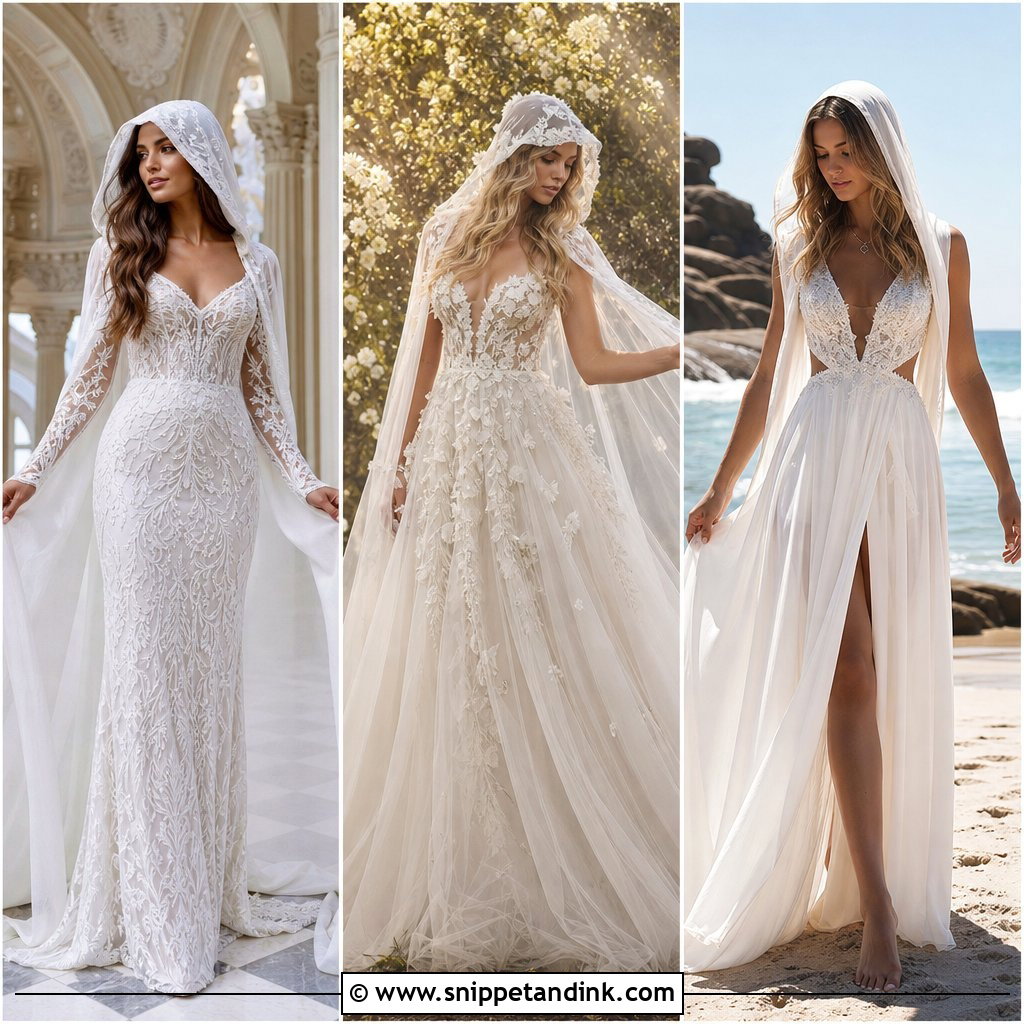
A chiffon cape gives a simple A-line dress an entrance and can replace a veil altogether. Pick a clean crepe or satin gown with wide straps, a fitted waist and a softly flared skirt; the cape connects at the shoulders and trails behind like a light train. Pearl edging, subtle embroidery or small appliqués near the neckline add detail. I keep jewelry down to drop earrings and pointed heels here, because the cape already gives the camera plenty of movement. Chiffon snags on gravel and catches grass, so for an outdoor aisle keep the cape hem just off the ground. Unhook it to show the open back, then add a metallic clutch and a polished bun.
7. Corset 2in1 Wedding Dress With Removable Bolero
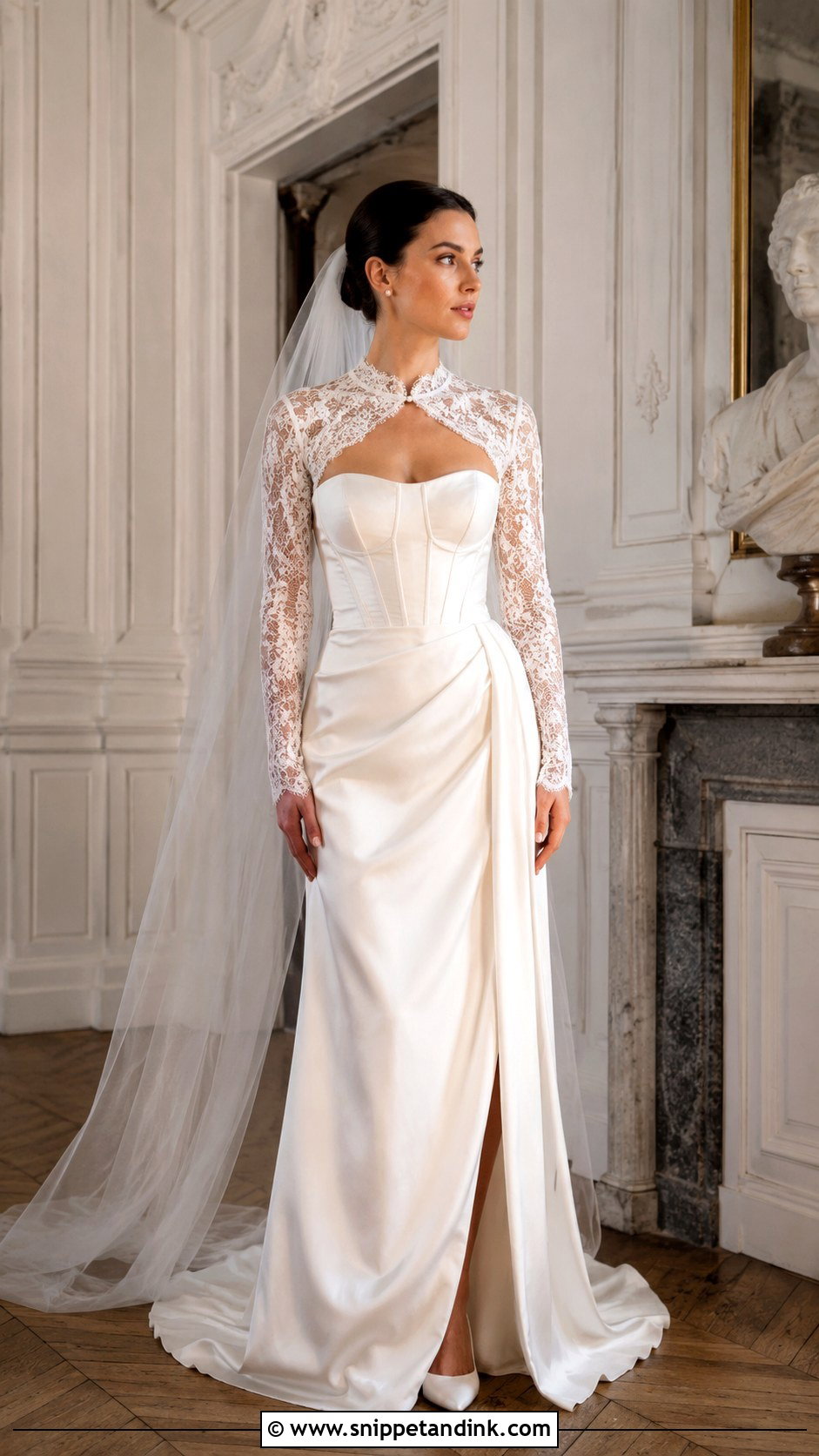
A removable bolero gives a corset dress two moods: covered and traditional for the vows, structured and bare for the party. The base is a boned corset gown with a defined waist and either a slim satin skirt or a tulle A-line. The fitted lace bolero has to line up with the bodice’s neckline and waist seams, and I check that seated as well as standing, since a bolero rides up at the back the moment you sit. Long sleeves and covered buttons read traditional with a plain veil, pearl studs and closed-toe pumps. Later, add a crystal choker, sleek gloves or a small satin bag. One of those is plenty against a detailed bodice.
8. Sweetheart 2in1 Wedding Dress With High-Neck Topper
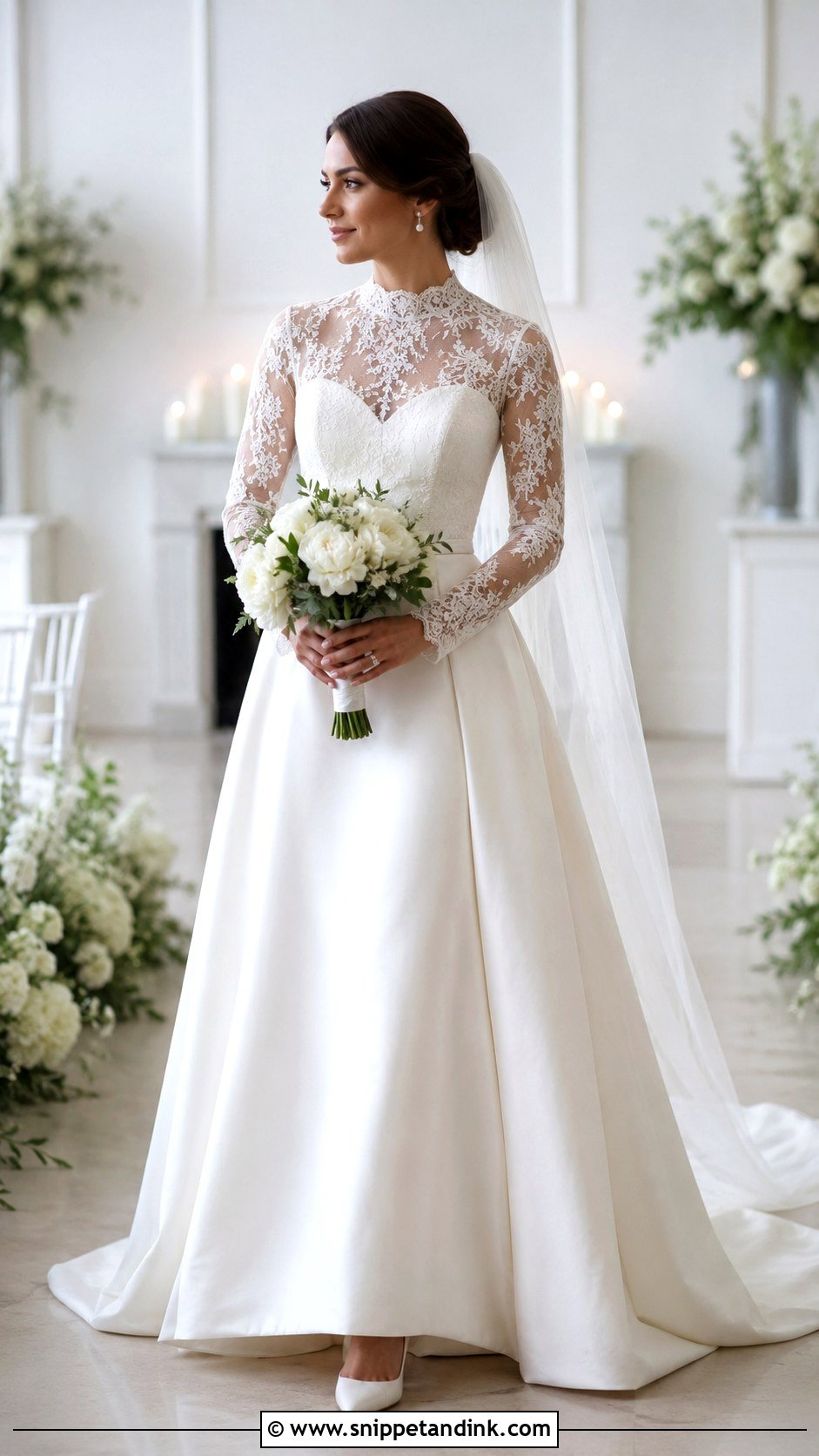
Do you want a modest neckline for the ceremony and a strapless dress for the party? A removable high-neck topper covers both. Underneath is a sweetheart gown with a fitted bodice and balanced A-line skirt; the sheer lace topper adds a high neck, long sleeves and delicate buttons down the back. If the skirt carries appliqués, the topper lace should echo them, and over plain satin it can stay deliberately simple. Those back buttons are slow, so I ask for elastic loops instead of buttonholes and a patient helper. A low chignon with the veil tucked beneath the bun suits the ceremony. Later, loose waves, a bolder necklace and comfortable ivory heels refresh the look.
9. Jumpsuit 2in1 Wedding Dress With Detachable Skirt
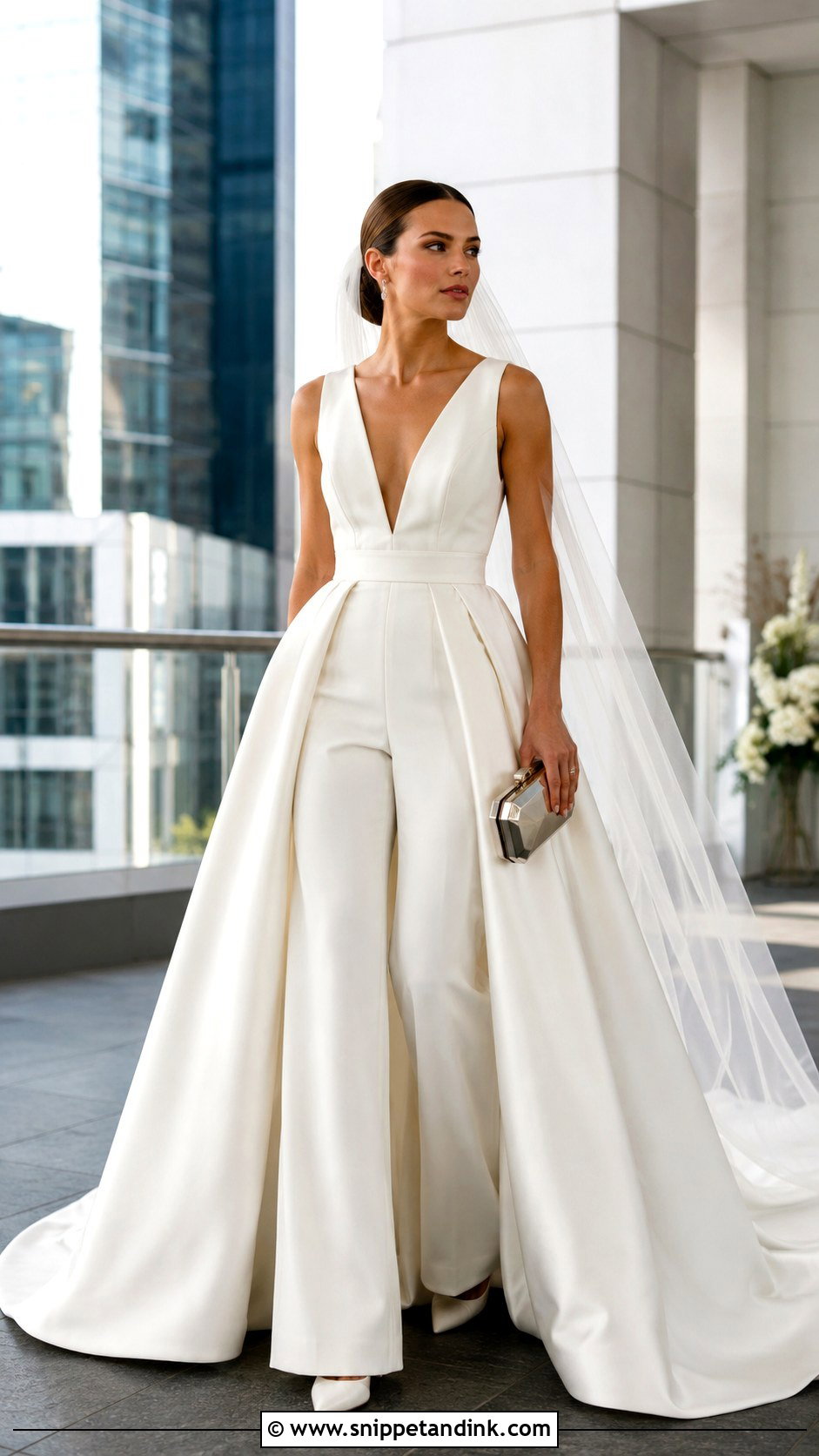
Hiding a tailored bridal jumpsuit under a detachable skirt surprises guests more than any second dress could. You need a well-fitted jumpsuit with wide-leg pants, a structured bodice and real internal support, then a full satin overskirt that closes around the waist and runs into a chapel or cathedral train. The trouser hem is where these go wrong. Hem the legs for your reception shoes and wear those exact shoes to every fitting, or the pants will either puddle or flash ankle. Pointed pumps, a long veil and understated earrings for the ceremony; a sculptural hair piece and metallic clutch once the veil comes out.
10. Tea-Length 2in1 Wedding Dress With Cathedral Overskirt
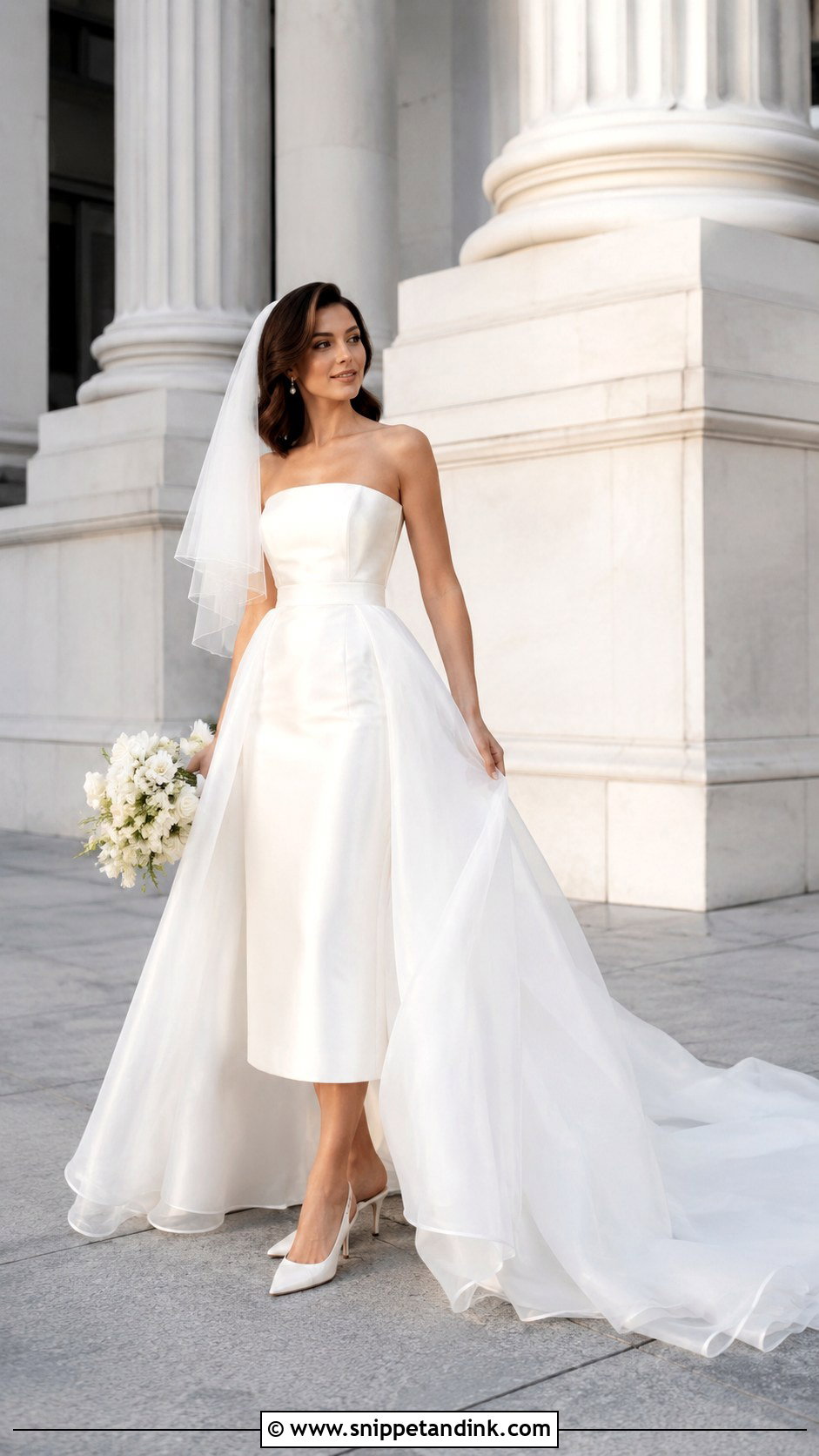
A tea-length base under a cathedral overskirt gives the biggest shoe reveal on this list. Start with a fitted or softly flared midi that ends between knee and ankle, with a structured neckline, defined waist and clean satin so it stays bridal instead of casual. For the overskirt, pleated organza or Mikado both hold visible volume, and I lean toward Mikado for a long train because its own weight gives shape without a heavy petticoat. Pointed slingbacks, pearl earrings and a shoulder-length veil suit the first look. Your shoes become a feature afterwards, so embellished heels or ankle straps are worth the money. A courthouse ceremony followed by a big reception suits it well.
11. Crepe 2in1 Wedding Dress With Lace Overskirt
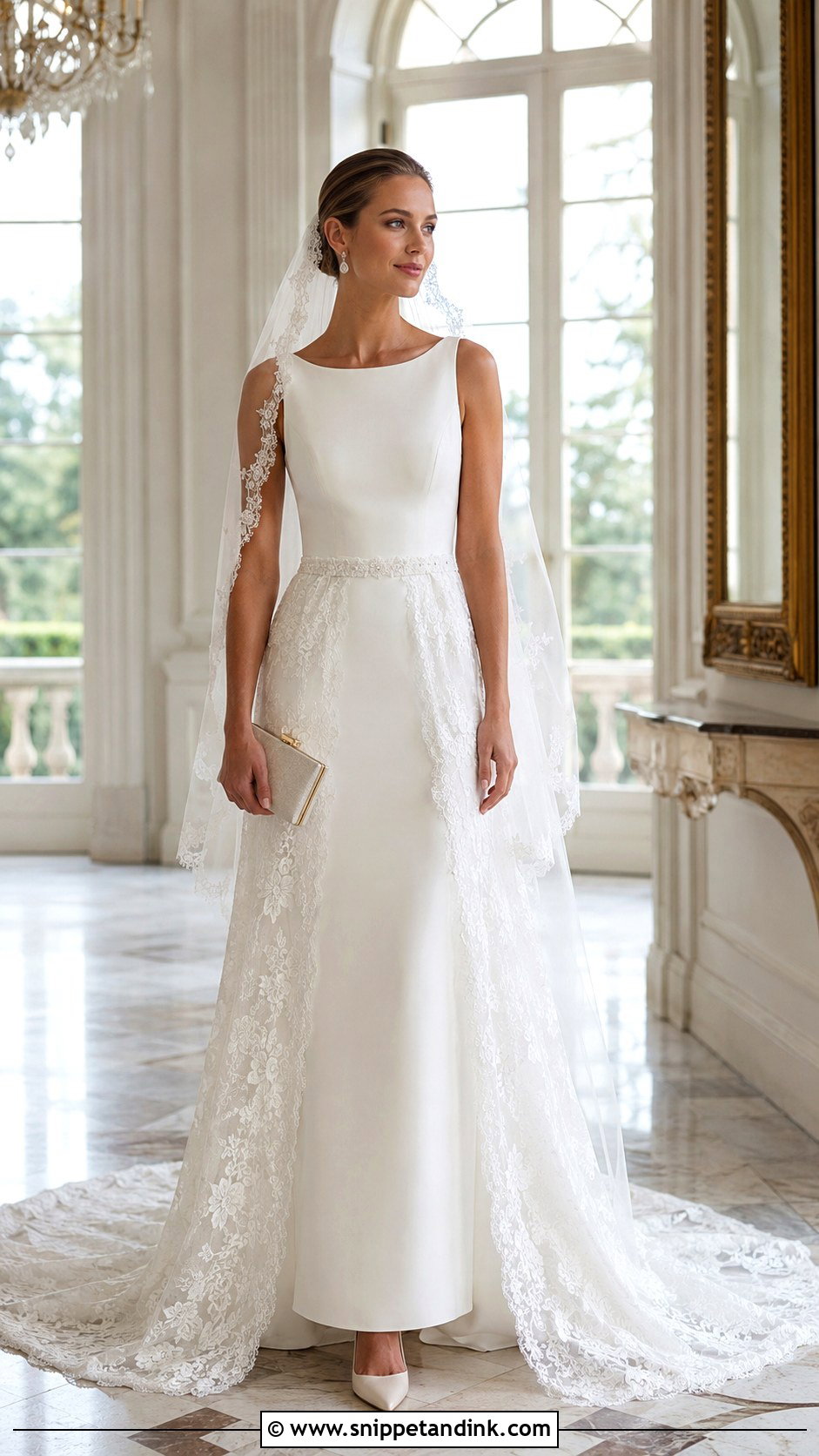
Crepe and lace together give texture without fuss. The base is a fitted crepe column with a clean neckline and very few seams, and over it goes a lace overskirt on a narrow waistband with a soft train. The lace brings movement to the ceremony; the plain crepe stays sleek for the reception. What I check first is undertone. Ivory crepe and ivory lace from different mills can look identical indoors and clash in daylight or under flash, so hold both fabrics together outside before you commit. Wear a lace-edged veil, delicate earrings and simple pumps, then switch to a bold cuff and a structured clutch.
12. Floral 2in1 Wedding Dress With Removable Sleeves
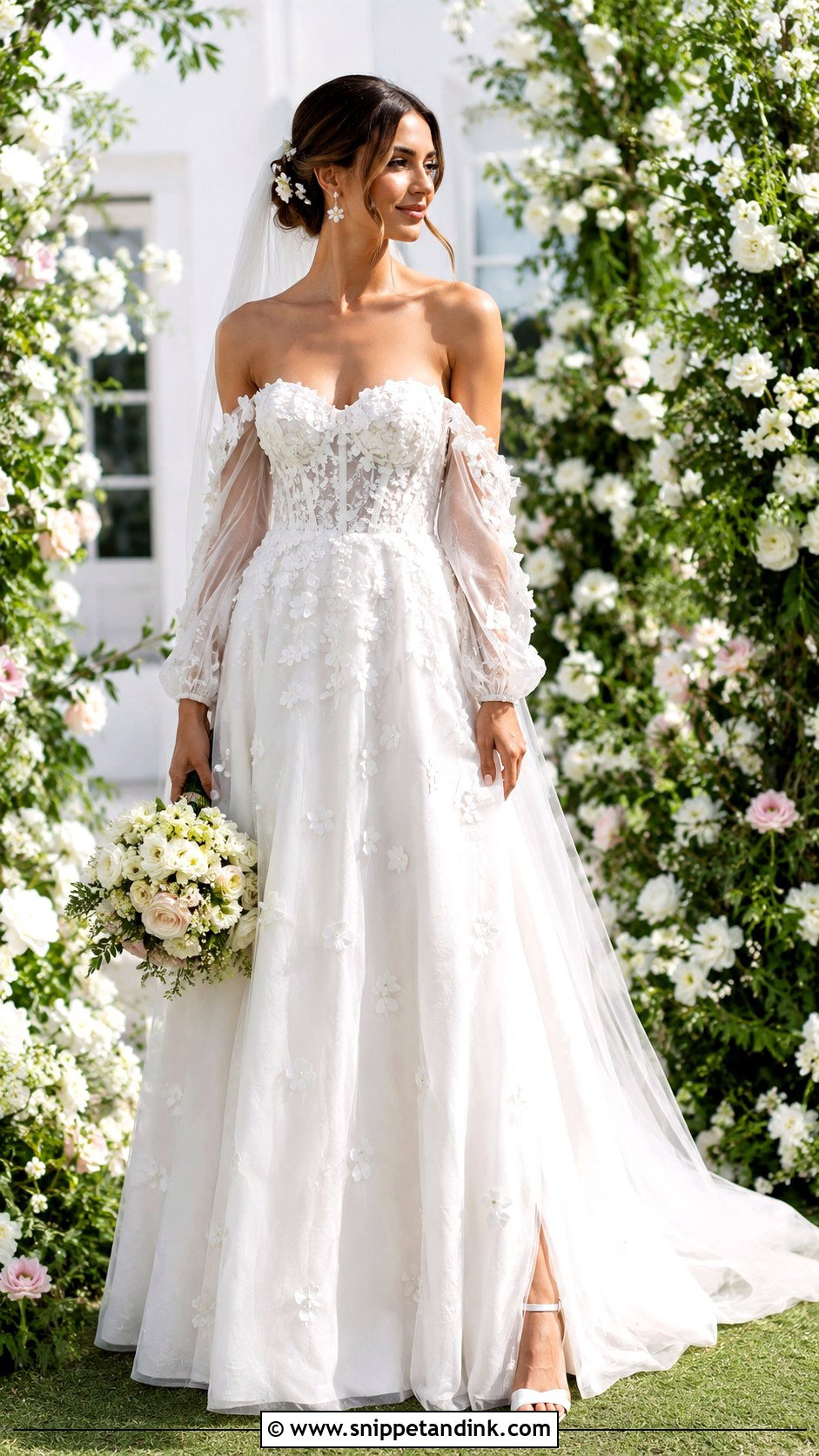
Three-dimensional flowers turn detachable sleeves into something from a garden. The dress is an A-line or fit-and-flare with floral appliqués across the bodice, scattering down the skirt, and the sheer sleeves repeat those blossoms at the cuffs and upper arms. Raised petals catch on lace veil edges, so I pair this gown with a plain-edged tulle veil set high enough to clear the shoulders. Block heels keep you steady on grass. Before the reception, the sleeves come off to reveal a strapless or thin-strapped neckline, and single flower pins through a low bun replace the veil. Keep the bag and jewelry plain; the appliqués are doing the work.
13. Ball Gown 2in1 Wedding Dress With Fitted Midi Dress
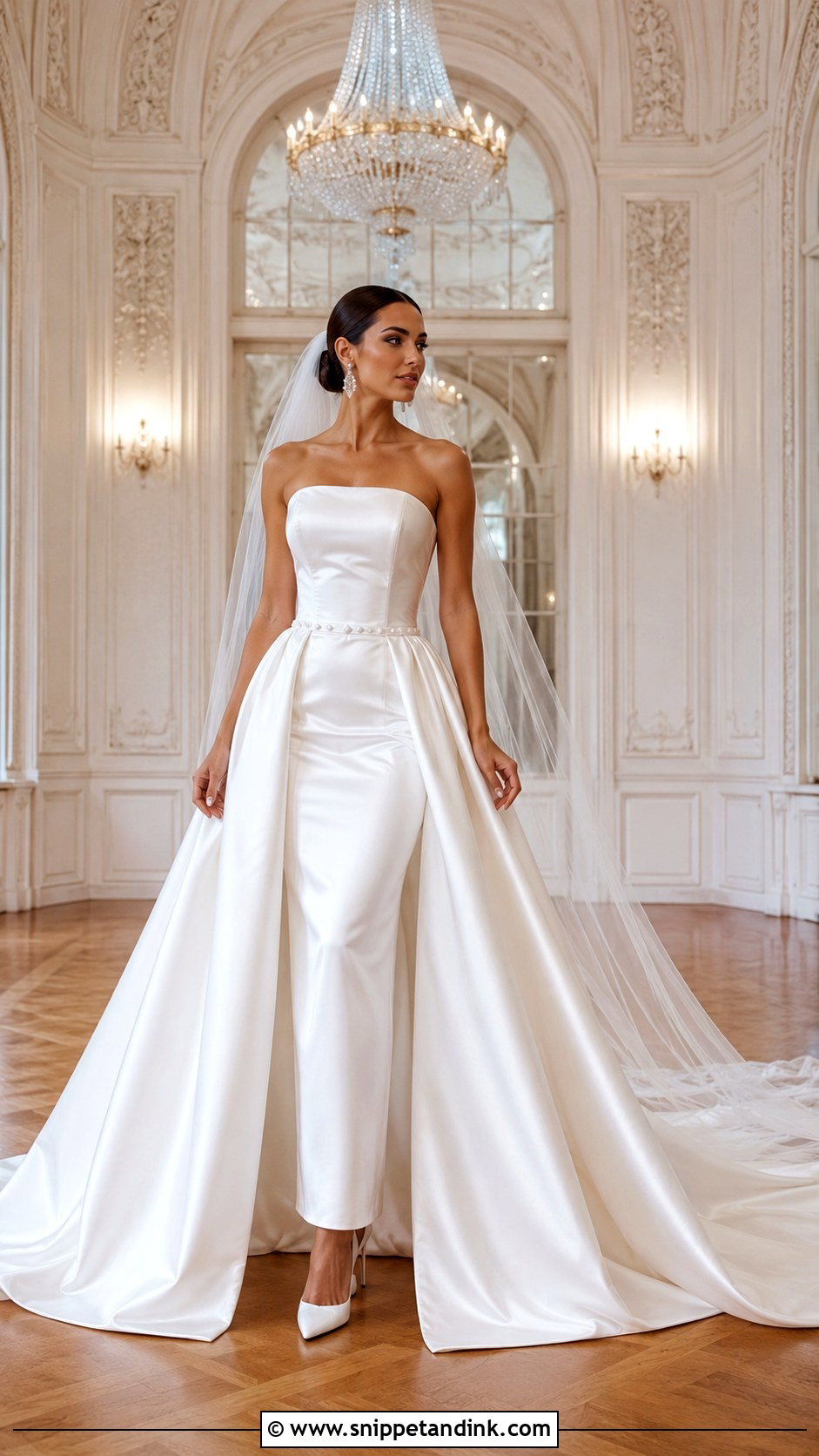
Hide a fitted midi under a removable ball gown skirt and every guest will notice the change. The base can be a strapless satin dress with a straight or softly curved neckline and a hem just below the knee. A structured overskirt attaches at the natural waist for full floor-length volume, with a row of covered buttons to disguise the closure. Ask for a back slit in the midi from the start. A fitted below-knee hem without one stops you mid-stride on the dance floor, and cutting one in later can weaken the seam. Cathedral veil, crystal studs and closed-toe heels for the vows; statement earrings and a compact beaded bag afterwards.
14. Column 2in1 Wedding Dress With Detachable Peplum
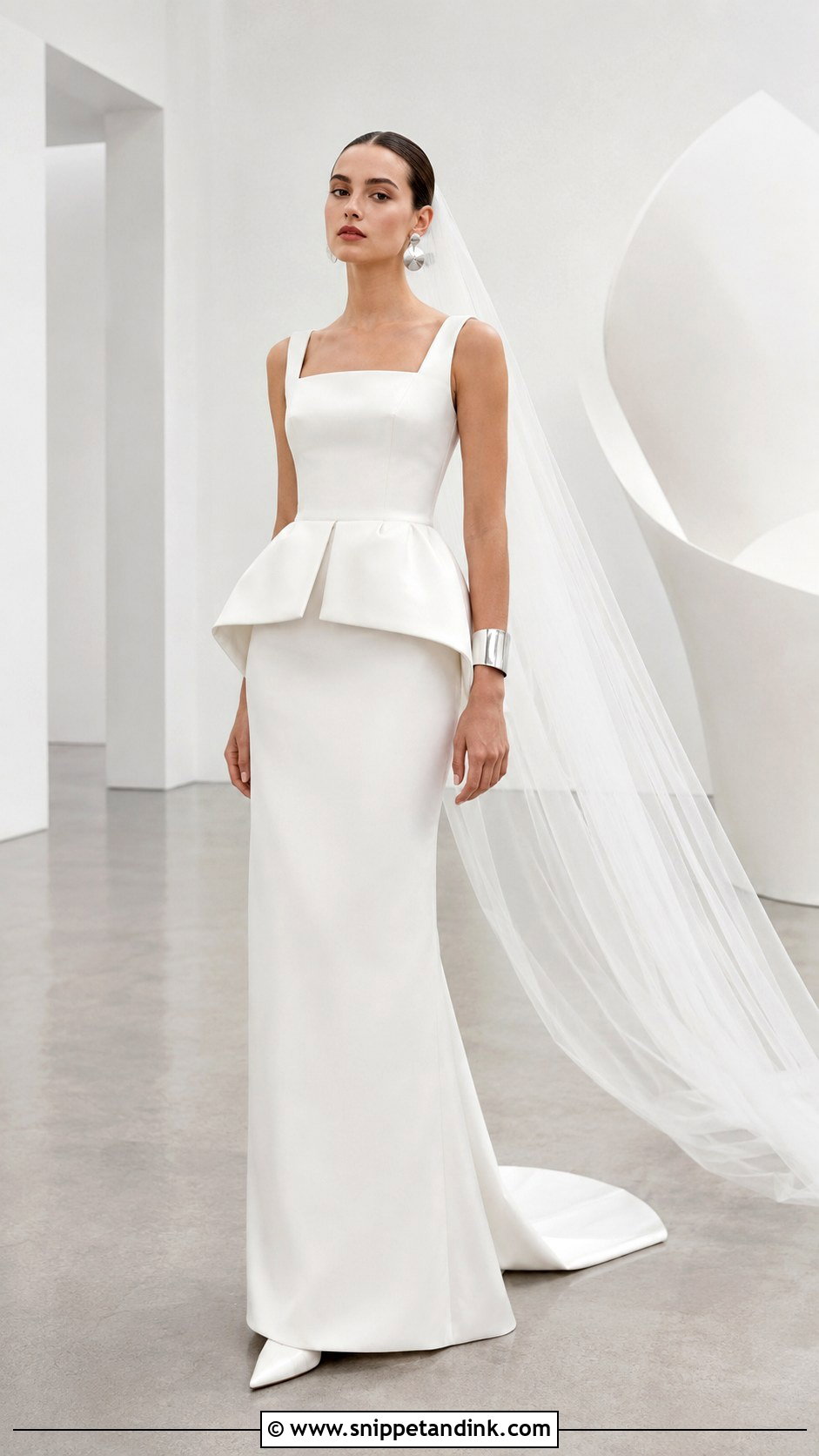
A detachable peplum is the quietest change here, and the one I suggest when a bride wants the same sleek line all day with a single shift. The column gown can have a square, bateau or strapless neckline; the structured peplum flares gently over the hips or extends into a short back train. Its fabric and waist placement must match the dress exactly, because a peplum sitting even slightly off the natural waist breaks the column’s line in photographs. Wear sculptural earrings, a plain veil and sharp pointed pumps. Once it’s off, a smooth ponytail and a modern cuff bracelet suit the uninterrupted column.
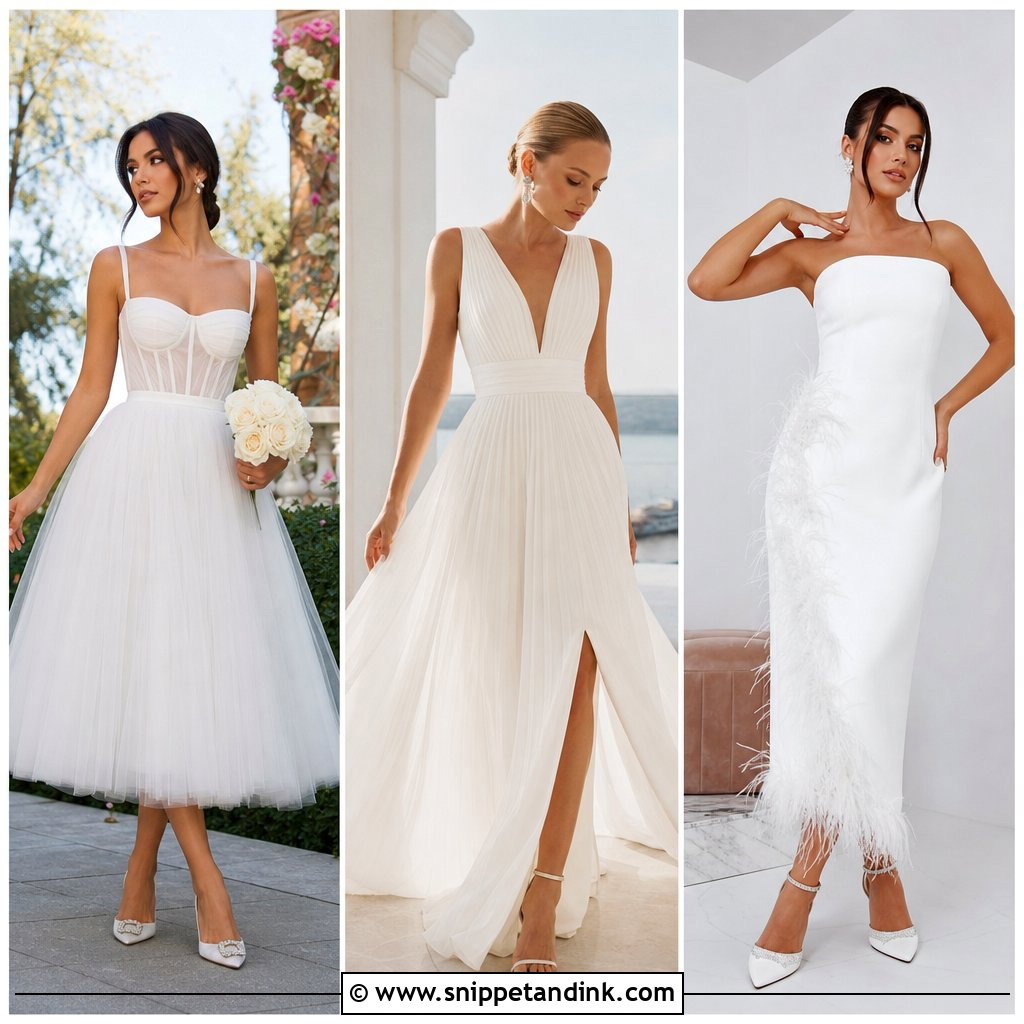
15. Off-Shoulder 2in1 Wedding Dress With Detachable Straps
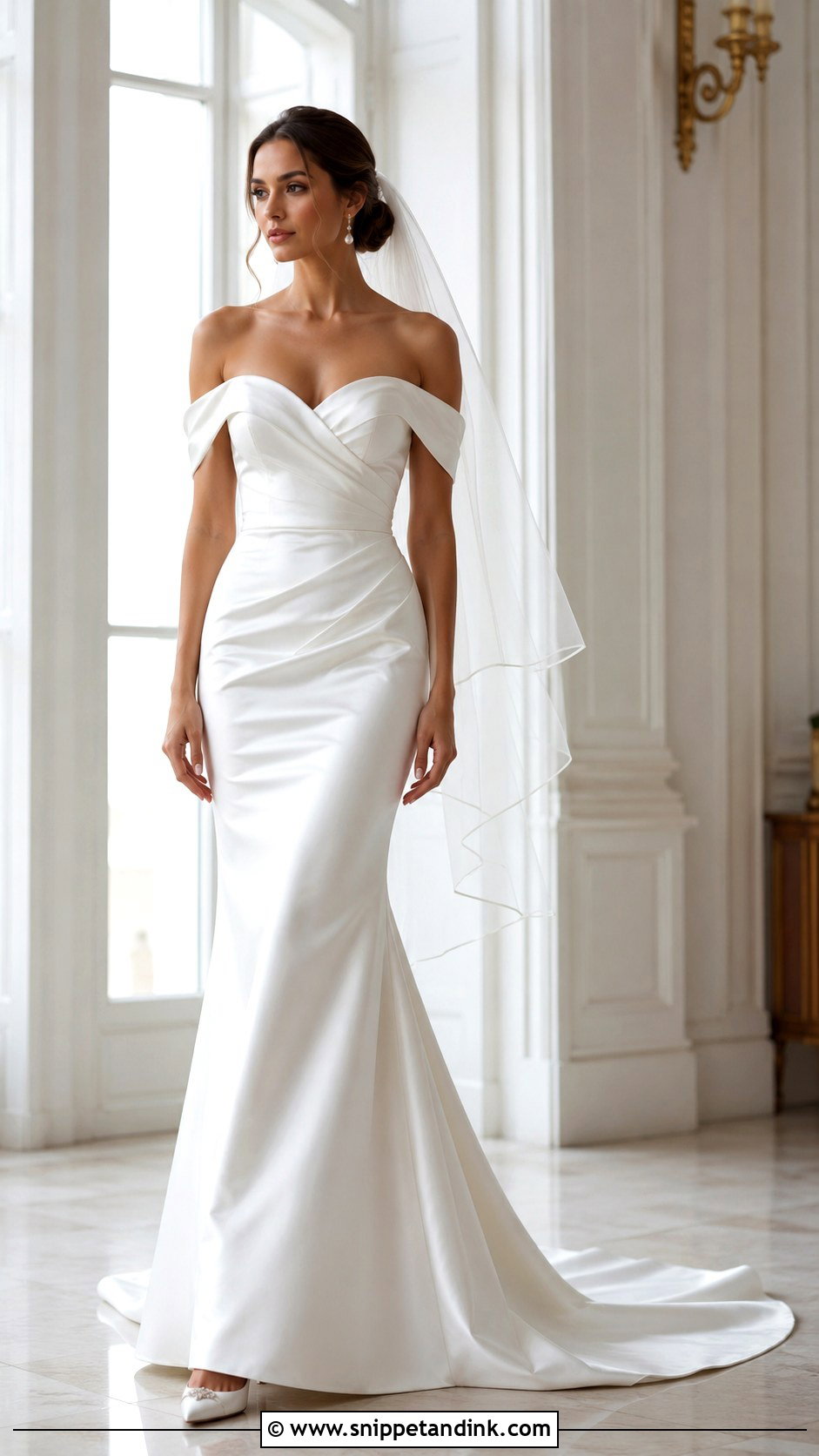
Taking off draped straps turns an off-the-shoulder neckline into a clean strapless bodice. The important part is invisible: the corset foundation has to hold the gown up alone. At fittings I unhook the straps and ask the bride to bend, sit and lift her arms; if the bodice slips, the straps were secretly doing structural work and the inside needs reinforcing. Satin bands read classic, while lace or pleated tulle straps read softer. Pair the ceremony neckline with a fingertip veil, pearl drops and a swept-back style that shows the shoulders, then add a short crystal necklace later. A fitted trumpet skirt and pointed pumps keep both versions sharp.
16. Bow 2in1 Wedding Dress With Detachable Train
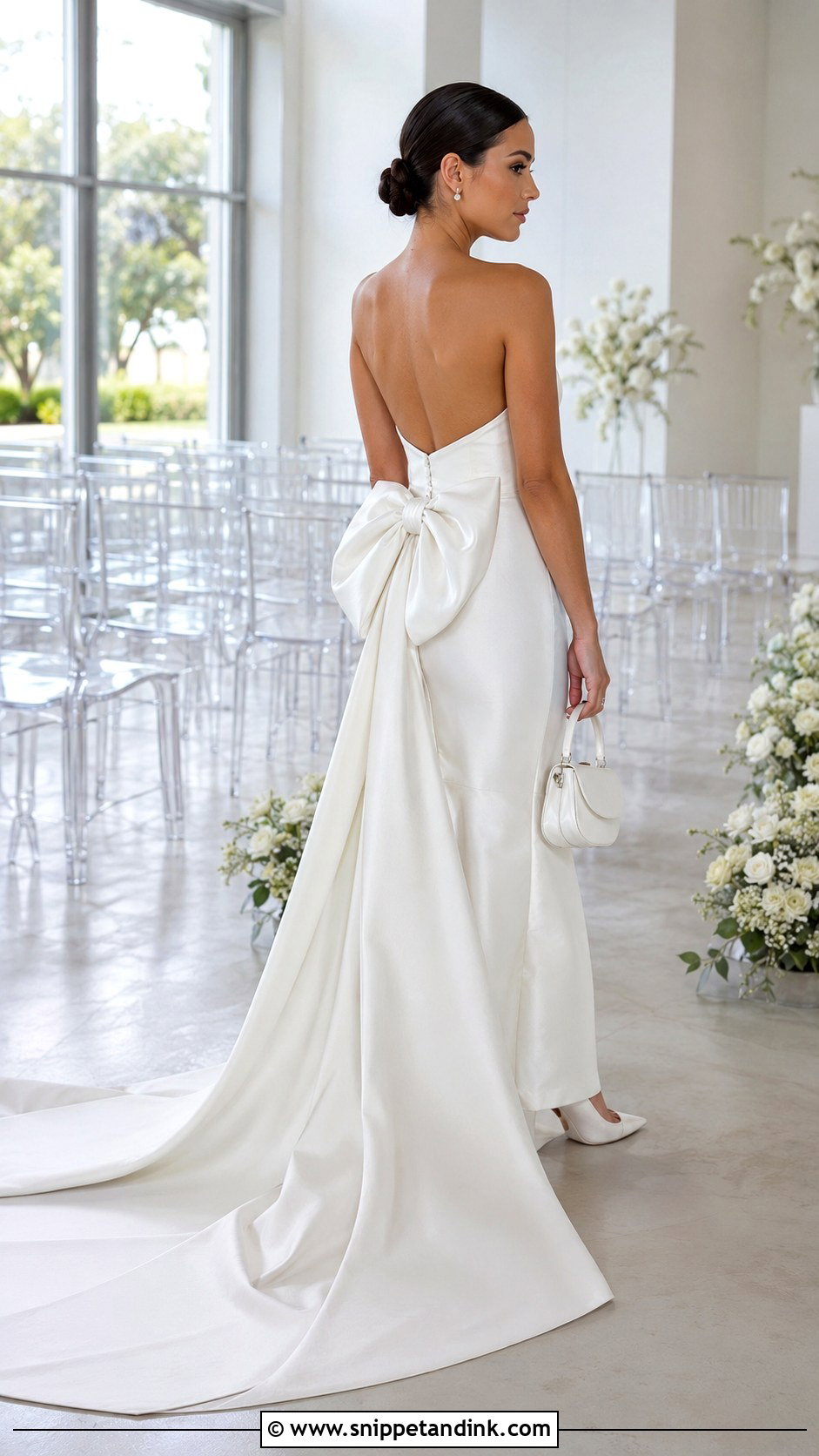
A large bow with its own train puts all the attention on your back during the aisle walk. Start with a satin sheath or trumpet gown with clean seams and a low or softly squared back; the structured bow sits at the waist and its tails flow into a detachable train. Weight is what I watch with bows. A big satin bow plus train pulls backwards on the waist all ceremony, so ask for a light interlining in the bow and an internal waist stay in the dress to take the strain. Stud earrings, a sleek bun and understated pumps keep it clean. Remove the whole piece for the reception and add a sparkling comb and small top-handle bag.
17. Halter 2in1 Wedding Dress With Cape Sleeves
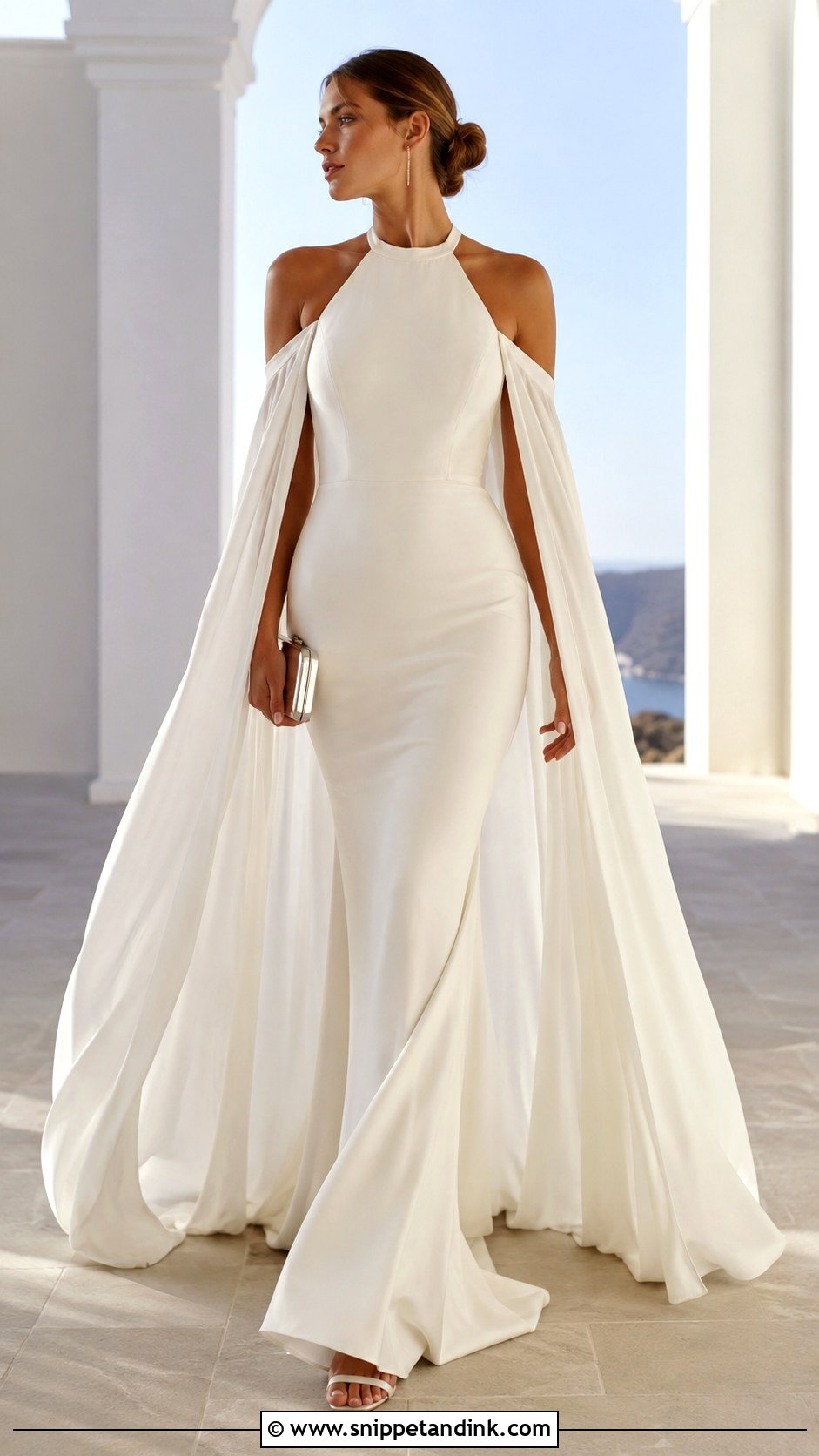
Chiffon cape sleeves on a halter add movement without weight. The dress is fitted crepe or satin with a high halter neck, defined waist and open back, and the sheer panels attach near the shoulders and fall loosely behind. A halter already pulls on the back of the neck, so I attach the panels at the shoulder seam rather than the neck strap; otherwise they drag the halter down over a long day. Sleek earrings, a low bun and minimal sandals or pumps suit the ceremony. Take the panels off to show shoulders and back, then add a metallic clutch and slim bracelet. In destination heat this beats a heavy overskirt every time.
18. Modest 2in1 Wedding Dress With Removable Lace Top
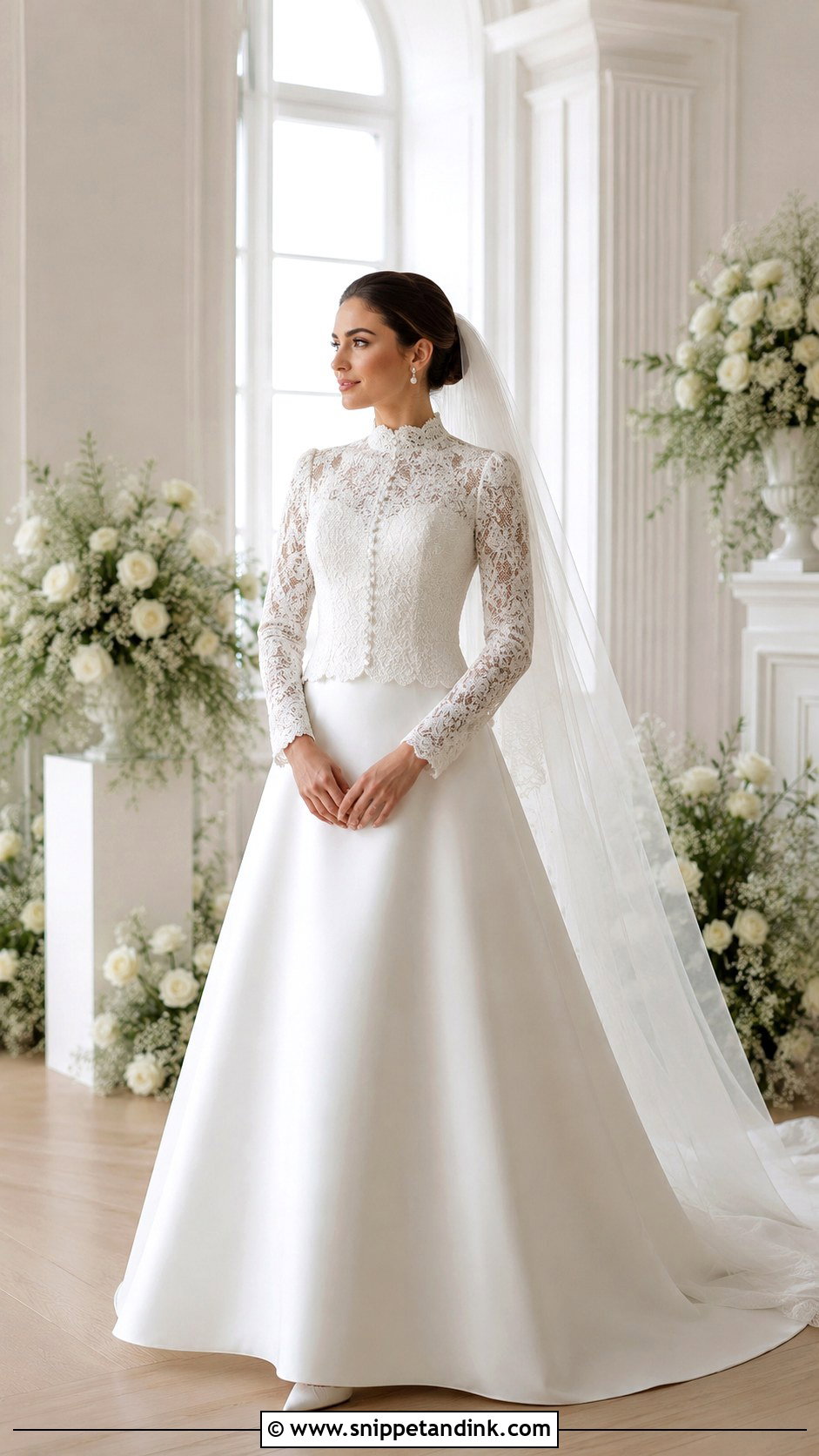
A removable lace top makes a sleeveless gown fully covered for a religious ceremony. Begin with a simple satin A-line with wide straps or a strapless neckline. The fitted lace layer brings long sleeves, a bateau neckline and a hem that lines up with the dress waist, and covered buttons with scalloped edges make it look like part of the gown. Sit down in it at your fitting. Lace toppers tend to bunch under the arms and at the waist when seated, and the signing of the register is exactly when that gets photographed. Pearl earrings, a long veil and closed-toe heels for the service; a statement necklace or embellished belt to define the base dress afterwards.
19. High-Low 2in1 Wedding Dress With Removable Overskirt
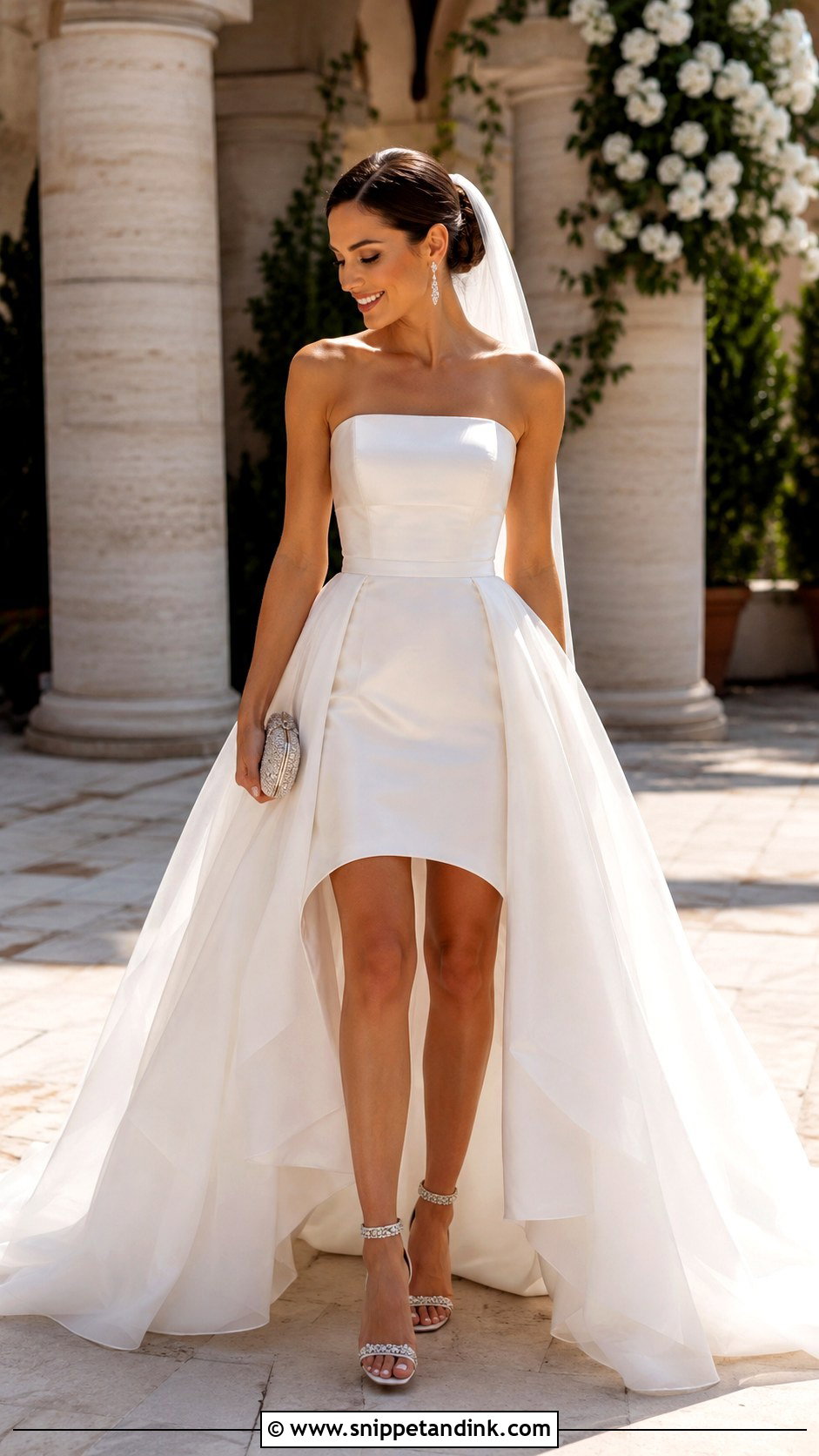
A full overskirt can hide a high-low hem for the ceremony and reveal it for the party. The base is a structured dress that sits near the knee in front and falls to the ankle or floor behind, and the full-length satin or organza skirt over it creates a traditional A-line with a gentle train. A simple veil, drop earrings and elegant heels keep the formal version balanced. Once the skirt comes off your shoes are on show, so embellished pumps or ankle-strap sandals earn their place. One detail I insist on: the long back hem of the base dress must sit higher than the overskirt’s inner hem, or the two catch each other with every step.
20. Trouser 2in1 Wedding Dress With Split Overskirt
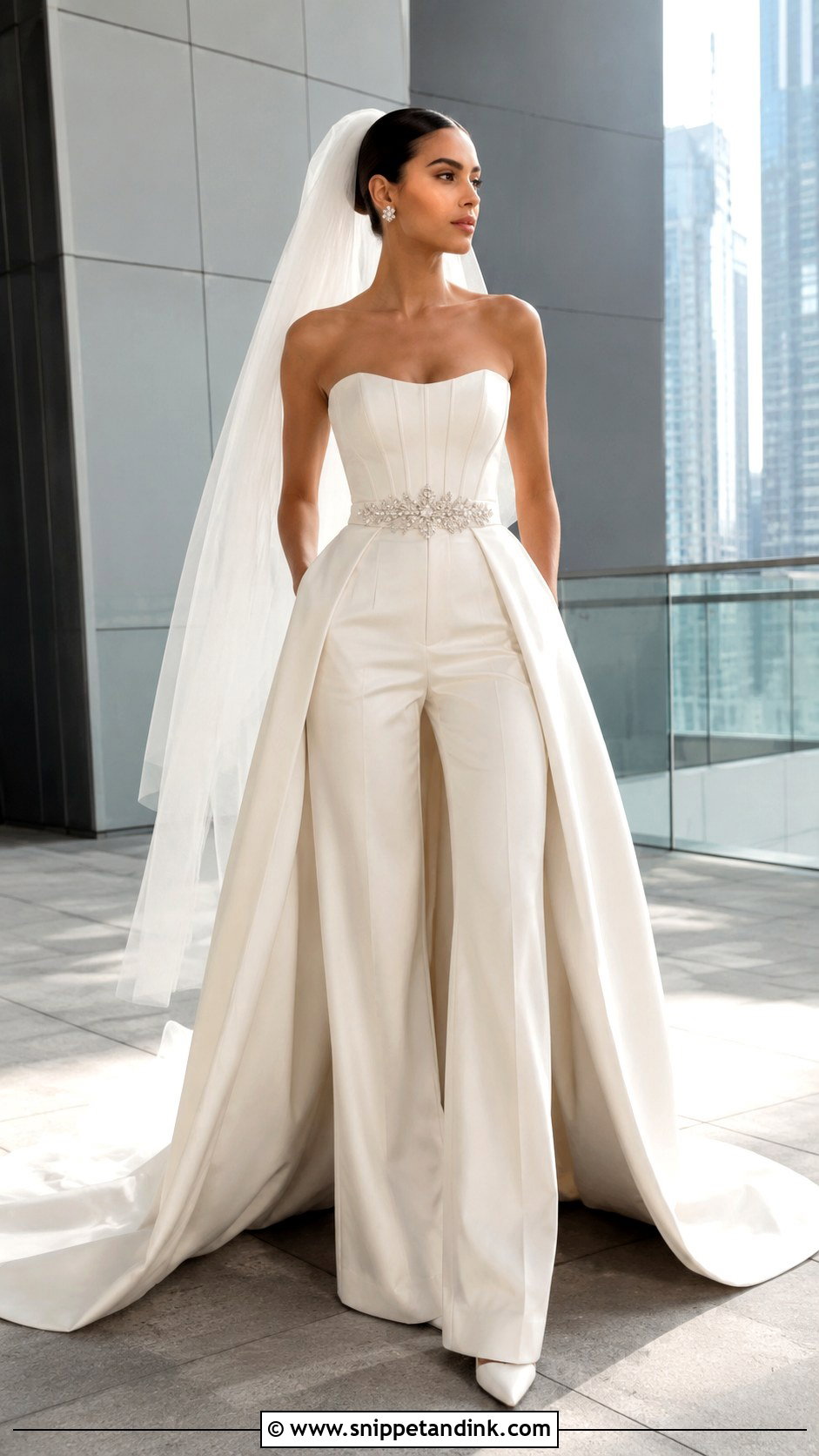
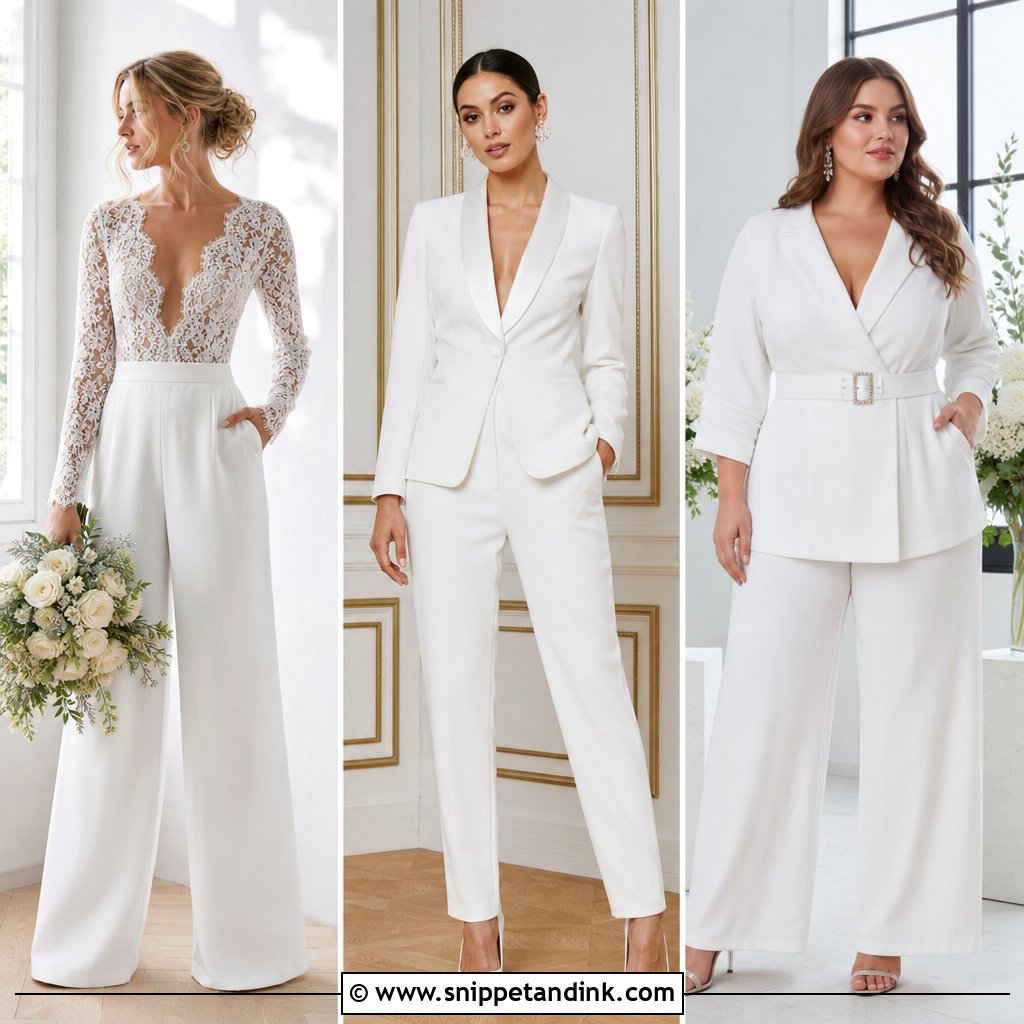
A bridal trouser set under a split overskirt keeps the trousers in view the whole time. Start with tailored wide-leg pants and a fitted corset, halter or sleeveless top in matching satin or crepe. The floor-length overskirt stays open at the front, so the trousers show as you walk, while its back train gives the ceremony the weight of a gown. Pointed heels, sculptural earrings and a simple veil suit the vows; a narrow belt or crystal waist detail goes on once the skirt is off. I hem these trousers to skim the floor in the exact shoes, and I’d always choose a boned top, since an unstructured one rides up when you sit and dance.
The Quick Change Between Vows and First Dance
The reveal is a costume change, and it needs a slot in the day like anything else. With a practised helper, unhooking an overskirt or a train usually takes a few minutes. A buttoned lace topper takes longer, and a nervous helper doubles every estimate I give. I schedule it straight after the couple portraits, before the reception entrance, in a private room close to where the party begins.
Who does it, and where the pieces go
Pick one person, not a crowd, and have them rehearse the fastenings at your final fitting. Bring a garment bag and a padded hanger for the removed piece; an overskirt left in a heap on a chair creases and picks up marks before the night is over. Someone should be named to take it home.
Fittings take longer with two dresses in one
Your seamstress is effectively fitting two outfits, with two hem lengths that both depend on your shoes. I’d plan on an extra fitting compared with a standard gown and bring the exact shoes and underwear to every one. After the wedding, have both pieces cleaned together so the fabrics age at the same rate in storage.
Try Both Versions On Before You Say Yes to Either
A convertible dress only works when each version looks finished on its own. Overskirts, sleeves, capes, trains, toppers and tailored separates can all manage that without costing you comfort. Try every version with your real shoes and accessories, practise the removal yourself, and teach one trusted person the fastenings. Colour, waist placement and construction should match so closely that nothing looks like a late addition. Romantic lace, modern crepe, classic satin or a trouser suit, the right one carries you from the vows to the last song.
You'll Like These Ideas:









Leave a Reply