
A wig gives a bride something her own hair often can’t: a guaranteed length, colour and texture on the morning itself, with nothing left to chance after a bad wash or a humid week. I style a lot of units for weddings, and the good results all come from the same place: a wig that was fitted and customised long before anyone picks up a curling iron. Below are 20 bridal wig hairstyles, from a low sleek bun to loose boho braids, each with a note on which cap construction it needs and where it tends to give trouble.
Getting the Unit Ready Months Before the Wedding
A wig straight out of the box rarely looks natural. The hairline is too dense, the knots show as tiny dark dots, and the lace sits wider than your forehead. Order the unit early, ideally two to three months out, so there’s time to fix all of that and still have a trial.
- Measure your head circumference and choose the cap size by it, not by guesswork. A cap that’s too large lifts at the temples within hours.
- Decide the construction from the styles you like: lace front for loose and low looks, 360 or full lace for high buns, ponytails and top knots.
- Have the knots bleached and the hairline plucked by someone experienced. Overdone bleaching weakens knots and the hair sheds.
- Tint the lace close to your skin tone and cut it along your natural hairline.
- Wash the new unit before the trial to remove factory coatings, then let it dry fully on a stand.
If you plan to change colour, buy the closest shade you can and let a professional colour it. Lifting dark wig hair at home usually ends in brassiness that won’t tone out.
Glueless or adhesive?
Glueless units with combs and an elastic band are comfortable and fast to remove, and they suit most loose styles. For a high updo or a very active reception, a light adhesive or lace tape at the front holds better. Patch test any adhesive on your skin a few weeks ahead, since some brides react to it.
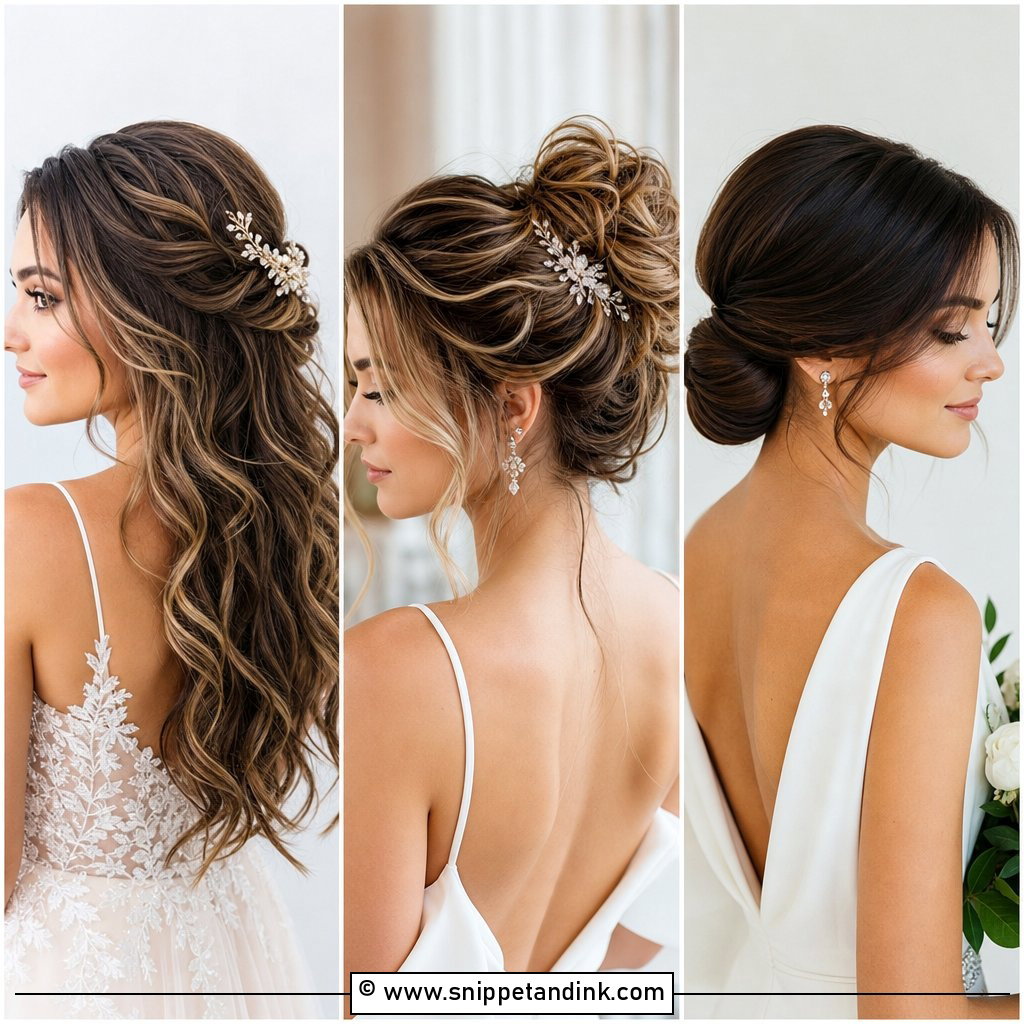
1. Sleek Low Bun Bridal Wig
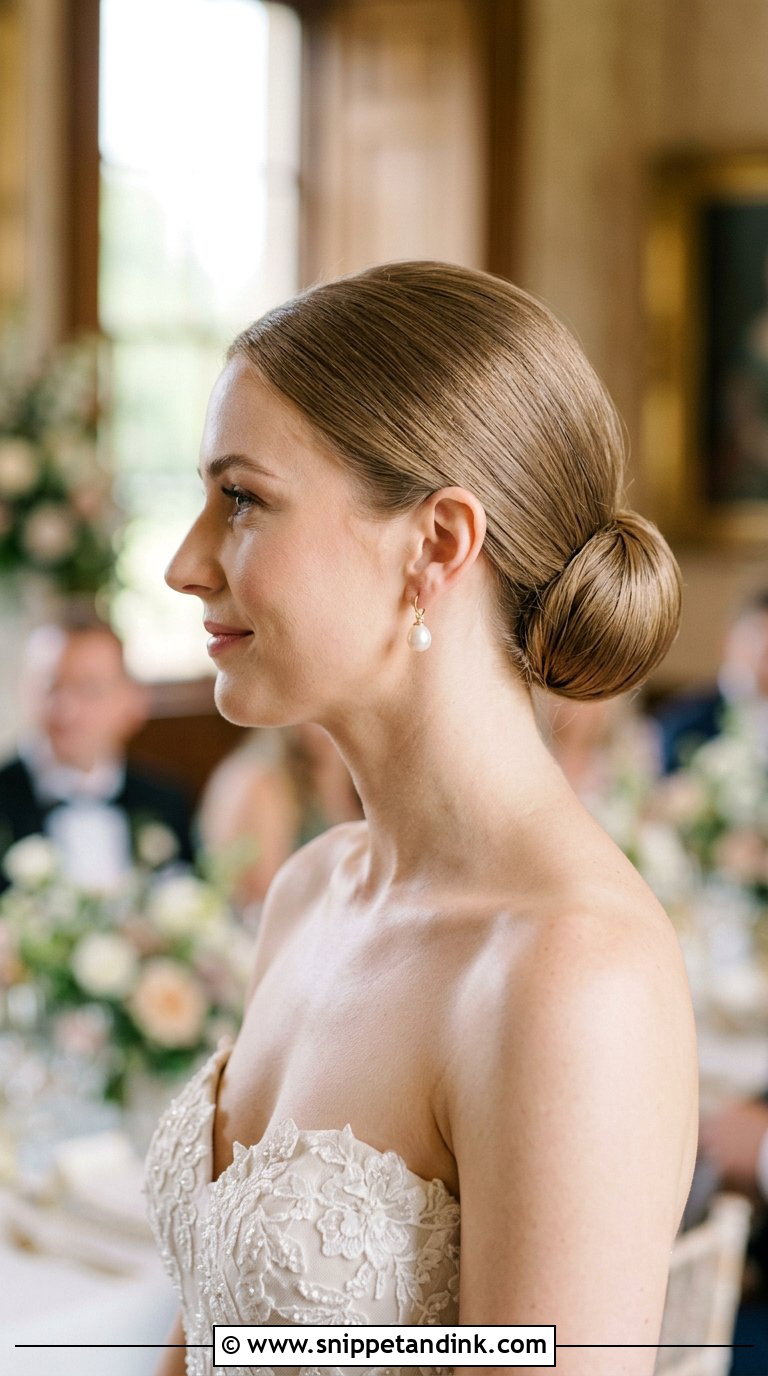
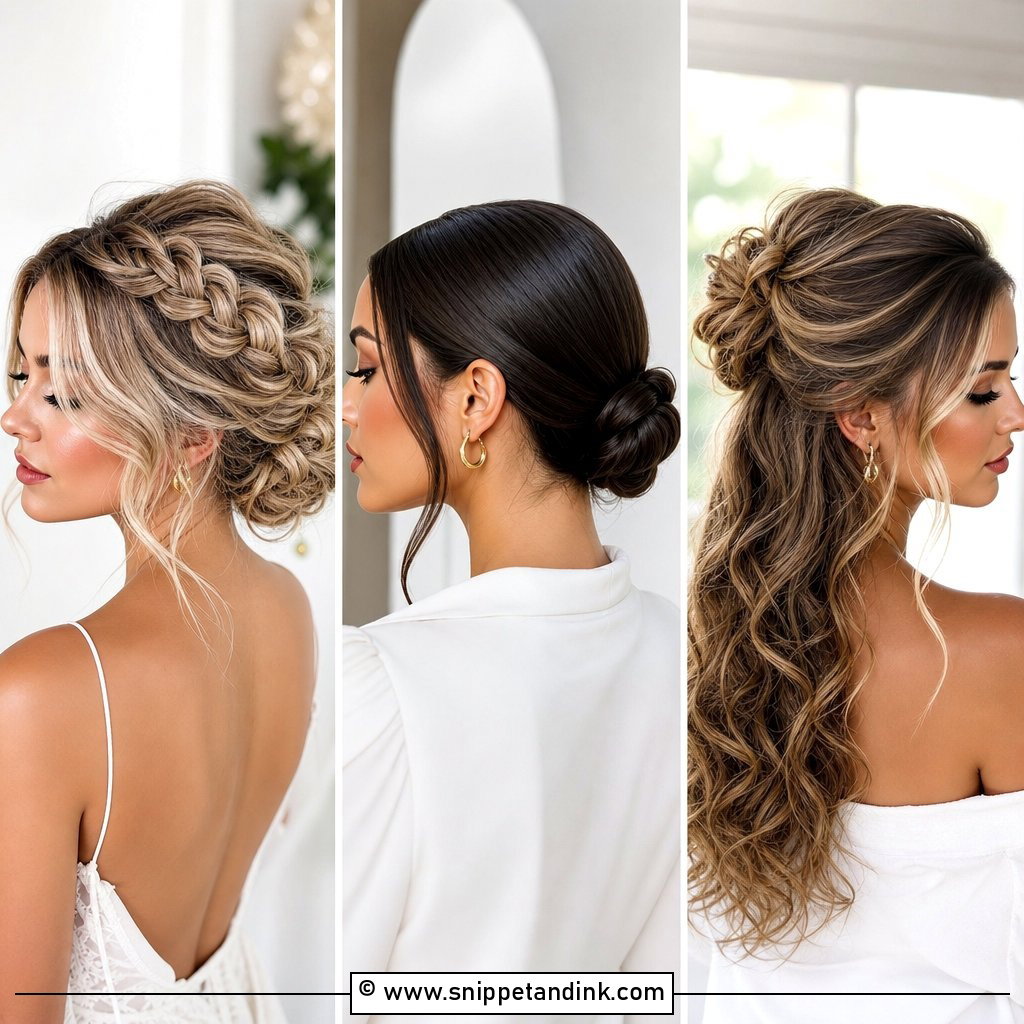
This is the style I trust most on a wig, because it hides the cap almost completely and stays put under a veil. The hair is brushed back flat and wound into a knot at the nape. With a lace front unit, I leave a thin layer covering the back of the cap and build the bun just over it, so the wefts never show when you turn your head. Smooth it with a light cream rather than heavy gel; gel on lace can leave a white cast by the end of the night.
2. Romantic Loose Curls Bridal Wig
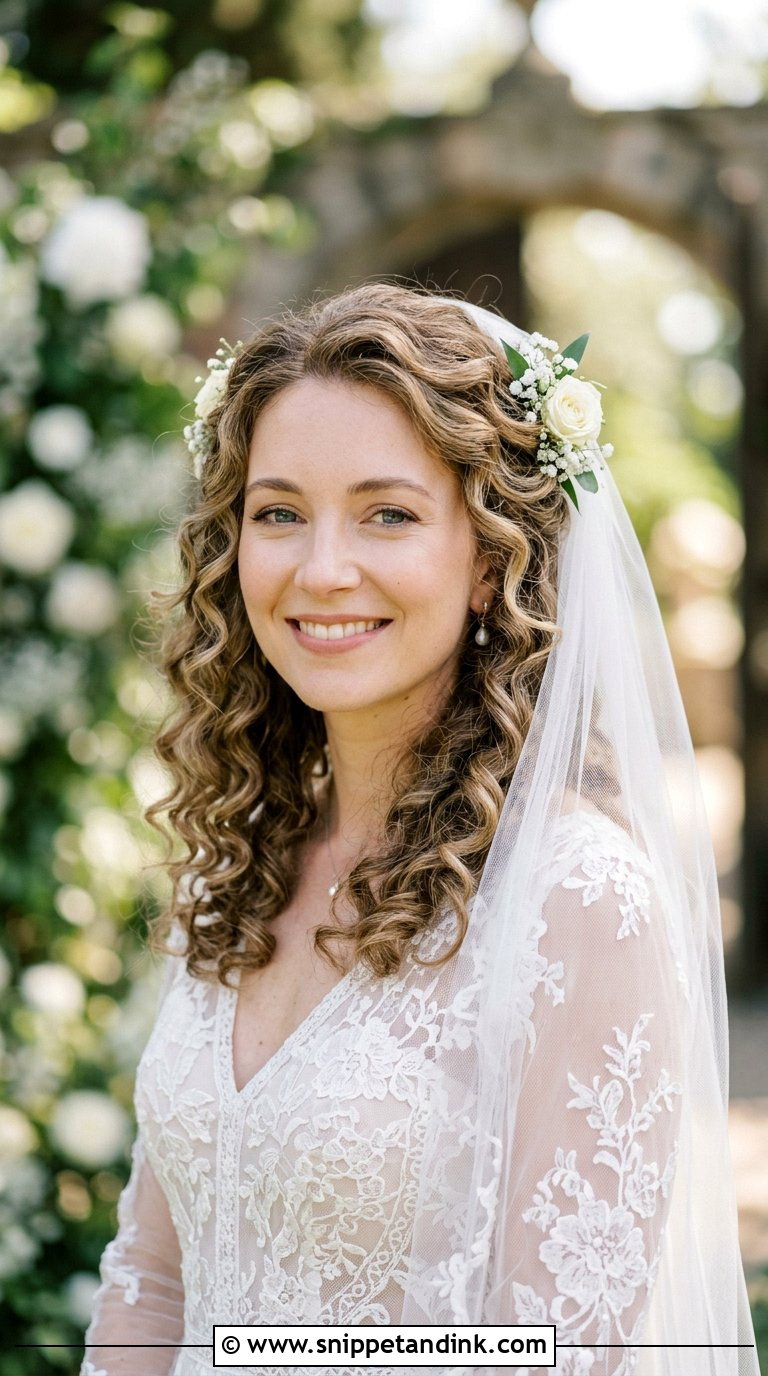
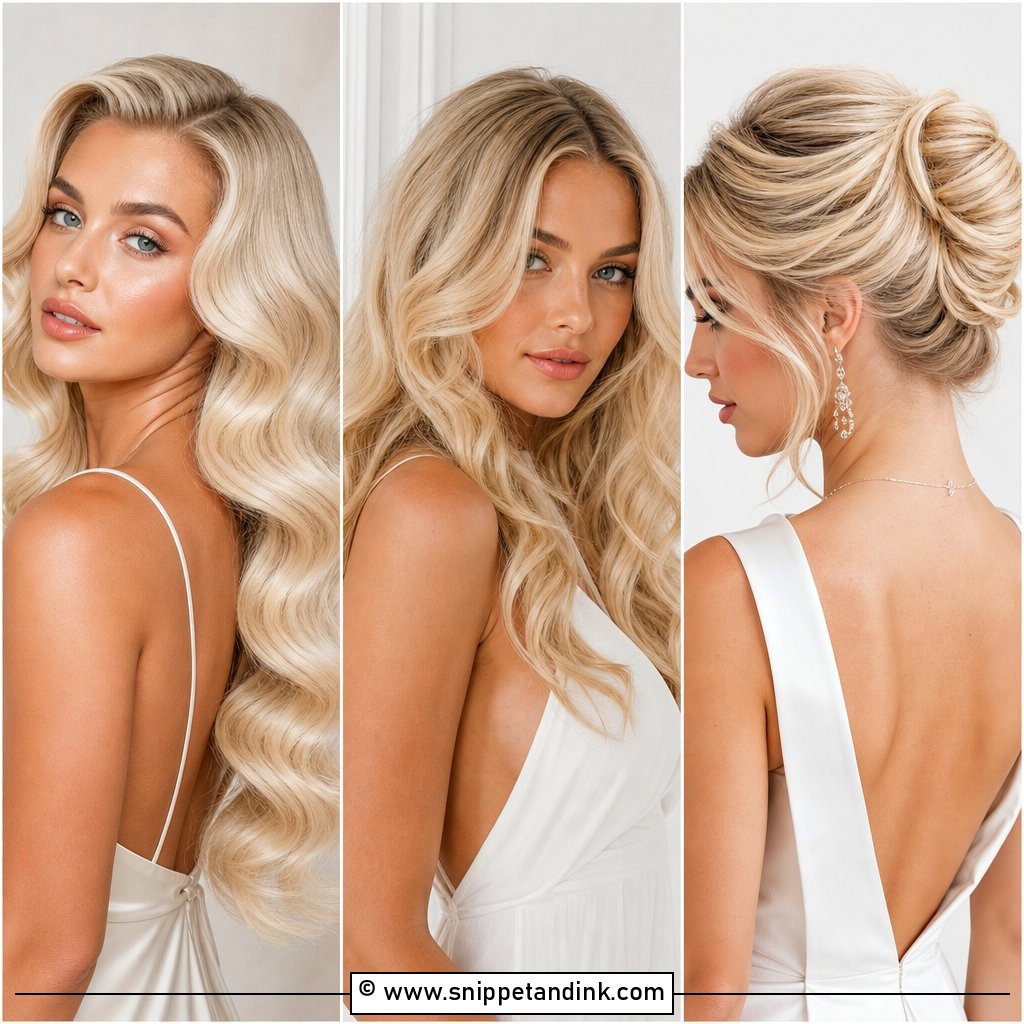
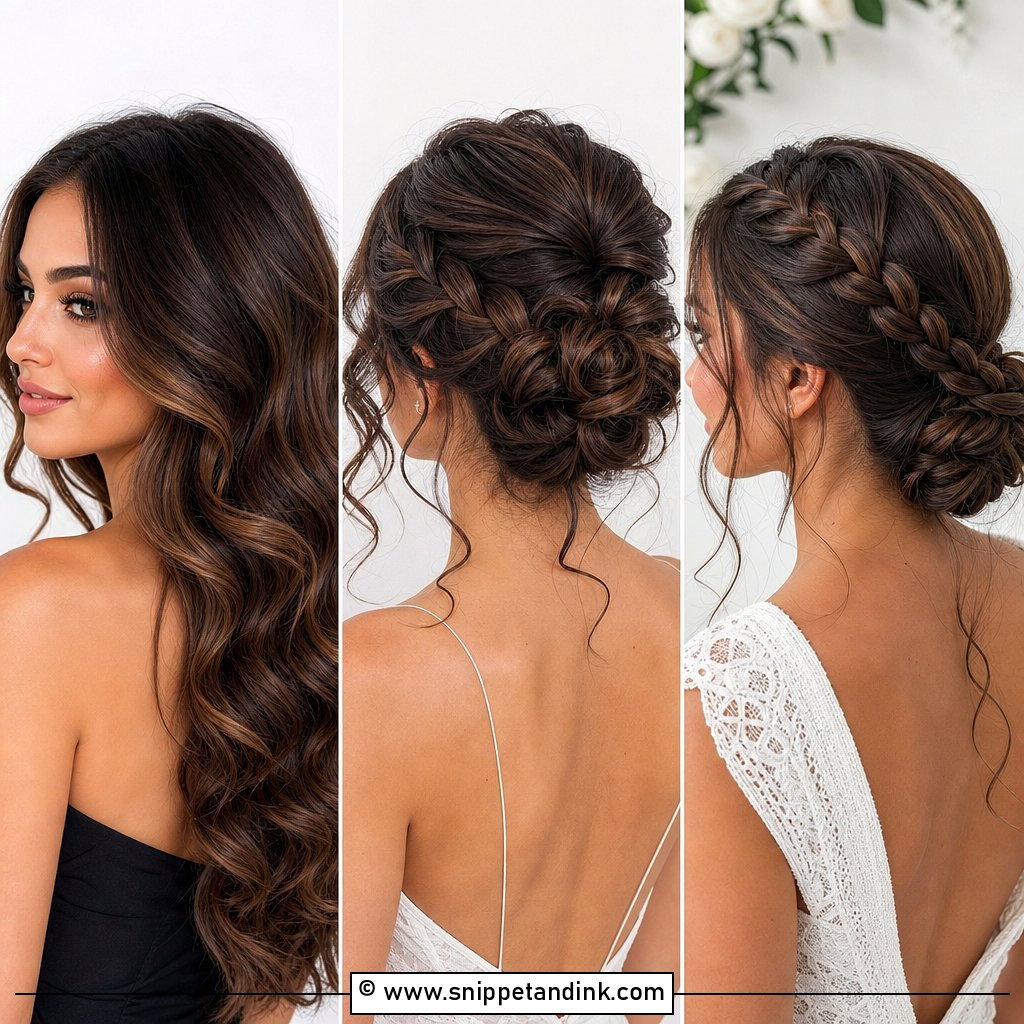
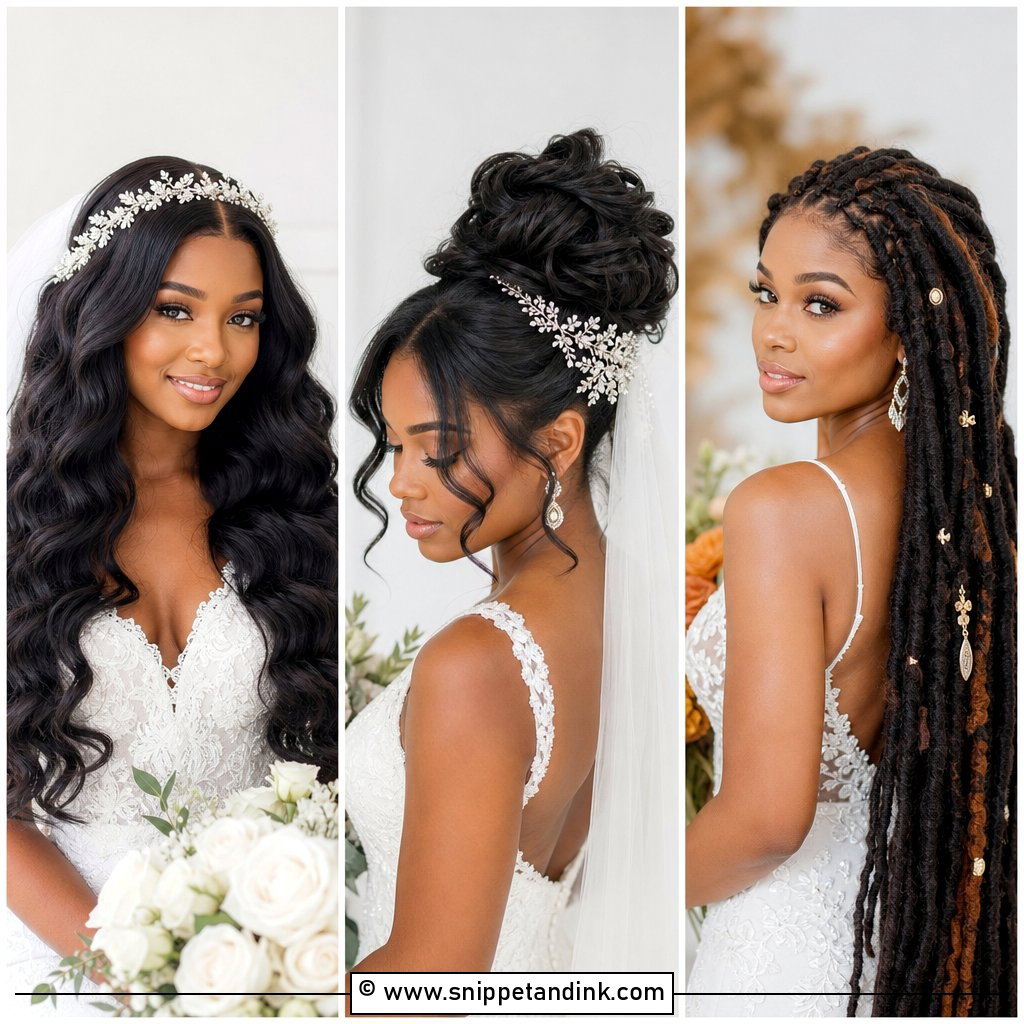
Loose curls are where wig hair has a real advantage: a body wave unit already has the bend built in, so I’m only refining the shape instead of fighting straight strands. On human hair I set the curls with a medium barrel, pin them while they cool, and brush them out about an hour before the ceremony. Expect them to relax a little by the reception, especially outdoors. Synthetic fibre is the exception here. Unless the label says heat-friendly, an iron will melt it, so buy the curl pattern you want instead of planning to create it.
3. High Bun Bridal Wig
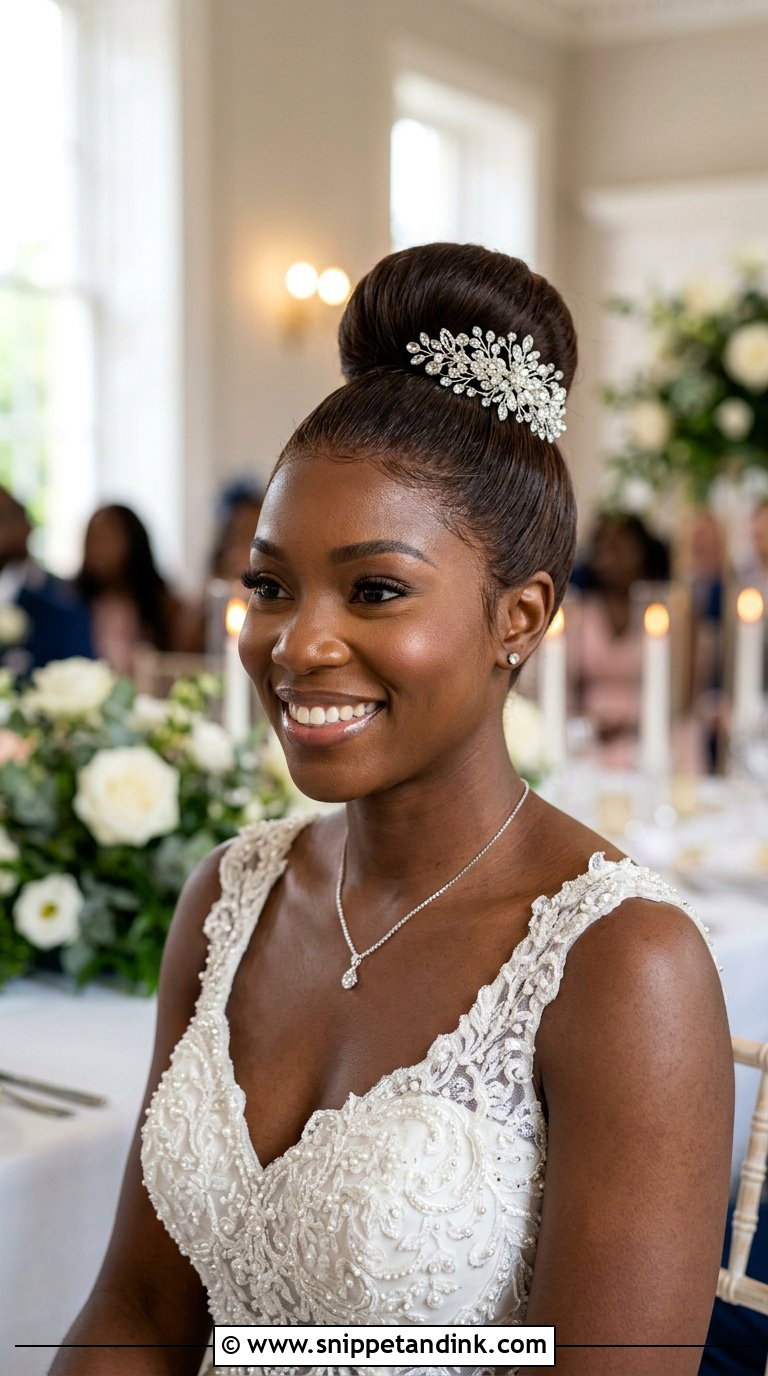
A high bun lifts everything upward and shows off the neck and jaw, but it is the one style on this list I won’t do on a basic lace front. Pulling the hair to the crown exposes the back and sides of the cap, which is why a 360 lace wig or full lace unit is the right base. The lace runs around the whole perimeter, so the hairline at the nape looks real when it’s swept up. I anchor the bun with a few long pins crossed into the cap itself, never only into the hair, so it doesn’t drag the front lace back during dancing.
4. Side-Swept Waves Bridal Wig
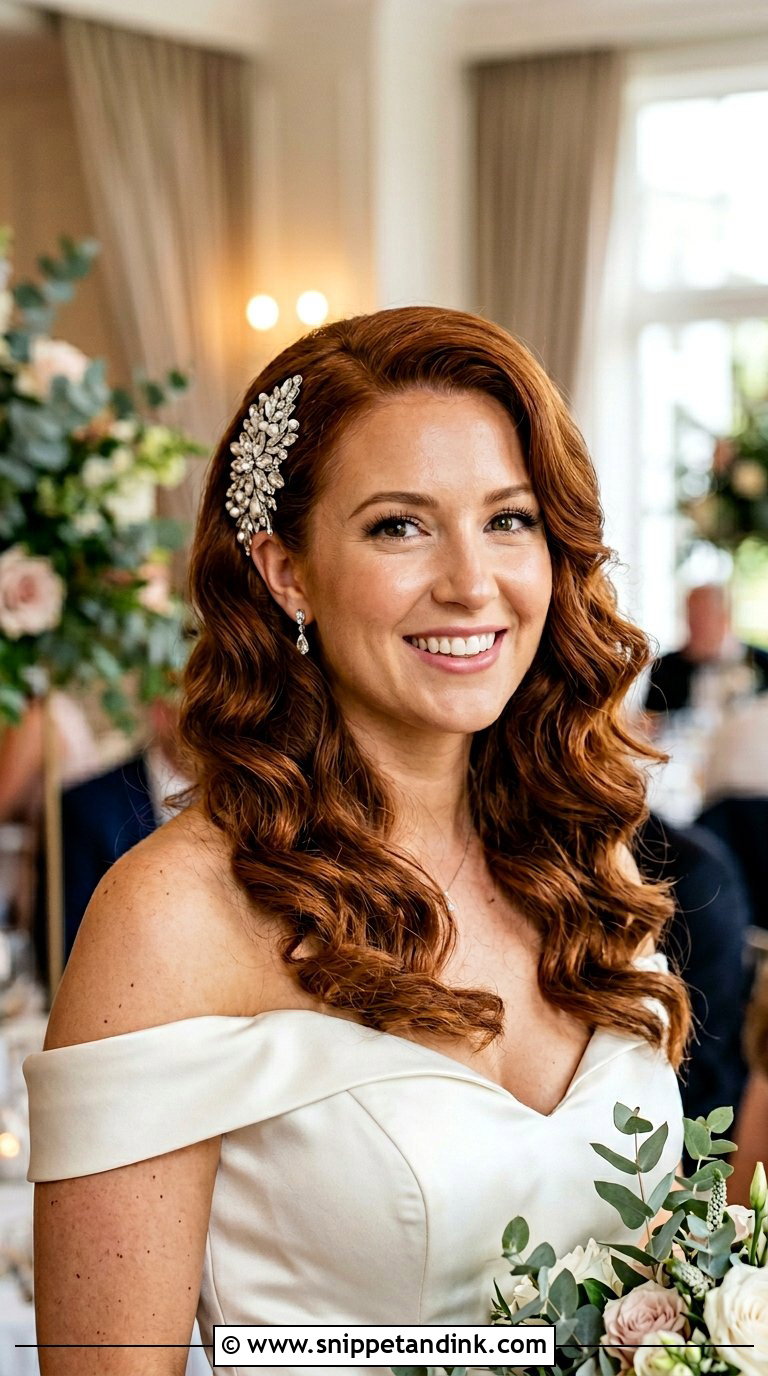
Sweeping everything over one shoulder puts a lot of weight on one side of the cap, and that is the detail to plan around. I add an extra comb or a small adhesive point at the temple opposite the waves, because that’s where a unit starts to lift after a few hours. The look itself suits an off-the-shoulder neckline very well, and a wavy human hair wig keeps the shine natural under flash. Tuck the near side behind the ear with a jeweled clip, and keep the clip in the hair, not the lace.
5. Bridal Chignon Wig
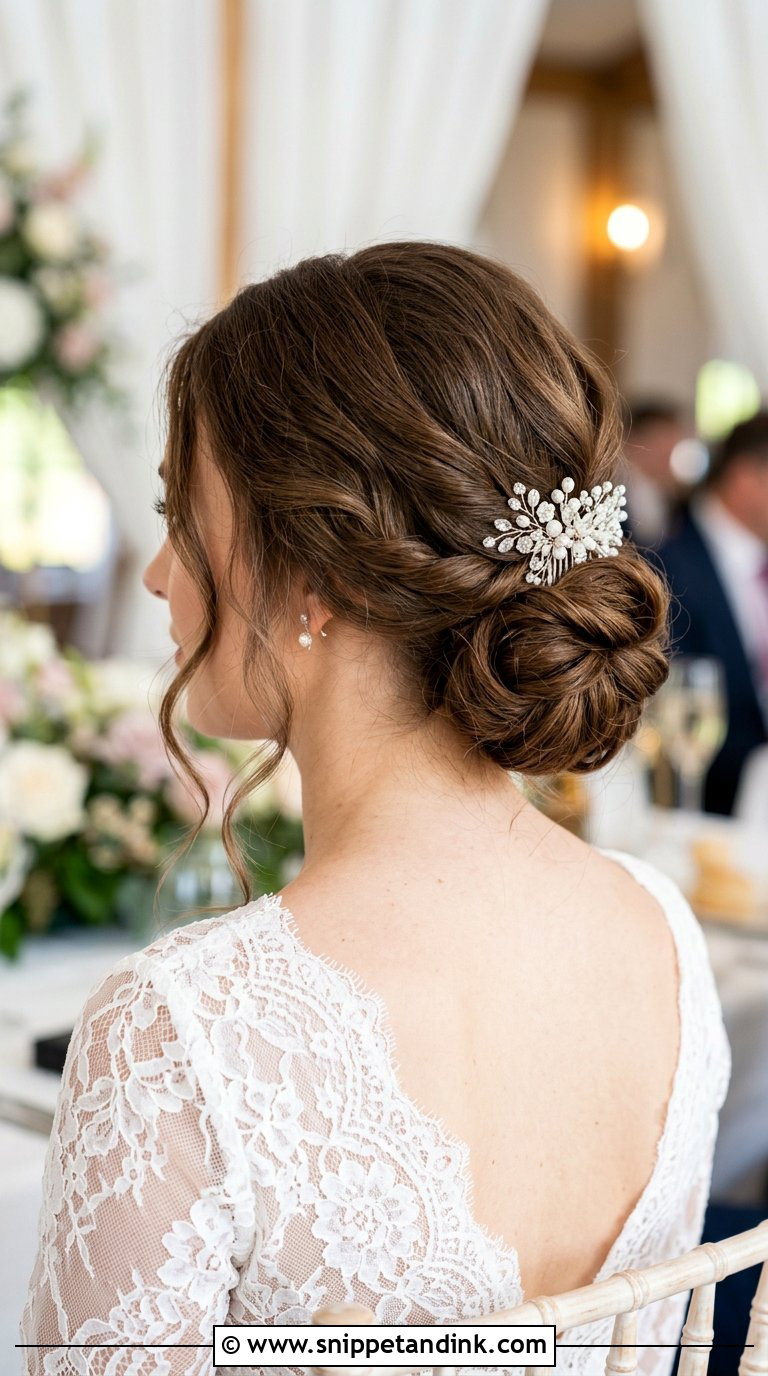
A chignon is a rolled knot at the back, and it reads very differently depending on how tightly I roll it. Loose, it looks soft and lived in; tight and glossy, it looks formal. Lace front wigs handle a low chignon well as long as the roll sits low enough to cover the edge of the cap. Leave a couple of face-framing pieces out if the hairline was plucked carefully, and skip them if it wasn’t. Loose pieces draw the eye straight to the front lace.
6. Half-Up Half-Down Bridal Wig
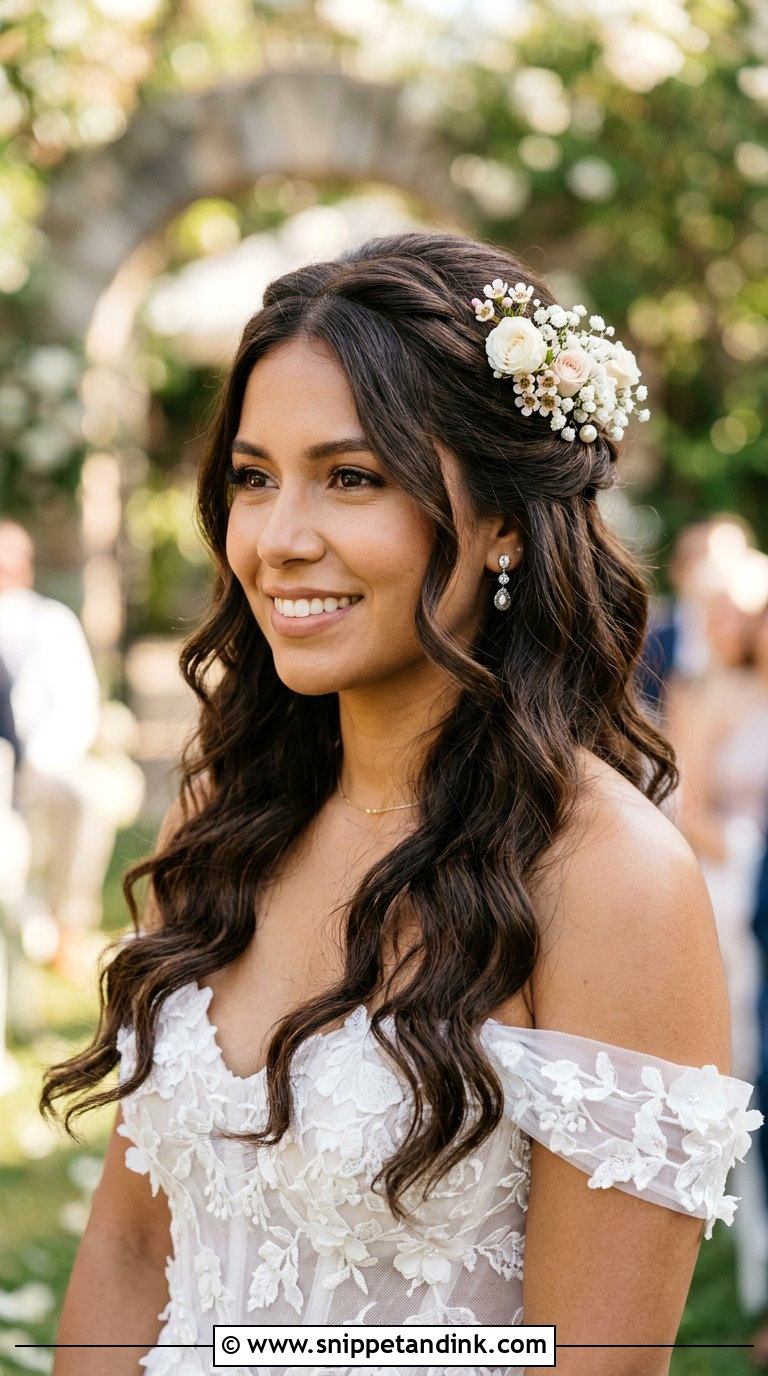
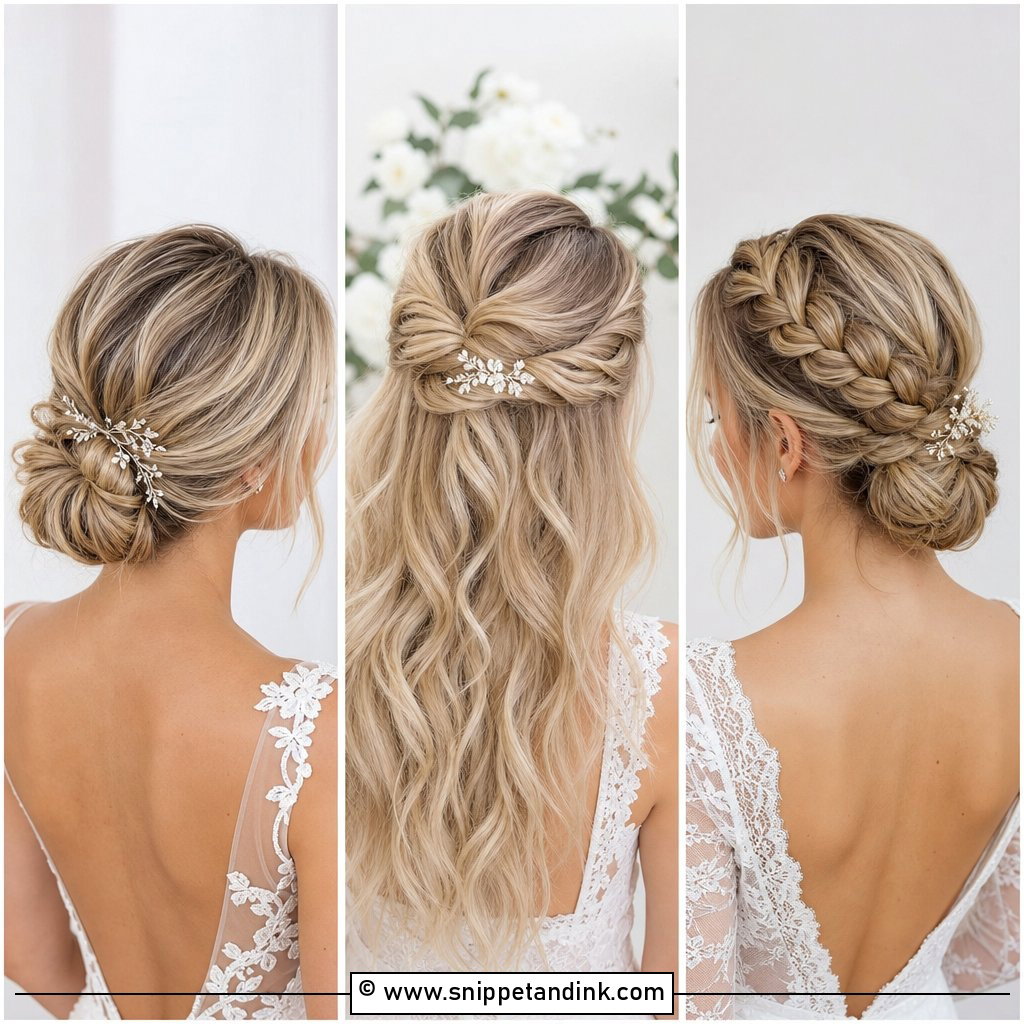
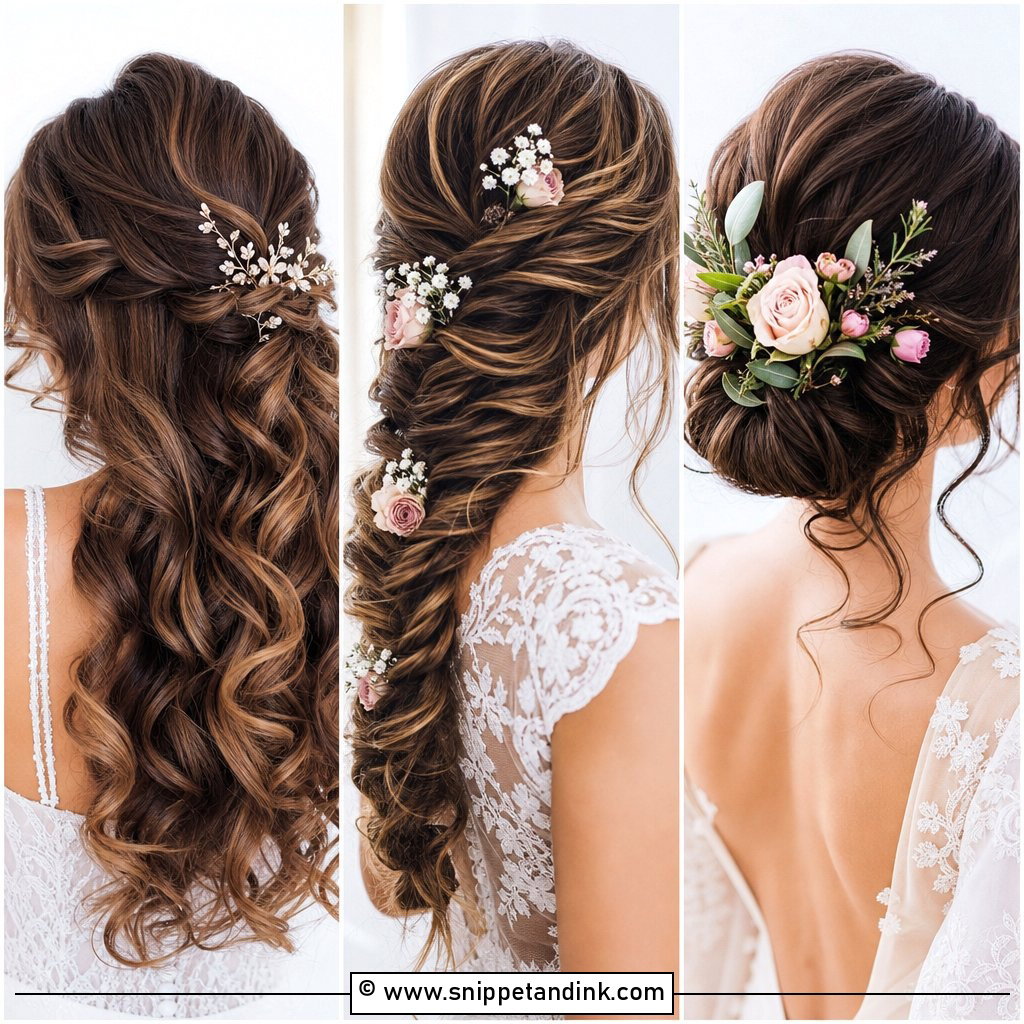
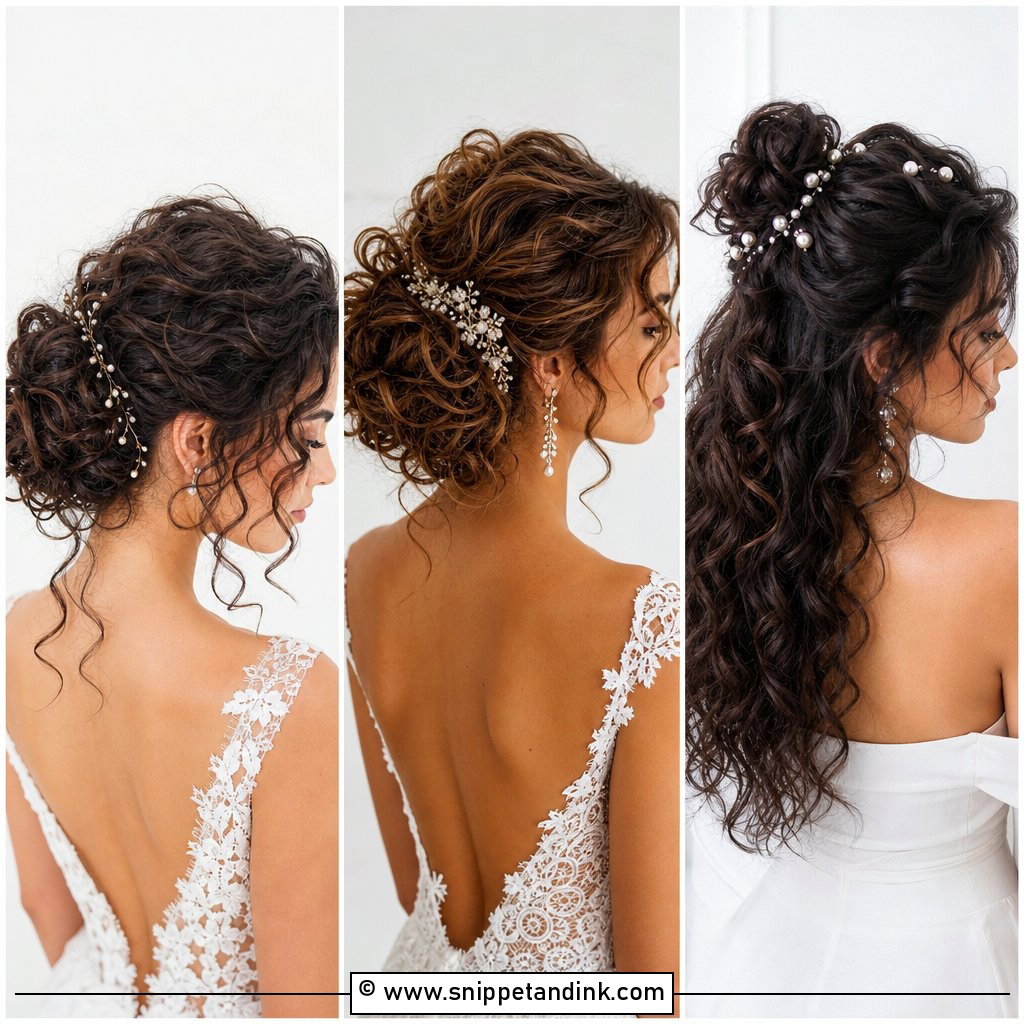
Half up, half down hides the cap better than most people expect, because the top section covers the crown and the lengths cover the back. I pin the top section into the cap with two crossed pins and add a clip over them. A loose wave unit gives the bottom half enough texture to look full in photos. It’s an easy style for a long day, though very fine density wigs can look thin once a section is taken up, so check that at your trial.
7. Braided Updo Bridal Wig
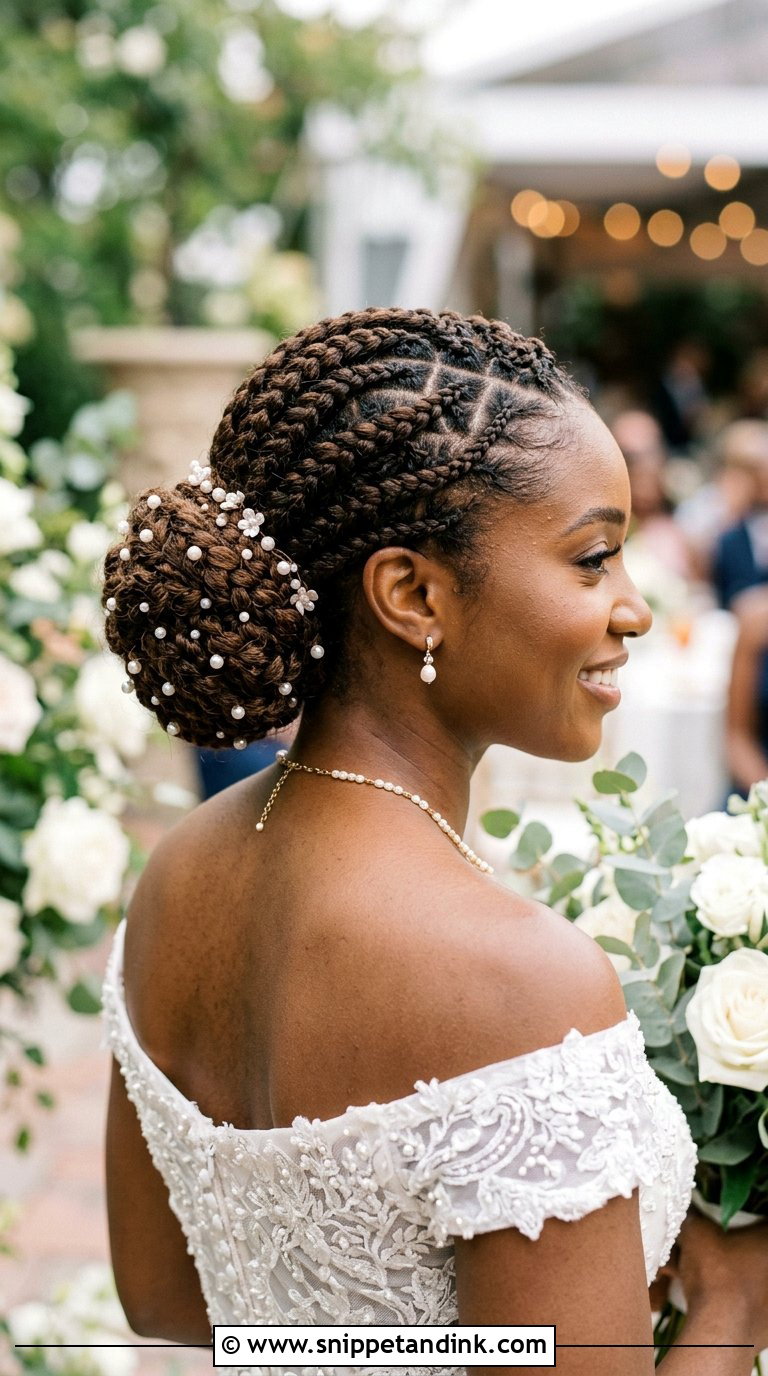
Braids on a wig take more planning than braids on your own head. I braid along the parting, not across the cap, so the tension doesn’t pull the lace forward or sideways. A human hair unit grips pins far better than silky synthetic, which tends to slide. Once the braids are pinned into a soft bun, the neck stays clear for the whole reception, and small pearls or blooms can be tucked into the plait with a single pin each.
8. Sleek Bridal Ponytail Wig
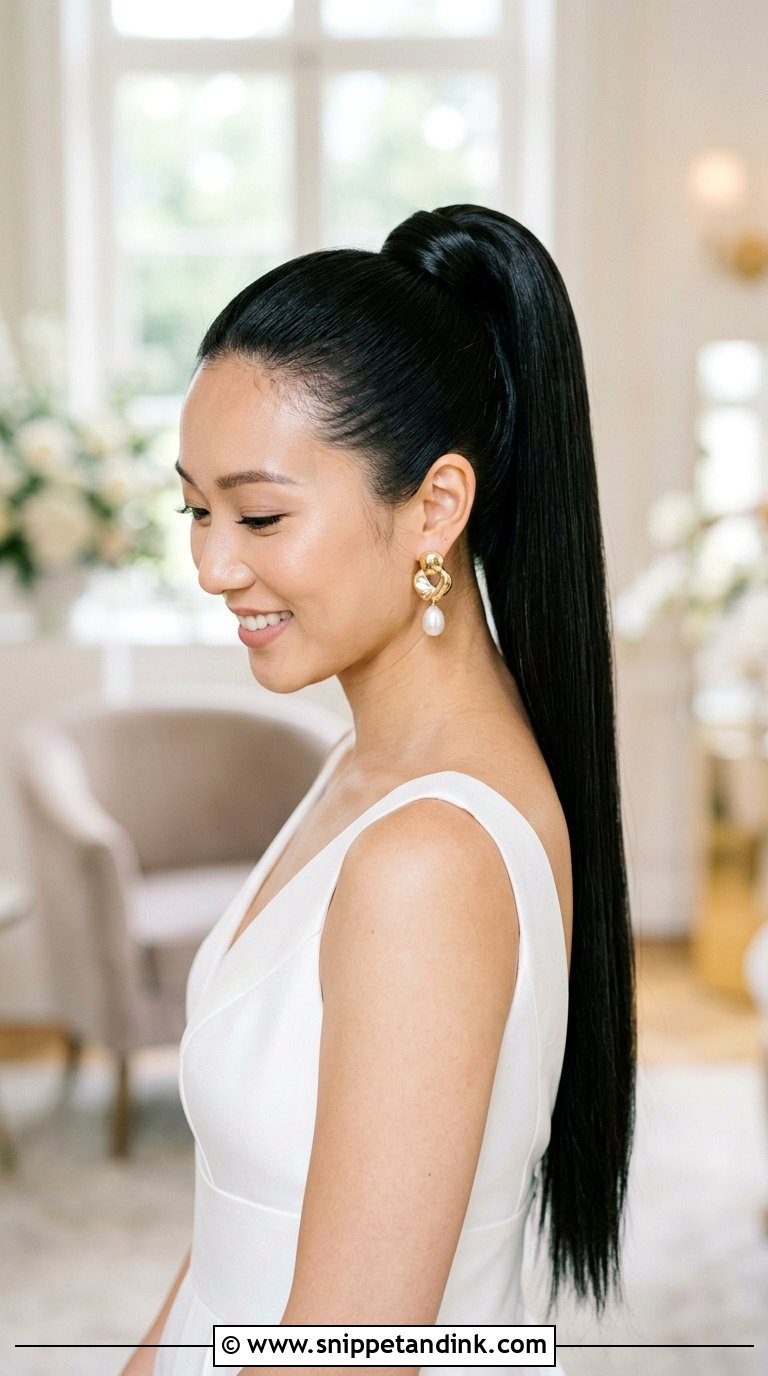
A sleek ponytail looks simple, but on a wig it’s one of the hardest styles to get right. Pulled back, it shows every inch of the hairline, so the lace has to be cut cleanly and the knots bleached. A 360 lace unit lets me gather the hair without exposing wefts at the nape. I wrap a section around the elastic to hide it and pin the wrap underneath. It pairs naturally with a clean, structured gown and a bold earring.
9. Bohemian Braided Bridal Wig
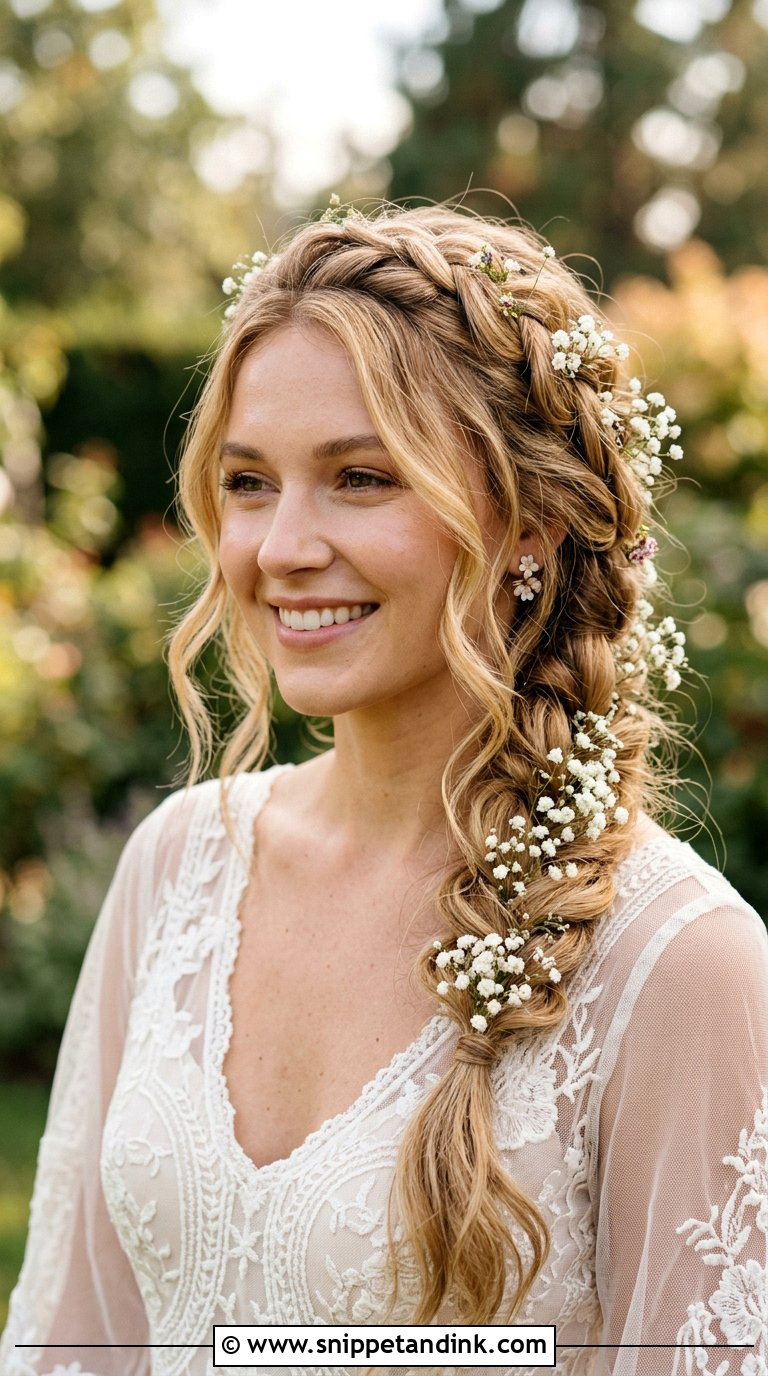
Boho styling is forgiving on a wig, which is part of its appeal. A bohemian braided wig uses loose, airy plaits and a few tendrils at the face, so small imperfections at the parting disappear into the texture. I pancake the braids by gently pulling the edges apart, and I do it after pinning, not before, so they don’t shift. A wavy texture keeps the plaits looking full. It’s a sensible pick for garden and beach weddings because the look is meant to soften as the day goes on.
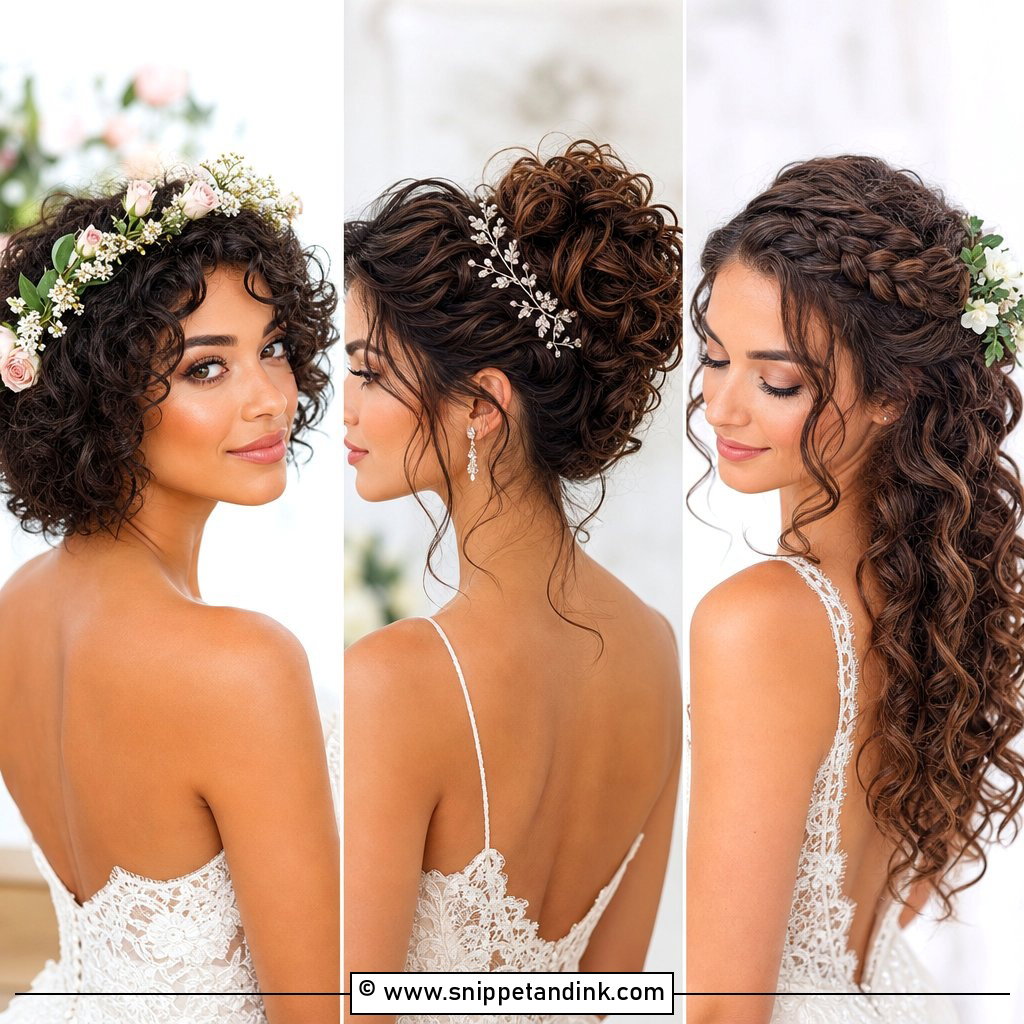
10. Voluminous Curly Bridal Wig
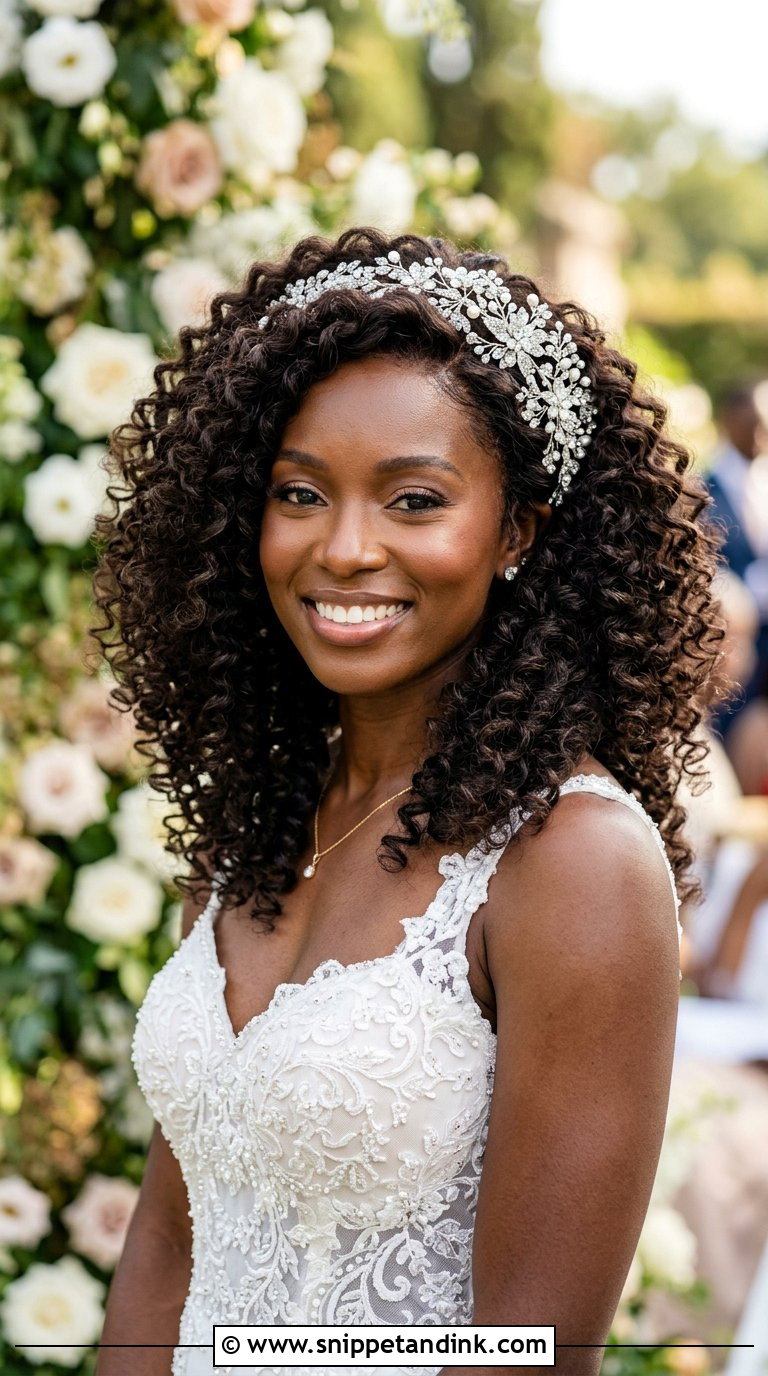
A full curly unit gives the most volume of anything here, and it photographs with real depth. The thing I watch with curls is frizz: brushing defined coils dry will break them into a cloud. I refresh them with water and a light leave-in, then shape them with fingers. A curly human hair wig holds its pattern well through humidity because the curl is already its natural state. Wear it down or pin one side up with a headpiece, and keep the veil comb close to the crown where the curls hide it.
11. Bridal Wig with Curtain Bangs
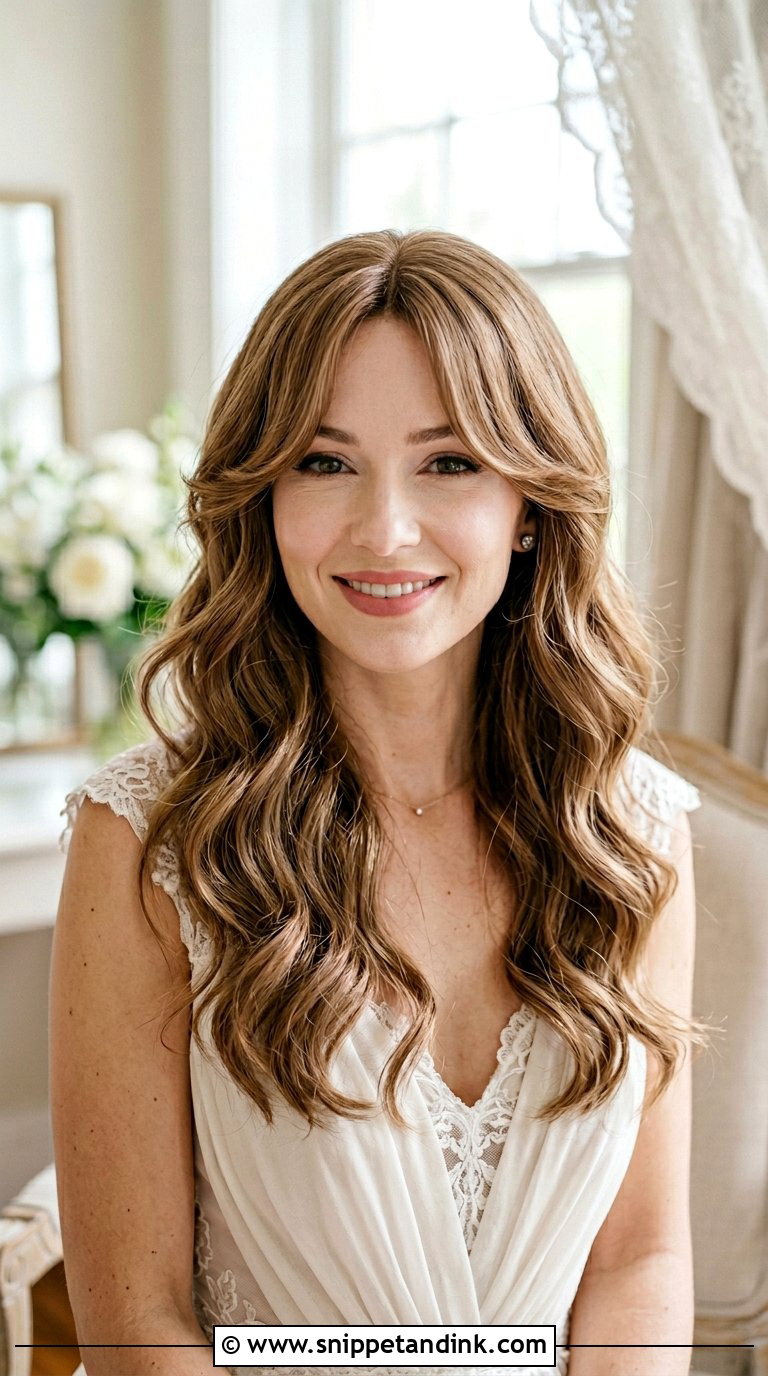
Curtain bangs are one of the best tricks for wig wearers, because the fringe lies over the front of the lace and hides the hairline almost entirely. I cut them on the wig during the trial, never the morning of, since a fringe always looks longer wet than dry. They sweep outward from a centre part and blend into waves or an updo. A lace front unit still matters here, so the parting at the root looks like scalp.
12. Straight Glueless Lace Front Bridal Wig
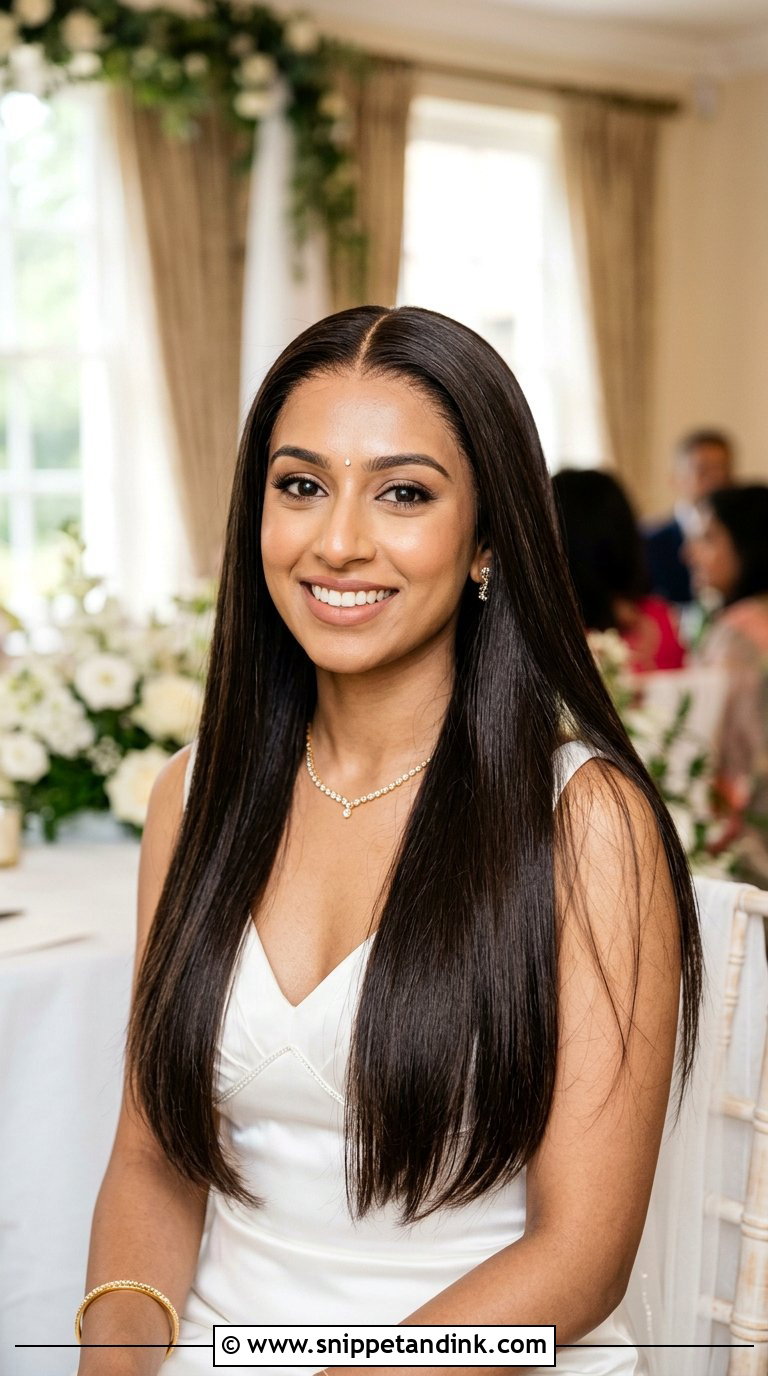
Straight hair shows everything: uneven density, a shiny lace, a parting that looks too perfect. That is also why a well-made glueless lace front looks so convincing when it’s done right. The unit holds with combs, an adjustable band and sometimes a wig grip, so there’s no adhesive to manage. I flat-iron in small sections and finish with a drop of serum on the ends only. A centre part is more symmetrical, and a side part is more forgiving if the parting space is narrow.
13. Bridal Wig with Veil
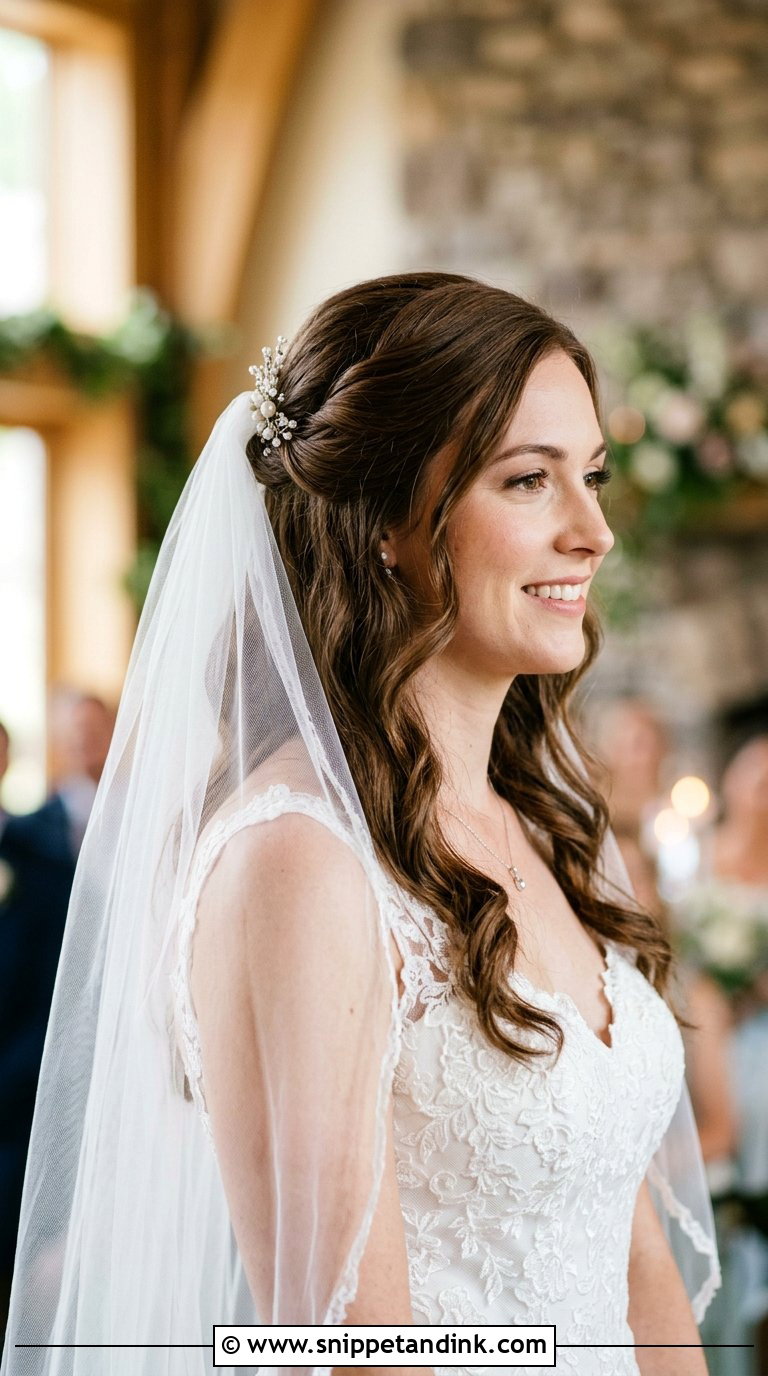
Plan the hairstyle around the veil, not the other way round. A bun or half-up section gives the veil comb something solid to grip, and I always slide the comb into the hair and the cap together, so the weight sits on the unit instead of tugging the lace at the forehead. On a lace front wig that’s the single most common cause of lifting. When the veil comes out for the reception, the style underneath should look finished, so I set it as if no veil were going on at all.
14. Vintage Hollywood Waves Bridal Wig
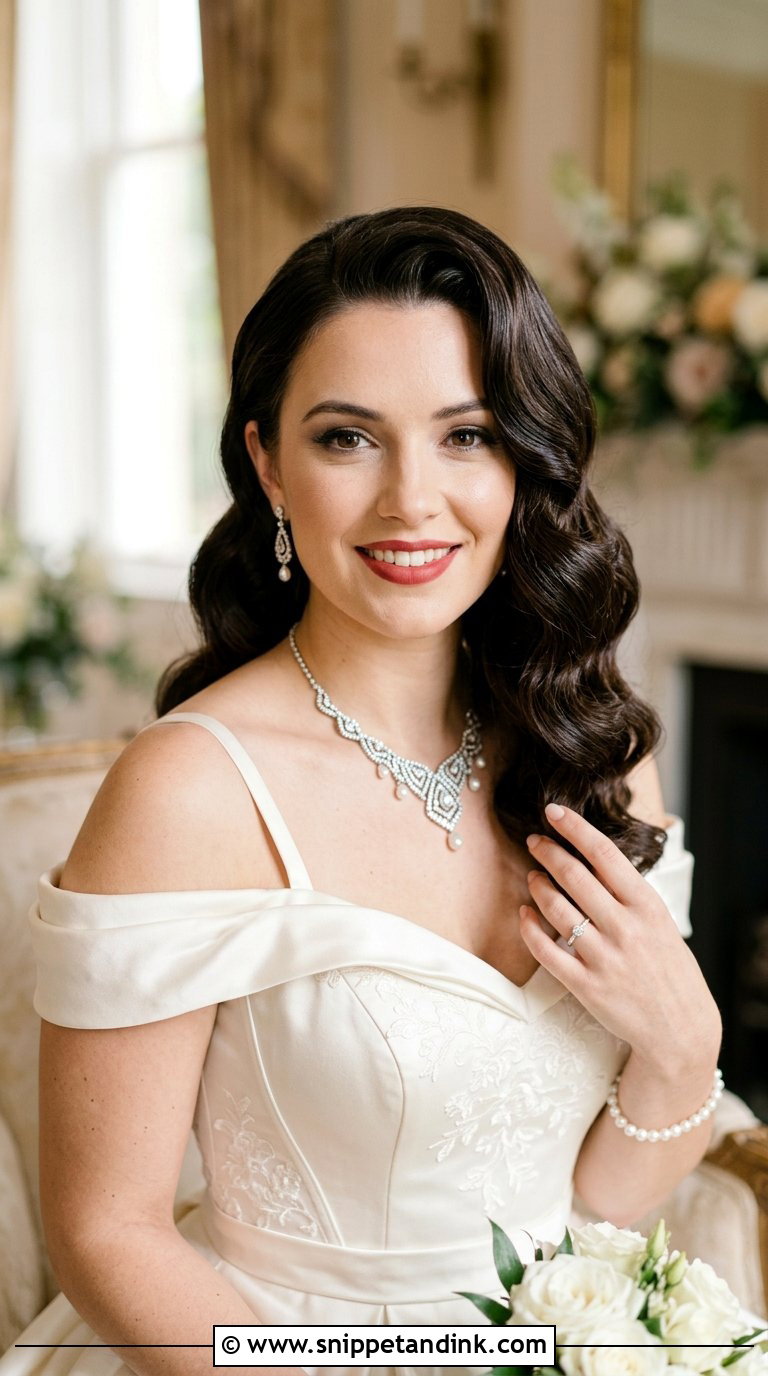
Golden-era waves are all about crisp, sculpted ridges, and deep, sculpted finger waves need hair that takes a set. A silky human hair unit is ideal. I pin-curl it, let it cool fully, then brush the curls into one smooth wave pattern and set the ridges with clips. This style punishes rushing; brushing out warm curls gives frizz instead of shine. Sweep everything to one side and keep the makeup in the same era: a bold lip suits it.
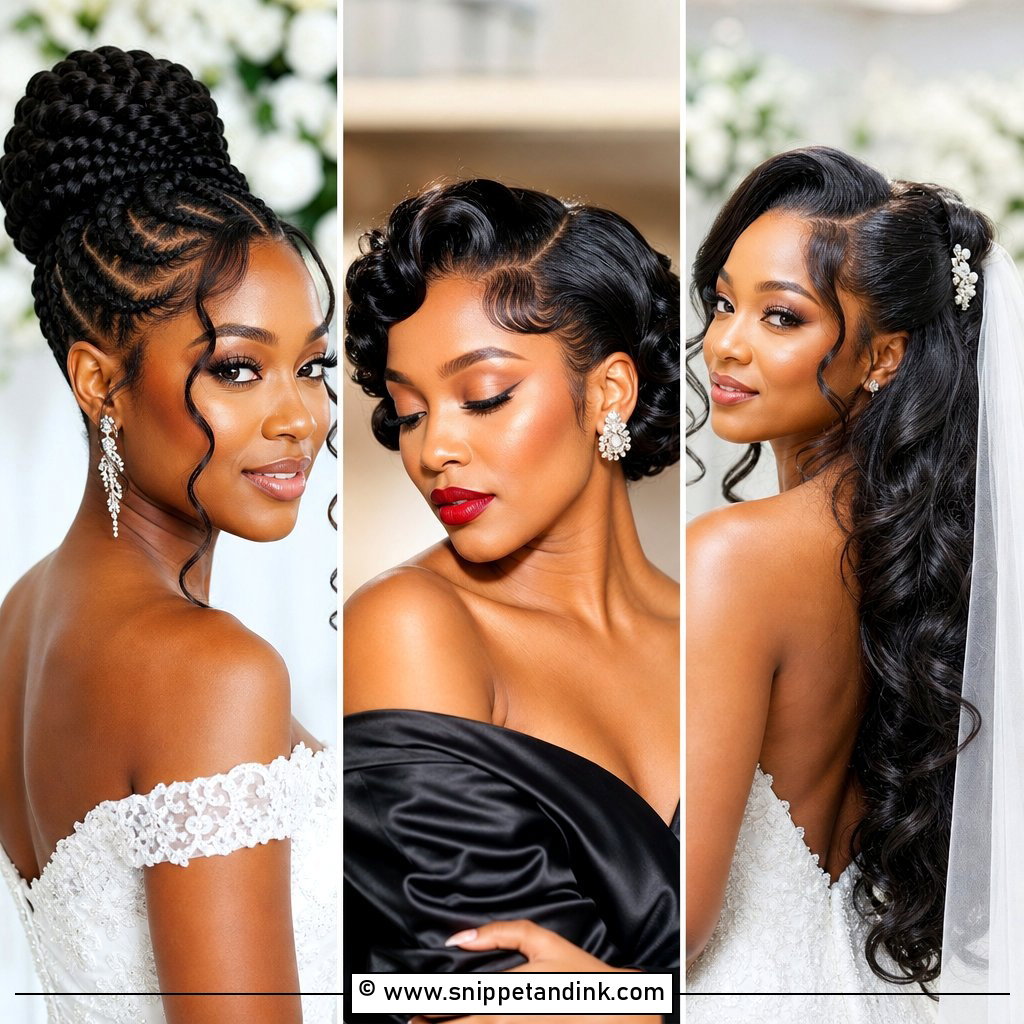
15. Bridal Bob Wig
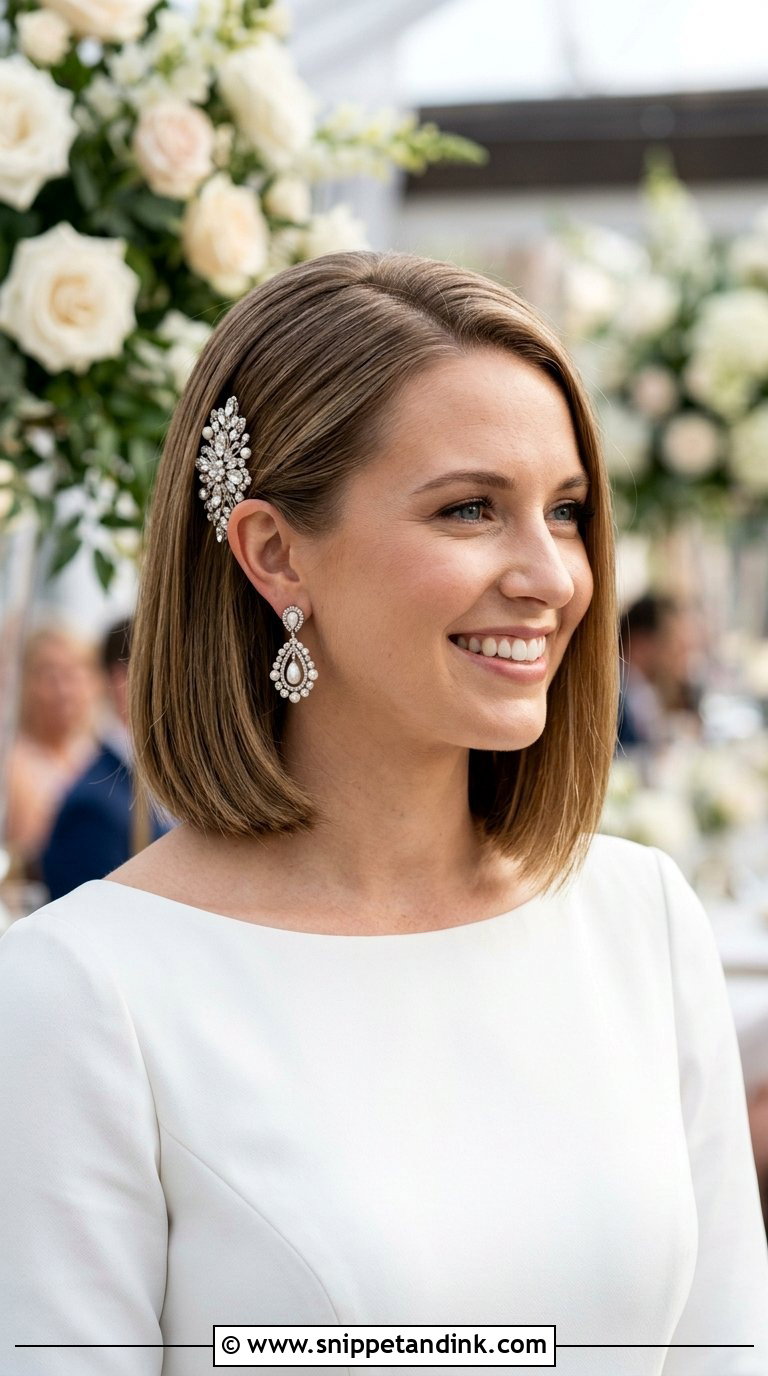
A bob is the lowest-risk wig on the list in one practical way: there’s very little length to tangle, weigh down or pull on the cap. It frames the face at the jaw and lets earrings show. A lace front bob lets you try a short cut for the day without cutting your own hair. I’d keep it sleek with a soft bend at the ends, or add a gentle wave. With a long veil, tuck one side behind the ear so the comb has room above it.
16. Twisted Updo Bridal Wig
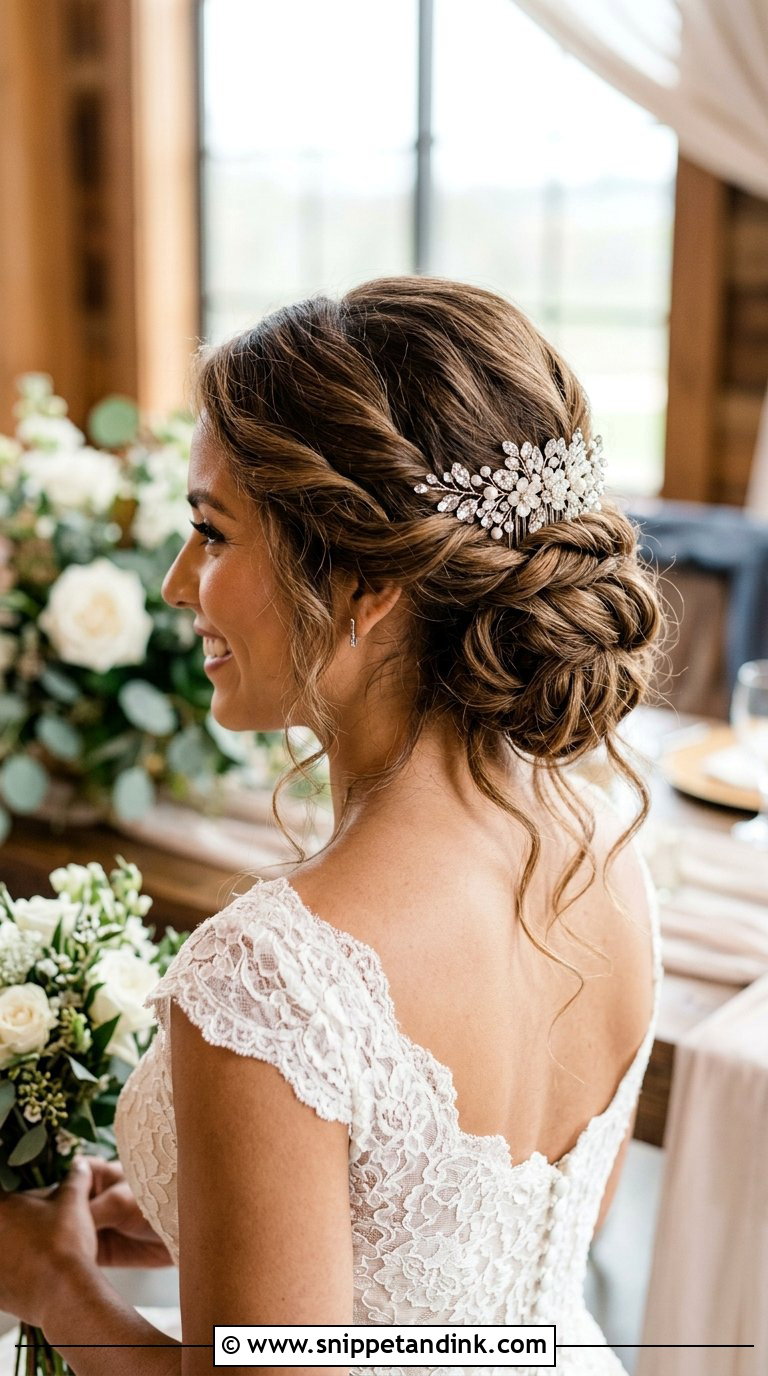
Twisted updos need grip. I twist sections loosely toward the back and pin each twist into the one before it, which spreads the weight across the cap rather than loading one spot. Human hair is the better choice because it holds a twist without springing open. A tiara or decorative comb sits well in front of the twists. Leave a few tendrils out at the face only if the hairline has been plucked and the knots bleached; otherwise keep the front smooth.
17. Cascading Waves Bridal Wig
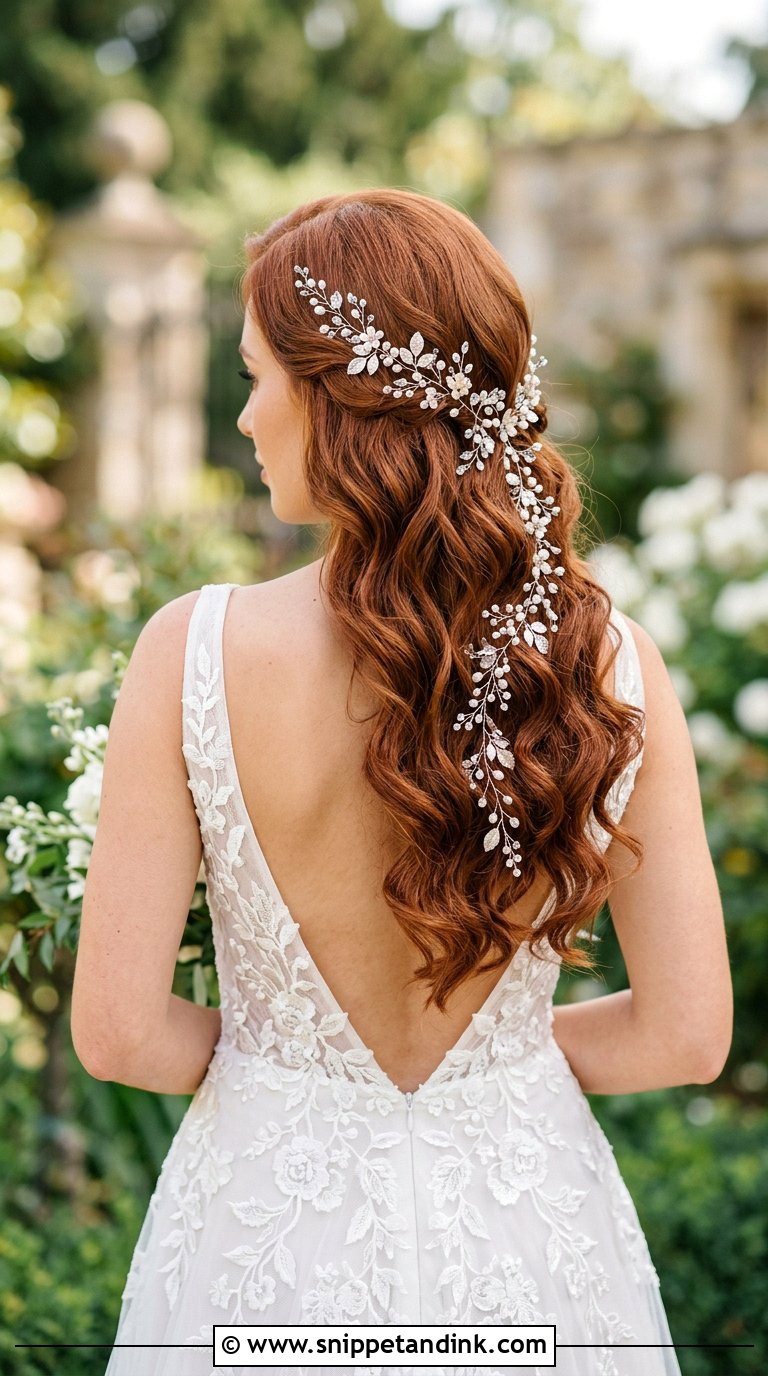
Long waves down the back look dramatic, but length adds weight, and weight is what loosens a wig over a long day. On anything past mid-back I add a band or extra combs and recheck the fit after the ceremony. A long body wave unit holds a soft, open wave without much heat. It suits backless gowns and a long veil that moves the same way. This dreamy, voluminous style also tangles where the hair rubs against lace or beading on the dress, so carry a wide-tooth comb.
18. Bridal Wig with Side Braid
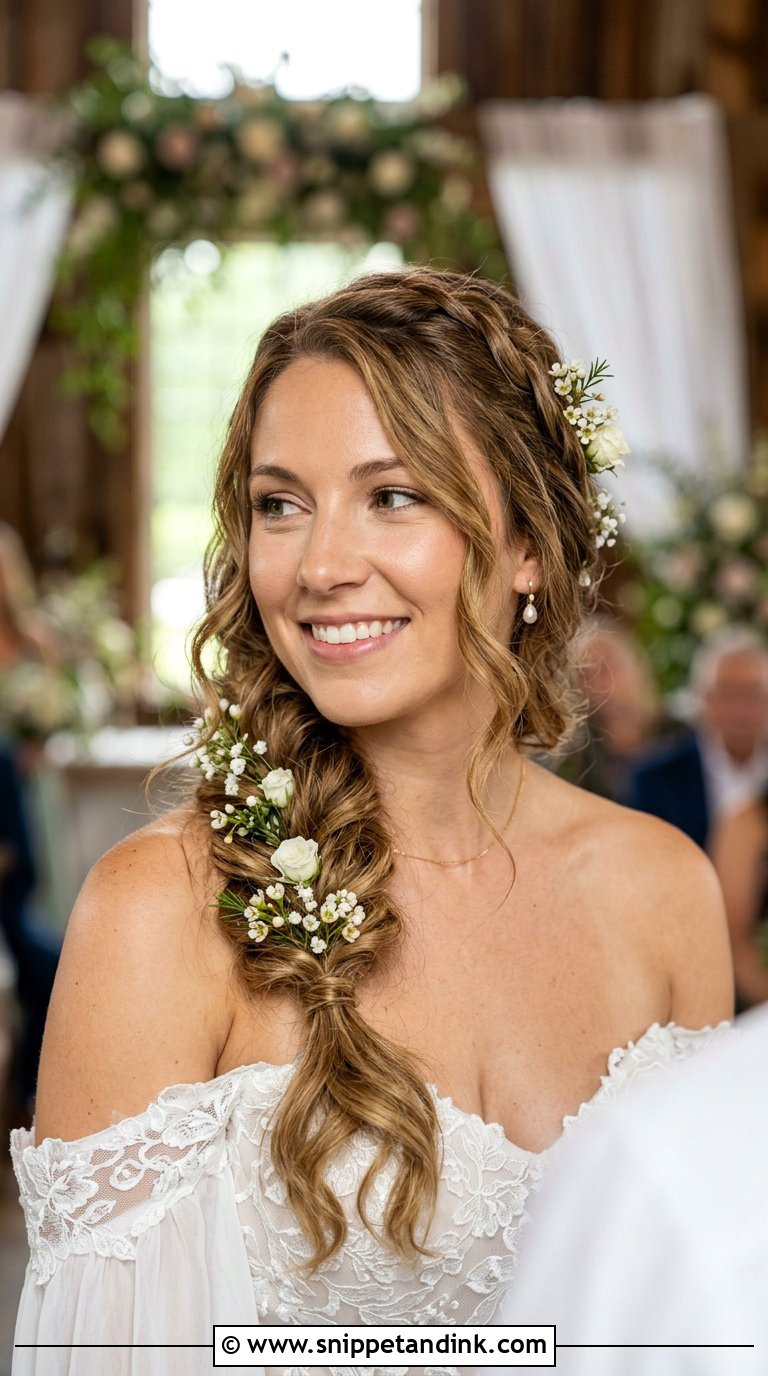
A single side braid is the middle ground I suggest when hair needs to be off one shoulder but a full updo feels like too much. I start the braid low behind the ear so the plait itself covers the cap edge on that side. Keep it neat for a formal look or loosen it for something softer. A wavy unit gives the braid its fullness, and tiny flowers or pearls can be pinned in after it’s finished. It sits well with an off-the-shoulder neckline.
19. Top Knot Bridal Wig
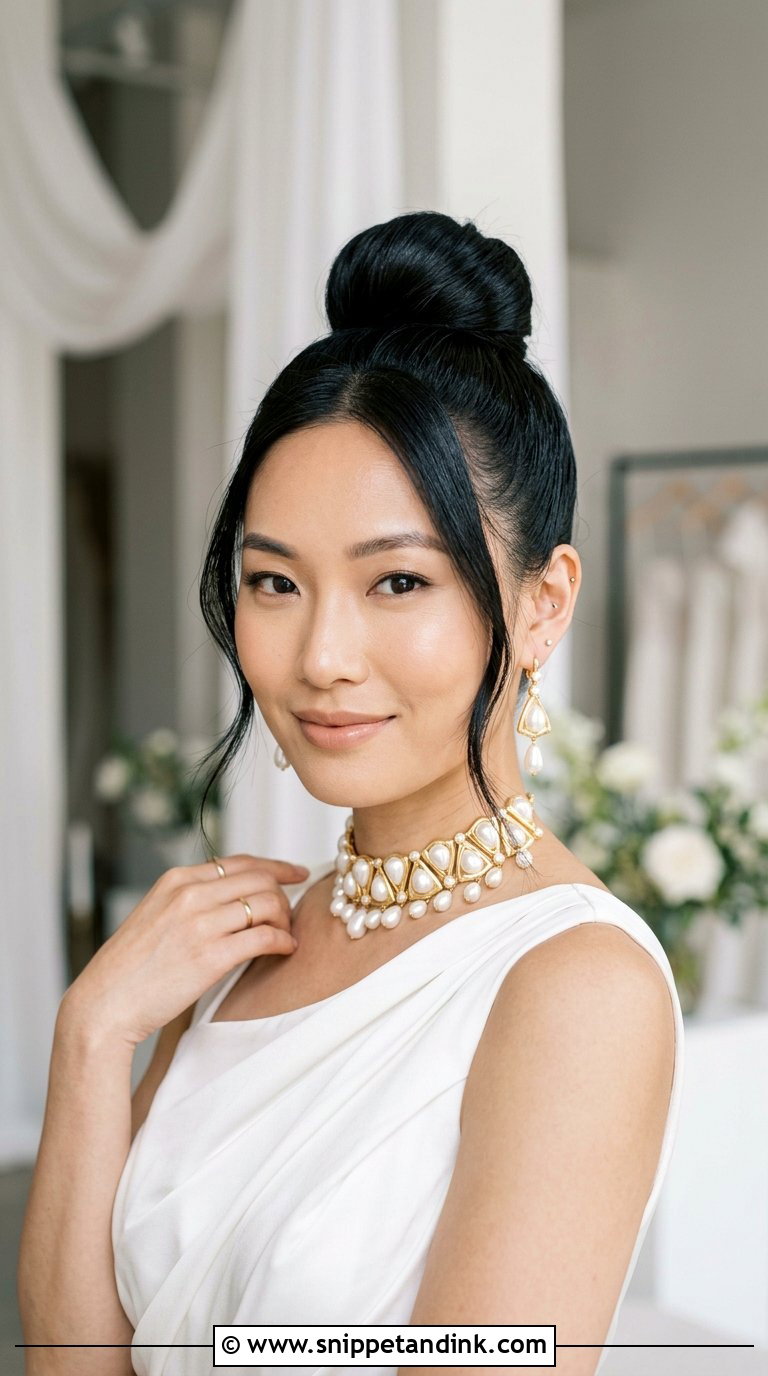
The top knot is the high bun’s sharper cousin, and it has the same rule: a 360 lace or full lace unit, or don’t do it. The hair is pulled to the very crown, which shows the entire perimeter of the cap. On the right wig it’s clean and modern and shows off the neckline and earrings. I set it with a smoothing cream and a few long pins into the cap. A couple of loose pieces can soften it, though the sleek version suits a minimalist dress better.
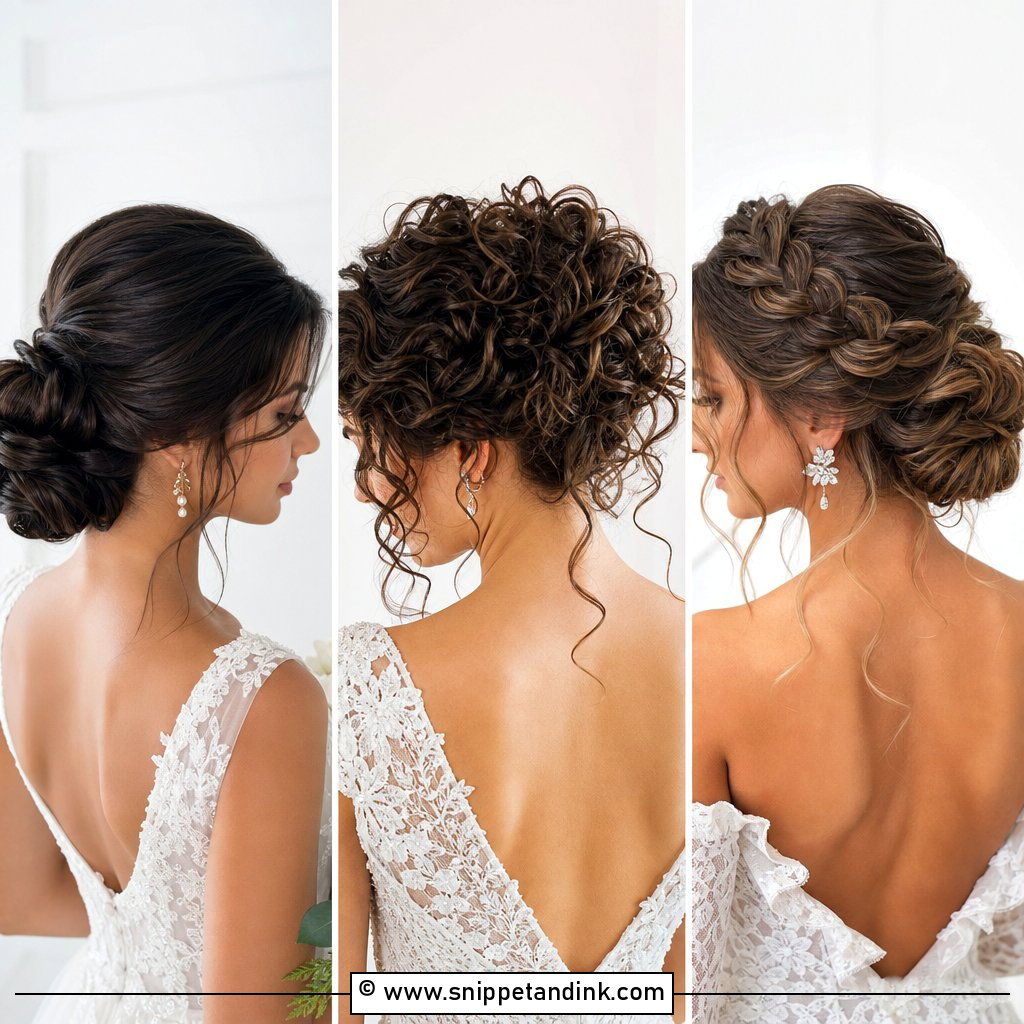
20. Soft Wavy Bridal Wig
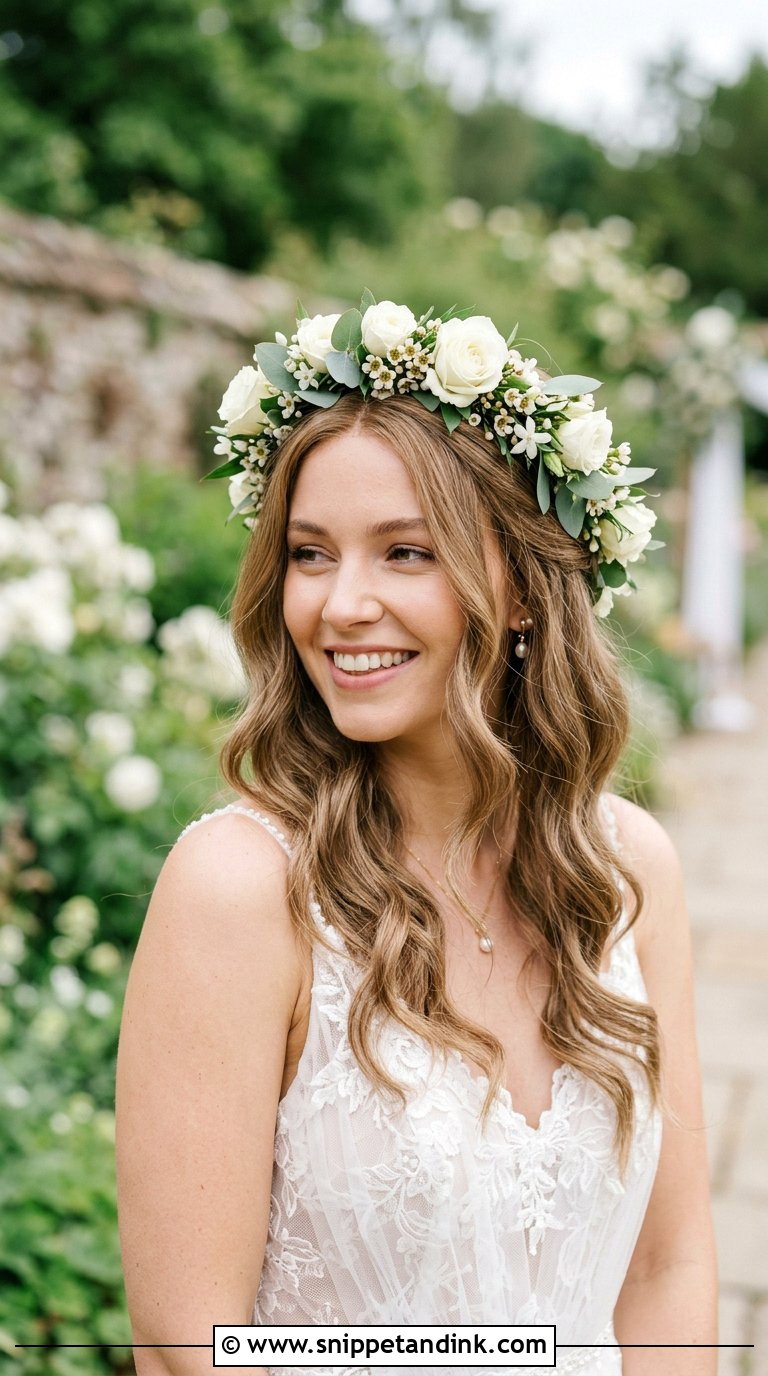
Simple waves are often the best choice for a first-time wig wearer, because loose hair is more forgiving at the hairline than any updo. They fall around the shoulders and work with a veil or a flower crown. A loose wave unit keeps its texture for hours, so touch-ups are minimal. A middle part looks softer, a side part a little more polished. If you’re nervous about wearing a wig for twelve hours, this is the one I’d start you with.
What Twelve Hours Under Lace Actually Feels Like
Most problems show up after the ceremony, not before it. Heat from dancing and a warm room makes the scalp sweat, and moisture under the lace is what loosens adhesive and shines up the hairline. I set the front with an elastic band for twenty minutes while makeup is being done, then press the lace with a powder close to the skin tone.
Give your maid of honour a small kit for the evening:
- Blotting papers for the hairline, used with a press, never a wipe
- A small bottle of lace adhesive or a few pre-cut tape strips
- Bobby pins matched to the wig colour, plus two spare combs
- A wide-tooth comb for long or wavy units
- Tinted powder or lace spray for touch-ups
Pinning Veils and Tiaras Into a Wig
Never anchor an accessory to the lace itself. A comb pushed through lace can tear it, and the weight pulls the front back by the hour. I slide veil combs and tiara pins through the hair and into the cap behind the lace, angled toward the crown. For a heavy cathedral veil I sew a small fabric loop into the cap in advance so the comb has something firm to hold. Try every accessory on the finished wig at your trial; a tiara that sits right on your own hair can sit higher on a unit.
Start With the Cap, Then Pick the Style
Every style above depends on the unit underneath it. Low and loose styles work on a lace front; anything that lifts hair off the nape needs 360 or full lace. Get the wig fitted, customised and tested before you settle on a look, then match that look to your neckline and veil. Done in that order, a wig gives you the most predictable hair of the whole wedding, from the first portrait to the last song.
You'll Like These Ideas:


Leave a Reply