
Dressing for your sister’s wedding is different from dressing as a guest. You’re family, you’ll be in most of the portraits, and you’ll probably be carrying, greeting and running errands all day. When I dress a bride’s brother, I balance four things: the family’s tradition, the event, his comfort, and the one rule that never changes, which is not to compete with the groom. The outfits below run from the main ceremony to the reception, sangeet, mehndi and daytime functions. Clean tailoring, coordinated color and traditional cuts with modern details are where menswear for weddings sits right now, and bandhgalas, sherwanis, kurta sets, suits and Indo-Western jackets all have a place. Each look comes with shoes and accessories, and a note on how it fits and moves.
Dressing for the Jobs a Bride’s Brother Actually Does
In many South Asian weddings the brother has real ceremonial duties, and clothes need to allow for them. In a lot of Hindu ceremonies he pours puffed rice into his sister’s hands for the offering during the pheras, and he’s often the one walking her in or helping with the doli at the end. That means kneeling, sitting cross-legged on the mandap floor and standing up again many times.
- Churidar and pajama need enough ease at the knee and seat for floor sitting. Sit cross-legged at the final fitting.
- Long sherwanis and achkans should have side slits deep enough to let you kneel without the front panel dragging.
- Shoes come off in many mandaps and temples. Slip-on mojaris or juttis are far easier than laced shoes, and clean socks or bare feet matter.
- Fire rituals mean loose stoles and dupattas should be pinned, never left hanging near the havan.
Ask an elder in the family which rituals involve you, and when. It’s much easier to plan a garment around a known moment than to discover on the day that you can’t kneel in it.
1. Ivory Sherwani Outfit for Bride’s Brother
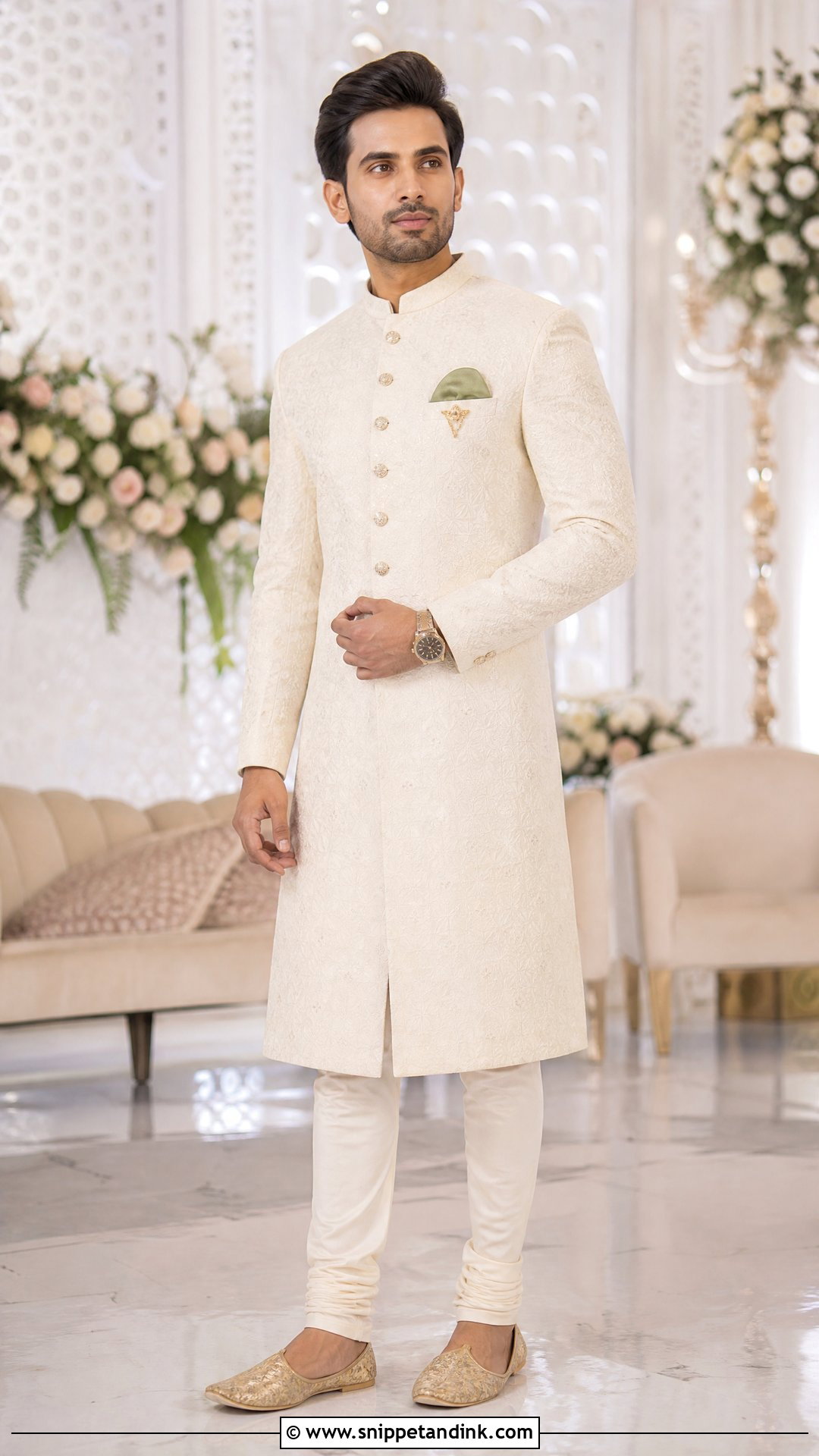
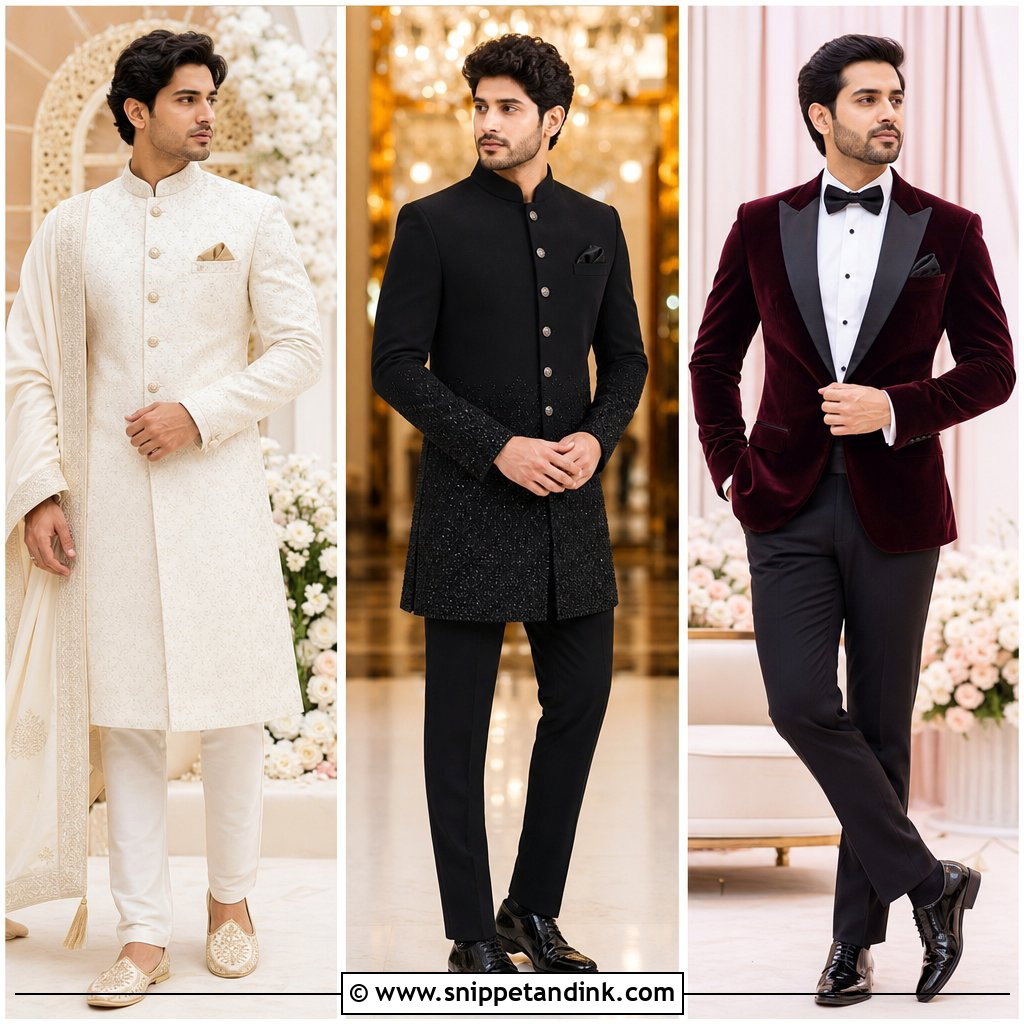
Ivory is the color I suggest most for the brother at the main ceremony, because it sits quietly beside a red, blush or gold bridal outfit instead of fighting it. Keep the threadwork light; heavy zardozi starts to look like a groom’s sherwani. A knee-length cut with slim cream churidar and tan or antique-gold mojaris. One pocket square in sage, dusty pink or burgundy ties it to the décor. The shoulder fit matters, but so does the seat: you may be sitting on the floor during rituals, and a sherwani cut too close through the hips will strain at every button.
2. Navy Bandhgala Outfit for Bride’s Brother
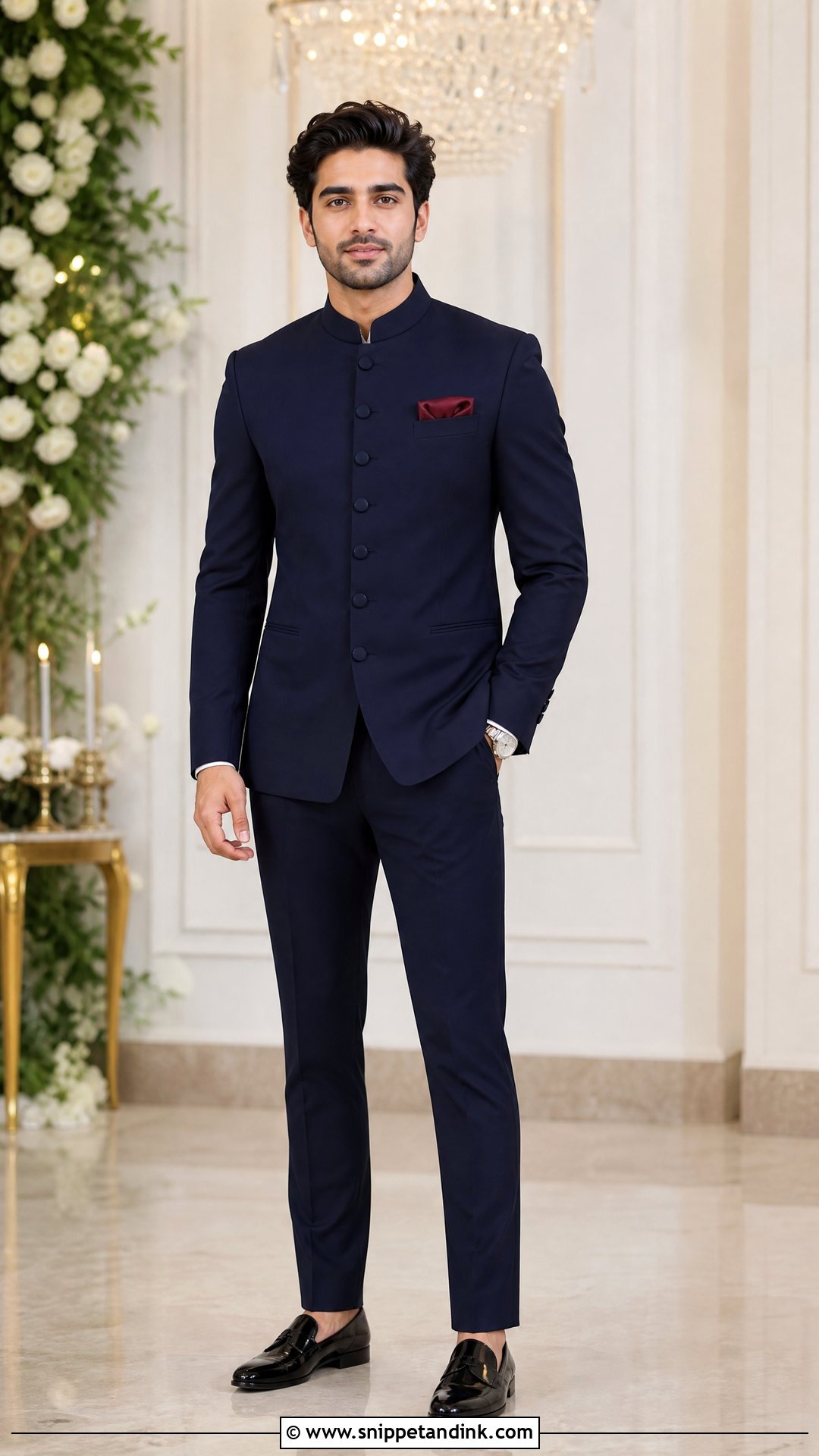
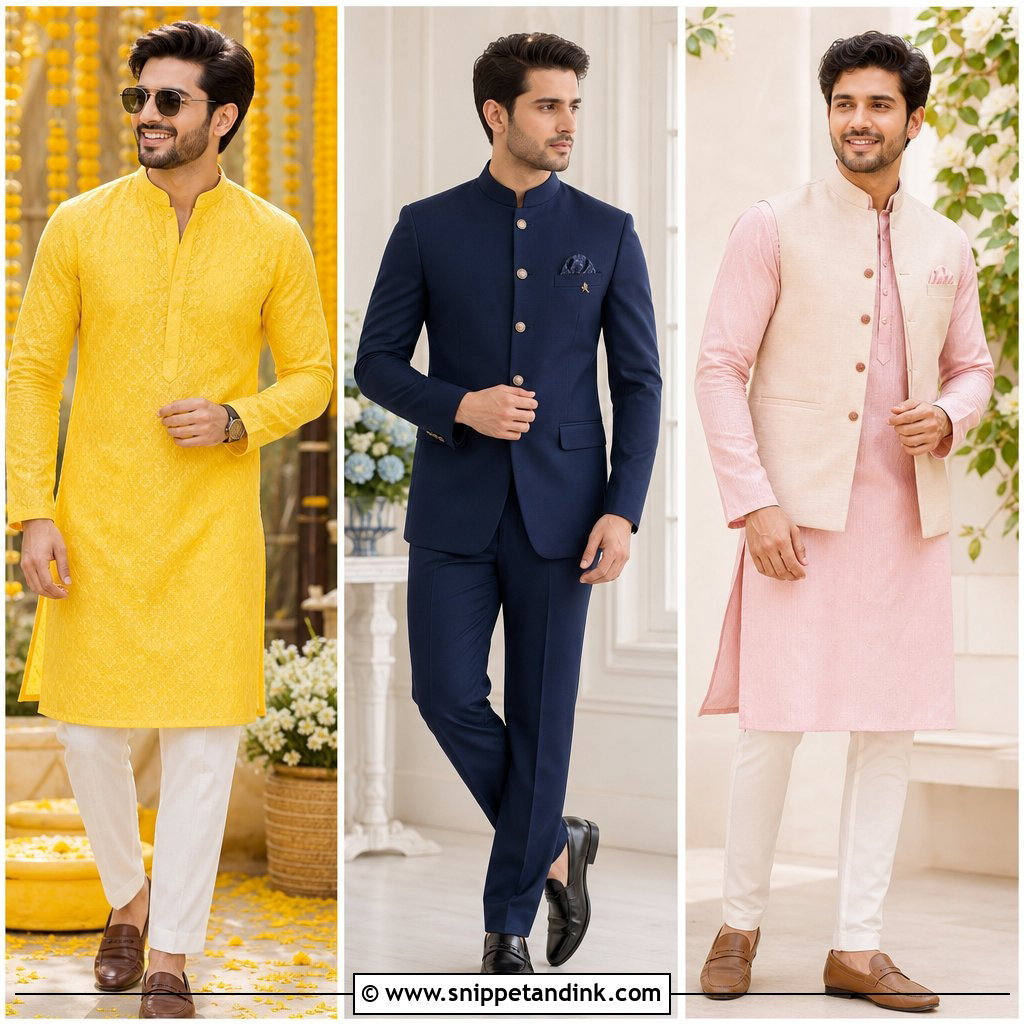
A navy bandhgala is my default for an evening reception. Navy reads darker and richer under warm lighting than black, and it flatters most skin tones. A clean mandarin collar, covered buttons and tonal embroidery with matching tapered trousers gives one long line. Black loafers or polished lace-ups and a silver watch. When I fit one, I button it and have him cross his arms; if the fabric pulls into an X across the chest, it’s too tight for an evening of hugging relatives. For a grander venue, a velvet collar or metal buttons add enough.
3. Pastel Kurta Jacket Outfit for Bride’s Brother
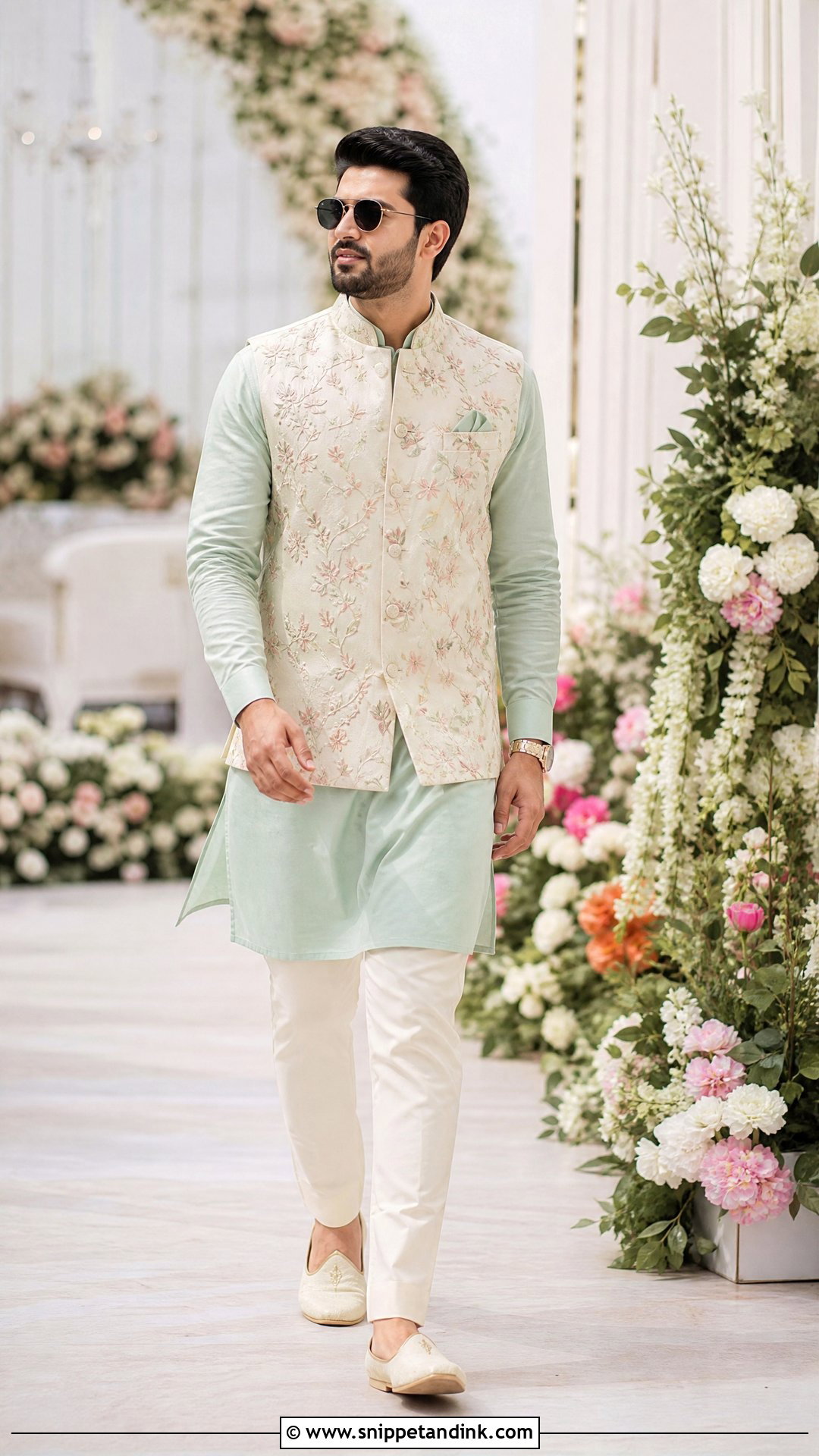
Daytime mehndi and garden functions are hot, so fabric comes before color. Cotton-silk or a linen blend breathes; pure polyester will be soaked by noon. Mint, powder blue, peach or pale yellow with matching pajama and a floral or lightly embroidered Nehru jacket on top. The kurta hem should land around the knee so it sits in proportion under the shorter jacket. Cream juttis and a simple watch. Pick one secondary shade from the décor rather than copying the bride’s outfit exactly.
4. Black Tuxedo Outfit for Bride’s Brother
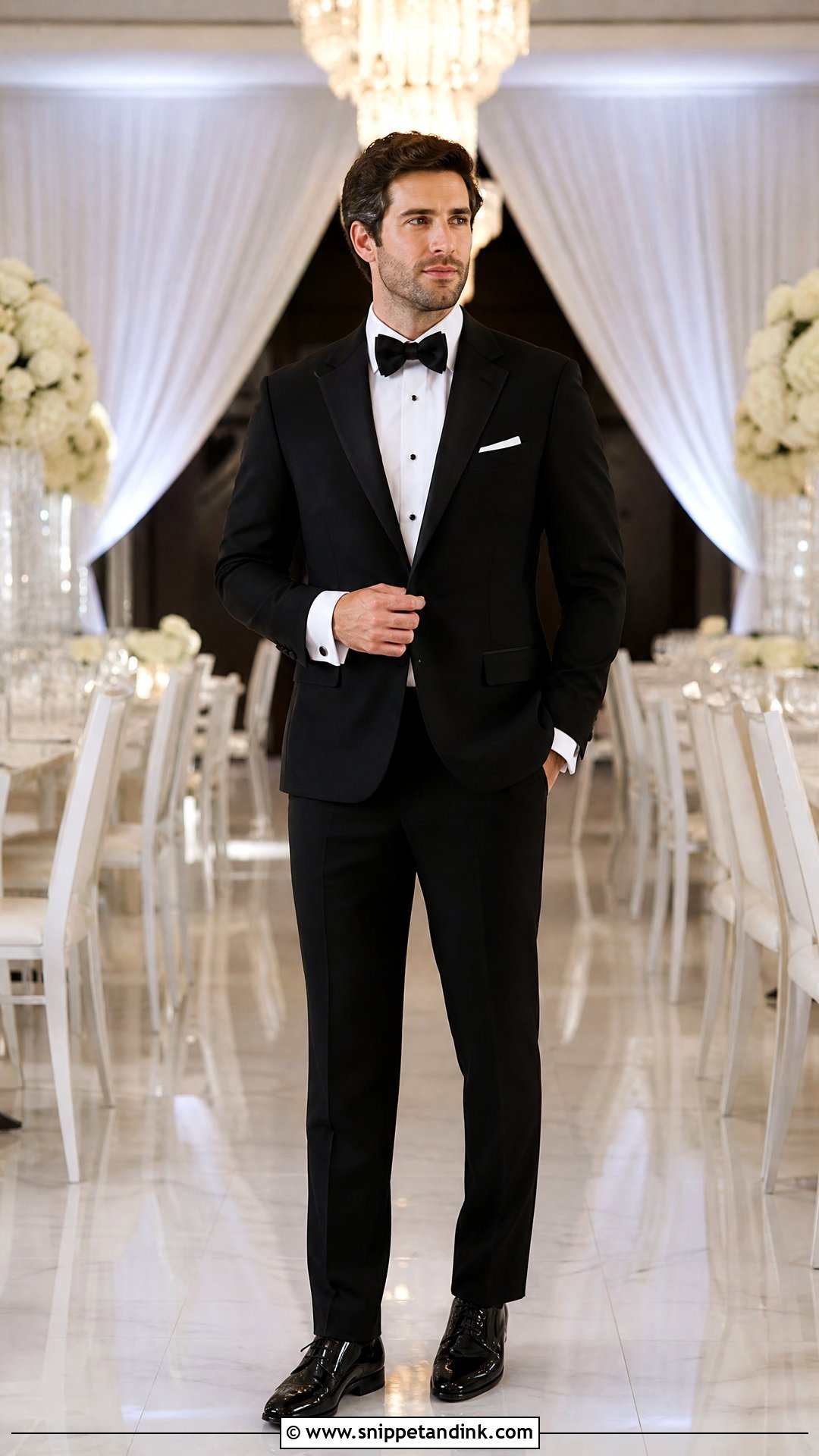
A black tuxedo is the only correct answer when the invitation says black tie. Single-breasted, satin lapels, matching trousers with a satin stripe, a white dress shirt and a black self-tie bow tie. Patent or highly polished calfskin shoes, discreet cufflinks, a white pocket square. Rental tuxedos often fit poorly in the sleeve, so I’d check that about a centimeter of shirt cuff shows and that the trousers have little or no break. Black socks, nothing bright. Let the groom’s look be the one people remember.
5. Floral Nehru Jacket Outfit for Bride’s Brother
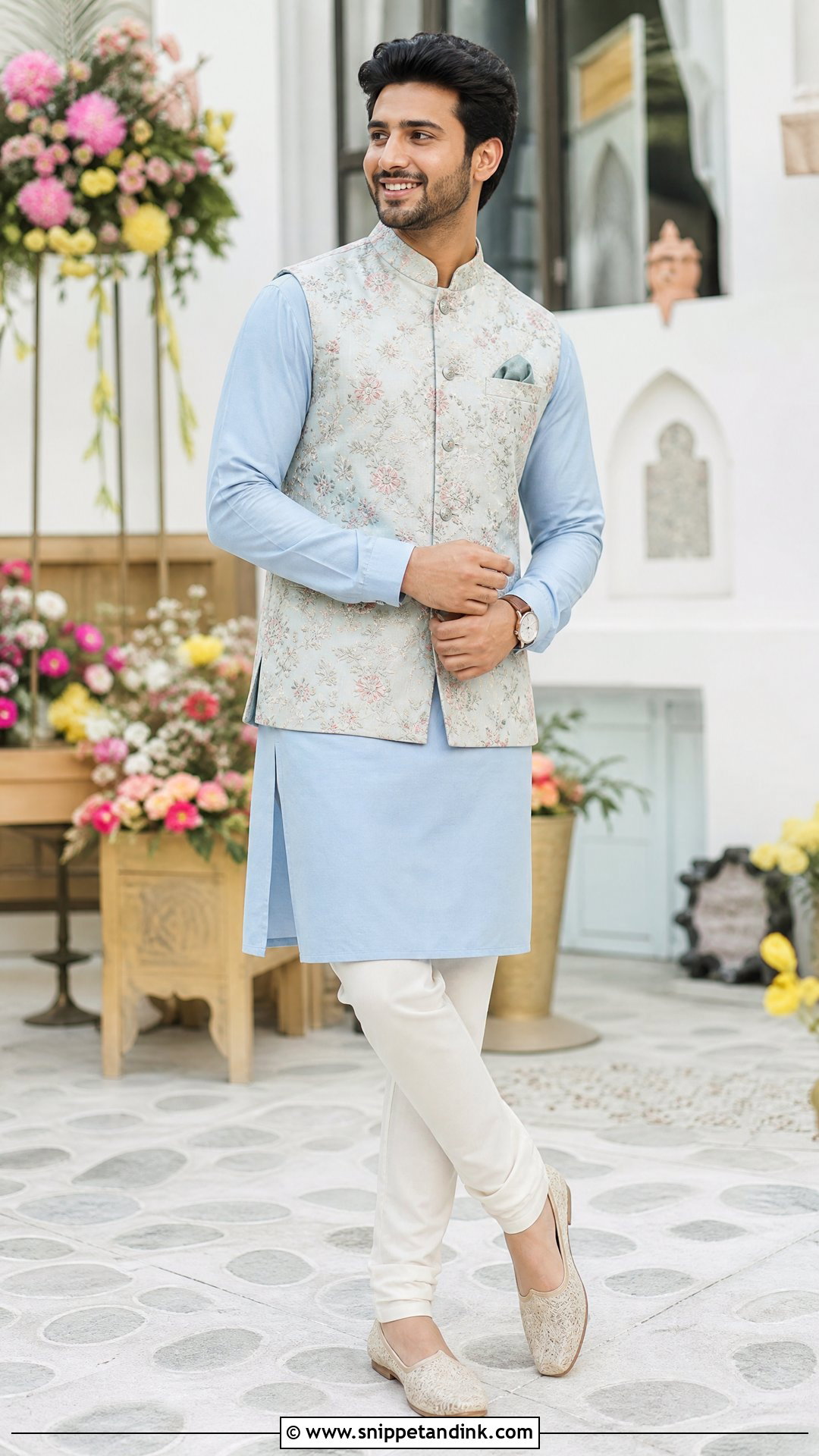
Floral Nehru jackets go wrong when the print is big and busy. I’d go for small botanical motifs over a solid ivory, pale green or light blue kurta with slim pajama. Neutral juttis ground the pattern. Skip the pocket square when the jacket is already colorful. The armhole is the thing to check: haldi and mehndi mean dancing, lifting and helping guests, and a tight armhole lifts the whole jacket every time you raise your arms. Pull a color from the bride’s floral jewelry or the décor rather than matching it.
6. Emerald Green Achkan Outfit for Bride’s Brother
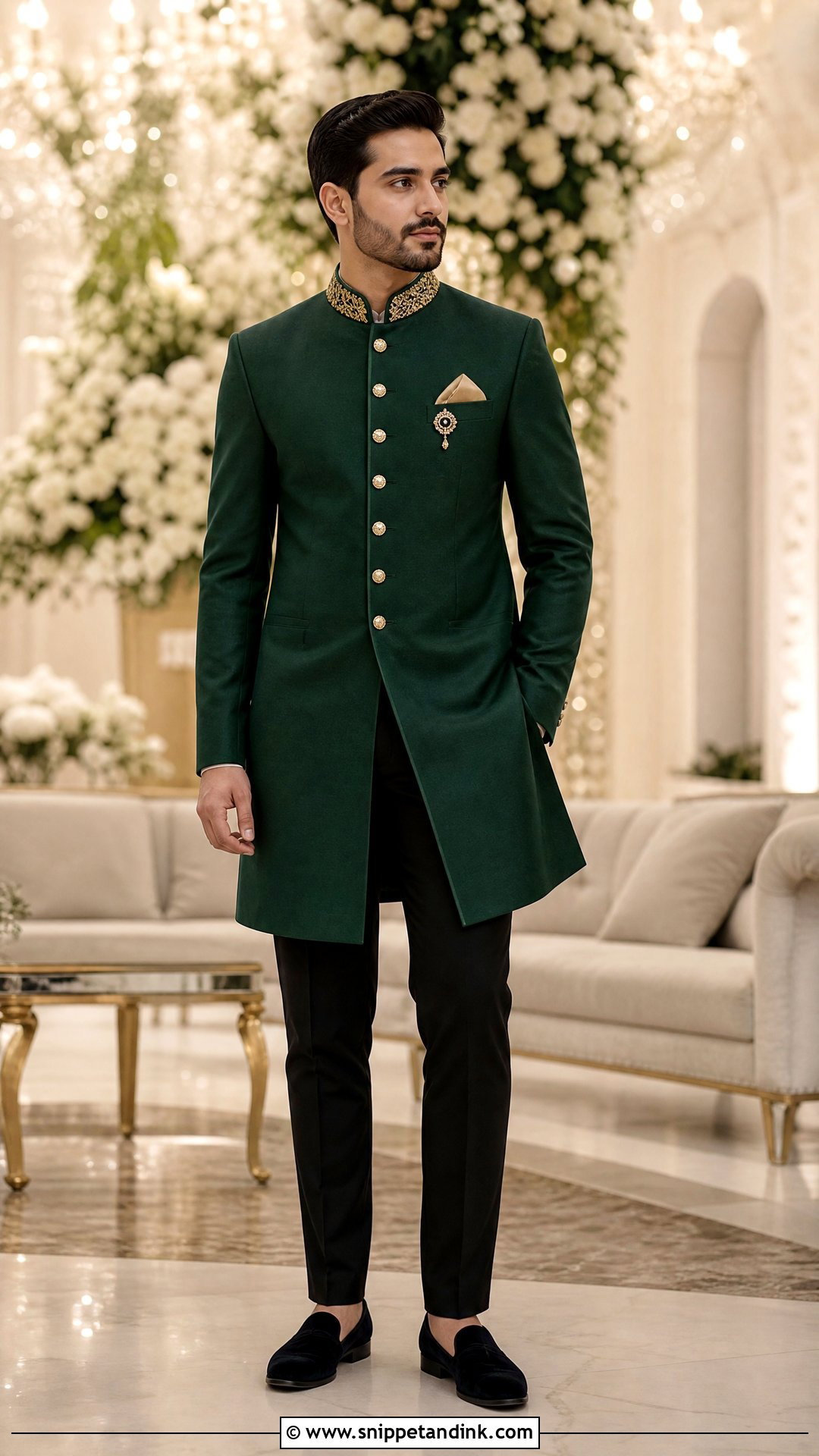
Emerald holds up under indoor lighting better than most greens, which go muddy in yellow light. A structured achkan with a straight or angled closure and restrained gold at the collar works for an evening ceremony or formal sangeet. Black or cream trousers depending on the palette. Velvet loafers make it modern; embroidered mojaris make it traditional. One gold brooch, one neutral pocket square. I check that the achkan falls straight from chest to hem without bunching at the waist, which usually means letting out the side seams slightly.
7. Beige Linen Suit Outfit for Bride’s Brother
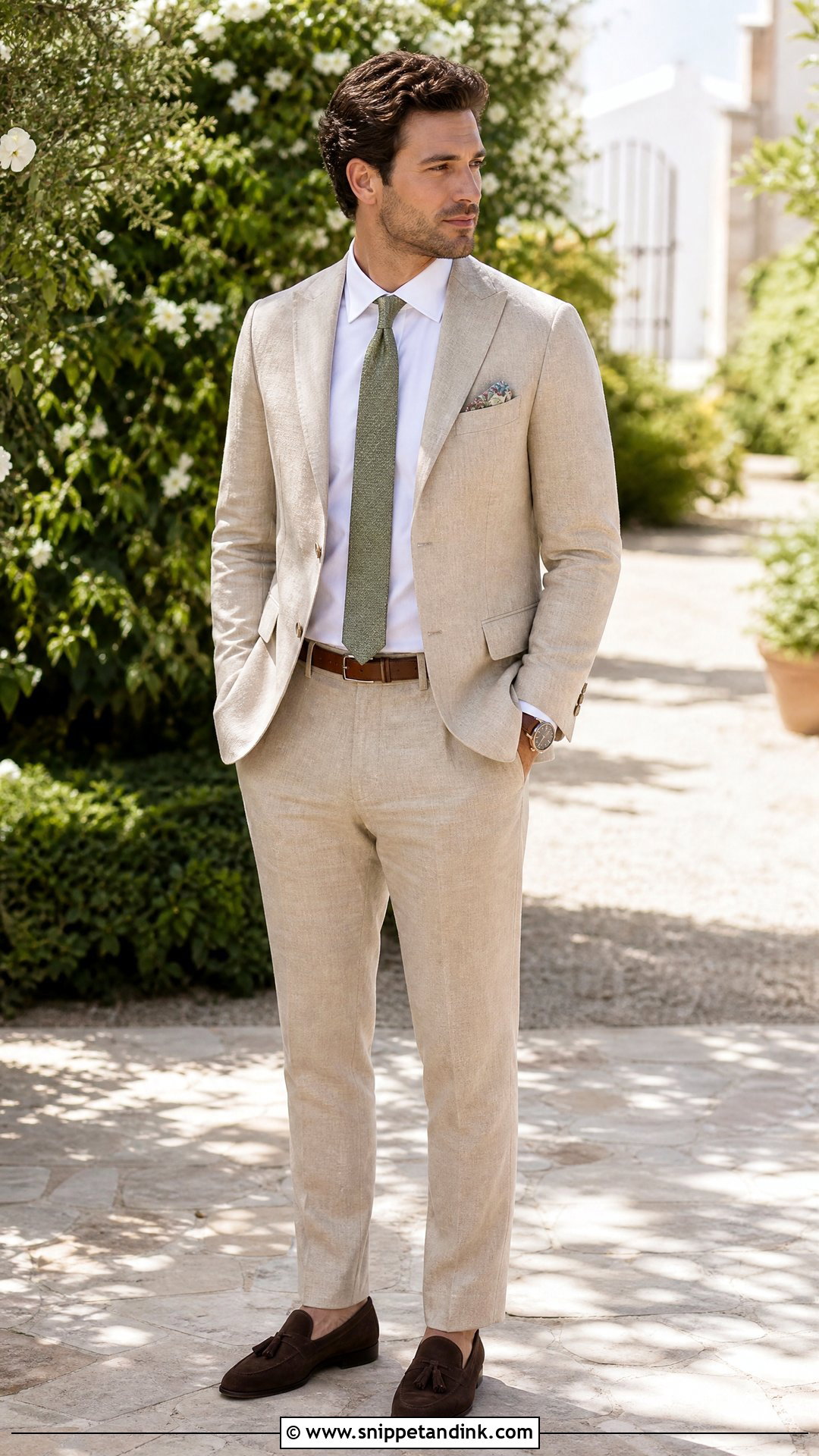
Linen is the right fabric for a beach or garden ceremony in heat, with one honest caveat: it will wrinkle. A linen-cotton or linen-wool blend keeps more of its shape through a long day. Beige with a white shirt and a textured sage, dusty blue or terracotta tie. Brown loafers, matching belt, leather-strap watch. An unstructured or lightly structured jacket and tapered trousers stop it looking baggy. Keep any floral pocket square small. Hang the jacket on a chair back during dinner, not over your arm.
8. Maroon Jodhpuri Suit Outfit for Bride’s Brother
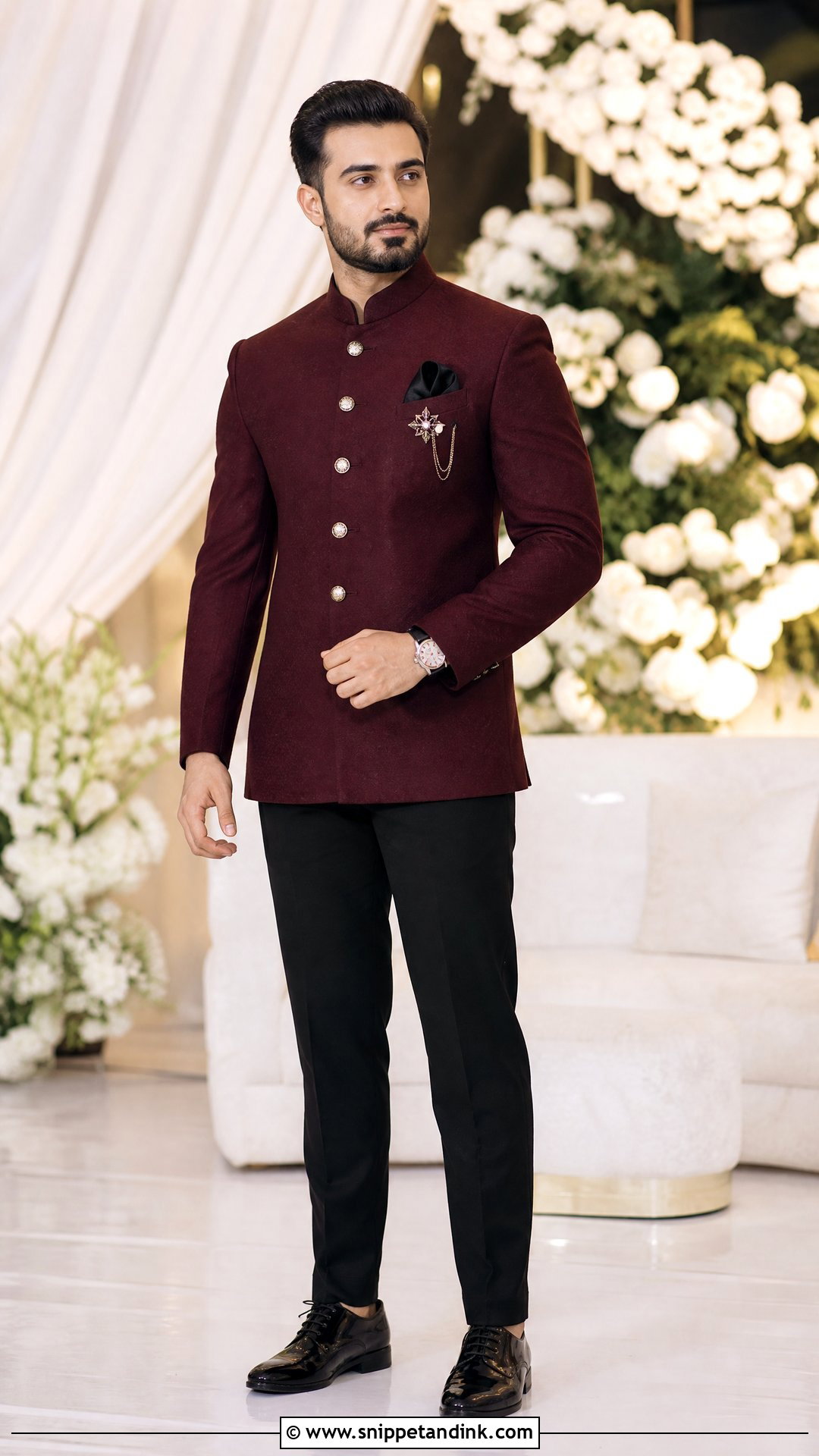
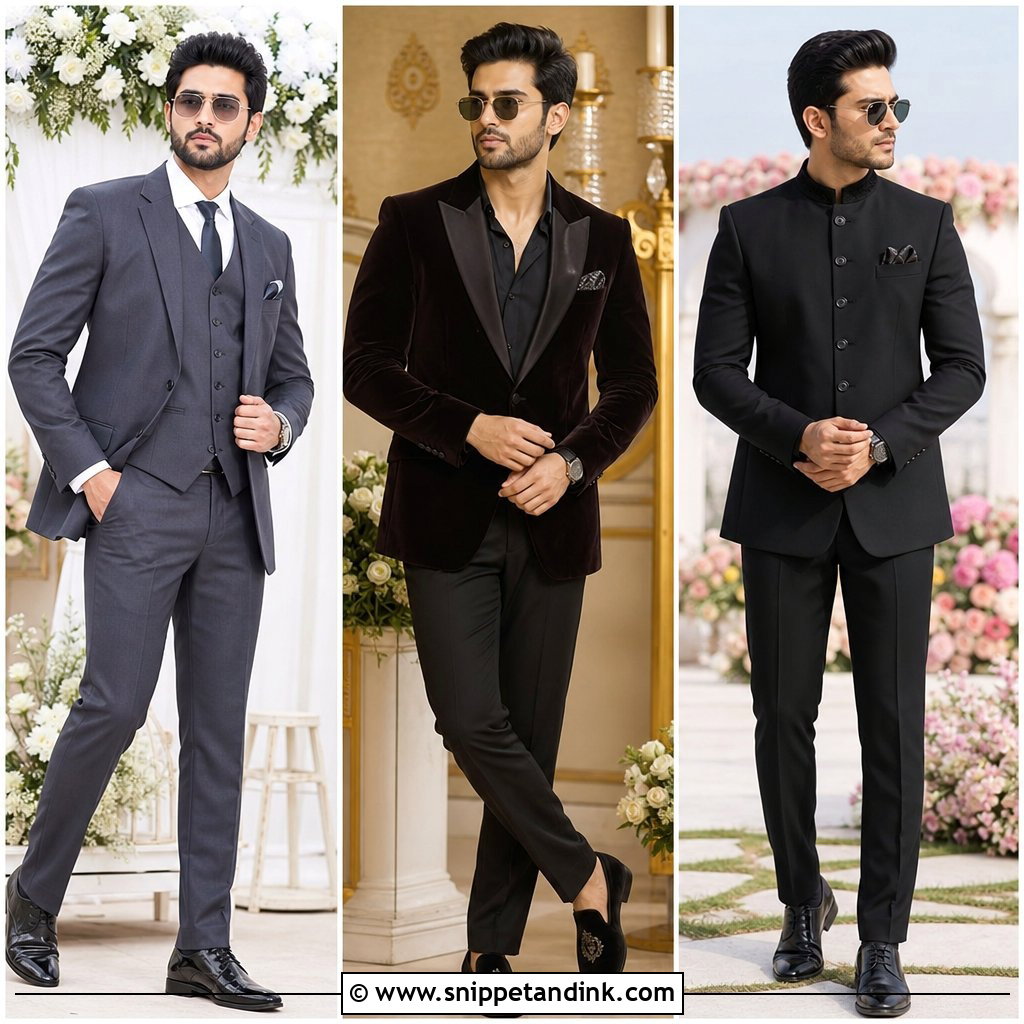
A maroon Jodhpuri suit is a strong reception or engagement look in cooler months. The hip-length jacket with a high collar should follow the body, but I always leave enough ease across the back for him to reach forward, since the brother ends up lifting, carrying and greeting more than anyone. Tonal embroidery or metal buttons, black tapered trousers, polished black shoes. A black pocket square and a vintage-style brooch. Keep the jacket closed so the shirt doesn’t show. It looks regal without echoing the groom.
9. Printed Kurta Outfit for Bride’s Brother
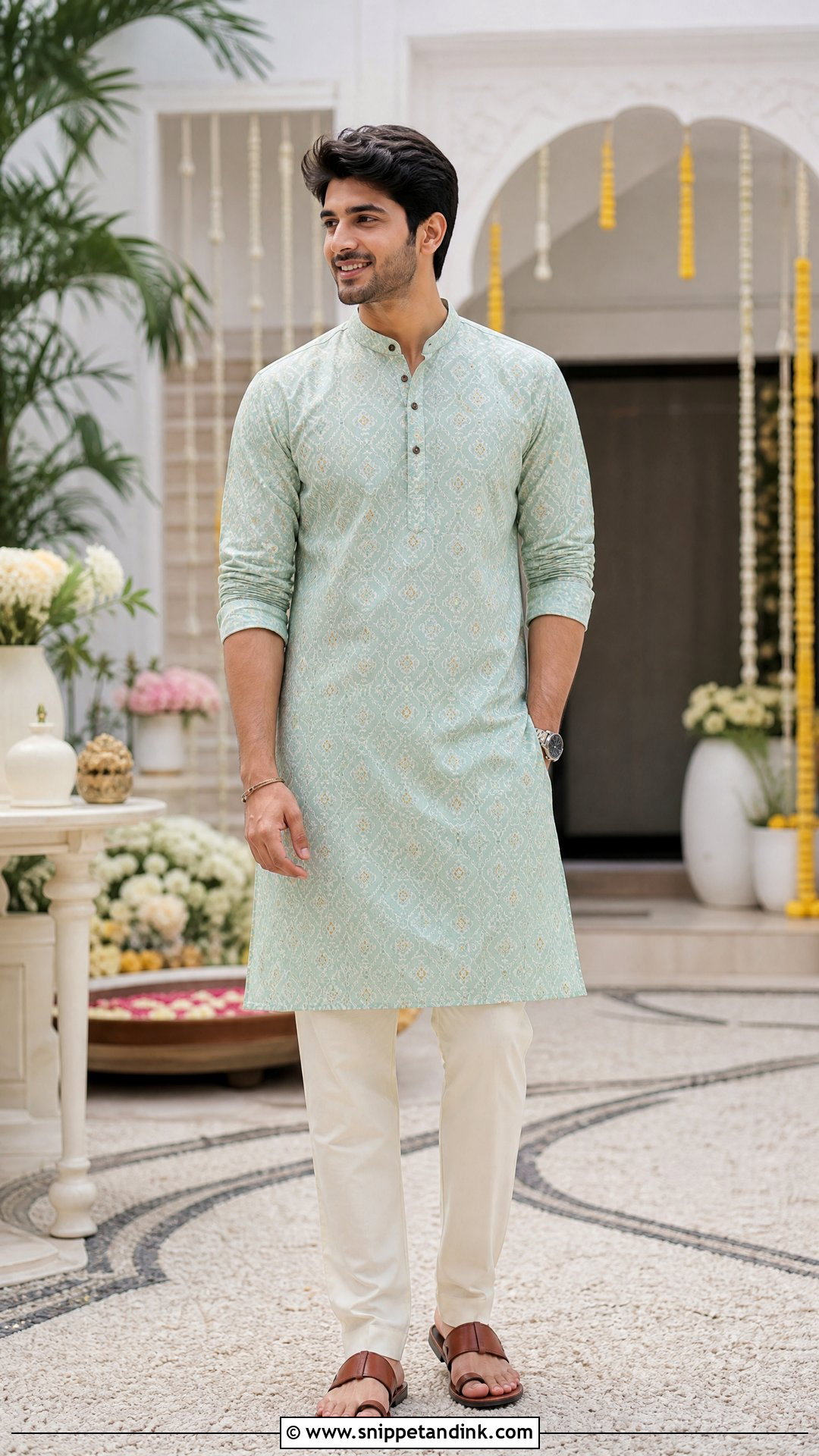
Printed kurtas belong at the haldi, a welcome lunch or a pre-wedding get-together, where comfort wins. Geometric, paisley or small florals in aqua, mustard, coral or soft green, over plain ivory pajama. Scale the print to the man: small patterns read neat on a slim frame, larger ones suit a broader build. Cotton or cotton-silk. Leather sandals or plain juttis, a watch and a single bracelet. If it’s a haldi, assume turmeric will stain it; I’d never put a brother in a print he wants to keep pristine.
10. Charcoal Three-Piece Suit Outfit for Bride’s Brother
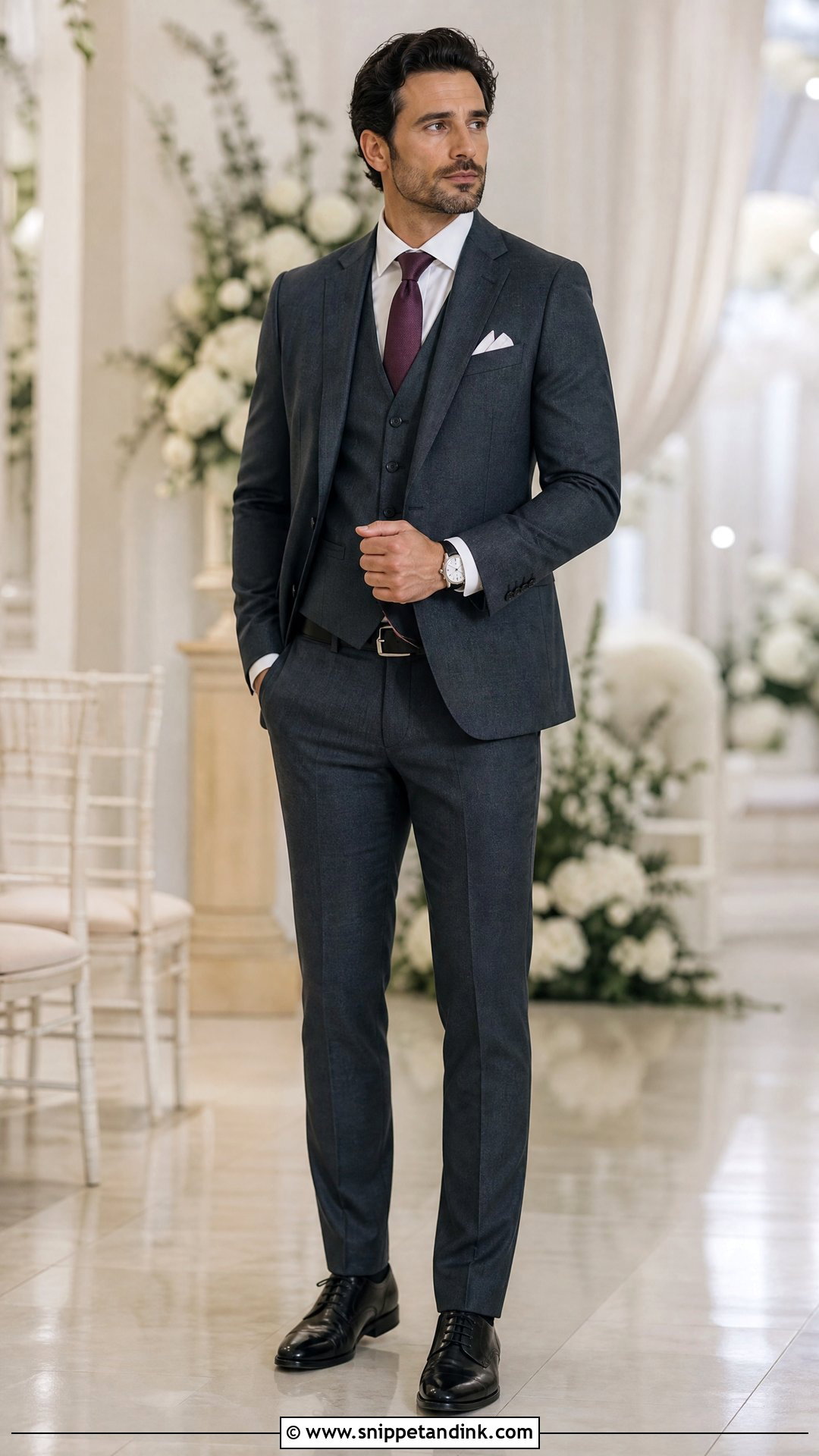
A charcoal three-piece suit is the most practical Western option on this list. The waistcoat is the reason: once the jacket comes off for dancing, he still looks dressed. White or pale-blue shirt, a plum, forest-green or navy tie in a subtle pattern, white pocket square. Black or dark-brown Oxfords with a matching belt. Charcoal is softer than black and more formal than mid-gray, so it suits evening ceremonies and cool weather. Have the waistcoat fitted so it covers the trouser waistband when he raises his arms.
11. White Kurta Dhoti Outfit for Bride’s Brother
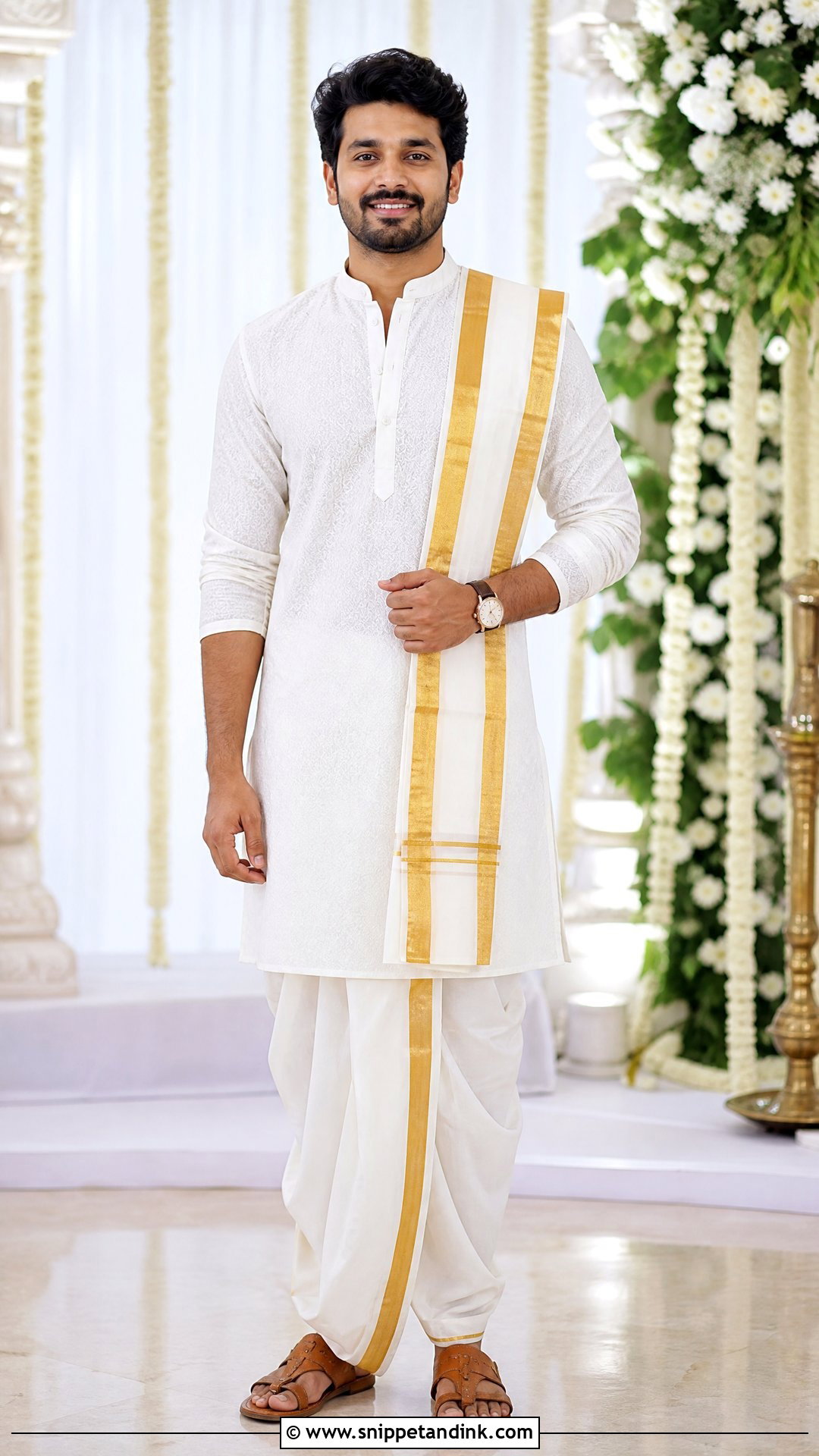
A white kurta and dhoti is a graceful choice for regional rituals, and it needs a little preparation. Unless he wears a dhoti regularly, I’d choose a pre-stitched one; a hand-draped dhoti can loosen during a long ceremony. Cotton-silk or jacquard kurta, kolhapuri sandals or embroidered mojaris, and a gold-bordered stole. Hold the kurta up to bright light: some white fabrics turn see-through under a photographer’s flash. Subtle woven motifs or muted gold buttons stop it looking plain.
12. Black Indo-Western Outfit for Bride’s Brother
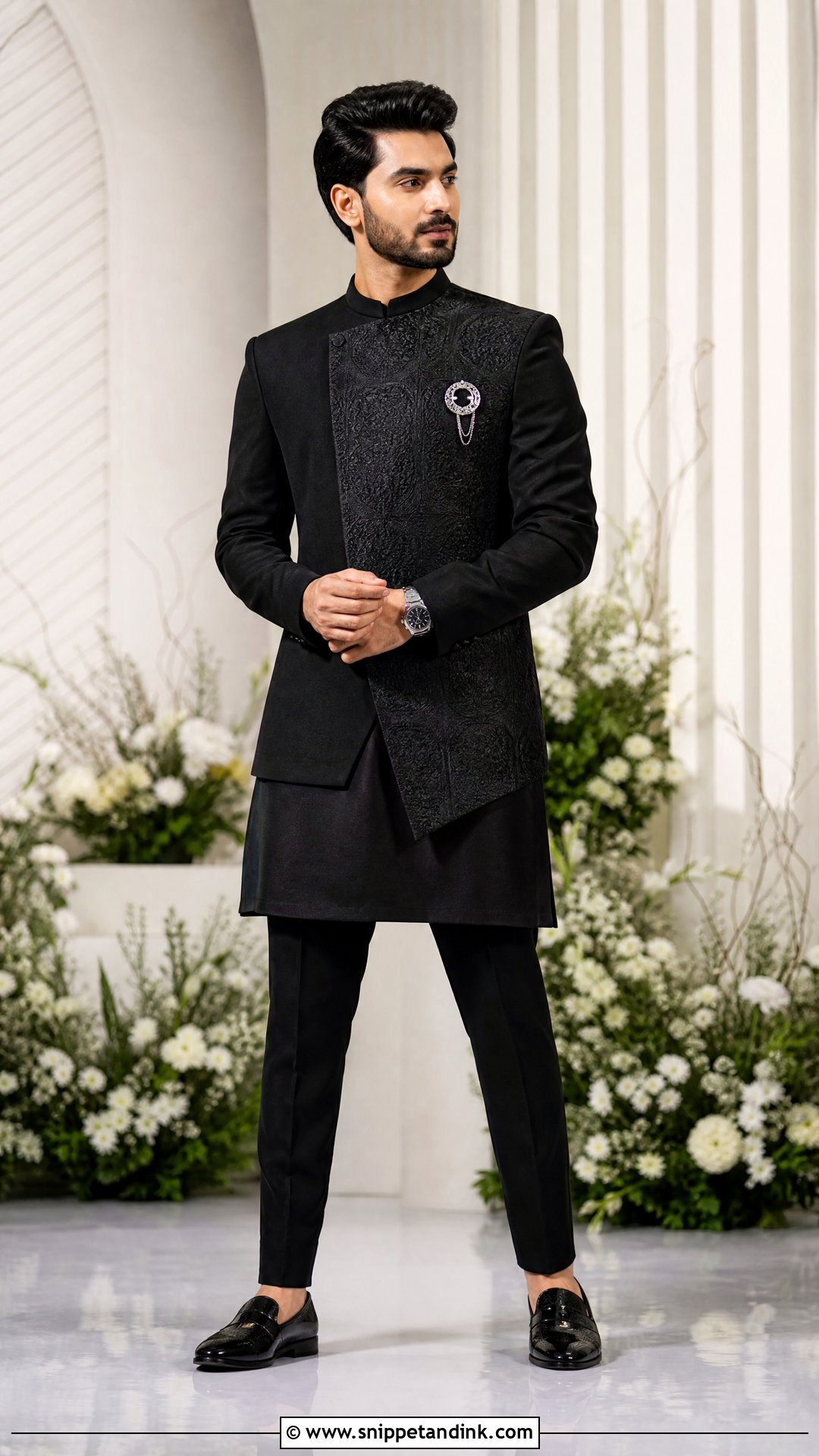
All-black Indo-Western works for a sangeet or cocktail reception, but only with texture. Flat black on flat black disappears in photos. I’d pair matte trousers with a jacquard, velvet-trimmed or lightly embroidered asymmetric jacket over a fitted black kurta. Black loafers, one silver brooch. Chains, multiple pins and shiny trims push it toward costume, so stop at one. The fit has to be precise because the silhouette is doing all the work.
13. Powder Blue Suit Outfit for Bride’s Brother
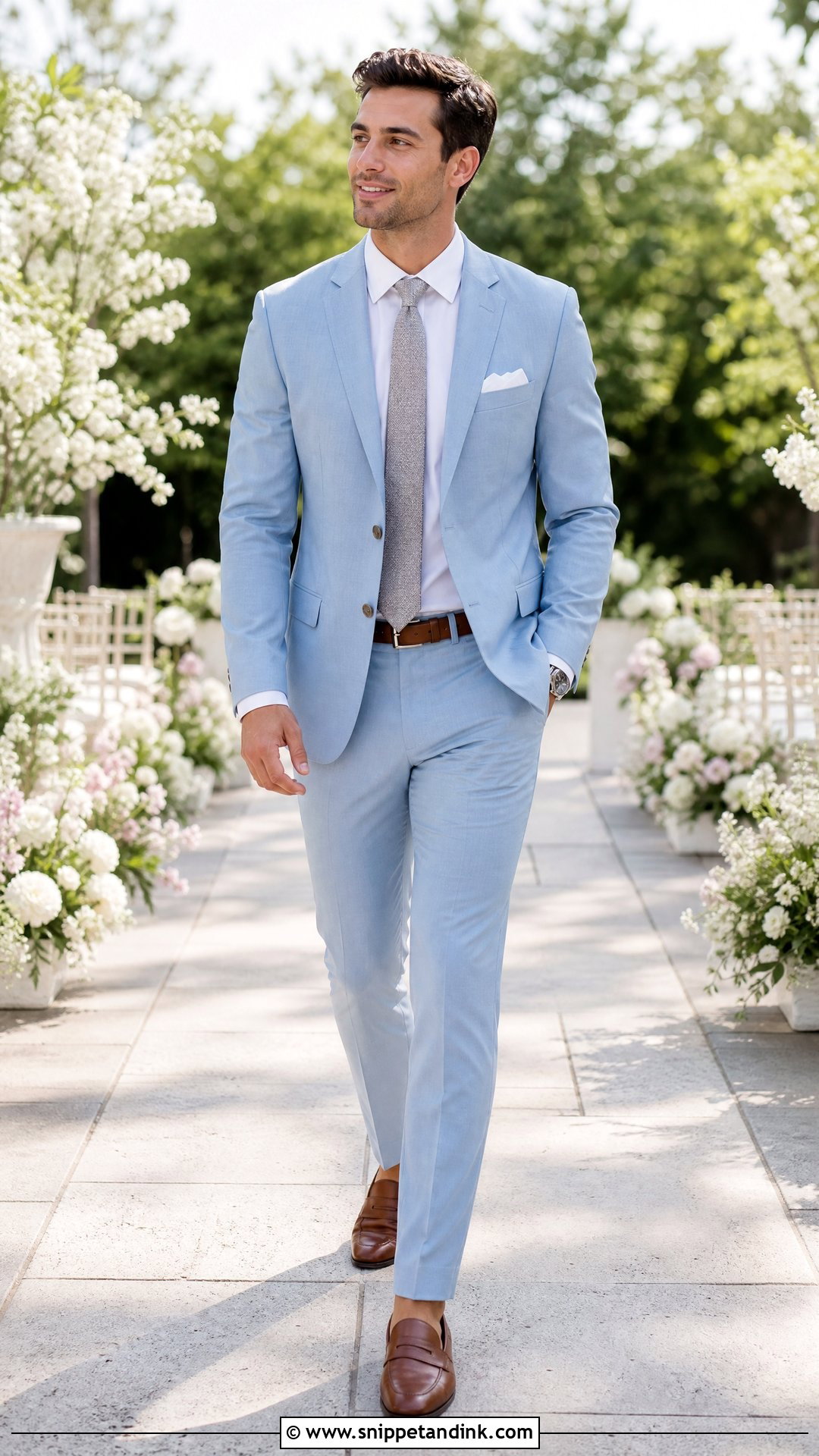
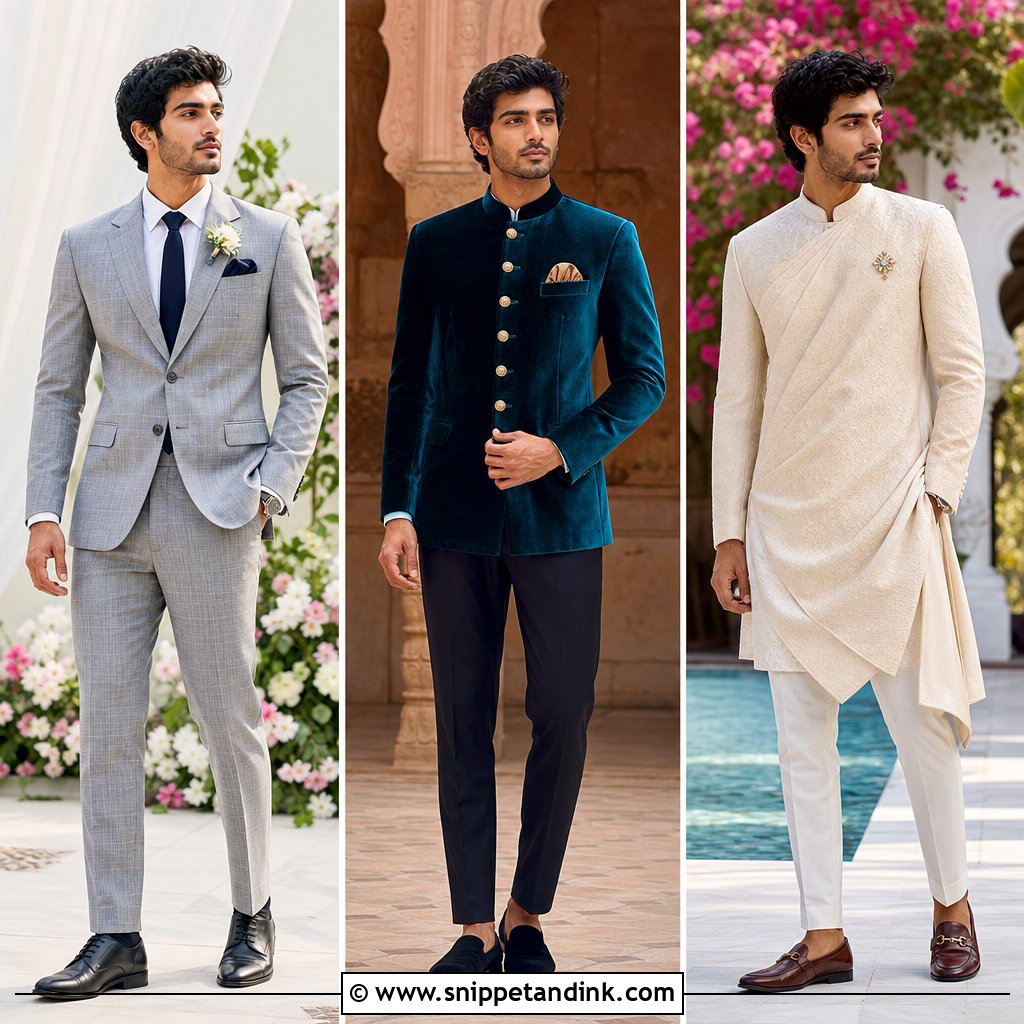
Powder blue makes sense in daylight. It looks fresh against a garden or a destination backdrop and reads approachable in photos. A fitted single-breasted jacket and slim straight trousers, not a skin-tight cut. White shirt, soft-gray, navy or small floral tie. Brown loafers, matching belt, silver watch. For a relaxed ceremony, drop the tie but keep the shirt pressed. Pale suits show every mark, so bring a stain pen for the reception.
14. Mustard Kurta Pajama Outfit for Bride’s Brother
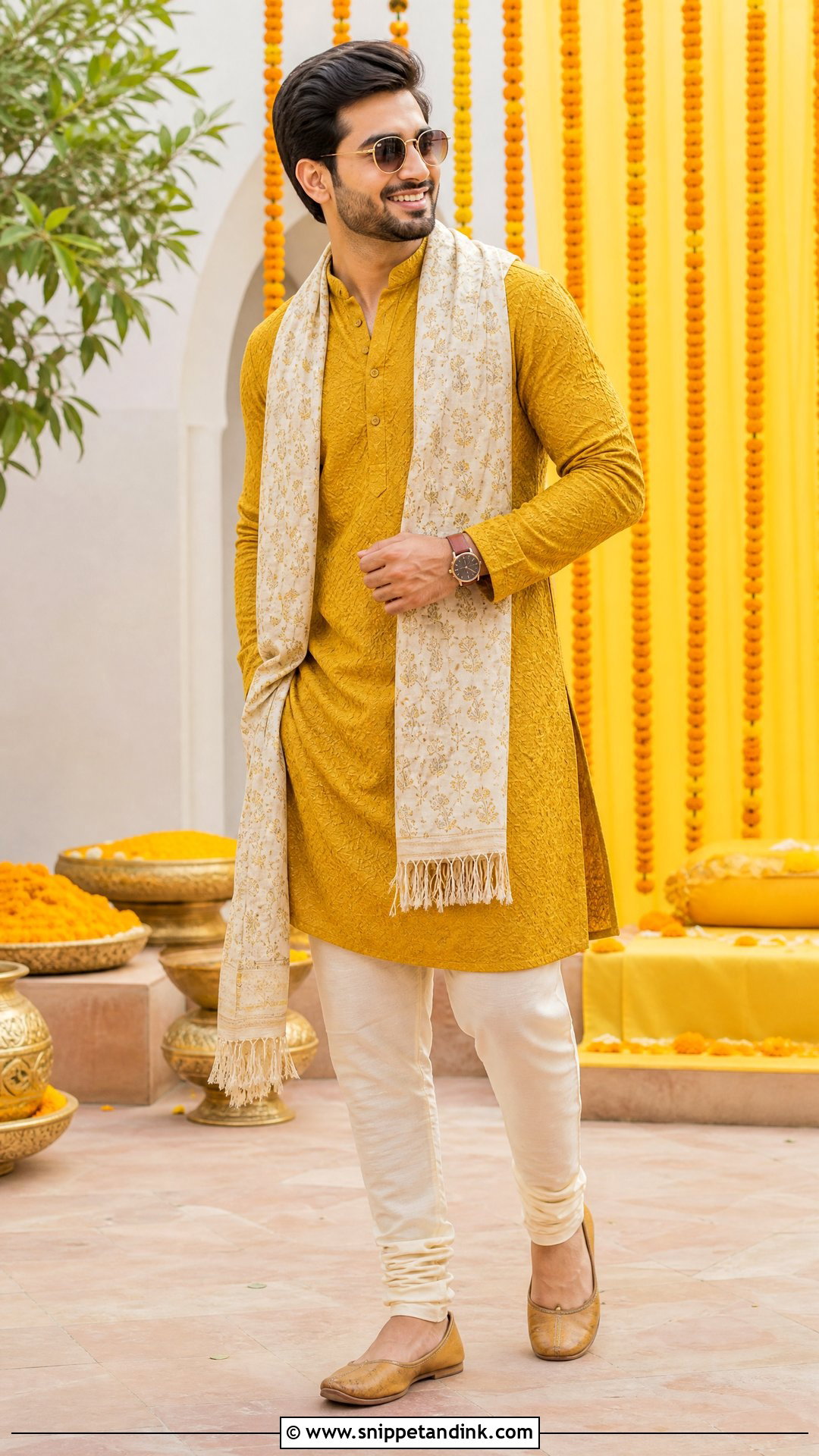
Turmeric stains, so I treat a haldi outfit as one the brother doesn’t mind ruining. A mustard kurta with ivory pajama is the obvious and practical pick: it matches marigolds and hides yellow paste better than white. Choose a solid with light threadwork or a textured weave, tan juttis and a brown-strap watch, plus an optional printed stole. Breathable cotton matters outdoors. Mustard still shows clearly in bright sun, so he won’t vanish in candid photos.
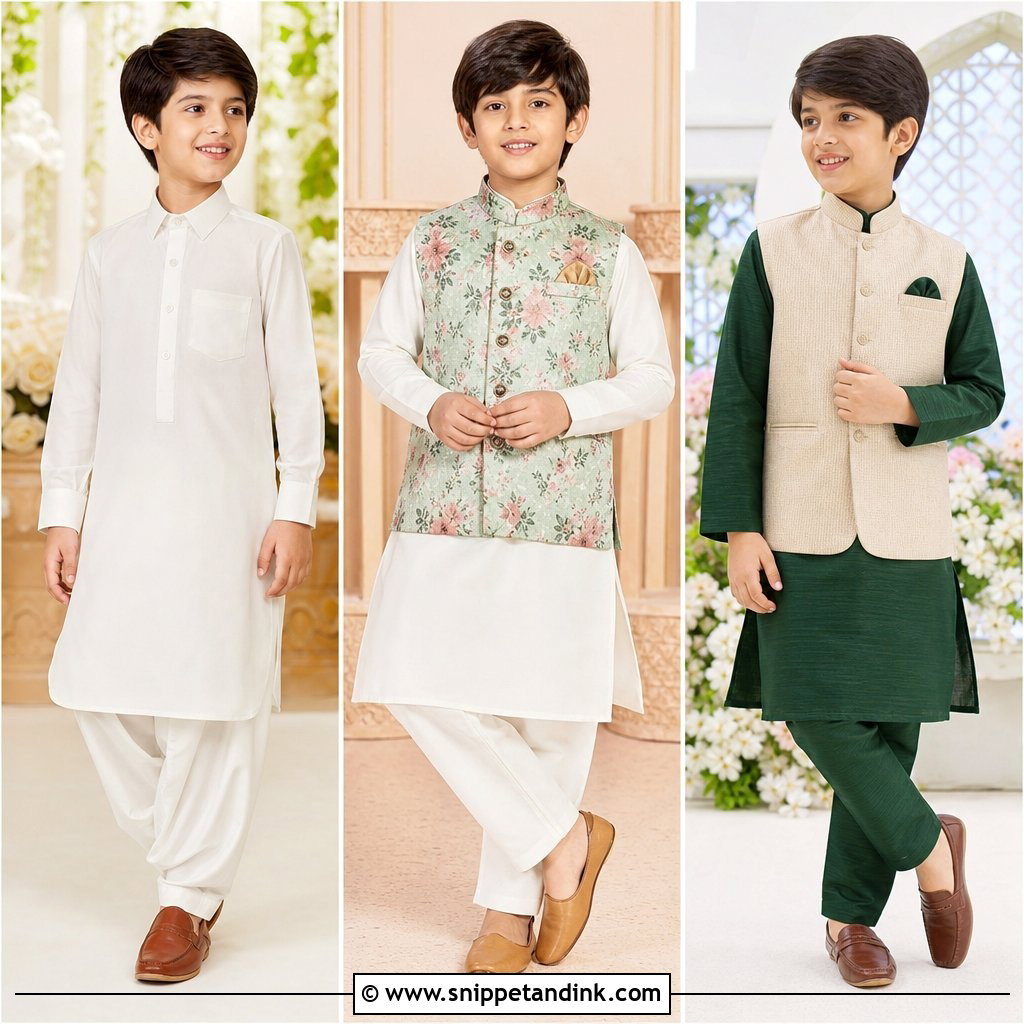
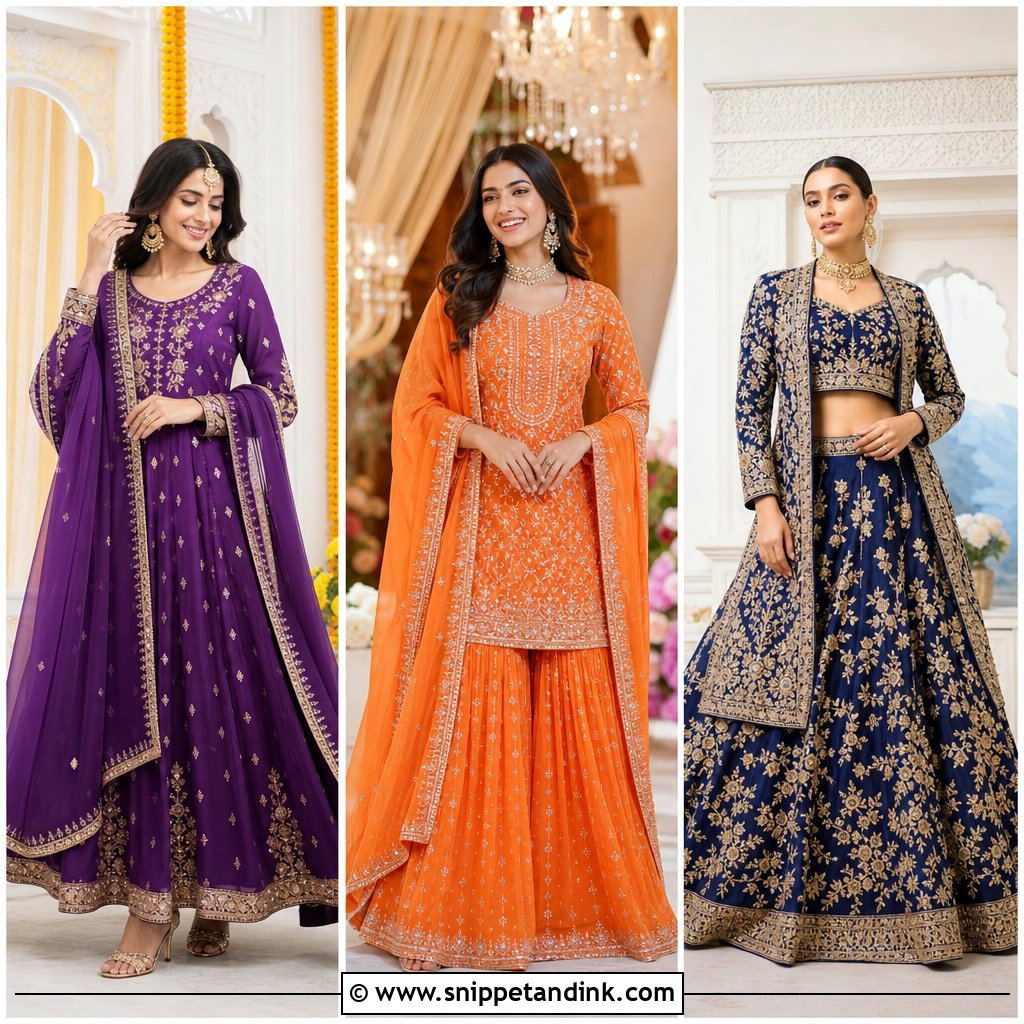
15. Velvet Bandhgala Outfit for Bride’s Brother
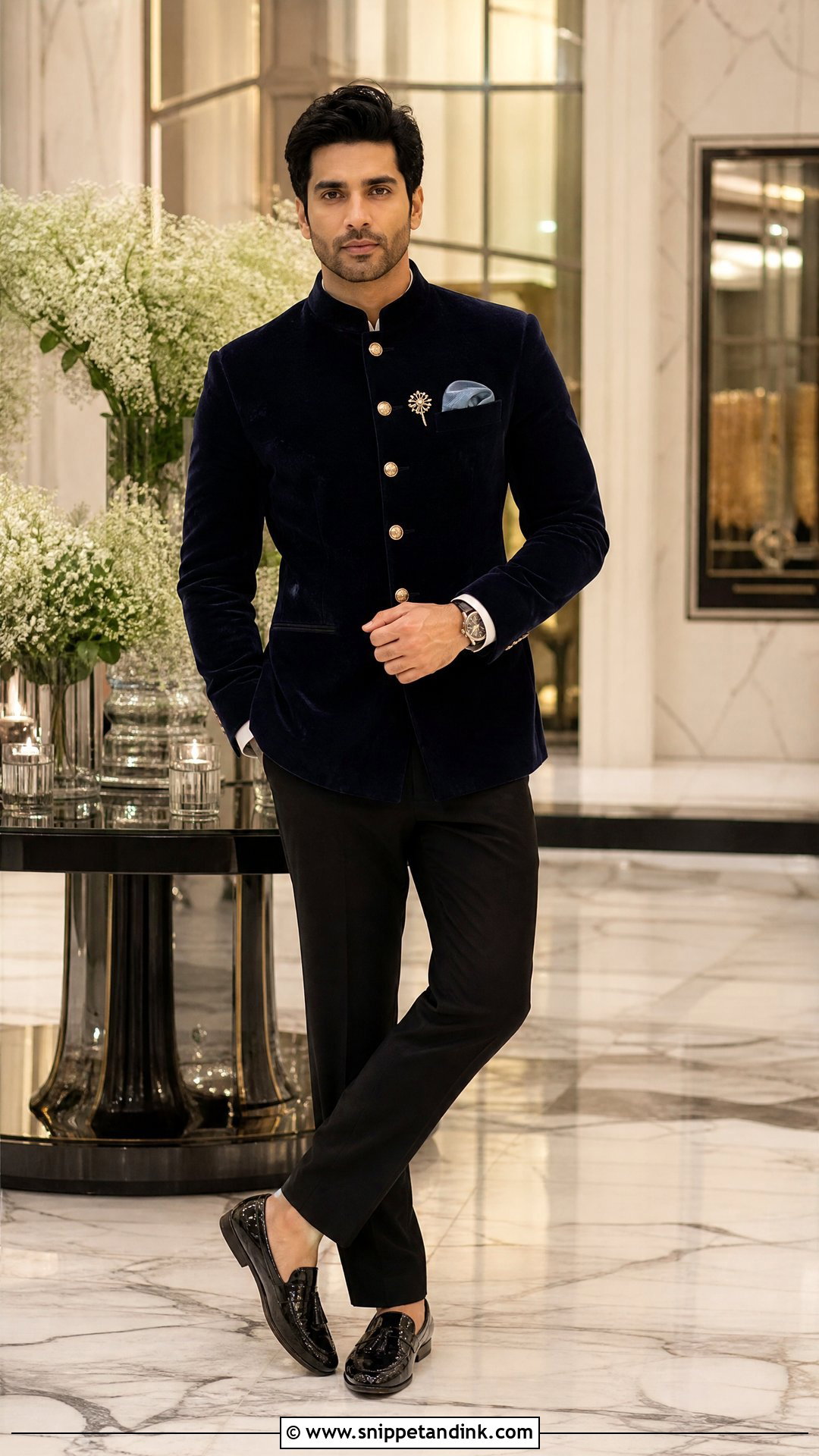
Velvet is warm, which is the point in winter and a problem in a crowded, heated banquet hall. I’d keep the layer underneath thin, a lightweight shirt or fine kurta. Midnight blue, bottle green, burgundy or black, with tailored black trousers and polished loafers. Minimal metal buttons, a small brooch and a silk pocket square; velvet already has depth, so skip heavy embroidery. Velvet crushes where it creases, so check that the buttoned jacket lies flat at the waist and hang it properly between events.
16. Olive Green Kurta Set for Bride’s Brother
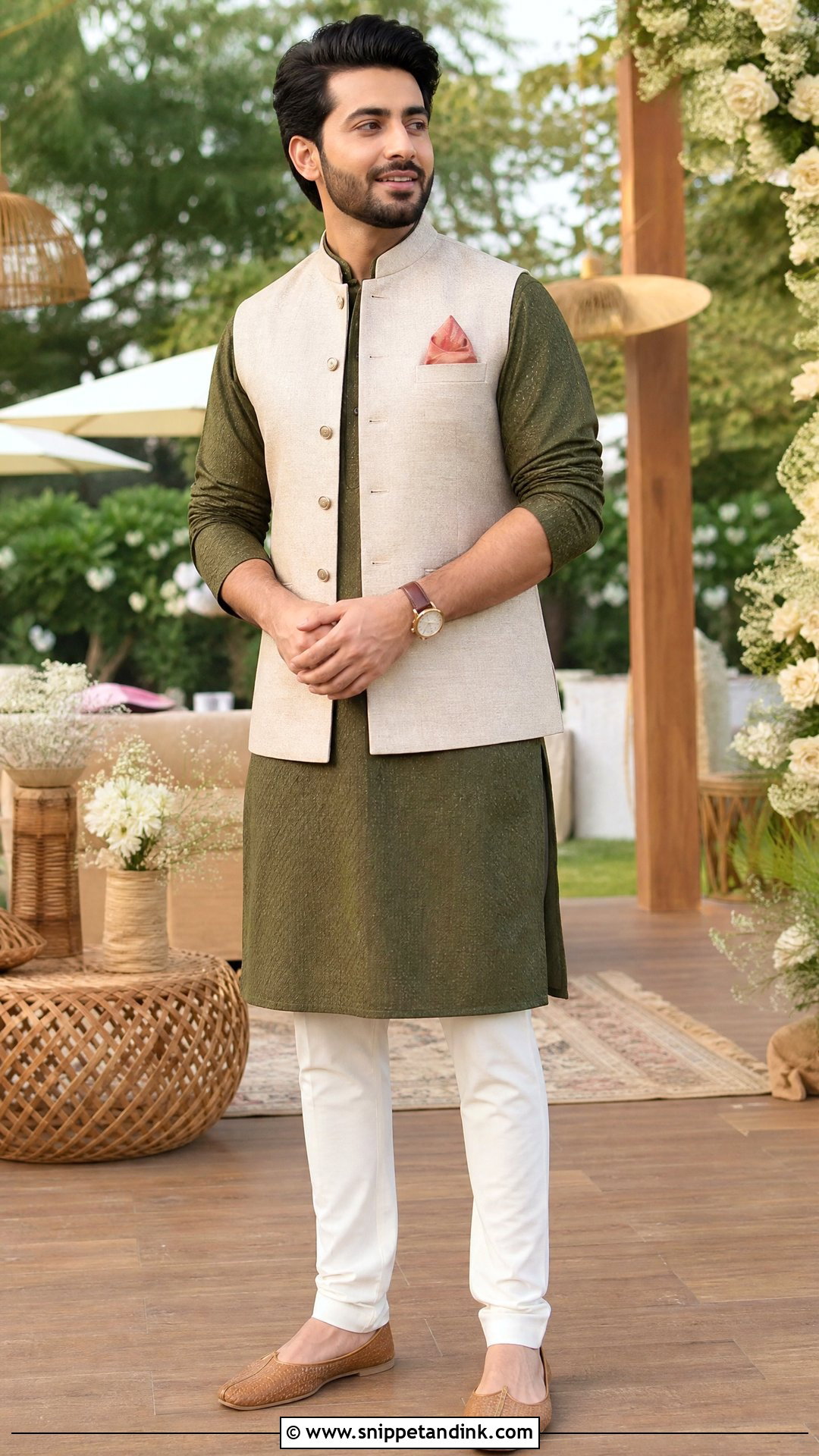
Olive is a calm color for mehndi, outdoor ceremonies and small family functions, and it sits well alongside brighter outfits in group photos. A textured olive kurta with matching or ivory tapered pajama, plus a beige waistcoat when more structure is needed. Tan juttis or leather sandals, a leather watch. A pocket square in dusty rose, cream or muted gold links him to the family palette. For an evening event, a fabric with a slight sheen keeps it from looking too casual. Neat, not rugged.
17. Cream Sherwani With Stole for Bride’s Brother
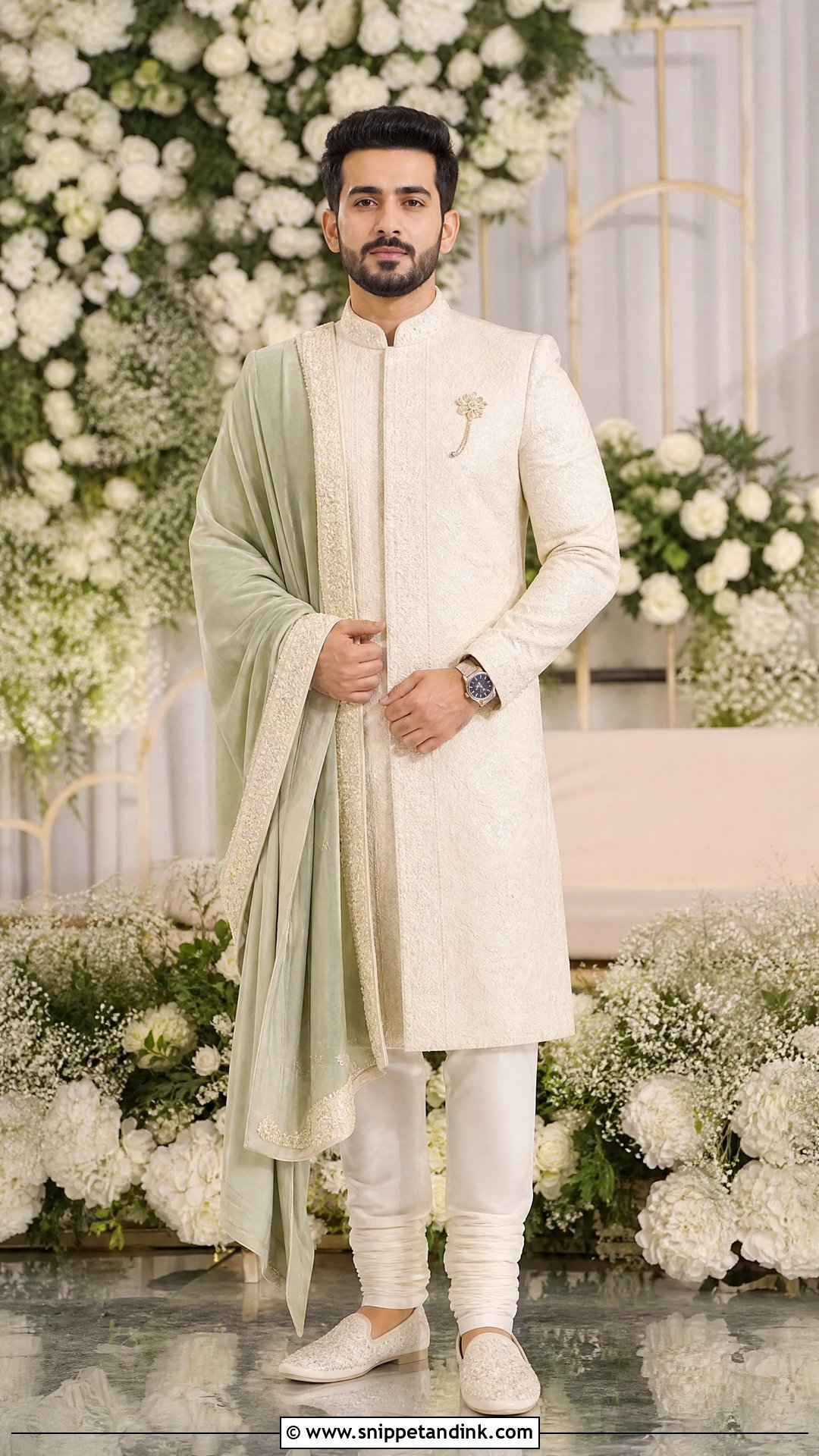
A cream sherwani with a colored stole is easy to adjust to the wedding palette, which is why I like it for brothers. Fine tonal embroidery with fitted cream churidar, embroidered mojaris, a watch and small brooch. Drape a sage, maroon, dusty pink or navy stole over one shoulder and pin it at the back so it doesn’t slide during rituals. Check the groom’s colors first; the brother’s stole shouldn’t look like the groom’s ceremonial dupatta. Leave out necklaces and safas unless family tradition asks for them.
18. Double-Breasted Suit Outfit for Bride’s Brother
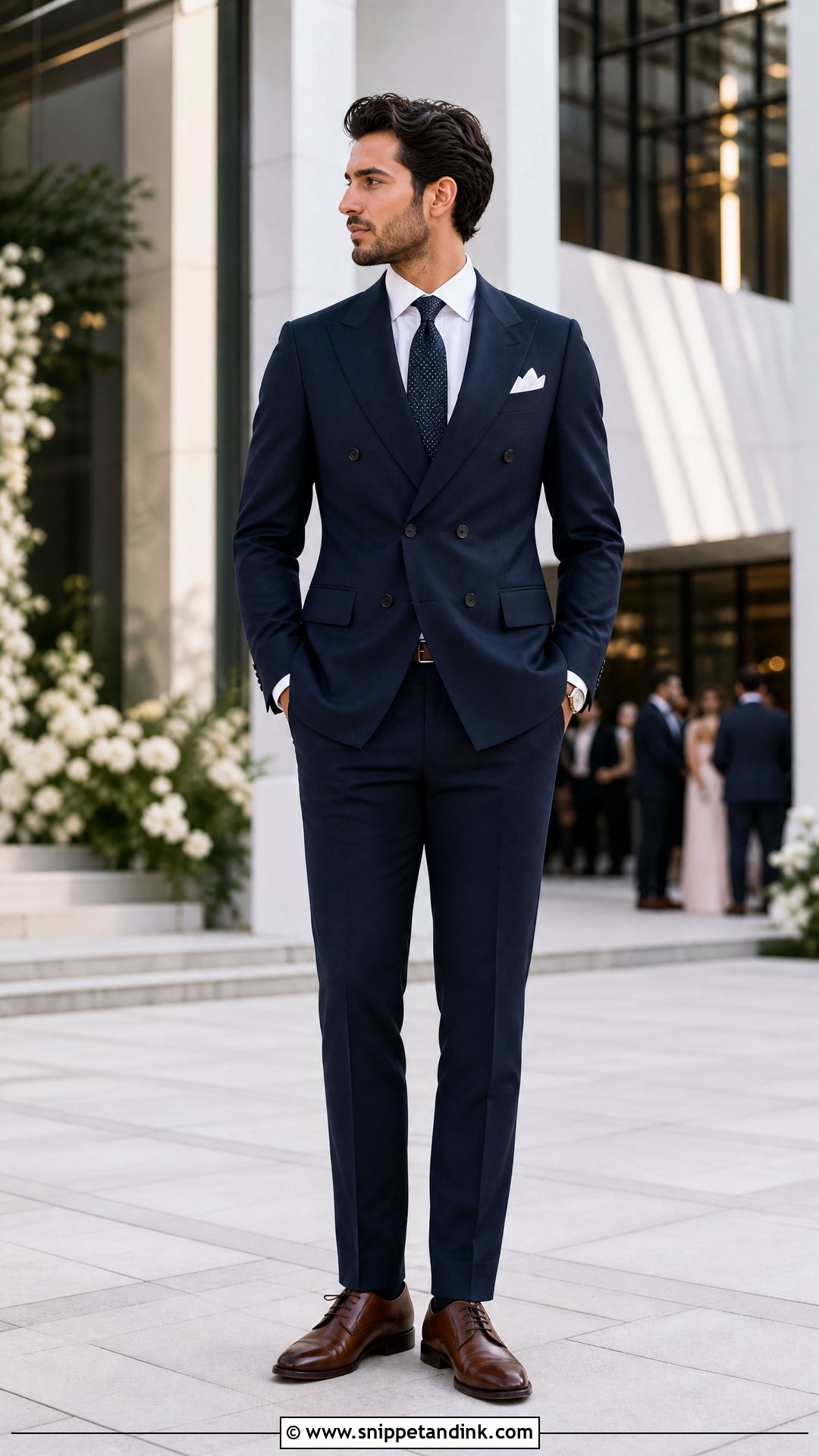
Double-breasted suits are sharper than single-breasted, and they must be worn buttoned, which makes fit critical. The lapels should lie flat and the closed jacket shouldn’t show horizontal pull lines across the stomach. Navy, mid-gray or deep olive with a crisp white shirt, silk tie and folded pocket square. Dark-brown or black lace-ups with matching belt and watch strap. Trousers with little or no break look current. Keep patterns minimal because the jacket already makes the statement.
19. Blush Pink Kurta Outfit for Bride’s Brother
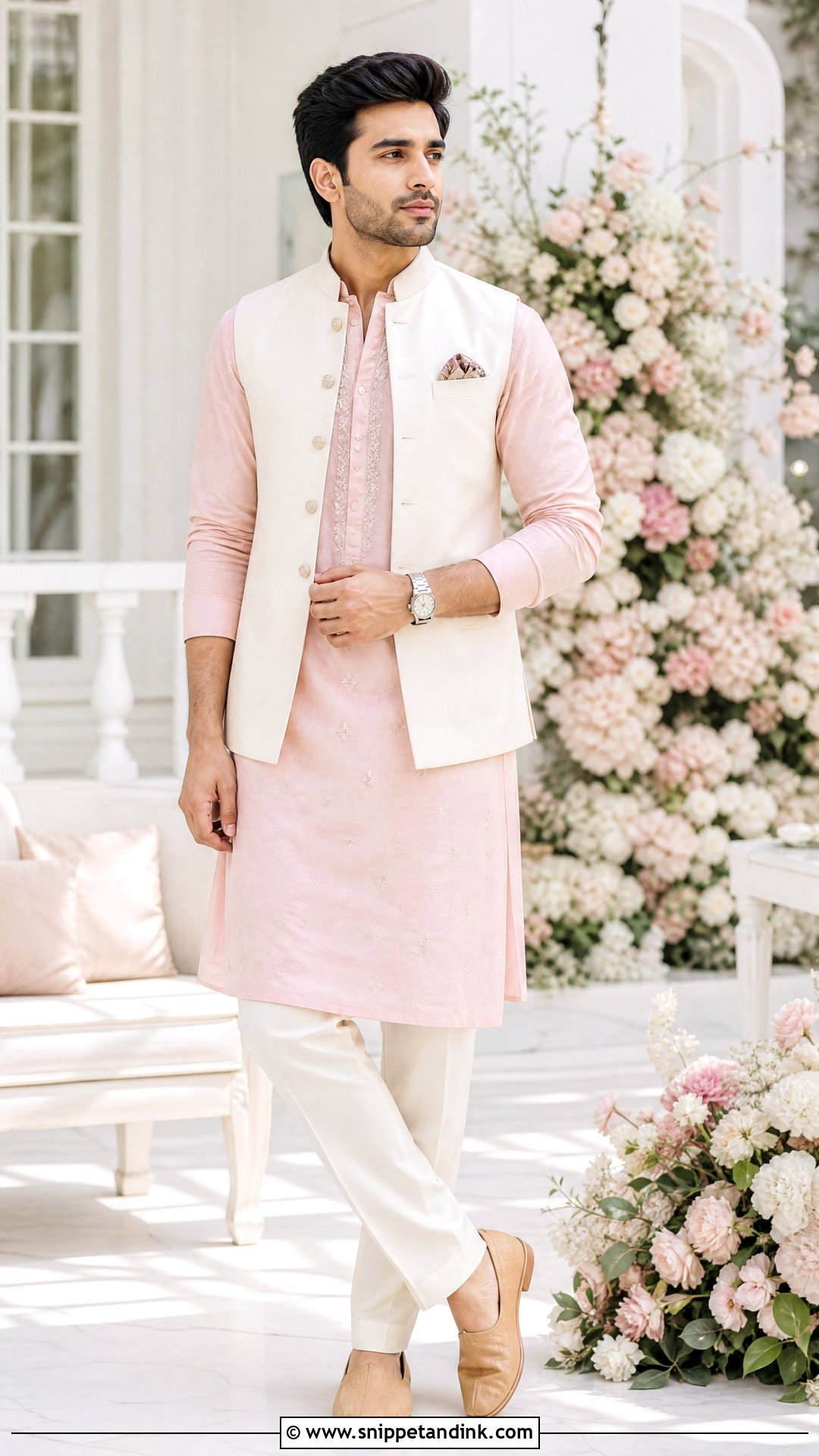
Pink is a color many men hesitate over, and blush is the gentlest way in. Solid or lightly embroidered, over ivory pajama, with a cream Nehru jacket for formal events or alone for a mehndi lunch. Tan mojaris, a silver watch, a printed pocket square. Undertone matters: cooler coloring suits dusty rose, warmer skin suits a peachier blush, so hold both near the face in daylight. Choose fabric with enough body to hold its shape. Don’t match every accessory to the same pink.
20. Royal Blue Indo-Western Outfit for Bride’s Brother
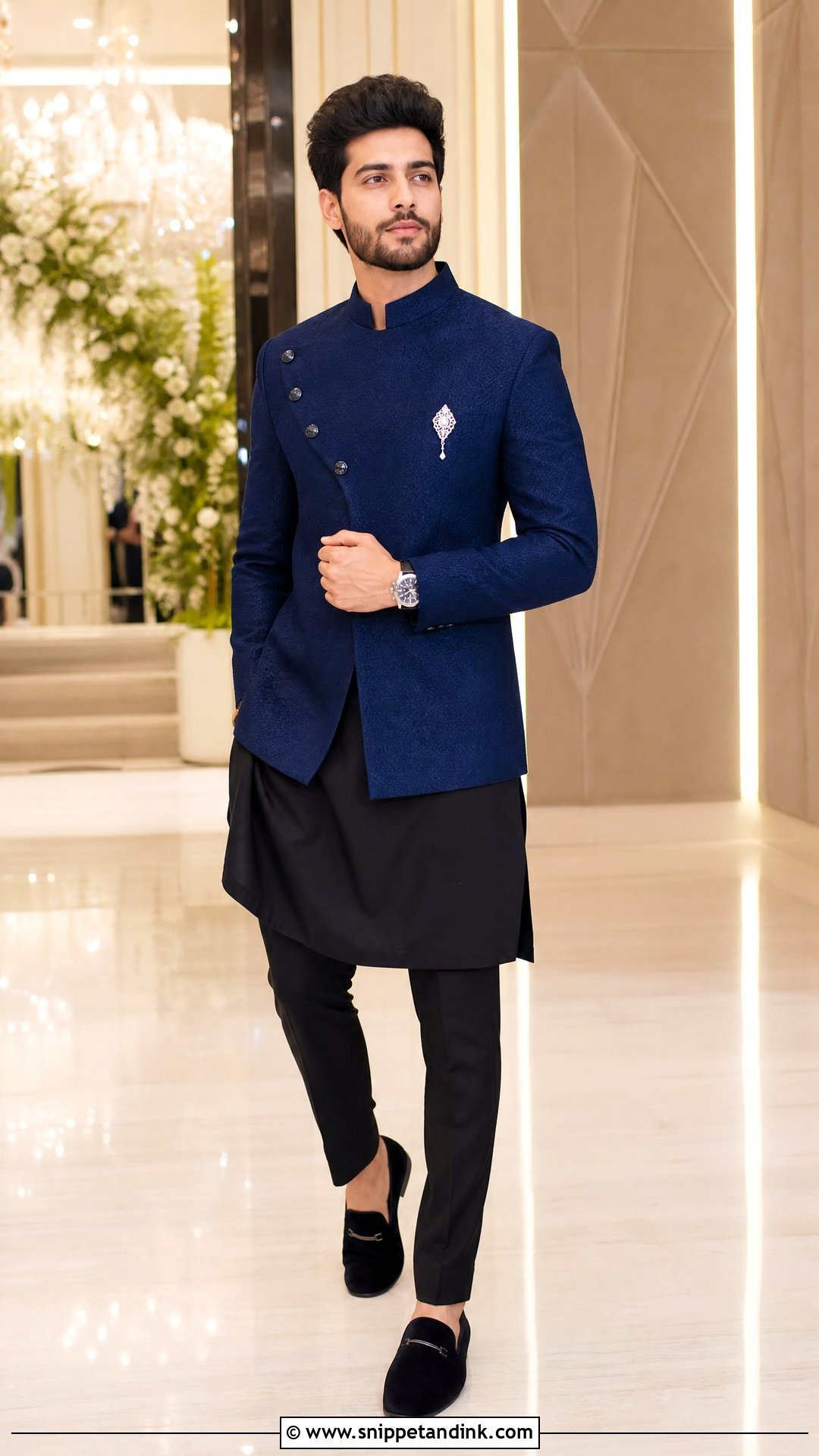
Royal blue is bold, so keep it deep rather than electric; bright blue goes neon under LED stage lights at a sangeet. A knee-length Indo-Western jacket with an asymmetric closure and black, silver or tonal detailing, over slim black trousers and a black shirt or short kurta. Black velvet loafers, a silver watch and small collar pin. With embroidery on the jacket, no patterned pocket square. Asymmetric cuts show bad tailoring instantly, so the hem and shoulder line need to be crisp. He can dance in it all night.
Three Days of Events on One Pair of Mojaris
Embroidered mojaris and juttis are beautiful and stiff, and new ones tend to rub the heel and the top of the toes for the first few wears. A brother wearing them across a mehndi, sangeet and wedding will feel it by day two.
- Buy them at least a few weeks ahead and wear them at home for an hour at a time with thick socks to soften the leather.
- Gel heel pads and a thin cushioned insole make a real difference; trim them so they don’t show.
- Keep a second, already broken-in pair for the longest event, and change after the photos.
- Bring plasters in a pocket. Someone in the family will need them, if you don’t.
When the Groom’s Family Picks Colors First
The groom usually settles his outfits early, and his family may also coordinate colors for each event. I’d ask for photos or swatches of his look for every function before the brother buys anything. Then choose a shade that sits next to his without matching: if he’s in ivory and gold, the brother can wear cream with a colored stole; if he’s in a deep color, go a step lighter or into a neighboring tone.
Keep the obvious groom markers out of your outfit: the sehra, a heavily embroidered safa, a kalgi brooch on the turban and long pearl malas belong to him. A simple safa for the brother is common in some families; check that its color differs from the groom’s. Matching his level of embroidery is the other giveaway, so stay a notch plainer.
Look Like Family, Not Like the Groom
Every outfit here starts from the same place for me: the event, the palette, the culture and how formal the day is. The brother also needs clothes he can work in, through rituals, photos and dancing. Sherwanis, bandhgalas, kurtas, suits and Indo-Western sets each balance tradition and polish differently. Get the tailoring right, choose fabric that breathes, coordinate the shoes, and stop at a few accessories. Above all, find out what the groom is wearing before you commit to a color or ceremonial detail, so the two of you never look alike in the photos.
You'll Like These Ideas:


Leave a Reply