
A roka is small, close and usually held at home or in a family hall, with relatives inches away and a phone camera in every hand. That changes how I style the bride. The hair should look finished, but lighter than anything planned for the wedding, and it has to cope with sitting on the floor, bowing for blessings and having a chunni placed on the head. Soft curls suit lehengas and shararas; sleek buns suit sarees, anarkalis and heavy earrings. Below are 20 roka styles, with notes on what each needs from your hair and your outfit.
Leave Room for the Chunni Your In-Laws Will Drape
In many families, the groom’s side places a chunni or dupatta over the bride’s head during the roka, often with gifts and shagun. It’s one of the most photographed moments of the day, and it can flatten or snag a style that wasn’t planned for it. I always ask about it before choosing a look.
- A low bun, low ponytail or side braid lets the chunni sit smoothly over the crown.
- High buns and high ponytails push the fabric up into an awkward peak.
- Loose curls get crushed under heavy embroidered fabric; a half-up base holds its shape better.
- Avoid sharp hair accessories at the crown; they catch on fine net and zari.
- Keep two or three spare bobby pins nearby so someone can pin the chunni in place once it’s draped.
Also think about sitting. Rokas often happen on a sofa or on cushions on the floor, with relatives on both sides. A style that’s comfortable against a cushion or a chair back will look better in the last photo than the first.
1. Roka Ceremony Soft Curls
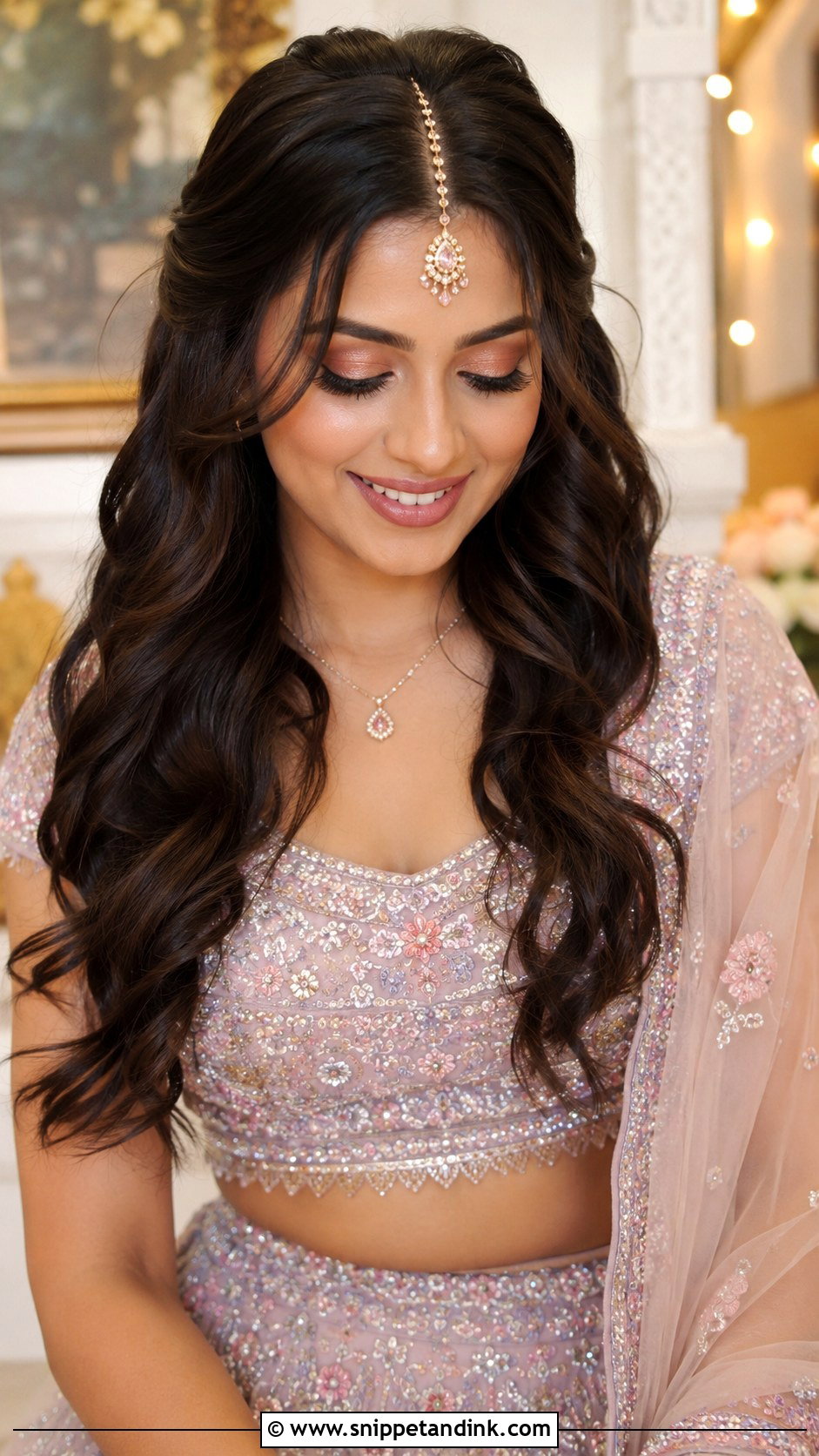
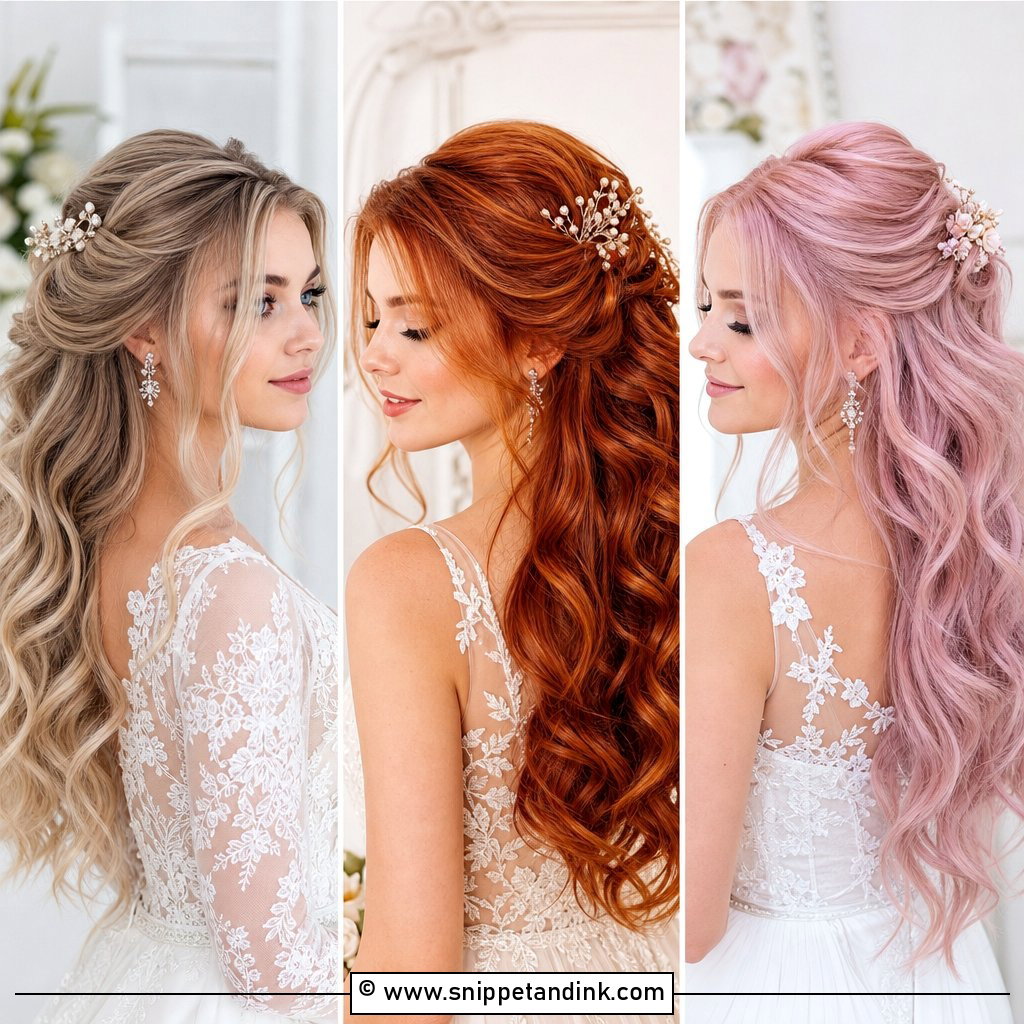
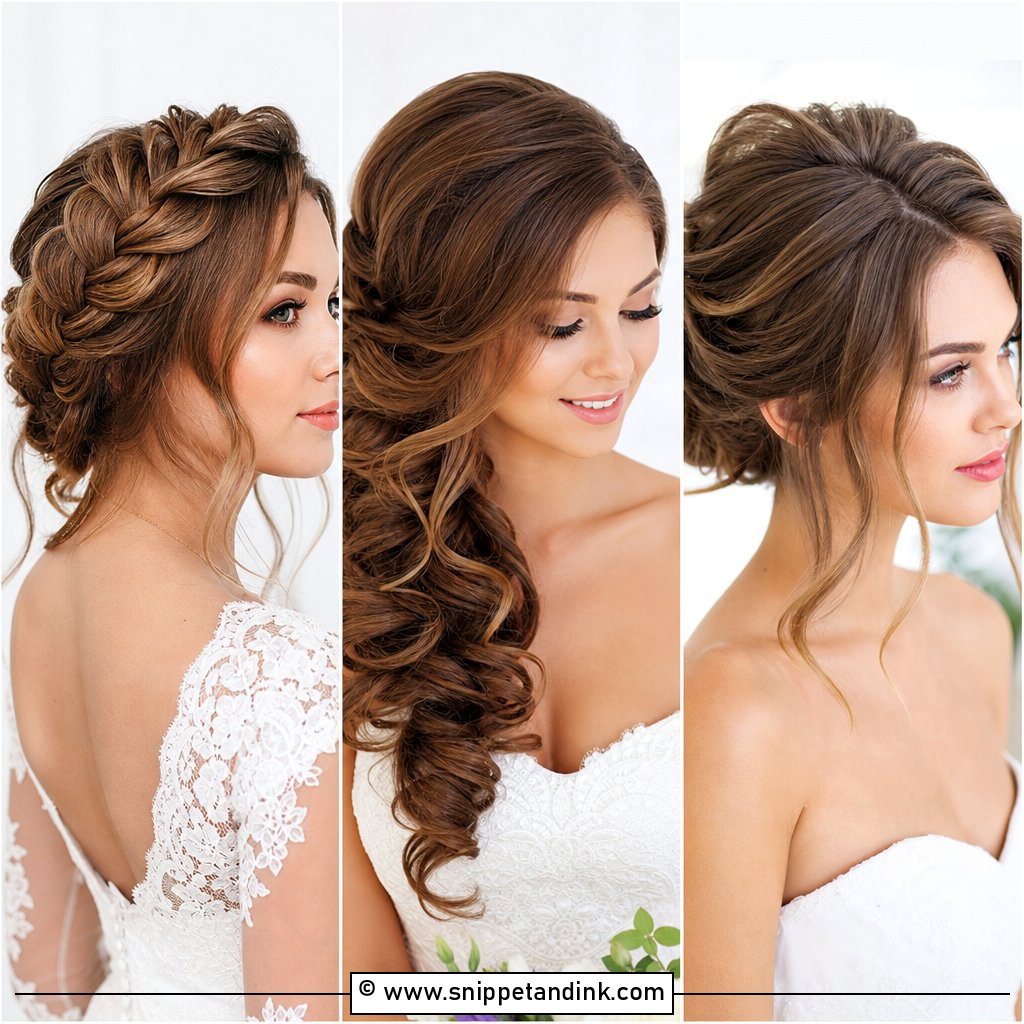
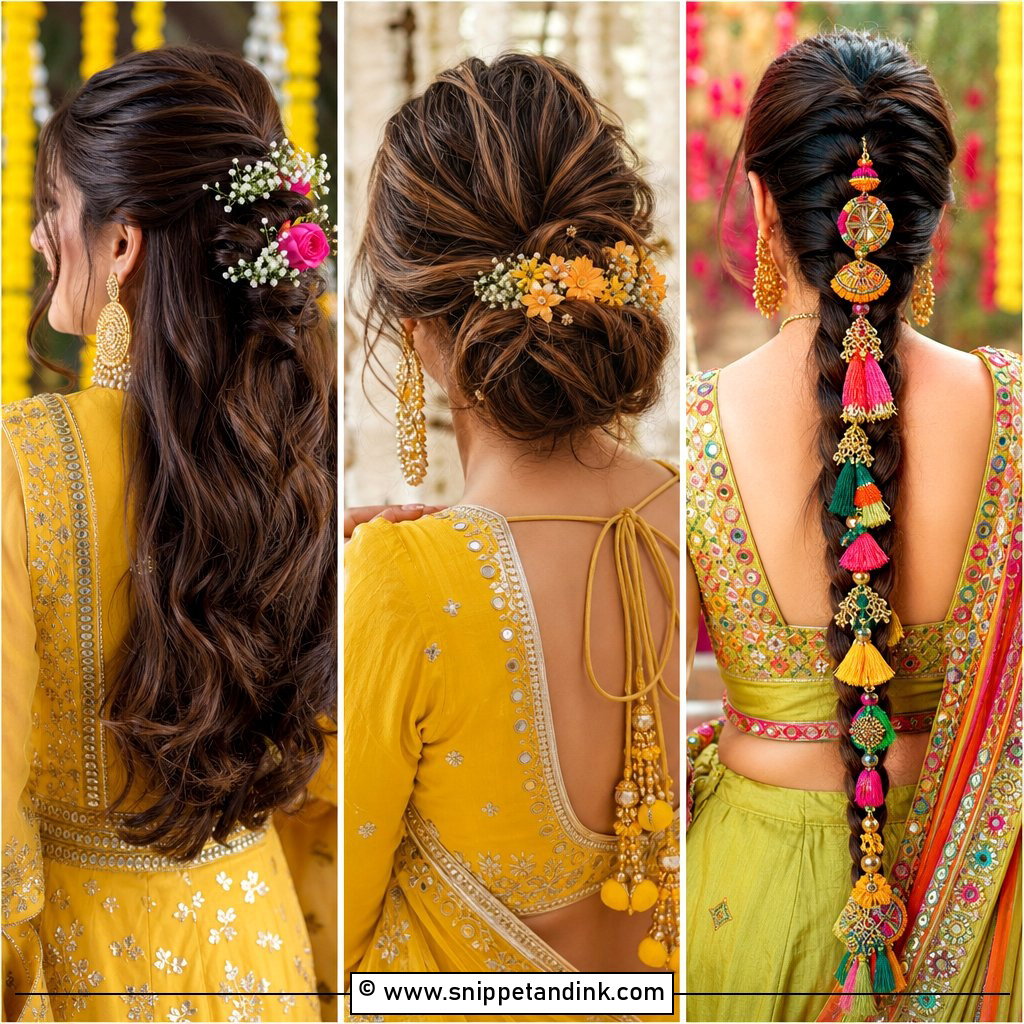
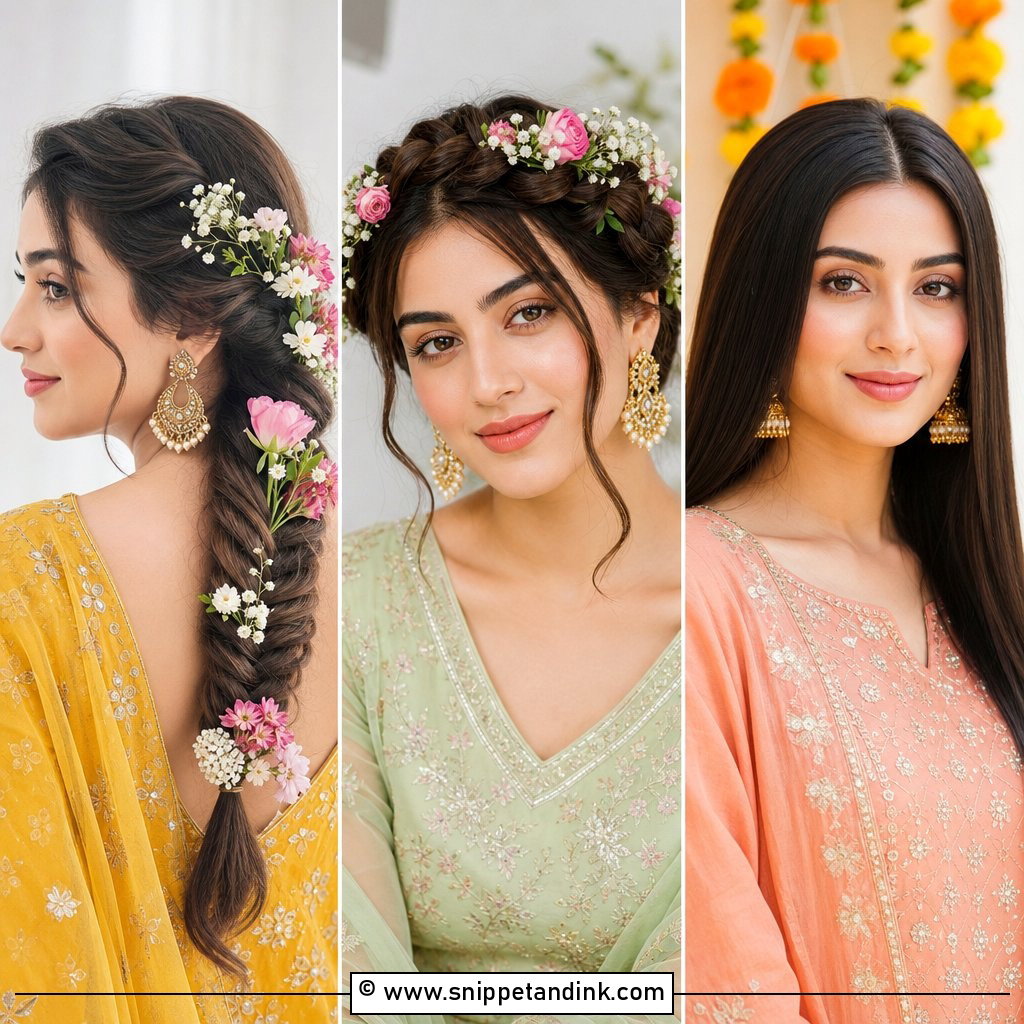
Soft curls are my first suggestion for a roka, because they look dressed up but still like you. They work on long or medium hair, and they sit well with a detailed neckline or a dupatta drape. I curl away from the face, let each section cool, then brush through lightly so the curls look touchable rather than sprayed stiff. A center part with a small maang tikka reads traditional; a side part reads modern. Indoor lighting picks up the shine of a brushed-out curl well, so this one photographs nicely at home.
2. Roka Ceremony Half Up Half Down Hair
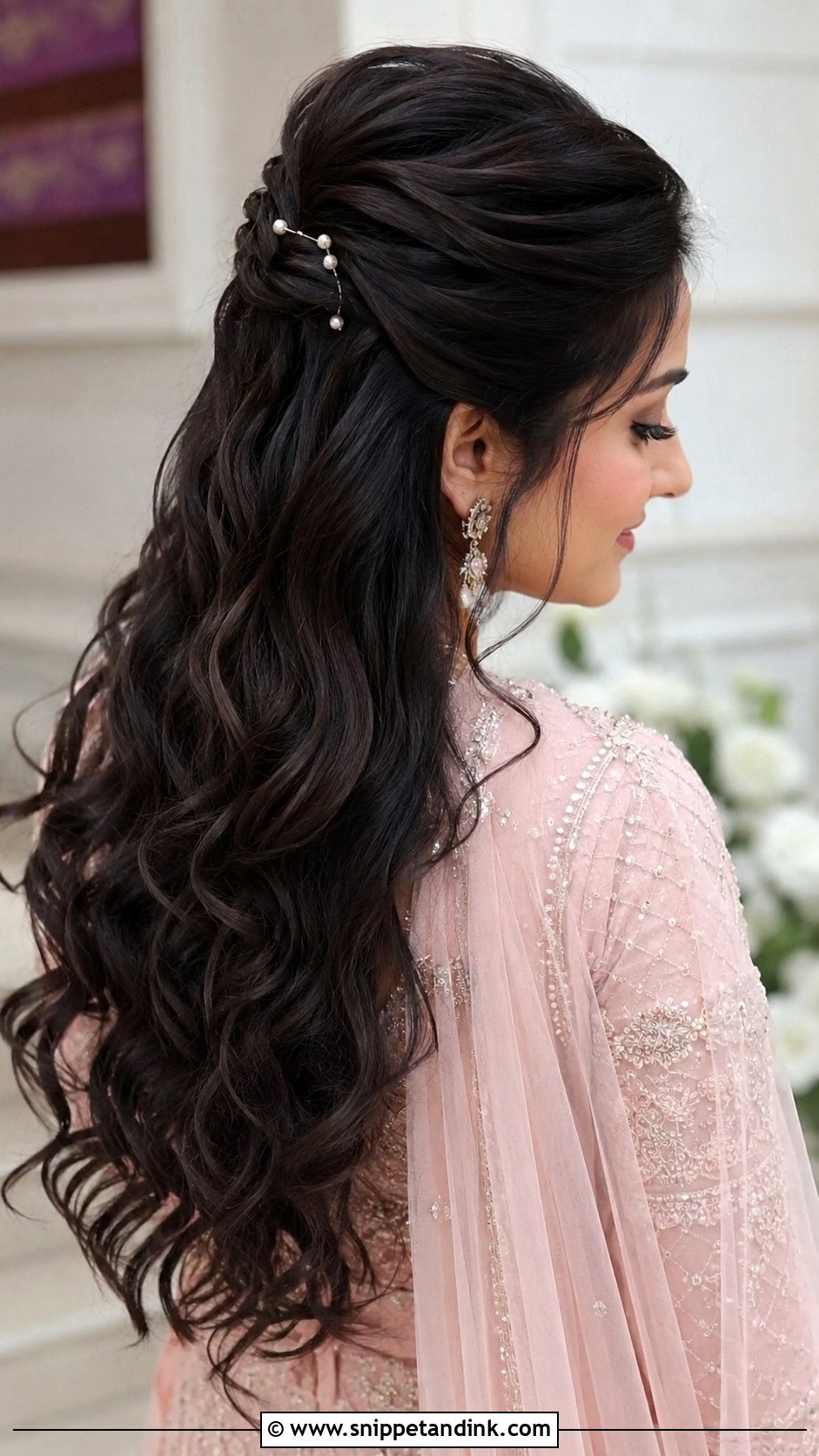
Half up, half down is the safe answer when you can’t decide. The top section gives lift at the crown and keeps hair out of your face while you greet elders and sit for rituals; the lengths stay loose and wavy. I secure the crown with crossed pins before adding pearl pins, a small floral clip or a jeweled barrette, because accessories alone won’t hold it. On fine hair, light backcombing under the top section gives extra volume. It goes with lehengas, gowns and Indo-western outfits.
3. Roka Ceremony Low Bun
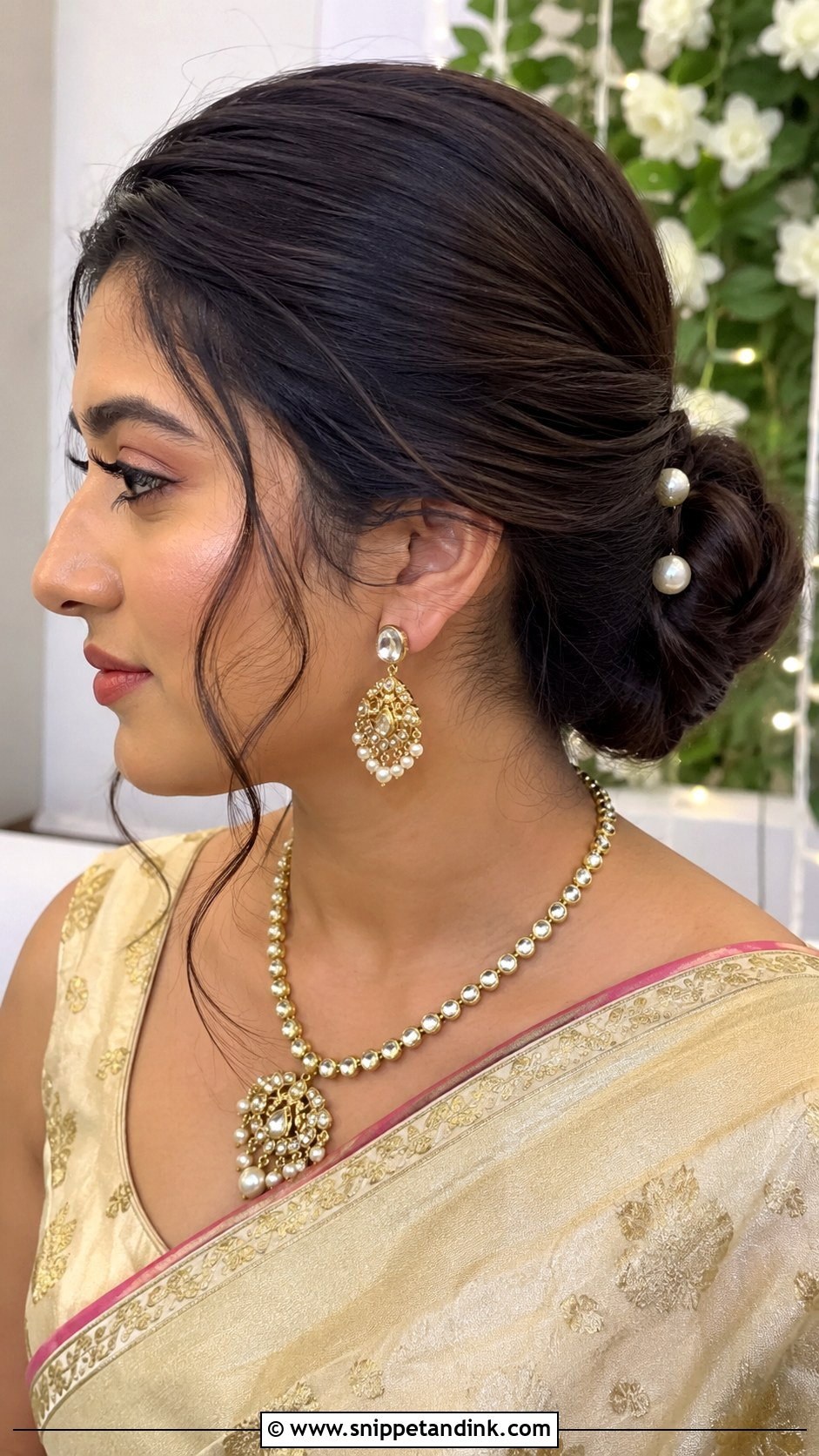
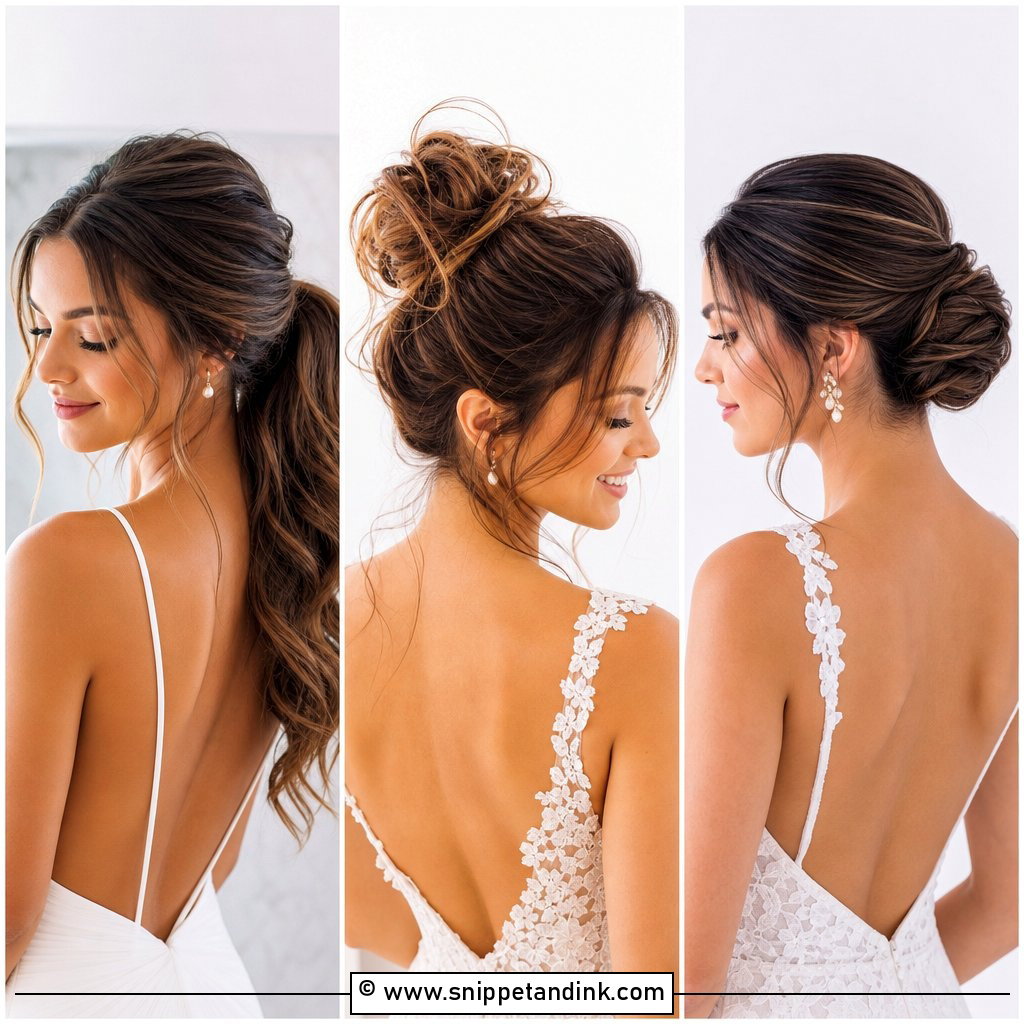
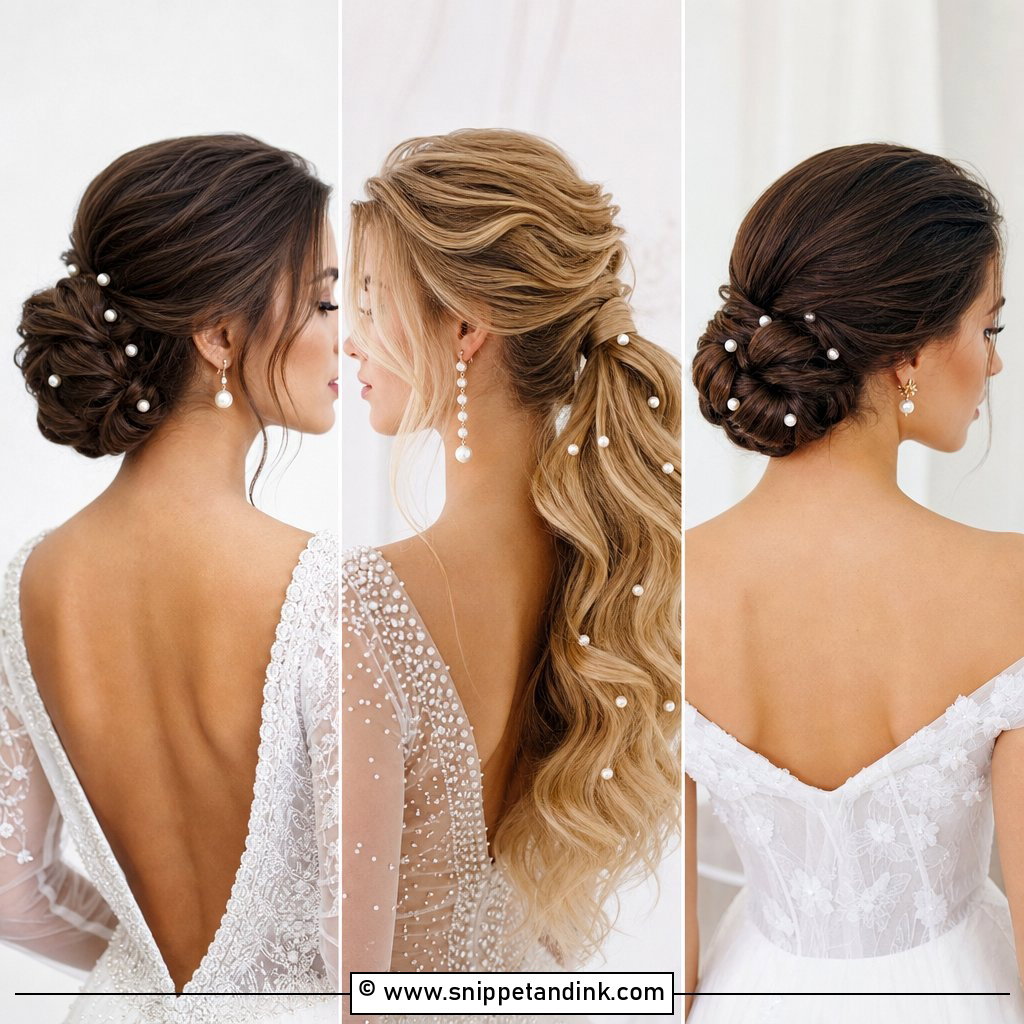
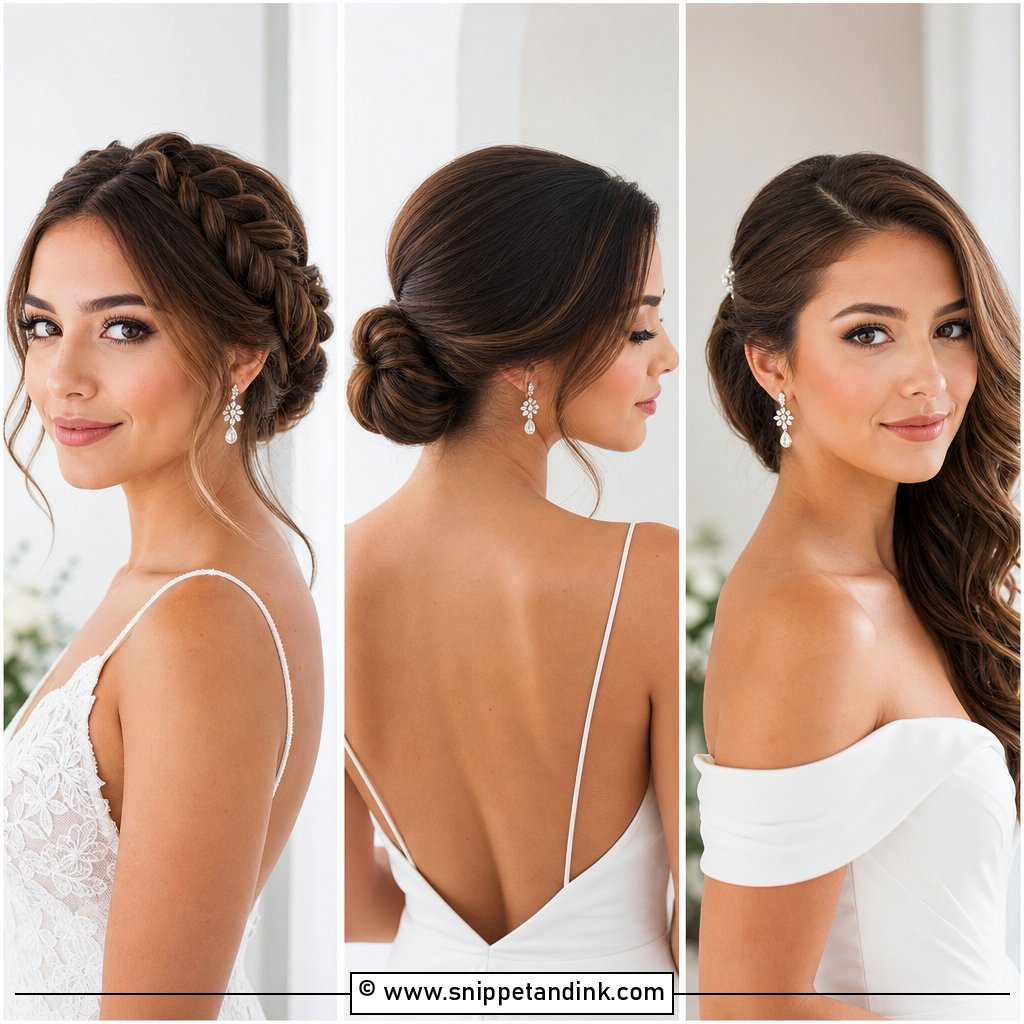
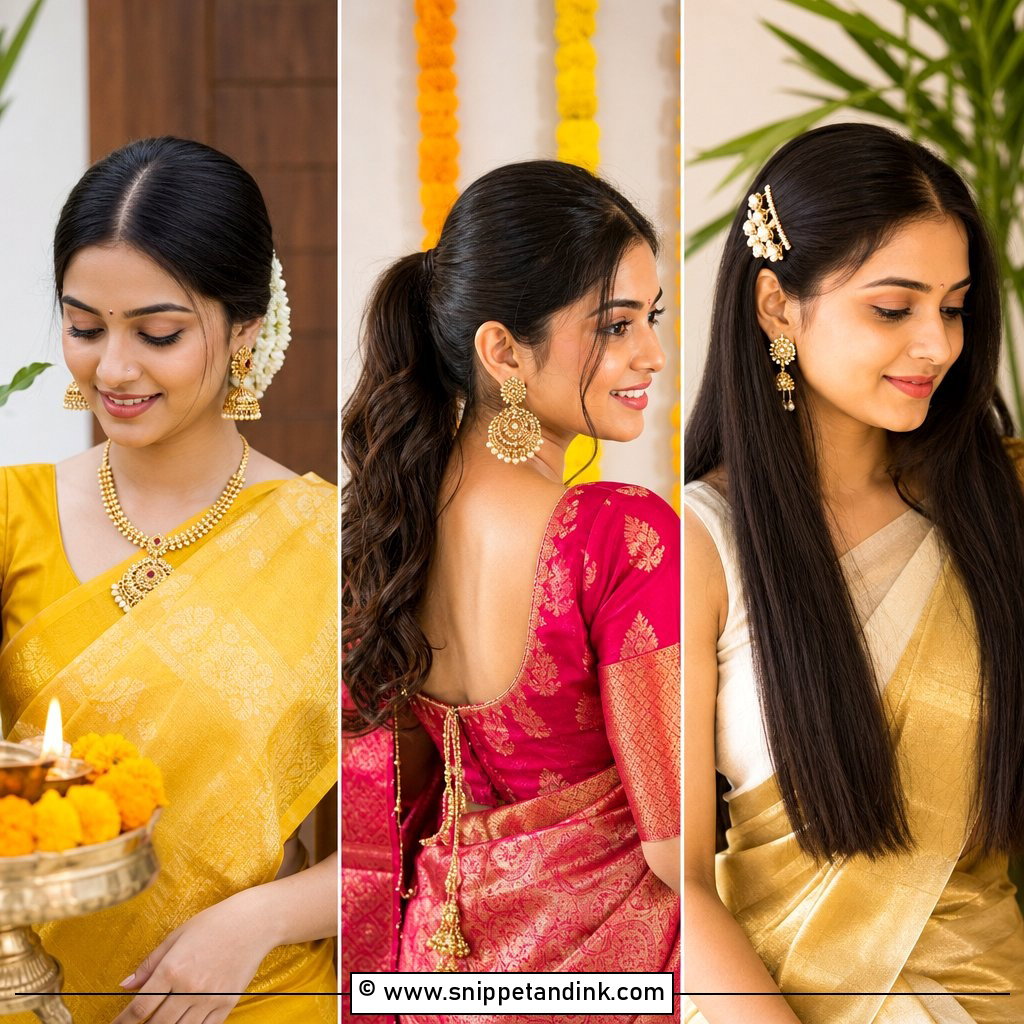
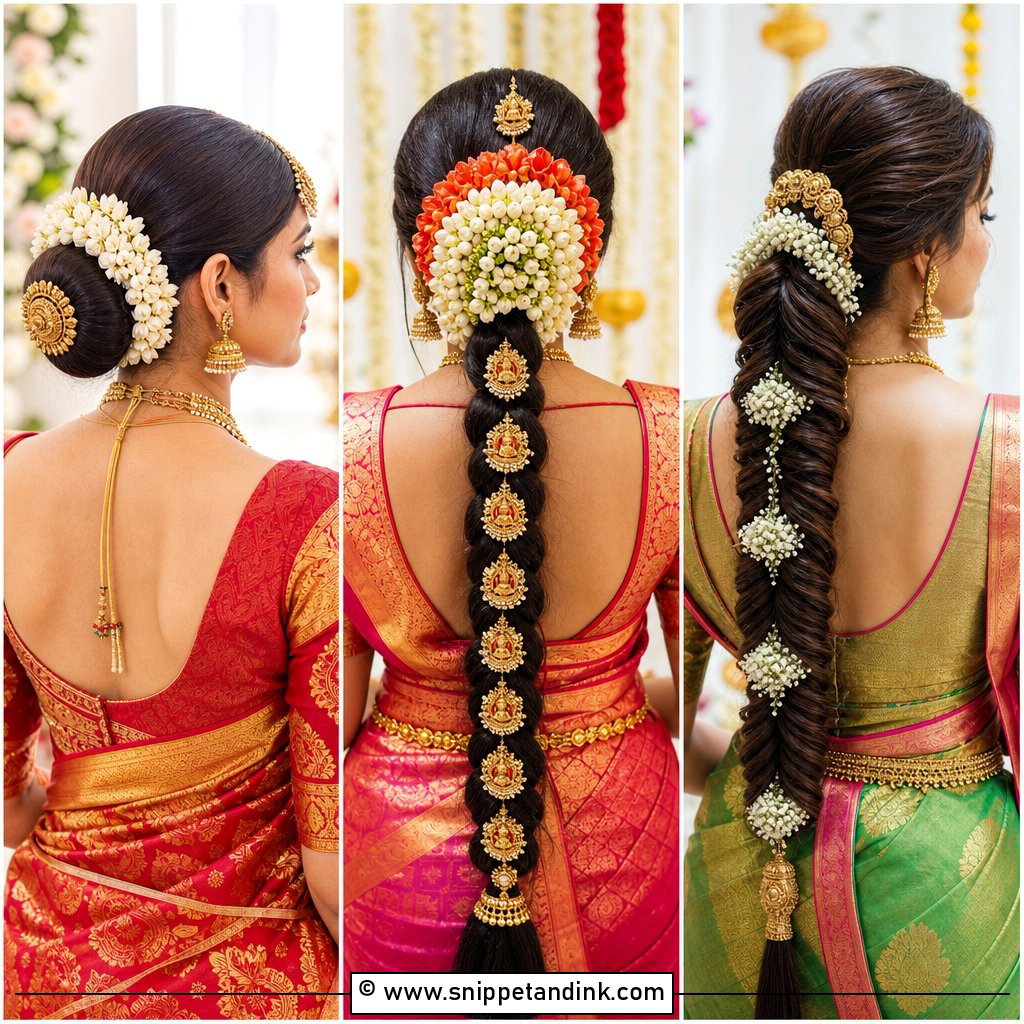
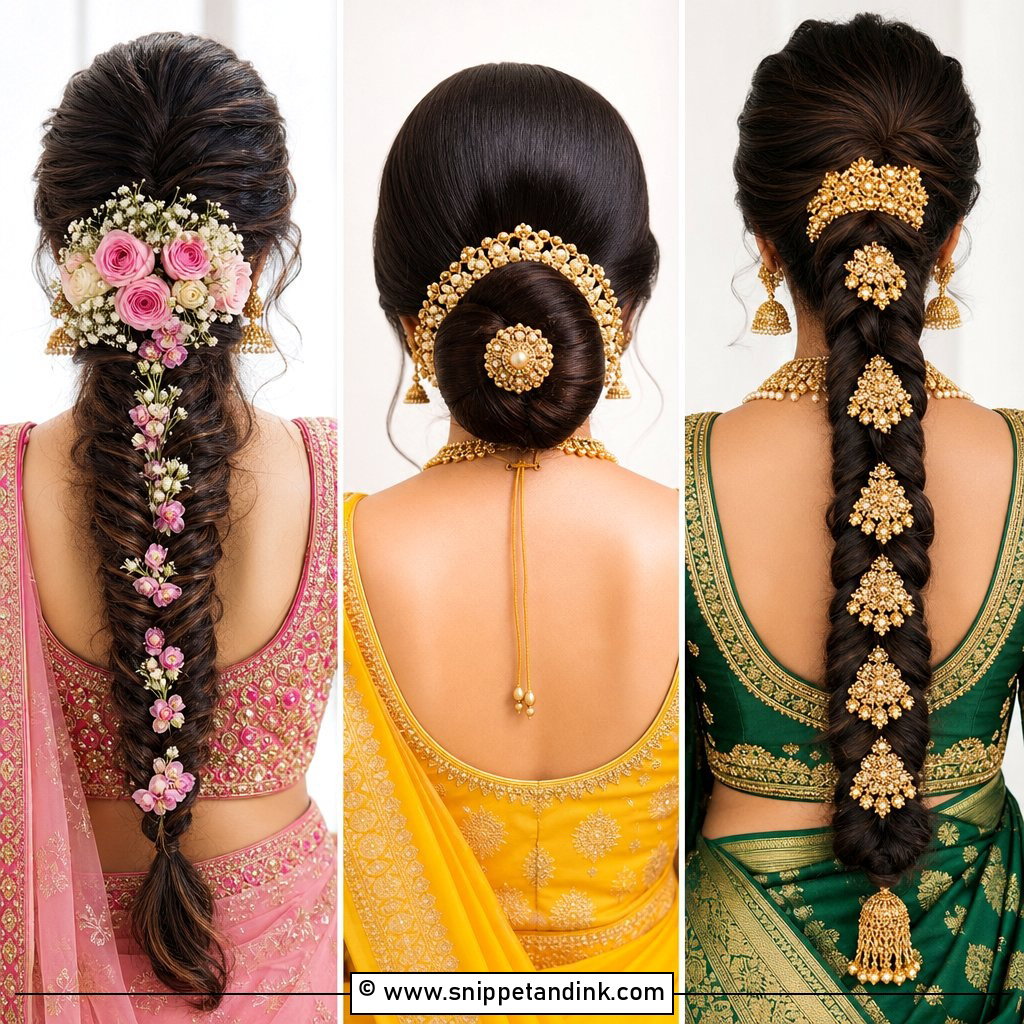
I like a low bun for a roka when the outfit is a saree, a silk suit or a high-neck blouse, or when the earrings are heavy. Placed at the nape with the sides left slightly soft, it’s graceful without looking like full bridal hair. Face-framing strands soften the cheeks and jaw. Fresh jasmine, baby’s breath, pearls or a sleek accessory can be added depending on the outfit. It’s also the most practical option on this list: it survives hugs, long family gatherings and close-up portraits without a touch-up.
4. Roka Ceremony Messy Bun
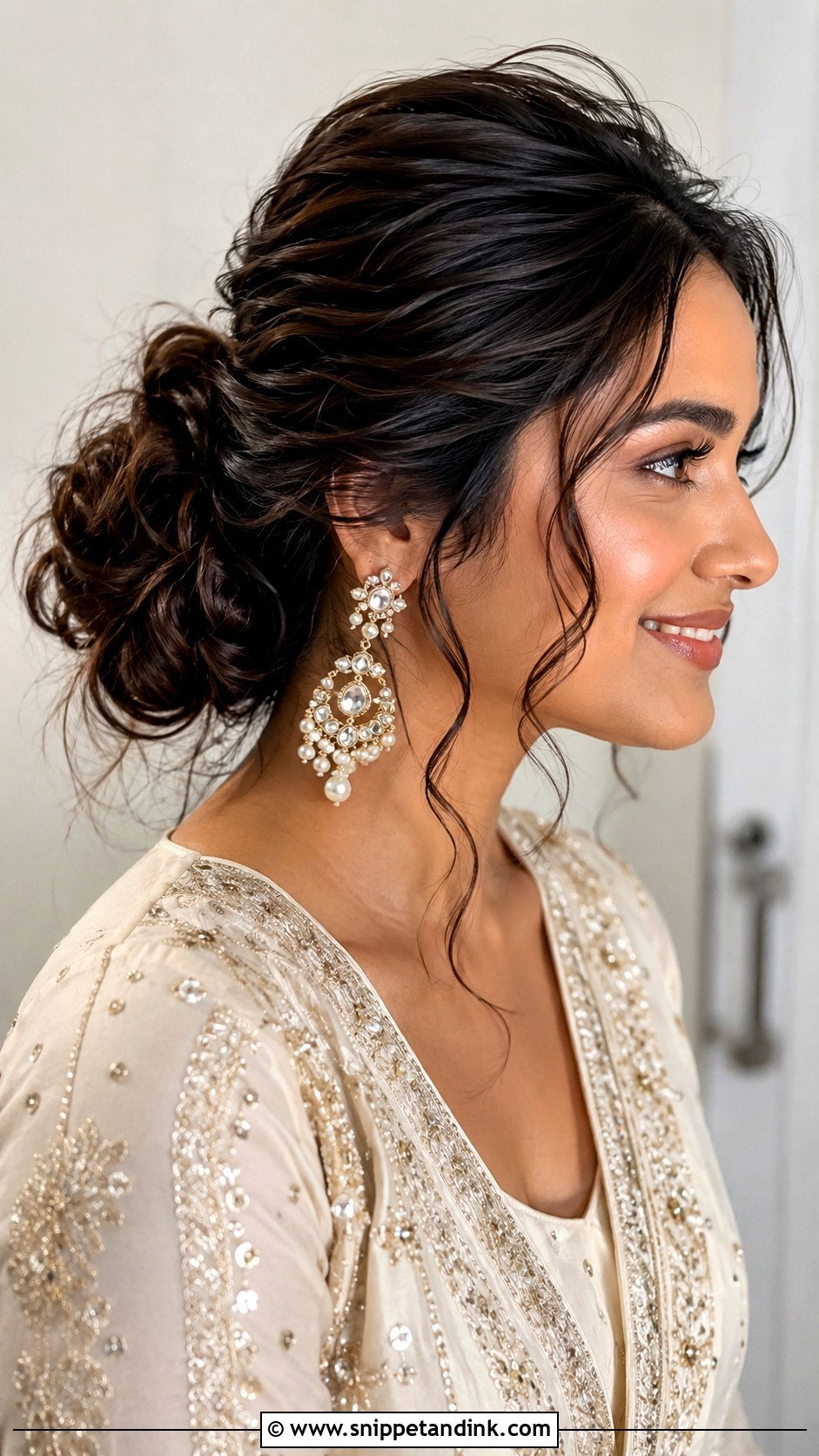
A good messy bun isn’t actually messy. I build it on a firm, hidden ponytail, then add loose twists around it and pull out a few clean tendrils near the face, so it looks relaxed while the base stays secure. It goes well with a flowy lehenga, a sharara set or an embroidered anarkali, and it leaves a statement earring and neckline clear. For a roka, I’d keep the bun low or mid-height rather than sky-high. A few pearl pins or tiny flowers are plenty.
5. Roka Ceremony Sleek Bun
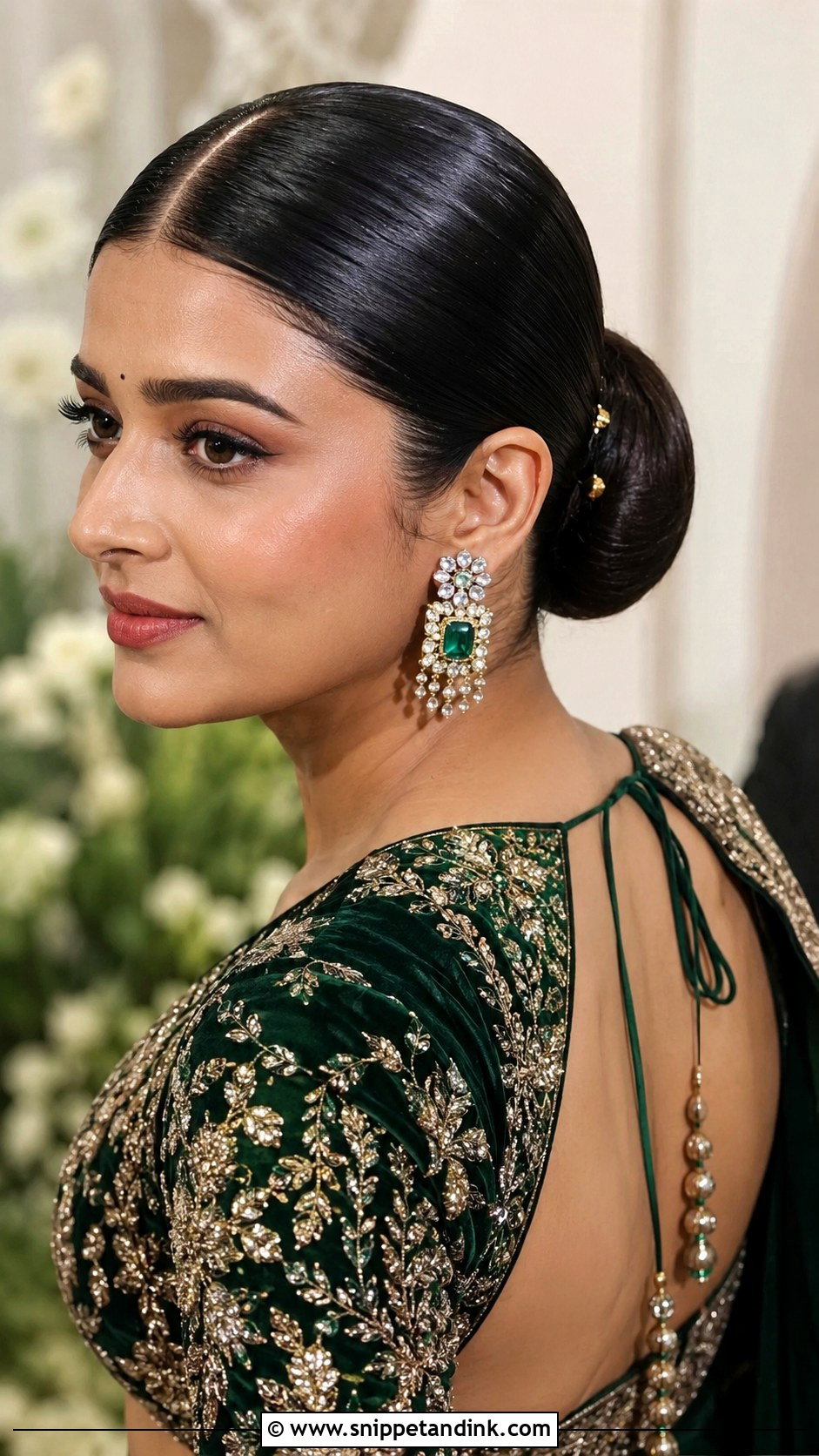
A sleek bun is the choice for humid weather, full stop. Hair is parted neatly, smoothed close to the head with a firm brush and a little gel, then wrapped into a polished bun. A center part looks traditional; a deep side part feels more modern. It sits well with bold jewellery, structured outfits and makeup with defined eyes. Add a gajra, gold pins or nothing at all. One honest warning: if your hairline is uneven or you have a lot of short baby hairs, a sleek style shows them, so bring a toothbrush and gel for touch-ups.
6. Roka Ceremony Side Swept Curls
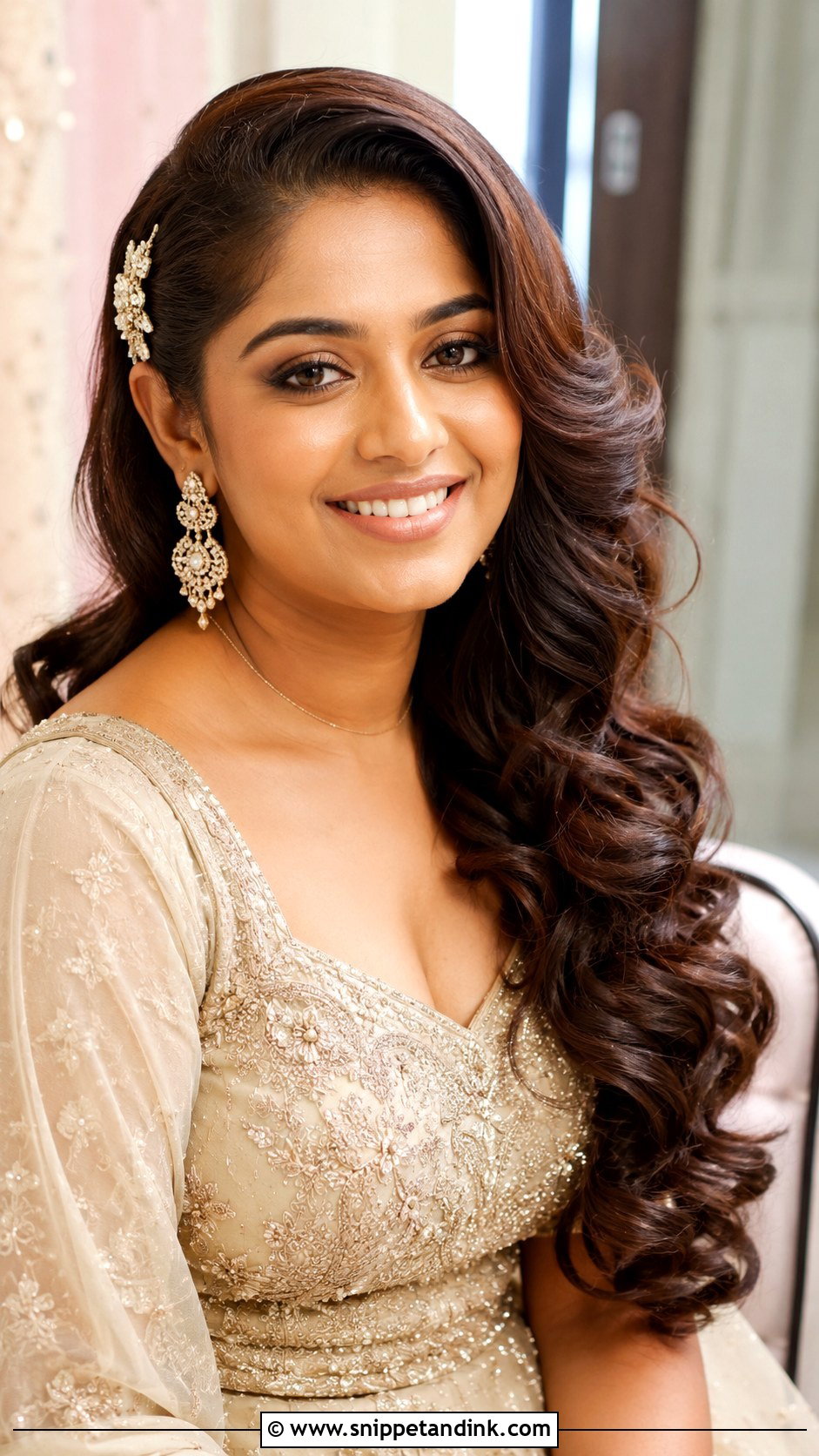
Side swept curls show off length and leave one side open for earrings, while the other side carries the hair. I curl in sections, brush them out gently and drape them over one shoulder, then anchor them with crossed pins behind the opposite ear so they don’t slide back. A decorative clip hides those pins. It pairs well with off-shoulder blouses, sweetheart necklines, sarees and modern lehengas. In photos, the curls frame your face and bring the eye to your smile and jewellery.
7. Roka Ceremony Hollywood Waves
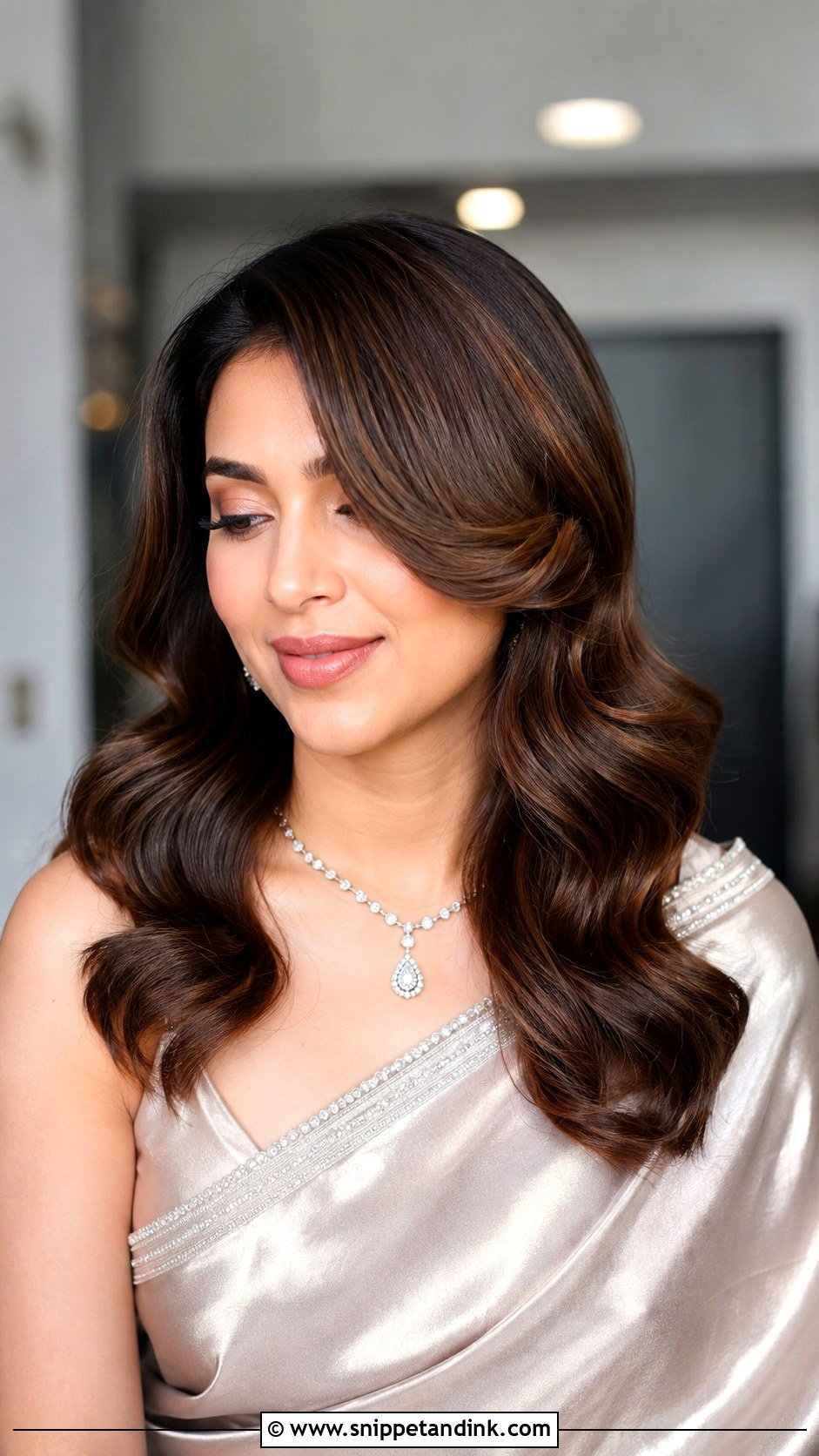
Hollywood waves are smoother and more structured than regular curls, with one continuous S-shape running through the hair. Prep matters more here than in almost any other style: the hair has to be blow-dried frizz-free before the iron touches it, or the wave never looks glossy. They suit gowns, sarees and elegant lehengas, and they’re at their best when the outfit is simple but rich in fabric or colour. A deep side part adds drama; a center part keeps it balanced. It’s one of the more glamorous options for a roka, so I keep the jewellery light alongside it.
8. Roka Ceremony Open Hair With Maang Tikka
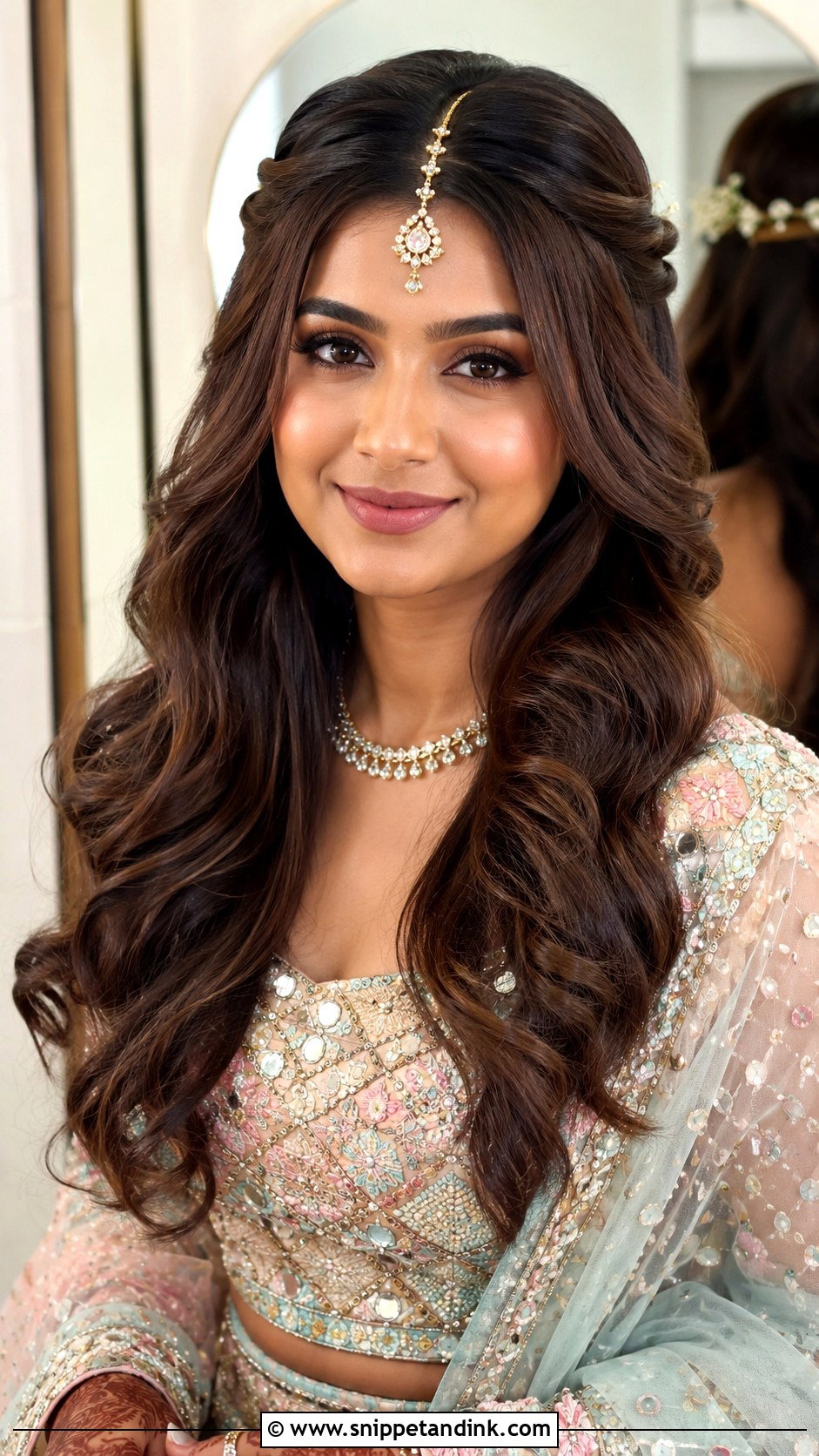
Wearing open hair with maang tikka is the simplest traditional look on this list. The open hair keeps it youthful; the tikka makes it ceremonial. Soft waves work best because they move without hiding the jewellery. The parting has to be clean and straight, and I always pin the tikka chain under the top layer at the crown so it sits centered in every photo. If you’re worried about hair falling forward when you bow, I pin the sides lightly under the top layers. It looks lovely with pastel lehengas, mirror-work outfits and embroidered suits.
9. Roka Ceremony Braided Bun
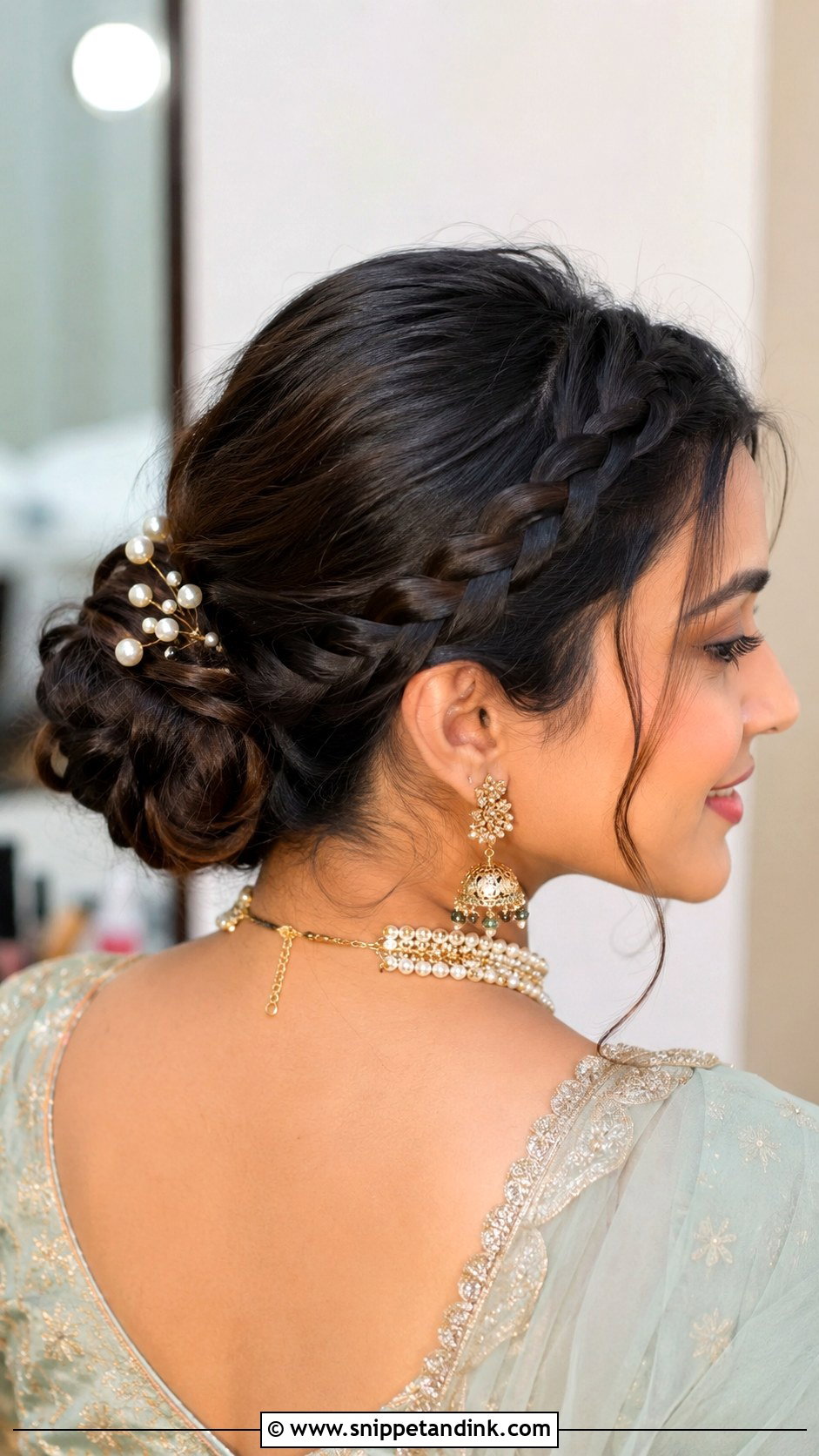
A braided bun gives texture, detail and real security in one style. The braid can run across the crown, wrap around the bun or sit as small accents on both sides. Thick hair benefits most, because braiding compresses the volume and stops the bun from becoming enormous. It pairs well with silk sarees, lehengas and heavily embroidered suits. Tiny flowers, pearls or gold pins tuck into the braid without needing extra anchoring.
10. Roka Ceremony Floral Bun
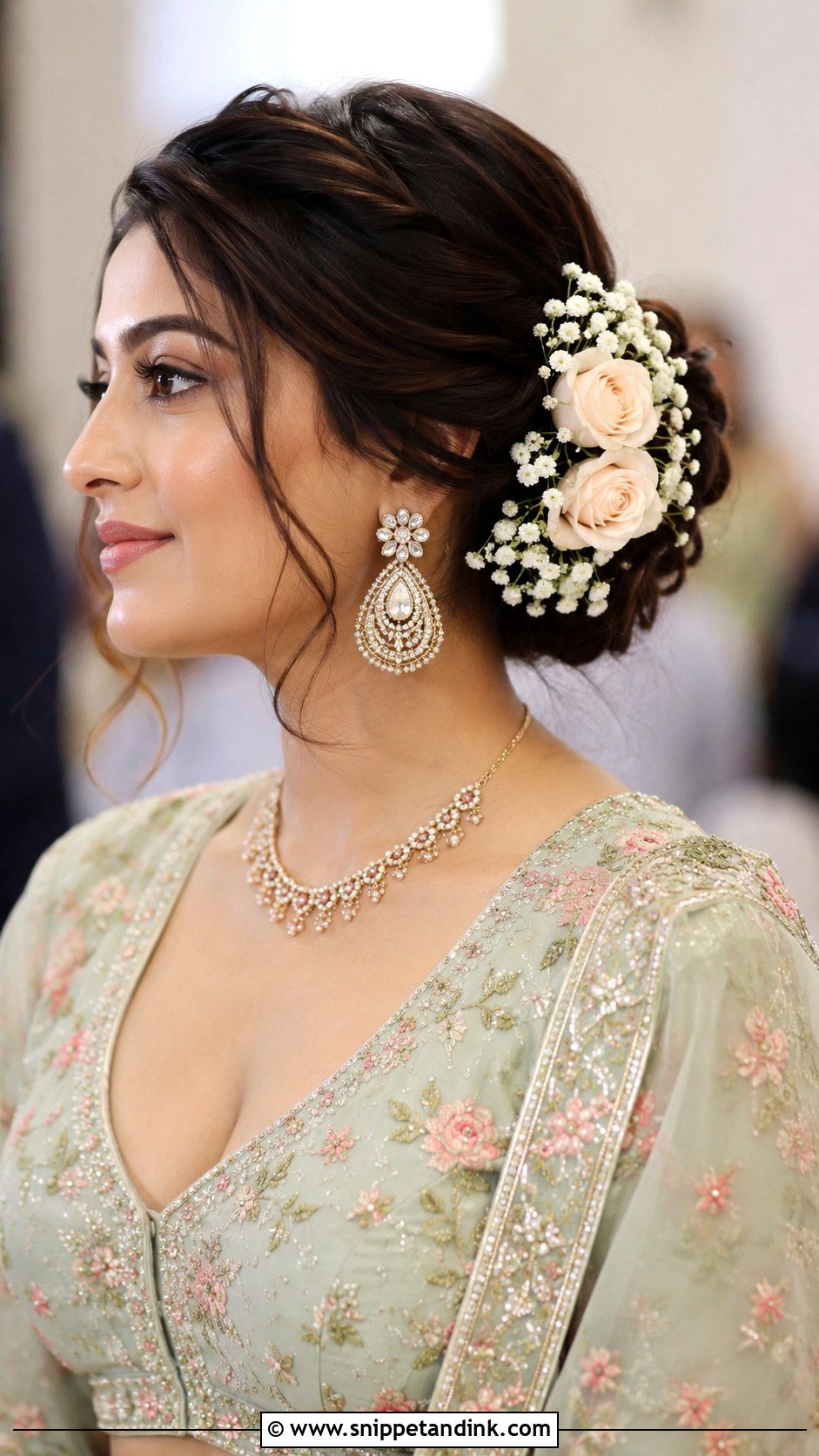
A floral bun is fresh, festive and right for daytime functions, garden settings and home ceremonies. The bun itself can be smooth, textured, low or slightly loose depending on your face and outfit. Fresh roses, jasmine, baby’s breath or small white flowers go around it. My one rule for a roka: fewer flowers than you’d use on the wedding day, so this look stays its own thing. It keeps the neck and shoulders open, which suits chokers, jhumkas and a detailed blouse back.
11. Roka Ceremony Gajra Bun
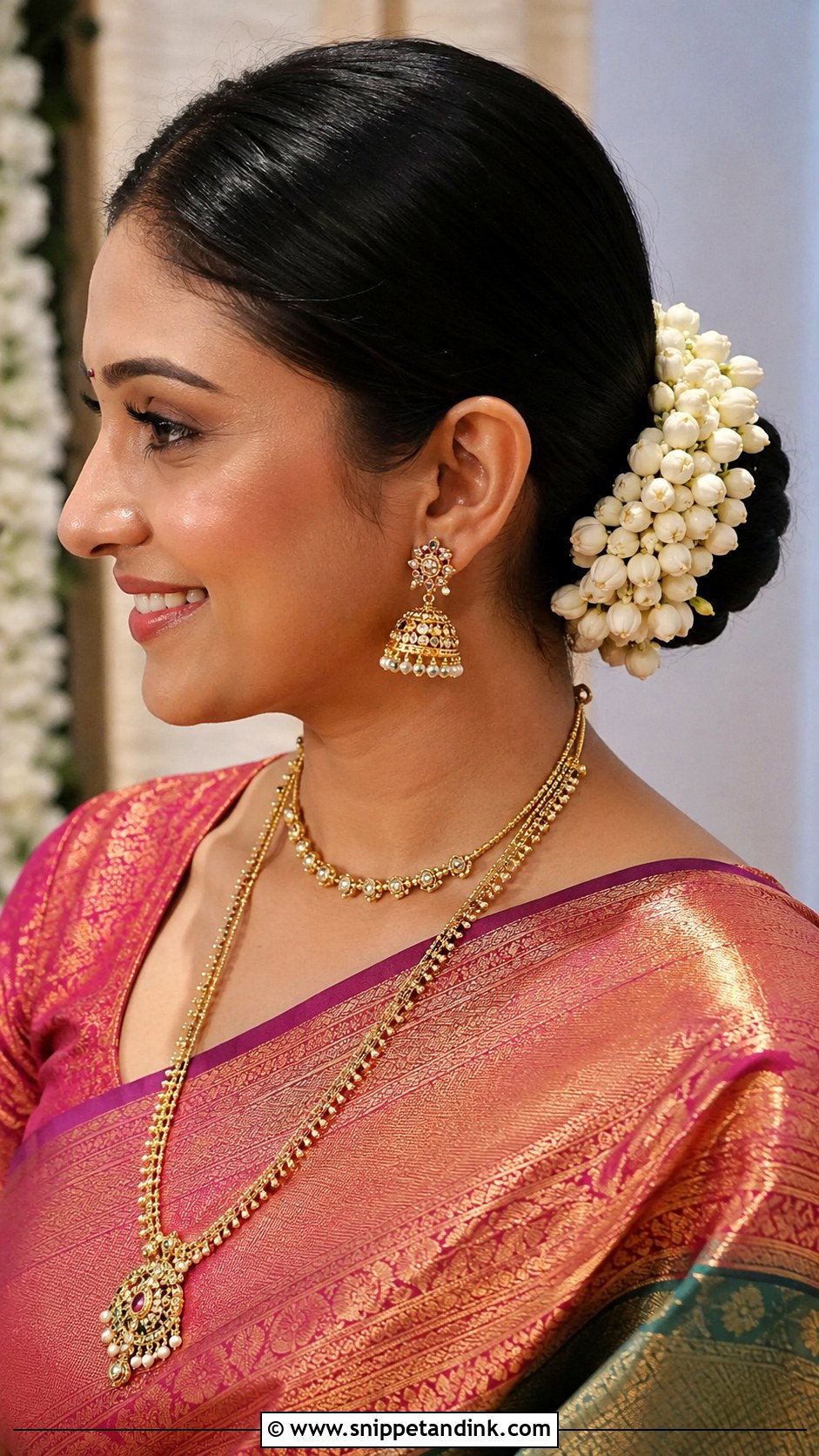
A gajra bun belongs in Indian occasion styling, and it’s especially right with sarees, silk suits, anarkalis and classic lehengas. The bun is placed low or mid-height, then wrapped with fresh jasmine gajra. I pin the gajra at several crossing points rather than just at the ends, so it doesn’t sag as the buds open through the afternoon. Keep the front sleek for a clean look or add soft volume for a romantic effect. Rituals show the back of your head a lot, so this is a good style to have photographed from behind.
12. Roka Ceremony High Ponytail
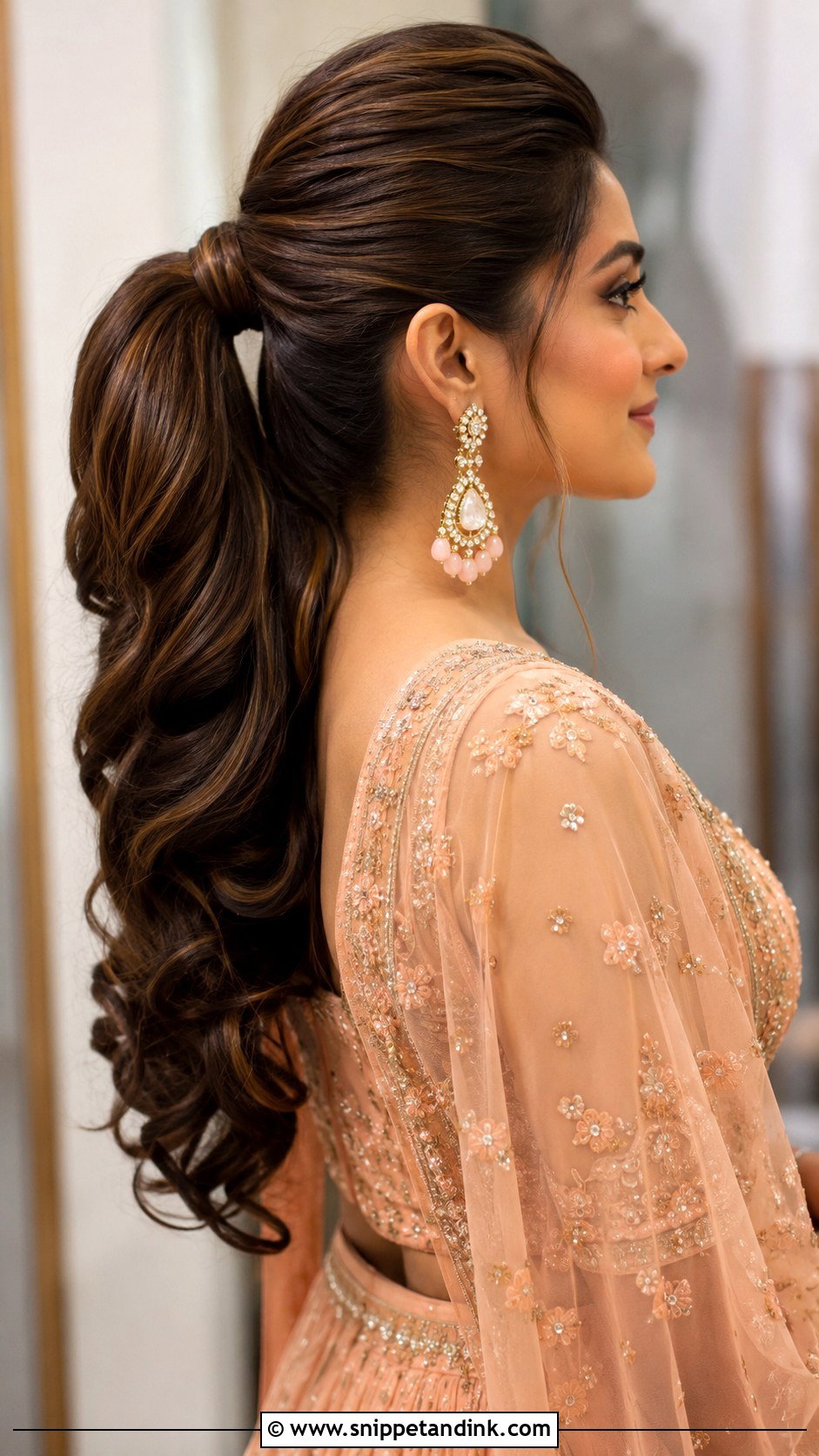
A high ponytail looks modern and confident, and it’s comfortable for dancing and moving around. The crown can be sleek or softly lifted, and the length falls in waves or curls. I wrap a small strand of hair around the base to hide the elastic and pin it underneath. It works with contemporary lehengas, gowns and outfits with statement sleeves. The one thing to check: a high ponytail clashes with a chunni draped over the head, so if your family does that rasam, choose something lower.
13. Roka Ceremony Low Ponytail
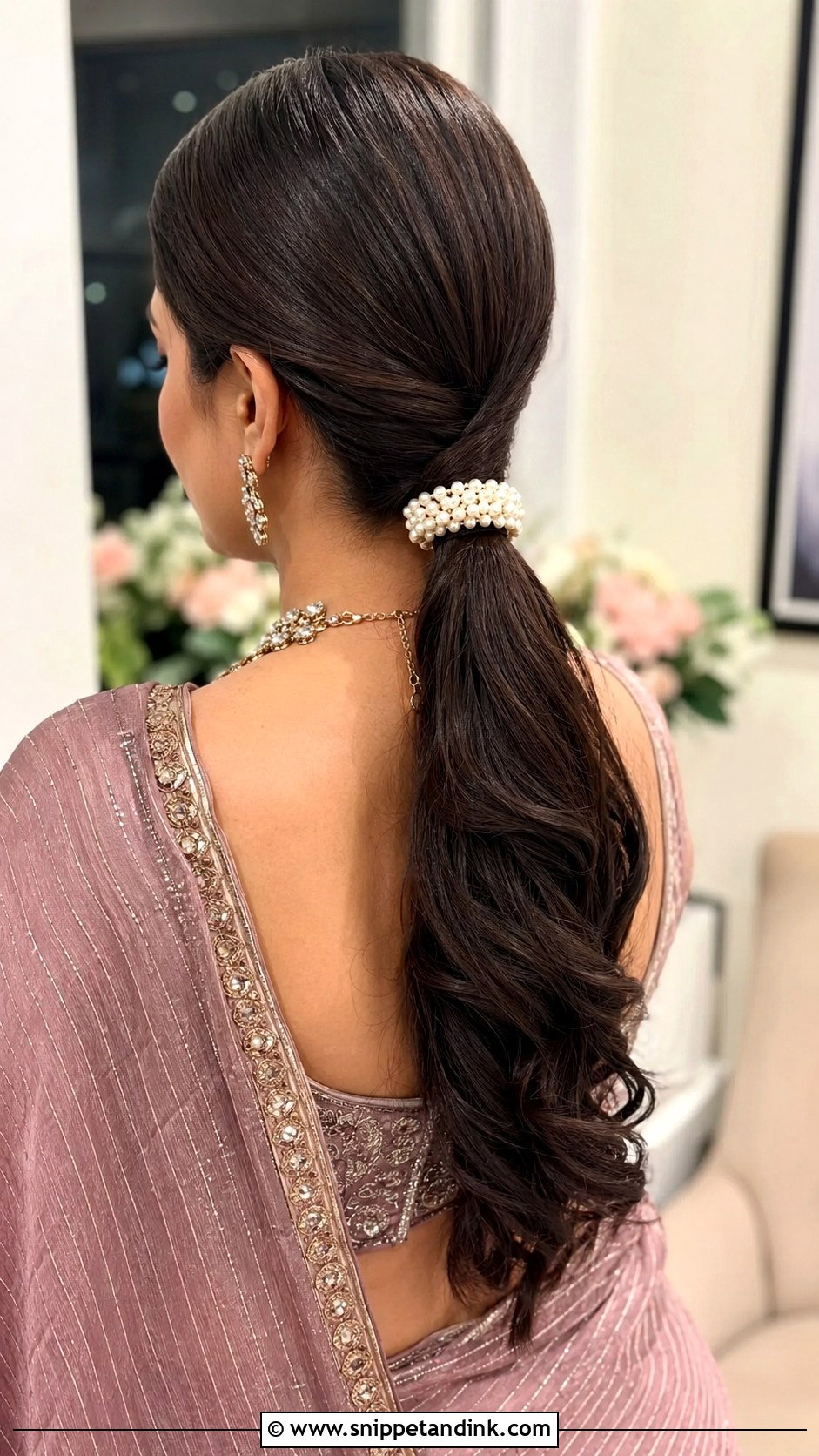
A low ponytail suits brides who want neat hair without a bun. I part it in the center, smooth the top, tie it at the nape and wave the length. It’s surprisingly versatile with sarees, shararas and modern suits, and it shows off heavy earrings. Pearls, a velvet bow, a metallic cuff or fresh flowers can go near the base. Keep the finish glossy so it looks deliberate rather than casual.
14. Roka Ceremony Bubble Braid
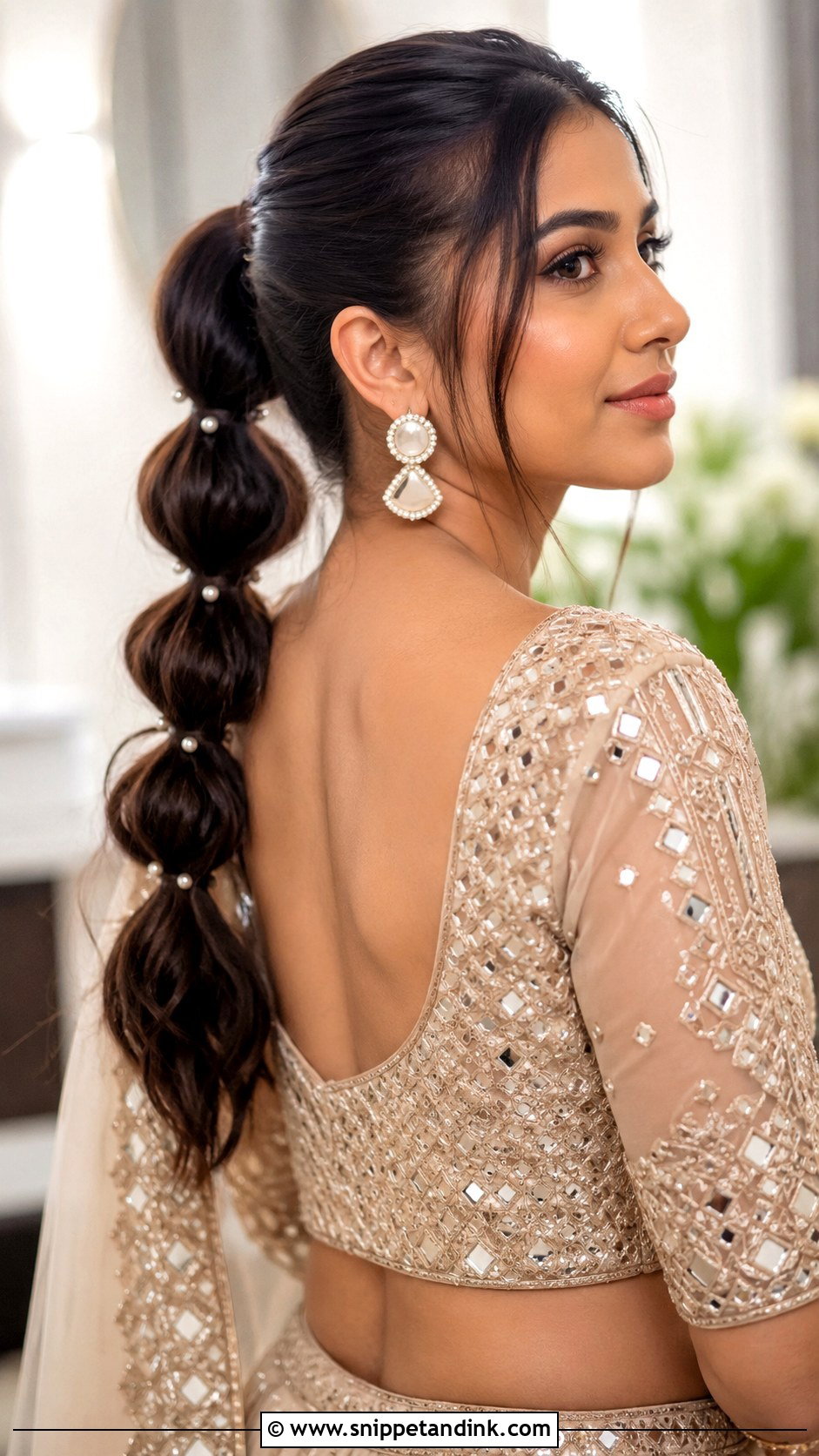
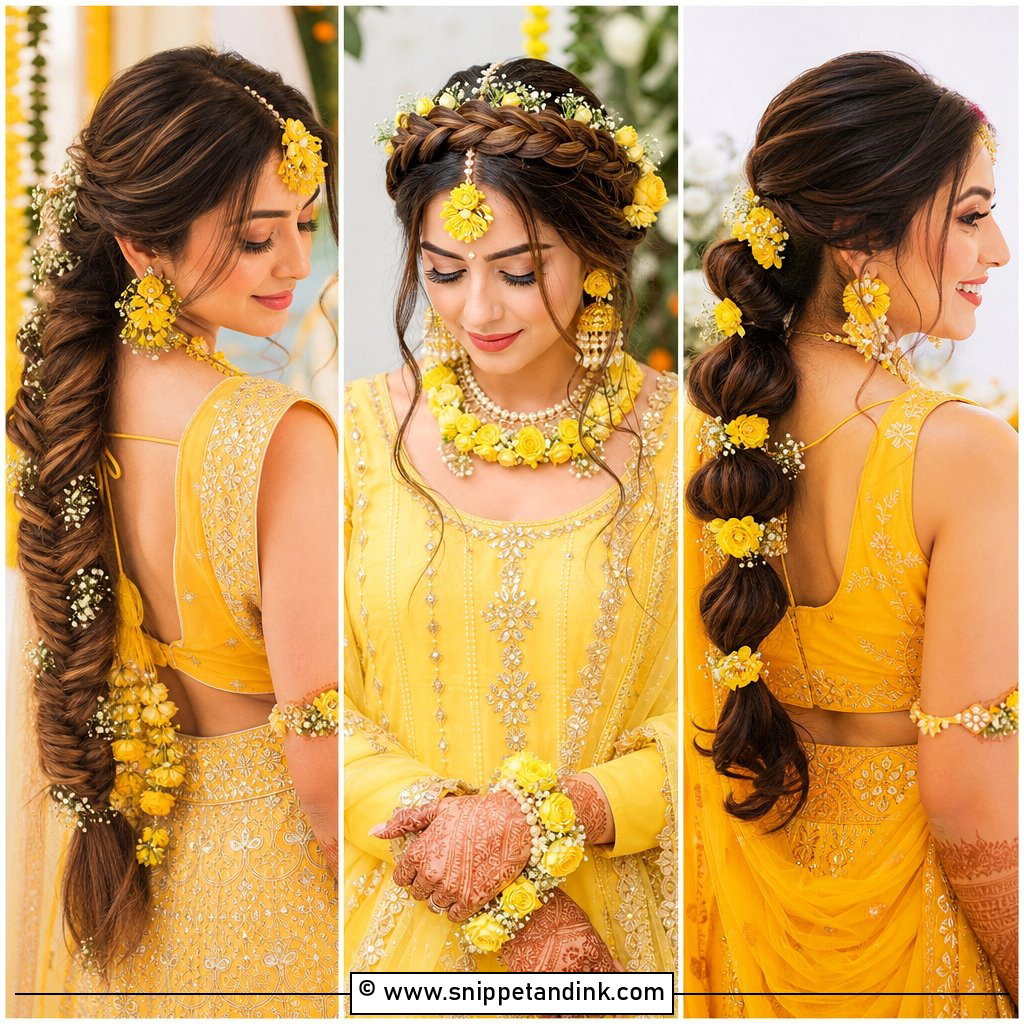
A bubble braid is playful but polished. The hair is gathered into a ponytail and sectioned with small elastics, and each section is pulled gently to make a rounded bubble while the top stays smooth. It needs long hair, or clip-in extensions if yours stops short of the shoulder blades. It goes with lehengas, Indo-western outfits and mirror-work pieces. Tiny pearls, floral pins or gold thread add a festive finish. It holds for hours, since every elastic is doing its own job.
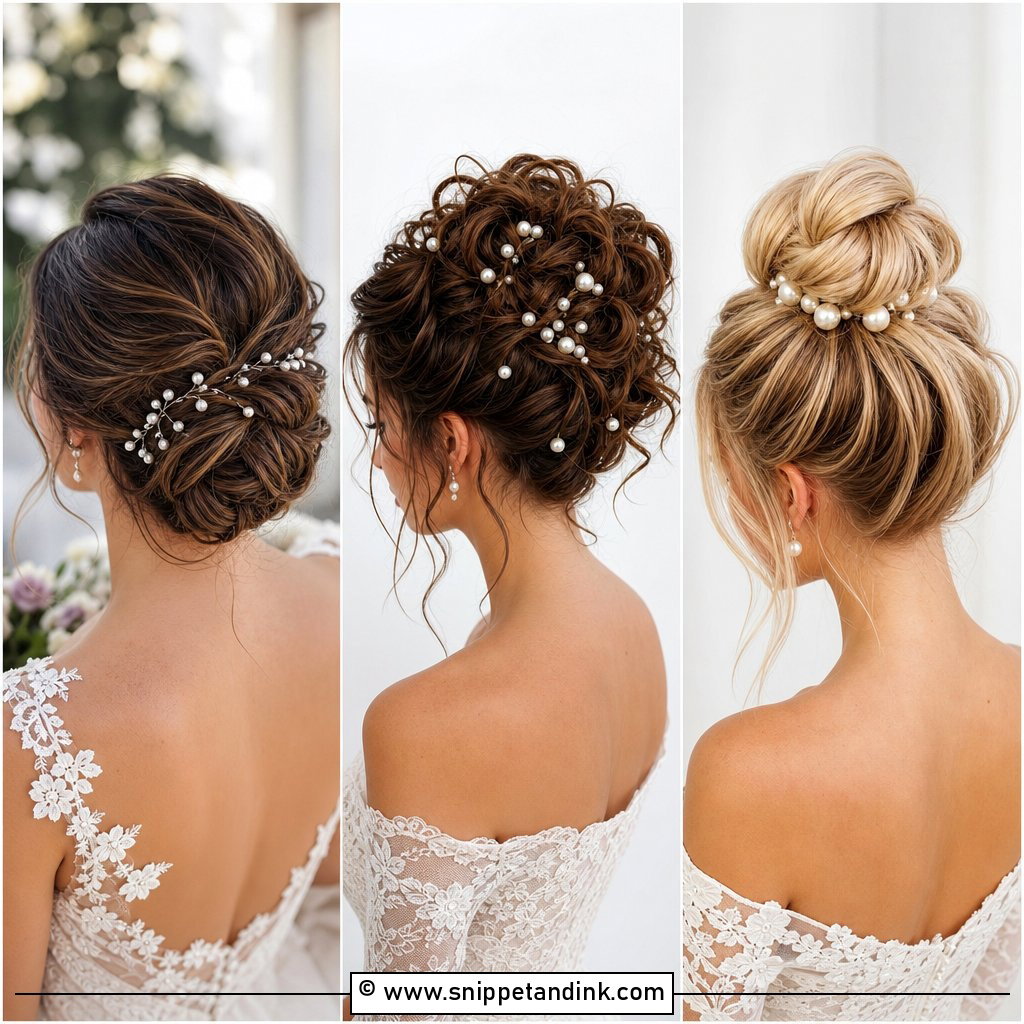
15. Roka Ceremony Fishtail Braid
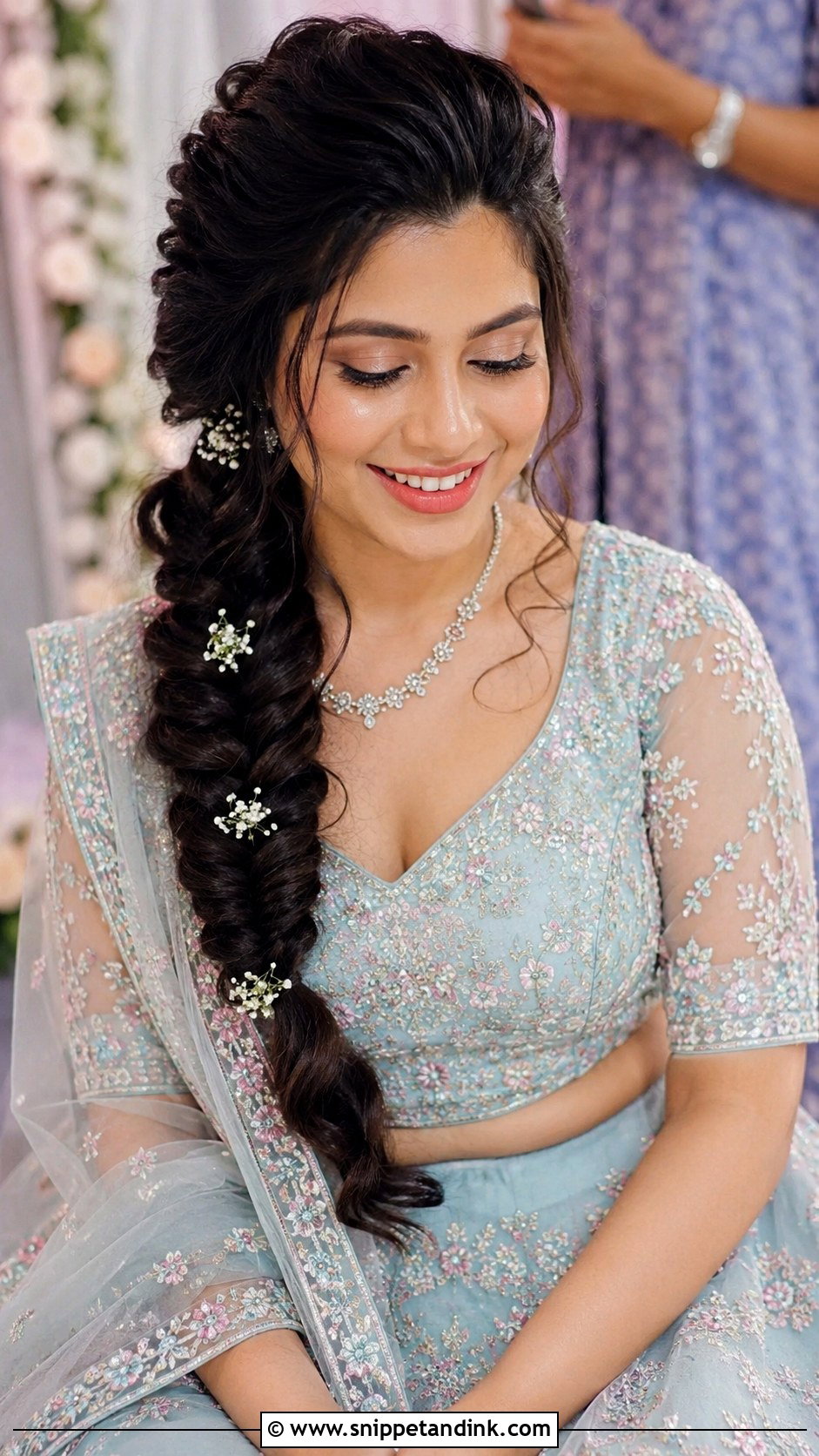
A fishtail braid is detailed but soft, worn down the back or over one shoulder. I always loosen it a little after braiding, because a tight fishtail looks thin and a pulled-out one looks twice as full. Textured or highlighted hair shows the weave beautifully, and floral accessories tuck into it easily. It keeps hair controlled through a long ceremony. Pair it with a lehenga, saree, or sharara set, and leave a few soft pieces near the face.
16. Roka Ceremony Side Braid
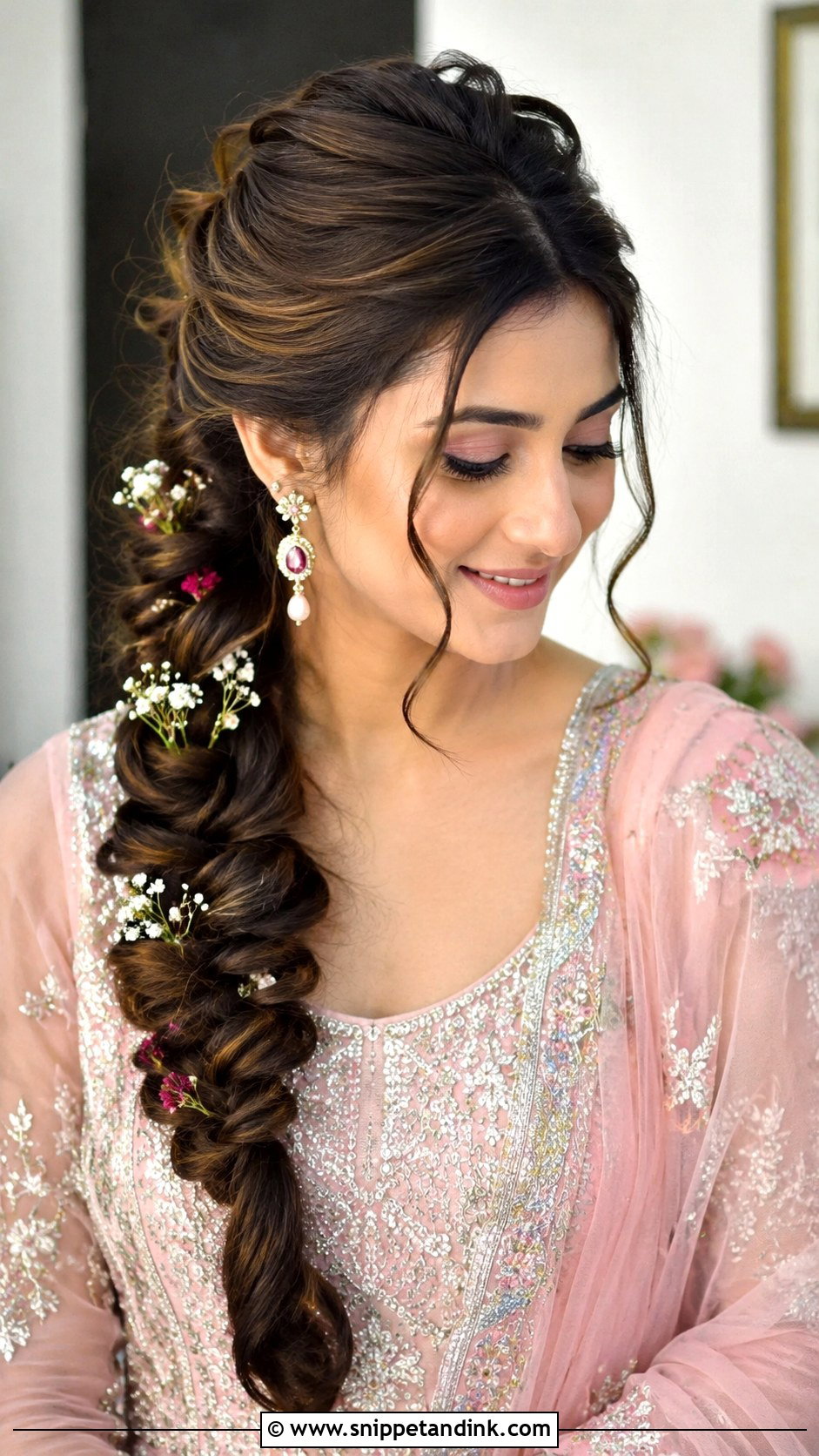
A side braid has a traditional charm that suits an intimate function. It sits over one shoulder, which makes it easy to photograph and easy to pair with a dupatta. A loose three-strand braid, a twisted braid or a textured braid with flowers tucked in all work. It controls long hair while still looking soft. It pairs well with pastel lehengas, phulkari dupattas and embroidered suits. Add volume at the crown first, or the braid can make the top of the head look flat.
17. Roka Ceremony Crown Braid
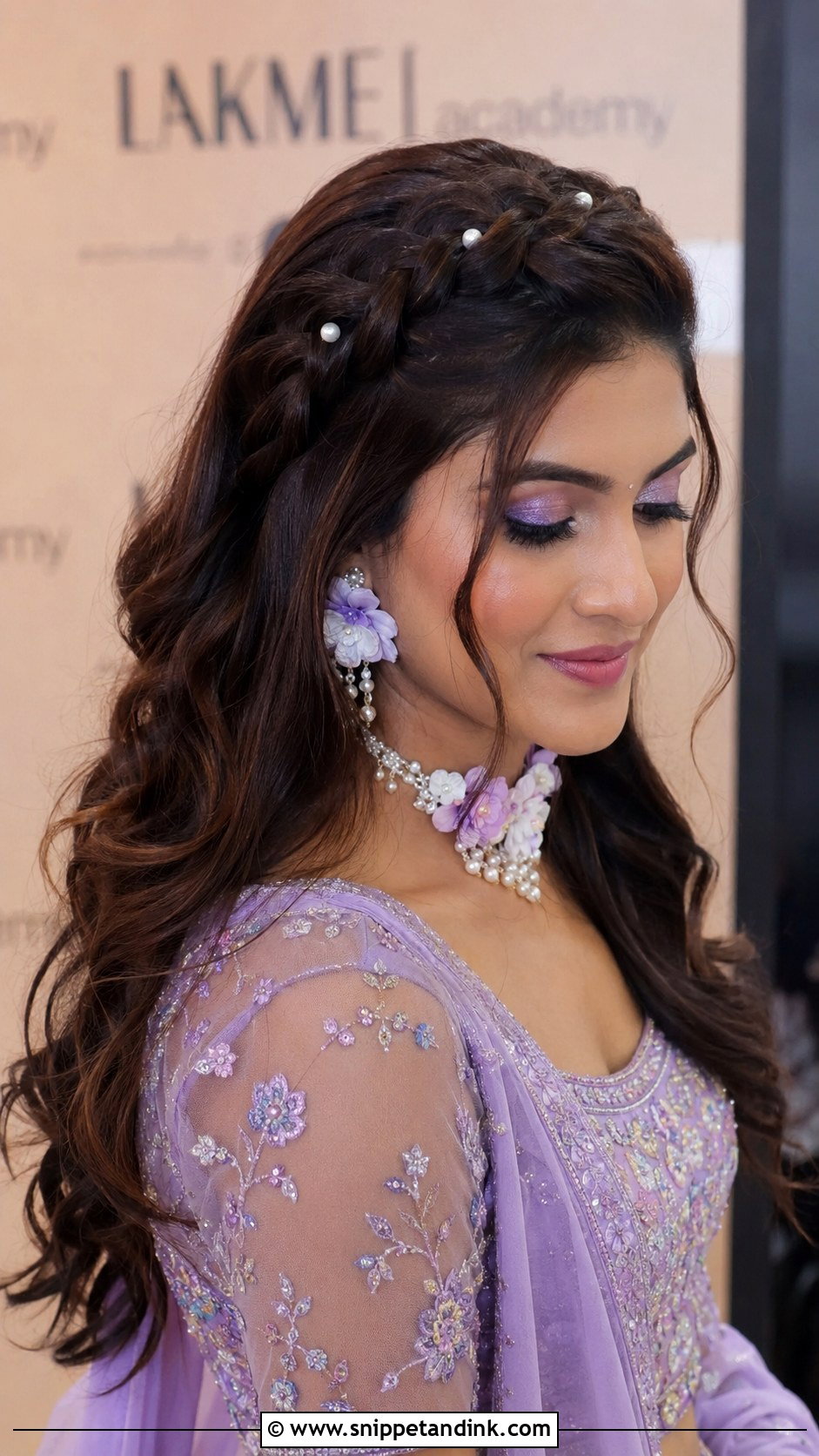
A crown braid gives a soft, princess-like feel without drama. The braid goes around the crown or across the front, then blends into waves, a bun or a low ponytail. For a roka, a half-up crown braid with loose waves is my pick, because it keeps hair off the face while the length still shows. It goes with floral jewellery, pearl accessories and soft pastel outfits. I loosen the braid after pinning so it looks full instead of tight.
18. Roka Ceremony Straight Hair
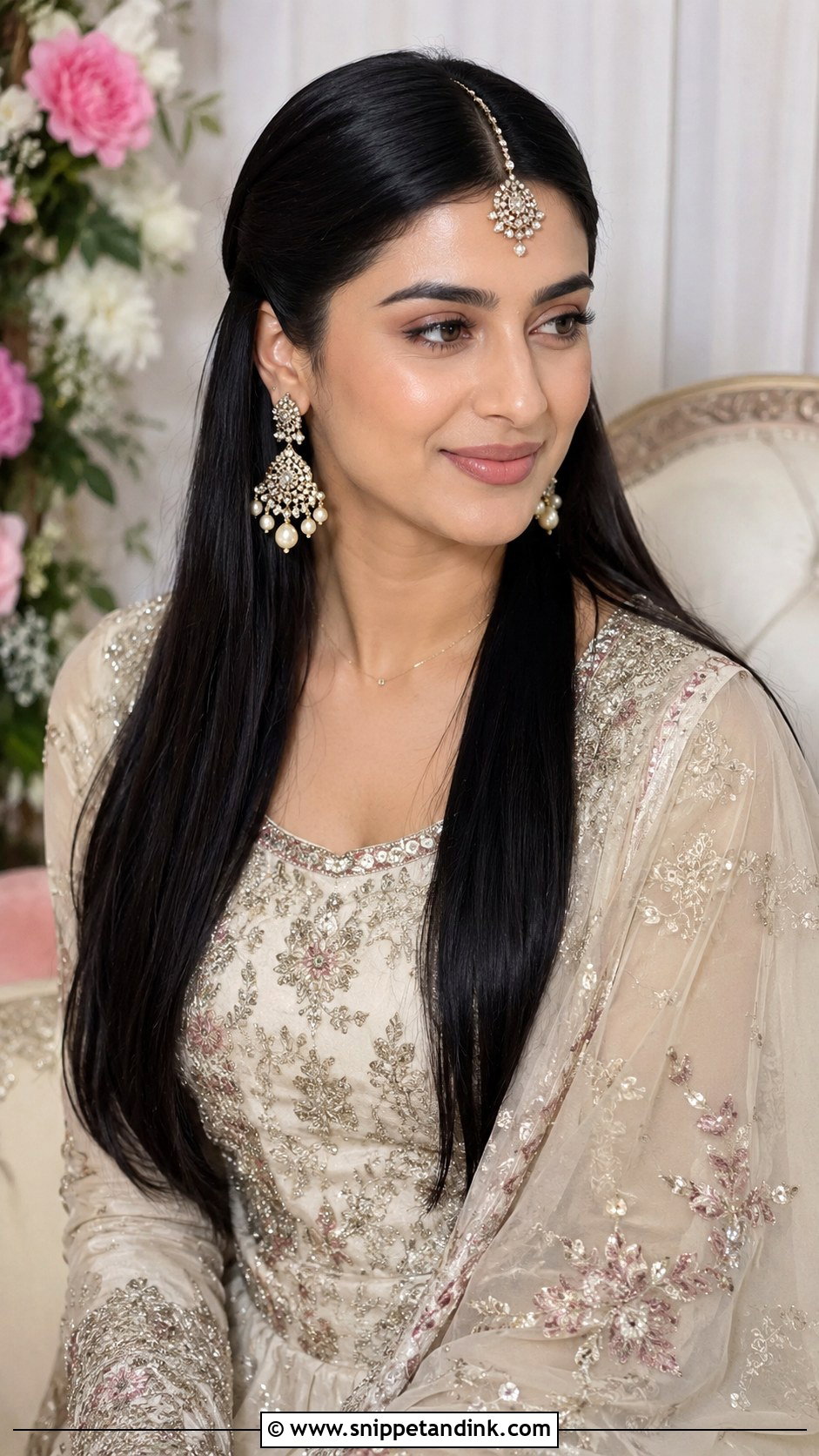
Straight hair only works when it looks glossy and healthy rather than plain. I blow-dry smooth with a round brush before flat-ironing in thin sections, then finish with a shine serum and an anti-frizz spray. A sharp center part gives a clean traditional base, and tucking the sides behind the ears shows off earrings and makeup. If you’re wearing a maang tikka, secure it carefully at the part. Straight hair is the first style to frizz in humidity, so I’d keep it for an air-conditioned venue.
19. Roka Ceremony Blowout Hair
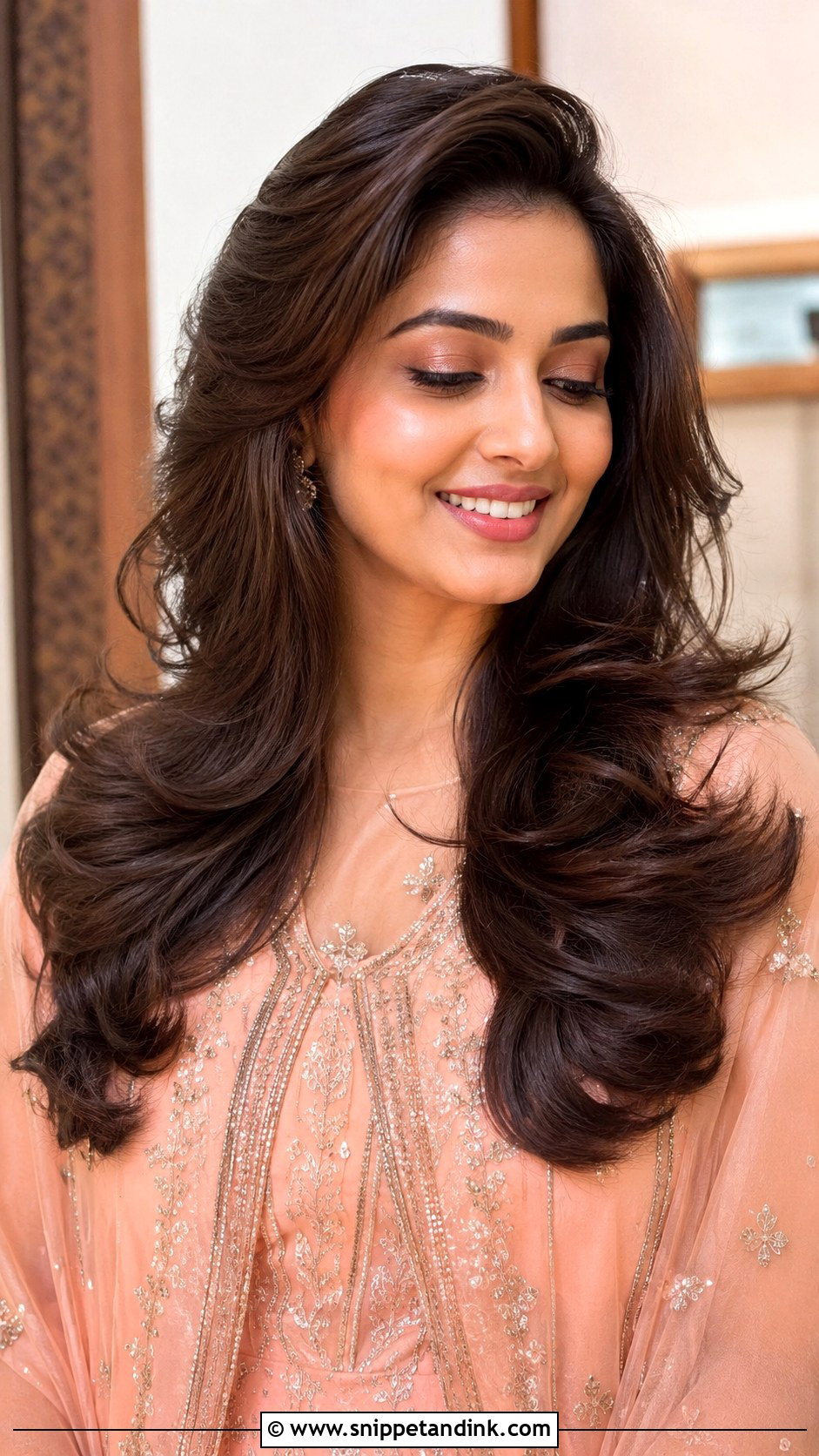
A blowout sits between everyday hair and formal curls: roots lifted, ends curved softly and face-framing pieces turned away from the cheeks. It’s a good option if you don’t like pins or accessories. It works on medium to long hair and suits almost every outfit, from anarkalis to lehengas. A delicate clip or small tikka adds a festive touch without changing the shape.
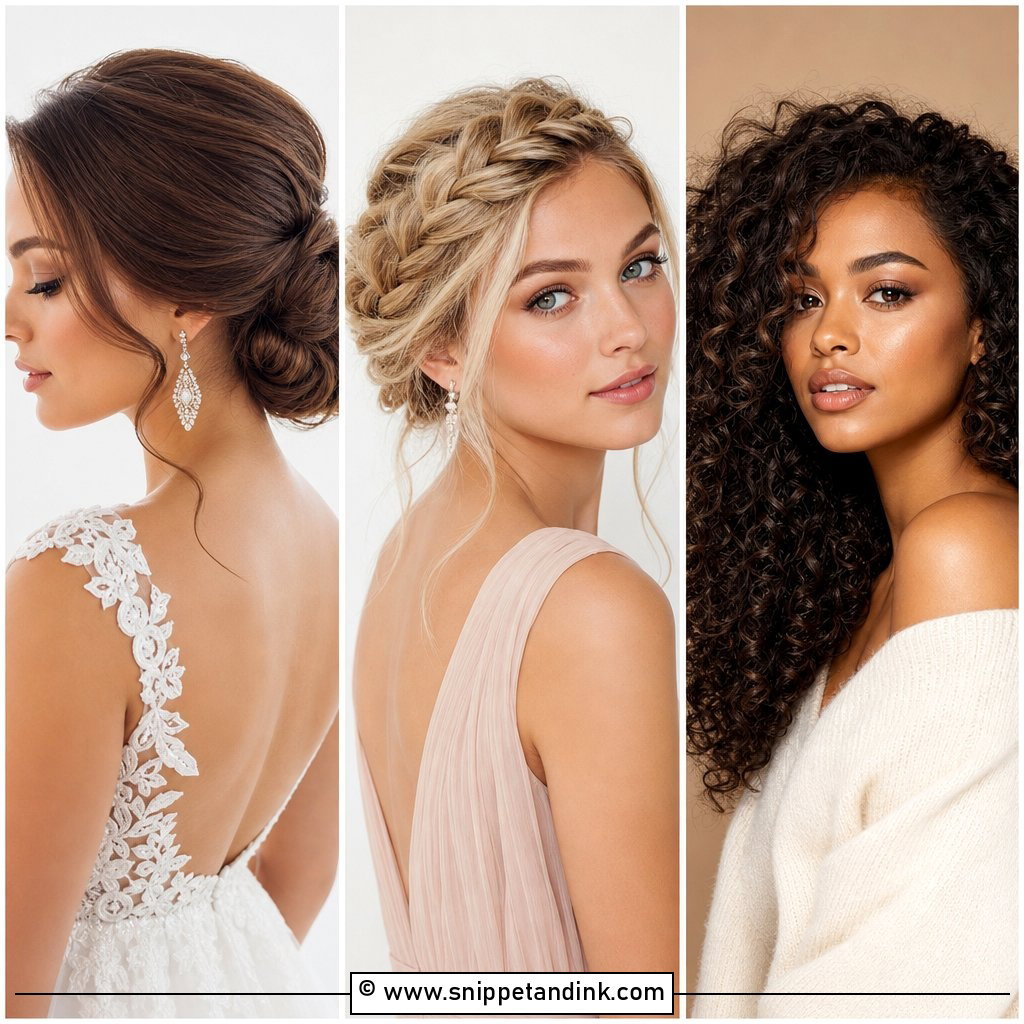
20. Roka Ceremony Short Hair
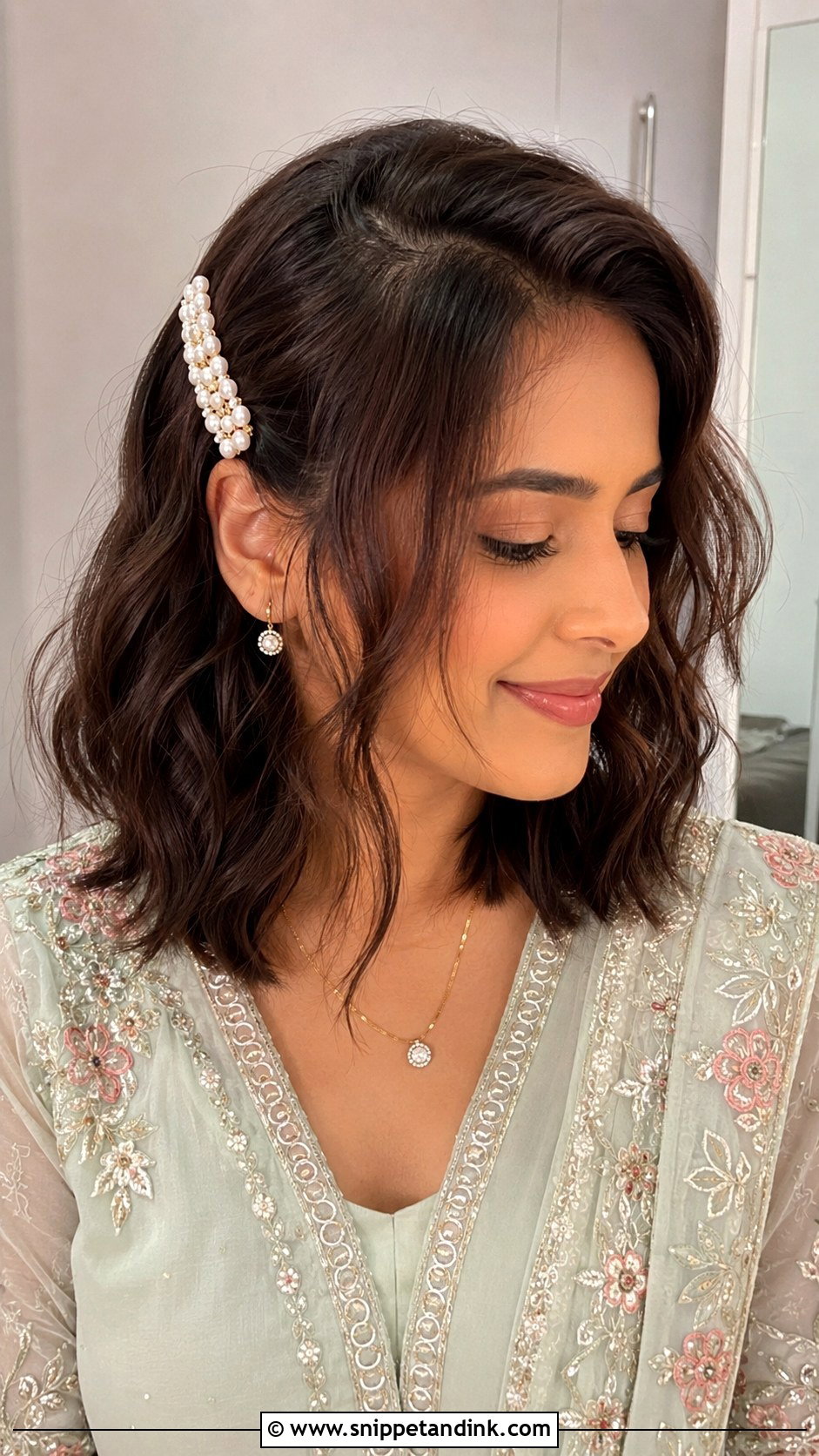
Short hair can look just as festive as long hair with a bit of intention. A bob, lob or shoulder-length cut can be waved softly, tucked behind one ear or pinned with a decorative clip. If your hair is very short, focus on shine, shape and one good accessory: pearl pins, a small maang tikka or a delicate headband. I keep the crown smooth and the ends soft. It’s comfortable, and it suits an intimate roka well.
When the Roka Is Fixed at a Few Days’ Notice
Rokas are sometimes arranged quickly, and good stylists can be fully booked. If you end up doing your own hair, or a cousin is helping, pick a style built on a ponytail. It’s much easier to do on yourself than a freehand updo.
- Wash and blow-dry the day before, so the hair has a little grip.
- Curl the lengths with a large barrel and let each section cool before touching it.
- Tie a firm low ponytail as a base for a bun, a braid or a wrapped ponytail.
- Twist and pin around the elastic, then loosen a few face-framing pieces.
- Add flowers or pearl pins last, pushing each pin into the base, not the surface hair.
- Mist with a flexible hairspray from arm’s length.
Do a quick practice run the evening before if you can. Even one rehearsal shows you where the pins need to go and how long the style really takes, which keeps you calm when guests start arriving.
Save the Biggest Hair for the Wedding Itself
You don’t need the heaviest bun or the most dramatic curls for a roka. A soft half-up style, glossy straight hair, a floral bun or a simple braid can all be right when they match the outfit and jewellery. Think about the venue, the weather, whether a chunni will go on your head, and how much you’ll be moving. Save the looks you like, show them to your stylist, and keep the biggest look for the wedding itself.
You'll Like These Ideas:


Leave a Reply