
As the groom’s sister, you’re one of the hosts. You’ll greet guests, take part in family rituals and stand in more photos than almost anyone except the couple, often across four or five functions. When I plan a wardrobe for your brother’s wedding, I map each event first: time of day, venue, the family’s color plans and how much dancing is expected. Indian weddings give you room to move between sarees, lehengas, shararas, suits and fusion pieces. What matters more than any single outfit is supportive tailoring, breathable linings, drapes that stay pinned and shoes you can stand in. Below are twenty complete looks, each with the fitting or fabric point I’d check, and none of them should compete with the bride.
Five Functions, Fewer Outfits Than You Think
A groom’s sister can easily face haldi, mehndi, sangeet, the wedding and a reception. Buying a full new look for each is expensive and leaves you with pieces you’ll rarely wear again. I plan these wardrobes by overlap:
- Have one plain silk blouse in a metallic or neutral tone made to fit you perfectly. It works under a saree, with a brocade skirt and with a pre-draped drape.
- Keep a single heavy jewelry set for the wedding and reception, and use lighter, oxidized or floral pieces for daytime functions.
- Wear something you won’t mind staining to haldi. Turmeric marks are hard to remove from silk.
- Choose dance-friendly outfits for mehndi and sangeet, and save the heaviest, most formal piece for the main ceremony.
- Swap dupattas between suits to change the look without buying another outfit.
Ask your family early whether any function has a color theme. Many families coordinate the groom’s side for the baraat or a specific ritual, and it’s easier to plan around that than to change an order later.
1. Pastel Floral Lehenga for Brother’s Wedding
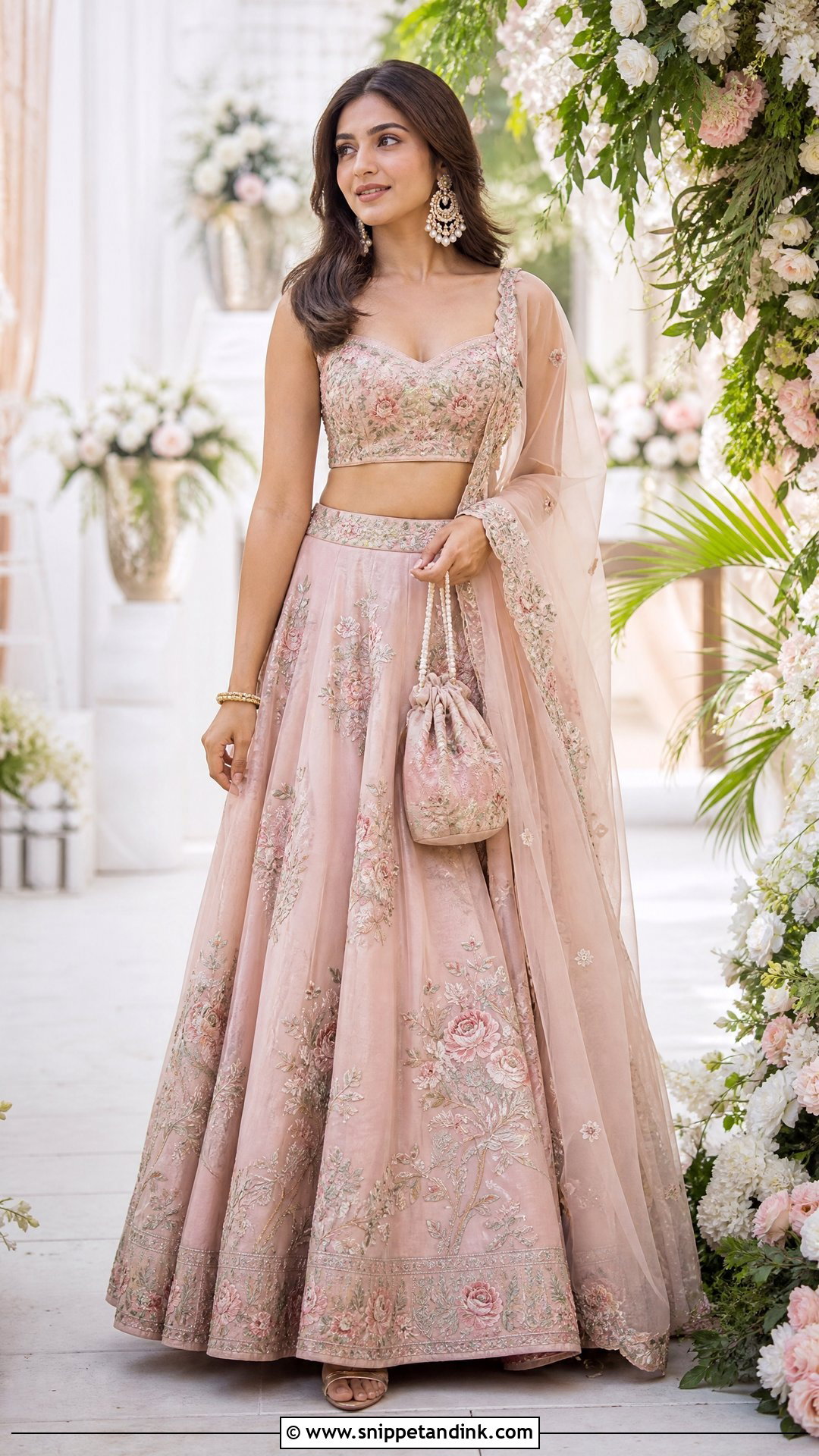
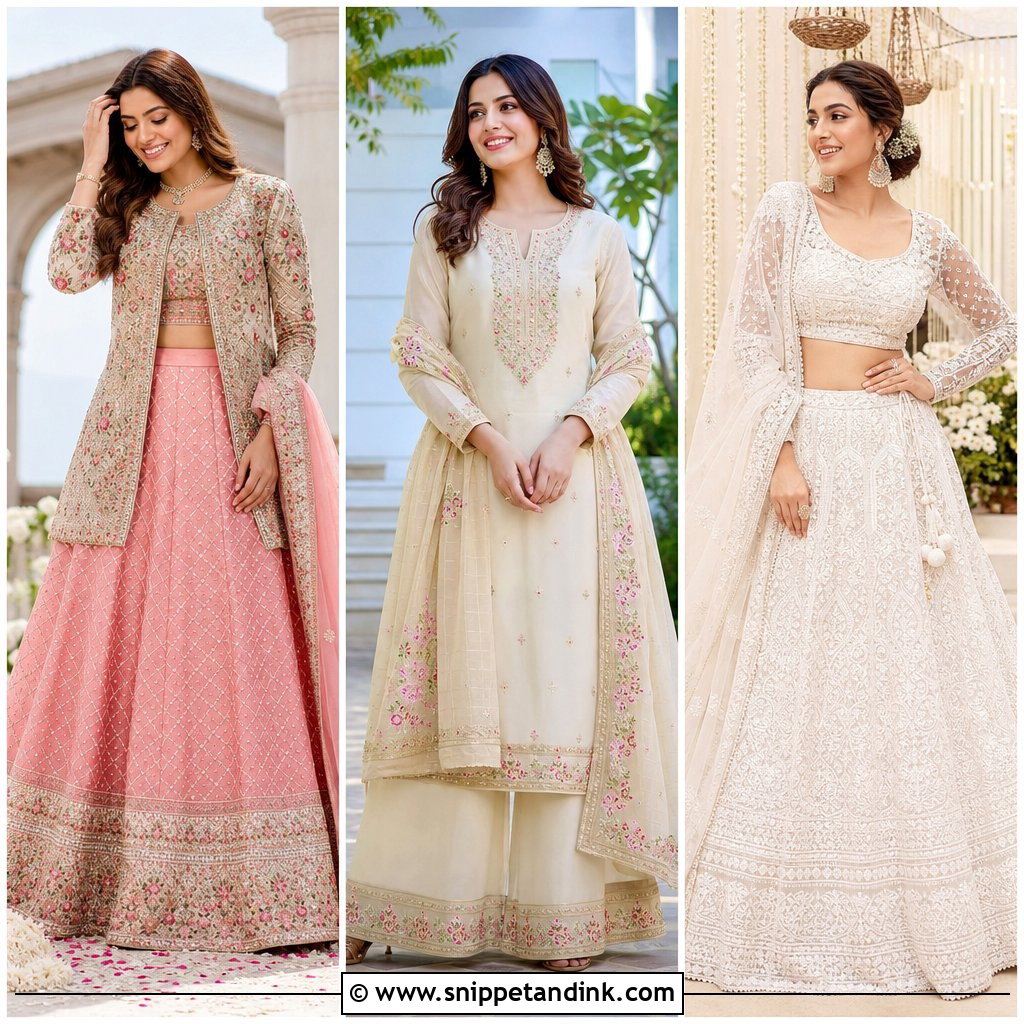
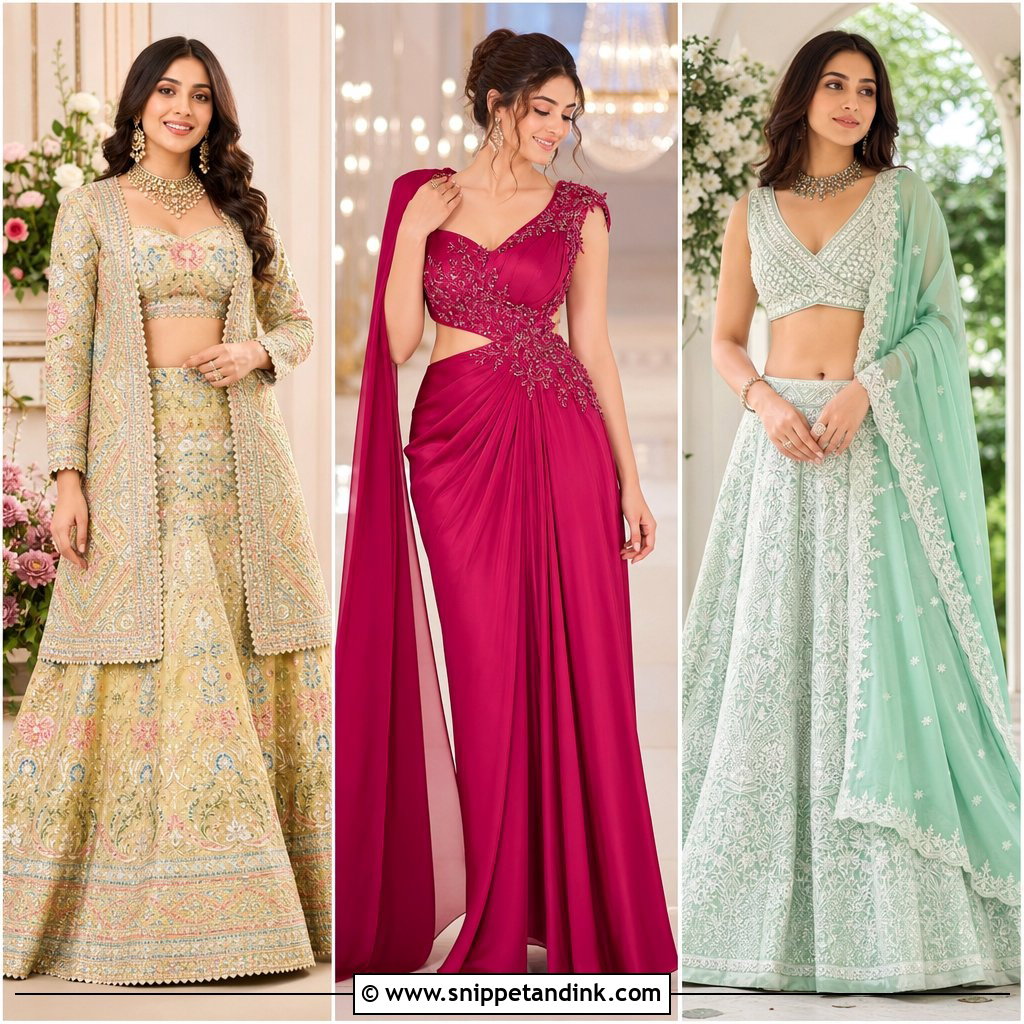
Pastel florals belong in daylight. Under evening lighting, blush and mint wash out, so I keep this lehenga for an engagement, a day ceremony or an outdoor event. Delicate embroidery on a flowing skirt looks fresh; heavy work in a pale shade starts to look bridal. The blouse needs real support, since you’ll be on your feet greeting people for hours. An organza or chiffon dupatta keeps it light. Pearl chandbalis, a small potli and metallic block heels finish it. For more coverage, ask for elbow sleeves and a higher back.
2. Banarasi Silk Saree for Brother’s Wedding
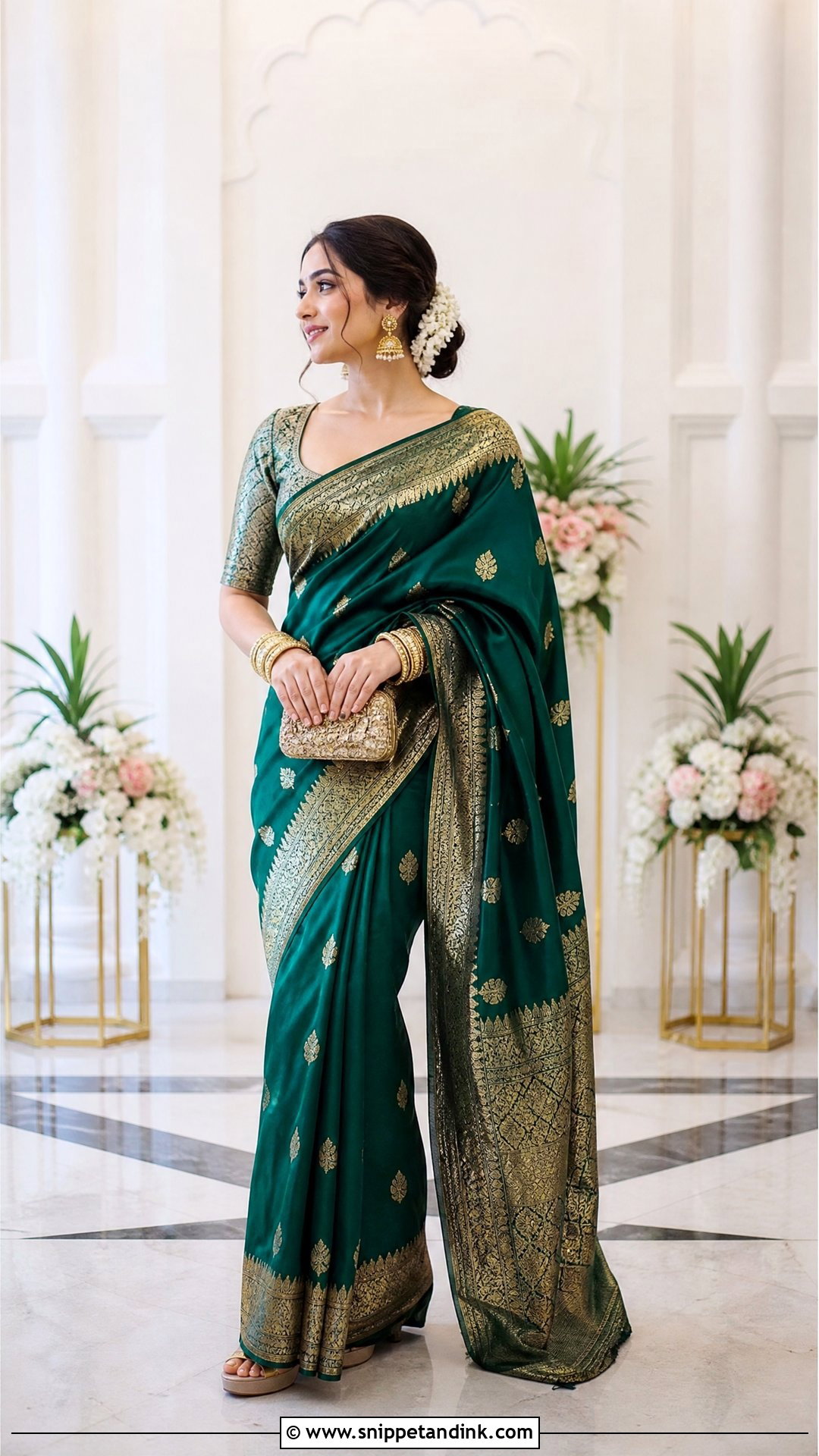
A Banarasi silk saree is the outfit I’d suggest for the main ceremony if you want something heirloom-worthy. Emerald, royal blue and deep pink look rich in family photos. Have the pleats and pallu pinned by someone practiced, because you’ll be greeting guests and bending to touch elders’ feet. A tailored brocade blouse suits the weave. Scale the motifs to your height: petite frames look better in smaller buttis, while tall women carry wide borders well. If the zari is dense, skip the heavy necklace and let gold jhumkas and bangles do the work.
3. Mirror Work Sharara for Brother’s Wedding
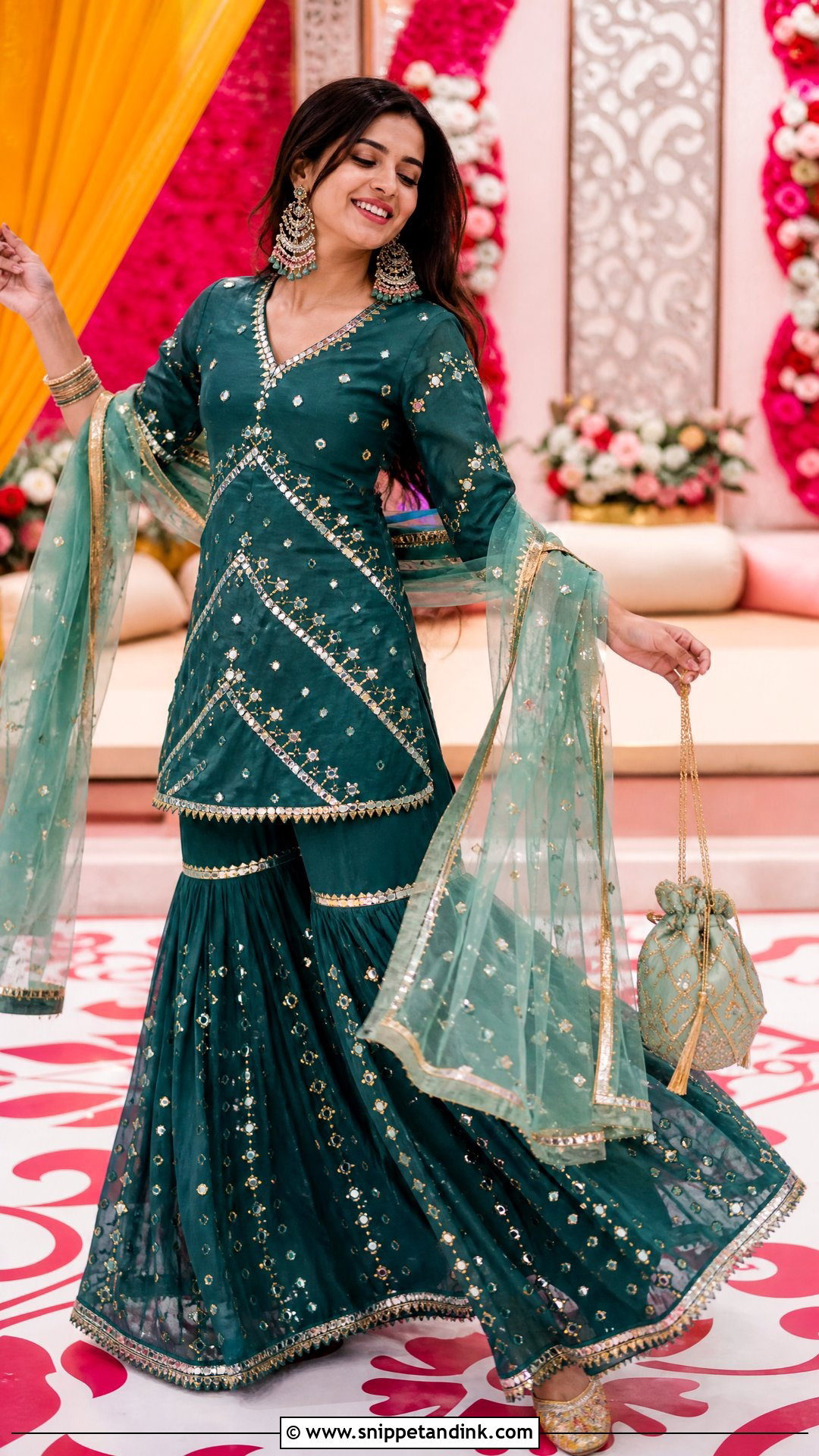
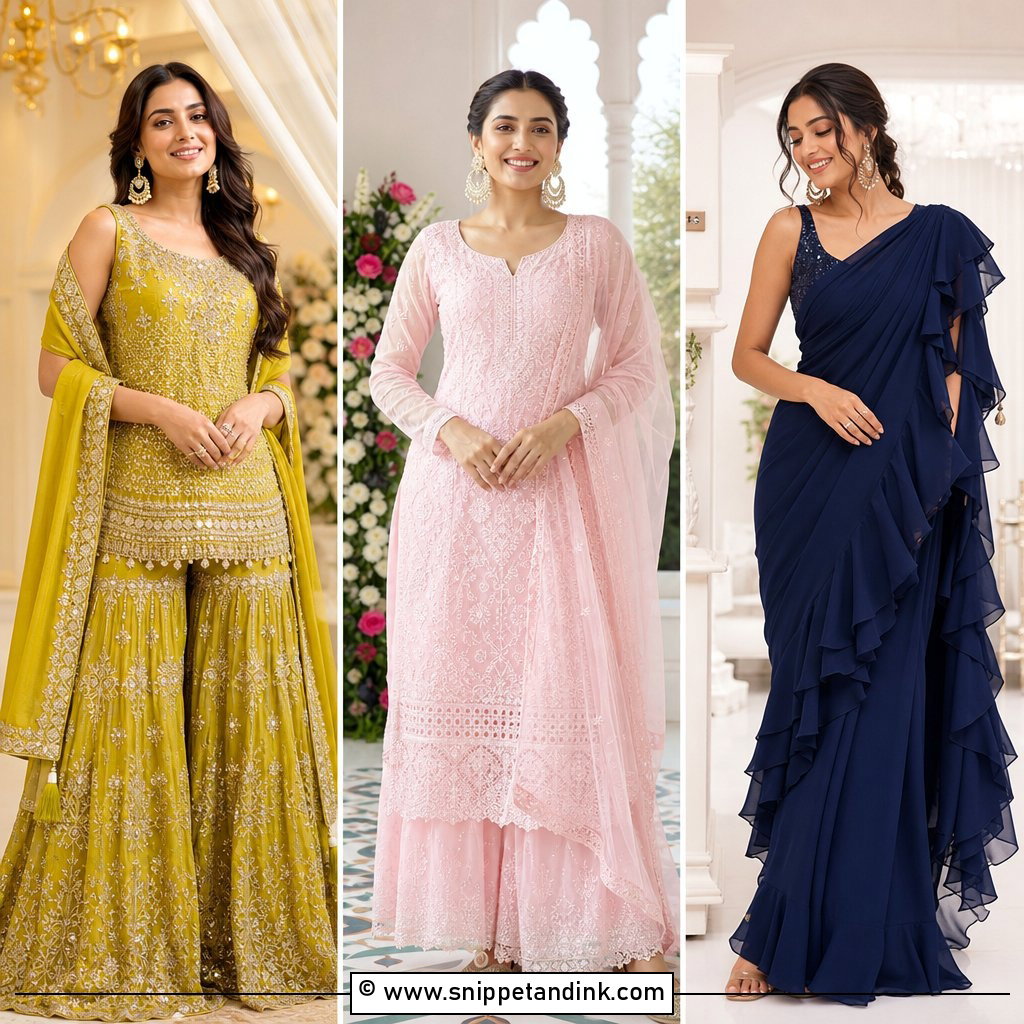
Mirror work earns its place at a sangeet or mehndi because it sparkles in small flashes without the weight of stone embroidery. A sharara lets you dance freely. Choose a kurta with a defined waist, wide pants and a light dupatta. Teal, fuchsia and mustard hold up well in bright festive light. Embellished juttis are much kinder than heels on a dance floor. Pin the dupatta at one shoulder, or loop it around the arms. A longer kurta adds length through the torso; a peplum cut shows the waist.
4. Embroidered Anarkali Suit for Brother’s Wedding
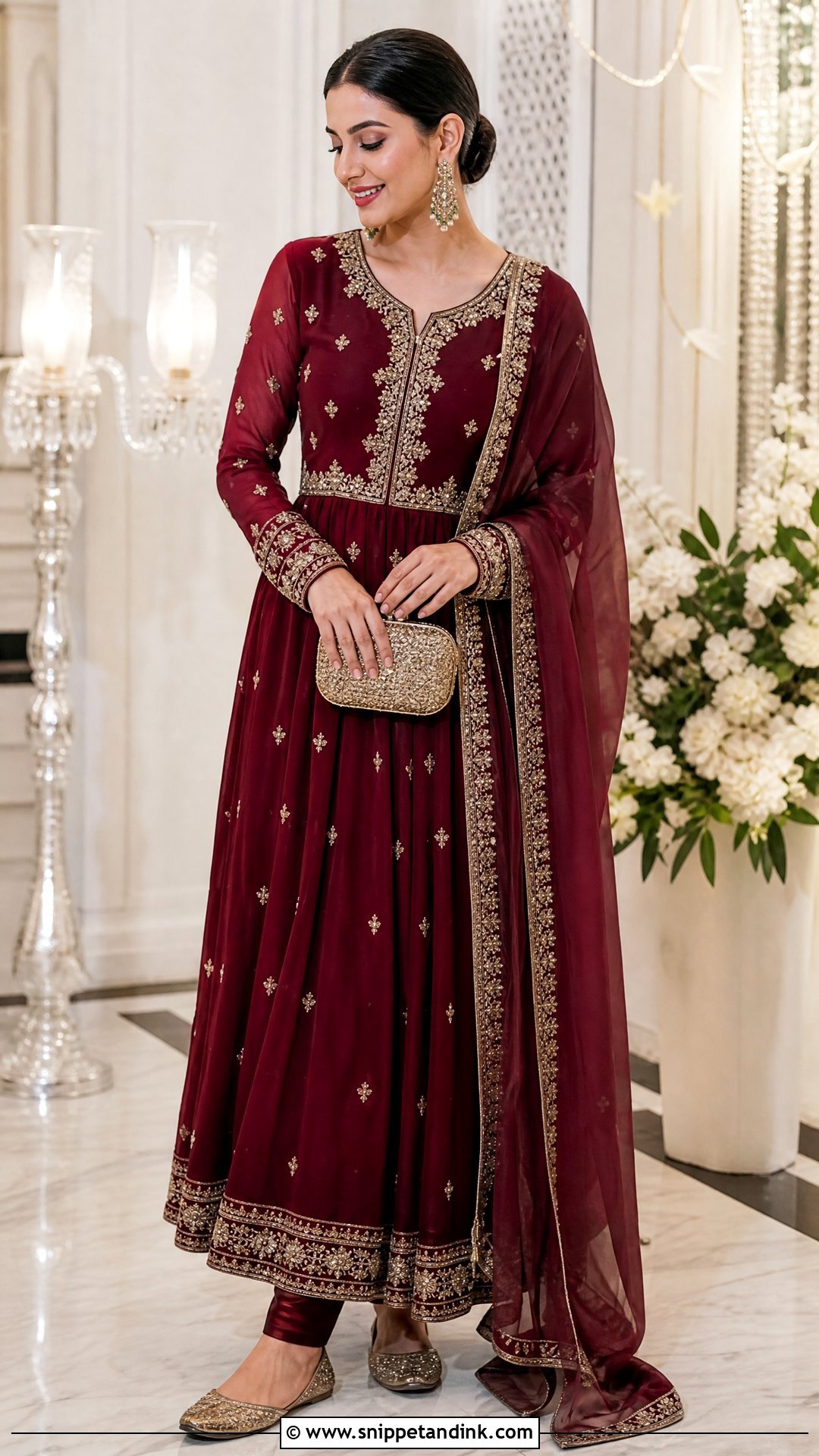
An Anarkali gives coverage and polish without the weight of a lehenga, which is why I like it for engagements and family dinners. Embroidery concentrated at the neckline and hem keeps the flare light. Wine, navy and sage are easy colors to wear. An empire waist lengthens the body; paneled construction stops the skirt from adding bulk at the hip. Ask for a soft cotton lining so the fabric doesn’t cling in the heat. Fitted churidar, pointed juttis and drop earrings finish it, with a sleek bun to show the neckline.
5. Cape Blouse Lehenga for Brother’s Wedding
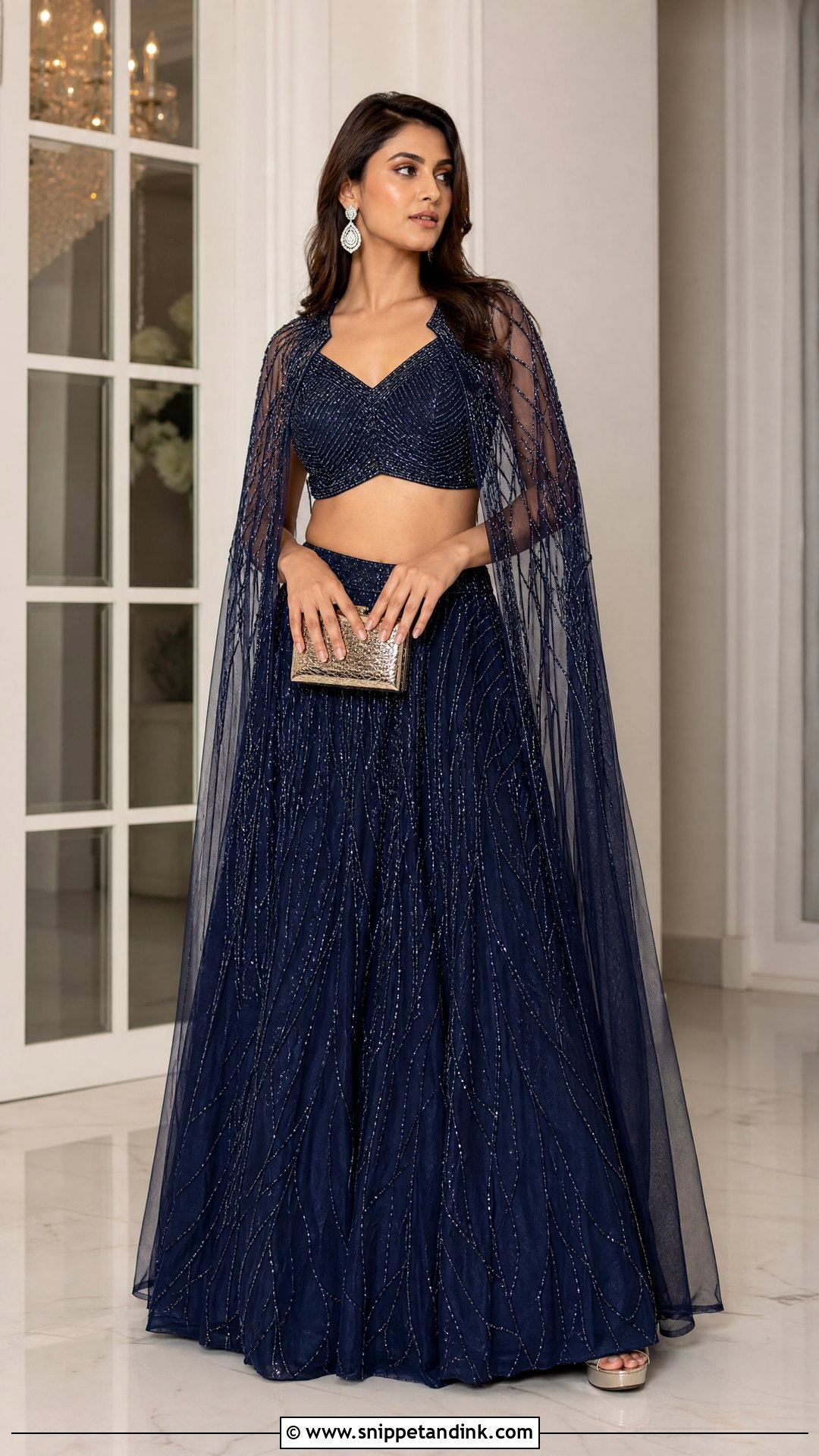
A cape blouse replaces the dupatta, which makes sense if you’ll be carrying trays, hugging relatives and dancing all evening. The cape can stop at the waist or fall past the hips, depending on how much coverage you want. Midnight blue, dusty mauve and forest green suit an evening palette. Skip the necklace, since the cape frames the neckline. I’d check one thing at the fitting: lift your arms. Some capes are stitched tight at the shoulder and pull the whole blouse up. Crystal earrings and platform sandals complete it.
6. Pre-Draped Saree for Brother’s Wedding
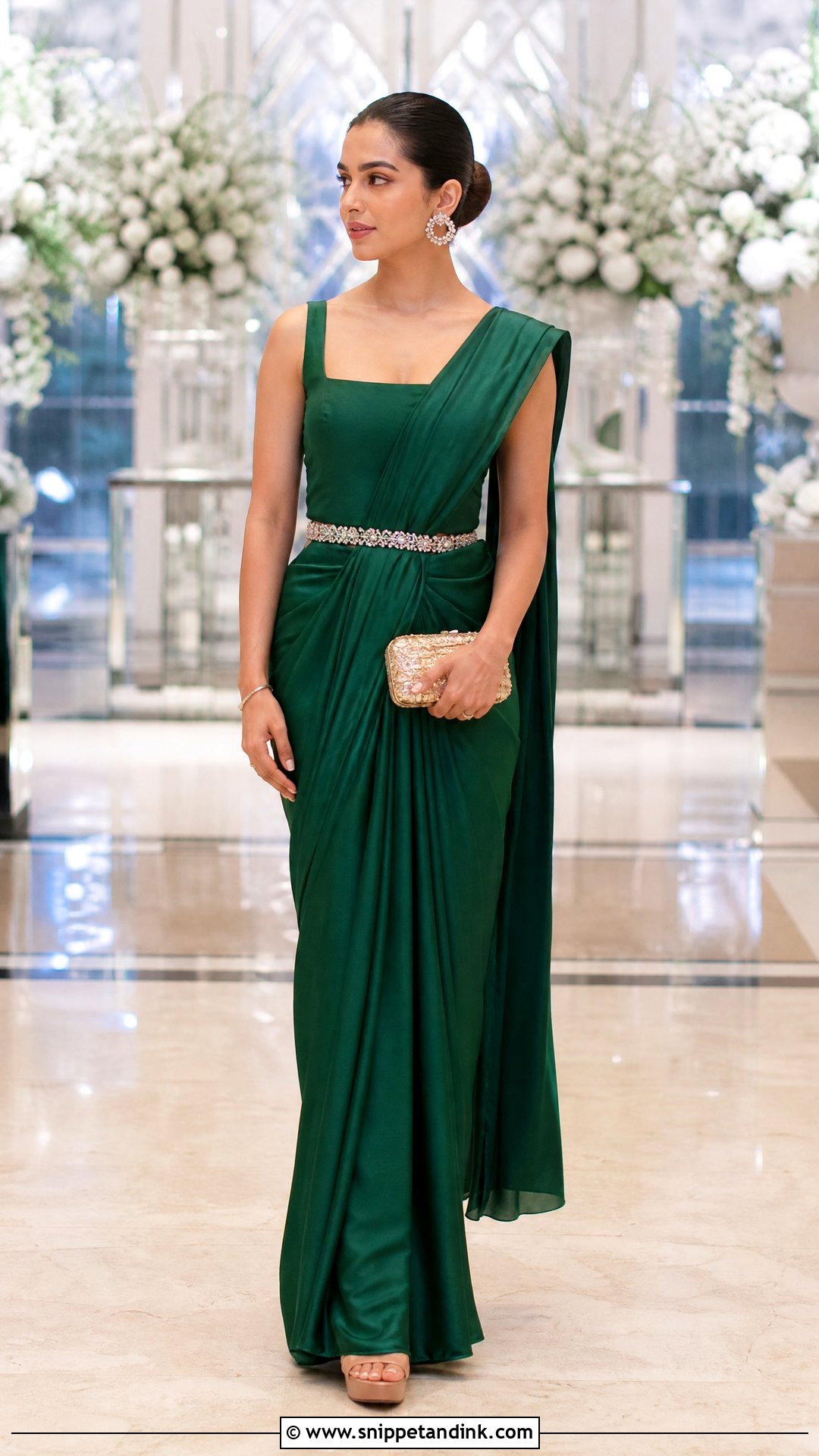
Pre-draped sarees are the outfit I recommend most to sisters who’ll be running between ceremonies. You get the look of a traditional drape and none of the re-pinning. Secure waist pleats and a structured blouse are essential. Berry, copper and slate blue look polished at a reception. A slim belt adds definition and holds the drape in place. Try it with your exact heels at the final fitting, because pre-stitched hems can’t easily be adjusted on the day. Sculptural earrings and a box clutch finish it, with a low bun to show the blouse.
7. Palazzo Suit for Brother’s Wedding
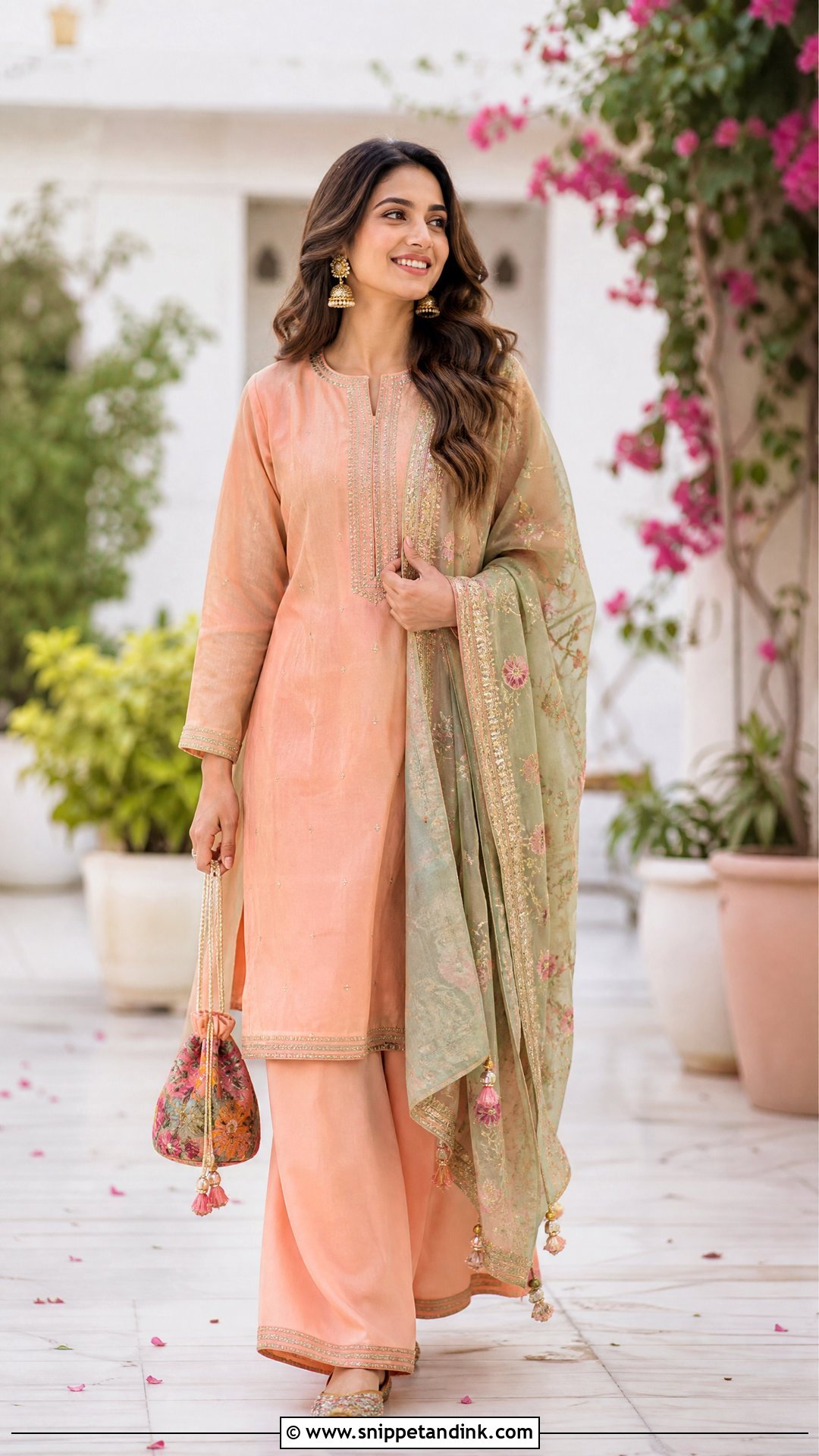
A palazzo set is my go-to for daytime pre-wedding functions. Light palazzo pants with a straight kurta and side slits are cool, easy to sit in and comfortable on floor seating. Georgette or silk-cotton blends breathe better than polyester. Peach, pistachio and marigold suit daylight. With very wide pants, a kurta above the knee keeps the proportions right; a longer straight kurta looks leaner. Put the detail at the cuffs or neckline rather than all over. A crossbody potli keeps your hands free.
8. Jacket Lehenga for Brother’s Wedding
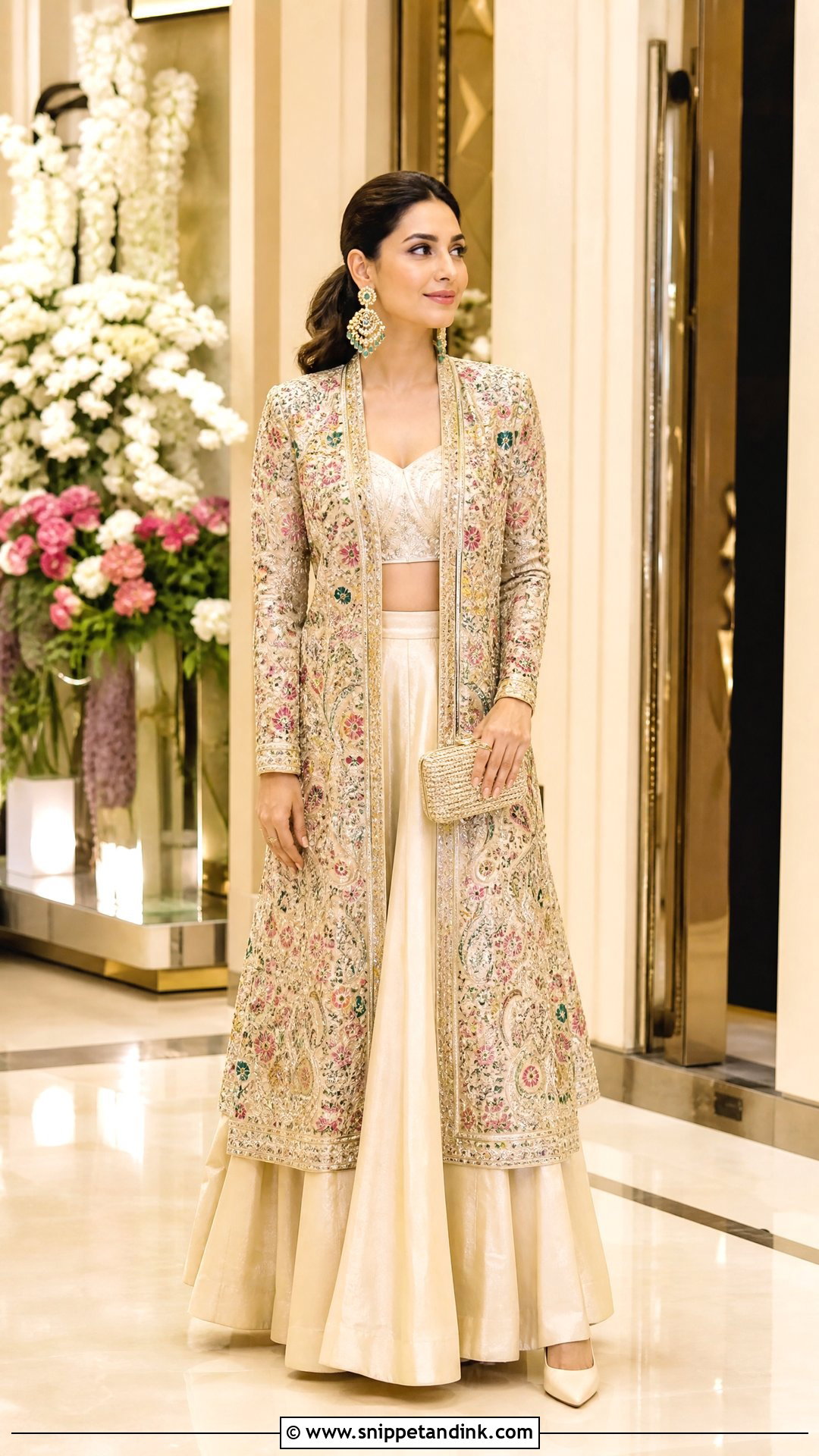
A jacket lehenga adds coverage and structure without extra weight on the skirt. Layer a long embroidered jacket, worn open, over a fitted blouse and flowing skirt. Ivory with colored threadwork, green with gold or navy with silver all look festive rather than bridal. The jacket frames the top half, so a necklace isn’t needed. A straight jacket lengthens; a lightly flared one softens the hips. Check the sleeves carefully: you need to raise your arms for rituals and dancing without the jacket pulling across the back.
9. Peplum Sharara for Brother’s Wedding
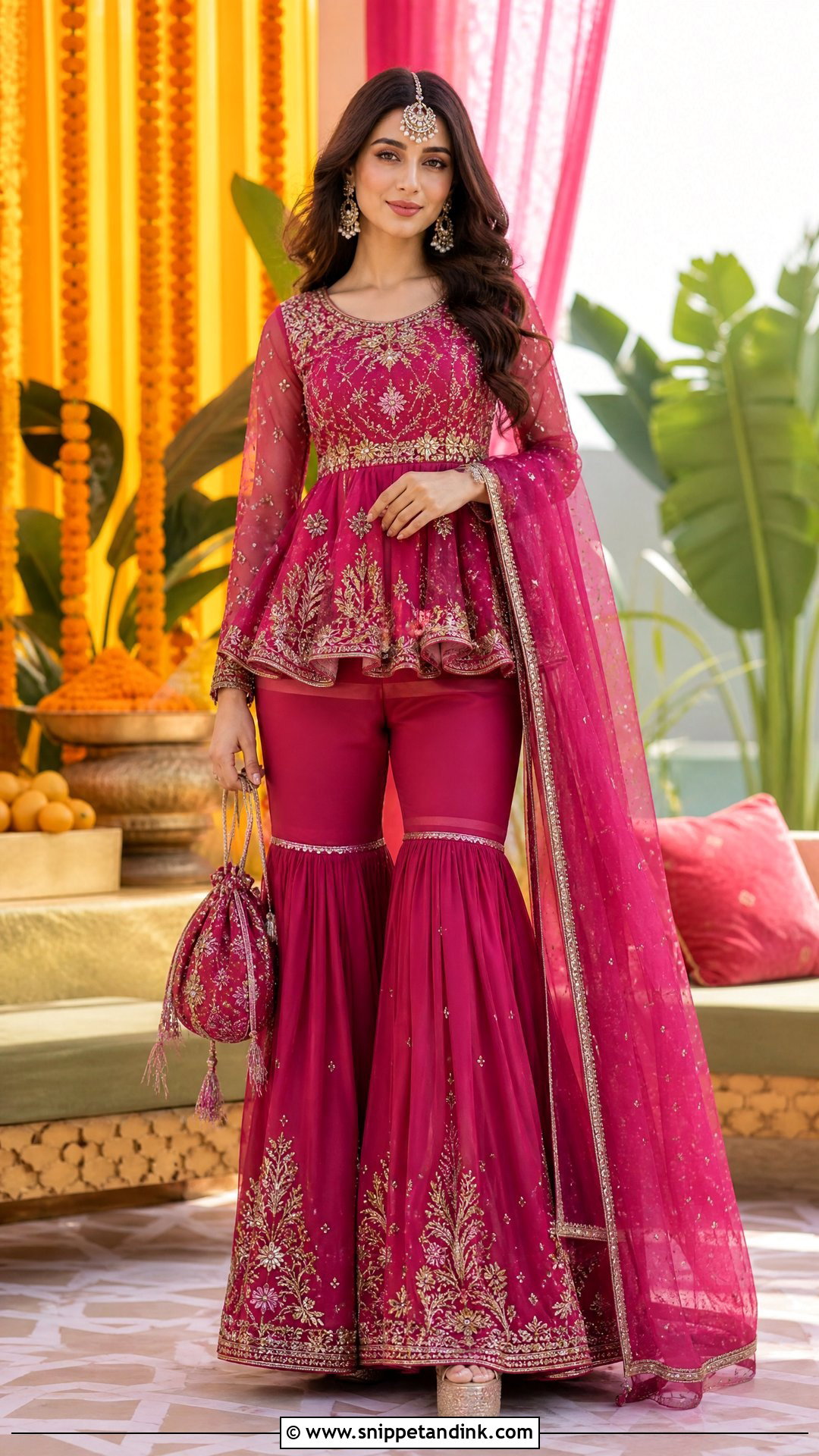
Peplum shararas suit mehndi and sangeet nights when you want a defined waist and freedom to move. The peplum has to sit at your natural waist and fall softly. A stiff peplum sticks out at the stomach and makes everyone look wider than they are. High-waisted sharara pants and a light dupatta complete the set. Raspberry, turquoise and burnt orange feel festive. A maang tikka and an embroidered potli add tradition. Platform juttis are steady on uneven floors, and a half-up style keeps hair off your face.
10. Organza Saree for Brother’s Wedding
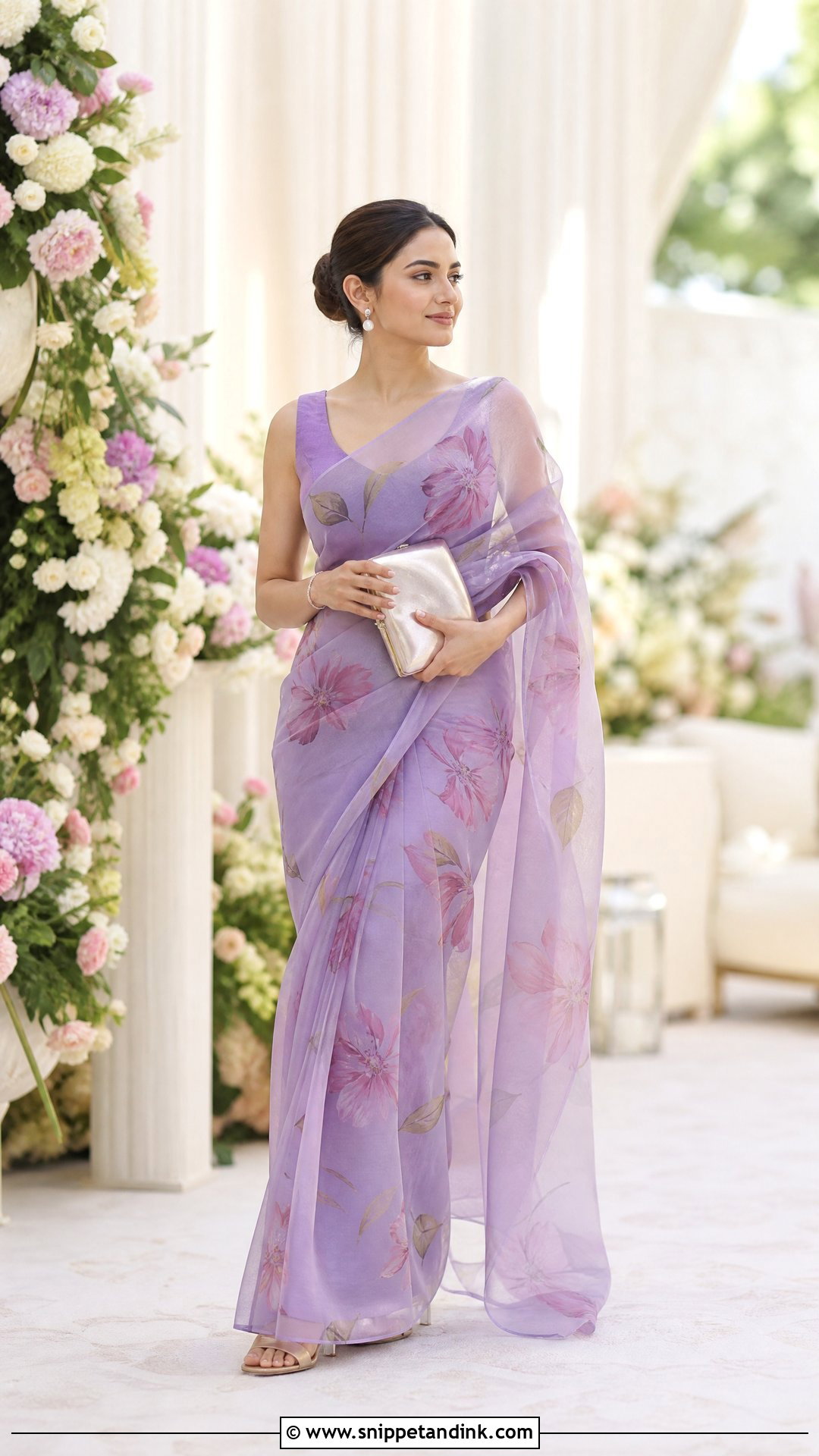
Organza is airy and crisp, so it suits day ceremonies and garden venues more than crowded evening halls. Floral embroidery or scattered sequins keep it light. Pastels like lilac and icy blue suit the sheen. Organza holds volume, which means pleats stick out unless they’re kept narrow and pressed sharply; I press them the morning of the event. A silk or raw-silk blouse gives the sheer fabric some structure. Pearl earrings and kitten heels keep the line graceful. Pin the pallu discreetly, because organza slides off satin blouses.
11. Dhoti Pants and Crop Top for Brother’s Wedding
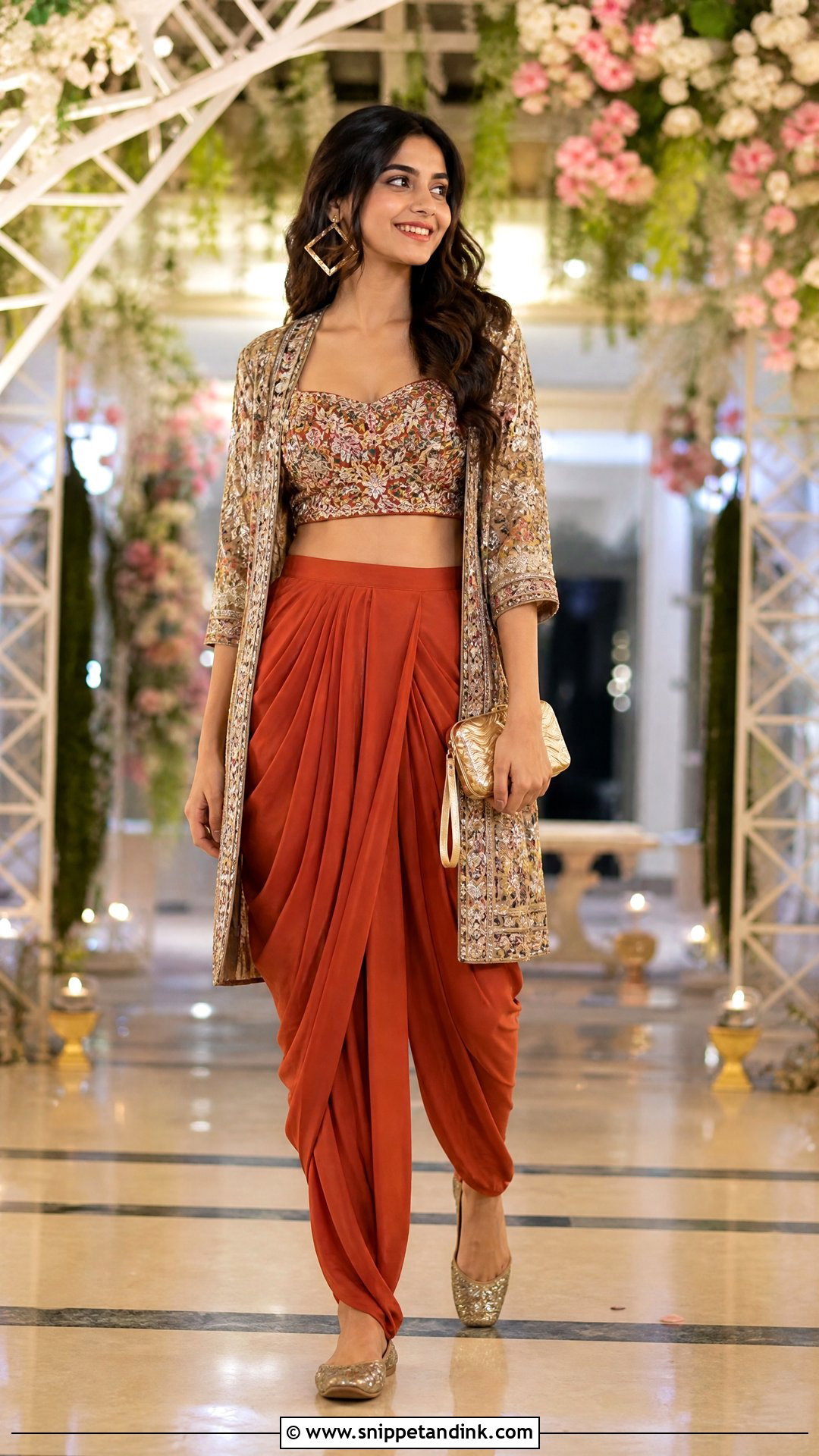
Fusion works well for mehndi and sangeet if the family is comfortable with it. A pair of draped dhoti pants with a fitted crop top and a long jacket move easily and still look festive. Jewel-toned satin or crepe with embroidery at cuffs and jacket border keeps it dressy. High-waisted dhoti pants give midsection coverage, and the open jacket adds a long vertical line. The drape should end above the floor, or you’ll catch it on steps. A high ponytail or braid stays put through games and dancing.
12. Velvet Lehenga for Brother’s Wedding
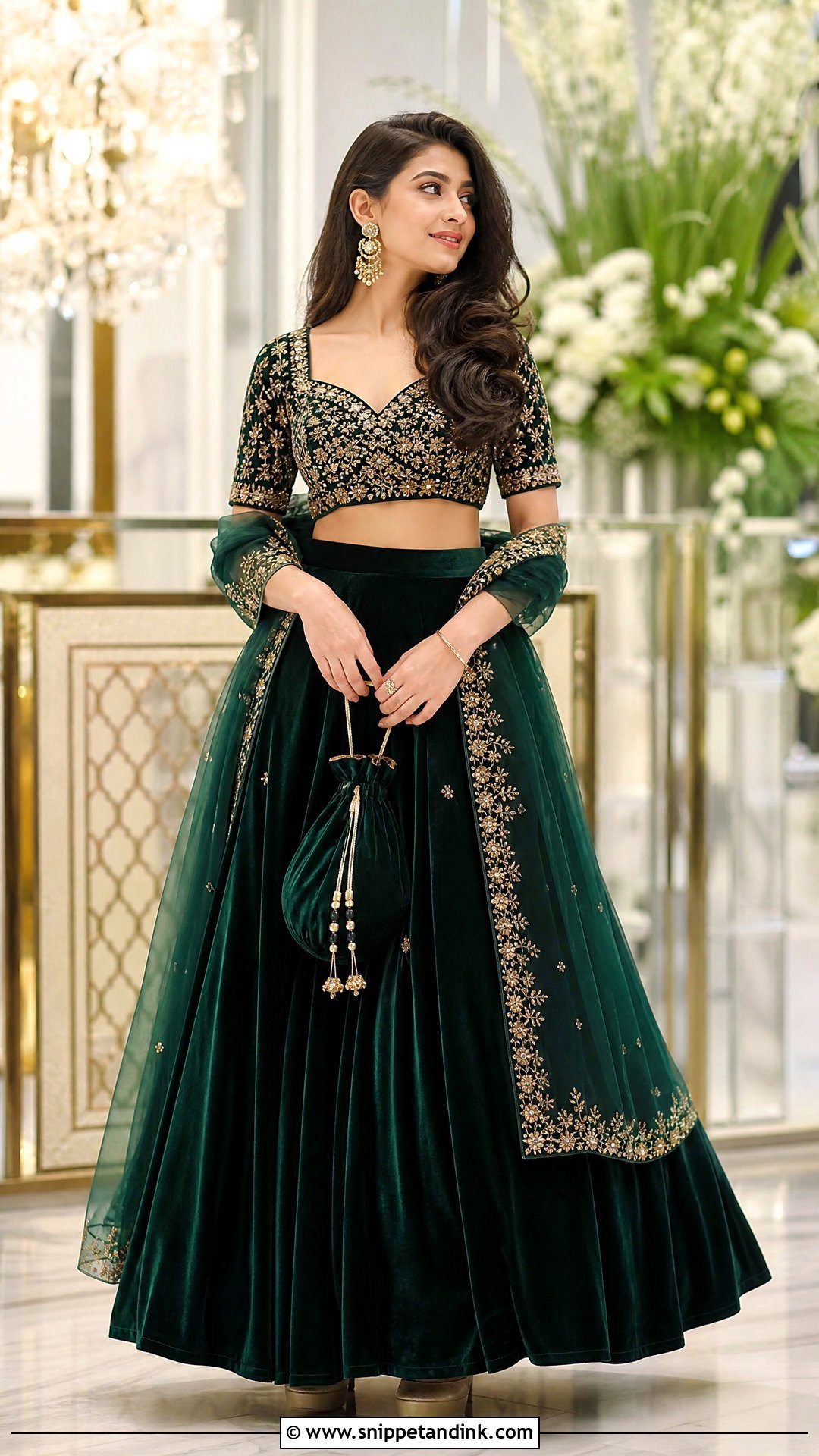
Velvet is a winter-only fabric in my book. It’s warm, it holds its color richly in low light, and it’s too heavy for a summer hall. Burgundy, emerald and deep plum look festive without much embellishment. A clean skirt shape suits velvet better than heavy gathering, which adds bulk at the waist. Pair it with a net dupatta to lighten the top half and keep jewelry around the face. Choose a blouse with comfortable sleeves for long ceremonies, and closed platform heels for cold floors.
13. Bandhani Saree for Brother’s Wedding
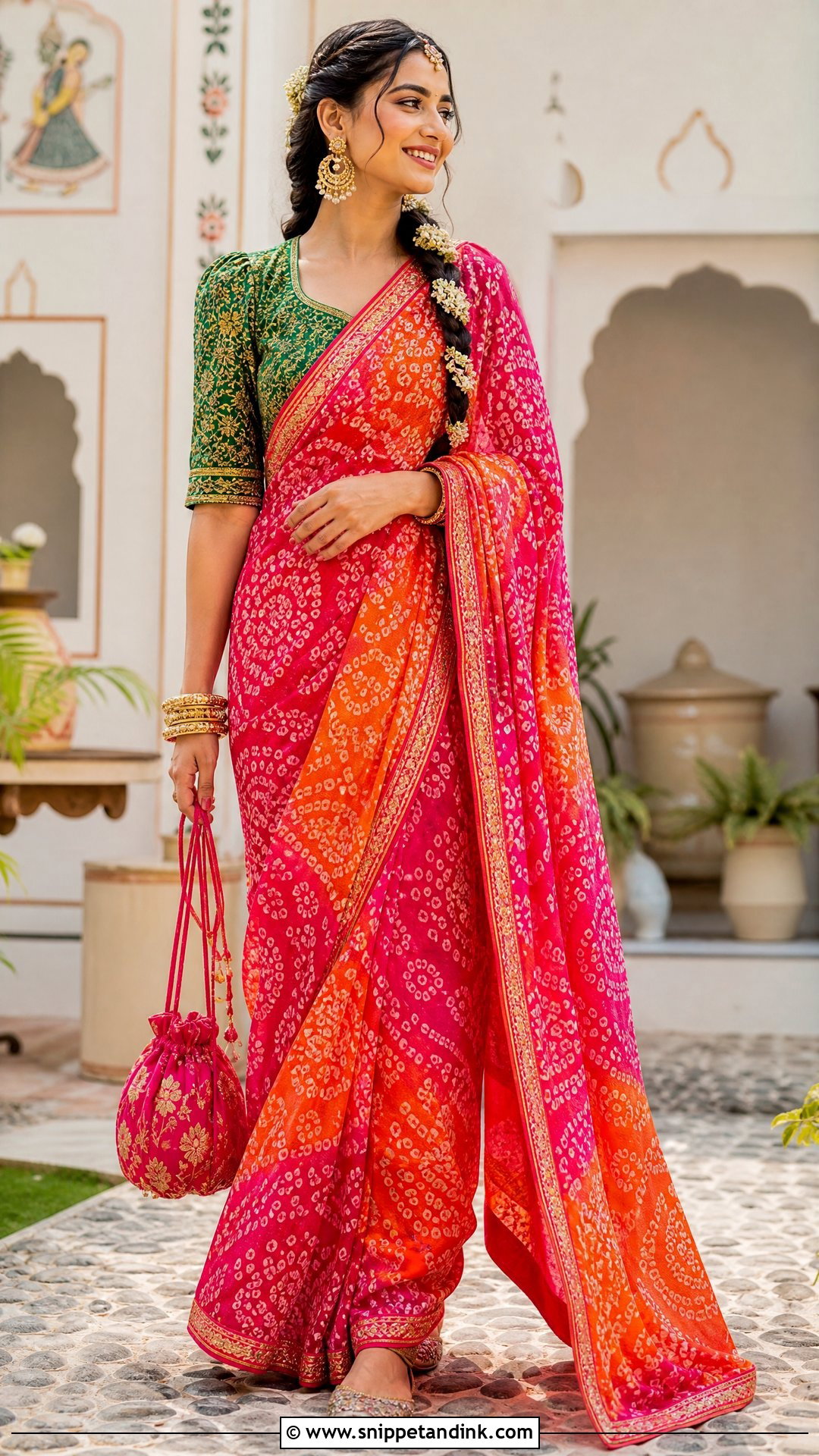
Bandhani is the cheerful choice for haldi, mehndi or a daytime ceremony. Red and pink are classic; green, yellow and purple feel more playful. A raw silk or brocade blouse adds texture against the tie-dye dots. Oxidized silver suits casual daytime functions, while gold-toned pieces make it more formal. Bandhani is often lightweight, so pin the pleats and shoulder firmly, especially if you’ll sit on the floor for rituals. A braid with small flowers suits it. Keep the blouse shape simple so the print stays the focus.
14. Gharara Suit for Brother’s Wedding
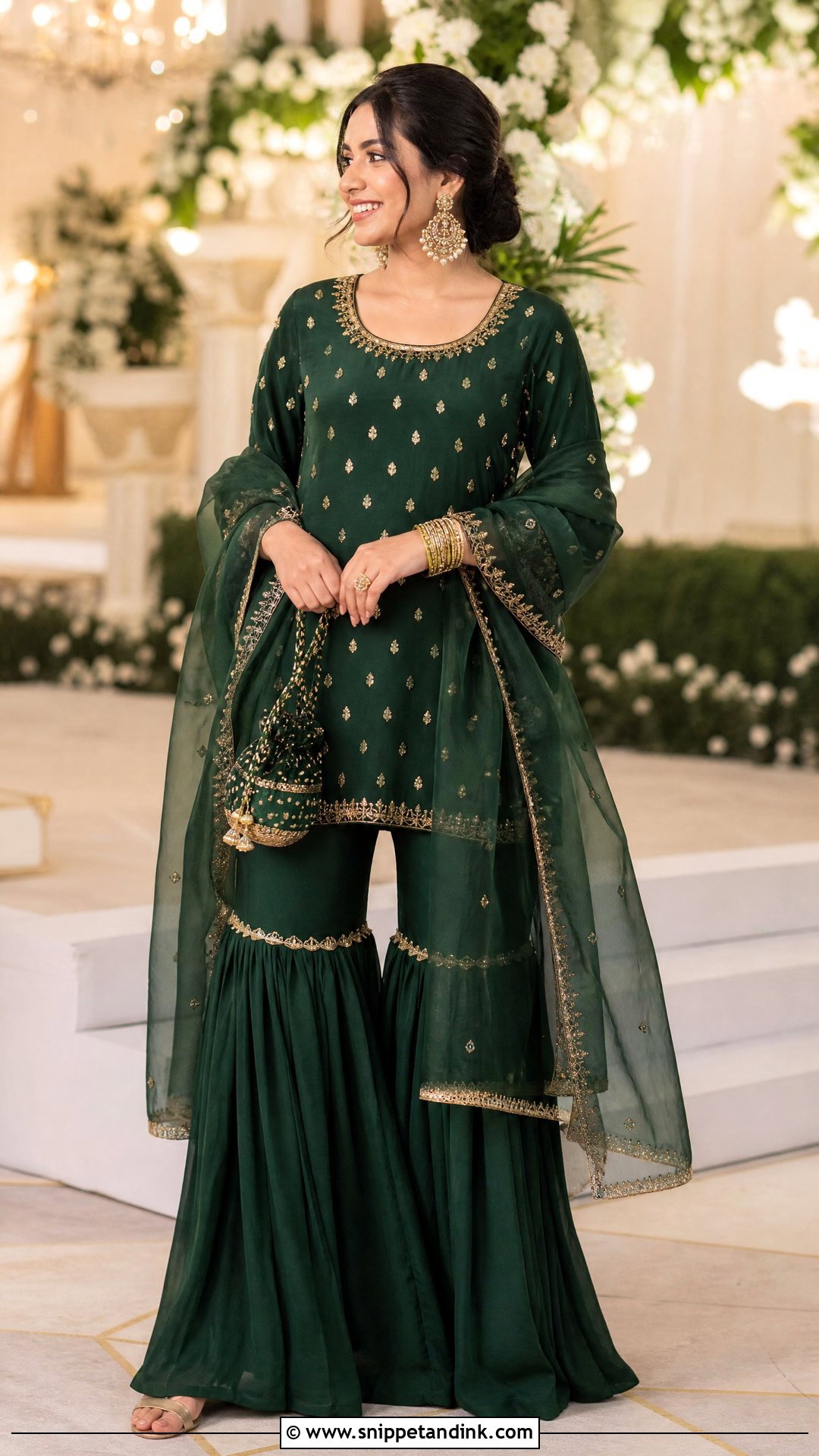
The gharara’s shape is fitted above the knee and gathered below, so a short kurti is a must to show it. Rose pink, bottle green and deep mustard work day or night. Gota or zari work adds detail without heaviness. A passa or statement earrings add a traditional touch. Proportion is the thing I fuss over: petite women look best in moderate flare with a shorter kurti, while taller women can carry wide ghararas and long dupattas. Low block heels are steadier than juttis if the floor is polished.
15. Indo-Western Jumpsuit for Brother’s Wedding
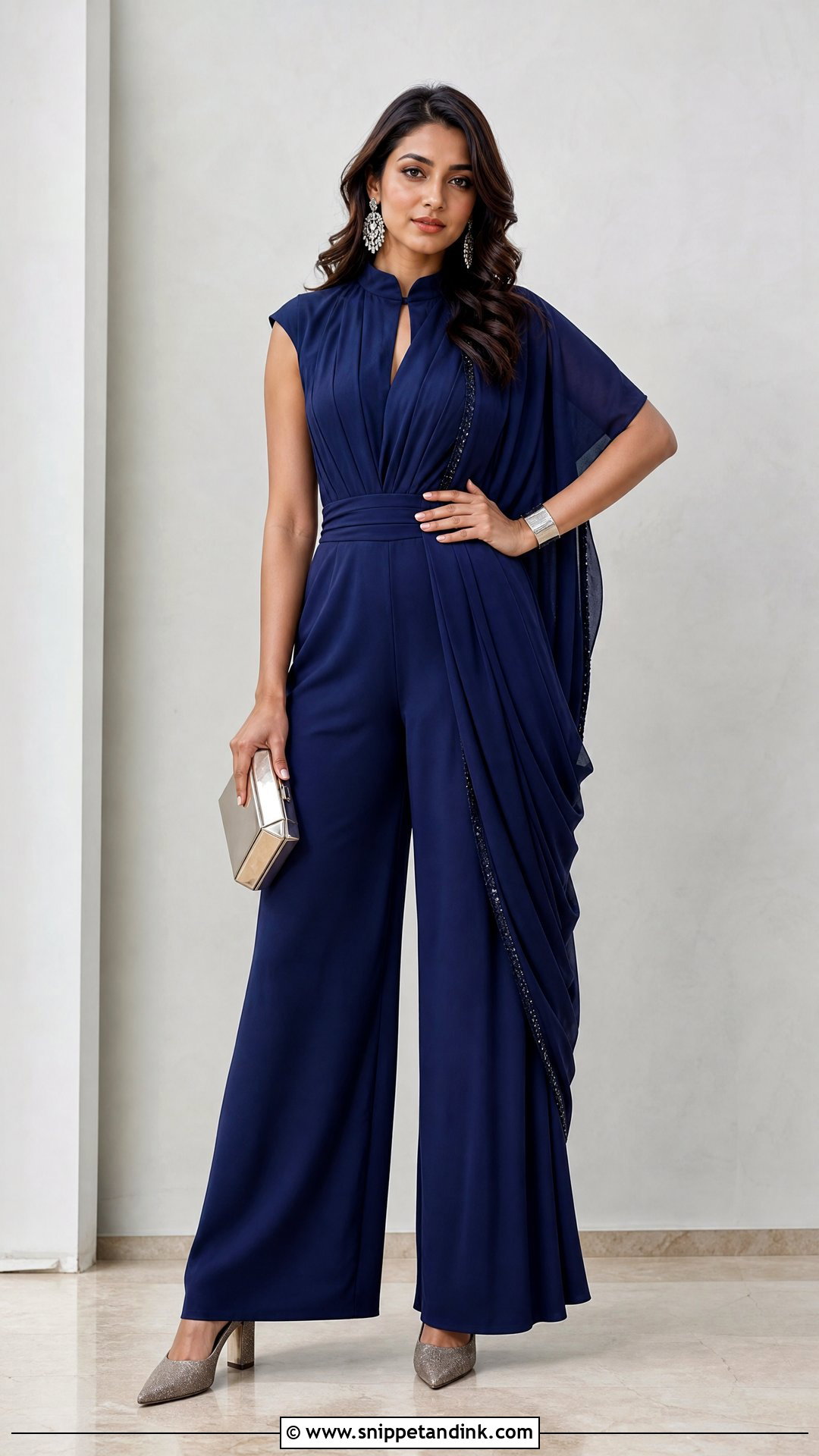
An Indo-Western jumpsuit is a sleek choice for a cocktail party or reception. Wide-leg trousers with an asymmetric drape, cape or attached pallu give it Indian movement. Sapphire and bronze look good at night. Black and maroon are fine only if your family is comfortable with dark colors at a wedding, so ask first. A wrap or belted waist adjusts to most shapes. Sit down in it before buying, because a short torso pulls badly. Pointed block heels and a cuff bracelet finish it.
16. Chikankari Kurta Set for Brother’s Wedding
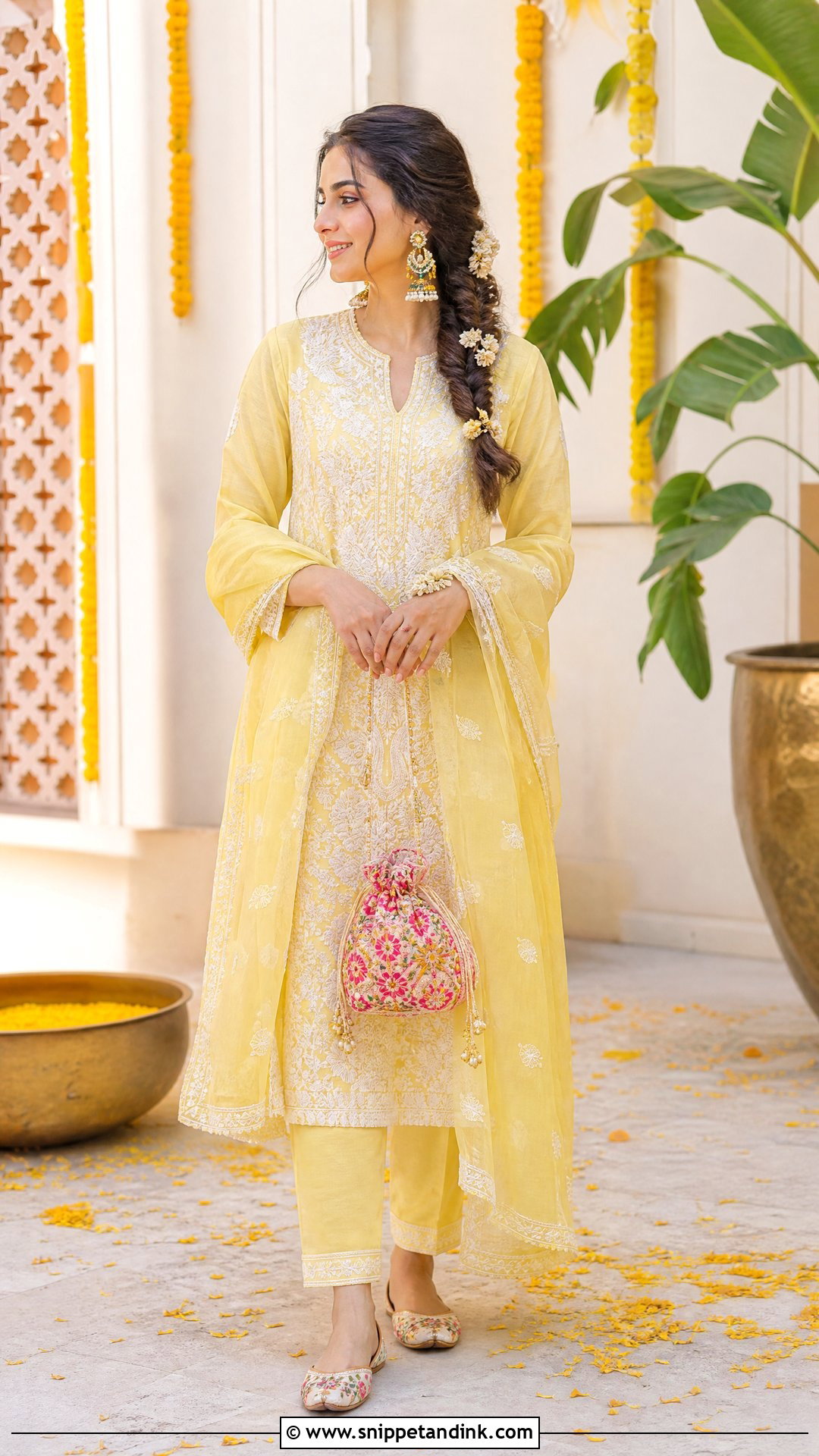
Chikankari is hand embroidery on fine cotton or georgette, and its quiet texture makes it a good outfit for haldi or a family brunch. Lemon yellow is cheerful for haldi; just accept that turmeric stains, so don’t wear a piece you treasure. Mint and ivory suit quieter functions. Sheer chikankari needs a breathable cotton lining. Cigarette pants look tailored; palazzos give more room. Meenakari earrings and a bright potli add color against the pale fabric.
17. Sequin Saree for Brother’s Wedding
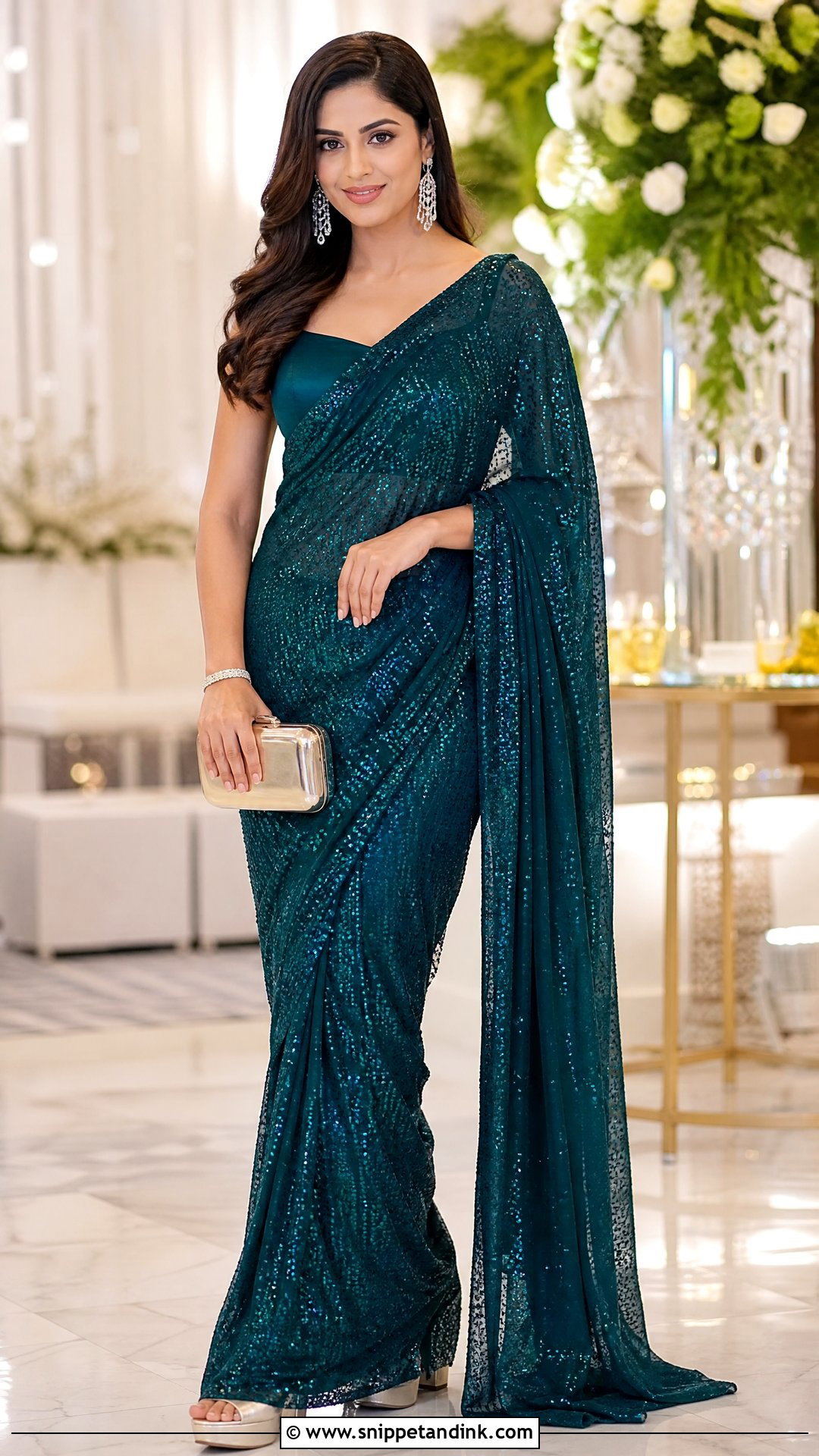
A sequin saree catches evening light at a sangeet or reception like nothing else. Choose a georgette or chiffon base so it drapes rather than stands stiff. Deep teal, mauve and gunmetal look festive without echoing bridal red. Keep the blouse simple and pick a single standout accessory. Sequined pallus slip easily off the shoulder, so pin firmly at the shoulder before you dance. Check the inside of the pallu, too; rough sequin backing can scratch your arm over a long evening. Cushioned block heels and a compact clutch finish it.
18. Brocade Skirt and Blouse for Brother’s Wedding
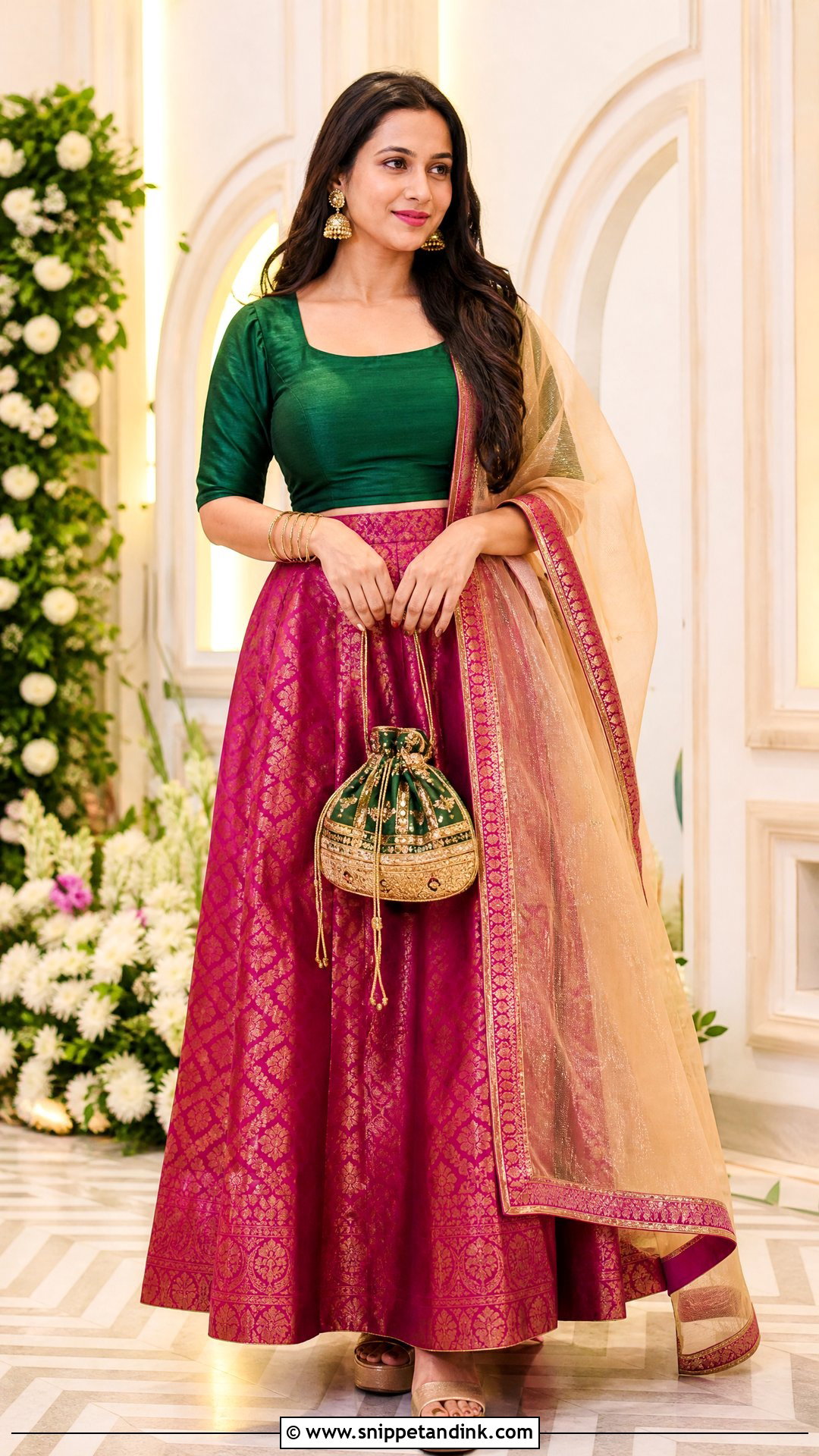
A brocade skirt with a plain silk blouse is a set I like because you’ll wear both pieces again. Choose a rich woven skirt in gold, green or magenta, then match the blouse to a secondary color in the weave. A high-waisted A-line flows over the hips. Add a dupatta for the ceremony, or leave it off for a relaxed pre-wedding event. Temple-style earrings and a structured potli suit the brocade. An elbow-sleeve blouse or short jacket adds coverage if needed. Keep the hair simple so the texture stays the focus.
19. Pant Saree for Brother’s Wedding
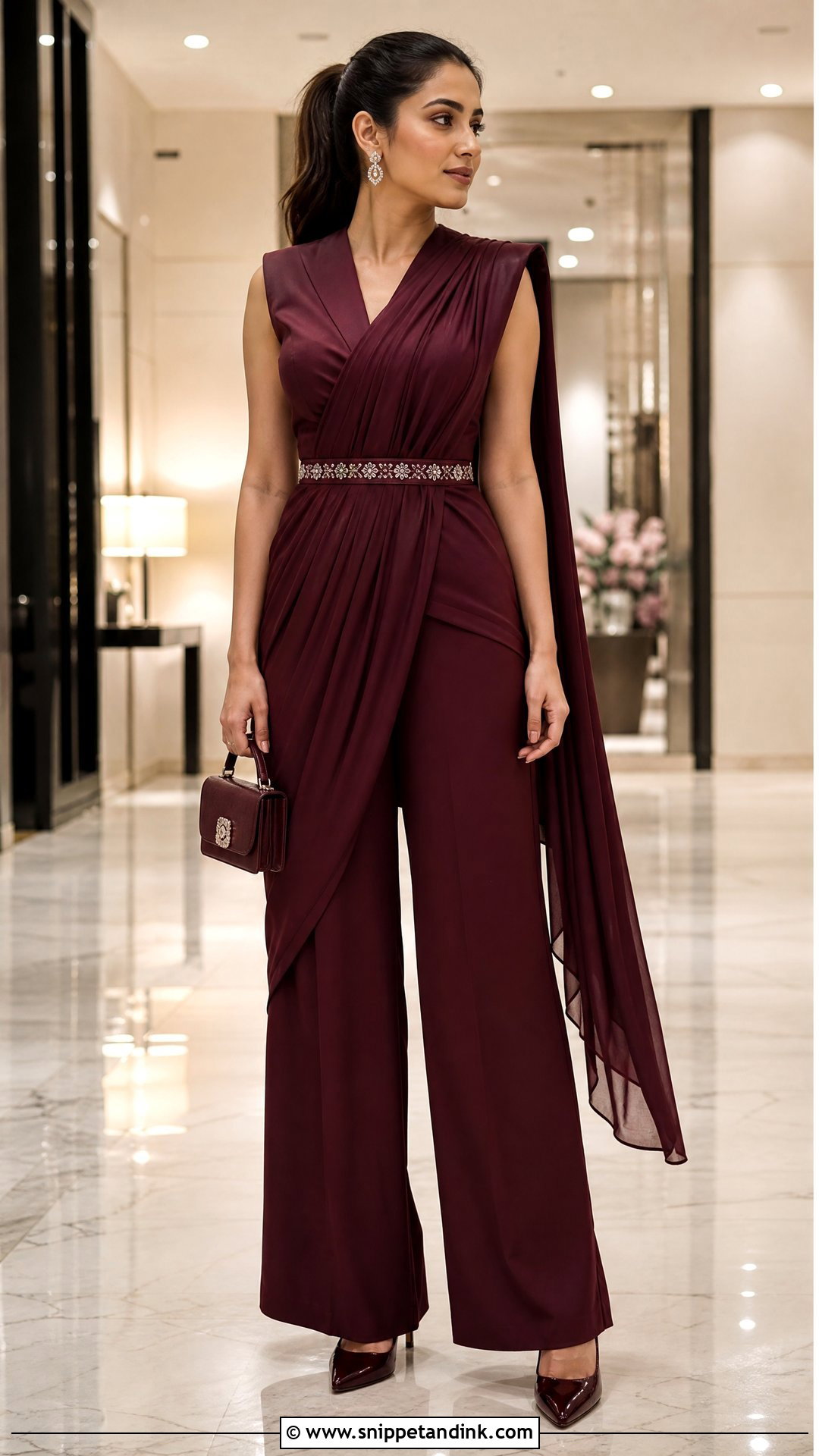
A pant saree gives you a traditional drape with the security of trousers underneath. Stretch through the hip and knee matters if you’ll dance; rigid fabric pulls at every step. Monochrome in wine, emerald or dusty rose makes a long, clean line. A slim embroidered belt defines the waist and anchors the pallu. A long pallu softens the look; a short shoulder drape feels sharper. Contemporary earrings, a small top-handle bag and pointed heels finish it, with a sleek bun or ponytail.
20. Kanjeevaram Saree for Brother’s Wedding
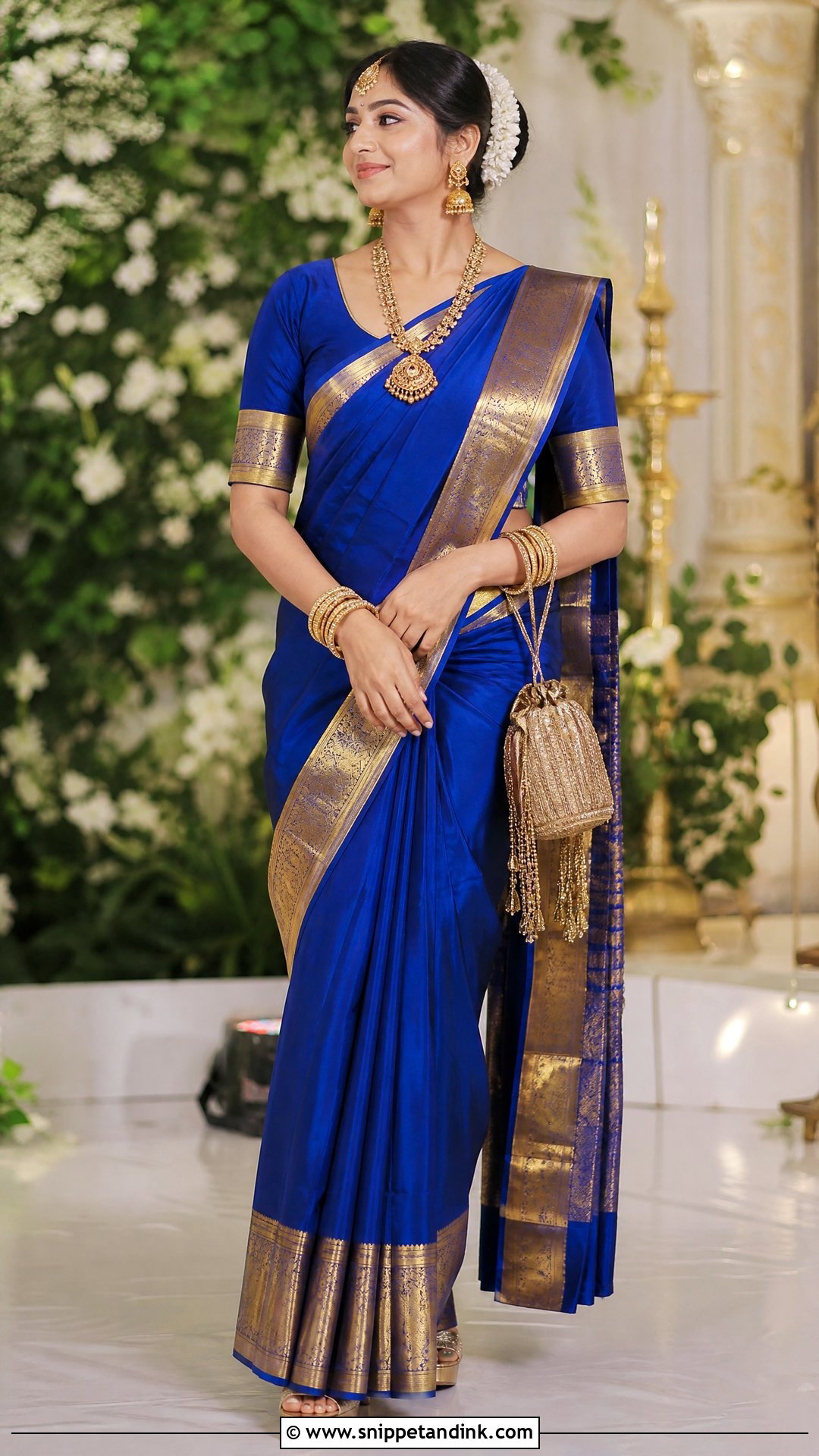
A Kanjeevaram saree is the ceremonial choice for the main wedding day. Pick a color that sits with the family palette but doesn’t repeat the bride’s combination. Emerald, purple and mustard with gold borders look right in temple and hall settings alike. Real Kanjeevaram silk is heavy, so spread the pleats evenly and pin at both waist and shoulder, or the weight drags the drape down by evening. Temple jewelry and a classic bun with fresh flowers complete it. Narrower borders suit petite frames; broad borders suit taller women.
Silk Sarees After the Wedding: Storage That Protects the Zari
Banarasi and Kanjeevaram sarees often get passed down, and how you put them away after the wedding decides how they’ll look in twenty years. The gold or silver zari is the fragile part. These are the habits I’d follow:
- Air the saree in shade for a few hours after wearing, never in direct sun, which fades silk.
- Spot clean any stains promptly and dry clean only with a cleaner who handles pure silk.
- Wrap it in plain cotton or muslin. Plastic traps moisture and can yellow the fabric.
- Refold along different lines every few months so the zari doesn’t crack at the same creases.
- Keep it away from damp walls, and skip strong mothballs directly on the silk; a cloth sachet of dried neem leaves is a gentler choice.
Store heavier sarees flat rather than on a hanger, since the weight of the border stretches the silk over time.
Plan Every Function Around the Bride’s Colors
Your wardrobe for your brother’s wedding should keep you comfortable through every ritual and every photo. Start with each function: venue, weather, time of day and any family color plan. Sarees and lehengas suit the formal ceremonies; shararas, kurta sets, jumpsuits and fusion drapes are easier for dancing and hosting. Tailoring counts as much as color, so book fittings early and test each look with its shoes and jewelry. Above all, keep your outfits distinct from the bride’s. A quick check with her on colors saves awkward photos later.
You'll Like These Ideas:


Leave a Reply