
Dressing for your brother’s wedding is a different job from dressing as a guest. You’ll stand in every family portrait, carry thaals in the rituals, greet relatives at the door and dance until the DJ stops. When I style a groom’s sister, I plan around that workload first and the color second, so the outfit holds up while she’s busy and still looks special without pulling attention from the bride. Light fabrics carry the daytime functions; silk, velvet and denser embroidery come out after dark. Below are twenty outfits I’d suggest across the haldi, mehndi, sangeet, ceremony and reception, with notes on where each one actually works.

Planning Five Functions Without Buying Five New Outfits
A big Indian wedding can mean five or more events in three days. When I plan a sister’s wardrobe, I start from the function list, not the shopping list, and I look for pieces that can do double duty.
- Haldi and puja: cotton, chikankari or a Patiala you won’t cry over if it gets stained. Light colors, a bright dupatta.
- Mehndi and sangeet: the dancing outfits. Sharara, mirror-work lehenga or a floor-length Anarkali. Test every one with a few spins in the trial room.
- Wedding ceremony: your most traditional piece, usually silk. You’ll be in close family portraits for an hour or more, so fit matters most here.
- Reception: the evening look. A pre-draped saree, cape lehenga or jumpsuit.
Mixing pieces stretches the budget. A worked blouse from the ceremony saree can go under a plain lehenga skirt for the reception, and a heavy dupatta can transform a simple kurta set for the puja. I’d rather a client buy three good pieces and restyle them than six that only half fit.
Give tailoring proper time. Most boutiques need several weeks for stitching and another fitting for alterations, and wedding-season queues are long, so order at least two months ahead if you can.
1. Pastel Embroidered Lehenga for Brother’s Wedding
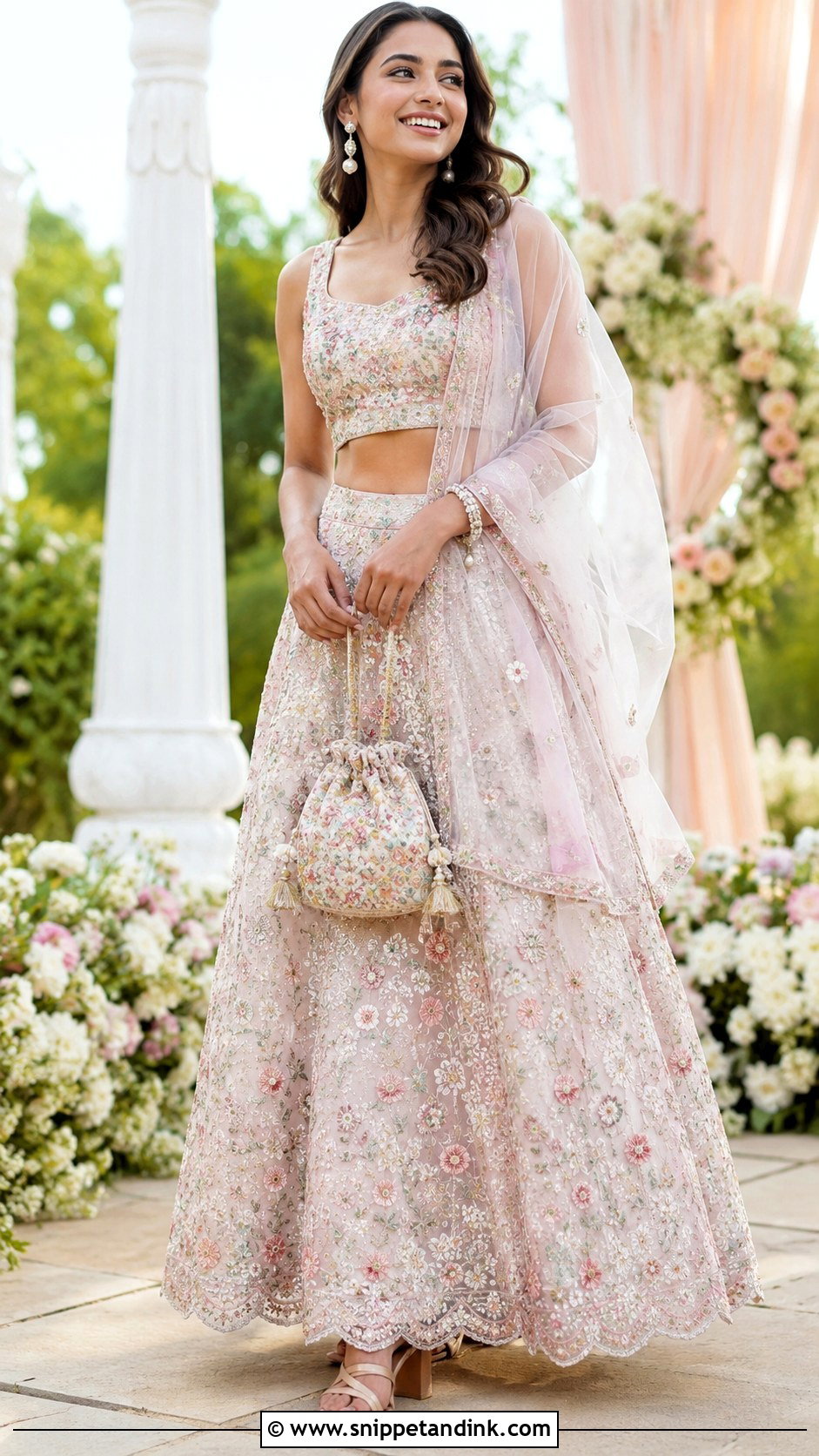
Pastels are the safest family color for a daytime or garden ceremony because they look festive yet sit well clear of bridal red. I’d look at blush, powder blue, mint, lavender or peach in a lightly flared skirt with threadwork or small sequins. A fitted blouse and a sheer dupatta over one shoulder keep it simple. Scale the embroidery to your height: petite frames carry small motifs better, and a taller sister can take a wide border. Pearl earrings, stacked bangles, a compact potli and block heels that won’t sink into grass suit it, with soft curls or a braid and a rose lip.
2. Banarasi Silk Saree for Brother’s Wedding
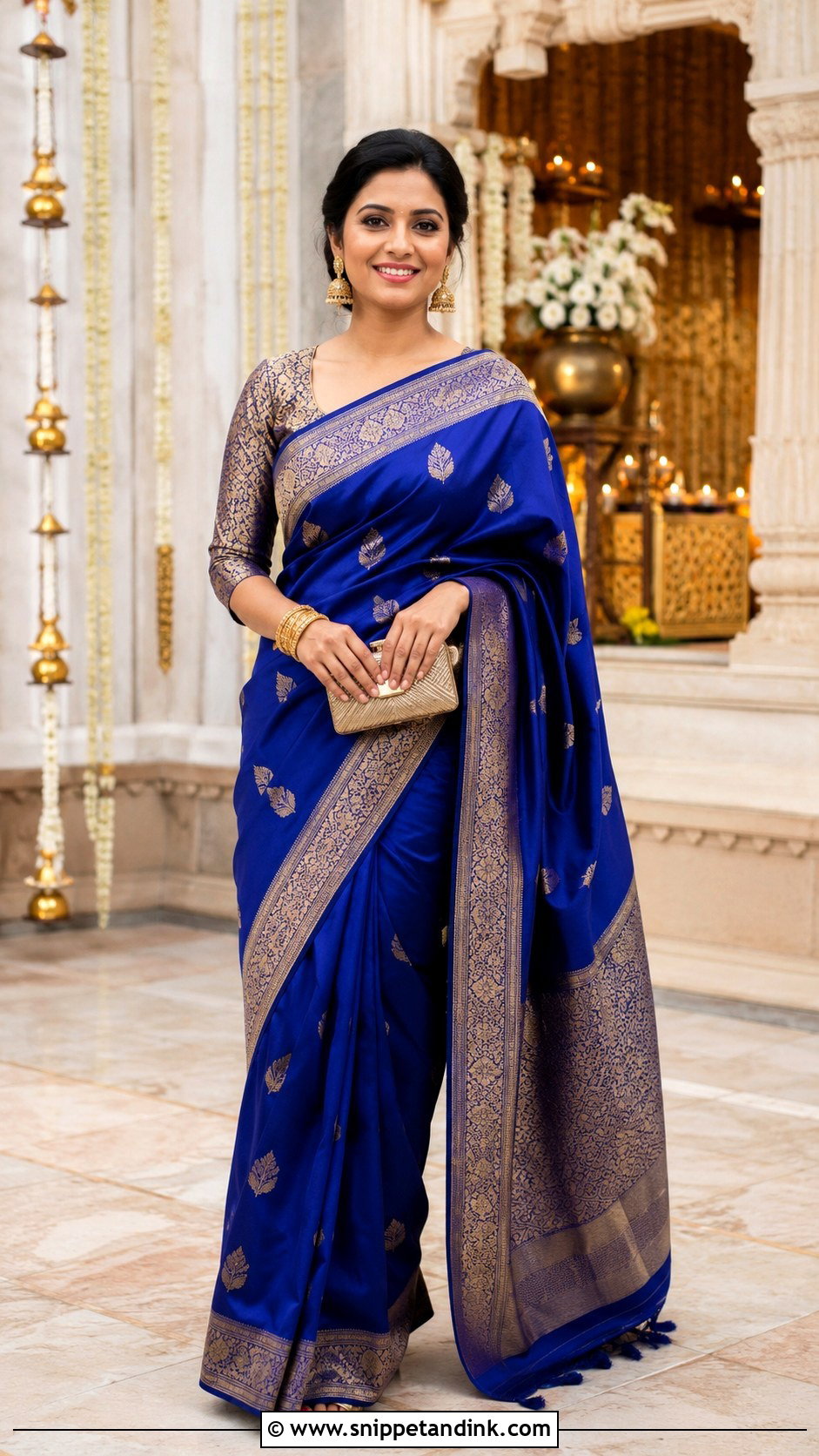
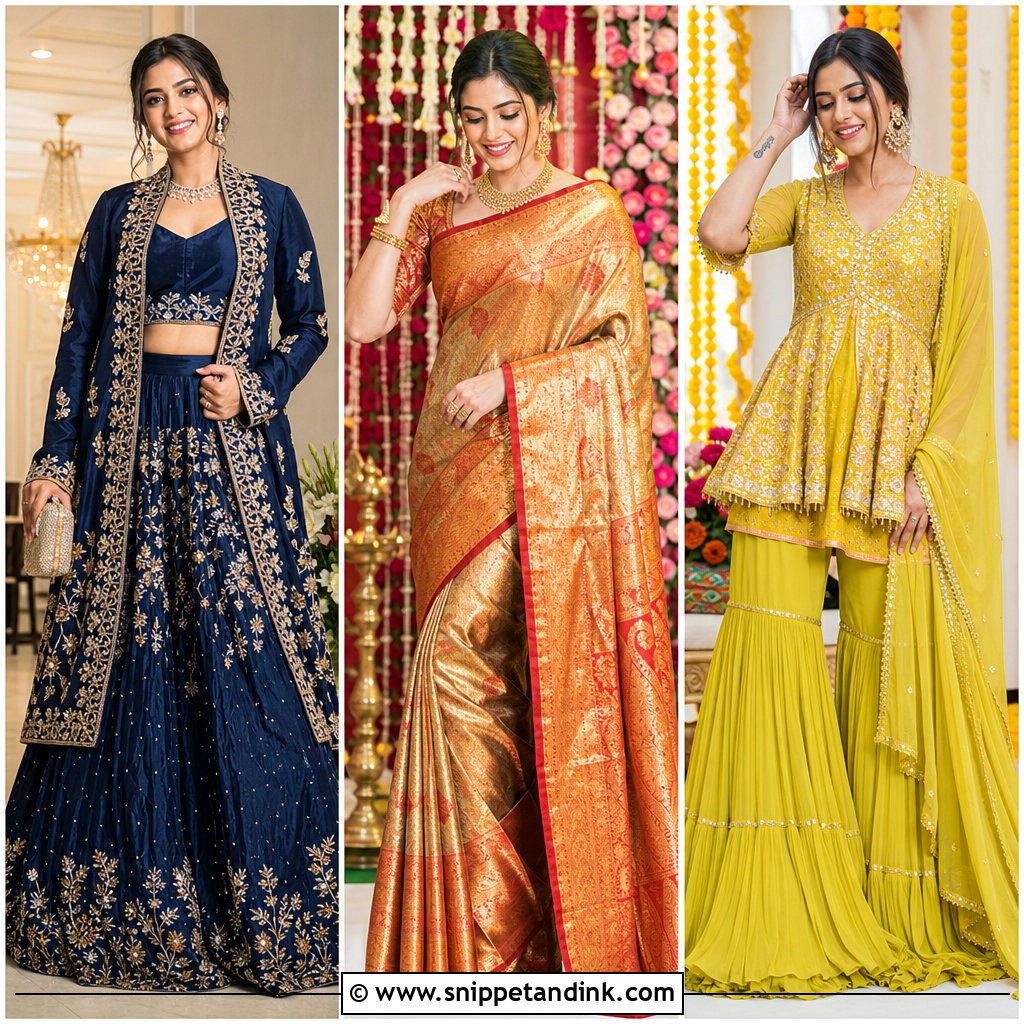
Banarasi silk has a soft sheen that suits the main ceremony, and its weave holds a pleat well, which helps when you are up and down during the pheras. Emerald, royal blue, plum and deep teal look regal in family photos. I check the bride’s color before suggesting anything here: if she’s in a strong traditional red or maroon, ivory or soft gold Banarasi sits beside her better than another jewel tone. Pair it with a fitted brocade or contrasting raw silk blouse. Gold jhumkas, bangles, a small bindi and a structured clutch are enough. Embellished juttis or low heels, and a sleek flower bun so the saree stays the focus.
3. Floor-Length Anarkali Suit for Brother’s Wedding
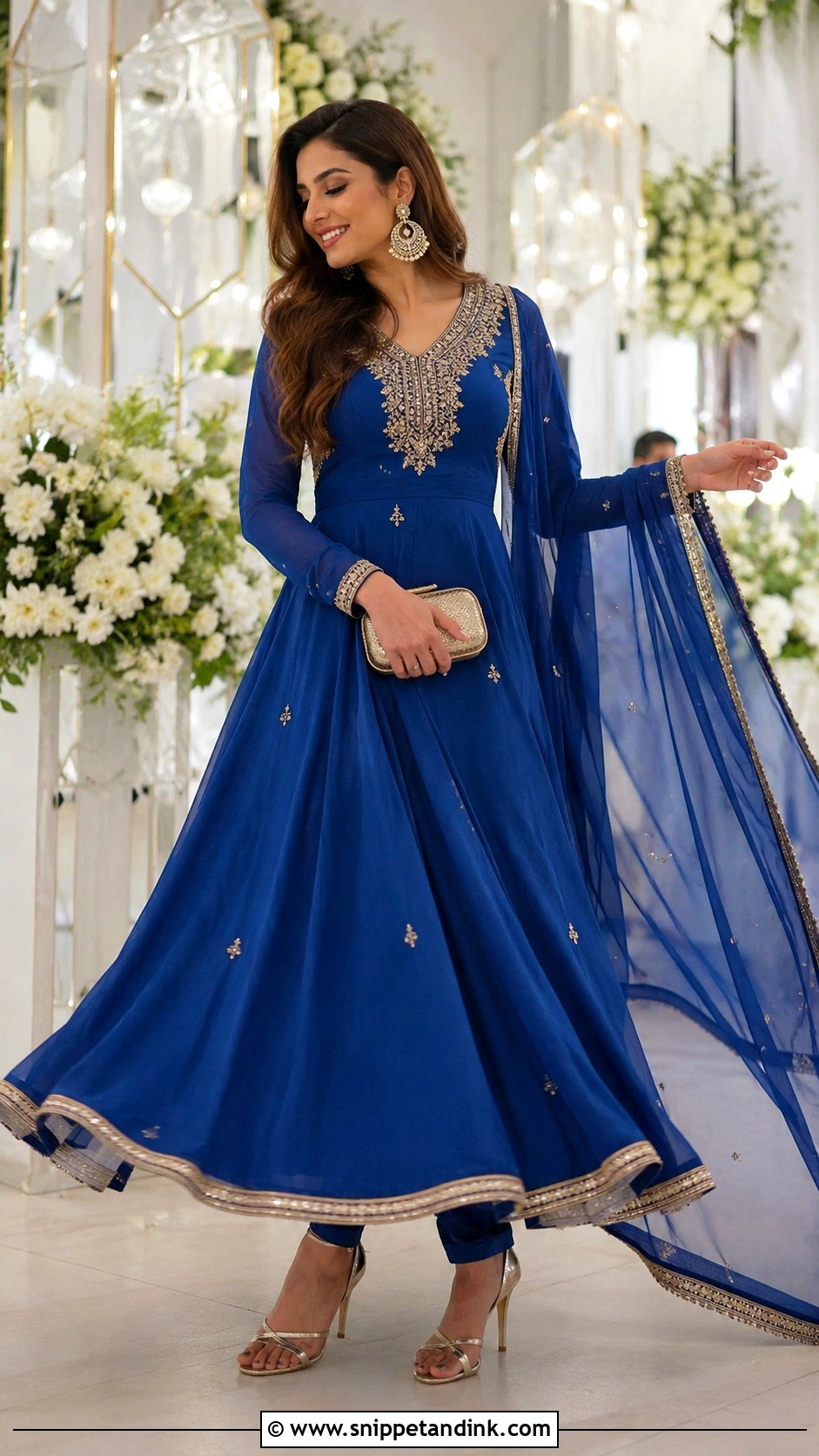
A floor-length Anarkali is my favorite sangeet outfit for sisters who will be performing, because the full skirt spins without ever needing to be held up. Georgette, chiffon or light silk in sapphire, wine, mauve or sage green all work. Keep the embroidery at the neckline and hem; heavy work all over makes the panels drag and kills the twirl. Wear it with narrow pants and a light dupatta pinned at the shoulder. Chandbalis, a slim bracelet, a ring and metallic heels finish it. A defined waist with vertical embroidery lengthens most figures, and soft waves keep the mood light.
4. Mirror Work Sharara Set for Brother’s Wedding
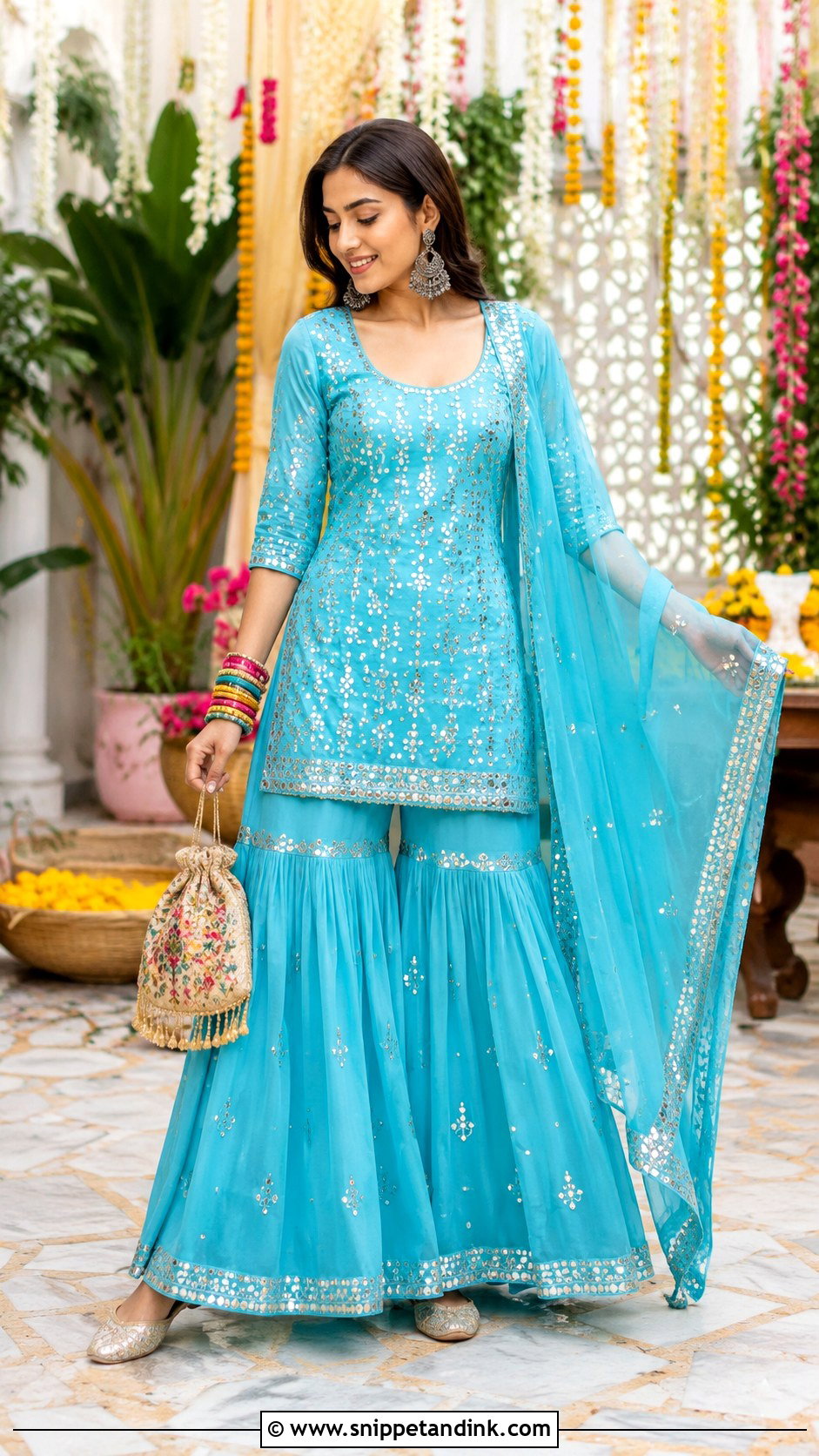
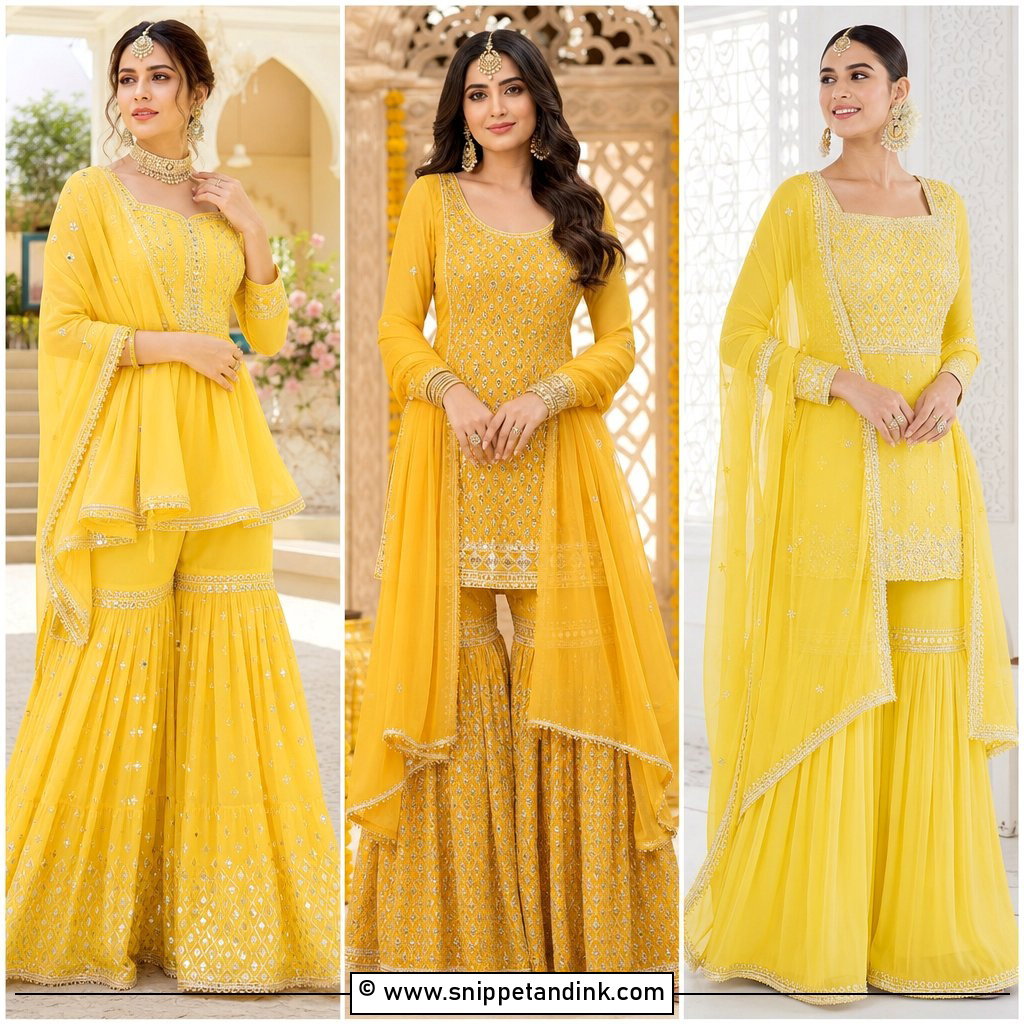
Can you imagine a better dancing outfit than a bright mirror work sharara set? I steer sisters toward it for mehndi and sangeet nights, because the wide pants never trip you and the mirrors catch fairy lights in every candid. Choose a short or mid-length kurti in fuchsia, turquoise, mustard, coral or lime. Keep the dupatta light with a narrow border, since a heavily beaded edge swings into people on the dance floor. Oxidized silver earrings, colorful bangles, a small potli and embroidered juttis suit it. Wear a ponytail or braid, fresh makeup and not much else; the mirrors are already doing the sparkling.
5. Traditional Gharara Suit for Brother’s Wedding
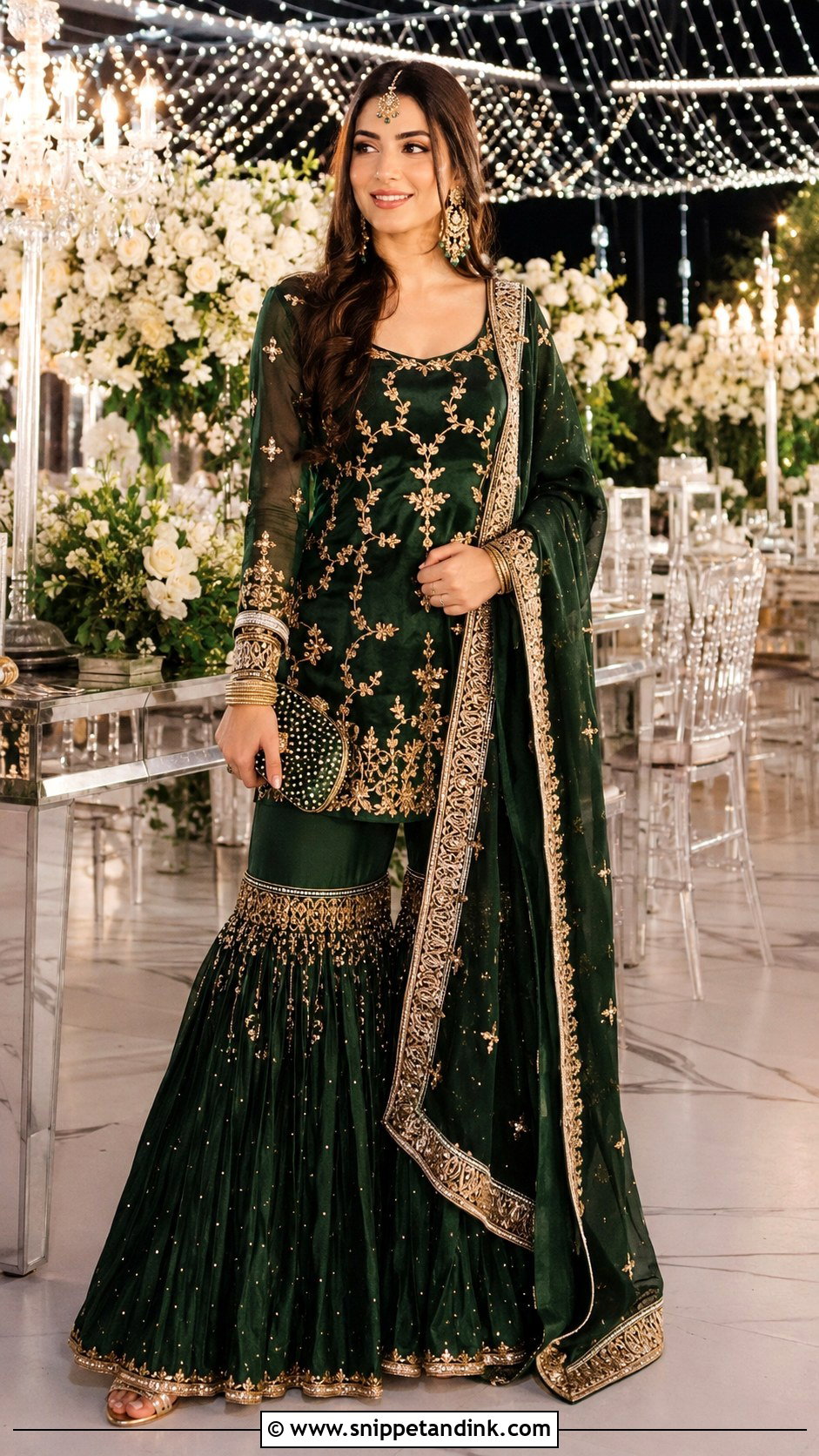
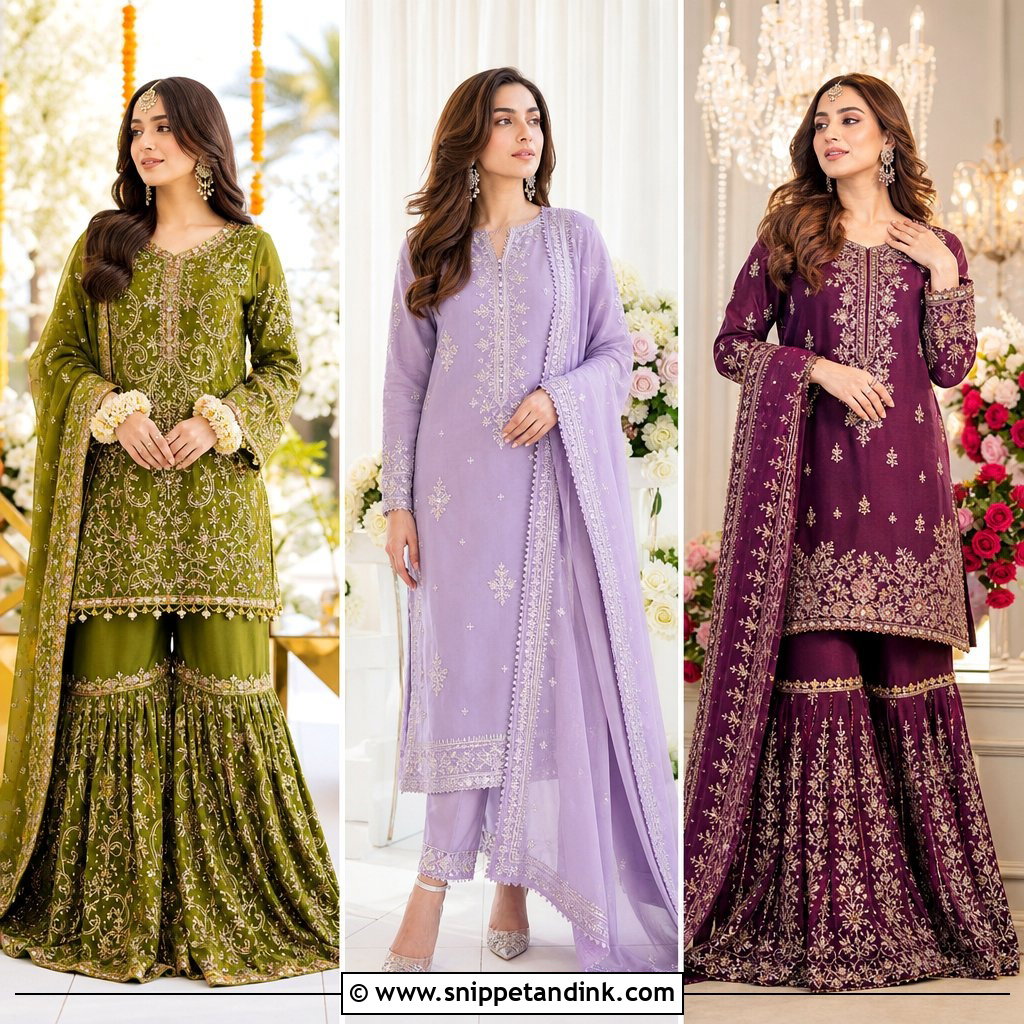
The gharara is fitted to the knee and flares dramatically below, with the seam at the knee usually covered by a band of gota or embroidery. It suits a nikah, a family ceremony or an evening function. The detail I always check is length: the gharara has to break just at the floor in the shoes you’ll actually wear, or the flare collapses. Heeled sandals help the flare fall properly, though wedges are kinder for a long night. Pair a short embroidered kurti with a coordinating dupatta in bottle green, rust, navy, magenta or antique gold. Choose either a passa or a statement necklace as the main piece, not both, and finish with kohl-lined eyes.
6. Pre-Draped Saree for Brother’s Wedding
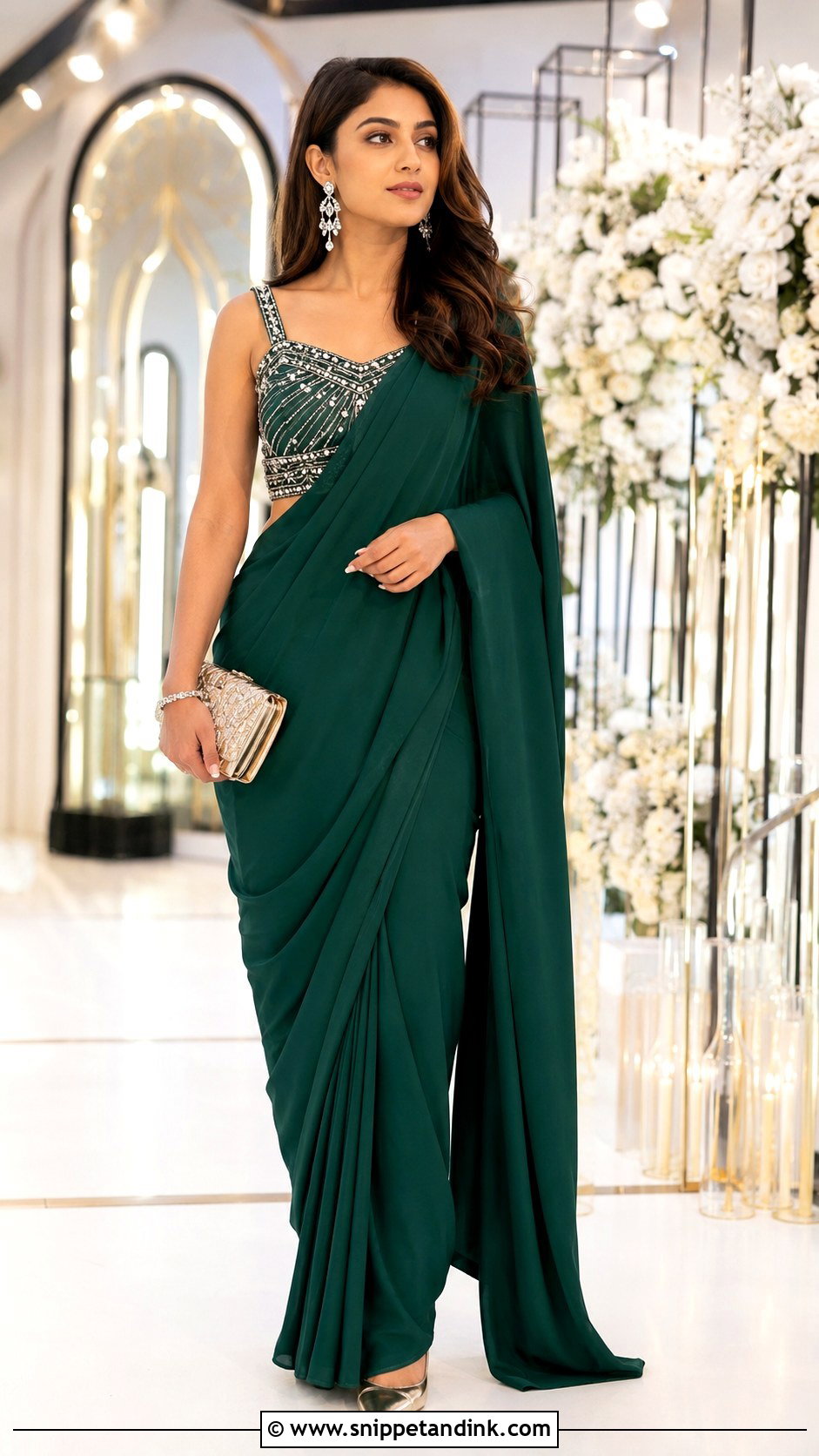
Pre-draped sarees are what I suggest to sisters who will be hosting more than sitting. With the drape already stitched, you can hug, greet, run to fetch Nani’s shawl and dance, and nothing unravels. They suit the cocktail night, sangeet or reception best. Satin, crepe or georgette in midnight blue, metallic gray, berry, champagne or emerald carries the modern line. Pair it with an embroidered, corset-style or one-shoulder blouse, but make sure it is supportive. Drop earrings, a cuff, a sleek clutch and pointed heels finish it. Have the hem set in your actual shoes; a pre-draped saree can’t be adjusted on the night.
7. Cape Lehenga for Brother’s Wedding
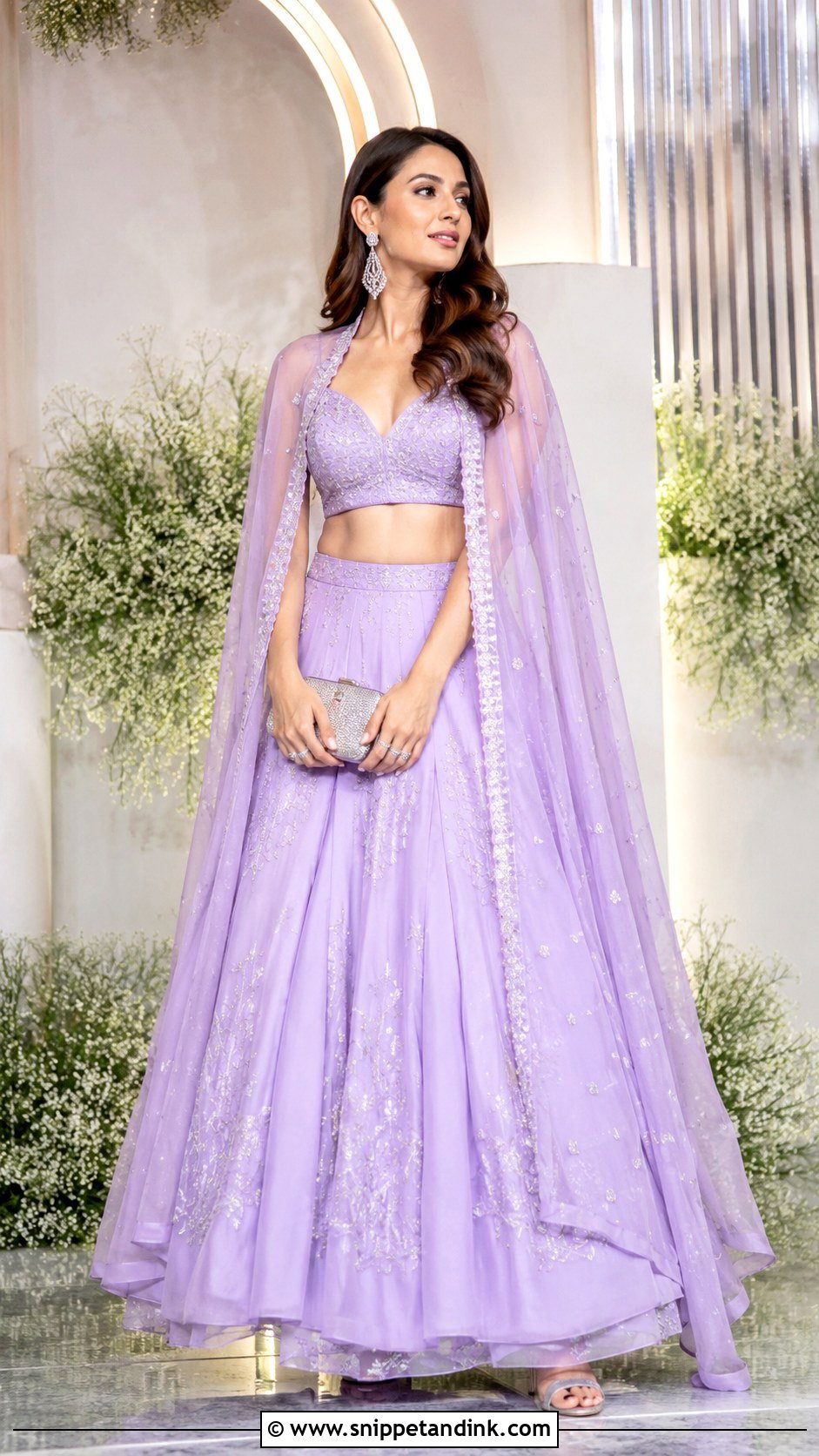
A cape lehenga replaces the dupatta, and for a busy sister that is a relief: nothing to re-pin, nothing to step on. The sheer cape falls over the blouse and skirt and gives movement in photos. Monochrome works best, in lilac, rose gold, ice blue, navy or deep green, with a lightly embroidered skirt so the cape carries the detail. Volume at the shoulders means a clean neckline and no big necklace; crystal earrings and a cocktail ring are enough. I’d save it for the reception or an evening sangeet. Polished waves and a neutral lip keep the finish refined.
8. Kanjeevaram Saree for Brother’s Wedding
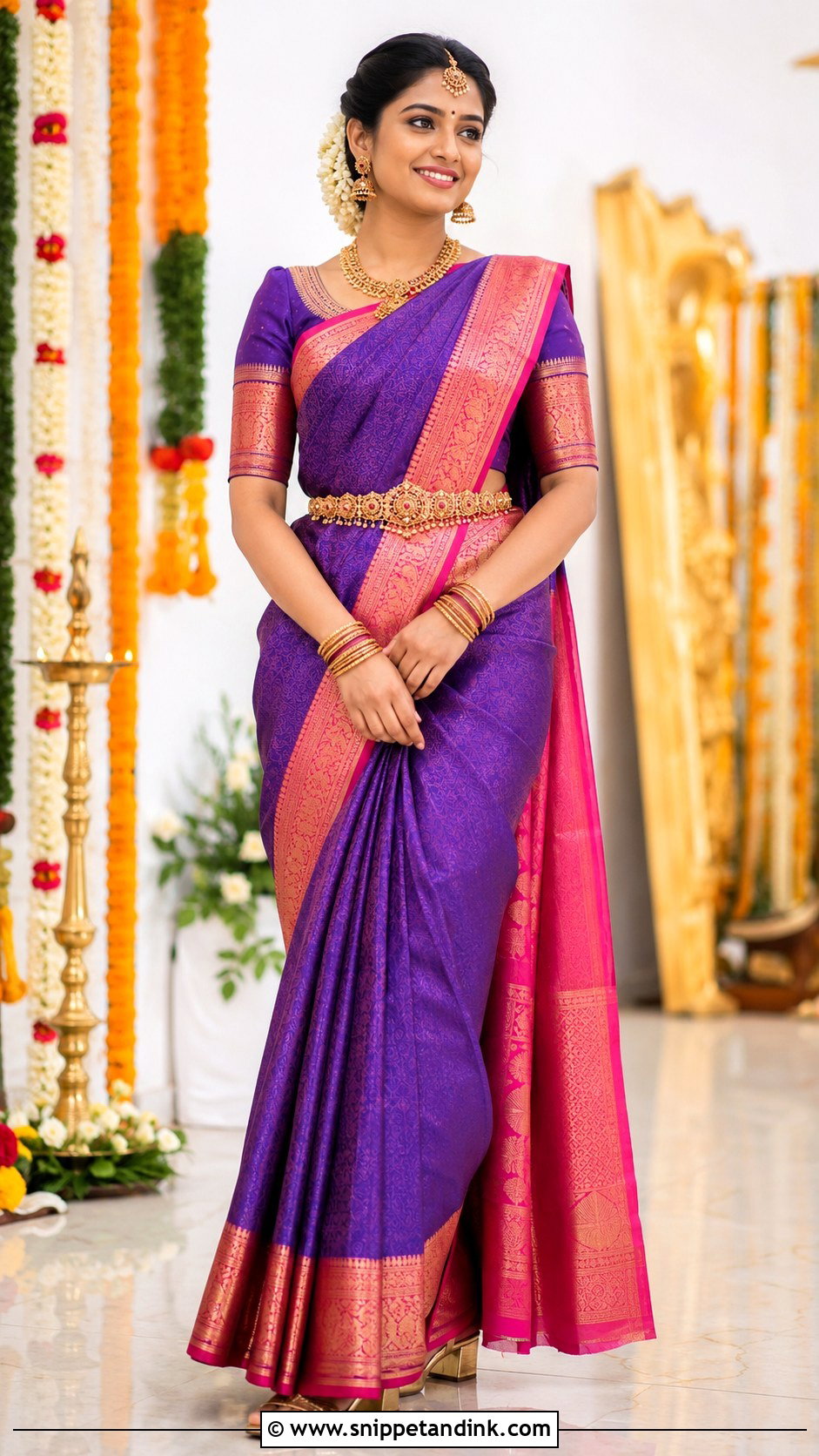
For a South Indian ceremony, a Kanjeevaram saree gives the groom’s sister a dignified look that the older relatives will appreciate. Choose rich silk with a contrasting zari border, such as purple with gold, green with pink, or blue with maroon. The silk is heavy, so I always have the pleats set firmly and pinned at the waist before the muhurtham; you’ll be bending for rituals. An elbow-sleeve blouse lets the weave show. Temple earrings, layered gold necklaces, bangles, a waist belt and a small bindi complete it, but if the saree is very ornate, drop a necklace. A jasmine bun and low heels finish it.
9. Chikankari Kurta and Palazzo Set for Brother’s Wedding
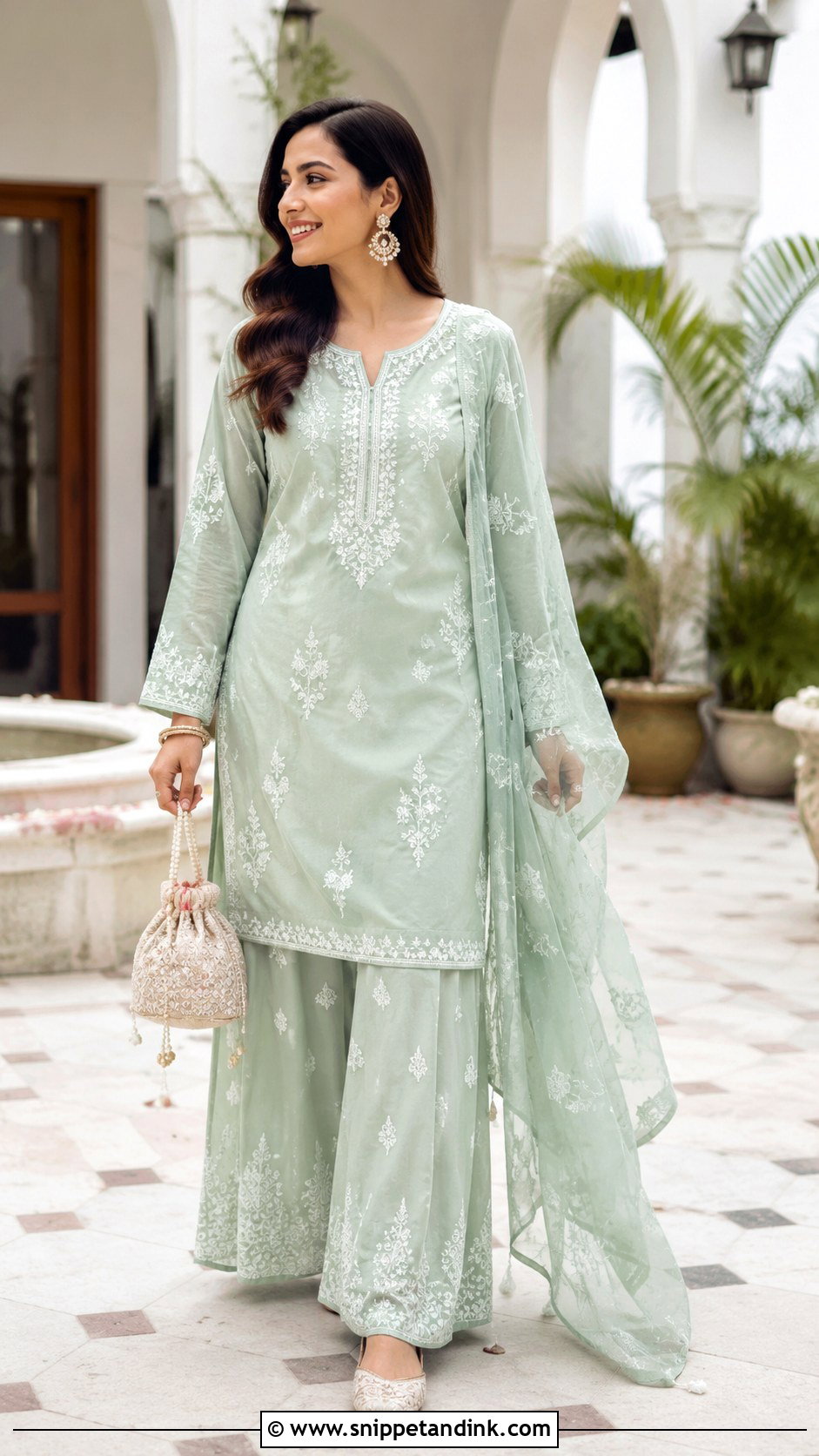
Chikankari is the cotton-and-thread craft I reach for during hot daytime functions: a haldi, a puja, a lunch. A long kurta with palazzos in ivory, lemon, mint, peach or powder pink stays breathable, and mukaish or tiny sequins give enough shine. The sheer organza dupatta with a slim border is what lifts it from casual to wedding wear, so don’t skip it. One caution from experience at haldis: an all-white or all-pale set will come home stained, so add a colorful dupatta if turmeric will be flying. Pearl or kundan earrings, delicate bangles, a potli, juttis, a loose braid and waterproof eye makeup finish it.
10. Mirror Work Lehenga for Brother’s Wedding
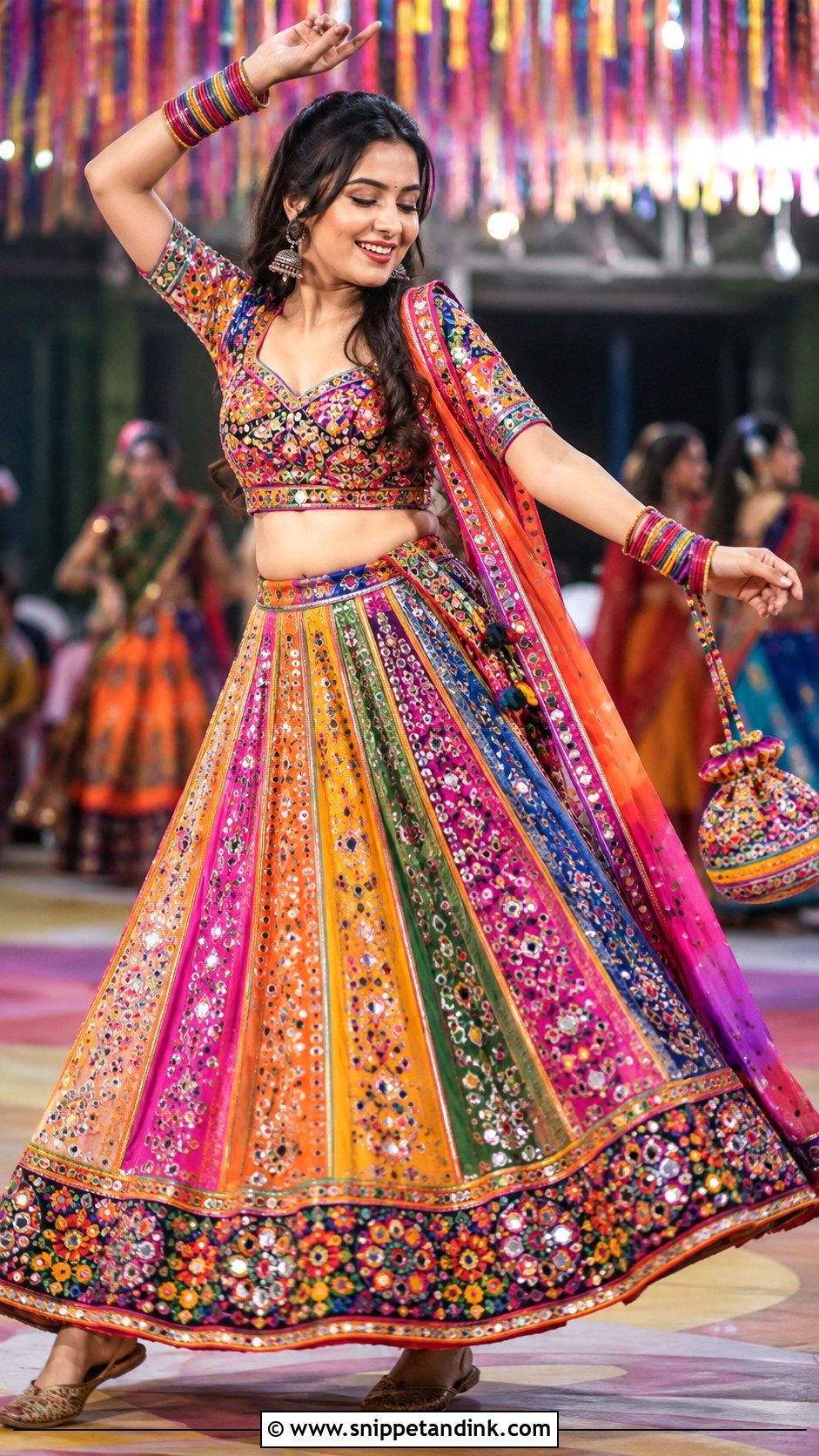
Garba and sangeet nights are made for this lehenga. Mirrors flash, the skirt swirls, and the colors (cobalt, magenta, orange, green, or all of them together) look right under string lights. Weight is the thing I check in the shop. Lift the skirt; if it already feels heavy in your hand, it will feel twice that after two hours of dancing. A paneled skirt with medium flare moves well and stays manageable. Wear a supportive blouse and a light dupatta pinned for dancing. With dense mirror work, skip the necklace and let earrings carry the jewelry. A braided ponytail stays neat through every performance.
11. Dhoti Pants and Peplum Top for Brother’s Wedding
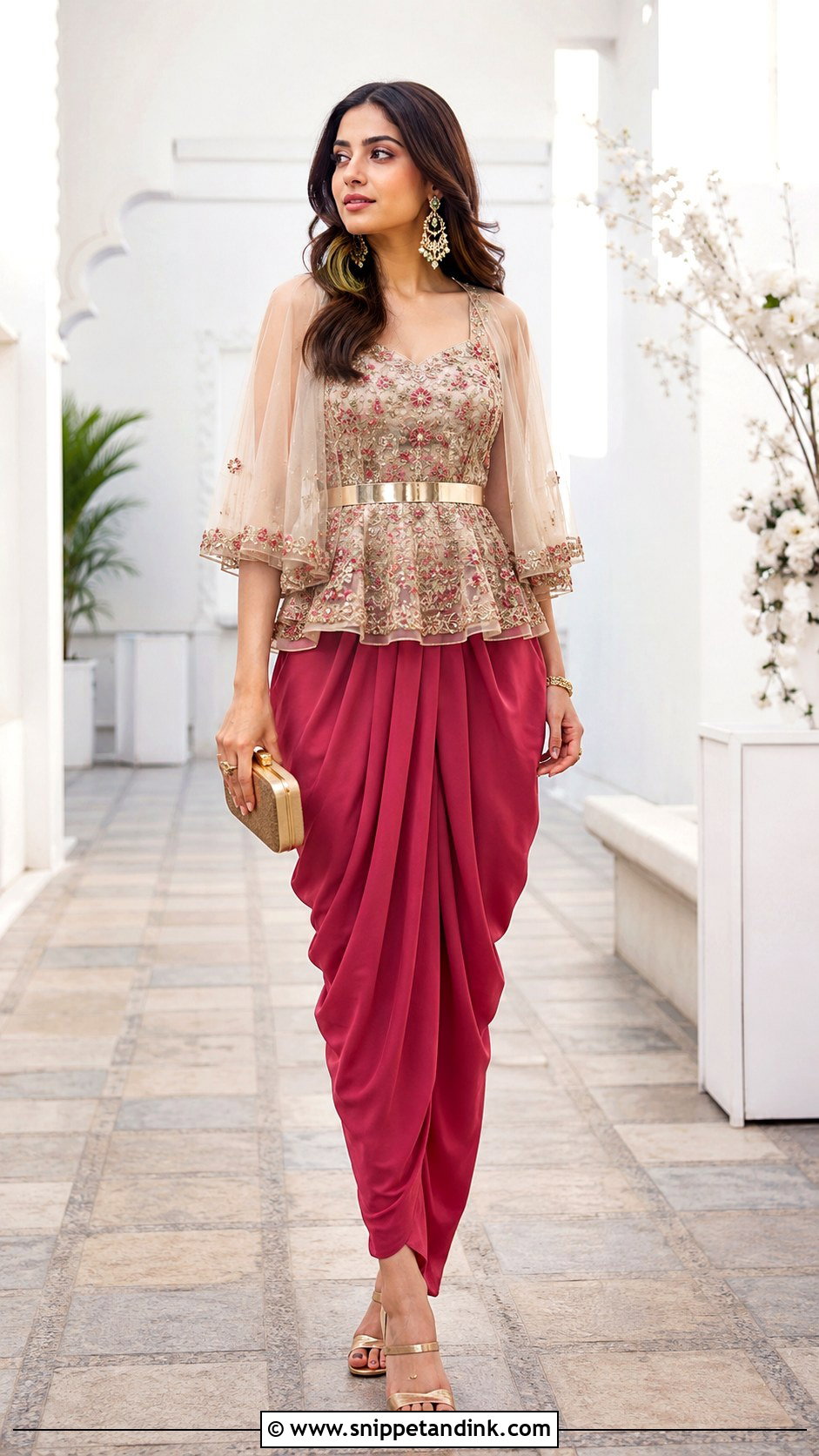
A draped dhoti-pants outfit gives you an Indian silhouette with a modern edge, and it’s a smart pick for a mehndi or a smaller pre-wedding function. Structured dhoti pants with an embroidered peplum top in teal, mustard, raspberry, ivory or deep purple make a bold shape without a long skirt. Add a short cape or asymmetric jacket for more coverage. A metallic belt matters more than it looks: it keeps the drape sitting at the waist. Statement earrings, a box clutch and heeled sandals finish it, with sleek hair. Sit, walk and climb a step in it before the day; low-crotch dhoti pants can pull when you sit on the floor.
12. Long Jacket Lehenga for Brother’s Wedding
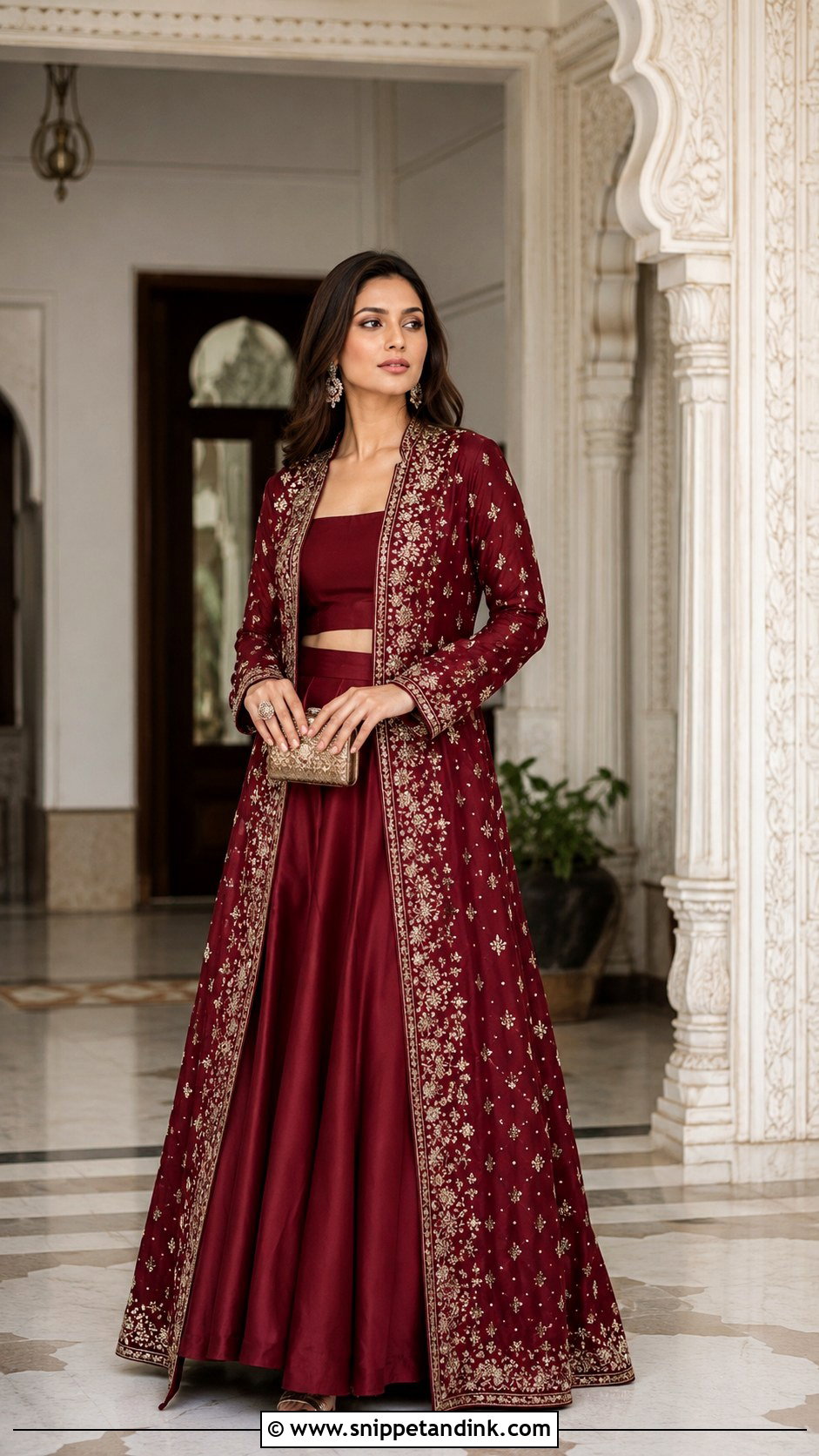
A long jacket over a lehenga gives an evening wedding a layered, polished look, and it does the dupatta’s job without slipping off your shoulder while you greet guests. Choose a fitted blouse and flowing skirt, then add an open-front embroidered jacket that reaches the calf or ankle. Velvet, silk or brocade in navy, burgundy, forest green, antique rose or champagne look rich. If the jacket is densely worked, keep the blouse and skirt plain. Drop earrings, a ring, a structured clutch and block heels suit it. I also recommend this to sisters who want coverage and structure without a tight, heavy blouse.
13. Organza Saree for Brother’s Wedding
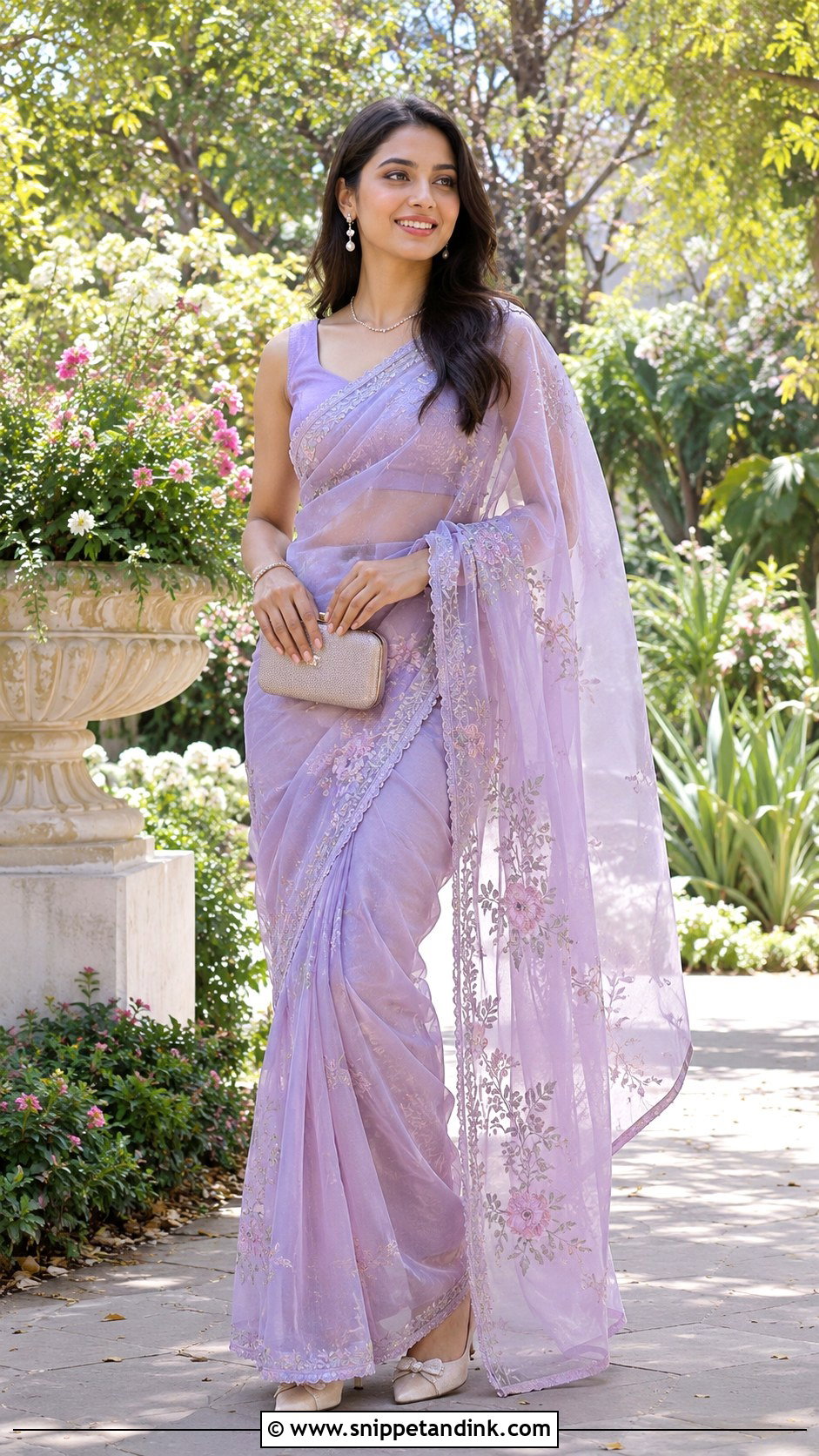
Organza holds its shape like paper, which is why it looks so crisp at a daytime wedding and also why it needs careful handling. Floral prints, embroidered borders and hand-painted details show up especially well on it; lavender, soft yellow, sky blue, coral or ivory with botanical motifs are my usual picks. Pair it with a fitted silk blouse. Pin the pleats flat and secure the pallu with hidden pins, because stiff organza springs outward and can look bulky at the hip. If you prefer less volume, ask for a softer organza blend. Pearl earrings, a slim necklace, kitten heels, a low bun and a small bindi finish it.
14. Velvet Lehenga for Brother’s Wedding
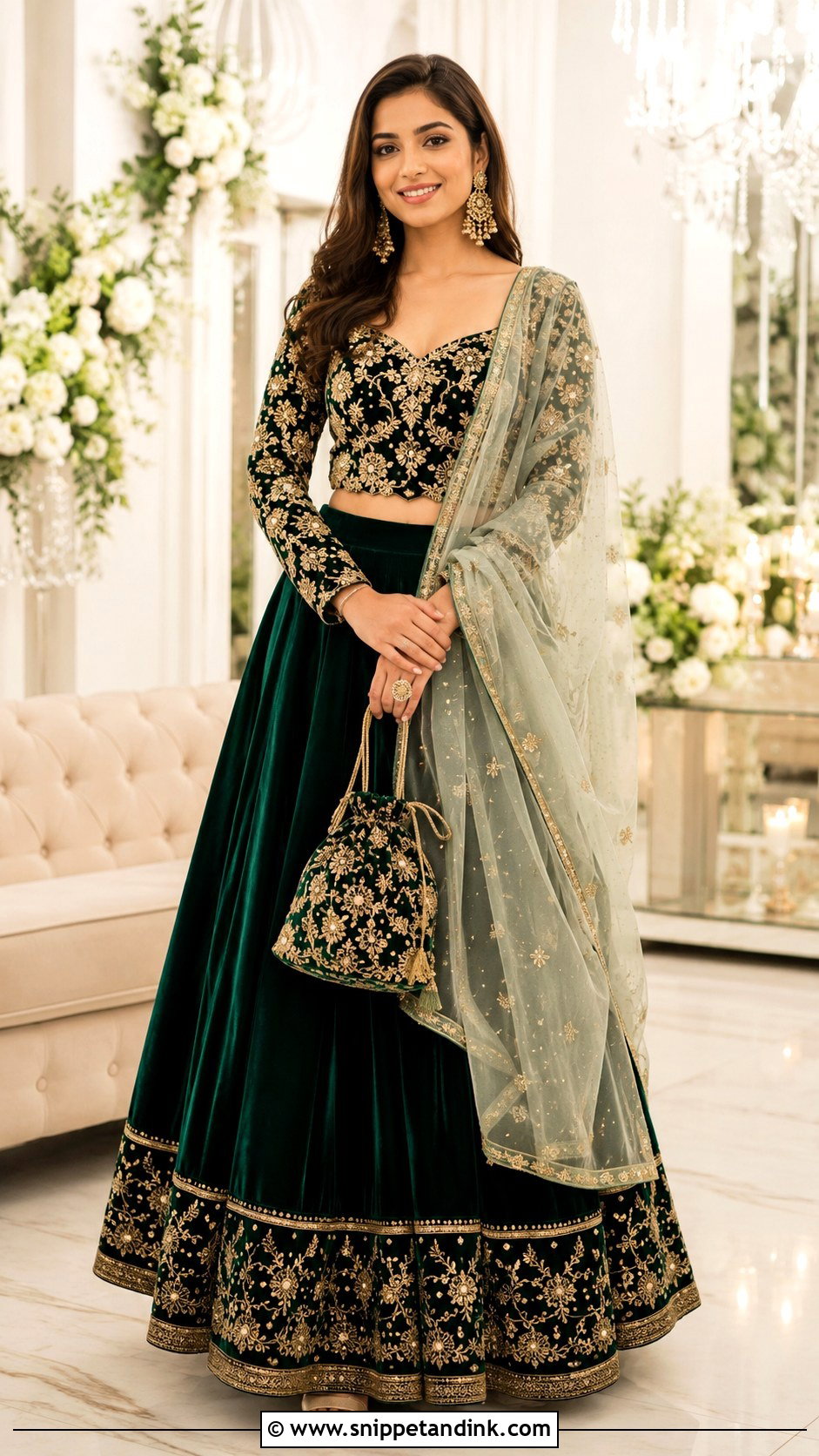
Velvet earns its place at a winter wedding, outdoors in December or in a drafty banquet hall. Emerald, navy, plum, burgundy or deep chocolate give a rich evening look. I keep the embroidery to the blouse, waistband and border so the fabric doesn’t look overwhelming, and I pair it with a lighter net dupatta. A heated indoor venue is the trap. One velvet layer is warm; a velvet blouse, skirt and jacket together will have you overheating by the second dance. Antique gold earrings, a statement ring, a potli, stable block heels and a neat bun or glossy waves suit the texture.
15. Punjabi Patiala Suit for Brother’s Wedding
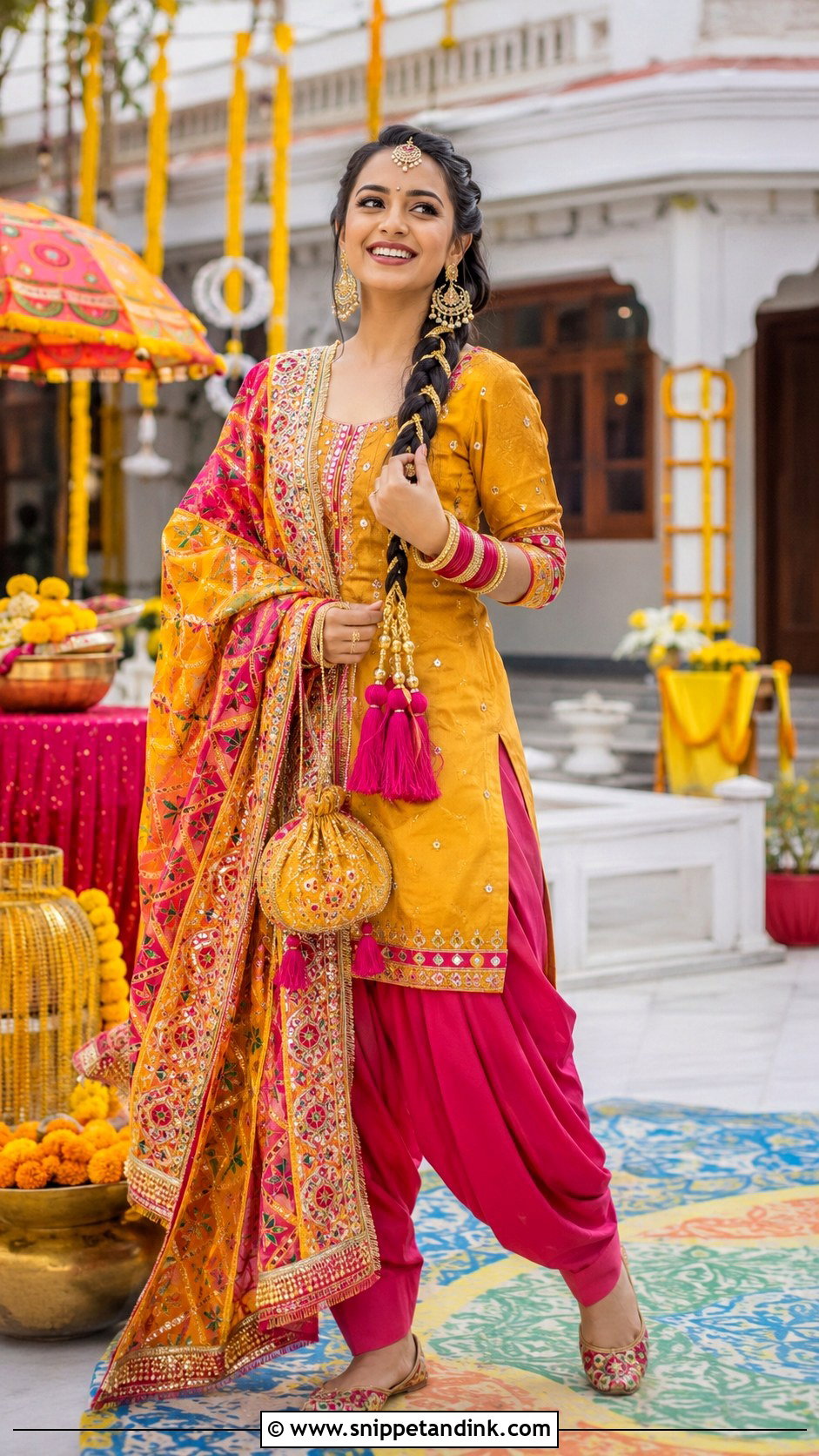
A colorful Patiala suit is what I’d dress a sister in for a jaggo, haldi or daytime function at a Punjabi wedding. The pleated salwar gives complete freedom to dance and do family duties. Pick a short embroidered kameez, a phulkari dupatta, and mustard, hot pink, parrot green, royal blue or orange. Large jhumkas, stacked bangles, a paranda braid, a potli and juttis finish it. Tailoring is the difference between festive and frumpy here: the kameez must fit through the shoulders and bust. If the phulkari is heavily worked, keep the kameez plain, and add defined eyes and a bright lip.
16. Pastel Saree and Embellished Blouse for Brother’s Wedding
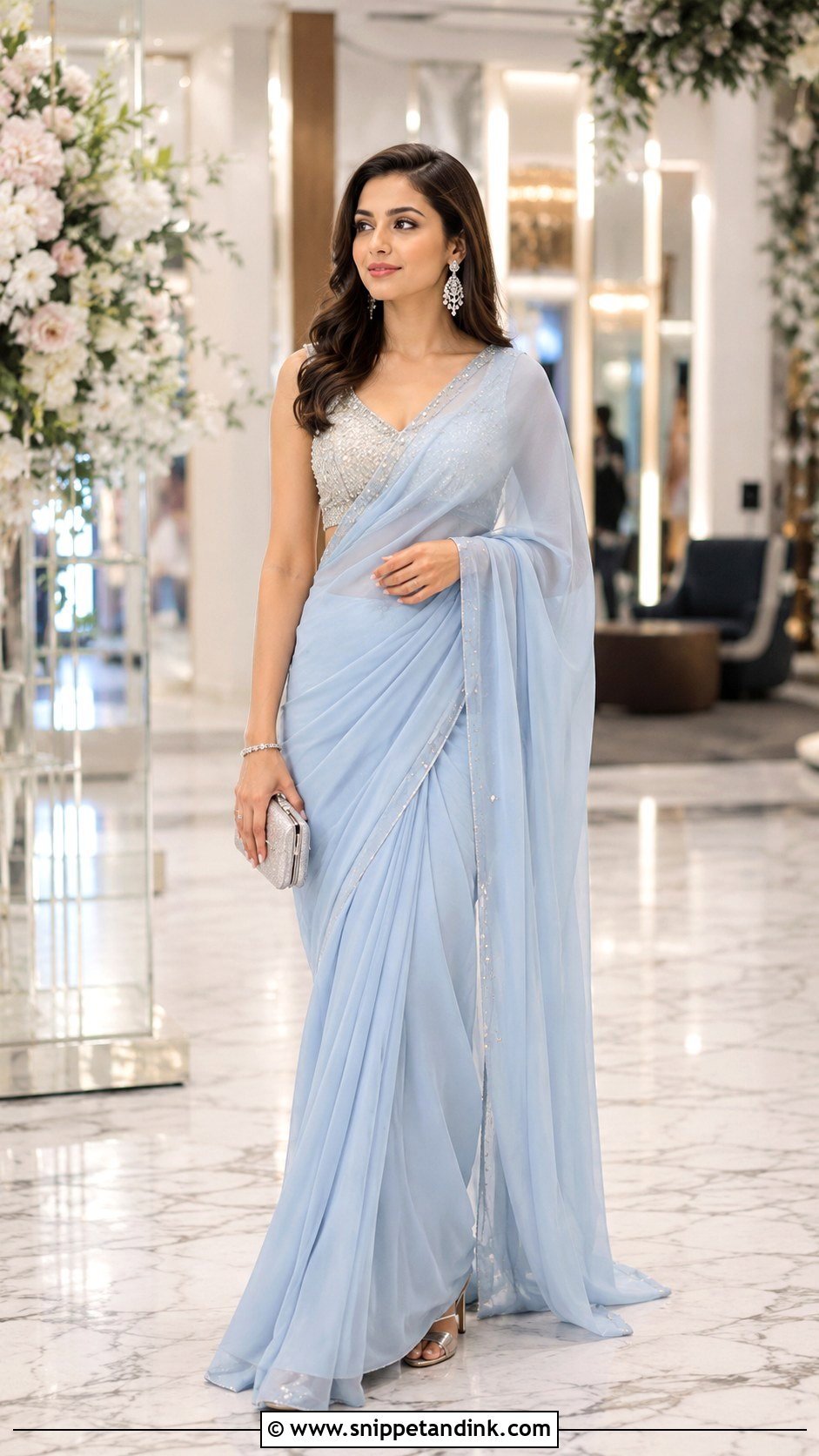
A pastel saree with a worked blouse suits a daytime reception and lets the blouse carry the shine. Chiffon, georgette, tissue or satin in blush, lilac, pistachio, powder blue or champagne all drape well. The embellishment goes on the blouse: pearls, sequins, threadwork or beadwork. Sleeves give coverage and a structured neckline gives a soft saree some definition. I’d add crystal earrings, a slim bracelet, a satin clutch and metallic heels. Use discreet pins, since you’ll move between photos and family jobs all day, and finish with side-parted waves and a muted pink or berry lip.
17. Indo-Western Jumpsuit for Brother’s Wedding
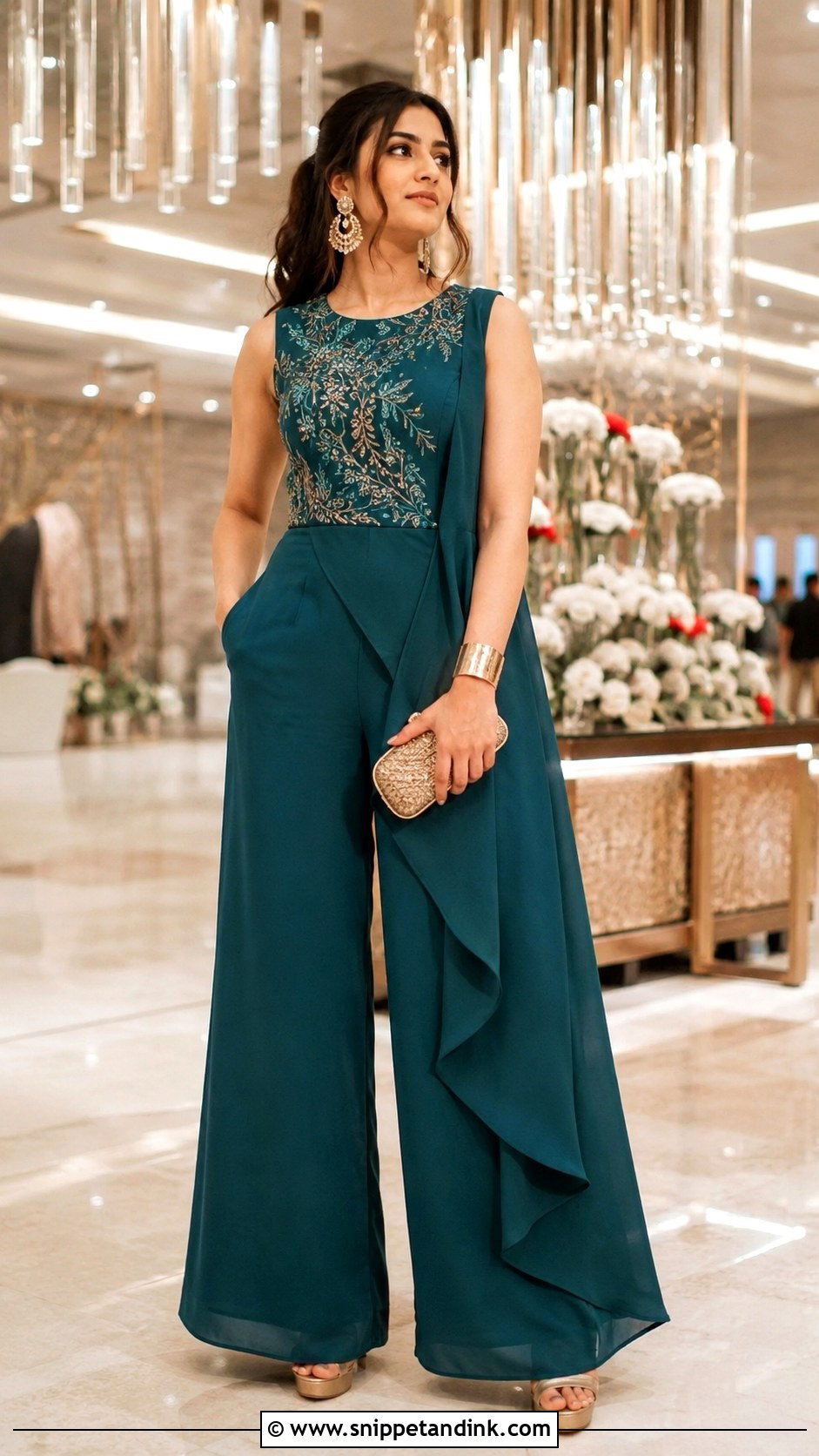
An Indo-Western jumpsuit is a sharp choice for a cocktail night or reception, and I suggest it to sisters who simply don’t feel like themselves in a saree. Choose a wide-leg design with an embroidered bodice, draped panel, attached cape or asymmetric overlay in teal, aubergine, navy, rose gold or ivory. The wide legs move easily and the long line streamlines. The thing that makes it read as wedding wear, rather than office party, is Indian detailing: embroidery on the bodice and jewelry like jhumkas or a kundan cuff. Have it hemmed to your heels. A sleek ponytail suits the modern shape.
18. Peplum Top and Lehenga for Brother’s Wedding
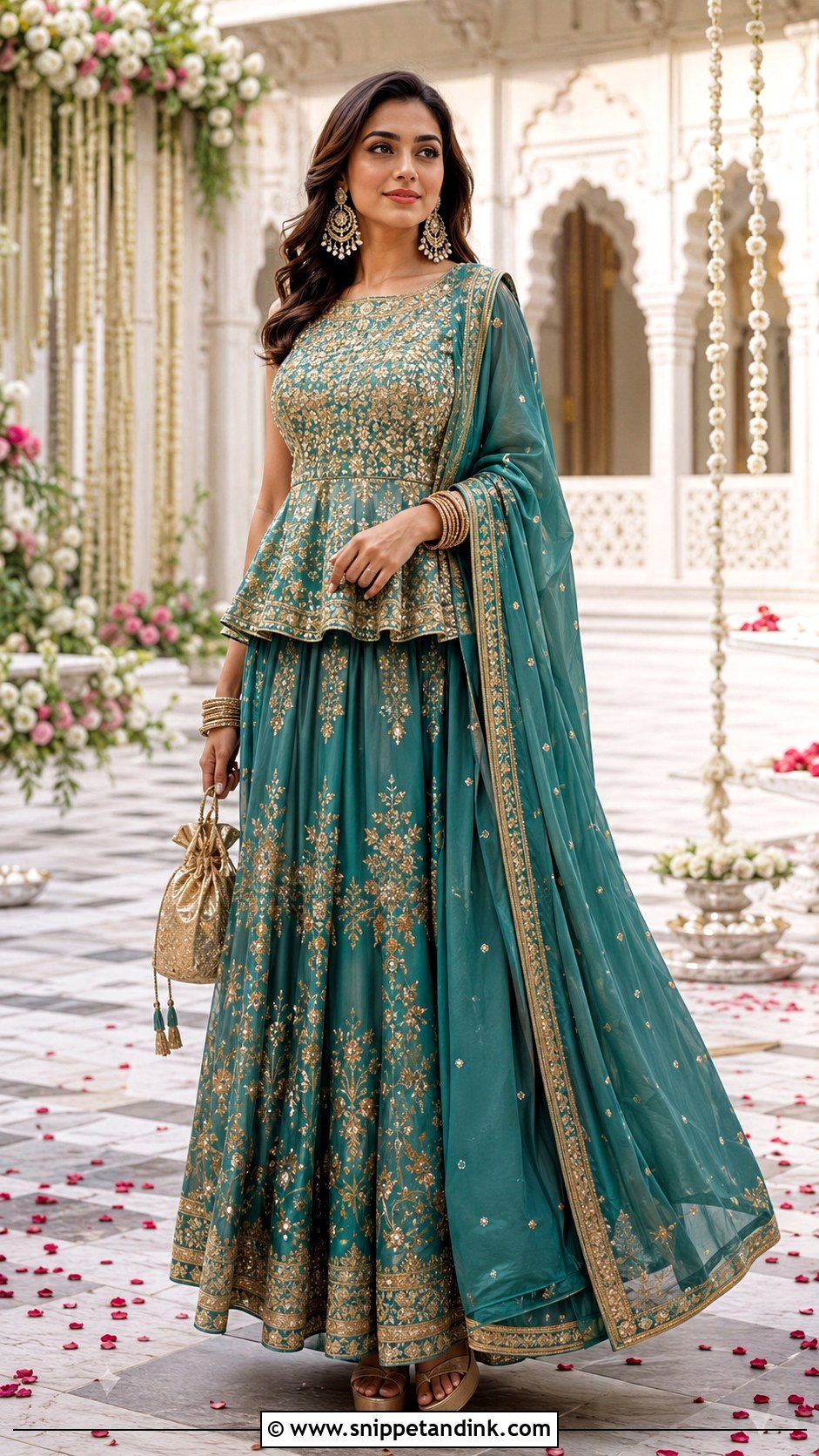
A peplum top over a lehenga gives coverage at the midriff and a defined waist, so I suggest it to anyone who doesn’t want a cropped choli. Silk, brocade, georgette or jacquard all suit it, in combinations like teal with gold, pink with orange, navy with silver, or ivory with green. Vertical embroidery on a fitted peplum balances the skirt’s volume. A heavily worked top can go without a dupatta. Keep the skirt embroidery lighter if the peplum is ornate at the neckline and hem. Chandbalis, bangles, a potli, wedge heels and a soft bun or side braid finish it.
19. Ruffle Saree for Brother’s Wedding
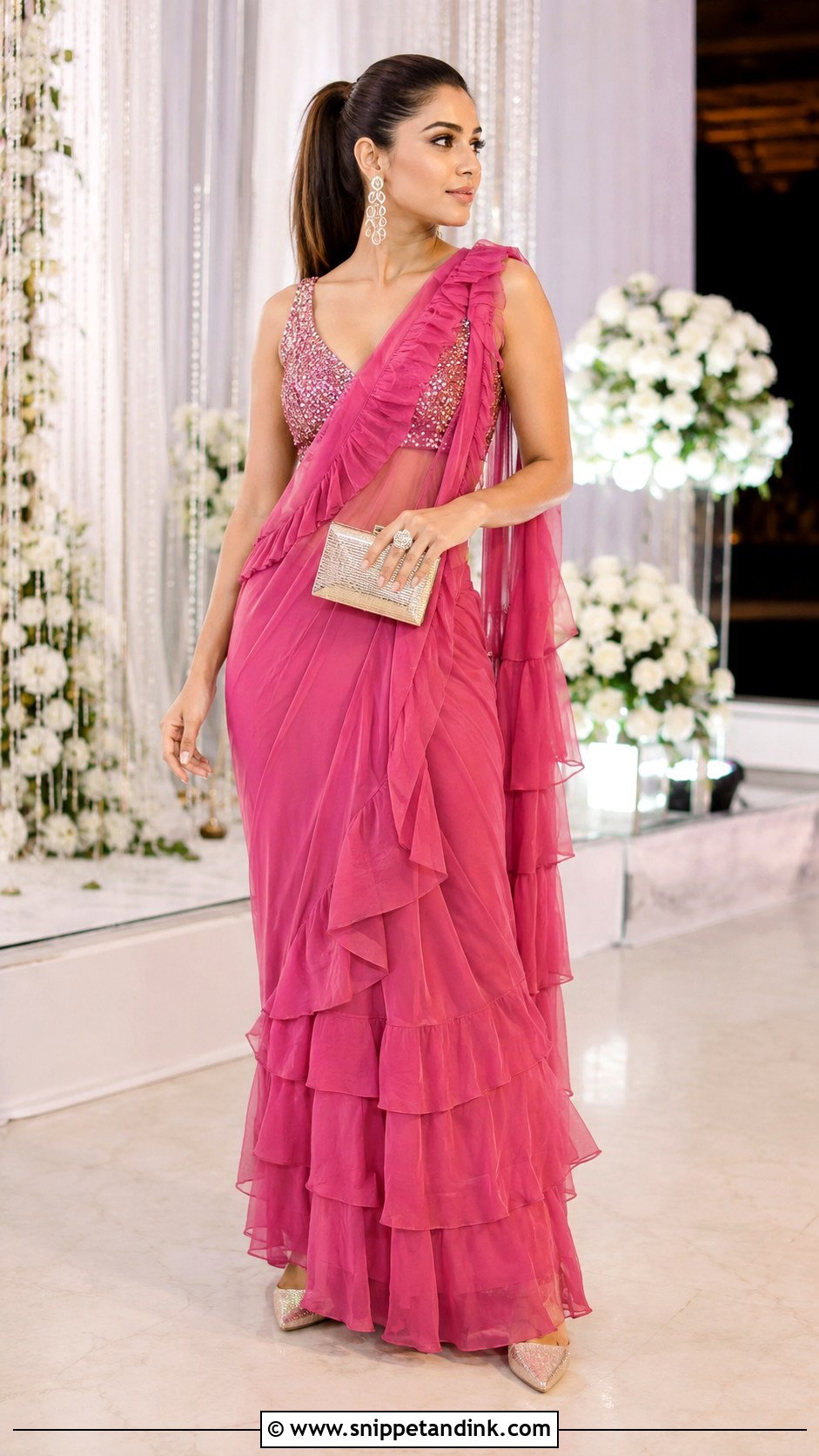
Ruffle sarees give a sangeet or reception outfit volume without the weight of a worked lehenga. Georgette or chiffon in cobalt, berry pink, emerald, lavender or a soft metallic suits the layered drape, paired with a sequined, beaded or embroidered blouse. The ruffles already bring movement, so keep accessories streamlined: long earrings, a cocktail ring, a structured clutch. Pointed heels keep the ruffled hem off the floor. Secure the pallu firmly before you dance; multi-layer pallus get heavy and swing loose. Choose one strong feature for makeup, smoky eyes or a rich lip, not both.
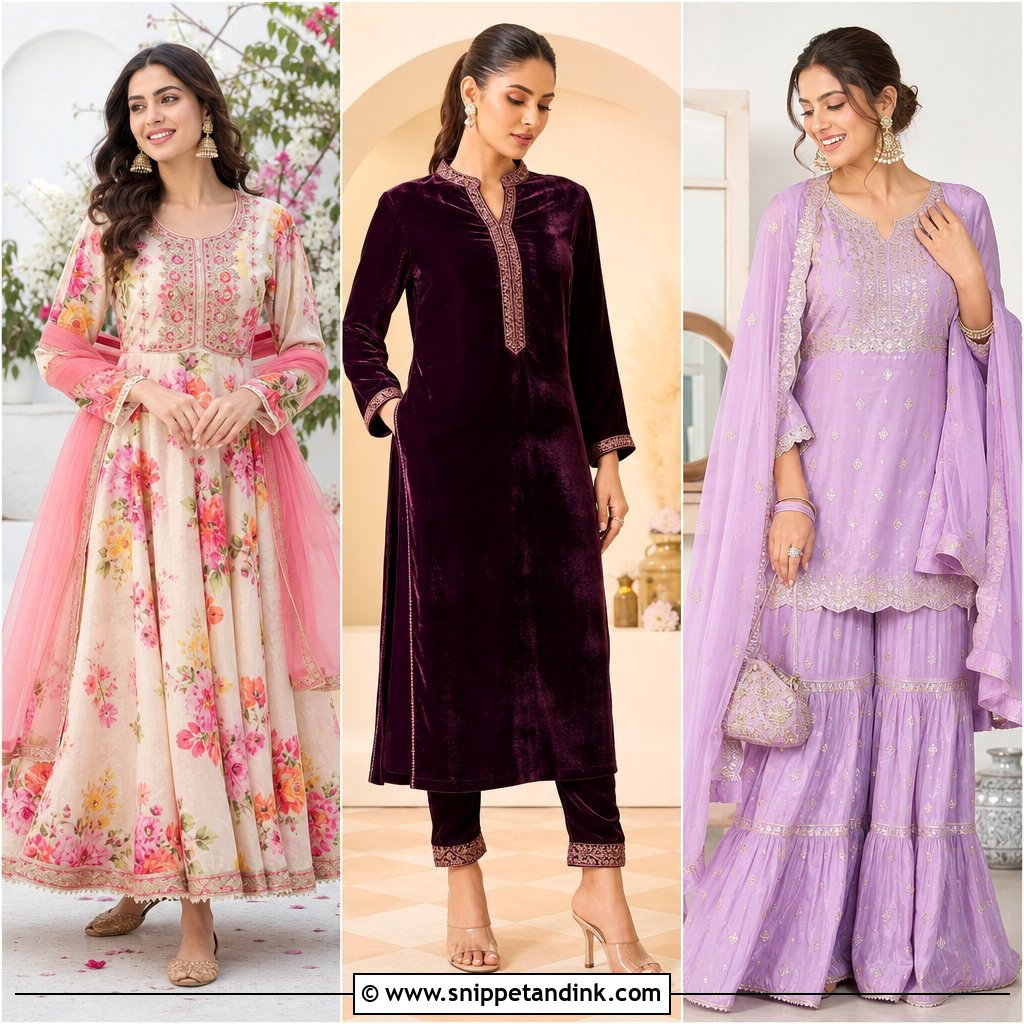


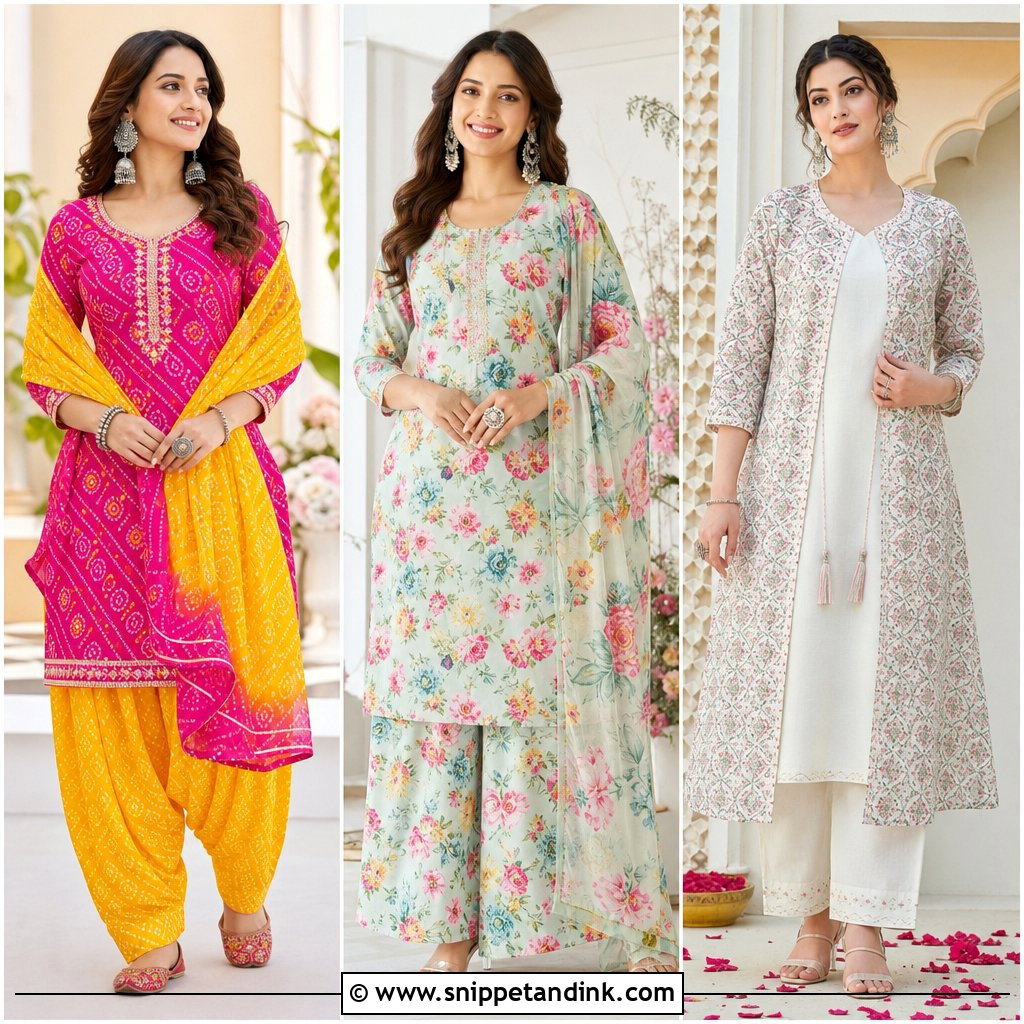
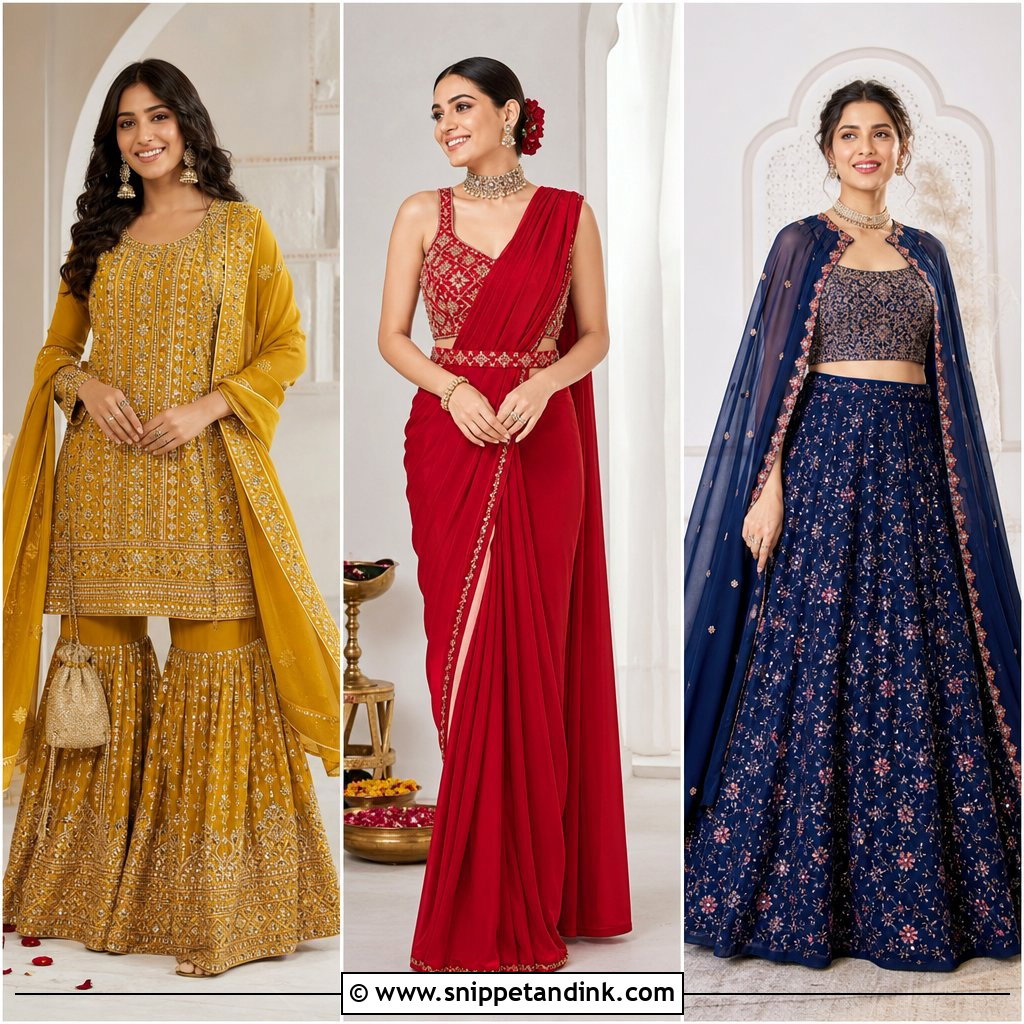
20. Silk Kurta and Brocade Palazzo Set for Brother’s Wedding
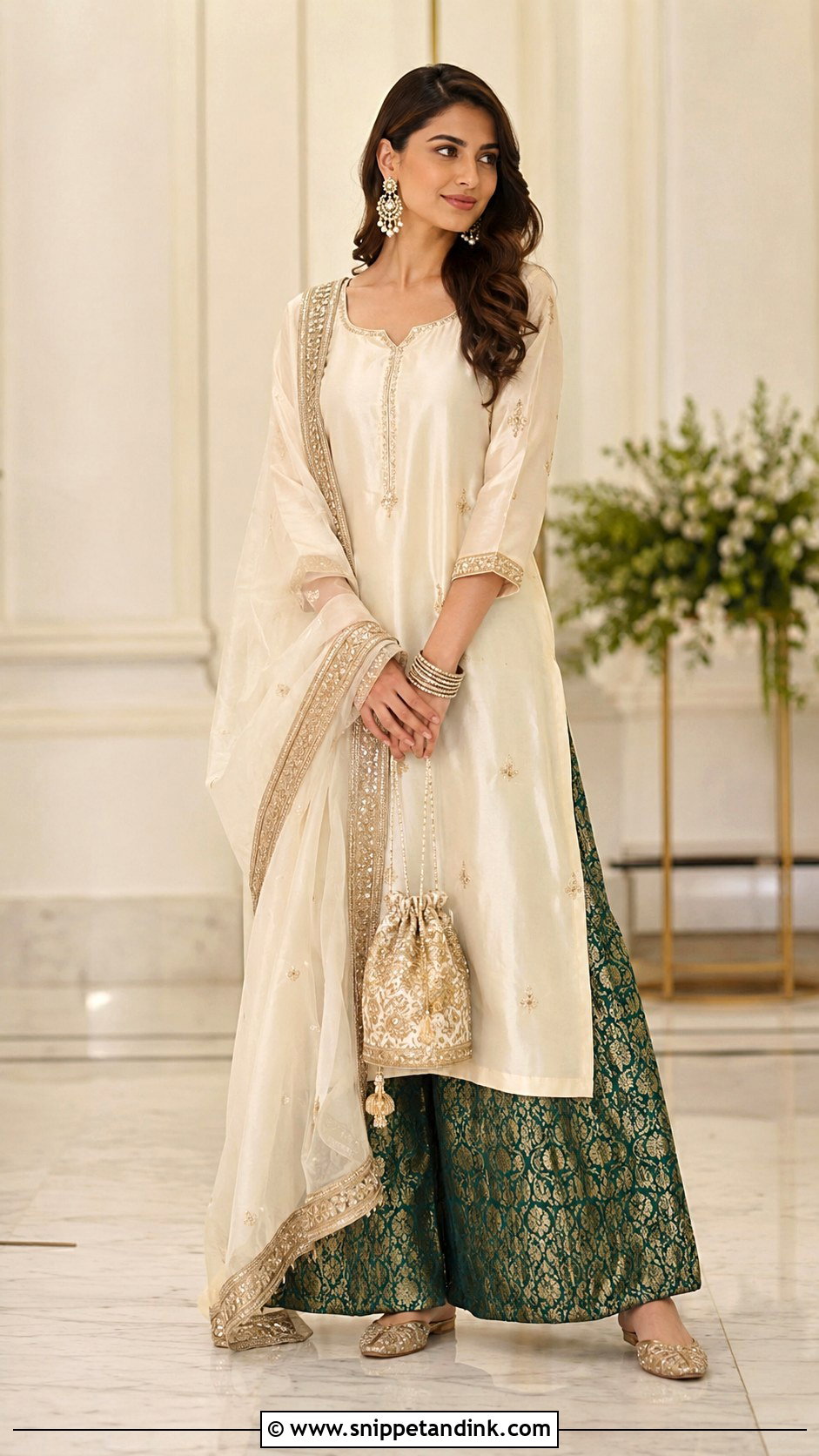
Not every wedding event calls for a sweeping lehenga. A silk kurta with brocade palazzo pants is my go-to for the family lunch, puja, engagement or post-wedding get-together. Choose a straight or lightly flared kurta in ruby, green, navy, ivory or magenta with woven metallic palazzos and an organza dupatta. Kundan earrings, bangles, a potli and embellished mules or juttis complete it. Check that the palazzo hem clears the floor in your shoes. It also re-wears well: the kurta and palazzos each pair easily with simpler separates later.
Clearing Your Colors With the Bride Before You Pay
This is the conversation I wish every groom’s sister had before shopping. Ask the bride, or her stylist, what she’s wearing for each function and whether any colors are off the table. Red and deep maroon at the ceremony are usually hers. If the bride has picked a pastel lehenga for the mehndi, a sister in the same mint will blur into her in every photo.
Then check with your own family. Many families plan a loose color story for the groom’s side at one function, say every woman in some shade of pink for the sangeet. That’s easier to work into your plan early than to fix with a last-minute dupatta.
What photographs well next to the couple
In family portraits you’ll often stand right beside your brother. I look at his sherwani color and pick something that sits comfortably next to it without matching: a jewel tone beside an ivory sherwani, or a soft pastel beside a dark one. Very heavy sequins and metallic fabric can flash under a photographer’s lights, so if your outfit is fully sequined, keep the jewelry matte.
Your Role Should Decide the Wardrobe Before the Color Does
As the groom’s sister, you’ll be photographed, busy and on your feet for days, so dress for that. Match formality to each function and the venue, and think about how much you’ll be carrying, greeting and dancing. Organza and pastels carry daytime; velvet, silk and structured Indo-Western pieces belong to the evening. Pin every drape, break in your shoes, and leave behind any jewelry that pinches after an hour. Then pick the colors you feel confident in, as long as you’ve checked them with the bride first.
You'll Like These Ideas:


Leave a Reply