
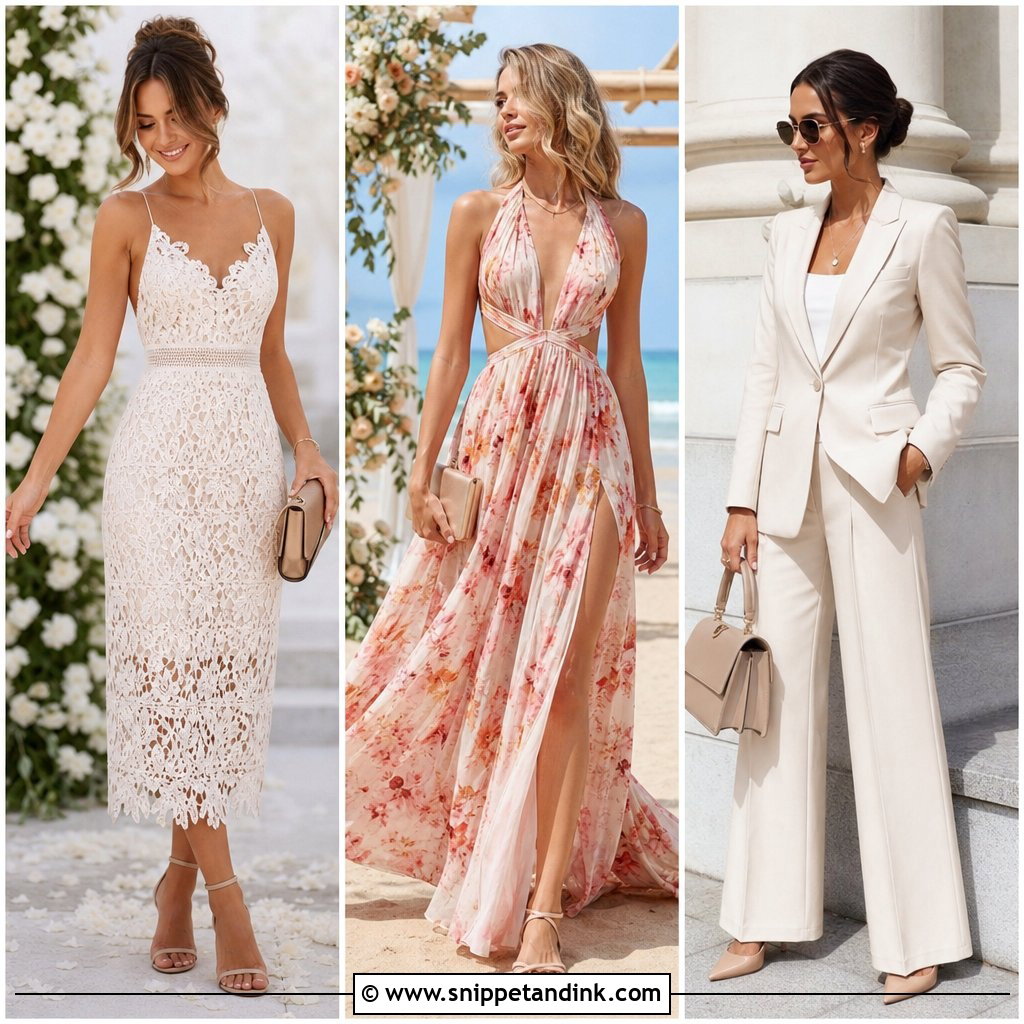
A South Asian wedding can run to five or six functions, and each one asks something different of your clothes. At a haldi you’ll get turmeric on you; at a mehndi you’ll sit still for an hour with wet henna; at a sangeet you’ll dance; at the pheras you may sit cross-legged for a long ritual. I plan every function’s outfit around that activity first and the glamour second. A cool kurta set for haldi and a spinning lehenga for the sangeet make sense for exactly that reason. Ceremonies lean traditional, while receptions leave room for fusion cuts and modern draping. Below are colorful sarees, shararas, lehengas, suits and Indo-Western pieces for different seasons and dress codes, each with the practical notes I’d give a client before the event.
Haldi to Reception, Ranked From Lightest to Heaviest
Before clients buy anything, I sort the functions by how formal they are and what you’ll physically be doing. It stops the classic mistake of wearing the heaviest lehenga to the event with the most dancing.
- Haldi: lightest and messiest. Cotton or cotton-silk, yellow or something you don’t mind staining.
- Mehndi: colorful and relaxed, but plan for henna. Sleeves above the elbow, nothing at the wrists.
- Roka, pooja or ring ceremony: family-focused, often at home or a small venue. Suits, palazzo sets, light sarees.
- Sangeet: evening glamour that must survive dancing. Lighter lehengas, sequin or pre-stitched sarees.
- Wedding ceremony: the most traditional. Silk sarees, Banarasi or woven lehengas, covered shoulders if the venue is religious.
- Reception: formal but modern. Capes, pre-draped sarees, Anarkalis and fusion cuts all fit.
As a guest, I’d also keep away from bridal red for the wedding itself unless the family has said otherwise, and ask whether there’s a color theme for any function. Many families set one for the mehndi or sangeet, and turning up in the wrong shade stands out in every group photo.
1. Yellow Kurta Palazzo Haldi Outfit
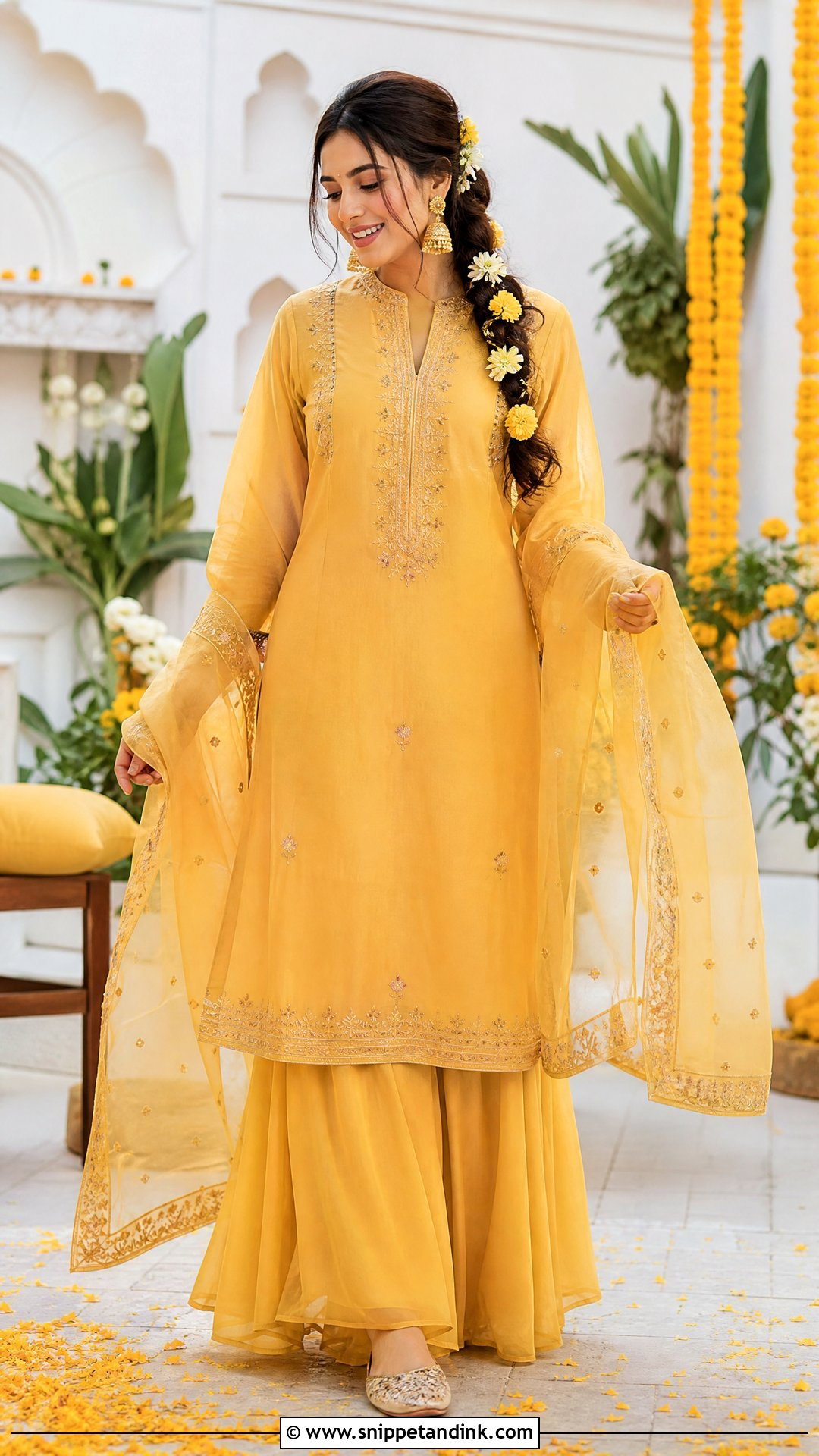
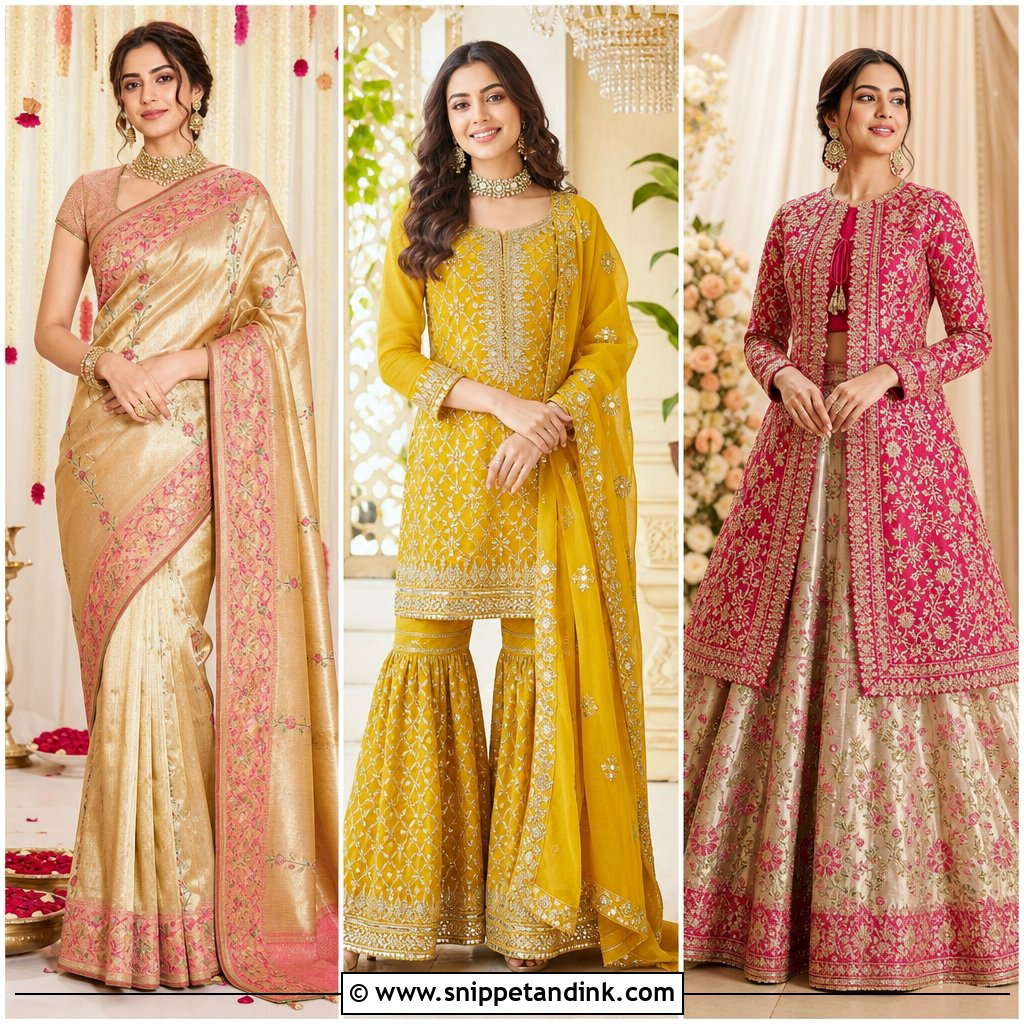
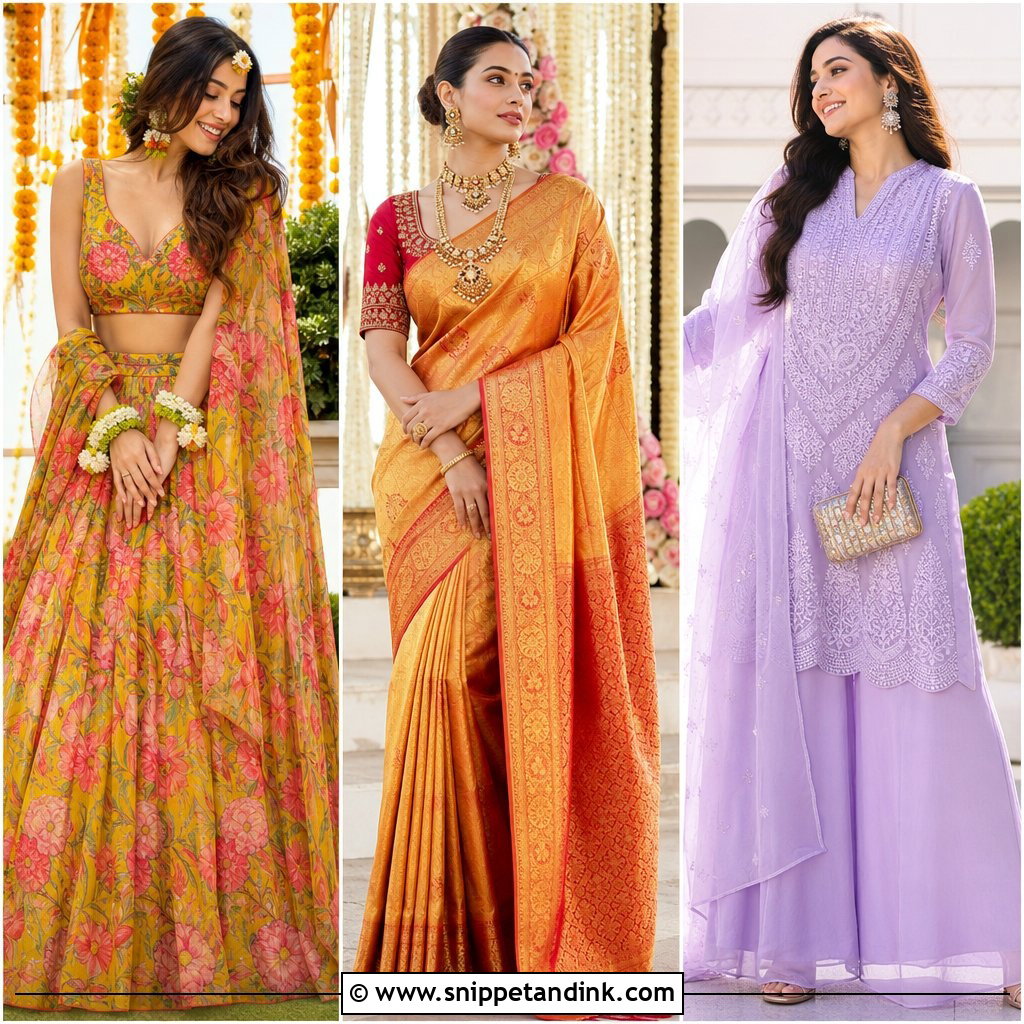
Haldi is the one function where I tell clients to wear something they won’t cry over. Turmeric paste leaves a yellow stain that rarely washes fully out of silk or fine embroidery, so a yellow kurta and palazzo in cotton-silk or chanderi is the sensible choice: any splash just blends in. A simple gota border is festive enough. Outdoor haldis get hot, and wide palazzos let air move. Flat juttis grip better on a wet, slippery floor than sandals. Gold jhumkas and a few slim bangles are plenty, and a low braid with small floral pins keeps hair out of the paste.
2. Floral Sharara Mehndi Outfit
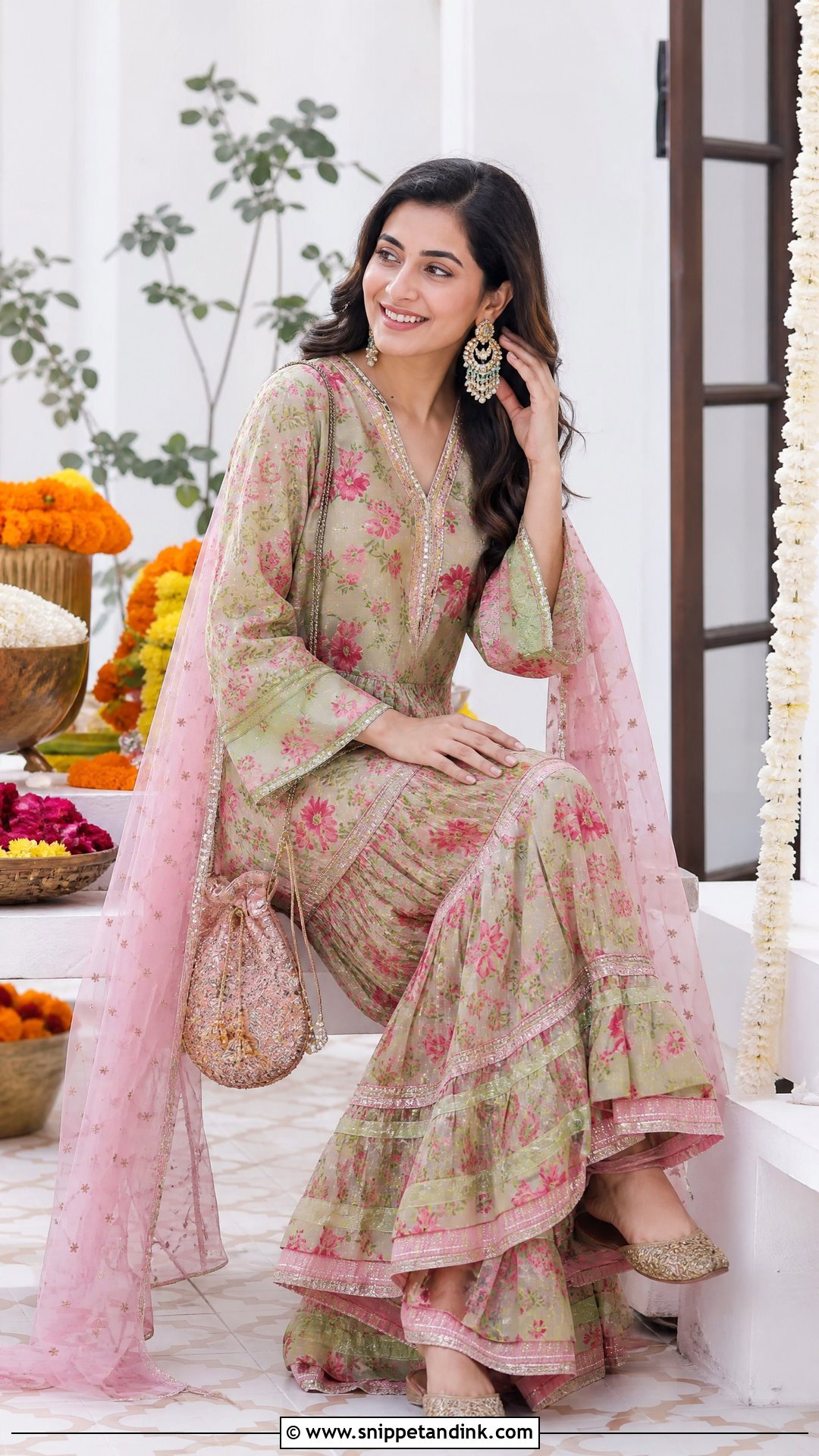
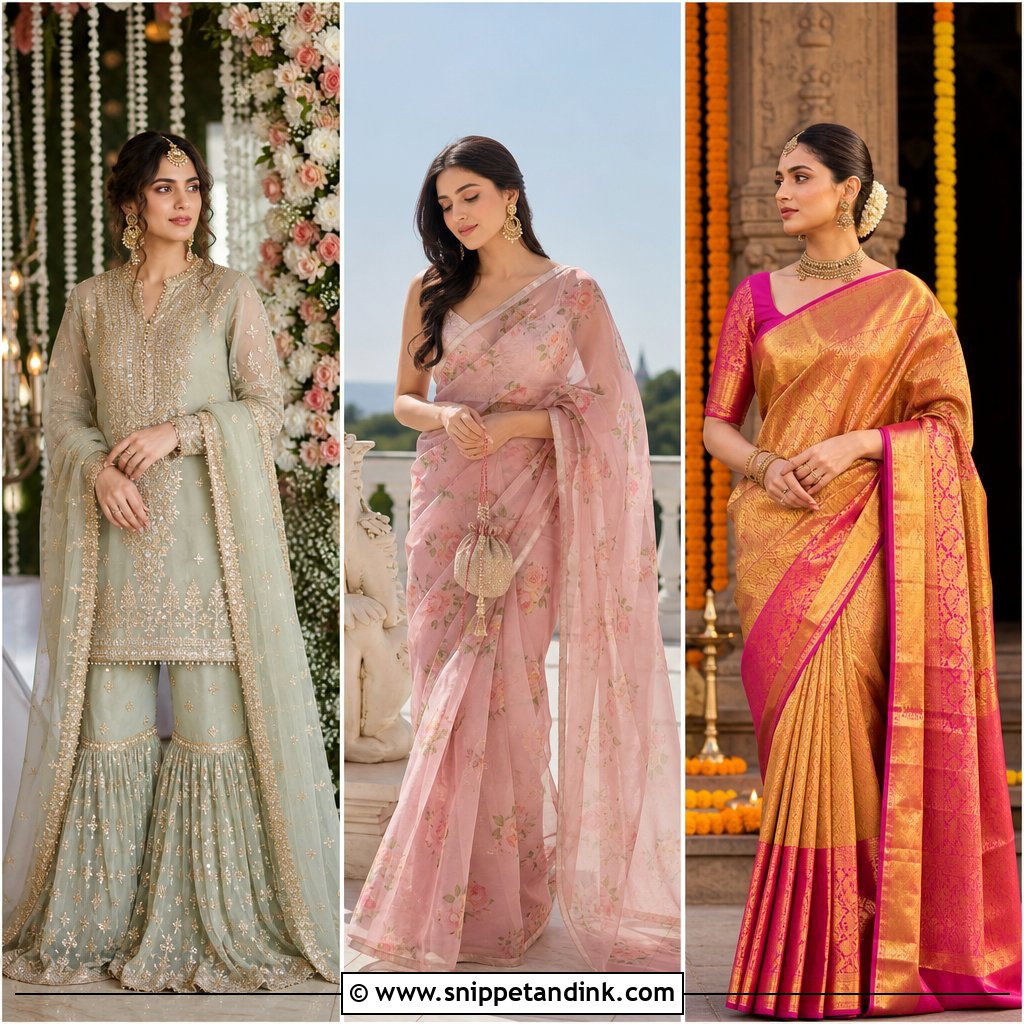
For a mehndi, I start with sleeves. If you’re getting henna, you need arms free to the elbow and nothing tight at the wrist, so a short floral kurta over a tiered sharara works far better than a fitted long-sleeve suit. The short kurta also lets the volume of the sharara show. Green, coral and turquoise prints suit the mood. Wear statement earrings instead of rings or bracelets, since you can’t wear hand jewelry over wet henna, and choose a light chiffon dupatta that won’t drag across fresh paste. Flat juttis and a crossbody potli keep your hands free while it dries.
3. Green Lehenga Mehndi Outfit
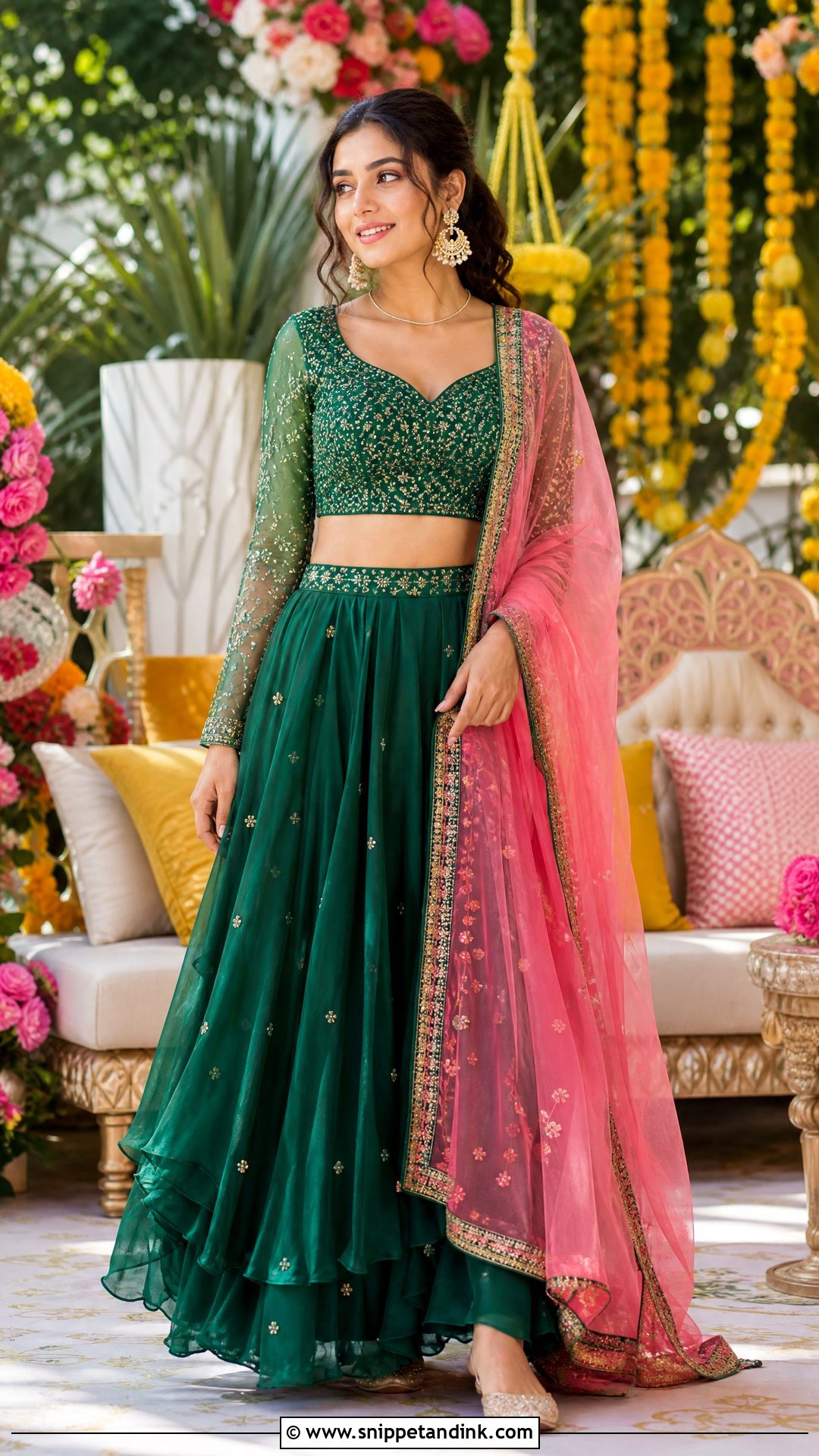
A green lehenga with a cropped blouse suits a more formal mehndi. Choose a light skirt in georgette or crepe rather than a heavy bridal can-can, because mehndi seating is often low cushions on the floor, and stiff layers make sitting awkward for hours. Thread embroidery or mirror accents give texture without weight. A contrasting pink or teal dupatta lifts the green. Check that the blouse has proper straps or sleeves so you’re not adjusting it during the dancing that often follows. Keep wrists clear if you’re getting henna, and finish with chandbalis and a soft half-up style.
4. Mirror Work Lehenga Sangeet Outfit
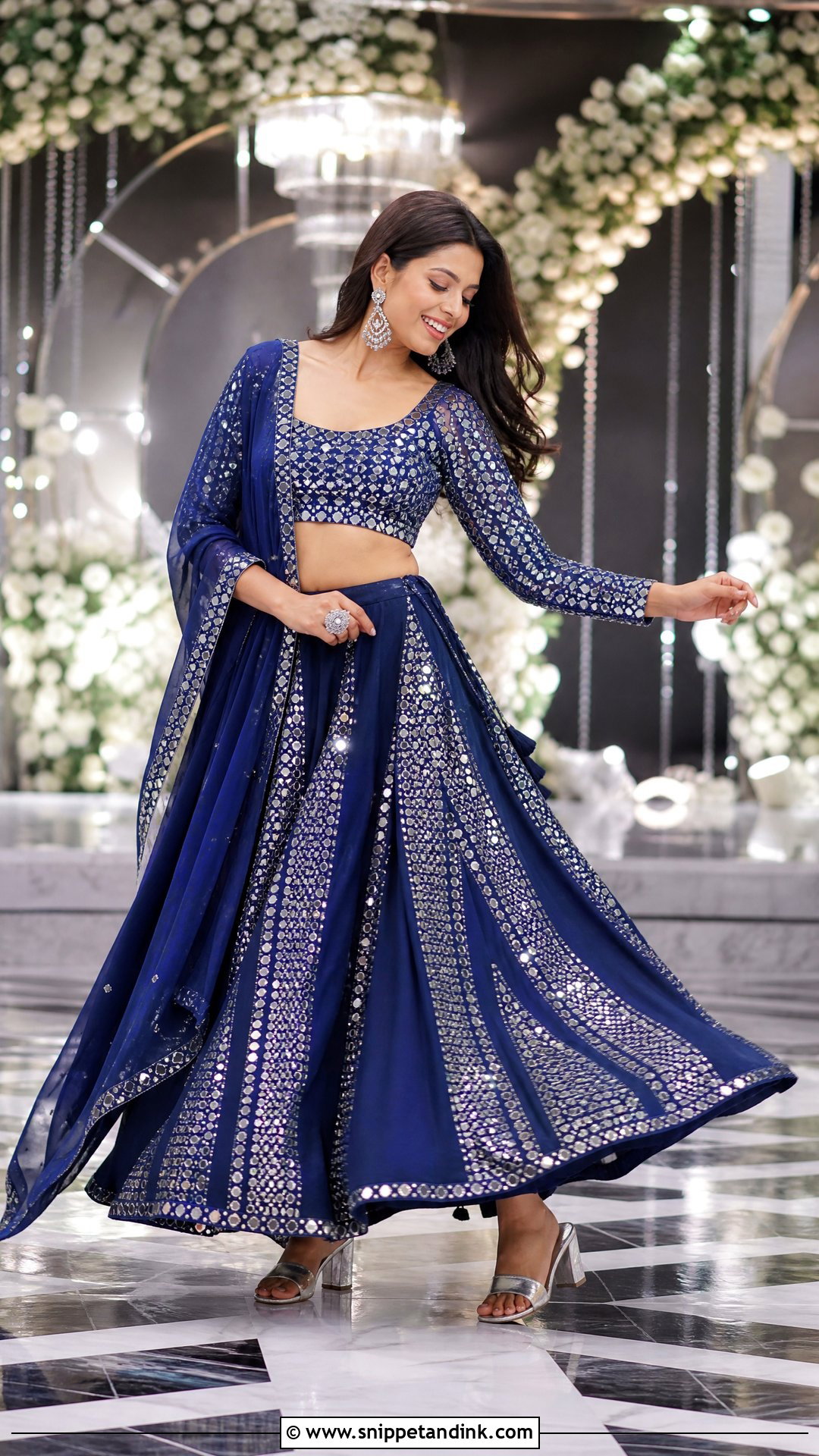
A mirror work lehenga throws light around the room under sangeet lighting, which is why it’s my first pick for dancing. The skirt flare matters more than people think: a moderate flare spins well, but a heavy, very full skirt tires you out halfway through a choreographed number. Jewel tones like royal blue or deep pink read clearly in evening photos. Pin the dupatta properly, across one shoulder or looped at both arms, so it doesn’t slide during a spin. Block heels with ankle straps stay on. A sleek ponytail or braided updo keeps hair from whipping into your face.
5. Sequin Saree Sangeet Outfit
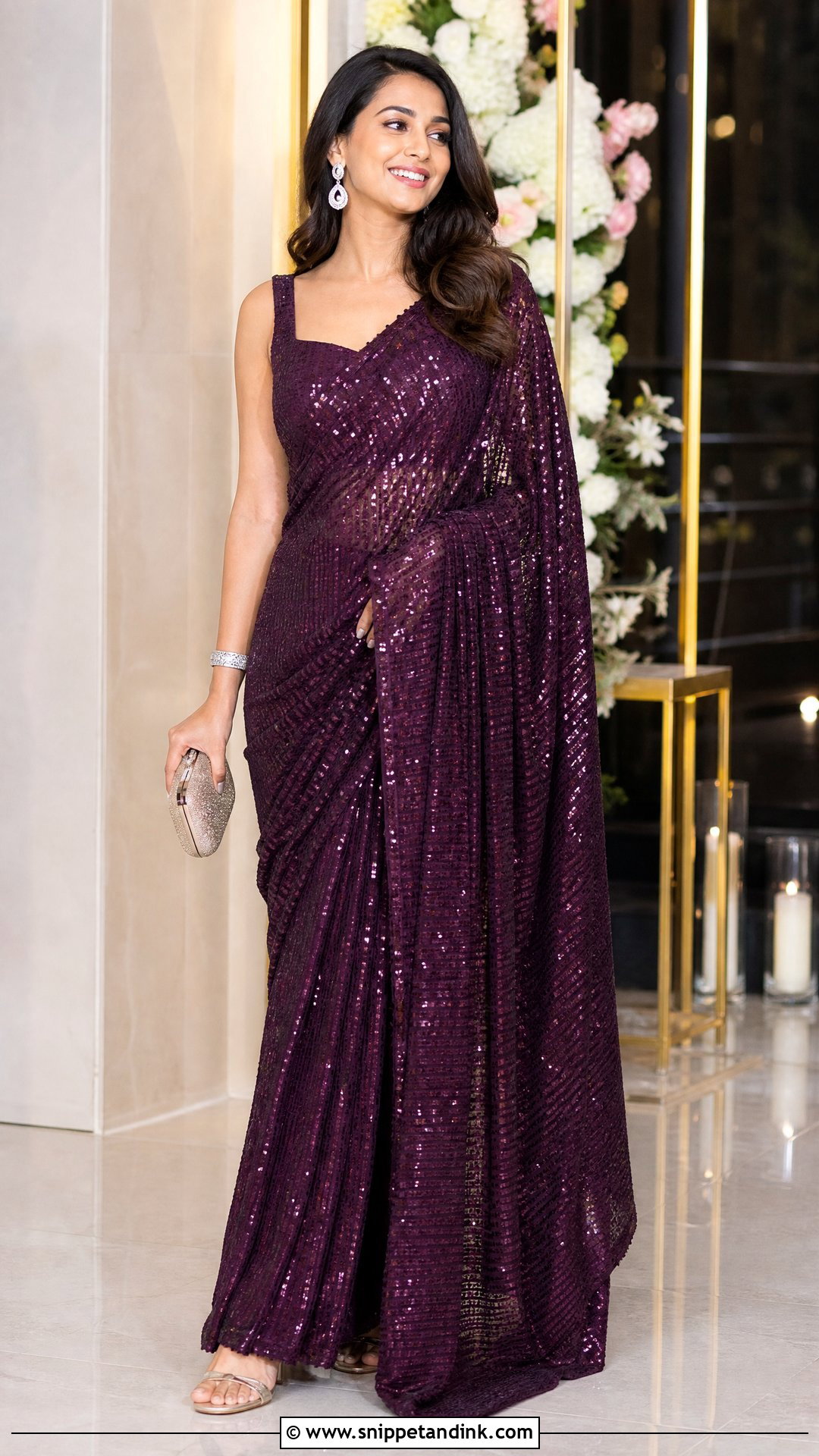
Sequin sarees bring the glamour of an evening sangeet with a traditional shape. Lightweight georgette or a stretch base drapes cleanly; heavy sequined silk is stiff and hard to pleat. If you’ll be dancing, I always suggest a pre-stitched version, because a hand-draped saree can loosen at the waist after a few energetic songs. Keep the blouse simple and in the same color. Sequins scratch the inner arm, so a short or elbow sleeve that covers the underarm seam is kinder than sleeveless. Drop earrings, one bracelet, a small clutch and block heels finish it.
6. Dhoti Pant Indo-Western Function Outfit
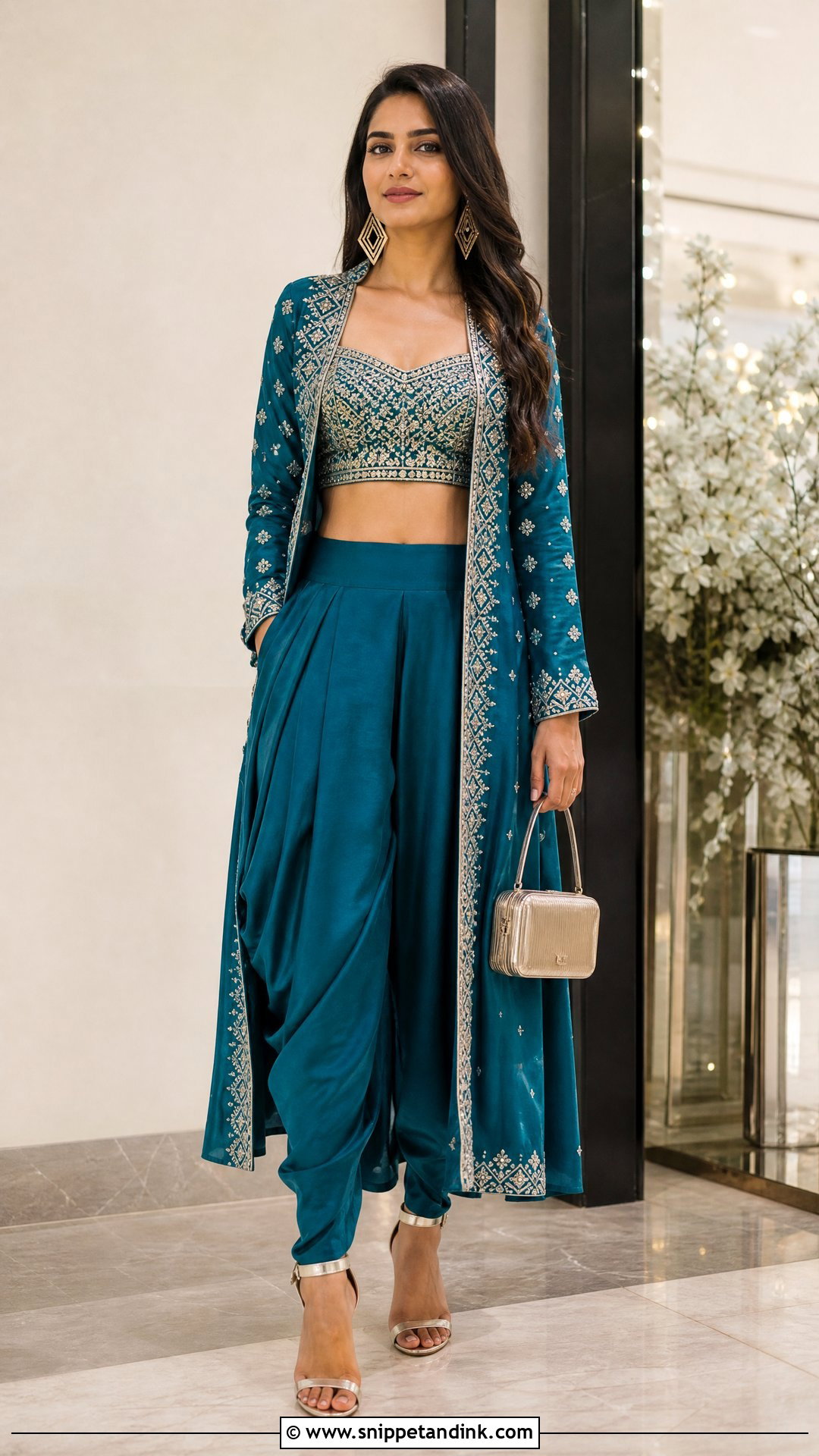
Dhoti pants with an embellished crop top and a long jacket give a confident Indo-Western outfit that’s easy to move in. The draped pants are comfortable, and the jacket brings formality. I like coordinated pieces in teal, wine or ivory with embroidery kept to the neckline and jacket edges. Where this goes wrong is proportion: a crop top that’s too short against a long jacket cuts the body in odd places. If you’d like more coverage, a fitted tunic ending above the hip works. Metallic heels and geometric earrings suit a welcome dinner or modern engagement.
7. Pastel Anarkali Engagement Outfit
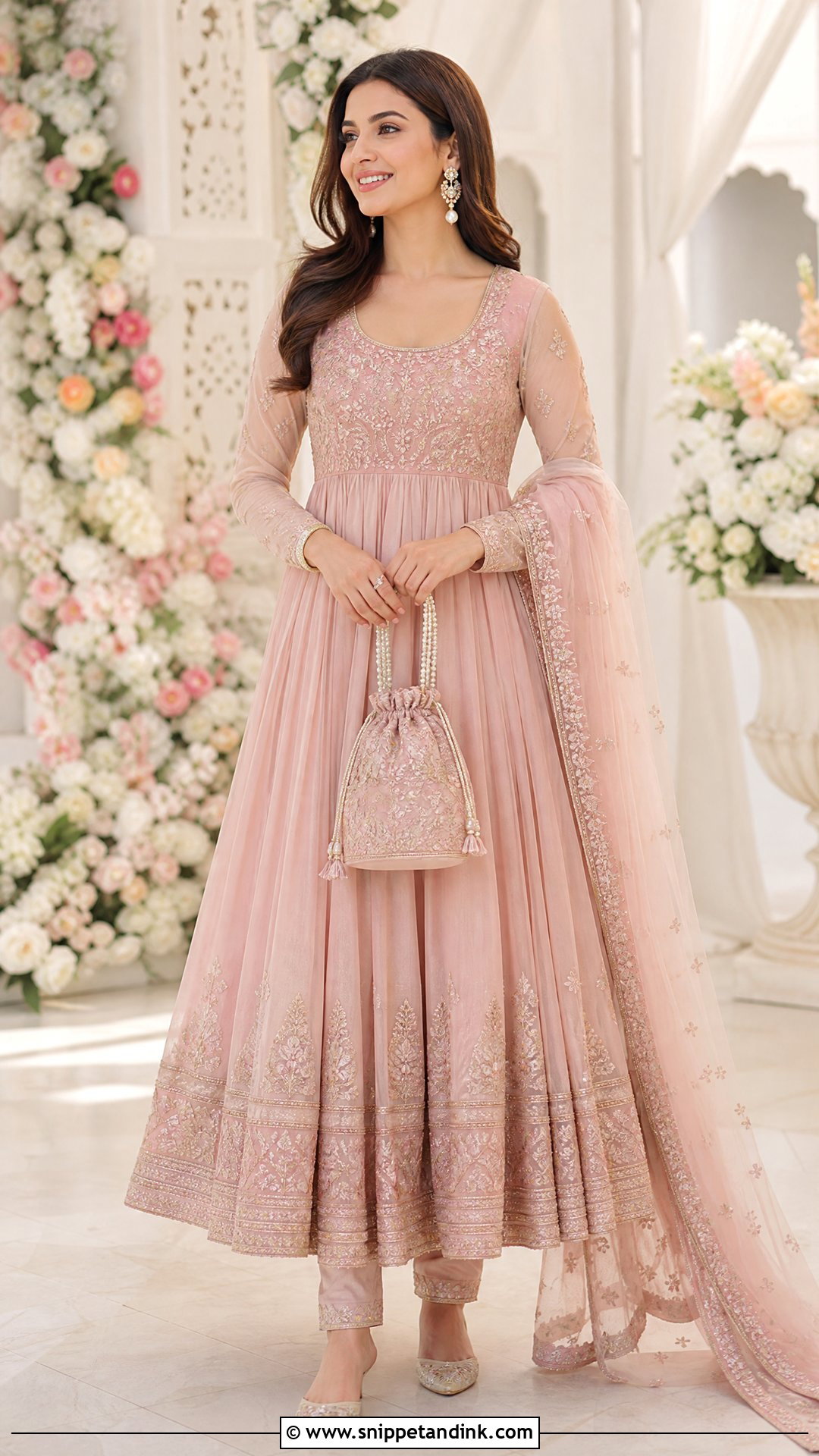
Pastel Anarkalis suit engagements, where you want to look polished without competing with the couple. Blush, powder blue, sage or lavender in chiffon or a silk blend moves softly. Length is the fitting point I check most: an Anarkali should just skim the floor in your shoes, because a dragging hem catches on stairs and lawns and gets heavy with dust. Keep the embellishment scattered rather than dense, or it starts to look bridal. Pair with fitted pants, a sheer dupatta on one shoulder, pearl earrings and kitten heels. A potli in a neighboring pastel adds a little contrast.
8. Silk Saree Wedding Ceremony Outfit
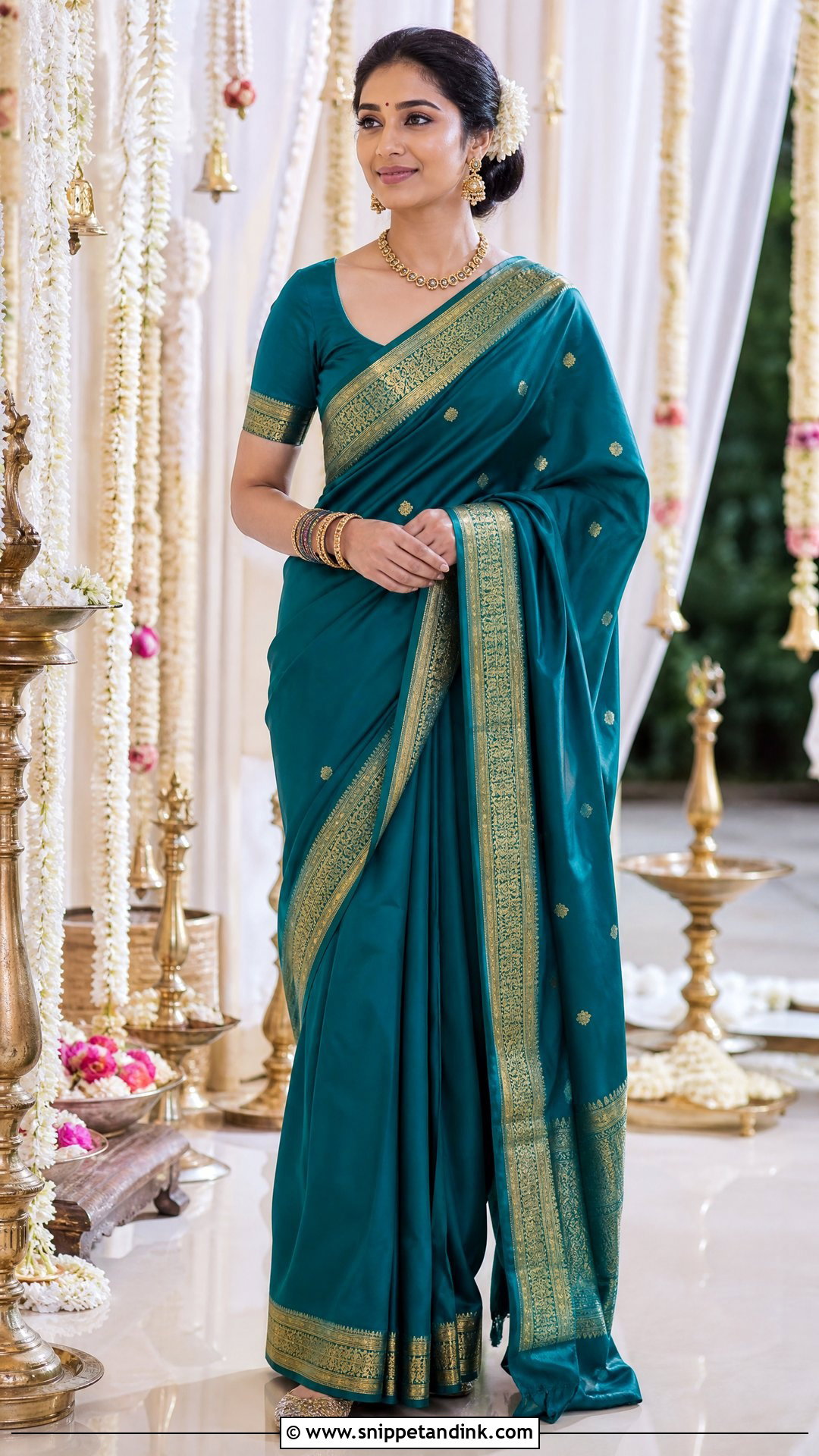
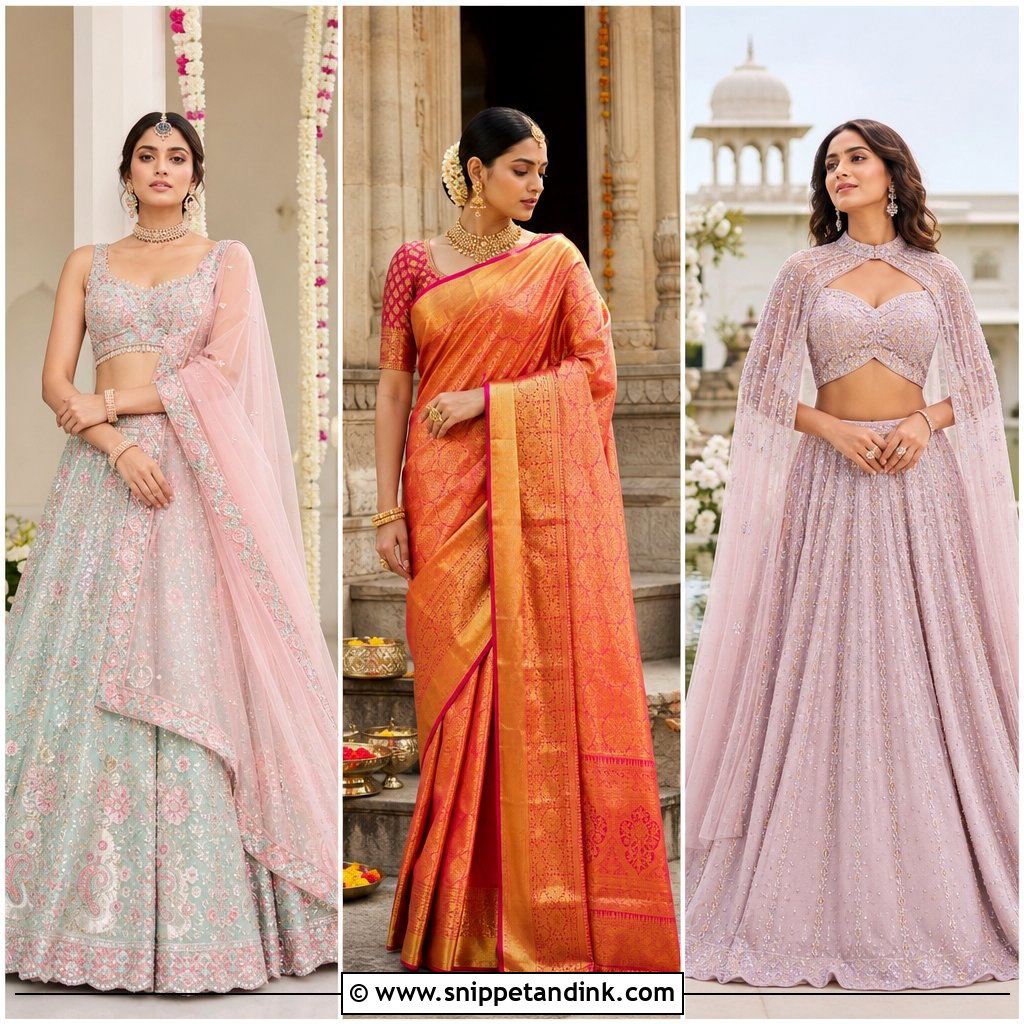
Silk sarees are the classic choice for the main ceremony, and the drape is everything. I pleat silk sarees tightly at the waist and pin the pallu at the shoulder with a hidden safety pin, because rituals involve sitting, standing and bending to touch elders’ feet, and an unpinned pallu slides off within minutes. A woven border gives the traditional detail. Elbow sleeves or a boat neck suit a long ceremony. Choose jewelry by priority: temple earrings, a short necklace and some bangles, not everything at once. Heeled juttis stay hidden, and a bun with flowers finishes the look.
9. Banarasi Lehenga Wedding Outfit
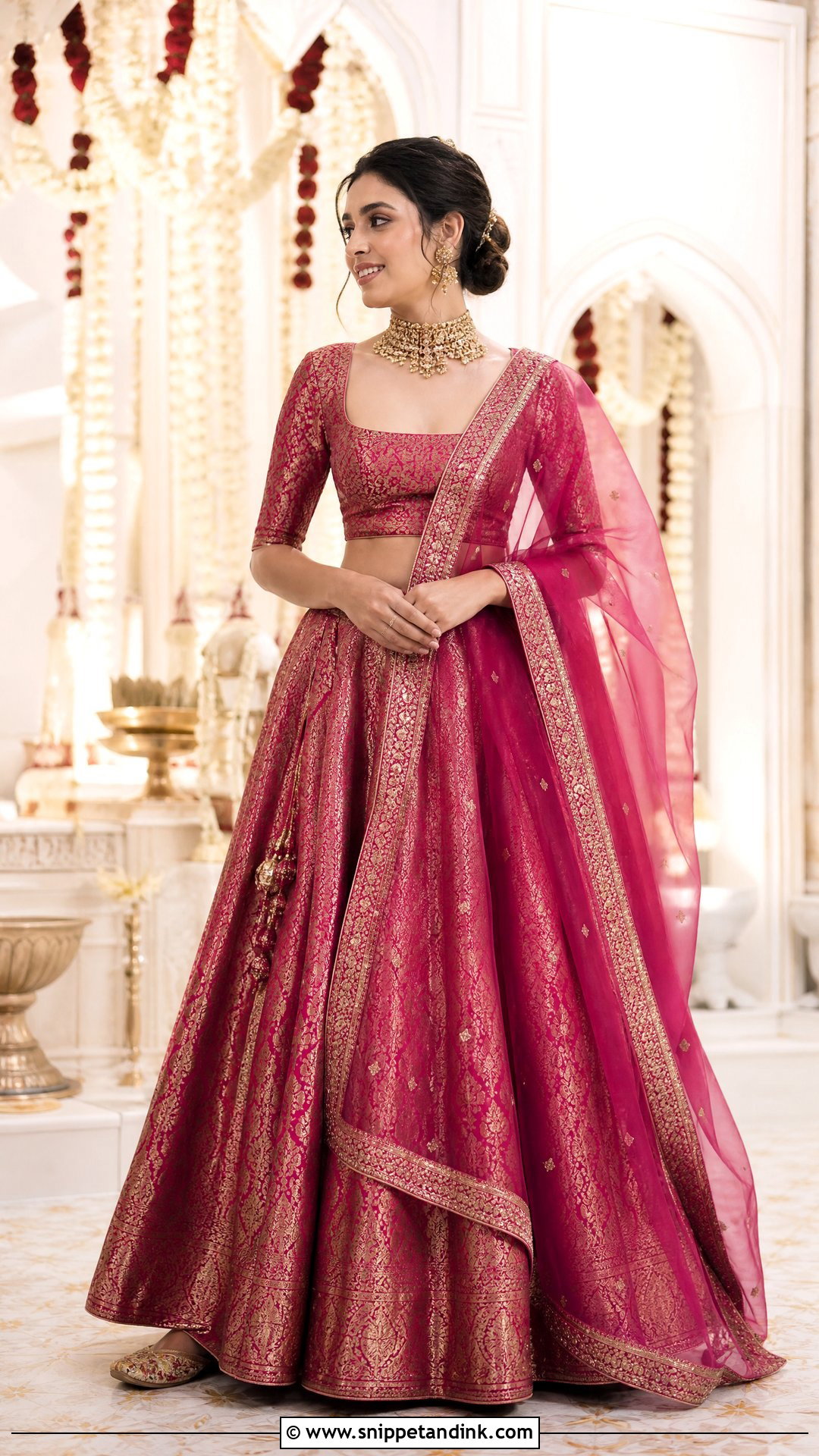
A Banarasi lehenga gets its richness from the weave itself, so it doesn’t need heavy surface work, which also keeps it lighter to wear through a long ceremony. Pair a jewel-toned skirt with a plain silk blouse and a light organza or net dupatta. A Banarasi skirt has a lot of pattern already, so the blouse should stay quiet. Secure the dupatta on one shoulder and tuck or pin it at the waist. Store a Banarasi folded in muslin rather than plastic, and refold it along different lines every few months; the zari can crack along permanent folds. A choker and medium earrings are enough.
10. Embroidered Salwar Suit Day Wedding Outfit
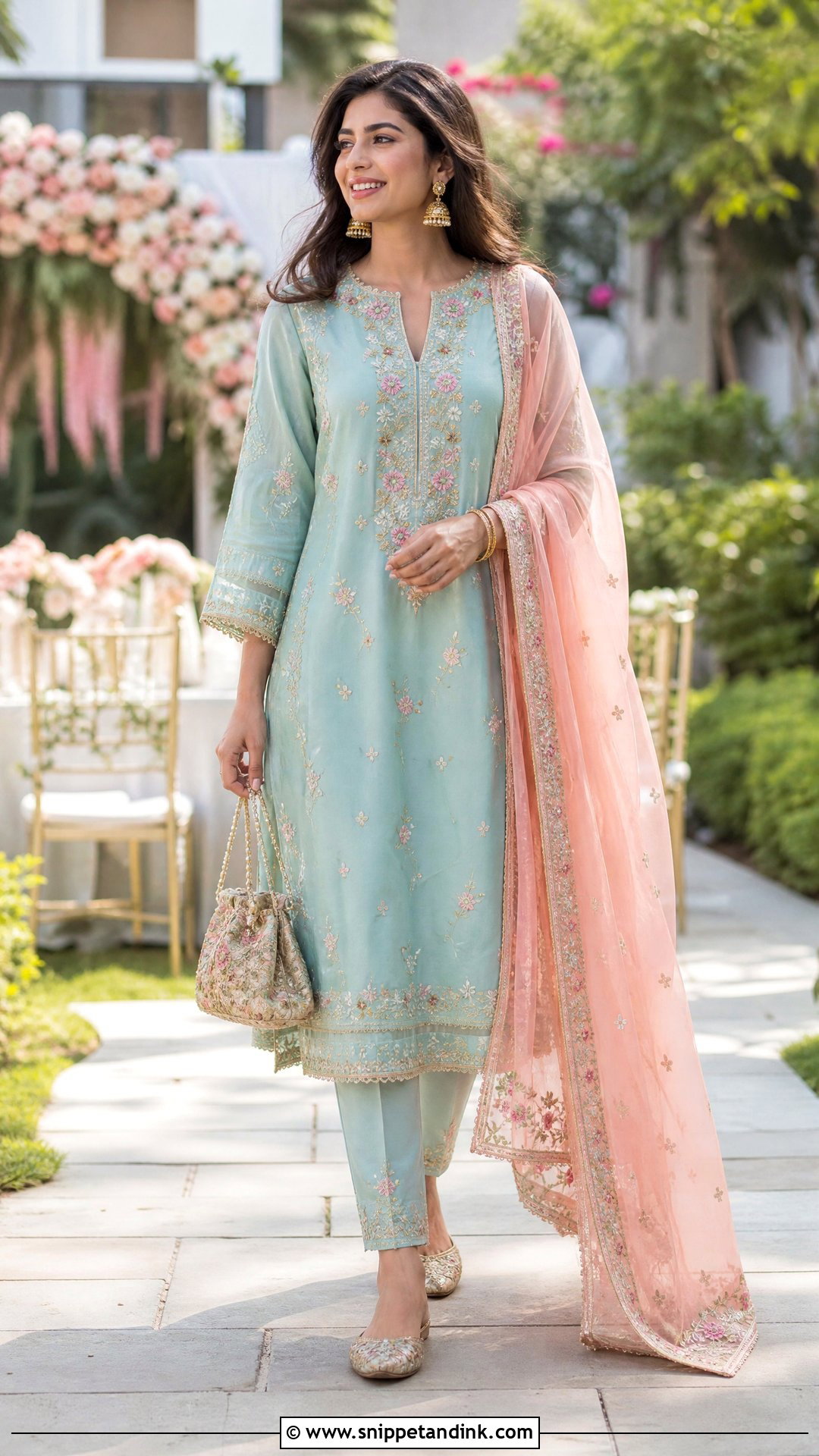
Day weddings in warm weather call for breathable fabric before anything else. An embroidered salwar suit in cotton-silk or chanderi, with embroidery kept to the neckline, sleeves and hem, stays cool where all-over work traps heat. Aqua, coral and marigold look fresh in bright light. Tapered pants keep the hem clean on grass. I like a printed or lightly bordered dupatta to bring in a second color. Jhumkas, a few bangles and pointed juttis finish it, and a light shawl in the bag covers you if the function runs into a cool evening.
11. Chanderi Saree Pooja Function Outfit
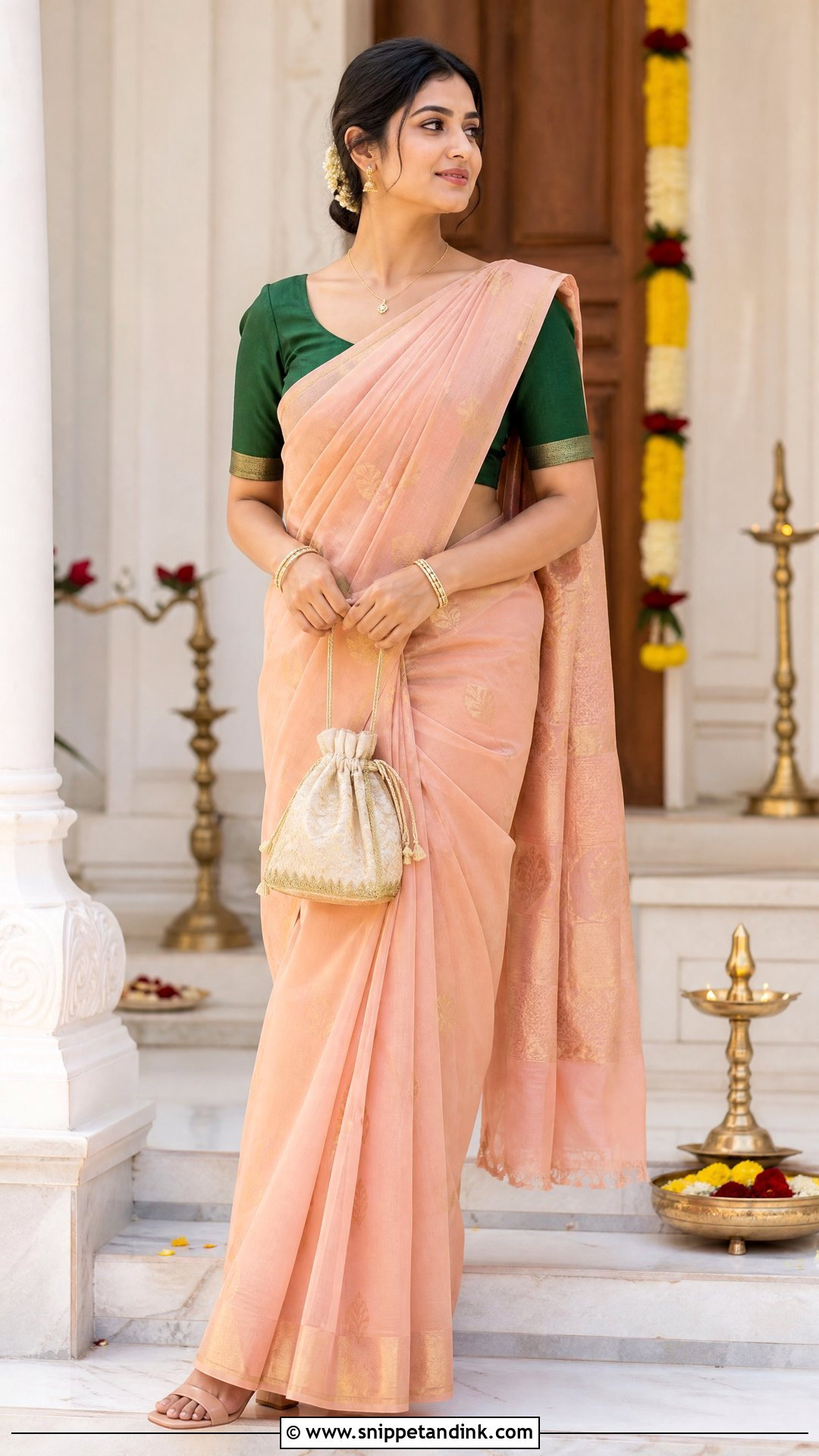
Poojas and morning rituals mean sitting on the floor, standing, and moving between spaces, often barefoot. A chanderi saree is airy and has a soft sheen that suits daylight. Pair it with a blouse in the same color family or a contrasting jewel tone. I keep pooja drapes slightly shorter at the hem, just off the ankle, so you’re not stepping on pleats when you rise from sitting. Small gold earrings, a pendant and slim bangles are enough for a religious setting. Choose shoes you can slip off easily. A tidy low bun and fresh makeup keep the look calm.
12. Peplum Sharara Ring Ceremony Outfit
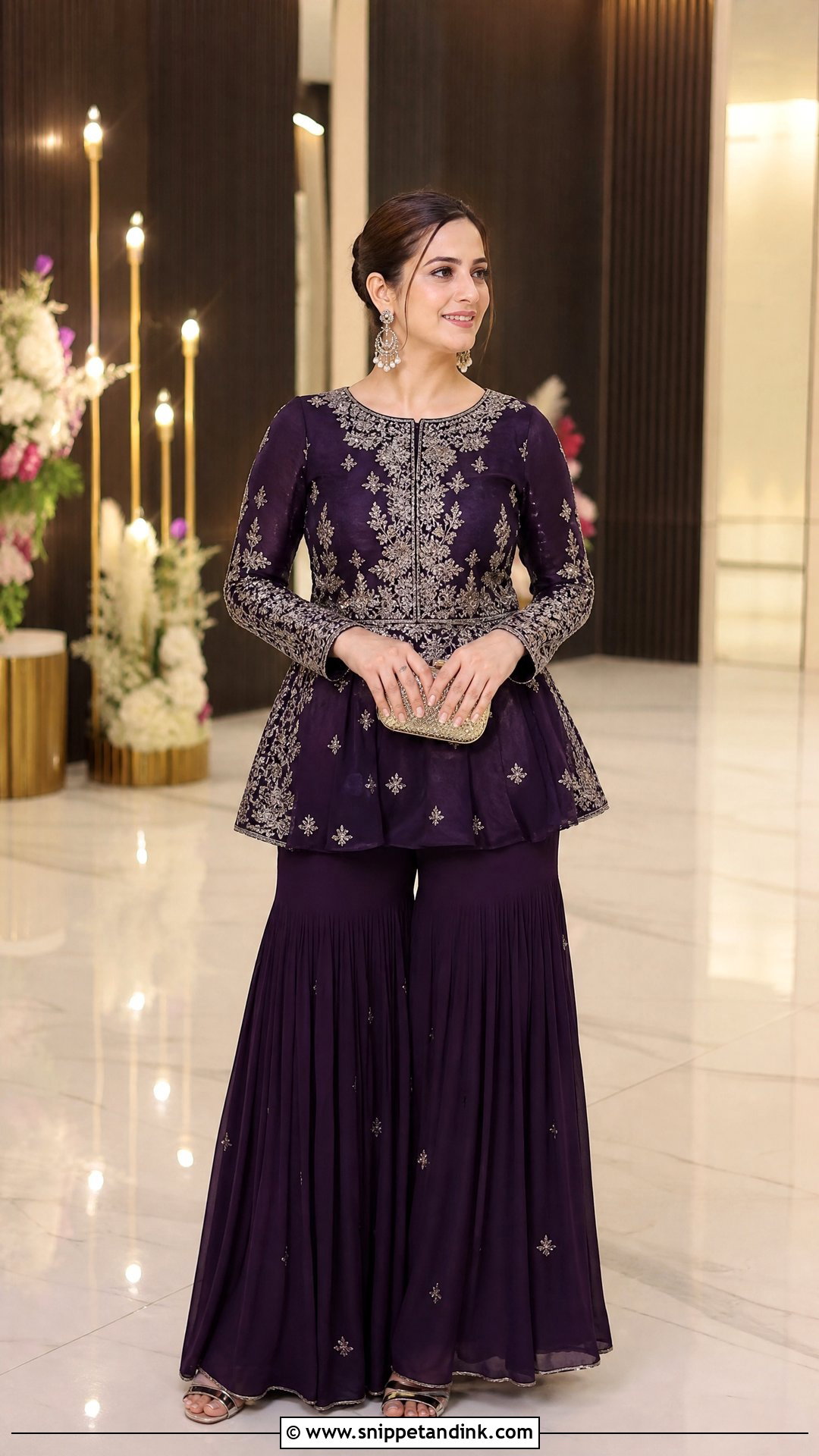
A peplum top with sharara pants suits ring ceremonies, where you’ll be on your feet greeting family for hours. The fitted peplum waist balances the wide flare below, which flatters most figures. Silk or crepe in jewel tones works in the evening; muted pastels suit daytime. Embroidery at the neckline and peplum hem draws the eye up toward photos. Skip the dupatta if the event allows it; the peplum looks cleaner on its own, and that’s one less thing to manage while you hold a ring tray. Chandelier earrings, block heels and a sleek bun finish it.
13. Cape Lehenga Reception Outfit
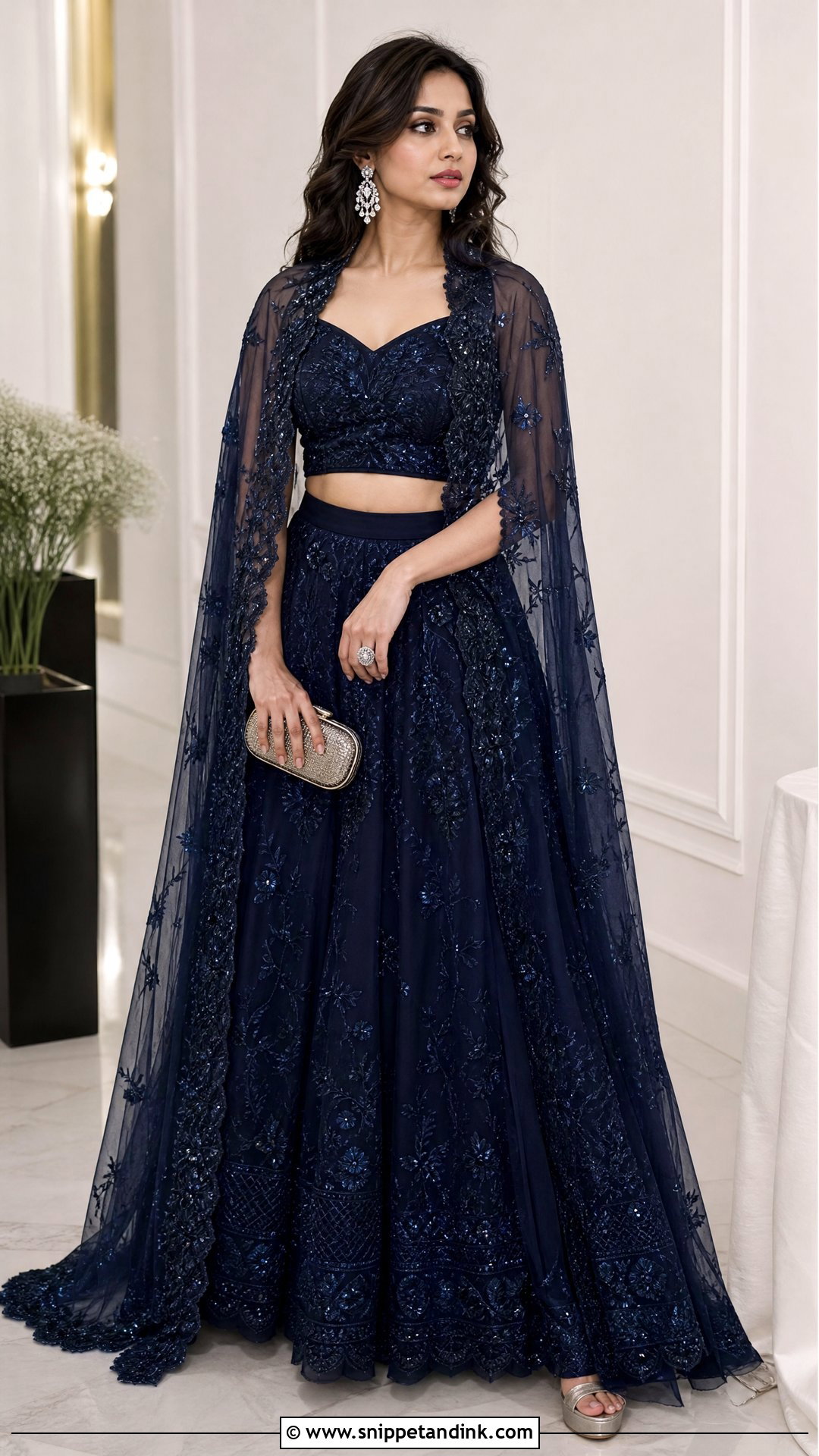
A sheer cape over a coordinated lehenga is the easiest way I know to replace a dupatta at a reception. It stays on the shoulders without pinning and leaves both hands free for greeting. Monochrome sets in midnight blue, plum or champagne look polished under evening light. Look for embroidery around the cape edge or shoulders, a fitted blouse and a moderate flare. Capes can drop backward when you sit, so a discreet hook or a little tape at the shoulder keeps them in place. Drop earrings, a statement ring and a smooth low ponytail let the neckline show.
14. Pre-Draped Saree Reception Outfit
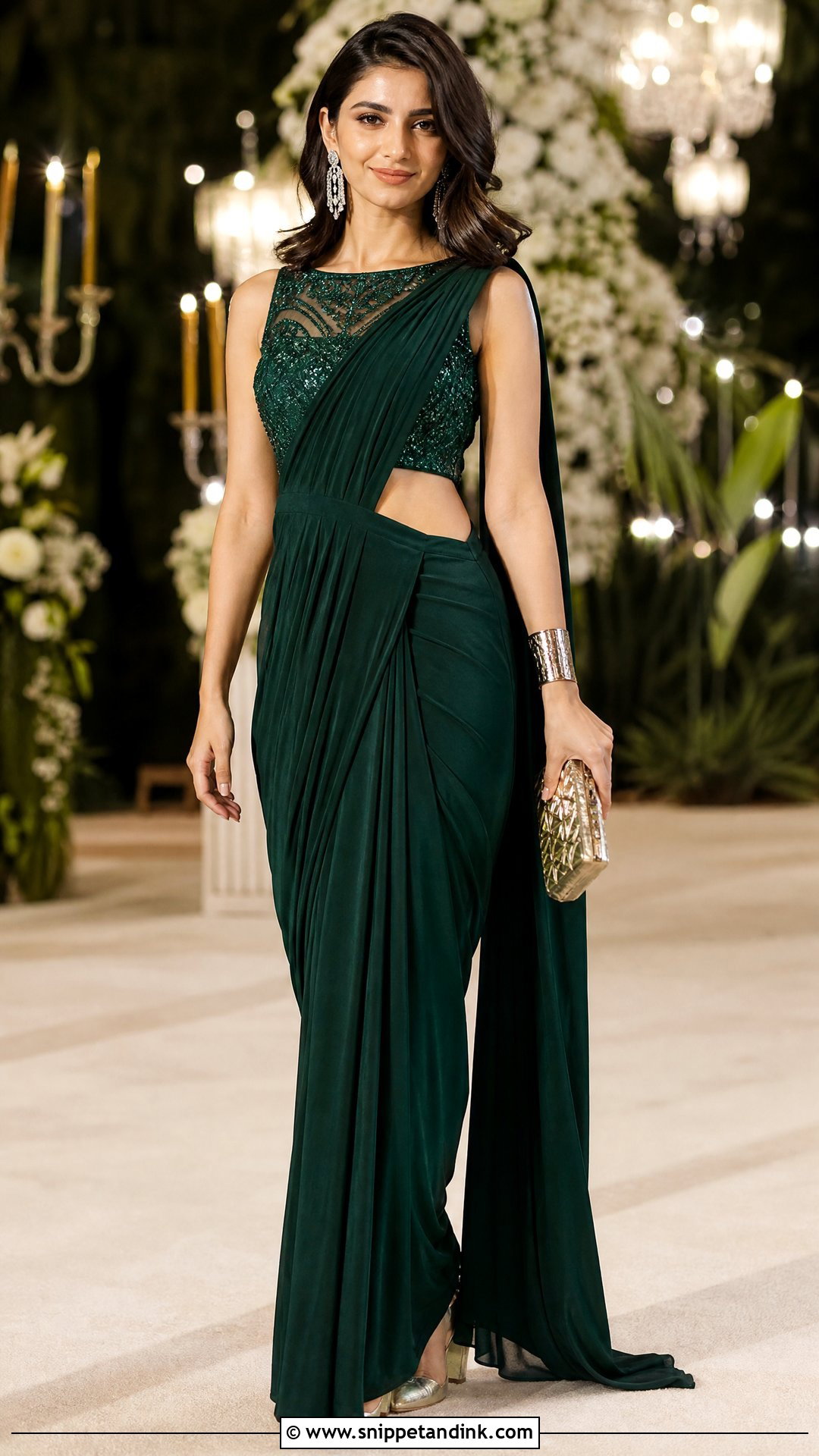
Pre-draped sarees solve the biggest reception worry, a drape that loosens while you mingle. The pleats and pallu are stitched in place, so you zip in and go. Satin, crepe or georgette in emerald, burgundy or mauve looks rich at night. The catch: the hem can’t be adjusted the way a hand-draped saree can, so have it fitted with your exact shoes before the day. A structured blouse with some beadwork gives shape to the fluid drape. Shoulder-grazing earrings, a cuff and pointed block heels keep it steady and sharp.
15. Floor-Length Anarkali Reception Outfit
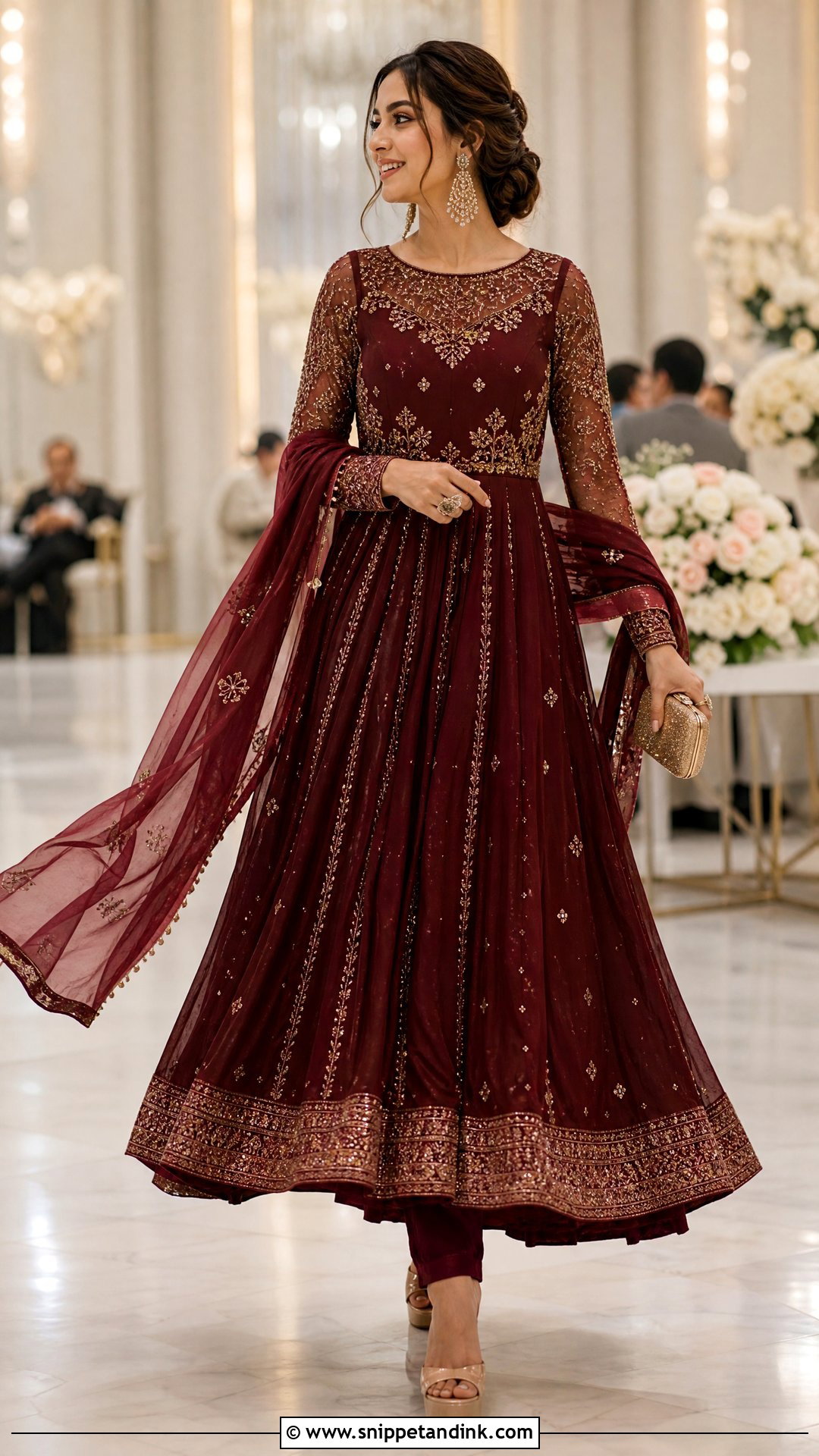
A floor-length Anarkali gives more coverage than a lehenga or saree and still moves well at a reception. Look for a fitted bodice and a controlled flare; very wide panels look grand on the hanger but add bulk around the hip. Deep green, wine or aubergine with metallic embroidery suits evening. Let the neckline guide the jewelry: a V or scoop frames a necklace, while a high neck wants earrings alone. Drape the dupatta over both arms or pin it to one shoulder. Platform or block heels stop the hem catching, and a braided bun keeps the look tidy.
16. Palazzo Suit Roka Function Outfit
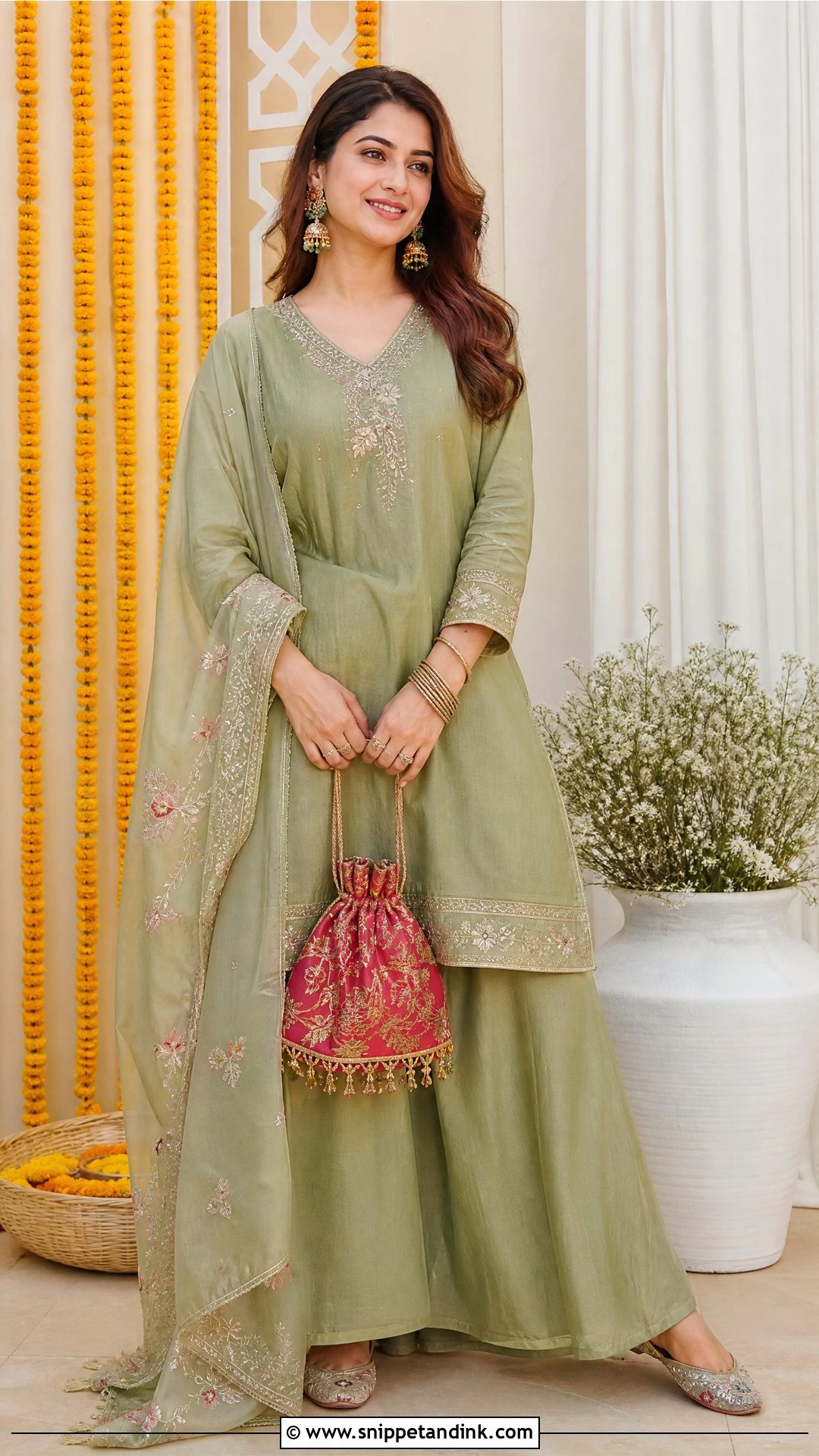
A palazzo suit is the right weight for a roka ceremony or a small family function. Choose a short or mid-length kurta so the wide legs show. Soft silk, chanderi or georgette in peach, sage or muted gold keeps the mood warm without looking like a wedding guest at the main event. Scalloped edges or a lightly embellished neckline add enough detail to feel dressed. Roka functions are often at home, with a lot of sitting on sofas and floor seating, and wide palazzos handle that easily. Pin a sheer dupatta on one shoulder, and add meenakari earrings and embroidered flats.
17. Jacket Lehenga Winter Wedding Outfit
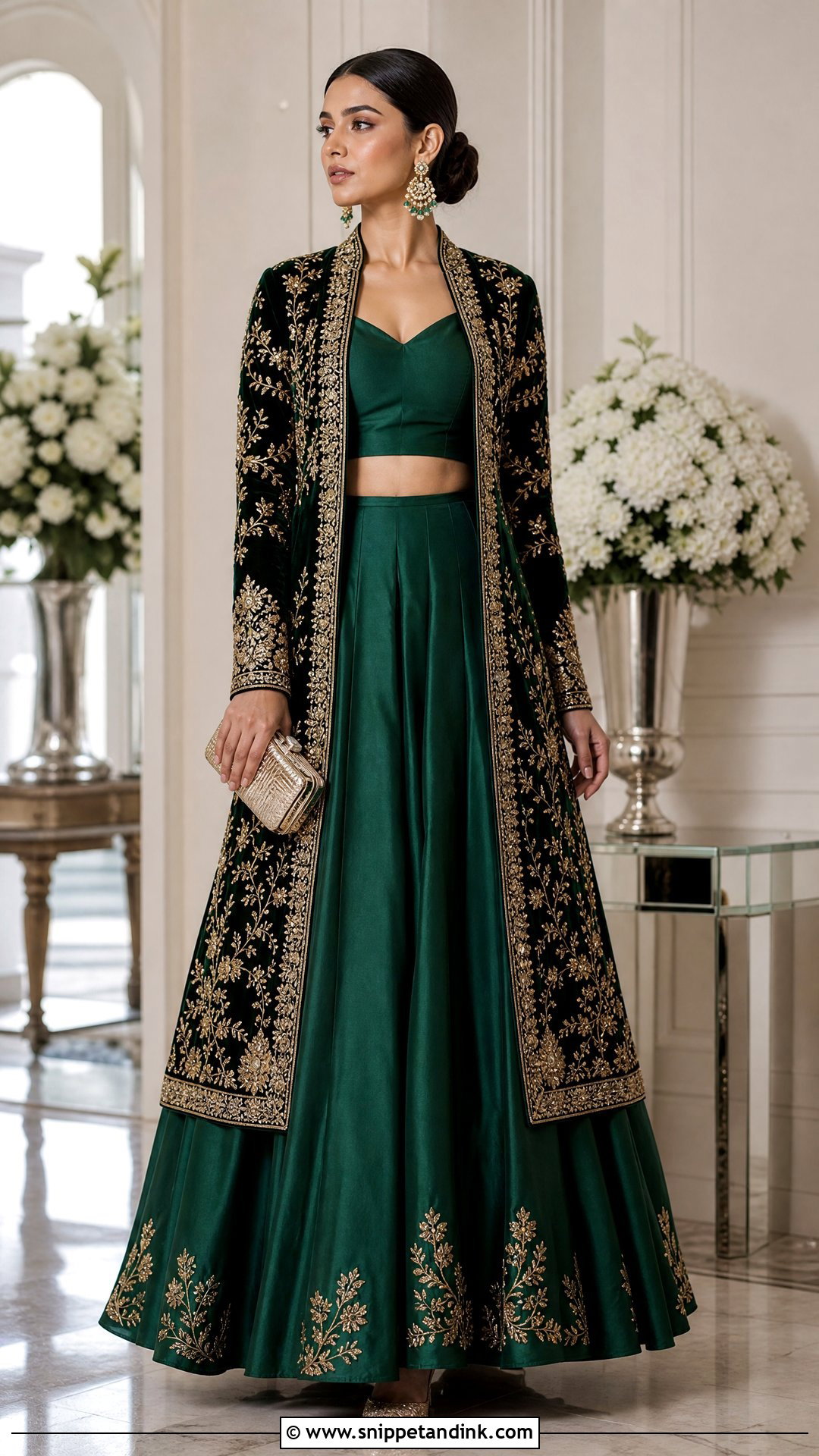
Winter weddings in the north can get properly cold outdoors after dark, and a jacket lehenga keeps you warm without hiding the outfit under a coat. A silk or velvet skirt with a fitted blouse and a long embroidered jacket, knee or ankle length, gives a rich winter look in maroon, emerald or deep teal. An open front keeps the blouse and waistband visible. If the jacket is heavily worked, choose a simpler skirt. I’d add a thin thermal layer under the blouse on very cold nights; nobody sees it and it makes the evening far more pleasant. A coordinating shawl beats an unrelated coat.
18. Organza Saree Day Reception Outfit
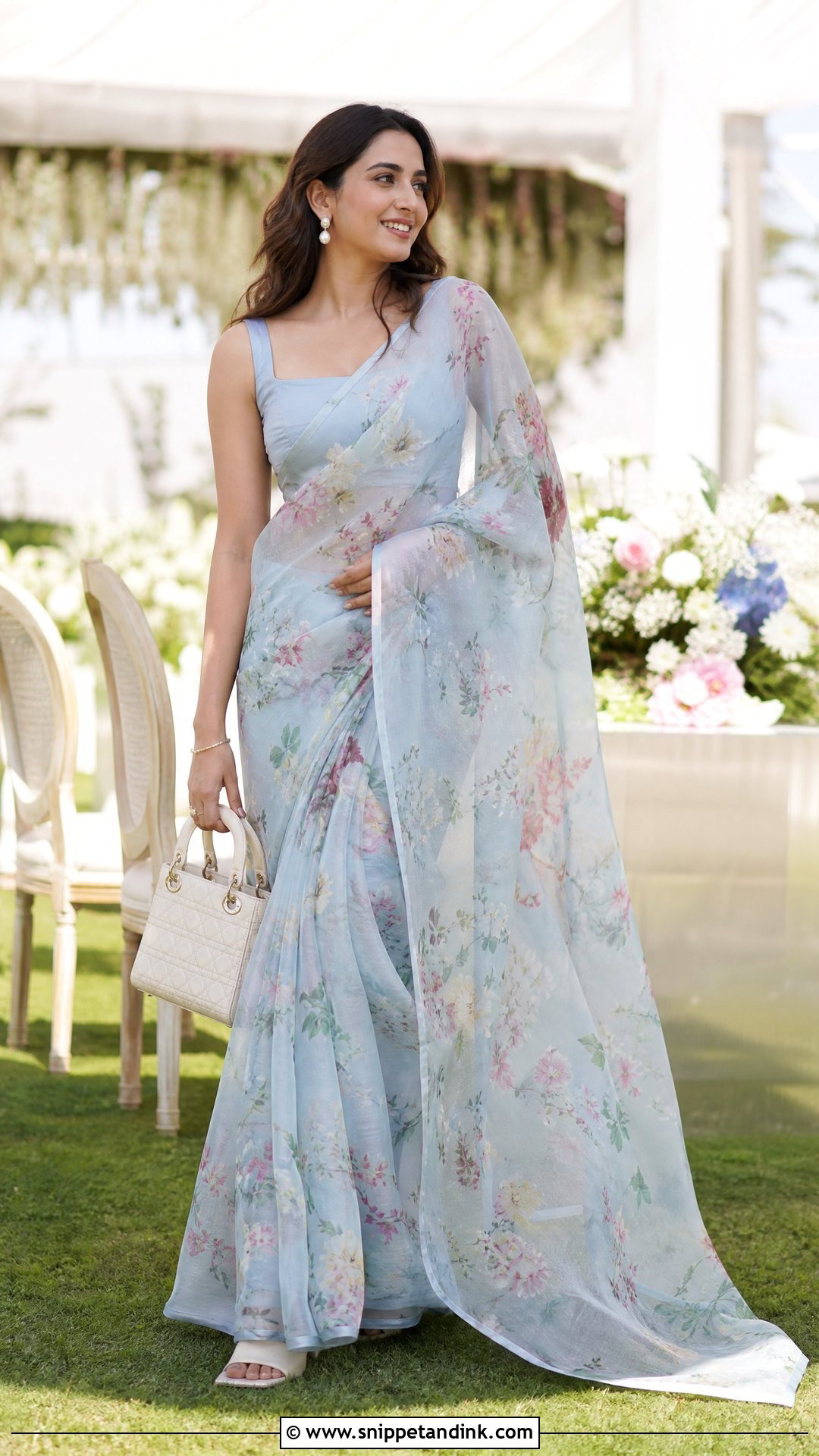
Organza has a crisp body, so an organza saree holds its shape in daylight and photographs as light and airy. That same crispness means it doesn’t pleat as softly as chiffon; I fold organza pleats a little wider and press them gently with steam so they fall straight. Powder blue, blush or mint suit a day reception or lunch, with florals for gardens and embroidered borders for formal venues. A short-sleeve or square-neck blouse keeps it fresh. Low block heels handle grass. Organza snags on rough edges and some jewelry, so keep bracelets smooth.
19. Velvet Suit Winter Function Outfit
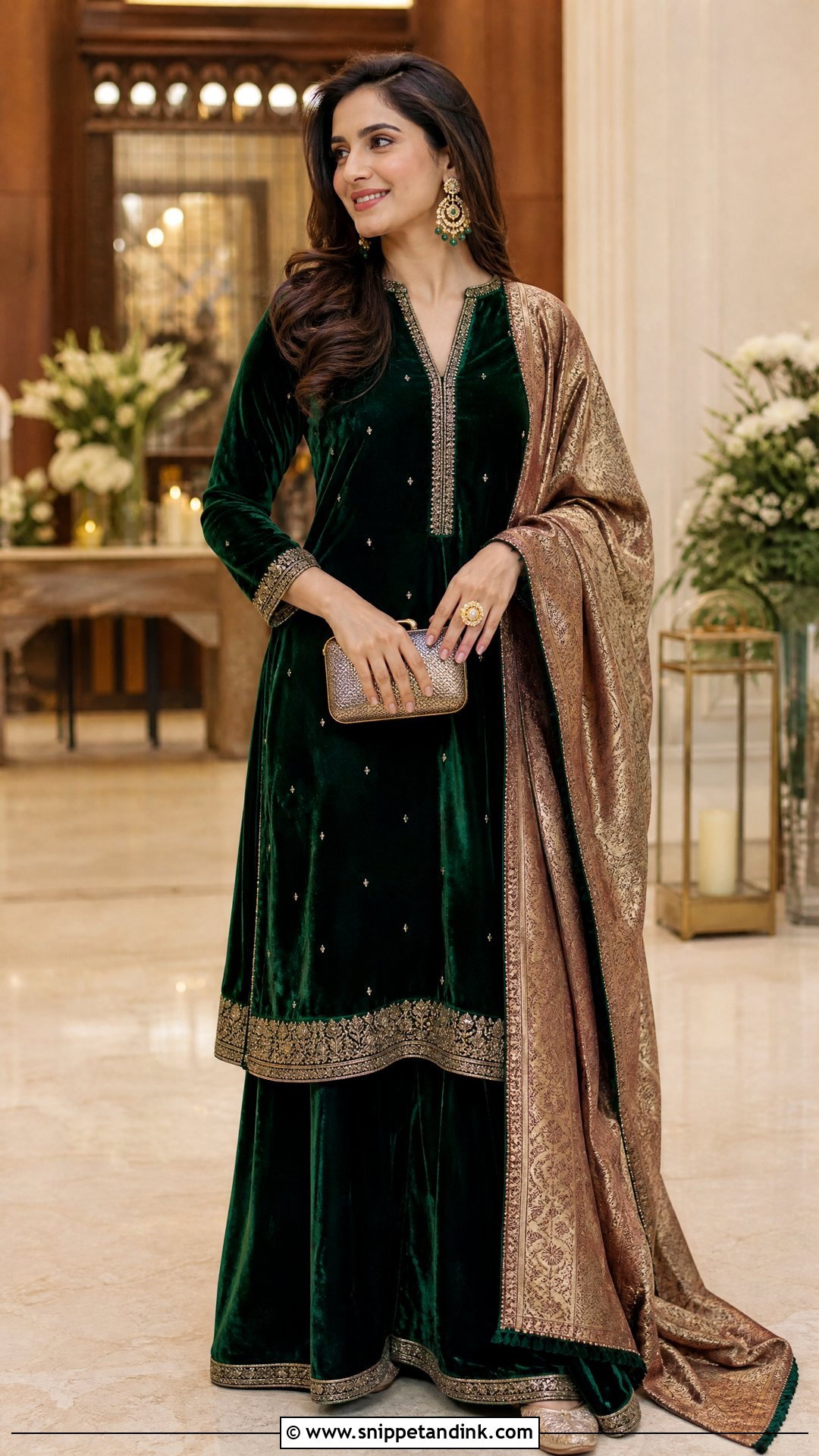
Velvet suits work at cold-weather functions because the fabric adds warmth and depth on its own. A straight kurta in burgundy or forest green, with slim pants or a sharara, gives a strong winter marriage function outfit. Restrained zari at the neckline, cuffs and hem is enough. Add a silk or organza dupatta in contrast; it lightens the look and moves where velvet won’t. Velvet crushes in storage, so hang it rather than folding and steam it lightly from inside. Antique gold earrings and closed juttis complete it.


20. Linen Saree Summer Marriage Function Outfit
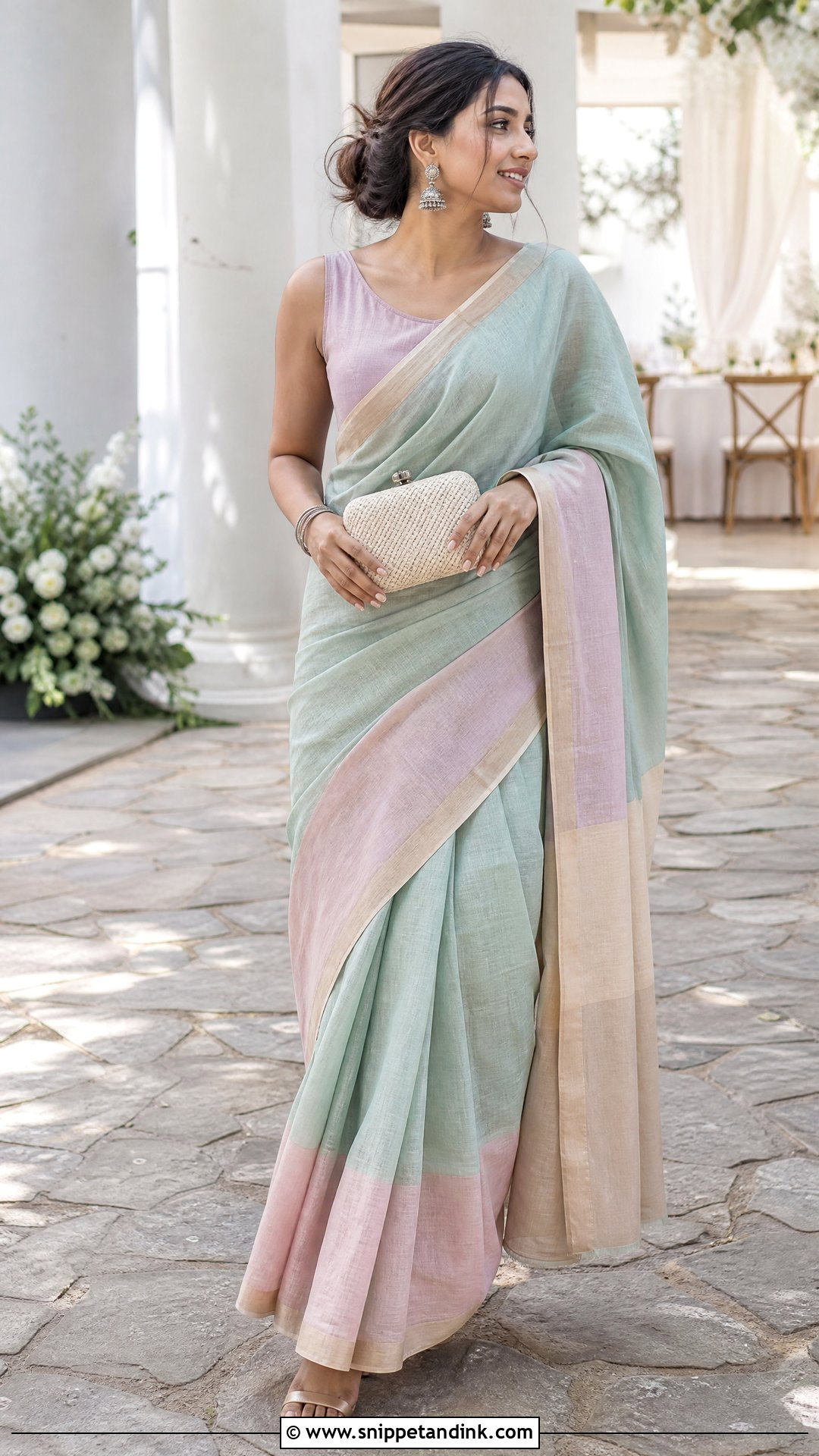
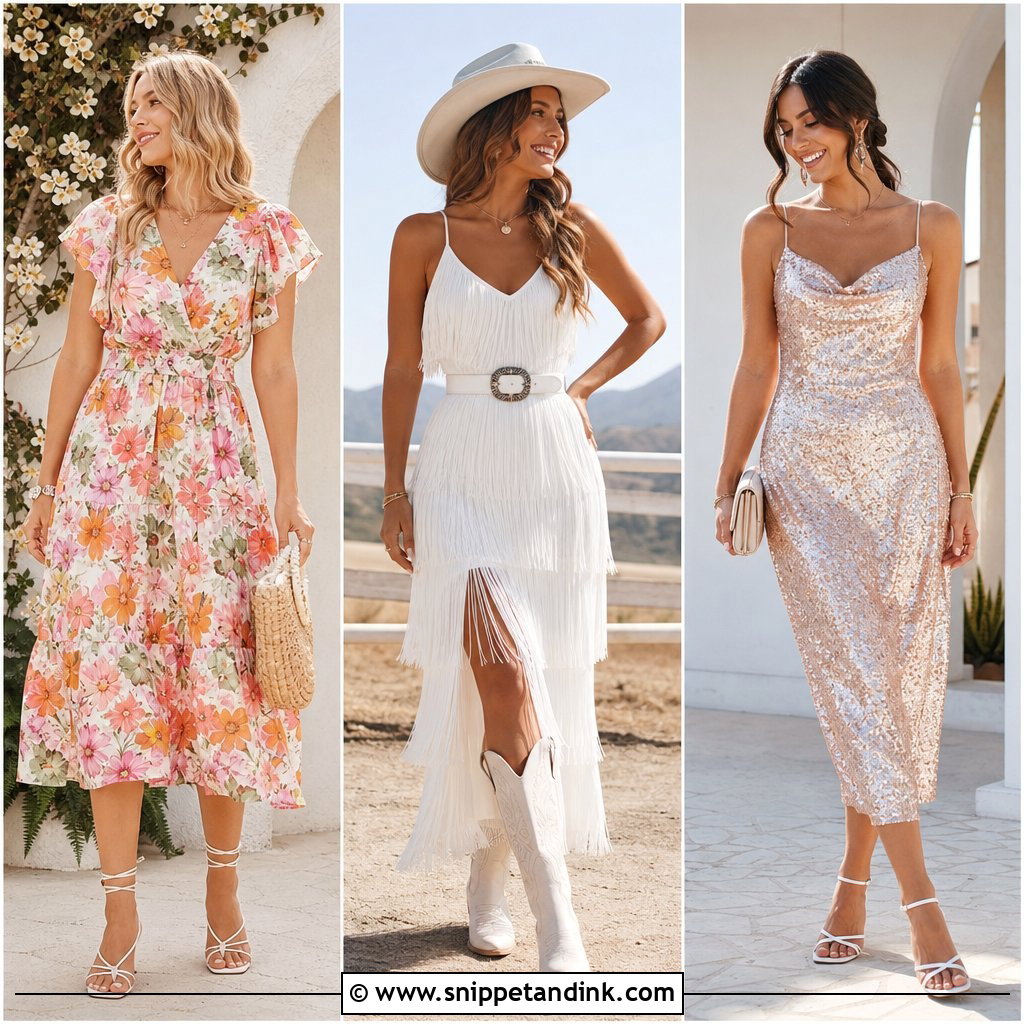
Linen sarees are my summer answer when silk would be unbearable. They breathe, they stay matte in harsh sun, and a pastel or color-blocked design looks fresh at a daytime function. Pair with a cotton or linen-blend blouse; sleeveless feels cool, elbow sleeves give more coverage. Linen softens and slips as the day warms, so pin the pallu well and tuck pleats firmly at the waistband. Silver earrings, slim bangles and cushioned flats keep it light. A relaxed bun keeps hair off the neck, and a setting spray helps makeup last through the heat.
Give Your Tailor Weeks, Not Days, During Wedding Season
Most of these outfits need a custom-stitched blouse, and that is where plans fall apart. Tailors get busiest in peak wedding months, and a blouse that would take a week in the quiet season can take far longer. I tell clients to hand over fabric at least a month ahead, more for several outfits, and to book a trial fitting with enough time left for a second round.
Bring the bra or blouse padding you’ll actually wear, and the shoes, to the fitting. Sit down and raise your arms during the trial. A blouse that’s perfect standing often rides up or cuts in under the arm once you’re dancing or sitting for a ritual.
The Little Pouch That Saves a Five-Day Wedding
Every client I dress for a multi-day wedding gets the same small pouch to carry from function to function. These are the items I’ve seen rescue the most outfits.
- A strip of safety pins in two sizes, for pallus, dupattas and a loosened pleat.
- Bobby pins that match your hair color, for the dupatta on your head and for stray hair.
- Double-sided fashion tape for blouse straps and cape shoulders.
- A small needle with thread in your outfit’s main color, for a dropped hook or a popped bead.
- Blister plasters, because new juttis rub on day two.
- Wet wipes to lift turmeric or a food spill before it sets.
Repeat the Jewelry, Not the Lehenga
From an easygoing haldi to a sparkling reception, the outfit that works is the one that lets you sit, walk, dance and greet people without constant fixing. Kurta sets and shararas suit the playful pre-wedding events; silk sarees, lehengas and Anarkalis carry the formal ones. Think about the season, the venue and how long each function runs before deciding on fabric and shoes. Jewelry, blouses and bags can repeat across several looks without anyone noticing, which leaves more budget for the pieces that matter. Pick colors and shapes you feel good in, and resist wearing every statement piece at once.
You'll Like These Ideas:


Leave a Reply