
The question I hear most from short-haired brides isn’t about the hairstyle at all. It’s “where will the veil go?” With a pixie, bob, or lob, there’s no bun to slide a comb under, so the veil has to be anchored into the hair itself. That’s very doable, and it changes which veil suits you. Below are twenty pairings I’d put together for a short cut, from birdcage netting to full cathedral tulle, each with a note on how it’s secured and what it asks of your hair.
Where the Comb Goes When There Is No Bun to Hide It
On long hair, a veil comb slides under a bun and stays there. On short hair, I create an anchor first. My usual method is two bobby pins crossed in an X, pinned flat into the hair where the veil will sit, then the comb slides in under them so the teeth catch the pins rather than just the hair.
- Pixie: crossed pins at the crown or behind the ear, or skip the comb and choose a headband, Juliet cap or birdcage with side clips.
- Bob: a tiny flat braid or twist under the top layer, comb pushed in beneath it.
- Lob: a small half-up twist at the crown, which holds almost any veil.
Hair that’s too clean is slippery. I ask brides to wash the day before and I add a little texture spray where the comb sits.
1. Pixie Cut With Birdcage Veil
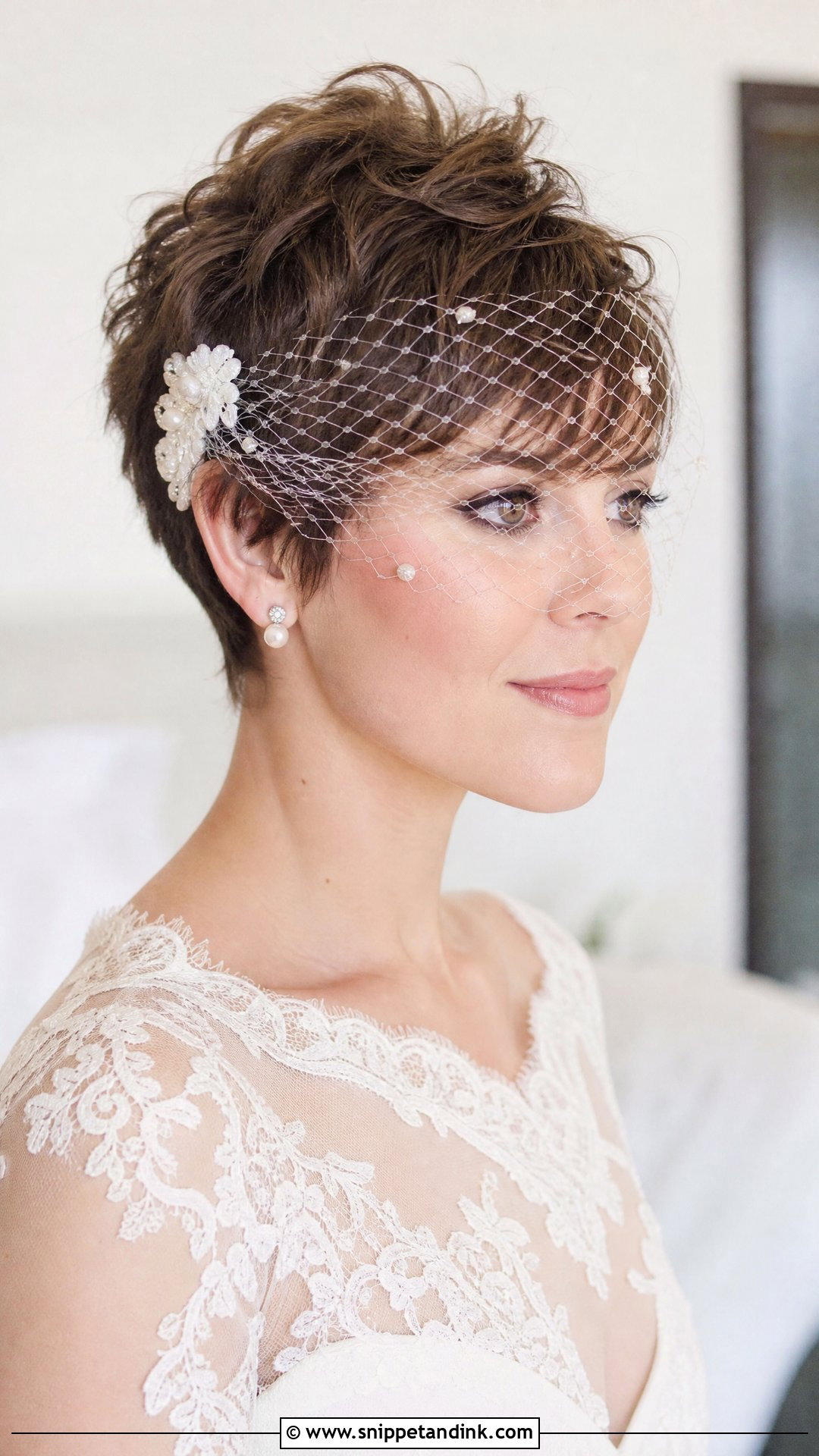
The birdcage is the easiest veil for a pixie, because it’s light and sits at the front. The short netting falls over one eye and attaches with a small comb or two clips at the side, where even cropped hair is thick enough to grip. I add texture with a little paste first so the comb doesn’t slide on smooth hair. A small jeweled comb or a single flower can cover the attachment point. It suits a city ceremony or a small wedding where the face stays the focus.
2. Sleek Bob With Cathedral Veil
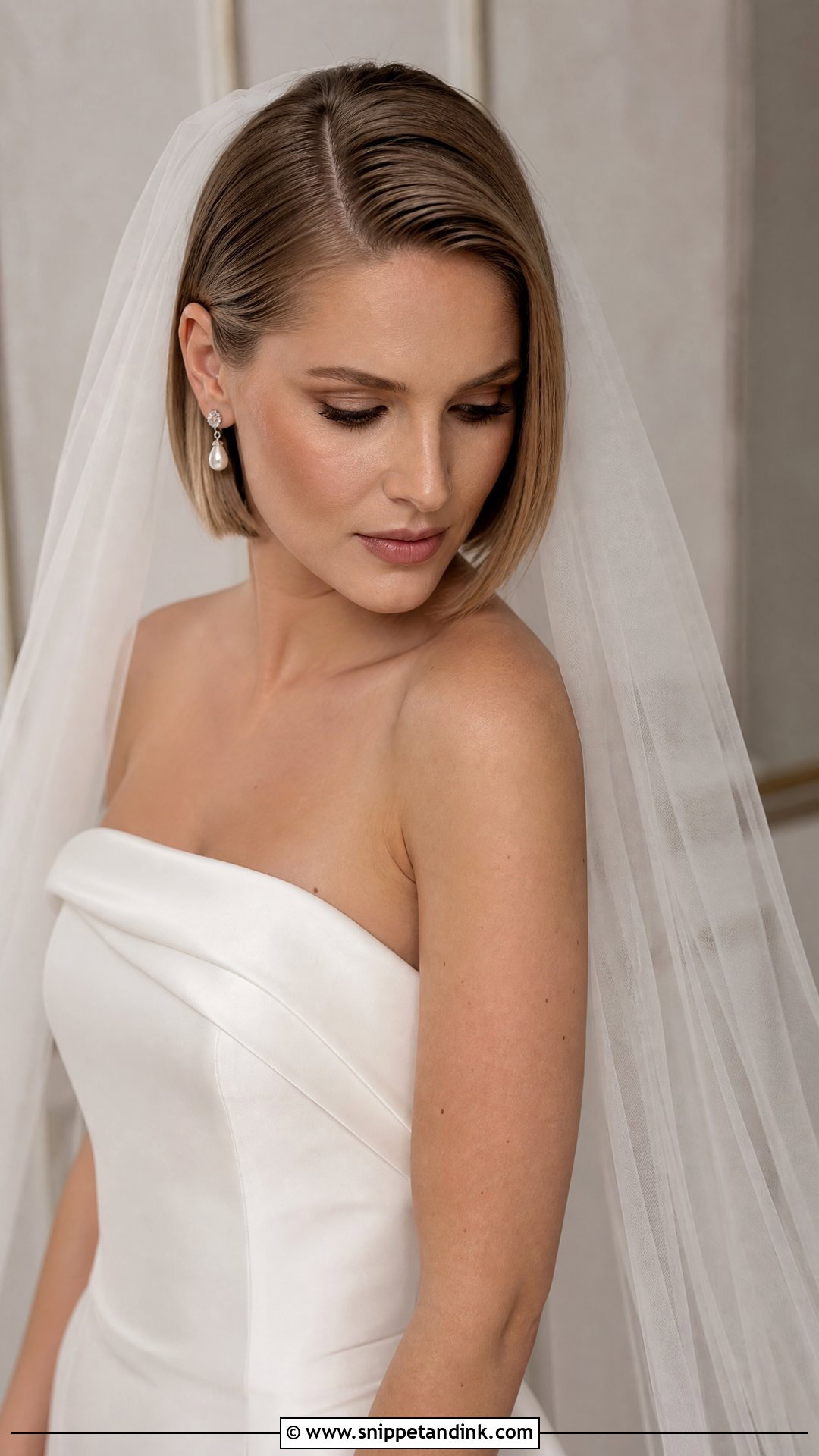
A cathedral veil on a sleek bob is a lovely contrast, but it’s the hardest combination to secure. All that tulle pulls backward, and a smooth bob gives a comb almost nothing to hold. I build a hidden anchor first: a small flat braid or two crossed bobby pins under the top layer, then slide the comb into that and add alligator clips on both sides. A single-layer veil with a raw edge is much lighter than a trimmed one. Walk around at the trial with it on to check how it drags.
3. Wavy Lob With Fingertip Veil
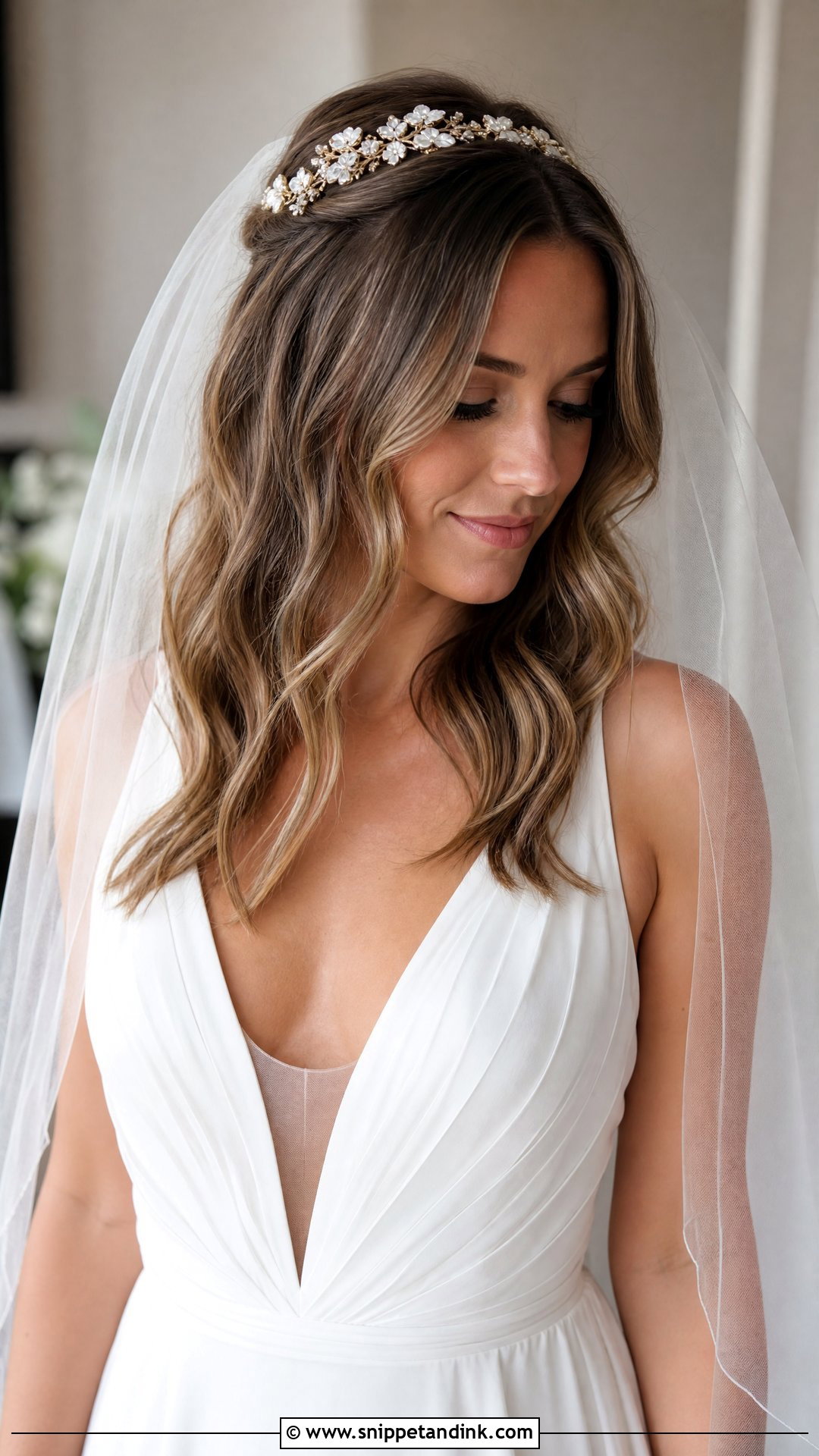
A fingertip veil ends around mid-thigh, which balances the proportions of a shoulder-length lob without overwhelming it. Waves give the comb something to grip, but on fine hair I thread a few tiny clear elastics through the comb’s teeth so they catch better. I curl with a medium barrel and set the waves before the veil goes in, because the comb flattens anything still warm. A couple of pins near the crown can add a little sparkle.
4. Pixie Cut With Juliet Cap Veil
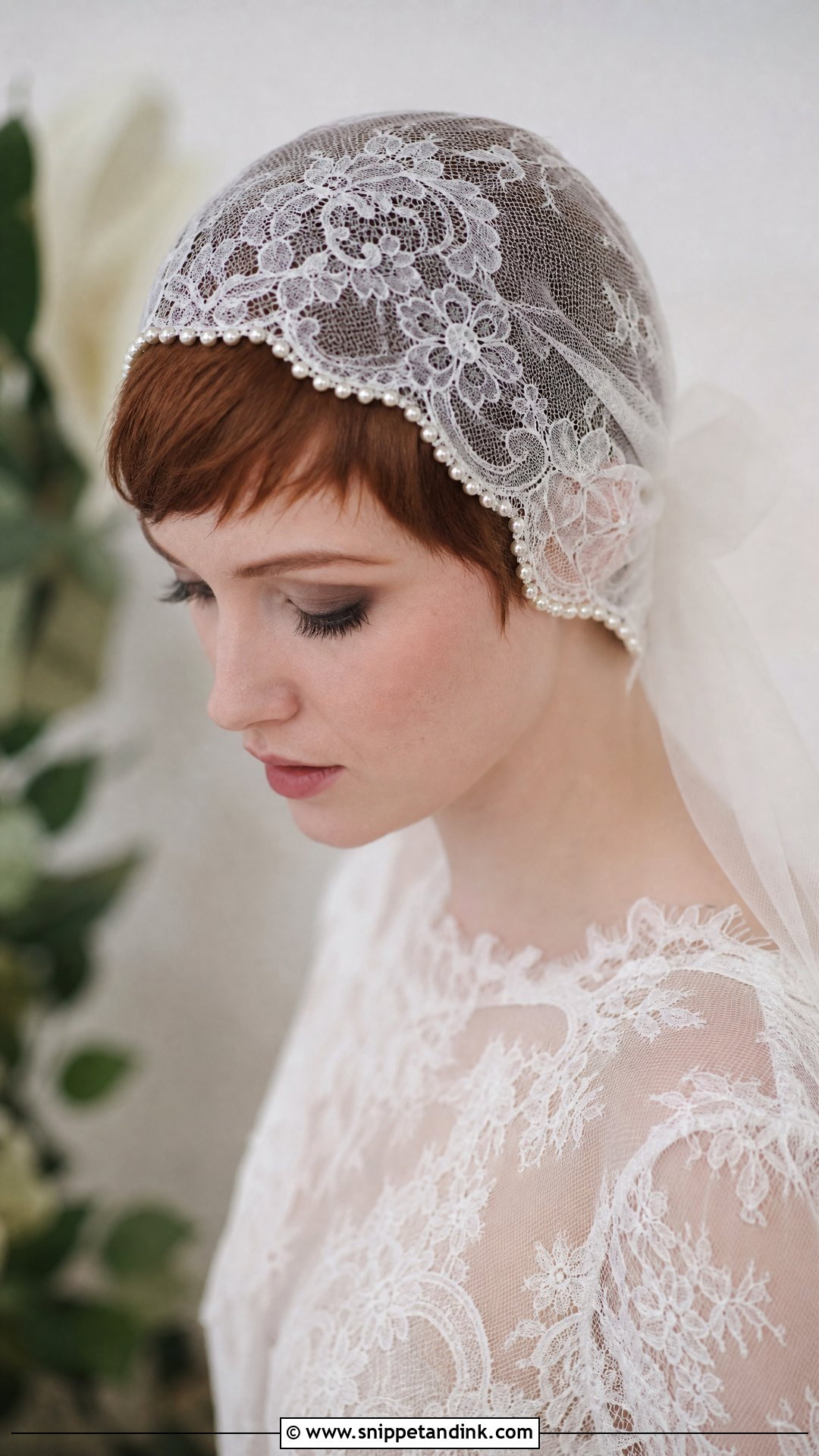
The Juliet cap veil is one of the few styles made for very short hair. It sits close to the head like a cap and attaches at two points by the temples or ears, so it doesn’t rely on a bun at all. It has a 1920s feel and frames the face. Pearl or lace detailing along the cap edge is common. I keep the pixie smooth underneath so the cap sits flat; volume at the crown pushes it up and looks odd.
5. Half-Up Bob With Floral Crown Veil
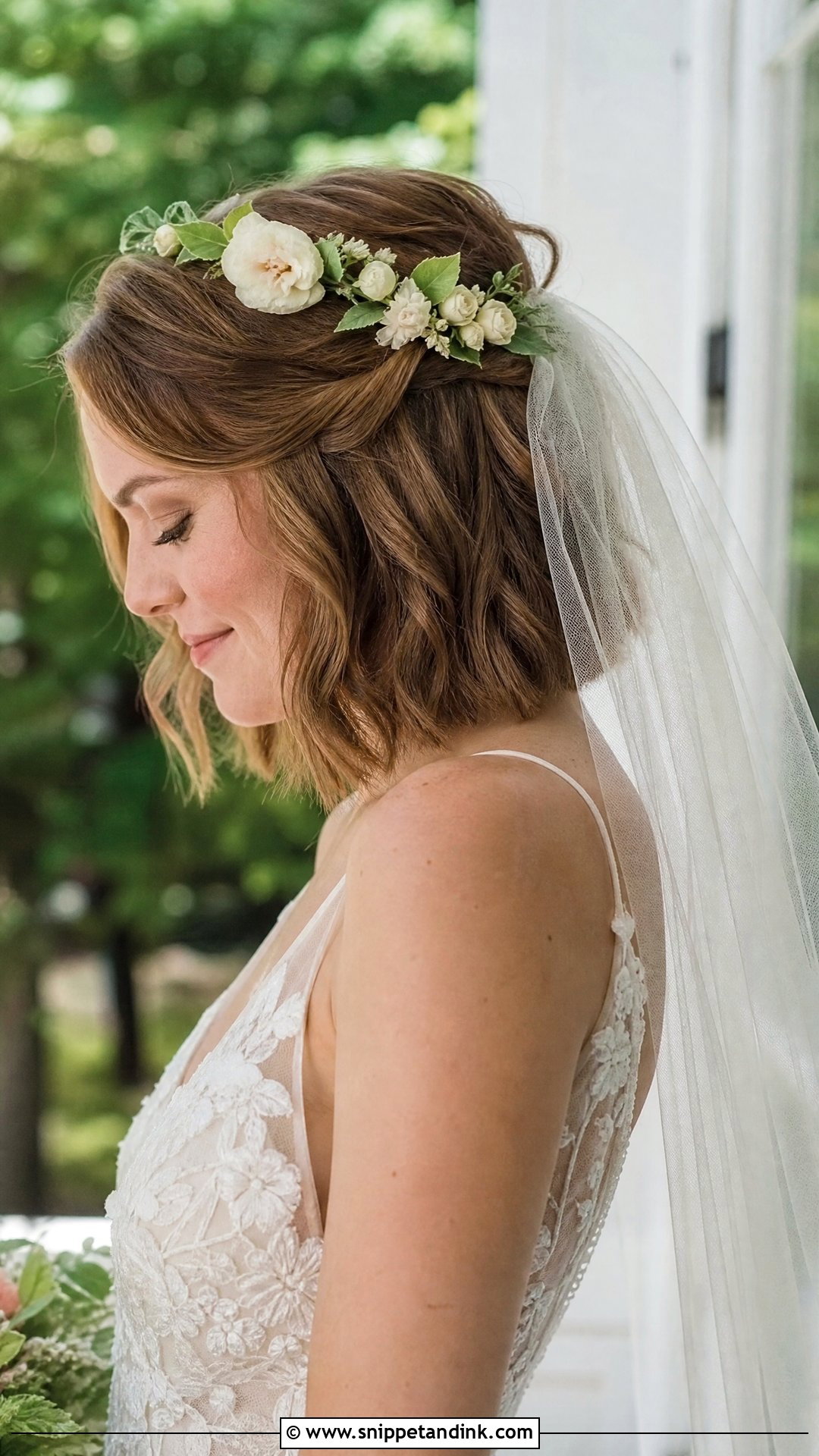
Half-up is the best friend of a veil on a bob, because the pinned section at the crown is a ready-made anchor. I twist the top back, pin it securely, slide the comb in just below the twist, and then add a flower crown in front. Fresh blooms are heavier than people expect, so I wire them onto a light base and pin it in place separately from the veil. It’s a natural fit for garden and spring weddings.
6. Hollywood Waves With Crystal Veil
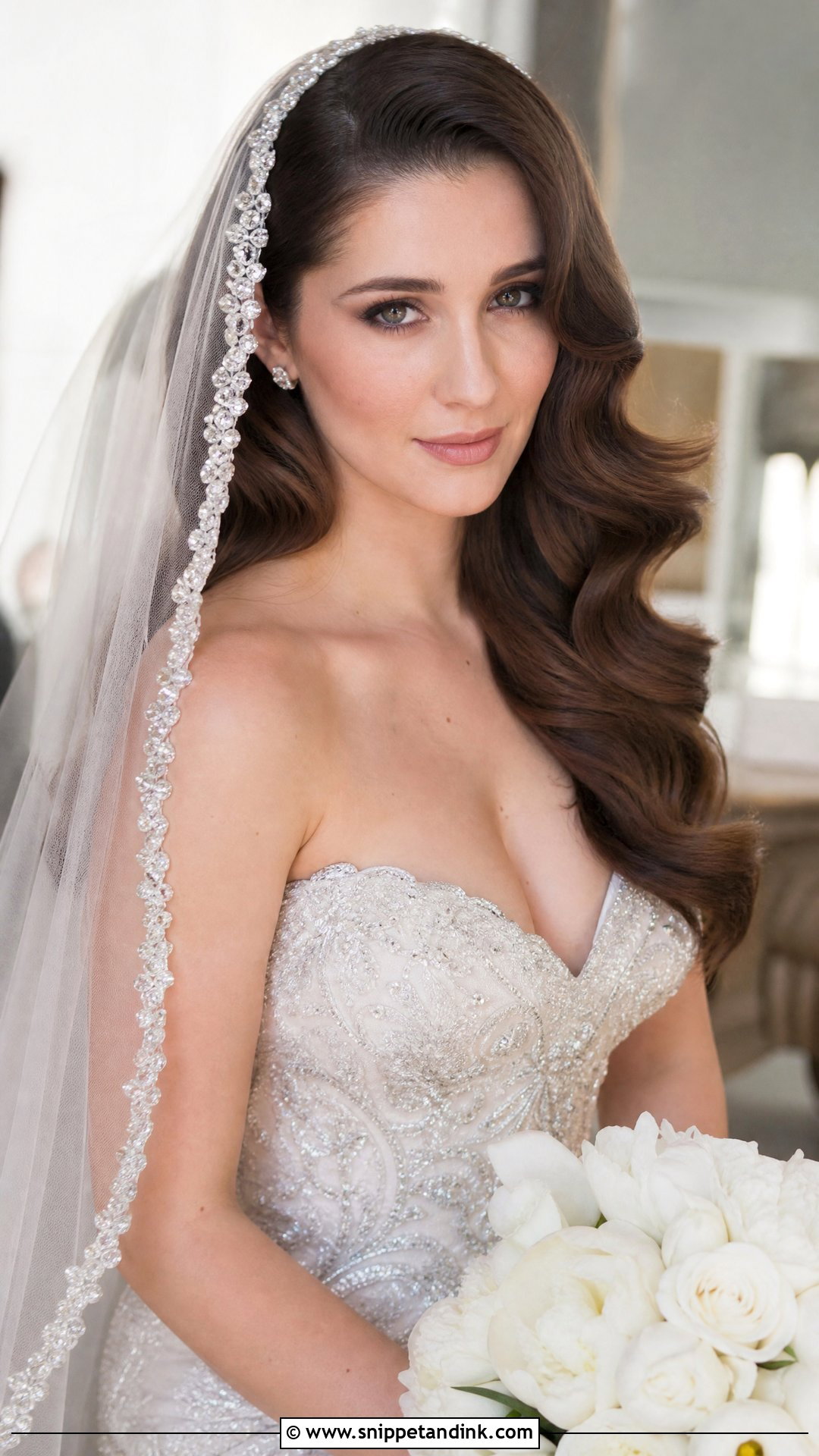
Hollywood waves are set with a large barrel, brushed out once cool and pinned along the sweep to hold the S-shape. A crystal-edged veil adds weight along its border, so I secure it with a headband or a comb anchored into the deep side of the part, where the hair is thickest. This pairing is formal and suits an evening reception or ballroom venue. Keep earrings on the open side so the waves and crystals don’t compete.
7. Textured Pixie With Bow Veil
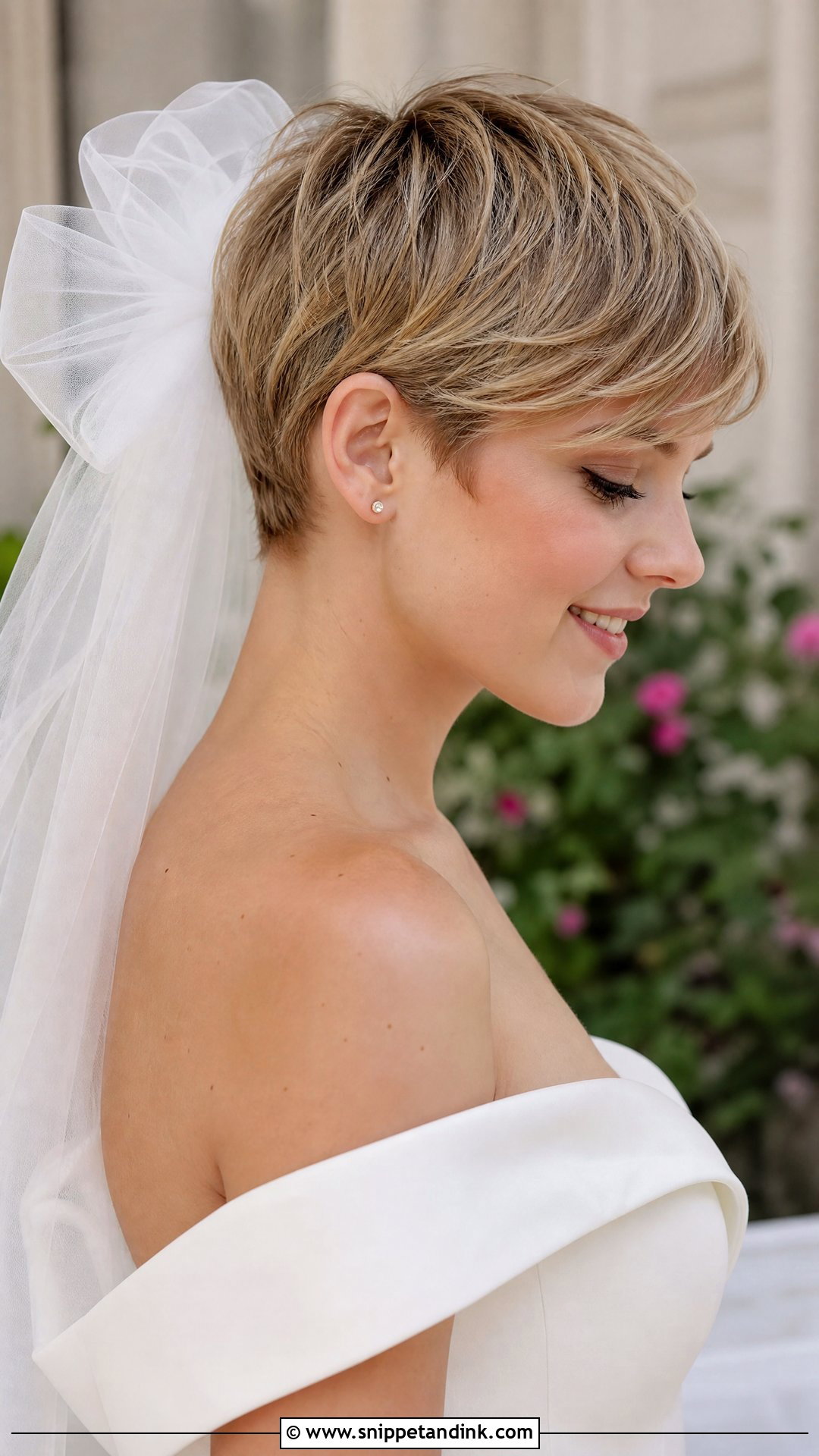
A bow veil is light and sits at the back of the head, where a pixie has the least hair. I anchor it with two small clips into crossed pins rather than a single comb, which tends to tilt. Keep the pixie neat underneath so the bow has a clean frame. It’s a modern accessory with a playful edge, best at a city or contemporary wedding. If you’re unsure, try it at the trial with your dress; bows can look childish next to very ornate gowns.
8. Sleek Bob With Birdcage Veil
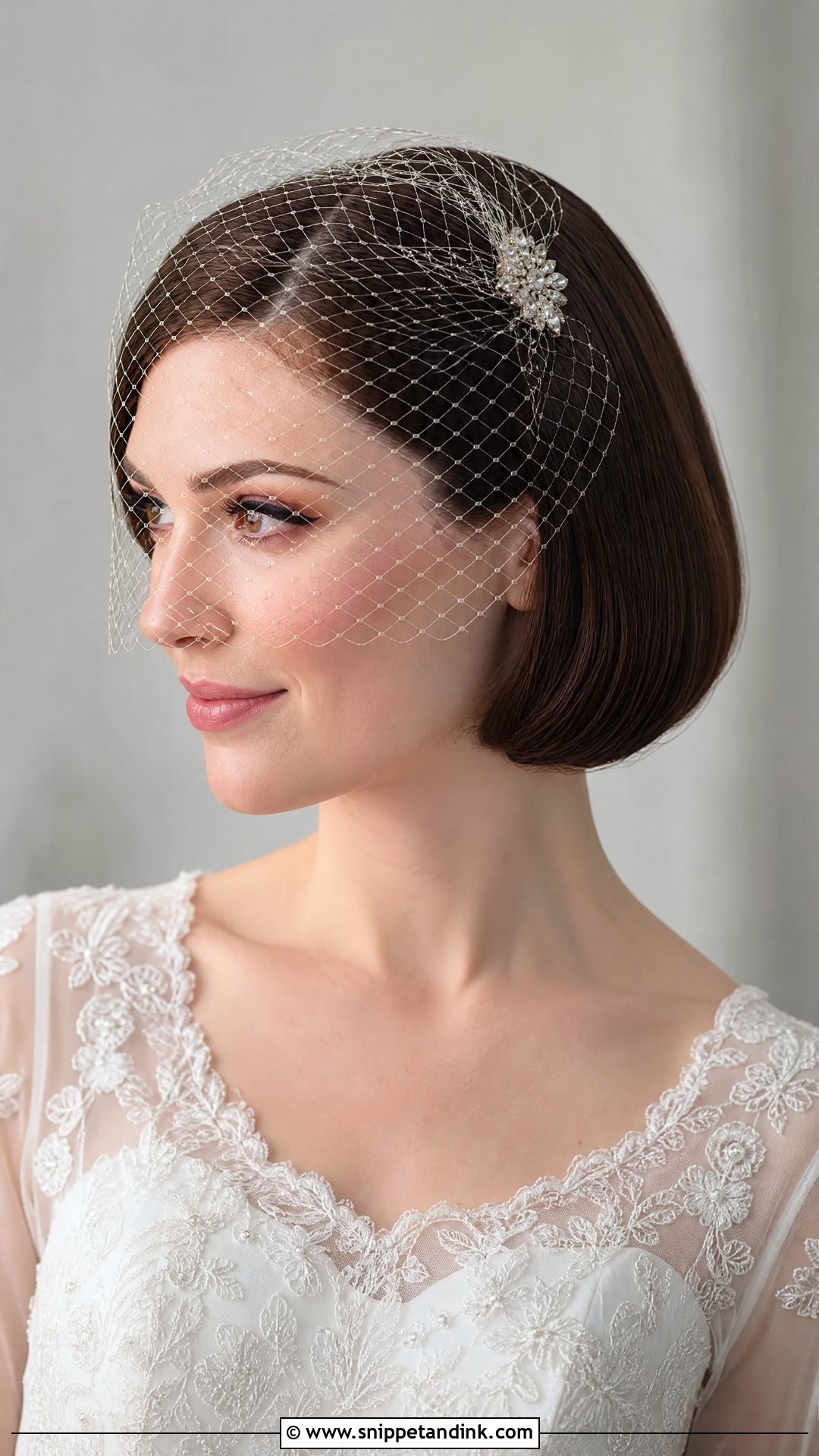
A blunt, smooth bob with birdcage netting gives a crisp mid-century outline. The comb goes in at the side, slightly above the ear, and the netting angles across the face. Add a sparkling brooch or feather accent over the comb to hide it. Because the bob is so clean, any frizz shows against the net, so I use a light smoothing cream and finish with a gentle hairspray. It’s a natural choice for a courthouse wedding or a small, stylish ceremony.
9. Curly Pixie With Cathedral Veil
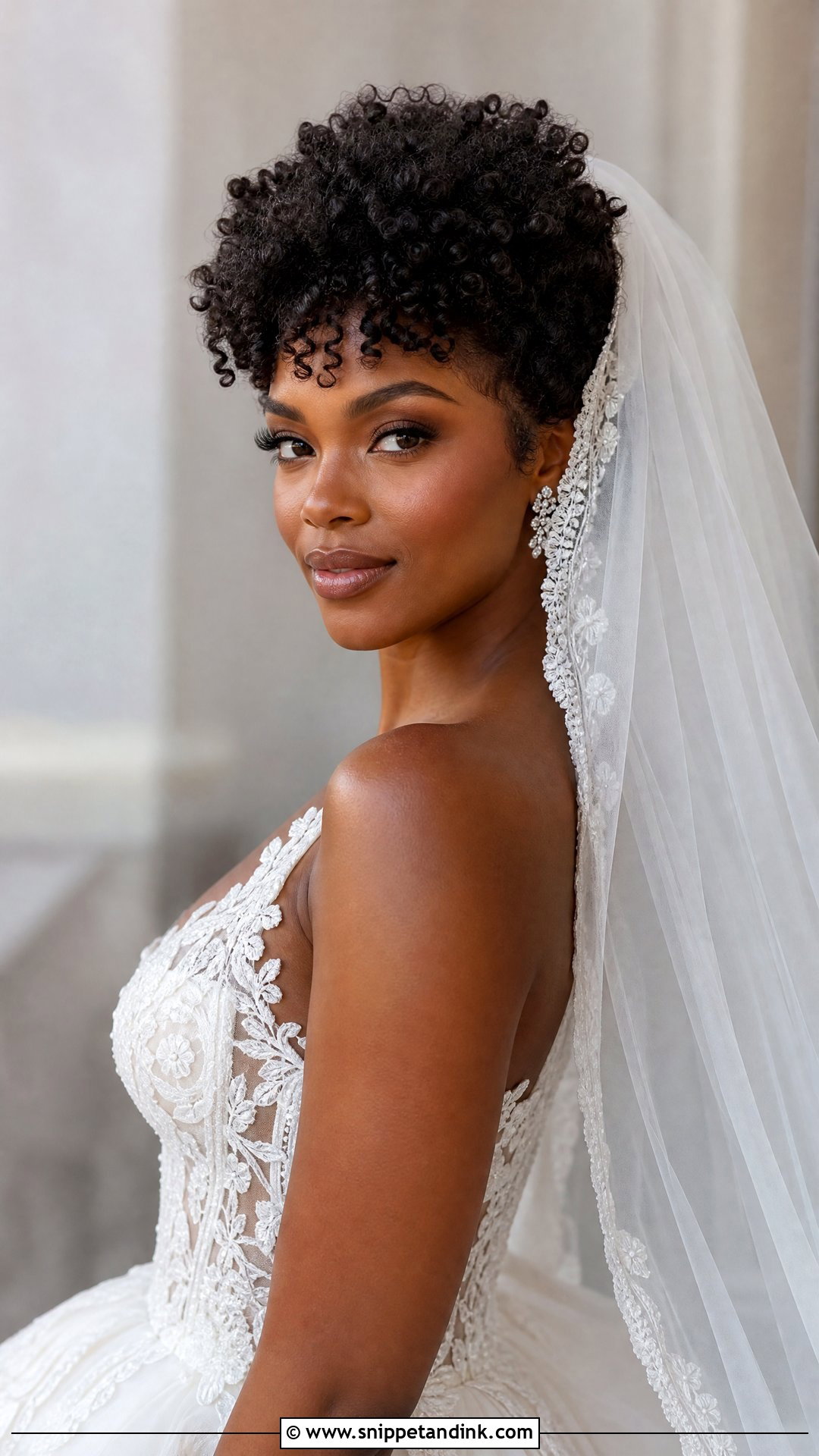
Natural curls give a long cathedral veil something to hold, which makes this one of the more secure dramatic pairings. Instead of pressing a comb flat, I slide it under a cluster of curls near the crown so they close around the teeth, then back it up with clips. Curly pixies vary a lot in density, so we test the weight at the trial. A jeweled hairpin tucked at the side finishes it. Don’t over-define the curls; they look fuller with a little room.
10. Finger Waves With Vintage Veil
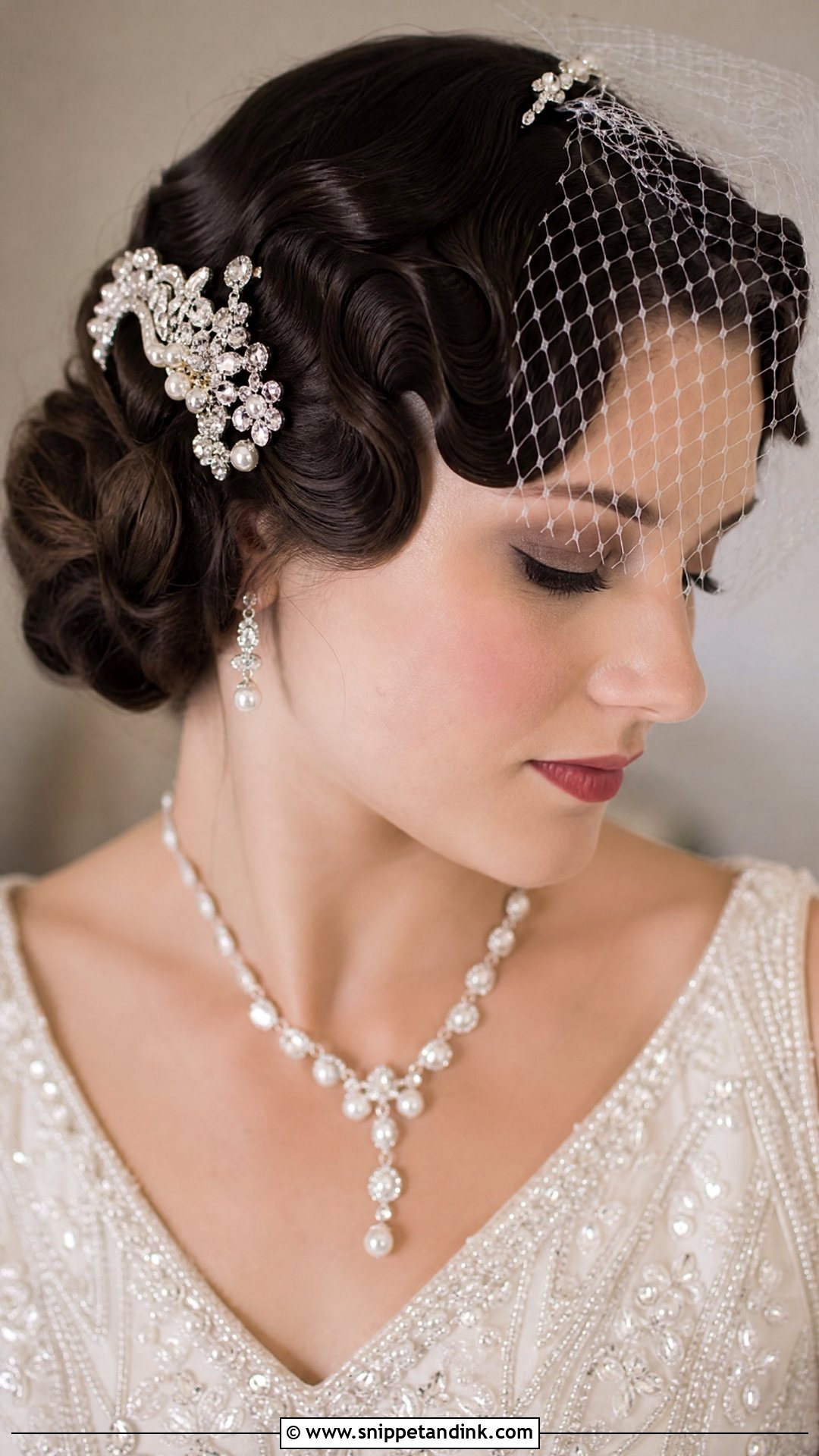
Finger waves are set with gel while damp, and the ridges create natural grip for a comb or Juliet cap. That sculpted surface also shows every attachment, so I place the comb in a trough between waves where it sits almost invisibly. Pearls and art-deco pieces suit this look. It takes time to set properly, so I ask for a longer slot on the morning. If you have very fine, soft hair, test the set’s hold first.
11. Tousled Lob With Shoulder Veil
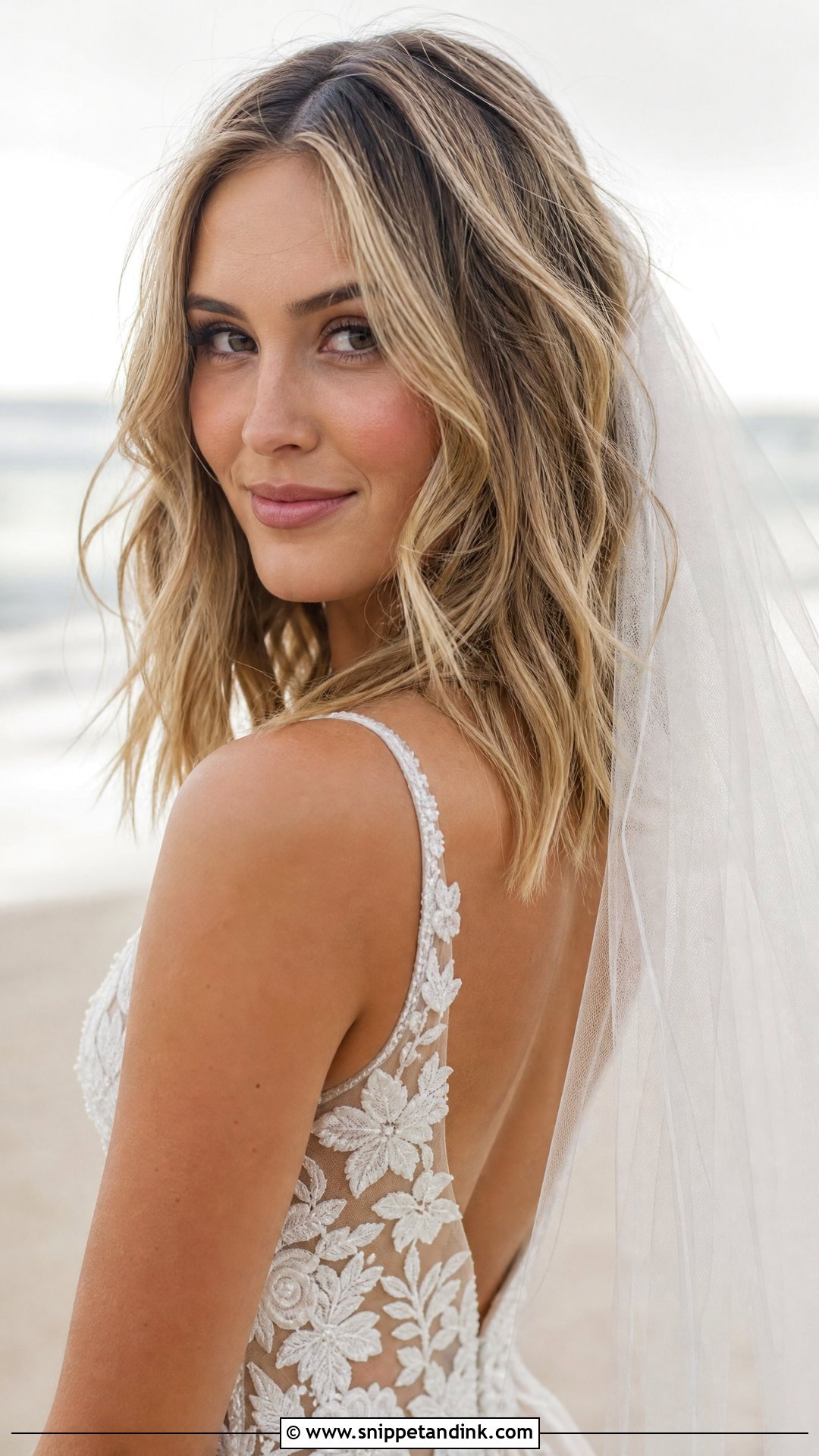
A shoulder-length veil is short and light, so it’s the easiest veil to wear with tousled waves. It doesn’t pull much, and a few pins near the crown are usually enough. It’s a good choice for beach and boho weddings, but wind will catch it; I add a couple of extra pins on breezy days. The looser texture underneath makes it feel relaxed rather than formal.
12. Side-Swept Pixie With Lace Veil
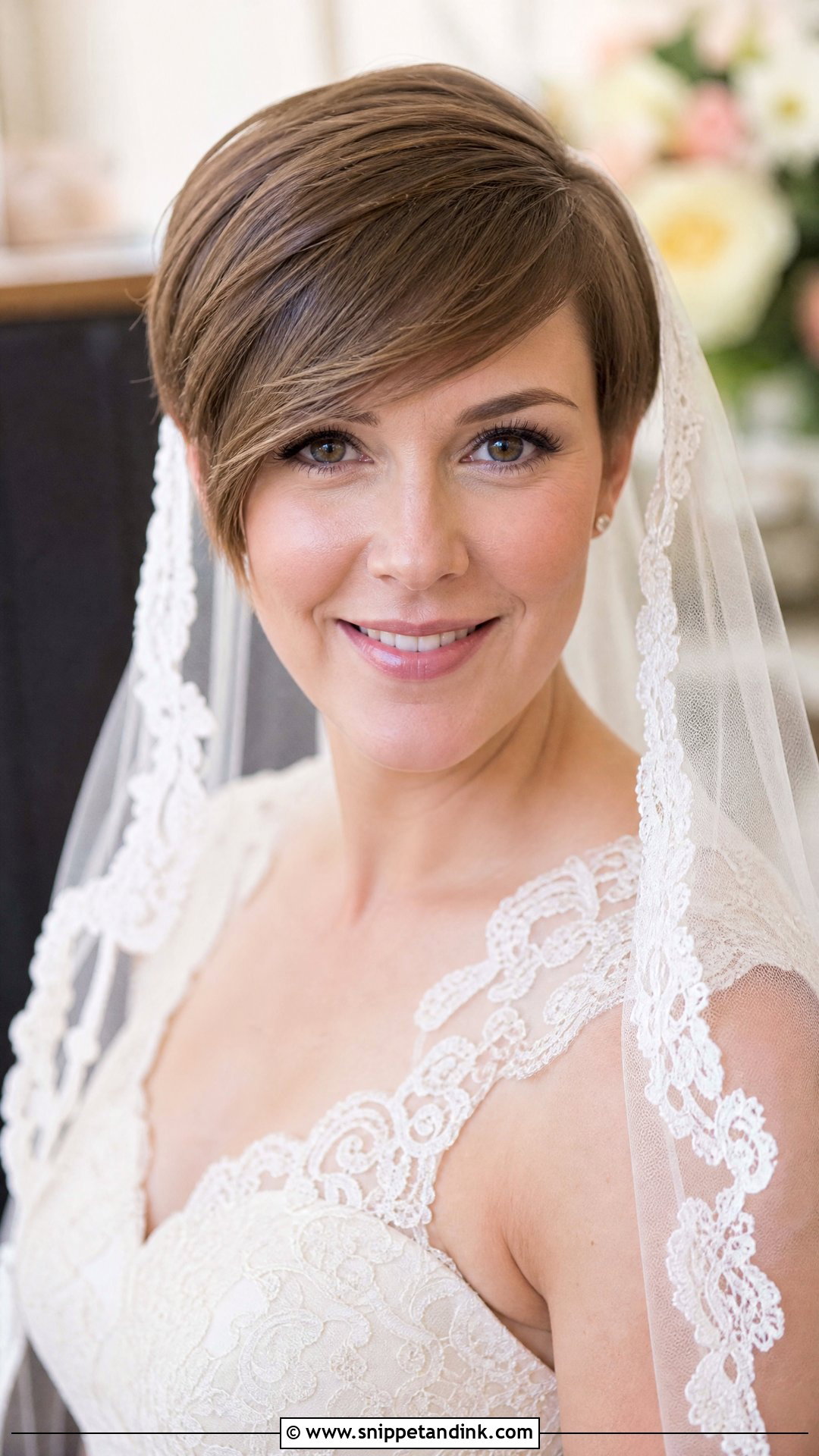
A side-swept pixie hides the comb neatly: I slide it in behind the swept section, where the hair is longest and lies over the teeth. The lace edge adds a little weight, so I check that the swept front doesn’t pull flat over the day. This pairing softens a bold cut. A small decorative comb also works as an accent over the attachment.
13. Pinned Back Bob With Mantilla Veil
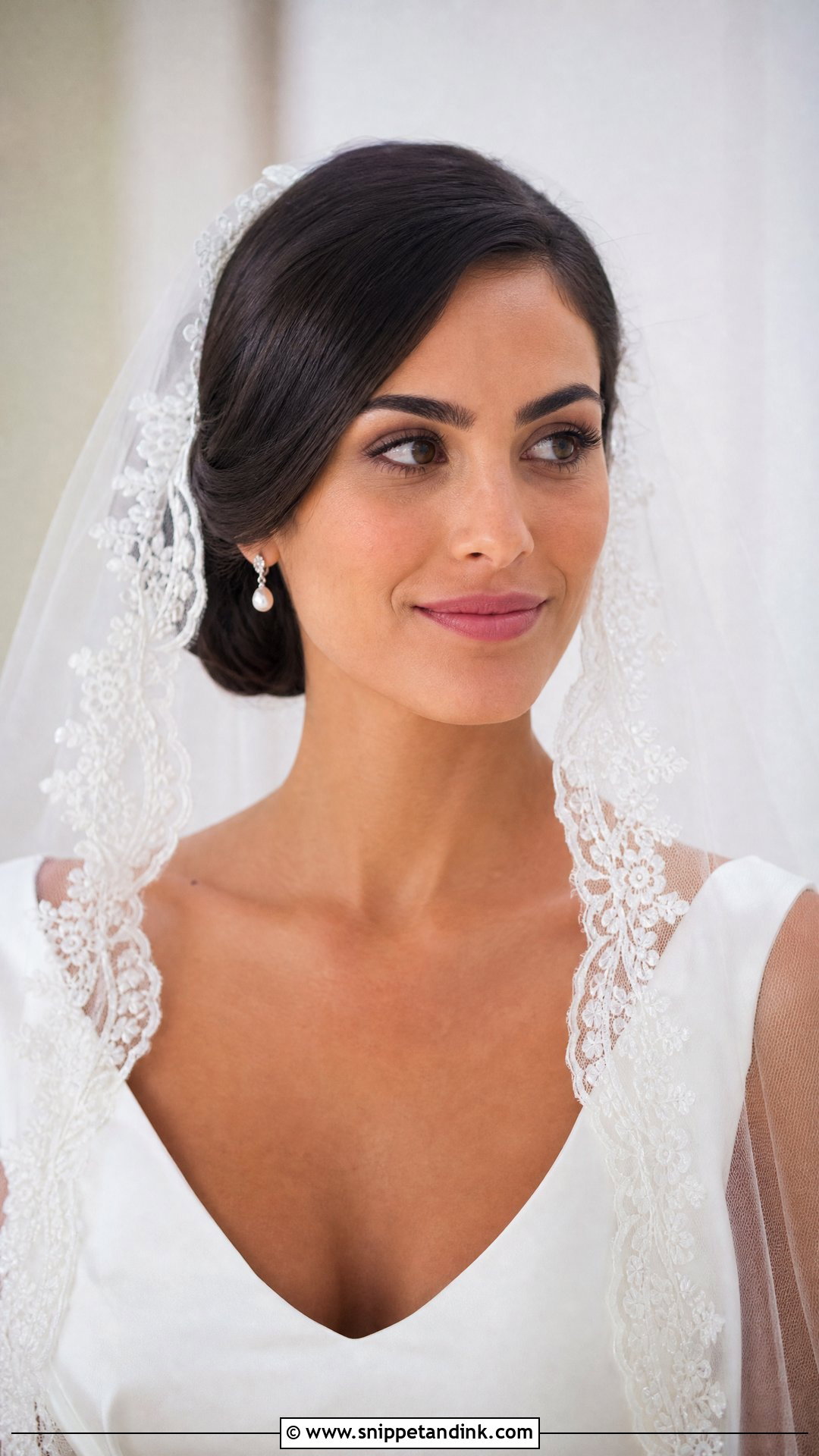
A mantilla veil is traditionally worn set back on the crown, draping over the head and framing the face with its lace edge. With a bob, I pin the sides back flat for a clean base and position the comb a little behind the crown, then add small clips underneath the lace at the sides so it doesn’t shift. Its flat, rounded shape suits short hair well. It’s a classic choice for a church ceremony.
14. Slicked Back Pixie With Cathedral Veil
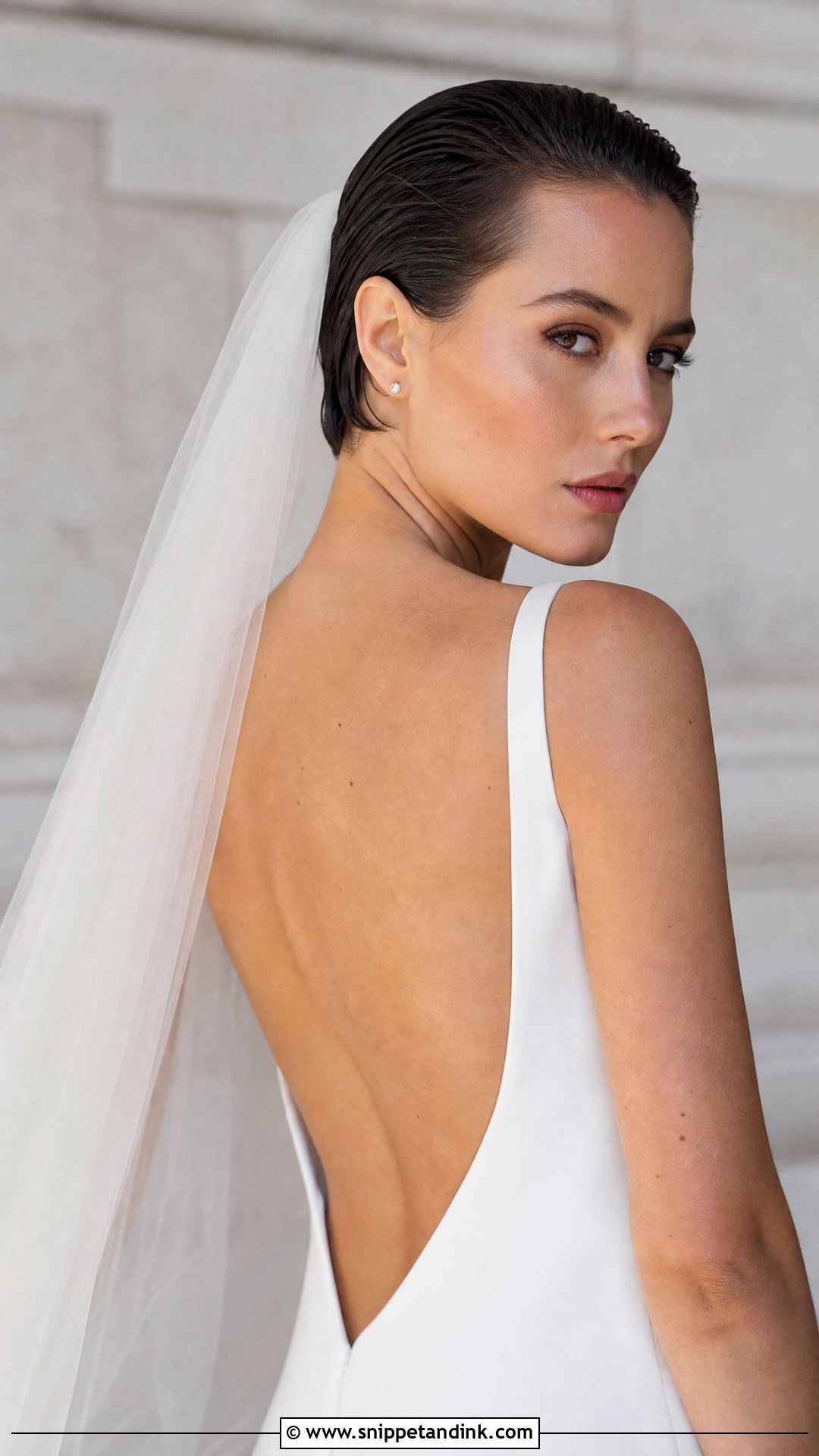
A slicked-back pixie under a long cathedral veil is the most editorial look here. The wet-look styling uses a strong gel or pomade, which makes the hair slippery, so I anchor the comb into crossed pins set before the gel dries. The heavy tulle needs strong clips too. I’d only suggest this to a bride who’s comfortable with the slicked-back look on her own; on camera, it’s very bold.
15. Wavy Bob With Pearl Veil
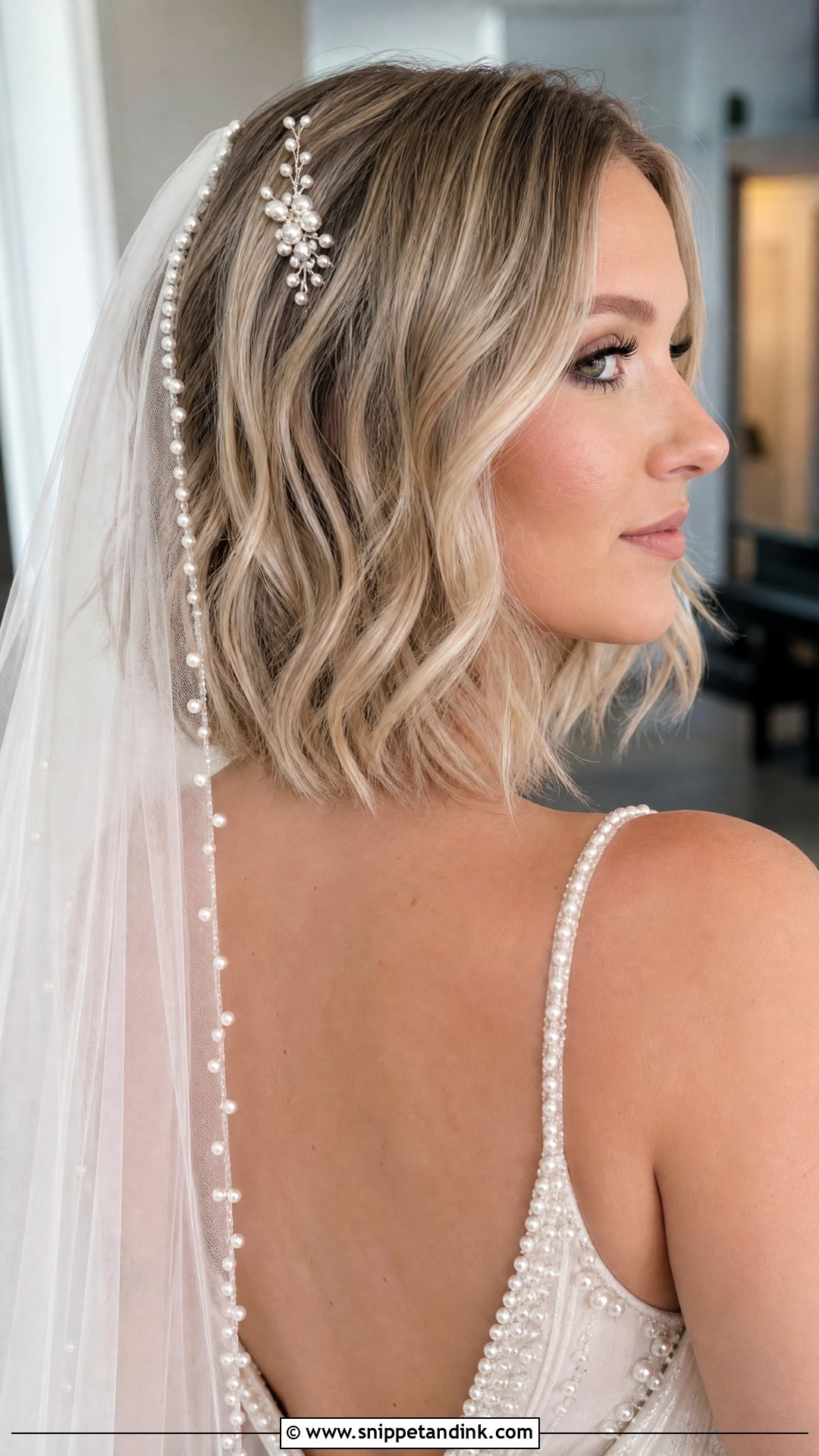
Pearl-trimmed veils add weight to the edge, which helps them hang straight but also pulls on the comb more than plain tulle. Soft waves on a bob give enough texture to hold. I often pick a pearl comb so the anchor matches the trim. This pairing suits modern and classic weddings alike and works well for a bride who wants a subtle shimmer rather than crystals.
16. Pixie With Crystal Headband Veil
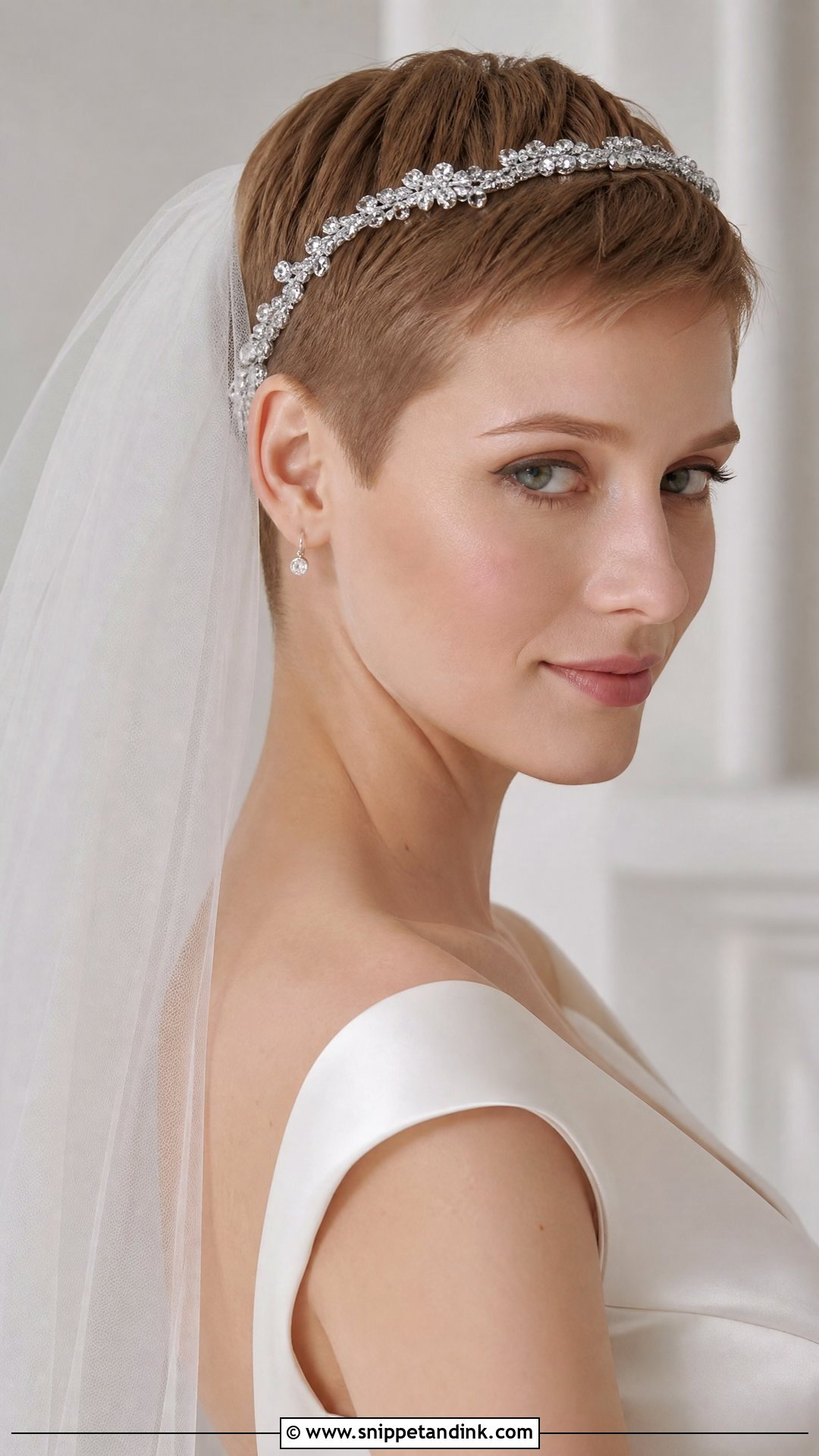
A headband veil is the most secure option for a pixie, because the band sits across the crown and grips both sides of the head. The tulle hangs from the back of the band, so there’s no comb to slip. Crystals catch the light well in photos. The only downside is pressure; a tight band can cause a headache by the evening, so wear it for an hour at home before the day.
17. Braided Crown Bob With Veil
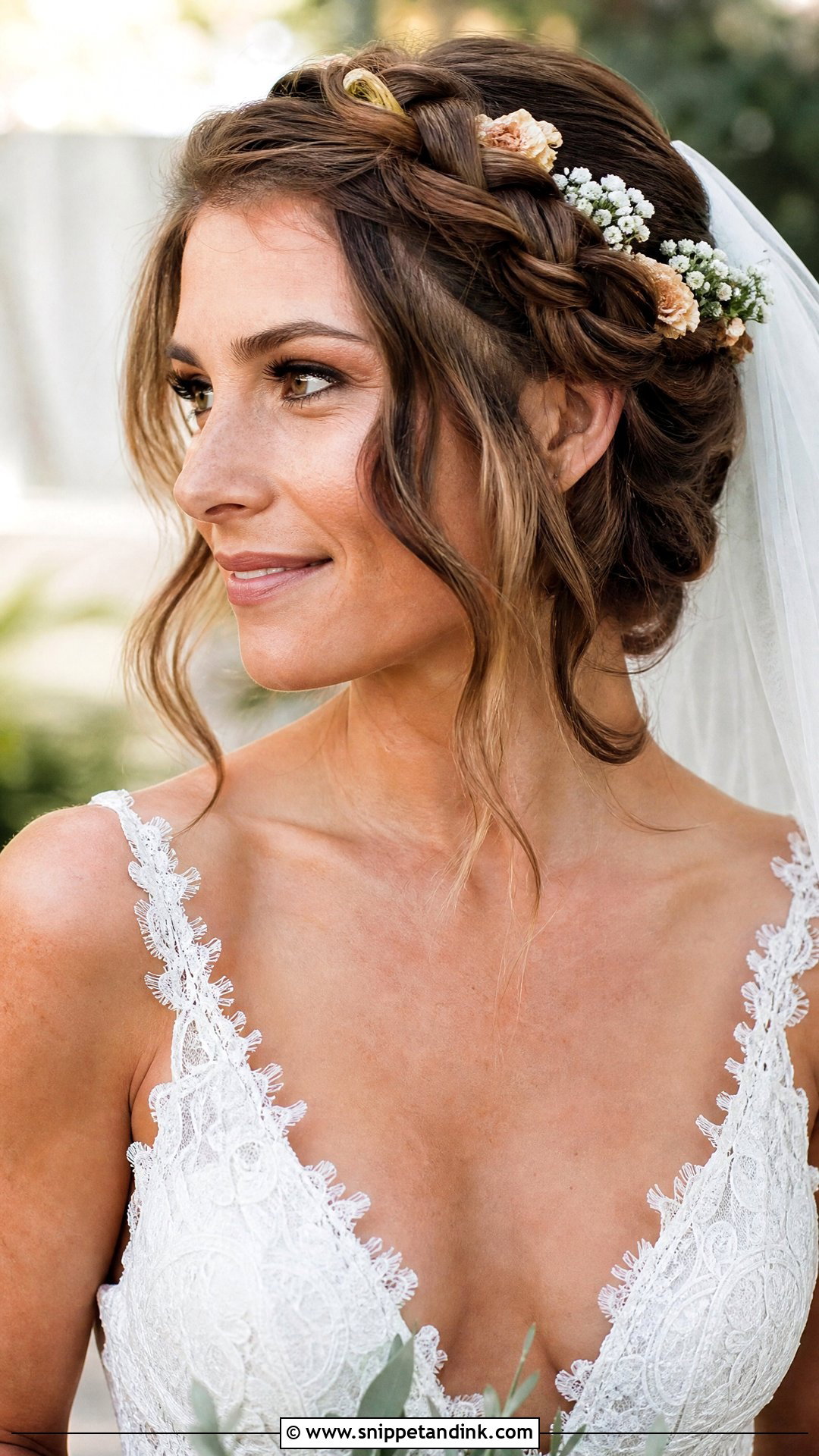
A braided crown on a bob creates a natural ledge for the veil. I tuck the comb under the braid at the back, so the braid holds it in place and hides the attachment. It suits garden, boho and outdoor weddings. Small flowers or pearls tucked into the braid finish the look. On a short bob, the braid may not reach all the way around, so I braid smaller sections and pin the ends flat.
18. Retro Bob With Birdcage Veil
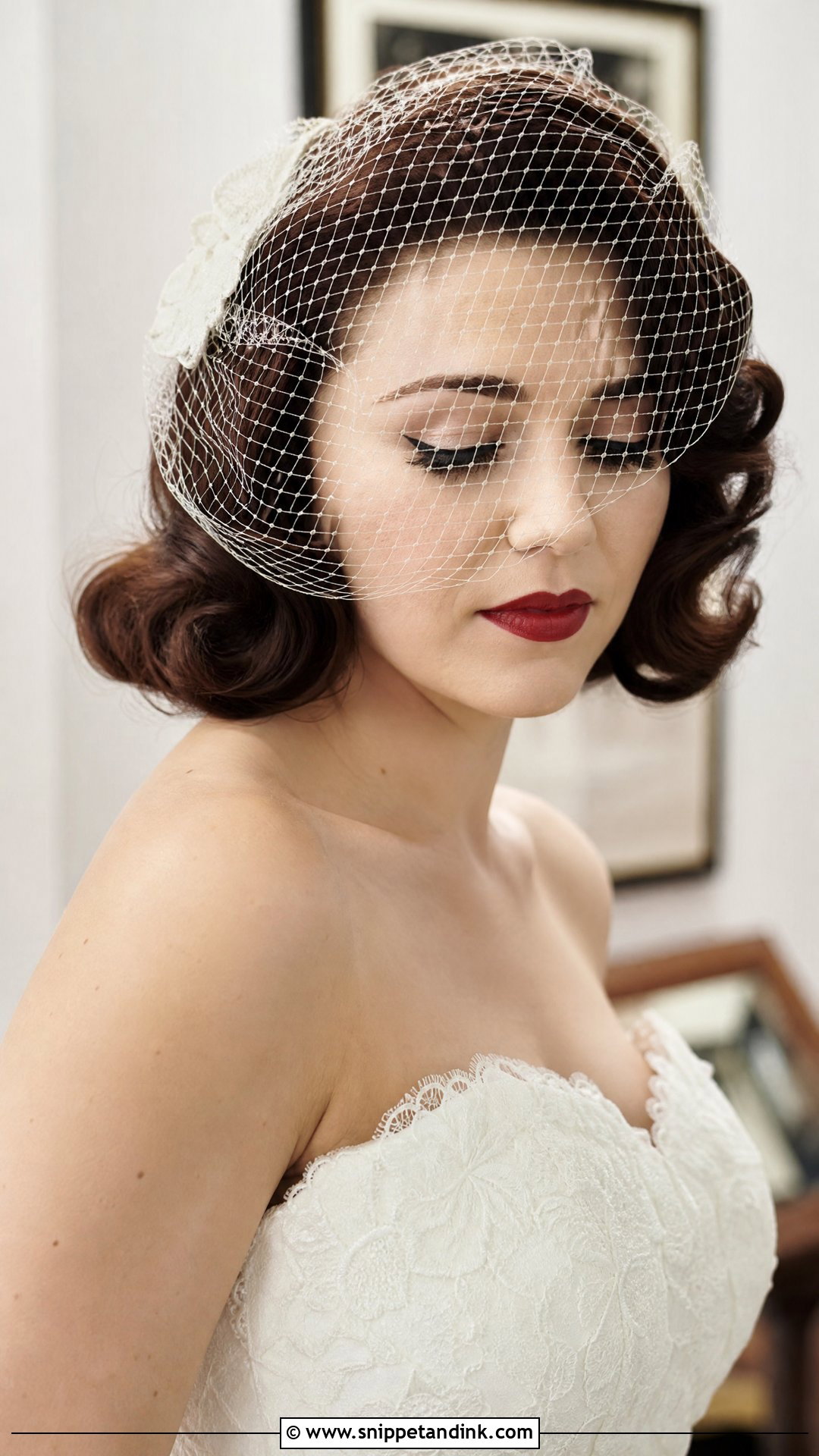
A retro bob with curled ends needs a set: I curl the ends under, pin them while they cool, and brush them out into soft rolls. The birdcage clips in at the side. A bold red lip and statement earrings complete the pin-up look. Don’t brush the curls too much after setting, or they fall flat.
19. Messy Updo Pixie With Soft Veil
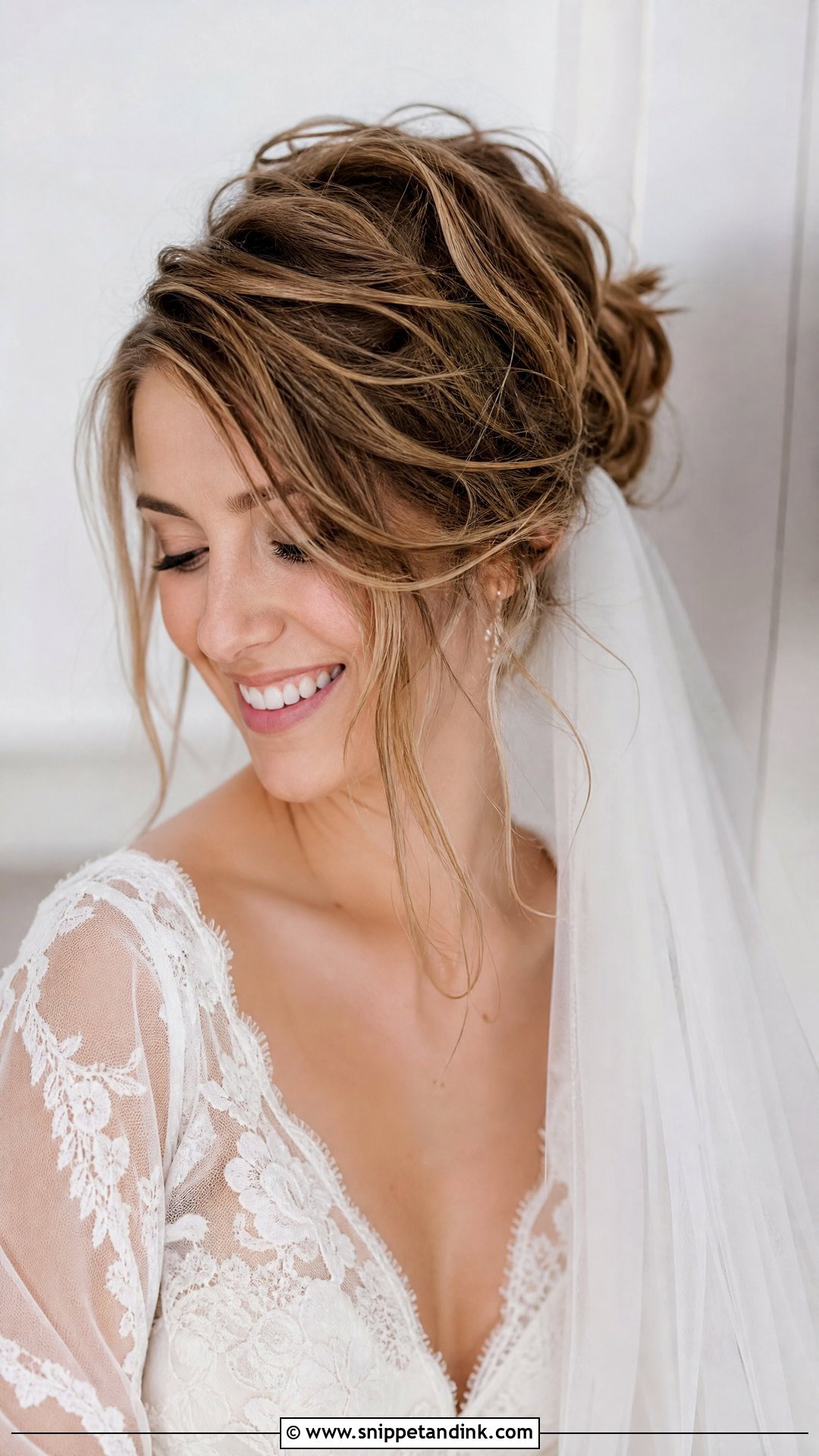
A pixie can’t be truly pinned up, so a messy updo here means lifted, tousled texture with a few pinned sections. Those pinned bits give the veil comb a secure anchor. Loose pieces around the face soften it. A small floral or pearl pin covers the attachment. It’s a natural choice for an outdoor wedding where wind will move the hair anyway.
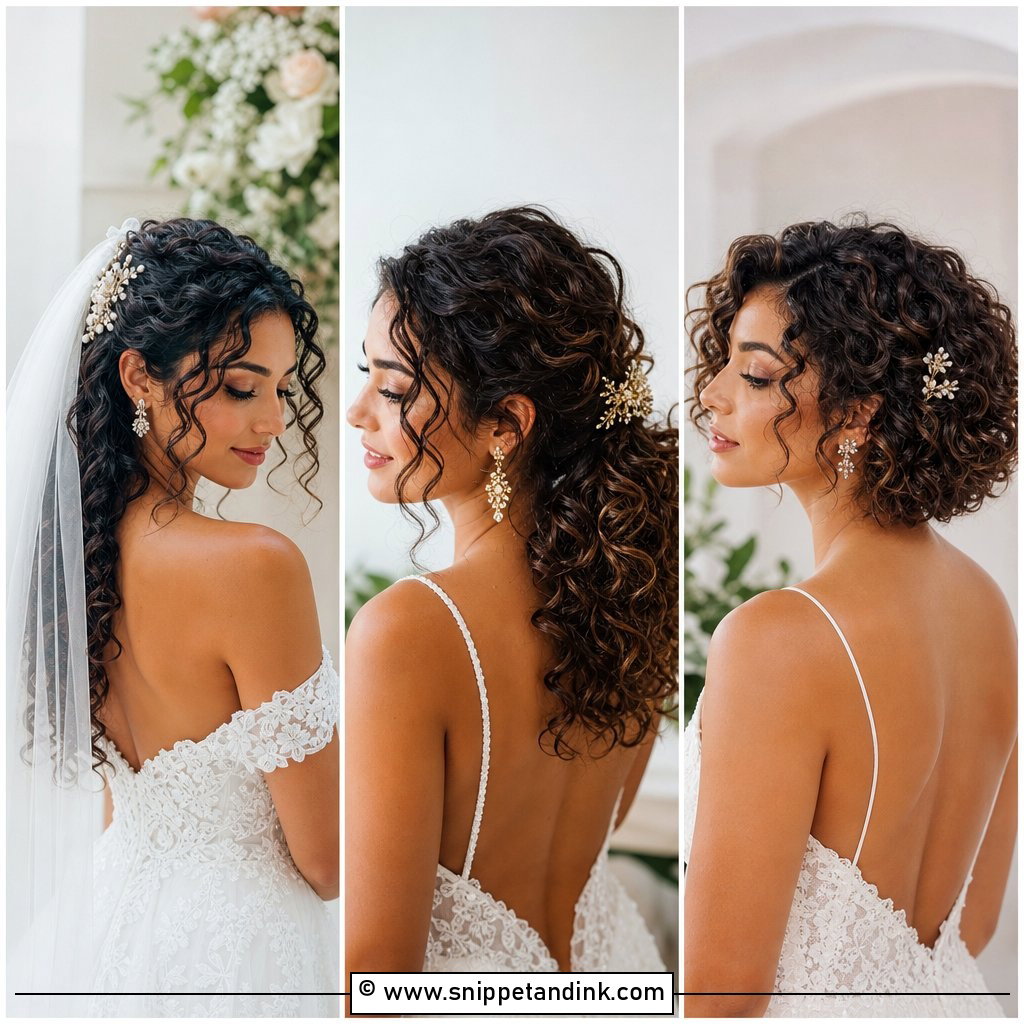
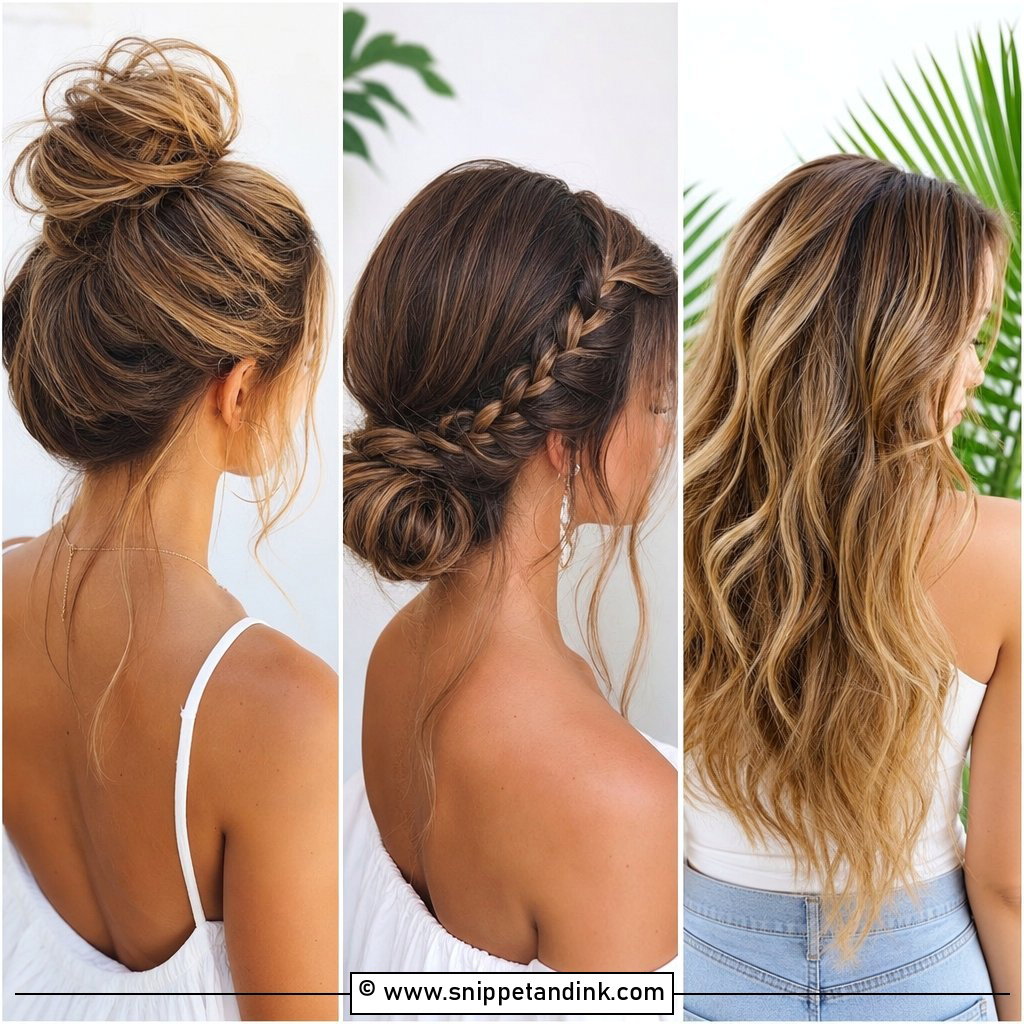
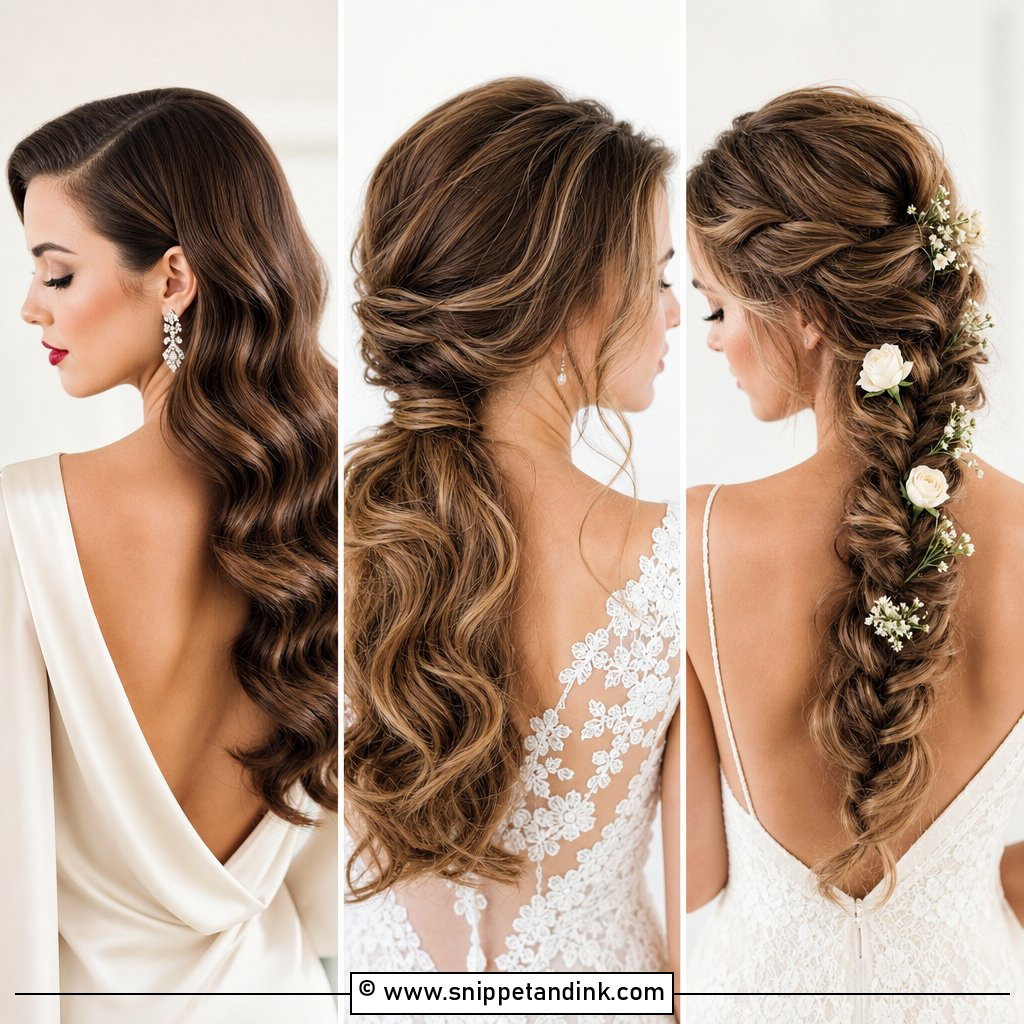
20. Blunt Bob With Flowing Veil
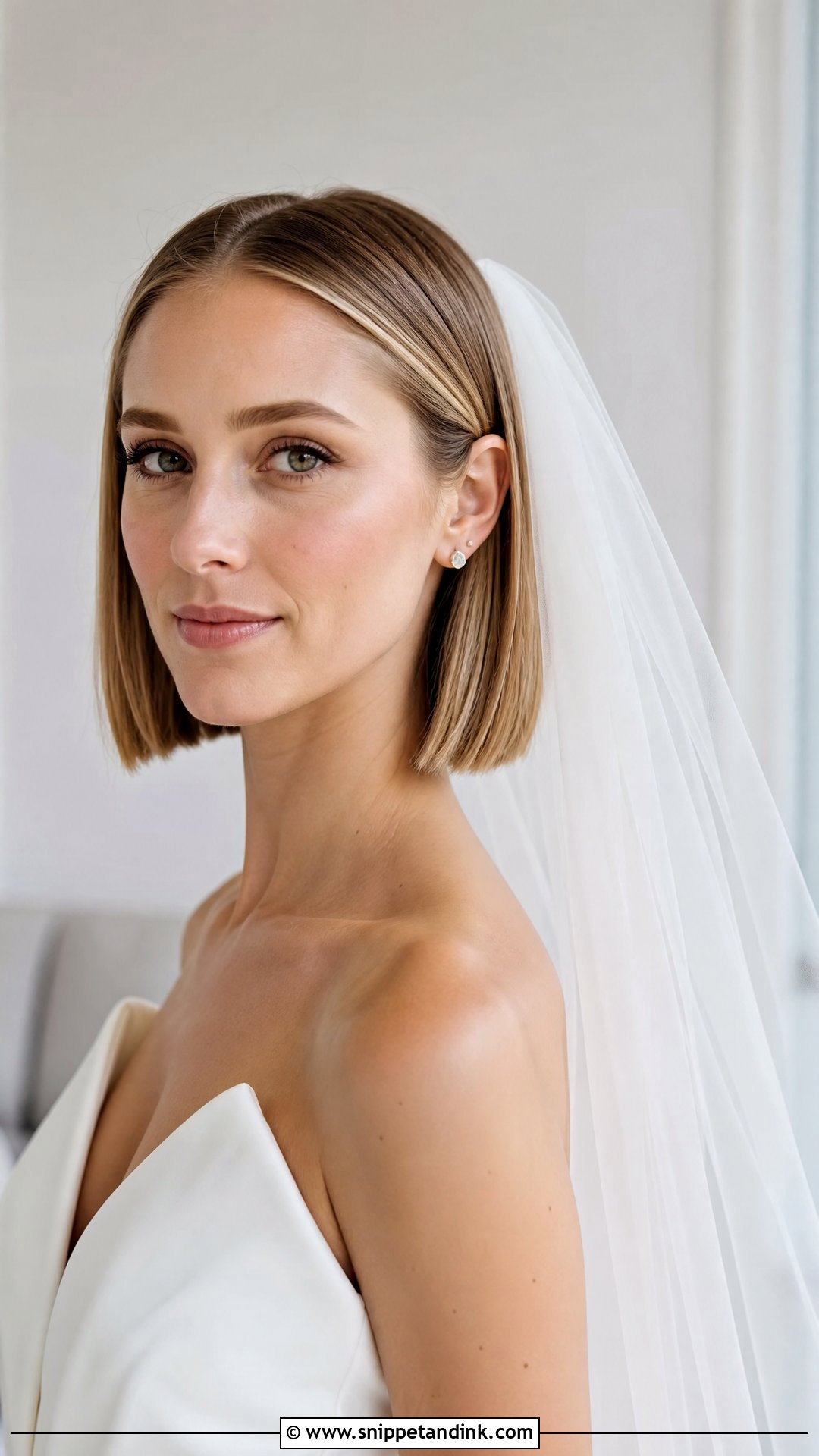
A blunt bob is a sharp outline, and a long veil softens it. I smooth the bob, set a clean part and slide the comb behind the ears, anchored into crossed pins. This contrast between a crisp cut and soft tulle suits a modern wedding with clean lines. Keep the veil plain so the cut stays the main shape.
Veil Weight Matters More Than Length on a Pixie
Brides choose a veil by length, but with short hair, weight is what counts. A single tier of soft tulle with a raw edge is very light, even at cathedral length. A double layer, a lace border, crystal or pearl trim all add weight and pull harder on the anchor.
- Ask your bridal shop if the veil comes in a single-tier option.
- Lace and beaded edges look beautiful but need extra clips on short hair.
- A headband or Juliet cap spreads the weight across the head, which is easier on very short cuts.
- Wind adds tension too; for a beach or rooftop, choose a shorter or lighter veil.
Taking It Off for the Reception Without Flattening Everything
Most brides take the veil off after photos or before the first dance. Ask someone who saw the trial to help. Remove the clips first, then slide the comb out in the direction it went in, never pulling straight back.
The comb leaves a flat patch on short hair. A bridesmaid can fix it with fingertips and a small amount of dry shampoo or texture spray at the roots. If you’re switching to a jeweled pin for the evening, place it over that flat spot.
Your Short Cut Can Carry a Veil All Day
Short hair and a veil work together once you know where the anchor goes. A pixie, bob or lob can carry anything from a birdcage to a cathedral veil, as long as the weight matches the grip your hair can give. Clips, combs, crossed pins and tiny elastics do the real work. Bring your veil to the trial, walk around in it, and you’ll know on the day that it’s going to stay put.
You'll Like These Ideas:




Leave a Reply