
Lace is the fabric I spend longest explaining at a first appointment, because two gowns with an identical silhouette can look nothing alike once you change the lace. Scale matters, placement matters, and the color of the lining underneath changes everything. Below are twenty ways to wear romantic lace—often called dantel in Turkish bridal boutiques, from fitted mermaids and modest high necks to a short party dress. For each one I’ve noted the veil, shoes and flowers I’d pair with it, plus the detail I’d check at the fitting before saying yes.

Telling Chantilly, Alençon and Guipure Apart in the Shop
Boutiques label lace loosely, so it helps to know what you’re touching. Most bridal lace falls into a few families, and each behaves differently on the body.
Chantilly
A fine net background with flowers outlined in thin thread. It’s light and sheer and drapes closely over a fitted shape, but it catches on jewelry and rough nails more easily than any other type.
Alençon
A similar net, except each motif is edged with a raised cord, so the pattern stands up from the surface. It holds its shape better, is often beaded by hand, and shows more definition in photos.
Guipure
No net at all. The motifs are linked by small bars, giving a heavier, almost sculptural fabric that hides lining seams well but adds real weight to a skirt.
Hold any lace up to the light. On well-made lace the motif edges are clean and the net doesn’t pucker around them. Embroidered tulle, where a pattern is stitched onto mesh, is often sold as lace as well. It’s lighter and usually cheaper, and there’s nothing wrong with it, as long as you know which one you’re paying for.
1. A-Line Floral Dantel Wedding Dress
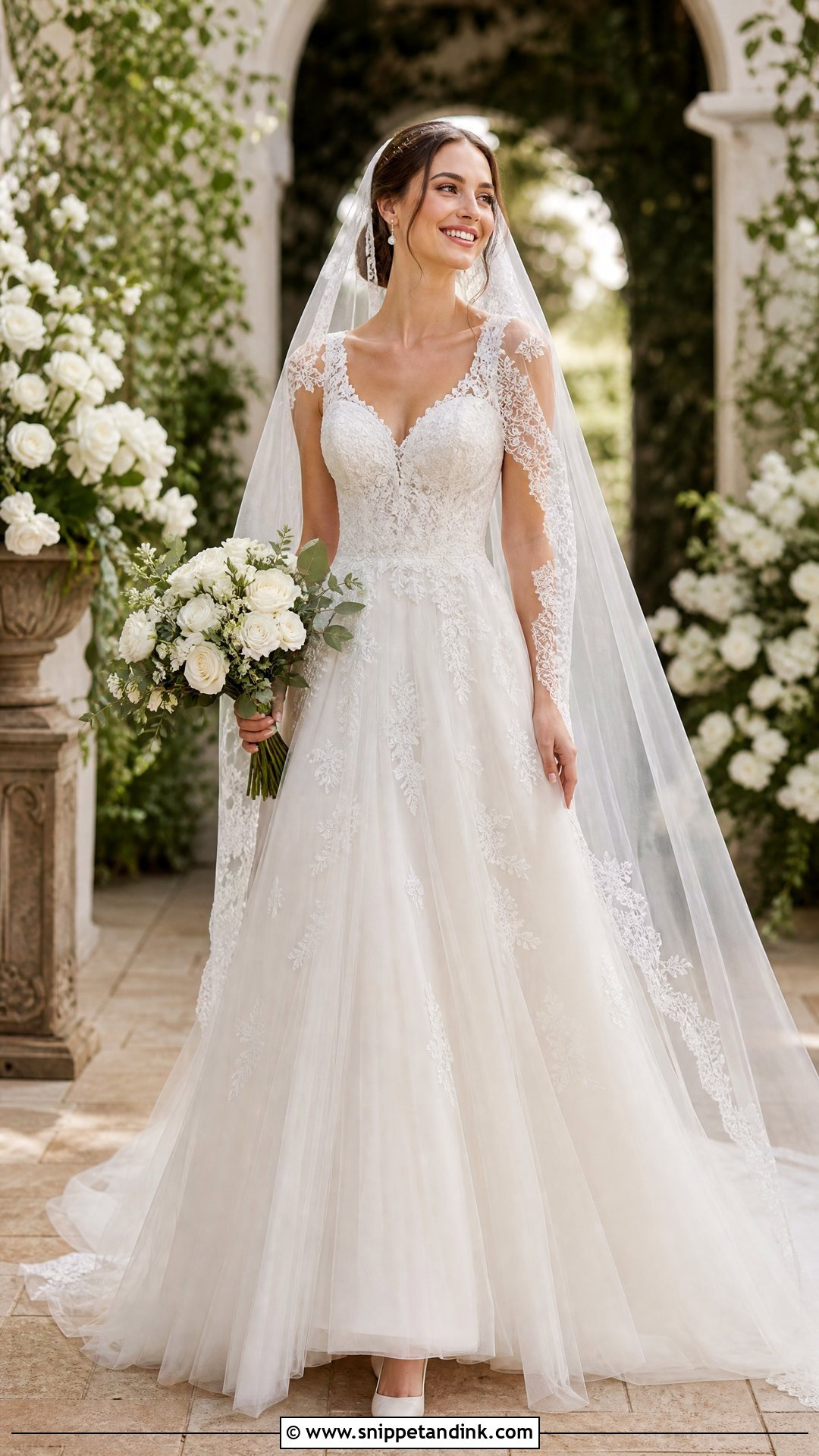
Floral appliqués that thin out from the waist into the skirt are the most forgiving way to wear lace, and the A-line is the shape I’d hand to a bride who isn’t sure where to start. The fitted lace bodice gives definition, while a tulle or organza skirt keeps everything light. Watch the waist seam during alterations. If it sits above or below your natural waist, the appliqués land in the wrong place and the skirt hangs unevenly. Add a fingertip veil edged in matching lace, pearl drops, ivory pointed pumps and a low textured bun. Loose white roses with greenery suit it well.
2. Long Sleeve Dantel Wedding Dress
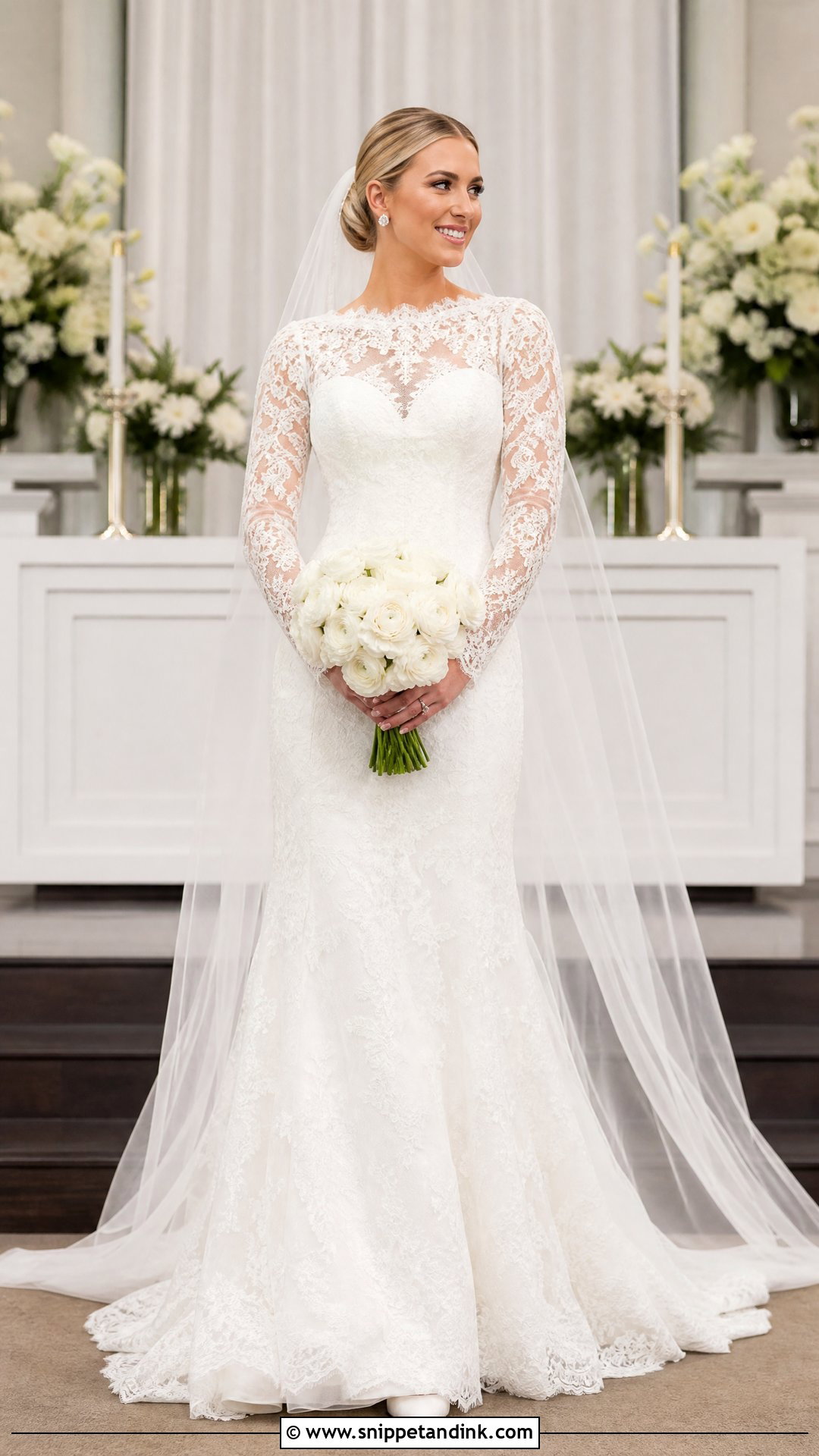
Lace sleeves are lovely until you try to hug someone. Unless it’s a stretch lace, the fabric has very little give, so lift your arms, sit and mime a slow dance at every fitting. If the sleeve pulls at the underarm, a small gusset or a slightly lower armhole usually fixes it. Look for motifs placed neatly at the cuffs and clean seams across the shoulder. A softly structured bodice over a flowing skirt stops the gown feeling heavy. Pair it with a smooth cathedral veil, crystal studs, closed satin heels and a polished chignon so the sleeves stay the focus, plus a compact bouquet of ranunculus and eucalyptus. Cooler months and formal venues suit it best.
3. Strapless Dantel Ball Gown
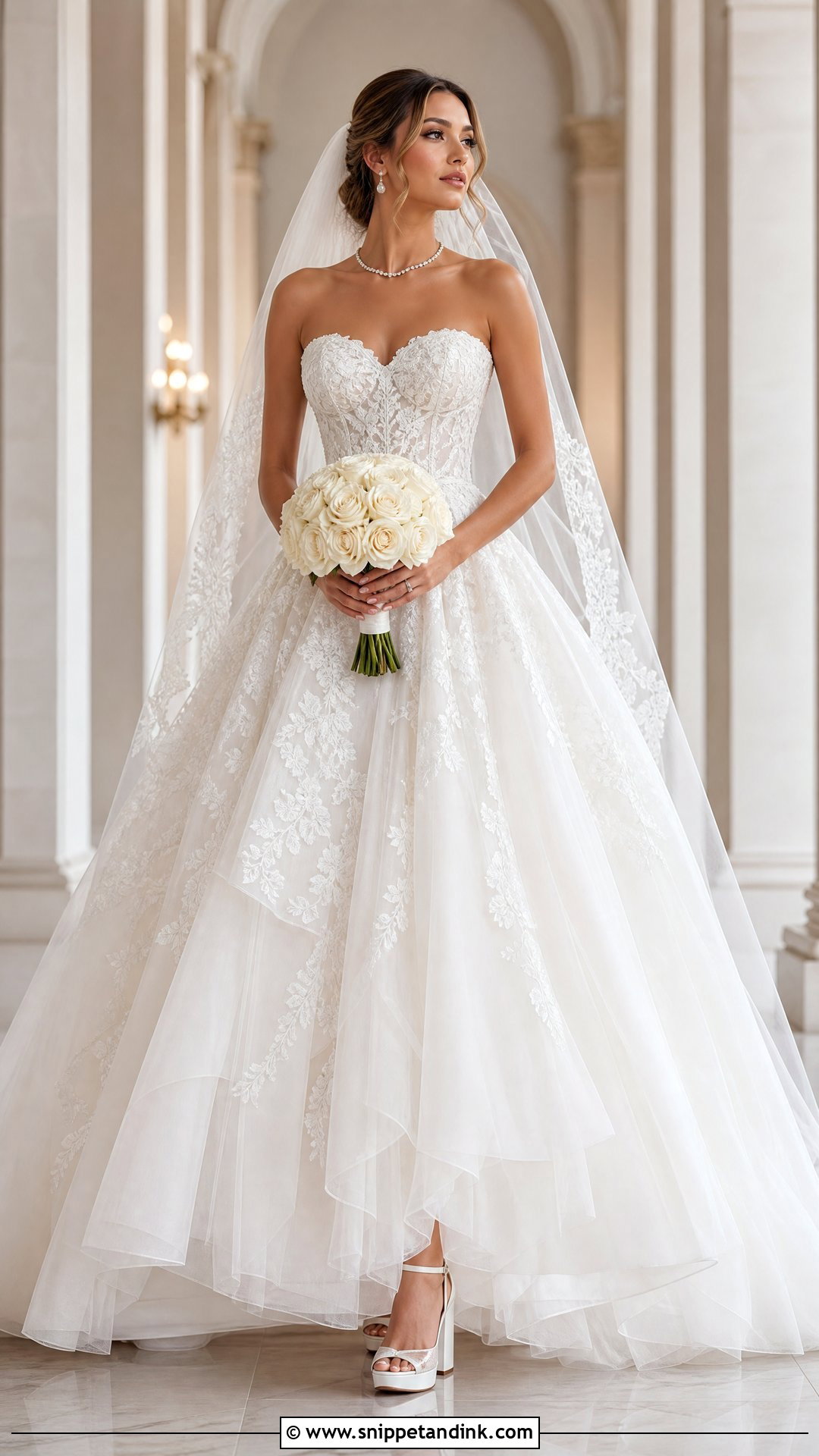
A strapless bodice depends entirely on what’s built inside it. Boning, a waist stay and a properly fitted top edge hold it up; the lace on top is decoration. If you catch yourself tugging it up in the mirror, the fitting isn’t finished. Appliqués that cover the bodice and then scatter lightly over layered tulle give the full skirt depth without extra weight. A plain chapel veil, a delicate tennis necklace, pearl earrings and satin block heels hidden under the skirt complete it. A sleek bun or side-parted waves leave the neckline open, and ivory roses in a round bouquet keep it classic.
4. Off-Shoulder Dantel Wedding Dress
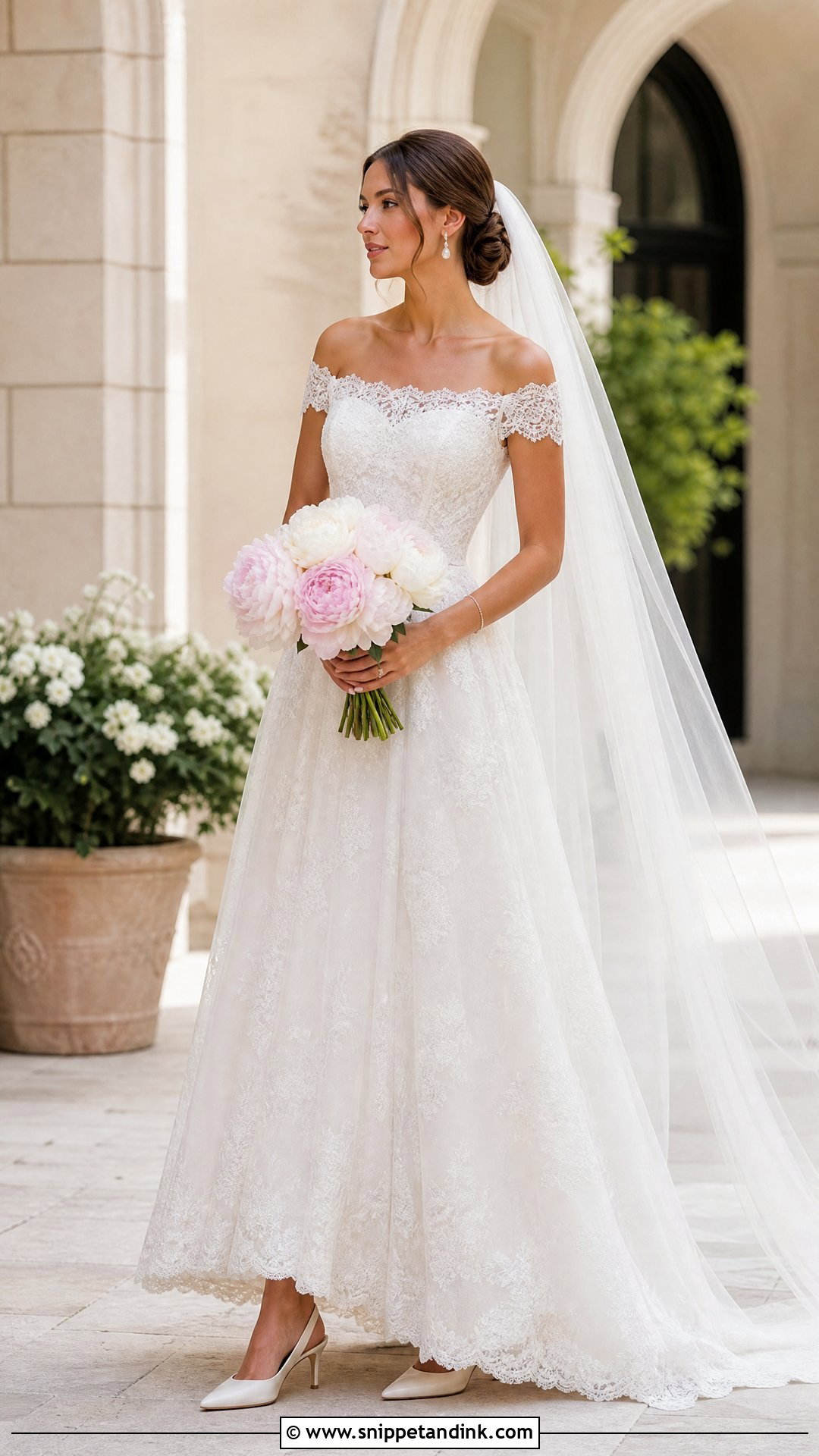
Off-shoulder lace frames the collarbones, but a band sitting on the upper arm limits how high you can raise your hands. I’d look for a version with a hidden strap or a little elastic inside the band, then test a hug and a wave at the fitting. An A-line skirt reads softer; a fitted one gives a more sculpted line. Keep the veil sheer and unedged so it doesn’t fight the neckline. Pearl drops, ivory slingbacks and a fine bracelet are enough. Sweep the hair back into a low bun or waves behind the shoulders, and carry peonies with garden roses.
5. Mermaid Dantel Wedding Dress
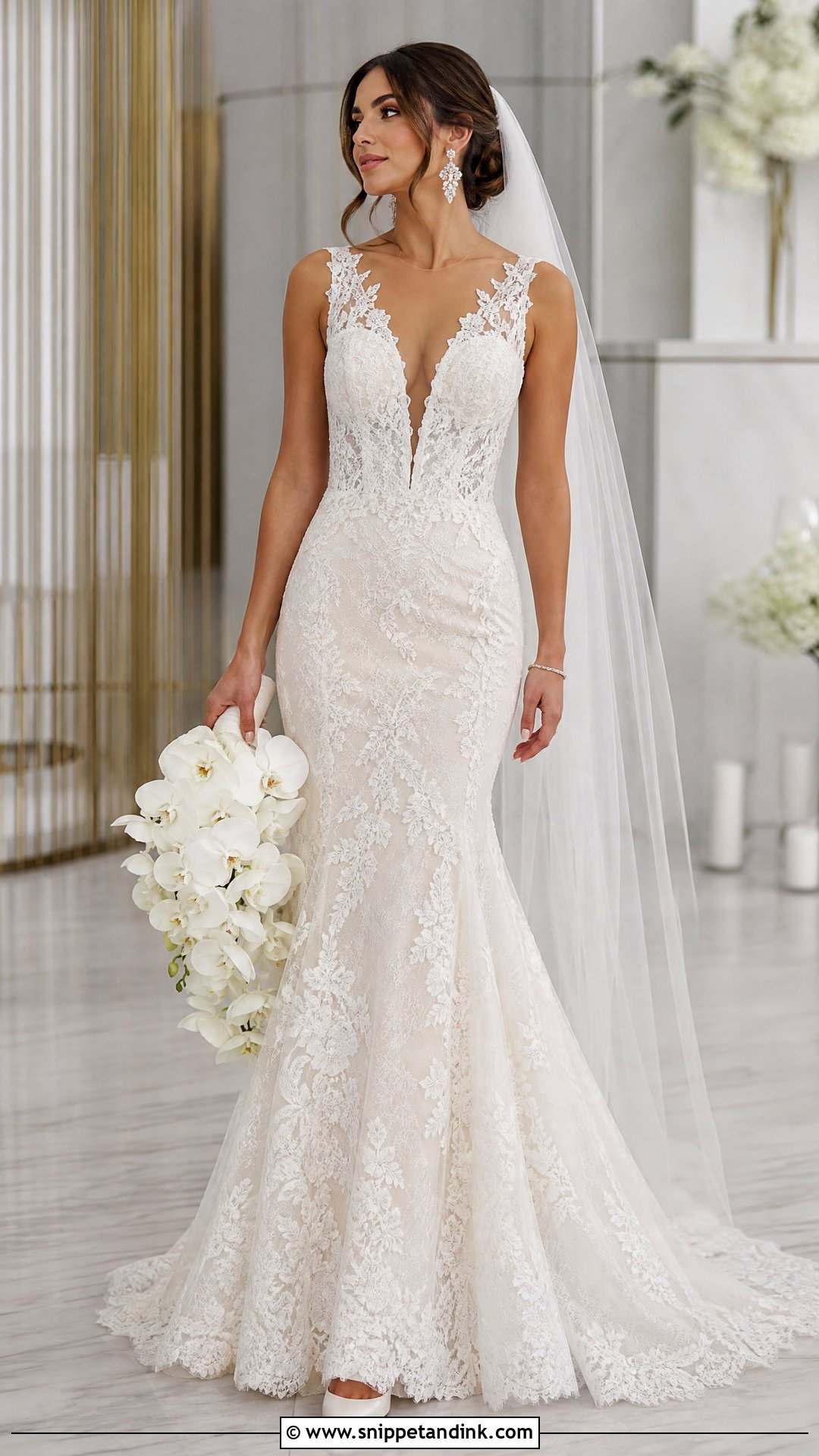
Lace placement matters more on a mermaid than on any other gown here, because the dress follows the body so closely. Allover lace works, but appliqués positioned along the curves give a smoother line through the hips. The flare point decides whether you can actually walk: set too low, and you’ll shuffle down the aisle. At the final fitting, take full strides and sit down; if your knees feel pinned together, ask for the flare to start a little higher. A long plain veil, crystal earrings and pointed satin pumps suit it. A polished low ponytail makes a fresh change from a bun, and orchids or calla lilies echo the long line.
6. Boho Bell Sleeve Dantel Wedding Dress
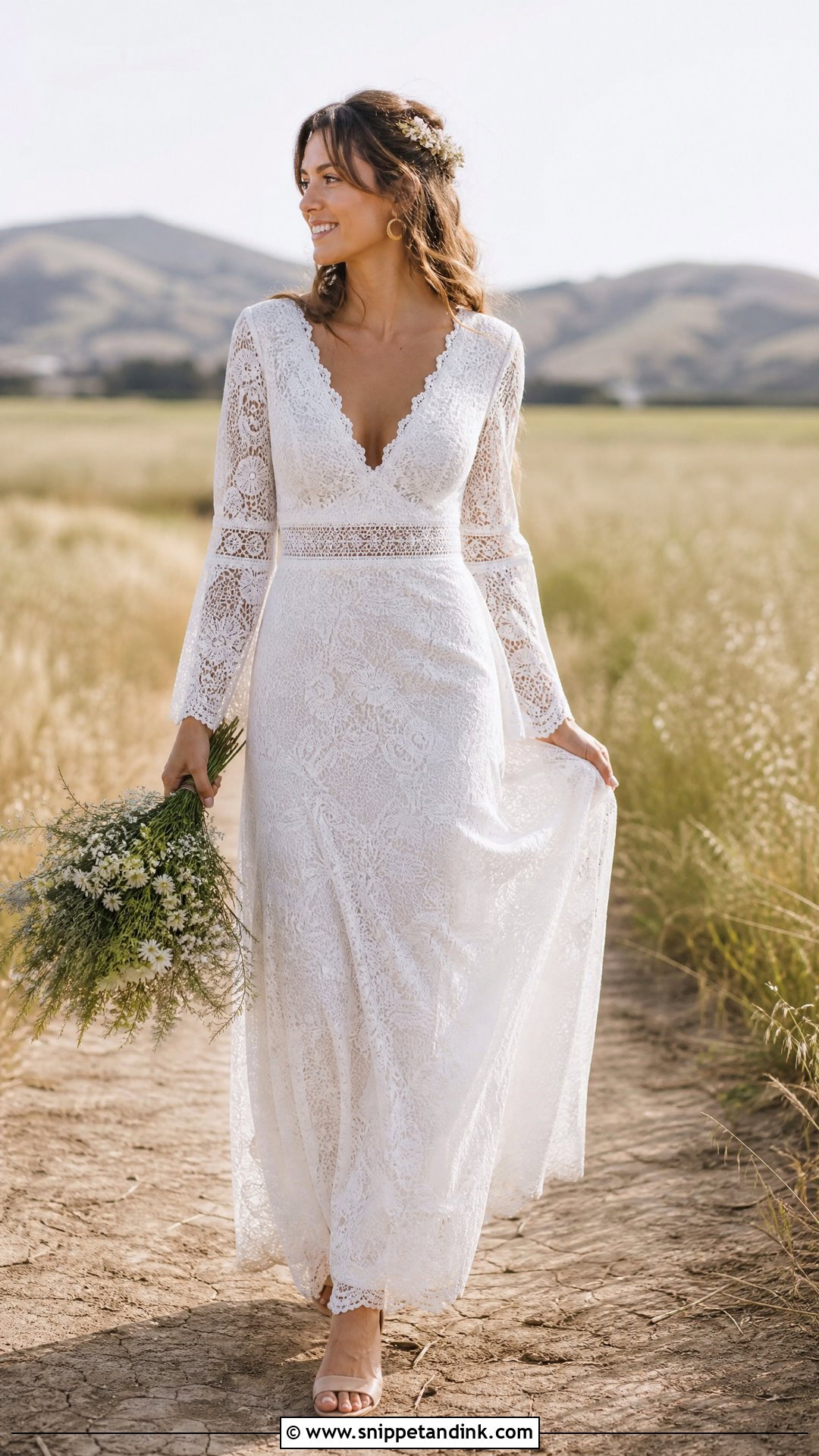
A boho bell sleeve dantel wedding dress is at home outdoors, where a softer, less structured gown makes sense. Sleeve length is the practical detail. It should flare below the elbow and stop before the wrist bone, or the lace ends up in your bouquet and on your dinner plate. Lightweight lace with a gently defined waist moves easily. Delicate lace also snags on bark, rough stone and wooden benches, so walk the route beforehand and bustle the skirt for the reception. Choose a floral comb, small gold earrings and block-heel sandals, with loose waves or a relaxed braid, a plain airy veil and a bouquet of wildflowers and chamomile.
7. Tea Length Dantel Wedding Dress
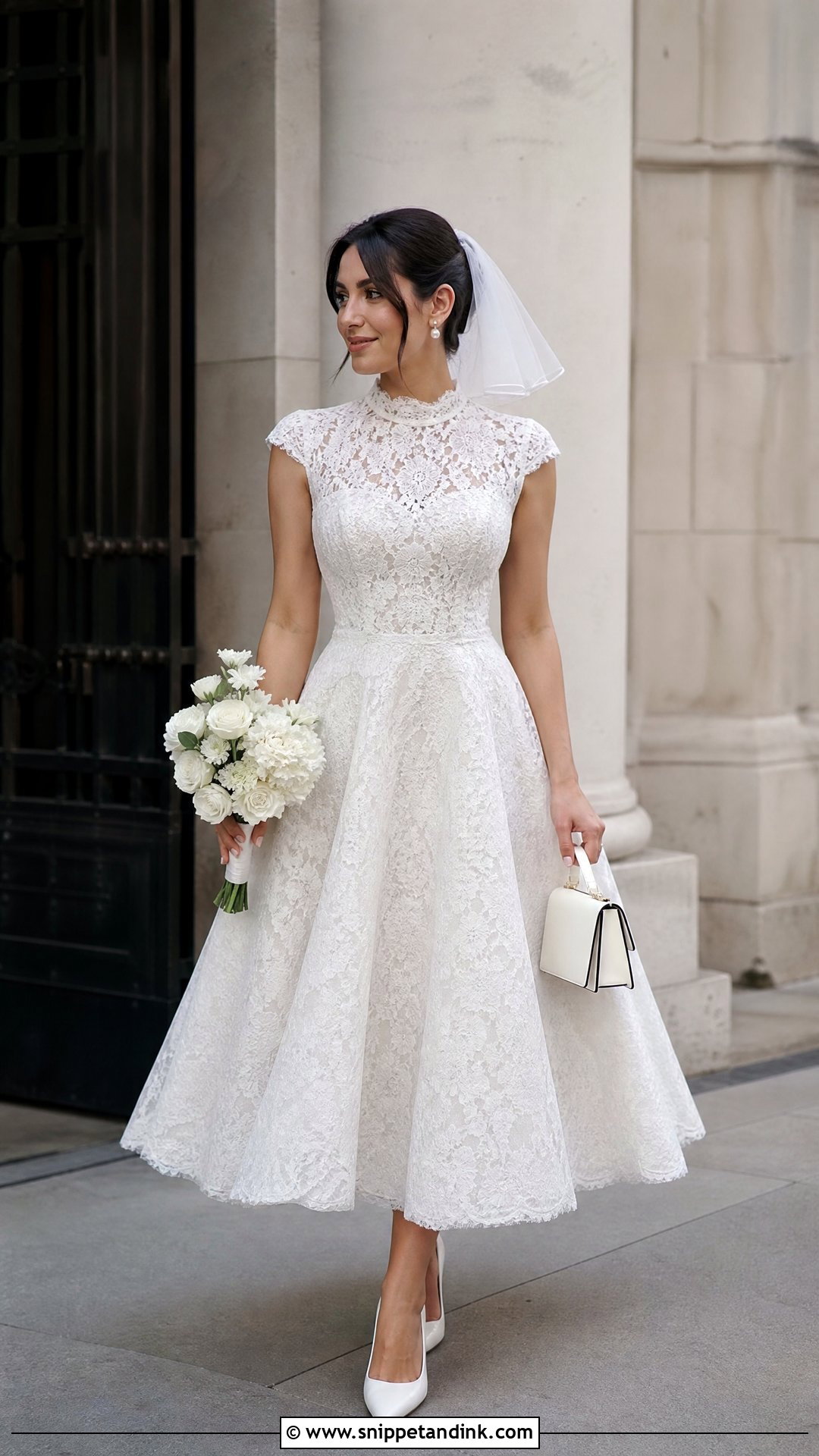
Tea length puts your shoes on show, which changes how I plan the whole outfit. The hem should land somewhere between knee and ankle, and the exact point depends on the heel height, so always pin it while wearing the real shoes. Pointed pumps lengthen the leg, while flats suit a fuller skirt. A fitted bodice and defined waist give that vintage shape. Add a short veil, pearl studs and a small structured bag. A smooth bun or a curled bob suits the shorter line, and a compact bouquet keeps the skirt visible. City hall ceremonies and smaller receptions are a natural fit.
8. Square Neck Dantel Wedding Dress
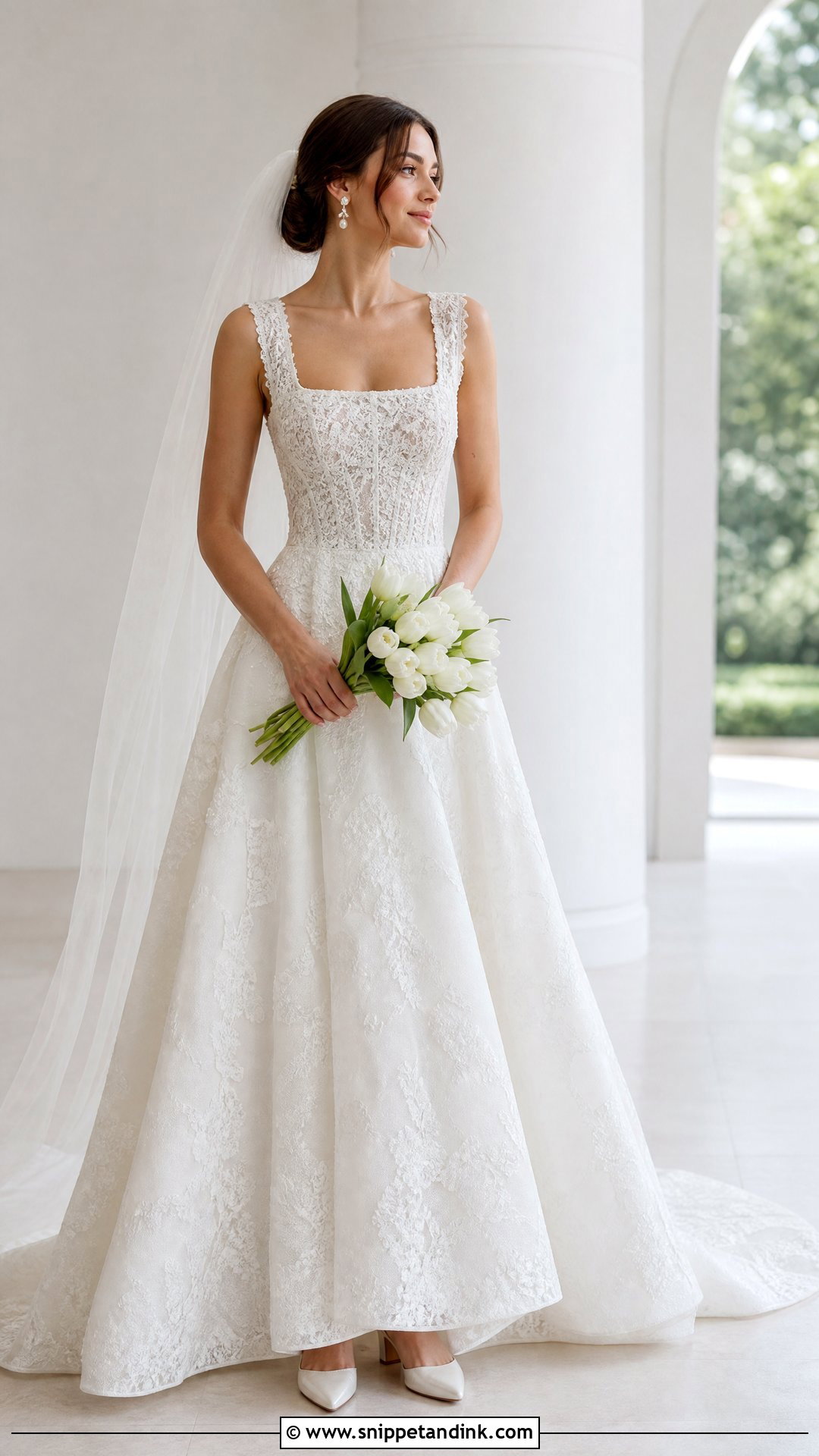
Square necklines are less forgiving than they look. The straight top edge has to lie flat across the chest, and if it gapes when you lean forward, that’s the first thing to take in. On lace, I also check that the motifs mirror each other at both corners, because a square neck makes any misalignment obvious. Wide lace straps, fitted sleeves or a sleeveless bodice all work over an A-line or column skirt. A plain chapel veil, pearl-and-crystal earrings and ivory kitten heels go with it, and a low knot shows off the geometric shape. Tulips or calla lilies make a neat small bouquet.
9. V-Neck Dantel Wedding Dress
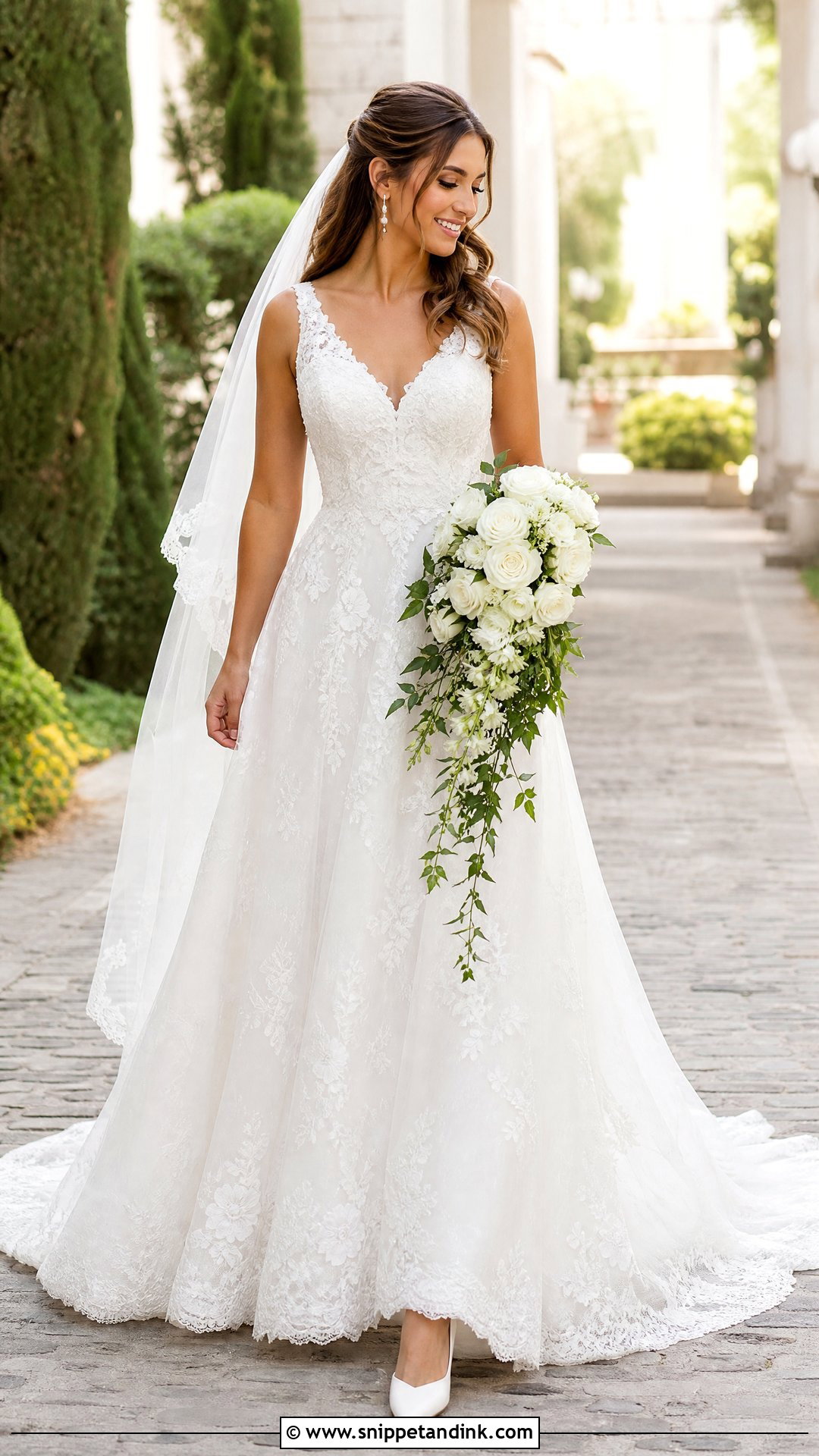
A V-neck draws the eye down, so pick its depth honestly for the coverage you’ll be comfortable with through a long day of hugs and bending to greet small relatives. Illusion tulle sewn into the center keeps a deep V in place. On lace, I look hardest at the center front, where the motifs meet: well-matched lace looks continuous, while poorly matched lace shows an obvious seam. Ask your seamstress to check the waist and side seams too. A narrow lace-trimmed veil, delicate drops and pointed block heels suit it. Half-up hair stays clear of the lace, a cascading bouquet continues the vertical line, and a big necklace only crowds it.
10. Basque Waist Dantel Wedding Dress
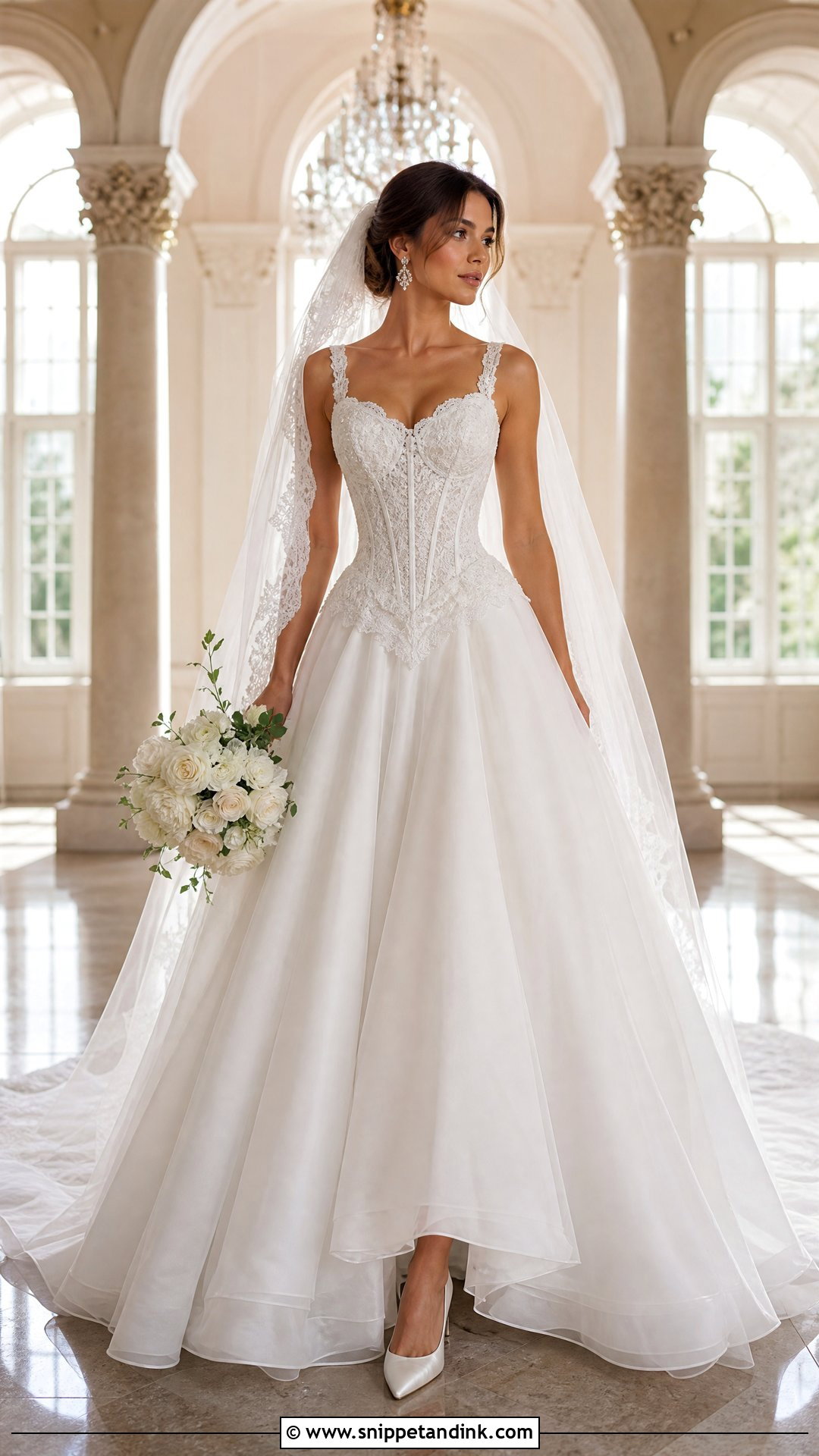
A basque waist dantel wedding dress dips to a point at the center front, which lengthens the torso and lets a full tulle or organza skirt flare from lower down. The lace should follow that point; appliqués ending in a straight band across the waist break the line. Sit down at the fitting. A basque seam that’s too rigid folds or presses into the stomach when you’re seated, and that’s fixable before the wedding rather than on it. A cathedral veil, small crystal earrings, satin pumps and a neat ballerina bun suit the regal shape. Keep everything else quiet.
11. Satin And Dantel Wedding Dress
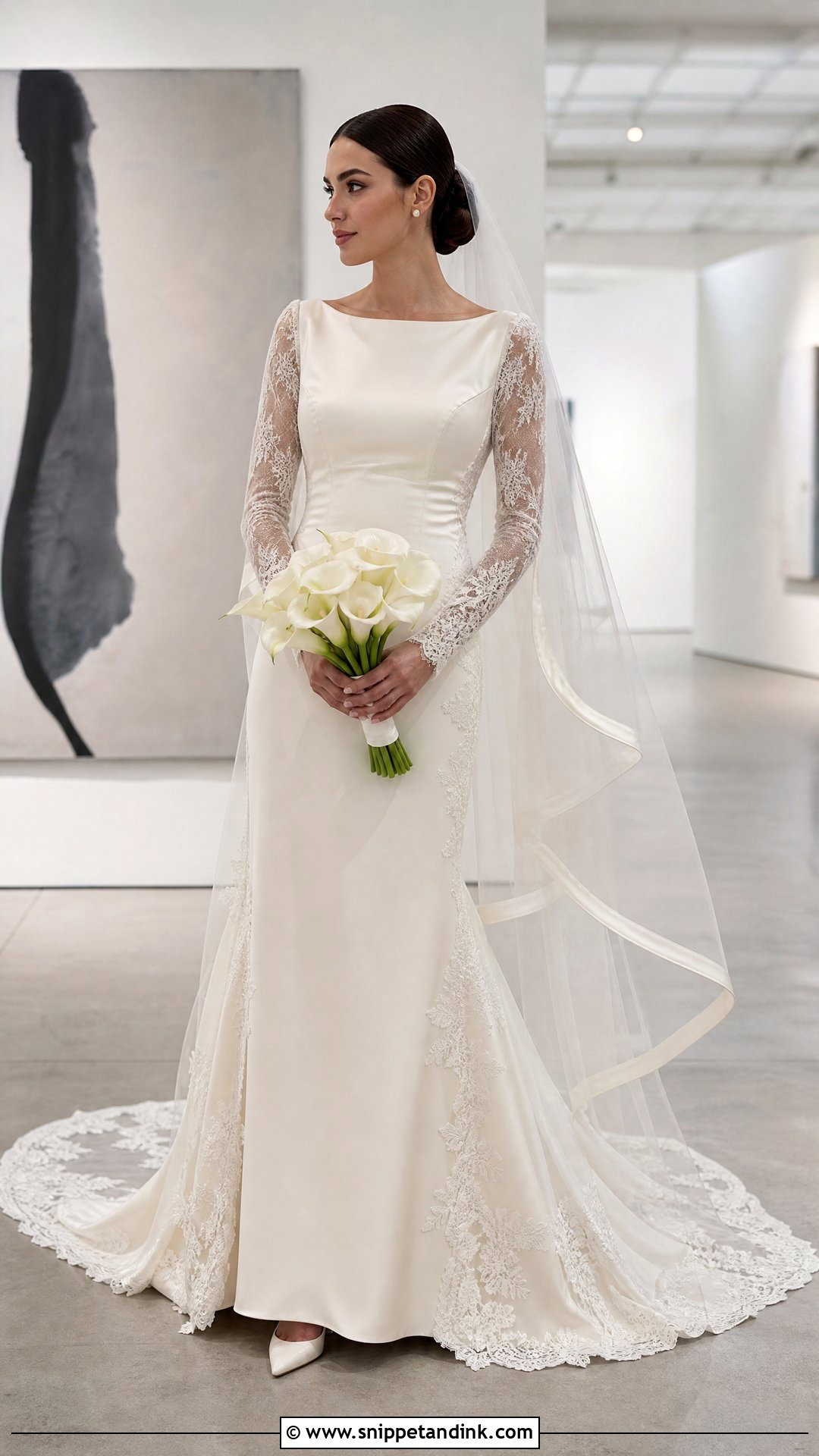
Not every lace gown needs lace from neckline to hem. Satin as the base, with lace only on the sleeves, bodice or train, looks cleaner and is far easier to accessorize. The difficulty is color. Ivory satin and ivory lace from different mills rarely match exactly, and the gap shows most in daylight photos, so stand by a window in the shop as well as under its warm lights. A plain satin-edged veil, pearl studs, low ivory pumps and a polished chignon keep it sleek, and calla lilies hold the minimal direction.
12. 3D Floral Dantel Wedding Dress
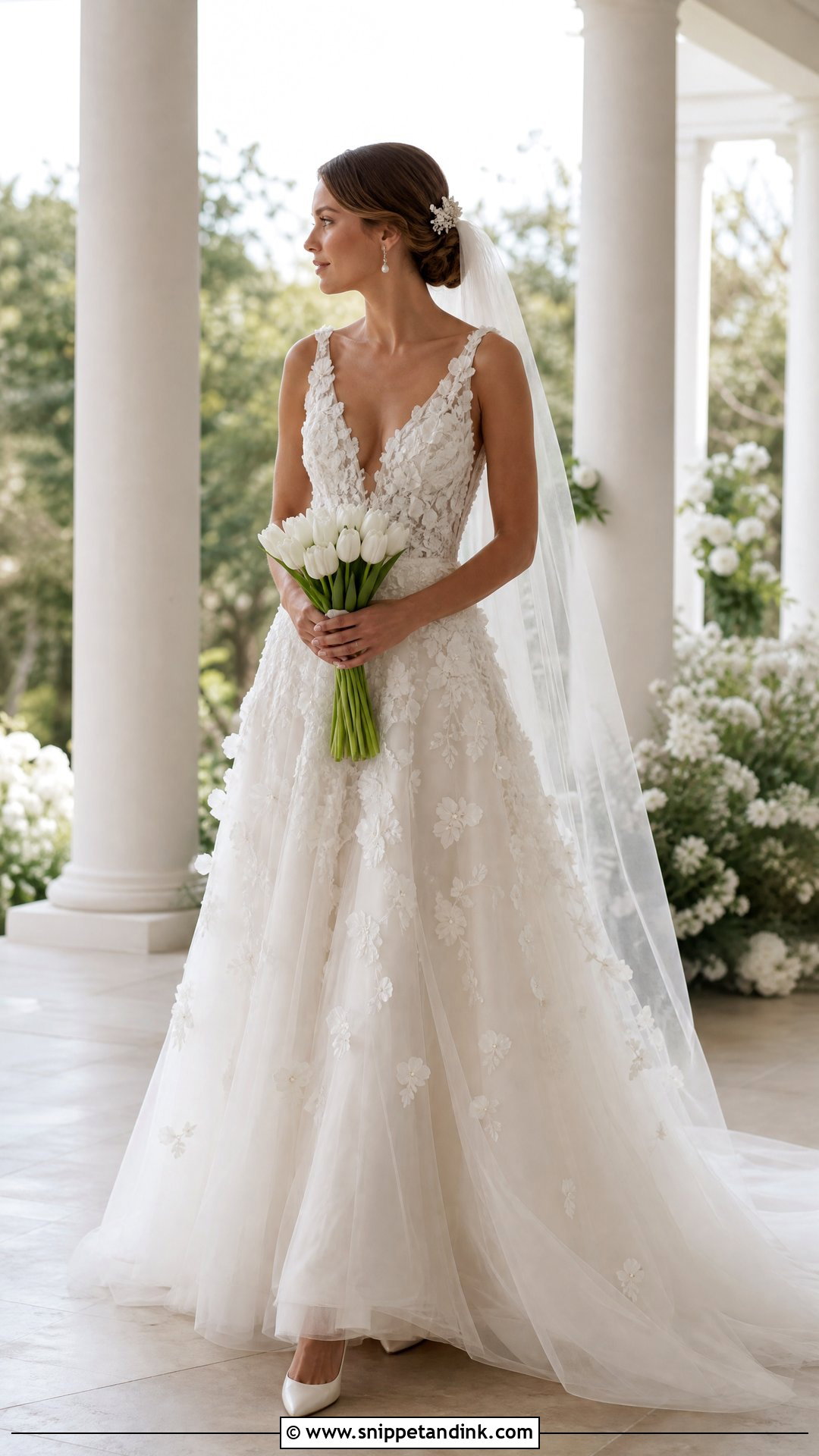
Three-dimensional petals are the most fragile lace detail I handle, so the first thing I do is check how each flower is attached. Stitched through the center and at the petal tips, it will stay put; tacked only at the center, it flops and catches. Density should vary, with more flowers at the neckline and waist and fewer down the skirt. Petals on the inner arm rub all day, so ask for those to be moved or removed. A sheer untrimmed veil, simple pearls and clean ivory heels let the texture lead, with two or three matching floral pins in a low bun. A restrained bouquet of tulips or roses stops it looking busy.
13. Guipure Dantel Column Wedding Dress
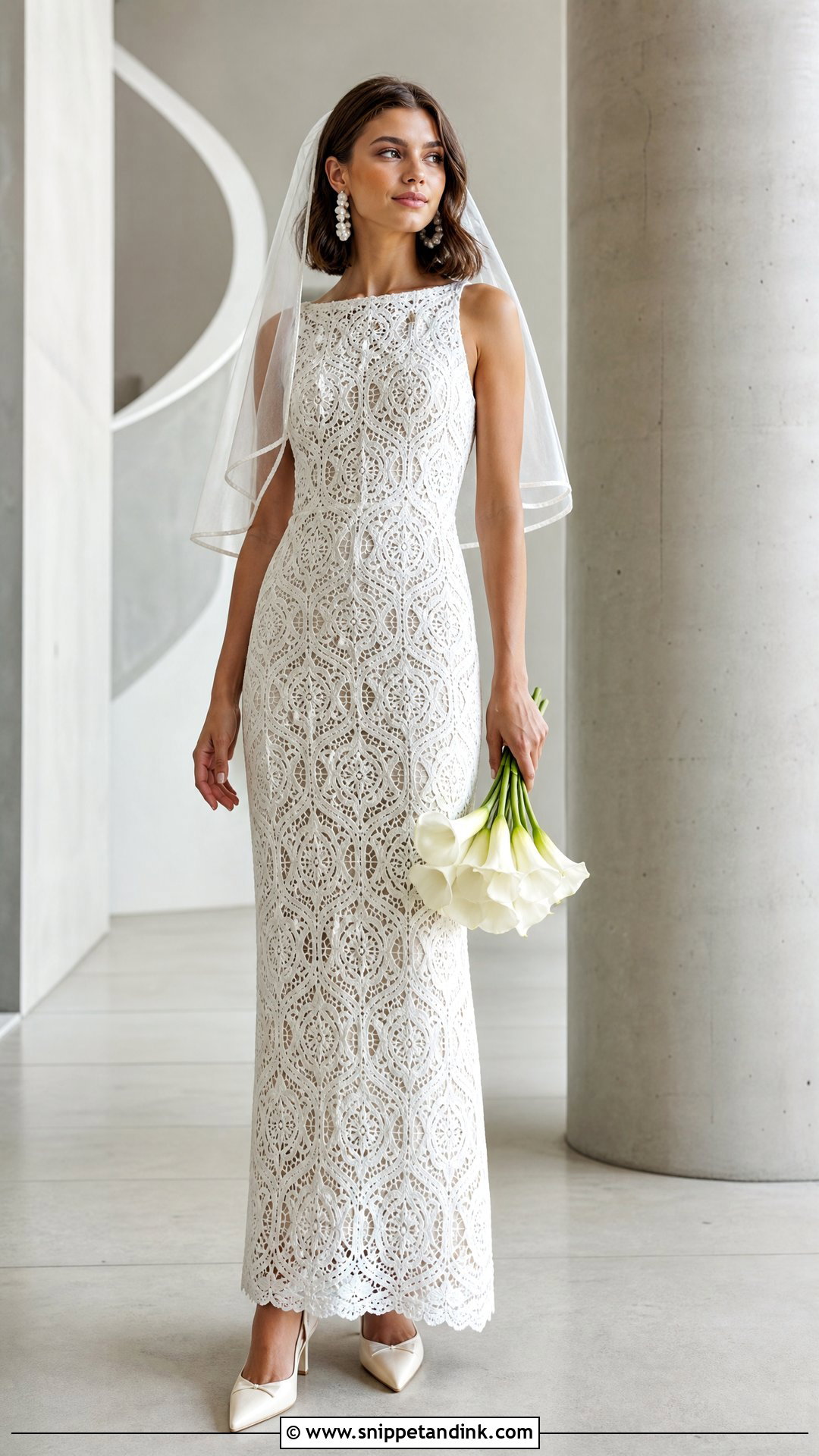
Guipure has no net background. Its motifs are joined by small bars, which makes it heavier and more graphic than Chantilly, and that weight suits a column, where the pattern reads clearly without a big skirt. Ask for a back slit or a slight flare at the hem so you can climb steps. Bold motifs make seam-matching very visible, so turn sideways in the mirror and study the side seams and hem; uneven joins are hard to hide in guipure. A short plain veil, sculptural pearl earrings, ivory slingbacks and a sleek low ponytail finish it. Anthuriums or calla lilies suit its clean shapes.
14. Chantilly Dantel Fit And Flare Wedding Dress
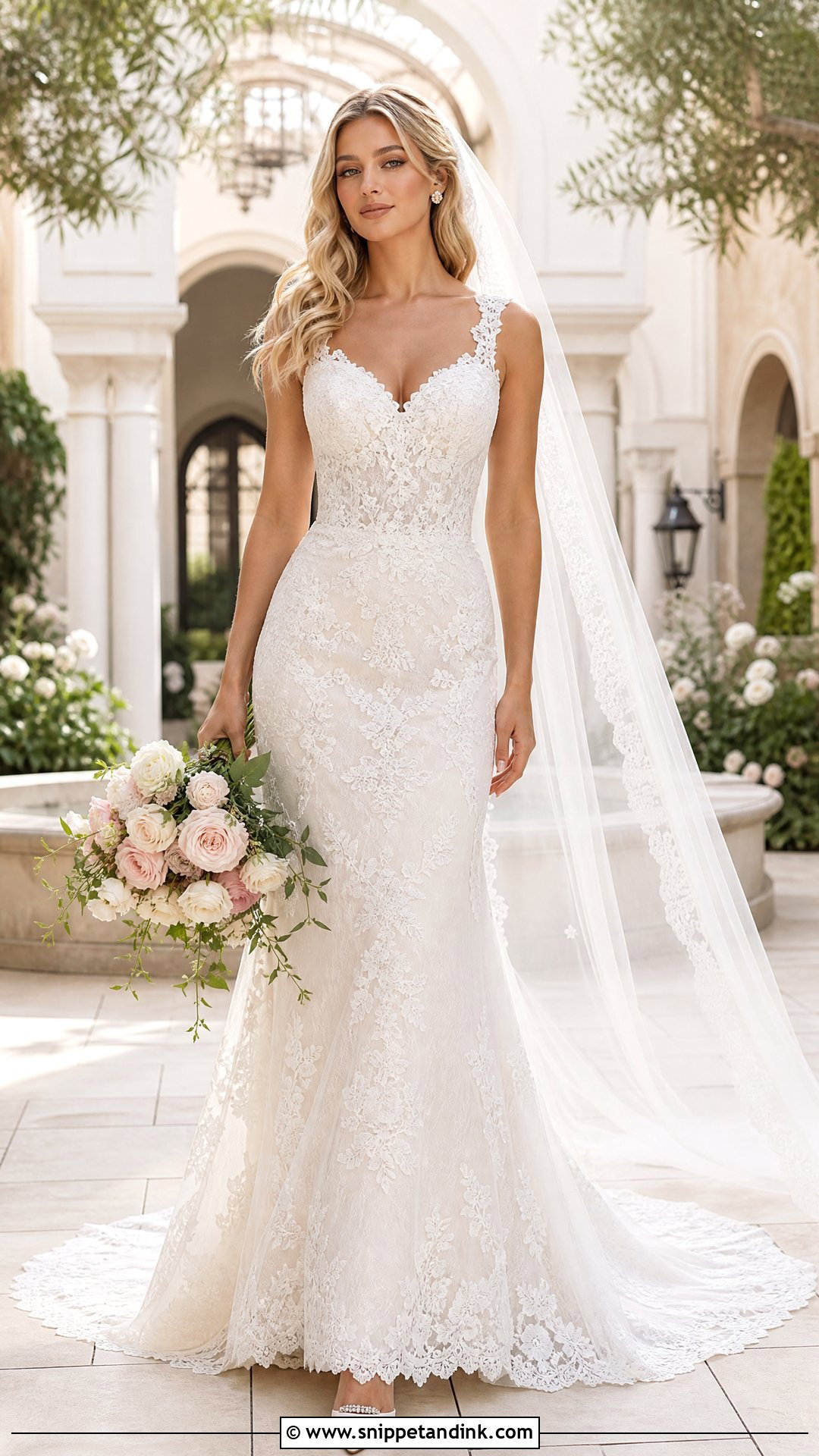
Fine Chantilly lace is a sheer net with flowers outlined in very fine thread, which makes it the most delicate lace on this list and the one that changes most with its lining. Over ivory it looks soft; over nude or champagne the pattern stands out sharply. Take both lining swatches into daylight before deciding. On a fit and flare, choose a supportive bodice and a flare that starts high enough to walk in. Add a plain chapel veil, tiny studs, pointed satin heels and soft waves tucked behind the ears, with sweet peas and garden roses. Chantilly snags easily, so put earrings and bracelets on after the dress, since clasps and prongs catch the net.

15. Modest High Neck Dantel Wedding Dress
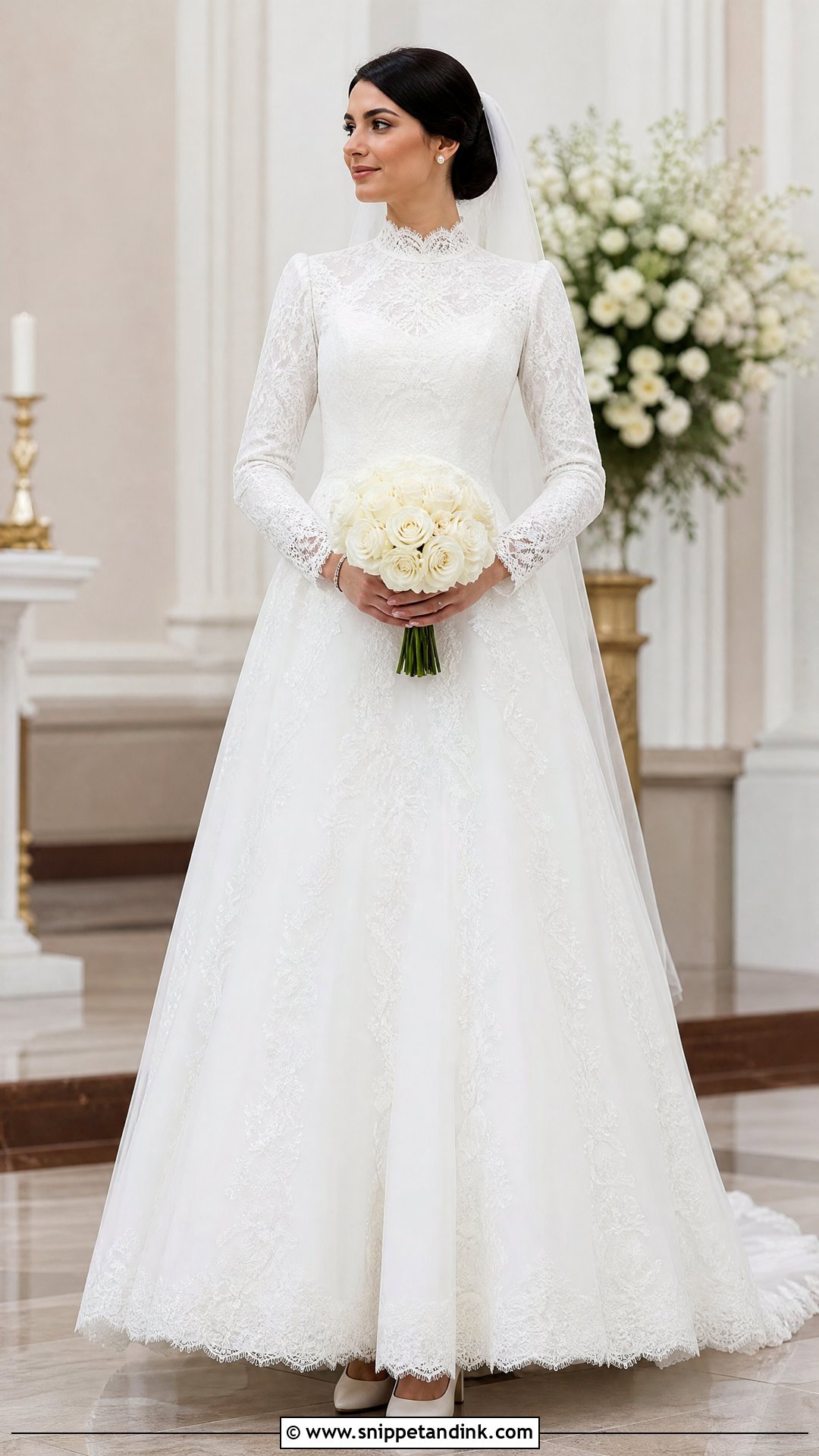
Coverage and comfort can work together, but the collar has to rest at the base of the neck rather than grip it. Turn your head from side to side at the fitting; if the lace pulls, the neckline needs a fraction more room. A lined bodice, long sleeves and an A-line skirt give a formal shape. For a warm-weather ceremony, ask whether the lining can be cotton or silk instead of polyester, which traps heat. Attach the veil beneath a smooth low bun, wear pearl studs and closed block heels, and swap the necklace for a slim bracelet. White roses and greenery in a round bouquet balance the high line.
16. Plus Size A-Line Dantel Wedding Dress
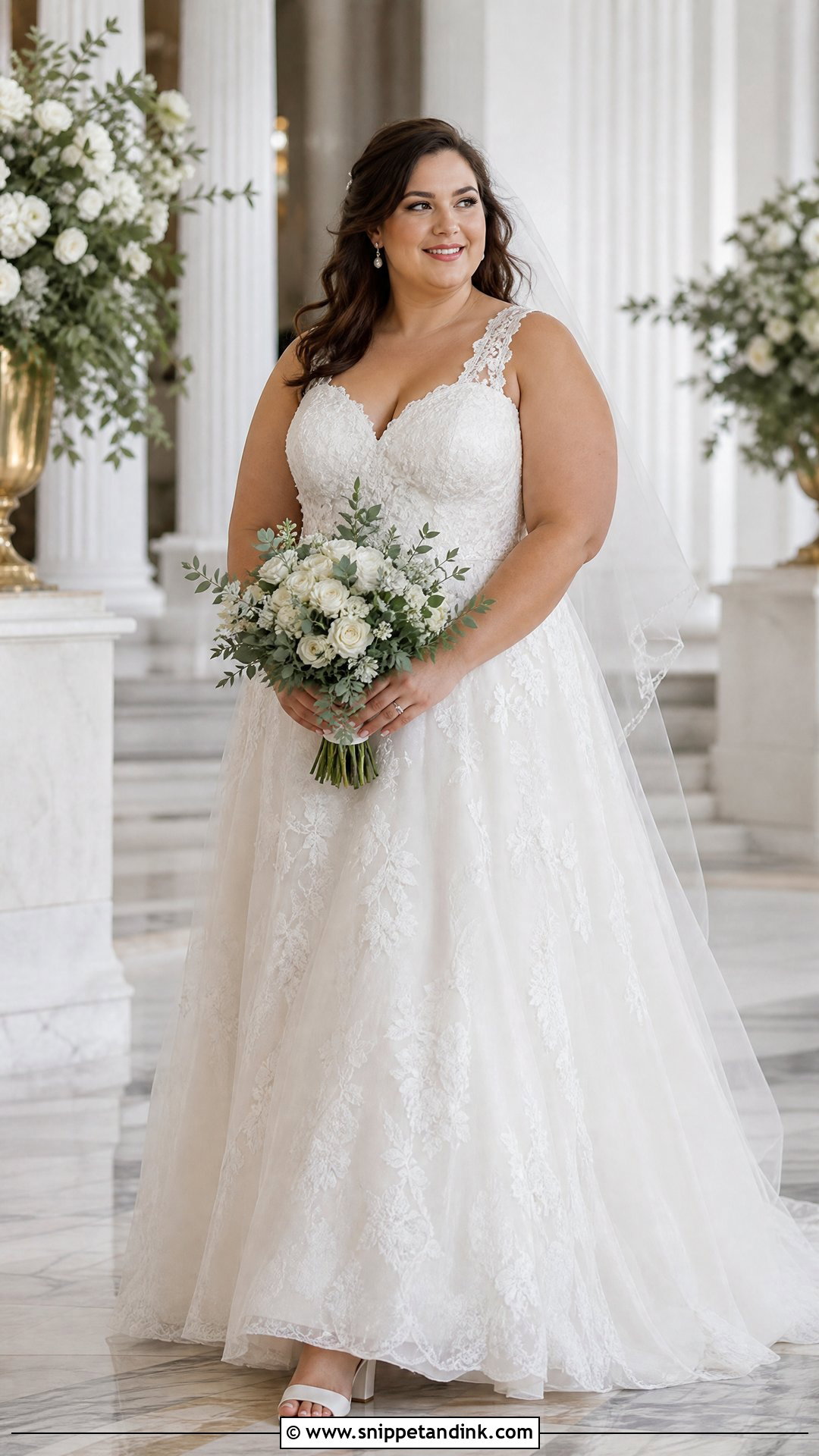
Structure is what makes an A-line work on a curvier figure: boning, a firm lining and straps or sleeves sitting smoothly on the shoulders, so the lace never has to do the holding. A skirt starting at the natural waist leaves room to walk and dance. I don’t believe in rules about which lace plus size brides should avoid. What I do instead is photograph the bride in a couple of motif sizes and lining colors, because the camera shows proportion more honestly than a mirror does. A draped veil, pearl drops, comfortable block heels and a side-parted low bun or waves suit it. Scale the bouquet to your height.
17. Petite Sheath Dantel Wedding Dress
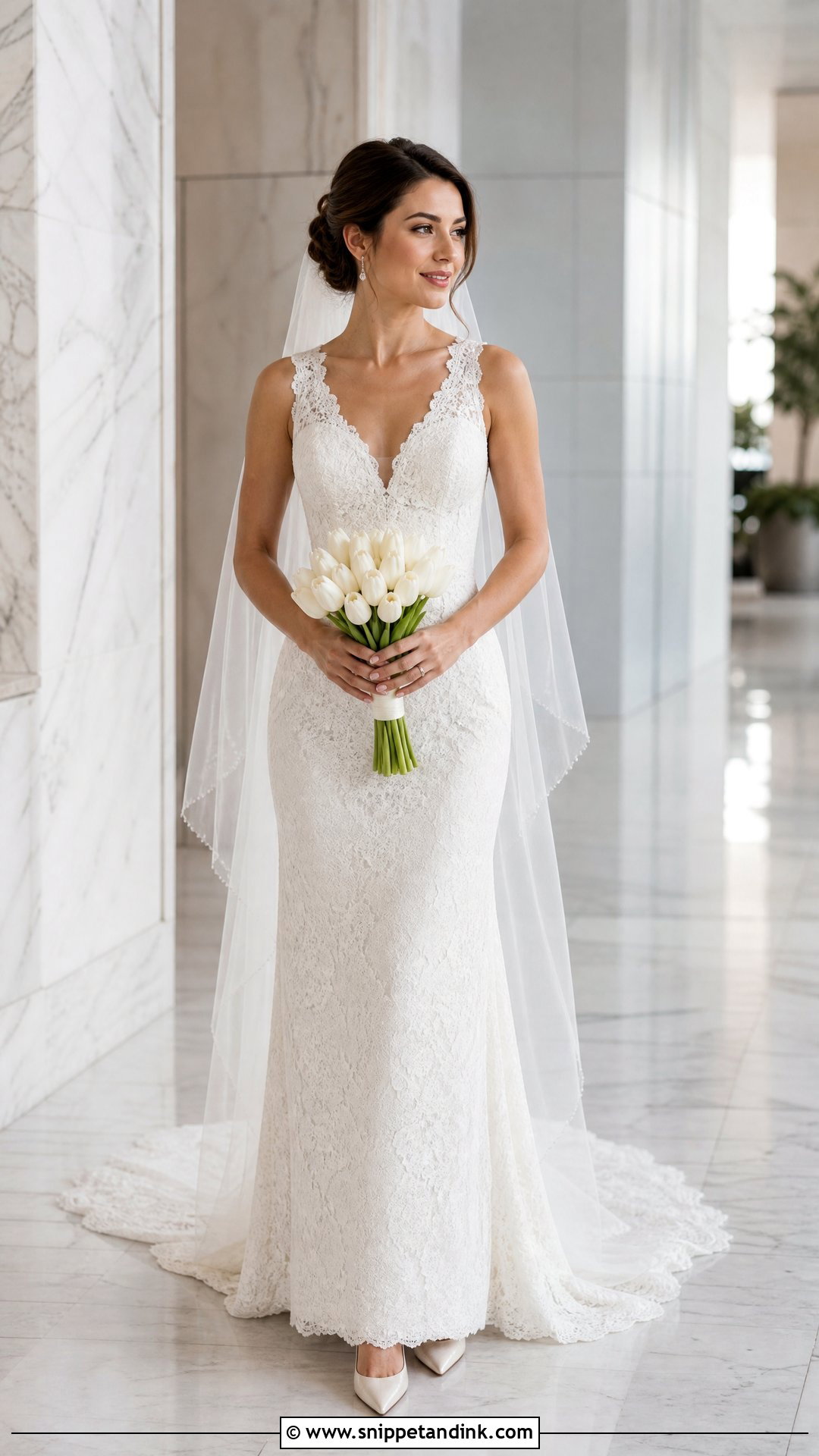
On a petite frame, the sheath’s vertical line is the advantage, and small-scale lace keeps that line clean, while large motifs can swallow a shorter bride. The alteration I watch most closely is the hem. If the lace has a scalloped border, cutting straight across the bottom loses it, so a skilled seamstress either takes the length from the waist or lifts the border and re-sews it higher by hand. Bodice length and strap position often need adjusting too. Pointed heels, small drop earrings and a fingertip veil rather than a wide one suit it, with a high or mid bun for height and tulips in a narrow bouquet.
18. Beach Dantel Wedding Dress
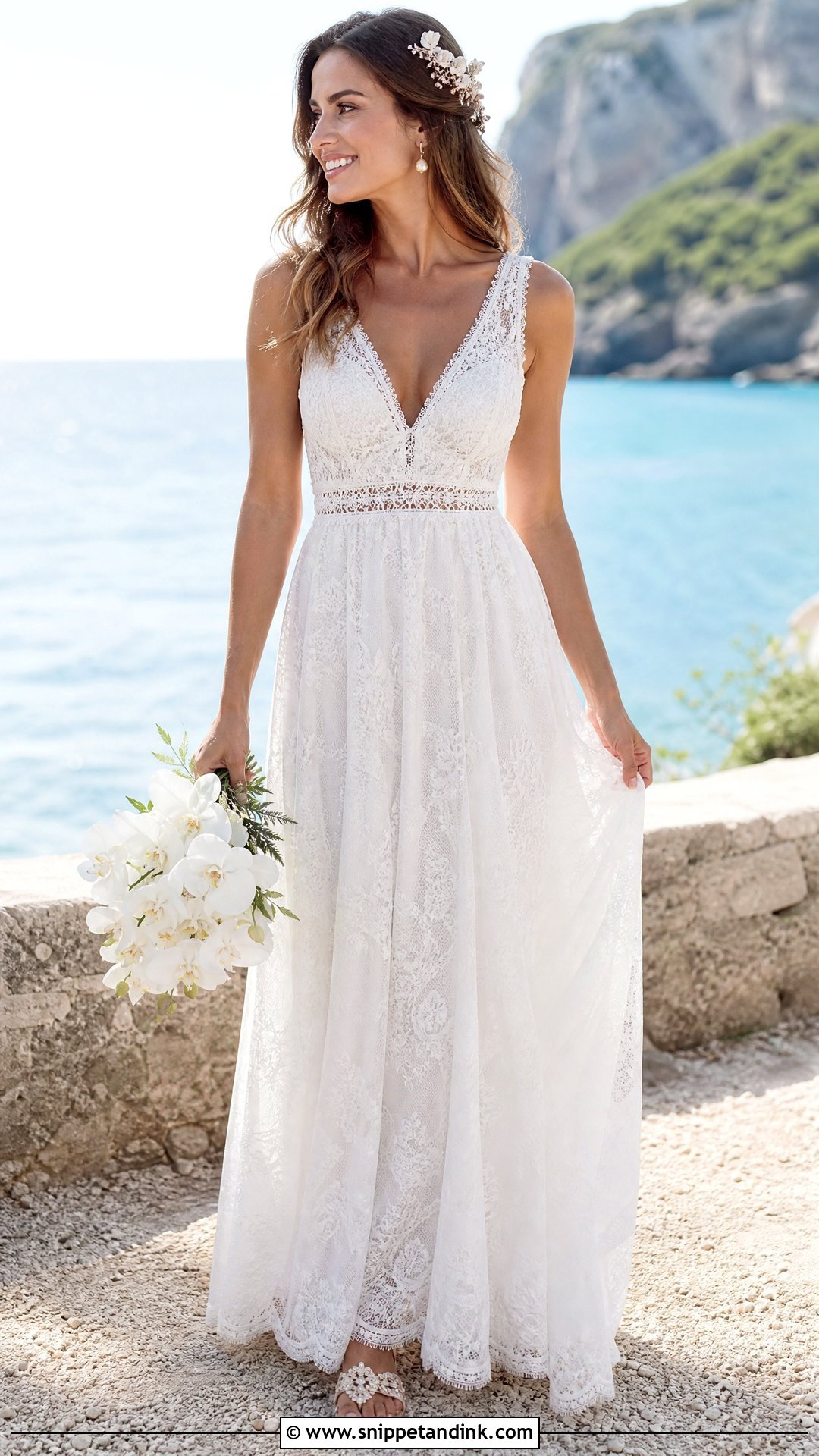
Sand, wind and heat rule out most of what makes a ballroom gown work. For the beach, choose breathable lace over a soft lining, a relaxed A-line or sheath, and no stiff underskirt or rigid boning. Any train will drag wet sand into the lace, so ask about a wrist loop or simple bustle well before the day. Keep the veil short and light, because a long one wraps around you in a sea breeze. Embellished flat sandals, pearl earrings and loose waves or a textured low bun fit the setting, with white orchids and tropical leaves in the bouquet.
19. Dantel Wedding Dress With Lace Cape
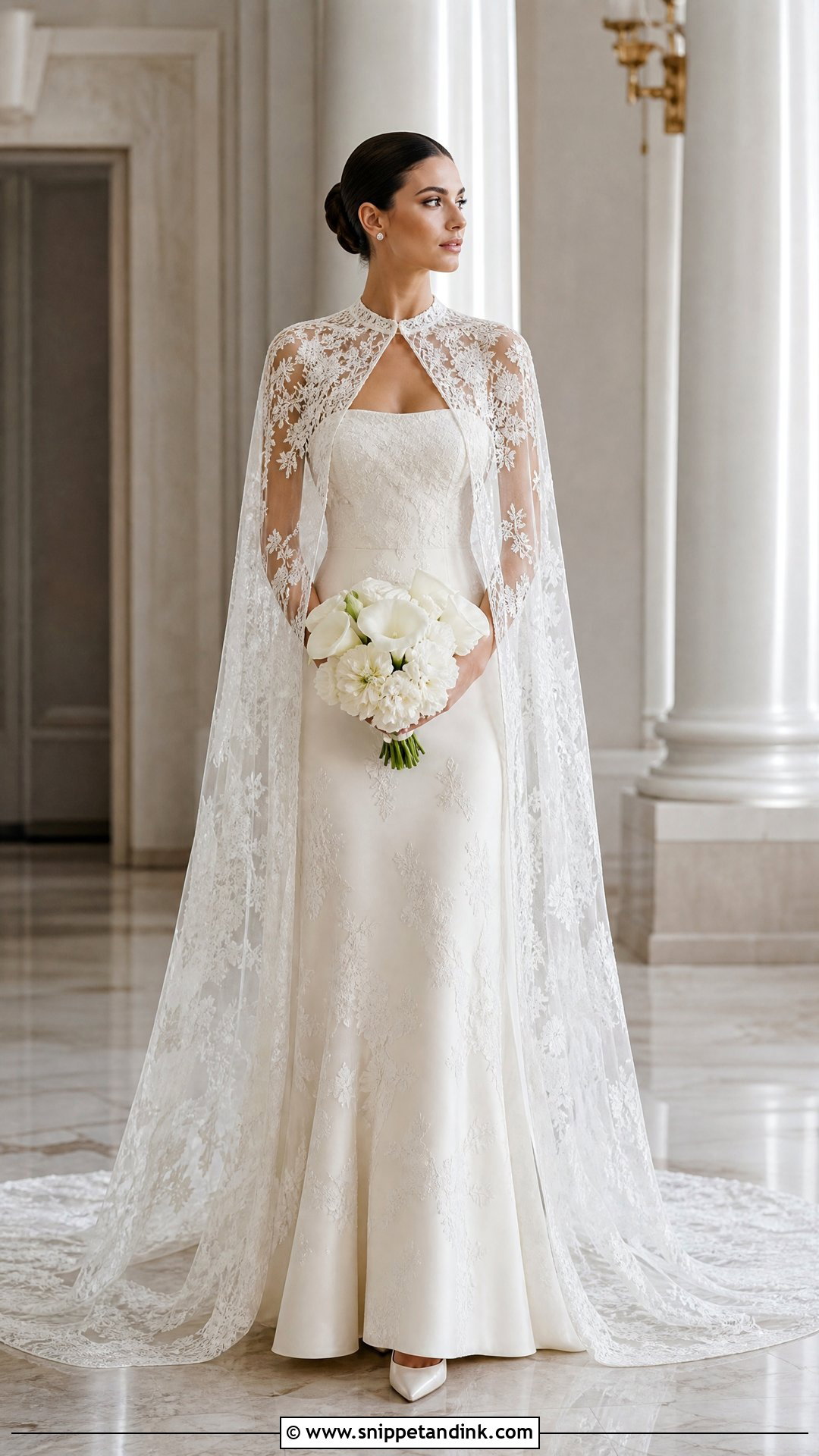
A lace cape gives you ceremony drama and a simpler reception dress in one. Over a clean A-line, column or fit and flare gown, a sheer cape with matching lace at the shoulders and hem can stand in for both sleeves and a veil. The two things I check are the lace match and the closure. The cape should look like part of the gown, not an accessory bought separately, and the fastening at the neck must lie flat under a sleek bun. Crystal studs, pointed satin pumps and a structured white bouquet are all it needs. Unclip it for the party and you’re wearing a second, quieter version of the same dress.
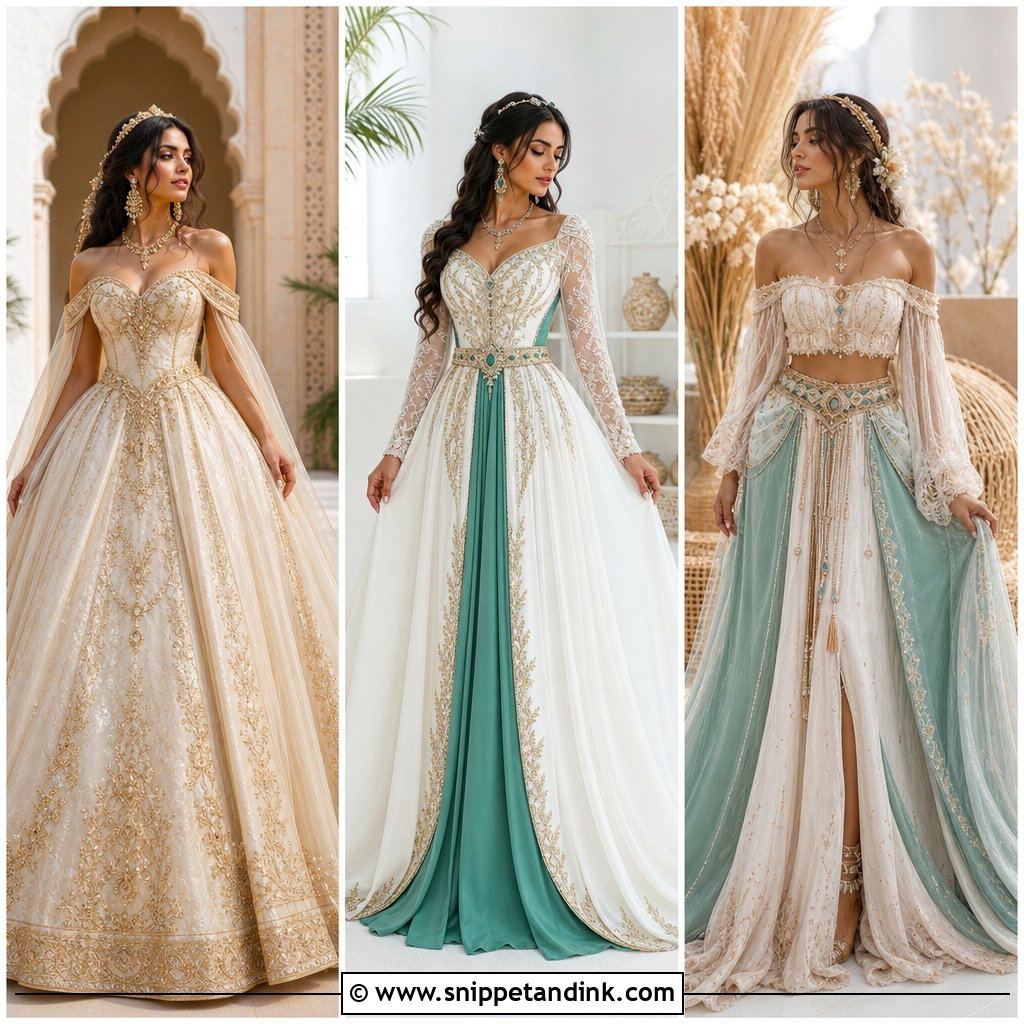
20. Short Dantel Reception Wedding Dress
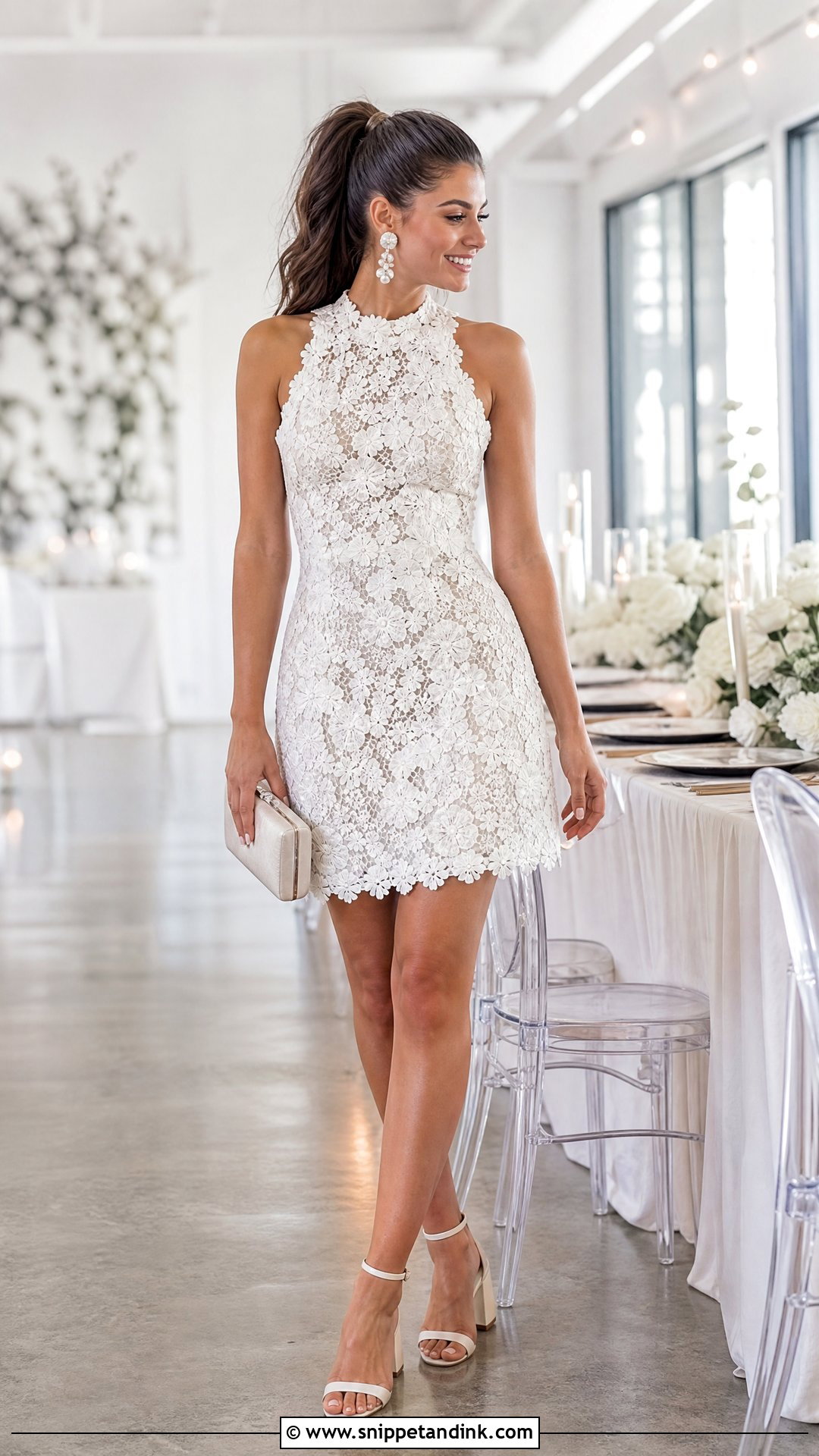
A short lace dress keeps the party outfit clearly bridal while giving your legs room. A fitted mini, a tailored shift or a flared knee-length cut can all work, provided the lining is comfortable and the straps are secure. Allover floral lace already carries plenty of texture, so a satin belt is optional. Wear ivory block heels or embellished flats, statement pearl earrings and a small clutch, with a high ponytail or a waved bob. Swap the bouquet for a wrist corsage or nothing at all. Dance in it at home before the wedding to see whether the hem or neckline shifts.
Why Lace Gowns Need Extra Weeks at the Seamstress
Altering lace is slower than altering plain satin. When a lace bodice is taken in, the motifs over the seam have to be lifted and stitched back by hand so the pattern still flows, and a scalloped hem can’t simply be cut and folded. Most seamstresses I’d trust want to begin about two to three months before the wedding, and a heavily appliquéd gown can need longer. Ask these questions at the first fitting:
- Will you shorten from the hem, or move the scalloped border up by hand?
- Can the lace you remove be kept to patch any snag before the wedding?
- How will the side seams look once the motifs are re-applied?
- How many fittings does a gown with this much handwork usually take?
Why Lace Yellows in a Closet and How to Stop It
Lace is easy to ruin after the wedding without noticing. Spilled champagne or cake frosting can dry invisibly, then turn brown over the following months as the sugar oxidizes, so have the gown cleaned by a bridal specialist within a few weeks rather than leaving it in the bag.
For storage, fold it loosely with acid-free tissue between the layers, inside an acid-free box or a breathable cotton bag. Plastic traps moisture. A heavy lace gown left hanging for months stretches at the shoulders, and an attic or basement swings too far in temperature and damp. Somewhere cool, dark and dry is right, and refolding along different lines once a year stops creases from setting into the net.
What Makes Lace Look Expensive
More lace doesn’t make a better gown. What matters is how the silhouette, lining and accessories work as one outfit. Before visiting a boutique, save a handful of contrasting dresses, then notice which necklines, waistlines and lace types you keep returning to. Bring your own shoes and underwear to fittings, move around properly in every gown and pick accessories that leave the lace room. In the end, it’s precise fit and well-matched seams, far more than the amount of lace, that make a gown look expensive.
You'll Like These Ideas:





Leave a Reply