
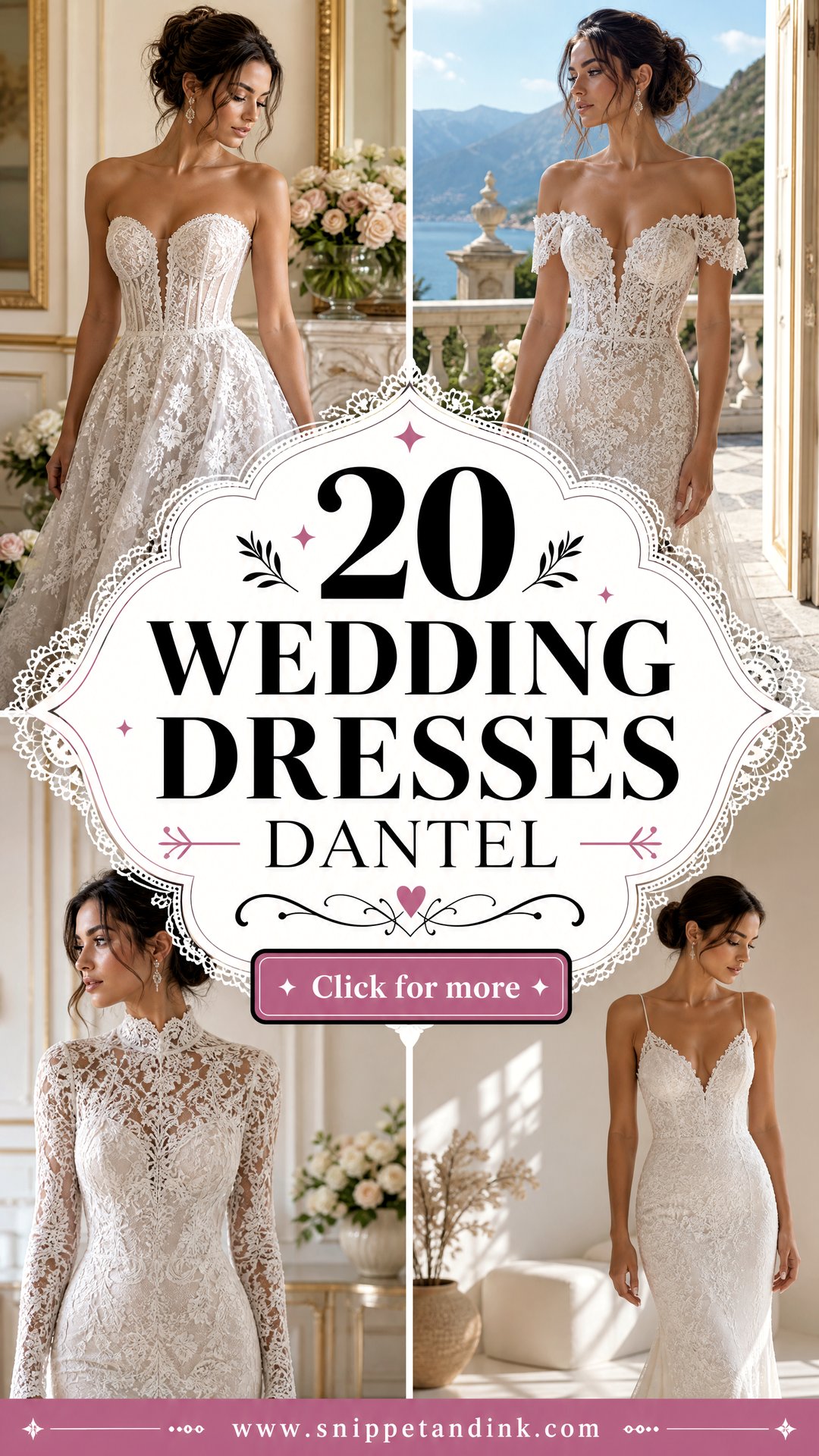
Dantel Is Simply Lace, and Lace Comes in Very Different Kinds
Dantel is the Turkish word for lace, and lace isn’t one fabric. Two gowns described the same way on a label can feel completely different on the body. When a bride tells me she wants a lace dress, I hand her samples of these first, because the type decides the mood more than the silhouette does.
- Chantilly: very fine and flat, with delicate floral patterns on a sheer net. It drapes softly and suits sleeves and overlays, but it snags easily.
- Alençon: a floral lace outlined with raised cord. It has more definition and holds up well on bodices and as cut-out appliqués.
- Guipure and Venise: heavy, with motifs joined by bars instead of net. They look graphic and slightly vintage, and they keep their shape on structured gowns.
- Embroidered tulle: thread stitched directly onto tulle. It’s light and moves well, and it suits warm weather and flowing skirts.
- Stretch lace: often machine-made with some elastane. It’s comfortable on fitted shapes but can bag at the seat over a long day.
Touch matters too. Rub the lace against the inside of your wrist in the shop. If it scratches there, it will scratch your underarm by the speeches.
1. Long Sleeve Dantel Wedding Dress
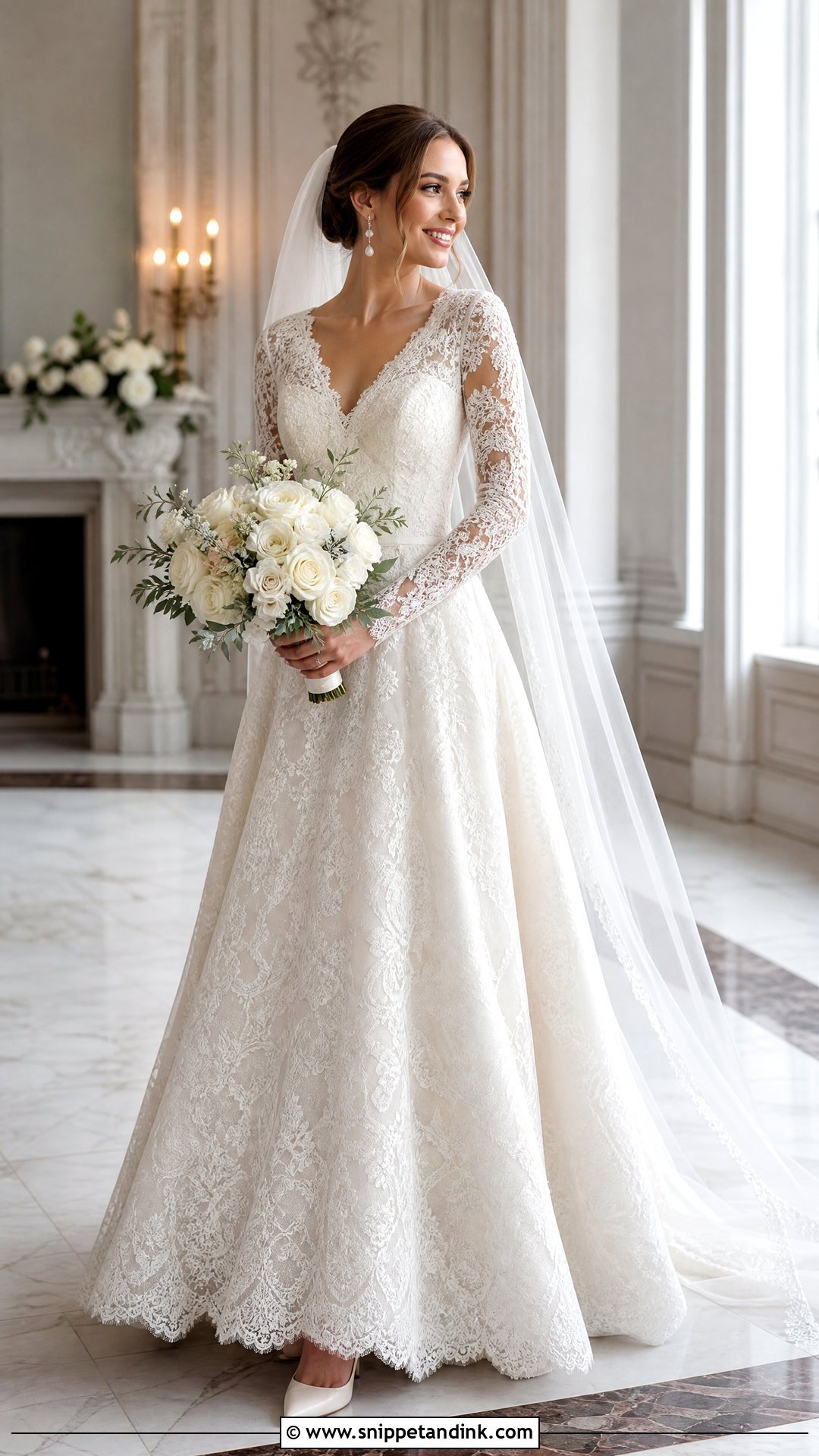
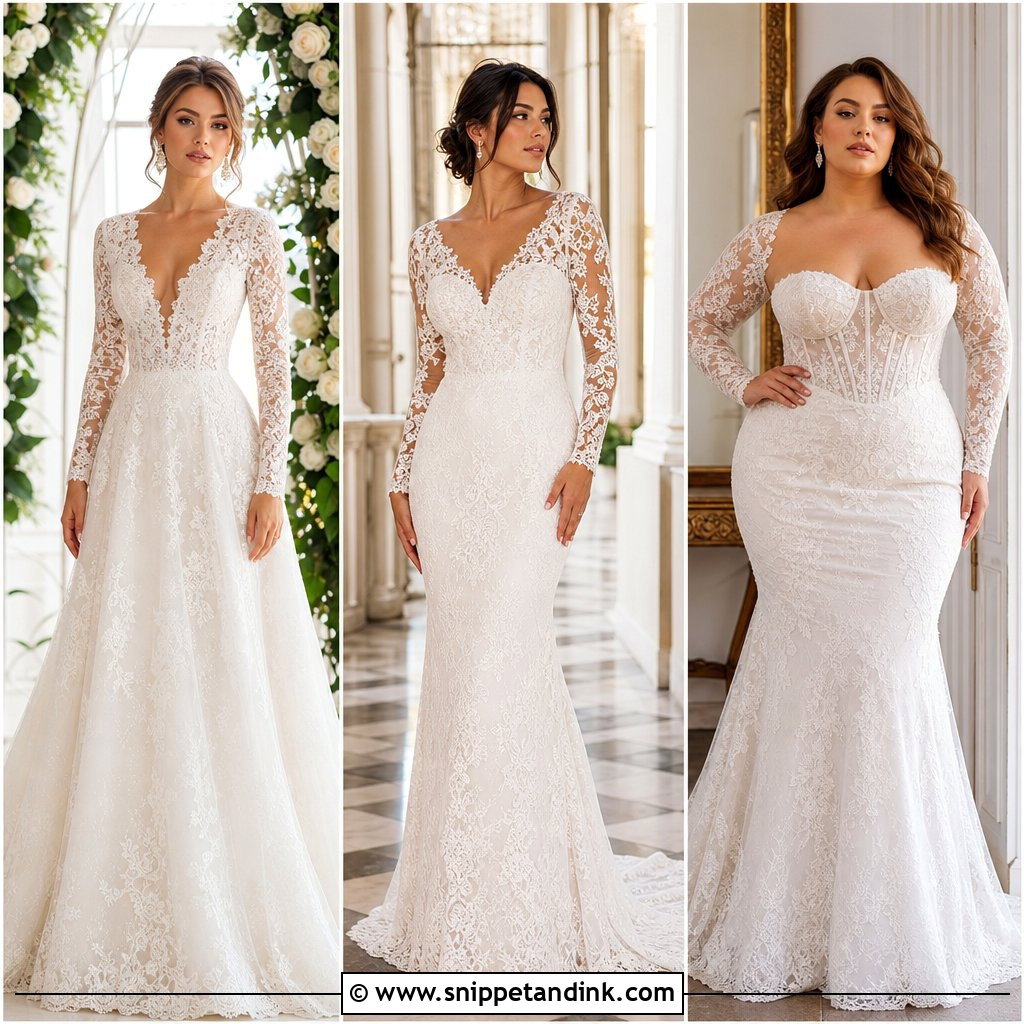
Long lace sleeves are where the quality of a lace shows most, because they sit right in front of the camera when you hold your bouquet. I look for fitted lace sleeves over a soft illusion lining, so the pattern reads clearly without the arm looking heavy. An A-line skirt balances all that detail and lets you move freely from ceremony to dance floor, with a modest V or bateau neck above. Pointed ivory pumps, pearl drops, a low chignon and a fingertip veil that stops short of the elbow keep the sleeves visible. Lace sleeves should be snug but let you lift a glass to your mouth; check that before the hem is touched.
2. A-Line Dantel Wedding Dress
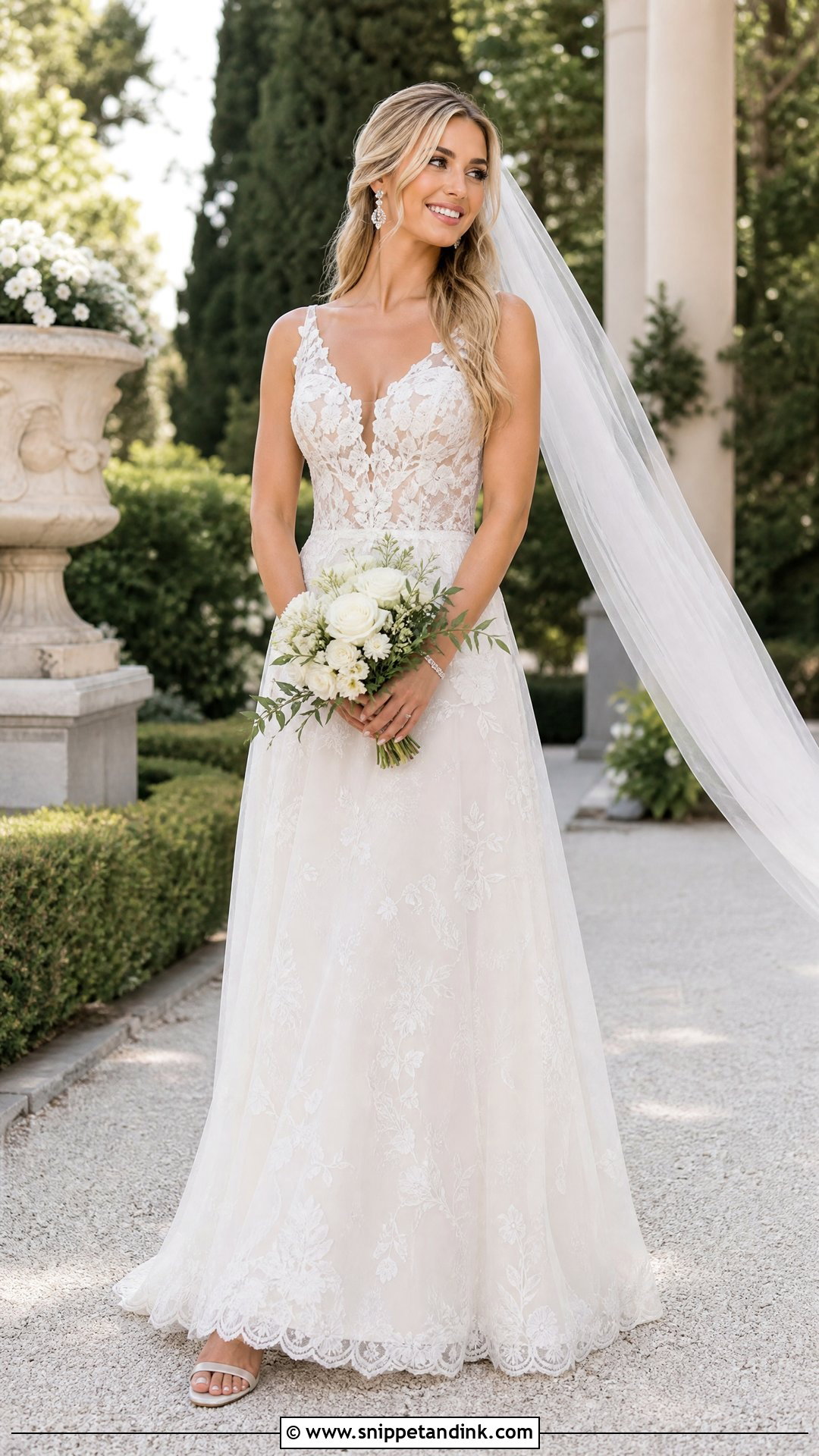
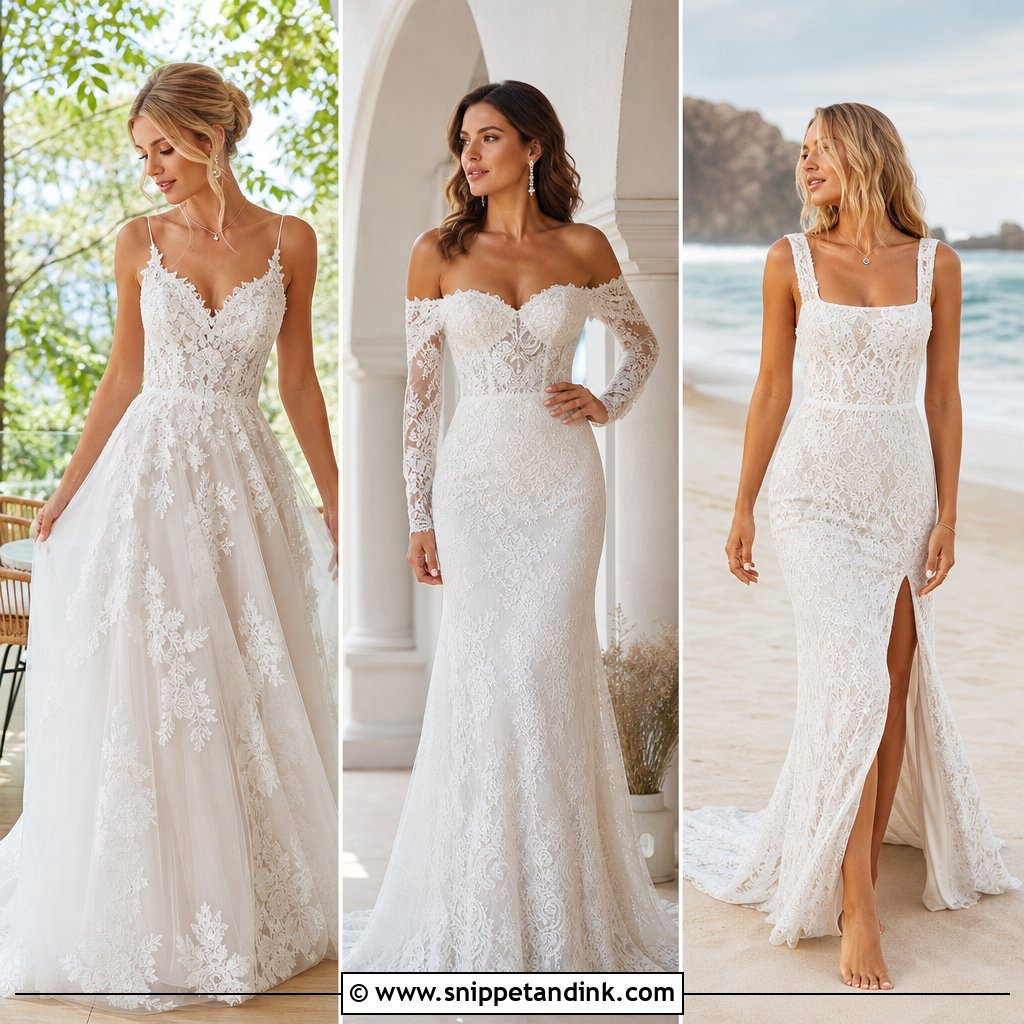
The A-line is the shape I start most lace-loving brides in, because it suits nearly every venue and figure. A fitted lace bodice that opens gradually into the skirt, with appliqués trailing below the waist, avoids a hard line where lace meets tulle. Block-heel sandals, a tennis bracelet and small crystal studs are all it needs, with a waist-length veil. Keep the bouquet modest. Big arrangements sit right over the bodice lace you paid for.
3. Mermaid Dantel Wedding Dress
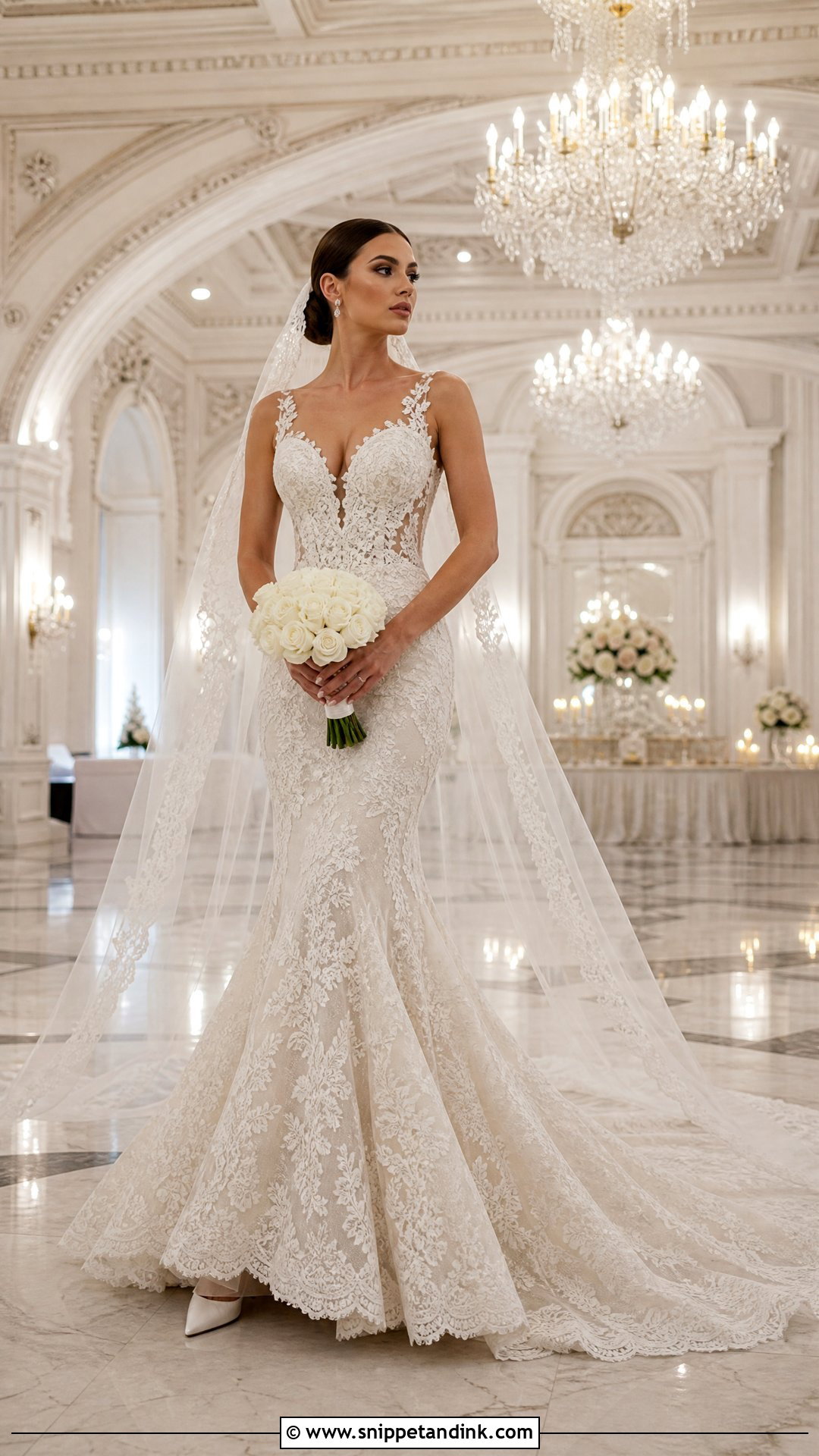
Lace on a mermaid works hardest of all, because it has to hug the hips and then flare without distorting the pattern. A good maker cuts the lace around the body, not just over it, and adds inner structure so the gown stays smooth when you walk. Vertical motifs lengthen the figure. Slim pointed heels, sparkling studs, a sleek low bun and a cathedral veil with a narrow lace edge suit it, with a compact bouquet held low. I’d steer you away from this one if your venue has a long aisle with steps; a fitted knee and stairs are a slow combination.
4. Ball Gown Dantel Wedding Dress
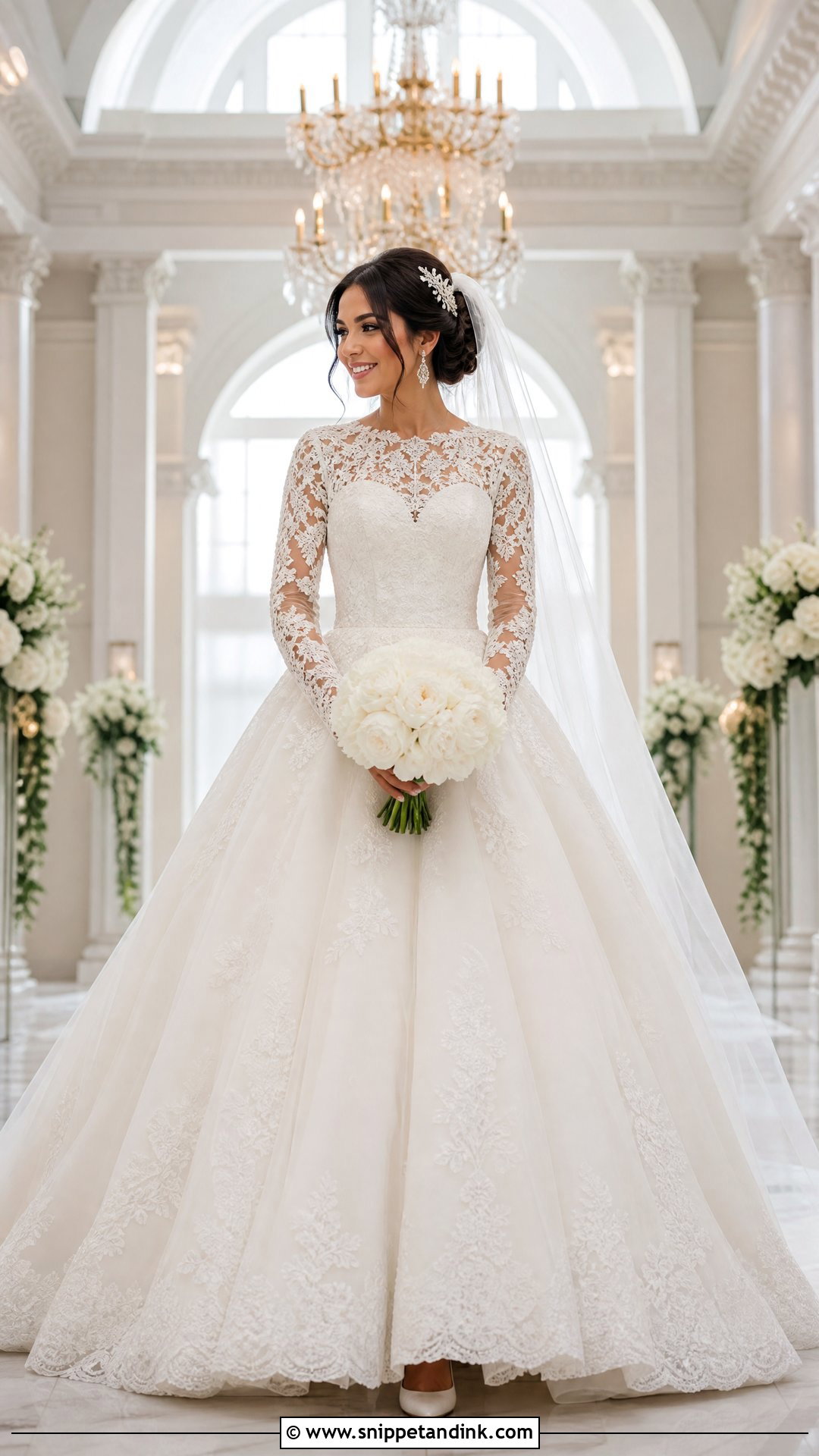
Nothing reads as ceremonial as a lace ball gown with a structured bodice. A basque or natural waist defines the centre before layers of lace and tulle spread out below. Ask what is under the skirt. Several layers of stiff crinoline make a gown hot and heavy by evening, and lighter tulle underskirts give much of the same volume with half the weight. Closed pumps, a simple tiara or jewelled comb, restrained drops and a long veil complete it. White roses, peonies or hydrangeas suit the scale. Book a venue where people can actually see the train.
5. Strapless Dantel Wedding Dress
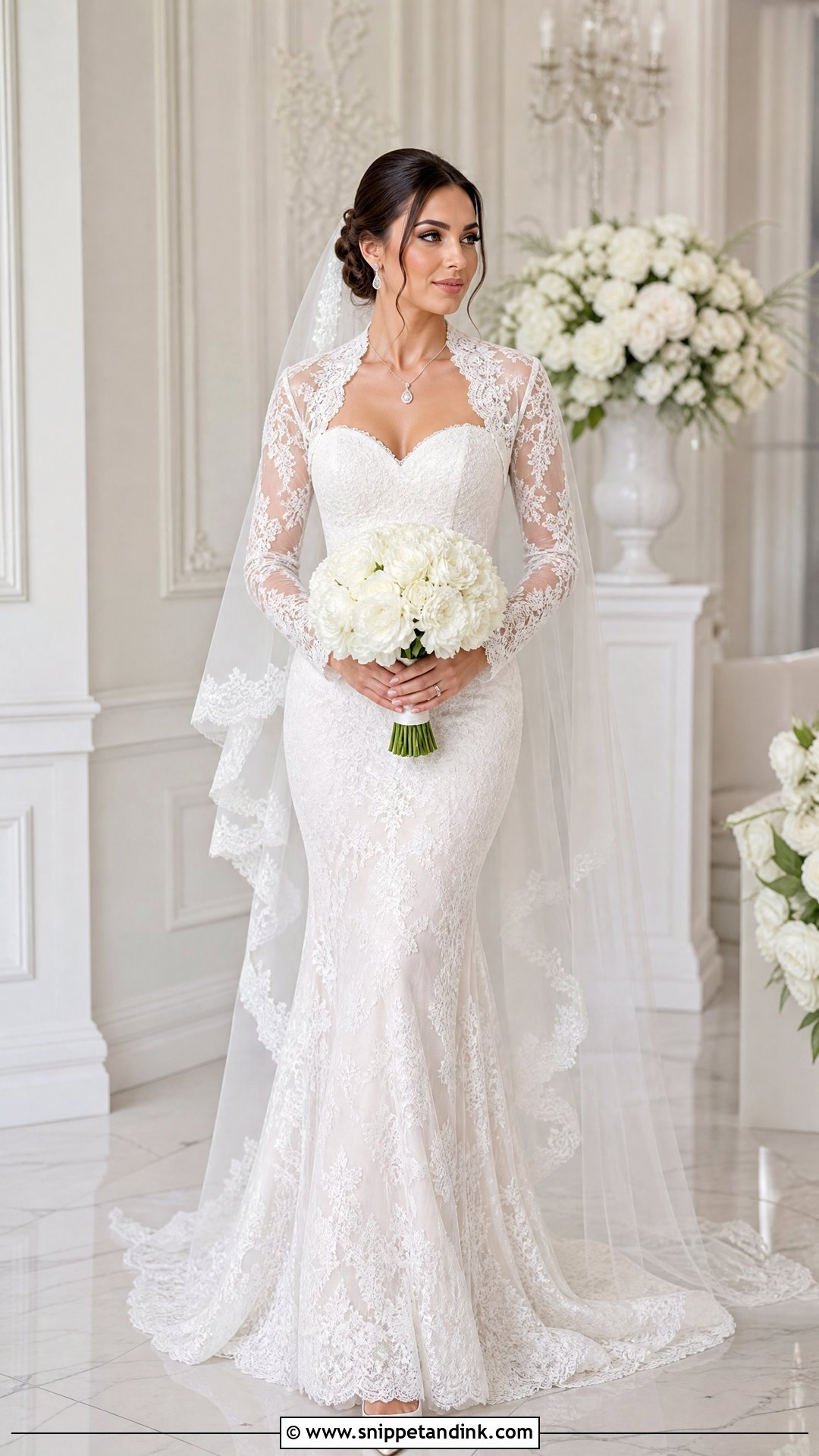
With no straps, every bit of attention falls on the neckline and the lace across the bodice. A curved sweetheart feels romantic; a straight neckline is cleaner. The engineering matters more than the lace here: internal boning, firm cups and a waist stay that grips just above the hip so the bodice can’t creep down. I always have strapless brides jump lightly and bend forward at the final fitting. Style it with a fine pendant, matching earrings and a polished updo, plus pointed pumps or ankle straps. A detachable lace bolero gives you coverage for the ceremony and comes off for the party.
6. Off Shoulder Dantel Wedding Dress
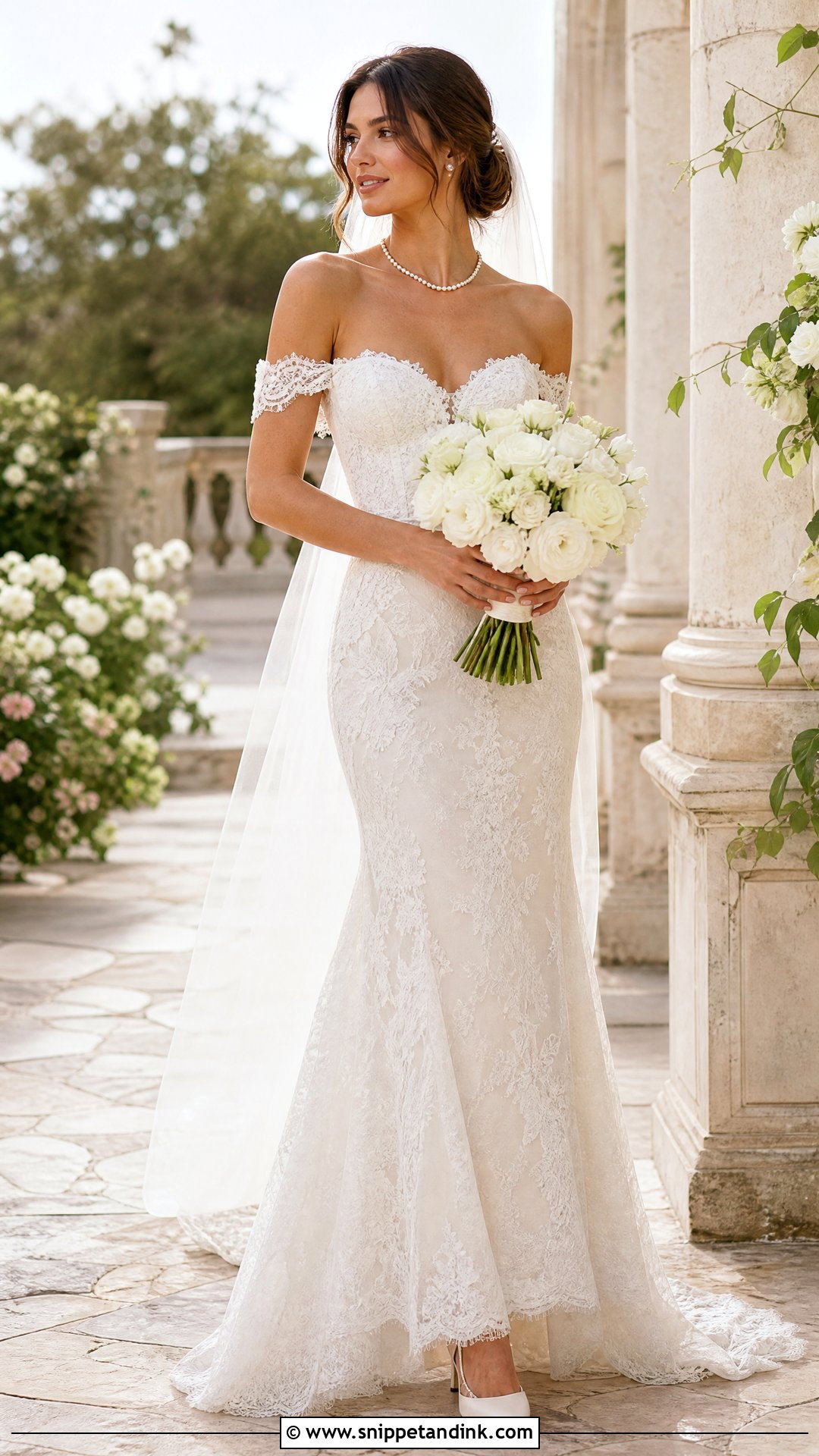
Off-the-shoulder lace frames the collarbones nicely, but fitted bands around the upper arm limit how high you can lift them. Detachable or slightly looser bands give you the same look with more freedom. Balance the neckline with an A-line or lightly fitted skirt. A small pearl necklace can sit above the edge, though I usually prefer bold earrings and an open neck. Ivory slingbacks, a loose low bun and a sheer veil pinned below it complete it, with a structured white bouquet. Try a big hug at the fitting. If the bands roll up, ask for silicone grip strip inside.
7. High Neck Dantel Wedding Dress
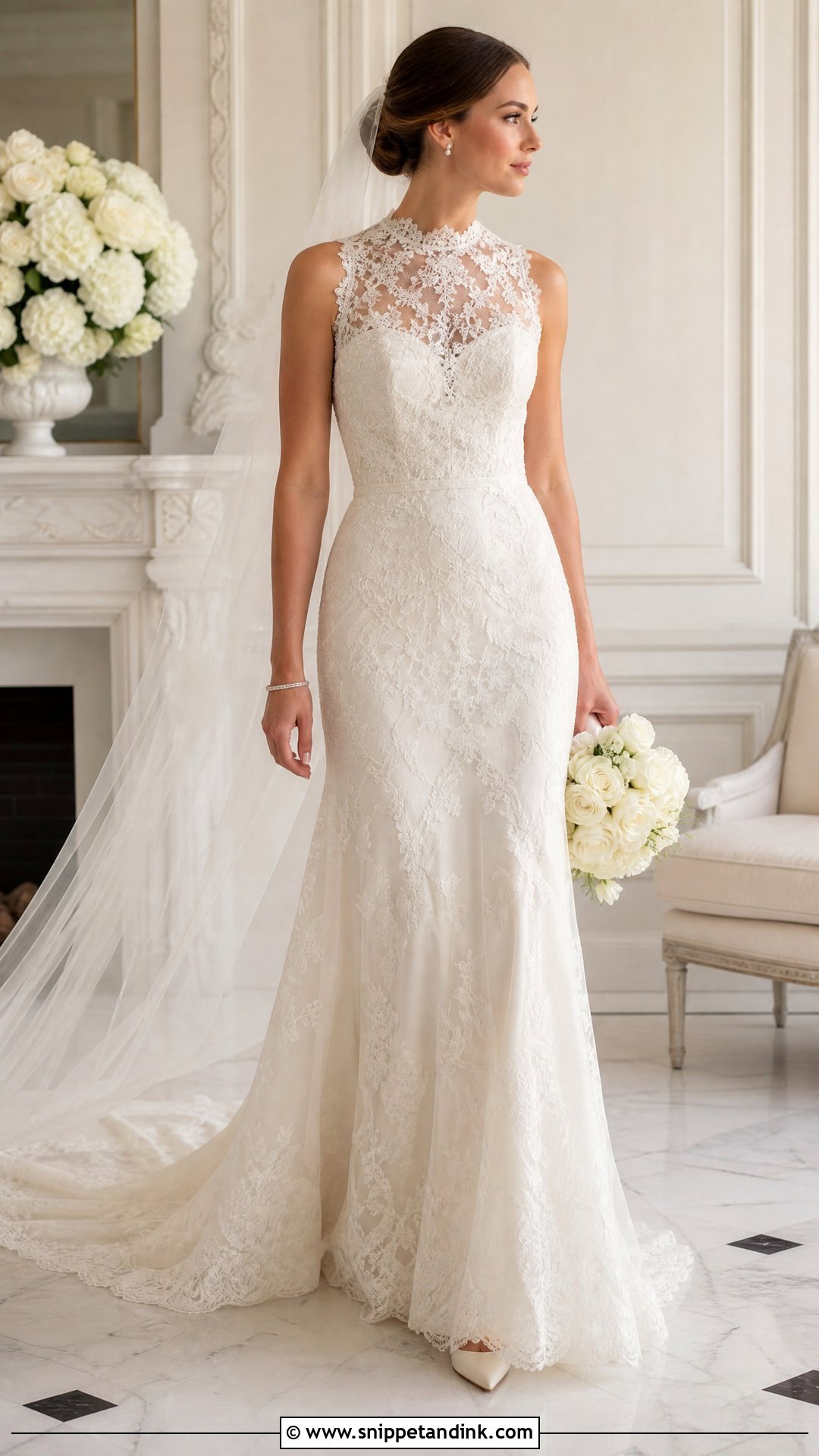
A high neck turns the lace itself into the necklace. An illusion neckline keeps it light, especially when the motifs are spaced out across sheer mesh rather than packed together. A fitted waist and soft flowing skirt stop the top half feeling stiff. Skip jewellery at the throat and wear pearl or crystal studs. A smooth bun shows off the lace around the shoulders and back, and low pointed heels, a slim bracelet and a light veil finish the outfit. The collar should let you turn your head fully and swallow without feeling it. Many off-the-rack necks are cut snug and need letting out.
8. Square Neck Dantel Wedding Dress
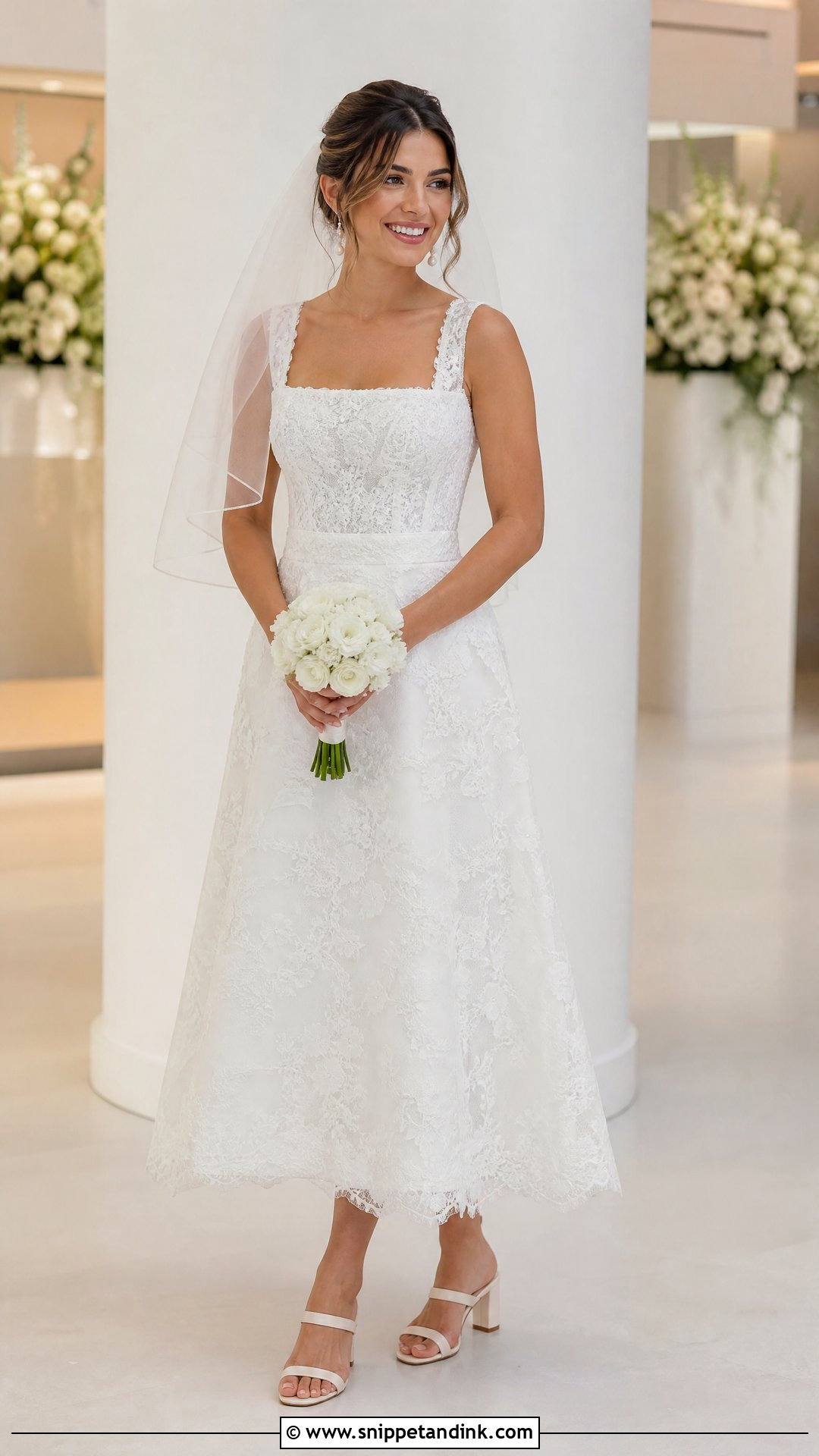
Square necklines suit lace with a clear border, because the edge of the lace can follow the straight line of the neck instead of being cut through. Wide straps and a defined waist make it look polished, and you can choose a column, A-line or soft flare depending on how formal the day is. Short pearl earrings, a sleek bracelet and ivory block heels keep it steady. A shoulder-length veil leaves the neckline clear, or go longer and plain for the ceremony. Hair works best in a soft updo or waves pushed behind the shoulders, with a small white bouquet.
9. V-Neck Dantel Wedding Dress
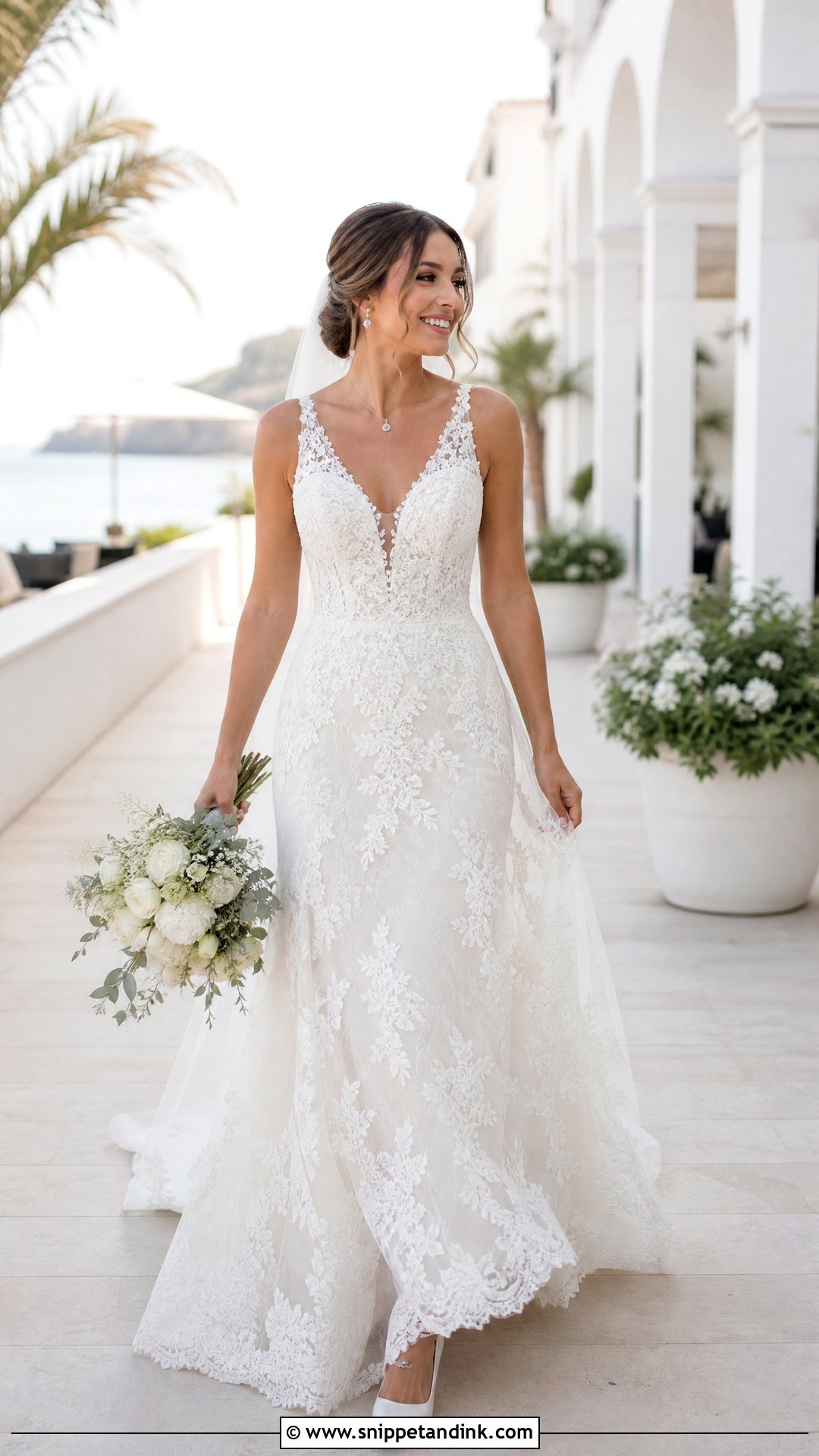
A V-neck in lace opens the face and suits both fitted and flowing shapes. The depth is easy to adjust with illusion mesh or a modest lace inset, so you don’t have to accept the sample’s plunge. Supportive straps and a defined waist keep it secure. A fine pendant can echo the V, with small earrings so the jewellery doesn’t fight the lace. Almond-toe heels, a soft veil and a low twisted bun suit it, along with a loose bouquet of white blooms and pale greenery. Watch the scallop edge along the V; it should lie flat, not curl outward, which a seamstress can fix with a fine hand-stitched tape.
10. Boho Dantel Wedding Dress
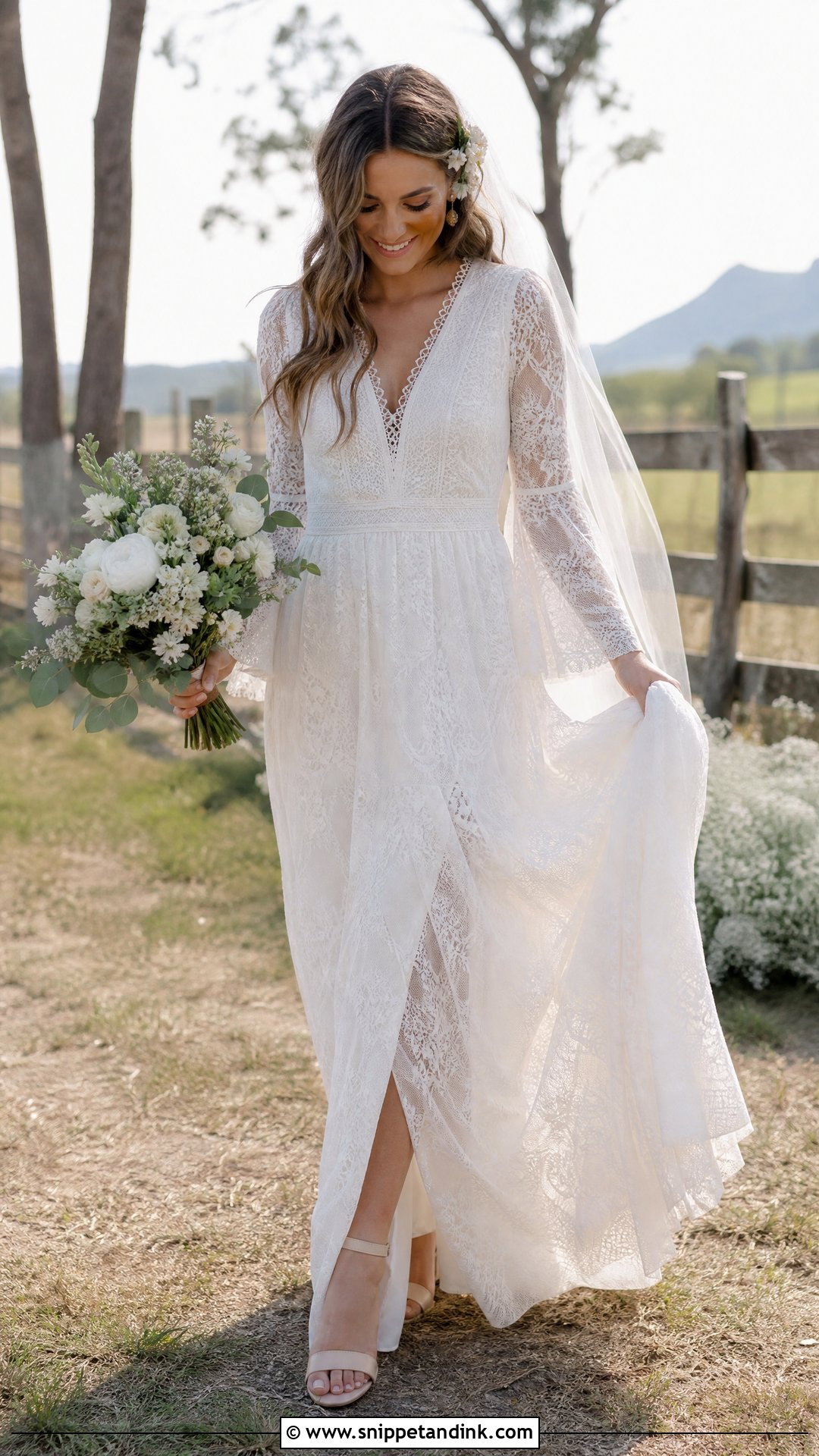
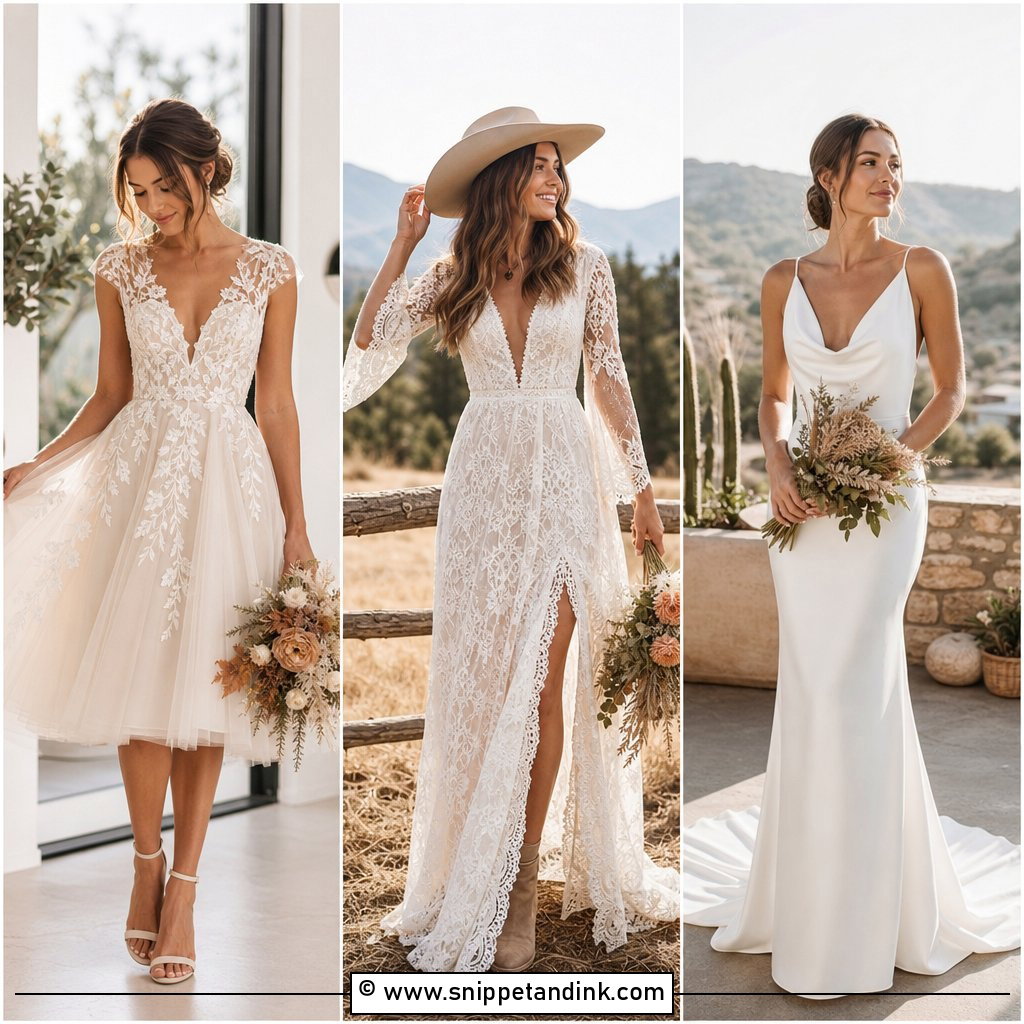
Botanical lace, a soft waist and an easy skirt are what give boho lace its relaxed texture. A breathable lining and a light, flexible build matter because these gowns are usually worn outdoors. Bell sleeves, flutter sleeves or narrow straps all suit the style. Wear neutral block sandals or bridal boots depending on the ground, with small gold earrings, loose waves and a light veil tucked under a floral hairpiece. A gathered bouquet of white flowers and greenery fits. It’s at home in coastal locations and woodland settings, though open lace catches on twigs and dune grass, so walk the photo route before the day.
11. Vintage Dantel Wedding Dress
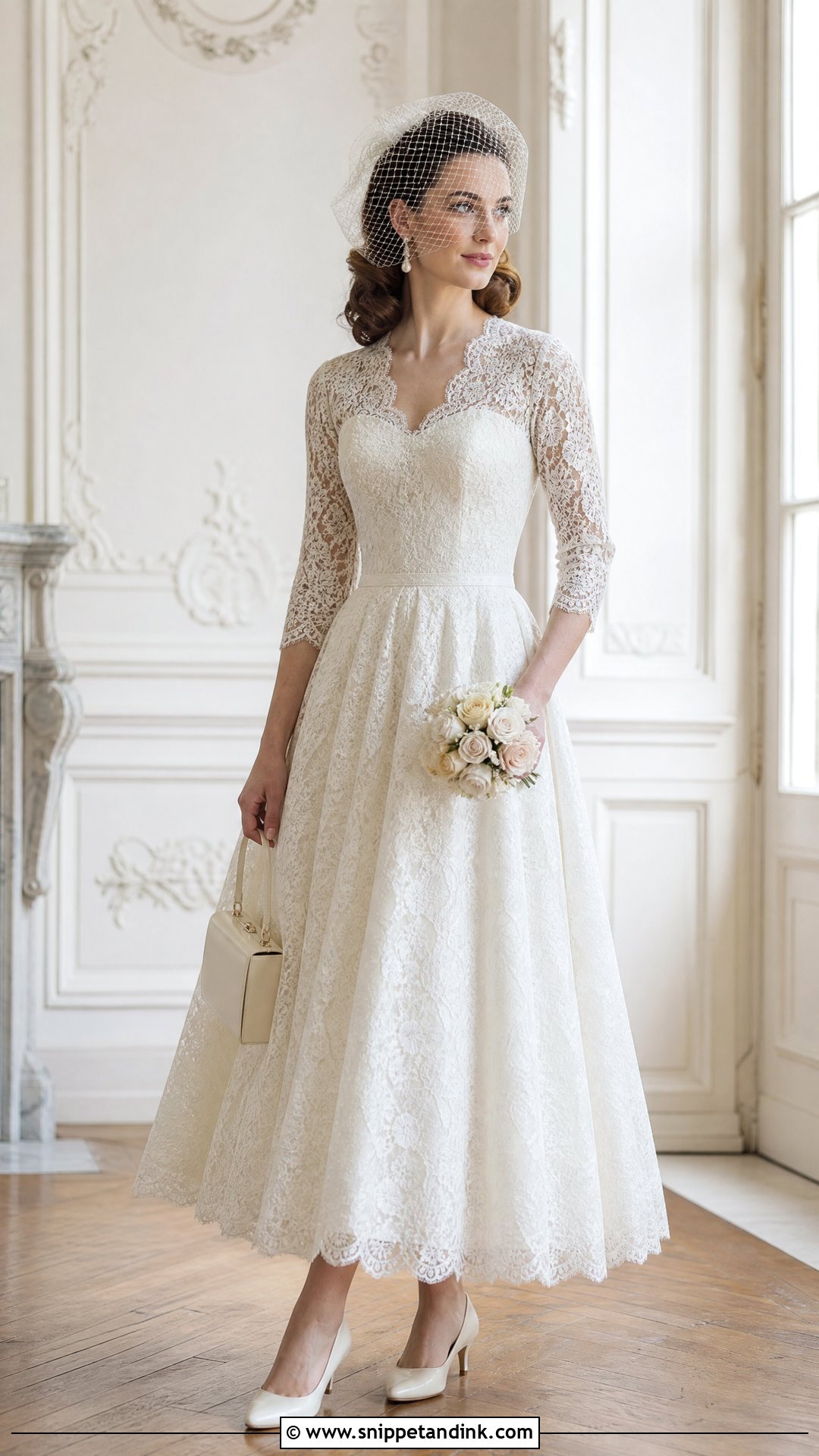
Vintage-inspired lace can easily tip into costume, so I keep the references few and specific. Fine Chantilly-style lace, covered buttons, a defined waist and a gently flowing skirt do most of the work, with cap sleeves or fitted three-quarter sleeves. Low ivory pumps, pearl earrings and a small structured bag for portraits suit the era. A birdcage veil makes it obviously retro; a simple fingertip veil softens it. Finish with brushed waves or a neat low roll and a compact bouquet of white roses. Three period details are plenty.
12. Minimal Dantel Wedding Dress
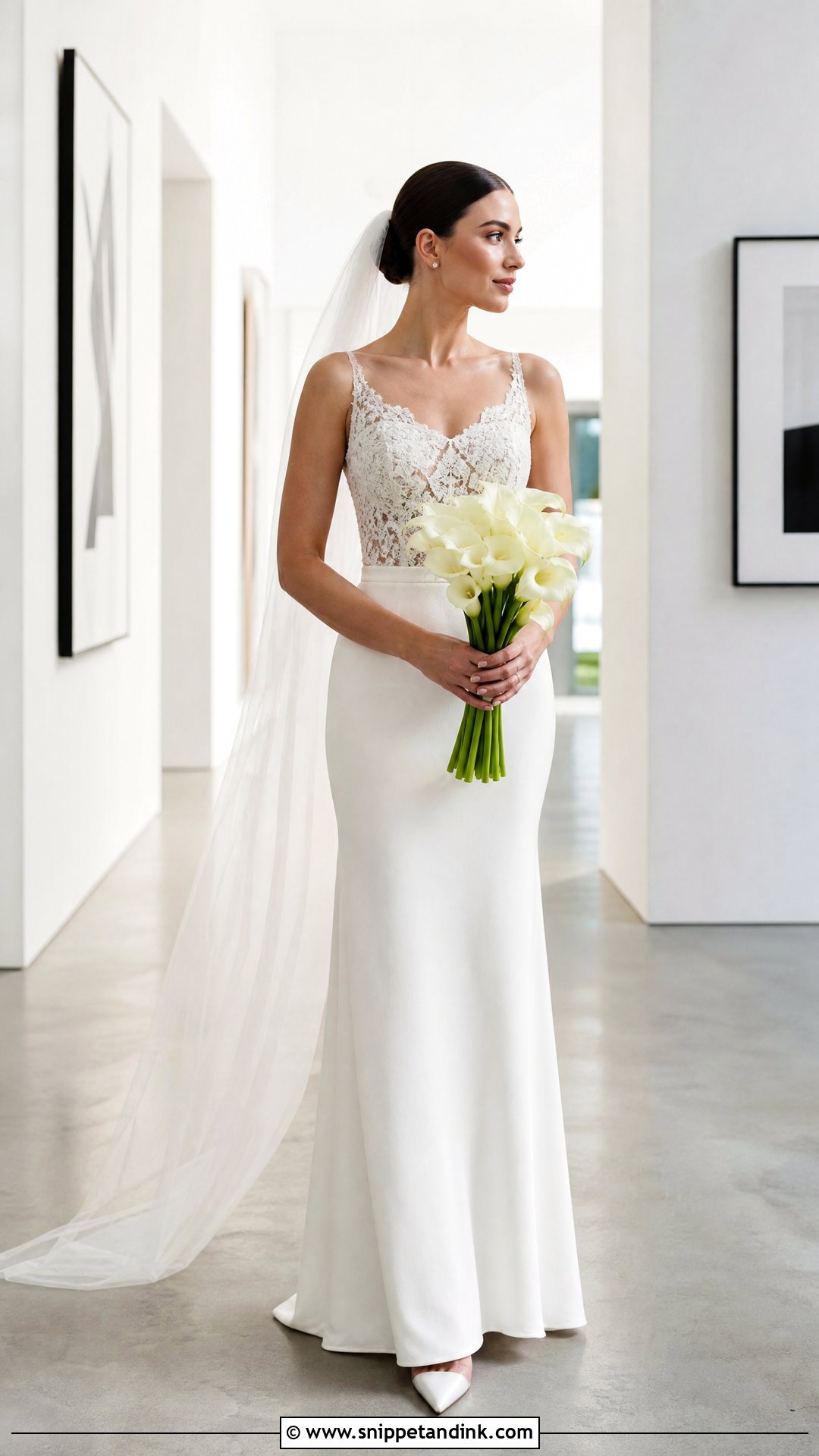
Can a lace gown look minimal? A minimal dantel wedding dress can, as long as the cut is simple and the lace is kept to one area: the bodice, the sleeves or the back. A plain crepe or satin skirt makes that lace stand out more. Pointed pumps, small bright studs and a structured low bun suit it, with a plain raw-edge veil rather than another lace layer. One flower variety, such as white roses or calla lilies, keeps the bouquet clean. This is the lace gown I’d recommend to brides who worry lace feels fussy.
13. Princess Dantel Wedding Dress
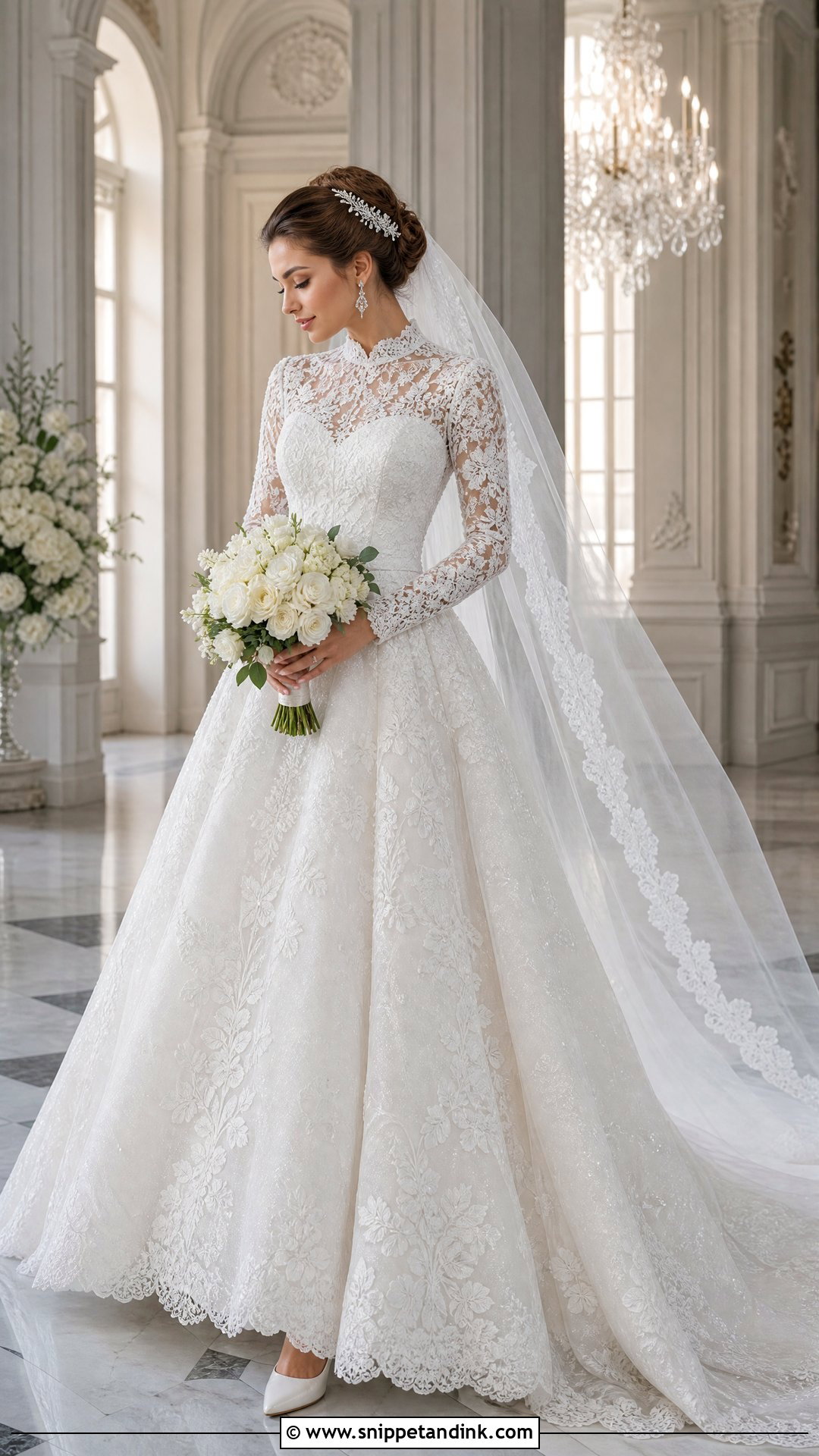
The princess shape pairs a fitted lace bodice with a sweeping skirt, and it’s the formal choice on this list. Look for appliqués spread evenly down the skirt instead of crowded in one place, which tends to look like a patch. A faint sparkle layer under the lace adds depth in candlelight. Crystal drops, closed heels and a bridal comb suit it, and a cathedral veil whose border repeats a motif from the gown ties everything together. Hold a medium bouquet low enough that the waist shows. You’ll need room: a full skirt, train and veil take up most of a narrow aisle.
14. Sheath Dantel Wedding Dress
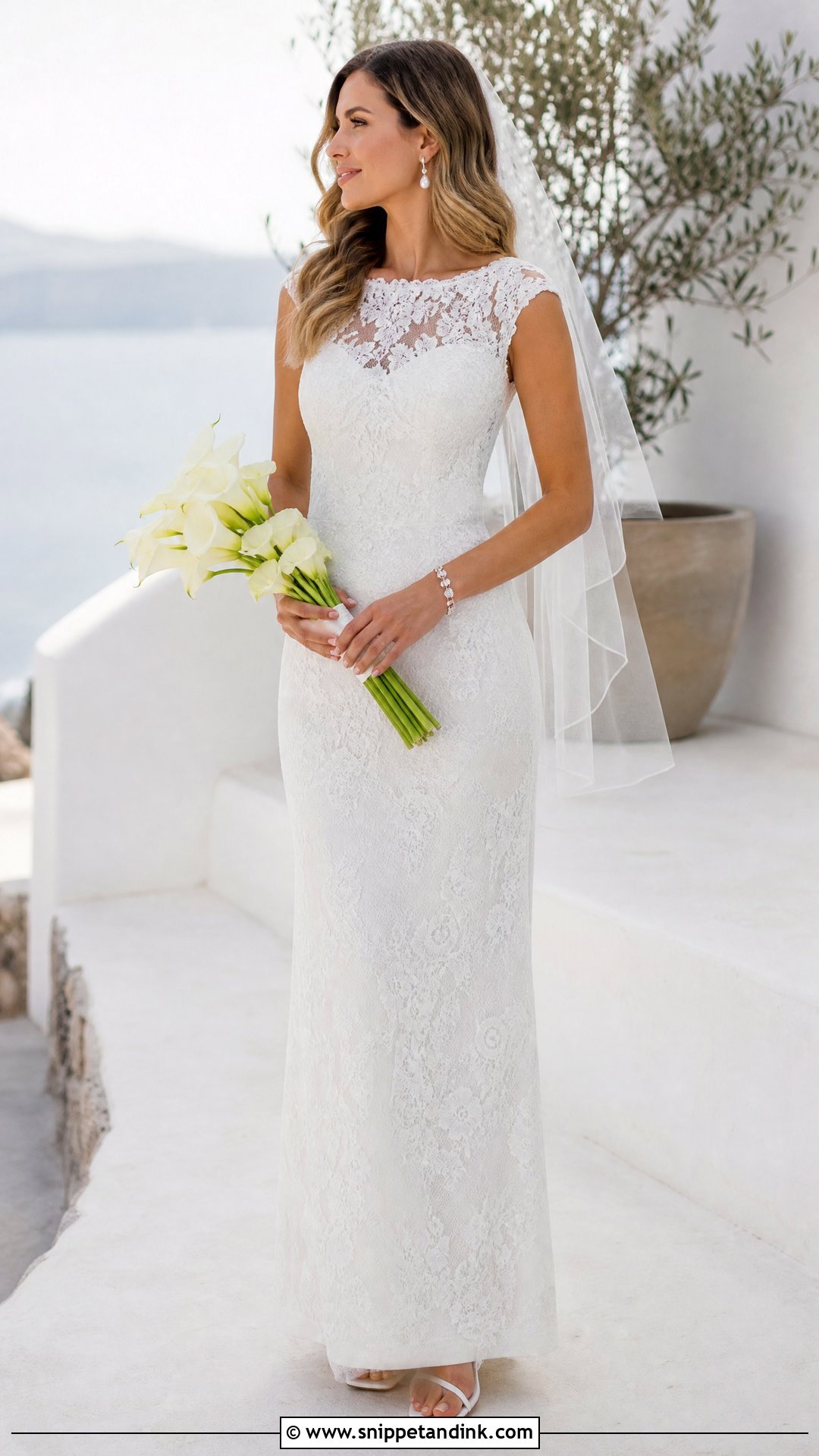
A lace sheath follows the body in one line, without a mermaid’s flare, which makes it easy to walk, sit and dance in. It suits small venues and destination weddings where a big skirt is just luggage. Choose soft lace over a comfortable lining with a little stretch. A bateau, V or narrow scoop neck complements the streamlined shape. Slim slingbacks, a delicate bracelet and earrings as fine as the lace finish it, with a fingertip veil, polished waves or a low bun, and a narrow bouquet. Stretch lace bags at the seat after hours of sitting, so ask for a firm lining through the hips.

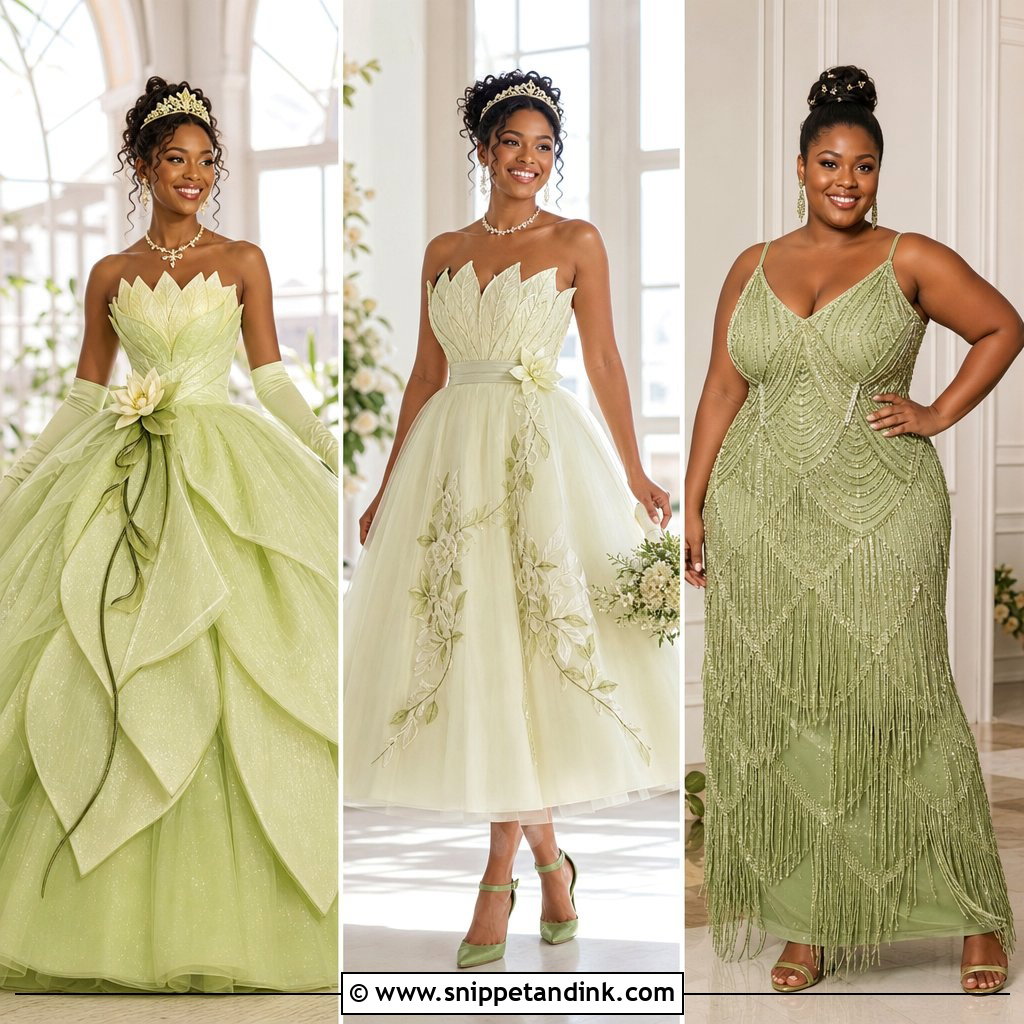
15. Plus Size Dantel Wedding Dress
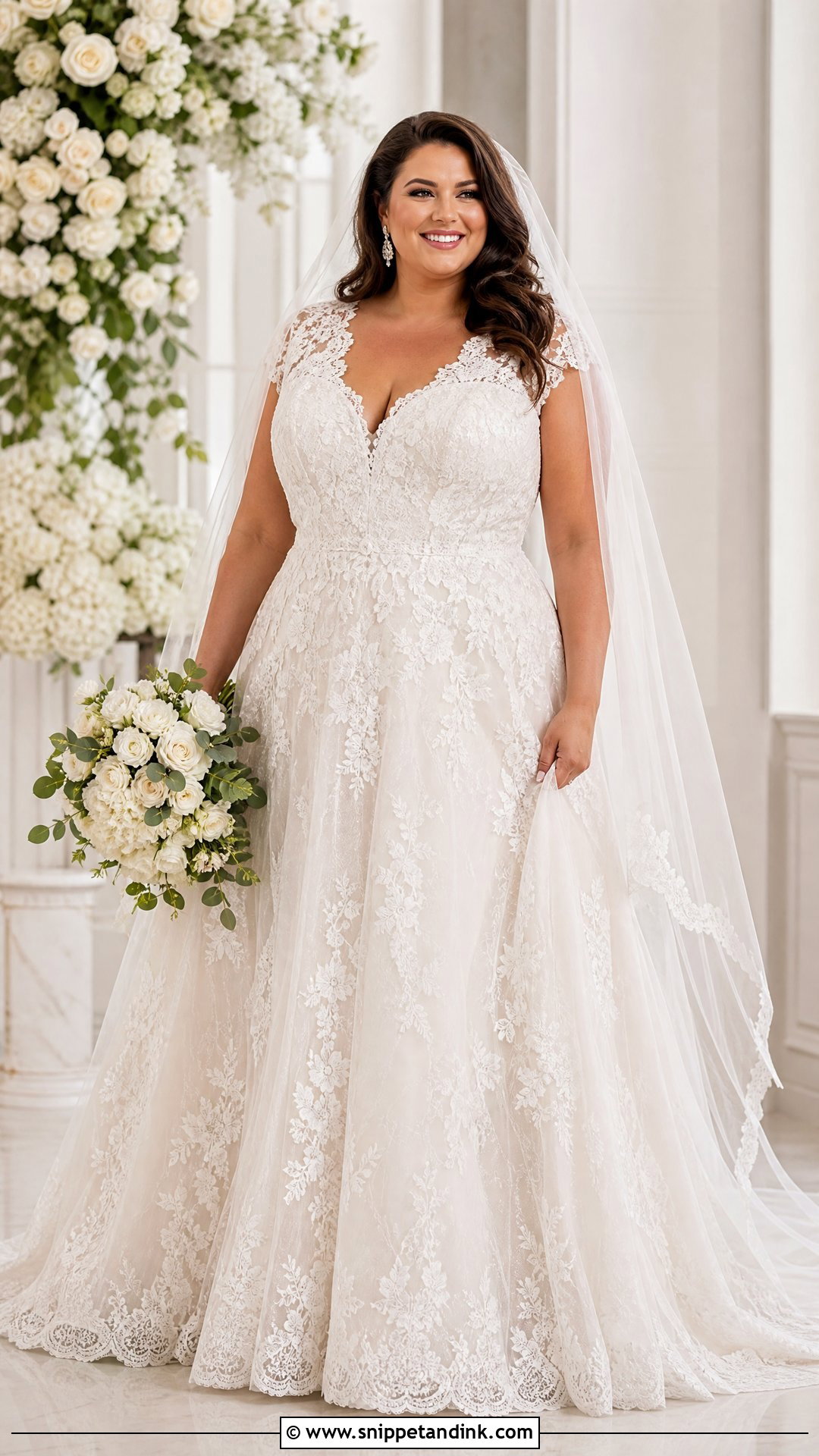
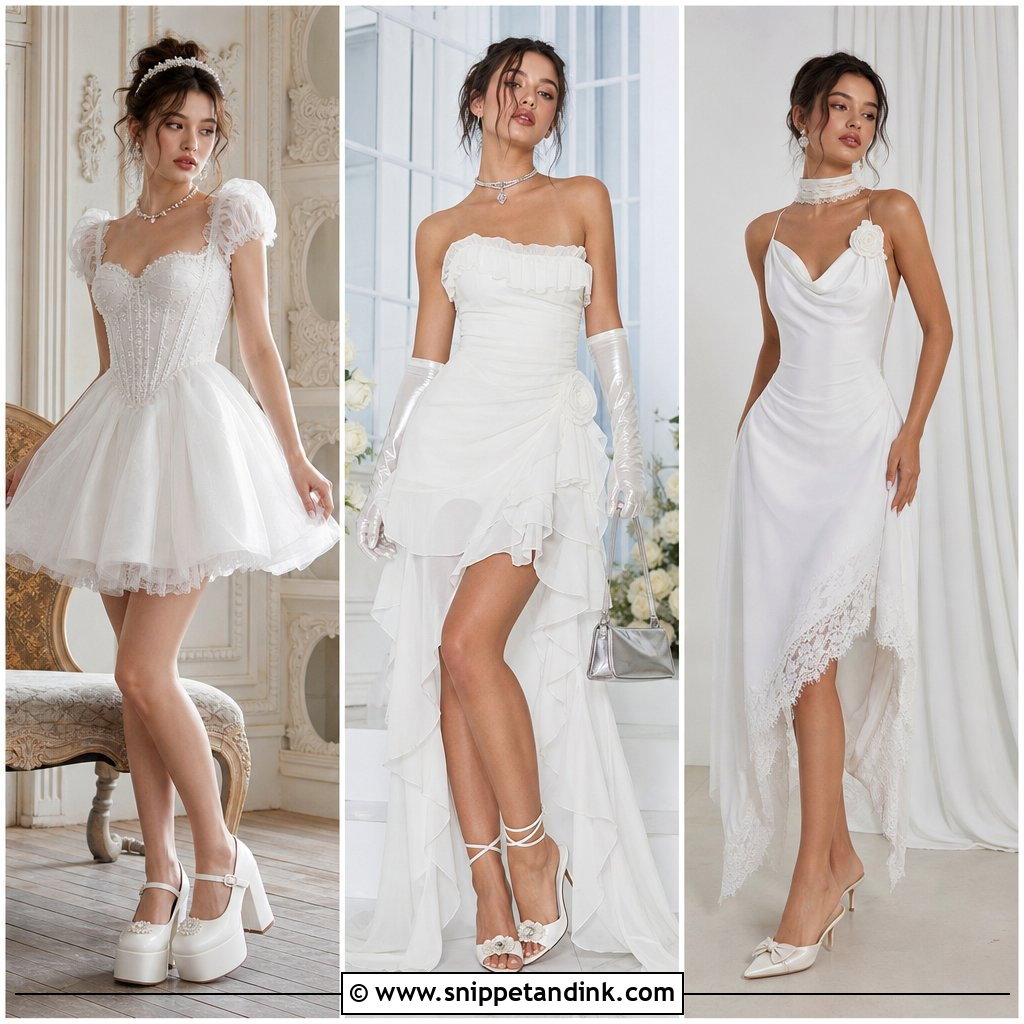
For plus-size brides, the right lace gown is the one that supports you and that you love, not the one a body-type chart picks. A structured A-line gives freedom of movement; a mermaid or sheath gives more definition, and both work with good tailoring. Lace placement is a useful tool: it can draw the eye to the neckline, waist, sleeves or train. Wear cushioned block heels and choose your support garments at the first fitting, not the last. I scale jewellery to the neckline and keep the veil softly draped, with a medium bouquet for balance.
16. Modest Dantel Wedding Dress
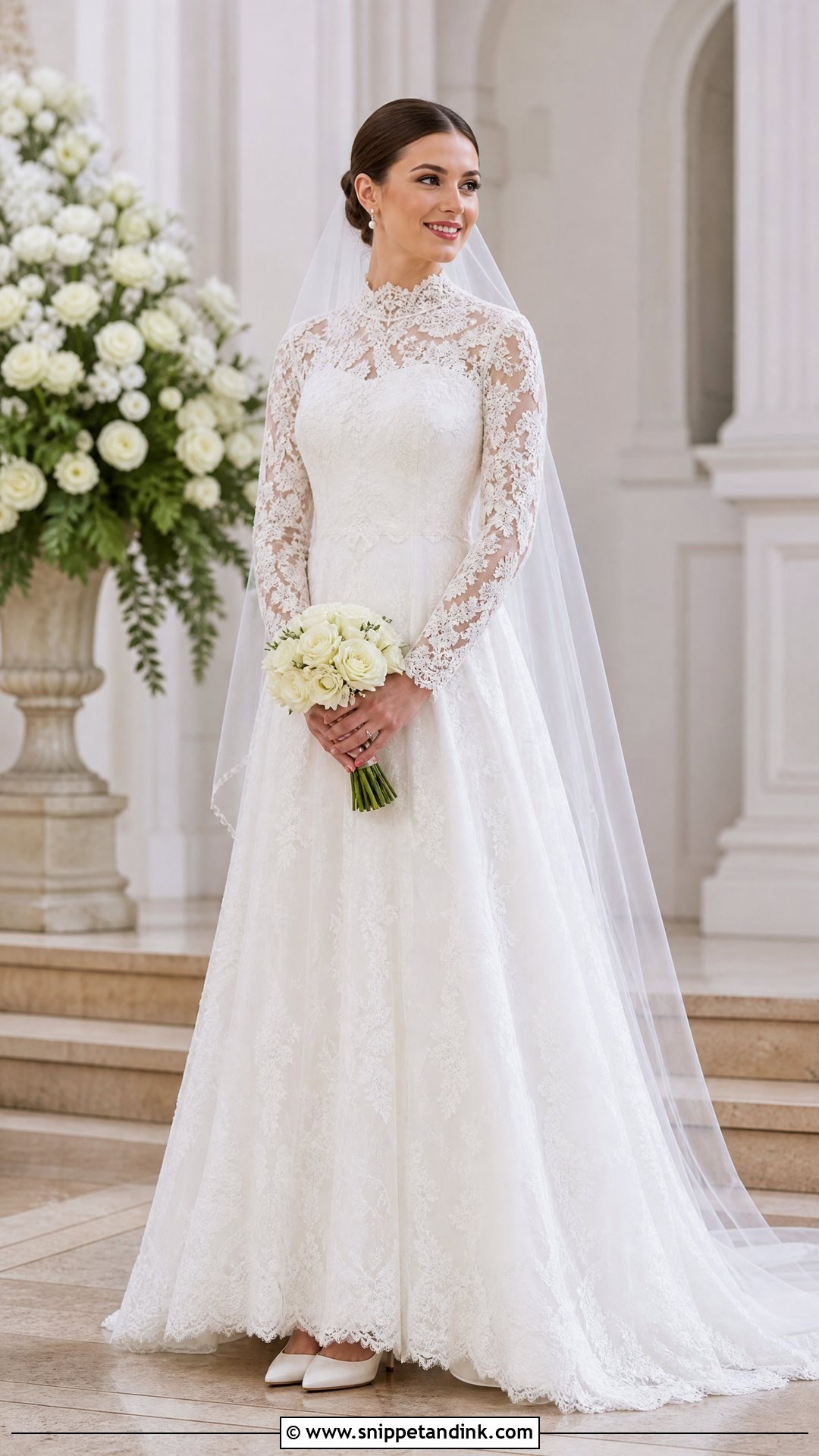
Modest lace gowns usually combine a higher neckline, a lined bodice, full sleeves and an opaque skirt. The trick is keeping that much coverage light, so ask for soft lace and a single lining rather than several stiff layers. A defined waist and flowing A-line skirt give shape without clinging, and covered buttons at the cuffs and back add quiet detail. Low pointed pumps, pearl earrings and a smooth updo suit it, with a simple veil worn over or under the hair. A compact white bouquet completes the look. Long lace sleeves run warm, which is welcome in a cool season but worth testing if your ceremony is in summer.
17. Short Dantel Wedding Dress
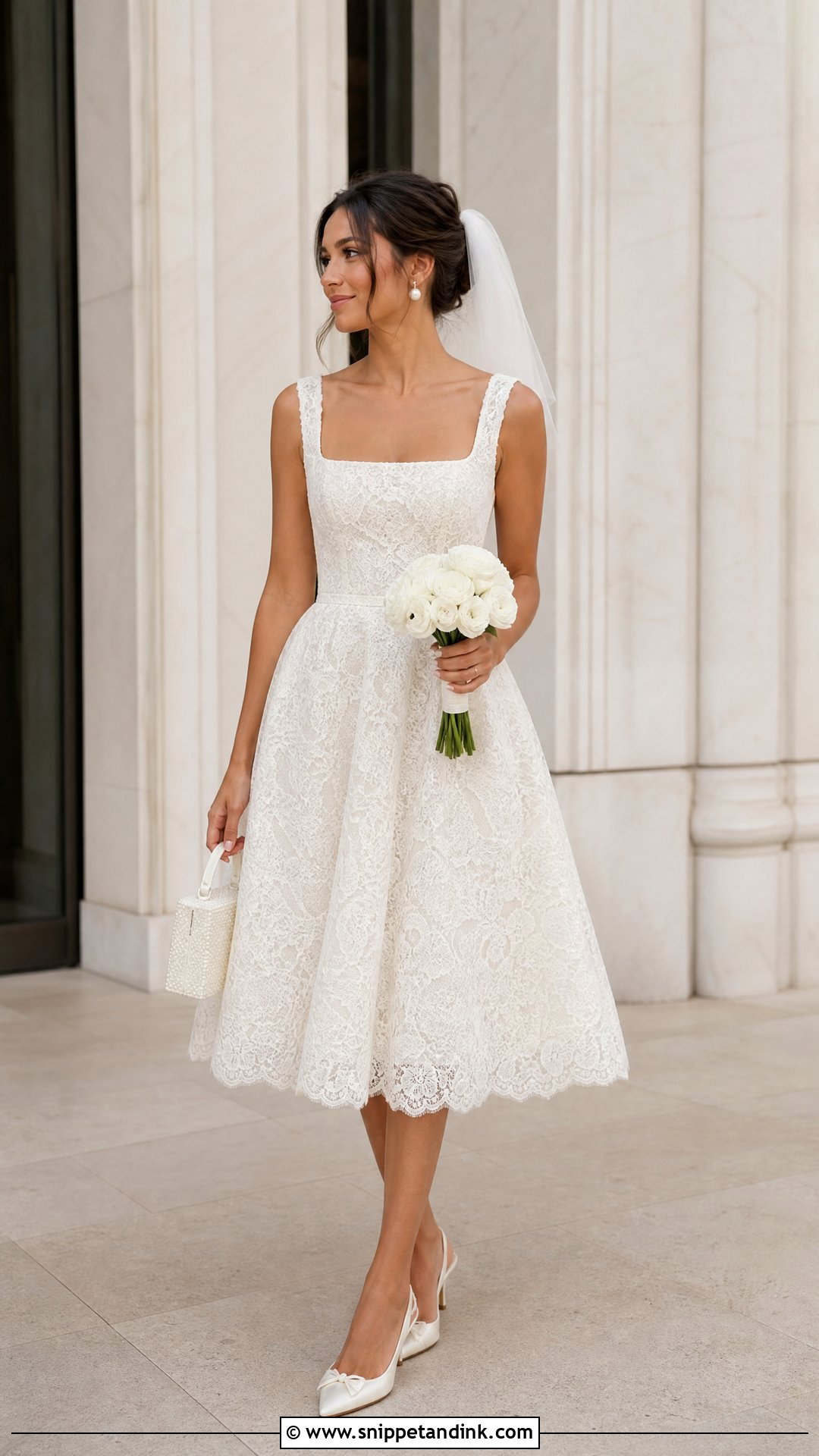
A short lace dress is a good fit for a courthouse ceremony, a reception change or a small party. Knee or tea length still shows plenty of lace and makes walking and dancing simple. A fitted bodice with short sleeves, wide straps or a square neck keeps the shape tidy. Your shoes become part of the outfit, so pick elegant pumps, slingbacks or ankle straps on purpose. Pearl earrings, a small top-handle bag, a short veil or bridal bow and a compact bouquet finish it. Check the scalloped hem at the fitting: shortening lace usually means moving the scallop up, which is fine work and takes time.
18. Cape Sleeve Dantel Wedding Dress
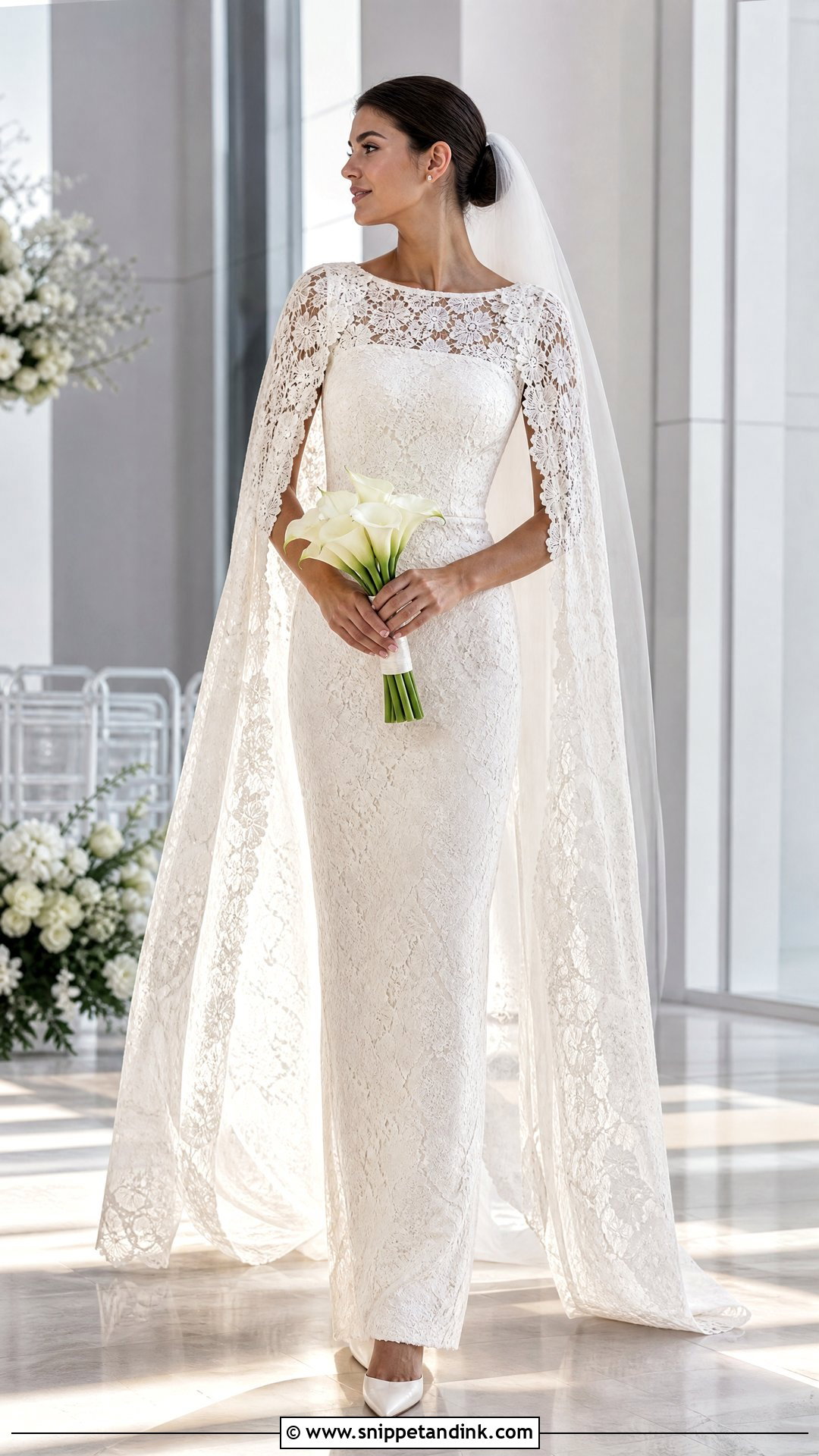
A lace cape around the shoulders moves when you walk and can replace a veil entirely. It may be fixed at the neckline, built into the shoulders or worn as a separate removable layer. Keep the gown underneath simple, an A-line or column, so the cape stays the focus. Small studs, no necklace near the fastening, sleek ivory pumps, a low bun and a narrow bouquet complete it. If you still want a veil, make it plain and light. I check how the cape sits when the bride lifts her bouquet; a cape that’s attached too tightly pulls the gown’s shoulders back.
19. Corset Dantel Wedding Dress
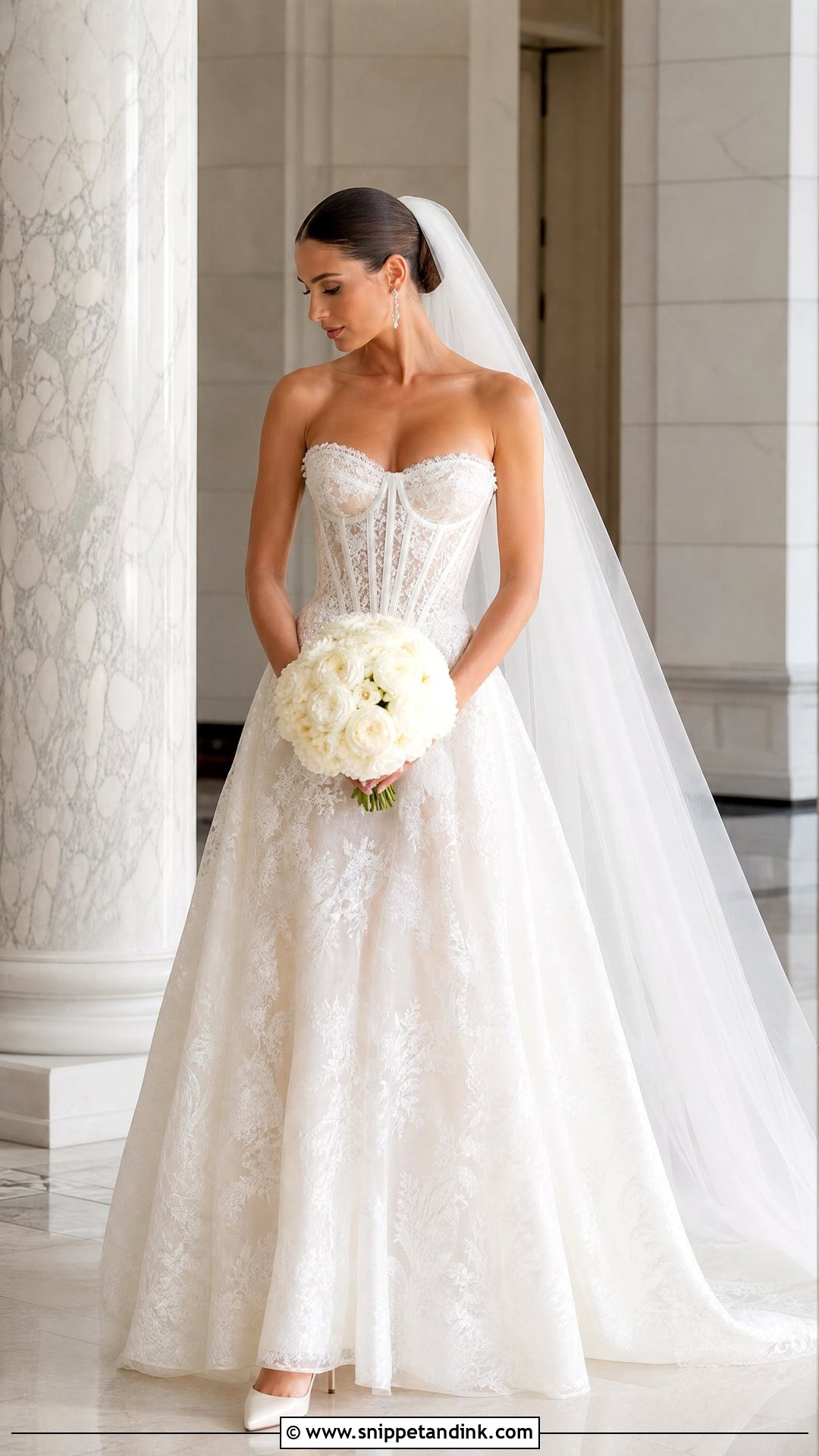
A lace corset bodice shows its structure on purpose: visible boning, a basque point or lace laid over supportive panels. It’s the most fashion-forward lace look here, and also the one that needs the most careful fitting. You should be able to breathe deeply, sit and eat. Pair it with a flowing A-line for balance or a fitted skirt for a sharper shape. Pointed heels, crystal earrings, a clean updo and a long plain veil keep it from becoming busy. Hold a rounded bouquet below the waist so the corset detail stays in view.

20. Floral Applique Dantel Wedding Dress
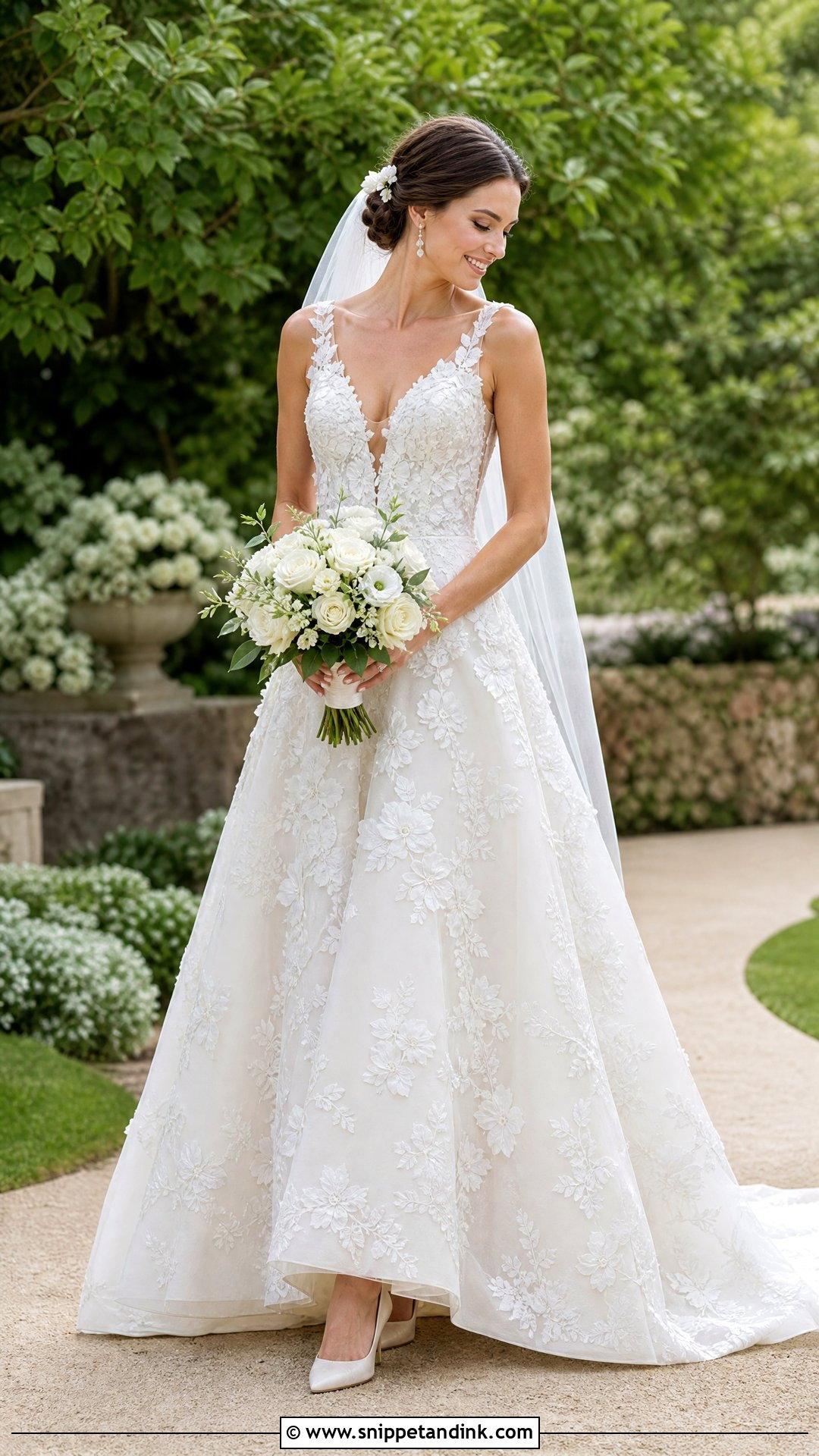
Three-dimensional flowers sewn over the lace add texture and a sense of movement. They may be concentrated on the bodice, scattered down the skirt or gathered around the train. Spacing matters: evenly placed flowers support the silhouette, while clumps make it look heavy on one side. A soft lining keeps the bodice comfortable, and an A-line or ball gown gives the pattern room. Drop earrings, ivory pumps, a low bun with one small floral pin, a plain veil and a restrained white bouquet finish it. It looks its best outdoors in bright light, where the raised petals cast small shadows.
Snags, Grass Stains and Storing Lace Afterward
Lace survives a wedding well if you know a few habits. Most of the damage I see happens because someone panicked with a pair of scissors or a wet cloth.
On the day
If a loop catches, don’t pull it or cut it. Ease the thread back through to the wrong side with a needle or a hairpin and leave it. For a spill, blot with a dry white cloth and stop there; rubbing water into lace can leave a ring that’s harder to remove than the original mark. Have your planner keep a small kit with white tissues, safety pins and a fine needle.
Afterward
Take the gown to a specialist cleaner within a few weeks. Sugar from drinks and cake dries invisible and turns brown with time. For storage, a heavy lace gown shouldn’t hang for years, because the weight stretches the shoulders. I’d fold it loosely in acid-free tissue in a breathable box and keep it somewhere dark and dry, away from attics and basements.
The Lace Is Only Half of the Outfit
Any of these lace gowns is easier to pick once you think about the whole outfit, not just the pattern. Start with a silhouette that lets you move, then look at neckline, sleeve length, lining, train and how much lace you really want. Choose shoes for the venue and for ten hours of standing. Jewellery, veil, hair and flowers should support the lace, never cover its best parts. Above all, book proper fittings and practise walking, sitting and lifting your arms in the gown. From a modest long-sleeve gown to a short reception dress, the lace should feel like part of you by the time you walk in.
You'll Like These Ideas:




Leave a Reply