
A train is glorious for the walk down the aisle and a liability the minute the dancing starts. A bustle is the fix: the train is lifted, folded or tucked and fastened to the skirt so the hem clears the floor, and done well it gives the gown a second shape rather than a squashed one. Which method suits you depends on the silhouette, how long and wide the train is, how heavy the fabric is and what is stitched onto it. American, French, ballroom, royal, bow, Austrian and train-flip bustles all behave differently. Nearly all of them are added during alterations with buttons, loops, hooks or ribbons. Take the ideas below to your fitting, and ask your seamstress to pin two or three versions before anything is sewn.
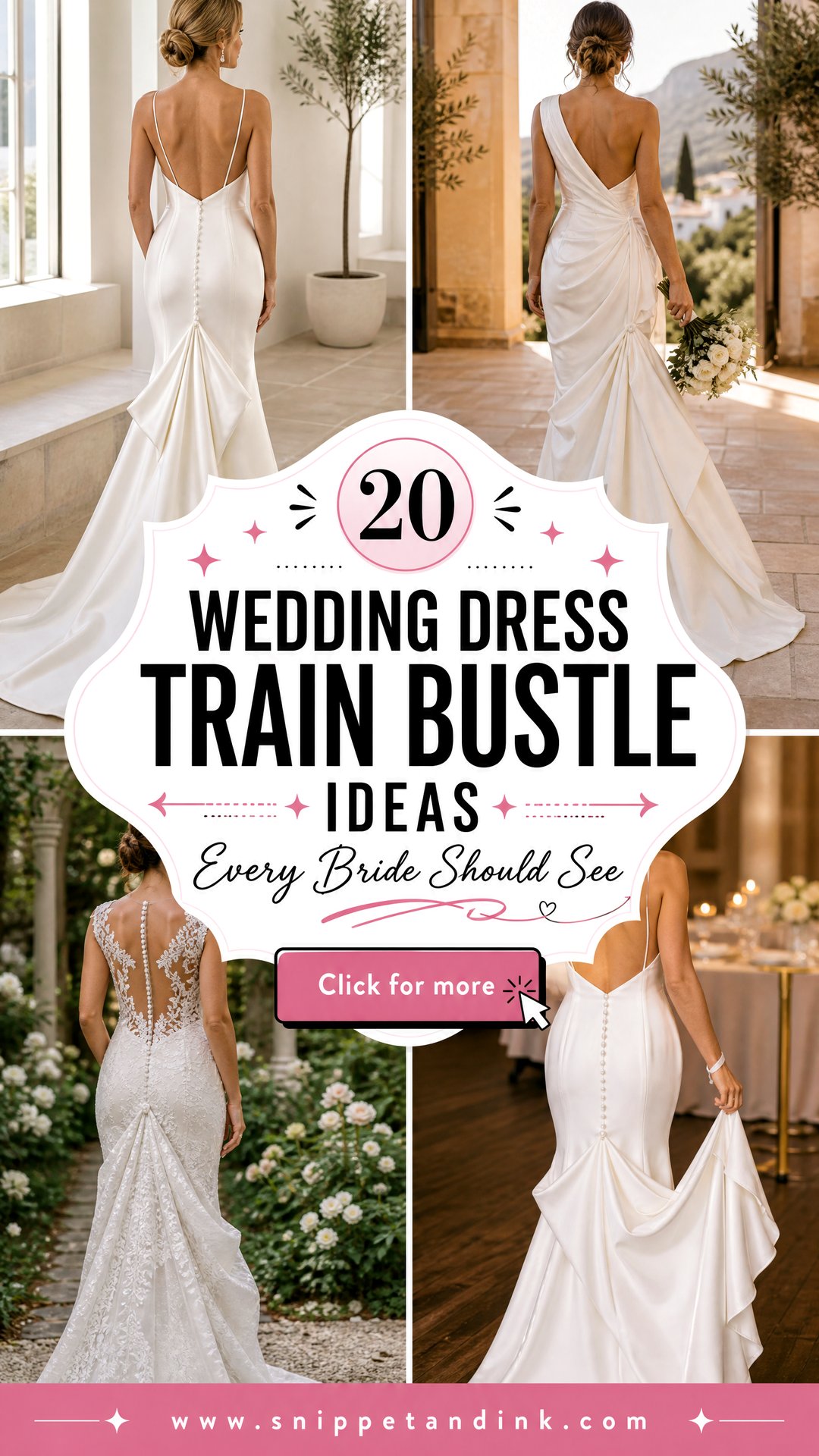
Reading Your Train Before Picking a Bustle Style
I don’t start with a favourite bustle. I start by holding the end of the train and feeling its weight, then I look at three things: how long and wide it is, what is stitched onto it, and whether you want the bustle to show.
- Light, short trains in chiffon or soft crepe rarely need more than one or two points. Over-engineering them creates bulk.
- Wide chapel trains usually need three points so the sides lift with the centre.
- Heavy satin, beading or cathedral length calls for five or more reinforced points, or a combination system.
- Lace edges and scallops point toward an over-bustle that keeps the border visible.
- Minimal crepe and sheath gowns suit hidden under-bustles, as long as the train is short enough to tuck.
Timing matters as much as style. The bustle is normally set at the final or second-to-last fitting, after the hem has been taken up to your wedding shoes. If it is pinned before the hem is right, every point will be wrong by the same amount. Bring the shoes, and wear them while the seamstress works.
1. American Bustle for an A-Line Wedding Dress
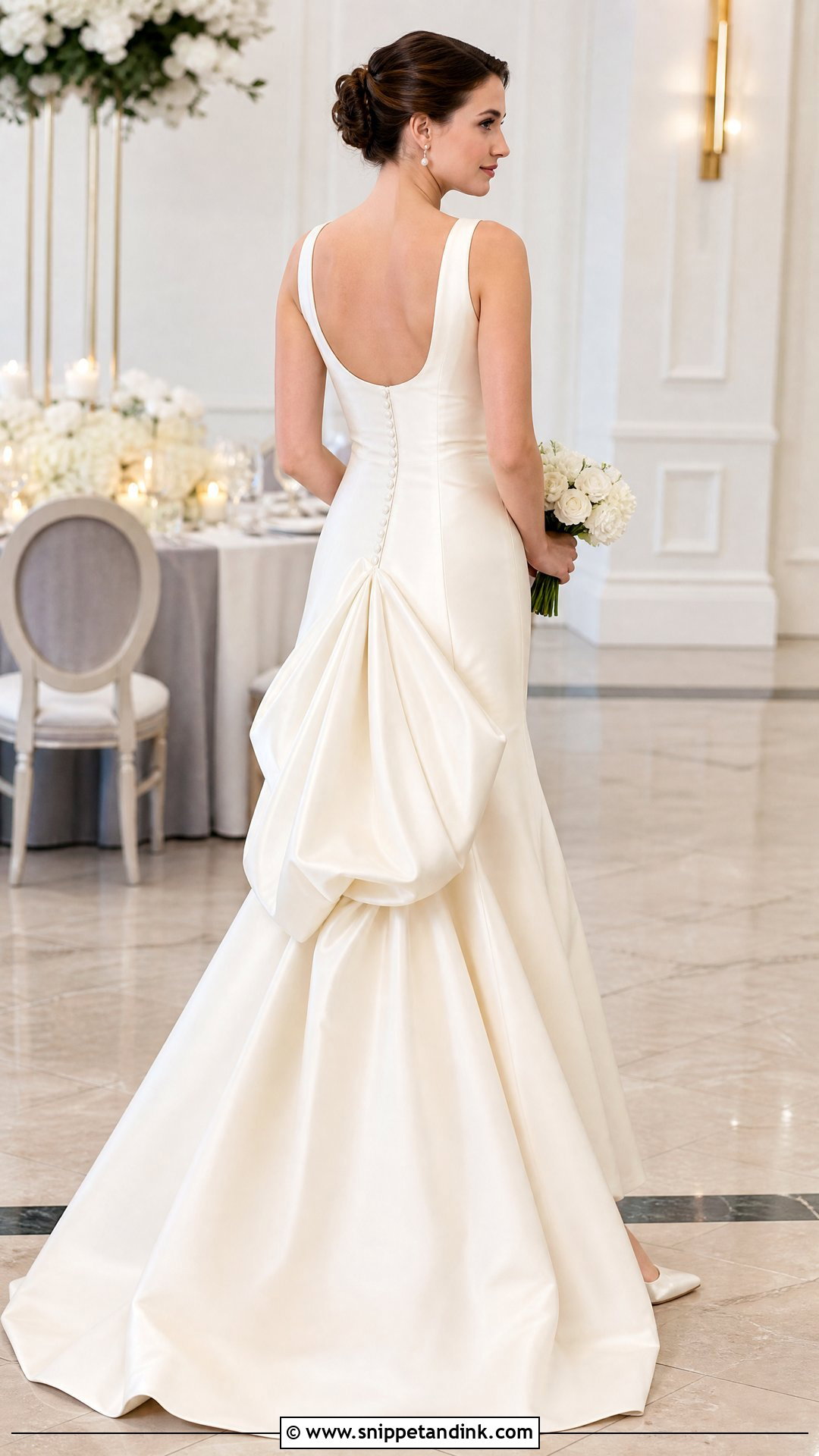
An American bustle is the one most people picture: the train is lifted up over the skirt and hooked to buttons or loops on the outside, so the folds fall from the waist or upper skirt. On an A-line it gives a full, soft back. A chapel train usually takes one to three points depending on width and weight. I ask for the points to be measured from the centre back seam, not eyeballed, because a half-inch difference shows as a lopsided hem. Covered buttons disappear on satin and small loops hide inside lace appliqués. Choose this when you are happy for the bustle to be part of the look.
2. French Bustle for a Lace Fit-and-Flare Wedding Dress
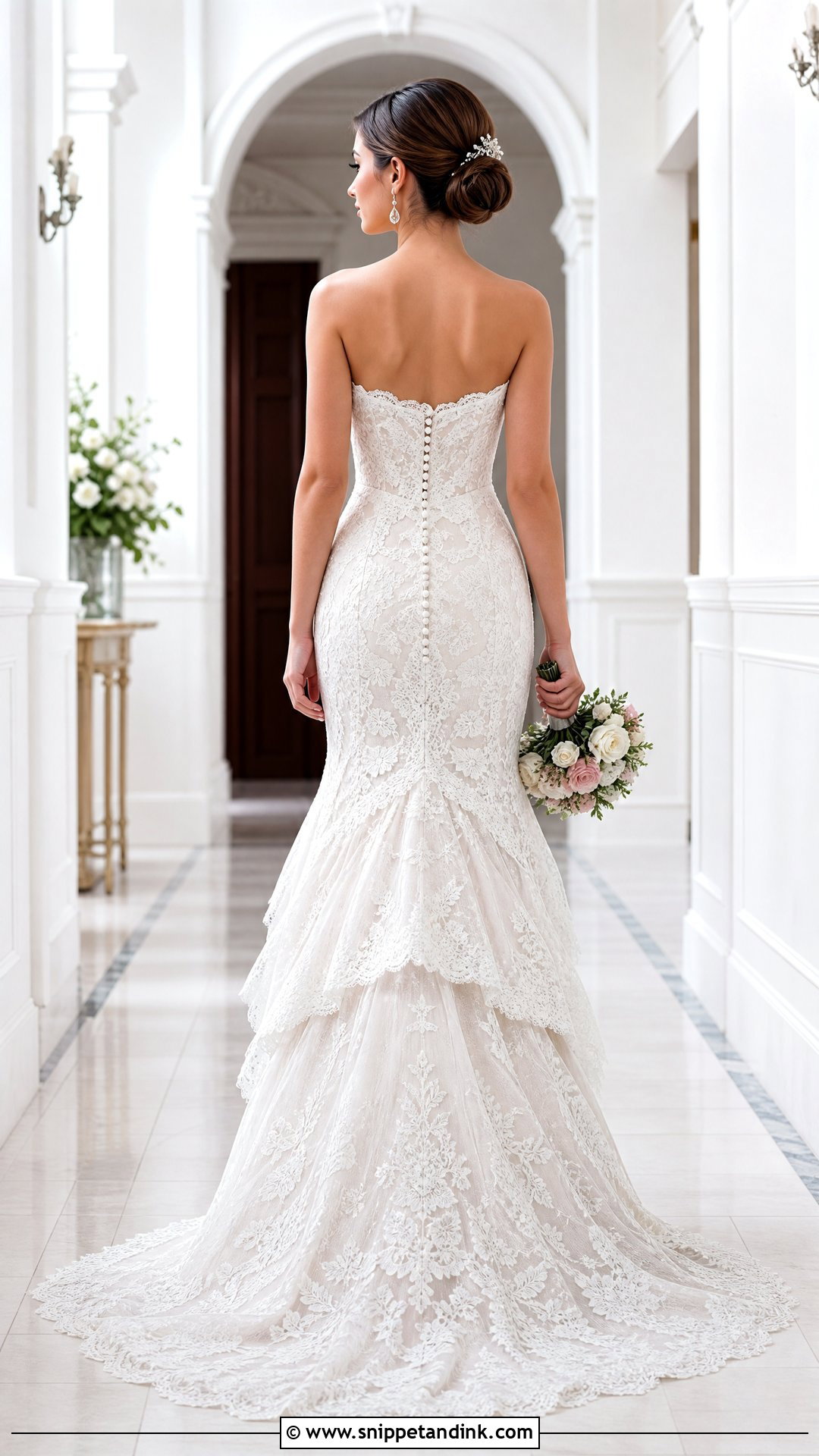
Lace fit-and-flare gowns are where I most often suggest a French bustle, also called an under-bustle. The train is folded underneath and tied with hidden ribbons, which leaves layered tiers at the back and keeps the fitted line over the hips intact. Several points spread the pull so no single seam carries the whole train. Before the ties are sewn, the seamstress should line up the floral motifs and scalloped edges so a flower doesn’t end up folded in half. Label or colour-code each ribbon pair. Under a skirt, all the ties look identical.
3. Ballroom Bustle for a Satin Ball Gown
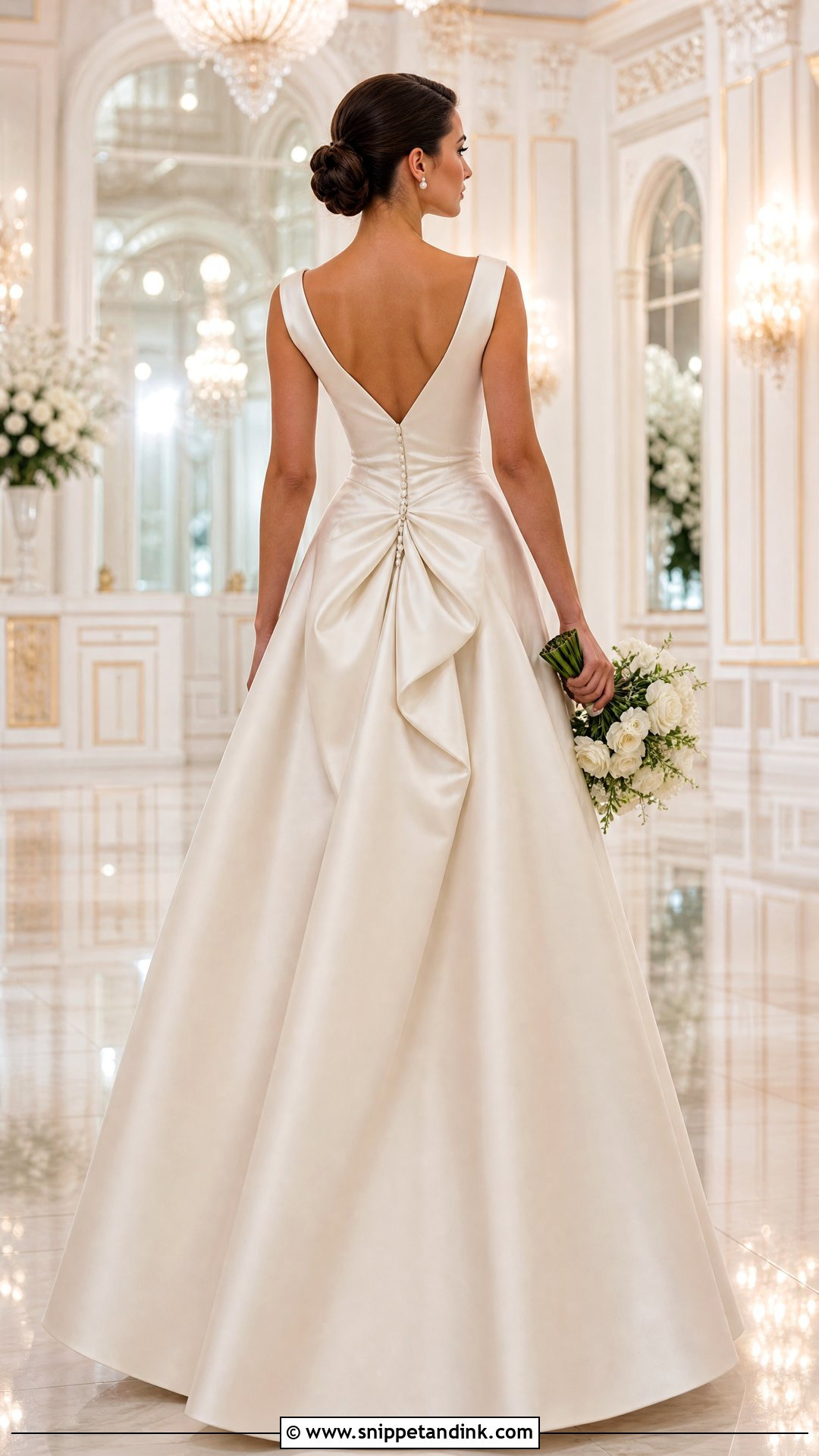
Satin ball gowns suit a ballroom bustle, which tucks the train underneath on many interior points so the dress looks like it was always floor-length. It is the cleanest reception silhouette there is, with no gathered fabric showing at the back. Satin is unforgiving, though. Every slightly uneven fold shows as a shadow, so each pickup needs spacing and testing until the hem sits level while you stand, walk and turn. A full petticoat helps hold the tucked fabric out. Expect it to take your helper longer to fasten than a single-point bustle.
4. Austrian Bustle for an Organza Wedding Dress
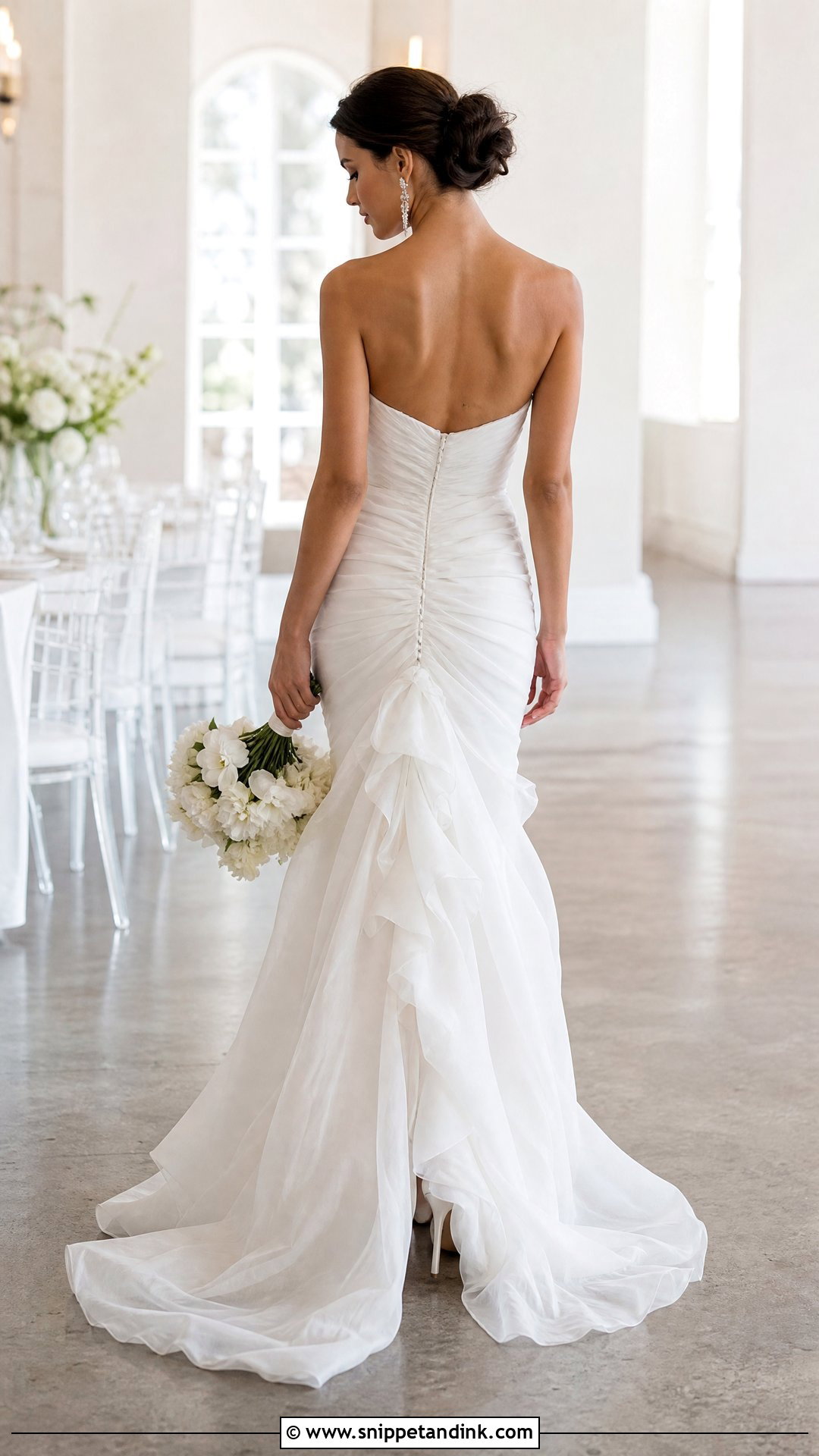
An Austrian bustle gathers the train vertically, drawing it up on an internal ribbon or cord like a theatre curtain, and organza takes to it well because it ruches without bulk. The folds run down the centre back and need a skirt with some volume to sit on. I keep beading and appliqués away from the gathering channel, since heavy embellishment gets crushed and twisted as the cord pulls. Check it at the fitting from both sides as well as the back. The ruching should look planned, and the lowest point of the hem still has to clear the floor.
5. Royal Bustle for a Cathedral Train Wedding Dress
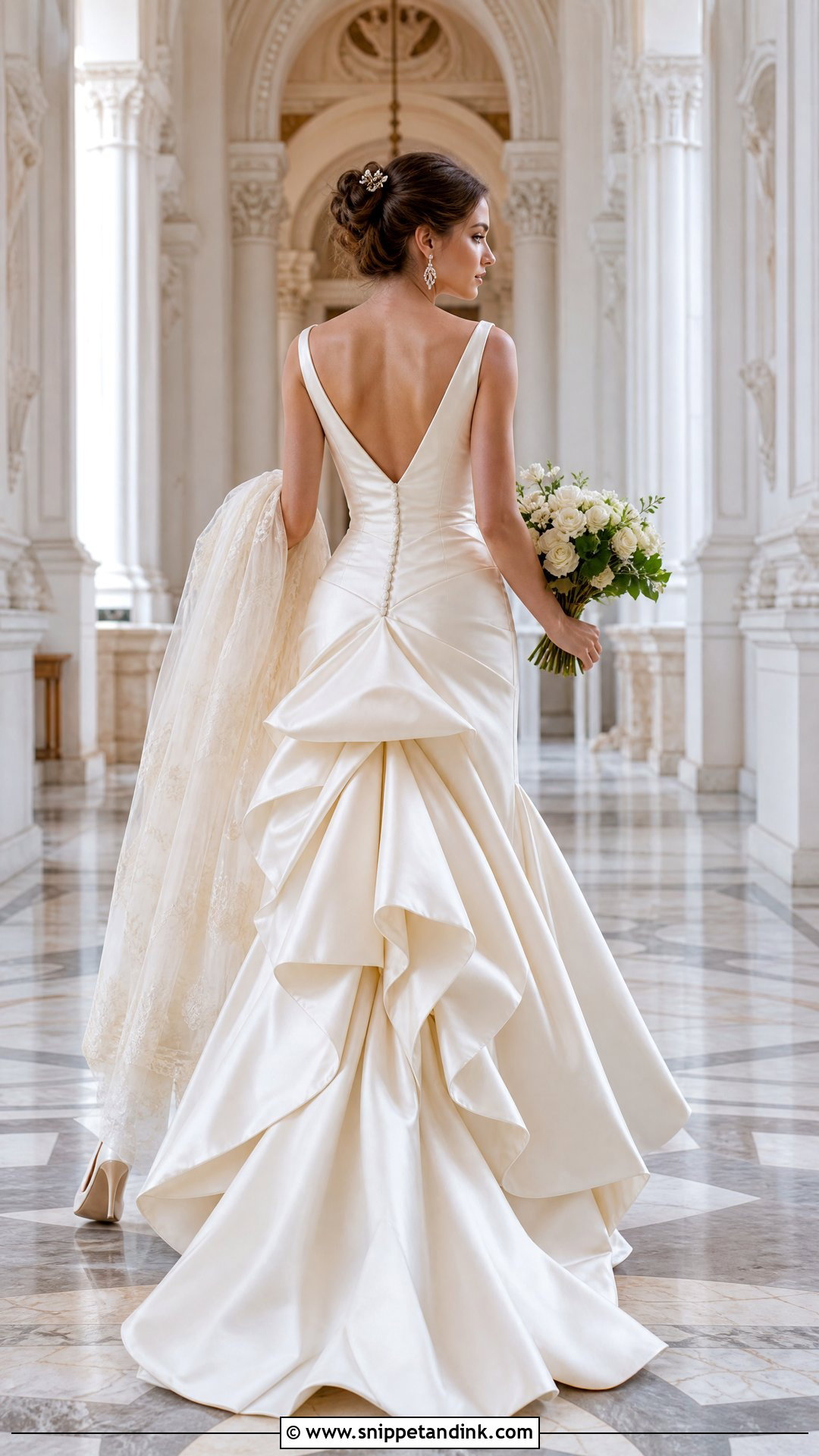
Cathedral trains need structure to manage all that length. A royal or Victorian bustle uses one or more pickup points to build big sculptural folds across the back. On a wide, heavy train I want several points, because a single one concentrates the full weight on one seam and pulls the waist down. Every attachment should be reinforced inside the gown, especially on heavy satin, embroidery or layered lace. Walk in it and sit in it at the fitting, not just stand for the mirror. Done properly, the reception version is every bit as dramatic as the ceremony train.
6. Bow Bustle for a Wedding Dress With a Back Bow
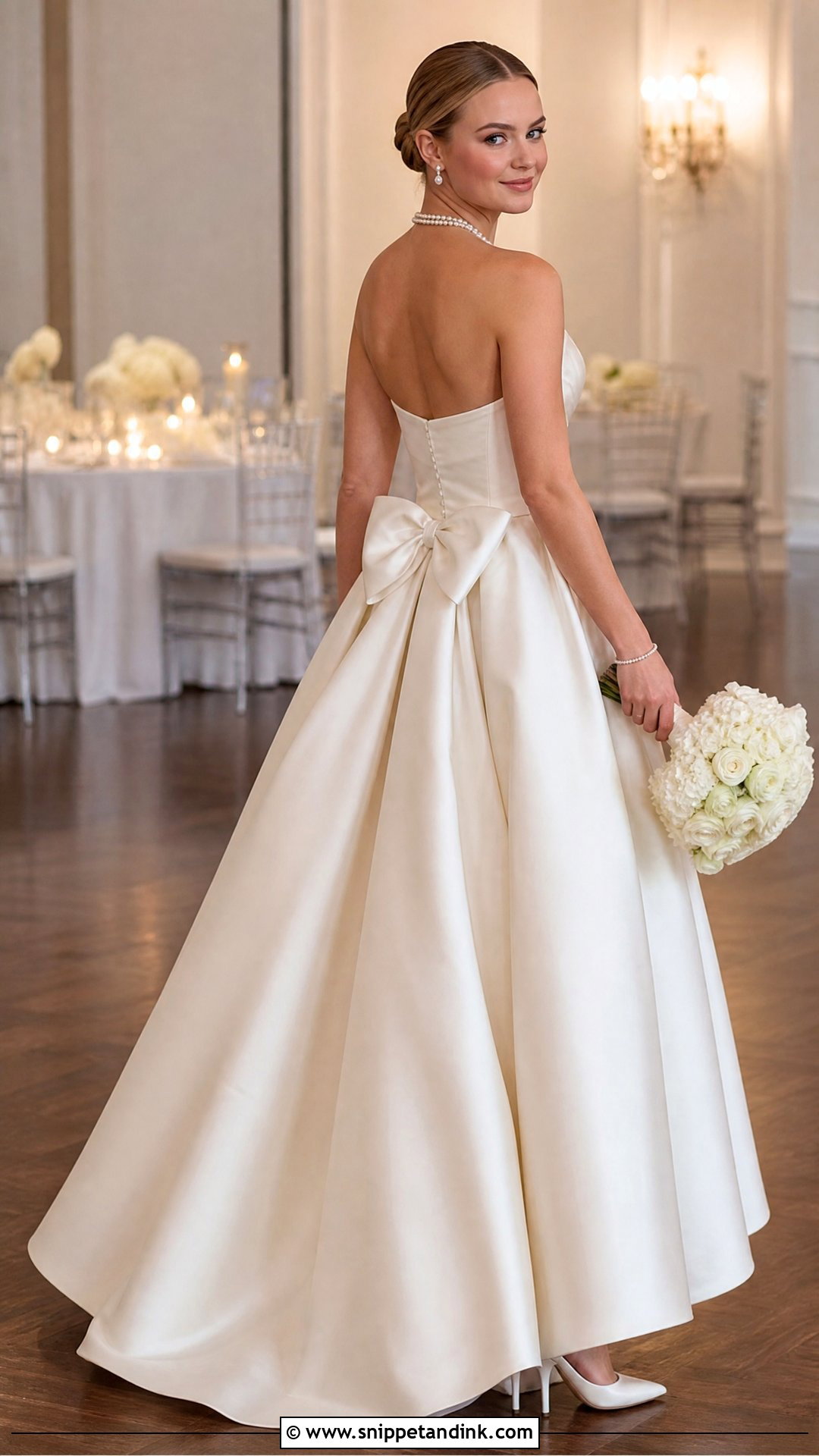
A big back bow is a gift for a bustle because it hides all the hardware. The train is lifted and fastened beneath or just behind the bow, so the folds drop evenly from the same spot. It suits gowns with a defined waist, a structured skirt or a detachable sash. Watch the bow once the train is up: a heavy train can flatten it or drag it off centre. A light chapel train may need only a couple of discreet points, while heavier fabric needs reinforced ones. I photograph the bow before and after bustling at the fitting to check it still sits where the designer put it.
7. Train-Flip Bustle for a Minimalist Crepe Wedding Dress
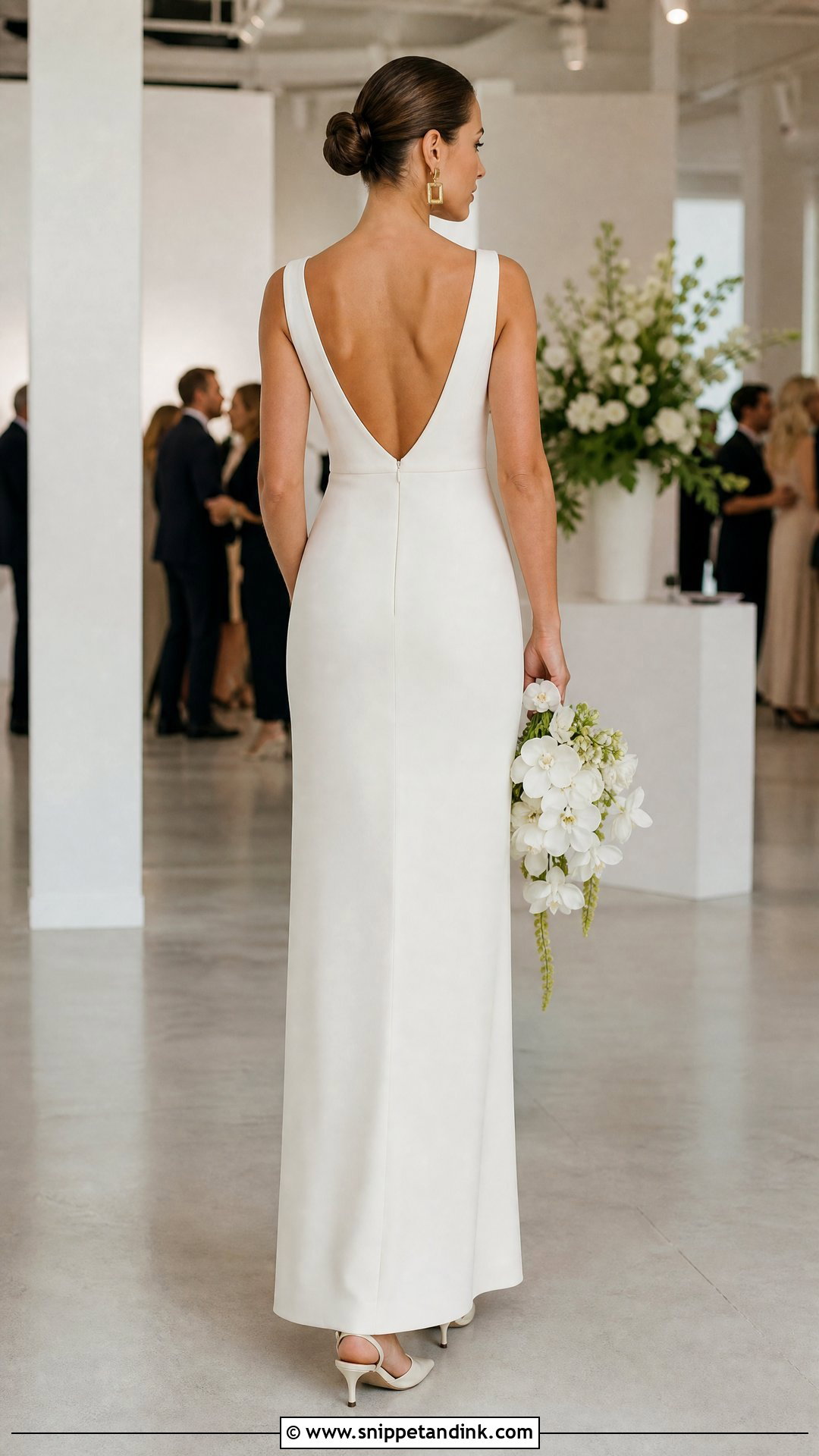
Crepe gowns rely on a clean line, so external buttons or gathered tiers would spoil them. A train-flip bustle turns the train under and fastens it inside, and the gown looks close to its original floor-length shape. Crepe shows every bit of pulling, so placement has to be exact. I check that the centre back seam still runs straight once it’s fastened; a twisted seam is the giveaway of a rushed job. Sometimes the lining needs a little extra room to hold the folded fabric. You should be able to walk, sit and dance without the flipped section dropping.
8. Single-Point Bustle for a Sweep Train Wedding Dress
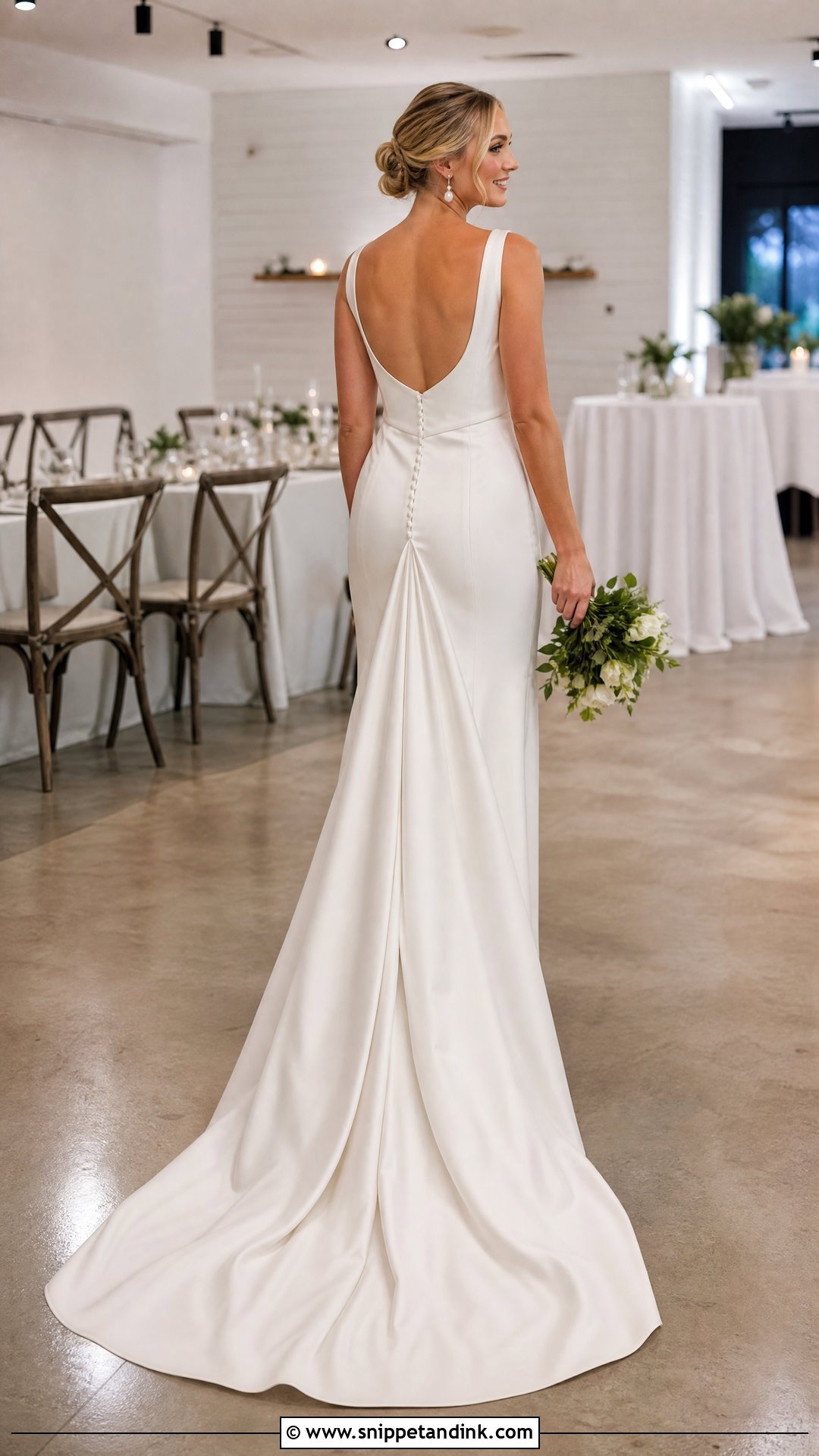
A short sweep train often needs just one point. The centre of the train is lifted and attached at the lower back, the waistline or an existing decorative button, making one soft fold. It suits narrow trains in chiffon, crepe or soft satin without heavy embellishment. That single point carries everything, so I have it backed from inside with a patch of sturdy fabric. Check the side edges at the fitting, since they sometimes keep trailing after the centre is up. Your helper can do it in seconds.
9. Three-Point Bustle for a Lace Chapel Train
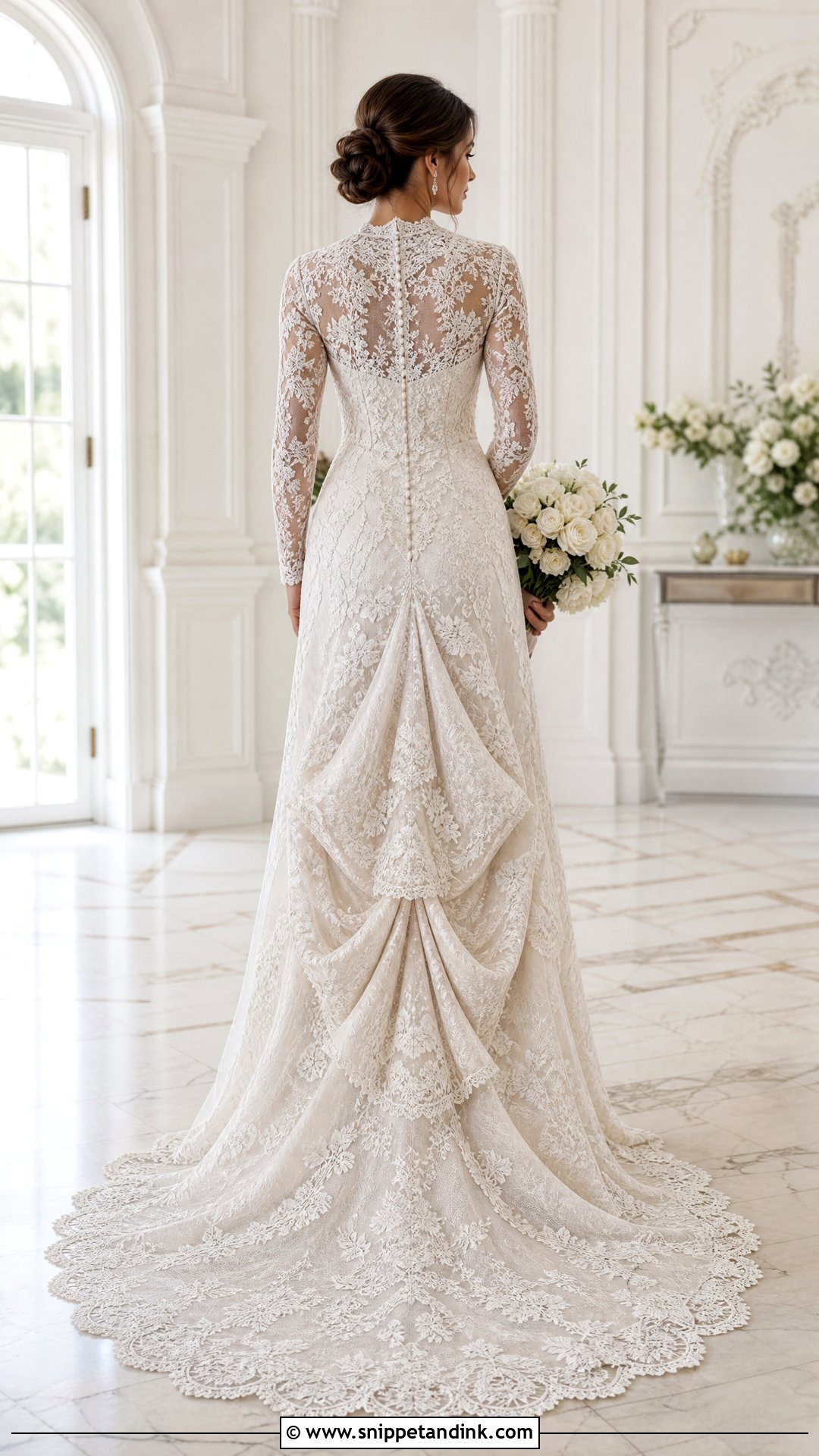
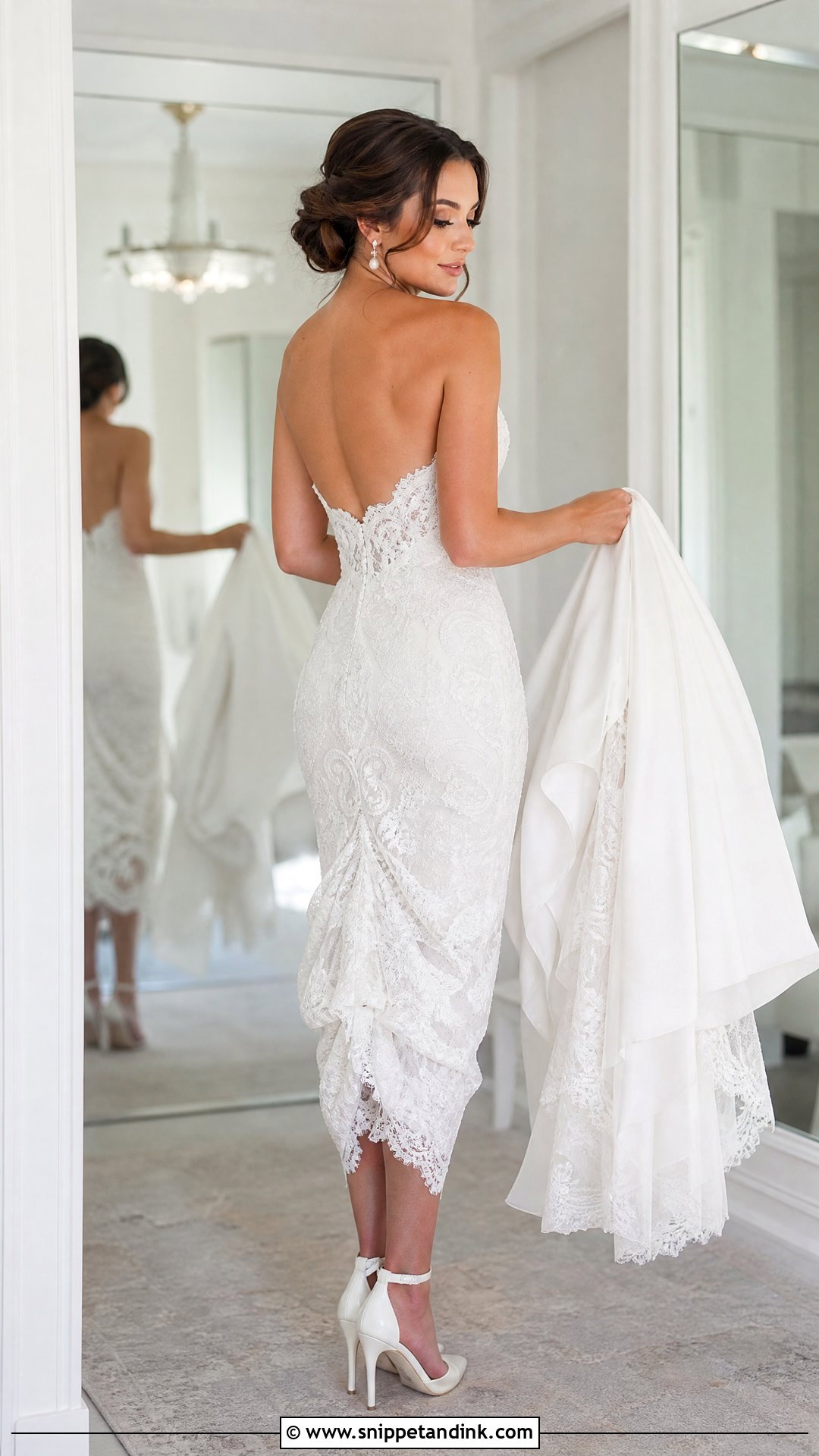
On a lace chapel train, three points beat one. The centre point controls the longest section and two side points lift the wider edges, so the folds open into an even fan. I hide the loops inside lace motifs wherever possible, and covered buttons can sit on floral appliqués without showing during the ceremony. Look at the scalloped hem once it’s fastened; it should hang evenly rather than bunching into a knot of lace. Number the pairs or match them by colour so your helper isn’t guessing.
10. Five-Point Bustle for a Heavy Satin Train
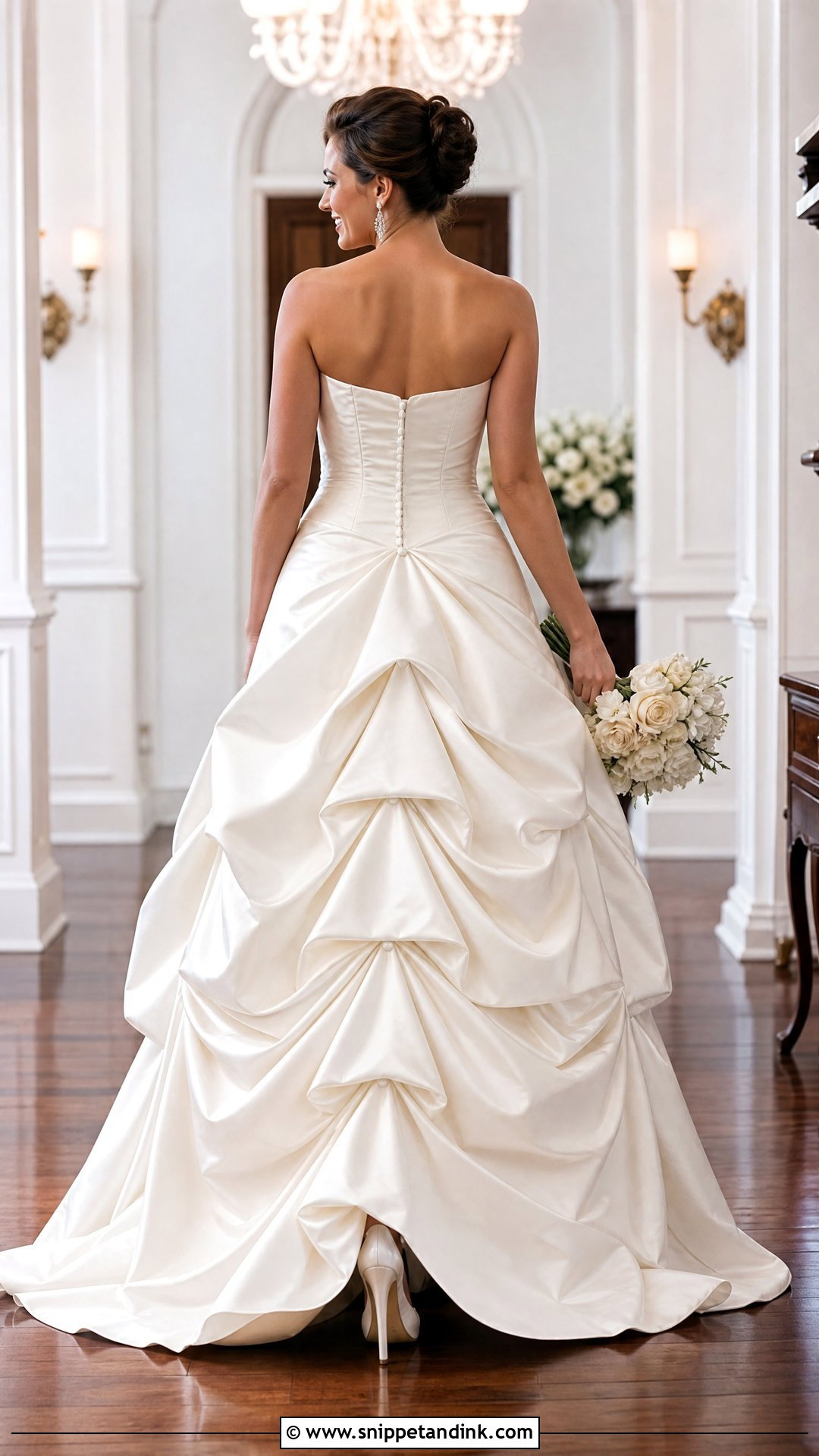
Heavy satin trains generally need five points or more. Spreading the weight stops any single button from straining and avoids one big drooping fold, and the result is a broad cascade that suits a structured A-line or ball gown. Each point should be reinforced with strong backing fabric inside. Satin reflects light, so unbalanced tension shows in photos as a crease running off at an angle. Your helper should practise fastening all five in order, with a fitting photo or a sketch on hand. I tuck a copy of that photo into the emergency kit, too.
11. Hidden Under-Bustle for a Sheath Wedding Dress
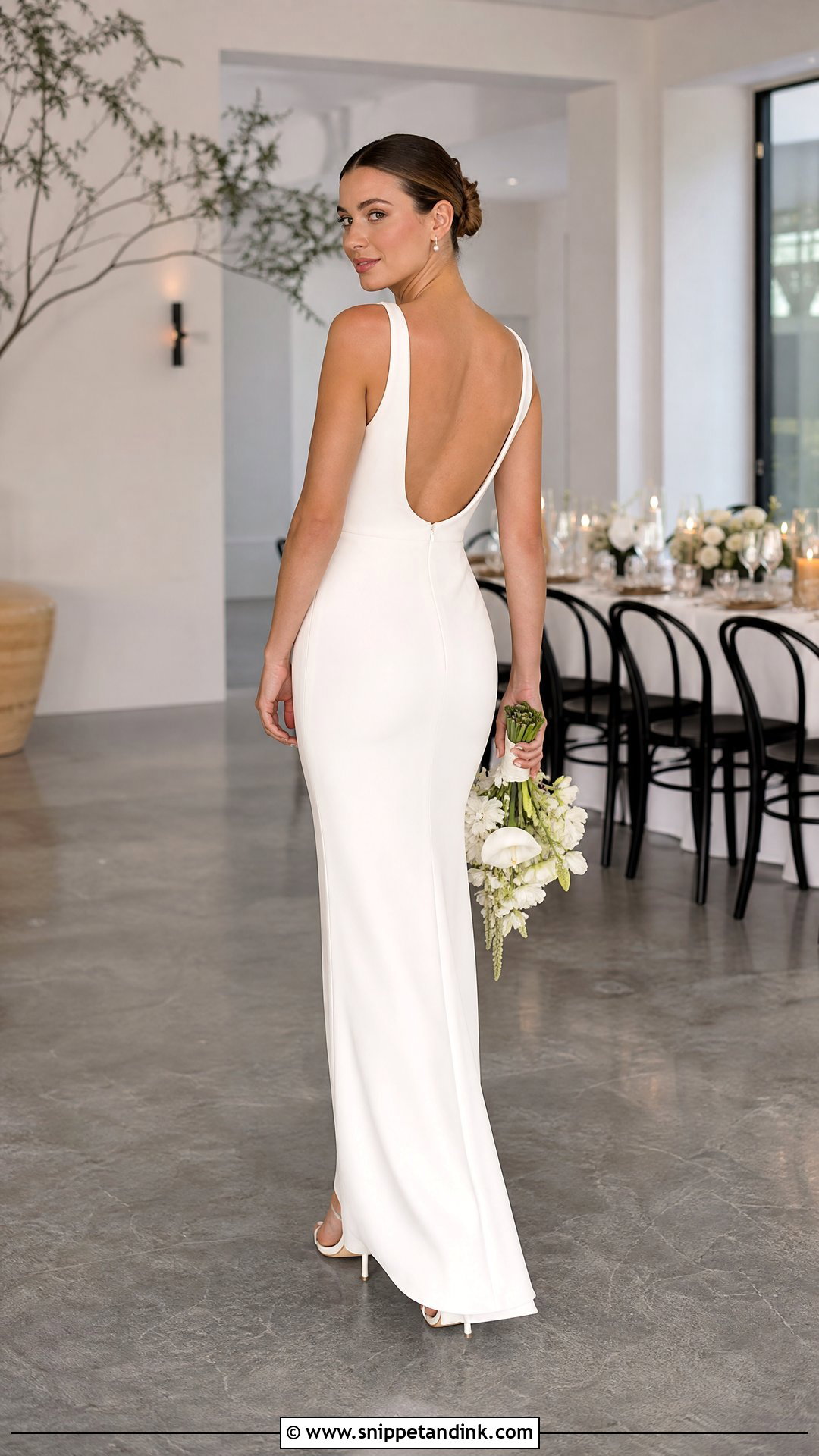
Sheath gowns leave very little room to hide fabric, so the bustle has to stay low-profile. A hidden under-bustle folds a modest train beneath the skirt, with the points placed below the fitted hip, where extra bulk distorts the line least. Crepe, georgette and light satin often need only two or three interior ties. Ask the seamstress to smooth each fold and check the skirt still skims the body. Because the space is so limited, this suits a sweep or chapel train far better than a cathedral one. Folding a very long train under a slim skirt leaves a visible lump at the back of the knees.
12. Layered Tulle Bustle for a Princess Wedding Dress
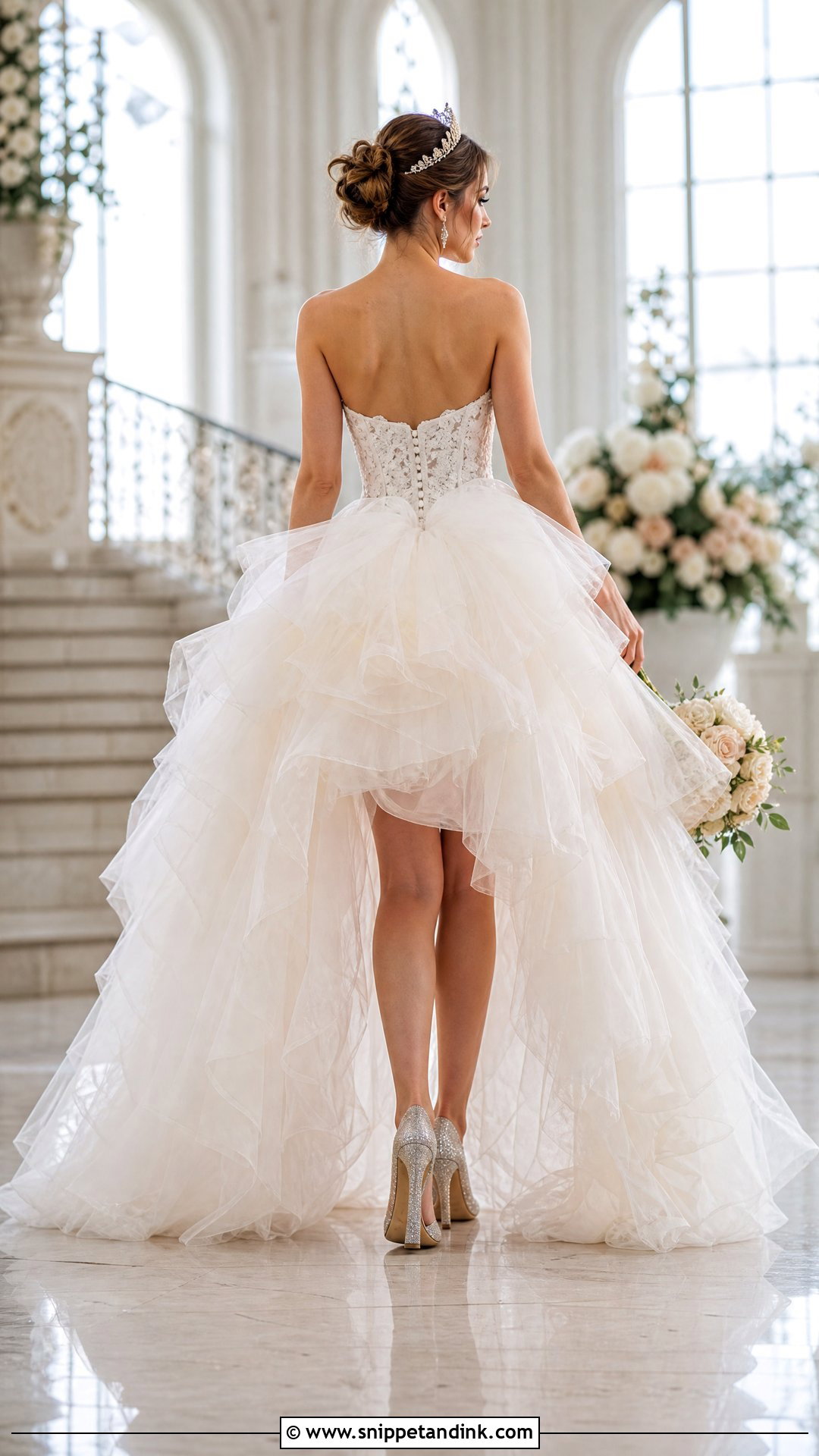
Tulle princess skirts are made of several layers, and they need to be bustled layer by layer. If every layer is pulled up on one shared point, the delicate top tulle tears or sags. A good seamstress sets coordinated pickups for the lining, the underskirt and the outer tulle. An American or ballroom approach both work, depending on whether you want visible volume or a hidden train. Make sure any appliqués still face outward afterwards. Lift the layers high enough to clear your shoes, and the skirt keeps the cloudlike volume that suits a princess-inspired wedding dress.
13. Asymmetrical Bustle for a Draped Wedding Dress
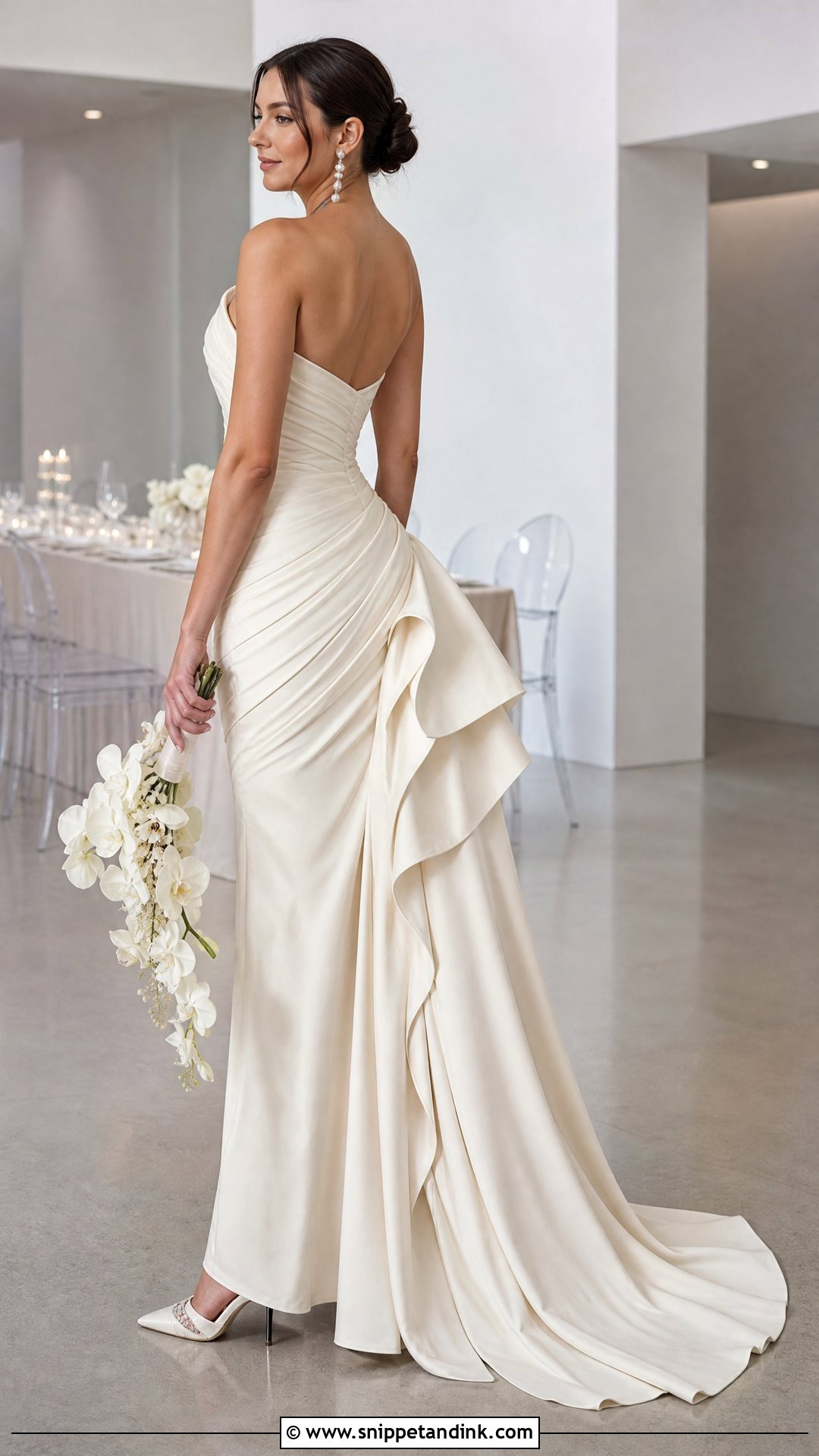
A centred bustle fights against a skirt that is draped on the diagonal. On gowns with side draping, angled pleats or an off-centre train, I’d place the pickup points to continue the gown’s existing lines instead of forcing equal folds. A side bow can anchor it nicely. The weight still has to be spread securely, and the longer side must clear the floor as well as the short one. This is the bustle I’d never let anyone sew without pinning it first; several temporary versions are worth the extra half hour. Done right, it looks designed rather than twisted.
14. Bustle for a Wedding Dress With a Detachable Overskirt
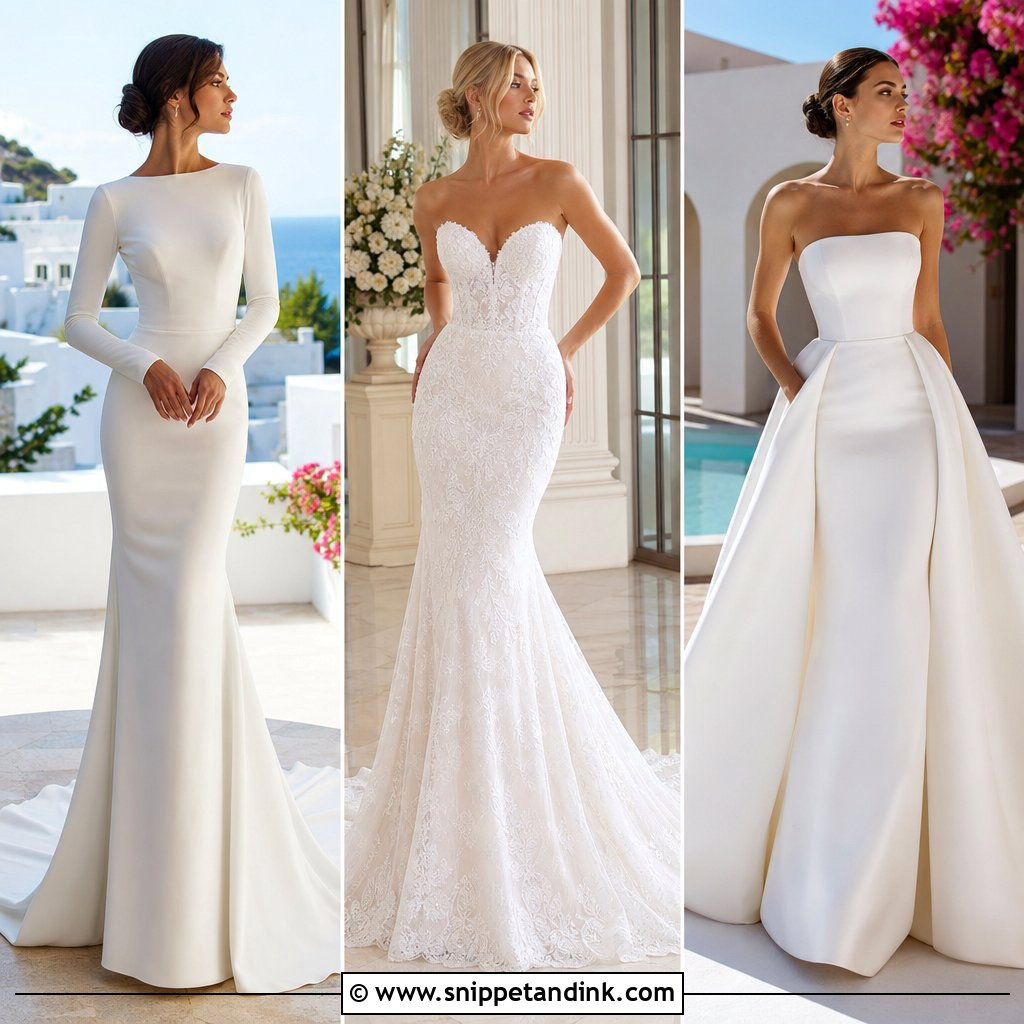
Detachable overskirts give you two looks, but the dress underneath can still have a train of its own. A compact American, French or hidden bustle handles that once the overskirt comes off. Plan it with both layers on, so the bustle hardware doesn’t clash with the overskirt’s waistband, snaps or hooks. If the overskirt has a train and stays on for part of the evening, it needs separate attachments. Label each layer’s connections. I run the whole change at the final fitting, overskirt off and bustle fastened, with a timer going, so everyone knows how long to allow.
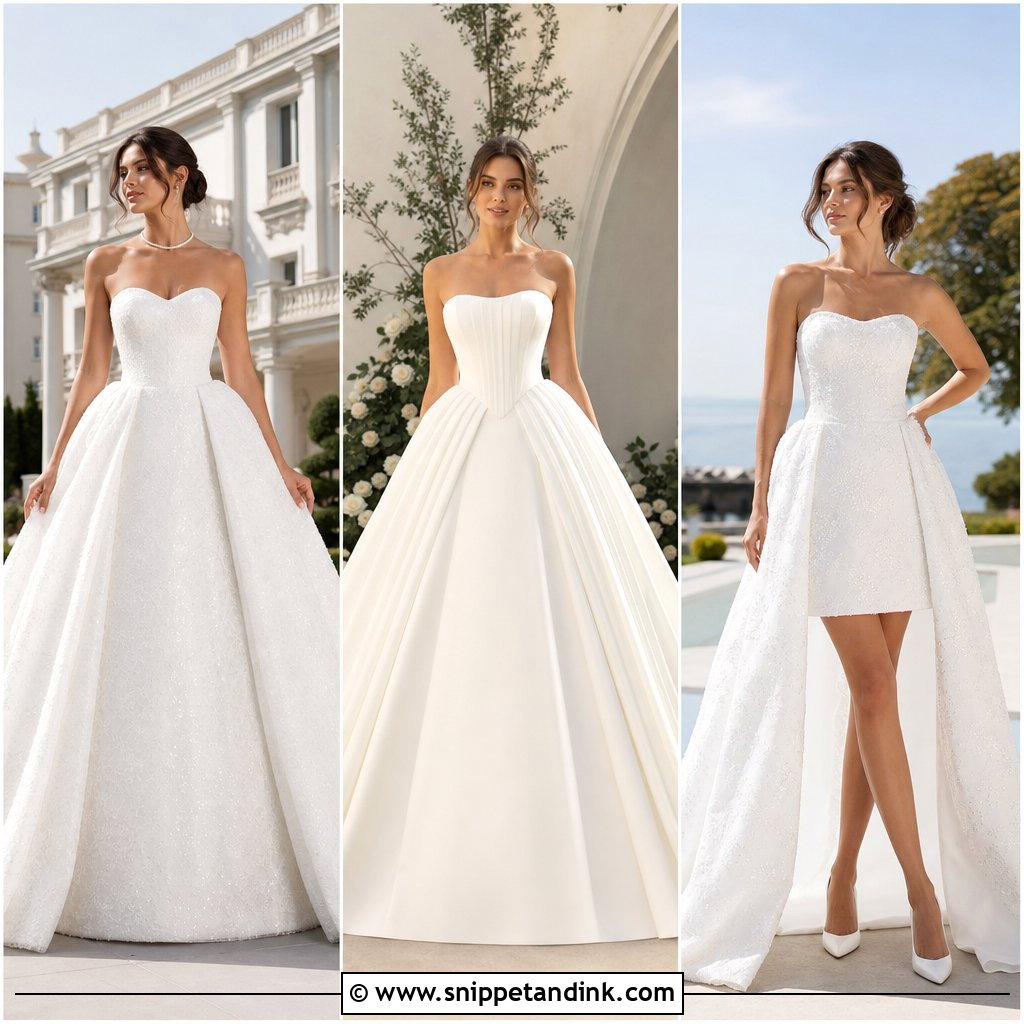
15. Reinforced Bustle for a Beaded Wedding Dress
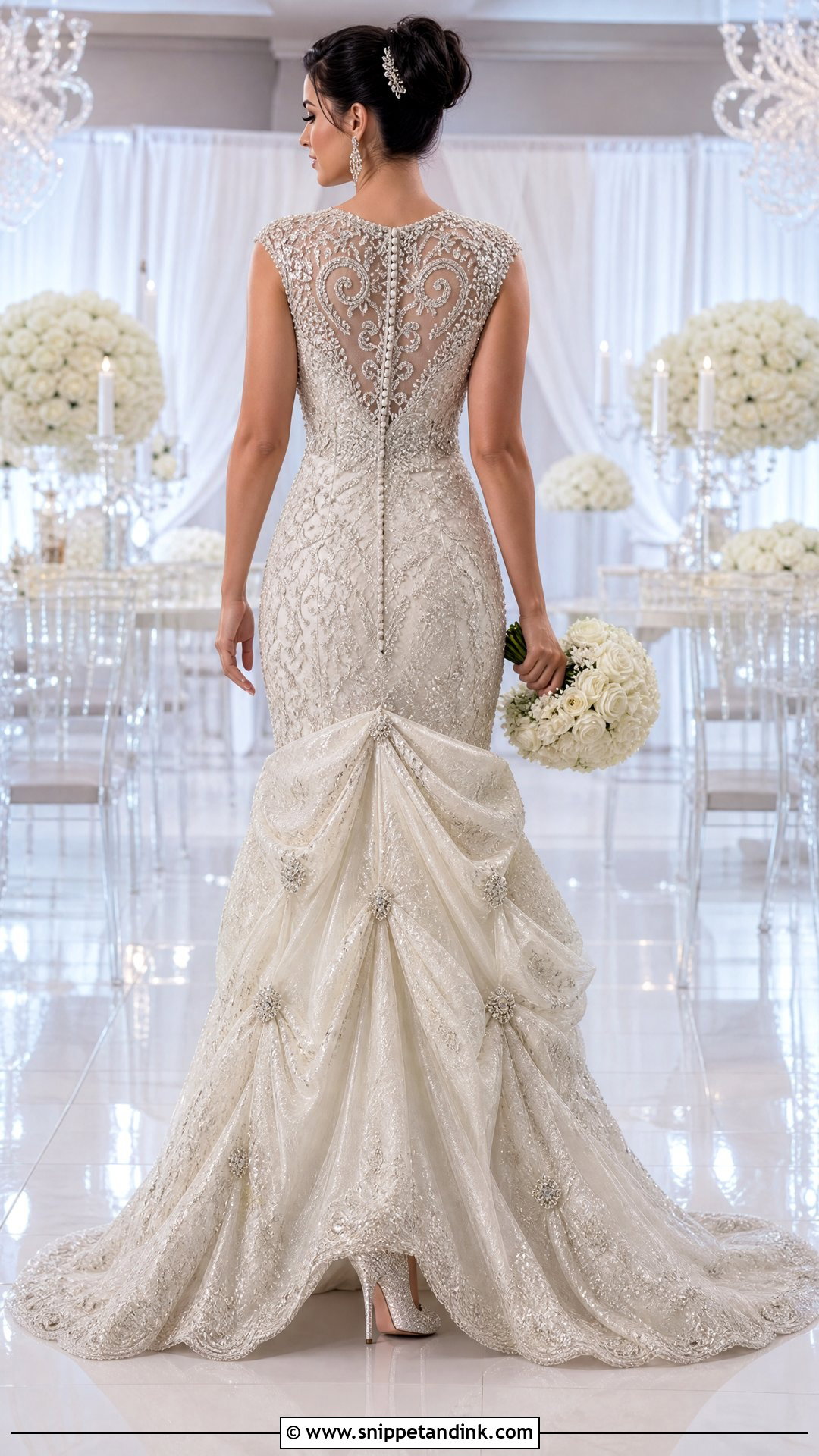
Beading makes a train much heavier than it looks on the hanger. A reinforced bustle anchors to strong interior fabric rather than to fragile mesh or decorative lace. Loops and buttons should sit around beaded areas, not through them, so no embroidery is cut. Several pickups spread the load. I also check how the folds lie, since beads rubbing against beads all night can scuff or snap threads. A discreet backup loop beside the main point is cheap insurance. Test it by walking, sitting and swaying side to side before you call it finished.
16. Low-Profile Bustle for an Illusion Lace Wedding Dress
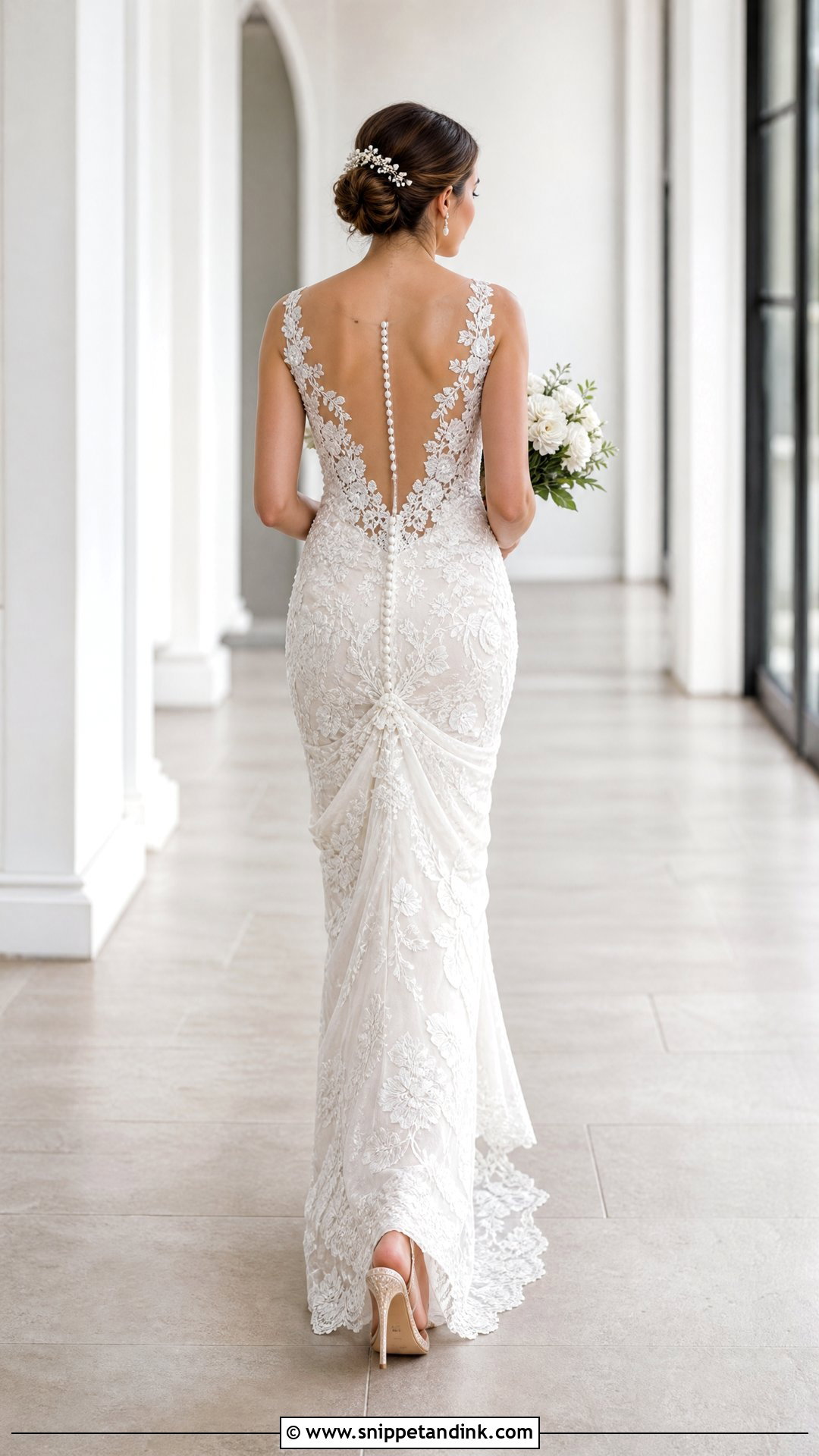
Illusion lace is meant to look barely there, and obvious hardware spoils that. A low-profile bustle hides its attachments under appliqués, along seams or inside the skirt. Clear loops can work in a few spots, and covered buttons in the dress shade elsewhere. The lift point should sit below the main illusion panel so the train doesn’t drag on fine mesh or pull the back detailing out of shape. A French under-bustle usually gives the quietest finish, though the skirt construction has the final say. Reinforcement belongs in the gown’s sturdier inner layers, never on the mesh.
17. Scalloped Lace Hem Bustle for a Wedding Dress
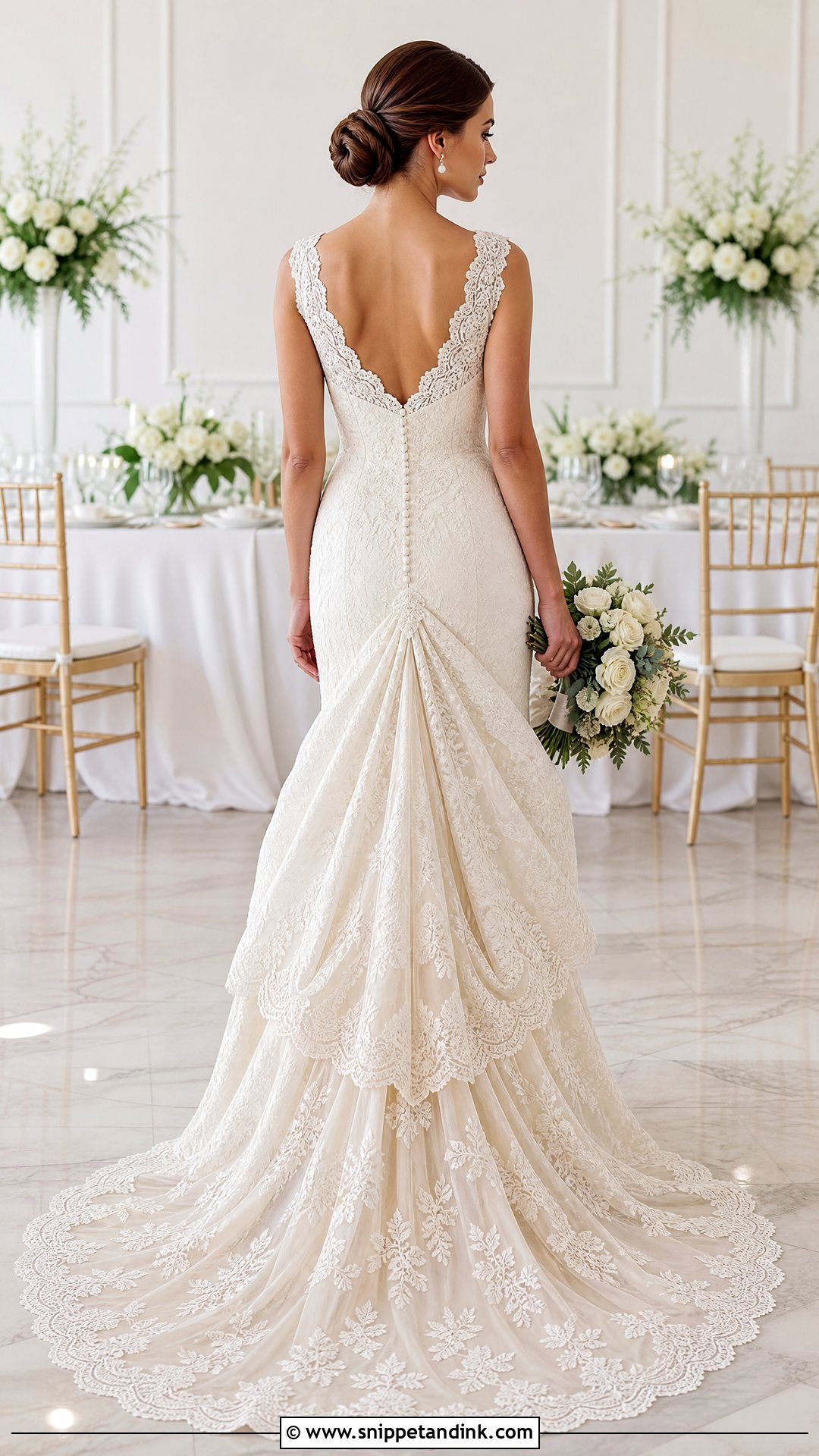
A scalloped lace hem deserves to stay on show after the train goes up. Instead of folding it out of sight, the pickup points can arrange the border into a fan or a layered curve. I pin three or four versions and step back each time, because the best placement for the scallops is rarely the first one tried. A wide chapel train usually needs three or five points. Both sides should rise to the same height, otherwise the scallops look accidental. Take the tension on the stronger fabric underneath, not on the fine lace edge.
18. Color-Coded Ribbon Bustle for an Easy Dress Change
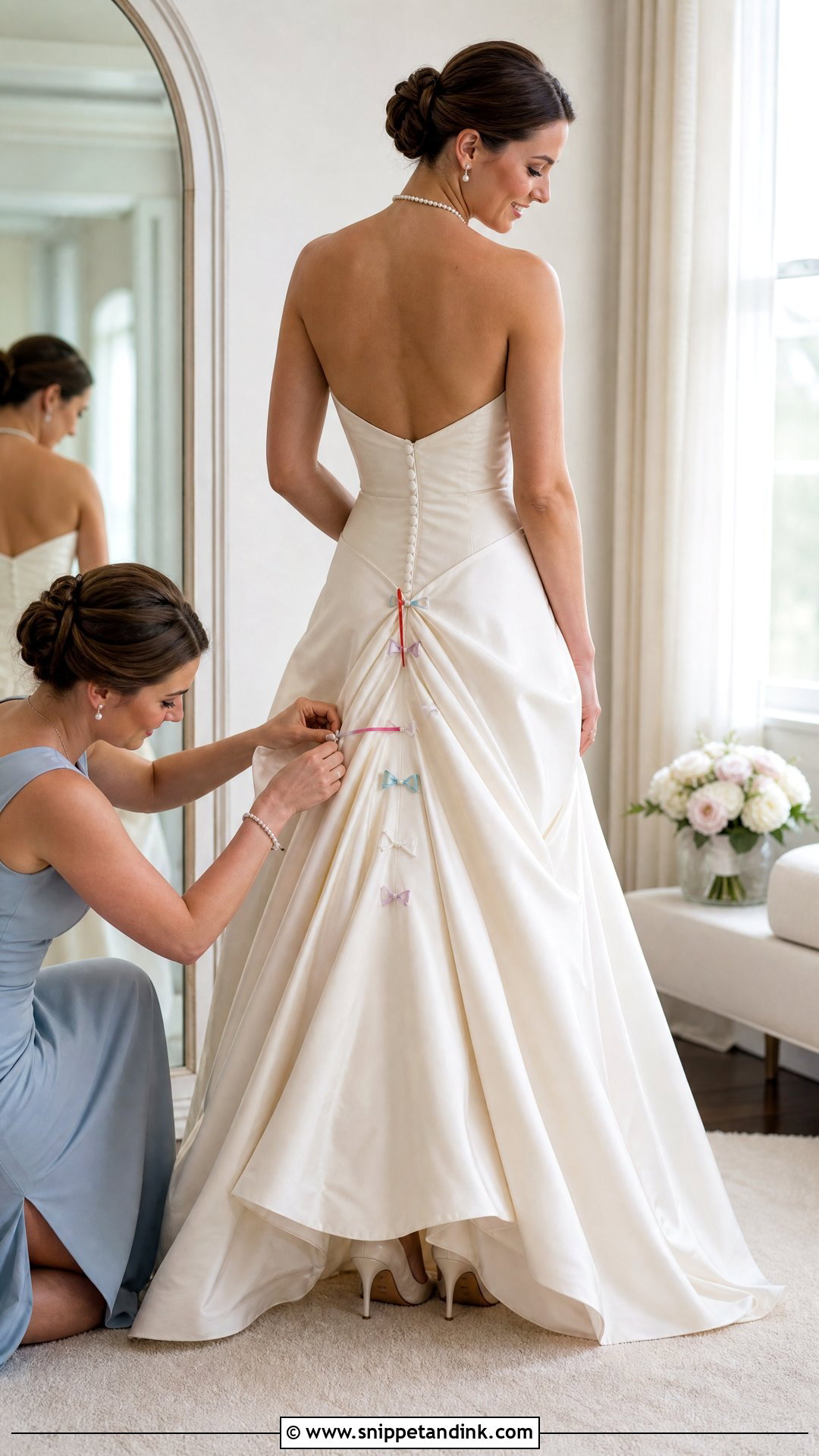
Under-bustles with several ties are where helpers panic, and matching pairs solve it. Color-coded ribbons sewn inside the gown let your helper tie pink to pink and blue to blue without guessing. It helps most on French, ballroom and multi-point bustles. Use pale ribbon that won’t shadow through the outer fabric, long enough for a firm bow but short enough to stay tucked away. Ask the seamstress for a photo of the fastening order, and make your helper practise at least once at the final fitting. The finished look is the same, but the change happens in minutes instead of a flustered quarter of an hour.
19. Bustle With a Wrist Loop Backup
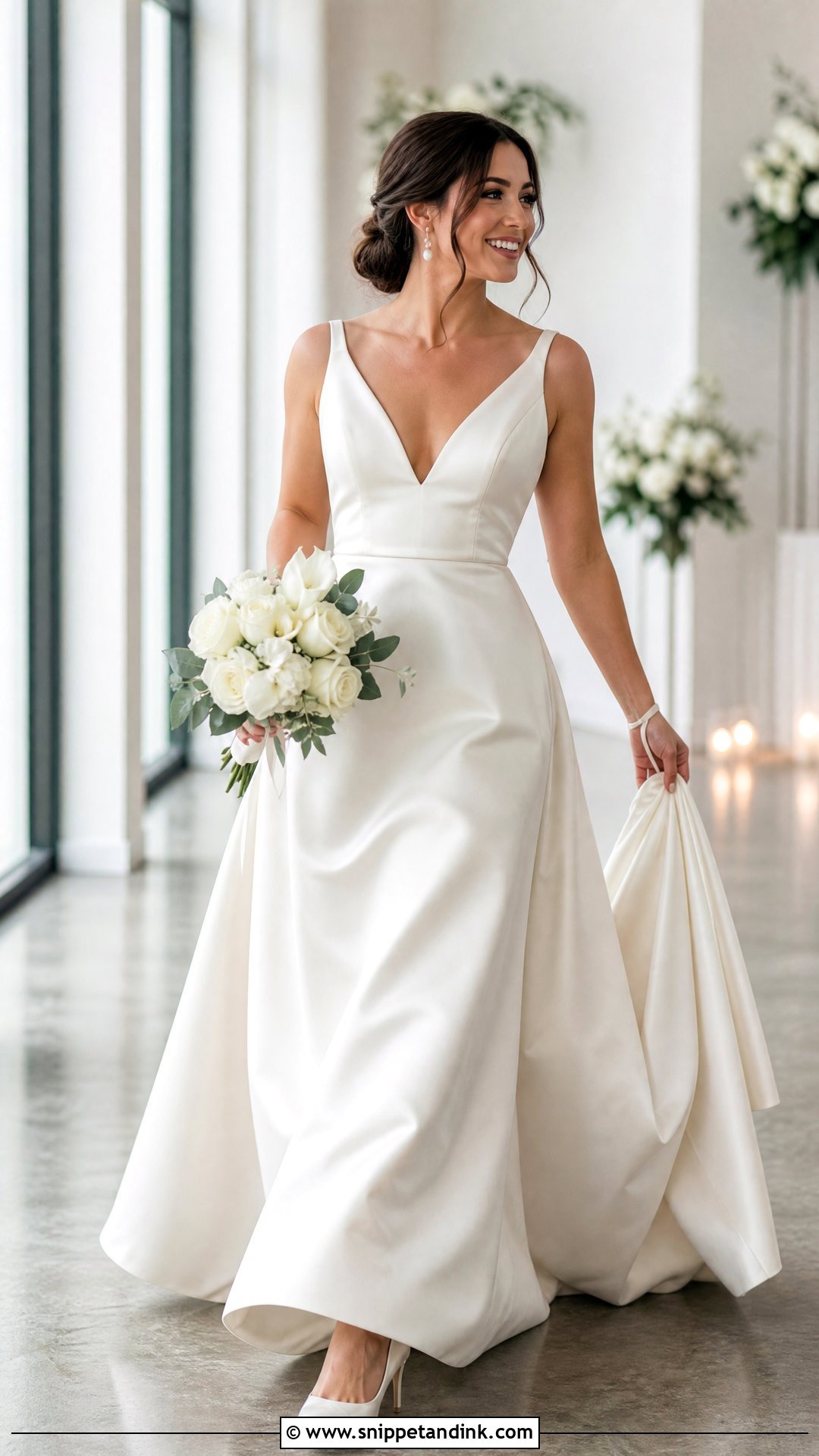
A wrist loop is a backup, not a bustle. The main bustle lifts the train for dancing, while the loop lets you carry the fabric for portraits, a walk across a lawn, or the moment a button pops. Sew it onto a reinforced part of the train rather than to lace or mesh, and size it so it doesn’t dangle visibly during the ceremony. Holding a heavy train by the wrist for an hour gets tiring fast, which is why I never let a loop be the only plan. Coordinate its placement with the bustle points during alterations.
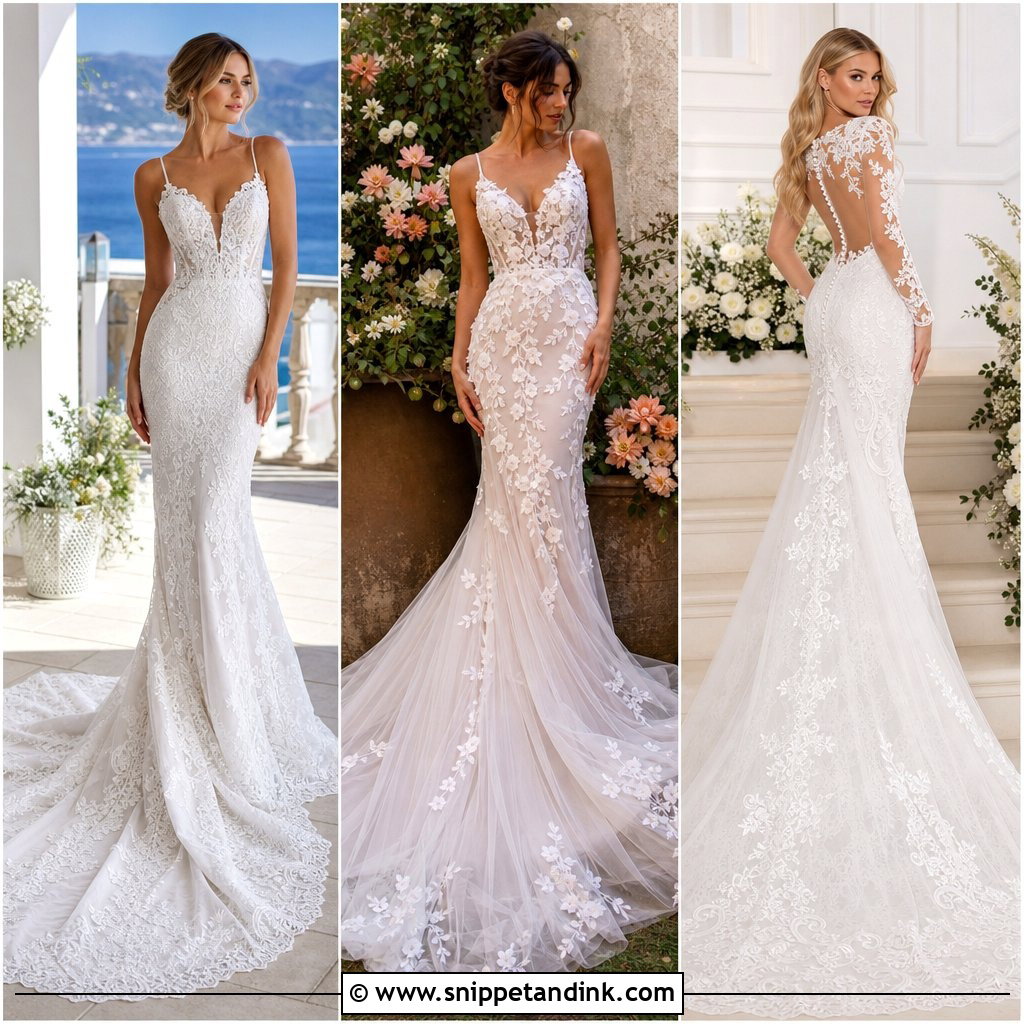
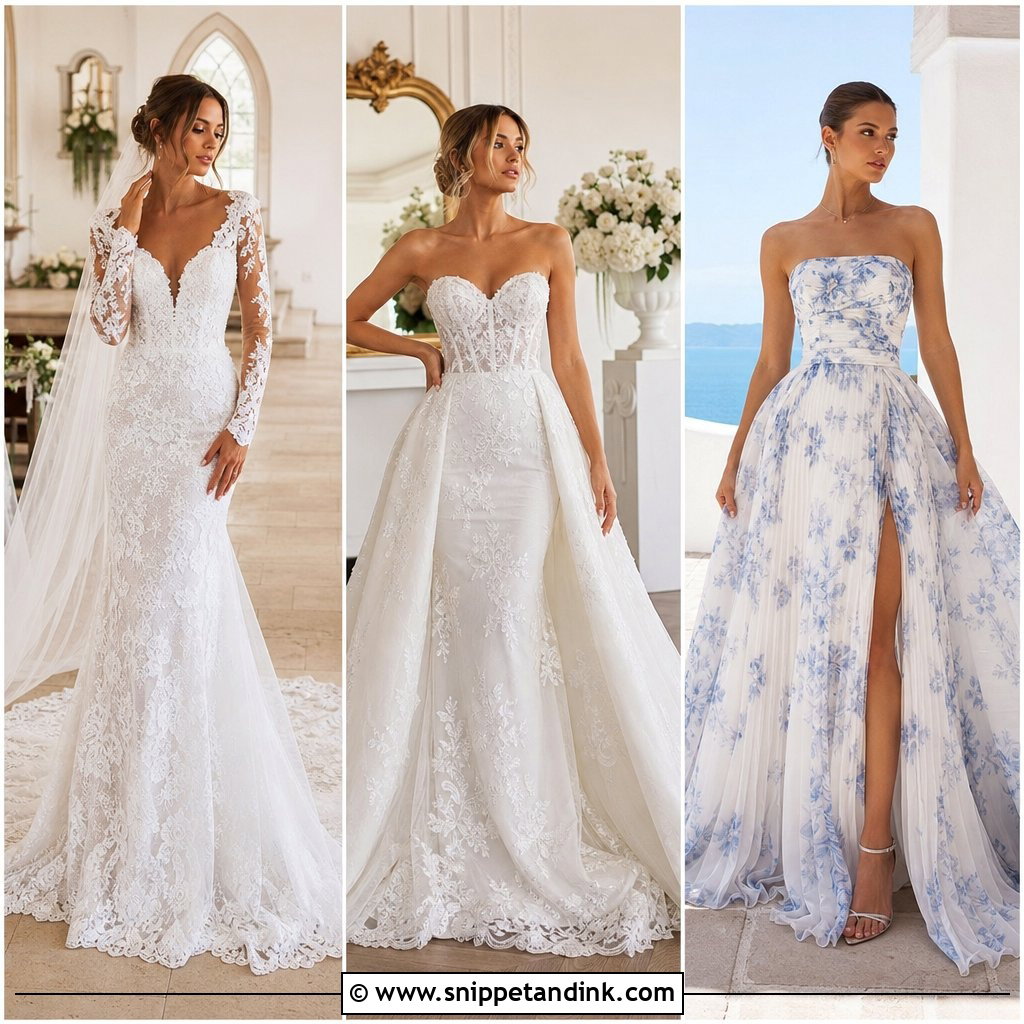
20. Combination Bustle for a Royal-Length Wedding Train
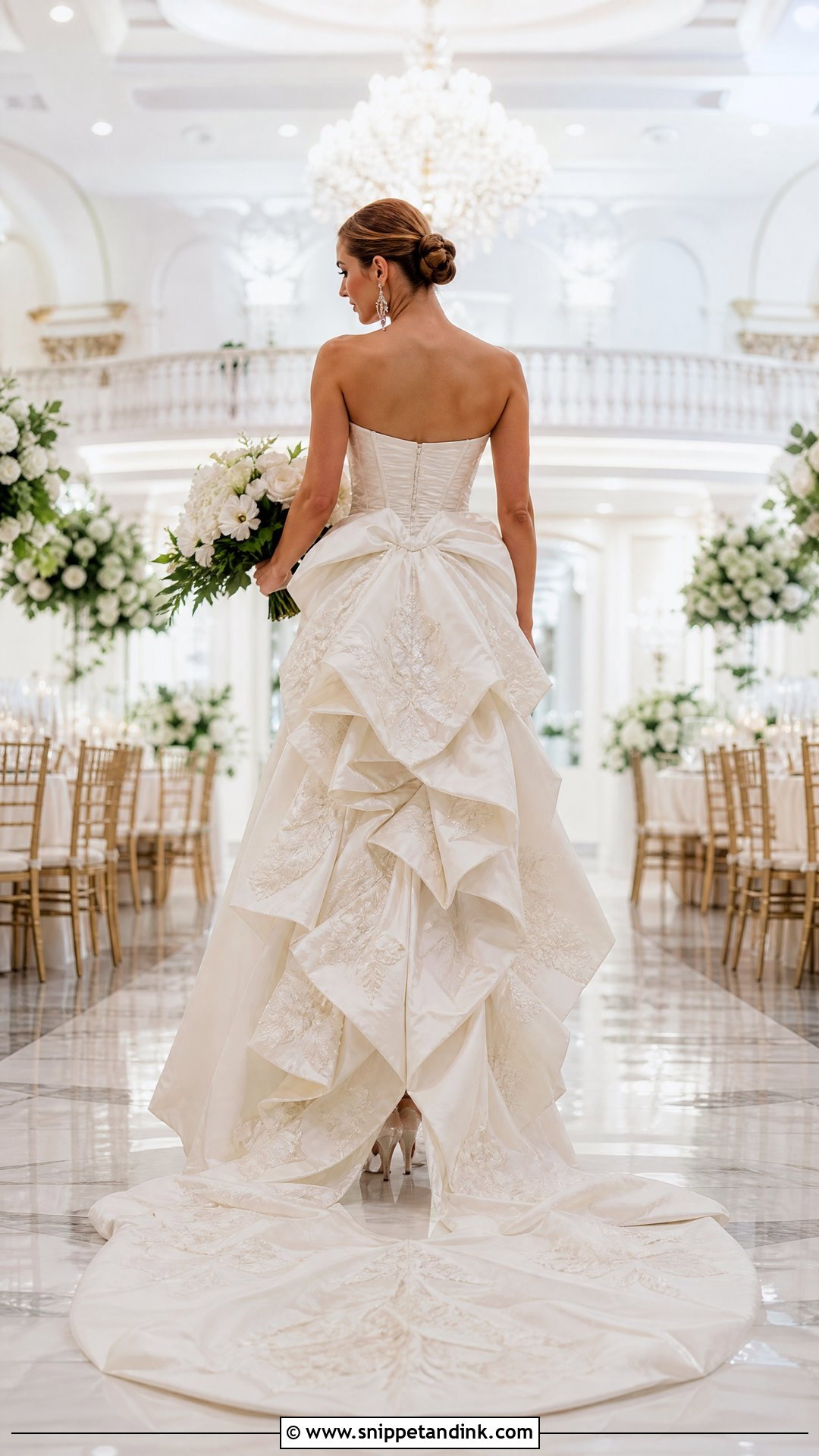
Royal-length trains often need a combination: a hidden under-bustle to manage the bulk, then exterior pickups to arrange lace panels, an overskirt or embroidery on top. Splitting the job spreads serious weight and lets each section fall properly. Every attachment must be reinforced, labelled and tested in sequence. With this much fabric, I’d plan on two helpers. Film the fitting so the steps can be replayed on a phone, and keep a small repair kit with the helpers. An experienced bridal seamstress can make even an extremely long train into a secure, balanced reception skirt.
When a Bustle Point Gives Way at the Reception
Buttons pop and ribbons slip, usually on the dance floor when someone steps on the hem. It is fixable in a couple of minutes if your helper has the right things in a pouch, so I pack one for every bride with a bustled gown.
- Large safety pins and a few small ones, pinned from the inside so the head is hidden in a fold.
- A needle already threaded with thread in the gown’s shade, plus two spare buttons if the seamstress has extras.
- Short lengths of spare ribbon for under-bustles.
- A small pair of scissors and a few clear elastic hair ties, which can stand in for a broken loop.
- The fitting photos, saved offline, in case the venue has no signal.
If a point fails, go somewhere quiet and redo the whole bustle rather than patching one spot; one missing point puts uneven strain on the others and they start to go too. Pin from the inside, through the lining or a seam allowance, never straight through lace or satin where the hole would show. Then step on the hem lightly yourself and check that the train no longer drags.
Your Train, Two Ways
A good bustle protects the train, lets you move, and still looks like part of the gown’s design. The options above run from a quick one-point lift to big royal folds, hidden ballroom tucks and custom systems for lace, tulle, satin, crepe and beadwork. Treat them as starting points. Your seamstress will judge the train’s weight, width and layers before deciding where the points go. Test the finished bustle walking, sitting and turning in your wedding shoes. Then pick one calm helper, have them practise, and keep the fitting photos on their phone.
You'll Like These Ideas:


Leave a Reply