
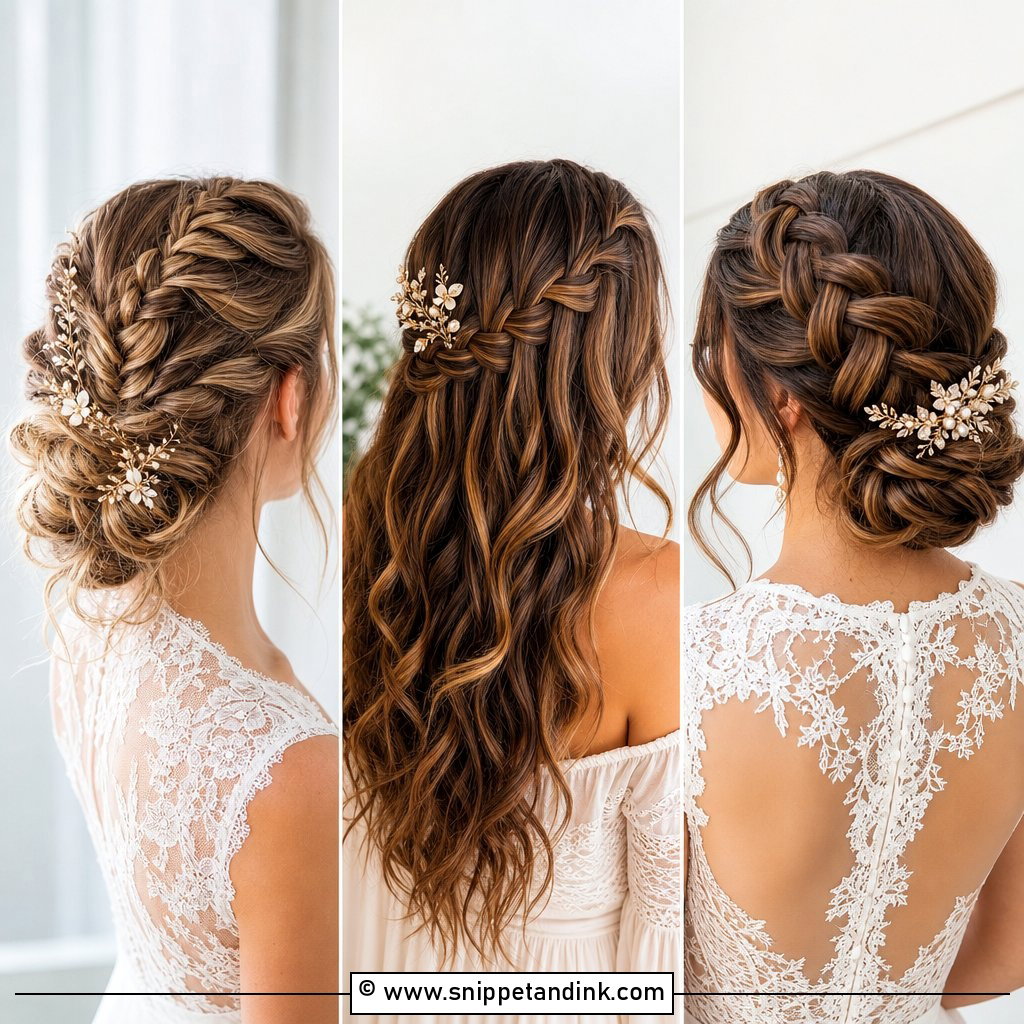
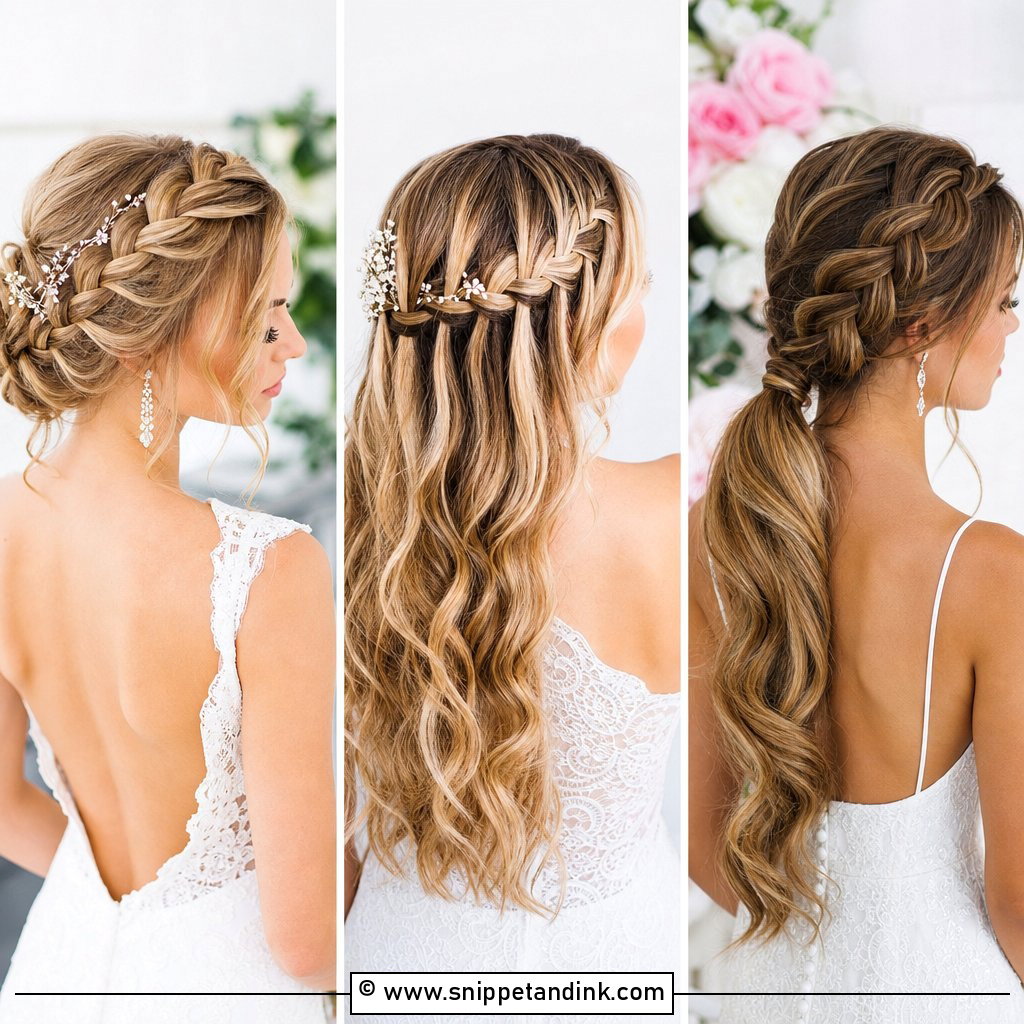
Braids are what I reach for when a guest tells me she’ll be outdoors for the ceremony, seated for a long dinner and dancing until the end. A braid keeps its structure far longer than loose curls, and it looks considered without competing with the bride. Below are 20 wedding guest braid hairstyles I’d happily do on a guest, from a loose fishtail to cornrows gathered into an updo, with notes on which hair each one suits and where it tends to go wrong.
Which Braids Your Texture and Length Can Hold
Most braid problems I fix on guests come from a technique the hair can’t support. Check yours against these before you pick from the list.
Slippery or very fine hair
Freshly washed fine hair slides out of a braid within the hour. Braid on second-day hair, or work dry shampoo or texture spray through first. Dutch braids hold better than French on fine hair because the raised strands grip each other, and pulling the loops wider adds the volume the hair lacks.
Layered cuts
Short layers poke out of long braids. Smaller sections and a fishtail hide them best, and a light balm along the braid smooths the ends that escape. Accept a few wisps, because fighting every one with spray makes the braid look crunchy.
Curly and coily hair
Braid on stretched hair, after a blow-out or a twist-out, and keep it moisturized so the braid stays defined rather than frizzy. Cornrows and other protective styles are best left to a braider and done a day or two ahead.
Bobs and short cuts
Pick a style that lives near the hairline: a waterfall, an accent braid, or a small Dutch braid along the part. Crowns, fishtails and braided ponytails need length you don’t have, though clip-in extensions can bridge the gap.
1. Fishtail Braid With Loose Waves
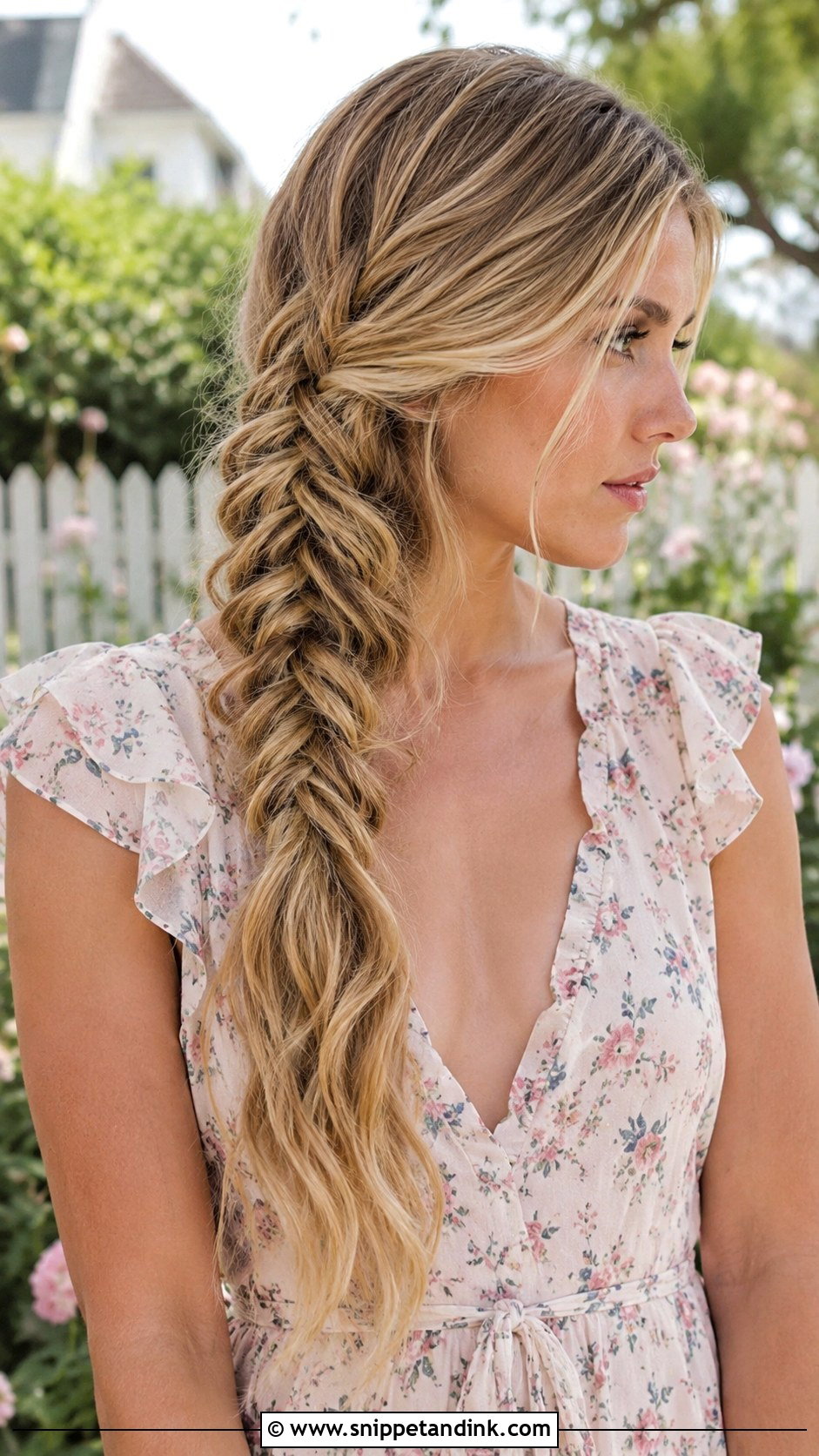
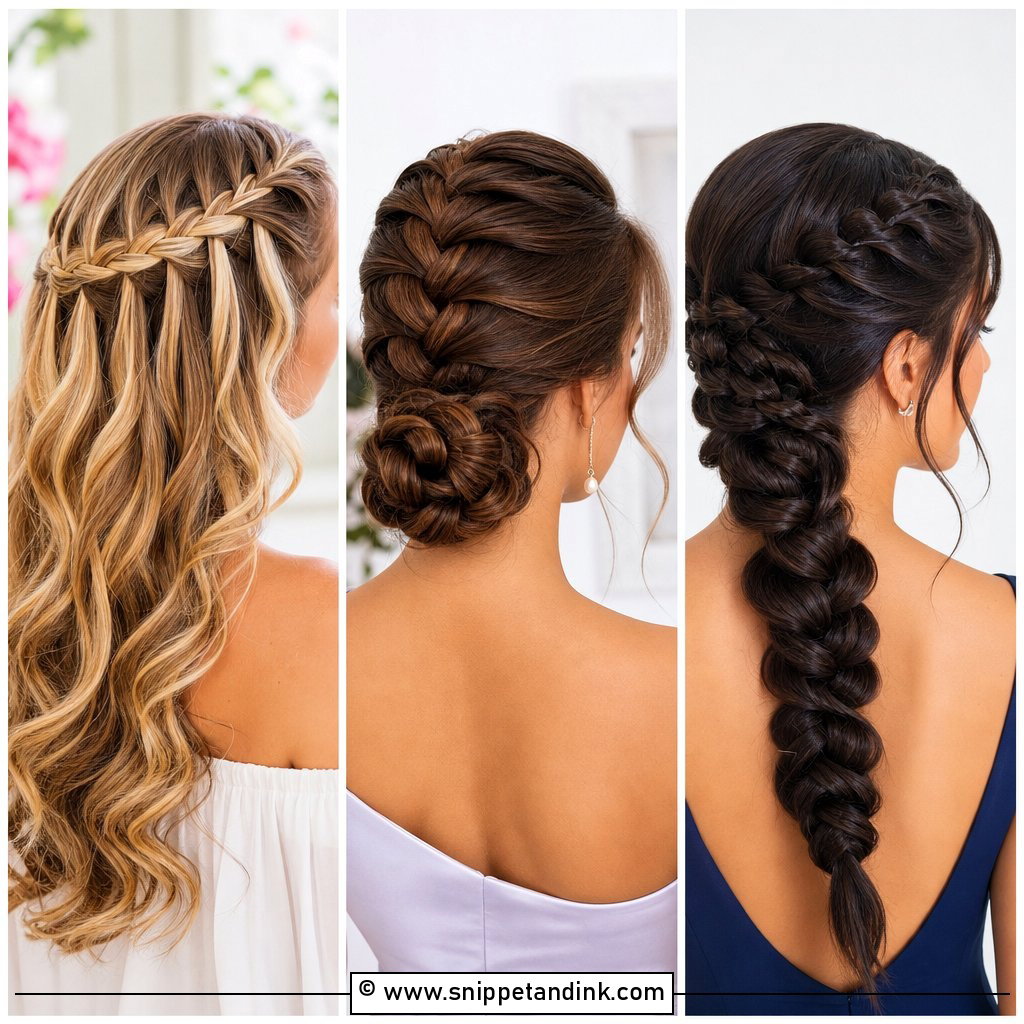
A fishtail looks far more complicated than it is. It’s only two sections, with a thin strand crossed from the outside of one to the other each time. Worn over loose waves, it holds the hair to one side so curls don’t blow across your face at an outdoor ceremony. I curl first and braid second, because curling a finished fishtail flattens it. Gently tugging the outer loops wider makes it look fuller, but work from the bottom up or the top slides loose. You need medium to long hair; layers that end above the braid’s midpoint will poke out.
2. Dutch Braid Into a Low Bun
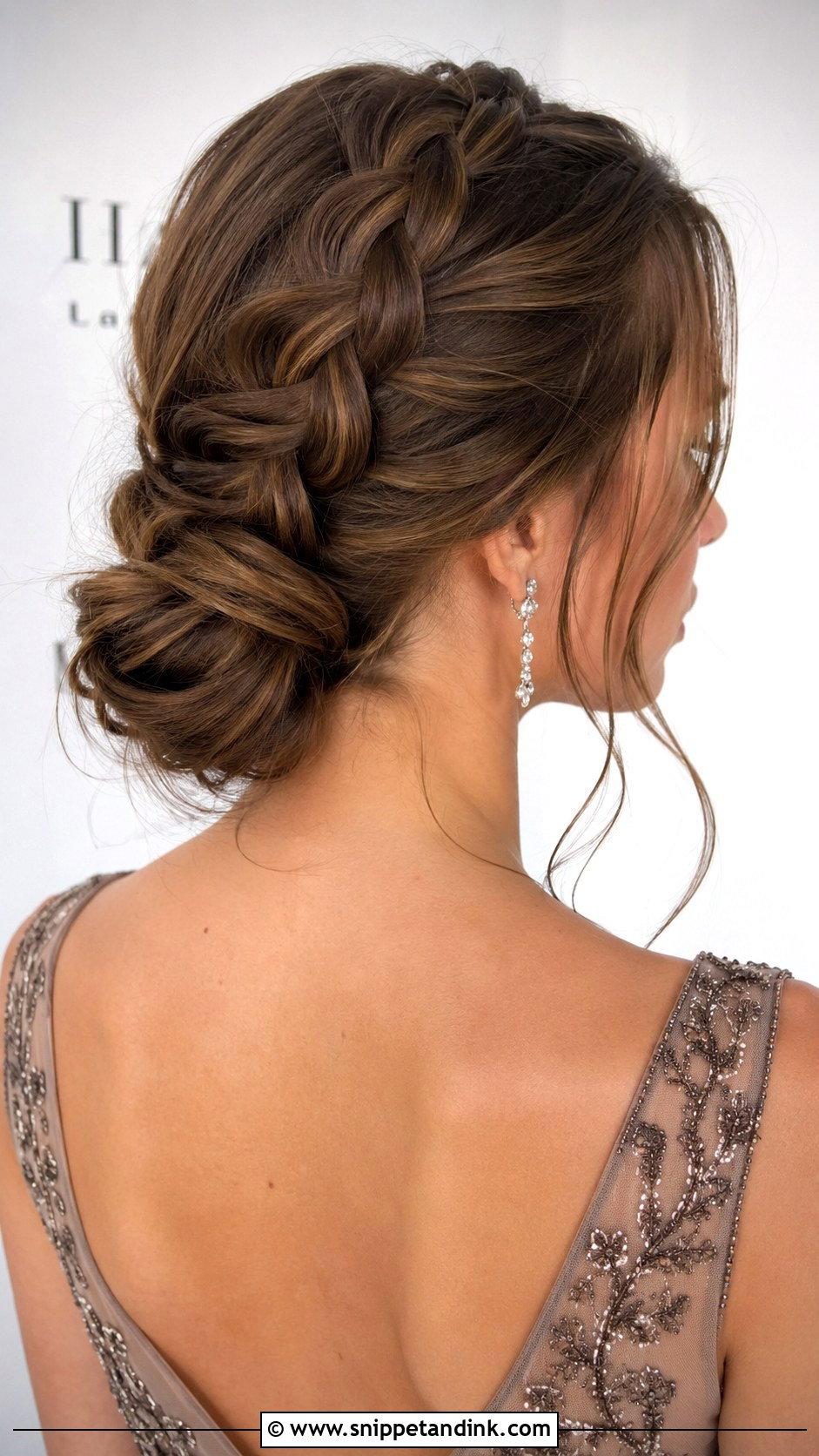
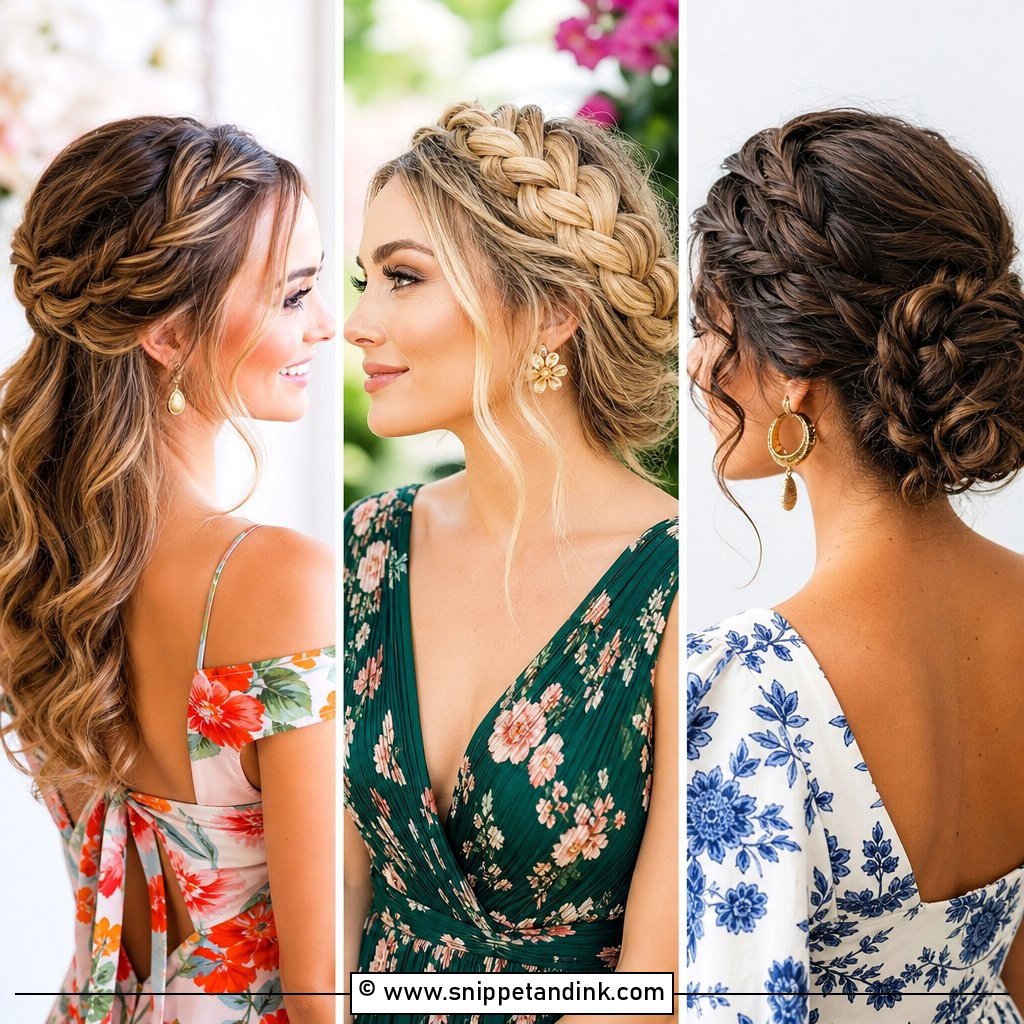
A Dutch braid is crossed under rather than over, so it sits raised on top of the hair, and that raised ridge grips well. Running it along the crown into a soft knot at the nape gives you hair that won’t budge through a hug line or a hot dance floor. For a ballroom, smooth the braid with a little cream; for a garden, leave a couple of face-framing pieces out. I anchor the bun with U-shaped pins pushed in against the direction of the twist, since bobby pins alone tend to slide out of a heavy bun by evening. A single pearl pin near the knot is plenty.
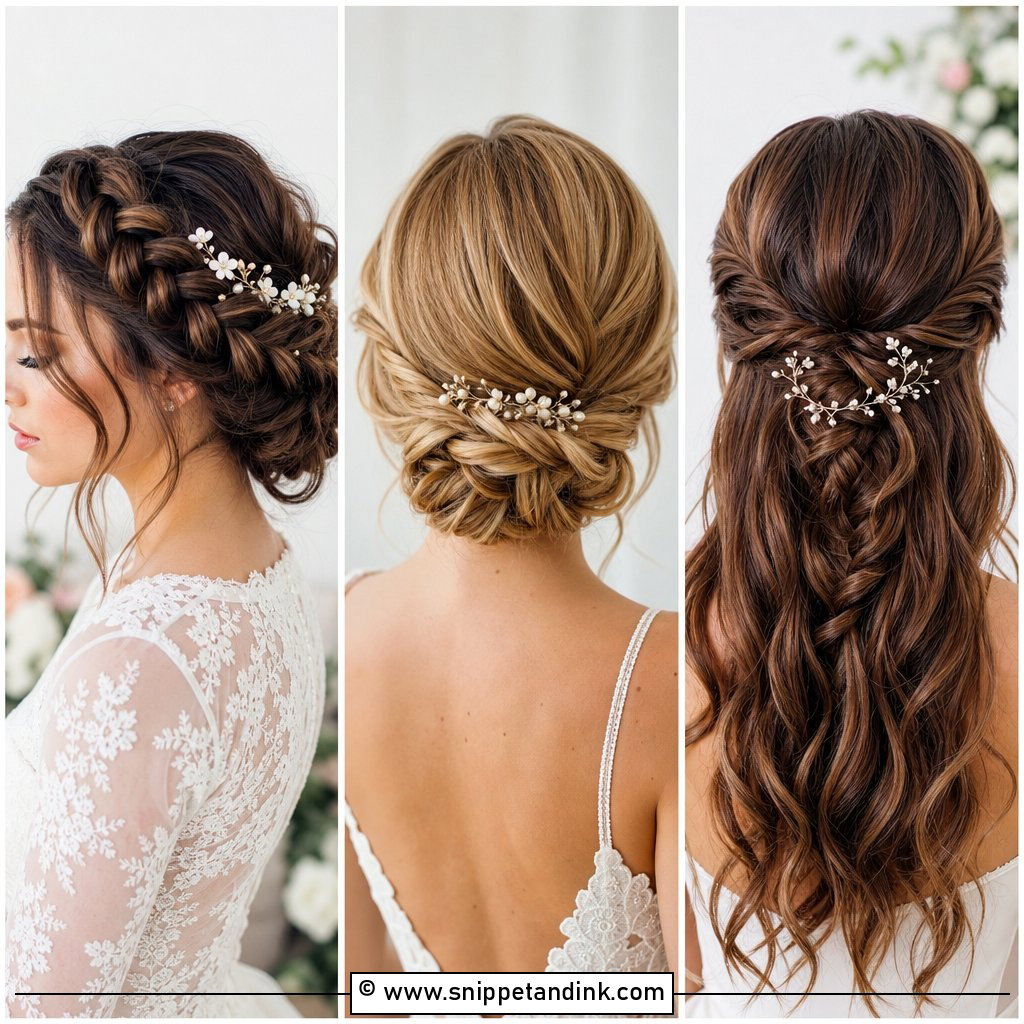
3. Crown Braid With Fresh Flowers
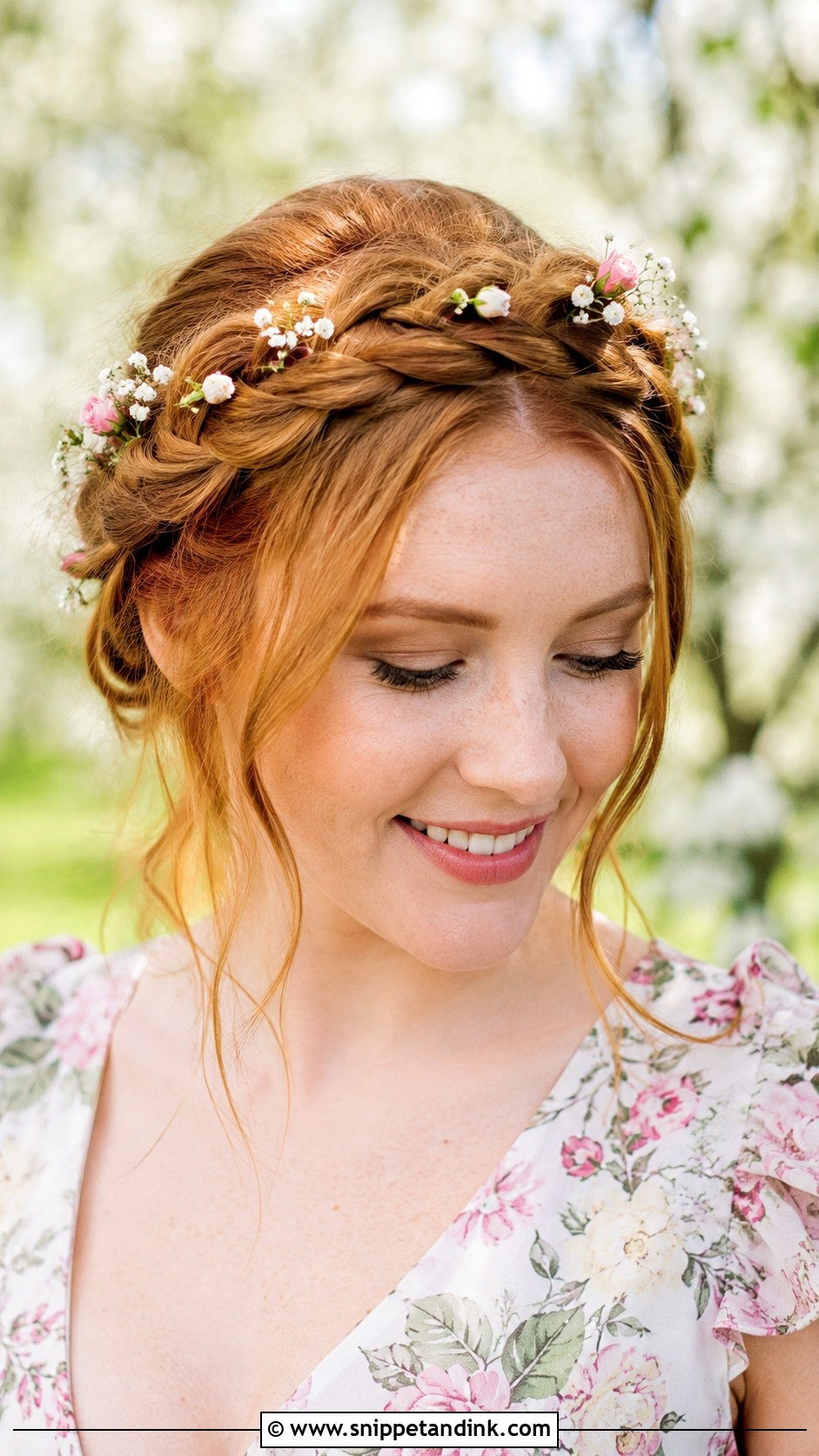
A braid that wraps around the head sits like a halo and gives flowers a ready-made place to rest. I usually make two braids and pin them across each other at the back, because few people have hair long enough for one braid to circle the whole head. Choose sturdy small blooms: baby’s breath and spray roses last for hours out of water, while delicate petals bruise against the braid by the speeches. Medium hair can manage it; short layers can’t. At a spring or rustic venue it feels at home, just keep the flowers colored rather than all white so nobody mistakes it for a bridal crown.
4. Waterfall Braid With Curls
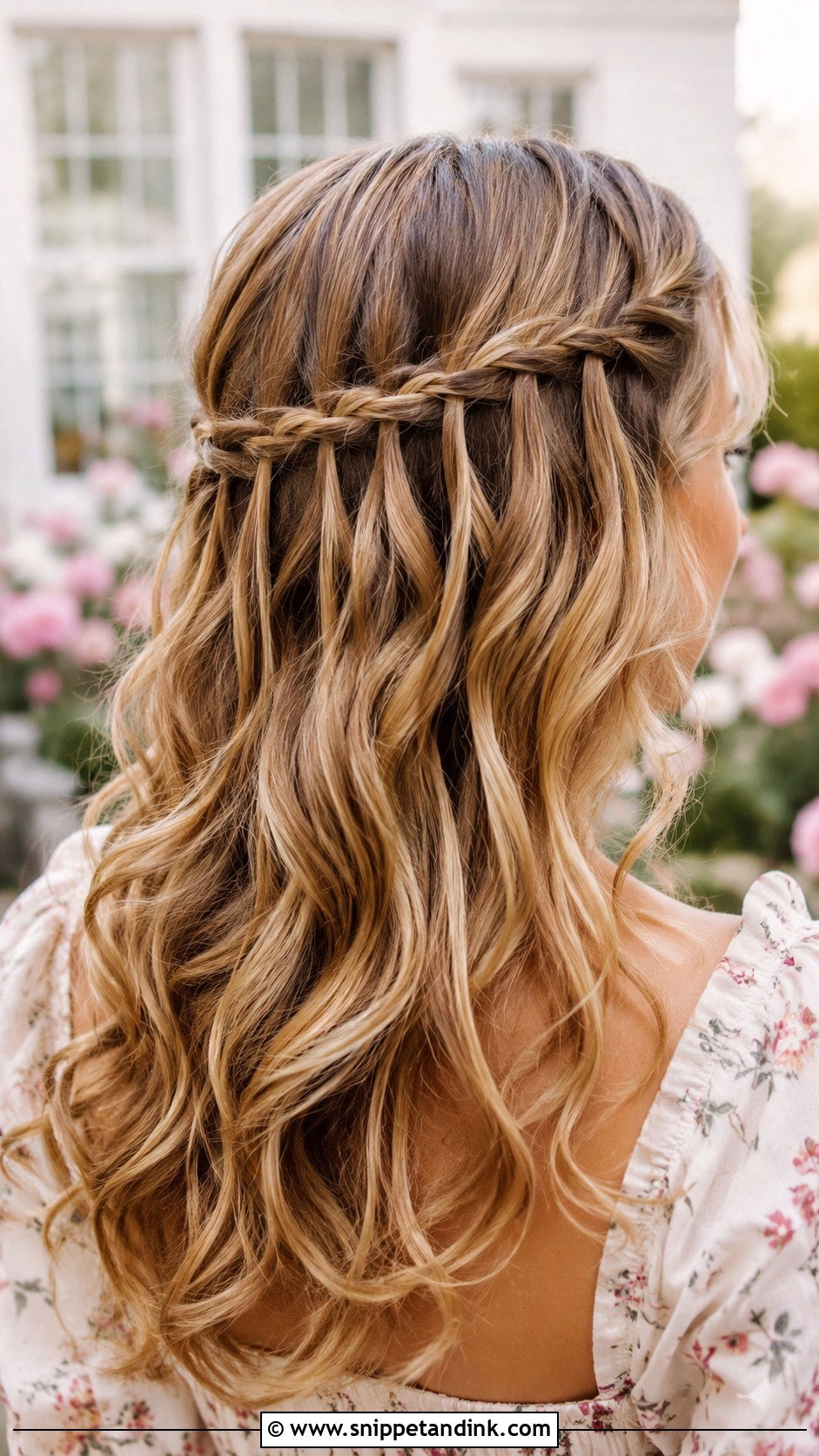
The waterfall is a French-style braid worked sideways, where each lower strand is dropped and a fresh piece picked up, so hair falls through the braid like water. It’s for guests who want their hair down but held back from the face. The dropped strands show their texture best once they’re curled, so I curl underneath after the braid is in. It’s fiddly to do on yourself, and on fine hair the dropped pieces can disappear; a mist of texture spray first gives them definition. Medium to long hair suits it, at daytime and garden weddings especially.
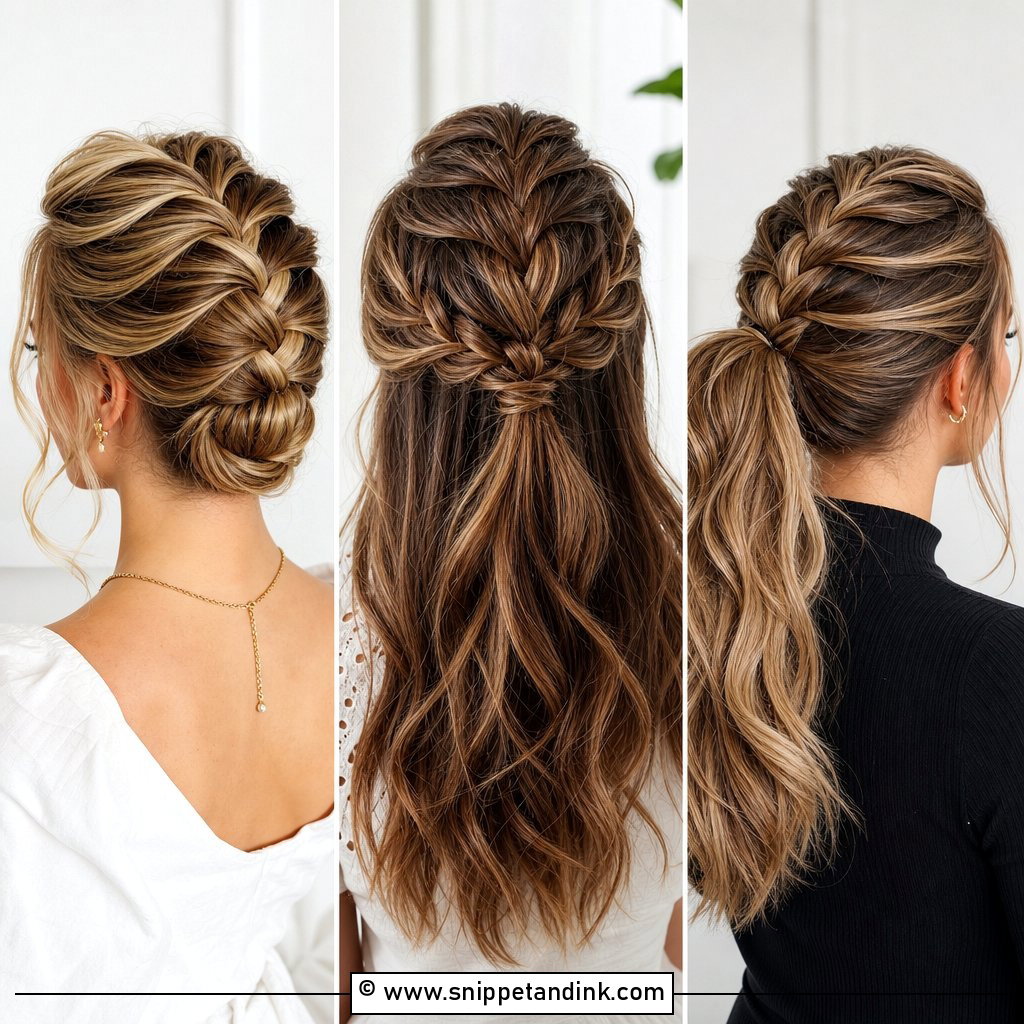
5. Side Swept French Braid
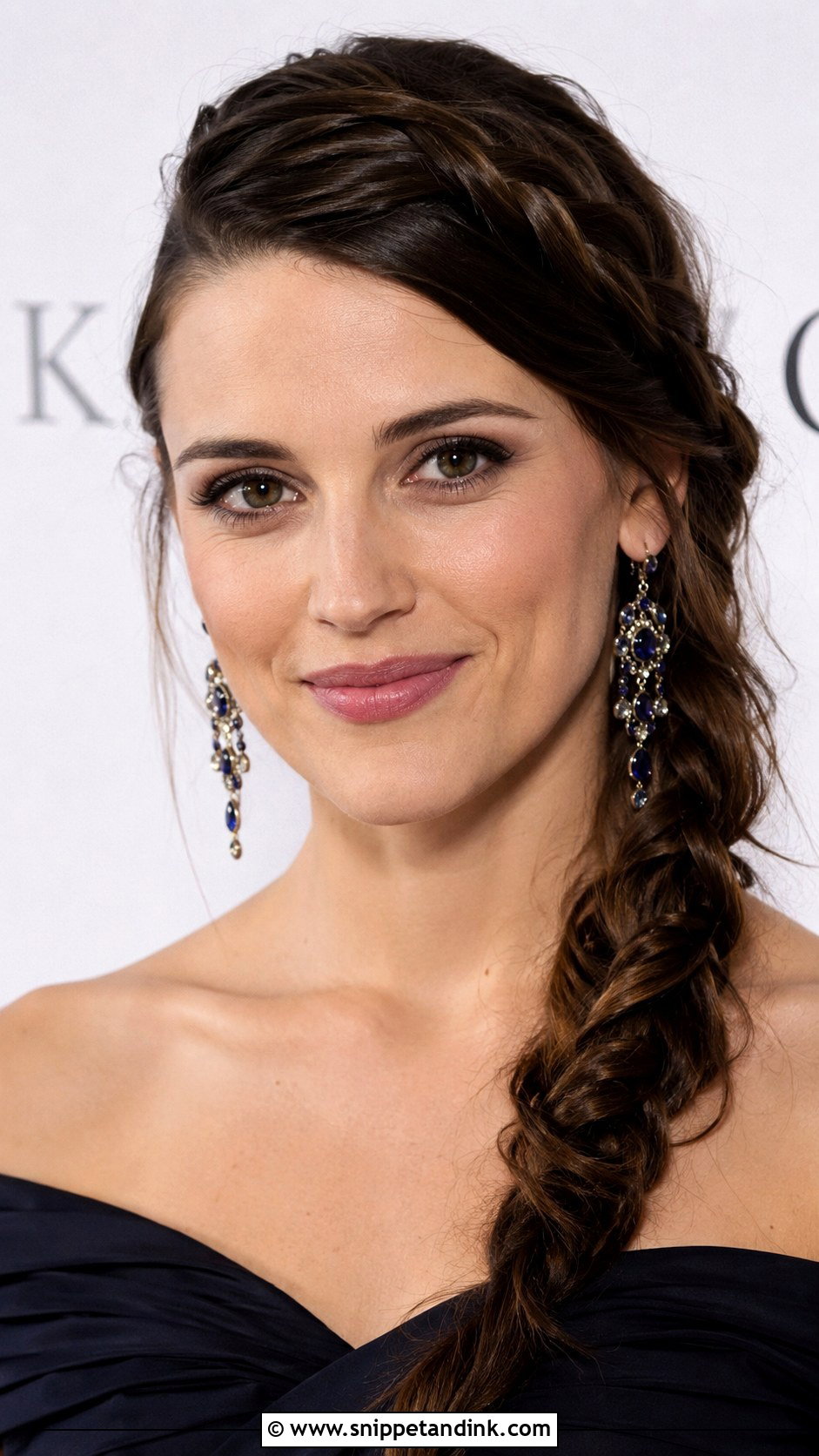
This one starts at the crown and travels to one side, picking up hair as it goes, then finishes over the shoulder. Putting the weight on one side draws the eye along the neck, which is why I pair it with one-shoulder and off-shoulder dresses. Tight, it reads sleek and evening; loosened, it softens for a daytime garden. I always blow-dry the hair toward that side first, because hair that naturally falls the other way fights the braid all day. Statement earrings on the bare side balance it.
6. Boho Rope Braid With Loose Curls
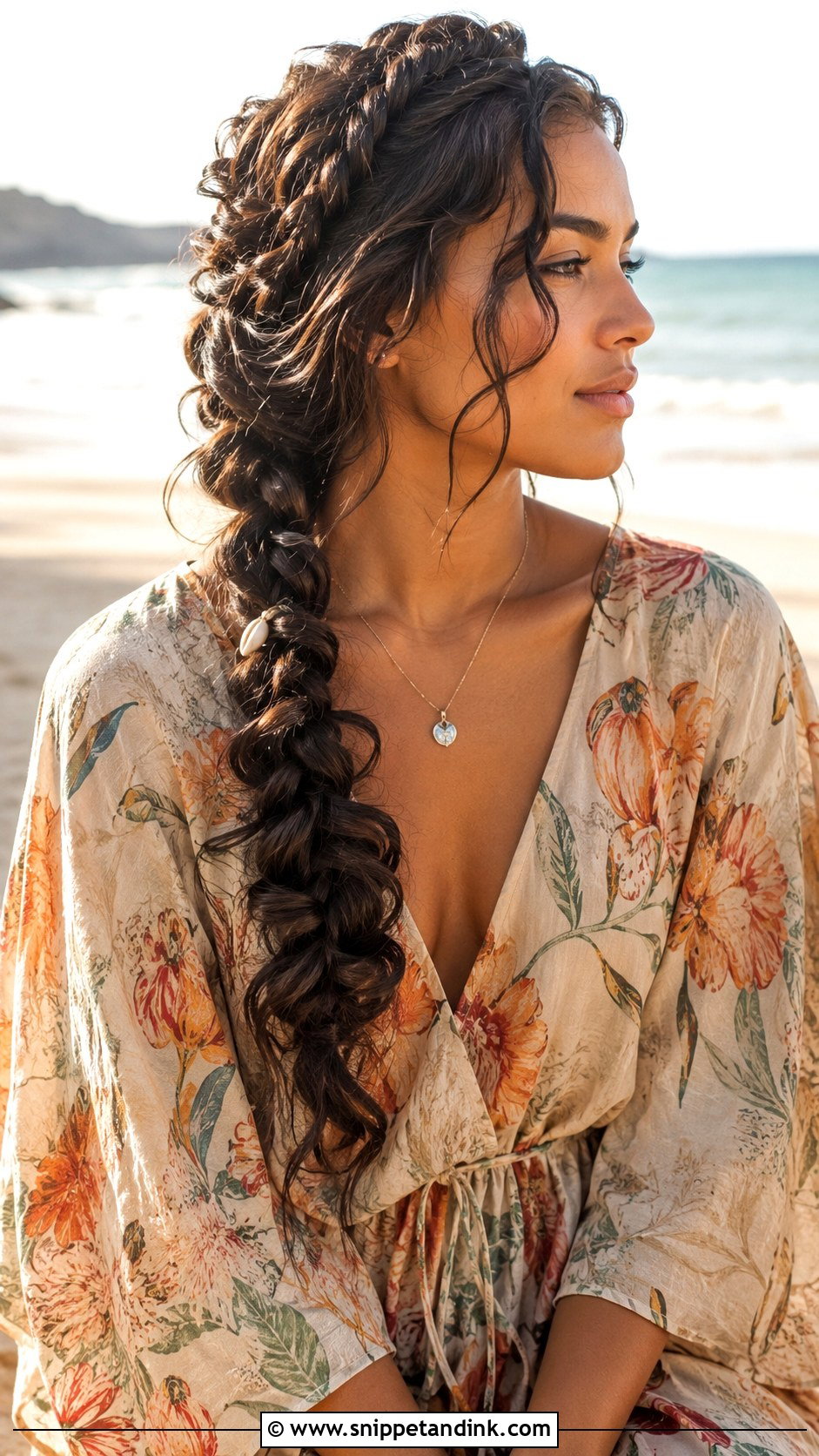
A rope braid is two twisted strands wound around each other rather than plaited, which makes it the most forgiving style here for a beginner. The boho rope braid looks relaxed over loose curls and needs no special skill, just consistency: twist each strand in the same direction, then wrap them around each other the opposite way, or the rope unravels. That’s the one mistake I see again and again. Pull a few pieces loose around the face and finish the end with a clear elastic. Destination and outdoor weddings, maxi dresses and glowy makeup all sit naturally with it.
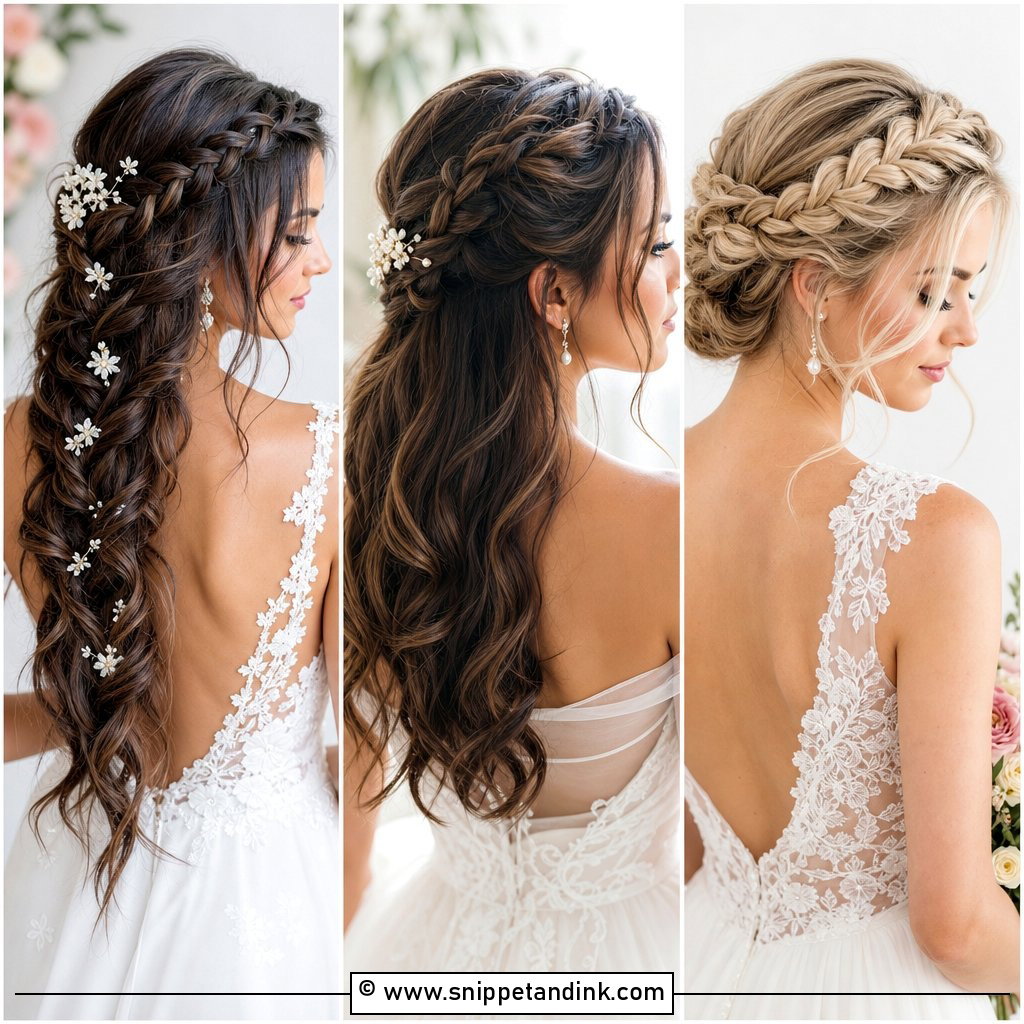
7. Halo Braid With Pearls
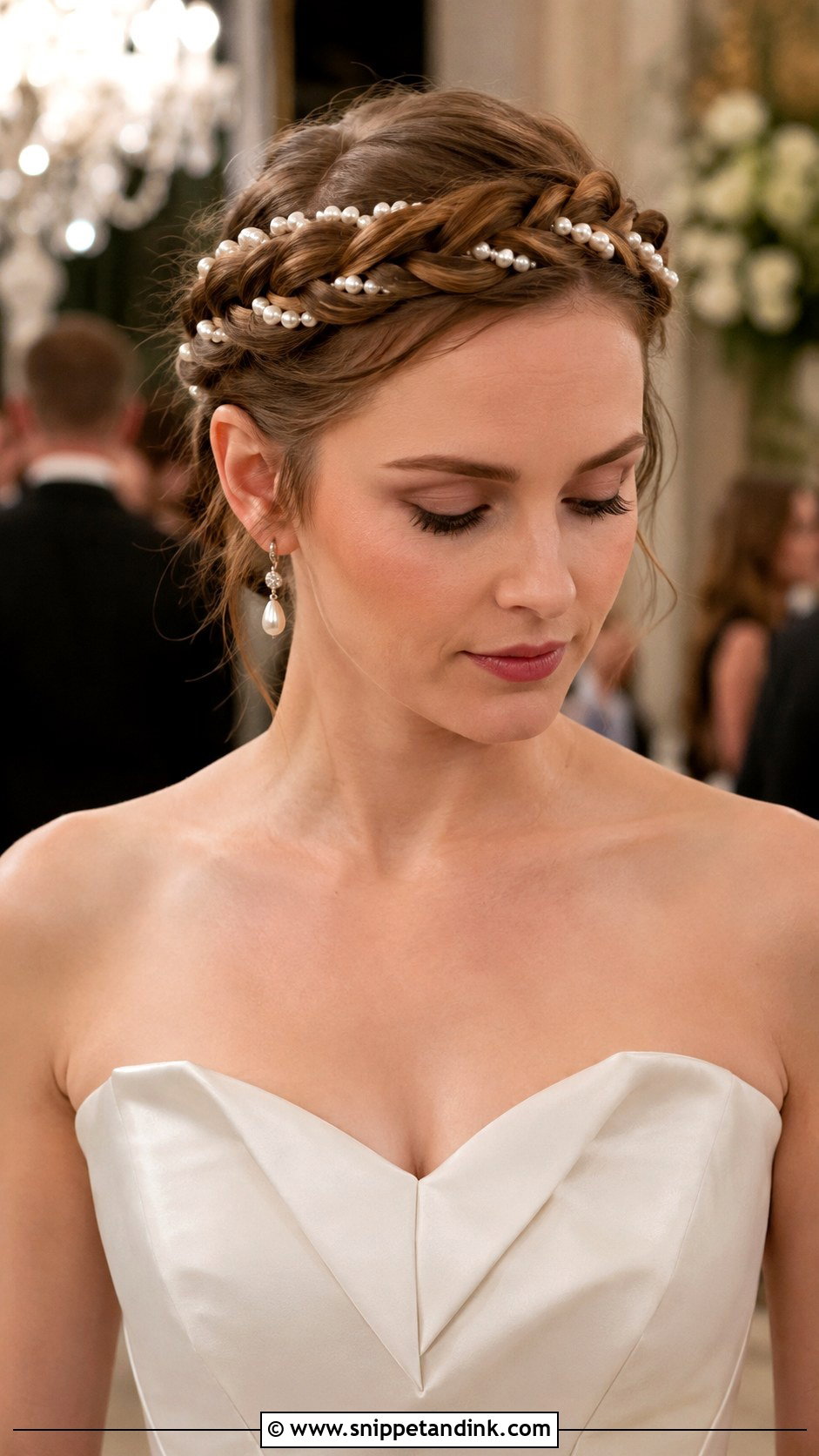
Pearls can be threaded through the halo as it’s made, or added afterward as pearl pins tucked into each loop. For guests I prefer pins; threading a strand evenly takes practice, and a slipping strand is hard to fix at the table. The braid keeps all the hair contained, so you can dance without thinking about it, and under candlelight the pearls pick up a soft glow. Keep your earrings and necklace simple so the hair carries the detail. I’d stop short of a dense band of pearls across the top, which starts to read like a bridal headpiece.
8. Messy Fishtail Updo
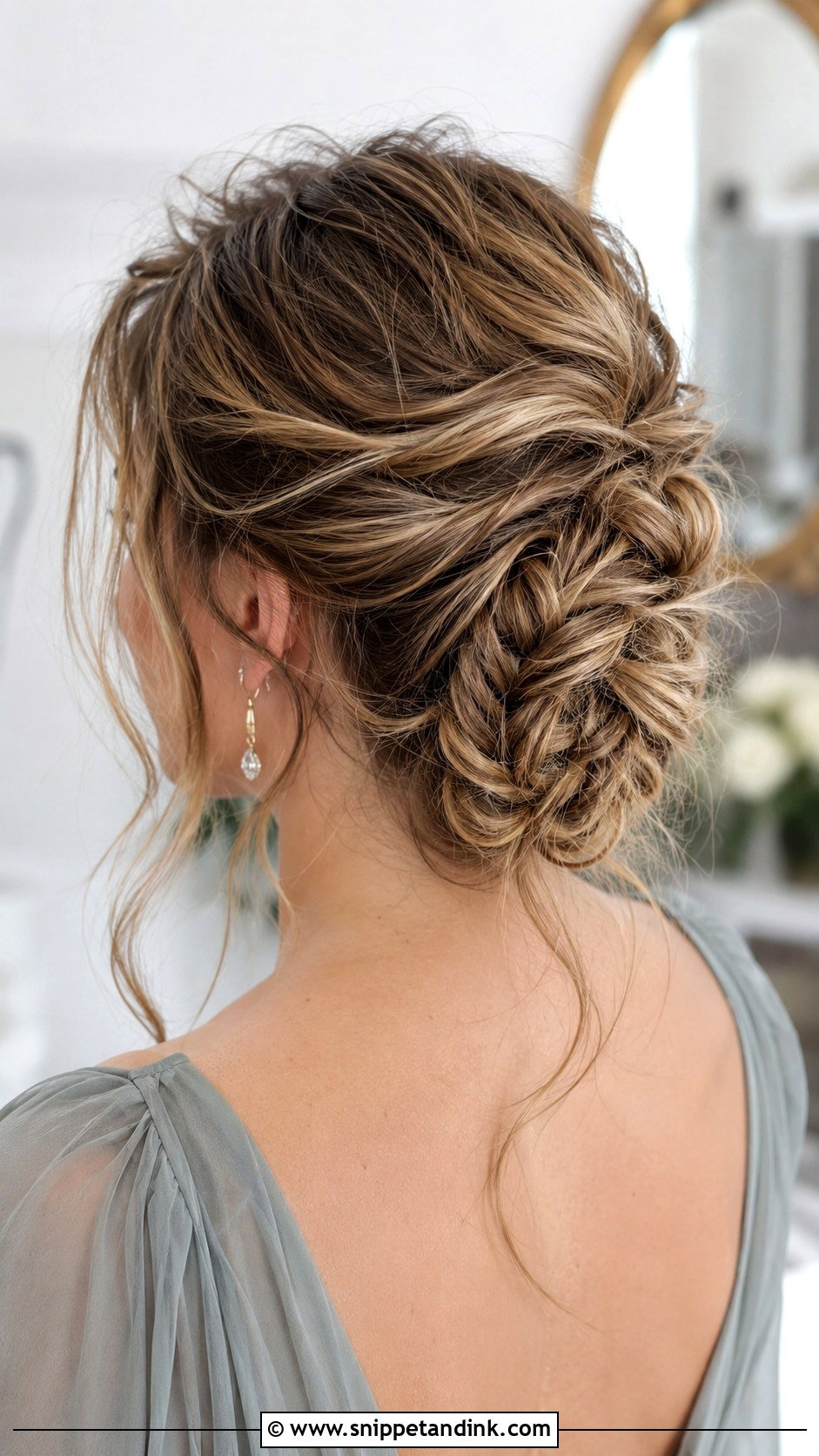
A fishtail pinned up into a loose shape is meant to look undone, and that’s harder to judge than a sleek style. The secret is texture before braiding: dry shampoo or texture spray gives fine hair the grip and bulk to look full. Once it’s braided, I fold the fishtail up and pin it in loops, then pull a few wisps free at the temples. Fine hair gains the most here, since loosened braids add visible volume. Drop earrings and a flowing dress finish it.
9. Double Dutch Braids Into a Bun
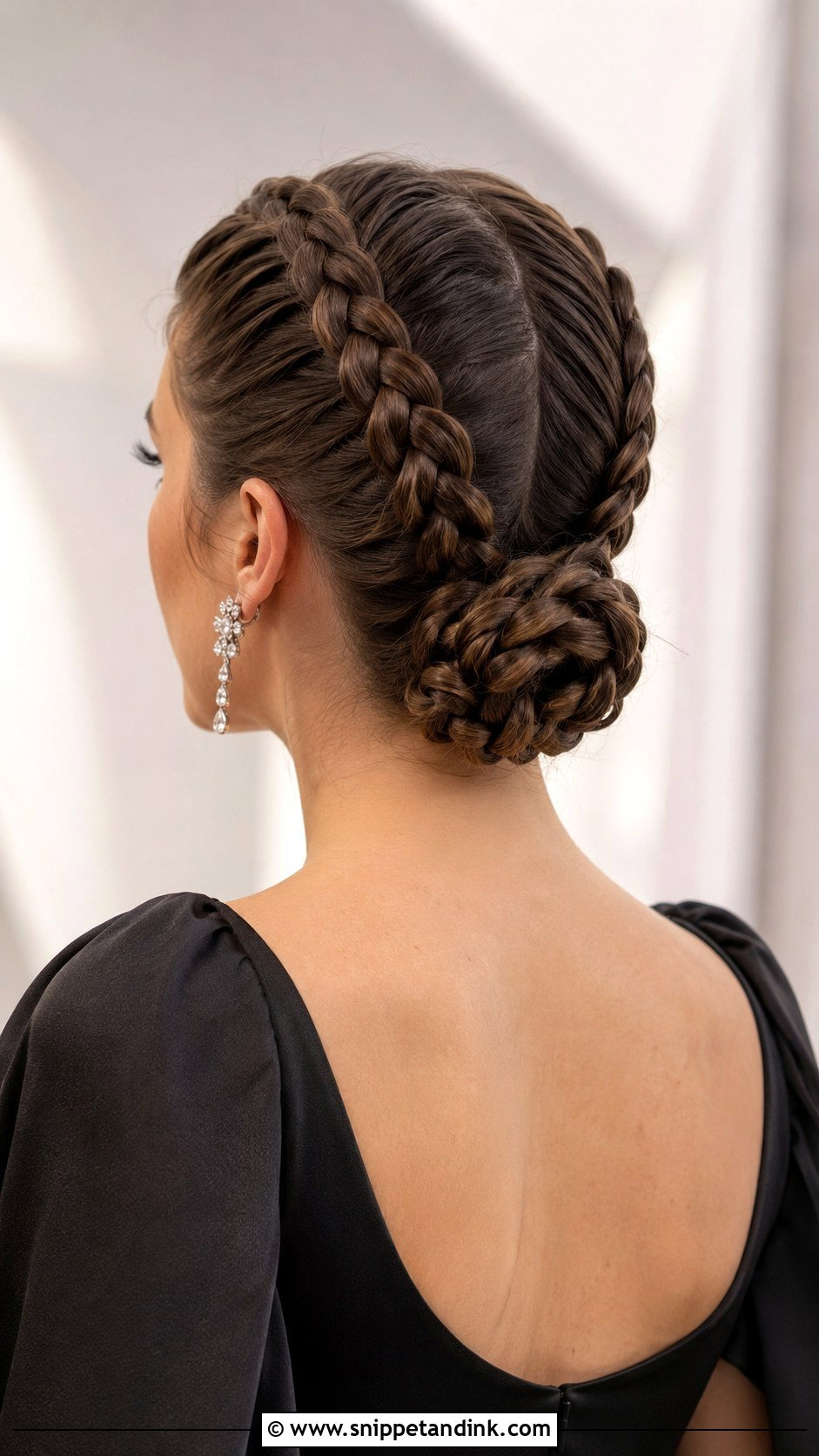
Parallel braids that meet in a low bun look modern and very neat. Two sleek Dutch braids grip so firmly that they rarely loosen, which makes them a good call for an active reception or hot weather when you want nothing on your neck. The part has to be dead straight, since any wobble shows right down the center of the head, so I draw it with the tail of a comb from forehead to nape. They work on every texture, including coily hair braided while stretched and moisturized. Smooth flyaways with a little gel for a crisp finish, or leave them slightly textured for something softer.
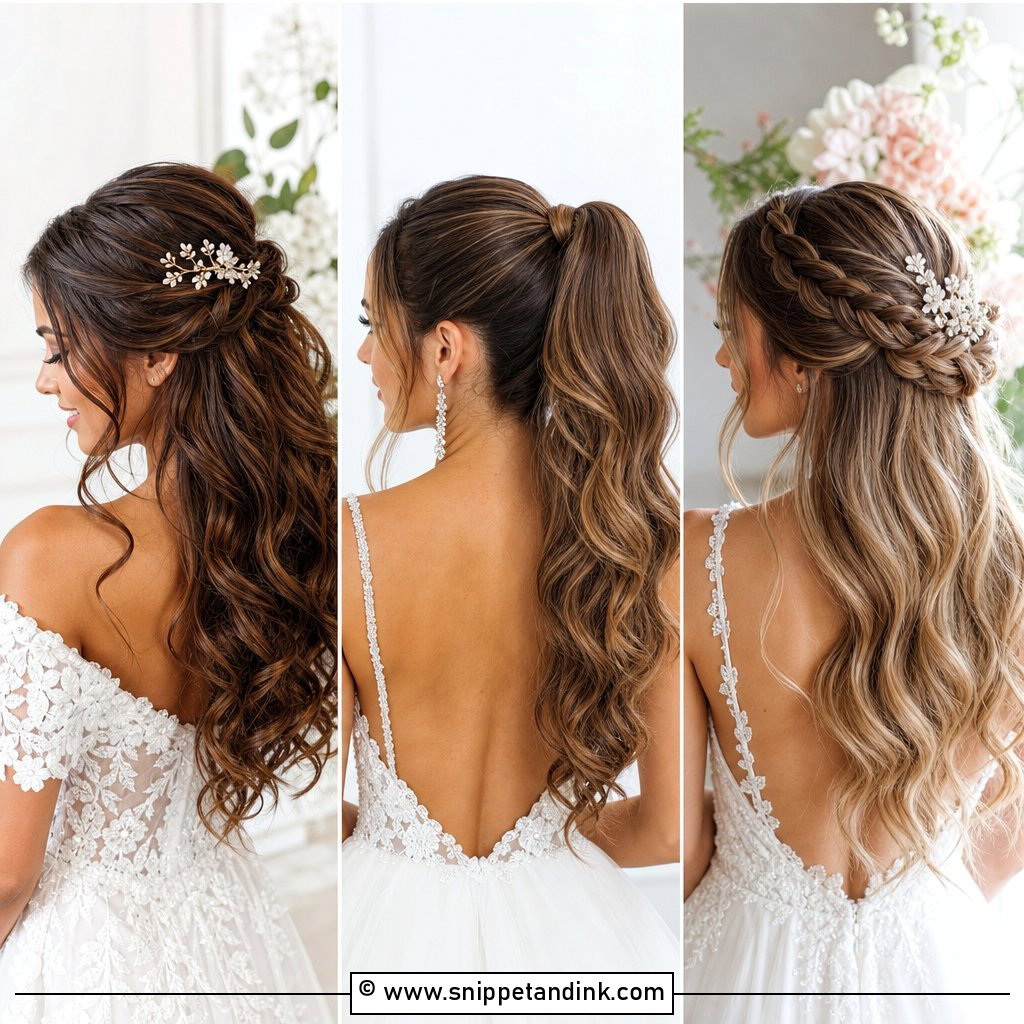
10. Braided Half-Up Half-Down
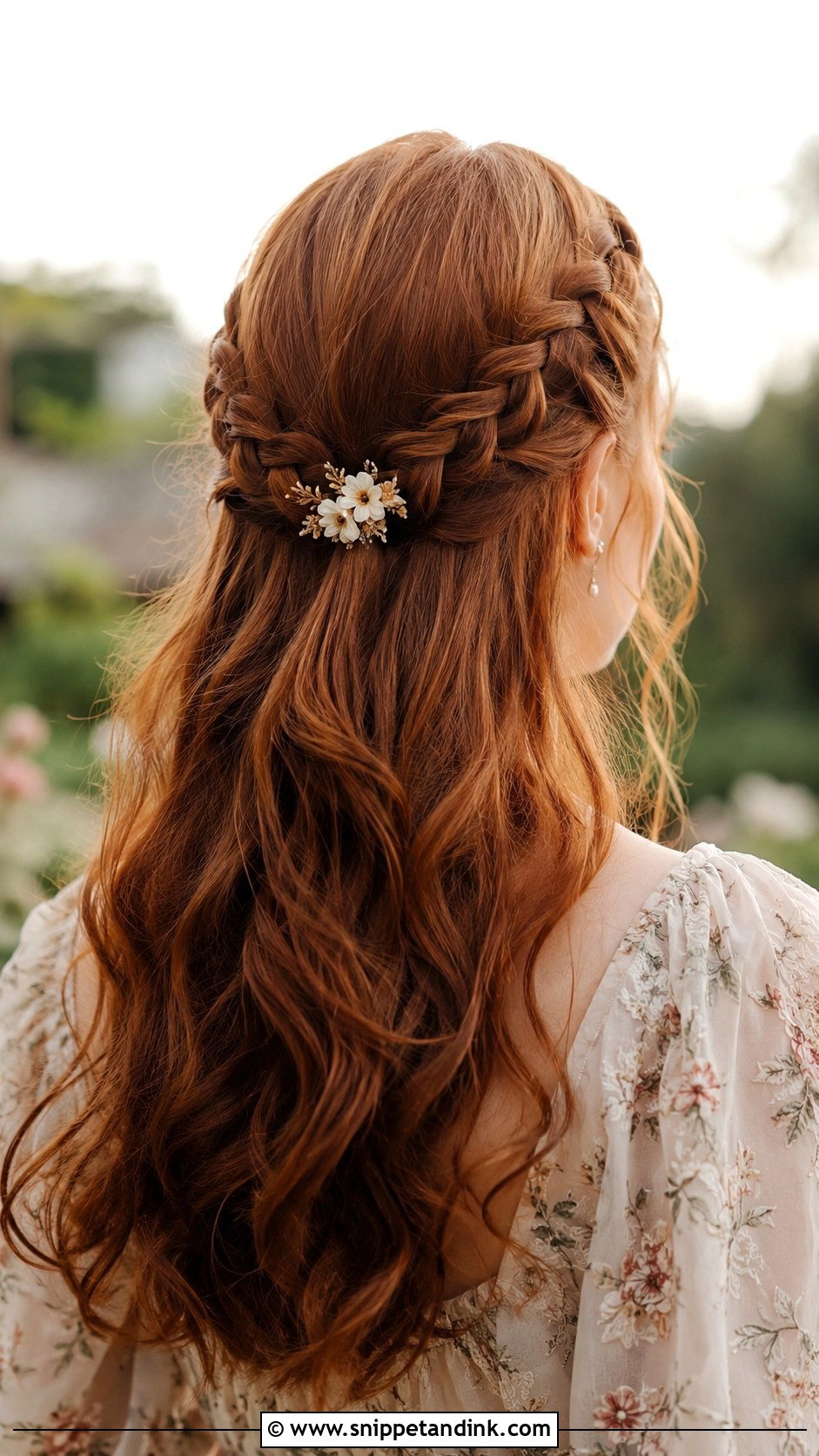
Torn between up and down, many guests end up here. Two small braids lift the top section from each temple and meet at the back of the crown, while the rest hangs free. I secure the join with a clear elastic and hide it under a small clip or flower, because the join is what slips first. Soft waves through the loose lengths give it shape. It stays put better than fully loose hair at a windy venue, and it moves easily from a rustic barn to an evening reception.
11. Low Side Braid With Ribbon
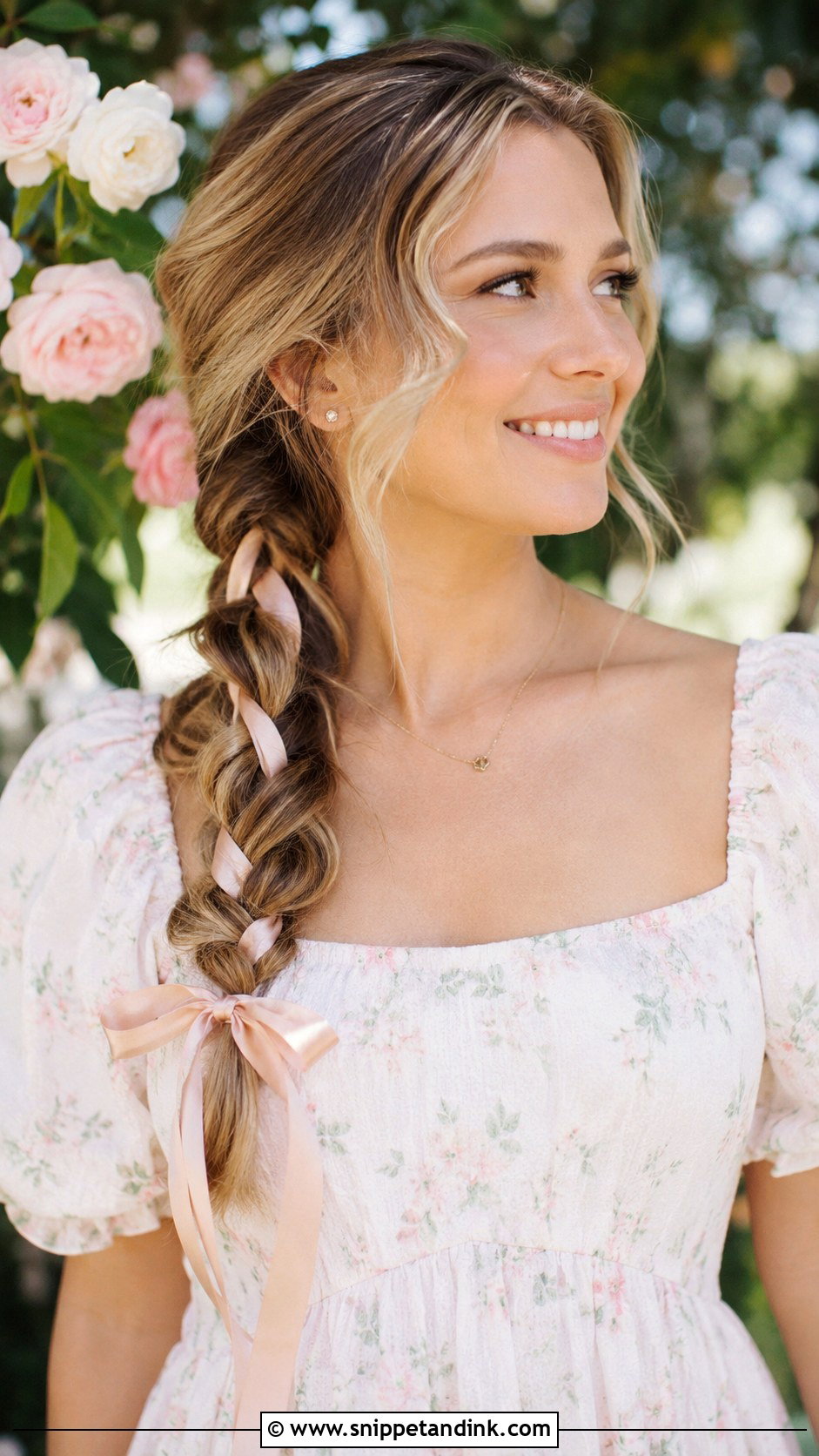
Ribbon turns a plain side braid into something people remember. I either braid the ribbon in as one of the three strands or lace it through afterward, using a bobby pin like a needle. Satin in a soft pastel looks daytime; a narrow metallic ribbon suits an evening wedding. Keep it thin, because wide satin bunches up and makes the braid lumpy. The low side placement is comfortable for hours, and loosening it gently makes it look fuller on medium to long hair.
12. Braided Crown With Bun
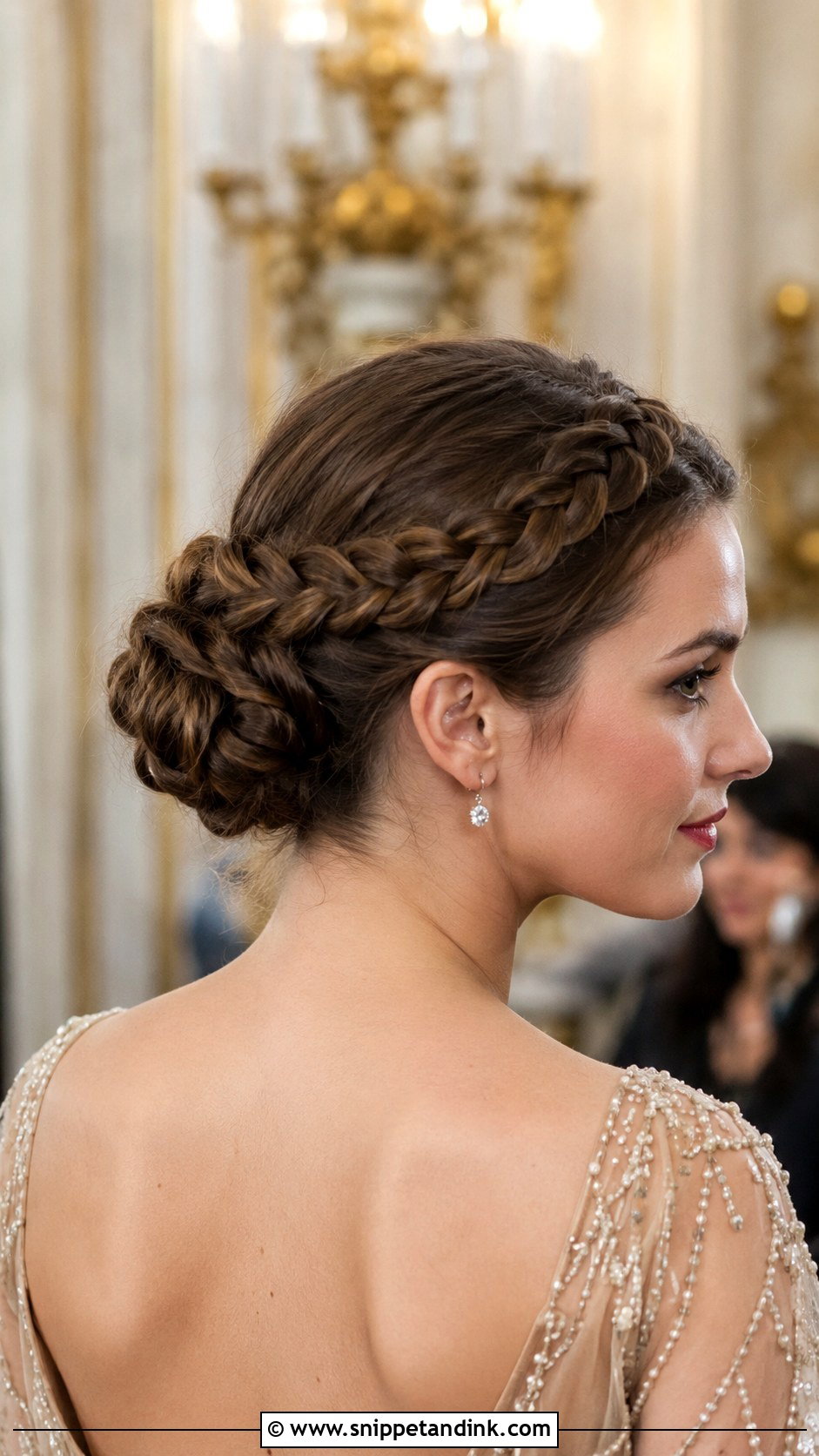
A crown braid with a bun at the back is one of the most secure styles I know. Every strand is tucked away, so it survives an outdoor ceremony, a long dinner and dancing without a touch-up. It does take time on long hair, and the back of the crown is hard to reach on yourself, so ask a friend or book a stylist. A few small pins or tiny blooms finish it. The symmetry suits most face shapes and sits comfortably with modern and classic outfits alike.
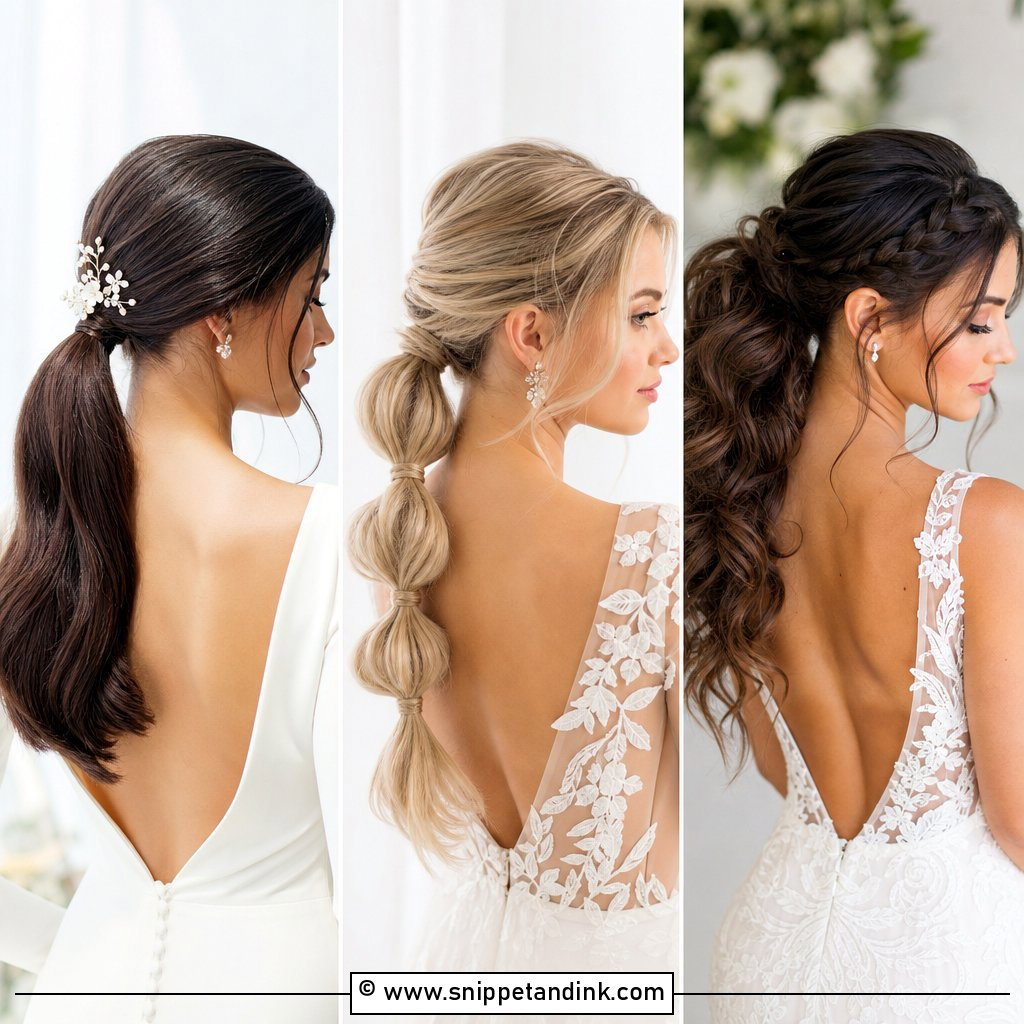
13. Bubble Braid Ponytail
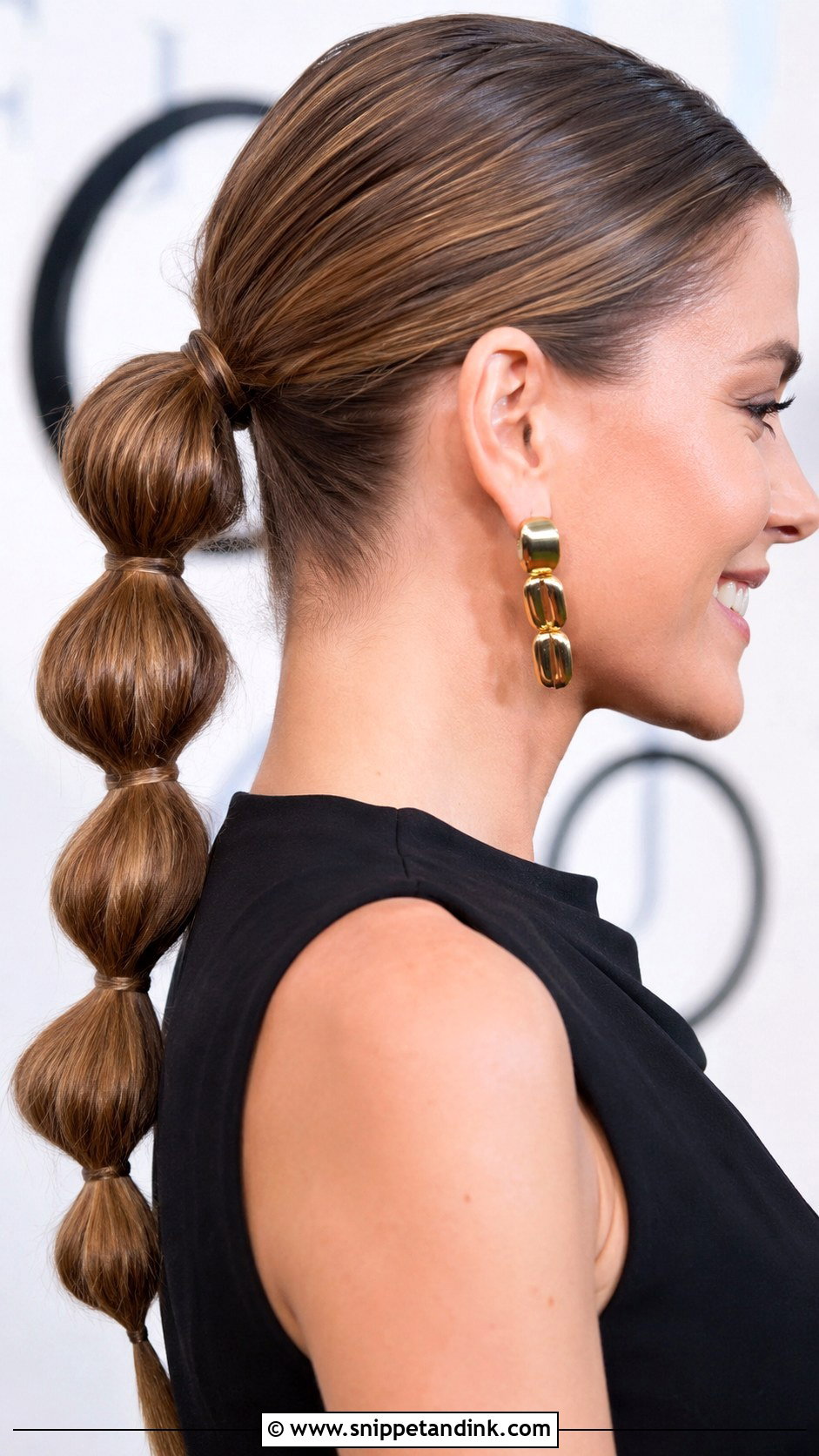
Strictly speaking, a bubble braid isn’t braided at all. Small elastics segment a ponytail into rounded sections, which you then pull wide. The bubble braid ponytail is quick and playful, and it suits a contemporary wedding and long hair. Space the elastics evenly and wrap a small strand around each one to hide it. Fine hair makes small bubbles, so tease each section lightly before pulling it out. Paired with a sleek dress and bold earrings, it looks deliberate rather than casual.
14. Twisted Braid Updo
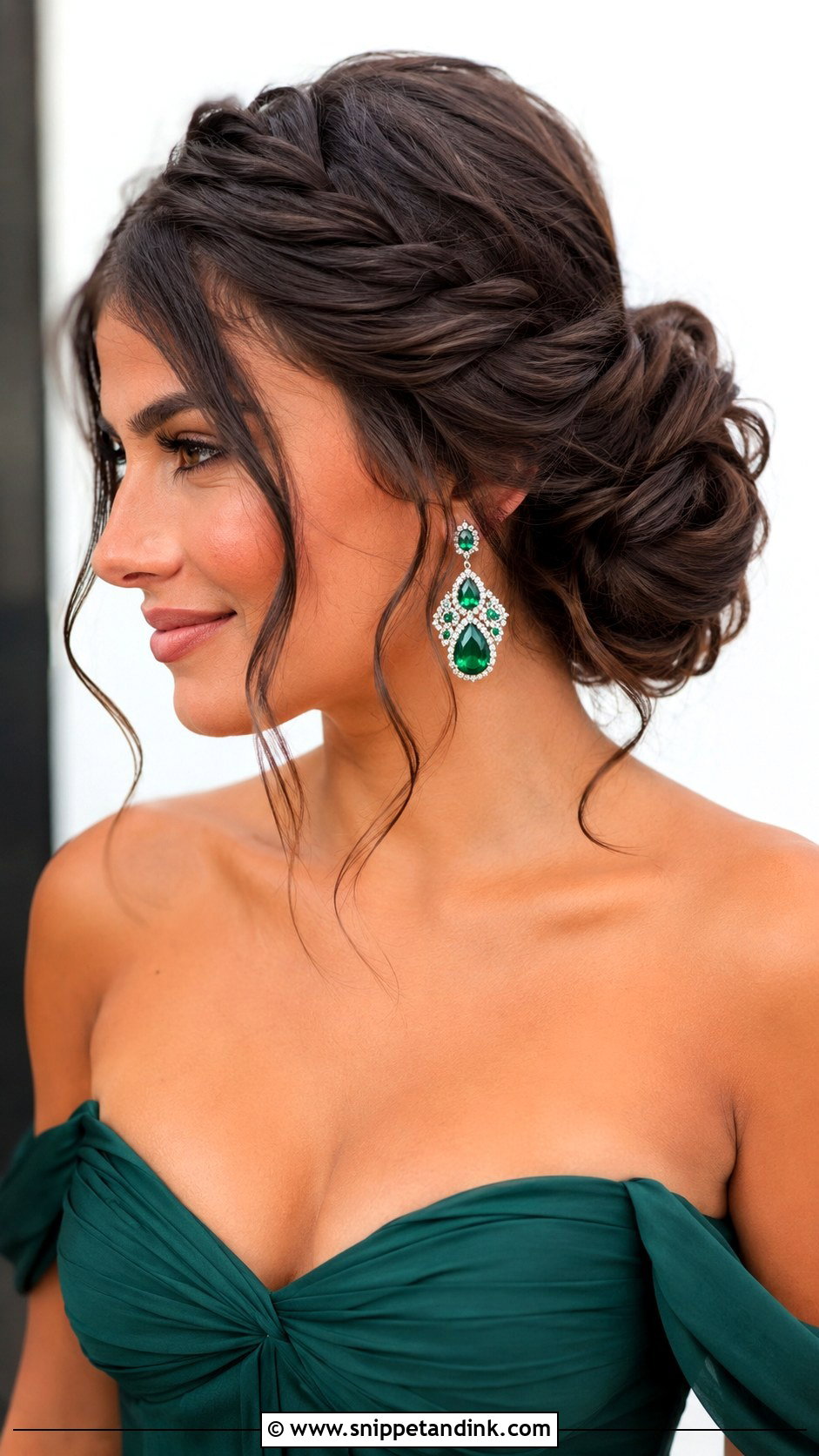
Twists are softer and more organic than a plait, and they hold texture a camera picks up. I twist sections back from the face, pin each one low, and gather everything into a romantic shape at the nape. Twists unwind if they aren’t pinned firmly, so I cross two pins in an X over each twist end, which locks them far better than one pin. A few pieces left loose at the face soften it. Wear it to a formal evening wedding with statement jewelry; it needs medium to long hair.
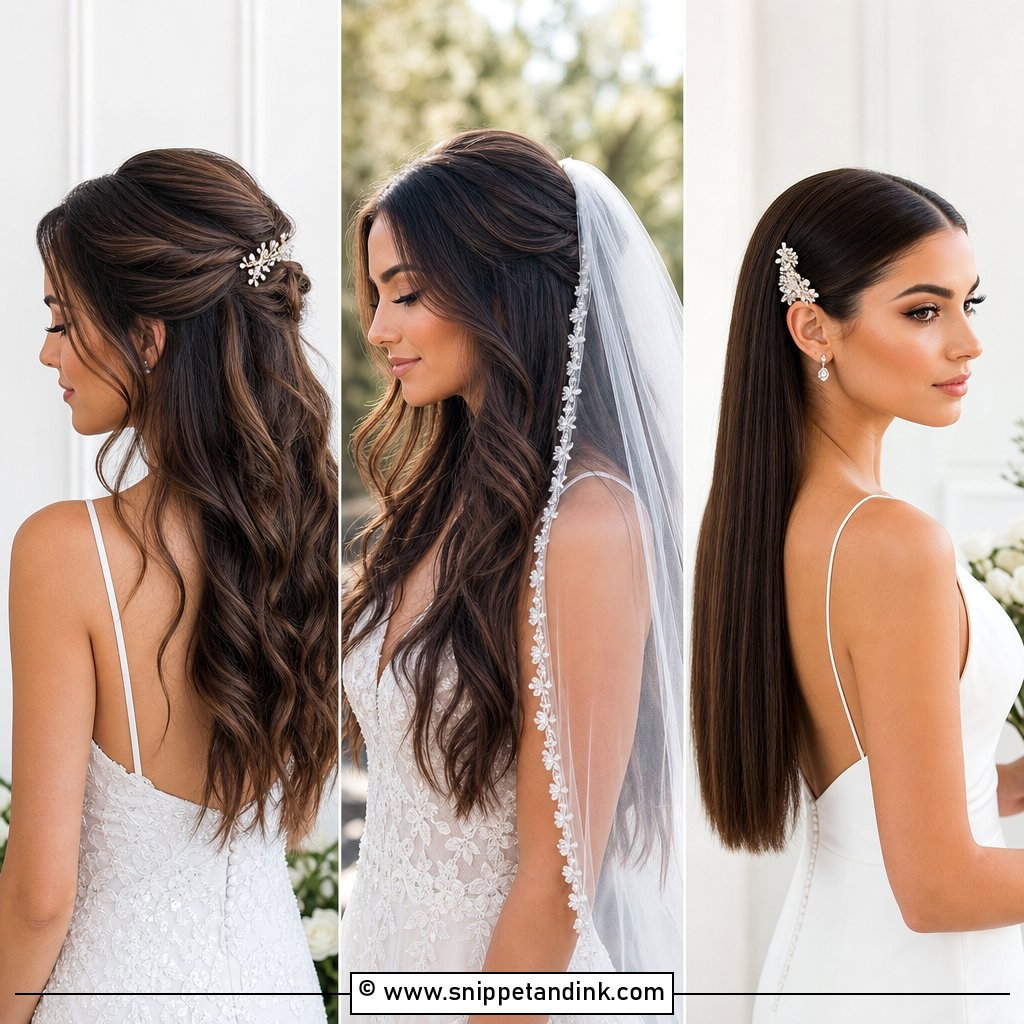
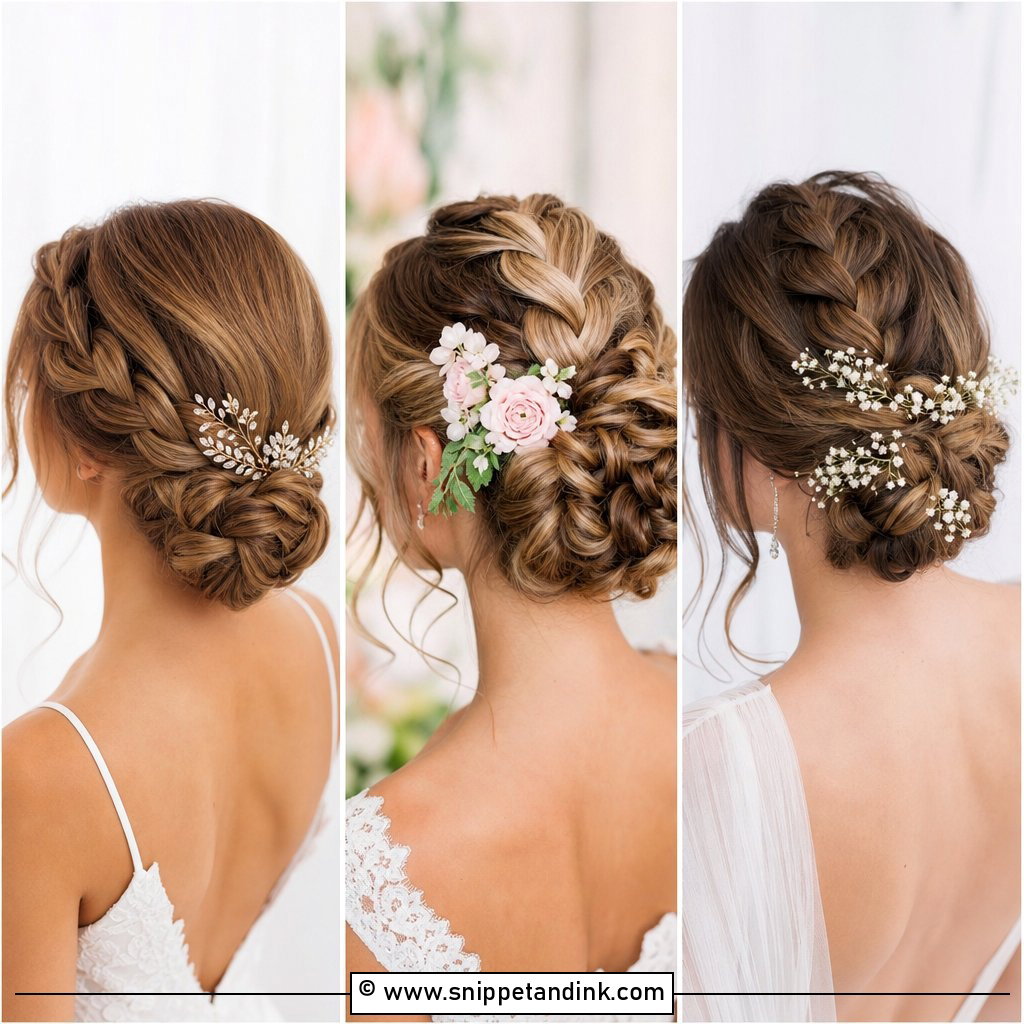
15. French Braid Into Fishtail
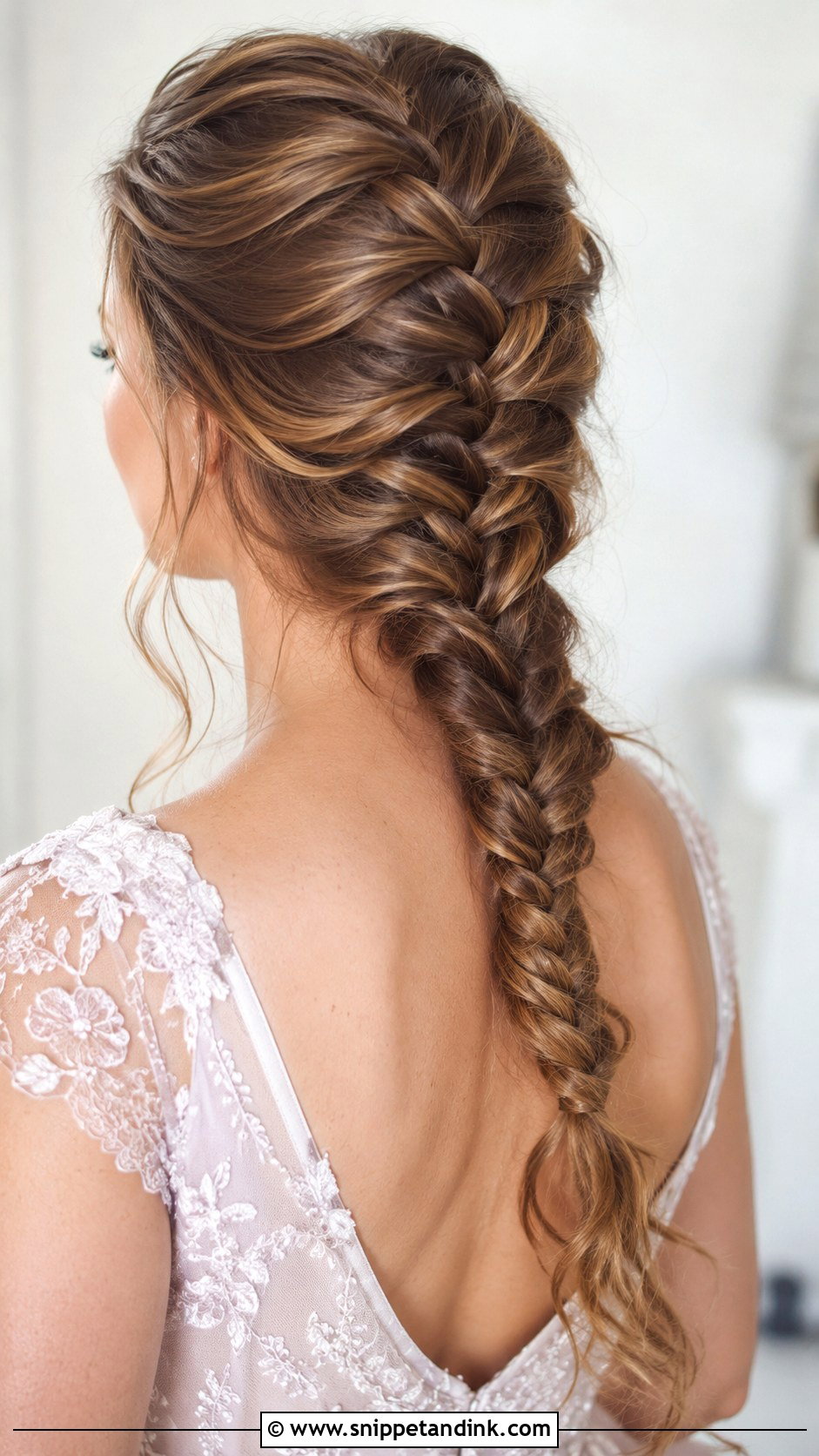
Starting with a French braid at the crown and switching to a fishtail at the nape gives you two textures in one braid. The change point is the tricky part. I secure it with a tiny clear elastic before splitting into two sections, then snip the elastic out at the end if the braid holds without it. Gently loosen both halves so they match in fullness. Long hair is a must, since the fishtail section uses up length fast. Expect people to ask how you did it.
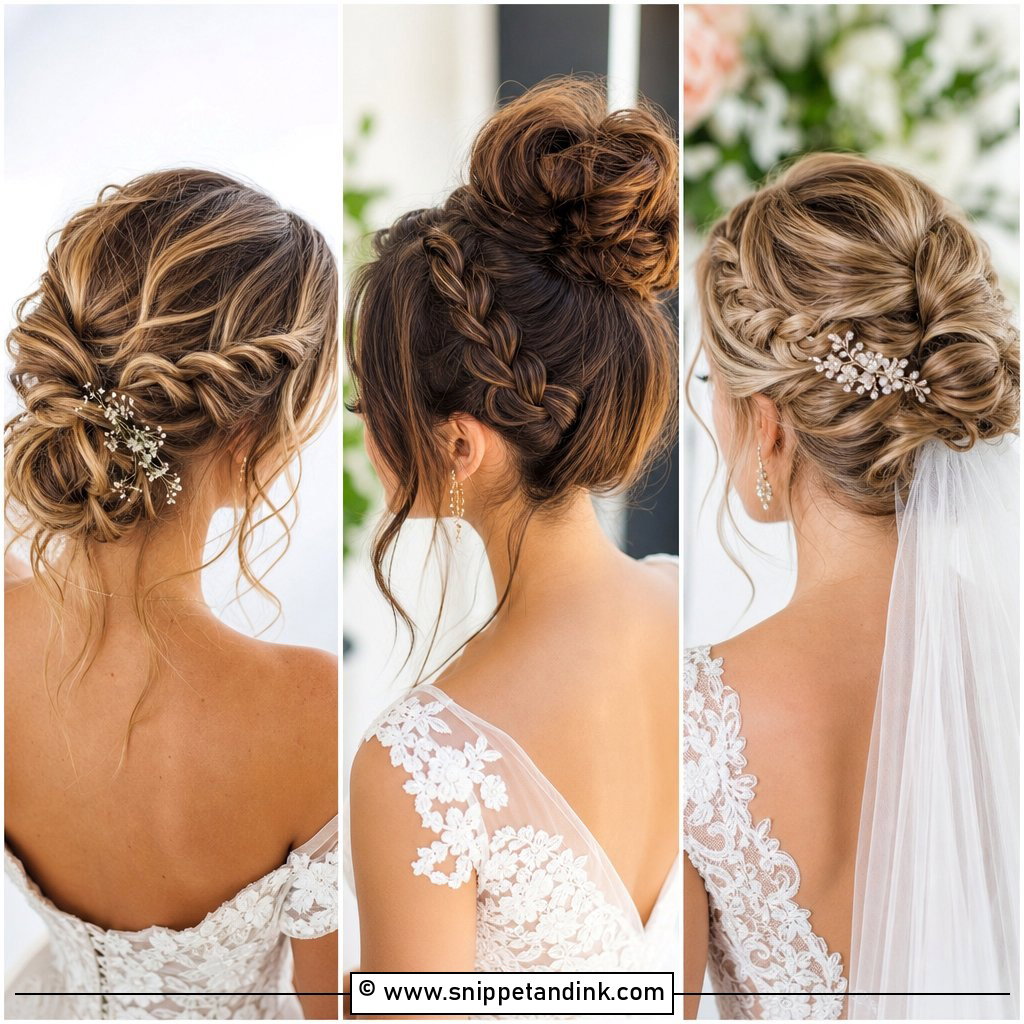
16. Braided Bun With Tendrils
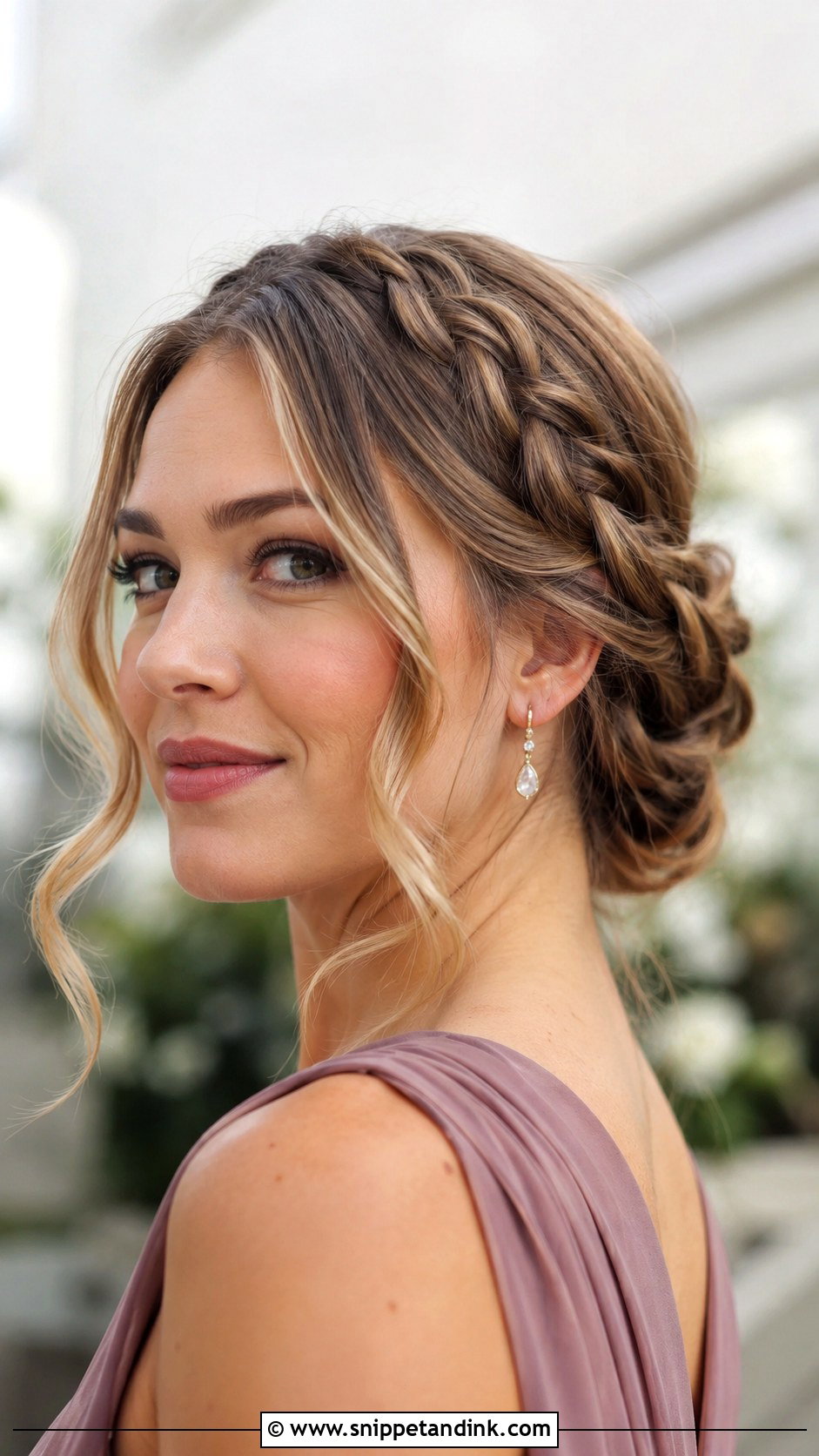
If a guest can’t decide, this is the style I suggest. The braid wraps into a neat bun and loose tendrils soften the face. Pull the tendrils out before the bun is pinned, not afterward, so they come from the hairline naturally instead of from the side of the bun. Curl them lightly with a small barrel and leave them soft rather than spraying them stiff. It keeps the neck clear in warm weather and works on every texture.
17. Cornrow Braids Into Updo
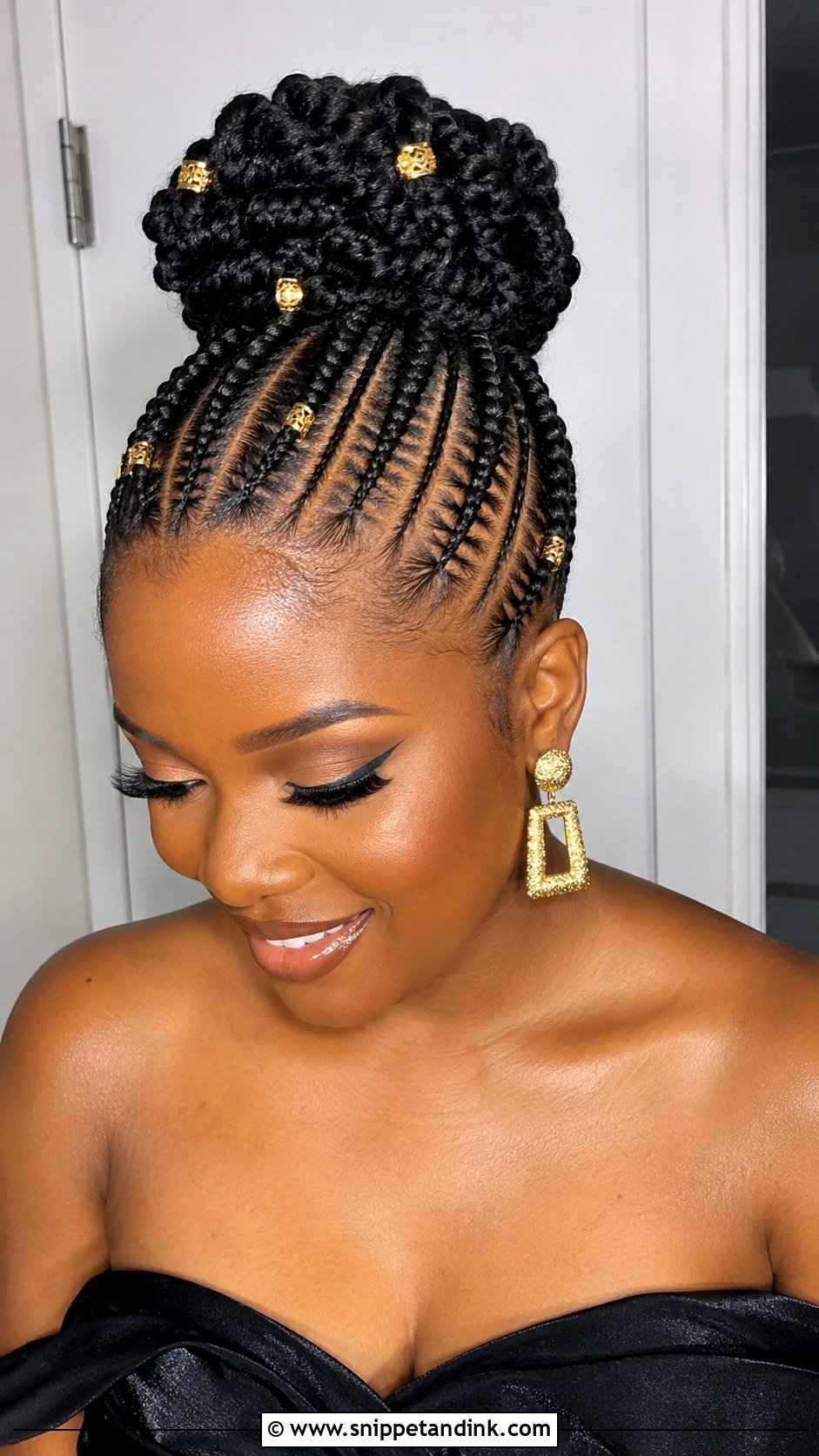
Cornrows gathered into an updo hold all day and through any weather, which makes them a strong choice for guests with natural or textured hair. They take hours and a skilled braider, so book well ahead and have them done a day or two before the wedding, which gives any scalp tenderness time to settle. Ask for moderate tension; braids pulled tight around the hairline cause soreness and, repeated over time, traction damage. Gold cuffs or pearl pins in the updo dress it up for an evening wedding.
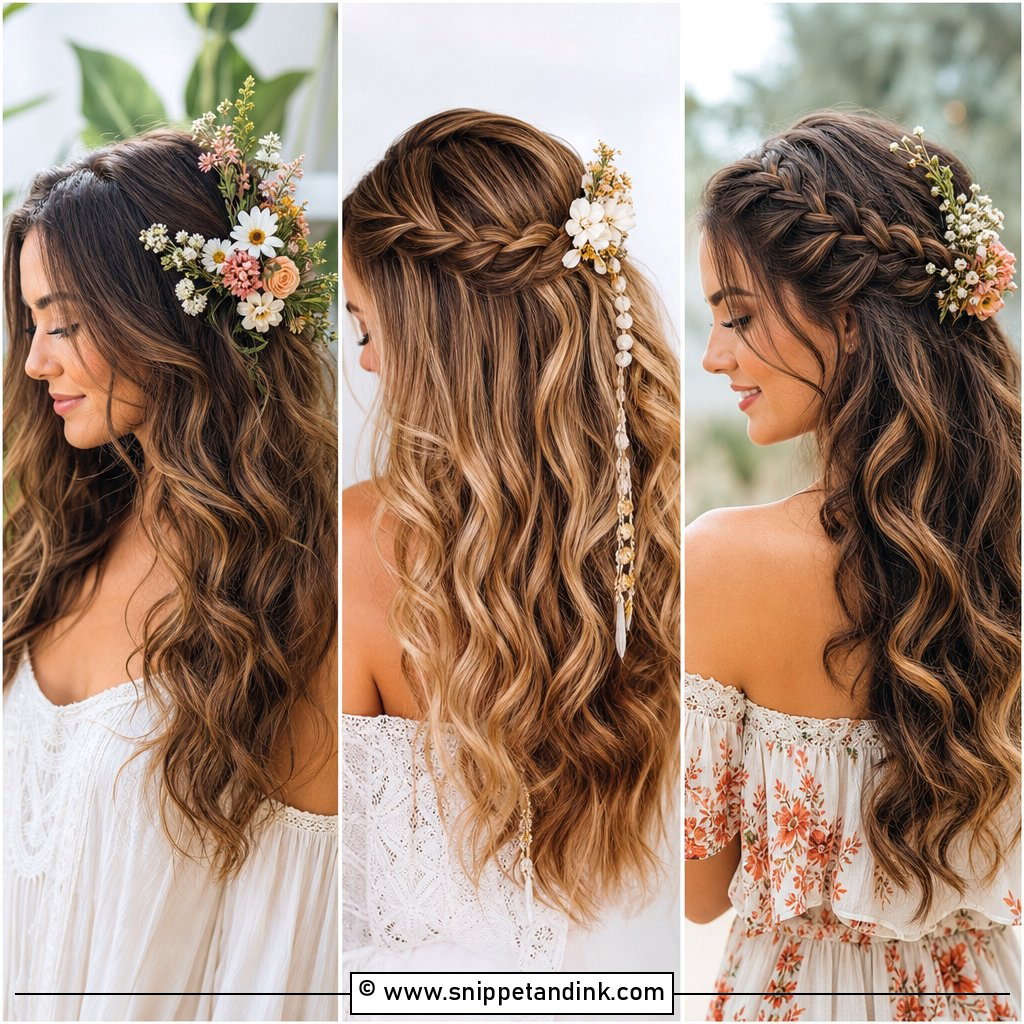
18. Loose Boho Braid With Flowers
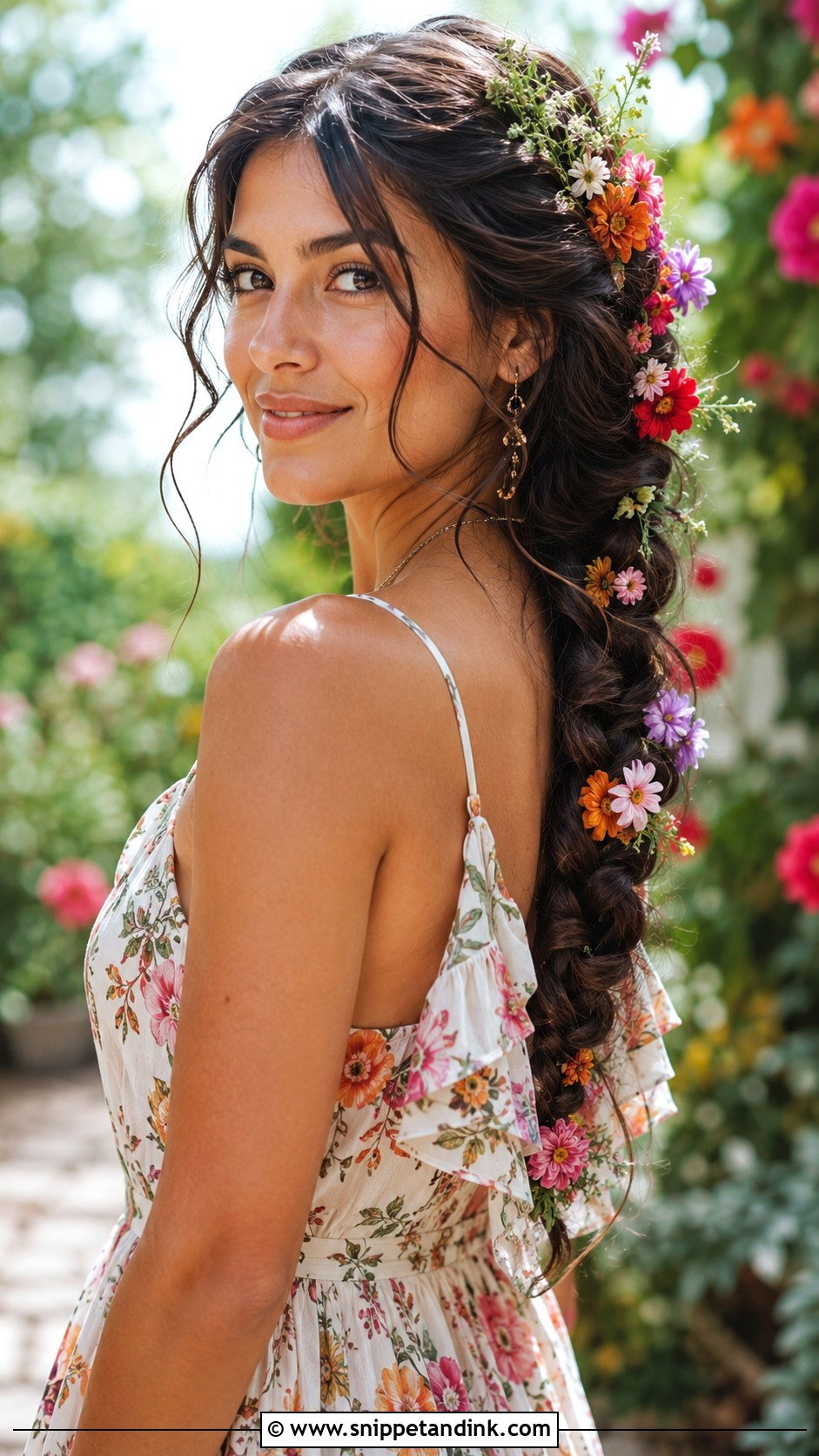
This is the loosest braid here, pulled wide and soft and threaded with flowers. Undone doesn’t mean unsecured. I braid fairly firmly first, pin it, and only then pull the loops out; otherwise it falls apart by dinner. Flowers go in last, on short stems or wired into small clusters and pinned through the braid. Leave pieces free around the face. It belongs at an outdoor or bohemian wedding, on medium to long hair, with a flowing maxi dress.
19. Sleek Braided Ponytail
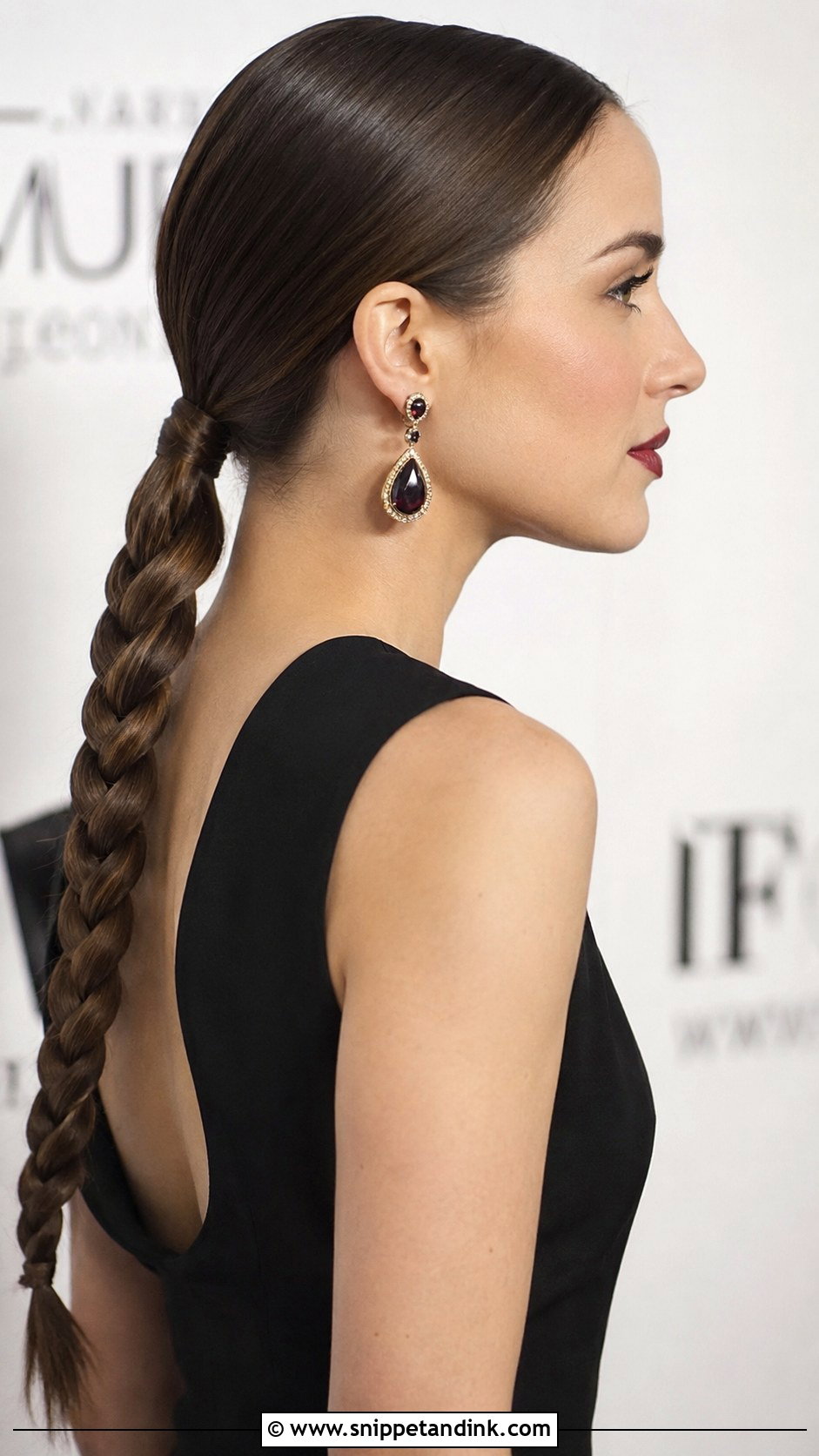
Sleek styles show every mistake, so this ponytail starts with smooth, blow-dried hair and a firm elastic at the base. Braid the length, then wrap a strand around the base to hide the elastic. A high ponytail pulls on the scalp over a long day, so if you get tension headaches I’d wear it at mid-height. A little smoothing balm keeps the surface glossy. At a city wedding or formal evening event, statement earrings and a bold lip complete it.
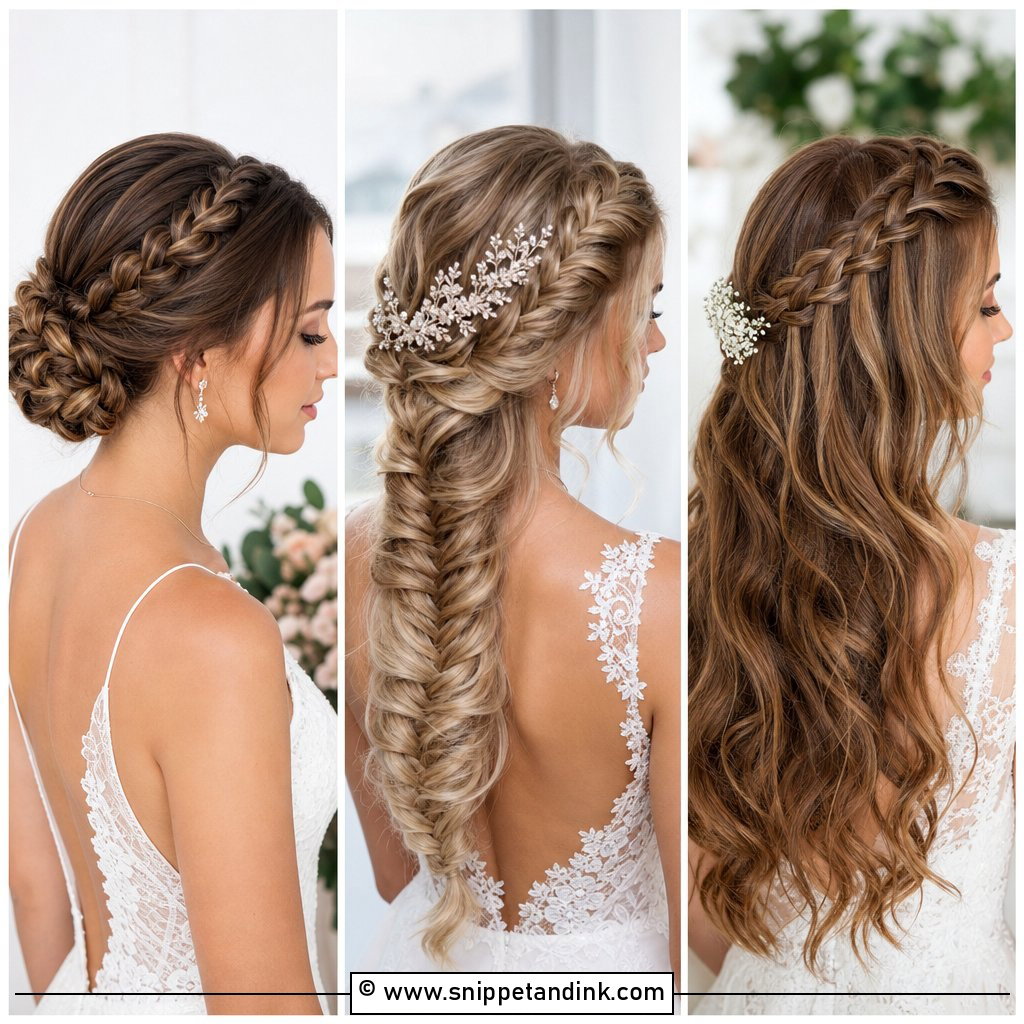
20. Accent Braid With Soft Updo
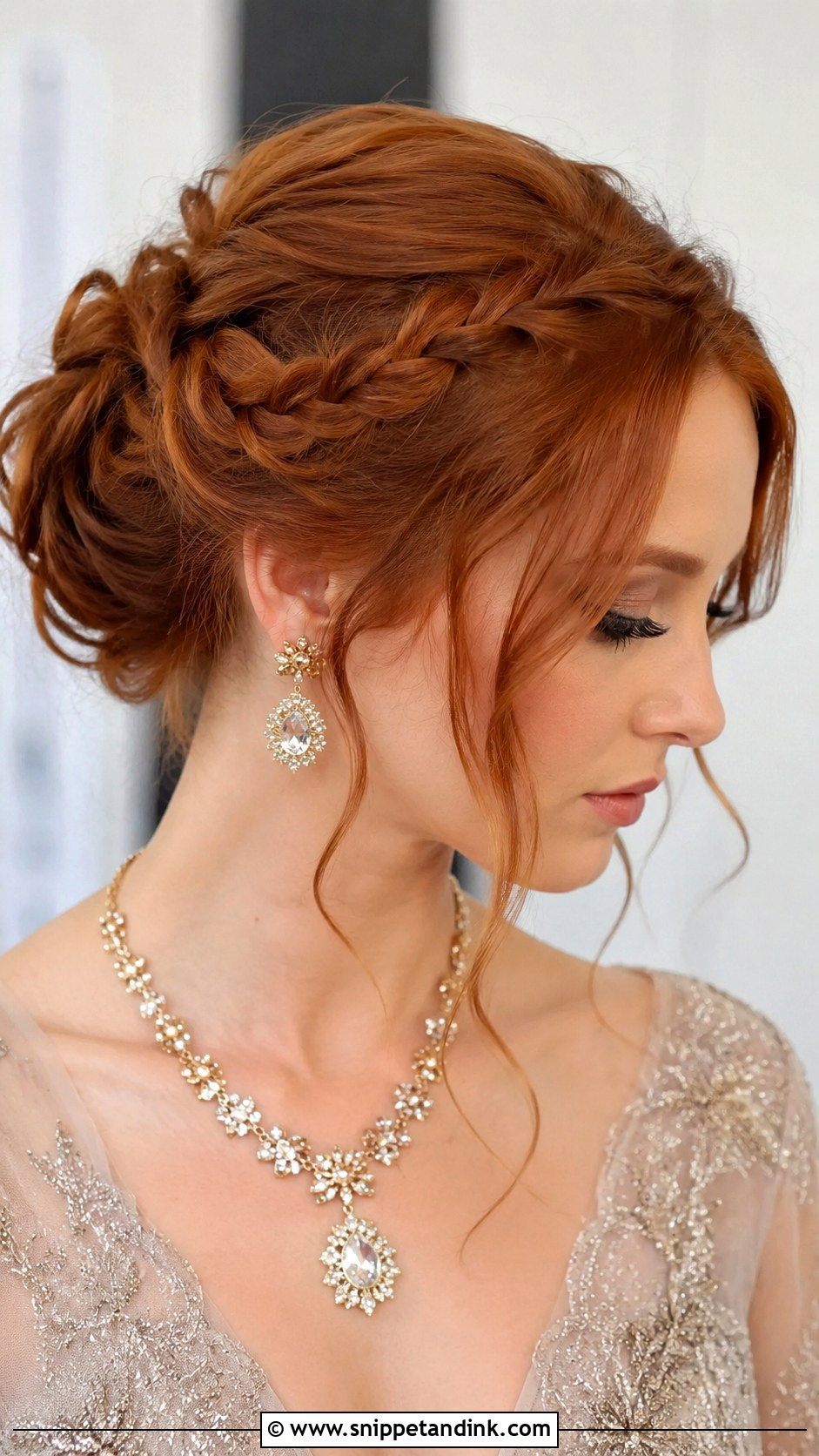
One small braid near the hairline adds detail to an otherwise soft updo. It’s also the most adaptable idea on this list, because an accent braid can be done on shoulder-length or even bobbed hair where a full crown won’t reach. I braid the accent first and pin it flat along the updo’s path, then build the updo around it. Leave a few tendrils loose. It sits easily with formal gowns and statement jewelry.
Making a Braid Survive the Reception
A braid that looks right in the mirror can sag by the first dance. These are the habits I rely on.
- Finish ends with small clear elastics; colored ties show in photos.
- Use U-pins for buns and larger updos, and bobby pins for flat sections, pushed in with the wavy side against the scalp.
- Spray once, lightly and from a distance, when the style is finished. Spraying between every step makes the braid stiff and shiny.
- Keep fresh flowers chilled in a damp paper towel until you leave, and pin them in last.
- Tuck four or five pins and a small comb into your bag for the evening.
A word on guest etiquette
A braid with a full flower crown or a band of pearls can look bridal from across the room. Keep accents small and avoid an all-white floral crown. If the ceremony has a cultural or religious dress code, check whether hair should be covered; a low braided bun sits neatly under a scarf and still looks finished once it comes off.
A Braid That Lasts Until the Last Song
Braids are a guest’s best friend on a long day, because they hold through the ceremony, dinner and dancing without fuss. Start with your hair type and the weather, then pick the style: a sleek braided ponytail for a city evening, a loose braid with flowers for a garden party. Pearls, ribbon and small blooms personalize any of them, as long as they don’t read as bridal. Practice once the week before, and you’ll know exactly how long it takes on the morning.
You'll Like These Ideas:


Leave a Reply