
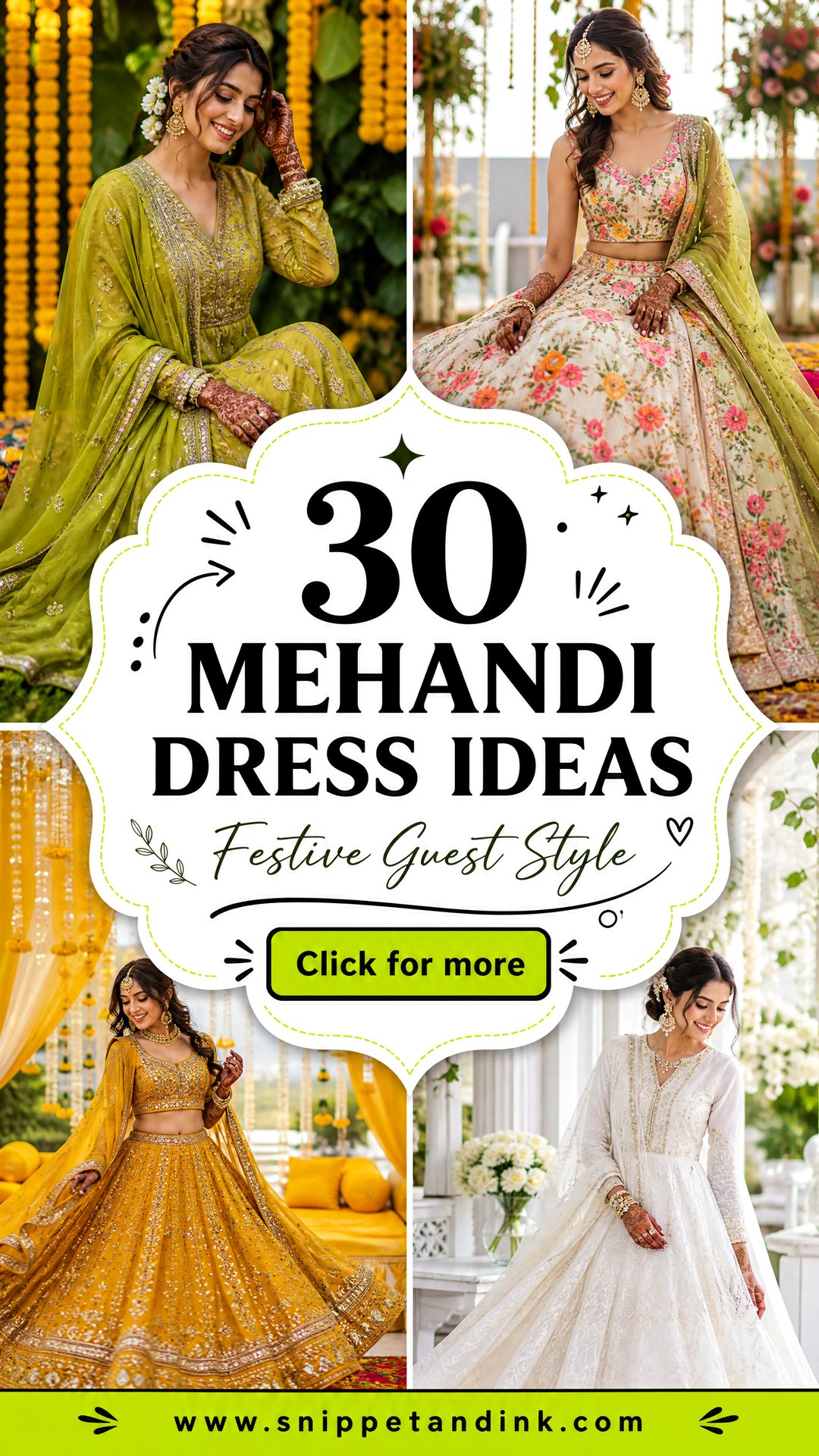
A mehndi outfit has to do things a wedding outfit never does. You will sit cross-legged while someone holds your wrist for an hour, you will dance with wet paste on your palms, and you will be photographed in harsh afternoon light. That is why I dress brides, sisters, bridesmaids and guests for this event differently from the wedding itself. Yellow, green, orange, mirror work, shararas, printed lehengas and lighter Indo-western cuts are still what most families ask for in 2026, and below are thirty outfit ideas with notes on who each one suits and where it causes trouble.
Dressing Around Wet Henna Paste
The order you get ready in matters more at a mehndi than at any other event. Once paste is on your hands, you can’t pull a fitted kurta over your head, fasten a hook-and-eye blouse or fix a sliding dupatta. So I get the bride fully dressed, jewellery and all, before the artist starts. Anything that has to come off later, like rings or bangles, stays off until the paste is scraped.
Sleeves decide more than colour does. For a bride having designs up to the elbow, I want a sleeveless or cap-sleeve blouse. Guests getting a small palm design can manage three-quarter sleeves, as long as the cuff is loose enough to push back with a wrist rather than fingers.
- Front or side openings are easier than back zips if someone has to help you change mid-event.
- Pin the dupatta at the shoulder and hip before the henna starts, not after.
- Choose a dark or printed fabric near the hands; the sugar and lemon sealant artists dab on is sticky and marks pale fabric.
- Wear flat juttis or sandals. Stepping into heels with wet hands and no free fingers is how outfits get smudged.
1. Yellow Mehandi Dress
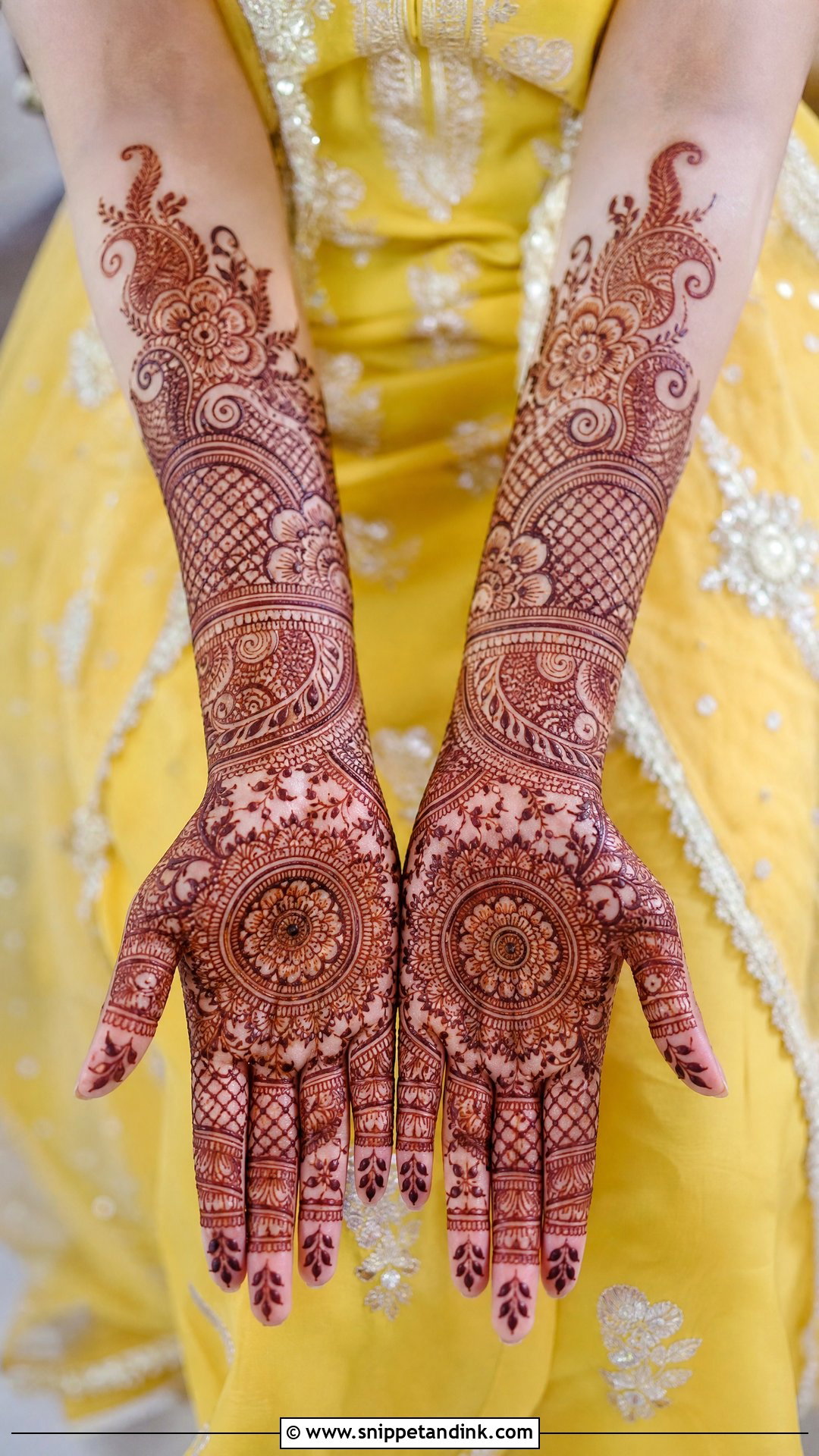
Yellow is the colour I reach for first when a bride has no strong preference, because it reads as festive even in a plain cotton and it sits well against marigold decor. For the bride, a yellow lehenga with mirror work or gota patti gives enough sparkle without the weight of wedding embroidery. Guests can go simpler with a yellow kurta set or an anarkali in georgette, chanderi or cotton silk. One warning: pale lemon washes out very fair and very cool skin in direct sun, so I’d push those clients toward mustard or haldi yellow instead. Keep sleeves at elbow length or shorter if henna is going on your arms.
2. Green Mehandi Dress
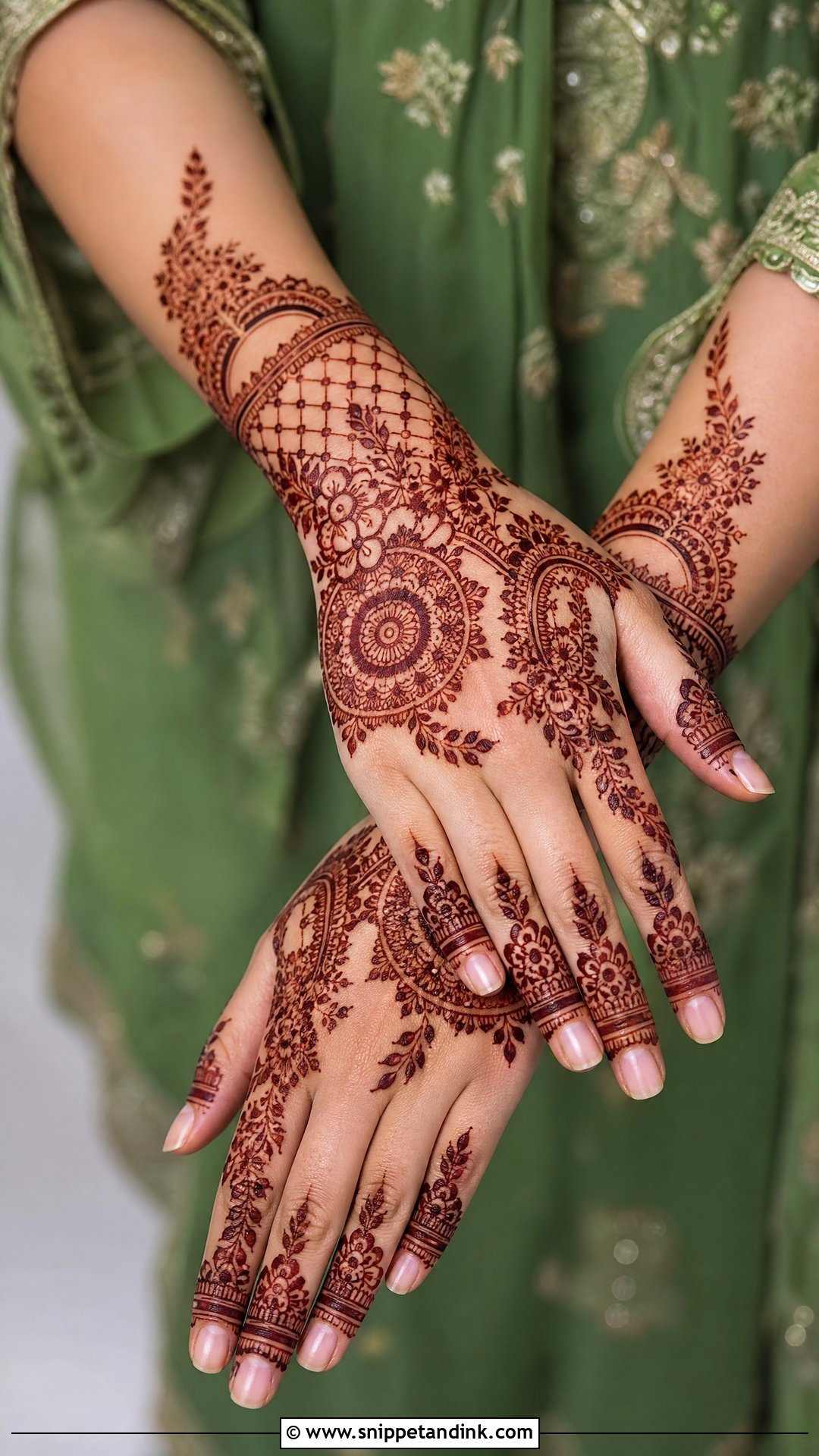
Green belongs to this ceremony more than any other shade, since it echoes the leaf the paste comes from. Mehendi green, pistachio, mint, parrot and olive all work in daylight, and a bride in green with a yellow dupatta is the classic contrast families love. Bridesmaids look good in green shararas or printed kurta sets, while guests should keep embroidery light so nobody mistakes them for the bride. Olive is the shade I check twice at fittings, because under tungsten evening lights it can go muddy. Gold, pearl and kundan jewellery all suit it.
3. Orange Mehandi Dress
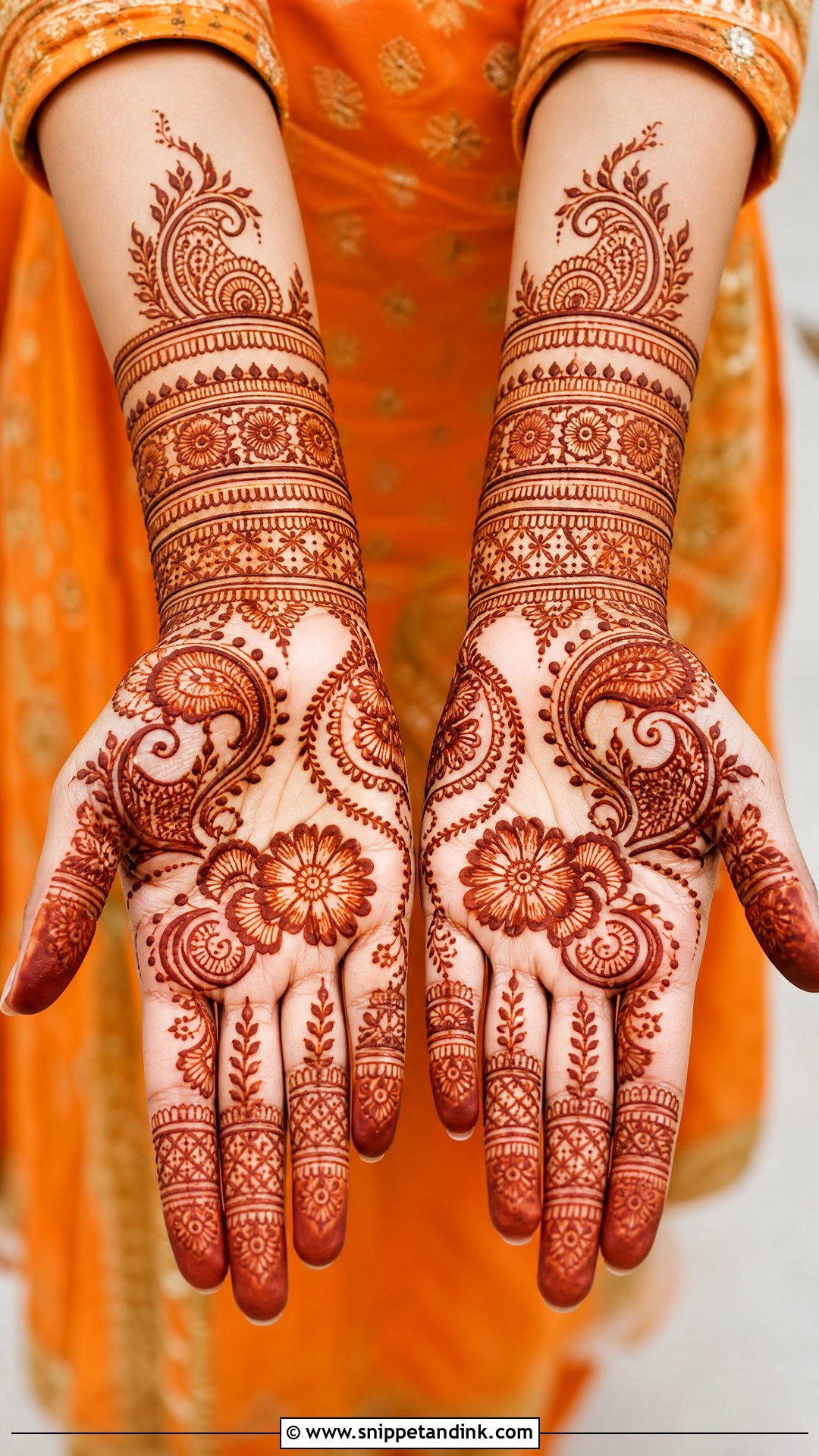
Orange earns its place at outdoor functions because it holds its colour in strong sun where pastels flatten out. Marigold, tangerine, rust and burnt orange all sit naturally against traditional floral decor. A bride can wear an orange lehenga with mirror work, and guests can choose an anarkali, gharara or palazzo suit. If the outfit is heavily embroidered, I’d pair it with a light net or chiffon dupatta so the whole thing doesn’t become hot and heavy by the second hour. Small accents of pink, green or yellow keep a full orange look from feeling flat.
4. Pink Mehandi Dress
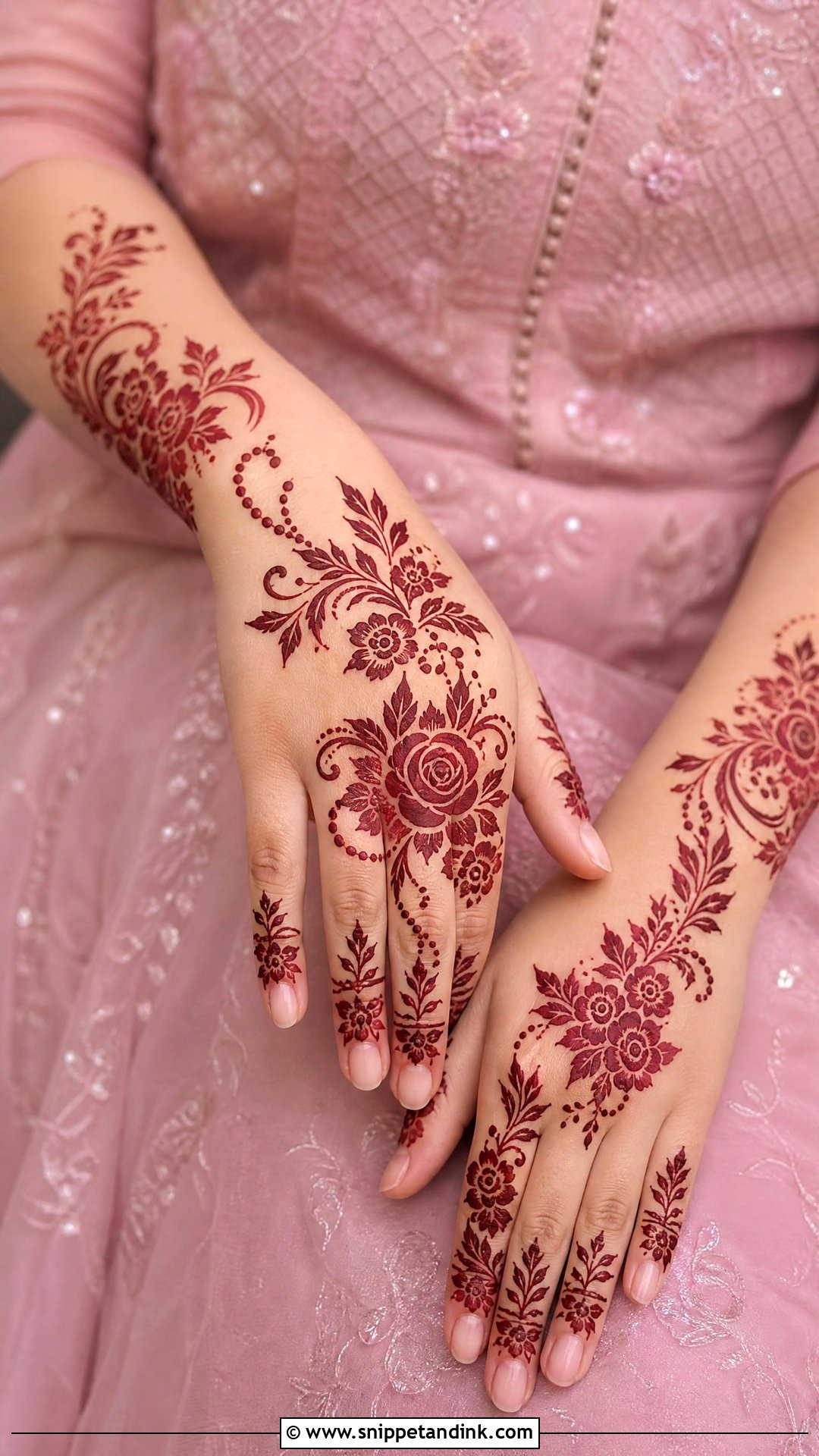
Pink splits into two very different moods. Fuchsia, rani and hot pink are bright enough to stand next to a yellow bride without fading, while blush and powder pink suit guests who want something calmer. A floral pink lehenga is a good bridal option for a relaxed daytime mehndi, and matching pink shararas give bridesmaids a coordinated group photo. My one caution with blush: next to a cream tent it can disappear on camera, so add a darker border or dupatta. Silver, pearl and fresh flower jewellery suit pink better than heavy gold.
5. Floral Lehenga Mehandi Dress
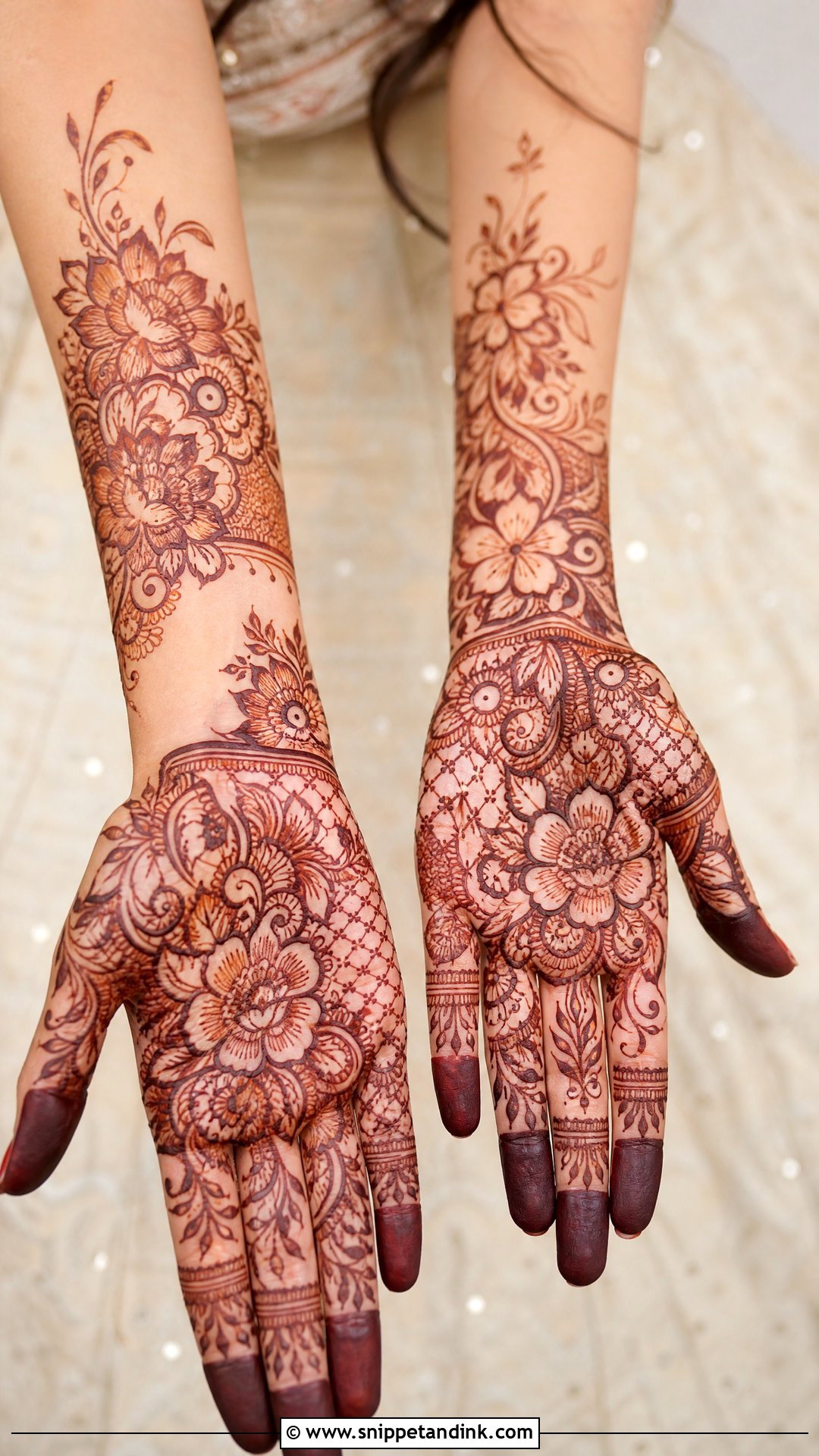
Printed floral lehengas weigh a fraction of an embroidered bridal piece, which is why I suggest them for garden events and long afternoon functions held at home. Brides look best in large florals on a bright base such as yellow or green, and guests can take smaller prints in mixed pastels. Scale matters here. A very small print on a petite frame reads as busy from across a lawn, so I hold fabric at a distance during fittings before deciding. Pair it with a cropped blouse and a soft dupatta, and leave bulky bracelets off if you’re sitting for henna.
6. Mirror Work Mehandi Dress
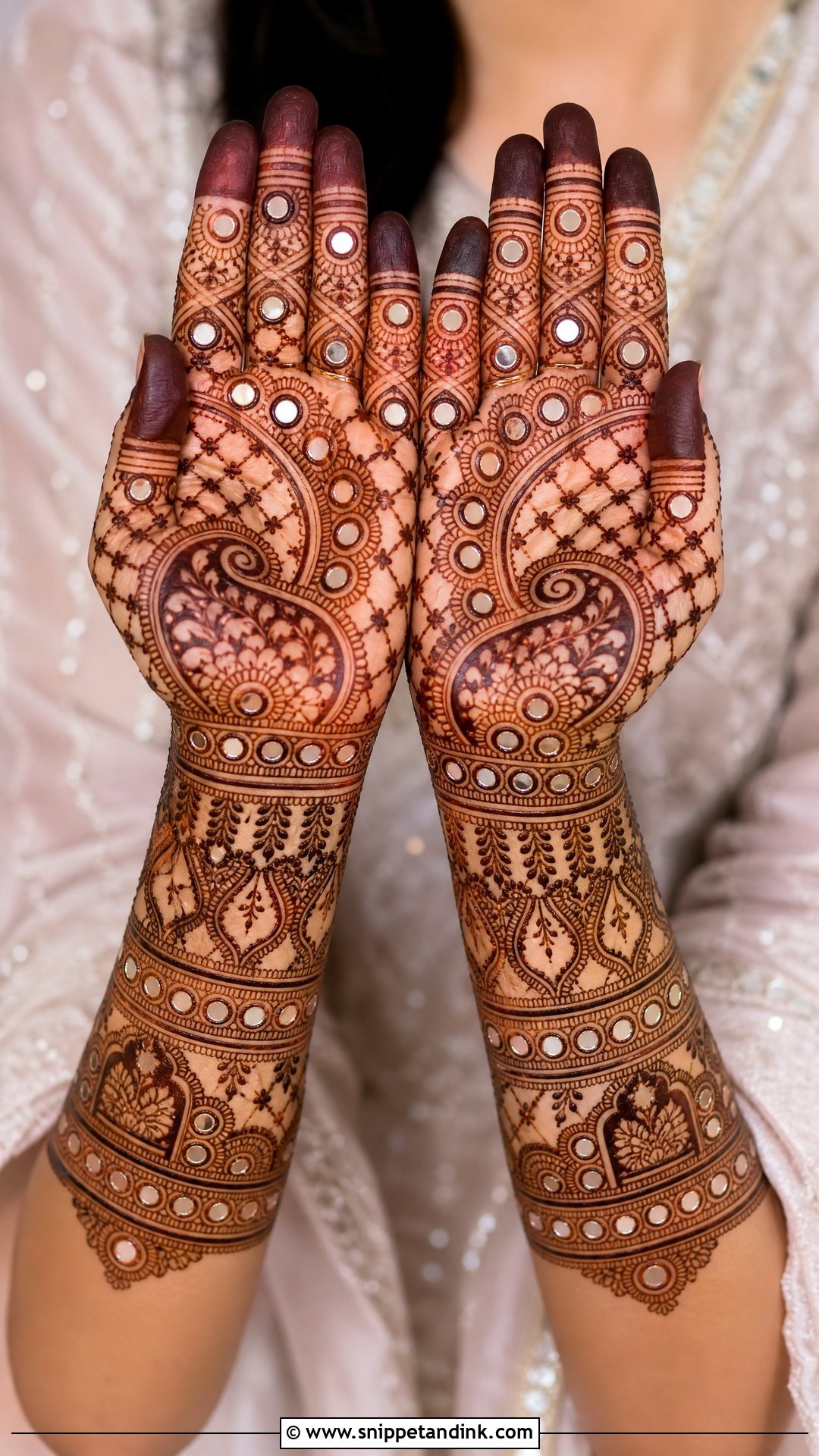
Mirror work does the job of jewellery for you, because every small mirror catches light when you move. It looks especially lively on yellow, green, ivory, orange and pink bases. A bride can wear a mirror work lehenga with a light dupatta, and guests can try a short mirror work kurta over palazzos. The thing people forget is that real glass mirrors add weight and can scratch delicate skin on the inner arm, so I check the sleeve edge and lining before anyone commits. With this much shine, choose earrings over bangles if you’re getting mehndi done.
7. Gota Patti Mehandi Dress
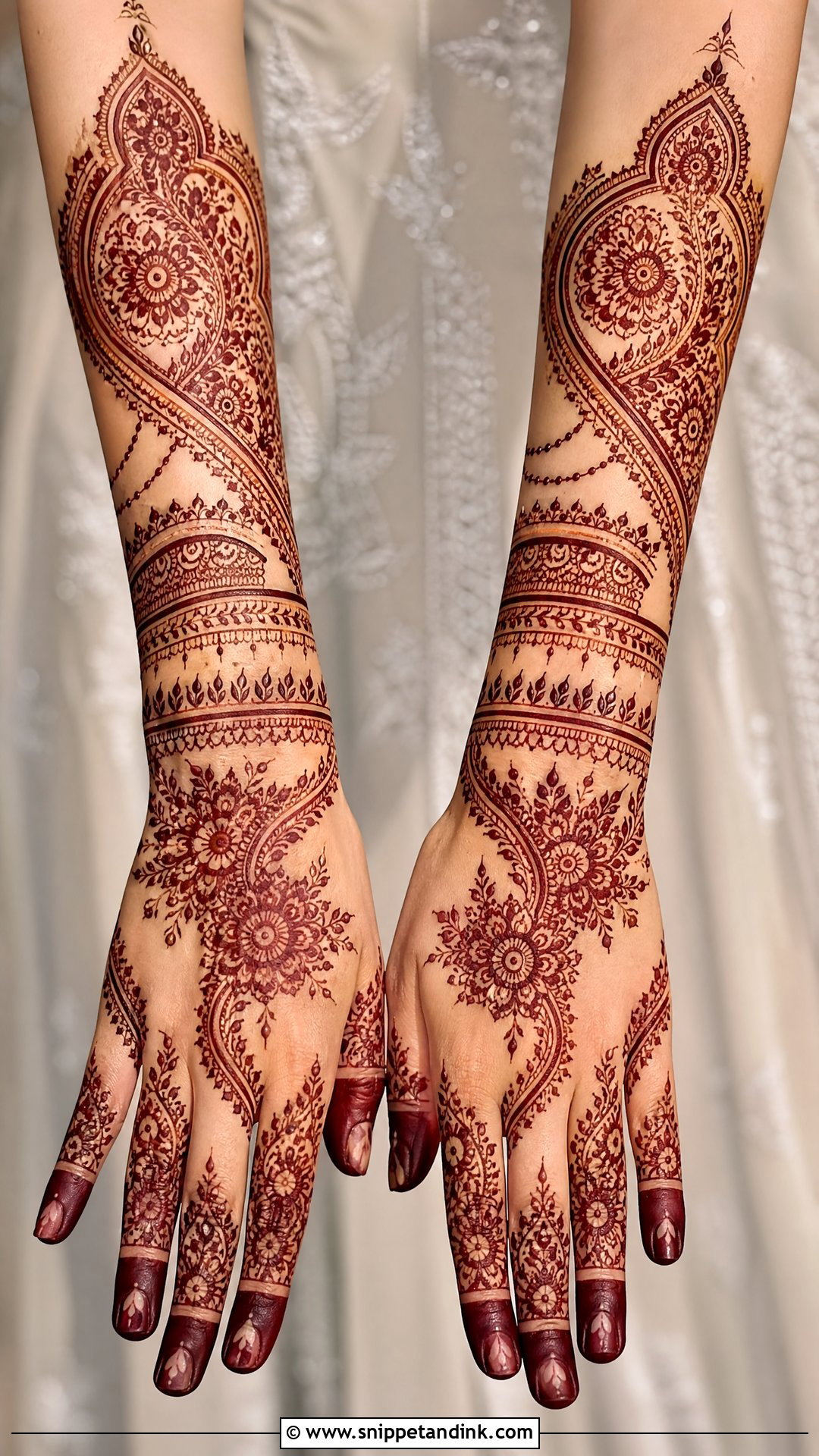
Gota patti is metallic ribbon appliqued onto the fabric, so it gives shine at a much lighter weight than zardozi. That makes it a sensible choice for a bride who wants to look rich at mehndi without carrying her wedding lehenga’s weight. Yellow, orange, green and pink bases are the most common, and guests can wear gota anarkalis, straight suits or shararas. Gota does tarnish if it’s stored damp, so I tell clients to keep the outfit in a muslin bag rather than plastic once the event is over. Juttis and a maang tikka are usually all it needs.
8. Sharara Mehandi Dress
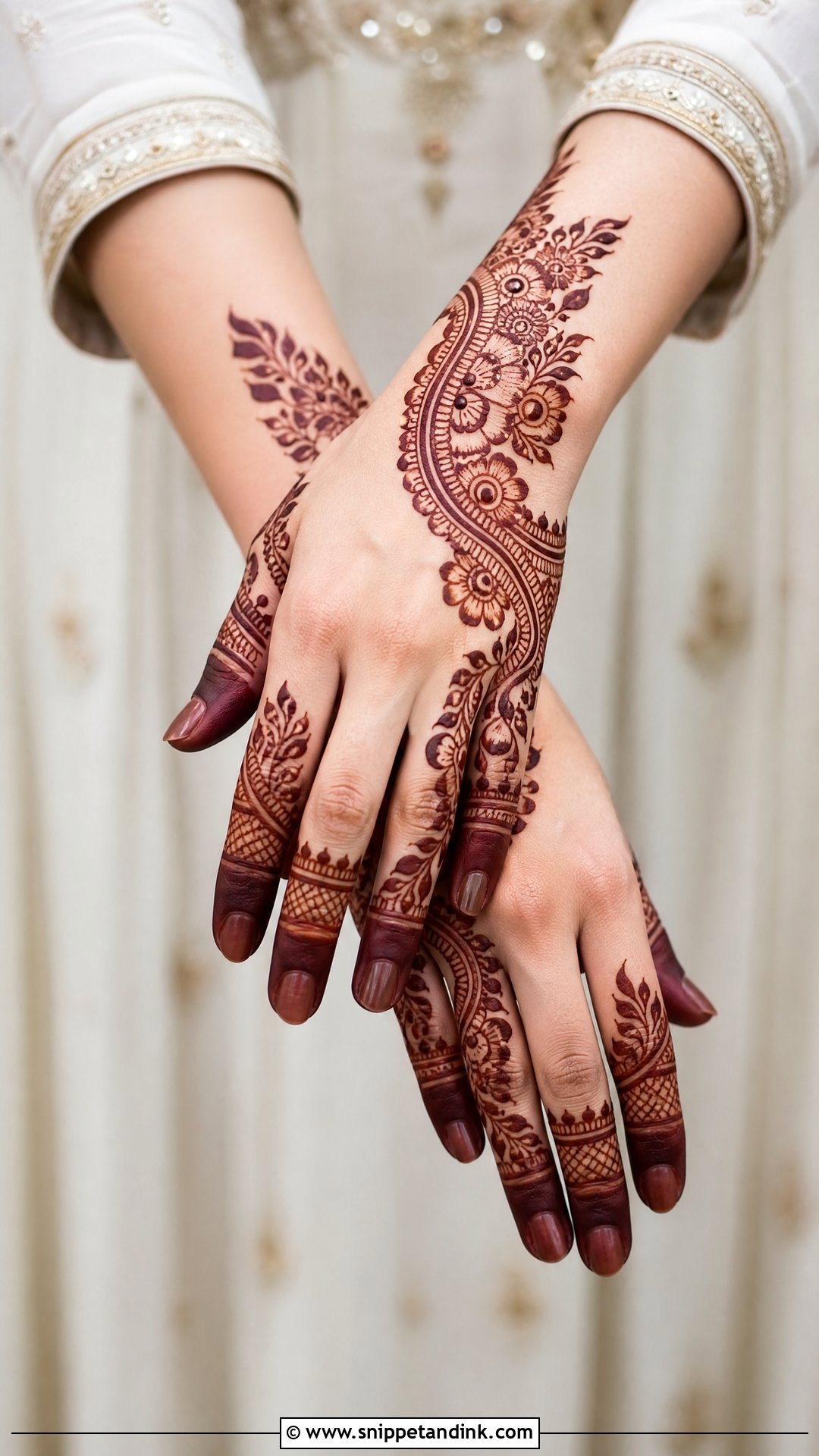
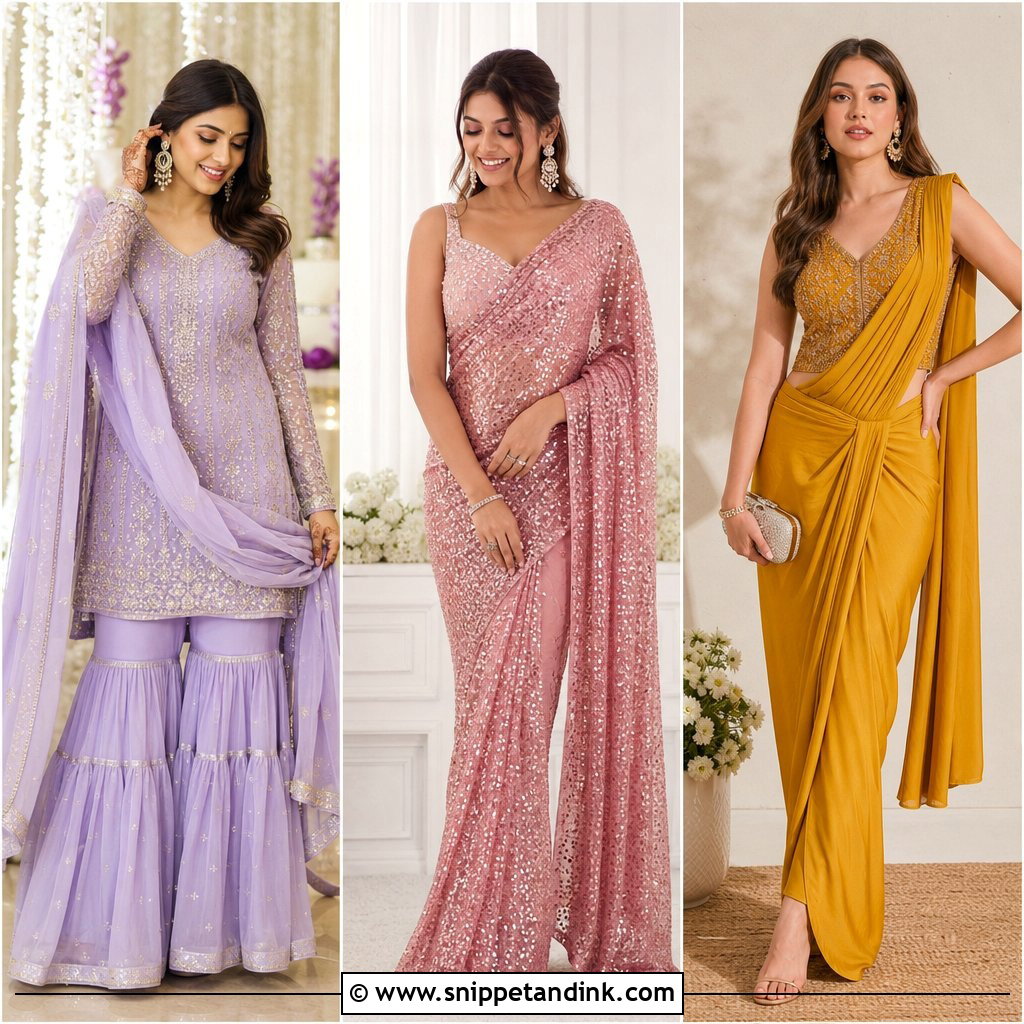
If you will be sitting on floor cushions for long stretches, a sharara is the most forgiving silhouette on this list, because the wide legs give you room to fold and stand without tugging. Brides can wear a heavily printed or embroidered sharara with a short kurti, while guests can pick lighter georgette or chiffon. Yellow, green, coral and fuchsia are the popular colours. I always check the hem length with the shoes she’ll actually wear, since a sharara that pools on the floor gets stepped on during dancing. Pin the dupatta so it can’t brush across fresh henna.
9. Gharara Mehandi Dress
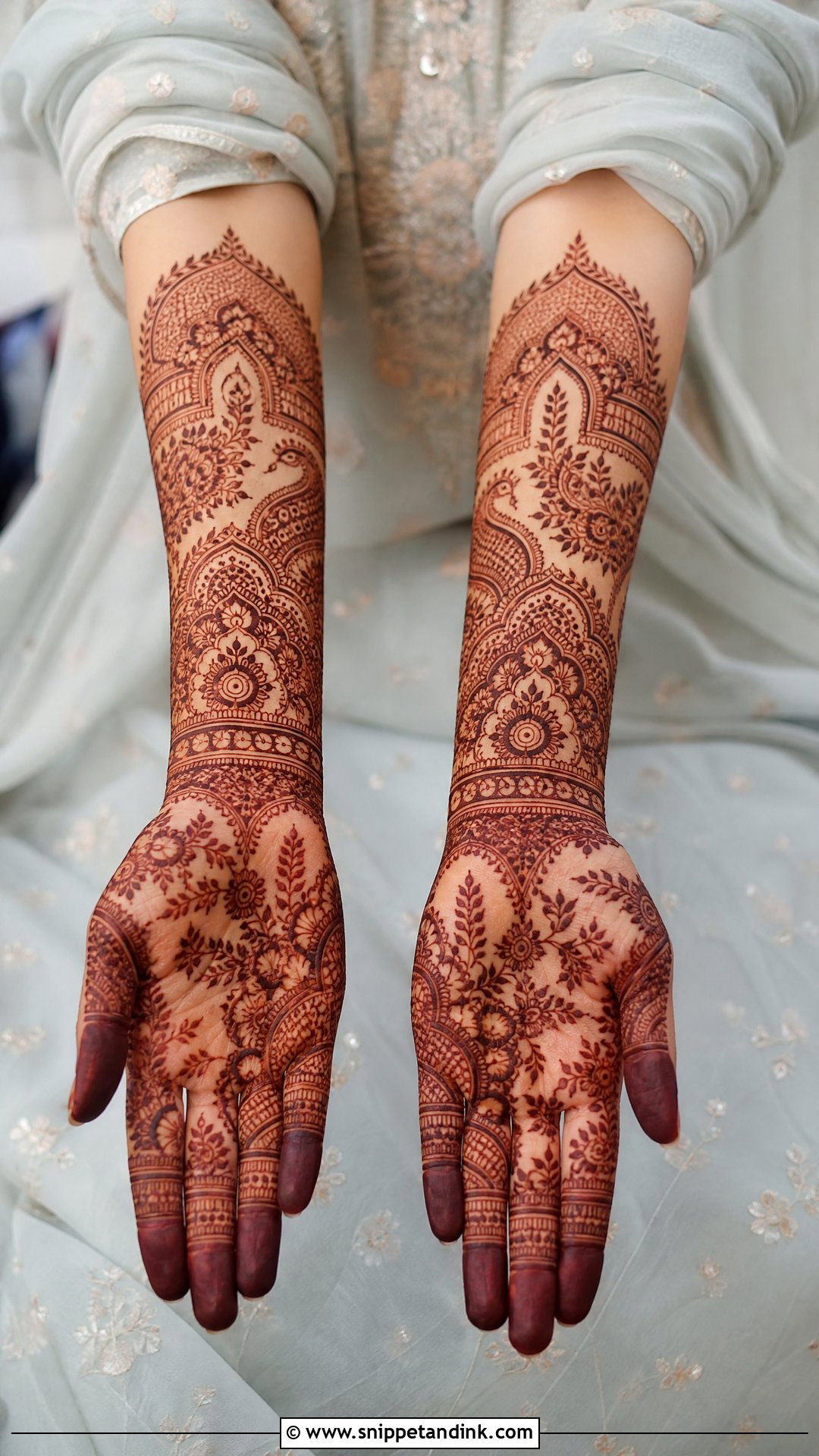
A gharara is fitted to the knee and then flares into gathered fabric, with a decorated joint at the knee, usually finished with a band of gota. That knee joint is where fit goes wrong: if it sits too high or too low, the flare looks heavy and walking feels awkward, so I mark it on the body rather than from a size chart. Pakistani and North Indian mehndi looks often use ghararas in yellow, green, mustard and multicolour. Guests can choose lighter printed or lace-trimmed versions. Because the bottom already carries volume, keep the kurti fitted or lightly structured.
10. Anarkali Mehandi Dress
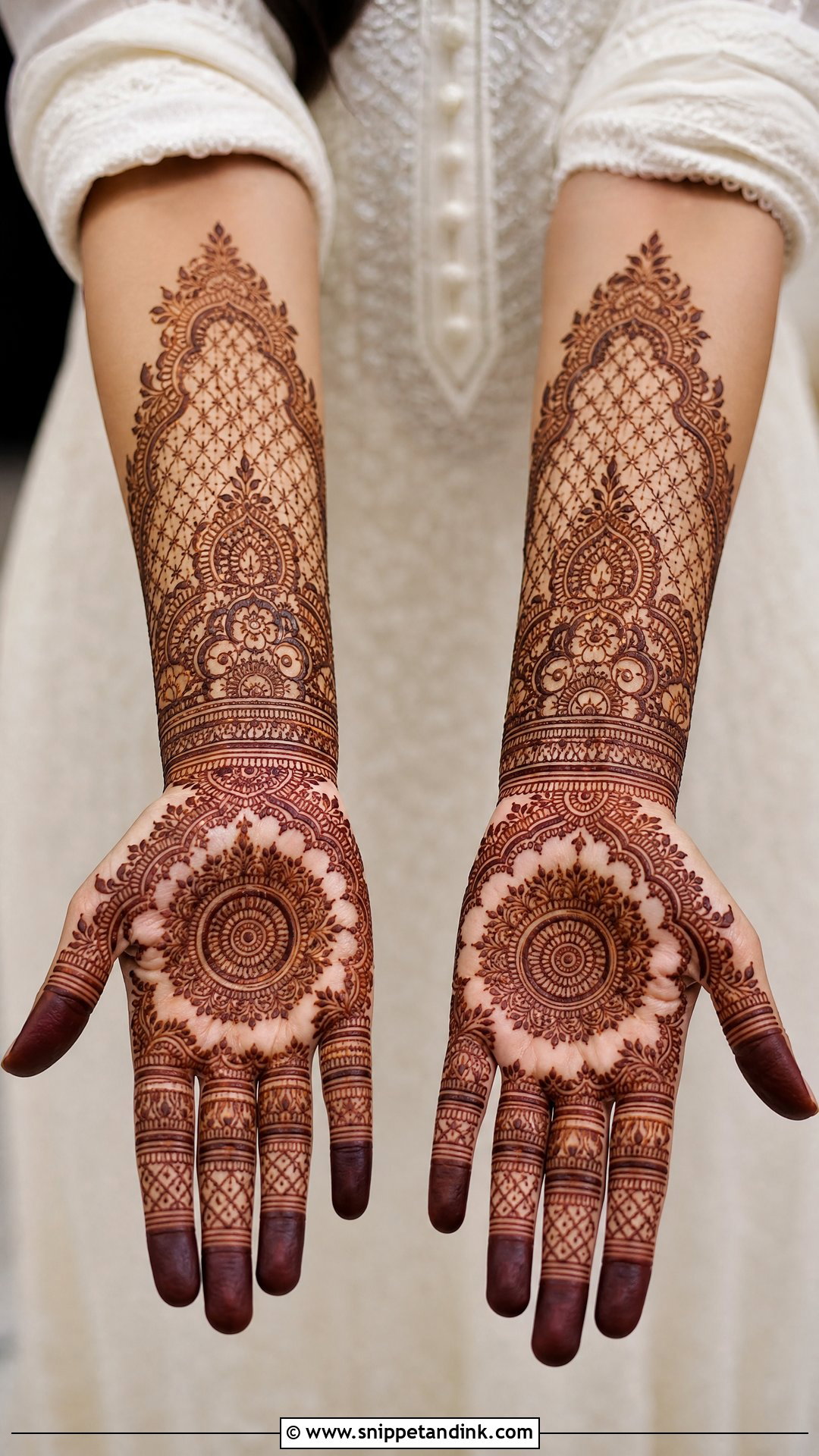
Anarkalis suit women who would rather have full coverage than a lehenga, and they flatter across age groups because the flare starts high. A bride might choose bright yellow or a green anarkali with mirror work or gota detailing, and guests can wear printed versions in peach, mint, lavender or coral. Georgette and chiffon are fine indoors, but for an outdoor afternoon I’d choose cotton silk or chanderi, which breathe. Check the sleeve width before you buy. A floor-length anarkali with tight full sleeves is very hard to keep clear of wet paste.
11. Lehenga Choli Mehandi Dress
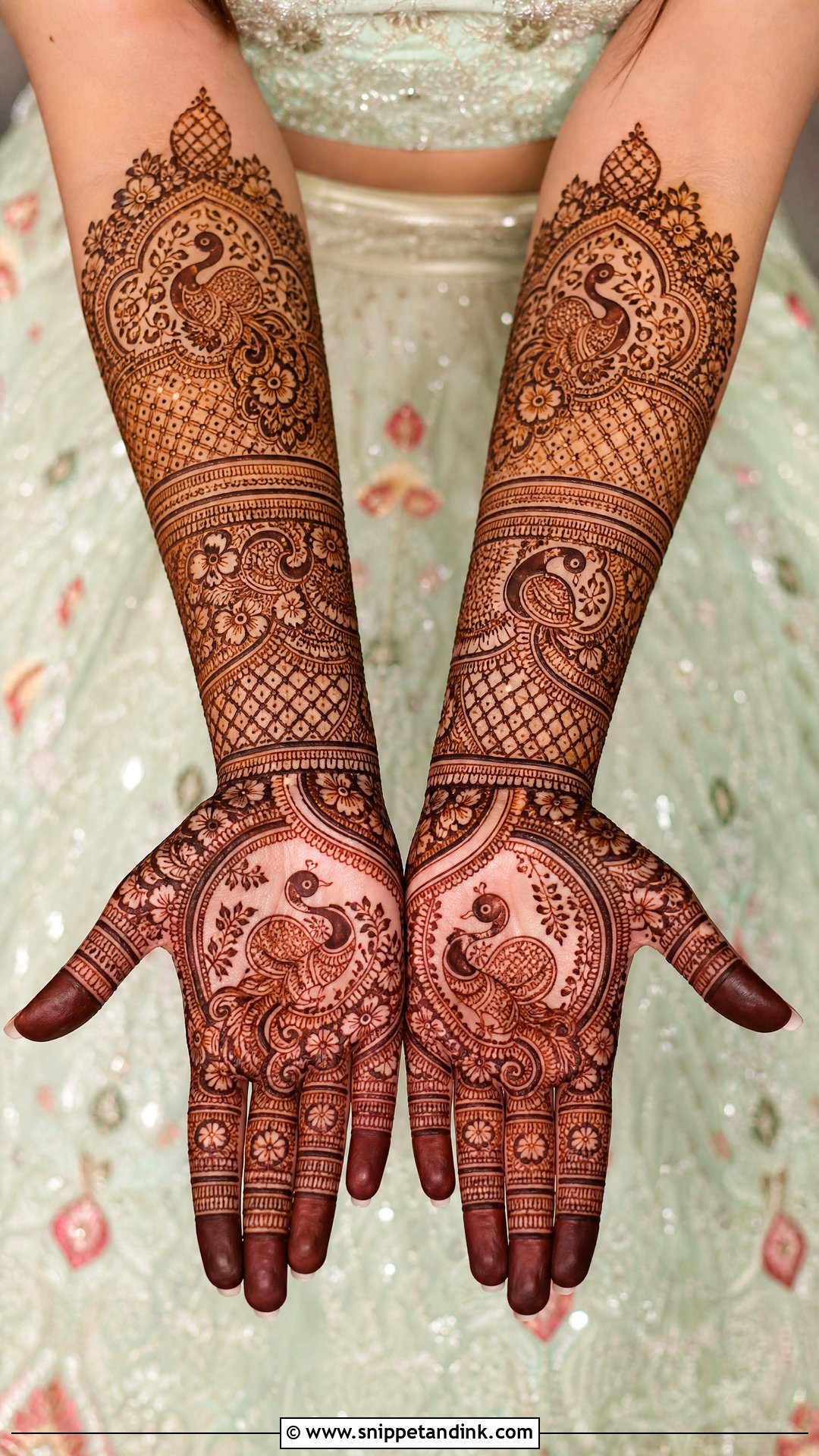
A full lehenga choli lets a bride have her big festive moment before the wedding, but I always steer her toward lighter work for mehndi: prints, patchwork, mirror or thread embroidery rather than dense bridal zardozi. Yellow, green, orange and multicolour lehengas suit the occasion best. If henna is going up the arms, a sleeveless or short-sleeve blouse is the only practical option. Guests are welcome in lehenga choli too, as long as the design stays simpler than the bride’s. A pinned dupatta stops the whole outfit shifting every time she lifts a hand.
12. Indo Western Mehandi Dress
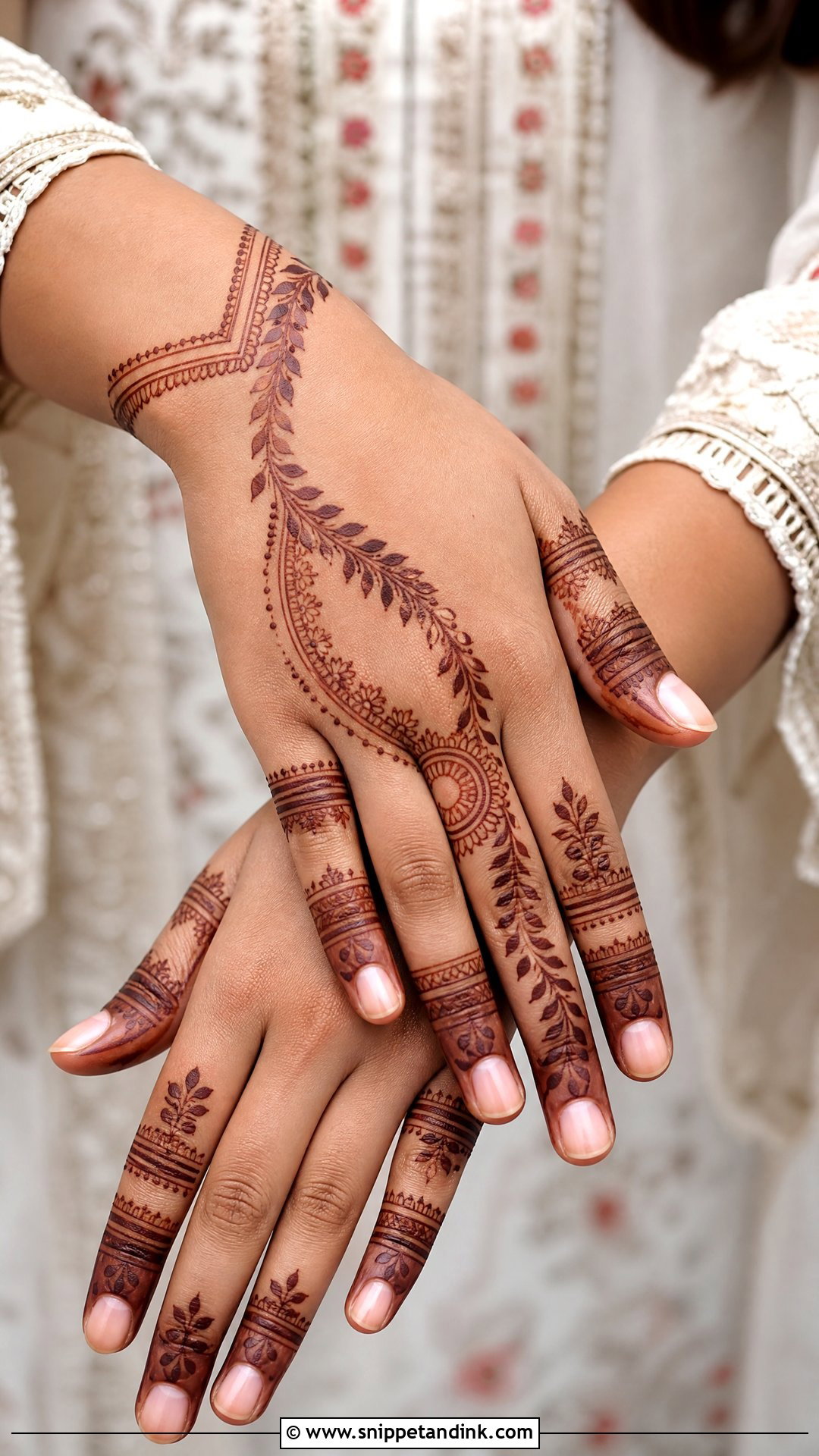
An Indo western mehandi dress works well for destination events and for guests who don’t own much Indian wear. Crop tops with skirts, cape kurtas with palazzos, dhoti pants with embroidered jackets and draped skirt sets are all common. In the US, where many weddings mix Indian and western dress codes, this is often the most comfortable category for non-South Asian guests. A bride can wear a colourful cape lehenga for movement in photos. My test is simple: if you can sit on the floor in it without adjusting, it’s mehndi-ready.
13. Cape Mehandi Dress
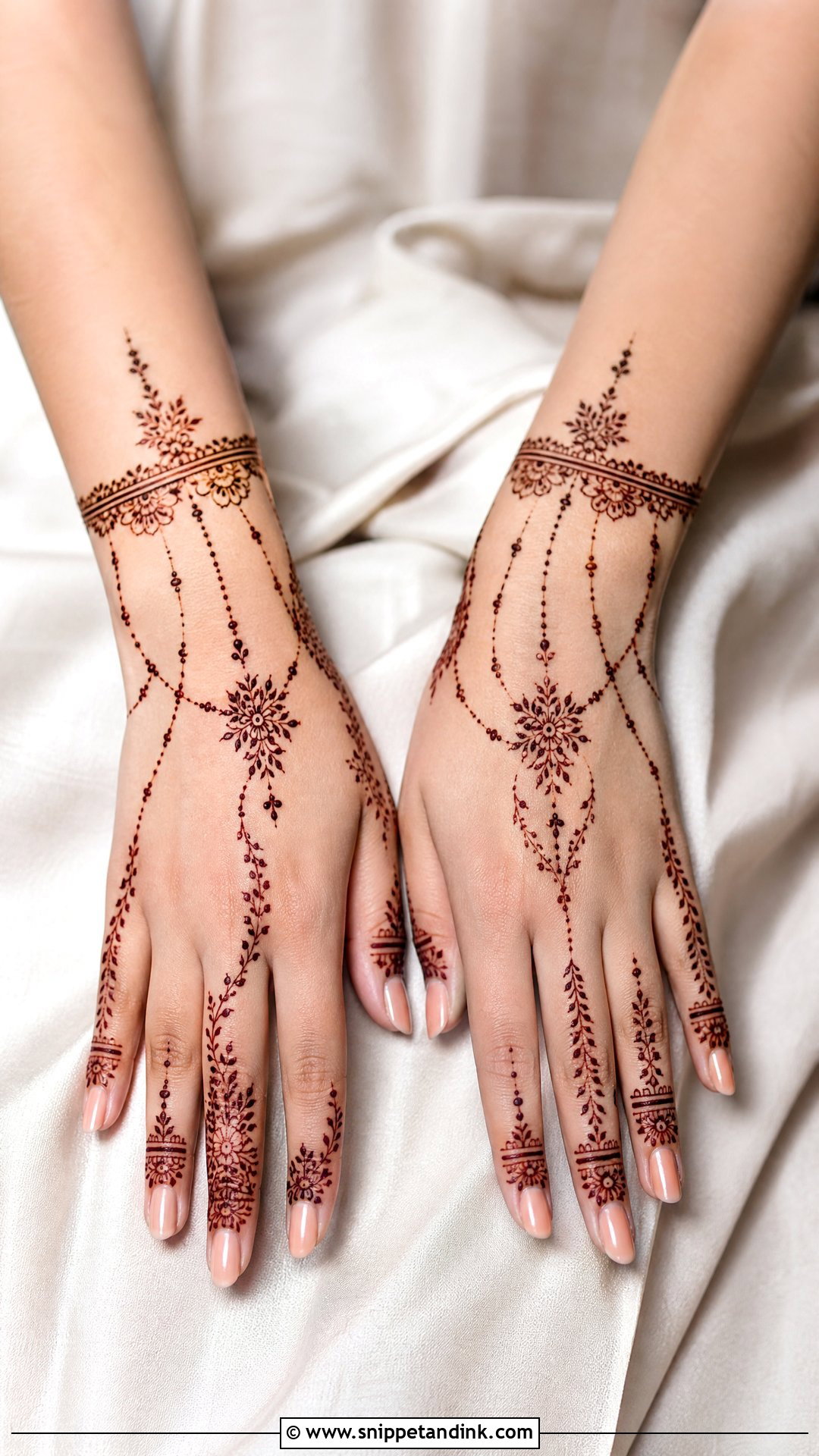
A cape replaces the dupatta, which is the main reason I recommend it for anyone getting full hand designs. There’s no fabric sliding down onto your wrists, so the paste stays undisturbed while it dries. A bride can wear a yellow or mint cape over a lehenga skirt, and guests can try a cape kurta with palazzos. Sheer organza, net and chiffon look light in photos. Organza does crush when you lean back against it, so if the bride will be leaning into cushions for hours, I’d pick net or chiffon. Keep jewellery minimal, since the cape is already the statement.
14. Palazzo Mehandi Dress
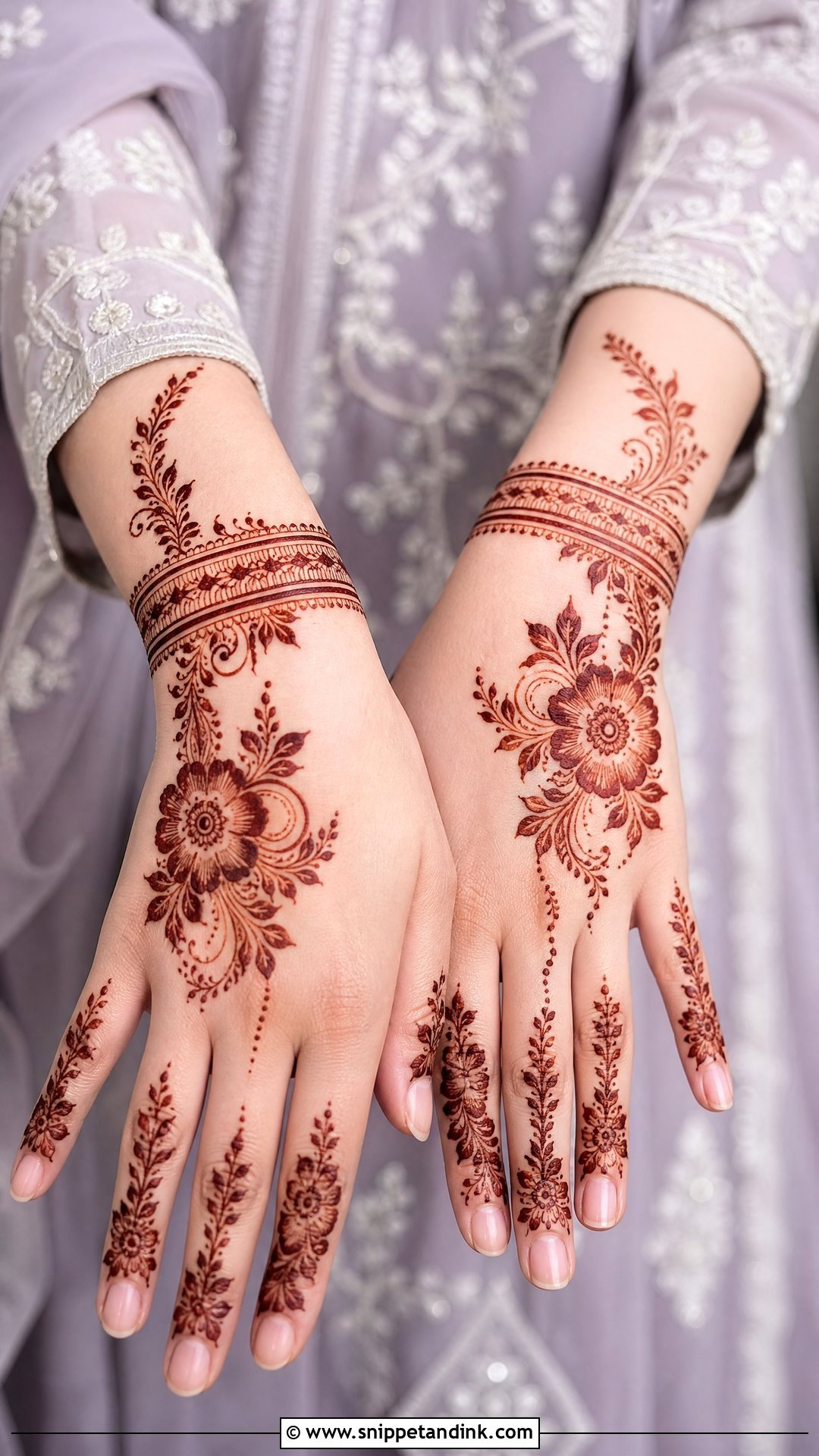
Palazzo sets are what I suggest to sisters and bridesmaids who will be up and down all afternoon helping the bride. The wide legs make floor seating easy, and they pair with a short kurta, peplum top, embroidered tunic or long straight kurta. Yellow, teal, pink and lime green feel festive without weight. Brides can wear a more detailed version with mirror work. The practical bonus is reuse: a palazzo set can be worn to Eid, Diwali or a friend’s sangeet afterward, which matters to guests buying outfits for a whole wedding season.
15. Kurta Set Mehandi Dress
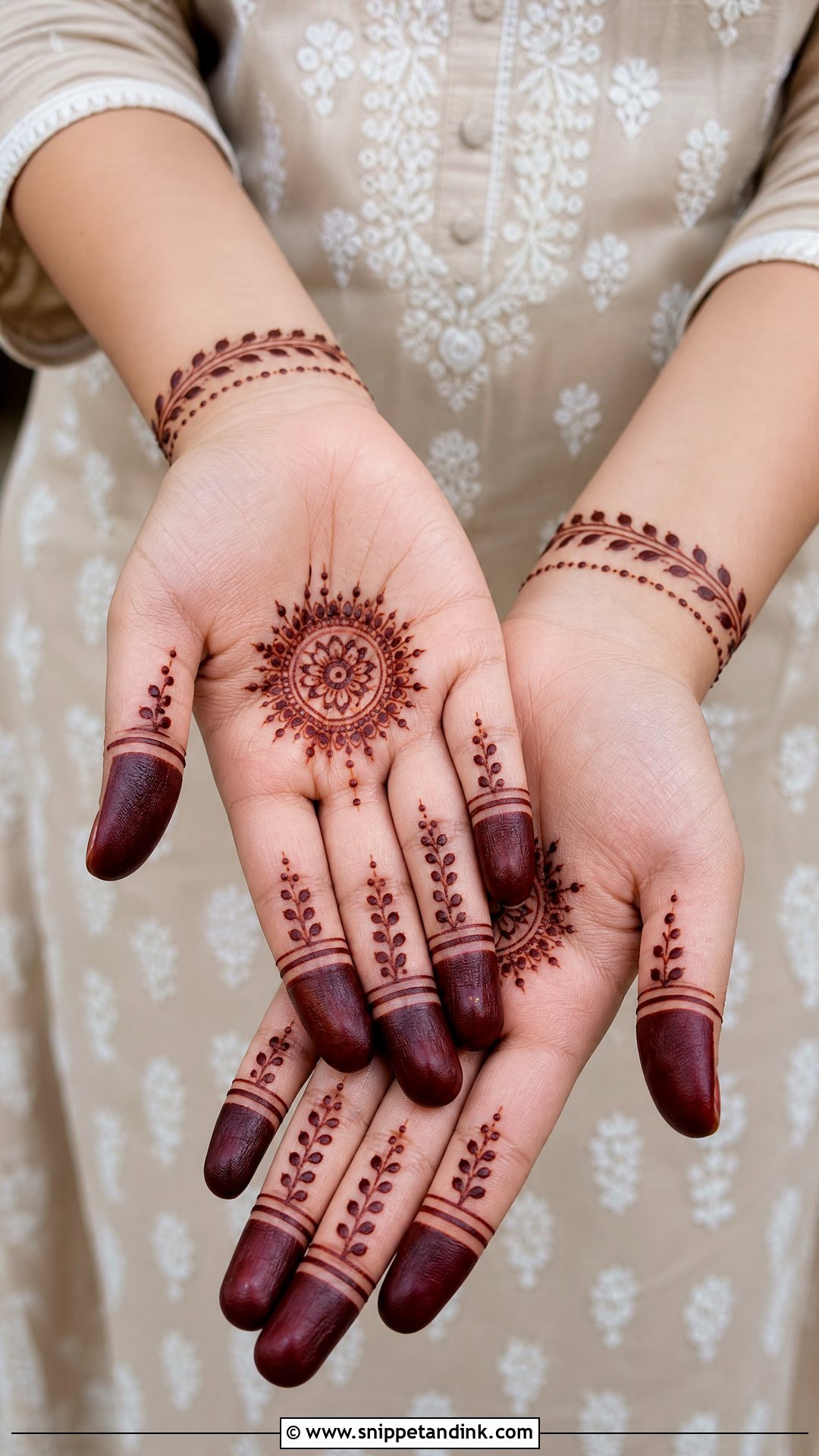
For a small home mehndi, a kurta set is often all a guest needs. It’s quick to dress in, and bright colours like yellow, green, coral or pink keep it from looking everyday. Straight pants, cigarette pants, palazzos or shararas all work underneath. Light embroidery, block print, mirror borders or gota details make it suitable for the event. The mistake I see most is a kurta with fitted full sleeves, which you can’t roll back over wet henna. Choose three-quarter or loose sleeves, then finish with jhumkas, a potli bag and juttis.
16. Saree Mehandi Dress
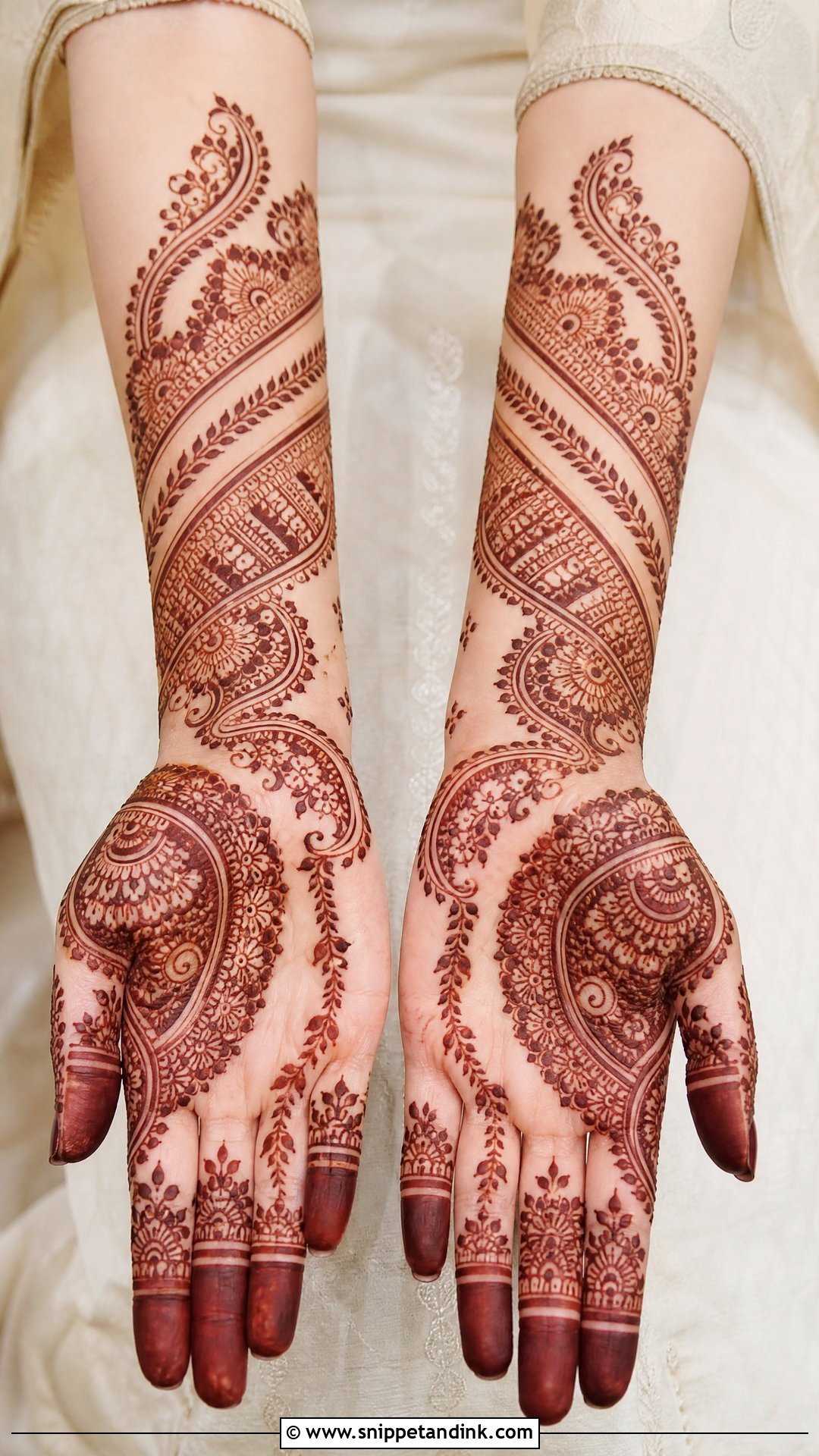
A saree is the most elegant option here and the hardest to manage with henna on your hands, because you constantly adjust the pallu. For mehndi, skip heavy bridal silks and choose chiffon, georgette, organza, linen silk or printed crepe. A yellow floral, a green organza or a pink saree with a mirror border all suit a daytime ceremony. Brides can try a pre-draped saree with a belt, which stays put. For anyone draping a regular saree, I pin the pleats and the pallu at the shoulder before the henna artist starts, so your hands never need to touch it. Keep the blouse sleeves short.
17. Printed Mehandi Dress
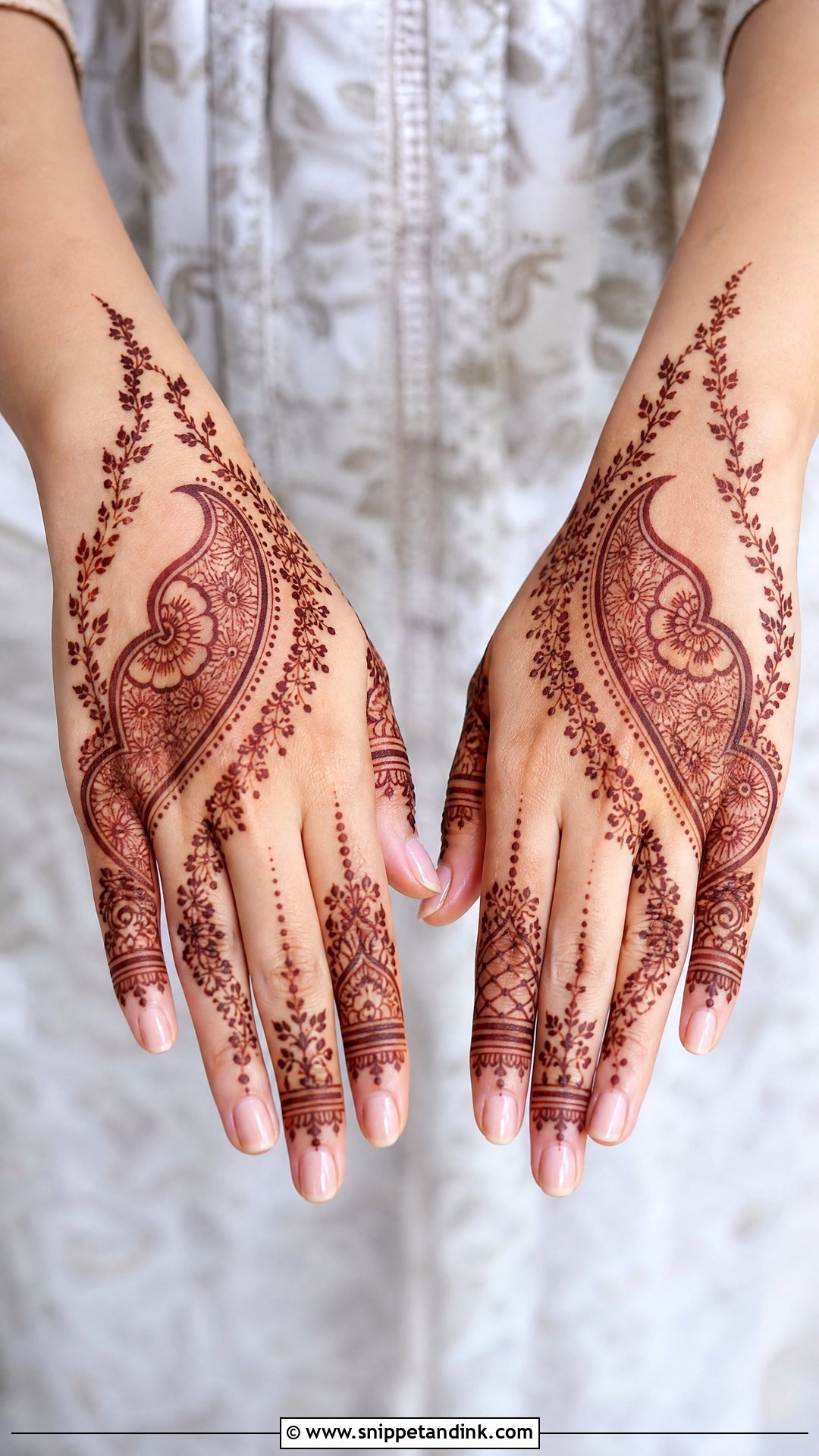
Prints are the most practical category for daytime functions because they give colour without the heat and weight of embroidery. Floral, block print, bandhani, leheriya, paisley and tropical prints all work. A bride can pick a printed lehenga with a heavier blouse or embroidered dupatta, and guests can wear printed kurtas, shararas or anarkalis. Busy prints need clean accessories, so I’d keep jewellery to a pair of earrings. Prints also hide small henna marks far better than a solid pale fabric, which is reason enough to choose one if you’re nervous about stains.
18. Bandhani Mehandi Dress
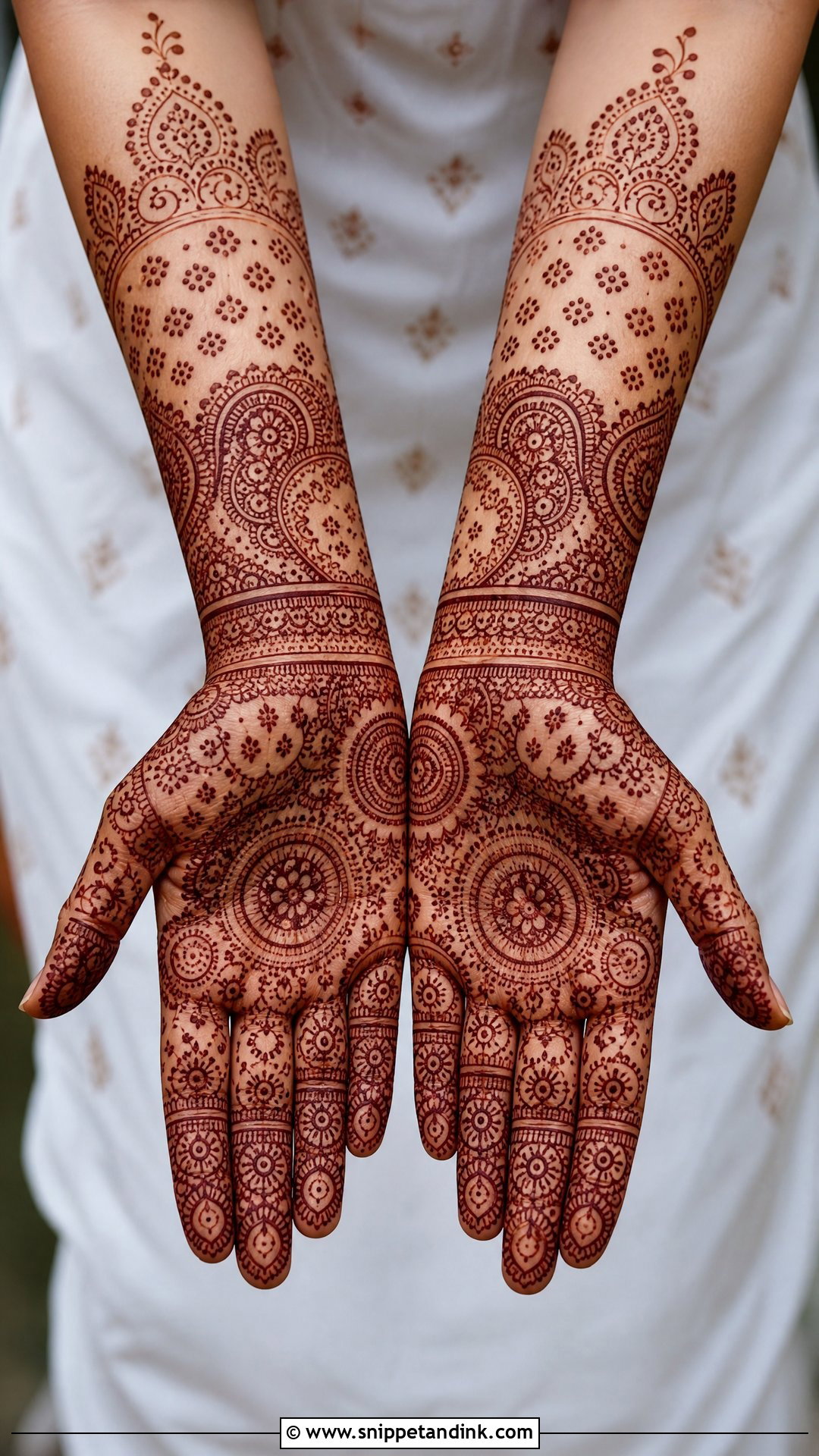
Bandhani is made by tying tiny points of fabric before dyeing, which gives the dotted pattern its texture. It comes in yellow, green, red, orange, pink and multicolour, and the fabric is usually light, so it stays comfortable for a long event. A bride can wear a bandhani lehenga with mirror work or a gota border, and guests can choose a kurta set, saree or sharara. Hand-tied bandhani can bleed on its first wash, so I tell clients to dry clean it and never let it sit damp against a light blouse. Oxidised, kundan or floral jewellery all suit it.
19. Leheriya Mehandi Dress
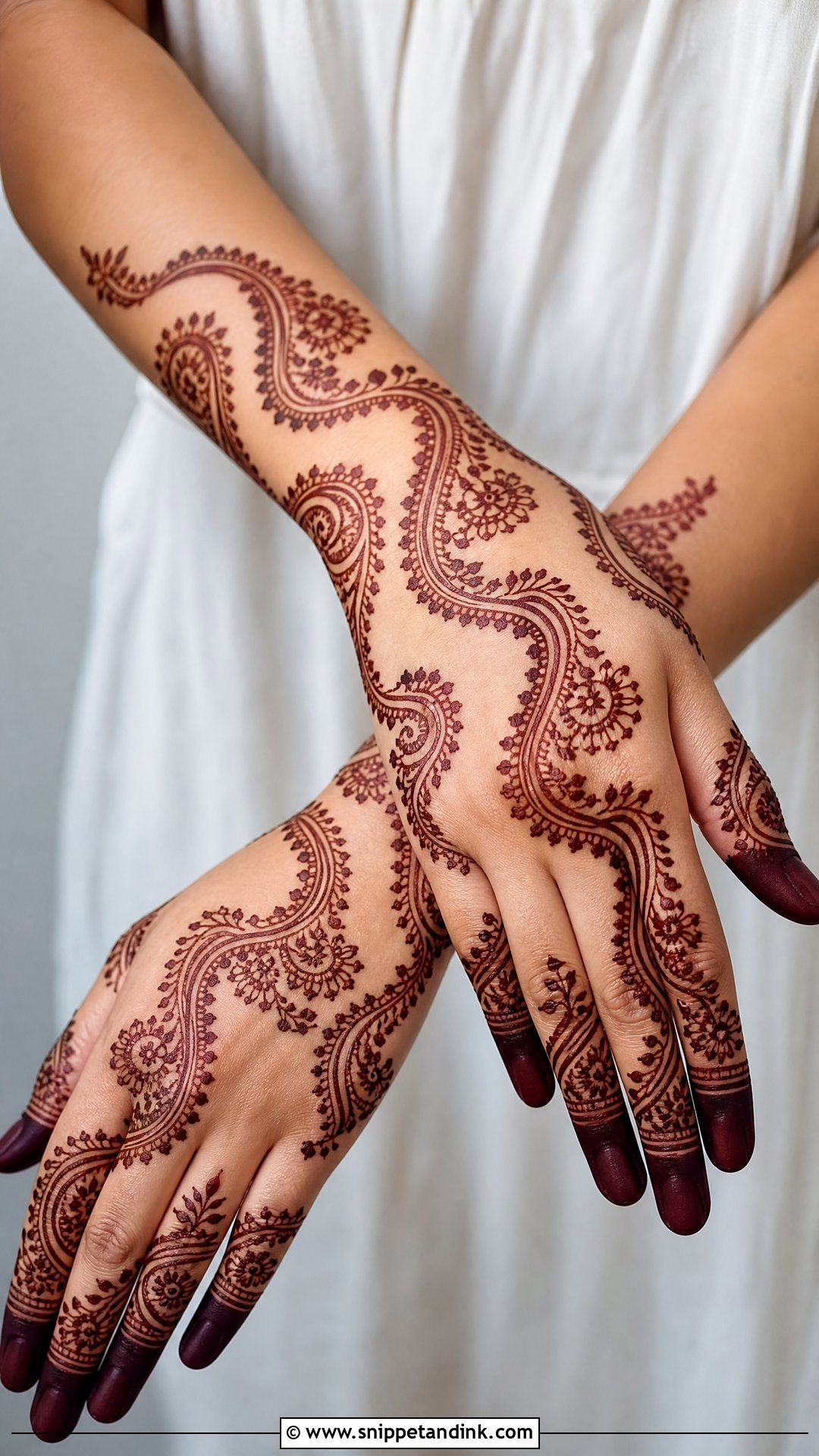
Leheriya is a resist-dyed wave pattern from Rajasthan, and it moves on camera in a way solid fabrics don’t. Yellow-pink, green-yellow, orange-red and blue-green combinations are the classic mehndi choices. A bride can wear a leheriya lehenga with a plain embroidered blouse to give the eye somewhere to rest. Guests can wear a leheriya saree, anarkali, or kurta set. I keep accessories to jhumkas and juttis here, because the stripes already carry plenty of energy, and extra jewellery starts to fight the print.
20. Pastel Mehandi Dress
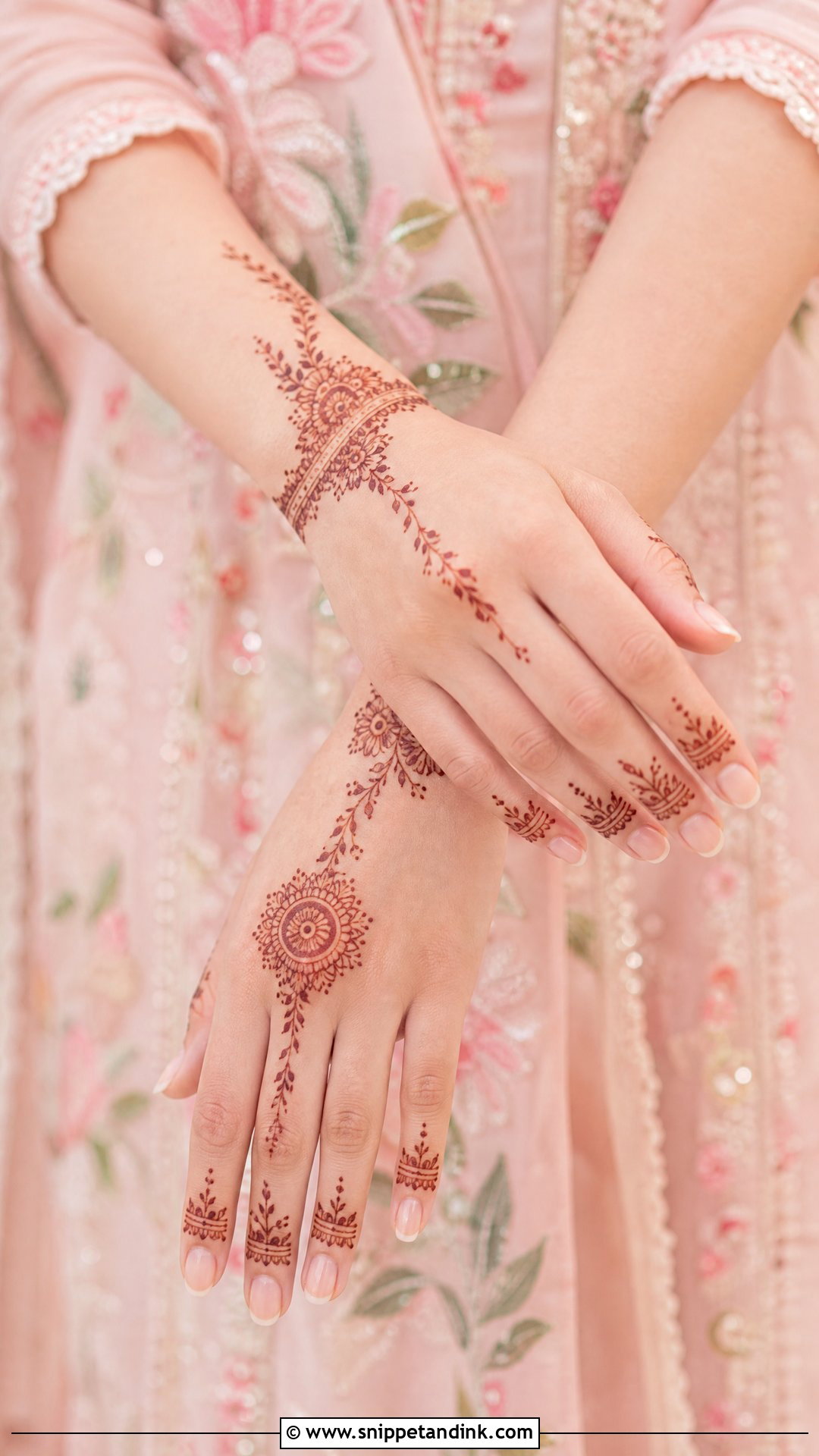
Pastels have become a real alternative to yellow, and more brides now ask me for a softer palette. Mint, lavender, peach, powder blue, blush and pale yellow suit garden ceremonies, beach weddings and smaller gatherings. The risk is that a pastel outfit looks underdressed beside relatives in saturated colour, so I always add one strong detail: mirror work, pearl embroidery, a bright dupatta or statement earrings. Guests can wear simpler pastel kurta sets, sarees or shararas. Makeup needs a little more definition than you’d expect, or the face fades into the fabric.
21. Multicolor Mehandi Dress
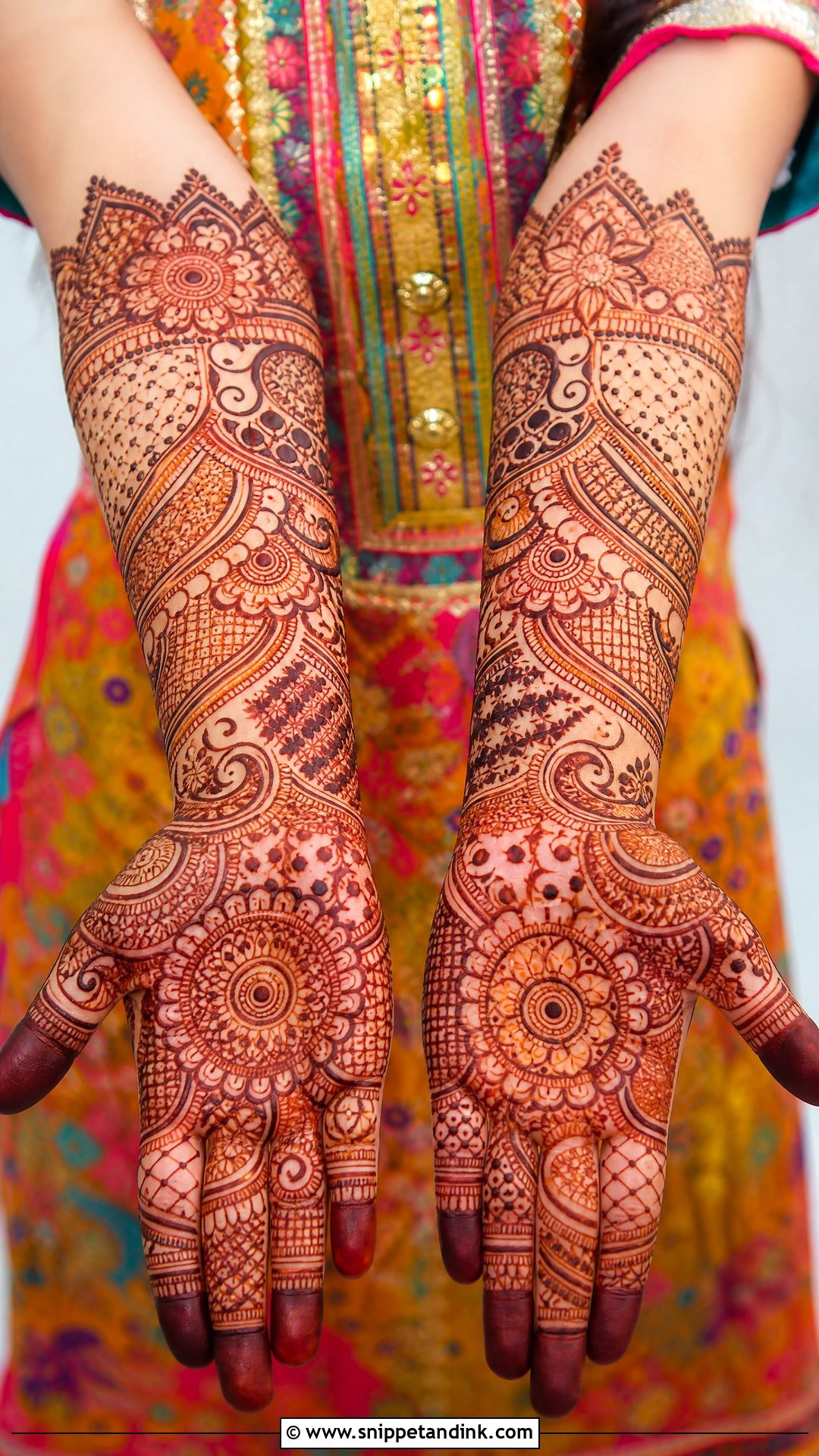
Patchwork and colour-blocked lehengas bring every shade of the ceremony together, and they hide creases and small stains well. Brides can wear a patchwork lehenga or a printed multicolour sharara, and guests can wear a multicolour skirt with a plain top. They look best against marigolds, coloured drapes and bright floral backdrops. With this much colour, I’d keep jewellery to one piece and choose neutral makeup with a single bold lip. The test I use: if you can name more than four colours in the outfit, nothing else needs to be loud.
22. White Mehandi Dress
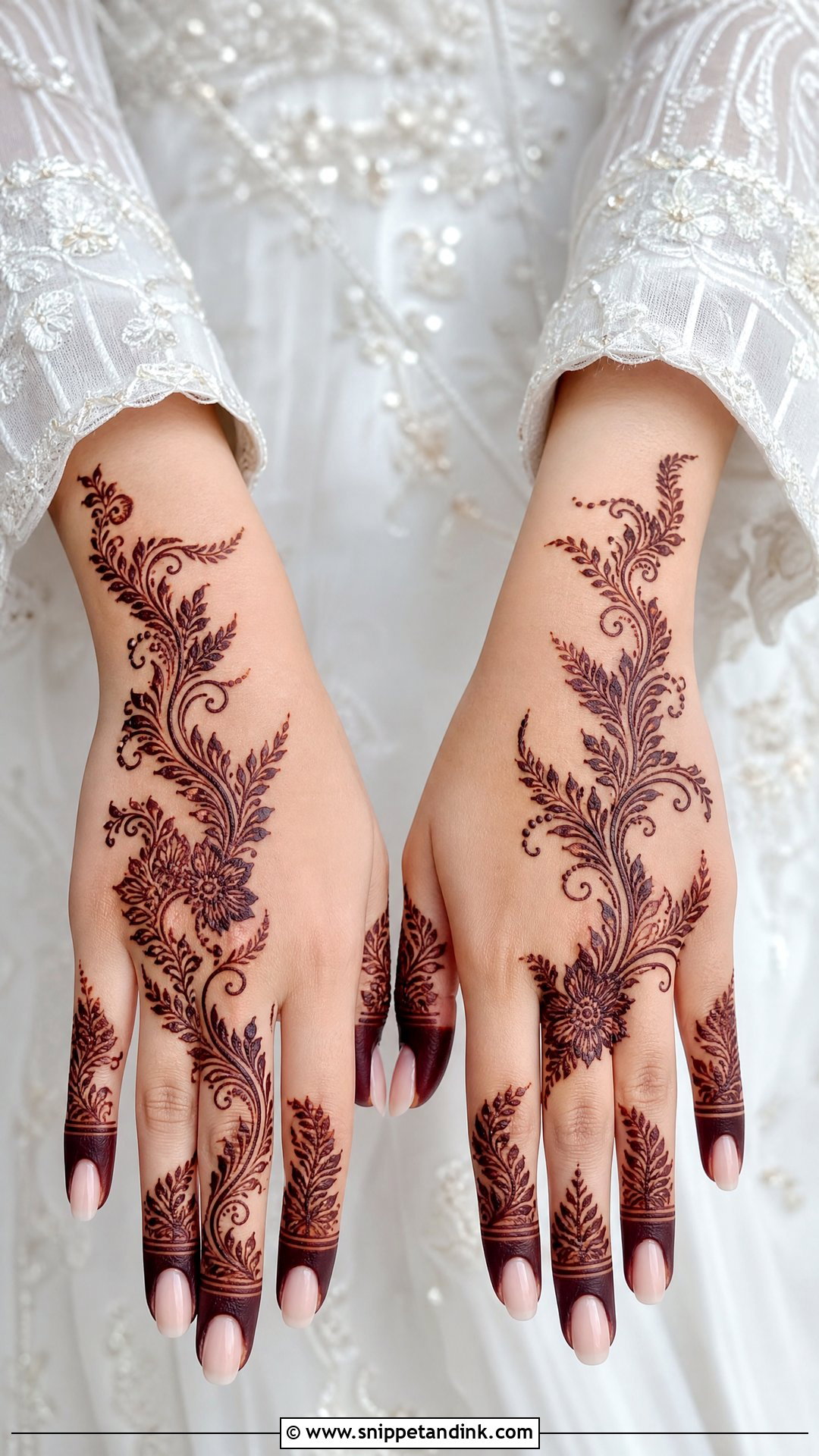
White or ivory at a mehndi surprises people, but with coloured embroidery or a floral print it looks fresh. Brides can wear ivory with yellow or green accents, and guests can wear a white kurta set with a bright dupatta. Be honest with yourself about the stain risk. Fresh paste and the sugar-lemon seal artists dab on will mark white fabric, so I only suggest this to brides who will have their henna applied before dressing, or to guests not getting any. Once the stain darkens to deep maroon, it does look striking against white in photos.
23. Lavender Mehandi Dress
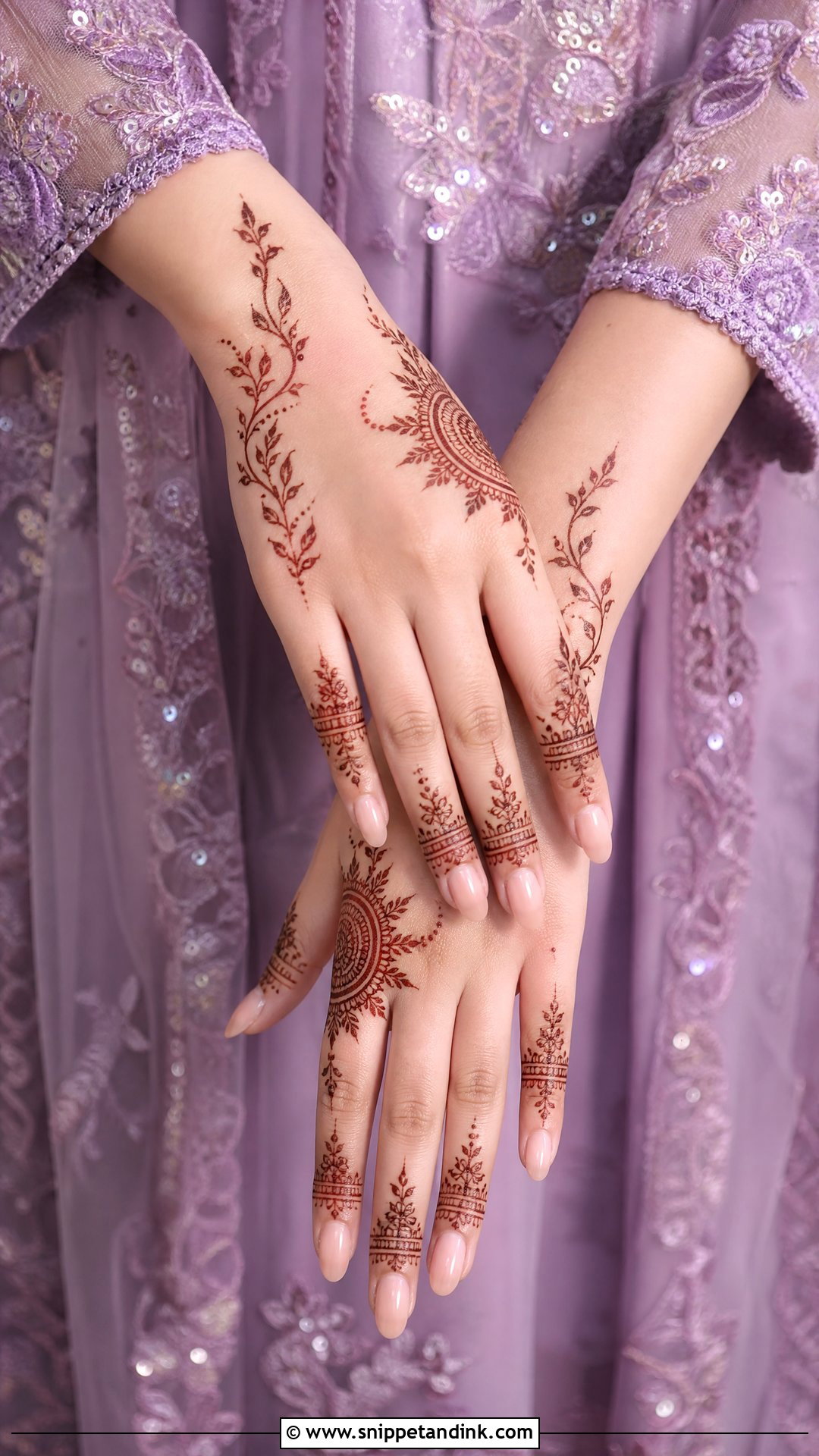
Lavender suits bridesmaids and sisters especially well, and it’s a good bridal pick for anyone who doesn’t want yellow or green. A lavender lehenga with silver mirror work works in daylight, while a lavender anarkali or sharara stays quiet without being dull. Pair it with pearl, silver or white floral jewellery rather than yellow gold, which can look slightly brassy against the purple. Lavender drains warm olive skin unless the makeup has some colour, so I’d add a soft pink lip and defined eyes. It sits nicely beside mint, ivory and blush.
24. Red Mehandi Dress
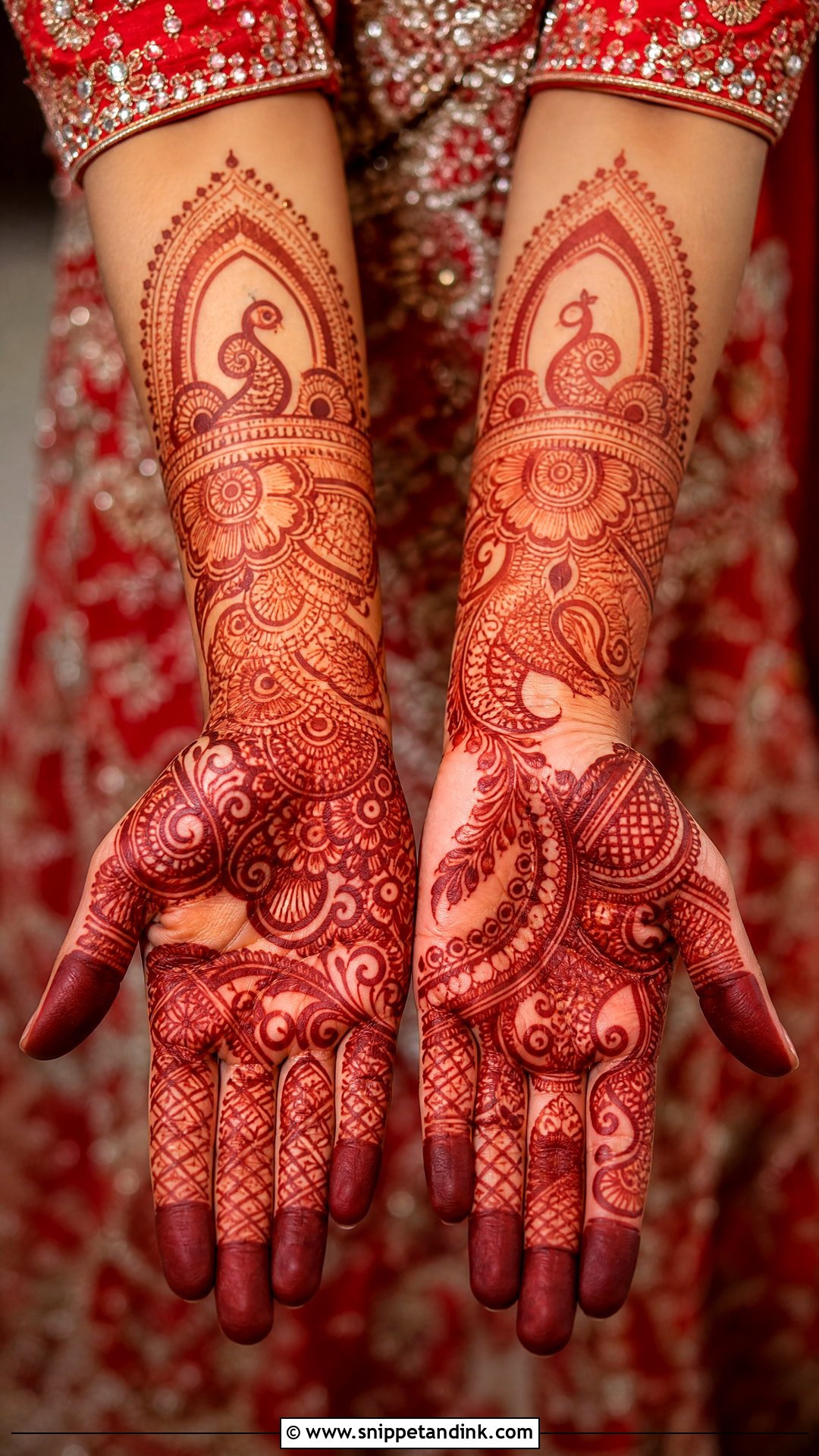
Red needs thought. In many families it’s reserved for the wedding ceremony, so guests should avoid a bridal-looking red unless the hosts have asked for it. For the bride, a lighter red lehenga with orange, yellow or green accents can work at mehndi, especially for an evening function. Guests who love red can choose coral-red, rust or a red print that reads festive rather than bridal. I’d keep embroidery moderate and skip a heavy wedding-style dupatta. If you’re unsure, ask the bride’s family directly; it takes one message and avoids an awkward photo.
25. Pakistani Mehandi Dress
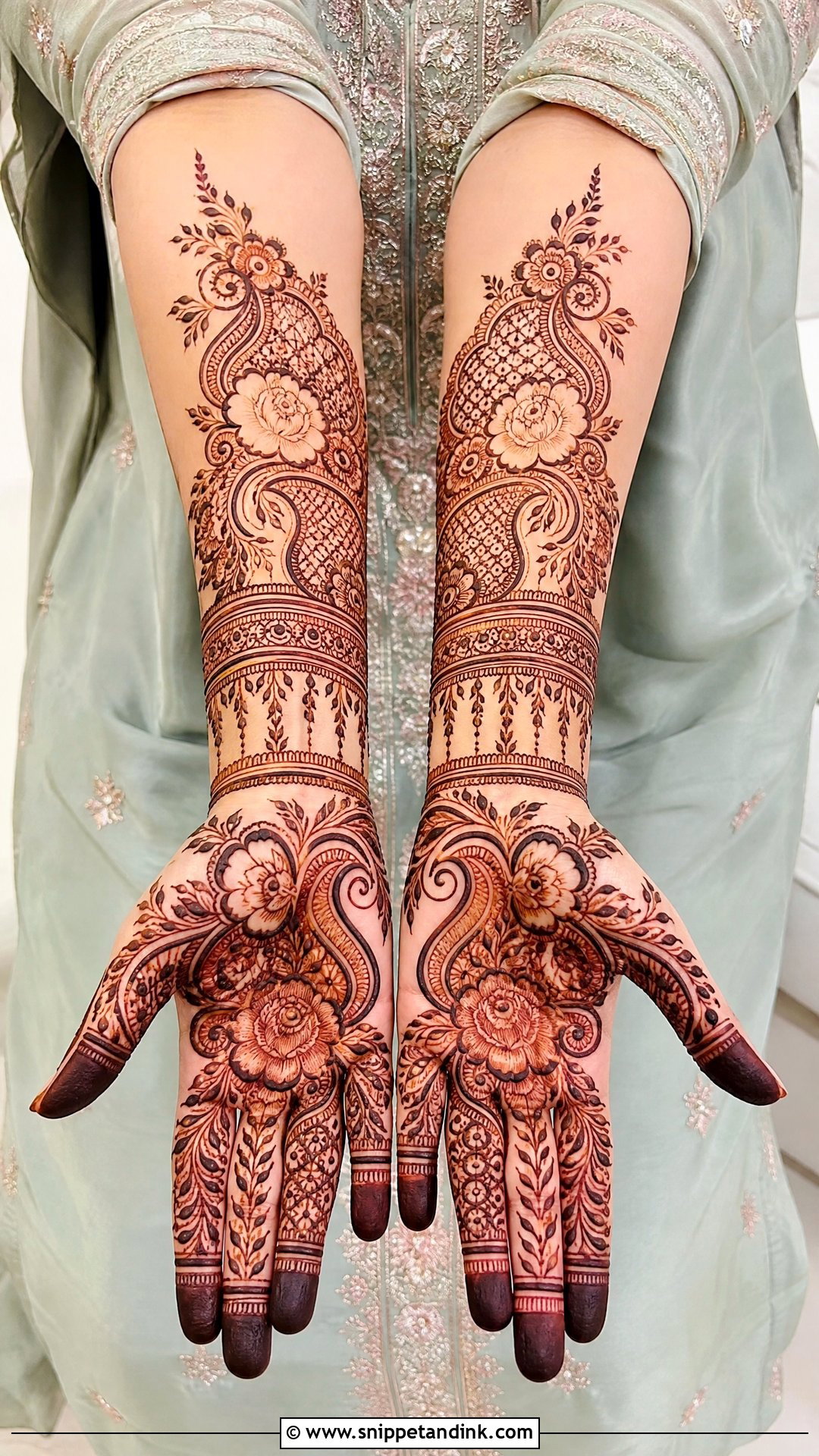
A Pakistani mehandi dress usually builds on ghararas, shararas, long shirts and farshi-inspired bottoms in yellow, green, orange and pink. A bride may wear a heavily detailed gharara with a contrasting dupatta, and guests can wear a lighter embroidered long shirt with trousers or sharara pants. A passa worn at the side of the head is a lovely finishing touch. Long shirts in heavy fabric get hot quickly at an evening event with dholki and dancing, so I’d choose lawn, chiffon or a lined cotton silk for anyone planning to be on the floor all night.
26. Punjabi Mehandi Dress
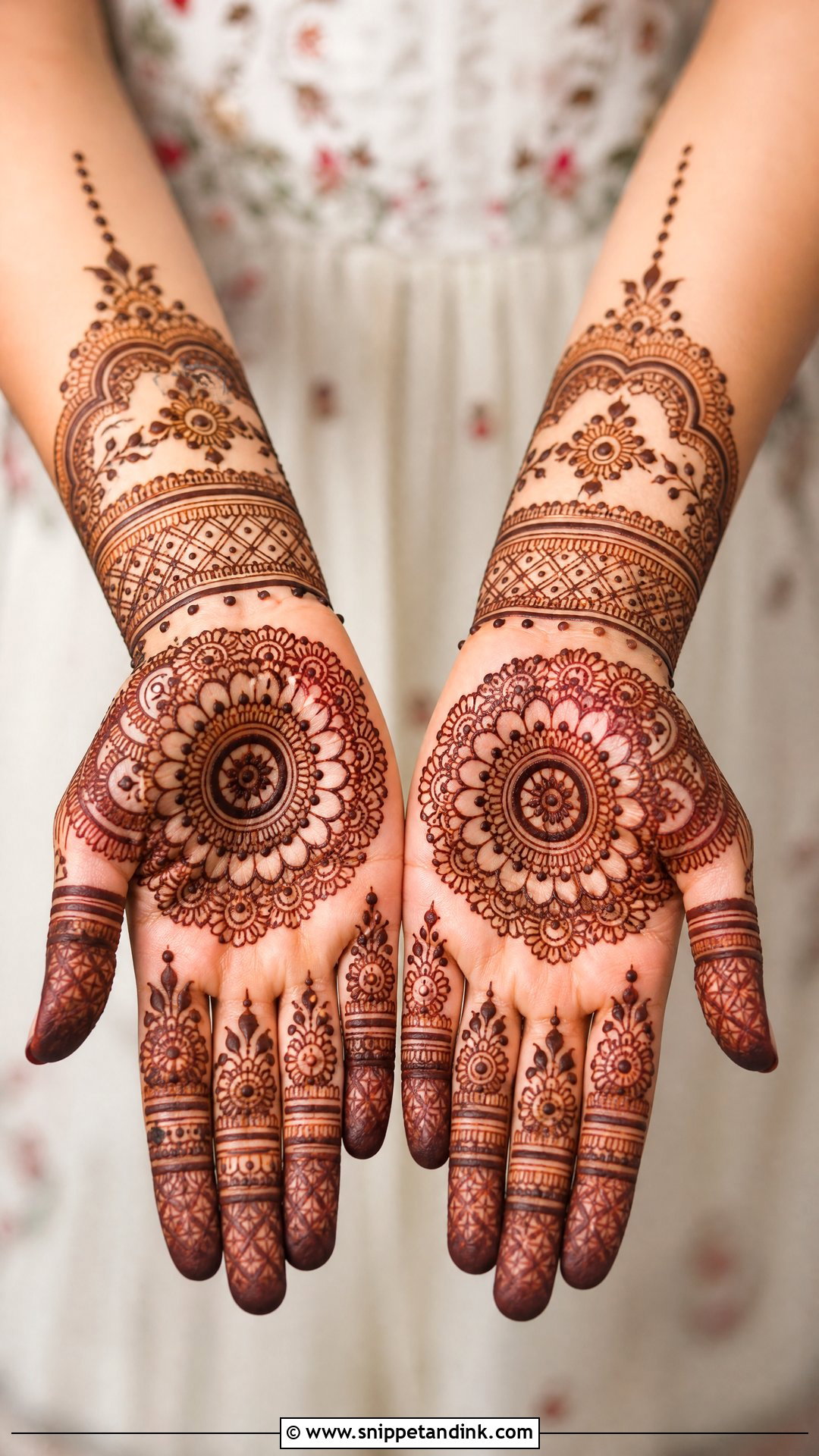
Punjabi mehndi outfits are built for dancing to the dhol. Patiala suits, short kurtis, phulkari dupattas and colourful parandas all suit the spirit of the night. A bride can wear a yellow or green Patiala suit with heavy phulkari detail, while guests can choose lighter cotton silk or georgette sets in pink, orange or mustard. The deep pleats of a Patiala salwar hold up very well to sitting on the floor and getting up again. If you’re wearing a paranda, have someone braid it in before the henna goes on, since you won’t be able to do it afterward.
27. South Indian Mehandi Dress
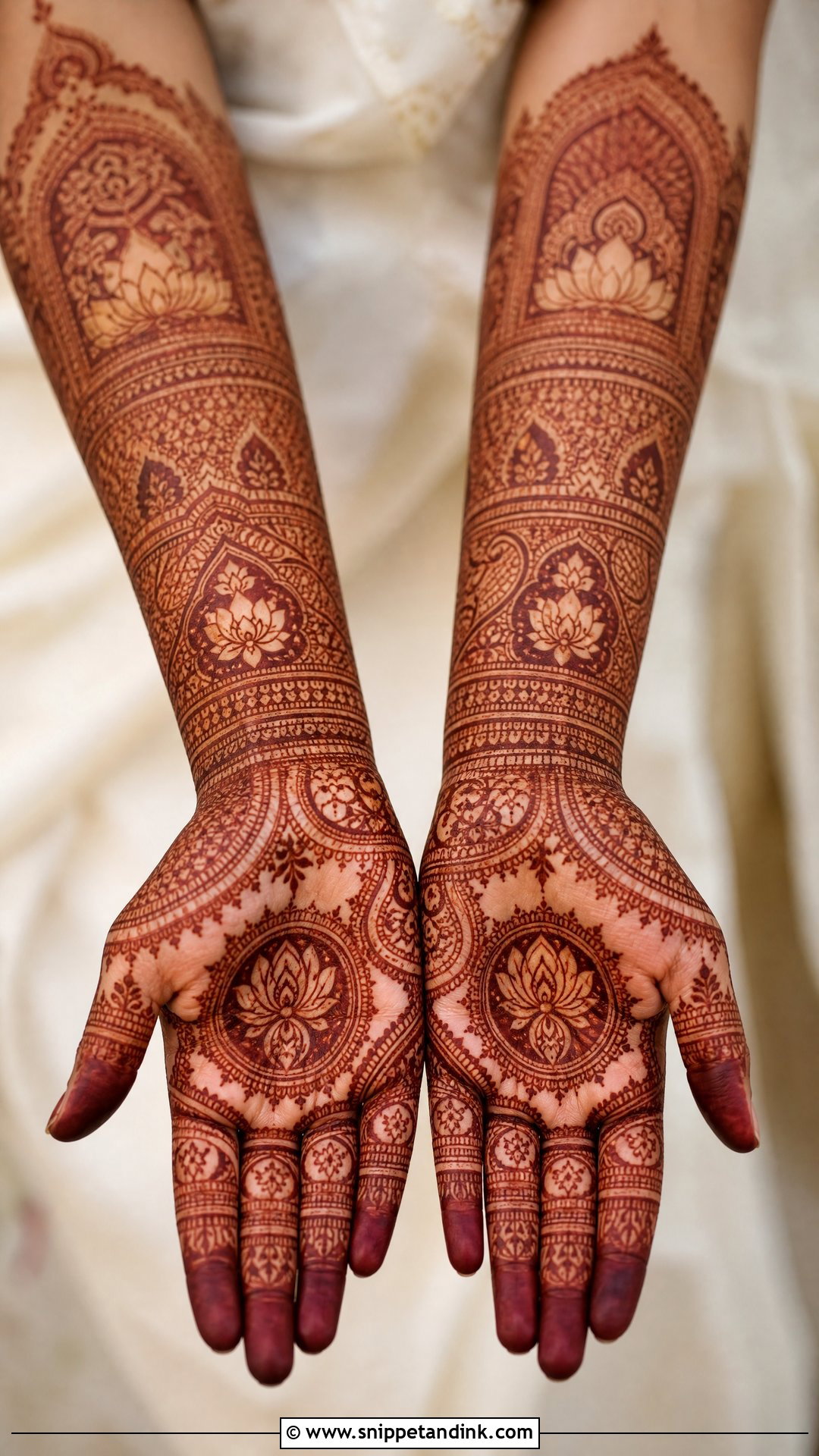
South Indian mehndi functions are often a little more relaxed than the wedding, so brides can wear a lightweight silk lehenga, a half saree or a bright silk saree in yellow, green, orange or pink. Guests can wear cotton silk sarees, anarkalis or simple lehenga sets with temple jewellery. I’d choose a soft silk over a stiff Kanjeevaram for this event, since stiff silk fights you every time you sit. A braid with jasmine, a small bindi and gold earrings finish it. If you’re in a saree, have the pleats pinned so your hands stay free.
28. Bridal Mehandi Dress
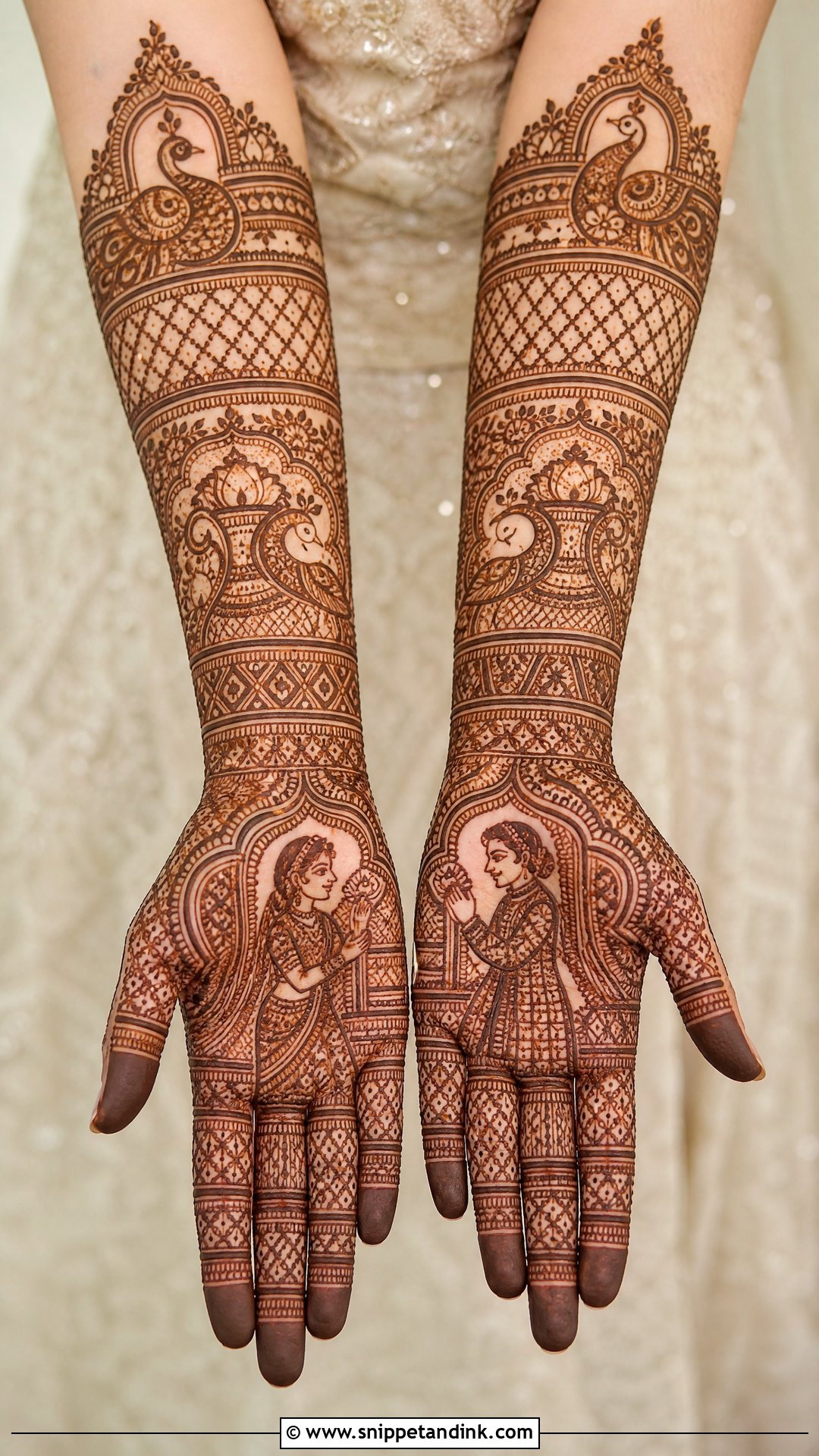
The bride’s mehndi outfit has to survive a long henna session first and look festive second. She may sit for several hours while paste goes on both hands and feet, so nothing should be tight at the waist or heavy across the shoulders. A lightweight lehenga, sharara, gharara or cape set works. Yellow, green, orange and fuchsia are popular, and ivory or pastels with colourful details can look striking too. I insist on a sleeveless or short-sleeve blouse for full bridal designs. Put bangles on only after the paste has come off, and choose earrings, a maang tikka and floral jewellery instead.
29. Bridesmaid Mehandi Dress
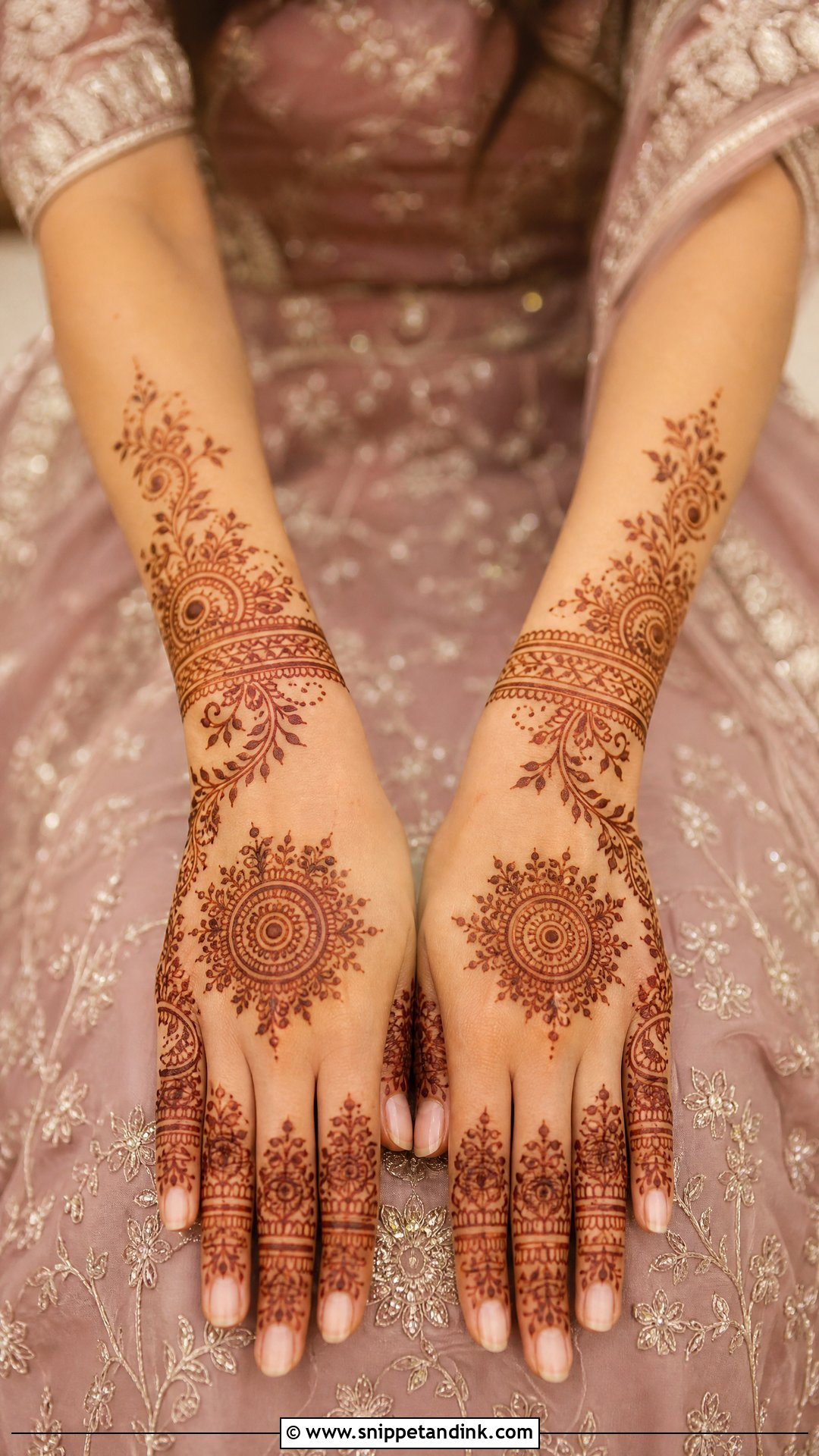
Bridesmaids don’t need identical outfits unless the bride wants that. One colour family, such as all greens or all yellows, with each girl choosing her own silhouette, usually photographs better and keeps everyone comfortable. A shared print or a matching dupatta style is another way to tie the group together. Printed lehengas, sharara sets, pastel anarkalis and bright kurta sets all work. Keep them a step lighter than the bride’s outfit. And comfortable shoes are not optional, because bridesmaids spend the afternoon fetching things, herding relatives for photos and dancing.
30. Guest Mehandi Dress
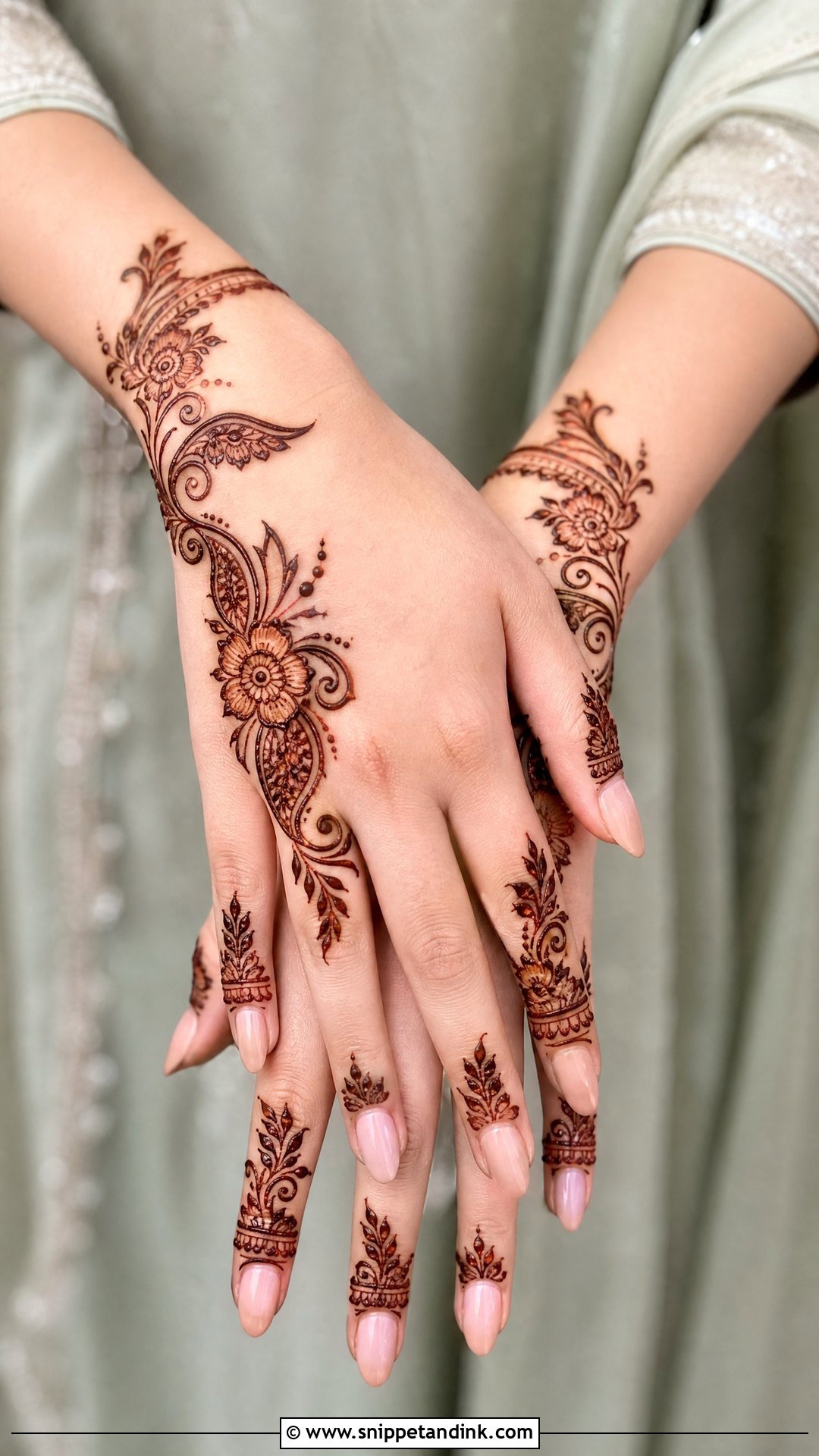
Guests should dress in colour, comfortably, and clearly not as the bride. Kurta sets, printed lehengas, light sarees, anarkalis, palazzo suits and simple shararas all fit. Yellow, green, coral, pink and blue work well, while heavy red or gold bridal-style outfits are best avoided unless the hosts ask for them. Most mehndis involve a long meal, music and a lot of sitting, so choose breathable fabric. If you’d like henna yourself, leave bangles off until the design is dry, and pick a dupatta you can drape over one shoulder and forget about.
If Paste Lands on Your Lehenga
It happens at almost every mehndi. Someone leans in for a hug, or a wet palm brushes a skirt. The worst thing you can do is wipe it straight away, because that pushes the dye deeper into the weave and spreads it. Let the paste dry, then lift or flake it off gently with a fingernail or a blunt card.
After that, leave the mark alone and take the outfit to a dry cleaner who handles embroidered Indian wear, telling them it’s henna. Home remedies with bleach or harsh soap will strip the dye from the fabric along with the stain, and water can make bandhani or leheriya bleed. Silk and georgette are the hardest to rescue, which is another reason I steer brides toward prints for this event.
Storing the outfit afterward
Mirror work, gota and zari all react badly to damp and plastic. Once the outfit is clean, fold it with acid-free tissue between the embroidered layers, keep it in a muslin or cotton bag, and refold it along different lines every few months so the creases don’t set and crack the metallic thread. If you want to wear it again next season, have it steamed rather than ironed, since direct heat can melt the glue behind some mirrors.
Sleeves, Seating and the Last Fitting Before the Henna Night
The easiest way to narrow this list is to start with your role and the seating. Brides can go bold with lehengas, ghararas, capes or mirror work; guests and bridesmaids do well with kurta sets, prints, shararas or sarees. Yellow and green never look out of place, but pink, orange, lavender, white and multicolour outfits all have their place at a modern mehndi. Before you settle on sleeves or jewellery, picture yourself sitting with wet paste on both hands for an hour, then dancing straight after. If the outfit still works in that scene, it’s the right one.
You'll Like These Ideas:


Leave a Reply