
Dressing the groom’s sister is one of my favorite briefs, because she has two jobs at once. She is in nearly every family photograph and in the middle of the rituals, yet the bride has to stay the clear focus. The outfits below cover lehengas, sarees, Anarkalis, shararas, Indo-western sets and gowns, and for each one I’ve added what I’d check before you buy it: how it moves when you are running between functions, what it does next to the bride, and what to pair with it. Treat them as complete looks for a brother’s wedding, from the garment down to the shoes.
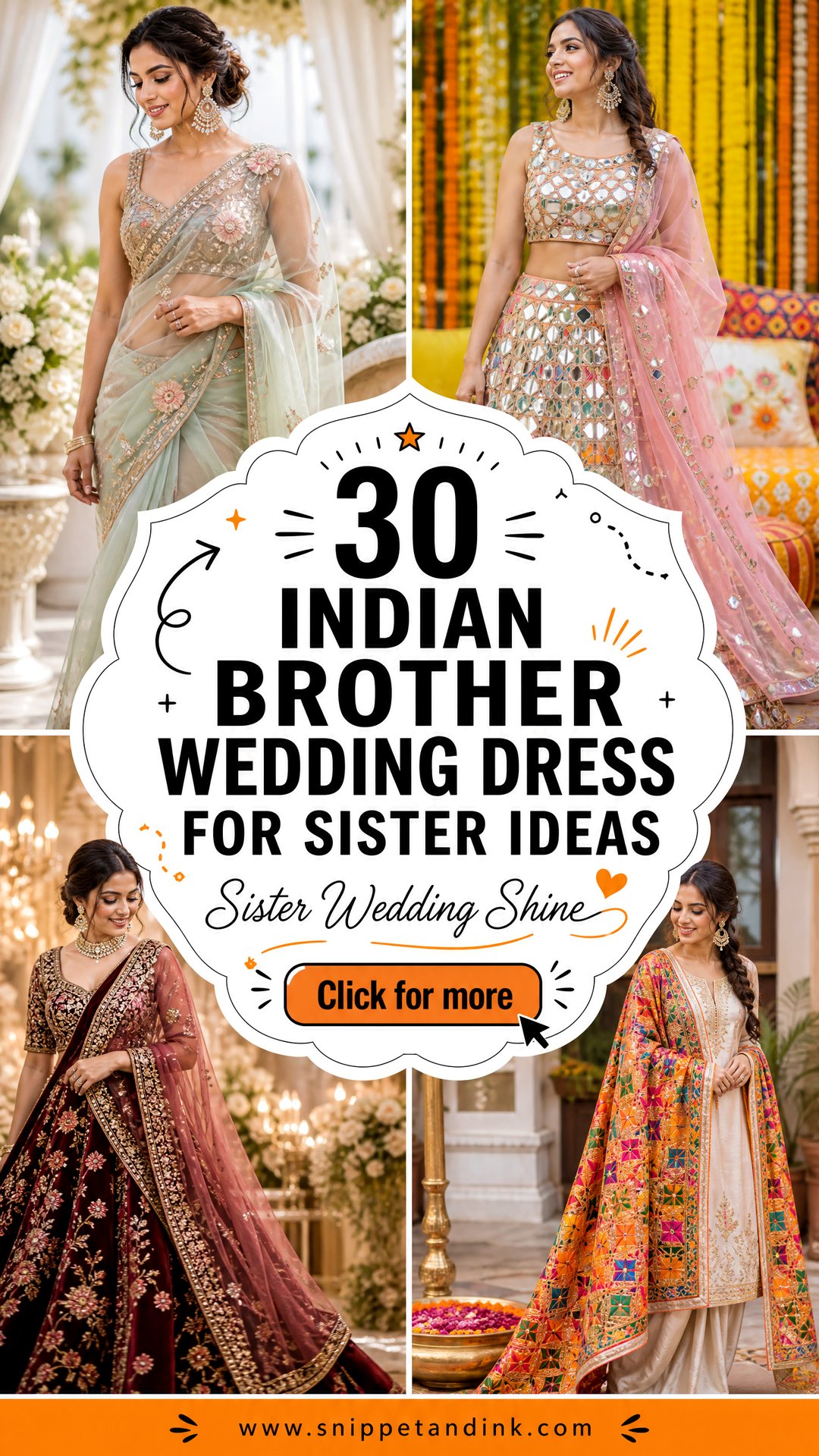
A Sister’s Outfit Has Work to Do
The groom’s sister is rarely a spectator. Depending on the family, she may tie the sehra, hold the reins of the mare in the vaag pharai ritual and claim her gift, dance in front of the baraat, help with the aarti, greet guests and stand in every group portrait. When I plan her wardrobe, I start with that list of duties rather than with colors.
- Dancing in the baraat: a skirt or flare that clears the ground, and shoes you can walk a road in.
- Rituals on the floor: a hem and fit that let you sit cross-legged without pulling.
- Hugging relatives all day: no beading or sequins on the shoulders that catch on other outfits.
- Carrying a thali or gifts: a dupatta that is pinned, or a cape or jacket instead.
Ask the bride’s palette before you buy
I’d message the bride, or her stylist, before buying anything for the main ceremony. Most brides are happy to share their colors, and avoiding her shade and her exact level of embellishment is the simplest way to look close family without looking bridal. If the families are coordinating colors for each function, get that list early, since it will decide half your choices.
1. Sister Lehenga For Brother Wedding
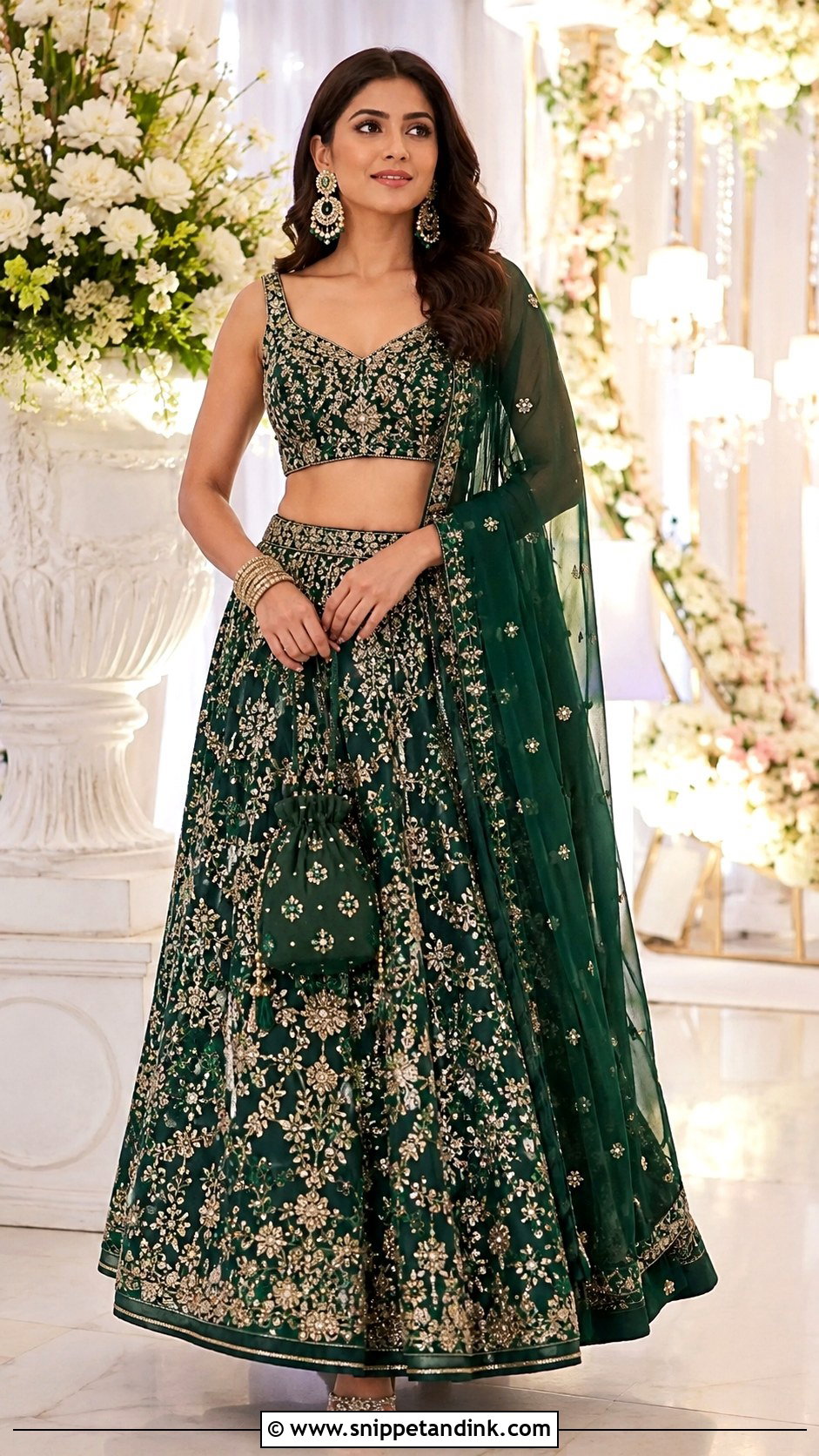
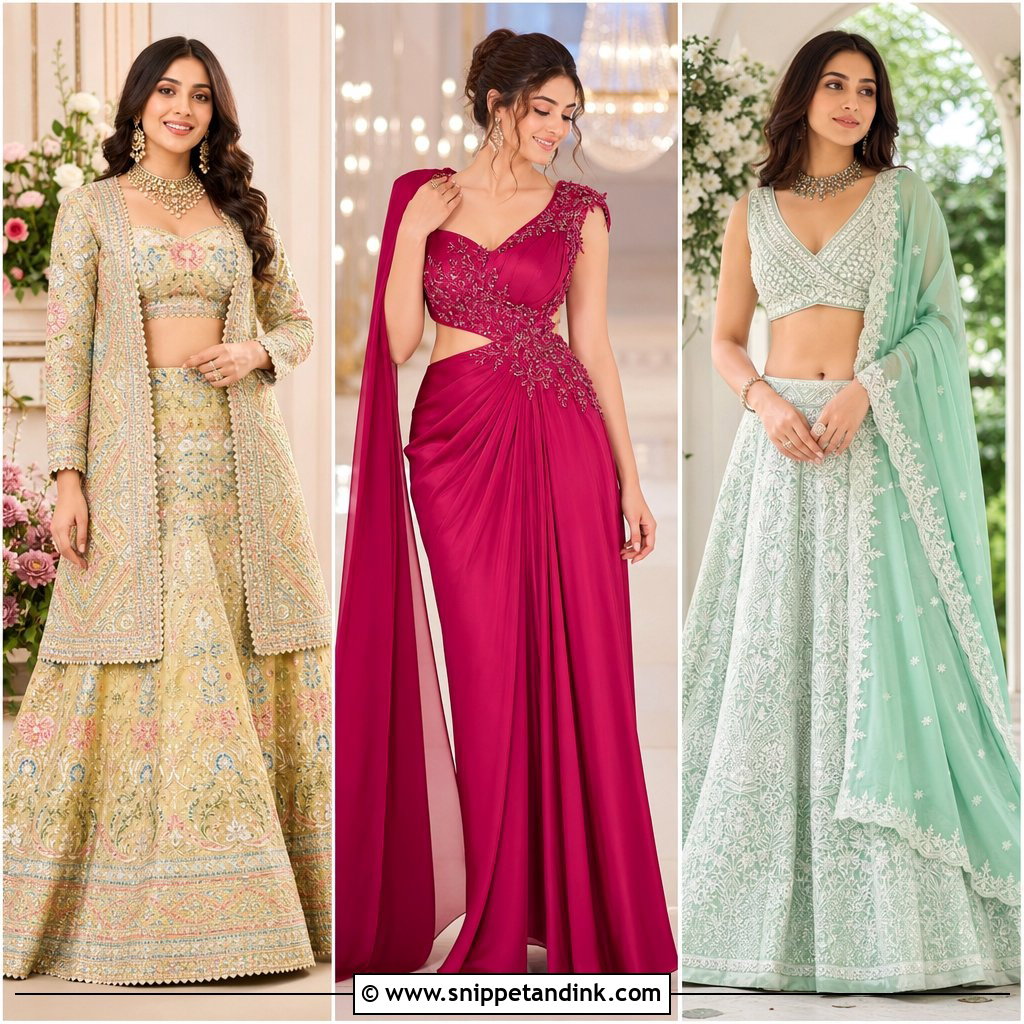
The lehenga is the outfit most sisters reach for, and it earns that place: it reads festive in group photos without needing a complicated drape. I’d pick silk, georgette or organza in emerald, teal or champagne, and I always ask what the bride is wearing first. If she is in red or heavy gold, move to a different color family entirely so nobody mistakes you for her in a candid. A well-fitted blouse, a one-shoulder dupatta, kundan earrings and comfortable juttis keep it practical for a long day on your feet.
2. Sister Saree For Brother Wedding
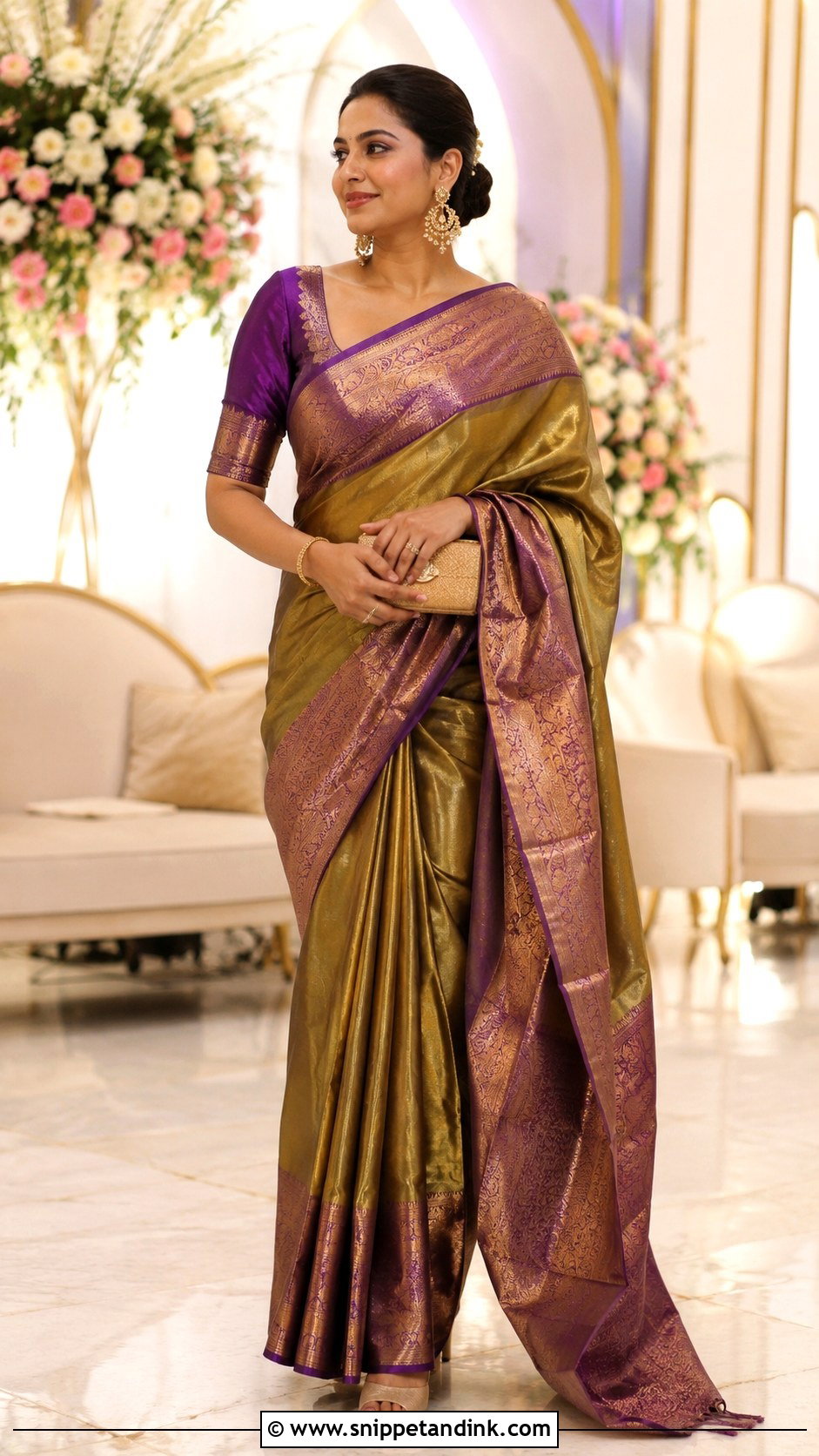
A saree looks composed in family portraits in a way few outfits do, but it needs managing. Silk, Banarasi, organza or embroidered chiffon all suit the occasion; the difference is how they behave once you start greeting guests and carrying trays. Chiffon slips, silk stays put. That is why I often add a belt over the pallu for sisters with ritual duties. A structured blouse, a sleek bun and a small clutch finish it, and flat or low heels will save you by the third hour.
3. Sister Anarkali Suit For Brother Wedding
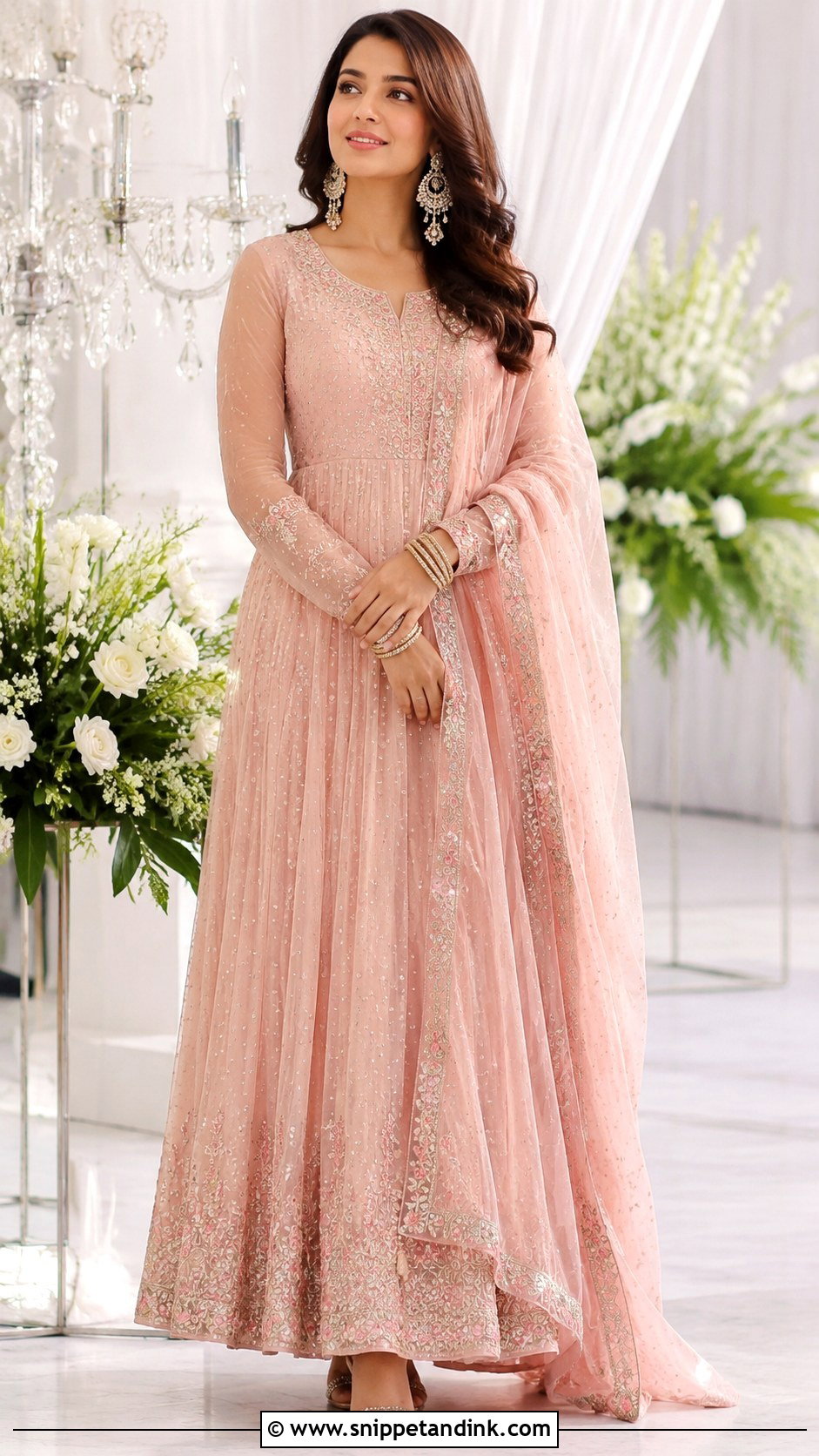
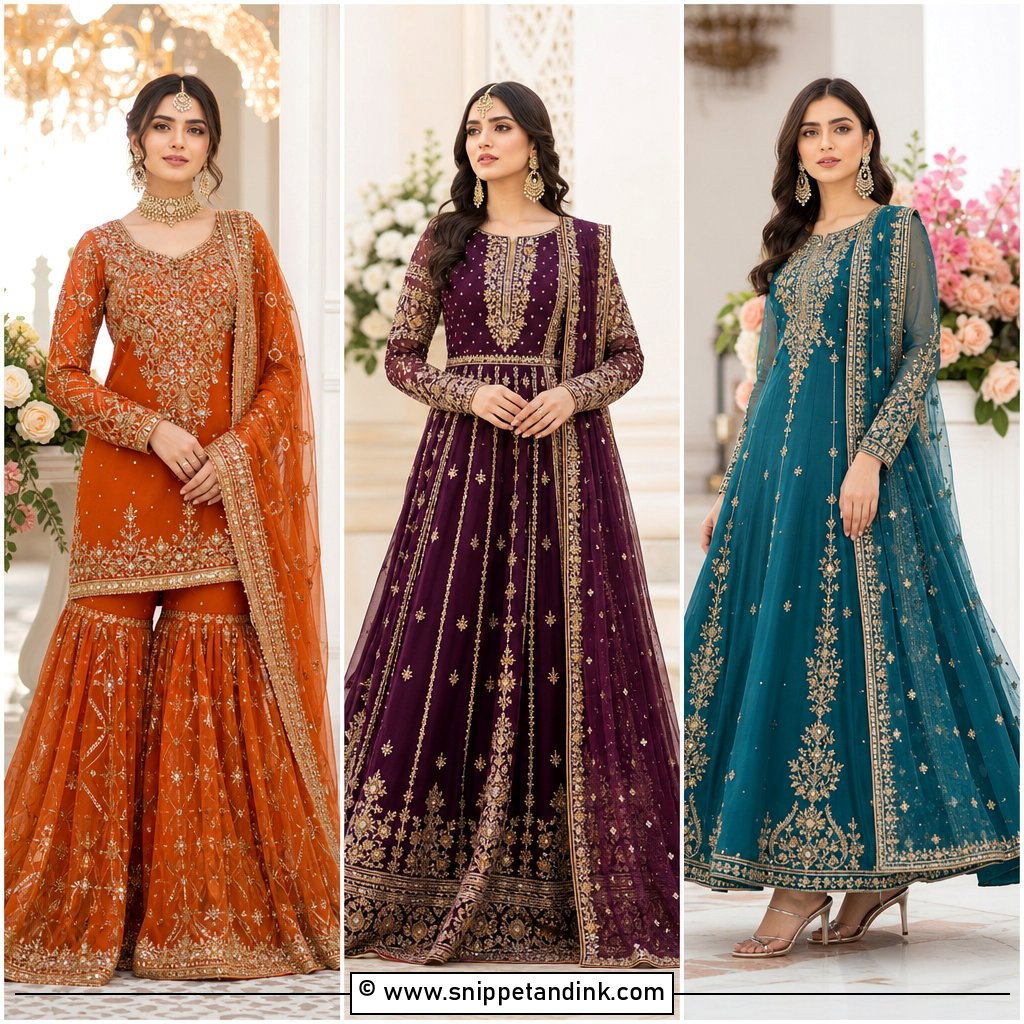
An Anarkali gives you flare and movement without the weight of a lehenga, and the floor-length cut covers comfortable shoes nicely. Velvet versions are warm and heavy, so I keep those for winter evenings; georgette and net suit a day ceremony. Embroidery on the bodice and hemline photographs better than all-over work, because that is where the camera lands. Pastels with silver work read soft, while navy, maroon or deep green with gold look richer under evening lights.
4. Sister Sharara Set For Brother Wedding
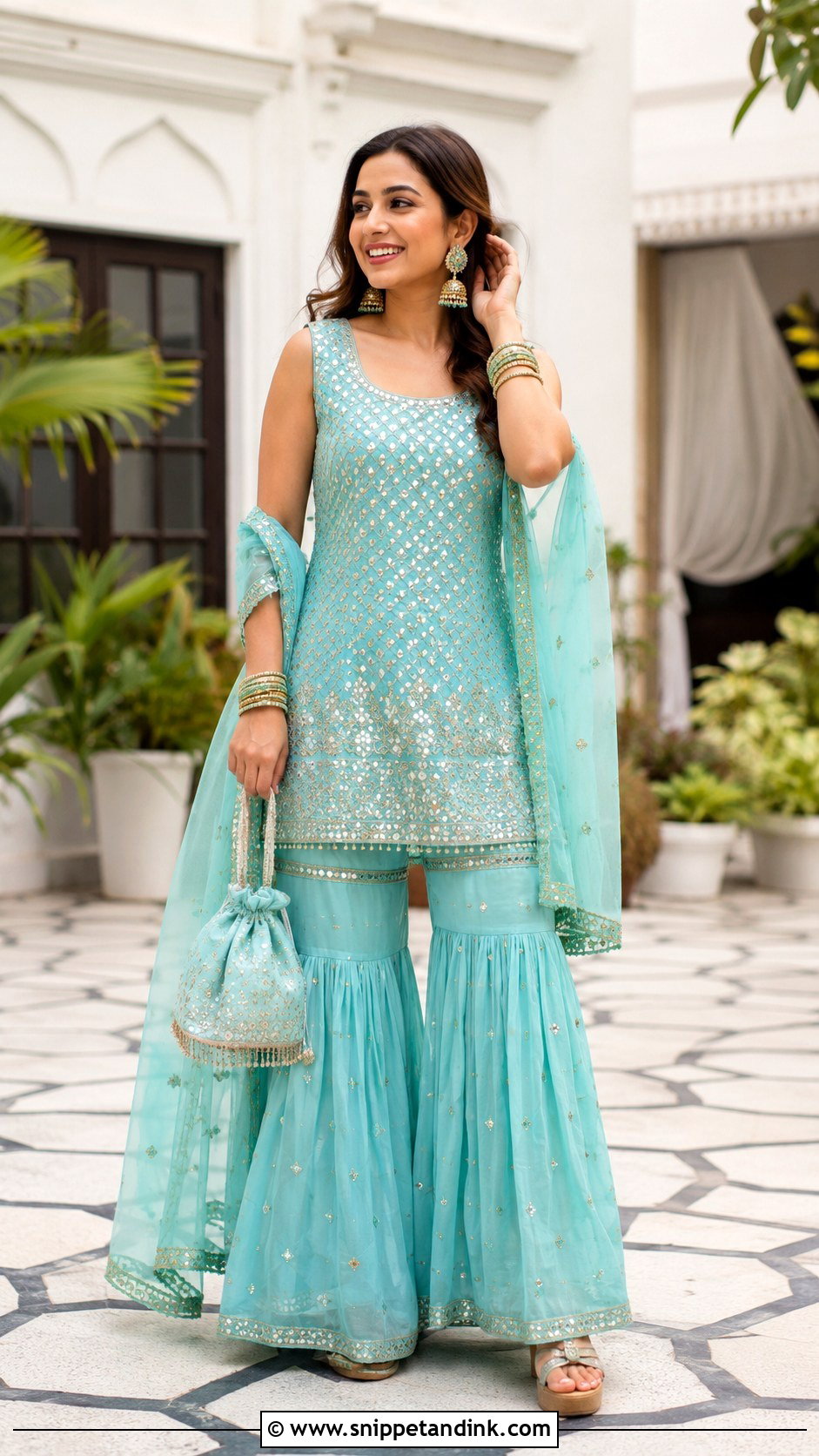
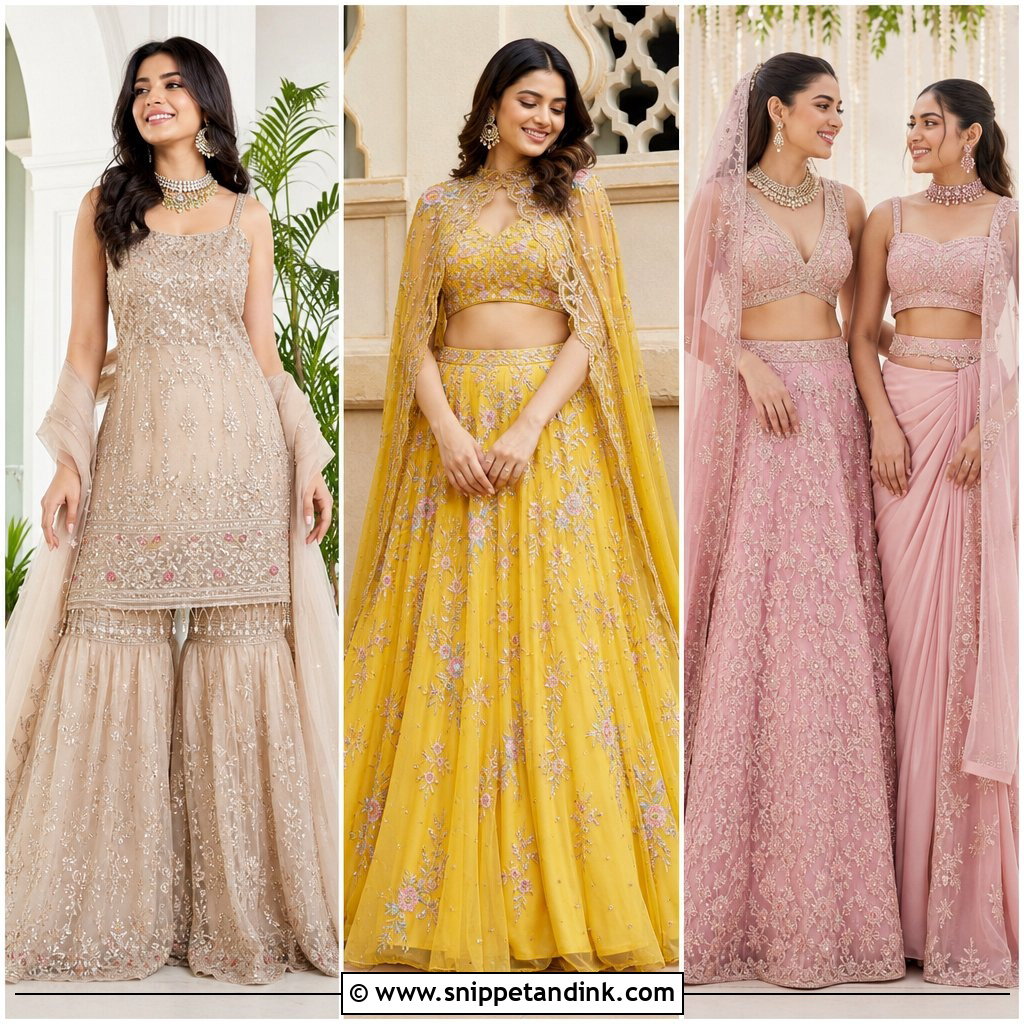
A sharara set is the outfit I’d put on a sister who intends to dance at the sangeet and the baraat. A short or mid-length kurta over flared pants moves freely and never needs lifting off the floor. Gota patti, sequins or mirror work bring the occasion in. The wide flare adds visual weight at the hem, so I balance it with a neater neckline and a lighter dupatta. Mustard, rani pink and coral suit daytime; champagne or emerald with metallic work suits the wedding night.
5. Sister Gharara Set For Brother Wedding
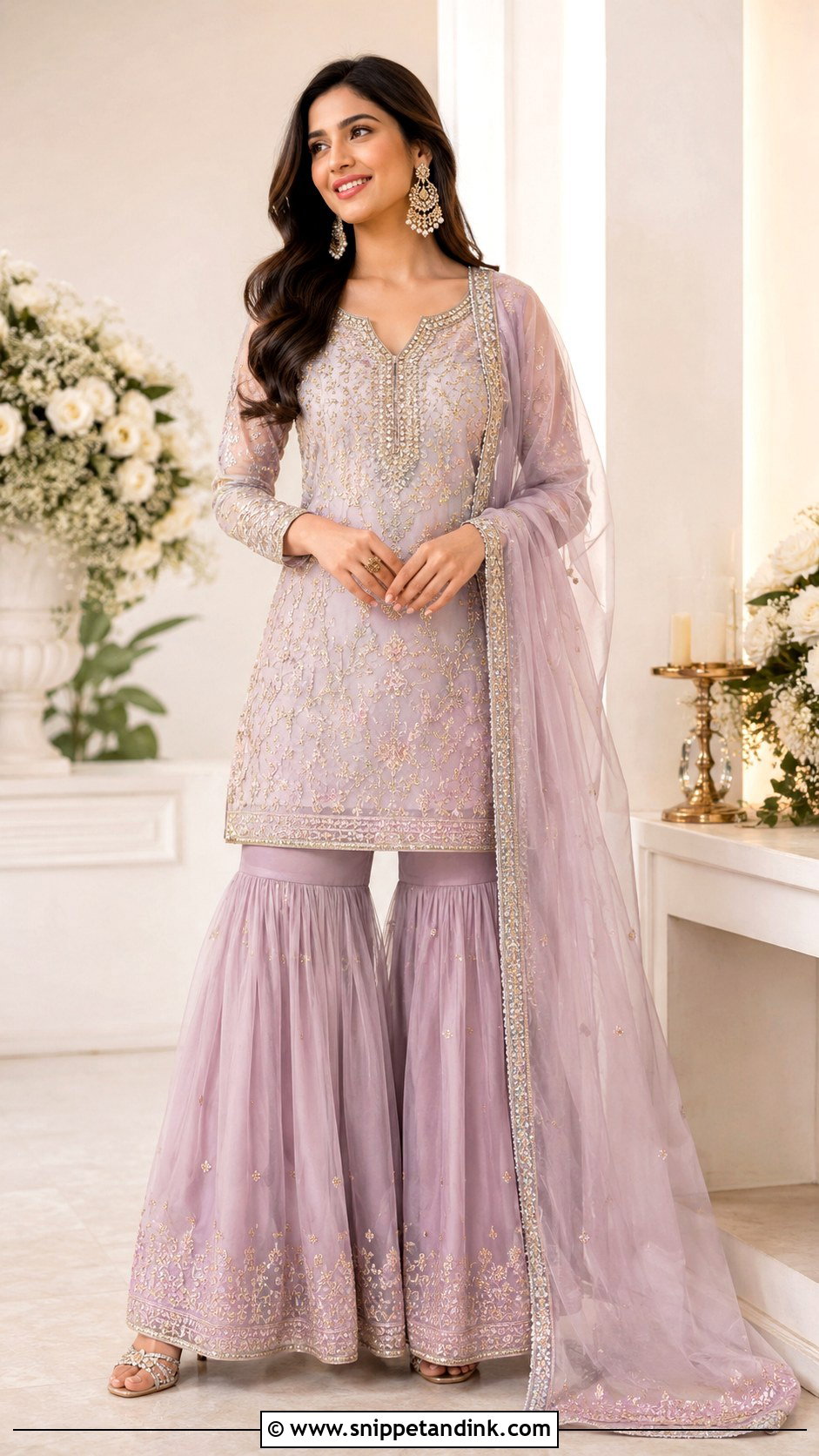
Ghararas look similar to shararas but are fitted to the knee and flare from there, often with a decorated band at the joint. That structure gives a more formal silhouette, and it is why I check the knee placement at the fitting, since a joint set too high pulls when you sit. Fine embroidery, zari borders or pearl details, a short kurti, a sheer dupatta and chandbalis complete it. It suits a nikah-inspired ceremony, a mehendi or a reception equally well.
6. Sister Banarasi Saree For Brother Wedding
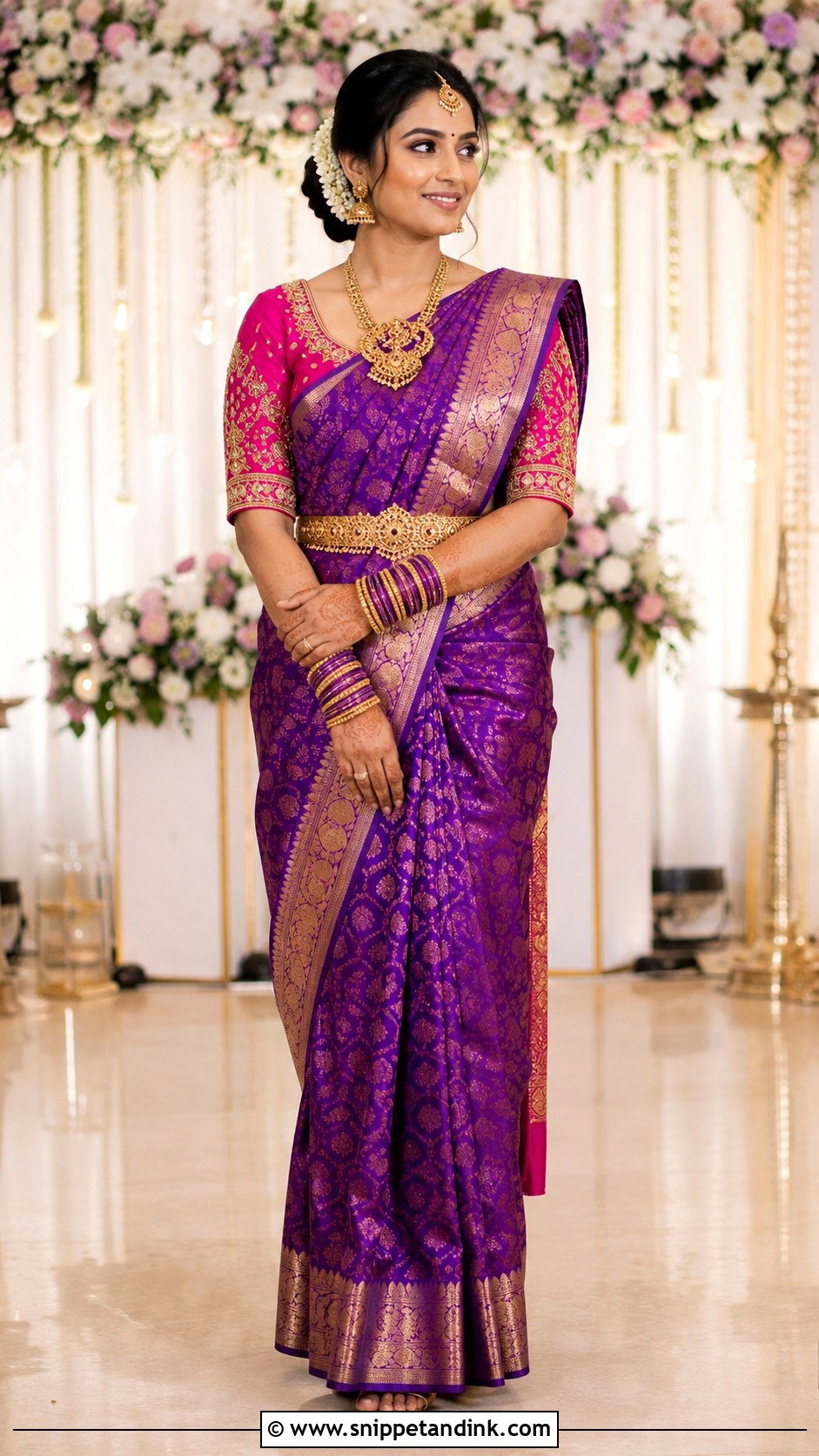
A Banarasi saree carries its own richness in the weave, so I go lighter on jewelry than you’d expect. Purple, green, royal blue and magenta are safe sister colors that rarely clash with a bridal red. A contrast blouse makes it current; a matching one keeps it traditional. Choose temple jewelry, kundan earrings or a choker based on your neckline, not on the saree. It is the drape I’d recommend for the main ceremony and the formal family portraits.
7. Sister Organza Saree For Brother Wedding
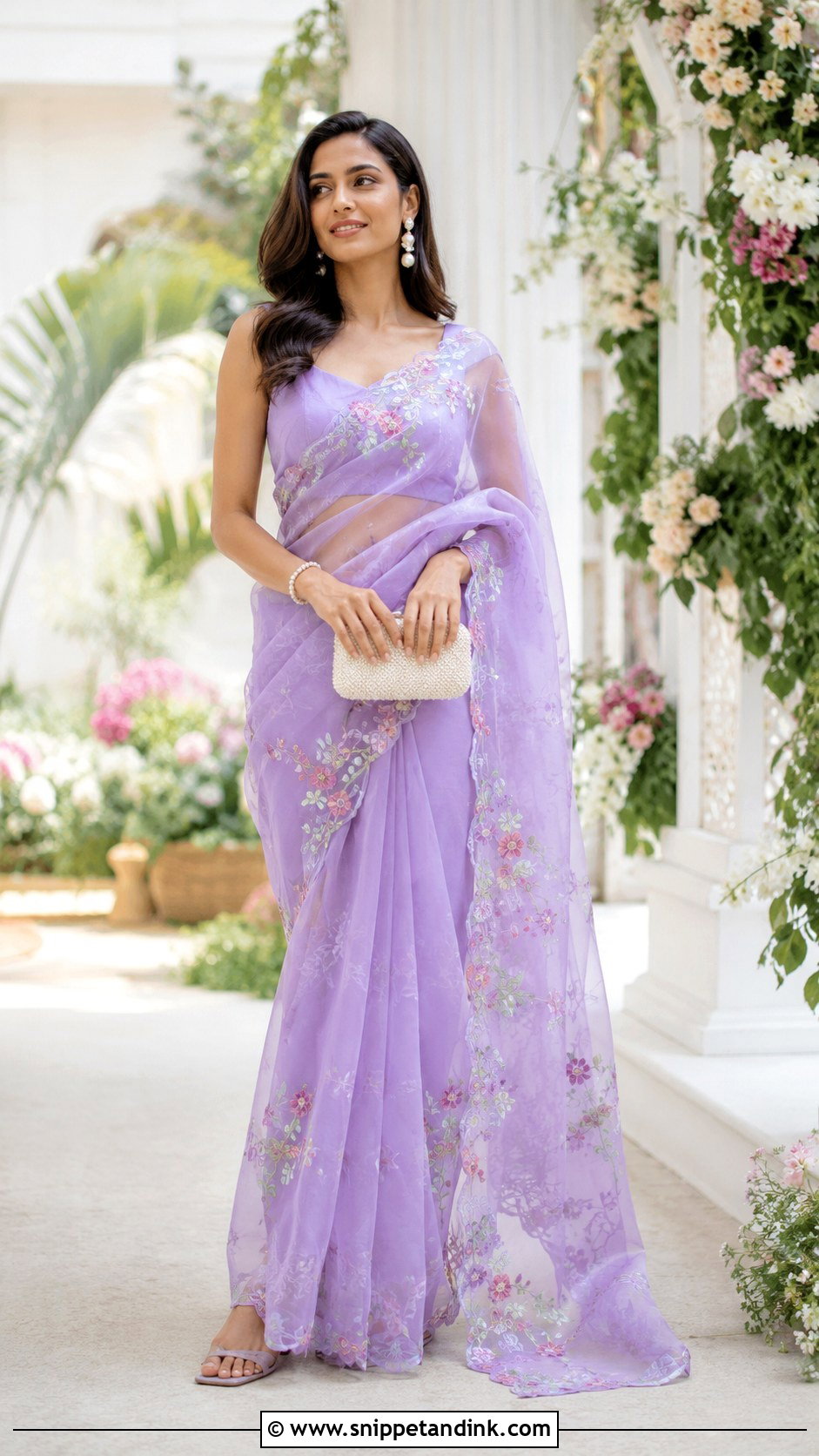
Organza holds its shape and looks airy, which is lovely at a daytime wedding, but that crispness has a downside. It creases when you sit and it does not drop flat the way chiffon does, so I keep the drape clean and skip extra layers. Floral embroidery, sequin borders or pearl work in peach, lilac or sage suit it. Pearl earrings, a compact clutch and block heels finish the look without competing with the fabric.
8. Sister Silk Lehenga For Brother Wedding
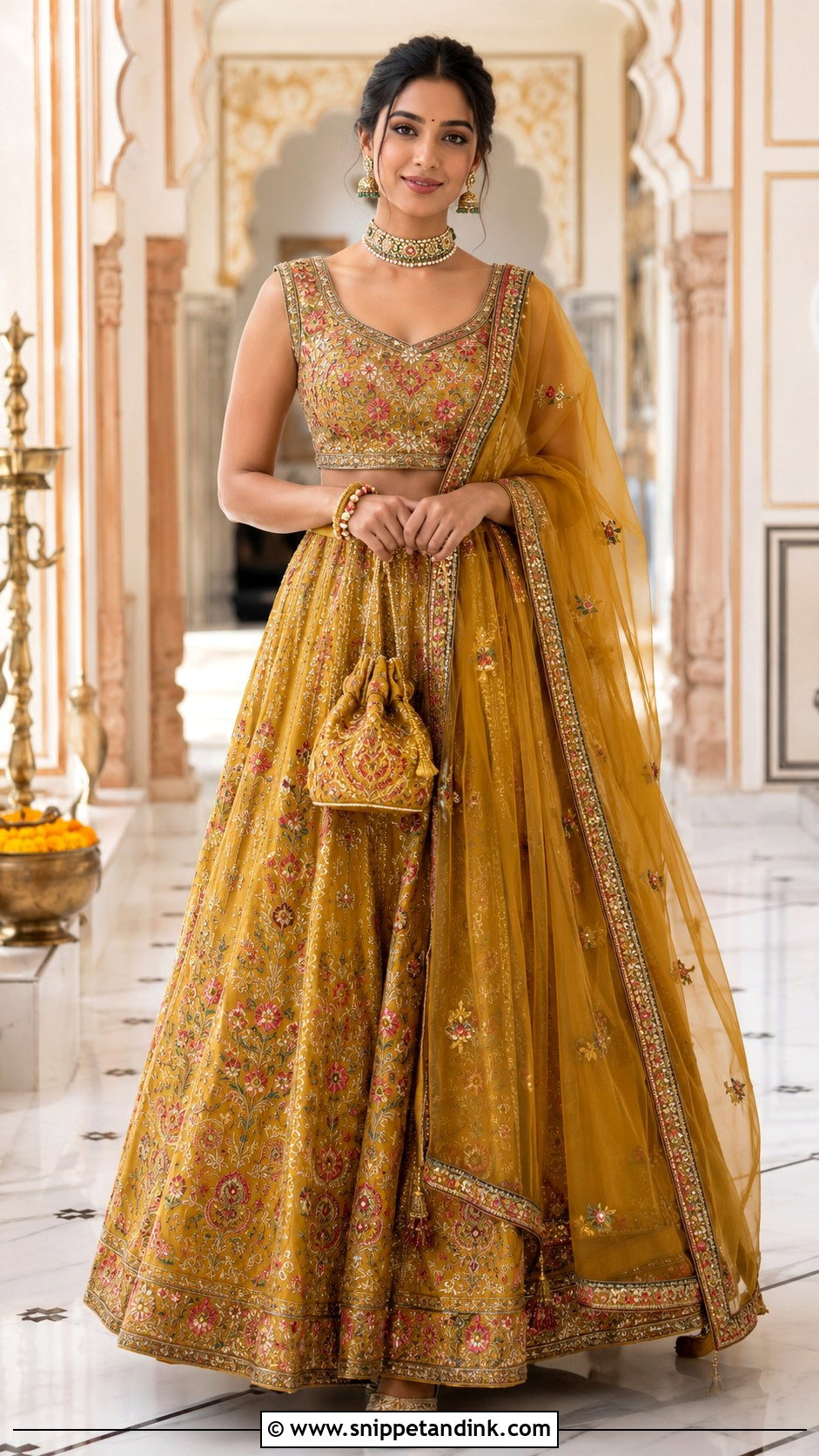
Silk is the safe choice when your family leans traditional but you still want a fresh shape. Raw silk is matte and holds structure; Banarasi and brocade have more shine and more weight. In rust, emerald or royal blue, a silk lehenga reads rich in photographs with very little help. I’d stop at a choker or jhumkas, not both, plus bangles and a structured potli. Silk shows sweat marks under the arms on a hot day, so a blouse with a lining matters.
9. Sister Mirror Work Lehenga For Brother Wedding
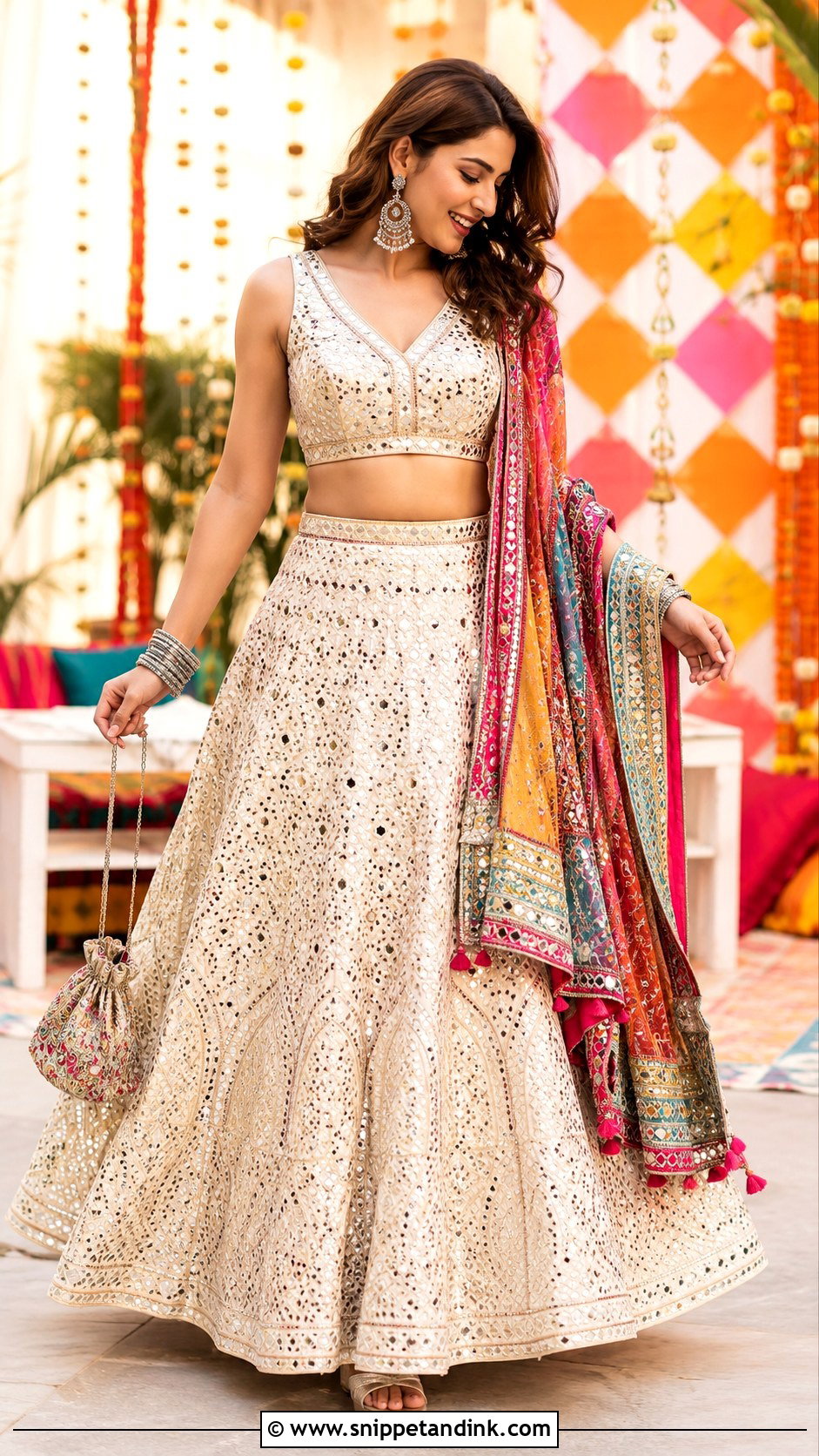
Mirror work catches light on the dance floor, and that is where I’d wear it: sangeet, mehendi, any evening with music. The weight is the issue. Dense mirror work drags on a blouse that isn’t well constructed, so I ask for a firm lining and proper hooks rather than a stretchy back. Oxidized silver gives it a boho edge; kundan makes it dressier. Wedges and soft curls keep it easy to move in.
10. Sister Sequin Saree For Brother Wedding
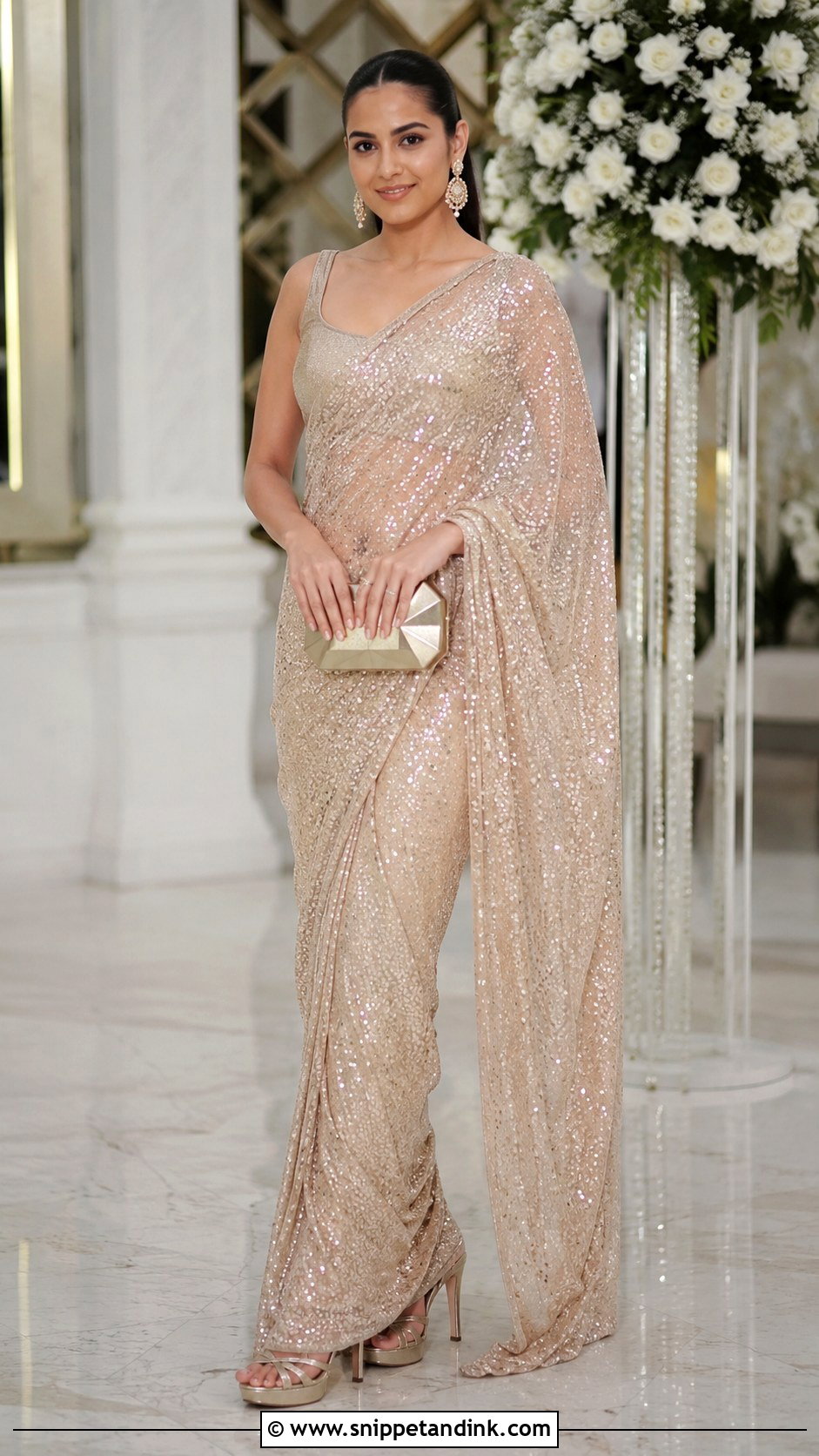
Sequin sarees belong at the reception or a cocktail evening. They do the sparkling for you, so the rest stays plain: simple blouse, sleek hair, one statement earring style, a clean clutch. Know that a sequined drape weighs more than a plain one and the sequins can catch on embroidered sleeves when you hug relatives. Champagne, silver, navy or bronze read polished. Choose supportive heels, because you’ll stand through most of the greetings.
11. Sister Pastel Lehenga For Brother Wedding
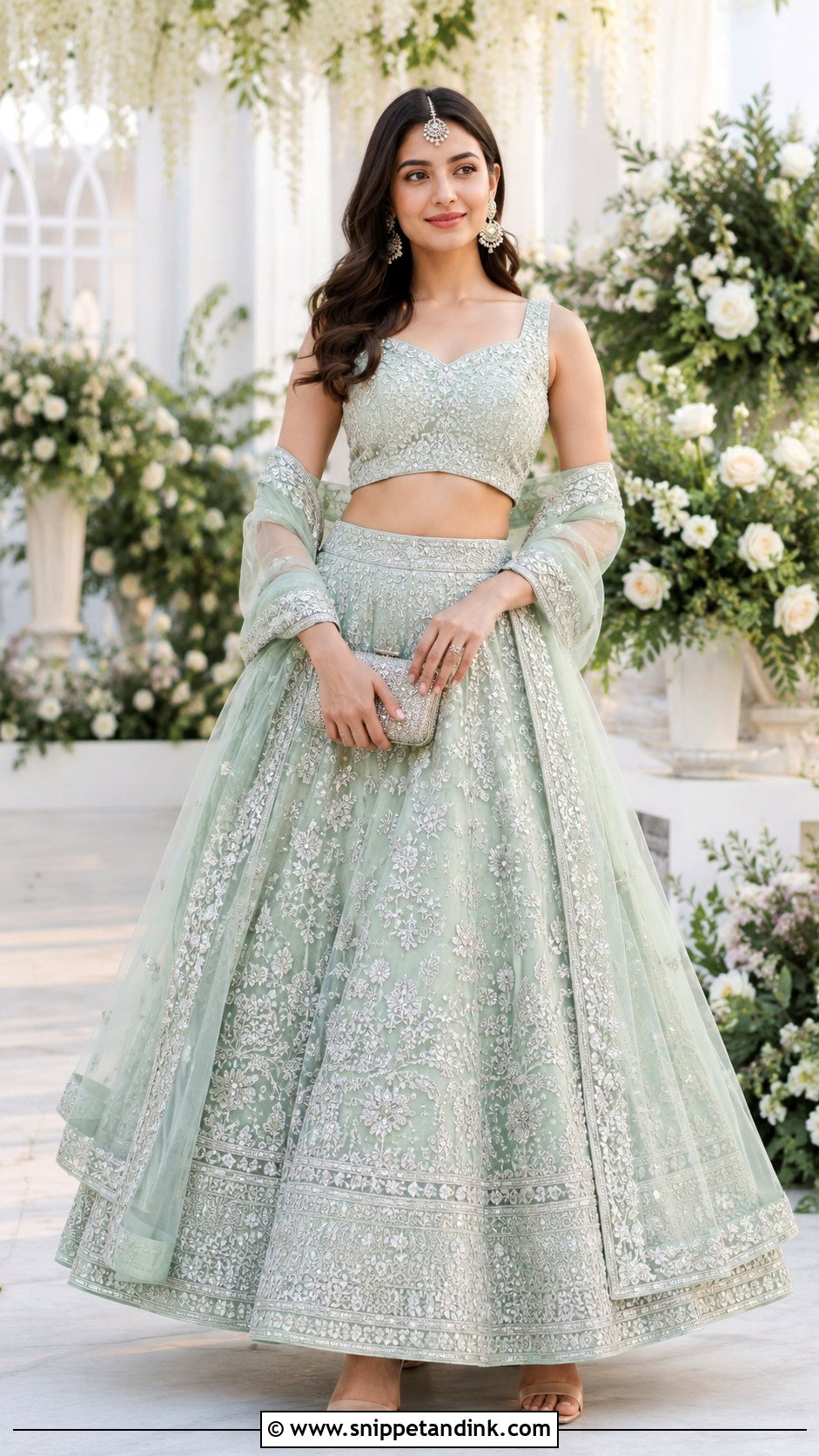
Pastels suit garden, palace and outdoor day ceremonies because daylight flatters them. The risk I watch for is a pastel that looks washed out next to a heavily dressed family. The fix is fabric and fit, not more embellishment. Choose mint, lavender, powder blue or peach with silver, pearl or thread embroidery, a structured blouse and a small maang tikka. Done that way, a pastel holds its own beside the jewel tones.
12. Sister Velvet Lehenga For Brother Wedding
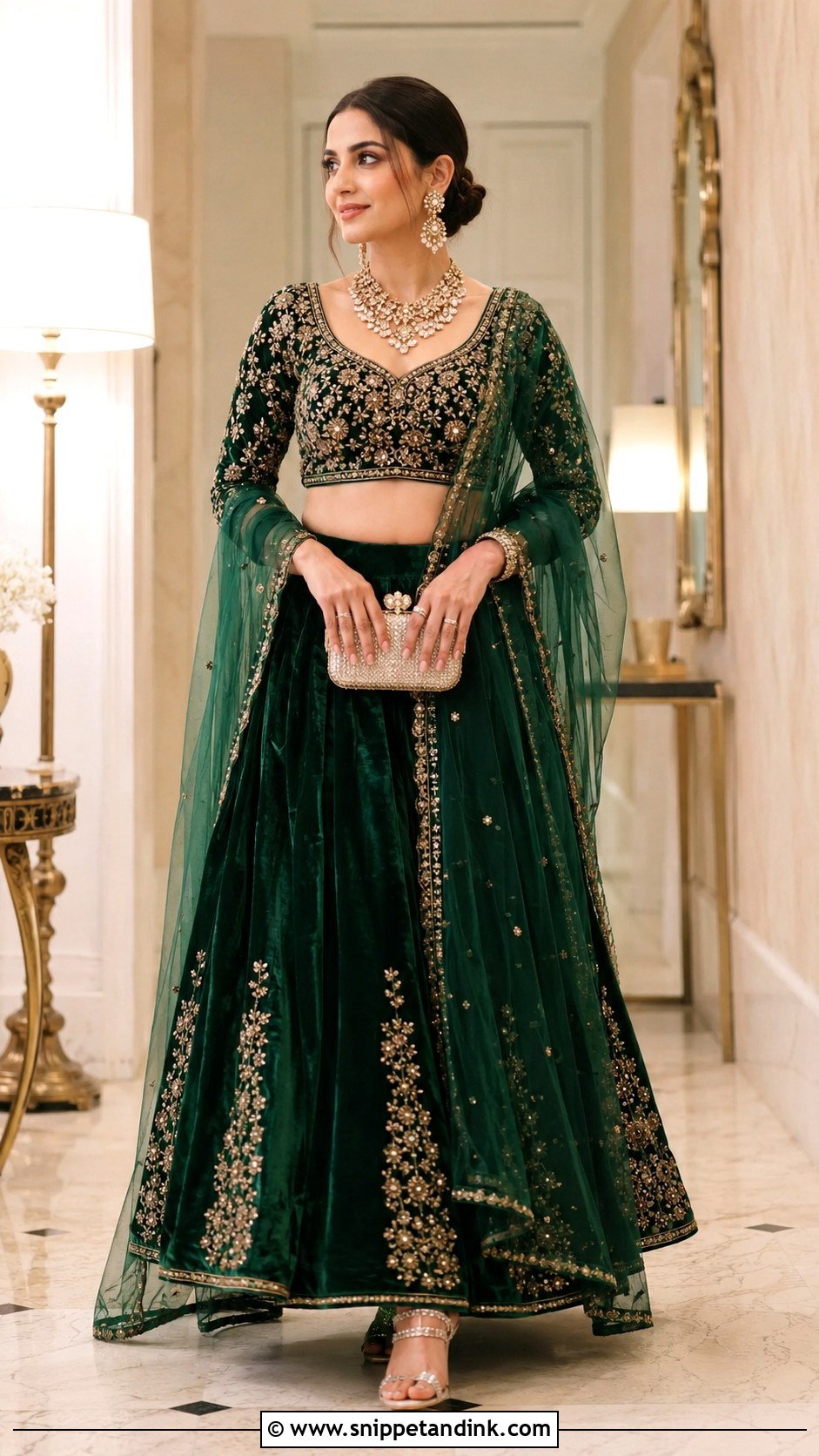
Velvet is a winter fabric. It is warm, it drinks in light and it reads rich in emerald, plum, maroon or navy at an evening ceremony. It is also heavy, so I have sisters walk and sit in the skirt before committing, and I keep embroidery to the border and blouse. A sheer dupatta softens the density. Kundan jewelry, a low bun and embellished heels suit it, and you won’t be cold during late-night pheras.
13. Sister Jacket Lehenga For Brother Wedding
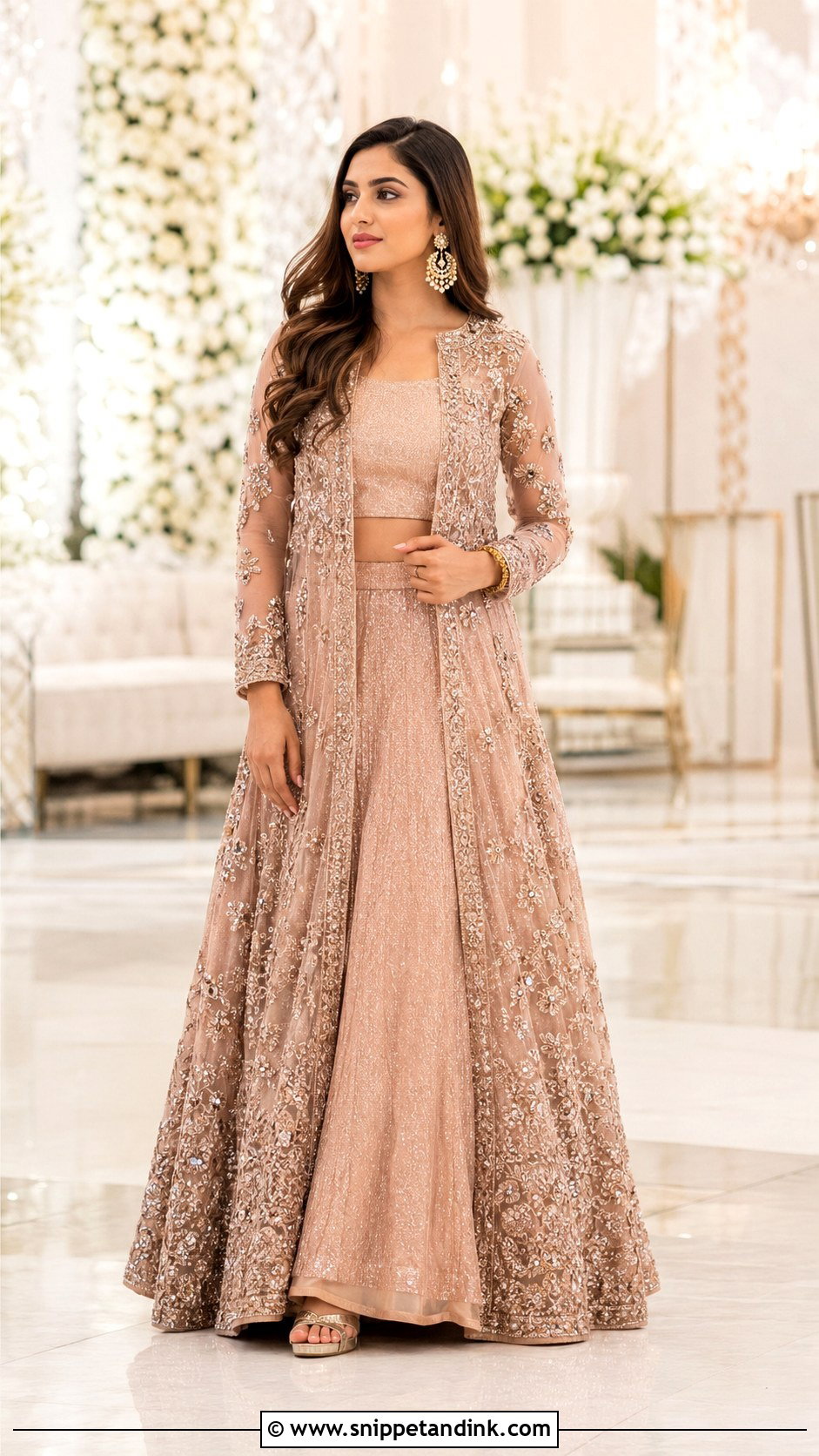
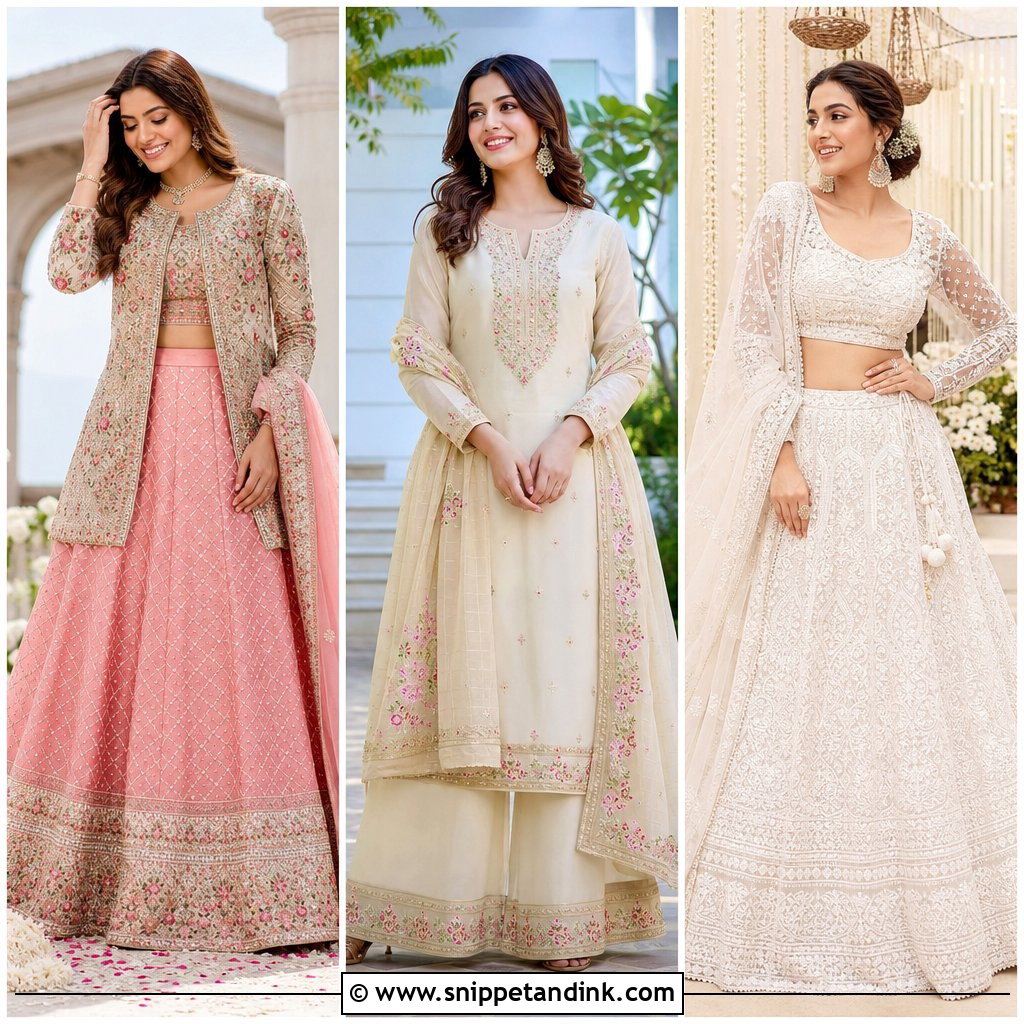
A jacket lehenga swaps the dupatta for a long embroidered layer, which makes it the most practical lehenga for a sister who is constantly on the move. Nothing slips off a shoulder while you’re greeting guests or helping with the rituals. Sheer, silk or brocade jackets all work, and because the jacket adds structure, the blouse should stay simple and fitted. Statement earrings and heels or juttis are enough. The long layer swings when you walk, which shows up well in video.
14. Sister Cape Lehenga For Brother Wedding
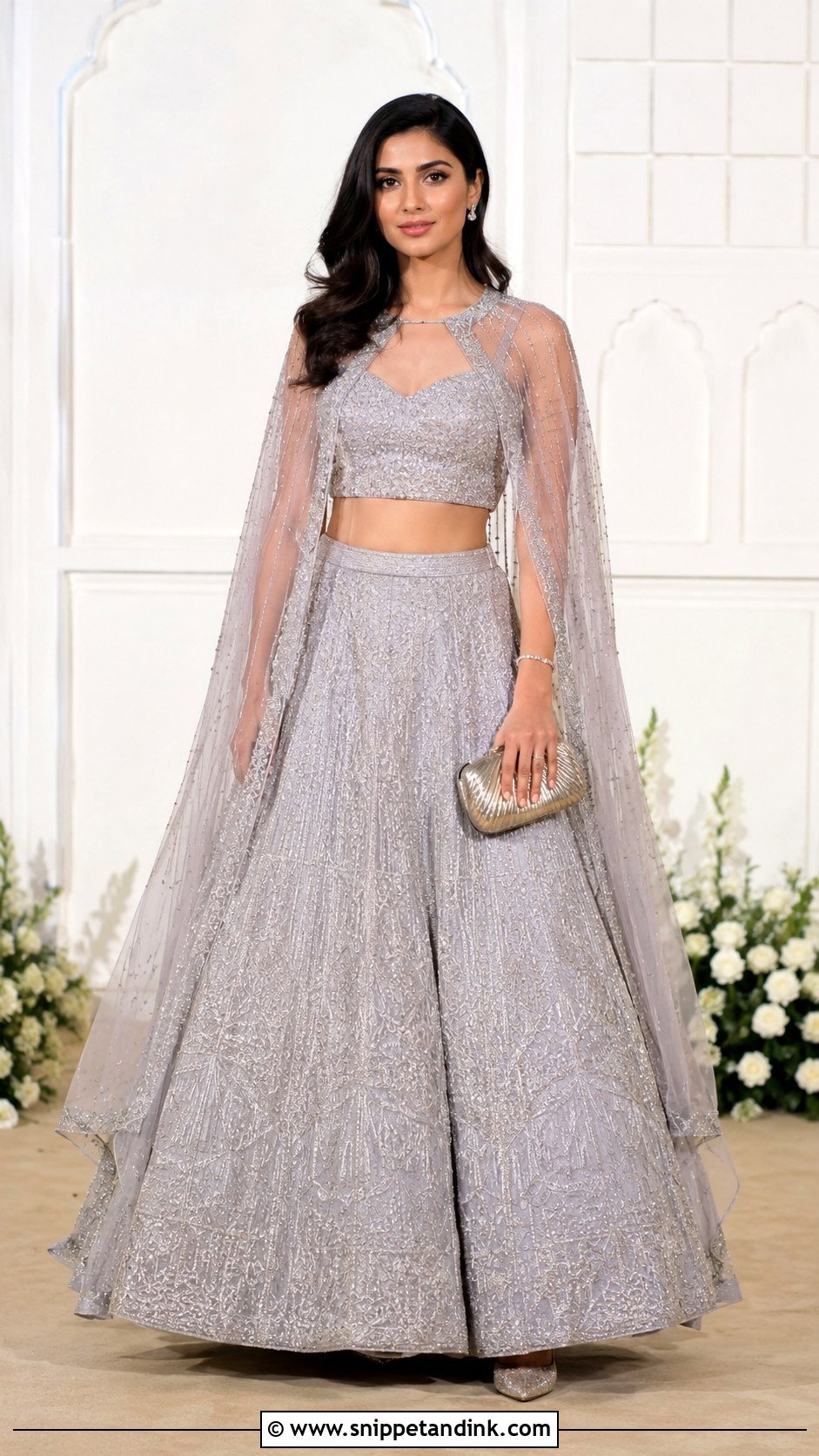
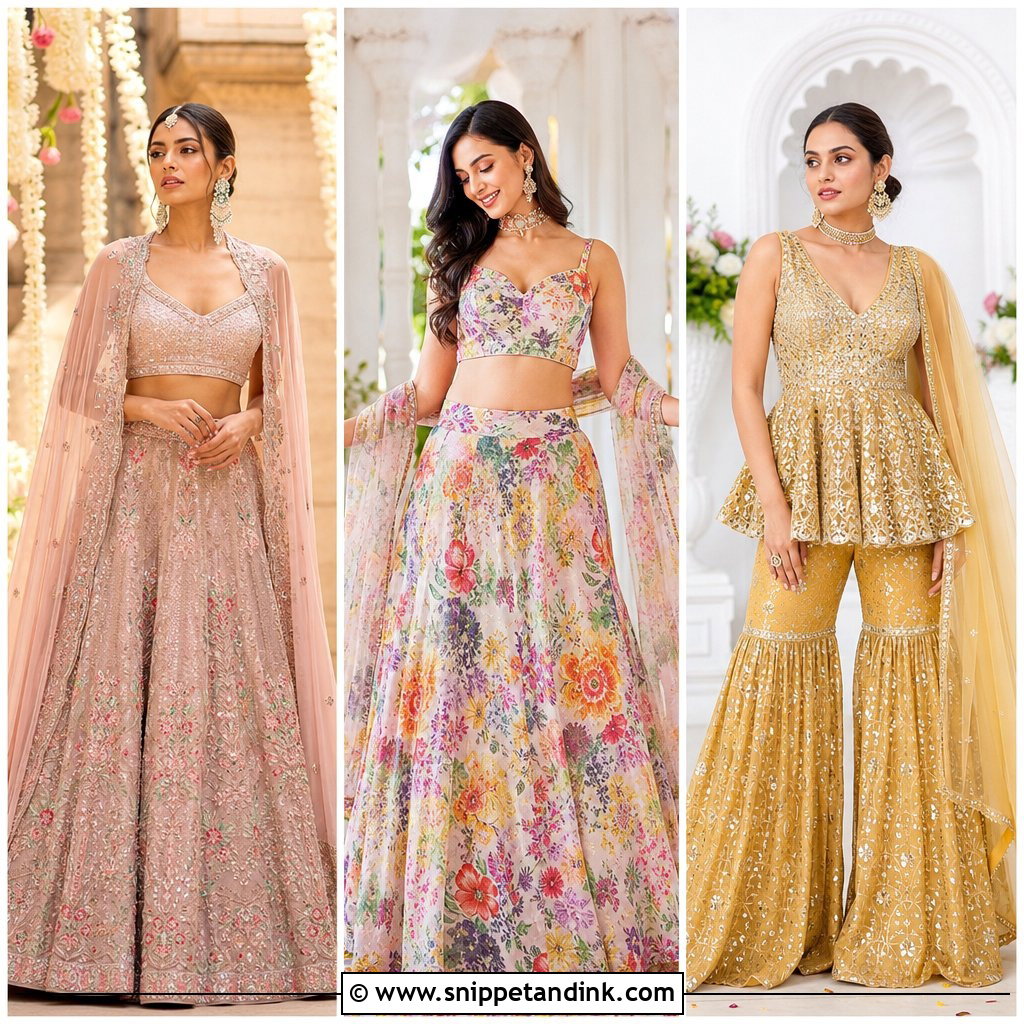
A cape does the dupatta’s job without constant adjusting, and I like it for evenings where you’ll be hugging and posing every few minutes. It can be sheer, embroidered or lightly beaded. Keep the jewelry minimal and the hair neat so the cape stays the focus. Soft metallics, pastels and deep jewel tones all suit it, with pointed heels, a compact clutch and soft makeup.
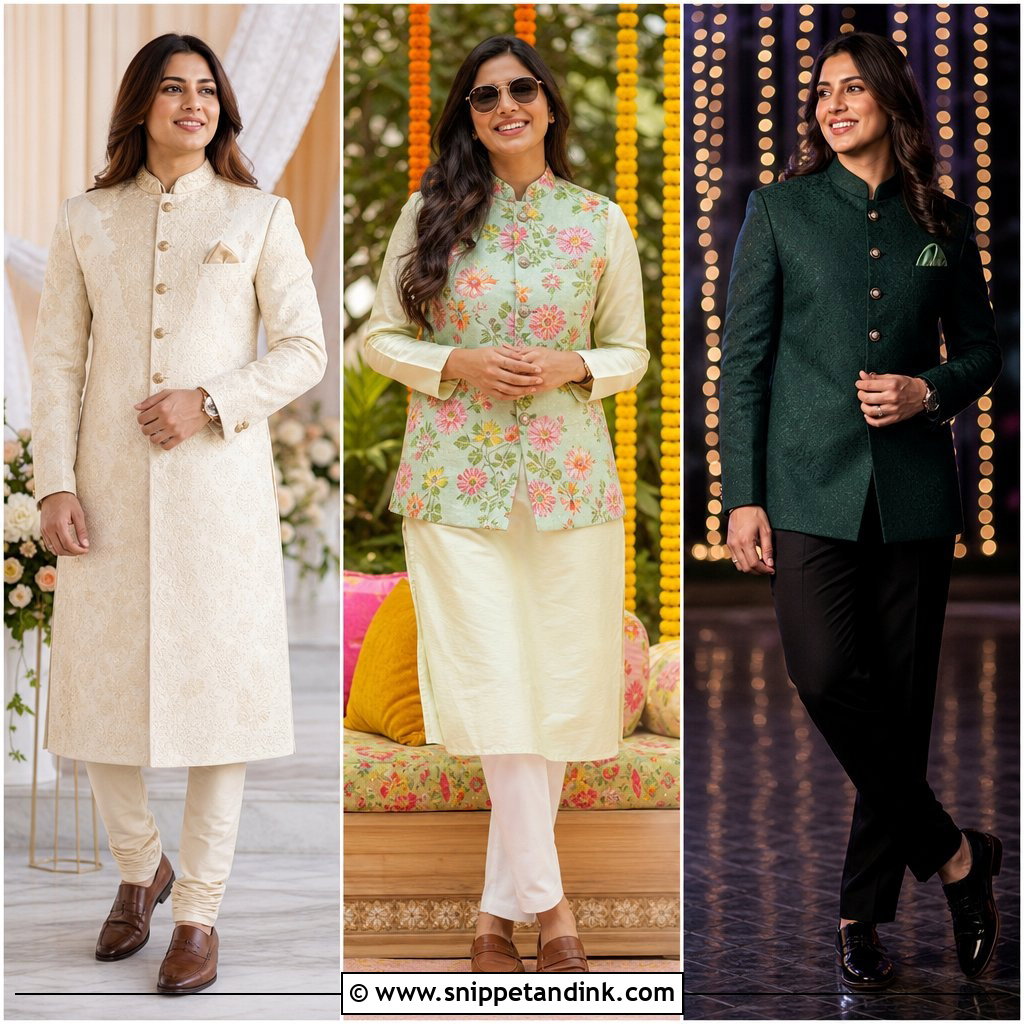
15. Sister Ruffle Saree For Brother Wedding
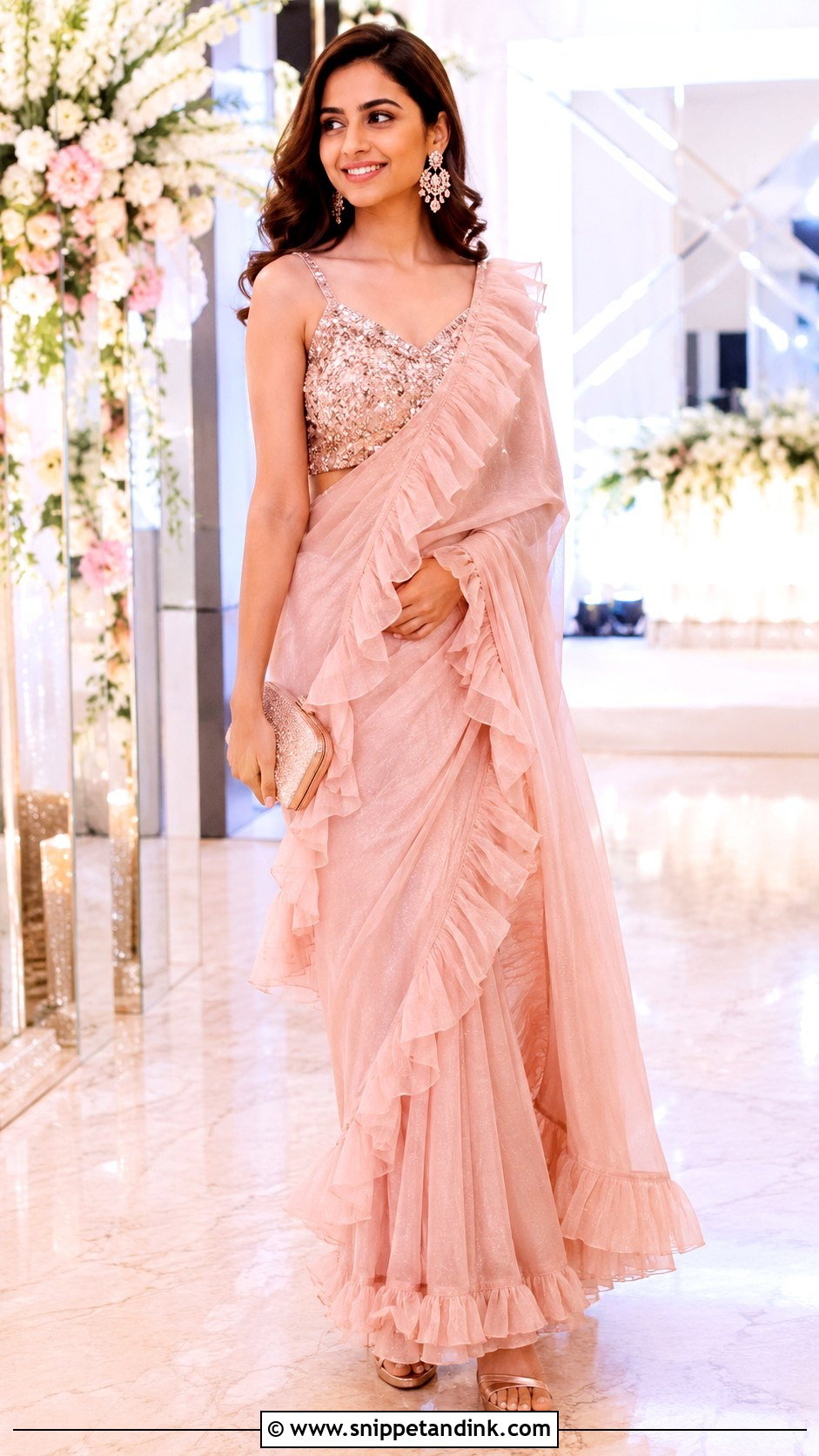
Most ruffle sarees come partly pre-stitched, so you get the saree line and a lot of movement without long draping. Georgette and chiffon ruffles fall softly; stiffer fabrics stand away from the body and add bulk at the hip, which is worth testing in a mirror from the side. An embellished blouse and strappy heels suit it. Blush, ivory and lilac read soft; darker shades suit the evening. Keep accessories sleek, since the ruffles already add volume.
16. Sister Pre Draped Saree For Brother Wedding
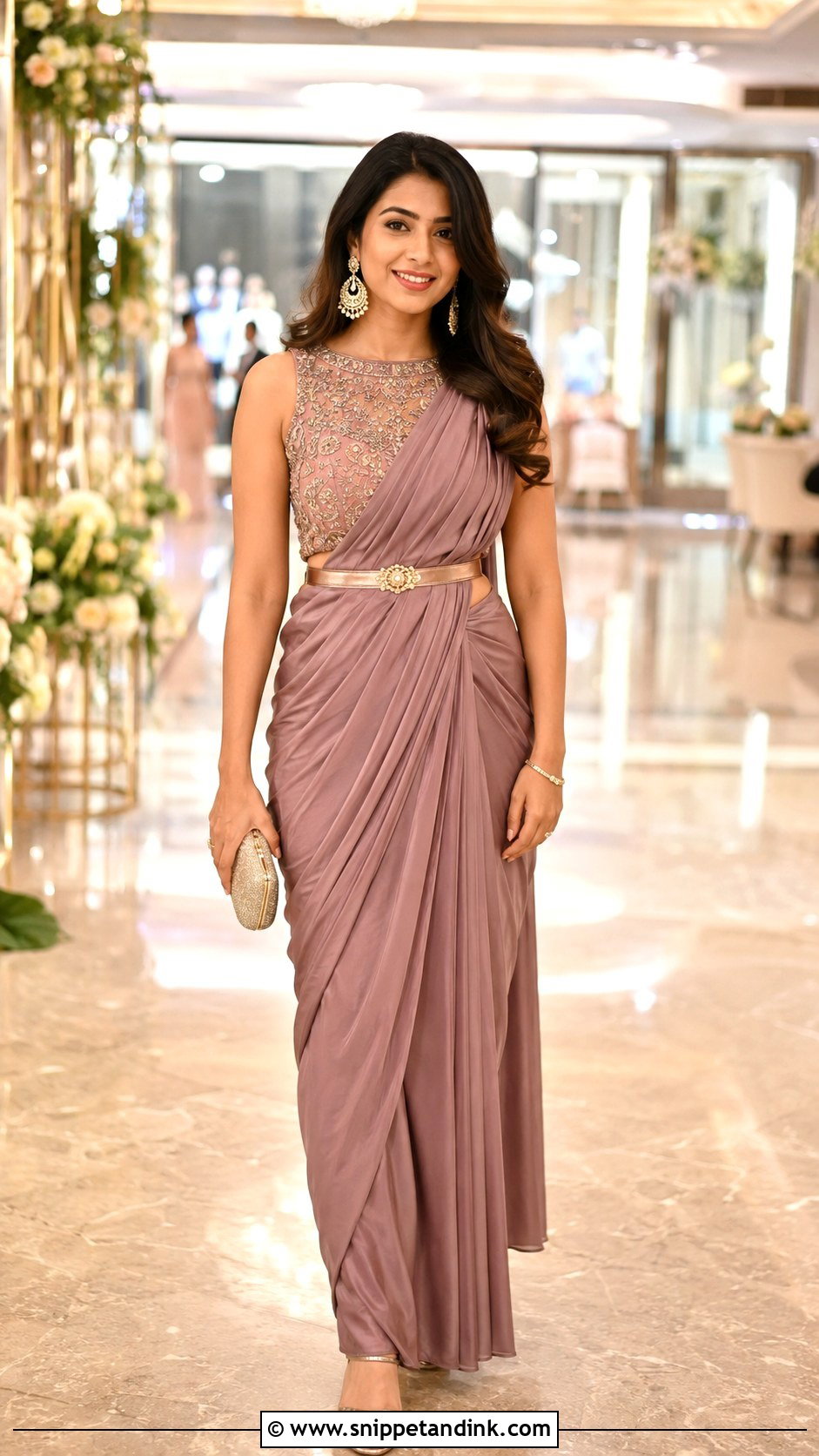
A pre-draped saree is the one I hand to a sister who has a busy role and has never managed pleats for twelve hours. The pleats and pallu are stitched, often with a belt, so nothing comes loose while you’re running between rooms. Georgette, satin, crepe and chiffon fall well. Pair it with a decorated blouse, statement earrings and block heels. I’d also suggest a small crossbody or wristlet, so your hands stay free for the rituals.
17. Sister Indo Western Gown For Brother Wedding
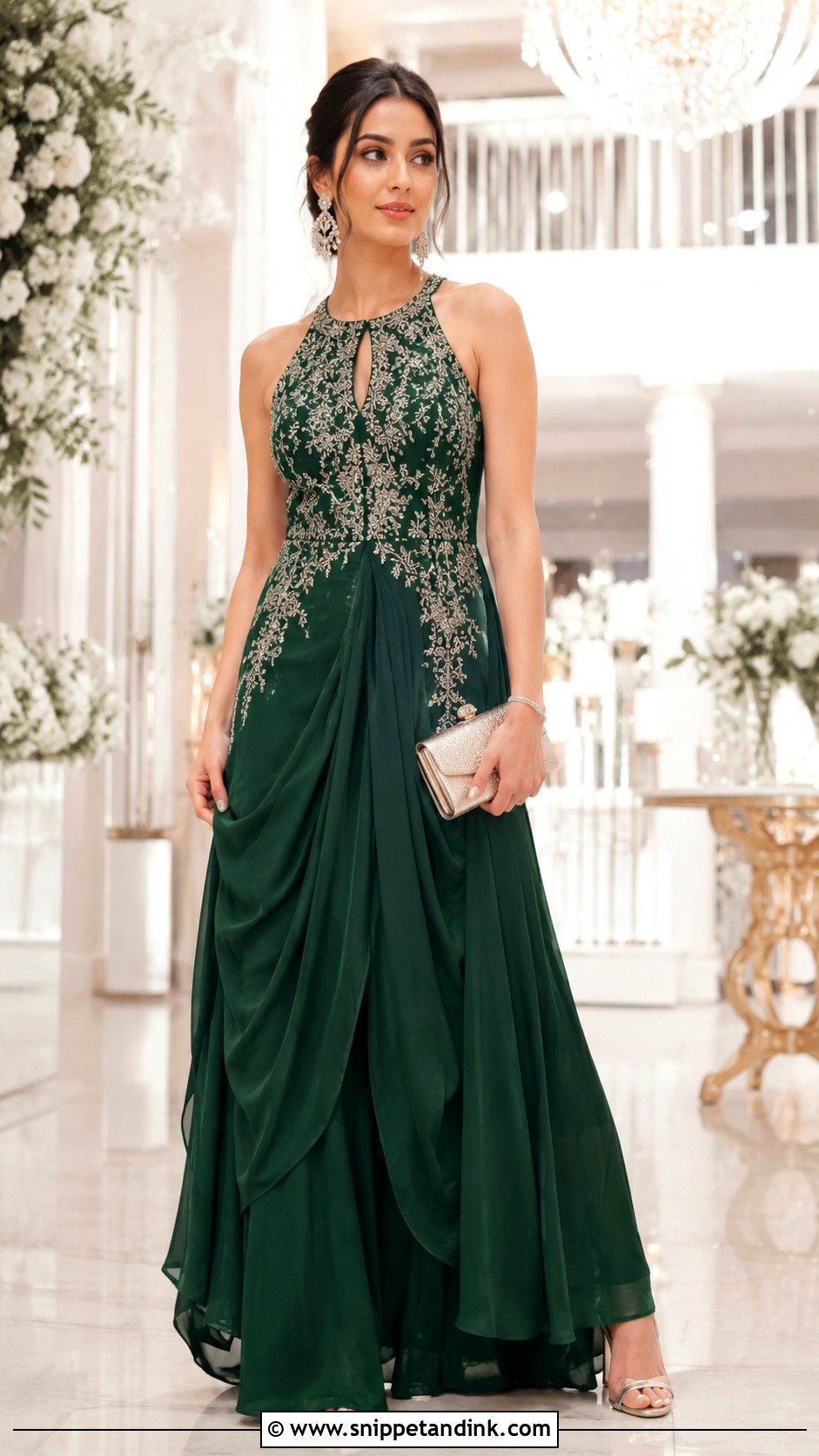
An Indo-western gown suits the reception or an engagement evening. The Indian part lives in the details: zari, sequins, cape sleeves, draped panels or a dupatta-inspired trail. Because it is one piece, fit decides everything, and I’d budget for tailoring at the waist, bust and hem. A trail also needs someone watching it on stairs. Navy, emerald, lavender or deep teal with chandelier earrings and metallic heels keeps it clean.
18. Sister Anarkali Gown For Brother Wedding
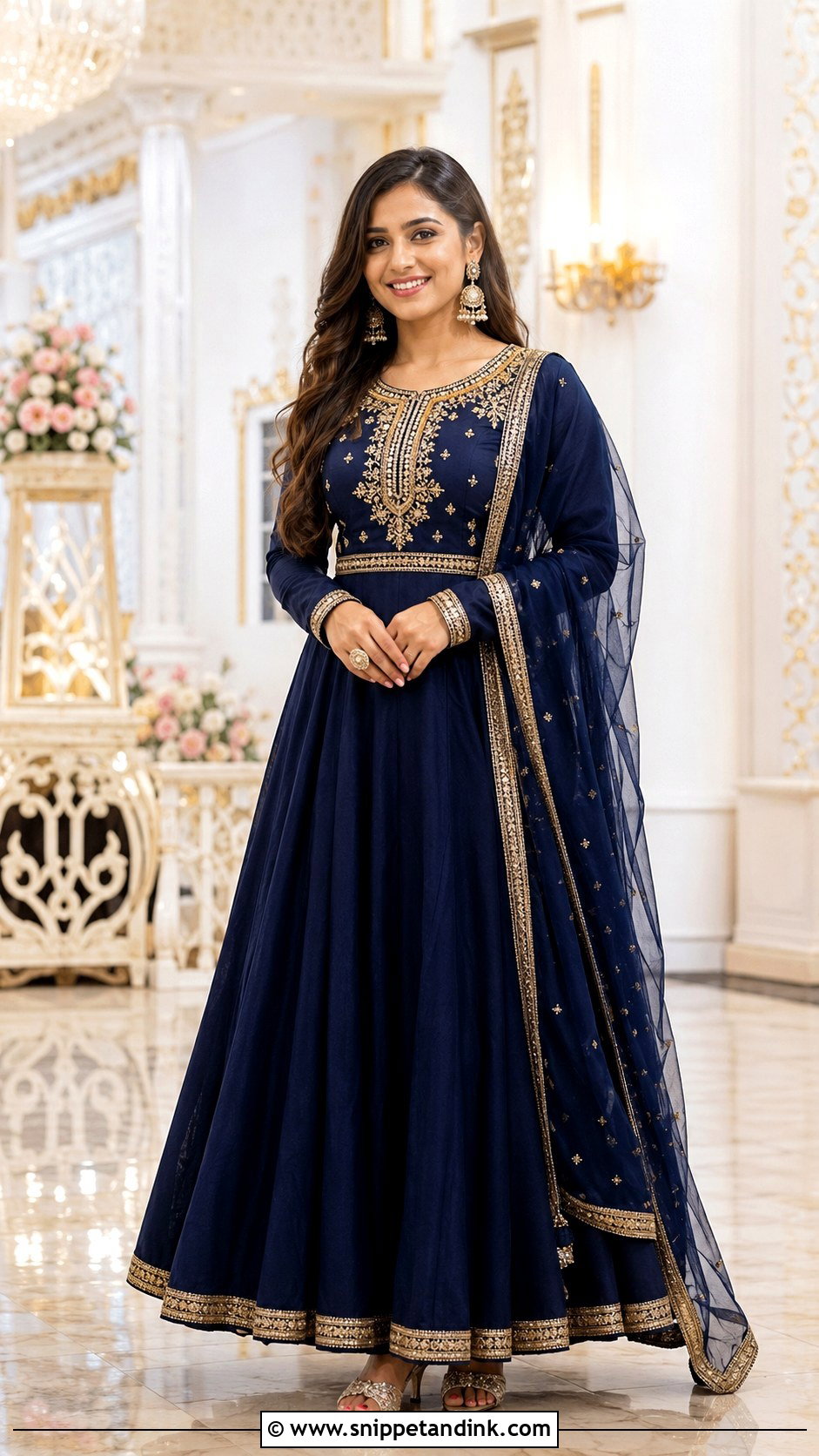
An Anarkali gown takes the Anarkali flare and gives it a gown’s length and volume. It suits many body types because it fits through the bodice and flows from the waist, skimming everything below. Soft net layers, silk panels or georgette move well. Add a dupatta for a traditional event or skip it for a modern reception. Jhumkas, a ring and embellished heels finish it.
19. Sister Kurta Palazzo Set For Brother Wedding
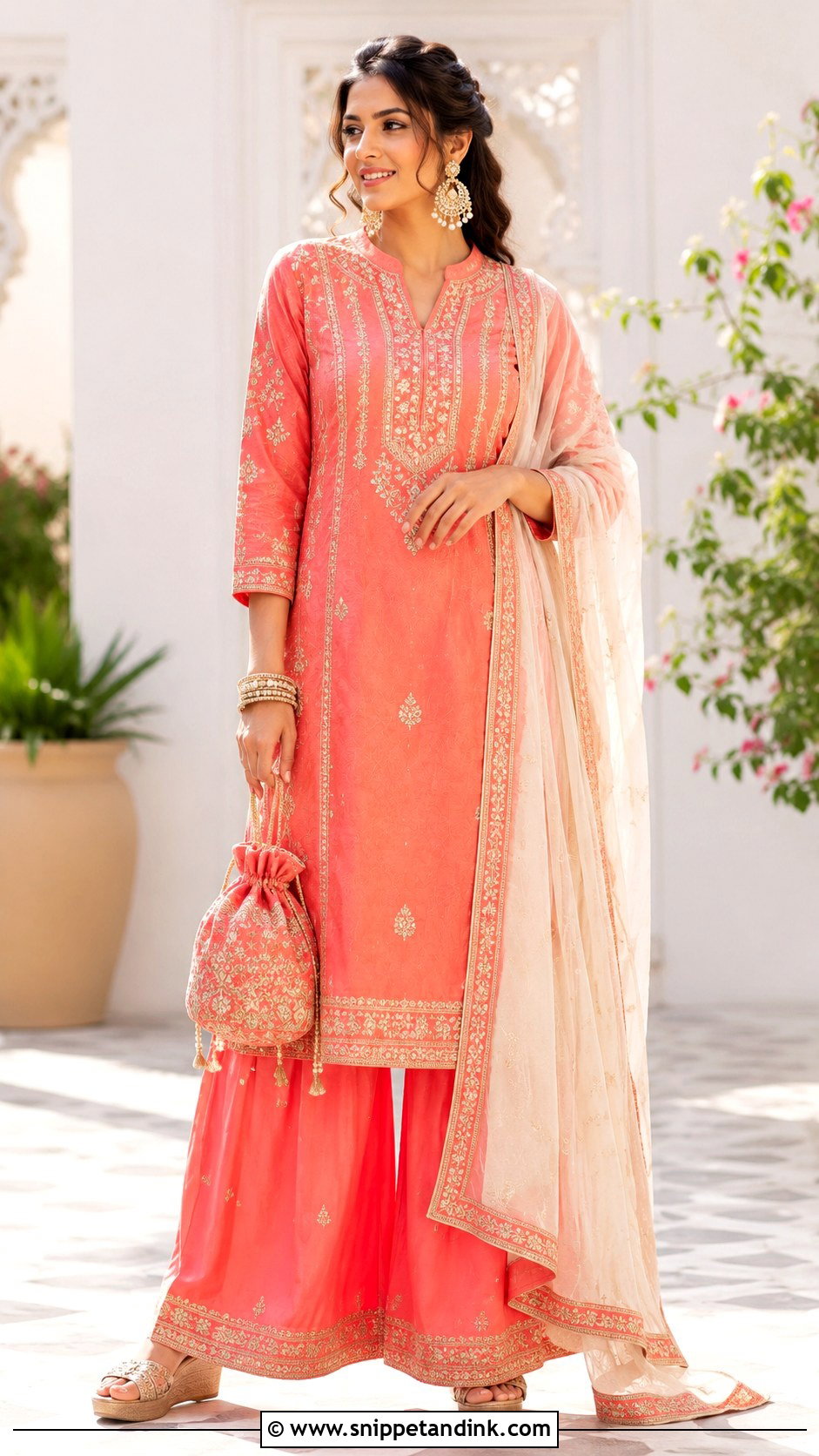
A kurta palazzo set only looks wedding-ready when the fabric carries it, so I’d skip plain cotton and choose silk, brocade, chanderi or georgette with real embroidery on the kurta. A long kurta, wide palazzos and a light dupatta in coral, teal or sage work for daytime rituals and smaller functions. Statement earrings, bangles and a potli bring it up. It is the honest answer if you simply don’t want to manage a skirt or saree.
20. Sister Peplum Sharara For Brother Wedding
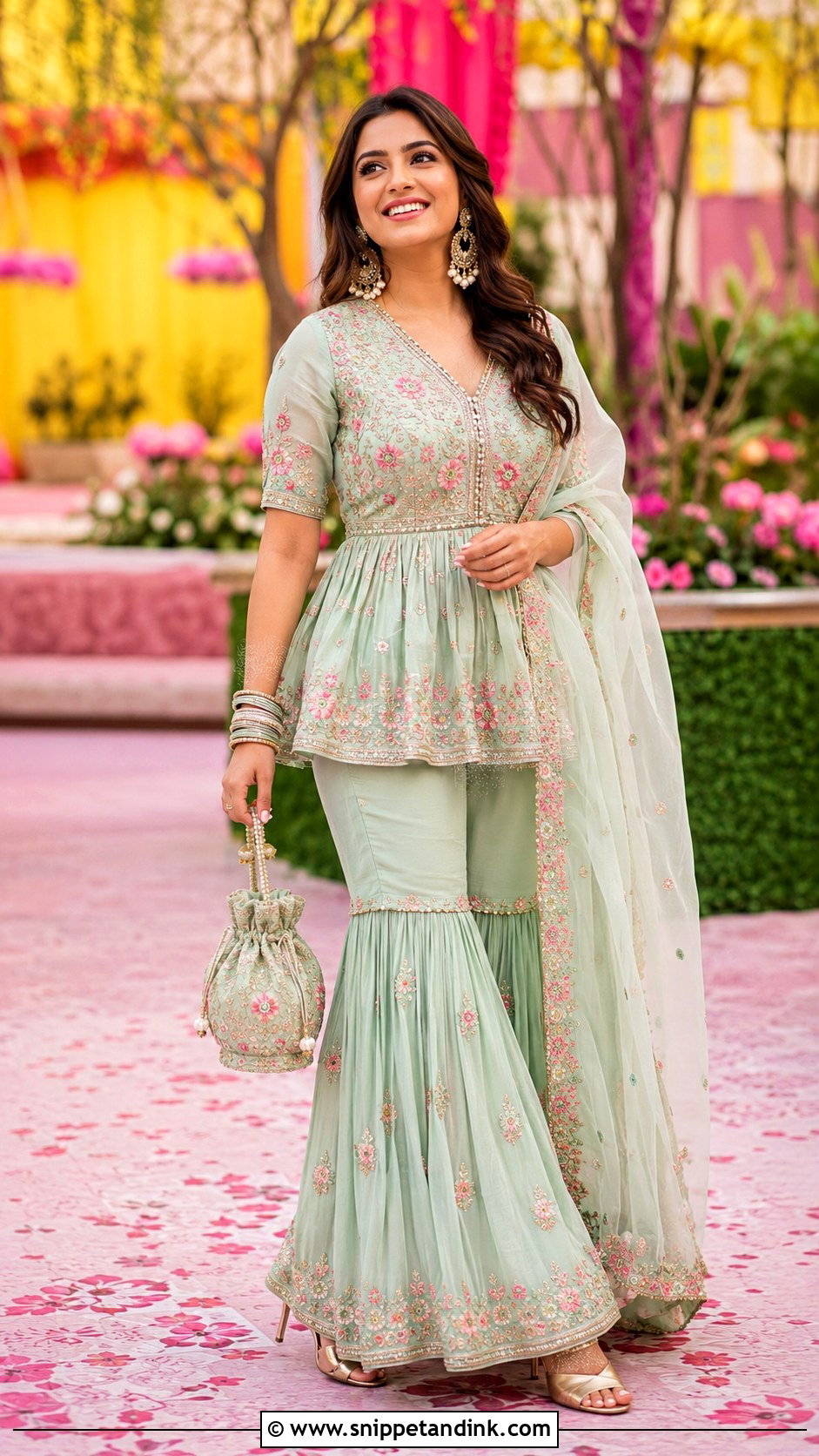
The peplum flares from the waist, which defines your shape and hides the sharara waistband if it shifts while you dance. A peplum sharara set with embroidery, mirror work or gota suits mehendi and sangeet, in mint, coral, turquoise or rose pink. If the peplum is heavily worked, I keep the dupatta light or leave it off. Long earrings, stacked bangles and comfortable heels finish it.
21. Sister Crop Top Skirt For Brother Wedding
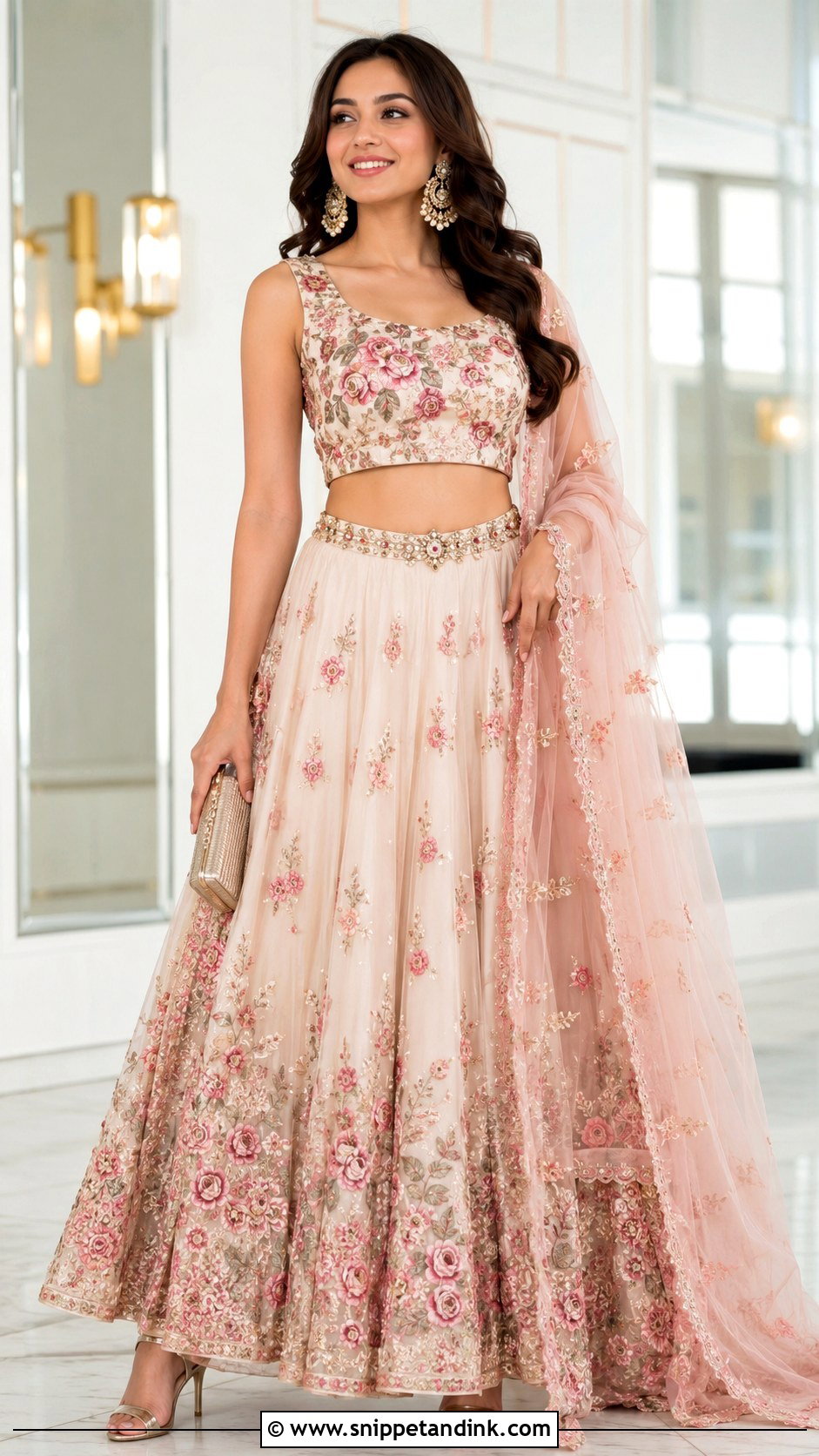
A crop top with a skirt is the lighter cousin of the lehenga. The danger is that it tips into casual, so I’d lean on silk or an embellished skirt and an embroidered top, then add a dupatta or cape. A belt defines the waist and holds the dupatta. Soft waves and metallic heels suit it for pre-wedding events. Check how much midriff shows when you sit and raise your arms, because some family elders will notice before you do.
22. Sister Long Kurta Skirt For Brother Wedding
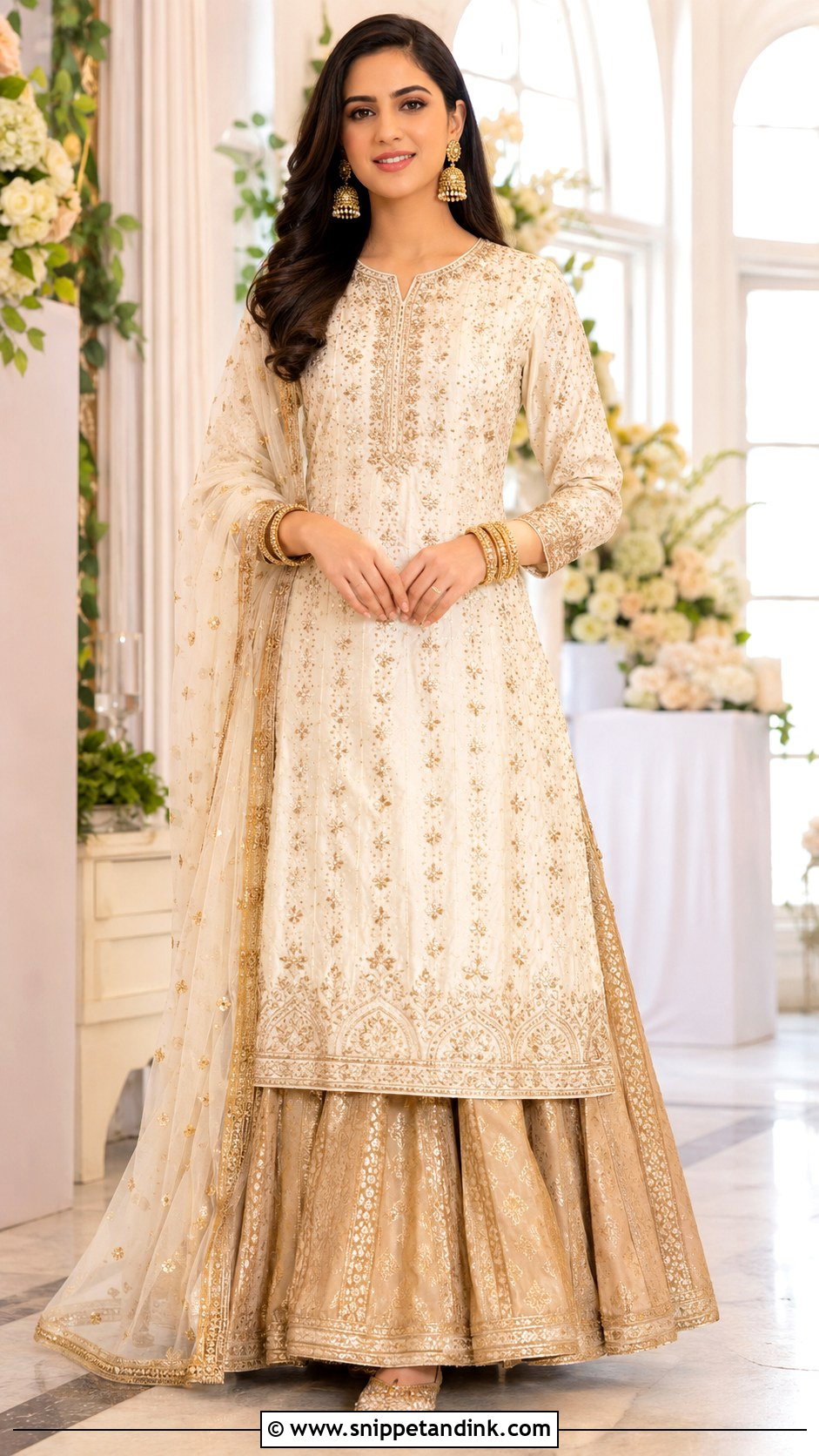
A long straight or A-line kurta over a flared skirt gives you the fullness of a lehenga with more coverage and less weight. The proportion is what I adjust: the kurta should end around the knee or just below, or the skirt looks cut off. Ivory with gold, pink with green and navy with silver are reliable pairings. Jhumkas, bangles and embellished flats suit temple rituals and daytime ceremonies.
23. Sister Chikankari Lehenga For Brother Wedding
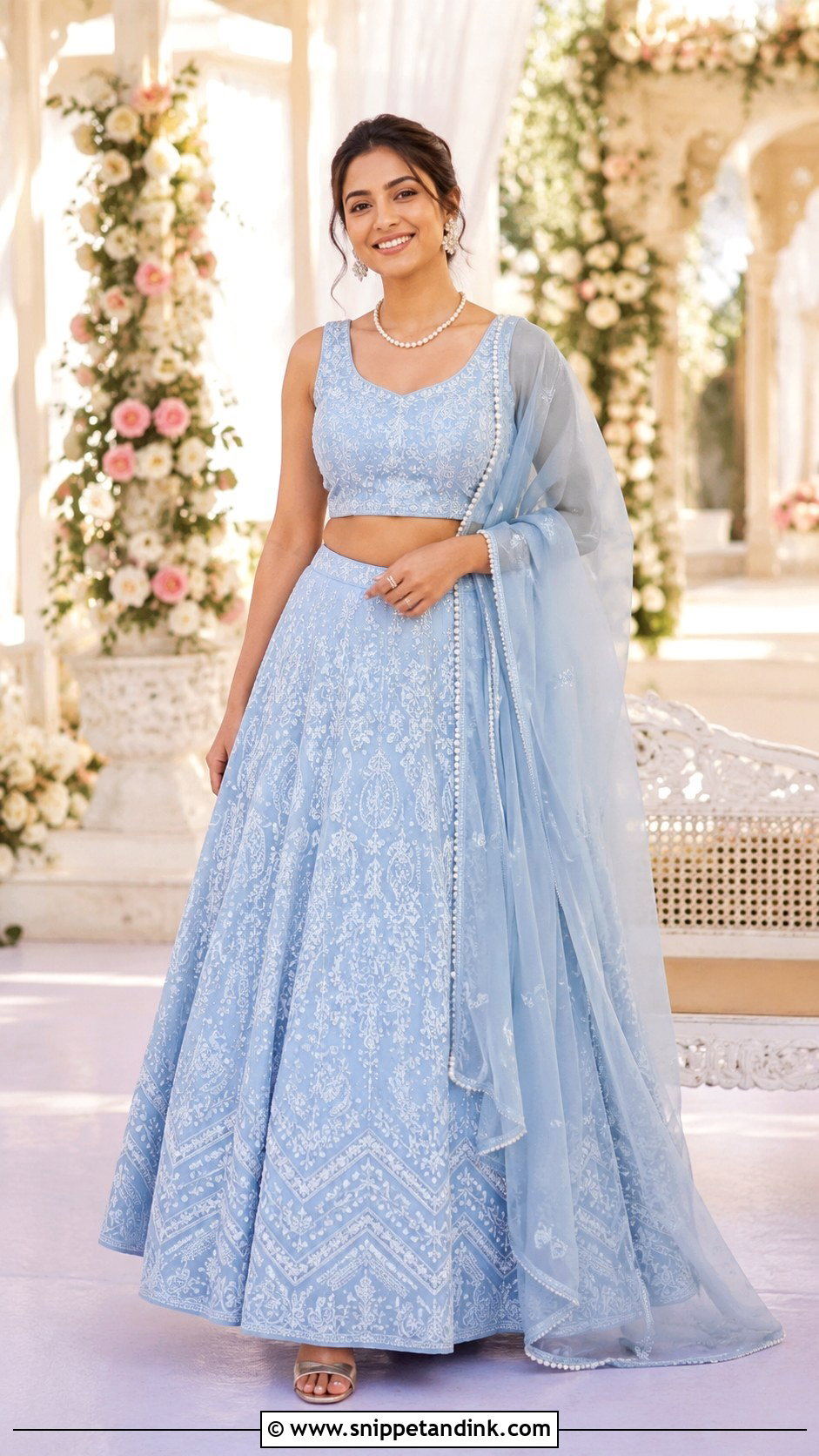
Chikankari is fine hand embroidery, so it reads quietly from a distance. That is its charm and its risk. I’d choose a fuller skirt or a more worked blouse so it still feels festive beside heavier family outfits. Pastel, ivory, blush and sage with threadwork, pearls or light sequins suit it, with pearl jewelry or a simple choker. It belongs at a daytime wedding or an engagement with a softer theme.
24. Sister Phulkari Dupatta Suit For Brother Wedding
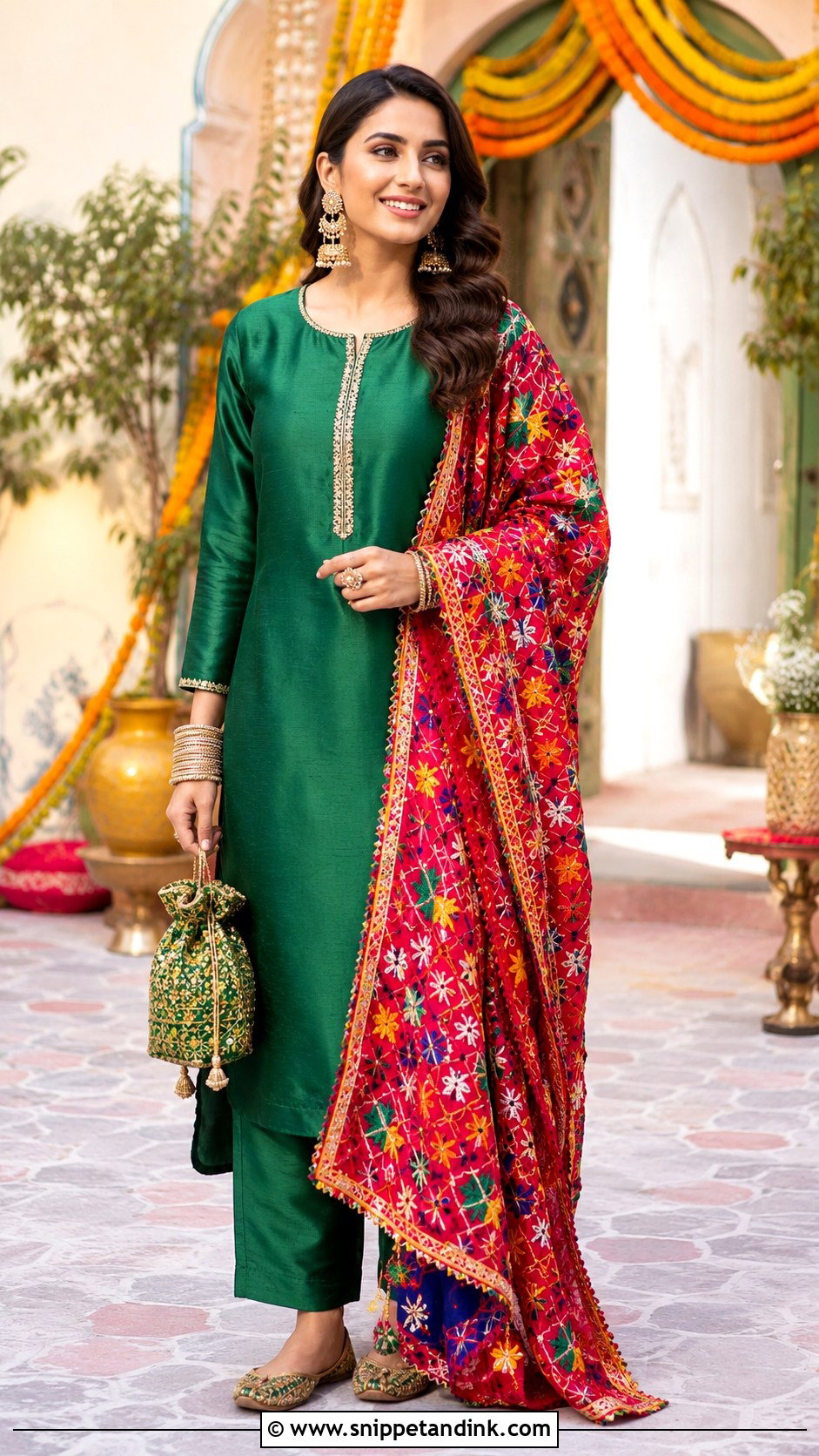
Phulkari is Punjabi darn-stitch embroidery, and when the dupatta carries it, everything else should step back. Pair a solid silk or cotton-silk kurta and pants with the dupatta in bright pink, orange or green. Jhumkas, bangles, juttis and a small potli are enough. It is my pick for the haldi, the mehendi or family gatherings before the main day, and if the dupatta is an heirloom, it means something to wear it at your brother’s wedding.
25. Sister Patiala Suit For Brother Wedding
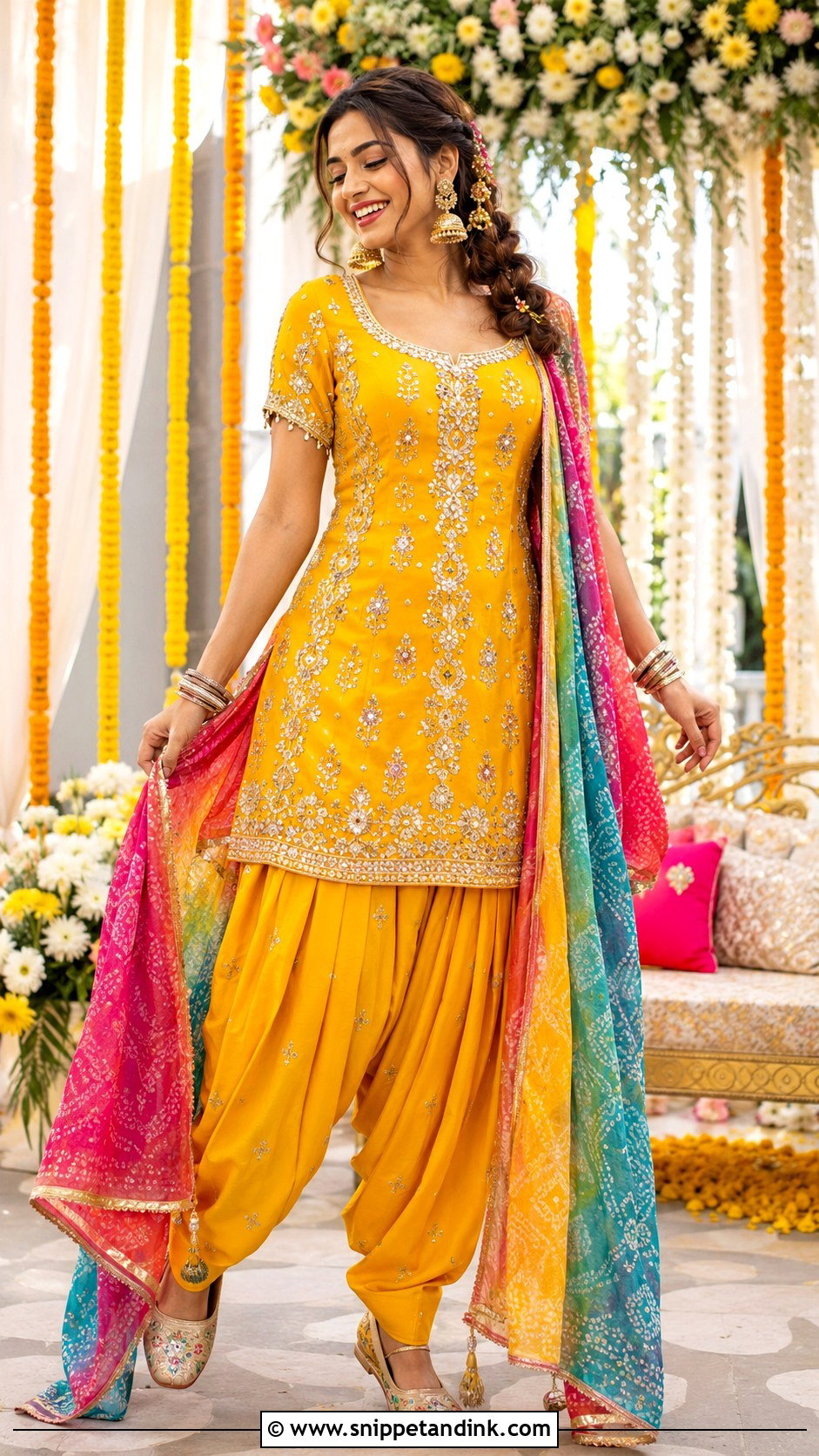
A Patiala suit has deep pleated salwar gathered at the ankle, so it gives you room to dance, sit on the floor for rituals and play every family game. A short fitted kurti balances the volume of the salwar. Gota patti, mirror work or phulkari details make it festive, and a paranda, bangles, jhumkas and juttis finish it. One fitting note: ask for a hook closure at the waist rather than relying on the drawstring alone, which can loosen with a lot of dancing.
26. Sister Kanjivaram Saree For Brother Wedding
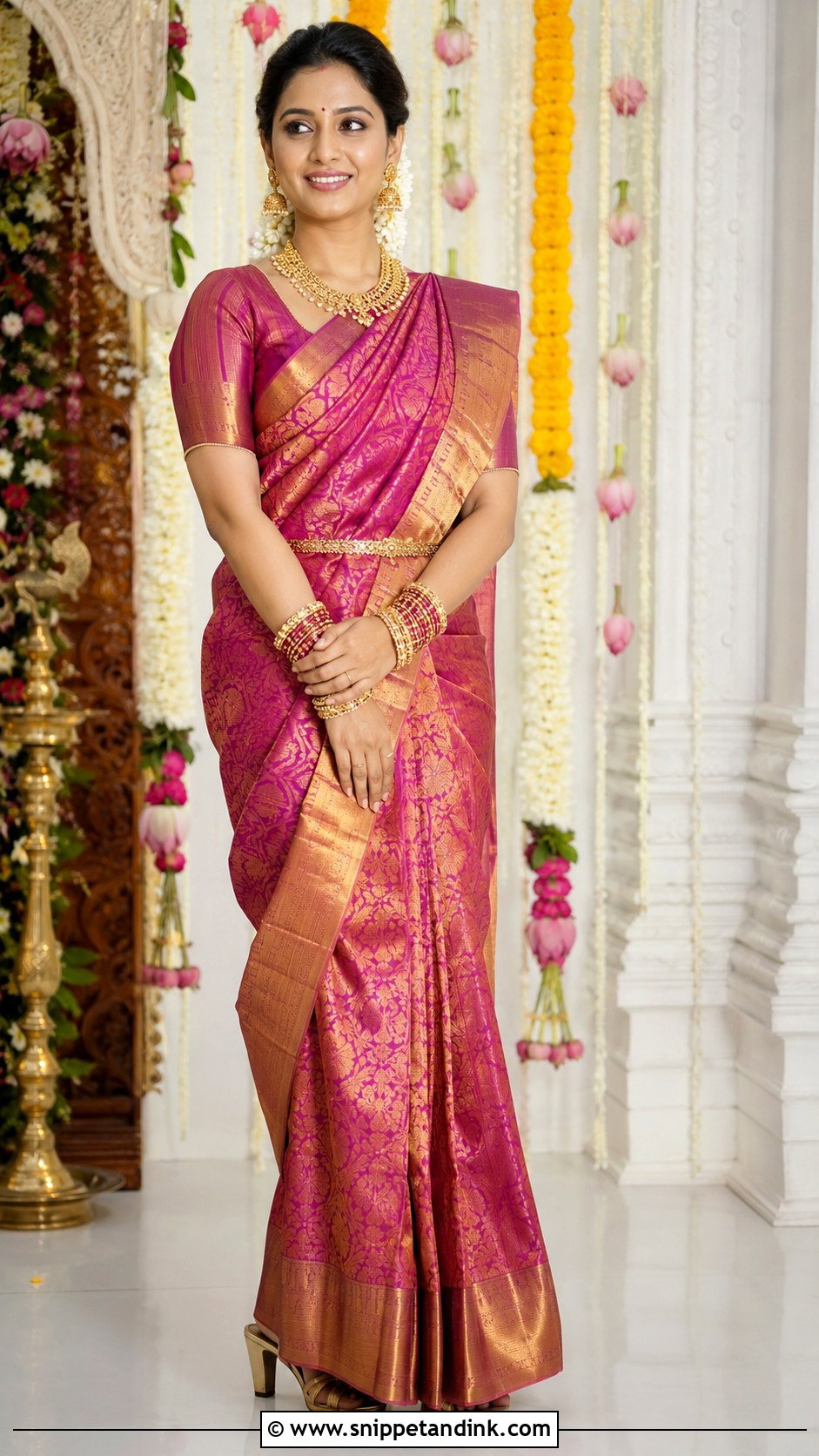
A Kanjivaram carries weight, both literally and culturally, at a South Indian ceremony. The silk is heavy and holds structure, so the pleats need a careful drape and a few pins, and I’d wear flats or low heels with it. Temple gold, magenta, green or purple with a contrast border suit it. A fitted blouse, temple jewelry, bangles, a neat bun and fresh flowers complete a look that sits respectfully in the most formal family photographs.
27. Sister White And Gold Lehenga For Brother Wedding
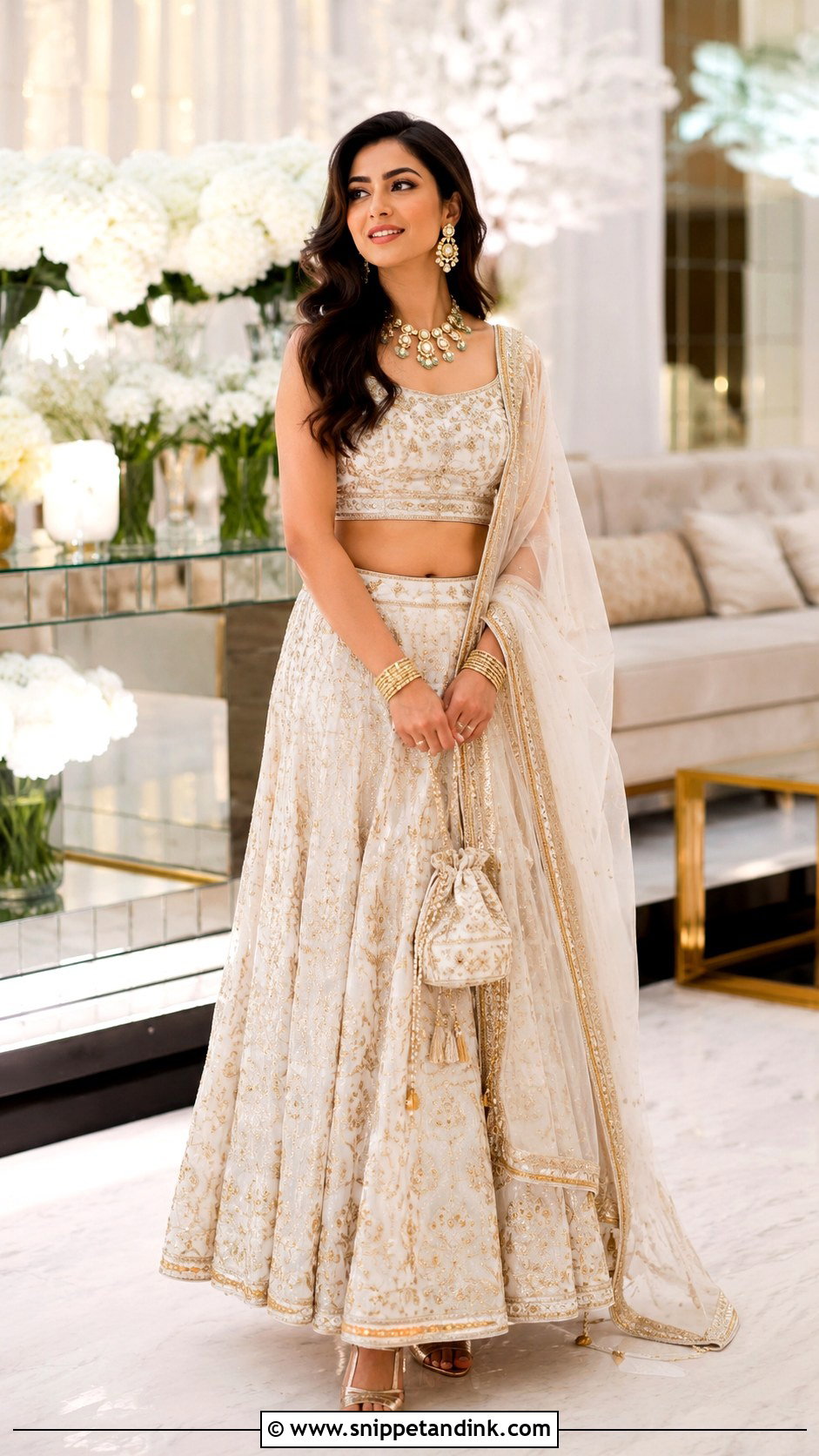
White and gold needs care at a wedding where the bride might also wear ivory, so I’d always check with her first. Choose cream or off-white over stark white, which can look flat in photos, and keep the gold to zari, mirror work or pearl accents. A simple dupatta drape and refined rather than oversized jewelry stop it reading bridal. Kundan earrings, gold bangles and metallic heels suit a reception or a day ceremony indoors.
28. Sister Black Lehenga For Brother Wedding
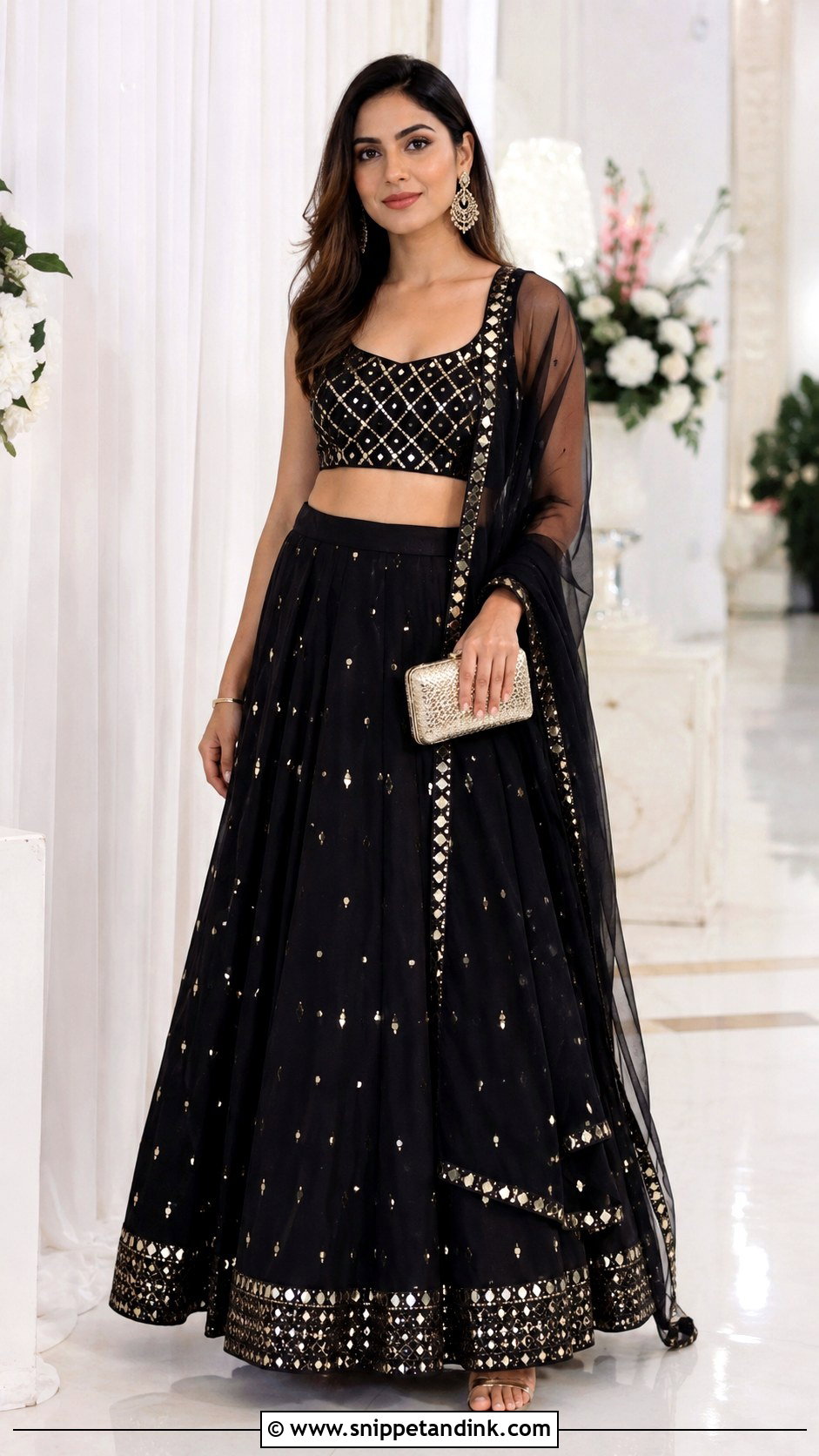
Black is still avoided at weddings by some families, so ask before you buy. If the answer is yes, it is striking at a reception or evening party. Gold, silver or multicolor threadwork keeps it festive, and lighter fabrics like georgette, net or organza stop it feeling heavy. A sheer dupatta, bold earrings, glowing rather than heavy makeup and metallic heels finish it. I’d save it for the evening functions rather than a daytime ritual.
29. Sister Floral Lehenga For Brother Wedding
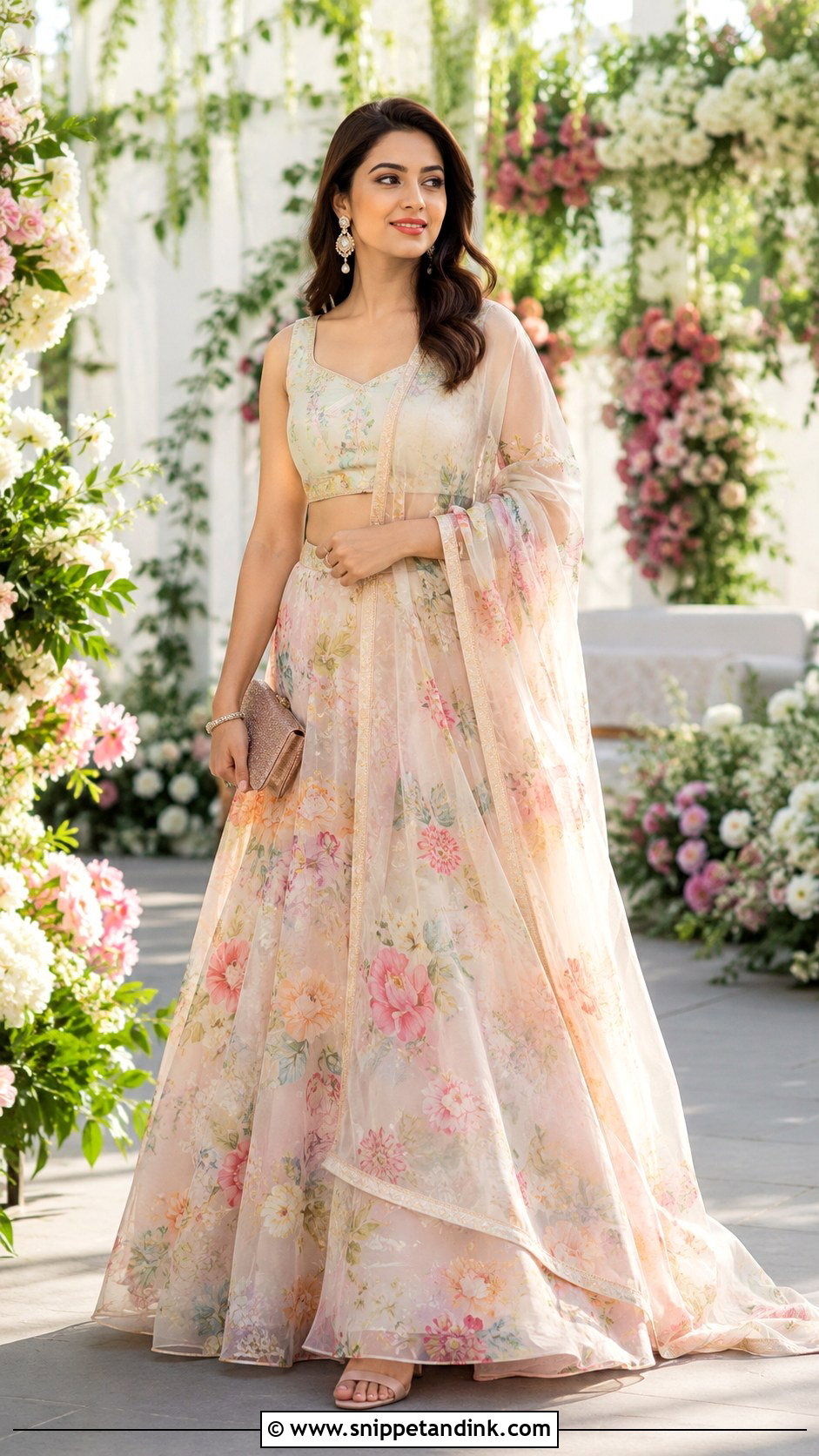
Printed or embroidered florals suit daytime events, and they forgive the small stains that come with a long day of food and rituals. Soft pastel florals belong at garden settings; darker florals work for evening functions. With the print doing the work, keep the blouse simple and the accessories light: pearl or kundan earrings and comfortable heels. It rewears across several events more easily than almost anything here.
30. Sister Reception Lehenga For Brother Wedding
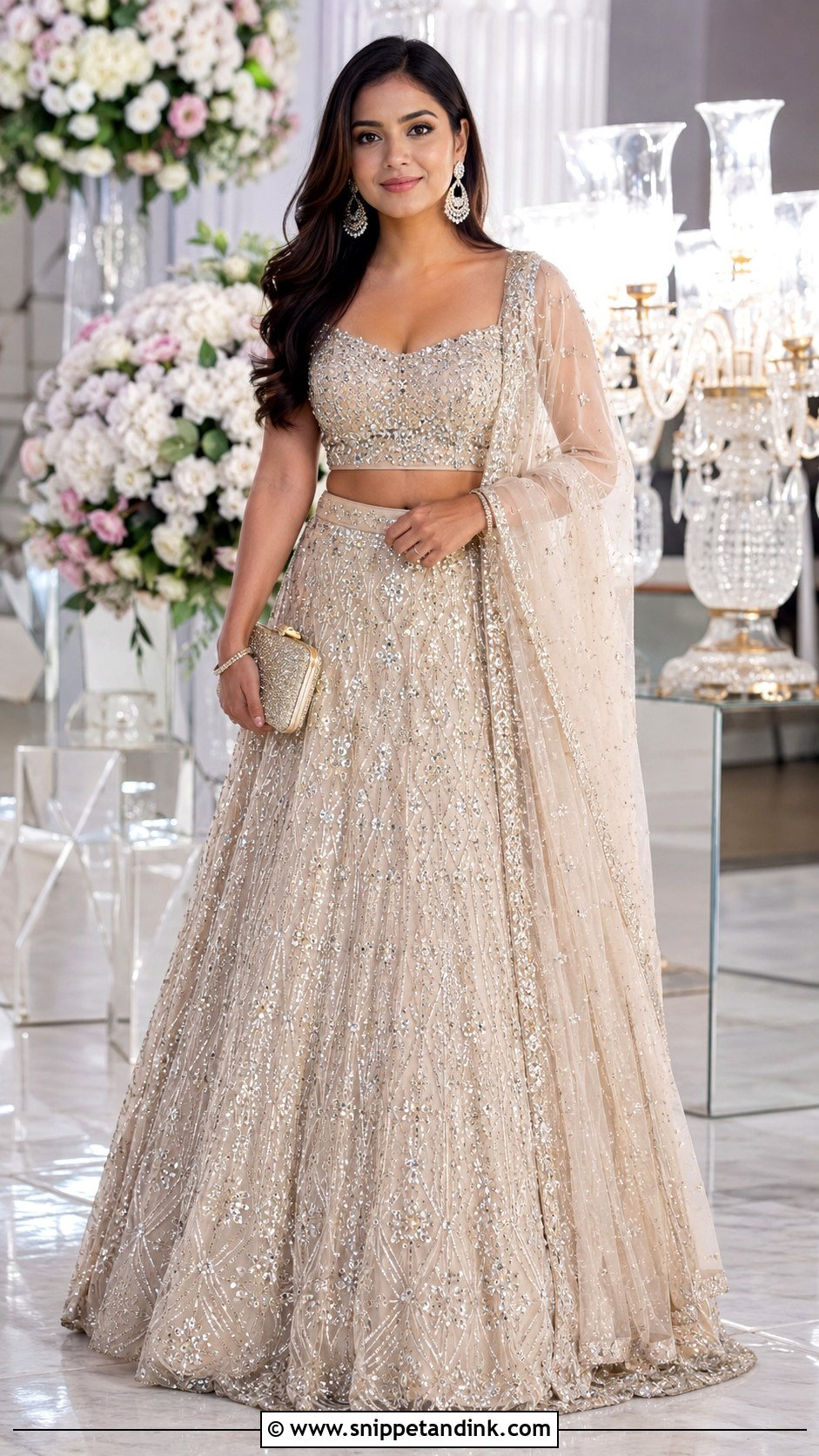
The reception is the event where I let a sister turn up the shine. Sequins, crystals, zari or pearl work all read well under bright event lighting, in champagne, silver, navy, emerald or deep rose. A structured blouse, a clean dupatta drape, statement earrings and heels keep it polished. Receptions mean hours of standing for photos and greetings, so the fit has to be comfortable enough to forget about by the second hour.
Five Functions Without Five New Lehengas
An Indian wedding can mean a mehendi, haldi, sangeet, wedding and reception within a few days, and few sisters want five new outfits. I build the week around two hero pieces and then rework them. A lehenga skirt worn with its own blouse for the wedding can return with a new crop top and cape at the sangeet. A plain silk saree changes character completely between a temple blouse with jasmine and a sequinned blouse with a sleek bun.
Timing the tailor
Made-to-order lehengas and custom blouses often need several weeks or more, and the time varies a lot with the designer and the season, so I’d order the hero pieces early and leave room for at least one fitting. Book the final fitting close enough to the wedding that your measurements won’t change much, and wear the actual shoes to it, because the hem length depends on them. Ready-to-wear sets still need a quick alteration at the blouse and hem, so don’t leave those to the last week.
Keep a small kit in your bag for the whole week: safety pins, a few bobby pins, double-sided fashion tape and a spare hook. Sisters end up fixing other people’s outfits too.
Your Brother Marries Once, So Dress for the Whole Week
Your brother’s wedding asks a lot of your wardrobe: different functions, venues and seasons, family traditions and long hours on your feet. A lehenga brings grandeur, a saree brings composure, an Anarkali flows, and a sharara or palazzo set lets you dance. Plan the jewelry, shoes, bag, hair and dupatta drape together with each outfit rather than the night before. Above all, wear things you can forget about once the music starts, because you’ll want to remember the day, not the outfit.
You'll Like These Ideas:


Leave a Reply