
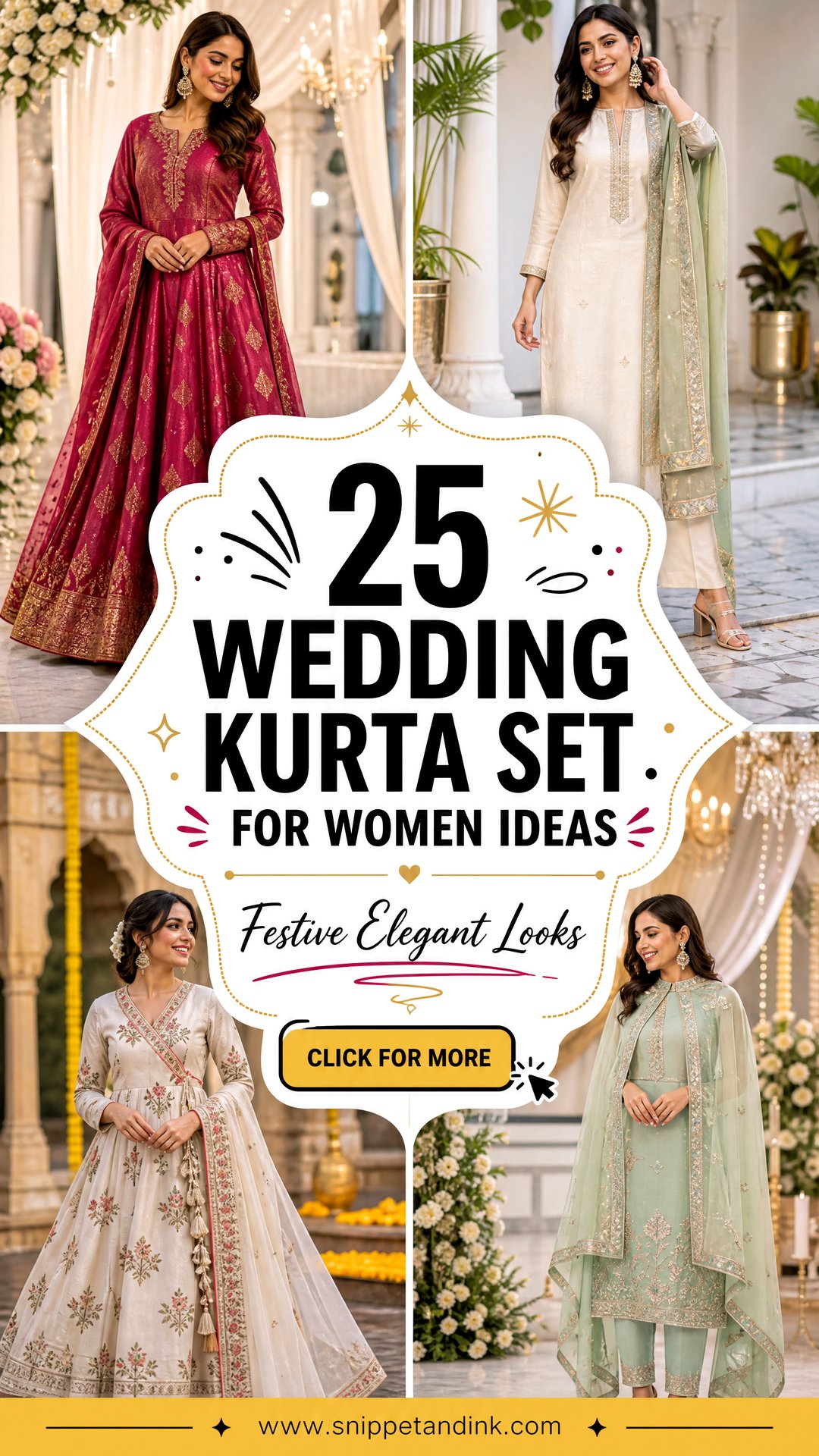
Over a wedding that runs four or five days, the kurta set is the outfit I reach for most for clients who aren’t the bride. You can sit cross-legged through a long puja, dance at the sangeet and eat a full dinner without fighting a lehenga skirt or re-pleating a saree. Dressed properly, it holds its own in every family photo. Silk, organza, georgette, velvet, brocade and Chanderi carry the festive weight, and zari, gota patti, mirror work and a strong dupatta finish it. Below are twenty-five sets I’d style for different functions, each with the shoes, jewelry and bag that complete it.
Which Function Is the Kurta For?
I plan kurta sets function by function, because a haldi and a reception ask for completely different things. Here’s how I’d match fabric and weight to each event before choosing a color.
- Haldi: something you don’t mind getting turmeric on. Cotton, cotton silk or a washable georgette in yellow or white, with minimal embroidery.
- Mehendi: bright color, mirror work or gota, and short sleeves or sleeves you can roll, so you can get henna on your hands without staining the cuffs.
- Sangeet: the set you’ll dance in. Sharara, dhoti or palazzo bottoms in georgette with sequins under the lights.
- Wedding ceremony: silk, Banarasi or brocade, with jewelry to match. Check whether the family prefers covered heads or shoulders for the ritual.
- Reception: the most formal or the most modern. Velvet in winter, sequins, cape or jacket sets.
Talk to the family about colors too. Many brides wear red or deep pink for the main ceremony, and some families have a color theme for each function. A quick message early saves a last-minute change.
If you’re getting sets stitched rather than buying ready-made, start early. Tailors get very busy in wedding season, and you’ll want a trial fitting plus time for one round of alterations. Bring the shoes you’ll wear so the pant and sharara lengths are right.
1. Silk Anarkali Kurta Set
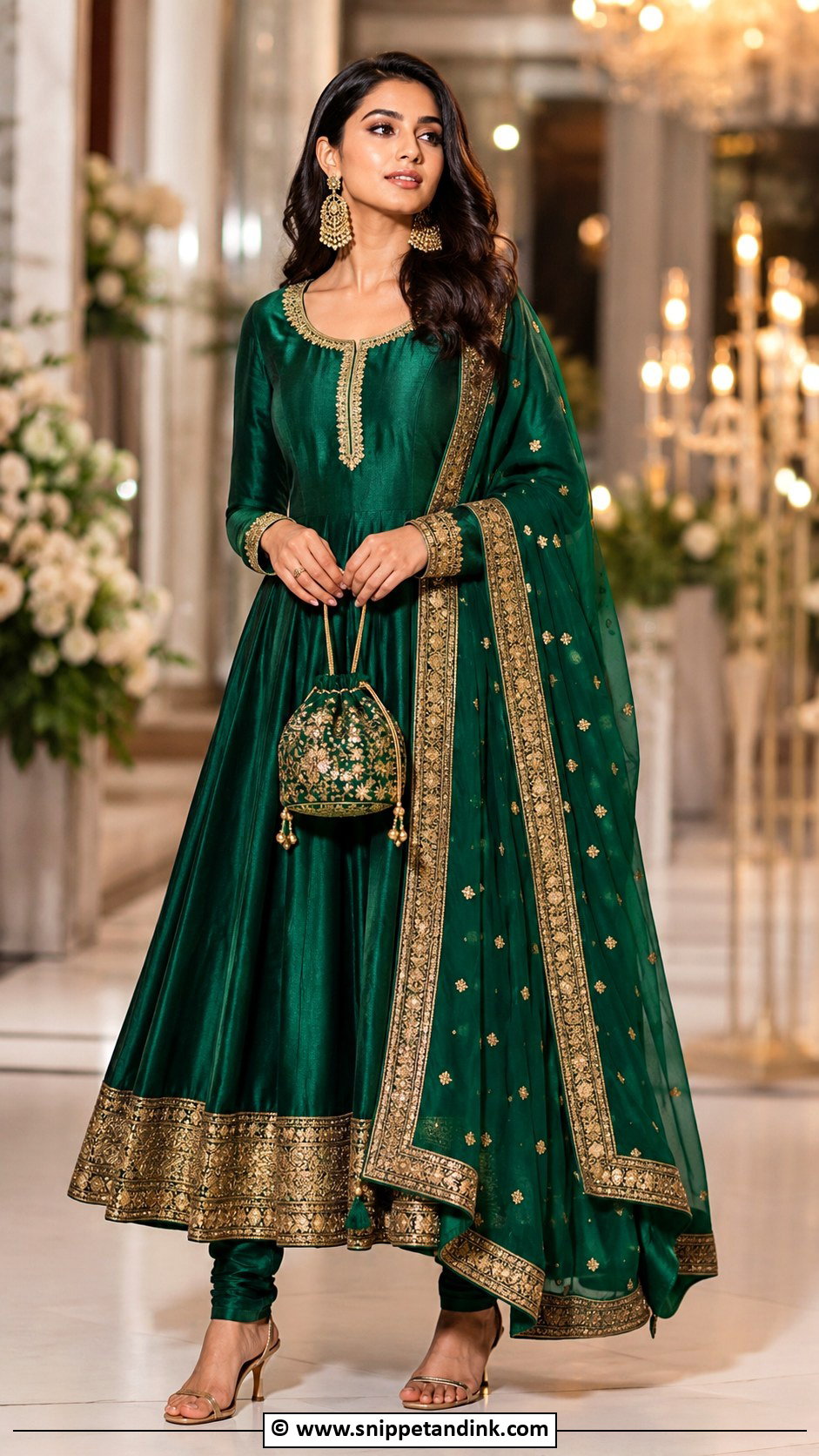
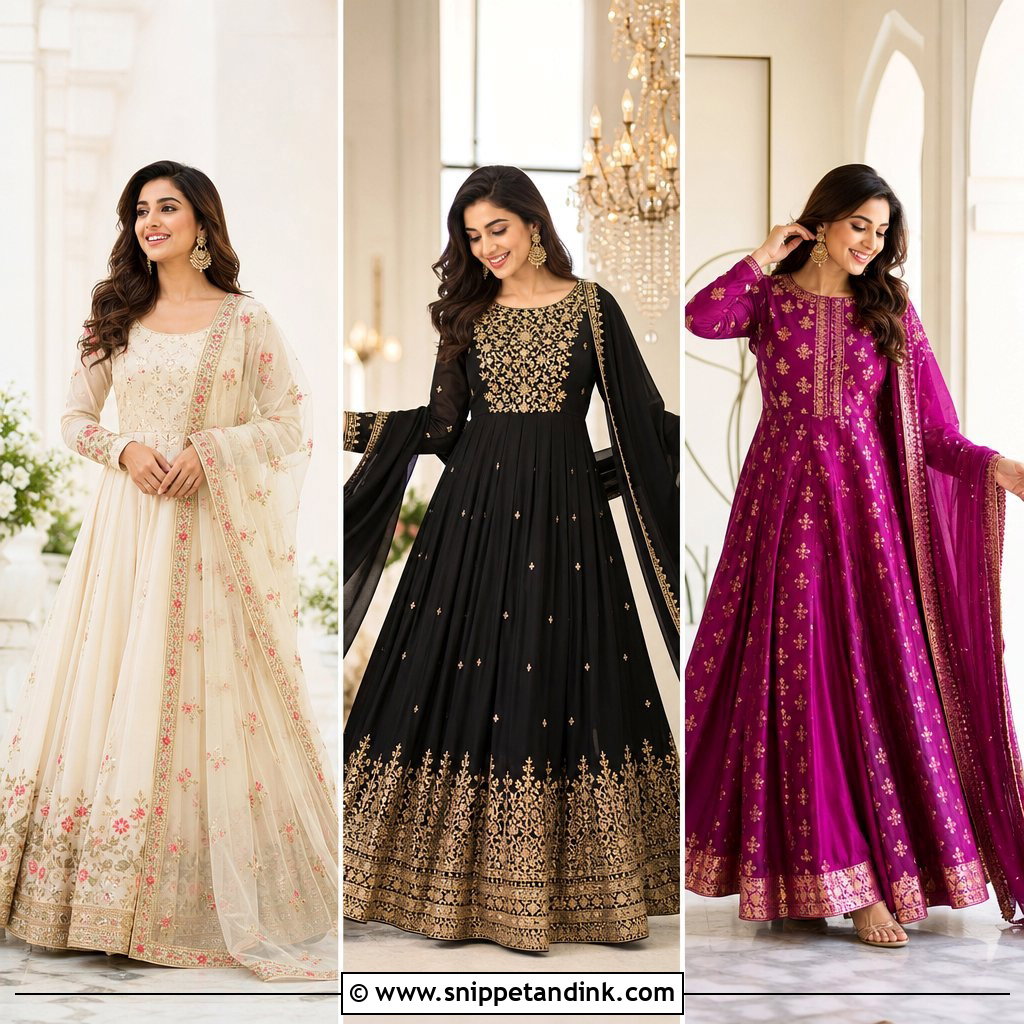
An Anarkali gives you the flare of a lehenga without the weight around the hips. In silk, though, a floor-length flare is heavier than it looks, so I’d ask for a lighter lining or a calf length for anyone dancing. Emerald, wine, navy and champagne all read rich in evening light. Churidar or slim straight pants keep the flare balanced. A zari-bordered dupatta, kundan earrings, metallic heels and a potli bag finish it; for something softer, blush or ivory silk with pearls works just as well.
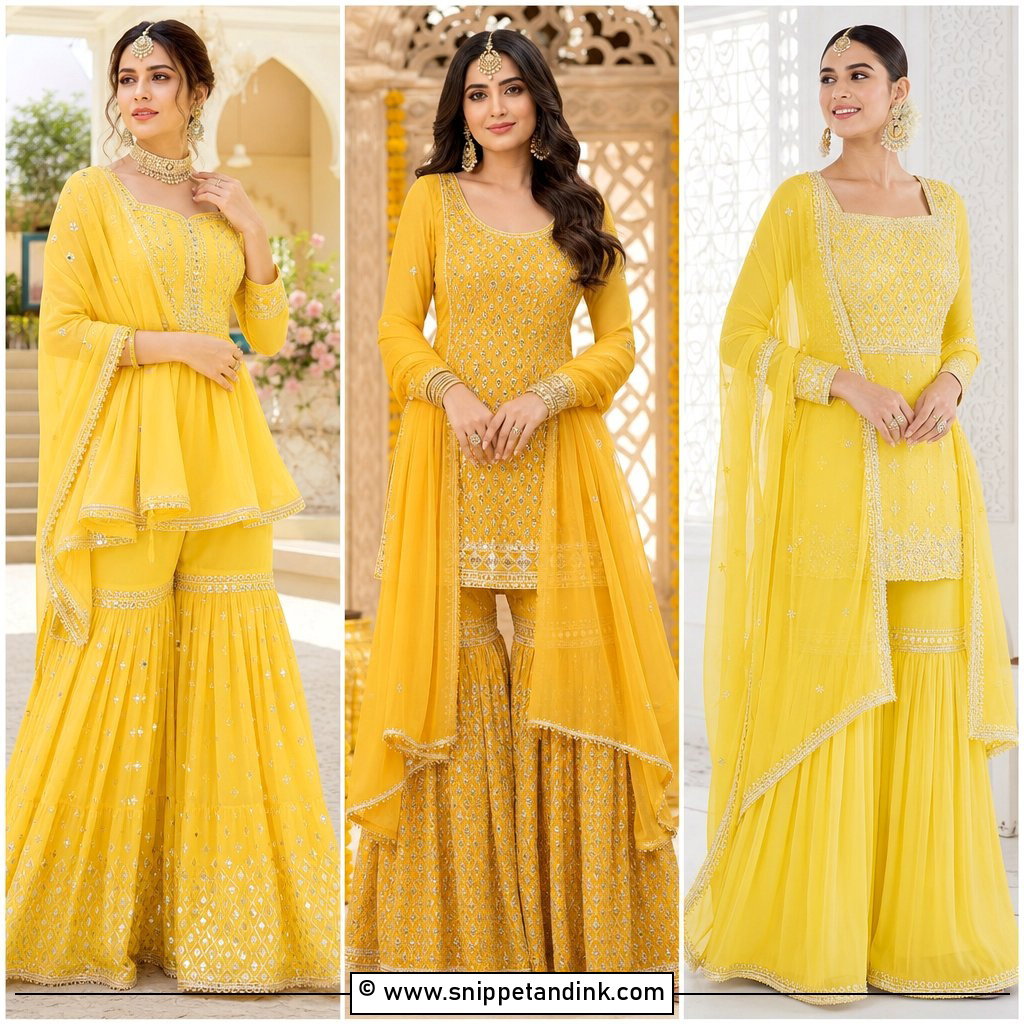
2. Sharara Kurta Set
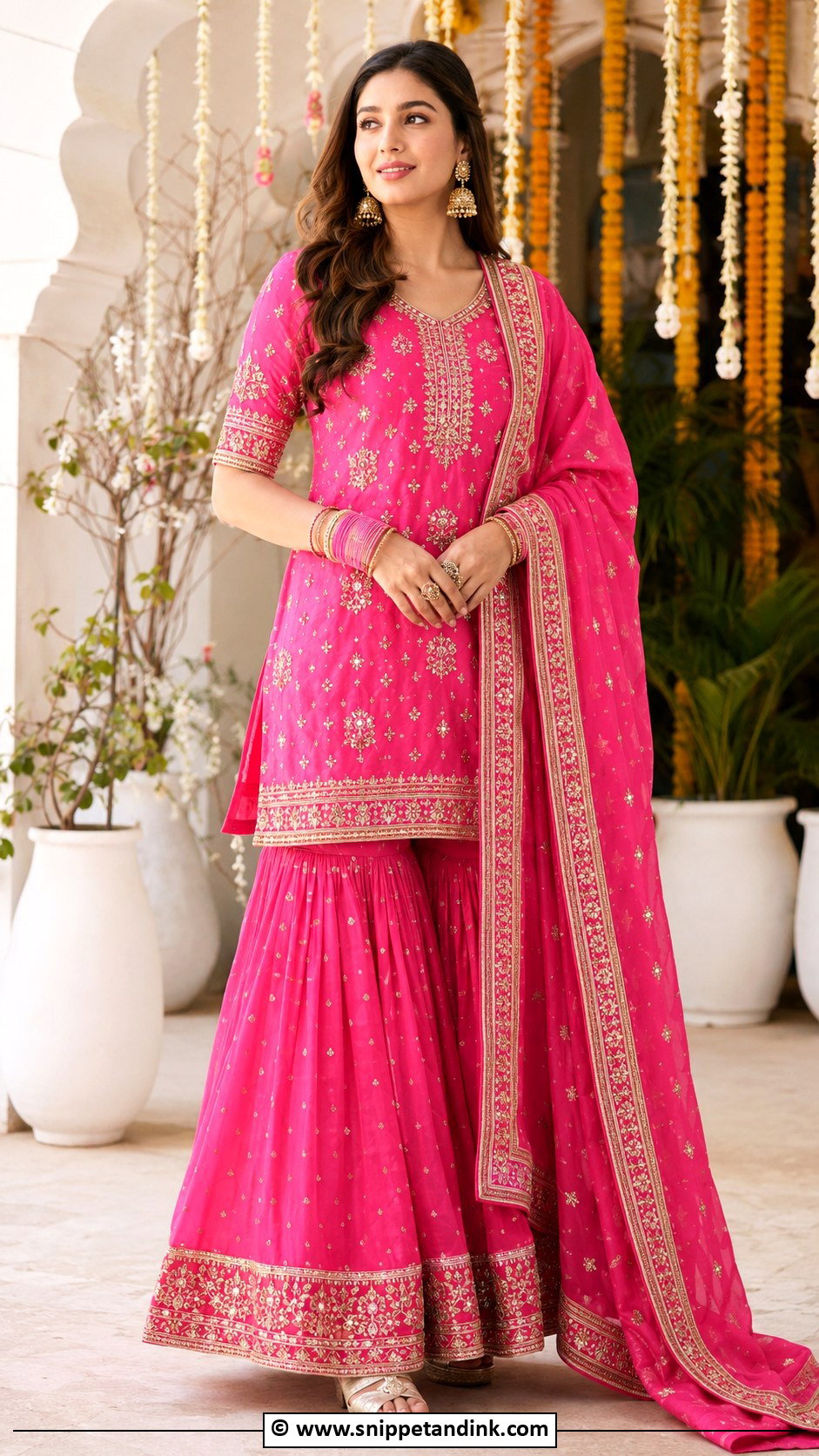
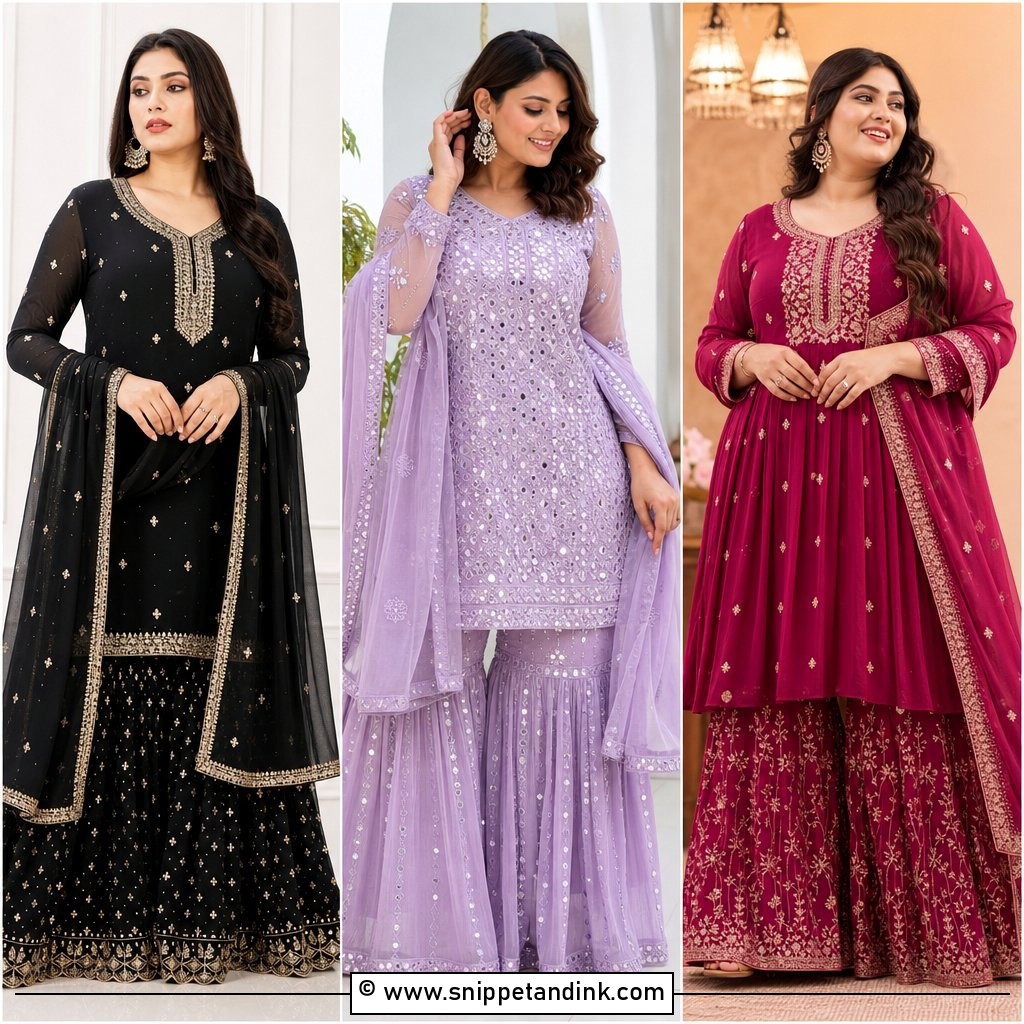
A sharara kurta set is made for movement, and the short kurta keeps the outline neat above that swirl. The one thing I check is the sharara length: with wedges on, the flare should just clear the floor, or you’ll tread on it on the dance floor. A heavy sharara with a gota patti or mirror-edged dupatta suits a mehendi or sangeet. Mustard, rani pink and powder blue look festive in daylight. Jhumkas, bangles and embellished wedges finish it.
3. Palazzo Kurta Set
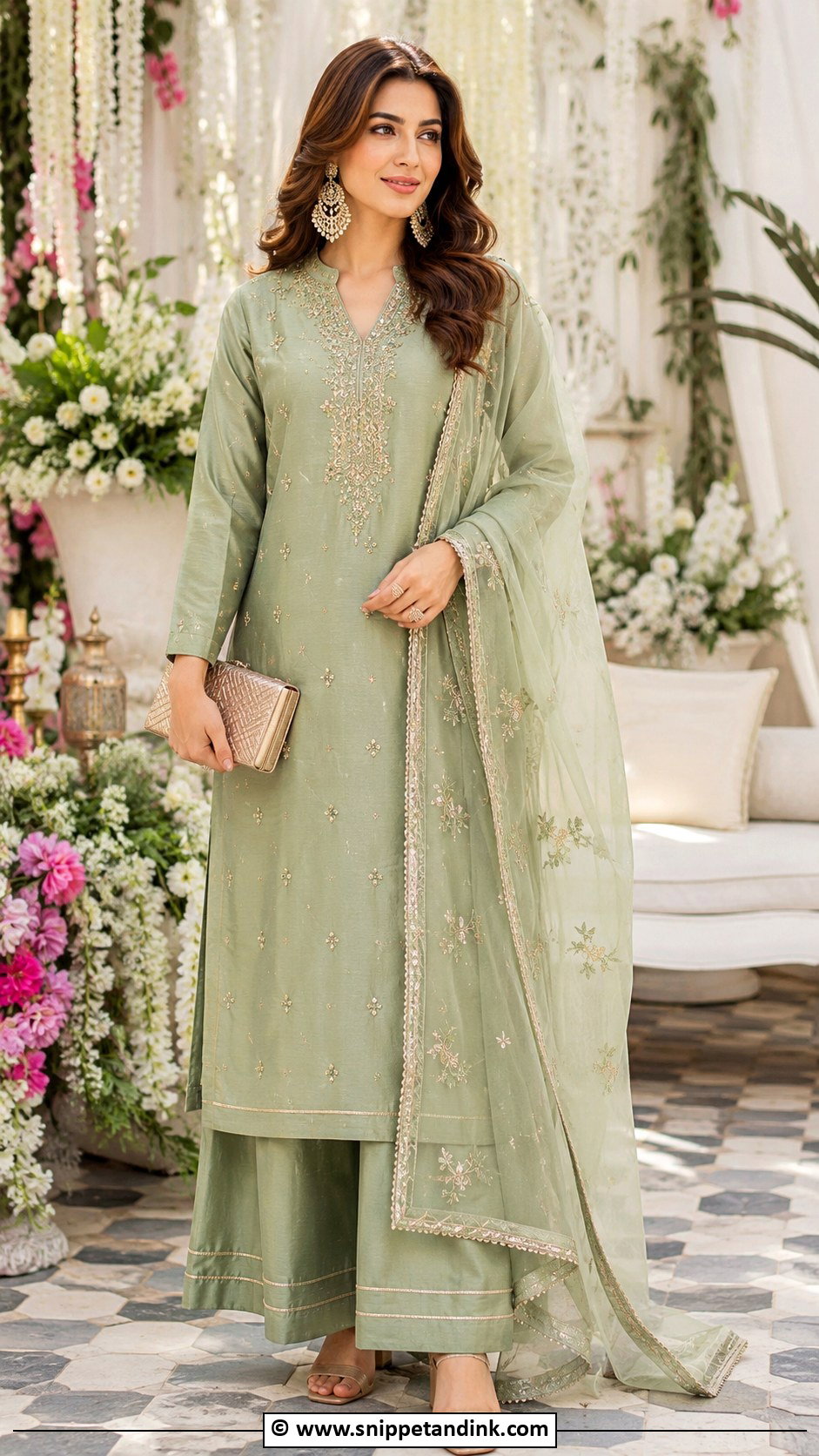
Palazzos look relaxed until they’re cut too short; they should graze the top of the shoe or the whole set looks casual. In silk blend, georgette, Chanderi or brocade, a long embroidered kurta over matching palazzos reads polished for a daytime function. Keeping the top and bottom in one color family adds height. A light organza dupatta, block heels and a sleek bun suit sage, mauve, teal or soft gold.
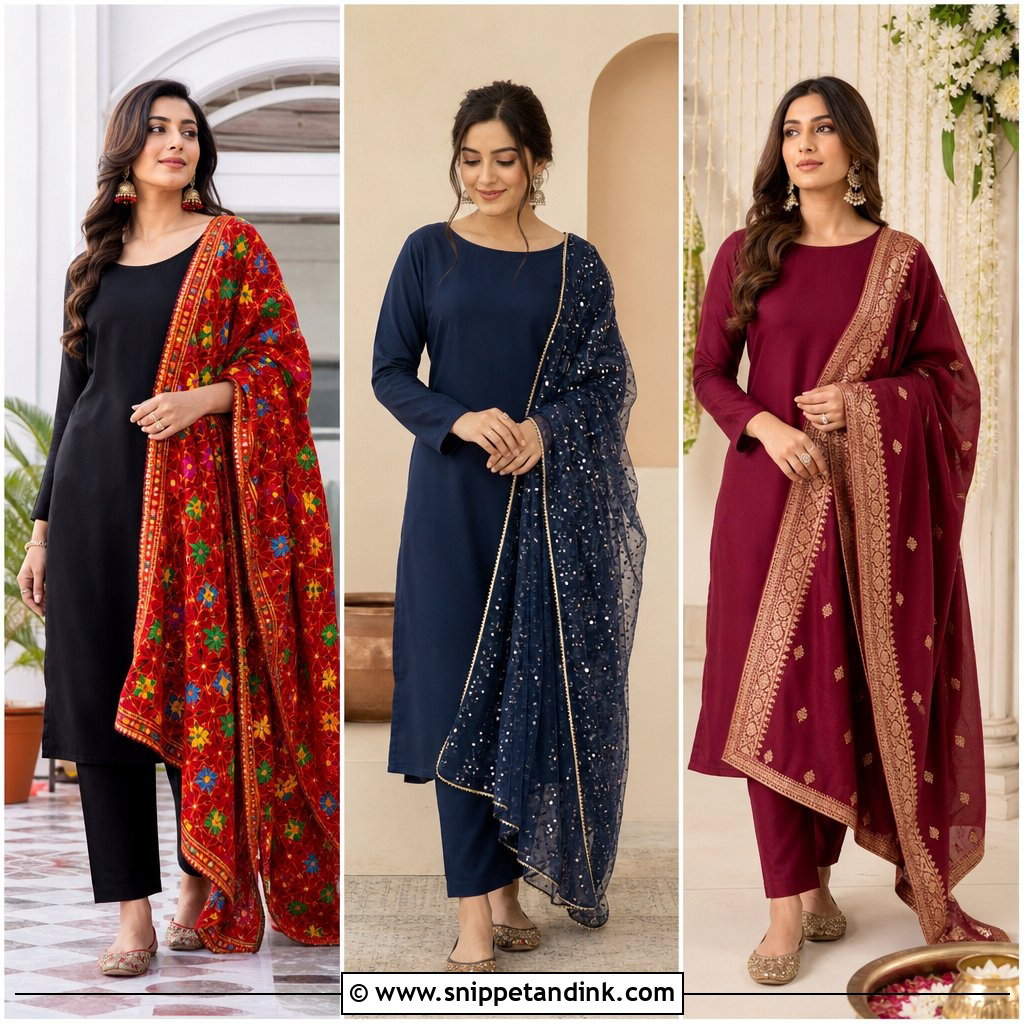
4. Straight Kurta Pant Set
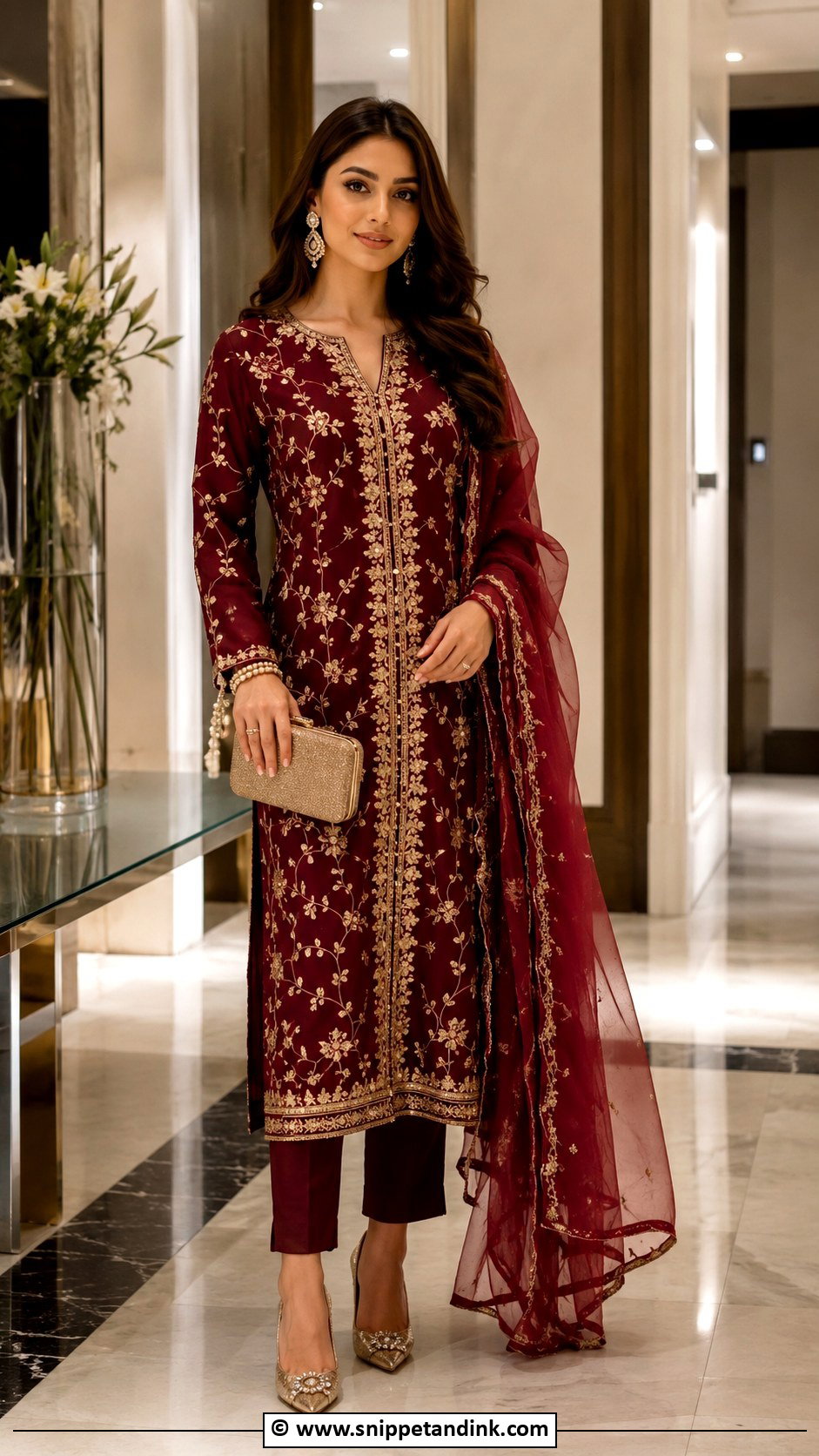
The straight kurta pant set depends on the neckline and the fit through the shoulders, because there’s no flare to distract from either. A knee or calf-length kurta with zari or sequins at the neck, over cigarette pants in the same shade, looks clean. Add a sheer bordered dupatta for the festive note. It suits intimate weddings and roka ceremonies. Embellished flats or low heels and a box clutch keep it practical for a long day.
5. Chanderi Kurta Set
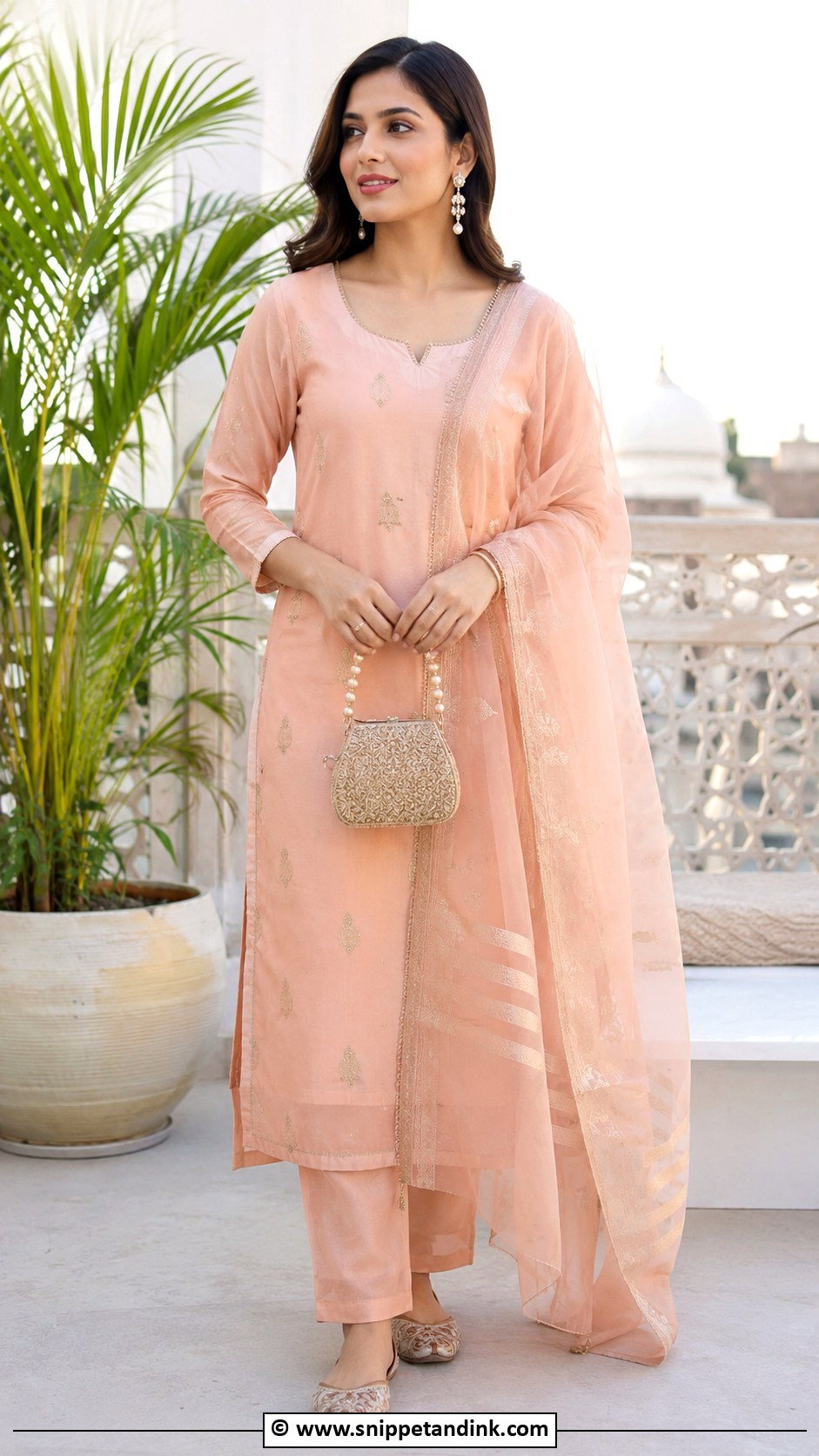
Chanderi is my first suggestion for a morning ceremony in summer. It’s a light weave with a soft sheen that catches daylight without looking shiny, and it breathes. Small motifs, fine thread work or a zari border are enough detail. Mint, peach, lavender and turmeric yellow look fresh. Pair it with straight pants or palazzos, a sheer dupatta, pearl earrings and juttis. The fabric wrinkles a little, so steam it on the morning of the function.
6. Velvet Kurta Set
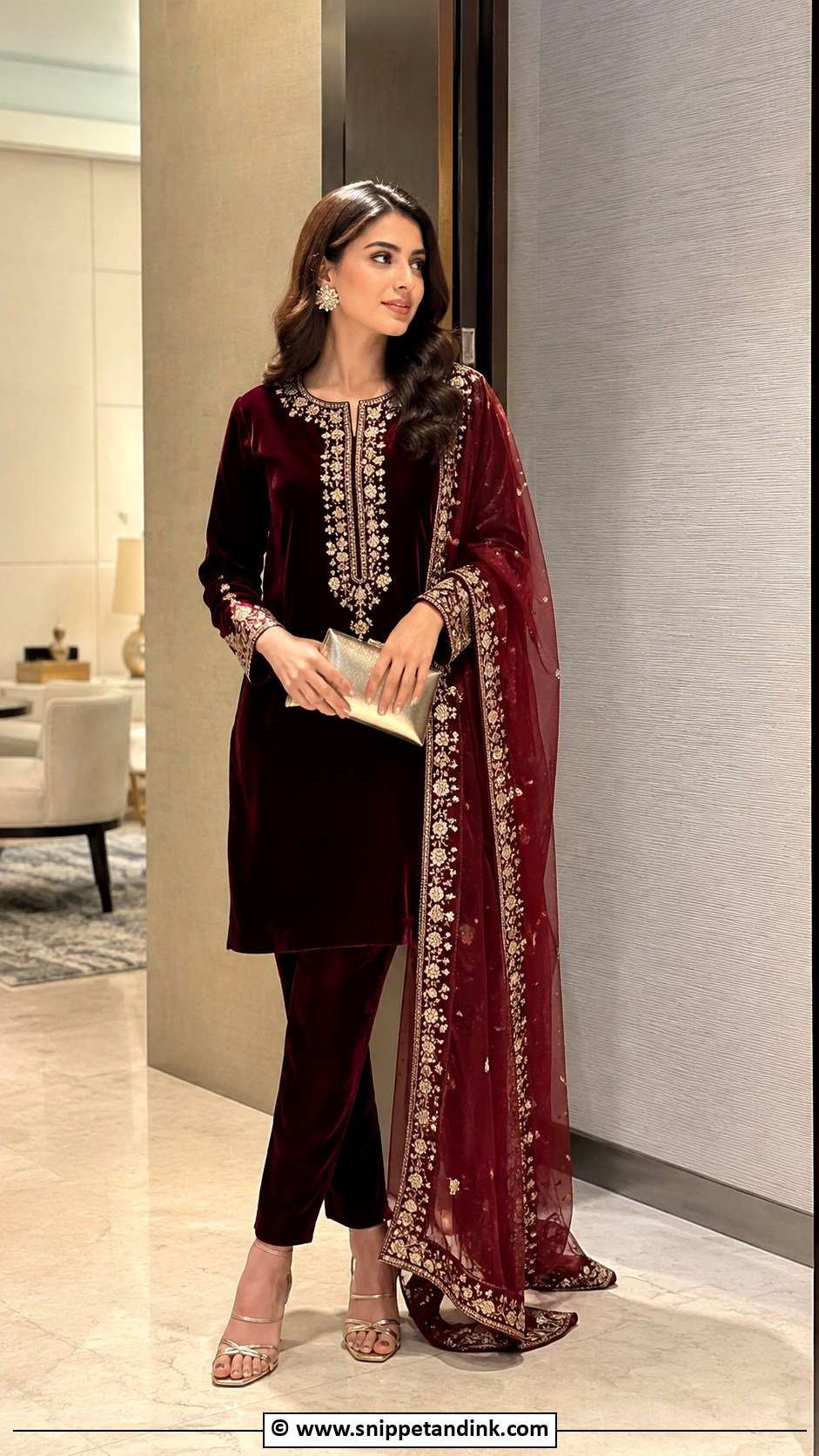
Velvet is the winter fabric for evening functions, but it’s warm and heavy, and it crushes. I’d only put a client in it for cold weather or an air-conditioned hall, and always with a breathable lining. Deep green, burgundy, navy or plum velvet with zari or dabka at the neckline and sleeves needs little else. Gold heels, kundan studs and a sleek clutch balance it. Store it hanging, never folded, or the pile marks.
7. Banarasi Kurta Set
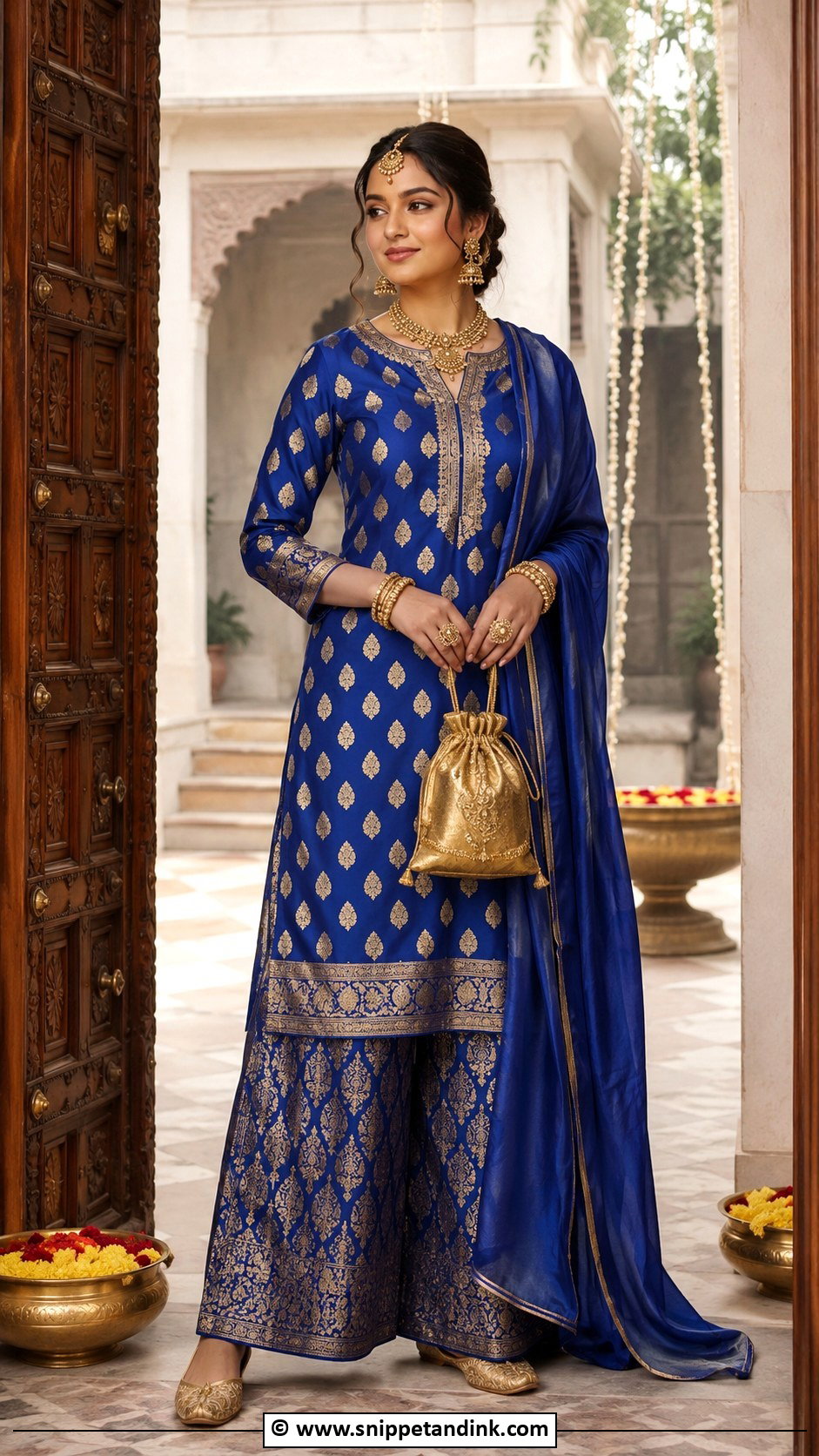
Banarasi weaves carry real heritage, and the metallic threads make them heavy and stiff compared to plain silk. That’s why I balance them: a heavily woven Banarasi silk kurta with a plain silk dupatta, or a simpler kurta with a Banarasi dupatta. Straight pants, a sharara or brocade palazzos all suit it. Red, gold, emerald and royal blue are classic. Temple jewelry, juttis and a potli bag finish it for a close family function.
8. Organza Kurta Set
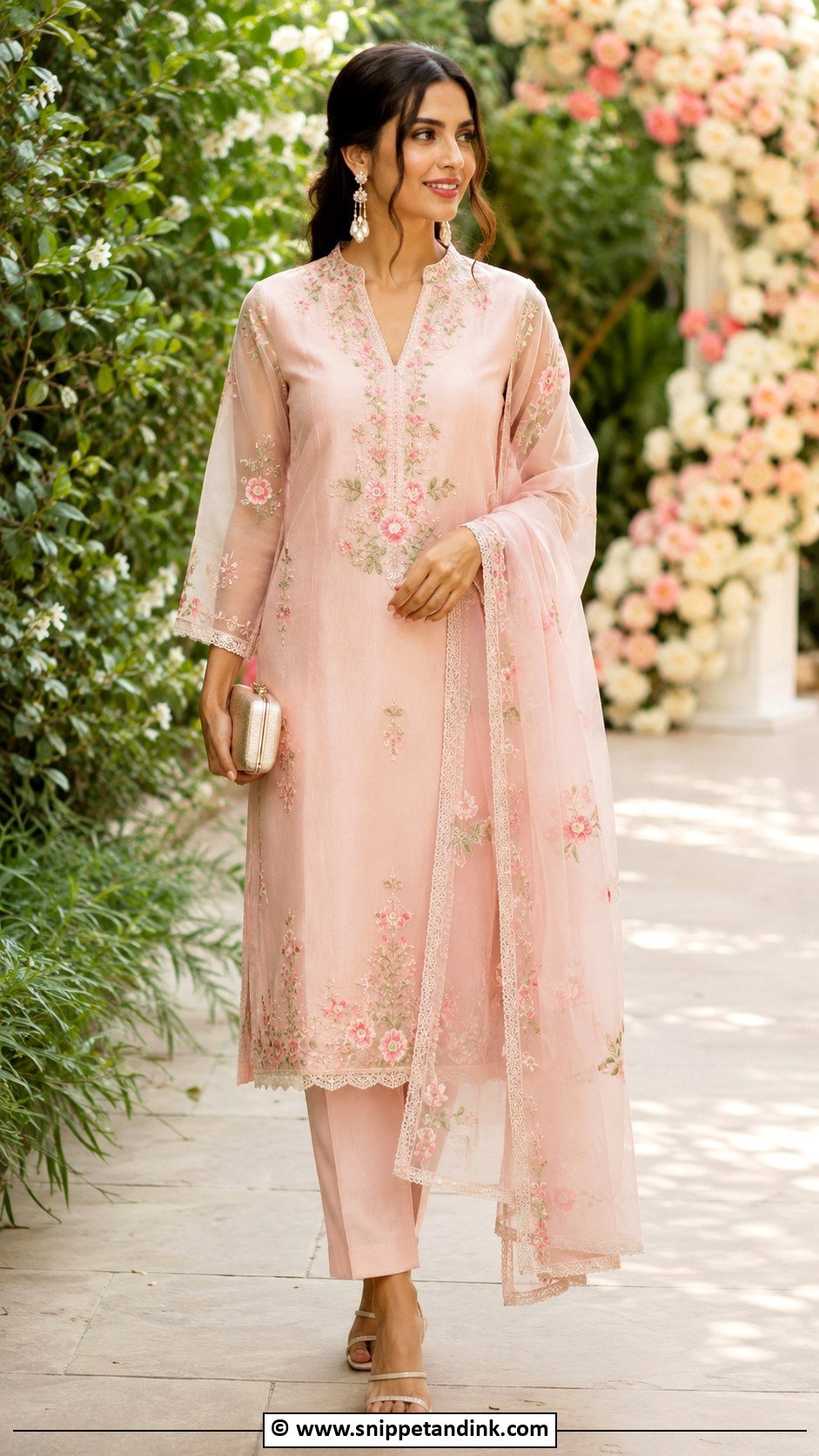
Organza is crisp and sheer, which means it holds a shape beautifully and shows everything underneath. The lining matters as much as the embroidery. Floral embroidery, pearl details or fine sequins on powder blue, blush, pistachio or ivory suit a daytime wedding. Pair it with silk pants and a matching organza dupatta, which stands away from the body and keeps the look airy. Pearl drops and strappy heels keep it delicate.
9. Georgette Kurta Set
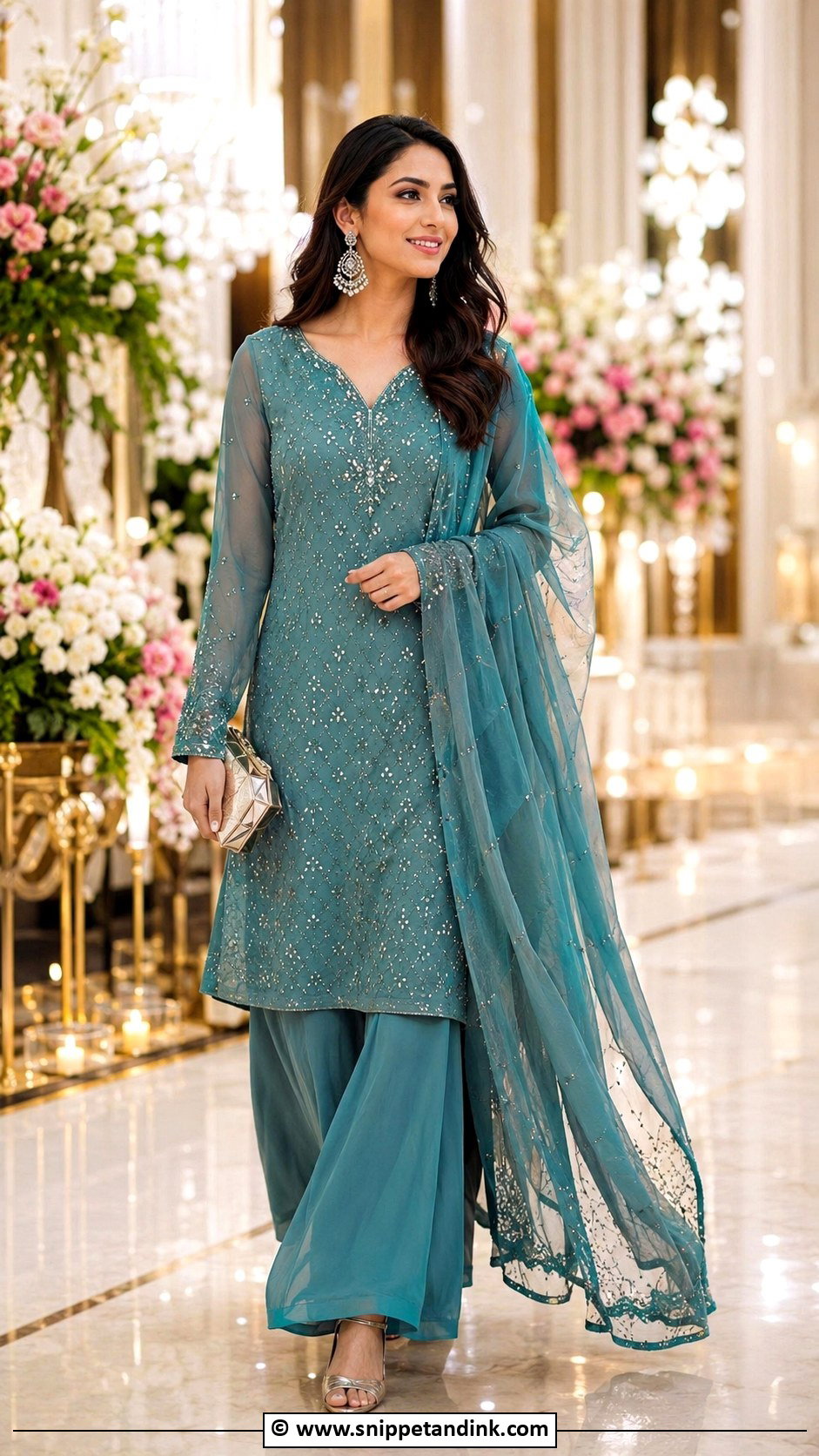
Georgette drapes well and doesn’t crease much, which is why I like it for evenings with a lot of sitting and dancing. Sequin, bead or tonal thread embroidery shows up nicely under sangeet lighting. Teal, wine, charcoal and bottle green suit night events. Flowy palazzos or sharara pants and a soft dupatta keep it moving. It gives you sparkle without the weight of a heavy lehenga.
10. Brocade Kurta Set
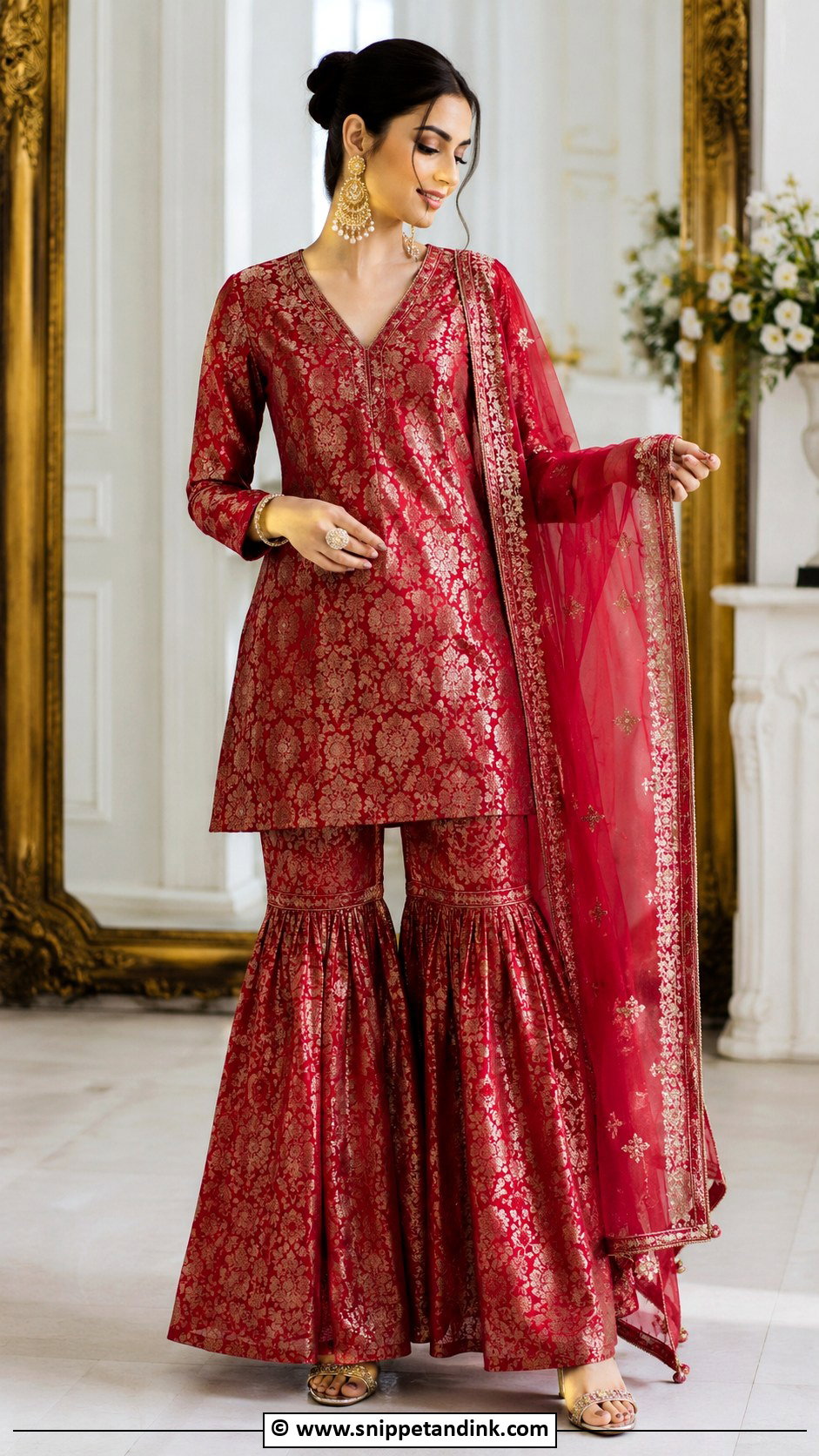
Brocade has woven motifs, so it needs very little added embellishment. Too much and it starts to look like upholstery. A short brocade kurta with a sharara feels festive; a long straight brocade kurta with slim pants is classic. Gold, copper, ruby and emerald look rich. Keep the dupatta light, since brocade is already heavy across the shoulders. Kundan earrings, embellished sandals and a sleek bun finish it.
11. Mirror Work Kurta Set
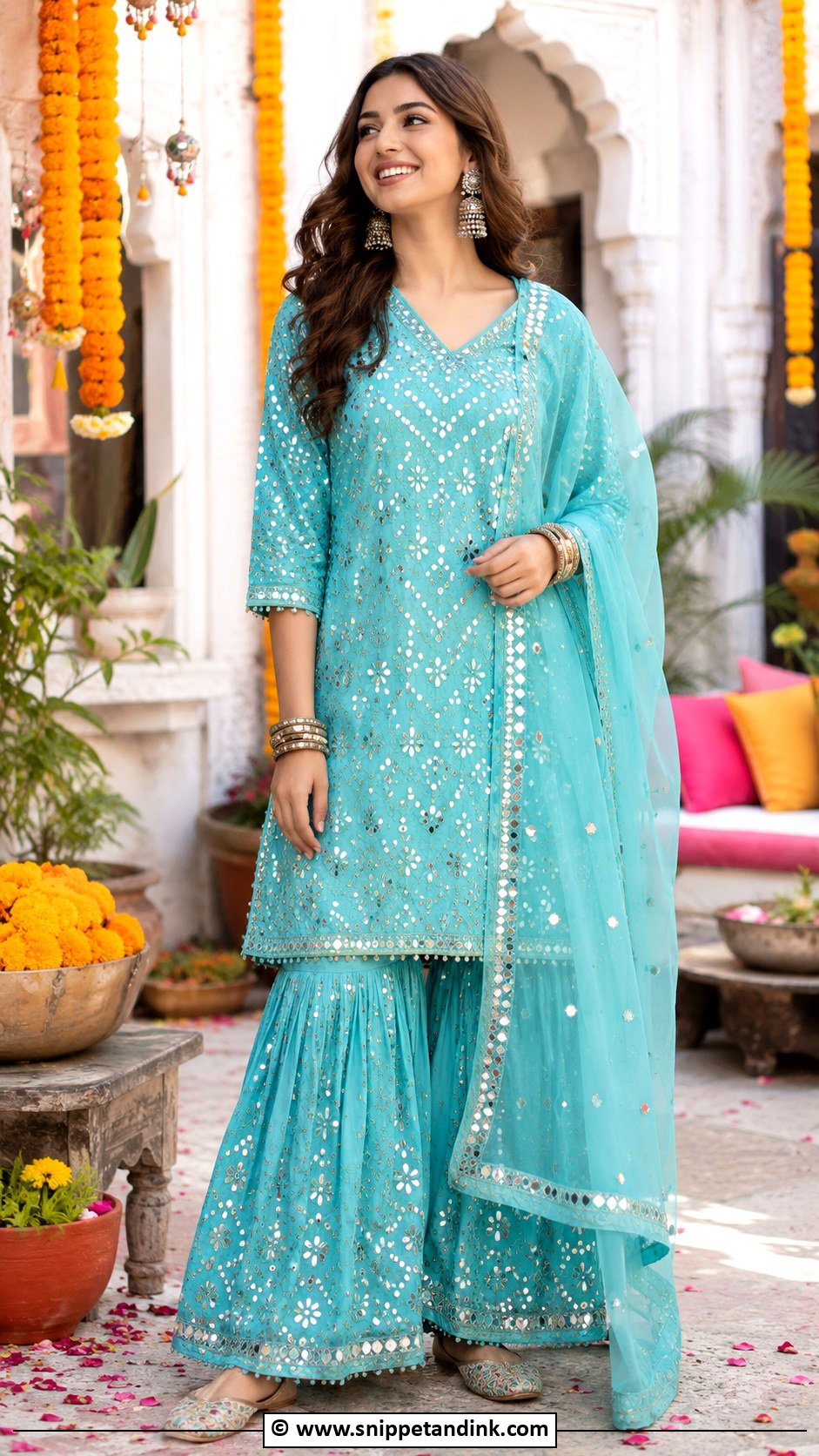
Mirror work catches every light at mehendi, haldi, or sangeet functions, and it’s sturdy enough for dancing. Bright yellow, fuchsia, turquoise or orange with mirrors on the yoke or hem looks joyful. One practical point: the mirrors can scratch delicate fabrics or catch on fine jewelry, so I keep bangles and earrings simple and oxidized. Sharara, palazzo or straight pants all work, with comfortable juttis or wedges.
12. Gota Patti Kurta Set
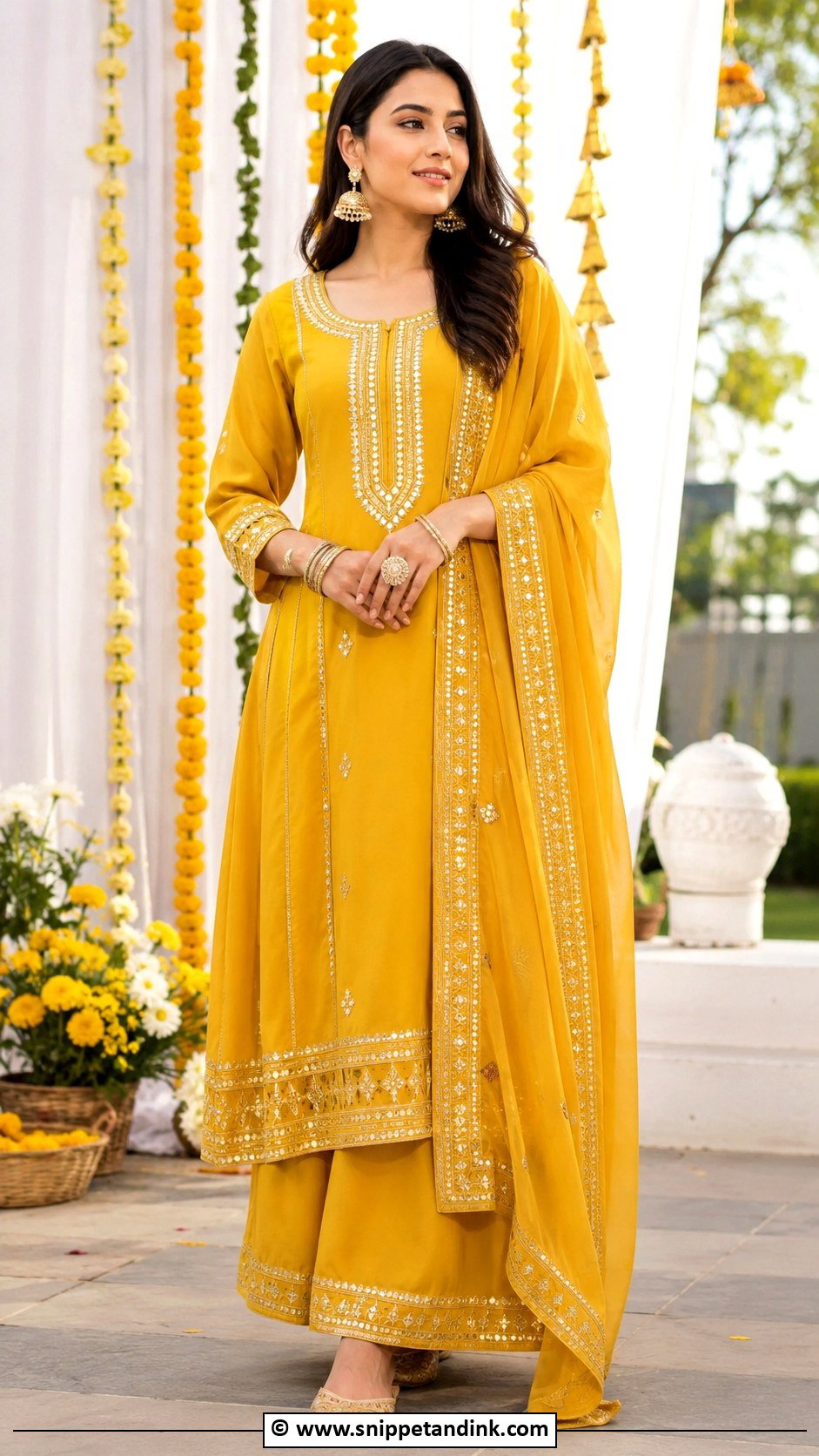
Gota patti is a ribbon appliqué that gives sparkle without sequins, and it looks right in both daylight and evening. Pink, yellow, mint or peach suit a day event; deep red, emerald or navy go formal at night. Pair it with palazzos or a sharara and a gota-bordered dupatta. Gota can tarnish if it’s stored damp, so keep it dry between weddings. A maang tikka and jhumkas lift it for a dressier function.
13. Sequin Kurta Set
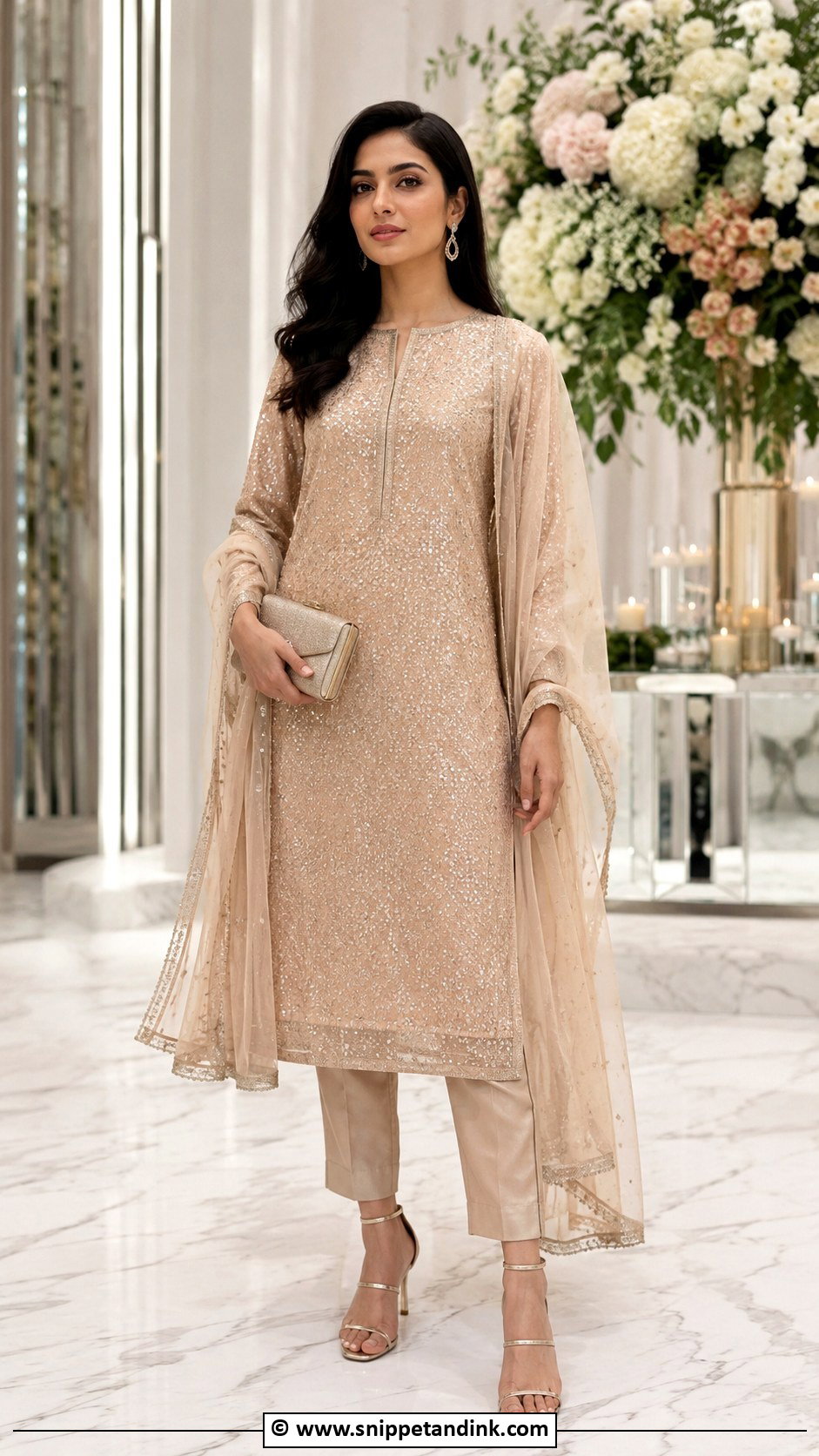
Sequins need one rule: one heavy piece only. A heavily sequined kurta goes with plain pants and a soft dupatta; a lightly sequined kurta can take a detailed dupatta or statement jewelry. Champagne, silver, mauve and navy look polished under reception lighting. Sequins can scratch the inner arm, so check the lining at the sleeves. Strappy heels, sleek earrings and smooth hair keep it from looking busy.
14. Embroidered Kurta Set
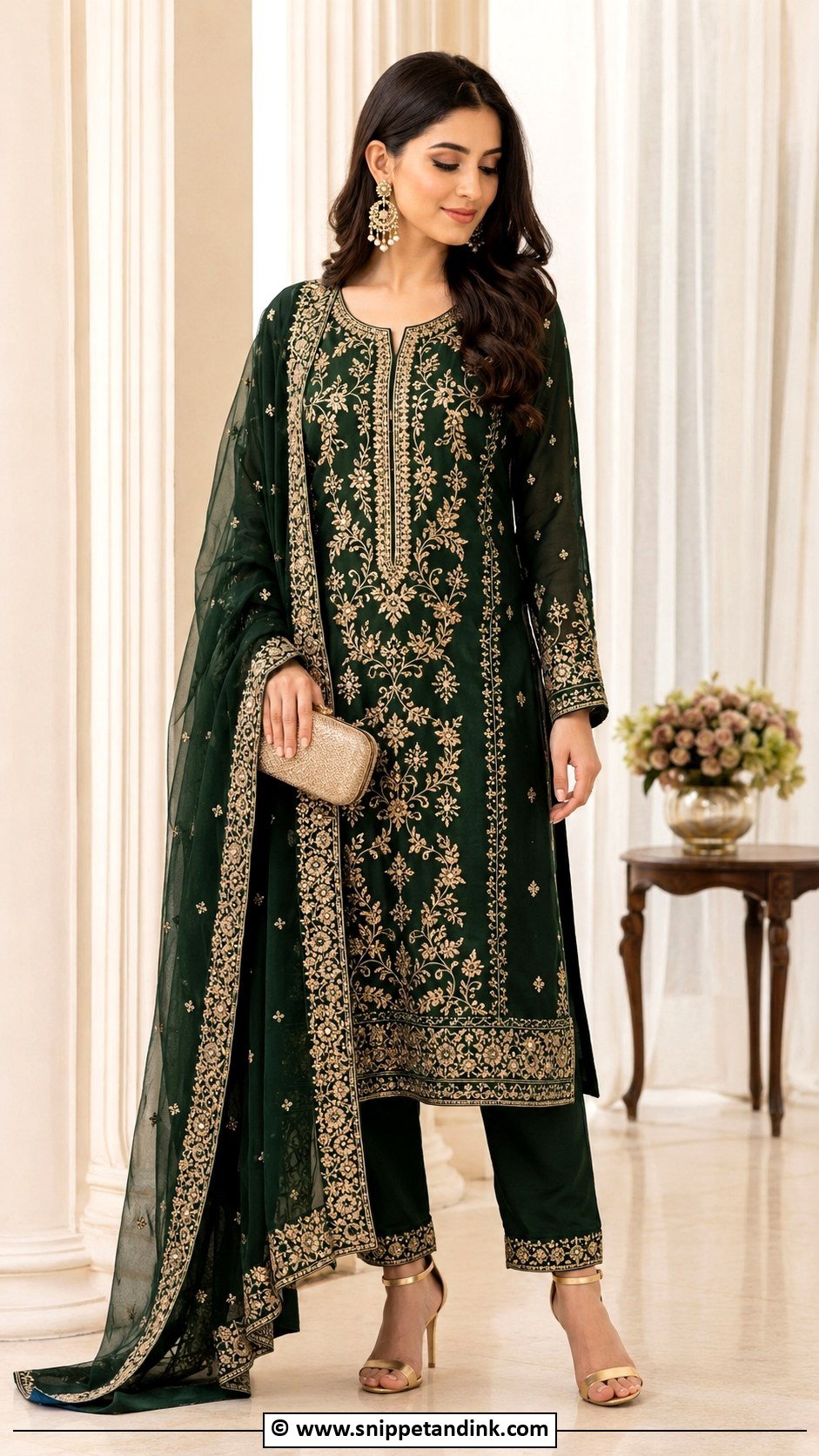
Embroidered sets cover the most ground, and the type of work changes the mood. Resham and thread embroidery look soft; zari and beadwork feel formal. A long embroidered kurta with straight pants and a dupatta is classic and flattering on most builds. A short one with sharara pants feels youthful. As a rough rule, pastels for daytime, jewel tones for evening, metallics for the reception. Match the clutch to the embroidery color, not the kurta.
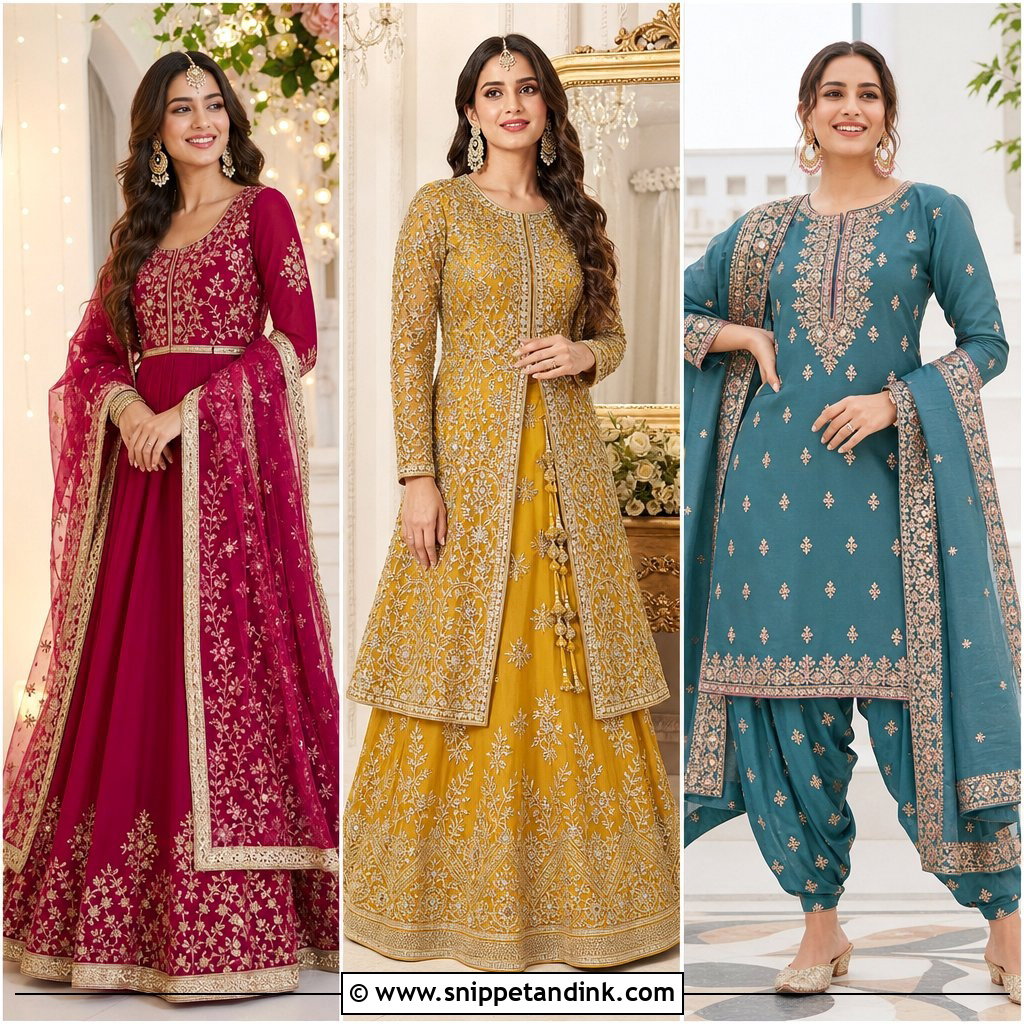
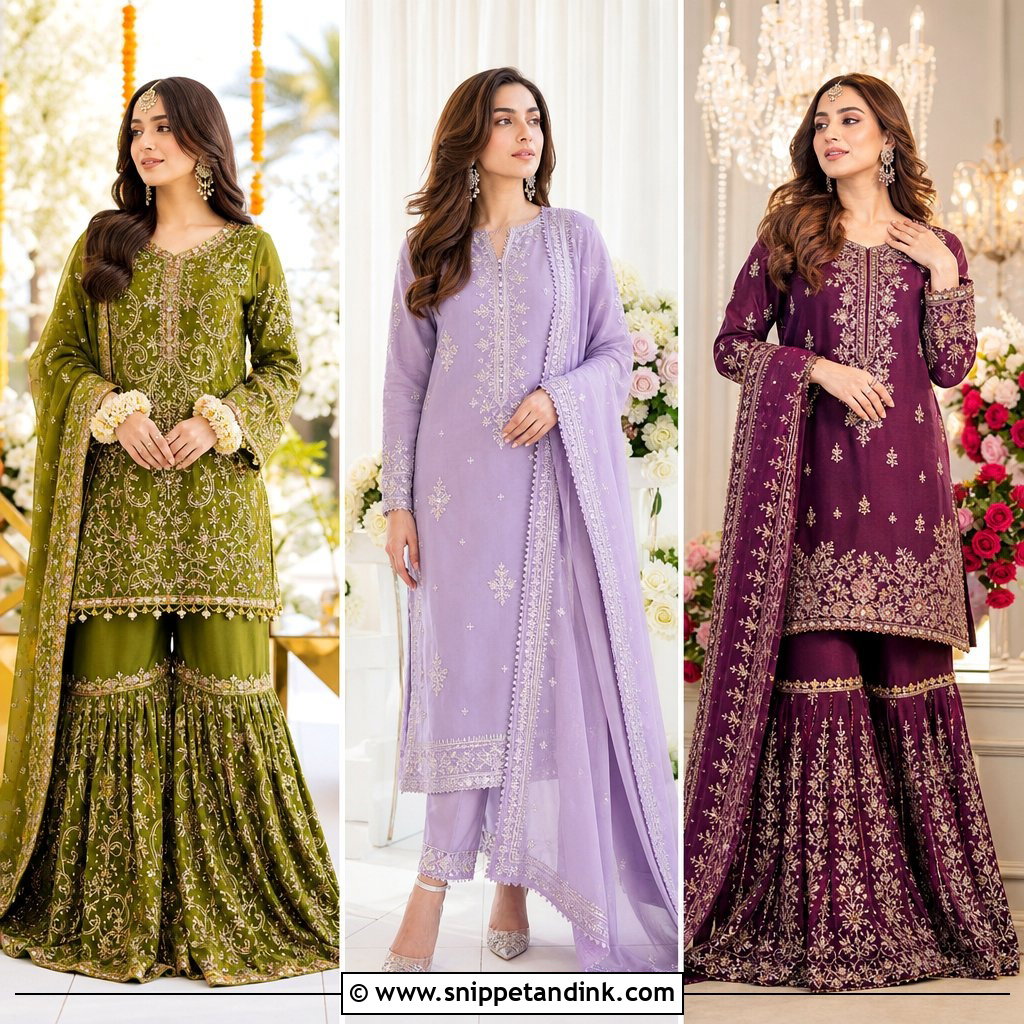
15. Pakistani Kurta Set
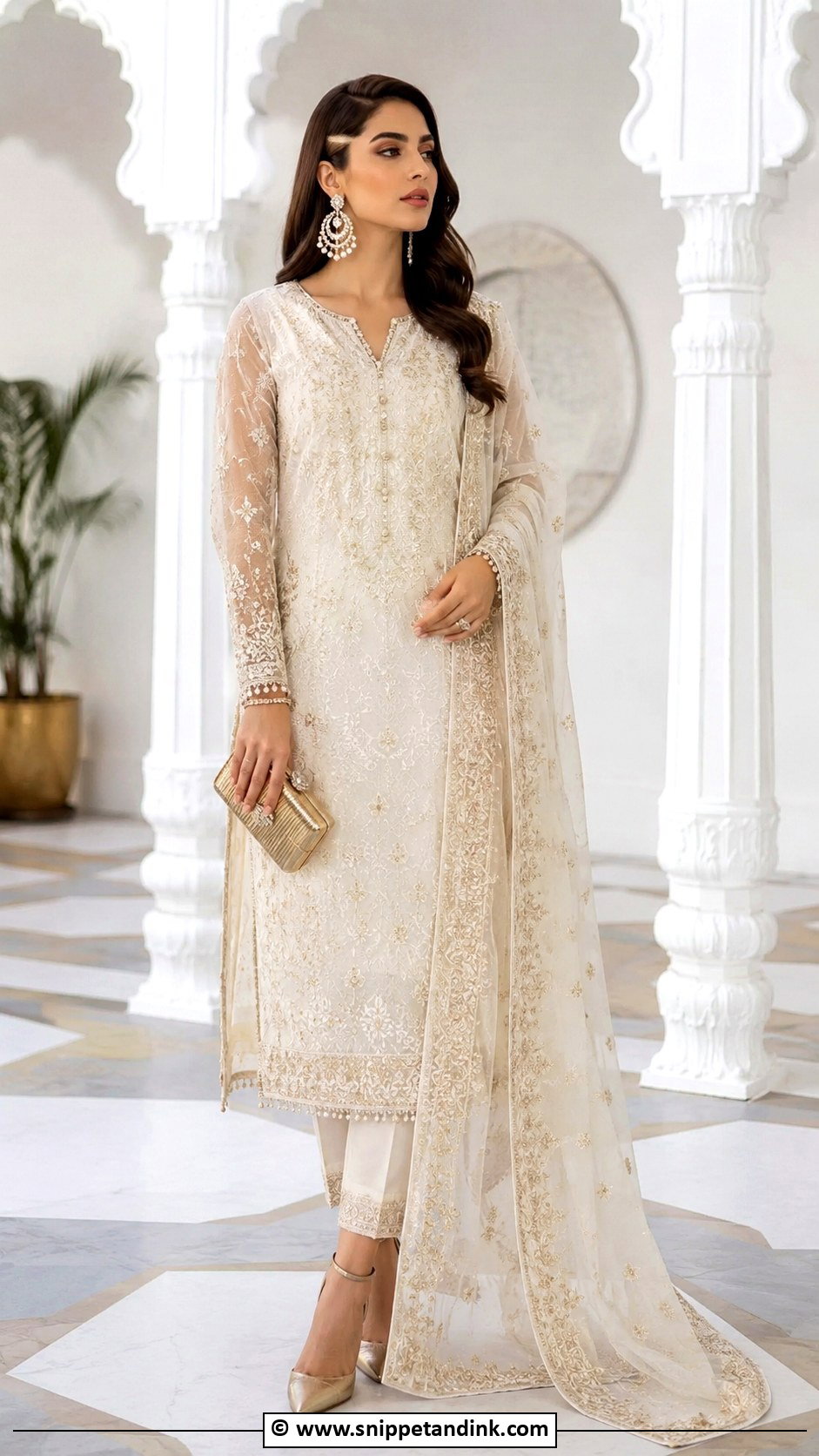
Pakistani cuts are long, straight and slit at the sides, and the length is what makes them graceful. The kurta should fall at least below the knee, often to mid-calf. Tapered pants and a heavily bordered dupatta in net, organza, chiffon or silk blend finish it. Ivory, sage and dusty pink look refined; maroon and emerald feel regal. Statement earrings and pointed heels keep the long line. It’s a modest option that lengthens the body.
16. Angrakha Kurta Set
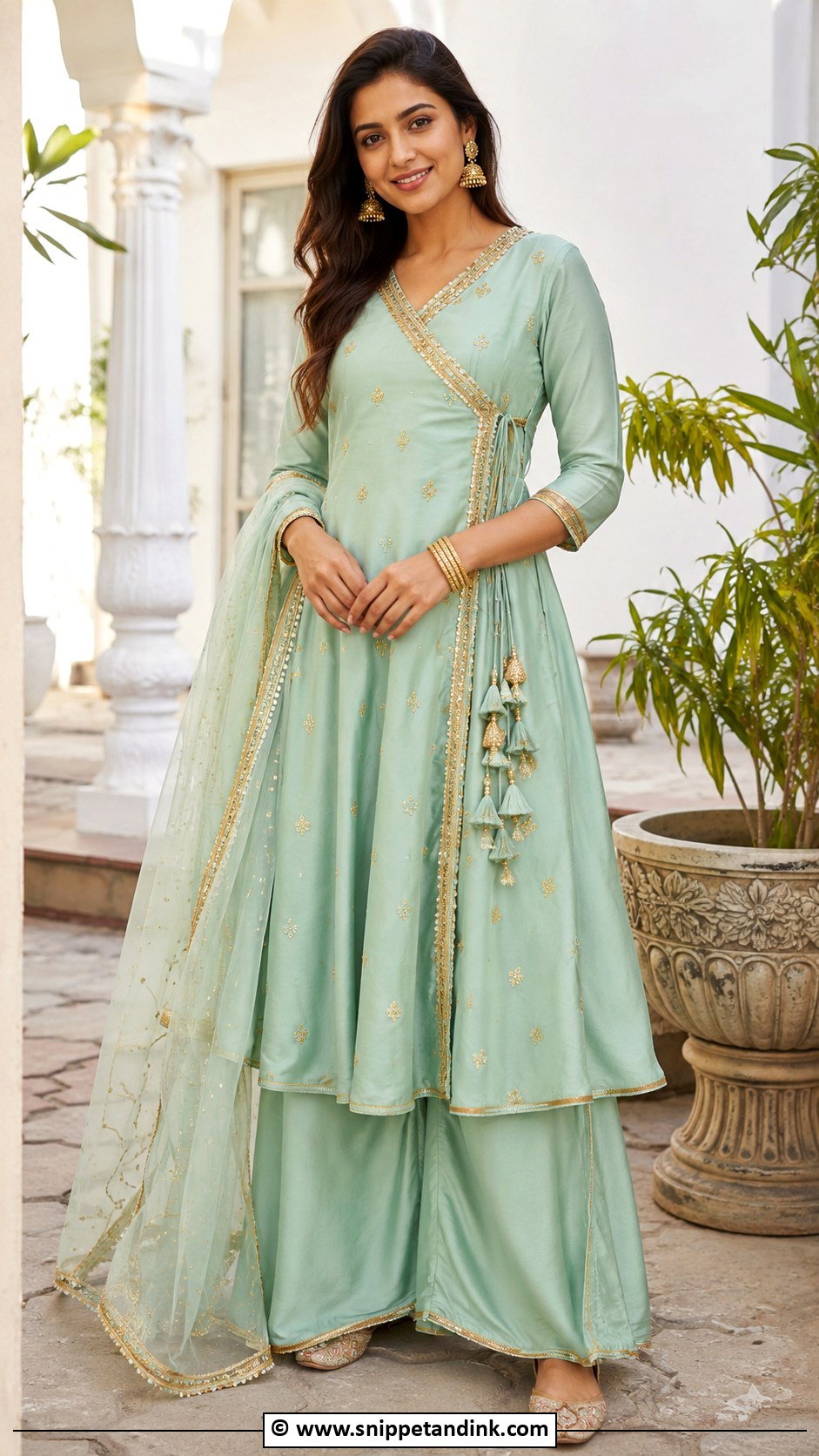
The angrakha’s wrap front adds shape at the waist, but it can open when you bend. I’d add a hidden hook or a snap inside the overlap. Silk, Chanderi, georgette or cotton silk with gota, mirror or zari trim suits a haldi or a mehendi. Tie details with tassels add movement. Palazzos, churidar or flared bottoms go with it depending on length, and jhumkas with embroidered juttis complete it.
17. Peplum Kurta Set
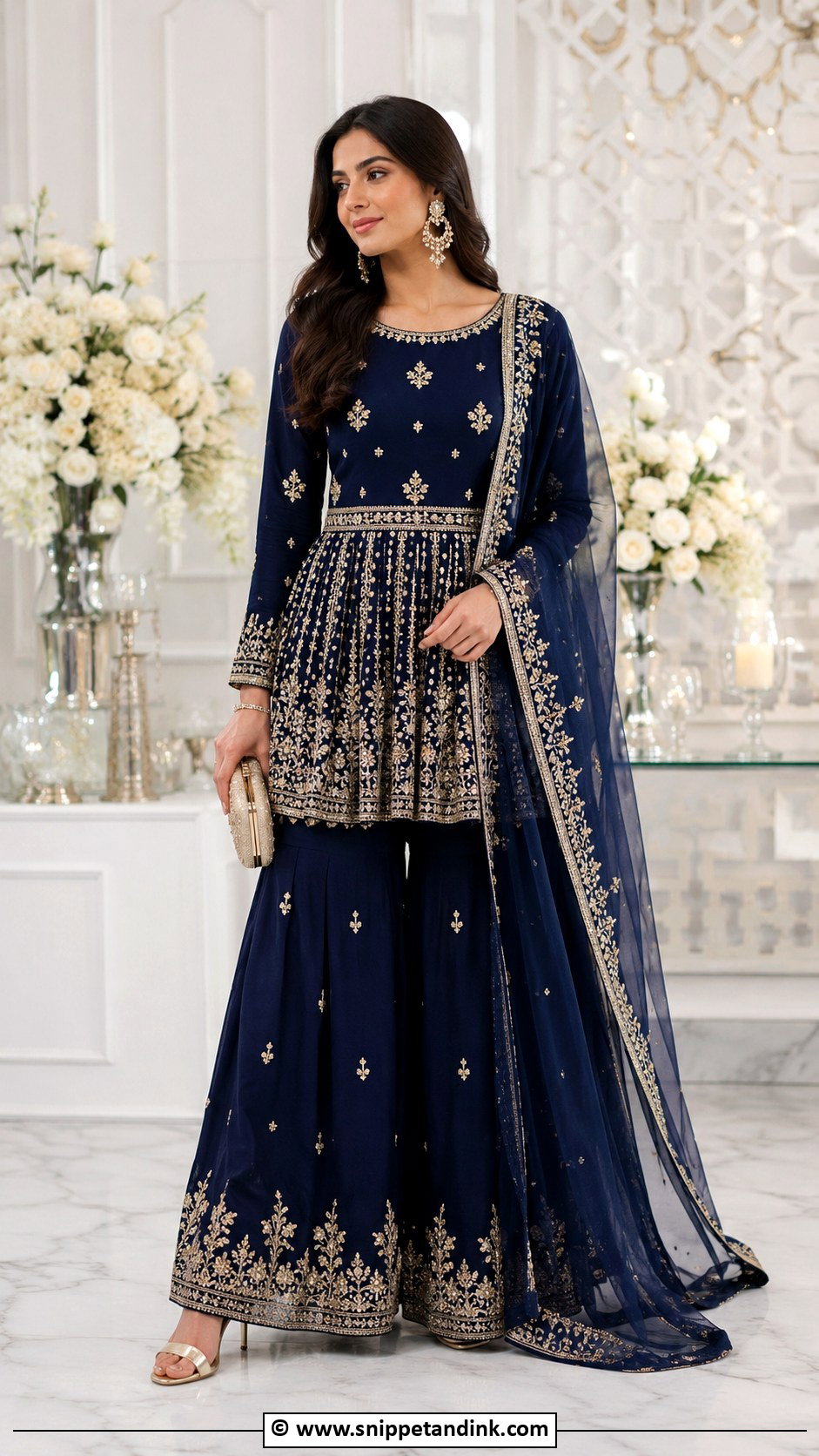
A peplum kurta is fitted at the waist and flares just below, which suits sharara pants or wide palazzos. Embroidery at the neckline or the waist seam keeps the eye up. Pastels suit daytime; black, wine or emerald work at night. A sheer dupatta adds tradition if the function calls for it. Statement earrings and block heels finish it, and it’s one of the easier shapes to dance in.
18. Jacket Kurta Set
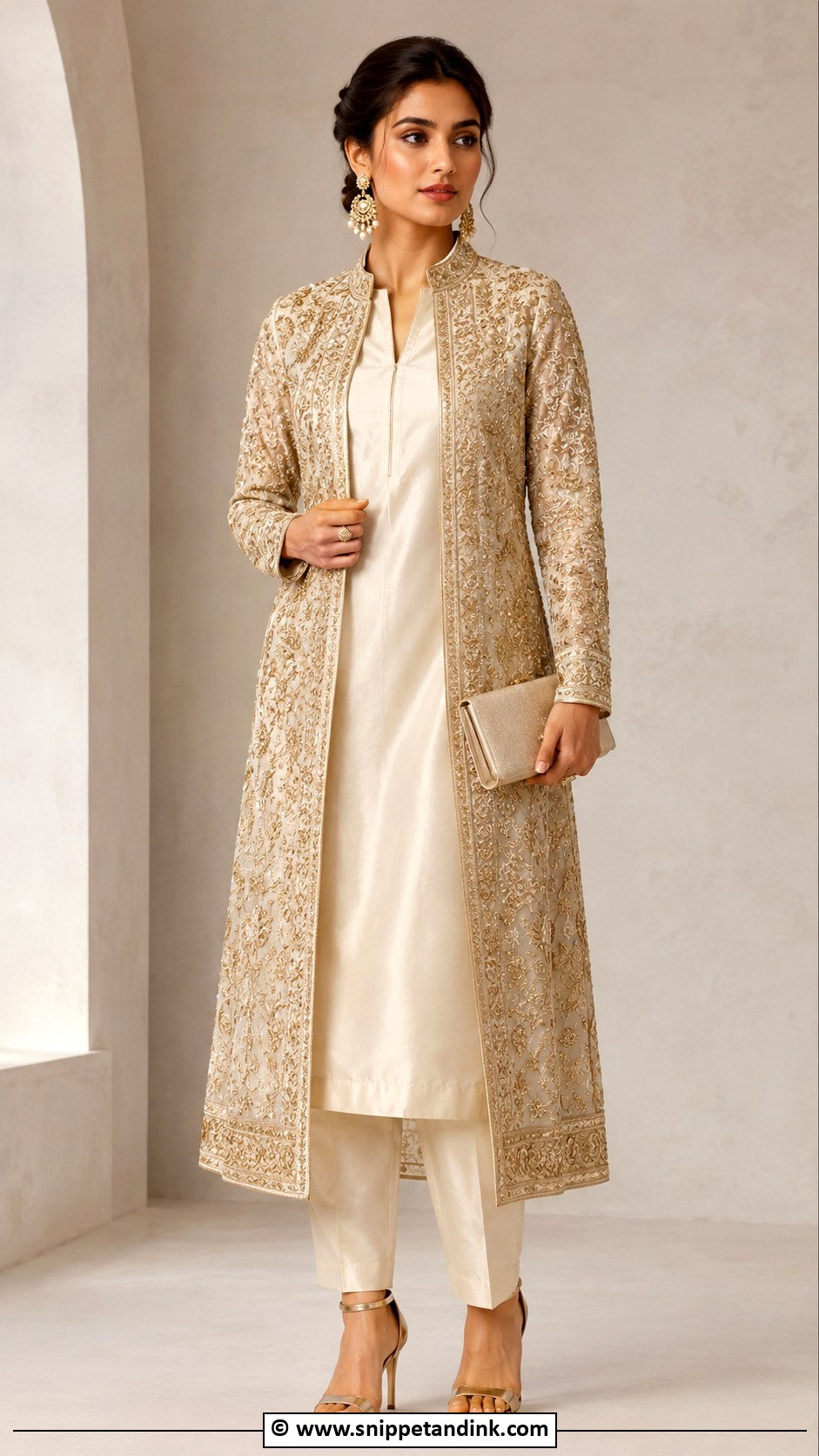
A jacket kurta set swaps the dupatta for a layer, and that frees your hands for greeting relatives and holding a plate. An embroidered, brocade or sheer jacket over a simple kurta and straight pants looks polished. A long embroidered jacket over silk feels grander, and it’s useful at winter weddings. Statement earrings, metallic heels and a clean clutch are enough.
19. Cape Kurta Set
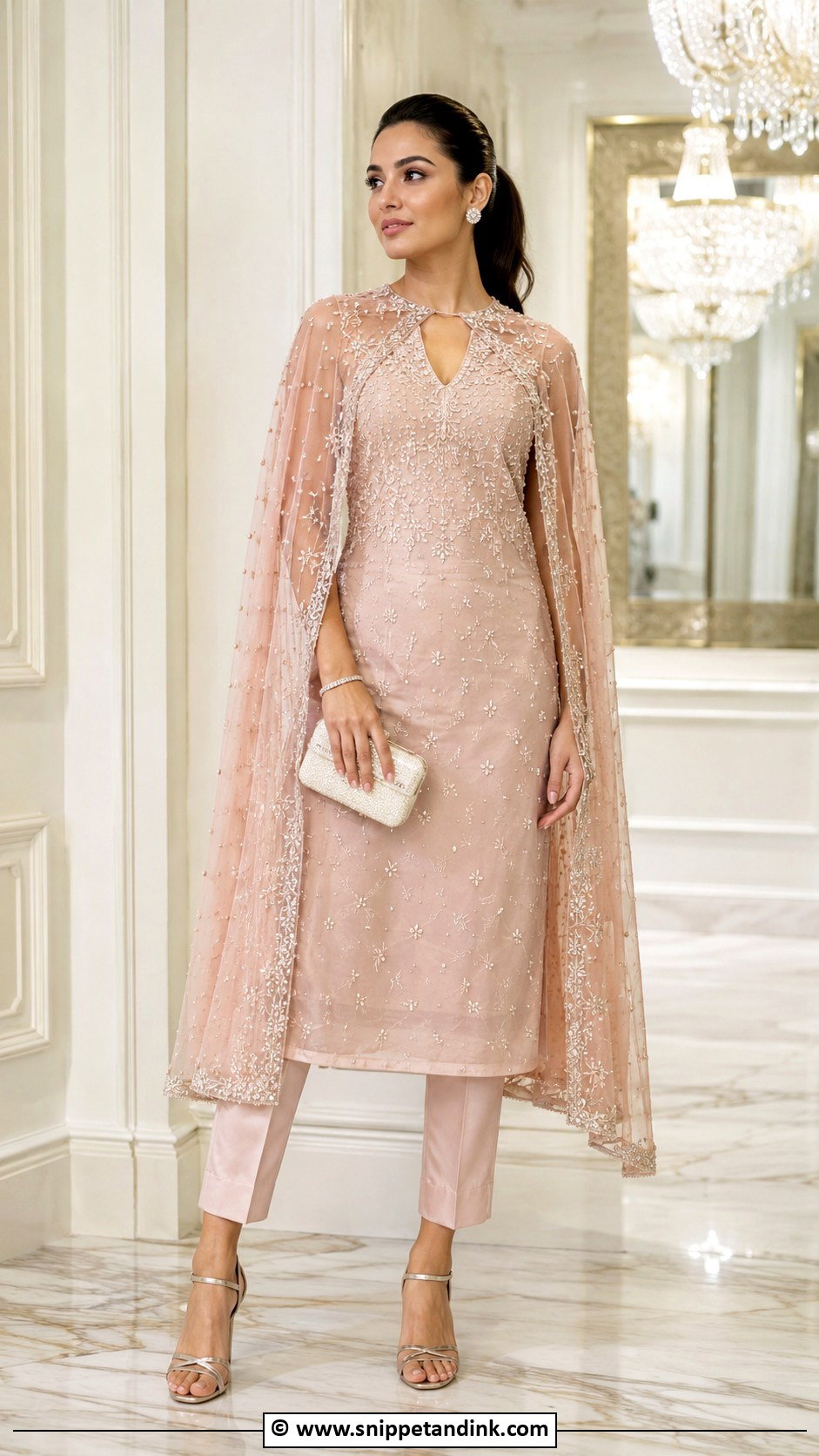
The cape replaces the dupatta and moves when you walk, without needing pins. A straight or fitted kurta with slim pants and a sheer embellished cape suits receptions and engagement evenings. Soft metallics, blush, ivory and midnight blue look chic. The cape is already the statement, so keep jewelry minimal: studs, a bracelet and sleek heels.

20. Dhoti Kurta Set
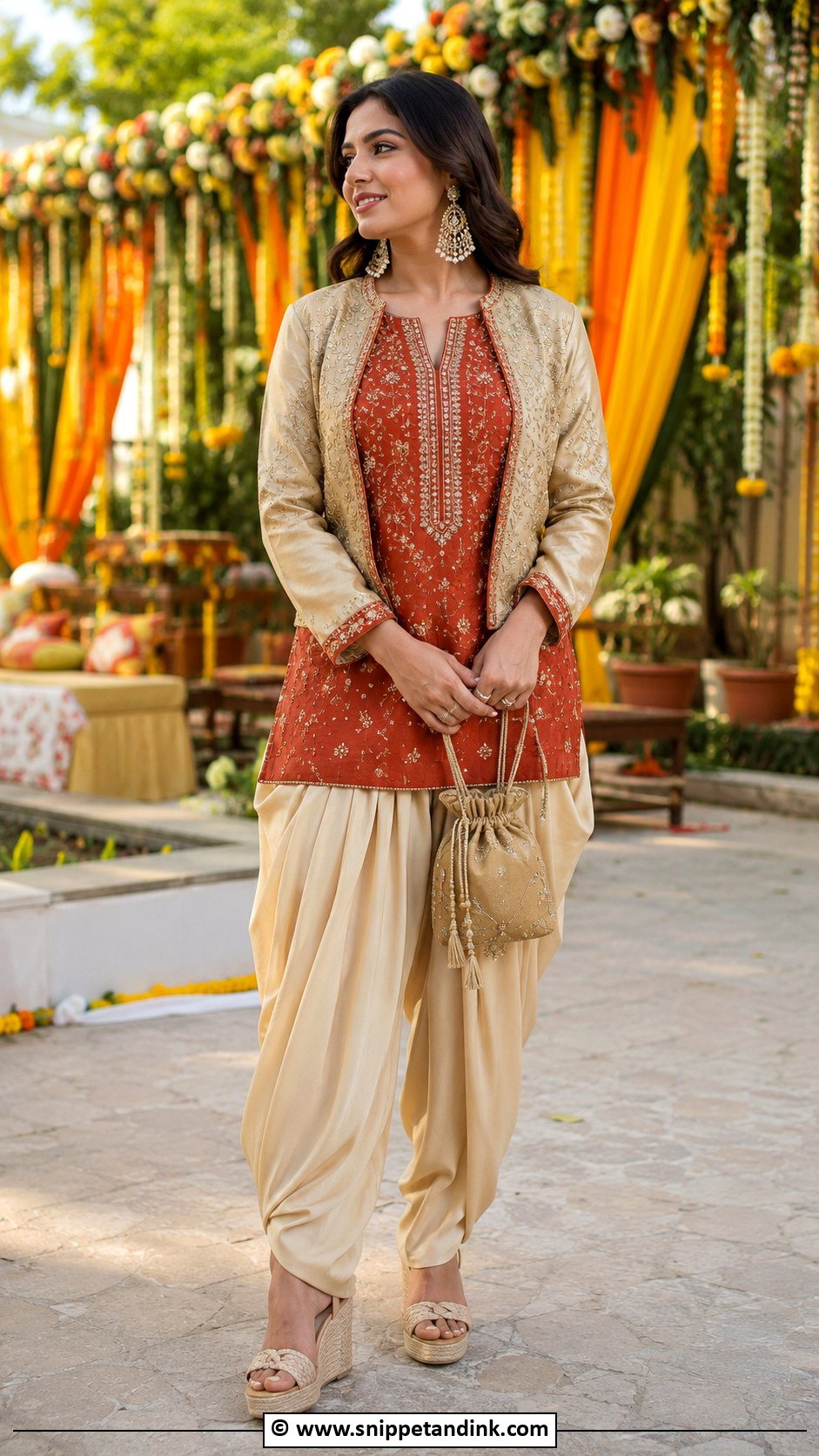
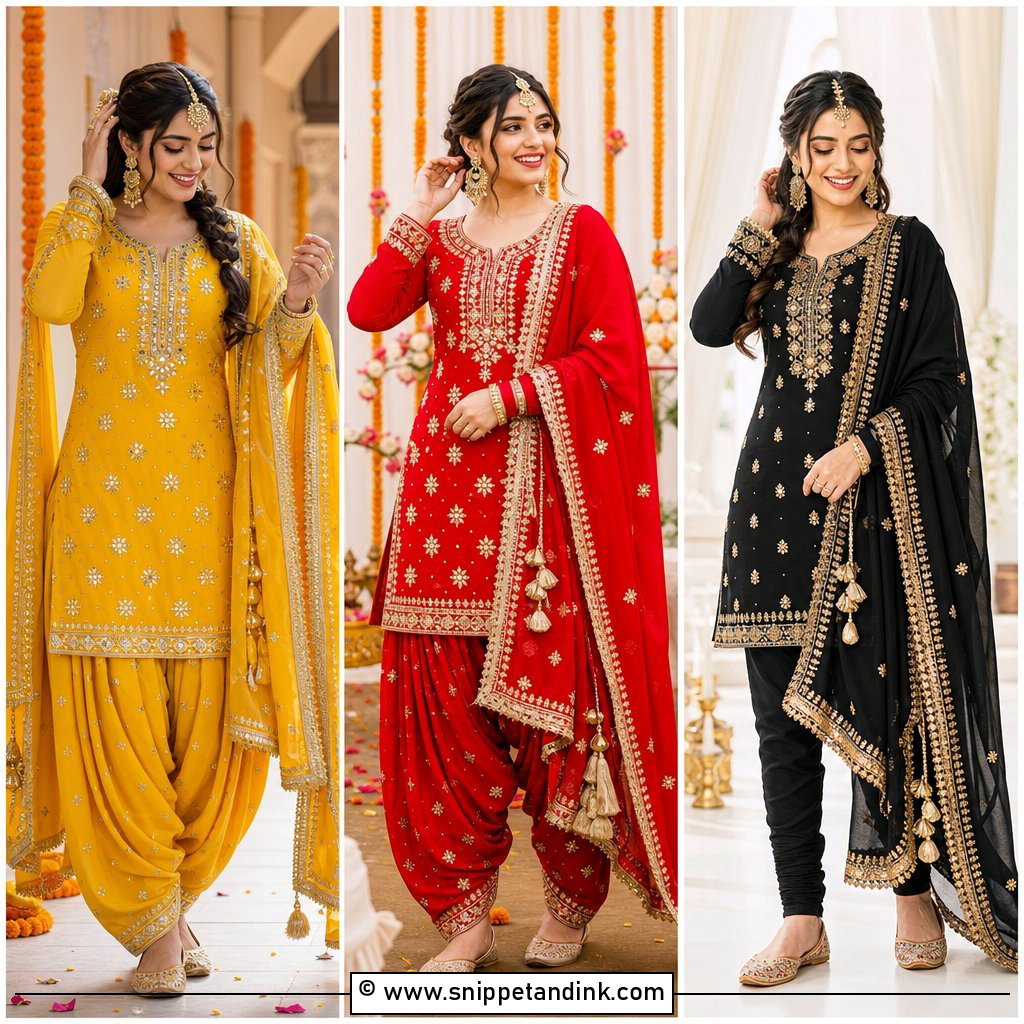
Dhoti pants drape at the front and give you full range for dancing, which is why I suggest them for mehendi and haldi. A short embroidered kurta over silk or satin dhoti pants keeps the proportion right. Add a cropped jacket or a light dupatta for a more traditional function. Mustard, ivory, rust and teal suit the shape. Wedges and a potli bag finish it.
21. Asymmetrical Kurta Set
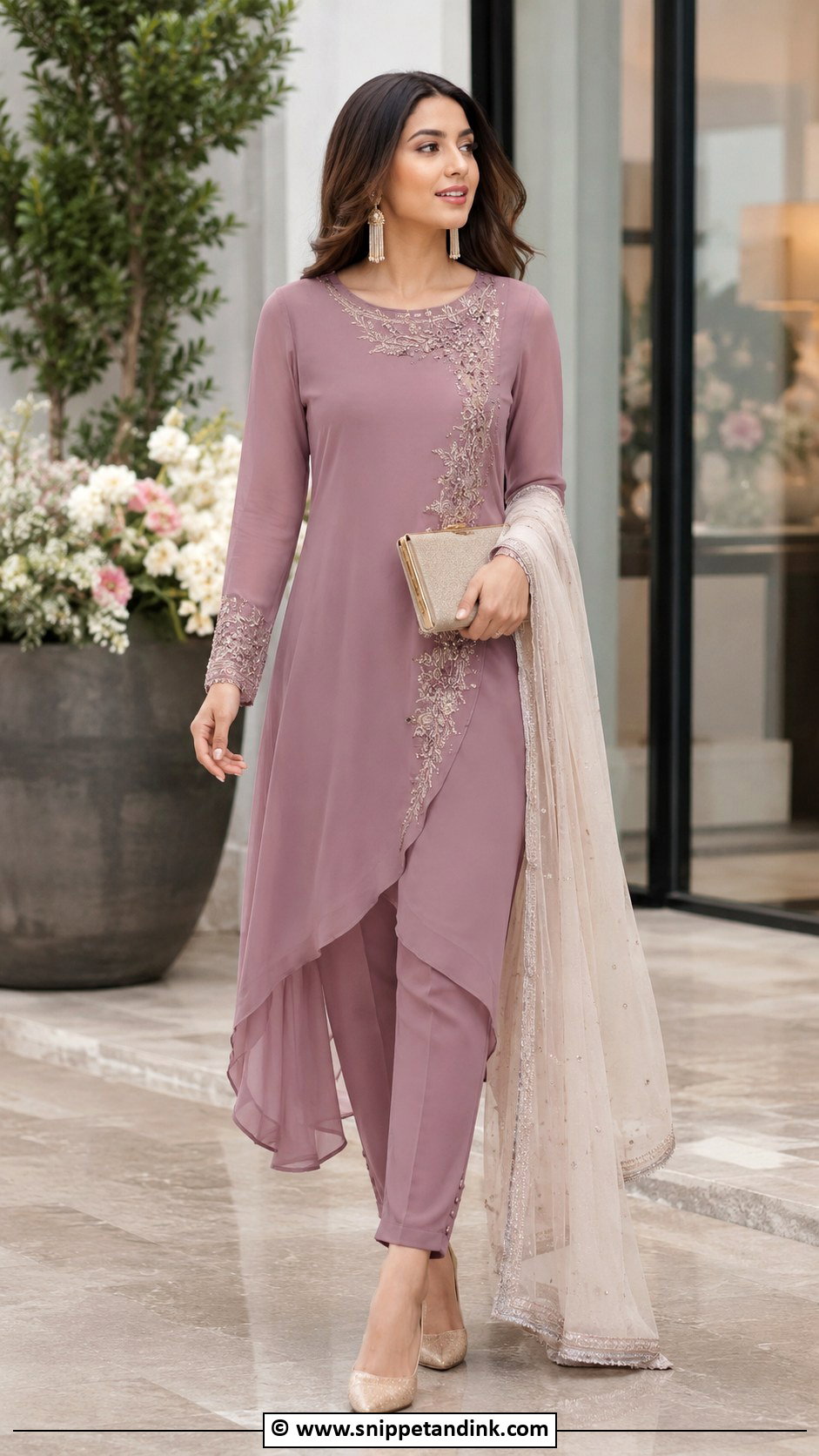
The uneven hemline gives an asymmetrical kurta movement, so keep the bottoms slim: straight pants, cigarette pants or narrow palazzos. Georgette, silk blend, crepe or Chanderi with subtle embroidery suits it. A light dupatta softens it, though you can skip it if the kurta has enough detail. Pointed heels and long earrings suit an engagement or a sangeet.
22. Floral Kurta Set
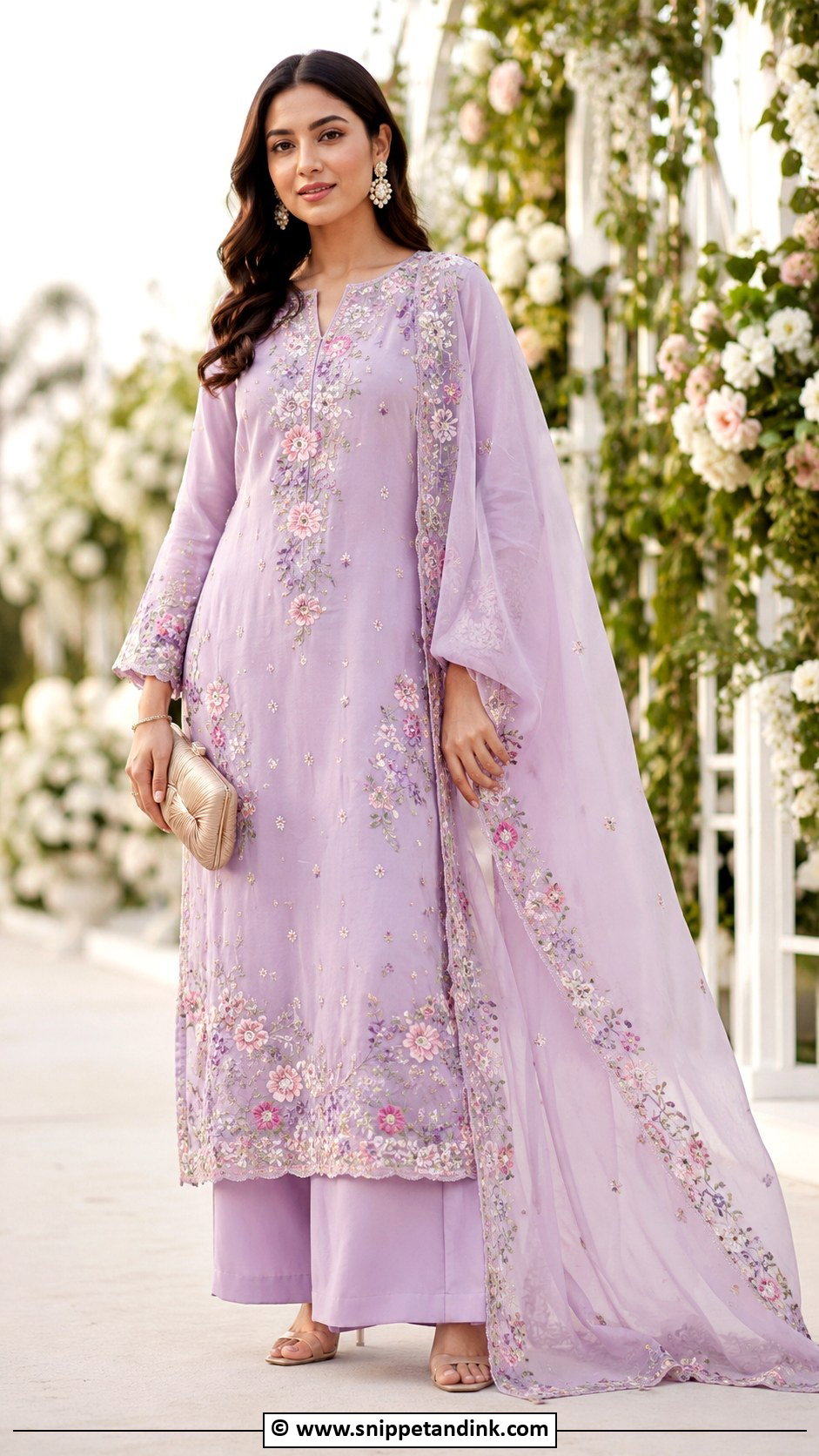
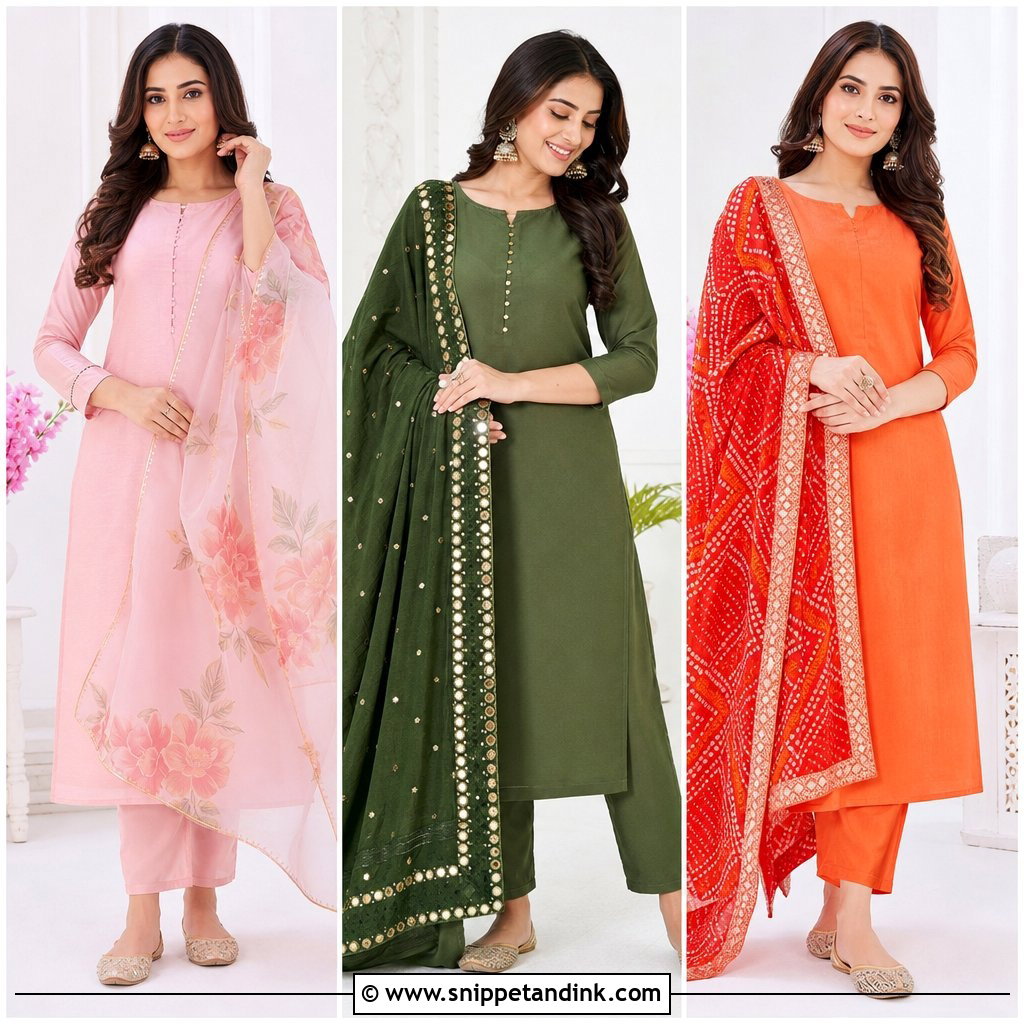
Floral sets belong in daylight. Floral embroidery, printed organza or thread-work blooms on pink, sage, powder blue or lavender look fresh at a garden ceremony or a pre-wedding lunch. Palazzos, straight pants or a sharara set the formality. A sheer dupatta with a floral border ties it together, and pearl earrings with nude heels keep it soft for spring and summer.
23. White Kurta Set
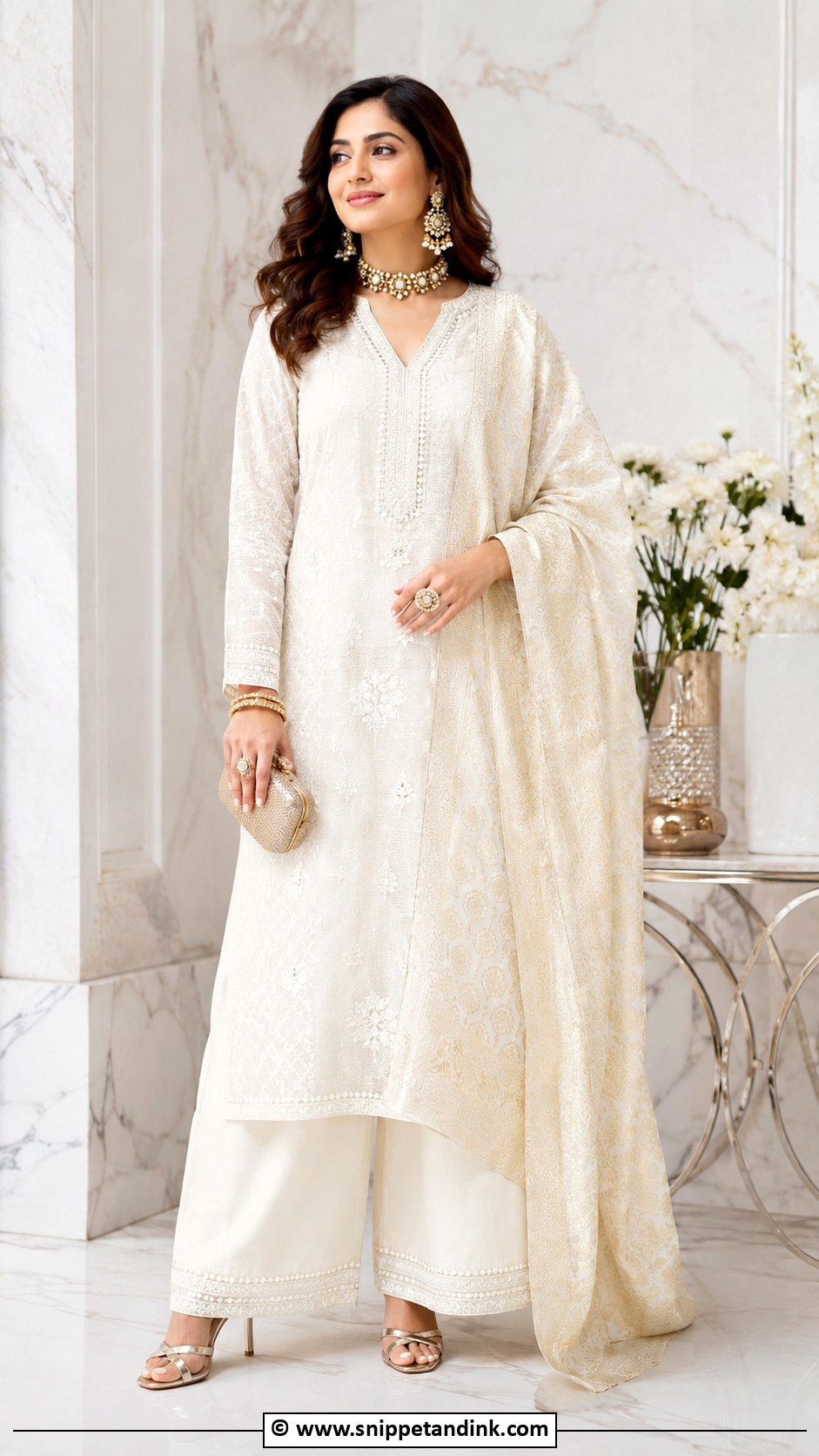
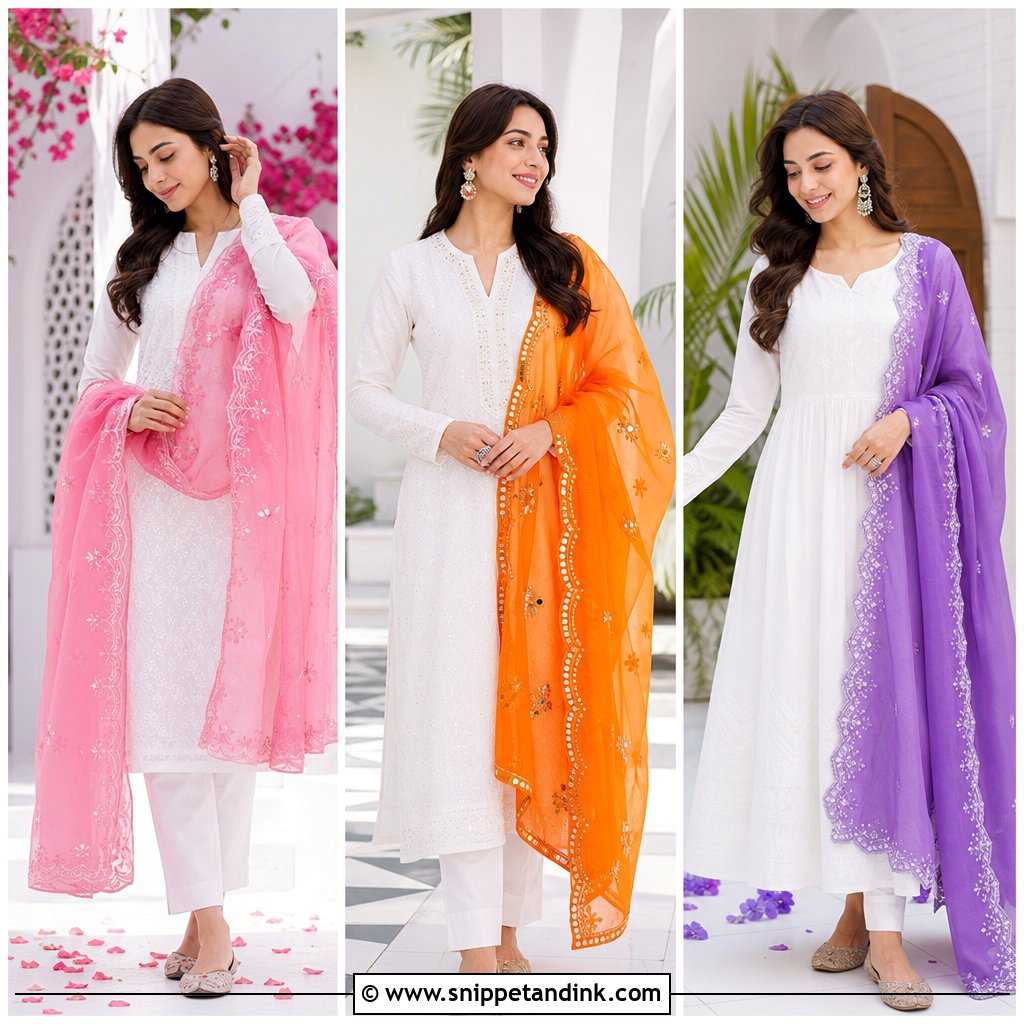
White and ivory have become common at daytime functions, but customs vary between families and regions, so I’d ask before choosing it. Pick ivory, pearl or cream over a flat stark white, and let gold, silver, mirror or pearl embroidery make it festive. A statement dupatta in organza, Banarasi silk or embroidered net adds color. Kundan jewelry and metallic heels finish it for a welcome event or a family lunch.
24. Red Kurta Set
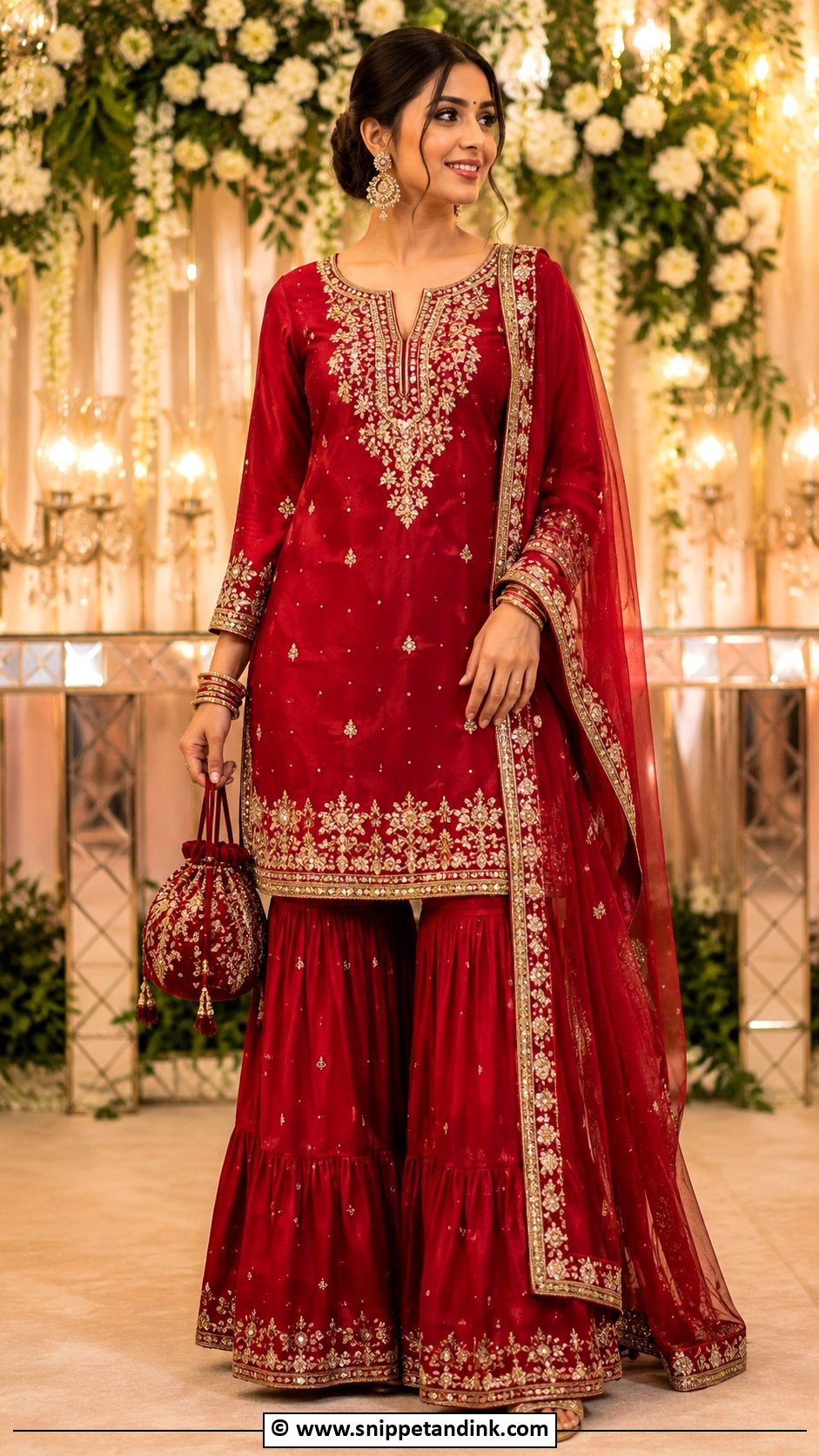
Red is festive and traditional, which is exactly why I’d check with the bride before a close family member wears bright bridal red. Tomato, ruby, maroon or deep rose give you the color without the clash. Red silk, brocade or georgette with gold embroidery looks rich. Matching straight pants, a sharara or palazzos all work. A red zari-bordered dupatta keeps it traditional; a gold one adds contrast. Kundan earrings, bangles and gold heels finish it.
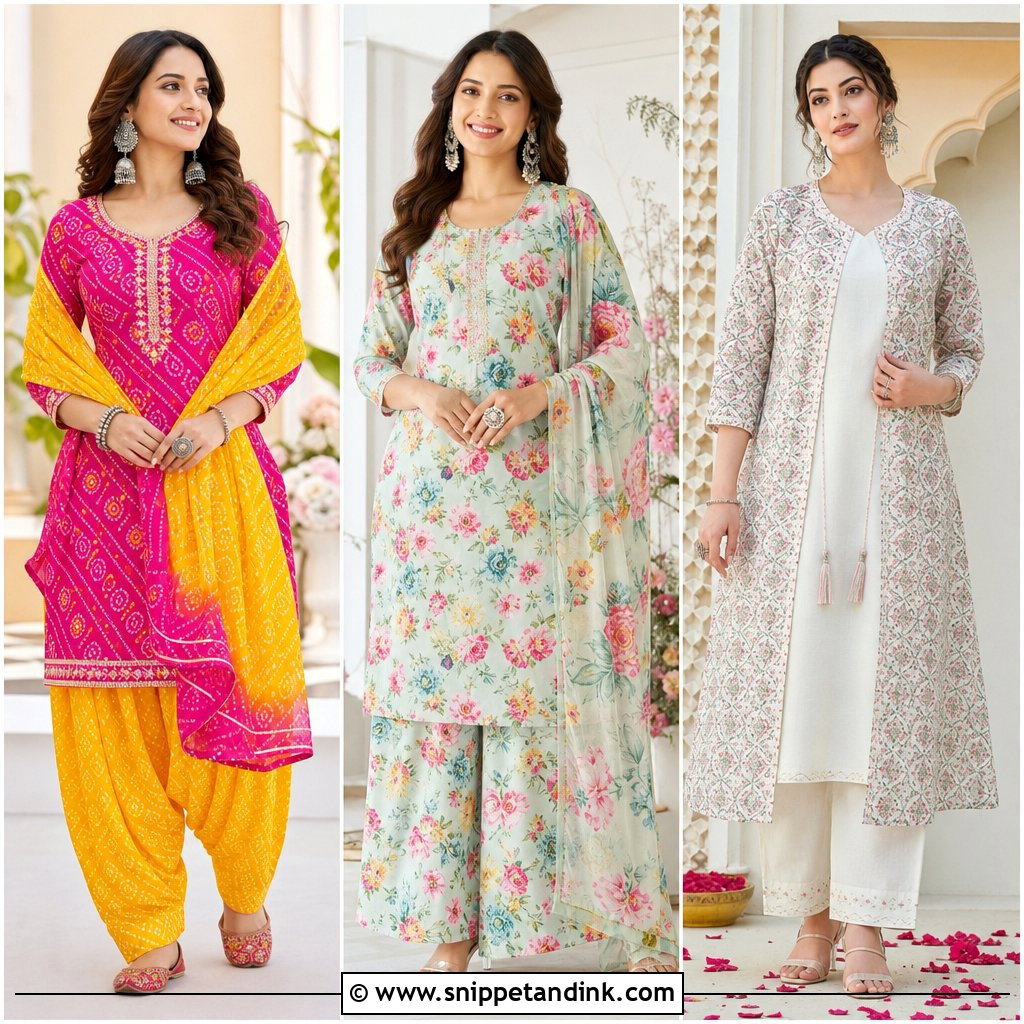
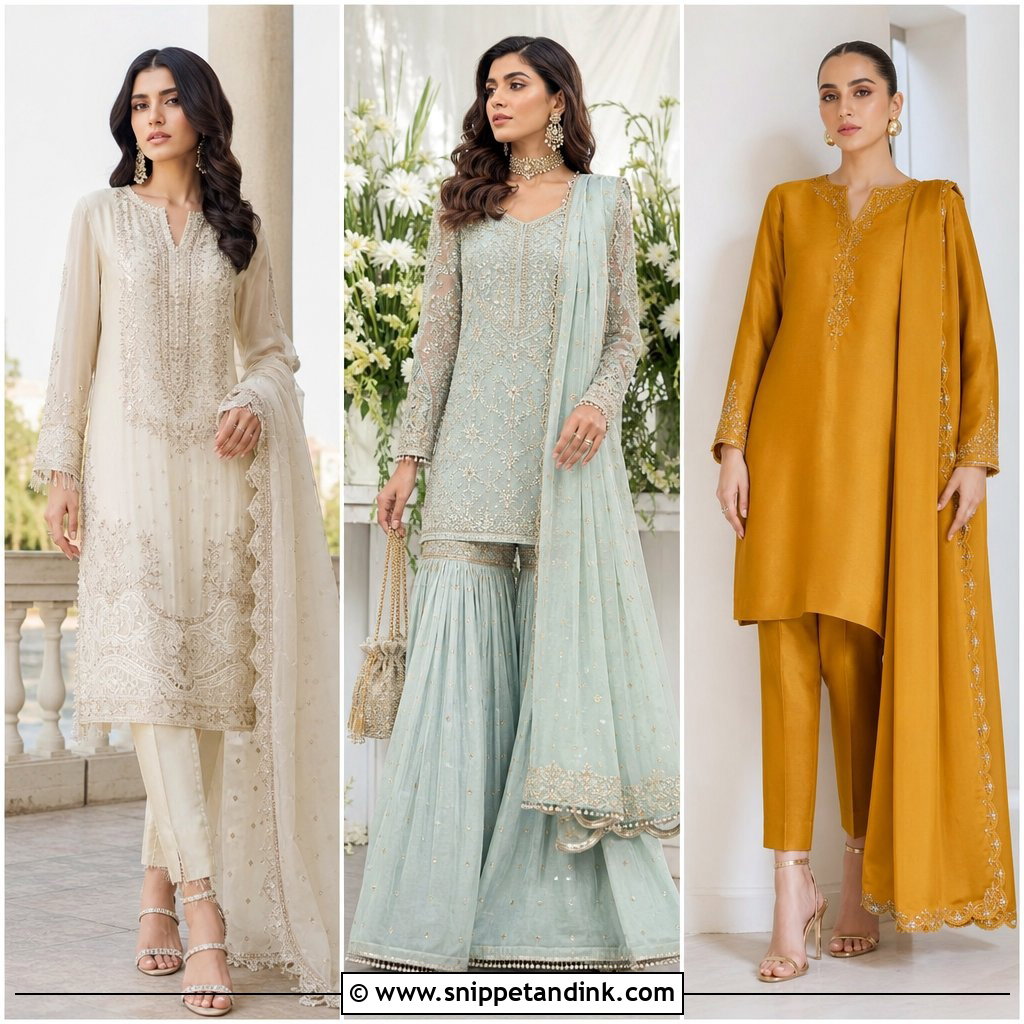
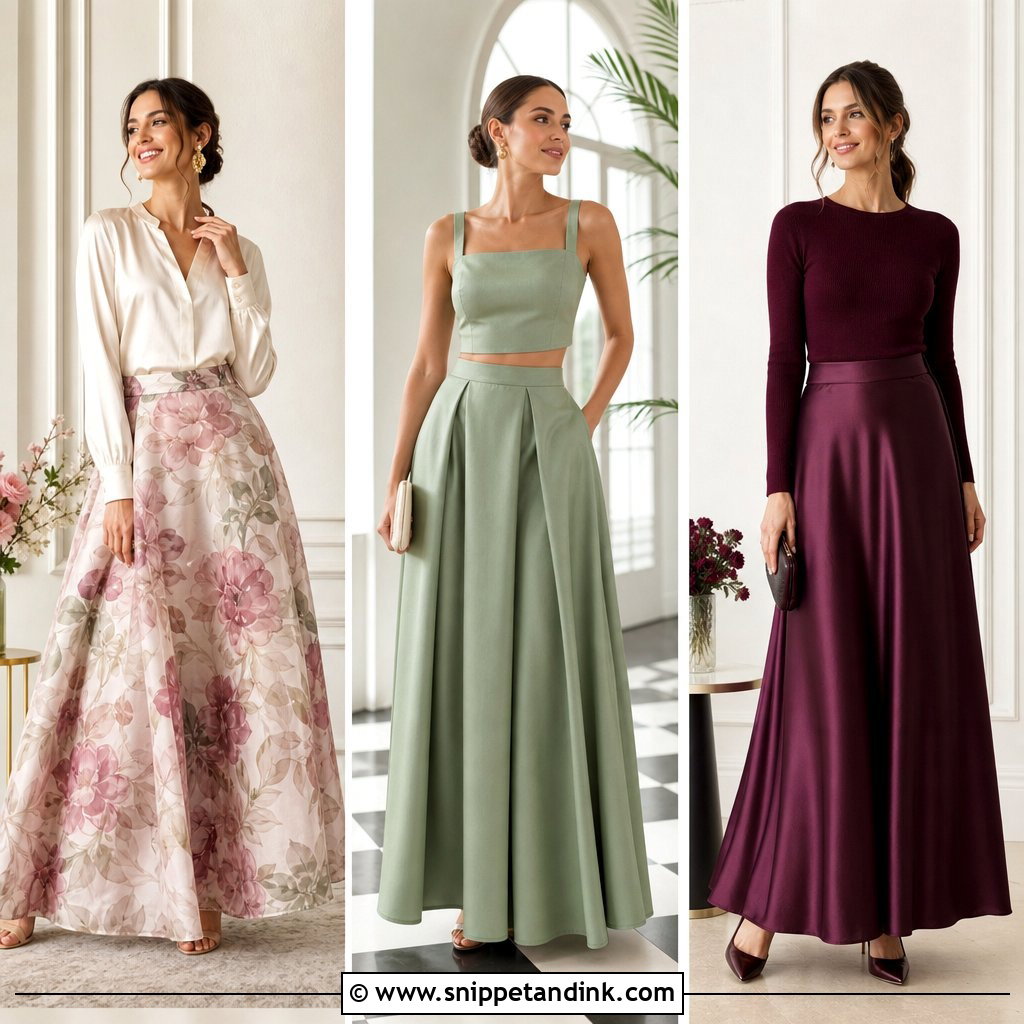
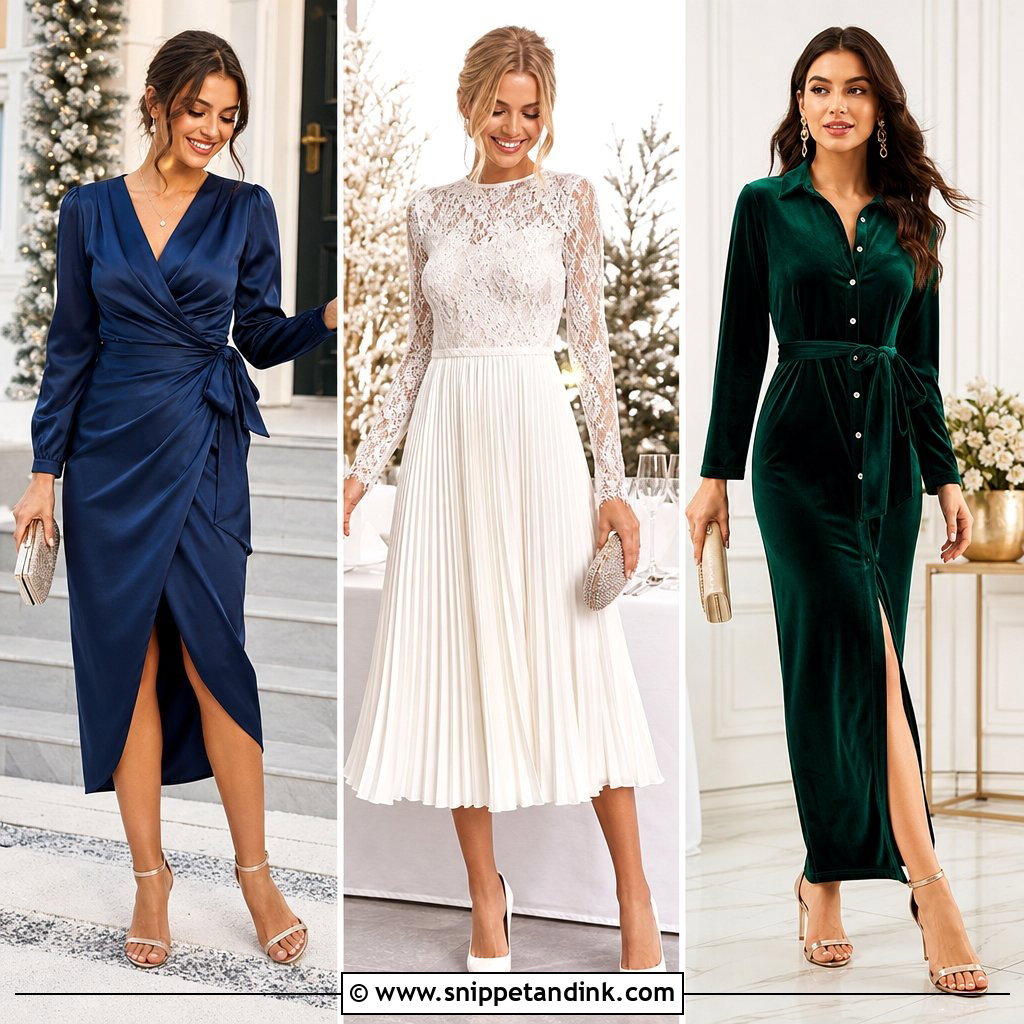
25. Pastel Kurta Set
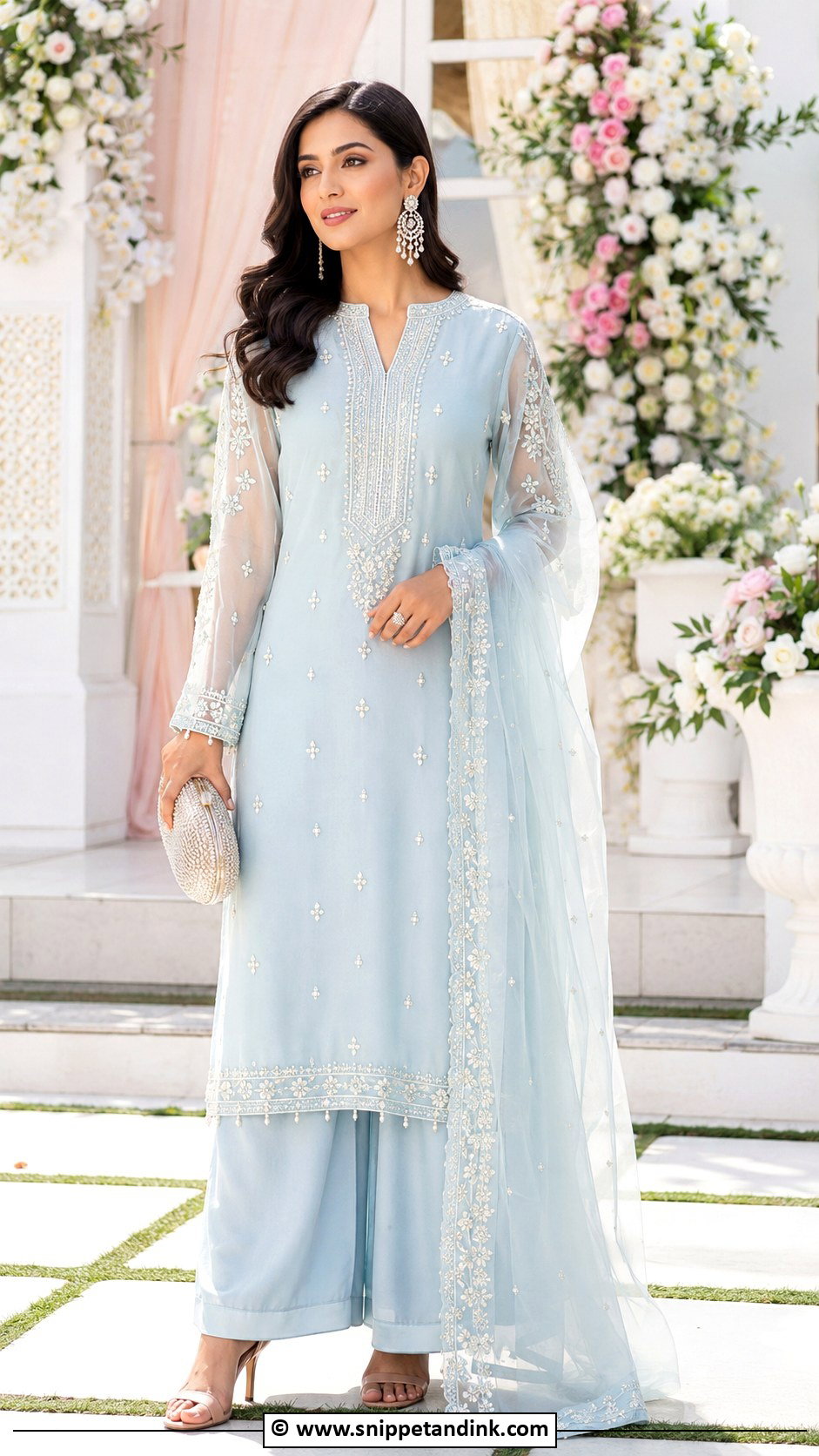
A pastel kurta set photographs well in daylight because the colors stay true outdoors. Blush, mint, lilac, powder blue and butter yellow with pearl work, sequins or gota patti look festive without heaviness. Pair it with matching palazzos, straight pants or a sharara and a sheer dupatta. Pearls, crystal earrings and nude heels keep it light for a morning ceremony or a summer outdoor function.
Pinning a Dupatta So It Survives the Sangeet
The dupatta is the piece that slips, drags and gets stepped on. A few safety pins, placed where nobody can see them, fix most of it.
- For a one-shoulder drape, pleat the dupatta lengthwise into a narrow band and pin it to the kurta at the shoulder seam, from the inside.
- Add a second pin at the back of the shoulder so the weight doesn’t pull it forward.
- For a front-to-back drape over both shoulders, pin at both shoulder seams and leave the back loose.
- For dancing, gather the loose end and tuck it into the waistband on the opposite side, or pin it at the hip.
- Organza and net dupattas slide off silk easily; a small strip of double-sided fashion tape under the shoulder helps.
Use gold or brass safety pins that won’t rust, and never pin through zari or gota itself, which can tear. Pin through the plain fabric next to it.
Storing Zari, Silk and Velvet Between Weddings
Zari and gota tarnish when they meet moisture, perfume or plastic. Spray perfume before you dress, not on the outfit. After the event, air the set for a day before putting it away, then wrap embroidered pieces in a soft muslin or cotton cloth rather than a plastic cover.
Silk and Banarasi pieces need refolding every few months along different lines, or the folds crack. Velvet should hang. Send everything with heavy embellishment to a dry cleaner who handles ethnic wear, and point out any stains so they can treat them before cleaning.
One Kurta Set per Function, and a Dupatta That Stays Put
The right kurta set suits the function, lets you sit and dance, and still looks dressed in the family photos. For grand ceremonies, silk, Banarasi, velvet, brocade and heavy embroidery carry the weight. For daytime, Chanderi, organza, florals and pastels stay fresh. Sharara, palazzo, Anarkali and dhoti shapes move; straight pants, Pakistani cuts and jacket sets keep clean lines. Plan the jewelry, shoes and dupatta for each event, and the week of functions gets much easier.
You'll Like These Ideas:




Leave a Reply